⚡ FLASH SALE: Get 60% OFF All Premium 3D & STL Models! ⚡

A high-quality 3D car model is a masterpiece of digital craftsmanship, a complex assembly of vertices, polygons, and textures. But its true value lies in its versatility. The same stunningly detailed vehicle used for a cinematic automotive rendering might also need to power a real-time racing game, appear in an augmented reality showroom, or even become a physical object via 3D printing. Each of these applications has a unique and demanding set of technical requirements. Simply exporting the same file for every purpose is a recipe for poor performance, visual artifacts, and project delays. The key to success is understanding how to prepare, optimize, and adapt a core 3D asset for each specific pipeline.
This comprehensive guide will walk you through the entire process, transforming you from a 3D user into a technical artist capable of deploying automotive models anywhere. We will dive deep into the foundational principles of topology and UV mapping, explore the nuances of PBR material creation, and contrast the workflows for photorealistic rendering versus real-time game engine optimization. We’ll also cover the specific preparations needed for emerging platforms like AR/VR and the precision required for 3D printing. Whether you’re a seasoned visualization expert, a game developer, or a student just starting, this guide will provide the actionable knowledge you need to get the most out of your 3D car models.
Before any texturing, lighting, or rendering can begin, the structural integrity of the 3D model itself must be perfect. For automotive models, this means clean, quad-based topology with deliberate edge flow. The arrangement of polygons across the surface of a car directly impacts how it catches light, how reflections flow across its body panels, and how smoothly it can be subdivided for close-up shots. A model with messy, disorganized topology will exhibit pinching, shading errors, and unpredictable results, no matter how good the materials or lighting are.
Clean topology, primarily consisting of four-sided polygons (quads), is the bedrock of a professional 3D car model. Here’s why it’s so critical:
The required polygon count is dictated entirely by the target application. A high-quality source model, like those found on marketplaces such as 88cars3d.com, is often a “high-poly” or “Sub-D ready” model. This means it has enough detail to look great on its own but is built with clean topology intended for further subdivision.
Before proceeding, always inspect a model for technical issues. Most 3D software has built-in tools for this. In 3ds Max, the “STL Check” modifier or “xView” analysis can find errors. In Blender, the “3D-Print Toolbox” and “Mesh Lint” add-ons are invaluable.
UV mapping is the critical process of translating the 3D surface of your car model onto a 2D plane so textures can be applied correctly. For a complex object like a car, with its mix of large, flowing panels and small, intricate details, a strategic UV layout is essential for achieving professional results. Poor UVs can lead to stretched textures, visible seams, and inconsistent detail, undermining even the best PBR materials.
The first step in unwrapping is deciding where to place the “seams” that will cut the 3D mesh apart so it can be laid flat. The primary rule is to hide seams where a viewer is least likely to see them. For a car, ideal locations include:
Once seams are placed, the goal is to unwrap each UV “shell” with minimal stretching or distortion. Use your software’s checkerboard or UV grid texture to visually inspect for areas where the squares are stretched into rectangles. Most UV editors have “Relax” or “Optimize” tools that automatically adjust the UV vertices to relieve tension and create a more uniform layout.
Texel Density is a crucial concept that refers to the resolution of your texture map relative to the size of the 3D model’s surface area (often measured in pixels per meter). Maintaining a consistent texel density across all parts of the car ensures that the level of detail is uniform. You don’t want a blurry door handle next to a razor-sharp fender. Use UV packing tools to scale all your UV shells so the checkerboard pattern appears roughly the same size everywhere on the model.
For high-end automotive rendering where extreme close-ups are required, a single 4K or 8K texture map may not provide enough resolution. This is where the UDIM (U-Dimension) workflow comes in. UDIMs allow you to spread your UV shells across multiple texture sets (or tiles), effectively multiplying your available texture resolution. For example, you could dedicate an entire 4K map just to the front bumper and grille, another to the wheels, and several more to the main body, allowing for incredible fidelity without being limited to a single texture map.
Cars present unique unwrapping challenges that require specific techniques:
Physically Based Rendering (PBR) is the industry standard for creating materials that react realistically to light. A PBR workflow aims to simulate the physical properties of real-world materials using a set of standardized texture maps. For a car, this means accurately recreating everything from the multi-layered car paint to the subtle roughness of tire rubber and the refractive properties of glass.
The most common PBR workflow is the Metallic/Roughness model. It relies on a few key texture maps to define a material:
Standard PBR shaders are great, but car paint is a special case that often requires a dedicated or multi-layered shader for true realism. Modern render engines like Corona, V-Ray, and Arnold, as well as game engines like Unreal Engine, have specific “Car Paint” or “Coat” shaders. The typical layers are:
Beyond the paint, other materials require careful attention to their PBR values:
With a perfectly modeled and textured car, the next step is to place it in a scene and create a stunning final image. This involves a careful interplay of lighting, camera settings, and render engine parameters. The goal is to highlight the car’s form, show off the material definition, and create a specific mood, whether it’s a clean studio shot or a dynamic environmental portrait.
There are two primary approaches to lighting a 3D car for rendering:
While each render engine has its own unique settings, the core principles are universal. To achieve a clean, high-quality result, you need to balance render time with noise reduction.
The raw render output is rarely the final image. Professional artists use post-processing to add the final layer of polish. This is best done by rendering out multiple layers, or “render passes.”
Common passes include: Diffuse, Reflection, Specular, Z-Depth (for atmospheric fog), and Material/Object IDs (for easy selections). By compositing these passes in software like Photoshop, After Effects, or Fusion, you can:
Preparing a car model for a game engine like Unreal Engine or Unity is a completely different discipline from preparing it for rendering. Here, performance is king. The goal is to maintain the highest possible visual fidelity while adhering to a strict performance budget measured in polygons, draw calls, and memory usage. A model that runs at 10 frames per second is useless, no matter how good it looks.
The high-poly cinematic model, with its millions of polygons, must be optimized. The standard industry practice is to create multiple Levels of Detail (LODs). An LOD system is a hierarchy of models with progressively lower polygon counts. The game engine automatically swaps these models out based on the camera’s distance from the car.
A draw call is a command from the CPU to the GPU to draw an object on the screen. Each separate material on your car model typically results in a separate draw call. Having too many draw calls is a major performance bottleneck. A hero car should ideally have fewer than 10-15 draw calls.
The primary method for reducing draw calls is Texture Atlasing. This is the process of combining the texture maps for multiple different materials into a single, larger texture sheet. For example, the textures for the dashboard, seats, and steering wheel could all be packed into one UV space and use a single material. This significantly reduces the number of instructions the CPU has to send to the GPU, dramatically improving performance.
Choosing the right file format is crucial for a smooth pipeline.
Beyond traditional rendering and gaming, 3D car models are increasingly used in augmented reality, virtual reality, and for physical production via 3D printing. Each of these applications has its own unique set of technical hurdles to overcome, focusing on extreme performance for AR/VR and absolute geometric perfection for 3D printing.
If game engine optimization is strict, AR/VR optimization is even stricter. These applications run on mobile devices or standalone headsets with limited processing power. Performance is paramount to maintain a high, consistent frame rate and prevent motion sickness.
For a 3D printer to successfully create a physical object, the digital model must be a perfect, “watertight” (or manifold) solid. This means it must have a continuous, sealed outer surface with no holes, gaps, or internal inconsistencies. A visual model that looks fine on screen can be a nightmare for a 3D printer if it has geometric errors.
Common issues that must be fixed include:
Fixing a model for 3D printing often requires specialized tools. Autodesk Meshmixer is a powerful free tool for identifying and automatically repairing holes, making a mesh solid, and performing other complex edits. Blender’s built-in “3D-Print Toolbox” is also excellent for checking for non-manifold edges and other errors.
Once you have a clean, watertight mesh (usually exported as an .STL or .OBJ file), you need a slicer. Software like Cura, PrusaSlicer, or ChiTuBox takes your 3D model and “slices” it into hundreds or thousands of thin horizontal layers. It then generates the G-code, which is the set of instructions the 3D printer follows to build the object layer by layer.
We’ve journeyed through the entire lifecycle of a professional 3D car model, from the foundational importance of clean topology to the specific optimization techniques required for a multitude of advanced applications. The central theme is clear: a high-quality, well-structured base model is the key to unlocking its full potential. The ability to adapt this core asset—whether by subdividing it for a breathtaking render, creating efficient LODs for a fast-paced game, or making it watertight for a physical prototype—is what separates a simple 3D file from a truly valuable production asset.
The next time you approach a project, think beyond the immediate task. Consider the future possibilities for your 3D model. By applying these principles of meticulous preparation and targeted optimization, you can ensure your work is robust, flexible, and ready for any pipeline. For those looking to accelerate their projects, sourcing models from curated platforms like 88cars3d.com provides a significant head start, offering assets that are already built to a high technical standard. Now, take these techniques, apply them to your workflow, and start creating stunning automotive visuals for any platform imaginable.

Texture: Yes
Material: Yes
Download the Mercedes-Benz SL500 AMG (R129) 3D Model featuring clean geometry, realistic detailing, and a fully modeled interior. Includes .blend, .fbx, .obj, .glb, .stl, .ply, .unreal, and .max formats for rendering, simulation, and game development.
Price: $9.99

Texture: Yes
Material: Yes
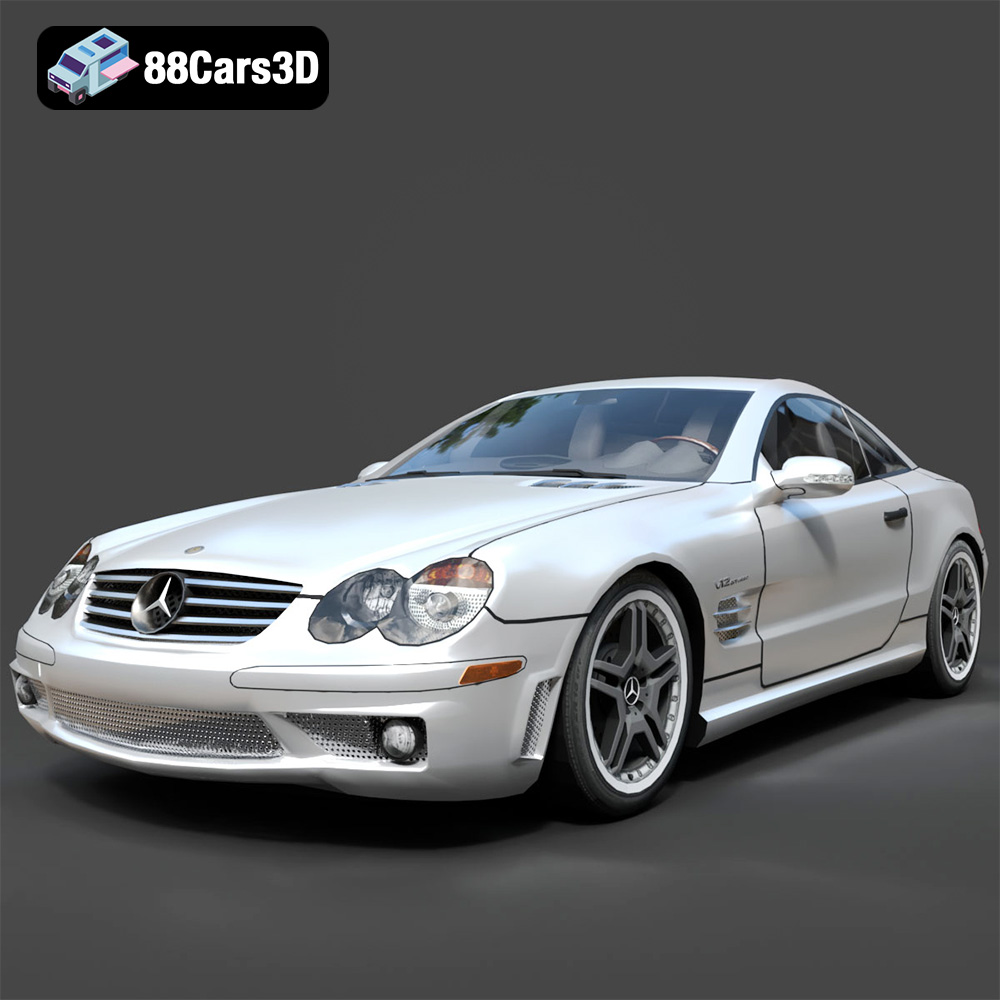
Download the Mercedes-Benz SLK 350 2005 3D Model featuring clean geometry, realistic detailing, and a fully modeled interior. Includes .blend, .fbx, .obj, .glb, .stl, .ply, .unreal, and .max formats for rendering, simulation, and game development.
Price: $9.99
Texture: Yes
Material: Yes
Download the Mercedes-Benz SL 65 AMG 3D Model featuring clean geometry, realistic detailing, and a fully modeled interior. Includes .blend, .fbx, .obj, .glb, .stl, .ply, .unreal, and .max formats for rendering, simulation, and game development.
Price: $9.99
Texture: Yes
Material: Yes
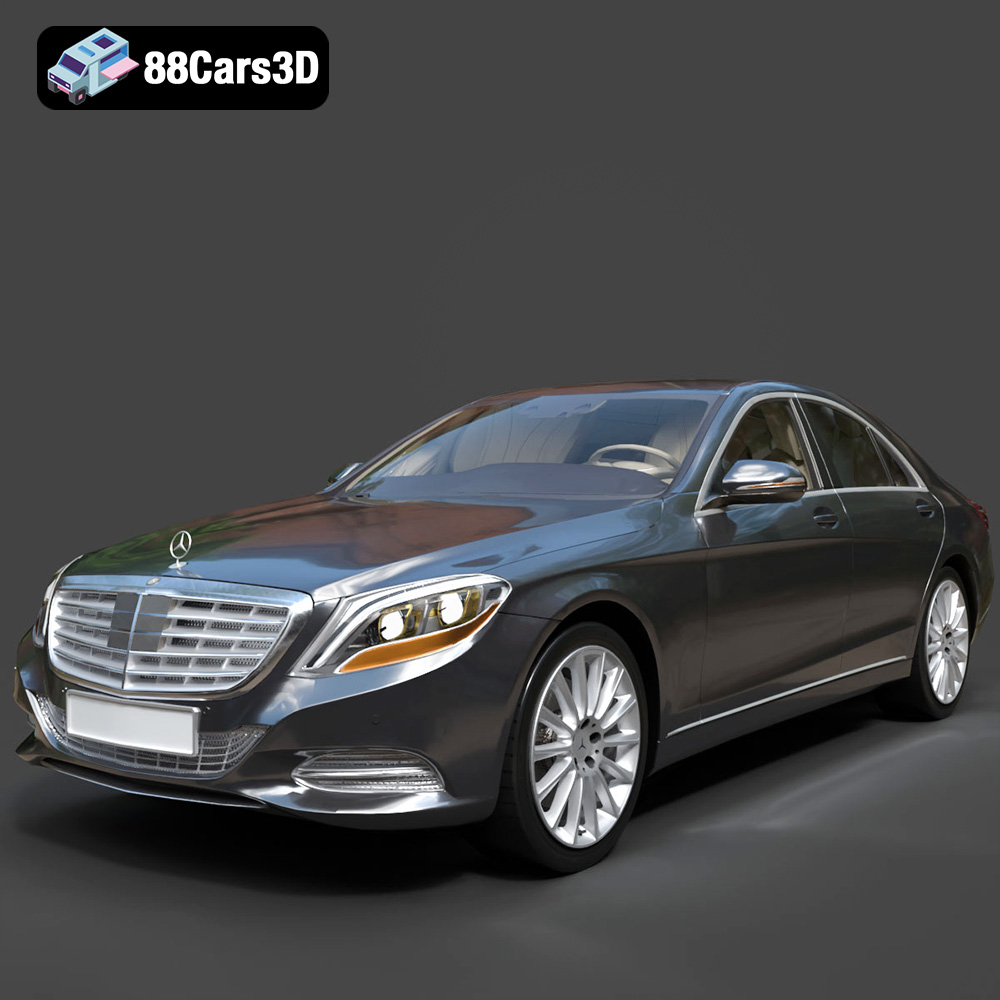
Download the Mercedes-Benz S500 3D Model featuring clean geometry, realistic detailing, and a fully modeled interior. Includes .blend, .fbx, .obj, .glb, .stl, .ply, .unreal, and .max formats for rendering, simulation, and game development.
Price: $9.99
Texture: Yes
Material: Yes
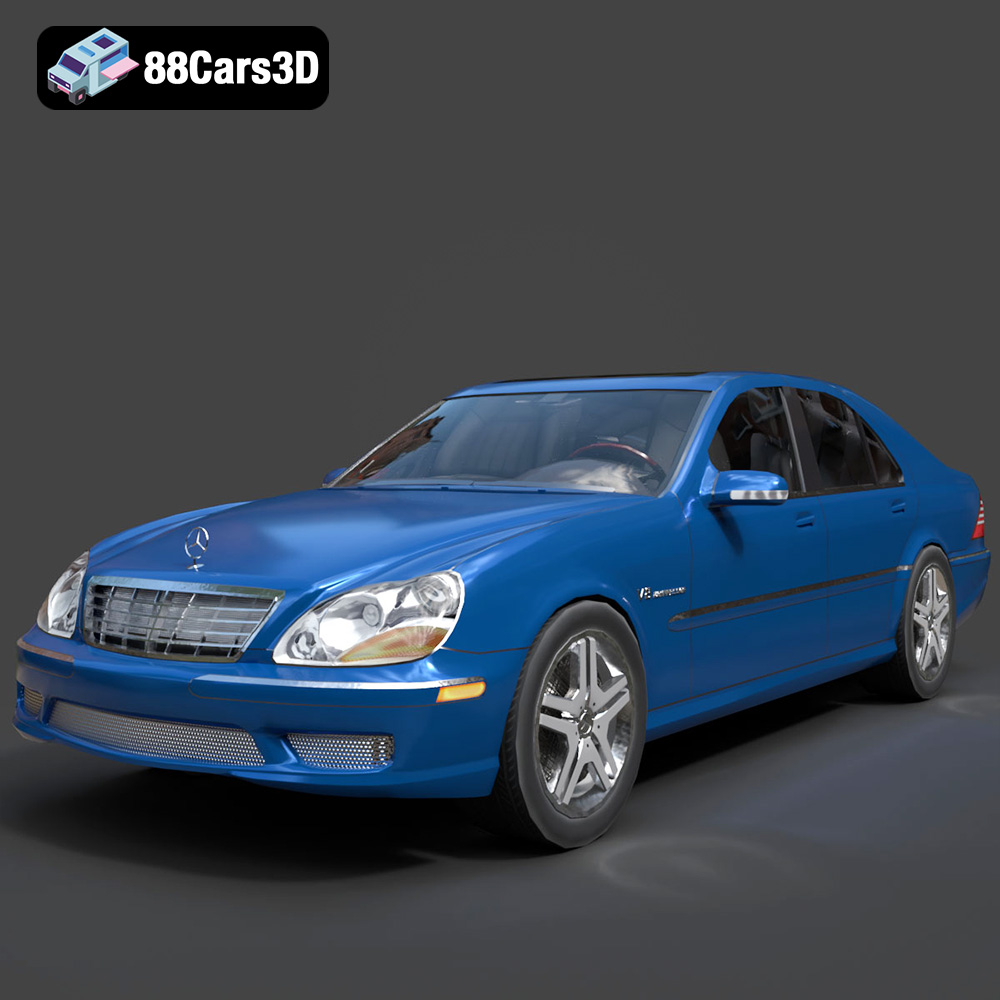
Download the Mercedes-Benz S55 W220 AMG 1999 3D Model featuring clean geometry, realistic detailing, and a fully modeled interior. Includes .blend, .fbx, .obj, .glb, .stl, .ply, .unreal, and .max formats for rendering, simulation, and game development.
Price: $9.99
Texture: Yes
Material: Yes
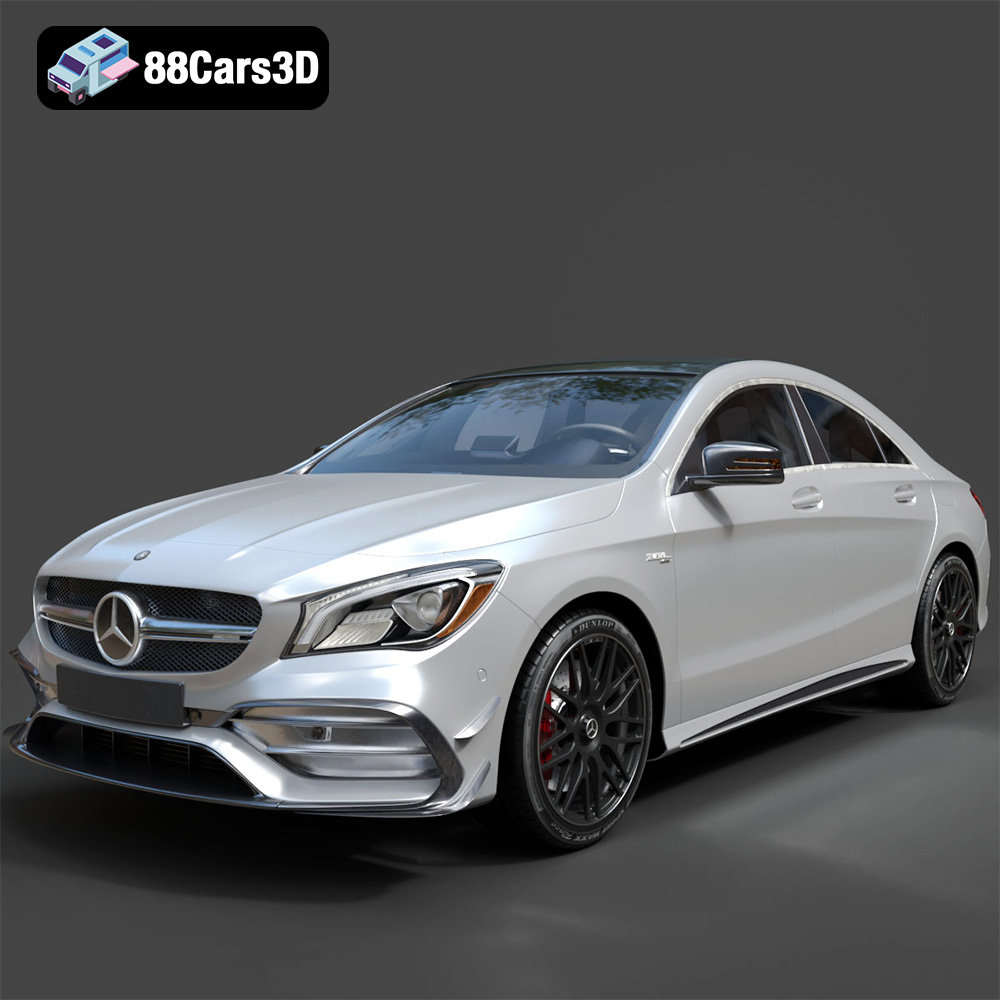
Download the Mercedes-Benz CLA45 AMG 2017 3D Model featuring clean geometry, realistic detailing, and a fully modeled interior. Includes .blend, .fbx, .obj, .glb, .stl, .ply, .unreal, and .max formats for rendering, simulation, and game development.
Price: $29.99
Texture: Yes
Material: Yes
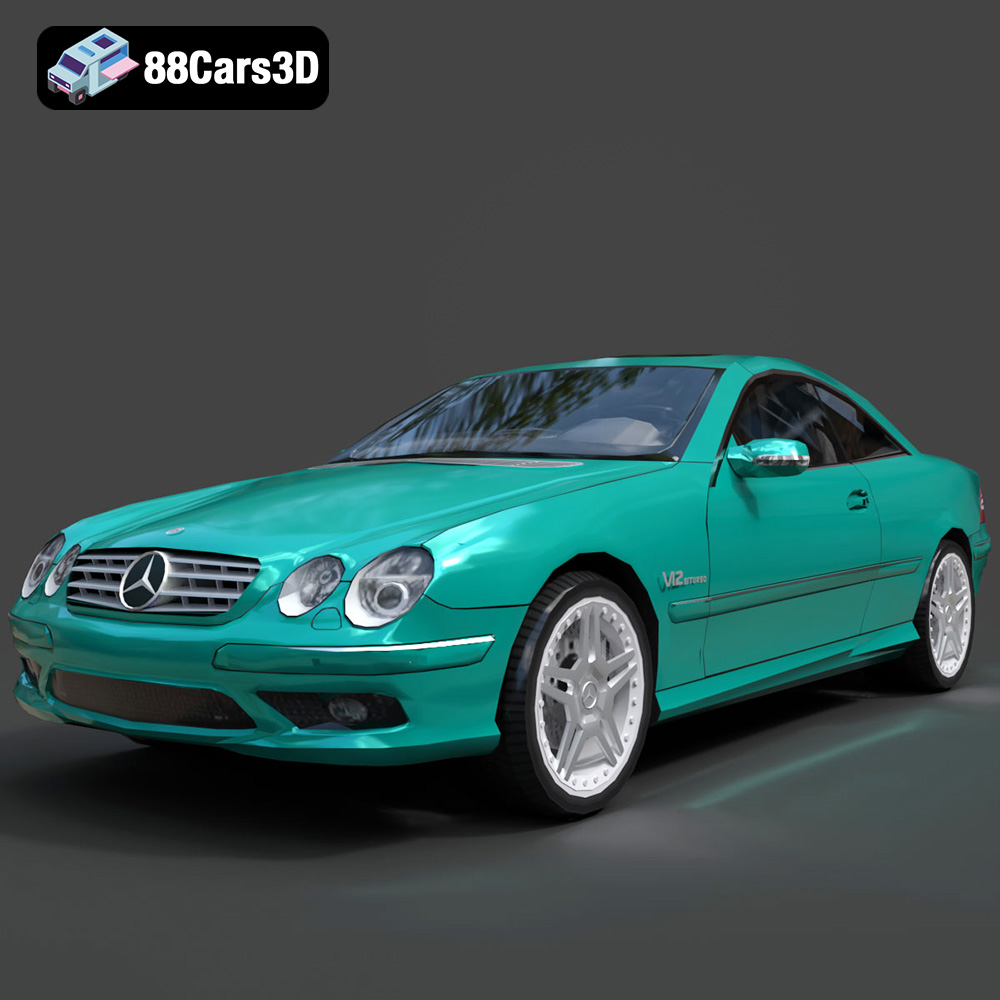
Download the Mercedes-Benz CL65 C215 AMG 3D Model featuring clean geometry, realistic detailing, and a fully modeled interior. Includes .blend, .fbx, .obj, .glb, .stl, .ply, .unreal, and .max formats for rendering, simulation, and game development.
Price: $9.99
Texture: Yes
Material: Yes
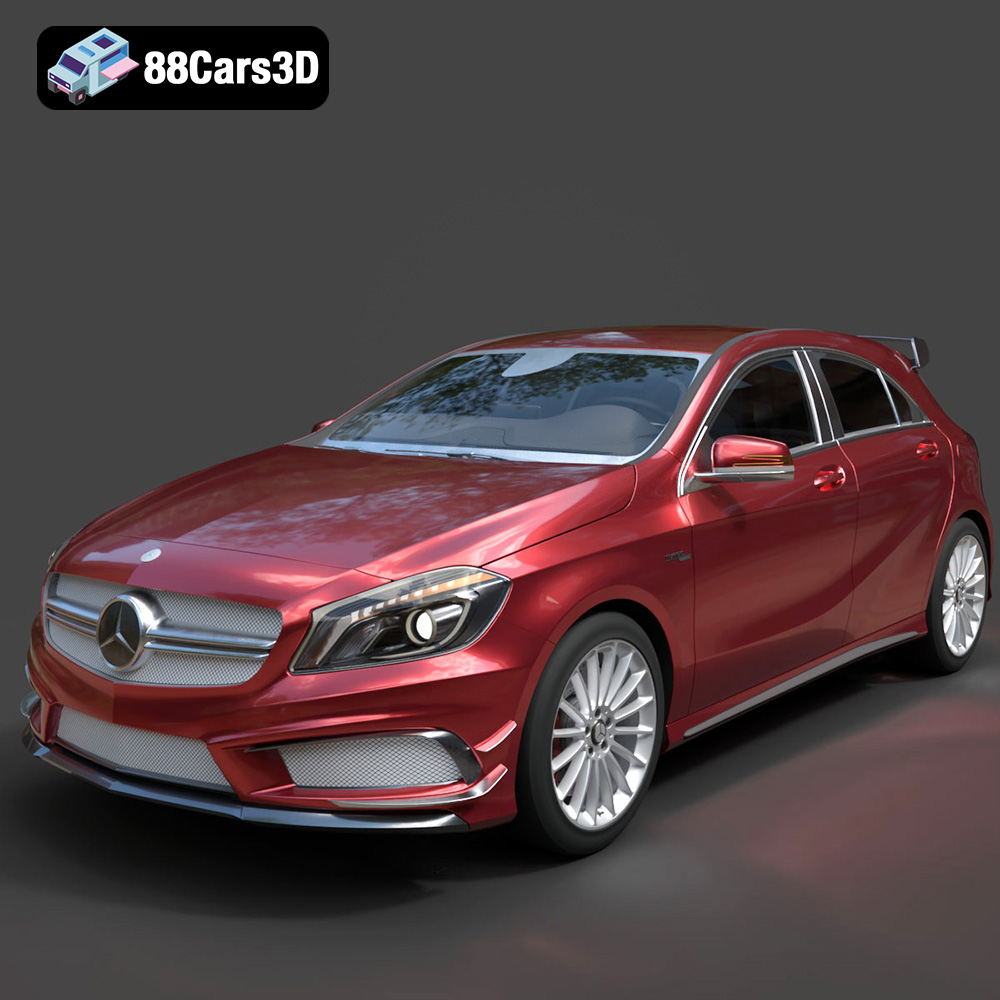
Download the Mercedes-Benz A45 2021 3D Model featuring clean geometry, realistic detailing, and a fully modeled interior. Includes .blend, .fbx, .obj, .glb, .stl, .ply, .unreal, and .max formats for rendering, simulation, and game development.
Price: $9.99
Texture: Yes
Material: Yes
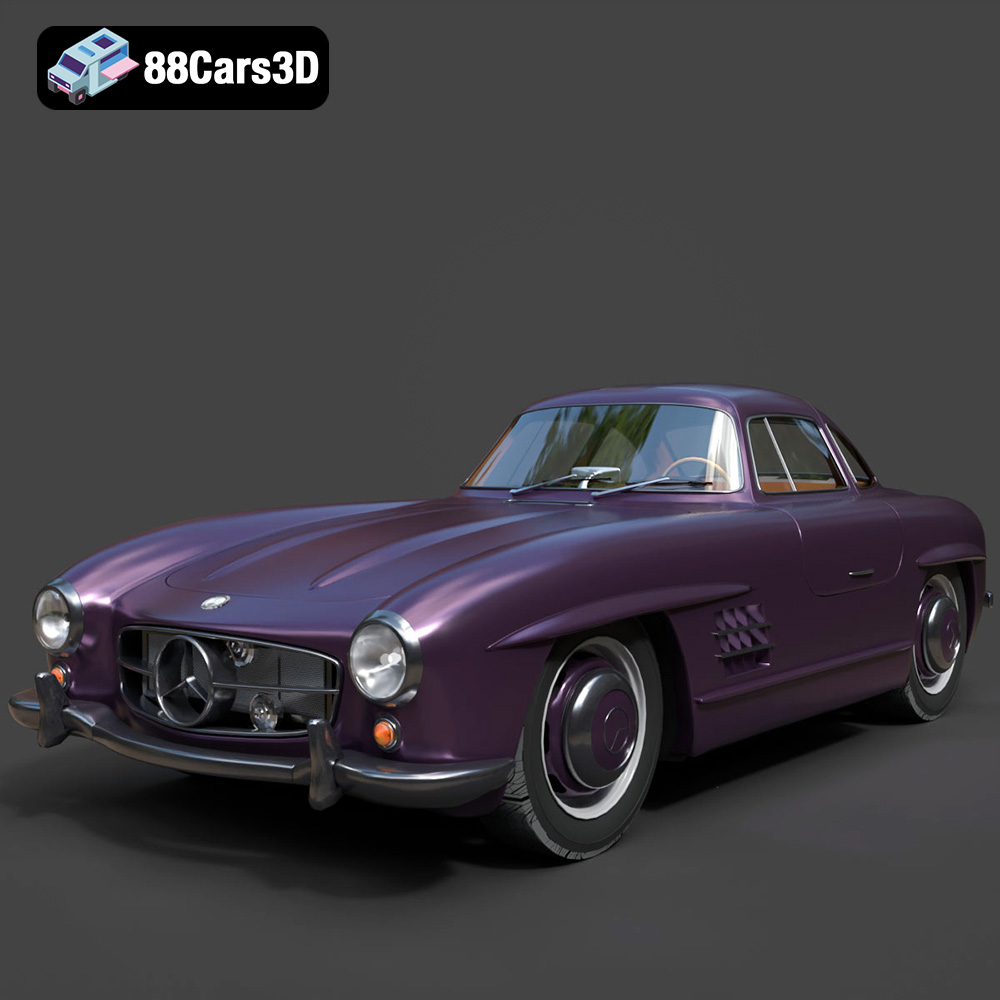
Download the Mercedes-Benz 300SL 1955 3D Model featuring clean geometry, realistic detailing, and a fully modeled interior. Includes .blend, .fbx, .obj, .glb, .stl, .ply, .unreal, and .max formats for rendering, simulation, and game development.
Price: $9.99
Texture: Yes
Material: Yes
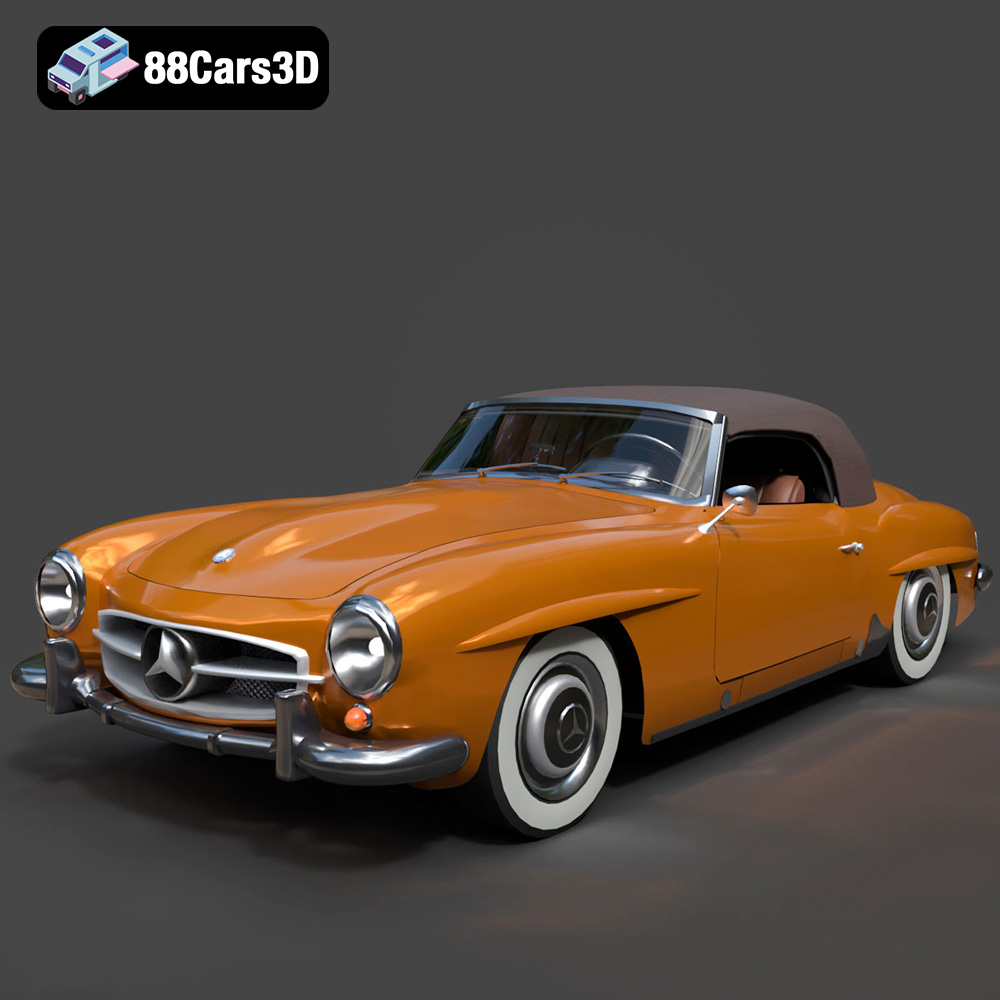
Download the Mercedes-Benz 190SL 1955 3D Model featuring clean geometry, realistic detailing, and a fully modeled interior. Includes .blend, .fbx, .obj, .glb, .stl, .ply, .unreal, and .max formats for rendering, simulation, and game development.
Price: $9.99

