“`html
The Ultimate Guide to Preparing 3D Car Models for Any Application: From Rendering to Real-Time
A high-quality 3D car model is a masterclass in digital craftsmanship, a fusion of precise engineering and artistic finesse. But a beautiful mesh is only the beginning. The true power of a versatile 3D asset lies in its ability to perform flawlessly across a vast spectrum of applications—from a breathtaking 8K cinematic render to an interactive real-time experience in a game engine or an augmented reality app. Many artists and developers stumble when trying to bridge the gap between these different worlds, facing challenges with performance, visual fidelity, and file compatibility. How do you take a single, detailed automotive model and adapt it for such diverse requirements without starting from scratch each time?
This comprehensive guide will walk you through the entire professional pipeline of preparing 3D car models for any use case. We will deconstruct the essential stages, from establishing a rock-solid topological foundation to optimizing for peak performance in demanding real-time environments. You will learn the industry-standard techniques for UV mapping complex surfaces, creating photorealistic PBR materials, setting up stunning renders, and streamlining assets for game development, AR/VR, and even 3D printing. Whether you are a seasoned 3D artist, a game developer, or a visualization specialist, this guide will equip you with the technical knowledge to transform any 3D car model into a robust, flexible, and high-performing digital asset.
The Foundation: Flawless Topology and Modeling
Everything starts with the mesh. The quality of your model’s topology—the underlying structure and flow of its polygons—dictates its potential. Clean topology ensures smooth surfaces, predictable deformations for animation (like opening doors), and ease of use in subsequent stages like UV unwrapping and texturing. Without a solid foundation, you’ll be fighting against shading errors, texturing distortions, and optimization nightmares down the line. Investing time here is non-negotiable for professional results.
Mastering Edge Flow for Automotive Surfaces
Automotive design is defined by its elegant curves, sharp creases, and perfectly smooth reflective surfaces. Replicating this in 3D requires a mastery of edge flow. The golden rule is to use a quad-based topology whenever possible. Quads (four-sided polygons) subdivide cleanly and are far more predictable for shading and deformation than triangles or N-gons (polygons with more than four sides).
- Follow the Form: Your edge loops should follow the primary contours and curves of the car’s body. For a hood, for instance, edge loops should flow from the windshield to the front grille and curve around the wheel arches. This ensures that when a subdivision modifier (like TurboSmooth in 3ds Max or a Subdiv modifier in Blender) is applied, the surface holds its intended shape without pinching or artifacts.
- Control Edges: To create sharp panel gaps or crisp character lines, you need support or holding edges. These are loops of edges placed closely on either side of a hard edge. They “hold” the geometry in place during subdivision, preventing it from becoming overly soft and rounded. Proper placement is key to achieving that signature, machine-milled look of modern vehicles.
- Pole Management: A pole is a vertex where more or fewer than four edges meet. While unavoidable, their placement is critical. Avoid placing poles (especially those with 5 or more edges) in the middle of large, curved, highly reflective surfaces like a door panel or roof, as they can cause subtle pinching in the reflections. Tuck them away in flatter areas or near sharp edges where they are less noticeable.
Polygon Density Strategy: High-Poly vs. Low-Poly
The required polygon count is entirely dependent on the final application. A “one-size-fits-all” model doesn’t exist. Starting with a very high-resolution source model, often called the “hero” or “high-poly” model, gives you the most flexibility.
- For Cinematic Renders: There is almost no upper limit. Models intended for automotive commercials or film can easily reach 5-20 million polygons after subdivision. The goal is absolute realism, capturing every minute detail without compromise.
- For Real-Time/Game Assets: Performance is king. A hero car in a modern AAA racing game might range from 150,000 to 500,000 polygons for the highest Level of Detail (LOD0). This is where models sourced from marketplaces like 88cars3d.com shine, as they are often built with clean, subdividable geometry that can be easily optimized down.
- For AR/VR Applications: Mobile AR/VR is even more restrictive. Here, you’re targeting polycounts in the range of 30,000 to 100,000 polygons to ensure a smooth framerate on less powerful hardware.
Detailing and Assembly: From Nuts to Bolts
A professional 3D car model is not a single, monolithic mesh. It’s an assembly of distinct, logically named parts. This is crucial for both realism and functionality.
- Separate Components: Doors, hood, trunk, wheels, steering wheel, brake calipers, and windows should all be separate objects. This allows for easy animation (opening doors), material assignment (assigning glass shaders), and customization.
- Pivots and Hierarchy: Set the pivot points of moving parts correctly. A door’s pivot should be at its hinge, and a wheel’s pivot should be at its center axle. Grouping or parenting objects in a logical hierarchy (e.g., brake caliper and disc parented to the wheel hub) makes rigging and animation immensely easier.
UV Unwrapping: The Unsung Hero of Texturing
If modeling is the sculpture, UV unwrapping is the canvas preparation. A UV map is a 2D representation of your 3D model’s surface, which tells the software how to apply a 2D texture image onto the mesh. A poor UV layout will result in stretched, distorted, and low-resolution textures, completely undermining a great model. For complex automotive surfaces, strategic UVing is paramount.
Strategic Seam Placement
Seams are the cuts you make in your 3D mesh to allow it to be flattened into a 2D UV map. The goal is to place these seams where they are least visible on the final model.
- Hide in Plain Sight: The best places to hide seams on a car are along existing panel gaps, on the underside of the chassis, inside wheel wells, or along hard-edged trim pieces.
- Minimize Distortion: When you flatten a curved 3D surface, some stretching is inevitable. Use your 3D software’s UV checkerboard texture to visualize this distortion. Areas that are heavily stretched or compressed will need new seams or relaxing of the UV shells to ensure textures apply evenly.
- Balance Shells and Seams: While you want to hide seams, having too many tiny UV shells can be inefficient and difficult to paint across. It’s a balancing act. For large panels like a car door, it’s often better to have one large, well-unwrapped shell with a single, hidden seam than to break it into many smaller pieces.
Texel Density and UDIMs for Hyper-Realism
Texel density refers to the number of texture pixels per unit of 3D space. Maintaining a consistent texel density across your model is vital for realism. You don’t want a high-resolution headlight right next to a blurry, low-resolution fender.
- Consistency is Key: In your UV editor, ensure that all your UV shells have a relatively uniform scale. This means a square meter on the car door occupies roughly the same UV space as a square meter on the bumper.
- UDIMs for Detail: For cinematic rendering where extreme close-ups are required, a single 4K or 8K texture map is often insufficient. This is where the UDIM (U-Dimension) workflow comes in. UDIMs allow you to spread your model’s UVs across multiple UV tiles, each with its own high-resolution texture map. You could have one UDIM for the main body, another for the interior, and several for the wheels and mechanical parts, all at 4K resolution, resulting in staggering detail across the entire asset.
UV Packing for Game Engine Efficiency
The goals for game engine UVs are different. While UDIMs are great for rendering, game engines typically prefer assets to use as few materials and textures as possible to reduce draw calls. This means packing all UV shells into the single 0-1 UV space.
- Maximize Space: Use an automated packing tool or manually arrange your UV shells to use as much of the 0-1 square as possible. Wasted space means wasted texture memory.
- Padding: Leave a small amount of space (padding) between UV shells. This prevents texture bleeding, where pixels from one shell “bleed” onto an adjacent one, especially at lower mipmap levels. A padding of 8-16 pixels on a 4K map is a good starting point.
- Stacking and Mirroring: For symmetrical parts, you can overlap their UV shells to save texture space. For instance, the left and right side tires can share the same UV space. However, be cautious with this on the car body, as it will prevent you from adding asymmetrical details like decals or dirt.
PBR Texturing and Material Creation
Physically Based Rendering (PBR) is the industry standard for creating materials that react realistically to light. A PBR workflow aims to simulate the physical properties of real-world materials using a set of texture maps like Albedo (Base Color), Roughness, and Metallic. Mastering PBR is the key to achieving photorealism.
The PBR Workflow: Metal/Roughness
The most common PBR workflow, used by engines like Unreal and Unity and texturing software like Substance Painter, is the Metallic/Roughness workflow. It consists of a few core maps:
- Base Color (Albedo): This defines the raw color of the material. For metals, it should be very dark or black, as their color is defined by reflections. For non-metals (dielectrics), it’s the diffuse color you see.
- Metallic: This is a grayscale map that tells the shader if a surface is a metal (1 for white) or a non-metal (0 for black). There are very few materials in-between.
- Roughness: Perhaps the most important map for realism. This grayscale map defines how rough or smooth a surface is. A value of 0 (black) is a perfect mirror-like surface (chrome), while a value of 1 (white) is a completely matte, diffuse surface (chalk). Variations in the roughness map create smudges, fingerprints, and water spots.
- Normal Map: This map creates the illusion of fine surface detail (like leather grain or tire treads) without adding extra polygons. It’s typically baked from a high-poly model onto a low-poly one.
Creating Realistic Car Paint Shaders
Modern car paint is a complex multi-layered material, and recreating it requires a specialized shader setup. Most render engines (like Corona, V-Ray, Arnold) and game engines have dedicated “Car Paint” shaders, but they all operate on similar principles.
- Base Layer: This is the paint color itself. For metallic paints, you’ll use a Base Color map for the paint pigment and a high Metallic value. You can also add a “Flake” map (usually a procedural noise texture) to simulate the metallic flakes embedded in the paint.
- Clear Coat Layer: This is the crucial top layer. It’s a thin, transparent, highly reflective layer that sits on top of the base paint. It has its own roughness and normal values, allowing you to create effects like fine “orange peel” bumps or a layer of dust on top of the glossy paint underneath. Getting the clear coat right is 90% of a believable car paint material.
Texturing for Imperfection and Realism
A perfectly clean, factory-fresh car can look sterile and CG. Realism comes from imperfections. Use software like Substance Painter or Mari to add subtle storytelling details:
- Surface Wear: Add subtle scratches and edge wear on high-traffic areas.
- Environmental Effects: A thin layer of dust on the roof and hood, dirt and grime kicked up into the wheel wells and lower body panels.
- Material Breakup: Use grime maps or procedural noise to add subtle variation to the roughness of glass (fingerprints), plastic trim (sun fading), and metal (water spots).
High-Fidelity Rendering for Visualization
For automotive advertising, design visualization, and portfolio work, the goal is to create an image that is indistinguishable from a photograph. This requires a meticulous approach to lighting, camera setup, and post-processing, typically done in software like 3ds Max with Corona/V-Ray or Blender with Cycles.
Setting Up a Studio Lighting Environment
Studio lighting provides complete control over reflections and highlights, which are essential for showcasing a car’s form.
- HDRI-Based Lighting: The fastest way to get realistic lighting and reflections is to use a High Dynamic Range Image (HDRI) of a real-world studio or outdoor environment. This single image provides complex, nuanced lighting and reflections that are difficult to replicate manually.
- 3-Point Lighting System: Complement your HDRI with a classic 3-point light setup.
- Key Light: The primary light source, defining the main highlights.
- Fill Light: A softer, less intense light used to fill in shadows and reveal detail.
- Rim Light: A light placed behind the car to create a bright outline, separating it from the background and defining its silhouette.
- Reflection Control: Use large area lights (softboxes) placed out of the camera’s view specifically to create long, elegant reflections along the car’s body panels. This is a key technique used by professional car photographers.
Camera Settings and Composition
Treat your 3D camera like a real-world DSLR.
- Focal Length: Use longer focal lengths (e.g., 50mm – 85mm) for realistic portraits of the car to avoid the wide-angle distortion that can make it look cartoonish.
- Depth of Field (DoF): Use a shallow depth of field (low f-stop number) to draw the viewer’s eye to a specific part of the car, like the headlight or badge, blurring the foreground and background.
- Composition: Apply classic photography principles like the Rule of Thirds. Position the car off-center to create a more dynamic and visually interesting image.
Post-Processing and Compositing
The raw render is rarely the final image. Exporting multiple render passes (or AOVs – Arbitrary Output Variables) gives you immense control in post-production software like Photoshop or Fusion.
- Essential Passes: Render out passes for Reflections, Ambient Occlusion (AO), Z-Depth (for fog or DoF effects), and Material/Object IDs for easy selection.
- Compositing: In Photoshop, layer these passes using blending modes like ‘Screen’ for reflections and ‘Multiply’ for AO to enhance the final image.
- Final Polish: Perform color grading to set the mood, add a vignette to frame the subject, and apply subtle lens effects like chromatic aberration or lens flares to sell the photographic realism.
Real-Time Optimization for Games and AR/VR
Preparing a model for a game engine like Unreal Engine or Unity, or for AR/VR platforms, is a subtractive process. You start with your high-detail model and strategically reduce its complexity to hit a specific performance budget, measured in milliseconds per frame.
The Art of Level of Detail (LODs)
Level of Detail (LOD) is the most critical optimization technique. It involves creating multiple, lower-polygon versions of your model that the game engine swaps in seamlessly as the object gets further from the camera.
- LOD0: The full-quality model seen up close. (e.g., 250,000 polygons).
- LOD1: A version with ~50-60% of the polygons, used at a medium distance. Small details like bolts and interior stitching are removed. (e.g., 125,000 polygons).
- LOD2: A version with ~20-30% of the polygons. The interior might be replaced with a simple textured plane, and the undercarriage is simplified. (e.g., 50,000 polygons).
- LOD3: A very simple “imposter” mesh, often just a silhouette, used at great distances. (e.g., < 5,000 polygons).
The key is to make the transition between LODs unnoticeable to the player.
Draw Call Reduction and Texture Atlasing
A draw call is a command from the CPU to the GPU to draw an object. Each material on an object typically results in a separate draw call. Too many draw calls can bottleneck the CPU and severely impact performance. High-quality models purchased from vendors like 88cars3d.com often come with logically separated materials, which you can then combine for optimization.
- Material Consolidation: The primary goal is to reduce the number of materials on the car. Can the plastic trim, rubber seals, and black metal parts all share one material?
- Texture Atlasing: This is the process of combining multiple smaller texture maps into one larger map (an atlas). For example, you could combine the textures for the dashboard, seats, and door panels into a single “Interior” texture set. This allows multiple objects to be rendered in a single draw call, providing a massive performance boost.
File Formats for Interactivity (FBX, GLB, USDZ)
Choosing the right file format is crucial for compatibility.
- FBX (.fbx): The undisputed king for game development. It’s the standard for transferring models, materials, textures, and animations between 3D software (like 3ds Max, Blender, Maya) and game engines (Unreal, Unity).
- glTF/GLB (.gltf, .glb): The “JPEG of 3D.” This is an open-source, royalty-free format designed for efficient transmission of 3D scenes and models on the web. The .glb version is a binary file that packages all textures and data into a single file, making it perfect for web viewers and some AR platforms.
- USDZ (.usdz): Developed by Apple and Pixar, this format is specifically for AR experiences on iOS devices (AR Quick Look). It’s a zero-compression, unencrypted zip archive containing USD (Universal Scene Description) files and textures.
Preparing Models for 3D Printing
Taking a digital model into the physical world via 3D printing presents a unique set of challenges. A model that looks perfect on screen can fail to print if it isn’t properly prepared. The focus shifts from visual appearance to structural integrity.
Watertight Meshes and Manifold Geometry
The most important concept in 3D printing preparation is creating a watertight (or manifold) mesh. Imagine filling your 3D model with water; if there are any holes, the water would leak out. A 3D printer needs a sealed volume to understand what is “inside” and what is “outside.”
- Common Issues: Non-manifold geometry includes holes, internal faces, floating vertices, and T-junctions. These errors will confuse the slicer software and lead to failed prints.
- Thin Surfaces: Unlike in rendering, thin, single-plane surfaces (like un-extruded glass) are problematic. Every part of the model needs to have some physical thickness to be printable. Use a Shell or Solidify modifier to give parts like body panels and windows real-world depth.
Mesh Repair and Hollowing
Most 3D modeling packages have tools to identify and fix non-manifold errors. Software like Autodesk Meshmixer or Blender’s 3D-Print Toolbox addon are excellent for this.
- Automatic Repair: These tools can often automatically stitch holes, remove internal faces, and fix other common problems to make a mesh manifold.
- Hollowing: For resin (SLA) printing, printing a large, solid car body is wasteful and can cause print failures. Hollowing the model—creating a thick outer shell and leaving the inside empty—dramatically reduces material usage and print time. Remember to add drainage holes to let uncured resin escape from the hollow interior.
Slicing and Support Structures
The final step is to use a slicer program (like Cura, PrusaSlicer, or ChiTuBox). This software “slices” the 3D model into hundreds or thousands of thin horizontal layers that the printer can understand.
- Orientation: How you orient the model on the print bed is critical. Orient it to minimize the need for support structures and to hide layer lines on visible surfaces.
- Supports: Any part of the model that overhangs at a steep angle (typically > 45 degrees) needs support structures to prevent it from collapsing during printing. Wing mirrors, spoilers, and the undercarriage of a car will almost always require supports. These are later removed in post-processing.
Conclusion
We’ve journeyed through the entire lifecycle of a 3D car model, from a pristine polygon mesh to a versatile asset ready for any pipeline. The key takeaway is that a successful outcome is built on a series of deliberate, technical choices. A strong topological foundation enables clean UVs. Well-planned UVs are essential for realistic PBR materials. An understanding of lighting and composition elevates a render from good to breathtaking. And a strategic approach to optimization is the only way to achieve smooth performance in real-time applications. Each stage builds upon the last, and a weakness in one can compromise the entire project.
The modern digital artist must be a multi-disciplinary specialist, comfortable moving between the demands of cinematic realism and real-time efficiency. By mastering these core principles—topology, UV mapping, texturing, rendering, and optimization—you unlock the true potential of your 3D assets. The next time you begin a project, whether you’re building a model from scratch or starting with a high-quality asset from a marketplace like 88cars3d.com, use this guide as your roadmap. Apply these techniques methodically, and you will be well-equipped to deliver professional, high-performing results for any application imaginable.
“`
Featured 3D Car Models

Texture: Yes
Material: Yes
Download the Mercedes-Benz SL500 AMG (R129) 3D Model featuring clean geometry, realistic detailing, and a fully modeled interior. Includes .blend, .fbx, .obj, .glb, .stl, .ply, .unreal, and .max formats for rendering, simulation, and game development.
Price: $9.99
View Product

Texture: Yes
Material: Yes
Download the Mercedes-Benz SLK 350 2005 3D Model featuring clean geometry, realistic detailing, and a fully modeled interior. Includes .blend, .fbx, .obj, .glb, .stl, .ply, .unreal, and .max formats for rendering, simulation, and game development.
Price: $9.99
View Product

Texture: Yes
Material: Yes
Download the Mercedes-Benz SL 65 AMG 3D Model featuring clean geometry, realistic detailing, and a fully modeled interior. Includes .blend, .fbx, .obj, .glb, .stl, .ply, .unreal, and .max formats for rendering, simulation, and game development.
Price: $9.99
View Product
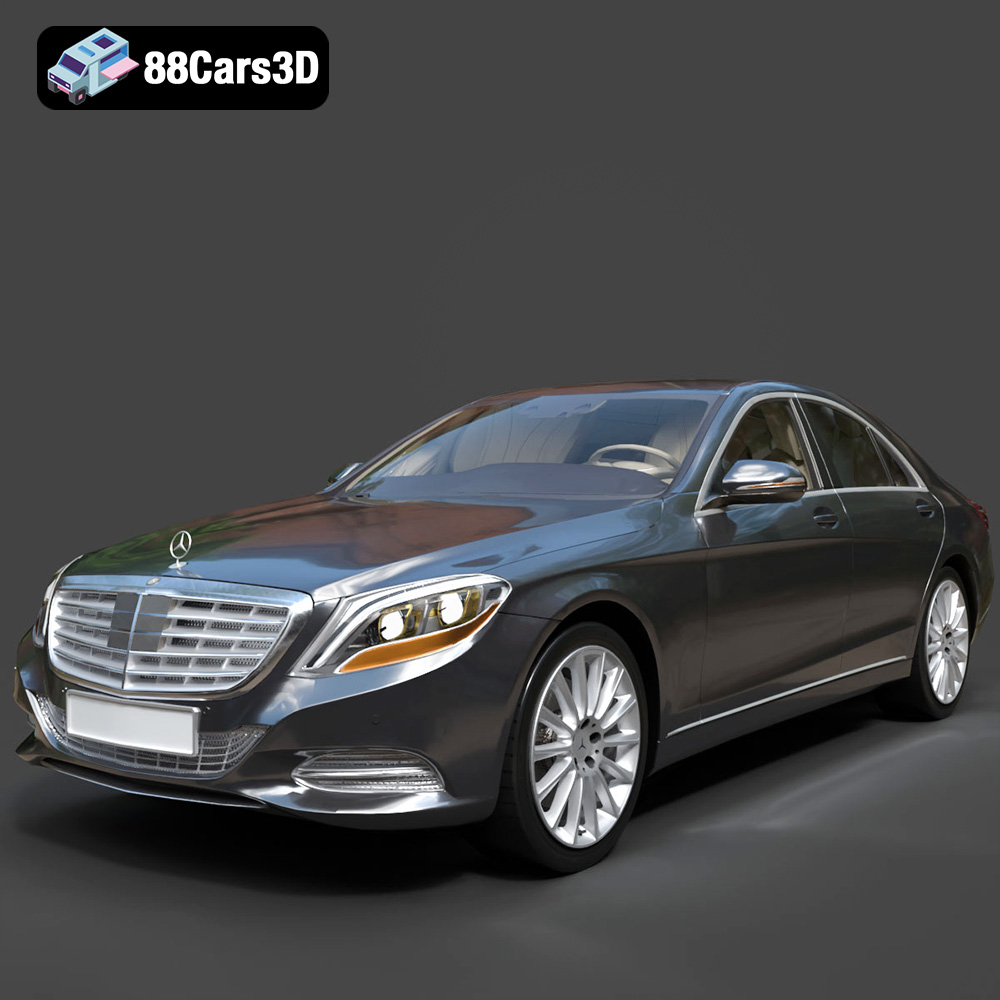
Texture: Yes
Material: Yes
Download the Mercedes-Benz S500 3D Model featuring clean geometry, realistic detailing, and a fully modeled interior. Includes .blend, .fbx, .obj, .glb, .stl, .ply, .unreal, and .max formats for rendering, simulation, and game development.
Price: $9.99
View Product
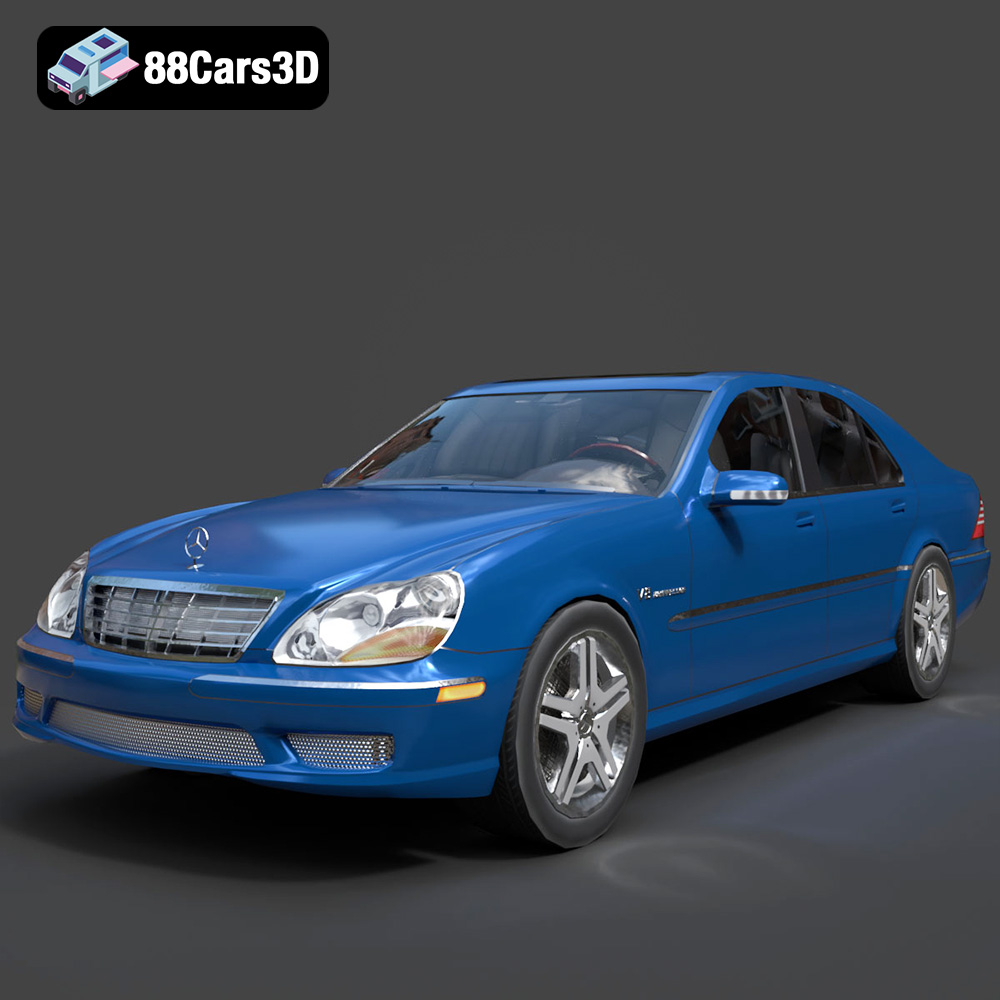
Texture: Yes
Material: Yes
Download the Mercedes-Benz S55 W220 AMG 1999 3D Model featuring clean geometry, realistic detailing, and a fully modeled interior. Includes .blend, .fbx, .obj, .glb, .stl, .ply, .unreal, and .max formats for rendering, simulation, and game development.
Price: $9.99
View Product
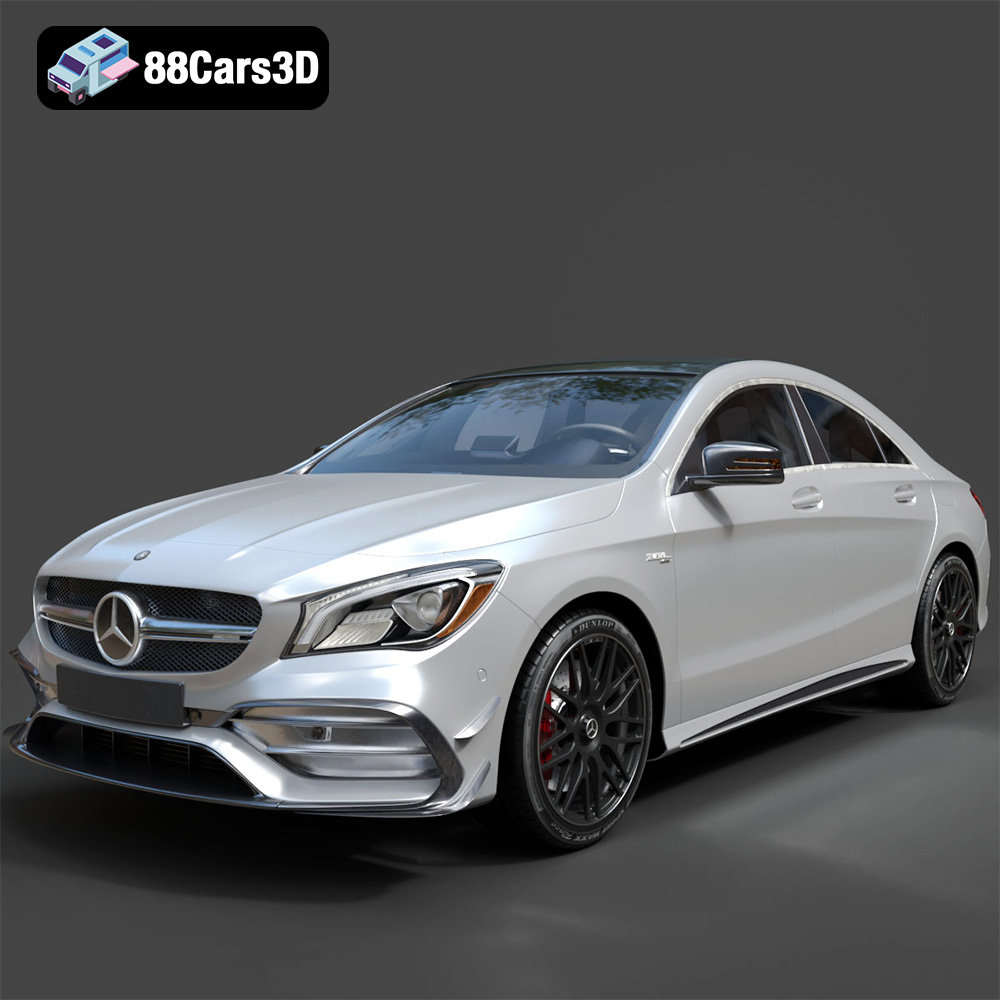
Texture: Yes
Material: Yes
Download the Mercedes-Benz CLA45 AMG 2017 3D Model featuring clean geometry, realistic detailing, and a fully modeled interior. Includes .blend, .fbx, .obj, .glb, .stl, .ply, .unreal, and .max formats for rendering, simulation, and game development.
Price: $29.99
View Product
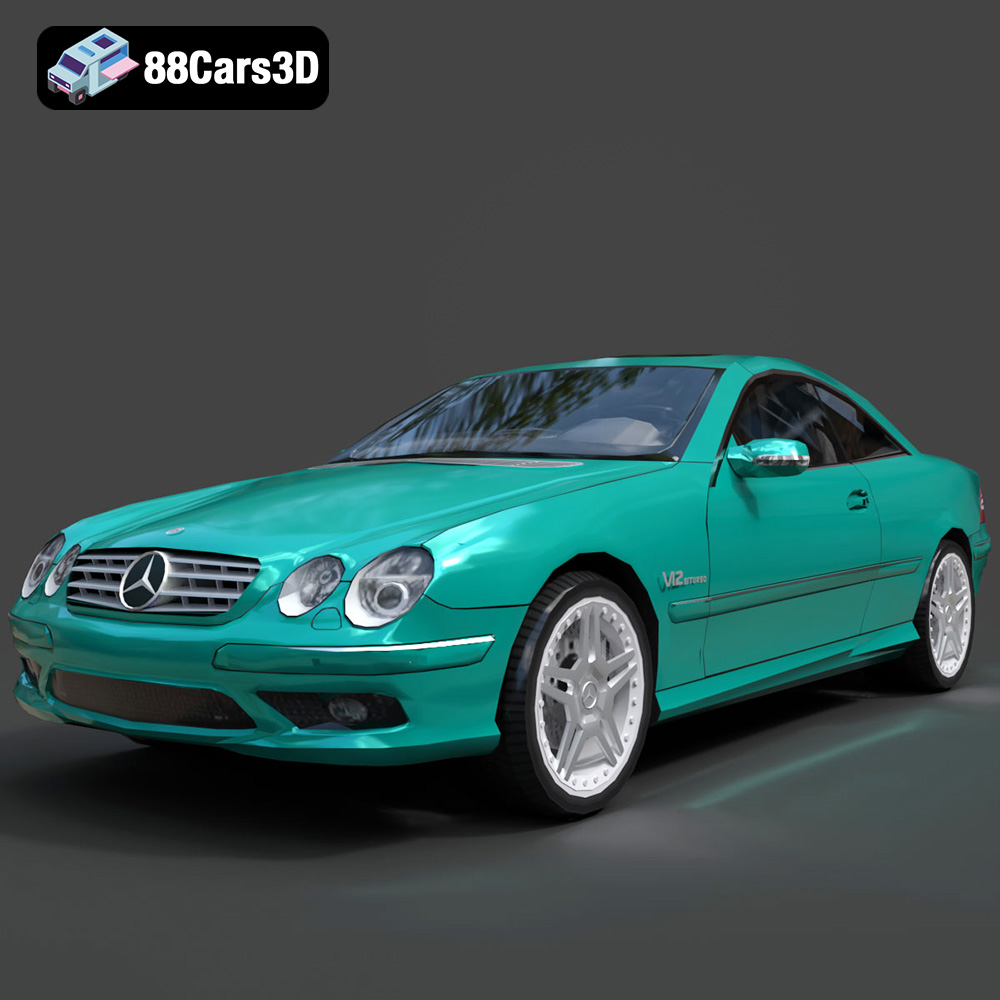
Texture: Yes
Material: Yes
Download the Mercedes-Benz CL65 C215 AMG 3D Model featuring clean geometry, realistic detailing, and a fully modeled interior. Includes .blend, .fbx, .obj, .glb, .stl, .ply, .unreal, and .max formats for rendering, simulation, and game development.
Price: $9.99
View Product
Texture: Yes
Material: Yes
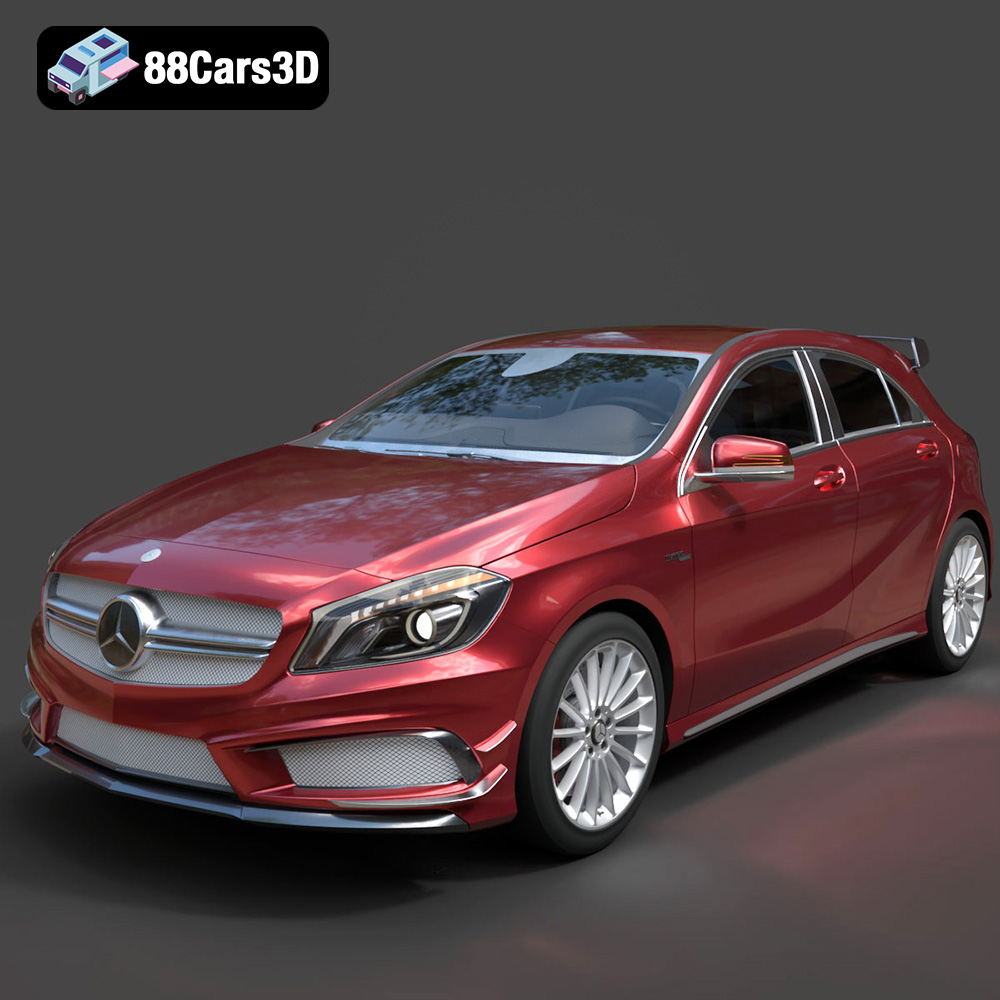
Download the Mercedes-Benz A45 2021 3D Model featuring clean geometry, realistic detailing, and a fully modeled interior. Includes .blend, .fbx, .obj, .glb, .stl, .ply, .unreal, and .max formats for rendering, simulation, and game development.
Price: $9.99
View Product
Texture: Yes
Material: Yes
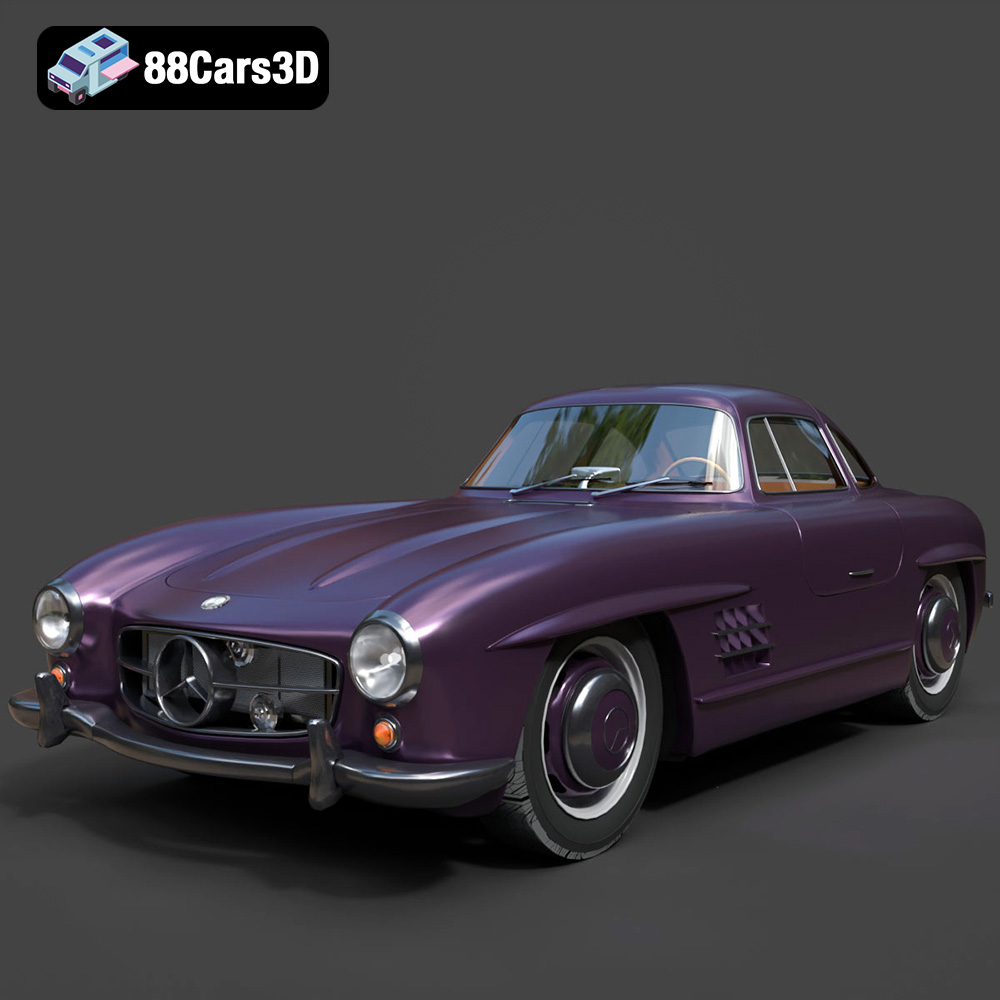
Download the Mercedes-Benz 300SL 1955 3D Model featuring clean geometry, realistic detailing, and a fully modeled interior. Includes .blend, .fbx, .obj, .glb, .stl, .ply, .unreal, and .max formats for rendering, simulation, and game development.
Price: $9.99
View Product
Texture: Yes
Material: Yes
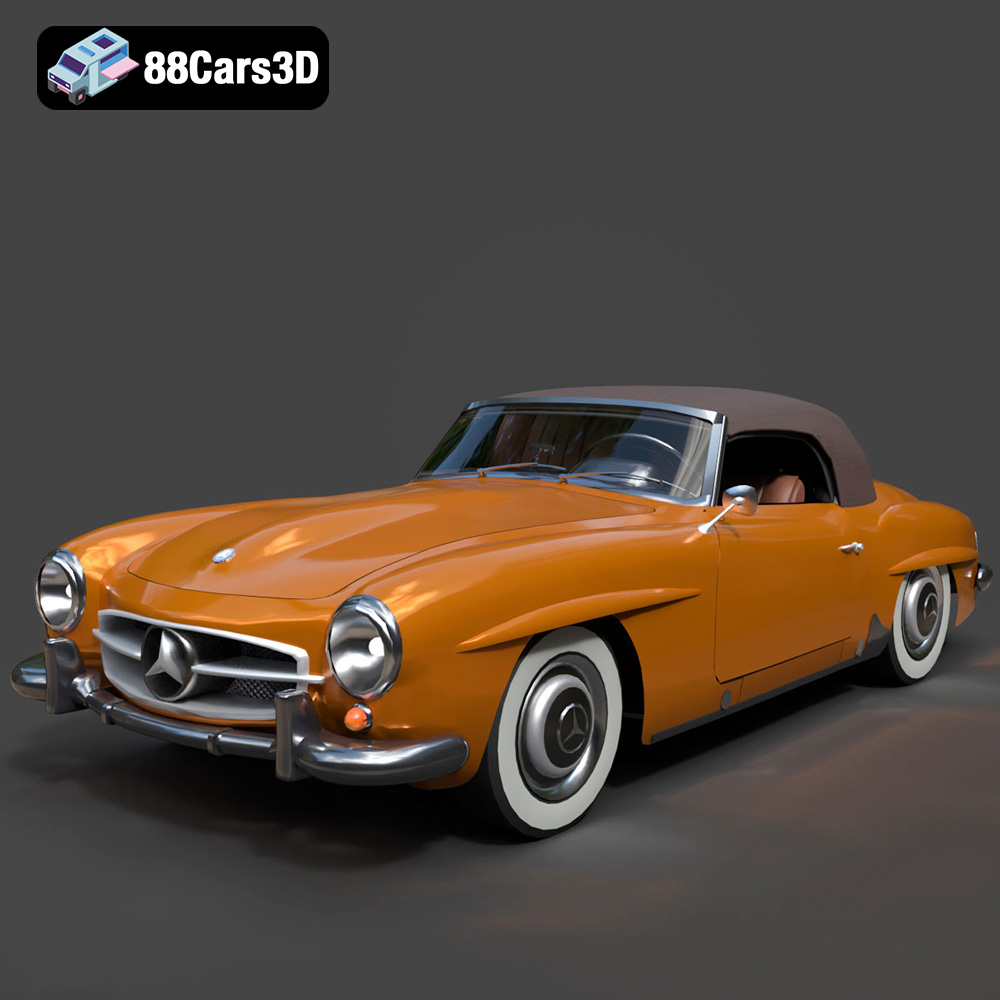
Download the Mercedes-Benz 190SL 1955 3D Model featuring clean geometry, realistic detailing, and a fully modeled interior. Includes .blend, .fbx, .obj, .glb, .stl, .ply, .unreal, and .max formats for rendering, simulation, and game development.
Price: $9.99
View Product


