⚡ FLASH SALE: Get 60% OFF All Premium 3D & STL Models! ⚡

There’s an undeniable magic to a beautifully rendered car. The way light glides over a perfectly curved fender, the intricate detail of a headlight assembly, the realistic sheen of custom paint—these are the details that captivate us. But behind every stunning automotive visualization, interactive game asset, or augmented reality experience lies a complex technical journey. A single 3D car model is rarely a one-size-fits-all asset. The high-polygon hero model used for a cinematic render would cripple a mobile game, and a low-poly game asset would look simplistic in a high-end product configurator. Understanding how to adapt and optimize a 3D car model for different pipelines is the hallmark of a professional 3D artist.
This comprehensive guide will walk you through the entire lifecycle of a 3D car model, from the fundamental principles of topology to the final optimization for specialized applications. We’ll dive deep into the technical workflows for creating stunning automotive rendering, building efficient game assets, and preparing models for emerging technologies like AR/VR and 3D printing. Whether you are building from scratch or working with a high-quality pre-made asset, this article will equip you with the knowledge to make your automotive projects shine, no matter the destination platform.
Everything starts with the mesh. The topology—the flow and structure of polygons on your model’s surface—is the foundation upon which all subsequent work is built. For a complex object like a car, with its mix of large, smooth surfaces and sharp, mechanical details, clean topology is not just an aesthetic choice; it’s a technical necessity. Poor topology leads to shading errors, difficulty in UV unwrapping, and animation artifacts. Starting with a high-quality base mesh from a marketplace like 88cars3d.com can save hundreds of hours, as these models are built with professional topology standards from the ground up.
While triangles (tris) are the fundamental building blocks of all 3D geometry in a render engine, modeling almost exclusively with quadrilaterals (quads) is the industry standard for hard-surface objects like cars. There are several critical reasons for this:
The “flow” of your topology should follow the natural curves and contours of the car. Think of it as the grain in a piece of wood. For a car’s body, edge loops should flow parallel to the long, sweeping curves of the fenders and roofline. This ensures that when the mesh is subdivided, the new geometry is added exactly where it’s needed to support the curvature, resulting in a perfectly smooth surface. Supporting edge loops, or holding edges, are placed close to sharp edges to maintain their crispness after subdivision. A common mistake is adding too many loops, which can create ripples. The key is to use just enough geometry to define the shape and no more.
The required polygon count for a 3D car model varies dramatically depending on its final use case.
If topology is the skeleton of your model, UV mapping is its tailored suit. The UV unwrapping process involves flattening the 3D surface of the car into a 2D map, which tells the render engine how to apply textures. For a car, with its large, seamless panels and tiny, intricate details, this process can be challenging. A proper UV layout is crucial for high-quality texturing, preventing stretched or distorted materials, and optimizing performance in real-time applications.
The method you choose for your UV layout depends on the project’s requirements for texture resolution.
Texel density is a measure of how many texture pixels (texels) are used per unit of 3D surface area. Maintaining a consistent texel density across your model is critical for realism. If the door panel has a higher texel density than the fender next to it, the difference in texture sharpness will be jarringly obvious. Use a UV checkerboard pattern to visualize this. All the squares should appear roughly the same size across the entire car body. For parts that will be seen up close (like the dashboard), you might intentionally increase the texel density, while for hidden parts (like the undercarriage), you can decrease it to save texture memory.
Where you place your UV seams is an art. The goal is to hide them in areas where they are least likely to be seen, such as along hard edges, panel gaps, or on the underside of the model. For the large, smooth panels of a car body, try to keep seams to a minimum to avoid any visible breaks in the texture. When packing your UV shells, straighten any shells that correspond to straight edges on the model. This improves how textures, especially decals or carbon fiber patterns, are applied. Pack shells efficiently to maximize the use of your UV space, but leave enough padding between them (typically 8-16 pixels) to prevent texture bleeding at lower mipmap levels.
Modern 3D graphics rely on Physically Based Rendering (PBR) workflows to simulate how light interacts with materials in the real world. For automotive models, a mastery of PBR materials is what separates a good render from a photorealistic one. It’s about accurately recreating the complex properties of car paint, chrome, glass, rubber, and leather.
The PBR workflow primarily uses a set of texture maps to define a material’s properties:
A realistic car paint is not a single, simple material; it’s a layered shader. In renderers like Corona, V-Ray, or Blender’s Cycles, you can build a multi-layered material to simulate this effect:
The interior is just as important as the exterior for close-up shots. For leather seats, use a high-quality normal map to create the grain and a roughness map to show subtle wear on the areas where a driver would sit. For dashboard plastics, notice that they are rarely pure black and often have a very fine bump texture and a mid-range roughness value. For fabrics on the headliner or floor mats, a “sheen” or “fuzz” shader parameter can be used to simulate the microfibers catching the light at grazing angles.
With a perfectly modeled and textured car, the final step is to place it in a virtual studio or environment and capture it. The rendering process is a digital photoshoot, where lighting, camera, and composition come together to create a stunning final image. This is where all the meticulous preparation pays off, and the quality of your 3D car model truly comes to life.
Lighting is the most critical element for a realistic render. It defines the mood, highlights the car’s shape, and creates believable reflections.
Treat your virtual camera like a real DSLR. Pay attention to the focal length. A longer focal length (e.g., 85mm – 135mm) is often used for automotive shots as it compresses the perspective and gives a more flattering, heroic look to the car. A wide-angle lens (e.g., 24mm – 35mm) can create dramatic, aggressive shots but can also introduce distortion. Use a shallow depth of field (DoF) by setting a low f-stop value to blur the background and draw the viewer’s eye to a specific detail on the car. Use classic compositional rules like the Rule of Thirds to frame your shot for maximum impact.
No render is truly finished straight out of the engine. Post-processing in software like Adobe Photoshop or DaVinci Resolve is where you add the final polish. Render out separate passes like Ambient Occlusion (AO), Reflections, and a Clown Pass (Object ID pass). The AO pass can be multiplied over the beauty pass to add contact shadows and enhance detail. The Clown Pass makes it easy to select individual parts of the car for color correction or adjustments. Subtle effects like lens flares, chromatic aberration, and film grain can add a final layer of photorealism, blurring the line between CGI and reality.
When moving from pre-rendered visualization to real-time applications like games or interactive configurators, the priorities shift entirely. The goal is no longer absolute visual fidelity but the best possible quality within a strict performance budget, typically measured in frames per second (FPS). This requires a different set of techniques focused on optimization.
A Level of Detail (LOD) system is the most important optimization for game assets. It’s a system where multiple versions of the same model, each with a progressively lower polygon count, are swapped in and out based on the model’s distance from the camera.
When sourcing models from marketplaces such as 88cars3d.com, you often get a clean, high-poly version that is perfect for using as the base to create your own game-ready LODs.
Every separate material on a model can result in an additional “draw call” for the game engine, which is a command to the GPU to draw something on screen. Too many draw calls can quickly bottleneck performance. To combat this, multiple parts of the car are combined to share a single material and texture set. This process is called texture atlasing. For example, instead of separate materials for the grille, badges, and headlight trim, their UVs are all packed into one UV layout, and they share a single “trim sheet” texture. This can reduce the car’s draw calls from dozens down to just a few (e.g., one for the body, one for the interior, one for the glass).
Minimizing draw calls is a constant battle in game development. Beyond material consolidation, you should also strategically combine separate mesh objects. While you need to keep wheels separate for animation, smaller static parts like wing mirrors, door handles, and spoilers can often be combined with the main car body into a single mesh. This further reduces the number of draw calls and improves performance, especially when there are many cars on screen at once.
The use cases for 3D car models extend far beyond traditional screens. Augmented Reality (AR), Virtual Reality (VR), and 3D printing present unique technical challenges and optimization requirements that demand careful preparation of the asset.
For AR and VR applications, performance is paramount, especially on mobile devices. The goal is to deliver a visually compelling experience that runs smoothly at high frame rates (72-90 FPS for VR) to avoid motion sickness.
Preparing a model for 3D printing is a completely different process. The renderer doesn’t care if a model has holes, but a 3D printer needs a perfectly “watertight” or “manifold” mesh to understand what is solid material. A non-manifold mesh has errors like holes, internal faces, or edges shared by more than two faces, which will cause the print to fail.
We’ve journeyed through the intricate process of preparing a 3D car model for a vast array of applications, and the central lesson is clear: a successful project hinges on understanding the end goal from the very beginning. The meticulous process of creating clean topology and precise UVs is not just for one render; it’s the creation of a versatile digital master. This master asset can then be adapted—subdivided for stunning cinematic shots, optimized with LODs for interactive gaming, or solidified for physical 3D printing. Each application demands a unique approach to polygon counts, material complexity, and file formatting.
The ability to navigate these different technical pipelines is what empowers 3D artists and developers to unlock the full potential of their automotive assets. By mastering these workflows, you can ensure that your digital vehicle performs flawlessly and looks spectacular, whether it’s gracing a marketing billboard, tearing up the track in a video game, or sitting on your desk as a physical prototype. Whether you’re creating from scratch or leveraging the exceptional models available on platforms like 88cars3d.com, applying these principles will elevate the quality and expand the possibilities of your automotive design and visualization projects.

Texture: Yes
Material: Yes
Download the Mercedes-Benz SLK 350 2005 3D Model featuring clean geometry, realistic detailing, and a fully modeled interior. Includes .blend, .fbx, .obj, .glb, .stl, .ply, .unreal, and .max formats for rendering, simulation, and game development.
Price: $9.99
Texture: Yes
Material: Yes
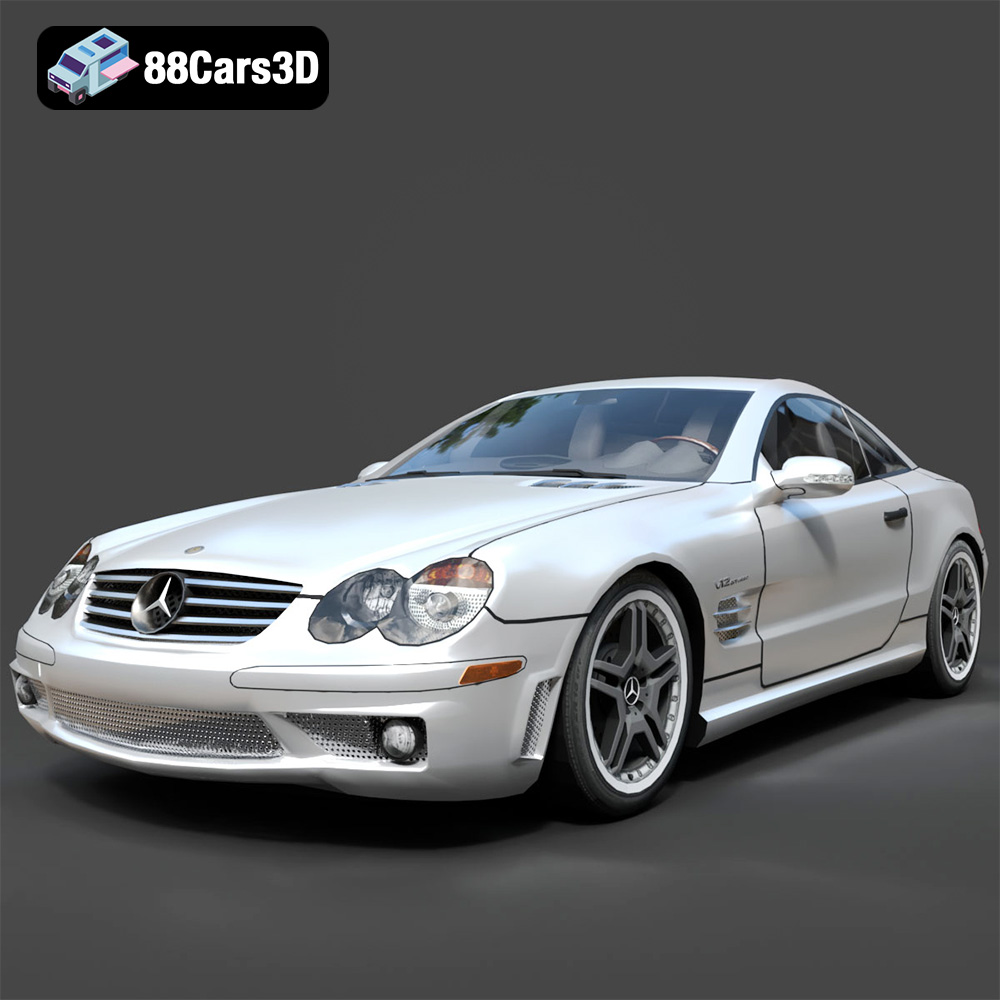
Download the Mercedes-Benz SL 65 AMG 3D Model featuring clean geometry, realistic detailing, and a fully modeled interior. Includes .blend, .fbx, .obj, .glb, .stl, .ply, .unreal, and .max formats for rendering, simulation, and game development.
Price: $9.99
Texture: Yes
Material: Yes
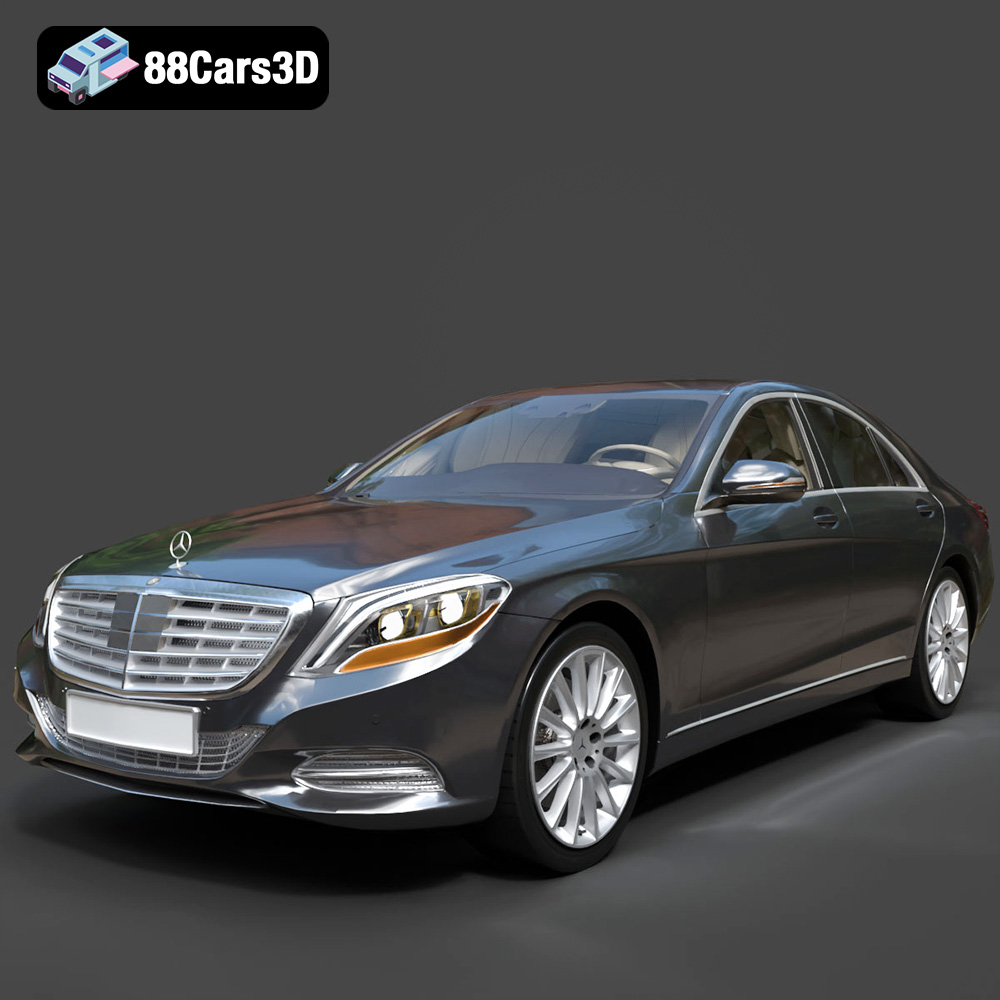
Download the Mercedes-Benz S500 3D Model featuring clean geometry, realistic detailing, and a fully modeled interior. Includes .blend, .fbx, .obj, .glb, .stl, .ply, .unreal, and .max formats for rendering, simulation, and game development.
Price: $9.99
Texture: Yes
Material: Yes
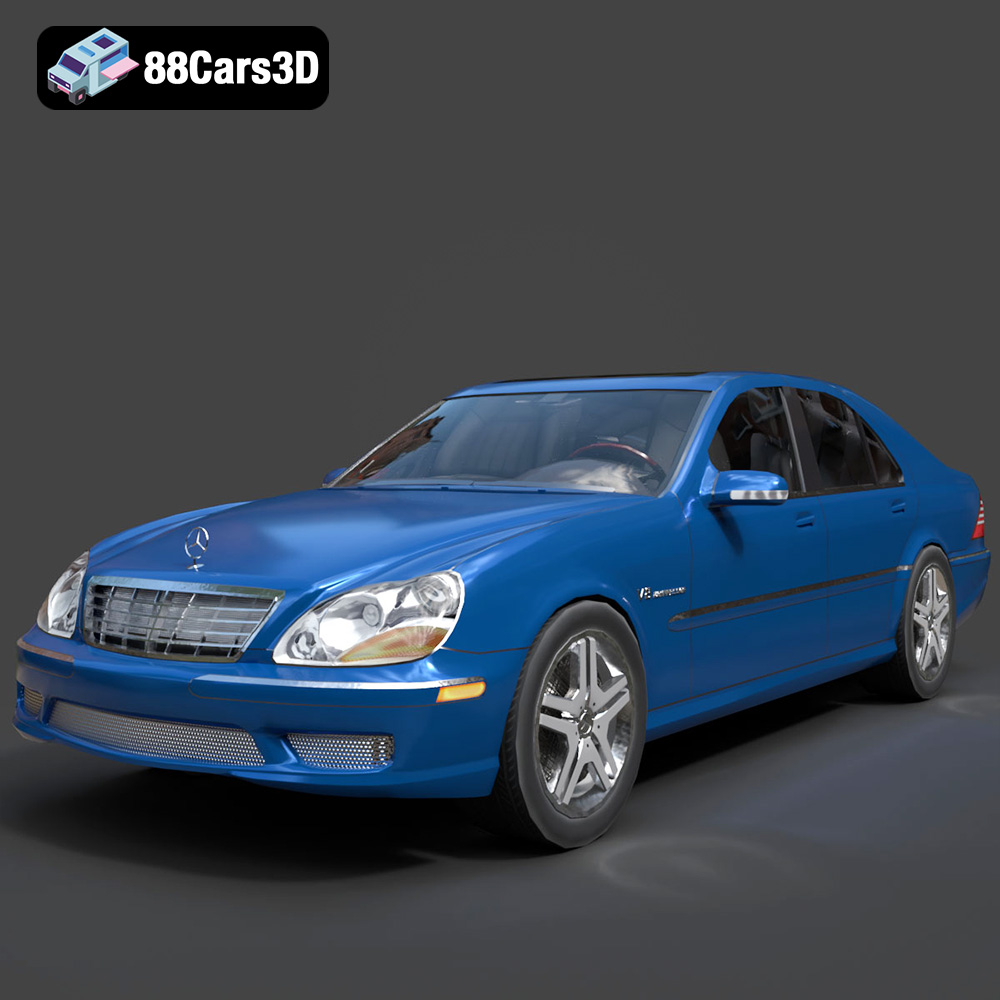
Download the Mercedes-Benz S55 W220 AMG 1999 3D Model featuring clean geometry, realistic detailing, and a fully modeled interior. Includes .blend, .fbx, .obj, .glb, .stl, .ply, .unreal, and .max formats for rendering, simulation, and game development.
Price: $9.99
Texture: Yes
Material: Yes
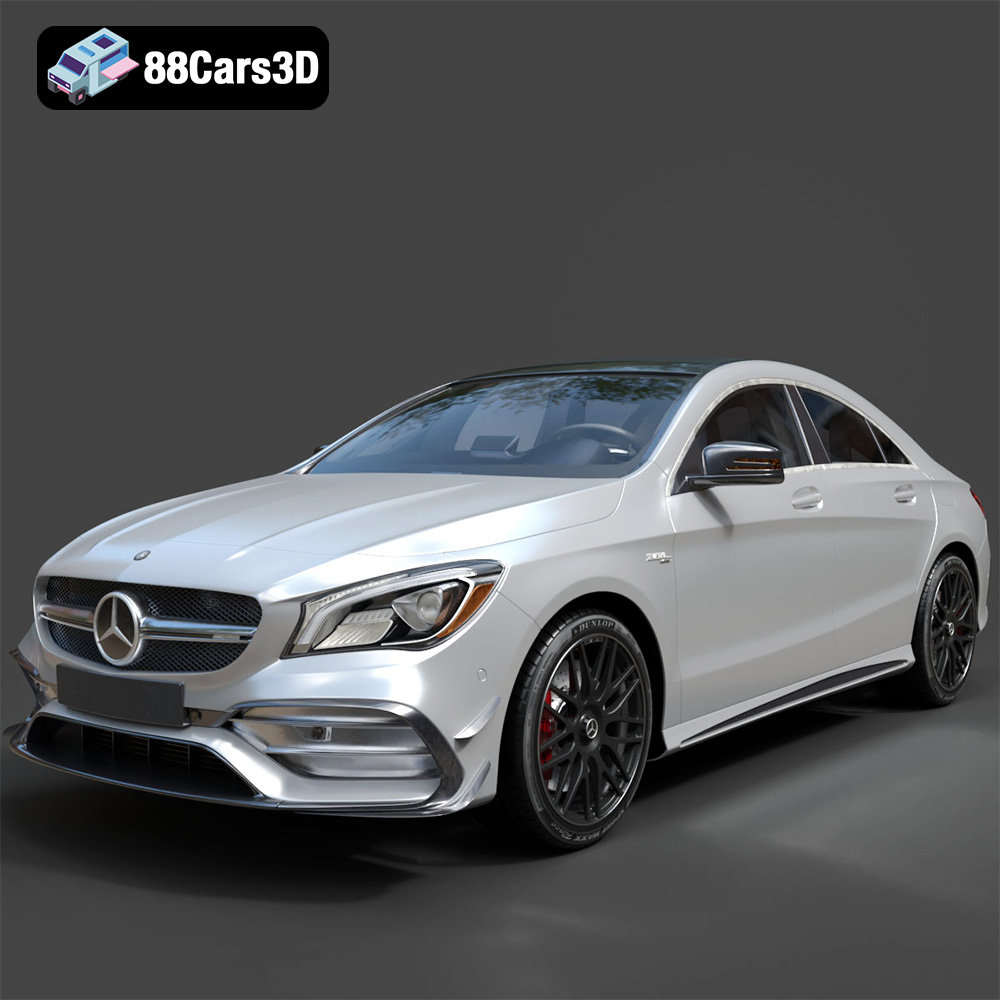
Download the Mercedes-Benz CLA45 AMG 2017 3D Model featuring clean geometry, realistic detailing, and a fully modeled interior. Includes .blend, .fbx, .obj, .glb, .stl, .ply, .unreal, and .max formats for rendering, simulation, and game development.
Price: $29.99
Texture: Yes
Material: Yes
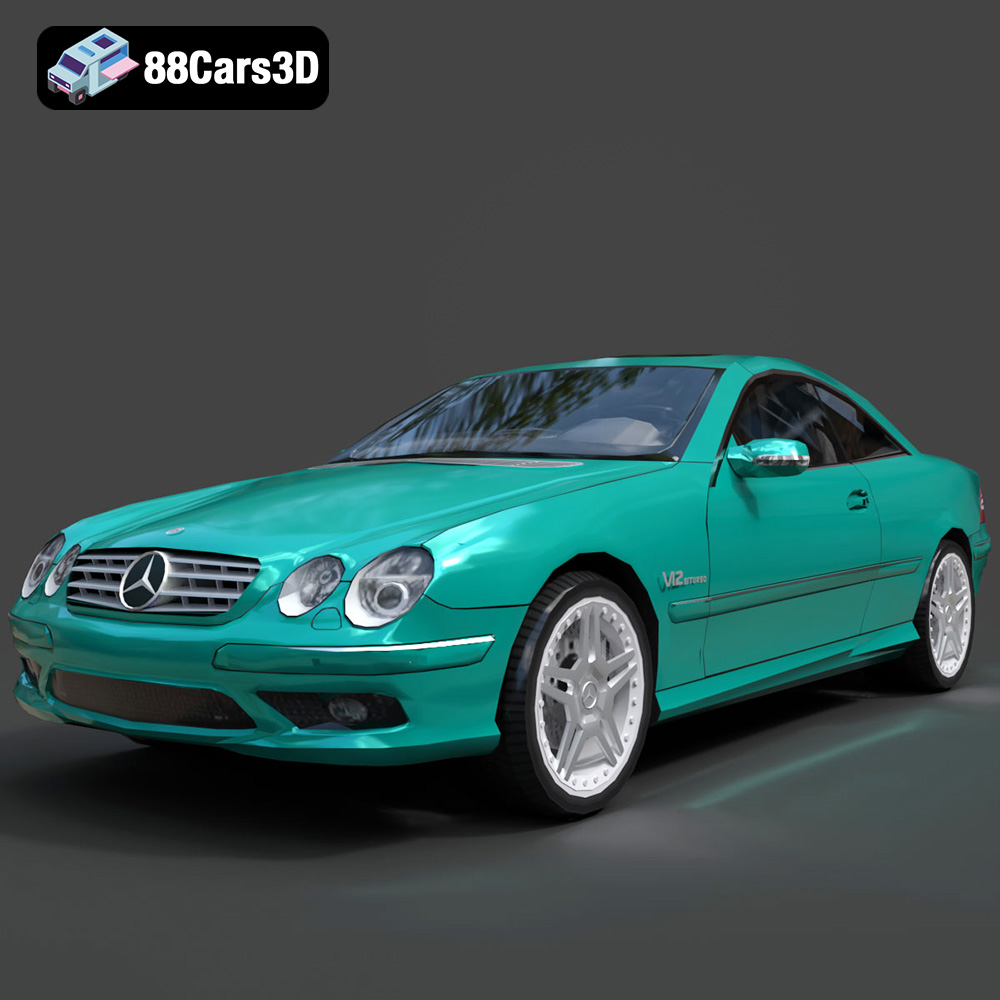
Download the Mercedes-Benz CL65 C215 AMG 3D Model featuring clean geometry, realistic detailing, and a fully modeled interior. Includes .blend, .fbx, .obj, .glb, .stl, .ply, .unreal, and .max formats for rendering, simulation, and game development.
Price: $9.99
Texture: Yes
Material: Yes
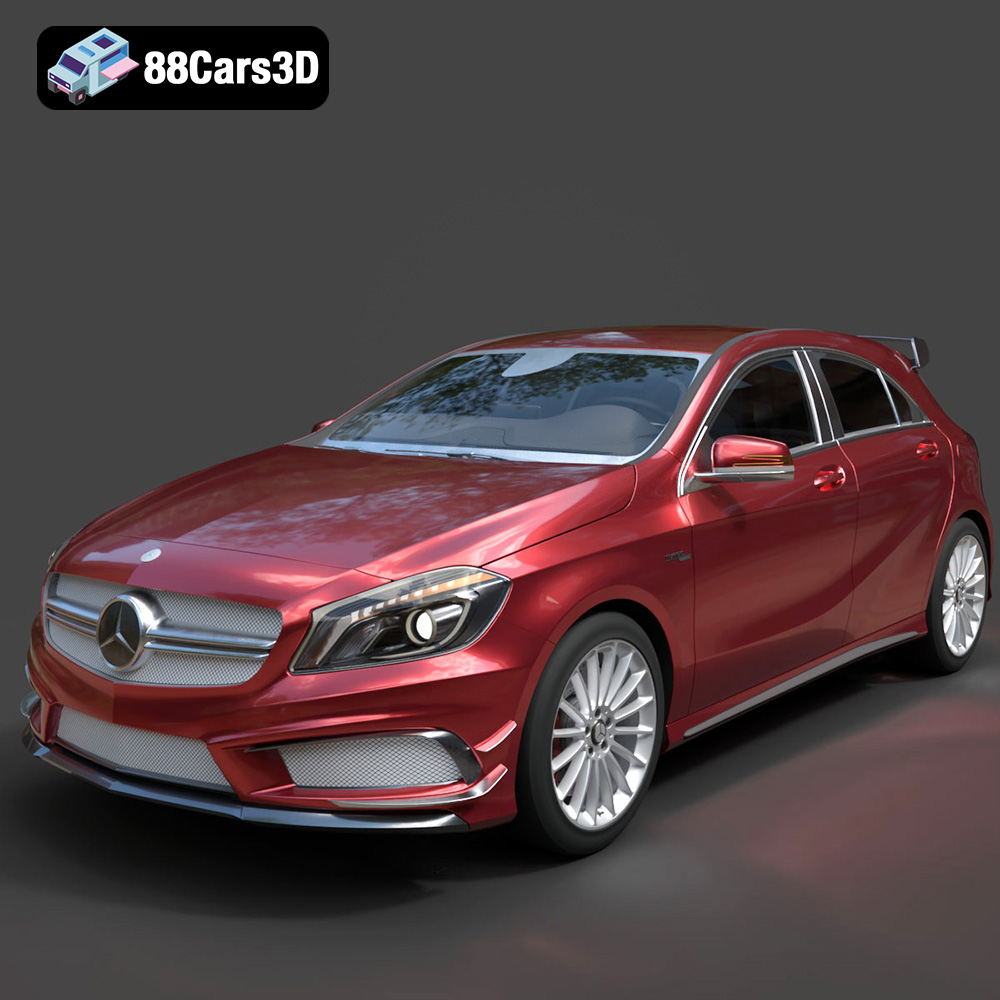
Download the Mercedes-Benz A45 2021 3D Model featuring clean geometry, realistic detailing, and a fully modeled interior. Includes .blend, .fbx, .obj, .glb, .stl, .ply, .unreal, and .max formats for rendering, simulation, and game development.
Price: $9.99
Texture: Yes
Material: Yes
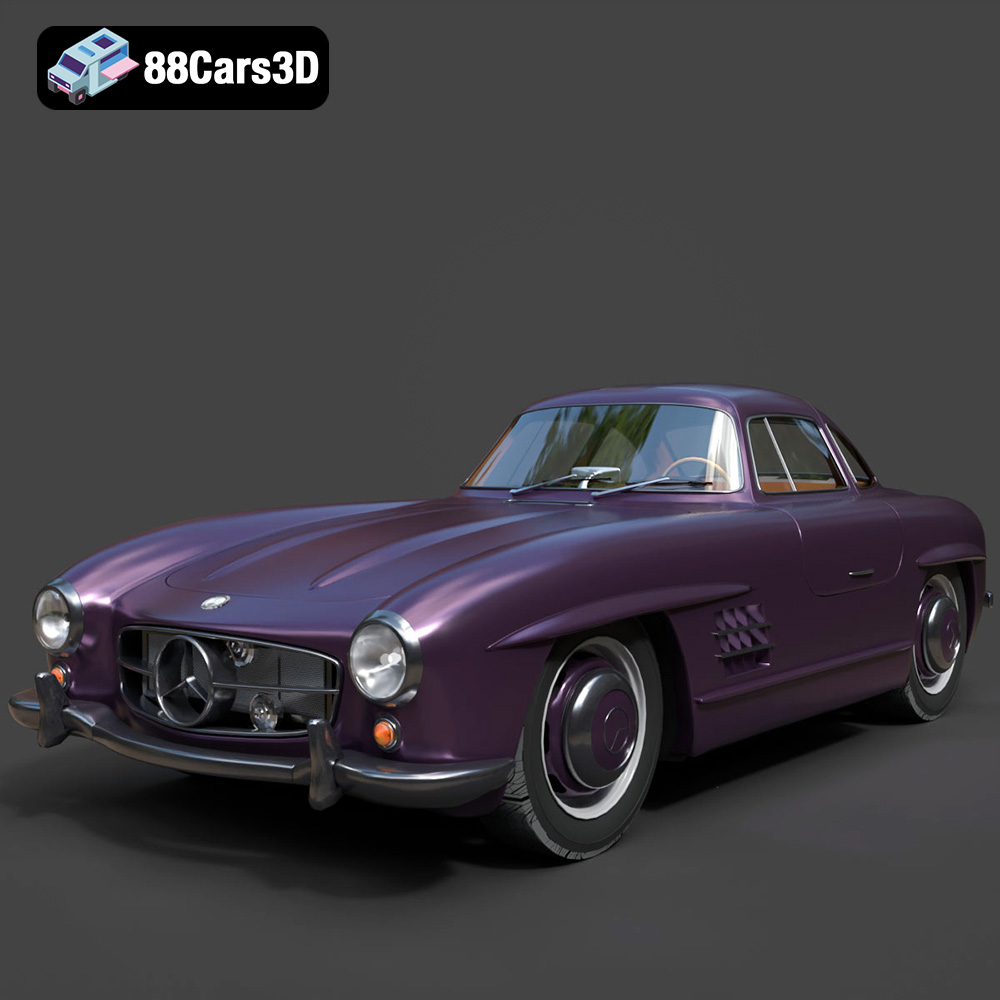
Download the Mercedes-Benz 300SL 1955 3D Model featuring clean geometry, realistic detailing, and a fully modeled interior. Includes .blend, .fbx, .obj, .glb, .stl, .ply, .unreal, and .max formats for rendering, simulation, and game development.
Price: $9.99
Texture: Yes
Material: Yes
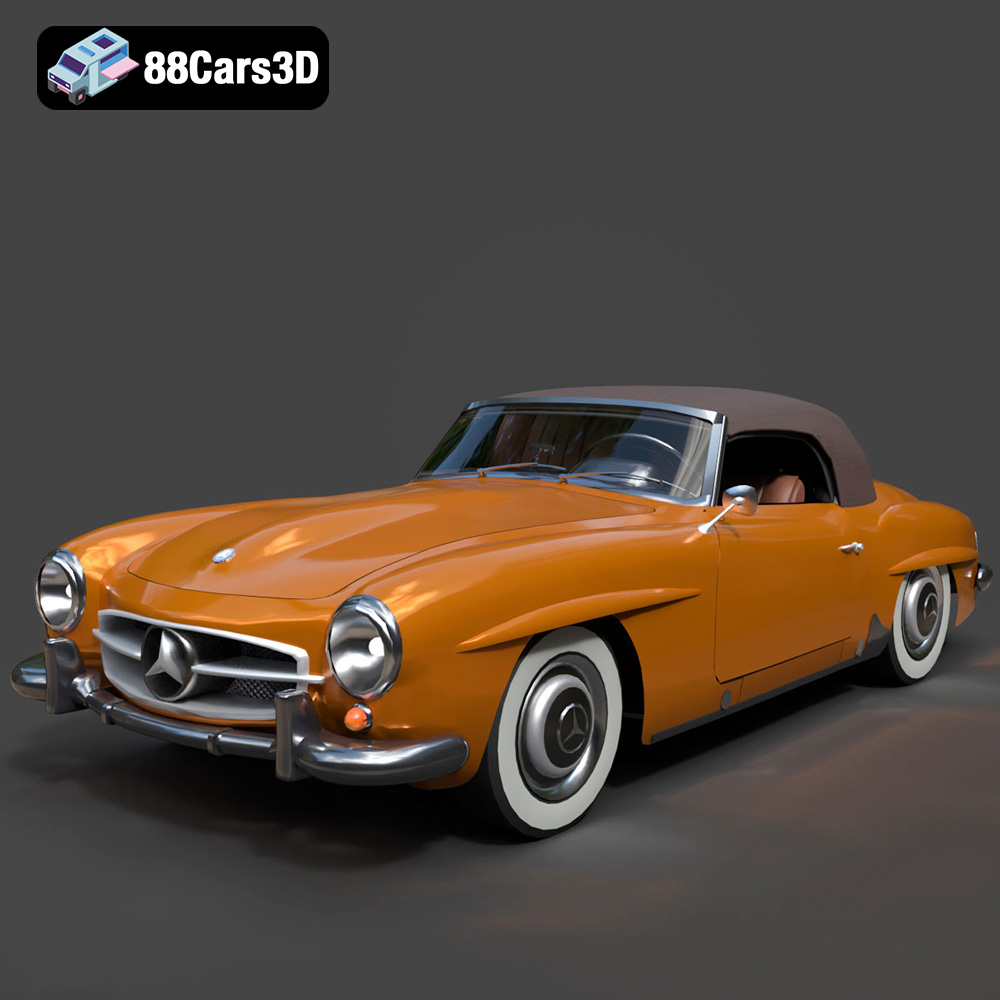
Download the Mercedes-Benz 190SL 1955 3D Model featuring clean geometry, realistic detailing, and a fully modeled interior. Includes .blend, .fbx, .obj, .glb, .stl, .ply, .unreal, and .max formats for rendering, simulation, and game development.
Price: $9.99
Texture: Yes
Material: Yes
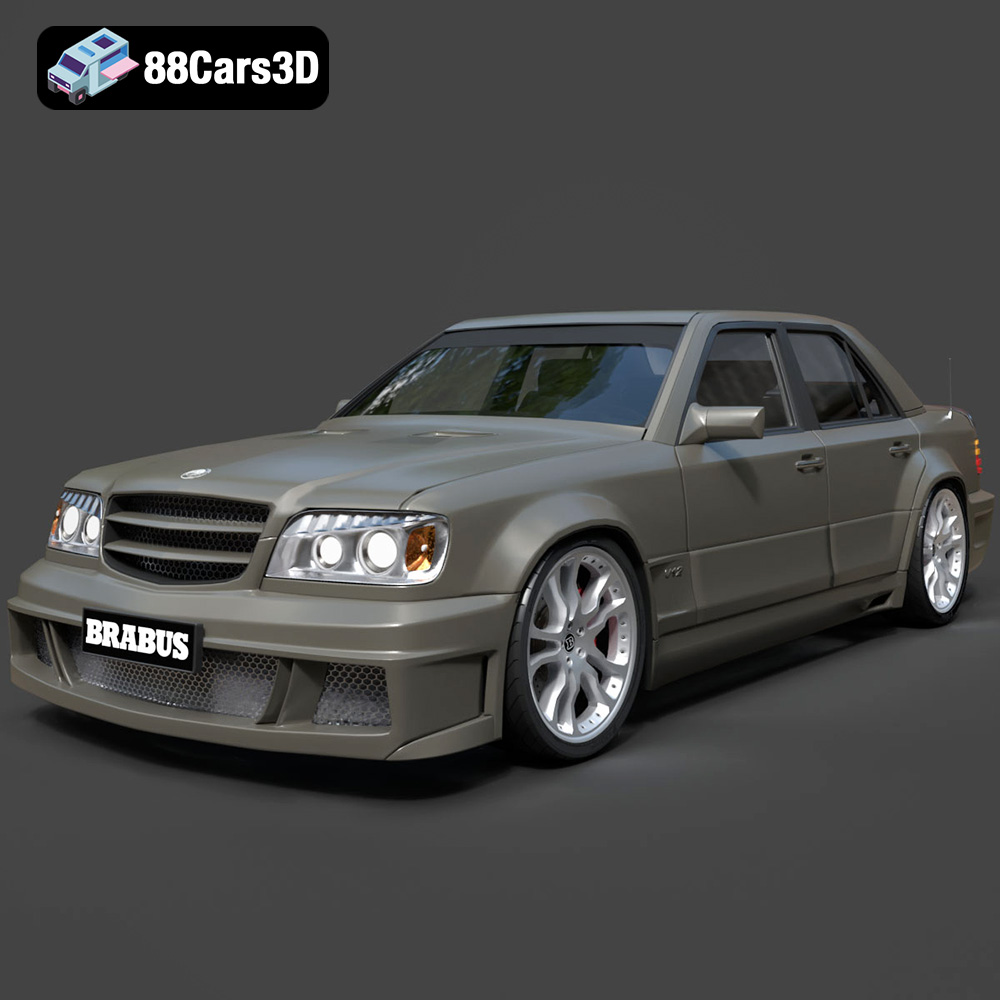
Download the Mercedes-Benz W124 Brabus V12 3D Model featuring clean geometry, realistic detailing, and a fully modeled interior. Includes .blend, .fbx, .obj, .glb, .stl, .ply, .unreal, and .max formats for rendering, simulation, and game development.
Price: $9.99

