⚡ FLASH SALE: Get 60% OFF All Premium 3D & STL Models! ⚡

“`html
The allure of a perfectly rendered automobile is undeniable. From the gleaming clear coat reflecting a studio environment to the aggressive stance of a vehicle in a dynamic game world, high-quality 3D car models are the cornerstone of compelling digital experiences. But acquiring a detailed model is just the first lap. The real magic happens in the preparation, texturing, lighting, and optimization that transforms a static mesh into a photorealistic hero asset or a performance-friendly game component. This process can seem daunting, spanning multiple disciplines from topology analysis to complex shader creation and real-time performance balancing. Starting with a meticulously crafted asset, like those found on marketplaces such as 88cars3d.com, is the first step to success, providing a robust foundation to build upon.
In this comprehensive guide, we will journey through the entire professional workflow. We’ll start by dissecting the anatomy of a production-ready 3D car model, focusing on topology and file formats. We will then dive deep into the technical arts of UV mapping and PBR material creation, unlocking the secrets to hyper-realistic surfaces. From there, we’ll explore both offline rendering techniques for stunning marketing visuals and the critical optimization strategies required for smooth performance in game engines like Unreal and Unity. Finally, we’ll touch on emerging applications in AR/VR and 3D printing. Whether you’re an automotive designer, a game developer, or a visualization artist, this guide will equip you with the knowledge to push your automotive 3D projects to the next level.
Before you can create a stunning render or a functional game asset, you must first understand the digital clay you’re working with. A professional 3D car model is more than just a collection of polygons that looks like a car; it’s a carefully constructed piece of digital engineering. Proper preparation at this initial stage prevents countless headaches down the line, ensuring smooth texturing, predictable deformations, and clean reflections. This involves verifying the model’s topology, choosing the right file format for your pipeline, and establishing a correct and consistent scale within your 3D software.
Topology refers to the flow and structure of polygons (quads and triangles) that form the model’s surface. For automotive models, clean, quad-based topology is the industry standard. Here’s why:
Polygon counts vary wildly based on use case. A “hero” car for a cinematic shot might exceed 1 million polygons, while a real-time game model might target 100,000-200,000 polygons for its highest Level of Detail (LOD0).
When you acquire a 3D car model, it will likely come in several formats. Choosing the right one is key for compatibility and preserving data.
One of the most common yet critical mistakes is working with a model at an incorrect scale. Always work in real-world units (e.g., centimeters or meters). If a model is imported at the wrong size, physics simulations, lighting calculations, and depth-of-field effects will behave incorrectly. Before starting, import your model into a clean scene in 3ds Max, Blender, or Maya. Use a simple cube primitive of a known size (e.g., 1 meter) to compare and ensure the car’s dimensions (length, width, height) match its real-world counterpart. If it’s incorrect, scale the entire model hierarchy uniformly to fix it before proceeding.
UV mapping is the process of flattening a 3D model’s surface into a 2D space so that textures can be applied accurately. For a complex object like a car, with its mix of large, flowing surfaces and intricate mechanical parts, a strategic UV workflow is non-negotiable. Poor UVs lead to stretched textures, visible seams, and inconsistent detail levels, instantly breaking the illusion of realism.
A “seam” in UV mapping is where the 3D mesh is “cut” to allow it to be unfolded flat. The goal is to place these seams where they are least visible on the final model. For cars, the best locations are often along the natural panel gaps and hard edges already present in the design.
Avoid placing seams across large, smooth, and highly visible areas like the middle of a hood or a door panel, as even a perfect texture can show a subtle artifact along a seam under certain lighting conditions.
Texel density is a measure of how much texture resolution is applied to a given surface area of your 3D model. Maintaining a consistent texel density across the entire car is crucial for ensuring that details look uniformly sharp. For example, the carbon fiber weave on a side mirror should look just as detailed as the weave on a large spoiler. You can use tools and plugins in 3D software to visualize and normalize texel density across your UV shells.
For hero assets demanding extreme close-ups, a single 4K or 8K texture map may not be enough. This is where UDIMs (U-Dimension) come in. The UDIM workflow allows you to use multiple texture maps on a single object, with each map corresponding to a different tile in the UV space. You could dedicate an entire 4K map just for the wheels, another for the front bumper, and several more for the main body, achieving incredible levels of detail that would be impossible with a single texture.
Different parts of a car require different unwrapping techniques. Your 3D software provides a suite of tools for this:
Physically Based Rendering (PBR) is a methodology for creating materials that accurately simulate the behavior of light in the real world. This is the key to achieving photorealism. A PBR material, or shader, is built from a collection of texture maps that control different surface attributes. For a car, you will be creating a variety of materials—car paint, chrome, glass, rubber, plastic, leather—each with its own unique PBR characteristics.
Understanding the primary texture maps is fundamental to PBR material creation:
A realistic car paint is not a single-layer material. It’s a complex shader that mimics the real-world composition of a base coat, metallic flakes, and a top clear coat. Here’s a conceptual breakdown for renderers like Corona or V-Ray:
Perfectly clean and uniform surfaces look fake. The final touch of realism comes from adding subtle imperfections. Use grunge maps—subtle textures of dust, smudges, or light scratches—and layer them into the roughness channel of your materials. A few faint fingerprints on a car door or a light layer of dust on the lower body panels can dramatically increase realism. For decals like racing stripes or sponsor logos, you can use a separate geometry plane “floated” just above the car’s surface or use masking techniques within your shader to layer them directly onto the paint material.
With a well-prepared model and realistic materials, the next step is to place it in a scene and create a stunning final image. This stage is a blend of technical settings and artistic vision, mimicking the principles of real-world automotive photography. Your choice of lighting, camera setup, and render settings will determine whether the final result is a flat, uninspired image or a dynamic, photorealistic masterpiece.
Lighting serves two purposes in automotive rendering: it illuminates the scene and it provides the reflections that define the car’s shape. There are two primary approaches:
Your virtual camera should be treated like a real one. Pay attention to these key settings:
Balancing render quality and time is the final technical hurdle. In renderers like Corona, V-Ray, or Cycles, instead of juggling dozens of obscure settings, you typically work towards a noise threshold. A lower value (e.g., 2-3%) will produce a cleaner image but take longer to render. For final compositing control, export your render as a multi-channel EXR file. This allows you to save out separate render passes like Reflections, Ambient Occlusion (AO), Z-Depth (for DoF effects), and Material ID masks. In post-processing software like Photoshop or After Effects, you can then non-destructively tweak the brightness of reflections, enhance contact shadows with the AO pass, or color-correct individual parts of the car using the ID masks.
The requirements for a real-time game asset are fundamentally different from those for an offline render. While visual quality is still important, performance is paramount. A model that brings a high-end rendering PC to its knees in 30 minutes must be able to run smoothly at 60 frames per second on a game console or PC. This requires a series of deliberate optimization strategies.
A Level of Detail (LOD) system is the most critical optimization for complex assets. It involves creating multiple versions of the car model, each with a progressively lower polygon count. The game engine automatically swaps these models based on the car’s distance from the camera.
Creating LODs is a manual process of carefully removing edge loops and collapsing details while preserving the model’s overall silhouette. Many premium 3D car models, including selections on platforms like 88cars3d.com, often come pre-optimized with LODs, saving developers a huge amount of time.
A “draw call” is a command from the CPU to the GPU to draw an object on the screen. Every object with a unique material generates at least one draw call. Too many draw calls can create a CPU bottleneck and severely impact performance. A complex car model might have dozens of materials (paint, glass, chrome, rubber, etc.), resulting in dozens of draw calls.
The solution is texture atlasing. This is the process of combining the textures for multiple different parts into a single, larger texture sheet (an “atlas”). For example, the textures for the dashboard, steering wheel, and seats could be combined into one “Interior” texture map and assigned to a single material. This reduces the material count from three to one, and consequently, the draw calls. It’s a careful balancing act of grouping parts logically to reduce draw calls without making the texture maps unmanageably large.
Creating realistic materials in a game engine involves using the engine’s built-in shader system. Both Unreal Engine’s Material Editor and Unity’s Shader Graph are powerful node-based systems that work on the same PBR principles (Albedo, Metallic, Roughness) as offline renderers. However, real-time car paint shaders require some specific tricks. They often use a “Clear Coat” shading model that simulates the two-layer effect of paint and lacquer. You can feed a detailed normal map with a fine, grainy texture into the clear coat’s normal input to simulate the metallic flakes, creating a convincing glitter effect as the camera moves.
Beyond traditional rendering and gaming, high-quality 3D car models are finding new life in interactive augmented reality (AR) experiences and as physical 3D-printed collectibles. Each of these applications has its own unique set of technical requirements and preparation steps.
Performance is even more critical in AR and VR, as applications need to maintain a very high and stable frame rate (typically 90 FPS) to avoid user discomfort. Optimization must be aggressive.
Preparing a model for 3D printing is about ensuring it’s a single, solid, “watertight” volume that a printer can understand. A model designed for rendering is often a collection of separate, intersecting shells, which will fail to print correctly.
We’ve traversed the entire lifecycle of a professional 3D car model, from the foundational importance of clean topology to the intricate details of real-time optimization and 3D printing preparation. The journey underscores a critical point: a high-quality 3D model is not just an endpoint but a versatile starting point for a vast array of creative and technical endeavors. Each application, whether it’s a glossy magazine ad, an immersive video game, or an interactive AR car configurator, demands a unique workflow and a deep understanding of the underlying principles.
The key takeaways are clear: always start with a solid foundation by verifying topology and scale. Invest time in strategic UV mapping and meticulous PBR material creation, as this is where realism is truly born. Tailor your lighting and camera work to the mood you wish to convey, and when moving to real-time applications, embrace optimization as a creative challenge, not a limitation. By mastering these diverse skill sets, you can transform any high-quality 3D car model into a truly stunning final product. Sourcing a professionally crafted asset from a trusted marketplace like 88cars3d.com can accelerate this process immensely, allowing you to focus your energy on the creative stages of lighting, rendering, and implementation that truly bring your vision to life.
“`

Texture: Yes
Material: Yes
Download the Mercedes-Benz SL500 AMG (R129) 3D Model featuring clean geometry, realistic detailing, and a fully modeled interior. Includes .blend, .fbx, .obj, .glb, .stl, .ply, .unreal, and .max formats for rendering, simulation, and game development.
Price: $9.99

Texture: Yes
Material: Yes
Download the Mercedes-Benz SLK 350 2005 3D Model featuring clean geometry, realistic detailing, and a fully modeled interior. Includes .blend, .fbx, .obj, .glb, .stl, .ply, .unreal, and .max formats for rendering, simulation, and game development.
Price: $9.99
Texture: Yes
Material: Yes
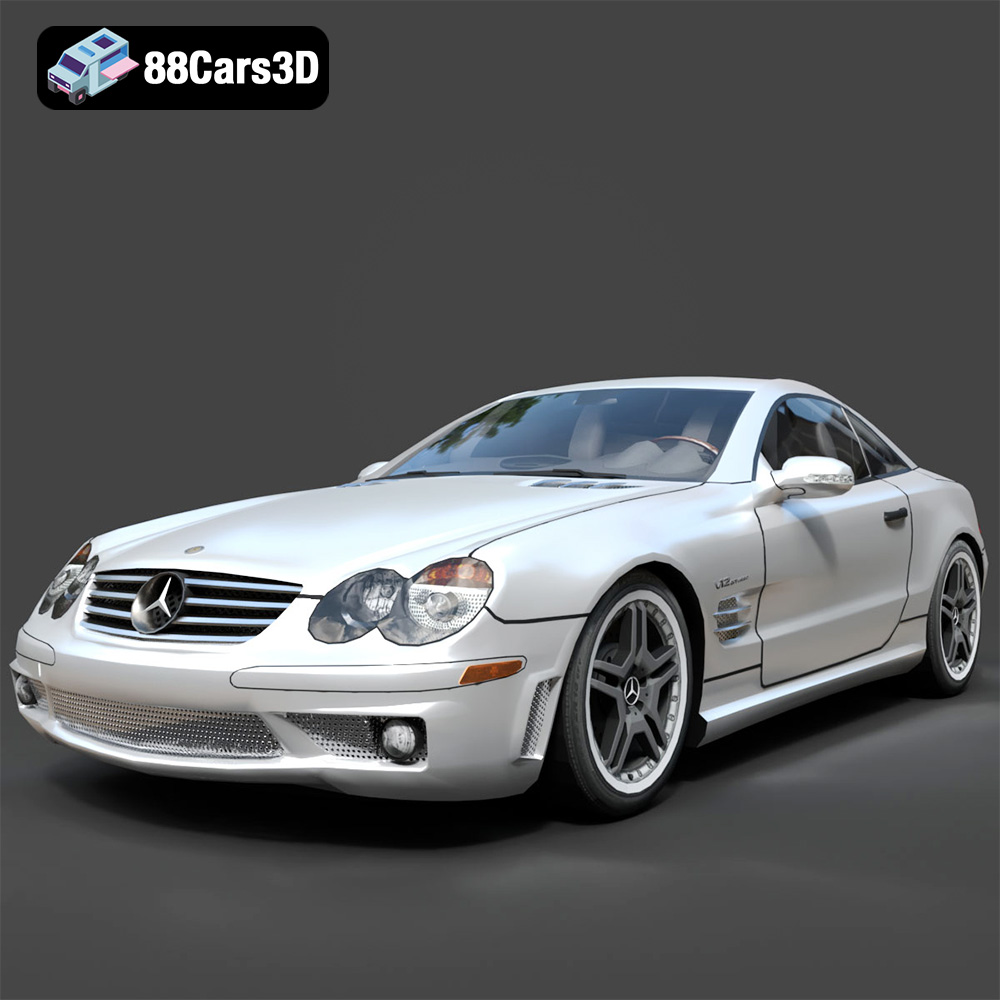
Download the Mercedes-Benz SL 65 AMG 3D Model featuring clean geometry, realistic detailing, and a fully modeled interior. Includes .blend, .fbx, .obj, .glb, .stl, .ply, .unreal, and .max formats for rendering, simulation, and game development.
Price: $9.99
Texture: Yes
Material: Yes
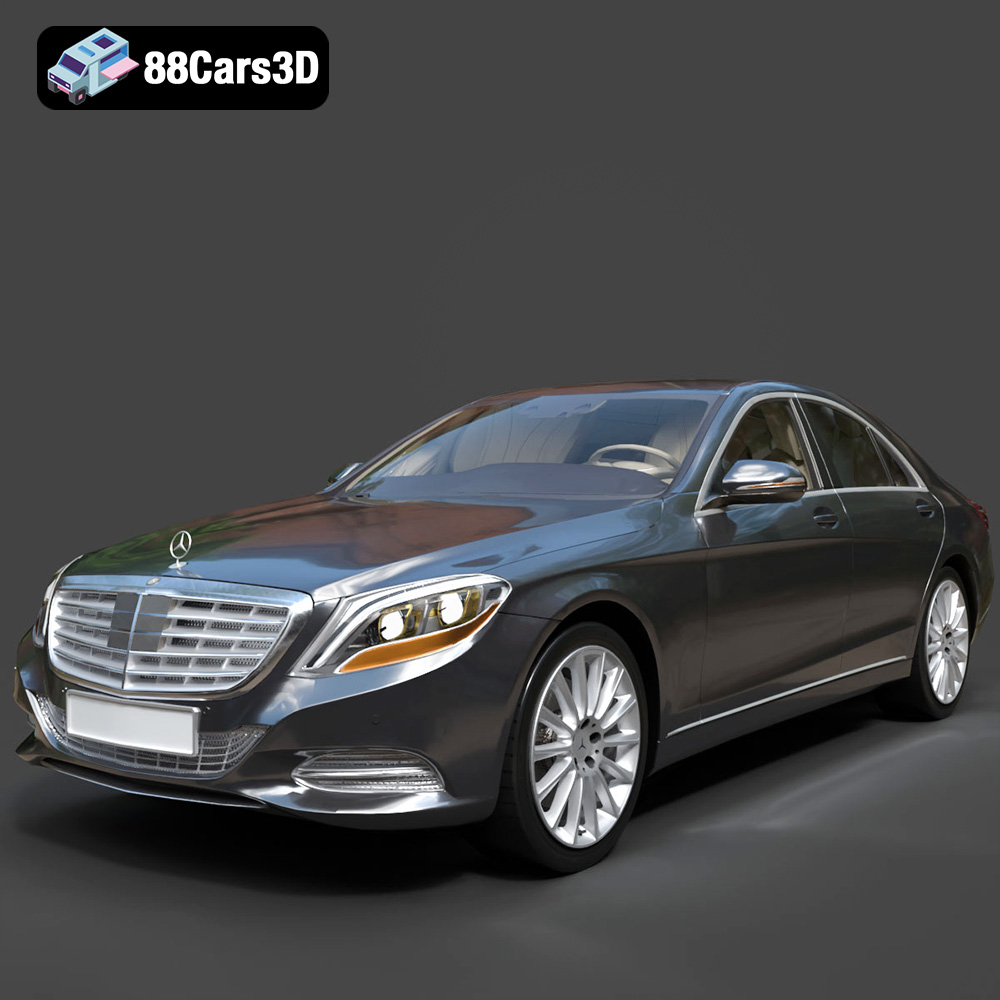
Download the Mercedes-Benz S500 3D Model featuring clean geometry, realistic detailing, and a fully modeled interior. Includes .blend, .fbx, .obj, .glb, .stl, .ply, .unreal, and .max formats for rendering, simulation, and game development.
Price: $9.99
Texture: Yes
Material: Yes
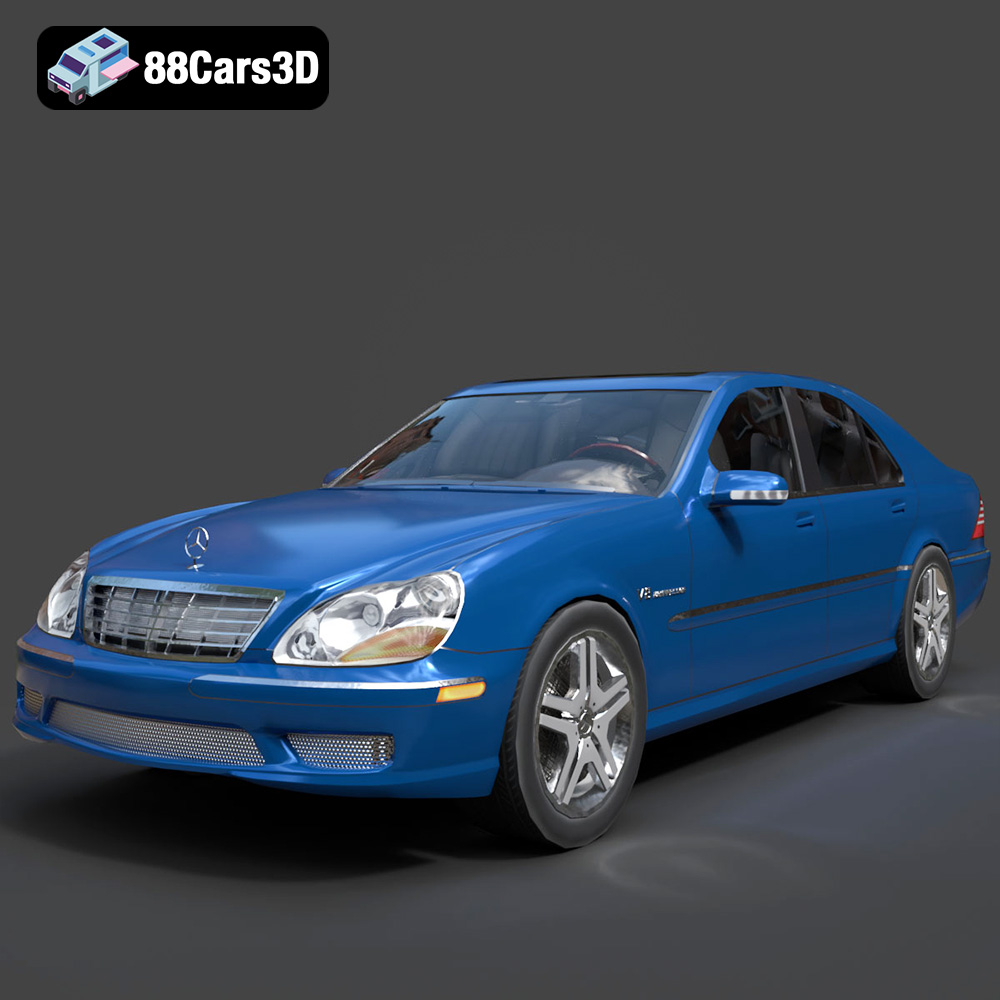
Download the Mercedes-Benz S55 W220 AMG 1999 3D Model featuring clean geometry, realistic detailing, and a fully modeled interior. Includes .blend, .fbx, .obj, .glb, .stl, .ply, .unreal, and .max formats for rendering, simulation, and game development.
Price: $9.99
Texture: Yes
Material: Yes
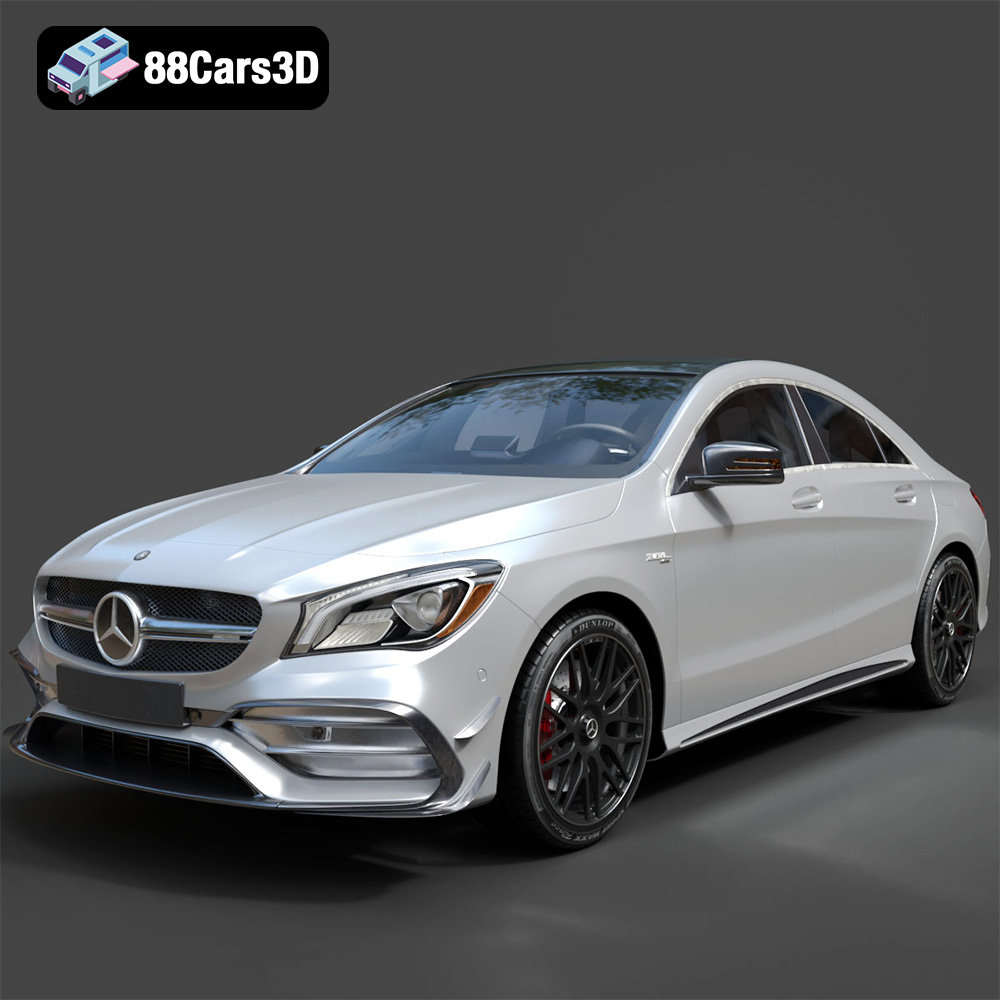
Download the Mercedes-Benz CLA45 AMG 2017 3D Model featuring clean geometry, realistic detailing, and a fully modeled interior. Includes .blend, .fbx, .obj, .glb, .stl, .ply, .unreal, and .max formats for rendering, simulation, and game development.
Price: $29.99
Texture: Yes
Material: Yes
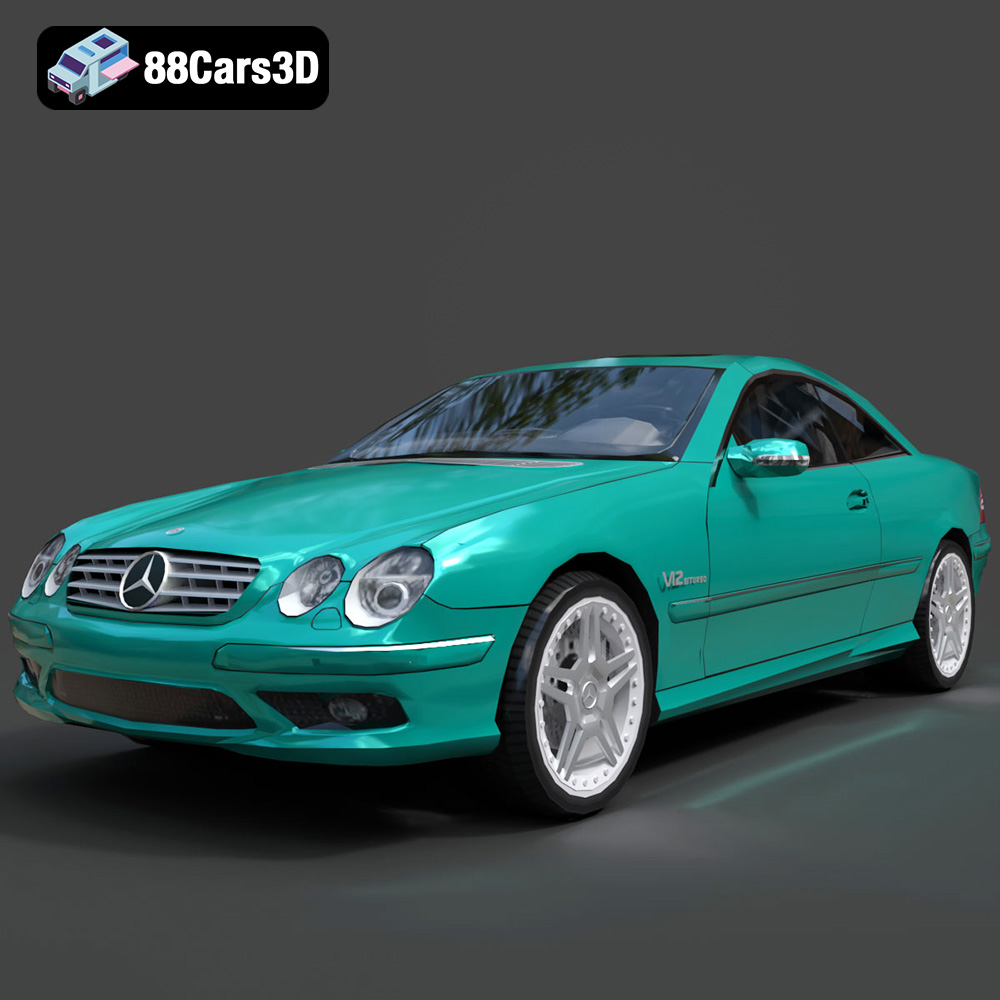
Download the Mercedes-Benz CL65 C215 AMG 3D Model featuring clean geometry, realistic detailing, and a fully modeled interior. Includes .blend, .fbx, .obj, .glb, .stl, .ply, .unreal, and .max formats for rendering, simulation, and game development.
Price: $9.99
Texture: Yes
Material: Yes
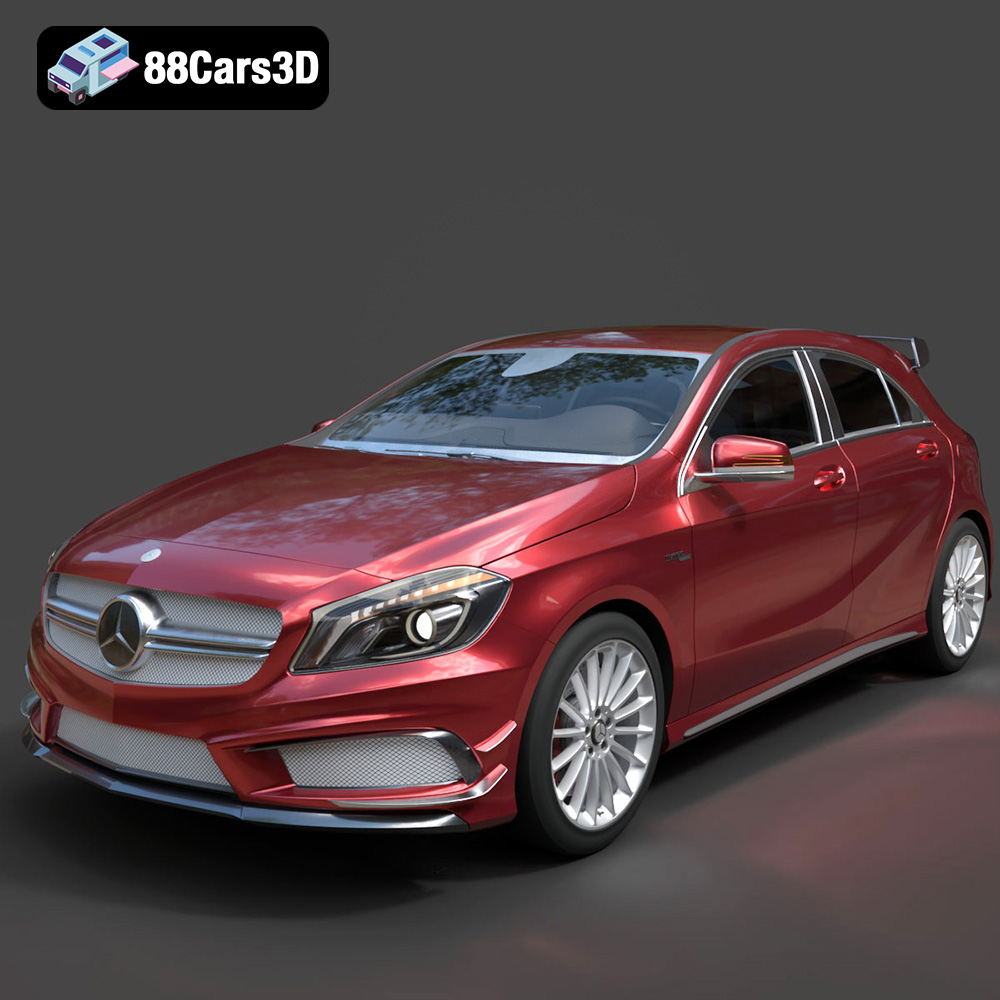
Download the Mercedes-Benz A45 2021 3D Model featuring clean geometry, realistic detailing, and a fully modeled interior. Includes .blend, .fbx, .obj, .glb, .stl, .ply, .unreal, and .max formats for rendering, simulation, and game development.
Price: $9.99
Texture: Yes
Material: Yes
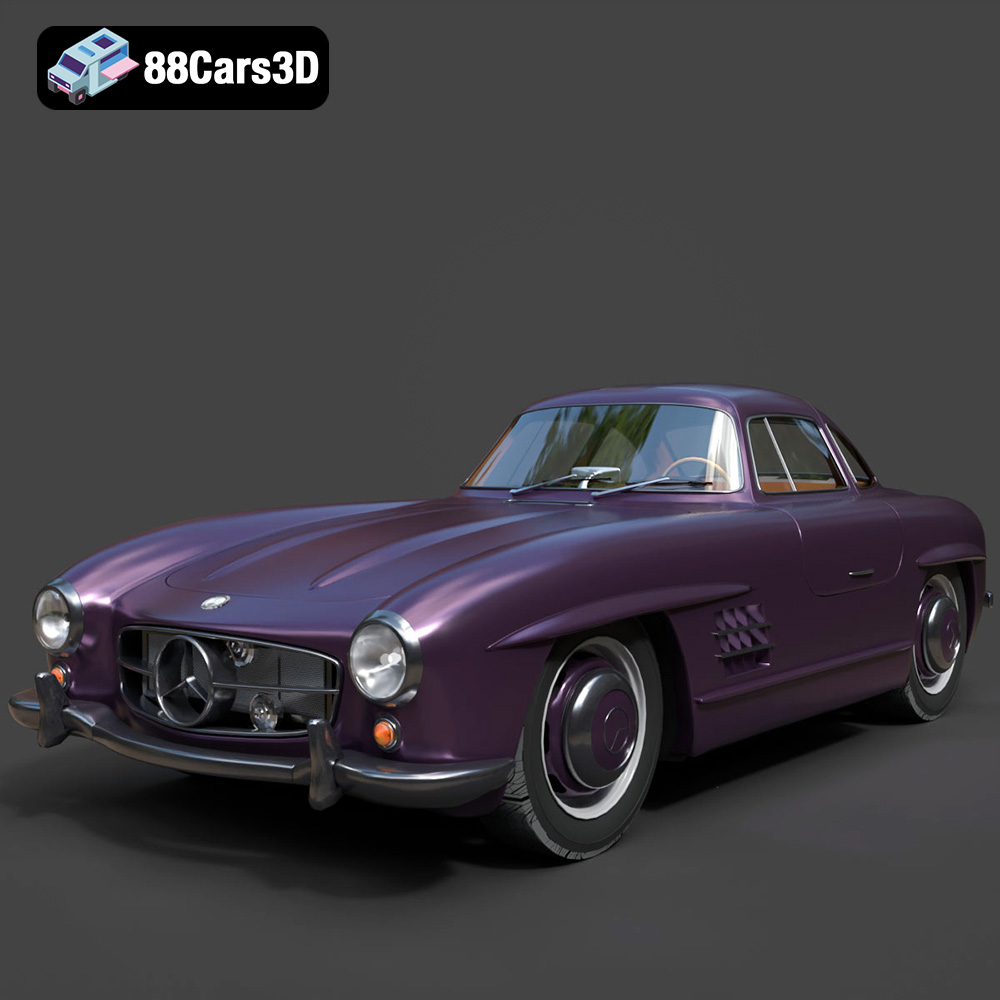
Download the Mercedes-Benz 300SL 1955 3D Model featuring clean geometry, realistic detailing, and a fully modeled interior. Includes .blend, .fbx, .obj, .glb, .stl, .ply, .unreal, and .max formats for rendering, simulation, and game development.
Price: $9.99
Texture: Yes
Material: Yes
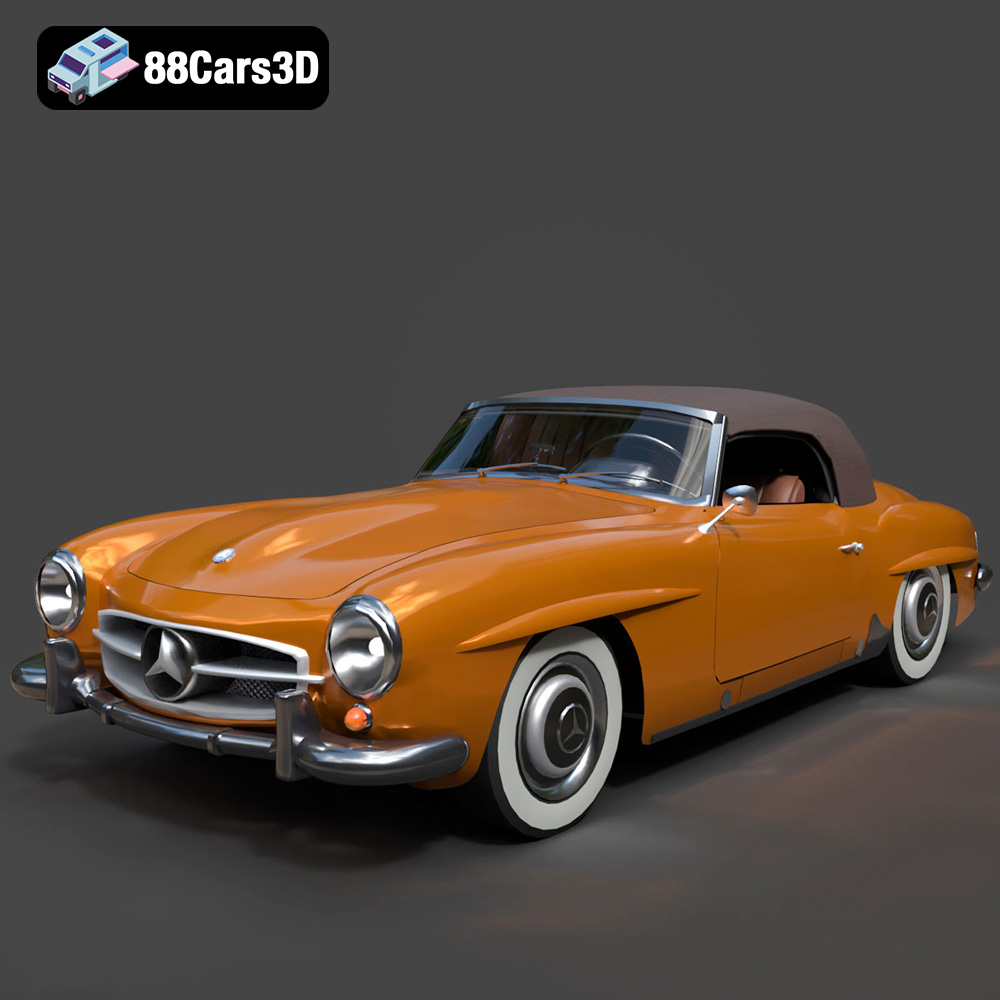
Download the Mercedes-Benz 190SL 1955 3D Model featuring clean geometry, realistic detailing, and a fully modeled interior. Includes .blend, .fbx, .obj, .glb, .stl, .ply, .unreal, and .max formats for rendering, simulation, and game development.
Price: $9.99

