
Beyond Static Renders: Optimizing High-End Automotive Models for Unreal Engine 5 Performance & Realism

Beyond Static Renders: Optimizing High-End Automotive Models for Unreal Engine 5 Performance & Realism
The allure of photorealistic automotive visualizations has long captivated enthusiasts and professionals alike. Traditionally, achieving breathtaking realism meant relying on offline renderers, where computation time was a luxury. However, with the advent of real-time engines like Unreal Engine 5, the landscape has fundamentally shifted. Now, the dream of interactive, visually stunning automotive experiences – from configurators and marketing showcases to full-fledged driving simulators and games – is within reach.
Yet, bridging the gap between ultra-detailed source models, often originating from CAD data or high-poly sculpting workflows, and the rigorous performance demands of a real-time engine presents a significant challenge. These source assets are typically designed for offline rendering, boasting millions of polygons and intricate material definitions that can cripple a real-time application. The goal isn’t just to import a model; it’s to transform it into an efficient, interactive, and visually impeccable asset. This guide will delve into the technical strategies and best practices necessary to optimize high-end automotive models for Unreal Engine 5, ensuring both unparalleled performance and breathtaking realism.
The High-Fidelity Challenge: Bridging the Gap for Automotive Excellence in Unreal Engine 5
Automotive design is synonymous with precision, elegance, and intricate detail. When translating these masterpieces into a real-time environment, the fidelity of the original source model becomes both a blessing and a curse. CAD data, for instance, often contains an astronomical number of polygons, perfectly suitable for manufacturing or static renders, but an immediate performance bottleneck for interactive applications. High-poly sculpts, similarly, capture every curve and imperfection, pushing geometric complexity to its limits.
Unreal Engine 5 automotive capabilities are robust, but they still require intelligent asset management. The engine is incredibly powerful, offering features like Lumen for global illumination and reflections, and Nanite for virtualized micropolygon geometry. However, without proper data preparation for UE5, even the most advanced features can struggle under the weight of unoptimized models. The unique hurdles for vehicle assets include maintaining smooth, reflective surfaces, accurately representing complex panel gaps, and handling the sheer volume of individual components that make up a modern car. Our journey begins by understanding how to intelligently pare down this complexity without sacrificing the visual integrity that defines high-end automotive models.
Foundational Optimization: High-Poly Mesh Optimization and LOD Strategies
Before even considering advanced Unreal Engine 5 features, a solid foundation of traditional mesh optimization is paramount. This involves carefully reducing polygon count and implementing a robust Level of Detail (LOD) system to ensure scalable performance.
Intelligent Mesh Reduction Techniques
The first step in high-poly mesh optimization is often intelligent mesh reduction. This isn’t about simply decimating a model until it’s low-poly; it’s about strategic polygon reduction that preserves essential curvature and hard edges. For automotive assets, curvature is king, and preserving those smooth, reflective surfaces is critical. Automated retopology tools can be a starting point, but often, manual cleanup and optimization are required to ensure edge flow supports deformation and visual fidelity.
- Manual Retopology: For hero vehicles or crucial components, manual retopology offers the greatest control. Artists can create clean, quad-based topology that is animation-friendly and retains maximum detail with minimal polygons. This is an intensive process but yields superior results for `automotive game asset pipeline` hero assets.
- Automated Decimation: Tools within 3D software can reduce polygon count automatically. However, these often produce triangulated meshes and can degrade surface quality. Use them judiciously, perhaps for interior components that are rarely seen up close, or as a base for manual cleanup.
- Polycount Budgets: Establish clear polycount budgets for different parts of the vehicle (e.g., exterior body, interior, wheels, engine bay) and for different levels of fidelity (hero vehicle vs. background vehicle). This guides the `high-poly mesh optimization` process and ensures efficient `real-time rendering performance`.
- Non-Destructive Workflows: Whenever possible, maintain a high-poly source model and apply optimization techniques non-destructively, allowing for iterative changes and adjustments without losing the original detail.
Implementing Effective LOD Strategies
Level of Detail (LOD) strategies are absolutely essential for managing complexity and ensuring consistent `real-time rendering performance` in a dynamic environment. LODs allow the engine to swap out higher-detail meshes for lower-detail versions as an object moves further away from the camera, drastically reducing the polygons rendered per frame without a noticeable visual impact.
- LOD Generation: Most 3D software and Unreal Engine 5 itself offer tools to automatically generate LODs. While convenient, manual refinement is often necessary to ensure smooth transitions and prevent popping.
- LOD Distances: Carefully set the screen size or distance thresholds at which each LOD level becomes active. For a highly detailed vehicle, you might have 3-5 LOD levels:
- LOD0: Full detail, used when the vehicle is very close to the camera.
- LOD1: Reduced detail, typically 50-70% of LOD0 polycount.
- LOD2: Further reduction, 25-40% of LOD0.
- LOD3/4: Significantly lower polycounts, potentially just a simplified silhouette for very distant views.
- Baking Normals: For lower LODs, details from the high-poly mesh (like panel lines, vents, or minor surface imperfections) should be baked into normal maps. This allows the low-poly mesh to appear high-detail without the geometric cost.
- Skeletal Meshes vs. Static Meshes: If the vehicle will be animated (e.g., suspension, doors opening), it will be a Skeletal Mesh. Static Meshes are simpler but cannot be animated. Both benefit from robust `LOD strategies`. For static vehicle props or elements, static meshes are ideal.
Leveraging Unreal Engine 5’s Power: Nanite for Automotive Detail
One of Unreal Engine 5’s most revolutionary features, Nanite, fundamentally redefines `high-poly mesh optimization` for static geometry. For `Nanite for automotive` applications, this means an unprecedented ability to render incredibly dense meshes with minimal performance overhead, liberating artists from many traditional polygon budget constraints.
Nanite is a virtualized micropolygon geometry system that intelligently streams and scales geometry based on what’s visible on screen. Instead of loading an entire mesh into memory, Nanite processes and renders only the necessary detail, often down to individual triangles, providing massive benefits:
- Unprecedented Geometric Detail: Automotive models with millions or even billions of polygons can be directly imported and rendered, maintaining every subtle curve and sharp edge from the source CAD or sculpt data. This eliminates much of the manual retopology work traditionally required for static elements.
- Performance Gains: Nanite significantly reduces draw calls and memory footprint for static meshes by processing geometry on the GPU in a highly efficient manner. This translates directly to improved `real-time rendering performance`, allowing for more complex scenes and higher frame rates.
- Automatic LOD Management: Nanite essentially handles LODs automatically at a microscopic level. It culls and streams geometry on a per-pixel basis, ensuring that only the necessary detail is rendered, regardless of viewing distance. This simplifies the `automotive game asset pipeline` by largely automating LOD creation for static parts.
- Simplified Workflow: Artists can focus more on artistic detail and less on polygon budgeting for static vehicle components. This accelerates content creation and allows for direct use of very high-fidelity source data.
However, while incredibly powerful, Nanite has considerations:
- Static Meshes Only: Nanite currently only supports static meshes. Components that require deformation (e.g., suspension, deformable body panels for damage, animated doors) still need traditional skeletal mesh setup with explicit LODs. Hybrid approaches are common, where the main body is Nanite, and animated parts are skeletal meshes.
- Translucency & Masked Materials: Meshes with translucent materials (like windows) or masked materials (like mesh grilles with alpha cutouts) may not fully benefit from Nanite’s optimizations or might require specific settings. Often, translucent meshes are rendered separately or require careful setup.
- UVs & Textures: While Nanite handles geometry, traditional UV mapping and texture atlasing are still crucial for `PBR materials automotive`. Textures need to be efficiently packed and streamed to support the visual quality of the high-detail geometry.
For high-quality automotive models, such as those available on 88cars3d.com, Nanite can be a game-changer for the main body and static interior elements, allowing for unparalleled detail straight out of the box with minimal traditional `high-poly mesh optimization` effort for geometry.
Achieving Photorealistic Visuals: PBR Materials and Advanced Lighting
Geometry provides the form, but materials and lighting breathe life into an automotive model. Mastering Physically Based Rendering (PBR) materials and sophisticated lighting setups are paramount to achieving the hyper-realistic look demanded by high-end automotive visualization in Unreal Engine 5.
Mastering PBR Materials for Automotive Surfaces
PBR materials are the cornerstone of photorealism. They are designed to react to light in a physically plausible way, making them consistent across different lighting conditions. For `PBR materials automotive`, specific considerations apply to emulate the unique properties of car paint, metal, glass, rubber, and leather.
- Metallic-Roughness Workflow: Unreal Engine 5 primarily uses the metallic-roughness workflow.
- Base Color: Defines the diffuse color or the color of reflections for metals.
- Metallic: A binary value (0 or 1) where 1 is metal and 0 is dielectric.
- Roughness: Controls the smoothness of the surface, ranging from 0 (perfectly smooth, mirror-like) to 1 (fully rough, diffuse).
- Normal Map: Provides fine surface detail without adding geometry, crucial for panel lines, subtle imperfections, and texture.
- Ambient Occlusion: Simulates soft self-shadowing in crevices.
- Car Paint: This is arguably the most complex automotive material.
- Clear Coat: A crucial layer on top of the base paint. In Unreal, this often involves using a “Clear Coat” input in the material, which adds a secondary specular lobe. This gives car paint its characteristic depth and reflectivity.
- Flake Effect: For metallic paints, a subtle “flake” effect can be added using a fine noise texture in combination with an anisotropic clear coat normal map, or by modulating roughness.
- Iridescence: Specialized materials can simulate pearlescent or chameleon paints using Fresnel effects and subtle color shifts based on viewing angle.
- Chrome & Metals: These materials are highly reflective with very low roughness values (close to 0) and a metallic value of 1. Ensure their base color is appropriate (e.g., near-white for chrome).
- Glass: Requires careful handling of translucency, reflections, and refractions. Use a thin translucent material with appropriate roughness for smudges, and consider a clear coat for extra sheen. The “Two Sided Foliage” shading model can sometimes be adapted for realistic, thin glass.
- Rubber & Plastics: Generally non-metallic (metallic 0) with varying degrees of roughness. Texture details from normal maps are essential for tire treads and dashboard grain.
- Leather & Fabric: Non-metallic, with detailed normal maps for grain and intricate roughness maps to simulate wear and varying absorption.
Advanced Lighting Setups in Unreal Engine 5
Lighting is the sculptor of forms and the revealer of materials. Unreal Engine 5’s lighting capabilities, particularly Lumen, are incredibly powerful for achieving realistic automotive visuals.
- Lumen Global Illumination and Reflections: Lumen is a fully dynamic global illumination and reflection system that processes light bounces and reflections in real-time. This is transformative for automotive models, providing realistic indirect lighting, soft shadows, and accurate reflections off the car’s surfaces and environment. Ensure Lumen is enabled and configured for optimal quality in your project settings.
- HDRI Lighting for Realistic Environments: High Dynamic Range Image (HDRI) maps are crucial for capturing real-world lighting environments. Place an HDRI texture in a Sky Light actor and ensure it’s set to “Specified Cubemap” with your chosen HDRI. This provides natural ambient light, color temperature, and accurate reflections that greatly enhance `Unreal Engine 5 automotive` realism.
- Physical Light Sources: Supplement HDRI lighting with targeted physical light sources:
- Directional Light: Simulates sunlight for strong, parallel shadows.
- Spot Lights & Rect Lights: Use these for studio lighting setups, simulating softboxes or spotlights to highlight specific features or create dramatic effects on the car’s bodywork. Ensure proper light temperatures and intensities.
- Reflection Captures: While Lumen handles global reflections, strategically placed Reflection Capture actors can enhance local reflections, especially for static, complex environments or to provide additional fidelity to highly reflective surfaces like car paint.
Enhancing Realism: Post-Processing and Camera Techniques
The final layer of polish that elevates a realistic render to a cinematic masterpiece comes from post-processing and intelligent camera work. These elements fine-tune the visual output, mimicking real-world camera optics and filmic aesthetics.
Calibrating Post-Process Effects
Unreal Engine 5’s Post Process Volume offers an extensive array of controls to refine the final image. Used judiciously, these can significantly enhance the perceived realism and mood of your automotive scene.
- Exposure and Color Grading: Adjust exposure to ensure the scene is neither too dark nor too bright. Color grading (lookup tables or manual adjustments) allows you to set the overall tone and mood, mimicking film stocks or specific photographic styles.
- Bloom: Adds a soft glow around bright objects, simulating light scattering in a camera lens. Use sparingly for headlamps or intense reflections to avoid an overly dreamy look.
- Ambient Occlusion (SSAO/GTAO): While Lumen provides global illumination, screen space ambient occlusion can further enhance contact shadows and add a sense of depth, particularly in tight crevices around the car’s panels or interior.
- Depth of Field (DoF): Crucial for cinematic shots. DoF mimics the focus of a real camera lens, blurring elements outside the focal plane. This draws the viewer’s eye to the car and adds a professional, high-production value feel.
- Lens Effects: Consider subtle additions like chromatic aberration (color fringing at high contrast edges) and lens flares (for direct light sources) to further simulate real-world camera imperfections and enhance cinematic flair.
Cinematic Camera Settings and Composition
How you frame and present your automotive model is as important as the model itself. Unreal Engine 5’s Cine Camera Actor provides controls that mimic real-world cameras, allowing for sophisticated visual storytelling.
- Aperture (f-stop): Directly controls the depth of field. A lower f-stop (e.g., f/2.8) creates a shallower DoF, blurring the background more aggressively, ideal for isolating the vehicle.
- Focal Length: Dictates the perspective. Longer focal lengths (e.g., 85mm, 135mm) are often preferred for automotive photography as they compress perspective, making the car appear more powerful and less distorted than wide-angle lenses.
- Aspect Ratio: Choose an aspect ratio that complements your presentation (e.g., 16:9 for standard displays, 2.35:1 for a cinematic widescreen look).
- Composition Rules: Apply principles like the rule of thirds, leading lines, and negative space to create visually appealing and dynamic shots that highlight the vehicle’s design and features.
Integrated Workflow & Best Practices: From Source to Scene in Unreal Engine 5
A seamless and efficient `automotive game asset pipeline` is critical for bringing high-quality vehicles into Unreal Engine 5. This involves careful preparation, export, and import strategies to ensure optimal performance and visual fidelity.
Data Preparation for UE5: The Pre-Import Checklist
Effective `data preparation for UE5` is the cornerstone of a successful workflow. This stage, performed in your 3D modeling software (e.g., Maya, Blender, 3ds Max), sets the foundation for everything that follows.
- Source Data Cleanup:
- CAD Conversion: If starting from CAD, ensure a clean tessellation process. Remove internal geometry that won’t be seen. Merge overlapping vertices and fix non-manifold geometry.
- Mesh Integrity: Ensure all meshes are clean, closed, and have consistent normals. Remove any duplicate geometry.
- Scale and Units: Work in real-world units (centimeters is standard for Unreal Engine). Ensure the model’s scale is correct before export.
- UV Mapping Best Practices:
- Non-Overlapping UVs: Critical for baking normal maps, ambient occlusion, and ensuring correct texture display. Each polygon should have a unique space on the UV map.
- Consistent Texel Density: Ensure that textures appear consistently crisp across different parts of the vehicle. Larger surfaces should have larger UV islands to receive more texture pixels.
- Material IDs/Groups: Assign appropriate material IDs or separate meshes by material type (e.g., body, glass, chrome) to streamline material assignment in Unreal.
- Second UV Channel for Lightmaps: Unreal Engine requires a second UV channel for static lightmap generation if you plan to use baked lighting. Ensure this channel has non-overlapping UVs.
- Hierarchy and Naming Conventions:
- Logical Grouping: Group components logically (e.g., “Car_Body”, “Wheel_Front_Left”, “Interior_Dashboard”).
- Clear Naming: Use consistent, descriptive naming conventions for meshes, materials, and textures. This drastically improves organization within Unreal Engine.
Exporting and Importing Your Automotive Assets
The FBX file format is the industry standard for transferring 3D assets into Unreal Engine.
- FBX Export Settings:
- Embed Media: Generally, uncheck this to keep texture files separate and avoid larger FBX files, allowing for easier texture updates.
- Geometry: Ensure “Smooth Groups” or “Normals and Tangents” are exported. Triangulate the mesh on export if not already done.
- Units: Double-check that export units match your working units (e.g., centimeters).
- Up-Axis: Ensure Y-up or Z-up matches your DCC tool and Unreal Engine’s default (Z-up).
- UE5 Import Options:
- Combine Meshes: Decide whether to combine all meshes into a single static mesh (useful for simpler props) or import individual components (best for complex vehicles where you need separate materials or Nanite configuration per part).
- Import Materials & Textures: Unreal can attempt to create basic materials and import textures. This can be a good starting point, but manual refinement is almost always necessary for `PBR materials automotive`.
- Auto-Generate LODs: While Unreal can automatically generate LODs, for hero automotive assets, manual `LOD strategies` are often preferred for higher quality. Nanite-enabled meshes largely bypass this for geometry.
- Build Nanite: Crucially, for high-poly static parts of your vehicle, ensure “Build Nanite” is checked during import or enabled later in the Static Mesh Editor to leverage `Nanite for automotive` benefits.
Scene Setup and Optimization in Unreal Engine 5
Once your assets are imported, setting them up effectively in the Unreal Engine 5 environment is the next critical step for maximizing `real-time rendering performance` and realism.
- Material Instance Management: Create Material Instances from master PBR materials. This allows you to quickly tweak parameters (color, roughness, clear coat strength) without recompiling shaders, streamlining iterative adjustments for car paint variants, interior materials, and more.
- World Partition and Data Layers: For very large automotive environments or showrooms, World Partition efficiently streams content, and Data Layers help organize scene elements, allowing you to load/unload parts of the environment as needed.
- Culling Distances: For non-Nanite meshes, set appropriate culling distances to prevent rendering objects that are too far away to be visible.
- Profiling Tools: Utilize Unreal Engine’s built-in profiling tools (e.g.,
Stat GPU,Stat RHI,Stat Unit) to identify performance bottlenecks. These tools are invaluable for pinpointing areas that need further `high-poly mesh optimization` or material adjustments. - Pre-built High-Quality Models: To jumpstart your projects and ensure you’re working with professionally optimized assets from the get-go, consider sourcing models from reputable platforms. For exceptional quality and detail, 88cars3d.com offers a selection of premium automotive models perfect for Unreal Engine 5 integration.
Conclusion
Bringing high-end automotive models to life in Unreal Engine 5 is a nuanced art that blends technical optimization with artistic finesse. It requires a holistic approach, starting from meticulous `data preparation for UE5` and `high-poly mesh optimization`, through the intelligent application of `LOD strategies` and the revolutionary power of `Nanite for automotive` geometry.
Achieving breathtaking visual fidelity hinges on mastering `PBR materials automotive` – especially the intricacies of car paint – and crafting sophisticated lighting setups that leverage Unreal Engine 5’s dynamic capabilities. With careful post-processing and cinematic camera techniques, you can transform a static model into an immersive, interactive experience that truly goes “beyond static renders.”
The journey from a CAD file to a photorealistic, performant real-time vehicle is challenging but incredibly rewarding. By adopting these best practices, you empower yourself to create stunning `Unreal Engine 5 automotive` showcases, configurators, and game assets that push the boundaries of realism and interactivity. Start building your next masterpiece today, and remember that quality models form the foundation of any great project. Explore the professional, ready-to-optimize models available at 88cars3d.com to kickstart your Unreal Engine 5 ventures with confidence.
Featured 3D Car Models

Toyota Mark II (X100) 1998 3D Model
Texture: Yes
Material: Yes
Download the Toyota Mark II (X100) 3D Model featuring clean geometry, realistic detailing, and a fully modeled interior. Includes .blend, .fbx, .obj, .glb, .stl, .ply, .unreal, and .max formats for rendering, simulation, and game development.
Price: $10

Toyota Corona 1985 3D Model
Texture: Yes
Material: Yes
Download the Toyota Corona 1985 3D Model featuring clean geometry, realistic detailing, and a fully modeled interior. Includes .blend, .fbx, .obj, .glb, .stl, .ply, .unreal, and .max formats for rendering, simulation, and game development.
Price: $10

Toyota Mark II X81 1990 3D Model
Texture: Yes
Material: Yes
Download the Toyota Mark II X81 1990 3D Model featuring clean geometry, realistic detailing, and a fully modeled interior. Includes .blend, .fbx, .obj, .glb, .stl, .ply, .unreal, and .max formats for rendering, simulation, and game development.
Price: $10

Toyota iQ EV 2012 3D Model
Texture: Yes
Material: Yes
Download the Toyota iQ EV 2012 3D Model featuring clean geometry, realistic detailing, and a fully modeled interior. Includes .blend, .fbx, .obj, .glb, .stl, .ply, .unreal, and .max formats for rendering, simulation, and game development.
Price: $10

Toyota Aygo 2013 3D Model
Texture: Yes
Material: Yes
Download the Toyota Aygo 2013 3D Model featuring clean geometry, realistic detailing, and a fully modeled interior. Includes .blend, .fbx, .obj, .glb, .stl, .ply, .unreal, and .max formats for rendering, simulation, and game development.
Price: $10

Toyota Crown S180 2005 3D Model
Texture: Yes
Material: Yes
Download the Toyota Crown S180 2005 3D Model featuring clean geometry, realistic detailing, and a fully modeled interior. Includes .blend, .fbx, .obj, .glb, .stl, .ply, .unreal, and .max formats for rendering, simulation, and game development.
Price: $10

Toyota Celica 2004 3D Model
Texture: Yes
Material: Yes
Download the Toyota Celica 2004 3D Model featuring clean geometry, realistic detailing, and a fully modeled interior. Includes .blend, .fbx, .obj, .glb, .stl, .ply, .unreal, and .max formats for rendering, simulation, and game development.
Price: $10

Toyota Corolla AE100 1992 3D Model
Texture: Yes
Material: Yes
Download the Toyota Corolla AE100 1992 3D Model featuring clean geometry, realistic detailing, and a fully modeled interior. Includes .blend, .fbx, .obj, .glb, .stl, .ply, .unreal, and .max formats for rendering, simulation, and game development.
Price: $10

Toyota Mark II X110 2000 3D Model
Texture: Yes
Material: Yes
Download the Toyota Mark II X110 2000 3D Model featuring clean geometry, realistic detailing, and a fully modeled interior. Includes .blend, .fbx, .obj, .glb, .stl, .ply, .unreal, and .max formats for rendering, simulation, and game development.
Price: $10

Toyota Corolla 2020 3D Model
Texture: Yes
Material: Yes
Download the Toyota Corolla 2020 3D Model featuring clean geometry, realistic detailing, and a fully modeled interior. Includes .blend, .fbx, .obj, .glb, .stl, .ply, .unreal, and .max formats for rendering, simulation, and game development.
Price: $10

Toyota Yaris 2020 3D Model
Texture: Yes
Material: Yes
Download the Toyota Yaris 2020 3D Model featuring clean geometry, realistic detailing, and a fully modeled interior. Includes .blend, .fbx, .obj, .glb, .stl, .ply, .unreal, and .max formats for rendering, simulation, and game development.
Price: $9.9

Volkswagen Beetle 2012 3D Model
Texture: Yes
Material: Yes
Download the Volkswagen Beetle 2012 3D Model featuring clean geometry, realistic detailing, and a fully modeled interior. Includes .blend, .fbx, .obj, .glb, .stl, .ply, .unreal, and .max formats for rendering, simulation, and game development.
Price: $9.9

Toyota Matrix 2005 3D Model
Texture: Yes
Material: Yes
Download the Toyota Matrix 2005 3D Model featuring clean geometry, realistic detailing, and a fully modeled interior. Includes .blend, .fbx, .obj, .glb, .stl, .ply, .unreal, and .max formats for rendering, simulation, and game development.
Price: $9.9

Toyota Yaris Sedan 3D Model
Texture: Yes
Material: Yes
Download the Toyota Yaris Sedan 3D Model featuring clean geometry, realistic detailing, and a fully modeled interior. Includes .blend, .fbx, .obj, .glb, .stl, .ply, .unreal, and .max formats for rendering, simulation, and game development.
Price: $9.9

Volkswagen Golf R-004 2024 3D Model
Texture: Yes
Material: Yes
Download the Volkswagen Golf R-004 2024 3D Model featuring clean geometry, realistic detailing, and a fully modeled interior. Includes .blend, .fbx, .obj, .glb, .stl, .ply, .unreal, and .max formats for rendering, simulation, and game development.
Price: $9.9

Volkswagen Golf 5 Door 2010 3D Model
Texture: Yes
Material: Yes
Download the Volkswagen Golf 5 Door 2010 3D Model featuring clean geometry, realistic detailing, and a fully modeled interior. Includes .blend, .fbx, .obj, .glb, .stl, .ply, .unreal, and .max formats for rendering, simulation, and game development.
Price: $9.9

Toyota Premio 2010 3D Model
Texture: Yes
Material: Yes
Download the Toyota Premio 2010 3D Model featuring clean geometry, realistic detailing, and a fully modeled interior. Includes .blend, .fbx, .obj, .glb, .stl, .ply, .unreal, and .max formats for rendering, simulation, and game development.
Price: $9.9

Toyota Opa 2000 3D Model
Texture: Yes
Material: Yes
Download the Toyota Opa 2000 3D Model featuring clean geometry, realistic detailing, and a fully modeled interior. Includes .blend, .fbx, .obj, .glb, .stl, .ply, .unreal, and .max formats for rendering, simulation, and game development.
Price: $9.9

Volkswagen Polo 5 Door 2010 3D Model
Texture: Yes
Material: Yes
Download the Volkswagen Polo 5 Door 2010 3D Model featuring clean geometry, realistic detailing, and a fully modeled interior. Includes .blend, .fbx, .obj, .glb, .stl, .ply, .unreal, and .max formats for rendering, simulation, and game development.
Price: $9.9

Toyota Prius 2024 3D Model
Texture: Yes
Material: Yes
Download the Toyota Prius 2024 3D Model featuring clean geometry, realistic detailing, and a fully modeled interior. Includes .blend, .fbx, .obj, .glb, .stl, .ply, .unreal, and .max formats for rendering, simulation, and game development.
Price: $9.9

Toyota Yaris 1999 3D Model
Texture: Yes
Material: Yes
Download the Toyota Yaris 1999 3D Model featuring clean geometry, realistic detailing, and a fully modeled interior. Includes .blend, .fbx, .obj, .glb, .stl, .ply, .unreal, and .max formats for rendering, simulation, and game development.
Price: $9.9

Toyota Supra 2020 3D Model
Texture: Yes
Material: Yes
Download the Toyota Supra 2020 3D Model featuring clean geometry, realistic detailing, and a fully modeled interior. Includes .blend, .fbx, .obj, .glb, .stl, .ply, .unreal, and .max formats for rendering, simulation, and game development.
Price: $9.9

Volkswagen New Beetle 2000 3D Model
Texture: Yes
Material: Yes
Download the Volkswagen New Beetle 2000 3D Model featuring clean geometry, realistic detailing, and a fully modeled interior. Includes .blend, .fbx, .obj, .glb, .stl, .ply, .unreal, and .max formats for rendering, simulation, and game development.
Price: $14.99

Volkswagen Jetta 2005 3D Model
Texture: Yes
Material: Yes
Download the Volkswagen Jetta 2005 3D Model featuring clean geometry, realistic detailing, and a fully modeled interior. Includes .blend, .fbx, .obj, .glb, .stl, .ply, .unreal, and .max formats for rendering, simulation, and game development.
Price: $18.99

Volkswagen Golf 3-Door 3D Model
Texture: Yes
Material: Yes
Download the Volkswagen Golf 3-Door 3D Model featuring clean geometry, realistic detailing, and a fully modeled interior. Includes .blend, .fbx, .obj, .glb, .stl, .ply, .unreal, and .max formats for rendering, simulation, and game development.
Price: $14.99

Volvo V70 2005 3D Model
Texture: Yes
Material: Yes
Download the Volvo V70 2005 3D Model featuring clean geometry, realistic detailing, and a fully modeled interior. Includes .blend, .fbx, .obj, .glb, .stl, .ply, .unreal, and .max formats for rendering, simulation, and game development.
Price: $14.99

Volkswagen Bora 2004 3D Model
Texture: Yes
Material: Yes
Download the Volkswagen Bora 2004 3D Model featuring clean geometry, realistic detailing, and a fully modeled interior. Includes .blend, .fbx, .obj, .glb, .stl, .ply, .unreal, and .max formats for rendering, simulation, and game development.
Price: $14.99

Volkswagen Lupo 3D Model
Texture: Yes
Material: Yes
Download the Volkswagen Lupo 3D Model featuring clean geometry, realistic detailing, and a fully modeled interior. Includes .blend, .fbx, .obj, .glb, .stl, .ply, .unreal, and .max formats for rendering, simulation, and game development.
Price: $19.99

Volkswagen Passat B5 2000 3D Model
Texture: Yes
Material: Yes
Download the Volkswagen Passat B5 2000 3D Model featuring clean geometry, realistic detailing, and a fully modeled interior. Includes .blend, .fbx, .obj, .glb, .stl, .ply, .unreal, and .max formats for rendering, simulation, and game development.
Price: $19.99

Volkswagen Passat CC 3D Model
Texture: Yes
Material: Yes
Download the Volkswagen Passat CC 3D Model featuring clean geometry, realistic detailing, and a fully modeled interior. Includes .blend, .fbx, .obj, .glb, .stl, .ply, .unreal, and .max formats for rendering, simulation, and game development.
Price: $19.99

Volkswagen Golf V 2006 3D Model
Texture: Yes
Material: Yes
Download the Volkswagen Golf V 2006 3D Model featuring clean geometry, realistic detailing, and a fully modeled interior. Includes .blend, .fbx, .obj, .glb, .stl, .ply, .unreal, and .max formats for rendering, simulation, and game development.
Price: $19.99

Volvo S60 R-Design 2024 3D Model
Texture: Yes
Material: Yes
Download the Volvo S60 R-Design 3D Model featuring clean geometry, realistic detailing, and a fully modeled interior. Includes .blend, .fbx, .obj, .glb, .stl, .ply, .unreal, and .max formats for rendering, simulation, and game development.
Price: $19.99

Volkswagen Passat 2025 3D Model
Texture: Yes
Material: Yes
Download the Volkswagen Passat 2025 3D Model featuring clean geometry, realistic detailing, and a fully modeled interior. Includes .blend, .fbx, .obj, .glb, .stl, .ply, .unreal, and .max formats for rendering, simulation, and game development.
Price: $25.99

Volkswagen Passat Variant B6 2005 3D Model
Texture: Yes
Material: Yes
Download the Volkswagen Passat Variant B6 2005 3D Model featuring clean geometry, realistic detailing, and a fully modeled interior. Includes .blend, .fbx, .obj, .glb, .stl, .ply, .unreal, and .max formats for rendering, simulation, and game development.
Price: $25.99

Volkswagen Phaeton W12 2004 3D Model
Texture: Yes
Material: Yes
Download the Volkswagen Phaeton W12 2004 3D Model featuring clean geometry, realistic detailing, and a fully modeled interior. Includes .blend, .fbx, .obj, .glb, .stl, .ply, .unreal, and .max formats for rendering, simulation, and game development.
Price: $25.99

Volkswagen Scirocco 2015 3D Model
Texture: Yes
Material: Yes
Download the Volkswagen Scirocco 2015 3D Model featuring clean geometry, realistic detailing, and a fully modeled interior. Includes .blend, .fbx, .obj, .glb, .stl, .ply, .unreal, and .max formats for rendering, simulation, and game development.
Price: $25.99

Volvo S60 2024 3D Model
Texture: Yes
Material: Yes
Download the Volvo S60 2024 3D Model featuring clean geometry, realistic detailing, and a fully modeled interior. Includes .blend, .fbx, .obj, .glb, .stl, .ply, .unreal, and .max formats for rendering, simulation, and game development.
Price: $25.99

Volkswagen Polo 3D Model
Texture: Yes
Material: Yes
Download the Volkswagen Polo 3D Model featuring clean geometry, realistic detailing, and a fully modeled interior. Includes .blend, .fbx, .obj, .glb, .stl, .ply, .unreal, and .max formats for rendering, simulation, and game development.
Price: $25.99

Volkswagen Golf 5-Doors 2018 3D Model
Texture: Yes
Material: Yes
Download the Volkswagen Golf 5-Doors 3D Model featuring clean geometry, realistic detailing, and a fully modeled interior. Includes .blend, .fbx, .obj, .glb, .stl, .ply, .unreal, and .max formats for rendering, simulation, and game development.
Price: $25.99

Volvo C70 T5 2000 3D Model
Texture: Yes
Material: Yes
Download the Volvo C70 T5 2000 3D Model featuring clean geometry, realistic detailing, and a fully modeled interior. Includes .blend, .fbx, .obj, .glb, .stl, .ply, .unreal, and .max formats for rendering, simulation, and game development.
Price: $23.99

Volvo S40 Sedan 2004 3D Model
Texture: Yes
Material: Yes
Download the Volvo S40 Sedan 2004 3D Model featuring clean geometry, realistic detailing, and a fully modeled interior. Includes .blend, .fbx, .obj, .glb, .stl, .ply, .unreal, and .max formats for rendering, simulation, and game development.
Price: $23.99

Volvo C30 BEV 2012 3D Model
Texture: Yes
Material: Yes
Download the Volvo C30 BEV 2012 3D Model featuring clean geometry, realistic detailing, and a fully modeled interior. Includes .blend, .fbx, .obj, .glb, .stl, .ply, .unreal, and .max formats for rendering, simulation, and game development.
Price: $23.99

Volvo C70 1998 3D Model
Texture: Yes
Material: Yes
Download the Volvo C70 1998 3D Model featuring clean geometry, realistic detailing, and a fully modeled interior. Includes .blend, .fbx, .obj, .glb, .stl, .ply, .unreal, and .max formats for rendering, simulation, and game development.
Price: $23.99

Mazda B-Series 3D Model
Texture: Yes
Material: Yes
Download the Mazda B-Series 3D Model featuring clean geometry, realistic detailing, and a fully modeled interior. Includes .blend, .fbx, .obj, .glb, .stl, .ply, .unreal, and .max formats for rendering, simulation, and game development.
Price: $23.99

Mercsedes Benz Z3-006 3D Model
Texture: Yes
Material: Yes
Download the Mercsedes Benz Z3-006 3D Model featuring clean geometry, realistic detailing, and a fully modeled interior. Includes .blend, .fbx, .obj, .glb, .stl, .ply, .unreal, and .max formats for rendering, simulation, and game development.
Price: $23.99

Mazda RX-7 3D Model
Texture: Yes
Material: Yes
Download the Mazda RX-7 3D Model featuring clean geometry, realistic detailing, and a fully modeled interior. Includes .blend, .fbx, .obj, .glb, .stl, .ply, .unreal, and .max formats for rendering, simulation, and game development.
Price: $23.99

Volvo VCC-003 3D Model
Texture: Yes
Material: Yes
Download the Volvo VCC-003 3D Model featuring clean geometry, realistic detailing, and a fully modeled interior. Includes .blend, .fbx, .obj, .glb, .stl, .ply, .unreal, and .max formats for rendering, simulation, and game development.
Price: $23.99

Mercedes-Benz SLR McLaren 2005 3D Model
Texture: Yes
Material: Yes
Download the Mercedes-Benz SLR McLaren 2005 3D Model featuring clean geometry, realistic detailing, and a fully modeled interior. Includes .blend, .fbx, .obj, .glb, .stl, .ply, .unreal, and .max formats for rendering, simulation, and game development.
Price: $23.99

GAZ 3110 Pickup 2000 3D Model
Texture: Yes
Material: Yes
Download the GAZ 3110 Pickup 3D Model featuring clean geometry, realistic detailing, and a fully modeled interior. Includes .blend, .fbx, .obj, .glb, .stl, .ply, .unreal, and .max formats for rendering, simulation, and game development.
Price: $23.99

Mazda 626 GF 1997 3D Model
Texture: Yes
Material: Yes
Download the Mazda 626 GF 1997 3D Model featuring clean geometry, realistic detailing, and a fully modeled interior. Includes .blend, .fbx, .obj, .glb, .stl, .ply, .unreal, and .max formats for rendering, simulation, and game development.
Price: $23.99

Volvo S80 2011 3D Model
Texture: Yes
Material: Yes
Download the Volvo S80 2011 3D Model featuring clean geometry, realistic detailing, and a fully modeled interior. Includes .blend, .fbx, .obj, .glb, .stl, .ply, .unreal, and .max formats for rendering, simulation, and game development.
Price: $23.99

Volkswagen Touran restyle-006 3D Model
Texture: Yes
Material: Yes
Download the Volkswagen Touran restyle-006 3D Model featuring clean geometry, realistic detailing, and a fully modeled interior. Includes .blend, .fbx, .obj, .glb, .stl, .ply, .unreal, and .max formats for rendering, simulation, and game development.
Price: $23.99

Skoda Octavia Scout 3D Model
Texture: Yes
Material: Yes
Download the Skoda Octavia Scout 3D Model featuring clean geometry, realistic detailing, and a fully modeled interior. Includes .blend, .fbx, .obj, .glb, .stl, .ply, .unreal, and .max formats for rendering, simulation, and game development.
Price: $23.99

Volkswagen Golf V 2006 3D Model
Texture: Yes
Material: Yes
Download the Volkswagen Golf V 2006 3D Model featuring clean geometry, realistic detailing, and a fully modeled interior. Includes .blend, .fbx, .obj, .glb, .stl, .ply, .unreal, and .max formats for rendering, simulation, and game development.
Price: $23.99

Mazda CX-7 3D Model
Texture: Yes
Material: Yes
Download the Mazda CX-7 3D Model featuring clean geometry, realistic detailing, and a fully modeled interior. Includes .blend, .fbx, .obj, .glb, .stl, .ply, .unreal, and .max formats for rendering, simulation, and game development.
Price: $23.99

Mazda Familia 3D Model
Texture: Yes
Material: Yes
Download the Mazda Familia 3D Model featuring clean geometry, realistic detailing, and a fully modeled interior. Includes .blend, .fbx, .obj, .glb, .stl, .ply, .unreal, and .max formats for rendering, simulation, and game development.
Price: $23.99

GAS 21 3D Model
Texture: Yes
Material: Yes
Download the GAS 21 3D Model featuring clean geometry, realistic detailing, and a fully modeled interior. Includes .blend, .fbx, .obj, .glb, .stl, .ply, .unreal, and .max formats for rendering, simulation, and game development.
Price: $23.99

Mercedes-Benz SL500 AMG (R129) 3D Model
Texture: Yes
Material: Yes
Download the Mercedes-Benz SL500 AMG (R129) 3D Model featuring clean geometry, realistic detailing, and a fully modeled interior. Includes .blend, .fbx, .obj, .glb, .stl, .ply, .unreal, and .max formats for rendering, simulation, and game development.
Price: $23.99

Mercedes-Benz S-Class W221 2005 3D Model
Texture: Yes
Material: Yes
Download the Mercedes-Benz S-Class W221 2005 3D Model featuring clean geometry, realistic detailing, and a fully modeled interior. Includes .blend, .fbx, .obj, .glb, .stl, .ply, .unreal, and .max formats for rendering, simulation, and game development.
Price: $23.99

Mercedes-Benz E-Class W212 2009 3D Model
Texture: Yes
Material: Yes
Download the Mercedes-Benz E-Class W212 2009 3D Model featuring clean geometry, realistic detailing, and a fully modeled interior. Includes .blend, .fbx, .obj, .glb, .stl, .ply, .unreal, and .max formats for rendering, simulation, and game development.
Price: $23.99

Mercedes-Benz E-class Estate S212 2009 3D Model
Texture: Yes
Material: Yes
Download the Mercedes-Benz E-class Estate S212 2009 3D Model featuring clean geometry, realistic detailing, and a fully modeled interior. Includes .blend, .fbx, .obj, .glb, .stl, .ply, .unreal, and .max formats for rendering, simulation, and game development.
Price: $23.99

Mercedes-Benz 190 W201 3D Model
Texture: Yes
Material: Yes
Download the Mercedes-Benz 190 W201 3D Model featuring clean geometry, realistic detailing, and a fully modeled interior. Includes .blend, .fbx, .obj, .glb, .stl, .ply, .unreal, and .max formats for rendering, simulation, and game development.
Price: $23.99

Mercedes-Benz C230 SportCoupé 2005 3D Model
Texture: Yes
Material: Yes
Download the Mercedes-Benz C230 SportCoupé 2005 3D Model featuring clean geometry, realistic detailing, and a fully modeled interior. Includes .blend, .fbx, .obj, .glb, .stl, .ply, .unreal, and .max formats for rendering, simulation, and game development.
Price: $23.99

Mercedes-Benz SLK 3D Model
Texture: Yes
Material: Yes
Download the Mercedes-Benz SLK 3D Model featuring clean geometry, realistic detailing, and a fully modeled interior. Includes .blend, .fbx, .obj, .glb, .stl, .ply, .unreal, and .max formats for rendering, simulation, and game development.
Price: $23.99

Mercedes 600 SEC W140 1992 3D Model
Texture: Yes
Material: Yes
Download the Mercedes 600 SEC W140 1992 3D Model featuring clean geometry, realistic detailing, and a fully modeled interior. Includes .blend, .fbx, .obj, .glb, .stl, .ply, .unreal, and .max formats for rendering, simulation, and game development.
Price: $23.99

Mercedes S-Class 2010 3D Model
Texture: Yes
Material: Yes
Download the Mercedes S-Class 2010 3D Model featuring clean geometry, realistic detailing, and a fully modeled interior. Includes .blend, .fbx, .obj, .glb, .stl, .ply, .unreal, and .max formats for rendering, simulation, and game development.
Price: $23.99

McLaren MP4-12C-001 3D Model
Texture: Yes
Material: Yes
Download the McLaren MP4-12C-001 3D Model featuring clean geometry, realistic detailing, and a fully modeled interior. Includes .blend, .fbx, .obj, .glb, .stl, .ply, .unreal, and .max formats for rendering, simulation, and game development.
Price: $23.99

Mercedes-Benz SLK 350 2005 3D Model
Texture: Yes
Material: Yes
Download the Mercedes-Benz SLK 350 2005 3D Model featuring clean geometry, realistic detailing, and a fully modeled interior. Includes .blend, .fbx, .obj, .glb, .stl, .ply, .unreal, and .max formats for rendering, simulation, and game development.
Price: $23.99

Mercedes-Benz SL 65 AMG 3D Model
Texture: Yes
Material: Yes
Download the Mercedes-Benz SL 65 AMG 3D Model featuring clean geometry, realistic detailing, and a fully modeled interior. Includes .blend, .fbx, .obj, .glb, .stl, .ply, .unreal, and .max formats for rendering, simulation, and game development.
Price: $23.99

Mercedes-Benz S500 3D Model
Texture: Yes
Material: Yes
Download the Mercedes-Benz S500 3D Model featuring clean geometry, realistic detailing, and a fully modeled interior. Includes .blend, .fbx, .obj, .glb, .stl, .ply, .unreal, and .max formats for rendering, simulation, and game development.
Price: $23.99

Mercedes-Benz S55 W220 AMG 1999 3D Model
Texture: Yes
Material: Yes
Download the Mercedes-Benz S55 W220 AMG 1999 3D Model featuring clean geometry, realistic detailing, and a fully modeled interior. Includes .blend, .fbx, .obj, .glb, .stl, .ply, .unreal, and .max formats for rendering, simulation, and game development.
Price: $23.99

Mercedes-Benz CLA45 AMG 2017 3D Model
Texture: Yes
Material: Yes
Download the Mercedes-Benz CLA45 AMG 2017 3D Model featuring clean geometry, realistic detailing, and a fully modeled interior. Includes .blend, .fbx, .obj, .glb, .stl, .ply, .unreal, and .max formats for rendering, simulation, and game development.
Price: $38.99

Mercedes-Benz CL65 C215 AMG 3D Model
Texture: Yes
Material: Yes
Download the Mercedes-Benz CL65 C215 AMG 3D Model featuring clean geometry, realistic detailing, and a fully modeled interior. Includes .blend, .fbx, .obj, .glb, .stl, .ply, .unreal, and .max formats for rendering, simulation, and game development.
Price: $23.99

Mercedes-Benz A45 2021 3D Model
Texture: Yes
Material: Yes
Download the Mercedes-Benz A45 2021 3D Model featuring clean geometry, realistic detailing, and a fully modeled interior. Includes .blend, .fbx, .obj, .glb, .stl, .ply, .unreal, and .max formats for rendering, simulation, and game development.
Price: $23.99

Mercedes-Benz 300SL 1955 3D Model
Texture: Yes
Material: Yes
Download the Mercedes-Benz 300SL 1955 3D Model featuring clean geometry, realistic detailing, and a fully modeled interior. Includes .blend, .fbx, .obj, .glb, .stl, .ply, .unreal, and .max formats for rendering, simulation, and game development.
Price: $23.99
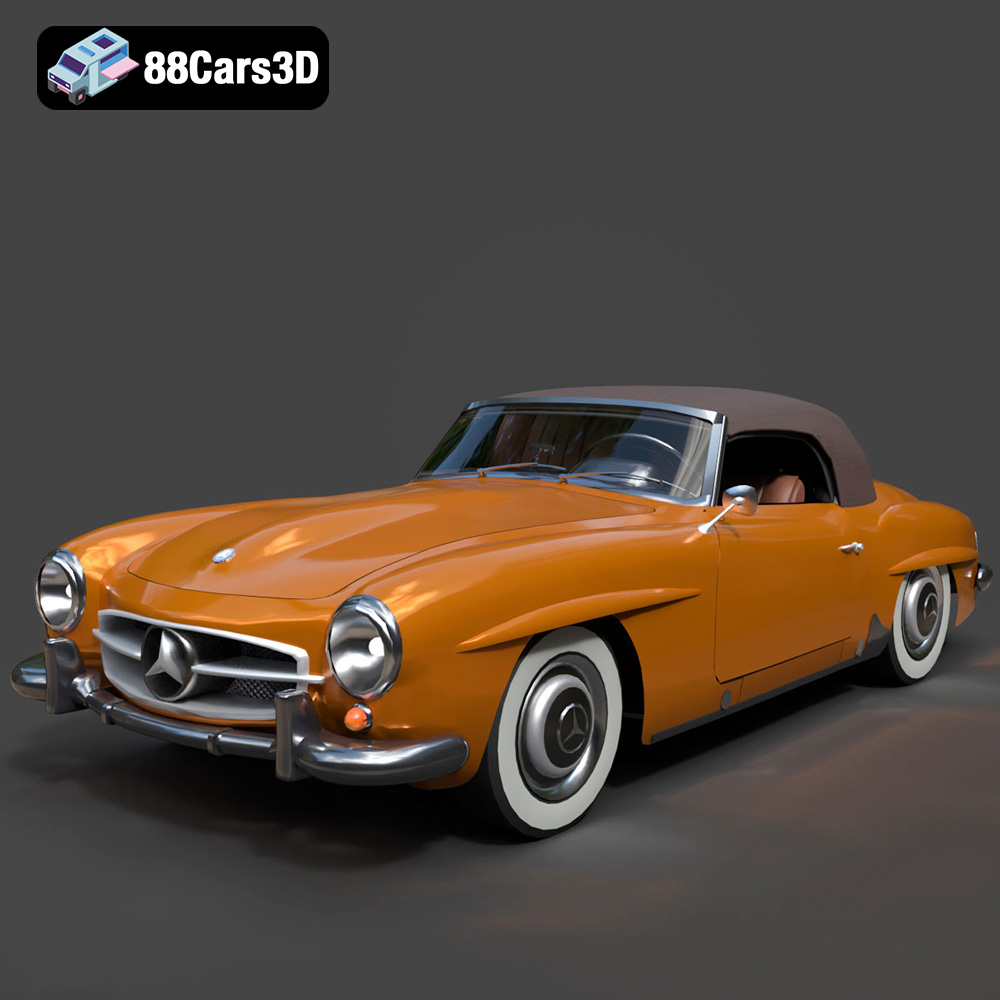
Mercedes-Benz 190SL 1955 3D Model
Texture: Yes
Material: Yes
Download the Mercedes-Benz 190SL 1955 3D Model featuring clean geometry, realistic detailing, and a fully modeled interior. Includes .blend, .fbx, .obj, .glb, .stl, .ply, .unreal, and .max formats for rendering, simulation, and game development.
Price: $23.99
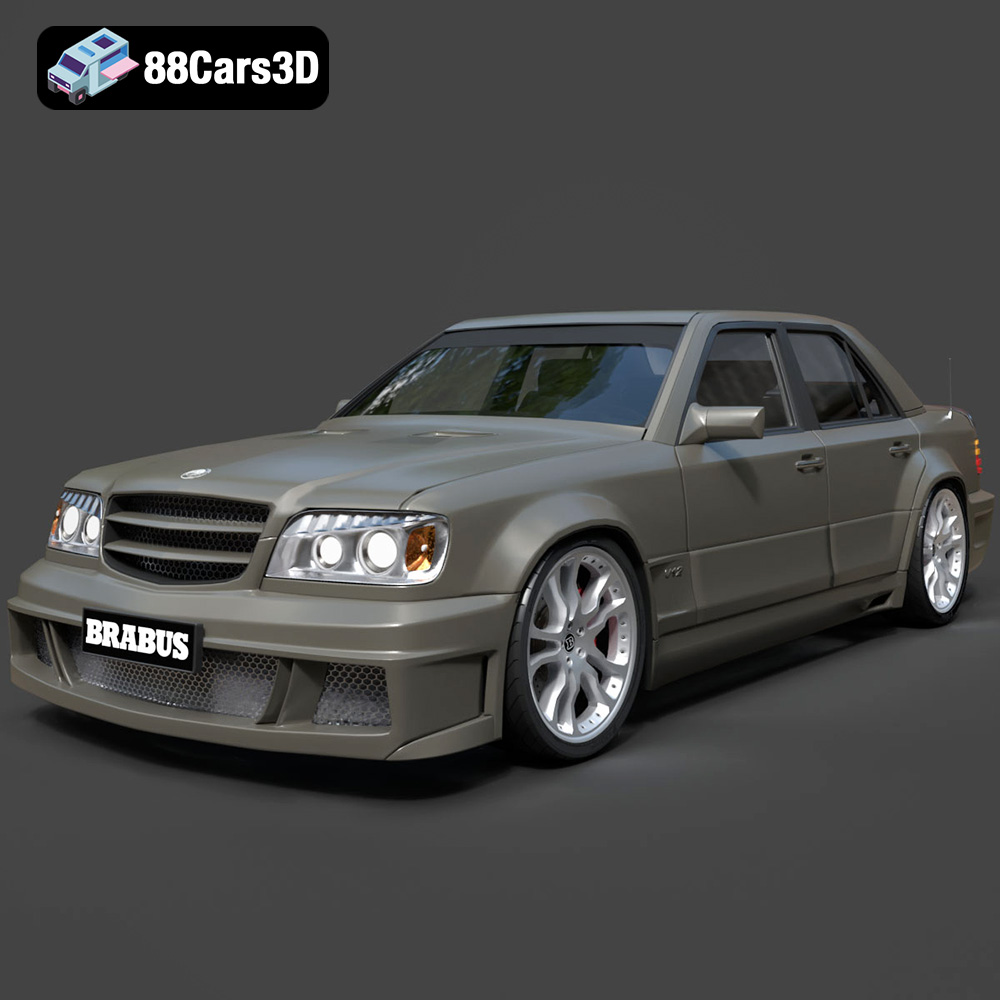
Mercedes-Benz W124 Brabus V12 3D Model
Texture: Yes
Material: Yes
Download the Mercedes-Benz W124 Brabus V12 3D Model featuring clean geometry, realistic detailing, and a fully modeled interior. Includes .blend, .fbx, .obj, .glb, .stl, .ply, .unreal, and .max formats for rendering, simulation, and game development.
Price: $23.99
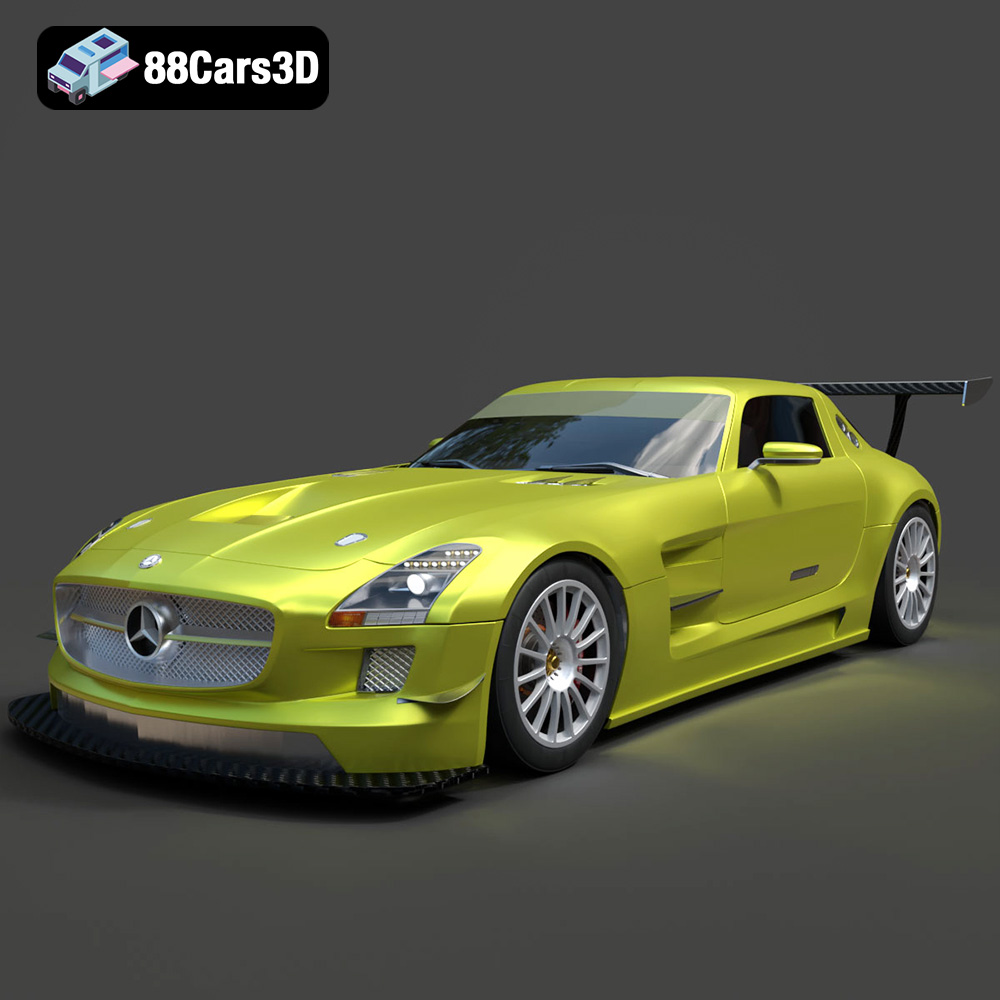
Mercedes-Benz SLS AMG GT3-002 3D Model
Texture: Yes
Material: Yes
Download the Mercedes-Benz SLS AMG GT3-002 3D Model featuring clean geometry, realistic detailing, and a fully modeled interior. Includes .blend, .fbx, .obj, .glb, .stl, .ply, .unreal, and .max formats for rendering, simulation, and game development.
Price: $38.99

Mercedes-Benz C-Class-001 3D Model
Texture: Yes
Material: Yes
Download the Mercedes-Benz C-Class-001 3D Model featuring clean geometry, realistic detailing, and a fully modeled interior. Includes .blend, .fbx, .obj, .glb, .stl, .ply, .unreal, and .max formats for rendering, simulation, and game development.
Price: $38.99
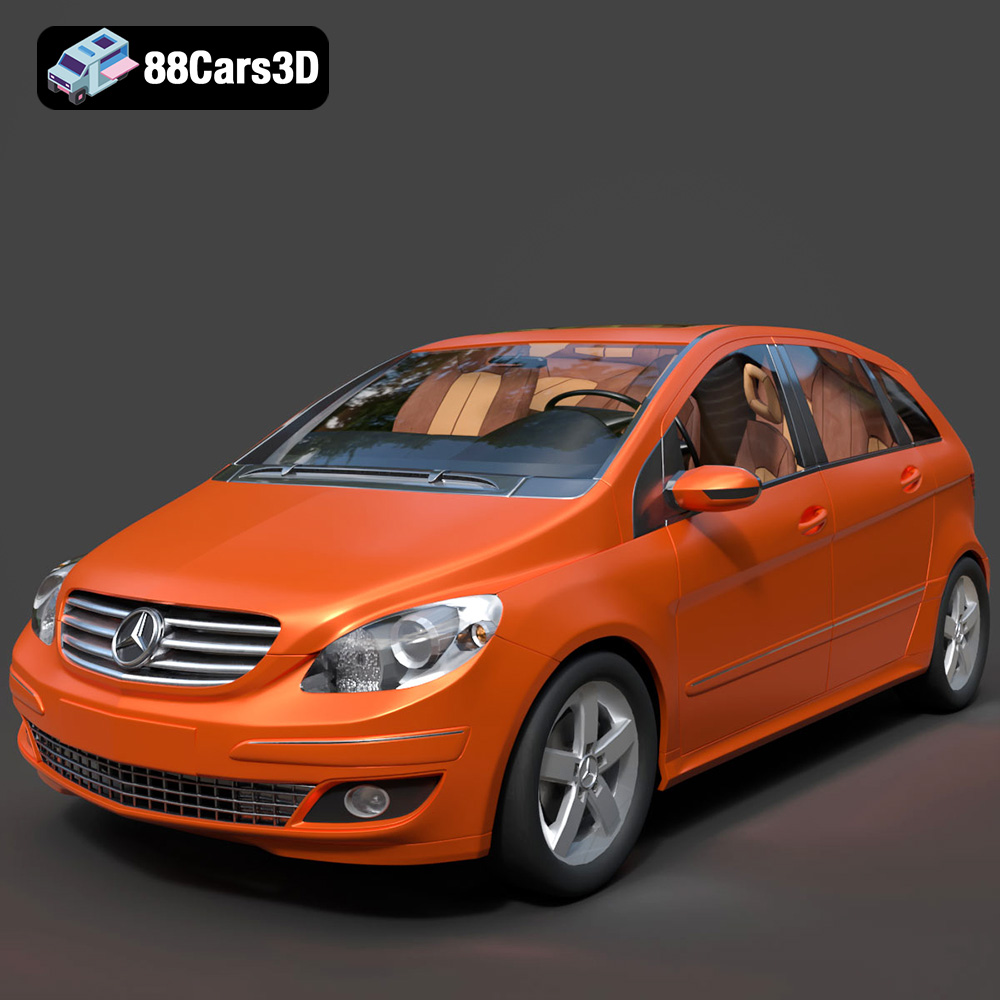
Mercedes-Benz B-Klasse 2023 3D Model
Texture: Yes
Material: Yes
Download the Mercedes-Benz B-Klasse 2023 3D Model featuring clean geometry, realistic detailing, and a fully modeled interior. Includes .blend, .fbx, .obj, .glb, .stl, .ply, .unreal, and .max formats for rendering, simulation, and game development.
Price: $38.99
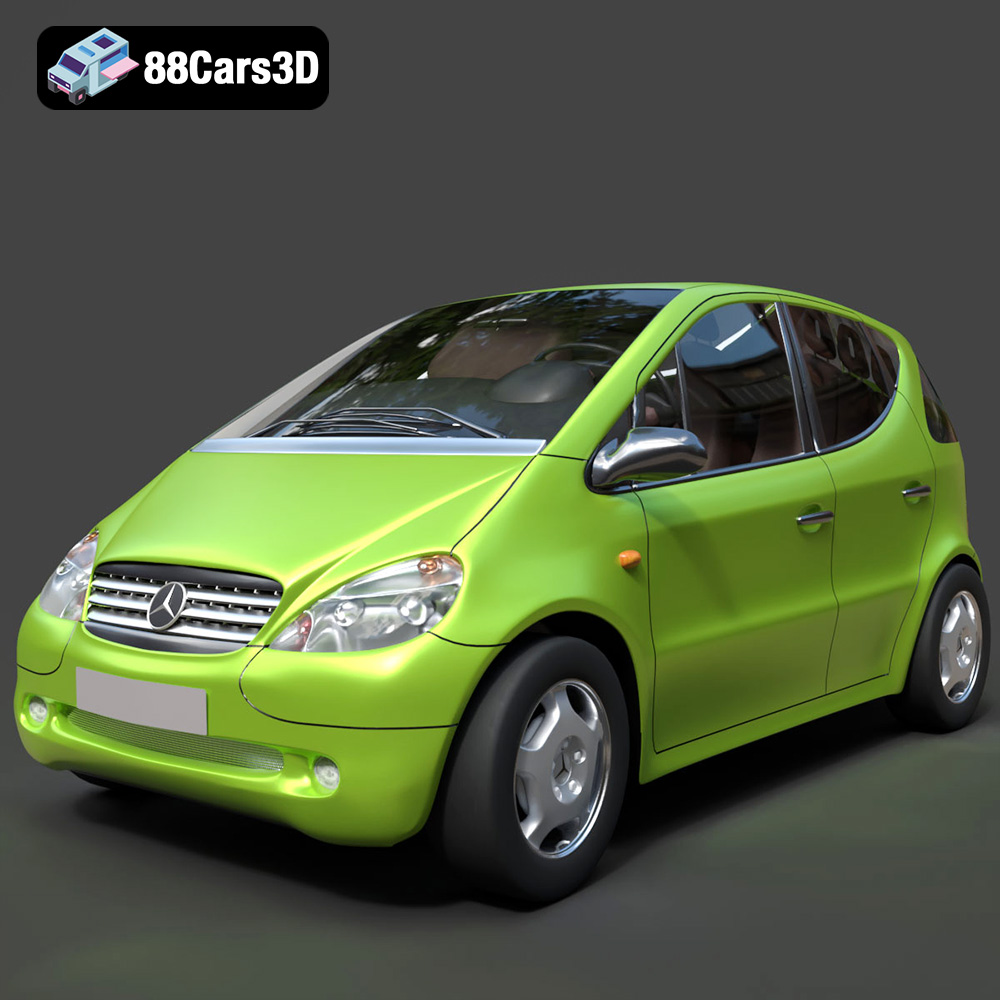
Mercedes-Benz A-Klasse W168 3D Model
Texture: Yes
Material: Yes
Download the Mercedes-Benz A-Klasse W168 3D Model featuring clean geometry, realistic detailing, and a fully modeled interior. Includes .blend, .fbx, .obj, .glb, .stl, .ply, .unreal, and .max formats for rendering, simulation, and game development.
Price: $38.99
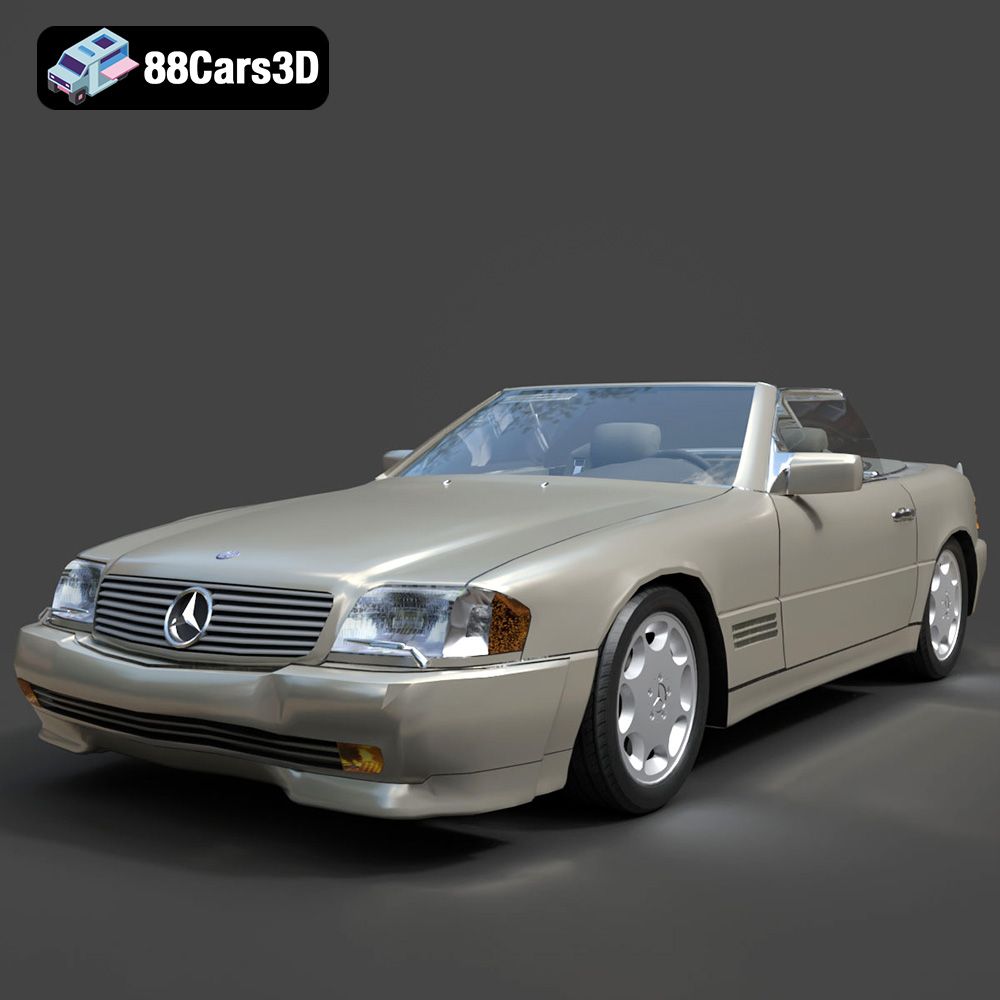
Mercedes-Benz 500SL 2000 3D Model
Texture: Yes
Material: Yes
Download the Mercedes-Benz 500SL 2000 3D Model featuring clean geometry, realistic detailing, and a fully modeled interior. Includes .blend, .fbx, .obj, .glb, .stl, .ply, .unreal, and .max formats for rendering, simulation, and game development.
Price: $38.99
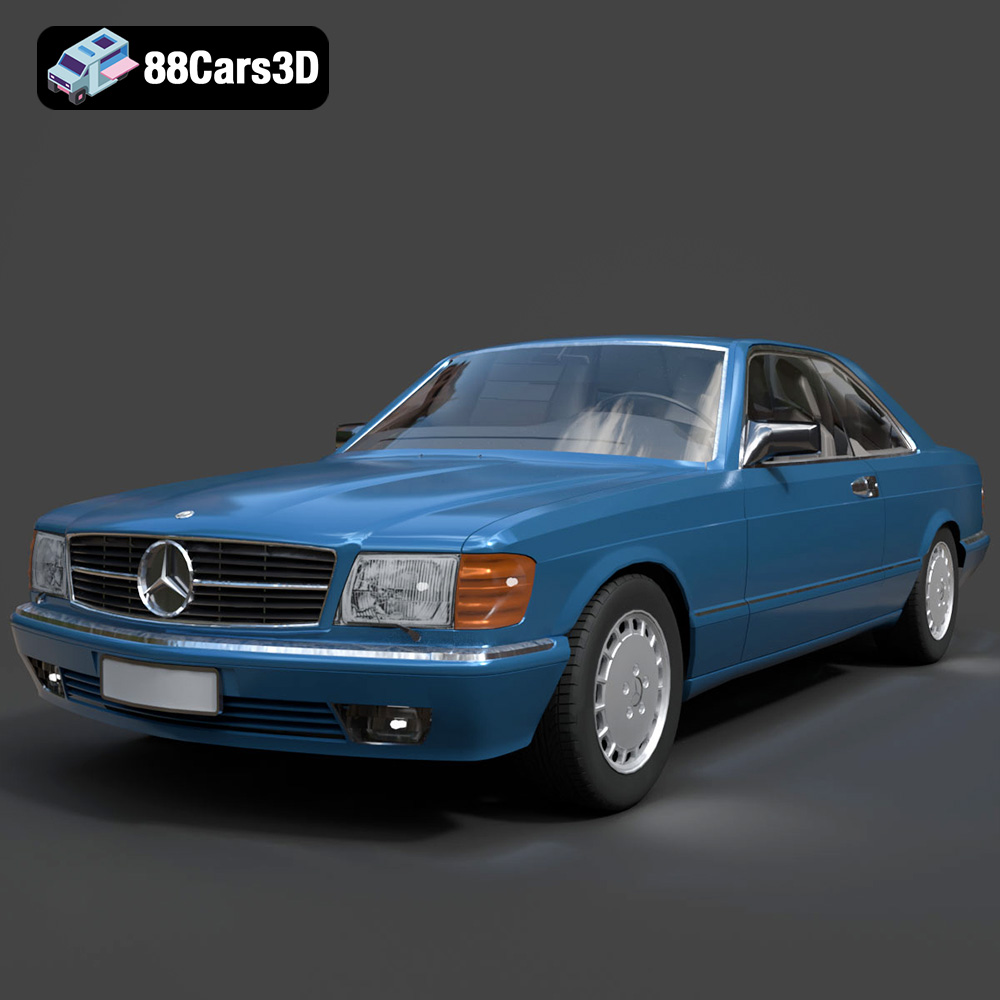
Mercedes-Benz 500SEC 3D Model
Texture: Yes
Material: Yes
Download the Mercedes-Benz 500SEC 3D Model featuring clean geometry, realistic detailing, and a fully modeled interior. Includes .blend, .fbx, .obj, .glb, .stl, .ply, .unreal, and .max formats for rendering, simulation, and game development.
Price: $38.99
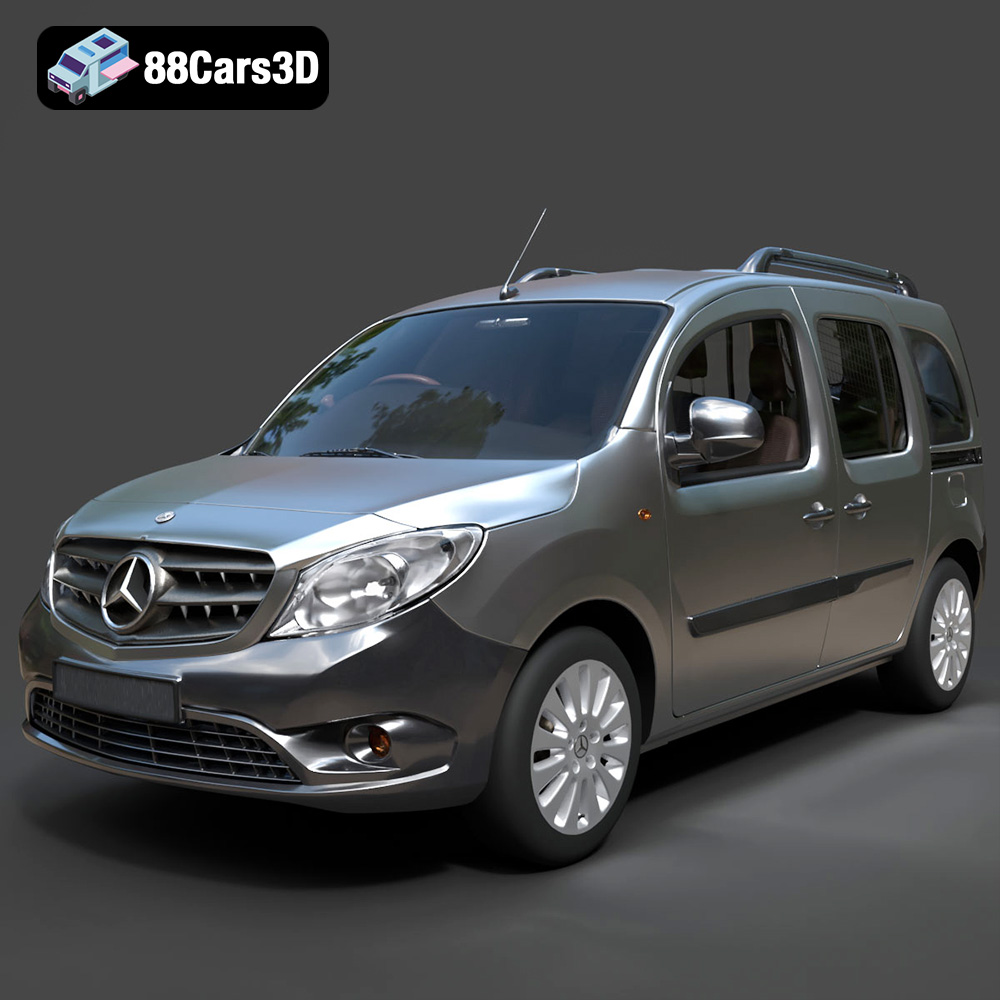
Mercedes-Benz Citan 2025 3D Model
Texture: Yes
Material: Yes
Download the Mercedes-Benz Citan 2025 3D Model featuring clean geometry, realistic detailing, and a fully modeled interior. Includes .blend, .fbx, .obj, .glb, .stl, .ply, .unreal, and .max formats for rendering, simulation, and game development.
Price: $38.99
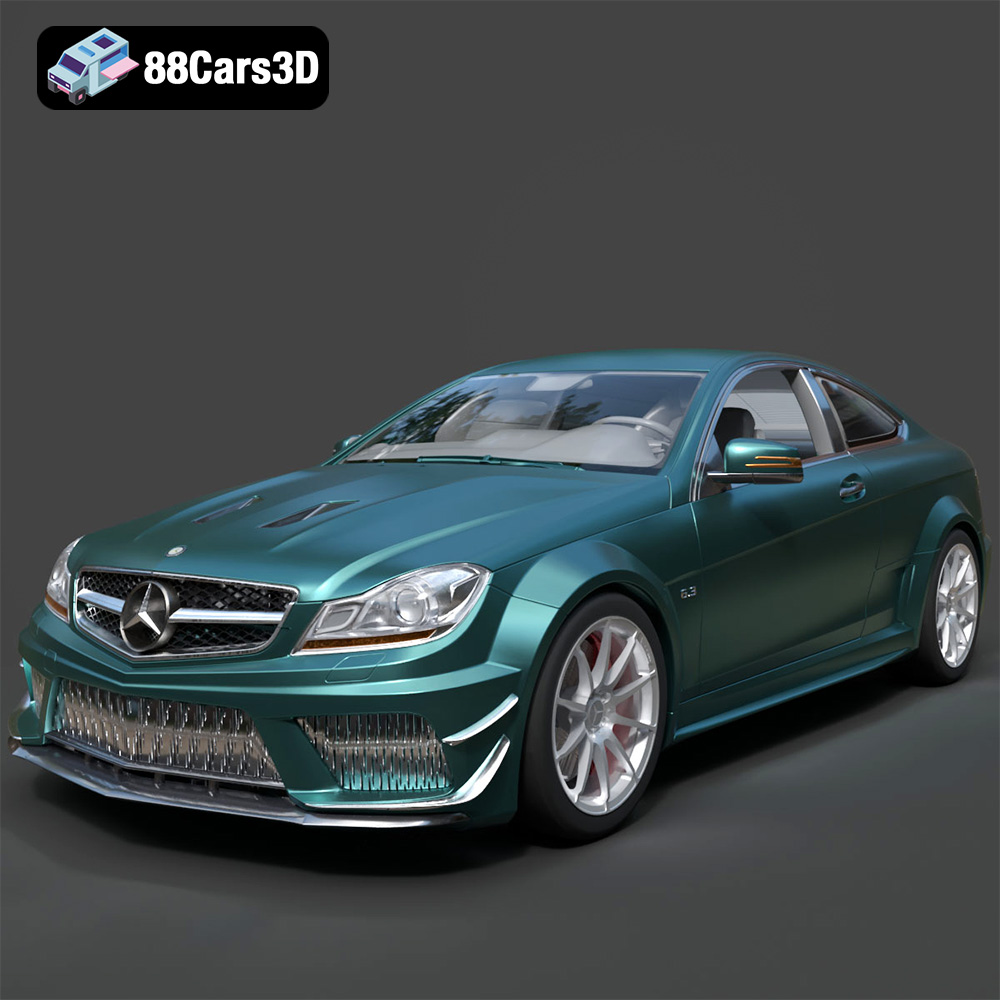
Mercedes-Benz C63 AMG 2012 3D Model
Texture: Yes
Material: Yes
Download the Mercedes-Benz C63 AMG 2012 3D Model featuring clean geometry, realistic detailing, and a fully modeled interior. Includes .blend, .fbx, .obj, .glb, .stl, .ply, .unreal, and .max formats for rendering, simulation, and game development.
Price: $38.99
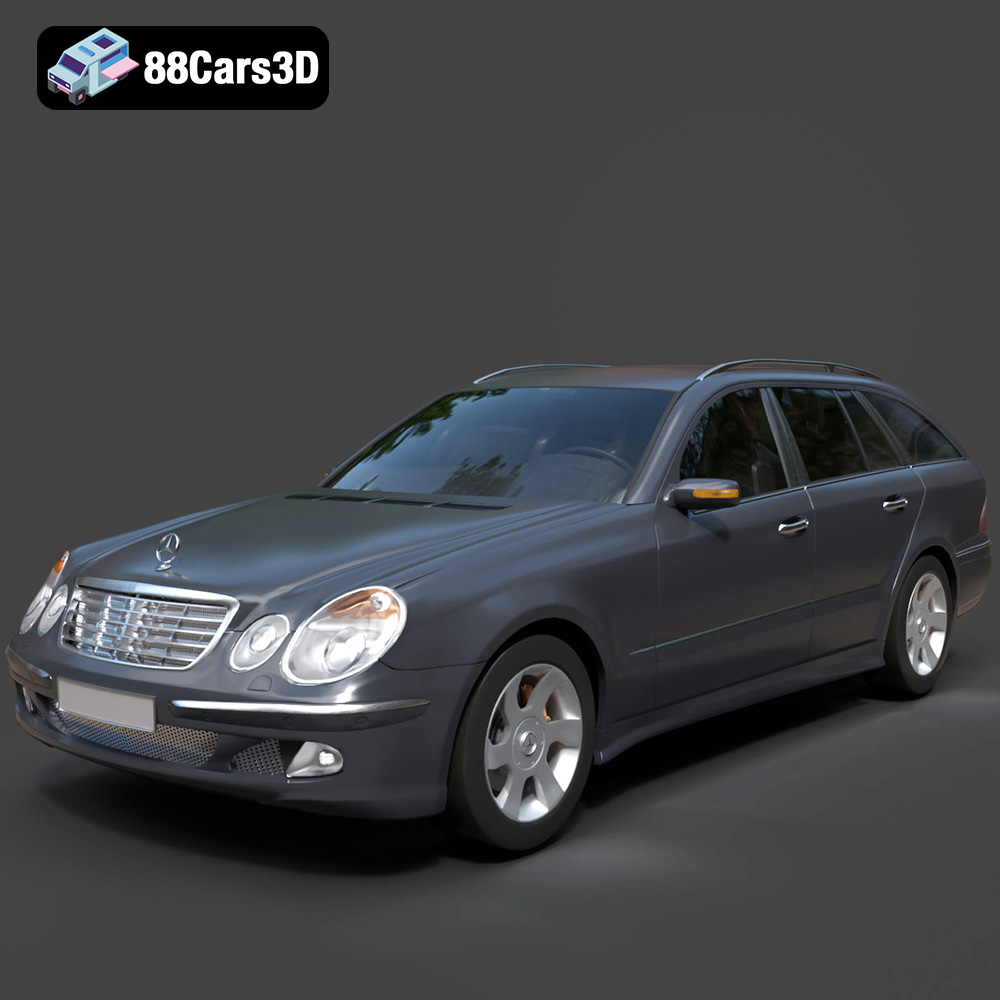
Mercedes-Benz E-Class S211 3D Model
Texture: Yes
Material: Yes
Download the Mercedes-Benz E-Class S211 3D Model featuring clean geometry, realistic detailing, and a fully modeled interior. Includes .blend, .fbx, .obj, .glb, .stl, .ply, .unreal, and .max formats for rendering, simulation, and game development.
Price: $38.99
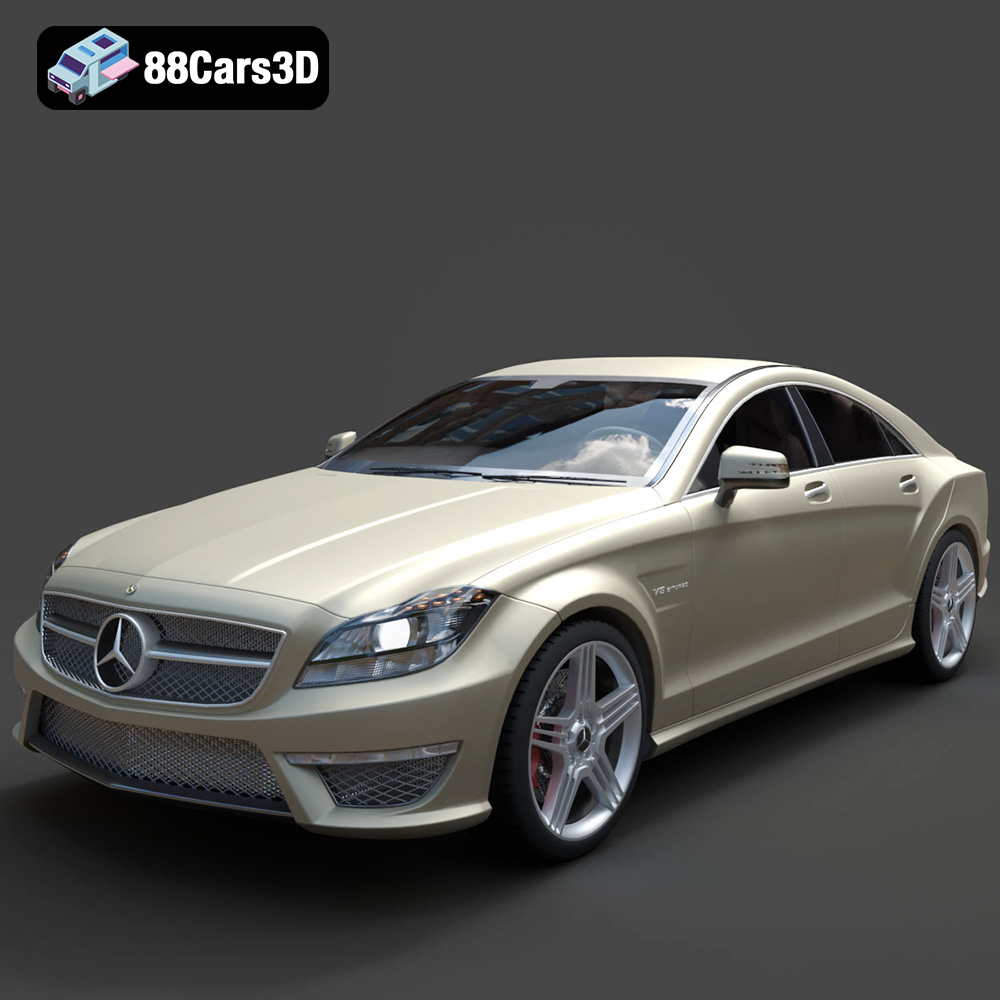
Mercedes-Benz CLS63 AMG (C218) 2014 3D Model
Texture: Yes
Material: Yes
Download the Mercedes-Benz CLS63 AMG (C218) 2014 3D Model featuring clean geometry, realistic detailing, and a fully modeled interior. Includes .blend, .fbx, .obj, .glb, .stl, .ply, .unreal, and .max formats for rendering, simulation, and game development.
Price: $38.99
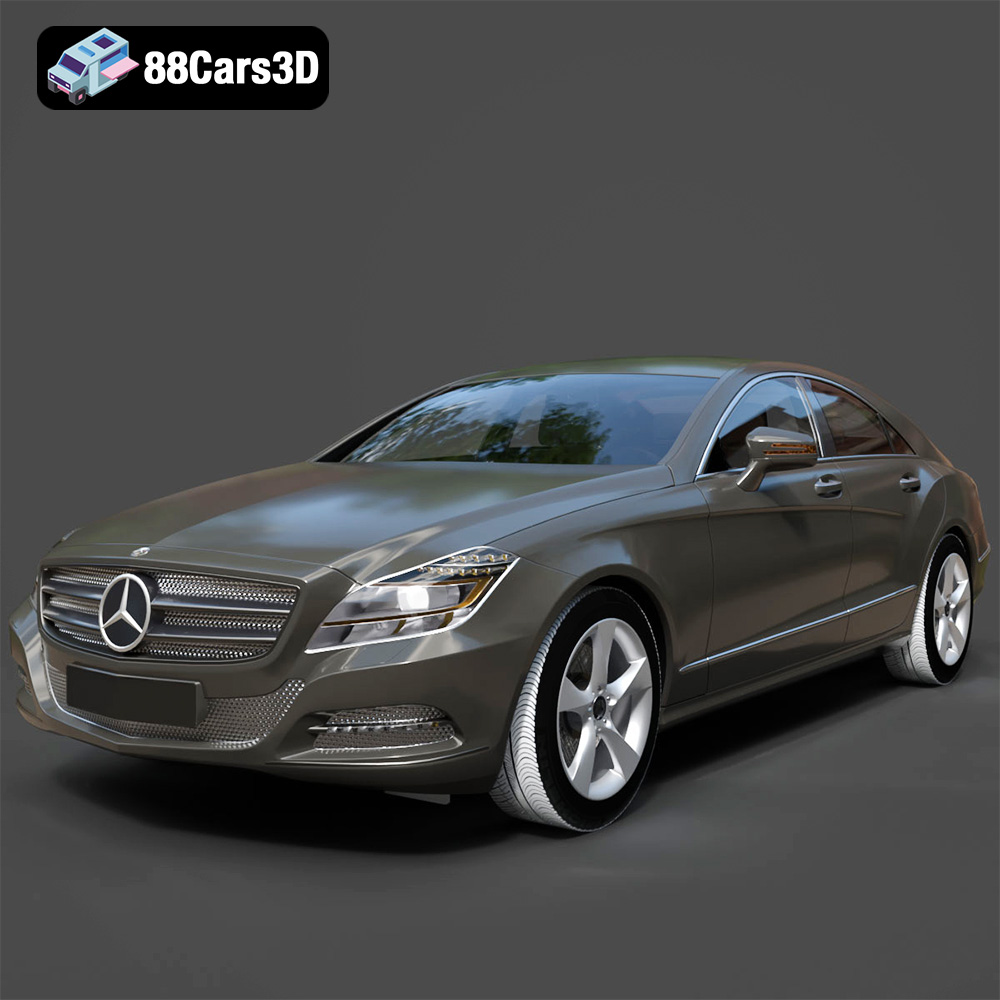
Mercedes-Benz CLS-Klasse 3D Model
Texture: Yes
Material: Yes
Download the Mercedes-Benz CLS-Klasse 3D Model featuring clean geometry, realistic detailing, and a fully modeled interior. Includes .blend, .fbx, .obj, .glb, .stl, .ply, .unreal, and .max formats for rendering, simulation, and game development.
Price: $38.99
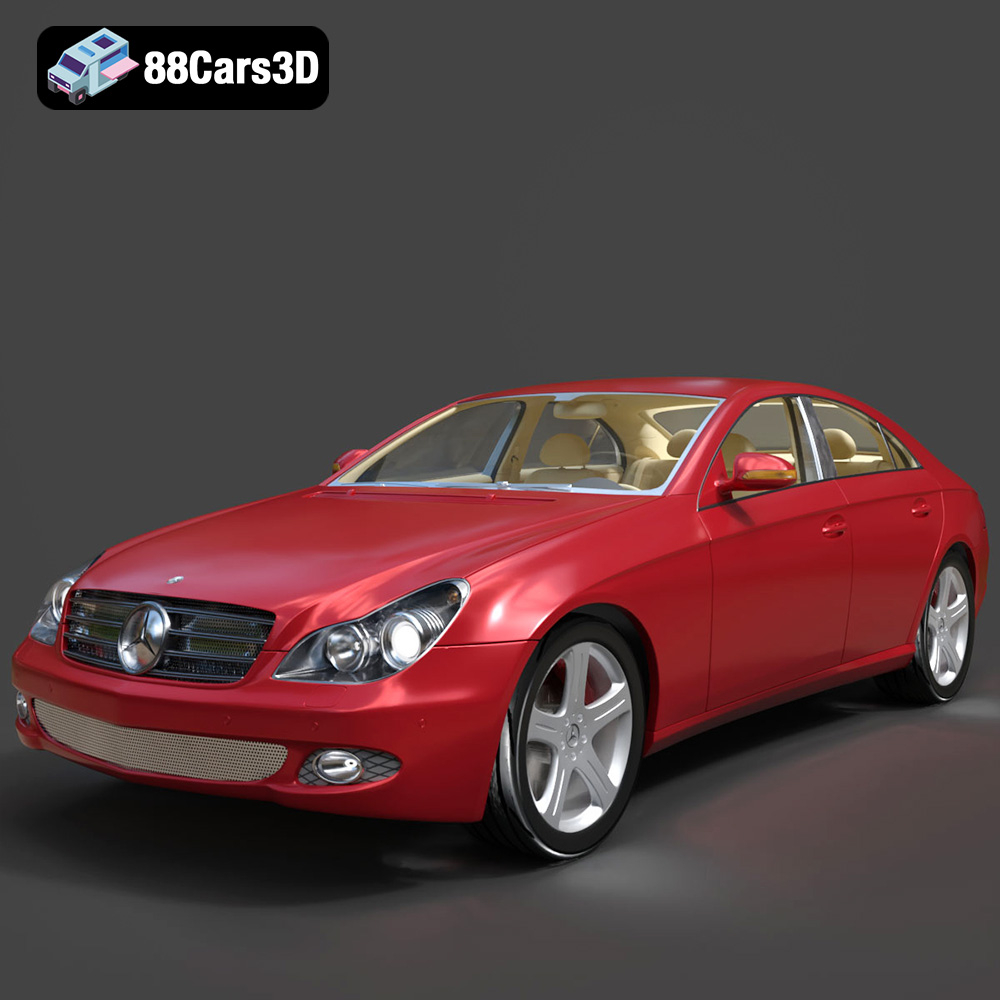
Mercedes-Benz CLS 500 3D Model
Texture: Yes
Material: Yes
Download the Mercedes-Benz CLS 500 3D Model featuring clean geometry, realistic detailing, and a fully modeled interior. Includes .blend, .fbx, .obj, .glb, .stl, .ply, .unreal, and .max formats for rendering, simulation, and game development.
Price: $38.99

Mercedes-Benz CL-Klasse 2001 3D Model
Texture: Yes
Material: Yes
Download the Mercedes-Benz CL-Klasse 2001 3D Model featuring clean geometry, realistic detailing, and a fully modeled interior. Includes .blend, .fbx, .obj, .glb, .stl, .ply, .unreal, and .max formats for rendering, simulation, and game development.
Price: $38.99
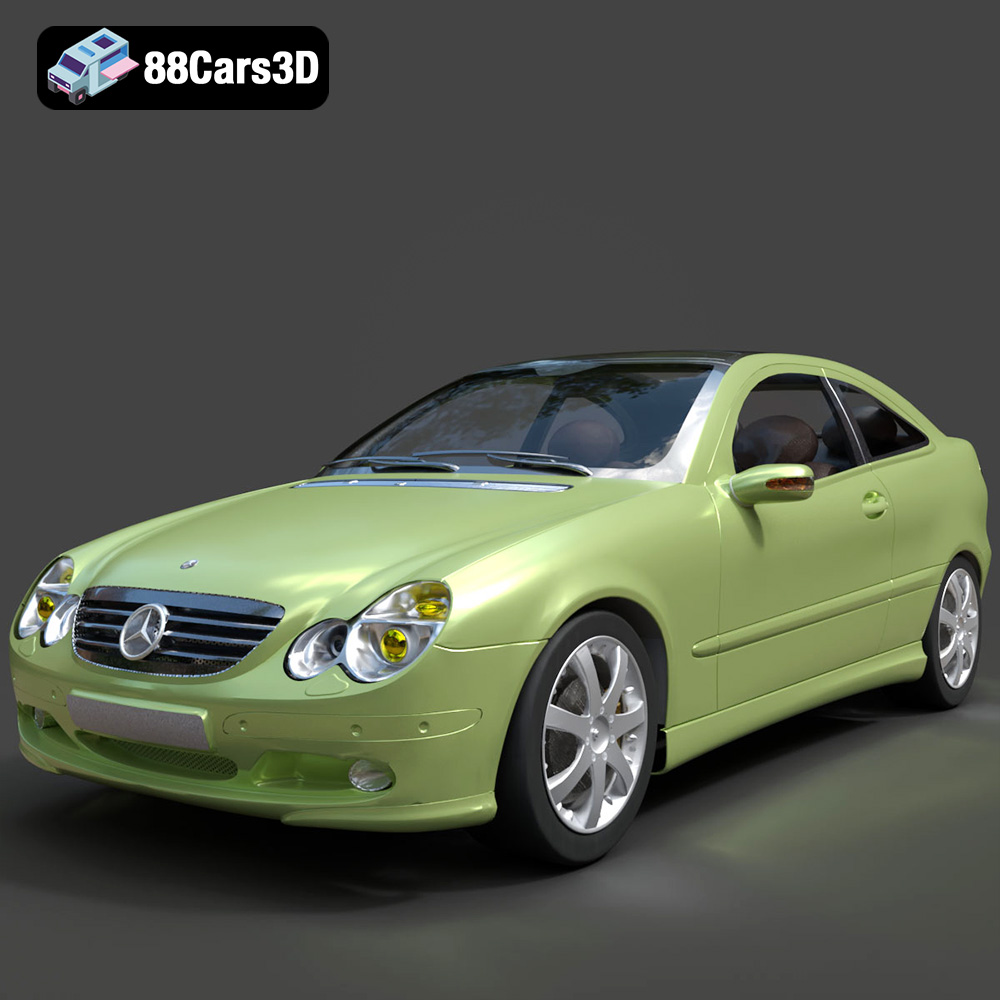
Mercedes-Benz C-Klasse Sportcoupe 2000 3D Model
Texture: Yes
Material: Yes
Download the Mercedes-Benz C-Klasse Sportcoupe 2000 3D Model featuring clean geometry, realistic detailing, and a fully modeled interior. Includes .blend, .fbx, .obj, .glb, .stl, .ply, .unreal, and .max formats for rendering, simulation, and game development.
Price: $38.99
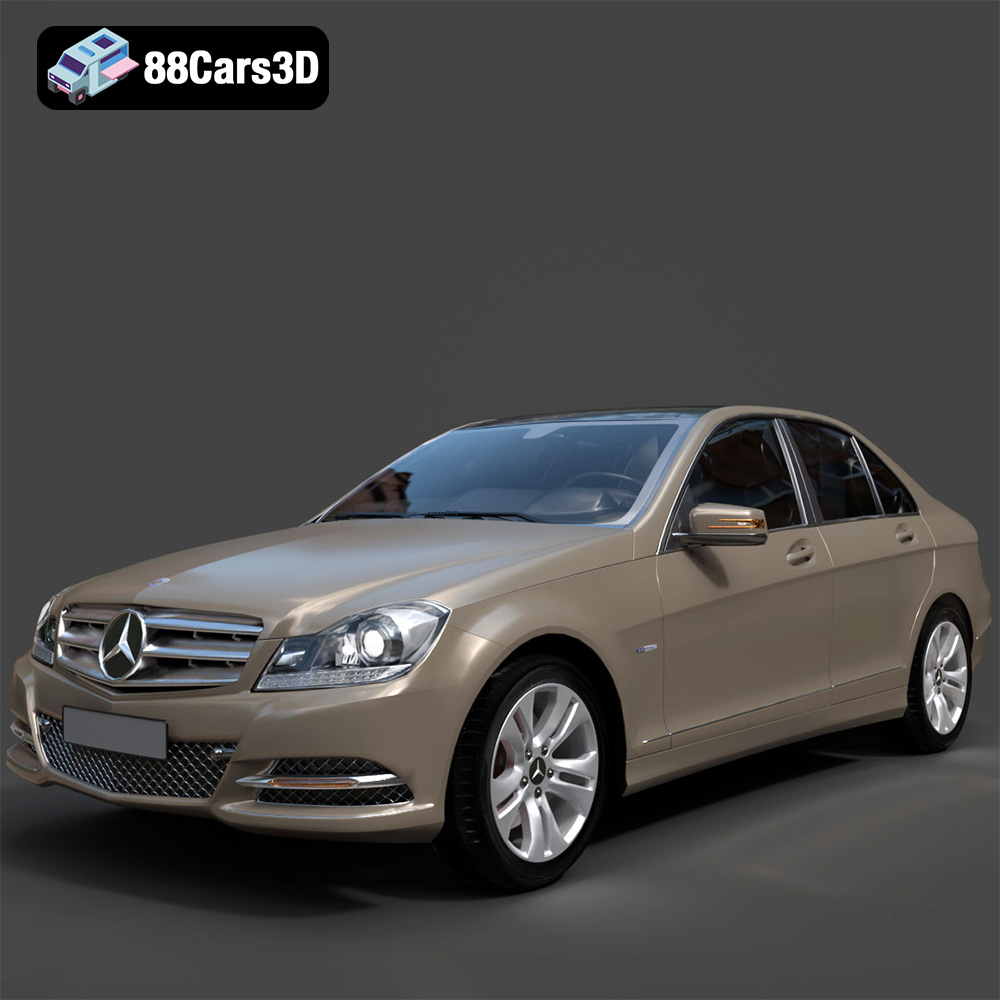
Mercedes-Benz C-Klasse 204 2011 3D Model
Texture: Yes
Material: Yes
Download the Mercedes-Benz C-Klasse 204 2011 3D Model featuring clean geometry, realistic detailing, and a fully modeled interior. Includes .blend, .fbx, .obj, .glb, .stl, .ply, .unreal, and .max formats for rendering, simulation, and game development.
Price: $38.99
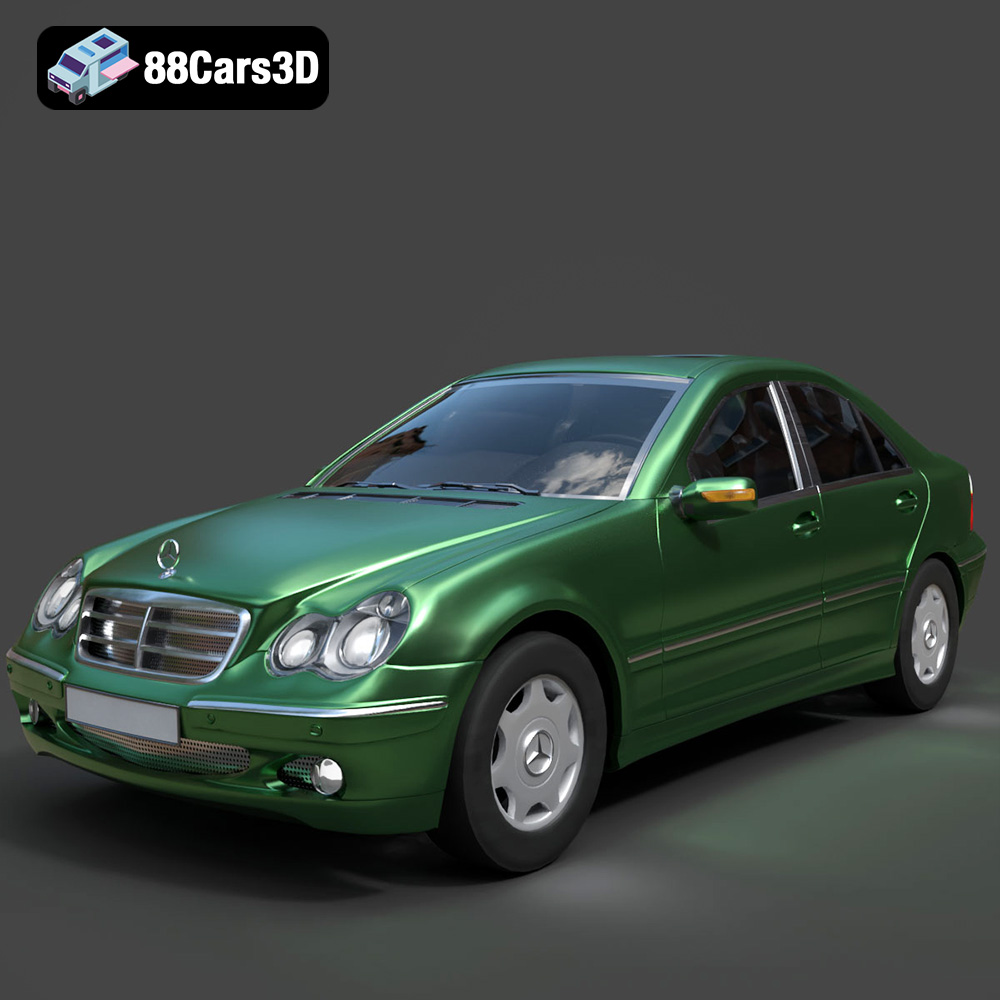
Mercedes-Benz C-Class Sedan 2000 3D Model
Texture: Yes
Material: Yes
Download the Mercedes-Benz C-Class Sedan 3D Model featuring clean geometry, realistic detailing, and a fully modeled interior. Includes .blend, .fbx, .obj, .glb, .stl, .ply, .unreal, and .max formats for rendering, simulation, and game development.
Price: $38.99
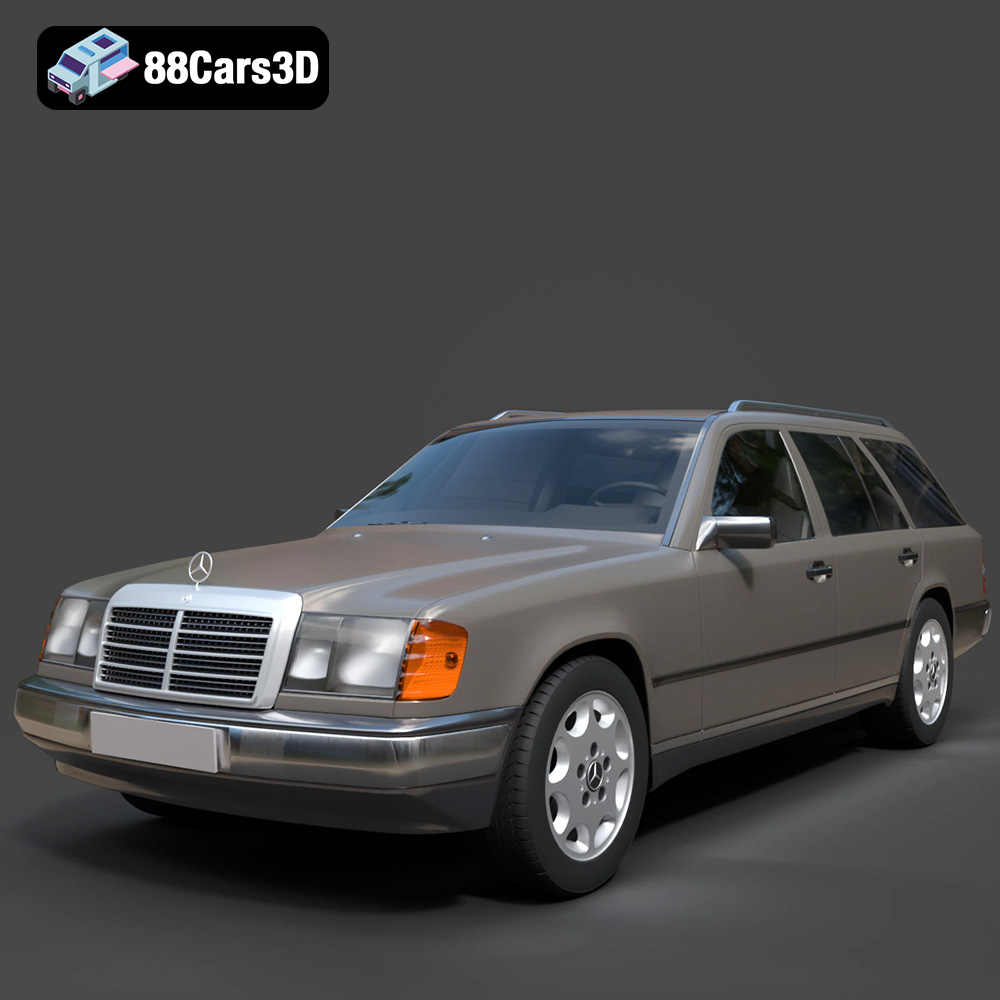
Mercedes E-Class w124 Kombi 3D Model
Texture: Yes
Material: Yes
Download the Mercedes E-Class w124 Kombi 3D Model featuring clean geometry, realistic detailing, and a fully modeled interior. Includes .blend, .fbx, .obj, .glb, .stl, .ply, .unreal, and .max formats for rendering, simulation, and game development.
Price: $38.99
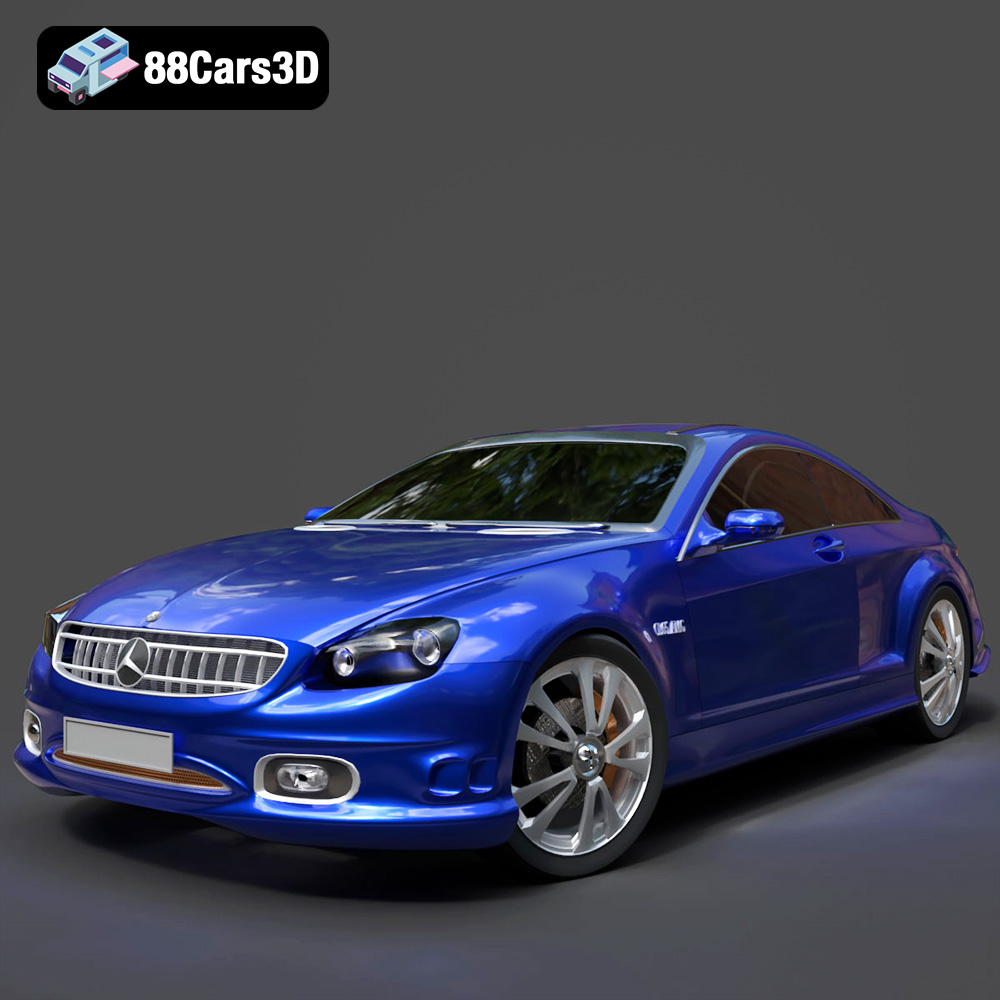
Mercedes-Benz CL6540-005 3D Model
Texture: Yes
Material: Yes
Download the Mercedes-Benz CL6540-005 3D Model featuring clean geometry, realistic detailing, and a fully modeled interior. Includes .blend, .fbx, .obj, .glb, .stl, .ply, .unreal, and .max formats for rendering, simulation, and game development.
Price: $38.99
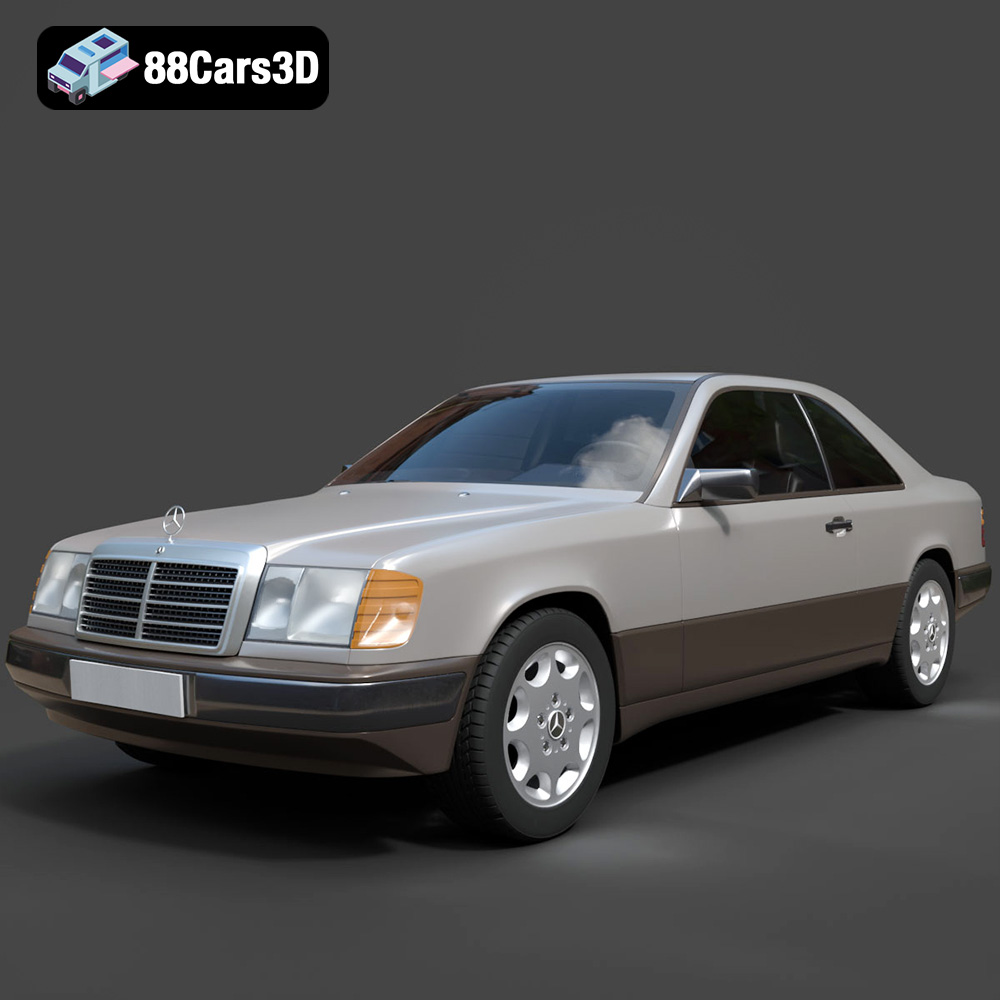
Mercedes E-Class w124 Coupe 3D Model
Texture: Yes
Material: Yes
Download the Mercedes E-Class w124 Coupe 3D Model featuring clean geometry, realistic detailing, and a fully modeled interior. Includes .blend, .fbx, .obj, .glb, .stl, .ply, .unreal, and .max formats for rendering, simulation, and game development.
Price: $38.99
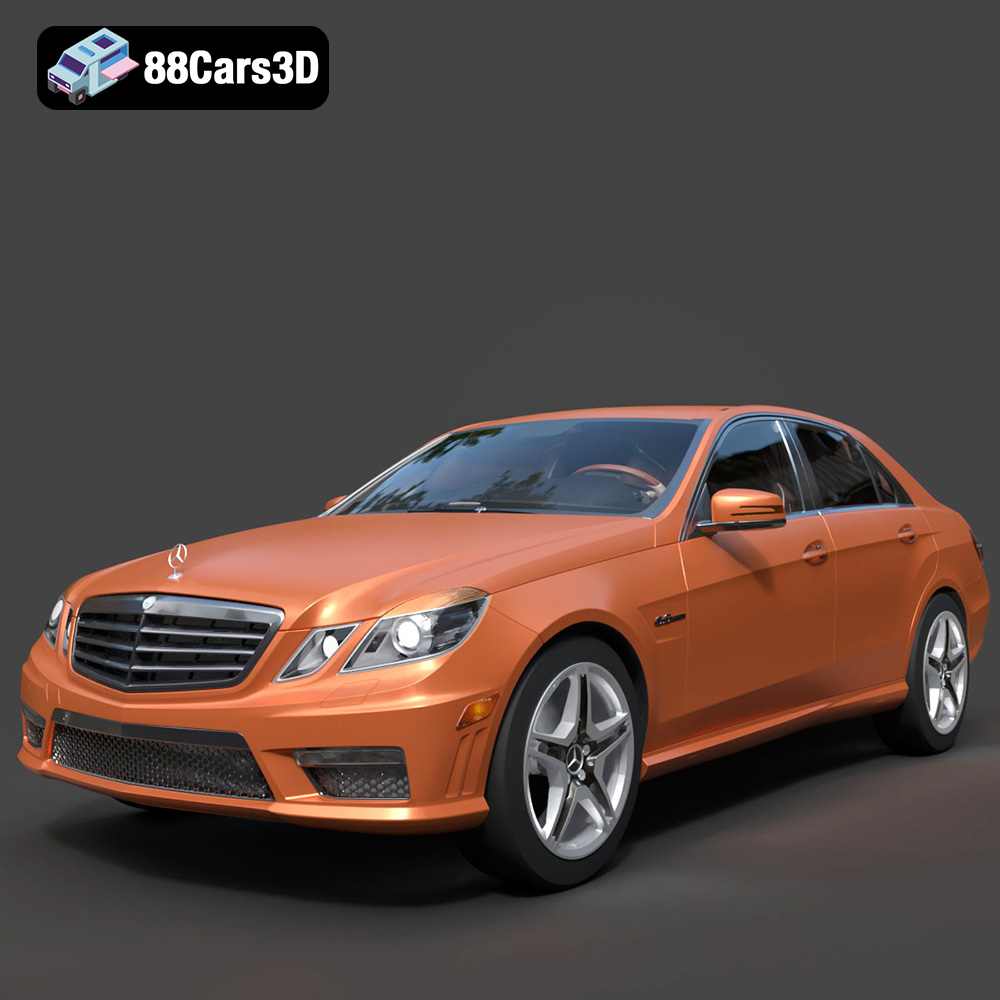
Mercedes-Benz E-Klasse 63 AMG 3D Model
Texture: Yes
Material: Yes
Download the Mercedes-Benz E-Klasse 63 AMG 3D Model featuring clean geometry, realistic detailing, and a fully modeled interior. Includes .blend, .fbx, .obj, .glb, .stl, .ply, .unreal, and .max formats for rendering, simulation, and game development.
Price: $38.99
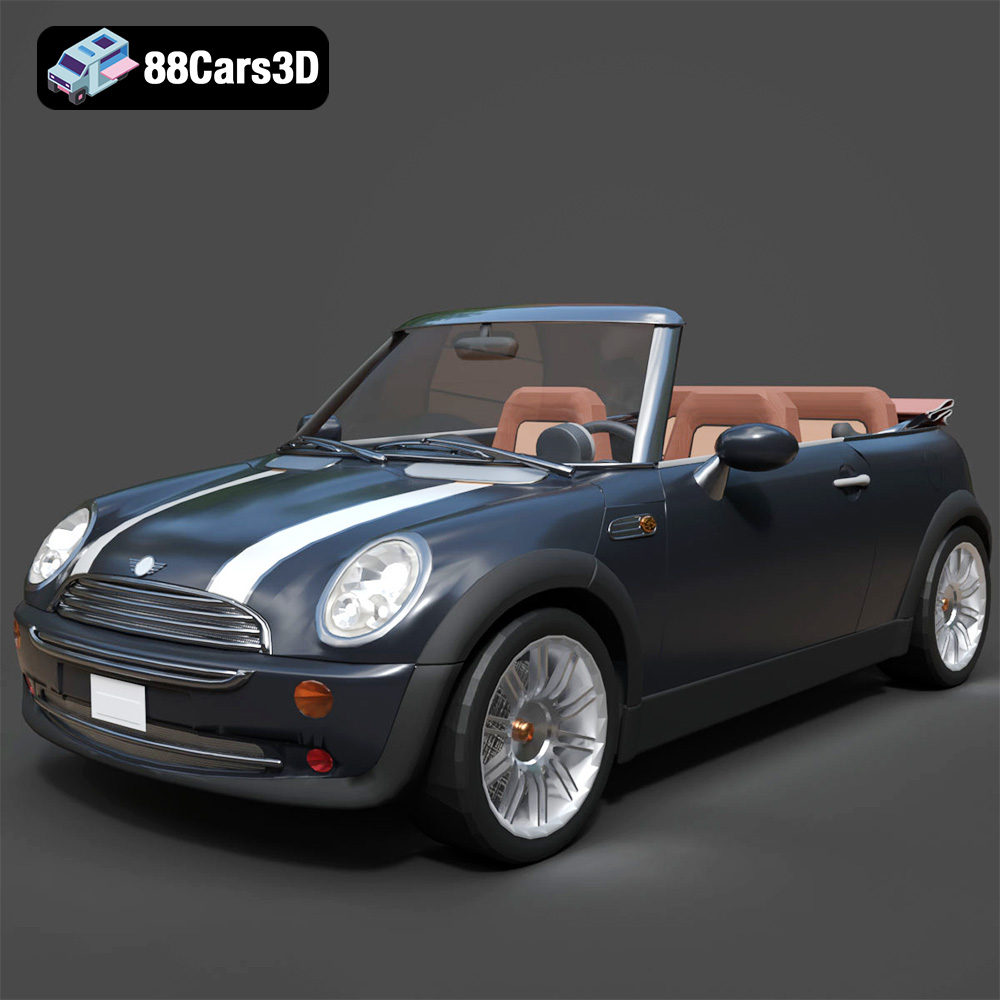
Mini Cabrio 2025 3D Model
Texture: Yes
Material: Yes
Download the Mini Cabrio 2025 3D Model featuring clean geometry, realistic detailing, and a fully modeled interior. Includes .blend, .fbx, .obj, .glb, .stl, .ply, .unreal, and .max formats for rendering, simulation, and game development.
Price: $38.99
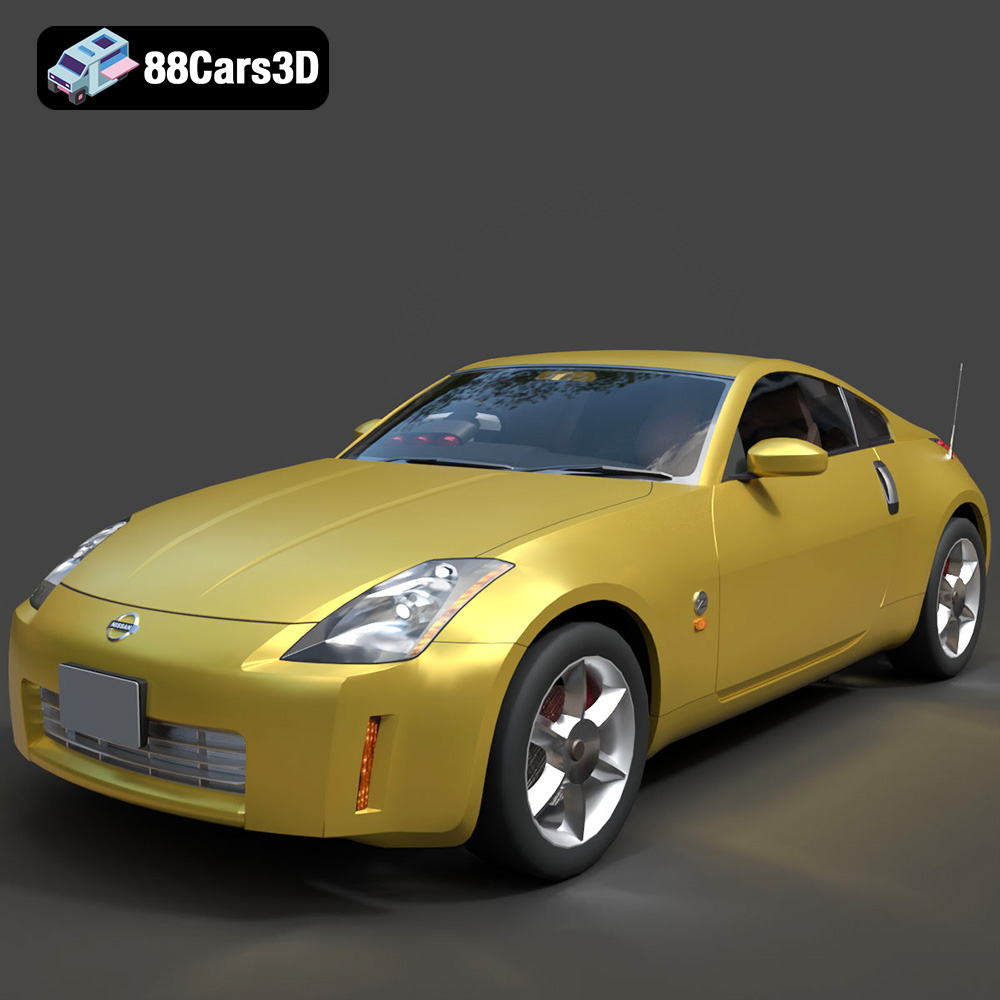
Nissan 350Z 3D Model
Texture: Yes
Material: Yes
Download the Nissan 350Z 3D Model featuring clean geometry, realistic detailing, and a fully modeled interior. Includes .blend, .fbx, .obj, .glb, .stl, .ply, .unreal, and .max formats for rendering, simulation, and game development.
Price: $38.99
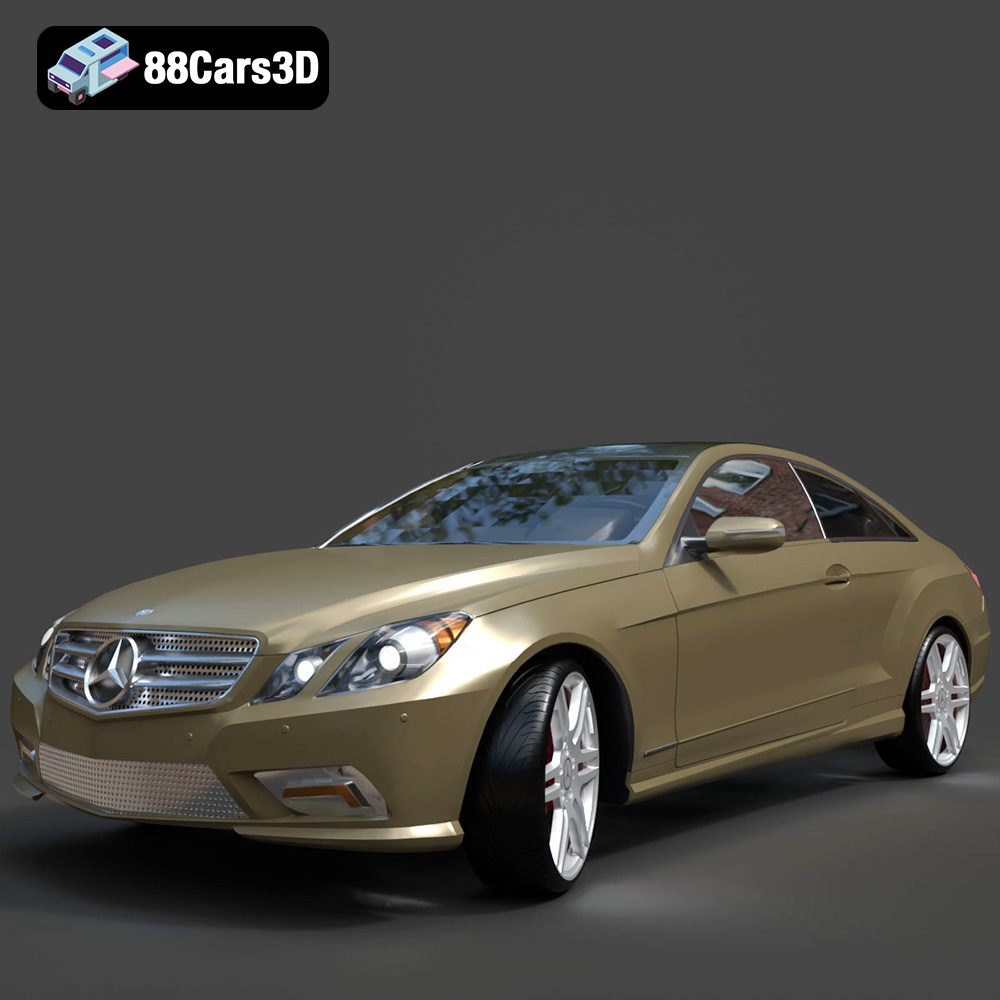
Mercedes-Benz E-Klasse Coupe 2010 3D Model
Texture: Yes
Material: Yes
Download the Mercedes-Benz E-Klasse Coupe 3D Model featuring clean geometry, realistic detailing, and a fully modeled interior. Includes .blend, .fbx, .obj, .glb, .stl, .ply, .unreal, and .max formats for rendering, simulation, and game development.
Price: $38.99