
Bridging the Gap: From Offline Renders to Real-Time Photorealism

The quest for photorealism in real-time has long been the holy grail for 3D artists and developers, especially within the demanding realm of automotive visualization. For years, the stunning fidelity seen in high-end automotive configurators, marketing materials, and game trailers was largely confined to offline renders, requiring immense computation and time. The challenge lay in translating that exquisite detail – the subtle sheen of car paint, the intricate reflections on chrome, the precise tessellation of a body panel – into an interactive, real-time environment without sacrificing visual quality or performance.
Today, with the advent of Unreal Engine 5, that gap is not just narrowing, it’s virtually disappearing. This powerful engine, coupled with advanced techniques and optimized assets, empowers creators to achieve breathtaking, interactive automotive experiences previously unimaginable. This comprehensive guide will deep dive into the technical methodologies and artistic considerations required to master real-time photorealism, transforming high-end automotive assets into stunning interactive showcases within Unreal Engine 5.
Bridging the Gap: From Offline Renders to Real-Time Photorealism
Automotive design demands an unparalleled level of visual precision. Every curve, every material, every reflection contributes to the perceived quality and allure of a vehicle. Traditionally, achieving this level of fidelity meant relying on computationally intensive offline renderers that could simulate light and materials with extreme accuracy. While the results were stunning, the lack of real-time interactivity limited their application.
The push for real-time automotive visualization comes from various sectors: interactive configurators allowing customers to customize vehicles in vivid detail, virtual production sets for filmmaking, advanced game development, and architectural visualization that integrates vehicles seamlessly. The core challenge is maintaining the integrity of complex geometries, sophisticated material properties, and dynamic lighting conditions when transitioning from a static, pre-rendered image to a fully interactive, dynamic environment.
Unreal Engine 5 fundamentally shifts this paradigm. Its groundbreaking features are specifically designed to tackle the very problems that once made real-time photorealism an uphill battle. By understanding and leveraging these technologies, artists can bring their most intricate automotive designs to life with unprecedented fidelity. Sourcing high-quality base models, such as those available on 88cars3d.com, provides an excellent foundation for this journey.
Leveraging Unreal Engine 5’s Power: Nanite & Lumen for Automotive Excellence
Unreal Engine 5 introduces two revolutionary technologies – Nanite and Lumen – which are game-changers for achieving photorealistic automotive assets in real-time. These systems fundamentally alter how geometry and light are handled, allowing for levels of detail and realism previously exclusive to offline rendering.
Unreal Engine 5 Nanite: Unlocking Unprecedented Geometric Detail
The complexity of modern vehicle designs, often originating from CAD data, poses a significant challenge for real-time engines. Traditional methods required extensive manual `high-poly asset optimization`, including generating multiple levels of detail (LODs) and baking normal maps, which could be time-consuming and prone to visual discrepancies. Unreal Engine 5 Nanite completely bypasses these limitations.
Nanite is a virtualized micropolygon geometry system. It intelligently streams and processes only the geometric detail that is necessary for any given frame, based on factors like camera distance and screen space. This means you can import cinematic-quality source meshes with millions or even billions of polygons directly into UE5 without significant performance overhead. For automotive models, this translates to:
- Uncompromised Detail: Every intricate panel gap, every finely modeled badge, every sculpted interior component can be represented with full fidelity, free from the need for aggressive poly reduction.
- Simplified Workflow: The time-consuming process of creating manual LODs is largely eliminated. Nanite handles the scaling of detail automatically and efficiently.
- Consistent Visuals: Detail remains crisp and consistent across all viewing distances, preventing noticeable pop-in or degradation of quality often associated with traditional LOD systems.
- Direct CAD Integration: It simplifies the `CAD to UE5 pipeline` by allowing direct import of high-resolution CAD data, reducing the need for extensive pre-processing and mesh cleanup in external DCC tools.
When preparing assets for Nanite, while aggressive optimization isn’t strictly necessary, maintaining clean geometry and proper UVs is still good practice for material application. Nanite works best with static meshes, making it ideal for the primary components of a vehicle.
Lumen Global Illumination: Dynamic & Photorealistic Lighting
Lighting is paramount in automotive visualization, dictating mood, emphasizing form, and showcasing material properties. Prior to UE5, achieving convincing global illumination (GI) in real-time often involved complex light baking, which was static and time-consuming, or less accurate screen-space solutions. Lumen global illumination is a fully dynamic global illumination and reflections system that revolutionizes real-time lighting.
Lumen propagates light dynamically throughout your scene, accurately simulating bounced light, indirect shadows, and reflections. For automotive scenes, this means:
- Realistic Reflections: Surfaces like car paint and chrome accurately reflect their environment, including indirect light. This is crucial for conveying the curvature and material properties of a vehicle.
- Dynamic Lighting Conditions: Changing the time of day, moving light sources, or swapping out environments instantly updates the global illumination, making interactive experiences far more immersive.
- Accurate Ambient Occlusion: Lumen provides natural and subtle ambient occlusion, enhancing depth and realism in crevices and tight spaces, such as between body panels or within interior components.
- Enhanced Material Appearance: The way light interacts with `automotive material shaders` is dramatically improved, revealing their true character and sheen.
Lumen operates in real-time, making it perfect for dynamic automotive configurators or virtual production environments where lighting needs to be adjusted on the fly. Its ability to create convincing bounced light and reflections makes vehicles feel truly grounded and integrated into their environment.
Advanced Material Workflows: Crafting Hyper-Realistic Automotive Shaders
Beyond geometry and lighting, materials are the soul of automotive photorealism. The unique interaction of light with car paint, glass, chrome, and rubber requires a sophisticated approach to `PBR workflow automotive` within Unreal Engine 5. Every surface needs to tell a story about its composition and finish.
Core PBR Principles for Automotive Assets
Physically Based Rendering (PBR) is the foundation for modern real-time graphics. It ensures that materials react to light in a physically plausible way, making them look consistent under various lighting conditions. For automotive assets, adhering to the Metallic-Roughness workflow in UE5 is crucial:
- Base Color: Represents the diffuse color or inherent color of a metallic surface (albedo).
- Metallic: A binary value (0 or 1) indicating whether a surface is metallic or dielectric.
- Roughness: Controls the microsurface detail, dictating how sharp or blurry reflections appear. A smooth, polished surface will have low roughness, while a matte finish will have high roughness.
- Normal Map: Adds fine surface detail without increasing polygon count, essential for subtle imperfections or patterned textures.
Consistency across all materials and ensuring texture values are within realistic ranges is key to achieving believable results.
Mastering Automotive Material Shaders
Creating compelling `automotive material shaders` requires a deep understanding of their unique properties and how to translate them into UE5’s material editor.
Car Paint Shaders
Car paint is arguably the most complex and visually impactful material on a vehicle. It’s not just a color; it’s a multi-layered system:
- Base Coat: The underlying color, often with metallic or pearl flakes. In UE5, this involves a combination of base color, metallic, and roughness maps. The metallic flakes can be simulated using a custom shader that scatters light based on a flake normal map and size/density parameters, often implemented as a clear coat layer.
- Clear Coat: A transparent, highly reflective top layer that gives car paint its characteristic gloss. UE5’s material system supports a clear coat layer, allowing you to define its roughness, normal, and even absorption color independently. This is crucial for accurately simulating reflections and Fresnel effects.
- Anisotropic Reflections: For brushed metals or specific paint finishes, anisotropic reflections can be key. While not a default PBR parameter, custom shader logic or specific texture maps can simulate this effect.
Glass Shaders
Automotive glass (windshields, windows) requires accurate transparency, reflections, and refraction to look convincing.
- Transparency & Opacity: Use a translucent blending mode. The opacity input will control how much light passes through.
- Refraction: The Index of Refraction (IOR) should be set to a realistic value (e.g., 1.5-1.6 for glass). This will bend light as it passes through the surface, creating a realistic distorted view of objects behind the glass.
- Reflections: Glass is highly reflective. Ensure proper roughness maps are used for dirty or anti-glare coatings, and leverage Lumen and `real-time ray tracing` for accurate environmental reflections.
- Thin-Film Interference: For a subtle, yet realistic effect, consider adding a thin-film interference node to simulate the iridescent sheen often seen on clean glass surfaces.
Chrome and Metallic Trim Shaders
Highly reflective surfaces like chrome, polished aluminum, or brushed steel demand precision.
- Metallic Value: Set to 1 (fully metallic).
- Roughness: For polished chrome, roughness should be very low (close to 0) for sharp reflections. For brushed metals, a specific normal map and potentially anisotropic properties will be needed, with slightly higher roughness.
- Clean Normal Maps: Imperfections are often key; however, for new, pristine chrome, ensuring a perfectly smooth normal map is critical.
Rubber and Tire Shaders
Tires and rubber seals are often overlooked but contribute significantly to realism.
- Diffuse Base Color: Often a dark grey.
- Roughness: Rubber is typically quite rough, so a higher roughness value (0.6-0.8) is appropriate. Variation in roughness can simulate wear.
- Normal Maps: Essential for tire treads, sidewall branding, and subtle surface texture.
- Micro-Detail: Use detail normal maps or slight variations in roughness to break up perfectly uniform surfaces and add grit.
Interior Materials
Leather, fabric, plastic, and carbon fiber within the interior require their own specialized treatment, focusing on subtle differences in texture and light interaction. Leather might benefit from a subtle subsurface scattering component, while carbon fiber needs intricate normal maps and clear coat effects to simulate its woven structure.
For all these `automotive material shaders`, creating Material Instances is highly recommended. This allows artists to easily tweak parameters like color, roughness, and flake density without recompiling the base material, streamlining iterations and ensuring consistency.
The Optimized Pipeline: CAD to UE5 and Real-Time Ray Tracing
A successful transition from concept to real-time photorealism hinges on a well-defined and efficient pipeline. This involves careful data preparation, strategic use of UE5’s rendering features, and smart `high-poly asset optimization` techniques.
From CAD to UE5 Pipeline: Preparing High-Fidelity Assets
Automotive designs often begin as highly precise CAD (Computer-Aided Design) models, which are optimized for engineering rather than real-time rendering. The `CAD to UE5 pipeline` requires several critical steps:
- CAD Data Import and Tessellation: Tools like Datasmith in Unreal Engine are invaluable. Datasmith can directly import various CAD formats (e.g., SolidWorks, Catia, STEP, IGES) and tessellate the NURBS surfaces into polygonal meshes. It’s crucial to set an appropriate tessellation quality; too low results in faceted surfaces, too high can create unnecessary data (though Nanite mitigates this to a degree).
- Data Cleanup and Organization: CAD models often come with many small, disconnected parts, redundant geometry, or inverted normals. Basic cleanup in a DCC (Digital Content Creation) tool like Blender or Maya can streamline the process. Grouping components logically (e.g., ‘body’, ‘wheels’, ‘interior’) is essential for material application and animation.
- UV Unwrapping: While Nanite handles geometric complexity, clean UV maps are still essential for applying textures and lightmaps accurately. Auto-unwrapping tools can provide a starting point, but manual refinement for critical areas (like body panels) ensures optimal texture density and prevents stretching.
- Scale and Pivot Points: Ensure the model is imported at the correct real-world scale and that pivot points are set logically (e.g., origin at the base of the car, wheel pivots at their centers) for easier manipulation and animation within UE5.
- Material IDs: Before export, assign distinct material IDs or groups to different parts of the car (e.g., glass, paint, rubber). This allows UE5 to recognize these divisions and apply `automotive material shaders` efficiently.
Starting with a clean, high-quality base model, such as those offered by 88cars3d.com, can significantly streamline this initial asset preparation phase, ensuring you have a robust foundation for detailed material and lighting work.
Implementing Real-Time Ray Tracing for Ultimate Realism
While Lumen provides excellent dynamic global illumination and reflections, real-time ray tracing offers an additional layer of precision and visual fidelity, particularly for highly reflective and complex automotive scenes. Ray tracing directly simulates light rays bouncing off surfaces, providing mathematically accurate reflections, shadows, and ambient occlusion.
For automotive visualization, real-time ray tracing enhances:
- Pinpoint Reflections: Reflections on car paint, glass, and chrome become incredibly sharp and accurate, capturing environmental details with photographic precision. This is particularly noticeable in reflections of distant objects or complex environments.
- Accurate Soft Shadows: Ray-traced shadows boast physically accurate penumbras, creating convincing contact shadows and adding depth under the vehicle and within panel gaps.
- High-Quality Ambient Occlusion: Ray-traced Ambient Occlusion (RTAO) provides superior detail and contact shading compared to screen-space methods, making objects feel more grounded.
It’s important to note that while Lumen handles the primary global illumination, real-time ray tracing can be enabled to specifically enhance reflections, shadows, and RTAO for an even higher visual bar. This typically comes with a higher performance cost, so it’s often used in high-fidelity configurators or cinematic sequences rather than demanding game environments. You can toggle and adjust ray tracing settings within Unreal Engine’s project settings and individual light sources to find the right balance for your project.
High-Poly Asset Optimization Strategies
Even with Nanite handling billions of polygons, holistic `high-poly asset optimization` remains a critical consideration for overall project performance, especially for assets that might not fully utilize Nanite (e.g., animated components) or to reduce disk space.
- Strategic Nanite Usage: Apply Nanite to static, complex meshes like the car body, interior shell, and static wheels. For dynamically animated parts (e.g., suspension components, doors that open), consider traditional LODs or ensure their poly count is reasonable if they’re not Nanite-enabled.
- Texture Atlasing: Consolidate multiple smaller textures into larger atlases. This reduces draw calls and can improve rendering performance.
- Material Instances: Leverage UE5’s Material Instance system extensively. Instead of creating new materials for every slight variation (e.g., different paint colors), create a master material and then generate instances that modify parameters. This reduces shader complexity and improves compile times.
- Culling and LODs for Distant Objects: For environmental elements surrounding the car or parts of the vehicle that are rarely seen up close (e.g., engine bay in a non-openable hood scenario), traditional LODs or occlusion culling remain valid optimization techniques.
- Instancing for Repeated Elements: Use instancing for repetitive elements like tire treads, bolts, or interior buttons. This allows the GPU to draw multiple copies of the same mesh with a single draw call.
Beyond the Basics: Advanced Techniques and Performance Considerations
Achieving real-time photorealism is an iterative process. Once the core assets, materials, and lighting are established, several advanced techniques and continuous performance monitoring will refine your automotive visualization.
Vehicle Blueprint Setup and Interactivity
For interactive experiences, setting up a vehicle blueprint in UE5 is essential. This involves:
- Physics-Based Wheels: Using UE5’s Chaos Vehicle physics system to create realistic wheel suspension, friction, and engine simulation.
- Controllable Camera: Implementing camera controls that allow the user to orbit, zoom, and potentially enter the vehicle.
- Interactive Elements: Setting up blueprints for opening doors, trunks, or hoods, changing interior colors, or toggling head/tail lights.
Virtual Production Integration
For cinematic use cases, integrating automotive assets into virtual production workflows is powerful. This includes:
- In-Camera VFX: Rendering the car directly within an LED volume for real-time foreground elements during live shoots.
- Sequencer: Utilizing UE5’s Sequencer for cinematic camera movements, animation, and dynamic lighting changes, perfect for creating stunning automotive commercials or product reveals.
Post-Processing for Cinematic Polish
Post-processing effects are the final layer of polish that can elevate your visualization from realistic to truly cinematic:
- Color Grading: Adjusting hue, saturation, and contrast to establish mood and achieve a desired aesthetic.
- Bloom: Adding a subtle glow to bright areas, enhancing the perception of light sources and reflections.
- Depth of Field (DOF): Mimicking camera lens effects by blurring foreground or background elements to draw focus to the vehicle.
- Vignette & Chromatic Aberration: Used sparingly, these can add a subtle artistic touch, simulating real-world lens imperfections.
- Anti-Aliasing: Crucial for smoothing jagged edges, especially on thin geometry or high-contrast lines. Temporal Anti-Aliasing (TAA) or DLSS/FSR are vital for crisp visuals.
Performance Monitoring and Profiling
Even with Nanite and Lumen, maintaining optimal performance is key. UE5 offers robust profiling tools:
- Stat Commands: Use `stat fps`, `stat unit`, `stat gpu`, and `stat rhi` in the console to monitor real-time performance metrics.
- Unreal Insights: A powerful profiling tool that provides detailed information on CPU, GPU, and rendering threads, helping identify bottlenecks.
- Shader Complexity Viewmode: Visualize the complexity of your `automotive material shaders` to pinpoint areas needing optimization.
Conclusion
Mastering real-time photorealism for high-end automotive assets in Unreal Engine 5 is no longer a futuristic dream, but a tangible reality. By embracing the power of Nanite for unparalleled geometric detail, Lumen for dynamic and physically accurate global illumination, and a meticulously crafted `PBR workflow automotive` for materials, artists can create interactive experiences that rival offline renders.
The journey from a `CAD to UE5 pipeline` requires precision, from careful asset preparation and `high-poly asset optimization` to the strategic implementation of `real-time ray tracing` for that ultimate visual fidelity. Each `automotive material shaders` must be painstakingly developed to capture the unique properties of car paint, glass, and metals, bringing the vehicle to life in stunning detail.
The tools and techniques are now within reach. Whether you’re developing the next-generation automotive configurator, creating virtual production content, or pushing the boundaries of realism in game development, Unreal Engine 5 provides the platform. Begin your journey with high-quality base models, like those available at 88cars3d.com, and unleash the full potential of your automotive visions.
Dive in, experiment, and prepare to be amazed by the interactive photorealism you can achieve. The future of automotive visualization is here, and it’s rendered in real-time.
Featured 3D Car Models

Suzuki SX4-002 3D Model
Texture: Yes
Material: Yes
Download the Suzuki SX4-002 3D Model featuring clean geometry, realistic detailing, and a fully modeled interior. Includes .blend, .fbx, .obj, .glb, .stl, .ply, .unreal, and .max formats for rendering, simulation, and game development.
Price: $10

Tesla Model S 2024 3D Model
Texture: Yes
Material: Yes
Download the Tesla Model S 2024 3D Model featuring clean geometry, realistic detailing, and a fully modeled interior. Includes .blend, .fbx, .obj, .glb, .stl, .ply, .unreal, and .max formats for rendering, simulation, and game development.
Price: $10

Subaru Impreza WRX STi-002 3D Model
Texture: Yes
Material: Yes
Download the Subaru Impreza WRX STi-002 3D Model featuring clean geometry, realistic detailing, and a fully modeled interior. Includes .blend, .fbx, .obj, .glb, .stl, .ply, .unreal, and .max formats for rendering, simulation, and game development.
Price: $10

Subaru Legacy 2009 3D Model
Texture: Yes
Material: Yes
Download the Subaru Legacy 2009 3D Model featuring clean geometry, realistic detailing, and a fully modeled interior. Includes .blend, .fbx, .obj, .glb, .stl, .ply, .unreal, and .max formats for rendering, simulation, and game development.
Price: $10

Toyota Mark II (X100) 1998 3D Model
Texture: Yes
Material: Yes
Download the Toyota Mark II (X100) 3D Model featuring clean geometry, realistic detailing, and a fully modeled interior. Includes .blend, .fbx, .obj, .glb, .stl, .ply, .unreal, and .max formats for rendering, simulation, and game development.
Price: $10

Toyota Corona 1985 3D Model
Texture: Yes
Material: Yes
Download the Toyota Corona 1985 3D Model featuring clean geometry, realistic detailing, and a fully modeled interior. Includes .blend, .fbx, .obj, .glb, .stl, .ply, .unreal, and .max formats for rendering, simulation, and game development.
Price: $10

Toyota Mark II X81 1990 3D Model
Texture: Yes
Material: Yes
Download the Toyota Mark II X81 1990 3D Model featuring clean geometry, realistic detailing, and a fully modeled interior. Includes .blend, .fbx, .obj, .glb, .stl, .ply, .unreal, and .max formats for rendering, simulation, and game development.
Price: $10

Toyota iQ EV 2012 3D Model
Texture: Yes
Material: Yes
Download the Toyota iQ EV 2012 3D Model featuring clean geometry, realistic detailing, and a fully modeled interior. Includes .blend, .fbx, .obj, .glb, .stl, .ply, .unreal, and .max formats for rendering, simulation, and game development.
Price: $10

Toyota Aygo 2013 3D Model
Texture: Yes
Material: Yes
Download the Toyota Aygo 2013 3D Model featuring clean geometry, realistic detailing, and a fully modeled interior. Includes .blend, .fbx, .obj, .glb, .stl, .ply, .unreal, and .max formats for rendering, simulation, and game development.
Price: $10

Toyota Crown S180 2005 3D Model
Texture: Yes
Material: Yes
Download the Toyota Crown S180 2005 3D Model featuring clean geometry, realistic detailing, and a fully modeled interior. Includes .blend, .fbx, .obj, .glb, .stl, .ply, .unreal, and .max formats for rendering, simulation, and game development.
Price: $10

Toyota Celica 2004 3D Model
Texture: Yes
Material: Yes
Download the Toyota Celica 2004 3D Model featuring clean geometry, realistic detailing, and a fully modeled interior. Includes .blend, .fbx, .obj, .glb, .stl, .ply, .unreal, and .max formats for rendering, simulation, and game development.
Price: $10

Toyota Corolla AE100 1992 3D Model
Texture: Yes
Material: Yes
Download the Toyota Corolla AE100 1992 3D Model featuring clean geometry, realistic detailing, and a fully modeled interior. Includes .blend, .fbx, .obj, .glb, .stl, .ply, .unreal, and .max formats for rendering, simulation, and game development.
Price: $10

Toyota Mark II X110 2000 3D Model
Texture: Yes
Material: Yes
Download the Toyota Mark II X110 2000 3D Model featuring clean geometry, realistic detailing, and a fully modeled interior. Includes .blend, .fbx, .obj, .glb, .stl, .ply, .unreal, and .max formats for rendering, simulation, and game development.
Price: $10

Toyota Corolla 2020 3D Model
Texture: Yes
Material: Yes
Download the Toyota Corolla 2020 3D Model featuring clean geometry, realistic detailing, and a fully modeled interior. Includes .blend, .fbx, .obj, .glb, .stl, .ply, .unreal, and .max formats for rendering, simulation, and game development.
Price: $10

Toyota Yaris 2020 3D Model
Texture: Yes
Material: Yes
Download the Toyota Yaris 2020 3D Model featuring clean geometry, realistic detailing, and a fully modeled interior. Includes .blend, .fbx, .obj, .glb, .stl, .ply, .unreal, and .max formats for rendering, simulation, and game development.
Price: $9.9

Volkswagen Beetle 2012 3D Model
Texture: Yes
Material: Yes
Download the Volkswagen Beetle 2012 3D Model featuring clean geometry, realistic detailing, and a fully modeled interior. Includes .blend, .fbx, .obj, .glb, .stl, .ply, .unreal, and .max formats for rendering, simulation, and game development.
Price: $9.9

Toyota Matrix 2005 3D Model
Texture: Yes
Material: Yes
Download the Toyota Matrix 2005 3D Model featuring clean geometry, realistic detailing, and a fully modeled interior. Includes .blend, .fbx, .obj, .glb, .stl, .ply, .unreal, and .max formats for rendering, simulation, and game development.
Price: $9.9

Toyota Yaris Sedan 3D Model
Texture: Yes
Material: Yes
Download the Toyota Yaris Sedan 3D Model featuring clean geometry, realistic detailing, and a fully modeled interior. Includes .blend, .fbx, .obj, .glb, .stl, .ply, .unreal, and .max formats for rendering, simulation, and game development.
Price: $9.9

Volkswagen Golf R-004 2024 3D Model
Texture: Yes
Material: Yes
Download the Volkswagen Golf R-004 2024 3D Model featuring clean geometry, realistic detailing, and a fully modeled interior. Includes .blend, .fbx, .obj, .glb, .stl, .ply, .unreal, and .max formats for rendering, simulation, and game development.
Price: $9.9

Volkswagen Golf 5 Door 2010 3D Model
Texture: Yes
Material: Yes
Download the Volkswagen Golf 5 Door 2010 3D Model featuring clean geometry, realistic detailing, and a fully modeled interior. Includes .blend, .fbx, .obj, .glb, .stl, .ply, .unreal, and .max formats for rendering, simulation, and game development.
Price: $9.9

Toyota Premio 2010 3D Model
Texture: Yes
Material: Yes
Download the Toyota Premio 2010 3D Model featuring clean geometry, realistic detailing, and a fully modeled interior. Includes .blend, .fbx, .obj, .glb, .stl, .ply, .unreal, and .max formats for rendering, simulation, and game development.
Price: $9.9

Toyota Opa 2000 3D Model
Texture: Yes
Material: Yes
Download the Toyota Opa 2000 3D Model featuring clean geometry, realistic detailing, and a fully modeled interior. Includes .blend, .fbx, .obj, .glb, .stl, .ply, .unreal, and .max formats for rendering, simulation, and game development.
Price: $9.9

Volkswagen Polo 5 Door 2010 3D Model
Texture: Yes
Material: Yes
Download the Volkswagen Polo 5 Door 2010 3D Model featuring clean geometry, realistic detailing, and a fully modeled interior. Includes .blend, .fbx, .obj, .glb, .stl, .ply, .unreal, and .max formats for rendering, simulation, and game development.
Price: $9.9

Toyota Prius 2024 3D Model
Texture: Yes
Material: Yes
Download the Toyota Prius 2024 3D Model featuring clean geometry, realistic detailing, and a fully modeled interior. Includes .blend, .fbx, .obj, .glb, .stl, .ply, .unreal, and .max formats for rendering, simulation, and game development.
Price: $9.9

Toyota Yaris 1999 3D Model
Texture: Yes
Material: Yes
Download the Toyota Yaris 1999 3D Model featuring clean geometry, realistic detailing, and a fully modeled interior. Includes .blend, .fbx, .obj, .glb, .stl, .ply, .unreal, and .max formats for rendering, simulation, and game development.
Price: $9.9

Toyota Supra 2020 3D Model
Texture: Yes
Material: Yes
Download the Toyota Supra 2020 3D Model featuring clean geometry, realistic detailing, and a fully modeled interior. Includes .blend, .fbx, .obj, .glb, .stl, .ply, .unreal, and .max formats for rendering, simulation, and game development.
Price: $9.9

Volkswagen New Beetle 2000 3D Model
Texture: Yes
Material: Yes
Download the Volkswagen New Beetle 2000 3D Model featuring clean geometry, realistic detailing, and a fully modeled interior. Includes .blend, .fbx, .obj, .glb, .stl, .ply, .unreal, and .max formats for rendering, simulation, and game development.
Price: $14.99

Volkswagen Jetta 2005 3D Model
Texture: Yes
Material: Yes
Download the Volkswagen Jetta 2005 3D Model featuring clean geometry, realistic detailing, and a fully modeled interior. Includes .blend, .fbx, .obj, .glb, .stl, .ply, .unreal, and .max formats for rendering, simulation, and game development.
Price: $18.99

Volkswagen Golf 3-Door 3D Model
Texture: Yes
Material: Yes
Download the Volkswagen Golf 3-Door 3D Model featuring clean geometry, realistic detailing, and a fully modeled interior. Includes .blend, .fbx, .obj, .glb, .stl, .ply, .unreal, and .max formats for rendering, simulation, and game development.
Price: $14.99

Volvo V70 2005 3D Model
Texture: Yes
Material: Yes
Download the Volvo V70 2005 3D Model featuring clean geometry, realistic detailing, and a fully modeled interior. Includes .blend, .fbx, .obj, .glb, .stl, .ply, .unreal, and .max formats for rendering, simulation, and game development.
Price: $14.99

Volkswagen Bora 2004 3D Model
Texture: Yes
Material: Yes
Download the Volkswagen Bora 2004 3D Model featuring clean geometry, realistic detailing, and a fully modeled interior. Includes .blend, .fbx, .obj, .glb, .stl, .ply, .unreal, and .max formats for rendering, simulation, and game development.
Price: $14.99

Volkswagen Lupo 3D Model
Texture: Yes
Material: Yes
Download the Volkswagen Lupo 3D Model featuring clean geometry, realistic detailing, and a fully modeled interior. Includes .blend, .fbx, .obj, .glb, .stl, .ply, .unreal, and .max formats for rendering, simulation, and game development.
Price: $19.99

Volkswagen Passat B5 2000 3D Model
Texture: Yes
Material: Yes
Download the Volkswagen Passat B5 2000 3D Model featuring clean geometry, realistic detailing, and a fully modeled interior. Includes .blend, .fbx, .obj, .glb, .stl, .ply, .unreal, and .max formats for rendering, simulation, and game development.
Price: $19.99

Volkswagen Passat CC 3D Model
Texture: Yes
Material: Yes
Download the Volkswagen Passat CC 3D Model featuring clean geometry, realistic detailing, and a fully modeled interior. Includes .blend, .fbx, .obj, .glb, .stl, .ply, .unreal, and .max formats for rendering, simulation, and game development.
Price: $19.99

Volkswagen Golf V 2006 3D Model
Texture: Yes
Material: Yes
Download the Volkswagen Golf V 2006 3D Model featuring clean geometry, realistic detailing, and a fully modeled interior. Includes .blend, .fbx, .obj, .glb, .stl, .ply, .unreal, and .max formats for rendering, simulation, and game development.
Price: $19.99

Volvo S60 R-Design 2024 3D Model
Texture: Yes
Material: Yes
Download the Volvo S60 R-Design 3D Model featuring clean geometry, realistic detailing, and a fully modeled interior. Includes .blend, .fbx, .obj, .glb, .stl, .ply, .unreal, and .max formats for rendering, simulation, and game development.
Price: $19.99

Volkswagen Passat 2025 3D Model
Texture: Yes
Material: Yes
Download the Volkswagen Passat 2025 3D Model featuring clean geometry, realistic detailing, and a fully modeled interior. Includes .blend, .fbx, .obj, .glb, .stl, .ply, .unreal, and .max formats for rendering, simulation, and game development.
Price: $25.99

Volkswagen Passat Variant B6 2005 3D Model
Texture: Yes
Material: Yes
Download the Volkswagen Passat Variant B6 2005 3D Model featuring clean geometry, realistic detailing, and a fully modeled interior. Includes .blend, .fbx, .obj, .glb, .stl, .ply, .unreal, and .max formats for rendering, simulation, and game development.
Price: $25.99

Volkswagen Phaeton W12 2004 3D Model
Texture: Yes
Material: Yes
Download the Volkswagen Phaeton W12 2004 3D Model featuring clean geometry, realistic detailing, and a fully modeled interior. Includes .blend, .fbx, .obj, .glb, .stl, .ply, .unreal, and .max formats for rendering, simulation, and game development.
Price: $25.99

Volkswagen Scirocco 2015 3D Model
Texture: Yes
Material: Yes
Download the Volkswagen Scirocco 2015 3D Model featuring clean geometry, realistic detailing, and a fully modeled interior. Includes .blend, .fbx, .obj, .glb, .stl, .ply, .unreal, and .max formats for rendering, simulation, and game development.
Price: $25.99

Volvo S60 2024 3D Model
Texture: Yes
Material: Yes
Download the Volvo S60 2024 3D Model featuring clean geometry, realistic detailing, and a fully modeled interior. Includes .blend, .fbx, .obj, .glb, .stl, .ply, .unreal, and .max formats for rendering, simulation, and game development.
Price: $25.99

Volkswagen Polo 3D Model
Texture: Yes
Material: Yes
Download the Volkswagen Polo 3D Model featuring clean geometry, realistic detailing, and a fully modeled interior. Includes .blend, .fbx, .obj, .glb, .stl, .ply, .unreal, and .max formats for rendering, simulation, and game development.
Price: $25.99

Volkswagen Golf 5-Doors 2018 3D Model
Texture: Yes
Material: Yes
Download the Volkswagen Golf 5-Doors 3D Model featuring clean geometry, realistic detailing, and a fully modeled interior. Includes .blend, .fbx, .obj, .glb, .stl, .ply, .unreal, and .max formats for rendering, simulation, and game development.
Price: $25.99

Volvo C70 T5 2000 3D Model
Texture: Yes
Material: Yes
Download the Volvo C70 T5 2000 3D Model featuring clean geometry, realistic detailing, and a fully modeled interior. Includes .blend, .fbx, .obj, .glb, .stl, .ply, .unreal, and .max formats for rendering, simulation, and game development.
Price: $23.99

Volvo S40 Sedan 2004 3D Model
Texture: Yes
Material: Yes
Download the Volvo S40 Sedan 2004 3D Model featuring clean geometry, realistic detailing, and a fully modeled interior. Includes .blend, .fbx, .obj, .glb, .stl, .ply, .unreal, and .max formats for rendering, simulation, and game development.
Price: $23.99

Volvo C30 BEV 2012 3D Model
Texture: Yes
Material: Yes
Download the Volvo C30 BEV 2012 3D Model featuring clean geometry, realistic detailing, and a fully modeled interior. Includes .blend, .fbx, .obj, .glb, .stl, .ply, .unreal, and .max formats for rendering, simulation, and game development.
Price: $23.99

Volvo C70 1998 3D Model
Texture: Yes
Material: Yes
Download the Volvo C70 1998 3D Model featuring clean geometry, realistic detailing, and a fully modeled interior. Includes .blend, .fbx, .obj, .glb, .stl, .ply, .unreal, and .max formats for rendering, simulation, and game development.
Price: $23.99

Mazda B-Series 3D Model
Texture: Yes
Material: Yes
Download the Mazda B-Series 3D Model featuring clean geometry, realistic detailing, and a fully modeled interior. Includes .blend, .fbx, .obj, .glb, .stl, .ply, .unreal, and .max formats for rendering, simulation, and game development.
Price: $23.99

Mercsedes Benz Z3-006 3D Model
Texture: Yes
Material: Yes
Download the Mercsedes Benz Z3-006 3D Model featuring clean geometry, realistic detailing, and a fully modeled interior. Includes .blend, .fbx, .obj, .glb, .stl, .ply, .unreal, and .max formats for rendering, simulation, and game development.
Price: $23.99

Mazda RX-7 3D Model
Texture: Yes
Material: Yes
Download the Mazda RX-7 3D Model featuring clean geometry, realistic detailing, and a fully modeled interior. Includes .blend, .fbx, .obj, .glb, .stl, .ply, .unreal, and .max formats for rendering, simulation, and game development.
Price: $23.99

Volvo VCC-003 3D Model
Texture: Yes
Material: Yes
Download the Volvo VCC-003 3D Model featuring clean geometry, realistic detailing, and a fully modeled interior. Includes .blend, .fbx, .obj, .glb, .stl, .ply, .unreal, and .max formats for rendering, simulation, and game development.
Price: $23.99

Mercedes-Benz SLR McLaren 2005 3D Model
Texture: Yes
Material: Yes
Download the Mercedes-Benz SLR McLaren 2005 3D Model featuring clean geometry, realistic detailing, and a fully modeled interior. Includes .blend, .fbx, .obj, .glb, .stl, .ply, .unreal, and .max formats for rendering, simulation, and game development.
Price: $23.99

GAZ 3110 Pickup 2000 3D Model
Texture: Yes
Material: Yes
Download the GAZ 3110 Pickup 3D Model featuring clean geometry, realistic detailing, and a fully modeled interior. Includes .blend, .fbx, .obj, .glb, .stl, .ply, .unreal, and .max formats for rendering, simulation, and game development.
Price: $23.99

Mazda 626 GF 1997 3D Model
Texture: Yes
Material: Yes
Download the Mazda 626 GF 1997 3D Model featuring clean geometry, realistic detailing, and a fully modeled interior. Includes .blend, .fbx, .obj, .glb, .stl, .ply, .unreal, and .max formats for rendering, simulation, and game development.
Price: $23.99

Volvo S80 2011 3D Model
Texture: Yes
Material: Yes
Download the Volvo S80 2011 3D Model featuring clean geometry, realistic detailing, and a fully modeled interior. Includes .blend, .fbx, .obj, .glb, .stl, .ply, .unreal, and .max formats for rendering, simulation, and game development.
Price: $23.99

Volkswagen Touran restyle-006 3D Model
Texture: Yes
Material: Yes
Download the Volkswagen Touran restyle-006 3D Model featuring clean geometry, realistic detailing, and a fully modeled interior. Includes .blend, .fbx, .obj, .glb, .stl, .ply, .unreal, and .max formats for rendering, simulation, and game development.
Price: $23.99

Skoda Octavia Scout 3D Model
Texture: Yes
Material: Yes
Download the Skoda Octavia Scout 3D Model featuring clean geometry, realistic detailing, and a fully modeled interior. Includes .blend, .fbx, .obj, .glb, .stl, .ply, .unreal, and .max formats for rendering, simulation, and game development.
Price: $23.99

Volkswagen Golf V 2006 3D Model
Texture: Yes
Material: Yes
Download the Volkswagen Golf V 2006 3D Model featuring clean geometry, realistic detailing, and a fully modeled interior. Includes .blend, .fbx, .obj, .glb, .stl, .ply, .unreal, and .max formats for rendering, simulation, and game development.
Price: $23.99

Mazda CX-7 3D Model
Texture: Yes
Material: Yes
Download the Mazda CX-7 3D Model featuring clean geometry, realistic detailing, and a fully modeled interior. Includes .blend, .fbx, .obj, .glb, .stl, .ply, .unreal, and .max formats for rendering, simulation, and game development.
Price: $23.99

Mazda Familia 3D Model
Texture: Yes
Material: Yes
Download the Mazda Familia 3D Model featuring clean geometry, realistic detailing, and a fully modeled interior. Includes .blend, .fbx, .obj, .glb, .stl, .ply, .unreal, and .max formats for rendering, simulation, and game development.
Price: $23.99

GAS 21 3D Model
Texture: Yes
Material: Yes
Download the GAS 21 3D Model featuring clean geometry, realistic detailing, and a fully modeled interior. Includes .blend, .fbx, .obj, .glb, .stl, .ply, .unreal, and .max formats for rendering, simulation, and game development.
Price: $23.99

Mercedes-Benz SL500 AMG (R129) 3D Model
Texture: Yes
Material: Yes
Download the Mercedes-Benz SL500 AMG (R129) 3D Model featuring clean geometry, realistic detailing, and a fully modeled interior. Includes .blend, .fbx, .obj, .glb, .stl, .ply, .unreal, and .max formats for rendering, simulation, and game development.
Price: $23.99

Mercedes-Benz S-Class W221 2005 3D Model
Texture: Yes
Material: Yes
Download the Mercedes-Benz S-Class W221 2005 3D Model featuring clean geometry, realistic detailing, and a fully modeled interior. Includes .blend, .fbx, .obj, .glb, .stl, .ply, .unreal, and .max formats for rendering, simulation, and game development.
Price: $23.99

Mercedes-Benz E-Class W212 2009 3D Model
Texture: Yes
Material: Yes
Download the Mercedes-Benz E-Class W212 2009 3D Model featuring clean geometry, realistic detailing, and a fully modeled interior. Includes .blend, .fbx, .obj, .glb, .stl, .ply, .unreal, and .max formats for rendering, simulation, and game development.
Price: $23.99

Mercedes-Benz E-class Estate S212 2009 3D Model
Texture: Yes
Material: Yes
Download the Mercedes-Benz E-class Estate S212 2009 3D Model featuring clean geometry, realistic detailing, and a fully modeled interior. Includes .blend, .fbx, .obj, .glb, .stl, .ply, .unreal, and .max formats for rendering, simulation, and game development.
Price: $23.99

Mercedes-Benz 190 W201 3D Model
Texture: Yes
Material: Yes
Download the Mercedes-Benz 190 W201 3D Model featuring clean geometry, realistic detailing, and a fully modeled interior. Includes .blend, .fbx, .obj, .glb, .stl, .ply, .unreal, and .max formats for rendering, simulation, and game development.
Price: $23.99

Mercedes-Benz C230 SportCoupé 2005 3D Model
Texture: Yes
Material: Yes
Download the Mercedes-Benz C230 SportCoupé 2005 3D Model featuring clean geometry, realistic detailing, and a fully modeled interior. Includes .blend, .fbx, .obj, .glb, .stl, .ply, .unreal, and .max formats for rendering, simulation, and game development.
Price: $23.99

Mercedes-Benz SLK 3D Model
Texture: Yes
Material: Yes
Download the Mercedes-Benz SLK 3D Model featuring clean geometry, realistic detailing, and a fully modeled interior. Includes .blend, .fbx, .obj, .glb, .stl, .ply, .unreal, and .max formats for rendering, simulation, and game development.
Price: $23.99

Mercedes 600 SEC W140 1992 3D Model
Texture: Yes
Material: Yes
Download the Mercedes 600 SEC W140 1992 3D Model featuring clean geometry, realistic detailing, and a fully modeled interior. Includes .blend, .fbx, .obj, .glb, .stl, .ply, .unreal, and .max formats for rendering, simulation, and game development.
Price: $23.99

Mercedes S-Class 2010 3D Model
Texture: Yes
Material: Yes
Download the Mercedes S-Class 2010 3D Model featuring clean geometry, realistic detailing, and a fully modeled interior. Includes .blend, .fbx, .obj, .glb, .stl, .ply, .unreal, and .max formats for rendering, simulation, and game development.
Price: $23.99

McLaren MP4-12C-001 3D Model
Texture: Yes
Material: Yes
Download the McLaren MP4-12C-001 3D Model featuring clean geometry, realistic detailing, and a fully modeled interior. Includes .blend, .fbx, .obj, .glb, .stl, .ply, .unreal, and .max formats for rendering, simulation, and game development.
Price: $23.99

Mercedes-Benz SLK 350 2005 3D Model
Texture: Yes
Material: Yes
Download the Mercedes-Benz SLK 350 2005 3D Model featuring clean geometry, realistic detailing, and a fully modeled interior. Includes .blend, .fbx, .obj, .glb, .stl, .ply, .unreal, and .max formats for rendering, simulation, and game development.
Price: $23.99

Mercedes-Benz SL 65 AMG 3D Model
Texture: Yes
Material: Yes
Download the Mercedes-Benz SL 65 AMG 3D Model featuring clean geometry, realistic detailing, and a fully modeled interior. Includes .blend, .fbx, .obj, .glb, .stl, .ply, .unreal, and .max formats for rendering, simulation, and game development.
Price: $23.99

Mercedes-Benz S500 3D Model
Texture: Yes
Material: Yes
Download the Mercedes-Benz S500 3D Model featuring clean geometry, realistic detailing, and a fully modeled interior. Includes .blend, .fbx, .obj, .glb, .stl, .ply, .unreal, and .max formats for rendering, simulation, and game development.
Price: $23.99

Mercedes-Benz S55 W220 AMG 1999 3D Model
Texture: Yes
Material: Yes
Download the Mercedes-Benz S55 W220 AMG 1999 3D Model featuring clean geometry, realistic detailing, and a fully modeled interior. Includes .blend, .fbx, .obj, .glb, .stl, .ply, .unreal, and .max formats for rendering, simulation, and game development.
Price: $23.99

Mercedes-Benz CLA45 AMG 2017 3D Model
Texture: Yes
Material: Yes
Download the Mercedes-Benz CLA45 AMG 2017 3D Model featuring clean geometry, realistic detailing, and a fully modeled interior. Includes .blend, .fbx, .obj, .glb, .stl, .ply, .unreal, and .max formats for rendering, simulation, and game development.
Price: $38.99

Mercedes-Benz CL65 C215 AMG 3D Model
Texture: Yes
Material: Yes
Download the Mercedes-Benz CL65 C215 AMG 3D Model featuring clean geometry, realistic detailing, and a fully modeled interior. Includes .blend, .fbx, .obj, .glb, .stl, .ply, .unreal, and .max formats for rendering, simulation, and game development.
Price: $23.99

Mercedes-Benz A45 2021 3D Model
Texture: Yes
Material: Yes
Download the Mercedes-Benz A45 2021 3D Model featuring clean geometry, realistic detailing, and a fully modeled interior. Includes .blend, .fbx, .obj, .glb, .stl, .ply, .unreal, and .max formats for rendering, simulation, and game development.
Price: $23.99

Mercedes-Benz 300SL 1955 3D Model
Texture: Yes
Material: Yes
Download the Mercedes-Benz 300SL 1955 3D Model featuring clean geometry, realistic detailing, and a fully modeled interior. Includes .blend, .fbx, .obj, .glb, .stl, .ply, .unreal, and .max formats for rendering, simulation, and game development.
Price: $23.99
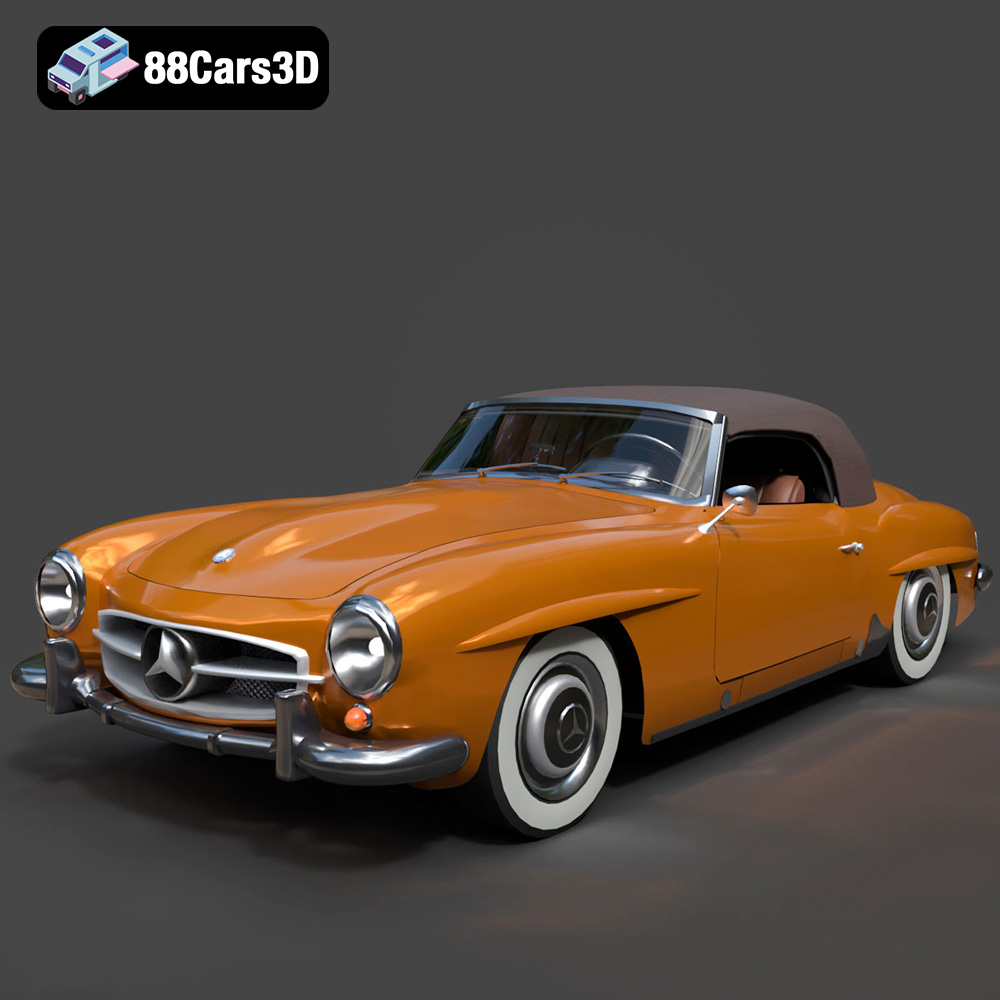
Mercedes-Benz 190SL 1955 3D Model
Texture: Yes
Material: Yes
Download the Mercedes-Benz 190SL 1955 3D Model featuring clean geometry, realistic detailing, and a fully modeled interior. Includes .blend, .fbx, .obj, .glb, .stl, .ply, .unreal, and .max formats for rendering, simulation, and game development.
Price: $23.99
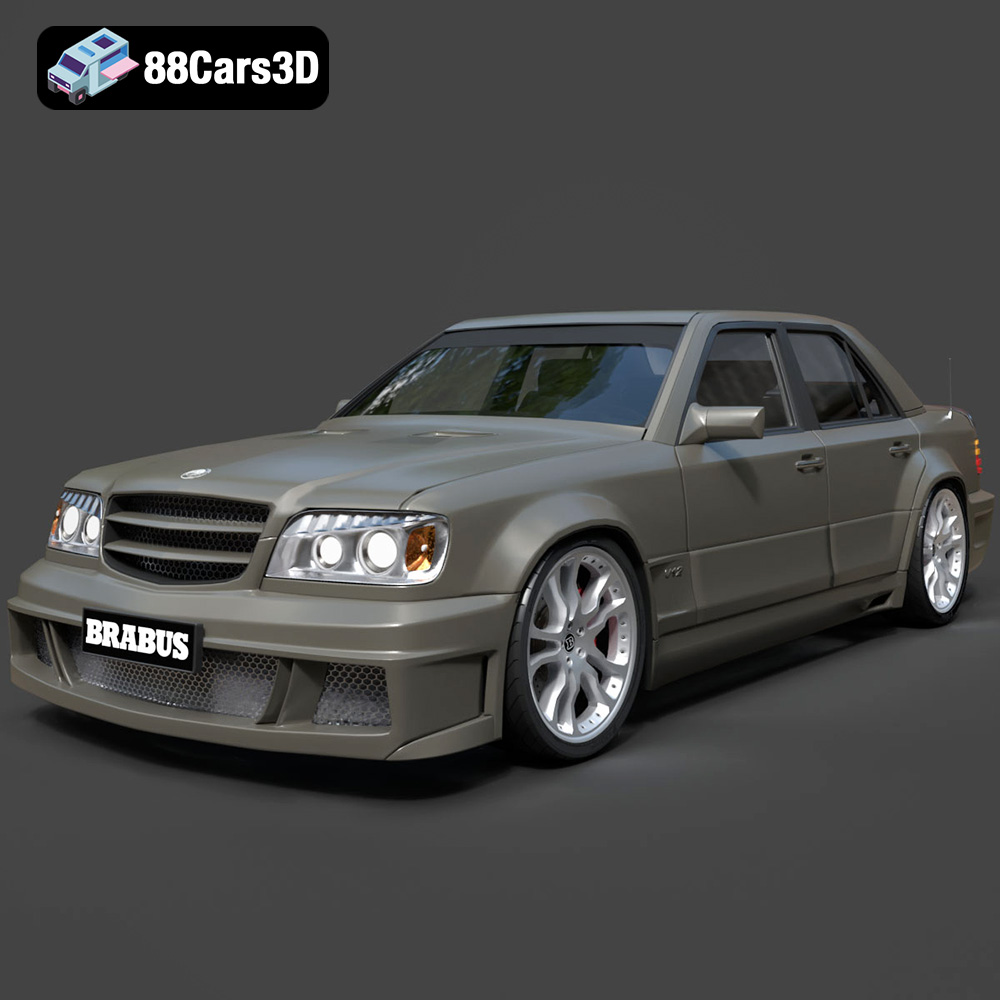
Mercedes-Benz W124 Brabus V12 3D Model
Texture: Yes
Material: Yes
Download the Mercedes-Benz W124 Brabus V12 3D Model featuring clean geometry, realistic detailing, and a fully modeled interior. Includes .blend, .fbx, .obj, .glb, .stl, .ply, .unreal, and .max formats for rendering, simulation, and game development.
Price: $23.99
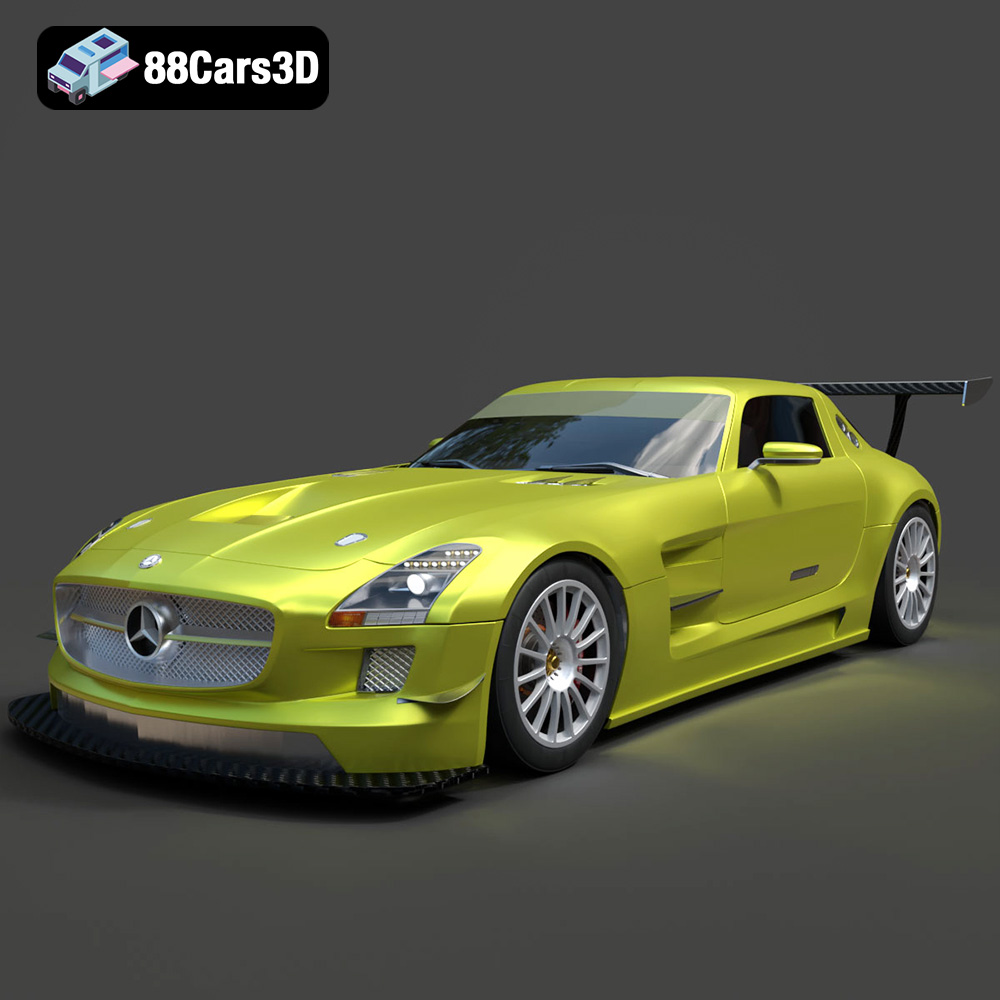
Mercedes-Benz SLS AMG GT3-002 3D Model
Texture: Yes
Material: Yes
Download the Mercedes-Benz SLS AMG GT3-002 3D Model featuring clean geometry, realistic detailing, and a fully modeled interior. Includes .blend, .fbx, .obj, .glb, .stl, .ply, .unreal, and .max formats for rendering, simulation, and game development.
Price: $38.99

Mercedes-Benz C-Class-001 3D Model
Texture: Yes
Material: Yes
Download the Mercedes-Benz C-Class-001 3D Model featuring clean geometry, realistic detailing, and a fully modeled interior. Includes .blend, .fbx, .obj, .glb, .stl, .ply, .unreal, and .max formats for rendering, simulation, and game development.
Price: $38.99
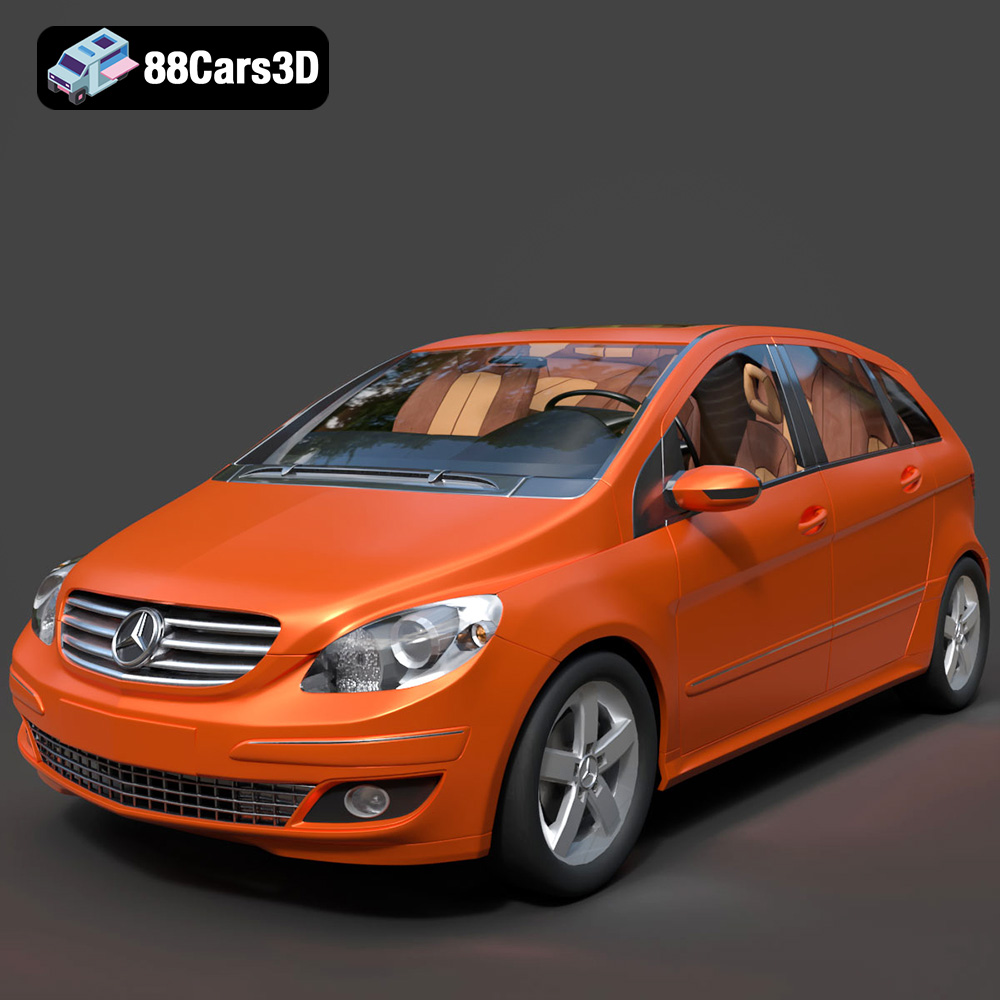
Mercedes-Benz B-Klasse 2023 3D Model
Texture: Yes
Material: Yes
Download the Mercedes-Benz B-Klasse 2023 3D Model featuring clean geometry, realistic detailing, and a fully modeled interior. Includes .blend, .fbx, .obj, .glb, .stl, .ply, .unreal, and .max formats for rendering, simulation, and game development.
Price: $38.99
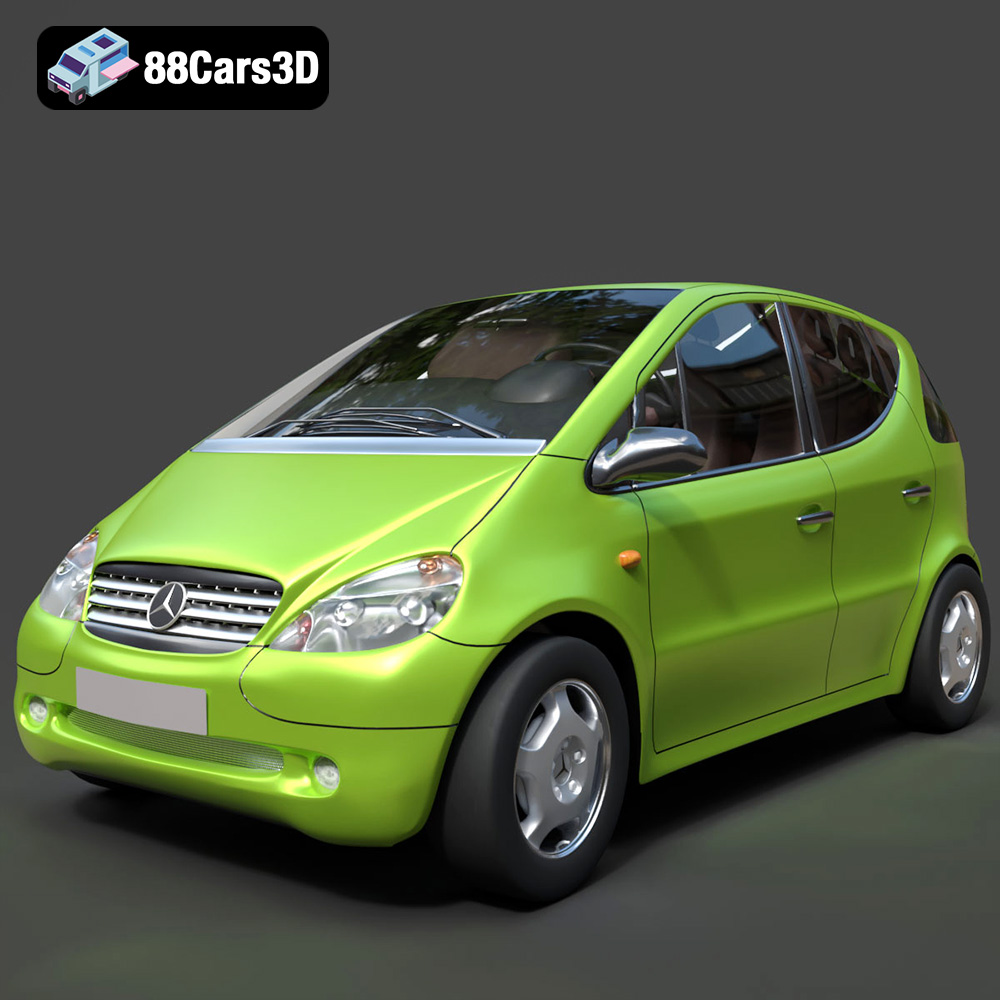
Mercedes-Benz A-Klasse W168 3D Model
Texture: Yes
Material: Yes
Download the Mercedes-Benz A-Klasse W168 3D Model featuring clean geometry, realistic detailing, and a fully modeled interior. Includes .blend, .fbx, .obj, .glb, .stl, .ply, .unreal, and .max formats for rendering, simulation, and game development.
Price: $38.99
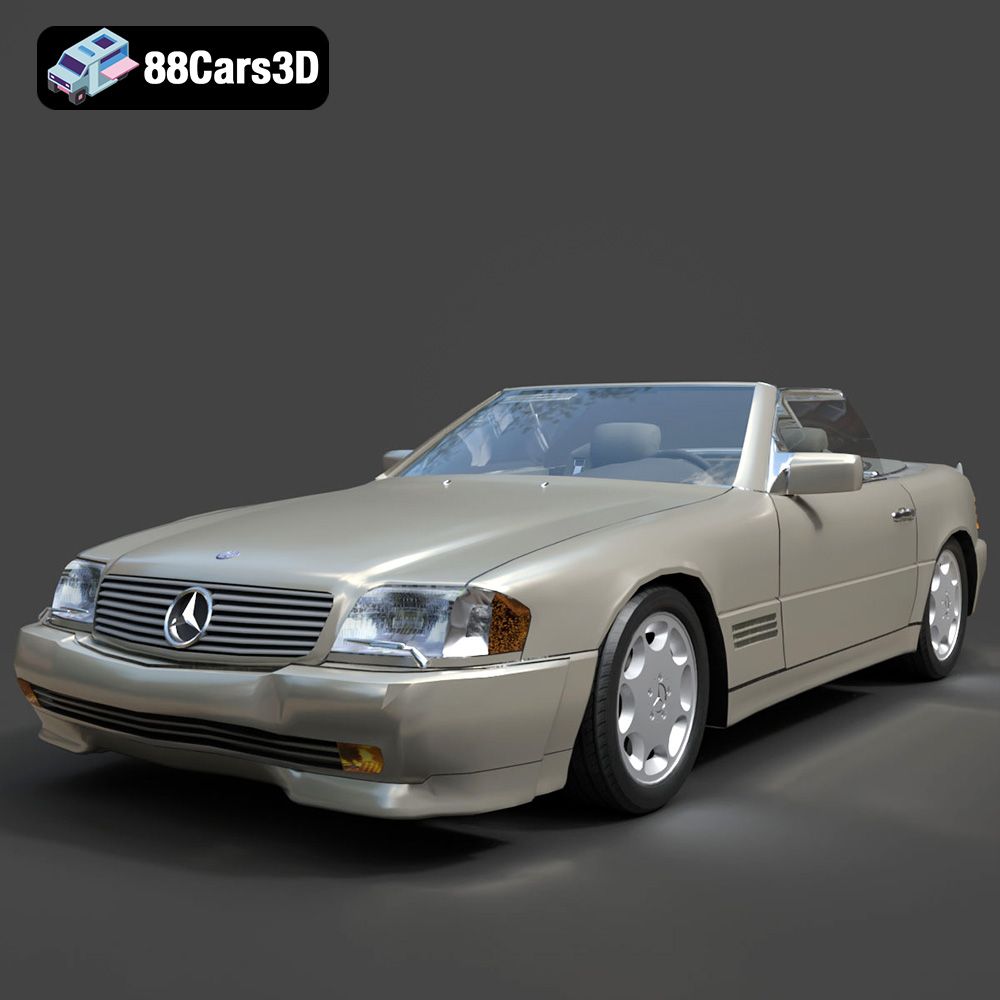
Mercedes-Benz 500SL 2000 3D Model
Texture: Yes
Material: Yes
Download the Mercedes-Benz 500SL 2000 3D Model featuring clean geometry, realistic detailing, and a fully modeled interior. Includes .blend, .fbx, .obj, .glb, .stl, .ply, .unreal, and .max formats for rendering, simulation, and game development.
Price: $38.99
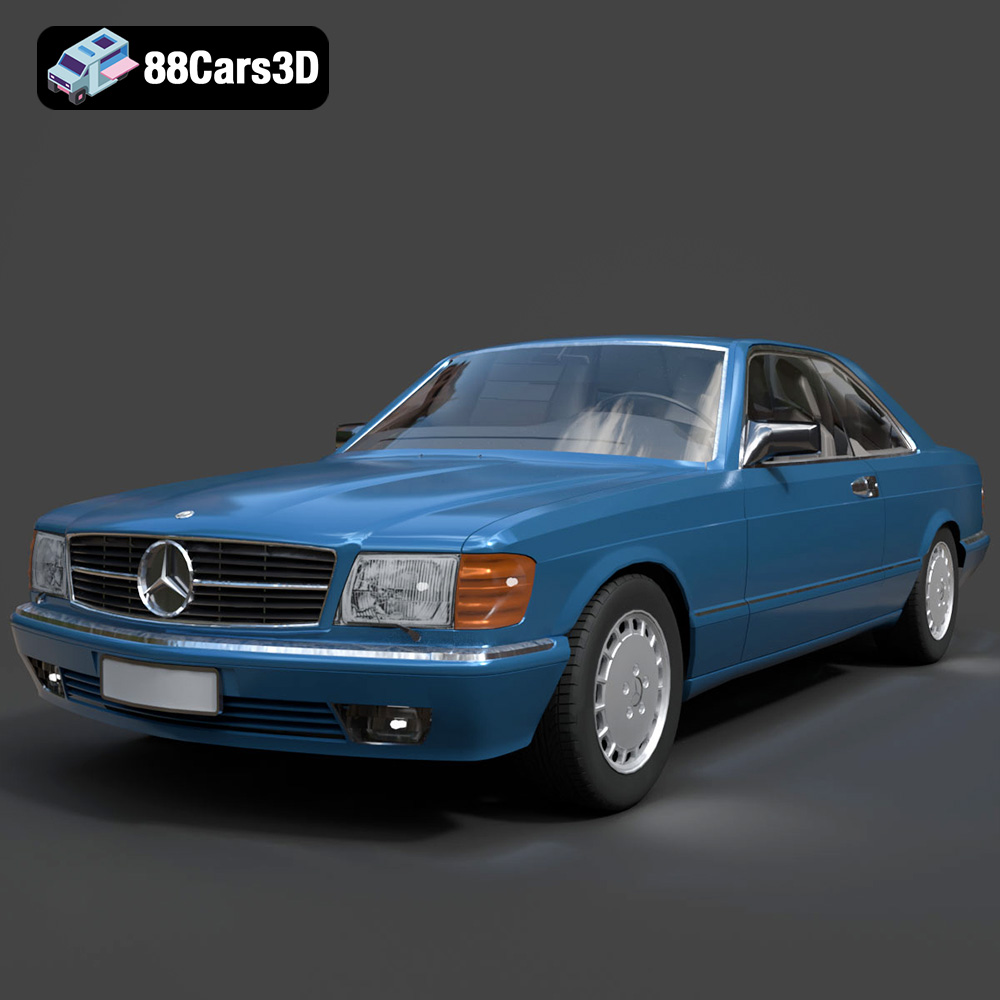
Mercedes-Benz 500SEC 3D Model
Texture: Yes
Material: Yes
Download the Mercedes-Benz 500SEC 3D Model featuring clean geometry, realistic detailing, and a fully modeled interior. Includes .blend, .fbx, .obj, .glb, .stl, .ply, .unreal, and .max formats for rendering, simulation, and game development.
Price: $38.99
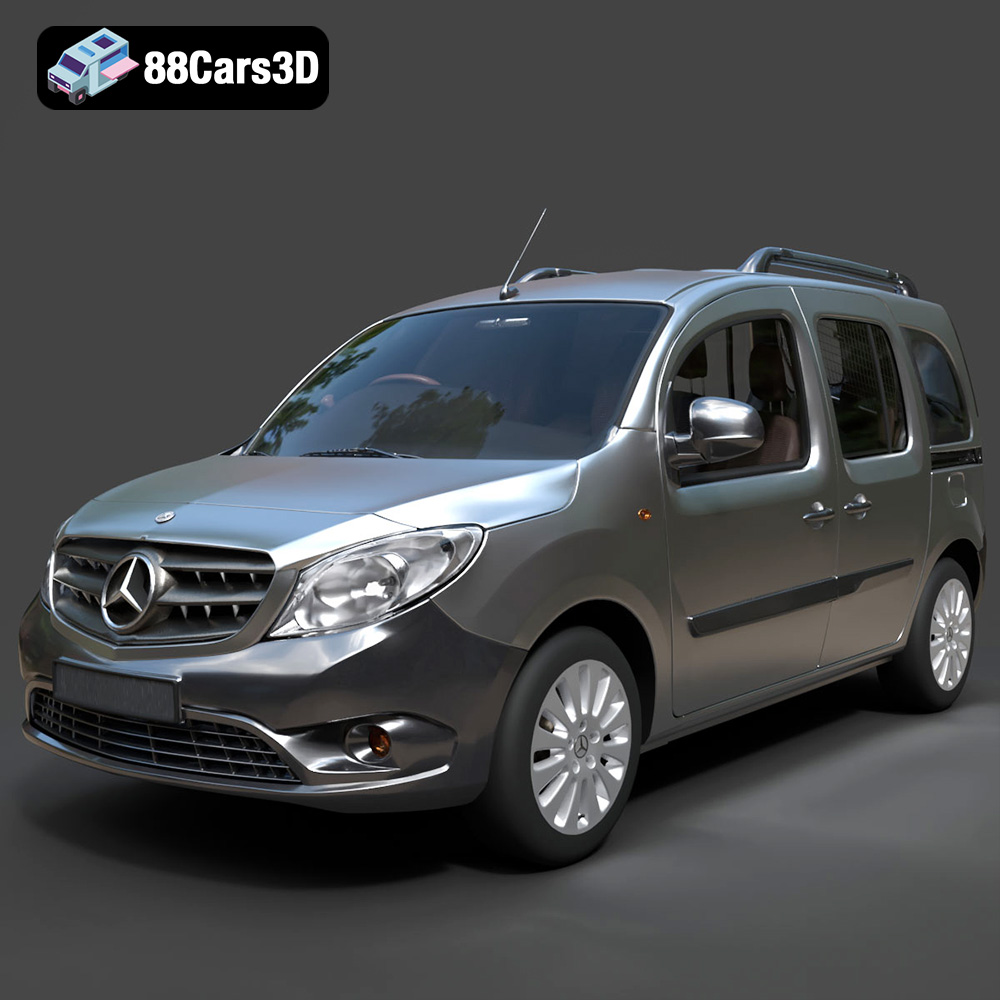
Mercedes-Benz Citan 2025 3D Model
Texture: Yes
Material: Yes
Download the Mercedes-Benz Citan 2025 3D Model featuring clean geometry, realistic detailing, and a fully modeled interior. Includes .blend, .fbx, .obj, .glb, .stl, .ply, .unreal, and .max formats for rendering, simulation, and game development.
Price: $38.99
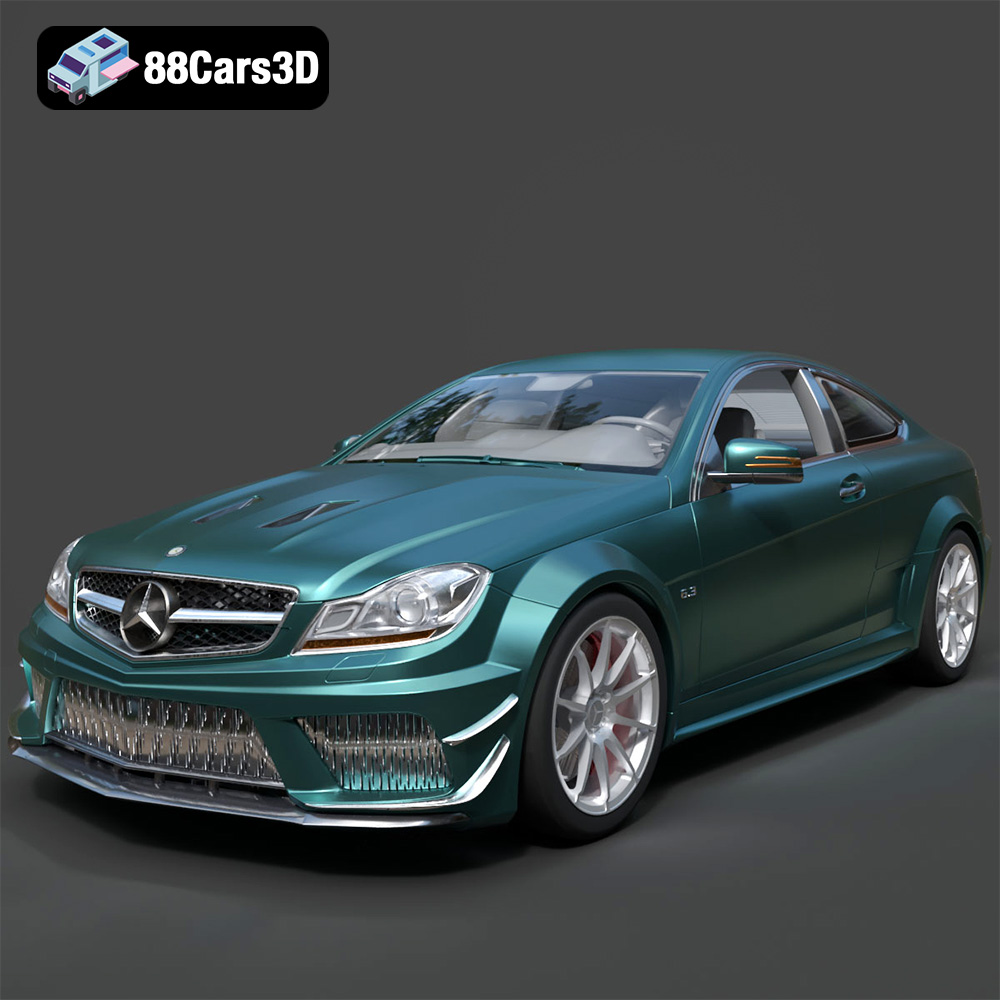
Mercedes-Benz C63 AMG 2012 3D Model
Texture: Yes
Material: Yes
Download the Mercedes-Benz C63 AMG 2012 3D Model featuring clean geometry, realistic detailing, and a fully modeled interior. Includes .blend, .fbx, .obj, .glb, .stl, .ply, .unreal, and .max formats for rendering, simulation, and game development.
Price: $38.99
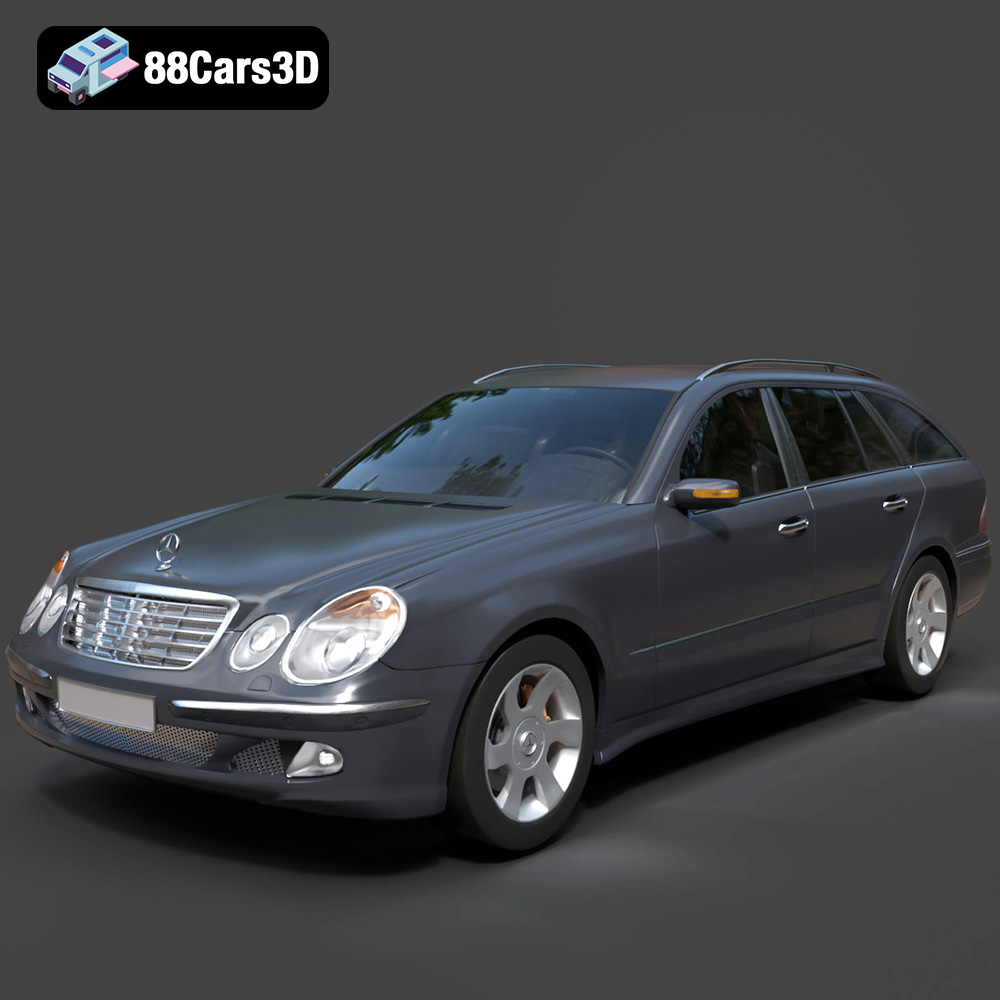
Mercedes-Benz E-Class S211 3D Model
Texture: Yes
Material: Yes
Download the Mercedes-Benz E-Class S211 3D Model featuring clean geometry, realistic detailing, and a fully modeled interior. Includes .blend, .fbx, .obj, .glb, .stl, .ply, .unreal, and .max formats for rendering, simulation, and game development.
Price: $38.99
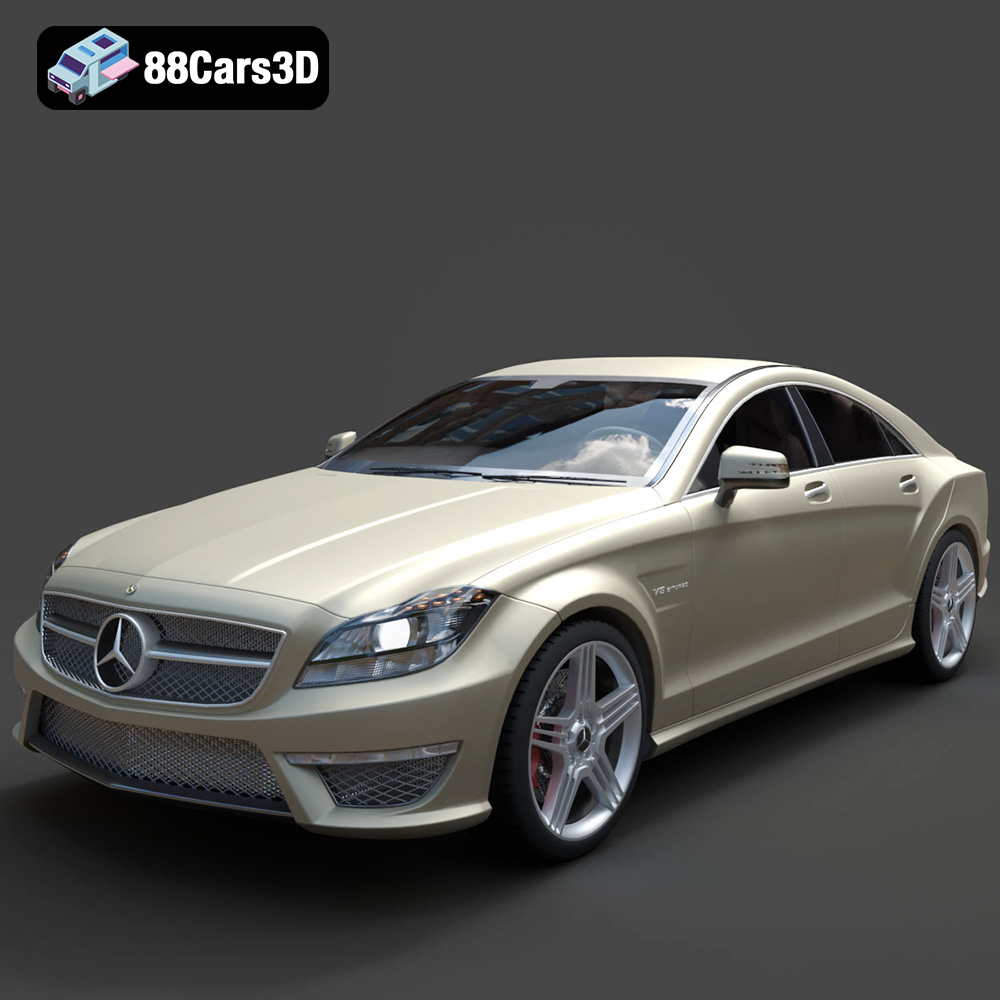
Mercedes-Benz CLS63 AMG (C218) 2014 3D Model
Texture: Yes
Material: Yes
Download the Mercedes-Benz CLS63 AMG (C218) 2014 3D Model featuring clean geometry, realistic detailing, and a fully modeled interior. Includes .blend, .fbx, .obj, .glb, .stl, .ply, .unreal, and .max formats for rendering, simulation, and game development.
Price: $38.99
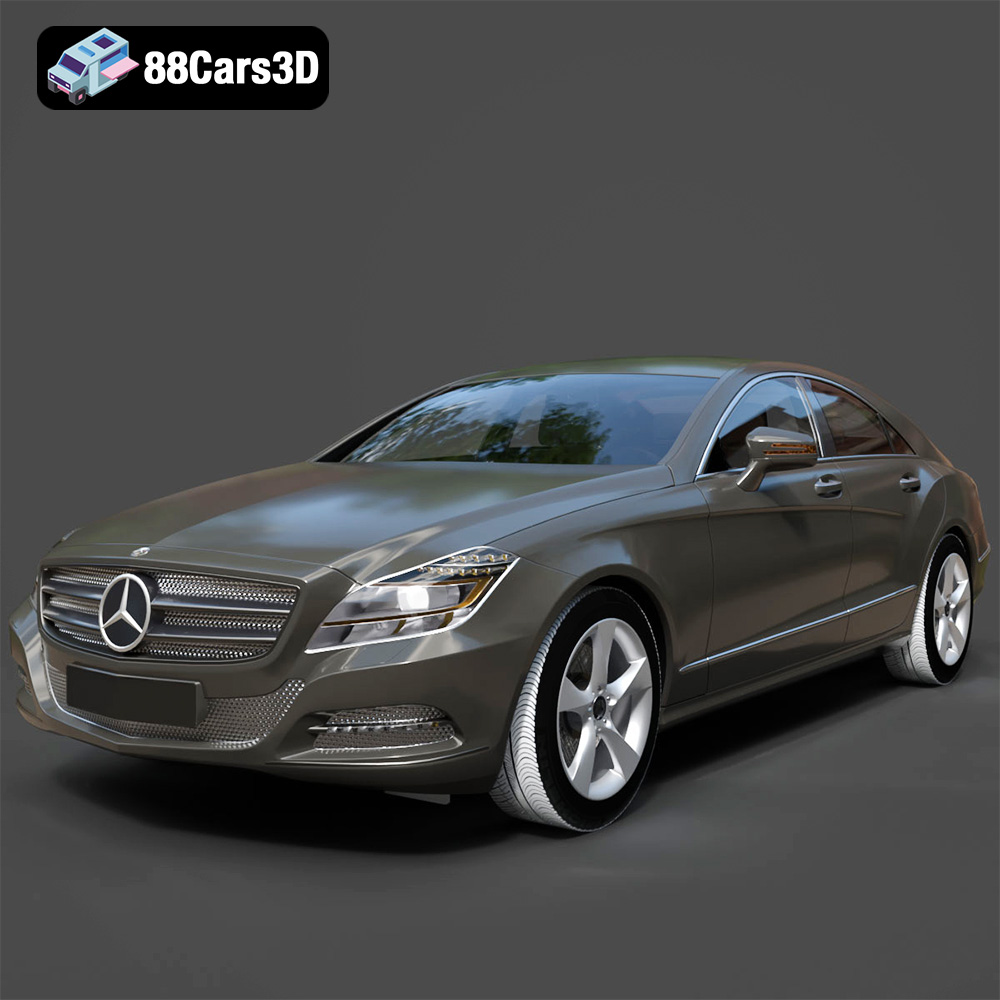
Mercedes-Benz CLS-Klasse 3D Model
Texture: Yes
Material: Yes
Download the Mercedes-Benz CLS-Klasse 3D Model featuring clean geometry, realistic detailing, and a fully modeled interior. Includes .blend, .fbx, .obj, .glb, .stl, .ply, .unreal, and .max formats for rendering, simulation, and game development.
Price: $38.99
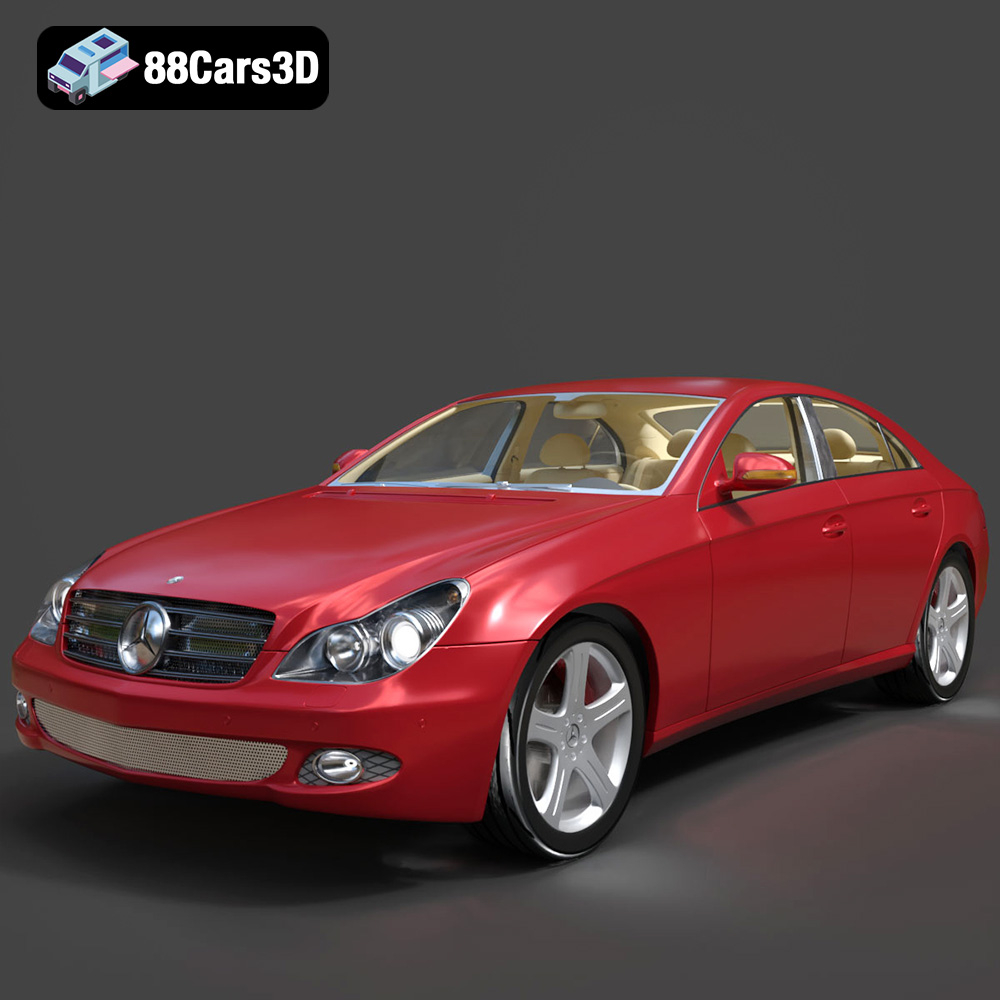
Mercedes-Benz CLS 500 3D Model
Texture: Yes
Material: Yes
Download the Mercedes-Benz CLS 500 3D Model featuring clean geometry, realistic detailing, and a fully modeled interior. Includes .blend, .fbx, .obj, .glb, .stl, .ply, .unreal, and .max formats for rendering, simulation, and game development.
Price: $38.99

Mercedes-Benz CL-Klasse 2001 3D Model
Texture: Yes
Material: Yes
Download the Mercedes-Benz CL-Klasse 2001 3D Model featuring clean geometry, realistic detailing, and a fully modeled interior. Includes .blend, .fbx, .obj, .glb, .stl, .ply, .unreal, and .max formats for rendering, simulation, and game development.
Price: $38.99
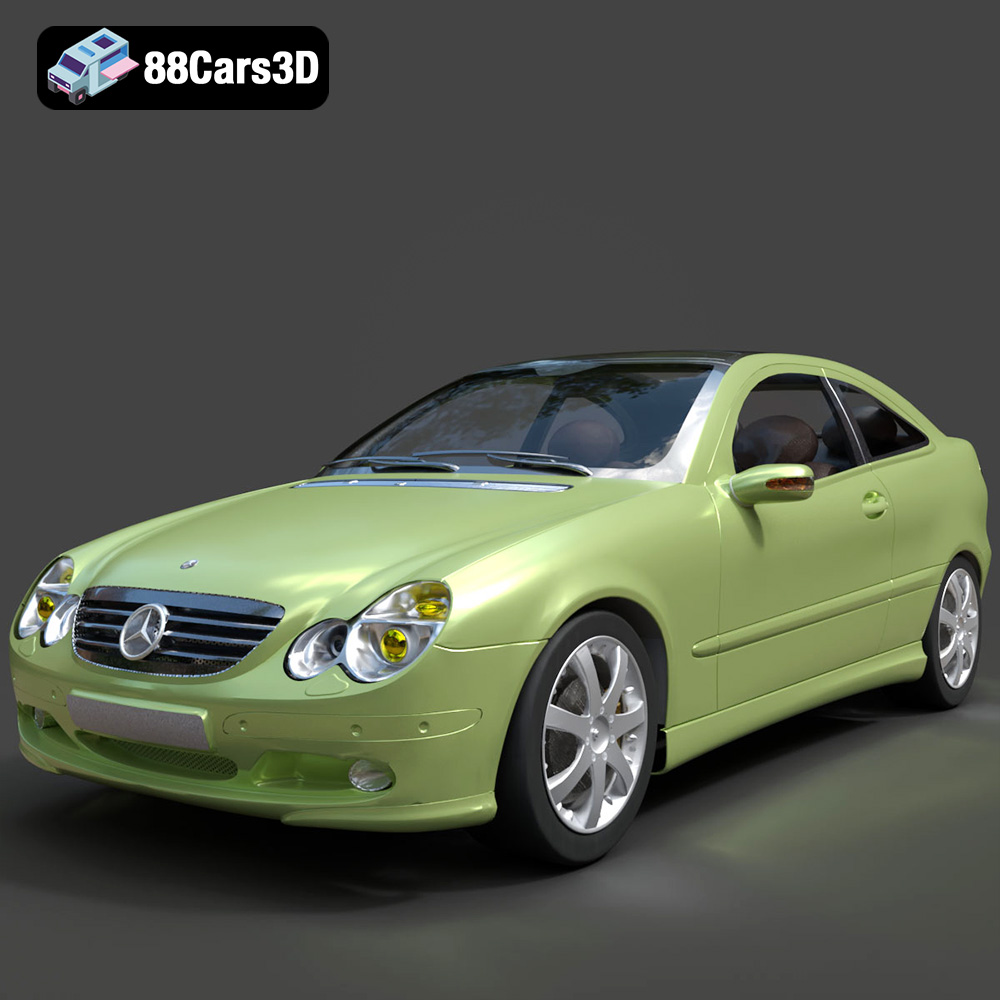
Mercedes-Benz C-Klasse Sportcoupe 2000 3D Model
Texture: Yes
Material: Yes
Download the Mercedes-Benz C-Klasse Sportcoupe 2000 3D Model featuring clean geometry, realistic detailing, and a fully modeled interior. Includes .blend, .fbx, .obj, .glb, .stl, .ply, .unreal, and .max formats for rendering, simulation, and game development.
Price: $38.99
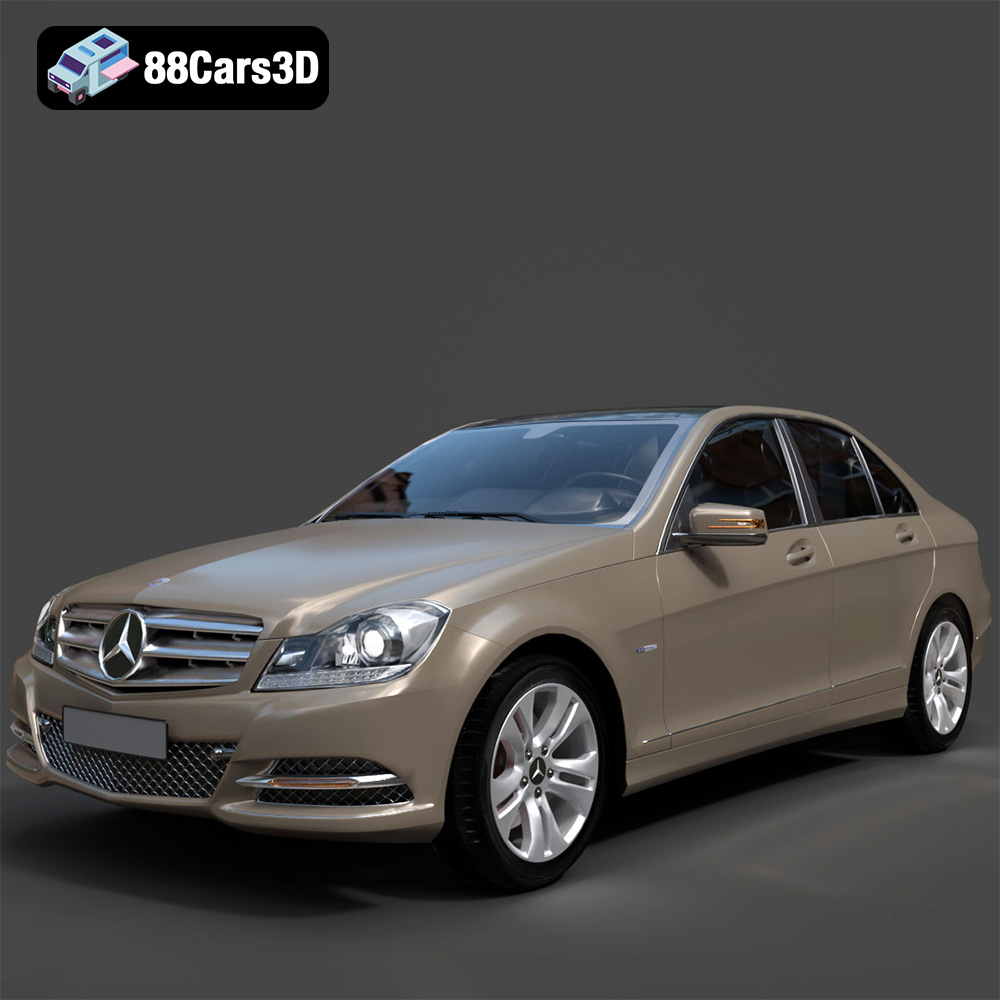
Mercedes-Benz C-Klasse 204 2011 3D Model
Texture: Yes
Material: Yes
Download the Mercedes-Benz C-Klasse 204 2011 3D Model featuring clean geometry, realistic detailing, and a fully modeled interior. Includes .blend, .fbx, .obj, .glb, .stl, .ply, .unreal, and .max formats for rendering, simulation, and game development.
Price: $38.99
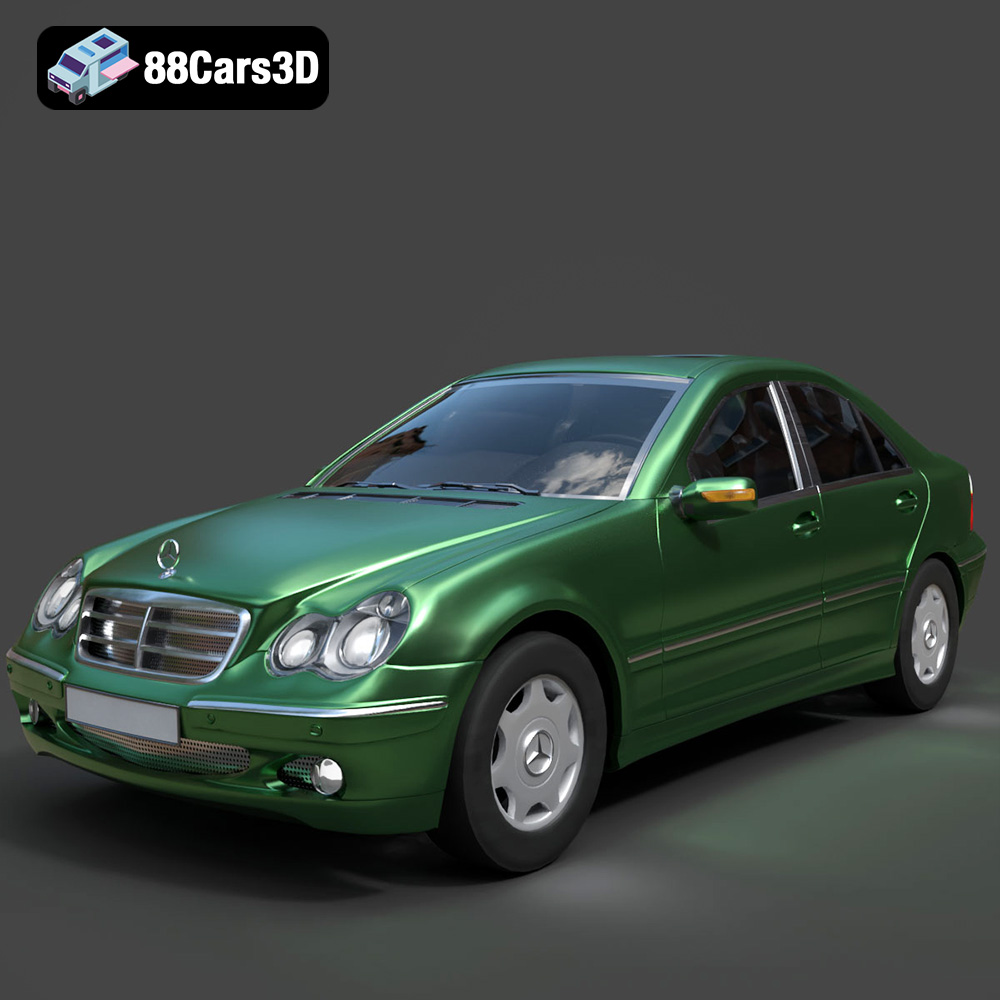
Mercedes-Benz C-Class Sedan 2000 3D Model
Texture: Yes
Material: Yes
Download the Mercedes-Benz C-Class Sedan 3D Model featuring clean geometry, realistic detailing, and a fully modeled interior. Includes .blend, .fbx, .obj, .glb, .stl, .ply, .unreal, and .max formats for rendering, simulation, and game development.
Price: $38.99
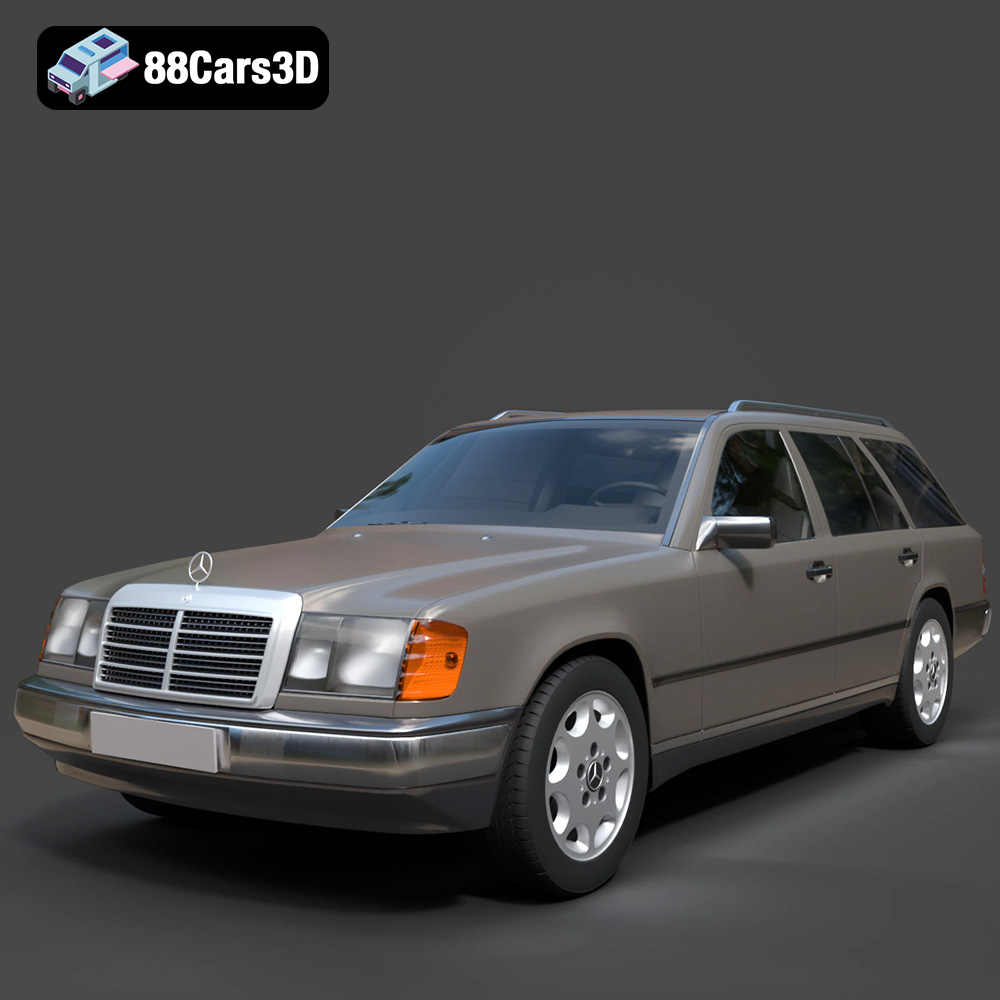
Mercedes E-Class w124 Kombi 3D Model
Texture: Yes
Material: Yes
Download the Mercedes E-Class w124 Kombi 3D Model featuring clean geometry, realistic detailing, and a fully modeled interior. Includes .blend, .fbx, .obj, .glb, .stl, .ply, .unreal, and .max formats for rendering, simulation, and game development.
Price: $38.99
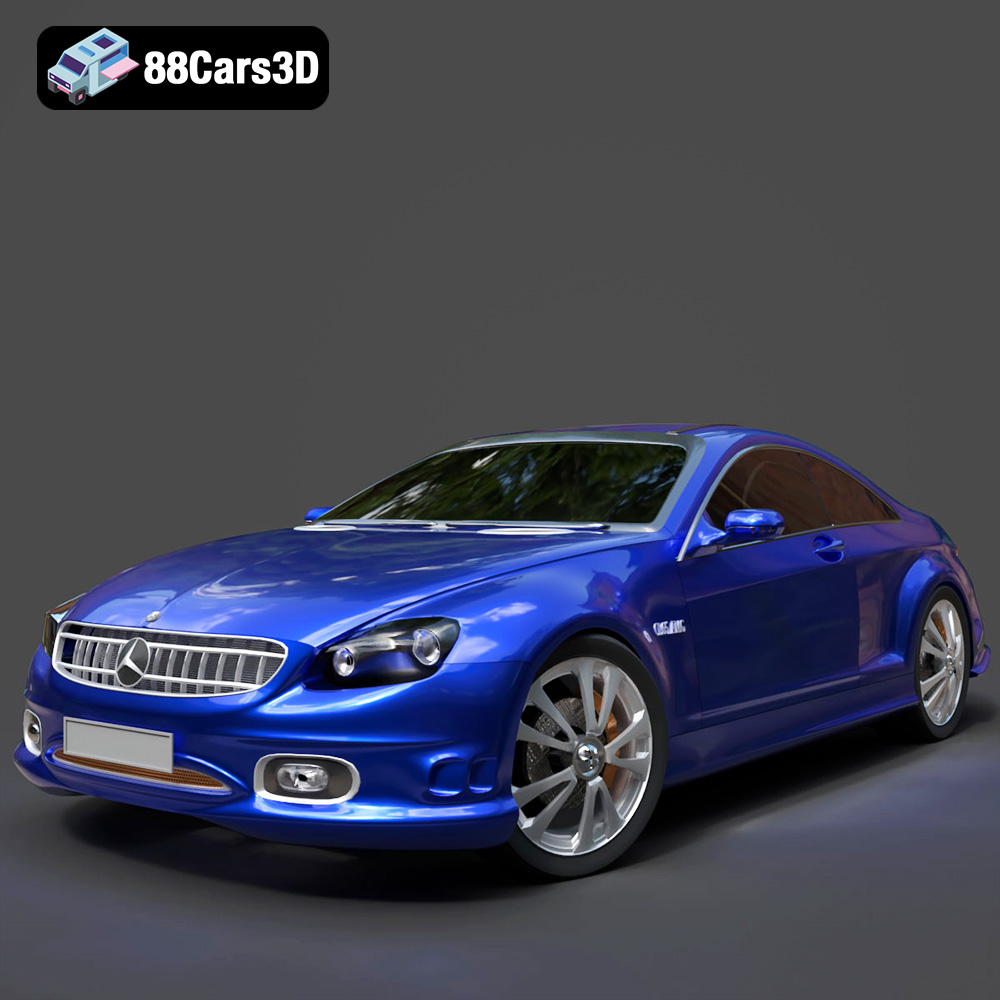
Mercedes-Benz CL6540-005 3D Model
Texture: Yes
Material: Yes
Download the Mercedes-Benz CL6540-005 3D Model featuring clean geometry, realistic detailing, and a fully modeled interior. Includes .blend, .fbx, .obj, .glb, .stl, .ply, .unreal, and .max formats for rendering, simulation, and game development.
Price: $38.99
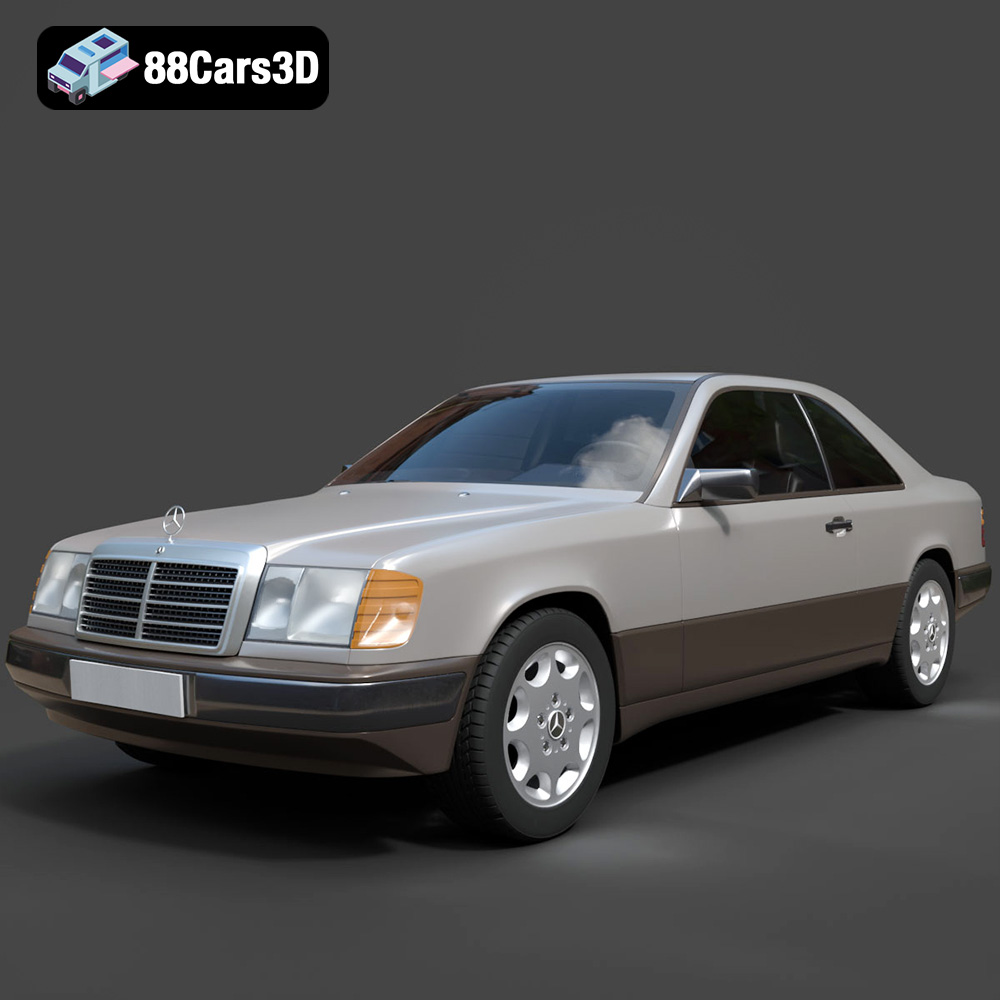
Mercedes E-Class w124 Coupe 3D Model
Texture: Yes
Material: Yes
Download the Mercedes E-Class w124 Coupe 3D Model featuring clean geometry, realistic detailing, and a fully modeled interior. Includes .blend, .fbx, .obj, .glb, .stl, .ply, .unreal, and .max formats for rendering, simulation, and game development.
Price: $38.99
