
Deconstructing the Physics of Automotive Paint: Beyond a Simple Color Layer

The glint of light across a perfectly polished automotive surface is more than just a visual treat; it’s a testament to incredible design and meticulous craftsmanship. In the world of 3D rendering, capturing that ephemeral beauty, that specific interplay of light and material, is one of the most challenging yet rewarding pursuits. A truly photorealistic car render hinges significantly on the quality of its paint shader. It’s not just about picking a color; it’s about understanding the intricate physics behind how light interacts with multiple layers, microscopic flakes, and a pristine clear coat.
Many artists grapple with renders that look ‘good’ but lack that final spark of realism, that tactile quality that makes an audience believe the car is real. The problem often lies in oversimplifying the paint. Standard shaders often fall short, failing to replicate the nuanced reflectivity, depth, and shimmer that defines high-end automotive finishes. This comprehensive guide will peel back the layers of complexity, diving deep into advanced shading techniques to help you master photorealistic car paint, transforming your renders from impressive to indistinguishable from reality.
Deconstructing the Physics of Automotive Paint: Beyond a Simple Color Layer
To render realistic car paint, we must first understand its real-world composition. Automotive paint is not a single, monolithic layer. It’s a sophisticated system built from multiple distinct coats, each serving a specific purpose and contributing uniquely to the final visual effect. Ignoring this layered structure is a primary reason why many 3D car paints fall short of true photorealism.
The Base Coat: Color and Opacity
At the foundation of any automotive finish is the base coat. This layer primarily dictates the vehicle’s hue, whether it’s a solid, vibrant red or a deep, somber black. Composed of pigments suspended in a binder, the base coat largely exhibits diffuse reflection – scattering light in all directions, giving the paint its perceived color. While it provides the primary color, its direct interaction with light is often subdued by the layers above it. Getting this foundational color right is crucial for any subsequent effects.
The Metallic/Pearlescent Flake Layer: The Sparkle Beneath
Nestled within or directly above the base coat, but beneath the clear coat, is the metallic or pearlescent flake layer. This is where a significant portion of the magic happens, giving paint its characteristic sparkle and depth. These microscopic flakes, made of aluminum or mica, act like tiny mirrors. Their orientation, size, density, and reflectivity determine how light is scattered and reflected back to the viewer, creating a dynamic shimmer that shifts with the viewing angle and light source. Crafting a convincing metallic flake shader is paramount for capturing this dynamic interplay.
The Clear Coat: The Protective Sheen and Reflection Engine
The outermost layer is the clear coat, a transparent, durable polyurethane or acrylic layer. This is arguably the most critical component for visual realism in a PBR car paint shader. The clear coat acts as a dielectric material, meaning it’s a non-conductor that reflects light, especially at grazing angles, and refracts light that passes through it. It provides the high gloss, depth, and protection to the underlying layers. Its smoothness, thickness, and refractive index are key parameters that dramatically influence the overall reflectivity and appearance of the car paint, dictating how environmental reflections and light sources interact with the surface. This top layer is central to creating a sophisticated clear coat material.
Understanding these distinct layers is the first step towards building a proper layered shader in your 3D application. Each layer must be simulated and blended correctly to achieve a truly believable automotive finish.
Mastering PBR Car Paint: Building Physically Accurate Materials
Physically Based Rendering (PBR) is the cornerstone of modern photorealistic rendering. For car paint, PBR principles are not just beneficial; they are essential for creating physically accurate materials that react realistically to light in any environment. Moving beyond arbitrary color and reflection values, PBR utilizes real-world properties like albedo, roughness, and metallicness to ensure consistent and believable results.
The Base Coat Implementation in PBR
In a PBR workflow, the base coat is typically represented by its albedo (color) and its roughness. Since it’s usually obscured by the clear coat, its metallic value is often set to 0 (dielectric), unless you are simulating a very specific, exposed matte metallic base. The roughness of the base coat contributes to the scattering of light within the flake layer, but its direct visual impact is often diffused by the transparent clear coat above it. Ensuring an accurate albedo value is the primary concern here, as it sets the underlying tone for the entire paint job.
Crafting the Realistic Metallic Flake Shader
This is where things get truly intricate for a PBR car paint. A realistic metallic flake shader isn’t just a simple noise texture; it requires careful consideration of how flakes scatter light. You can achieve this in a few ways:
-
Procedural Flakes: Many rendering engines allow for procedural noise patterns that mimic flakes. These can be driven by a small-scale noise map applied to the normal or roughness input of a metallic material layer. Parameters to control include:
- Flake Size and Density: Adjusting the scale and contrast of the noise.
- Flake Color: Often inheriting from the base color or having a slight tint.
- Flake Normal Perturbation: Using a very fine normal map or a procedural noise to slightly randomize the orientation of each “flake,” making them catch light at different angles.
- Texture-Based Flakes: For ultimate control, you might use a texture map created from scanned car paint or a custom-generated pattern. This texture would primarily influence the normal map of the flake layer, creating the subtle bumps and orientations needed for the metallic sparkle. Remember to use very high-resolution textures to avoid pixelation when zoomed in.
The flakes themselves should behave like tiny metallic surfaces, meaning their metallic value should be 1 and their roughness should be relatively low to achieve sharp, specular highlights.
The Critical Clear Coat Material
The clear coat is a dielectric material that sits on top of everything. In PBR, this means its metallic value should be 0. Its primary properties are its roughness and its Index of Refraction (IOR). A perfectly polished clear coat will have a very low roughness value, leading to sharp, mirror-like reflections. The IOR for clear coat typically ranges from 1.4 to 1.55, with 1.45-1.50 being common for acrylics and polyurethanes. This IOR value is crucial for accurately calculating the Fresnel effect.
The clear coat essentially acts as a transparent, reflective layer on top of the base coat and flake layer. This requires a robust layered shader approach, where the clear coat’s reflections and transparency are calculated first, allowing the underlying layers to contribute their color and flake reflections only where the clear coat is less reflective or transparent. Modern material graphs make this layering relatively straightforward, often involving blending based on opacity or specific layering nodes.
Advanced Reflective Properties: Anisotropy and Fresnel for Ultimate Realism
Beyond basic PBR parameters, achieving truly captivating car paint demands a deeper understanding and implementation of how light reflects from complex surfaces. Two phenomena, in particular, are vital: anisotropic reflections and the Fresnel effect.
Understanding Anisotropic Reflections in Automotive Paint
Most basic PBR shaders assume isotropic reflection, where light reflects uniformly in all directions from a point on a surface. However, many real-world materials, especially brushed metals, spun finishes, and indeed, highly polished automotive clear coats, exhibit anisotropic reflections. This means that the highlight’s shape and intensity change depending on the angle of observation, often appearing stretched or elliptical rather than perfectly circular.
For car paint, anisotropy can occur due to microscopic polishing marks, or even the way metallic flakes align. This subtle stretching of highlights adds an incredible layer of realism, especially on curved surfaces where the light’s interaction creates dynamic, flowing streaks. To implement anisotropic reflections, you’ll typically need to input a tangent map or define a tangent direction for the material. This tangent vector tells the renderer which direction the “grain” of the surface is oriented, allowing highlights to stretch perpendicular to that direction. Experiment with different tangent directions and anisotropy values (often ranging from 0 to 1) to find the sweet spot for your desired paint finish.
The Indispensable Fresnel Effect
The Fresnel effect describes a fundamental principle of light: the amount of light reflected from a surface changes with the angle at which you view it. Specifically, surfaces become more reflective at glancing (grazing) angles and less reflective when viewed head-on (perpendicular). This effect is profoundly visible on dielectric materials like water, glass, and, crucially, the clear coat of car paint.
Without a proper Fresnel implementation, your clear coat would have uniform reflectivity, appearing flat and unrealistic. With Fresnel, the reflections intensify significantly as the surface curves away from the viewer, making the edges of the car appear shinier and giving the paint a noticeable depth and richness. The strength of the Fresnel effect is determined by the material’s Index of Refraction (IOR). For our clear coat material, using an IOR of around 1.45-1.50 will yield accurate results, ensuring that reflections subtly fade as the camera looks straight at the surface and become strikingly prominent along the vehicle’s contours.
Many modern PBR shaders handle Fresnel calculations automatically once an IOR is provided for dielectric materials, but understanding its importance is key to debugging and refining your materials. This ensures your physically accurate materials react correctly to the environment.
Lighting and Environment: Showcasing Your Photorealistic Car Paint
Even the most meticulously crafted PBR car paint shader will fall flat without appropriate lighting. The environment and light sources are not just background elements; they are active participants in how your car paint is perceived, revealing its intricate properties and giving it life. A robust automotive rendering workflow always prioritizes lighting as much as shading.
High Dynamic Range Imaging (HDRI) for Global Illumination
High Dynamic Range Images (HDRIs) are indispensable for automotive rendering. They provide both realistic global illumination (diffuse ambient light) and incredibly detailed, accurate reflections. A high-quality HDRI captures a full 360-degree representation of a real-world environment, including light sources, shadows, and color information, with a vast range of light intensities. This results in:
- Believable Reflections: The clear coat will reflect the HDRI environment with perfect accuracy, grounding the car in its scene.
- Accurate Lighting: The diffuse light from the HDRI will illuminate the car’s surfaces realistically, influencing the base color and flake visibility.
- Contextual Realism: Matching your car’s reflections to its environment significantly enhances realism. Choose HDRIs that complement your render’s mood – a studio setup for clean, controlled highlights, an overcast outdoor scene for soft, even light, or a vibrant sunset for dramatic effect.
Accent Lights and Fill Lights
While HDRIs provide excellent baseline lighting, additional accent and fill lights are often necessary to bring out the best in your photorealistic car paint. These typically take the form of carefully placed area lights, mesh lights, or spot lights:
- Studio Setups: Large softboxes or strip lights are ideal for creating long, elegant reflections that highlight the car’s complex curves and surface continuity. Rim lights can define the silhouette and add dramatic sparkle to the edges.
- Fill Lights: Used to lighten up shadowed areas, preventing them from becoming too dark and obscuring detail.
- Controlling Highlights: Strategic placement of small, bright lights can create sharp, intense specular highlights that reveal the extreme smoothness of the clear coat and the sparkle of the metallic flakes.
Always consider how these lights will interact with your metallic flake shader and the anisotropic reflections to sculpt the car’s form with light.
The Role of Ray Tracing
With the advent of real-time ray tracing and its continued improvement in offline renderers, the fidelity of lighting and reflections has reached new heights. Ray tracing accurately simulates the path of individual light rays, allowing for:
- Perfect Reflections and Refractions: The clear coat will reflect and refract light with unparalleled precision, picking up every detail from the environment and other objects.
- Global Illumination: Light bouncing realistically around the scene provides softer, more natural illumination, subtly affecting the overall appearance of the PBR car paint.
- Accurate Shadows: Ray-traced shadows are soft, detailed, and physically correct, enhancing the sense of depth and realism.
Leveraging ray tracing capabilities in your chosen renderer will elevate your automotive renders significantly, showcasing the true potential of your physically accurate materials.
Optimizing Your Automotive Rendering Workflow for Performance and Quality
Achieving stunning renders isn’t just about technical knowledge; it’s also about an efficient automotive rendering workflow. Balancing visual fidelity with performance, especially when targeting different output mediums like cinematic renders versus real-time game engines, is crucial.
Balancing Detail for Cinematic Renders vs. Real-Time Engines
The demands of a high-end cinematic render are vastly different from those of a real-time game. Understanding these differences allows for intelligent optimization:
-
Cinematic Renders (Offline):
- Geometry: You can afford very high-polygon models, allowing for incredibly smooth curves and detailed panel gaps. Models from resources like 88cars3d.com often provide this level of detail.
- Texture Resolution: Use high-resolution textures (4K, 8K) for things like subtle clear coat imperfections, dust, or tire treads.
- Shader Complexity: More complex layered shaders, intricate procedural flake patterns, and multiple reflection bounces are acceptable as render times are not a real-time constraint.
-
Real-Time Game Engines (e.g., Unreal Engine, Unity):
- Geometry: Focus on optimized meshes with efficient polygon counts. LOD (Level of Detail) systems are essential for managing performance at varying distances.
- Texture Resolution: While high-res textures are still desirable, careful mip-mapping and texture streaming are vital. Prioritize key areas.
- Shader Complexity: Simplify your layered shader. Bake complex procedural elements into textures where possible. Utilize engine-specific optimizations for PBR car paint, such as custom material functions or simplified flake approximations to maintain high frame rates.
The goal is always to maximize visual quality within the constraints of your target platform. For both, starting with a well-modeled base is paramount, and resources like 88cars3d.com offer exceptional high-quality 3D car models ready for various production pipelines.
Leveraging Engine-Specific Features
Each rendering engine has its strengths and unique features that can be leveraged for car paint. Familiarize yourself with them:
- Offline Renderers (e.g., V-Ray, Corona, Redshift, Cycles): These excel at accurate global illumination, ray-traced reflections, and advanced material layering. Utilize their nodal material editors to construct highly intricate layered shader graphs, precisely controlling every aspect of your metallic flake shader and clear coat material. Experiment with subsurface scattering for the paint if desired, to add another layer of depth.
- Real-Time Engines (e.g., Unreal Engine, Unity): These engines offer optimized material graphs designed for performance. Unreal Engine’s automotive material pack, for instance, provides excellent starting points for PBR car paint with built-in flake and clear coat functionalities. Focus on utilizing shader functions, material instances, and custom nodes to create reusable and efficient paint shaders that perform well in real-time environments, often incorporating simplified yet convincing anisotropic reflections.
Iteration and Refinement
Achieving truly photorealistic results is an iterative process. Rarely does the first render look perfect. Embrace experimentation:
- Test Renders: Conduct frequent test renders with different lighting setups and paint parameters.
- A/B Comparisons: Compare your renders against real-world reference photos of car paint. Pay close attention to how highlights behave, the density and sparkle of flakes, and the intensity of the Fresnel effect.
- Micro-Adjustments: Tiny tweaks to roughness, IOR, flake scale, or anisotropy values can make a significant difference.
- Seek Feedback: Share your work with peers and be open to constructive criticism. Another set of eyes can often spot areas for improvement.
The more you practice and refine your techniques, the more intuitive the process of creating stunning physically accurate materials will become. Starting with professionally made models can also save you significant time in the modeling phase, allowing you to focus entirely on shader development and lighting. For exceptional base models, look no further than 88cars3d.com.
Beyond the Basics: Special Paint Effects and Future Trends
While mastering the fundamentals of PBR car paint is essential, the world of automotive finishes is constantly evolving, offering even more complex and visually striking effects. Exploring these advanced techniques can further elevate your renders and push the boundaries of realism.
Candy and Multi-Layered Interference Paints
Beyond standard metallic and solid paints, there are specialized finishes that present unique challenges and opportunities for a photorealistic car paint shader:
- Candy Paints: These are highly transparent, tinted clear coats applied over a metallic base. The light passes through the tinted clear, reflects off the metallic base, and then passes back through the tinted clear, resulting in a deep, rich color with an intense gloss. Simulating this requires multiple clear coat layers or a specific blending mode that multiplies the base color with the transparent color.
- Pearlescent/Interference Paints: These paints contain special mica flakes that change color depending on the viewing angle (often called “flip-flop” paints). This effect is achieved through thin-film interference, where light waves reflecting from the top and bottom surfaces of the mica flakes interfere with each other. In a shader, this can be simulated using complex phase shifts or by blending different colors based on the Fresnel angle and camera vector, adding another layer of complexity to your metallic flake shader.
These advanced paints necessitate an even more sophisticated layered shader approach, often requiring custom nodes or carefully crafted material graphs to emulate their unique optical properties.
Advancements in Real-Time Ray Tracing
The rapid evolution of real-time ray tracing, particularly with technologies like NVIDIA RTX, is fundamentally changing what’s possible in game engines and interactive experiences. As real-time ray tracing becomes more powerful and accessible, the gap between offline cinematic renders and real-time graphics shrinks. This means that highly complex PBR car paint shaders, including accurate ray-traced reflections, refractions through the clear coat material, and more nuanced global illumination, are becoming feasible for interactive applications. Artists will be able to implement more intricate anisotropic reflections and Fresnel effect calculations directly in real-time, leading to unprecedented levels of realism in game development and virtual automotive configurators.
Proceduralism and AI in Material Creation
The future of material creation is increasingly moving towards procedural generation and AI-assisted workflows. Tools that can procedurally generate incredibly detailed and varied flake patterns, or even entire paint variations, based on a few input parameters are becoming more common. AI is also beginning to play a role in optimizing material settings and generating textures, potentially streamlining the process of creating truly physically accurate materials. While manual craftsmanship will always be essential, these tools promise to empower artists to achieve even higher levels of detail and realism with greater efficiency.
Conclusion
Creating photorealistic car paint is undeniably one of the most challenging aspects of automotive rendering, but it’s also one of the most rewarding. It moves beyond simple artistic intuition into the realm of applied physics and meticulous observation. We’ve explored the fundamental breakdown of automotive paint into its distinct layers: the base coat, the dynamic metallic flake shader, and the crucial clear coat material. We’ve delved into the intricacies of PBR car paint, emphasizing the importance of physically accurate materials and the power of a well-constructed layered shader.
Mastering advanced reflective properties such as anisotropic reflections and the profound influence of the Fresnel effect is key to unlocking truly believable surface interaction. Furthermore, understanding how to strategically light your scene with HDRIs and accent lights is just as vital as the shader itself, as light is what ultimately reveals the beauty of your material. Finally, an optimized automotive rendering workflow ensures that your efforts translate into high-quality results, whether for offline cinematics or real-time applications.
The journey to mastering car paint is an ongoing one, filled with continuous learning and experimentation. By applying these advanced shading techniques, you’re not just making a car look good; you’re imbuing it with a sense of tangible reality, a reflection of light that truly captivates the viewer. So, take these principles, experiment with your favorite renderer, and push the boundaries of what’s possible. To get a head start with meticulously crafted, high-quality base models, explore the extensive collection available at 88cars3d.com – the perfect foundation for your next masterpiece.
Featured 3D Car Models

Suzuki SX4-002 3D Model
Texture: Yes
Material: Yes
Download the Suzuki SX4-002 3D Model featuring clean geometry, realistic detailing, and a fully modeled interior. Includes .blend, .fbx, .obj, .glb, .stl, .ply, .unreal, and .max formats for rendering, simulation, and game development.
Price: $10

Tesla Model S 2024 3D Model
Texture: Yes
Material: Yes
Download the Tesla Model S 2024 3D Model featuring clean geometry, realistic detailing, and a fully modeled interior. Includes .blend, .fbx, .obj, .glb, .stl, .ply, .unreal, and .max formats for rendering, simulation, and game development.
Price: $10

Subaru Impreza WRX STi-002 3D Model
Texture: Yes
Material: Yes
Download the Subaru Impreza WRX STi-002 3D Model featuring clean geometry, realistic detailing, and a fully modeled interior. Includes .blend, .fbx, .obj, .glb, .stl, .ply, .unreal, and .max formats for rendering, simulation, and game development.
Price: $10

Subaru Impreza WRX STi Sedan 3D Model
Texture: Yes
Material: Yes
Download the Subaru Impreza WRX STi Sedan 3D Model featuring clean geometry, realistic detailing, and a fully modeled interior. Includes .blend, .fbx, .obj, .glb, .stl, .ply, .unreal, and .max formats for rendering, simulation, and game development.
Price: $10

Subaru Legacy 2009 3D Model
Texture: Yes
Material: Yes
Download the Subaru Legacy 2009 3D Model featuring clean geometry, realistic detailing, and a fully modeled interior. Includes .blend, .fbx, .obj, .glb, .stl, .ply, .unreal, and .max formats for rendering, simulation, and game development.
Price: $10

Suzuki Swift 2024 3D Model
Texture: Yes
Material: Yes
Download the Suzuki Swift 2024 3D Model featuring clean geometry, realistic detailing, and a fully modeled interior. Includes .blend, .fbx, .obj, .glb, .stl, .ply, .unreal, and .max formats for rendering, simulation, and game development.
Price: $10

Suzuki Liana Sedan 2004 3D Model
Texture: Yes
Material: Yes
Download the Suzuki Liana Sedan 2004 3D Model featuring clean geometry, realistic detailing, and a fully modeled interior. Includes .blend, .fbx, .obj, .glb, .stl, .ply, .unreal, and .max formats for rendering, simulation, and game development.
Price: $10

Subaru Outback 2024 3D Model
Texture: Yes
Material: Yes
Download the Subaru Outback 2024 3D Model featuring clean geometry, realistic detailing, and a fully modeled interior. Includes .blend, .fbx, .obj, .glb, .stl, .ply, .unreal, and .max formats for rendering, simulation, and game development.
Price: $10

Subaru Legacy 2003 3D Model
Texture: Yes
Material: Yes
Download the Subaru Legacy 2003 3D Model featuring clean geometry, realistic detailing, and a fully modeled interior. Includes .blend, .fbx, .obj, .glb, .stl, .ply, .unreal, and .max formats for rendering, simulation, and game development.
Price: $10

Subaru Legacy Touring Wagon 3D Model
Texture: Yes
Material: Yes
Download the Subaru Legacy Touring Wagon 3D Model featuring clean geometry, realistic detailing, and a fully modeled interior. Includes .blend, .fbx, .obj, .glb, .stl, .ply, .unreal, and .max formats for rendering, simulation, and game development.
Price: $10

Toyota Mark II (X100) 1998 3D Model
Texture: Yes
Material: Yes
Download the Toyota Mark II (X100) 3D Model featuring clean geometry, realistic detailing, and a fully modeled interior. Includes .blend, .fbx, .obj, .glb, .stl, .ply, .unreal, and .max formats for rendering, simulation, and game development.
Price: $10

Toyota Corona 1985 3D Model
Texture: Yes
Material: Yes
Download the Toyota Corona 1985 3D Model featuring clean geometry, realistic detailing, and a fully modeled interior. Includes .blend, .fbx, .obj, .glb, .stl, .ply, .unreal, and .max formats for rendering, simulation, and game development.
Price: $10

Toyota Mark II X81 1990 3D Model
Texture: Yes
Material: Yes
Download the Toyota Mark II X81 1990 3D Model featuring clean geometry, realistic detailing, and a fully modeled interior. Includes .blend, .fbx, .obj, .glb, .stl, .ply, .unreal, and .max formats for rendering, simulation, and game development.
Price: $10

Toyota iQ EV 2012 3D Model
Texture: Yes
Material: Yes
Download the Toyota iQ EV 2012 3D Model featuring clean geometry, realistic detailing, and a fully modeled interior. Includes .blend, .fbx, .obj, .glb, .stl, .ply, .unreal, and .max formats for rendering, simulation, and game development.
Price: $10

Toyota Aygo 2013 3D Model
Texture: Yes
Material: Yes
Download the Toyota Aygo 2013 3D Model featuring clean geometry, realistic detailing, and a fully modeled interior. Includes .blend, .fbx, .obj, .glb, .stl, .ply, .unreal, and .max formats for rendering, simulation, and game development.
Price: $10

Toyota Crown S180 2005 3D Model
Texture: Yes
Material: Yes
Download the Toyota Crown S180 2005 3D Model featuring clean geometry, realistic detailing, and a fully modeled interior. Includes .blend, .fbx, .obj, .glb, .stl, .ply, .unreal, and .max formats for rendering, simulation, and game development.
Price: $10

Toyota Celica 2004 3D Model
Texture: Yes
Material: Yes
Download the Toyota Celica 2004 3D Model featuring clean geometry, realistic detailing, and a fully modeled interior. Includes .blend, .fbx, .obj, .glb, .stl, .ply, .unreal, and .max formats for rendering, simulation, and game development.
Price: $10

Toyota Corolla AE100 1992 3D Model
Texture: Yes
Material: Yes
Download the Toyota Corolla AE100 1992 3D Model featuring clean geometry, realistic detailing, and a fully modeled interior. Includes .blend, .fbx, .obj, .glb, .stl, .ply, .unreal, and .max formats for rendering, simulation, and game development.
Price: $10

Toyota Mark II X110 2000 3D Model
Texture: Yes
Material: Yes
Download the Toyota Mark II X110 2000 3D Model featuring clean geometry, realistic detailing, and a fully modeled interior. Includes .blend, .fbx, .obj, .glb, .stl, .ply, .unreal, and .max formats for rendering, simulation, and game development.
Price: $10

Toyota Corolla 2020 3D Model
Texture: Yes
Material: Yes
Download the Toyota Corolla 2020 3D Model featuring clean geometry, realistic detailing, and a fully modeled interior. Includes .blend, .fbx, .obj, .glb, .stl, .ply, .unreal, and .max formats for rendering, simulation, and game development.
Price: $10

Toyota Yaris 2020 3D Model
Texture: Yes
Material: Yes
Download the Toyota Yaris 2020 3D Model featuring clean geometry, realistic detailing, and a fully modeled interior. Includes .blend, .fbx, .obj, .glb, .stl, .ply, .unreal, and .max formats for rendering, simulation, and game development.
Price: $9.9

Volkswagen Beetle 2012 3D Model
Texture: Yes
Material: Yes
Download the Volkswagen Beetle 2012 3D Model featuring clean geometry, realistic detailing, and a fully modeled interior. Includes .blend, .fbx, .obj, .glb, .stl, .ply, .unreal, and .max formats for rendering, simulation, and game development.
Price: $9.9

Toyota Matrix 2005 3D Model
Texture: Yes
Material: Yes
Download the Toyota Matrix 2005 3D Model featuring clean geometry, realistic detailing, and a fully modeled interior. Includes .blend, .fbx, .obj, .glb, .stl, .ply, .unreal, and .max formats for rendering, simulation, and game development.
Price: $9.9

Toyota Yaris Sedan 3D Model
Texture: Yes
Material: Yes
Download the Toyota Yaris Sedan 3D Model featuring clean geometry, realistic detailing, and a fully modeled interior. Includes .blend, .fbx, .obj, .glb, .stl, .ply, .unreal, and .max formats for rendering, simulation, and game development.
Price: $9.9

Volkswagen Golf R-004 2024 3D Model
Texture: Yes
Material: Yes
Download the Volkswagen Golf R-004 2024 3D Model featuring clean geometry, realistic detailing, and a fully modeled interior. Includes .blend, .fbx, .obj, .glb, .stl, .ply, .unreal, and .max formats for rendering, simulation, and game development.
Price: $9.9

Volkswagen Golf 5 Door 2010 3D Model
Texture: Yes
Material: Yes
Download the Volkswagen Golf 5 Door 2010 3D Model featuring clean geometry, realistic detailing, and a fully modeled interior. Includes .blend, .fbx, .obj, .glb, .stl, .ply, .unreal, and .max formats for rendering, simulation, and game development.
Price: $9.9

Toyota Premio 2010 3D Model
Texture: Yes
Material: Yes
Download the Toyota Premio 2010 3D Model featuring clean geometry, realistic detailing, and a fully modeled interior. Includes .blend, .fbx, .obj, .glb, .stl, .ply, .unreal, and .max formats for rendering, simulation, and game development.
Price: $9.9

Toyota Opa 2000 3D Model
Texture: Yes
Material: Yes
Download the Toyota Opa 2000 3D Model featuring clean geometry, realistic detailing, and a fully modeled interior. Includes .blend, .fbx, .obj, .glb, .stl, .ply, .unreal, and .max formats for rendering, simulation, and game development.
Price: $9.9

Volkswagen Polo 5 Door 2010 3D Model
Texture: Yes
Material: Yes
Download the Volkswagen Polo 5 Door 2010 3D Model featuring clean geometry, realistic detailing, and a fully modeled interior. Includes .blend, .fbx, .obj, .glb, .stl, .ply, .unreal, and .max formats for rendering, simulation, and game development.
Price: $9.9

Toyota Prius 2024 3D Model
Texture: Yes
Material: Yes
Download the Toyota Prius 2024 3D Model featuring clean geometry, realistic detailing, and a fully modeled interior. Includes .blend, .fbx, .obj, .glb, .stl, .ply, .unreal, and .max formats for rendering, simulation, and game development.
Price: $9.9

Toyota Yaris 1999 3D Model
Texture: Yes
Material: Yes
Download the Toyota Yaris 1999 3D Model featuring clean geometry, realistic detailing, and a fully modeled interior. Includes .blend, .fbx, .obj, .glb, .stl, .ply, .unreal, and .max formats for rendering, simulation, and game development.
Price: $9.9

Toyota Supra 2020 3D Model
Texture: Yes
Material: Yes
Download the Toyota Supra 2020 3D Model featuring clean geometry, realistic detailing, and a fully modeled interior. Includes .blend, .fbx, .obj, .glb, .stl, .ply, .unreal, and .max formats for rendering, simulation, and game development.
Price: $9.9

Volkswagen New Beetle 2000 3D Model
Texture: Yes
Material: Yes
Download the Volkswagen New Beetle 2000 3D Model featuring clean geometry, realistic detailing, and a fully modeled interior. Includes .blend, .fbx, .obj, .glb, .stl, .ply, .unreal, and .max formats for rendering, simulation, and game development.
Price: $14.99

Volkswagen Jetta 2005 3D Model
Texture: Yes
Material: Yes
Download the Volkswagen Jetta 2005 3D Model featuring clean geometry, realistic detailing, and a fully modeled interior. Includes .blend, .fbx, .obj, .glb, .stl, .ply, .unreal, and .max formats for rendering, simulation, and game development.
Price: $18.99

Volkswagen Golf 3-Door 3D Model
Texture: Yes
Material: Yes
Download the Volkswagen Golf 3-Door 3D Model featuring clean geometry, realistic detailing, and a fully modeled interior. Includes .blend, .fbx, .obj, .glb, .stl, .ply, .unreal, and .max formats for rendering, simulation, and game development.
Price: $14.99

Volvo V70 2005 3D Model
Texture: Yes
Material: Yes
Download the Volvo V70 2005 3D Model featuring clean geometry, realistic detailing, and a fully modeled interior. Includes .blend, .fbx, .obj, .glb, .stl, .ply, .unreal, and .max formats for rendering, simulation, and game development.
Price: $14.99

Volkswagen Bora 2004 3D Model
Texture: Yes
Material: Yes
Download the Volkswagen Bora 2004 3D Model featuring clean geometry, realistic detailing, and a fully modeled interior. Includes .blend, .fbx, .obj, .glb, .stl, .ply, .unreal, and .max formats for rendering, simulation, and game development.
Price: $14.99

Volkswagen Lupo 3D Model
Texture: Yes
Material: Yes
Download the Volkswagen Lupo 3D Model featuring clean geometry, realistic detailing, and a fully modeled interior. Includes .blend, .fbx, .obj, .glb, .stl, .ply, .unreal, and .max formats for rendering, simulation, and game development.
Price: $19.99

Volkswagen Passat B5 2000 3D Model
Texture: Yes
Material: Yes
Download the Volkswagen Passat B5 2000 3D Model featuring clean geometry, realistic detailing, and a fully modeled interior. Includes .blend, .fbx, .obj, .glb, .stl, .ply, .unreal, and .max formats for rendering, simulation, and game development.
Price: $19.99

Volkswagen Passat CC 3D Model
Texture: Yes
Material: Yes
Download the Volkswagen Passat CC 3D Model featuring clean geometry, realistic detailing, and a fully modeled interior. Includes .blend, .fbx, .obj, .glb, .stl, .ply, .unreal, and .max formats for rendering, simulation, and game development.
Price: $19.99

Volkswagen Golf V 2006 3D Model
Texture: Yes
Material: Yes
Download the Volkswagen Golf V 2006 3D Model featuring clean geometry, realistic detailing, and a fully modeled interior. Includes .blend, .fbx, .obj, .glb, .stl, .ply, .unreal, and .max formats for rendering, simulation, and game development.
Price: $19.99

Volvo S60 R-Design 2024 3D Model
Texture: Yes
Material: Yes
Download the Volvo S60 R-Design 3D Model featuring clean geometry, realistic detailing, and a fully modeled interior. Includes .blend, .fbx, .obj, .glb, .stl, .ply, .unreal, and .max formats for rendering, simulation, and game development.
Price: $19.99

Volkswagen Passat 2025 3D Model
Texture: Yes
Material: Yes
Download the Volkswagen Passat 2025 3D Model featuring clean geometry, realistic detailing, and a fully modeled interior. Includes .blend, .fbx, .obj, .glb, .stl, .ply, .unreal, and .max formats for rendering, simulation, and game development.
Price: $25.99

Volkswagen Passat Variant B6 2005 3D Model
Texture: Yes
Material: Yes
Download the Volkswagen Passat Variant B6 2005 3D Model featuring clean geometry, realistic detailing, and a fully modeled interior. Includes .blend, .fbx, .obj, .glb, .stl, .ply, .unreal, and .max formats for rendering, simulation, and game development.
Price: $25.99

Volkswagen Phaeton W12 2004 3D Model
Texture: Yes
Material: Yes
Download the Volkswagen Phaeton W12 2004 3D Model featuring clean geometry, realistic detailing, and a fully modeled interior. Includes .blend, .fbx, .obj, .glb, .stl, .ply, .unreal, and .max formats for rendering, simulation, and game development.
Price: $25.99

Volkswagen Scirocco 2015 3D Model
Texture: Yes
Material: Yes
Download the Volkswagen Scirocco 2015 3D Model featuring clean geometry, realistic detailing, and a fully modeled interior. Includes .blend, .fbx, .obj, .glb, .stl, .ply, .unreal, and .max formats for rendering, simulation, and game development.
Price: $25.99

Volvo S60 2024 3D Model
Texture: Yes
Material: Yes
Download the Volvo S60 2024 3D Model featuring clean geometry, realistic detailing, and a fully modeled interior. Includes .blend, .fbx, .obj, .glb, .stl, .ply, .unreal, and .max formats for rendering, simulation, and game development.
Price: $25.99

Volkswagen Polo 3D Model
Texture: Yes
Material: Yes
Download the Volkswagen Polo 3D Model featuring clean geometry, realistic detailing, and a fully modeled interior. Includes .blend, .fbx, .obj, .glb, .stl, .ply, .unreal, and .max formats for rendering, simulation, and game development.
Price: $25.99

Volkswagen Golf 5-Doors 2018 3D Model
Texture: Yes
Material: Yes
Download the Volkswagen Golf 5-Doors 3D Model featuring clean geometry, realistic detailing, and a fully modeled interior. Includes .blend, .fbx, .obj, .glb, .stl, .ply, .unreal, and .max formats for rendering, simulation, and game development.
Price: $25.99

Volvo C70 T5 2000 3D Model
Texture: Yes
Material: Yes
Download the Volvo C70 T5 2000 3D Model featuring clean geometry, realistic detailing, and a fully modeled interior. Includes .blend, .fbx, .obj, .glb, .stl, .ply, .unreal, and .max formats for rendering, simulation, and game development.
Price: $23.99

Volvo S40 Sedan 2004 3D Model
Texture: Yes
Material: Yes
Download the Volvo S40 Sedan 2004 3D Model featuring clean geometry, realistic detailing, and a fully modeled interior. Includes .blend, .fbx, .obj, .glb, .stl, .ply, .unreal, and .max formats for rendering, simulation, and game development.
Price: $23.99

Volvo C30 BEV 2012 3D Model
Texture: Yes
Material: Yes
Download the Volvo C30 BEV 2012 3D Model featuring clean geometry, realistic detailing, and a fully modeled interior. Includes .blend, .fbx, .obj, .glb, .stl, .ply, .unreal, and .max formats for rendering, simulation, and game development.
Price: $23.99

Volvo C70 1998 3D Model
Texture: Yes
Material: Yes
Download the Volvo C70 1998 3D Model featuring clean geometry, realistic detailing, and a fully modeled interior. Includes .blend, .fbx, .obj, .glb, .stl, .ply, .unreal, and .max formats for rendering, simulation, and game development.
Price: $23.99

Mazda B-Series 3D Model
Texture: Yes
Material: Yes
Download the Mazda B-Series 3D Model featuring clean geometry, realistic detailing, and a fully modeled interior. Includes .blend, .fbx, .obj, .glb, .stl, .ply, .unreal, and .max formats for rendering, simulation, and game development.
Price: $23.99

Mercsedes Benz Z3-006 3D Model
Texture: Yes
Material: Yes
Download the Mercsedes Benz Z3-006 3D Model featuring clean geometry, realistic detailing, and a fully modeled interior. Includes .blend, .fbx, .obj, .glb, .stl, .ply, .unreal, and .max formats for rendering, simulation, and game development.
Price: $23.99

Mazda RX-7 3D Model
Texture: Yes
Material: Yes
Download the Mazda RX-7 3D Model featuring clean geometry, realistic detailing, and a fully modeled interior. Includes .blend, .fbx, .obj, .glb, .stl, .ply, .unreal, and .max formats for rendering, simulation, and game development.
Price: $23.99

Volvo VCC-003 3D Model
Texture: Yes
Material: Yes
Download the Volvo VCC-003 3D Model featuring clean geometry, realistic detailing, and a fully modeled interior. Includes .blend, .fbx, .obj, .glb, .stl, .ply, .unreal, and .max formats for rendering, simulation, and game development.
Price: $23.99

Mercedes-Benz SLR McLaren 2005 3D Model
Texture: Yes
Material: Yes
Download the Mercedes-Benz SLR McLaren 2005 3D Model featuring clean geometry, realistic detailing, and a fully modeled interior. Includes .blend, .fbx, .obj, .glb, .stl, .ply, .unreal, and .max formats for rendering, simulation, and game development.
Price: $23.99

GAZ 3110 Pickup 2000 3D Model
Texture: Yes
Material: Yes
Download the GAZ 3110 Pickup 3D Model featuring clean geometry, realistic detailing, and a fully modeled interior. Includes .blend, .fbx, .obj, .glb, .stl, .ply, .unreal, and .max formats for rendering, simulation, and game development.
Price: $23.99

Mazda 626 GF 1997 3D Model
Texture: Yes
Material: Yes
Download the Mazda 626 GF 1997 3D Model featuring clean geometry, realistic detailing, and a fully modeled interior. Includes .blend, .fbx, .obj, .glb, .stl, .ply, .unreal, and .max formats for rendering, simulation, and game development.
Price: $23.99

Volvo S80 2011 3D Model
Texture: Yes
Material: Yes
Download the Volvo S80 2011 3D Model featuring clean geometry, realistic detailing, and a fully modeled interior. Includes .blend, .fbx, .obj, .glb, .stl, .ply, .unreal, and .max formats for rendering, simulation, and game development.
Price: $23.99

Volkswagen Touran restyle-006 3D Model
Texture: Yes
Material: Yes
Download the Volkswagen Touran restyle-006 3D Model featuring clean geometry, realistic detailing, and a fully modeled interior. Includes .blend, .fbx, .obj, .glb, .stl, .ply, .unreal, and .max formats for rendering, simulation, and game development.
Price: $23.99

Skoda Octavia Scout 3D Model
Texture: Yes
Material: Yes
Download the Skoda Octavia Scout 3D Model featuring clean geometry, realistic detailing, and a fully modeled interior. Includes .blend, .fbx, .obj, .glb, .stl, .ply, .unreal, and .max formats for rendering, simulation, and game development.
Price: $23.99

Volkswagen Golf V 2006 3D Model
Texture: Yes
Material: Yes
Download the Volkswagen Golf V 2006 3D Model featuring clean geometry, realistic detailing, and a fully modeled interior. Includes .blend, .fbx, .obj, .glb, .stl, .ply, .unreal, and .max formats for rendering, simulation, and game development.
Price: $23.99

Mazda CX-7 3D Model
Texture: Yes
Material: Yes
Download the Mazda CX-7 3D Model featuring clean geometry, realistic detailing, and a fully modeled interior. Includes .blend, .fbx, .obj, .glb, .stl, .ply, .unreal, and .max formats for rendering, simulation, and game development.
Price: $23.99

Mazda Familia 3D Model
Texture: Yes
Material: Yes
Download the Mazda Familia 3D Model featuring clean geometry, realistic detailing, and a fully modeled interior. Includes .blend, .fbx, .obj, .glb, .stl, .ply, .unreal, and .max formats for rendering, simulation, and game development.
Price: $23.99

GAS 21 3D Model
Texture: Yes
Material: Yes
Download the GAS 21 3D Model featuring clean geometry, realistic detailing, and a fully modeled interior. Includes .blend, .fbx, .obj, .glb, .stl, .ply, .unreal, and .max formats for rendering, simulation, and game development.
Price: $23.99

Mercedes-Benz SL500 AMG (R129) 3D Model
Texture: Yes
Material: Yes
Download the Mercedes-Benz SL500 AMG (R129) 3D Model featuring clean geometry, realistic detailing, and a fully modeled interior. Includes .blend, .fbx, .obj, .glb, .stl, .ply, .unreal, and .max formats for rendering, simulation, and game development.
Price: $23.99

Mercedes-Benz S-Class W221 2005 3D Model
Texture: Yes
Material: Yes
Download the Mercedes-Benz S-Class W221 2005 3D Model featuring clean geometry, realistic detailing, and a fully modeled interior. Includes .blend, .fbx, .obj, .glb, .stl, .ply, .unreal, and .max formats for rendering, simulation, and game development.
Price: $23.99

Mercedes-Benz E-Class W212 2009 3D Model
Texture: Yes
Material: Yes
Download the Mercedes-Benz E-Class W212 2009 3D Model featuring clean geometry, realistic detailing, and a fully modeled interior. Includes .blend, .fbx, .obj, .glb, .stl, .ply, .unreal, and .max formats for rendering, simulation, and game development.
Price: $23.99

Mercedes-Benz E-class Estate S212 2009 3D Model
Texture: Yes
Material: Yes
Download the Mercedes-Benz E-class Estate S212 2009 3D Model featuring clean geometry, realistic detailing, and a fully modeled interior. Includes .blend, .fbx, .obj, .glb, .stl, .ply, .unreal, and .max formats for rendering, simulation, and game development.
Price: $23.99

Mercedes-Benz 190 W201 3D Model
Texture: Yes
Material: Yes
Download the Mercedes-Benz 190 W201 3D Model featuring clean geometry, realistic detailing, and a fully modeled interior. Includes .blend, .fbx, .obj, .glb, .stl, .ply, .unreal, and .max formats for rendering, simulation, and game development.
Price: $23.99

Mercedes-Benz C230 SportCoupé 2005 3D Model
Texture: Yes
Material: Yes
Download the Mercedes-Benz C230 SportCoupé 2005 3D Model featuring clean geometry, realistic detailing, and a fully modeled interior. Includes .blend, .fbx, .obj, .glb, .stl, .ply, .unreal, and .max formats for rendering, simulation, and game development.
Price: $23.99

Mercedes-Benz SLK 3D Model
Texture: Yes
Material: Yes
Download the Mercedes-Benz SLK 3D Model featuring clean geometry, realistic detailing, and a fully modeled interior. Includes .blend, .fbx, .obj, .glb, .stl, .ply, .unreal, and .max formats for rendering, simulation, and game development.
Price: $23.99

Mercedes 600 SEC W140 1992 3D Model
Texture: Yes
Material: Yes
Download the Mercedes 600 SEC W140 1992 3D Model featuring clean geometry, realistic detailing, and a fully modeled interior. Includes .blend, .fbx, .obj, .glb, .stl, .ply, .unreal, and .max formats for rendering, simulation, and game development.
Price: $23.99

Mercedes S-Class 2010 3D Model
Texture: Yes
Material: Yes
Download the Mercedes S-Class 2010 3D Model featuring clean geometry, realistic detailing, and a fully modeled interior. Includes .blend, .fbx, .obj, .glb, .stl, .ply, .unreal, and .max formats for rendering, simulation, and game development.
Price: $23.99

McLaren MP4-12C-001 3D Model
Texture: Yes
Material: Yes
Download the McLaren MP4-12C-001 3D Model featuring clean geometry, realistic detailing, and a fully modeled interior. Includes .blend, .fbx, .obj, .glb, .stl, .ply, .unreal, and .max formats for rendering, simulation, and game development.
Price: $23.99

Mercedes-Benz SLK 350 2005 3D Model
Texture: Yes
Material: Yes
Download the Mercedes-Benz SLK 350 2005 3D Model featuring clean geometry, realistic detailing, and a fully modeled interior. Includes .blend, .fbx, .obj, .glb, .stl, .ply, .unreal, and .max formats for rendering, simulation, and game development.
Price: $23.99
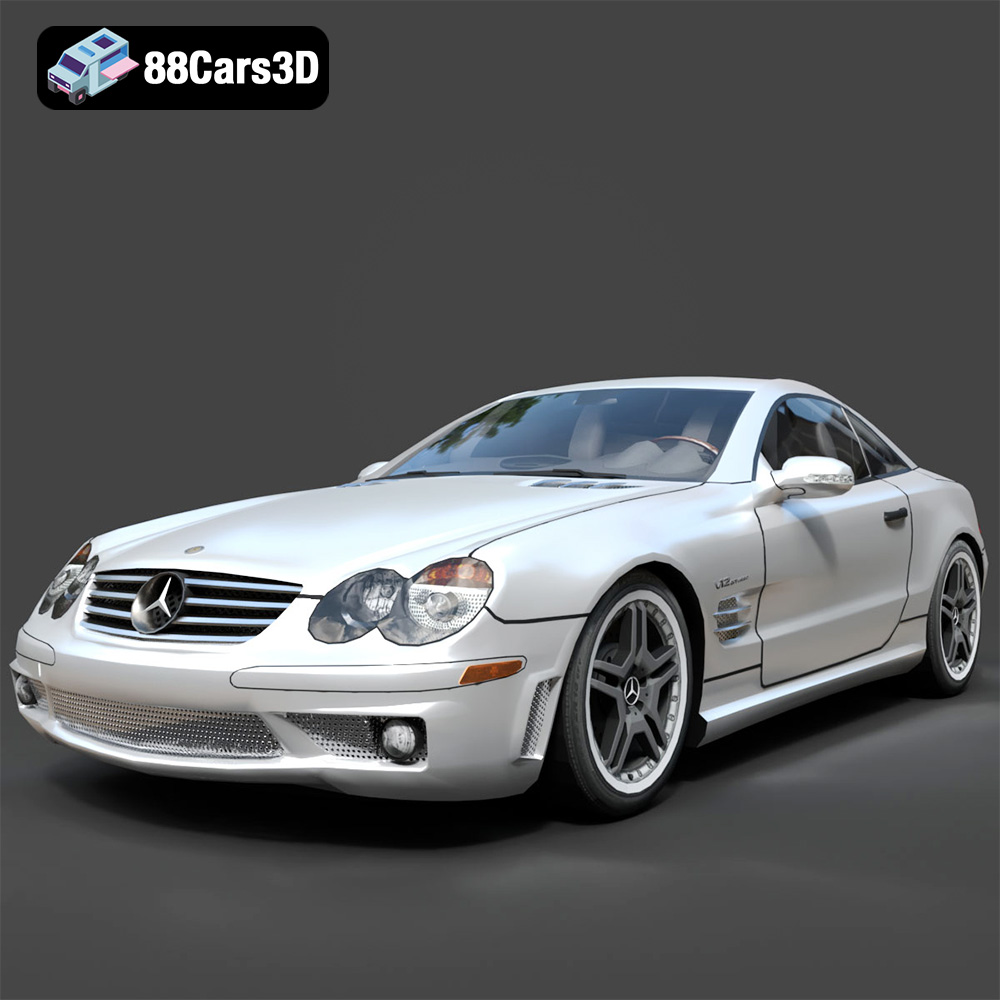
Mercedes-Benz SL 65 AMG 3D Model
Texture: Yes
Material: Yes
Download the Mercedes-Benz SL 65 AMG 3D Model featuring clean geometry, realistic detailing, and a fully modeled interior. Includes .blend, .fbx, .obj, .glb, .stl, .ply, .unreal, and .max formats for rendering, simulation, and game development.
Price: $23.99
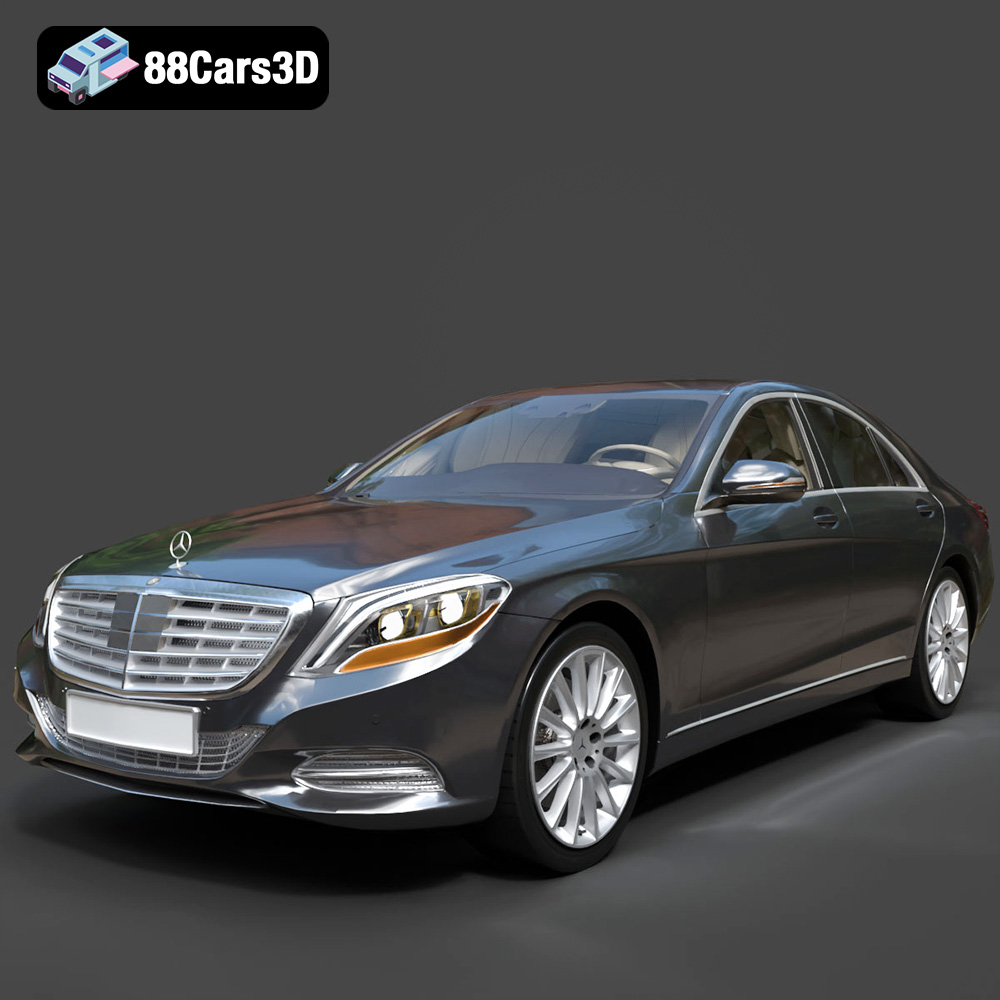
Mercedes-Benz S500 3D Model
Texture: Yes
Material: Yes
Download the Mercedes-Benz S500 3D Model featuring clean geometry, realistic detailing, and a fully modeled interior. Includes .blend, .fbx, .obj, .glb, .stl, .ply, .unreal, and .max formats for rendering, simulation, and game development.
Price: $23.99
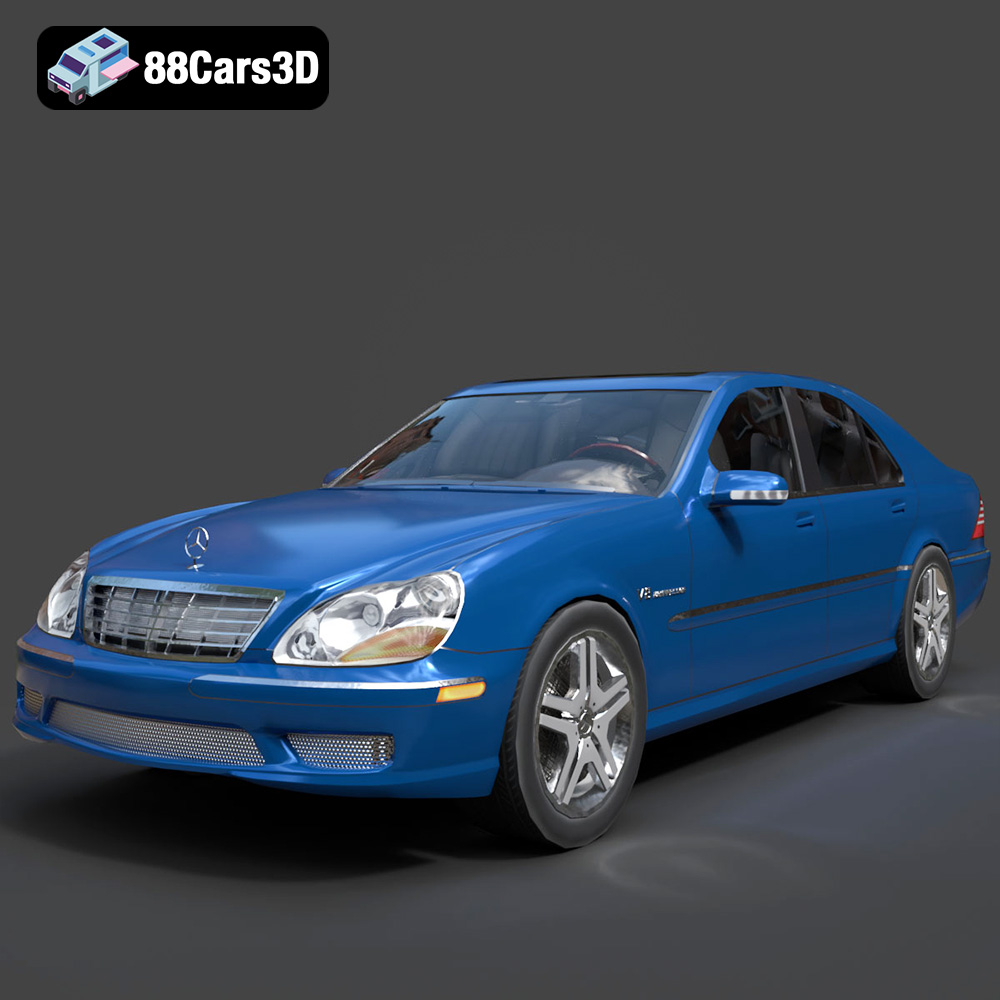
Mercedes-Benz S55 W220 AMG 1999 3D Model
Texture: Yes
Material: Yes
Download the Mercedes-Benz S55 W220 AMG 1999 3D Model featuring clean geometry, realistic detailing, and a fully modeled interior. Includes .blend, .fbx, .obj, .glb, .stl, .ply, .unreal, and .max formats for rendering, simulation, and game development.
Price: $23.99
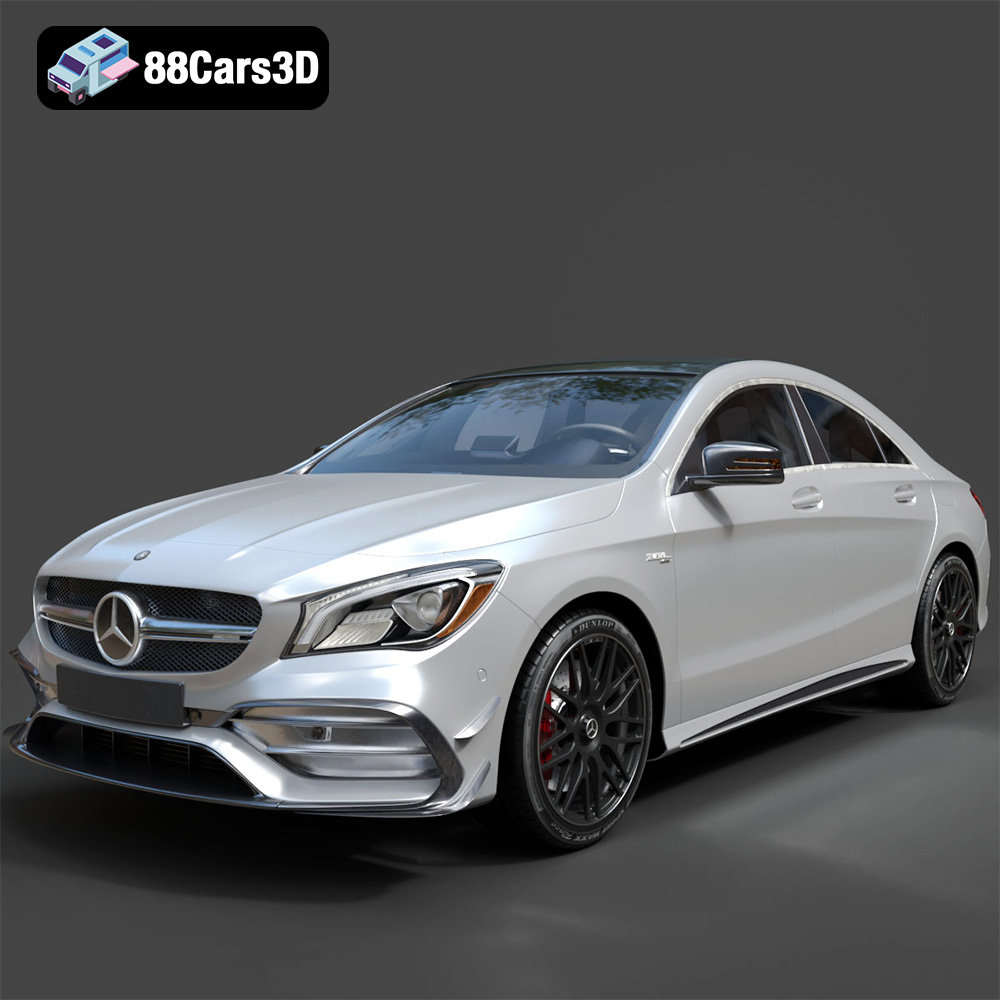
Mercedes-Benz CLA45 AMG 2017 3D Model
Texture: Yes
Material: Yes
Download the Mercedes-Benz CLA45 AMG 2017 3D Model featuring clean geometry, realistic detailing, and a fully modeled interior. Includes .blend, .fbx, .obj, .glb, .stl, .ply, .unreal, and .max formats for rendering, simulation, and game development.
Price: $38.99
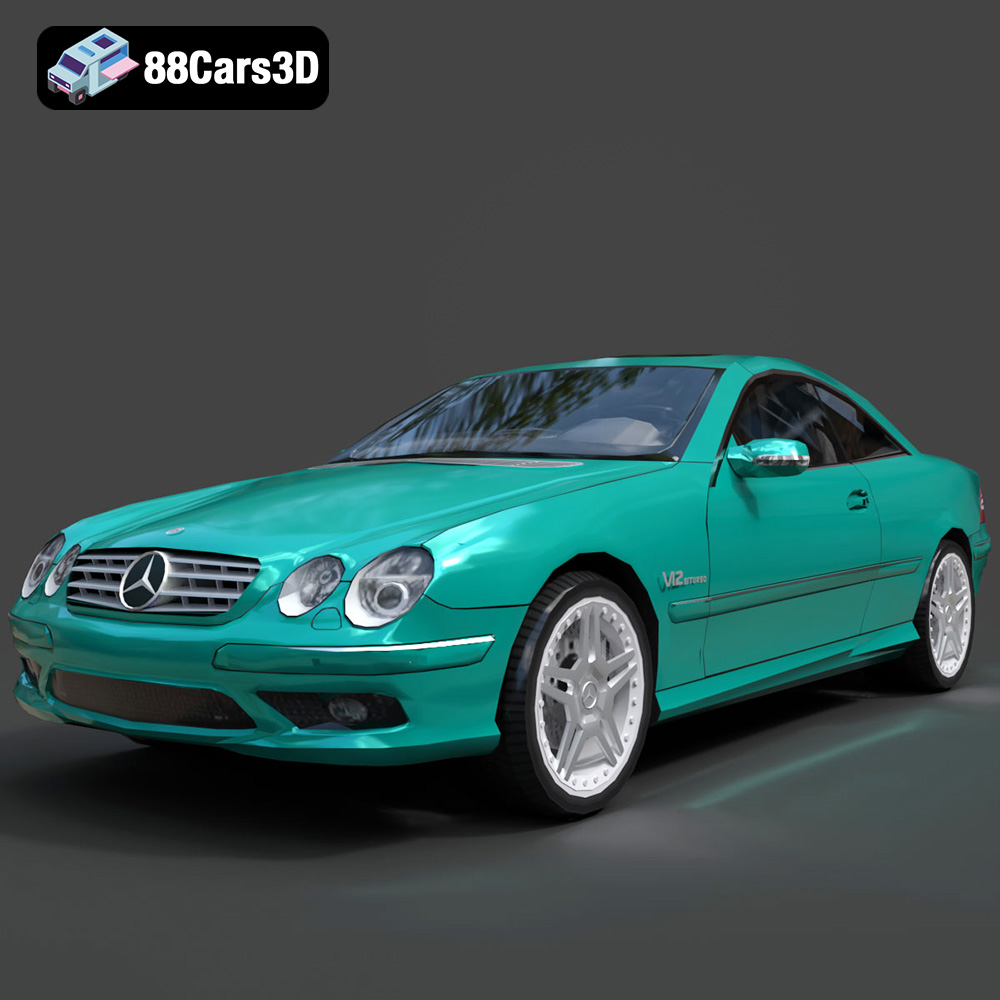
Mercedes-Benz CL65 C215 AMG 3D Model
Texture: Yes
Material: Yes
Download the Mercedes-Benz CL65 C215 AMG 3D Model featuring clean geometry, realistic detailing, and a fully modeled interior. Includes .blend, .fbx, .obj, .glb, .stl, .ply, .unreal, and .max formats for rendering, simulation, and game development.
Price: $23.99
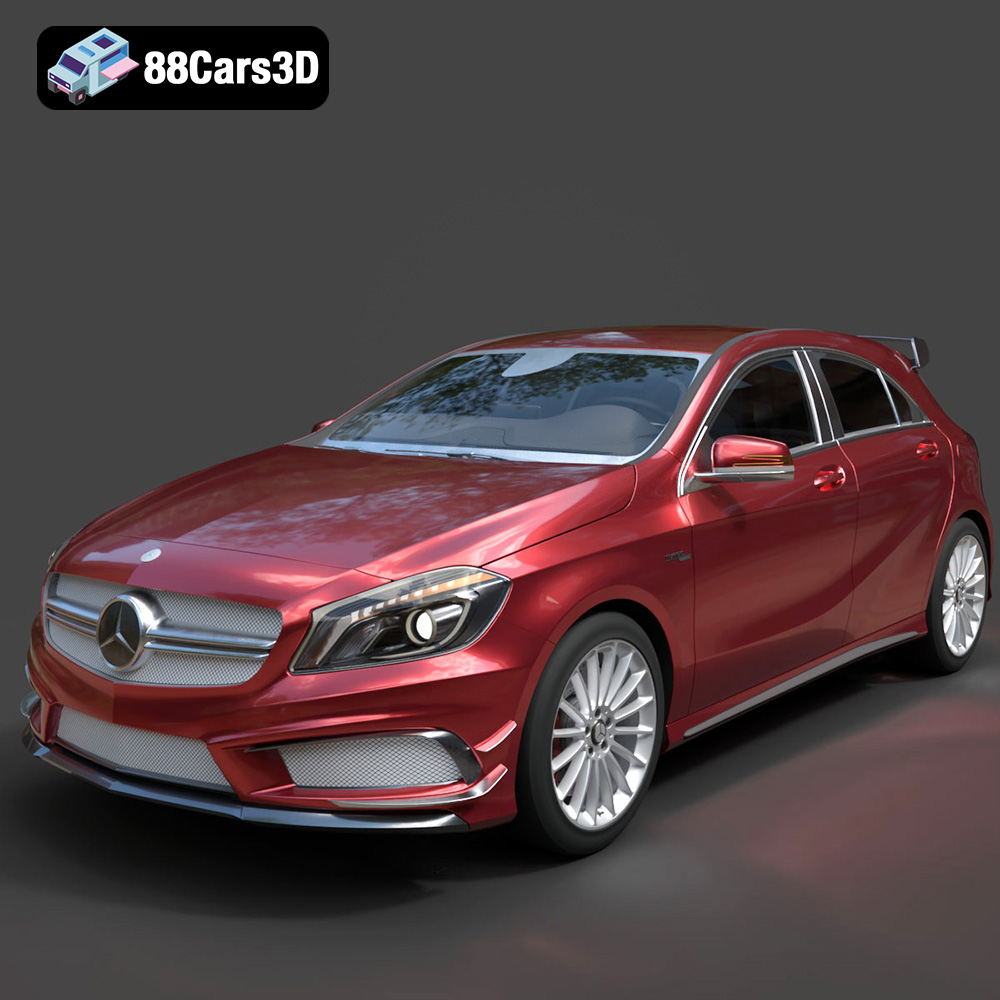
Mercedes-Benz A45 2021 3D Model
Texture: Yes
Material: Yes
Download the Mercedes-Benz A45 2021 3D Model featuring clean geometry, realistic detailing, and a fully modeled interior. Includes .blend, .fbx, .obj, .glb, .stl, .ply, .unreal, and .max formats for rendering, simulation, and game development.
Price: $23.99
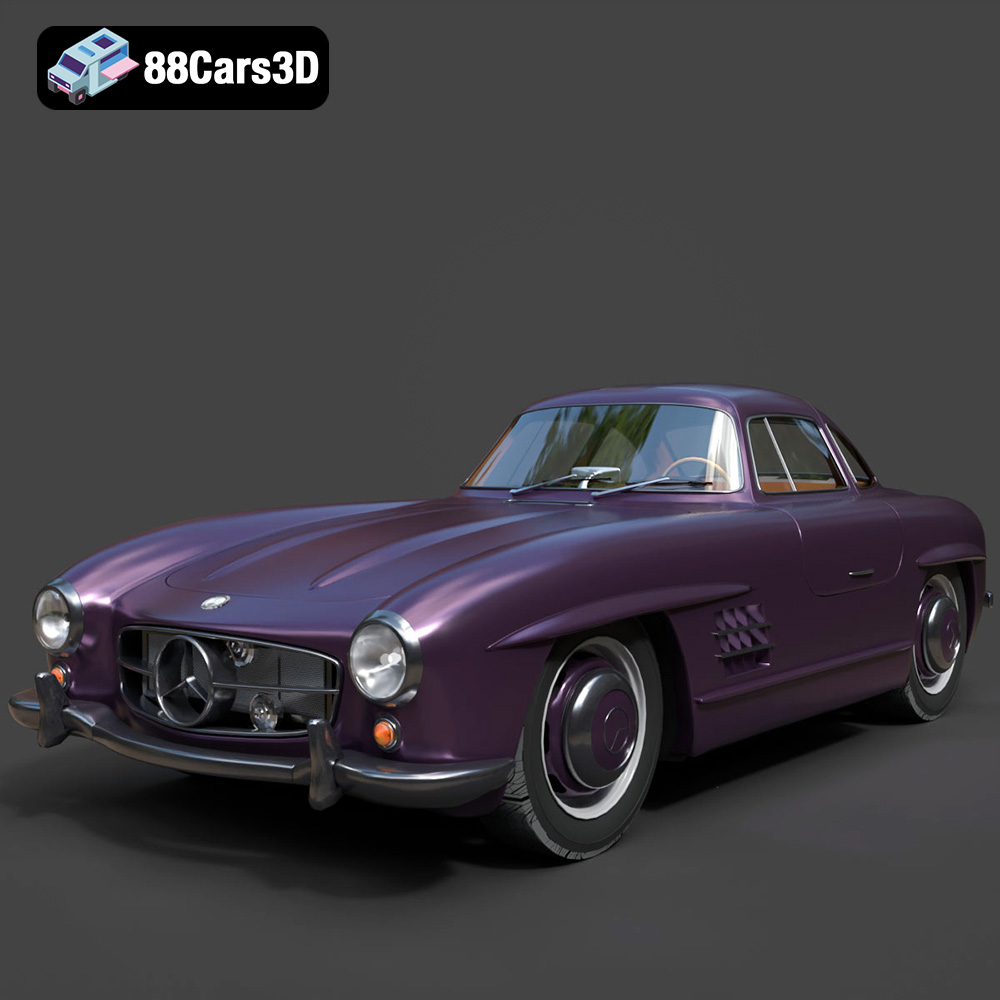
Mercedes-Benz 300SL 1955 3D Model
Texture: Yes
Material: Yes
Download the Mercedes-Benz 300SL 1955 3D Model featuring clean geometry, realistic detailing, and a fully modeled interior. Includes .blend, .fbx, .obj, .glb, .stl, .ply, .unreal, and .max formats for rendering, simulation, and game development.
Price: $23.99
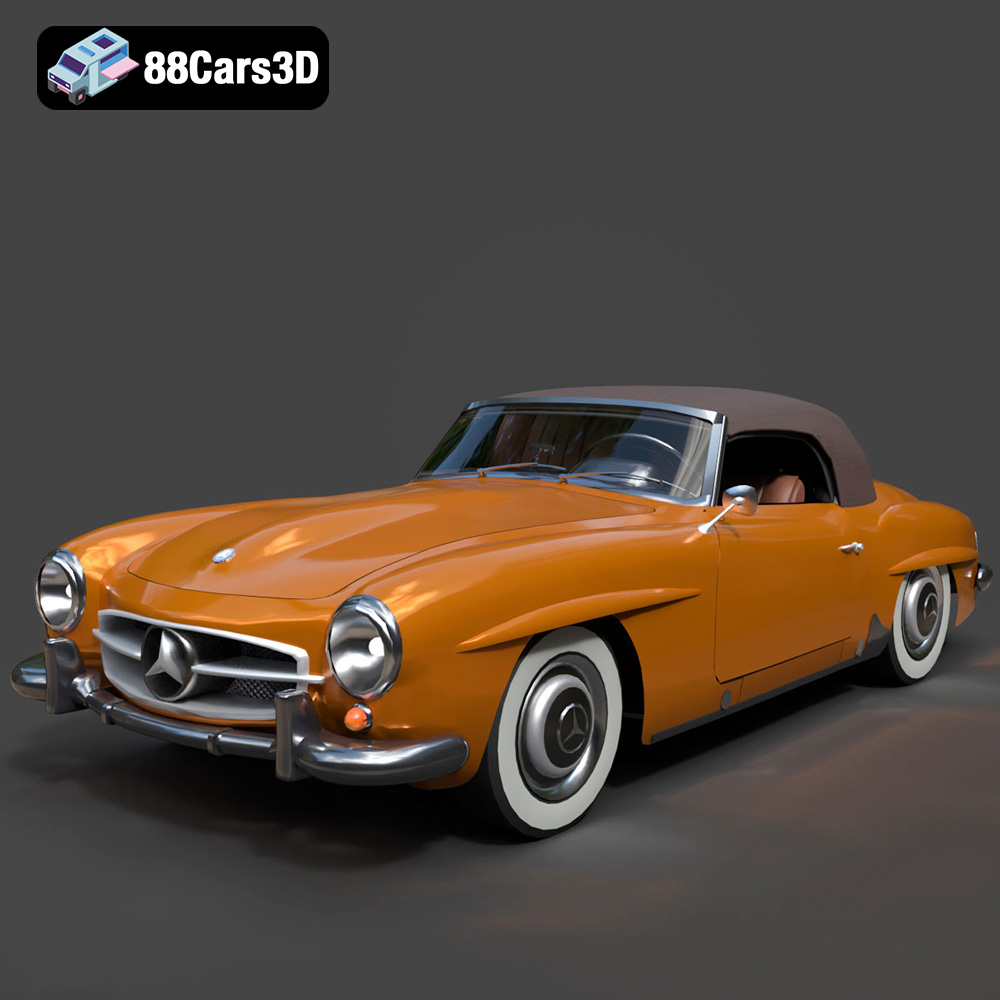
Mercedes-Benz 190SL 1955 3D Model
Texture: Yes
Material: Yes
Download the Mercedes-Benz 190SL 1955 3D Model featuring clean geometry, realistic detailing, and a fully modeled interior. Includes .blend, .fbx, .obj, .glb, .stl, .ply, .unreal, and .max formats for rendering, simulation, and game development.
Price: $23.99
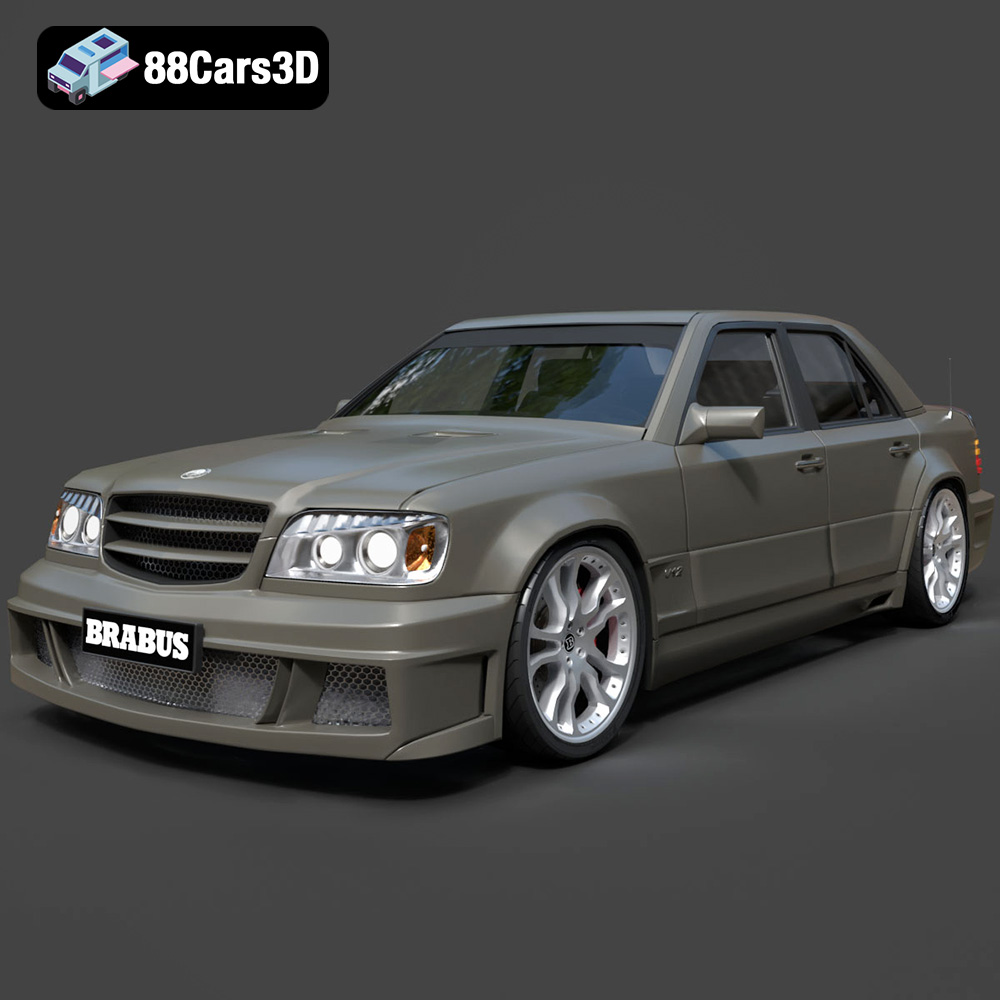
Mercedes-Benz W124 Brabus V12 3D Model
Texture: Yes
Material: Yes
Download the Mercedes-Benz W124 Brabus V12 3D Model featuring clean geometry, realistic detailing, and a fully modeled interior. Includes .blend, .fbx, .obj, .glb, .stl, .ply, .unreal, and .max formats for rendering, simulation, and game development.
Price: $23.99
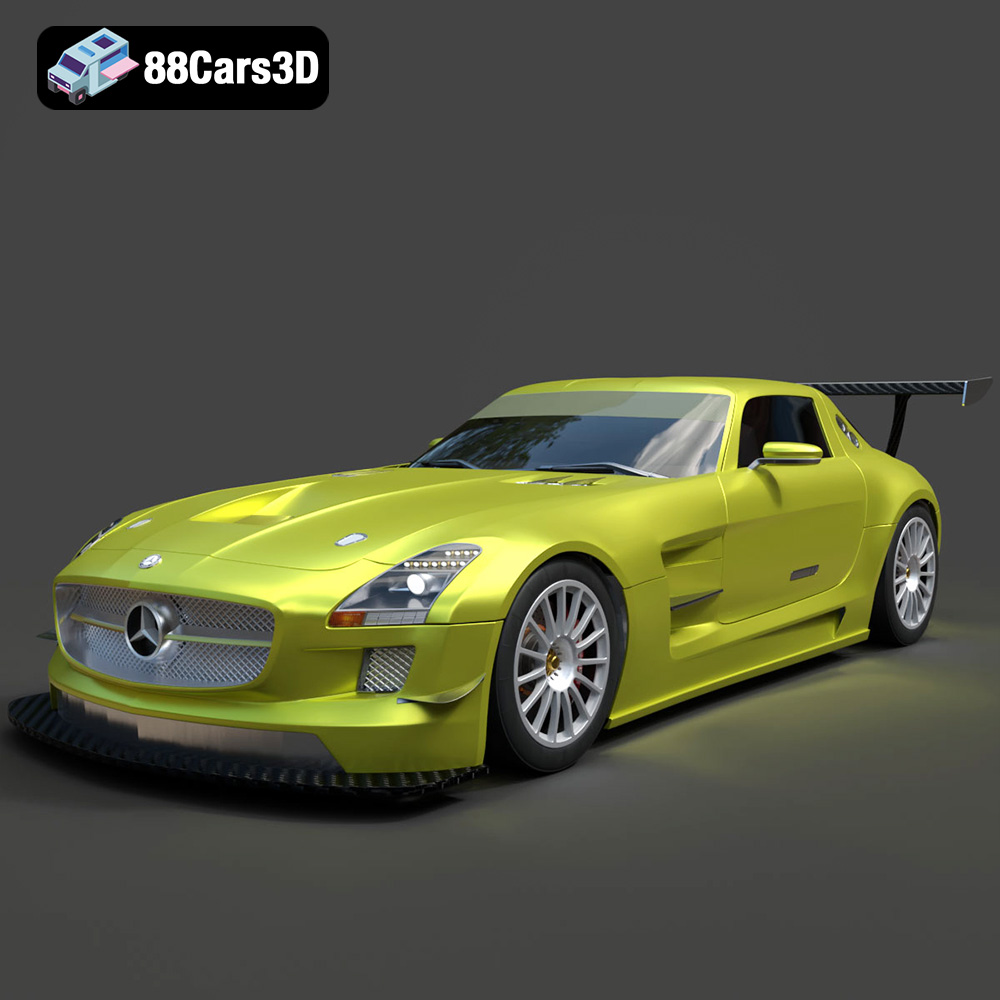
Mercedes-Benz SLS AMG GT3-002 3D Model
Texture: Yes
Material: Yes
Download the Mercedes-Benz SLS AMG GT3-002 3D Model featuring clean geometry, realistic detailing, and a fully modeled interior. Includes .blend, .fbx, .obj, .glb, .stl, .ply, .unreal, and .max formats for rendering, simulation, and game development.
Price: $38.99

Mercedes-Benz C-Class-001 3D Model
Texture: Yes
Material: Yes
Download the Mercedes-Benz C-Class-001 3D Model featuring clean geometry, realistic detailing, and a fully modeled interior. Includes .blend, .fbx, .obj, .glb, .stl, .ply, .unreal, and .max formats for rendering, simulation, and game development.
Price: $38.99
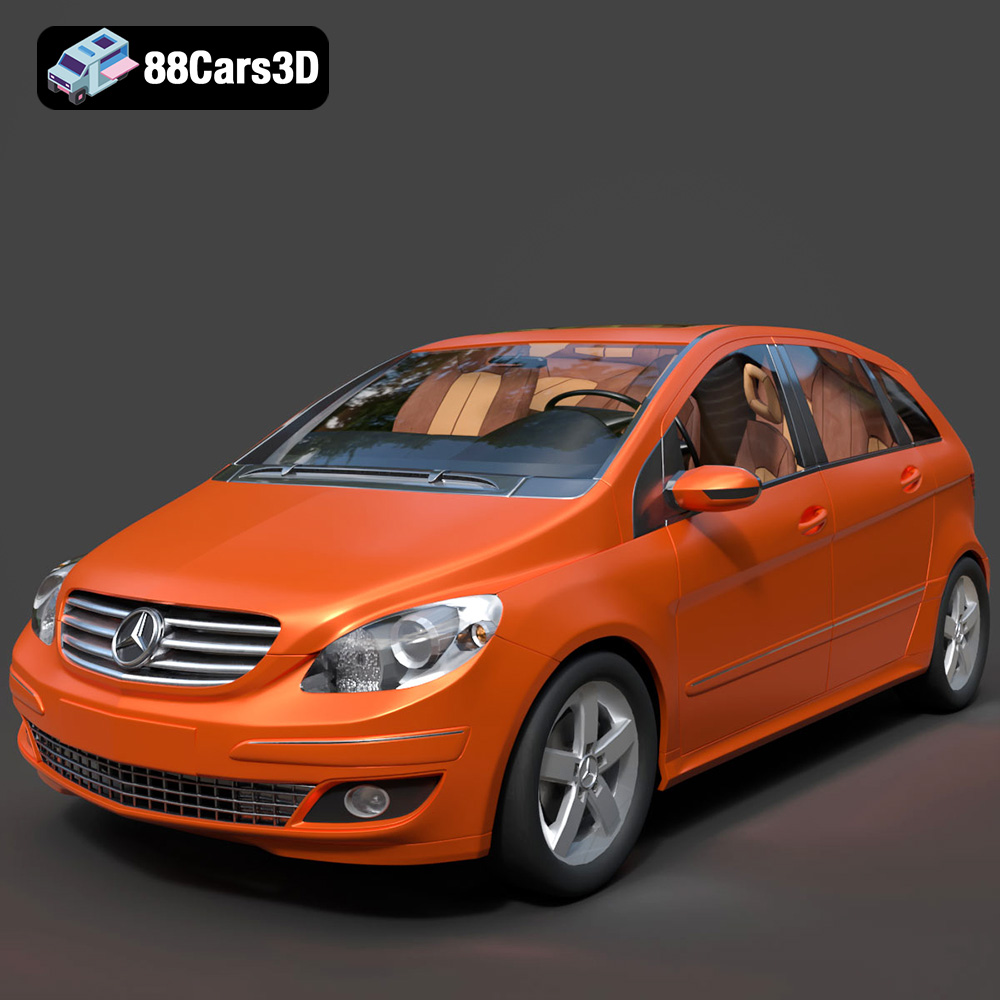
Mercedes-Benz B-Klasse 2023 3D Model
Texture: Yes
Material: Yes
Download the Mercedes-Benz B-Klasse 2023 3D Model featuring clean geometry, realistic detailing, and a fully modeled interior. Includes .blend, .fbx, .obj, .glb, .stl, .ply, .unreal, and .max formats for rendering, simulation, and game development.
Price: $38.99
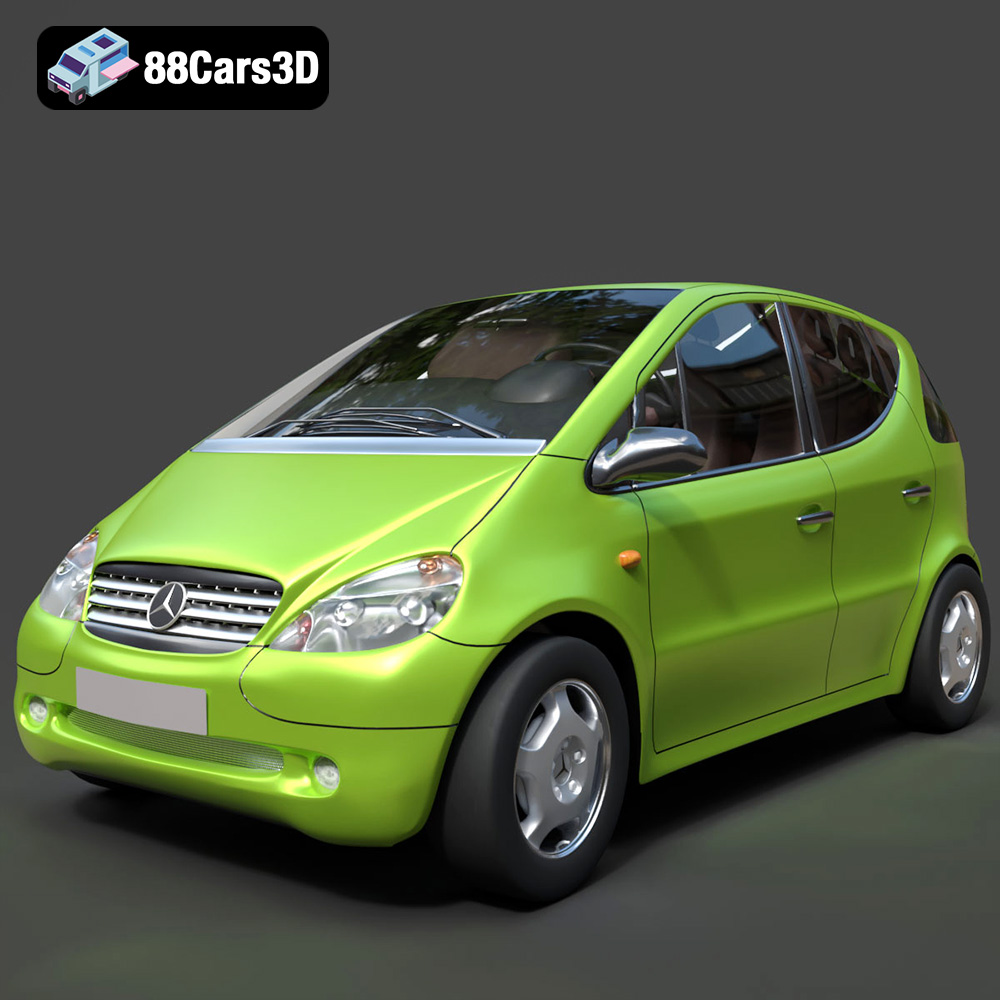
Mercedes-Benz A-Klasse W168 3D Model
Texture: Yes
Material: Yes
Download the Mercedes-Benz A-Klasse W168 3D Model featuring clean geometry, realistic detailing, and a fully modeled interior. Includes .blend, .fbx, .obj, .glb, .stl, .ply, .unreal, and .max formats for rendering, simulation, and game development.
Price: $38.99
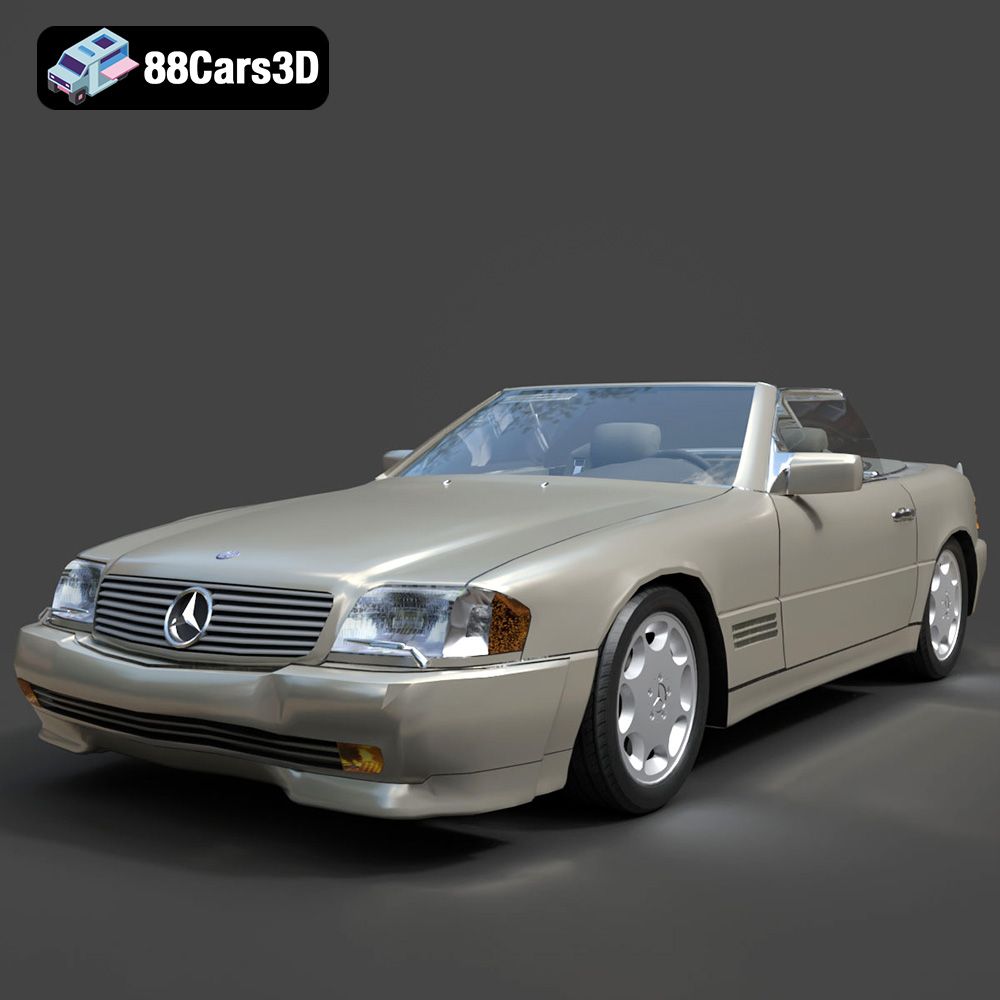
Mercedes-Benz 500SL 2000 3D Model
Texture: Yes
Material: Yes
Download the Mercedes-Benz 500SL 2000 3D Model featuring clean geometry, realistic detailing, and a fully modeled interior. Includes .blend, .fbx, .obj, .glb, .stl, .ply, .unreal, and .max formats for rendering, simulation, and game development.
Price: $38.99
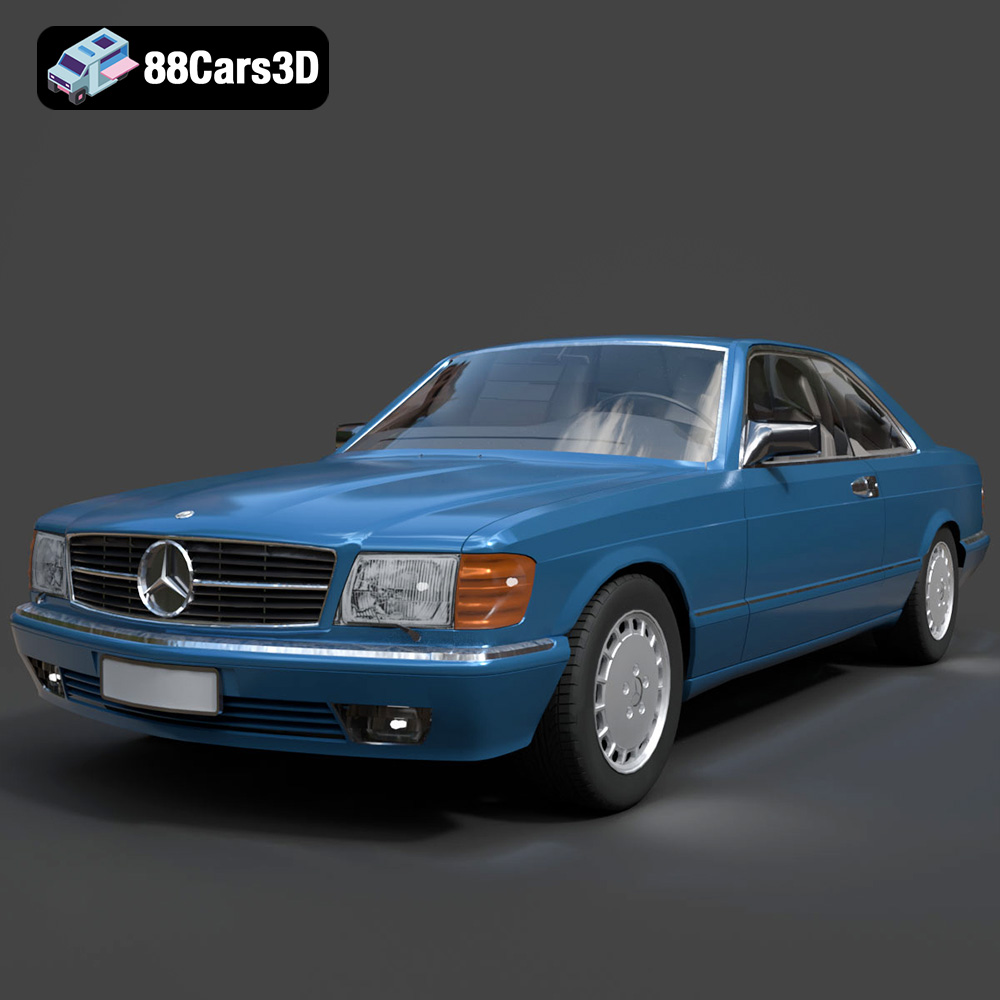
Mercedes-Benz 500SEC 3D Model
Texture: Yes
Material: Yes
Download the Mercedes-Benz 500SEC 3D Model featuring clean geometry, realistic detailing, and a fully modeled interior. Includes .blend, .fbx, .obj, .glb, .stl, .ply, .unreal, and .max formats for rendering, simulation, and game development.
Price: $38.99
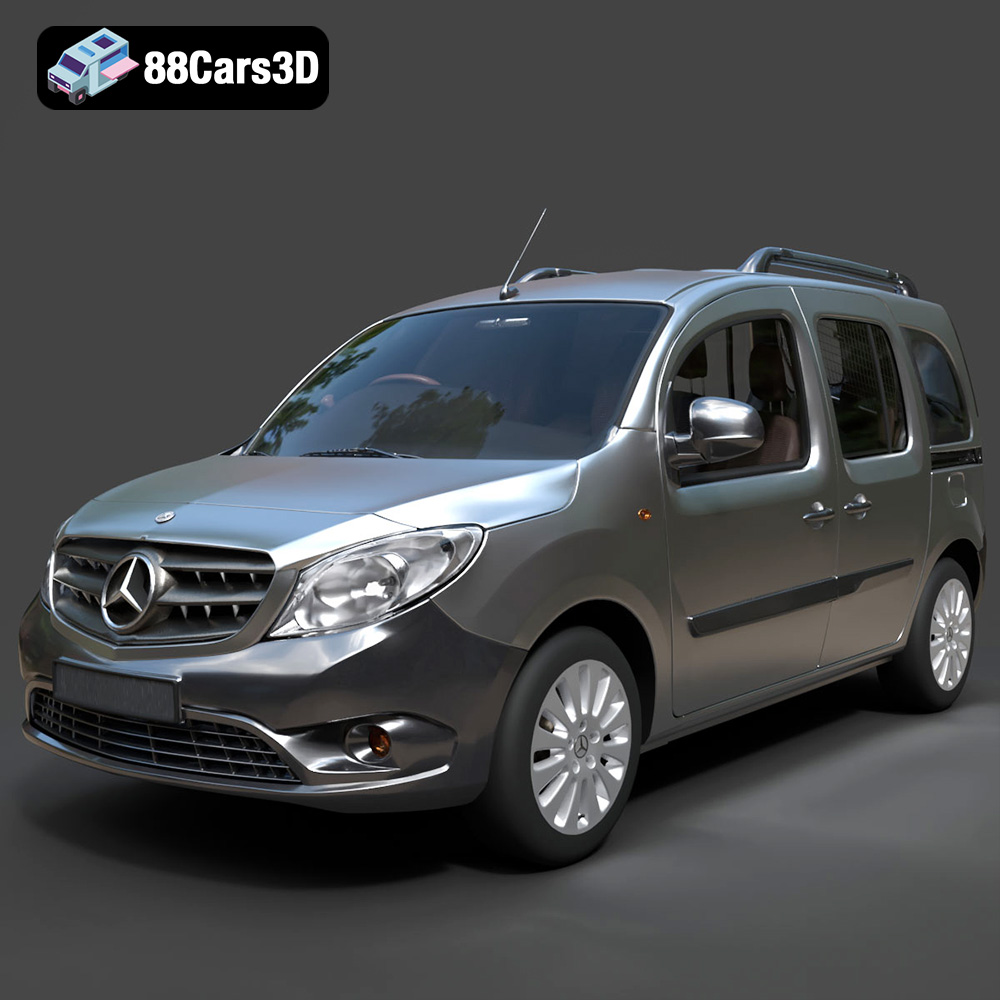
Mercedes-Benz Citan 2025 3D Model
Texture: Yes
Material: Yes
Download the Mercedes-Benz Citan 2025 3D Model featuring clean geometry, realistic detailing, and a fully modeled interior. Includes .blend, .fbx, .obj, .glb, .stl, .ply, .unreal, and .max formats for rendering, simulation, and game development.
Price: $38.99
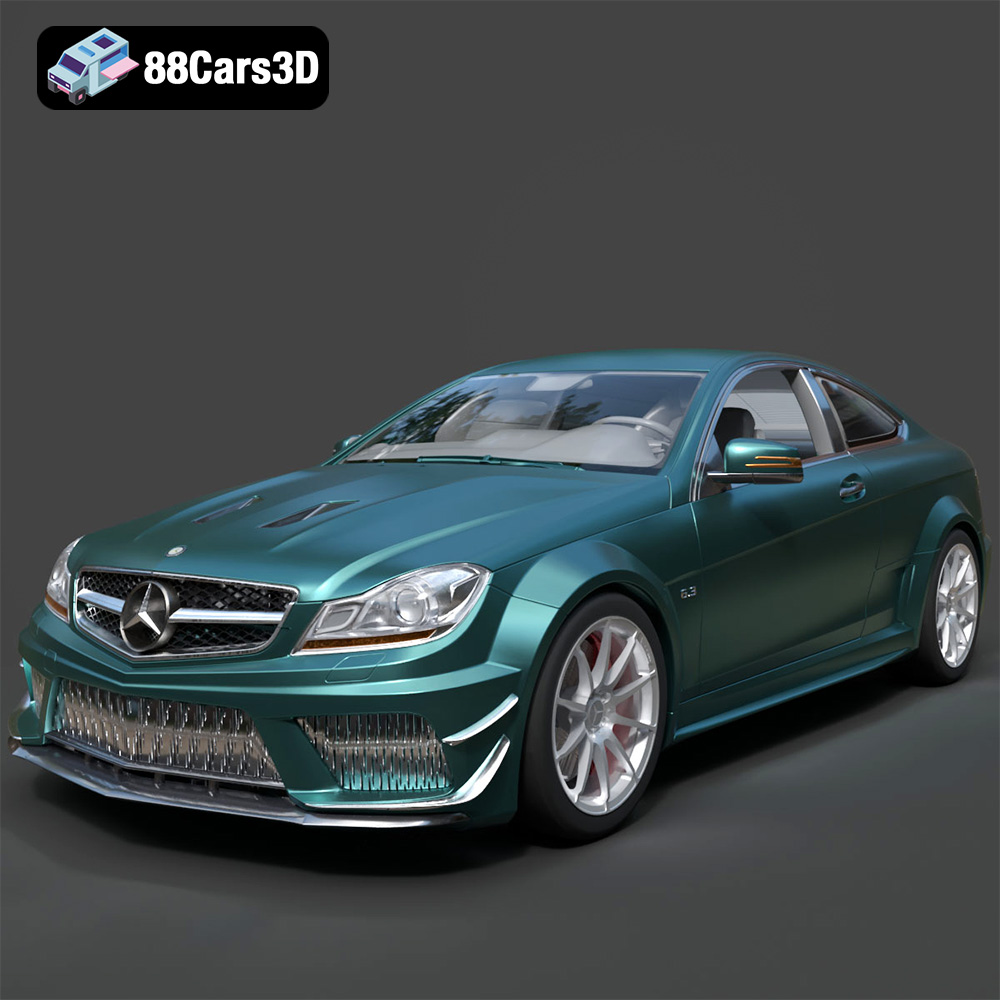
Mercedes-Benz C63 AMG 2012 3D Model
Texture: Yes
Material: Yes
Download the Mercedes-Benz C63 AMG 2012 3D Model featuring clean geometry, realistic detailing, and a fully modeled interior. Includes .blend, .fbx, .obj, .glb, .stl, .ply, .unreal, and .max formats for rendering, simulation, and game development.
Price: $38.99
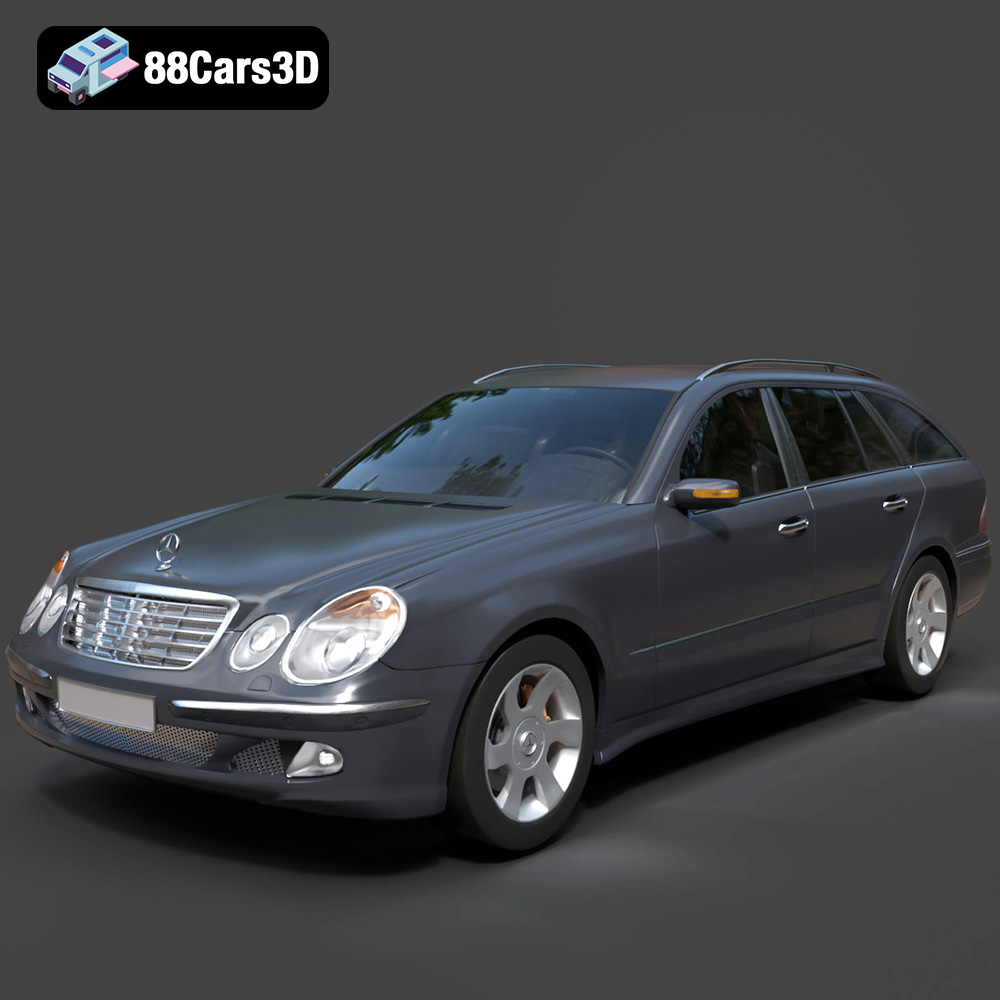
Mercedes-Benz E-Class S211 3D Model
Texture: Yes
Material: Yes
Download the Mercedes-Benz E-Class S211 3D Model featuring clean geometry, realistic detailing, and a fully modeled interior. Includes .blend, .fbx, .obj, .glb, .stl, .ply, .unreal, and .max formats for rendering, simulation, and game development.
Price: $38.99
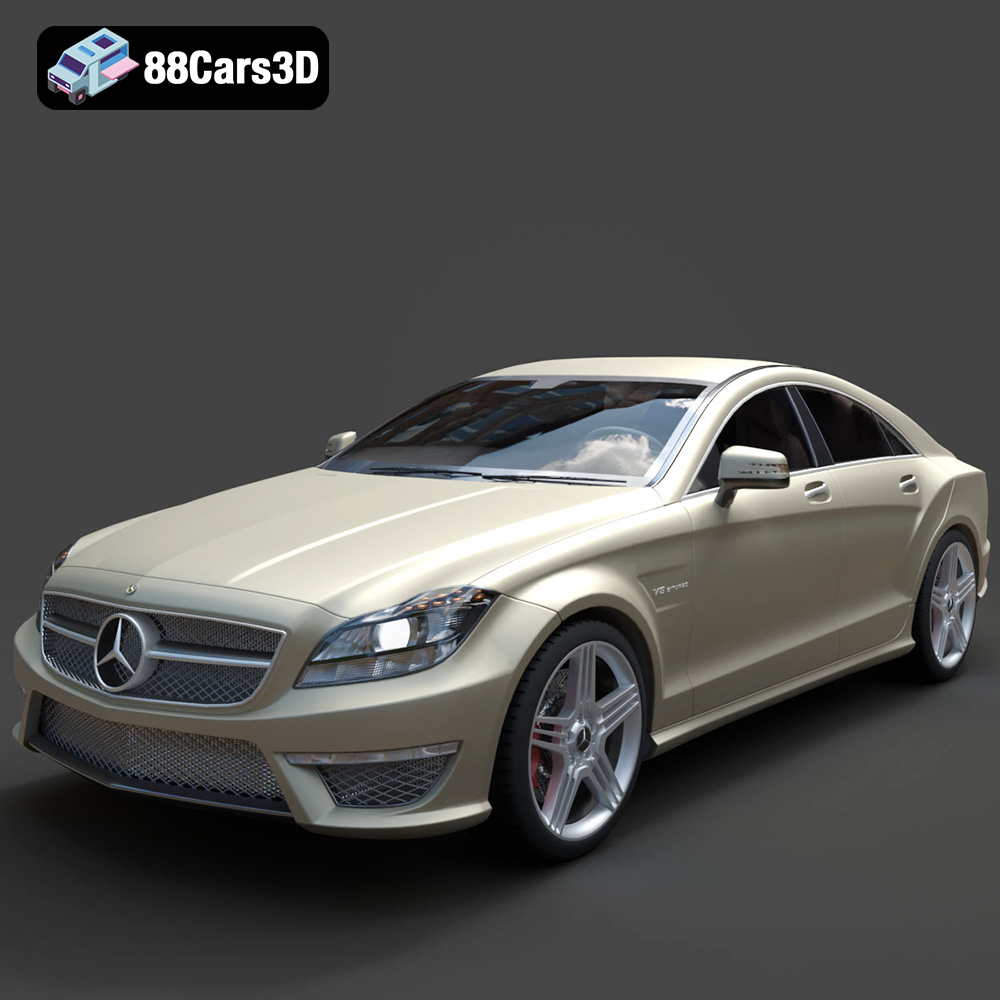
Mercedes-Benz CLS63 AMG (C218) 2014 3D Model
Texture: Yes
Material: Yes
Download the Mercedes-Benz CLS63 AMG (C218) 2014 3D Model featuring clean geometry, realistic detailing, and a fully modeled interior. Includes .blend, .fbx, .obj, .glb, .stl, .ply, .unreal, and .max formats for rendering, simulation, and game development.
Price: $38.99
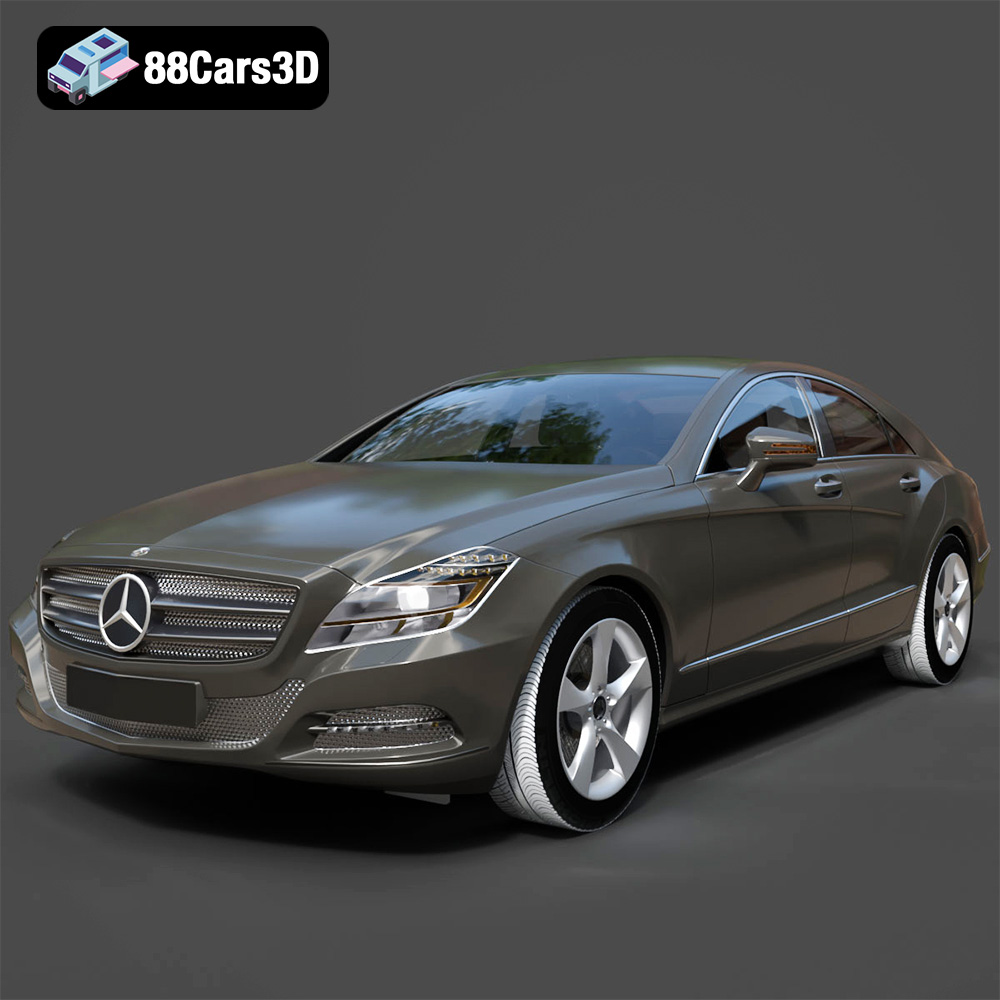
Mercedes-Benz CLS-Klasse 3D Model
Texture: Yes
Material: Yes
Download the Mercedes-Benz CLS-Klasse 3D Model featuring clean geometry, realistic detailing, and a fully modeled interior. Includes .blend, .fbx, .obj, .glb, .stl, .ply, .unreal, and .max formats for rendering, simulation, and game development.
Price: $38.99
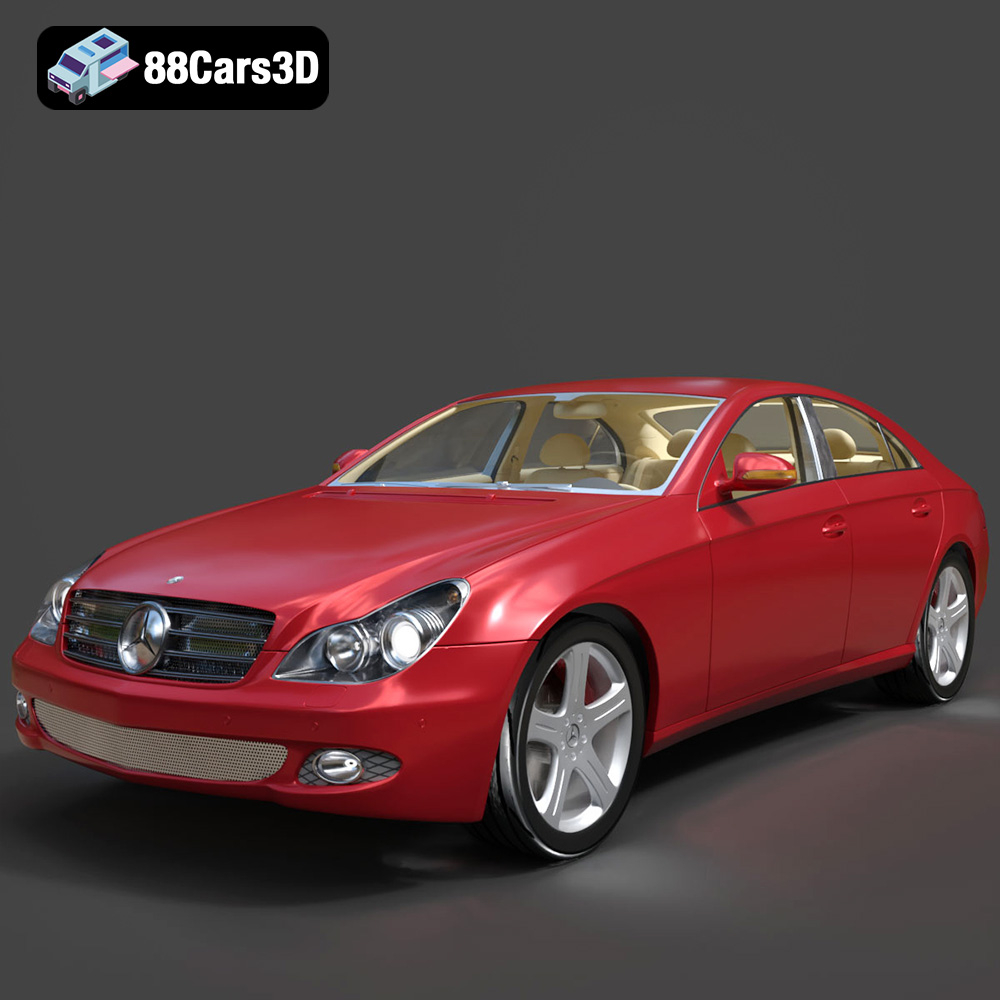
Mercedes-Benz CLS 500 3D Model
Texture: Yes
Material: Yes
Download the Mercedes-Benz CLS 500 3D Model featuring clean geometry, realistic detailing, and a fully modeled interior. Includes .blend, .fbx, .obj, .glb, .stl, .ply, .unreal, and .max formats for rendering, simulation, and game development.
Price: $38.99

Mercedes-Benz CL-Klasse 2001 3D Model
Texture: Yes
Material: Yes
Download the Mercedes-Benz CL-Klasse 2001 3D Model featuring clean geometry, realistic detailing, and a fully modeled interior. Includes .blend, .fbx, .obj, .glb, .stl, .ply, .unreal, and .max formats for rendering, simulation, and game development.
Price: $38.99
