
High-Detail Automotive CAD to Unreal Engine 5: Mastering Real-Time Optimization

High-Detail Automotive CAD to Unreal Engine 5: Mastering Real-Time Optimization
The allure of photorealistic automotive visualizations in real-time environments like Unreal Engine 5 (UE5) is undeniable. Automotive designers, game developers, and visualization artists constantly strive for the ultimate fidelity, bringing intricate vehicle designs to life with breathtaking realism. However, bridging the gap between engineering-grade Computer-Aided Design (CAD) models and a performance-driven real-time engine presents a unique and often daunting challenge.
Raw CAD data, meticulously crafted for precision engineering, is inherently unsuitable for direct import into game engines. It’s rife with excessive polygon counts, unoptimized geometry, and lacks the necessary UVs and material definitions for real-time rendering. This is where the crucial process of CAD data optimization comes into play. This comprehensive guide will walk you through the essential techniques to transform your high-detail automotive CAD models into stunning, performant assets within an Unreal Engine automotive pipeline, ensuring smooth real-time rendering optimization without compromising visual quality.
The Grand Challenge: Why Raw Automotive CAD Models Fall Short in Real-Time
Automotive CAD models are engineered with microscopic precision. They are often based on Non-Uniform Rational B-Splines (NURBS) surfaces, mathematical representations that allow for infinite resolution and perfectly smooth curves. This contrasts sharply with the polygon-based mesh structures that game engines require. When these NURBS surfaces are converted to polygons without careful optimization, the resulting mesh can be catastrophic for real-time performance.
The primary issues stem from several factors. Firstly, the sheer polygon count can easily reach tens of millions or even hundreds of millions for a single vehicle, far exceeding what any real-time engine can handle efficiently. Secondly, the tessellated geometry is often inefficient, containing tiny, elongated triangles, non-manifold edges, and internal geometry that adds to the polycount without contributing to visual fidelity. Lastly, CAD models typically lack the UV coordinates necessary for texture mapping, and their material definitions are proprietary and incompatible with Physically Based Rendering (PBR) workflows.
Overcoming these challenges is paramount for anyone aiming to utilize detailed automotive designs in interactive experiences. It requires a strategic approach to mesh preparation and a deep understanding of engine limitations.
From Precision to Performance: Mastering NURBS to Mesh Conversion and Initial Cleanup
The first critical step in adapting CAD data for real-time environments is the controlled conversion from NURBS surfaces to polygon meshes. This process, often referred to as tessellation, dictates the initial quality and complexity of your model.
Understanding NURBS vs. Polygons
NURBS models define surfaces mathematically, allowing for perfectly smooth curves and infinite detail when zoomed in. They are ideal for manufacturing and engineering accuracy. Polygons, on the other hand, are flat, planar facets (typically triangles or quads) that approximate curves. Real-time engines render these polygons directly, meaning the smoothness of a curve is dictated by the number and density of polygons.
Strategic Conversion and Tessellation Settings
The conversion process usually begins in your original CAD software (like SolidWorks, CATIA, Rhino, Alias) or specialized conversion tools. When exporting, you’ll typically choose formats like STEP, IGES, or directly to an FBX or OBJ if the software supports tessellation on export. Key tessellation settings to control include:
- Chord Height/Surface Deviation: This defines the maximum distance between the polygon edge and the original NURBS surface. A smaller value yields higher detail but more polygons.
- Normal Deviation: Controls the maximum angle between the normals of adjacent polygons. Crucial for smooth shading on curved surfaces.
- Edge Length/Max Edge Length: Sets a ceiling for the length of polygon edges, preventing overly long, stretched triangles.
Finding the right balance here is crucial. Start with a moderately dense mesh that captures the primary details, as you will further optimize it later. Aim for a mesh that has good overall shape definition without an extreme polycount right out of the gate.
Initial Mesh Cleanup and Repair
After conversion, the mesh will likely require significant cleanup within a Digital Content Creation (DCC) tool like Maya, 3ds Max, or Blender. This is where you address the imperfections introduced during tessellation:
- Removing Internal Geometry: CAD conversions often generate hidden faces and volumes within parts that are never visible. These contribute to polycount and draw calls unnecessarily. Identify and delete them.
- Fixing Non-Manifold Geometry: Non-manifold edges or vertices can cause rendering errors and issues with texture mapping. Tools within your DCC software can help identify and repair these.
- Merging Duplicate Vertices/Faces: Sometimes, overlapping geometry or slightly separated vertices can occur. Merging these cleans up the mesh and reduces complexity.
- Ensuring Consistent Normals: All polygon normals should point outwards consistently. Flipping normals where necessary prevents rendering artifacts.
This meticulous cleanup forms the foundation for effective CAD data optimization, ensuring a clean slate for subsequent steps.
Core Optimization Strategies: Sculpting Efficient Game-Ready Geometry
Once your mesh is clean, the real work of polygon reduction techniques begins. The goal is to dramatically lower the polycount while retaining the visual integrity of the high-detail automotive model. This involves a combination of automated and manual approaches.
Strategic Polygon Reduction: Decimation vs. Retopology
There are two primary methods for reducing polygon count, each with its strengths:
- Automated Decimation: Tools like ProOptimizer in 3ds Max, the Decimate Modifier in Blender, or the Reduce tool in Maya can automatically remove polygons based on various algorithms, aiming to preserve shape. This is excellent for less critical, static parts, or as a starting point for more complex assets.
- Manual Retopology: This involves rebuilding the mesh from scratch, tracing over the high-polygon model with new, clean topology. Retopology gives you ultimate control over edge flow, quad density, and polygon distribution, making it ideal for deformable parts, critical silhouettes, or areas that will receive significant deformation or close-up scrutiny. While labor-intensive, it yields the cleanest and most efficient meshes for Unreal Engine automotive pipeline applications.
A hybrid approach is often best: use decimation for internal components or parts with less visual impact, and manual retopology for the car body, wheels, and other highly visible elements.
Mesh Simplification and Optimization Tools
Beyond basic decimation, modern DCC tools offer advanced features:
- Edge Loop Removal: Strategically deleting edge loops can reduce polygons on flat or gently curved surfaces without affecting the silhouette.
- Triangulation vs. Quads: While Unreal Engine converts everything to triangles internally, working with quads (four-sided polygons) in your DCC application is generally preferred for cleaner topology and easier UV unwrapping.
- Instancing for Repeating Parts: Identify identical components such as wheel nuts, bolts, or interior buttons. Model one instance of each, and then duplicate it as instances. In Unreal Engine, instancing significantly reduces draw calls and memory usage, making it a powerful real-time rendering optimization technique. For high-quality automotive models that are often already optimized, resources like 88cars3d.com are excellent, as they frequently provide models with instancing considerations baked in.
Normal Smoothing and Hard Edges
Correct normal smoothing is crucial for how light interacts with your model. Smooth shading interpolates normals across polygons to create the illusion of a continuous, smooth surface. Hard edges, conversely, create sharp transitions, preserving details like panel gaps or creases. Carefully apply hard and soft edges to achieve a visually accurate representation of your vehicle’s surfaces.
The Art of Texturing: UV Mapping and PBR Materials for Automotive Excellence
Optimized geometry is only half the battle. To achieve photorealistic results in Unreal Engine 5, you need well-crafted PBR car materials applied using efficient UV mapping for game assets.
Efficient UV Unwrapping for Game Assets
UV mapping is the process of flattening out the 3D surface of your model into a 2D space, allowing textures to be painted or projected onto it. Poor UVs lead to stretched, blurry, or misaligned textures. For automotive assets, consider:
- Minimizing Seams: Strategically place seams in less visible areas (e.g., along panel lines, underneath the vehicle) to avoid visual distractions.
- Uniform Texel Density: Ensure that the texture resolution is consistent across all parts of the model. This means that a small area on the door should have the same pixel density as a small area on the hood when viewed at the same distance. This prevents some areas from appearing pixelated while others are overly detailed.
- Avoiding Overlaps: Overlapping UV islands will cause texture mirroring, which is usually undesirable unless intentionally used.
- Channel Packing: To save on texture memory and draw calls, it’s common practice to pack grayscale maps (like metallic, roughness, and ambient occlusion) into the RGB channels of a single texture.
- Multiple UV Sets: You might need separate UV sets for specific purposes, such as lightmaps (for baked lighting), decals, or specific effects that require non-overlapping UVs.
Careful UV unwrapping is foundational for any high-quality game asset and is particularly important for the smooth, expansive surfaces of a car.
Crafting Photorealistic PBR Car Materials
Physically Based Rendering (PBR) materials are essential for realistic lighting and appearance in UE5. They simulate how light interacts with surfaces in the real world. For automotive assets, this means meticulous attention to detail:
- Car Paint: This is often a complex layered material. A base color, metallic flakes (controlled by a texture or parameter), and a clear coat layer with its own roughness and normal map are standard. UE5’s clear coat shader model is specifically designed for this.
- Glass: Requires accurate transmission, refraction, and reflection properties. Tint, roughness, and subtle normal details (like dirt or imperfections) enhance realism.
- Rubber: Typically low metallic, high roughness, with a normal map for tire treads.
- Chrome/Metallic Accents: High metallic, very low roughness for a mirror-like finish, potentially with anisotropic reflections for brushed metals.
- Carbon Fiber: Achieved through complex normal maps, detail normals, and often a clear coat layer to mimic its distinctive weave and sheen.
- Interior Materials: Leather, fabric, plastics, and wood all require specific PBR properties.
For those looking to accelerate their projects, leveraging high-quality models from resources like 88cars3d.com can provide a fantastic starting point, often coming with well-prepared UVs and material setups, saving valuable development time and ensuring a high standard of quality from the outset.
Mastering Performance with Level of Detail (LODs)
Even with aggressive polygon reduction techniques, a detailed car model can still have a substantial polycount. This is where Level of Detail (LODs) becomes an indispensable tool for real-time rendering optimization in Unreal Engine 5. LODs allow you to swap out higher-detail meshes for lower-detail versions as an object moves further away from the camera, drastically improving performance without a noticeable visual impact.
What are LODs and Why are They Critical?
LODs are simplified versions of your main mesh (LOD0). As the camera distance increases, UE5 automatically switches from LOD0 to LOD1, then LOD2, and so on. This reduces the number of vertices and triangles the GPU has to process, leading to:
- Reduced Draw Calls: Fewer complex meshes mean fewer instructions for the GPU.
- Lower Vertex Count: Directly impacts rendering performance.
- Improved Frame Rates: Essential for a smooth, interactive experience.
Without LODs, even heavily optimized models can cripple performance when multiple cars are on screen, making them a cornerstone of any effective Unreal Engine automotive pipeline.
Creating Effective LODs
You can create LODs manually or automatically:
- Manual Creation: Involves duplicating your LOD0 mesh and systematically reducing its polygon count using decimation tools, ensuring the silhouette and key details are preserved at each level. This offers the most control.
- Automatic Generation: Unreal Engine has built-in LOD generation tools that can automatically create simplified meshes. External tools like Simplygon also specialize in high-quality automated LOD creation. While convenient, always inspect the results for visual fidelity.
A common strategy is to have 3-4 LOD levels:
- LOD0 (Full Detail): Visible up close.
- LOD1 (75-50% Reduction): For medium distances.
- LOD2 (50-25% Reduction): For far distances.
- LOD3 (25-10% Reduction or Imposter): For very far distances, or even a simple billboard/imposter mesh if the car is barely visible.
Ensure that material assignments and UV coordinates are preserved across all LODs to prevent texture flickering or distortion during transitions.
Integrating LODs in Unreal Engine 5
Unreal Engine makes integrating LODs straightforward:
- Exporting: When exporting from your DCC tool, ensure all LOD meshes are included in a single FBX file, named correctly (e.g., `Car_LOD0`, `Car_LOD1`).
- Importing: In UE5, when importing the FBX, ensure the “Import LODs” option is checked. Unreal will automatically recognize and set up the LODs.
- LOD Group Settings: Within the Static Mesh Editor, you can adjust the “Screen Size” thresholds for each LOD. This determines at what screen percentage (how much of the screen the object occupies) the engine switches to the next LOD.
- Transition Settings: You can also set up a “LOD Fade Mode” to smoothly blend between LODs, preventing jarring pops when they switch.
- Shadow LODs: Consider creating separate, simpler LODs specifically for shadow casting, further reducing the computational cost of shadows, especially for distant objects.
Bringing it to Life: Unreal Engine 5 Integration and Advanced Optimization
With your optimized, UV-mapped, and LOD-ready model, the final stage is bringing it into Unreal Engine 5 and leveraging its powerful features for stunning automotive visualization. This completes the Unreal Engine automotive pipeline.
Importing Optimized Assets into UE5
When importing your FBX file into Unreal Engine, pay attention to these settings:
- Scale: Ensure your model’s scale is correct (usually 1 unit = 1cm in UE5).
- Pivot: Confirm the pivot point is at the desired location (e.g., origin for the car body, center for wheels).
- Normals: Verify “Import Normals” is set correctly to respect your hard/soft edge definitions.
- Folder Structure: Maintain a clean and organized content browser by importing into dedicated folders for meshes, materials, and textures.
Setting Up Photorealistic PBR Car Materials in UE5
Unreal Engine’s material editor is node-based and incredibly flexible. For automotive materials:
- Master Materials & Instances: Create robust master materials for common surfaces (car paint, glass, rubber). Then, create material instances from these masters to easily tweak parameters like color, roughness, and metallic values without recompiling shaders. This is a massive time-saver and optimization.
- Clear Coat Shader: For car paint, utilize the dedicated clear coat inputs in the UE5 material. This allows for realistic layered reflections and refractions. Combine this with metallic flake normal maps and detailed roughness maps for a truly convincing finish.
- Detail Normals & Micro-Scratches: Add secondary normal maps or custom functions to simulate micro-scratches, orange peel effect on paint, or subtle surface imperfections that enhance realism.
- Parallax Occlusion Mapping (POM): For tire treads, consider using POM or height maps to give a greater sense of depth than a simple normal map.
Advanced Lighting and Rendering Techniques
Unreal Engine 5 offers state-of-the-art rendering features:
- Lumen Global Illumination and Reflections: UE5’s default global illumination and reflection system provides incredible realism for real-time environments. Ensure your lighting setup leverages Lumen effectively.
- Real-Time Ray Tracing: For higher-end hardware and cinematic quality, enable real-time ray tracing for shadows, reflections, ambient occlusion, and global illumination. This can elevate visual fidelity significantly.
- Reflection Captures & Planar Reflections: Use Reflection Captures for general environmental reflections and Planar Reflections for ultra-accurate reflections on flat surfaces like puddles or polished floors, crucial for showing off car paint.
- Niagara for VFX: Create dynamic effects like exhaust fumes, tire smoke, rain, or dust using Unreal’s powerful Niagara particle system.
Further Real-time Rendering Optimization in UE5
Beyond LODs and optimized materials, several other techniques contribute to a smooth experience:
- Occlusion Culling: Unreal Engine automatically hides objects that are completely blocked by other objects from the camera’s view. Ensure your levels are designed to take advantage of this.
- Frustum Culling: Objects outside the camera’s view frustum are not rendered.
- Actor Merging: For static elements that are close together and don’t require individual interaction, consider merging them into a single actor to reduce draw calls.
- Static Lighting (Lightmass): While Lumen is powerful, for static scenes or elements, baking lighting with Lightmass can offer performance benefits, especially for less powerful hardware.
- Post-Processing Optimization: Be judicious with post-processing effects. While attractive, heavy effects like depth of field, bloom, and screen-space reflections can be costly.
- Profiling: Use Unreal Engine’s profiling tools (like the GPU Profiler, Stat Unit, Stat FPS, or console commands like `stat rhi` or `stat gpu`) to identify performance bottlenecks and guide your optimization efforts.
Conclusion
The journey from high-detail automotive CAD data to a performant, visually stunning asset in Unreal Engine 5 is a multi-faceted process. It demands a meticulous approach to NURBS to mesh conversion, rigorous CAD data optimization, and a deep understanding of game engine pipelines. By mastering polygon reduction techniques, efficient UV mapping for game assets, crafting exquisite PBR car materials, and implementing robust Level of Detail (LODs), you can achieve cinematic quality and smooth interactivity.
This comprehensive workflow ensures that your automotive designs not only look exceptional but also perform flawlessly within a real-time environment. It empowers artists and developers to push the boundaries of realism and immersion in automotive visualization, gaming, and interactive experiences. And for those looking to jumpstart their projects with highly detailed, production-ready automotive models, be sure to explore the extensive collection at 88cars3d.com.
Featured 3D Car Models

Suzuki SX4-002 3D Model
Texture: Yes
Material: Yes
Download the Suzuki SX4-002 3D Model featuring clean geometry, realistic detailing, and a fully modeled interior. Includes .blend, .fbx, .obj, .glb, .stl, .ply, .unreal, and .max formats for rendering, simulation, and game development.
Price: $10

Tesla Model S 2024 3D Model
Texture: Yes
Material: Yes
Download the Tesla Model S 2024 3D Model featuring clean geometry, realistic detailing, and a fully modeled interior. Includes .blend, .fbx, .obj, .glb, .stl, .ply, .unreal, and .max formats for rendering, simulation, and game development.
Price: $10

Subaru Impreza WRX STi-002 3D Model
Texture: Yes
Material: Yes
Download the Subaru Impreza WRX STi-002 3D Model featuring clean geometry, realistic detailing, and a fully modeled interior. Includes .blend, .fbx, .obj, .glb, .stl, .ply, .unreal, and .max formats for rendering, simulation, and game development.
Price: $10

Subaru Impreza WRX STi Sedan 3D Model
Texture: Yes
Material: Yes
Download the Subaru Impreza WRX STi Sedan 3D Model featuring clean geometry, realistic detailing, and a fully modeled interior. Includes .blend, .fbx, .obj, .glb, .stl, .ply, .unreal, and .max formats for rendering, simulation, and game development.
Price: $10

Subaru Legacy 2009 3D Model
Texture: Yes
Material: Yes
Download the Subaru Legacy 2009 3D Model featuring clean geometry, realistic detailing, and a fully modeled interior. Includes .blend, .fbx, .obj, .glb, .stl, .ply, .unreal, and .max formats for rendering, simulation, and game development.
Price: $10

Suzuki Swift 2024 3D Model
Texture: Yes
Material: Yes
Download the Suzuki Swift 2024 3D Model featuring clean geometry, realistic detailing, and a fully modeled interior. Includes .blend, .fbx, .obj, .glb, .stl, .ply, .unreal, and .max formats for rendering, simulation, and game development.
Price: $10

Suzuki Liana Sedan 2004 3D Model
Texture: Yes
Material: Yes
Download the Suzuki Liana Sedan 2004 3D Model featuring clean geometry, realistic detailing, and a fully modeled interior. Includes .blend, .fbx, .obj, .glb, .stl, .ply, .unreal, and .max formats for rendering, simulation, and game development.
Price: $10

Subaru Outback 2024 3D Model
Texture: Yes
Material: Yes
Download the Subaru Outback 2024 3D Model featuring clean geometry, realistic detailing, and a fully modeled interior. Includes .blend, .fbx, .obj, .glb, .stl, .ply, .unreal, and .max formats for rendering, simulation, and game development.
Price: $10

Subaru Legacy 2003 3D Model
Texture: Yes
Material: Yes
Download the Subaru Legacy 2003 3D Model featuring clean geometry, realistic detailing, and a fully modeled interior. Includes .blend, .fbx, .obj, .glb, .stl, .ply, .unreal, and .max formats for rendering, simulation, and game development.
Price: $10

Subaru Legacy Touring Wagon 3D Model
Texture: Yes
Material: Yes
Download the Subaru Legacy Touring Wagon 3D Model featuring clean geometry, realistic detailing, and a fully modeled interior. Includes .blend, .fbx, .obj, .glb, .stl, .ply, .unreal, and .max formats for rendering, simulation, and game development.
Price: $10

Toyota Mark II (X100) 1998 3D Model
Texture: Yes
Material: Yes
Download the Toyota Mark II (X100) 3D Model featuring clean geometry, realistic detailing, and a fully modeled interior. Includes .blend, .fbx, .obj, .glb, .stl, .ply, .unreal, and .max formats for rendering, simulation, and game development.
Price: $10

Toyota Corona 1985 3D Model
Texture: Yes
Material: Yes
Download the Toyota Corona 1985 3D Model featuring clean geometry, realistic detailing, and a fully modeled interior. Includes .blend, .fbx, .obj, .glb, .stl, .ply, .unreal, and .max formats for rendering, simulation, and game development.
Price: $10

Toyota Mark II X81 1990 3D Model
Texture: Yes
Material: Yes
Download the Toyota Mark II X81 1990 3D Model featuring clean geometry, realistic detailing, and a fully modeled interior. Includes .blend, .fbx, .obj, .glb, .stl, .ply, .unreal, and .max formats for rendering, simulation, and game development.
Price: $10

Toyota iQ EV 2012 3D Model
Texture: Yes
Material: Yes
Download the Toyota iQ EV 2012 3D Model featuring clean geometry, realistic detailing, and a fully modeled interior. Includes .blend, .fbx, .obj, .glb, .stl, .ply, .unreal, and .max formats for rendering, simulation, and game development.
Price: $10

Toyota Aygo 2013 3D Model
Texture: Yes
Material: Yes
Download the Toyota Aygo 2013 3D Model featuring clean geometry, realistic detailing, and a fully modeled interior. Includes .blend, .fbx, .obj, .glb, .stl, .ply, .unreal, and .max formats for rendering, simulation, and game development.
Price: $10

Toyota Crown S180 2005 3D Model
Texture: Yes
Material: Yes
Download the Toyota Crown S180 2005 3D Model featuring clean geometry, realistic detailing, and a fully modeled interior. Includes .blend, .fbx, .obj, .glb, .stl, .ply, .unreal, and .max formats for rendering, simulation, and game development.
Price: $10

Toyota Celica 2004 3D Model
Texture: Yes
Material: Yes
Download the Toyota Celica 2004 3D Model featuring clean geometry, realistic detailing, and a fully modeled interior. Includes .blend, .fbx, .obj, .glb, .stl, .ply, .unreal, and .max formats for rendering, simulation, and game development.
Price: $10

Toyota Corolla AE100 1992 3D Model
Texture: Yes
Material: Yes
Download the Toyota Corolla AE100 1992 3D Model featuring clean geometry, realistic detailing, and a fully modeled interior. Includes .blend, .fbx, .obj, .glb, .stl, .ply, .unreal, and .max formats for rendering, simulation, and game development.
Price: $10

Toyota Mark II X110 2000 3D Model
Texture: Yes
Material: Yes
Download the Toyota Mark II X110 2000 3D Model featuring clean geometry, realistic detailing, and a fully modeled interior. Includes .blend, .fbx, .obj, .glb, .stl, .ply, .unreal, and .max formats for rendering, simulation, and game development.
Price: $10

Toyota Corolla 2020 3D Model
Texture: Yes
Material: Yes
Download the Toyota Corolla 2020 3D Model featuring clean geometry, realistic detailing, and a fully modeled interior. Includes .blend, .fbx, .obj, .glb, .stl, .ply, .unreal, and .max formats for rendering, simulation, and game development.
Price: $10

Toyota Yaris 2020 3D Model
Texture: Yes
Material: Yes
Download the Toyota Yaris 2020 3D Model featuring clean geometry, realistic detailing, and a fully modeled interior. Includes .blend, .fbx, .obj, .glb, .stl, .ply, .unreal, and .max formats for rendering, simulation, and game development.
Price: $9.9

Volkswagen Beetle 2012 3D Model
Texture: Yes
Material: Yes
Download the Volkswagen Beetle 2012 3D Model featuring clean geometry, realistic detailing, and a fully modeled interior. Includes .blend, .fbx, .obj, .glb, .stl, .ply, .unreal, and .max formats for rendering, simulation, and game development.
Price: $9.9

Toyota Matrix 2005 3D Model
Texture: Yes
Material: Yes
Download the Toyota Matrix 2005 3D Model featuring clean geometry, realistic detailing, and a fully modeled interior. Includes .blend, .fbx, .obj, .glb, .stl, .ply, .unreal, and .max formats for rendering, simulation, and game development.
Price: $9.9

Toyota Yaris Sedan 3D Model
Texture: Yes
Material: Yes
Download the Toyota Yaris Sedan 3D Model featuring clean geometry, realistic detailing, and a fully modeled interior. Includes .blend, .fbx, .obj, .glb, .stl, .ply, .unreal, and .max formats for rendering, simulation, and game development.
Price: $9.9

Volkswagen Golf R-004 2024 3D Model
Texture: Yes
Material: Yes
Download the Volkswagen Golf R-004 2024 3D Model featuring clean geometry, realistic detailing, and a fully modeled interior. Includes .blend, .fbx, .obj, .glb, .stl, .ply, .unreal, and .max formats for rendering, simulation, and game development.
Price: $9.9

Volkswagen Golf 5 Door 2010 3D Model
Texture: Yes
Material: Yes
Download the Volkswagen Golf 5 Door 2010 3D Model featuring clean geometry, realistic detailing, and a fully modeled interior. Includes .blend, .fbx, .obj, .glb, .stl, .ply, .unreal, and .max formats for rendering, simulation, and game development.
Price: $9.9

Toyota Premio 2010 3D Model
Texture: Yes
Material: Yes
Download the Toyota Premio 2010 3D Model featuring clean geometry, realistic detailing, and a fully modeled interior. Includes .blend, .fbx, .obj, .glb, .stl, .ply, .unreal, and .max formats for rendering, simulation, and game development.
Price: $9.9

Toyota Opa 2000 3D Model
Texture: Yes
Material: Yes
Download the Toyota Opa 2000 3D Model featuring clean geometry, realistic detailing, and a fully modeled interior. Includes .blend, .fbx, .obj, .glb, .stl, .ply, .unreal, and .max formats for rendering, simulation, and game development.
Price: $9.9

Volkswagen Polo 5 Door 2010 3D Model
Texture: Yes
Material: Yes
Download the Volkswagen Polo 5 Door 2010 3D Model featuring clean geometry, realistic detailing, and a fully modeled interior. Includes .blend, .fbx, .obj, .glb, .stl, .ply, .unreal, and .max formats for rendering, simulation, and game development.
Price: $9.9

Toyota Prius 2024 3D Model
Texture: Yes
Material: Yes
Download the Toyota Prius 2024 3D Model featuring clean geometry, realistic detailing, and a fully modeled interior. Includes .blend, .fbx, .obj, .glb, .stl, .ply, .unreal, and .max formats for rendering, simulation, and game development.
Price: $9.9

Toyota Yaris 1999 3D Model
Texture: Yes
Material: Yes
Download the Toyota Yaris 1999 3D Model featuring clean geometry, realistic detailing, and a fully modeled interior. Includes .blend, .fbx, .obj, .glb, .stl, .ply, .unreal, and .max formats for rendering, simulation, and game development.
Price: $9.9

Toyota Supra 2020 3D Model
Texture: Yes
Material: Yes
Download the Toyota Supra 2020 3D Model featuring clean geometry, realistic detailing, and a fully modeled interior. Includes .blend, .fbx, .obj, .glb, .stl, .ply, .unreal, and .max formats for rendering, simulation, and game development.
Price: $9.9

Volkswagen New Beetle 2000 3D Model
Texture: Yes
Material: Yes
Download the Volkswagen New Beetle 2000 3D Model featuring clean geometry, realistic detailing, and a fully modeled interior. Includes .blend, .fbx, .obj, .glb, .stl, .ply, .unreal, and .max formats for rendering, simulation, and game development.
Price: $14.99

Volkswagen Jetta 2005 3D Model
Texture: Yes
Material: Yes
Download the Volkswagen Jetta 2005 3D Model featuring clean geometry, realistic detailing, and a fully modeled interior. Includes .blend, .fbx, .obj, .glb, .stl, .ply, .unreal, and .max formats for rendering, simulation, and game development.
Price: $18.99

Volkswagen Golf 3-Door 3D Model
Texture: Yes
Material: Yes
Download the Volkswagen Golf 3-Door 3D Model featuring clean geometry, realistic detailing, and a fully modeled interior. Includes .blend, .fbx, .obj, .glb, .stl, .ply, .unreal, and .max formats for rendering, simulation, and game development.
Price: $14.99

Volvo V70 2005 3D Model
Texture: Yes
Material: Yes
Download the Volvo V70 2005 3D Model featuring clean geometry, realistic detailing, and a fully modeled interior. Includes .blend, .fbx, .obj, .glb, .stl, .ply, .unreal, and .max formats for rendering, simulation, and game development.
Price: $14.99

Volkswagen Bora 2004 3D Model
Texture: Yes
Material: Yes
Download the Volkswagen Bora 2004 3D Model featuring clean geometry, realistic detailing, and a fully modeled interior. Includes .blend, .fbx, .obj, .glb, .stl, .ply, .unreal, and .max formats for rendering, simulation, and game development.
Price: $14.99

Volkswagen Lupo 3D Model
Texture: Yes
Material: Yes
Download the Volkswagen Lupo 3D Model featuring clean geometry, realistic detailing, and a fully modeled interior. Includes .blend, .fbx, .obj, .glb, .stl, .ply, .unreal, and .max formats for rendering, simulation, and game development.
Price: $19.99

Volkswagen Passat B5 2000 3D Model
Texture: Yes
Material: Yes
Download the Volkswagen Passat B5 2000 3D Model featuring clean geometry, realistic detailing, and a fully modeled interior. Includes .blend, .fbx, .obj, .glb, .stl, .ply, .unreal, and .max formats for rendering, simulation, and game development.
Price: $19.99

Volkswagen Passat CC 3D Model
Texture: Yes
Material: Yes
Download the Volkswagen Passat CC 3D Model featuring clean geometry, realistic detailing, and a fully modeled interior. Includes .blend, .fbx, .obj, .glb, .stl, .ply, .unreal, and .max formats for rendering, simulation, and game development.
Price: $19.99

Volkswagen Golf V 2006 3D Model
Texture: Yes
Material: Yes
Download the Volkswagen Golf V 2006 3D Model featuring clean geometry, realistic detailing, and a fully modeled interior. Includes .blend, .fbx, .obj, .glb, .stl, .ply, .unreal, and .max formats for rendering, simulation, and game development.
Price: $19.99

Volvo S60 R-Design 2024 3D Model
Texture: Yes
Material: Yes
Download the Volvo S60 R-Design 3D Model featuring clean geometry, realistic detailing, and a fully modeled interior. Includes .blend, .fbx, .obj, .glb, .stl, .ply, .unreal, and .max formats for rendering, simulation, and game development.
Price: $19.99

Volkswagen Passat 2025 3D Model
Texture: Yes
Material: Yes
Download the Volkswagen Passat 2025 3D Model featuring clean geometry, realistic detailing, and a fully modeled interior. Includes .blend, .fbx, .obj, .glb, .stl, .ply, .unreal, and .max formats for rendering, simulation, and game development.
Price: $25.99

Volkswagen Passat Variant B6 2005 3D Model
Texture: Yes
Material: Yes
Download the Volkswagen Passat Variant B6 2005 3D Model featuring clean geometry, realistic detailing, and a fully modeled interior. Includes .blend, .fbx, .obj, .glb, .stl, .ply, .unreal, and .max formats for rendering, simulation, and game development.
Price: $25.99

Volkswagen Phaeton W12 2004 3D Model
Texture: Yes
Material: Yes
Download the Volkswagen Phaeton W12 2004 3D Model featuring clean geometry, realistic detailing, and a fully modeled interior. Includes .blend, .fbx, .obj, .glb, .stl, .ply, .unreal, and .max formats for rendering, simulation, and game development.
Price: $25.99

Volkswagen Scirocco 2015 3D Model
Texture: Yes
Material: Yes
Download the Volkswagen Scirocco 2015 3D Model featuring clean geometry, realistic detailing, and a fully modeled interior. Includes .blend, .fbx, .obj, .glb, .stl, .ply, .unreal, and .max formats for rendering, simulation, and game development.
Price: $25.99

Volvo S60 2024 3D Model
Texture: Yes
Material: Yes
Download the Volvo S60 2024 3D Model featuring clean geometry, realistic detailing, and a fully modeled interior. Includes .blend, .fbx, .obj, .glb, .stl, .ply, .unreal, and .max formats for rendering, simulation, and game development.
Price: $25.99

Volkswagen Polo 3D Model
Texture: Yes
Material: Yes
Download the Volkswagen Polo 3D Model featuring clean geometry, realistic detailing, and a fully modeled interior. Includes .blend, .fbx, .obj, .glb, .stl, .ply, .unreal, and .max formats for rendering, simulation, and game development.
Price: $25.99

Volkswagen Golf 5-Doors 2018 3D Model
Texture: Yes
Material: Yes
Download the Volkswagen Golf 5-Doors 3D Model featuring clean geometry, realistic detailing, and a fully modeled interior. Includes .blend, .fbx, .obj, .glb, .stl, .ply, .unreal, and .max formats for rendering, simulation, and game development.
Price: $25.99

Volvo C70 T5 2000 3D Model
Texture: Yes
Material: Yes
Download the Volvo C70 T5 2000 3D Model featuring clean geometry, realistic detailing, and a fully modeled interior. Includes .blend, .fbx, .obj, .glb, .stl, .ply, .unreal, and .max formats for rendering, simulation, and game development.
Price: $23.99

Volvo S40 Sedan 2004 3D Model
Texture: Yes
Material: Yes
Download the Volvo S40 Sedan 2004 3D Model featuring clean geometry, realistic detailing, and a fully modeled interior. Includes .blend, .fbx, .obj, .glb, .stl, .ply, .unreal, and .max formats for rendering, simulation, and game development.
Price: $23.99

Volvo C30 BEV 2012 3D Model
Texture: Yes
Material: Yes
Download the Volvo C30 BEV 2012 3D Model featuring clean geometry, realistic detailing, and a fully modeled interior. Includes .blend, .fbx, .obj, .glb, .stl, .ply, .unreal, and .max formats for rendering, simulation, and game development.
Price: $23.99

Volvo C70 1998 3D Model
Texture: Yes
Material: Yes
Download the Volvo C70 1998 3D Model featuring clean geometry, realistic detailing, and a fully modeled interior. Includes .blend, .fbx, .obj, .glb, .stl, .ply, .unreal, and .max formats for rendering, simulation, and game development.
Price: $23.99

Mazda B-Series 3D Model
Texture: Yes
Material: Yes
Download the Mazda B-Series 3D Model featuring clean geometry, realistic detailing, and a fully modeled interior. Includes .blend, .fbx, .obj, .glb, .stl, .ply, .unreal, and .max formats for rendering, simulation, and game development.
Price: $23.99

Mercsedes Benz Z3-006 3D Model
Texture: Yes
Material: Yes
Download the Mercsedes Benz Z3-006 3D Model featuring clean geometry, realistic detailing, and a fully modeled interior. Includes .blend, .fbx, .obj, .glb, .stl, .ply, .unreal, and .max formats for rendering, simulation, and game development.
Price: $23.99

Mazda RX-7 3D Model
Texture: Yes
Material: Yes
Download the Mazda RX-7 3D Model featuring clean geometry, realistic detailing, and a fully modeled interior. Includes .blend, .fbx, .obj, .glb, .stl, .ply, .unreal, and .max formats for rendering, simulation, and game development.
Price: $23.99

Volvo VCC-003 3D Model
Texture: Yes
Material: Yes
Download the Volvo VCC-003 3D Model featuring clean geometry, realistic detailing, and a fully modeled interior. Includes .blend, .fbx, .obj, .glb, .stl, .ply, .unreal, and .max formats for rendering, simulation, and game development.
Price: $23.99

Mercedes-Benz SLR McLaren 2005 3D Model
Texture: Yes
Material: Yes
Download the Mercedes-Benz SLR McLaren 2005 3D Model featuring clean geometry, realistic detailing, and a fully modeled interior. Includes .blend, .fbx, .obj, .glb, .stl, .ply, .unreal, and .max formats for rendering, simulation, and game development.
Price: $23.99

GAZ 3110 Pickup 2000 3D Model
Texture: Yes
Material: Yes
Download the GAZ 3110 Pickup 3D Model featuring clean geometry, realistic detailing, and a fully modeled interior. Includes .blend, .fbx, .obj, .glb, .stl, .ply, .unreal, and .max formats for rendering, simulation, and game development.
Price: $23.99

Mazda 626 GF 1997 3D Model
Texture: Yes
Material: Yes
Download the Mazda 626 GF 1997 3D Model featuring clean geometry, realistic detailing, and a fully modeled interior. Includes .blend, .fbx, .obj, .glb, .stl, .ply, .unreal, and .max formats for rendering, simulation, and game development.
Price: $23.99

Volvo S80 2011 3D Model
Texture: Yes
Material: Yes
Download the Volvo S80 2011 3D Model featuring clean geometry, realistic detailing, and a fully modeled interior. Includes .blend, .fbx, .obj, .glb, .stl, .ply, .unreal, and .max formats for rendering, simulation, and game development.
Price: $23.99

Volkswagen Touran restyle-006 3D Model
Texture: Yes
Material: Yes
Download the Volkswagen Touran restyle-006 3D Model featuring clean geometry, realistic detailing, and a fully modeled interior. Includes .blend, .fbx, .obj, .glb, .stl, .ply, .unreal, and .max formats for rendering, simulation, and game development.
Price: $23.99

Skoda Octavia Scout 3D Model
Texture: Yes
Material: Yes
Download the Skoda Octavia Scout 3D Model featuring clean geometry, realistic detailing, and a fully modeled interior. Includes .blend, .fbx, .obj, .glb, .stl, .ply, .unreal, and .max formats for rendering, simulation, and game development.
Price: $23.99

Volkswagen Golf V 2006 3D Model
Texture: Yes
Material: Yes
Download the Volkswagen Golf V 2006 3D Model featuring clean geometry, realistic detailing, and a fully modeled interior. Includes .blend, .fbx, .obj, .glb, .stl, .ply, .unreal, and .max formats for rendering, simulation, and game development.
Price: $23.99

Mazda CX-7 3D Model
Texture: Yes
Material: Yes
Download the Mazda CX-7 3D Model featuring clean geometry, realistic detailing, and a fully modeled interior. Includes .blend, .fbx, .obj, .glb, .stl, .ply, .unreal, and .max formats for rendering, simulation, and game development.
Price: $23.99

Mazda Familia 3D Model
Texture: Yes
Material: Yes
Download the Mazda Familia 3D Model featuring clean geometry, realistic detailing, and a fully modeled interior. Includes .blend, .fbx, .obj, .glb, .stl, .ply, .unreal, and .max formats for rendering, simulation, and game development.
Price: $23.99

GAS 21 3D Model
Texture: Yes
Material: Yes
Download the GAS 21 3D Model featuring clean geometry, realistic detailing, and a fully modeled interior. Includes .blend, .fbx, .obj, .glb, .stl, .ply, .unreal, and .max formats for rendering, simulation, and game development.
Price: $23.99

Mercedes-Benz SL500 AMG (R129) 3D Model
Texture: Yes
Material: Yes
Download the Mercedes-Benz SL500 AMG (R129) 3D Model featuring clean geometry, realistic detailing, and a fully modeled interior. Includes .blend, .fbx, .obj, .glb, .stl, .ply, .unreal, and .max formats for rendering, simulation, and game development.
Price: $23.99

Mercedes-Benz S-Class W221 2005 3D Model
Texture: Yes
Material: Yes
Download the Mercedes-Benz S-Class W221 2005 3D Model featuring clean geometry, realistic detailing, and a fully modeled interior. Includes .blend, .fbx, .obj, .glb, .stl, .ply, .unreal, and .max formats for rendering, simulation, and game development.
Price: $23.99

Mercedes-Benz E-Class W212 2009 3D Model
Texture: Yes
Material: Yes
Download the Mercedes-Benz E-Class W212 2009 3D Model featuring clean geometry, realistic detailing, and a fully modeled interior. Includes .blend, .fbx, .obj, .glb, .stl, .ply, .unreal, and .max formats for rendering, simulation, and game development.
Price: $23.99

Mercedes-Benz E-class Estate S212 2009 3D Model
Texture: Yes
Material: Yes
Download the Mercedes-Benz E-class Estate S212 2009 3D Model featuring clean geometry, realistic detailing, and a fully modeled interior. Includes .blend, .fbx, .obj, .glb, .stl, .ply, .unreal, and .max formats for rendering, simulation, and game development.
Price: $23.99

Mercedes-Benz 190 W201 3D Model
Texture: Yes
Material: Yes
Download the Mercedes-Benz 190 W201 3D Model featuring clean geometry, realistic detailing, and a fully modeled interior. Includes .blend, .fbx, .obj, .glb, .stl, .ply, .unreal, and .max formats for rendering, simulation, and game development.
Price: $23.99

Mercedes-Benz C230 SportCoupé 2005 3D Model
Texture: Yes
Material: Yes
Download the Mercedes-Benz C230 SportCoupé 2005 3D Model featuring clean geometry, realistic detailing, and a fully modeled interior. Includes .blend, .fbx, .obj, .glb, .stl, .ply, .unreal, and .max formats for rendering, simulation, and game development.
Price: $23.99

Mercedes-Benz SLK 3D Model
Texture: Yes
Material: Yes
Download the Mercedes-Benz SLK 3D Model featuring clean geometry, realistic detailing, and a fully modeled interior. Includes .blend, .fbx, .obj, .glb, .stl, .ply, .unreal, and .max formats for rendering, simulation, and game development.
Price: $23.99

Mercedes 600 SEC W140 1992 3D Model
Texture: Yes
Material: Yes
Download the Mercedes 600 SEC W140 1992 3D Model featuring clean geometry, realistic detailing, and a fully modeled interior. Includes .blend, .fbx, .obj, .glb, .stl, .ply, .unreal, and .max formats for rendering, simulation, and game development.
Price: $23.99

Mercedes S-Class 2010 3D Model
Texture: Yes
Material: Yes
Download the Mercedes S-Class 2010 3D Model featuring clean geometry, realistic detailing, and a fully modeled interior. Includes .blend, .fbx, .obj, .glb, .stl, .ply, .unreal, and .max formats for rendering, simulation, and game development.
Price: $23.99
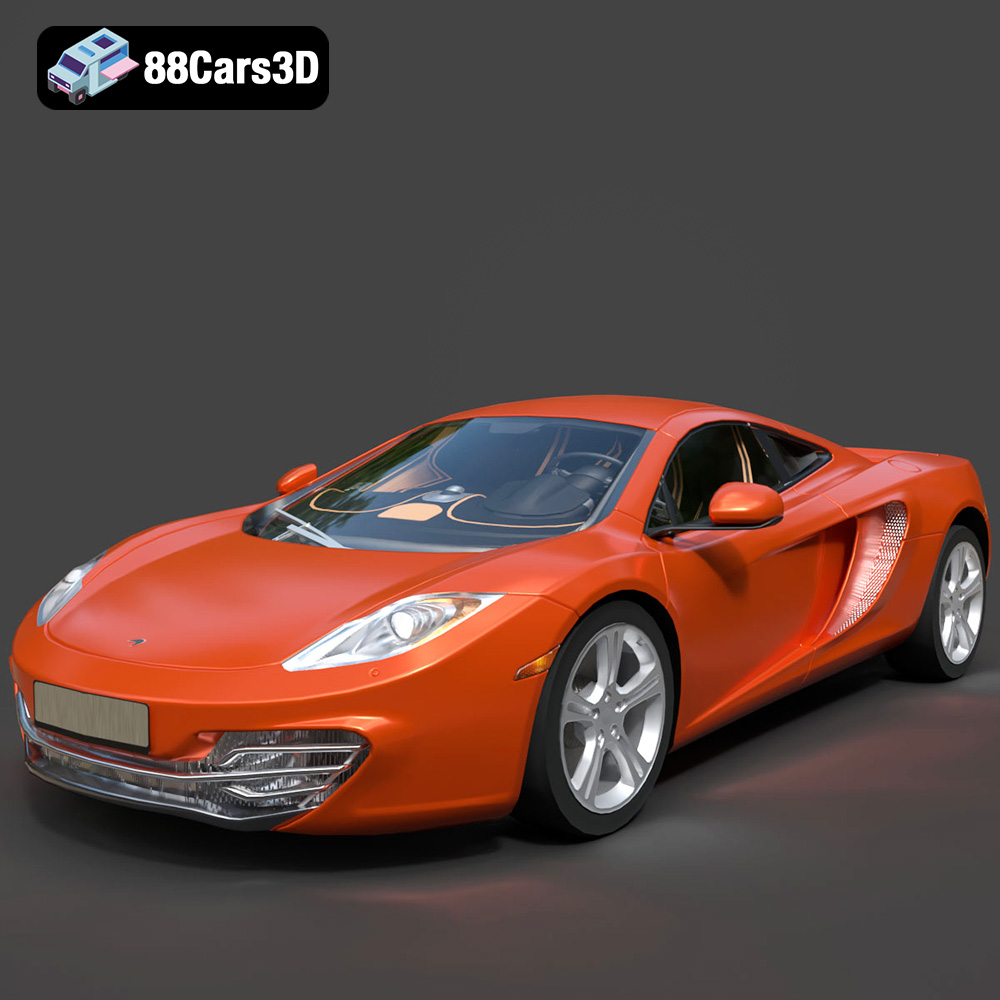
McLaren MP4-12C-001 3D Model
Texture: Yes
Material: Yes
Download the McLaren MP4-12C-001 3D Model featuring clean geometry, realistic detailing, and a fully modeled interior. Includes .blend, .fbx, .obj, .glb, .stl, .ply, .unreal, and .max formats for rendering, simulation, and game development.
Price: $23.99

Mercedes-Benz SLK 350 2005 3D Model
Texture: Yes
Material: Yes
Download the Mercedes-Benz SLK 350 2005 3D Model featuring clean geometry, realistic detailing, and a fully modeled interior. Includes .blend, .fbx, .obj, .glb, .stl, .ply, .unreal, and .max formats for rendering, simulation, and game development.
Price: $23.99
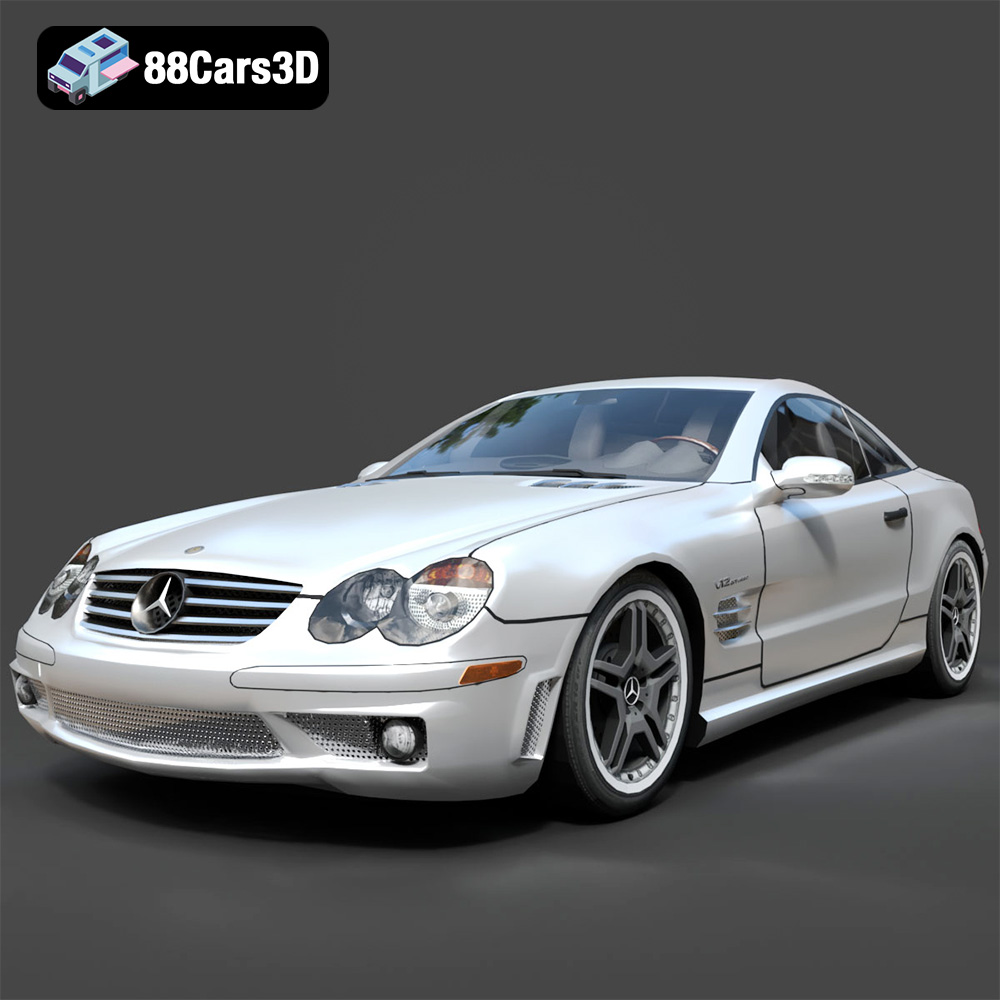
Mercedes-Benz SL 65 AMG 3D Model
Texture: Yes
Material: Yes
Download the Mercedes-Benz SL 65 AMG 3D Model featuring clean geometry, realistic detailing, and a fully modeled interior. Includes .blend, .fbx, .obj, .glb, .stl, .ply, .unreal, and .max formats for rendering, simulation, and game development.
Price: $23.99
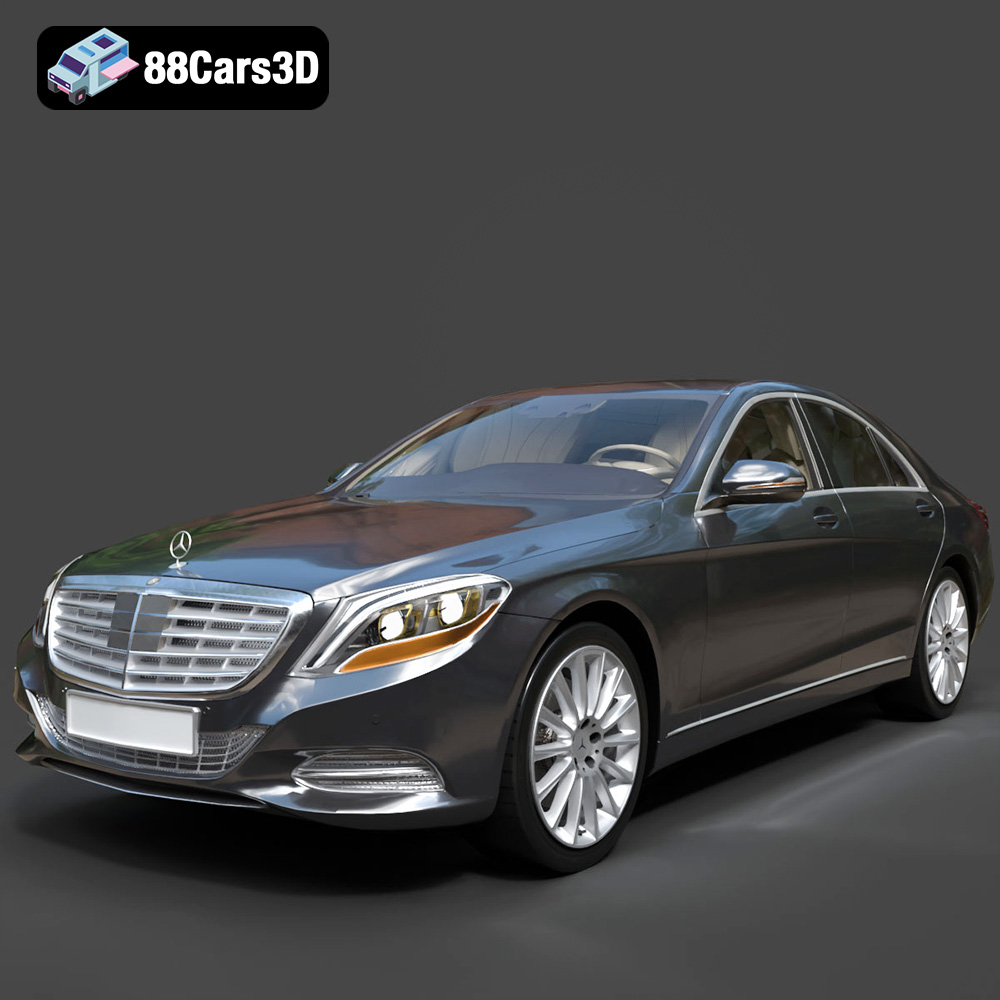
Mercedes-Benz S500 3D Model
Texture: Yes
Material: Yes
Download the Mercedes-Benz S500 3D Model featuring clean geometry, realistic detailing, and a fully modeled interior. Includes .blend, .fbx, .obj, .glb, .stl, .ply, .unreal, and .max formats for rendering, simulation, and game development.
Price: $23.99
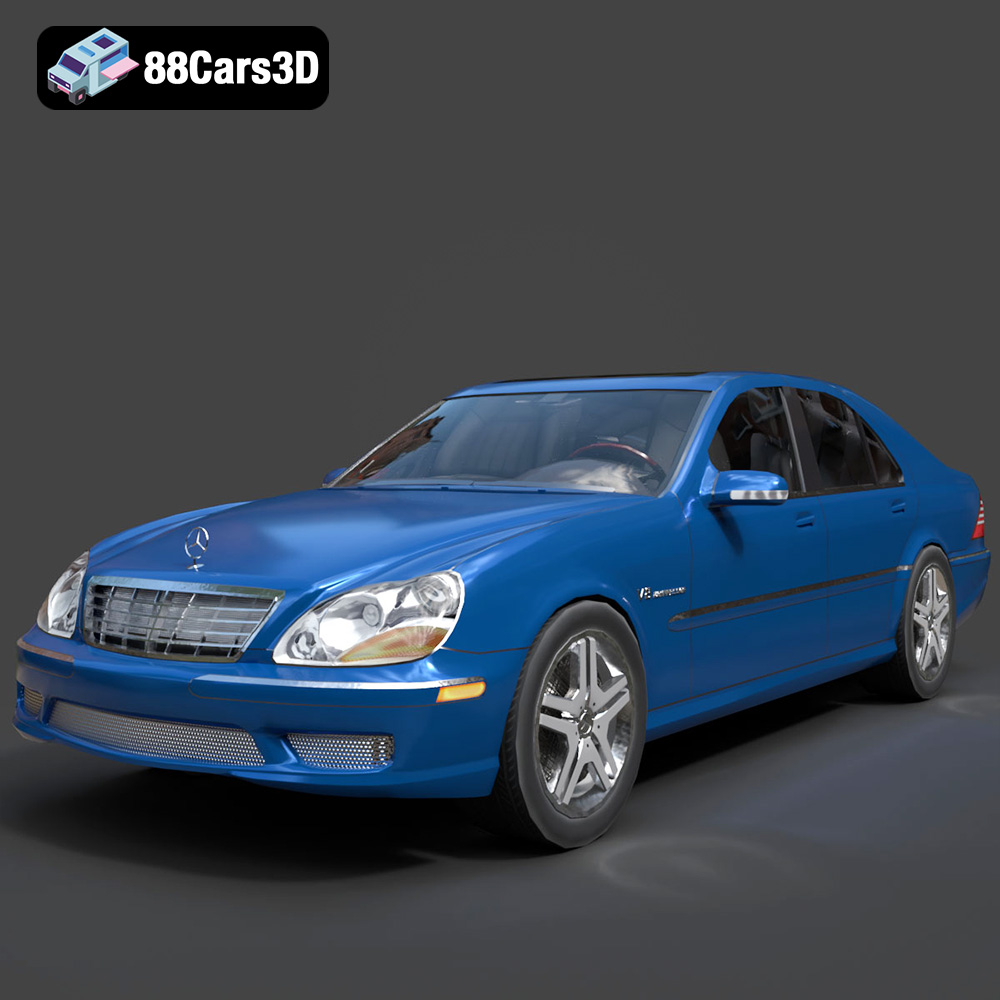
Mercedes-Benz S55 W220 AMG 1999 3D Model
Texture: Yes
Material: Yes
Download the Mercedes-Benz S55 W220 AMG 1999 3D Model featuring clean geometry, realistic detailing, and a fully modeled interior. Includes .blend, .fbx, .obj, .glb, .stl, .ply, .unreal, and .max formats for rendering, simulation, and game development.
Price: $23.99
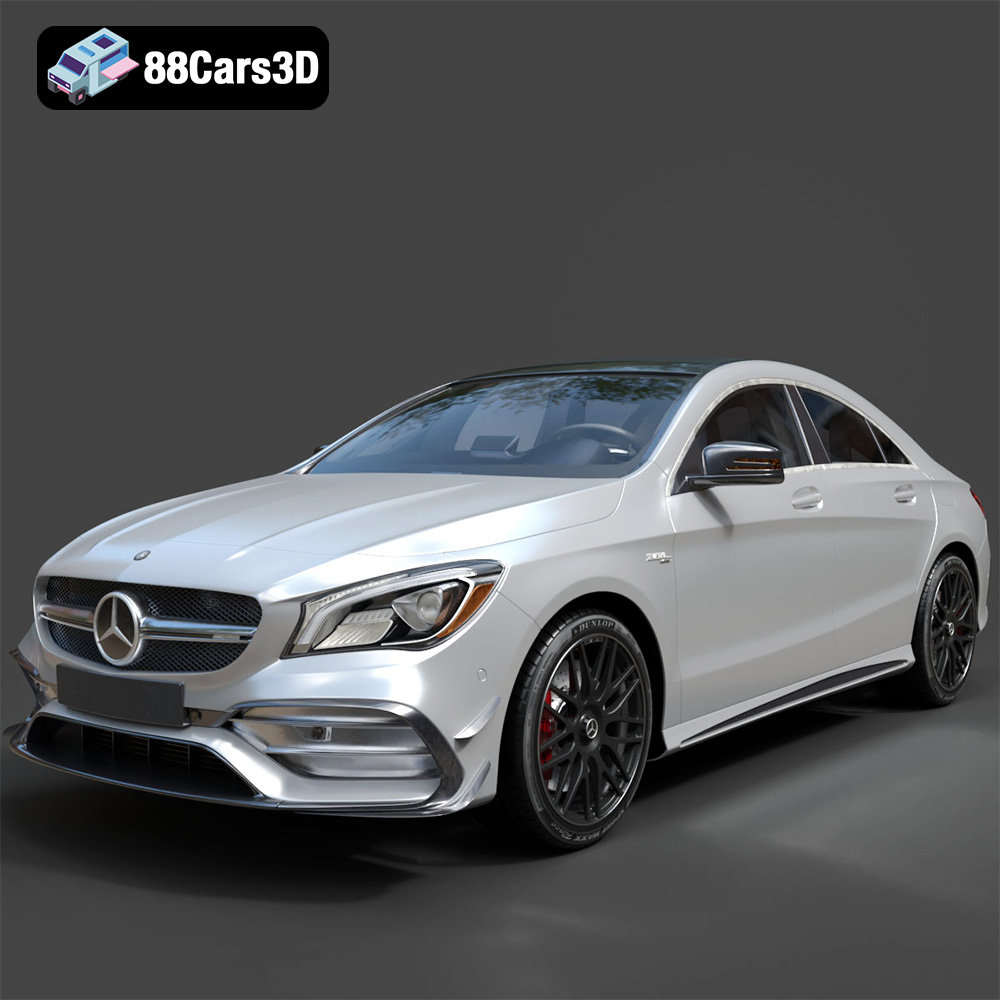
Mercedes-Benz CLA45 AMG 2017 3D Model
Texture: Yes
Material: Yes
Download the Mercedes-Benz CLA45 AMG 2017 3D Model featuring clean geometry, realistic detailing, and a fully modeled interior. Includes .blend, .fbx, .obj, .glb, .stl, .ply, .unreal, and .max formats for rendering, simulation, and game development.
Price: $38.99
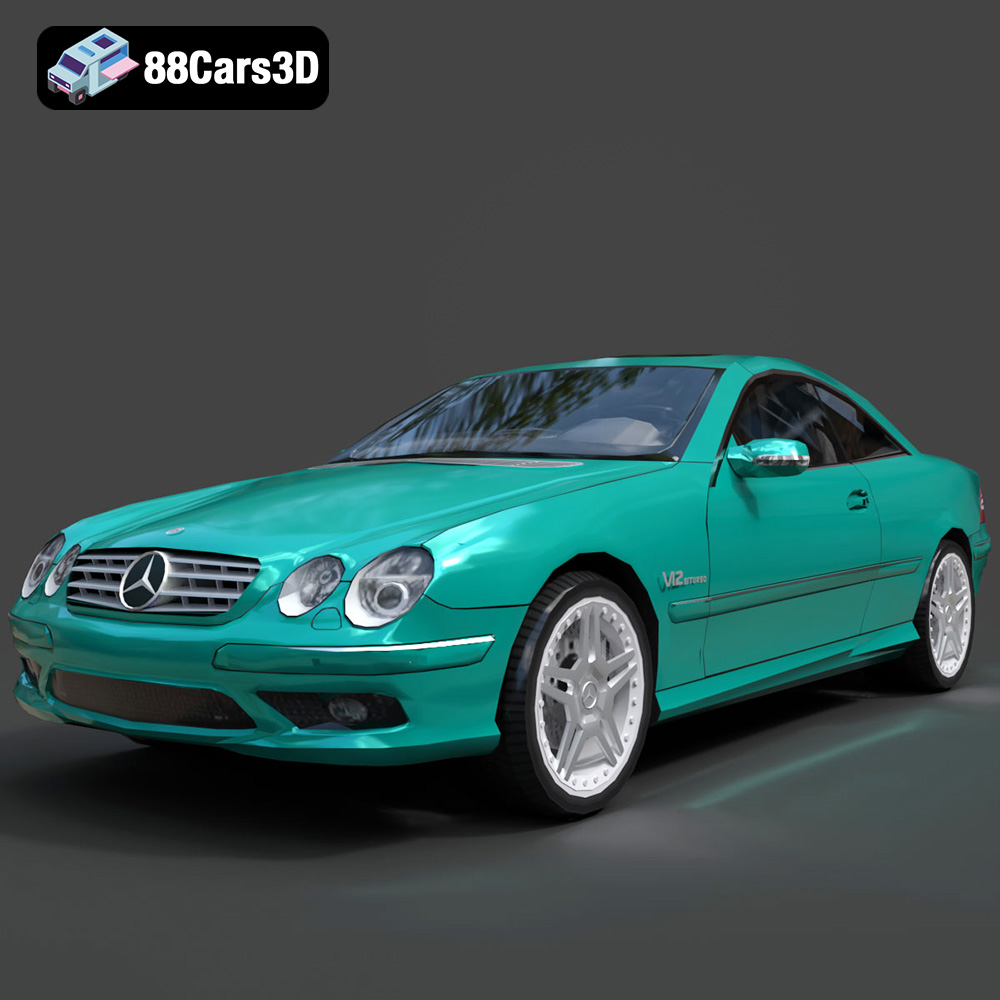
Mercedes-Benz CL65 C215 AMG 3D Model
Texture: Yes
Material: Yes
Download the Mercedes-Benz CL65 C215 AMG 3D Model featuring clean geometry, realistic detailing, and a fully modeled interior. Includes .blend, .fbx, .obj, .glb, .stl, .ply, .unreal, and .max formats for rendering, simulation, and game development.
Price: $23.99
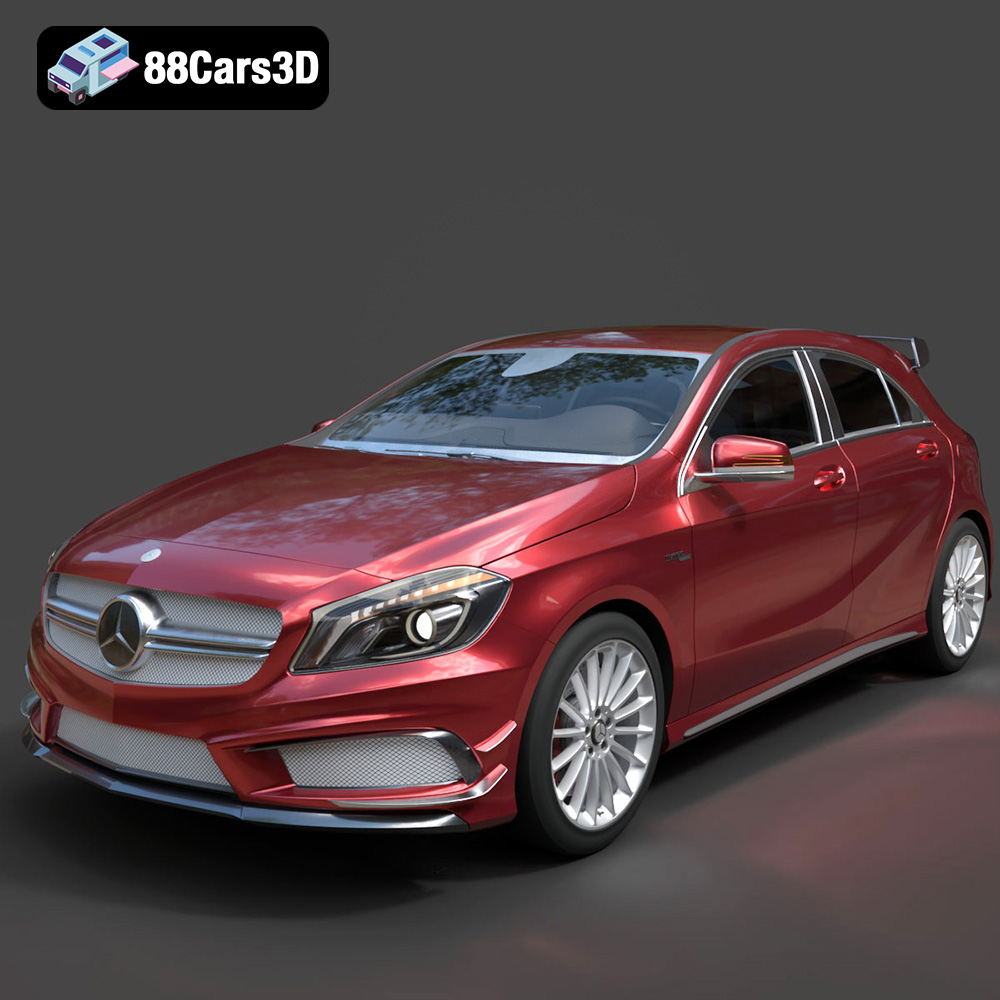
Mercedes-Benz A45 2021 3D Model
Texture: Yes
Material: Yes
Download the Mercedes-Benz A45 2021 3D Model featuring clean geometry, realistic detailing, and a fully modeled interior. Includes .blend, .fbx, .obj, .glb, .stl, .ply, .unreal, and .max formats for rendering, simulation, and game development.
Price: $23.99
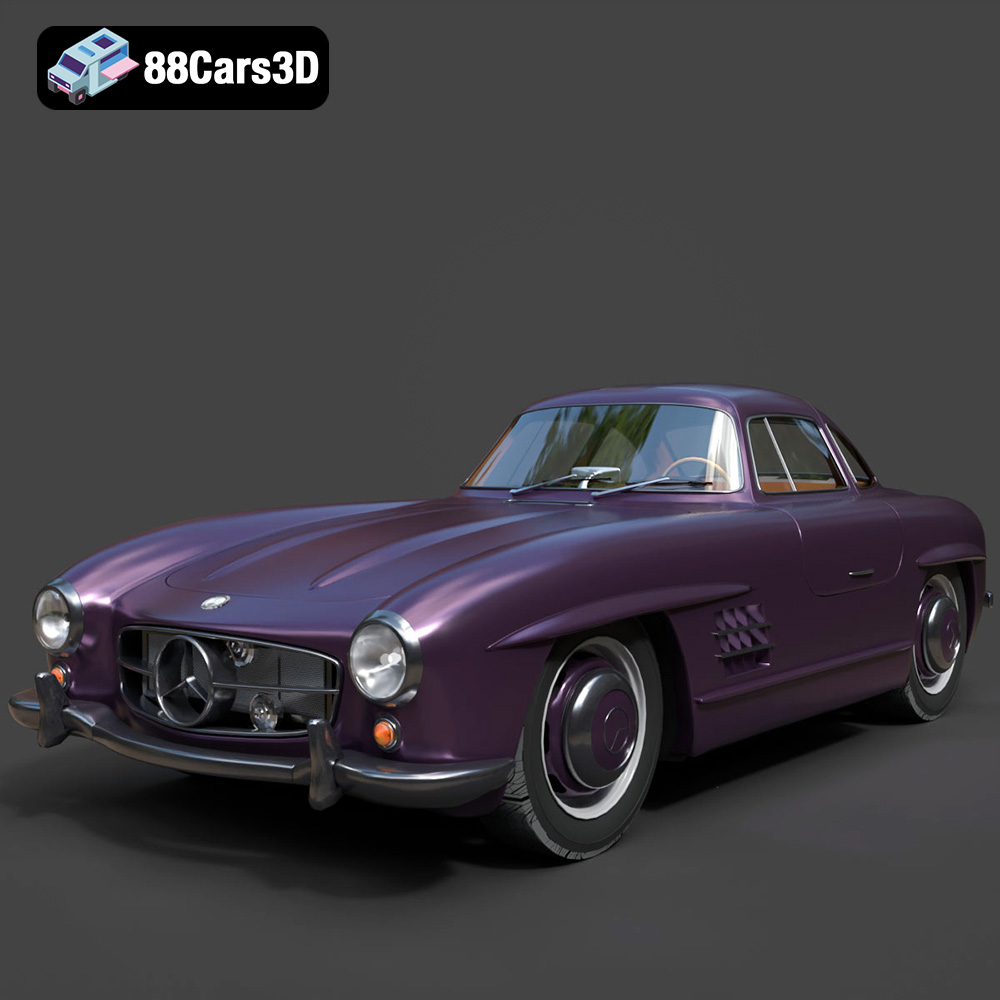
Mercedes-Benz 300SL 1955 3D Model
Texture: Yes
Material: Yes
Download the Mercedes-Benz 300SL 1955 3D Model featuring clean geometry, realistic detailing, and a fully modeled interior. Includes .blend, .fbx, .obj, .glb, .stl, .ply, .unreal, and .max formats for rendering, simulation, and game development.
Price: $23.99
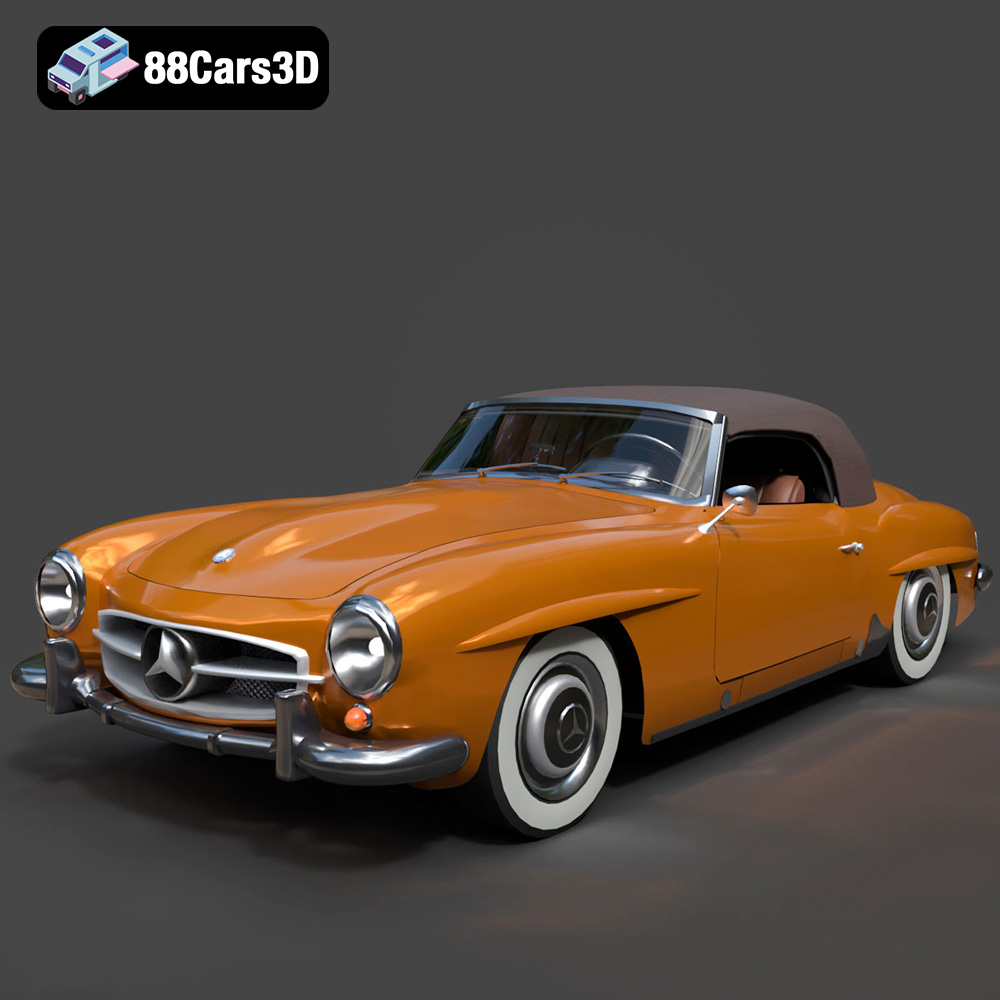
Mercedes-Benz 190SL 1955 3D Model
Texture: Yes
Material: Yes
Download the Mercedes-Benz 190SL 1955 3D Model featuring clean geometry, realistic detailing, and a fully modeled interior. Includes .blend, .fbx, .obj, .glb, .stl, .ply, .unreal, and .max formats for rendering, simulation, and game development.
Price: $23.99
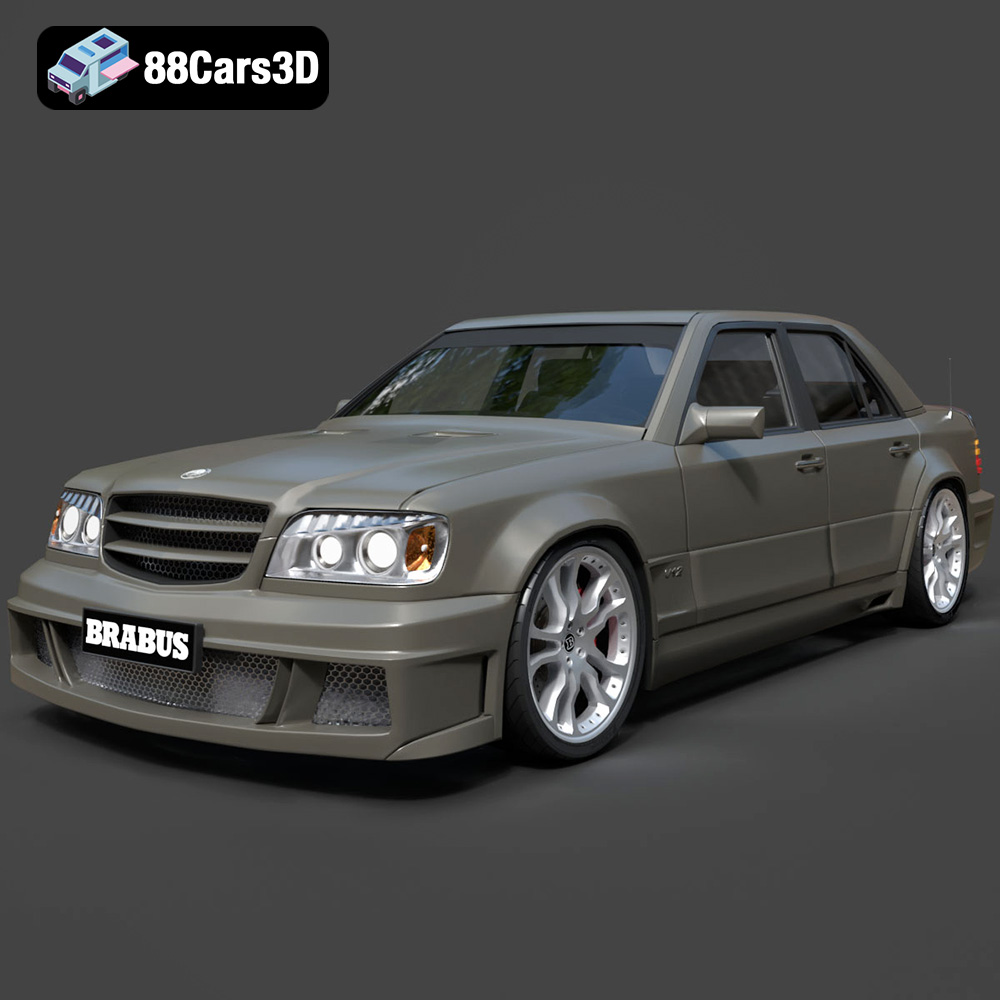
Mercedes-Benz W124 Brabus V12 3D Model
Texture: Yes
Material: Yes
Download the Mercedes-Benz W124 Brabus V12 3D Model featuring clean geometry, realistic detailing, and a fully modeled interior. Includes .blend, .fbx, .obj, .glb, .stl, .ply, .unreal, and .max formats for rendering, simulation, and game development.
Price: $23.99
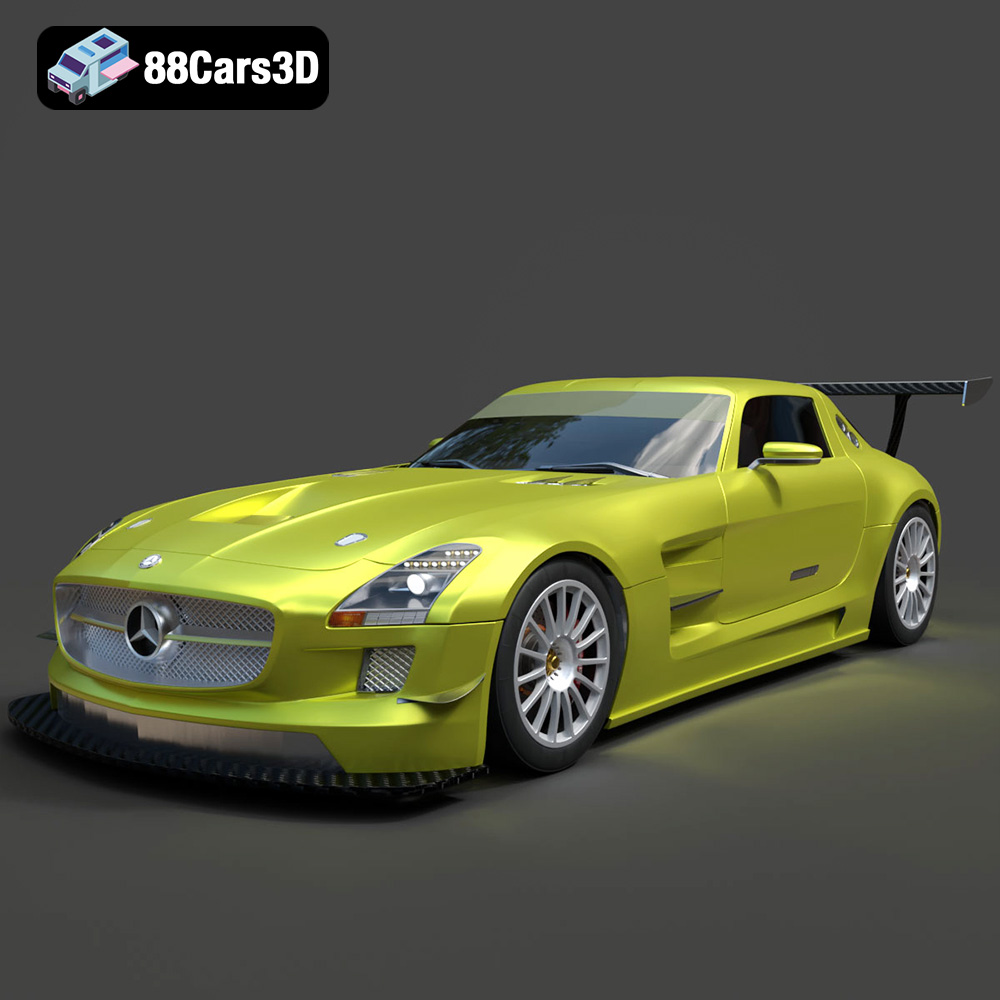
Mercedes-Benz SLS AMG GT3-002 3D Model
Texture: Yes
Material: Yes
Download the Mercedes-Benz SLS AMG GT3-002 3D Model featuring clean geometry, realistic detailing, and a fully modeled interior. Includes .blend, .fbx, .obj, .glb, .stl, .ply, .unreal, and .max formats for rendering, simulation, and game development.
Price: $38.99

Mercedes-Benz C-Class-001 3D Model
Texture: Yes
Material: Yes
Download the Mercedes-Benz C-Class-001 3D Model featuring clean geometry, realistic detailing, and a fully modeled interior. Includes .blend, .fbx, .obj, .glb, .stl, .ply, .unreal, and .max formats for rendering, simulation, and game development.
Price: $38.99
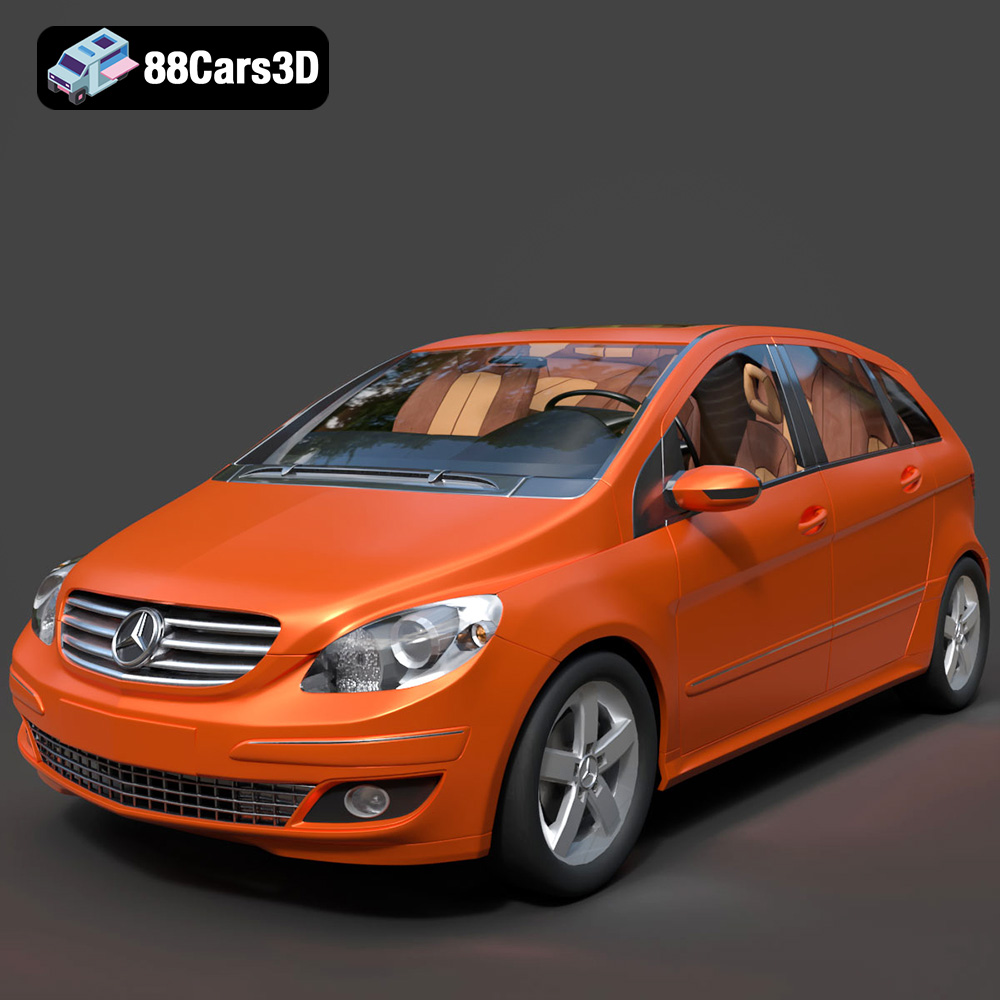
Mercedes-Benz B-Klasse 2023 3D Model
Texture: Yes
Material: Yes
Download the Mercedes-Benz B-Klasse 2023 3D Model featuring clean geometry, realistic detailing, and a fully modeled interior. Includes .blend, .fbx, .obj, .glb, .stl, .ply, .unreal, and .max formats for rendering, simulation, and game development.
Price: $38.99
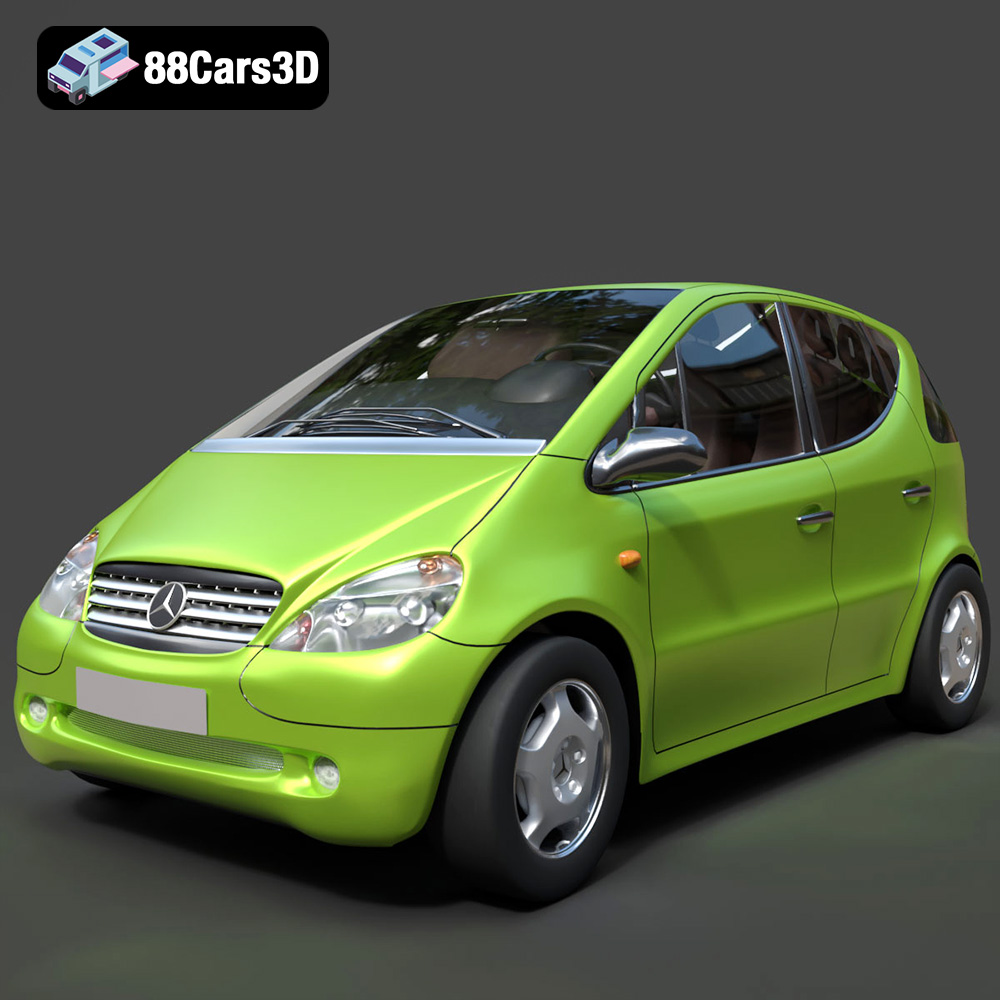
Mercedes-Benz A-Klasse W168 3D Model
Texture: Yes
Material: Yes
Download the Mercedes-Benz A-Klasse W168 3D Model featuring clean geometry, realistic detailing, and a fully modeled interior. Includes .blend, .fbx, .obj, .glb, .stl, .ply, .unreal, and .max formats for rendering, simulation, and game development.
Price: $38.99
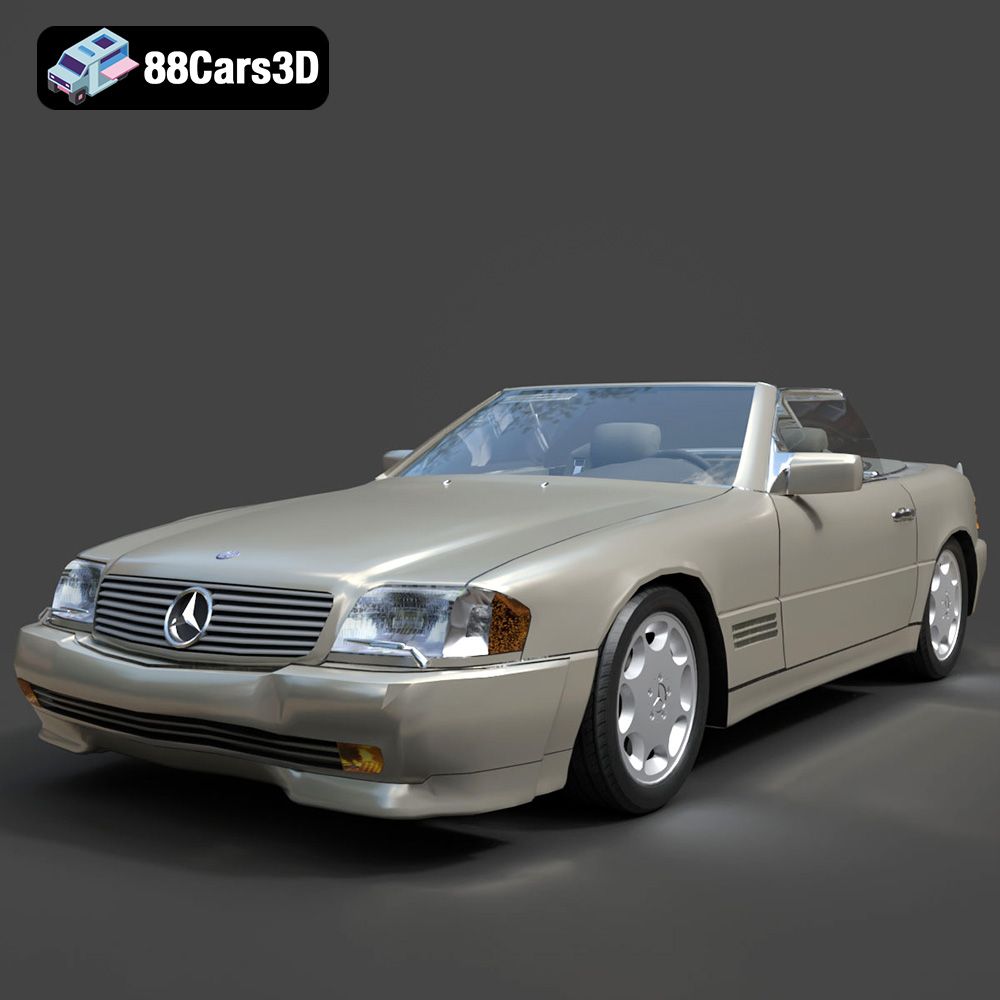
Mercedes-Benz 500SL 2000 3D Model
Texture: Yes
Material: Yes
Download the Mercedes-Benz 500SL 2000 3D Model featuring clean geometry, realistic detailing, and a fully modeled interior. Includes .blend, .fbx, .obj, .glb, .stl, .ply, .unreal, and .max formats for rendering, simulation, and game development.
Price: $38.99
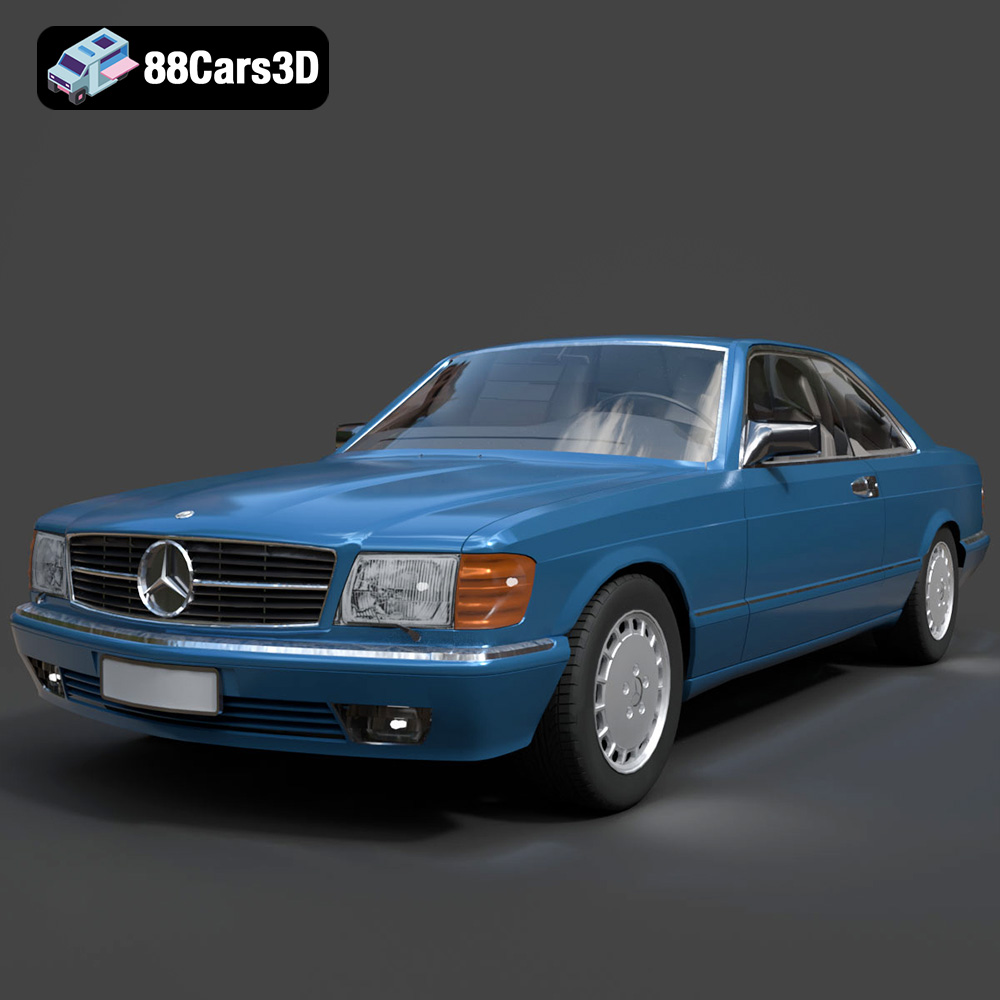
Mercedes-Benz 500SEC 3D Model
Texture: Yes
Material: Yes
Download the Mercedes-Benz 500SEC 3D Model featuring clean geometry, realistic detailing, and a fully modeled interior. Includes .blend, .fbx, .obj, .glb, .stl, .ply, .unreal, and .max formats for rendering, simulation, and game development.
Price: $38.99
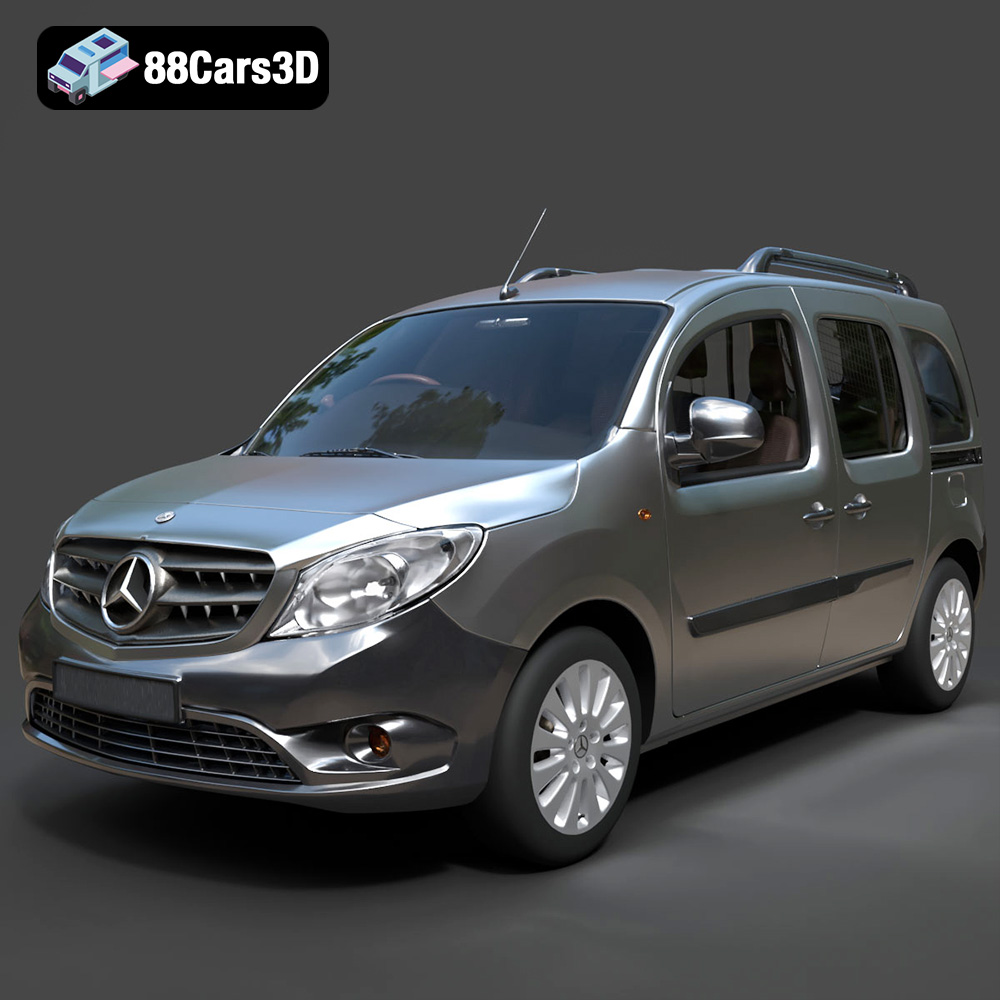
Mercedes-Benz Citan 2025 3D Model
Texture: Yes
Material: Yes
Download the Mercedes-Benz Citan 2025 3D Model featuring clean geometry, realistic detailing, and a fully modeled interior. Includes .blend, .fbx, .obj, .glb, .stl, .ply, .unreal, and .max formats for rendering, simulation, and game development.
Price: $38.99
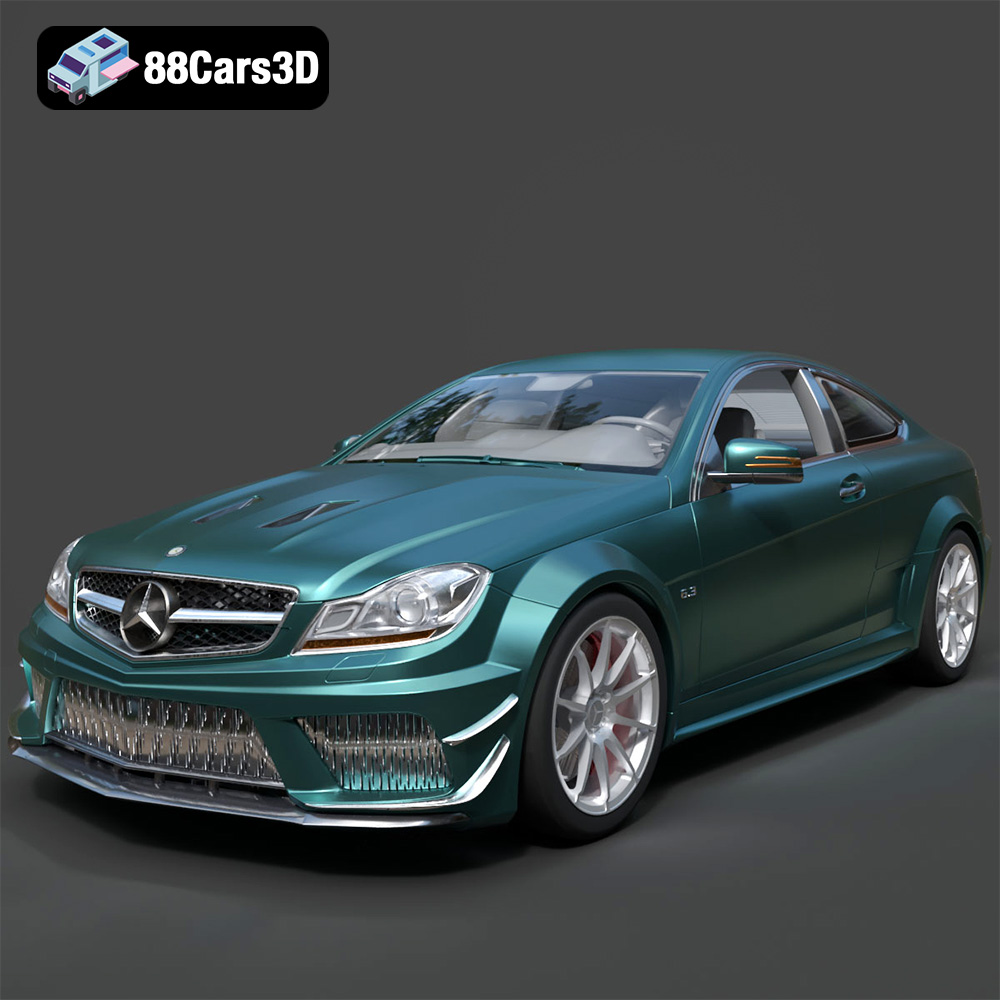
Mercedes-Benz C63 AMG 2012 3D Model
Texture: Yes
Material: Yes
Download the Mercedes-Benz C63 AMG 2012 3D Model featuring clean geometry, realistic detailing, and a fully modeled interior. Includes .blend, .fbx, .obj, .glb, .stl, .ply, .unreal, and .max formats for rendering, simulation, and game development.
Price: $38.99
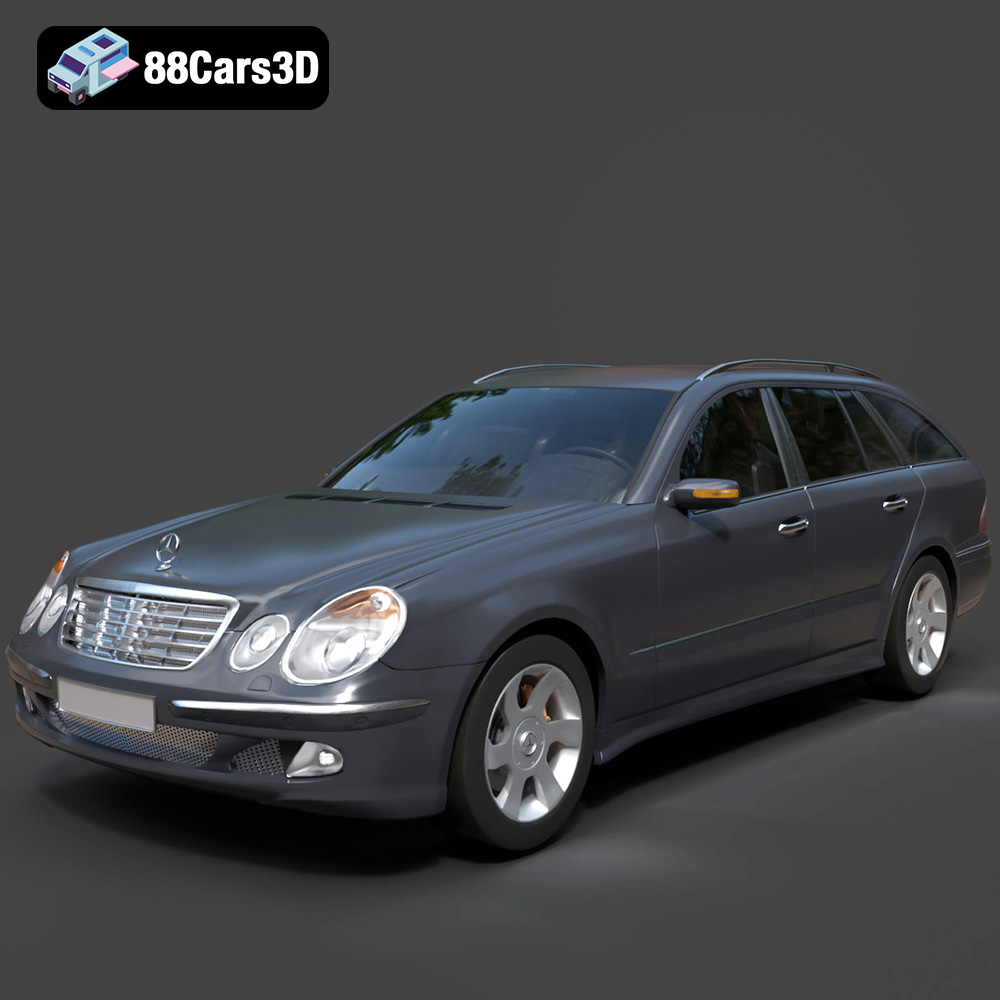
Mercedes-Benz E-Class S211 3D Model
Texture: Yes
Material: Yes
Download the Mercedes-Benz E-Class S211 3D Model featuring clean geometry, realistic detailing, and a fully modeled interior. Includes .blend, .fbx, .obj, .glb, .stl, .ply, .unreal, and .max formats for rendering, simulation, and game development.
Price: $38.99
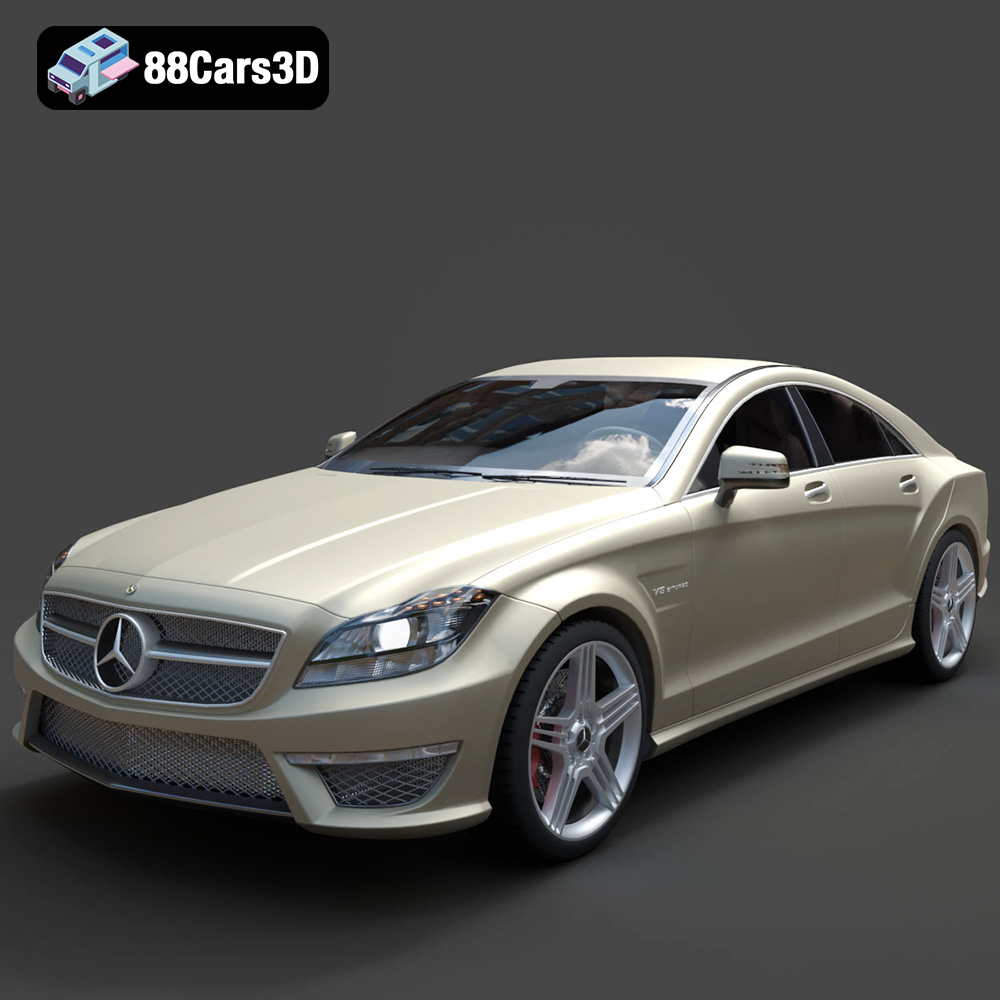
Mercedes-Benz CLS63 AMG (C218) 2014 3D Model
Texture: Yes
Material: Yes
Download the Mercedes-Benz CLS63 AMG (C218) 2014 3D Model featuring clean geometry, realistic detailing, and a fully modeled interior. Includes .blend, .fbx, .obj, .glb, .stl, .ply, .unreal, and .max formats for rendering, simulation, and game development.
Price: $38.99
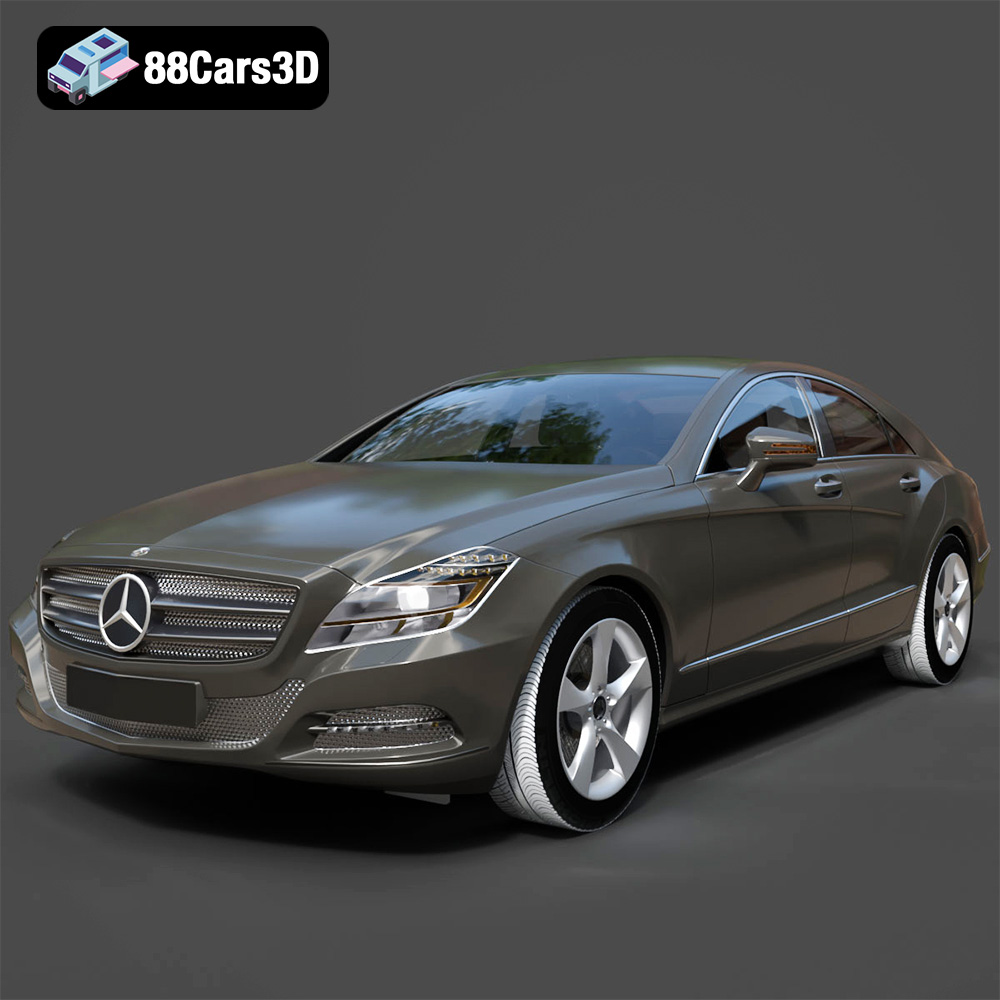
Mercedes-Benz CLS-Klasse 3D Model
Texture: Yes
Material: Yes
Download the Mercedes-Benz CLS-Klasse 3D Model featuring clean geometry, realistic detailing, and a fully modeled interior. Includes .blend, .fbx, .obj, .glb, .stl, .ply, .unreal, and .max formats for rendering, simulation, and game development.
Price: $38.99
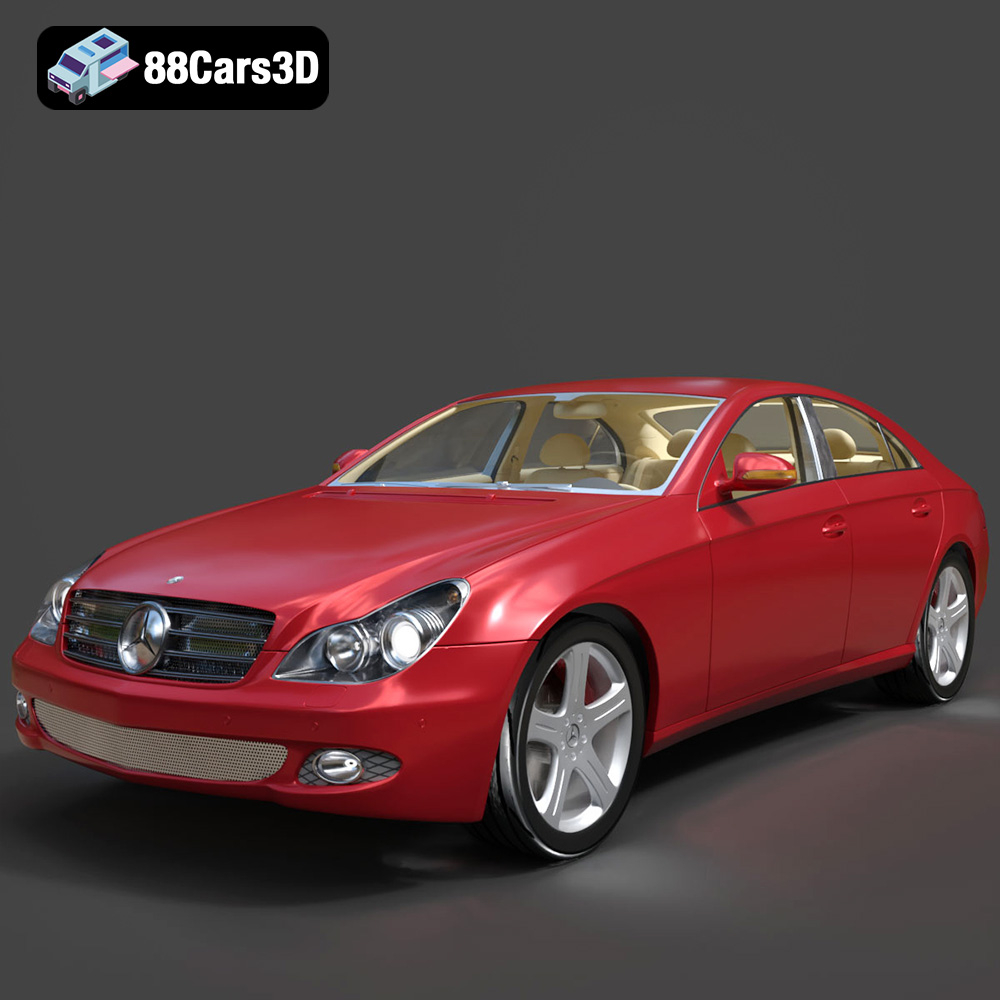
Mercedes-Benz CLS 500 3D Model
Texture: Yes
Material: Yes
Download the Mercedes-Benz CLS 500 3D Model featuring clean geometry, realistic detailing, and a fully modeled interior. Includes .blend, .fbx, .obj, .glb, .stl, .ply, .unreal, and .max formats for rendering, simulation, and game development.
Price: $38.99

Mercedes-Benz CL-Klasse 2001 3D Model
Texture: Yes
Material: Yes
Download the Mercedes-Benz CL-Klasse 2001 3D Model featuring clean geometry, realistic detailing, and a fully modeled interior. Includes .blend, .fbx, .obj, .glb, .stl, .ply, .unreal, and .max formats for rendering, simulation, and game development.
Price: $38.99
