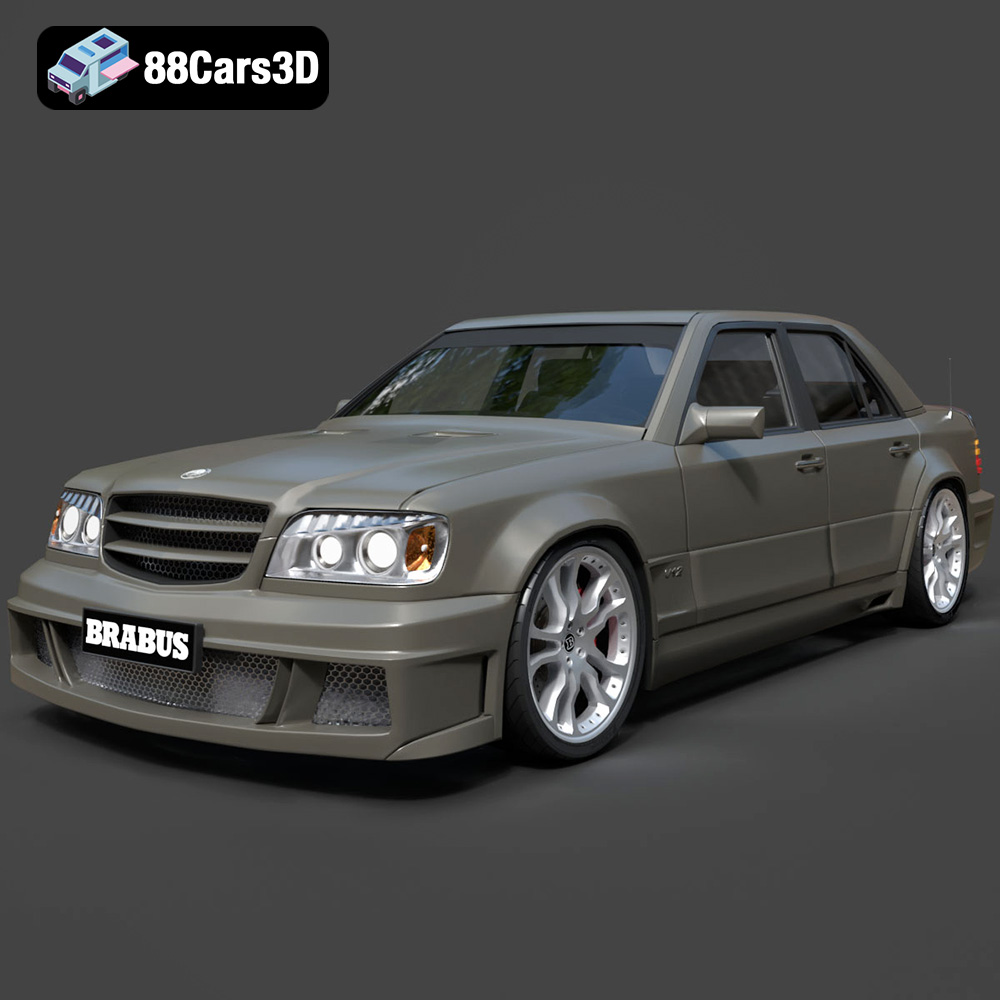
Mastering 3D Modeling: A Comprehensive Guide for Aspiring Professionals

Mastering 3D Modeling: A Comprehensive Guide for Aspiring Professionals
The world of 3D modeling is a vast and exhilarating frontier, continuously expanding its influence across industries from entertainment and architecture to engineering and medicine. For aspiring professionals, understanding the intricacies of this digital art form is not just a skill, but a gateway to innovation and creativity. This comprehensive guide is designed to serve as your definitive roadmap, taking you from foundational concepts to advanced techniques and invaluable career insights, ensuring you can confidently embark on your journey to becoming a proficient 3D artist.
Introduction to the World of 3D Modeling
What is 3D Modeling?
At its core, 3D modeling is the process of developing a mathematical representation of any three-dimensional surface of an object (either inanimate or living) via specialized software. The output is called a 3D model, which can then be displayed as a two-dimensional image through a process called 3D rendering, or used in a variety of other applications like 3D printing, video games, visual effects (VFX), and virtual reality (VR). Unlike traditional drawing or painting, 3D modeling allows for objects to be viewed from any angle, manipulated, and integrated into complex virtual environments, offering unparalleled flexibility and realism.
Why Learn 3D Modeling Now?
The demand for skilled 3D artists and modelers is experiencing unprecedented growth. Industries are increasingly relying on 3D visualization for everything from prototyping new products and designing sustainable architecture to creating immersive gaming experiences and groundbreaking cinematic spectacles. Learning 3D modeling equips you with a highly sought-after skill set, opening doors to diverse and rewarding career paths. Moreover, the accessibility of powerful 3D modeling software, including robust free options like Blender, has never been greater, making it an opportune time to dive into this transformative field.
Understanding the Core Principles of 3D Geometry
Before you can build anything complex, you must understand the fundamental elements that constitute every 3D model. These are the atomic units of digital geometry.
Vertices, Edges, Faces: The Building Blocks
- Vertices: These are the most basic components of a 3D model. A vertex (plural: vertices) is a single point in 3D space, defined by its X, Y, and Z coordinates. Think of them as individual pixels in a 3D environment.
- Edges: An edge is a line segment connecting two vertices. Edges define the boundaries of your object and provide its wireframe structure. They determine the overall shape and contours.
- Faces: A face (also known as a polygon) is a closed surface formed by three or more edges. Faces are the visible surfaces of your 3D mesh and are what the viewer ultimately sees. Triangles (three edges) and quads (four edges) are the most common and robust types of faces.
Meshes and Polygons: Form and Function
A 3D mesh is a collection of vertices, edges, and faces that define the shape and form of a 3D object. The quality and structure of this mesh are critical. While meshes can be made of any number of sides, artists generally prefer to work with meshes composed primarily of quad polygons (faces with four edges). Quads offer better deformation when animating and are easier to work with when adding or removing detail, leading to cleaner 3D topology.
The Importance of Topology
Topology refers to the arrangement of the polygons on a 3D model’s surface. Good topology is paramount, especially for models that will be animated or deformed. It ensures that the mesh deforms smoothly, allows for easy sculpting and texturing, and optimizes performance. Poor topology can lead to pinching, tearing, and unsightly artifacts, undermining the realism and functionality of your 3D creation.
Navigating the Landscape of 3D Modeling Software
Choosing the right 3D modeling software is a critical decision that depends on your specific goals, budget, and the industry you aim to enter. Each software has its strengths and learning curve.
Free & Open-Source Powerhouses (e.g., Blender)
For beginners or those on a budget, Blender stands out as an exceptional choice. It’s a free, open-source 3D creation suite that covers the entire 3D pipeline: modeling, sculpting, animation, rendering, simulation, and even video editing. Its vibrant community and continuous development make it a powerful and increasingly industry-relevant tool for professional 3D artists.
Industry-Standard Professionals (e.g., Maya, 3ds Max, Cinema 4D, ZBrush)
- Autodesk Maya: A cornerstone in the film, TV, and game development industries, Maya excels in animation, rigging, and complex visual effects. It’s an incredibly powerful but also complex software with a steep learning curve.
- Autodesk 3ds Max: Widely used for architectural visualization (arch-viz), product design, and game development, 3ds Max is known for its robust modeling tools, extensive plugin ecosystem, and strong rendering capabilities.
- Maxon Cinema 4D: Highly favored by motion graphics artists and designers due to its intuitive interface, integration with Adobe products, and excellent dynamics and rendering features. It’s often considered more user-friendly than Maya or 3ds Max.
- Pixologic ZBrush: While it can do some traditional modeling, ZBrush is primarily a digital sculpting software. It allows artists to sculpt highly detailed organic forms with the fluidity of real clay, making it indispensable for character design, creature creation, and high-polygon detailing.
Specialized Solutions (e.g., SketchUp, Fusion 360, Revit)
- SketchUp: Known for its ease of use and quick learning curve, SketchUp is popular for architectural design, interior design, and basic product visualization. It’s excellent for rapid prototyping and conceptual work.
- Autodesk Fusion 360: A cloud-based CAD modeling software that combines industrial design, mechanical engineering, and manufacturing. It’s ideal for product development, mechanical parts, and functional designs.
- Autodesk Revit: A Building Information Modeling (BIM) software, Revit is crucial for architects, structural engineers, and construction professionals. It allows for the creation of intelligent, data-rich 3D models of buildings.
How to Choose Your Ideal Software
Consider the following factors:
- Your Goal: Are you interested in characters, environments, hard-surface products, architectural designs, or animation?
- Budget: Free (Blender) vs. Subscription (Maya, 3ds Max, Cinema 4D).
- Learning Curve: Some software is more beginner-friendly than others.
- Industry Standards: What tools are dominant in your target industry?
- Community and Resources: A strong online community and abundance of tutorials can greatly aid your learning.
The Fundamental 3D Modeling Workflow: From Concept to Creation
While specific projects may vary, the general workflow for creating a 3D model and bringing it to life typically follows these sequential steps.
Step 1: Conceptualization and Reference Gathering
Every great 3D model begins with an idea. This initial phase involves brainstorming, sketching concepts, and gathering extensive reference images and data. Whether it’s blueprints for an architectural project or anatomical studies for a character, thorough research is paramount to achieving accuracy and realism in your 3D art.
Step 2: Blocking Out and Base Mesh Creation
Using your chosen 3D modeling software, you’ll start by creating a simple, low-polygon version of your object, known as a base mesh. This involves blocking out the primary forms and proportions. The goal here isn’t detail, but accurate silhouette and scale. For organic models, a basic human or animal form might be used as a starting point; for hard-surface objects, primitive shapes like cubes and cylinders are common.
Step 3: Detailing and Refining the Model
Once the base mesh is established, you’ll gradually add more detail. This might involve techniques like polygonal modeling (extruding, beveling, subdividing), digital sculpting (for organic forms), or using boolean operations (for complex hard-surface geometry). The focus here is on improving the model’s fidelity, ensuring clean topology, and adding all the necessary visual information before moving to texturing.
Step 4: UV Unwrapping for Texturing
UV unwrapping is the process of flattening the 3D surface of your model into a 2D plane, much like unfolding a cardboard box. This 2D representation (the UV map) dictates how 2D textures will be applied to the 3D model’s surface. Good UVs are crucial for seamless texture application, preventing stretching, and optimizing texture resolution. This step is often overlooked by beginners but is critical for professional results.
Step 5: Texturing and Material Application
With the UVs laid out, you can now create and apply textures (color maps, normal maps, roughness maps, metallic maps, etc.) to give your model its surface appearance. This process involves painting directly on the model, using procedural textures, or combining various texture maps to define properties like color, reflectivity, bumpiness, and transparency. You’ll then assign these textures to materials (also known as shaders), which define how light interacts with the model’s surface.
Step 6: Lighting Your Scene
Proper lighting is essential for making your 3D model look realistic and visually appealing. This step involves placing virtual light sources (e.g., sun lamps, point lights, area lights) within your 3D scene. You’ll consider factors like light intensity, color, shadow properties, and the overall mood you want to convey. Effective lighting can dramatically enhance the depth, form, and emotional impact of your render.
Step 7: Rendering Your Masterpiece
Rendering is the final process of generating a 2D image or animation from your 3D scene. Your 3D modeling software‘s render engine will calculate how light interacts with your materials and camera settings to produce the final output. This can range from quick preview renders to high-quality, physically accurate renders that can take hours or even days to complete for complex scenes. Post-production in software like Photoshop can then refine the rendered image further.
Essential 3D Modeling Techniques to Master
The vast world of 3D modeling encompasses several distinct techniques, each suited for different types of objects and workflows.
Polygonal Modeling: The Versatile Workhorse
Polygonal modeling involves directly manipulating vertices, edges, and faces to construct a model. It’s the most common and versatile technique, used for everything from architectural elements and props to characters and vehicles. Key operations include extruding, beveling, bridging, merging, and subdividing. Mastering polygonal modeling is fundamental for any 3D artist.
Digital Sculpting: Organic Forms with Precision
Digital sculpting is akin to traditional clay sculpting, but performed in a digital environment. Tools like ZBrush or Blender’s sculpting mode allow artists to push, pull, smooth, and pinch the surface of a high-resolution mesh to create organic shapes, highly detailed characters, and intricate textures. This technique is invaluable for creating realistic skin folds, muscle definition, and weathered surfaces.
CAD Modeling: Engineering Accuracy and Parametrics
Computer-Aided Design (CAD) modeling focuses on precision, measurability, and functionality. Unlike polygonal modeling, CAD models are often built using mathematical curves and surfaces (NURBS) and are frequently parametric, meaning design changes can be easily propagated. This technique is indispensable for engineering, product design, manufacturing, and industrial design, where exact dimensions and real-world applicability are critical.
Procedural Modeling: Efficiency Through Algorithms
Procedural modeling involves generating 3D content algorithmically rather than manually. Artists define rules and parameters, and the software then generates the geometry. This is incredibly powerful for creating complex or repetitive structures like cities, landscapes, foliage, or intricate patterns with great efficiency and variability. Tools like SideFX Houdini are masters of procedural generation.
Beyond the Model: Bringing Your Creations to Life
While modeling forms the backbone, true mastery of 3D art involves understanding how to effectively texture, light, and animate your creations.
Advanced Texturing and Shading
Moving beyond basic color, advanced texturing involves creating realistic materials using a multitude of maps: normal maps (for surface detail without extra geometry), roughness maps (for micro-surface variations influencing reflections), metallic maps (for defining metallic properties), and displacement maps (for true geometric deformation). Understanding Physically Based Rendering (PBR) workflows is crucial for achieving photorealism across different rendering engines.
Lighting Principles for Realistic Renders
Effective lighting is an art form itself. Learning about the principles of photography (key light, fill light, rim light), global illumination, ambient occlusion, and specialized lighting setups (e.g., HDRIs) will allow you to control mood, emphasize forms, and create compelling visual narratives. Realistic shadows and reflections are heavily dependent on skilled lighting.
Animation Fundamentals
If your models need to move, you’ll delve into 3D animation. This involves rigging (creating a skeletal system for your model), skinning (binding the mesh to the skeleton), and keyframing movements. Understanding principles of animation like squash and stretch, anticipation, and follow-through is vital for creating believable and engaging character or object movement.
Post-Production and Compositing
The raw render from your 3D software is often just the beginning. Post-production in programs like Adobe Photoshop or Affinity Photo involves color correction, adding effects, depth of field, and general polish. For more complex scenes, compositing in tools like After Effects or Nuke involves combining multiple rendered layers (render passes) to gain fine-tuned control over elements like reflections, shadows, and volumes, significantly enhancing the final image or animation.
Cultivating Your Skills and Building a Portfolio
Talent in 3D modeling isn’t just innate; it’s forged through consistent effort, learning, and showcasing your abilities.
Consistent Practice and Personal Projects
The adage “practice makes perfect” holds especially true for 3D art. Regularly challenging yourself with personal projects – recreating real-world objects, designing original characters, or building complex environments – will solidify your understanding and rapidly improve your technical proficiency. Don’t be afraid to experiment and fail; it’s part of the learning process.
Leveraging Online Tutorials and Courses
The internet is a treasure trove of educational resources. Platforms like YouTube, ArtStation Learning, Udemy, Coursera, and official software documentation offer countless tutorials, courses, and breakdowns from industry veterans. Engage actively, follow along, and apply what you learn to your own projects.
Engaging with the 3D Community
Join online forums, Discord servers, and social media groups dedicated to 3D modeling. Websites like ArtStation and DeviantArt are hubs for 3D artists. Share your work, ask questions, provide constructive feedback, and participate in challenges. The community aspect is invaluable for networking, finding inspiration, and staying motivated.
Crafting an Impactful Portfolio
Your 3D portfolio is your most important tool for showcasing your skills to potential employers or clients. Curate only your absolute best work, presenting it professionally with clear renders and descriptions. Tailor your portfolio to the specific roles or industries you’re targeting. Include a variety of projects that highlight different techniques and strengths. Websites like ArtStation are ideal for hosting your professional portfolio.
Career Paths and Future Prospects in 3D Modeling
The demand for skilled 3D professionals continues to grow, offering a diverse array of exciting career opportunities across various sectors.
Industries That Thrive on 3D (Gaming, Film, Architecture, Product Design, Medical)
- Video Game Development: 3D environment artists, character modelers, prop artists, texture artists.
- Film and Television (VFX): Visual effects artists, character modelers, environment artists, lighting artists, animators.
- Architectural Visualization (Arch-Viz): 3D architectural modelers, render specialists for photorealistic building presentations.
- Product Design and Manufacturing: Industrial designers, CAD modelers for prototyping and visualization.
- Advertising and Marketing: Creating compelling 3D assets for commercials, print, and digital campaigns.
- Medical and Scientific Visualization: Illustrating complex anatomical structures or scientific processes.
- Virtual and Augmented Reality (VR/AR): Developing immersive 3D environments and interactive objects.
Diverse Roles for 3D Artists
Within these industries, you’ll find roles such as:
- 3D Modeler: Focuses purely on creating the geometry of objects.
- Character Artist: Specializes in creating detailed 3D characters.
- Environment Artist: Builds vast and immersive 3D landscapes and architectural settings.
- Prop Artist: Creates assets like furniture, tools, and smaller objects within a scene.
- Texture Artist: Focuses on creating and applying realistic surface textures.
- Animator: Brings 3D models to life through movement.
- Rigger: Creates the skeletal system for animation.
- Lighting Artist: Sculpts the mood and realism of a scene through virtual lighting.
- Technical Artist: Bridges the gap between artists and programmers, optimizing workflows and tools.
Staying Ahead: Emerging Technologies
The field of 3D modeling is constantly evolving. Keep an eye on emerging technologies like AI-powered 3D generation, photogrammetry (creating 3D models from photos), real-time rendering advancements (like Unreal Engine 5’s Lumen and Nanite), and improvements in VR/AR hardware. Continuous learning is key to a long and successful career in this dynamic domain.
Conclusion: Your Journey into the Third Dimension Begins Now
Embarking on a journey to master 3D modeling is a commitment to creativity, technical skill, and continuous learning. This guide has provided you with a comprehensive overview of the fundamental concepts, essential software, detailed workflows, and promising career paths. Remember, every professional 3D artist started as a beginner. With dedication, consistent practice, and a passion for bringing ideas to life in three dimensions, you are well-equipped to sculpt your own successful future in this exciting and ever-expanding field. The digital canvas awaits your touch; begin creating today.
Recommended undefined Models