
The Anatomy of Automotive Paint: A PBR Foundation

Creating truly hyper-realistic automotive paint in 3D is one of the most challenging yet rewarding aspects of high-end rendering. It’s not merely about picking a color; it’s about meticulously replicating the complex interplay of light with multiple layers of material, each with its own unique optical properties. From the subtle shimmer of metallic flakes to the intricate dance of reflections on a curved surface, achieving photorealism demands a deep understanding of the underlying physics and advanced shader techniques.
This definitive guide will demystify the art and science behind crafting impeccable digital automotive finishes. We’ll delve into the foundational principles of the PBR workflow, explore advanced parameters like anisotropic reflections, and show you how to convincingly integrate subtle surface imperfections that breathe life into your renders. Whether you’re a seasoned professional or an aspiring artist, mastering these techniques will elevate your automotive visualizations to an unparalleled level of realism. For those seeking top-tier base models to apply these techniques, remember that 88cars3d.com offers a vast selection of high-quality vehicles ready for your advanced shader work.
The Anatomy of Automotive Paint: A PBR Foundation
Before diving into complex shader setups, it’s crucial to understand the physical composition of real-world automotive paint. This layered structure is the bedrock upon which our PBR workflow is built. Each layer contributes uniquely to the final visual aesthetic, and replicating them accurately in your shader graph is key to achieving photorealism.
Primer and Base Coat: The Color Carrier
The journey begins with the primer, followed by the base coat. The base coat is where the primary color of the vehicle resides. In a PBR context, this layer is typically defined by its diffuse color (Albedo). It determines the core hue and saturation that light reflects when it’s not influenced by more complex layers above it. Depending on the paint type, the base coat might be a solid color or already contain certain effects.
For most modern automotive paints, the base coat is surprisingly flat in terms of reflectivity when viewed in isolation. Its primary role is to provide the underlying color foundation. Roughness values for this layer would typically be quite high if exposed, but it’s almost always encapsulated by other layers, which dramatically alter its appearance.
The Heart of the Shimmer: Metallic or Pearl Flakes
This is where automotive paint truly distinguishes itself. Many modern finishes incorporate microscopic metallic or pearl flakes suspended within a transparent binder. These tiny particles scatter and reflect light in specific ways, creating the characteristic sparkle and color shift seen in real cars. The phenomenon is often referred to as the metallic flake effect, and it’s a critical component for realistic results.
Metallic flakes are usually tiny, flat particles that catch light at various angles. Pearl flakes, on the other hand, often use mica or synthetic materials that create an iridescent effect, shifting color depending on the viewing angle. Accurately simulating this requires careful texture work or procedural generation within your shader, influencing reflectivity and color contribution based on light and view directions.
The Protective Brilliance: The Clear Coat Layer
The final and perhaps most visually impactful component is the clear coat layer. This transparent, highly reflective layer sits on top of all other paint components, protecting them and providing the signature gloss and depth. It’s essentially a very thin, perfectly smooth, transparent film of lacquer.
The clear coat is responsible for the sharp reflections and specular highlights we associate with a polished car. In a PBR setup, this translates to a very low roughness value (high smoothness) and a standard dielectric Fresnel response. Its refractive index (IOR) also plays a crucial role in how light passes through it to interact with the underlying layers and then returns to the viewer. This layer is paramount for achieving believable digital automotive finishes.
Mastering the Clear Coat: Reflections, Refraction, and Realism
The clear coat layer is arguably the most complex and critical element to get right for hyper-realistic automotive paint. It acts as a transparent mirror, reflecting the environment, refracting light to show the base color, and subtly distorting reflections with imperfections. A masterful clear coat is the hallmark of a high-fidelity render.
Specular Highlights and Fresnel: The Dance of Light
The clear coat’s interaction with light is defined by its specular properties and the Fresnel effect. A perfectly smooth clear coat will produce crisp, defined specular highlights that accurately mirror light sources. PBR materials inherently handle much of this, but understanding the underlying principles allows for finer control.
The Fresnel effect dictates that a surface becomes more reflective at grazing angles. This is incredibly prominent on car bodies, where the reflection intensity dramatically increases as the surface curves away from the viewer. Ensuring your clear coat shader accurately implements a physically plausible Fresnel curve is non-negotiable for photorealism. Most PBR shaders will handle this automatically, but custom solutions in a shader graph might require explicit Fresnel nodes.
The Unique Sheen: Anisotropic Reflections
Many high-quality automotive paints, particularly metallic finishes, exhibit anisotropic reflections. This means that reflections stretch or “smear” in a particular direction, rather than appearing as perfectly round or uniform highlights. This effect is often caused by microscopic parallel scratches from polishing, or by the alignment of metallic flakes within the paint itself.
Implementing anisotropic reflections typically involves using an anisotropic BRDF model, controlled by a tangent map or a direction parameter. You might define the direction of anisotropy with a texture or a global vector. The strength and direction of this anisotropy are crucial for replicating the highly polished, directional sheen seen on real car panels. It’s a subtle but powerful cue for realism, making the surface feel genuinely brushed or buffed rather than uniformly smooth.
Subtle Realism: Micro-Scratches and Swirls
Even a brand-new car has microscopic imperfections on its clear coat. These are often referred to as micro-scratches, swirl marks, or spiderwebbing, especially visible under direct light sources. These surface imperfections break up perfect reflections and scatter light in a way that significantly enhances realism.
To simulate this, you’ll typically use a very subtle normal map or roughness map that introduces these tiny variations. These maps should be extremely high resolution and tiled carefully to avoid visible repetition. The effect is often more about scattering light and slightly blurring reflections in specific areas rather than deeply deforming the surface. A procedural approach using noise functions in a shader graph can also be highly effective for generating these imperfections dynamically, allowing for easy variation across different parts of the vehicle.
Crafting Intricate Details: Beyond the Base Color
Achieving a truly convincing automotive paint shader goes far beyond just getting the clear coat right. It involves layering subtle, nuanced effects that contribute to the overall visual depth and realism. These details are often overlooked but are vital for a high-end render.
Deep Dive: The Metallic Flake Effect
While mentioned earlier, the implementation of the metallic flake effect deserves a deeper technical explanation. These tiny flakes scatter light and can even cause subtle shifts in color depending on the viewing angle (goniochromism). There are several approaches to simulate this:
- Procedural Noise: Generate a high-frequency noise pattern that modulates the base color or creates tiny, bright specular highlights. This can be combined with a subtle normal map for varied reflection angles.
- Texture-Based: Use a specialized texture containing pre-rendered flakes, often combined with a Fresnel effect to make them pop more at grazing angles.
- Ray Tracing Solutions: In advanced renderers, you might even simulate individual micro-facets, though this is often too performance-intensive for general use.
- Layered Materials: A common technique is to use a second, highly reflective, metallic material layered beneath the clear coat, with a masked texture or noise function controlling the visibility of the “flakes.” This allows the flakes to interact directly with light, reflecting environmental detail and showing subtle color shifts.
The key is to ensure the flakes are small, numerous, and their reflectivity and color are slightly randomized to avoid a repetitive pattern. They should also be correctly occluded and refracted by the top clear coat layer.
The Subtle Waviness: Orange Peel Effect
Real-world automotive paint often exhibits a texture resembling the skin of an orange, particularly on factory finishes. This “orange peel” effect is a result of the paint drying process and surface tension, creating a subtle, wavy unevenness in the clear coat. It’s an often-missed detail that can significantly enhance realism.
To simulate the orange peel effect, apply a very subtle normal map or height map to the clear coat. This map should consist of very small, irregular bumps and depressions. The scale of this effect is crucial; it should be barely perceptible up close but evident in how reflections subtly distort across the surface. Too strong, and it looks like poor paint; too weak, and it’s absent. Blurring reflections slightly based on this normal map can further enhance the effect without requiring extreme geometric detail.
Beyond the Showroom: Dust, Dirt, and Water Spots
While showrooms feature pristine cars, real vehicles quickly accumulate environmental detritus. Adding subtle layers of dust, dirt, grime, and water spots can instantly ground your vehicle in reality. These aren’t just cosmetic; they interact with light differently than the paint itself, breaking up perfect reflections and adding narrative.
Implement these using layered materials or blending functions within your shader graph. Dust might be a highly rough, desaturated layer, accumulating in crevices. Dirt and grime could use a grungy texture with varied roughness. Water spots are transparent but have a distinct outline and can have varied roughness inside their perimeter, especially visible on the clear coat layer as subtle rings that scatter light. These elements are fantastic for storytelling and breaking the “CGI look.”
Building Your Shader: A Practical Guide with Shader Graph Concepts
Bringing all these concepts together into a functional shader requires a structured approach. Modern rendering pipelines and game engines increasingly rely on node-based material editors, often referred to as a shader graph. This visual programming paradigm makes it easier to construct complex materials without writing code.
Layered Material Systems: Stacking for Complexity
The most effective way to build a hyper-realistic automotive paint shader is through a layered material system. Think of it exactly like real-world paint: layers stacked on top of each other. Within a shader graph, this means blending different material properties based on masks or opacity values.
A typical stack might look like this:
- Base Material: The underlying metallic or solid base coat, handling the primary color and the metallic flake effect.
- Clear Coat: A transparent, highly reflective layer with low roughness, defining the glossy finish. This layer will use its own Fresnel and potentially anisotropic reflections.
- Imperfection Layers: Subtle blends for micro-scratches, orange peel, dust, and dirt. These are typically driven by textures or procedural noise, modulating the roughness and normal maps of the layers beneath.
Each layer contributes to the final output, allowing for modularity and fine-tuning of individual components.
Input Parameters and Controls: Artist-Friendly Shaders
A robust shader isn’t just about complexity; it’s about control. Exposing key parameters as inputs in your shader graph allows artists to easily tweak the appearance without diving into the node network every time. Consider exposing parameters such as:
- Base Color: The primary hue of the paint.
- Metallic Flake Intensity/Scale/Color: Control over the visibility, size, and tint of the flakes.
- Clear Coat Roughness: To adjust the overall gloss level.
- Anisotropy Direction/Strength: Fine-tuning the directional reflections.
- Orange Peel Intensity: Scaling the visibility of the surface texture.
- Scratch/Dust Intensity: Blend factors for various surface imperfections.
- Tint/Refraction Color: Subtle control over the clear coat’s effect on light passing through it.
Well-exposed parameters make a highly flexible and reusable automotive paint shader, crucial for projects with multiple vehicles or variations, like those often found at 88cars3d.com.
Performance and Real-Time Rendering Optimization
While the pursuit of ultimate realism is noble, it often comes at a performance cost, especially in environments demanding real-time rendering optimization, such as games or interactive visualizations. Striking the right balance between visual fidelity and computational efficiency is key.
Shader Complexity and Instructions
Every node and calculation in your shader graph contributes to shader complexity. Highly intricate layered materials with numerous texture lookups, complex math operations for flakes, and multiple reflection models can quickly become expensive. Profile your shaders regularly to identify bottlenecks.
Strategies for optimization include:
- Conditional Compiling: Use shader features that can be toggled on/off to create different quality levels (e.g., lower detail flakes for distant cars).
- Shared Textures/Resources: Reuse noise textures or procedural masks where possible.
- Optimized Functions: For custom calculations, ensure they are as efficient as possible.
- Blending Modes: Simple additive or multiplicative blends are cheaper than complex PBR layering for minor effects.
Texture Resolution and Usage
High-resolution textures for normal maps, roughness maps, and particularly those driving subtle surface imperfections, can consume significant memory. Evaluate the necessary resolution based on camera distance and expected detail.
Consider:
- Texture Atlases: Combine smaller textures into larger ones to reduce draw calls.
- Tiling Textures: Use seamlessly tiling textures for generic effects like micro-scratches or orange peel, but ensure variety through subtle rotation or blending with unique masks to avoid obvious repetition.
- Procedural Textures: For effects like metallic flakes, procedural noise can often be cheaper than high-resolution textures, especially if optimized.
Level of Detail (LODs) and Baking
For large scenes with many vehicles, implementing Level of Detail (LOD) systems is crucial. Distant cars can use drastically simplified shaders with fewer layers, lower texture resolutions, and fewer complex effects like anisotropy or individual flakes. The transition between LODs should be imperceptible.
In some cases, especially for non-interactive cinematic renders, you might consider baking complex effects or detailed lighting into textures. While not always feasible for real-time, it can significantly boost performance for specific use cases.
Engine-Specific Optimizations (Unreal Engine, V-Ray)
Different renderers and engines offer specific features for optimizing automotive materials. In Unreal Engine, for example, the “Clear Coat” material input in the standard PBR shader is highly optimized for this specific use case, offering a dedicated path for the top transparent layer. Leveraging this instead of building a custom clear coat from scratch in a shader graph can yield better performance and more accurate results.
V-Ray, as an offline renderer, generally allows for more complex calculations per pixel without real-time constraints. However, optimizing parameters like ray depth, sampling rates, and interpolation for effects like car paint can still reduce render times. Utilizing its dedicated V-Ray Car Paint material, which often has specialized internal optimizations for flakes and clear coat, is highly recommended for efficiency and accuracy in production.
Achieving Digital Automotive Finishes Perfection: Workflow Best Practices
Beyond the technical knowledge, a disciplined workflow is essential for consistently producing top-tier digital automotive finishes. It’s an iterative process that demands patience and attention to detail.
Reference Gathering: The Foundation of Realism
Never rely on memory. The first and most critical step is to gather extensive photographic and video references of the specific paint color and finish you aim to replicate. Look for:
- Various Lighting Conditions: How does the paint look in direct sunlight, overcast conditions, artificial light?
- Close-Up Shots: Examine the scale and appearance of metallic flakes, orange peel, and micro-scratches.
- Reflections: Observe how the environment reflects off curved surfaces, paying attention to distortion and anisotropy.
- Dirt and Wear: If aiming for a used look, study how grime accumulates and how paint wears.
Good references are the compass guiding your artistic decisions and validating your technical implementation. High-quality vehicle models from sources like 88cars3d.com often come with excellent texture sets, but understanding how to enhance or customize them based on real-world references is an invaluable skill.
Iterative Development and Testing
Creating complex shaders is rarely a one-shot process. It requires constant iteration and testing. Start with the foundational layers (base color, clear coat) and gradually add complexity (flakes, anisotropy, imperfections).
- Isolate Effects: Test each component of your shader in isolation before blending them together. Does your metallic flake effect look right on its own? Is the clear coat layer responding correctly to light?
- Vary Lighting: Test your shader under different lighting setups – studio HDRIs, outdoor environments, harsh direct lights – to ensure it holds up across various scenarios.
- Compare Side-by-Side: Constantly compare your render against your photographic references. Don’t be afraid to make small adjustments and re-render.
Common Pitfalls to Avoid
Even experienced artists can fall into common traps when crafting automotive paint shaders:
- Over-Saturating Colors: Real car paint often appears less saturated than you might think, especially in reflective areas.
- Too Much Imperfection: While crucial for realism, too many or too strong surface imperfections can make a car look dirty or poorly painted instead of subtly aged. Less is often more.
- Ignoring Anisotropy: Omitting anisotropic reflections can make metallic paints look flat and unconvincing.
- Uniform Roughness: A perfectly uniform roughness value across the entire clear coat is unrealistic. Subtle variations are essential.
- Incorrect Scale of Flakes/Orange Peel: These details must be microscopically small. If they appear too large, the illusion breaks.
- Neglecting Fresnel: A clear coat without a proper Fresnel response will never look quite right, lacking that distinctive reflectivity at grazing angles.
Conclusion
Crafting hyper-realistic automotive paint shaders is a journey into the intricate physics of light and materials, demanding both technical expertise and an artist’s keen eye. By understanding the layered composition of paint, meticulously implementing effects like the metallic flake effect and anisotropic reflections, and leveraging powerful tools like the shader graph, you can transform a basic 3D model into a breathtakingly lifelike vehicle.
The pursuit of perfect digital automotive finishes is an ongoing process of learning, experimentation, and refinement. Remember the importance of a solid PBR workflow, the delicate balance of the clear coat layer, and the power of subtle surface imperfections to tell a story. Always strive for real-time rendering optimization to ensure your stunning creations perform as beautifully as they look.
Elevate your automotive renders today. If you’re looking for high-quality, production-ready 3D car models to apply these advanced techniques, visit 88cars3d.com to explore our extensive collection and start creating truly unforgettable visualizations.
Featured 3D Car Models

Suzuki SX4-002 3D Model
Texture: Yes
Material: Yes
Download the Suzuki SX4-002 3D Model featuring clean geometry, realistic detailing, and a fully modeled interior. Includes .blend, .fbx, .obj, .glb, .stl, .ply, .unreal, and .max formats for rendering, simulation, and game development.
Price: $10

Tesla Model S 2024 3D Model
Texture: Yes
Material: Yes
Download the Tesla Model S 2024 3D Model featuring clean geometry, realistic detailing, and a fully modeled interior. Includes .blend, .fbx, .obj, .glb, .stl, .ply, .unreal, and .max formats for rendering, simulation, and game development.
Price: $10

Subaru Impreza WRX STi-002 3D Model
Texture: Yes
Material: Yes
Download the Subaru Impreza WRX STi-002 3D Model featuring clean geometry, realistic detailing, and a fully modeled interior. Includes .blend, .fbx, .obj, .glb, .stl, .ply, .unreal, and .max formats for rendering, simulation, and game development.
Price: $10

Subaru Impreza WRX STi Sedan 3D Model
Texture: Yes
Material: Yes
Download the Subaru Impreza WRX STi Sedan 3D Model featuring clean geometry, realistic detailing, and a fully modeled interior. Includes .blend, .fbx, .obj, .glb, .stl, .ply, .unreal, and .max formats for rendering, simulation, and game development.
Price: $10

Subaru Legacy 2009 3D Model
Texture: Yes
Material: Yes
Download the Subaru Legacy 2009 3D Model featuring clean geometry, realistic detailing, and a fully modeled interior. Includes .blend, .fbx, .obj, .glb, .stl, .ply, .unreal, and .max formats for rendering, simulation, and game development.
Price: $10

Toyota Mark II (X100) 1998 3D Model
Texture: Yes
Material: Yes
Download the Toyota Mark II (X100) 3D Model featuring clean geometry, realistic detailing, and a fully modeled interior. Includes .blend, .fbx, .obj, .glb, .stl, .ply, .unreal, and .max formats for rendering, simulation, and game development.
Price: $10

Toyota Corona 1985 3D Model
Texture: Yes
Material: Yes
Download the Toyota Corona 1985 3D Model featuring clean geometry, realistic detailing, and a fully modeled interior. Includes .blend, .fbx, .obj, .glb, .stl, .ply, .unreal, and .max formats for rendering, simulation, and game development.
Price: $10

Toyota Mark II X81 1990 3D Model
Texture: Yes
Material: Yes
Download the Toyota Mark II X81 1990 3D Model featuring clean geometry, realistic detailing, and a fully modeled interior. Includes .blend, .fbx, .obj, .glb, .stl, .ply, .unreal, and .max formats for rendering, simulation, and game development.
Price: $10

Toyota iQ EV 2012 3D Model
Texture: Yes
Material: Yes
Download the Toyota iQ EV 2012 3D Model featuring clean geometry, realistic detailing, and a fully modeled interior. Includes .blend, .fbx, .obj, .glb, .stl, .ply, .unreal, and .max formats for rendering, simulation, and game development.
Price: $10

Toyota Aygo 2013 3D Model
Texture: Yes
Material: Yes
Download the Toyota Aygo 2013 3D Model featuring clean geometry, realistic detailing, and a fully modeled interior. Includes .blend, .fbx, .obj, .glb, .stl, .ply, .unreal, and .max formats for rendering, simulation, and game development.
Price: $10

Toyota Crown S180 2005 3D Model
Texture: Yes
Material: Yes
Download the Toyota Crown S180 2005 3D Model featuring clean geometry, realistic detailing, and a fully modeled interior. Includes .blend, .fbx, .obj, .glb, .stl, .ply, .unreal, and .max formats for rendering, simulation, and game development.
Price: $10

Toyota Celica 2004 3D Model
Texture: Yes
Material: Yes
Download the Toyota Celica 2004 3D Model featuring clean geometry, realistic detailing, and a fully modeled interior. Includes .blend, .fbx, .obj, .glb, .stl, .ply, .unreal, and .max formats for rendering, simulation, and game development.
Price: $10

Toyota Corolla AE100 1992 3D Model
Texture: Yes
Material: Yes
Download the Toyota Corolla AE100 1992 3D Model featuring clean geometry, realistic detailing, and a fully modeled interior. Includes .blend, .fbx, .obj, .glb, .stl, .ply, .unreal, and .max formats for rendering, simulation, and game development.
Price: $10

Toyota Mark II X110 2000 3D Model
Texture: Yes
Material: Yes
Download the Toyota Mark II X110 2000 3D Model featuring clean geometry, realistic detailing, and a fully modeled interior. Includes .blend, .fbx, .obj, .glb, .stl, .ply, .unreal, and .max formats for rendering, simulation, and game development.
Price: $10

Toyota Corolla 2020 3D Model
Texture: Yes
Material: Yes
Download the Toyota Corolla 2020 3D Model featuring clean geometry, realistic detailing, and a fully modeled interior. Includes .blend, .fbx, .obj, .glb, .stl, .ply, .unreal, and .max formats for rendering, simulation, and game development.
Price: $10

Toyota Yaris 2020 3D Model
Texture: Yes
Material: Yes
Download the Toyota Yaris 2020 3D Model featuring clean geometry, realistic detailing, and a fully modeled interior. Includes .blend, .fbx, .obj, .glb, .stl, .ply, .unreal, and .max formats for rendering, simulation, and game development.
Price: $9.9

Volkswagen Beetle 2012 3D Model
Texture: Yes
Material: Yes
Download the Volkswagen Beetle 2012 3D Model featuring clean geometry, realistic detailing, and a fully modeled interior. Includes .blend, .fbx, .obj, .glb, .stl, .ply, .unreal, and .max formats for rendering, simulation, and game development.
Price: $9.9

Toyota Matrix 2005 3D Model
Texture: Yes
Material: Yes
Download the Toyota Matrix 2005 3D Model featuring clean geometry, realistic detailing, and a fully modeled interior. Includes .blend, .fbx, .obj, .glb, .stl, .ply, .unreal, and .max formats for rendering, simulation, and game development.
Price: $9.9

Toyota Yaris Sedan 3D Model
Texture: Yes
Material: Yes
Download the Toyota Yaris Sedan 3D Model featuring clean geometry, realistic detailing, and a fully modeled interior. Includes .blend, .fbx, .obj, .glb, .stl, .ply, .unreal, and .max formats for rendering, simulation, and game development.
Price: $9.9

Volkswagen Golf R-004 2024 3D Model
Texture: Yes
Material: Yes
Download the Volkswagen Golf R-004 2024 3D Model featuring clean geometry, realistic detailing, and a fully modeled interior. Includes .blend, .fbx, .obj, .glb, .stl, .ply, .unreal, and .max formats for rendering, simulation, and game development.
Price: $9.9

Volkswagen Golf 5 Door 2010 3D Model
Texture: Yes
Material: Yes
Download the Volkswagen Golf 5 Door 2010 3D Model featuring clean geometry, realistic detailing, and a fully modeled interior. Includes .blend, .fbx, .obj, .glb, .stl, .ply, .unreal, and .max formats for rendering, simulation, and game development.
Price: $9.9

Toyota Premio 2010 3D Model
Texture: Yes
Material: Yes
Download the Toyota Premio 2010 3D Model featuring clean geometry, realistic detailing, and a fully modeled interior. Includes .blend, .fbx, .obj, .glb, .stl, .ply, .unreal, and .max formats for rendering, simulation, and game development.
Price: $9.9

Toyota Opa 2000 3D Model
Texture: Yes
Material: Yes
Download the Toyota Opa 2000 3D Model featuring clean geometry, realistic detailing, and a fully modeled interior. Includes .blend, .fbx, .obj, .glb, .stl, .ply, .unreal, and .max formats for rendering, simulation, and game development.
Price: $9.9

Volkswagen Polo 5 Door 2010 3D Model
Texture: Yes
Material: Yes
Download the Volkswagen Polo 5 Door 2010 3D Model featuring clean geometry, realistic detailing, and a fully modeled interior. Includes .blend, .fbx, .obj, .glb, .stl, .ply, .unreal, and .max formats for rendering, simulation, and game development.
Price: $9.9

Toyota Prius 2024 3D Model
Texture: Yes
Material: Yes
Download the Toyota Prius 2024 3D Model featuring clean geometry, realistic detailing, and a fully modeled interior. Includes .blend, .fbx, .obj, .glb, .stl, .ply, .unreal, and .max formats for rendering, simulation, and game development.
Price: $9.9

Toyota Yaris 1999 3D Model
Texture: Yes
Material: Yes
Download the Toyota Yaris 1999 3D Model featuring clean geometry, realistic detailing, and a fully modeled interior. Includes .blend, .fbx, .obj, .glb, .stl, .ply, .unreal, and .max formats for rendering, simulation, and game development.
Price: $9.9

Toyota Supra 2020 3D Model
Texture: Yes
Material: Yes
Download the Toyota Supra 2020 3D Model featuring clean geometry, realistic detailing, and a fully modeled interior. Includes .blend, .fbx, .obj, .glb, .stl, .ply, .unreal, and .max formats for rendering, simulation, and game development.
Price: $9.9

Volkswagen New Beetle 2000 3D Model
Texture: Yes
Material: Yes
Download the Volkswagen New Beetle 2000 3D Model featuring clean geometry, realistic detailing, and a fully modeled interior. Includes .blend, .fbx, .obj, .glb, .stl, .ply, .unreal, and .max formats for rendering, simulation, and game development.
Price: $14.99

Volkswagen Jetta 2005 3D Model
Texture: Yes
Material: Yes
Download the Volkswagen Jetta 2005 3D Model featuring clean geometry, realistic detailing, and a fully modeled interior. Includes .blend, .fbx, .obj, .glb, .stl, .ply, .unreal, and .max formats for rendering, simulation, and game development.
Price: $18.99

Volkswagen Golf 3-Door 3D Model
Texture: Yes
Material: Yes
Download the Volkswagen Golf 3-Door 3D Model featuring clean geometry, realistic detailing, and a fully modeled interior. Includes .blend, .fbx, .obj, .glb, .stl, .ply, .unreal, and .max formats for rendering, simulation, and game development.
Price: $14.99

Volvo V70 2005 3D Model
Texture: Yes
Material: Yes
Download the Volvo V70 2005 3D Model featuring clean geometry, realistic detailing, and a fully modeled interior. Includes .blend, .fbx, .obj, .glb, .stl, .ply, .unreal, and .max formats for rendering, simulation, and game development.
Price: $14.99

Volkswagen Bora 2004 3D Model
Texture: Yes
Material: Yes
Download the Volkswagen Bora 2004 3D Model featuring clean geometry, realistic detailing, and a fully modeled interior. Includes .blend, .fbx, .obj, .glb, .stl, .ply, .unreal, and .max formats for rendering, simulation, and game development.
Price: $14.99

Volkswagen Lupo 3D Model
Texture: Yes
Material: Yes
Download the Volkswagen Lupo 3D Model featuring clean geometry, realistic detailing, and a fully modeled interior. Includes .blend, .fbx, .obj, .glb, .stl, .ply, .unreal, and .max formats for rendering, simulation, and game development.
Price: $19.99

Volkswagen Passat B5 2000 3D Model
Texture: Yes
Material: Yes
Download the Volkswagen Passat B5 2000 3D Model featuring clean geometry, realistic detailing, and a fully modeled interior. Includes .blend, .fbx, .obj, .glb, .stl, .ply, .unreal, and .max formats for rendering, simulation, and game development.
Price: $19.99

Volkswagen Passat CC 3D Model
Texture: Yes
Material: Yes
Download the Volkswagen Passat CC 3D Model featuring clean geometry, realistic detailing, and a fully modeled interior. Includes .blend, .fbx, .obj, .glb, .stl, .ply, .unreal, and .max formats for rendering, simulation, and game development.
Price: $19.99

Volkswagen Golf V 2006 3D Model
Texture: Yes
Material: Yes
Download the Volkswagen Golf V 2006 3D Model featuring clean geometry, realistic detailing, and a fully modeled interior. Includes .blend, .fbx, .obj, .glb, .stl, .ply, .unreal, and .max formats for rendering, simulation, and game development.
Price: $19.99

Volvo S60 R-Design 2024 3D Model
Texture: Yes
Material: Yes
Download the Volvo S60 R-Design 3D Model featuring clean geometry, realistic detailing, and a fully modeled interior. Includes .blend, .fbx, .obj, .glb, .stl, .ply, .unreal, and .max formats for rendering, simulation, and game development.
Price: $19.99

Volkswagen Passat 2025 3D Model
Texture: Yes
Material: Yes
Download the Volkswagen Passat 2025 3D Model featuring clean geometry, realistic detailing, and a fully modeled interior. Includes .blend, .fbx, .obj, .glb, .stl, .ply, .unreal, and .max formats for rendering, simulation, and game development.
Price: $25.99

Volkswagen Passat Variant B6 2005 3D Model
Texture: Yes
Material: Yes
Download the Volkswagen Passat Variant B6 2005 3D Model featuring clean geometry, realistic detailing, and a fully modeled interior. Includes .blend, .fbx, .obj, .glb, .stl, .ply, .unreal, and .max formats for rendering, simulation, and game development.
Price: $25.99

Volkswagen Phaeton W12 2004 3D Model
Texture: Yes
Material: Yes
Download the Volkswagen Phaeton W12 2004 3D Model featuring clean geometry, realistic detailing, and a fully modeled interior. Includes .blend, .fbx, .obj, .glb, .stl, .ply, .unreal, and .max formats for rendering, simulation, and game development.
Price: $25.99

Volkswagen Scirocco 2015 3D Model
Texture: Yes
Material: Yes
Download the Volkswagen Scirocco 2015 3D Model featuring clean geometry, realistic detailing, and a fully modeled interior. Includes .blend, .fbx, .obj, .glb, .stl, .ply, .unreal, and .max formats for rendering, simulation, and game development.
Price: $25.99

Volvo S60 2024 3D Model
Texture: Yes
Material: Yes
Download the Volvo S60 2024 3D Model featuring clean geometry, realistic detailing, and a fully modeled interior. Includes .blend, .fbx, .obj, .glb, .stl, .ply, .unreal, and .max formats for rendering, simulation, and game development.
Price: $25.99

Volkswagen Polo 3D Model
Texture: Yes
Material: Yes
Download the Volkswagen Polo 3D Model featuring clean geometry, realistic detailing, and a fully modeled interior. Includes .blend, .fbx, .obj, .glb, .stl, .ply, .unreal, and .max formats for rendering, simulation, and game development.
Price: $25.99

Volkswagen Golf 5-Doors 2018 3D Model
Texture: Yes
Material: Yes
Download the Volkswagen Golf 5-Doors 3D Model featuring clean geometry, realistic detailing, and a fully modeled interior. Includes .blend, .fbx, .obj, .glb, .stl, .ply, .unreal, and .max formats for rendering, simulation, and game development.
Price: $25.99

Volvo C70 T5 2000 3D Model
Texture: Yes
Material: Yes
Download the Volvo C70 T5 2000 3D Model featuring clean geometry, realistic detailing, and a fully modeled interior. Includes .blend, .fbx, .obj, .glb, .stl, .ply, .unreal, and .max formats for rendering, simulation, and game development.
Price: $23.99

Volvo S40 Sedan 2004 3D Model
Texture: Yes
Material: Yes
Download the Volvo S40 Sedan 2004 3D Model featuring clean geometry, realistic detailing, and a fully modeled interior. Includes .blend, .fbx, .obj, .glb, .stl, .ply, .unreal, and .max formats for rendering, simulation, and game development.
Price: $23.99

Volvo C30 BEV 2012 3D Model
Texture: Yes
Material: Yes
Download the Volvo C30 BEV 2012 3D Model featuring clean geometry, realistic detailing, and a fully modeled interior. Includes .blend, .fbx, .obj, .glb, .stl, .ply, .unreal, and .max formats for rendering, simulation, and game development.
Price: $23.99

Volvo C70 1998 3D Model
Texture: Yes
Material: Yes
Download the Volvo C70 1998 3D Model featuring clean geometry, realistic detailing, and a fully modeled interior. Includes .blend, .fbx, .obj, .glb, .stl, .ply, .unreal, and .max formats for rendering, simulation, and game development.
Price: $23.99

Mazda B-Series 3D Model
Texture: Yes
Material: Yes
Download the Mazda B-Series 3D Model featuring clean geometry, realistic detailing, and a fully modeled interior. Includes .blend, .fbx, .obj, .glb, .stl, .ply, .unreal, and .max formats for rendering, simulation, and game development.
Price: $23.99

Mercsedes Benz Z3-006 3D Model
Texture: Yes
Material: Yes
Download the Mercsedes Benz Z3-006 3D Model featuring clean geometry, realistic detailing, and a fully modeled interior. Includes .blend, .fbx, .obj, .glb, .stl, .ply, .unreal, and .max formats for rendering, simulation, and game development.
Price: $23.99

Mazda RX-7 3D Model
Texture: Yes
Material: Yes
Download the Mazda RX-7 3D Model featuring clean geometry, realistic detailing, and a fully modeled interior. Includes .blend, .fbx, .obj, .glb, .stl, .ply, .unreal, and .max formats for rendering, simulation, and game development.
Price: $23.99

Volvo VCC-003 3D Model
Texture: Yes
Material: Yes
Download the Volvo VCC-003 3D Model featuring clean geometry, realistic detailing, and a fully modeled interior. Includes .blend, .fbx, .obj, .glb, .stl, .ply, .unreal, and .max formats for rendering, simulation, and game development.
Price: $23.99

Mercedes-Benz SLR McLaren 2005 3D Model
Texture: Yes
Material: Yes
Download the Mercedes-Benz SLR McLaren 2005 3D Model featuring clean geometry, realistic detailing, and a fully modeled interior. Includes .blend, .fbx, .obj, .glb, .stl, .ply, .unreal, and .max formats for rendering, simulation, and game development.
Price: $23.99

GAZ 3110 Pickup 2000 3D Model
Texture: Yes
Material: Yes
Download the GAZ 3110 Pickup 3D Model featuring clean geometry, realistic detailing, and a fully modeled interior. Includes .blend, .fbx, .obj, .glb, .stl, .ply, .unreal, and .max formats for rendering, simulation, and game development.
Price: $23.99

Mazda 626 GF 1997 3D Model
Texture: Yes
Material: Yes
Download the Mazda 626 GF 1997 3D Model featuring clean geometry, realistic detailing, and a fully modeled interior. Includes .blend, .fbx, .obj, .glb, .stl, .ply, .unreal, and .max formats for rendering, simulation, and game development.
Price: $23.99

Volvo S80 2011 3D Model
Texture: Yes
Material: Yes
Download the Volvo S80 2011 3D Model featuring clean geometry, realistic detailing, and a fully modeled interior. Includes .blend, .fbx, .obj, .glb, .stl, .ply, .unreal, and .max formats for rendering, simulation, and game development.
Price: $23.99

Volkswagen Touran restyle-006 3D Model
Texture: Yes
Material: Yes
Download the Volkswagen Touran restyle-006 3D Model featuring clean geometry, realistic detailing, and a fully modeled interior. Includes .blend, .fbx, .obj, .glb, .stl, .ply, .unreal, and .max formats for rendering, simulation, and game development.
Price: $23.99

Skoda Octavia Scout 3D Model
Texture: Yes
Material: Yes
Download the Skoda Octavia Scout 3D Model featuring clean geometry, realistic detailing, and a fully modeled interior. Includes .blend, .fbx, .obj, .glb, .stl, .ply, .unreal, and .max formats for rendering, simulation, and game development.
Price: $23.99

Volkswagen Golf V 2006 3D Model
Texture: Yes
Material: Yes
Download the Volkswagen Golf V 2006 3D Model featuring clean geometry, realistic detailing, and a fully modeled interior. Includes .blend, .fbx, .obj, .glb, .stl, .ply, .unreal, and .max formats for rendering, simulation, and game development.
Price: $23.99

Mazda CX-7 3D Model
Texture: Yes
Material: Yes
Download the Mazda CX-7 3D Model featuring clean geometry, realistic detailing, and a fully modeled interior. Includes .blend, .fbx, .obj, .glb, .stl, .ply, .unreal, and .max formats for rendering, simulation, and game development.
Price: $23.99

Mazda Familia 3D Model
Texture: Yes
Material: Yes
Download the Mazda Familia 3D Model featuring clean geometry, realistic detailing, and a fully modeled interior. Includes .blend, .fbx, .obj, .glb, .stl, .ply, .unreal, and .max formats for rendering, simulation, and game development.
Price: $23.99

GAS 21 3D Model
Texture: Yes
Material: Yes
Download the GAS 21 3D Model featuring clean geometry, realistic detailing, and a fully modeled interior. Includes .blend, .fbx, .obj, .glb, .stl, .ply, .unreal, and .max formats for rendering, simulation, and game development.
Price: $23.99

Mercedes-Benz SL500 AMG (R129) 3D Model
Texture: Yes
Material: Yes
Download the Mercedes-Benz SL500 AMG (R129) 3D Model featuring clean geometry, realistic detailing, and a fully modeled interior. Includes .blend, .fbx, .obj, .glb, .stl, .ply, .unreal, and .max formats for rendering, simulation, and game development.
Price: $23.99

Mercedes-Benz S-Class W221 2005 3D Model
Texture: Yes
Material: Yes
Download the Mercedes-Benz S-Class W221 2005 3D Model featuring clean geometry, realistic detailing, and a fully modeled interior. Includes .blend, .fbx, .obj, .glb, .stl, .ply, .unreal, and .max formats for rendering, simulation, and game development.
Price: $23.99

Mercedes-Benz E-Class W212 2009 3D Model
Texture: Yes
Material: Yes
Download the Mercedes-Benz E-Class W212 2009 3D Model featuring clean geometry, realistic detailing, and a fully modeled interior. Includes .blend, .fbx, .obj, .glb, .stl, .ply, .unreal, and .max formats for rendering, simulation, and game development.
Price: $23.99

Mercedes-Benz E-class Estate S212 2009 3D Model
Texture: Yes
Material: Yes
Download the Mercedes-Benz E-class Estate S212 2009 3D Model featuring clean geometry, realistic detailing, and a fully modeled interior. Includes .blend, .fbx, .obj, .glb, .stl, .ply, .unreal, and .max formats for rendering, simulation, and game development.
Price: $23.99

Mercedes-Benz 190 W201 3D Model
Texture: Yes
Material: Yes
Download the Mercedes-Benz 190 W201 3D Model featuring clean geometry, realistic detailing, and a fully modeled interior. Includes .blend, .fbx, .obj, .glb, .stl, .ply, .unreal, and .max formats for rendering, simulation, and game development.
Price: $23.99

Mercedes-Benz C230 SportCoupé 2005 3D Model
Texture: Yes
Material: Yes
Download the Mercedes-Benz C230 SportCoupé 2005 3D Model featuring clean geometry, realistic detailing, and a fully modeled interior. Includes .blend, .fbx, .obj, .glb, .stl, .ply, .unreal, and .max formats for rendering, simulation, and game development.
Price: $23.99

Mercedes-Benz SLK 3D Model
Texture: Yes
Material: Yes
Download the Mercedes-Benz SLK 3D Model featuring clean geometry, realistic detailing, and a fully modeled interior. Includes .blend, .fbx, .obj, .glb, .stl, .ply, .unreal, and .max formats for rendering, simulation, and game development.
Price: $23.99

Mercedes 600 SEC W140 1992 3D Model
Texture: Yes
Material: Yes
Download the Mercedes 600 SEC W140 1992 3D Model featuring clean geometry, realistic detailing, and a fully modeled interior. Includes .blend, .fbx, .obj, .glb, .stl, .ply, .unreal, and .max formats for rendering, simulation, and game development.
Price: $23.99

Mercedes S-Class 2010 3D Model
Texture: Yes
Material: Yes
Download the Mercedes S-Class 2010 3D Model featuring clean geometry, realistic detailing, and a fully modeled interior. Includes .blend, .fbx, .obj, .glb, .stl, .ply, .unreal, and .max formats for rendering, simulation, and game development.
Price: $23.99

McLaren MP4-12C-001 3D Model
Texture: Yes
Material: Yes
Download the McLaren MP4-12C-001 3D Model featuring clean geometry, realistic detailing, and a fully modeled interior. Includes .blend, .fbx, .obj, .glb, .stl, .ply, .unreal, and .max formats for rendering, simulation, and game development.
Price: $23.99

Mercedes-Benz SLK 350 2005 3D Model
Texture: Yes
Material: Yes
Download the Mercedes-Benz SLK 350 2005 3D Model featuring clean geometry, realistic detailing, and a fully modeled interior. Includes .blend, .fbx, .obj, .glb, .stl, .ply, .unreal, and .max formats for rendering, simulation, and game development.
Price: $23.99
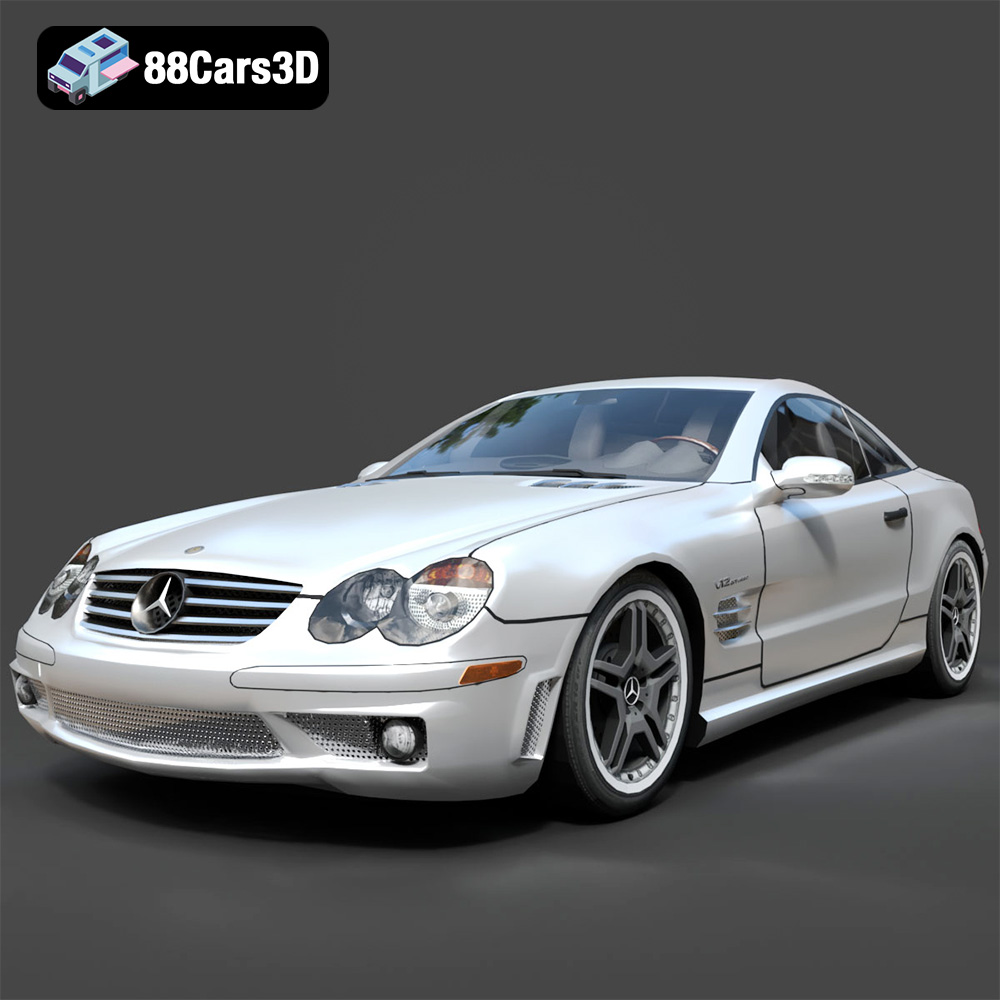
Mercedes-Benz SL 65 AMG 3D Model
Texture: Yes
Material: Yes
Download the Mercedes-Benz SL 65 AMG 3D Model featuring clean geometry, realistic detailing, and a fully modeled interior. Includes .blend, .fbx, .obj, .glb, .stl, .ply, .unreal, and .max formats for rendering, simulation, and game development.
Price: $23.99
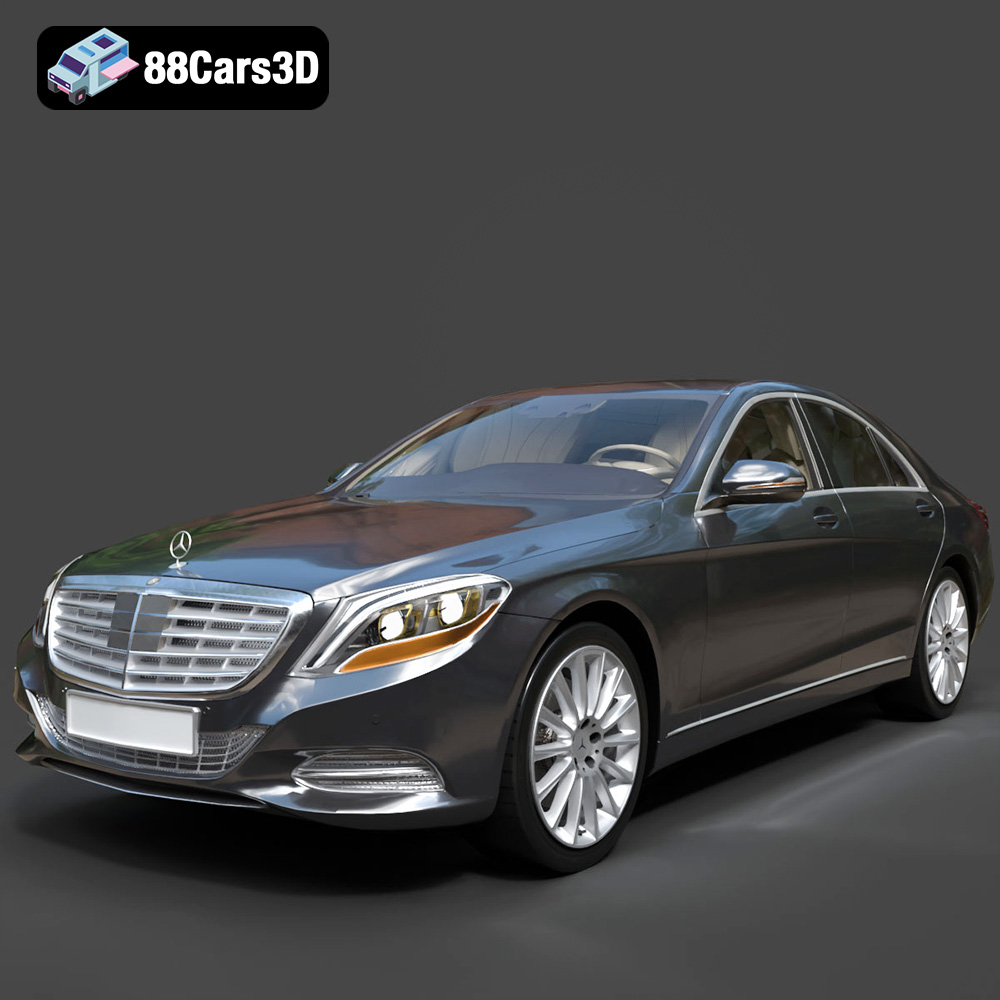
Mercedes-Benz S500 3D Model
Texture: Yes
Material: Yes
Download the Mercedes-Benz S500 3D Model featuring clean geometry, realistic detailing, and a fully modeled interior. Includes .blend, .fbx, .obj, .glb, .stl, .ply, .unreal, and .max formats for rendering, simulation, and game development.
Price: $23.99
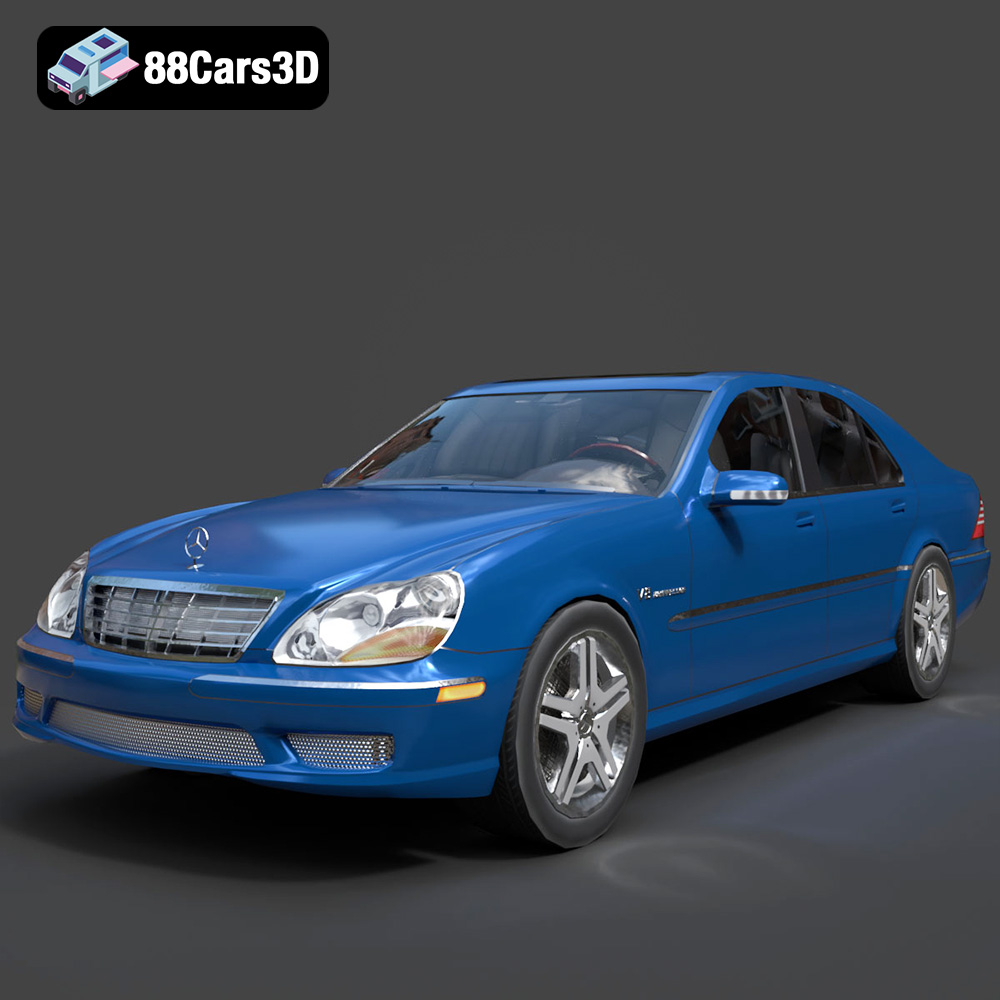
Mercedes-Benz S55 W220 AMG 1999 3D Model
Texture: Yes
Material: Yes
Download the Mercedes-Benz S55 W220 AMG 1999 3D Model featuring clean geometry, realistic detailing, and a fully modeled interior. Includes .blend, .fbx, .obj, .glb, .stl, .ply, .unreal, and .max formats for rendering, simulation, and game development.
Price: $23.99
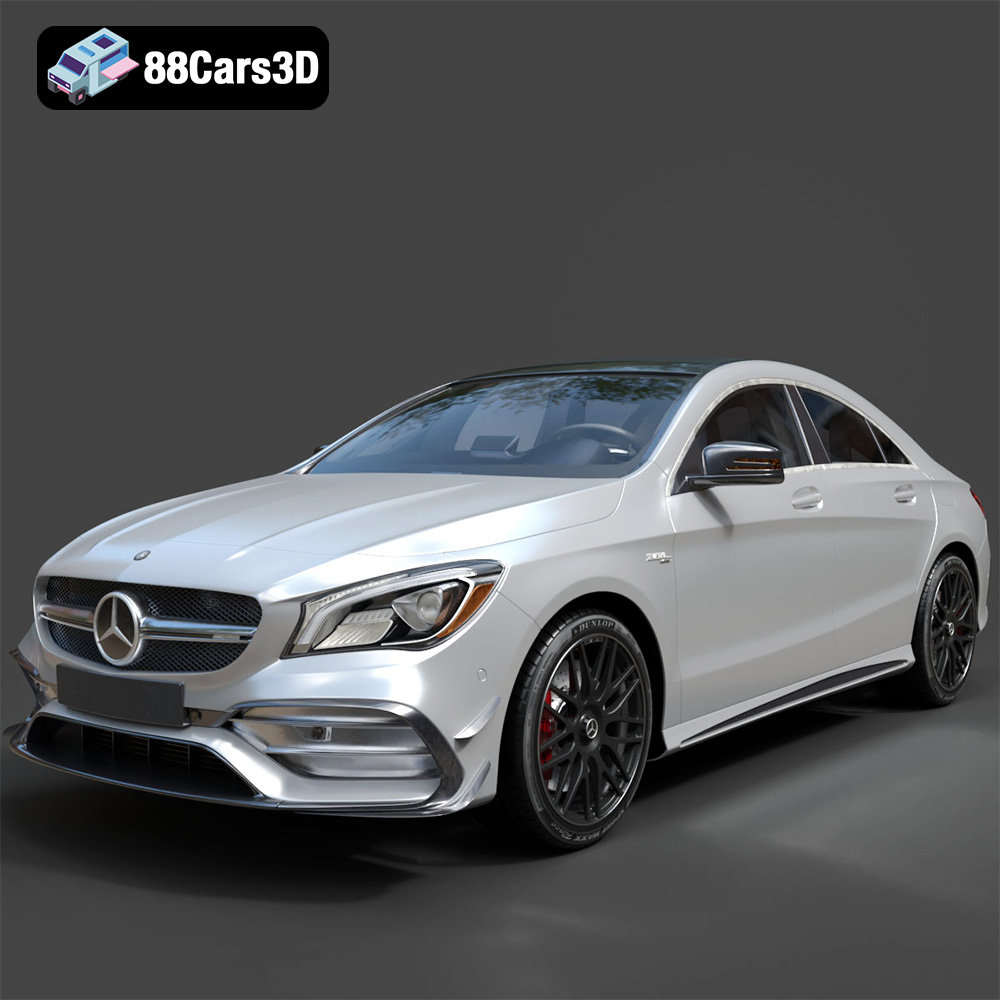
Mercedes-Benz CLA45 AMG 2017 3D Model
Texture: Yes
Material: Yes
Download the Mercedes-Benz CLA45 AMG 2017 3D Model featuring clean geometry, realistic detailing, and a fully modeled interior. Includes .blend, .fbx, .obj, .glb, .stl, .ply, .unreal, and .max formats for rendering, simulation, and game development.
Price: $38.99
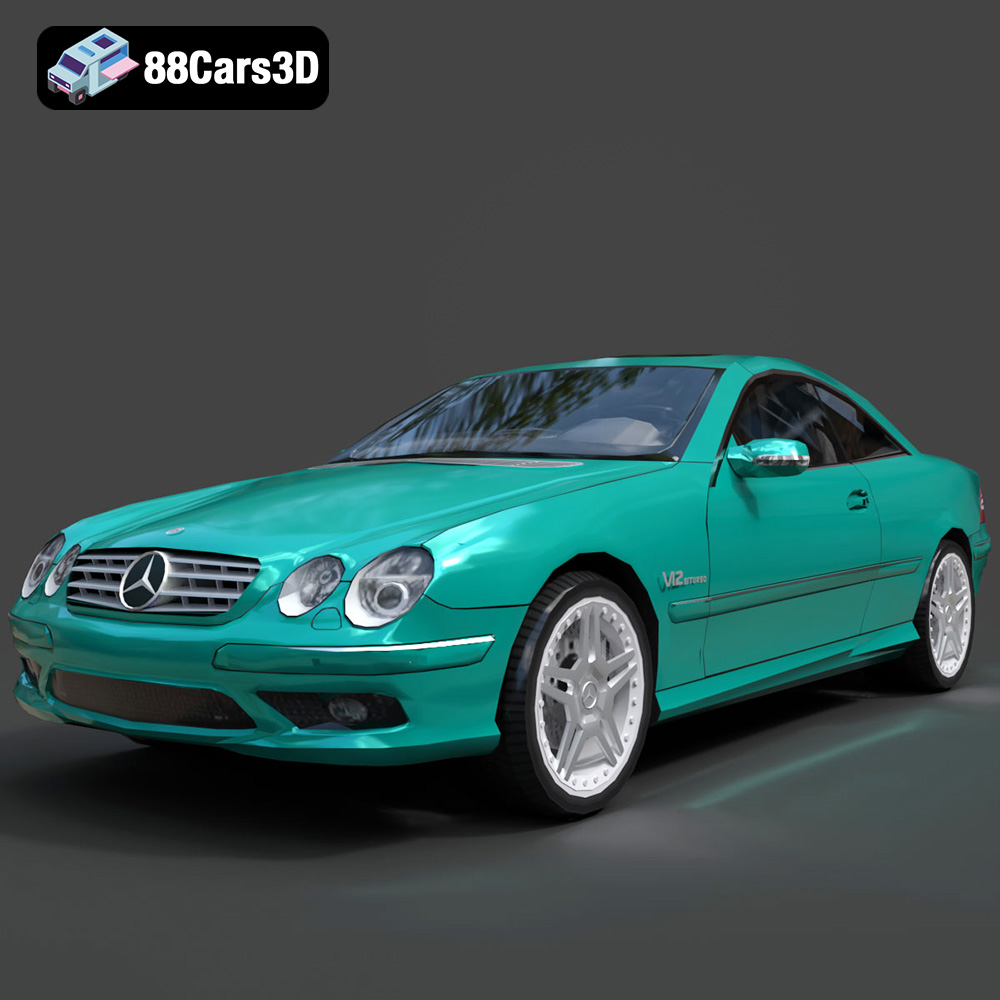
Mercedes-Benz CL65 C215 AMG 3D Model
Texture: Yes
Material: Yes
Download the Mercedes-Benz CL65 C215 AMG 3D Model featuring clean geometry, realistic detailing, and a fully modeled interior. Includes .blend, .fbx, .obj, .glb, .stl, .ply, .unreal, and .max formats for rendering, simulation, and game development.
Price: $23.99
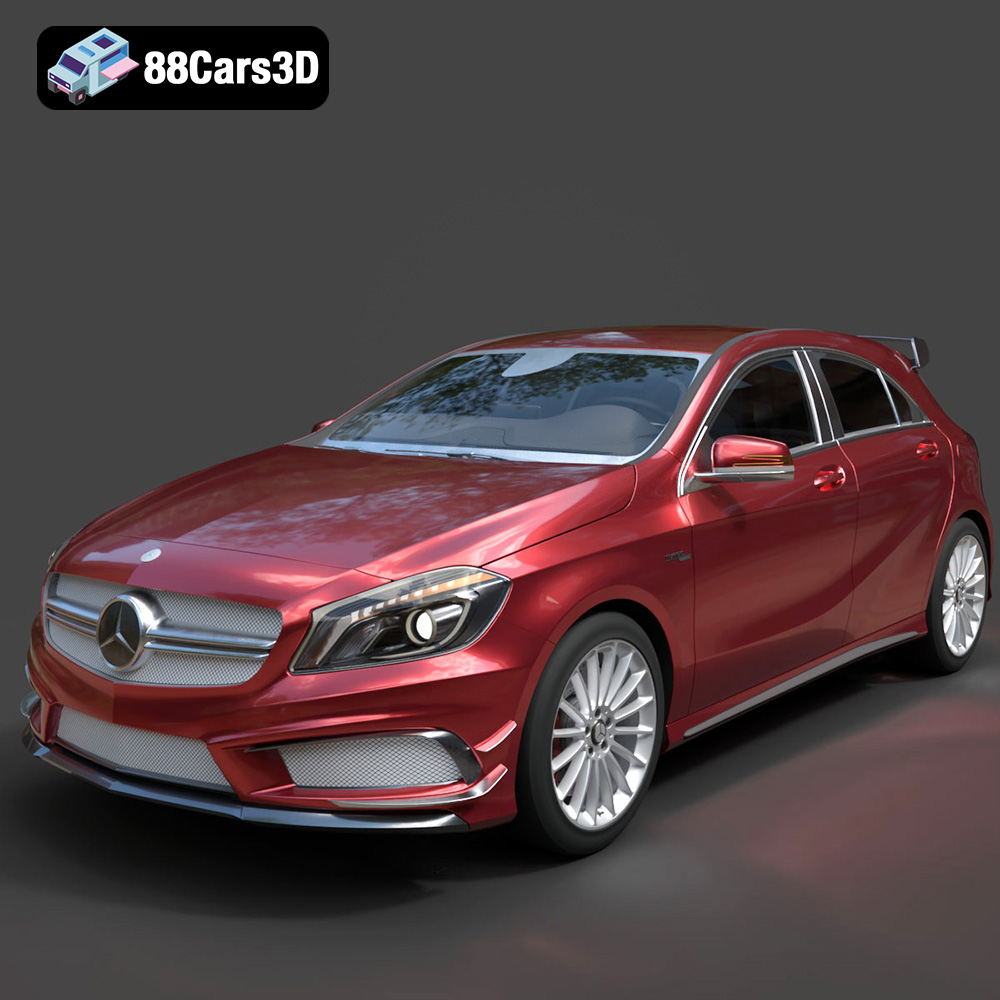
Mercedes-Benz A45 2021 3D Model
Texture: Yes
Material: Yes
Download the Mercedes-Benz A45 2021 3D Model featuring clean geometry, realistic detailing, and a fully modeled interior. Includes .blend, .fbx, .obj, .glb, .stl, .ply, .unreal, and .max formats for rendering, simulation, and game development.
Price: $23.99
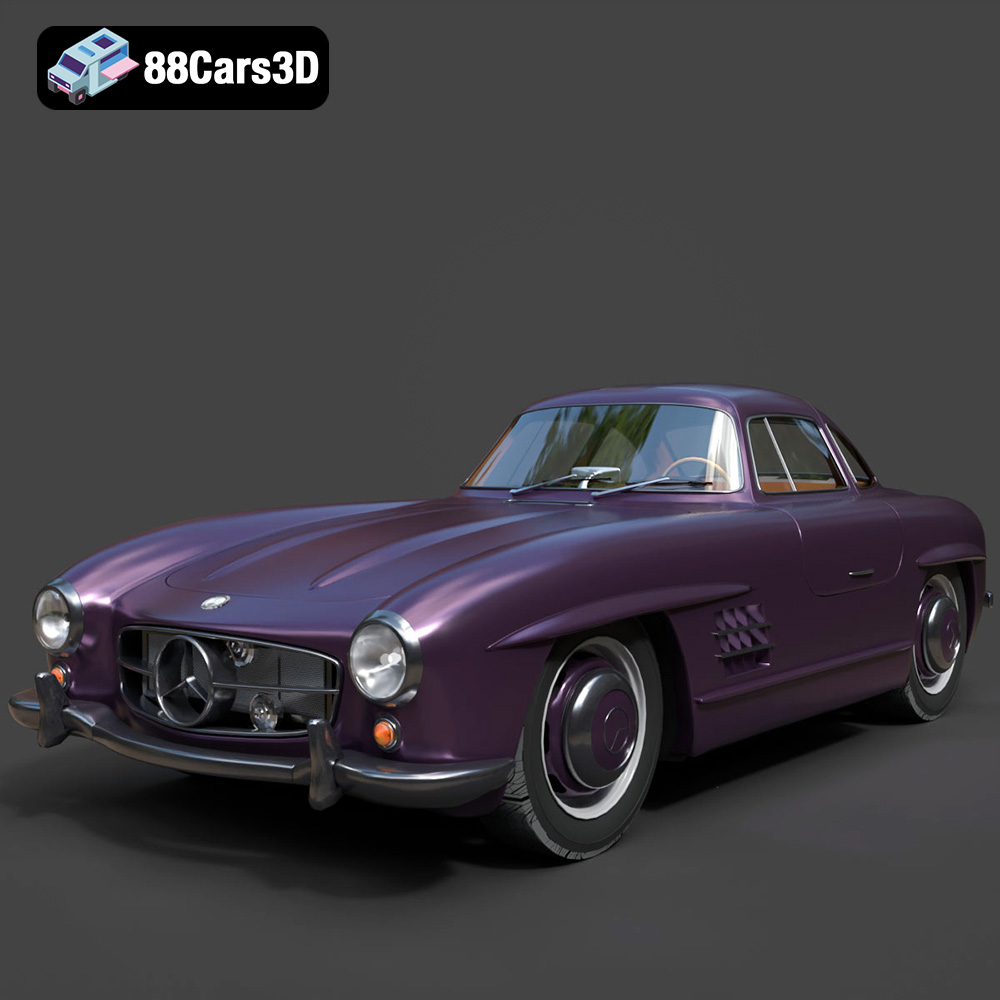
Mercedes-Benz 300SL 1955 3D Model
Texture: Yes
Material: Yes
Download the Mercedes-Benz 300SL 1955 3D Model featuring clean geometry, realistic detailing, and a fully modeled interior. Includes .blend, .fbx, .obj, .glb, .stl, .ply, .unreal, and .max formats for rendering, simulation, and game development.
Price: $23.99
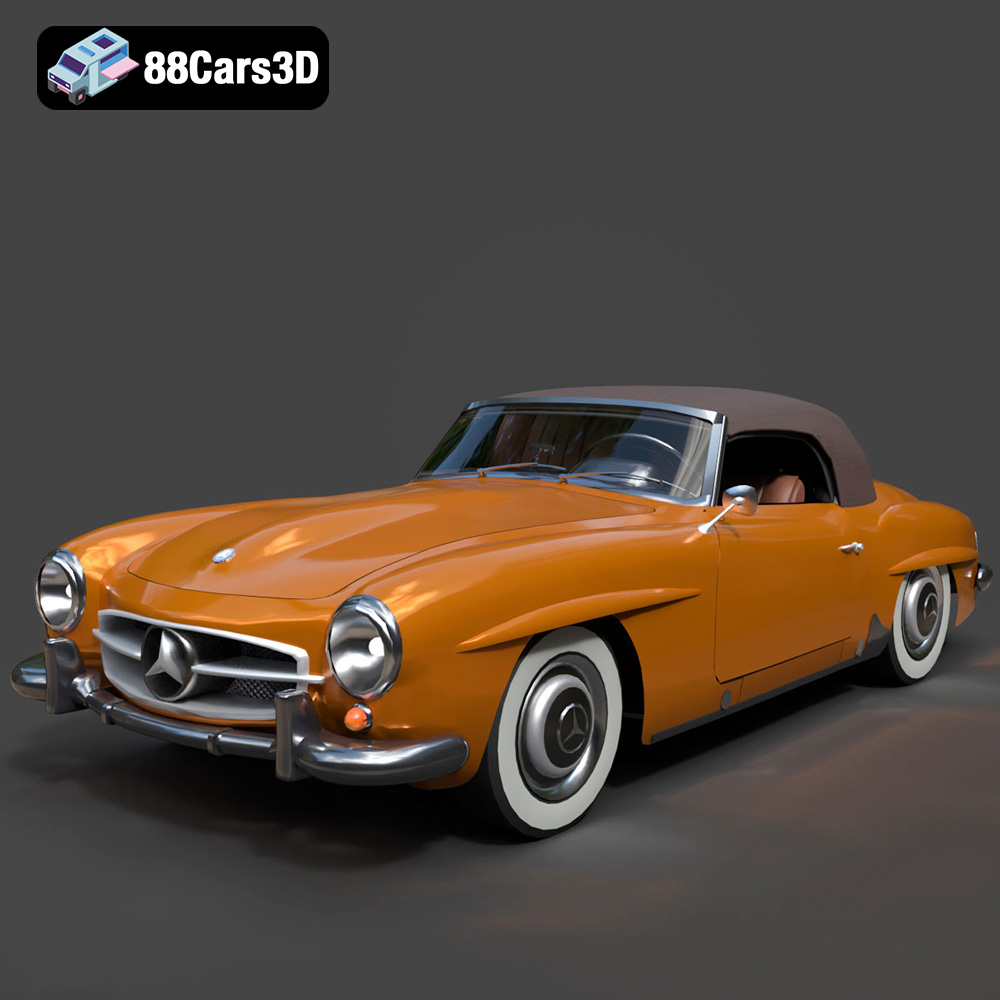
Mercedes-Benz 190SL 1955 3D Model
Texture: Yes
Material: Yes
Download the Mercedes-Benz 190SL 1955 3D Model featuring clean geometry, realistic detailing, and a fully modeled interior. Includes .blend, .fbx, .obj, .glb, .stl, .ply, .unreal, and .max formats for rendering, simulation, and game development.
Price: $23.99
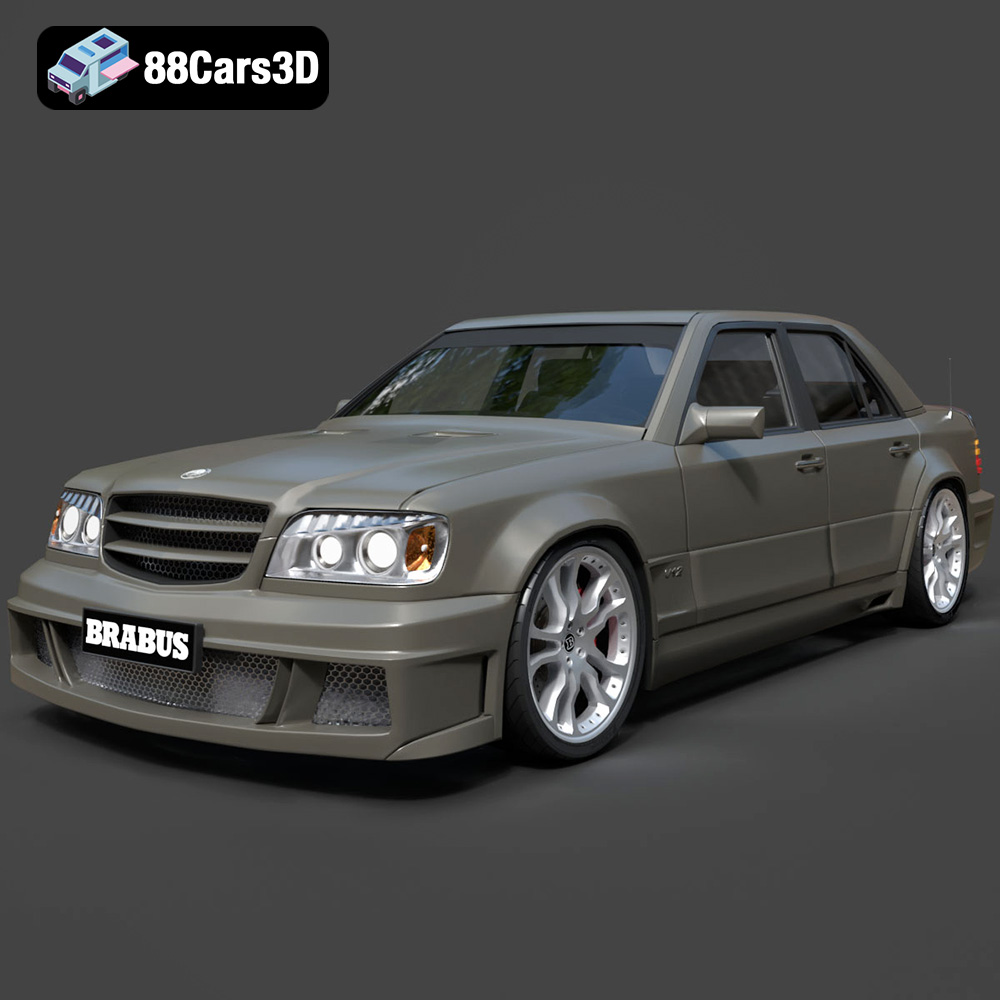
Mercedes-Benz W124 Brabus V12 3D Model
Texture: Yes
Material: Yes
Download the Mercedes-Benz W124 Brabus V12 3D Model featuring clean geometry, realistic detailing, and a fully modeled interior. Includes .blend, .fbx, .obj, .glb, .stl, .ply, .unreal, and .max formats for rendering, simulation, and game development.
Price: $23.99
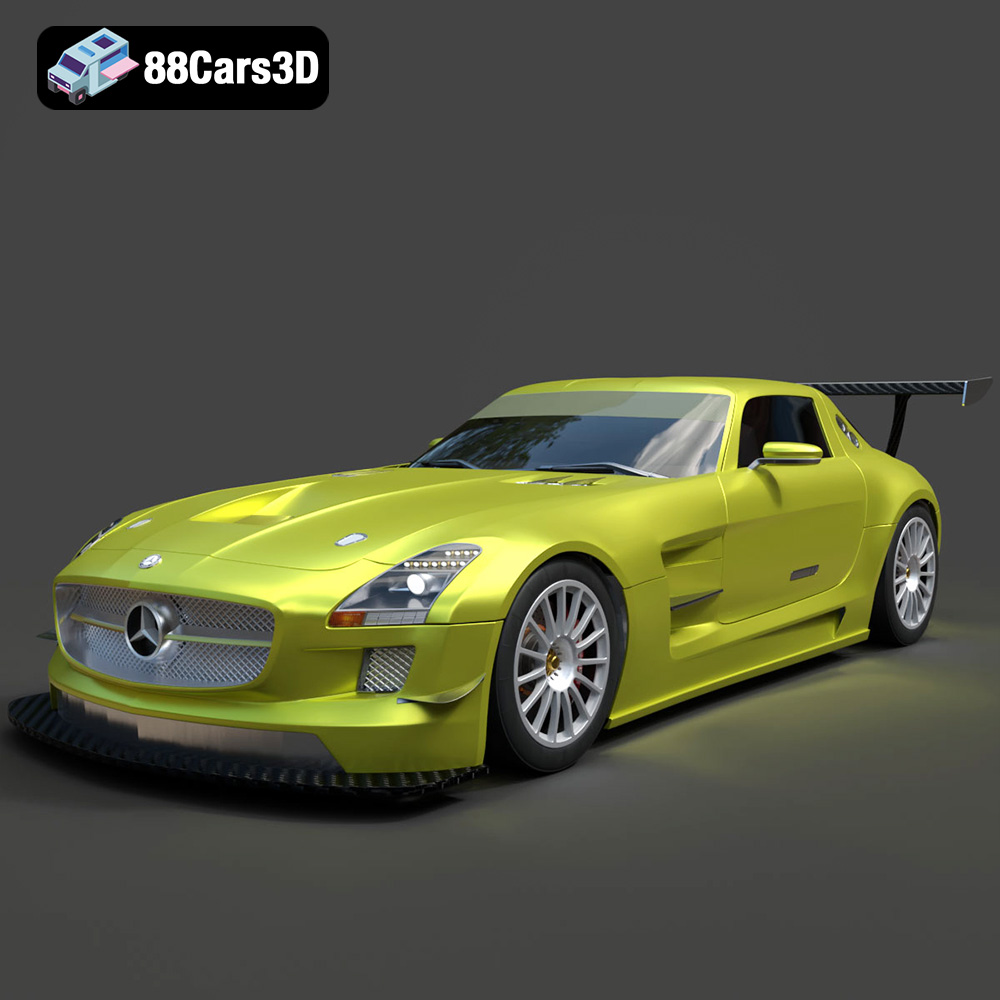
Mercedes-Benz SLS AMG GT3-002 3D Model
Texture: Yes
Material: Yes
Download the Mercedes-Benz SLS AMG GT3-002 3D Model featuring clean geometry, realistic detailing, and a fully modeled interior. Includes .blend, .fbx, .obj, .glb, .stl, .ply, .unreal, and .max formats for rendering, simulation, and game development.
Price: $38.99

Mercedes-Benz C-Class-001 3D Model
Texture: Yes
Material: Yes
Download the Mercedes-Benz C-Class-001 3D Model featuring clean geometry, realistic detailing, and a fully modeled interior. Includes .blend, .fbx, .obj, .glb, .stl, .ply, .unreal, and .max formats for rendering, simulation, and game development.
Price: $38.99
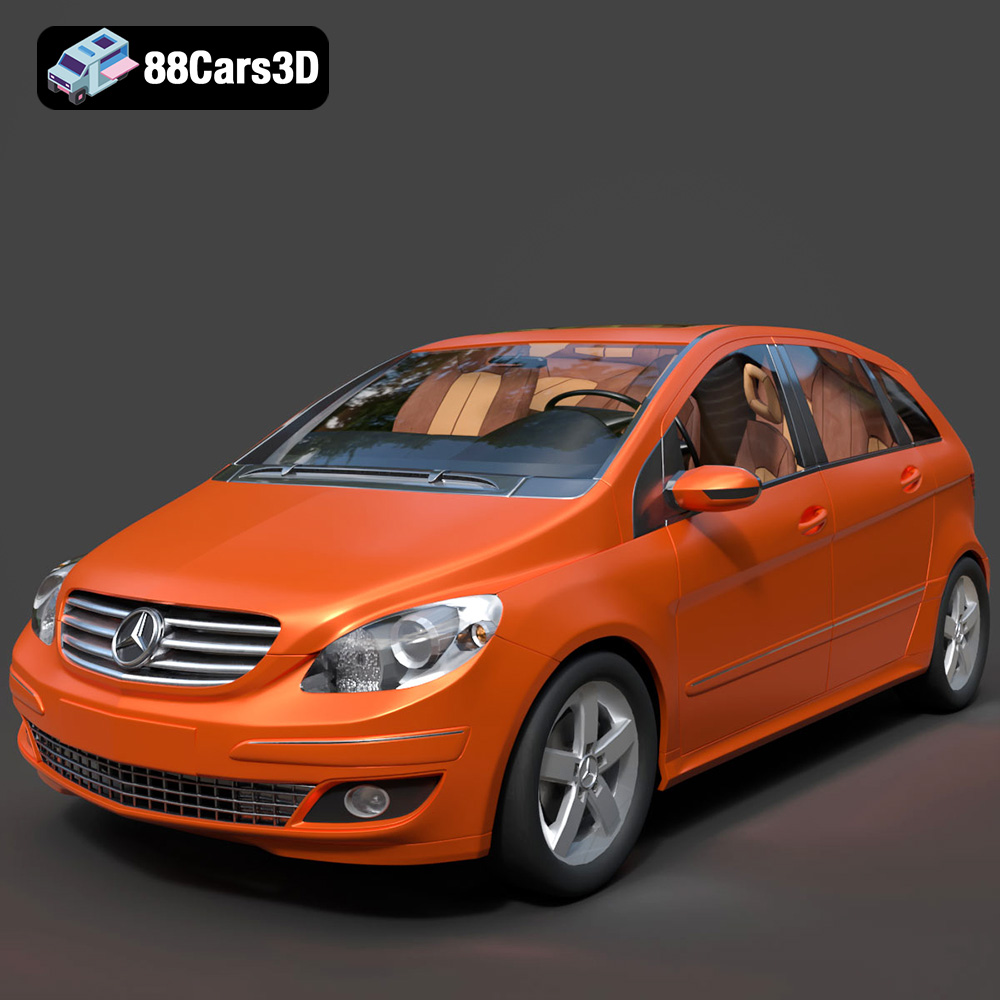
Mercedes-Benz B-Klasse 2023 3D Model
Texture: Yes
Material: Yes
Download the Mercedes-Benz B-Klasse 2023 3D Model featuring clean geometry, realistic detailing, and a fully modeled interior. Includes .blend, .fbx, .obj, .glb, .stl, .ply, .unreal, and .max formats for rendering, simulation, and game development.
Price: $38.99
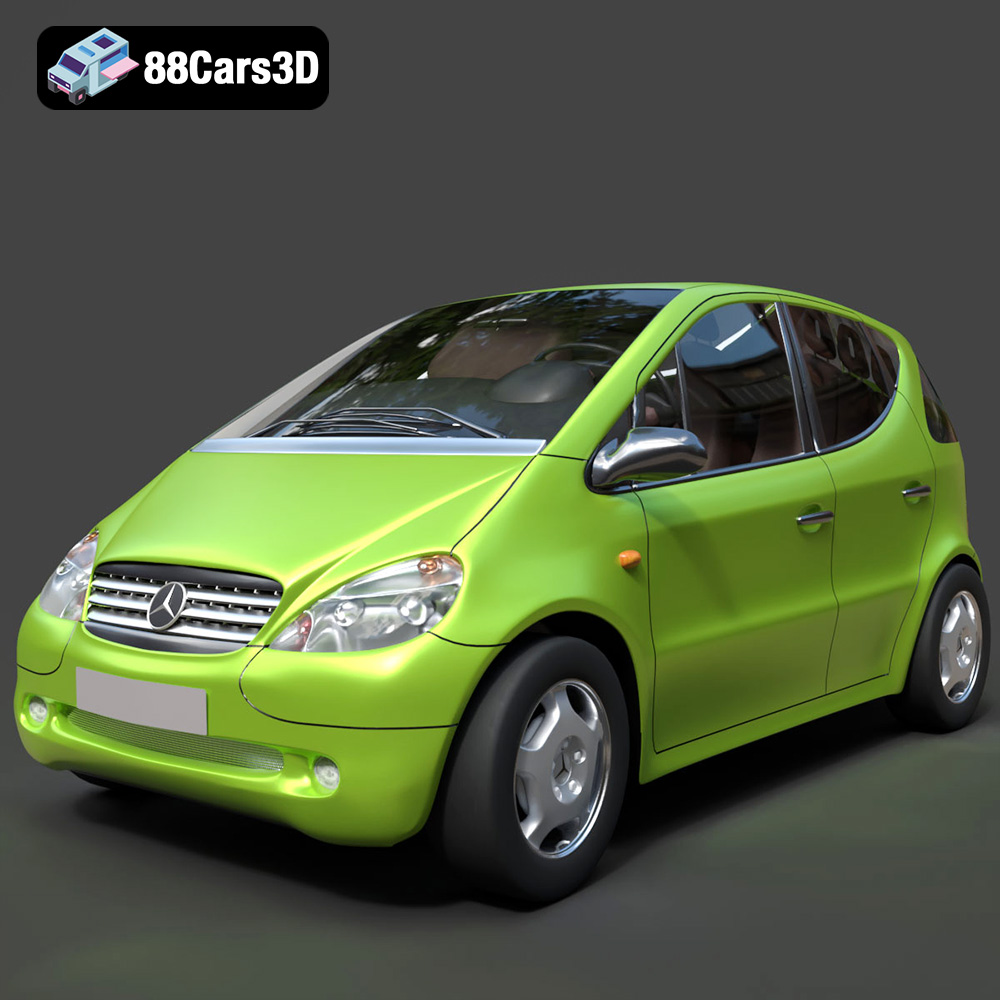
Mercedes-Benz A-Klasse W168 3D Model
Texture: Yes
Material: Yes
Download the Mercedes-Benz A-Klasse W168 3D Model featuring clean geometry, realistic detailing, and a fully modeled interior. Includes .blend, .fbx, .obj, .glb, .stl, .ply, .unreal, and .max formats for rendering, simulation, and game development.
Price: $38.99
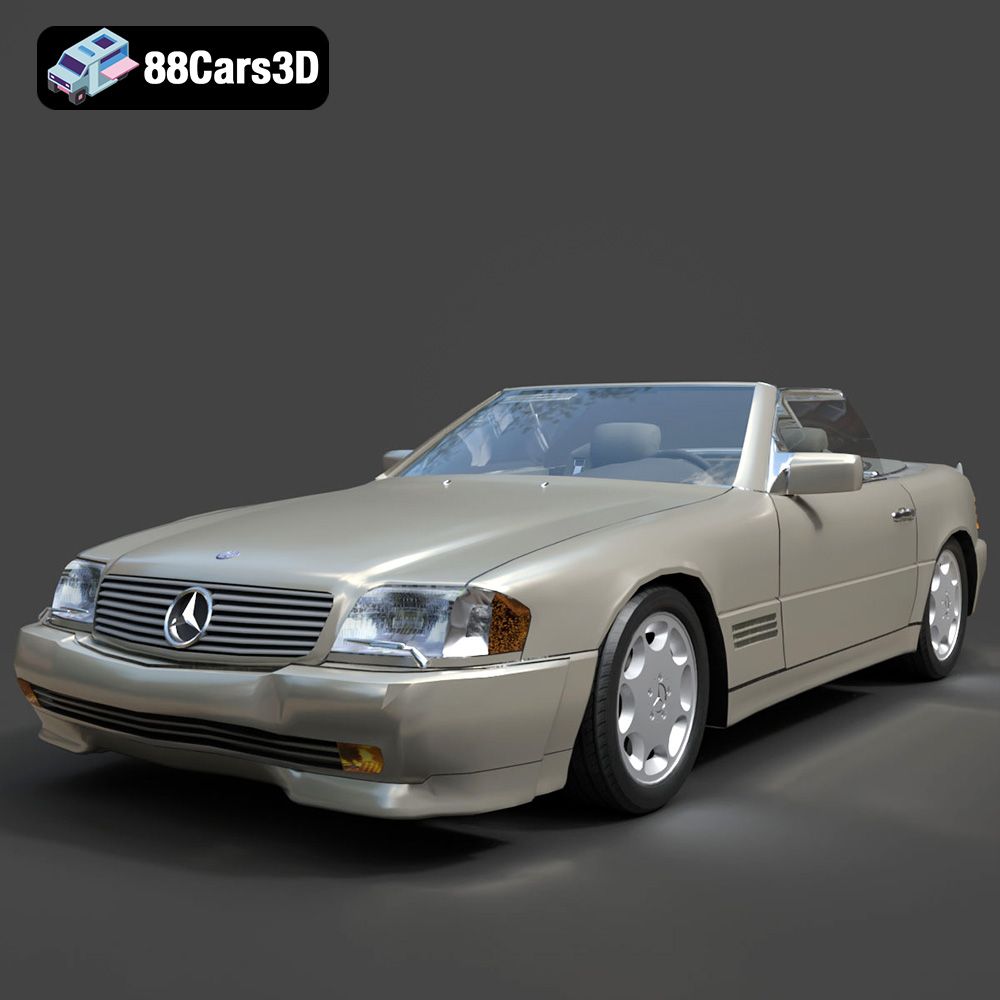
Mercedes-Benz 500SL 2000 3D Model
Texture: Yes
Material: Yes
Download the Mercedes-Benz 500SL 2000 3D Model featuring clean geometry, realistic detailing, and a fully modeled interior. Includes .blend, .fbx, .obj, .glb, .stl, .ply, .unreal, and .max formats for rendering, simulation, and game development.
Price: $38.99
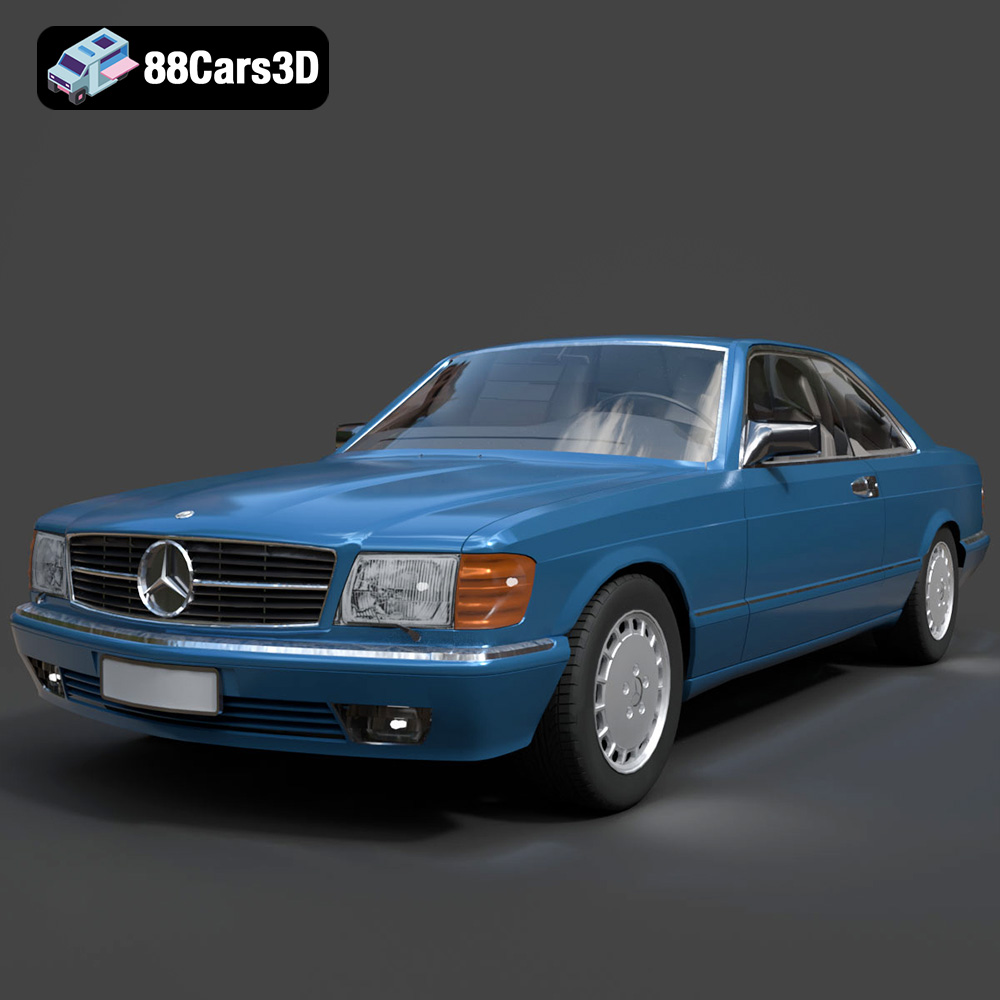
Mercedes-Benz 500SEC 3D Model
Texture: Yes
Material: Yes
Download the Mercedes-Benz 500SEC 3D Model featuring clean geometry, realistic detailing, and a fully modeled interior. Includes .blend, .fbx, .obj, .glb, .stl, .ply, .unreal, and .max formats for rendering, simulation, and game development.
Price: $38.99
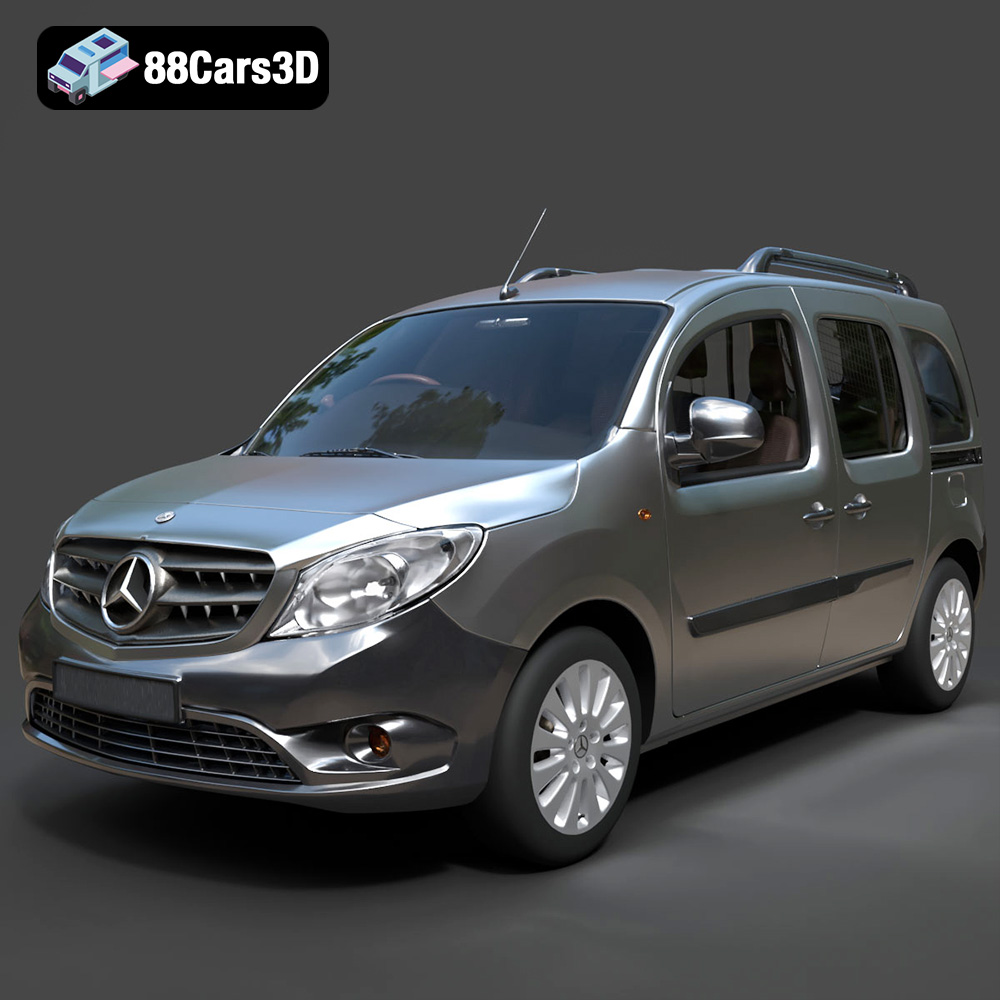
Mercedes-Benz Citan 2025 3D Model
Texture: Yes
Material: Yes
Download the Mercedes-Benz Citan 2025 3D Model featuring clean geometry, realistic detailing, and a fully modeled interior. Includes .blend, .fbx, .obj, .glb, .stl, .ply, .unreal, and .max formats for rendering, simulation, and game development.
Price: $38.99
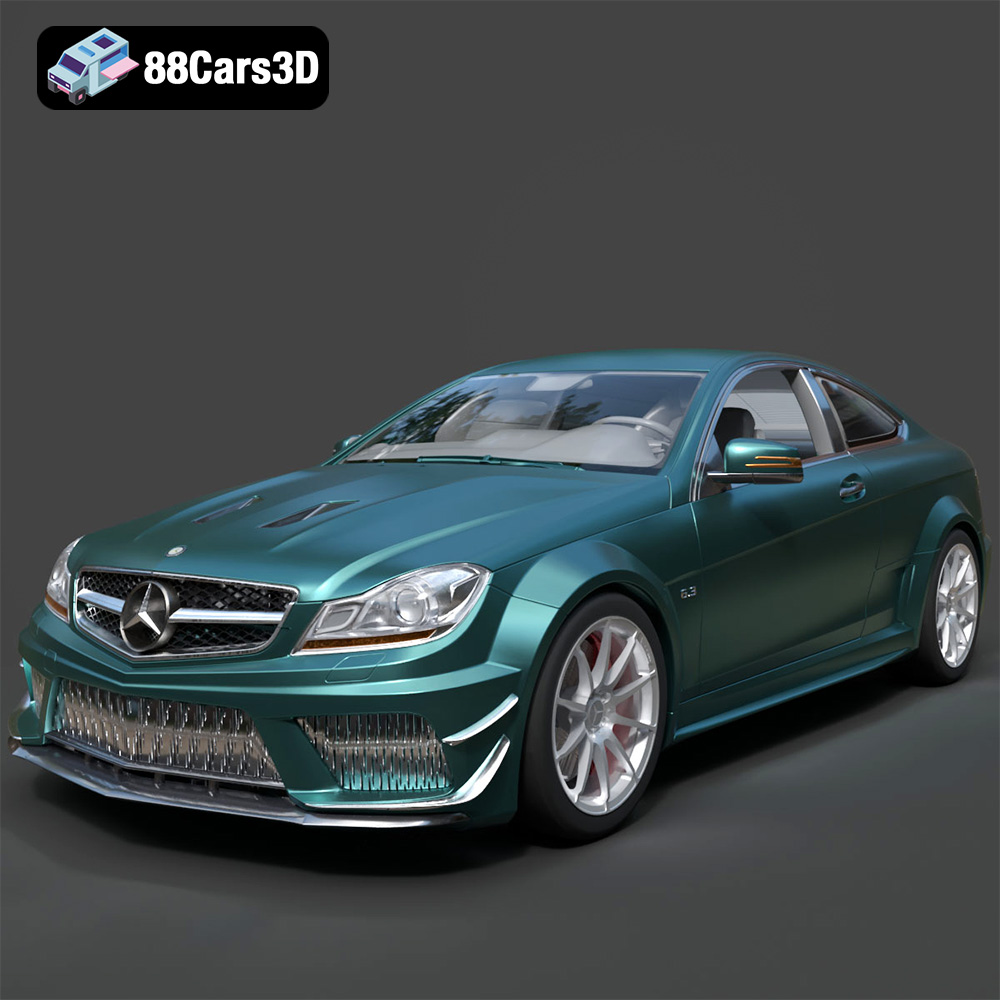
Mercedes-Benz C63 AMG 2012 3D Model
Texture: Yes
Material: Yes
Download the Mercedes-Benz C63 AMG 2012 3D Model featuring clean geometry, realistic detailing, and a fully modeled interior. Includes .blend, .fbx, .obj, .glb, .stl, .ply, .unreal, and .max formats for rendering, simulation, and game development.
Price: $38.99
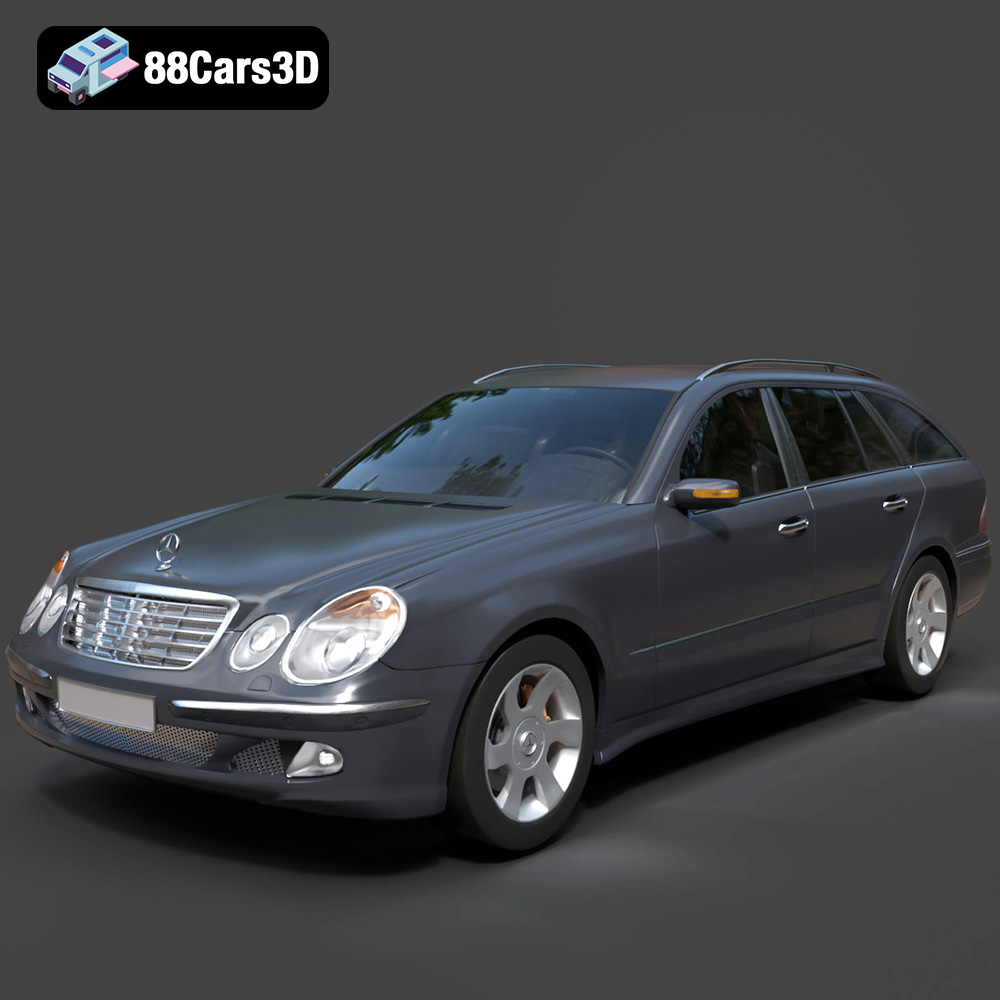
Mercedes-Benz E-Class S211 3D Model
Texture: Yes
Material: Yes
Download the Mercedes-Benz E-Class S211 3D Model featuring clean geometry, realistic detailing, and a fully modeled interior. Includes .blend, .fbx, .obj, .glb, .stl, .ply, .unreal, and .max formats for rendering, simulation, and game development.
Price: $38.99
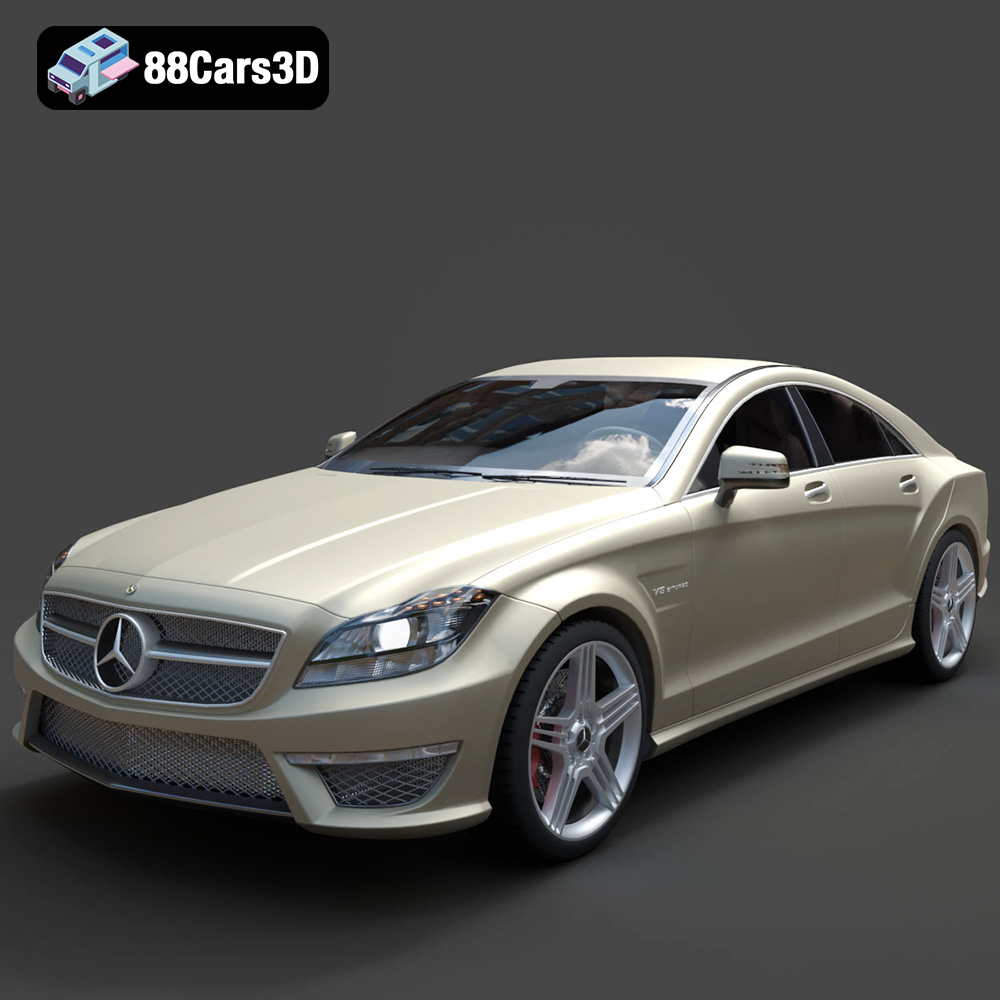
Mercedes-Benz CLS63 AMG (C218) 2014 3D Model
Texture: Yes
Material: Yes
Download the Mercedes-Benz CLS63 AMG (C218) 2014 3D Model featuring clean geometry, realistic detailing, and a fully modeled interior. Includes .blend, .fbx, .obj, .glb, .stl, .ply, .unreal, and .max formats for rendering, simulation, and game development.
Price: $38.99
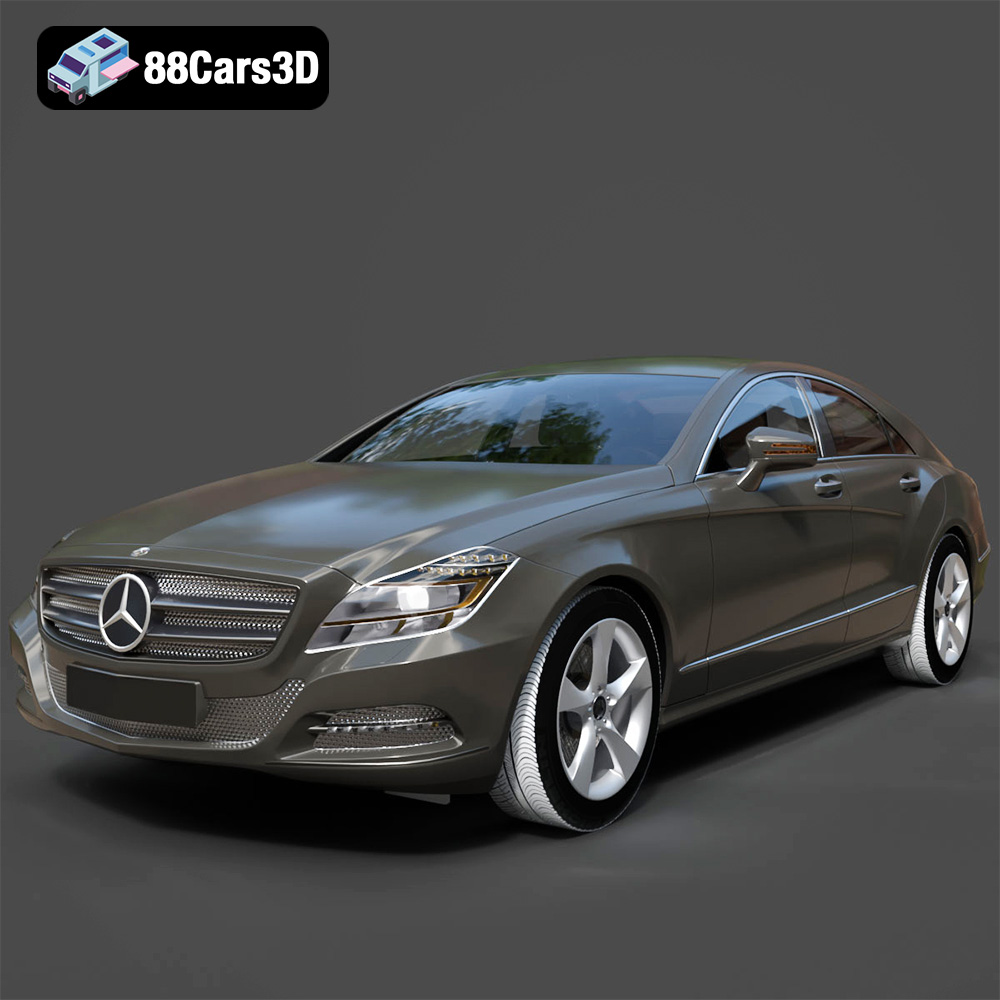
Mercedes-Benz CLS-Klasse 3D Model
Texture: Yes
Material: Yes
Download the Mercedes-Benz CLS-Klasse 3D Model featuring clean geometry, realistic detailing, and a fully modeled interior. Includes .blend, .fbx, .obj, .glb, .stl, .ply, .unreal, and .max formats for rendering, simulation, and game development.
Price: $38.99
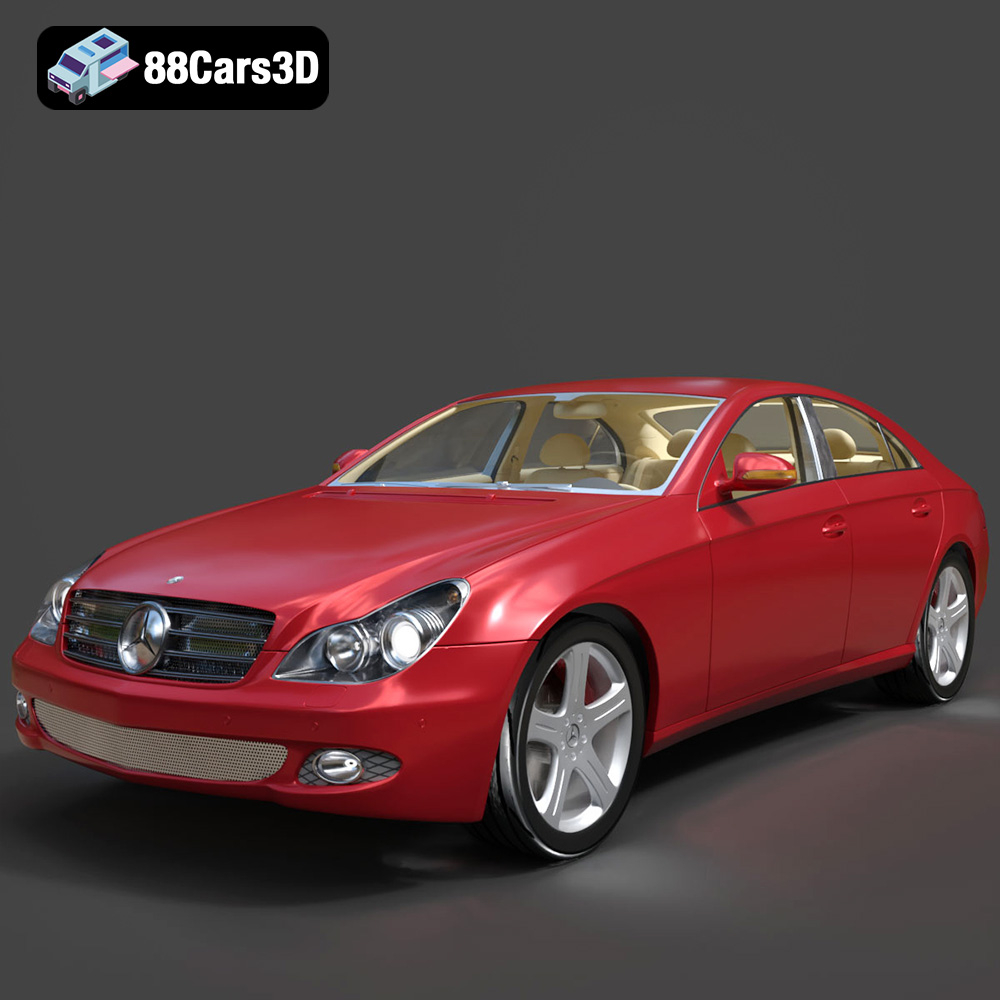
Mercedes-Benz CLS 500 3D Model
Texture: Yes
Material: Yes
Download the Mercedes-Benz CLS 500 3D Model featuring clean geometry, realistic detailing, and a fully modeled interior. Includes .blend, .fbx, .obj, .glb, .stl, .ply, .unreal, and .max formats for rendering, simulation, and game development.
Price: $38.99

Mercedes-Benz CL-Klasse 2001 3D Model
Texture: Yes
Material: Yes
Download the Mercedes-Benz CL-Klasse 2001 3D Model featuring clean geometry, realistic detailing, and a fully modeled interior. Includes .blend, .fbx, .obj, .glb, .stl, .ply, .unreal, and .max formats for rendering, simulation, and game development.
Price: $38.99
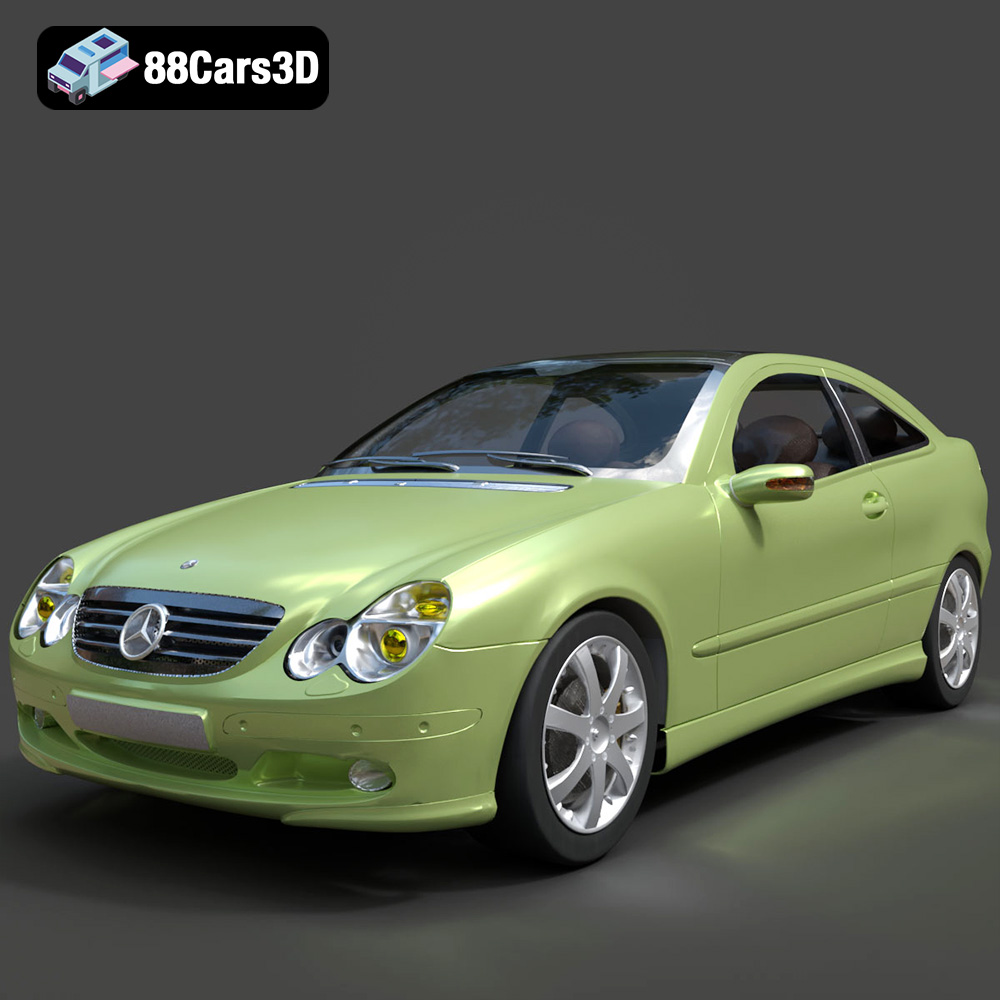
Mercedes-Benz C-Klasse Sportcoupe 2000 3D Model
Texture: Yes
Material: Yes
Download the Mercedes-Benz C-Klasse Sportcoupe 2000 3D Model featuring clean geometry, realistic detailing, and a fully modeled interior. Includes .blend, .fbx, .obj, .glb, .stl, .ply, .unreal, and .max formats for rendering, simulation, and game development.
Price: $38.99
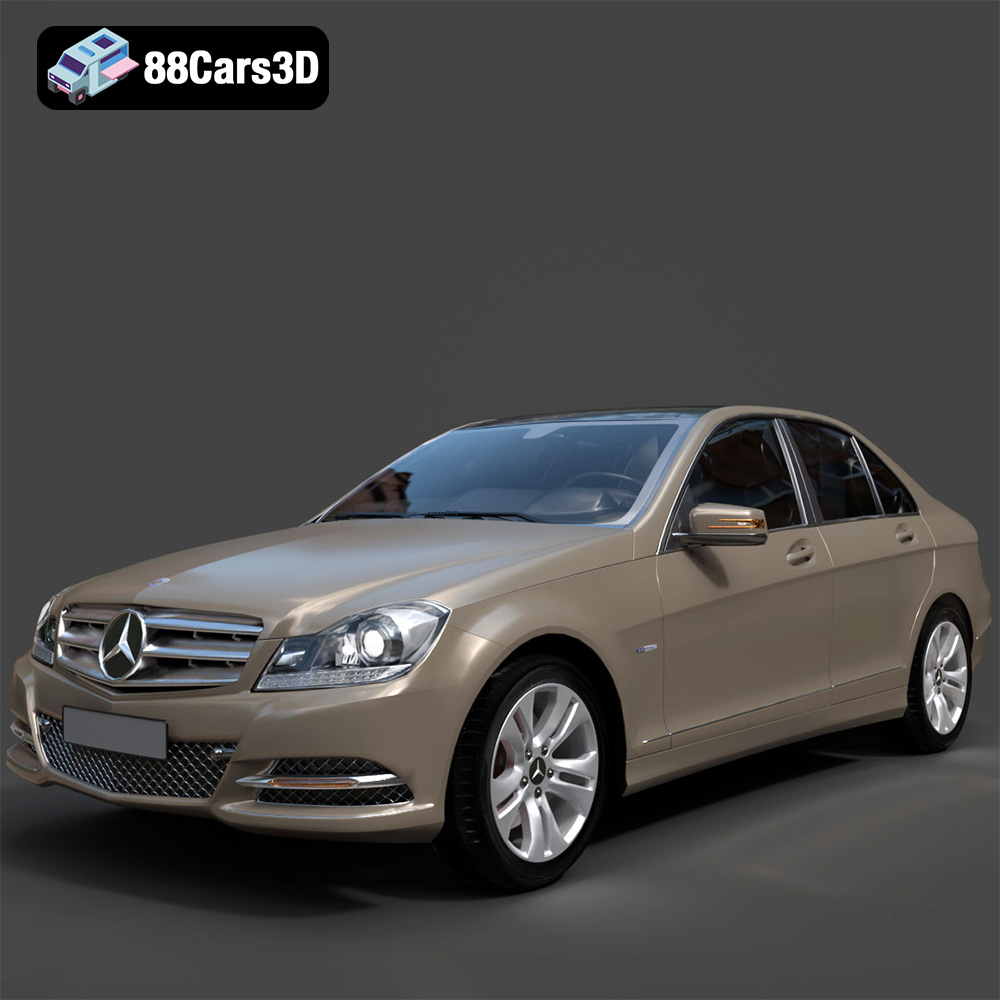
Mercedes-Benz C-Klasse 204 2011 3D Model
Texture: Yes
Material: Yes
Download the Mercedes-Benz C-Klasse 204 2011 3D Model featuring clean geometry, realistic detailing, and a fully modeled interior. Includes .blend, .fbx, .obj, .glb, .stl, .ply, .unreal, and .max formats for rendering, simulation, and game development.
Price: $38.99
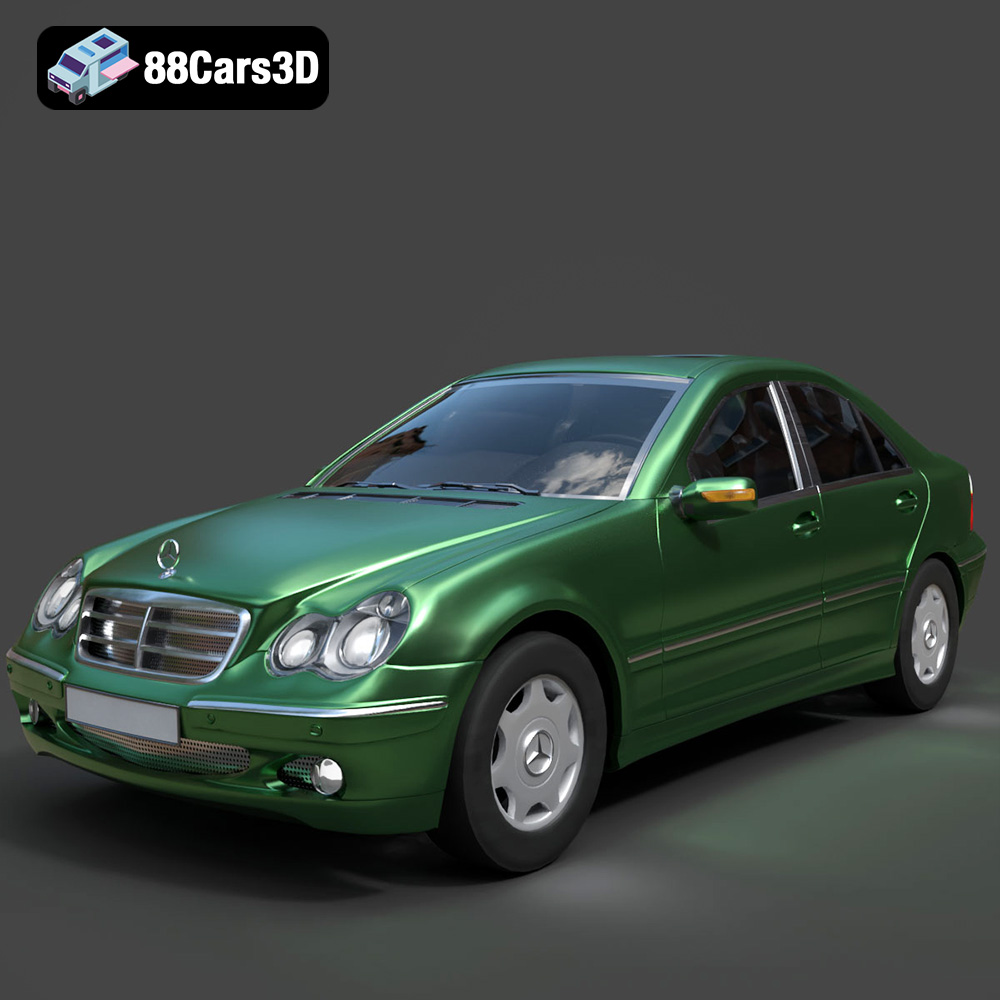
Mercedes-Benz C-Class Sedan 2000 3D Model
Texture: Yes
Material: Yes
Download the Mercedes-Benz C-Class Sedan 3D Model featuring clean geometry, realistic detailing, and a fully modeled interior. Includes .blend, .fbx, .obj, .glb, .stl, .ply, .unreal, and .max formats for rendering, simulation, and game development.
Price: $38.99
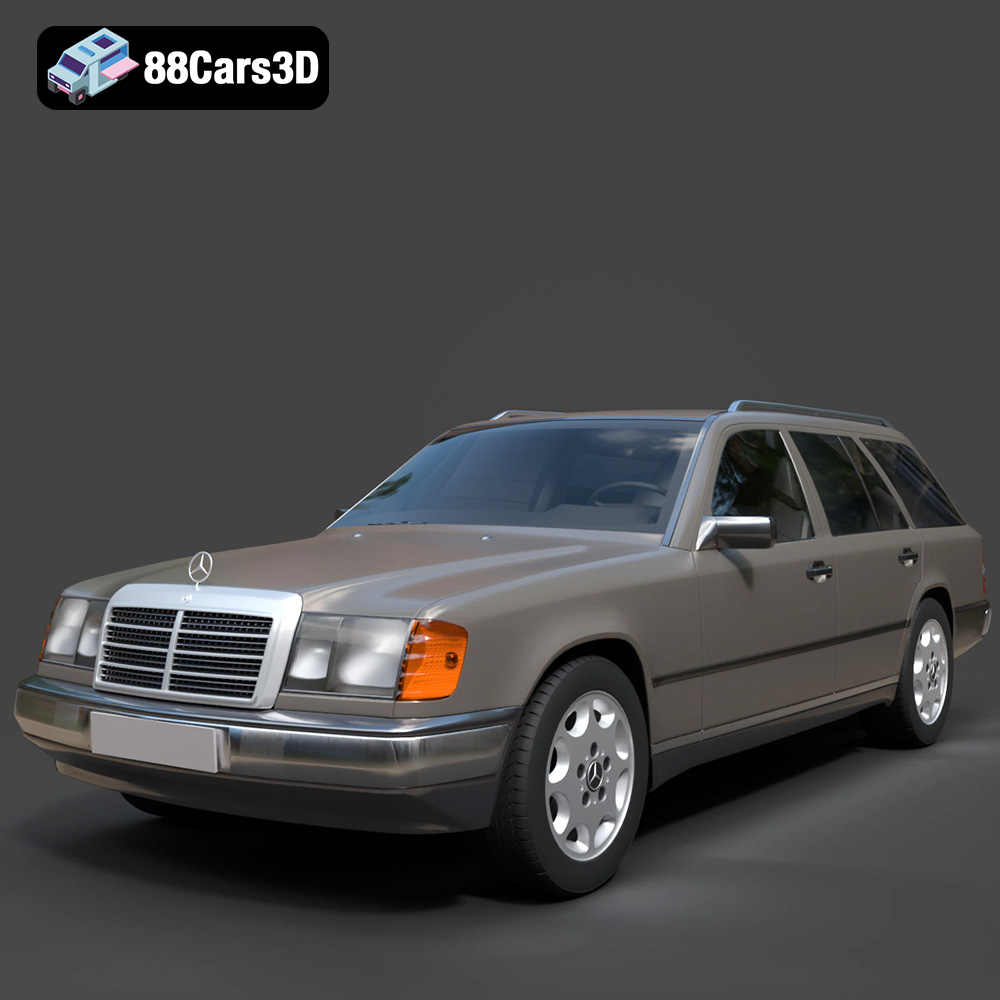
Mercedes E-Class w124 Kombi 3D Model
Texture: Yes
Material: Yes
Download the Mercedes E-Class w124 Kombi 3D Model featuring clean geometry, realistic detailing, and a fully modeled interior. Includes .blend, .fbx, .obj, .glb, .stl, .ply, .unreal, and .max formats for rendering, simulation, and game development.
Price: $38.99
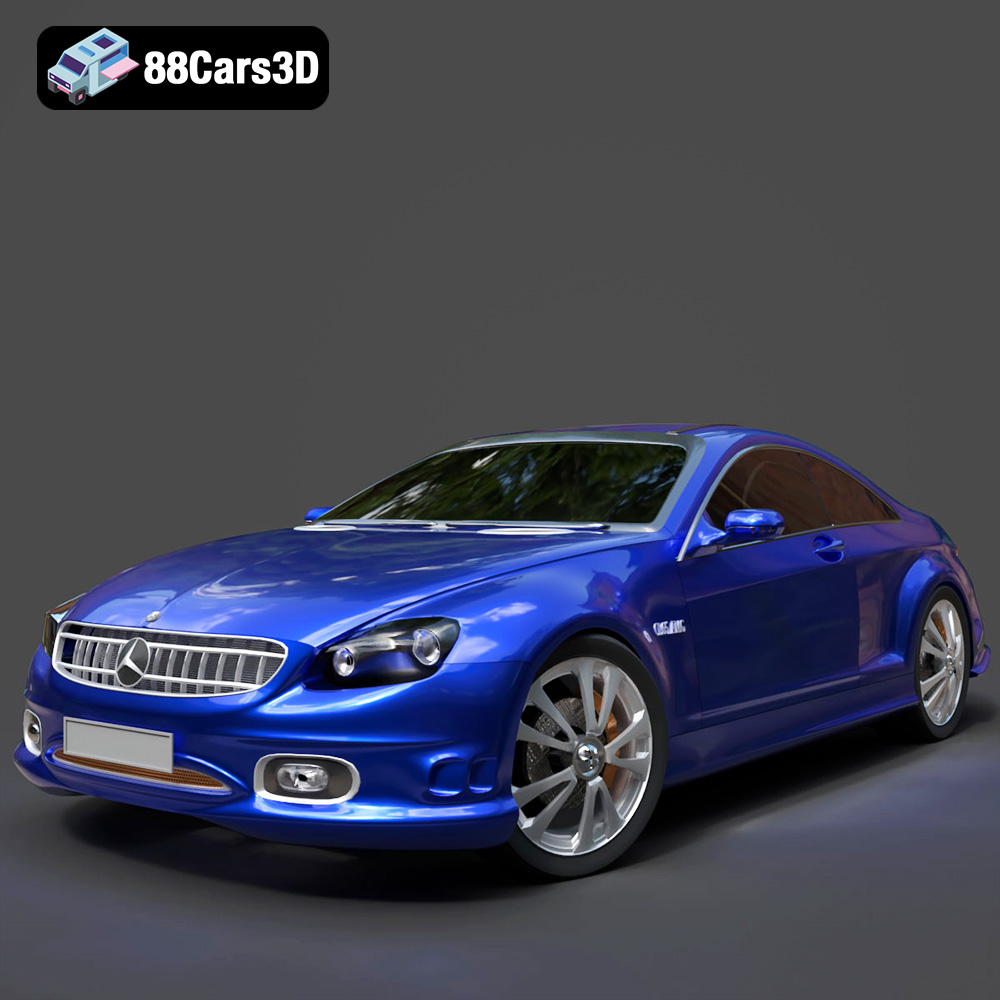
Mercedes-Benz CL6540-005 3D Model
Texture: Yes
Material: Yes
Download the Mercedes-Benz CL6540-005 3D Model featuring clean geometry, realistic detailing, and a fully modeled interior. Includes .blend, .fbx, .obj, .glb, .stl, .ply, .unreal, and .max formats for rendering, simulation, and game development.
Price: $38.99
