
The Anatomy of Automotive Paint: Deconstructing Real-World Layers

The quest for visual perfection in 3D automotive rendering often hinges on a single, critical element: the paint. More than just a color, the car’s finish is a complex interplay of light, depth, and micro-details that can make or break the realism of a scene. Achieving a truly `photorealistic car paint material` is a challenge that separates casual renders from professional-grade visualizations.
For any 3D artist, game developer, or automotive designer, understanding the nuances of how real-world car paint behaves under light is paramount. It’s not simply about picking a hue; it’s about deconstructing its physical properties and meticulously recreating them in a 3D environment. This deep dive will explore the “master’s touch” required to craft hyper-realistic car paint shaders, guiding you through the intricate `automotive shader setup` that brings digital vehicles to life.
The Anatomy of Automotive Paint: Deconstructing Real-World Layers
Before we can build a compelling 3D shader, we must first understand the fundamental layers that comprise actual automotive paint. This knowledge forms the bedrock of a robust `layered material workflow` in your 3D software. Real-world car paint is far more than just a single coat of color; it’s a meticulously engineered system designed for aesthetics, protection, and durability.
Primer: The Foundation
Beneath everything lies the primer. This initial layer adheres to the car’s body panels, providing corrosion resistance and creating a uniform surface for subsequent paint layers. While often hidden, the primer can subtly influence the final look, particularly if the base coat is very thin or translucent. In 3D, we usually don’t model the primer directly unless we’re simulating damage or wear, but its presence informs the opacity and reflectivity expectations of the layers above.
Base Coat: Color and Flakes
The base coat is where the primary color of the vehicle resides. This layer can be a solid color, metallic, or pearlescent. For many modern vehicles, especially those aiming for a high-end finish, this layer incorporates tiny metallic or pearlescent particles. These particles are crucial for creating the mesmerizing `metallic flake effect` that gives paint its characteristic sparkle and depth, changing appearance depending on the viewing angle and light source.
- Solid Colors: Rely on pigments for their hue. They tend to be less reflective internally.
- Metallic Colors: Integrate tiny aluminum flakes or other metallic pigments. These flakes scatter light, creating a shimmering effect.
- Pearlescent Colors: Use mica or ceramic particles to create a multi-color shift, often seen in high-luxury finishes.
The orientation and density of these flakes play a massive role in how light is reflected and absorbed, contributing significantly to the paint’s overall character.
Clear Coat: The Protective Sheen
Above the base coat lies the clear coat, a transparent layer of resin. This is the outermost layer, responsible for the glossy finish, UV protection, and resistance to scratches and environmental damage. The clear coat acts like a transparent shell, encasing the base coat and its metallic flakes. It’s highly reflective and often the primary source of crisp reflections and specular highlights you see on a car’s surface. Its thickness and smoothness dictate the sharpness of reflections and the perceived depth of the paint.
Understanding these distinct layers is the first step towards an authentic `PBR car paint` setup, allowing us to build our 3D materials with a physical basis.
PBR Fundamentals for Automotive Finishes
Physically Based Rendering (PBR) is the cornerstone of modern, realistic rendering. For automotive paint, adopting PBR principles is non-negotiable for achieving a believable look. PBR materials simulate how light interacts with surfaces in the real world, based on physical properties rather than arbitrary artistic values. This results in consistent and predictable lighting responses across different lighting environments. An effective `PBR car paint` material relies on accurately defining several key maps or parameters.
Albedo (Base Color): The Intrinsic Hue
The Albedo map, often referred to as Base Color, defines the intrinsic color of the surface without any lighting information. For car paint, this is generally the pure color of the base coat. It should be desaturated and not contain any direct lighting or shadow information. For metallic paints, the Albedo map usually represents the color of the paint pigments *before* the metallic flakes and clear coat are applied. It’s crucial to get this right, as it forms the foundation of your chosen automotive finish.
Metallic: Defining Reflectivity
The Metallic input in a PBR workflow dictates whether a surface is dielectric (non-metal) or metallic. For the base coat of a car, especially if it’s a solid, non-metallic color, this value might be very low or even zero. However, when we consider the integrated `metallic flake effect`, aspects of the material will indeed behave like metal. The clear coat itself is dielectric (non-metallic), but it will transmit light to the metallic base coat beneath. This highlights the need for a `layered material workflow` where different components have distinct metallic properties.
Roughness: Micro-Surface Detail and Reflection Blur
Roughness is arguably one of the most critical parameters for `photorealistic car paint material`. It describes the microscopic surface irregularities that scatter reflected light, determining the sharpness or blurriness of reflections. A perfectly smooth surface (roughness 0) will have perfectly sharp reflections, like a mirror. A rougher surface will scatter light more, resulting in blurry reflections or even a diffuse appearance. For car paint, this parameter is essential for:
- Clear Coat Roughness: A perfectly new, polished car will have very low clear coat roughness, leading to crisp reflections. Scratches, dirt, or wax buildup will increase roughness, blurring reflections.
- Flake Roughness: The individual metallic flakes beneath the clear coat also have a roughness value, contributing to their unique sparkle.
Controlling roughness variations across the surface allows for subtle details like dust, fingerprints, or slight imperfections that enhance realism.
Normal and Bump Maps: Subtle Imperfections
While often associated with intricate surface details, Normal and Bump maps also play a subtle but important role in `automotive shader setup`. They can be used to simulate very fine surface imperfections on the clear coat, such as microscopic scratches, orange peel texture (a common finish defect), or swirl marks from polishing. These subtle variations catch highlights and deform reflections in a way that significantly boosts realism without requiring complex geometry, contributing to the overall perceived quality of the `clear coat rendering`.
Mastering the Metallic Flake Effect
The `metallic flake effect` is perhaps the most captivating and challenging aspect of a realistic car paint shader. It’s what gives metallic and pearlescent finishes their characteristic depth, sparkle, and dynamic color shift. Recreating this convincingly requires a thoughtful approach, often involving a blend of procedural textures and layered materials.
Understanding Flake Behavior
Real-world metallic flakes are tiny, often irregularly shaped particles embedded within the base coat. They reflect light individually, with their perceived brightness and color changing based on their orientation relative to the light source and the camera. When viewed head-on, they appear bright; when viewed at glancing angles, their contribution diminishes, leading to the characteristic “flop” effect where the paint appears darker or shifts hue. This complex interaction gives the paint its liquid, dynamic quality.
Creating the Flake Layer in 3D
The most effective way to simulate this is by creating a distinct flake layer that sits beneath the clear coat but above the base color. This layer needs to scatter light directionally. Here are common approaches:
- Procedural Noise/Cellular Textures: Using a fine noise pattern or cellular texture as a mask or an input for roughness/specular can simulate randomly distributed flakes. You can control their size, density, and even their perceived orientation through anisotropic noise patterns.
- Custom Flake Textures: For ultimate control, creating a grayscale texture of randomly placed flakes (or even colored ones) can be used. This texture can drive a separate reflection lobe or modify the base coat’s metallic properties.
- Micro-Facet Models: Some advanced renderers offer specific micro-facet distribution models designed to mimic metallic paint behavior, allowing direct control over flake density, size, and shininess.
Crucially, this flake layer should contribute to reflections and specular highlights, but only where the flakes are directly exposed to the light. It should also exhibit some degree of anisotropy, as the flakes tend to align during the painting process.
Controlling Flake Appearance
Beyond distribution, you need to fine-tune the flakes’ visual properties:
- Flake Color: Can be metallic silver, gold, or even colored for pearlescent effects.
- Flake Size and Density: Smaller, denser flakes create a finer sparkle; larger, sparser flakes produce a more pronounced shimmer.
- Flake Roughness/Glossiness: Individual flakes are typically very shiny, with low roughness.
- Anisotropy: Introducing subtle `anisotropic reflections` to the flake layer can mimic how flakes align, creating directional highlights.
Remember that the clear coat will always sit on top of this flake layer, affecting how light reaches and reflects from the flakes. This `layered material workflow` ensures that the flakes are correctly “under” the clear coat, adding to the illusion of depth.
Achieving Realistic Clear Coat Rendering
The clear coat is the crowning glory of a `photorealistic car paint material`. It’s the layer that provides the wet, glossy look and the crisp, often distorted reflections that are synonymous with automotive finishes. Achieving convincing `clear coat rendering` is critical for bringing your 3D models to life, especially those high-quality ones from 88cars3d.com that demand exceptional finishes.
The Clear Coat as a Separate Layer
In a `layered material workflow`, the clear coat should be treated as a distinct dielectric (non-metallic) layer on top of the base coat and flake layer. It has its own set of PBR properties:
- IOR (Index of Refraction): For clear coats, a typical IOR value ranges from 1.4 to 1.5. This value dictates how much light is reflected off the surface versus how much passes through to the layers beneath. A higher IOR means more reflectivity at grazing angles.
- Roughness: As discussed, the clear coat’s roughness directly controls the sharpness of reflections. A perfectly polished clear coat will have extremely low roughness. Scratches, dust, or wear will increase this value, blurring reflections.
- Albedo/Base Color: For a true clear coat, this should be pure black (0,0,0) or very dark, as it’s transparent and doesn’t contribute its own color. Its role is purely reflective and refractive.
Simulating Depth and Interaction
The magic of a clear coat lies in its ability to transmit and reflect light simultaneously. Light hits the clear coat, some reflects off, and some penetrates to interact with the base coat and metallic flakes. This interaction is key to perceiving depth.
- Specular Reflections: The clear coat is the primary source of the sharp, mirror-like specular reflections. These should be clean and undistorted (unless roughness is introduced).
- Refraction/Transmission: While the clear coat itself doesn’t refract like glass (you don’t see objects distorted through it in the same way), it transmits light, allowing the underlying base and flake layers to be seen.
Many advanced shaders offer dedicated clear coat parameters that simplify this setup, automatically handling the blending and correct physical interactions. Ensure your chosen shader allows for independent control of the clear coat’s properties separate from the base layer.
Imperfections for Realism
Even the cleanest car has subtle imperfections. Incorporating these into your `clear coat rendering` is vital for realism:
- Fingerprints/Smudges: Areas with slightly higher roughness.
- Dust: Can be simulated with a fine noise texture adding roughness or subtle normal map detail.
- Swirl Marks: Often created by polishing, these are fine, circular scratches best represented with an anisotropic roughness map or a subtle normal map.
- Orange Peel: A slight, bumpy texture caused by the paint application process, easily simulated with a very subtle noise-driven normal map on the clear coat.
These details break up the perfect uniformity, making the paint feel more real and lived-in, even if the car is brand new.
The Art of Anisotropic Reflections
`Anisotropic reflections` are a crucial element for achieving high-end realism in `automotive shader setup`, particularly for metallic surfaces and certain types of car paint. Unlike isotropic reflections, which are uniform in all directions, anisotropic reflections stretch and deform based on the surface’s microscopic structure and the direction of light. This effect is commonly seen on brushed metal, satin finishes, and importantly, on the curved surfaces of car paint where metallic flakes or polishing marks create directional patterns.
What are Anisotropic Reflections?
Imagine a brushed metal surface. The tiny grooves from the brushing process cause light to scatter predominantly along the direction of the brush strokes, creating elongated, streaky highlights. Car paint can exhibit similar behavior due to the alignment of metallic flakes during application or fine polishing marks on the clear coat. These reflections add a layer of sophistication and physical accuracy that isotropic (uniform) reflections simply cannot achieve.
Implementing Anisotropy in Your Shader
To achieve `anisotropic reflections`, your shader typically needs two additional inputs:
- Anisotropy Amount: This value controls the strength or intensity of the anisotropic effect. A value of 0 means no anisotropy (isotropic reflection), while higher values stretch the reflections more.
- Anisotropy Direction/Tangent Map: This map (often a tangent space normal map or a specific anisotropic direction map) tells the shader in which direction to stretch the reflections. For car body panels, this direction often follows the contours of the bodywork or the imagined direction of polishing.
Creating a tangent map for a complex car body requires careful UV unwrapping and often manual painting or procedural generation to ensure the directional flow is correct across different panels. For instance, the hood might have reflections stretching front-to-back, while a door might have them flowing horizontally.
Application for Car Paint
While most noticeable on specific materials like brushed aluminum trim or chrome, `anisotropic reflections` are highly relevant for car paint, especially for achieving the subtle sheen of a metallic finish or the delicate effect of swirl marks on the clear coat:
- Metallic Flakes: As mentioned, the alignment of metallic flakes can introduce a subtle anisotropic quality, especially on large, flat panels.
- Polishing Marks: These fine, directional scratches on the clear coat can be convincingly simulated by applying an anisotropic effect with a specific tangent map indicating the polishing direction. This adds a layer of micro-detail that significantly enhances realism.
- Curved Surfaces: Even without explicit brushing, the way light reflects off a highly curved, glossy surface can often be enhanced by a subtle anisotropic effect, making highlights appear to flow more naturally along the contours.
Experimentation is key here. Too much anisotropy can look artificial, but a subtle application can elevate your `clear coat rendering` to the next level.
Bringing It All Together: Lighting, Optimization, and Common Pitfalls
A masterfully crafted `automotive shader setup` is only as good as the environment it’s rendered in. Even the most complex `photorealistic car paint material` will fall flat without appropriate lighting and render settings. Furthermore, understanding common pitfalls and optimizing your scene are crucial steps toward stunning, production-ready results. This is where your detailed models, perhaps sourced from 88cars3d.com, truly shine.
Environmental Lighting: The Key to Reflections
For car paint, reflections are everything. The clear coat and metallic flakes respond intensely to the surrounding environment. This makes High Dynamic Range Image (HDRI) lighting absolutely essential:
- HDRI Usage: An HDRI provides both accurate lighting and a realistic reflection environment. Use high-quality studio HDRIs for controlled studio shots or outdoor HDRIs (e.g., cityscapes, natural environments) for realistic scene integration. The intensity and color information from the HDRI will directly influence the appearance of your paint.
- Backplates: When integrating a 3D car into a photographic backplate, ensure your HDRI matches the lighting conditions of the photo. This creates seamless integration and believable reflections on the paint surface.
Beyond HDRIs, consider adding targeted area lights or spot lights to create specific highlights on the bodywork, accentuating contours and revealing the `metallic flake effect` or `anisotropic reflections` where desired.
Optimizing Render Settings
Real-time rendering of complex car paint shaders can be demanding. For offline renders, proper settings are crucial for both quality and speed:
- Sampling: Increase your samples (rays per pixel) to reduce noise, especially in reflections and indirect lighting.
- Denoisers: Leverage AI-powered denoisers in your renderer (e.g., OptiX, OpenImageDenoise) to significantly cut down render times while maintaining image quality.
- Global Illumination (GI): Ensure your GI settings are sufficient to provide realistic ambient lighting and color bounce, which subtly influences the car paint’s appearance.
For game engines or real-time applications, consider baking certain effects or using simpler shader variations for distant objects to maintain performance.
Common Pitfalls to Avoid
Even seasoned artists can fall into traps when rendering car paint. Here are some common mistakes and how to avoid them:
- Too Much Reflectivity: While clear coat is highly reflective, an overly strong reflection can look artificial, especially if the environment is too bland or bright. Balance reflectivity with accurate roughness.
- Incorrect Roughness: This is a major one. A uniform, very low roughness everywhere makes the paint look sterile and unrealistic. Introduce subtle roughness variations for imperfections, dust, or wear.
- Ignoring the Clear Coat: Treating the paint as a single layer (base color + metallic in one) will miss the crucial depth and distinct reflections that only a proper `clear coat rendering` can provide. Always build your paint with a distinct clear coat layer.
- Poor Environment Matching: As mentioned, reflections are key. If your lighting environment doesn’t match your scene or isn’t compelling, your paint will look dull, regardless of shader quality.
- Static Flakes: A `metallic flake effect` that doesn’t change with the viewing angle (the “flop” effect) will look flat. Ensure your flake setup responds dynamically to light and camera movement.
By meticulously addressing each layer, understanding PBR principles, and paying close attention to environmental lighting, you can elevate your automotive renders from good to absolutely breathtaking. Remember that the highest quality models, like those available at 88cars3d.com, truly come alive when paired with an expertly crafted shader.
Conclusion: The Pursuit of Perfect Paint
Crafting hyper-realistic car paint shaders is a journey that blends technical understanding with artistic sensibility. It requires a meticulous approach to deconstructing real-world automotive finishes, embracing the principles of PBR, and mastering advanced techniques like the `metallic flake effect`, `clear coat rendering`, and `anisotropic reflections`. Every parameter, from IOR to roughness maps, contributes to the overall illusion of depth, sheen, and authenticity.
By implementing a robust `layered material workflow` and paying close attention to subtle details and proper lighting, you can transform your 3D models into visual masterpieces. The effort invested in perfecting your `automotive shader setup` will pay dividends in the realism and impact of your renders, making your digital vehicles indistinguishable from their real-world counterparts. Continue to experiment, observe real-world cars, and refine your techniques. The pursuit of perfect paint is an ongoing one, but with the right knowledge and tools, the master’s touch is well within your reach. For high-quality 3D car models that provide the perfect canvas for your shader creations, explore the extensive collection at 88cars3d.com.
Featured 3D Car Models

Suzuki SX4-002 3D Model
Texture: Yes
Material: Yes
Download the Suzuki SX4-002 3D Model featuring clean geometry, realistic detailing, and a fully modeled interior. Includes .blend, .fbx, .obj, .glb, .stl, .ply, .unreal, and .max formats for rendering, simulation, and game development.
Price: $10

Tesla Model S 2024 3D Model
Texture: Yes
Material: Yes
Download the Tesla Model S 2024 3D Model featuring clean geometry, realistic detailing, and a fully modeled interior. Includes .blend, .fbx, .obj, .glb, .stl, .ply, .unreal, and .max formats for rendering, simulation, and game development.
Price: $10

Subaru Impreza WRX STi-002 3D Model
Texture: Yes
Material: Yes
Download the Subaru Impreza WRX STi-002 3D Model featuring clean geometry, realistic detailing, and a fully modeled interior. Includes .blend, .fbx, .obj, .glb, .stl, .ply, .unreal, and .max formats for rendering, simulation, and game development.
Price: $10

Subaru Impreza WRX STi Sedan 3D Model
Texture: Yes
Material: Yes
Download the Subaru Impreza WRX STi Sedan 3D Model featuring clean geometry, realistic detailing, and a fully modeled interior. Includes .blend, .fbx, .obj, .glb, .stl, .ply, .unreal, and .max formats for rendering, simulation, and game development.
Price: $10

Subaru Legacy 2009 3D Model
Texture: Yes
Material: Yes
Download the Subaru Legacy 2009 3D Model featuring clean geometry, realistic detailing, and a fully modeled interior. Includes .blend, .fbx, .obj, .glb, .stl, .ply, .unreal, and .max formats for rendering, simulation, and game development.
Price: $10

Suzuki Swift 2024 3D Model
Texture: Yes
Material: Yes
Download the Suzuki Swift 2024 3D Model featuring clean geometry, realistic detailing, and a fully modeled interior. Includes .blend, .fbx, .obj, .glb, .stl, .ply, .unreal, and .max formats for rendering, simulation, and game development.
Price: $10

Suzuki Liana Sedan 2004 3D Model
Texture: Yes
Material: Yes
Download the Suzuki Liana Sedan 2004 3D Model featuring clean geometry, realistic detailing, and a fully modeled interior. Includes .blend, .fbx, .obj, .glb, .stl, .ply, .unreal, and .max formats for rendering, simulation, and game development.
Price: $10

Subaru Outback 2024 3D Model
Texture: Yes
Material: Yes
Download the Subaru Outback 2024 3D Model featuring clean geometry, realistic detailing, and a fully modeled interior. Includes .blend, .fbx, .obj, .glb, .stl, .ply, .unreal, and .max formats for rendering, simulation, and game development.
Price: $10

Subaru Legacy 2003 3D Model
Texture: Yes
Material: Yes
Download the Subaru Legacy 2003 3D Model featuring clean geometry, realistic detailing, and a fully modeled interior. Includes .blend, .fbx, .obj, .glb, .stl, .ply, .unreal, and .max formats for rendering, simulation, and game development.
Price: $10

Subaru Legacy Touring Wagon 3D Model
Texture: Yes
Material: Yes
Download the Subaru Legacy Touring Wagon 3D Model featuring clean geometry, realistic detailing, and a fully modeled interior. Includes .blend, .fbx, .obj, .glb, .stl, .ply, .unreal, and .max formats for rendering, simulation, and game development.
Price: $10

Toyota Mark II (X100) 1998 3D Model
Texture: Yes
Material: Yes
Download the Toyota Mark II (X100) 3D Model featuring clean geometry, realistic detailing, and a fully modeled interior. Includes .blend, .fbx, .obj, .glb, .stl, .ply, .unreal, and .max formats for rendering, simulation, and game development.
Price: $10

Toyota Corona 1985 3D Model
Texture: Yes
Material: Yes
Download the Toyota Corona 1985 3D Model featuring clean geometry, realistic detailing, and a fully modeled interior. Includes .blend, .fbx, .obj, .glb, .stl, .ply, .unreal, and .max formats for rendering, simulation, and game development.
Price: $10

Toyota Mark II X81 1990 3D Model
Texture: Yes
Material: Yes
Download the Toyota Mark II X81 1990 3D Model featuring clean geometry, realistic detailing, and a fully modeled interior. Includes .blend, .fbx, .obj, .glb, .stl, .ply, .unreal, and .max formats for rendering, simulation, and game development.
Price: $10

Toyota iQ EV 2012 3D Model
Texture: Yes
Material: Yes
Download the Toyota iQ EV 2012 3D Model featuring clean geometry, realistic detailing, and a fully modeled interior. Includes .blend, .fbx, .obj, .glb, .stl, .ply, .unreal, and .max formats for rendering, simulation, and game development.
Price: $10

Toyota Aygo 2013 3D Model
Texture: Yes
Material: Yes
Download the Toyota Aygo 2013 3D Model featuring clean geometry, realistic detailing, and a fully modeled interior. Includes .blend, .fbx, .obj, .glb, .stl, .ply, .unreal, and .max formats for rendering, simulation, and game development.
Price: $10

Toyota Crown S180 2005 3D Model
Texture: Yes
Material: Yes
Download the Toyota Crown S180 2005 3D Model featuring clean geometry, realistic detailing, and a fully modeled interior. Includes .blend, .fbx, .obj, .glb, .stl, .ply, .unreal, and .max formats for rendering, simulation, and game development.
Price: $10

Toyota Celica 2004 3D Model
Texture: Yes
Material: Yes
Download the Toyota Celica 2004 3D Model featuring clean geometry, realistic detailing, and a fully modeled interior. Includes .blend, .fbx, .obj, .glb, .stl, .ply, .unreal, and .max formats for rendering, simulation, and game development.
Price: $10

Toyota Corolla AE100 1992 3D Model
Texture: Yes
Material: Yes
Download the Toyota Corolla AE100 1992 3D Model featuring clean geometry, realistic detailing, and a fully modeled interior. Includes .blend, .fbx, .obj, .glb, .stl, .ply, .unreal, and .max formats for rendering, simulation, and game development.
Price: $10

Toyota Mark II X110 2000 3D Model
Texture: Yes
Material: Yes
Download the Toyota Mark II X110 2000 3D Model featuring clean geometry, realistic detailing, and a fully modeled interior. Includes .blend, .fbx, .obj, .glb, .stl, .ply, .unreal, and .max formats for rendering, simulation, and game development.
Price: $10

Toyota Corolla 2020 3D Model
Texture: Yes
Material: Yes
Download the Toyota Corolla 2020 3D Model featuring clean geometry, realistic detailing, and a fully modeled interior. Includes .blend, .fbx, .obj, .glb, .stl, .ply, .unreal, and .max formats for rendering, simulation, and game development.
Price: $10

Toyota Yaris 2020 3D Model
Texture: Yes
Material: Yes
Download the Toyota Yaris 2020 3D Model featuring clean geometry, realistic detailing, and a fully modeled interior. Includes .blend, .fbx, .obj, .glb, .stl, .ply, .unreal, and .max formats for rendering, simulation, and game development.
Price: $9.9

Volkswagen Beetle 2012 3D Model
Texture: Yes
Material: Yes
Download the Volkswagen Beetle 2012 3D Model featuring clean geometry, realistic detailing, and a fully modeled interior. Includes .blend, .fbx, .obj, .glb, .stl, .ply, .unreal, and .max formats for rendering, simulation, and game development.
Price: $9.9

Toyota Matrix 2005 3D Model
Texture: Yes
Material: Yes
Download the Toyota Matrix 2005 3D Model featuring clean geometry, realistic detailing, and a fully modeled interior. Includes .blend, .fbx, .obj, .glb, .stl, .ply, .unreal, and .max formats for rendering, simulation, and game development.
Price: $9.9

Toyota Yaris Sedan 3D Model
Texture: Yes
Material: Yes
Download the Toyota Yaris Sedan 3D Model featuring clean geometry, realistic detailing, and a fully modeled interior. Includes .blend, .fbx, .obj, .glb, .stl, .ply, .unreal, and .max formats for rendering, simulation, and game development.
Price: $9.9

Volkswagen Golf R-004 2024 3D Model
Texture: Yes
Material: Yes
Download the Volkswagen Golf R-004 2024 3D Model featuring clean geometry, realistic detailing, and a fully modeled interior. Includes .blend, .fbx, .obj, .glb, .stl, .ply, .unreal, and .max formats for rendering, simulation, and game development.
Price: $9.9

Volkswagen Golf 5 Door 2010 3D Model
Texture: Yes
Material: Yes
Download the Volkswagen Golf 5 Door 2010 3D Model featuring clean geometry, realistic detailing, and a fully modeled interior. Includes .blend, .fbx, .obj, .glb, .stl, .ply, .unreal, and .max formats for rendering, simulation, and game development.
Price: $9.9

Toyota Premio 2010 3D Model
Texture: Yes
Material: Yes
Download the Toyota Premio 2010 3D Model featuring clean geometry, realistic detailing, and a fully modeled interior. Includes .blend, .fbx, .obj, .glb, .stl, .ply, .unreal, and .max formats for rendering, simulation, and game development.
Price: $9.9

Toyota Opa 2000 3D Model
Texture: Yes
Material: Yes
Download the Toyota Opa 2000 3D Model featuring clean geometry, realistic detailing, and a fully modeled interior. Includes .blend, .fbx, .obj, .glb, .stl, .ply, .unreal, and .max formats for rendering, simulation, and game development.
Price: $9.9

Volkswagen Polo 5 Door 2010 3D Model
Texture: Yes
Material: Yes
Download the Volkswagen Polo 5 Door 2010 3D Model featuring clean geometry, realistic detailing, and a fully modeled interior. Includes .blend, .fbx, .obj, .glb, .stl, .ply, .unreal, and .max formats for rendering, simulation, and game development.
Price: $9.9

Toyota Prius 2024 3D Model
Texture: Yes
Material: Yes
Download the Toyota Prius 2024 3D Model featuring clean geometry, realistic detailing, and a fully modeled interior. Includes .blend, .fbx, .obj, .glb, .stl, .ply, .unreal, and .max formats for rendering, simulation, and game development.
Price: $9.9

Toyota Yaris 1999 3D Model
Texture: Yes
Material: Yes
Download the Toyota Yaris 1999 3D Model featuring clean geometry, realistic detailing, and a fully modeled interior. Includes .blend, .fbx, .obj, .glb, .stl, .ply, .unreal, and .max formats for rendering, simulation, and game development.
Price: $9.9

Toyota Supra 2020 3D Model
Texture: Yes
Material: Yes
Download the Toyota Supra 2020 3D Model featuring clean geometry, realistic detailing, and a fully modeled interior. Includes .blend, .fbx, .obj, .glb, .stl, .ply, .unreal, and .max formats for rendering, simulation, and game development.
Price: $9.9

Volkswagen New Beetle 2000 3D Model
Texture: Yes
Material: Yes
Download the Volkswagen New Beetle 2000 3D Model featuring clean geometry, realistic detailing, and a fully modeled interior. Includes .blend, .fbx, .obj, .glb, .stl, .ply, .unreal, and .max formats for rendering, simulation, and game development.
Price: $14.99

Volkswagen Jetta 2005 3D Model
Texture: Yes
Material: Yes
Download the Volkswagen Jetta 2005 3D Model featuring clean geometry, realistic detailing, and a fully modeled interior. Includes .blend, .fbx, .obj, .glb, .stl, .ply, .unreal, and .max formats for rendering, simulation, and game development.
Price: $18.99

Volkswagen Golf 3-Door 3D Model
Texture: Yes
Material: Yes
Download the Volkswagen Golf 3-Door 3D Model featuring clean geometry, realistic detailing, and a fully modeled interior. Includes .blend, .fbx, .obj, .glb, .stl, .ply, .unreal, and .max formats for rendering, simulation, and game development.
Price: $14.99

Volvo V70 2005 3D Model
Texture: Yes
Material: Yes
Download the Volvo V70 2005 3D Model featuring clean geometry, realistic detailing, and a fully modeled interior. Includes .blend, .fbx, .obj, .glb, .stl, .ply, .unreal, and .max formats for rendering, simulation, and game development.
Price: $14.99

Volkswagen Bora 2004 3D Model
Texture: Yes
Material: Yes
Download the Volkswagen Bora 2004 3D Model featuring clean geometry, realistic detailing, and a fully modeled interior. Includes .blend, .fbx, .obj, .glb, .stl, .ply, .unreal, and .max formats for rendering, simulation, and game development.
Price: $14.99

Volkswagen Lupo 3D Model
Texture: Yes
Material: Yes
Download the Volkswagen Lupo 3D Model featuring clean geometry, realistic detailing, and a fully modeled interior. Includes .blend, .fbx, .obj, .glb, .stl, .ply, .unreal, and .max formats for rendering, simulation, and game development.
Price: $19.99

Volkswagen Passat B5 2000 3D Model
Texture: Yes
Material: Yes
Download the Volkswagen Passat B5 2000 3D Model featuring clean geometry, realistic detailing, and a fully modeled interior. Includes .blend, .fbx, .obj, .glb, .stl, .ply, .unreal, and .max formats for rendering, simulation, and game development.
Price: $19.99

Volkswagen Passat CC 3D Model
Texture: Yes
Material: Yes
Download the Volkswagen Passat CC 3D Model featuring clean geometry, realistic detailing, and a fully modeled interior. Includes .blend, .fbx, .obj, .glb, .stl, .ply, .unreal, and .max formats for rendering, simulation, and game development.
Price: $19.99

Volkswagen Golf V 2006 3D Model
Texture: Yes
Material: Yes
Download the Volkswagen Golf V 2006 3D Model featuring clean geometry, realistic detailing, and a fully modeled interior. Includes .blend, .fbx, .obj, .glb, .stl, .ply, .unreal, and .max formats for rendering, simulation, and game development.
Price: $19.99

Volvo S60 R-Design 2024 3D Model
Texture: Yes
Material: Yes
Download the Volvo S60 R-Design 3D Model featuring clean geometry, realistic detailing, and a fully modeled interior. Includes .blend, .fbx, .obj, .glb, .stl, .ply, .unreal, and .max formats for rendering, simulation, and game development.
Price: $19.99

Volkswagen Passat 2025 3D Model
Texture: Yes
Material: Yes
Download the Volkswagen Passat 2025 3D Model featuring clean geometry, realistic detailing, and a fully modeled interior. Includes .blend, .fbx, .obj, .glb, .stl, .ply, .unreal, and .max formats for rendering, simulation, and game development.
Price: $25.99

Volkswagen Passat Variant B6 2005 3D Model
Texture: Yes
Material: Yes
Download the Volkswagen Passat Variant B6 2005 3D Model featuring clean geometry, realistic detailing, and a fully modeled interior. Includes .blend, .fbx, .obj, .glb, .stl, .ply, .unreal, and .max formats for rendering, simulation, and game development.
Price: $25.99

Volkswagen Phaeton W12 2004 3D Model
Texture: Yes
Material: Yes
Download the Volkswagen Phaeton W12 2004 3D Model featuring clean geometry, realistic detailing, and a fully modeled interior. Includes .blend, .fbx, .obj, .glb, .stl, .ply, .unreal, and .max formats for rendering, simulation, and game development.
Price: $25.99

Volkswagen Scirocco 2015 3D Model
Texture: Yes
Material: Yes
Download the Volkswagen Scirocco 2015 3D Model featuring clean geometry, realistic detailing, and a fully modeled interior. Includes .blend, .fbx, .obj, .glb, .stl, .ply, .unreal, and .max formats for rendering, simulation, and game development.
Price: $25.99

Volvo S60 2024 3D Model
Texture: Yes
Material: Yes
Download the Volvo S60 2024 3D Model featuring clean geometry, realistic detailing, and a fully modeled interior. Includes .blend, .fbx, .obj, .glb, .stl, .ply, .unreal, and .max formats for rendering, simulation, and game development.
Price: $25.99

Volkswagen Polo 3D Model
Texture: Yes
Material: Yes
Download the Volkswagen Polo 3D Model featuring clean geometry, realistic detailing, and a fully modeled interior. Includes .blend, .fbx, .obj, .glb, .stl, .ply, .unreal, and .max formats for rendering, simulation, and game development.
Price: $25.99

Volkswagen Golf 5-Doors 2018 3D Model
Texture: Yes
Material: Yes
Download the Volkswagen Golf 5-Doors 3D Model featuring clean geometry, realistic detailing, and a fully modeled interior. Includes .blend, .fbx, .obj, .glb, .stl, .ply, .unreal, and .max formats for rendering, simulation, and game development.
Price: $25.99

Volvo C70 T5 2000 3D Model
Texture: Yes
Material: Yes
Download the Volvo C70 T5 2000 3D Model featuring clean geometry, realistic detailing, and a fully modeled interior. Includes .blend, .fbx, .obj, .glb, .stl, .ply, .unreal, and .max formats for rendering, simulation, and game development.
Price: $23.99

Volvo S40 Sedan 2004 3D Model
Texture: Yes
Material: Yes
Download the Volvo S40 Sedan 2004 3D Model featuring clean geometry, realistic detailing, and a fully modeled interior. Includes .blend, .fbx, .obj, .glb, .stl, .ply, .unreal, and .max formats for rendering, simulation, and game development.
Price: $23.99

Volvo C30 BEV 2012 3D Model
Texture: Yes
Material: Yes
Download the Volvo C30 BEV 2012 3D Model featuring clean geometry, realistic detailing, and a fully modeled interior. Includes .blend, .fbx, .obj, .glb, .stl, .ply, .unreal, and .max formats for rendering, simulation, and game development.
Price: $23.99

Volvo C70 1998 3D Model
Texture: Yes
Material: Yes
Download the Volvo C70 1998 3D Model featuring clean geometry, realistic detailing, and a fully modeled interior. Includes .blend, .fbx, .obj, .glb, .stl, .ply, .unreal, and .max formats for rendering, simulation, and game development.
Price: $23.99

Mazda B-Series 3D Model
Texture: Yes
Material: Yes
Download the Mazda B-Series 3D Model featuring clean geometry, realistic detailing, and a fully modeled interior. Includes .blend, .fbx, .obj, .glb, .stl, .ply, .unreal, and .max formats for rendering, simulation, and game development.
Price: $23.99

Mercsedes Benz Z3-006 3D Model
Texture: Yes
Material: Yes
Download the Mercsedes Benz Z3-006 3D Model featuring clean geometry, realistic detailing, and a fully modeled interior. Includes .blend, .fbx, .obj, .glb, .stl, .ply, .unreal, and .max formats for rendering, simulation, and game development.
Price: $23.99

Mazda RX-7 3D Model
Texture: Yes
Material: Yes
Download the Mazda RX-7 3D Model featuring clean geometry, realistic detailing, and a fully modeled interior. Includes .blend, .fbx, .obj, .glb, .stl, .ply, .unreal, and .max formats for rendering, simulation, and game development.
Price: $23.99

Volvo VCC-003 3D Model
Texture: Yes
Material: Yes
Download the Volvo VCC-003 3D Model featuring clean geometry, realistic detailing, and a fully modeled interior. Includes .blend, .fbx, .obj, .glb, .stl, .ply, .unreal, and .max formats for rendering, simulation, and game development.
Price: $23.99

Mercedes-Benz SLR McLaren 2005 3D Model
Texture: Yes
Material: Yes
Download the Mercedes-Benz SLR McLaren 2005 3D Model featuring clean geometry, realistic detailing, and a fully modeled interior. Includes .blend, .fbx, .obj, .glb, .stl, .ply, .unreal, and .max formats for rendering, simulation, and game development.
Price: $23.99

GAZ 3110 Pickup 2000 3D Model
Texture: Yes
Material: Yes
Download the GAZ 3110 Pickup 3D Model featuring clean geometry, realistic detailing, and a fully modeled interior. Includes .blend, .fbx, .obj, .glb, .stl, .ply, .unreal, and .max formats for rendering, simulation, and game development.
Price: $23.99

Mazda 626 GF 1997 3D Model
Texture: Yes
Material: Yes
Download the Mazda 626 GF 1997 3D Model featuring clean geometry, realistic detailing, and a fully modeled interior. Includes .blend, .fbx, .obj, .glb, .stl, .ply, .unreal, and .max formats for rendering, simulation, and game development.
Price: $23.99

Volvo S80 2011 3D Model
Texture: Yes
Material: Yes
Download the Volvo S80 2011 3D Model featuring clean geometry, realistic detailing, and a fully modeled interior. Includes .blend, .fbx, .obj, .glb, .stl, .ply, .unreal, and .max formats for rendering, simulation, and game development.
Price: $23.99

Volkswagen Touran restyle-006 3D Model
Texture: Yes
Material: Yes
Download the Volkswagen Touran restyle-006 3D Model featuring clean geometry, realistic detailing, and a fully modeled interior. Includes .blend, .fbx, .obj, .glb, .stl, .ply, .unreal, and .max formats for rendering, simulation, and game development.
Price: $23.99

Skoda Octavia Scout 3D Model
Texture: Yes
Material: Yes
Download the Skoda Octavia Scout 3D Model featuring clean geometry, realistic detailing, and a fully modeled interior. Includes .blend, .fbx, .obj, .glb, .stl, .ply, .unreal, and .max formats for rendering, simulation, and game development.
Price: $23.99

Volkswagen Golf V 2006 3D Model
Texture: Yes
Material: Yes
Download the Volkswagen Golf V 2006 3D Model featuring clean geometry, realistic detailing, and a fully modeled interior. Includes .blend, .fbx, .obj, .glb, .stl, .ply, .unreal, and .max formats for rendering, simulation, and game development.
Price: $23.99

Mazda CX-7 3D Model
Texture: Yes
Material: Yes
Download the Mazda CX-7 3D Model featuring clean geometry, realistic detailing, and a fully modeled interior. Includes .blend, .fbx, .obj, .glb, .stl, .ply, .unreal, and .max formats for rendering, simulation, and game development.
Price: $23.99

Mazda Familia 3D Model
Texture: Yes
Material: Yes
Download the Mazda Familia 3D Model featuring clean geometry, realistic detailing, and a fully modeled interior. Includes .blend, .fbx, .obj, .glb, .stl, .ply, .unreal, and .max formats for rendering, simulation, and game development.
Price: $23.99

GAS 21 3D Model
Texture: Yes
Material: Yes
Download the GAS 21 3D Model featuring clean geometry, realistic detailing, and a fully modeled interior. Includes .blend, .fbx, .obj, .glb, .stl, .ply, .unreal, and .max formats for rendering, simulation, and game development.
Price: $23.99

Mercedes-Benz SL500 AMG (R129) 3D Model
Texture: Yes
Material: Yes
Download the Mercedes-Benz SL500 AMG (R129) 3D Model featuring clean geometry, realistic detailing, and a fully modeled interior. Includes .blend, .fbx, .obj, .glb, .stl, .ply, .unreal, and .max formats for rendering, simulation, and game development.
Price: $23.99

Mercedes-Benz S-Class W221 2005 3D Model
Texture: Yes
Material: Yes
Download the Mercedes-Benz S-Class W221 2005 3D Model featuring clean geometry, realistic detailing, and a fully modeled interior. Includes .blend, .fbx, .obj, .glb, .stl, .ply, .unreal, and .max formats for rendering, simulation, and game development.
Price: $23.99

Mercedes-Benz E-Class W212 2009 3D Model
Texture: Yes
Material: Yes
Download the Mercedes-Benz E-Class W212 2009 3D Model featuring clean geometry, realistic detailing, and a fully modeled interior. Includes .blend, .fbx, .obj, .glb, .stl, .ply, .unreal, and .max formats for rendering, simulation, and game development.
Price: $23.99

Mercedes-Benz E-class Estate S212 2009 3D Model
Texture: Yes
Material: Yes
Download the Mercedes-Benz E-class Estate S212 2009 3D Model featuring clean geometry, realistic detailing, and a fully modeled interior. Includes .blend, .fbx, .obj, .glb, .stl, .ply, .unreal, and .max formats for rendering, simulation, and game development.
Price: $23.99

Mercedes-Benz 190 W201 3D Model
Texture: Yes
Material: Yes
Download the Mercedes-Benz 190 W201 3D Model featuring clean geometry, realistic detailing, and a fully modeled interior. Includes .blend, .fbx, .obj, .glb, .stl, .ply, .unreal, and .max formats for rendering, simulation, and game development.
Price: $23.99

Mercedes-Benz C230 SportCoupé 2005 3D Model
Texture: Yes
Material: Yes
Download the Mercedes-Benz C230 SportCoupé 2005 3D Model featuring clean geometry, realistic detailing, and a fully modeled interior. Includes .blend, .fbx, .obj, .glb, .stl, .ply, .unreal, and .max formats for rendering, simulation, and game development.
Price: $23.99

Mercedes-Benz SLK 3D Model
Texture: Yes
Material: Yes
Download the Mercedes-Benz SLK 3D Model featuring clean geometry, realistic detailing, and a fully modeled interior. Includes .blend, .fbx, .obj, .glb, .stl, .ply, .unreal, and .max formats for rendering, simulation, and game development.
Price: $23.99

Mercedes 600 SEC W140 1992 3D Model
Texture: Yes
Material: Yes
Download the Mercedes 600 SEC W140 1992 3D Model featuring clean geometry, realistic detailing, and a fully modeled interior. Includes .blend, .fbx, .obj, .glb, .stl, .ply, .unreal, and .max formats for rendering, simulation, and game development.
Price: $23.99

Mercedes S-Class 2010 3D Model
Texture: Yes
Material: Yes
Download the Mercedes S-Class 2010 3D Model featuring clean geometry, realistic detailing, and a fully modeled interior. Includes .blend, .fbx, .obj, .glb, .stl, .ply, .unreal, and .max formats for rendering, simulation, and game development.
Price: $23.99

McLaren MP4-12C-001 3D Model
Texture: Yes
Material: Yes
Download the McLaren MP4-12C-001 3D Model featuring clean geometry, realistic detailing, and a fully modeled interior. Includes .blend, .fbx, .obj, .glb, .stl, .ply, .unreal, and .max formats for rendering, simulation, and game development.
Price: $23.99

Mercedes-Benz SLK 350 2005 3D Model
Texture: Yes
Material: Yes
Download the Mercedes-Benz SLK 350 2005 3D Model featuring clean geometry, realistic detailing, and a fully modeled interior. Includes .blend, .fbx, .obj, .glb, .stl, .ply, .unreal, and .max formats for rendering, simulation, and game development.
Price: $23.99
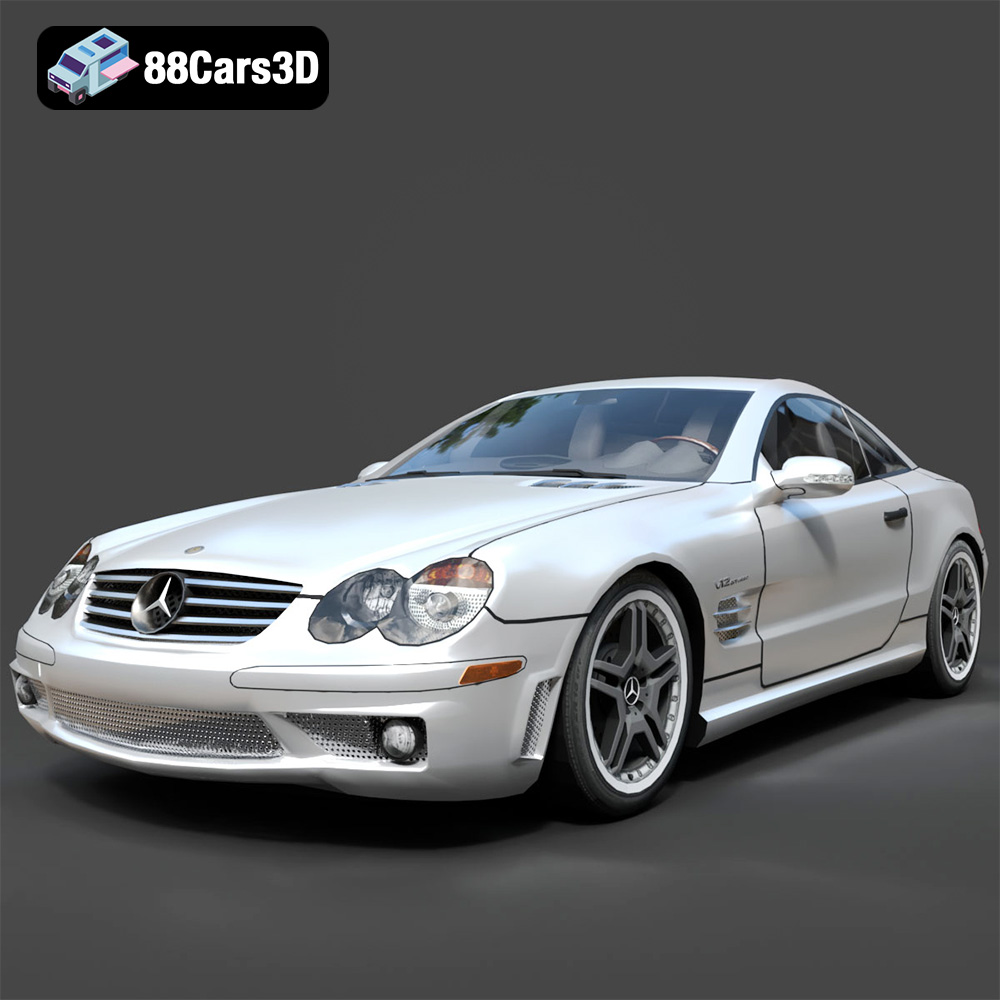
Mercedes-Benz SL 65 AMG 3D Model
Texture: Yes
Material: Yes
Download the Mercedes-Benz SL 65 AMG 3D Model featuring clean geometry, realistic detailing, and a fully modeled interior. Includes .blend, .fbx, .obj, .glb, .stl, .ply, .unreal, and .max formats for rendering, simulation, and game development.
Price: $23.99
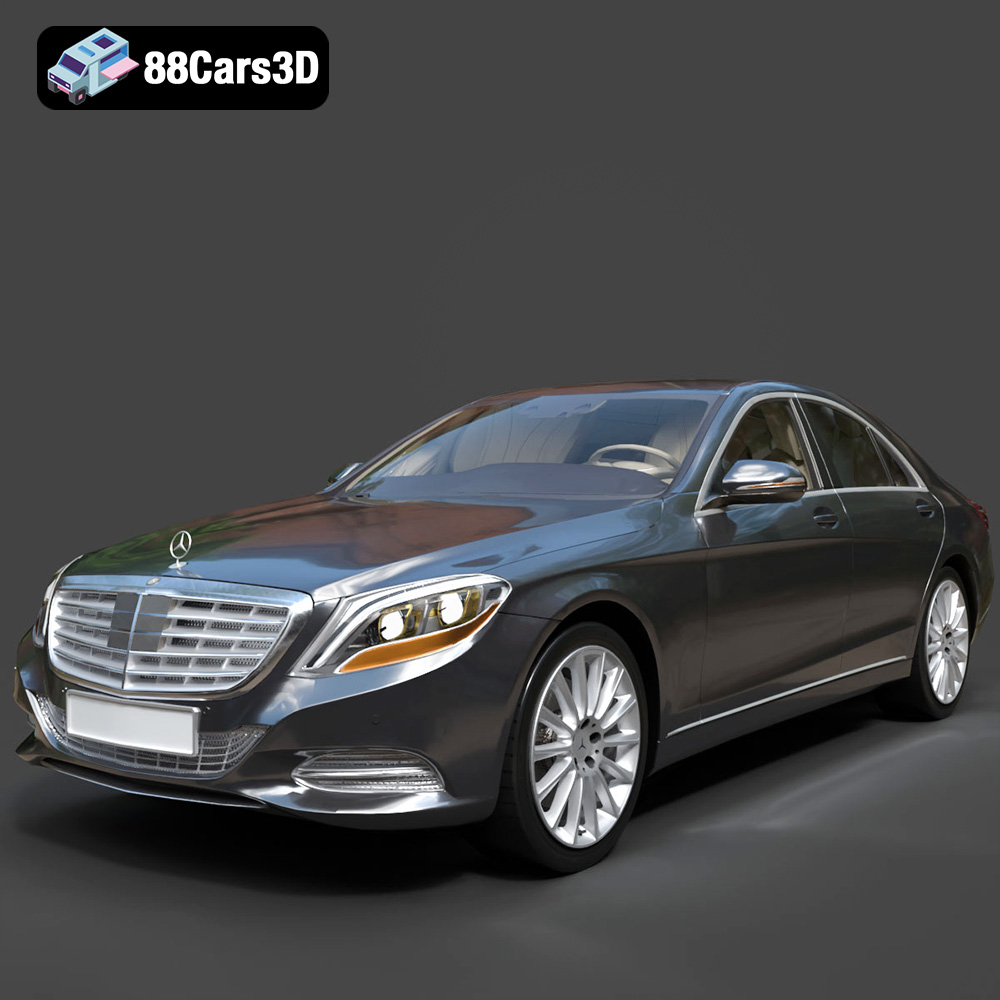
Mercedes-Benz S500 3D Model
Texture: Yes
Material: Yes
Download the Mercedes-Benz S500 3D Model featuring clean geometry, realistic detailing, and a fully modeled interior. Includes .blend, .fbx, .obj, .glb, .stl, .ply, .unreal, and .max formats for rendering, simulation, and game development.
Price: $23.99
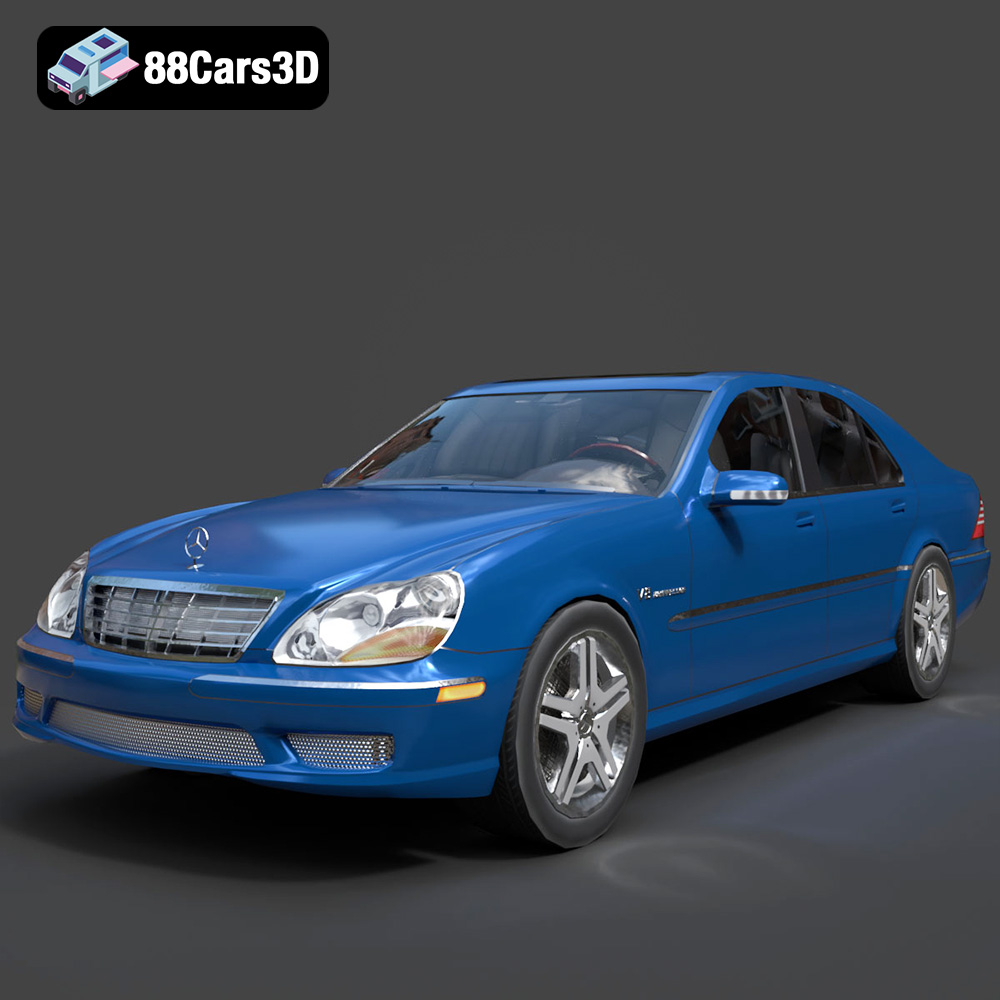
Mercedes-Benz S55 W220 AMG 1999 3D Model
Texture: Yes
Material: Yes
Download the Mercedes-Benz S55 W220 AMG 1999 3D Model featuring clean geometry, realistic detailing, and a fully modeled interior. Includes .blend, .fbx, .obj, .glb, .stl, .ply, .unreal, and .max formats for rendering, simulation, and game development.
Price: $23.99
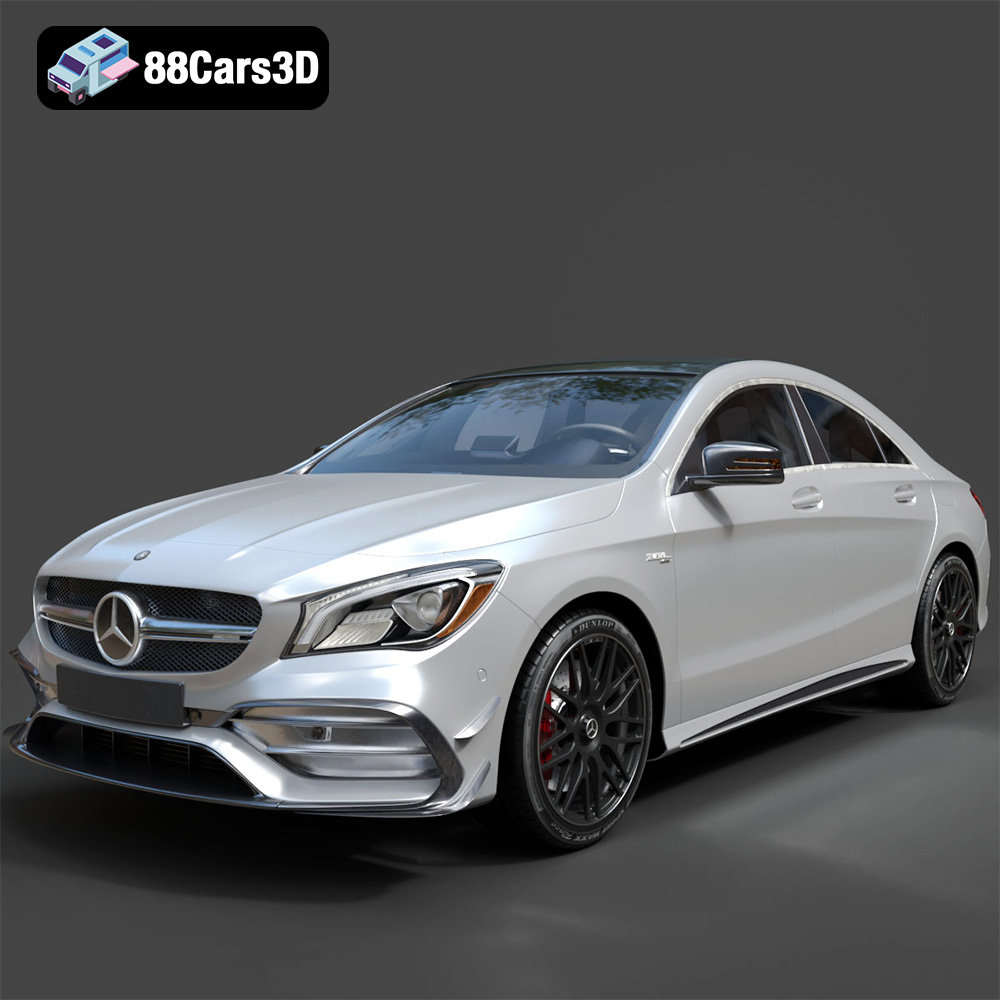
Mercedes-Benz CLA45 AMG 2017 3D Model
Texture: Yes
Material: Yes
Download the Mercedes-Benz CLA45 AMG 2017 3D Model featuring clean geometry, realistic detailing, and a fully modeled interior. Includes .blend, .fbx, .obj, .glb, .stl, .ply, .unreal, and .max formats for rendering, simulation, and game development.
Price: $38.99
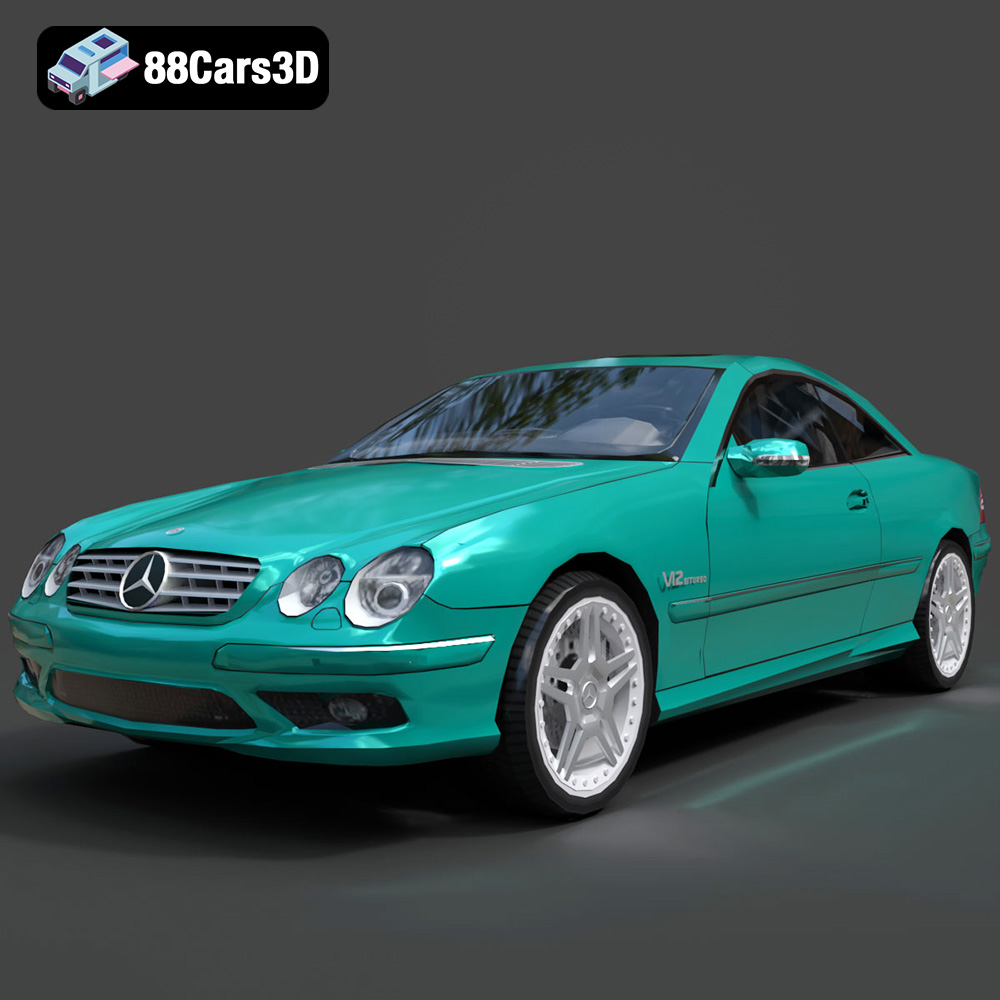
Mercedes-Benz CL65 C215 AMG 3D Model
Texture: Yes
Material: Yes
Download the Mercedes-Benz CL65 C215 AMG 3D Model featuring clean geometry, realistic detailing, and a fully modeled interior. Includes .blend, .fbx, .obj, .glb, .stl, .ply, .unreal, and .max formats for rendering, simulation, and game development.
Price: $23.99
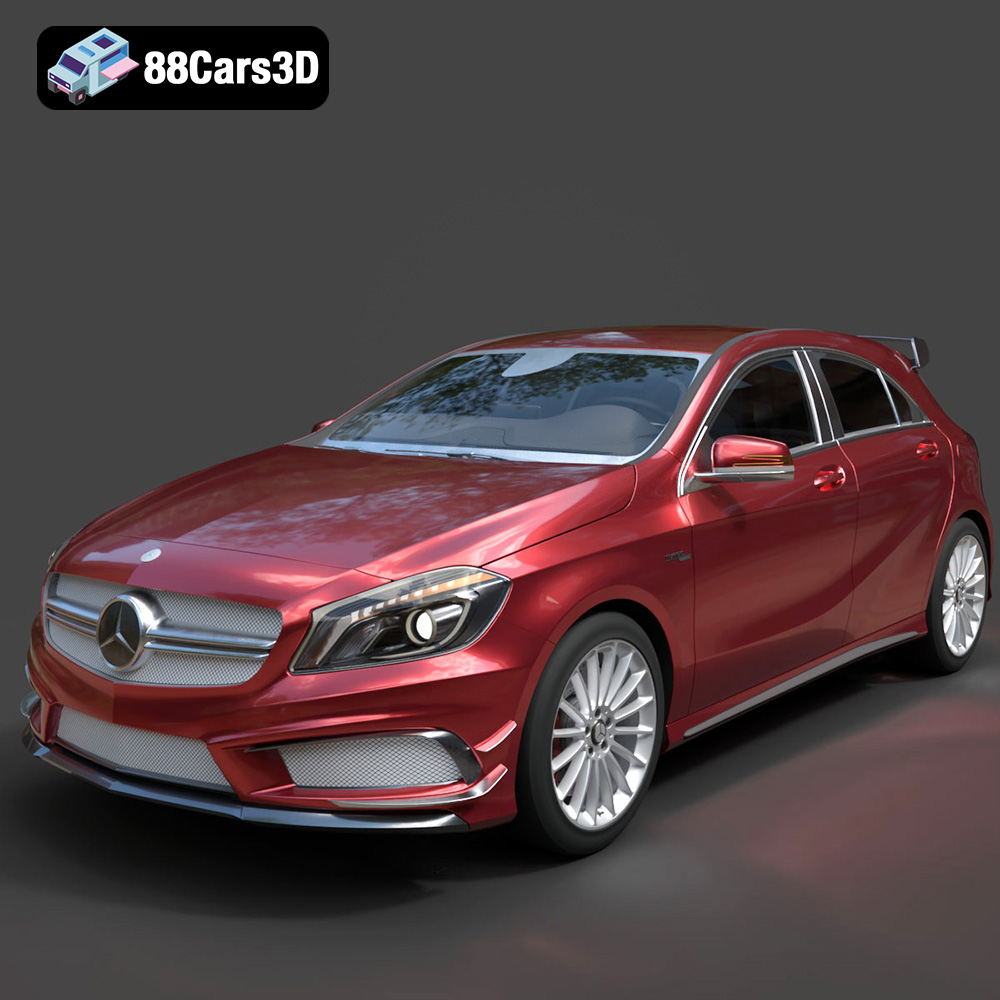
Mercedes-Benz A45 2021 3D Model
Texture: Yes
Material: Yes
Download the Mercedes-Benz A45 2021 3D Model featuring clean geometry, realistic detailing, and a fully modeled interior. Includes .blend, .fbx, .obj, .glb, .stl, .ply, .unreal, and .max formats for rendering, simulation, and game development.
Price: $23.99
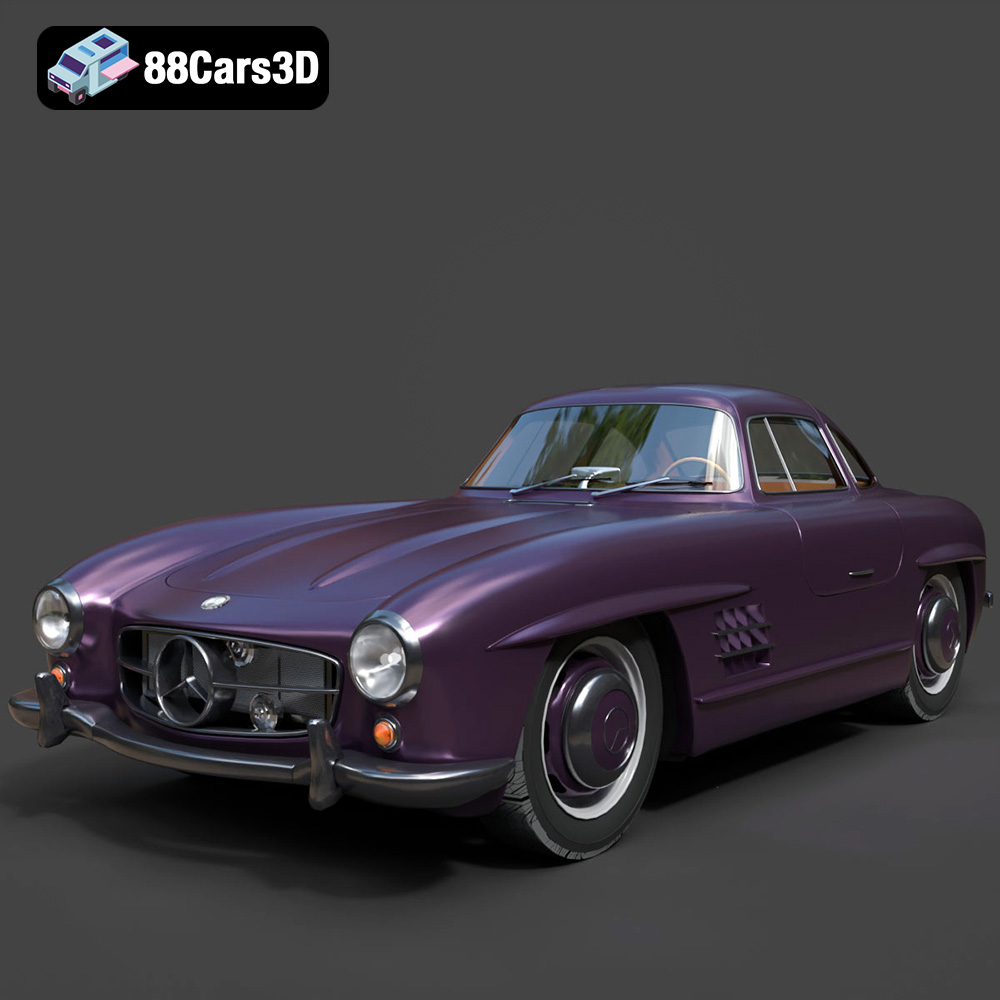
Mercedes-Benz 300SL 1955 3D Model
Texture: Yes
Material: Yes
Download the Mercedes-Benz 300SL 1955 3D Model featuring clean geometry, realistic detailing, and a fully modeled interior. Includes .blend, .fbx, .obj, .glb, .stl, .ply, .unreal, and .max formats for rendering, simulation, and game development.
Price: $23.99
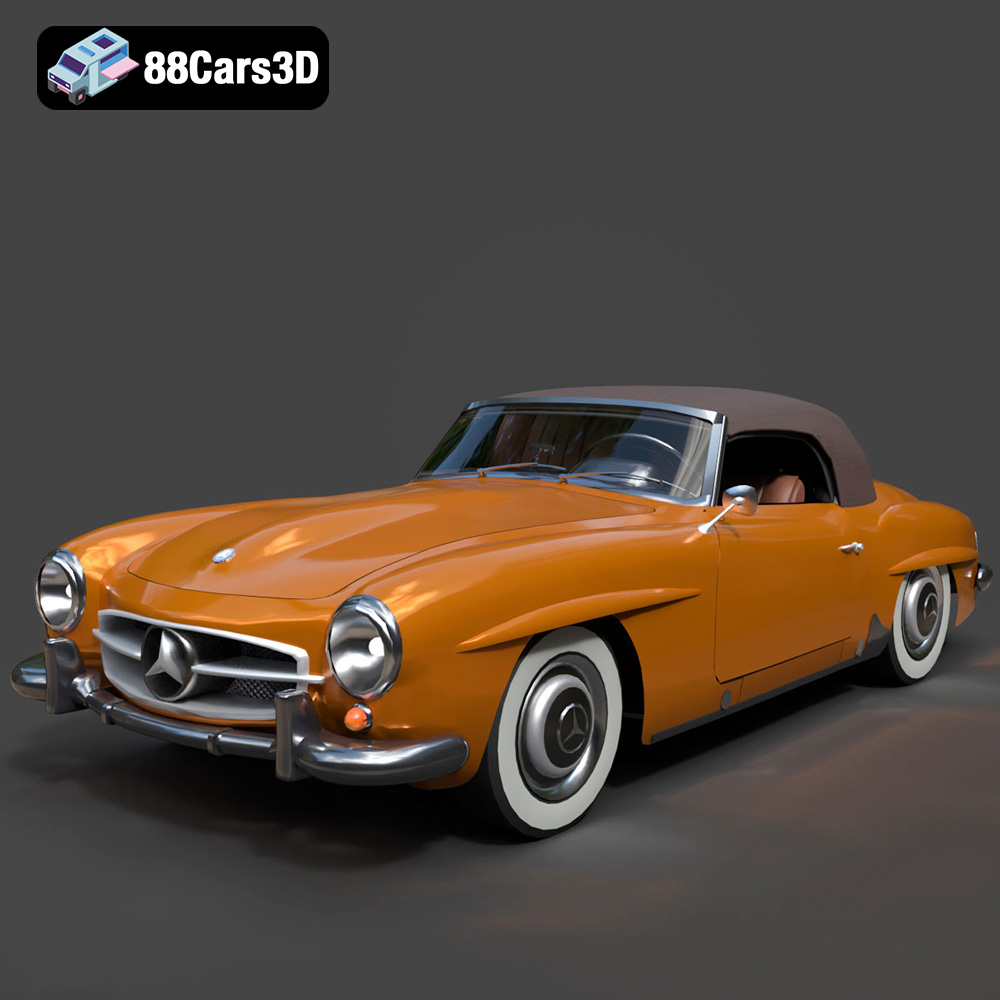
Mercedes-Benz 190SL 1955 3D Model
Texture: Yes
Material: Yes
Download the Mercedes-Benz 190SL 1955 3D Model featuring clean geometry, realistic detailing, and a fully modeled interior. Includes .blend, .fbx, .obj, .glb, .stl, .ply, .unreal, and .max formats for rendering, simulation, and game development.
Price: $23.99
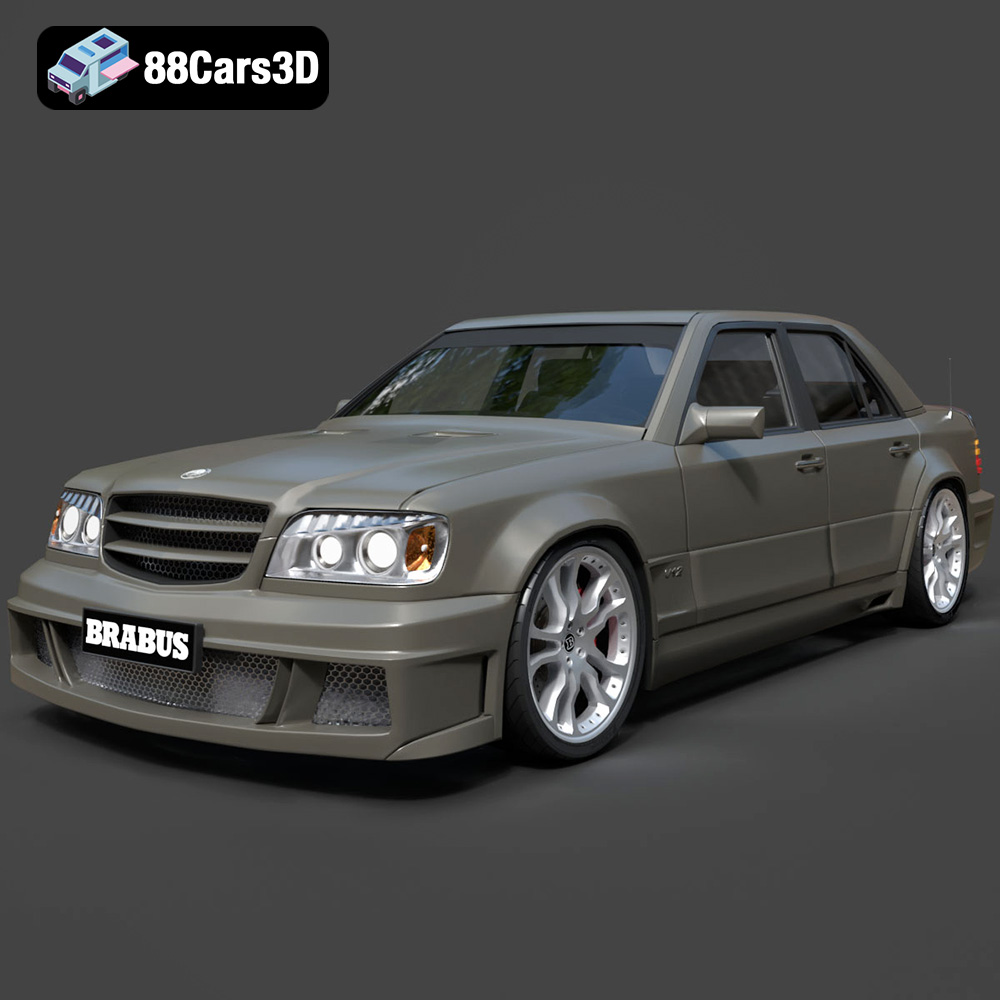
Mercedes-Benz W124 Brabus V12 3D Model
Texture: Yes
Material: Yes
Download the Mercedes-Benz W124 Brabus V12 3D Model featuring clean geometry, realistic detailing, and a fully modeled interior. Includes .blend, .fbx, .obj, .glb, .stl, .ply, .unreal, and .max formats for rendering, simulation, and game development.
Price: $23.99
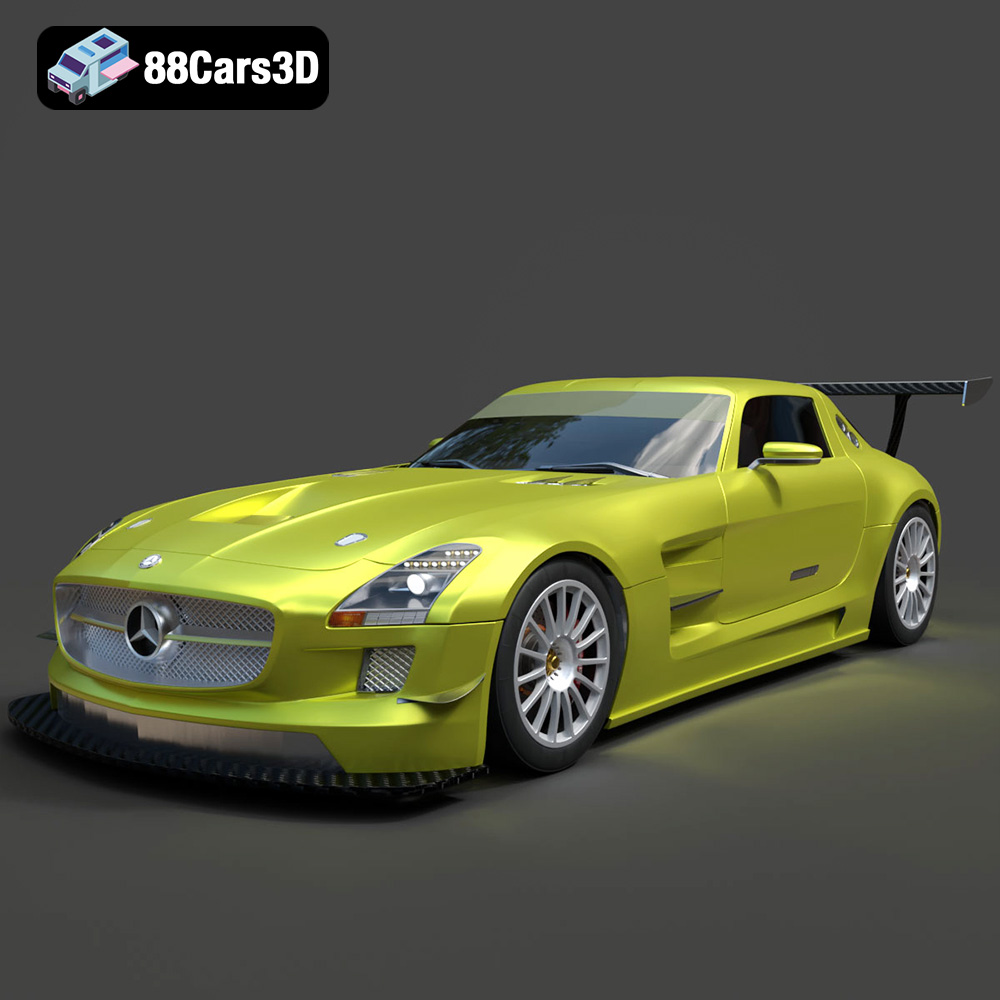
Mercedes-Benz SLS AMG GT3-002 3D Model
Texture: Yes
Material: Yes
Download the Mercedes-Benz SLS AMG GT3-002 3D Model featuring clean geometry, realistic detailing, and a fully modeled interior. Includes .blend, .fbx, .obj, .glb, .stl, .ply, .unreal, and .max formats for rendering, simulation, and game development.
Price: $38.99

Mercedes-Benz C-Class-001 3D Model
Texture: Yes
Material: Yes
Download the Mercedes-Benz C-Class-001 3D Model featuring clean geometry, realistic detailing, and a fully modeled interior. Includes .blend, .fbx, .obj, .glb, .stl, .ply, .unreal, and .max formats for rendering, simulation, and game development.
Price: $38.99
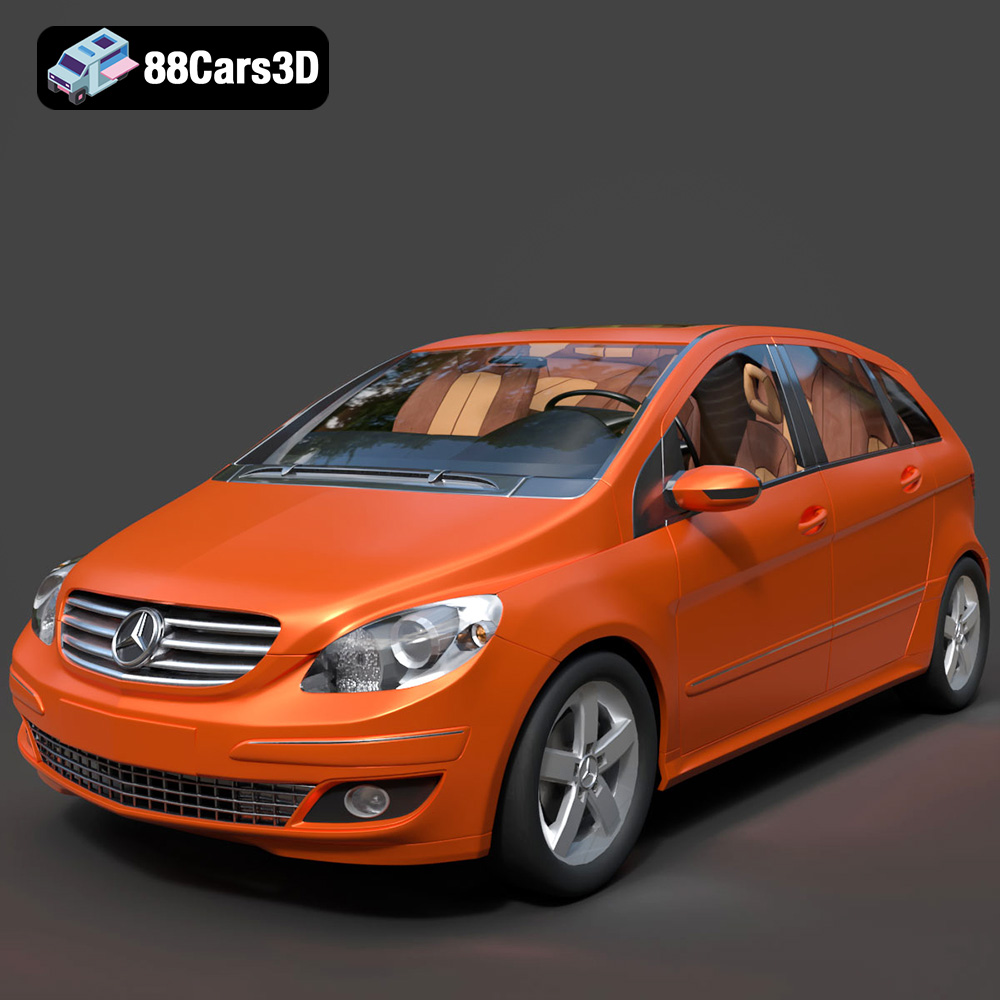
Mercedes-Benz B-Klasse 2023 3D Model
Texture: Yes
Material: Yes
Download the Mercedes-Benz B-Klasse 2023 3D Model featuring clean geometry, realistic detailing, and a fully modeled interior. Includes .blend, .fbx, .obj, .glb, .stl, .ply, .unreal, and .max formats for rendering, simulation, and game development.
Price: $38.99
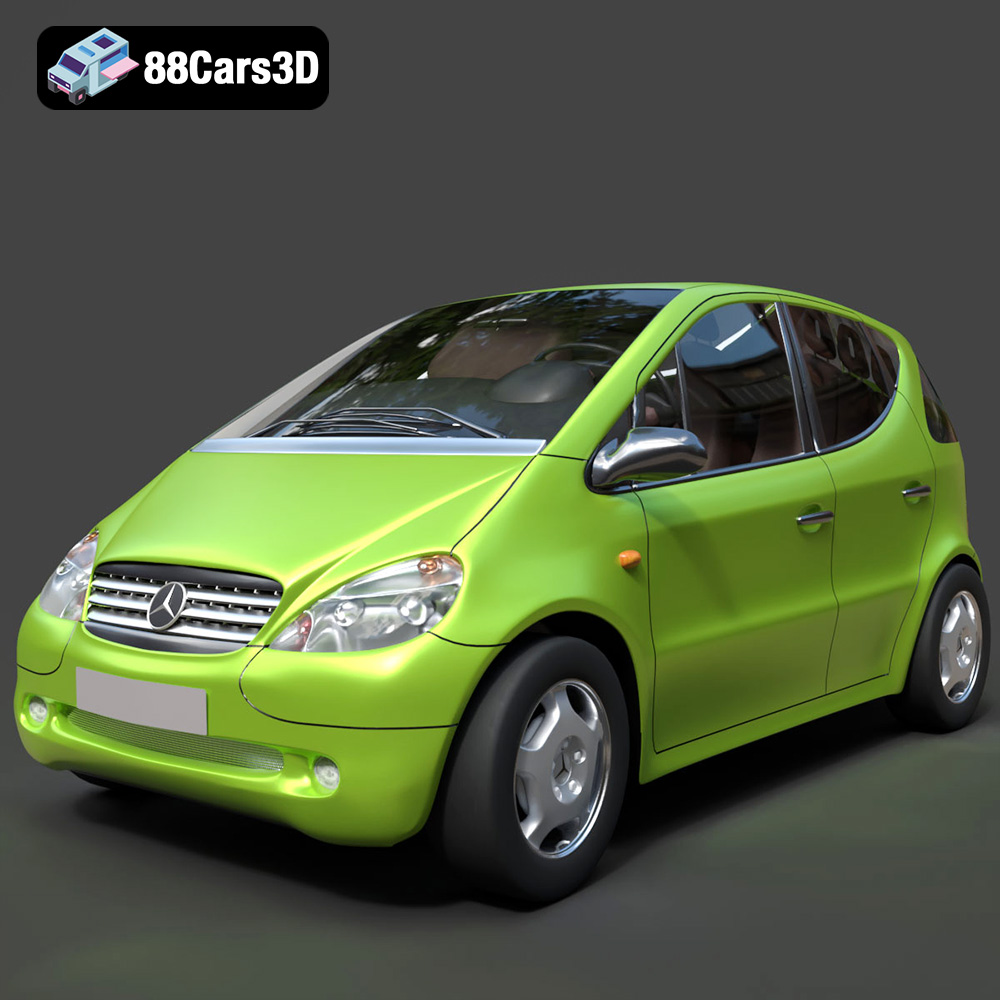
Mercedes-Benz A-Klasse W168 3D Model
Texture: Yes
Material: Yes
Download the Mercedes-Benz A-Klasse W168 3D Model featuring clean geometry, realistic detailing, and a fully modeled interior. Includes .blend, .fbx, .obj, .glb, .stl, .ply, .unreal, and .max formats for rendering, simulation, and game development.
Price: $38.99
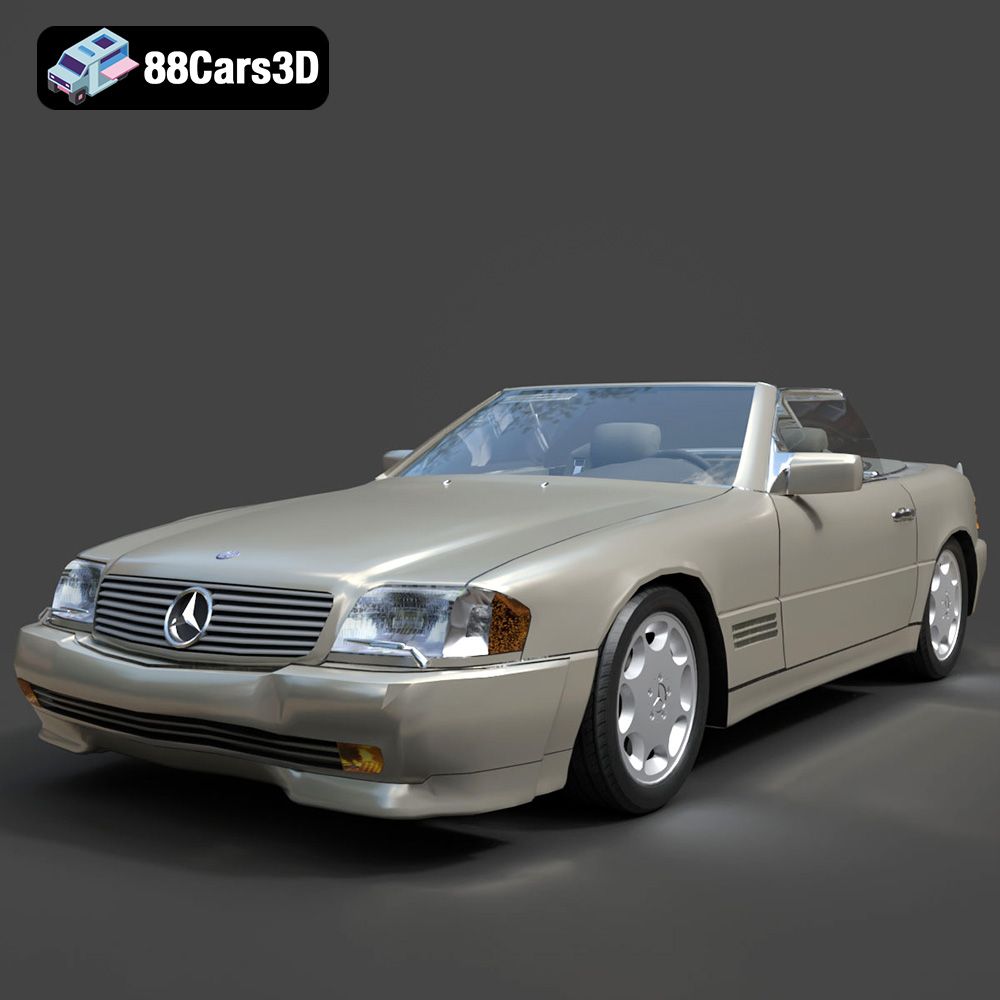
Mercedes-Benz 500SL 2000 3D Model
Texture: Yes
Material: Yes
Download the Mercedes-Benz 500SL 2000 3D Model featuring clean geometry, realistic detailing, and a fully modeled interior. Includes .blend, .fbx, .obj, .glb, .stl, .ply, .unreal, and .max formats for rendering, simulation, and game development.
Price: $38.99
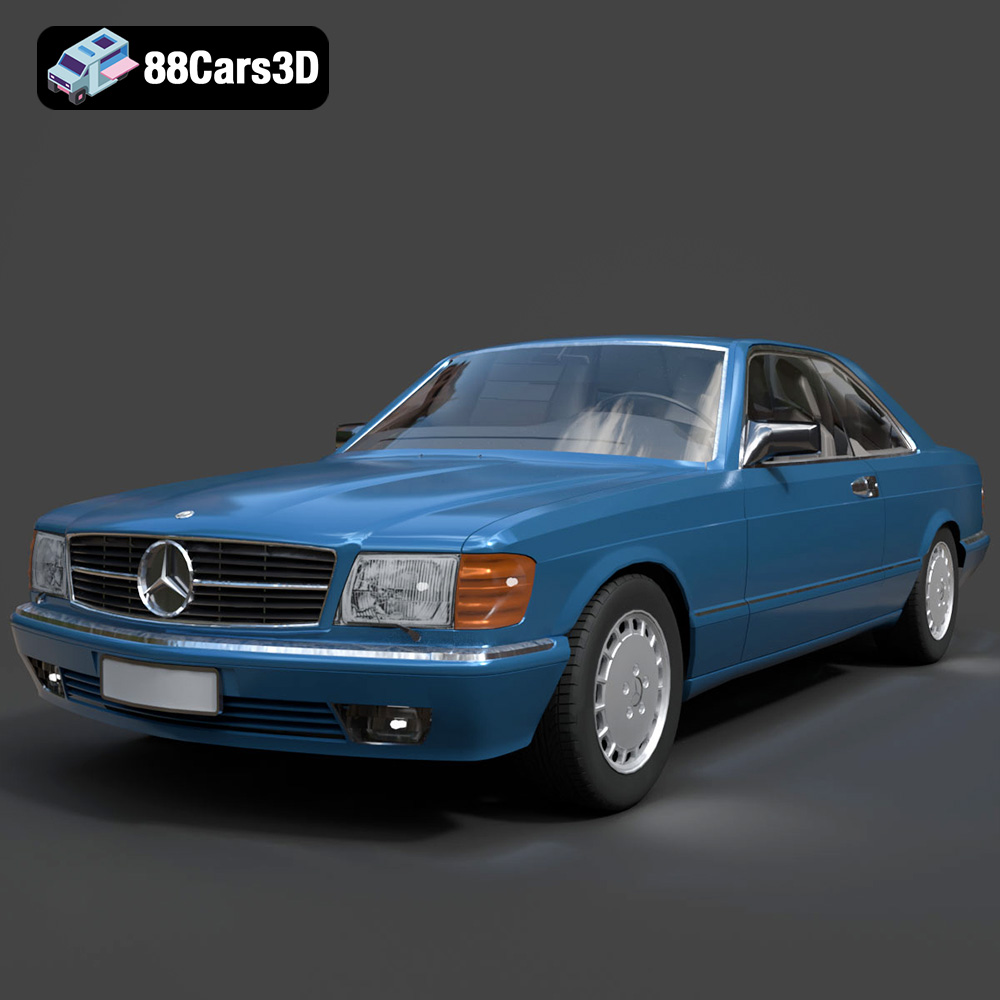
Mercedes-Benz 500SEC 3D Model
Texture: Yes
Material: Yes
Download the Mercedes-Benz 500SEC 3D Model featuring clean geometry, realistic detailing, and a fully modeled interior. Includes .blend, .fbx, .obj, .glb, .stl, .ply, .unreal, and .max formats for rendering, simulation, and game development.
Price: $38.99
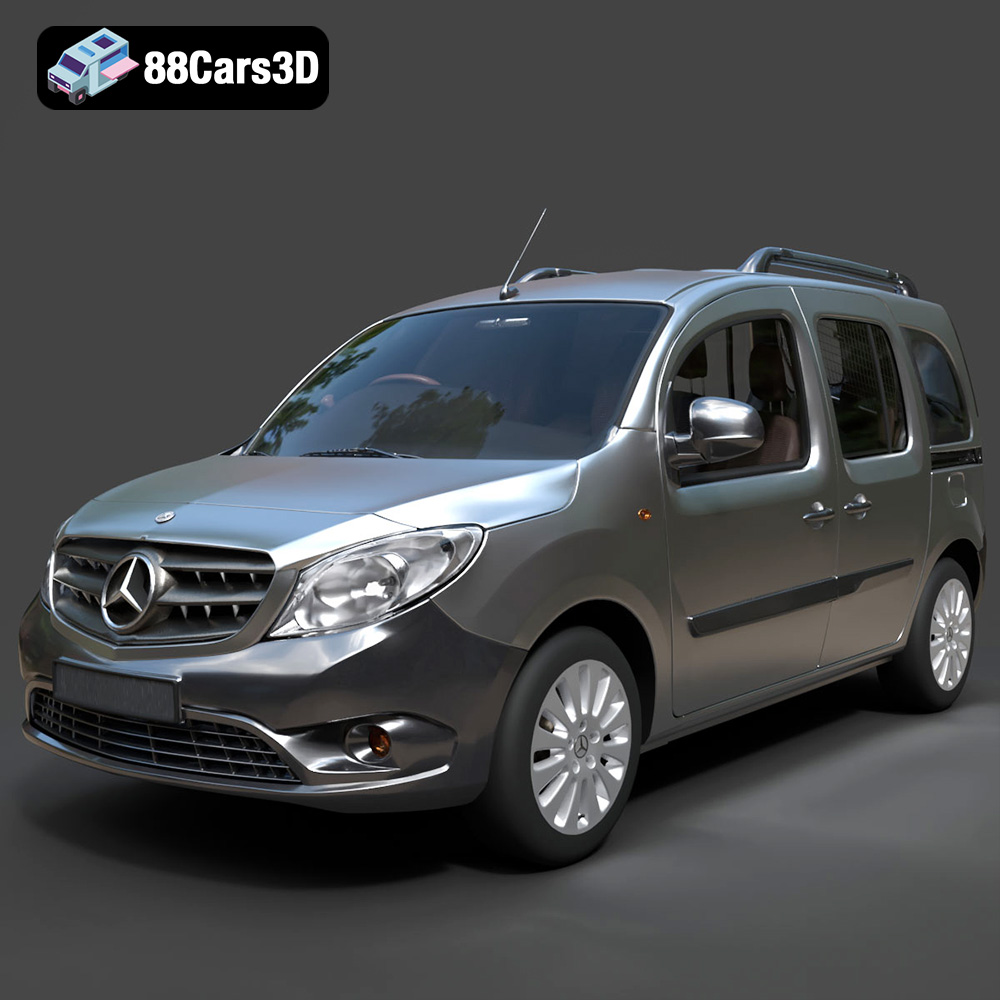
Mercedes-Benz Citan 2025 3D Model
Texture: Yes
Material: Yes
Download the Mercedes-Benz Citan 2025 3D Model featuring clean geometry, realistic detailing, and a fully modeled interior. Includes .blend, .fbx, .obj, .glb, .stl, .ply, .unreal, and .max formats for rendering, simulation, and game development.
Price: $38.99
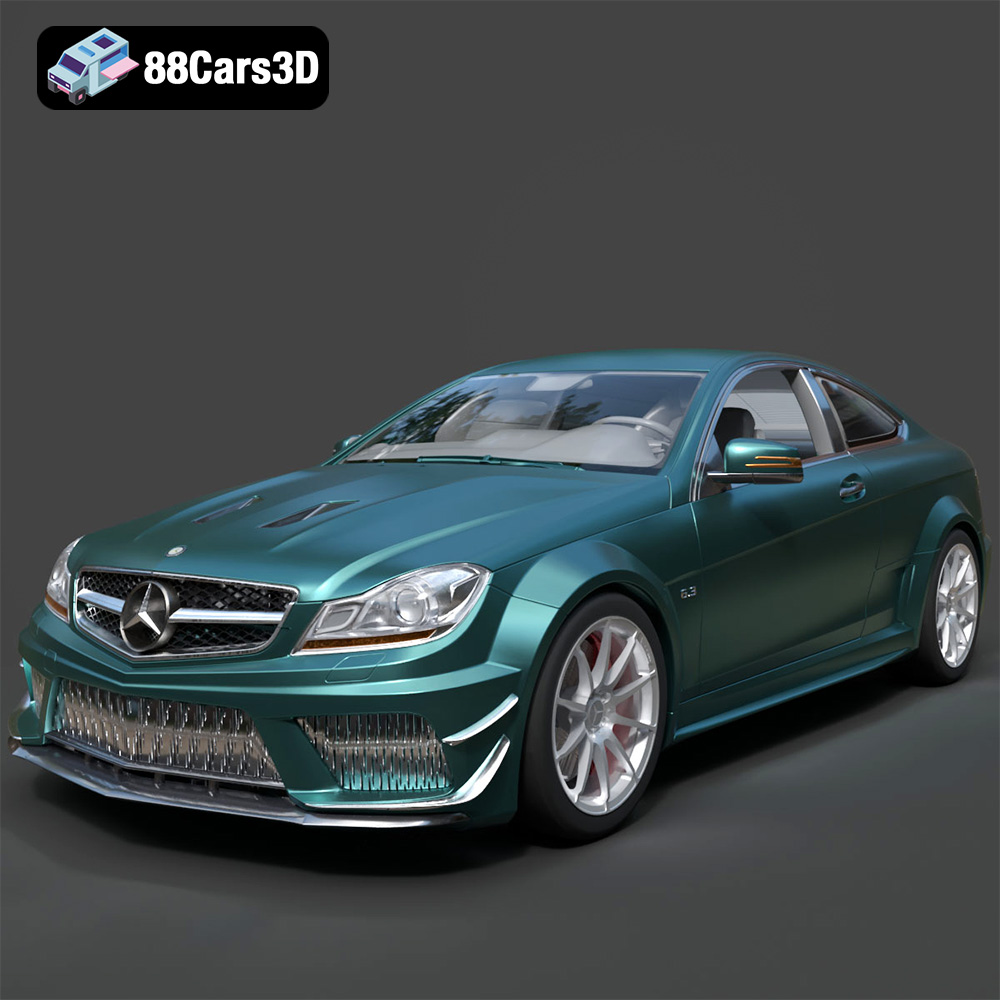
Mercedes-Benz C63 AMG 2012 3D Model
Texture: Yes
Material: Yes
Download the Mercedes-Benz C63 AMG 2012 3D Model featuring clean geometry, realistic detailing, and a fully modeled interior. Includes .blend, .fbx, .obj, .glb, .stl, .ply, .unreal, and .max formats for rendering, simulation, and game development.
Price: $38.99
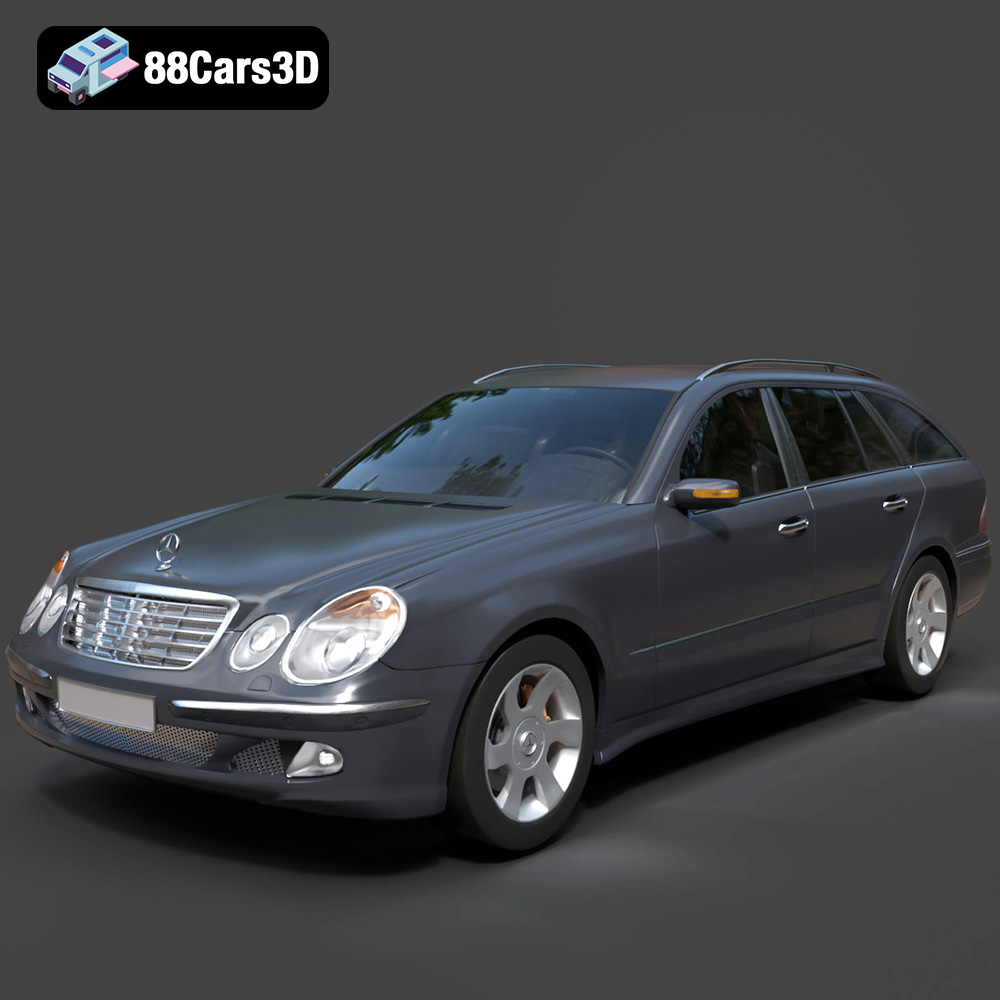
Mercedes-Benz E-Class S211 3D Model
Texture: Yes
Material: Yes
Download the Mercedes-Benz E-Class S211 3D Model featuring clean geometry, realistic detailing, and a fully modeled interior. Includes .blend, .fbx, .obj, .glb, .stl, .ply, .unreal, and .max formats for rendering, simulation, and game development.
Price: $38.99
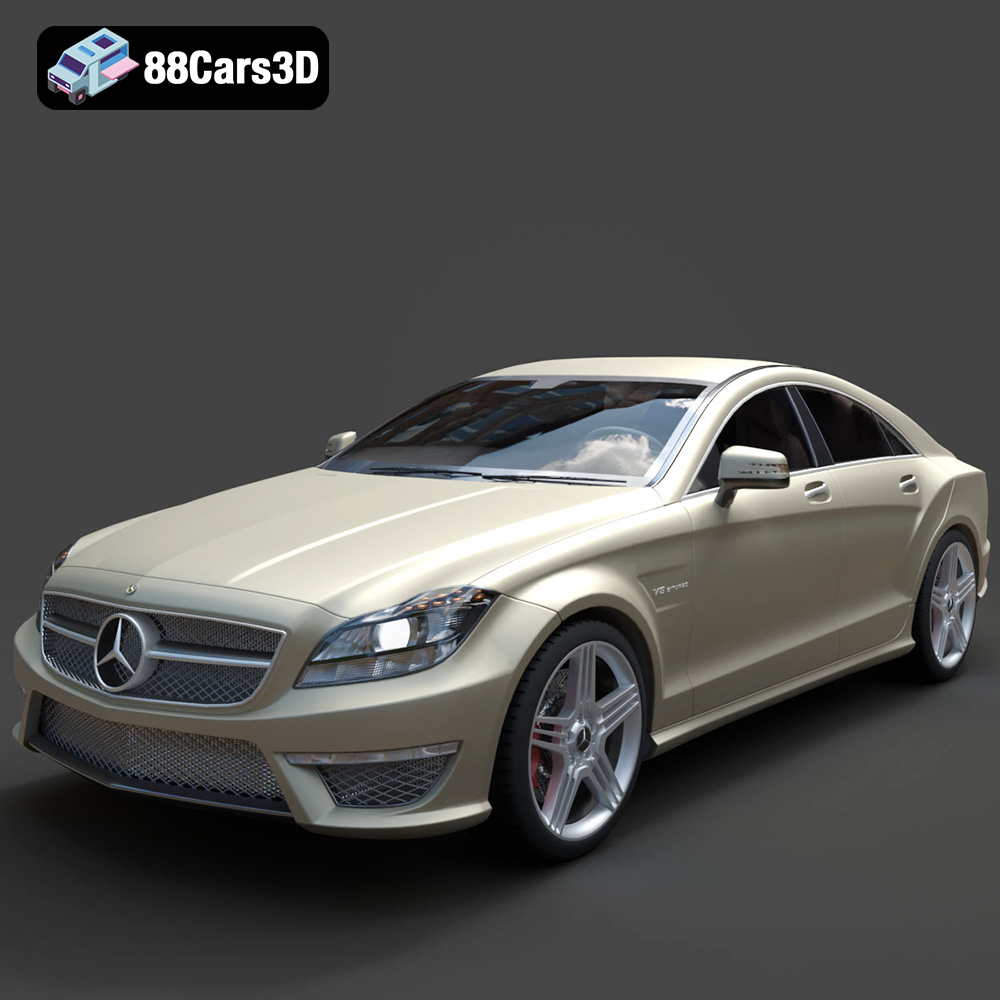
Mercedes-Benz CLS63 AMG (C218) 2014 3D Model
Texture: Yes
Material: Yes
Download the Mercedes-Benz CLS63 AMG (C218) 2014 3D Model featuring clean geometry, realistic detailing, and a fully modeled interior. Includes .blend, .fbx, .obj, .glb, .stl, .ply, .unreal, and .max formats for rendering, simulation, and game development.
Price: $38.99
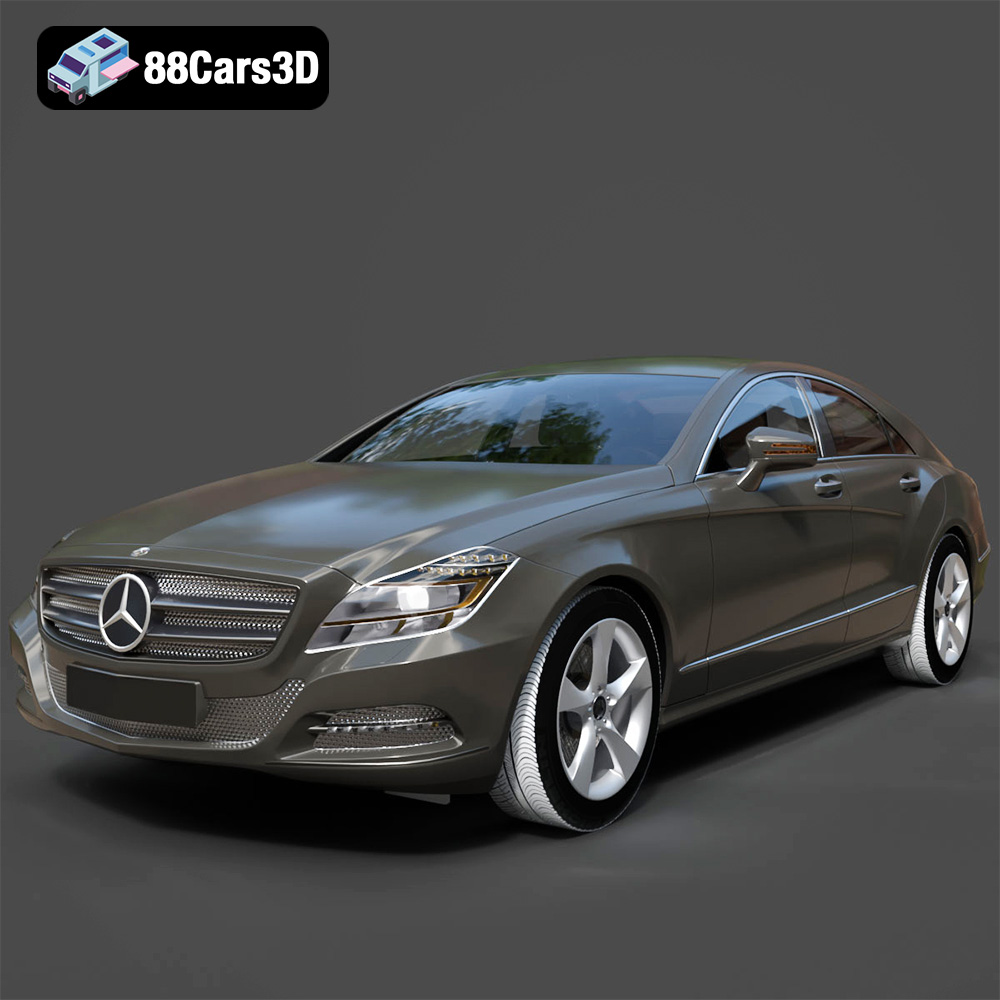
Mercedes-Benz CLS-Klasse 3D Model
Texture: Yes
Material: Yes
Download the Mercedes-Benz CLS-Klasse 3D Model featuring clean geometry, realistic detailing, and a fully modeled interior. Includes .blend, .fbx, .obj, .glb, .stl, .ply, .unreal, and .max formats for rendering, simulation, and game development.
Price: $38.99
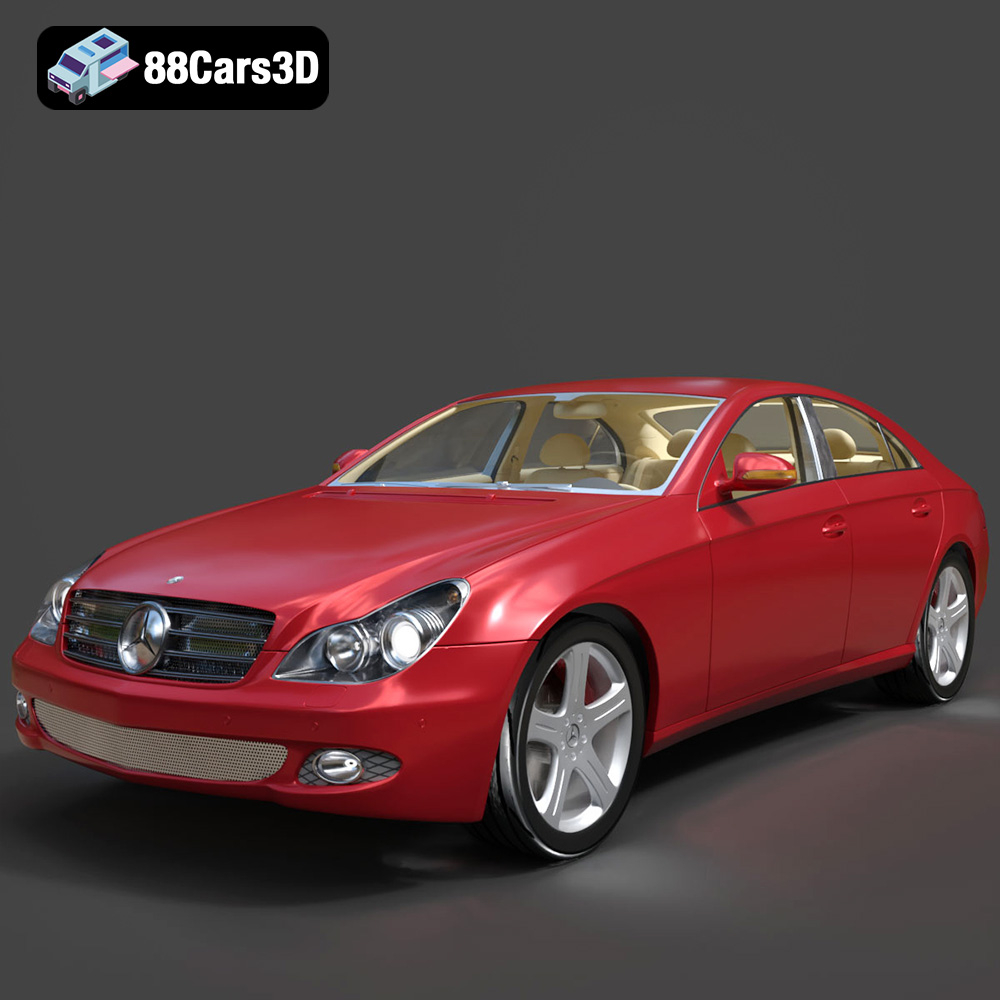
Mercedes-Benz CLS 500 3D Model
Texture: Yes
Material: Yes
Download the Mercedes-Benz CLS 500 3D Model featuring clean geometry, realistic detailing, and a fully modeled interior. Includes .blend, .fbx, .obj, .glb, .stl, .ply, .unreal, and .max formats for rendering, simulation, and game development.
Price: $38.99

Mercedes-Benz CL-Klasse 2001 3D Model
Texture: Yes
Material: Yes
Download the Mercedes-Benz CL-Klasse 2001 3D Model featuring clean geometry, realistic detailing, and a fully modeled interior. Includes .blend, .fbx, .obj, .glb, .stl, .ply, .unreal, and .max formats for rendering, simulation, and game development.
Price: $38.99
