
The Anatomy of Photorealistic Car Paint & PBR Fundamentals

The gleam of a perfectly rendered automobile, reflecting its environment with stunning accuracy, is often the ultimate benchmark for any 3D artist or game developer. Car paint, with its complex multi-layered structure and dynamic interplay of light, is arguably one of the most challenging materials to replicate realistically in real-time engines. It’s not just a color; it’s a symphony of reflections, refractions, and microscopic details that collectively create that coveted photorealistic finish.
Achieving this level of fidelity goes far beyond simply applying a base color. It demands an advanced understanding of physical properties, an intricate PBR workflow, and the technical prowess to craft sophisticated shaders. This guide will take you on a deep dive into mastering photorealistic car paint in Unreal Engine 5, exploring advanced techniques for metallic flakes, iridescent clear coats, and crucial optimization strategies to ensure your automotive visualizations not only look incredible but also perform flawlessly in real-time environments.
The Anatomy of Photorealistic Car Paint & PBR Fundamentals
Before we even touch a shader graph, it’s crucial to understand the real-world structure of car paint. This knowledge forms the bedrock of our PBR workflow and guides every decision we make in the material editor. Real car paint is not a single layer, but a meticulously engineered stack, each contributing to its final appearance.
- Primer Coat: Applied directly to the bare metal, the primer provides a smooth, uniform surface for subsequent layers and improves adhesion. While often unseen, it influences the underlying absorption of light.
- Base Coat (Color Coat): This is where the car gets its primary color. It can be solid, metallic, or pearlescent. This layer is responsible for the diffuse color component and often contains the metallic or pearlescent flakes.
- Flake Layer: Embedded within or just above the base coat, these tiny metallic or mica particles are what give metallic and pearlescent paints their sparkle and depth. Their orientation and reflectivity are key to the unique glint of a car’s finish.
- Clear Coat: The outermost layer, a transparent, high-gloss protective finish. This is the layer we primarily see and interact with. It’s responsible for the majority of reflections, the high specular sheen, and the perceived wetness of the paint. It also protects the color coat from UV damage and scratches.
Understanding these layers is paramount for designing realistic Unreal Engine 5 materials. The PBR (Physically Based Rendering) workflow then translates these real-world properties into parameters our engine can understand. The core principles of PBR are:
- Energy Conservation: Light energy must be conserved. What isn’t reflected is absorbed or transmitted. This means a highly reflective surface will absorb less light, and vice versa.
- Fresnel Effect: The phenomenon where the reflectivity of a surface increases at grazing angles (when viewed nearly edge-on). This is incredibly important for the clear coat shader, making reflections stronger at the edges of a car panel.
- Micro-surfaces: All surfaces have microscopic imperfections. The roughness of these micro-surfaces dictates how light is scattered. A rougher surface scatters light more broadly, appearing duller, while a smoother surface scatters light uniformly, appearing glossier.
Deconstructing the PBR Workflow for Automotive Materials
Applying PBR principles to car paint involves meticulously mapping its physical characteristics to material inputs. Each input contributes significantly to the final look, making the PBR workflow a precise science for automotive visualization.
Base Color Input
This map defines the overall color of the paint. For car paint, it’s typically a flat color representing the hue of the base coat. However, for iridescent or pearlescent paints, this might involve subtle color shifts or gradient textures, or even driven by a complex material function. Ensuring your base color is within physically plausible ranges is crucial for a realistic starting point.
Metallic Input
In a standard PBR setup, the Metallic input determines if a surface is a dielectric (non-metal) or a conductor (metal). For car paint, this becomes nuanced. The clear coat itself is a dielectric, but the metallic flakes within the base coat are, of course, metallic. We often handle this by setting the Metallic input to 0 for the clear coat layer, and selectively blending in metallic values for the flake component. This blending is key to accurately representing the metallic flake effect.
Roughness Input
This is arguably one of the most critical inputs for car paint realism. Roughness controls the sharpness of reflections. A perfectly smooth clear coat will have a very low roughness value (close to 0), yielding crisp, mirror-like reflections. Subtle variations in roughness can simulate microscopic dust, wear, or even the faint “orange peel” texture inherent in sprayed paint finishes. Using high-resolution roughness maps or procedural noise for these details is highly recommended.
Specular Input
While often used in older workflows, in modern PBR, Specular is typically set to a default value (e.g., 0.5 for dielectrics in Unreal Engine) and derived from other parameters like Metallic and Roughness. For car paint, especially the clear coat, the Specular input contributes to the intensity of reflections. However, it’s the Roughness and Fresnel that will truly define the visual quality of your clear coat shader.
Normal Map Input
Normal maps add high-frequency surface details without increasing polygon count. For car paint, a normal map can be used to simulate the subtle waviness or “orange peel” texture that’s common in automotive finishes. This isn’t always immediately obvious but adds a significant layer of realism upon close inspection. A very subtle noise or procedural normal map can achieve this effect.
Index of Refraction (IOR)
While not a direct input in all PBR workflows (often implicitly handled by Specular/Metallic), understanding IOR is vital for dielectrics like the clear coat. The IOR dictates how light bends as it passes through a material and directly influences the strength of Fresnel reflections. For a clear coat, a typical IOR value for cured paint or plastic is around 1.4-1.5, which Unreal’s default Specular value often approximates for non-metals.
Building Your Advanced Car Paint Shader in Unreal Engine 5
Now, let’s translate these concepts into a working material in Unreal Engine 5. The material editor, with its powerful shader graph, allows us to layer and blend these properties dynamically.
The Core Material Setup
Start by creating a new Material in Unreal Engine. Set its Shading Model to ‘Default Lit’ or ‘Clear Coat’ if you want to leverage Unreal’s dedicated clear coat attributes. For our advanced shader, we’ll lean heavily on the ‘Clear Coat’ shading model for its physically accurate second specular lobe.
-
Base Layer Parameters:
- Create scalar parameters for ‘BaseColorRoughness’ and ‘BaseColorMetallic’ (likely 0 or very low for a non-metallic base).
- Create a Vector3 parameter for ‘BaseColor’.
- Connect these to the Material’s Base Color, Metallic, and Roughness inputs.
-
Clear Coat Layer Parameters:
- Unreal Engine 5’s Clear Coat shading model provides dedicated inputs: ‘ClearCoat’ (a 0-1 switch), ‘ClearCoatRoughness’, and ‘ClearCoatNormal’.
- Set ‘ClearCoat’ to 1 to enable the clear coat.
- Create a scalar parameter for ‘ClearCoatRoughness’. This will be a very low value (e.g., 0.01 – 0.05) for a glossy finish.
- A subtle normal map can be fed into ‘ClearCoatNormal’ to simulate microscopic imperfections or the ‘orange peel’ effect. A ‘Noise’ node or a subtle ‘Texture Sample’ can work wonders here.
This basic setup forms the foundation. We’re essentially creating two distinct reflective layers: the underlying base color and the highly reflective clear coat on top. This is the essence of a realistic clear coat shader.
Implementing the Base Coat and Color Shifts
The base coat isn’t always just a flat color. For a truly dynamic look, consider how light interacts with it before hitting the clear coat.
- Gradient Base Color: Sometimes, the base color itself has subtle shifts. You can use a ‘Fresnel’ node or ‘Camera Vector’ combined with a ‘Dot Product’ and ‘Lerp’ to introduce a slight color variation based on viewing angle. This can mimic subtle pearlescent effects or simply add depth.
- Subsurface Scattering (Limited): While full subsurface scattering is too expensive for car paint, a very subtle ‘Subsurface Color’ input can give a tiny bit of diffusion to the base coat, especially for lighter, non-metallic paints. This helps soften edges and makes the material feel less like a perfectly opaque shell.
Crafting the Metallic Flake Effect and Iridescence
This is where car paint goes from good to exceptional. The metallic flake effect is critical for automotive realism and requires careful construction within your shader graph.
Microflake Simulation with Normals
The most effective way to simulate metallic flakes is by manipulating the normal map. Instead of a single, uniform normal, we introduce micro-normals that simulate the random orientation of tiny metallic particles.
-
Generate a Flake Normal Map:
- Use a ‘Noise’ node (e.g., Perlin Noise) in a Material Function or directly in the material.
- Pass this noise through a ‘Normal From Heightmap’ node to convert it into a normal map.
- Adjust the ‘Intensity’ or ‘Strength’ of this normal map to control the visibility and size of the flakes.
-
Blending Flake Normals:
- Use a ‘BlendAngleCorrectedNormals’ node to combine your base paint normal (e.g., orange peel) with the flake normal map. This ensures proper light interaction.
- You can also use a ‘Lerp’ node to blend the flake normal in and out based on parameters like flake density.
-
Modulating Roughness and Metallic:
- The flakes should have different metallic and roughness properties than the surrounding base coat.
- Use the same noise texture that generated your flake normal to drive slight variations in roughness and metallic values locally. For instance, where the “flakes” are, the metallic value could be slightly higher, and roughness slightly lower, to make them stand out.
- Use a ‘Power’ node on your noise texture before feeding it into the ‘Lerp’ alpha to control the contrast and distribution of these variations.
Iridescent Flakes (Advanced)
Some premium car paints feature an iridescent or “color-shifting” effect. This can be achieved by subtly changing the color of the flakes or reflections based on the viewing angle.
-
Angle-Based Color Shift:
- Utilize the ‘Fresnel’ node or a custom dot product between ‘Camera Vector’ and ‘World Normal’.
- Feed this value into the alpha of a ‘Lerp’ node.
- The ‘A’ and ‘B’ inputs of the ‘Lerp’ can be different colors (e.g., a blue and a purple) to create a subtle shift.
- Multiply this iridescent color by your flake texture or normal map intensity, and then add it to your final base color or reflection color. Be subtle; too much will look unnatural.
- Clear Coat Tint: For a more generalized iridescent effect on the clear coat itself, you can add a subtle, angle-dependent tint to the clear coat’s ‘Clear Coat Specular Color’ or blend it into the main specular color. Again, ‘Fresnel’ or ‘Dot Product’ nodes are your friends here.
Optimizing High-Fidelity Car Paint for Real-Time Performance
Creating stunning Unreal Engine 5 materials is only half the battle; ensuring they run smoothly in a real-time environment is equally crucial. High-fidelity car paint, with its complex calculations for reflections and flakes, can be demanding. This section focuses on real-time rendering optimization strategies.
Material Instancing for Flexibility and Performance
Never apply a master material directly to your meshes. Always create a ‘Material Instance’ from your complex car paint master material. This allows you to expose and tweak numerous parameters (BaseColor, Roughness, Flake Density, etc.) in real-time without recompiling the shader. This not only speeds up iteration but also allows the engine to group similar draw calls, which can improve performance.
Shader Complexity and Instruction Count
Unreal Engine provides powerful visualization tools. Use the ‘Shader Complexity’ view mode (Alt+8) to identify areas where your material might be too expensive. Aim for a lower instruction count, especially for complex shaders like car paint. Some tips:
- Consolidate Calculations: Look for opportunities to perform a calculation once and reuse its output multiple times rather than recalculating.
- Minimize Texture Samples: Each texture sample adds to complexity. Try to pack multiple grayscale masks (e.g., for roughness variations, flake density) into different channels of a single RGB texture.
- Avoid Unnecessary Branches: While conditional logic (if-statements) in materials can be powerful, they can lead to both branches being evaluated on some hardware, increasing instruction count. Simplify where possible.
Level of Detail (LODs) for Materials
Just as meshes have LODs, you can implement material LODs. For cars seen from a distance, the intricate metallic flake effect or subtle orange peel might not be noticeable. You can create simpler versions of your car paint material for higher LODs:
- Use a ‘Static Switch Parameter’ in your master material, driven by a global parameter or mesh distance, to toggle between complex flake calculations and a simpler, less expensive approximation.
- Alternatively, you can create entirely separate, simpler material instances for different mesh LODs.
Texture Optimization
High-resolution textures consume memory and bandwidth. Proper texture management is key:
- Appropriate Resolutions: Use resolutions that match the final presentation. A texture for a car’s main body doesn’t need to be 8K if the car is only seen from a distance.
- Compression Settings: Use appropriate compression settings for each texture type (e.g., BC1/DXT1 for diffuse, BC5/DXT5 for normal maps, uncompressed for masks if artifacting is an issue).
- Texture Streaming: Ensure texture streaming is enabled and configured correctly so that higher resolution textures are only loaded when needed.
Strategic Use of Features
Unreal Engine 5 offers advanced rendering features like Lumen for Global Illumination and Nanite for geometry. While powerful, understand their impact. Lumen significantly enhances realistic lighting and reflections, which is fantastic for automotive visualization. However, be mindful of over-reliance on overly complex features if your target hardware is limited.
When sourcing high-quality car models for your projects, such as those found on 88cars3d.com, always check their included material setup. Often, these models come with well-optimized PBR workflows that you can learn from and adapt.
Lighting and Presentation for Showcasing Your Masterpiece
Even the most meticulously crafted car paint shader will fall flat without the right lighting and presentation environment. Lighting is what truly brings your Unreal Engine 5 materials to life, highlighting the nuances of your clear coat shader and the sparkle of your metallic flake effect.
HDRI Environments for Realistic Reflections
High Dynamic Range Image (HDRI) maps are indispensable for realistic automotive rendering. They provide both realistic global illumination and, crucially, accurate environment reflections that your car paint material will pick up. A high-quality studio or outdoor HDRI can instantly elevate your render:
- Variety of HDRIs: Experiment with different HDRIs – indoor studios, outdoor scenes (forests, cityscapes, empty fields) – to see how they interact with your paint. Each environment will reveal different characteristics of your material.
- Rotation and Intensity: Don’t just drop in an HDRI; adjust its rotation to find the most flattering angle that highlights the car’s curves and the paint’s reflectivity. Control its intensity for overall brightness.
Studio Lighting Setup
For controlled, product-shot style renders, a traditional studio lighting setup works best. This typically involves a three-point lighting system, often with additional fill lights and reflectors:
- Key Light: The primary light source, typically bright and directional, defining the main shape and highlights. Position it to emphasize the car’s lines.
- Fill Light: Softer than the key light, it reduces harsh shadows and reveals details in darker areas. Often placed opposite the key light.
- Rim Lights: Placed behind the car, these lights create a bright outline, separating the car from the background and enhancing its silhouette. This is excellent for highlighting the crispness of your clear coat.
- Large Softbox-style Lights: Use large rectangular or circular area lights to simulate studio softboxes. These create beautiful, elongated reflections on the car’s glossy surface, perfect for showcasing the smooth clear coat.
Post-Processing for the Final Polish
Post-processing effects in Unreal Engine can take your automotive visualization from great to stunning. Don’t underestimate their power:
- Exposure and White Balance: Ensure your image is correctly exposed and has accurate white balance for a natural look.
- Color Grading: Adjust saturation, contrast, and color tints to achieve a specific mood or aesthetic.
- Bloom: A subtle bloom can enhance the feeling of bright light sources and reflections, making the clear coat appear even more luminous.
- Screen Space Reflections (SSR) / Ray Tracing: Ensure your reflection settings are robust. With Lumen and Hardware Ray Tracing in UE5, you can achieve incredibly accurate reflections that are crucial for car paint.
- Vignette and Chromatic Aberration: Used sparingly, these can add a cinematic touch.
Remember that the quality of your underlying 3D model is just as important as your shader. High-polygon, accurately modeled vehicles provide the perfect canvas for your advanced car paint. For premium assets, consider exploring the extensive collection of detailed car models available at 88cars3d.com, designed to look stunning with advanced materials like the one we’ve discussed.
Conclusion
Mastering photorealistic car paint in Unreal Engine 5 is a challenging yet incredibly rewarding endeavor. It requires a blend of technical understanding of the PBR workflow, artistic intuition, and meticulous attention to detail within the shader graph. We’ve journeyed from deconstructing the physical layers of automotive paint and the fundamental principles of PBR, through the complex construction of an advanced clear coat shader with a convincing metallic flake effect, and finally, into the crucial realm of real-time rendering optimization and impactful presentation for automotive visualization.
The intricate dance between the base color, the sparkle of micro-flakes, and the mirror-like reflections of the clear coat is what transforms a simple 3D model into a breathtaking digital automobile. While the techniques discussed here are advanced, they are built upon foundational PBR knowledge. Continue to experiment, push the boundaries of your materials, and always observe how light interacts with real-world surfaces.
Armed with these insights, you’re now equipped to elevate your automotive renders to an entirely new level of realism. Dive in, get creative, and let your virtual vehicles shine with unparalleled authenticity. For a solid foundation to build your stunning visualizations, remember that high-quality 3D car models are available at 88cars3d.com.
Featured 3D Car Models

Suzuki SX4-002 3D Model
Texture: Yes
Material: Yes
Download the Suzuki SX4-002 3D Model featuring clean geometry, realistic detailing, and a fully modeled interior. Includes .blend, .fbx, .obj, .glb, .stl, .ply, .unreal, and .max formats for rendering, simulation, and game development.
Price: $10

Tesla Model S 2024 3D Model
Texture: Yes
Material: Yes
Download the Tesla Model S 2024 3D Model featuring clean geometry, realistic detailing, and a fully modeled interior. Includes .blend, .fbx, .obj, .glb, .stl, .ply, .unreal, and .max formats for rendering, simulation, and game development.
Price: $10

Subaru Impreza WRX STi-002 3D Model
Texture: Yes
Material: Yes
Download the Subaru Impreza WRX STi-002 3D Model featuring clean geometry, realistic detailing, and a fully modeled interior. Includes .blend, .fbx, .obj, .glb, .stl, .ply, .unreal, and .max formats for rendering, simulation, and game development.
Price: $10

Subaru Impreza WRX STi Sedan 3D Model
Texture: Yes
Material: Yes
Download the Subaru Impreza WRX STi Sedan 3D Model featuring clean geometry, realistic detailing, and a fully modeled interior. Includes .blend, .fbx, .obj, .glb, .stl, .ply, .unreal, and .max formats for rendering, simulation, and game development.
Price: $10

Subaru Legacy 2009 3D Model
Texture: Yes
Material: Yes
Download the Subaru Legacy 2009 3D Model featuring clean geometry, realistic detailing, and a fully modeled interior. Includes .blend, .fbx, .obj, .glb, .stl, .ply, .unreal, and .max formats for rendering, simulation, and game development.
Price: $10

Suzuki Swift 2024 3D Model
Texture: Yes
Material: Yes
Download the Suzuki Swift 2024 3D Model featuring clean geometry, realistic detailing, and a fully modeled interior. Includes .blend, .fbx, .obj, .glb, .stl, .ply, .unreal, and .max formats for rendering, simulation, and game development.
Price: $10

Suzuki Liana Sedan 2004 3D Model
Texture: Yes
Material: Yes
Download the Suzuki Liana Sedan 2004 3D Model featuring clean geometry, realistic detailing, and a fully modeled interior. Includes .blend, .fbx, .obj, .glb, .stl, .ply, .unreal, and .max formats for rendering, simulation, and game development.
Price: $10

Subaru Outback 2024 3D Model
Texture: Yes
Material: Yes
Download the Subaru Outback 2024 3D Model featuring clean geometry, realistic detailing, and a fully modeled interior. Includes .blend, .fbx, .obj, .glb, .stl, .ply, .unreal, and .max formats for rendering, simulation, and game development.
Price: $10

Subaru Legacy 2003 3D Model
Texture: Yes
Material: Yes
Download the Subaru Legacy 2003 3D Model featuring clean geometry, realistic detailing, and a fully modeled interior. Includes .blend, .fbx, .obj, .glb, .stl, .ply, .unreal, and .max formats for rendering, simulation, and game development.
Price: $10

Subaru Legacy Touring Wagon 3D Model
Texture: Yes
Material: Yes
Download the Subaru Legacy Touring Wagon 3D Model featuring clean geometry, realistic detailing, and a fully modeled interior. Includes .blend, .fbx, .obj, .glb, .stl, .ply, .unreal, and .max formats for rendering, simulation, and game development.
Price: $10

Toyota Mark II (X100) 1998 3D Model
Texture: Yes
Material: Yes
Download the Toyota Mark II (X100) 3D Model featuring clean geometry, realistic detailing, and a fully modeled interior. Includes .blend, .fbx, .obj, .glb, .stl, .ply, .unreal, and .max formats for rendering, simulation, and game development.
Price: $10

Toyota Corona 1985 3D Model
Texture: Yes
Material: Yes
Download the Toyota Corona 1985 3D Model featuring clean geometry, realistic detailing, and a fully modeled interior. Includes .blend, .fbx, .obj, .glb, .stl, .ply, .unreal, and .max formats for rendering, simulation, and game development.
Price: $10

Toyota Mark II X81 1990 3D Model
Texture: Yes
Material: Yes
Download the Toyota Mark II X81 1990 3D Model featuring clean geometry, realistic detailing, and a fully modeled interior. Includes .blend, .fbx, .obj, .glb, .stl, .ply, .unreal, and .max formats for rendering, simulation, and game development.
Price: $10

Toyota iQ EV 2012 3D Model
Texture: Yes
Material: Yes
Download the Toyota iQ EV 2012 3D Model featuring clean geometry, realistic detailing, and a fully modeled interior. Includes .blend, .fbx, .obj, .glb, .stl, .ply, .unreal, and .max formats for rendering, simulation, and game development.
Price: $10

Toyota Aygo 2013 3D Model
Texture: Yes
Material: Yes
Download the Toyota Aygo 2013 3D Model featuring clean geometry, realistic detailing, and a fully modeled interior. Includes .blend, .fbx, .obj, .glb, .stl, .ply, .unreal, and .max formats for rendering, simulation, and game development.
Price: $10

Toyota Crown S180 2005 3D Model
Texture: Yes
Material: Yes
Download the Toyota Crown S180 2005 3D Model featuring clean geometry, realistic detailing, and a fully modeled interior. Includes .blend, .fbx, .obj, .glb, .stl, .ply, .unreal, and .max formats for rendering, simulation, and game development.
Price: $10

Toyota Celica 2004 3D Model
Texture: Yes
Material: Yes
Download the Toyota Celica 2004 3D Model featuring clean geometry, realistic detailing, and a fully modeled interior. Includes .blend, .fbx, .obj, .glb, .stl, .ply, .unreal, and .max formats for rendering, simulation, and game development.
Price: $10

Toyota Corolla AE100 1992 3D Model
Texture: Yes
Material: Yes
Download the Toyota Corolla AE100 1992 3D Model featuring clean geometry, realistic detailing, and a fully modeled interior. Includes .blend, .fbx, .obj, .glb, .stl, .ply, .unreal, and .max formats for rendering, simulation, and game development.
Price: $10

Toyota Mark II X110 2000 3D Model
Texture: Yes
Material: Yes
Download the Toyota Mark II X110 2000 3D Model featuring clean geometry, realistic detailing, and a fully modeled interior. Includes .blend, .fbx, .obj, .glb, .stl, .ply, .unreal, and .max formats for rendering, simulation, and game development.
Price: $10

Toyota Corolla 2020 3D Model
Texture: Yes
Material: Yes
Download the Toyota Corolla 2020 3D Model featuring clean geometry, realistic detailing, and a fully modeled interior. Includes .blend, .fbx, .obj, .glb, .stl, .ply, .unreal, and .max formats for rendering, simulation, and game development.
Price: $10

Toyota Yaris 2020 3D Model
Texture: Yes
Material: Yes
Download the Toyota Yaris 2020 3D Model featuring clean geometry, realistic detailing, and a fully modeled interior. Includes .blend, .fbx, .obj, .glb, .stl, .ply, .unreal, and .max formats for rendering, simulation, and game development.
Price: $9.9

Volkswagen Beetle 2012 3D Model
Texture: Yes
Material: Yes
Download the Volkswagen Beetle 2012 3D Model featuring clean geometry, realistic detailing, and a fully modeled interior. Includes .blend, .fbx, .obj, .glb, .stl, .ply, .unreal, and .max formats for rendering, simulation, and game development.
Price: $9.9

Toyota Matrix 2005 3D Model
Texture: Yes
Material: Yes
Download the Toyota Matrix 2005 3D Model featuring clean geometry, realistic detailing, and a fully modeled interior. Includes .blend, .fbx, .obj, .glb, .stl, .ply, .unreal, and .max formats for rendering, simulation, and game development.
Price: $9.9

Toyota Yaris Sedan 3D Model
Texture: Yes
Material: Yes
Download the Toyota Yaris Sedan 3D Model featuring clean geometry, realistic detailing, and a fully modeled interior. Includes .blend, .fbx, .obj, .glb, .stl, .ply, .unreal, and .max formats for rendering, simulation, and game development.
Price: $9.9

Volkswagen Golf R-004 2024 3D Model
Texture: Yes
Material: Yes
Download the Volkswagen Golf R-004 2024 3D Model featuring clean geometry, realistic detailing, and a fully modeled interior. Includes .blend, .fbx, .obj, .glb, .stl, .ply, .unreal, and .max formats for rendering, simulation, and game development.
Price: $9.9

Volkswagen Golf 5 Door 2010 3D Model
Texture: Yes
Material: Yes
Download the Volkswagen Golf 5 Door 2010 3D Model featuring clean geometry, realistic detailing, and a fully modeled interior. Includes .blend, .fbx, .obj, .glb, .stl, .ply, .unreal, and .max formats for rendering, simulation, and game development.
Price: $9.9

Toyota Premio 2010 3D Model
Texture: Yes
Material: Yes
Download the Toyota Premio 2010 3D Model featuring clean geometry, realistic detailing, and a fully modeled interior. Includes .blend, .fbx, .obj, .glb, .stl, .ply, .unreal, and .max formats for rendering, simulation, and game development.
Price: $9.9

Toyota Opa 2000 3D Model
Texture: Yes
Material: Yes
Download the Toyota Opa 2000 3D Model featuring clean geometry, realistic detailing, and a fully modeled interior. Includes .blend, .fbx, .obj, .glb, .stl, .ply, .unreal, and .max formats for rendering, simulation, and game development.
Price: $9.9

Volkswagen Polo 5 Door 2010 3D Model
Texture: Yes
Material: Yes
Download the Volkswagen Polo 5 Door 2010 3D Model featuring clean geometry, realistic detailing, and a fully modeled interior. Includes .blend, .fbx, .obj, .glb, .stl, .ply, .unreal, and .max formats for rendering, simulation, and game development.
Price: $9.9

Toyota Prius 2024 3D Model
Texture: Yes
Material: Yes
Download the Toyota Prius 2024 3D Model featuring clean geometry, realistic detailing, and a fully modeled interior. Includes .blend, .fbx, .obj, .glb, .stl, .ply, .unreal, and .max formats for rendering, simulation, and game development.
Price: $9.9

Toyota Yaris 1999 3D Model
Texture: Yes
Material: Yes
Download the Toyota Yaris 1999 3D Model featuring clean geometry, realistic detailing, and a fully modeled interior. Includes .blend, .fbx, .obj, .glb, .stl, .ply, .unreal, and .max formats for rendering, simulation, and game development.
Price: $9.9

Toyota Supra 2020 3D Model
Texture: Yes
Material: Yes
Download the Toyota Supra 2020 3D Model featuring clean geometry, realistic detailing, and a fully modeled interior. Includes .blend, .fbx, .obj, .glb, .stl, .ply, .unreal, and .max formats for rendering, simulation, and game development.
Price: $9.9

Volkswagen New Beetle 2000 3D Model
Texture: Yes
Material: Yes
Download the Volkswagen New Beetle 2000 3D Model featuring clean geometry, realistic detailing, and a fully modeled interior. Includes .blend, .fbx, .obj, .glb, .stl, .ply, .unreal, and .max formats for rendering, simulation, and game development.
Price: $14.99

Volkswagen Jetta 2005 3D Model
Texture: Yes
Material: Yes
Download the Volkswagen Jetta 2005 3D Model featuring clean geometry, realistic detailing, and a fully modeled interior. Includes .blend, .fbx, .obj, .glb, .stl, .ply, .unreal, and .max formats for rendering, simulation, and game development.
Price: $18.99

Volkswagen Golf 3-Door 3D Model
Texture: Yes
Material: Yes
Download the Volkswagen Golf 3-Door 3D Model featuring clean geometry, realistic detailing, and a fully modeled interior. Includes .blend, .fbx, .obj, .glb, .stl, .ply, .unreal, and .max formats for rendering, simulation, and game development.
Price: $14.99

Volvo V70 2005 3D Model
Texture: Yes
Material: Yes
Download the Volvo V70 2005 3D Model featuring clean geometry, realistic detailing, and a fully modeled interior. Includes .blend, .fbx, .obj, .glb, .stl, .ply, .unreal, and .max formats for rendering, simulation, and game development.
Price: $14.99

Volkswagen Bora 2004 3D Model
Texture: Yes
Material: Yes
Download the Volkswagen Bora 2004 3D Model featuring clean geometry, realistic detailing, and a fully modeled interior. Includes .blend, .fbx, .obj, .glb, .stl, .ply, .unreal, and .max formats for rendering, simulation, and game development.
Price: $14.99

Volkswagen Lupo 3D Model
Texture: Yes
Material: Yes
Download the Volkswagen Lupo 3D Model featuring clean geometry, realistic detailing, and a fully modeled interior. Includes .blend, .fbx, .obj, .glb, .stl, .ply, .unreal, and .max formats for rendering, simulation, and game development.
Price: $19.99

Volkswagen Passat B5 2000 3D Model
Texture: Yes
Material: Yes
Download the Volkswagen Passat B5 2000 3D Model featuring clean geometry, realistic detailing, and a fully modeled interior. Includes .blend, .fbx, .obj, .glb, .stl, .ply, .unreal, and .max formats for rendering, simulation, and game development.
Price: $19.99

Volkswagen Passat CC 3D Model
Texture: Yes
Material: Yes
Download the Volkswagen Passat CC 3D Model featuring clean geometry, realistic detailing, and a fully modeled interior. Includes .blend, .fbx, .obj, .glb, .stl, .ply, .unreal, and .max formats for rendering, simulation, and game development.
Price: $19.99

Volkswagen Golf V 2006 3D Model
Texture: Yes
Material: Yes
Download the Volkswagen Golf V 2006 3D Model featuring clean geometry, realistic detailing, and a fully modeled interior. Includes .blend, .fbx, .obj, .glb, .stl, .ply, .unreal, and .max formats for rendering, simulation, and game development.
Price: $19.99

Volvo S60 R-Design 2024 3D Model
Texture: Yes
Material: Yes
Download the Volvo S60 R-Design 3D Model featuring clean geometry, realistic detailing, and a fully modeled interior. Includes .blend, .fbx, .obj, .glb, .stl, .ply, .unreal, and .max formats for rendering, simulation, and game development.
Price: $19.99

Volkswagen Passat 2025 3D Model
Texture: Yes
Material: Yes
Download the Volkswagen Passat 2025 3D Model featuring clean geometry, realistic detailing, and a fully modeled interior. Includes .blend, .fbx, .obj, .glb, .stl, .ply, .unreal, and .max formats for rendering, simulation, and game development.
Price: $25.99

Volkswagen Passat Variant B6 2005 3D Model
Texture: Yes
Material: Yes
Download the Volkswagen Passat Variant B6 2005 3D Model featuring clean geometry, realistic detailing, and a fully modeled interior. Includes .blend, .fbx, .obj, .glb, .stl, .ply, .unreal, and .max formats for rendering, simulation, and game development.
Price: $25.99

Volkswagen Phaeton W12 2004 3D Model
Texture: Yes
Material: Yes
Download the Volkswagen Phaeton W12 2004 3D Model featuring clean geometry, realistic detailing, and a fully modeled interior. Includes .blend, .fbx, .obj, .glb, .stl, .ply, .unreal, and .max formats for rendering, simulation, and game development.
Price: $25.99

Volkswagen Scirocco 2015 3D Model
Texture: Yes
Material: Yes
Download the Volkswagen Scirocco 2015 3D Model featuring clean geometry, realistic detailing, and a fully modeled interior. Includes .blend, .fbx, .obj, .glb, .stl, .ply, .unreal, and .max formats for rendering, simulation, and game development.
Price: $25.99

Volvo S60 2024 3D Model
Texture: Yes
Material: Yes
Download the Volvo S60 2024 3D Model featuring clean geometry, realistic detailing, and a fully modeled interior. Includes .blend, .fbx, .obj, .glb, .stl, .ply, .unreal, and .max formats for rendering, simulation, and game development.
Price: $25.99

Volkswagen Polo 3D Model
Texture: Yes
Material: Yes
Download the Volkswagen Polo 3D Model featuring clean geometry, realistic detailing, and a fully modeled interior. Includes .blend, .fbx, .obj, .glb, .stl, .ply, .unreal, and .max formats for rendering, simulation, and game development.
Price: $25.99

Volkswagen Golf 5-Doors 2018 3D Model
Texture: Yes
Material: Yes
Download the Volkswagen Golf 5-Doors 3D Model featuring clean geometry, realistic detailing, and a fully modeled interior. Includes .blend, .fbx, .obj, .glb, .stl, .ply, .unreal, and .max formats for rendering, simulation, and game development.
Price: $25.99

Volvo C70 T5 2000 3D Model
Texture: Yes
Material: Yes
Download the Volvo C70 T5 2000 3D Model featuring clean geometry, realistic detailing, and a fully modeled interior. Includes .blend, .fbx, .obj, .glb, .stl, .ply, .unreal, and .max formats for rendering, simulation, and game development.
Price: $23.99

Volvo S40 Sedan 2004 3D Model
Texture: Yes
Material: Yes
Download the Volvo S40 Sedan 2004 3D Model featuring clean geometry, realistic detailing, and a fully modeled interior. Includes .blend, .fbx, .obj, .glb, .stl, .ply, .unreal, and .max formats for rendering, simulation, and game development.
Price: $23.99

Volvo C30 BEV 2012 3D Model
Texture: Yes
Material: Yes
Download the Volvo C30 BEV 2012 3D Model featuring clean geometry, realistic detailing, and a fully modeled interior. Includes .blend, .fbx, .obj, .glb, .stl, .ply, .unreal, and .max formats for rendering, simulation, and game development.
Price: $23.99

Volvo C70 1998 3D Model
Texture: Yes
Material: Yes
Download the Volvo C70 1998 3D Model featuring clean geometry, realistic detailing, and a fully modeled interior. Includes .blend, .fbx, .obj, .glb, .stl, .ply, .unreal, and .max formats for rendering, simulation, and game development.
Price: $23.99

Mazda B-Series 3D Model
Texture: Yes
Material: Yes
Download the Mazda B-Series 3D Model featuring clean geometry, realistic detailing, and a fully modeled interior. Includes .blend, .fbx, .obj, .glb, .stl, .ply, .unreal, and .max formats for rendering, simulation, and game development.
Price: $23.99

Mercsedes Benz Z3-006 3D Model
Texture: Yes
Material: Yes
Download the Mercsedes Benz Z3-006 3D Model featuring clean geometry, realistic detailing, and a fully modeled interior. Includes .blend, .fbx, .obj, .glb, .stl, .ply, .unreal, and .max formats for rendering, simulation, and game development.
Price: $23.99

Mazda RX-7 3D Model
Texture: Yes
Material: Yes
Download the Mazda RX-7 3D Model featuring clean geometry, realistic detailing, and a fully modeled interior. Includes .blend, .fbx, .obj, .glb, .stl, .ply, .unreal, and .max formats for rendering, simulation, and game development.
Price: $23.99

Volvo VCC-003 3D Model
Texture: Yes
Material: Yes
Download the Volvo VCC-003 3D Model featuring clean geometry, realistic detailing, and a fully modeled interior. Includes .blend, .fbx, .obj, .glb, .stl, .ply, .unreal, and .max formats for rendering, simulation, and game development.
Price: $23.99

Mercedes-Benz SLR McLaren 2005 3D Model
Texture: Yes
Material: Yes
Download the Mercedes-Benz SLR McLaren 2005 3D Model featuring clean geometry, realistic detailing, and a fully modeled interior. Includes .blend, .fbx, .obj, .glb, .stl, .ply, .unreal, and .max formats for rendering, simulation, and game development.
Price: $23.99

GAZ 3110 Pickup 2000 3D Model
Texture: Yes
Material: Yes
Download the GAZ 3110 Pickup 3D Model featuring clean geometry, realistic detailing, and a fully modeled interior. Includes .blend, .fbx, .obj, .glb, .stl, .ply, .unreal, and .max formats for rendering, simulation, and game development.
Price: $23.99

Mazda 626 GF 1997 3D Model
Texture: Yes
Material: Yes
Download the Mazda 626 GF 1997 3D Model featuring clean geometry, realistic detailing, and a fully modeled interior. Includes .blend, .fbx, .obj, .glb, .stl, .ply, .unreal, and .max formats for rendering, simulation, and game development.
Price: $23.99

Volvo S80 2011 3D Model
Texture: Yes
Material: Yes
Download the Volvo S80 2011 3D Model featuring clean geometry, realistic detailing, and a fully modeled interior. Includes .blend, .fbx, .obj, .glb, .stl, .ply, .unreal, and .max formats for rendering, simulation, and game development.
Price: $23.99

Volkswagen Touran restyle-006 3D Model
Texture: Yes
Material: Yes
Download the Volkswagen Touran restyle-006 3D Model featuring clean geometry, realistic detailing, and a fully modeled interior. Includes .blend, .fbx, .obj, .glb, .stl, .ply, .unreal, and .max formats for rendering, simulation, and game development.
Price: $23.99

Skoda Octavia Scout 3D Model
Texture: Yes
Material: Yes
Download the Skoda Octavia Scout 3D Model featuring clean geometry, realistic detailing, and a fully modeled interior. Includes .blend, .fbx, .obj, .glb, .stl, .ply, .unreal, and .max formats for rendering, simulation, and game development.
Price: $23.99

Volkswagen Golf V 2006 3D Model
Texture: Yes
Material: Yes
Download the Volkswagen Golf V 2006 3D Model featuring clean geometry, realistic detailing, and a fully modeled interior. Includes .blend, .fbx, .obj, .glb, .stl, .ply, .unreal, and .max formats for rendering, simulation, and game development.
Price: $23.99

Mazda CX-7 3D Model
Texture: Yes
Material: Yes
Download the Mazda CX-7 3D Model featuring clean geometry, realistic detailing, and a fully modeled interior. Includes .blend, .fbx, .obj, .glb, .stl, .ply, .unreal, and .max formats for rendering, simulation, and game development.
Price: $23.99

Mazda Familia 3D Model
Texture: Yes
Material: Yes
Download the Mazda Familia 3D Model featuring clean geometry, realistic detailing, and a fully modeled interior. Includes .blend, .fbx, .obj, .glb, .stl, .ply, .unreal, and .max formats for rendering, simulation, and game development.
Price: $23.99

GAS 21 3D Model
Texture: Yes
Material: Yes
Download the GAS 21 3D Model featuring clean geometry, realistic detailing, and a fully modeled interior. Includes .blend, .fbx, .obj, .glb, .stl, .ply, .unreal, and .max formats for rendering, simulation, and game development.
Price: $23.99

Mercedes-Benz SL500 AMG (R129) 3D Model
Texture: Yes
Material: Yes
Download the Mercedes-Benz SL500 AMG (R129) 3D Model featuring clean geometry, realistic detailing, and a fully modeled interior. Includes .blend, .fbx, .obj, .glb, .stl, .ply, .unreal, and .max formats for rendering, simulation, and game development.
Price: $23.99

Mercedes-Benz S-Class W221 2005 3D Model
Texture: Yes
Material: Yes
Download the Mercedes-Benz S-Class W221 2005 3D Model featuring clean geometry, realistic detailing, and a fully modeled interior. Includes .blend, .fbx, .obj, .glb, .stl, .ply, .unreal, and .max formats for rendering, simulation, and game development.
Price: $23.99

Mercedes-Benz E-Class W212 2009 3D Model
Texture: Yes
Material: Yes
Download the Mercedes-Benz E-Class W212 2009 3D Model featuring clean geometry, realistic detailing, and a fully modeled interior. Includes .blend, .fbx, .obj, .glb, .stl, .ply, .unreal, and .max formats for rendering, simulation, and game development.
Price: $23.99

Mercedes-Benz E-class Estate S212 2009 3D Model
Texture: Yes
Material: Yes
Download the Mercedes-Benz E-class Estate S212 2009 3D Model featuring clean geometry, realistic detailing, and a fully modeled interior. Includes .blend, .fbx, .obj, .glb, .stl, .ply, .unreal, and .max formats for rendering, simulation, and game development.
Price: $23.99

Mercedes-Benz 190 W201 3D Model
Texture: Yes
Material: Yes
Download the Mercedes-Benz 190 W201 3D Model featuring clean geometry, realistic detailing, and a fully modeled interior. Includes .blend, .fbx, .obj, .glb, .stl, .ply, .unreal, and .max formats for rendering, simulation, and game development.
Price: $23.99

Mercedes-Benz C230 SportCoupé 2005 3D Model
Texture: Yes
Material: Yes
Download the Mercedes-Benz C230 SportCoupé 2005 3D Model featuring clean geometry, realistic detailing, and a fully modeled interior. Includes .blend, .fbx, .obj, .glb, .stl, .ply, .unreal, and .max formats for rendering, simulation, and game development.
Price: $23.99

Mercedes-Benz SLK 3D Model
Texture: Yes
Material: Yes
Download the Mercedes-Benz SLK 3D Model featuring clean geometry, realistic detailing, and a fully modeled interior. Includes .blend, .fbx, .obj, .glb, .stl, .ply, .unreal, and .max formats for rendering, simulation, and game development.
Price: $23.99

Mercedes 600 SEC W140 1992 3D Model
Texture: Yes
Material: Yes
Download the Mercedes 600 SEC W140 1992 3D Model featuring clean geometry, realistic detailing, and a fully modeled interior. Includes .blend, .fbx, .obj, .glb, .stl, .ply, .unreal, and .max formats for rendering, simulation, and game development.
Price: $23.99

Mercedes S-Class 2010 3D Model
Texture: Yes
Material: Yes
Download the Mercedes S-Class 2010 3D Model featuring clean geometry, realistic detailing, and a fully modeled interior. Includes .blend, .fbx, .obj, .glb, .stl, .ply, .unreal, and .max formats for rendering, simulation, and game development.
Price: $23.99

McLaren MP4-12C-001 3D Model
Texture: Yes
Material: Yes
Download the McLaren MP4-12C-001 3D Model featuring clean geometry, realistic detailing, and a fully modeled interior. Includes .blend, .fbx, .obj, .glb, .stl, .ply, .unreal, and .max formats for rendering, simulation, and game development.
Price: $23.99

Mercedes-Benz SLK 350 2005 3D Model
Texture: Yes
Material: Yes
Download the Mercedes-Benz SLK 350 2005 3D Model featuring clean geometry, realistic detailing, and a fully modeled interior. Includes .blend, .fbx, .obj, .glb, .stl, .ply, .unreal, and .max formats for rendering, simulation, and game development.
Price: $23.99

Mercedes-Benz SL 65 AMG 3D Model
Texture: Yes
Material: Yes
Download the Mercedes-Benz SL 65 AMG 3D Model featuring clean geometry, realistic detailing, and a fully modeled interior. Includes .blend, .fbx, .obj, .glb, .stl, .ply, .unreal, and .max formats for rendering, simulation, and game development.
Price: $23.99

Mercedes-Benz S500 3D Model
Texture: Yes
Material: Yes
Download the Mercedes-Benz S500 3D Model featuring clean geometry, realistic detailing, and a fully modeled interior. Includes .blend, .fbx, .obj, .glb, .stl, .ply, .unreal, and .max formats for rendering, simulation, and game development.
Price: $23.99
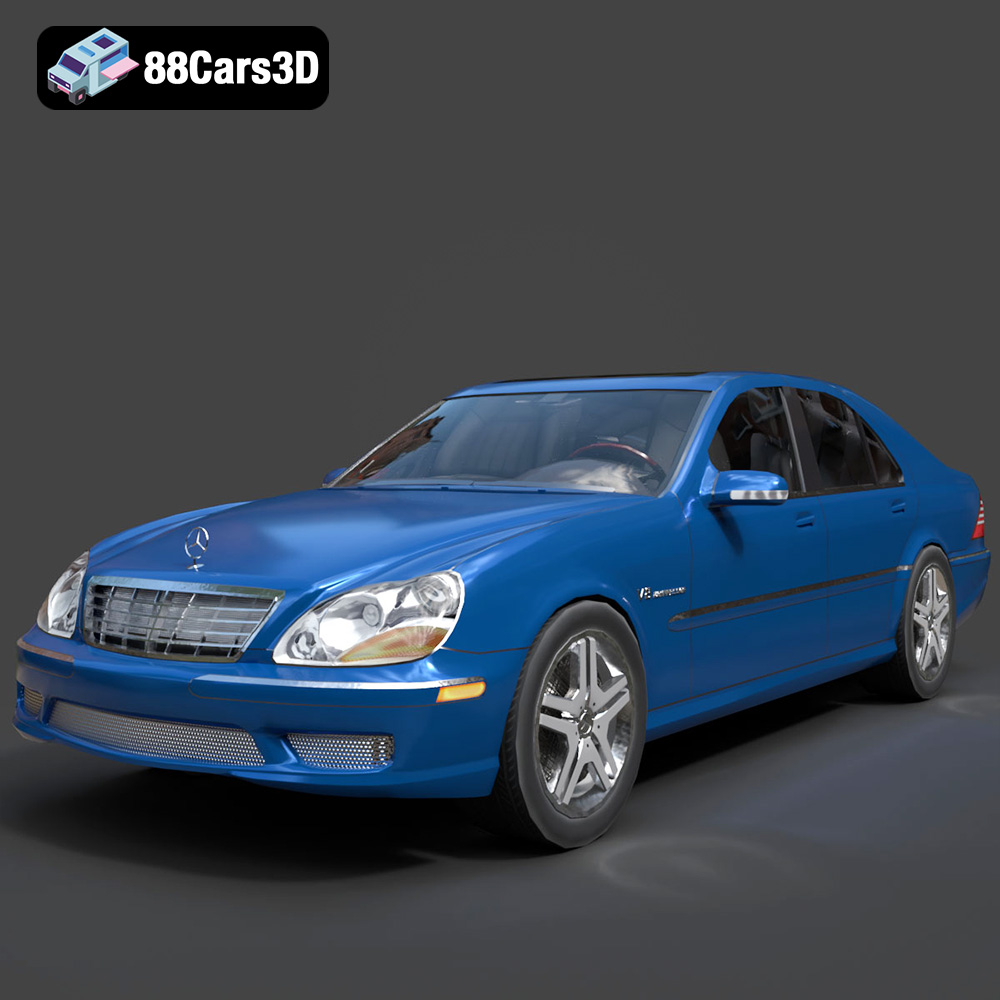
Mercedes-Benz S55 W220 AMG 1999 3D Model
Texture: Yes
Material: Yes
Download the Mercedes-Benz S55 W220 AMG 1999 3D Model featuring clean geometry, realistic detailing, and a fully modeled interior. Includes .blend, .fbx, .obj, .glb, .stl, .ply, .unreal, and .max formats for rendering, simulation, and game development.
Price: $23.99
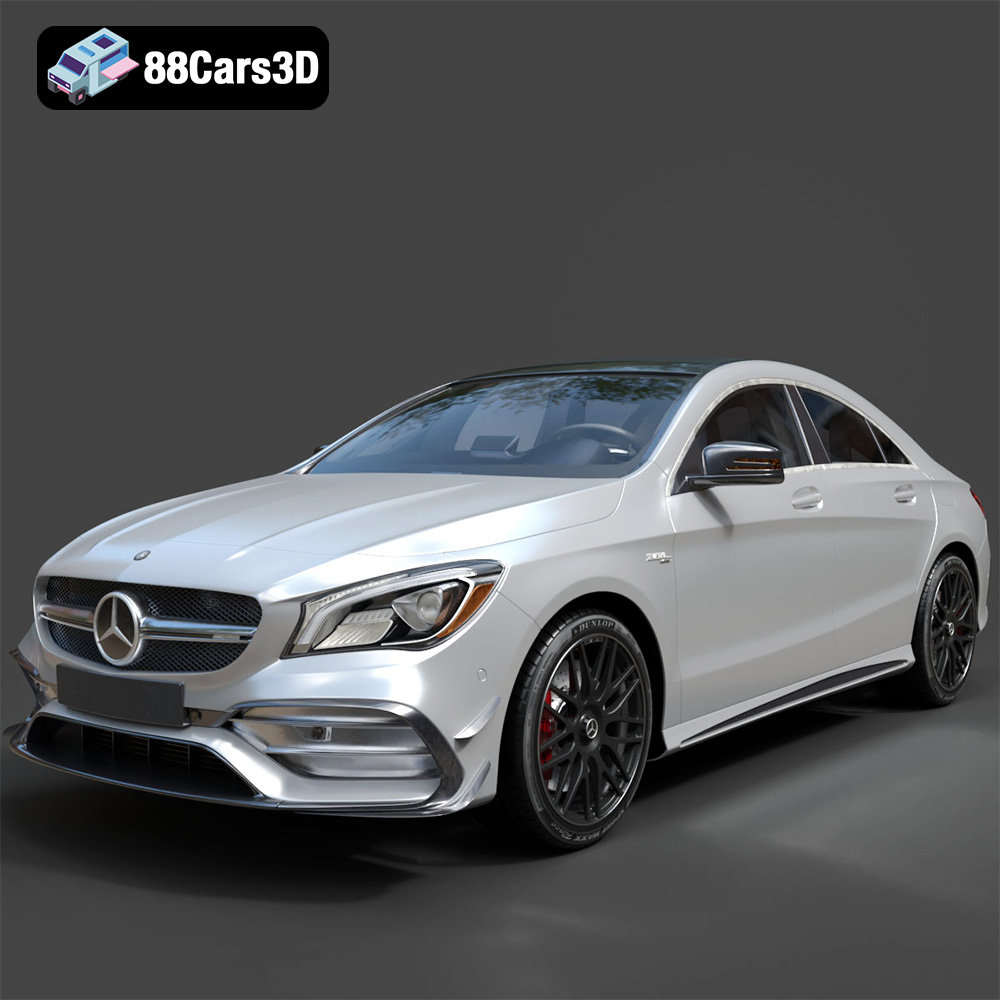
Mercedes-Benz CLA45 AMG 2017 3D Model
Texture: Yes
Material: Yes
Download the Mercedes-Benz CLA45 AMG 2017 3D Model featuring clean geometry, realistic detailing, and a fully modeled interior. Includes .blend, .fbx, .obj, .glb, .stl, .ply, .unreal, and .max formats for rendering, simulation, and game development.
Price: $38.99
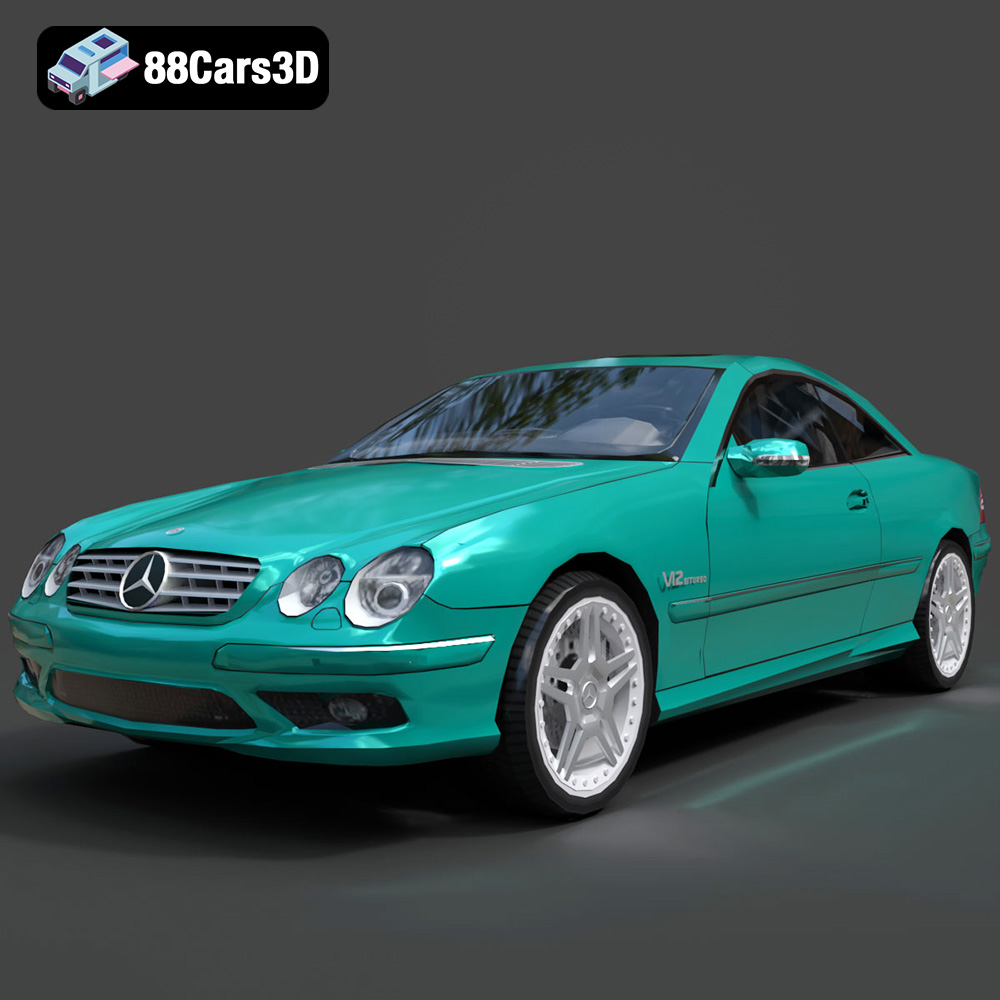
Mercedes-Benz CL65 C215 AMG 3D Model
Texture: Yes
Material: Yes
Download the Mercedes-Benz CL65 C215 AMG 3D Model featuring clean geometry, realistic detailing, and a fully modeled interior. Includes .blend, .fbx, .obj, .glb, .stl, .ply, .unreal, and .max formats for rendering, simulation, and game development.
Price: $23.99
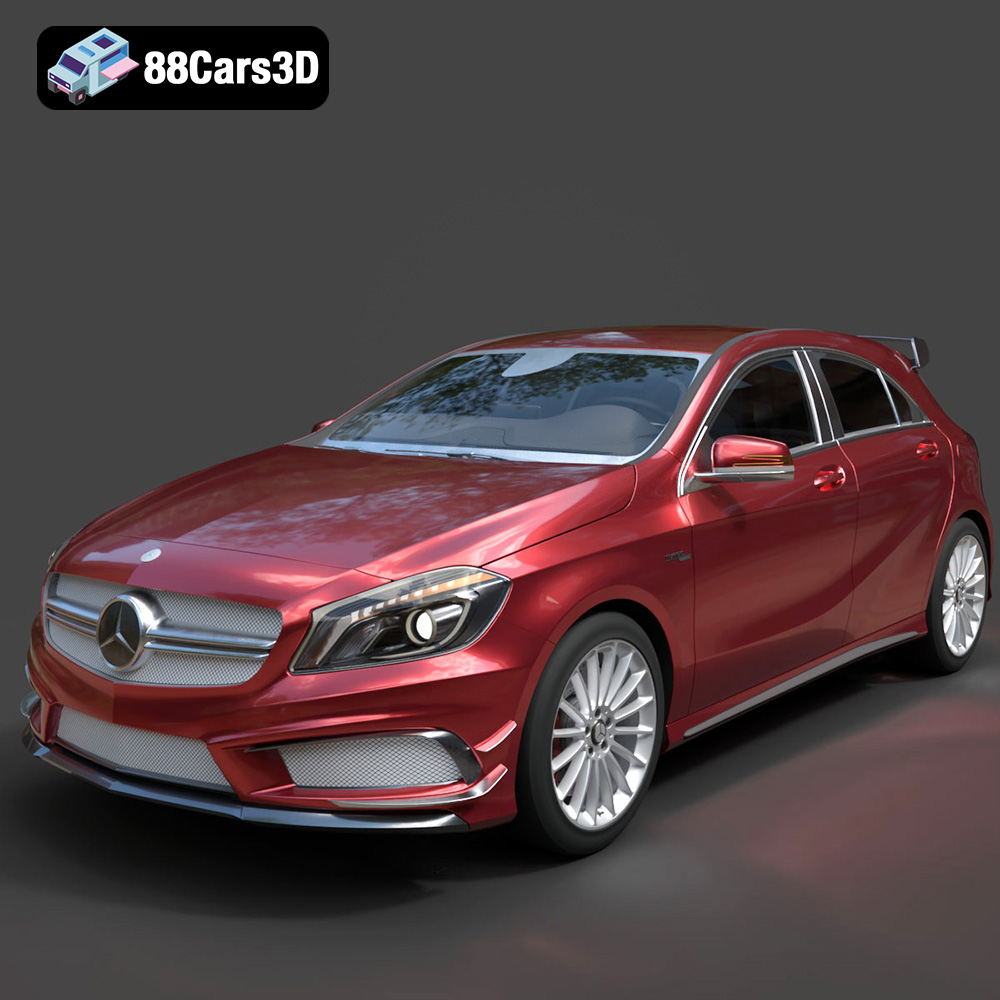
Mercedes-Benz A45 2021 3D Model
Texture: Yes
Material: Yes
Download the Mercedes-Benz A45 2021 3D Model featuring clean geometry, realistic detailing, and a fully modeled interior. Includes .blend, .fbx, .obj, .glb, .stl, .ply, .unreal, and .max formats for rendering, simulation, and game development.
Price: $23.99
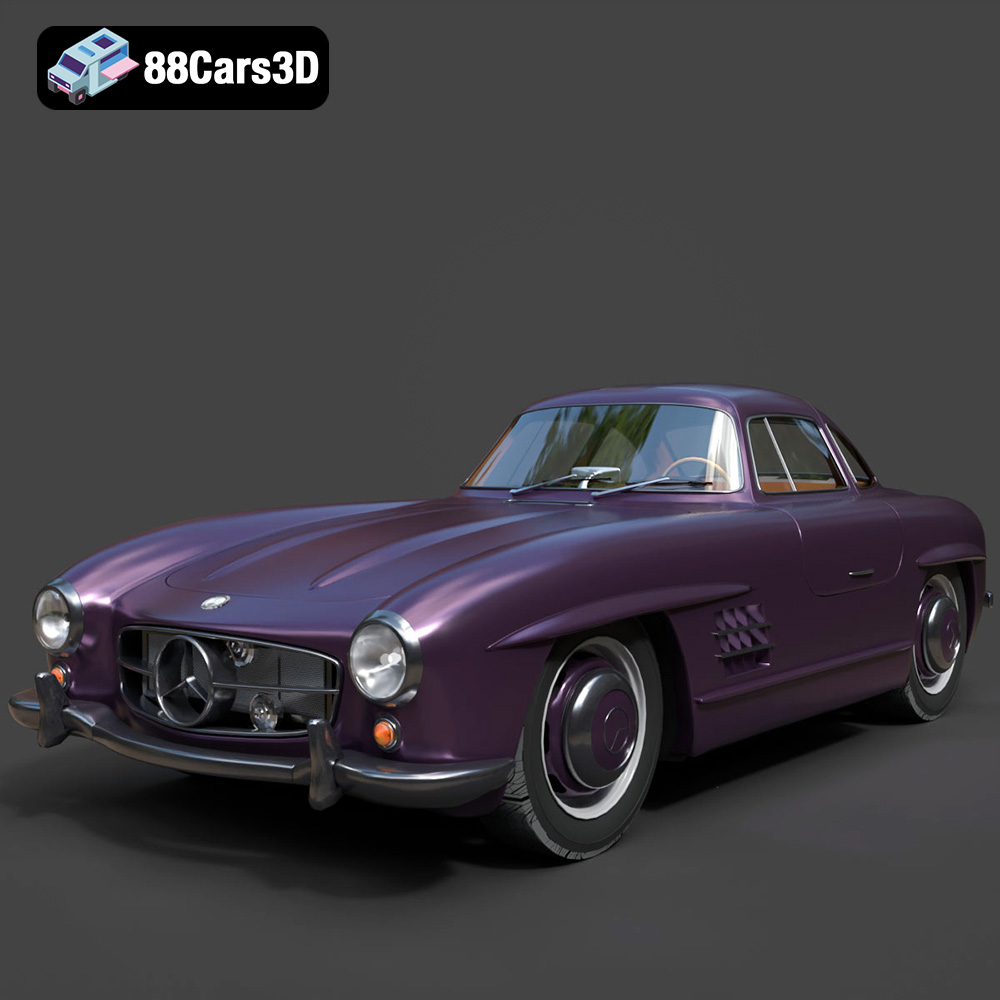
Mercedes-Benz 300SL 1955 3D Model
Texture: Yes
Material: Yes
Download the Mercedes-Benz 300SL 1955 3D Model featuring clean geometry, realistic detailing, and a fully modeled interior. Includes .blend, .fbx, .obj, .glb, .stl, .ply, .unreal, and .max formats for rendering, simulation, and game development.
Price: $23.99
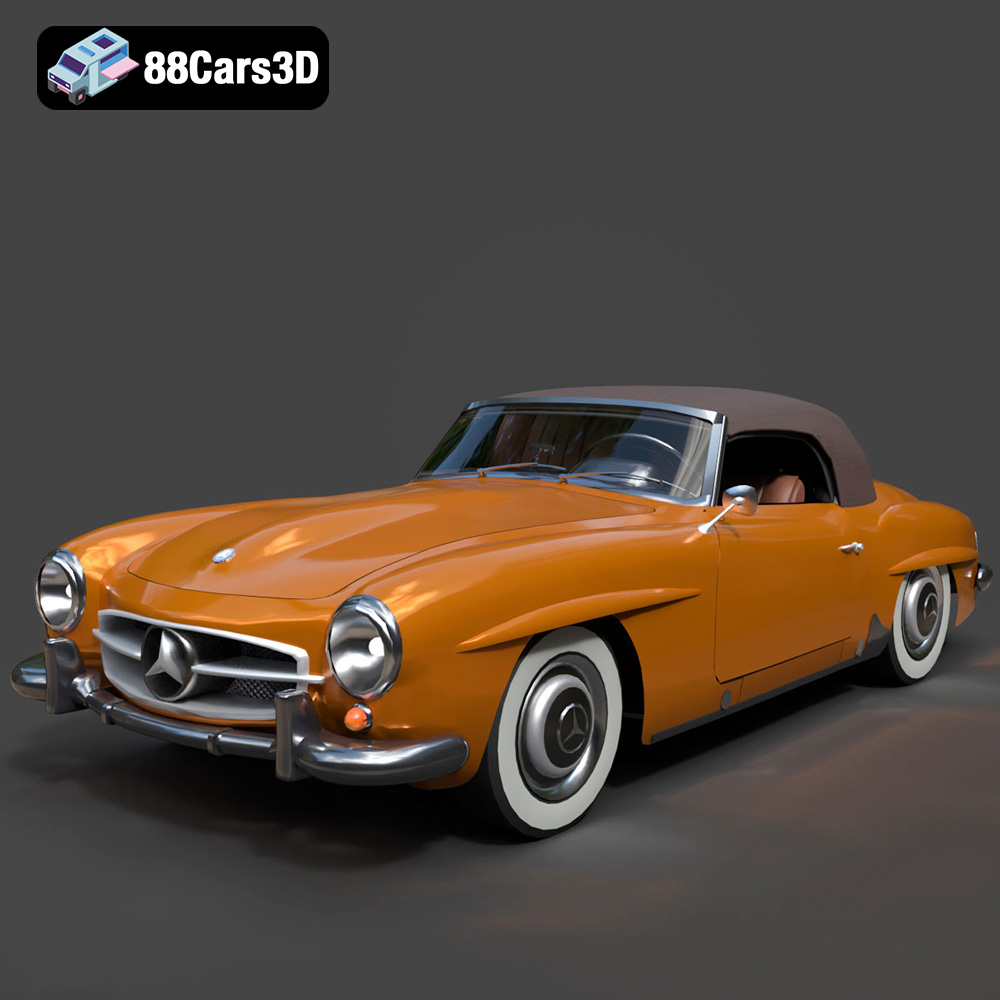
Mercedes-Benz 190SL 1955 3D Model
Texture: Yes
Material: Yes
Download the Mercedes-Benz 190SL 1955 3D Model featuring clean geometry, realistic detailing, and a fully modeled interior. Includes .blend, .fbx, .obj, .glb, .stl, .ply, .unreal, and .max formats for rendering, simulation, and game development.
Price: $23.99
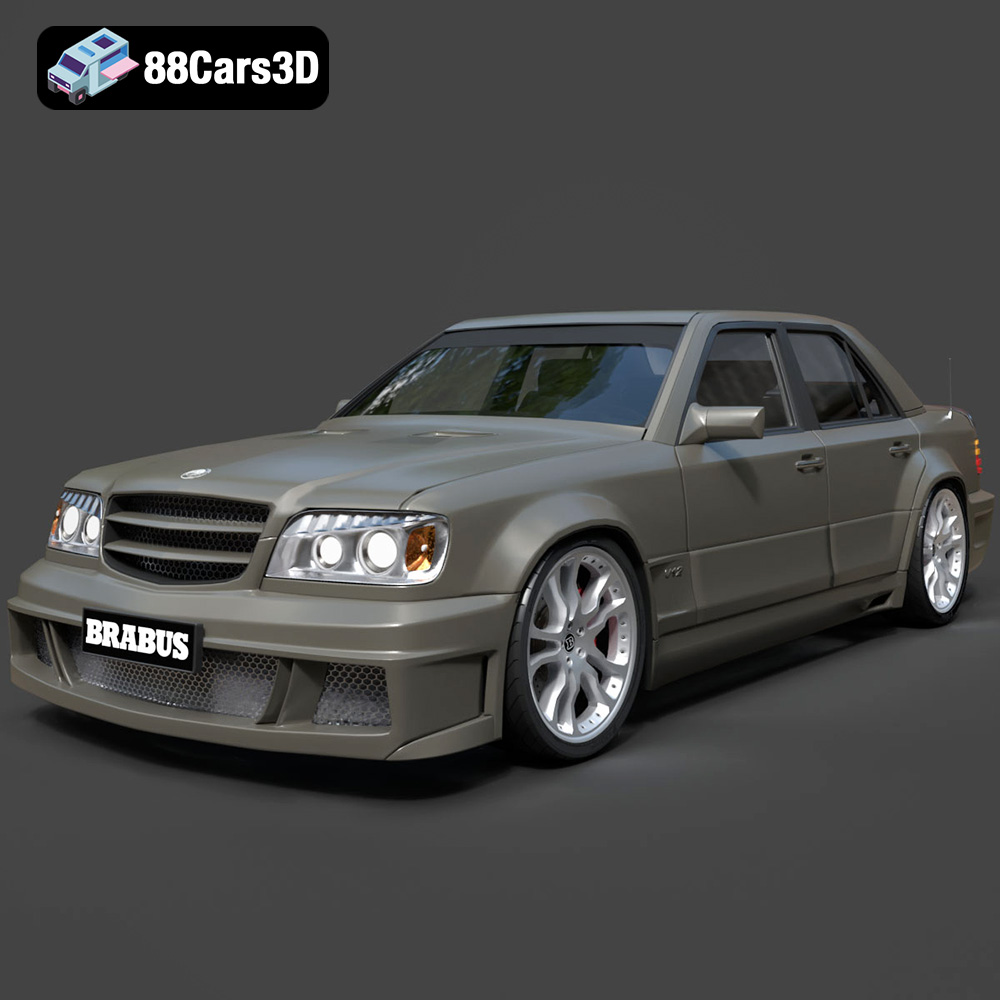
Mercedes-Benz W124 Brabus V12 3D Model
Texture: Yes
Material: Yes
Download the Mercedes-Benz W124 Brabus V12 3D Model featuring clean geometry, realistic detailing, and a fully modeled interior. Includes .blend, .fbx, .obj, .glb, .stl, .ply, .unreal, and .max formats for rendering, simulation, and game development.
Price: $23.99
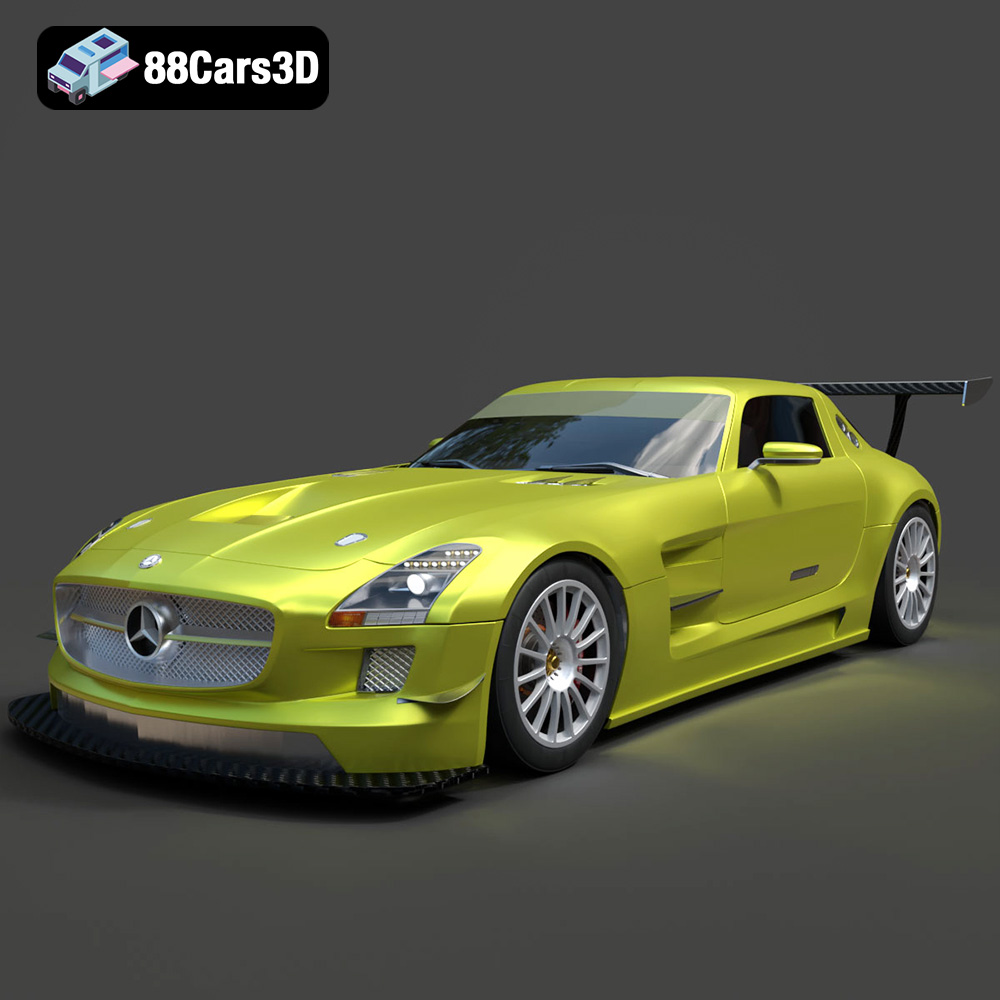
Mercedes-Benz SLS AMG GT3-002 3D Model
Texture: Yes
Material: Yes
Download the Mercedes-Benz SLS AMG GT3-002 3D Model featuring clean geometry, realistic detailing, and a fully modeled interior. Includes .blend, .fbx, .obj, .glb, .stl, .ply, .unreal, and .max formats for rendering, simulation, and game development.
Price: $38.99

Mercedes-Benz C-Class-001 3D Model
Texture: Yes
Material: Yes
Download the Mercedes-Benz C-Class-001 3D Model featuring clean geometry, realistic detailing, and a fully modeled interior. Includes .blend, .fbx, .obj, .glb, .stl, .ply, .unreal, and .max formats for rendering, simulation, and game development.
Price: $38.99
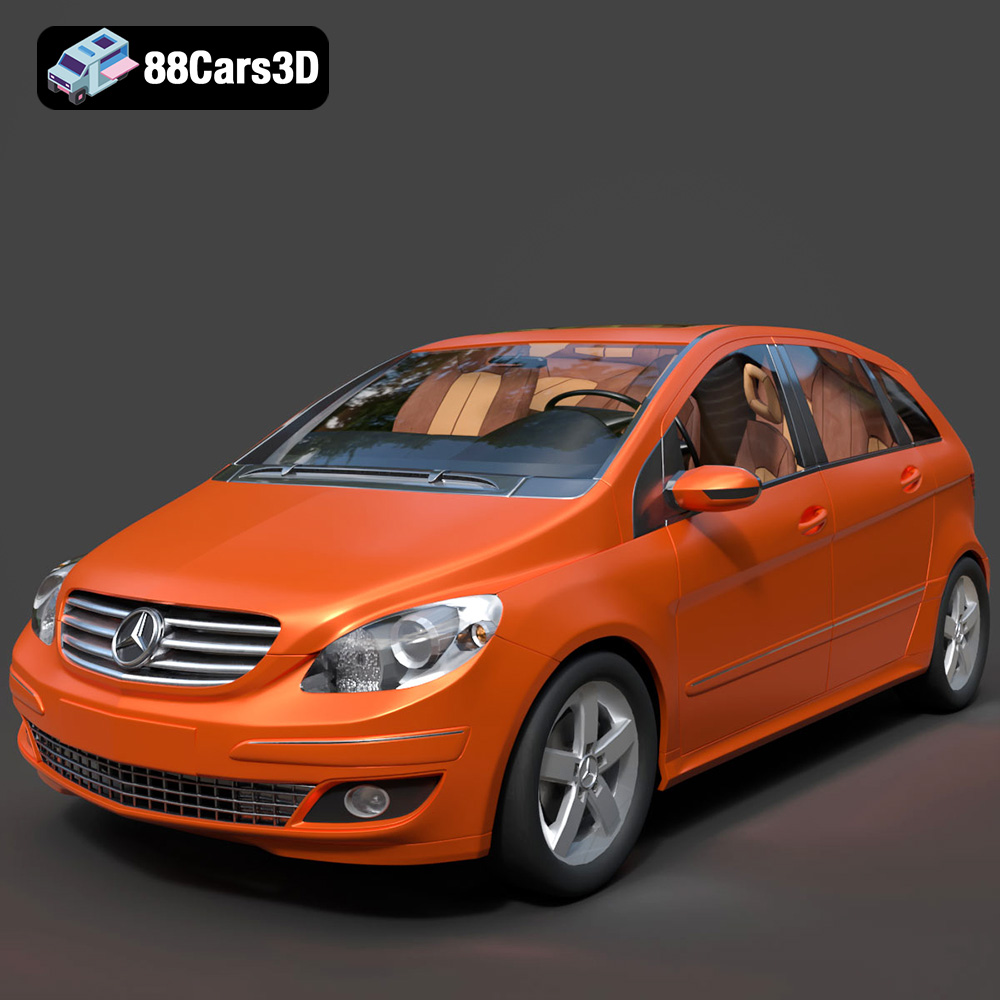
Mercedes-Benz B-Klasse 2023 3D Model
Texture: Yes
Material: Yes
Download the Mercedes-Benz B-Klasse 2023 3D Model featuring clean geometry, realistic detailing, and a fully modeled interior. Includes .blend, .fbx, .obj, .glb, .stl, .ply, .unreal, and .max formats for rendering, simulation, and game development.
Price: $38.99
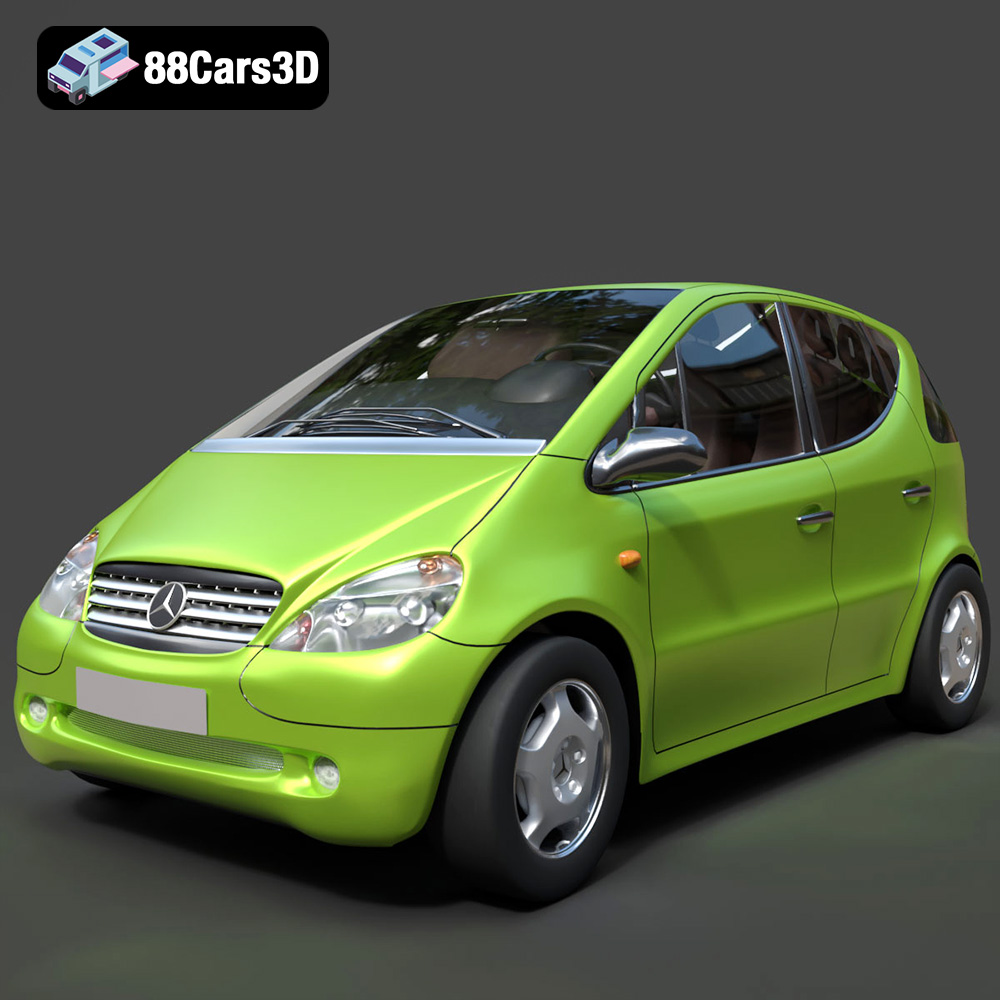
Mercedes-Benz A-Klasse W168 3D Model
Texture: Yes
Material: Yes
Download the Mercedes-Benz A-Klasse W168 3D Model featuring clean geometry, realistic detailing, and a fully modeled interior. Includes .blend, .fbx, .obj, .glb, .stl, .ply, .unreal, and .max formats for rendering, simulation, and game development.
Price: $38.99
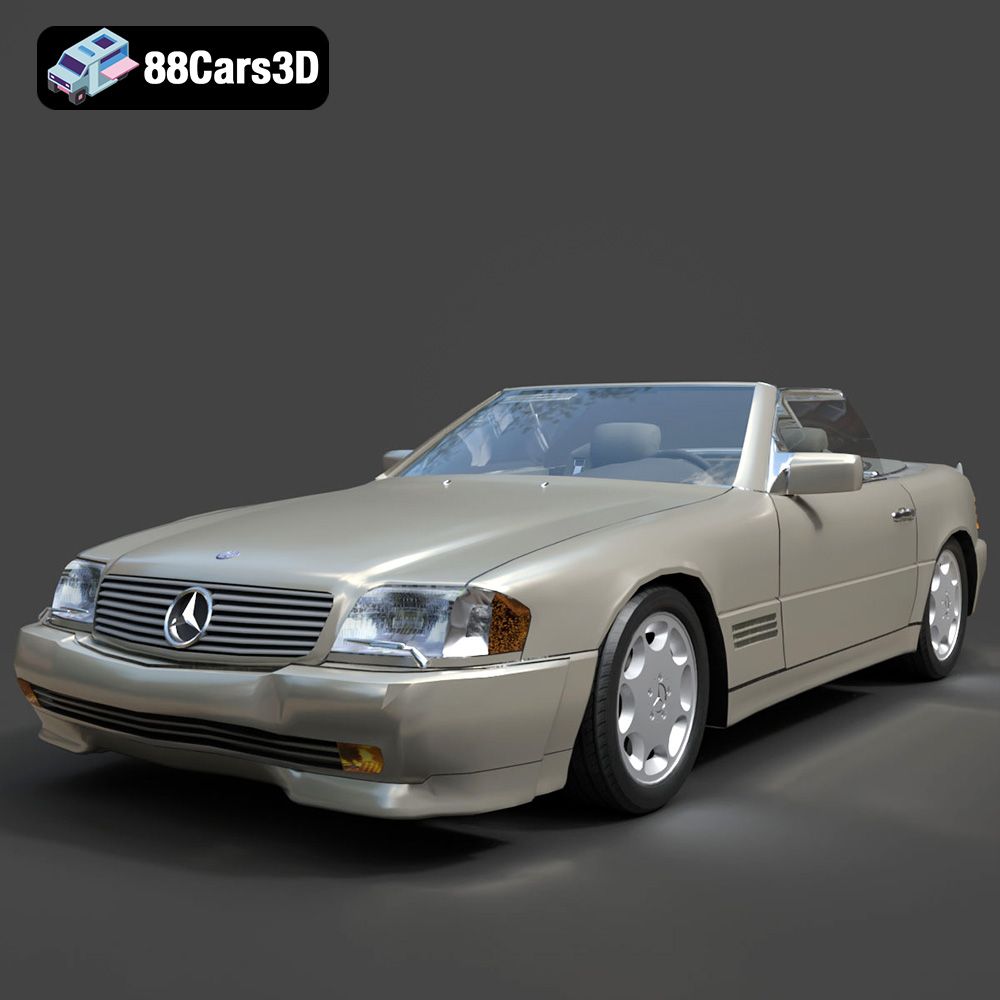
Mercedes-Benz 500SL 2000 3D Model
Texture: Yes
Material: Yes
Download the Mercedes-Benz 500SL 2000 3D Model featuring clean geometry, realistic detailing, and a fully modeled interior. Includes .blend, .fbx, .obj, .glb, .stl, .ply, .unreal, and .max formats for rendering, simulation, and game development.
Price: $38.99
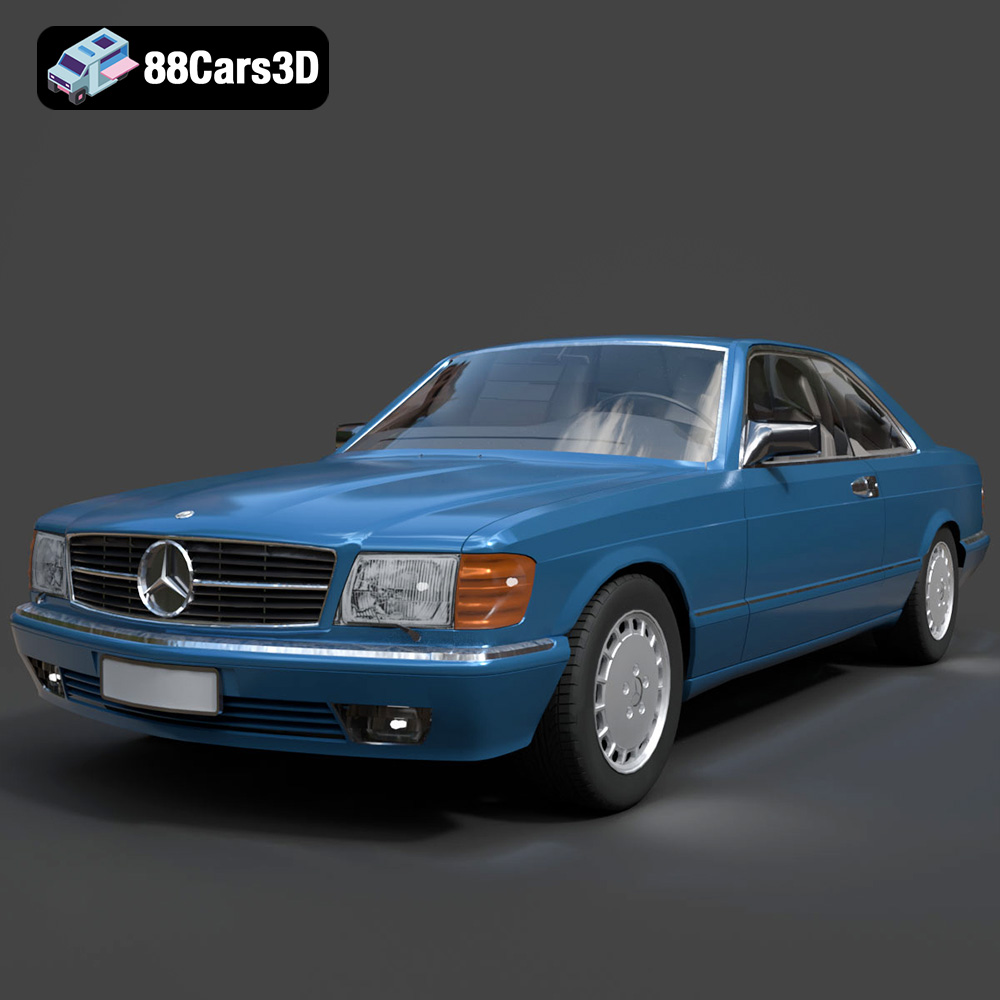
Mercedes-Benz 500SEC 3D Model
Texture: Yes
Material: Yes
Download the Mercedes-Benz 500SEC 3D Model featuring clean geometry, realistic detailing, and a fully modeled interior. Includes .blend, .fbx, .obj, .glb, .stl, .ply, .unreal, and .max formats for rendering, simulation, and game development.
Price: $38.99
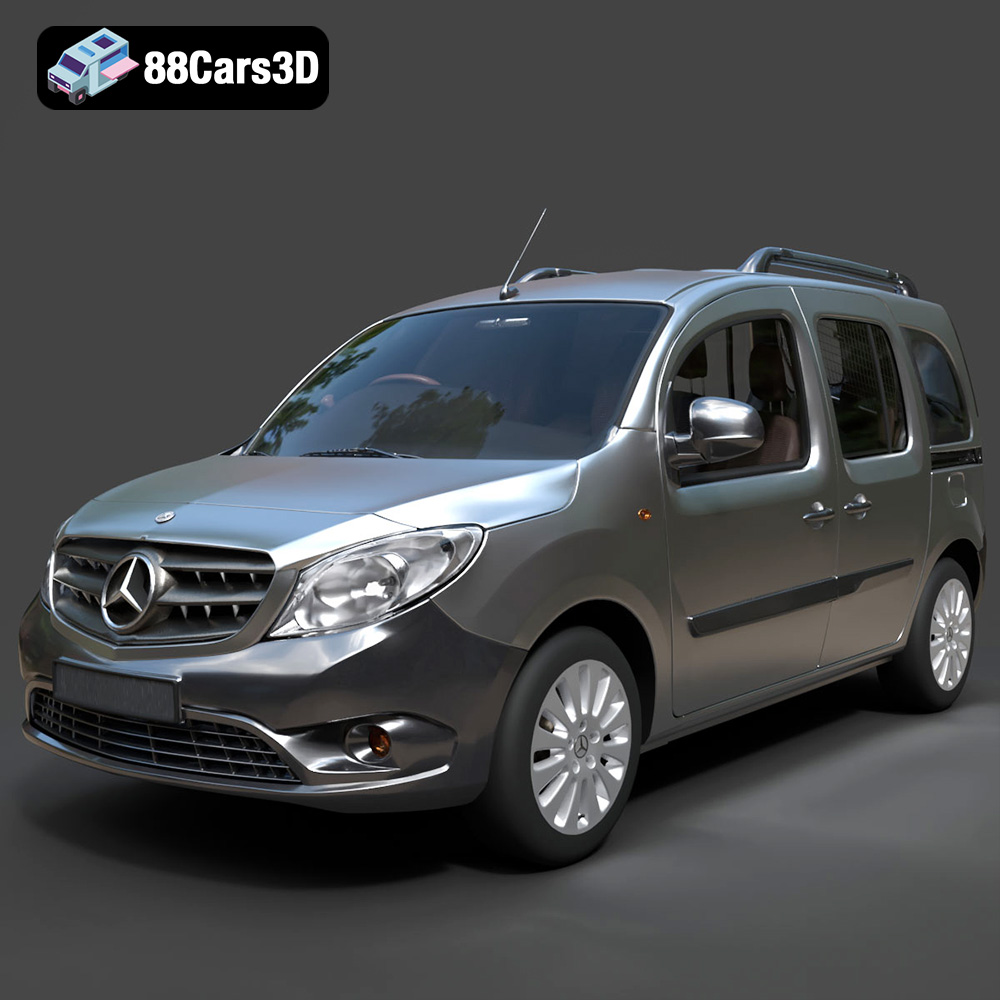
Mercedes-Benz Citan 2025 3D Model
Texture: Yes
Material: Yes
Download the Mercedes-Benz Citan 2025 3D Model featuring clean geometry, realistic detailing, and a fully modeled interior. Includes .blend, .fbx, .obj, .glb, .stl, .ply, .unreal, and .max formats for rendering, simulation, and game development.
Price: $38.99
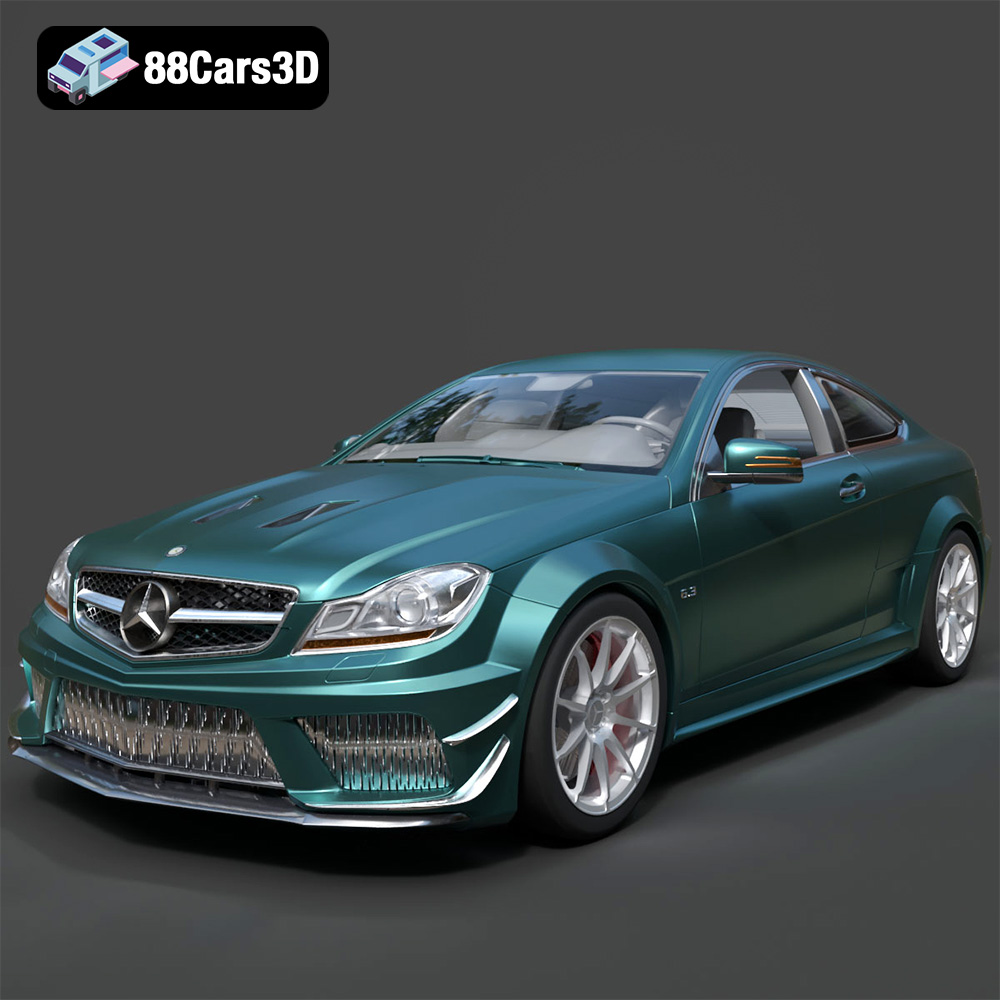
Mercedes-Benz C63 AMG 2012 3D Model
Texture: Yes
Material: Yes
Download the Mercedes-Benz C63 AMG 2012 3D Model featuring clean geometry, realistic detailing, and a fully modeled interior. Includes .blend, .fbx, .obj, .glb, .stl, .ply, .unreal, and .max formats for rendering, simulation, and game development.
Price: $38.99
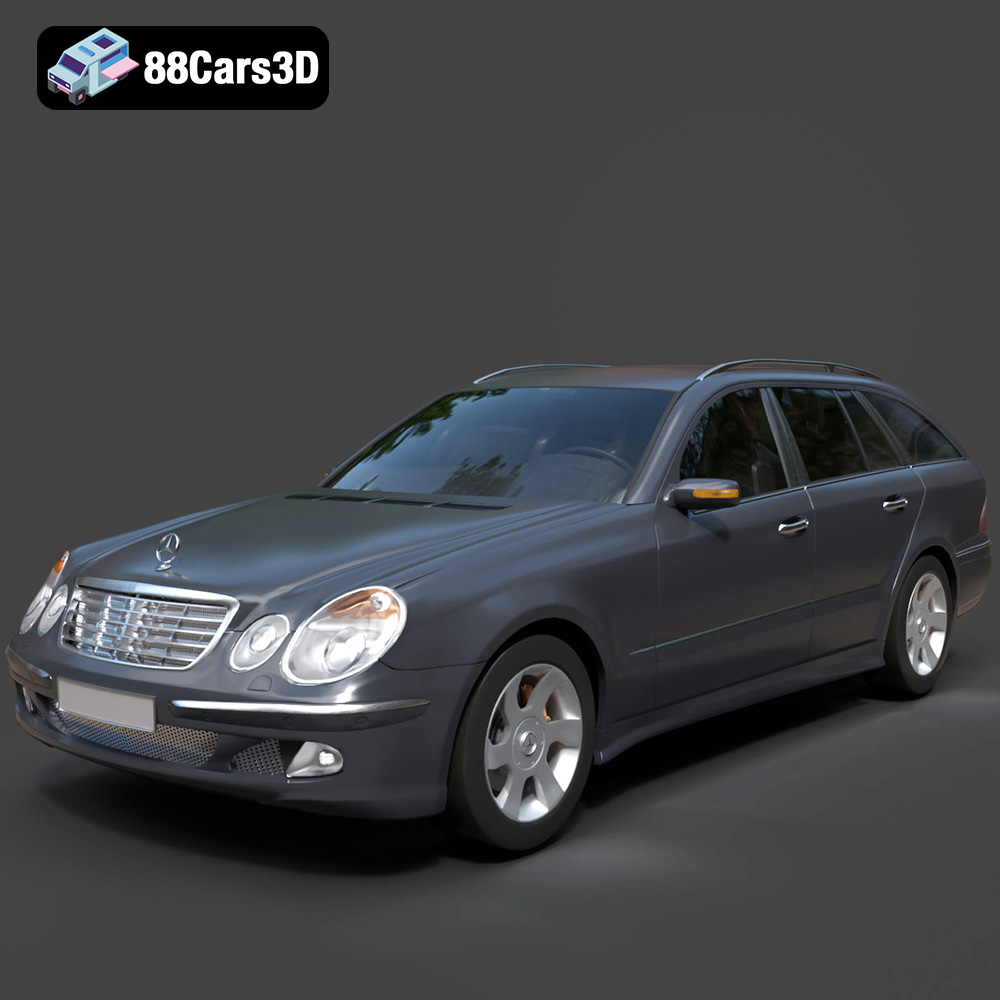
Mercedes-Benz E-Class S211 3D Model
Texture: Yes
Material: Yes
Download the Mercedes-Benz E-Class S211 3D Model featuring clean geometry, realistic detailing, and a fully modeled interior. Includes .blend, .fbx, .obj, .glb, .stl, .ply, .unreal, and .max formats for rendering, simulation, and game development.
Price: $38.99
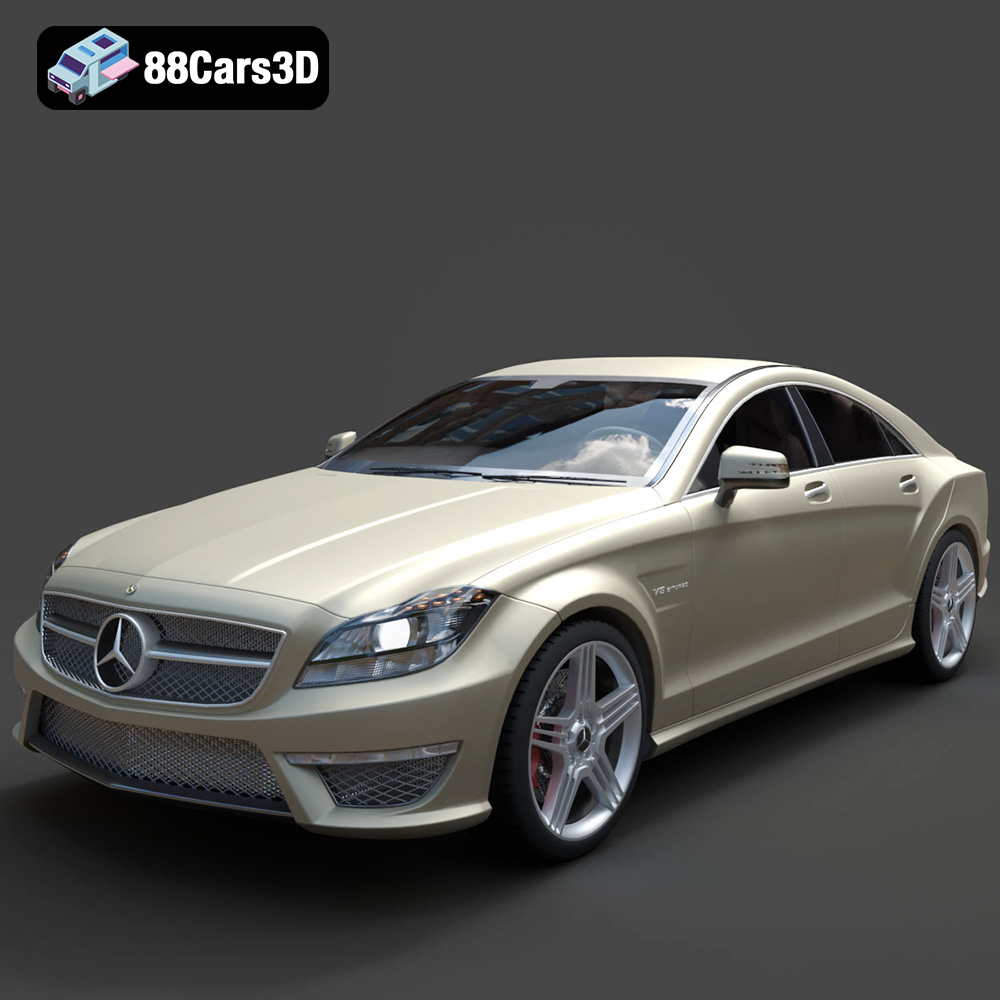
Mercedes-Benz CLS63 AMG (C218) 2014 3D Model
Texture: Yes
Material: Yes
Download the Mercedes-Benz CLS63 AMG (C218) 2014 3D Model featuring clean geometry, realistic detailing, and a fully modeled interior. Includes .blend, .fbx, .obj, .glb, .stl, .ply, .unreal, and .max formats for rendering, simulation, and game development.
Price: $38.99
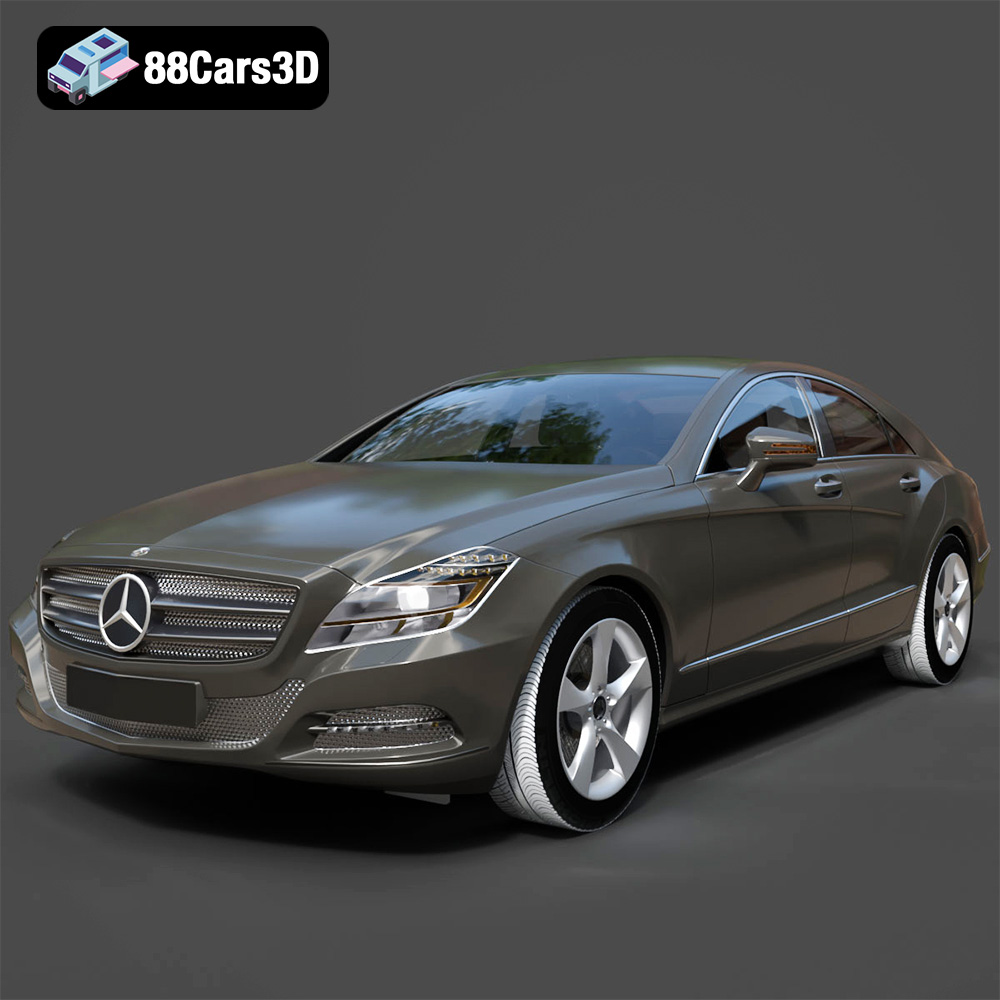
Mercedes-Benz CLS-Klasse 3D Model
Texture: Yes
Material: Yes
Download the Mercedes-Benz CLS-Klasse 3D Model featuring clean geometry, realistic detailing, and a fully modeled interior. Includes .blend, .fbx, .obj, .glb, .stl, .ply, .unreal, and .max formats for rendering, simulation, and game development.
Price: $38.99
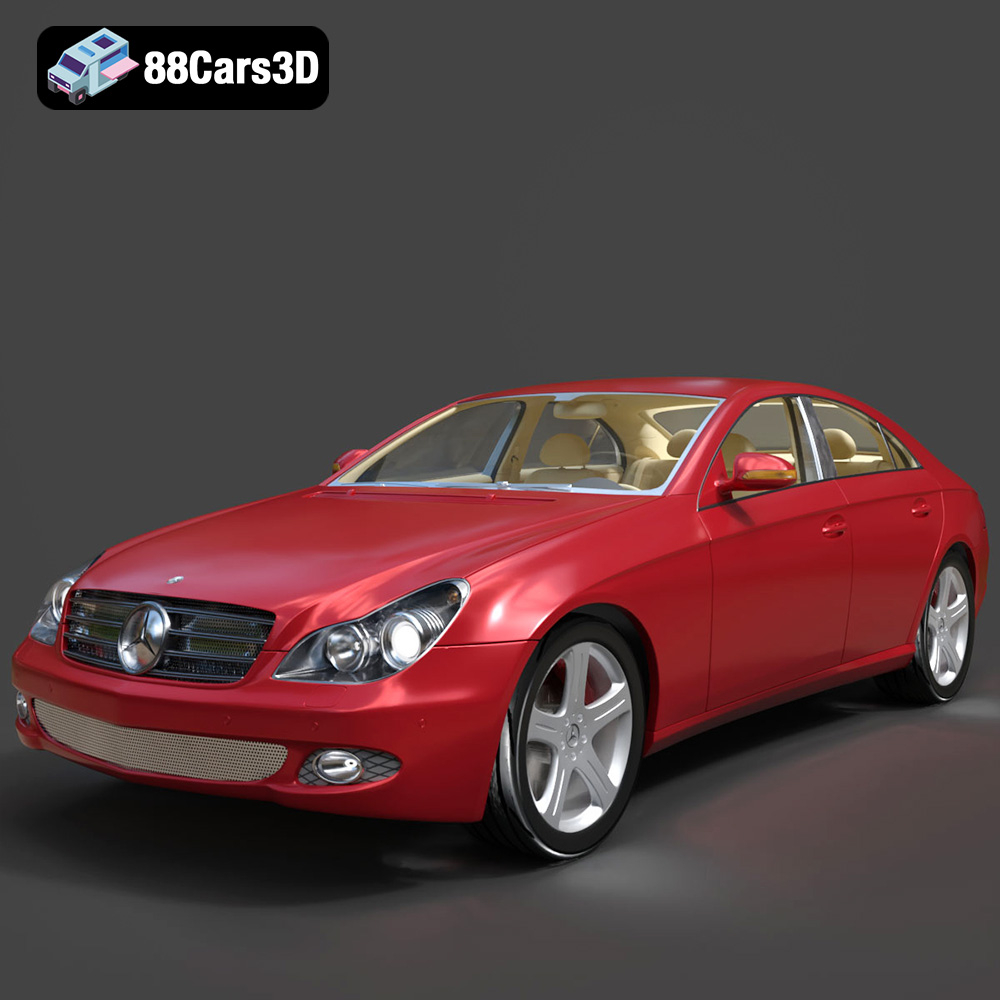
Mercedes-Benz CLS 500 3D Model
Texture: Yes
Material: Yes
Download the Mercedes-Benz CLS 500 3D Model featuring clean geometry, realistic detailing, and a fully modeled interior. Includes .blend, .fbx, .obj, .glb, .stl, .ply, .unreal, and .max formats for rendering, simulation, and game development.
Price: $38.99

Mercedes-Benz CL-Klasse 2001 3D Model
Texture: Yes
Material: Yes
Download the Mercedes-Benz CL-Klasse 2001 3D Model featuring clean geometry, realistic detailing, and a fully modeled interior. Includes .blend, .fbx, .obj, .glb, .stl, .ply, .unreal, and .max formats for rendering, simulation, and game development.
Price: $38.99
