
The Elusive Luster: Why Automotive Paint is a Real-Time Challenge

The gleam of a freshly waxed luxury car, the subtle shimmer of metallic flakes under sunlight, the deep, mirror-like reflections of its environment – these are visual cues that instantly communicate quality and realism in the physical world. In the realm of real-time 3D, however, recreating these effects with authentic fidelity remains one of the most formidable challenges for artists and developers. Achieving truly photorealistic automotive paint, complete with its intricate layered structure and complex light interactions, pushes the boundaries of modern game engines and rendering pipelines. It’s a journey that demands a deep understanding of physically based rendering (PBR) principles, advanced shader development, and meticulous environmental setup. At 88cars3d.com, we understand the pursuit of perfection in automotive visualization, and this guide is dedicated to unlocking that next level of realism.
This post will guide you through the intricacies of crafting high-end PBR automotive paint shaders for real-time 3D engines, transforming your virtual vehicles into breathtaking digital masterpieces. We’ll delve into the science behind car paint, explore the nuances of physically based shading, and provide actionable insights into developing bespoke shaders that capture every detail, from the subtle sparkle of a metallic flake material to the pristine clarity of a top coat. Get ready to elevate your automotive visualization materials to unparalleled heights.
The Elusive Luster: Why Automotive Paint is a Real-Time Challenge
Automotive paint is far more than just a single color layer; it’s a sophisticated multi-layered system engineered for durability, protection, and, critically, aesthetic appeal. This complex structure is the primary reason why it poses such a significant hurdle for real-time car paint shader development. To truly understand the challenge, we must deconstruct its components:
- The Primer: A foundational layer that prepares the surface and ensures adhesion. While less visually impactful, it influences the underlying surface properties.
- The Base Coat (Color Coat): This is where the primary color resides. Critically, it often contains metallic or pearlescent pigments. Metallic flakes are tiny aluminum particles that reflect light directionally, creating a sparkling effect and shifting brightness depending on the viewing angle. Pearlescent pigments (mica, ceramics) achieve a similar effect but with added interference colors, leading to a “chameleon” or iridescent shift.
- The Clear Coat (Top Coat): A transparent, durable layer of resin applied over the base coat. This is arguably the most visually significant layer, responsible for the deep gloss, mirror-like reflections, and protection against UV and scratches. It’s also the source of the pronounced Fresnel effect, where reflections become stronger at grazing angles.
Each of these layers interacts with light differently, involving complex phenomena like subsurface scattering within the clear coat, anisotropic reflections from the metallic flakes, and intricate specularity. Simulating all these effects accurately in real-time, especially while maintaining performance, requires highly optimized custom shaders and a deep understanding of how light behaves. The subtle interaction between the internal metallic flakes and the external clear coat rendering is paramount to achieving authenticity, demanding a meticulous approach to material definition.
Deconstructing Photorealism: PBR Principles and Layered Materials
At the heart of modern real-time rendering lies Physically Based Rendering (PBR), a methodology that aims to simulate light and material interactions based on real-world physics. For automotive paint, adopting a strict PBR workflow is non-negotiable for achieving photorealism. PBR ensures that materials react correctly under various lighting conditions, making them look consistent and believable.
Understanding PBR Core Concepts for Car Paint
PBR relies on a few fundamental principles:
- Energy Conservation: Light energy must not be created or destroyed. The sum of reflected and absorbed light cannot exceed the incoming light. This prevents materials from looking “too bright” or unrealistic.
- Fresnel Effect: The phenomenon where the reflectivity of a surface increases at grazing angles (when viewed almost parallel to the surface). This is intensely visible on the clear coat of car paint, making reflections much stronger when looking across the surface.
- Microfacet Theory: All surfaces are considered to have microscopic imperfections (microsurfaces) that scatter light. Roughness maps dictate the orientation variance of these microsurfaces, influencing the spread and blurriness of reflections. A smooth clear coat will have low roughness, leading to sharp reflections, while a matte finish would have high roughness and diffuse reflections.
The Crucial Role of Layered Materials
To accurately represent car paint in PBR, we must think in layers. Most engines allow for material blending or dedicated layered material systems, which are ideal for this:
-
Base Coat Layer (Metallic/Specular Workflow):
- Base Color: The primary color of the paint, excluding any metallic or reflective properties. For metallic paints, this color will be multiplied by the metallic value.
- Metallic: A grayscale or color texture indicating how “metallic” the surface is. For automotive paint, the base coat often has a high metallic value where the flakes are present, making its specular color directly tied to its base color.
- Roughness: Controls the micro-surface detail and the blurriness of reflections on the base coat. While the clear coat is usually very smooth, the underlying base coat’s roughness can slightly affect the overall appearance, especially for matte or satin finishes.
- Normal Map: Essential for adding detail like subtle imperfections or to simulate the microscopic bumps of the metallic flakes.
-
Clear Coat Layer:
- Roughness: Typically very low for a glossy finish, creating sharp, mirror-like reflections. Scratches or dust would increase local roughness.
- IOR (Index of Refraction): Controls the Fresnel effect and light bending. For clear coat, a value around 1.4-1.5 is standard, affecting the strength and tint of reflections.
- Absorption/Color: While clear, very thick clear coats can sometimes have a subtle tint or absorb light over distance. This is often simplified for real-time.
- Normal Map: Can be used for subtle surface imperfections, orange peel effect, or scratches on the clear coat itself.
This layered approach is fundamental to accurate clear coat rendering and allows for the precise control needed for a convincing PBR automotive paint material. Understanding how these maps interact and how light is conserved between them is the bedrock of achieving truly believable automotive visualization materials.
Crafting Complexity: Custom Shader Development for Real-Time Engines
While standard PBR materials can get you part of the way, achieving the full spectrum of photorealism for automotive paint often requires diving into custom shader development. This is where you can implement unique features like advanced metallic flake algorithms, multi-layered clear coat effects, and specific pearlescent shifts. We’ll explore techniques applicable in popular engines.
Unreal Engine Car Paint: Material Editor Mastery
Unreal Engine’s Material Editor provides a powerful node-based environment for crafting sophisticated shaders. To build an advanced Unreal Engine car paint shader, consider these techniques:
-
Layered Material Setup:
Use the ‘Material Attributes’ and ‘Make Material Attributes’ nodes to encapsulate base coat and clear coat properties. Blend these using ‘Blend Material Attributes’ or by manually interpolating properties. A common approach is to compute the base coat’s appearance, then layer the clear coat’s specular reflections on top, adjusting its Fresnel effect.
-
Implementing Metallic Flakes:
This is where custom logic shines. Instead of just a uniform metallic value, you can simulate individual flakes:
- Procedural Noise: Generate a noise pattern (e.g., ‘Perlin Noise’ or a custom implementation) to create a sparse, sparkling effect. Scale it appropriately.
- Normal Map Blending: Combine a procedural normal map (derived from the noise or a custom flake texture) with the base paint’s normal map. The flake normal map should represent tiny, randomly oriented micro-facets.
- Anisotropic Reflections: For true directional sparkle, flakes often exhibit anisotropy. You can manually implement anisotropic BRDF (Bidirectional Reflectance Distribution Function) logic or use custom reflection models that take tangent-space normals into account. This requires a more advanced understanding of shader math.
- Controlling Flake Visibility: Use a camera-vector dot product with the surface normal to subtly adjust flake intensity based on view angle, making them more prominent at glancing angles.
-
Advanced Clear Coat Rendering:
Beyond standard PBR, you can enhance the clear coat:
- Dual Specular Lobes: Simulate a very thin, very smooth top layer over a slightly rougher base coat by blending two specular components, each with its own roughness and Fresnel.
- Fake Absorption: Simulate light absorption within the clear coat by coloring the specular contribution based on distance or depth, giving thicker areas a subtle tint.
- Orange Peel Effect: Use a subtle, high-frequency normal map on the clear coat layer to mimic the microscopic texture of sprayed paint.
-
Pearlescent/Chameleon Effects:
These dynamic color shifts are often achieved by modifying the base color based on the viewing angle. A common method involves using the dot product of the camera vector and the normal vector, feeding the result into a ‘Lerp’ node to blend between two or more colors. The input for the lerp can be remapped to control the sharpness and range of the color shift.
-
Performance Optimization:
Always profile your shaders. Use ‘Shader Complexity’ view mode in Unreal Engine to identify expensive nodes. Utilize Material Instances to create variations without recompiling the base shader. Optimize texture resolutions and employ techniques like static switches for features that can be toggled.
Unity’s Shader Graph & Custom HLSL/GLSL
Unity’s Shader Graph offers a similar node-based workflow for creating custom materials without writing raw code. The principles of layered materials, metallic flake simulation, and clear coat enhancements remain the same. For maximum control and unique effects, writing custom HLSL/GLSL code directly in a Shader Lab file is an option, allowing for highly optimized and specific rendering passes. For instance, specific microfacet models for flakes or advanced volumetric effects within the clear coat might be easier to implement directly in code.
When developing these automotive visualization materials, remember that starting with high-quality, accurately modeled assets is paramount. A meticulously crafted model from 88cars3d.com provides the perfect foundation upon which to apply these advanced shader techniques, ensuring that your efforts in material development are complemented by pristine geometry and UV layouts.
Beyond the Shader: Lighting, Reflections, and Environmental Harmony
A phenomenal real-time car paint shader is only half the battle. Its true brilliance emerges when paired with an equally compelling lighting environment and finely tuned post-processing. Light defines how your material looks; without good lighting, even the best shader will fall flat.
Dynamic Lighting & HDRI: The Foundation of Realism
The interplay between your vehicle and its surroundings is crucial. High Dynamic Range Image-Based Lighting (HDRI-IBL) is indispensable for realistic global illumination and environment reflections. An HDRI provides a panoramic capture of real-world light information, including both direct and indirect light, which is then used to illuminate your scene.
- High-Quality HDRIs: Invest in high-resolution, well-exposed HDRIs. These capture the nuances of real-world lighting, from subtle ambient bounced light to bright sun reflections.
- Key, Fill, and Rim Lights: Supplement IBL with traditional three-point lighting principles. A strong key light (e.g., a directional light simulating the sun) will define the primary specular highlights on your clear coat. Fill lights soften shadows, and subtle rim lights can help define the silhouette of the vehicle, emphasizing its contours.
- Shadow Quality: Ensure high-resolution, soft shadows from your primary light sources. Hard, pixelated shadows can immediately break immersion, especially on a highly reflective surface.
Reflection Probes & Screen Space Reflections: Capturing the World
Car paint is inherently reflective. Accurately capturing the environment’s reflections is crucial for visual fidelity.
- Strategic Reflection Probe Placement: Place reflection probes (cube maps) strategically around your vehicle. A large, encompassing probe captures distant environmental reflections, while smaller, local probes can capture nearby objects (ground, walls, other vehicles) with greater accuracy. Blend these probes smoothly to avoid jarring transitions. Parallax correction on probes ensures that reflections deform correctly with depth.
- Screen Space Reflections (SSR): SSR provides highly accurate, real-time reflections of objects visible within the camera’s screen space. While powerful, SSR has limitations – it cannot reflect objects outside the screen view. Blend SSR with reflection probes, where probes handle off-screen reflections and SSR enhances on-screen accuracy.
- Planar Reflections: For perfectly flat surfaces like polished floors or still water, planar reflections offer pixel-perfect, real-time reflections at a higher performance cost. Use them judiciously for hero shots or specific ground planes.
Post-Processing for Polish and Punch
Post-processing effects are the final layer of polish that can elevate your automotive visualization materials from realistic to breathtaking. Applied after the entire scene is rendered, they mimic camera optics and filmic effects.
- Color Grading: Adjust the overall color temperature, saturation, contrast, and tone mapping to achieve a desired mood or match real-world photography.
- Bloom: Simulates the natural light bleed around bright areas, enhancing the intensity of specular highlights on the clear coat. Use it subtly to avoid an overblown look.
- Ambient Occlusion (SSAO/HBAO): Adds soft, contact shadows where surfaces are close together, grounding your vehicle more realistically in the scene.
- Depth of Field: Used to focus attention on specific parts of the car while subtly blurring the foreground and background, mimicking real camera lenses.
- Vignette & Chromatic Aberration: Subtle applications can add a cinematic feel, but overuse can quickly detract from realism.
Each of these elements must work in harmony to bring out the best in your real-time car paint shader. Experimentation and a keen eye for detail are essential to fine-tune these settings and achieve that ultimate photorealistic quality.
Performance and Optimization: The Real-Time Imperative
Crafting stunning PBR automotive paint shaders with intricate details like metallic flake material and advanced clear coat rendering is one thing; making them run smoothly in a real-time environment is another. High-end visuals often come with a performance cost. Understanding how to optimize your custom shaders and scene setup is critical for deliverable, high-fidelity experiences.
Shader Complexity and Cost Analysis
Every node or line of code in your shader contributes to its computational cost. Complex calculations for metallic flakes, multiple layered blend modes, or advanced Fresnel implementations can quickly add up. Modern engines provide tools to visualize shader complexity:
- Unreal Engine’s Shader Complexity View Mode: This visually highlights areas of your scene that are most expensive to render. Aim for green (low complexity) or light blue. Red areas indicate extremely high cost and require optimization.
- Unity’s Frame Debugger & Profiler: These tools allow you to inspect the rendering pipeline step by step, identifying which shaders or passes are taking the most time.
The goal is to achieve visual fidelity without introducing crippling frame rate drops. Balance the visual impact of a feature against its performance cost. Sometimes, a clever artistic trick can achieve 90% of the visual effect for 10% of the computational expense.
Optimizing Shader Development for Speed
- Material Instances: This is a game-changer. Once you’ve created a complex master shader for your car paint, create Material Instances (Unreal) or Material Assets (Unity) from it. These instances allow you to change parameters (colors, roughness, flake intensity) without recompiling the entire shader. This dramatically speeds up iteration and reduces overall project build times.
- Static Switches & Feature Toggles: For features that might be enabled or disabled (e.g., specific pearlescent effects, advanced flake models), use static switches in your shader. When compiled, the engine will only include the code path that is active, removing unused instructions and improving performance.
-
Texture Optimization:
- Appropriate Resolution: Don’t use a 4K texture where 1K or 2K suffices, especially for details that won’t be seen up close.
- Compression: Use appropriate texture compression formats (e.g., BC7 for high quality, DXT1/5 for lower memory) to reduce memory footprint.
- Mipmaps: Ensure mipmaps are generated. These are lower-resolution versions of your textures that the engine uses for objects further from the camera, saving VRAM and reducing aliasing.
- Baking Complex Calculations: If a specific effect (like a complex procedural flake pattern or ambient occlusion) doesn’t need to be dynamically recomputed every frame, consider baking it into a texture. This shifts computation from real-time to design time.
- LODs (Level of Detail) for Materials: Just as meshes have LODs, you can create simpler material instances for lower mesh LODs. When the vehicle is far away, switch to a less complex paint shader that doesn’t calculate individual metallic flakes or elaborate clear coat effects, saving performance without noticeable visual degradation.
Mastering custom shader development for automotive paint isn’t just about creating visually stunning effects; it’s about doing so efficiently. By prioritizing optimization throughout your workflow, you ensure that your breathtaking physically based shading can be experienced seamlessly in real-time applications.
Conclusion: The Art and Science of Automotive Photorealism
The journey to unlocking photorealism in real-time automotive paint shaders is a challenging yet incredibly rewarding endeavor. It’s a testament to the blend of artistic vision and technical mastery required in modern 3D development. We’ve explored the complex layered structure of real-world automotive paint, delved into the fundamental principles of PBR automotive paint, and dissected the techniques for building advanced real-time car paint shader materials, from shimmering metallic flake material to pristine clear coat rendering. We’ve seen how to leverage tools like Unreal Engine’s Material Editor for sophisticated Unreal Engine car paint, the nuances of comprehensive lighting and reflection setups, and the critical importance of optimization for practical, high-performance automotive visualization materials.
The quest for realism is ongoing, with new rendering techniques and hardware capabilities constantly pushing the boundaries. But by understanding the core principles outlined here, you are well-equipped to create truly captivating digital vehicles. The key lies in observation, experimentation, and a commitment to physically based accuracy.
For those seeking the perfect starting point—meticulously crafted, production-ready 3D automotive models built for performance and visual fidelity—look no further. Explore our extensive collection at 88cars3d.com. We provide the highest quality assets, allowing you to focus your expertise on perfecting the materials and bringing your visions to life with unparalleled realism. Start building your next masterpiece today.
Featured 3D Car Models

Suzuki SX4-002 3D Model
Texture: Yes
Material: Yes
Download the Suzuki SX4-002 3D Model featuring clean geometry, realistic detailing, and a fully modeled interior. Includes .blend, .fbx, .obj, .glb, .stl, .ply, .unreal, and .max formats for rendering, simulation, and game development.
Price: $10

Tesla Model S 2024 3D Model
Texture: Yes
Material: Yes
Download the Tesla Model S 2024 3D Model featuring clean geometry, realistic detailing, and a fully modeled interior. Includes .blend, .fbx, .obj, .glb, .stl, .ply, .unreal, and .max formats for rendering, simulation, and game development.
Price: $10

Subaru Impreza WRX STi-002 3D Model
Texture: Yes
Material: Yes
Download the Subaru Impreza WRX STi-002 3D Model featuring clean geometry, realistic detailing, and a fully modeled interior. Includes .blend, .fbx, .obj, .glb, .stl, .ply, .unreal, and .max formats for rendering, simulation, and game development.
Price: $10

Subaru Impreza WRX STi Sedan 3D Model
Texture: Yes
Material: Yes
Download the Subaru Impreza WRX STi Sedan 3D Model featuring clean geometry, realistic detailing, and a fully modeled interior. Includes .blend, .fbx, .obj, .glb, .stl, .ply, .unreal, and .max formats for rendering, simulation, and game development.
Price: $10

Subaru Legacy 2009 3D Model
Texture: Yes
Material: Yes
Download the Subaru Legacy 2009 3D Model featuring clean geometry, realistic detailing, and a fully modeled interior. Includes .blend, .fbx, .obj, .glb, .stl, .ply, .unreal, and .max formats for rendering, simulation, and game development.
Price: $10

Suzuki Swift 2024 3D Model
Texture: Yes
Material: Yes
Download the Suzuki Swift 2024 3D Model featuring clean geometry, realistic detailing, and a fully modeled interior. Includes .blend, .fbx, .obj, .glb, .stl, .ply, .unreal, and .max formats for rendering, simulation, and game development.
Price: $10

Suzuki Liana Sedan 2004 3D Model
Texture: Yes
Material: Yes
Download the Suzuki Liana Sedan 2004 3D Model featuring clean geometry, realistic detailing, and a fully modeled interior. Includes .blend, .fbx, .obj, .glb, .stl, .ply, .unreal, and .max formats for rendering, simulation, and game development.
Price: $10

Subaru Outback 2024 3D Model
Texture: Yes
Material: Yes
Download the Subaru Outback 2024 3D Model featuring clean geometry, realistic detailing, and a fully modeled interior. Includes .blend, .fbx, .obj, .glb, .stl, .ply, .unreal, and .max formats for rendering, simulation, and game development.
Price: $10

Subaru Legacy 2003 3D Model
Texture: Yes
Material: Yes
Download the Subaru Legacy 2003 3D Model featuring clean geometry, realistic detailing, and a fully modeled interior. Includes .blend, .fbx, .obj, .glb, .stl, .ply, .unreal, and .max formats for rendering, simulation, and game development.
Price: $10

Subaru Legacy Touring Wagon 3D Model
Texture: Yes
Material: Yes
Download the Subaru Legacy Touring Wagon 3D Model featuring clean geometry, realistic detailing, and a fully modeled interior. Includes .blend, .fbx, .obj, .glb, .stl, .ply, .unreal, and .max formats for rendering, simulation, and game development.
Price: $10

Toyota Mark II (X100) 1998 3D Model
Texture: Yes
Material: Yes
Download the Toyota Mark II (X100) 3D Model featuring clean geometry, realistic detailing, and a fully modeled interior. Includes .blend, .fbx, .obj, .glb, .stl, .ply, .unreal, and .max formats for rendering, simulation, and game development.
Price: $10

Toyota Corona 1985 3D Model
Texture: Yes
Material: Yes
Download the Toyota Corona 1985 3D Model featuring clean geometry, realistic detailing, and a fully modeled interior. Includes .blend, .fbx, .obj, .glb, .stl, .ply, .unreal, and .max formats for rendering, simulation, and game development.
Price: $10

Toyota Mark II X81 1990 3D Model
Texture: Yes
Material: Yes
Download the Toyota Mark II X81 1990 3D Model featuring clean geometry, realistic detailing, and a fully modeled interior. Includes .blend, .fbx, .obj, .glb, .stl, .ply, .unreal, and .max formats for rendering, simulation, and game development.
Price: $10

Toyota iQ EV 2012 3D Model
Texture: Yes
Material: Yes
Download the Toyota iQ EV 2012 3D Model featuring clean geometry, realistic detailing, and a fully modeled interior. Includes .blend, .fbx, .obj, .glb, .stl, .ply, .unreal, and .max formats for rendering, simulation, and game development.
Price: $10

Toyota Aygo 2013 3D Model
Texture: Yes
Material: Yes
Download the Toyota Aygo 2013 3D Model featuring clean geometry, realistic detailing, and a fully modeled interior. Includes .blend, .fbx, .obj, .glb, .stl, .ply, .unreal, and .max formats for rendering, simulation, and game development.
Price: $10

Toyota Crown S180 2005 3D Model
Texture: Yes
Material: Yes
Download the Toyota Crown S180 2005 3D Model featuring clean geometry, realistic detailing, and a fully modeled interior. Includes .blend, .fbx, .obj, .glb, .stl, .ply, .unreal, and .max formats for rendering, simulation, and game development.
Price: $10

Toyota Celica 2004 3D Model
Texture: Yes
Material: Yes
Download the Toyota Celica 2004 3D Model featuring clean geometry, realistic detailing, and a fully modeled interior. Includes .blend, .fbx, .obj, .glb, .stl, .ply, .unreal, and .max formats for rendering, simulation, and game development.
Price: $10

Toyota Corolla AE100 1992 3D Model
Texture: Yes
Material: Yes
Download the Toyota Corolla AE100 1992 3D Model featuring clean geometry, realistic detailing, and a fully modeled interior. Includes .blend, .fbx, .obj, .glb, .stl, .ply, .unreal, and .max formats for rendering, simulation, and game development.
Price: $10

Toyota Mark II X110 2000 3D Model
Texture: Yes
Material: Yes
Download the Toyota Mark II X110 2000 3D Model featuring clean geometry, realistic detailing, and a fully modeled interior. Includes .blend, .fbx, .obj, .glb, .stl, .ply, .unreal, and .max formats for rendering, simulation, and game development.
Price: $10

Toyota Corolla 2020 3D Model
Texture: Yes
Material: Yes
Download the Toyota Corolla 2020 3D Model featuring clean geometry, realistic detailing, and a fully modeled interior. Includes .blend, .fbx, .obj, .glb, .stl, .ply, .unreal, and .max formats for rendering, simulation, and game development.
Price: $10

Toyota Yaris 2020 3D Model
Texture: Yes
Material: Yes
Download the Toyota Yaris 2020 3D Model featuring clean geometry, realistic detailing, and a fully modeled interior. Includes .blend, .fbx, .obj, .glb, .stl, .ply, .unreal, and .max formats for rendering, simulation, and game development.
Price: $9.9

Volkswagen Beetle 2012 3D Model
Texture: Yes
Material: Yes
Download the Volkswagen Beetle 2012 3D Model featuring clean geometry, realistic detailing, and a fully modeled interior. Includes .blend, .fbx, .obj, .glb, .stl, .ply, .unreal, and .max formats for rendering, simulation, and game development.
Price: $9.9

Toyota Matrix 2005 3D Model
Texture: Yes
Material: Yes
Download the Toyota Matrix 2005 3D Model featuring clean geometry, realistic detailing, and a fully modeled interior. Includes .blend, .fbx, .obj, .glb, .stl, .ply, .unreal, and .max formats for rendering, simulation, and game development.
Price: $9.9

Toyota Yaris Sedan 3D Model
Texture: Yes
Material: Yes
Download the Toyota Yaris Sedan 3D Model featuring clean geometry, realistic detailing, and a fully modeled interior. Includes .blend, .fbx, .obj, .glb, .stl, .ply, .unreal, and .max formats for rendering, simulation, and game development.
Price: $9.9

Volkswagen Golf R-004 2024 3D Model
Texture: Yes
Material: Yes
Download the Volkswagen Golf R-004 2024 3D Model featuring clean geometry, realistic detailing, and a fully modeled interior. Includes .blend, .fbx, .obj, .glb, .stl, .ply, .unreal, and .max formats for rendering, simulation, and game development.
Price: $9.9

Volkswagen Golf 5 Door 2010 3D Model
Texture: Yes
Material: Yes
Download the Volkswagen Golf 5 Door 2010 3D Model featuring clean geometry, realistic detailing, and a fully modeled interior. Includes .blend, .fbx, .obj, .glb, .stl, .ply, .unreal, and .max formats for rendering, simulation, and game development.
Price: $9.9

Toyota Premio 2010 3D Model
Texture: Yes
Material: Yes
Download the Toyota Premio 2010 3D Model featuring clean geometry, realistic detailing, and a fully modeled interior. Includes .blend, .fbx, .obj, .glb, .stl, .ply, .unreal, and .max formats for rendering, simulation, and game development.
Price: $9.9

Toyota Opa 2000 3D Model
Texture: Yes
Material: Yes
Download the Toyota Opa 2000 3D Model featuring clean geometry, realistic detailing, and a fully modeled interior. Includes .blend, .fbx, .obj, .glb, .stl, .ply, .unreal, and .max formats for rendering, simulation, and game development.
Price: $9.9

Volkswagen Polo 5 Door 2010 3D Model
Texture: Yes
Material: Yes
Download the Volkswagen Polo 5 Door 2010 3D Model featuring clean geometry, realistic detailing, and a fully modeled interior. Includes .blend, .fbx, .obj, .glb, .stl, .ply, .unreal, and .max formats for rendering, simulation, and game development.
Price: $9.9

Toyota Prius 2024 3D Model
Texture: Yes
Material: Yes
Download the Toyota Prius 2024 3D Model featuring clean geometry, realistic detailing, and a fully modeled interior. Includes .blend, .fbx, .obj, .glb, .stl, .ply, .unreal, and .max formats for rendering, simulation, and game development.
Price: $9.9

Toyota Yaris 1999 3D Model
Texture: Yes
Material: Yes
Download the Toyota Yaris 1999 3D Model featuring clean geometry, realistic detailing, and a fully modeled interior. Includes .blend, .fbx, .obj, .glb, .stl, .ply, .unreal, and .max formats for rendering, simulation, and game development.
Price: $9.9

Toyota Supra 2020 3D Model
Texture: Yes
Material: Yes
Download the Toyota Supra 2020 3D Model featuring clean geometry, realistic detailing, and a fully modeled interior. Includes .blend, .fbx, .obj, .glb, .stl, .ply, .unreal, and .max formats for rendering, simulation, and game development.
Price: $9.9

Volkswagen New Beetle 2000 3D Model
Texture: Yes
Material: Yes
Download the Volkswagen New Beetle 2000 3D Model featuring clean geometry, realistic detailing, and a fully modeled interior. Includes .blend, .fbx, .obj, .glb, .stl, .ply, .unreal, and .max formats for rendering, simulation, and game development.
Price: $14.99

Volkswagen Jetta 2005 3D Model
Texture: Yes
Material: Yes
Download the Volkswagen Jetta 2005 3D Model featuring clean geometry, realistic detailing, and a fully modeled interior. Includes .blend, .fbx, .obj, .glb, .stl, .ply, .unreal, and .max formats for rendering, simulation, and game development.
Price: $18.99

Volkswagen Golf 3-Door 3D Model
Texture: Yes
Material: Yes
Download the Volkswagen Golf 3-Door 3D Model featuring clean geometry, realistic detailing, and a fully modeled interior. Includes .blend, .fbx, .obj, .glb, .stl, .ply, .unreal, and .max formats for rendering, simulation, and game development.
Price: $14.99

Volvo V70 2005 3D Model
Texture: Yes
Material: Yes
Download the Volvo V70 2005 3D Model featuring clean geometry, realistic detailing, and a fully modeled interior. Includes .blend, .fbx, .obj, .glb, .stl, .ply, .unreal, and .max formats for rendering, simulation, and game development.
Price: $14.99

Volkswagen Bora 2004 3D Model
Texture: Yes
Material: Yes
Download the Volkswagen Bora 2004 3D Model featuring clean geometry, realistic detailing, and a fully modeled interior. Includes .blend, .fbx, .obj, .glb, .stl, .ply, .unreal, and .max formats for rendering, simulation, and game development.
Price: $14.99

Volkswagen Lupo 3D Model
Texture: Yes
Material: Yes
Download the Volkswagen Lupo 3D Model featuring clean geometry, realistic detailing, and a fully modeled interior. Includes .blend, .fbx, .obj, .glb, .stl, .ply, .unreal, and .max formats for rendering, simulation, and game development.
Price: $19.99

Volkswagen Passat B5 2000 3D Model
Texture: Yes
Material: Yes
Download the Volkswagen Passat B5 2000 3D Model featuring clean geometry, realistic detailing, and a fully modeled interior. Includes .blend, .fbx, .obj, .glb, .stl, .ply, .unreal, and .max formats for rendering, simulation, and game development.
Price: $19.99

Volkswagen Passat CC 3D Model
Texture: Yes
Material: Yes
Download the Volkswagen Passat CC 3D Model featuring clean geometry, realistic detailing, and a fully modeled interior. Includes .blend, .fbx, .obj, .glb, .stl, .ply, .unreal, and .max formats for rendering, simulation, and game development.
Price: $19.99

Volkswagen Golf V 2006 3D Model
Texture: Yes
Material: Yes
Download the Volkswagen Golf V 2006 3D Model featuring clean geometry, realistic detailing, and a fully modeled interior. Includes .blend, .fbx, .obj, .glb, .stl, .ply, .unreal, and .max formats for rendering, simulation, and game development.
Price: $19.99

Volvo S60 R-Design 2024 3D Model
Texture: Yes
Material: Yes
Download the Volvo S60 R-Design 3D Model featuring clean geometry, realistic detailing, and a fully modeled interior. Includes .blend, .fbx, .obj, .glb, .stl, .ply, .unreal, and .max formats for rendering, simulation, and game development.
Price: $19.99

Volkswagen Passat 2025 3D Model
Texture: Yes
Material: Yes
Download the Volkswagen Passat 2025 3D Model featuring clean geometry, realistic detailing, and a fully modeled interior. Includes .blend, .fbx, .obj, .glb, .stl, .ply, .unreal, and .max formats for rendering, simulation, and game development.
Price: $25.99

Volkswagen Passat Variant B6 2005 3D Model
Texture: Yes
Material: Yes
Download the Volkswagen Passat Variant B6 2005 3D Model featuring clean geometry, realistic detailing, and a fully modeled interior. Includes .blend, .fbx, .obj, .glb, .stl, .ply, .unreal, and .max formats for rendering, simulation, and game development.
Price: $25.99

Volkswagen Phaeton W12 2004 3D Model
Texture: Yes
Material: Yes
Download the Volkswagen Phaeton W12 2004 3D Model featuring clean geometry, realistic detailing, and a fully modeled interior. Includes .blend, .fbx, .obj, .glb, .stl, .ply, .unreal, and .max formats for rendering, simulation, and game development.
Price: $25.99

Volkswagen Scirocco 2015 3D Model
Texture: Yes
Material: Yes
Download the Volkswagen Scirocco 2015 3D Model featuring clean geometry, realistic detailing, and a fully modeled interior. Includes .blend, .fbx, .obj, .glb, .stl, .ply, .unreal, and .max formats for rendering, simulation, and game development.
Price: $25.99

Volvo S60 2024 3D Model
Texture: Yes
Material: Yes
Download the Volvo S60 2024 3D Model featuring clean geometry, realistic detailing, and a fully modeled interior. Includes .blend, .fbx, .obj, .glb, .stl, .ply, .unreal, and .max formats for rendering, simulation, and game development.
Price: $25.99

Volkswagen Polo 3D Model
Texture: Yes
Material: Yes
Download the Volkswagen Polo 3D Model featuring clean geometry, realistic detailing, and a fully modeled interior. Includes .blend, .fbx, .obj, .glb, .stl, .ply, .unreal, and .max formats for rendering, simulation, and game development.
Price: $25.99

Volkswagen Golf 5-Doors 2018 3D Model
Texture: Yes
Material: Yes
Download the Volkswagen Golf 5-Doors 3D Model featuring clean geometry, realistic detailing, and a fully modeled interior. Includes .blend, .fbx, .obj, .glb, .stl, .ply, .unreal, and .max formats for rendering, simulation, and game development.
Price: $25.99

Volvo C70 T5 2000 3D Model
Texture: Yes
Material: Yes
Download the Volvo C70 T5 2000 3D Model featuring clean geometry, realistic detailing, and a fully modeled interior. Includes .blend, .fbx, .obj, .glb, .stl, .ply, .unreal, and .max formats for rendering, simulation, and game development.
Price: $23.99

Volvo S40 Sedan 2004 3D Model
Texture: Yes
Material: Yes
Download the Volvo S40 Sedan 2004 3D Model featuring clean geometry, realistic detailing, and a fully modeled interior. Includes .blend, .fbx, .obj, .glb, .stl, .ply, .unreal, and .max formats for rendering, simulation, and game development.
Price: $23.99

Volvo C30 BEV 2012 3D Model
Texture: Yes
Material: Yes
Download the Volvo C30 BEV 2012 3D Model featuring clean geometry, realistic detailing, and a fully modeled interior. Includes .blend, .fbx, .obj, .glb, .stl, .ply, .unreal, and .max formats for rendering, simulation, and game development.
Price: $23.99

Volvo C70 1998 3D Model
Texture: Yes
Material: Yes
Download the Volvo C70 1998 3D Model featuring clean geometry, realistic detailing, and a fully modeled interior. Includes .blend, .fbx, .obj, .glb, .stl, .ply, .unreal, and .max formats for rendering, simulation, and game development.
Price: $23.99

Mazda B-Series 3D Model
Texture: Yes
Material: Yes
Download the Mazda B-Series 3D Model featuring clean geometry, realistic detailing, and a fully modeled interior. Includes .blend, .fbx, .obj, .glb, .stl, .ply, .unreal, and .max formats for rendering, simulation, and game development.
Price: $23.99

Mercsedes Benz Z3-006 3D Model
Texture: Yes
Material: Yes
Download the Mercsedes Benz Z3-006 3D Model featuring clean geometry, realistic detailing, and a fully modeled interior. Includes .blend, .fbx, .obj, .glb, .stl, .ply, .unreal, and .max formats for rendering, simulation, and game development.
Price: $23.99

Mazda RX-7 3D Model
Texture: Yes
Material: Yes
Download the Mazda RX-7 3D Model featuring clean geometry, realistic detailing, and a fully modeled interior. Includes .blend, .fbx, .obj, .glb, .stl, .ply, .unreal, and .max formats for rendering, simulation, and game development.
Price: $23.99

Volvo VCC-003 3D Model
Texture: Yes
Material: Yes
Download the Volvo VCC-003 3D Model featuring clean geometry, realistic detailing, and a fully modeled interior. Includes .blend, .fbx, .obj, .glb, .stl, .ply, .unreal, and .max formats for rendering, simulation, and game development.
Price: $23.99

Mercedes-Benz SLR McLaren 2005 3D Model
Texture: Yes
Material: Yes
Download the Mercedes-Benz SLR McLaren 2005 3D Model featuring clean geometry, realistic detailing, and a fully modeled interior. Includes .blend, .fbx, .obj, .glb, .stl, .ply, .unreal, and .max formats for rendering, simulation, and game development.
Price: $23.99

GAZ 3110 Pickup 2000 3D Model
Texture: Yes
Material: Yes
Download the GAZ 3110 Pickup 3D Model featuring clean geometry, realistic detailing, and a fully modeled interior. Includes .blend, .fbx, .obj, .glb, .stl, .ply, .unreal, and .max formats for rendering, simulation, and game development.
Price: $23.99

Mazda 626 GF 1997 3D Model
Texture: Yes
Material: Yes
Download the Mazda 626 GF 1997 3D Model featuring clean geometry, realistic detailing, and a fully modeled interior. Includes .blend, .fbx, .obj, .glb, .stl, .ply, .unreal, and .max formats for rendering, simulation, and game development.
Price: $23.99

Volvo S80 2011 3D Model
Texture: Yes
Material: Yes
Download the Volvo S80 2011 3D Model featuring clean geometry, realistic detailing, and a fully modeled interior. Includes .blend, .fbx, .obj, .glb, .stl, .ply, .unreal, and .max formats for rendering, simulation, and game development.
Price: $23.99

Volkswagen Touran restyle-006 3D Model
Texture: Yes
Material: Yes
Download the Volkswagen Touran restyle-006 3D Model featuring clean geometry, realistic detailing, and a fully modeled interior. Includes .blend, .fbx, .obj, .glb, .stl, .ply, .unreal, and .max formats for rendering, simulation, and game development.
Price: $23.99

Skoda Octavia Scout 3D Model
Texture: Yes
Material: Yes
Download the Skoda Octavia Scout 3D Model featuring clean geometry, realistic detailing, and a fully modeled interior. Includes .blend, .fbx, .obj, .glb, .stl, .ply, .unreal, and .max formats for rendering, simulation, and game development.
Price: $23.99

Volkswagen Golf V 2006 3D Model
Texture: Yes
Material: Yes
Download the Volkswagen Golf V 2006 3D Model featuring clean geometry, realistic detailing, and a fully modeled interior. Includes .blend, .fbx, .obj, .glb, .stl, .ply, .unreal, and .max formats for rendering, simulation, and game development.
Price: $23.99

Mazda CX-7 3D Model
Texture: Yes
Material: Yes
Download the Mazda CX-7 3D Model featuring clean geometry, realistic detailing, and a fully modeled interior. Includes .blend, .fbx, .obj, .glb, .stl, .ply, .unreal, and .max formats for rendering, simulation, and game development.
Price: $23.99

Mazda Familia 3D Model
Texture: Yes
Material: Yes
Download the Mazda Familia 3D Model featuring clean geometry, realistic detailing, and a fully modeled interior. Includes .blend, .fbx, .obj, .glb, .stl, .ply, .unreal, and .max formats for rendering, simulation, and game development.
Price: $23.99

GAS 21 3D Model
Texture: Yes
Material: Yes
Download the GAS 21 3D Model featuring clean geometry, realistic detailing, and a fully modeled interior. Includes .blend, .fbx, .obj, .glb, .stl, .ply, .unreal, and .max formats for rendering, simulation, and game development.
Price: $23.99

Mercedes-Benz SL500 AMG (R129) 3D Model
Texture: Yes
Material: Yes
Download the Mercedes-Benz SL500 AMG (R129) 3D Model featuring clean geometry, realistic detailing, and a fully modeled interior. Includes .blend, .fbx, .obj, .glb, .stl, .ply, .unreal, and .max formats for rendering, simulation, and game development.
Price: $23.99

Mercedes-Benz S-Class W221 2005 3D Model
Texture: Yes
Material: Yes
Download the Mercedes-Benz S-Class W221 2005 3D Model featuring clean geometry, realistic detailing, and a fully modeled interior. Includes .blend, .fbx, .obj, .glb, .stl, .ply, .unreal, and .max formats for rendering, simulation, and game development.
Price: $23.99

Mercedes-Benz E-Class W212 2009 3D Model
Texture: Yes
Material: Yes
Download the Mercedes-Benz E-Class W212 2009 3D Model featuring clean geometry, realistic detailing, and a fully modeled interior. Includes .blend, .fbx, .obj, .glb, .stl, .ply, .unreal, and .max formats for rendering, simulation, and game development.
Price: $23.99

Mercedes-Benz E-class Estate S212 2009 3D Model
Texture: Yes
Material: Yes
Download the Mercedes-Benz E-class Estate S212 2009 3D Model featuring clean geometry, realistic detailing, and a fully modeled interior. Includes .blend, .fbx, .obj, .glb, .stl, .ply, .unreal, and .max formats for rendering, simulation, and game development.
Price: $23.99

Mercedes-Benz 190 W201 3D Model
Texture: Yes
Material: Yes
Download the Mercedes-Benz 190 W201 3D Model featuring clean geometry, realistic detailing, and a fully modeled interior. Includes .blend, .fbx, .obj, .glb, .stl, .ply, .unreal, and .max formats for rendering, simulation, and game development.
Price: $23.99

Mercedes-Benz C230 SportCoupé 2005 3D Model
Texture: Yes
Material: Yes
Download the Mercedes-Benz C230 SportCoupé 2005 3D Model featuring clean geometry, realistic detailing, and a fully modeled interior. Includes .blend, .fbx, .obj, .glb, .stl, .ply, .unreal, and .max formats for rendering, simulation, and game development.
Price: $23.99

Mercedes-Benz SLK 3D Model
Texture: Yes
Material: Yes
Download the Mercedes-Benz SLK 3D Model featuring clean geometry, realistic detailing, and a fully modeled interior. Includes .blend, .fbx, .obj, .glb, .stl, .ply, .unreal, and .max formats for rendering, simulation, and game development.
Price: $23.99

Mercedes 600 SEC W140 1992 3D Model
Texture: Yes
Material: Yes
Download the Mercedes 600 SEC W140 1992 3D Model featuring clean geometry, realistic detailing, and a fully modeled interior. Includes .blend, .fbx, .obj, .glb, .stl, .ply, .unreal, and .max formats for rendering, simulation, and game development.
Price: $23.99

Mercedes S-Class 2010 3D Model
Texture: Yes
Material: Yes
Download the Mercedes S-Class 2010 3D Model featuring clean geometry, realistic detailing, and a fully modeled interior. Includes .blend, .fbx, .obj, .glb, .stl, .ply, .unreal, and .max formats for rendering, simulation, and game development.
Price: $23.99

McLaren MP4-12C-001 3D Model
Texture: Yes
Material: Yes
Download the McLaren MP4-12C-001 3D Model featuring clean geometry, realistic detailing, and a fully modeled interior. Includes .blend, .fbx, .obj, .glb, .stl, .ply, .unreal, and .max formats for rendering, simulation, and game development.
Price: $23.99

Mercedes-Benz SLK 350 2005 3D Model
Texture: Yes
Material: Yes
Download the Mercedes-Benz SLK 350 2005 3D Model featuring clean geometry, realistic detailing, and a fully modeled interior. Includes .blend, .fbx, .obj, .glb, .stl, .ply, .unreal, and .max formats for rendering, simulation, and game development.
Price: $23.99

Mercedes-Benz SL 65 AMG 3D Model
Texture: Yes
Material: Yes
Download the Mercedes-Benz SL 65 AMG 3D Model featuring clean geometry, realistic detailing, and a fully modeled interior. Includes .blend, .fbx, .obj, .glb, .stl, .ply, .unreal, and .max formats for rendering, simulation, and game development.
Price: $23.99

Mercedes-Benz S500 3D Model
Texture: Yes
Material: Yes
Download the Mercedes-Benz S500 3D Model featuring clean geometry, realistic detailing, and a fully modeled interior. Includes .blend, .fbx, .obj, .glb, .stl, .ply, .unreal, and .max formats for rendering, simulation, and game development.
Price: $23.99

Mercedes-Benz S55 W220 AMG 1999 3D Model
Texture: Yes
Material: Yes
Download the Mercedes-Benz S55 W220 AMG 1999 3D Model featuring clean geometry, realistic detailing, and a fully modeled interior. Includes .blend, .fbx, .obj, .glb, .stl, .ply, .unreal, and .max formats for rendering, simulation, and game development.
Price: $23.99

Mercedes-Benz CLA45 AMG 2017 3D Model
Texture: Yes
Material: Yes
Download the Mercedes-Benz CLA45 AMG 2017 3D Model featuring clean geometry, realistic detailing, and a fully modeled interior. Includes .blend, .fbx, .obj, .glb, .stl, .ply, .unreal, and .max formats for rendering, simulation, and game development.
Price: $38.99

Mercedes-Benz CL65 C215 AMG 3D Model
Texture: Yes
Material: Yes
Download the Mercedes-Benz CL65 C215 AMG 3D Model featuring clean geometry, realistic detailing, and a fully modeled interior. Includes .blend, .fbx, .obj, .glb, .stl, .ply, .unreal, and .max formats for rendering, simulation, and game development.
Price: $23.99

Mercedes-Benz A45 2021 3D Model
Texture: Yes
Material: Yes
Download the Mercedes-Benz A45 2021 3D Model featuring clean geometry, realistic detailing, and a fully modeled interior. Includes .blend, .fbx, .obj, .glb, .stl, .ply, .unreal, and .max formats for rendering, simulation, and game development.
Price: $23.99

Mercedes-Benz 300SL 1955 3D Model
Texture: Yes
Material: Yes
Download the Mercedes-Benz 300SL 1955 3D Model featuring clean geometry, realistic detailing, and a fully modeled interior. Includes .blend, .fbx, .obj, .glb, .stl, .ply, .unreal, and .max formats for rendering, simulation, and game development.
Price: $23.99

Mercedes-Benz 190SL 1955 3D Model
Texture: Yes
Material: Yes
Download the Mercedes-Benz 190SL 1955 3D Model featuring clean geometry, realistic detailing, and a fully modeled interior. Includes .blend, .fbx, .obj, .glb, .stl, .ply, .unreal, and .max formats for rendering, simulation, and game development.
Price: $23.99

Mercedes-Benz W124 Brabus V12 3D Model
Texture: Yes
Material: Yes
Download the Mercedes-Benz W124 Brabus V12 3D Model featuring clean geometry, realistic detailing, and a fully modeled interior. Includes .blend, .fbx, .obj, .glb, .stl, .ply, .unreal, and .max formats for rendering, simulation, and game development.
Price: $23.99
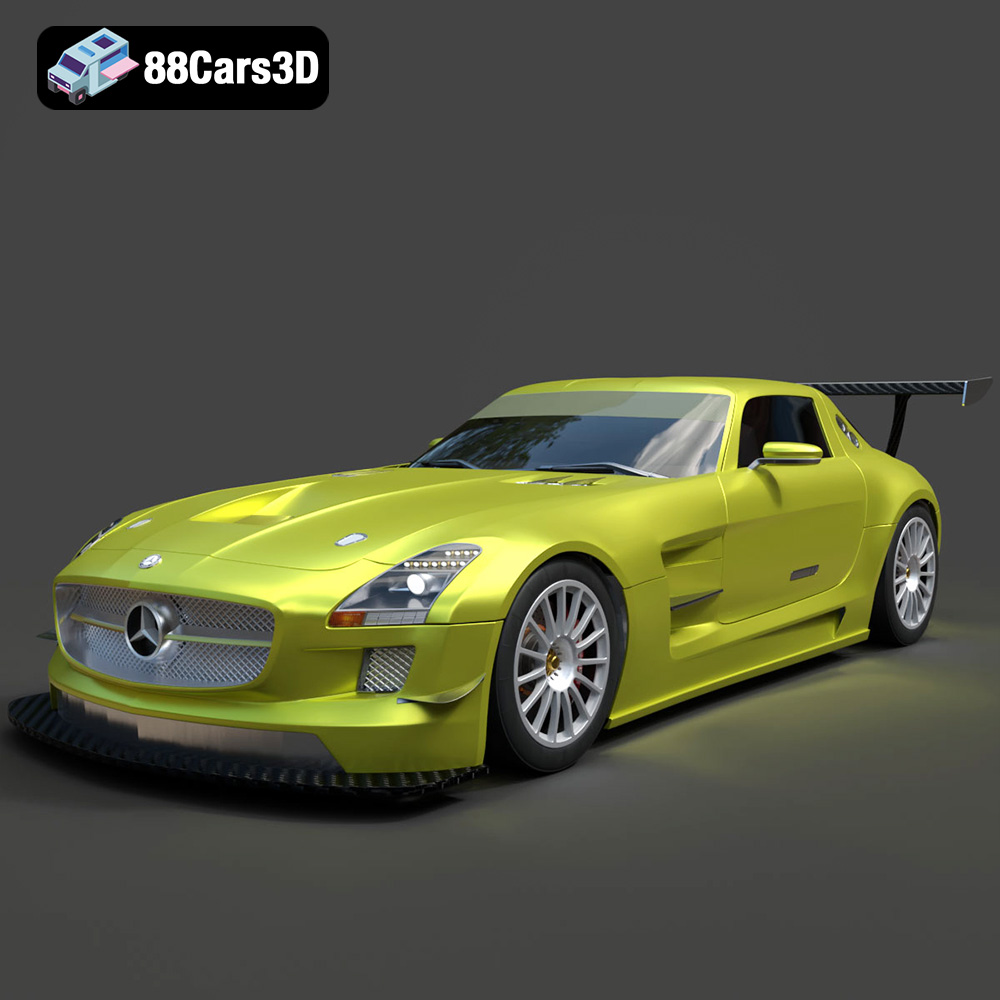
Mercedes-Benz SLS AMG GT3-002 3D Model
Texture: Yes
Material: Yes
Download the Mercedes-Benz SLS AMG GT3-002 3D Model featuring clean geometry, realistic detailing, and a fully modeled interior. Includes .blend, .fbx, .obj, .glb, .stl, .ply, .unreal, and .max formats for rendering, simulation, and game development.
Price: $38.99

Mercedes-Benz C-Class-001 3D Model
Texture: Yes
Material: Yes
Download the Mercedes-Benz C-Class-001 3D Model featuring clean geometry, realistic detailing, and a fully modeled interior. Includes .blend, .fbx, .obj, .glb, .stl, .ply, .unreal, and .max formats for rendering, simulation, and game development.
Price: $38.99
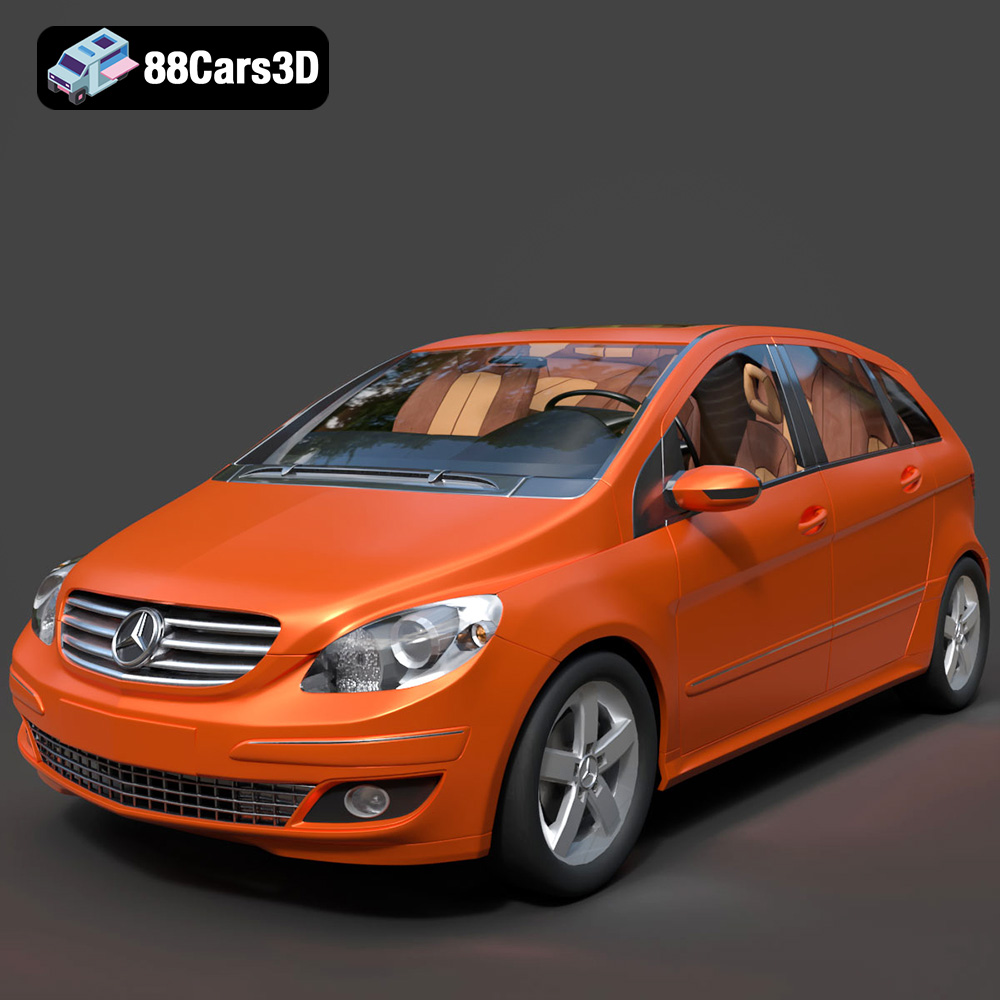
Mercedes-Benz B-Klasse 2023 3D Model
Texture: Yes
Material: Yes
Download the Mercedes-Benz B-Klasse 2023 3D Model featuring clean geometry, realistic detailing, and a fully modeled interior. Includes .blend, .fbx, .obj, .glb, .stl, .ply, .unreal, and .max formats for rendering, simulation, and game development.
Price: $38.99
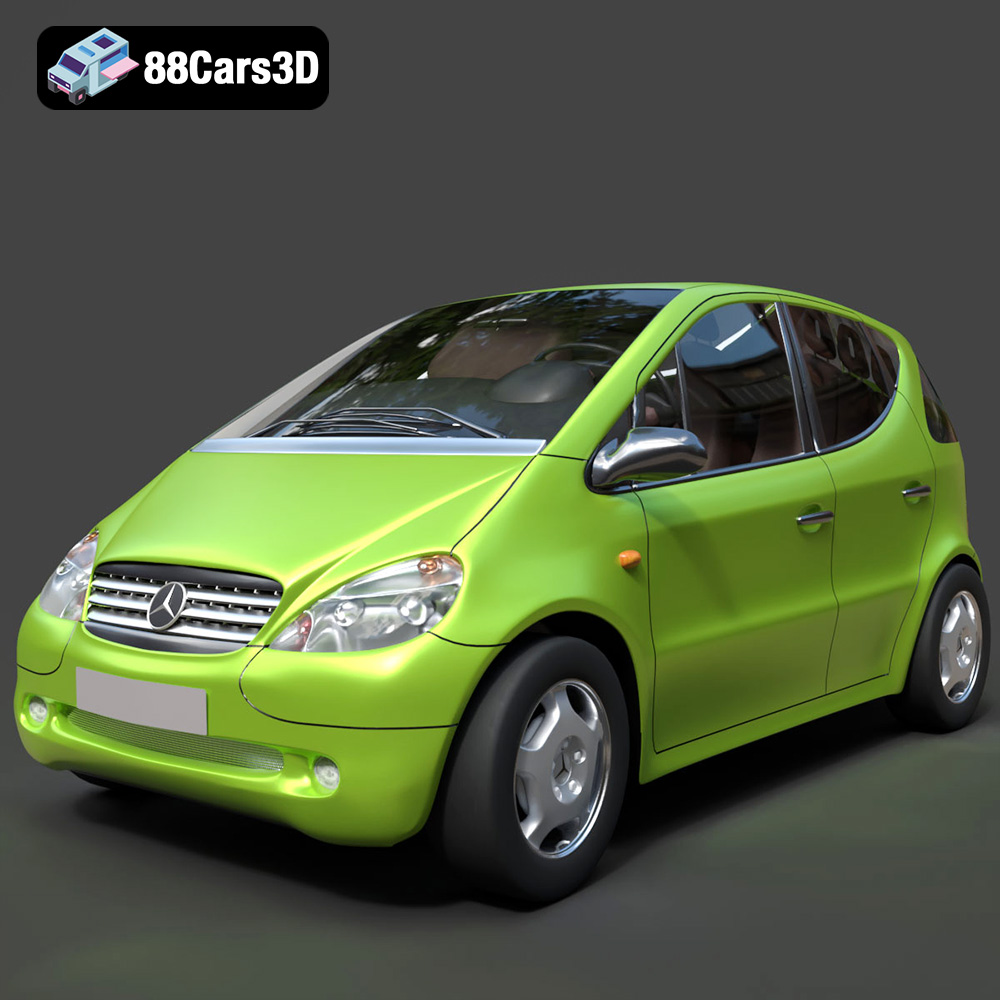
Mercedes-Benz A-Klasse W168 3D Model
Texture: Yes
Material: Yes
Download the Mercedes-Benz A-Klasse W168 3D Model featuring clean geometry, realistic detailing, and a fully modeled interior. Includes .blend, .fbx, .obj, .glb, .stl, .ply, .unreal, and .max formats for rendering, simulation, and game development.
Price: $38.99
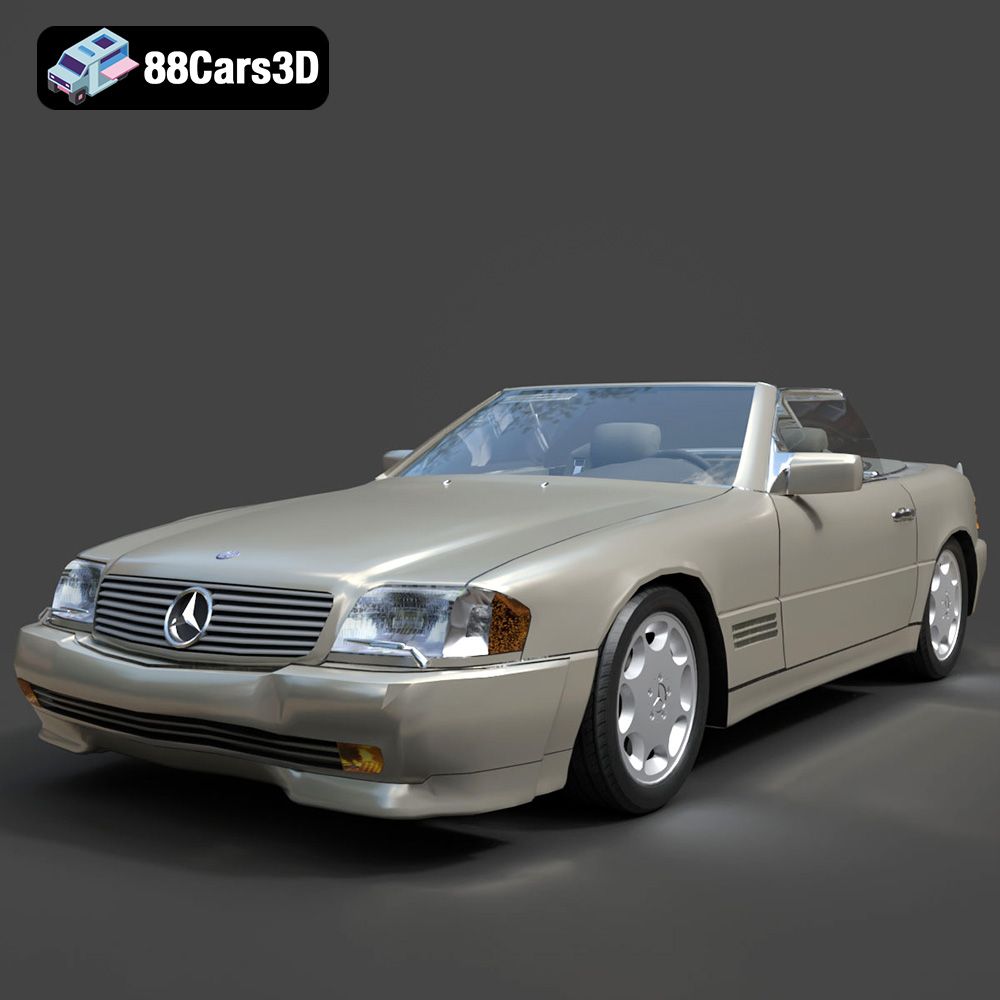
Mercedes-Benz 500SL 2000 3D Model
Texture: Yes
Material: Yes
Download the Mercedes-Benz 500SL 2000 3D Model featuring clean geometry, realistic detailing, and a fully modeled interior. Includes .blend, .fbx, .obj, .glb, .stl, .ply, .unreal, and .max formats for rendering, simulation, and game development.
Price: $38.99
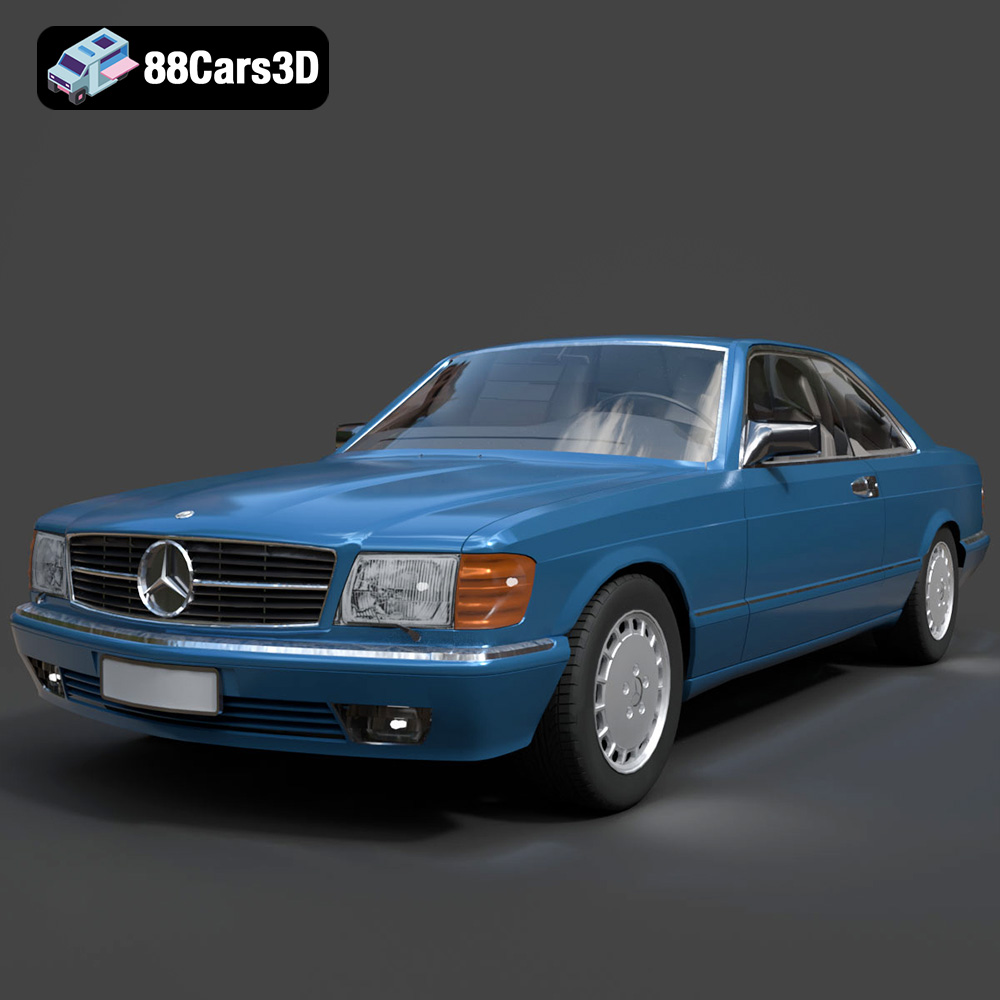
Mercedes-Benz 500SEC 3D Model
Texture: Yes
Material: Yes
Download the Mercedes-Benz 500SEC 3D Model featuring clean geometry, realistic detailing, and a fully modeled interior. Includes .blend, .fbx, .obj, .glb, .stl, .ply, .unreal, and .max formats for rendering, simulation, and game development.
Price: $38.99
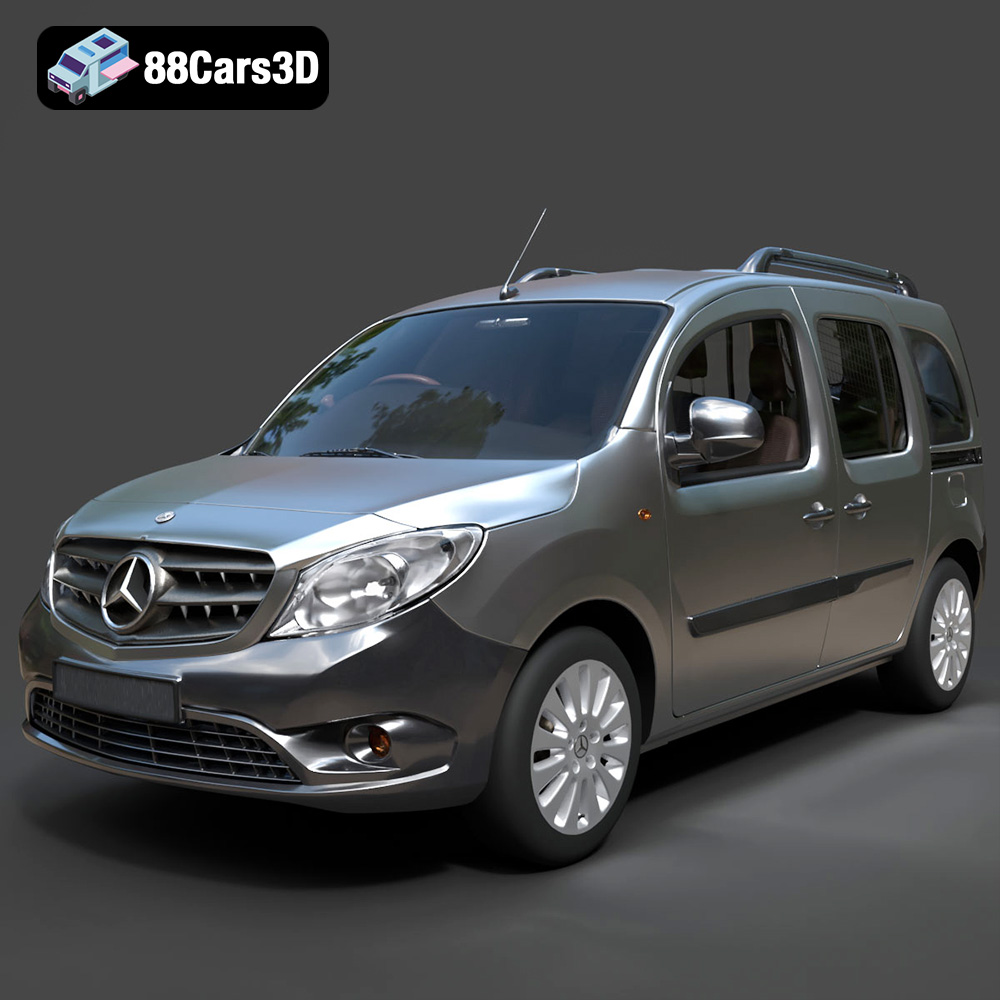
Mercedes-Benz Citan 2025 3D Model
Texture: Yes
Material: Yes
Download the Mercedes-Benz Citan 2025 3D Model featuring clean geometry, realistic detailing, and a fully modeled interior. Includes .blend, .fbx, .obj, .glb, .stl, .ply, .unreal, and .max formats for rendering, simulation, and game development.
Price: $38.99
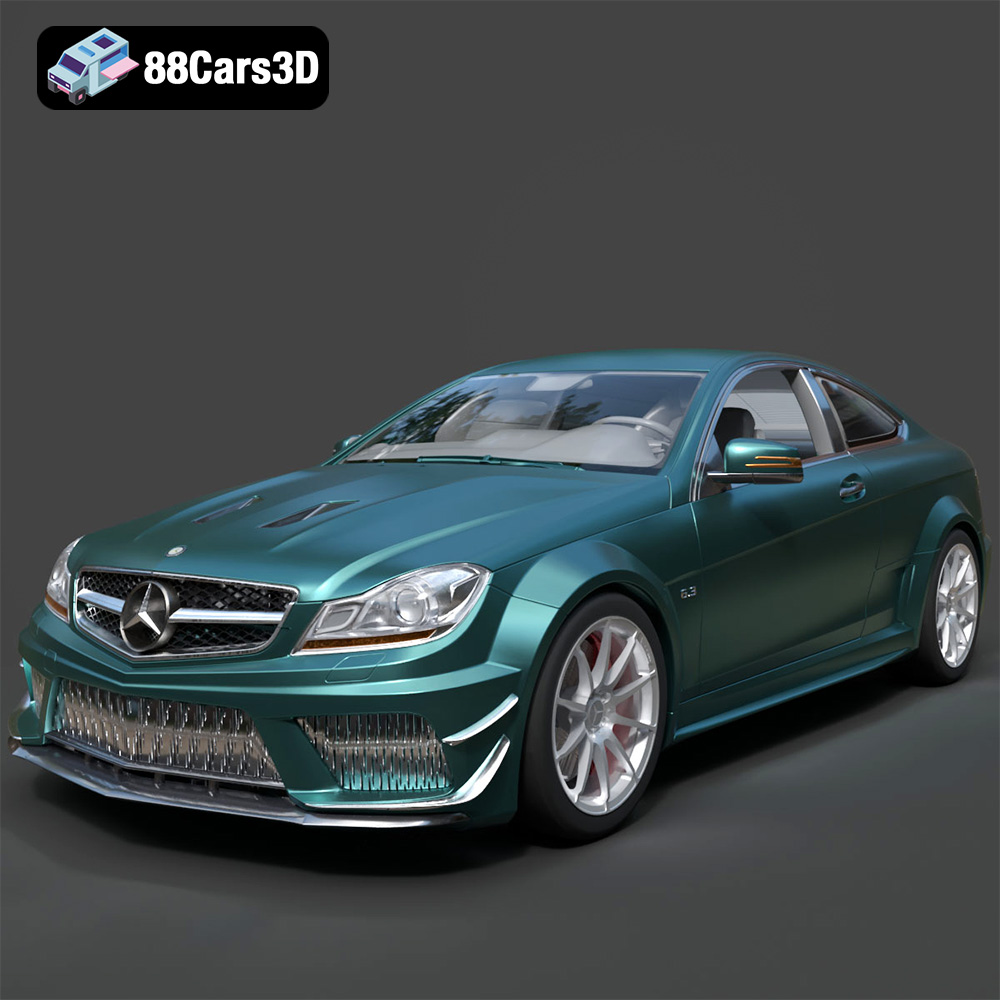
Mercedes-Benz C63 AMG 2012 3D Model
Texture: Yes
Material: Yes
Download the Mercedes-Benz C63 AMG 2012 3D Model featuring clean geometry, realistic detailing, and a fully modeled interior. Includes .blend, .fbx, .obj, .glb, .stl, .ply, .unreal, and .max formats for rendering, simulation, and game development.
Price: $38.99
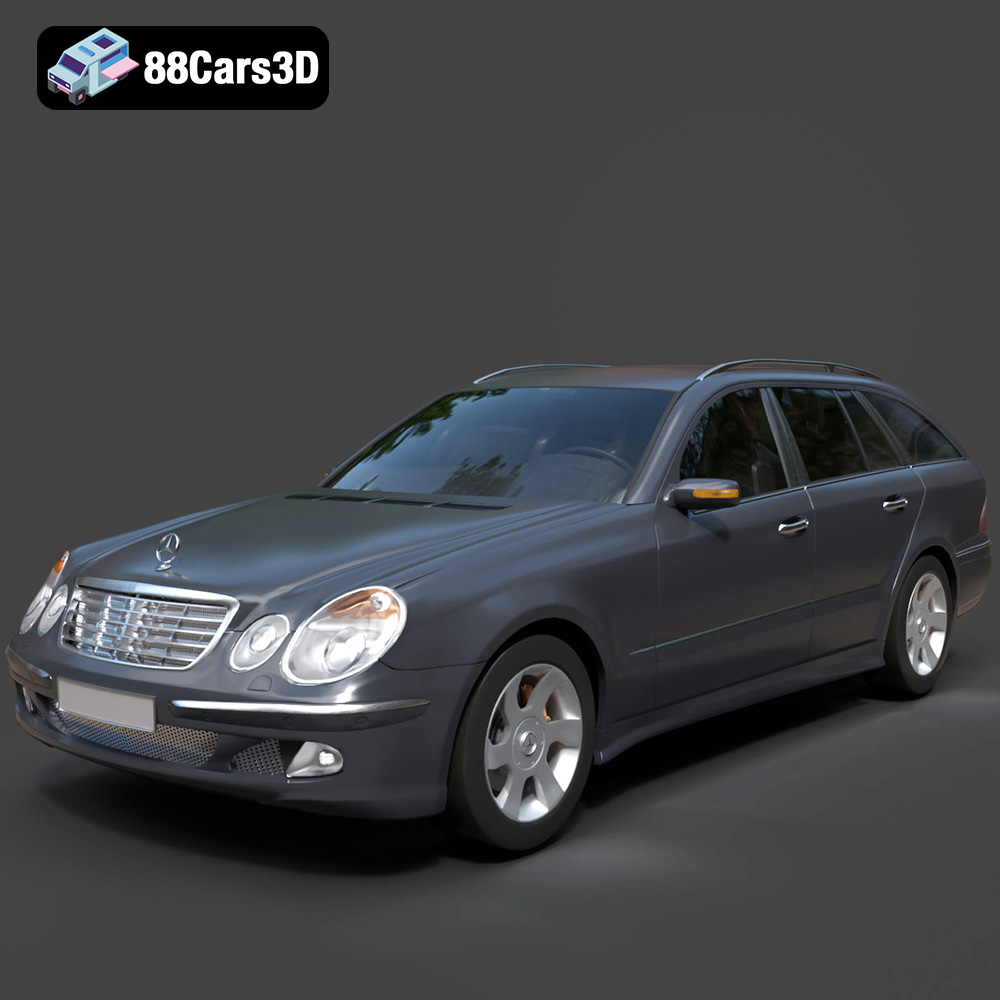
Mercedes-Benz E-Class S211 3D Model
Texture: Yes
Material: Yes
Download the Mercedes-Benz E-Class S211 3D Model featuring clean geometry, realistic detailing, and a fully modeled interior. Includes .blend, .fbx, .obj, .glb, .stl, .ply, .unreal, and .max formats for rendering, simulation, and game development.
Price: $38.99
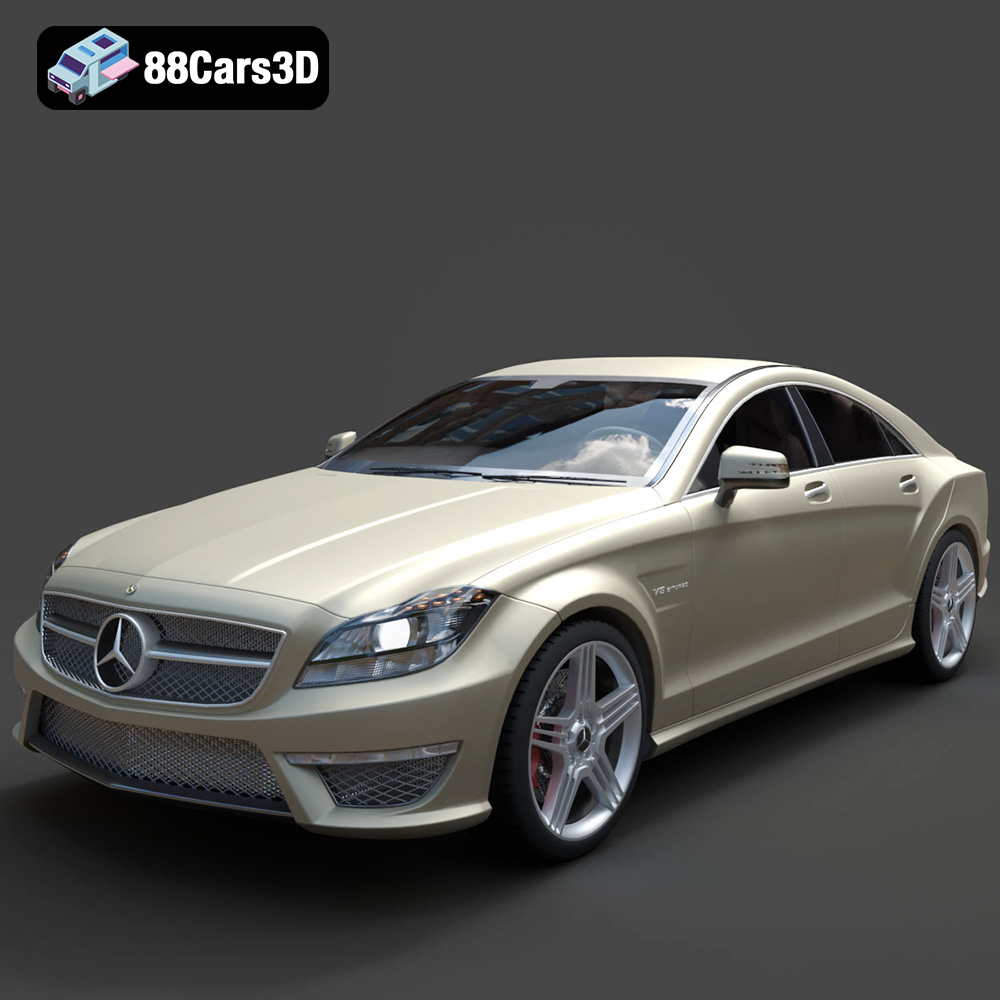
Mercedes-Benz CLS63 AMG (C218) 2014 3D Model
Texture: Yes
Material: Yes
Download the Mercedes-Benz CLS63 AMG (C218) 2014 3D Model featuring clean geometry, realistic detailing, and a fully modeled interior. Includes .blend, .fbx, .obj, .glb, .stl, .ply, .unreal, and .max formats for rendering, simulation, and game development.
Price: $38.99
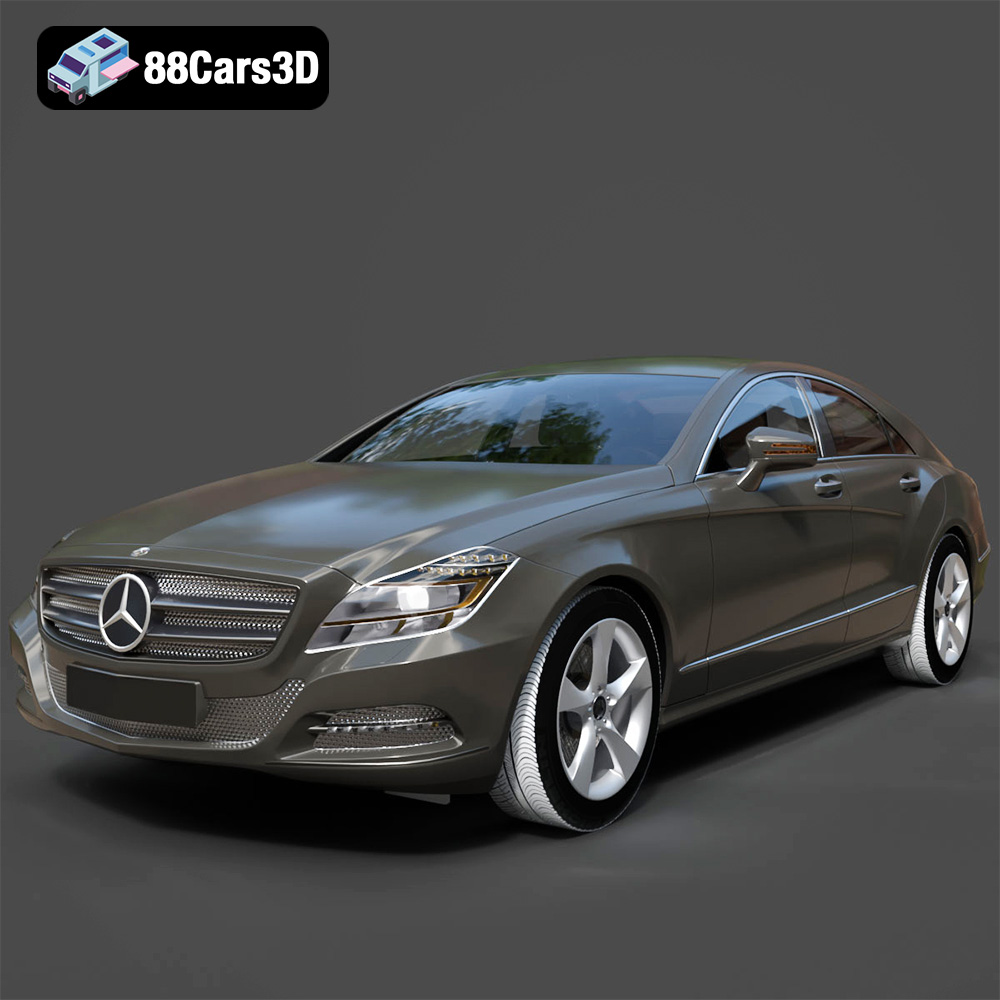
Mercedes-Benz CLS-Klasse 3D Model
Texture: Yes
Material: Yes
Download the Mercedes-Benz CLS-Klasse 3D Model featuring clean geometry, realistic detailing, and a fully modeled interior. Includes .blend, .fbx, .obj, .glb, .stl, .ply, .unreal, and .max formats for rendering, simulation, and game development.
Price: $38.99
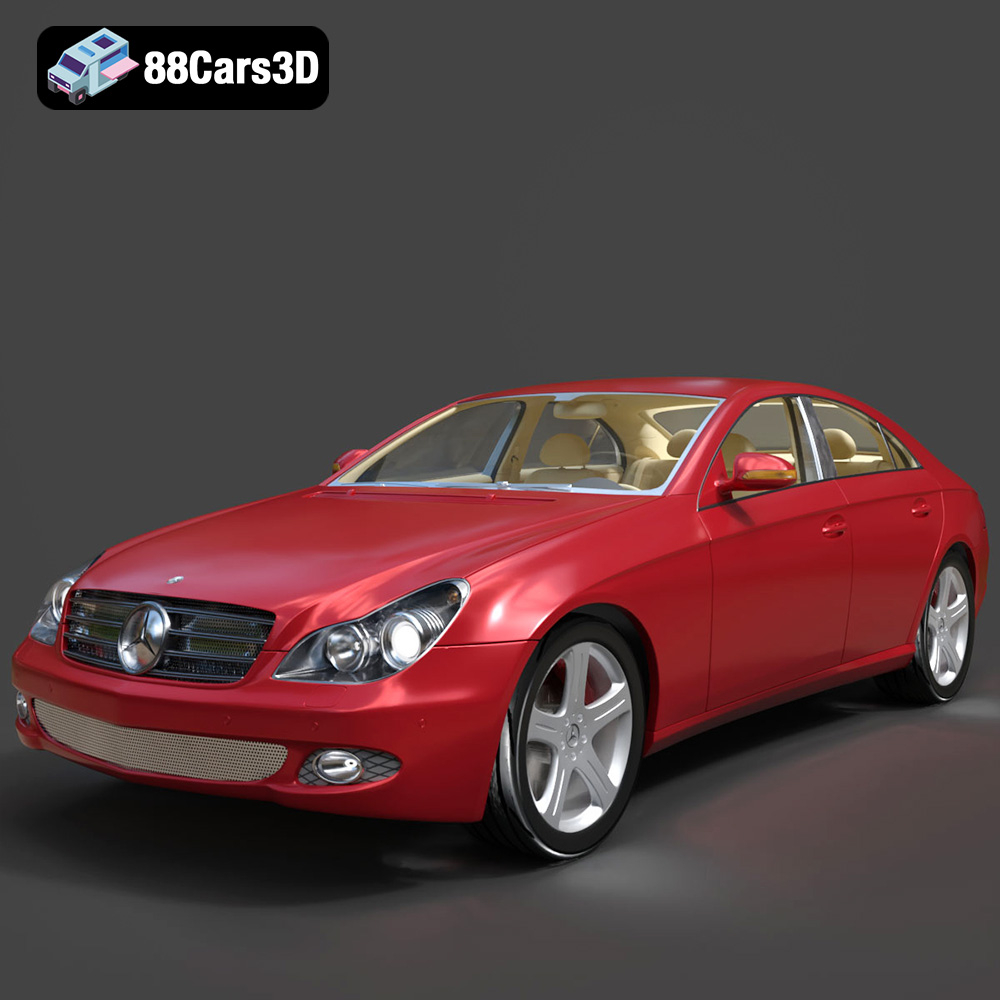
Mercedes-Benz CLS 500 3D Model
Texture: Yes
Material: Yes
Download the Mercedes-Benz CLS 500 3D Model featuring clean geometry, realistic detailing, and a fully modeled interior. Includes .blend, .fbx, .obj, .glb, .stl, .ply, .unreal, and .max formats for rendering, simulation, and game development.
Price: $38.99

Mercedes-Benz CL-Klasse 2001 3D Model
Texture: Yes
Material: Yes
Download the Mercedes-Benz CL-Klasse 2001 3D Model featuring clean geometry, realistic detailing, and a fully modeled interior. Includes .blend, .fbx, .obj, .glb, .stl, .ply, .unreal, and .max formats for rendering, simulation, and game development.
Price: $38.99
