
The High-Fidelity vs. Real-Time Dilemma: Bridging the Gap

The roar of a finely tuned engine, the glint of chrome under a digital sun, the visceral thrill of speed – bringing high-fidelity automotive models to life in a real-time environment is a dream for many 3D artists and game developers. Yet, this ambition often collides with a stark reality: the immense complexity of CAD models or high-poly studio renders, boasting millions of polygons, simply won’t run efficiently in a game engine. How then do we bridge the chasm between breathtaking visual accuracy and the demanding constraints of real-time rendering performance?
This definitive guide explores the art and science of transforming those stunning, detailed automotive creations into performant, game-ready automotive assets without sacrificing visual integrity. We’ll delve into the critical strategies, advanced workflows, and essential optimization techniques needed to make your virtual vehicles shine, even when rendered at a blistering 60 frames per second. From intelligent mesh simplification to sophisticated material setups, prepare to master the techniques that will put high-fidelity cars in real-time within your next project.
The High-Fidelity vs. Real-Time Dilemma: Bridging the Gap
The journey from a designer’s concept to a photorealistic car in a game engine is fraught with technical challenges. Automotive design often begins with intricate CAD data, boasting a level of detail perfect for engineering analysis or pre-rendered marketing visuals. These models can easily exceed tens of millions of polygons, featuring perfectly smooth curves, highly detailed interiors, and complex paneling. While stunning for a static render, such raw data is a non-starter for real-time applications where every millisecond counts.
Game engines, on the other hand, operate under strict budget constraints. Excessive polygon counts translate directly into higher vertex processing, increased memory usage, and ultimately, lower frame rates. The goal is to deliver an experience where players don’t notice the optimizations, only the immersive visual quality. This requires a strategic approach to pare down complexity while retaining the iconic shapes, subtle reflections, and precise details that make a car instantly recognizable and desirable. It’s about clever deception – making a simplified model appear as rich and complex as its high-poly counterpart. This critical balancing act defines what it means to create truly game-ready automotive assets.
Essential Mesh Optimization Strategies: Crafting Game-Ready Automotive Assets
The foundation of any performant real-time model lies in its geometry. High-polygon counts are the primary culprit for poor performance, making intelligent polygon reduction techniques paramount. This section dives deep into how to streamline your automotive meshes without sacrificing their visual integrity.
Intelligent Decimation vs. Retopology
Reducing polygon count isn’t just about indiscriminately deleting faces; it’s about making smart choices. Two primary polygon reduction techniques stand out: decimation and retopology.
- Decimation: This automatic process systematically reduces the number of polygons in a mesh while attempting to preserve its overall shape. Tools like ZBrush’s Decimation Master, Blender’s Decimate Modifier, or Maya’s Reduce tool are powerful for this. Decimation is excellent for parts that won’t deform or animate, such as static body panels, and can quickly bring down counts from millions to thousands. However, it can produce triangulated, uneven topology that isn’t ideal for clean UVs or rigging.
- Retopology: The more controlled, often manual, method involves building a new, low-polygon mesh over the surface of your high-poly model. This allows for clean, quad-based topology that is optimized for rigging, animation, and efficient UV unwrapping. While more time-consuming, especially for complex shapes like an automotive interior or wheel wells, retopology offers unparalleled control over edge flow and polygon density in critical areas. It’s the gold standard for creating truly game-ready automotive assets that are both visually appealing and technically sound.
The choice between decimation and retopology often depends on the component. For a main car body that needs animation or clean deformations, retopology is often preferred. For smaller, static components like exhaust tips or engine details that are often hidden, decimation can be a time-saver.
Mesh Cleaning and Preparation
Before any significant optimization, a thorough mesh cleaning is essential. High-fidelity models often come with hidden or redundant geometry that wastes polygons and contributes to performance overhead. This includes:
- Removing Internal Geometry: Many automotive models contain detailed engine components, suspension systems, or interior parts that will never be seen by the player in a typical driving game. These should be removed or heavily simplified. Even geometry hidden behind exterior panels should be considered for removal if it’s not contributing to ambient occlusion or reflections.
- Merging Vertices and Fixing Non-Manifold Geometry: Ensuring all vertices are properly merged and eliminating non-manifold edges or faces prevents rendering issues and improves mesh integrity. Game engines prefer clean, watertight meshes.
- Ensuring Proper Normals and Tangents: Correct face normals are crucial for proper shading. Inverted normals can lead to lighting artifacts. Tangent space is also vital for normal map baking and consistent lighting across the surface.
Implementing Robust Level of Detail (LODs)
One of the most powerful strategies for maintaining high-fidelity cars in real-time is the intelligent use of Level of Detail (LODs). This technique involves creating multiple versions of a model, each with a progressively lower polygon count and simplified materials, that are swapped based on the camera’s distance from the object.
- LOD 0: The highest detail model, used when the camera is very close.
- LOD 1, 2, 3…: Progressively lower detail versions, with reduced polygon counts, fewer texture maps, and potentially simplified materials, used as the car moves further away.
Implementing robust Level of Detail (LODs) is crucial for real-time rendering performance. By automatically switching to simpler models at a distance, you significantly reduce the processing load on the GPU. Effective LOD creation involves:
- Strategic Reduction: The polygon reduction between LOD levels should be significant but visually imperceptible during transitions. Typically, a 50-75% reduction in polygons per LOD step is a good target.
- Material Simplification: As polygon count decreases, so can the complexity of materials. For distant LODs, you might use fewer texture maps or simpler shaders.
- Merging Meshes: For the lowest LODs, consider merging multiple smaller meshes (e.g., wheels, brake calipers, body panels) into a single mesh to reduce draw calls, further boosting real-time rendering performance.
Many professional 3D model resources, such as those found on 88cars3d.com, often come pre-equipped with well-optimized LODs, significantly accelerating the integration process for game developers. This saves valuable development time and ensures a performant starting point.
Advanced Texturing & Material Workflows: Achieving Photorealism
Once the mesh is optimized, textures and materials become the primary drivers of visual fidelity. The goal is to make a low-poly model appear incredibly detailed, rich, and responsive to light, mirroring the complexity of its high-poly inspiration. This involves smart UV mapping, leveraging texture baking, and mastering PBR materials for automotive surfaces.
Efficient UV Unwrapping Optimization
UV unwrapping is the process of flattening the 3D surface of your model into a 2D space, allowing you to paint or apply textures. Efficient UV unwrapping optimization is critical for several reasons:
- Texture Resolution: Well-laid-out UVs ensure consistent texel density across the model, preventing blurry or pixelated textures in some areas and oversized textures in others.
- Avoiding Overlaps: Overlapping UV islands prevent unique texture details from being applied and can cause issues with texture baking.
- Maximizing UV Space: Efficient packing of UV islands within the 0-1 UV space minimizes wasted texture resolution, making the most of your texture maps.
- Seam Placement: Strategic placement of UV seams in less visible areas (e.g., along natural panel lines, under the car) helps hide visual breaks in textures.
- Texture Atlases: Grouping UVs for different parts of the car (e.g., exterior, interior, wheels) onto fewer, larger texture atlases can reduce draw calls and improve rendering efficiency.
A clean, organized UV layout is the canvas for all your texture work and directly impacts the final visual quality of your game-ready automotive assets.
The Indispensable Texture Baking Workflow
Texture baking workflow is the magic that transfers the intricate details of a high-polygon model onto a low-polygon mesh without adding any geometric complexity. This process is fundamental to creating visually rich real-time models.
- Normal Maps: The most critical bake. Normal maps store surface normal information, effectively faking high-detail geometry (like subtle panel gaps, bolt heads, or intricate logos) using just a texture. When light hits a surface with a normal map, it’s tricked into believing there’s more geometric detail than there actually is, creating incredibly convincing visual depth.
- Ambient Occlusion (AO) Maps: These maps capture areas where light would be blocked or scattered, creating subtle, soft shadows in crevices, corners, and tight spaces. Baking an AO map from a high-poly model adds a layer of realism and depth that greatly enhances the car’s presence.
- Other Useful Maps: Depending on the complexity and desired effects, you might also bake curvature maps (for edge wear, paint chipping), position maps (for procedural effects), or even height maps (though less common for automotive).
Tools like Substance Painter, Marmoset Toolbag, Blender, and Maya are indispensable for an efficient texture baking workflow. They provide precise control over the baking process, allowing artists to project details from source meshes onto target meshes with accuracy, ensuring your game-ready automotive assets look exceptional.
Mastering PBR Materials for Automotive Excellence
Physically Based Rendering (PBR) materials are the cornerstone of modern real-time graphics, delivering consistent and photorealistic lighting responses across various lighting conditions. For automotive models, mastering PBR materials for automotive is crucial to capturing the nuances of car paint, glass, chrome, and rubber.
- PBR Basics: PBR uses a set of texture maps (Albedo/Base Color, Metallic, Roughness, Normal, Ambient Occlusion) to define how light interacts with a surface.
- Car Paint: This is arguably the most complex and defining material on a vehicle. Real car paint has multiple layers: a base coat (color), a metallic flake layer (reflectivity), and a clear coat (gloss, reflections, minor refraction). In PBR, this is often faked using careful combinations of Metallic and Roughness maps, sometimes with custom shaders that mimic metallic flake and clear coat properties for added depth.
- Glass: Achieving convincing glass requires not only transparency but also accurate reflections and refractions. PBR glass often uses a combination of Opacity, Refraction (IOR), and Roughness maps. Clear coat effects can further enhance realism.
- Chrome and Metals: These materials are characterized by high reflectivity (Metallic value close to 1) and varying degrees of roughness. Brushed metal will have higher roughness than polished chrome.
- Rubber (Tires): Tires require a distinct, matte appearance. This means a low Metallic value and a relatively high Roughness value. Detailed Albedo and Normal maps are essential for capturing tire tread patterns and sidewall text.
- Interiors: Leather, plastics, fabrics, and polished wood all require unique PBR setups. Understanding how to create material instances from master materials is vital for efficient workflow and variations.
The correct implementation of PBR materials for automotive surfaces ensures that your optimized models react realistically to light, delivering breathtaking visual fidelity whether they’re under direct sunlight or in a dimly lit garage.
Integration & Performance Tuning in Game Engines: Optimizing for Real-Time
With a meticulously optimized mesh and beautifully textured PBR materials, the next step is to bring your automotive masterpiece into the game engine. This section focuses on best practices for integration and vital techniques for Unreal Engine 5 optimization to ensure your high-fidelity cars truly perform in real-time.
Importing and Initial Setup
The process begins with importing your optimized asset into the chosen game engine. While the specifics may vary, common considerations include:
- File Formats: FBX is the industry standard for transferring 3D assets due to its robust support for meshes, materials, and animations. glTF is also gaining popularity.
- Scale and Pivot Points: Ensure your model is exported and imported at the correct real-world scale and that its pivot point is accurately set (e.g., at the center bottom of the car for easy placement).
- Material Setup: Once imported, materials need to be set up in the engine. This typically involves creating master materials and then instancing them for each unique material on the car. Material instances allow for quick adjustments to parameters (color, roughness, texture tiling) without recompiling shaders, which is critical for iteration and variation.
Optimizing for Unreal Engine 5
Unreal Engine 5 offers powerful tools, but effective Unreal Engine 5 optimization for automotive assets requires specific considerations, especially given the dynamic nature of vehicles.
- Nanite and Lumen: While Nanite handles incredibly high poly counts for static meshes, vehicles often involve animation and complex physics, which can limit Nanite’s direct applicability. However, static parts of a scene around the vehicle can heavily leverage Nanite. Lumen, UE5’s global illumination system, is fantastic for realistic lighting, but it’s important to monitor its performance impact, especially on reflections.
- Material Optimization: Complex shaders can be a performance hog. Keep shader instructions to a minimum where possible. Utilize material functions to modularize and reuse common shader graphs. Employ static switches and parameters to create variations within a single master material, reducing overall shader complexity.
- Draw Call Reduction: Every unique mesh or material typically results in a draw call, which can be expensive. Merge meshes where appropriate (especially for lower LODs) and utilize texture atlases to combine multiple materials onto fewer draw calls. Instancing (e.g., for multiple identical cars or wheels) is also a powerful technique.
- Collision Meshes: Instead of using the high-detail visual mesh for physics, create simple, low-polygon collision meshes. These are invisible to the player but accurately define the car’s physical presence, significantly reducing physics simulation overhead.
- Lightmap UVs (for static lighting): If your scene uses baked static lighting (less common for fully dynamic cars, but important for fixed environments), ensure your car body has a properly unwrapped, non-overlapping UV channel specifically for lightmaps.
By carefully leveraging these techniques, you can ensure your high-fidelity cars run smoothly within Unreal Engine 5, delivering exceptional real-time rendering performance.
Performance Profiling and Debugging
Optimization is an iterative process. You cannot truly optimize without knowing where the bottlenecks are. Game engines provide robust profiling tools:
- Unreal Engine’s Stat Commands: Commands like
stat unit(overall performance),stat rhi(render hardware interface),stat gpu(GPU performance), andstat fpsare invaluable for real-time diagnostics. They provide insights into CPU game thread, draw calls, GPU frame time, and more. - Unreal Insights: A more advanced profiling tool that allows for deep analysis of CPU and GPU performance across various systems (rendering, animation, physics).
- Identifying Bottlenecks: Look for unusually high numbers in draw calls, triangle counts, or specific shader complexity readings. Is the CPU or GPU the limiting factor? This information guides your optimization efforts, whether it’s further mesh reduction, material simplification, or better LOD transitions.
Through diligent profiling, you can fine-tune your game-ready automotive assets, ensuring they maintain visual fidelity under real-time constraints and contribute positively to the overall game experience.
Advanced Considerations for Automotive Fidelity
Beyond the core optimization principles, there are additional considerations that can further enhance the realism and functionality of your high-fidelity car models in real-time environments.
Damage States and Variants
Modern games often require vehicles to show damage, dirt, or even allow for visual customization. Efficiently handling these variants is key:
- Material Swaps/Parameters: For dirt or minor scuffs, material instances with adjustable parameters (e.g., dirt intensity, scratch masks) are highly efficient. You can blend between clean and dirty textures or modify roughness/albedo values.
- Mesh Overlays: For more significant damage (dents, broken lights), separate, low-poly damage meshes can be toggled on/off or blended in. This avoids complex mesh deformation on the main body.
- Morph Targets/Blend Shapes: For subtle dents or panel deformation, morph targets can offer a controlled way to deform parts of the mesh without needing a full skeletal rig.
Planning for these variations early in the asset creation pipeline simplifies their implementation and ensures they are performance-friendly.
Animation and Rigging for Interactable Vehicles
A static car is one thing; an interactable vehicle is another. Components like wheels, doors, suspension, and steering wheels often require rigging and animation. The base mesh topology created during retopology needs to be suitable for deformation, with proper edge loops in areas that bend or articulate.
- Skeletal Rigging: Each wheel, suspension component, and movable part (doors, hood, trunk) needs its own bone in a skeletal hierarchy. This allows for realistic animation driven by physics or player input.
- Joint Placement: Precise placement of joints for rotation (e.g., wheel axles, door hinges) is crucial for accurate movement.
- Weight Painting: Careful weight painting ensures that mesh deformations around joints are smooth and natural, preventing “pinching” or tearing of the geometry.
LODs for Components and Interiors
The Level of Detail principle shouldn’t just apply to the entire car model. Individual components, especially complex ones like wheel assemblies, brake calipers, or detailed interior elements, can also benefit from their own LODs. For interiors, consider visibility culling: if the camera can’t see the interior (e.g., through tinted windows or from a distant exterior view), you can entirely swap to a version with no interior or a highly simplified one, further boosting real-time rendering performance.
This granular approach to LODs ensures that only necessary detail is rendered, optimizing every aspect of your game-ready automotive assets.
Conclusion: The Road to Real-Time Automotive Excellence
Bringing high-fidelity cars into real-time environments is a nuanced art that demands a deep understanding of both aesthetics and technical constraints. It’s a journey from millions of polygons to mere tens of thousands, from raw CAD data to game-ready automotive assets that capture the essence of automotive design. We’ve explored the critical pillars of this transformation: intelligent polygon reduction techniques, the strategic implementation of robust Level of Detail (LODs), an efficient texture baking workflow, precise UV unwrapping optimization, and the mastery of PBR materials for automotive surfaces.
By meticulously optimizing your meshes, crafting compelling textures, and carefully tuning performance within game engines like Unreal Engine 5, you can achieve stunning visual fidelity without compromising real-time rendering performance. The balance between visual quality and computational efficiency is delicate, but with the strategies outlined in this guide, you are well-equipped to navigate it successfully.
For those seeking a head start or simply looking for exceptionally crafted models, remember that resources like 88cars3d.com offer a wide array of high-quality, pre-optimized 3D car models, often including various LODs and PBR texture sets, ready for immediate integration into your projects. Elevate your simulations, games, and visualizations with automotive assets that truly stand out.
Now, it’s your turn. Apply these definitive techniques, experiment, and profile your results. The road to high-fidelity cars in real-time is challenging, but the destination—a visually stunning and performant experience—is truly rewarding. Explore the extensive collection at 88cars3d.com to find your next perfect vehicle asset and put these optimization strategies into practice today!
Featured 3D Car Models

Suzuki SX4-002 3D Model
Texture: Yes
Material: Yes
Download the Suzuki SX4-002 3D Model featuring clean geometry, realistic detailing, and a fully modeled interior. Includes .blend, .fbx, .obj, .glb, .stl, .ply, .unreal, and .max formats for rendering, simulation, and game development.
Price: $10

Tesla Model S 2024 3D Model
Texture: Yes
Material: Yes
Download the Tesla Model S 2024 3D Model featuring clean geometry, realistic detailing, and a fully modeled interior. Includes .blend, .fbx, .obj, .glb, .stl, .ply, .unreal, and .max formats for rendering, simulation, and game development.
Price: $10

Subaru Impreza WRX STi-002 3D Model
Texture: Yes
Material: Yes
Download the Subaru Impreza WRX STi-002 3D Model featuring clean geometry, realistic detailing, and a fully modeled interior. Includes .blend, .fbx, .obj, .glb, .stl, .ply, .unreal, and .max formats for rendering, simulation, and game development.
Price: $10

Toyota Mark II (X100) 1998 3D Model
Texture: Yes
Material: Yes
Download the Toyota Mark II (X100) 3D Model featuring clean geometry, realistic detailing, and a fully modeled interior. Includes .blend, .fbx, .obj, .glb, .stl, .ply, .unreal, and .max formats for rendering, simulation, and game development.
Price: $10

Toyota Corona 1985 3D Model
Texture: Yes
Material: Yes
Download the Toyota Corona 1985 3D Model featuring clean geometry, realistic detailing, and a fully modeled interior. Includes .blend, .fbx, .obj, .glb, .stl, .ply, .unreal, and .max formats for rendering, simulation, and game development.
Price: $10

Toyota Mark II X81 1990 3D Model
Texture: Yes
Material: Yes
Download the Toyota Mark II X81 1990 3D Model featuring clean geometry, realistic detailing, and a fully modeled interior. Includes .blend, .fbx, .obj, .glb, .stl, .ply, .unreal, and .max formats for rendering, simulation, and game development.
Price: $10

Toyota iQ EV 2012 3D Model
Texture: Yes
Material: Yes
Download the Toyota iQ EV 2012 3D Model featuring clean geometry, realistic detailing, and a fully modeled interior. Includes .blend, .fbx, .obj, .glb, .stl, .ply, .unreal, and .max formats for rendering, simulation, and game development.
Price: $10

Toyota Aygo 2013 3D Model
Texture: Yes
Material: Yes
Download the Toyota Aygo 2013 3D Model featuring clean geometry, realistic detailing, and a fully modeled interior. Includes .blend, .fbx, .obj, .glb, .stl, .ply, .unreal, and .max formats for rendering, simulation, and game development.
Price: $10

Toyota Crown S180 2005 3D Model
Texture: Yes
Material: Yes
Download the Toyota Crown S180 2005 3D Model featuring clean geometry, realistic detailing, and a fully modeled interior. Includes .blend, .fbx, .obj, .glb, .stl, .ply, .unreal, and .max formats for rendering, simulation, and game development.
Price: $10

Toyota Celica 2004 3D Model
Texture: Yes
Material: Yes
Download the Toyota Celica 2004 3D Model featuring clean geometry, realistic detailing, and a fully modeled interior. Includes .blend, .fbx, .obj, .glb, .stl, .ply, .unreal, and .max formats for rendering, simulation, and game development.
Price: $10

Toyota Corolla AE100 1992 3D Model
Texture: Yes
Material: Yes
Download the Toyota Corolla AE100 1992 3D Model featuring clean geometry, realistic detailing, and a fully modeled interior. Includes .blend, .fbx, .obj, .glb, .stl, .ply, .unreal, and .max formats for rendering, simulation, and game development.
Price: $10

Toyota Mark II X110 2000 3D Model
Texture: Yes
Material: Yes
Download the Toyota Mark II X110 2000 3D Model featuring clean geometry, realistic detailing, and a fully modeled interior. Includes .blend, .fbx, .obj, .glb, .stl, .ply, .unreal, and .max formats for rendering, simulation, and game development.
Price: $10

Toyota Corolla 2020 3D Model
Texture: Yes
Material: Yes
Download the Toyota Corolla 2020 3D Model featuring clean geometry, realistic detailing, and a fully modeled interior. Includes .blend, .fbx, .obj, .glb, .stl, .ply, .unreal, and .max formats for rendering, simulation, and game development.
Price: $10

Toyota Yaris 2020 3D Model
Texture: Yes
Material: Yes
Download the Toyota Yaris 2020 3D Model featuring clean geometry, realistic detailing, and a fully modeled interior. Includes .blend, .fbx, .obj, .glb, .stl, .ply, .unreal, and .max formats for rendering, simulation, and game development.
Price: $9.9

Volkswagen Beetle 2012 3D Model
Texture: Yes
Material: Yes
Download the Volkswagen Beetle 2012 3D Model featuring clean geometry, realistic detailing, and a fully modeled interior. Includes .blend, .fbx, .obj, .glb, .stl, .ply, .unreal, and .max formats for rendering, simulation, and game development.
Price: $9.9

Toyota Matrix 2005 3D Model
Texture: Yes
Material: Yes
Download the Toyota Matrix 2005 3D Model featuring clean geometry, realistic detailing, and a fully modeled interior. Includes .blend, .fbx, .obj, .glb, .stl, .ply, .unreal, and .max formats for rendering, simulation, and game development.
Price: $9.9

Toyota Yaris Sedan 3D Model
Texture: Yes
Material: Yes
Download the Toyota Yaris Sedan 3D Model featuring clean geometry, realistic detailing, and a fully modeled interior. Includes .blend, .fbx, .obj, .glb, .stl, .ply, .unreal, and .max formats for rendering, simulation, and game development.
Price: $9.9

Volkswagen Golf R-004 2024 3D Model
Texture: Yes
Material: Yes
Download the Volkswagen Golf R-004 2024 3D Model featuring clean geometry, realistic detailing, and a fully modeled interior. Includes .blend, .fbx, .obj, .glb, .stl, .ply, .unreal, and .max formats for rendering, simulation, and game development.
Price: $9.9

Volkswagen Golf 5 Door 2010 3D Model
Texture: Yes
Material: Yes
Download the Volkswagen Golf 5 Door 2010 3D Model featuring clean geometry, realistic detailing, and a fully modeled interior. Includes .blend, .fbx, .obj, .glb, .stl, .ply, .unreal, and .max formats for rendering, simulation, and game development.
Price: $9.9

Toyota Premio 2010 3D Model
Texture: Yes
Material: Yes
Download the Toyota Premio 2010 3D Model featuring clean geometry, realistic detailing, and a fully modeled interior. Includes .blend, .fbx, .obj, .glb, .stl, .ply, .unreal, and .max formats for rendering, simulation, and game development.
Price: $9.9

Toyota Opa 2000 3D Model
Texture: Yes
Material: Yes
Download the Toyota Opa 2000 3D Model featuring clean geometry, realistic detailing, and a fully modeled interior. Includes .blend, .fbx, .obj, .glb, .stl, .ply, .unreal, and .max formats for rendering, simulation, and game development.
Price: $9.9

Volkswagen Polo 5 Door 2010 3D Model
Texture: Yes
Material: Yes
Download the Volkswagen Polo 5 Door 2010 3D Model featuring clean geometry, realistic detailing, and a fully modeled interior. Includes .blend, .fbx, .obj, .glb, .stl, .ply, .unreal, and .max formats for rendering, simulation, and game development.
Price: $9.9

Toyota Prius 2024 3D Model
Texture: Yes
Material: Yes
Download the Toyota Prius 2024 3D Model featuring clean geometry, realistic detailing, and a fully modeled interior. Includes .blend, .fbx, .obj, .glb, .stl, .ply, .unreal, and .max formats for rendering, simulation, and game development.
Price: $9.9

Toyota Yaris 1999 3D Model
Texture: Yes
Material: Yes
Download the Toyota Yaris 1999 3D Model featuring clean geometry, realistic detailing, and a fully modeled interior. Includes .blend, .fbx, .obj, .glb, .stl, .ply, .unreal, and .max formats for rendering, simulation, and game development.
Price: $9.9

Toyota Supra 2020 3D Model
Texture: Yes
Material: Yes
Download the Toyota Supra 2020 3D Model featuring clean geometry, realistic detailing, and a fully modeled interior. Includes .blend, .fbx, .obj, .glb, .stl, .ply, .unreal, and .max formats for rendering, simulation, and game development.
Price: $9.9

Volkswagen New Beetle 2000 3D Model
Texture: Yes
Material: Yes
Download the Volkswagen New Beetle 2000 3D Model featuring clean geometry, realistic detailing, and a fully modeled interior. Includes .blend, .fbx, .obj, .glb, .stl, .ply, .unreal, and .max formats for rendering, simulation, and game development.
Price: $14.99

Volkswagen Jetta 2005 3D Model
Texture: Yes
Material: Yes
Download the Volkswagen Jetta 2005 3D Model featuring clean geometry, realistic detailing, and a fully modeled interior. Includes .blend, .fbx, .obj, .glb, .stl, .ply, .unreal, and .max formats for rendering, simulation, and game development.
Price: $18.99

Volkswagen Golf 3-Door 3D Model
Texture: Yes
Material: Yes
Download the Volkswagen Golf 3-Door 3D Model featuring clean geometry, realistic detailing, and a fully modeled interior. Includes .blend, .fbx, .obj, .glb, .stl, .ply, .unreal, and .max formats for rendering, simulation, and game development.
Price: $14.99

Volvo V70 2005 3D Model
Texture: Yes
Material: Yes
Download the Volvo V70 2005 3D Model featuring clean geometry, realistic detailing, and a fully modeled interior. Includes .blend, .fbx, .obj, .glb, .stl, .ply, .unreal, and .max formats for rendering, simulation, and game development.
Price: $14.99

Volkswagen Bora 2004 3D Model
Texture: Yes
Material: Yes
Download the Volkswagen Bora 2004 3D Model featuring clean geometry, realistic detailing, and a fully modeled interior. Includes .blend, .fbx, .obj, .glb, .stl, .ply, .unreal, and .max formats for rendering, simulation, and game development.
Price: $14.99

Volkswagen Lupo 3D Model
Texture: Yes
Material: Yes
Download the Volkswagen Lupo 3D Model featuring clean geometry, realistic detailing, and a fully modeled interior. Includes .blend, .fbx, .obj, .glb, .stl, .ply, .unreal, and .max formats for rendering, simulation, and game development.
Price: $19.99

Volkswagen Passat B5 2000 3D Model
Texture: Yes
Material: Yes
Download the Volkswagen Passat B5 2000 3D Model featuring clean geometry, realistic detailing, and a fully modeled interior. Includes .blend, .fbx, .obj, .glb, .stl, .ply, .unreal, and .max formats for rendering, simulation, and game development.
Price: $19.99

Volkswagen Passat CC 3D Model
Texture: Yes
Material: Yes
Download the Volkswagen Passat CC 3D Model featuring clean geometry, realistic detailing, and a fully modeled interior. Includes .blend, .fbx, .obj, .glb, .stl, .ply, .unreal, and .max formats for rendering, simulation, and game development.
Price: $19.99

Volkswagen Golf V 2006 3D Model
Texture: Yes
Material: Yes
Download the Volkswagen Golf V 2006 3D Model featuring clean geometry, realistic detailing, and a fully modeled interior. Includes .blend, .fbx, .obj, .glb, .stl, .ply, .unreal, and .max formats for rendering, simulation, and game development.
Price: $19.99

Volvo S60 R-Design 2024 3D Model
Texture: Yes
Material: Yes
Download the Volvo S60 R-Design 3D Model featuring clean geometry, realistic detailing, and a fully modeled interior. Includes .blend, .fbx, .obj, .glb, .stl, .ply, .unreal, and .max formats for rendering, simulation, and game development.
Price: $19.99

Volkswagen Passat 2025 3D Model
Texture: Yes
Material: Yes
Download the Volkswagen Passat 2025 3D Model featuring clean geometry, realistic detailing, and a fully modeled interior. Includes .blend, .fbx, .obj, .glb, .stl, .ply, .unreal, and .max formats for rendering, simulation, and game development.
Price: $25.99

Volkswagen Passat Variant B6 2005 3D Model
Texture: Yes
Material: Yes
Download the Volkswagen Passat Variant B6 2005 3D Model featuring clean geometry, realistic detailing, and a fully modeled interior. Includes .blend, .fbx, .obj, .glb, .stl, .ply, .unreal, and .max formats for rendering, simulation, and game development.
Price: $25.99

Volkswagen Phaeton W12 2004 3D Model
Texture: Yes
Material: Yes
Download the Volkswagen Phaeton W12 2004 3D Model featuring clean geometry, realistic detailing, and a fully modeled interior. Includes .blend, .fbx, .obj, .glb, .stl, .ply, .unreal, and .max formats for rendering, simulation, and game development.
Price: $25.99

Volkswagen Scirocco 2015 3D Model
Texture: Yes
Material: Yes
Download the Volkswagen Scirocco 2015 3D Model featuring clean geometry, realistic detailing, and a fully modeled interior. Includes .blend, .fbx, .obj, .glb, .stl, .ply, .unreal, and .max formats for rendering, simulation, and game development.
Price: $25.99

Volvo S60 2024 3D Model
Texture: Yes
Material: Yes
Download the Volvo S60 2024 3D Model featuring clean geometry, realistic detailing, and a fully modeled interior. Includes .blend, .fbx, .obj, .glb, .stl, .ply, .unreal, and .max formats for rendering, simulation, and game development.
Price: $25.99

Volkswagen Polo 3D Model
Texture: Yes
Material: Yes
Download the Volkswagen Polo 3D Model featuring clean geometry, realistic detailing, and a fully modeled interior. Includes .blend, .fbx, .obj, .glb, .stl, .ply, .unreal, and .max formats for rendering, simulation, and game development.
Price: $25.99

Volkswagen Golf 5-Doors 2018 3D Model
Texture: Yes
Material: Yes
Download the Volkswagen Golf 5-Doors 3D Model featuring clean geometry, realistic detailing, and a fully modeled interior. Includes .blend, .fbx, .obj, .glb, .stl, .ply, .unreal, and .max formats for rendering, simulation, and game development.
Price: $25.99

Volvo C70 T5 2000 3D Model
Texture: Yes
Material: Yes
Download the Volvo C70 T5 2000 3D Model featuring clean geometry, realistic detailing, and a fully modeled interior. Includes .blend, .fbx, .obj, .glb, .stl, .ply, .unreal, and .max formats for rendering, simulation, and game development.
Price: $23.99

Volvo S40 Sedan 2004 3D Model
Texture: Yes
Material: Yes
Download the Volvo S40 Sedan 2004 3D Model featuring clean geometry, realistic detailing, and a fully modeled interior. Includes .blend, .fbx, .obj, .glb, .stl, .ply, .unreal, and .max formats for rendering, simulation, and game development.
Price: $23.99

Volvo C30 BEV 2012 3D Model
Texture: Yes
Material: Yes
Download the Volvo C30 BEV 2012 3D Model featuring clean geometry, realistic detailing, and a fully modeled interior. Includes .blend, .fbx, .obj, .glb, .stl, .ply, .unreal, and .max formats for rendering, simulation, and game development.
Price: $23.99

Volvo C70 1998 3D Model
Texture: Yes
Material: Yes
Download the Volvo C70 1998 3D Model featuring clean geometry, realistic detailing, and a fully modeled interior. Includes .blend, .fbx, .obj, .glb, .stl, .ply, .unreal, and .max formats for rendering, simulation, and game development.
Price: $23.99

Mazda B-Series 3D Model
Texture: Yes
Material: Yes
Download the Mazda B-Series 3D Model featuring clean geometry, realistic detailing, and a fully modeled interior. Includes .blend, .fbx, .obj, .glb, .stl, .ply, .unreal, and .max formats for rendering, simulation, and game development.
Price: $23.99

Mercsedes Benz Z3-006 3D Model
Texture: Yes
Material: Yes
Download the Mercsedes Benz Z3-006 3D Model featuring clean geometry, realistic detailing, and a fully modeled interior. Includes .blend, .fbx, .obj, .glb, .stl, .ply, .unreal, and .max formats for rendering, simulation, and game development.
Price: $23.99

Mazda RX-7 3D Model
Texture: Yes
Material: Yes
Download the Mazda RX-7 3D Model featuring clean geometry, realistic detailing, and a fully modeled interior. Includes .blend, .fbx, .obj, .glb, .stl, .ply, .unreal, and .max formats for rendering, simulation, and game development.
Price: $23.99

Volvo VCC-003 3D Model
Texture: Yes
Material: Yes
Download the Volvo VCC-003 3D Model featuring clean geometry, realistic detailing, and a fully modeled interior. Includes .blend, .fbx, .obj, .glb, .stl, .ply, .unreal, and .max formats for rendering, simulation, and game development.
Price: $23.99

Mercedes-Benz SLR McLaren 2005 3D Model
Texture: Yes
Material: Yes
Download the Mercedes-Benz SLR McLaren 2005 3D Model featuring clean geometry, realistic detailing, and a fully modeled interior. Includes .blend, .fbx, .obj, .glb, .stl, .ply, .unreal, and .max formats for rendering, simulation, and game development.
Price: $23.99

GAZ 3110 Pickup 2000 3D Model
Texture: Yes
Material: Yes
Download the GAZ 3110 Pickup 3D Model featuring clean geometry, realistic detailing, and a fully modeled interior. Includes .blend, .fbx, .obj, .glb, .stl, .ply, .unreal, and .max formats for rendering, simulation, and game development.
Price: $23.99

Mazda 626 GF 1997 3D Model
Texture: Yes
Material: Yes
Download the Mazda 626 GF 1997 3D Model featuring clean geometry, realistic detailing, and a fully modeled interior. Includes .blend, .fbx, .obj, .glb, .stl, .ply, .unreal, and .max formats for rendering, simulation, and game development.
Price: $23.99

Volvo S80 2011 3D Model
Texture: Yes
Material: Yes
Download the Volvo S80 2011 3D Model featuring clean geometry, realistic detailing, and a fully modeled interior. Includes .blend, .fbx, .obj, .glb, .stl, .ply, .unreal, and .max formats for rendering, simulation, and game development.
Price: $23.99

Volkswagen Touran restyle-006 3D Model
Texture: Yes
Material: Yes
Download the Volkswagen Touran restyle-006 3D Model featuring clean geometry, realistic detailing, and a fully modeled interior. Includes .blend, .fbx, .obj, .glb, .stl, .ply, .unreal, and .max formats for rendering, simulation, and game development.
Price: $23.99

Skoda Octavia Scout 3D Model
Texture: Yes
Material: Yes
Download the Skoda Octavia Scout 3D Model featuring clean geometry, realistic detailing, and a fully modeled interior. Includes .blend, .fbx, .obj, .glb, .stl, .ply, .unreal, and .max formats for rendering, simulation, and game development.
Price: $23.99

Volkswagen Golf V 2006 3D Model
Texture: Yes
Material: Yes
Download the Volkswagen Golf V 2006 3D Model featuring clean geometry, realistic detailing, and a fully modeled interior. Includes .blend, .fbx, .obj, .glb, .stl, .ply, .unreal, and .max formats for rendering, simulation, and game development.
Price: $23.99

Mazda CX-7 3D Model
Texture: Yes
Material: Yes
Download the Mazda CX-7 3D Model featuring clean geometry, realistic detailing, and a fully modeled interior. Includes .blend, .fbx, .obj, .glb, .stl, .ply, .unreal, and .max formats for rendering, simulation, and game development.
Price: $23.99

Mazda Familia 3D Model
Texture: Yes
Material: Yes
Download the Mazda Familia 3D Model featuring clean geometry, realistic detailing, and a fully modeled interior. Includes .blend, .fbx, .obj, .glb, .stl, .ply, .unreal, and .max formats for rendering, simulation, and game development.
Price: $23.99

GAS 21 3D Model
Texture: Yes
Material: Yes
Download the GAS 21 3D Model featuring clean geometry, realistic detailing, and a fully modeled interior. Includes .blend, .fbx, .obj, .glb, .stl, .ply, .unreal, and .max formats for rendering, simulation, and game development.
Price: $23.99

Mercedes-Benz SL500 AMG (R129) 3D Model
Texture: Yes
Material: Yes
Download the Mercedes-Benz SL500 AMG (R129) 3D Model featuring clean geometry, realistic detailing, and a fully modeled interior. Includes .blend, .fbx, .obj, .glb, .stl, .ply, .unreal, and .max formats for rendering, simulation, and game development.
Price: $23.99

Mercedes-Benz S-Class W221 2005 3D Model
Texture: Yes
Material: Yes
Download the Mercedes-Benz S-Class W221 2005 3D Model featuring clean geometry, realistic detailing, and a fully modeled interior. Includes .blend, .fbx, .obj, .glb, .stl, .ply, .unreal, and .max formats for rendering, simulation, and game development.
Price: $23.99

Mercedes-Benz E-Class W212 2009 3D Model
Texture: Yes
Material: Yes
Download the Mercedes-Benz E-Class W212 2009 3D Model featuring clean geometry, realistic detailing, and a fully modeled interior. Includes .blend, .fbx, .obj, .glb, .stl, .ply, .unreal, and .max formats for rendering, simulation, and game development.
Price: $23.99

Mercedes-Benz E-class Estate S212 2009 3D Model
Texture: Yes
Material: Yes
Download the Mercedes-Benz E-class Estate S212 2009 3D Model featuring clean geometry, realistic detailing, and a fully modeled interior. Includes .blend, .fbx, .obj, .glb, .stl, .ply, .unreal, and .max formats for rendering, simulation, and game development.
Price: $23.99

Mercedes-Benz 190 W201 3D Model
Texture: Yes
Material: Yes
Download the Mercedes-Benz 190 W201 3D Model featuring clean geometry, realistic detailing, and a fully modeled interior. Includes .blend, .fbx, .obj, .glb, .stl, .ply, .unreal, and .max formats for rendering, simulation, and game development.
Price: $23.99

Mercedes-Benz C230 SportCoupé 2005 3D Model
Texture: Yes
Material: Yes
Download the Mercedes-Benz C230 SportCoupé 2005 3D Model featuring clean geometry, realistic detailing, and a fully modeled interior. Includes .blend, .fbx, .obj, .glb, .stl, .ply, .unreal, and .max formats for rendering, simulation, and game development.
Price: $23.99

Mercedes-Benz SLK 3D Model
Texture: Yes
Material: Yes
Download the Mercedes-Benz SLK 3D Model featuring clean geometry, realistic detailing, and a fully modeled interior. Includes .blend, .fbx, .obj, .glb, .stl, .ply, .unreal, and .max formats for rendering, simulation, and game development.
Price: $23.99

Mercedes 600 SEC W140 1992 3D Model
Texture: Yes
Material: Yes
Download the Mercedes 600 SEC W140 1992 3D Model featuring clean geometry, realistic detailing, and a fully modeled interior. Includes .blend, .fbx, .obj, .glb, .stl, .ply, .unreal, and .max formats for rendering, simulation, and game development.
Price: $23.99

Mercedes S-Class 2010 3D Model
Texture: Yes
Material: Yes
Download the Mercedes S-Class 2010 3D Model featuring clean geometry, realistic detailing, and a fully modeled interior. Includes .blend, .fbx, .obj, .glb, .stl, .ply, .unreal, and .max formats for rendering, simulation, and game development.
Price: $23.99

McLaren MP4-12C-001 3D Model
Texture: Yes
Material: Yes
Download the McLaren MP4-12C-001 3D Model featuring clean geometry, realistic detailing, and a fully modeled interior. Includes .blend, .fbx, .obj, .glb, .stl, .ply, .unreal, and .max formats for rendering, simulation, and game development.
Price: $23.99

Mercedes-Benz SLK 350 2005 3D Model
Texture: Yes
Material: Yes
Download the Mercedes-Benz SLK 350 2005 3D Model featuring clean geometry, realistic detailing, and a fully modeled interior. Includes .blend, .fbx, .obj, .glb, .stl, .ply, .unreal, and .max formats for rendering, simulation, and game development.
Price: $23.99

Mercedes-Benz SL 65 AMG 3D Model
Texture: Yes
Material: Yes
Download the Mercedes-Benz SL 65 AMG 3D Model featuring clean geometry, realistic detailing, and a fully modeled interior. Includes .blend, .fbx, .obj, .glb, .stl, .ply, .unreal, and .max formats for rendering, simulation, and game development.
Price: $23.99

Mercedes-Benz S500 3D Model
Texture: Yes
Material: Yes
Download the Mercedes-Benz S500 3D Model featuring clean geometry, realistic detailing, and a fully modeled interior. Includes .blend, .fbx, .obj, .glb, .stl, .ply, .unreal, and .max formats for rendering, simulation, and game development.
Price: $23.99

Mercedes-Benz S55 W220 AMG 1999 3D Model
Texture: Yes
Material: Yes
Download the Mercedes-Benz S55 W220 AMG 1999 3D Model featuring clean geometry, realistic detailing, and a fully modeled interior. Includes .blend, .fbx, .obj, .glb, .stl, .ply, .unreal, and .max formats for rendering, simulation, and game development.
Price: $23.99

Mercedes-Benz CLA45 AMG 2017 3D Model
Texture: Yes
Material: Yes
Download the Mercedes-Benz CLA45 AMG 2017 3D Model featuring clean geometry, realistic detailing, and a fully modeled interior. Includes .blend, .fbx, .obj, .glb, .stl, .ply, .unreal, and .max formats for rendering, simulation, and game development.
Price: $38.99

Mercedes-Benz CL65 C215 AMG 3D Model
Texture: Yes
Material: Yes
Download the Mercedes-Benz CL65 C215 AMG 3D Model featuring clean geometry, realistic detailing, and a fully modeled interior. Includes .blend, .fbx, .obj, .glb, .stl, .ply, .unreal, and .max formats for rendering, simulation, and game development.
Price: $23.99

Mercedes-Benz A45 2021 3D Model
Texture: Yes
Material: Yes
Download the Mercedes-Benz A45 2021 3D Model featuring clean geometry, realistic detailing, and a fully modeled interior. Includes .blend, .fbx, .obj, .glb, .stl, .ply, .unreal, and .max formats for rendering, simulation, and game development.
Price: $23.99

Mercedes-Benz 300SL 1955 3D Model
Texture: Yes
Material: Yes
Download the Mercedes-Benz 300SL 1955 3D Model featuring clean geometry, realistic detailing, and a fully modeled interior. Includes .blend, .fbx, .obj, .glb, .stl, .ply, .unreal, and .max formats for rendering, simulation, and game development.
Price: $23.99

Mercedes-Benz 190SL 1955 3D Model
Texture: Yes
Material: Yes
Download the Mercedes-Benz 190SL 1955 3D Model featuring clean geometry, realistic detailing, and a fully modeled interior. Includes .blend, .fbx, .obj, .glb, .stl, .ply, .unreal, and .max formats for rendering, simulation, and game development.
Price: $23.99

Mercedes-Benz W124 Brabus V12 3D Model
Texture: Yes
Material: Yes
Download the Mercedes-Benz W124 Brabus V12 3D Model featuring clean geometry, realistic detailing, and a fully modeled interior. Includes .blend, .fbx, .obj, .glb, .stl, .ply, .unreal, and .max formats for rendering, simulation, and game development.
Price: $23.99
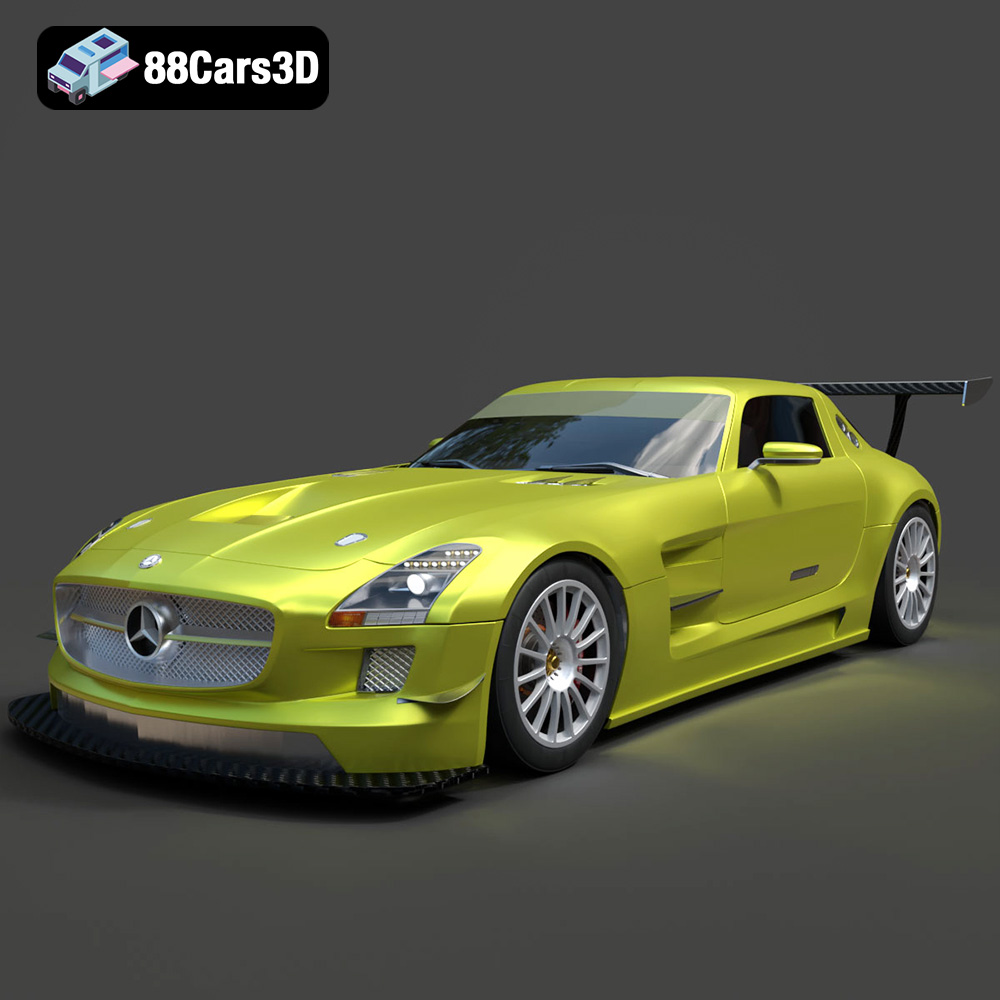
Mercedes-Benz SLS AMG GT3-002 3D Model
Texture: Yes
Material: Yes
Download the Mercedes-Benz SLS AMG GT3-002 3D Model featuring clean geometry, realistic detailing, and a fully modeled interior. Includes .blend, .fbx, .obj, .glb, .stl, .ply, .unreal, and .max formats for rendering, simulation, and game development.
Price: $38.99

Mercedes-Benz C-Class-001 3D Model
Texture: Yes
Material: Yes
Download the Mercedes-Benz C-Class-001 3D Model featuring clean geometry, realistic detailing, and a fully modeled interior. Includes .blend, .fbx, .obj, .glb, .stl, .ply, .unreal, and .max formats for rendering, simulation, and game development.
Price: $38.99
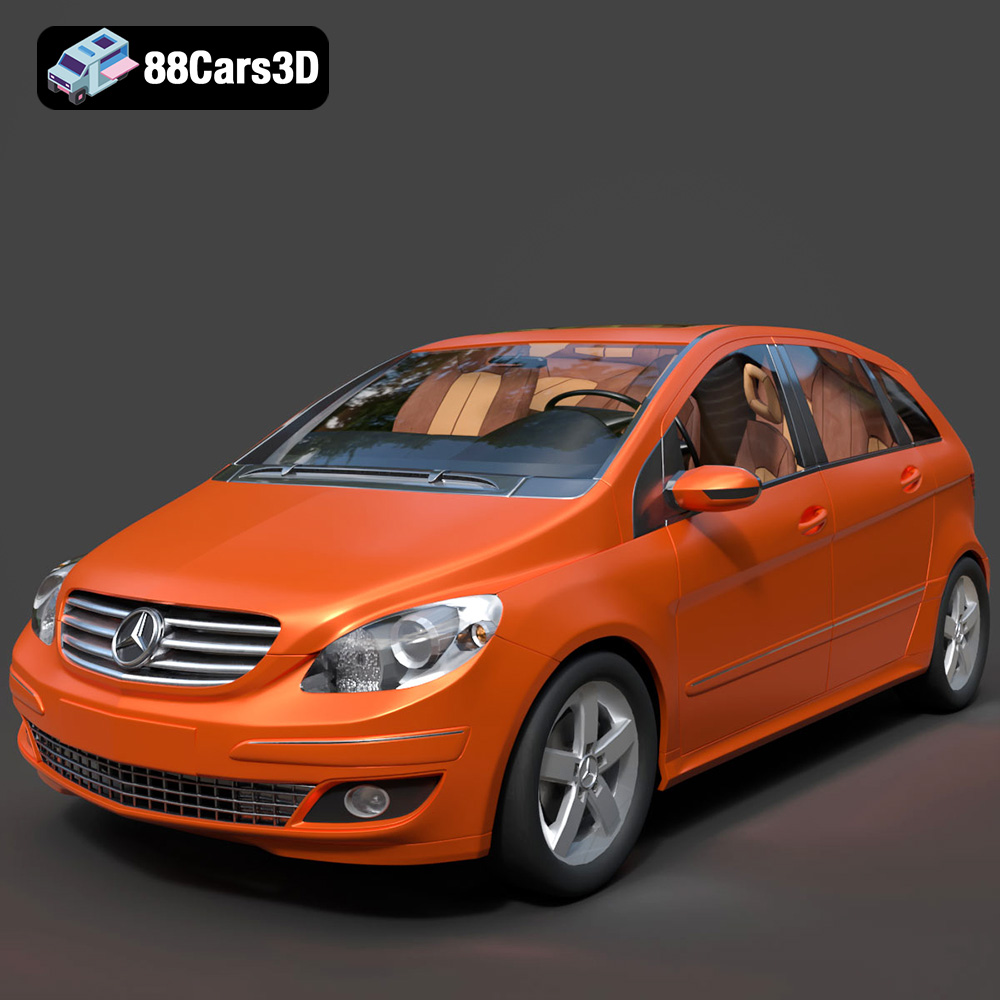
Mercedes-Benz B-Klasse 2023 3D Model
Texture: Yes
Material: Yes
Download the Mercedes-Benz B-Klasse 2023 3D Model featuring clean geometry, realistic detailing, and a fully modeled interior. Includes .blend, .fbx, .obj, .glb, .stl, .ply, .unreal, and .max formats for rendering, simulation, and game development.
Price: $38.99
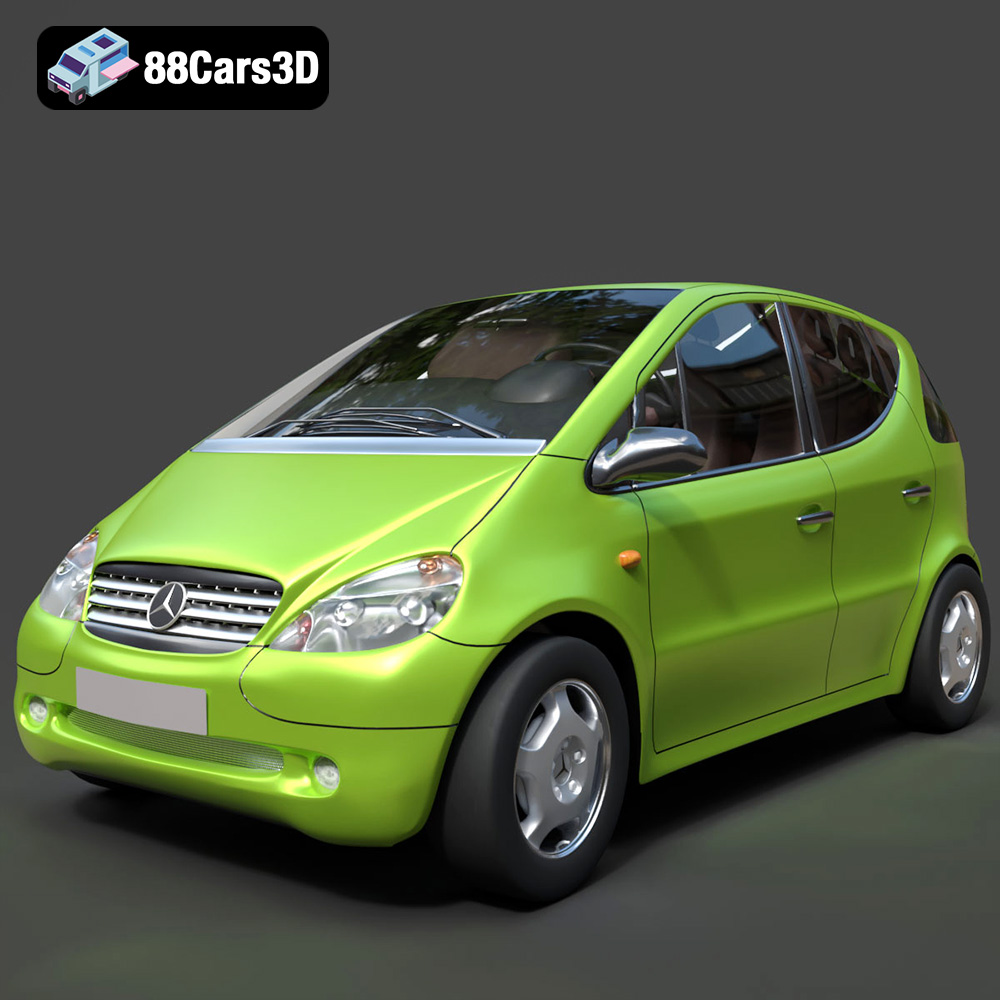
Mercedes-Benz A-Klasse W168 3D Model
Texture: Yes
Material: Yes
Download the Mercedes-Benz A-Klasse W168 3D Model featuring clean geometry, realistic detailing, and a fully modeled interior. Includes .blend, .fbx, .obj, .glb, .stl, .ply, .unreal, and .max formats for rendering, simulation, and game development.
Price: $38.99
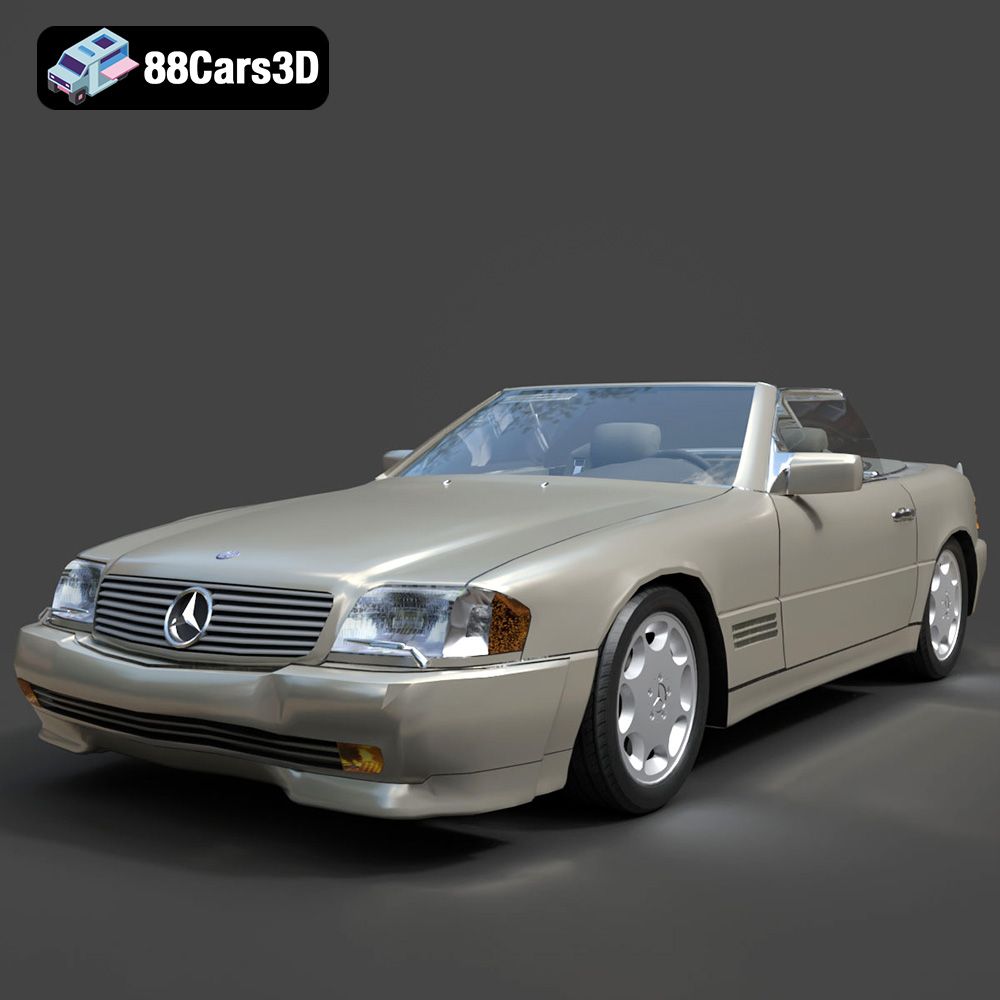
Mercedes-Benz 500SL 2000 3D Model
Texture: Yes
Material: Yes
Download the Mercedes-Benz 500SL 2000 3D Model featuring clean geometry, realistic detailing, and a fully modeled interior. Includes .blend, .fbx, .obj, .glb, .stl, .ply, .unreal, and .max formats for rendering, simulation, and game development.
Price: $38.99
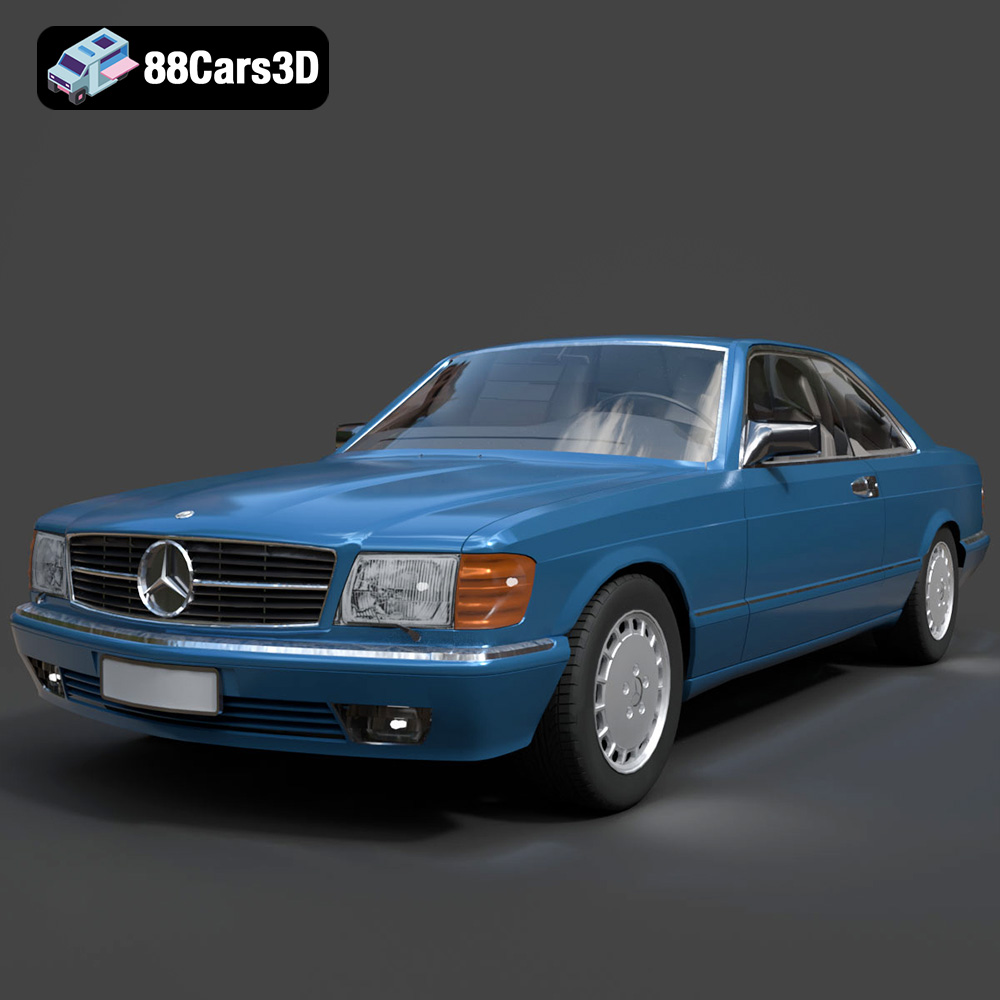
Mercedes-Benz 500SEC 3D Model
Texture: Yes
Material: Yes
Download the Mercedes-Benz 500SEC 3D Model featuring clean geometry, realistic detailing, and a fully modeled interior. Includes .blend, .fbx, .obj, .glb, .stl, .ply, .unreal, and .max formats for rendering, simulation, and game development.
Price: $38.99
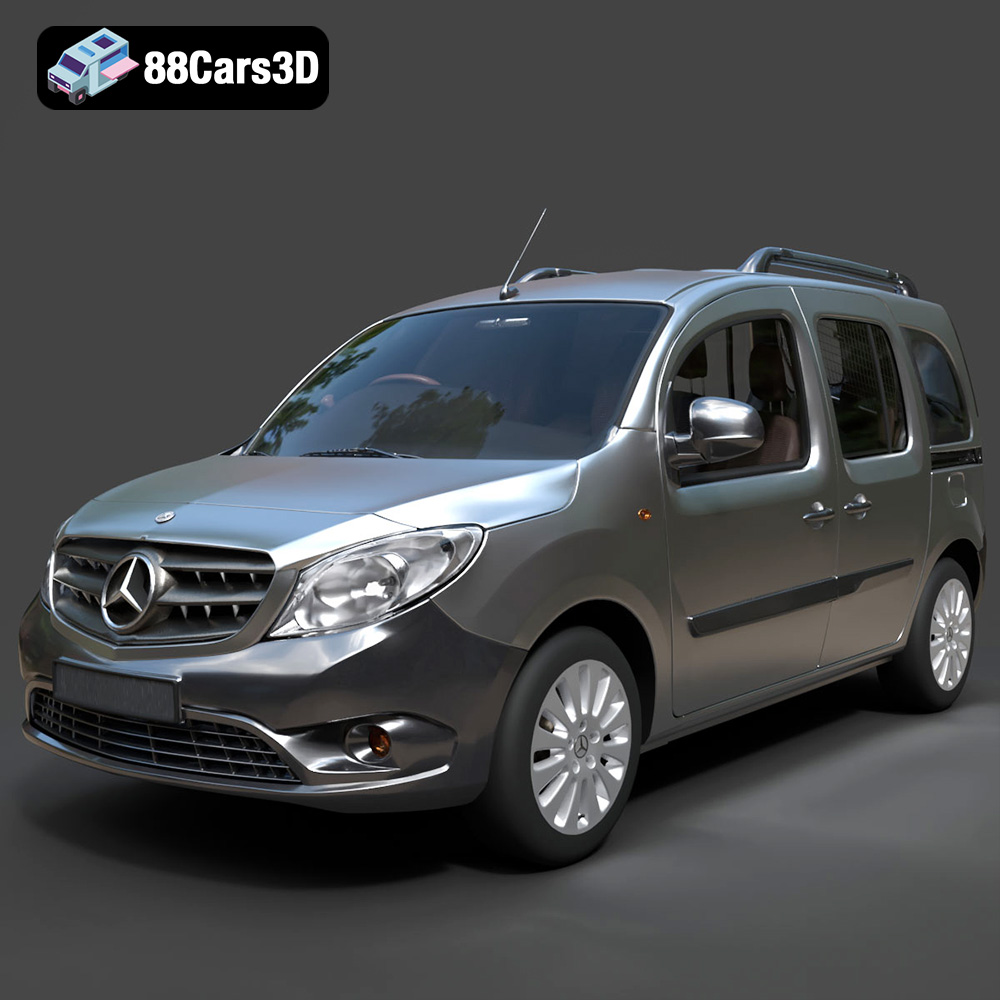
Mercedes-Benz Citan 2025 3D Model
Texture: Yes
Material: Yes
Download the Mercedes-Benz Citan 2025 3D Model featuring clean geometry, realistic detailing, and a fully modeled interior. Includes .blend, .fbx, .obj, .glb, .stl, .ply, .unreal, and .max formats for rendering, simulation, and game development.
Price: $38.99
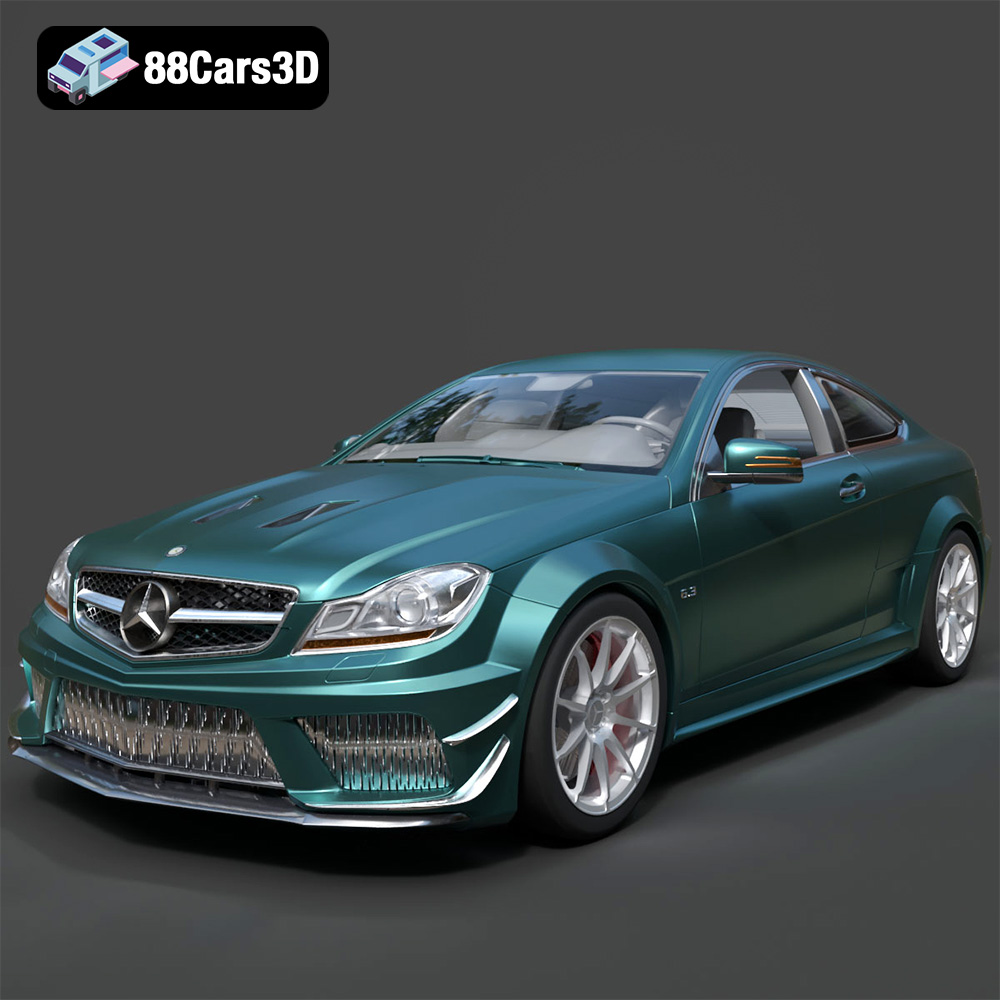
Mercedes-Benz C63 AMG 2012 3D Model
Texture: Yes
Material: Yes
Download the Mercedes-Benz C63 AMG 2012 3D Model featuring clean geometry, realistic detailing, and a fully modeled interior. Includes .blend, .fbx, .obj, .glb, .stl, .ply, .unreal, and .max formats for rendering, simulation, and game development.
Price: $38.99
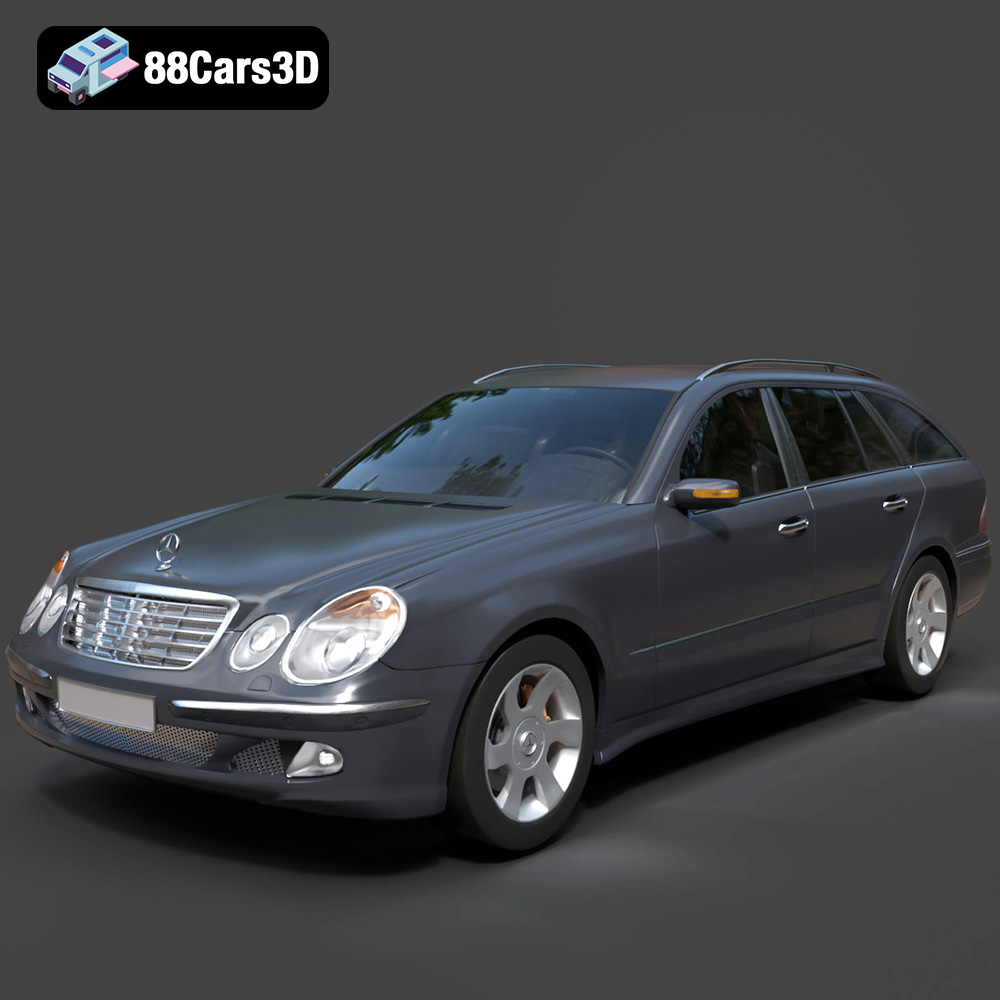
Mercedes-Benz E-Class S211 3D Model
Texture: Yes
Material: Yes
Download the Mercedes-Benz E-Class S211 3D Model featuring clean geometry, realistic detailing, and a fully modeled interior. Includes .blend, .fbx, .obj, .glb, .stl, .ply, .unreal, and .max formats for rendering, simulation, and game development.
Price: $38.99
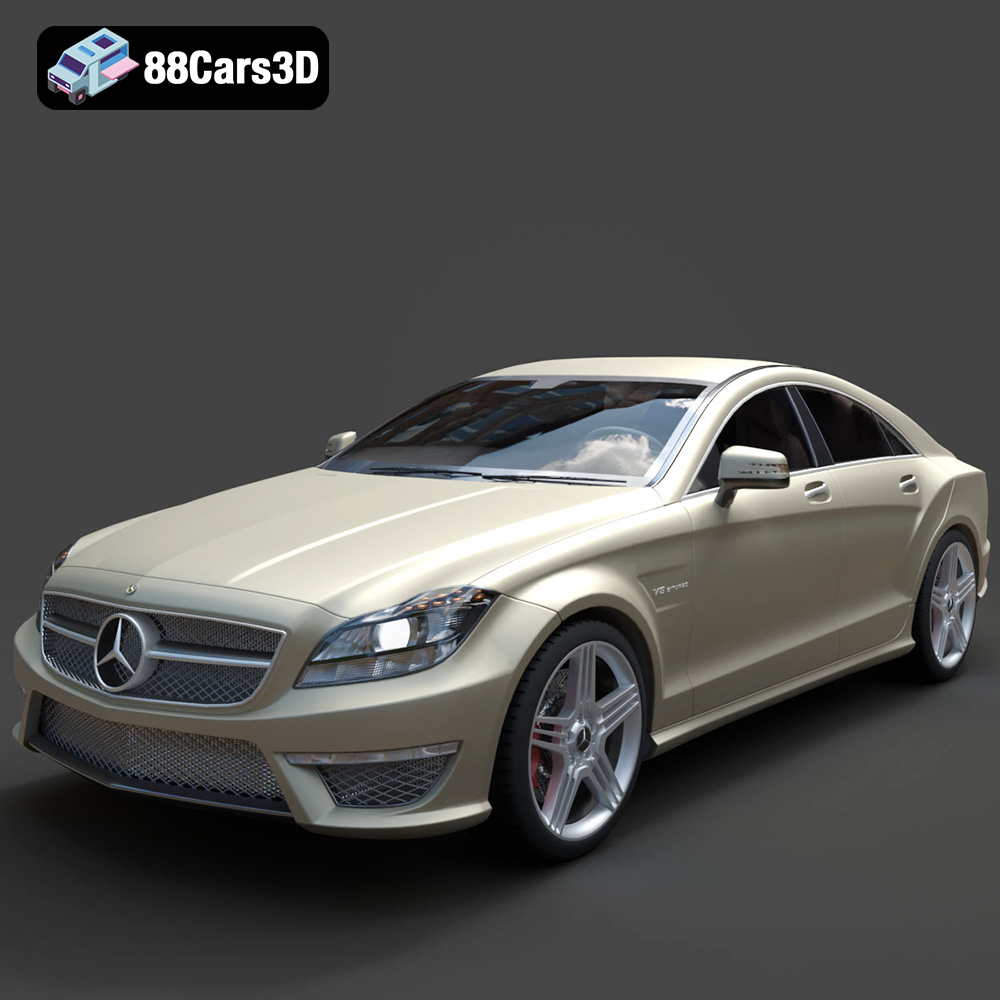
Mercedes-Benz CLS63 AMG (C218) 2014 3D Model
Texture: Yes
Material: Yes
Download the Mercedes-Benz CLS63 AMG (C218) 2014 3D Model featuring clean geometry, realistic detailing, and a fully modeled interior. Includes .blend, .fbx, .obj, .glb, .stl, .ply, .unreal, and .max formats for rendering, simulation, and game development.
Price: $38.99
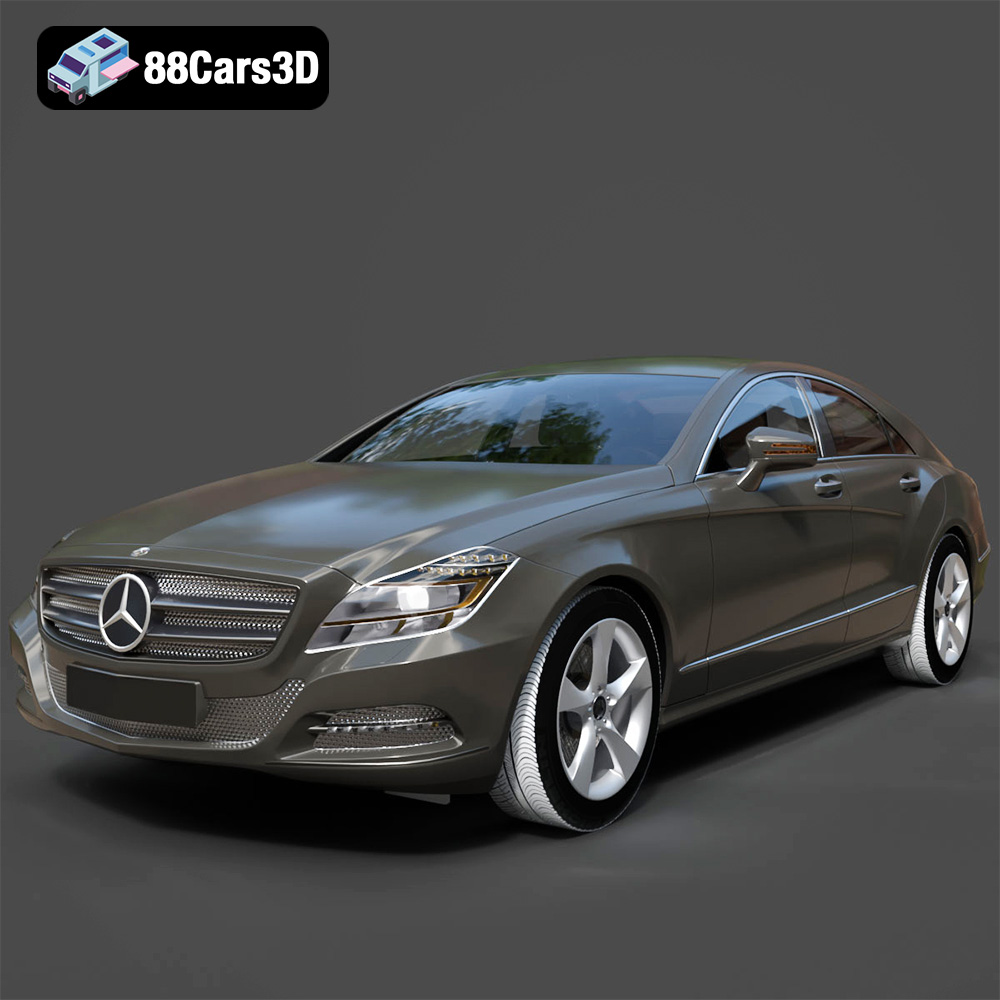
Mercedes-Benz CLS-Klasse 3D Model
Texture: Yes
Material: Yes
Download the Mercedes-Benz CLS-Klasse 3D Model featuring clean geometry, realistic detailing, and a fully modeled interior. Includes .blend, .fbx, .obj, .glb, .stl, .ply, .unreal, and .max formats for rendering, simulation, and game development.
Price: $38.99
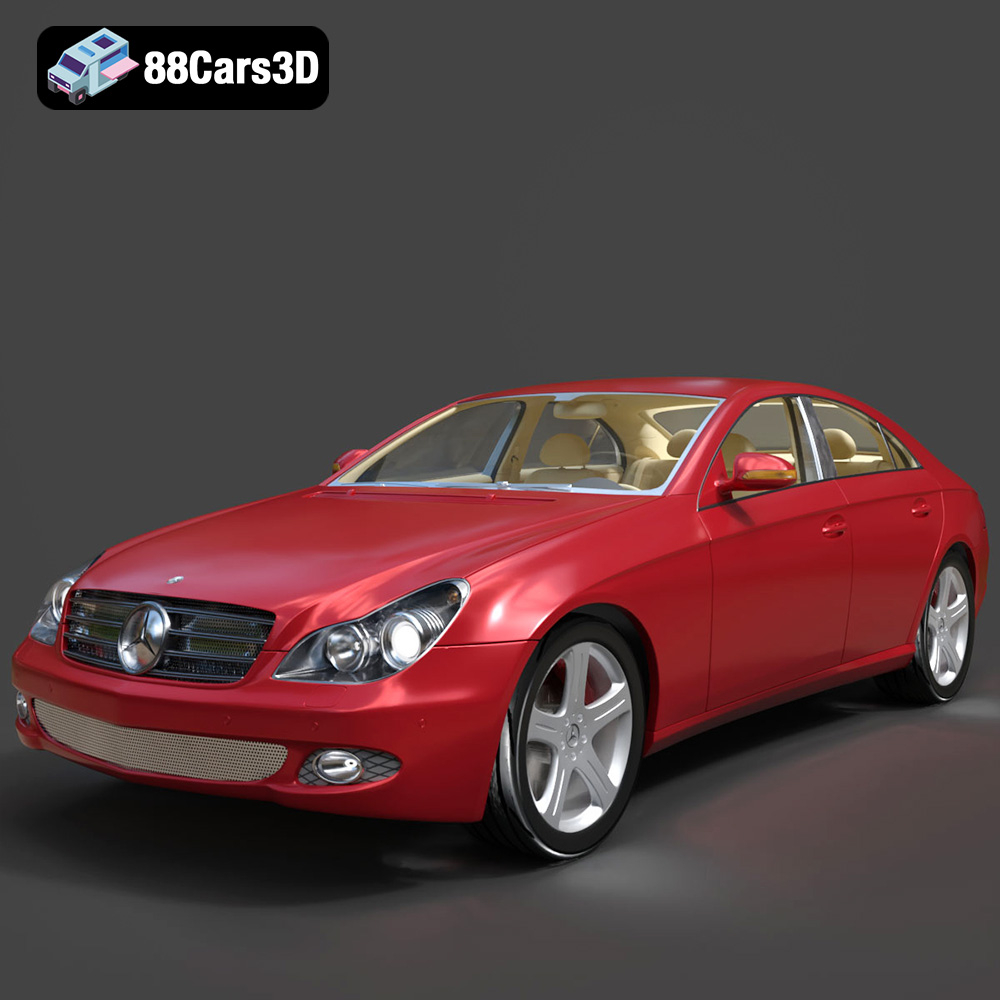
Mercedes-Benz CLS 500 3D Model
Texture: Yes
Material: Yes
Download the Mercedes-Benz CLS 500 3D Model featuring clean geometry, realistic detailing, and a fully modeled interior. Includes .blend, .fbx, .obj, .glb, .stl, .ply, .unreal, and .max formats for rendering, simulation, and game development.
Price: $38.99

Mercedes-Benz CL-Klasse 2001 3D Model
Texture: Yes
Material: Yes
Download the Mercedes-Benz CL-Klasse 2001 3D Model featuring clean geometry, realistic detailing, and a fully modeled interior. Includes .blend, .fbx, .obj, .glb, .stl, .ply, .unreal, and .max formats for rendering, simulation, and game development.
Price: $38.99
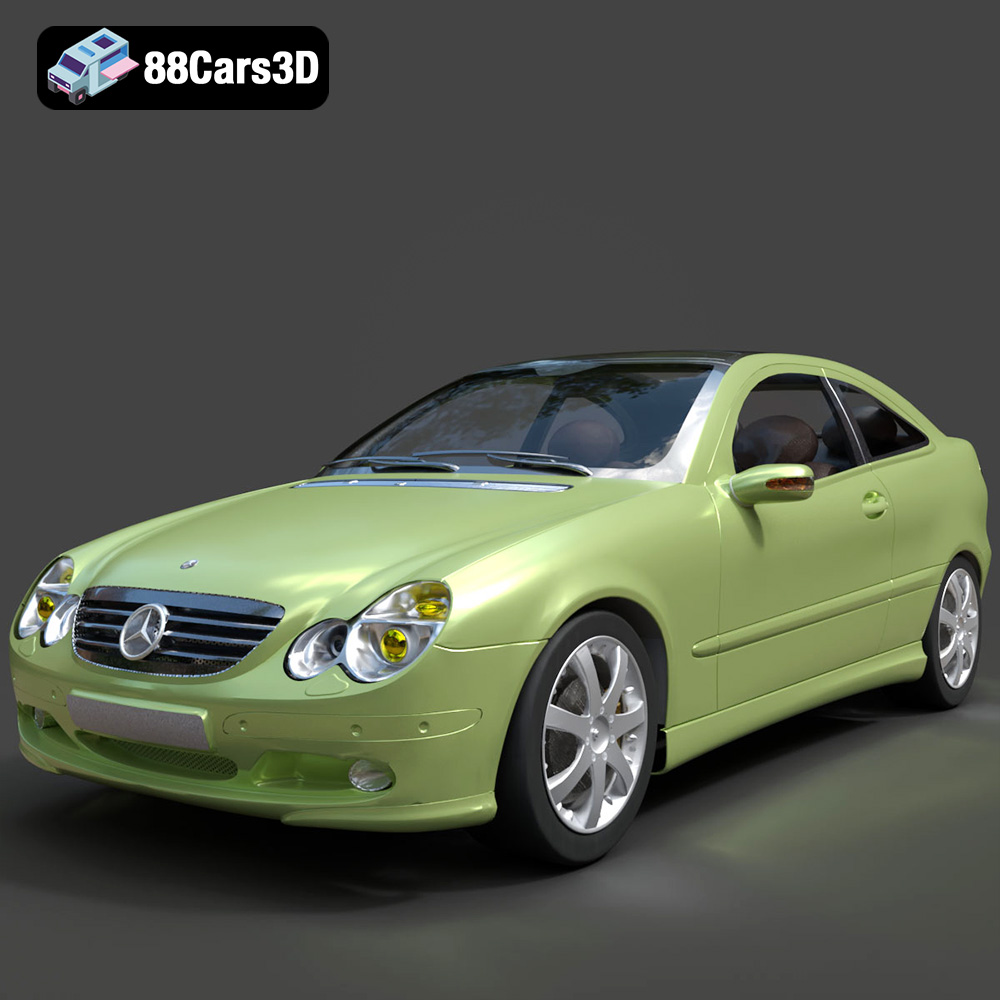
Mercedes-Benz C-Klasse Sportcoupe 2000 3D Model
Texture: Yes
Material: Yes
Download the Mercedes-Benz C-Klasse Sportcoupe 2000 3D Model featuring clean geometry, realistic detailing, and a fully modeled interior. Includes .blend, .fbx, .obj, .glb, .stl, .ply, .unreal, and .max formats for rendering, simulation, and game development.
Price: $38.99
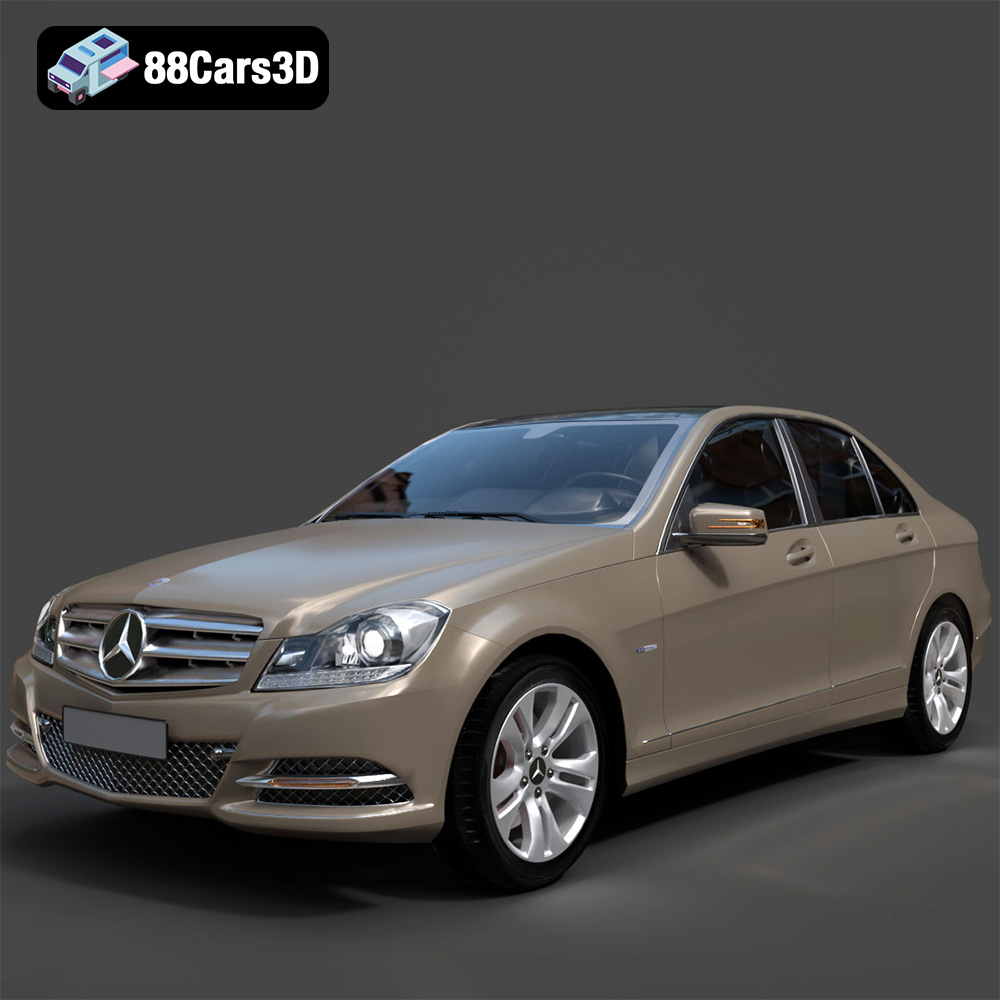
Mercedes-Benz C-Klasse 204 2011 3D Model
Texture: Yes
Material: Yes
Download the Mercedes-Benz C-Klasse 204 2011 3D Model featuring clean geometry, realistic detailing, and a fully modeled interior. Includes .blend, .fbx, .obj, .glb, .stl, .ply, .unreal, and .max formats for rendering, simulation, and game development.
Price: $38.99
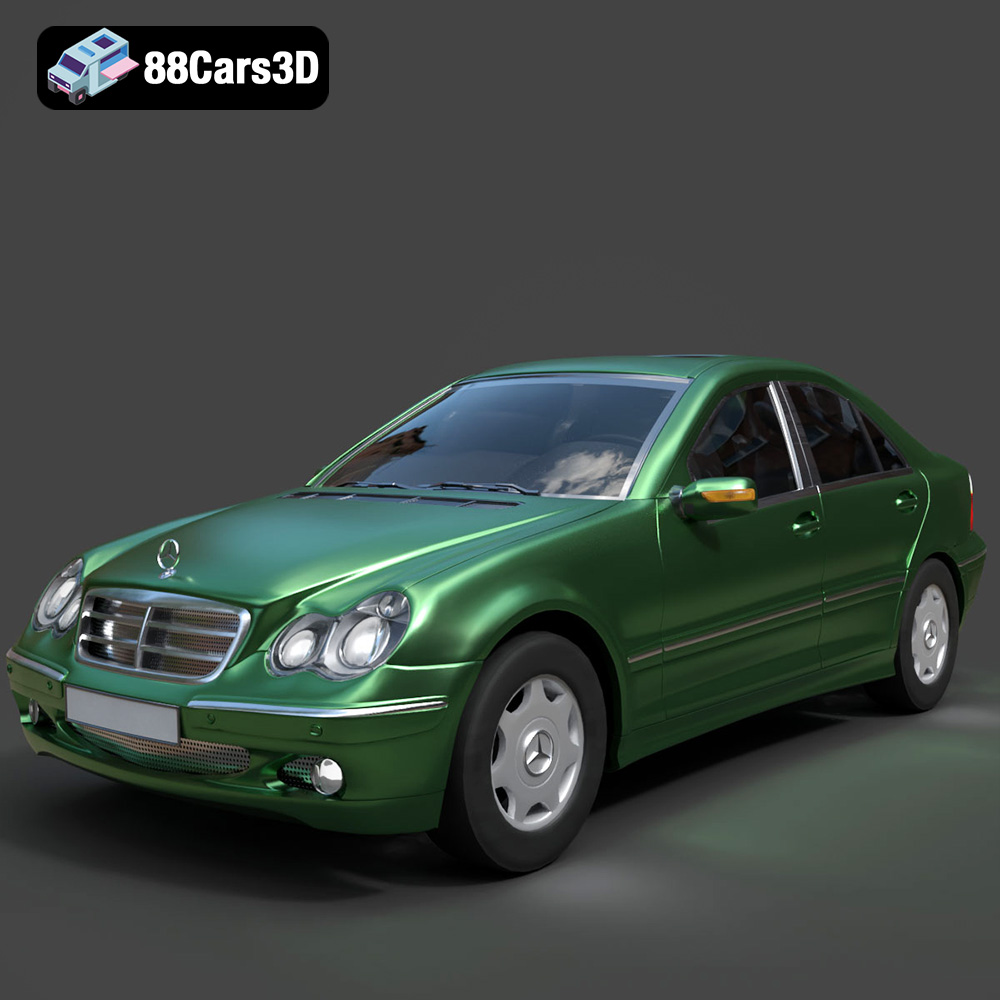
Mercedes-Benz C-Class Sedan 2000 3D Model
Texture: Yes
Material: Yes
Download the Mercedes-Benz C-Class Sedan 3D Model featuring clean geometry, realistic detailing, and a fully modeled interior. Includes .blend, .fbx, .obj, .glb, .stl, .ply, .unreal, and .max formats for rendering, simulation, and game development.
Price: $38.99
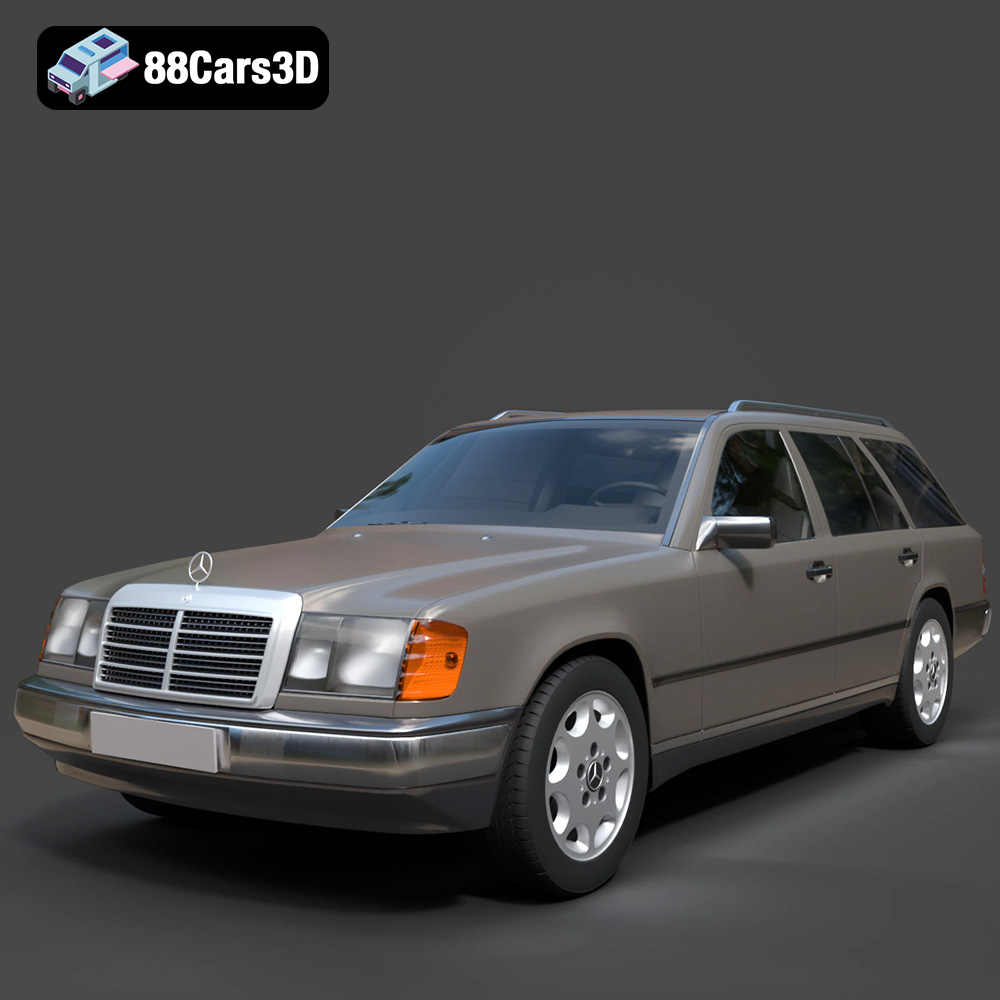
Mercedes E-Class w124 Kombi 3D Model
Texture: Yes
Material: Yes
Download the Mercedes E-Class w124 Kombi 3D Model featuring clean geometry, realistic detailing, and a fully modeled interior. Includes .blend, .fbx, .obj, .glb, .stl, .ply, .unreal, and .max formats for rendering, simulation, and game development.
Price: $38.99
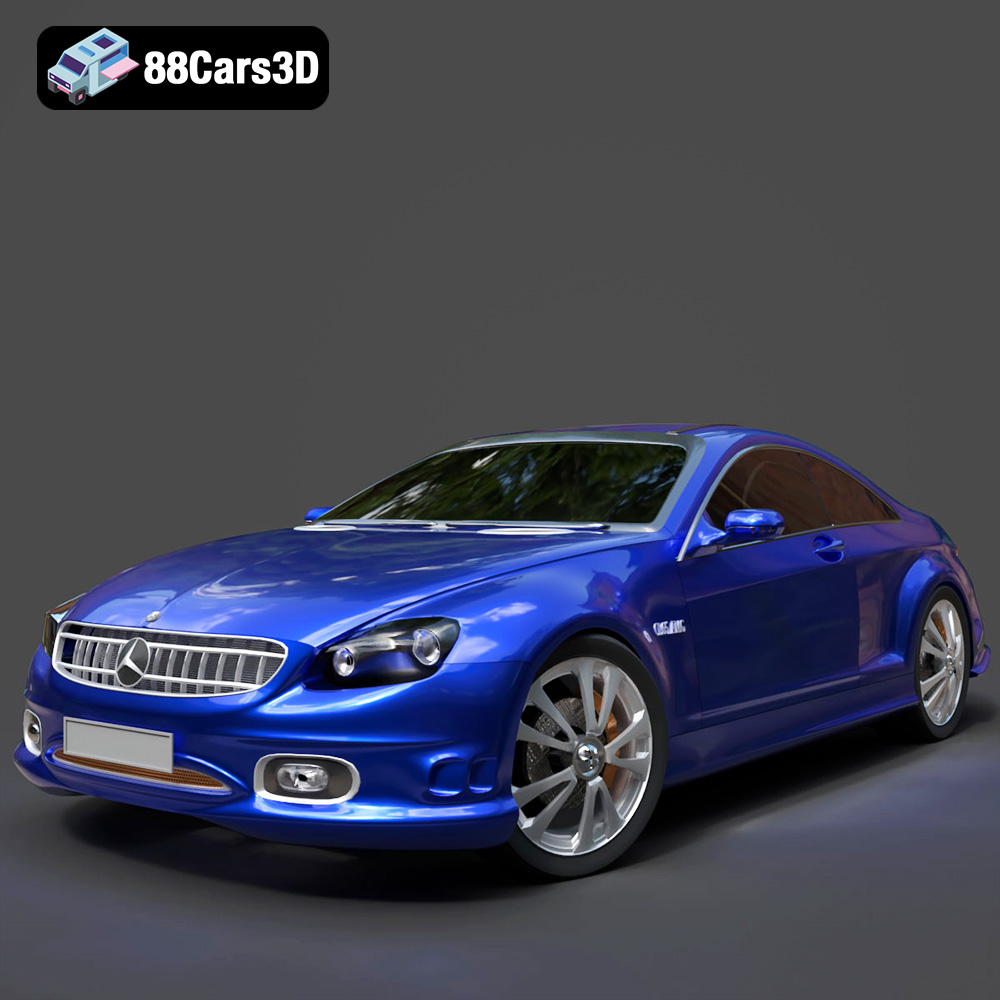
Mercedes-Benz CL6540-005 3D Model
Texture: Yes
Material: Yes
Download the Mercedes-Benz CL6540-005 3D Model featuring clean geometry, realistic detailing, and a fully modeled interior. Includes .blend, .fbx, .obj, .glb, .stl, .ply, .unreal, and .max formats for rendering, simulation, and game development.
Price: $38.99
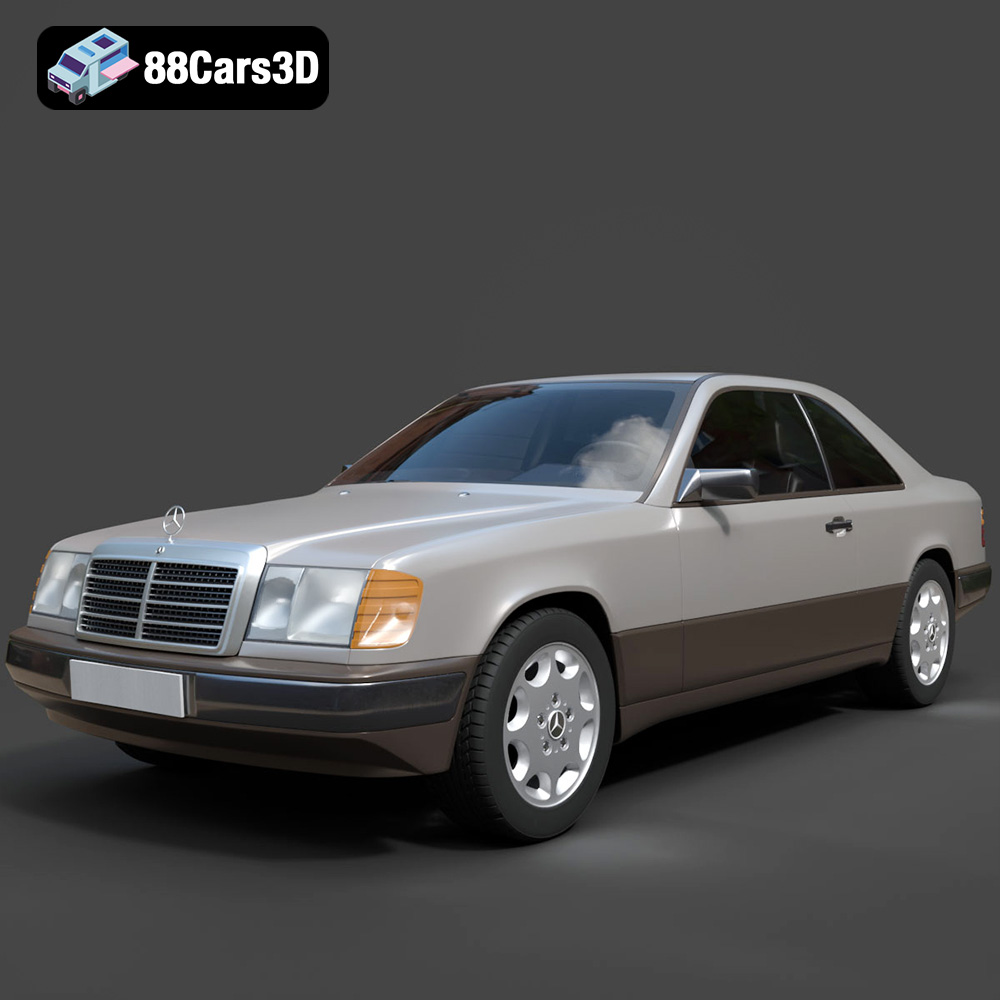
Mercedes E-Class w124 Coupe 3D Model
Texture: Yes
Material: Yes
Download the Mercedes E-Class w124 Coupe 3D Model featuring clean geometry, realistic detailing, and a fully modeled interior. Includes .blend, .fbx, .obj, .glb, .stl, .ply, .unreal, and .max formats for rendering, simulation, and game development.
Price: $38.99
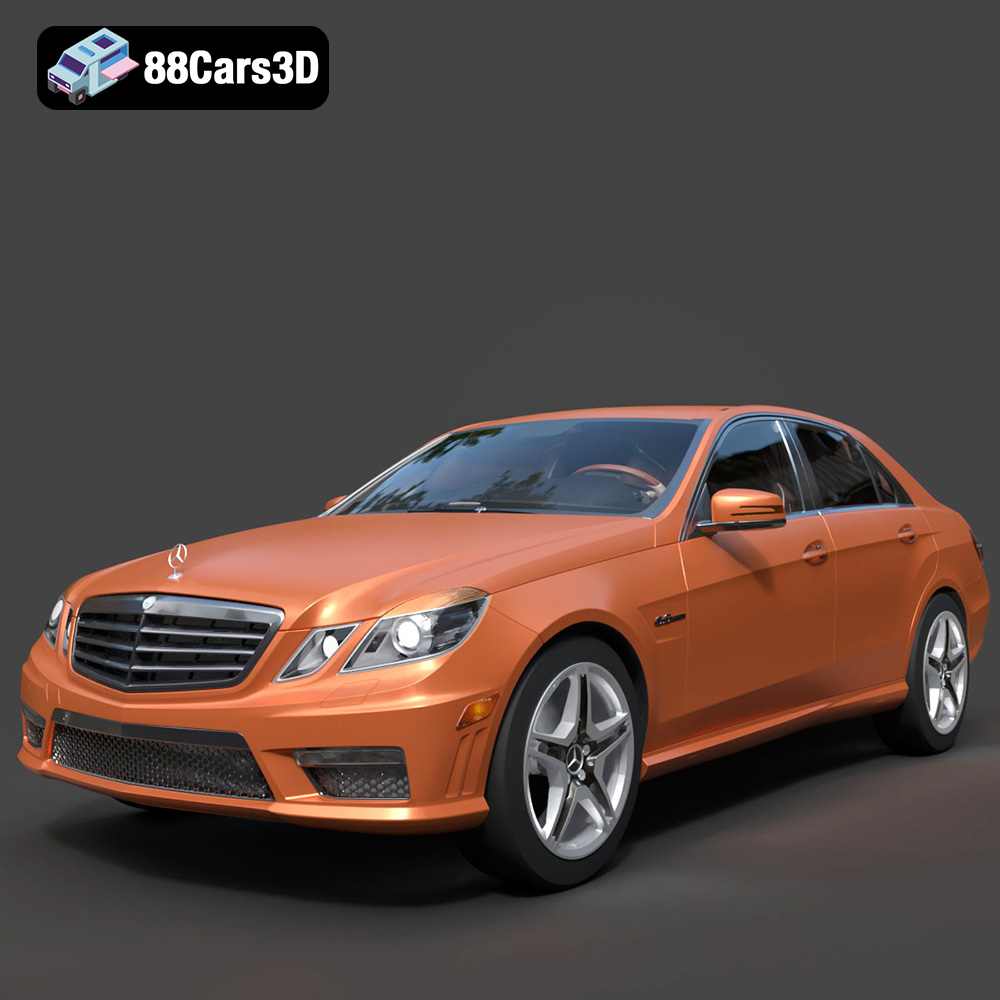
Mercedes-Benz E-Klasse 63 AMG 3D Model
Texture: Yes
Material: Yes
Download the Mercedes-Benz E-Klasse 63 AMG 3D Model featuring clean geometry, realistic detailing, and a fully modeled interior. Includes .blend, .fbx, .obj, .glb, .stl, .ply, .unreal, and .max formats for rendering, simulation, and game development.
Price: $38.99
