
The Imperative for Advanced Automotive Paint Shaders in Unreal Engine 5

In the world of 3D visualization and real-time graphics, few subjects capture the imagination quite like a beautifully rendered automobile. The sleek lines, the interplay of light and shadow, and especially the captivating depth of a pristine paint finish are crucial for truly convincing visuals. While Physically Based Rendering (PBR) materials have revolutionized realism across industries, they often fall short when tasked with accurately replicating the intricate optical properties of high-end automotive paint. Standard PBR parameters, while excellent for many surfaces, simply can’t convey the multi-layered complexity, the subtle metallic flake effect, or the deep, lustrous clear coat simulation that automotive enthusiasts expect.
For discerning artists and developers pushing the boundaries of realism in 88cars3d.com‘s extensive library of vehicles or their own projects, achieving hyper-realistic automotive paint shaders in Unreal Engine 5 is not just an aspiration—it’s a necessity. This article will delve deep into the limitations of conventional PBR and guide you through crafting advanced, multi-layered paint shaders that truly shine in a real-time rendering environment. We’ll explore the technical nuances, leverage Unreal Engine 5’s powerful features, and discuss optimization strategies to ensure your car rendering techniques achieve breathtaking fidelity without compromising performance.
The Imperative for Advanced Automotive Paint Shaders in Unreal Engine 5
At its core, standard PBR is designed to simulate how light interacts with common materials like metals, plastics, wood, and concrete. It relies on a set of standardized parameters—Base Color, Metallic, Roughness, Specular, and Normal—to define a surface’s reflective and absorptive properties. For many applications, this model provides excellent, consistent, and believable results. However, automotive paint is a breed apart, presenting a unique challenge for PBR materials.
The primary limitation stems from its multi-layered structure. Automotive paint isn’t a single monolithic surface; it’s a carefully engineered sandwich of distinct coats, each contributing to the final appearance. A typical car finish comprises a primer, a colored base coat (often with embedded metallic or pearlescent flakes), and a thick, transparent clear coat. Standard PBR struggles to account for the complex light interactions that occur as light penetrates, reflects off, refracts through, and scatters within these layers simultaneously. This is where the need for a custom automotive paint shader becomes evident in Unreal Engine 5.
Factors like anisotropic reflections from metallic flakes, the depth and ‘wet’ look of a clear coat, and the nuanced color shifts from pearlescent pigments are difficult, if not impossible, to achieve with a basic PBR setup. These elements are critical for conveying the quality, finish, and material richness of a high-end vehicle. Without these advanced techniques, even the most detailed 3D car models can appear flat, plastic-like, or simply unconvincing under scrutiny, especially in the demanding context of real-time rendering.
Deconstructing Automotive Paint: Layers and Light Interaction
To truly master automotive paint shader creation, we must first understand the physical composition of a car’s finish. This knowledge forms the bedrock of our shader design, allowing us to mimic real-world phenomena accurately. Let’s break down the essential layers:
- Primer: While not visually prominent in the final render, the primer provides a uniform surface for subsequent layers and can influence the perceived vibrancy of the base coat. For shader purposes, we primarily focus on layers above it.
- Base Coat (Color Layer): This is where the primary color of the vehicle resides. It can be a solid color, metallic, or pearlescent. Crucially, in metallic and pearlescent paints, this layer contains tiny flakes or pigments that are suspended within it. These elements are responsible for the sparkling or shifting color effects. Light interacts with these flakes by reflecting off their surfaces, often exhibiting anisotropy due to their orientation.
- Clear Coat: This is the outermost, transparent layer, typically much thicker than the base coat. It serves to protect the underlying color and provides the deep gloss and reflectivity that we associate with a polished car. The clear coat acts like a transparent film, allowing light to pass through, reflect off its surface (a strong Fresnel effect), and then reflect again off the base coat below. This double reflection, coupled with its thickness and optical properties (like a subtle internal roughness or ‘orange peel’ texture), is what gives automotive paint its characteristic depth and luster.
Understanding how light interacts with each of these layers—how it’s absorbed by the base coat, scattered by the metallic flake effect, and reflected/refracted by the clear coat—is paramount. The clear coat’s refractive index (IOR), its micro-roughness, and its thickness all play vital roles in the final visual outcome, creating the illusion of depth and gloss that is absent in simpler PBR materials.
Building Your Multi-Layered Automotive Paint Shader in Unreal Engine 5
Now, let’s translate this physical understanding into a functional Unreal Engine 5 material. Our goal is to simulate these layers, creating a truly dynamic and responsive automotive paint shader.
The Base Coat: Color and Underlying Properties
The base coat forms the foundation of our shader. This is where the primary color of the car is defined. We’ll start with a standard PBR setup for this layer, but with an eye toward its interaction with the clear coat above it.
- Base Color: Use a simple Vector3 parameter for the main color. This allows for easy adjustments via Material Instances.
- Roughness: Even beneath a clear coat, the base coat has an intrinsic roughness. This value is typically low, representing a relatively smooth surface, but it’s crucial for how light scatters off the flakes. Use a Scalar Parameter for control.
- Metallic: For non-metallic paints, this would be 0. For metallic paints, this parameter will play a role in how the flakes reflect light, but the primary metallic effect comes from our flake simulation.
This underlying material will then be masked and blended with our other layers. Think of it as the canvas upon which we’ll add the metallic sparkle and the glossy clear coat.
Simulating the Metallic Flake Effect
The metallic flake effect is perhaps the most challenging and rewarding aspect of creating a realistic automotive paint shader. These tiny, reflective particles are responsible for the paint’s sparkle and the subtle shifts in color as light hits the surface from different angles. In Unreal Engine 5, we can achieve this through a combination of procedural textures or carefully crafted normal maps, coupled with anisotropic shading.
- Flake Normal Map Generation:
- You can procedurally generate a flake normal map within the material editor using noise functions (like a Perlin or Voronoi noise) combined with step functions to create sharp, small facets.
- Alternatively, a pre-baked high-resolution normal map of flakes can be used for more controlled results. This map should tile seamlessly and represent individual flake orientations.
- Map this normal map in world space or using custom UVs to avoid stretching on complex surfaces and to ensure flakes appear uniform regardless of model UVs.
- Anisotropic Reflections:
- Automotive clear coat shaders in Unreal Engine 5 often have an anisotropic input. This is critical for flakes. Anisotropy means reflections stretch in a particular direction, which mimics how light reflects off elongated or oriented surfaces like individual flakes.
- Use the flake normal map (or a derivative of it) to drive the anisotropic direction. You’ll typically want to derive a tangent or binormal vector from your flake normal to feed into the anisotropic input.
- Control flake density, size, and sparkle intensity through parameters that modify the normal map’s strength, tiling, and thresholding. A higher normal map intensity and smaller flakes will yield a ‘finer’ metallic look.
- Flake Color and Specular:
- The flakes themselves are often metallic, so their specular color should be tied to the base color, but potentially with a slight tint or variation.
- Control the “strength” of the flakes using a parameter that blends the flake normal contribution and its metallic property.
This layering ensures that the metallic flakes interact with light independently, creating a convincing sparkle beneath the clear coat. It’s a key car rendering technique that elevates the realism significantly.
Crafting the Realistic Clear Coat Simulation
The clear coat is the crowning glory of an automotive paint shader. Unreal Engine 5 provides a dedicated “Clear Coat” shading model, which is an excellent starting point and a major advantage for real-time rendering compared to other engines. This model is specifically designed to simulate a transparent layer over another material.
- Enabling the Clear Coat Shading Model:
- In your material, change the Shading Model to “Clear Coat.” This will expose new inputs: ClearCoat, ClearCoatRoughness, and ClearCoatNormal.
- Clear Coat Parameters:
- ClearCoat: This is a boolean (0 or 1) that essentially turns the clear coat on or off. Set it to 1.
- ClearCoatRoughness: This controls the micro-roughness of the clear coat’s surface. A value near 0 for polished cars creates a mirror-like reflection. Slightly higher values can simulate microscopic dust or wear. Use a Scalar Parameter for fine control.
- ClearCoatNormal: This input allows you to apply a separate normal map to the clear coat itself. This is where you can simulate subtle ‘orange peel’ texture or micro-scratches that are only on the clear coat surface, without affecting the underlying base coat and flakes. Blend this with a Fresnel-driven normal map for optimal results.
- Fresnel Effect for Reflections:
- The clear coat’s reflectivity changes with the viewing angle (Fresnel effect). When looking straight on, reflections are subtle; at glancing angles, they become much stronger. The Clear Coat shading model inherently handles some of this, but you can enhance it by driving the ClearCoatRoughness or even slightly the Base Color’s specular with a Fresnel term.
- Use the ‘Fresnel’ node in the material editor. Its ‘Exponent’ and ‘Base Reflectivity’ can be adjusted to fine-tune the effect.
- Blending Normals:
- The final normal that affects the clear coat’s reflections should be a blend of the geometric normal, any ‘orange peel’ normal map, and the flake normal (though the flake normal primarily affects the underlying metallic component). Use ‘Blend Normals’ nodes to combine these effectively.
By carefully orchestrating these layers and their individual properties, you build a robust automotive paint shader that goes beyond the capabilities of simple PBR materials. For those who want to jumpstart their projects with ready-made excellence, 88cars3d.com offers a curated selection of highly detailed car models optimized for Unreal Engine 5, often featuring advanced material setups.
Leveraging Unreal Engine 5’s Power for Breathtaking Car Rendering
Building an exquisite automotive paint shader is only half the battle. To truly make it shine, we must harness the cutting-edge features of Unreal Engine 5. These technologies work in concert to create an immersive, photorealistic environment that dramatically enhances the visual impact of your car models and their sophisticated paint finishes.
Dynamic Lighting and Global Illumination with Lumen
Lumen is Unreal Engine 5’s default global illumination and reflections system, providing incredibly realistic indirect lighting and reflections for real-time rendering. For car rendering techniques, Lumen is a game-changer:
- Bounced Light on Paint: Lumen accurately simulates how light bounces off surrounding surfaces and subtly illuminates your car’s paint from all angles. This means that a red car parked near a green wall will pick up subtle green hues in its shadowed areas, a level of realism impossible with static lighting.
- Environmental Interaction: The car’s paint will dynamically respond to changes in the environment, whether it’s moving through a tunnel, under varying weather conditions, or across different lighting setups. This greatly enhances visual fidelity and immersion, making the vehicle feel truly “present” in the scene.
- PBR Accuracy: Lumen is built to work seamlessly with PBR materials, ensuring that your carefully crafted shader receives accurate indirect illumination, enhancing its depth and realism.
Ensure your scene has a well-lit environment, as Lumen will leverage every light source and reflective surface to make your automotive paint pop.
Crystal-Clear Reflections with Hardware Ray Tracing
While Lumen provides excellent software ray-traced global illumination and screen-space reflections, hardware Ray Tracing elevates reflections to an unparalleled level of precision, which is absolutely critical for automotive paint shaders.
- Accurate Mirror-Like Reflections: Ray Tracing calculates reflections by tracing individual rays of light, providing geometrically perfect and infinitely distant reflections. This means your car’s clear coat will flawlessly reflect the entire environment, including objects outside the screen space, other cars, and intricate details of the scene.
- Refraction for Translucency: For any transparent elements like windows or headlights, ray-traced translucency provides physically accurate refraction, bending light as it passes through the material. While less direct for paint, the overall environmental realism contributes to the clear coat’s believability.
- Enhanced Clear Coat Fidelity: The sharp, undistorted reflections offered by hardware ray tracing are paramount for showcasing the deep, glossy nature of a car’s clear coat. It’s the ultimate test and display of your clear coat simulation, revealing every subtle nuance of the surface.
To enable Ray Tracing, navigate to your project settings, search for “Ray Tracing,” and enable it. You’ll also need to ensure your graphics card supports DXR (DirectX Raytracing) for hardware acceleration.
Nanite for Geometric Fidelity and Detail
Though Nanite doesn’t directly influence the automotive paint shader, its impact on overall scene fidelity and the quality of game-ready assets cannot be overstated. Nanite is Unreal Engine 5’s virtualized micropolygon geometry system, allowing for the ingestion and rendering of incredibly complex models with millions or even billions of triangles, all at real-time frame rates.
- Unprecedented Detail: With Nanite, artists no longer need to compromise on geometric detail for their car models. Complex curvatures, intricate body panel seams, and highly detailed components can be imported directly, ensuring that the canvas for your paint shader is as pristine and accurate as possible.
- Enhanced Form: A truly realistic paint job looks its best on a perfectly sculpted surface. Nanite ensures that the underlying geometry is smooth and detailed, allowing the sophisticated reflections and light interactions of your advanced automotive paint shader to play out on a truly high-fidelity model.
- Performance for Production: For game-ready assets or cinematic sequences, Nanite liberates artists from traditional polygon budget constraints, making it feasible to use incredibly detailed source meshes without complex LOD setups initially. This streamlines workflows and enhances the final visual output, making your painted vehicles feel more substantial and real.
By leveraging Lumen for dynamic lighting, Ray Tracing for pristine reflections, and Nanite for unparalleled geometric detail, you create a holistic visual experience that truly elevates your car rendering techniques in Unreal Engine 5.
Advanced Techniques and Optimization for Game-Ready Automotive Assets
Creating a visually stunning automotive paint shader is a feat in itself, but for practical applications, especially in game development or large-scale automotive configurators, performance and flexibility are just as crucial. Here, we’ll discuss advanced techniques and optimization strategies to ensure your beautiful car rendering techniques remain efficient and production-ready.
Material Instancing for Variation and Efficiency
One of the most powerful features in Unreal Engine is Material Instancing. Instead of creating a new material for every single color or finish variation, you create a robust “Parent Material” with all the complex shader logic, then generate “Material Instances” from it. These instances allow you to modify exposed parameters (like Base Color, Flake Density, Clear Coat Roughness) without recompiling the shader, leading to significant workflow improvements and reduced memory footprint.
- Setup: Expose all relevant parameters in your master automotive paint shader (e.g., base color, metallic flake intensity, clear coat roughness, normal map scales) as Material Parameters (Vector3, Scalar, Texture).
- Workflow: Right-click your Parent Material and select “Create Material Instance.” Now you can create hundreds of paint variations—glossy black, matte red, metallic blue, pearlescent white—all derived from a single optimized shader.
- Benefits: Faster iteration, lower draw calls, reduced memory usage, and easier management of a vast library of paint finishes, essential for any project involving multiple game-ready assets.
LODs and Performance Considerations for Car Rendering
Even with Unreal Engine 5’s optimizations like Nanite, complex shaders can still impact performance. For game-ready assets, implementing Levels of Detail (LODs) for your materials is a smart strategy, particularly for cinematic-quality car rendering techniques that might have extensive detail when viewed up close.
- Shader Complexity: High-fidelity automotive paint shaders with complex flake calculations, multiple normal map blends, and detailed clear coat simulation can be computationally intensive.
- LOD Setup: Use the “Feature Level Switch” or custom branches within your material to simplify parts of the shader based on distance or other criteria. For example, at far distances, you might disable complex procedural flake generation and rely on a simpler base color and roughness map, or even completely switch to a basic PBR material.
- Optimizing Flakes: Procedural flakes are great for close-ups but can be heavy. For mid-range LODs, consider using a pre-baked flake normal map. For distant LODs, simply disable the flake effect or simplify its contribution significantly.
- Texture Resolution: Use appropriate texture resolutions. While high-res textures are vital for close-ups, distant vehicles won’t benefit from 4K maps, so consider texture streaming settings or LOD-specific texture assignments.
Balancing visual fidelity with frame rate is key. Always profile your material’s performance using Unreal Engine’s built-in tools (Shader Complexity viewmode, GPU Profiler) to identify bottlenecks.
Post-Processing for the Final Polish
No render is complete without a touch of post-processing. While not directly part of the automotive paint shader, post-process effects dramatically enhance the perceived realism and visual appeal of your car rendering techniques.
- Color Grading: Adjusting exposure, contrast, saturation, and color balance can give your renders a cinematic look and integrate the car perfectly into its environment.
- Bloom: A subtle bloom effect can soften intense highlights, making bright reflections on the clear coat feel more natural and photographic. Be careful not to overdo it, or the car will look overly glowy.
- Depth of Field (DOF): Applying a shallow DOF can isolate the car from the background, drawing the viewer’s eye and creating a sense of scale and focus, much like a professional camera lens.
- Vignette: A slight darkening at the edges of the frame can help focus attention on the central subject, the beautifully rendered car.
- Screen Space Global Illumination / Ambient Occlusion: Even with Lumen, adding subtle Screen Space Global Illumination (SSGI) or Screen Space Ambient Occlusion (SSAO) can further enhance contact shadows and indirect lighting, adding more depth.
Post-processing is the final layer of polish, transforming a technically accurate render into a captivating visual masterpiece. Experiment with various settings in the Post Process Volume to achieve the desired mood and realism for your automotive scenes. This holistic approach ensures that every aspect of your Unreal Engine 5 project contributes to the final, stunning realism of your vehicles.
Conclusion
Crafting hyper-realistic automotive paint shaders in Unreal Engine 5 is a challenging yet incredibly rewarding endeavor. By moving beyond the limitations of standard PBR materials, we’ve explored a multi-layered approach that meticulously simulates the physical properties of a car’s finish—from the vibrant base coat and sparkling metallic flake effect to the deep, lustrous clear coat simulation. The combination of intricate material logic and the immense power of Unreal Engine 5’s features like Lumen and hardware Ray Tracing allows for unprecedented visual fidelity in real-time rendering.
Remember that the pursuit of realism is an iterative process. Experiment with different parameters, explore custom normal maps for flakes, and constantly test your car rendering techniques under various lighting conditions. Balancing visual stunningness with performance, particularly for game-ready assets, is a skill that comes with practice and careful optimization through material instancing and LODs.
The journey to photorealistic vehicles in Unreal Engine 5 demands attention to detail at every step. But with the techniques outlined here, you are well-equipped to create truly breathtaking automotive visuals that captivate audiences and elevate your projects. For those seeking a head start with meticulously crafted, high-quality vehicle models optimized for Unreal Engine 5, explore the vast collection of game-ready assets available at 88cars3d.com. Start building your next masterpiece today!
Featured 3D Car Models

Suzuki SX4-002 3D Model
Texture: Yes
Material: Yes
Download the Suzuki SX4-002 3D Model featuring clean geometry, realistic detailing, and a fully modeled interior. Includes .blend, .fbx, .obj, .glb, .stl, .ply, .unreal, and .max formats for rendering, simulation, and game development.
Price: $10

Tesla Model S 2024 3D Model
Texture: Yes
Material: Yes
Download the Tesla Model S 2024 3D Model featuring clean geometry, realistic detailing, and a fully modeled interior. Includes .blend, .fbx, .obj, .glb, .stl, .ply, .unreal, and .max formats for rendering, simulation, and game development.
Price: $10

Subaru Impreza WRX STi-002 3D Model
Texture: Yes
Material: Yes
Download the Subaru Impreza WRX STi-002 3D Model featuring clean geometry, realistic detailing, and a fully modeled interior. Includes .blend, .fbx, .obj, .glb, .stl, .ply, .unreal, and .max formats for rendering, simulation, and game development.
Price: $10

Subaru Impreza WRX STi Sedan 3D Model
Texture: Yes
Material: Yes
Download the Subaru Impreza WRX STi Sedan 3D Model featuring clean geometry, realistic detailing, and a fully modeled interior. Includes .blend, .fbx, .obj, .glb, .stl, .ply, .unreal, and .max formats for rendering, simulation, and game development.
Price: $10

Subaru Legacy 2009 3D Model
Texture: Yes
Material: Yes
Download the Subaru Legacy 2009 3D Model featuring clean geometry, realistic detailing, and a fully modeled interior. Includes .blend, .fbx, .obj, .glb, .stl, .ply, .unreal, and .max formats for rendering, simulation, and game development.
Price: $10

Suzuki Swift 2024 3D Model
Texture: Yes
Material: Yes
Download the Suzuki Swift 2024 3D Model featuring clean geometry, realistic detailing, and a fully modeled interior. Includes .blend, .fbx, .obj, .glb, .stl, .ply, .unreal, and .max formats for rendering, simulation, and game development.
Price: $10

Suzuki Liana Sedan 2004 3D Model
Texture: Yes
Material: Yes
Download the Suzuki Liana Sedan 2004 3D Model featuring clean geometry, realistic detailing, and a fully modeled interior. Includes .blend, .fbx, .obj, .glb, .stl, .ply, .unreal, and .max formats for rendering, simulation, and game development.
Price: $10

Subaru Outback 2024 3D Model
Texture: Yes
Material: Yes
Download the Subaru Outback 2024 3D Model featuring clean geometry, realistic detailing, and a fully modeled interior. Includes .blend, .fbx, .obj, .glb, .stl, .ply, .unreal, and .max formats for rendering, simulation, and game development.
Price: $10

Subaru Legacy 2003 3D Model
Texture: Yes
Material: Yes
Download the Subaru Legacy 2003 3D Model featuring clean geometry, realistic detailing, and a fully modeled interior. Includes .blend, .fbx, .obj, .glb, .stl, .ply, .unreal, and .max formats for rendering, simulation, and game development.
Price: $10

Subaru Legacy Touring Wagon 3D Model
Texture: Yes
Material: Yes
Download the Subaru Legacy Touring Wagon 3D Model featuring clean geometry, realistic detailing, and a fully modeled interior. Includes .blend, .fbx, .obj, .glb, .stl, .ply, .unreal, and .max formats for rendering, simulation, and game development.
Price: $10

Toyota Mark II (X100) 1998 3D Model
Texture: Yes
Material: Yes
Download the Toyota Mark II (X100) 3D Model featuring clean geometry, realistic detailing, and a fully modeled interior. Includes .blend, .fbx, .obj, .glb, .stl, .ply, .unreal, and .max formats for rendering, simulation, and game development.
Price: $10

Toyota Corona 1985 3D Model
Texture: Yes
Material: Yes
Download the Toyota Corona 1985 3D Model featuring clean geometry, realistic detailing, and a fully modeled interior. Includes .blend, .fbx, .obj, .glb, .stl, .ply, .unreal, and .max formats for rendering, simulation, and game development.
Price: $10

Toyota Mark II X81 1990 3D Model
Texture: Yes
Material: Yes
Download the Toyota Mark II X81 1990 3D Model featuring clean geometry, realistic detailing, and a fully modeled interior. Includes .blend, .fbx, .obj, .glb, .stl, .ply, .unreal, and .max formats for rendering, simulation, and game development.
Price: $10

Toyota iQ EV 2012 3D Model
Texture: Yes
Material: Yes
Download the Toyota iQ EV 2012 3D Model featuring clean geometry, realistic detailing, and a fully modeled interior. Includes .blend, .fbx, .obj, .glb, .stl, .ply, .unreal, and .max formats for rendering, simulation, and game development.
Price: $10

Toyota Aygo 2013 3D Model
Texture: Yes
Material: Yes
Download the Toyota Aygo 2013 3D Model featuring clean geometry, realistic detailing, and a fully modeled interior. Includes .blend, .fbx, .obj, .glb, .stl, .ply, .unreal, and .max formats for rendering, simulation, and game development.
Price: $10

Toyota Crown S180 2005 3D Model
Texture: Yes
Material: Yes
Download the Toyota Crown S180 2005 3D Model featuring clean geometry, realistic detailing, and a fully modeled interior. Includes .blend, .fbx, .obj, .glb, .stl, .ply, .unreal, and .max formats for rendering, simulation, and game development.
Price: $10

Toyota Celica 2004 3D Model
Texture: Yes
Material: Yes
Download the Toyota Celica 2004 3D Model featuring clean geometry, realistic detailing, and a fully modeled interior. Includes .blend, .fbx, .obj, .glb, .stl, .ply, .unreal, and .max formats for rendering, simulation, and game development.
Price: $10

Toyota Corolla AE100 1992 3D Model
Texture: Yes
Material: Yes
Download the Toyota Corolla AE100 1992 3D Model featuring clean geometry, realistic detailing, and a fully modeled interior. Includes .blend, .fbx, .obj, .glb, .stl, .ply, .unreal, and .max formats for rendering, simulation, and game development.
Price: $10

Toyota Mark II X110 2000 3D Model
Texture: Yes
Material: Yes
Download the Toyota Mark II X110 2000 3D Model featuring clean geometry, realistic detailing, and a fully modeled interior. Includes .blend, .fbx, .obj, .glb, .stl, .ply, .unreal, and .max formats for rendering, simulation, and game development.
Price: $10

Toyota Corolla 2020 3D Model
Texture: Yes
Material: Yes
Download the Toyota Corolla 2020 3D Model featuring clean geometry, realistic detailing, and a fully modeled interior. Includes .blend, .fbx, .obj, .glb, .stl, .ply, .unreal, and .max formats for rendering, simulation, and game development.
Price: $10

Toyota Yaris 2020 3D Model
Texture: Yes
Material: Yes
Download the Toyota Yaris 2020 3D Model featuring clean geometry, realistic detailing, and a fully modeled interior. Includes .blend, .fbx, .obj, .glb, .stl, .ply, .unreal, and .max formats for rendering, simulation, and game development.
Price: $9.9

Volkswagen Beetle 2012 3D Model
Texture: Yes
Material: Yes
Download the Volkswagen Beetle 2012 3D Model featuring clean geometry, realistic detailing, and a fully modeled interior. Includes .blend, .fbx, .obj, .glb, .stl, .ply, .unreal, and .max formats for rendering, simulation, and game development.
Price: $9.9

Toyota Matrix 2005 3D Model
Texture: Yes
Material: Yes
Download the Toyota Matrix 2005 3D Model featuring clean geometry, realistic detailing, and a fully modeled interior. Includes .blend, .fbx, .obj, .glb, .stl, .ply, .unreal, and .max formats for rendering, simulation, and game development.
Price: $9.9

Toyota Yaris Sedan 3D Model
Texture: Yes
Material: Yes
Download the Toyota Yaris Sedan 3D Model featuring clean geometry, realistic detailing, and a fully modeled interior. Includes .blend, .fbx, .obj, .glb, .stl, .ply, .unreal, and .max formats for rendering, simulation, and game development.
Price: $9.9

Volkswagen Golf R-004 2024 3D Model
Texture: Yes
Material: Yes
Download the Volkswagen Golf R-004 2024 3D Model featuring clean geometry, realistic detailing, and a fully modeled interior. Includes .blend, .fbx, .obj, .glb, .stl, .ply, .unreal, and .max formats for rendering, simulation, and game development.
Price: $9.9

Volkswagen Golf 5 Door 2010 3D Model
Texture: Yes
Material: Yes
Download the Volkswagen Golf 5 Door 2010 3D Model featuring clean geometry, realistic detailing, and a fully modeled interior. Includes .blend, .fbx, .obj, .glb, .stl, .ply, .unreal, and .max formats for rendering, simulation, and game development.
Price: $9.9

Toyota Premio 2010 3D Model
Texture: Yes
Material: Yes
Download the Toyota Premio 2010 3D Model featuring clean geometry, realistic detailing, and a fully modeled interior. Includes .blend, .fbx, .obj, .glb, .stl, .ply, .unreal, and .max formats for rendering, simulation, and game development.
Price: $9.9

Toyota Opa 2000 3D Model
Texture: Yes
Material: Yes
Download the Toyota Opa 2000 3D Model featuring clean geometry, realistic detailing, and a fully modeled interior. Includes .blend, .fbx, .obj, .glb, .stl, .ply, .unreal, and .max formats for rendering, simulation, and game development.
Price: $9.9

Volkswagen Polo 5 Door 2010 3D Model
Texture: Yes
Material: Yes
Download the Volkswagen Polo 5 Door 2010 3D Model featuring clean geometry, realistic detailing, and a fully modeled interior. Includes .blend, .fbx, .obj, .glb, .stl, .ply, .unreal, and .max formats for rendering, simulation, and game development.
Price: $9.9

Toyota Prius 2024 3D Model
Texture: Yes
Material: Yes
Download the Toyota Prius 2024 3D Model featuring clean geometry, realistic detailing, and a fully modeled interior. Includes .blend, .fbx, .obj, .glb, .stl, .ply, .unreal, and .max formats for rendering, simulation, and game development.
Price: $9.9

Toyota Yaris 1999 3D Model
Texture: Yes
Material: Yes
Download the Toyota Yaris 1999 3D Model featuring clean geometry, realistic detailing, and a fully modeled interior. Includes .blend, .fbx, .obj, .glb, .stl, .ply, .unreal, and .max formats for rendering, simulation, and game development.
Price: $9.9

Toyota Supra 2020 3D Model
Texture: Yes
Material: Yes
Download the Toyota Supra 2020 3D Model featuring clean geometry, realistic detailing, and a fully modeled interior. Includes .blend, .fbx, .obj, .glb, .stl, .ply, .unreal, and .max formats for rendering, simulation, and game development.
Price: $9.9

Volkswagen New Beetle 2000 3D Model
Texture: Yes
Material: Yes
Download the Volkswagen New Beetle 2000 3D Model featuring clean geometry, realistic detailing, and a fully modeled interior. Includes .blend, .fbx, .obj, .glb, .stl, .ply, .unreal, and .max formats for rendering, simulation, and game development.
Price: $14.99

Volkswagen Jetta 2005 3D Model
Texture: Yes
Material: Yes
Download the Volkswagen Jetta 2005 3D Model featuring clean geometry, realistic detailing, and a fully modeled interior. Includes .blend, .fbx, .obj, .glb, .stl, .ply, .unreal, and .max formats for rendering, simulation, and game development.
Price: $18.99

Volkswagen Golf 3-Door 3D Model
Texture: Yes
Material: Yes
Download the Volkswagen Golf 3-Door 3D Model featuring clean geometry, realistic detailing, and a fully modeled interior. Includes .blend, .fbx, .obj, .glb, .stl, .ply, .unreal, and .max formats for rendering, simulation, and game development.
Price: $14.99

Volvo V70 2005 3D Model
Texture: Yes
Material: Yes
Download the Volvo V70 2005 3D Model featuring clean geometry, realistic detailing, and a fully modeled interior. Includes .blend, .fbx, .obj, .glb, .stl, .ply, .unreal, and .max formats for rendering, simulation, and game development.
Price: $14.99

Volkswagen Bora 2004 3D Model
Texture: Yes
Material: Yes
Download the Volkswagen Bora 2004 3D Model featuring clean geometry, realistic detailing, and a fully modeled interior. Includes .blend, .fbx, .obj, .glb, .stl, .ply, .unreal, and .max formats for rendering, simulation, and game development.
Price: $14.99

Volkswagen Lupo 3D Model
Texture: Yes
Material: Yes
Download the Volkswagen Lupo 3D Model featuring clean geometry, realistic detailing, and a fully modeled interior. Includes .blend, .fbx, .obj, .glb, .stl, .ply, .unreal, and .max formats for rendering, simulation, and game development.
Price: $19.99

Volkswagen Passat B5 2000 3D Model
Texture: Yes
Material: Yes
Download the Volkswagen Passat B5 2000 3D Model featuring clean geometry, realistic detailing, and a fully modeled interior. Includes .blend, .fbx, .obj, .glb, .stl, .ply, .unreal, and .max formats for rendering, simulation, and game development.
Price: $19.99

Volkswagen Passat CC 3D Model
Texture: Yes
Material: Yes
Download the Volkswagen Passat CC 3D Model featuring clean geometry, realistic detailing, and a fully modeled interior. Includes .blend, .fbx, .obj, .glb, .stl, .ply, .unreal, and .max formats for rendering, simulation, and game development.
Price: $19.99

Volkswagen Golf V 2006 3D Model
Texture: Yes
Material: Yes
Download the Volkswagen Golf V 2006 3D Model featuring clean geometry, realistic detailing, and a fully modeled interior. Includes .blend, .fbx, .obj, .glb, .stl, .ply, .unreal, and .max formats for rendering, simulation, and game development.
Price: $19.99

Volvo S60 R-Design 2024 3D Model
Texture: Yes
Material: Yes
Download the Volvo S60 R-Design 3D Model featuring clean geometry, realistic detailing, and a fully modeled interior. Includes .blend, .fbx, .obj, .glb, .stl, .ply, .unreal, and .max formats for rendering, simulation, and game development.
Price: $19.99

Volkswagen Passat 2025 3D Model
Texture: Yes
Material: Yes
Download the Volkswagen Passat 2025 3D Model featuring clean geometry, realistic detailing, and a fully modeled interior. Includes .blend, .fbx, .obj, .glb, .stl, .ply, .unreal, and .max formats for rendering, simulation, and game development.
Price: $25.99

Volkswagen Passat Variant B6 2005 3D Model
Texture: Yes
Material: Yes
Download the Volkswagen Passat Variant B6 2005 3D Model featuring clean geometry, realistic detailing, and a fully modeled interior. Includes .blend, .fbx, .obj, .glb, .stl, .ply, .unreal, and .max formats for rendering, simulation, and game development.
Price: $25.99

Volkswagen Phaeton W12 2004 3D Model
Texture: Yes
Material: Yes
Download the Volkswagen Phaeton W12 2004 3D Model featuring clean geometry, realistic detailing, and a fully modeled interior. Includes .blend, .fbx, .obj, .glb, .stl, .ply, .unreal, and .max formats for rendering, simulation, and game development.
Price: $25.99

Volkswagen Scirocco 2015 3D Model
Texture: Yes
Material: Yes
Download the Volkswagen Scirocco 2015 3D Model featuring clean geometry, realistic detailing, and a fully modeled interior. Includes .blend, .fbx, .obj, .glb, .stl, .ply, .unreal, and .max formats for rendering, simulation, and game development.
Price: $25.99

Volvo S60 2024 3D Model
Texture: Yes
Material: Yes
Download the Volvo S60 2024 3D Model featuring clean geometry, realistic detailing, and a fully modeled interior. Includes .blend, .fbx, .obj, .glb, .stl, .ply, .unreal, and .max formats for rendering, simulation, and game development.
Price: $25.99

Volkswagen Polo 3D Model
Texture: Yes
Material: Yes
Download the Volkswagen Polo 3D Model featuring clean geometry, realistic detailing, and a fully modeled interior. Includes .blend, .fbx, .obj, .glb, .stl, .ply, .unreal, and .max formats for rendering, simulation, and game development.
Price: $25.99

Volkswagen Golf 5-Doors 2018 3D Model
Texture: Yes
Material: Yes
Download the Volkswagen Golf 5-Doors 3D Model featuring clean geometry, realistic detailing, and a fully modeled interior. Includes .blend, .fbx, .obj, .glb, .stl, .ply, .unreal, and .max formats for rendering, simulation, and game development.
Price: $25.99

Volvo C70 T5 2000 3D Model
Texture: Yes
Material: Yes
Download the Volvo C70 T5 2000 3D Model featuring clean geometry, realistic detailing, and a fully modeled interior. Includes .blend, .fbx, .obj, .glb, .stl, .ply, .unreal, and .max formats for rendering, simulation, and game development.
Price: $23.99

Volvo S40 Sedan 2004 3D Model
Texture: Yes
Material: Yes
Download the Volvo S40 Sedan 2004 3D Model featuring clean geometry, realistic detailing, and a fully modeled interior. Includes .blend, .fbx, .obj, .glb, .stl, .ply, .unreal, and .max formats for rendering, simulation, and game development.
Price: $23.99

Volvo C30 BEV 2012 3D Model
Texture: Yes
Material: Yes
Download the Volvo C30 BEV 2012 3D Model featuring clean geometry, realistic detailing, and a fully modeled interior. Includes .blend, .fbx, .obj, .glb, .stl, .ply, .unreal, and .max formats for rendering, simulation, and game development.
Price: $23.99

Volvo C70 1998 3D Model
Texture: Yes
Material: Yes
Download the Volvo C70 1998 3D Model featuring clean geometry, realistic detailing, and a fully modeled interior. Includes .blend, .fbx, .obj, .glb, .stl, .ply, .unreal, and .max formats for rendering, simulation, and game development.
Price: $23.99

Mazda B-Series 3D Model
Texture: Yes
Material: Yes
Download the Mazda B-Series 3D Model featuring clean geometry, realistic detailing, and a fully modeled interior. Includes .blend, .fbx, .obj, .glb, .stl, .ply, .unreal, and .max formats for rendering, simulation, and game development.
Price: $23.99

Mercsedes Benz Z3-006 3D Model
Texture: Yes
Material: Yes
Download the Mercsedes Benz Z3-006 3D Model featuring clean geometry, realistic detailing, and a fully modeled interior. Includes .blend, .fbx, .obj, .glb, .stl, .ply, .unreal, and .max formats for rendering, simulation, and game development.
Price: $23.99

Mazda RX-7 3D Model
Texture: Yes
Material: Yes
Download the Mazda RX-7 3D Model featuring clean geometry, realistic detailing, and a fully modeled interior. Includes .blend, .fbx, .obj, .glb, .stl, .ply, .unreal, and .max formats for rendering, simulation, and game development.
Price: $23.99

Volvo VCC-003 3D Model
Texture: Yes
Material: Yes
Download the Volvo VCC-003 3D Model featuring clean geometry, realistic detailing, and a fully modeled interior. Includes .blend, .fbx, .obj, .glb, .stl, .ply, .unreal, and .max formats for rendering, simulation, and game development.
Price: $23.99

Mercedes-Benz SLR McLaren 2005 3D Model
Texture: Yes
Material: Yes
Download the Mercedes-Benz SLR McLaren 2005 3D Model featuring clean geometry, realistic detailing, and a fully modeled interior. Includes .blend, .fbx, .obj, .glb, .stl, .ply, .unreal, and .max formats for rendering, simulation, and game development.
Price: $23.99

GAZ 3110 Pickup 2000 3D Model
Texture: Yes
Material: Yes
Download the GAZ 3110 Pickup 3D Model featuring clean geometry, realistic detailing, and a fully modeled interior. Includes .blend, .fbx, .obj, .glb, .stl, .ply, .unreal, and .max formats for rendering, simulation, and game development.
Price: $23.99

Mazda 626 GF 1997 3D Model
Texture: Yes
Material: Yes
Download the Mazda 626 GF 1997 3D Model featuring clean geometry, realistic detailing, and a fully modeled interior. Includes .blend, .fbx, .obj, .glb, .stl, .ply, .unreal, and .max formats for rendering, simulation, and game development.
Price: $23.99

Volvo S80 2011 3D Model
Texture: Yes
Material: Yes
Download the Volvo S80 2011 3D Model featuring clean geometry, realistic detailing, and a fully modeled interior. Includes .blend, .fbx, .obj, .glb, .stl, .ply, .unreal, and .max formats for rendering, simulation, and game development.
Price: $23.99

Volkswagen Touran restyle-006 3D Model
Texture: Yes
Material: Yes
Download the Volkswagen Touran restyle-006 3D Model featuring clean geometry, realistic detailing, and a fully modeled interior. Includes .blend, .fbx, .obj, .glb, .stl, .ply, .unreal, and .max formats for rendering, simulation, and game development.
Price: $23.99

Skoda Octavia Scout 3D Model
Texture: Yes
Material: Yes
Download the Skoda Octavia Scout 3D Model featuring clean geometry, realistic detailing, and a fully modeled interior. Includes .blend, .fbx, .obj, .glb, .stl, .ply, .unreal, and .max formats for rendering, simulation, and game development.
Price: $23.99

Volkswagen Golf V 2006 3D Model
Texture: Yes
Material: Yes
Download the Volkswagen Golf V 2006 3D Model featuring clean geometry, realistic detailing, and a fully modeled interior. Includes .blend, .fbx, .obj, .glb, .stl, .ply, .unreal, and .max formats for rendering, simulation, and game development.
Price: $23.99

Mazda CX-7 3D Model
Texture: Yes
Material: Yes
Download the Mazda CX-7 3D Model featuring clean geometry, realistic detailing, and a fully modeled interior. Includes .blend, .fbx, .obj, .glb, .stl, .ply, .unreal, and .max formats for rendering, simulation, and game development.
Price: $23.99

Mazda Familia 3D Model
Texture: Yes
Material: Yes
Download the Mazda Familia 3D Model featuring clean geometry, realistic detailing, and a fully modeled interior. Includes .blend, .fbx, .obj, .glb, .stl, .ply, .unreal, and .max formats for rendering, simulation, and game development.
Price: $23.99

GAS 21 3D Model
Texture: Yes
Material: Yes
Download the GAS 21 3D Model featuring clean geometry, realistic detailing, and a fully modeled interior. Includes .blend, .fbx, .obj, .glb, .stl, .ply, .unreal, and .max formats for rendering, simulation, and game development.
Price: $23.99

Mercedes-Benz SL500 AMG (R129) 3D Model
Texture: Yes
Material: Yes
Download the Mercedes-Benz SL500 AMG (R129) 3D Model featuring clean geometry, realistic detailing, and a fully modeled interior. Includes .blend, .fbx, .obj, .glb, .stl, .ply, .unreal, and .max formats for rendering, simulation, and game development.
Price: $23.99

Mercedes-Benz S-Class W221 2005 3D Model
Texture: Yes
Material: Yes
Download the Mercedes-Benz S-Class W221 2005 3D Model featuring clean geometry, realistic detailing, and a fully modeled interior. Includes .blend, .fbx, .obj, .glb, .stl, .ply, .unreal, and .max formats for rendering, simulation, and game development.
Price: $23.99

Mercedes-Benz E-Class W212 2009 3D Model
Texture: Yes
Material: Yes
Download the Mercedes-Benz E-Class W212 2009 3D Model featuring clean geometry, realistic detailing, and a fully modeled interior. Includes .blend, .fbx, .obj, .glb, .stl, .ply, .unreal, and .max formats for rendering, simulation, and game development.
Price: $23.99

Mercedes-Benz E-class Estate S212 2009 3D Model
Texture: Yes
Material: Yes
Download the Mercedes-Benz E-class Estate S212 2009 3D Model featuring clean geometry, realistic detailing, and a fully modeled interior. Includes .blend, .fbx, .obj, .glb, .stl, .ply, .unreal, and .max formats for rendering, simulation, and game development.
Price: $23.99

Mercedes-Benz 190 W201 3D Model
Texture: Yes
Material: Yes
Download the Mercedes-Benz 190 W201 3D Model featuring clean geometry, realistic detailing, and a fully modeled interior. Includes .blend, .fbx, .obj, .glb, .stl, .ply, .unreal, and .max formats for rendering, simulation, and game development.
Price: $23.99

Mercedes-Benz C230 SportCoupé 2005 3D Model
Texture: Yes
Material: Yes
Download the Mercedes-Benz C230 SportCoupé 2005 3D Model featuring clean geometry, realistic detailing, and a fully modeled interior. Includes .blend, .fbx, .obj, .glb, .stl, .ply, .unreal, and .max formats for rendering, simulation, and game development.
Price: $23.99

Mercedes-Benz SLK 3D Model
Texture: Yes
Material: Yes
Download the Mercedes-Benz SLK 3D Model featuring clean geometry, realistic detailing, and a fully modeled interior. Includes .blend, .fbx, .obj, .glb, .stl, .ply, .unreal, and .max formats for rendering, simulation, and game development.
Price: $23.99

Mercedes 600 SEC W140 1992 3D Model
Texture: Yes
Material: Yes
Download the Mercedes 600 SEC W140 1992 3D Model featuring clean geometry, realistic detailing, and a fully modeled interior. Includes .blend, .fbx, .obj, .glb, .stl, .ply, .unreal, and .max formats for rendering, simulation, and game development.
Price: $23.99

Mercedes S-Class 2010 3D Model
Texture: Yes
Material: Yes
Download the Mercedes S-Class 2010 3D Model featuring clean geometry, realistic detailing, and a fully modeled interior. Includes .blend, .fbx, .obj, .glb, .stl, .ply, .unreal, and .max formats for rendering, simulation, and game development.
Price: $23.99

McLaren MP4-12C-001 3D Model
Texture: Yes
Material: Yes
Download the McLaren MP4-12C-001 3D Model featuring clean geometry, realistic detailing, and a fully modeled interior. Includes .blend, .fbx, .obj, .glb, .stl, .ply, .unreal, and .max formats for rendering, simulation, and game development.
Price: $23.99

Mercedes-Benz SLK 350 2005 3D Model
Texture: Yes
Material: Yes
Download the Mercedes-Benz SLK 350 2005 3D Model featuring clean geometry, realistic detailing, and a fully modeled interior. Includes .blend, .fbx, .obj, .glb, .stl, .ply, .unreal, and .max formats for rendering, simulation, and game development.
Price: $23.99

Mercedes-Benz SL 65 AMG 3D Model
Texture: Yes
Material: Yes
Download the Mercedes-Benz SL 65 AMG 3D Model featuring clean geometry, realistic detailing, and a fully modeled interior. Includes .blend, .fbx, .obj, .glb, .stl, .ply, .unreal, and .max formats for rendering, simulation, and game development.
Price: $23.99

Mercedes-Benz S500 3D Model
Texture: Yes
Material: Yes
Download the Mercedes-Benz S500 3D Model featuring clean geometry, realistic detailing, and a fully modeled interior. Includes .blend, .fbx, .obj, .glb, .stl, .ply, .unreal, and .max formats for rendering, simulation, and game development.
Price: $23.99

Mercedes-Benz S55 W220 AMG 1999 3D Model
Texture: Yes
Material: Yes
Download the Mercedes-Benz S55 W220 AMG 1999 3D Model featuring clean geometry, realistic detailing, and a fully modeled interior. Includes .blend, .fbx, .obj, .glb, .stl, .ply, .unreal, and .max formats for rendering, simulation, and game development.
Price: $23.99

Mercedes-Benz CLA45 AMG 2017 3D Model
Texture: Yes
Material: Yes
Download the Mercedes-Benz CLA45 AMG 2017 3D Model featuring clean geometry, realistic detailing, and a fully modeled interior. Includes .blend, .fbx, .obj, .glb, .stl, .ply, .unreal, and .max formats for rendering, simulation, and game development.
Price: $38.99

Mercedes-Benz CL65 C215 AMG 3D Model
Texture: Yes
Material: Yes
Download the Mercedes-Benz CL65 C215 AMG 3D Model featuring clean geometry, realistic detailing, and a fully modeled interior. Includes .blend, .fbx, .obj, .glb, .stl, .ply, .unreal, and .max formats for rendering, simulation, and game development.
Price: $23.99

Mercedes-Benz A45 2021 3D Model
Texture: Yes
Material: Yes
Download the Mercedes-Benz A45 2021 3D Model featuring clean geometry, realistic detailing, and a fully modeled interior. Includes .blend, .fbx, .obj, .glb, .stl, .ply, .unreal, and .max formats for rendering, simulation, and game development.
Price: $23.99

Mercedes-Benz 300SL 1955 3D Model
Texture: Yes
Material: Yes
Download the Mercedes-Benz 300SL 1955 3D Model featuring clean geometry, realistic detailing, and a fully modeled interior. Includes .blend, .fbx, .obj, .glb, .stl, .ply, .unreal, and .max formats for rendering, simulation, and game development.
Price: $23.99

Mercedes-Benz 190SL 1955 3D Model
Texture: Yes
Material: Yes
Download the Mercedes-Benz 190SL 1955 3D Model featuring clean geometry, realistic detailing, and a fully modeled interior. Includes .blend, .fbx, .obj, .glb, .stl, .ply, .unreal, and .max formats for rendering, simulation, and game development.
Price: $23.99

Mercedes-Benz W124 Brabus V12 3D Model
Texture: Yes
Material: Yes
Download the Mercedes-Benz W124 Brabus V12 3D Model featuring clean geometry, realistic detailing, and a fully modeled interior. Includes .blend, .fbx, .obj, .glb, .stl, .ply, .unreal, and .max formats for rendering, simulation, and game development.
Price: $23.99
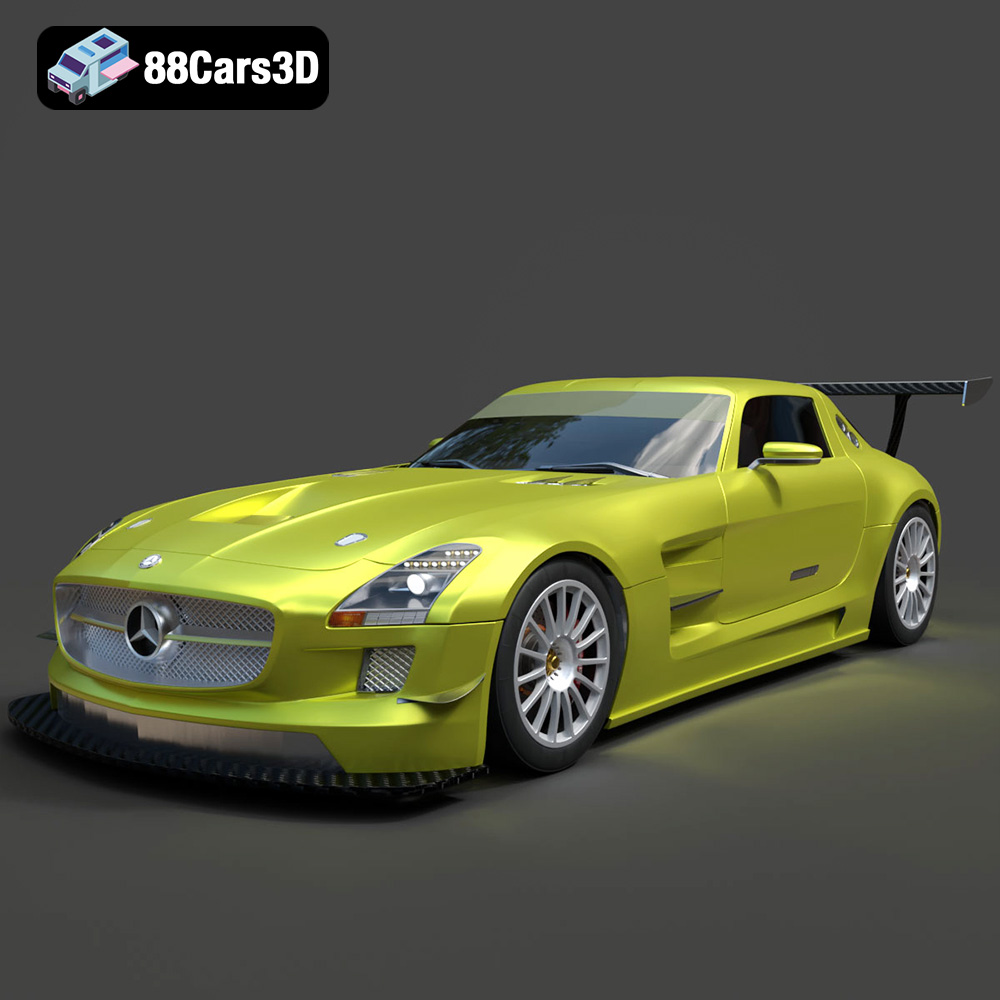
Mercedes-Benz SLS AMG GT3-002 3D Model
Texture: Yes
Material: Yes
Download the Mercedes-Benz SLS AMG GT3-002 3D Model featuring clean geometry, realistic detailing, and a fully modeled interior. Includes .blend, .fbx, .obj, .glb, .stl, .ply, .unreal, and .max formats for rendering, simulation, and game development.
Price: $38.99

Mercedes-Benz C-Class-001 3D Model
Texture: Yes
Material: Yes
Download the Mercedes-Benz C-Class-001 3D Model featuring clean geometry, realistic detailing, and a fully modeled interior. Includes .blend, .fbx, .obj, .glb, .stl, .ply, .unreal, and .max formats for rendering, simulation, and game development.
Price: $38.99
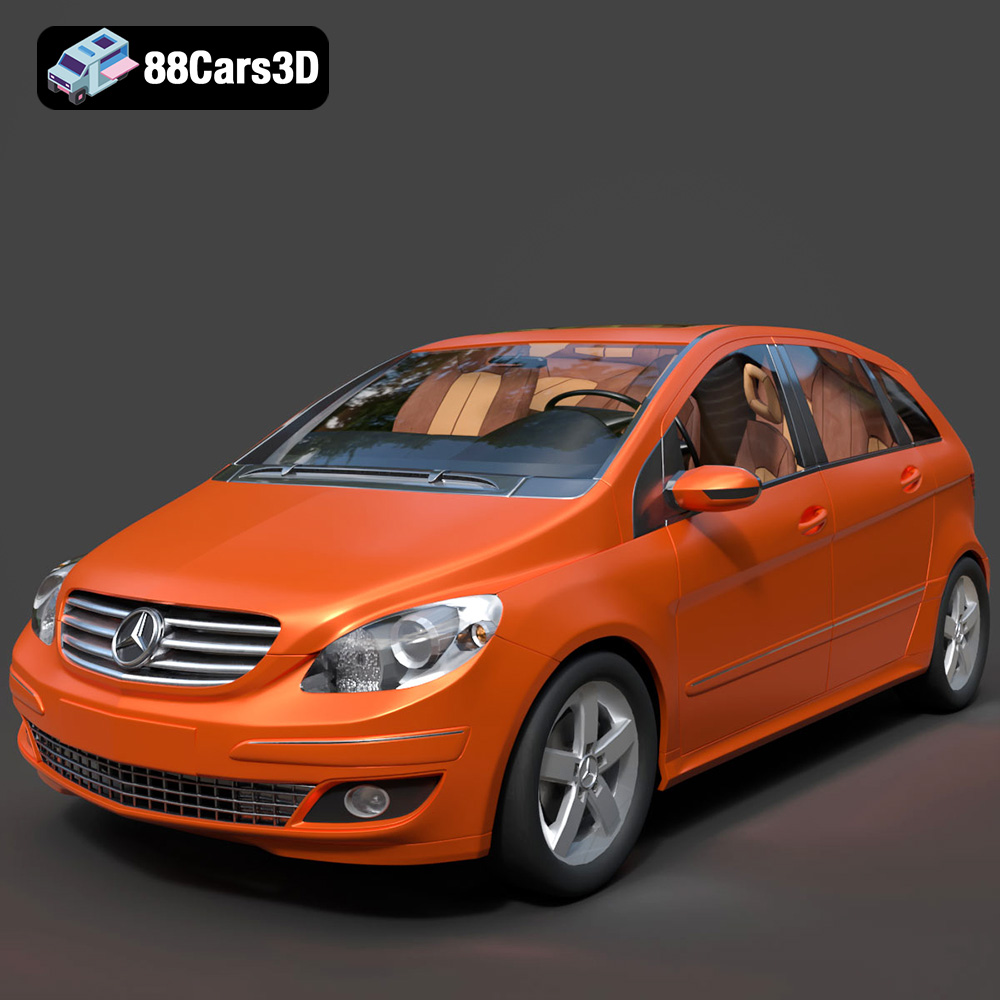
Mercedes-Benz B-Klasse 2023 3D Model
Texture: Yes
Material: Yes
Download the Mercedes-Benz B-Klasse 2023 3D Model featuring clean geometry, realistic detailing, and a fully modeled interior. Includes .blend, .fbx, .obj, .glb, .stl, .ply, .unreal, and .max formats for rendering, simulation, and game development.
Price: $38.99
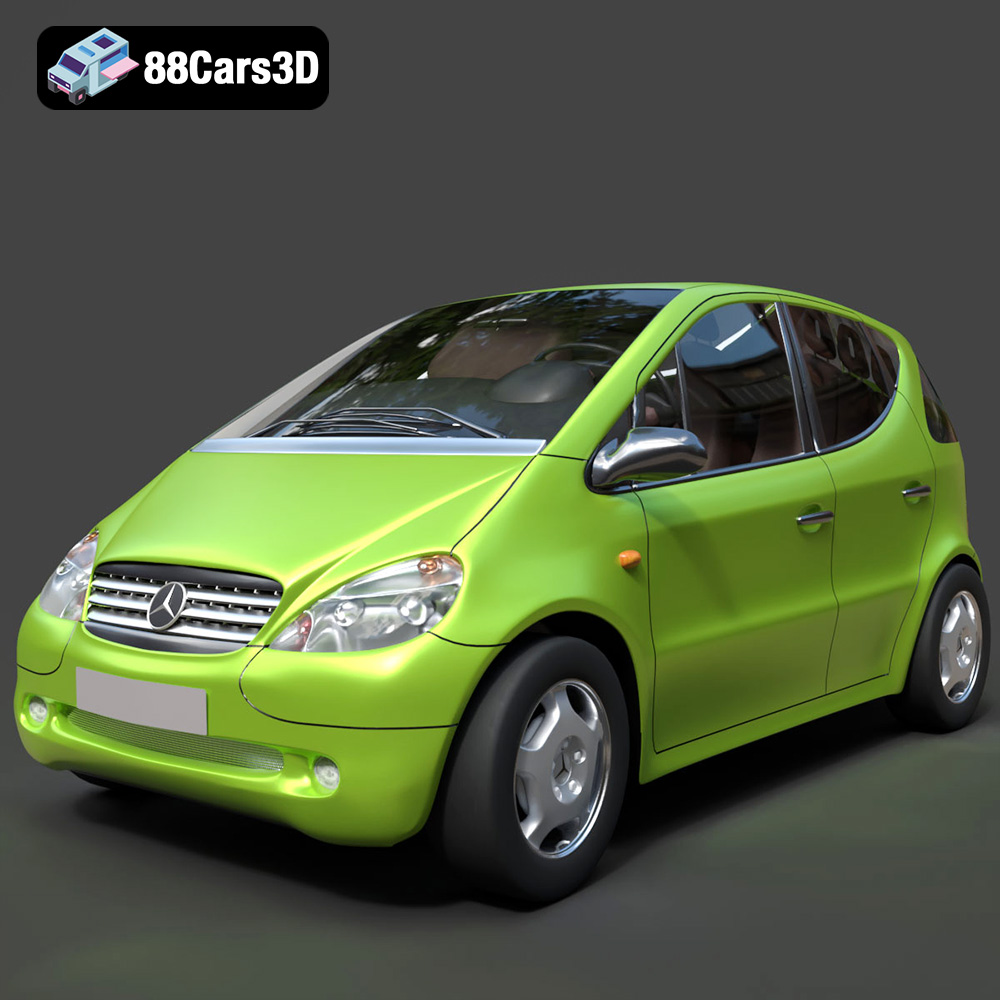
Mercedes-Benz A-Klasse W168 3D Model
Texture: Yes
Material: Yes
Download the Mercedes-Benz A-Klasse W168 3D Model featuring clean geometry, realistic detailing, and a fully modeled interior. Includes .blend, .fbx, .obj, .glb, .stl, .ply, .unreal, and .max formats for rendering, simulation, and game development.
Price: $38.99
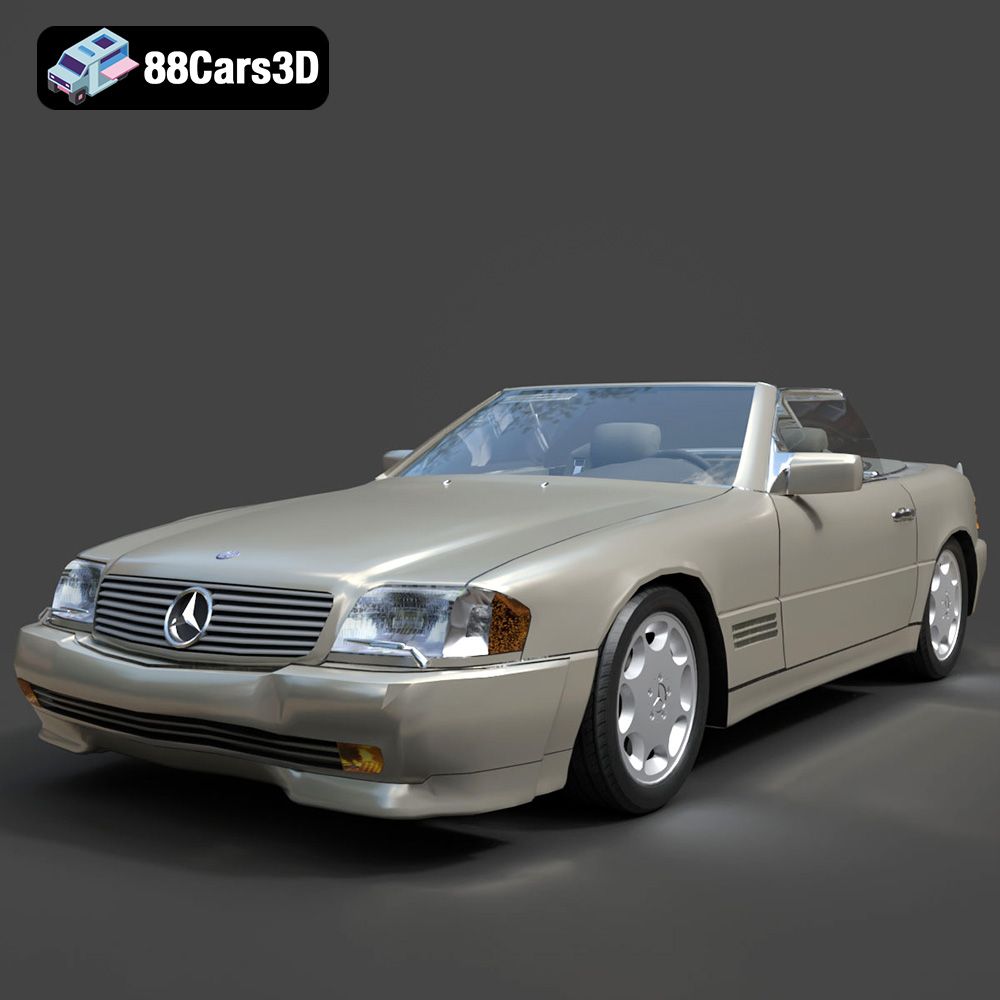
Mercedes-Benz 500SL 2000 3D Model
Texture: Yes
Material: Yes
Download the Mercedes-Benz 500SL 2000 3D Model featuring clean geometry, realistic detailing, and a fully modeled interior. Includes .blend, .fbx, .obj, .glb, .stl, .ply, .unreal, and .max formats for rendering, simulation, and game development.
Price: $38.99
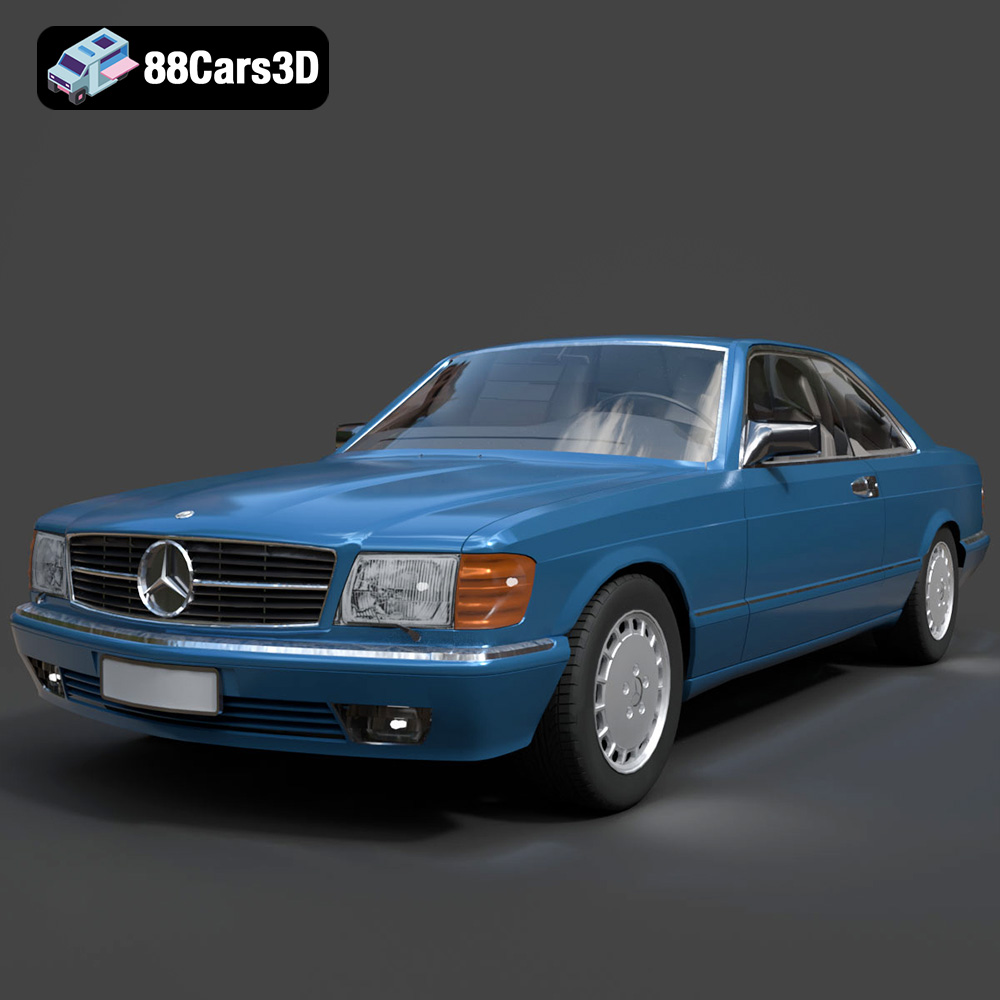
Mercedes-Benz 500SEC 3D Model
Texture: Yes
Material: Yes
Download the Mercedes-Benz 500SEC 3D Model featuring clean geometry, realistic detailing, and a fully modeled interior. Includes .blend, .fbx, .obj, .glb, .stl, .ply, .unreal, and .max formats for rendering, simulation, and game development.
Price: $38.99
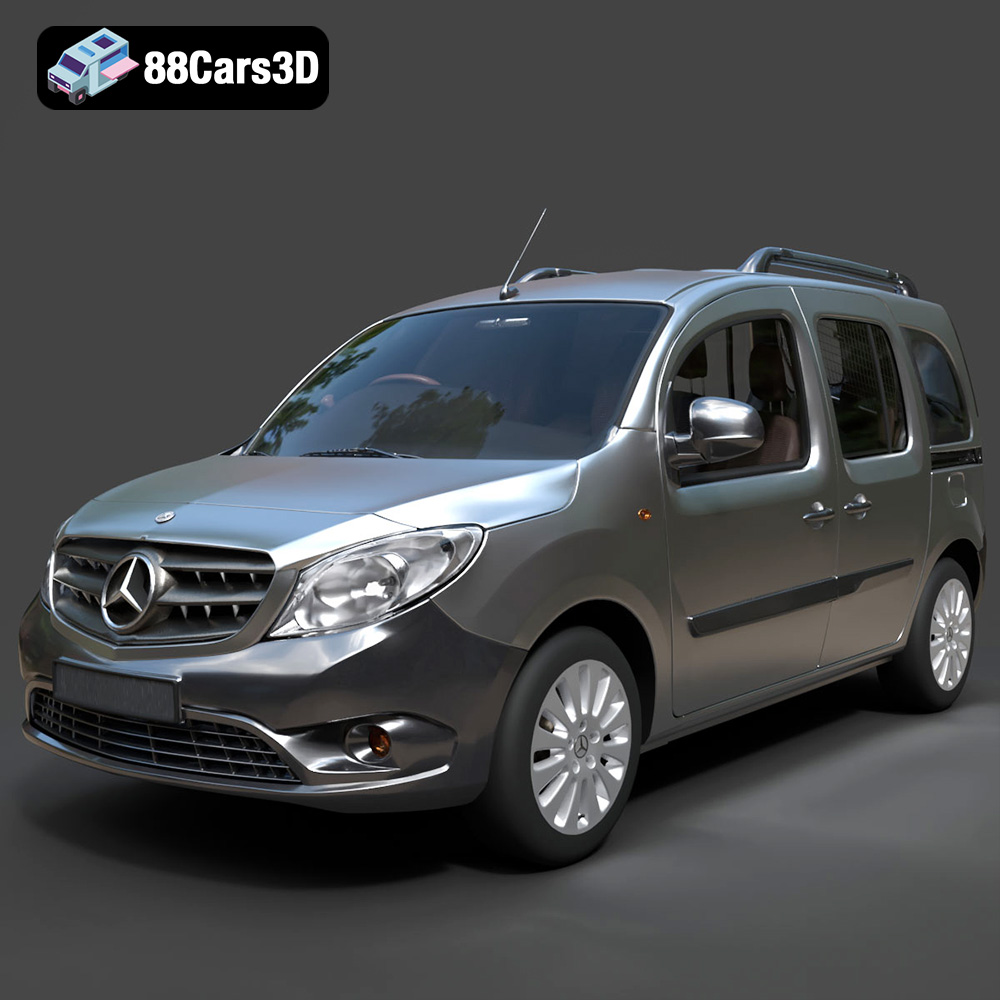
Mercedes-Benz Citan 2025 3D Model
Texture: Yes
Material: Yes
Download the Mercedes-Benz Citan 2025 3D Model featuring clean geometry, realistic detailing, and a fully modeled interior. Includes .blend, .fbx, .obj, .glb, .stl, .ply, .unreal, and .max formats for rendering, simulation, and game development.
Price: $38.99
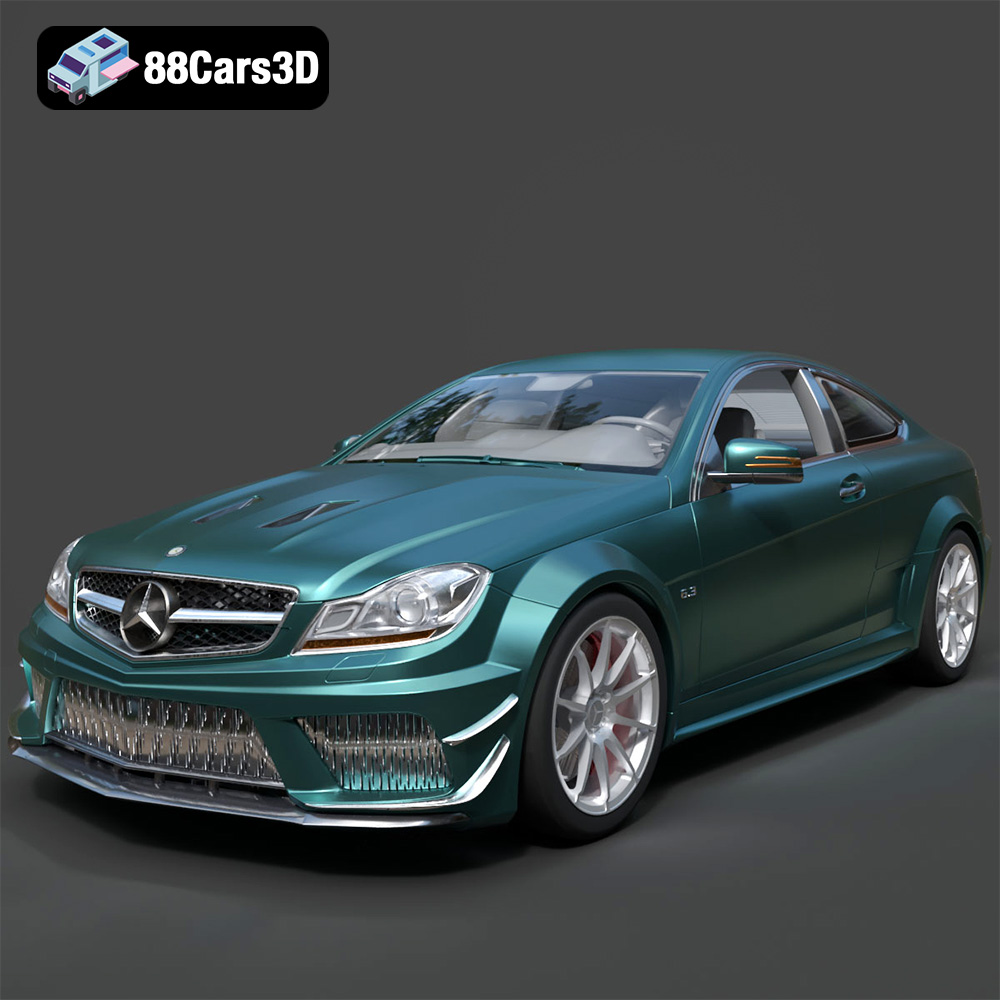
Mercedes-Benz C63 AMG 2012 3D Model
Texture: Yes
Material: Yes
Download the Mercedes-Benz C63 AMG 2012 3D Model featuring clean geometry, realistic detailing, and a fully modeled interior. Includes .blend, .fbx, .obj, .glb, .stl, .ply, .unreal, and .max formats for rendering, simulation, and game development.
Price: $38.99
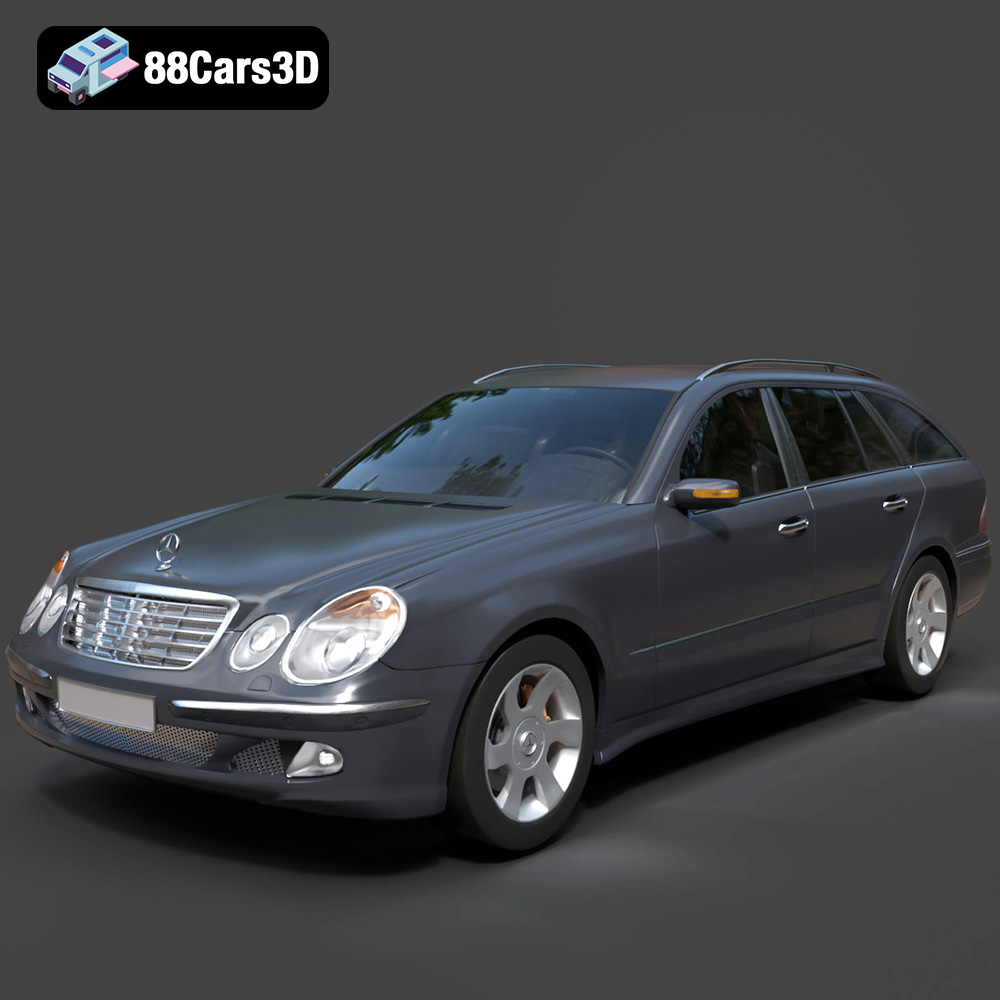
Mercedes-Benz E-Class S211 3D Model
Texture: Yes
Material: Yes
Download the Mercedes-Benz E-Class S211 3D Model featuring clean geometry, realistic detailing, and a fully modeled interior. Includes .blend, .fbx, .obj, .glb, .stl, .ply, .unreal, and .max formats for rendering, simulation, and game development.
Price: $38.99
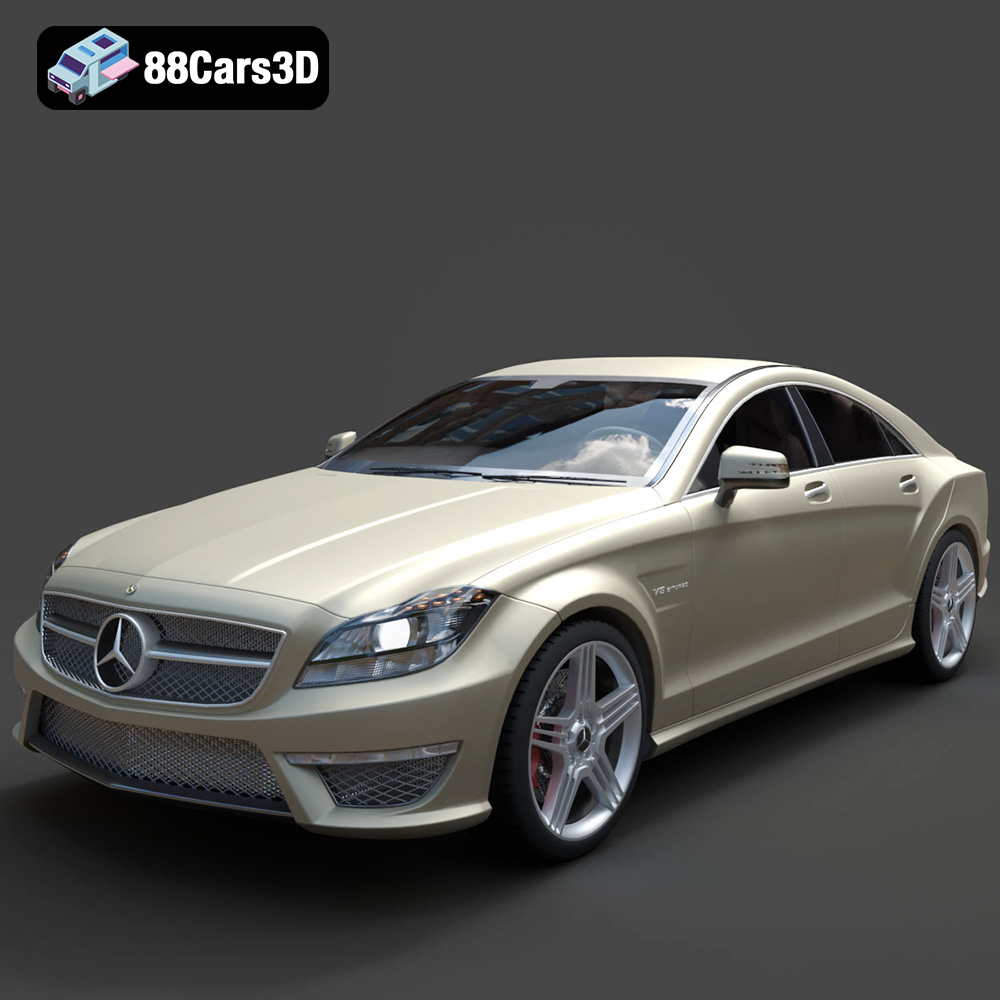
Mercedes-Benz CLS63 AMG (C218) 2014 3D Model
Texture: Yes
Material: Yes
Download the Mercedes-Benz CLS63 AMG (C218) 2014 3D Model featuring clean geometry, realistic detailing, and a fully modeled interior. Includes .blend, .fbx, .obj, .glb, .stl, .ply, .unreal, and .max formats for rendering, simulation, and game development.
Price: $38.99
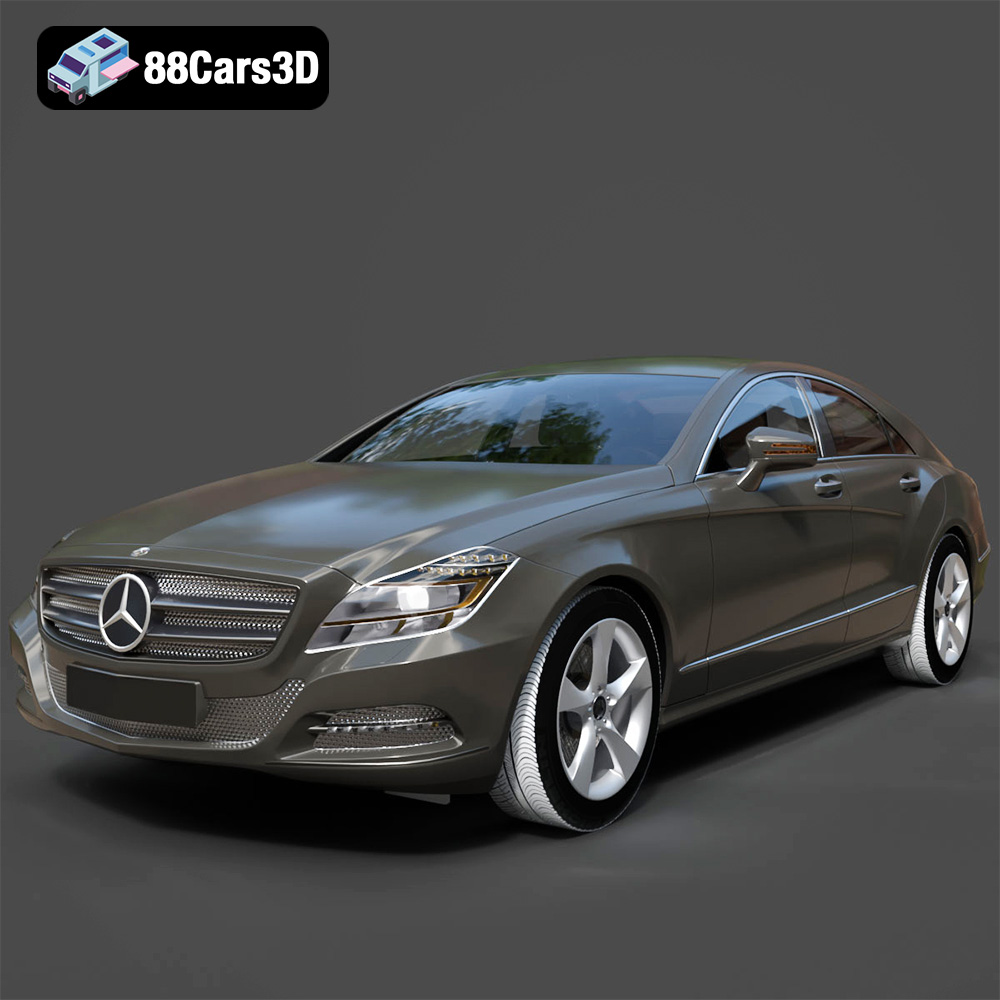
Mercedes-Benz CLS-Klasse 3D Model
Texture: Yes
Material: Yes
Download the Mercedes-Benz CLS-Klasse 3D Model featuring clean geometry, realistic detailing, and a fully modeled interior. Includes .blend, .fbx, .obj, .glb, .stl, .ply, .unreal, and .max formats for rendering, simulation, and game development.
Price: $38.99
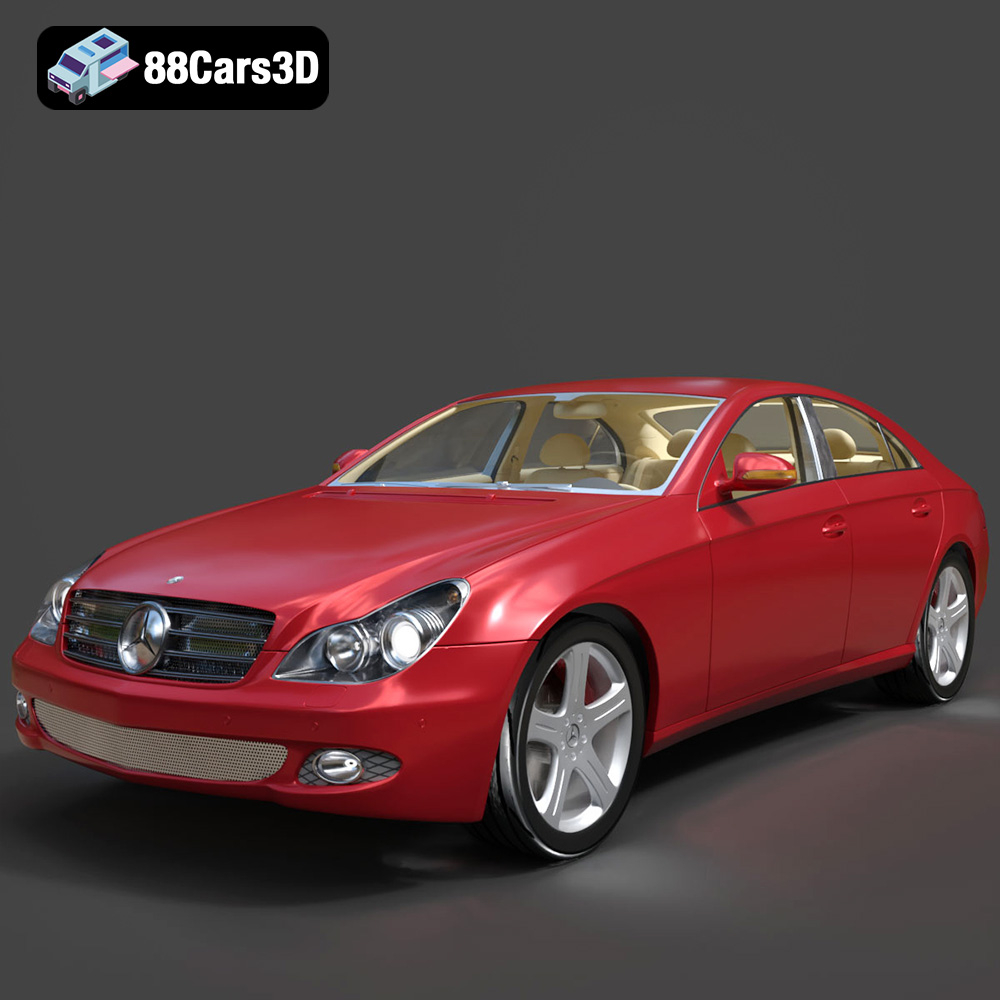
Mercedes-Benz CLS 500 3D Model
Texture: Yes
Material: Yes
Download the Mercedes-Benz CLS 500 3D Model featuring clean geometry, realistic detailing, and a fully modeled interior. Includes .blend, .fbx, .obj, .glb, .stl, .ply, .unreal, and .max formats for rendering, simulation, and game development.
Price: $38.99

Mercedes-Benz CL-Klasse 2001 3D Model
Texture: Yes
Material: Yes
Download the Mercedes-Benz CL-Klasse 2001 3D Model featuring clean geometry, realistic detailing, and a fully modeled interior. Includes .blend, .fbx, .obj, .glb, .stl, .ply, .unreal, and .max formats for rendering, simulation, and game development.
Price: $38.99
