
The Multi-Layered Reality of Automotive Paint

The allure of a perfectly rendered automobile is undeniable. From the sleek curves to the intricate reflections, every detail contributes to a sense of realism that captivates viewers. Yet, many 3D artists find themselves hitting a wall when it comes to replicating the nuanced beauty of real-world automotive paint. A basic gloss shader might look good at first glance, but it often falls short, leaving the render feeling sterile and artificial. True photorealistic car paint goes far beyond simple shininess; it’s a complex interplay of layers, light, and subtle imperfections.
If you’ve ever struggled to make your virtual vehicles pop with the same depth and vibrance as their real-world counterparts, you’re not alone. The secret lies not just in your modeling, but in mastering advanced 3D automotive paint shaders. This comprehensive guide will take you on a deep dive into the sophisticated techniques required to unlock unparalleled realism, transforming your renders from good to breathtaking. We’ll explore the intricate structure of paint, delve into PBR principles, and uncover advanced shader tricks that will make your vehicles indistinguishable from reality.
The Multi-Layered Reality of Automotive Paint
Before we can replicate automotive paint in the digital realm, we must first understand its physical composition. Real car paint isn’t a single layer; it’s a meticulously engineered system designed for protection, aesthetics, and durability. Translating this complex structure into a 3D shader is the first critical step towards achieving photorealistic car paint.
Primer and Base Coat: The Foundation of Color
Every automotive finish begins with a primer, providing adhesion and corrosion resistance. On top of this lies the base coat, which delivers the primary color of the vehicle. This layer can be a solid, uniform color, or it can contain microscopic particles that interact with light in fascinating ways.
For solid colors, the base coat is relatively straightforward: a uniform diffuse color. However, many modern cars feature metallic or pearlescent finishes. These base coats incorporate tiny flakes of aluminum or mica, respectively. These particles are suspended within the paint, and their orientation, size, and density are crucial to how the color shifts and sparkles under different lighting conditions. Understanding this interaction is key to realistic metallic flake mapping.
The Clear Coat: Depth, Gloss, and Protection
Perhaps the most visually impactful layer is the clear coat. This transparent, protective layer sits on top of the base coat, acting as a barrier against UV rays, scratches, and environmental damage. Crucially, the clear coat is responsible for the majority of the paint’s gloss and depth.
In 3D, the clear coat is typically represented by a secondary specular or reflective layer in your shader. It has its own properties, such as roughness and an Index of Refraction (IOR), which dictates how light bends as it passes through the surface. A well-implemented clear coat shader is vital for achieving that deep, wet look characteristic of high-quality automotive finishes. Its interaction with the underlying base coat creates a sense of depth that a single-layer shader simply cannot replicate.
Specialty Layers: Metallic Flakes and Pearlescence
Beyond simple base colors and clear coats, specialty layers elevate automotive paint to an art form. Metallic paints contain tiny, reflective flakes, usually aluminum, that are randomly oriented within the base coat. These flakes scatter and reflect light, creating a sparkling effect that changes with the viewing angle and light source.
Pearlescent (or mica) paints use translucent mica particles coated with titanium dioxide or iron oxide. These particles refract and reflect light, causing a color shift or interference effect that can reveal different hues depending on the angle. Implementing accurate metallic flake mapping for these layers is a major challenge but also a significant opportunity to push your renders towards ultimate realism. It’s not just about a texture; it’s about simulating microscopic geometry and its interaction with light.
Mastering PBR Principles for Automotive Materials
Physically Based Rendering (PBR) is the cornerstone of modern 3D rendering techniques, and it’s absolutely essential for creating convincing automotive paint. PBR workflows ensure that your materials react realistically to light, regardless of the lighting environment. This consistency and accuracy are what separate generic shaders from truly believable PBR automotive materials.
Deconstructing the PBR Shader Graph
In a PBR context, automotive paint is typically built as a layered shader, reflecting its real-world construction. Most rendering engines offer a material node setup that allows you to combine and blend different material properties. A common approach involves:
- Base Layer (Diffuse/Metallic): This handles the core color and metallic properties of the base coat. If it’s a solid paint, it’s primarily diffuse. For metallic paints, you’d feed a metallic value and perhaps a flake texture into the metallic channel.
- Clear Coat Layer (Specular/Glossy): This is a separate, reflective layer that sits on top. It has its own roughness, IOR (typically around 1.4-1.5 for clear coats), and potentially normal map inputs for subtle surface imperfections.
- Flake Layer (Optional): For advanced control, metallic flakes can sometimes be a third, distinct reflective layer, or integrated within the base metallic properties with advanced controls for anisotropy and orientation.
Understanding how to stack and blend these components within your engine’s node editor is crucial. You’re essentially simulating light interacting with each successive layer.
Essential Texture Inputs and Their Impact
Textures are the lifeblood of PBR materials. While some aspects of automotive paint can be procedural, carefully crafted texture maps are indispensable for high-fidelity results:
- Albedo/Base Color Map: This defines the core color of your paint. For solid colors, it’s a flat color. For metallic/pearlescent, it might be a subtle gradient or a base color that later gets modified by flake properties.
- Roughness Map: This is arguably one of the most important maps. For the clear coat, a subtle roughness map can introduce micro-scratches, dust, and orange peel texture, breaking up perfect reflections and adding realism. For the base coat (if exposed), it dictates how rough the underlying paint appears.
- Metallic Map (or Value): For metallic paints, this map (or a simple value) tells the shader which parts are metallic and which are dielectric. Car paint itself isn’t truly metallic in the PBR sense at the surface layer due to the clear coat, but the metallic flakes within the base coat contribute a metallic property.
- Normal/Bump Maps: These maps simulate fine surface details without adding geometry. For the clear coat, a normal map can create subtle bumps for orange peel, minor dents, or even microscopic dust. For metallic flakes, a normal map can help define their individual orientation and texture, contributing to realistic anisotropic reflections.
- Anisotropy Map: This map controls the direction and intensity of anisotropic effects, particularly crucial for simulating brushed metal or the distinctive streaks seen on certain metallic car paints.
Beyond the Basics: Advanced Shader Techniques for Ultra-Realism
Once you’ve mastered the PBR fundamentals, it’s time to dive into the truly advanced 3D rendering techniques that elevate your automotive paint to the highest echelon of realism. These methods address the nuanced interactions of light that are often overlooked but are critical for making your renders indistinguishable from reality.
Simulating Anisotropic Reflections
One of the most distinguishing characteristics of real-world metallic car paint, especially under direct light, is its anisotropic reflection. Unlike isotropic reflections, which spread evenly in all directions, anisotropic reflections stretch and deform into streaks or ellipses. This effect is caused by the microscopic, parallel scratches or oriented flakes on a surface, like brushed metal or the fine alignment of metallic particles in paint. To achieve convincing anisotropic reflections:
- Understanding Tangent Space: Anisotropy relies on a tangent direction across the surface. Ensure your 3D model has proper UV mapping and tangent space data. Some engines allow you to define this direction procedurally.
- Anisotropy Controls: Your shader will typically have an “Anisotropy” value and an “Anisotropy Rotation” or “Direction” input. The value controls the strength, and the rotation map (often a grayscale or color map) dictates the direction of the streaking. For car paint, this often means slight radial patterns from stress points, or subtle directional streaking based on the paint application process.
- Flake Orientation: When simulating metallic flakes, you can assign individual normal or tangent directions to each flake, causing them to reflect light anisotropically and independently, leading to a much more dynamic sparkle.
This technique, when applied correctly, adds an incredible layer of depth and visual interest that standard isotropic reflections simply cannot replicate. It’s a hallmark of truly high-end photorealistic car paint.
Crafting Convincing Metallic Flakes
The sparkle of metallic paint is captivating, but recreating it convincingly requires more than just a noisy texture. You need to control the flakes themselves:
- Procedural Flake Mapping: Instead of relying solely on texture maps, consider procedural methods. Many advanced clear coat shader setups include options for generating flakes algorithmically. This gives you precise control over:
- Size and Density: Adjusting these parameters is crucial. Too large or too dense, and your paint looks like glitter; too small or sparse, and it loses its metallic character.
- Random Orientation: Real flakes are randomly oriented. Your procedural system should reflect this, assigning slightly different normals or tangents to each virtual flake to achieve varying reflections.
- Color Variation: Introduce subtle color variations or slight metallic shifts to the flakes themselves to mimic how light interacts differently with their microscopic surfaces.
- Layered Approach: Sometimes, a dedicated ‘flake’ shader layer, with its own reflectivity and roughnes, is blended on top of the base color to create a more direct representation of the physical flakes. This allows for individual control over the flake’s material properties, separate from the surrounding base coat.
Imperfection Layers: The Unsung Heroes of Realism
Perfection is often the enemy of realism. Real-world car paint, even on a showroom floor, has subtle imperfections. These are the details that trick the eye into believing your render is real.
- Orange Peel Effect: This refers to the slightly bumpy texture of clear coat, reminiscent of an orange peel. It’s caused by the drying process. A subtle, high-frequency noise map applied to the clear coat’s normal or roughness channel can perfectly simulate this.
- Micro-Scratches and Swirl Marks: Even new cars accumulate microscopic scratches from washing or handling. These are best represented by a subtle, anisotropic roughness map on the clear coat layer, often radial around points where wipes occur. These are key to breaking up perfect reflections and adding history to the surface.
- Dust and Smudges: A very subtle layer of dust, smudges, or fingerprints, applied via roughness and normal maps, can add an incredible amount of believability, especially in close-up renders.
- Water Spots: For a weathered or parked look, procedural water spot textures can be combined with roughness and slight normal variations to mimic dried water residue.
These layers should be subtle. Their presence should be felt, not overtly seen, enhancing the believability without distracting from the main form of the vehicle. For high-quality 3D automotive models to apply these techniques to, remember to check out 88cars3d.com.
Optimizing Your Automotive Paint Workflow
Creating highly detailed PBR automotive materials can be resource-intensive. An efficient automotive paint workflow ensures you achieve stunning results without bogging down your production pipeline or sacrificing iteration speed.
Node Graph Organization and Reusability
Complex shaders, especially those incorporating multiple layers, flakes, and imperfections, can quickly become unwieldy. A well-organized material node setup is paramount:
- Modular Components: Break down your paint shader into logical groups. Have a “Base Coat” group, a “Clear Coat” group, a “Flake” group, and an “Imperfections” group. This makes debugging and tweaking much easier.
- Parameter Exposure: Expose key parameters (e.g., base color, flake density, clear coat roughness, orange peel strength) to the top level of your shader group. This allows for quick adjustments without diving deep into the node graph.
- Shader Libraries: Create a library of reusable paint shaders. Once you’ve perfected a metallic blue, save it as a preset. You can then quickly apply it to new models or adapt it for other colors, drastically speeding up your process.
Performance Considerations for Complex Shaders
While realism is the goal, performance cannot be ignored, especially in game development or large-scale animation projects. Highly complex shaders can significantly increase render times.
- Layer Control: Only enable layers you truly need. If a car doesn’t have metallic flakes, don’t include a complex flake shader.
- Texture Resolution vs. Detail: Use appropriate texture resolutions. The main body of a car will need high-res maps, but areas that are rarely seen up close might tolerate lower resolutions. Consider using texture streaming in game engines.
- Baking Textures: For highly complex procedural details or blended imperfection layers, consider baking these into standard PBR maps (Albedo, Roughness, Normal, Metallic) at a certain resolution. This pre-computes the calculations, making the runtime shader simpler and faster.
- Level of Detail (LOD) Shaders: For game assets, create simplified versions of your car paint shaders for lower LODs. This might mean removing anisotropic effects, reducing flake density, or simplifying imperfection maps when the car is far from the camera.
Iteration and Reference: The Path to Perfection
Achieving truly photorealistic car paint is an iterative process. It rarely happens on the first try:
- Gather Extensive References: Collect high-resolution photos and videos of real cars with the specific paint finish you’re trying to replicate. Pay attention to how light interacts with the surface from different angles and under various lighting conditions. Look at the reflections, the sparkle, and the subtle imperfections.
- Test Under Diverse Lighting: A shader that looks great under studio HDR lighting might fall apart in a sunny outdoor environment. Test your materials rigorously in multiple lighting setups to ensure they hold up universally.
- A/B Testing: Make small, incremental changes and compare them side-by-side. Is a little more roughness better? Does less anisotropy look more natural? These subtle adjustments make all the difference.
Common Pitfalls and Troubleshooting
Even experienced artists can encounter challenges when crafting advanced automotive paint shaders. Knowing how to identify and resolve these common issues is crucial for maintaining an efficient automotive paint workflow.
Over-Glossy or Plastic-Looking Paint
This is perhaps the most frequent issue. Your car looks like a toy, not a real vehicle.
- Lack of Roughness Variation: Perfectly smooth clear coats don’t exist in reality. Introduce subtle roughness maps for orange peel, micro-scratches, and dust. This breaks up perfect reflections and adds realism.
- Incorrect IOR: The Index of Refraction for the clear coat is usually between 1.4 and 1.55. Too high, and it might look overly reflective or distort reflections unnaturally.
- Overly Saturated Albedo: Sometimes, the base color is too vibrant. Real-world paints often appear slightly desaturated or muted when not reflecting direct light.
- Missing Clear Coat Layer: If your shader isn’t explicitly layering a separate clear coat, it will lack the depth and distinct specular highlight that makes car paint look deep. Ensure your clear coat shader is properly configured.
Unconvincing Metallic Flakes
The flakes look uniform, too large, or don’t sparkle naturally.
- Too Uniform: Flakes in real paint are randomly oriented and sized. Ensure your metallic flake mapping accounts for this randomness in orientation and subtle size variations.
- Incorrect Scale: Flakes are microscopic. If they appear too large, the paint will look like glitter. Adjust their scale until they create a subtle shimmer rather than individual visible dots.
- Poor Anisotropic Distribution: If your flakes are meant to contribute to anisotropy, ensure their tangents or normals are correctly oriented and randomized. Lack of proper anisotropy will make the flakes appear flat.
- Insufficient Sparkle: Ensure the flakes have enough reflectivity and that their material properties (roughness, metallic value) are distinct from the surrounding base coat to allow them to catch highlights effectively.
Flat Reflections and Lack of Depth
Your paint looks like a thin sticker, lacking the signature depth of automotive finishes.
- Missing or Weak Clear Coat: The clear coat is paramount for depth. Double-check its roughness, IOR, and overall contribution to reflections.
- Incorrect Layering: Ensure your base coat is correctly diffusing light and reflecting specularly, with the clear coat layered on top, refracting and reflecting light. The interaction between these layers is what creates depth.
- Insufficient Lighting Interaction: Ensure your scene lighting is rich enough to showcase the multiple layers. A single, bland light source won’t bring out the complexity of an advanced shader. Use environments with varying light temperatures and intensities.
Color Shifting and Metamerism Issues
The paint color looks different under various lighting conditions, sometimes drastically.
- Non-PBR Values: Ensure all your base colors, metallic values, and roughness values adhere to PBR guidelines. Non-physical values can lead to unpredictable results in different lighting.
- Incorrect Color Space: Verify that your textures and rendering engine are operating in the correct color space (e.g., sRGB for albedo, linear for data maps). Inconsistent color spaces can cause shifts.
- Over-reliance on Specular Tint: While some paints have a subtle tint to their specular reflections, overdoing this can cause unnatural color shifts. Stick to physically accurate IORs and material properties.
By systematically troubleshooting these areas, you can refine your material node setup and achieve the stunning results you envision. Remember that patience and a keen eye for real-world reference are your greatest allies.
Conclusion
The journey from a basic glossy material to a truly photorealistic car paint shader is a challenging but immensely rewarding one. By understanding the multi-layered nature of real-world paint, mastering PBR principles, and implementing advanced 3D rendering techniques like anisotropic reflections and intricate metallic flake mapping, you can elevate your automotive renders to an entirely new level of realism.
Remember that the devil is in the details: subtle imperfections, realistic roughness variations, and precise layering are what truly sell the illusion. Don’t shy away from complex material node setup; embrace the challenge, organize your workflow, and always refer back to the real world for inspiration and validation. The effort you put into these advanced shaders will undoubtedly transform your virtual vehicles into captivating works of digital art.
Now that you’re equipped with the knowledge to craft incredible paint materials, it’s time to put it into practice. If you’re looking for the perfect canvas for your advanced shaders, explore the vast collection of high-quality, meticulously modeled vehicles available at 88cars3d.com. Start rendering with confidence, knowing your models will reflect the realism you’ve worked so hard to achieve!
Featured 3D Car Models

Suzuki SX4-002 3D Model
Texture: Yes
Material: Yes
Download the Suzuki SX4-002 3D Model featuring clean geometry, realistic detailing, and a fully modeled interior. Includes .blend, .fbx, .obj, .glb, .stl, .ply, .unreal, and .max formats for rendering, simulation, and game development.
Price: $10

Tesla Model S 2024 3D Model
Texture: Yes
Material: Yes
Download the Tesla Model S 2024 3D Model featuring clean geometry, realistic detailing, and a fully modeled interior. Includes .blend, .fbx, .obj, .glb, .stl, .ply, .unreal, and .max formats for rendering, simulation, and game development.
Price: $10

Subaru Impreza WRX STi-002 3D Model
Texture: Yes
Material: Yes
Download the Subaru Impreza WRX STi-002 3D Model featuring clean geometry, realistic detailing, and a fully modeled interior. Includes .blend, .fbx, .obj, .glb, .stl, .ply, .unreal, and .max formats for rendering, simulation, and game development.
Price: $10

Toyota Mark II (X100) 1998 3D Model
Texture: Yes
Material: Yes
Download the Toyota Mark II (X100) 3D Model featuring clean geometry, realistic detailing, and a fully modeled interior. Includes .blend, .fbx, .obj, .glb, .stl, .ply, .unreal, and .max formats for rendering, simulation, and game development.
Price: $10

Toyota Corona 1985 3D Model
Texture: Yes
Material: Yes
Download the Toyota Corona 1985 3D Model featuring clean geometry, realistic detailing, and a fully modeled interior. Includes .blend, .fbx, .obj, .glb, .stl, .ply, .unreal, and .max formats for rendering, simulation, and game development.
Price: $10

Toyota Mark II X81 1990 3D Model
Texture: Yes
Material: Yes
Download the Toyota Mark II X81 1990 3D Model featuring clean geometry, realistic detailing, and a fully modeled interior. Includes .blend, .fbx, .obj, .glb, .stl, .ply, .unreal, and .max formats for rendering, simulation, and game development.
Price: $10

Toyota iQ EV 2012 3D Model
Texture: Yes
Material: Yes
Download the Toyota iQ EV 2012 3D Model featuring clean geometry, realistic detailing, and a fully modeled interior. Includes .blend, .fbx, .obj, .glb, .stl, .ply, .unreal, and .max formats for rendering, simulation, and game development.
Price: $10

Toyota Aygo 2013 3D Model
Texture: Yes
Material: Yes
Download the Toyota Aygo 2013 3D Model featuring clean geometry, realistic detailing, and a fully modeled interior. Includes .blend, .fbx, .obj, .glb, .stl, .ply, .unreal, and .max formats for rendering, simulation, and game development.
Price: $10

Toyota Crown S180 2005 3D Model
Texture: Yes
Material: Yes
Download the Toyota Crown S180 2005 3D Model featuring clean geometry, realistic detailing, and a fully modeled interior. Includes .blend, .fbx, .obj, .glb, .stl, .ply, .unreal, and .max formats for rendering, simulation, and game development.
Price: $10

Toyota Celica 2004 3D Model
Texture: Yes
Material: Yes
Download the Toyota Celica 2004 3D Model featuring clean geometry, realistic detailing, and a fully modeled interior. Includes .blend, .fbx, .obj, .glb, .stl, .ply, .unreal, and .max formats for rendering, simulation, and game development.
Price: $10

Toyota Corolla AE100 1992 3D Model
Texture: Yes
Material: Yes
Download the Toyota Corolla AE100 1992 3D Model featuring clean geometry, realistic detailing, and a fully modeled interior. Includes .blend, .fbx, .obj, .glb, .stl, .ply, .unreal, and .max formats for rendering, simulation, and game development.
Price: $10

Toyota Mark II X110 2000 3D Model
Texture: Yes
Material: Yes
Download the Toyota Mark II X110 2000 3D Model featuring clean geometry, realistic detailing, and a fully modeled interior. Includes .blend, .fbx, .obj, .glb, .stl, .ply, .unreal, and .max formats for rendering, simulation, and game development.
Price: $10

Toyota Corolla 2020 3D Model
Texture: Yes
Material: Yes
Download the Toyota Corolla 2020 3D Model featuring clean geometry, realistic detailing, and a fully modeled interior. Includes .blend, .fbx, .obj, .glb, .stl, .ply, .unreal, and .max formats for rendering, simulation, and game development.
Price: $10

Toyota Yaris 2020 3D Model
Texture: Yes
Material: Yes
Download the Toyota Yaris 2020 3D Model featuring clean geometry, realistic detailing, and a fully modeled interior. Includes .blend, .fbx, .obj, .glb, .stl, .ply, .unreal, and .max formats for rendering, simulation, and game development.
Price: $9.9

Volkswagen Beetle 2012 3D Model
Texture: Yes
Material: Yes
Download the Volkswagen Beetle 2012 3D Model featuring clean geometry, realistic detailing, and a fully modeled interior. Includes .blend, .fbx, .obj, .glb, .stl, .ply, .unreal, and .max formats for rendering, simulation, and game development.
Price: $9.9

Toyota Matrix 2005 3D Model
Texture: Yes
Material: Yes
Download the Toyota Matrix 2005 3D Model featuring clean geometry, realistic detailing, and a fully modeled interior. Includes .blend, .fbx, .obj, .glb, .stl, .ply, .unreal, and .max formats for rendering, simulation, and game development.
Price: $9.9

Toyota Yaris Sedan 3D Model
Texture: Yes
Material: Yes
Download the Toyota Yaris Sedan 3D Model featuring clean geometry, realistic detailing, and a fully modeled interior. Includes .blend, .fbx, .obj, .glb, .stl, .ply, .unreal, and .max formats for rendering, simulation, and game development.
Price: $9.9

Volkswagen Golf R-004 2024 3D Model
Texture: Yes
Material: Yes
Download the Volkswagen Golf R-004 2024 3D Model featuring clean geometry, realistic detailing, and a fully modeled interior. Includes .blend, .fbx, .obj, .glb, .stl, .ply, .unreal, and .max formats for rendering, simulation, and game development.
Price: $9.9

Volkswagen Golf 5 Door 2010 3D Model
Texture: Yes
Material: Yes
Download the Volkswagen Golf 5 Door 2010 3D Model featuring clean geometry, realistic detailing, and a fully modeled interior. Includes .blend, .fbx, .obj, .glb, .stl, .ply, .unreal, and .max formats for rendering, simulation, and game development.
Price: $9.9

Toyota Premio 2010 3D Model
Texture: Yes
Material: Yes
Download the Toyota Premio 2010 3D Model featuring clean geometry, realistic detailing, and a fully modeled interior. Includes .blend, .fbx, .obj, .glb, .stl, .ply, .unreal, and .max formats for rendering, simulation, and game development.
Price: $9.9

Toyota Opa 2000 3D Model
Texture: Yes
Material: Yes
Download the Toyota Opa 2000 3D Model featuring clean geometry, realistic detailing, and a fully modeled interior. Includes .blend, .fbx, .obj, .glb, .stl, .ply, .unreal, and .max formats for rendering, simulation, and game development.
Price: $9.9

Volkswagen Polo 5 Door 2010 3D Model
Texture: Yes
Material: Yes
Download the Volkswagen Polo 5 Door 2010 3D Model featuring clean geometry, realistic detailing, and a fully modeled interior. Includes .blend, .fbx, .obj, .glb, .stl, .ply, .unreal, and .max formats for rendering, simulation, and game development.
Price: $9.9

Toyota Prius 2024 3D Model
Texture: Yes
Material: Yes
Download the Toyota Prius 2024 3D Model featuring clean geometry, realistic detailing, and a fully modeled interior. Includes .blend, .fbx, .obj, .glb, .stl, .ply, .unreal, and .max formats for rendering, simulation, and game development.
Price: $9.9

Toyota Yaris 1999 3D Model
Texture: Yes
Material: Yes
Download the Toyota Yaris 1999 3D Model featuring clean geometry, realistic detailing, and a fully modeled interior. Includes .blend, .fbx, .obj, .glb, .stl, .ply, .unreal, and .max formats for rendering, simulation, and game development.
Price: $9.9

Toyota Supra 2020 3D Model
Texture: Yes
Material: Yes
Download the Toyota Supra 2020 3D Model featuring clean geometry, realistic detailing, and a fully modeled interior. Includes .blend, .fbx, .obj, .glb, .stl, .ply, .unreal, and .max formats for rendering, simulation, and game development.
Price: $9.9

Volkswagen New Beetle 2000 3D Model
Texture: Yes
Material: Yes
Download the Volkswagen New Beetle 2000 3D Model featuring clean geometry, realistic detailing, and a fully modeled interior. Includes .blend, .fbx, .obj, .glb, .stl, .ply, .unreal, and .max formats for rendering, simulation, and game development.
Price: $14.99

Volkswagen Jetta 2005 3D Model
Texture: Yes
Material: Yes
Download the Volkswagen Jetta 2005 3D Model featuring clean geometry, realistic detailing, and a fully modeled interior. Includes .blend, .fbx, .obj, .glb, .stl, .ply, .unreal, and .max formats for rendering, simulation, and game development.
Price: $18.99

Volkswagen Golf 3-Door 3D Model
Texture: Yes
Material: Yes
Download the Volkswagen Golf 3-Door 3D Model featuring clean geometry, realistic detailing, and a fully modeled interior. Includes .blend, .fbx, .obj, .glb, .stl, .ply, .unreal, and .max formats for rendering, simulation, and game development.
Price: $14.99

Volvo V70 2005 3D Model
Texture: Yes
Material: Yes
Download the Volvo V70 2005 3D Model featuring clean geometry, realistic detailing, and a fully modeled interior. Includes .blend, .fbx, .obj, .glb, .stl, .ply, .unreal, and .max formats for rendering, simulation, and game development.
Price: $14.99

Volkswagen Bora 2004 3D Model
Texture: Yes
Material: Yes
Download the Volkswagen Bora 2004 3D Model featuring clean geometry, realistic detailing, and a fully modeled interior. Includes .blend, .fbx, .obj, .glb, .stl, .ply, .unreal, and .max formats for rendering, simulation, and game development.
Price: $14.99

Volkswagen Lupo 3D Model
Texture: Yes
Material: Yes
Download the Volkswagen Lupo 3D Model featuring clean geometry, realistic detailing, and a fully modeled interior. Includes .blend, .fbx, .obj, .glb, .stl, .ply, .unreal, and .max formats for rendering, simulation, and game development.
Price: $19.99

Volkswagen Passat B5 2000 3D Model
Texture: Yes
Material: Yes
Download the Volkswagen Passat B5 2000 3D Model featuring clean geometry, realistic detailing, and a fully modeled interior. Includes .blend, .fbx, .obj, .glb, .stl, .ply, .unreal, and .max formats for rendering, simulation, and game development.
Price: $19.99

Volkswagen Passat CC 3D Model
Texture: Yes
Material: Yes
Download the Volkswagen Passat CC 3D Model featuring clean geometry, realistic detailing, and a fully modeled interior. Includes .blend, .fbx, .obj, .glb, .stl, .ply, .unreal, and .max formats for rendering, simulation, and game development.
Price: $19.99

Volkswagen Golf V 2006 3D Model
Texture: Yes
Material: Yes
Download the Volkswagen Golf V 2006 3D Model featuring clean geometry, realistic detailing, and a fully modeled interior. Includes .blend, .fbx, .obj, .glb, .stl, .ply, .unreal, and .max formats for rendering, simulation, and game development.
Price: $19.99

Volvo S60 R-Design 2024 3D Model
Texture: Yes
Material: Yes
Download the Volvo S60 R-Design 3D Model featuring clean geometry, realistic detailing, and a fully modeled interior. Includes .blend, .fbx, .obj, .glb, .stl, .ply, .unreal, and .max formats for rendering, simulation, and game development.
Price: $19.99

Volkswagen Passat 2025 3D Model
Texture: Yes
Material: Yes
Download the Volkswagen Passat 2025 3D Model featuring clean geometry, realistic detailing, and a fully modeled interior. Includes .blend, .fbx, .obj, .glb, .stl, .ply, .unreal, and .max formats for rendering, simulation, and game development.
Price: $25.99

Volkswagen Passat Variant B6 2005 3D Model
Texture: Yes
Material: Yes
Download the Volkswagen Passat Variant B6 2005 3D Model featuring clean geometry, realistic detailing, and a fully modeled interior. Includes .blend, .fbx, .obj, .glb, .stl, .ply, .unreal, and .max formats for rendering, simulation, and game development.
Price: $25.99

Volkswagen Phaeton W12 2004 3D Model
Texture: Yes
Material: Yes
Download the Volkswagen Phaeton W12 2004 3D Model featuring clean geometry, realistic detailing, and a fully modeled interior. Includes .blend, .fbx, .obj, .glb, .stl, .ply, .unreal, and .max formats for rendering, simulation, and game development.
Price: $25.99

Volkswagen Scirocco 2015 3D Model
Texture: Yes
Material: Yes
Download the Volkswagen Scirocco 2015 3D Model featuring clean geometry, realistic detailing, and a fully modeled interior. Includes .blend, .fbx, .obj, .glb, .stl, .ply, .unreal, and .max formats for rendering, simulation, and game development.
Price: $25.99

Volvo S60 2024 3D Model
Texture: Yes
Material: Yes
Download the Volvo S60 2024 3D Model featuring clean geometry, realistic detailing, and a fully modeled interior. Includes .blend, .fbx, .obj, .glb, .stl, .ply, .unreal, and .max formats for rendering, simulation, and game development.
Price: $25.99

Volkswagen Polo 3D Model
Texture: Yes
Material: Yes
Download the Volkswagen Polo 3D Model featuring clean geometry, realistic detailing, and a fully modeled interior. Includes .blend, .fbx, .obj, .glb, .stl, .ply, .unreal, and .max formats for rendering, simulation, and game development.
Price: $25.99

Volkswagen Golf 5-Doors 2018 3D Model
Texture: Yes
Material: Yes
Download the Volkswagen Golf 5-Doors 3D Model featuring clean geometry, realistic detailing, and a fully modeled interior. Includes .blend, .fbx, .obj, .glb, .stl, .ply, .unreal, and .max formats for rendering, simulation, and game development.
Price: $25.99

Volvo C70 T5 2000 3D Model
Texture: Yes
Material: Yes
Download the Volvo C70 T5 2000 3D Model featuring clean geometry, realistic detailing, and a fully modeled interior. Includes .blend, .fbx, .obj, .glb, .stl, .ply, .unreal, and .max formats for rendering, simulation, and game development.
Price: $23.99

Volvo S40 Sedan 2004 3D Model
Texture: Yes
Material: Yes
Download the Volvo S40 Sedan 2004 3D Model featuring clean geometry, realistic detailing, and a fully modeled interior. Includes .blend, .fbx, .obj, .glb, .stl, .ply, .unreal, and .max formats for rendering, simulation, and game development.
Price: $23.99

Volvo C30 BEV 2012 3D Model
Texture: Yes
Material: Yes
Download the Volvo C30 BEV 2012 3D Model featuring clean geometry, realistic detailing, and a fully modeled interior. Includes .blend, .fbx, .obj, .glb, .stl, .ply, .unreal, and .max formats for rendering, simulation, and game development.
Price: $23.99

Volvo C70 1998 3D Model
Texture: Yes
Material: Yes
Download the Volvo C70 1998 3D Model featuring clean geometry, realistic detailing, and a fully modeled interior. Includes .blend, .fbx, .obj, .glb, .stl, .ply, .unreal, and .max formats for rendering, simulation, and game development.
Price: $23.99

Mazda B-Series 3D Model
Texture: Yes
Material: Yes
Download the Mazda B-Series 3D Model featuring clean geometry, realistic detailing, and a fully modeled interior. Includes .blend, .fbx, .obj, .glb, .stl, .ply, .unreal, and .max formats for rendering, simulation, and game development.
Price: $23.99

Mercsedes Benz Z3-006 3D Model
Texture: Yes
Material: Yes
Download the Mercsedes Benz Z3-006 3D Model featuring clean geometry, realistic detailing, and a fully modeled interior. Includes .blend, .fbx, .obj, .glb, .stl, .ply, .unreal, and .max formats for rendering, simulation, and game development.
Price: $23.99

Mazda RX-7 3D Model
Texture: Yes
Material: Yes
Download the Mazda RX-7 3D Model featuring clean geometry, realistic detailing, and a fully modeled interior. Includes .blend, .fbx, .obj, .glb, .stl, .ply, .unreal, and .max formats for rendering, simulation, and game development.
Price: $23.99

Volvo VCC-003 3D Model
Texture: Yes
Material: Yes
Download the Volvo VCC-003 3D Model featuring clean geometry, realistic detailing, and a fully modeled interior. Includes .blend, .fbx, .obj, .glb, .stl, .ply, .unreal, and .max formats for rendering, simulation, and game development.
Price: $23.99

Mercedes-Benz SLR McLaren 2005 3D Model
Texture: Yes
Material: Yes
Download the Mercedes-Benz SLR McLaren 2005 3D Model featuring clean geometry, realistic detailing, and a fully modeled interior. Includes .blend, .fbx, .obj, .glb, .stl, .ply, .unreal, and .max formats for rendering, simulation, and game development.
Price: $23.99

GAZ 3110 Pickup 2000 3D Model
Texture: Yes
Material: Yes
Download the GAZ 3110 Pickup 3D Model featuring clean geometry, realistic detailing, and a fully modeled interior. Includes .blend, .fbx, .obj, .glb, .stl, .ply, .unreal, and .max formats for rendering, simulation, and game development.
Price: $23.99

Mazda 626 GF 1997 3D Model
Texture: Yes
Material: Yes
Download the Mazda 626 GF 1997 3D Model featuring clean geometry, realistic detailing, and a fully modeled interior. Includes .blend, .fbx, .obj, .glb, .stl, .ply, .unreal, and .max formats for rendering, simulation, and game development.
Price: $23.99

Volvo S80 2011 3D Model
Texture: Yes
Material: Yes
Download the Volvo S80 2011 3D Model featuring clean geometry, realistic detailing, and a fully modeled interior. Includes .blend, .fbx, .obj, .glb, .stl, .ply, .unreal, and .max formats for rendering, simulation, and game development.
Price: $23.99

Volkswagen Touran restyle-006 3D Model
Texture: Yes
Material: Yes
Download the Volkswagen Touran restyle-006 3D Model featuring clean geometry, realistic detailing, and a fully modeled interior. Includes .blend, .fbx, .obj, .glb, .stl, .ply, .unreal, and .max formats for rendering, simulation, and game development.
Price: $23.99

Skoda Octavia Scout 3D Model
Texture: Yes
Material: Yes
Download the Skoda Octavia Scout 3D Model featuring clean geometry, realistic detailing, and a fully modeled interior. Includes .blend, .fbx, .obj, .glb, .stl, .ply, .unreal, and .max formats for rendering, simulation, and game development.
Price: $23.99

Volkswagen Golf V 2006 3D Model
Texture: Yes
Material: Yes
Download the Volkswagen Golf V 2006 3D Model featuring clean geometry, realistic detailing, and a fully modeled interior. Includes .blend, .fbx, .obj, .glb, .stl, .ply, .unreal, and .max formats for rendering, simulation, and game development.
Price: $23.99

Mazda CX-7 3D Model
Texture: Yes
Material: Yes
Download the Mazda CX-7 3D Model featuring clean geometry, realistic detailing, and a fully modeled interior. Includes .blend, .fbx, .obj, .glb, .stl, .ply, .unreal, and .max formats for rendering, simulation, and game development.
Price: $23.99

Mazda Familia 3D Model
Texture: Yes
Material: Yes
Download the Mazda Familia 3D Model featuring clean geometry, realistic detailing, and a fully modeled interior. Includes .blend, .fbx, .obj, .glb, .stl, .ply, .unreal, and .max formats for rendering, simulation, and game development.
Price: $23.99

GAS 21 3D Model
Texture: Yes
Material: Yes
Download the GAS 21 3D Model featuring clean geometry, realistic detailing, and a fully modeled interior. Includes .blend, .fbx, .obj, .glb, .stl, .ply, .unreal, and .max formats for rendering, simulation, and game development.
Price: $23.99

Mercedes-Benz SL500 AMG (R129) 3D Model
Texture: Yes
Material: Yes
Download the Mercedes-Benz SL500 AMG (R129) 3D Model featuring clean geometry, realistic detailing, and a fully modeled interior. Includes .blend, .fbx, .obj, .glb, .stl, .ply, .unreal, and .max formats for rendering, simulation, and game development.
Price: $23.99

Mercedes-Benz S-Class W221 2005 3D Model
Texture: Yes
Material: Yes
Download the Mercedes-Benz S-Class W221 2005 3D Model featuring clean geometry, realistic detailing, and a fully modeled interior. Includes .blend, .fbx, .obj, .glb, .stl, .ply, .unreal, and .max formats for rendering, simulation, and game development.
Price: $23.99

Mercedes-Benz E-Class W212 2009 3D Model
Texture: Yes
Material: Yes
Download the Mercedes-Benz E-Class W212 2009 3D Model featuring clean geometry, realistic detailing, and a fully modeled interior. Includes .blend, .fbx, .obj, .glb, .stl, .ply, .unreal, and .max formats for rendering, simulation, and game development.
Price: $23.99

Mercedes-Benz E-class Estate S212 2009 3D Model
Texture: Yes
Material: Yes
Download the Mercedes-Benz E-class Estate S212 2009 3D Model featuring clean geometry, realistic detailing, and a fully modeled interior. Includes .blend, .fbx, .obj, .glb, .stl, .ply, .unreal, and .max formats for rendering, simulation, and game development.
Price: $23.99

Mercedes-Benz 190 W201 3D Model
Texture: Yes
Material: Yes
Download the Mercedes-Benz 190 W201 3D Model featuring clean geometry, realistic detailing, and a fully modeled interior. Includes .blend, .fbx, .obj, .glb, .stl, .ply, .unreal, and .max formats for rendering, simulation, and game development.
Price: $23.99

Mercedes-Benz C230 SportCoupé 2005 3D Model
Texture: Yes
Material: Yes
Download the Mercedes-Benz C230 SportCoupé 2005 3D Model featuring clean geometry, realistic detailing, and a fully modeled interior. Includes .blend, .fbx, .obj, .glb, .stl, .ply, .unreal, and .max formats for rendering, simulation, and game development.
Price: $23.99

Mercedes-Benz SLK 3D Model
Texture: Yes
Material: Yes
Download the Mercedes-Benz SLK 3D Model featuring clean geometry, realistic detailing, and a fully modeled interior. Includes .blend, .fbx, .obj, .glb, .stl, .ply, .unreal, and .max formats for rendering, simulation, and game development.
Price: $23.99

Mercedes 600 SEC W140 1992 3D Model
Texture: Yes
Material: Yes
Download the Mercedes 600 SEC W140 1992 3D Model featuring clean geometry, realistic detailing, and a fully modeled interior. Includes .blend, .fbx, .obj, .glb, .stl, .ply, .unreal, and .max formats for rendering, simulation, and game development.
Price: $23.99

Mercedes S-Class 2010 3D Model
Texture: Yes
Material: Yes
Download the Mercedes S-Class 2010 3D Model featuring clean geometry, realistic detailing, and a fully modeled interior. Includes .blend, .fbx, .obj, .glb, .stl, .ply, .unreal, and .max formats for rendering, simulation, and game development.
Price: $23.99

McLaren MP4-12C-001 3D Model
Texture: Yes
Material: Yes
Download the McLaren MP4-12C-001 3D Model featuring clean geometry, realistic detailing, and a fully modeled interior. Includes .blend, .fbx, .obj, .glb, .stl, .ply, .unreal, and .max formats for rendering, simulation, and game development.
Price: $23.99

Mercedes-Benz SLK 350 2005 3D Model
Texture: Yes
Material: Yes
Download the Mercedes-Benz SLK 350 2005 3D Model featuring clean geometry, realistic detailing, and a fully modeled interior. Includes .blend, .fbx, .obj, .glb, .stl, .ply, .unreal, and .max formats for rendering, simulation, and game development.
Price: $23.99

Mercedes-Benz SL 65 AMG 3D Model
Texture: Yes
Material: Yes
Download the Mercedes-Benz SL 65 AMG 3D Model featuring clean geometry, realistic detailing, and a fully modeled interior. Includes .blend, .fbx, .obj, .glb, .stl, .ply, .unreal, and .max formats for rendering, simulation, and game development.
Price: $23.99

Mercedes-Benz S500 3D Model
Texture: Yes
Material: Yes
Download the Mercedes-Benz S500 3D Model featuring clean geometry, realistic detailing, and a fully modeled interior. Includes .blend, .fbx, .obj, .glb, .stl, .ply, .unreal, and .max formats for rendering, simulation, and game development.
Price: $23.99

Mercedes-Benz S55 W220 AMG 1999 3D Model
Texture: Yes
Material: Yes
Download the Mercedes-Benz S55 W220 AMG 1999 3D Model featuring clean geometry, realistic detailing, and a fully modeled interior. Includes .blend, .fbx, .obj, .glb, .stl, .ply, .unreal, and .max formats for rendering, simulation, and game development.
Price: $23.99

Mercedes-Benz CLA45 AMG 2017 3D Model
Texture: Yes
Material: Yes
Download the Mercedes-Benz CLA45 AMG 2017 3D Model featuring clean geometry, realistic detailing, and a fully modeled interior. Includes .blend, .fbx, .obj, .glb, .stl, .ply, .unreal, and .max formats for rendering, simulation, and game development.
Price: $38.99

Mercedes-Benz CL65 C215 AMG 3D Model
Texture: Yes
Material: Yes
Download the Mercedes-Benz CL65 C215 AMG 3D Model featuring clean geometry, realistic detailing, and a fully modeled interior. Includes .blend, .fbx, .obj, .glb, .stl, .ply, .unreal, and .max formats for rendering, simulation, and game development.
Price: $23.99

Mercedes-Benz A45 2021 3D Model
Texture: Yes
Material: Yes
Download the Mercedes-Benz A45 2021 3D Model featuring clean geometry, realistic detailing, and a fully modeled interior. Includes .blend, .fbx, .obj, .glb, .stl, .ply, .unreal, and .max formats for rendering, simulation, and game development.
Price: $23.99

Mercedes-Benz 300SL 1955 3D Model
Texture: Yes
Material: Yes
Download the Mercedes-Benz 300SL 1955 3D Model featuring clean geometry, realistic detailing, and a fully modeled interior. Includes .blend, .fbx, .obj, .glb, .stl, .ply, .unreal, and .max formats for rendering, simulation, and game development.
Price: $23.99

Mercedes-Benz 190SL 1955 3D Model
Texture: Yes
Material: Yes
Download the Mercedes-Benz 190SL 1955 3D Model featuring clean geometry, realistic detailing, and a fully modeled interior. Includes .blend, .fbx, .obj, .glb, .stl, .ply, .unreal, and .max formats for rendering, simulation, and game development.
Price: $23.99
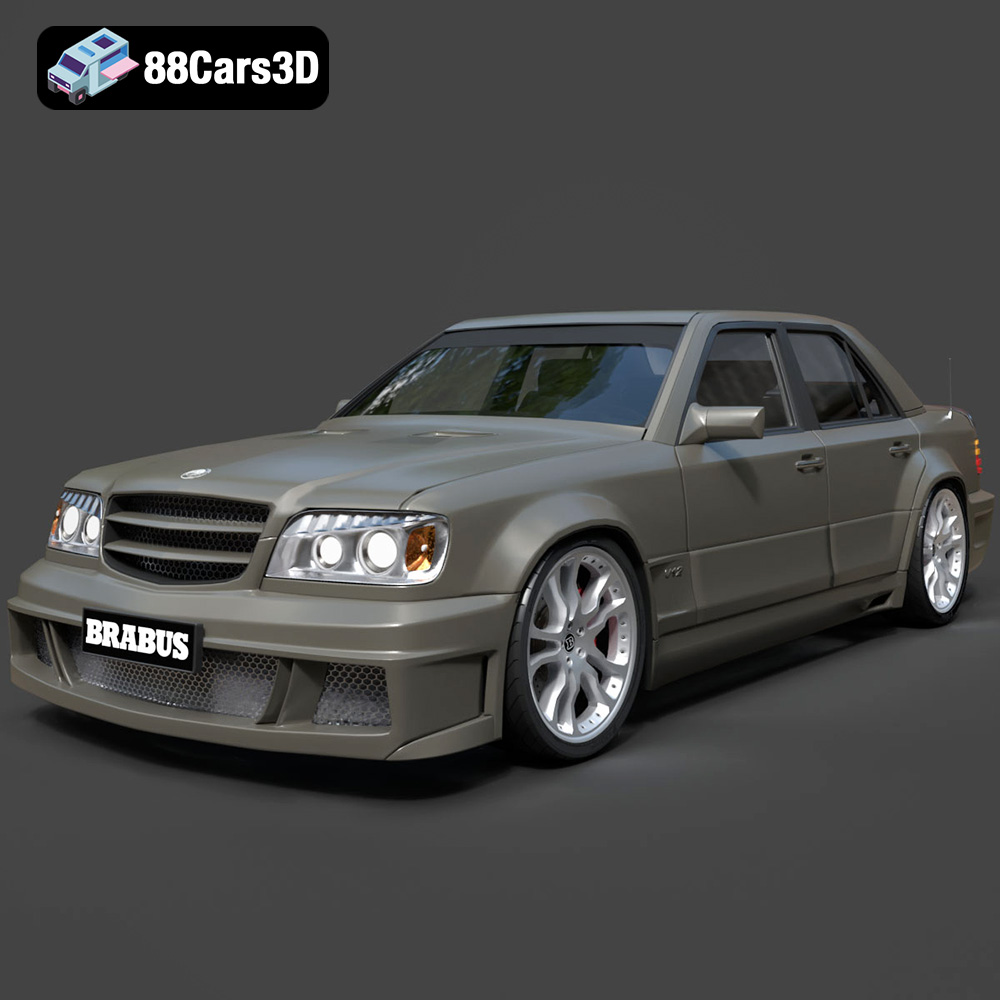
Mercedes-Benz W124 Brabus V12 3D Model
Texture: Yes
Material: Yes
Download the Mercedes-Benz W124 Brabus V12 3D Model featuring clean geometry, realistic detailing, and a fully modeled interior. Includes .blend, .fbx, .obj, .glb, .stl, .ply, .unreal, and .max formats for rendering, simulation, and game development.
Price: $23.99
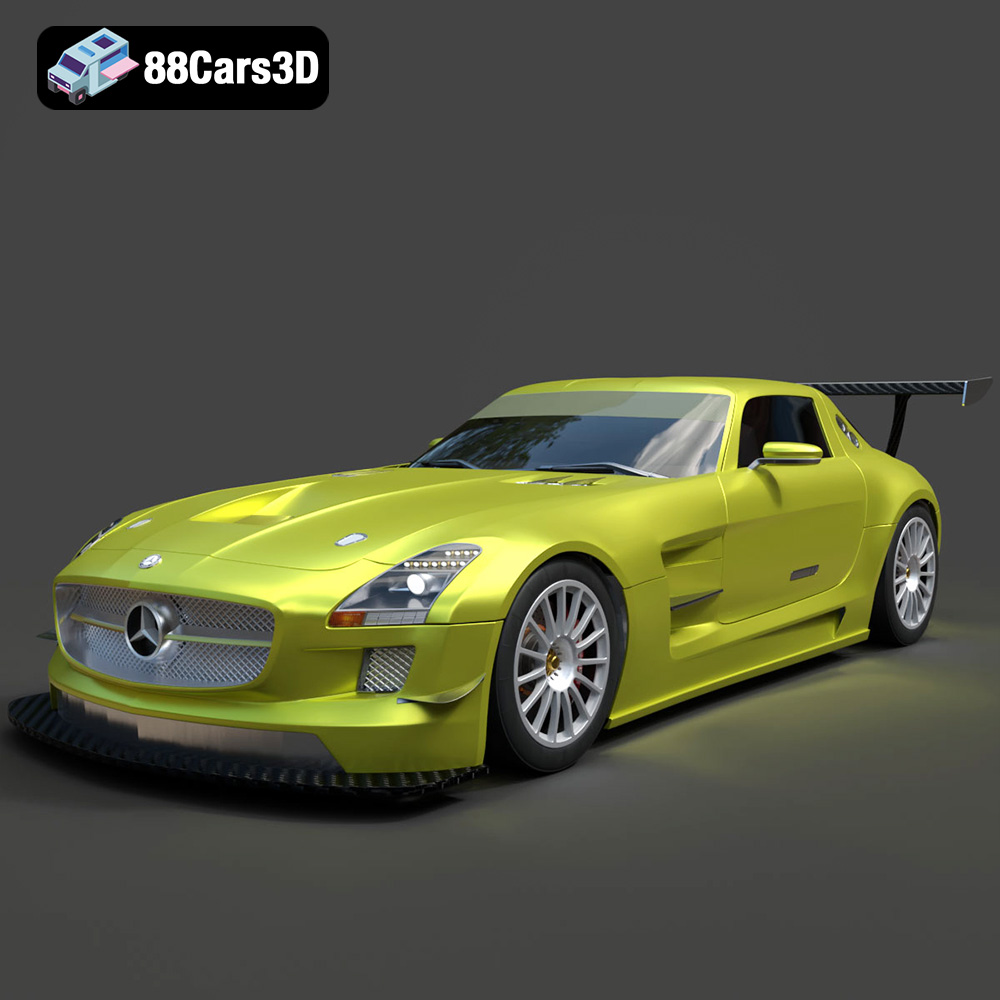
Mercedes-Benz SLS AMG GT3-002 3D Model
Texture: Yes
Material: Yes
Download the Mercedes-Benz SLS AMG GT3-002 3D Model featuring clean geometry, realistic detailing, and a fully modeled interior. Includes .blend, .fbx, .obj, .glb, .stl, .ply, .unreal, and .max formats for rendering, simulation, and game development.
Price: $38.99

Mercedes-Benz C-Class-001 3D Model
Texture: Yes
Material: Yes
Download the Mercedes-Benz C-Class-001 3D Model featuring clean geometry, realistic detailing, and a fully modeled interior. Includes .blend, .fbx, .obj, .glb, .stl, .ply, .unreal, and .max formats for rendering, simulation, and game development.
Price: $38.99
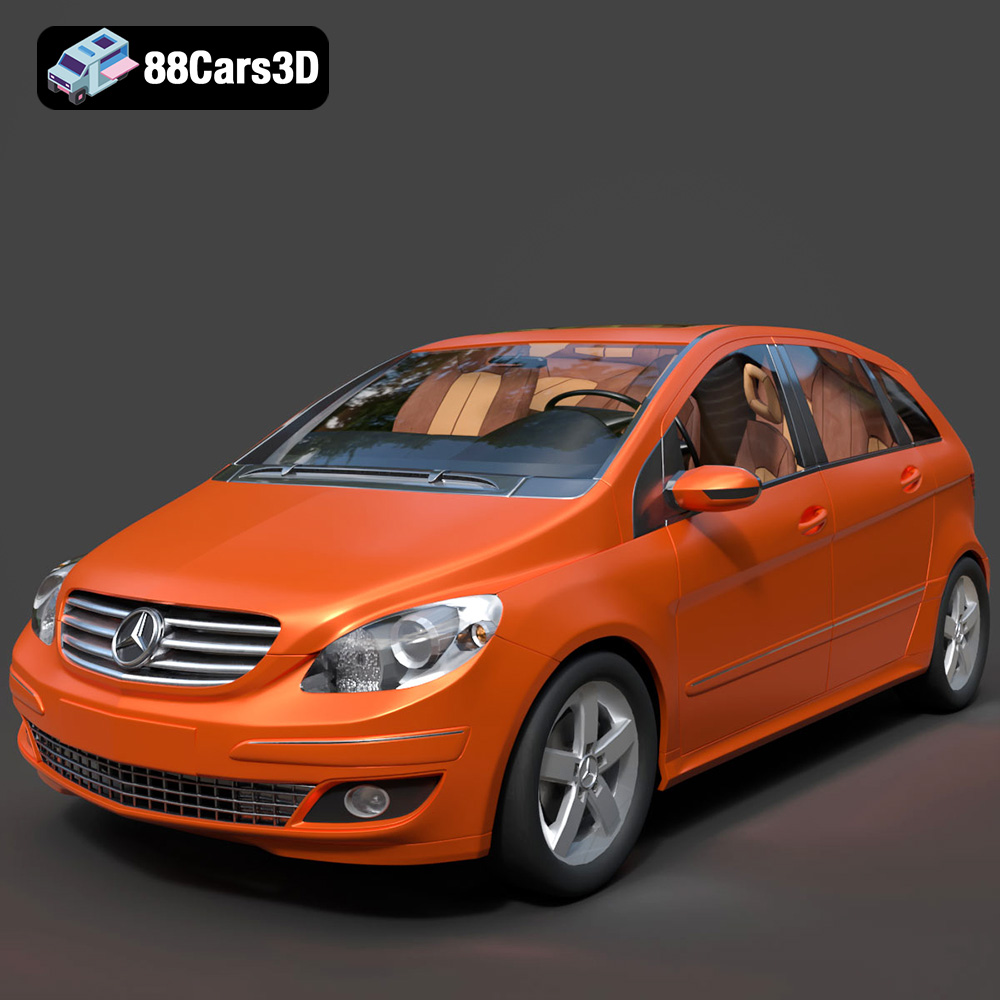
Mercedes-Benz B-Klasse 2023 3D Model
Texture: Yes
Material: Yes
Download the Mercedes-Benz B-Klasse 2023 3D Model featuring clean geometry, realistic detailing, and a fully modeled interior. Includes .blend, .fbx, .obj, .glb, .stl, .ply, .unreal, and .max formats for rendering, simulation, and game development.
Price: $38.99
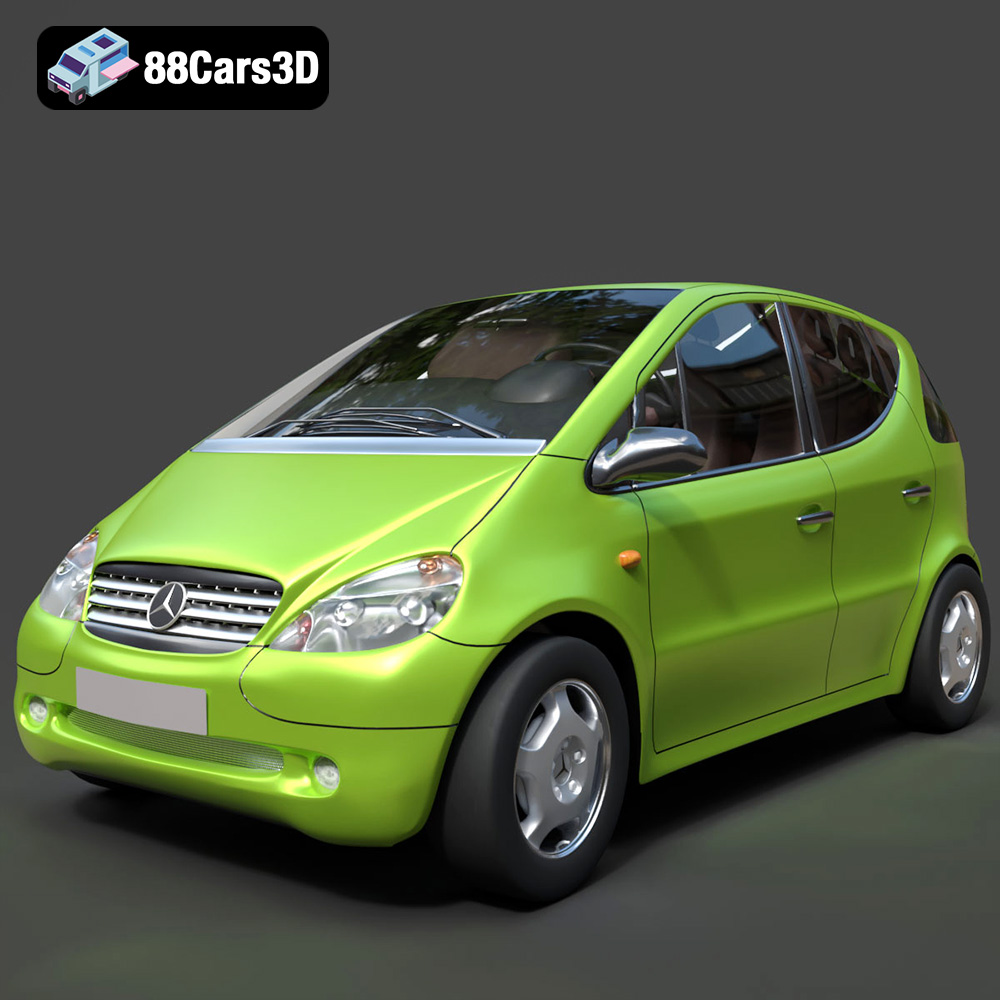
Mercedes-Benz A-Klasse W168 3D Model
Texture: Yes
Material: Yes
Download the Mercedes-Benz A-Klasse W168 3D Model featuring clean geometry, realistic detailing, and a fully modeled interior. Includes .blend, .fbx, .obj, .glb, .stl, .ply, .unreal, and .max formats for rendering, simulation, and game development.
Price: $38.99
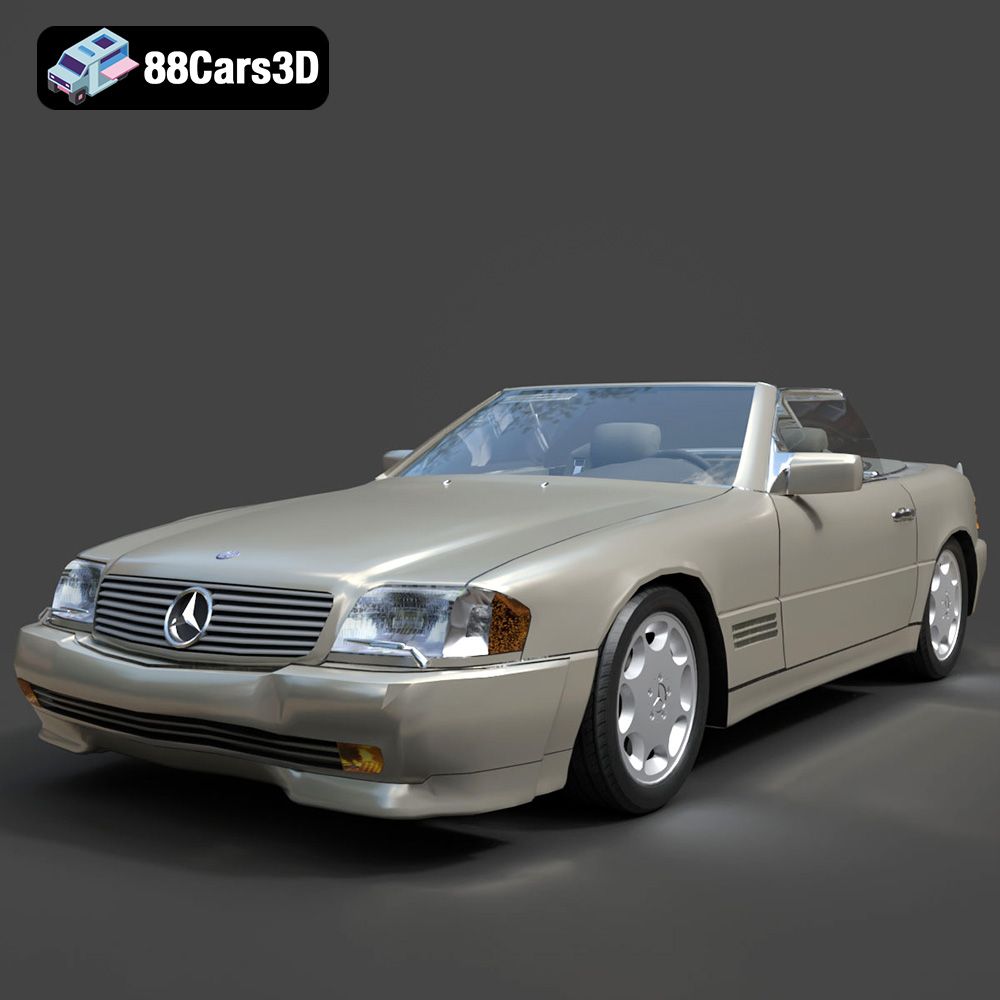
Mercedes-Benz 500SL 2000 3D Model
Texture: Yes
Material: Yes
Download the Mercedes-Benz 500SL 2000 3D Model featuring clean geometry, realistic detailing, and a fully modeled interior. Includes .blend, .fbx, .obj, .glb, .stl, .ply, .unreal, and .max formats for rendering, simulation, and game development.
Price: $38.99
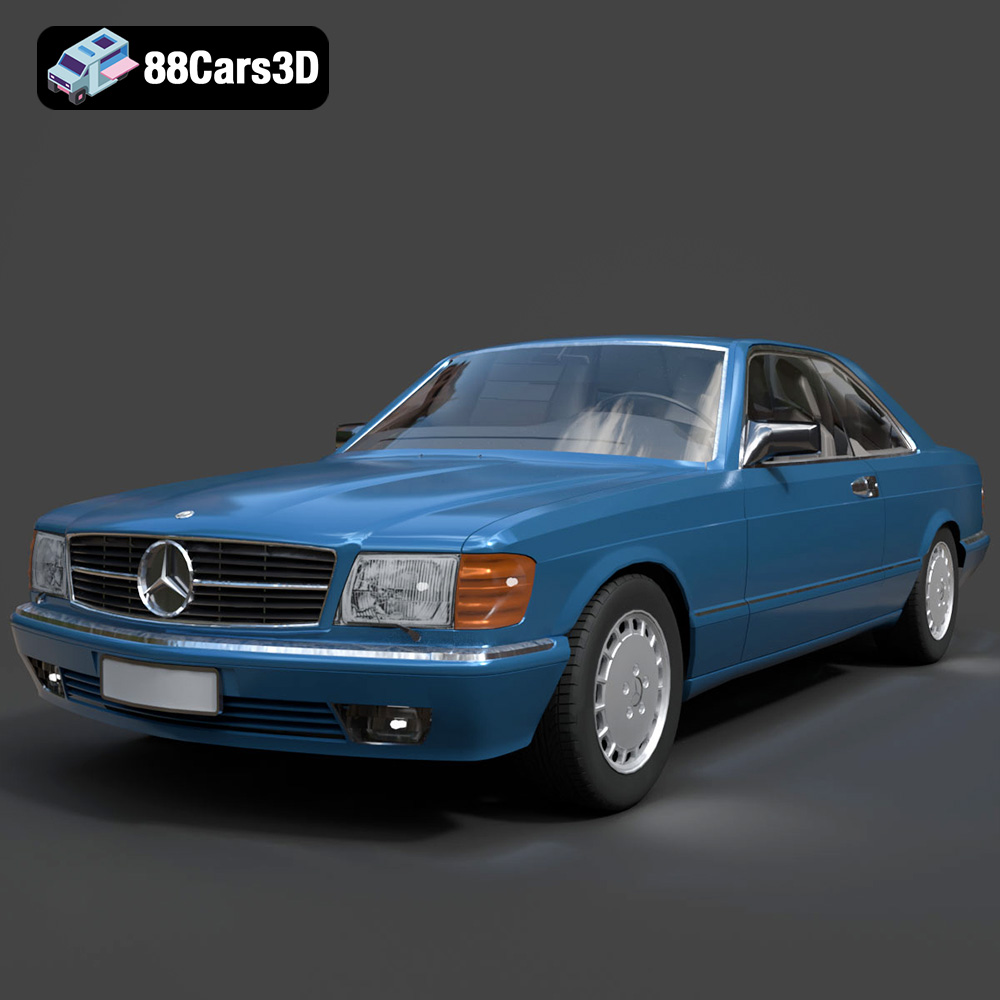
Mercedes-Benz 500SEC 3D Model
Texture: Yes
Material: Yes
Download the Mercedes-Benz 500SEC 3D Model featuring clean geometry, realistic detailing, and a fully modeled interior. Includes .blend, .fbx, .obj, .glb, .stl, .ply, .unreal, and .max formats for rendering, simulation, and game development.
Price: $38.99
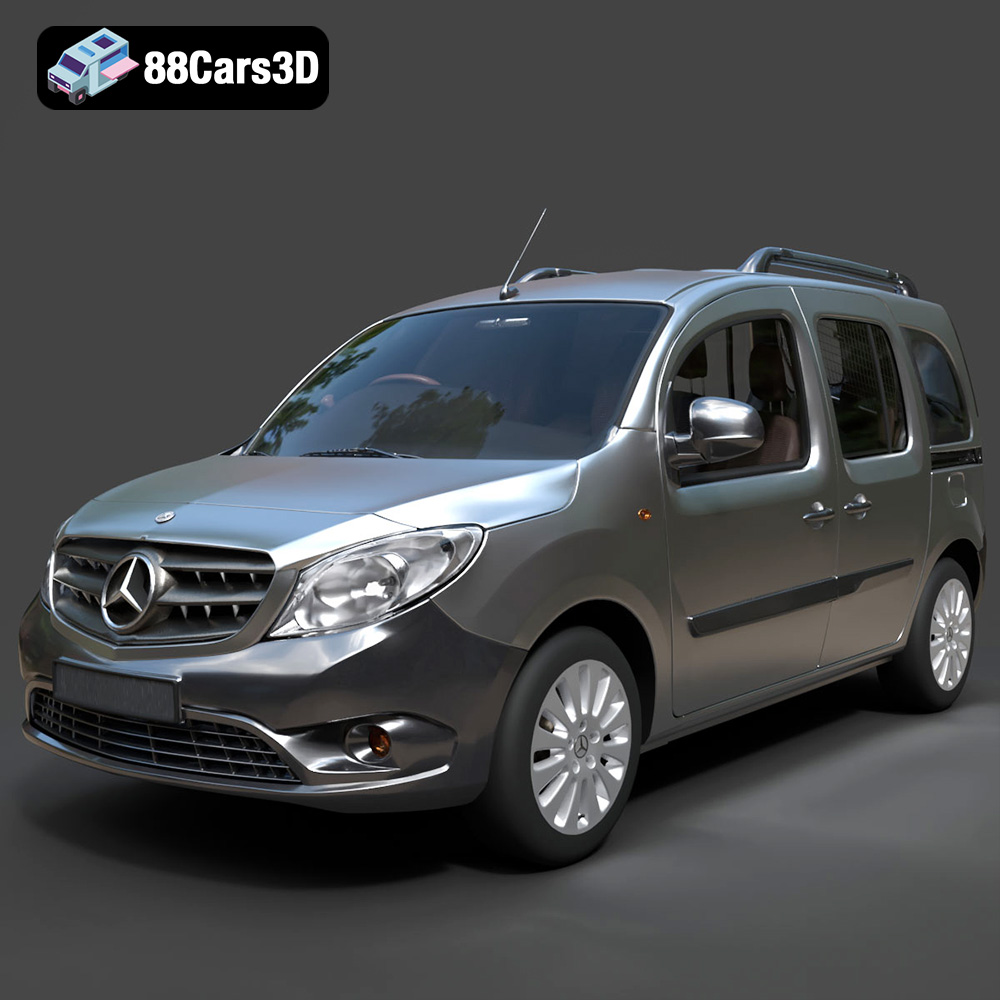
Mercedes-Benz Citan 2025 3D Model
Texture: Yes
Material: Yes
Download the Mercedes-Benz Citan 2025 3D Model featuring clean geometry, realistic detailing, and a fully modeled interior. Includes .blend, .fbx, .obj, .glb, .stl, .ply, .unreal, and .max formats for rendering, simulation, and game development.
Price: $38.99
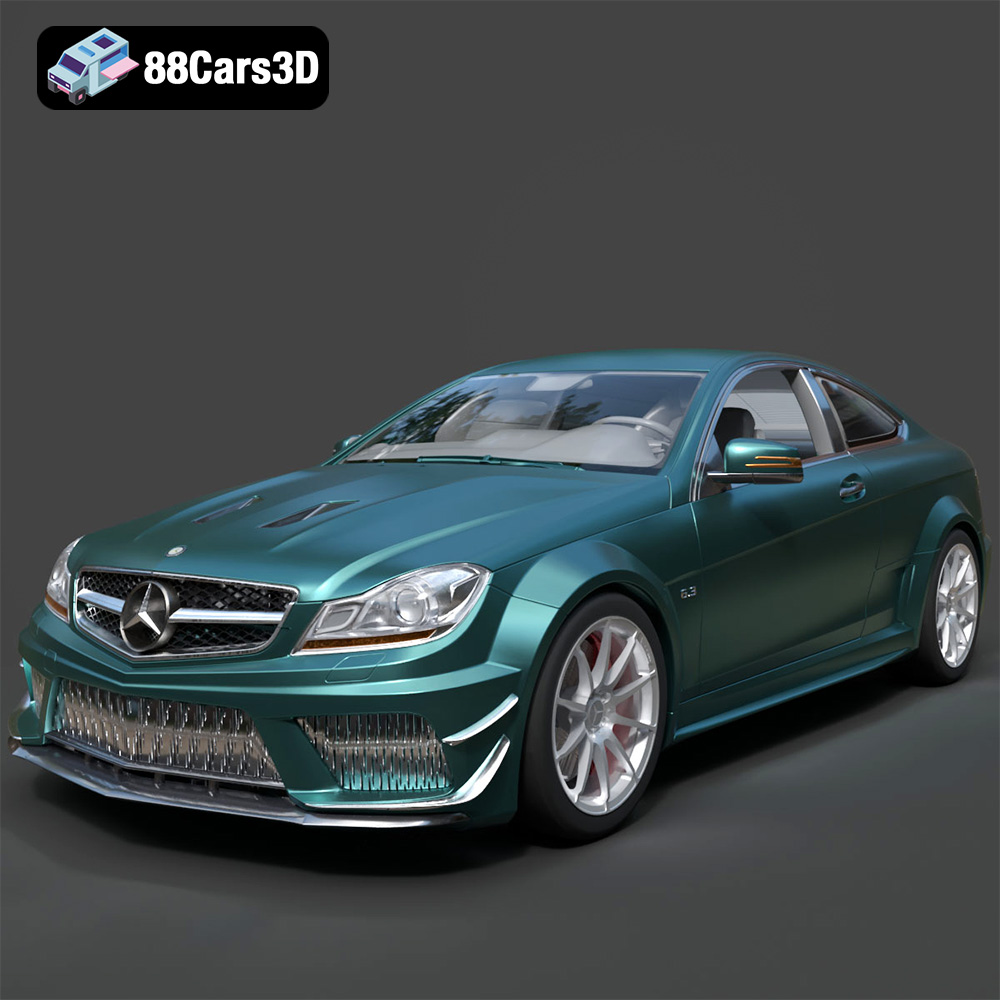
Mercedes-Benz C63 AMG 2012 3D Model
Texture: Yes
Material: Yes
Download the Mercedes-Benz C63 AMG 2012 3D Model featuring clean geometry, realistic detailing, and a fully modeled interior. Includes .blend, .fbx, .obj, .glb, .stl, .ply, .unreal, and .max formats for rendering, simulation, and game development.
Price: $38.99
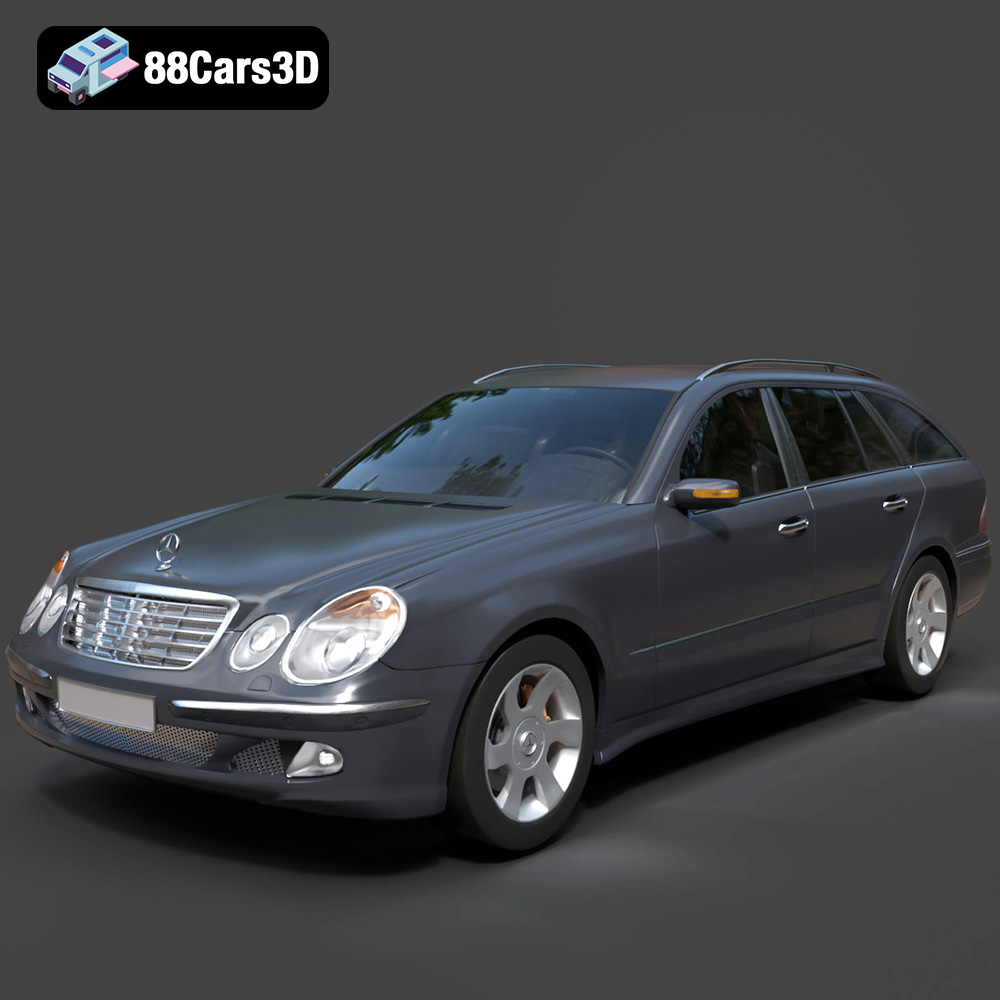
Mercedes-Benz E-Class S211 3D Model
Texture: Yes
Material: Yes
Download the Mercedes-Benz E-Class S211 3D Model featuring clean geometry, realistic detailing, and a fully modeled interior. Includes .blend, .fbx, .obj, .glb, .stl, .ply, .unreal, and .max formats for rendering, simulation, and game development.
Price: $38.99
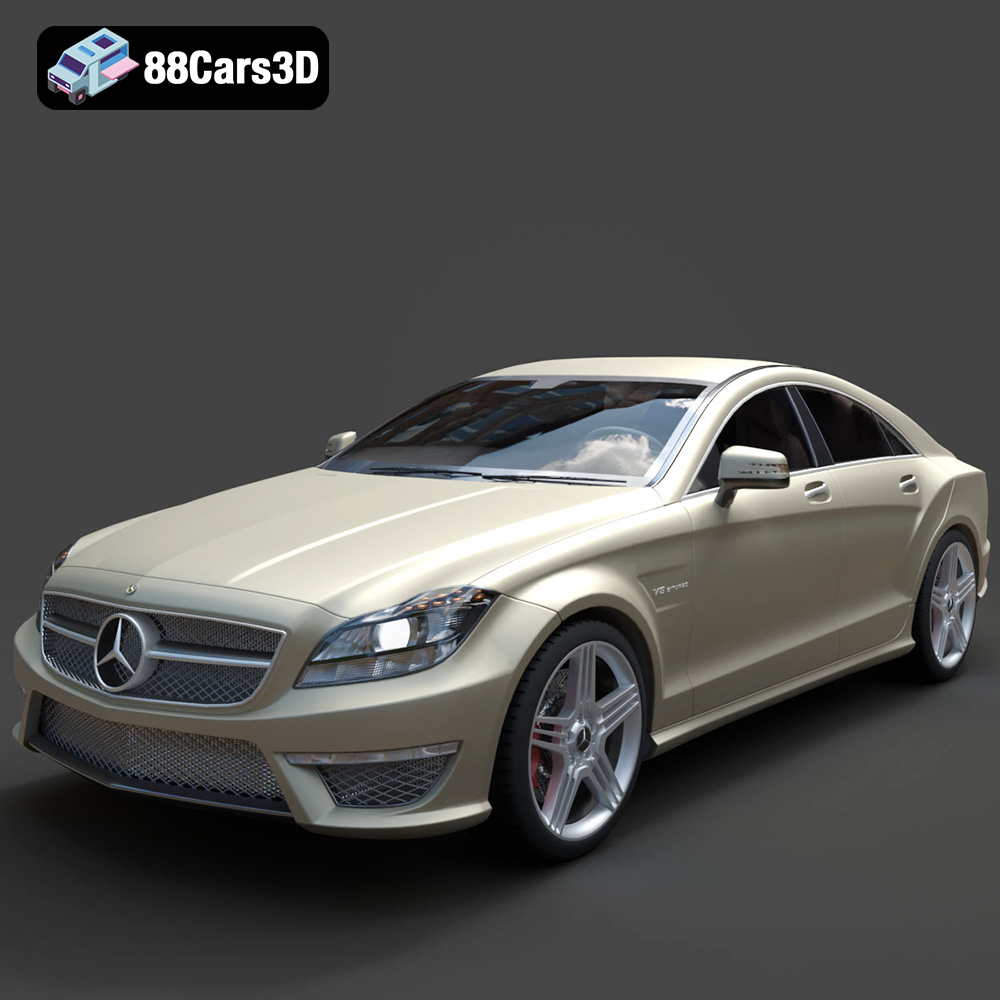
Mercedes-Benz CLS63 AMG (C218) 2014 3D Model
Texture: Yes
Material: Yes
Download the Mercedes-Benz CLS63 AMG (C218) 2014 3D Model featuring clean geometry, realistic detailing, and a fully modeled interior. Includes .blend, .fbx, .obj, .glb, .stl, .ply, .unreal, and .max formats for rendering, simulation, and game development.
Price: $38.99
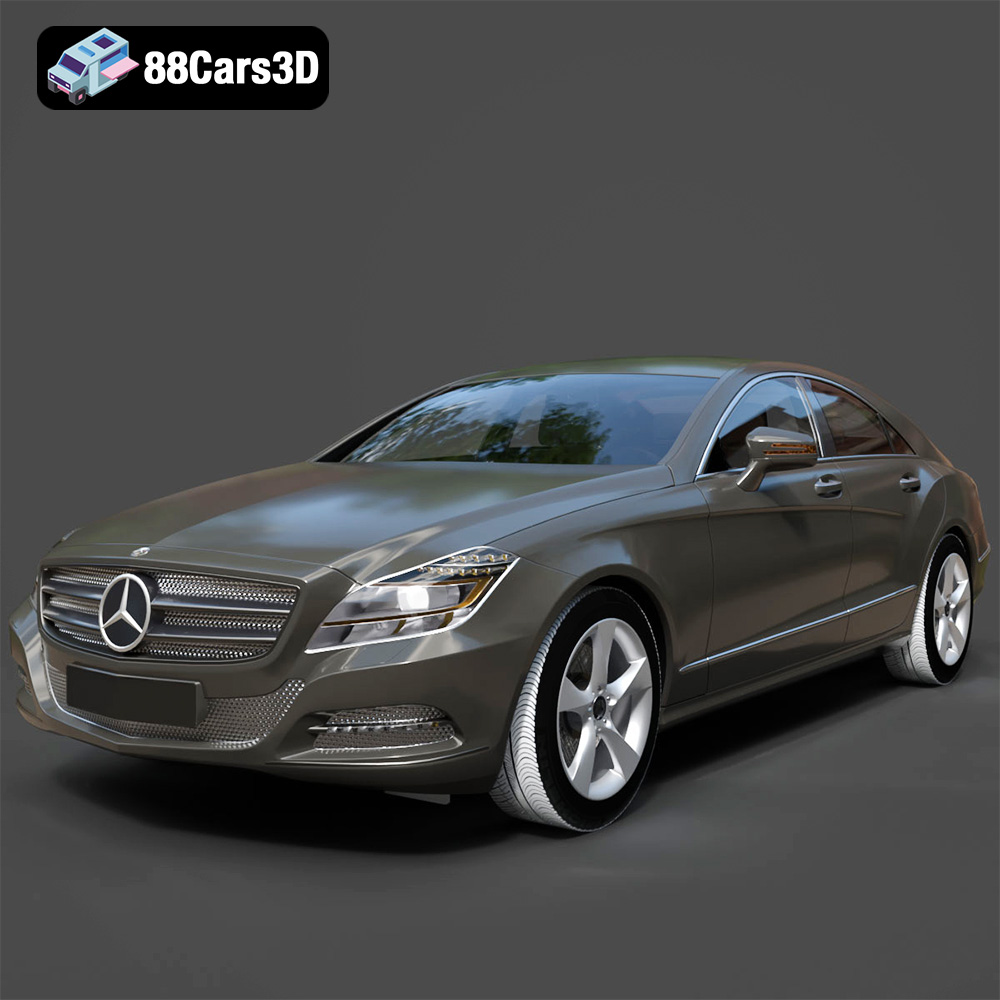
Mercedes-Benz CLS-Klasse 3D Model
Texture: Yes
Material: Yes
Download the Mercedes-Benz CLS-Klasse 3D Model featuring clean geometry, realistic detailing, and a fully modeled interior. Includes .blend, .fbx, .obj, .glb, .stl, .ply, .unreal, and .max formats for rendering, simulation, and game development.
Price: $38.99
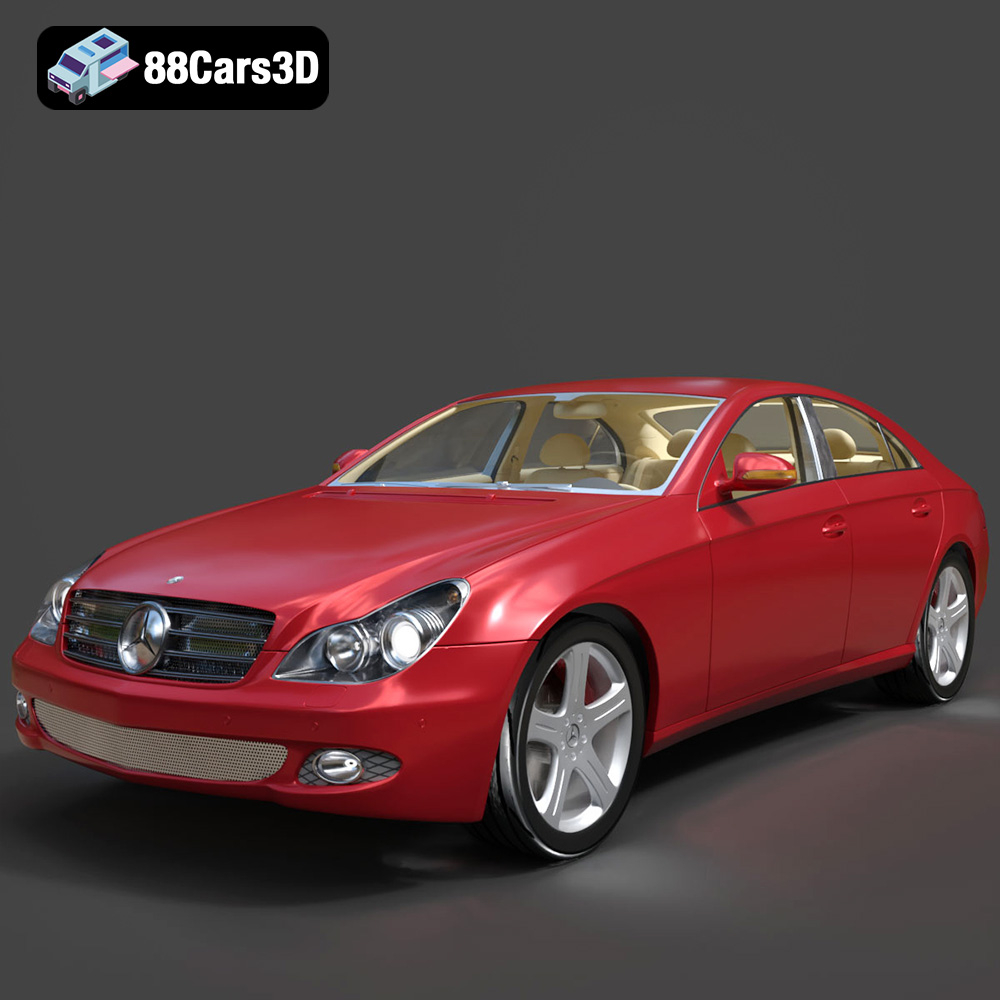
Mercedes-Benz CLS 500 3D Model
Texture: Yes
Material: Yes
Download the Mercedes-Benz CLS 500 3D Model featuring clean geometry, realistic detailing, and a fully modeled interior. Includes .blend, .fbx, .obj, .glb, .stl, .ply, .unreal, and .max formats for rendering, simulation, and game development.
Price: $38.99

Mercedes-Benz CL-Klasse 2001 3D Model
Texture: Yes
Material: Yes
Download the Mercedes-Benz CL-Klasse 2001 3D Model featuring clean geometry, realistic detailing, and a fully modeled interior. Includes .blend, .fbx, .obj, .glb, .stl, .ply, .unreal, and .max formats for rendering, simulation, and game development.
Price: $38.99
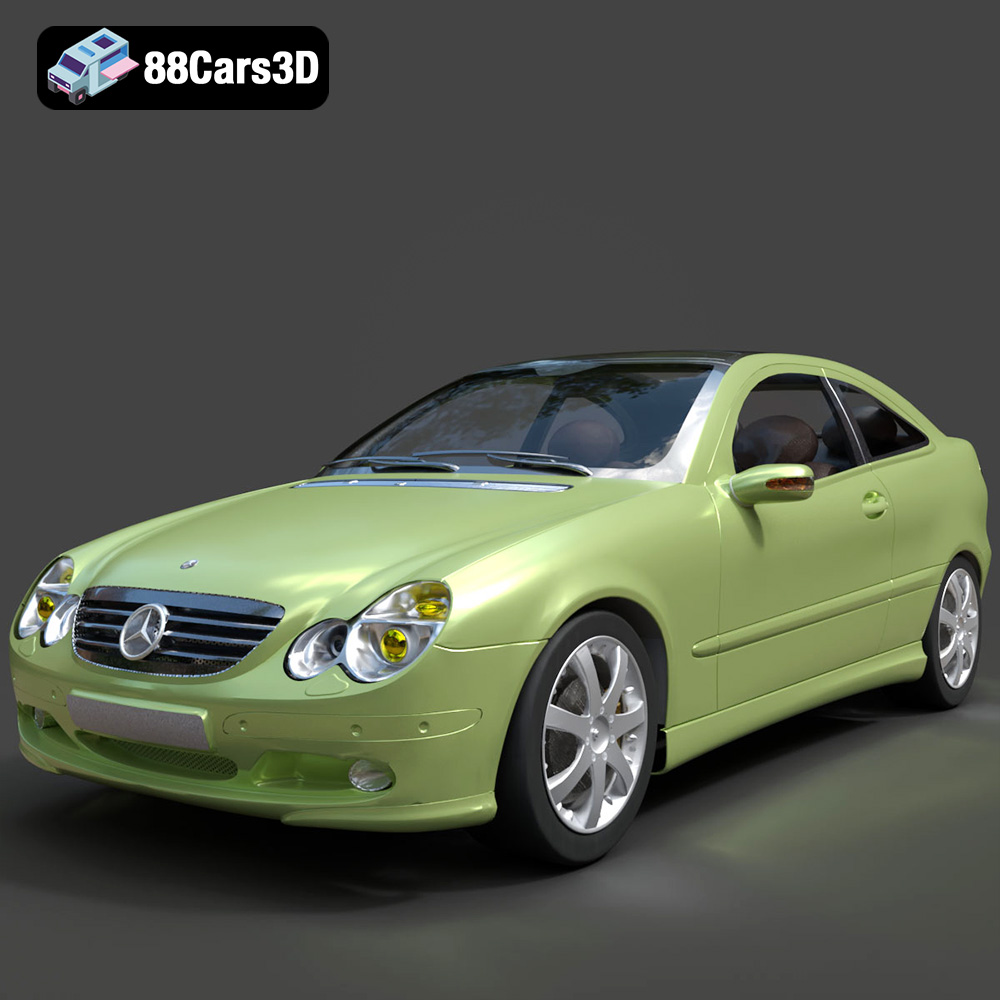
Mercedes-Benz C-Klasse Sportcoupe 2000 3D Model
Texture: Yes
Material: Yes
Download the Mercedes-Benz C-Klasse Sportcoupe 2000 3D Model featuring clean geometry, realistic detailing, and a fully modeled interior. Includes .blend, .fbx, .obj, .glb, .stl, .ply, .unreal, and .max formats for rendering, simulation, and game development.
Price: $38.99
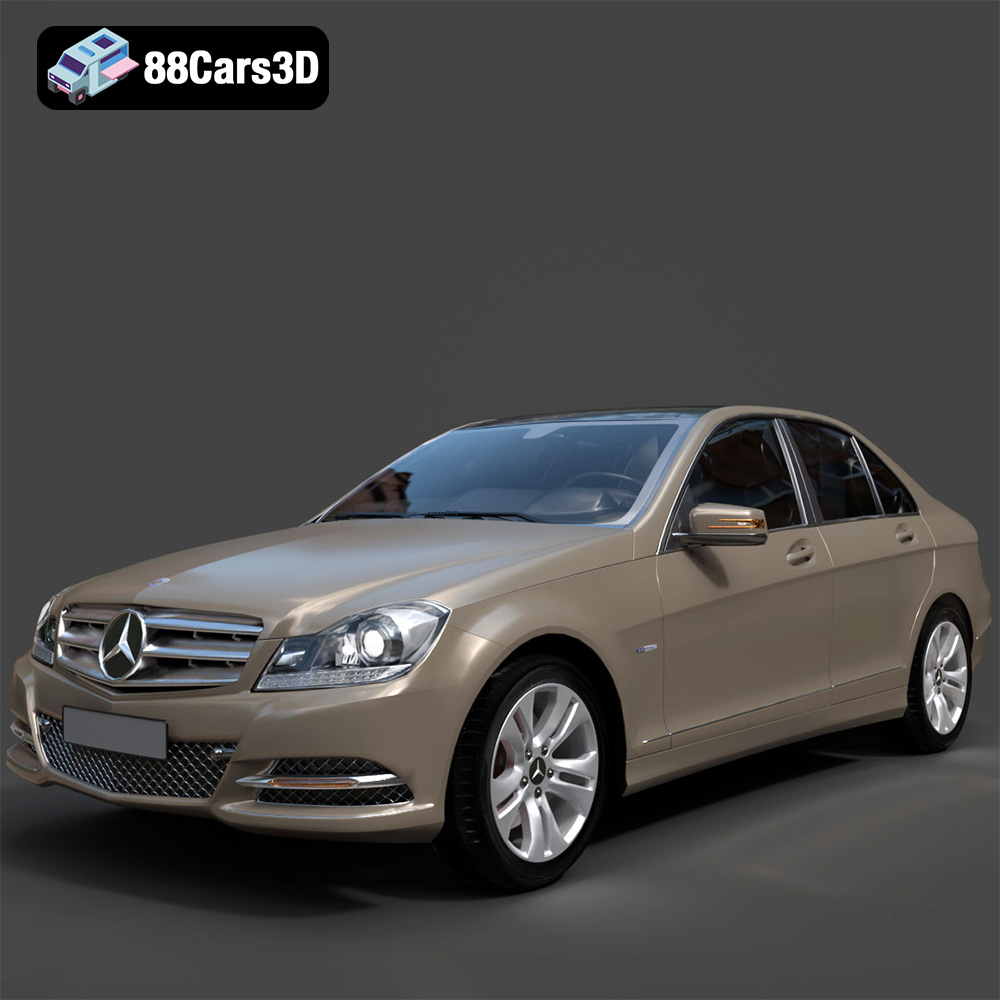
Mercedes-Benz C-Klasse 204 2011 3D Model
Texture: Yes
Material: Yes
Download the Mercedes-Benz C-Klasse 204 2011 3D Model featuring clean geometry, realistic detailing, and a fully modeled interior. Includes .blend, .fbx, .obj, .glb, .stl, .ply, .unreal, and .max formats for rendering, simulation, and game development.
Price: $38.99
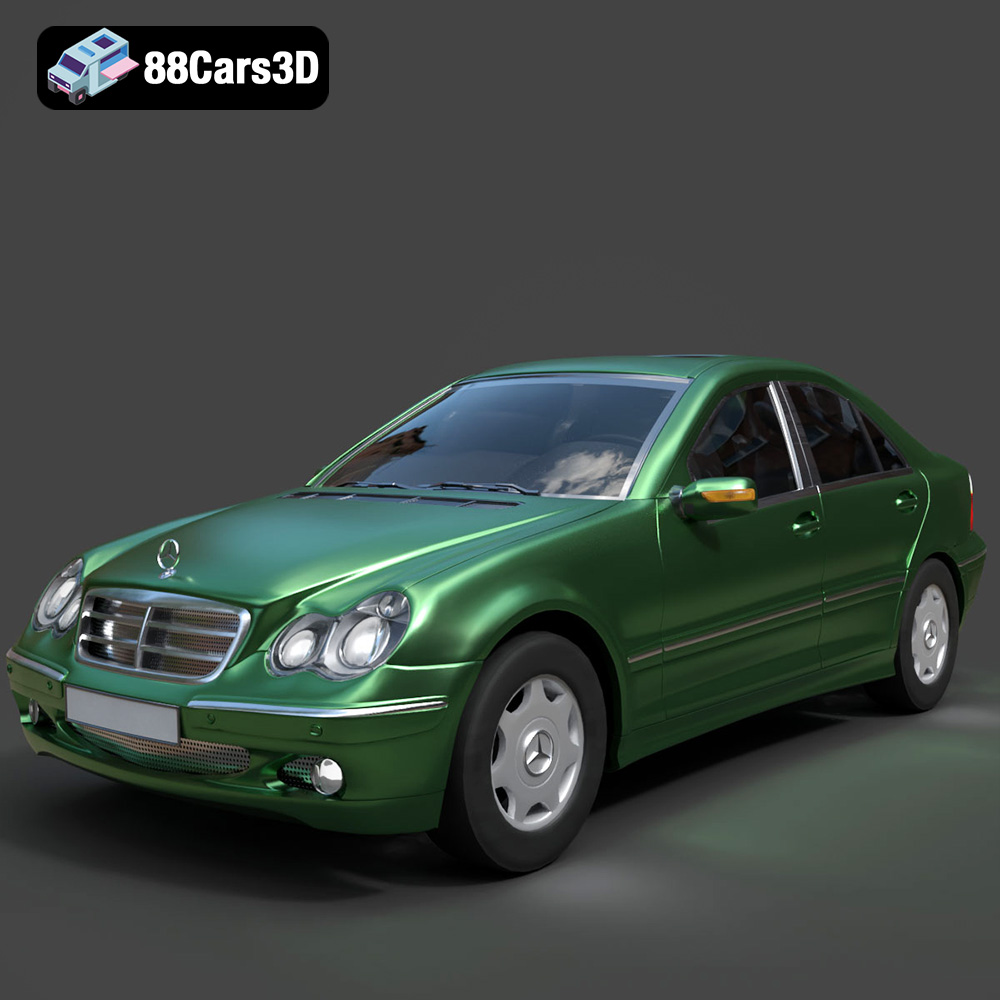
Mercedes-Benz C-Class Sedan 2000 3D Model
Texture: Yes
Material: Yes
Download the Mercedes-Benz C-Class Sedan 3D Model featuring clean geometry, realistic detailing, and a fully modeled interior. Includes .blend, .fbx, .obj, .glb, .stl, .ply, .unreal, and .max formats for rendering, simulation, and game development.
Price: $38.99
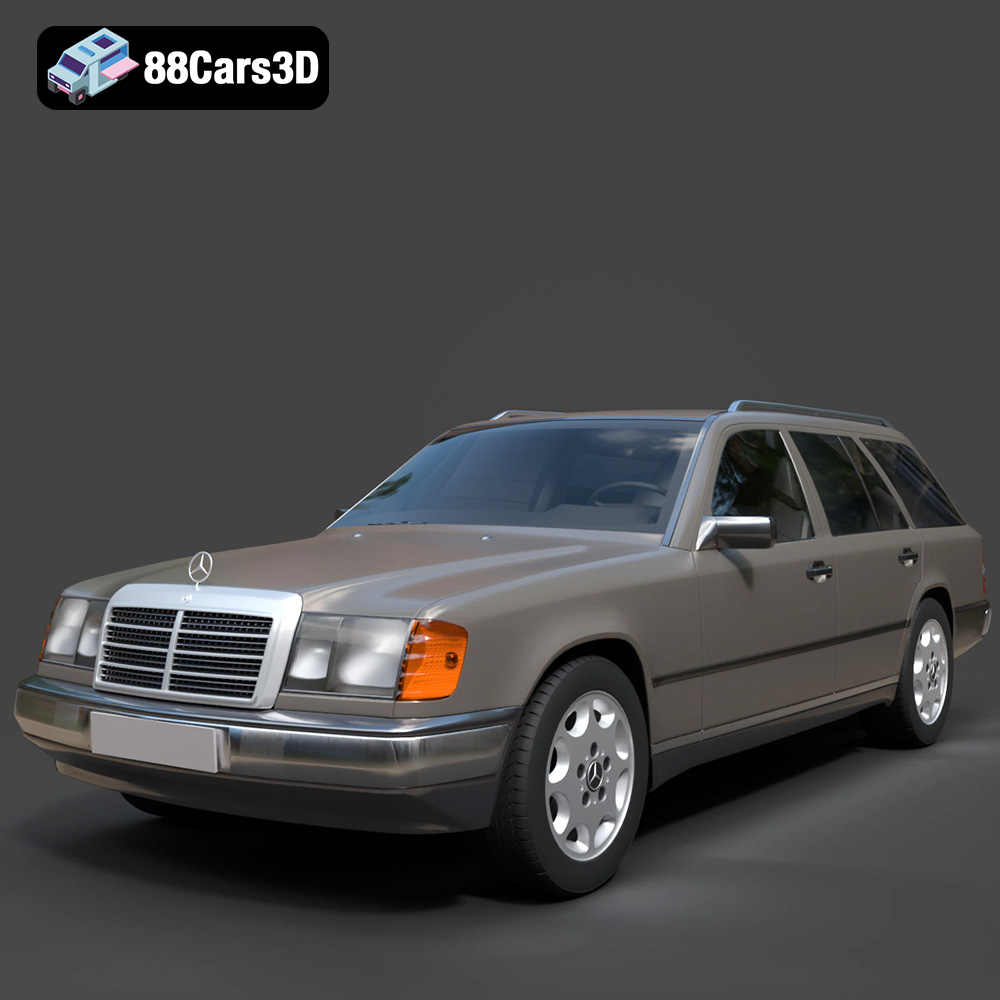
Mercedes E-Class w124 Kombi 3D Model
Texture: Yes
Material: Yes
Download the Mercedes E-Class w124 Kombi 3D Model featuring clean geometry, realistic detailing, and a fully modeled interior. Includes .blend, .fbx, .obj, .glb, .stl, .ply, .unreal, and .max formats for rendering, simulation, and game development.
Price: $38.99
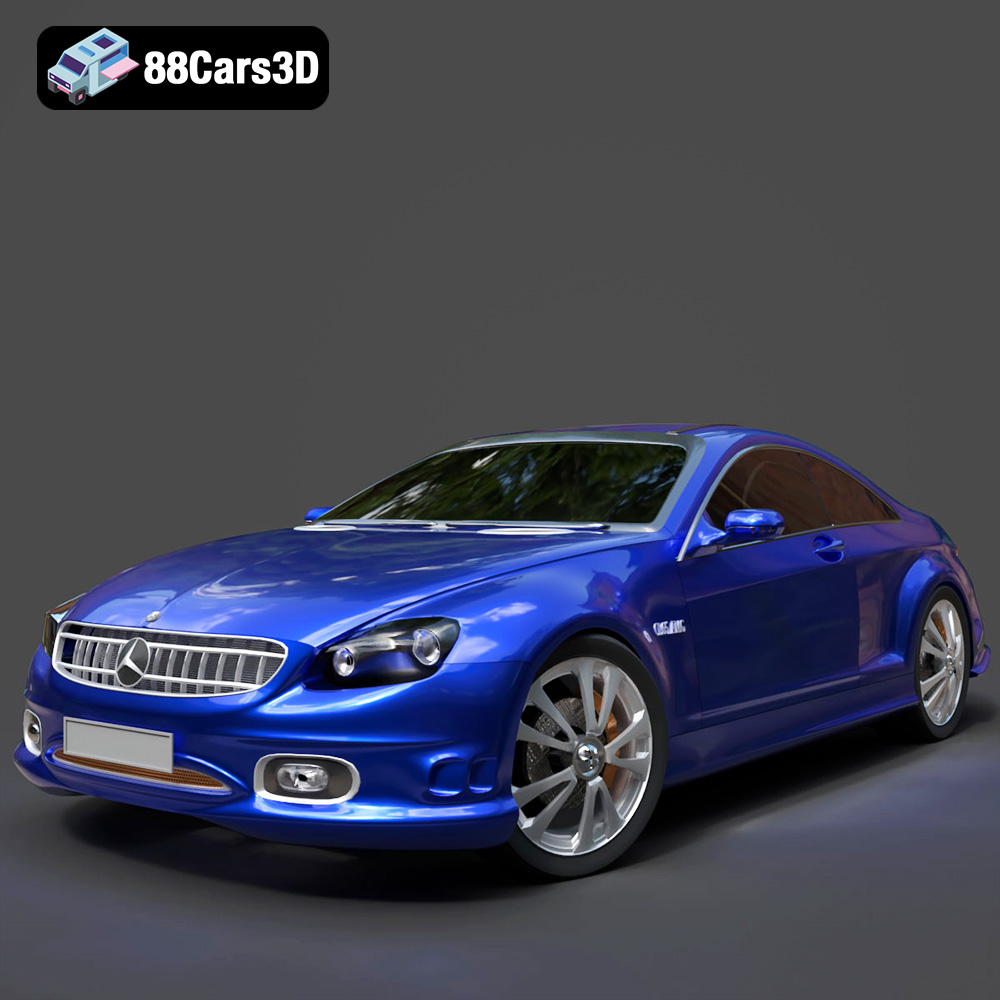
Mercedes-Benz CL6540-005 3D Model
Texture: Yes
Material: Yes
Download the Mercedes-Benz CL6540-005 3D Model featuring clean geometry, realistic detailing, and a fully modeled interior. Includes .blend, .fbx, .obj, .glb, .stl, .ply, .unreal, and .max formats for rendering, simulation, and game development.
Price: $38.99
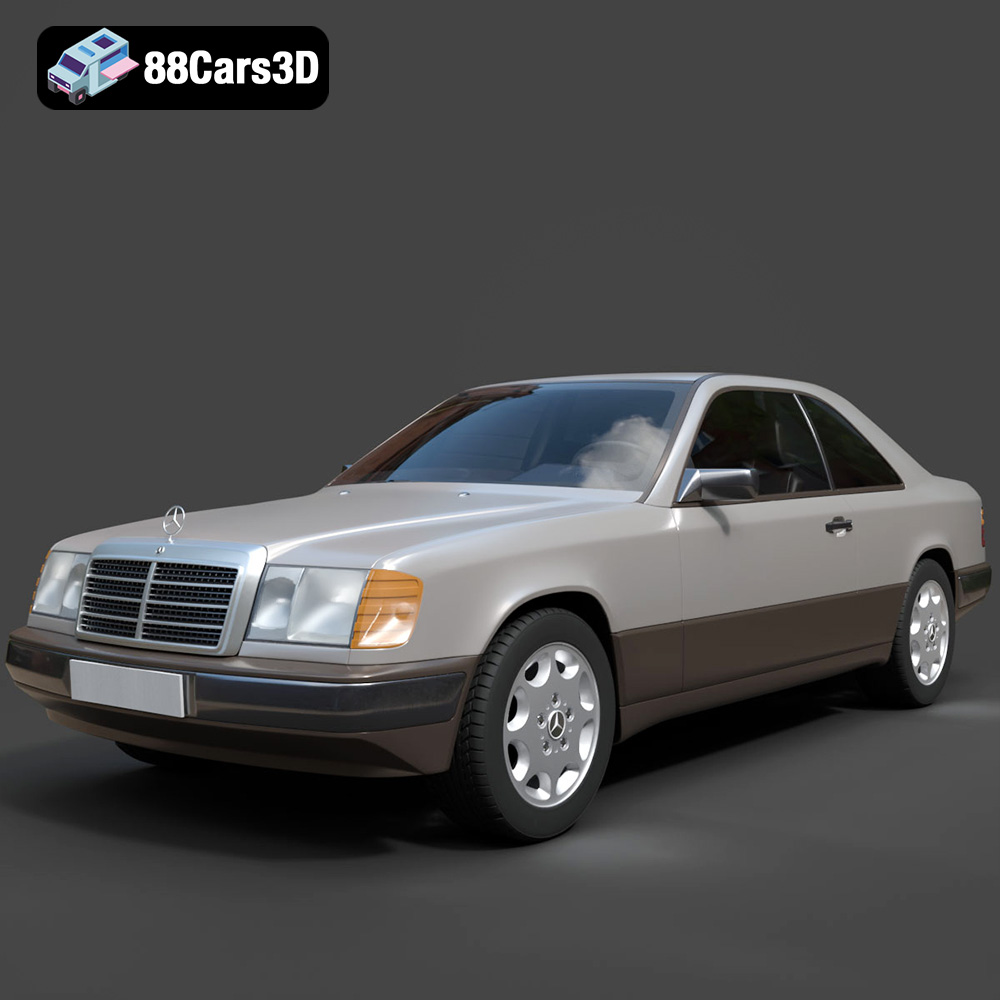
Mercedes E-Class w124 Coupe 3D Model
Texture: Yes
Material: Yes
Download the Mercedes E-Class w124 Coupe 3D Model featuring clean geometry, realistic detailing, and a fully modeled interior. Includes .blend, .fbx, .obj, .glb, .stl, .ply, .unreal, and .max formats for rendering, simulation, and game development.
Price: $38.99
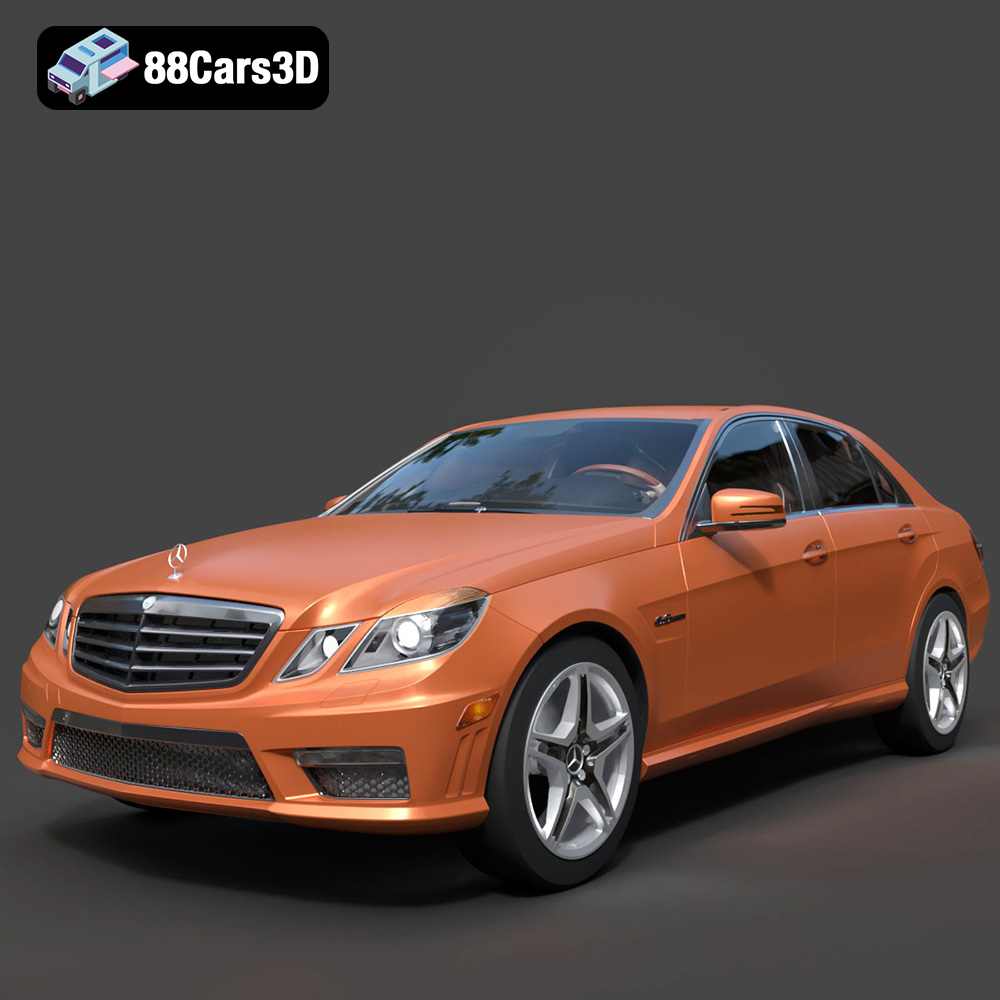
Mercedes-Benz E-Klasse 63 AMG 3D Model
Texture: Yes
Material: Yes
Download the Mercedes-Benz E-Klasse 63 AMG 3D Model featuring clean geometry, realistic detailing, and a fully modeled interior. Includes .blend, .fbx, .obj, .glb, .stl, .ply, .unreal, and .max formats for rendering, simulation, and game development.
Price: $38.99
