
The Photorealism Paradox: Optimizing High-Detail Automotive Models for Real-Time Performance

The Photorealism Paradox: Optimizing High-Detail Automotive Models for Real-Time Performance
The allure of a gleaming, perfectly rendered automobile is undeniable. From cinematic sequences to high-end product visualizations, photorealistic cars captivate audiences with their intricate details, flawless reflections, and dynamic contours. Artists and designers pour countless hours into crafting these digital masterpieces, often leveraging sophisticated CAD software or high-polygon modeling techniques to achieve unparalleled fidelity.
However, an inherent paradox emerges when these magnificent, high-detail automotive models are pushed into real-time environments like video games, interactive experiences, or VR simulations. The very elements that define their beauty – millions of polygons, complex material layers, and immense texture sizes – become crippling performance bottlenecks. This is the “Photorealism Paradox”: the pursuit of ultimate visual fidelity often clashes directly with the demands of smooth, interactive real-time performance.
Bridging this gap requires more than just guesswork; it demands a precise blend of artistic skill, technical understanding, and strategic optimization. This comprehensive guide will delve into the critical techniques and workflows necessary to transform your high-fidelity automotive creations into truly game-ready automotive assets, capable of running flawlessly within demanding real-time engines.
The High-Fidelity Challenge: Why Studio Models Break Real-Time Performance
Understanding the problem is the first step towards solving it. High-detail automotive models, whether sourced from engineering CAD data or sculpted with subdivision surfaces, are typically designed without real-time constraints in mind. They prioritize accuracy and visual perfection above all else.
The Nature of High-Detail Automotive Models
Automotive design often starts with CAD (Computer-Aided Design) data, which is engineered for manufacturing precision. This data, when converted to polygon meshes, can result in an extremely high polygon count, often tens of millions or even hundreds of millions for an entire vehicle. Every curve, seam, and intricate component is represented with maximum geometric accuracy.
Similarly, models crafted for offline rendering or film VFX often rely on subdivision surface modeling. While efficient for smooth forms, the final tessellated mesh, especially after modifiers or displacement, can easily reach several million polygons. These models are built to withstand close-up inspection from any angle, making no compromises on geometric detail.
The Bottlenecks of Real-Time Rendering
Real-time engines, on the other hand, operate under strict budget constraints. Every frame must be rendered in milliseconds to maintain a smooth framerate (e.g., 30-60 frames per second). The primary bottlenecks for automotive assets include:
- Vertex Count: Each vertex needs to be processed, transformed, and lit. Millions of vertices per frame can quickly overwhelm the GPU.
- Draw Calls: Every unique material or object typically constitutes a “draw call.” Too many draw calls can choke the CPU, which prepares instructions for the GPU.
- Texture Memory: High-resolution textures, especially if unoptimized or numerous, consume vast amounts of VRAM, leading to slower loading times and potential crashes.
- Overdraw: Pixels rendered that are eventually obscured by other geometry. Complex, overlapping geometry, common in unoptimized car models, leads to unnecessary overdraw.
These factors combine to make direct importation of studio-grade models impractical for interactive experiences. The goal is to intelligently reduce these costs while preserving the visual essence that makes the vehicle appealing.
Core Optimization Strategies: Sculpting Performance from Polygons
Optimizing a high-detail automotive model for real-time performance is a multi-faceted process. It involves a strategic reduction of geometric complexity, smart texture management, and careful consideration of how the asset will be viewed within the engine.
Mastering Poly Count Reduction Techniques
Reducing the geometric footprint of your vehicle model is paramount. This isn’t just about making it “low-poly”; it’s about making it “efficient-poly” – using polygons precisely where they are needed for shape and silhouette.
- Manual Retopology: This is often the most effective, albeit labor-intensive, method. It involves creating a new, clean mesh over your high-poly source, using efficient edge loops and quad topology. Manual retopology ensures clean deformation, easier UV mapping, and a predictable polygon count. For crucial components like the car body, this is non-negotiable.
- Decimation: Automated decimation tools can reduce polygon count by merging vertices and collapsing edges. While useful for distant LODs or very complex, non-essential parts like engine interiors that are rarely seen up close, it often produces triangulation, uneven topology, and can distort UVs. Use with caution, especially on primary visible surfaces.
- Removing Hidden Geometry: A significant portion of a high-poly car model might consist of geometry that is never seen – engine parts hidden under the hood, chassis elements obscured by the body, or interior components only visible through tiny gaps. Identify and delete these elements to save thousands of polygons.
- Merging Meshes: Combine smaller, individual meshes into larger ones where appropriate (e.g., small bolts into a surrounding component). This reduces draw calls.
Implementing Level of Detail (LODs) Effectively
Level of Detail (LODs) are an indispensable technique for rendering complex assets like vehicles in real-time. The principle is simple: objects closer to the camera are rendered with higher detail, while objects further away switch to progressively simpler versions.
- Creating Multiple LOD Levels: A typical setup for a primary vehicle might include 3-5 LOD levels.
- LOD0 (High Detail): The primary mesh, viewed up close (e.g., 50k-150k triangles for the entire car).
- LOD1 (Medium Detail): A significant reduction, used for mid-distance viewing (e.g., 20k-50k triangles).
- LOD2 (Low Detail): A much simpler mesh, often heavily decimated, used for distant viewing (e.g., 5k-20k triangles).
- LOD3+ (Impostors/Billboards): For very distant objects, an impostor or billboard (a simple 2D image plane) can be used, though less common for primary vehicles.
- Distance-Based Switching: Real-time engines automatically switch between LODs based on the asset’s screen size or distance from the camera. Properly configured LODs ensure that the player always sees an appropriate level of detail without unnecessary performance overhead.
- Maintain Visual Consistency: When creating LODs, ensure that the silhouette and major features remain consistent across levels. Drastic changes in shape can be jarring to the player. Normal maps baked from the high-poly model are crucial for retaining detail on lower LODs.
Efficient Mesh Optimization for Vehicles
Beyond poly count, the structure and integrity of the mesh itself play a huge role in performance and visual quality.
- Triangulation vs. Quads: While most modeling software uses quads (four-sided polygons) for easier modeling and deformation, GPUs ultimately render triangles. Engines automatically triangulate meshes on import. For optimal performance and consistency, some artists prefer to manually triangulate their final game-ready mesh, ensuring predictable edge flow.
- Removing Internal Faces: Hidden geometry, such as inner surfaces of a car door that are never visible, should be deleted. This reduces the total number of polygons the GPU has to process and minimizes overdraw.
- Welding Vertices: Ensure all vertices that should be connected are properly welded. Unwelded vertices can lead to rendering artifacts and increased vertex counts.
- Optimizing Hard Edges: Use smoothing groups or explicit normal data (vertex normals) to control how edges are rendered. For hard edges, split vertex normals rather than increasing geometry, and then use baking normal maps to capture the visual sharpness.
The Art of Visual Integrity: PBR Textures and Shading
Once the geometry is optimized, the task shifts to maintaining the visual fidelity of the vehicle. Physically Based Rendering (PBR) textures are the cornerstone of modern real-time graphics, allowing materials to react realistically to light.
Harnessing PBR Textures for Cars
PBR ensures that materials behave consistently under various lighting conditions, making them ideal for the dynamic environments of real-time applications. For automotive assets, specific maps are critical:
- Base Color (Albedo): The pure color of the surface, without any lighting information. For car paint, this is the underlying hue.
- Normal Map: Essential for conveying high-frequency surface detail (scratches, panel gaps, intricate emblems) from the high-poly model onto the low-poly mesh, without adding geometry. This map is vital for making poly count reduction techniques visually imperceptible.
- Metallic Map: Defines which parts of the surface are metallic (e.g., chrome trim, bare metal chassis parts) and which are dielectric (e.g., plastic, paint, rubber).
- Roughness Map: Controls the microscopic surface irregularities that scatter light, dictating how shiny or dull a surface appears. A low roughness value results in a highly reflective, mirror-like surface (e.g., polished chrome), while a high value leads to a diffuse, matte finish (e.g., rubber tires).
- Ambient Occlusion (AO): Simulates soft shadows where light is occluded, adding depth and realism to crevices and overlapping geometry. Can be baked from the high-poly model.
When creating these PBR textures for cars, aim for resolution appropriate to the asset’s importance and expected viewing distance (e.g., 4K for primary body, 2K for wheels, 1K for interior details). Texture atlasing, combining multiple smaller textures into one larger sheet, further optimizes draw calls and memory usage.
Baking Normal Maps: Preserving Detail Without Polygons
The process of baking normal maps is arguably the most critical step in preserving high-frequency detail after significant geometric optimization. This involves projecting the surface detail (normals) from your high-polygon model onto the UV-mapped surface of your optimized, low-polygon mesh.
The resulting normal map effectively “fakes” the detailed geometry, making the low-poly model appear much more complex than it actually is. This technique is invaluable for capturing subtle curves, panel lines, bolts, and other fine details that would be too costly to represent geometrically in a real-time environment.
Beyond normal maps, other maps like Ambient Occlusion, Curvature, and sometimes even Thickness can be baked from the high-poly model. These maps provide valuable data that can be used in material shaders to enhance visual realism and create more convincing wear and tear effects.
Material Simplification and Instance Management
Every unique material in your scene incurs a draw call. For automotive models with many distinct parts (body, glass, tires, chrome, interior plastics), the material count can quickly add up. To optimize, aim to:
- Consolidate Materials: Combine materials where possible. For instance, if multiple small internal components share similar PBR properties, they can use a single material with different texture areas on an atlas.
- Use Material Instances: In engines like Unreal Engine, create a master material and then use material instances for variations (e.g., different car paint colors, varying tire wear). Instances are much cheaper to process than entirely new materials.
- Efficient Shader Graphs: Keep your material shader graphs as lean as possible. Avoid overly complex calculations that don’t contribute significantly to the visual quality.
Engine-Specific Optimizations: Unreal Engine and Beyond
Modern real-time engines offer powerful features specifically designed to handle complex geometry and rich visuals. Understanding and leveraging these tools is crucial for achieving high-quality real-time rendering automotive experiences.
Leveraging Unreal Engine Optimization Features
Unreal Engine, a favorite for automotive visualization and game development, provides cutting-edge solutions:
- Nanite: Introduced in Unreal Engine 5, Nanite is a virtualized micro-polygon geometry system that allows artists to import extremely high-polygon meshes (even millions or billions of triangles) directly into the engine. It intelligently streams and processes only the visible micro-polygons at pixel-level detail. For static or rigid automotive bodies, Nanite is a game-changer, practically eliminating the need for manual LODs on static meshes. However, it currently has limitations with deformable meshes (like soft-body physics) and transparency, so traditional LODs for dynamic parts or glass may still be necessary.
- Lumen: UE5’s Lumen is a fully dynamic global illumination and reflections system. While visually stunning, it can be performance-intensive. Optimize your scene’s light sources and materials to work efficiently with Lumen. Understanding its strengths and limitations is key to achieving realistic automotive lighting without bogging down performance.
- Custom Shaders and Material Graphs: Unreal Engine’s powerful material editor allows for highly customized car paint shaders. You can create complex effects like clear coat layers, flake maps, and iridescent finishes. Optimizing these material graphs to be as efficient as possible is critical.
- Culling Mechanisms: Unreal Engine automatically employs frustum culling (not rendering objects outside the camera’s view) and occlusion culling (not rendering objects hidden behind others). Ensure your meshes are clean and closed for optimal culling performance.
Achieving Real-Time Rendering Automotive Excellence
The ultimate goal is a seamless, visually stunning experience. This requires constant vigilance and iteration.
- Balancing Visual Quality with Frame Rate Targets: There’s always a trade-off. Understand your target platform (PC, console, mobile, VR) and its performance capabilities. Establish a minimum acceptable framerate early in development.
- Profiling and Debugging Performance Issues: Use the engine’s built-in profilers (e.g., Unreal Insights) to identify bottlenecks. Is it GPU-bound (too many polygons, complex shaders, heavy post-processing) or CPU-bound (too many draw calls, complex physics)?
- Importance of Efficient Lighting Setups: Dynamic lights are costly. Utilize baked static lighting for environments where appropriate. Reduce the number of overlapping dynamic lights on your vehicle, and use light functions or optimized reflection captures to enhance realism without excessive computation.
Workflow Best Practices: From CAD to Game-Ready Automotive Assets
A structured workflow ensures consistency, efficiency, and high-quality results when transforming raw automotive data into optimized, real-time assets.
Initial Data Preparation: CAD Cleanup or High-Poly Modeling
Begin by cleaning up your source data. If starting from CAD, convert it to a suitable polygonal mesh format. Identify and remove redundant geometry, internal components that will never be seen, and unnecessary detail that won’t contribute to the final silhouette. If modeling from scratch, focus on a clean high-poly model that serves as the basis for baking.
For artists looking to jumpstart their projects, resources like 88cars3d.com offer a wide selection of high-quality automotive models, often already prepared with topology considerations in mind, saving significant initial cleanup time.
Retopology and UV Mapping: The Foundational Steps
This is where the magic of optimization truly begins. Create a new, optimized mesh over your high-poly source. Focus on clean quad topology, efficient edge flow, and a polygon count appropriate for your primary LOD0. Following retopology, create clean, non-overlapping UV maps for your mesh. Efficient UV packing maximizes texture space and reduces draw calls.
Good UVs are critical for effective baking normal maps and other texture channels.
Texture Creation and Baking: Where Detail Comes Alive
Once your low-poly mesh and UVs are ready, it’s time to bake. Use dedicated baking software (e.g., Marmoset Toolbag, Substance Painter, Blender) to project normal maps, ambient occlusion, curvature, and other utility maps from your high-poly model onto your low-poly asset. Then, move on to creating your detailed PBR textures for cars – Base Color, Metallic, Roughness – either procedurally or by hand-painting, leveraging the baked maps for masks and details.
LOD Generation and Integration
With your LOD0 model complete, create your subsequent LODs. This can involve careful decimation, manual simplification, or using engine-specific tools. Once generated, import all LODs into your real-time engine (e.g., Unreal Engine) and configure their distance-based switching correctly. This is where your efforts in Level of Detail (LODs) truly pay off.
Engine Import and Final Setup
Import your optimized mesh and textures into your chosen engine. Set up your materials using the PBR textures. Configure your car paint shader for realistic reflections and clear coat effects. If using Unreal Engine, consider how Nanite can assist with static parts of your vehicle for unprecedented geometric detail, or how Lumen will affect your lighting.
Finally, set up collision meshes and any physics assets needed for interaction. Continuously profile your asset within the engine to ensure it meets performance targets, making adjustments to materials or LODs as needed. You can find excellent starting points for your projects at 88cars3d.com, providing a solid foundation for these integration steps.
Conclusion
The Photorealism Paradox is a challenge that every artist and developer in the real-time space must confront, especially when dealing with complex assets like automobiles. Achieving stunning visual fidelity while maintaining smooth performance requires a blend of artistic precision and technical mastery.
By diligently applying techniques such as efficient poly count reduction techniques, strategic Level of Detail (LODs), meticulous mesh optimization for vehicles, smart PBR textures for cars, and the crucial process of baking normal maps, you can transform even the most complex studio models into highly efficient game-ready automotive assets. Leveraging powerful engine features like Unreal Engine optimization further streamlines this process, enabling truly immersive real-time rendering automotive experiences.
Embrace this paradox as an opportunity for innovation. The skills you hone in balancing visual ambition with technical constraints will be invaluable in crafting the next generation of interactive automotive experiences. Start your journey with high-quality models and the right approach, and watch your creations shine!
Featured 3D Car Models

Suzuki SX4-002 3D Model
Texture: Yes
Material: Yes
Download the Suzuki SX4-002 3D Model featuring clean geometry, realistic detailing, and a fully modeled interior. Includes .blend, .fbx, .obj, .glb, .stl, .ply, .unreal, and .max formats for rendering, simulation, and game development.
Price: $10

Tesla Model S 2024 3D Model
Texture: Yes
Material: Yes
Download the Tesla Model S 2024 3D Model featuring clean geometry, realistic detailing, and a fully modeled interior. Includes .blend, .fbx, .obj, .glb, .stl, .ply, .unreal, and .max formats for rendering, simulation, and game development.
Price: $10

Subaru Impreza WRX STi-002 3D Model
Texture: Yes
Material: Yes
Download the Subaru Impreza WRX STi-002 3D Model featuring clean geometry, realistic detailing, and a fully modeled interior. Includes .blend, .fbx, .obj, .glb, .stl, .ply, .unreal, and .max formats for rendering, simulation, and game development.
Price: $10

Toyota Mark II (X100) 1998 3D Model
Texture: Yes
Material: Yes
Download the Toyota Mark II (X100) 3D Model featuring clean geometry, realistic detailing, and a fully modeled interior. Includes .blend, .fbx, .obj, .glb, .stl, .ply, .unreal, and .max formats for rendering, simulation, and game development.
Price: $10

Toyota Corona 1985 3D Model
Texture: Yes
Material: Yes
Download the Toyota Corona 1985 3D Model featuring clean geometry, realistic detailing, and a fully modeled interior. Includes .blend, .fbx, .obj, .glb, .stl, .ply, .unreal, and .max formats for rendering, simulation, and game development.
Price: $10

Toyota Mark II X81 1990 3D Model
Texture: Yes
Material: Yes
Download the Toyota Mark II X81 1990 3D Model featuring clean geometry, realistic detailing, and a fully modeled interior. Includes .blend, .fbx, .obj, .glb, .stl, .ply, .unreal, and .max formats for rendering, simulation, and game development.
Price: $10

Toyota iQ EV 2012 3D Model
Texture: Yes
Material: Yes
Download the Toyota iQ EV 2012 3D Model featuring clean geometry, realistic detailing, and a fully modeled interior. Includes .blend, .fbx, .obj, .glb, .stl, .ply, .unreal, and .max formats for rendering, simulation, and game development.
Price: $10

Toyota Aygo 2013 3D Model
Texture: Yes
Material: Yes
Download the Toyota Aygo 2013 3D Model featuring clean geometry, realistic detailing, and a fully modeled interior. Includes .blend, .fbx, .obj, .glb, .stl, .ply, .unreal, and .max formats for rendering, simulation, and game development.
Price: $10

Toyota Crown S180 2005 3D Model
Texture: Yes
Material: Yes
Download the Toyota Crown S180 2005 3D Model featuring clean geometry, realistic detailing, and a fully modeled interior. Includes .blend, .fbx, .obj, .glb, .stl, .ply, .unreal, and .max formats for rendering, simulation, and game development.
Price: $10

Toyota Celica 2004 3D Model
Texture: Yes
Material: Yes
Download the Toyota Celica 2004 3D Model featuring clean geometry, realistic detailing, and a fully modeled interior. Includes .blend, .fbx, .obj, .glb, .stl, .ply, .unreal, and .max formats for rendering, simulation, and game development.
Price: $10

Toyota Corolla AE100 1992 3D Model
Texture: Yes
Material: Yes
Download the Toyota Corolla AE100 1992 3D Model featuring clean geometry, realistic detailing, and a fully modeled interior. Includes .blend, .fbx, .obj, .glb, .stl, .ply, .unreal, and .max formats for rendering, simulation, and game development.
Price: $10

Toyota Mark II X110 2000 3D Model
Texture: Yes
Material: Yes
Download the Toyota Mark II X110 2000 3D Model featuring clean geometry, realistic detailing, and a fully modeled interior. Includes .blend, .fbx, .obj, .glb, .stl, .ply, .unreal, and .max formats for rendering, simulation, and game development.
Price: $10

Toyota Corolla 2020 3D Model
Texture: Yes
Material: Yes
Download the Toyota Corolla 2020 3D Model featuring clean geometry, realistic detailing, and a fully modeled interior. Includes .blend, .fbx, .obj, .glb, .stl, .ply, .unreal, and .max formats for rendering, simulation, and game development.
Price: $10

Toyota Yaris 2020 3D Model
Texture: Yes
Material: Yes
Download the Toyota Yaris 2020 3D Model featuring clean geometry, realistic detailing, and a fully modeled interior. Includes .blend, .fbx, .obj, .glb, .stl, .ply, .unreal, and .max formats for rendering, simulation, and game development.
Price: $9.9

Volkswagen Beetle 2012 3D Model
Texture: Yes
Material: Yes
Download the Volkswagen Beetle 2012 3D Model featuring clean geometry, realistic detailing, and a fully modeled interior. Includes .blend, .fbx, .obj, .glb, .stl, .ply, .unreal, and .max formats for rendering, simulation, and game development.
Price: $9.9

Toyota Matrix 2005 3D Model
Texture: Yes
Material: Yes
Download the Toyota Matrix 2005 3D Model featuring clean geometry, realistic detailing, and a fully modeled interior. Includes .blend, .fbx, .obj, .glb, .stl, .ply, .unreal, and .max formats for rendering, simulation, and game development.
Price: $9.9

Toyota Yaris Sedan 3D Model
Texture: Yes
Material: Yes
Download the Toyota Yaris Sedan 3D Model featuring clean geometry, realistic detailing, and a fully modeled interior. Includes .blend, .fbx, .obj, .glb, .stl, .ply, .unreal, and .max formats for rendering, simulation, and game development.
Price: $9.9

Volkswagen Golf R-004 2024 3D Model
Texture: Yes
Material: Yes
Download the Volkswagen Golf R-004 2024 3D Model featuring clean geometry, realistic detailing, and a fully modeled interior. Includes .blend, .fbx, .obj, .glb, .stl, .ply, .unreal, and .max formats for rendering, simulation, and game development.
Price: $9.9

Volkswagen Golf 5 Door 2010 3D Model
Texture: Yes
Material: Yes
Download the Volkswagen Golf 5 Door 2010 3D Model featuring clean geometry, realistic detailing, and a fully modeled interior. Includes .blend, .fbx, .obj, .glb, .stl, .ply, .unreal, and .max formats for rendering, simulation, and game development.
Price: $9.9

Toyota Premio 2010 3D Model
Texture: Yes
Material: Yes
Download the Toyota Premio 2010 3D Model featuring clean geometry, realistic detailing, and a fully modeled interior. Includes .blend, .fbx, .obj, .glb, .stl, .ply, .unreal, and .max formats for rendering, simulation, and game development.
Price: $9.9

Toyota Opa 2000 3D Model
Texture: Yes
Material: Yes
Download the Toyota Opa 2000 3D Model featuring clean geometry, realistic detailing, and a fully modeled interior. Includes .blend, .fbx, .obj, .glb, .stl, .ply, .unreal, and .max formats for rendering, simulation, and game development.
Price: $9.9

Volkswagen Polo 5 Door 2010 3D Model
Texture: Yes
Material: Yes
Download the Volkswagen Polo 5 Door 2010 3D Model featuring clean geometry, realistic detailing, and a fully modeled interior. Includes .blend, .fbx, .obj, .glb, .stl, .ply, .unreal, and .max formats for rendering, simulation, and game development.
Price: $9.9

Toyota Prius 2024 3D Model
Texture: Yes
Material: Yes
Download the Toyota Prius 2024 3D Model featuring clean geometry, realistic detailing, and a fully modeled interior. Includes .blend, .fbx, .obj, .glb, .stl, .ply, .unreal, and .max formats for rendering, simulation, and game development.
Price: $9.9

Toyota Yaris 1999 3D Model
Texture: Yes
Material: Yes
Download the Toyota Yaris 1999 3D Model featuring clean geometry, realistic detailing, and a fully modeled interior. Includes .blend, .fbx, .obj, .glb, .stl, .ply, .unreal, and .max formats for rendering, simulation, and game development.
Price: $9.9

Toyota Supra 2020 3D Model
Texture: Yes
Material: Yes
Download the Toyota Supra 2020 3D Model featuring clean geometry, realistic detailing, and a fully modeled interior. Includes .blend, .fbx, .obj, .glb, .stl, .ply, .unreal, and .max formats for rendering, simulation, and game development.
Price: $9.9

Volkswagen New Beetle 2000 3D Model
Texture: Yes
Material: Yes
Download the Volkswagen New Beetle 2000 3D Model featuring clean geometry, realistic detailing, and a fully modeled interior. Includes .blend, .fbx, .obj, .glb, .stl, .ply, .unreal, and .max formats for rendering, simulation, and game development.
Price: $14.99

Volkswagen Jetta 2005 3D Model
Texture: Yes
Material: Yes
Download the Volkswagen Jetta 2005 3D Model featuring clean geometry, realistic detailing, and a fully modeled interior. Includes .blend, .fbx, .obj, .glb, .stl, .ply, .unreal, and .max formats for rendering, simulation, and game development.
Price: $18.99

Volkswagen Golf 3-Door 3D Model
Texture: Yes
Material: Yes
Download the Volkswagen Golf 3-Door 3D Model featuring clean geometry, realistic detailing, and a fully modeled interior. Includes .blend, .fbx, .obj, .glb, .stl, .ply, .unreal, and .max formats for rendering, simulation, and game development.
Price: $14.99

Volvo V70 2005 3D Model
Texture: Yes
Material: Yes
Download the Volvo V70 2005 3D Model featuring clean geometry, realistic detailing, and a fully modeled interior. Includes .blend, .fbx, .obj, .glb, .stl, .ply, .unreal, and .max formats for rendering, simulation, and game development.
Price: $14.99

Volkswagen Bora 2004 3D Model
Texture: Yes
Material: Yes
Download the Volkswagen Bora 2004 3D Model featuring clean geometry, realistic detailing, and a fully modeled interior. Includes .blend, .fbx, .obj, .glb, .stl, .ply, .unreal, and .max formats for rendering, simulation, and game development.
Price: $14.99

Volkswagen Lupo 3D Model
Texture: Yes
Material: Yes
Download the Volkswagen Lupo 3D Model featuring clean geometry, realistic detailing, and a fully modeled interior. Includes .blend, .fbx, .obj, .glb, .stl, .ply, .unreal, and .max formats for rendering, simulation, and game development.
Price: $19.99

Volkswagen Passat B5 2000 3D Model
Texture: Yes
Material: Yes
Download the Volkswagen Passat B5 2000 3D Model featuring clean geometry, realistic detailing, and a fully modeled interior. Includes .blend, .fbx, .obj, .glb, .stl, .ply, .unreal, and .max formats for rendering, simulation, and game development.
Price: $19.99

Volkswagen Passat CC 3D Model
Texture: Yes
Material: Yes
Download the Volkswagen Passat CC 3D Model featuring clean geometry, realistic detailing, and a fully modeled interior. Includes .blend, .fbx, .obj, .glb, .stl, .ply, .unreal, and .max formats for rendering, simulation, and game development.
Price: $19.99

Volkswagen Golf V 2006 3D Model
Texture: Yes
Material: Yes
Download the Volkswagen Golf V 2006 3D Model featuring clean geometry, realistic detailing, and a fully modeled interior. Includes .blend, .fbx, .obj, .glb, .stl, .ply, .unreal, and .max formats for rendering, simulation, and game development.
Price: $19.99

Volvo S60 R-Design 2024 3D Model
Texture: Yes
Material: Yes
Download the Volvo S60 R-Design 3D Model featuring clean geometry, realistic detailing, and a fully modeled interior. Includes .blend, .fbx, .obj, .glb, .stl, .ply, .unreal, and .max formats for rendering, simulation, and game development.
Price: $19.99

Volkswagen Passat 2025 3D Model
Texture: Yes
Material: Yes
Download the Volkswagen Passat 2025 3D Model featuring clean geometry, realistic detailing, and a fully modeled interior. Includes .blend, .fbx, .obj, .glb, .stl, .ply, .unreal, and .max formats for rendering, simulation, and game development.
Price: $25.99

Volkswagen Passat Variant B6 2005 3D Model
Texture: Yes
Material: Yes
Download the Volkswagen Passat Variant B6 2005 3D Model featuring clean geometry, realistic detailing, and a fully modeled interior. Includes .blend, .fbx, .obj, .glb, .stl, .ply, .unreal, and .max formats for rendering, simulation, and game development.
Price: $25.99

Volkswagen Phaeton W12 2004 3D Model
Texture: Yes
Material: Yes
Download the Volkswagen Phaeton W12 2004 3D Model featuring clean geometry, realistic detailing, and a fully modeled interior. Includes .blend, .fbx, .obj, .glb, .stl, .ply, .unreal, and .max formats for rendering, simulation, and game development.
Price: $25.99

Volkswagen Scirocco 2015 3D Model
Texture: Yes
Material: Yes
Download the Volkswagen Scirocco 2015 3D Model featuring clean geometry, realistic detailing, and a fully modeled interior. Includes .blend, .fbx, .obj, .glb, .stl, .ply, .unreal, and .max formats for rendering, simulation, and game development.
Price: $25.99

Volvo S60 2024 3D Model
Texture: Yes
Material: Yes
Download the Volvo S60 2024 3D Model featuring clean geometry, realistic detailing, and a fully modeled interior. Includes .blend, .fbx, .obj, .glb, .stl, .ply, .unreal, and .max formats for rendering, simulation, and game development.
Price: $25.99

Volkswagen Polo 3D Model
Texture: Yes
Material: Yes
Download the Volkswagen Polo 3D Model featuring clean geometry, realistic detailing, and a fully modeled interior. Includes .blend, .fbx, .obj, .glb, .stl, .ply, .unreal, and .max formats for rendering, simulation, and game development.
Price: $25.99

Volkswagen Golf 5-Doors 2018 3D Model
Texture: Yes
Material: Yes
Download the Volkswagen Golf 5-Doors 3D Model featuring clean geometry, realistic detailing, and a fully modeled interior. Includes .blend, .fbx, .obj, .glb, .stl, .ply, .unreal, and .max formats for rendering, simulation, and game development.
Price: $25.99

Volvo C70 T5 2000 3D Model
Texture: Yes
Material: Yes
Download the Volvo C70 T5 2000 3D Model featuring clean geometry, realistic detailing, and a fully modeled interior. Includes .blend, .fbx, .obj, .glb, .stl, .ply, .unreal, and .max formats for rendering, simulation, and game development.
Price: $23.99

Volvo S40 Sedan 2004 3D Model
Texture: Yes
Material: Yes
Download the Volvo S40 Sedan 2004 3D Model featuring clean geometry, realistic detailing, and a fully modeled interior. Includes .blend, .fbx, .obj, .glb, .stl, .ply, .unreal, and .max formats for rendering, simulation, and game development.
Price: $23.99

Volvo C30 BEV 2012 3D Model
Texture: Yes
Material: Yes
Download the Volvo C30 BEV 2012 3D Model featuring clean geometry, realistic detailing, and a fully modeled interior. Includes .blend, .fbx, .obj, .glb, .stl, .ply, .unreal, and .max formats for rendering, simulation, and game development.
Price: $23.99

Volvo C70 1998 3D Model
Texture: Yes
Material: Yes
Download the Volvo C70 1998 3D Model featuring clean geometry, realistic detailing, and a fully modeled interior. Includes .blend, .fbx, .obj, .glb, .stl, .ply, .unreal, and .max formats for rendering, simulation, and game development.
Price: $23.99

Mazda B-Series 3D Model
Texture: Yes
Material: Yes
Download the Mazda B-Series 3D Model featuring clean geometry, realistic detailing, and a fully modeled interior. Includes .blend, .fbx, .obj, .glb, .stl, .ply, .unreal, and .max formats for rendering, simulation, and game development.
Price: $23.99

Mercsedes Benz Z3-006 3D Model
Texture: Yes
Material: Yes
Download the Mercsedes Benz Z3-006 3D Model featuring clean geometry, realistic detailing, and a fully modeled interior. Includes .blend, .fbx, .obj, .glb, .stl, .ply, .unreal, and .max formats for rendering, simulation, and game development.
Price: $23.99

Mazda RX-7 3D Model
Texture: Yes
Material: Yes
Download the Mazda RX-7 3D Model featuring clean geometry, realistic detailing, and a fully modeled interior. Includes .blend, .fbx, .obj, .glb, .stl, .ply, .unreal, and .max formats for rendering, simulation, and game development.
Price: $23.99

Volvo VCC-003 3D Model
Texture: Yes
Material: Yes
Download the Volvo VCC-003 3D Model featuring clean geometry, realistic detailing, and a fully modeled interior. Includes .blend, .fbx, .obj, .glb, .stl, .ply, .unreal, and .max formats for rendering, simulation, and game development.
Price: $23.99

Mercedes-Benz SLR McLaren 2005 3D Model
Texture: Yes
Material: Yes
Download the Mercedes-Benz SLR McLaren 2005 3D Model featuring clean geometry, realistic detailing, and a fully modeled interior. Includes .blend, .fbx, .obj, .glb, .stl, .ply, .unreal, and .max formats for rendering, simulation, and game development.
Price: $23.99

GAZ 3110 Pickup 2000 3D Model
Texture: Yes
Material: Yes
Download the GAZ 3110 Pickup 3D Model featuring clean geometry, realistic detailing, and a fully modeled interior. Includes .blend, .fbx, .obj, .glb, .stl, .ply, .unreal, and .max formats for rendering, simulation, and game development.
Price: $23.99

Mazda 626 GF 1997 3D Model
Texture: Yes
Material: Yes
Download the Mazda 626 GF 1997 3D Model featuring clean geometry, realistic detailing, and a fully modeled interior. Includes .blend, .fbx, .obj, .glb, .stl, .ply, .unreal, and .max formats for rendering, simulation, and game development.
Price: $23.99

Volvo S80 2011 3D Model
Texture: Yes
Material: Yes
Download the Volvo S80 2011 3D Model featuring clean geometry, realistic detailing, and a fully modeled interior. Includes .blend, .fbx, .obj, .glb, .stl, .ply, .unreal, and .max formats for rendering, simulation, and game development.
Price: $23.99

Volkswagen Touran restyle-006 3D Model
Texture: Yes
Material: Yes
Download the Volkswagen Touran restyle-006 3D Model featuring clean geometry, realistic detailing, and a fully modeled interior. Includes .blend, .fbx, .obj, .glb, .stl, .ply, .unreal, and .max formats for rendering, simulation, and game development.
Price: $23.99

Skoda Octavia Scout 3D Model
Texture: Yes
Material: Yes
Download the Skoda Octavia Scout 3D Model featuring clean geometry, realistic detailing, and a fully modeled interior. Includes .blend, .fbx, .obj, .glb, .stl, .ply, .unreal, and .max formats for rendering, simulation, and game development.
Price: $23.99

Volkswagen Golf V 2006 3D Model
Texture: Yes
Material: Yes
Download the Volkswagen Golf V 2006 3D Model featuring clean geometry, realistic detailing, and a fully modeled interior. Includes .blend, .fbx, .obj, .glb, .stl, .ply, .unreal, and .max formats for rendering, simulation, and game development.
Price: $23.99

Mazda CX-7 3D Model
Texture: Yes
Material: Yes
Download the Mazda CX-7 3D Model featuring clean geometry, realistic detailing, and a fully modeled interior. Includes .blend, .fbx, .obj, .glb, .stl, .ply, .unreal, and .max formats for rendering, simulation, and game development.
Price: $23.99

Mazda Familia 3D Model
Texture: Yes
Material: Yes
Download the Mazda Familia 3D Model featuring clean geometry, realistic detailing, and a fully modeled interior. Includes .blend, .fbx, .obj, .glb, .stl, .ply, .unreal, and .max formats for rendering, simulation, and game development.
Price: $23.99

GAS 21 3D Model
Texture: Yes
Material: Yes
Download the GAS 21 3D Model featuring clean geometry, realistic detailing, and a fully modeled interior. Includes .blend, .fbx, .obj, .glb, .stl, .ply, .unreal, and .max formats for rendering, simulation, and game development.
Price: $23.99

Mercedes-Benz SL500 AMG (R129) 3D Model
Texture: Yes
Material: Yes
Download the Mercedes-Benz SL500 AMG (R129) 3D Model featuring clean geometry, realistic detailing, and a fully modeled interior. Includes .blend, .fbx, .obj, .glb, .stl, .ply, .unreal, and .max formats for rendering, simulation, and game development.
Price: $23.99

Mercedes-Benz S-Class W221 2005 3D Model
Texture: Yes
Material: Yes
Download the Mercedes-Benz S-Class W221 2005 3D Model featuring clean geometry, realistic detailing, and a fully modeled interior. Includes .blend, .fbx, .obj, .glb, .stl, .ply, .unreal, and .max formats for rendering, simulation, and game development.
Price: $23.99

Mercedes-Benz E-Class W212 2009 3D Model
Texture: Yes
Material: Yes
Download the Mercedes-Benz E-Class W212 2009 3D Model featuring clean geometry, realistic detailing, and a fully modeled interior. Includes .blend, .fbx, .obj, .glb, .stl, .ply, .unreal, and .max formats for rendering, simulation, and game development.
Price: $23.99

Mercedes-Benz E-class Estate S212 2009 3D Model
Texture: Yes
Material: Yes
Download the Mercedes-Benz E-class Estate S212 2009 3D Model featuring clean geometry, realistic detailing, and a fully modeled interior. Includes .blend, .fbx, .obj, .glb, .stl, .ply, .unreal, and .max formats for rendering, simulation, and game development.
Price: $23.99

Mercedes-Benz 190 W201 3D Model
Texture: Yes
Material: Yes
Download the Mercedes-Benz 190 W201 3D Model featuring clean geometry, realistic detailing, and a fully modeled interior. Includes .blend, .fbx, .obj, .glb, .stl, .ply, .unreal, and .max formats for rendering, simulation, and game development.
Price: $23.99

Mercedes-Benz C230 SportCoupé 2005 3D Model
Texture: Yes
Material: Yes
Download the Mercedes-Benz C230 SportCoupé 2005 3D Model featuring clean geometry, realistic detailing, and a fully modeled interior. Includes .blend, .fbx, .obj, .glb, .stl, .ply, .unreal, and .max formats for rendering, simulation, and game development.
Price: $23.99

Mercedes-Benz SLK 3D Model
Texture: Yes
Material: Yes
Download the Mercedes-Benz SLK 3D Model featuring clean geometry, realistic detailing, and a fully modeled interior. Includes .blend, .fbx, .obj, .glb, .stl, .ply, .unreal, and .max formats for rendering, simulation, and game development.
Price: $23.99

Mercedes 600 SEC W140 1992 3D Model
Texture: Yes
Material: Yes
Download the Mercedes 600 SEC W140 1992 3D Model featuring clean geometry, realistic detailing, and a fully modeled interior. Includes .blend, .fbx, .obj, .glb, .stl, .ply, .unreal, and .max formats for rendering, simulation, and game development.
Price: $23.99

Mercedes S-Class 2010 3D Model
Texture: Yes
Material: Yes
Download the Mercedes S-Class 2010 3D Model featuring clean geometry, realistic detailing, and a fully modeled interior. Includes .blend, .fbx, .obj, .glb, .stl, .ply, .unreal, and .max formats for rendering, simulation, and game development.
Price: $23.99

McLaren MP4-12C-001 3D Model
Texture: Yes
Material: Yes
Download the McLaren MP4-12C-001 3D Model featuring clean geometry, realistic detailing, and a fully modeled interior. Includes .blend, .fbx, .obj, .glb, .stl, .ply, .unreal, and .max formats for rendering, simulation, and game development.
Price: $23.99

Mercedes-Benz SLK 350 2005 3D Model
Texture: Yes
Material: Yes
Download the Mercedes-Benz SLK 350 2005 3D Model featuring clean geometry, realistic detailing, and a fully modeled interior. Includes .blend, .fbx, .obj, .glb, .stl, .ply, .unreal, and .max formats for rendering, simulation, and game development.
Price: $23.99

Mercedes-Benz SL 65 AMG 3D Model
Texture: Yes
Material: Yes
Download the Mercedes-Benz SL 65 AMG 3D Model featuring clean geometry, realistic detailing, and a fully modeled interior. Includes .blend, .fbx, .obj, .glb, .stl, .ply, .unreal, and .max formats for rendering, simulation, and game development.
Price: $23.99

Mercedes-Benz S500 3D Model
Texture: Yes
Material: Yes
Download the Mercedes-Benz S500 3D Model featuring clean geometry, realistic detailing, and a fully modeled interior. Includes .blend, .fbx, .obj, .glb, .stl, .ply, .unreal, and .max formats for rendering, simulation, and game development.
Price: $23.99

Mercedes-Benz S55 W220 AMG 1999 3D Model
Texture: Yes
Material: Yes
Download the Mercedes-Benz S55 W220 AMG 1999 3D Model featuring clean geometry, realistic detailing, and a fully modeled interior. Includes .blend, .fbx, .obj, .glb, .stl, .ply, .unreal, and .max formats for rendering, simulation, and game development.
Price: $23.99

Mercedes-Benz CLA45 AMG 2017 3D Model
Texture: Yes
Material: Yes
Download the Mercedes-Benz CLA45 AMG 2017 3D Model featuring clean geometry, realistic detailing, and a fully modeled interior. Includes .blend, .fbx, .obj, .glb, .stl, .ply, .unreal, and .max formats for rendering, simulation, and game development.
Price: $38.99

Mercedes-Benz CL65 C215 AMG 3D Model
Texture: Yes
Material: Yes
Download the Mercedes-Benz CL65 C215 AMG 3D Model featuring clean geometry, realistic detailing, and a fully modeled interior. Includes .blend, .fbx, .obj, .glb, .stl, .ply, .unreal, and .max formats for rendering, simulation, and game development.
Price: $23.99

Mercedes-Benz A45 2021 3D Model
Texture: Yes
Material: Yes
Download the Mercedes-Benz A45 2021 3D Model featuring clean geometry, realistic detailing, and a fully modeled interior. Includes .blend, .fbx, .obj, .glb, .stl, .ply, .unreal, and .max formats for rendering, simulation, and game development.
Price: $23.99

Mercedes-Benz 300SL 1955 3D Model
Texture: Yes
Material: Yes
Download the Mercedes-Benz 300SL 1955 3D Model featuring clean geometry, realistic detailing, and a fully modeled interior. Includes .blend, .fbx, .obj, .glb, .stl, .ply, .unreal, and .max formats for rendering, simulation, and game development.
Price: $23.99

Mercedes-Benz 190SL 1955 3D Model
Texture: Yes
Material: Yes
Download the Mercedes-Benz 190SL 1955 3D Model featuring clean geometry, realistic detailing, and a fully modeled interior. Includes .blend, .fbx, .obj, .glb, .stl, .ply, .unreal, and .max formats for rendering, simulation, and game development.
Price: $23.99

Mercedes-Benz W124 Brabus V12 3D Model
Texture: Yes
Material: Yes
Download the Mercedes-Benz W124 Brabus V12 3D Model featuring clean geometry, realistic detailing, and a fully modeled interior. Includes .blend, .fbx, .obj, .glb, .stl, .ply, .unreal, and .max formats for rendering, simulation, and game development.
Price: $23.99
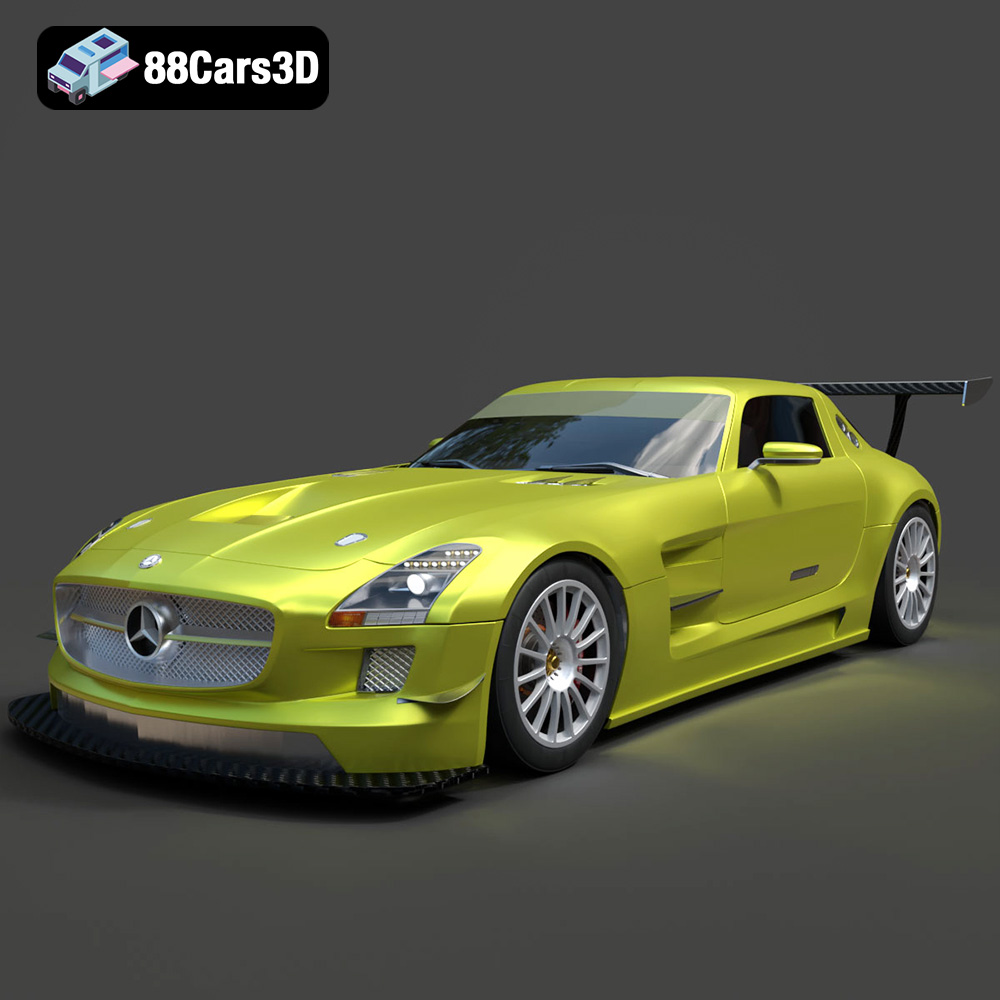
Mercedes-Benz SLS AMG GT3-002 3D Model
Texture: Yes
Material: Yes
Download the Mercedes-Benz SLS AMG GT3-002 3D Model featuring clean geometry, realistic detailing, and a fully modeled interior. Includes .blend, .fbx, .obj, .glb, .stl, .ply, .unreal, and .max formats for rendering, simulation, and game development.
Price: $38.99

Mercedes-Benz C-Class-001 3D Model
Texture: Yes
Material: Yes
Download the Mercedes-Benz C-Class-001 3D Model featuring clean geometry, realistic detailing, and a fully modeled interior. Includes .blend, .fbx, .obj, .glb, .stl, .ply, .unreal, and .max formats for rendering, simulation, and game development.
Price: $38.99
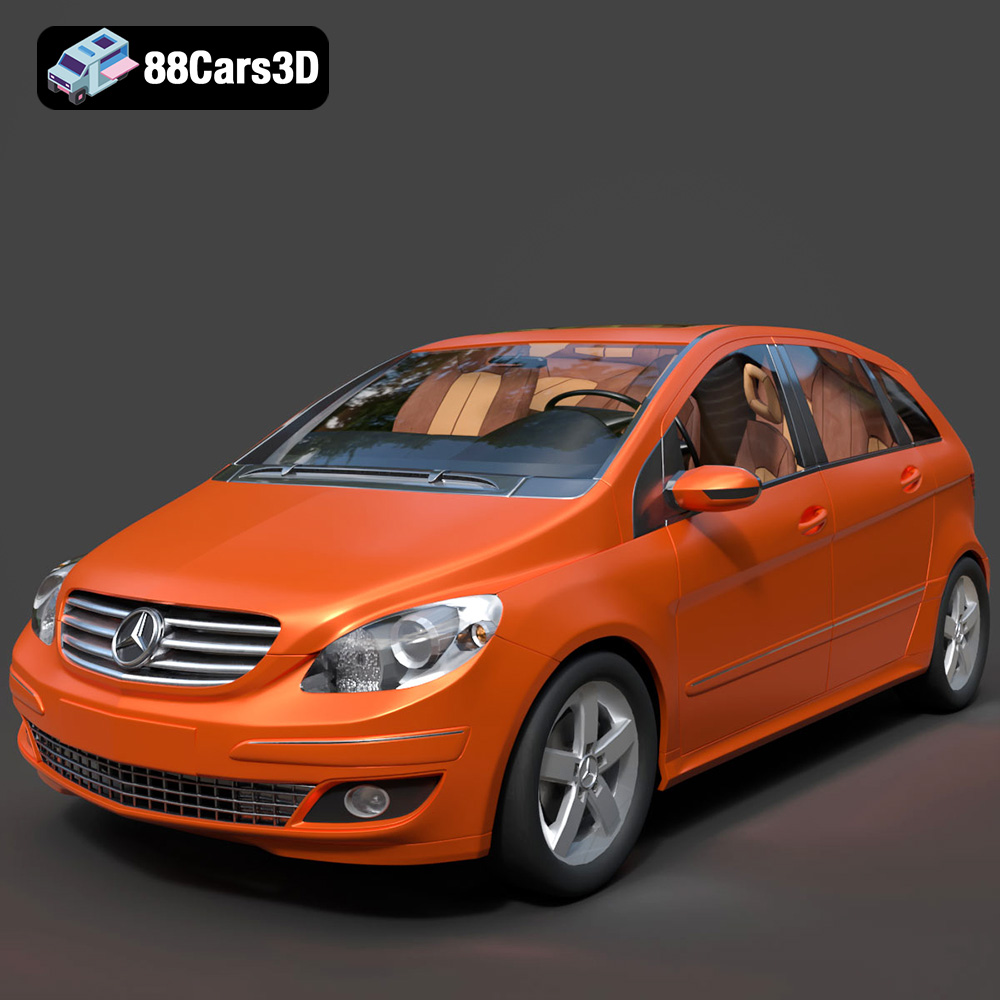
Mercedes-Benz B-Klasse 2023 3D Model
Texture: Yes
Material: Yes
Download the Mercedes-Benz B-Klasse 2023 3D Model featuring clean geometry, realistic detailing, and a fully modeled interior. Includes .blend, .fbx, .obj, .glb, .stl, .ply, .unreal, and .max formats for rendering, simulation, and game development.
Price: $38.99
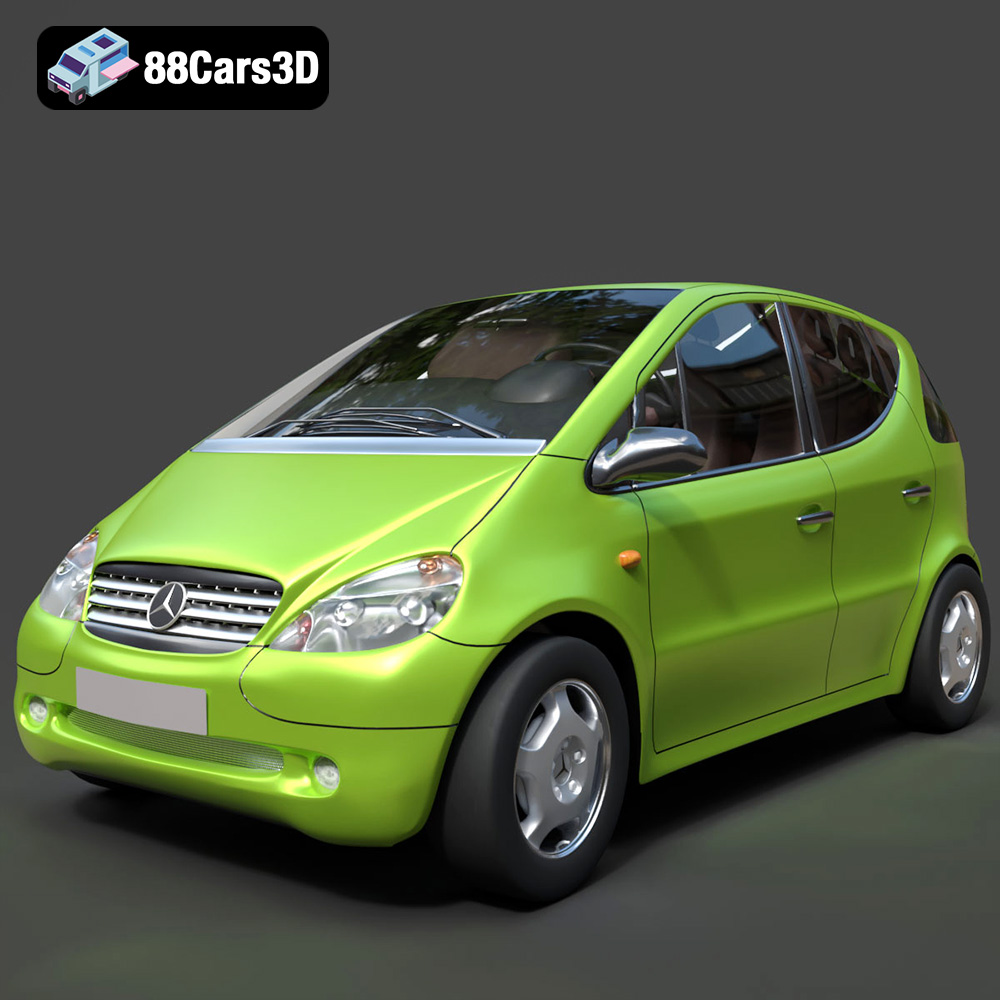
Mercedes-Benz A-Klasse W168 3D Model
Texture: Yes
Material: Yes
Download the Mercedes-Benz A-Klasse W168 3D Model featuring clean geometry, realistic detailing, and a fully modeled interior. Includes .blend, .fbx, .obj, .glb, .stl, .ply, .unreal, and .max formats for rendering, simulation, and game development.
Price: $38.99
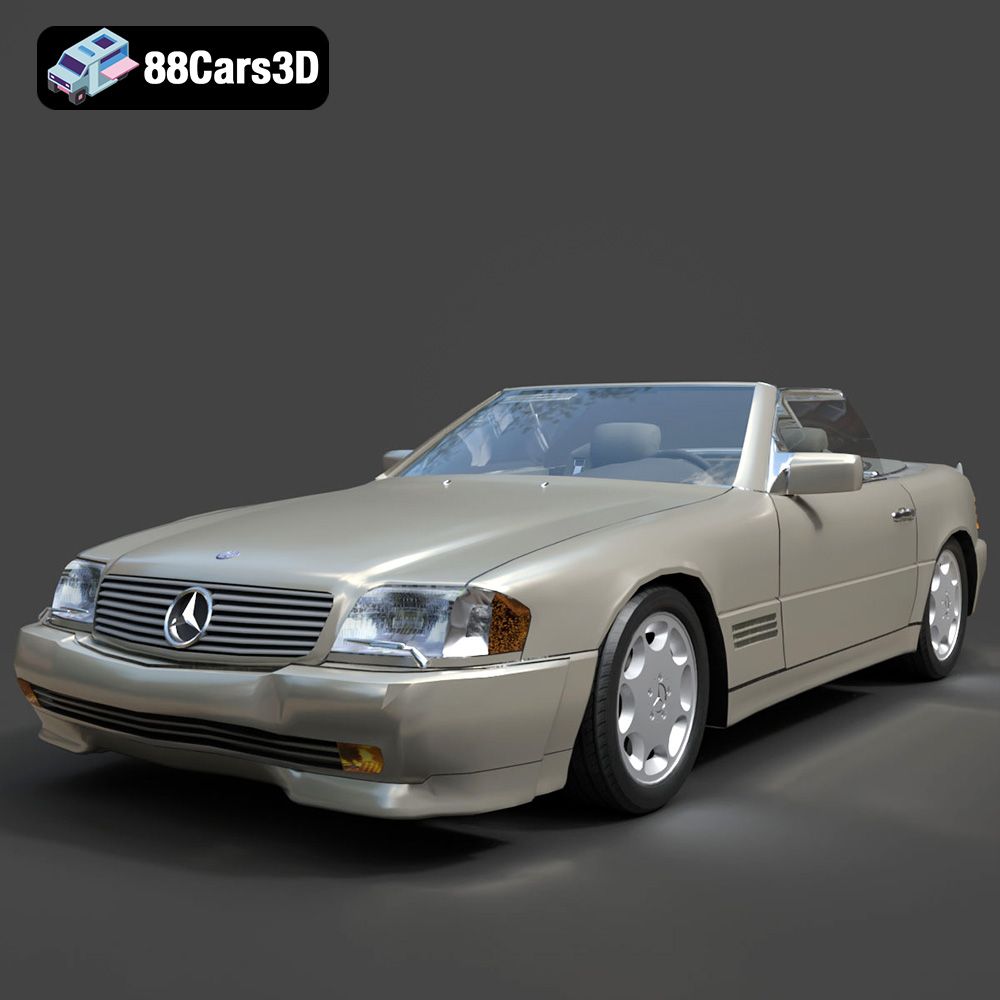
Mercedes-Benz 500SL 2000 3D Model
Texture: Yes
Material: Yes
Download the Mercedes-Benz 500SL 2000 3D Model featuring clean geometry, realistic detailing, and a fully modeled interior. Includes .blend, .fbx, .obj, .glb, .stl, .ply, .unreal, and .max formats for rendering, simulation, and game development.
Price: $38.99
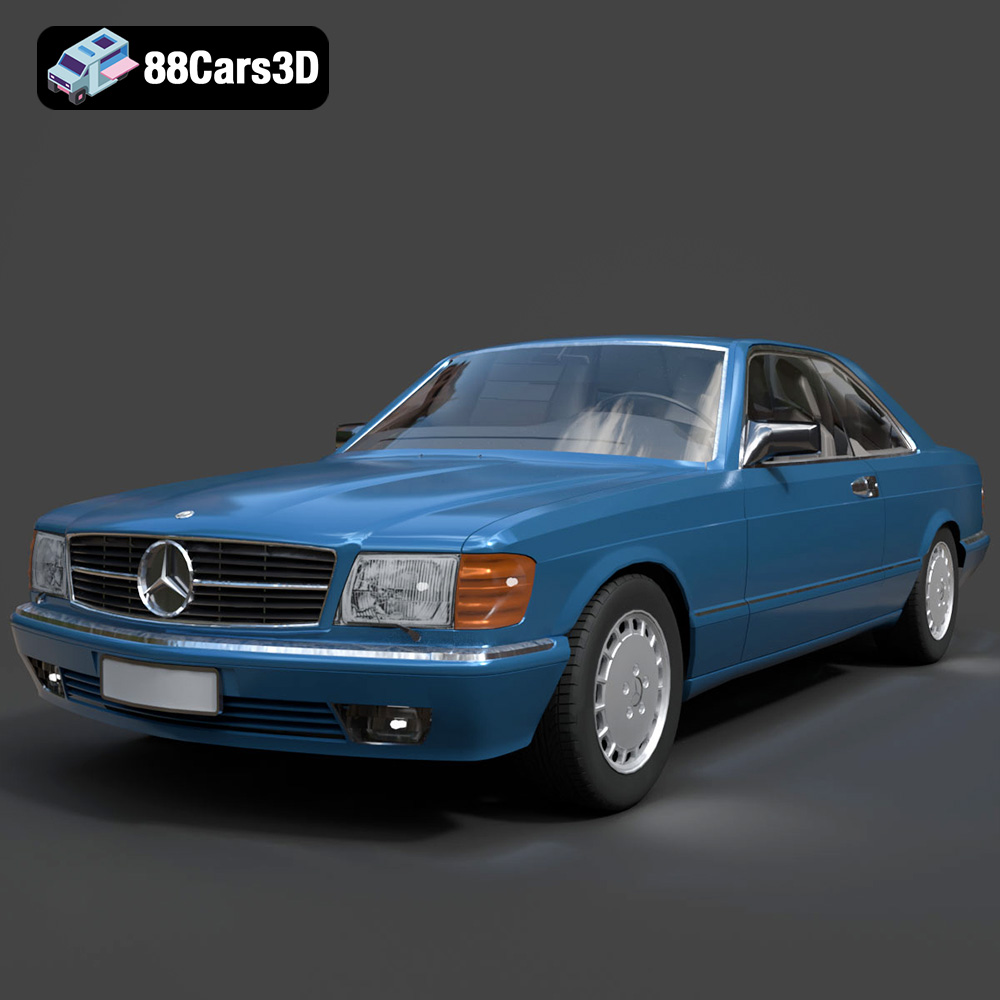
Mercedes-Benz 500SEC 3D Model
Texture: Yes
Material: Yes
Download the Mercedes-Benz 500SEC 3D Model featuring clean geometry, realistic detailing, and a fully modeled interior. Includes .blend, .fbx, .obj, .glb, .stl, .ply, .unreal, and .max formats for rendering, simulation, and game development.
Price: $38.99
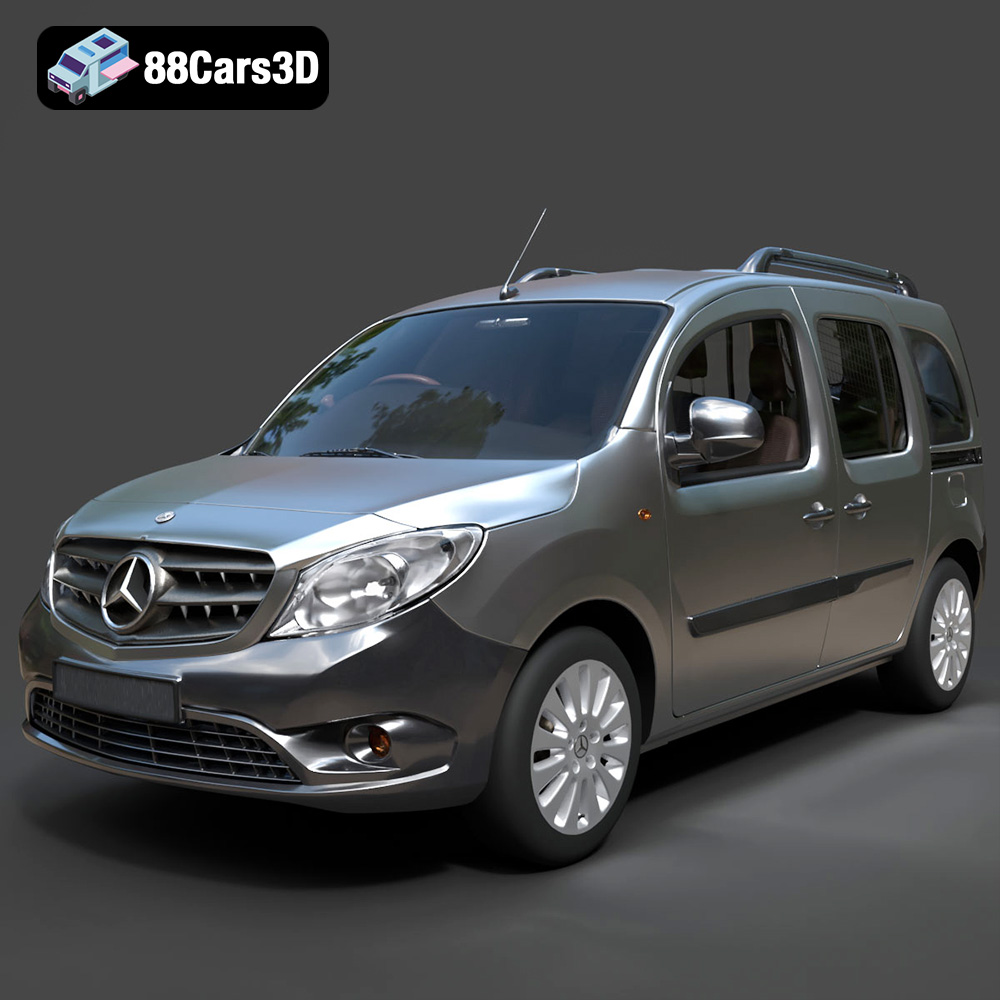
Mercedes-Benz Citan 2025 3D Model
Texture: Yes
Material: Yes
Download the Mercedes-Benz Citan 2025 3D Model featuring clean geometry, realistic detailing, and a fully modeled interior. Includes .blend, .fbx, .obj, .glb, .stl, .ply, .unreal, and .max formats for rendering, simulation, and game development.
Price: $38.99
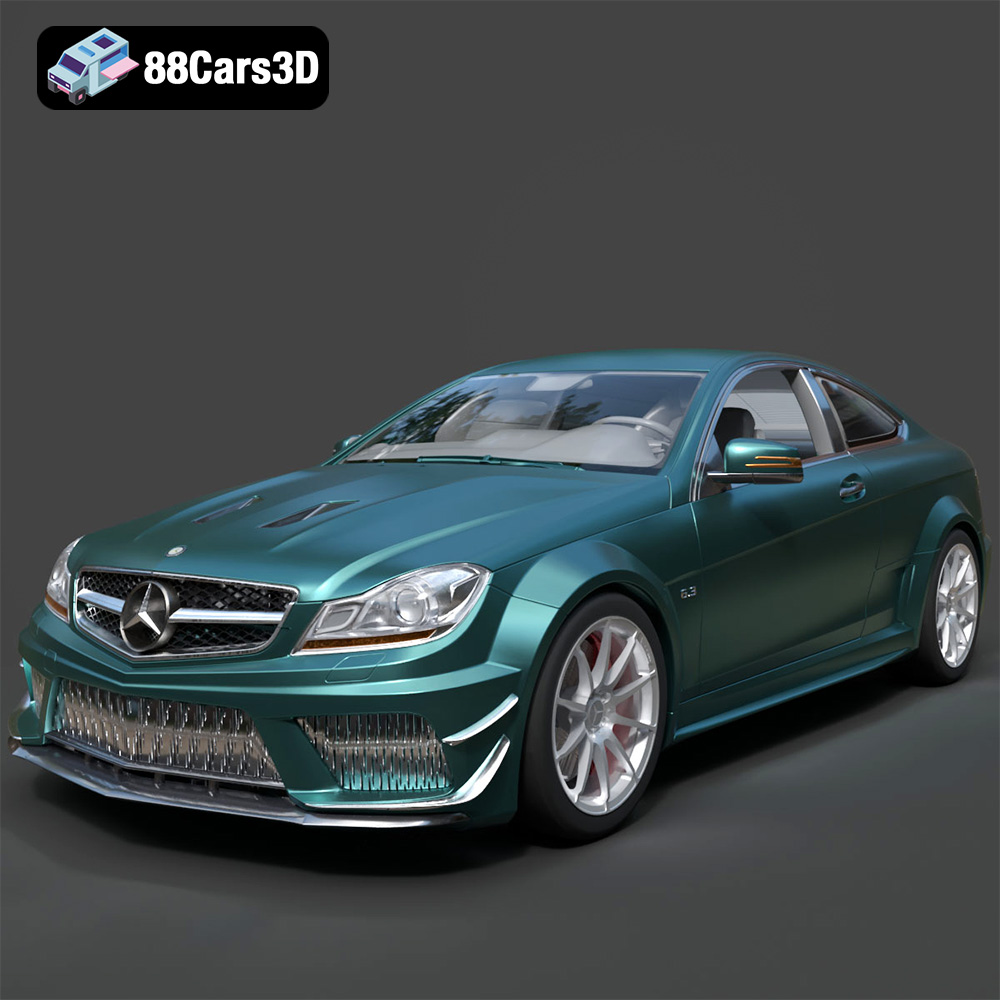
Mercedes-Benz C63 AMG 2012 3D Model
Texture: Yes
Material: Yes
Download the Mercedes-Benz C63 AMG 2012 3D Model featuring clean geometry, realistic detailing, and a fully modeled interior. Includes .blend, .fbx, .obj, .glb, .stl, .ply, .unreal, and .max formats for rendering, simulation, and game development.
Price: $38.99
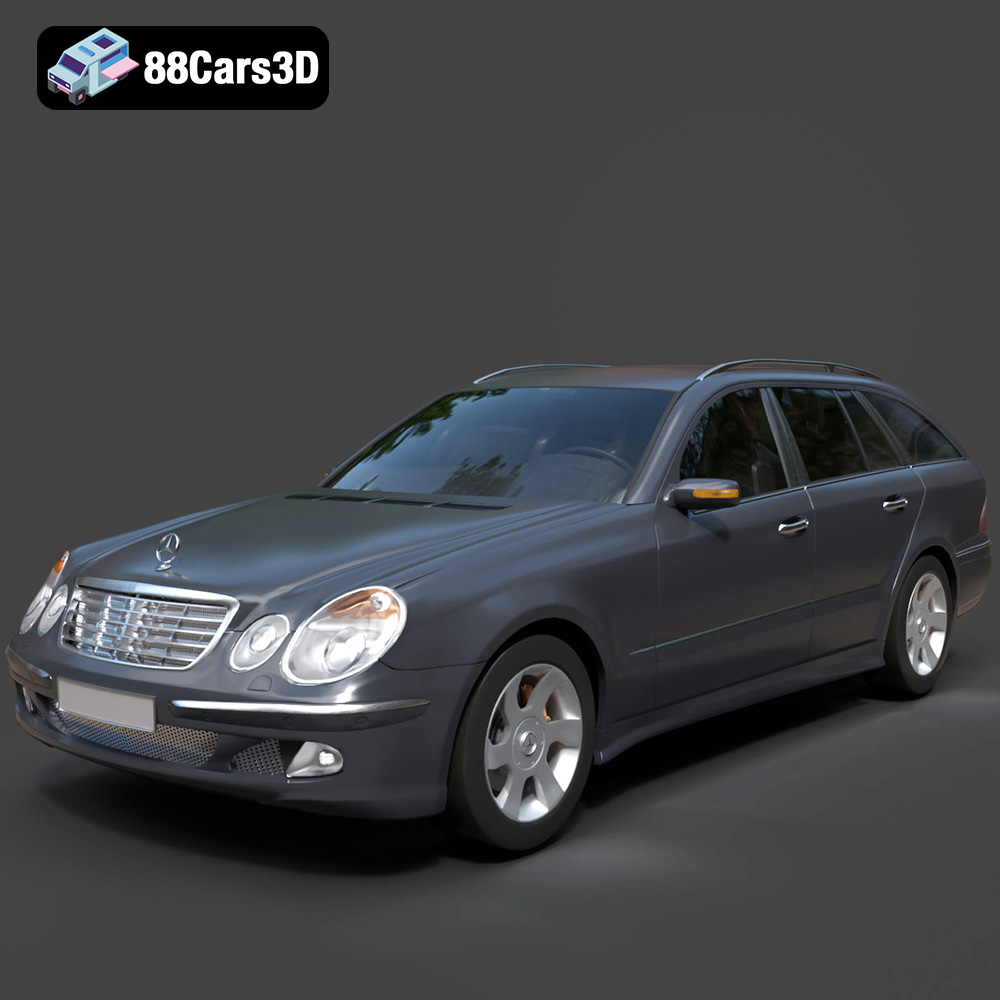
Mercedes-Benz E-Class S211 3D Model
Texture: Yes
Material: Yes
Download the Mercedes-Benz E-Class S211 3D Model featuring clean geometry, realistic detailing, and a fully modeled interior. Includes .blend, .fbx, .obj, .glb, .stl, .ply, .unreal, and .max formats for rendering, simulation, and game development.
Price: $38.99
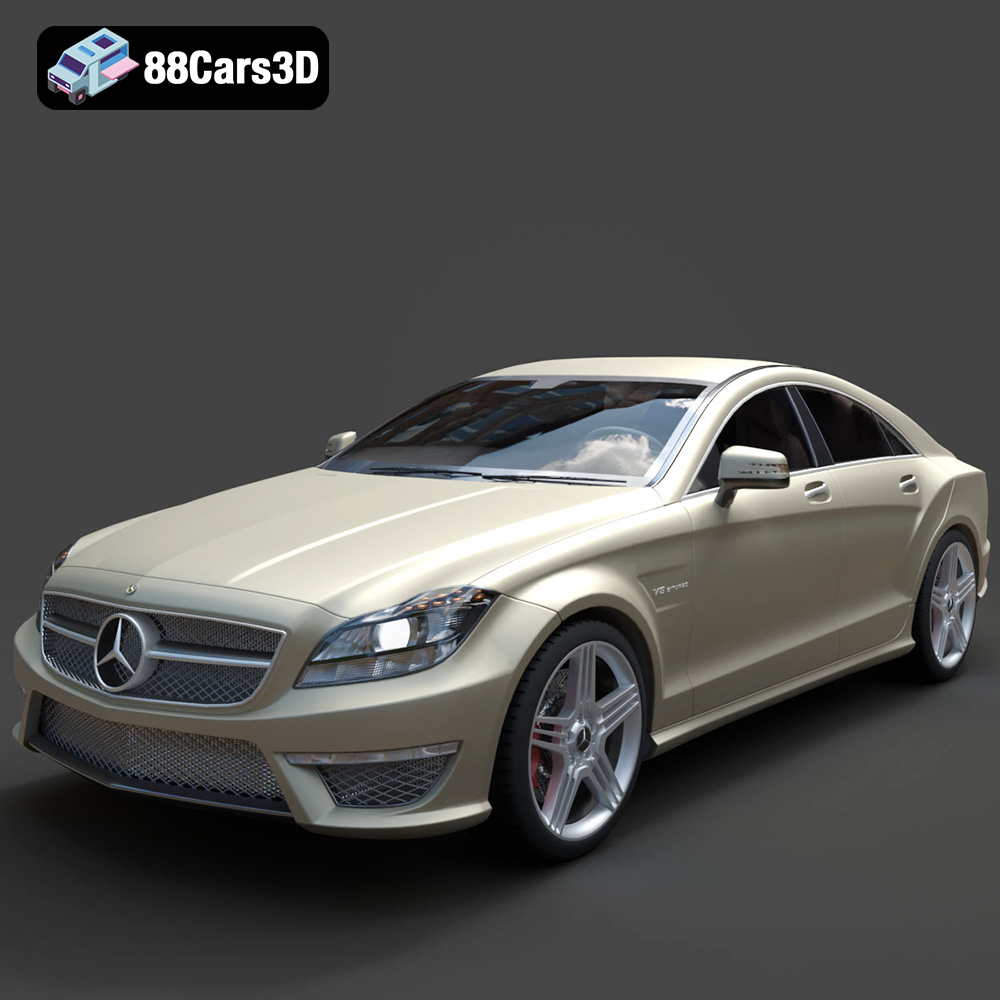
Mercedes-Benz CLS63 AMG (C218) 2014 3D Model
Texture: Yes
Material: Yes
Download the Mercedes-Benz CLS63 AMG (C218) 2014 3D Model featuring clean geometry, realistic detailing, and a fully modeled interior. Includes .blend, .fbx, .obj, .glb, .stl, .ply, .unreal, and .max formats for rendering, simulation, and game development.
Price: $38.99
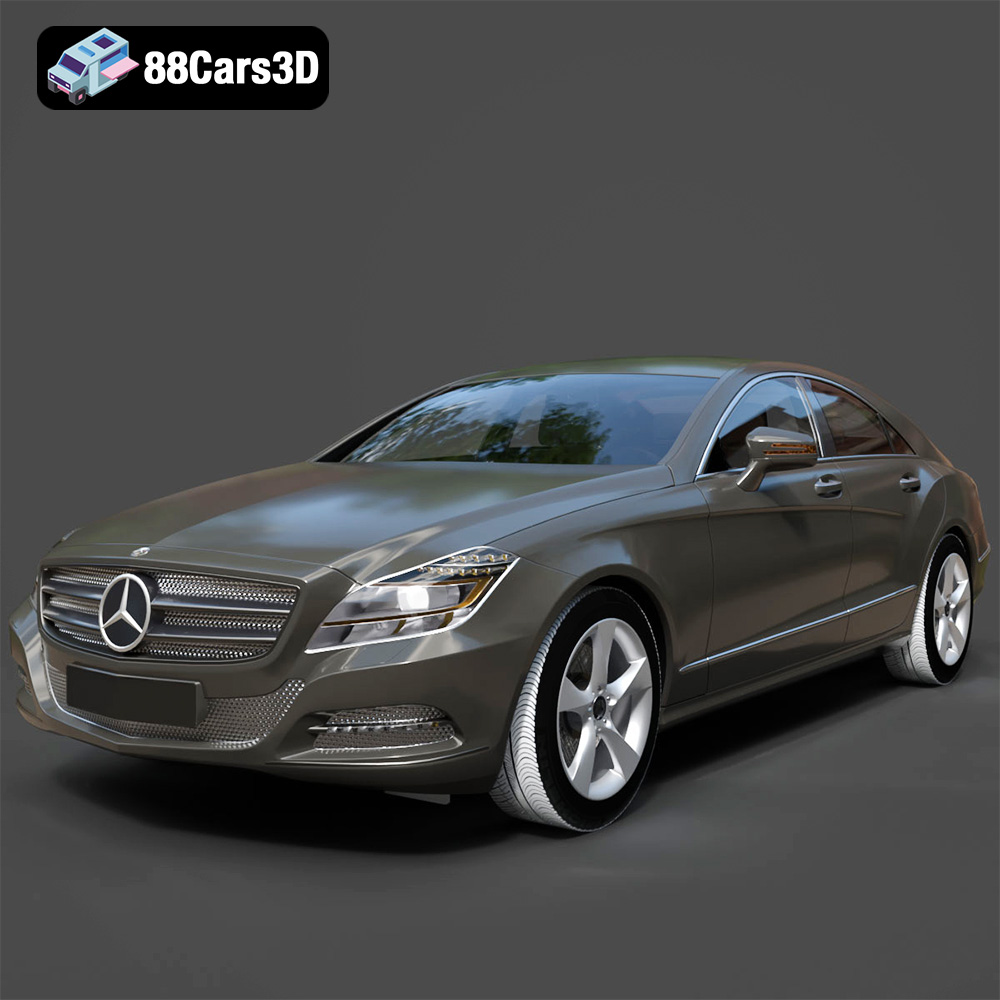
Mercedes-Benz CLS-Klasse 3D Model
Texture: Yes
Material: Yes
Download the Mercedes-Benz CLS-Klasse 3D Model featuring clean geometry, realistic detailing, and a fully modeled interior. Includes .blend, .fbx, .obj, .glb, .stl, .ply, .unreal, and .max formats for rendering, simulation, and game development.
Price: $38.99
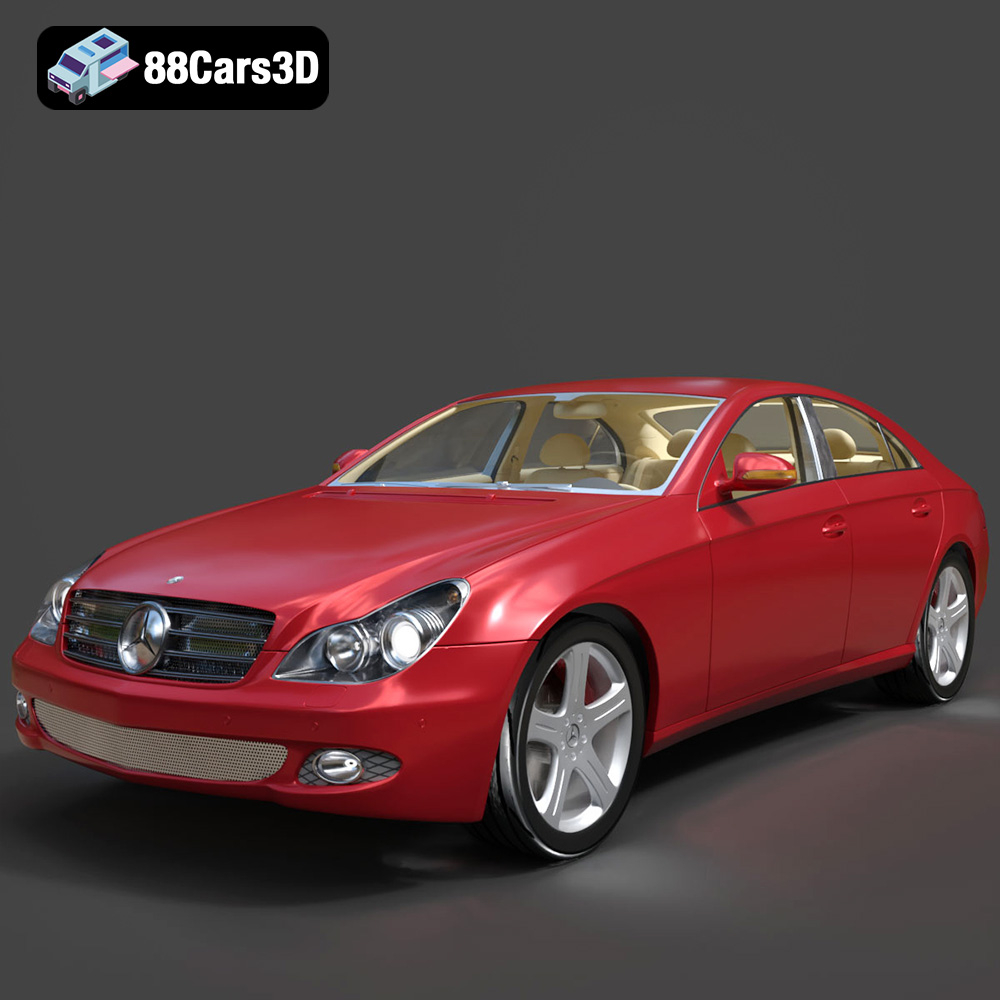
Mercedes-Benz CLS 500 3D Model
Texture: Yes
Material: Yes
Download the Mercedes-Benz CLS 500 3D Model featuring clean geometry, realistic detailing, and a fully modeled interior. Includes .blend, .fbx, .obj, .glb, .stl, .ply, .unreal, and .max formats for rendering, simulation, and game development.
Price: $38.99

Mercedes-Benz CL-Klasse 2001 3D Model
Texture: Yes
Material: Yes
Download the Mercedes-Benz CL-Klasse 2001 3D Model featuring clean geometry, realistic detailing, and a fully modeled interior. Includes .blend, .fbx, .obj, .glb, .stl, .ply, .unreal, and .max formats for rendering, simulation, and game development.
Price: $38.99
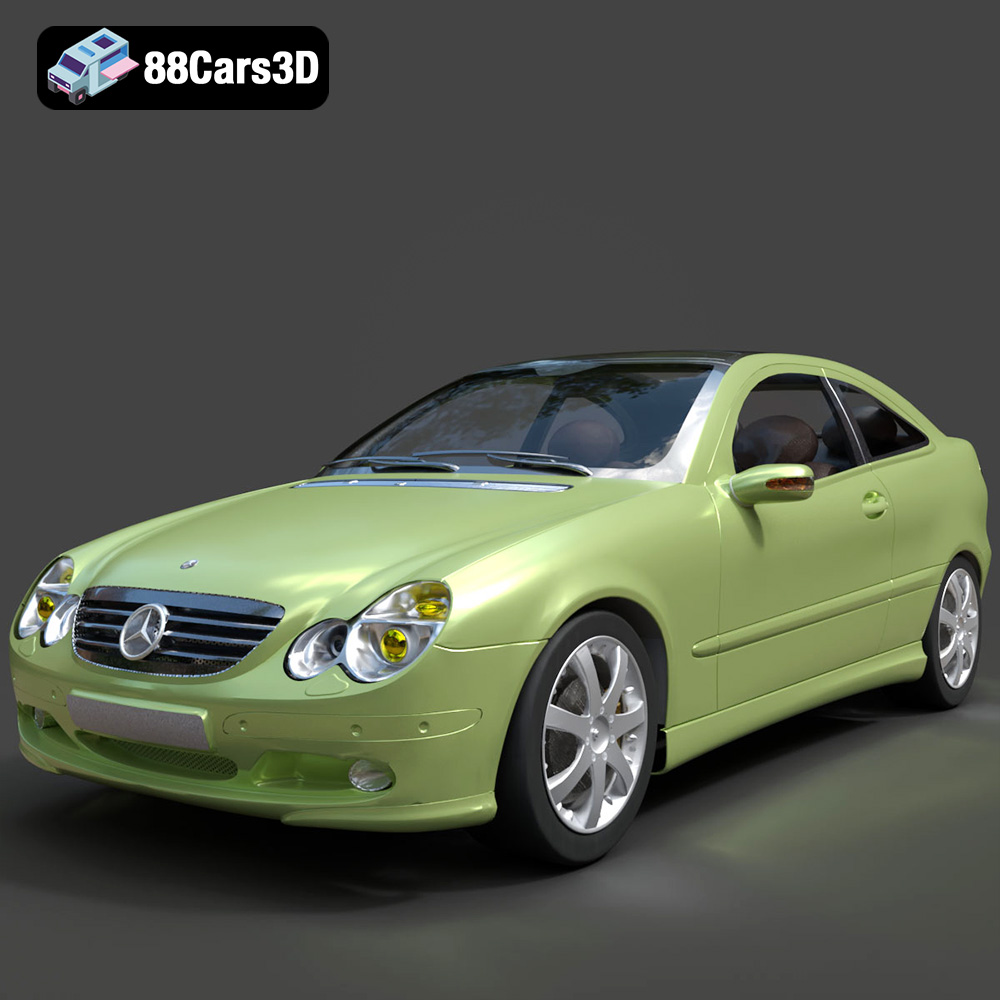
Mercedes-Benz C-Klasse Sportcoupe 2000 3D Model
Texture: Yes
Material: Yes
Download the Mercedes-Benz C-Klasse Sportcoupe 2000 3D Model featuring clean geometry, realistic detailing, and a fully modeled interior. Includes .blend, .fbx, .obj, .glb, .stl, .ply, .unreal, and .max formats for rendering, simulation, and game development.
Price: $38.99
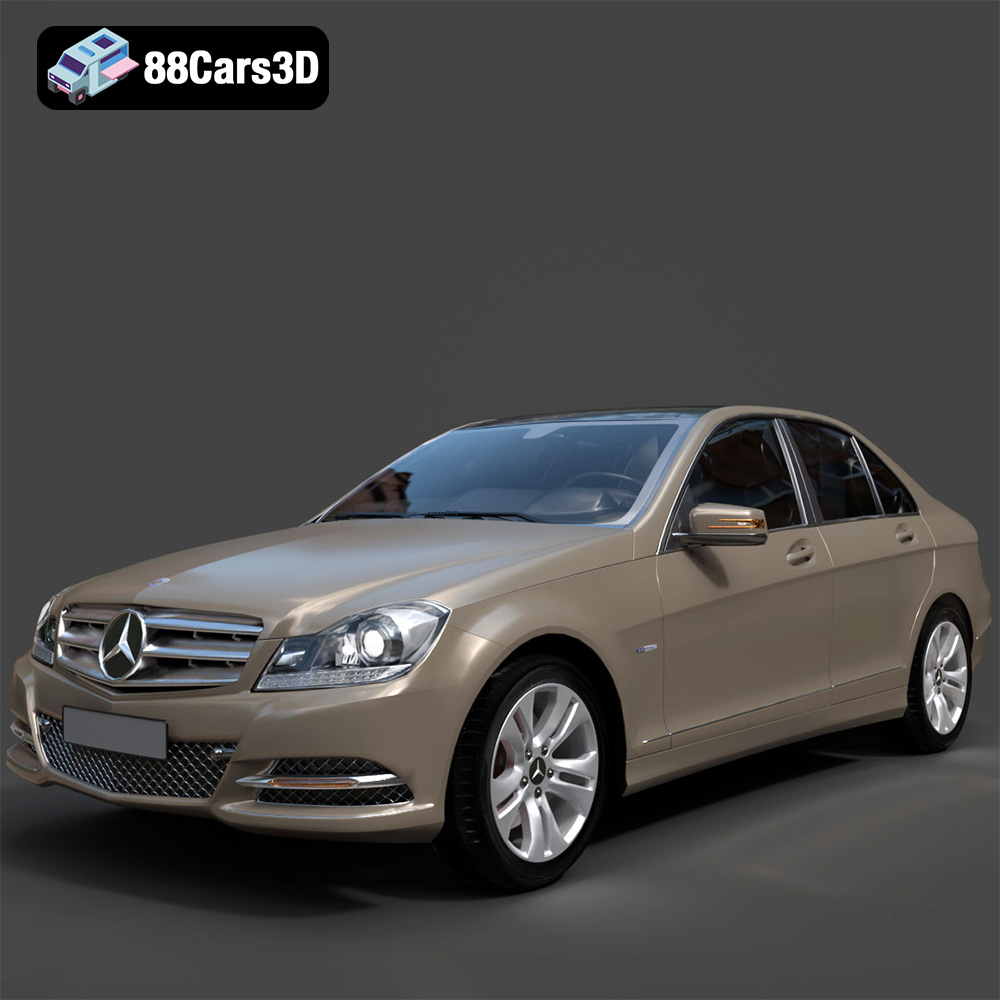
Mercedes-Benz C-Klasse 204 2011 3D Model
Texture: Yes
Material: Yes
Download the Mercedes-Benz C-Klasse 204 2011 3D Model featuring clean geometry, realistic detailing, and a fully modeled interior. Includes .blend, .fbx, .obj, .glb, .stl, .ply, .unreal, and .max formats for rendering, simulation, and game development.
Price: $38.99
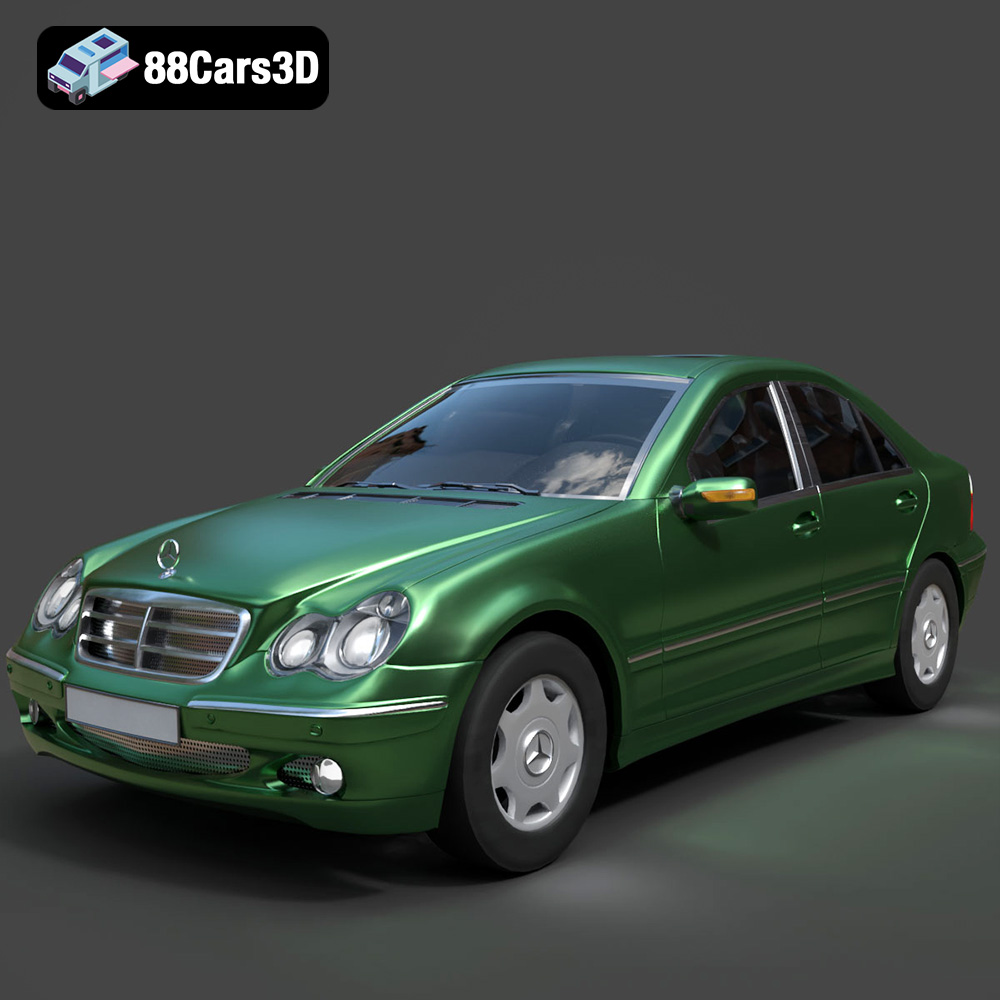
Mercedes-Benz C-Class Sedan 2000 3D Model
Texture: Yes
Material: Yes
Download the Mercedes-Benz C-Class Sedan 3D Model featuring clean geometry, realistic detailing, and a fully modeled interior. Includes .blend, .fbx, .obj, .glb, .stl, .ply, .unreal, and .max formats for rendering, simulation, and game development.
Price: $38.99
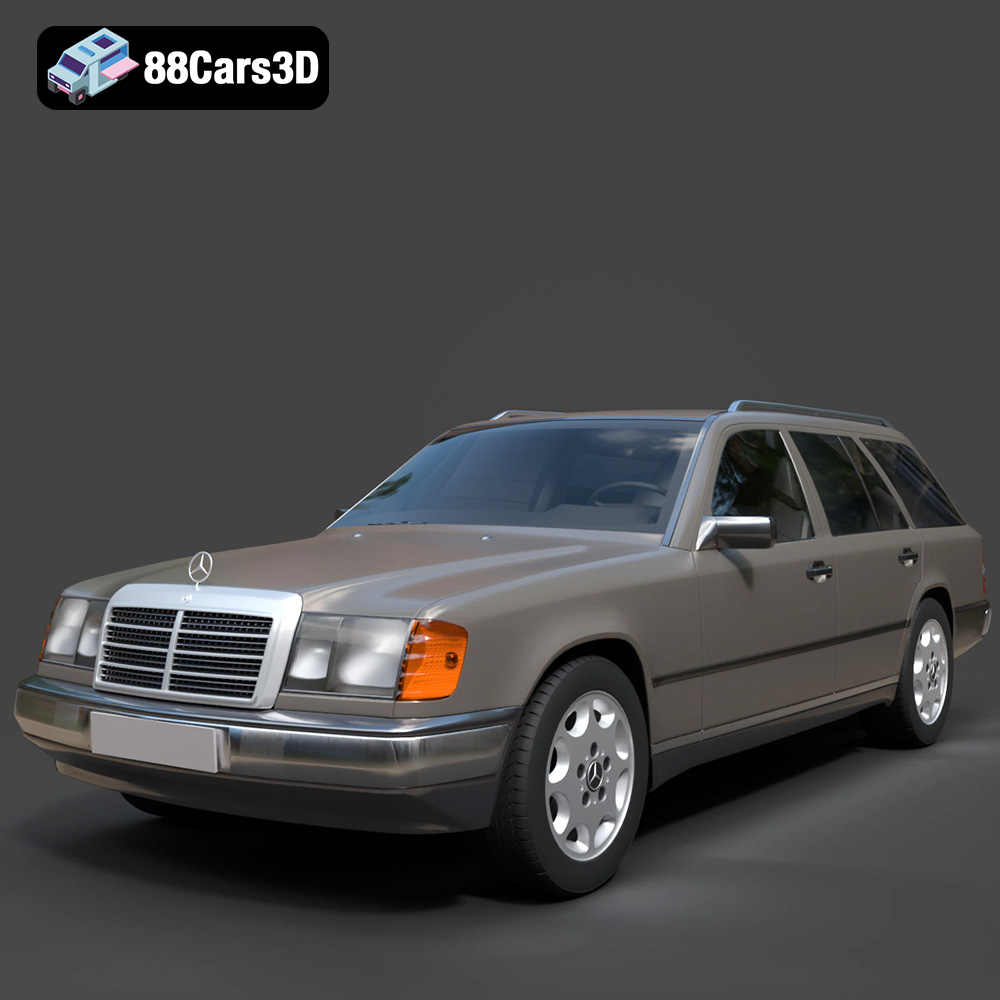
Mercedes E-Class w124 Kombi 3D Model
Texture: Yes
Material: Yes
Download the Mercedes E-Class w124 Kombi 3D Model featuring clean geometry, realistic detailing, and a fully modeled interior. Includes .blend, .fbx, .obj, .glb, .stl, .ply, .unreal, and .max formats for rendering, simulation, and game development.
Price: $38.99
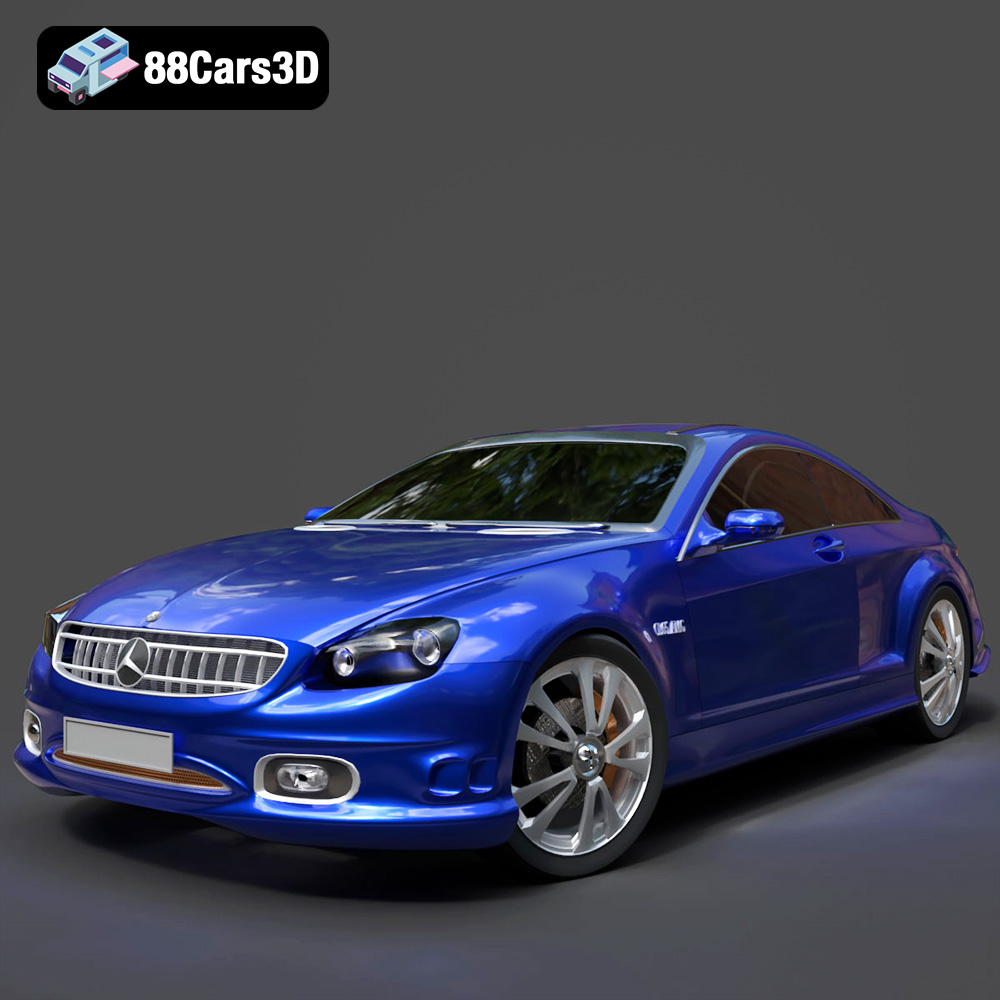
Mercedes-Benz CL6540-005 3D Model
Texture: Yes
Material: Yes
Download the Mercedes-Benz CL6540-005 3D Model featuring clean geometry, realistic detailing, and a fully modeled interior. Includes .blend, .fbx, .obj, .glb, .stl, .ply, .unreal, and .max formats for rendering, simulation, and game development.
Price: $38.99
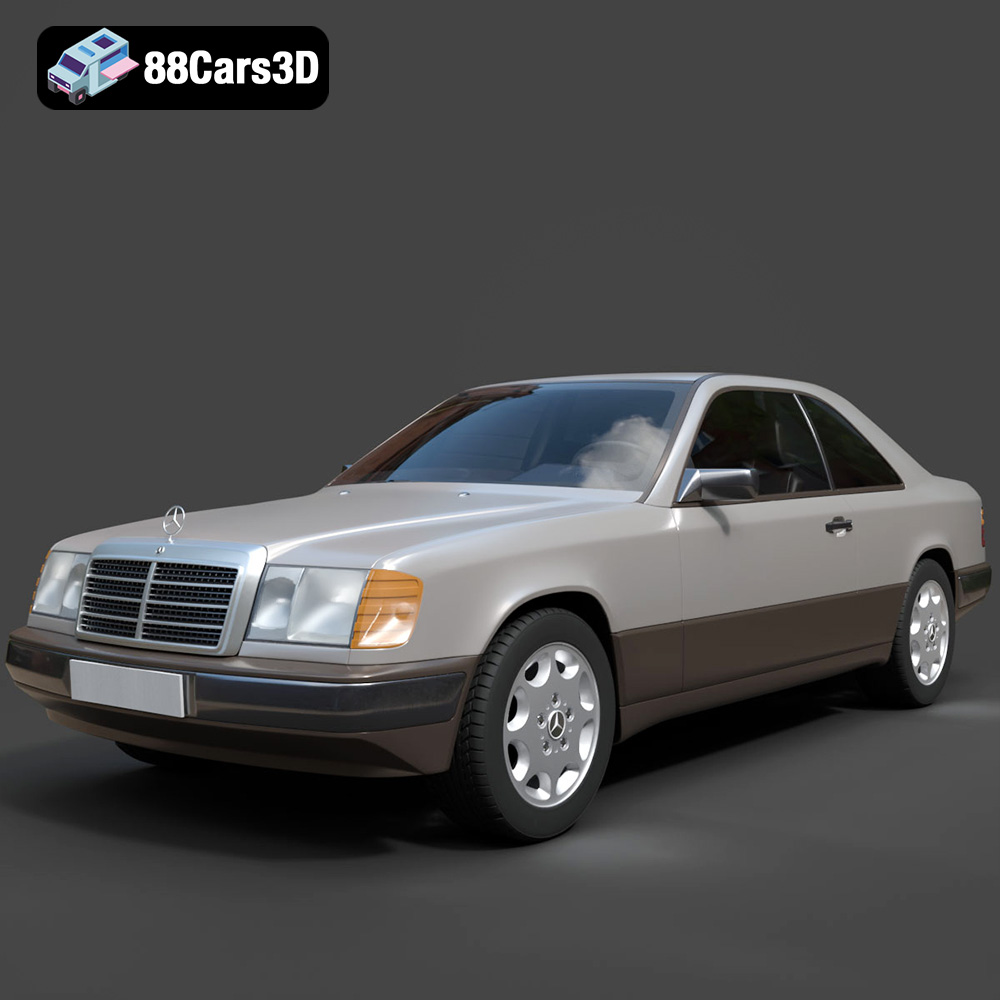
Mercedes E-Class w124 Coupe 3D Model
Texture: Yes
Material: Yes
Download the Mercedes E-Class w124 Coupe 3D Model featuring clean geometry, realistic detailing, and a fully modeled interior. Includes .blend, .fbx, .obj, .glb, .stl, .ply, .unreal, and .max formats for rendering, simulation, and game development.
Price: $38.99
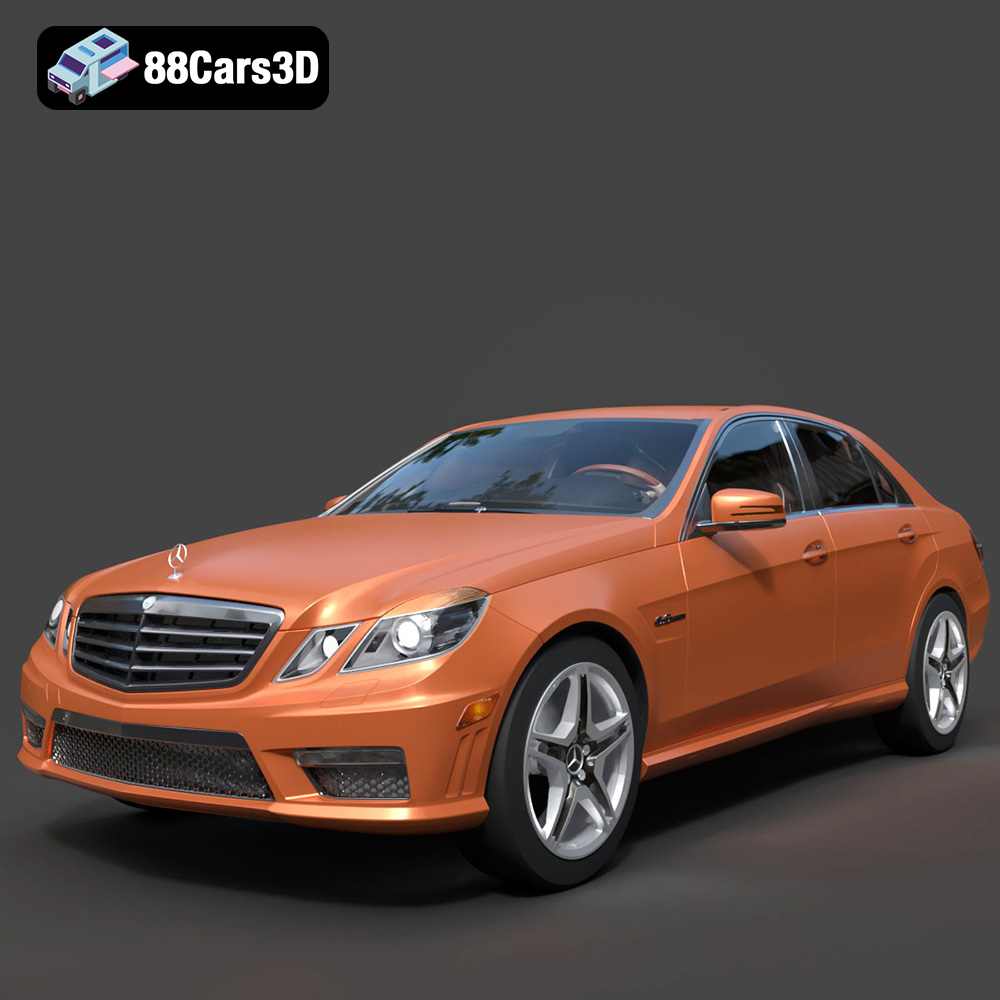
Mercedes-Benz E-Klasse 63 AMG 3D Model
Texture: Yes
Material: Yes
Download the Mercedes-Benz E-Klasse 63 AMG 3D Model featuring clean geometry, realistic detailing, and a fully modeled interior. Includes .blend, .fbx, .obj, .glb, .stl, .ply, .unreal, and .max formats for rendering, simulation, and game development.
Price: $38.99
