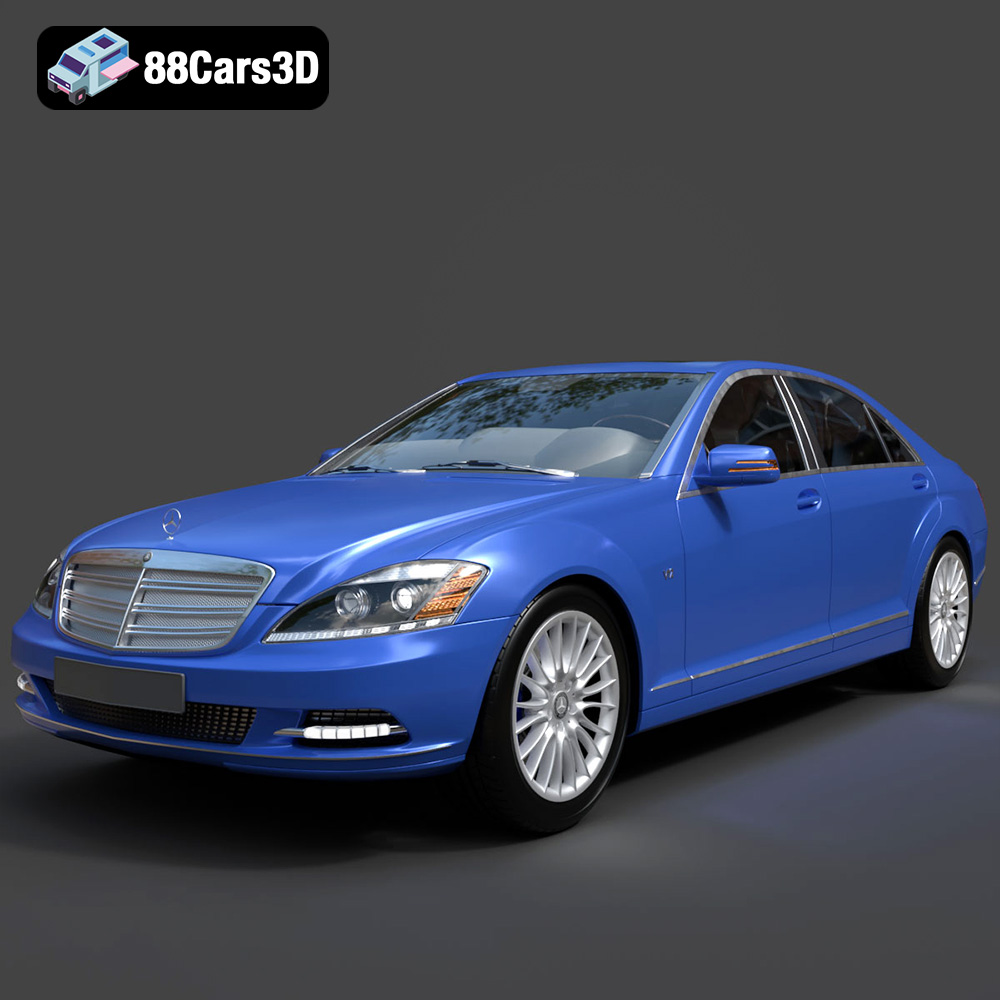
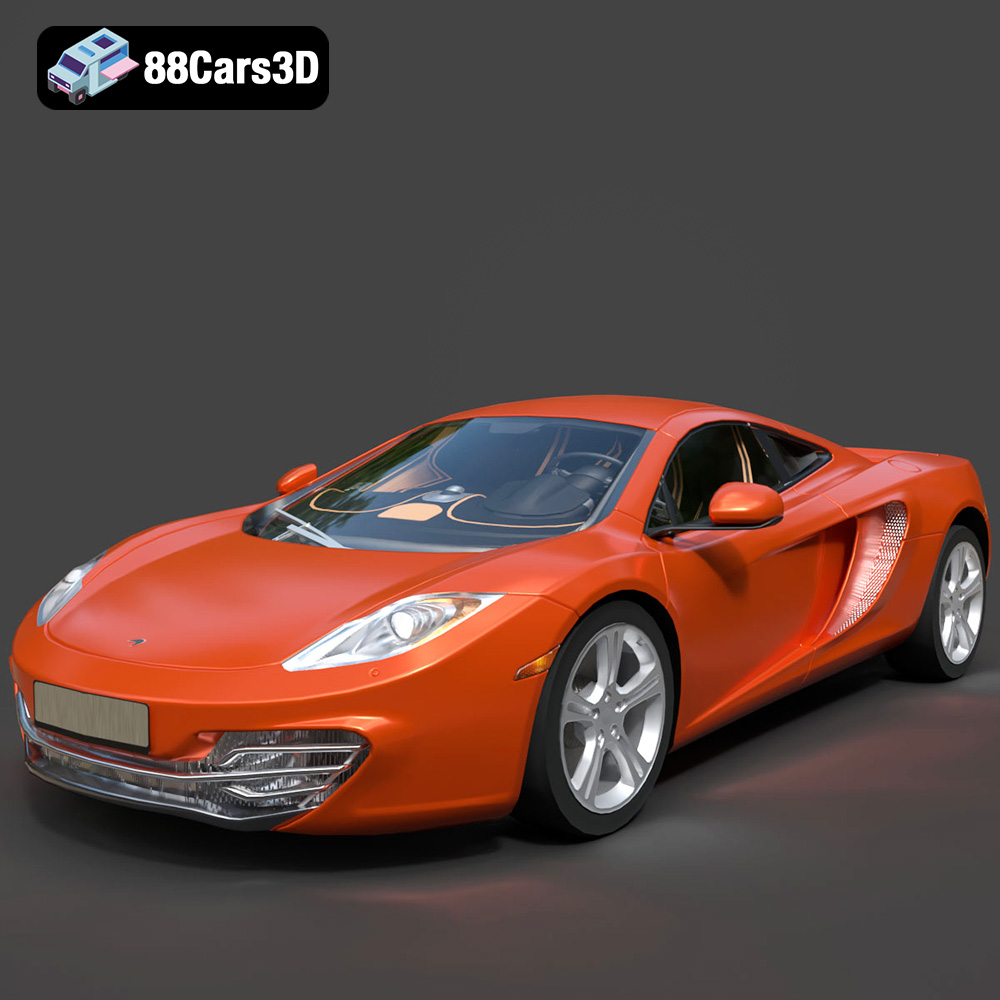
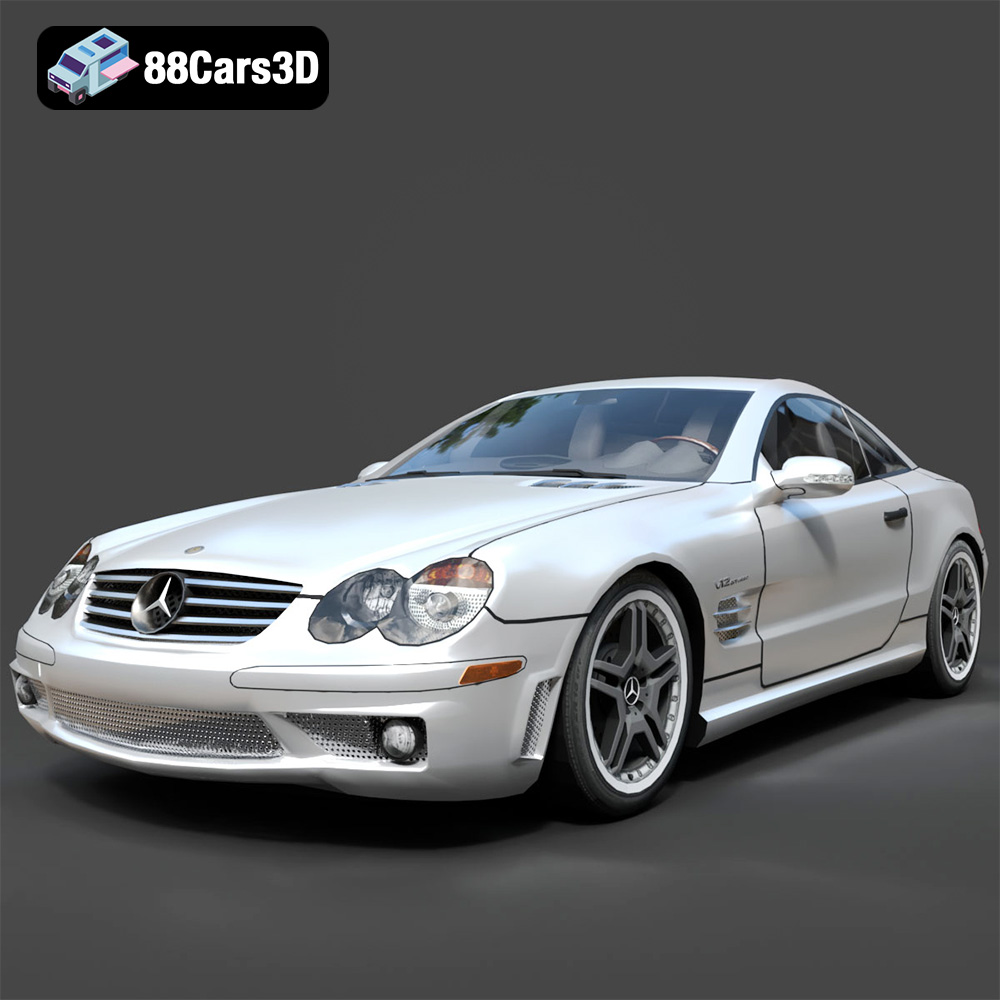
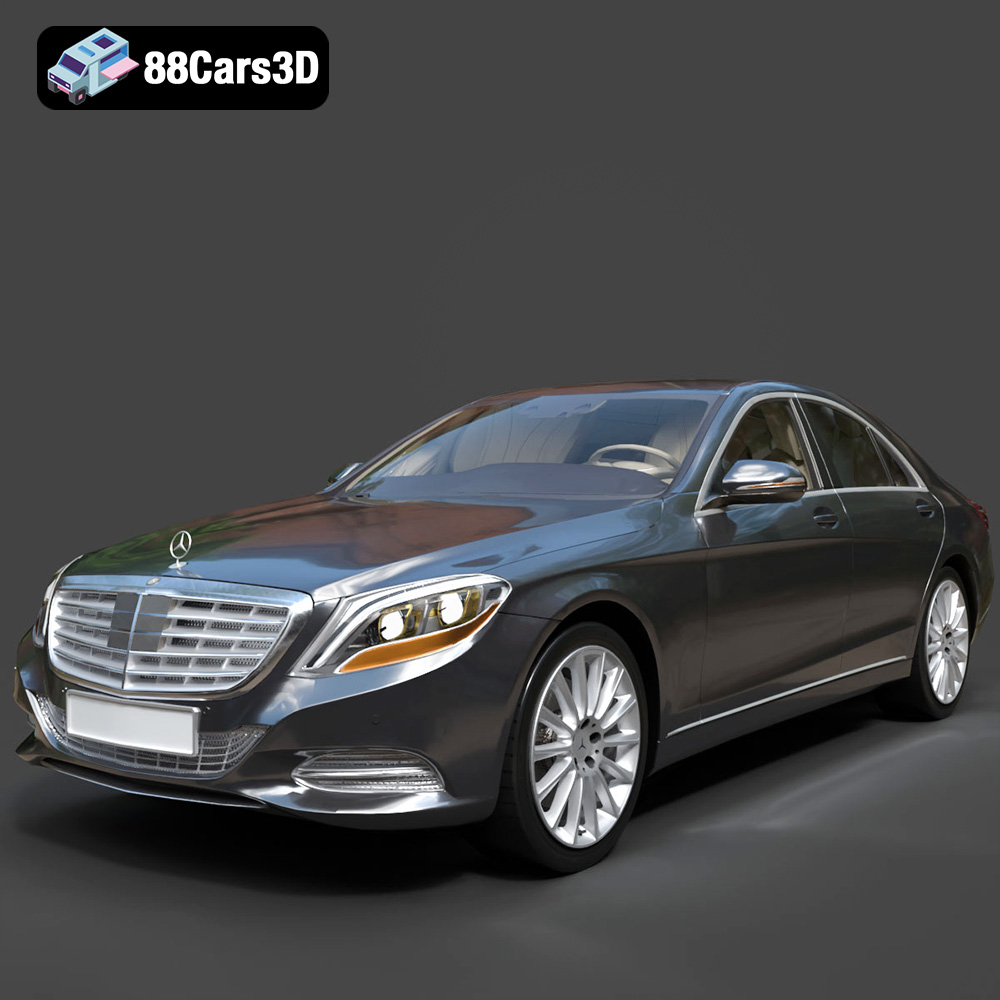
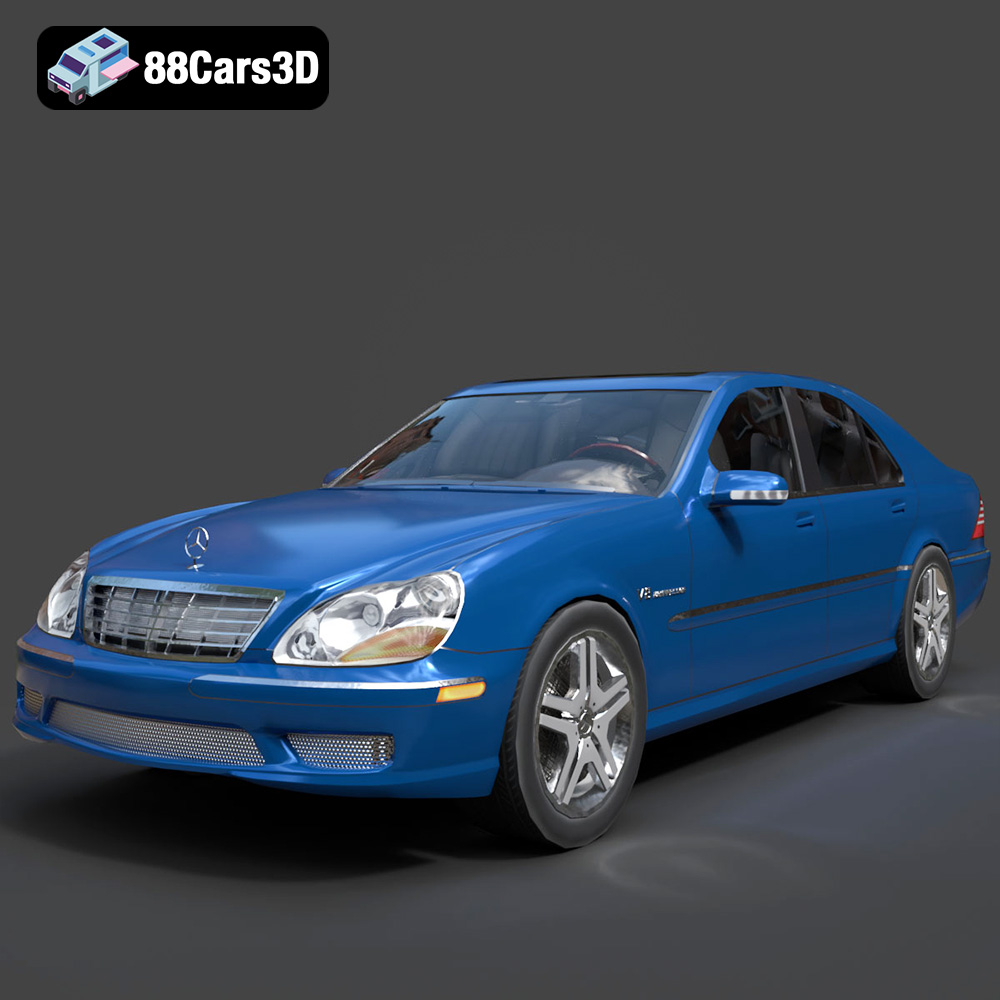
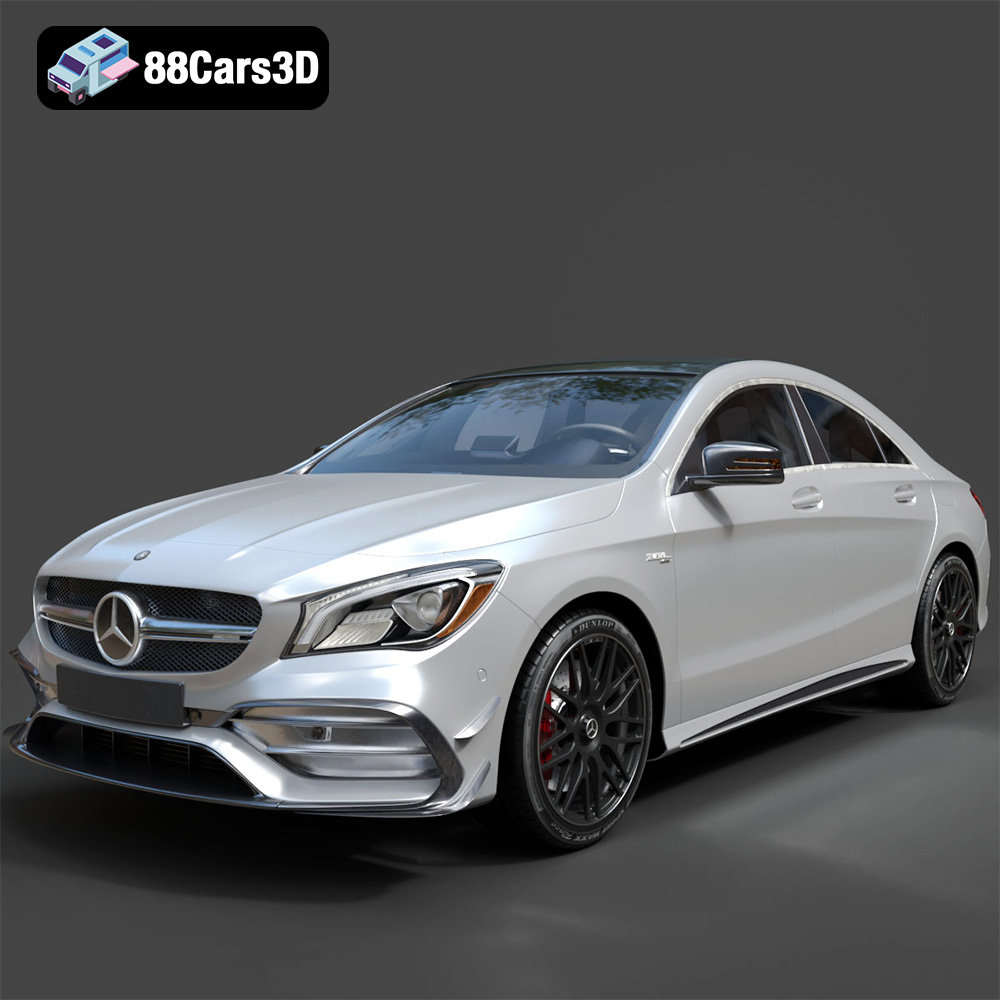
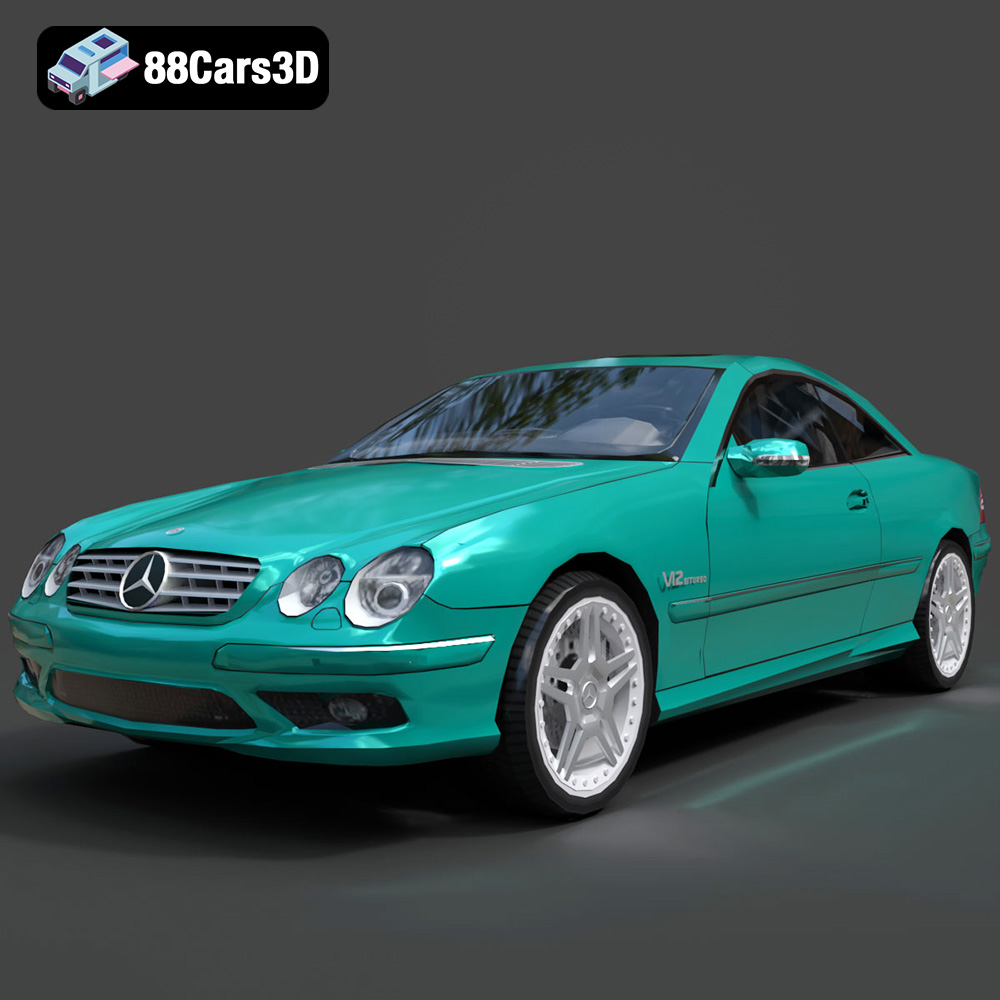
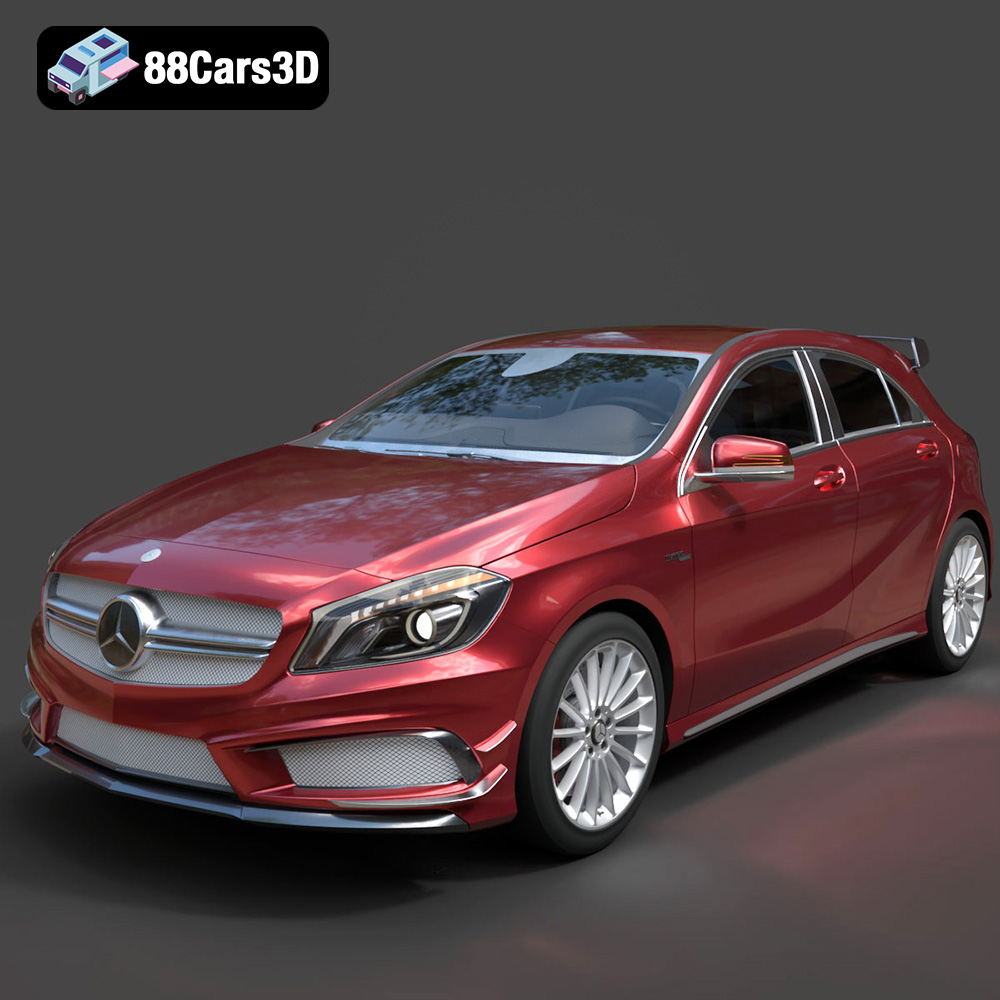
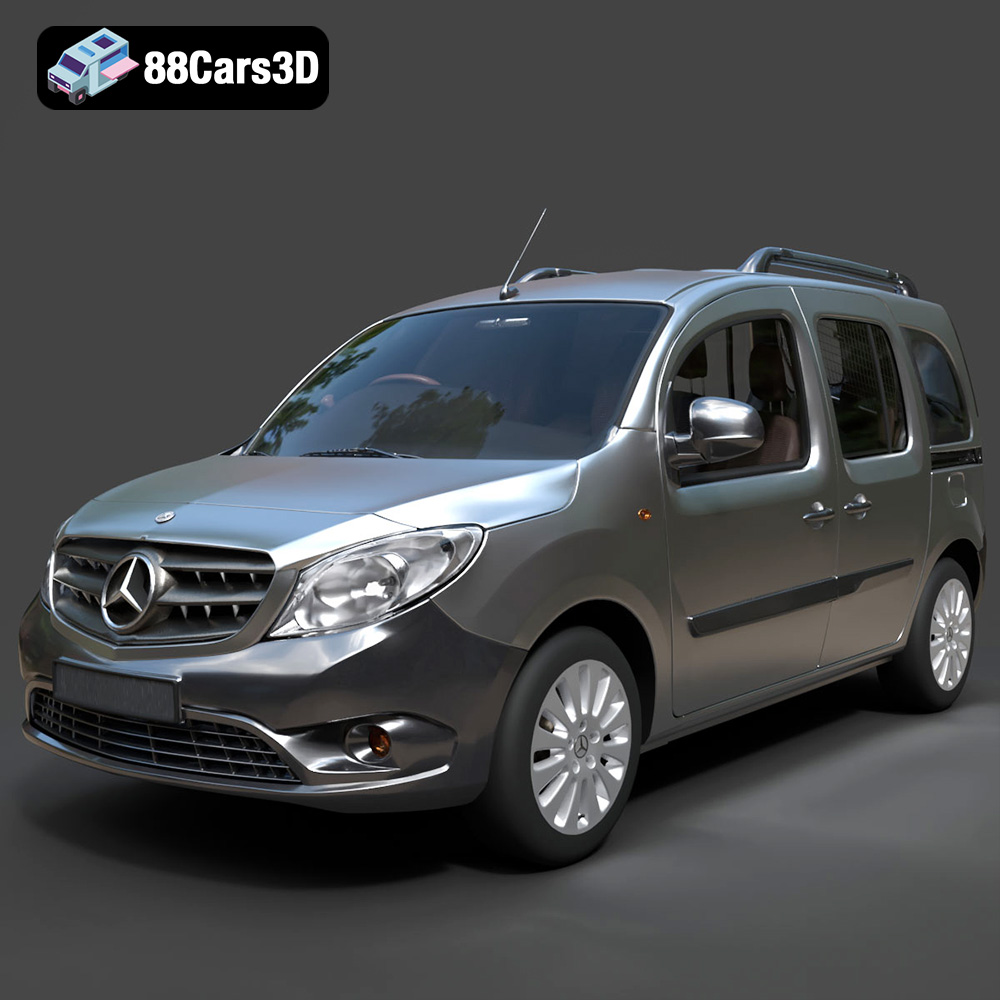
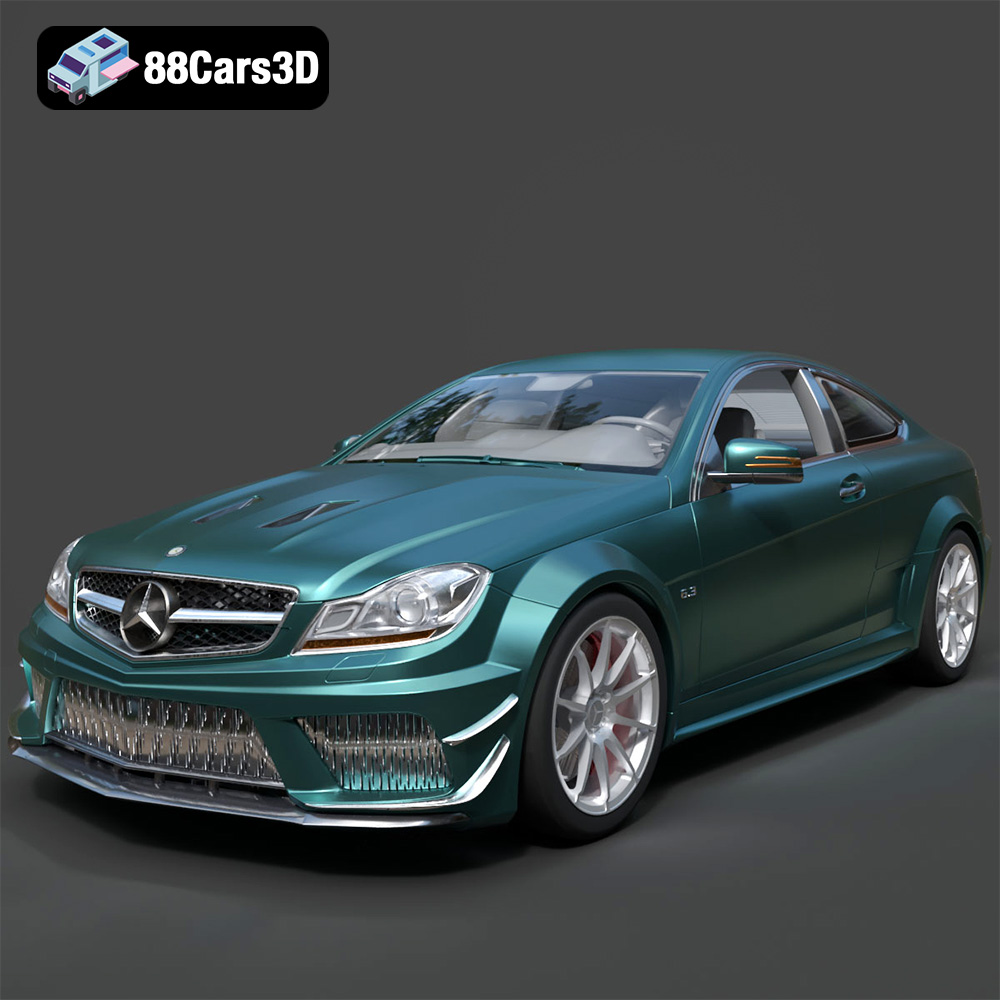
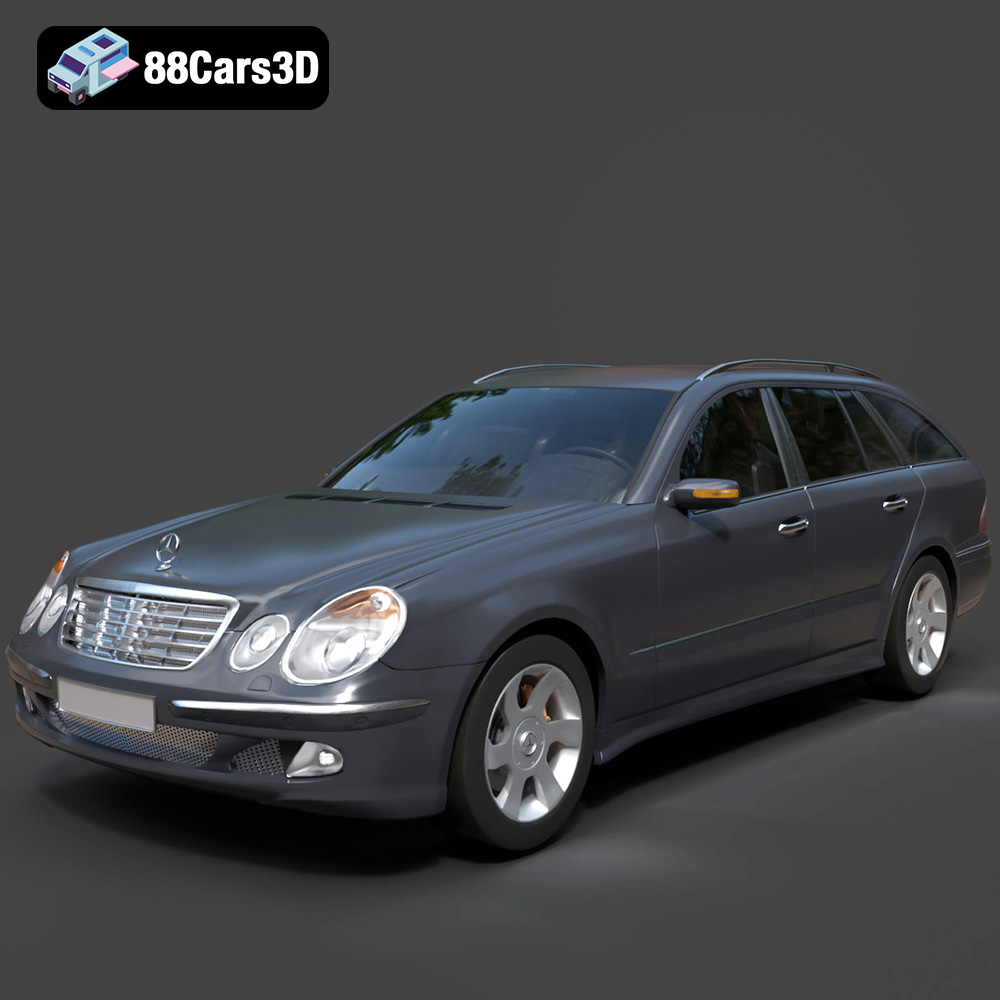
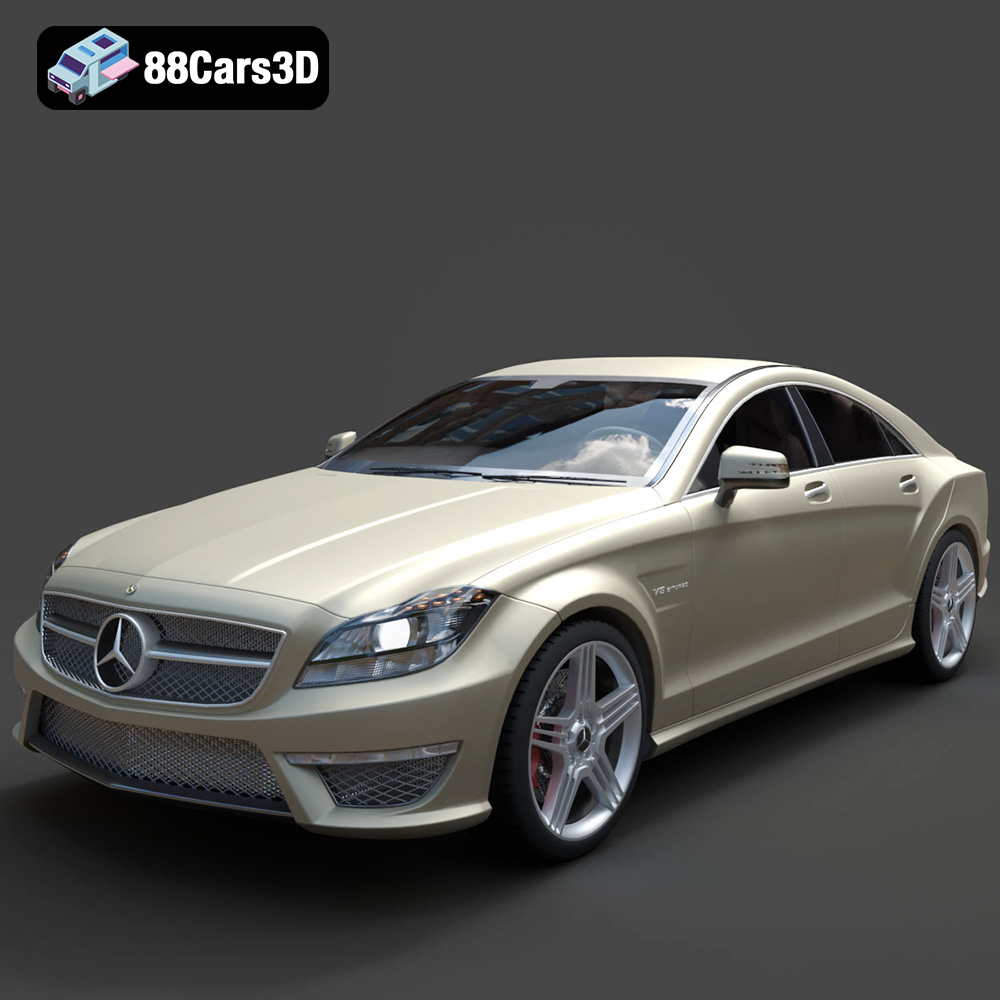
The Ultimate Guide to Using 3D Car Models: From Photorealistic Renders to Real-Time Game Assets

The Ultimate Guide to Using 3D Car Models: From Photorealistic Renders to Real-Time Game Assets
There’s a unique magic to a perfectly rendered car. The way light glints off a curved fender, the intricate detail in a headlight assembly, the subtle imperfections on a tire sidewall—these elements combine to create images that can be indistinguishable from reality. But behind every stunning automotive render or thrilling racing game is a foundational element: a high-quality 3D car model. Acquiring a great model is just the first step; unlocking its full potential requires a deep understanding of optimization, texturing, lighting, and engine-specific workflows. This guide will take you through the entire lifecycle of using professional 3D car models, from selecting the right asset to deploying it in photorealistic renders and high-performance game environments.
Choosing the Right 3D Car Model: The Foundation of Quality
Not all 3D models are created equal. The success of your project hinges on selecting an asset that is appropriate for your final output. Rushing this stage can lead to countless hours of frustrating fixes later in the pipeline. Here’s what to look for.
Understanding Polygon Count and Topology
The geometry of a model is its skeleton. A high polygon count generally means more detail, making it ideal for close-up shots and cinematic automotive rendering. For these use cases, models can range from 500,000 to several million polygons. However, the most crucial factor is topology—the flow of the polygons. Look for clean, quad-based topology. Quads (four-sided polygons) subdivide smoothly and deform predictably, which is essential for capturing the subtle, flowing curves of a car’s bodywork. Poor topology, often characterized by messy triangles and complex poles (vertices with more than five connecting edges), will cause visible pinching and artifacts in reflections.
The Importance of High-Quality Textures and UVs
A great model is nothing without great materials. This starts with the UV map, which is the 2D representation of the 3D model’s surface, acting as a blueprint for applying textures. A professional model should have clean, non-overlapping UVs with minimal distortion. This ensures that textures like decals, dirt maps, and carbon fiber patterns apply correctly without stretching. For materials, look for models that use a PBR (Physically Based Rendering) workflow, with high-resolution textures (4K or 8K) for key components. This typically includes maps like Base Color, Metallic, Roughness, and Normal maps, which work together to simulate how light interacts with real-world surfaces.
File Formats and Software Compatibility
Ensure the model you purchase comes in a format your software can handle. Common formats include FBX, OBJ, MAX (for 3ds Max), and BLEND (for Blender). FBX is often the most versatile format for transferring models between applications, as it can contain mesh data, UVs, textures, and even basic material information. A reliable marketplace like 88cars3d.com typically provides models in multiple formats, ensuring you can get started quickly regardless of your primary 3D application.
Preparing the Model for Photorealistic Automotive Rendering
Once you have your high-poly model, the next stage is to create a scene that makes it shine. This workflow is focused on achieving maximum visual fidelity, where rendering time is secondary to image quality.
Scene Setup and Lighting with HDRI
The fastest way to achieve realistic lighting is with a High Dynamic Range Image (HDRI). This is a 360-degree panoramic image that contains a massive range of light information. When used to illuminate your scene in renderers like V-Ray, Corona, or Cycles, it creates incredibly naturalistic reflections and soft shadows. For a classic studio look, choose an HDRI of a professional photo studio. For an outdoor shot, use an exterior HDRI and pair it with a high-resolution backplate image for the background. You can then add digital lights (area lights, spotlights) to act as key or rim lights, further sculpting the car’s form and making it “pop” from the background.
Material and Shader Customization (3ds Max + V-Ray Example)
Even the best models benefit from material refinement. Car paint is one of the most complex materials to replicate. In V-Ray, a typical car paint shader uses a layered material (VRayBlendMtl or the built-in VRayCarPaintMtl).
- Base Layer: This defines the main color of the paint. You can add a Flakes layer on top with a procedural noise map to simulate metallic flecks.
- Coat Layer: This is a transparent, reflective layer that simulates the clear coat on a real car. Adjusting its IOR (Index of Refraction) and reflection glossiness is key to achieving that deep, wet look.
For other materials, pay attention to subtle details. Tires are never pure black; use a dark grey color and add a noise map or a grunge texture to the roughness channel for a more realistic, worn look. For glass, ensure it has thickness and set the IOR to around 1.52.
Camera and Composition Techniques
Treat your 3D camera like a real-world DSLR. Use realistic focal lengths—a 35mm or 50mm lens is great for natural-looking shots, while an 85mm or 135mm lens can be used for dramatic, compressed shots that emphasize the car’s lines. Use a shallow depth of field (low f-stop number) to draw the viewer’s eye to a specific detail. For composition, employ the rule of thirds and use leading lines from the environment to guide the viewer towards the car. A low camera angle can make the car feel more powerful and heroic.
Optimizing 3D Car Models for Real-Time Game Engines
The workflow for creating game assets is a completely different challenge. Here, performance is paramount. The goal is to create a model that looks fantastic but can be rendered in real-time (60+ frames per second). This involves a process of careful optimization.
The Art of Retopology and Polygon Reduction
You cannot simply drop a 2-million-polygon model into a game engine. The first step is creating a low-poly, game-ready version. This is done through a process called retopology, where you build a new, clean mesh over the surface of the high-poly model. The target polygon count depends on the platform and use case. A hero player vehicle in a AAA next-gen game might be between 100,000 and 250,000 triangles. A background traffic car might be 20,000 triangles, and an even more distant car could be a Level of Detail (LOD) model of just 2,000 triangles.
Baking Normal Maps and Ambient Occlusion
How do we make the low-poly model look like the high-poly one? The answer is texture baking. A normal map is a special texture that fakes the lighting of high-resolution detail on a low-resolution surface. The process involves “projecting” the surface detail from the high-poly model onto the UVs of the low-poly model. This captures all the panel gaps, bolts, and fine details without adding any extra geometry. Similarly, you can bake an Ambient Occlusion (AO) map, which pre-calculates soft contact shadows, adding depth and realism to the model.
Creating Levels of Detail (LODs)
LODs are a critical performance optimization technique. The idea is simple: the further away an object is from the camera, the less detail you need to render. A typical setup for a car would include:
- LOD0: The full-quality game mesh, used when the car is close to the camera.
- LOD1: A reduced version (e.g., 50% of the polygons), where smaller details are removed.
- LOD2: A heavily optimized version (e.g., 20% of the polygons) for medium distances.
- LOD3: A very simple mesh, sometimes called a “billboard,” for cars far in the distance.
The game engine automatically switches between these models based on the car’s distance from the player, saving immense rendering power.
Workflow Deep Dive: From Blender to Unreal Engine 5
Let’s walk through a practical, high-level workflow for bringing a car into a modern game engine like Unreal Engine 5.
Preparing the Model in Blender
First, ensure your model is set to real-world scale (1 unit = 1 cm is a common standard). Apply all transforms (location, rotation, scale) so the model’s origin is clean. Next, separate the model into logical parts based on materials: body paint, wheels, glass, interior, etc. This is crucial for assigning materials in Unreal. Name everything logically (e.g., `SM_SportsCar_Body`, `SM_SportsCar_Wheel_FL`). Finally, triangulate the mesh and export it as an FBX file.
Importing and Setting up in Unreal Engine
When importing the FBX into Unreal, you’ll be presented with an options dialog. Ensure “Import Materials” is checked, and consider checking “Generate Lightmap UVs” if you plan to use static lighting. Once imported, Unreal will create Static Mesh assets and basic materials. You will also need to create a Physics Asset for the car, which defines its collision volumes. This is essential for making the car interact realistically with the game world.
Creating Advanced Vehicle Materials in UE5
Unreal Engine’s Material Editor is incredibly powerful. For the car paint, you would create a new material and, in its details panel, change the Shading Model to “Clear Coat.” This gives you a dedicated set of inputs to control the base paint layer and the reflective top coat separately, perfect for realistic automotive finishes. You can use texture masks to add details like dust, dirt, or rust, blending them with the base material using a Linear Interpolate (Lerp) node. This non-destructive workflow allows for immense artistic control over the vehicle’s appearance.
Real-World Case Studies and Applications
The versatility of high-quality 3D car models allows them to be used across numerous industries.
Case Study 1: Automotive Advertising
An advertising agency needs to create a hero image for a new luxury sedan’s brochure. Instead of an expensive and logistically complex photoshoot, they purchase a high-fidelity 3D model. Using 3ds Max and Corona Renderer, their artist places the model in a custom 3D studio environment, giving them complete control over lighting and reflections to highlight the car’s design features. The final 8K render is then sent to a compositor who adds subtle lens effects and performs color grading, resulting in a flawless image ready for print.
Case Study 2: Open-World Racing Game
A game studio is developing a new open-world racing title. They source a library of high-poly cars from a marketplace like 88cars3d.com to serve as the “digital source of truth.” Their artists then undertake the optimization pipeline: retopologizing the hero cars to ~150k triangles, baking normal maps, and creating three additional LODs for performance. The material artists build a master car paint material in Unreal Engine that allows for customization of color, dirt levels, and damage effects, giving players a dynamic and immersive experience.
Common Pitfalls and How to Avoid Them
Even experienced artists can run into issues. Here are a few common mistakes to watch out for.
Ignoring Real-World Scale
Working at the wrong scale is a cardinal sin in 3D. If your car is 10 times too big, lighting and physics will behave incorrectly. Always start your project by setting your scene’s units to a real-world measurement (meters or centimeters) and scale your model accordingly upon import. This ensures that lighting falloff, physics simulations, and depth of field effects look correct.
Poor UV Unwrapping on Customizations
If you modify a model or add custom parts, you must properly unwrap their UVs. A common mistake is using automatic unwrapping tools, which can create dozens of small UV islands and visible seams. Take the time to manually define seams in logical places (like hard edges or hidden areas) and ensure the UVs have a consistent texel density, meaning all parts of the model get a proportional amount of texture space.
Conclusion: The Model is Just the Beginning
A masterfully crafted 3D car model is more than just a digital object; it’s a versatile canvas for creativity. We’ve seen how a single high-quality asset can be pushed to the limits of photorealism for advertising or meticulously optimized into a high-performance game asset. The key takeaway is that the workflow is entirely dependent on the end goal. Whether you are an archviz artist needing to populate a scene, a VFX artist creating a dynamic chase sequence, or a game developer building the next great racing simulator, understanding these distinct pipelines is crucial for success. Starting with premium 3D car models from a trusted source gives you a massive head start, allowing you to focus less on fixing technical problems and more on what truly matters: creating stunning, memorable visuals.
Featured 3D Car Models