
The Unseen Imperative: Why Reflections Define Realism

The allure of a high-end automobile lies not just in its design, power, or luxurious interior, but profoundly in its visual presentation. For 3D artists, automotive designers, and game developers, translating that real-world presence into a digital masterpiece presents a unique challenge, especially when it comes to capturing the elusive quality of reflections. A common pitfall in digital automotive visualization is renders that look good, yet lack that final touch of realism, often due to reflections that feel artificial, flat, or simply ‘off’.
Achieving truly photorealistic car rendering isn’t just about high polygon counts or fancy textures; it’s about the dance between light and surface, and nowhere is this more evident than in reflections. They communicate a vehicle’s form, material properties, and its environment, often more eloquently than direct light. This comprehensive guide will take you beyond basic gloss, exploring advanced techniques and insights to unlock hyper-realistic reflections that will elevate your automotive renders from impressive to indistinguishable from reality.
The Unseen Imperative: Why Reflections Define Realism
Reflections are the silent storytellers of a 3D scene. They reveal the intricate curvature of a car’s body, the subtle undulations of its paintwork, and the ambient lighting conditions of its surroundings. Without compelling reflections, even the most detailed 3D model can appear flat, lifeless, and disconnected from its environment. Think of a luxury car’s polished surface – it doesn’t just reflect light; it reflects the entire world around it, dynamically changing as the viewing angle shifts.
Common pitfalls leading to artificial results include using overly simplistic reflection maps, neglecting environmental interaction, or failing to account for material nuances. Uniform, mirror-like reflections on every surface instantly break the illusion of reality, as real-world materials possess varying degrees of specularity, roughness, and reflectivity. Our goal for `photorealistic car rendering` is to make the viewer feel like they could reach out and touch the vehicle, and nuanced reflections are key to achieving that tactile realism. They are the cornerstone of visual fidelity, grounding the vehicle in its digital space and conveying its material properties with unparalleled accuracy.
The Psychology of Realistic Reflections
Our brains are incredibly adept at recognizing inconsistencies. When a reflection doesn’t behave as expected, it immediately triggers a sense of unease or artificiality. A car’s paint, for instance, reflects not just light sources, but also diffused light from its environment, creating soft gradients and subtle highlights. Imperfect reflections, such as slight smudges or dust particles, can also surprisingly enhance realism, as they mimic the natural world’s inherent imperfections. Overlooking these subtle details can quickly detract from an otherwise stellar render.
Reflections as a Design Tool
Beyond realism, reflections serve a crucial role in design communication. They emphasize design lines, highlight aerodynamic curves, and visually explain the flow of a vehicle’s form. By carefully manipulating reflections through lighting and material setup, artists can sculpt the viewer’s perception of the car, drawing attention to specific features and enhancing its aesthetic appeal. This makes understanding reflections not just a technical exercise, but an artistic one, vital for anyone aiming for truly high-end automotive renders.
Mastering PBR & Material Fidelity for Automotive Surfaces
The foundation of any believable reflection in modern 3D rendering lies in Physically Based Rendering (PBR). `PBR materials` are designed to mimic how light interacts with real-world surfaces, ensuring consistent and predictable results regardless of the lighting environment. For automotive renders, this means understanding the core principles of PBR and applying them meticulously to every surface, from the glossy car paint to the textured tires and polished chrome accents.
The two most critical parameters in PBR for defining reflections are Roughness (or Glossiness, depending on the workflow) and Metallic. These maps dictate how light is absorbed or reflected by a surface and how sharp or diffused those reflections appear. For instance, a perfectly smooth, metallic surface will have very low roughness and a high metallic value, resulting in crisp, mirror-like reflections. Conversely, a rough, non-metallic surface will scatter light more, producing diffuse reflections with little to no clear definition.
Understanding Roughness and Metallic Maps
The `roughness and metallic maps` are grayscale textures that control these properties across the surface. A black value on a roughness map typically means a perfectly smooth, mirror-like surface, while white represents maximum diffusion. Similarly, a metallic map uses black for dielectric (non-metallic) surfaces like paint, glass, or plastic, and white for conductive (metallic) surfaces like chrome or brushed aluminum. Getting these maps right is paramount for authentic reflections.
- Roughness Map: This map controls the micro-surface detail. A lower roughness value (darker areas) results in sharper, more intense reflections, while a higher roughness value (lighter areas) leads to softer, more diffused reflections. Even seemingly smooth surfaces like car paint have subtle variations in roughness that contribute to realism.
- Metallic Map: This binary map differentiates between metallic and non-metallic surfaces. Metallic surfaces reflect light as their base color (e.g., gold reflects golden light), while non-metallic surfaces reflect light as white or the color of the light source, with their base color being diffuse (e.g., red paint reflects white light and shows red diffusely).
IOR (Index of Refraction) for Dielectric Materials
For non-metallic materials like glass, plastic, and even the clear coat on car paint, the Index of Refraction (IOR) plays a crucial role in how light bends and reflects. Different materials have distinct IOR values. For example, standard glass typically has an IOR of around 1.5-1.55, while water is 1.33. Accurately setting IOR for materials such as windshields, headlights, and clear coat layers on your `car paint shader setup` is essential for physically accurate refraction and reflections. Incorrect IOR values can make glass look too thick, too thin, or simply unnatural.
Crafting Realistic Materials
Achieving realistic `PBR materials` for an automotive model requires careful attention to detail across all material properties:
- Car Paint: A complex material, often requiring multiple layers (see next section). The base coat’s color, metallic flakes, and clear coat’s roughness and IOR are critical.
- Chrome/Polished Metals: High metallic value, very low roughness. Needs a clear, detailed environment to reflect.
- Glass: Low metallic, very low roughness, and accurate IOR. Often requires tinting and subtle dirt/smudge maps for realism.
- Rubber/Tires: Low metallic, high roughness, often with intricate normal maps for tread patterns.
- Plastics: Varying roughness values, low metallic. Can range from matte to semi-glossy.
Utilizing high-quality textures for your `roughness and metallic maps` and ensuring correct IOR values across all materials is foundational. Models from resources like 88cars3d.com often come with meticulously prepared PBR textures, providing an excellent starting point for achieving these sophisticated reflections.
Advanced Car Paint Shader Setup: Beyond Basic Gloss
Car paint is arguably the most challenging and rewarding material to replicate in 3D. It’s rarely a single, uniform layer but rather a complex sandwich of several coatings, each contributing to its unique visual properties. Moving beyond a simple glossy PBR material requires a deep dive into multi-layered shaders, flake effects, clear coats, and the subtle art of `anisotropic reflections`.
A truly compelling `car paint shader setup` often involves at least three distinct layers, each with its own reflective properties:
The Multi-Layered Car Paint Architecture
- Base Coat: This is the primary color of the car. It can be a simple diffuse color or a metallic flake layer. For metallic paints, this layer contains tiny, reflective particles that scatter light, giving the paint its characteristic shimmer. The size, density, and orientation of these flakes are crucial.
- Clear Coat: This is the transparent, protective outer layer that gives the car its deep gloss and protection. It’s a dielectric material with its own roughness and IOR. The clear coat’s roughness will determine how sharp the overall reflections appear, and it’s where most of the primary environmental reflections are generated. Often, a subtle ‘orange peel’ normal map or fine scratches can be added to this layer to enhance realism.
- Mid-Coat (Optional but Recommended): Some advanced shaders include a mid-coat or “pearl” layer between the base and clear coat. This layer can contain iridescent pigments that shift color depending on the viewing angle, adding an extra dimension to the paint’s appearance, often seen in high-end automotive finishes.
Each of these layers contributes to the final `photorealistic car rendering`. The interplay between the diffuse color of the base coat, the reflectivity of the metallic flakes, and the crispness of the clear coat reflections creates the signature look of a premium car finish. Modern render engines (like V-Ray, Corona, Redshift, Arnold, or Blender Cycles) offer sophisticated shader graphs that allow for the construction of such complex layered materials, giving artists granular control over each component.
Implementing Anisotropic Reflections
`Anisotropic reflections` occur when light reflects differently depending on the direction of the surface’s microstructure. Think of brushed metal or certain types of metallic car paints, where reflections appear stretched or elongated in a specific direction. This effect is vital for accurately portraying materials that have been directionally treated or textured.
To implement anisotropic reflections in your `car paint shader setup`:
- Direction Map: You’ll typically need a texture or procedural method to define the direction of the anisotropy across the surface. This can be a UV-based direction, or a tangent-space map.
- Anisotropy Value: A parameter in your shader controls the strength or intensity of the anisotropic effect.
- Rotation: Another parameter allows you to rotate the direction of the anisotropic reflections, aligning them with the flow of the car’s body panels or specific brushed patterns.
While commonly associated with metals, certain high-end car paints also exhibit subtle anisotropic properties due to the alignment of their metallic flakes. Mastering this technique adds another layer of realism, pushing your renders closer to perfection.
Adding Imperfections for Believability
No real-world surface is perfectly pristine. Adding subtle imperfections like dust, fingerprints, water spots, or fine scratches to your clear coat roughness maps can dramatically enhance realism. These details break up the uniformity of reflections, making the material feel lived-in and authentic. Use grunge maps or procedural noise layers with very subtle opacity to achieve this effect, ensuring they don’t overpower the main aesthetic of the clean car. It’s these minute details that truly sell the illusion of a tangible object within your `photorealistic car rendering`.
Lighting for Impact: Sculpting with HDRI & Reflection Probes
No matter how meticulously crafted your `PBR materials` and `car paint shader setup` are, their true potential is only unlocked through expert lighting. For high-end automotive renders, the lighting setup is not merely about illumination; it’s about sculpting the form of the vehicle and defining its material properties through strategic reflections. `HDRI environment lighting` stands as the undisputed champion in this arena, offering a comprehensive and realistic way to illuminate your scene and generate complex, lifelike reflections.
An HDRI (High Dynamic Range Image) captures a full 360-degree panoramic view of a real-world lighting environment, complete with accurate light intensities and colors. When used as an environment map, it projects this information onto your scene, simultaneously lighting your model and providing an authentic reflection source. This allows for incredibly nuanced and varied reflections that mimic real-world interactions.
Optimizing HDRI Environment Lighting
- Choosing the Right HDRI: The choice of HDRI heavily influences the mood and realism of your render.
- Studio HDRIs: Often feature softboxes and diffusers, ideal for showcasing car form with controlled, elegant reflections.
- Outdoor HDRIs: Offer realistic outdoor lighting, complete with sky, sun, and ground reflections. These are crucial for integrating a car into an external environment.
- Custom HDRIs: For specific scenes, capturing your own HDRI of a desired location can yield unparalleled integration.
Consider the contrast, color temperature, and primary light sources within the HDRI. A bright sun will produce sharp, intense reflections, while an overcast sky will result in softer, more diffused reflections.
- Rotation and Intensity: Experiment with rotating your HDRI to find angles that best highlight the car’s design lines and paint reflections. Adjusting the overall intensity or exposure of the HDRI can fine-tune the brightness of your reflections and the overall scene illumination.
- Background vs. Lighting: In some render engines, you can separate the HDRI used for lighting from the one used for the background. This allows you to use a high-quality HDRI for accurate lighting and reflections, while potentially using a different, perhaps lower-resolution or more artistically suitable, image for the visible background.
Supplementing with Targeted Light Sources
While `HDRI environment lighting` provides excellent overall illumination and reflections, it’s often beneficial to supplement it with targeted light sources, sometimes referred to as ‘reflection planes’ or ‘light cards’. These are typically simple geometry (planes or spheres) with emissive materials that act as specific light sources within your scene. They are invaluable for:
- Highlighting Form: Placing subtle, elongated reflection planes strategically can create beautiful, sharp highlights along body lines, emphasizing the car’s sculpted surfaces.
- Adding Specular Kicks: Use small, intense light sources to add ‘sparkle’ to chrome elements or wet areas.
- Controlling Contrast: Introduce softer, larger light sources to fill in shadows or provide broader, diffused reflections in areas where the HDRI might be too sparse.
These supplementary lights should be used judiciously to enhance, not overpower, the natural reflections generated by the HDRI. They should feel like an extension of the environment, not separate, artificial elements. For materials like glass and chrome, the quality and content of these reflections are paramount, making careful placement of light sources critical.
The Role of Reflection Probes (for controlled offline reflections)
While primarily a `real-time rendering reflections` technique, the concept of a `reflection probe` can sometimes be applied in offline rendering for specific, controlled reflections, particularly for interiors or complex sealed environments. In essence, a reflection probe captures a localized cube map of its surroundings, providing specific reflections to objects within its influence. For outdoor automotive renders, the HDRI usually suffices, but for complex enclosed spaces or very precise reflective requirements, understanding reflection probes can be beneficial for both offline and real-time workflows.
Real-time Reflections for Game Assets: Bridging the Gap
While offline rendering allows for incredible fidelity with virtually no performance constraints, developing automotive assets for games and interactive experiences demands a different approach to reflections. Here, the challenge is to achieve compelling `real-time rendering reflections` without crippling frame rates. This involves a suite of techniques designed to balance visual quality with computational efficiency.
The core principle for `real-time rendering reflections` is that full ray tracing of reflections at every frame is too expensive. Instead, game engines employ clever approximations and pre-calculated data to simulate reflections convincingly.
Reflection Probes: The Workhorse of Real-time Reflections
`Reflection probes` are arguably the most fundamental technique for integrating realistic reflections into real-time environments. A reflection probe is essentially a camera that captures a 360-degree panoramic image (a cubemap) of its surroundings from a specific point in space. This cubemap is then applied to objects within a defined area of influence, providing them with environmental reflections.
- Setup: Artists place reflection probes strategically throughout a scene, particularly in areas where reflections are critical, like showrooms or outdoor environments with distinct lighting.
- Baking: Once placed, these probes are ‘baked’ (pre-rendered), storing their cubemap data. This process happens once, offline or during development.
- Application: During gameplay, objects within the probe’s radius sample the baked cubemap, providing real-time reflections that contribute significantly to the `PBR materials`’ fidelity.
- Limitations: Probes are static, meaning they don’t account for dynamic objects or changes in the environment after baking. Multiple probes can be blended to cover larger areas or transitions.
For high-quality car models, such as those found on 88cars3d.com, ensuring the environment has well-placed and baked reflection probes is crucial for making the vehicle look integrated and realistic within the game world.
Screen-Space Reflections (SSR)
Screen-Space Reflections (SSR) are a dynamic, per-frame reflection technique that works by reflecting only what is currently visible on the screen. SSR provides dynamic, accurate reflections for close-up details and interacting elements, like a car reflecting the ground directly beneath it, or an object in front of it.
- Advantages: Dynamic and relatively inexpensive, especially for small details.
- Limitations: SSR can only reflect what’s on screen. Objects outside the camera’s view, or objects behind other objects, will not be reflected. This often leads to ‘fading out’ reflections at screen edges or noticeable gaps.
- Combination: SSR is almost always used in conjunction with reflection probes, where probes handle off-screen and general environmental reflections, and SSR handles the immediate, dynamic reflections.
Baked Reflections and Cubemaps for Static Assets
For fully static objects or environments, reflections can be entirely baked into lightmaps or dedicated cubemap textures. This is the most performance-friendly approach but offers no dynamic updates. For a static car model displayed in an interactive showcase, a pre-rendered cubemap could be used directly on the car’s shader for global reflections, ensuring consistent, high-quality results without real-time computation.
Optimizing PBR Materials for Real-time Performance
When translating high-fidelity `PBR materials` from offline renders to game engines, optimization is key. While the principles of `roughness and metallic maps` remain the same, artists often need to:
- Reduce Texture Resolution: Use appropriately sized textures to minimize memory footprint.
- Optimize Shader Complexity: Simplify complex layered shaders to run efficiently on game engine pipelines.
- Use Texture Atlases: Combine multiple smaller textures into one large atlas to reduce draw calls.
- LODs (Levels of Detail): Create simpler material versions for cars viewed at a distance, reducing the computational load of reflections.
Striking the right balance between visual quality and performance is a constant challenge in game development, but with a solid understanding of these `real-time rendering reflections` techniques, artists can create stunning automotive assets that perform beautifully.
Conclusion: The Art and Science of Reflective Realism
Mastering reflections is not merely a technical hurdle; it’s an art form that breathes life into your digital automotive creations. From the intricate layers of a `car paint shader setup` to the immersive power of `HDRI environment lighting` and the performance-driven strategies for `real-time rendering reflections`, every detail contributes to the overarching goal of `photorealistic car rendering`.
We’ve delved into the critical role of `PBR materials`, emphasizing the nuanced control offered by `roughness and metallic maps`, and the importance of `anisotropic reflections` for specific material effects. Whether you’re crafting a high-fidelity animation or optimizing assets for a cutting-edge game, understanding these principles is paramount. The journey beyond basic gloss is one of meticulous observation, technical prowess, and artistic vision. By dedicating attention to the behavior of light on surfaces and the subtle interplay of reflections, you can transform your renders from visually appealing to utterly convincing, making viewers truly believe in the digital vehicles you create.
To start your journey with exceptionally detailed models, explore the vast selection of high-quality automotive assets available at 88cars3d.com. These meticulously crafted models provide the perfect foundation upon which to apply the advanced reflection techniques discussed, helping you achieve truly hyper-realistic results that stand out in the competitive world of 3D visualization.
Featured 3D Car Models

Suzuki SX4-002 3D Model
Texture: Yes
Material: Yes
Download the Suzuki SX4-002 3D Model featuring clean geometry, realistic detailing, and a fully modeled interior. Includes .blend, .fbx, .obj, .glb, .stl, .ply, .unreal, and .max formats for rendering, simulation, and game development.
Price: $10

Tesla Model S 2024 3D Model
Texture: Yes
Material: Yes
Download the Tesla Model S 2024 3D Model featuring clean geometry, realistic detailing, and a fully modeled interior. Includes .blend, .fbx, .obj, .glb, .stl, .ply, .unreal, and .max formats for rendering, simulation, and game development.
Price: $10

Subaru Impreza WRX STi-002 3D Model
Texture: Yes
Material: Yes
Download the Subaru Impreza WRX STi-002 3D Model featuring clean geometry, realistic detailing, and a fully modeled interior. Includes .blend, .fbx, .obj, .glb, .stl, .ply, .unreal, and .max formats for rendering, simulation, and game development.
Price: $10

Subaru Impreza WRX STi Sedan 3D Model
Texture: Yes
Material: Yes
Download the Subaru Impreza WRX STi Sedan 3D Model featuring clean geometry, realistic detailing, and a fully modeled interior. Includes .blend, .fbx, .obj, .glb, .stl, .ply, .unreal, and .max formats for rendering, simulation, and game development.
Price: $10

Subaru Legacy 2009 3D Model
Texture: Yes
Material: Yes
Download the Subaru Legacy 2009 3D Model featuring clean geometry, realistic detailing, and a fully modeled interior. Includes .blend, .fbx, .obj, .glb, .stl, .ply, .unreal, and .max formats for rendering, simulation, and game development.
Price: $10

Suzuki Swift 2024 3D Model
Texture: Yes
Material: Yes
Download the Suzuki Swift 2024 3D Model featuring clean geometry, realistic detailing, and a fully modeled interior. Includes .blend, .fbx, .obj, .glb, .stl, .ply, .unreal, and .max formats for rendering, simulation, and game development.
Price: $10

Suzuki Liana Sedan 2004 3D Model
Texture: Yes
Material: Yes
Download the Suzuki Liana Sedan 2004 3D Model featuring clean geometry, realistic detailing, and a fully modeled interior. Includes .blend, .fbx, .obj, .glb, .stl, .ply, .unreal, and .max formats for rendering, simulation, and game development.
Price: $10

Subaru Outback 2024 3D Model
Texture: Yes
Material: Yes
Download the Subaru Outback 2024 3D Model featuring clean geometry, realistic detailing, and a fully modeled interior. Includes .blend, .fbx, .obj, .glb, .stl, .ply, .unreal, and .max formats for rendering, simulation, and game development.
Price: $10

Subaru Legacy 2003 3D Model
Texture: Yes
Material: Yes
Download the Subaru Legacy 2003 3D Model featuring clean geometry, realistic detailing, and a fully modeled interior. Includes .blend, .fbx, .obj, .glb, .stl, .ply, .unreal, and .max formats for rendering, simulation, and game development.
Price: $10

Subaru Legacy Touring Wagon 3D Model
Texture: Yes
Material: Yes
Download the Subaru Legacy Touring Wagon 3D Model featuring clean geometry, realistic detailing, and a fully modeled interior. Includes .blend, .fbx, .obj, .glb, .stl, .ply, .unreal, and .max formats for rendering, simulation, and game development.
Price: $10

Toyota Mark II (X100) 1998 3D Model
Texture: Yes
Material: Yes
Download the Toyota Mark II (X100) 3D Model featuring clean geometry, realistic detailing, and a fully modeled interior. Includes .blend, .fbx, .obj, .glb, .stl, .ply, .unreal, and .max formats for rendering, simulation, and game development.
Price: $10

Toyota Corona 1985 3D Model
Texture: Yes
Material: Yes
Download the Toyota Corona 1985 3D Model featuring clean geometry, realistic detailing, and a fully modeled interior. Includes .blend, .fbx, .obj, .glb, .stl, .ply, .unreal, and .max formats for rendering, simulation, and game development.
Price: $10

Toyota Mark II X81 1990 3D Model
Texture: Yes
Material: Yes
Download the Toyota Mark II X81 1990 3D Model featuring clean geometry, realistic detailing, and a fully modeled interior. Includes .blend, .fbx, .obj, .glb, .stl, .ply, .unreal, and .max formats for rendering, simulation, and game development.
Price: $10

Toyota iQ EV 2012 3D Model
Texture: Yes
Material: Yes
Download the Toyota iQ EV 2012 3D Model featuring clean geometry, realistic detailing, and a fully modeled interior. Includes .blend, .fbx, .obj, .glb, .stl, .ply, .unreal, and .max formats for rendering, simulation, and game development.
Price: $10

Toyota Aygo 2013 3D Model
Texture: Yes
Material: Yes
Download the Toyota Aygo 2013 3D Model featuring clean geometry, realistic detailing, and a fully modeled interior. Includes .blend, .fbx, .obj, .glb, .stl, .ply, .unreal, and .max formats for rendering, simulation, and game development.
Price: $10

Toyota Crown S180 2005 3D Model
Texture: Yes
Material: Yes
Download the Toyota Crown S180 2005 3D Model featuring clean geometry, realistic detailing, and a fully modeled interior. Includes .blend, .fbx, .obj, .glb, .stl, .ply, .unreal, and .max formats for rendering, simulation, and game development.
Price: $10

Toyota Celica 2004 3D Model
Texture: Yes
Material: Yes
Download the Toyota Celica 2004 3D Model featuring clean geometry, realistic detailing, and a fully modeled interior. Includes .blend, .fbx, .obj, .glb, .stl, .ply, .unreal, and .max formats for rendering, simulation, and game development.
Price: $10

Toyota Corolla AE100 1992 3D Model
Texture: Yes
Material: Yes
Download the Toyota Corolla AE100 1992 3D Model featuring clean geometry, realistic detailing, and a fully modeled interior. Includes .blend, .fbx, .obj, .glb, .stl, .ply, .unreal, and .max formats for rendering, simulation, and game development.
Price: $10

Toyota Mark II X110 2000 3D Model
Texture: Yes
Material: Yes
Download the Toyota Mark II X110 2000 3D Model featuring clean geometry, realistic detailing, and a fully modeled interior. Includes .blend, .fbx, .obj, .glb, .stl, .ply, .unreal, and .max formats for rendering, simulation, and game development.
Price: $10

Toyota Corolla 2020 3D Model
Texture: Yes
Material: Yes
Download the Toyota Corolla 2020 3D Model featuring clean geometry, realistic detailing, and a fully modeled interior. Includes .blend, .fbx, .obj, .glb, .stl, .ply, .unreal, and .max formats for rendering, simulation, and game development.
Price: $10

Toyota Yaris 2020 3D Model
Texture: Yes
Material: Yes
Download the Toyota Yaris 2020 3D Model featuring clean geometry, realistic detailing, and a fully modeled interior. Includes .blend, .fbx, .obj, .glb, .stl, .ply, .unreal, and .max formats for rendering, simulation, and game development.
Price: $9.9

Volkswagen Beetle 2012 3D Model
Texture: Yes
Material: Yes
Download the Volkswagen Beetle 2012 3D Model featuring clean geometry, realistic detailing, and a fully modeled interior. Includes .blend, .fbx, .obj, .glb, .stl, .ply, .unreal, and .max formats for rendering, simulation, and game development.
Price: $9.9

Toyota Matrix 2005 3D Model
Texture: Yes
Material: Yes
Download the Toyota Matrix 2005 3D Model featuring clean geometry, realistic detailing, and a fully modeled interior. Includes .blend, .fbx, .obj, .glb, .stl, .ply, .unreal, and .max formats for rendering, simulation, and game development.
Price: $9.9

Toyota Yaris Sedan 3D Model
Texture: Yes
Material: Yes
Download the Toyota Yaris Sedan 3D Model featuring clean geometry, realistic detailing, and a fully modeled interior. Includes .blend, .fbx, .obj, .glb, .stl, .ply, .unreal, and .max formats for rendering, simulation, and game development.
Price: $9.9

Volkswagen Golf R-004 2024 3D Model
Texture: Yes
Material: Yes
Download the Volkswagen Golf R-004 2024 3D Model featuring clean geometry, realistic detailing, and a fully modeled interior. Includes .blend, .fbx, .obj, .glb, .stl, .ply, .unreal, and .max formats for rendering, simulation, and game development.
Price: $9.9

Volkswagen Golf 5 Door 2010 3D Model
Texture: Yes
Material: Yes
Download the Volkswagen Golf 5 Door 2010 3D Model featuring clean geometry, realistic detailing, and a fully modeled interior. Includes .blend, .fbx, .obj, .glb, .stl, .ply, .unreal, and .max formats for rendering, simulation, and game development.
Price: $9.9

Toyota Premio 2010 3D Model
Texture: Yes
Material: Yes
Download the Toyota Premio 2010 3D Model featuring clean geometry, realistic detailing, and a fully modeled interior. Includes .blend, .fbx, .obj, .glb, .stl, .ply, .unreal, and .max formats for rendering, simulation, and game development.
Price: $9.9

Toyota Opa 2000 3D Model
Texture: Yes
Material: Yes
Download the Toyota Opa 2000 3D Model featuring clean geometry, realistic detailing, and a fully modeled interior. Includes .blend, .fbx, .obj, .glb, .stl, .ply, .unreal, and .max formats for rendering, simulation, and game development.
Price: $9.9

Volkswagen Polo 5 Door 2010 3D Model
Texture: Yes
Material: Yes
Download the Volkswagen Polo 5 Door 2010 3D Model featuring clean geometry, realistic detailing, and a fully modeled interior. Includes .blend, .fbx, .obj, .glb, .stl, .ply, .unreal, and .max formats for rendering, simulation, and game development.
Price: $9.9

Toyota Prius 2024 3D Model
Texture: Yes
Material: Yes
Download the Toyota Prius 2024 3D Model featuring clean geometry, realistic detailing, and a fully modeled interior. Includes .blend, .fbx, .obj, .glb, .stl, .ply, .unreal, and .max formats for rendering, simulation, and game development.
Price: $9.9

Toyota Yaris 1999 3D Model
Texture: Yes
Material: Yes
Download the Toyota Yaris 1999 3D Model featuring clean geometry, realistic detailing, and a fully modeled interior. Includes .blend, .fbx, .obj, .glb, .stl, .ply, .unreal, and .max formats for rendering, simulation, and game development.
Price: $9.9

Toyota Supra 2020 3D Model
Texture: Yes
Material: Yes
Download the Toyota Supra 2020 3D Model featuring clean geometry, realistic detailing, and a fully modeled interior. Includes .blend, .fbx, .obj, .glb, .stl, .ply, .unreal, and .max formats for rendering, simulation, and game development.
Price: $9.9

Volkswagen New Beetle 2000 3D Model
Texture: Yes
Material: Yes
Download the Volkswagen New Beetle 2000 3D Model featuring clean geometry, realistic detailing, and a fully modeled interior. Includes .blend, .fbx, .obj, .glb, .stl, .ply, .unreal, and .max formats for rendering, simulation, and game development.
Price: $14.99

Volkswagen Jetta 2005 3D Model
Texture: Yes
Material: Yes
Download the Volkswagen Jetta 2005 3D Model featuring clean geometry, realistic detailing, and a fully modeled interior. Includes .blend, .fbx, .obj, .glb, .stl, .ply, .unreal, and .max formats for rendering, simulation, and game development.
Price: $18.99

Volkswagen Golf 3-Door 3D Model
Texture: Yes
Material: Yes
Download the Volkswagen Golf 3-Door 3D Model featuring clean geometry, realistic detailing, and a fully modeled interior. Includes .blend, .fbx, .obj, .glb, .stl, .ply, .unreal, and .max formats for rendering, simulation, and game development.
Price: $14.99

Volvo V70 2005 3D Model
Texture: Yes
Material: Yes
Download the Volvo V70 2005 3D Model featuring clean geometry, realistic detailing, and a fully modeled interior. Includes .blend, .fbx, .obj, .glb, .stl, .ply, .unreal, and .max formats for rendering, simulation, and game development.
Price: $14.99

Volkswagen Bora 2004 3D Model
Texture: Yes
Material: Yes
Download the Volkswagen Bora 2004 3D Model featuring clean geometry, realistic detailing, and a fully modeled interior. Includes .blend, .fbx, .obj, .glb, .stl, .ply, .unreal, and .max formats for rendering, simulation, and game development.
Price: $14.99

Volkswagen Lupo 3D Model
Texture: Yes
Material: Yes
Download the Volkswagen Lupo 3D Model featuring clean geometry, realistic detailing, and a fully modeled interior. Includes .blend, .fbx, .obj, .glb, .stl, .ply, .unreal, and .max formats for rendering, simulation, and game development.
Price: $19.99

Volkswagen Passat B5 2000 3D Model
Texture: Yes
Material: Yes
Download the Volkswagen Passat B5 2000 3D Model featuring clean geometry, realistic detailing, and a fully modeled interior. Includes .blend, .fbx, .obj, .glb, .stl, .ply, .unreal, and .max formats for rendering, simulation, and game development.
Price: $19.99

Volkswagen Passat CC 3D Model
Texture: Yes
Material: Yes
Download the Volkswagen Passat CC 3D Model featuring clean geometry, realistic detailing, and a fully modeled interior. Includes .blend, .fbx, .obj, .glb, .stl, .ply, .unreal, and .max formats for rendering, simulation, and game development.
Price: $19.99

Volkswagen Golf V 2006 3D Model
Texture: Yes
Material: Yes
Download the Volkswagen Golf V 2006 3D Model featuring clean geometry, realistic detailing, and a fully modeled interior. Includes .blend, .fbx, .obj, .glb, .stl, .ply, .unreal, and .max formats for rendering, simulation, and game development.
Price: $19.99

Volvo S60 R-Design 2024 3D Model
Texture: Yes
Material: Yes
Download the Volvo S60 R-Design 3D Model featuring clean geometry, realistic detailing, and a fully modeled interior. Includes .blend, .fbx, .obj, .glb, .stl, .ply, .unreal, and .max formats for rendering, simulation, and game development.
Price: $19.99

Volkswagen Passat 2025 3D Model
Texture: Yes
Material: Yes
Download the Volkswagen Passat 2025 3D Model featuring clean geometry, realistic detailing, and a fully modeled interior. Includes .blend, .fbx, .obj, .glb, .stl, .ply, .unreal, and .max formats for rendering, simulation, and game development.
Price: $25.99

Volkswagen Passat Variant B6 2005 3D Model
Texture: Yes
Material: Yes
Download the Volkswagen Passat Variant B6 2005 3D Model featuring clean geometry, realistic detailing, and a fully modeled interior. Includes .blend, .fbx, .obj, .glb, .stl, .ply, .unreal, and .max formats for rendering, simulation, and game development.
Price: $25.99

Volkswagen Phaeton W12 2004 3D Model
Texture: Yes
Material: Yes
Download the Volkswagen Phaeton W12 2004 3D Model featuring clean geometry, realistic detailing, and a fully modeled interior. Includes .blend, .fbx, .obj, .glb, .stl, .ply, .unreal, and .max formats for rendering, simulation, and game development.
Price: $25.99

Volkswagen Scirocco 2015 3D Model
Texture: Yes
Material: Yes
Download the Volkswagen Scirocco 2015 3D Model featuring clean geometry, realistic detailing, and a fully modeled interior. Includes .blend, .fbx, .obj, .glb, .stl, .ply, .unreal, and .max formats for rendering, simulation, and game development.
Price: $25.99

Volvo S60 2024 3D Model
Texture: Yes
Material: Yes
Download the Volvo S60 2024 3D Model featuring clean geometry, realistic detailing, and a fully modeled interior. Includes .blend, .fbx, .obj, .glb, .stl, .ply, .unreal, and .max formats for rendering, simulation, and game development.
Price: $25.99

Volkswagen Polo 3D Model
Texture: Yes
Material: Yes
Download the Volkswagen Polo 3D Model featuring clean geometry, realistic detailing, and a fully modeled interior. Includes .blend, .fbx, .obj, .glb, .stl, .ply, .unreal, and .max formats for rendering, simulation, and game development.
Price: $25.99

Volkswagen Golf 5-Doors 2018 3D Model
Texture: Yes
Material: Yes
Download the Volkswagen Golf 5-Doors 3D Model featuring clean geometry, realistic detailing, and a fully modeled interior. Includes .blend, .fbx, .obj, .glb, .stl, .ply, .unreal, and .max formats for rendering, simulation, and game development.
Price: $25.99

Volvo C70 T5 2000 3D Model
Texture: Yes
Material: Yes
Download the Volvo C70 T5 2000 3D Model featuring clean geometry, realistic detailing, and a fully modeled interior. Includes .blend, .fbx, .obj, .glb, .stl, .ply, .unreal, and .max formats for rendering, simulation, and game development.
Price: $23.99

Volvo S40 Sedan 2004 3D Model
Texture: Yes
Material: Yes
Download the Volvo S40 Sedan 2004 3D Model featuring clean geometry, realistic detailing, and a fully modeled interior. Includes .blend, .fbx, .obj, .glb, .stl, .ply, .unreal, and .max formats for rendering, simulation, and game development.
Price: $23.99

Volvo C30 BEV 2012 3D Model
Texture: Yes
Material: Yes
Download the Volvo C30 BEV 2012 3D Model featuring clean geometry, realistic detailing, and a fully modeled interior. Includes .blend, .fbx, .obj, .glb, .stl, .ply, .unreal, and .max formats for rendering, simulation, and game development.
Price: $23.99

Volvo C70 1998 3D Model
Texture: Yes
Material: Yes
Download the Volvo C70 1998 3D Model featuring clean geometry, realistic detailing, and a fully modeled interior. Includes .blend, .fbx, .obj, .glb, .stl, .ply, .unreal, and .max formats for rendering, simulation, and game development.
Price: $23.99

Mazda B-Series 3D Model
Texture: Yes
Material: Yes
Download the Mazda B-Series 3D Model featuring clean geometry, realistic detailing, and a fully modeled interior. Includes .blend, .fbx, .obj, .glb, .stl, .ply, .unreal, and .max formats for rendering, simulation, and game development.
Price: $23.99

Mercsedes Benz Z3-006 3D Model
Texture: Yes
Material: Yes
Download the Mercsedes Benz Z3-006 3D Model featuring clean geometry, realistic detailing, and a fully modeled interior. Includes .blend, .fbx, .obj, .glb, .stl, .ply, .unreal, and .max formats for rendering, simulation, and game development.
Price: $23.99

Mazda RX-7 3D Model
Texture: Yes
Material: Yes
Download the Mazda RX-7 3D Model featuring clean geometry, realistic detailing, and a fully modeled interior. Includes .blend, .fbx, .obj, .glb, .stl, .ply, .unreal, and .max formats for rendering, simulation, and game development.
Price: $23.99

Volvo VCC-003 3D Model
Texture: Yes
Material: Yes
Download the Volvo VCC-003 3D Model featuring clean geometry, realistic detailing, and a fully modeled interior. Includes .blend, .fbx, .obj, .glb, .stl, .ply, .unreal, and .max formats for rendering, simulation, and game development.
Price: $23.99

Mercedes-Benz SLR McLaren 2005 3D Model
Texture: Yes
Material: Yes
Download the Mercedes-Benz SLR McLaren 2005 3D Model featuring clean geometry, realistic detailing, and a fully modeled interior. Includes .blend, .fbx, .obj, .glb, .stl, .ply, .unreal, and .max formats for rendering, simulation, and game development.
Price: $23.99

GAZ 3110 Pickup 2000 3D Model
Texture: Yes
Material: Yes
Download the GAZ 3110 Pickup 3D Model featuring clean geometry, realistic detailing, and a fully modeled interior. Includes .blend, .fbx, .obj, .glb, .stl, .ply, .unreal, and .max formats for rendering, simulation, and game development.
Price: $23.99

Mazda 626 GF 1997 3D Model
Texture: Yes
Material: Yes
Download the Mazda 626 GF 1997 3D Model featuring clean geometry, realistic detailing, and a fully modeled interior. Includes .blend, .fbx, .obj, .glb, .stl, .ply, .unreal, and .max formats for rendering, simulation, and game development.
Price: $23.99

Volvo S80 2011 3D Model
Texture: Yes
Material: Yes
Download the Volvo S80 2011 3D Model featuring clean geometry, realistic detailing, and a fully modeled interior. Includes .blend, .fbx, .obj, .glb, .stl, .ply, .unreal, and .max formats for rendering, simulation, and game development.
Price: $23.99

Volkswagen Touran restyle-006 3D Model
Texture: Yes
Material: Yes
Download the Volkswagen Touran restyle-006 3D Model featuring clean geometry, realistic detailing, and a fully modeled interior. Includes .blend, .fbx, .obj, .glb, .stl, .ply, .unreal, and .max formats for rendering, simulation, and game development.
Price: $23.99

Skoda Octavia Scout 3D Model
Texture: Yes
Material: Yes
Download the Skoda Octavia Scout 3D Model featuring clean geometry, realistic detailing, and a fully modeled interior. Includes .blend, .fbx, .obj, .glb, .stl, .ply, .unreal, and .max formats for rendering, simulation, and game development.
Price: $23.99

Volkswagen Golf V 2006 3D Model
Texture: Yes
Material: Yes
Download the Volkswagen Golf V 2006 3D Model featuring clean geometry, realistic detailing, and a fully modeled interior. Includes .blend, .fbx, .obj, .glb, .stl, .ply, .unreal, and .max formats for rendering, simulation, and game development.
Price: $23.99

Mazda CX-7 3D Model
Texture: Yes
Material: Yes
Download the Mazda CX-7 3D Model featuring clean geometry, realistic detailing, and a fully modeled interior. Includes .blend, .fbx, .obj, .glb, .stl, .ply, .unreal, and .max formats for rendering, simulation, and game development.
Price: $23.99

Mazda Familia 3D Model
Texture: Yes
Material: Yes
Download the Mazda Familia 3D Model featuring clean geometry, realistic detailing, and a fully modeled interior. Includes .blend, .fbx, .obj, .glb, .stl, .ply, .unreal, and .max formats for rendering, simulation, and game development.
Price: $23.99

GAS 21 3D Model
Texture: Yes
Material: Yes
Download the GAS 21 3D Model featuring clean geometry, realistic detailing, and a fully modeled interior. Includes .blend, .fbx, .obj, .glb, .stl, .ply, .unreal, and .max formats for rendering, simulation, and game development.
Price: $23.99

Mercedes-Benz SL500 AMG (R129) 3D Model
Texture: Yes
Material: Yes
Download the Mercedes-Benz SL500 AMG (R129) 3D Model featuring clean geometry, realistic detailing, and a fully modeled interior. Includes .blend, .fbx, .obj, .glb, .stl, .ply, .unreal, and .max formats for rendering, simulation, and game development.
Price: $23.99

Mercedes-Benz S-Class W221 2005 3D Model
Texture: Yes
Material: Yes
Download the Mercedes-Benz S-Class W221 2005 3D Model featuring clean geometry, realistic detailing, and a fully modeled interior. Includes .blend, .fbx, .obj, .glb, .stl, .ply, .unreal, and .max formats for rendering, simulation, and game development.
Price: $23.99

Mercedes-Benz E-Class W212 2009 3D Model
Texture: Yes
Material: Yes
Download the Mercedes-Benz E-Class W212 2009 3D Model featuring clean geometry, realistic detailing, and a fully modeled interior. Includes .blend, .fbx, .obj, .glb, .stl, .ply, .unreal, and .max formats for rendering, simulation, and game development.
Price: $23.99

Mercedes-Benz E-class Estate S212 2009 3D Model
Texture: Yes
Material: Yes
Download the Mercedes-Benz E-class Estate S212 2009 3D Model featuring clean geometry, realistic detailing, and a fully modeled interior. Includes .blend, .fbx, .obj, .glb, .stl, .ply, .unreal, and .max formats for rendering, simulation, and game development.
Price: $23.99

Mercedes-Benz 190 W201 3D Model
Texture: Yes
Material: Yes
Download the Mercedes-Benz 190 W201 3D Model featuring clean geometry, realistic detailing, and a fully modeled interior. Includes .blend, .fbx, .obj, .glb, .stl, .ply, .unreal, and .max formats for rendering, simulation, and game development.
Price: $23.99

Mercedes-Benz C230 SportCoupé 2005 3D Model
Texture: Yes
Material: Yes
Download the Mercedes-Benz C230 SportCoupé 2005 3D Model featuring clean geometry, realistic detailing, and a fully modeled interior. Includes .blend, .fbx, .obj, .glb, .stl, .ply, .unreal, and .max formats for rendering, simulation, and game development.
Price: $23.99

Mercedes-Benz SLK 3D Model
Texture: Yes
Material: Yes
Download the Mercedes-Benz SLK 3D Model featuring clean geometry, realistic detailing, and a fully modeled interior. Includes .blend, .fbx, .obj, .glb, .stl, .ply, .unreal, and .max formats for rendering, simulation, and game development.
Price: $23.99

Mercedes 600 SEC W140 1992 3D Model
Texture: Yes
Material: Yes
Download the Mercedes 600 SEC W140 1992 3D Model featuring clean geometry, realistic detailing, and a fully modeled interior. Includes .blend, .fbx, .obj, .glb, .stl, .ply, .unreal, and .max formats for rendering, simulation, and game development.
Price: $23.99

Mercedes S-Class 2010 3D Model
Texture: Yes
Material: Yes
Download the Mercedes S-Class 2010 3D Model featuring clean geometry, realistic detailing, and a fully modeled interior. Includes .blend, .fbx, .obj, .glb, .stl, .ply, .unreal, and .max formats for rendering, simulation, and game development.
Price: $23.99

McLaren MP4-12C-001 3D Model
Texture: Yes
Material: Yes
Download the McLaren MP4-12C-001 3D Model featuring clean geometry, realistic detailing, and a fully modeled interior. Includes .blend, .fbx, .obj, .glb, .stl, .ply, .unreal, and .max formats for rendering, simulation, and game development.
Price: $23.99

Mercedes-Benz SLK 350 2005 3D Model
Texture: Yes
Material: Yes
Download the Mercedes-Benz SLK 350 2005 3D Model featuring clean geometry, realistic detailing, and a fully modeled interior. Includes .blend, .fbx, .obj, .glb, .stl, .ply, .unreal, and .max formats for rendering, simulation, and game development.
Price: $23.99

Mercedes-Benz SL 65 AMG 3D Model
Texture: Yes
Material: Yes
Download the Mercedes-Benz SL 65 AMG 3D Model featuring clean geometry, realistic detailing, and a fully modeled interior. Includes .blend, .fbx, .obj, .glb, .stl, .ply, .unreal, and .max formats for rendering, simulation, and game development.
Price: $23.99

Mercedes-Benz S500 3D Model
Texture: Yes
Material: Yes
Download the Mercedes-Benz S500 3D Model featuring clean geometry, realistic detailing, and a fully modeled interior. Includes .blend, .fbx, .obj, .glb, .stl, .ply, .unreal, and .max formats for rendering, simulation, and game development.
Price: $23.99

Mercedes-Benz S55 W220 AMG 1999 3D Model
Texture: Yes
Material: Yes
Download the Mercedes-Benz S55 W220 AMG 1999 3D Model featuring clean geometry, realistic detailing, and a fully modeled interior. Includes .blend, .fbx, .obj, .glb, .stl, .ply, .unreal, and .max formats for rendering, simulation, and game development.
Price: $23.99
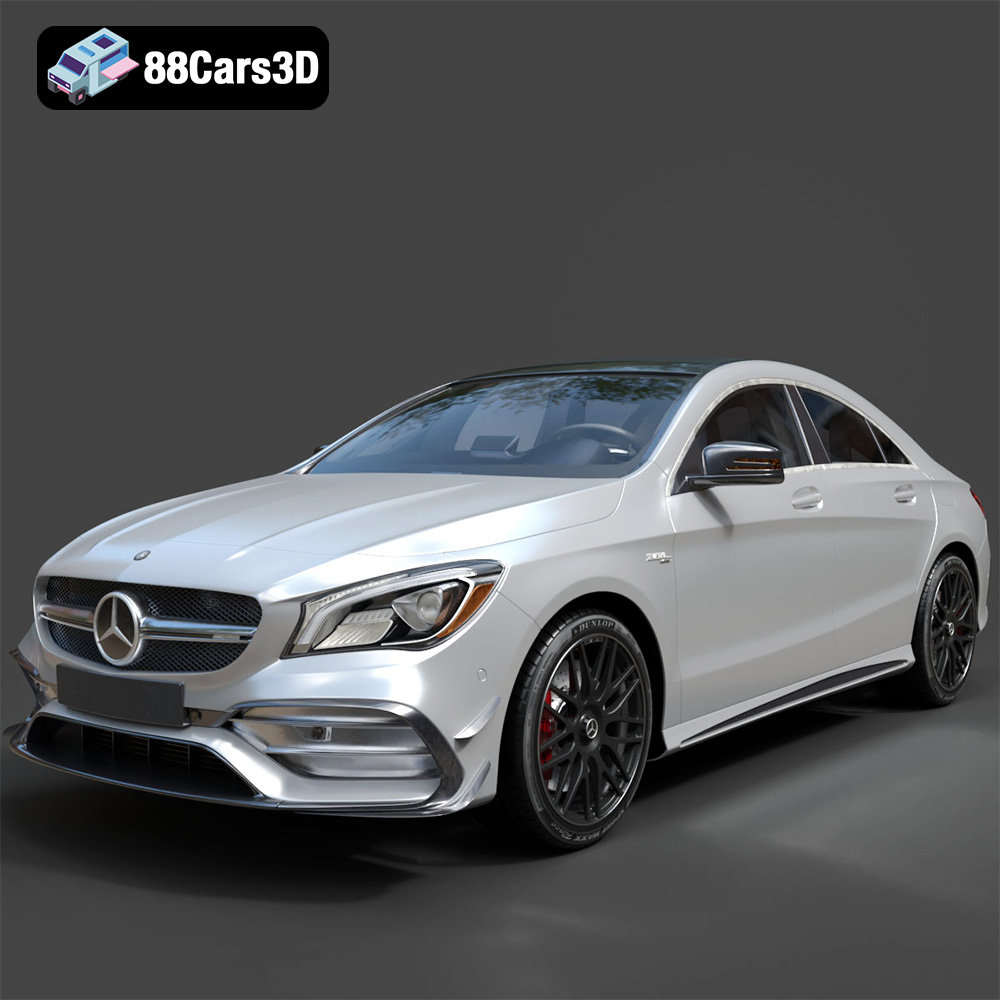
Mercedes-Benz CLA45 AMG 2017 3D Model
Texture: Yes
Material: Yes
Download the Mercedes-Benz CLA45 AMG 2017 3D Model featuring clean geometry, realistic detailing, and a fully modeled interior. Includes .blend, .fbx, .obj, .glb, .stl, .ply, .unreal, and .max formats for rendering, simulation, and game development.
Price: $38.99
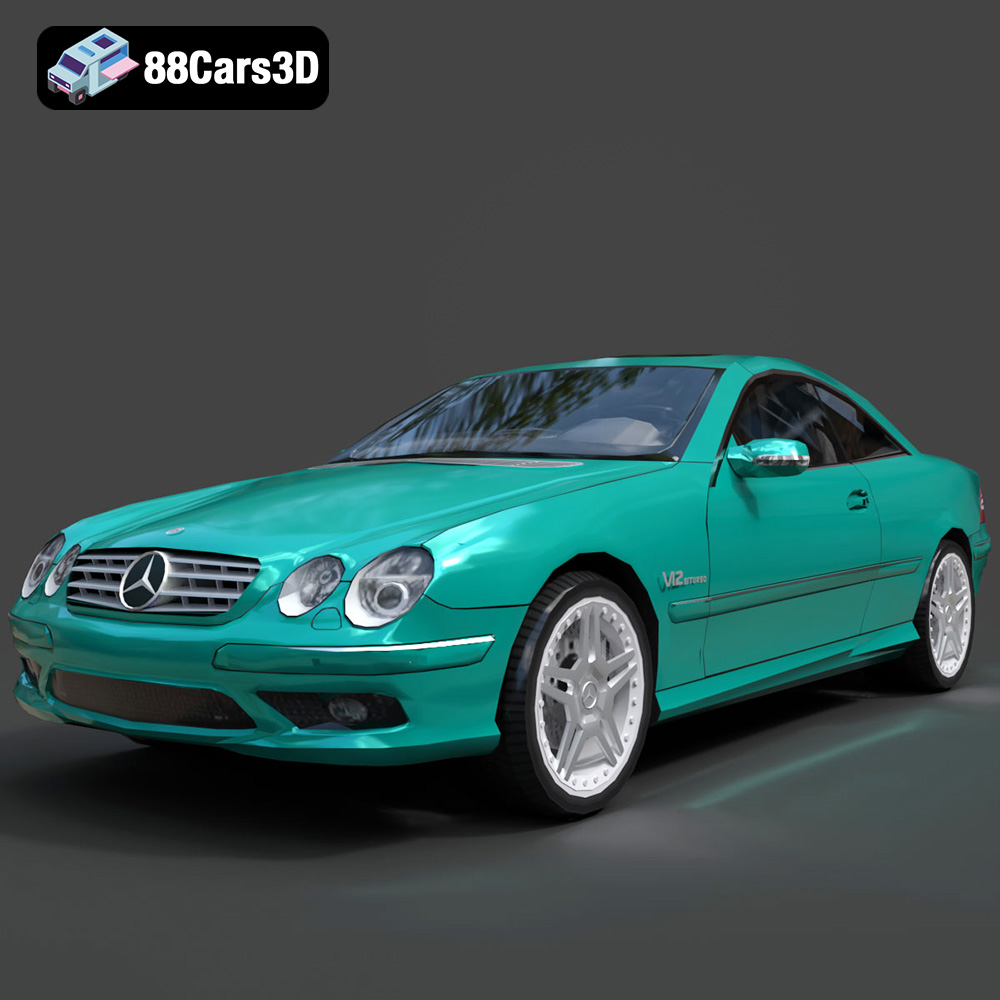
Mercedes-Benz CL65 C215 AMG 3D Model
Texture: Yes
Material: Yes
Download the Mercedes-Benz CL65 C215 AMG 3D Model featuring clean geometry, realistic detailing, and a fully modeled interior. Includes .blend, .fbx, .obj, .glb, .stl, .ply, .unreal, and .max formats for rendering, simulation, and game development.
Price: $23.99
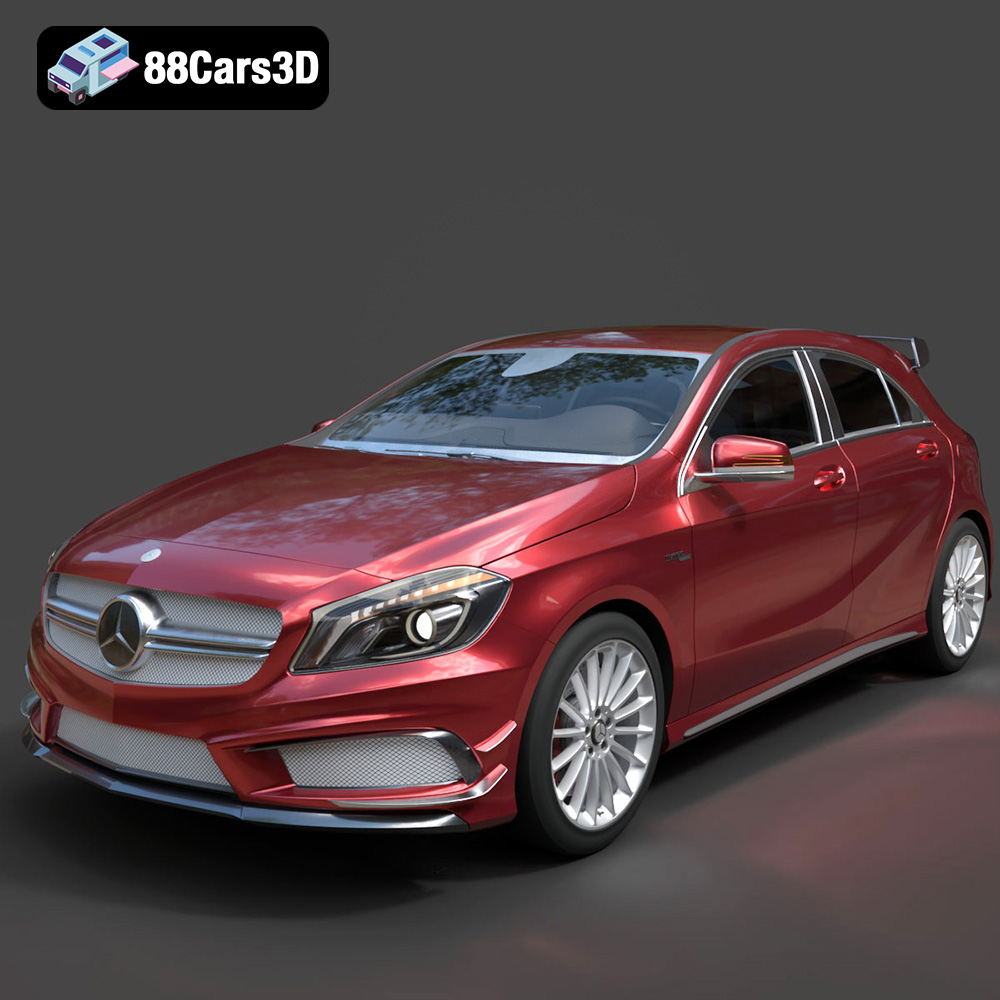
Mercedes-Benz A45 2021 3D Model
Texture: Yes
Material: Yes
Download the Mercedes-Benz A45 2021 3D Model featuring clean geometry, realistic detailing, and a fully modeled interior. Includes .blend, .fbx, .obj, .glb, .stl, .ply, .unreal, and .max formats for rendering, simulation, and game development.
Price: $23.99
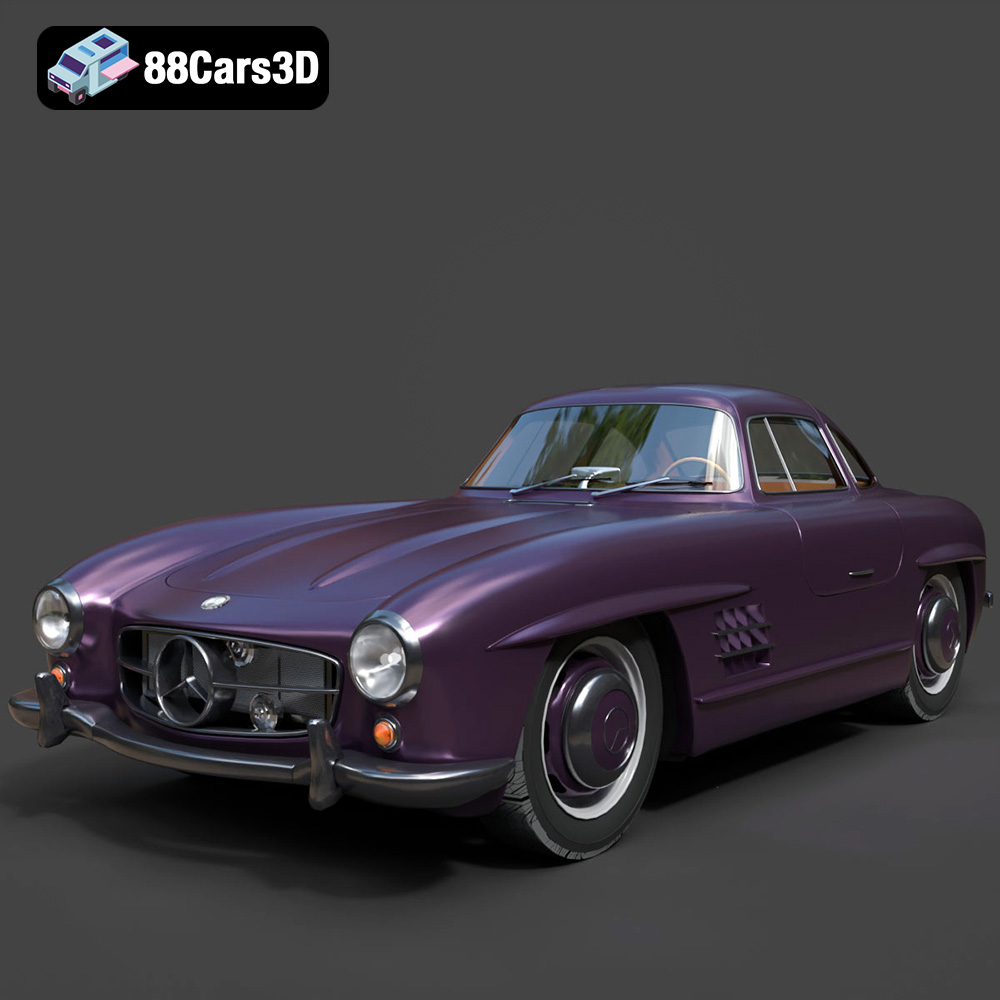
Mercedes-Benz 300SL 1955 3D Model
Texture: Yes
Material: Yes
Download the Mercedes-Benz 300SL 1955 3D Model featuring clean geometry, realistic detailing, and a fully modeled interior. Includes .blend, .fbx, .obj, .glb, .stl, .ply, .unreal, and .max formats for rendering, simulation, and game development.
Price: $23.99
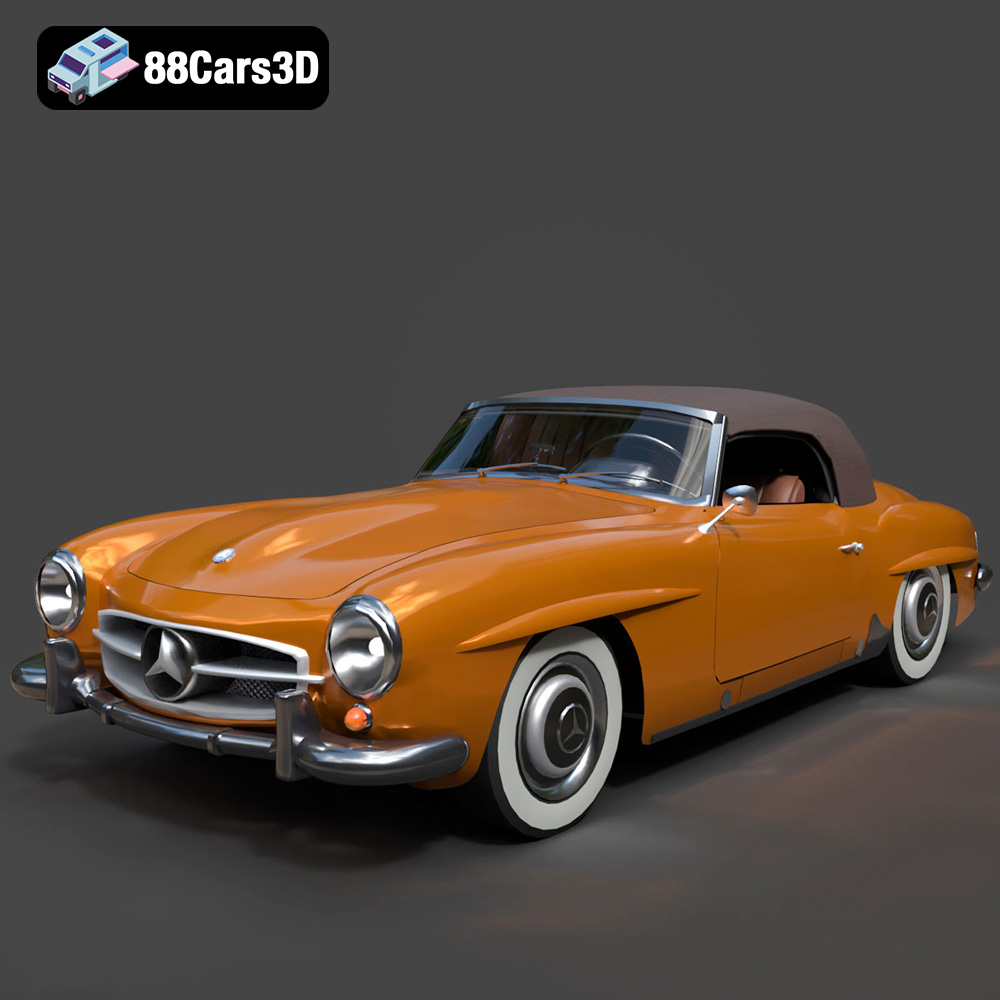
Mercedes-Benz 190SL 1955 3D Model
Texture: Yes
Material: Yes
Download the Mercedes-Benz 190SL 1955 3D Model featuring clean geometry, realistic detailing, and a fully modeled interior. Includes .blend, .fbx, .obj, .glb, .stl, .ply, .unreal, and .max formats for rendering, simulation, and game development.
Price: $23.99
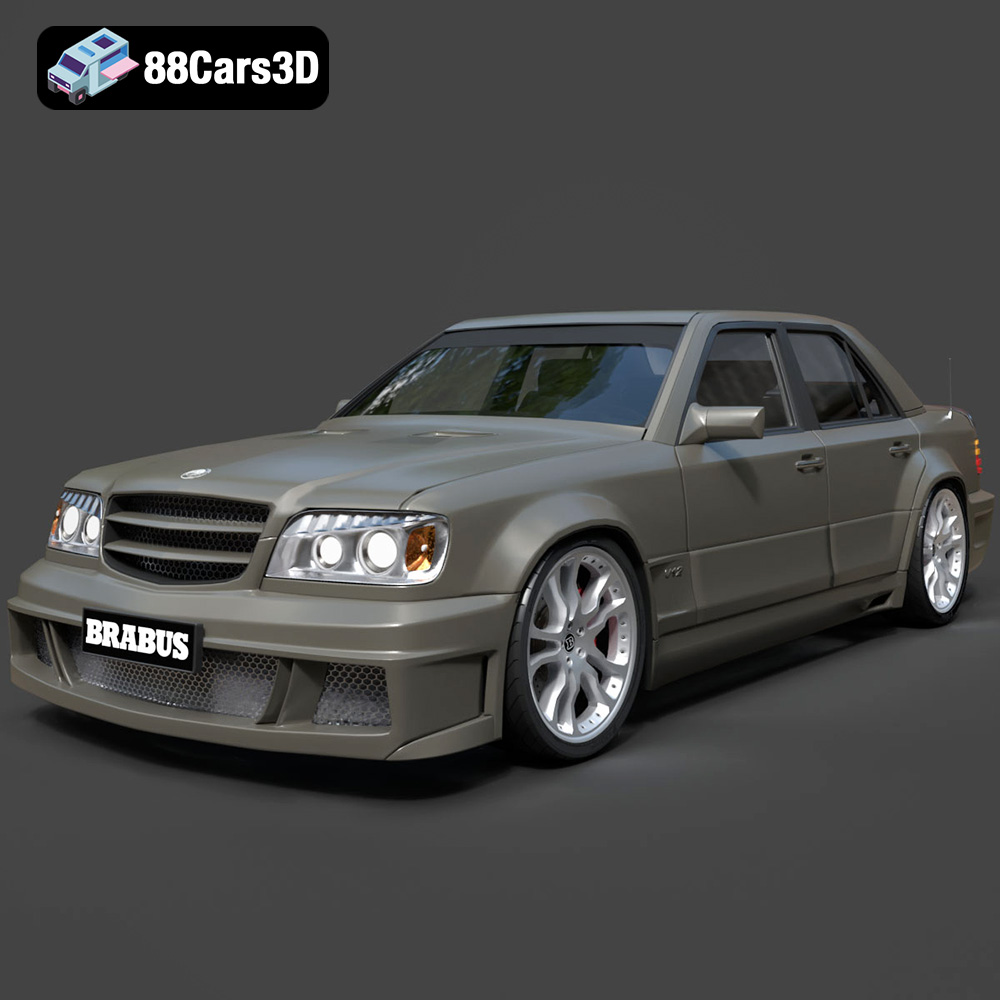
Mercedes-Benz W124 Brabus V12 3D Model
Texture: Yes
Material: Yes
Download the Mercedes-Benz W124 Brabus V12 3D Model featuring clean geometry, realistic detailing, and a fully modeled interior. Includes .blend, .fbx, .obj, .glb, .stl, .ply, .unreal, and .max formats for rendering, simulation, and game development.
Price: $23.99
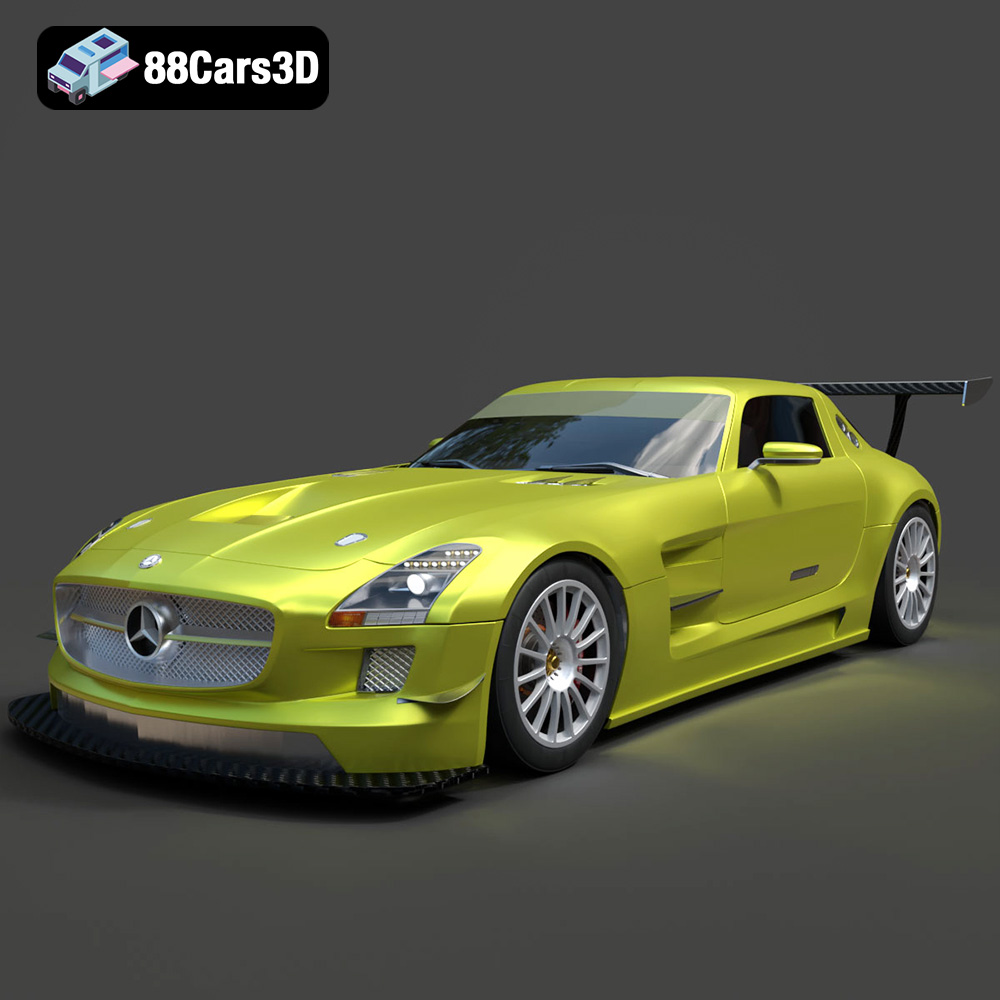
Mercedes-Benz SLS AMG GT3-002 3D Model
Texture: Yes
Material: Yes
Download the Mercedes-Benz SLS AMG GT3-002 3D Model featuring clean geometry, realistic detailing, and a fully modeled interior. Includes .blend, .fbx, .obj, .glb, .stl, .ply, .unreal, and .max formats for rendering, simulation, and game development.
Price: $38.99

Mercedes-Benz C-Class-001 3D Model
Texture: Yes
Material: Yes
Download the Mercedes-Benz C-Class-001 3D Model featuring clean geometry, realistic detailing, and a fully modeled interior. Includes .blend, .fbx, .obj, .glb, .stl, .ply, .unreal, and .max formats for rendering, simulation, and game development.
Price: $38.99
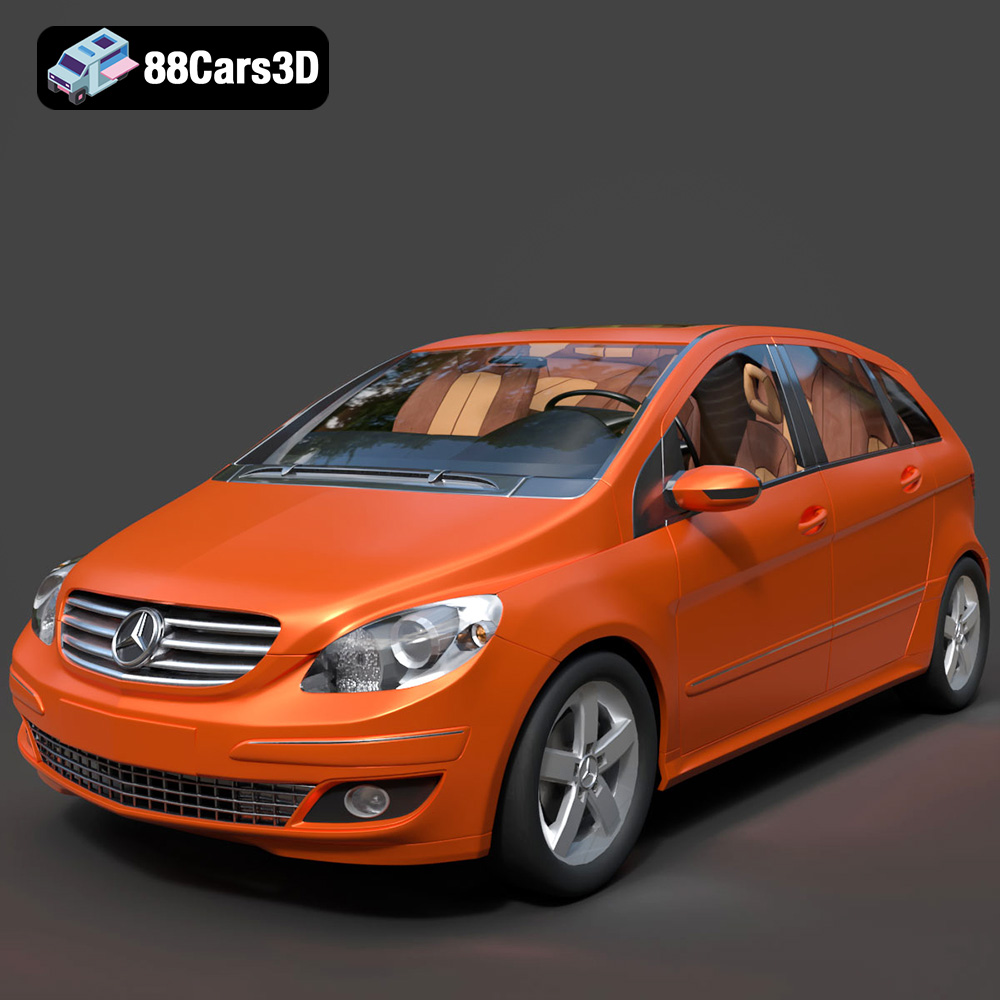
Mercedes-Benz B-Klasse 2023 3D Model
Texture: Yes
Material: Yes
Download the Mercedes-Benz B-Klasse 2023 3D Model featuring clean geometry, realistic detailing, and a fully modeled interior. Includes .blend, .fbx, .obj, .glb, .stl, .ply, .unreal, and .max formats for rendering, simulation, and game development.
Price: $38.99
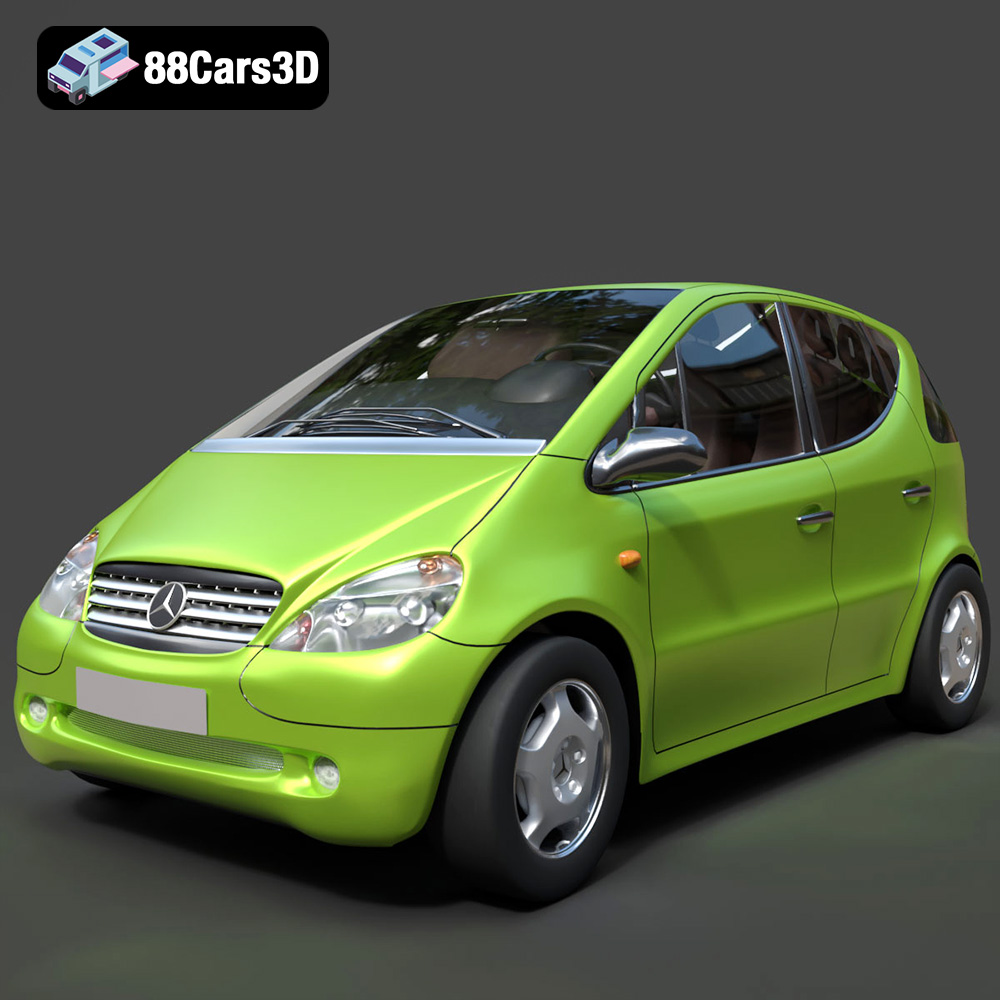
Mercedes-Benz A-Klasse W168 3D Model
Texture: Yes
Material: Yes
Download the Mercedes-Benz A-Klasse W168 3D Model featuring clean geometry, realistic detailing, and a fully modeled interior. Includes .blend, .fbx, .obj, .glb, .stl, .ply, .unreal, and .max formats for rendering, simulation, and game development.
Price: $38.99
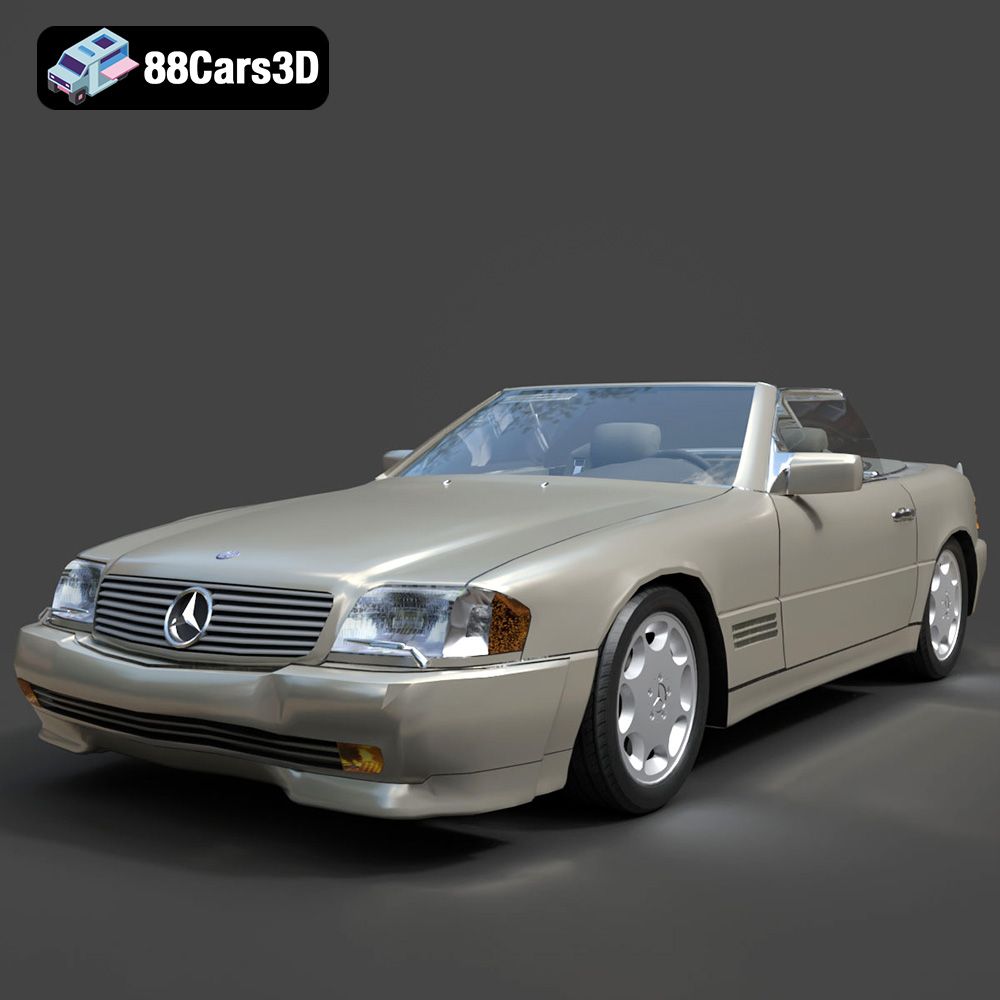
Mercedes-Benz 500SL 2000 3D Model
Texture: Yes
Material: Yes
Download the Mercedes-Benz 500SL 2000 3D Model featuring clean geometry, realistic detailing, and a fully modeled interior. Includes .blend, .fbx, .obj, .glb, .stl, .ply, .unreal, and .max formats for rendering, simulation, and game development.
Price: $38.99
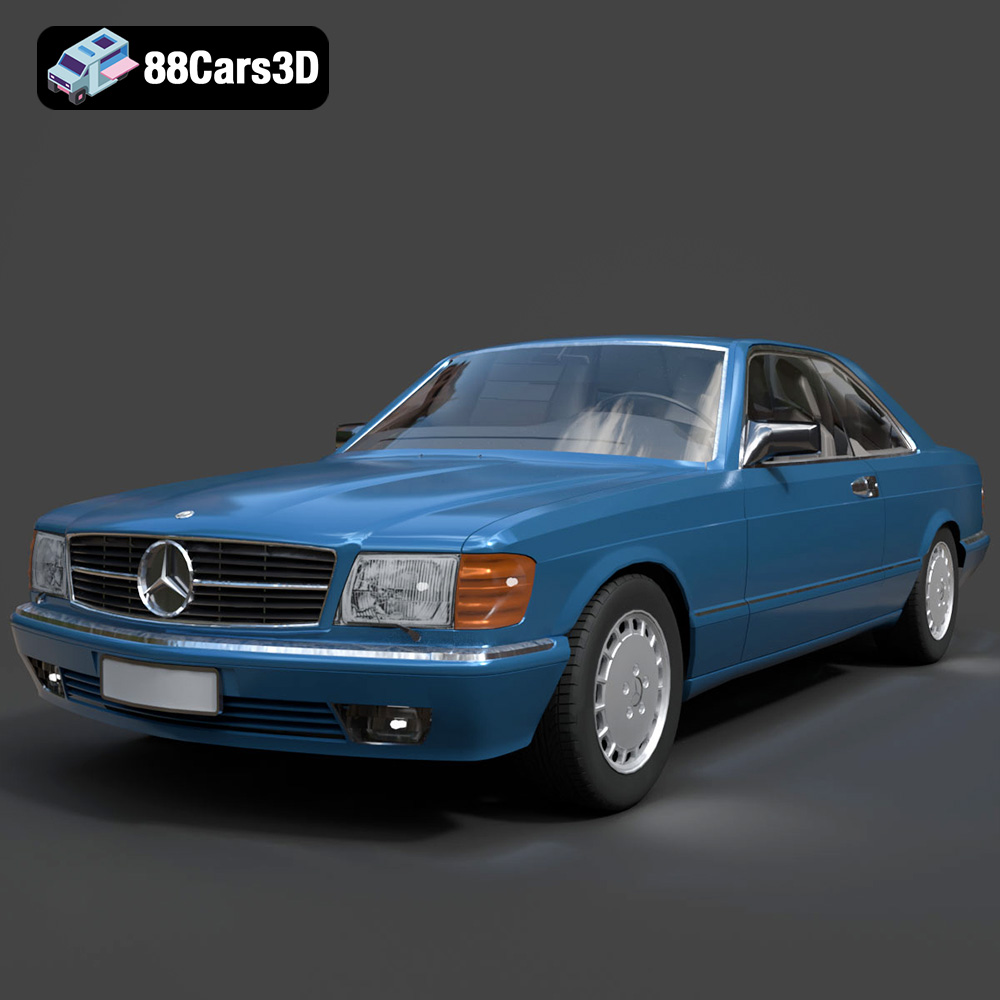
Mercedes-Benz 500SEC 3D Model
Texture: Yes
Material: Yes
Download the Mercedes-Benz 500SEC 3D Model featuring clean geometry, realistic detailing, and a fully modeled interior. Includes .blend, .fbx, .obj, .glb, .stl, .ply, .unreal, and .max formats for rendering, simulation, and game development.
Price: $38.99
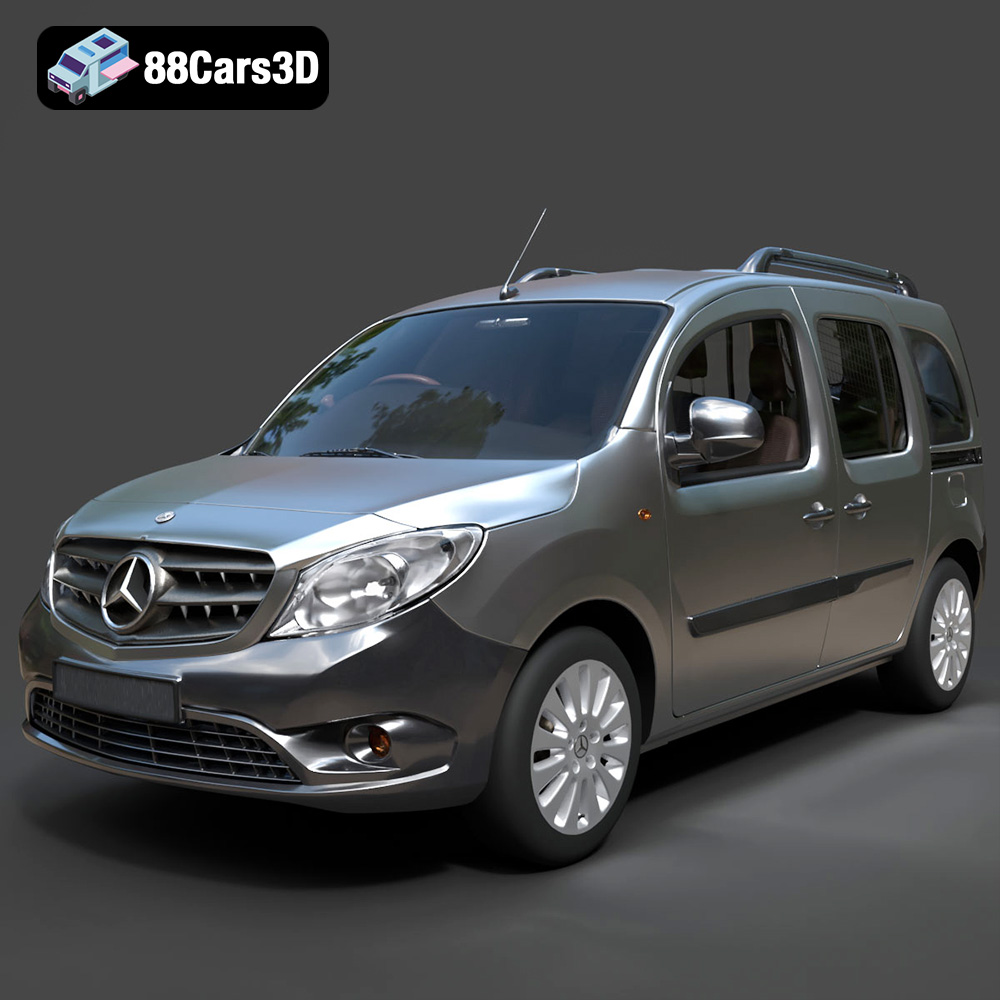
Mercedes-Benz Citan 2025 3D Model
Texture: Yes
Material: Yes
Download the Mercedes-Benz Citan 2025 3D Model featuring clean geometry, realistic detailing, and a fully modeled interior. Includes .blend, .fbx, .obj, .glb, .stl, .ply, .unreal, and .max formats for rendering, simulation, and game development.
Price: $38.99
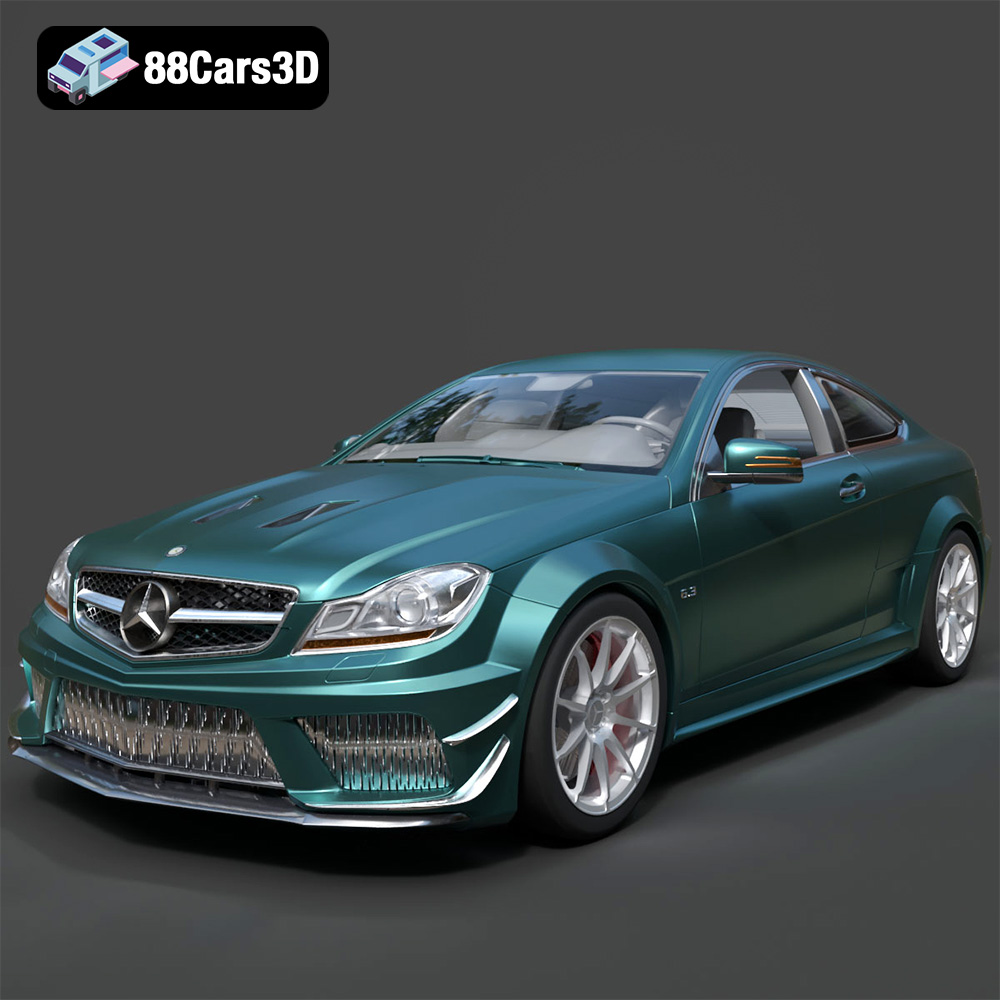
Mercedes-Benz C63 AMG 2012 3D Model
Texture: Yes
Material: Yes
Download the Mercedes-Benz C63 AMG 2012 3D Model featuring clean geometry, realistic detailing, and a fully modeled interior. Includes .blend, .fbx, .obj, .glb, .stl, .ply, .unreal, and .max formats for rendering, simulation, and game development.
Price: $38.99
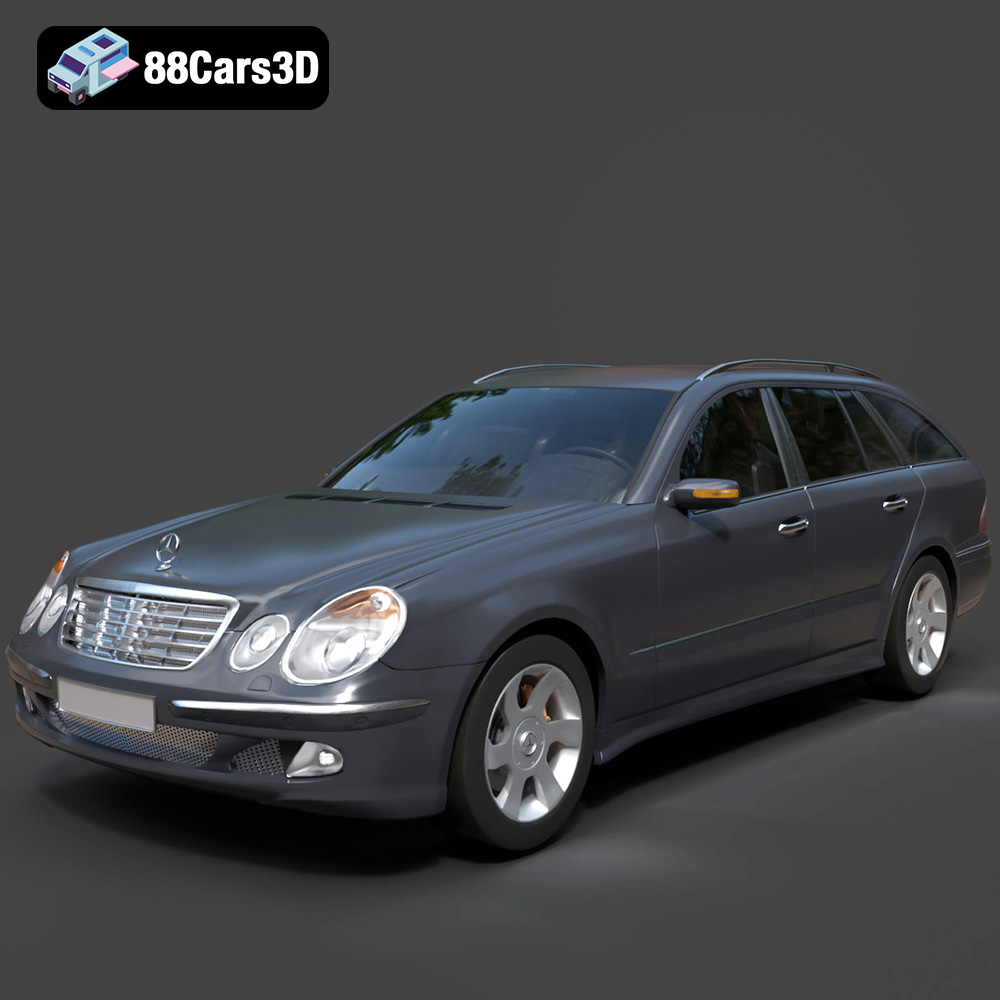
Mercedes-Benz E-Class S211 3D Model
Texture: Yes
Material: Yes
Download the Mercedes-Benz E-Class S211 3D Model featuring clean geometry, realistic detailing, and a fully modeled interior. Includes .blend, .fbx, .obj, .glb, .stl, .ply, .unreal, and .max formats for rendering, simulation, and game development.
Price: $38.99
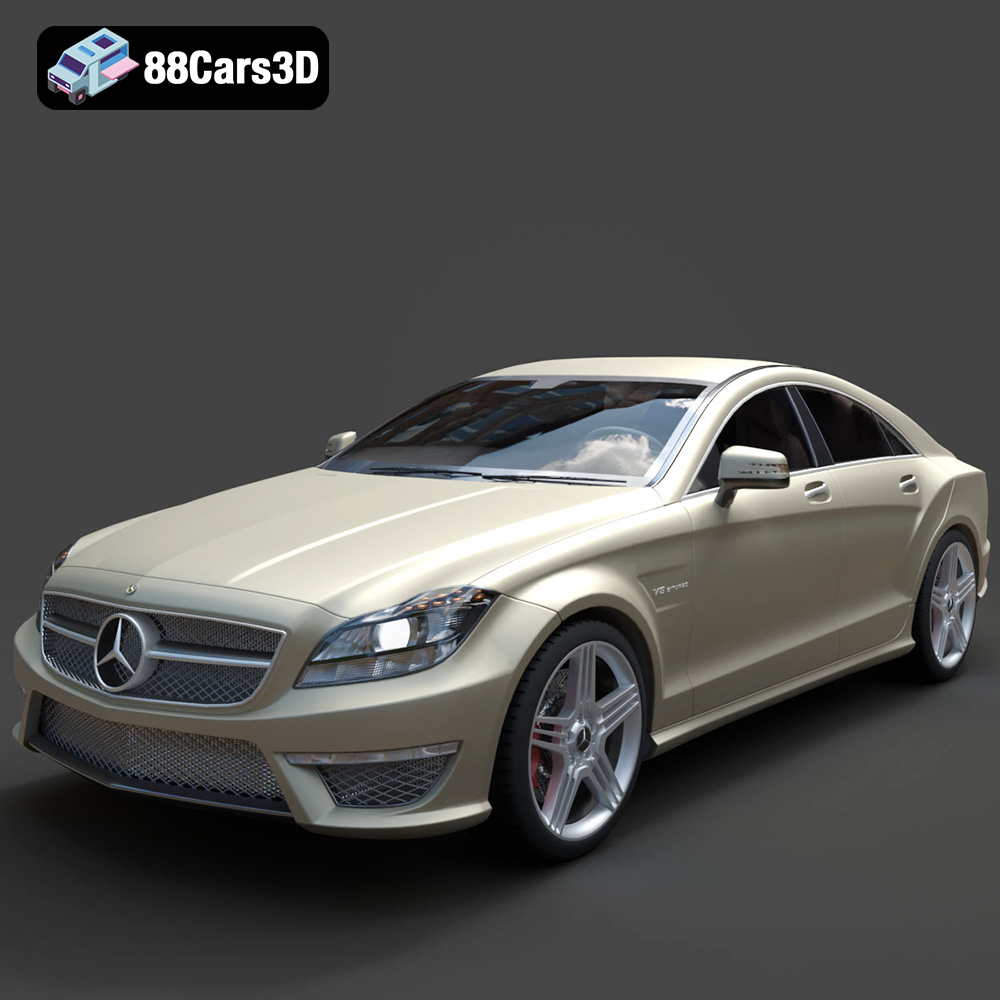
Mercedes-Benz CLS63 AMG (C218) 2014 3D Model
Texture: Yes
Material: Yes
Download the Mercedes-Benz CLS63 AMG (C218) 2014 3D Model featuring clean geometry, realistic detailing, and a fully modeled interior. Includes .blend, .fbx, .obj, .glb, .stl, .ply, .unreal, and .max formats for rendering, simulation, and game development.
Price: $38.99
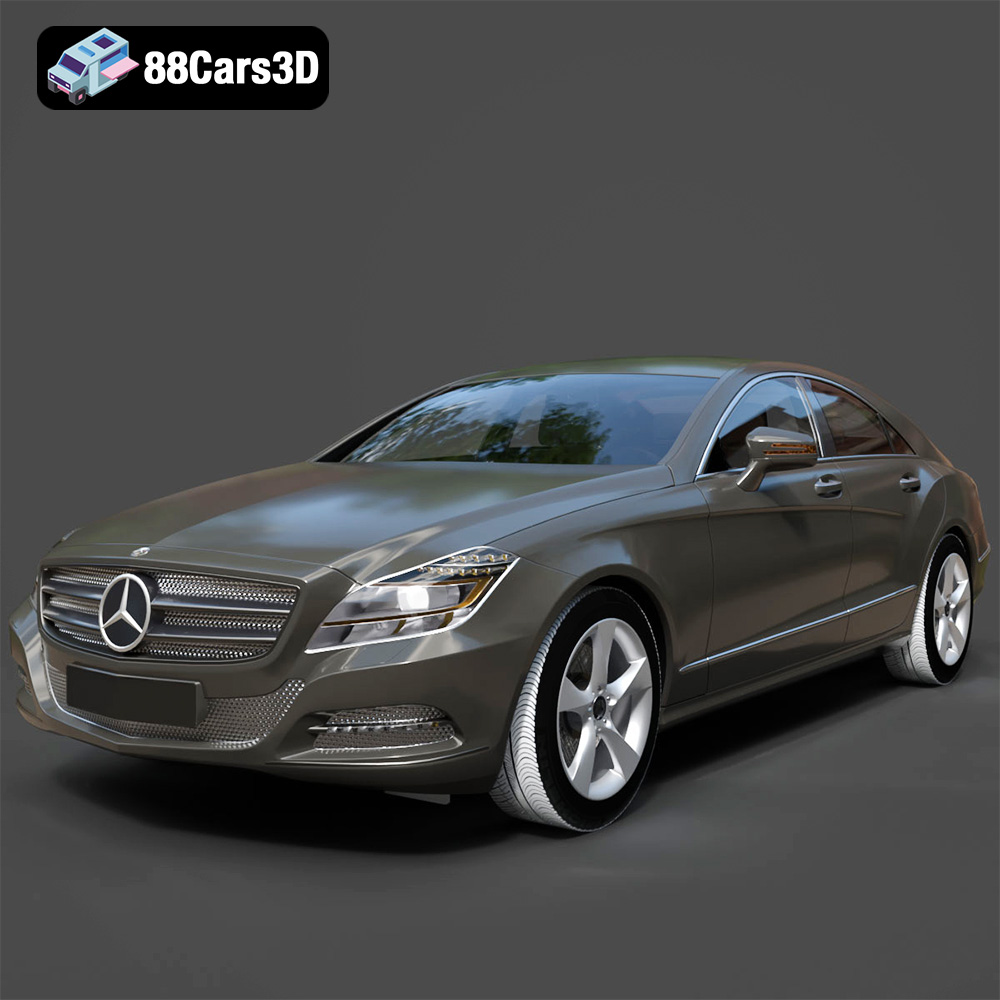
Mercedes-Benz CLS-Klasse 3D Model
Texture: Yes
Material: Yes
Download the Mercedes-Benz CLS-Klasse 3D Model featuring clean geometry, realistic detailing, and a fully modeled interior. Includes .blend, .fbx, .obj, .glb, .stl, .ply, .unreal, and .max formats for rendering, simulation, and game development.
Price: $38.99
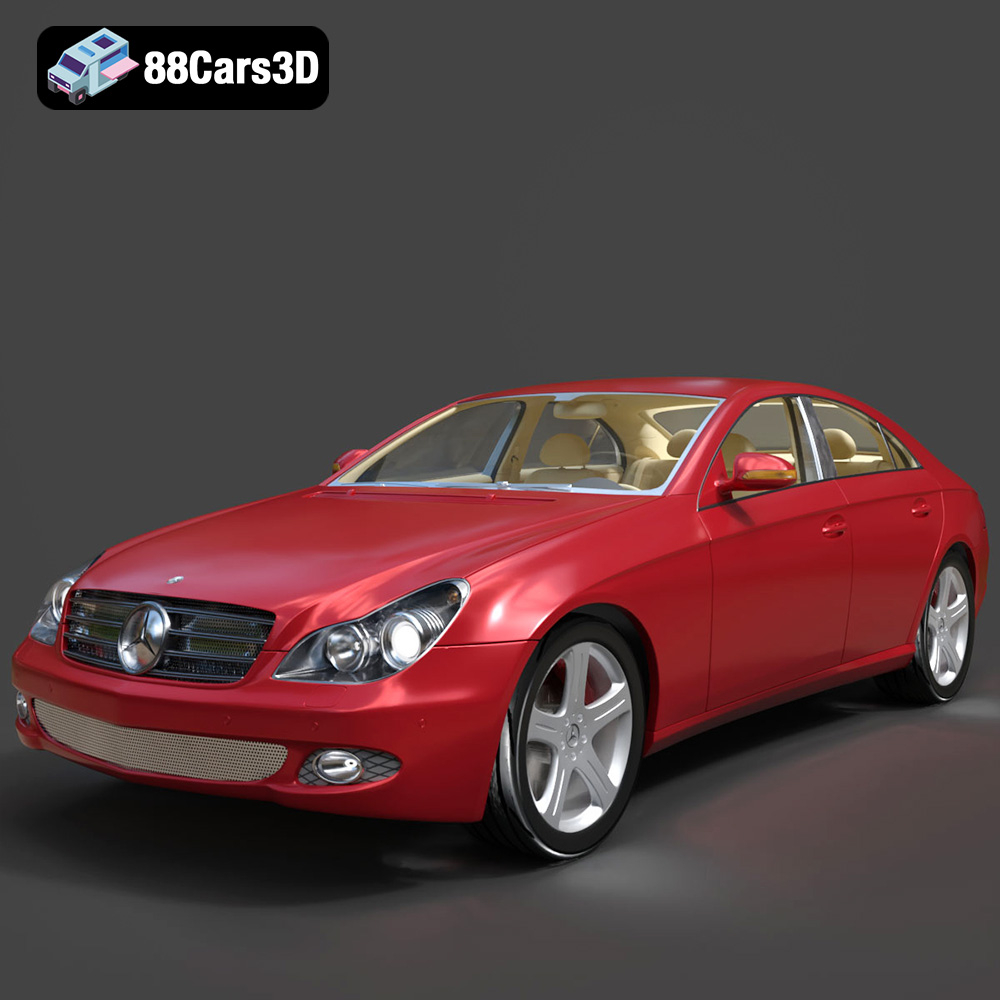
Mercedes-Benz CLS 500 3D Model
Texture: Yes
Material: Yes
Download the Mercedes-Benz CLS 500 3D Model featuring clean geometry, realistic detailing, and a fully modeled interior. Includes .blend, .fbx, .obj, .glb, .stl, .ply, .unreal, and .max formats for rendering, simulation, and game development.
Price: $38.99

Mercedes-Benz CL-Klasse 2001 3D Model
Texture: Yes
Material: Yes
Download the Mercedes-Benz CL-Klasse 2001 3D Model featuring clean geometry, realistic detailing, and a fully modeled interior. Includes .blend, .fbx, .obj, .glb, .stl, .ply, .unreal, and .max formats for rendering, simulation, and game development.
Price: $38.99
