
Unlock Showroom Quality: Mastering Photorealistic Car Paint Shaders in 3D

Unlock Showroom Quality: Mastering Photorealistic Car Paint Shaders in 3D
The allure of a perfectly rendered vehicle lies not just in its intricate modeling, but profoundly in the way its surface interacts with light. Achieving that coveted showroom gleam – the deep, mesmerizing reflections, the subtle metallic shimmer, and the liquid-smooth clear coat – is a hallmark of truly exceptional 3D artistry. Without a masterful understanding of car paint shaders, even the most detailed 3D car model can fall flat.
Many artists struggle to move beyond basic plastic-like materials, missing the complex optical properties that define real automotive finishes. This guide will deconstruct the science and art behind creating a truly photorealistic car paint shader. We’ll delve into the multi-layered nature of real car paint, explore the bedrock principles of Physically Based Rendering (PBR), and provide actionable insights into crafting materials that stand out, ensuring your renders captivate and convince.
The Anatomy of Automotive Paint: Layers of Luster
Before we can replicate car paint in a digital environment, we must first understand its real-world composition. Automotive paint is far more than a single colored layer; it’s a sophisticated system of stratified coatings, each contributing to the final aesthetic and protective qualities. Deconstructing these layers is fundamental to creating a compelling PBR automotive material.
At its core, a typical car paint finish consists of three primary layers. The first is the primer, a foundational coat that prepares the metal surface, ensuring adhesion and corrosion resistance. While crucial in reality, the primer is often not directly rendered as part of the visible paint shader, as it’s typically covered by subsequent layers.
Above the primer lies the base coat, which provides the primary color of the vehicle. This layer is where the core pigment resides, defining the hue and saturation. Depending on the desired effect, the base coat can be solid, metallic, or pearlescent. Metallic paints contain tiny aluminum flakes, while pearlescent paints use mica flakes or ceramic particles, both designed to reflect and refract light in captivating ways. This is where the magic of the metallic flake effect truly begins to emerge.
Finally, the entire assembly is topped with a clear coat. This transparent, highly durable layer is what gives car paint its deep gloss and provides protection against UV radiation, scratches, and environmental damage. The clear coat acts like a transparent shell, encasing the color and metallic flakes beneath. Its interaction with light is paramount for clear coat rendering, as it dictates the intensity and sharpness of reflections and highlights.
Understanding this layered structure is critical because our 3D shaders must mimic how light penetrates these layers, interacts with the pigments and flakes, and then reflects back to the viewer. Each layer contributes uniquely to the final visual outcome, from diffuse color to specular highlights and complex reflections.
Embracing Physically Based Rendering (PBR) for Authenticity
To achieve a truly photorealistic car paint shader, embracing Physically Based Rendering (PBR) principles is non-negotiable. PBR workflows are designed to simulate how light interacts with materials in a physically accurate manner, leading to predictable and consistent results under various lighting conditions. This approach helps artists avoid common pitfalls of older, non-PBR workflows, which often resulted in materials that looked good in one lighting setup but broke down in another.
The core tenets of physically based shading revolve around energy conservation and realistic light reflection. In essence, a surface cannot reflect more light than it receives. PBR typically utilizes a metallic/roughness or specular/glossiness workflow. For automotive paint, a metallic workflow is often favored for its base coat, transitioning to a dielectric (non-metallic) clear coat.
A crucial aspect of PBR, especially for reflective surfaces like car paint, is Fresnel reflections 3D. The Fresnel effect dictates that the intensity of reflections increases as the viewing angle becomes more grazing (approaching a shallow angle to the surface). Look at any car: reflections are much stronger and clearer when viewed at an acute angle compared to looking directly at the surface. PBR shaders inherently calculate this, making reflections more accurate and believable.
Beyond Fresnel, micro-surface details play an enormous role. The “roughness” or “glossiness” parameter in PBR controls the microscopic imperfections on a surface. A perfectly smooth surface (low roughness/high gloss) will produce sharp, mirror-like reflections. As roughness increases, reflections become progressively blurred and diffused. For car paint, this parameter is critical for both the clear coat’s sheen and the subtle variations in the base coat beneath. A subtle roughness map can even introduce microscopic dust or imperfections, adding a touch of realism to your PBR automotive material.
By adhering to these PBR principles, artists can create materials that respond realistically to light, ensuring that the car paint looks correct regardless of the environment or lighting setup. This foundation is essential for building complex, multi-layered car paint shaders that truly shine.
Crafting the Core: Base Coat and Flake Effects
With a solid understanding of car paint anatomy and PBR principles, we can now delve into the practical steps of building the shader. The base coat is the foundational layer, dictating the primary color and often housing the captivating metallic or pearlescent flakes. This section focuses on establishing that core visual identity.
Setting Up the Base Color
The first step is to define the primary color of your car paint. In a PBR workflow, this is typically handled by the ‘Base Color’ or ‘Albedo’ input. Choose your desired hue and saturation. For a solid color, this is straightforward. However, for metallic or pearlescent paints, this color will be subtly influenced by the embedded flakes.
Ensure that your base color adheres to PBR guidelines, avoiding overly saturated or extremely bright values that can violate energy conservation. The true vibrancy will come from the interactions of light, reflections, and the clear coat.
Implementing the Metallic Flake Effect
The metallic flake effect is perhaps the most distinctive characteristic of automotive paint, transforming a flat color into a dynamic, sparkling surface. These tiny, reflective particles, typically aluminum or mica, catch and scatter light in a unique way, creating a “glitter” or “sparkle” that shifts with viewing angle.
- Procedural Flakes: Many 3D software packages and renderers offer procedural noise or texture generation tools that can simulate flakes. This usually involves creating a dense noise pattern and then using it to drive a subtle metallic or reflective property within the base coat. You’ll need to control the size, density, and distribution of these flakes.
- Texture-Based Flakes: Alternatively, you can use a finely tiled texture specifically designed for metallic flakes. This offers more artistic control but requires careful attention to tiling to avoid repetition.
- Controlling Flake Appearance:
- Size and Density: Smaller, denser flakes create a finer, more subtle shimmer, while larger, sparser flakes produce a more pronounced sparkle.
- Reflectivity: The flakes should have metallic properties, meaning they reflect color based on the light source rather than having their own diffuse color. Their roughness or glossiness will determine how sharp or blurred their individual reflections are.
- Anisotropy: Real flakes, being elongated, often exhibit anisotropic reflections. This means their reflections stretch in a particular direction. Simulating this, even subtly, can greatly enhance realism. We’ll discuss anisotropic car paint in more detail for the clear coat, but it’s also applicable to flakes.
- Color: While often silver, flakes can also be tinted, adding another layer of complexity to the base coat.
The flakes typically reside *within* the base coat layer, not as a separate layer on top. This means their effect is modulated by the clear coat that sits above them, adding depth to the overall material.
The All-Important Clear Coat: Depth and Sheen
Once the base coat with its embedded flakes is established, the next critical component is the clear coat. This transparent, highly reflective layer is responsible for the characteristic deep gloss and mirror-like reflections that define a high-quality car finish. Without a properly configured clear coat, even the best base color will appear flat and unconvincing. Mastering clear coat rendering is essential for showroom-quality results.
Simulating Clear Coat Reflections
The clear coat acts as a distinct reflective surface sitting atop the base coat. In your 3D software, this often means setting up a layered material or using a dedicated clear coat input within your shader. This layer should be purely reflective (metallic = 0, or a dielectric specular lobe), allowing the base coat’s color to show through.
The reflections produced by the clear coat are distinct from those of the base coat and flakes. They should be sharper and more intense, especially at grazing angles, thanks to the Fresnel reflections 3D effect. The clear coat’s material properties are crucial for defining this look.
Roughness and IOR
Two primary parameters govern the clear coat’s appearance: roughness (or glossiness) and Index of Refraction (IOR).
- Roughness: A brand-new, perfectly polished car has an extremely low roughness value (high gloss). This results in crisp, almost mirror-like reflections. As the surface accumulates micro-scratches or dirt, its roughness increases, causing reflections to become progressively blurred. For a showroom finish, aim for very low roughness.
- IOR (Index of Refraction): For dielectric materials like clear coat, IOR determines how much light bends when passing through the material and, crucially, how intense its reflections are at normal incidence. A typical IOR for clear coat is around 1.4-1.5. This value works in conjunction with Fresnel to define the overall reflectivity, with higher IORs generally leading to stronger reflections.
Anisotropic Car Paint Reflections
One of the most advanced and visually impactful aspects of photorealistic car paint shader is the simulation of anisotropic reflections. Anisotropy refers to the property where a material’s reflective qualities vary depending on the direction of light and view. For car paint, this manifests as elongated, streaky highlights that follow the direction of the car’s curves and the polishing marks. This is especially prominent on clear coats.
To achieve anisotropic car paint, your shader needs an ‘Anisotropy’ parameter and a ‘Tangent’ or ‘Direction’ input. The ‘Tangent’ map tells the shader which direction the microscopic grooves (from polishing or manufacturing) are facing. These grooves cause light to scatter unevenly, stretching highlights perpendicular to their direction. Common approaches include:
- Manual Tangent Painting: Directly painting a tangent map in a 3D texture editor, defining the flow of anisotropy across the car’s surface.
- Procedural Tangents: Using the curvature of the mesh or UV layout to procedurally generate tangent directions.
- Software-Specific Settings: Many advanced car paint shaders or general-purpose PBR shaders have built-in anisotropy controls where you can specify a direction vector or input a tangent map.
Properly implemented anisotropy adds an incredible layer of realism, simulating the subtle brushstrokes of polish and the manufacturing finish, making the clear coat truly come alive. This nuanced detail elevates your automotive rendering techniques from good to exceptional.
Advanced Techniques for Showroom Shine
While the foundational base coat and clear coat layers are crucial, pushing the boundaries of realism often requires exploring more advanced techniques. These methods add subtle complexities and refine the visual fidelity, moving beyond the standard PBR setup to truly master the photorealistic car paint shader.
Multi-Layered Material Stacks
Some highly specialized car paints feature more than just a base and a clear coat. For instance, some paints have multiple clear coat layers, or an additional “candy” or “pearl” layer between the base and the clear coat that provides depth and a shifting color effect. Simulating this requires building a true multi-layered shader stack.
- Layered Shaders: Most modern renderers support some form of layered material system, allowing you to blend multiple shaders on top of each other using masks or mix nodes.
- Translucency: For certain “candy” paints, a subtle subsurface scattering or translucency effect can be integrated into the intermediate layers to simulate light penetrating and scattering within the paint, adding a unique richness and depth not possible with simple diffuse/specular models.
This approach allows for a level of granular control, letting artists replicate extremely specific and complex OEM paint finishes that captivate the eye.
Enhancing with Normal and Bump Maps
While often overlooked for seemingly smooth surfaces like car paint, subtle normal and bump maps can add significant realism. No real-world car surface is perfectly pristine; they all have microscopic imperfections, orange peel texture, or swirl marks from cleaning.
- Orange Peel: This subtle, wavy texture is a common characteristic of sprayed paint. A very subtle noise texture applied to the normal map input, with an extremely low intensity, can simulate this without making the surface look dirty or rough.
- Micro-Scratches and Swirls: Even on a clean car, micro-scratches catch the light in specific ways. These can be simulated with finely detailed normal maps, often generated from grunge or noise textures. Be cautious not to overdo this; the effect should be almost imperceptible, only becoming apparent under glancing light angles.
These fine details break up perfectly uniform reflections and can make a render feel much more grounded and less “CG.”
Optimizing for Real-Time Engines
For game developers and those working in real-time environments, performance is as critical as visual fidelity. Creating a complex, multi-layered PBR automotive material can be computationally expensive. Optimization is key:
- Shader Complexity: Simplify your shader graphs where possible. Combine textures, reduce the number of calculations, and bake complex procedural effects into textures if appropriate.
- Texture Resolution: Use appropriate texture resolutions. Critical areas like the main body might need higher resolution maps, while less visible areas can use lower resolutions.
- Baked Reflections: Instead of fully ray-traced reflections, real-time engines often rely on reflection probes or baked cubemaps for environmental reflections. Ensure these are set up correctly and capture the environment effectively.
- LODs (Level of Detail): Create simpler versions of your car paint shader for models viewed at a distance. For instance, flakes and anisotropy might be simplified or removed for distant LODs.
By carefully balancing visual quality with performance considerations, artists can achieve stunning results even within the constraints of real-time rendering. For those looking to jumpstart their projects with top-tier assets, 88cars3d.com offers a vast collection of professional-grade 3D car models, many pre-optimized for various engines and ready for your custom shader work.
Lighting and Environment: The Final Polish
Even the most meticulously crafted photorealistic car paint shader will look unconvincing without appropriate lighting and environmental context. Lighting is not merely about illuminating the scene; it’s about defining the mood, revealing the form, and, crucially, allowing the complex reflective properties of the car paint to shine. The synergy between your shader and the lighting setup is paramount for truly impactful automotive rendering techniques.
The Power of HDRIs
High Dynamic Range Image (HDRI) environments are indispensable for realistic car renders. An HDRI captures the full range of light information (color, intensity, direction) from a real-world location. When used as an environment map in your 3D software:
- Realistic Reflections: The HDRI provides accurate and detailed reflections on your car’s surface, making it appear grounded in its environment. The nuances of the sky, distant buildings, or trees will be perfectly mirrored in the clear coat.
- Natural Illumination: Beyond reflections, the HDRI directly illuminates your scene with realistic light, casting soft shadows and providing natural color bounces. This instantly elevates realism, mimicking how a car would look in a real photographic studio or outdoors.
- Variety: Experiment with different HDRIs – a bright sunny day, an overcast sky, an indoor showroom, or a moody sunset. Each will dramatically alter the appearance of your paint, helping you understand how it behaves in various conditions.
Studio Lighting for Product Shots
For pristine product shots, combining an HDRI with additional studio lights offers maximum control. A typical studio setup might include:
- Key Light: The primary light source, defining the main highlights and shadows.
- Fill Light: A softer light to reduce harsh shadows and reveal more detail in shaded areas.
- Rim Lights: Positioned behind or to the sides of the car, these lights create bright edges, separating the car from the background and emphasizing its form.
- Area Lights/Planes: Large, soft light sources that create beautiful, elongated reflections on the car’s surface, mimicking professional photography softboxes. These are excellent for showcasing the clear coat’s gloss and the anisotropic car paint effects.
Pay close attention to how these lights interact with the Fresnel effect, observing how reflections strengthen at glancing angles, revealing the true depth of your PBR automotive material.
Troubleshooting Common Car Paint Rendering Issues
Even with advanced shaders, you might encounter issues. Here are some common problems and solutions:
- Flat, Plastic-like Appearance:
- Check your IOR and roughness values for the clear coat. Is the roughness too high? Is IOR set correctly for a dielectric material?
- Ensure Fresnel is active and working.
- Is your lighting dynamic enough? A flat, even light can make anything look dull.
- Reflections are Too Sharp or Too Blurred:
- Adjust the roughness/glossiness maps for both the clear coat and potentially the base coat.
- Ensure your HDRI is high resolution and providing adequate reflection data.
- Flakes are Not Visible or Too Prominent:
- Check the scale and density of your flake texture or procedural settings.
- Ensure the metallic properties of the flakes are correct.
- Adjust the depth or influence of the clear coat over the flakes.
- Jagged or Grainy Reflections:
- Increase your render samples or anti-aliasing settings.
- Check for noise in your textures, especially roughness maps.
Patience and iterative refinement are key. Experiment with different settings, observe how each change affects the light interaction, and compare your renders against real-world automotive photography to guide your artistic choices. This methodical approach will allow you to diagnose and solve issues, leading to increasingly realistic results.
Conclusion
Mastering the photorealistic car paint shader is undoubtedly one of the most rewarding challenges in 3D art. It requires not only technical proficiency with your software but also a keen understanding of real-world physics, material science, and keen observation. By dissecting the multi-layered nature of automotive paint, embracing physically based shading principles, meticulously crafting the metallic flake effect, perfecting clear coat rendering with accurate Fresnel reflections 3D and anisotropic car paint, and finessing your lighting, you can truly unlock showroom-quality results.
The journey to perfection in automotive rendering techniques is an ongoing one, filled with continuous learning and experimentation. Each car model presents a new opportunity to apply and refine these skills. Don’t be afraid to push boundaries, test new approaches, and meticulously observe how light behaves on real-world surfaces.
Ready to apply these advanced shader techniques to your next project? Head over to 88cars3d.com, where you’ll find an extensive library of high-quality, professionally modeled 3D cars. Our models provide the perfect canvas for you to practice your shader artistry and bring your renders to life with breathtaking realism. Explore our collection and start creating your next masterpiece today!
Featured 3D Car Models

Toyota Mark II (X100) 1998 3D Model
Texture: Yes
Material: Yes
Download the Toyota Mark II (X100) 3D Model featuring clean geometry, realistic detailing, and a fully modeled interior. Includes .blend, .fbx, .obj, .glb, .stl, .ply, .unreal, and .max formats for rendering, simulation, and game development.
Price: $10

Toyota Corona 1985 3D Model
Texture: Yes
Material: Yes
Download the Toyota Corona 1985 3D Model featuring clean geometry, realistic detailing, and a fully modeled interior. Includes .blend, .fbx, .obj, .glb, .stl, .ply, .unreal, and .max formats for rendering, simulation, and game development.
Price: $10

Toyota Mark II X81 1990 3D Model
Texture: Yes
Material: Yes
Download the Toyota Mark II X81 1990 3D Model featuring clean geometry, realistic detailing, and a fully modeled interior. Includes .blend, .fbx, .obj, .glb, .stl, .ply, .unreal, and .max formats for rendering, simulation, and game development.
Price: $10

Toyota iQ EV 2012 3D Model
Texture: Yes
Material: Yes
Download the Toyota iQ EV 2012 3D Model featuring clean geometry, realistic detailing, and a fully modeled interior. Includes .blend, .fbx, .obj, .glb, .stl, .ply, .unreal, and .max formats for rendering, simulation, and game development.
Price: $10

Toyota Aygo 2013 3D Model
Texture: Yes
Material: Yes
Download the Toyota Aygo 2013 3D Model featuring clean geometry, realistic detailing, and a fully modeled interior. Includes .blend, .fbx, .obj, .glb, .stl, .ply, .unreal, and .max formats for rendering, simulation, and game development.
Price: $10

Toyota Crown S180 2005 3D Model
Texture: Yes
Material: Yes
Download the Toyota Crown S180 2005 3D Model featuring clean geometry, realistic detailing, and a fully modeled interior. Includes .blend, .fbx, .obj, .glb, .stl, .ply, .unreal, and .max formats for rendering, simulation, and game development.
Price: $10

Toyota Celica 2004 3D Model
Texture: Yes
Material: Yes
Download the Toyota Celica 2004 3D Model featuring clean geometry, realistic detailing, and a fully modeled interior. Includes .blend, .fbx, .obj, .glb, .stl, .ply, .unreal, and .max formats for rendering, simulation, and game development.
Price: $10

Toyota Corolla AE100 1992 3D Model
Texture: Yes
Material: Yes
Download the Toyota Corolla AE100 1992 3D Model featuring clean geometry, realistic detailing, and a fully modeled interior. Includes .blend, .fbx, .obj, .glb, .stl, .ply, .unreal, and .max formats for rendering, simulation, and game development.
Price: $10

Toyota Mark II X110 2000 3D Model
Texture: Yes
Material: Yes
Download the Toyota Mark II X110 2000 3D Model featuring clean geometry, realistic detailing, and a fully modeled interior. Includes .blend, .fbx, .obj, .glb, .stl, .ply, .unreal, and .max formats for rendering, simulation, and game development.
Price: $10

Toyota Corolla 2020 3D Model
Texture: Yes
Material: Yes
Download the Toyota Corolla 2020 3D Model featuring clean geometry, realistic detailing, and a fully modeled interior. Includes .blend, .fbx, .obj, .glb, .stl, .ply, .unreal, and .max formats for rendering, simulation, and game development.
Price: $10

Toyota Yaris 2020 3D Model
Texture: Yes
Material: Yes
Download the Toyota Yaris 2020 3D Model featuring clean geometry, realistic detailing, and a fully modeled interior. Includes .blend, .fbx, .obj, .glb, .stl, .ply, .unreal, and .max formats for rendering, simulation, and game development.
Price: $9.9

Volkswagen Beetle 2012 3D Model
Texture: Yes
Material: Yes
Download the Volkswagen Beetle 2012 3D Model featuring clean geometry, realistic detailing, and a fully modeled interior. Includes .blend, .fbx, .obj, .glb, .stl, .ply, .unreal, and .max formats for rendering, simulation, and game development.
Price: $9.9

Toyota Matrix 2005 3D Model
Texture: Yes
Material: Yes
Download the Toyota Matrix 2005 3D Model featuring clean geometry, realistic detailing, and a fully modeled interior. Includes .blend, .fbx, .obj, .glb, .stl, .ply, .unreal, and .max formats for rendering, simulation, and game development.
Price: $9.9

Toyota Yaris Sedan 3D Model
Texture: Yes
Material: Yes
Download the Toyota Yaris Sedan 3D Model featuring clean geometry, realistic detailing, and a fully modeled interior. Includes .blend, .fbx, .obj, .glb, .stl, .ply, .unreal, and .max formats for rendering, simulation, and game development.
Price: $9.9

Volkswagen Golf R-004 2024 3D Model
Texture: Yes
Material: Yes
Download the Volkswagen Golf R-004 2024 3D Model featuring clean geometry, realistic detailing, and a fully modeled interior. Includes .blend, .fbx, .obj, .glb, .stl, .ply, .unreal, and .max formats for rendering, simulation, and game development.
Price: $9.9

Volkswagen Golf 5 Door 2010 3D Model
Texture: Yes
Material: Yes
Download the Volkswagen Golf 5 Door 2010 3D Model featuring clean geometry, realistic detailing, and a fully modeled interior. Includes .blend, .fbx, .obj, .glb, .stl, .ply, .unreal, and .max formats for rendering, simulation, and game development.
Price: $9.9

Toyota Premio 2010 3D Model
Texture: Yes
Material: Yes
Download the Toyota Premio 2010 3D Model featuring clean geometry, realistic detailing, and a fully modeled interior. Includes .blend, .fbx, .obj, .glb, .stl, .ply, .unreal, and .max formats for rendering, simulation, and game development.
Price: $9.9

Toyota Opa 2000 3D Model
Texture: Yes
Material: Yes
Download the Toyota Opa 2000 3D Model featuring clean geometry, realistic detailing, and a fully modeled interior. Includes .blend, .fbx, .obj, .glb, .stl, .ply, .unreal, and .max formats for rendering, simulation, and game development.
Price: $9.9

Volkswagen Polo 5 Door 2010 3D Model
Texture: Yes
Material: Yes
Download the Volkswagen Polo 5 Door 2010 3D Model featuring clean geometry, realistic detailing, and a fully modeled interior. Includes .blend, .fbx, .obj, .glb, .stl, .ply, .unreal, and .max formats for rendering, simulation, and game development.
Price: $9.9

Toyota Prius 2024 3D Model
Texture: Yes
Material: Yes
Download the Toyota Prius 2024 3D Model featuring clean geometry, realistic detailing, and a fully modeled interior. Includes .blend, .fbx, .obj, .glb, .stl, .ply, .unreal, and .max formats for rendering, simulation, and game development.
Price: $9.9

Toyota Yaris 1999 3D Model
Texture: Yes
Material: Yes
Download the Toyota Yaris 1999 3D Model featuring clean geometry, realistic detailing, and a fully modeled interior. Includes .blend, .fbx, .obj, .glb, .stl, .ply, .unreal, and .max formats for rendering, simulation, and game development.
Price: $9.9

Toyota Supra 2020 3D Model
Texture: Yes
Material: Yes
Download the Toyota Supra 2020 3D Model featuring clean geometry, realistic detailing, and a fully modeled interior. Includes .blend, .fbx, .obj, .glb, .stl, .ply, .unreal, and .max formats for rendering, simulation, and game development.
Price: $9.9

Volkswagen New Beetle 2000 3D Model
Texture: Yes
Material: Yes
Download the Volkswagen New Beetle 2000 3D Model featuring clean geometry, realistic detailing, and a fully modeled interior. Includes .blend, .fbx, .obj, .glb, .stl, .ply, .unreal, and .max formats for rendering, simulation, and game development.
Price: $14.99

Volkswagen Jetta 2005 3D Model
Texture: Yes
Material: Yes
Download the Volkswagen Jetta 2005 3D Model featuring clean geometry, realistic detailing, and a fully modeled interior. Includes .blend, .fbx, .obj, .glb, .stl, .ply, .unreal, and .max formats for rendering, simulation, and game development.
Price: $18.99

Volkswagen Golf 3-Door 3D Model
Texture: Yes
Material: Yes
Download the Volkswagen Golf 3-Door 3D Model featuring clean geometry, realistic detailing, and a fully modeled interior. Includes .blend, .fbx, .obj, .glb, .stl, .ply, .unreal, and .max formats for rendering, simulation, and game development.
Price: $14.99

Volvo V70 2005 3D Model
Texture: Yes
Material: Yes
Download the Volvo V70 2005 3D Model featuring clean geometry, realistic detailing, and a fully modeled interior. Includes .blend, .fbx, .obj, .glb, .stl, .ply, .unreal, and .max formats for rendering, simulation, and game development.
Price: $14.99

Volkswagen Bora 2004 3D Model
Texture: Yes
Material: Yes
Download the Volkswagen Bora 2004 3D Model featuring clean geometry, realistic detailing, and a fully modeled interior. Includes .blend, .fbx, .obj, .glb, .stl, .ply, .unreal, and .max formats for rendering, simulation, and game development.
Price: $14.99

Volkswagen Lupo 3D Model
Texture: Yes
Material: Yes
Download the Volkswagen Lupo 3D Model featuring clean geometry, realistic detailing, and a fully modeled interior. Includes .blend, .fbx, .obj, .glb, .stl, .ply, .unreal, and .max formats for rendering, simulation, and game development.
Price: $19.99

Volkswagen Passat B5 2000 3D Model
Texture: Yes
Material: Yes
Download the Volkswagen Passat B5 2000 3D Model featuring clean geometry, realistic detailing, and a fully modeled interior. Includes .blend, .fbx, .obj, .glb, .stl, .ply, .unreal, and .max formats for rendering, simulation, and game development.
Price: $19.99

Volkswagen Passat CC 3D Model
Texture: Yes
Material: Yes
Download the Volkswagen Passat CC 3D Model featuring clean geometry, realistic detailing, and a fully modeled interior. Includes .blend, .fbx, .obj, .glb, .stl, .ply, .unreal, and .max formats for rendering, simulation, and game development.
Price: $19.99

Volkswagen Golf V 2006 3D Model
Texture: Yes
Material: Yes
Download the Volkswagen Golf V 2006 3D Model featuring clean geometry, realistic detailing, and a fully modeled interior. Includes .blend, .fbx, .obj, .glb, .stl, .ply, .unreal, and .max formats for rendering, simulation, and game development.
Price: $19.99

Volvo S60 R-Design 2024 3D Model
Texture: Yes
Material: Yes
Download the Volvo S60 R-Design 3D Model featuring clean geometry, realistic detailing, and a fully modeled interior. Includes .blend, .fbx, .obj, .glb, .stl, .ply, .unreal, and .max formats for rendering, simulation, and game development.
Price: $19.99

Volkswagen Passat 2025 3D Model
Texture: Yes
Material: Yes
Download the Volkswagen Passat 2025 3D Model featuring clean geometry, realistic detailing, and a fully modeled interior. Includes .blend, .fbx, .obj, .glb, .stl, .ply, .unreal, and .max formats for rendering, simulation, and game development.
Price: $25.99

Volkswagen Passat Variant B6 2005 3D Model
Texture: Yes
Material: Yes
Download the Volkswagen Passat Variant B6 2005 3D Model featuring clean geometry, realistic detailing, and a fully modeled interior. Includes .blend, .fbx, .obj, .glb, .stl, .ply, .unreal, and .max formats for rendering, simulation, and game development.
Price: $25.99

Volkswagen Phaeton W12 2004 3D Model
Texture: Yes
Material: Yes
Download the Volkswagen Phaeton W12 2004 3D Model featuring clean geometry, realistic detailing, and a fully modeled interior. Includes .blend, .fbx, .obj, .glb, .stl, .ply, .unreal, and .max formats for rendering, simulation, and game development.
Price: $25.99

Volkswagen Scirocco 2015 3D Model
Texture: Yes
Material: Yes
Download the Volkswagen Scirocco 2015 3D Model featuring clean geometry, realistic detailing, and a fully modeled interior. Includes .blend, .fbx, .obj, .glb, .stl, .ply, .unreal, and .max formats for rendering, simulation, and game development.
Price: $25.99

Volvo S60 2024 3D Model
Texture: Yes
Material: Yes
Download the Volvo S60 2024 3D Model featuring clean geometry, realistic detailing, and a fully modeled interior. Includes .blend, .fbx, .obj, .glb, .stl, .ply, .unreal, and .max formats for rendering, simulation, and game development.
Price: $25.99

Volkswagen Polo 3D Model
Texture: Yes
Material: Yes
Download the Volkswagen Polo 3D Model featuring clean geometry, realistic detailing, and a fully modeled interior. Includes .blend, .fbx, .obj, .glb, .stl, .ply, .unreal, and .max formats for rendering, simulation, and game development.
Price: $25.99

Volkswagen Golf 5-Doors 2018 3D Model
Texture: Yes
Material: Yes
Download the Volkswagen Golf 5-Doors 3D Model featuring clean geometry, realistic detailing, and a fully modeled interior. Includes .blend, .fbx, .obj, .glb, .stl, .ply, .unreal, and .max formats for rendering, simulation, and game development.
Price: $25.99

Volvo C70 T5 2000 3D Model
Texture: Yes
Material: Yes
Download the Volvo C70 T5 2000 3D Model featuring clean geometry, realistic detailing, and a fully modeled interior. Includes .blend, .fbx, .obj, .glb, .stl, .ply, .unreal, and .max formats for rendering, simulation, and game development.
Price: $23.99

Volvo S40 Sedan 2004 3D Model
Texture: Yes
Material: Yes
Download the Volvo S40 Sedan 2004 3D Model featuring clean geometry, realistic detailing, and a fully modeled interior. Includes .blend, .fbx, .obj, .glb, .stl, .ply, .unreal, and .max formats for rendering, simulation, and game development.
Price: $23.99

Volvo C30 BEV 2012 3D Model
Texture: Yes
Material: Yes
Download the Volvo C30 BEV 2012 3D Model featuring clean geometry, realistic detailing, and a fully modeled interior. Includes .blend, .fbx, .obj, .glb, .stl, .ply, .unreal, and .max formats for rendering, simulation, and game development.
Price: $23.99

Volvo C70 1998 3D Model
Texture: Yes
Material: Yes
Download the Volvo C70 1998 3D Model featuring clean geometry, realistic detailing, and a fully modeled interior. Includes .blend, .fbx, .obj, .glb, .stl, .ply, .unreal, and .max formats for rendering, simulation, and game development.
Price: $23.99

Mazda B-Series 3D Model
Texture: Yes
Material: Yes
Download the Mazda B-Series 3D Model featuring clean geometry, realistic detailing, and a fully modeled interior. Includes .blend, .fbx, .obj, .glb, .stl, .ply, .unreal, and .max formats for rendering, simulation, and game development.
Price: $23.99

Mercsedes Benz Z3-006 3D Model
Texture: Yes
Material: Yes
Download the Mercsedes Benz Z3-006 3D Model featuring clean geometry, realistic detailing, and a fully modeled interior. Includes .blend, .fbx, .obj, .glb, .stl, .ply, .unreal, and .max formats for rendering, simulation, and game development.
Price: $23.99

Mazda RX-7 3D Model
Texture: Yes
Material: Yes
Download the Mazda RX-7 3D Model featuring clean geometry, realistic detailing, and a fully modeled interior. Includes .blend, .fbx, .obj, .glb, .stl, .ply, .unreal, and .max formats for rendering, simulation, and game development.
Price: $23.99

Volvo VCC-003 3D Model
Texture: Yes
Material: Yes
Download the Volvo VCC-003 3D Model featuring clean geometry, realistic detailing, and a fully modeled interior. Includes .blend, .fbx, .obj, .glb, .stl, .ply, .unreal, and .max formats for rendering, simulation, and game development.
Price: $23.99

Mercedes-Benz SLR McLaren 2005 3D Model
Texture: Yes
Material: Yes
Download the Mercedes-Benz SLR McLaren 2005 3D Model featuring clean geometry, realistic detailing, and a fully modeled interior. Includes .blend, .fbx, .obj, .glb, .stl, .ply, .unreal, and .max formats for rendering, simulation, and game development.
Price: $23.99

GAZ 3110 Pickup 2000 3D Model
Texture: Yes
Material: Yes
Download the GAZ 3110 Pickup 3D Model featuring clean geometry, realistic detailing, and a fully modeled interior. Includes .blend, .fbx, .obj, .glb, .stl, .ply, .unreal, and .max formats for rendering, simulation, and game development.
Price: $23.99

Mazda 626 GF 1997 3D Model
Texture: Yes
Material: Yes
Download the Mazda 626 GF 1997 3D Model featuring clean geometry, realistic detailing, and a fully modeled interior. Includes .blend, .fbx, .obj, .glb, .stl, .ply, .unreal, and .max formats for rendering, simulation, and game development.
Price: $23.99

Volvo S80 2011 3D Model
Texture: Yes
Material: Yes
Download the Volvo S80 2011 3D Model featuring clean geometry, realistic detailing, and a fully modeled interior. Includes .blend, .fbx, .obj, .glb, .stl, .ply, .unreal, and .max formats for rendering, simulation, and game development.
Price: $23.99

Volkswagen Touran restyle-006 3D Model
Texture: Yes
Material: Yes
Download the Volkswagen Touran restyle-006 3D Model featuring clean geometry, realistic detailing, and a fully modeled interior. Includes .blend, .fbx, .obj, .glb, .stl, .ply, .unreal, and .max formats for rendering, simulation, and game development.
Price: $23.99

Skoda Octavia Scout 3D Model
Texture: Yes
Material: Yes
Download the Skoda Octavia Scout 3D Model featuring clean geometry, realistic detailing, and a fully modeled interior. Includes .blend, .fbx, .obj, .glb, .stl, .ply, .unreal, and .max formats for rendering, simulation, and game development.
Price: $23.99

Volkswagen Golf V 2006 3D Model
Texture: Yes
Material: Yes
Download the Volkswagen Golf V 2006 3D Model featuring clean geometry, realistic detailing, and a fully modeled interior. Includes .blend, .fbx, .obj, .glb, .stl, .ply, .unreal, and .max formats for rendering, simulation, and game development.
Price: $23.99

Mazda CX-7 3D Model
Texture: Yes
Material: Yes
Download the Mazda CX-7 3D Model featuring clean geometry, realistic detailing, and a fully modeled interior. Includes .blend, .fbx, .obj, .glb, .stl, .ply, .unreal, and .max formats for rendering, simulation, and game development.
Price: $23.99

Mazda Familia 3D Model
Texture: Yes
Material: Yes
Download the Mazda Familia 3D Model featuring clean geometry, realistic detailing, and a fully modeled interior. Includes .blend, .fbx, .obj, .glb, .stl, .ply, .unreal, and .max formats for rendering, simulation, and game development.
Price: $23.99

GAS 21 3D Model
Texture: Yes
Material: Yes
Download the GAS 21 3D Model featuring clean geometry, realistic detailing, and a fully modeled interior. Includes .blend, .fbx, .obj, .glb, .stl, .ply, .unreal, and .max formats for rendering, simulation, and game development.
Price: $23.99

Mercedes-Benz SL500 AMG (R129) 3D Model
Texture: Yes
Material: Yes
Download the Mercedes-Benz SL500 AMG (R129) 3D Model featuring clean geometry, realistic detailing, and a fully modeled interior. Includes .blend, .fbx, .obj, .glb, .stl, .ply, .unreal, and .max formats for rendering, simulation, and game development.
Price: $23.99

Mercedes-Benz S-Class W221 2005 3D Model
Texture: Yes
Material: Yes
Download the Mercedes-Benz S-Class W221 2005 3D Model featuring clean geometry, realistic detailing, and a fully modeled interior. Includes .blend, .fbx, .obj, .glb, .stl, .ply, .unreal, and .max formats for rendering, simulation, and game development.
Price: $23.99

Mercedes-Benz E-Class W212 2009 3D Model
Texture: Yes
Material: Yes
Download the Mercedes-Benz E-Class W212 2009 3D Model featuring clean geometry, realistic detailing, and a fully modeled interior. Includes .blend, .fbx, .obj, .glb, .stl, .ply, .unreal, and .max formats for rendering, simulation, and game development.
Price: $23.99

Mercedes-Benz E-class Estate S212 2009 3D Model
Texture: Yes
Material: Yes
Download the Mercedes-Benz E-class Estate S212 2009 3D Model featuring clean geometry, realistic detailing, and a fully modeled interior. Includes .blend, .fbx, .obj, .glb, .stl, .ply, .unreal, and .max formats for rendering, simulation, and game development.
Price: $23.99
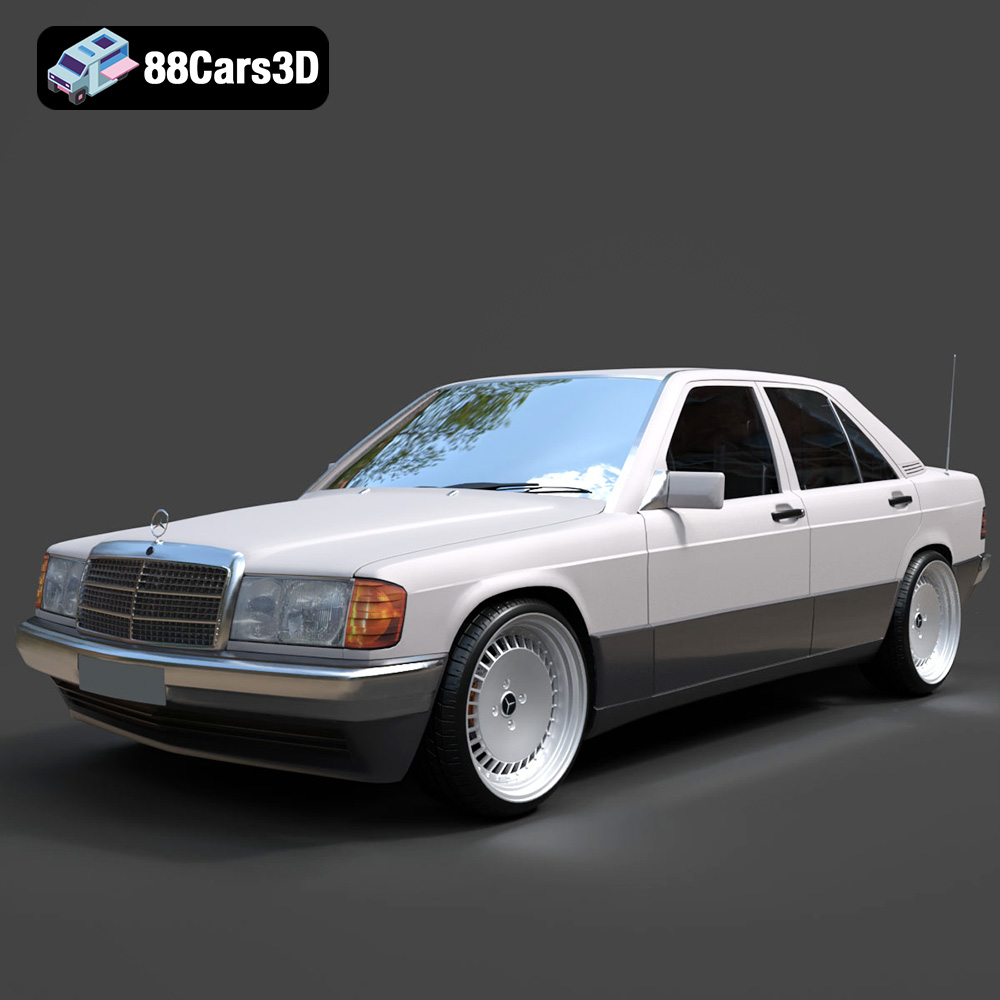
Mercedes-Benz 190 W201 3D Model
Texture: Yes
Material: Yes
Download the Mercedes-Benz 190 W201 3D Model featuring clean geometry, realistic detailing, and a fully modeled interior. Includes .blend, .fbx, .obj, .glb, .stl, .ply, .unreal, and .max formats for rendering, simulation, and game development.
Price: $23.99
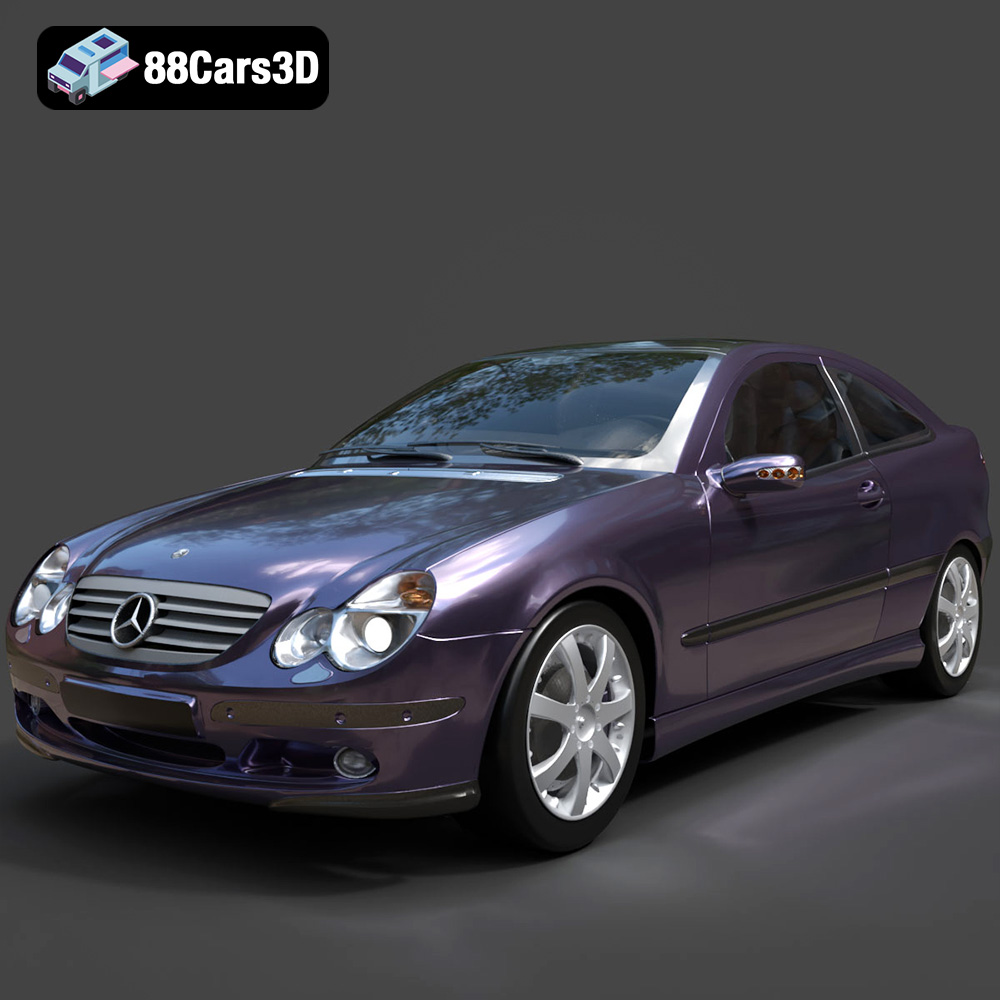
Mercedes-Benz C230 SportCoupé 2005 3D Model
Texture: Yes
Material: Yes
Download the Mercedes-Benz C230 SportCoupé 2005 3D Model featuring clean geometry, realistic detailing, and a fully modeled interior. Includes .blend, .fbx, .obj, .glb, .stl, .ply, .unreal, and .max formats for rendering, simulation, and game development.
Price: $23.99
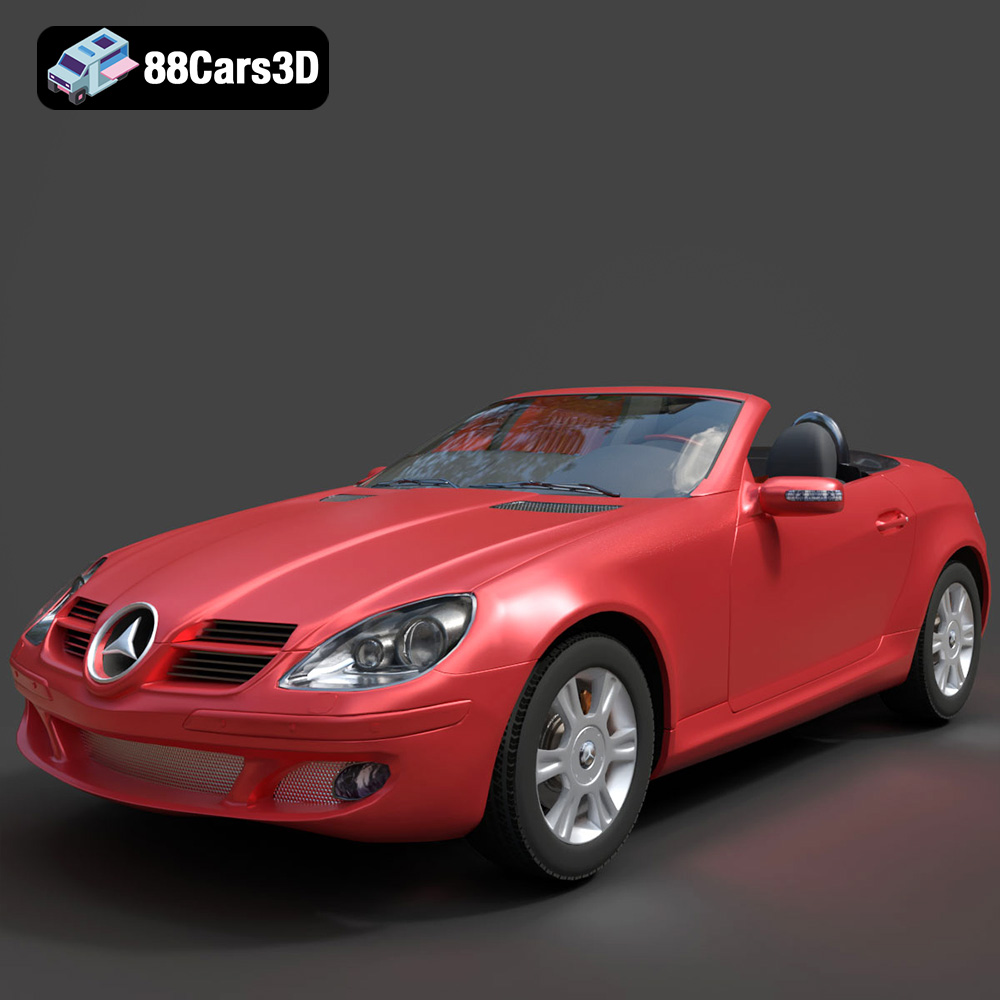
Mercedes-Benz SLK 3D Model
Texture: Yes
Material: Yes
Download the Mercedes-Benz SLK 3D Model featuring clean geometry, realistic detailing, and a fully modeled interior. Includes .blend, .fbx, .obj, .glb, .stl, .ply, .unreal, and .max formats for rendering, simulation, and game development.
Price: $23.99
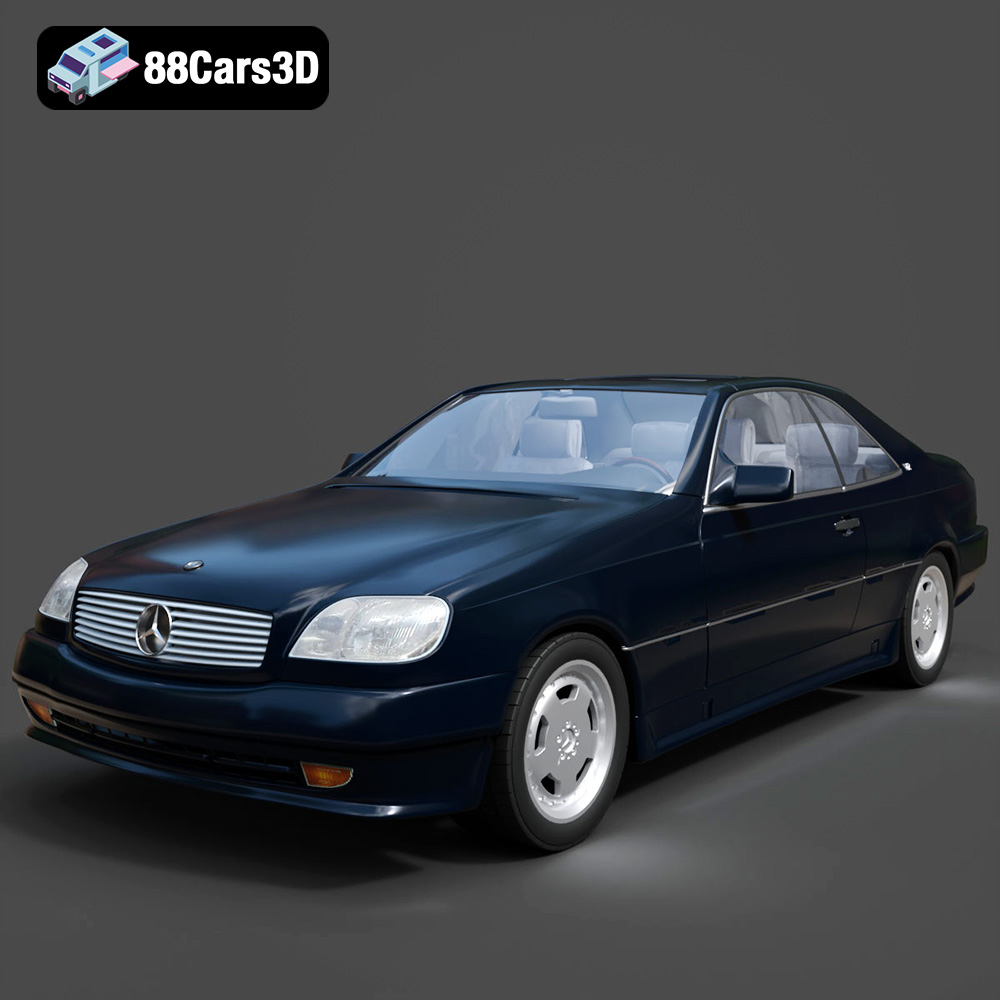
Mercedes 600 SEC W140 1992 3D Model
Texture: Yes
Material: Yes
Download the Mercedes 600 SEC W140 1992 3D Model featuring clean geometry, realistic detailing, and a fully modeled interior. Includes .blend, .fbx, .obj, .glb, .stl, .ply, .unreal, and .max formats for rendering, simulation, and game development.
Price: $23.99
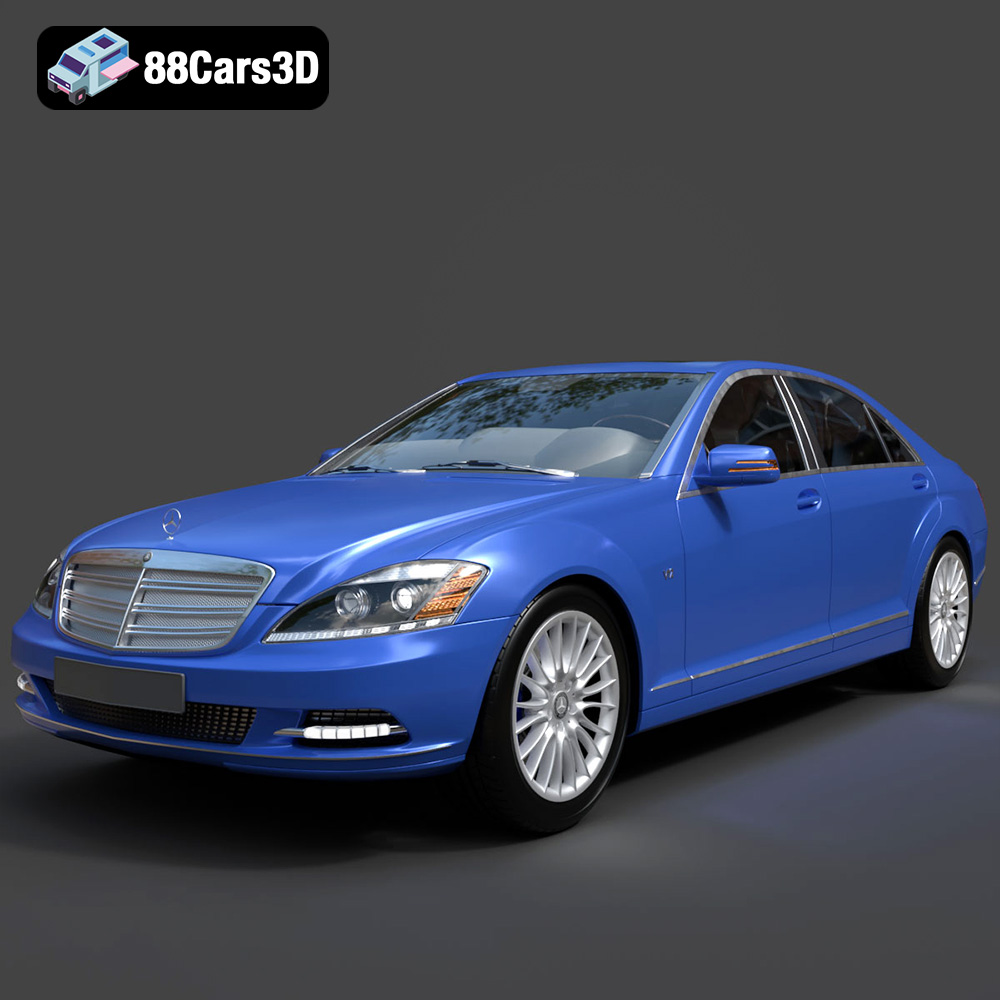
Mercedes S-Class 2010 3D Model
Texture: Yes
Material: Yes
Download the Mercedes S-Class 2010 3D Model featuring clean geometry, realistic detailing, and a fully modeled interior. Includes .blend, .fbx, .obj, .glb, .stl, .ply, .unreal, and .max formats for rendering, simulation, and game development.
Price: $23.99
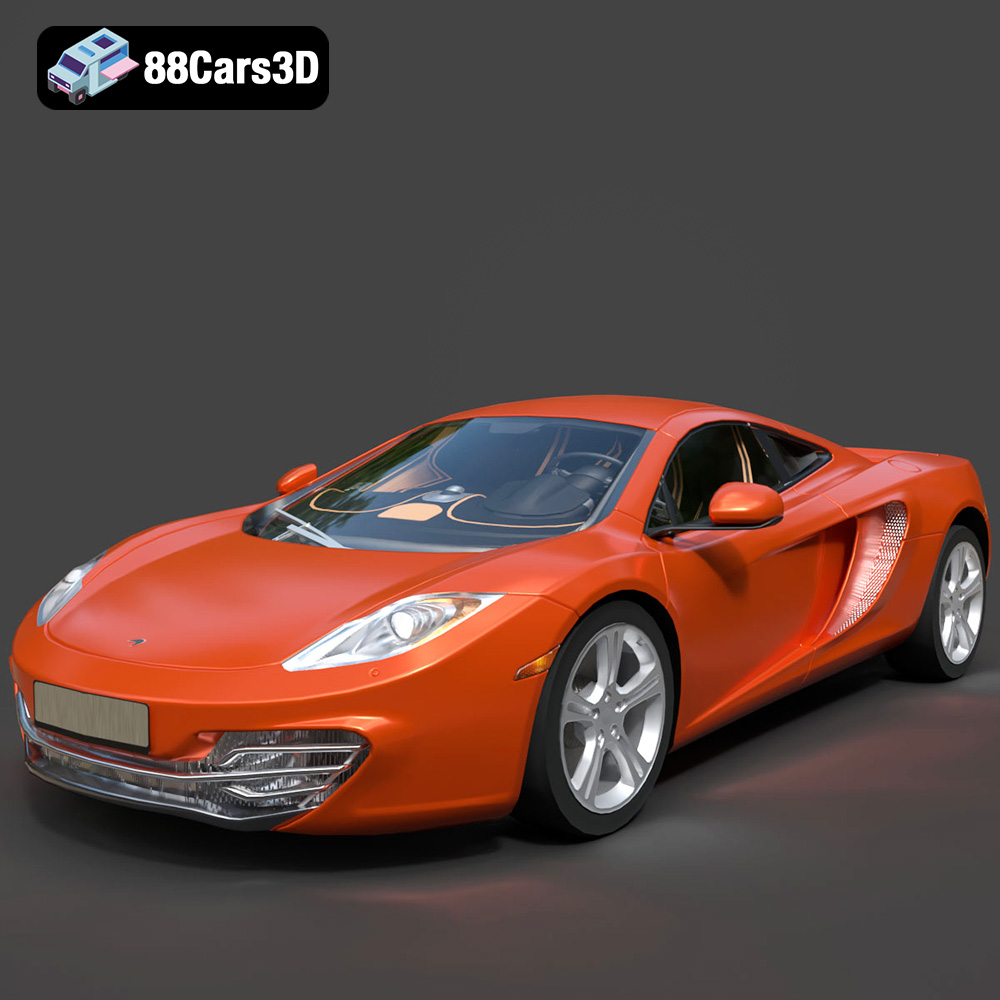
McLaren MP4-12C-001 3D Model
Texture: Yes
Material: Yes
Download the McLaren MP4-12C-001 3D Model featuring clean geometry, realistic detailing, and a fully modeled interior. Includes .blend, .fbx, .obj, .glb, .stl, .ply, .unreal, and .max formats for rendering, simulation, and game development.
Price: $23.99

Mercedes-Benz SLK 350 2005 3D Model
Texture: Yes
Material: Yes
Download the Mercedes-Benz SLK 350 2005 3D Model featuring clean geometry, realistic detailing, and a fully modeled interior. Includes .blend, .fbx, .obj, .glb, .stl, .ply, .unreal, and .max formats for rendering, simulation, and game development.
Price: $23.99
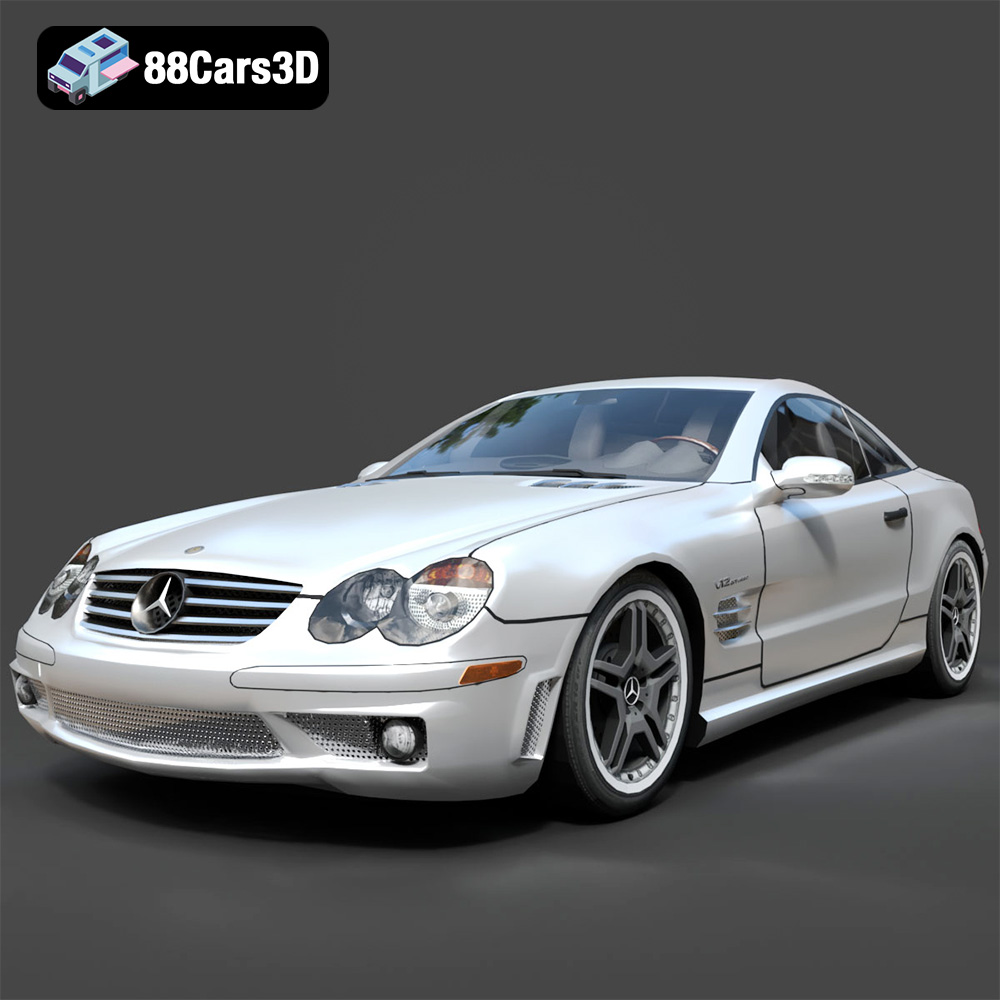
Mercedes-Benz SL 65 AMG 3D Model
Texture: Yes
Material: Yes
Download the Mercedes-Benz SL 65 AMG 3D Model featuring clean geometry, realistic detailing, and a fully modeled interior. Includes .blend, .fbx, .obj, .glb, .stl, .ply, .unreal, and .max formats for rendering, simulation, and game development.
Price: $23.99
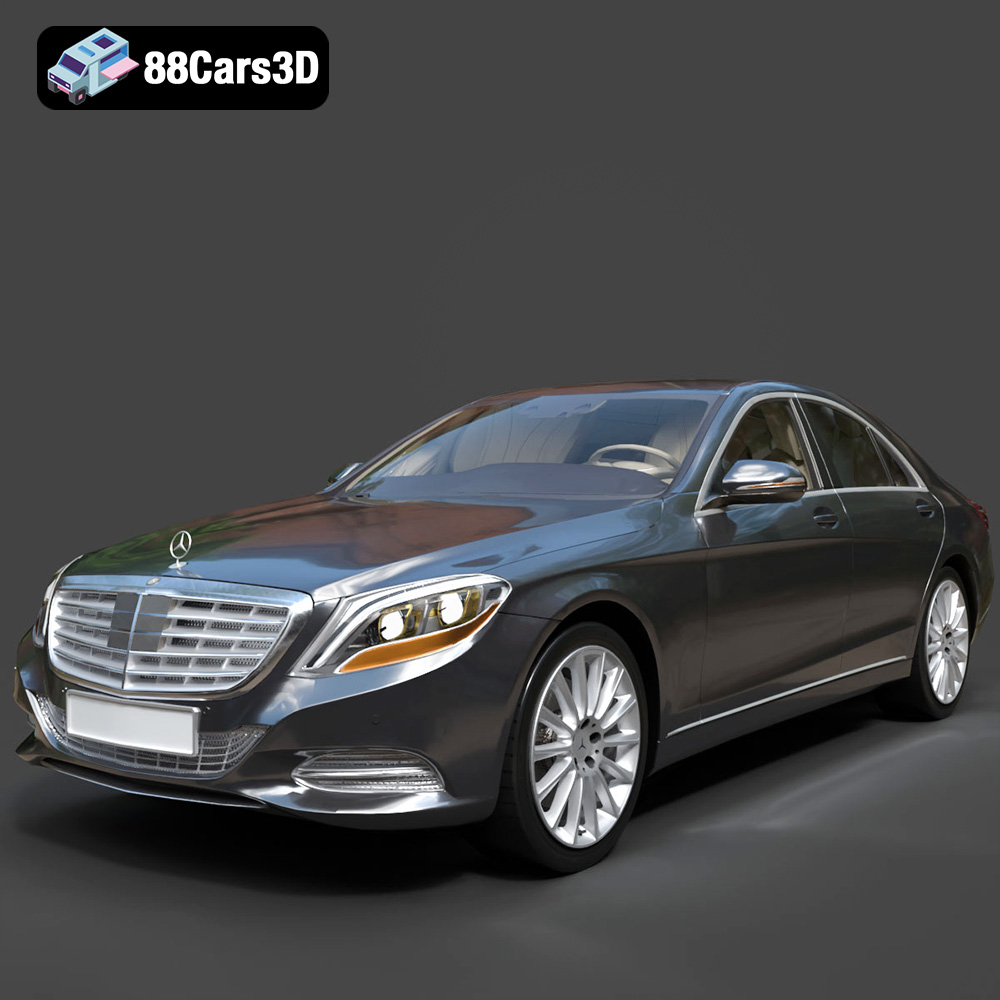
Mercedes-Benz S500 3D Model
Texture: Yes
Material: Yes
Download the Mercedes-Benz S500 3D Model featuring clean geometry, realistic detailing, and a fully modeled interior. Includes .blend, .fbx, .obj, .glb, .stl, .ply, .unreal, and .max formats for rendering, simulation, and game development.
Price: $23.99
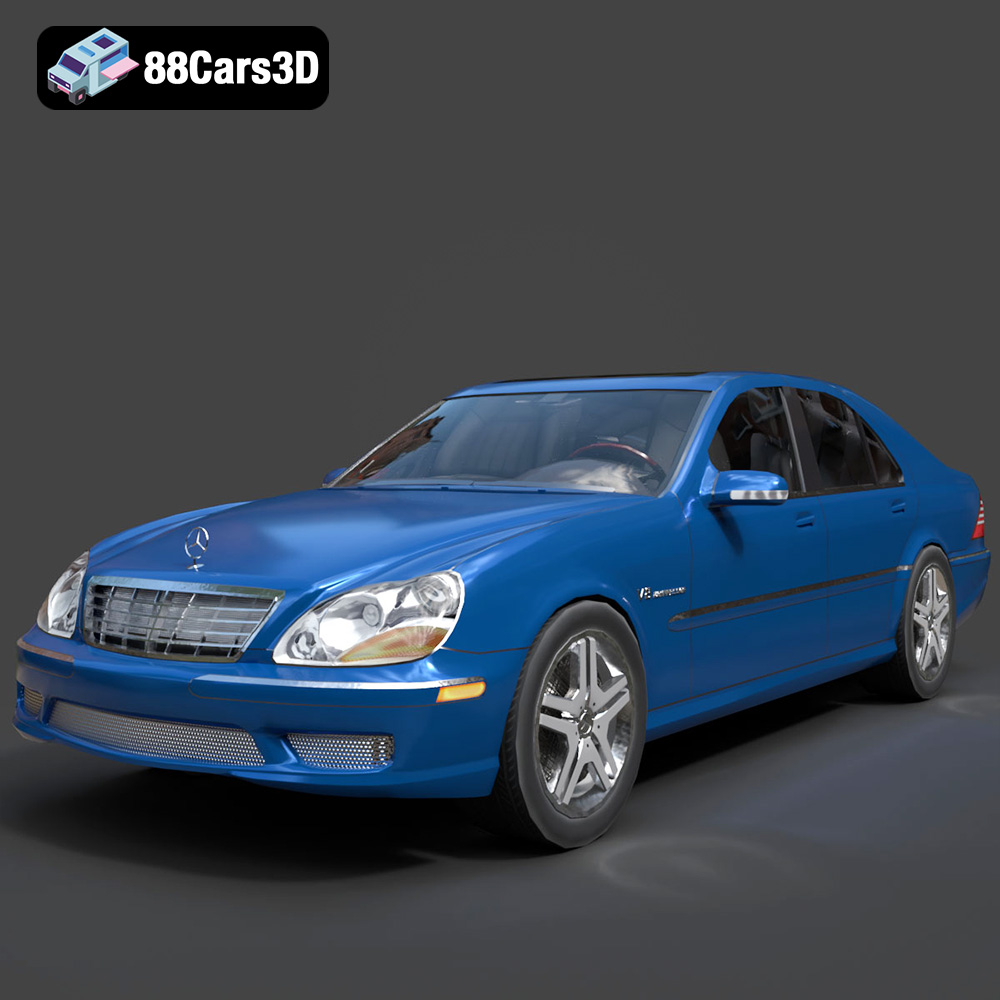
Mercedes-Benz S55 W220 AMG 1999 3D Model
Texture: Yes
Material: Yes
Download the Mercedes-Benz S55 W220 AMG 1999 3D Model featuring clean geometry, realistic detailing, and a fully modeled interior. Includes .blend, .fbx, .obj, .glb, .stl, .ply, .unreal, and .max formats for rendering, simulation, and game development.
Price: $23.99
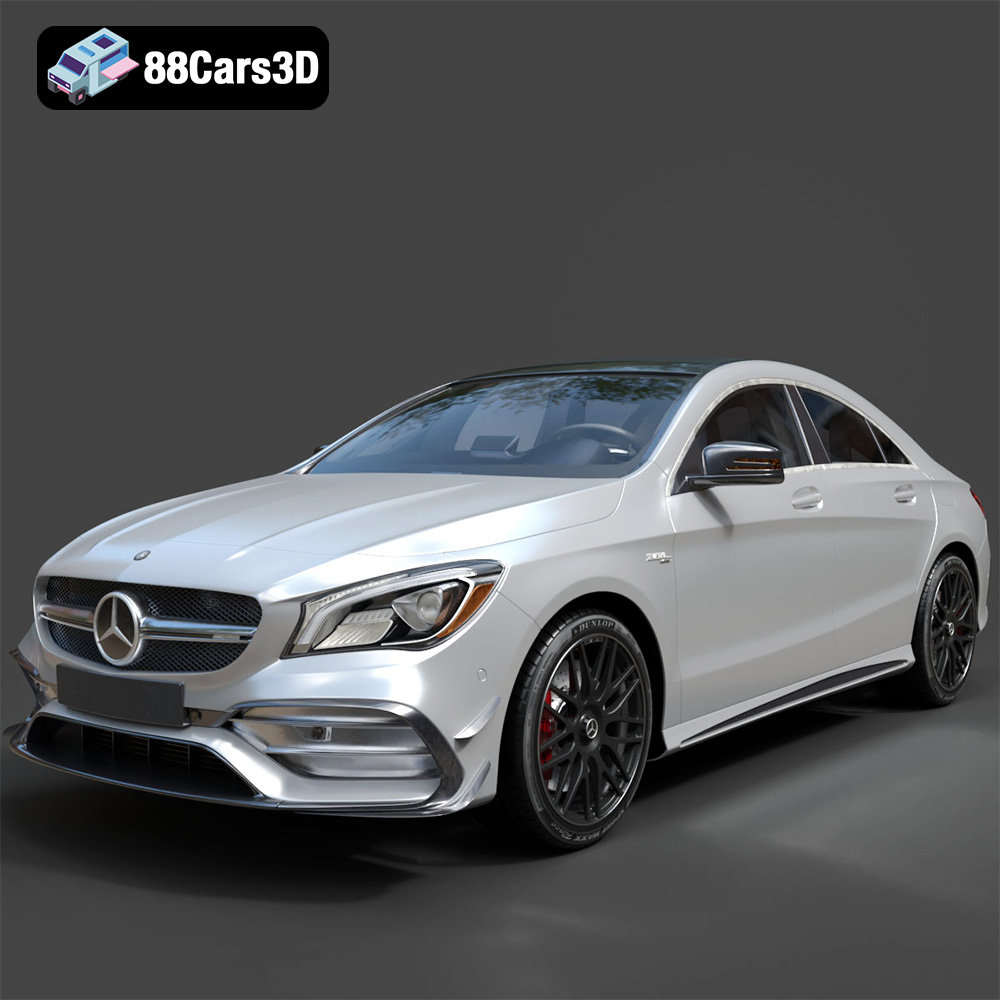
Mercedes-Benz CLA45 AMG 2017 3D Model
Texture: Yes
Material: Yes
Download the Mercedes-Benz CLA45 AMG 2017 3D Model featuring clean geometry, realistic detailing, and a fully modeled interior. Includes .blend, .fbx, .obj, .glb, .stl, .ply, .unreal, and .max formats for rendering, simulation, and game development.
Price: $38.99
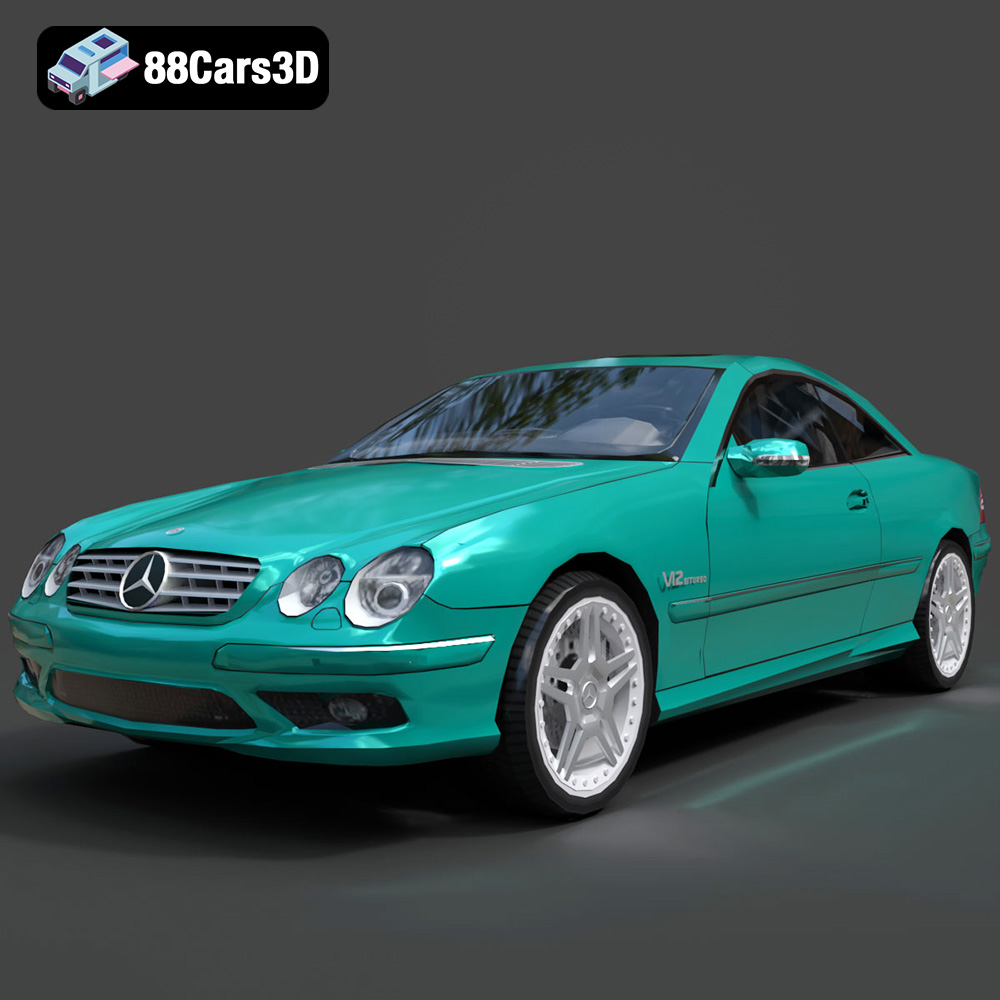
Mercedes-Benz CL65 C215 AMG 3D Model
Texture: Yes
Material: Yes
Download the Mercedes-Benz CL65 C215 AMG 3D Model featuring clean geometry, realistic detailing, and a fully modeled interior. Includes .blend, .fbx, .obj, .glb, .stl, .ply, .unreal, and .max formats for rendering, simulation, and game development.
Price: $23.99
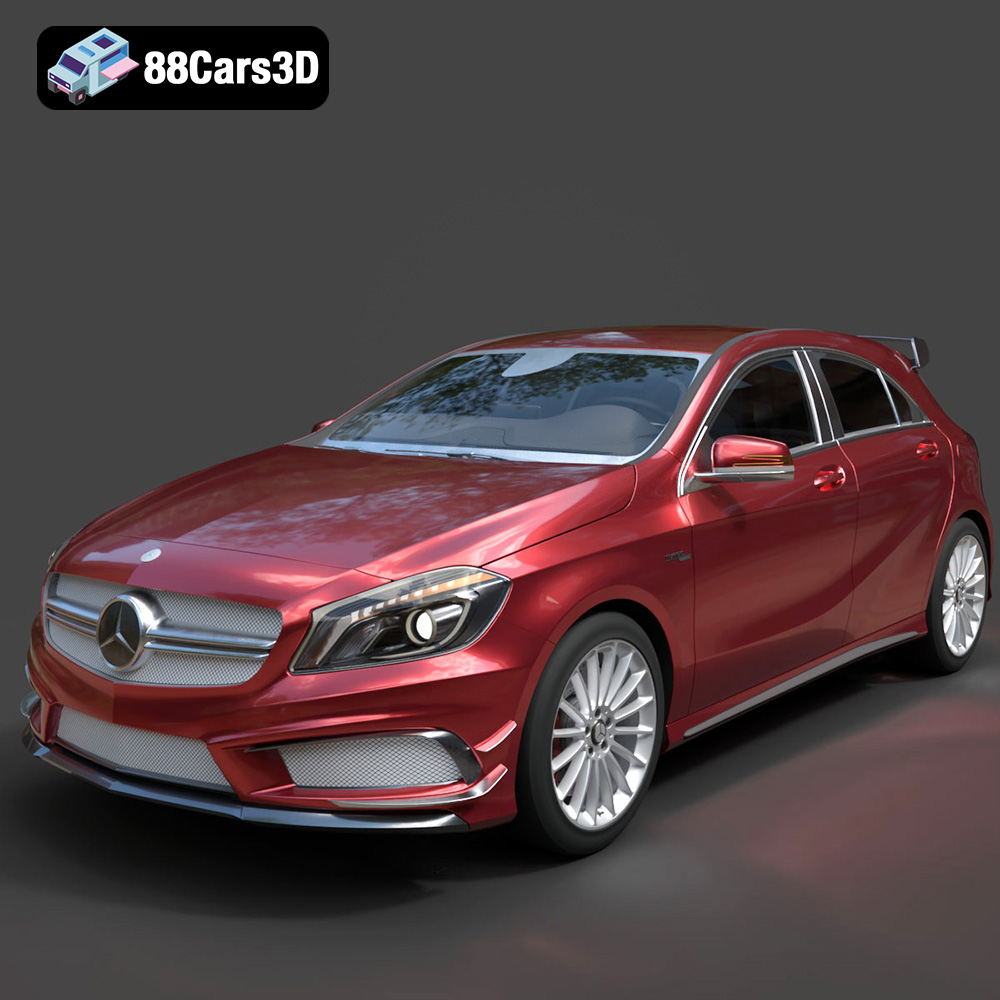
Mercedes-Benz A45 2021 3D Model
Texture: Yes
Material: Yes
Download the Mercedes-Benz A45 2021 3D Model featuring clean geometry, realistic detailing, and a fully modeled interior. Includes .blend, .fbx, .obj, .glb, .stl, .ply, .unreal, and .max formats for rendering, simulation, and game development.
Price: $23.99
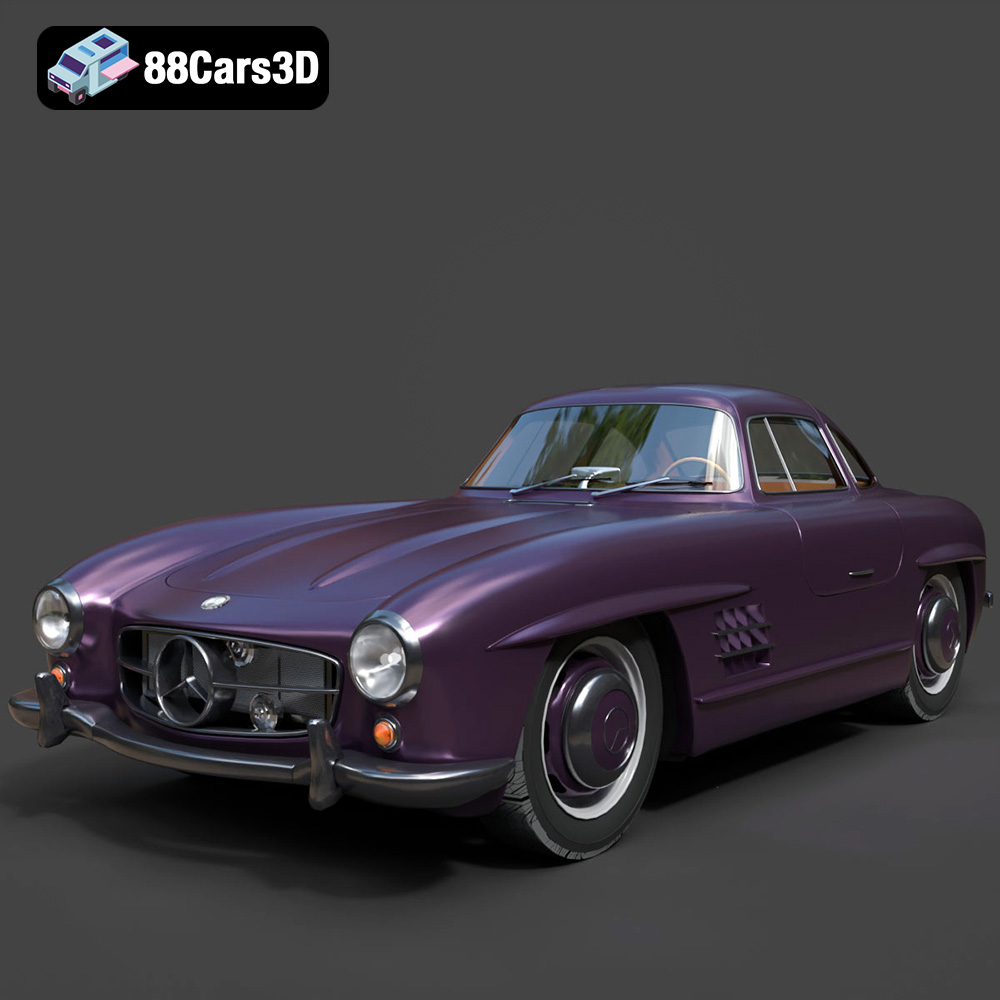
Mercedes-Benz 300SL 1955 3D Model
Texture: Yes
Material: Yes
Download the Mercedes-Benz 300SL 1955 3D Model featuring clean geometry, realistic detailing, and a fully modeled interior. Includes .blend, .fbx, .obj, .glb, .stl, .ply, .unreal, and .max formats for rendering, simulation, and game development.
Price: $23.99
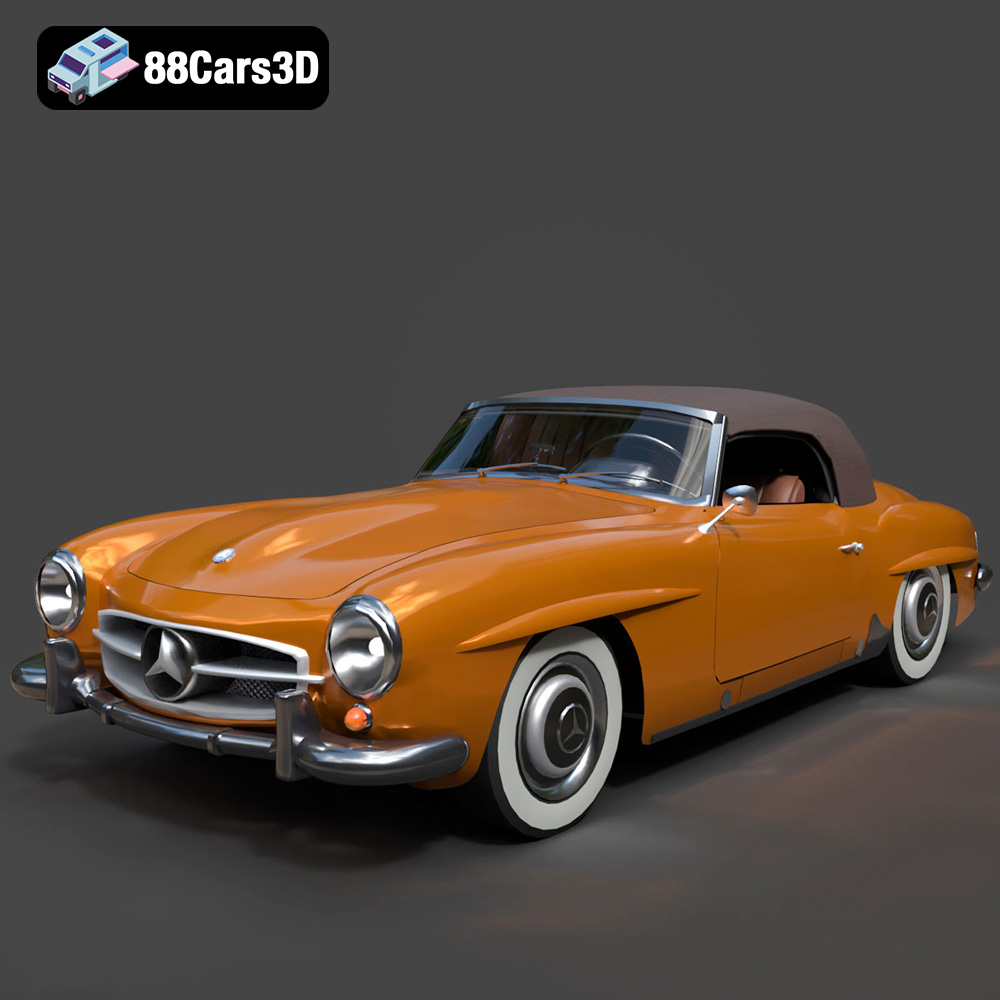
Mercedes-Benz 190SL 1955 3D Model
Texture: Yes
Material: Yes
Download the Mercedes-Benz 190SL 1955 3D Model featuring clean geometry, realistic detailing, and a fully modeled interior. Includes .blend, .fbx, .obj, .glb, .stl, .ply, .unreal, and .max formats for rendering, simulation, and game development.
Price: $23.99
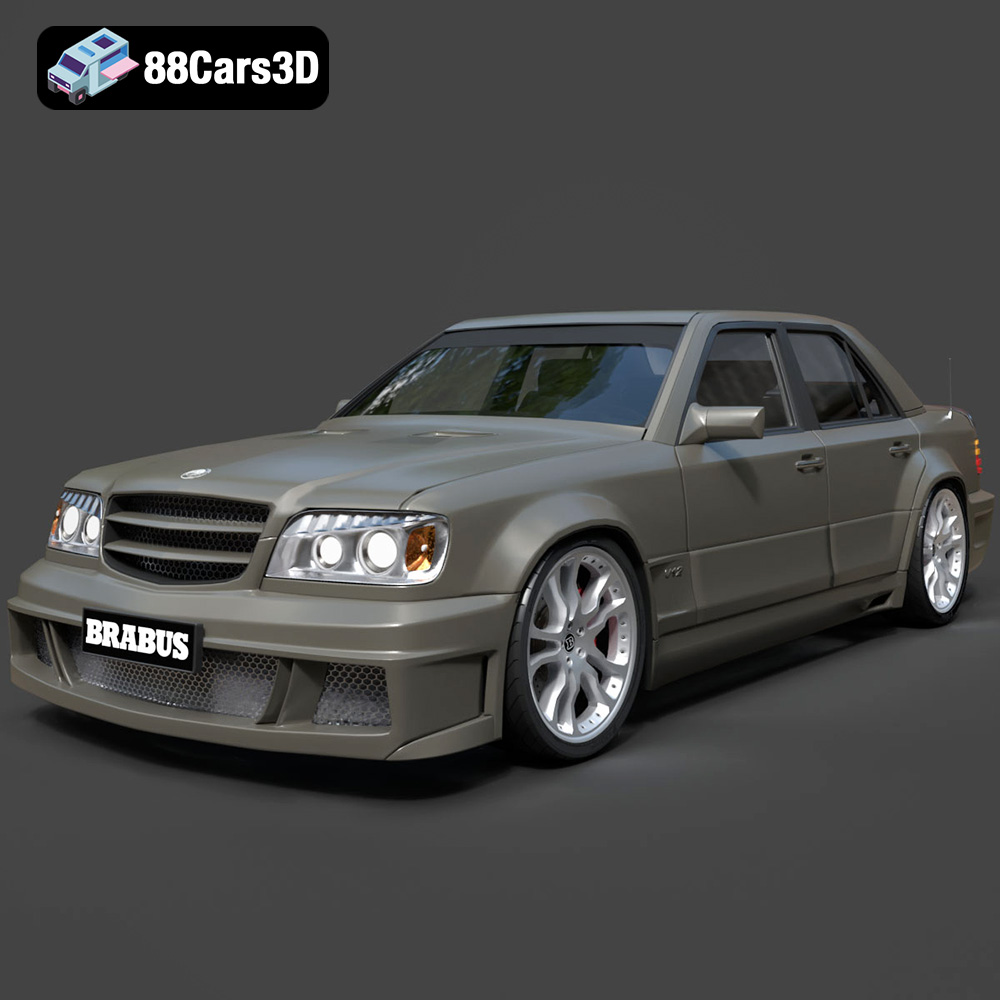
Mercedes-Benz W124 Brabus V12 3D Model
Texture: Yes
Material: Yes
Download the Mercedes-Benz W124 Brabus V12 3D Model featuring clean geometry, realistic detailing, and a fully modeled interior. Includes .blend, .fbx, .obj, .glb, .stl, .ply, .unreal, and .max formats for rendering, simulation, and game development.
Price: $23.99
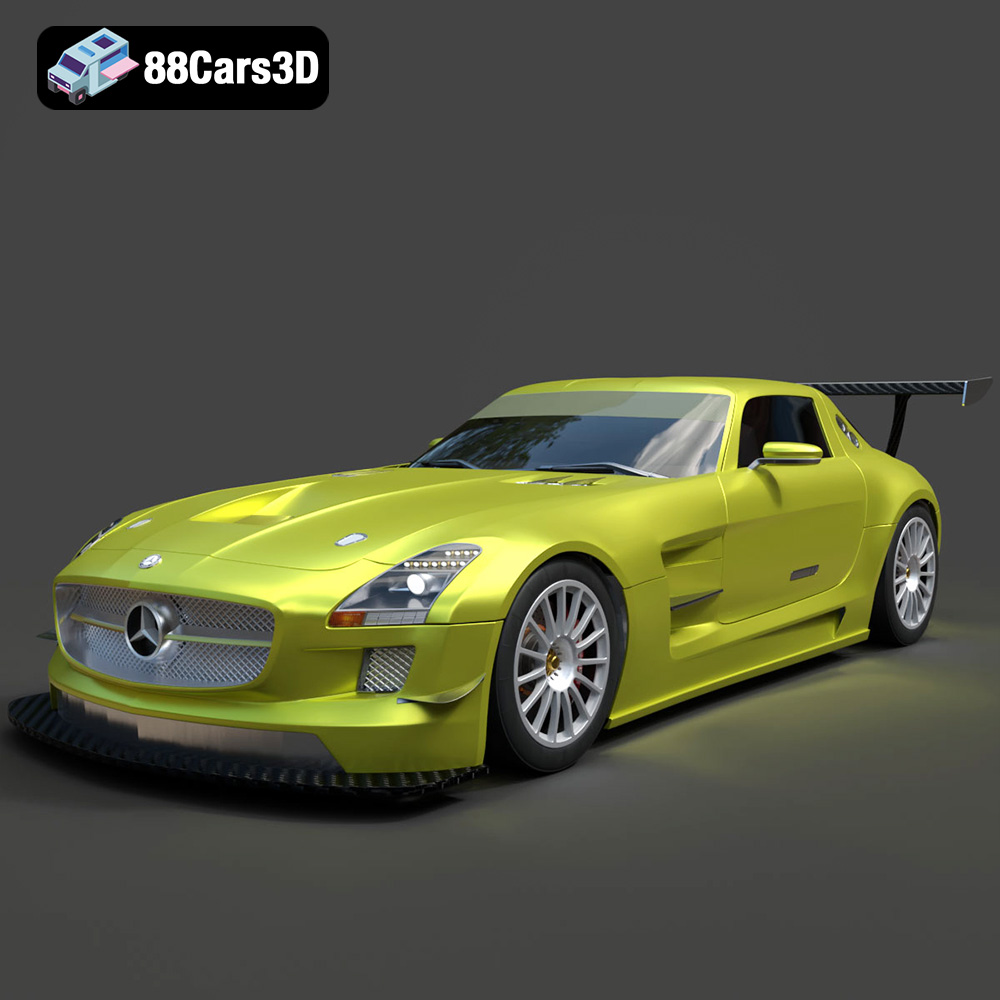
Mercedes-Benz SLS AMG GT3-002 3D Model
Texture: Yes
Material: Yes
Download the Mercedes-Benz SLS AMG GT3-002 3D Model featuring clean geometry, realistic detailing, and a fully modeled interior. Includes .blend, .fbx, .obj, .glb, .stl, .ply, .unreal, and .max formats for rendering, simulation, and game development.
Price: $38.99

Mercedes-Benz C-Class-001 3D Model
Texture: Yes
Material: Yes
Download the Mercedes-Benz C-Class-001 3D Model featuring clean geometry, realistic detailing, and a fully modeled interior. Includes .blend, .fbx, .obj, .glb, .stl, .ply, .unreal, and .max formats for rendering, simulation, and game development.
Price: $38.99
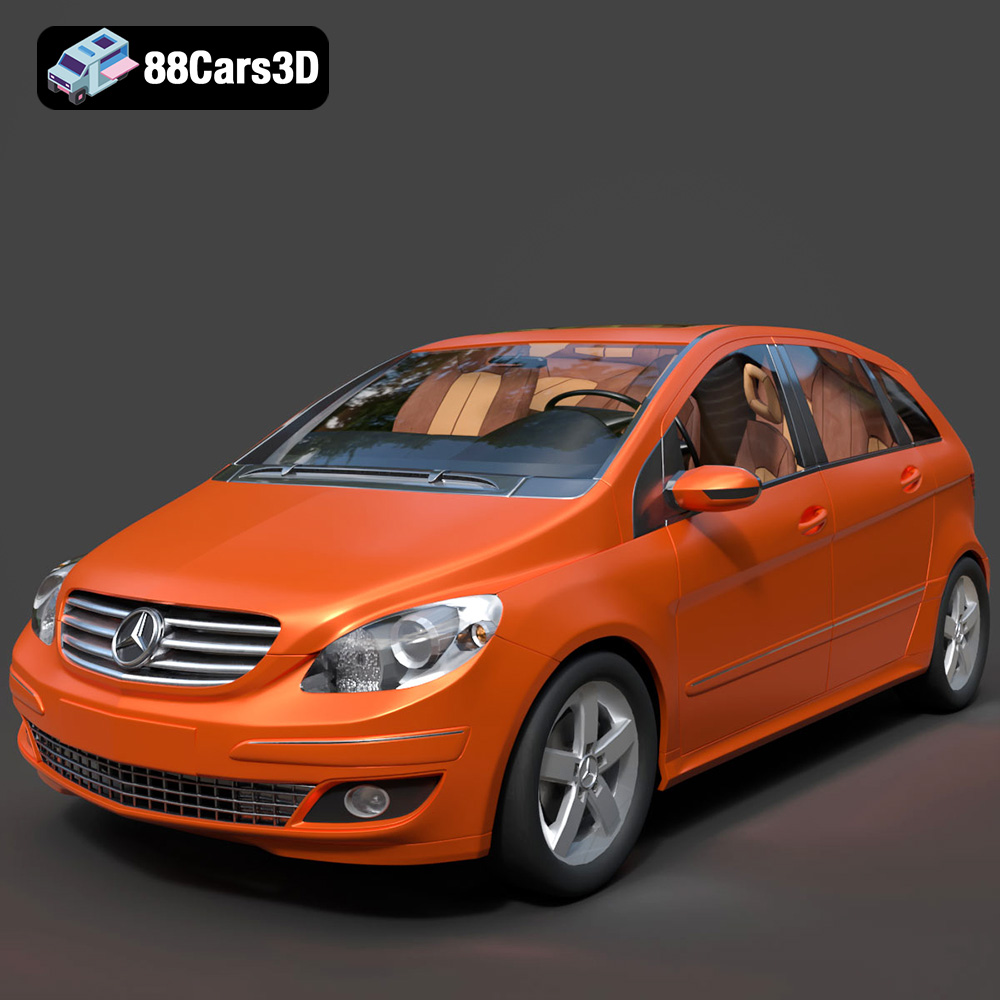
Mercedes-Benz B-Klasse 2023 3D Model
Texture: Yes
Material: Yes
Download the Mercedes-Benz B-Klasse 2023 3D Model featuring clean geometry, realistic detailing, and a fully modeled interior. Includes .blend, .fbx, .obj, .glb, .stl, .ply, .unreal, and .max formats for rendering, simulation, and game development.
Price: $38.99
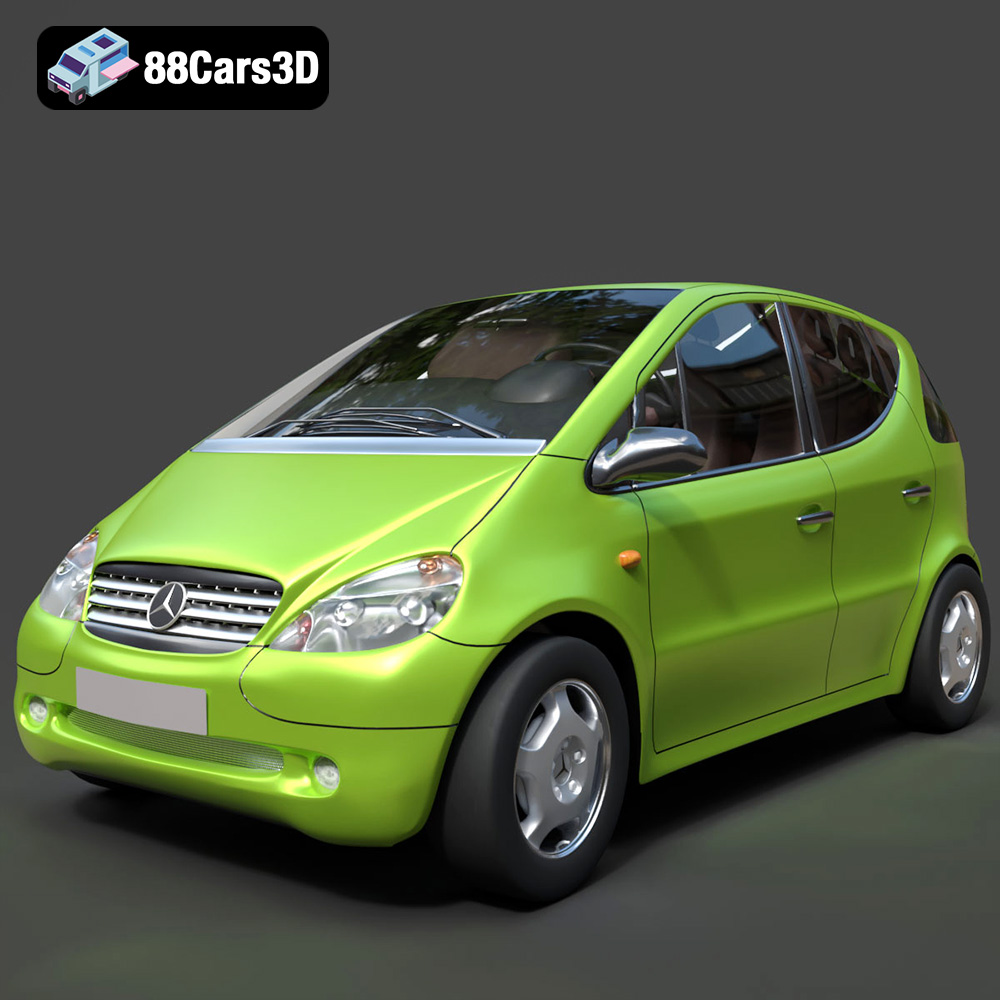
Mercedes-Benz A-Klasse W168 3D Model
Texture: Yes
Material: Yes
Download the Mercedes-Benz A-Klasse W168 3D Model featuring clean geometry, realistic detailing, and a fully modeled interior. Includes .blend, .fbx, .obj, .glb, .stl, .ply, .unreal, and .max formats for rendering, simulation, and game development.
Price: $38.99
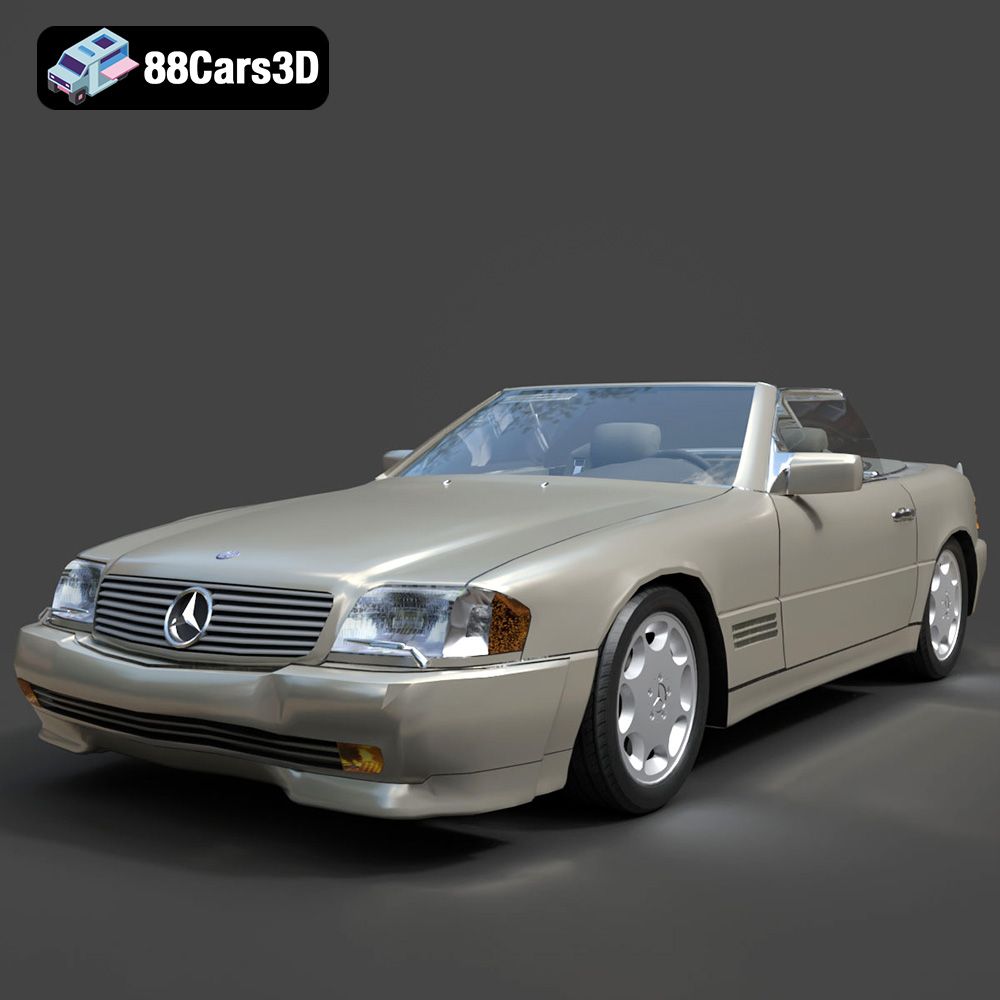
Mercedes-Benz 500SL 2000 3D Model
Texture: Yes
Material: Yes
Download the Mercedes-Benz 500SL 2000 3D Model featuring clean geometry, realistic detailing, and a fully modeled interior. Includes .blend, .fbx, .obj, .glb, .stl, .ply, .unreal, and .max formats for rendering, simulation, and game development.
Price: $38.99
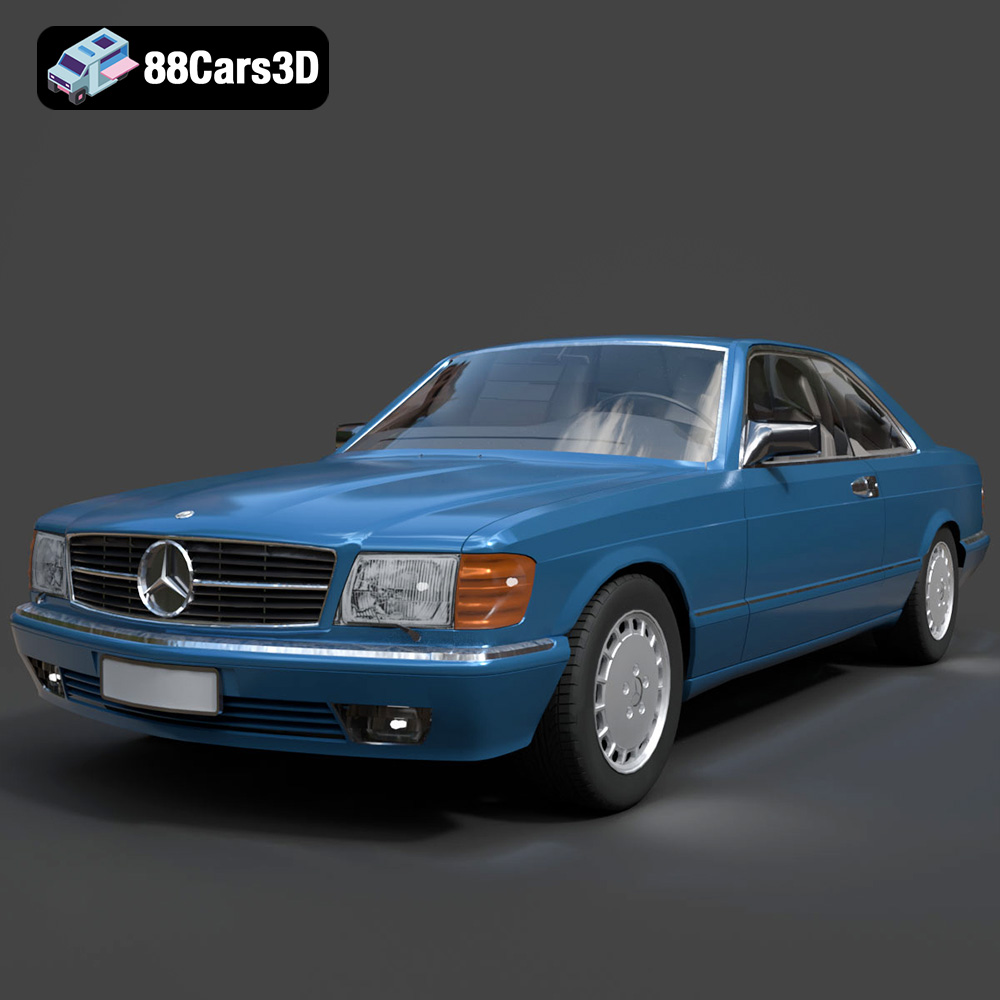
Mercedes-Benz 500SEC 3D Model
Texture: Yes
Material: Yes
Download the Mercedes-Benz 500SEC 3D Model featuring clean geometry, realistic detailing, and a fully modeled interior. Includes .blend, .fbx, .obj, .glb, .stl, .ply, .unreal, and .max formats for rendering, simulation, and game development.
Price: $38.99
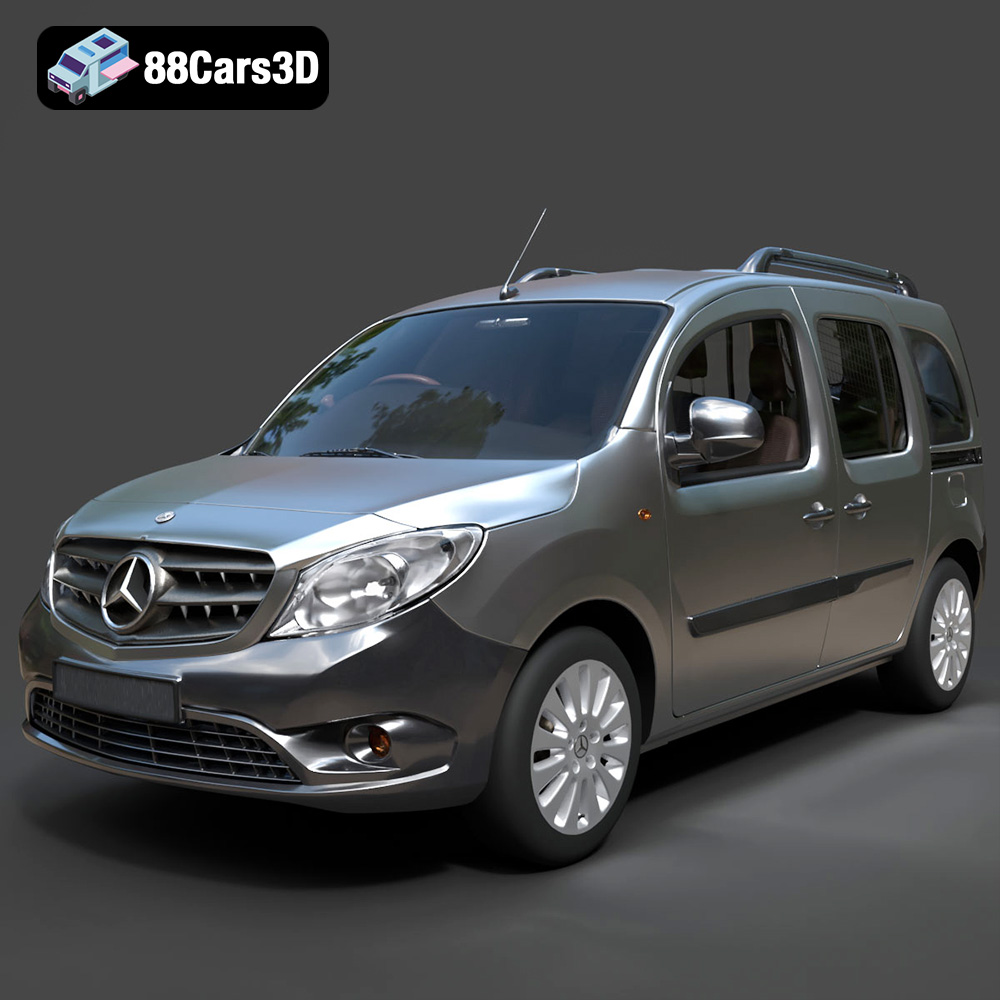
Mercedes-Benz Citan 2025 3D Model
Texture: Yes
Material: Yes
Download the Mercedes-Benz Citan 2025 3D Model featuring clean geometry, realistic detailing, and a fully modeled interior. Includes .blend, .fbx, .obj, .glb, .stl, .ply, .unreal, and .max formats for rendering, simulation, and game development.
Price: $38.99
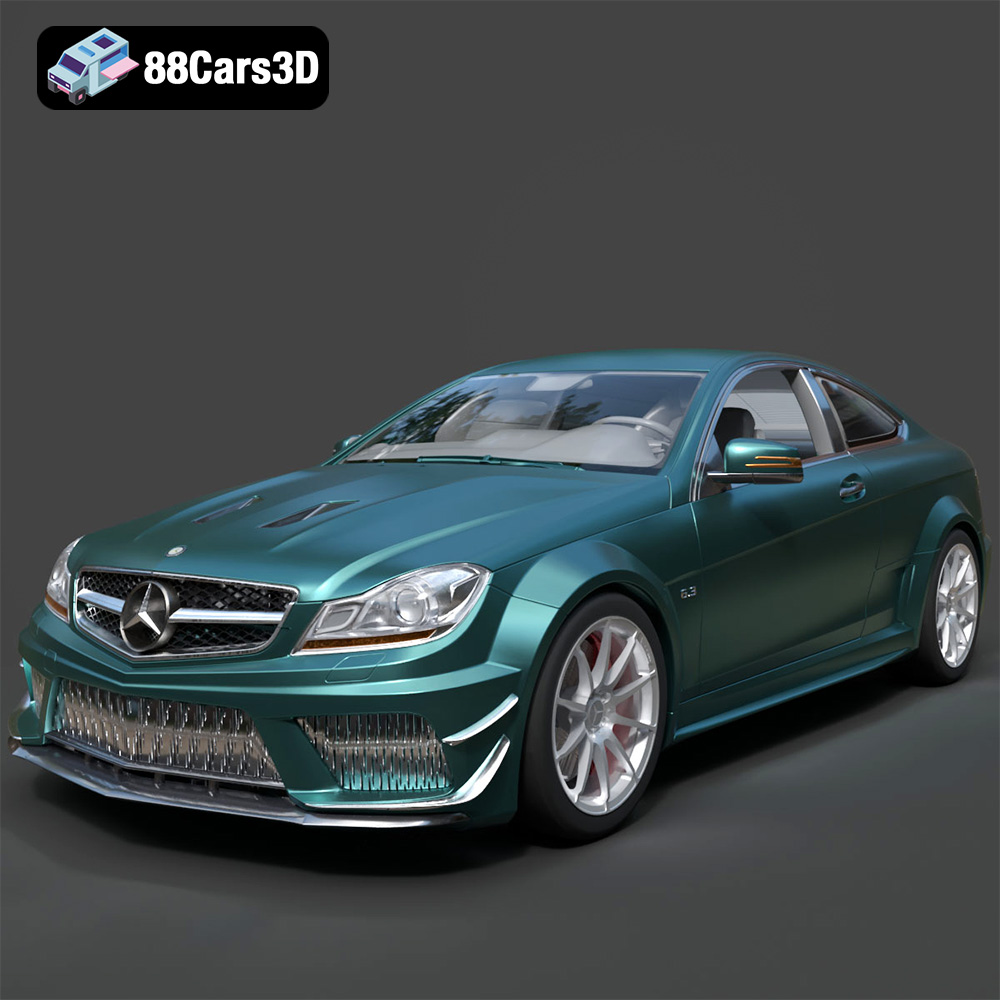
Mercedes-Benz C63 AMG 2012 3D Model
Texture: Yes
Material: Yes
Download the Mercedes-Benz C63 AMG 2012 3D Model featuring clean geometry, realistic detailing, and a fully modeled interior. Includes .blend, .fbx, .obj, .glb, .stl, .ply, .unreal, and .max formats for rendering, simulation, and game development.
Price: $38.99
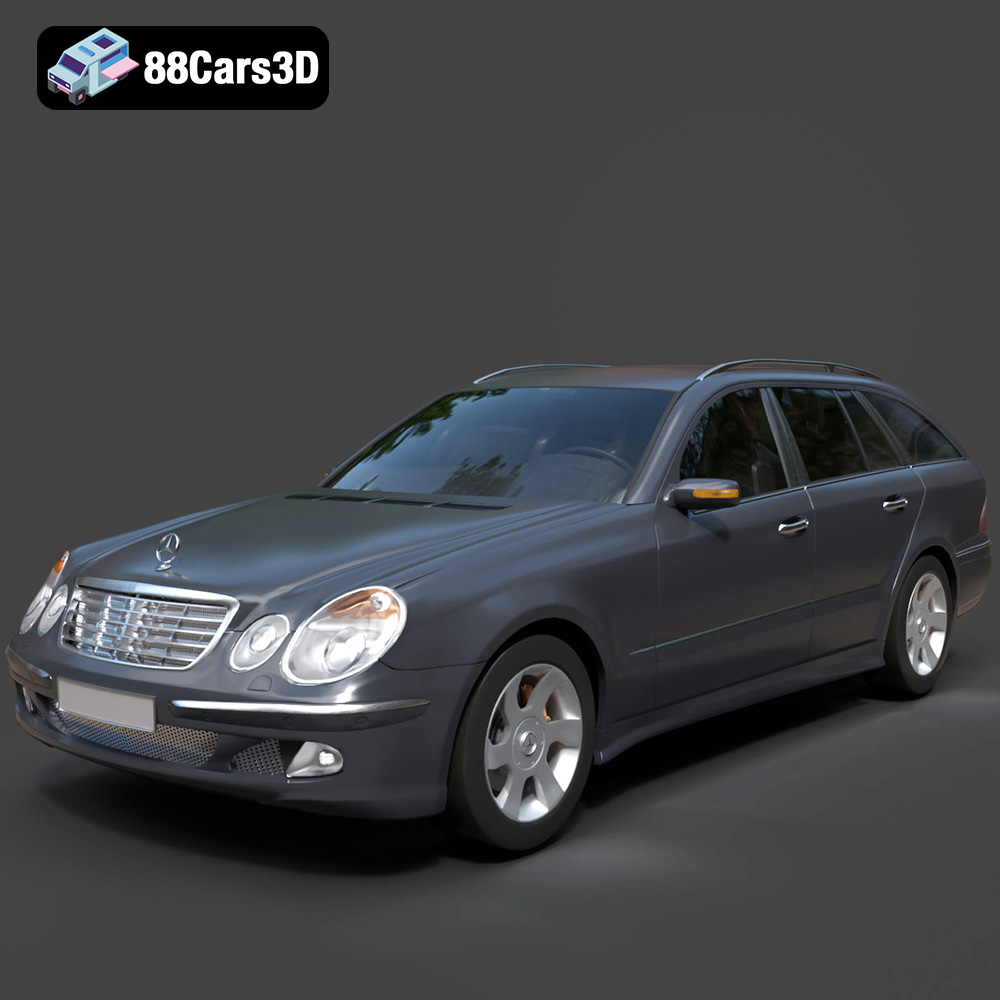
Mercedes-Benz E-Class S211 3D Model
Texture: Yes
Material: Yes
Download the Mercedes-Benz E-Class S211 3D Model featuring clean geometry, realistic detailing, and a fully modeled interior. Includes .blend, .fbx, .obj, .glb, .stl, .ply, .unreal, and .max formats for rendering, simulation, and game development.
Price: $38.99
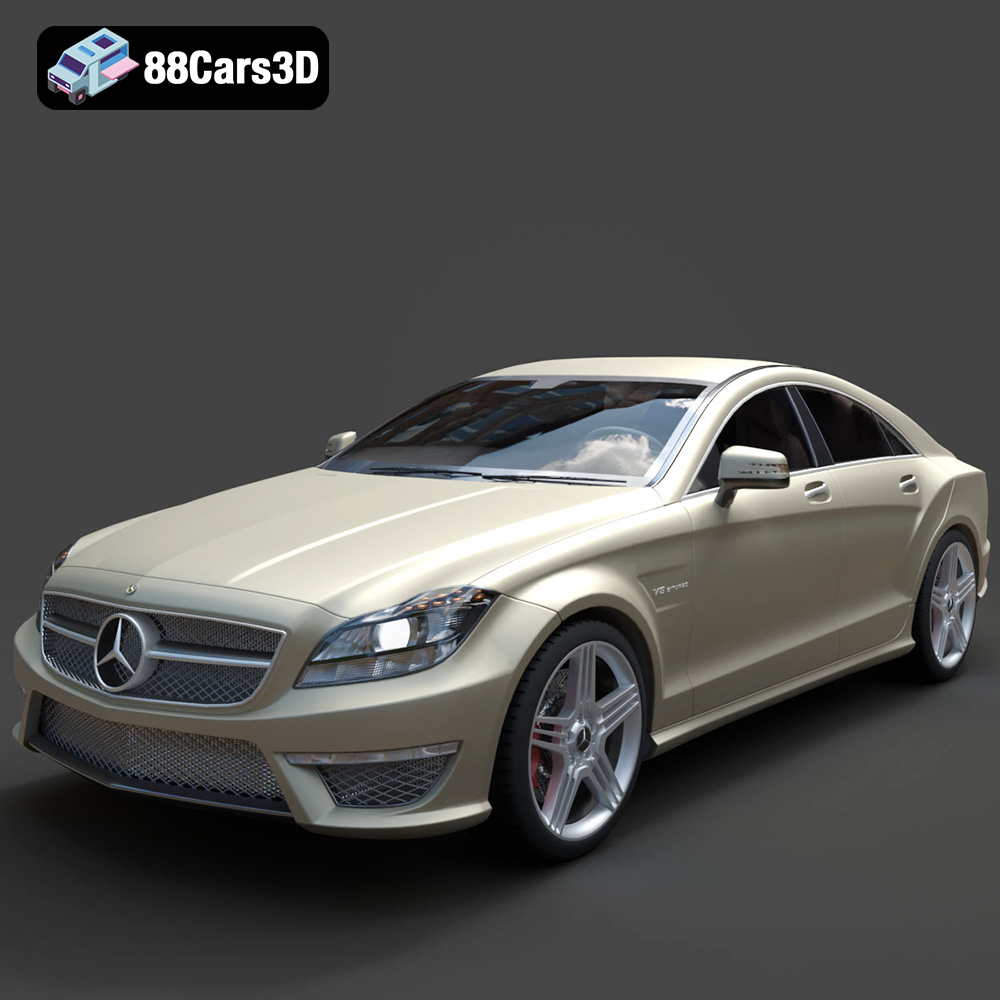
Mercedes-Benz CLS63 AMG (C218) 2014 3D Model
Texture: Yes
Material: Yes
Download the Mercedes-Benz CLS63 AMG (C218) 2014 3D Model featuring clean geometry, realistic detailing, and a fully modeled interior. Includes .blend, .fbx, .obj, .glb, .stl, .ply, .unreal, and .max formats for rendering, simulation, and game development.
Price: $38.99
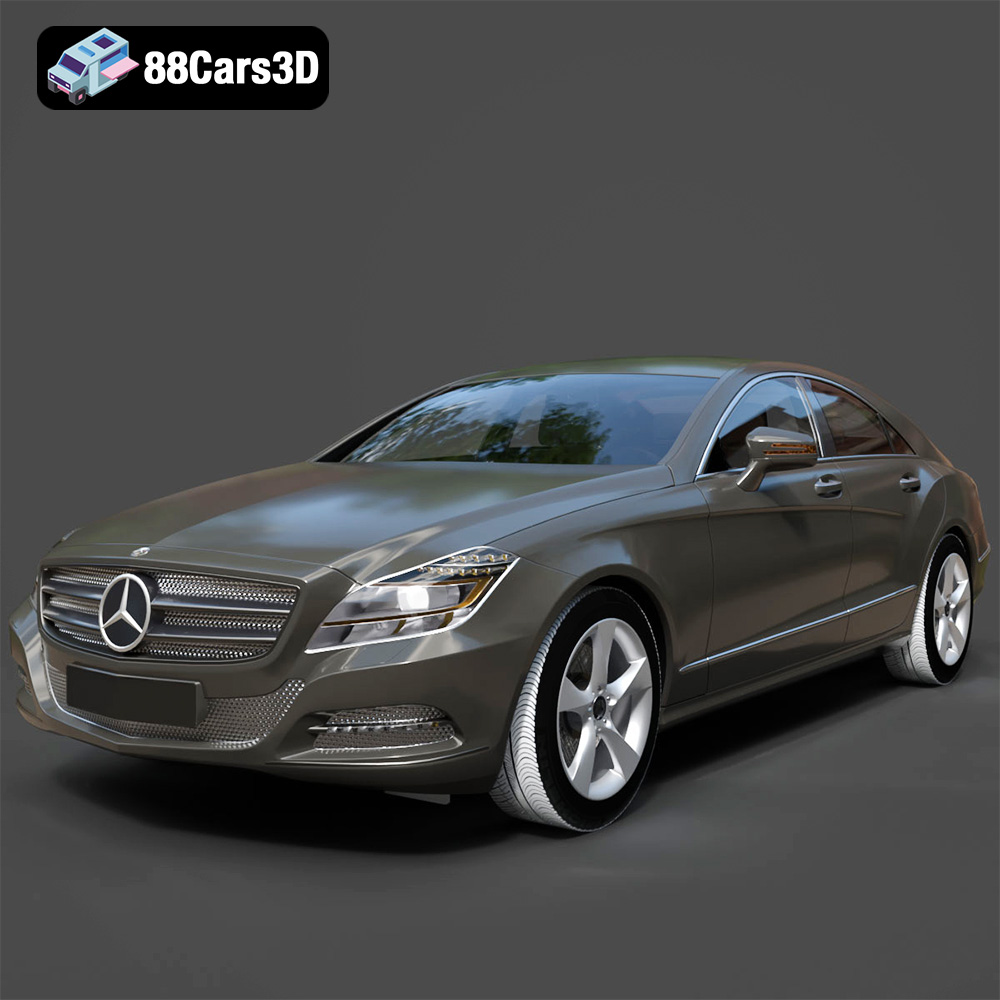
Mercedes-Benz CLS-Klasse 3D Model
Texture: Yes
Material: Yes
Download the Mercedes-Benz CLS-Klasse 3D Model featuring clean geometry, realistic detailing, and a fully modeled interior. Includes .blend, .fbx, .obj, .glb, .stl, .ply, .unreal, and .max formats for rendering, simulation, and game development.
Price: $38.99
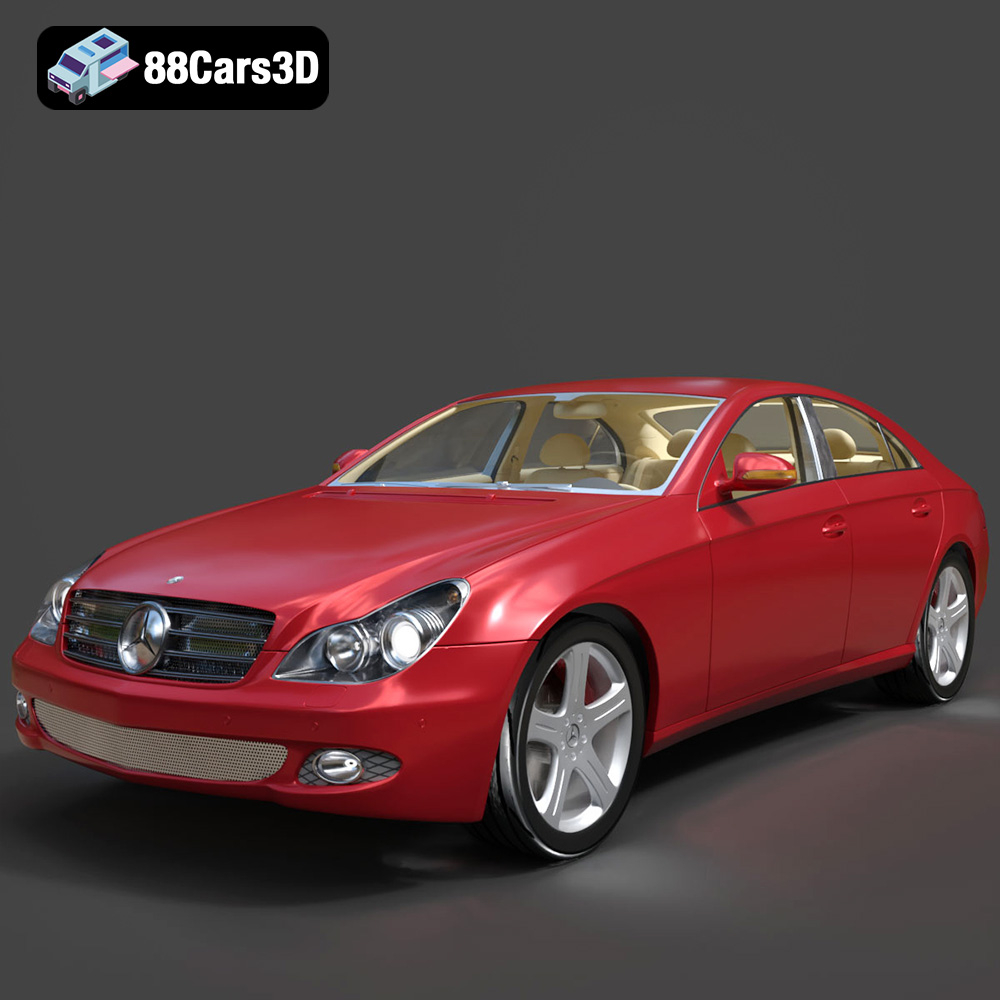
Mercedes-Benz CLS 500 3D Model
Texture: Yes
Material: Yes
Download the Mercedes-Benz CLS 500 3D Model featuring clean geometry, realistic detailing, and a fully modeled interior. Includes .blend, .fbx, .obj, .glb, .stl, .ply, .unreal, and .max formats for rendering, simulation, and game development.
Price: $38.99

Mercedes-Benz CL-Klasse 2001 3D Model
Texture: Yes
Material: Yes
Download the Mercedes-Benz CL-Klasse 2001 3D Model featuring clean geometry, realistic detailing, and a fully modeled interior. Includes .blend, .fbx, .obj, .glb, .stl, .ply, .unreal, and .max formats for rendering, simulation, and game development.
Price: $38.99
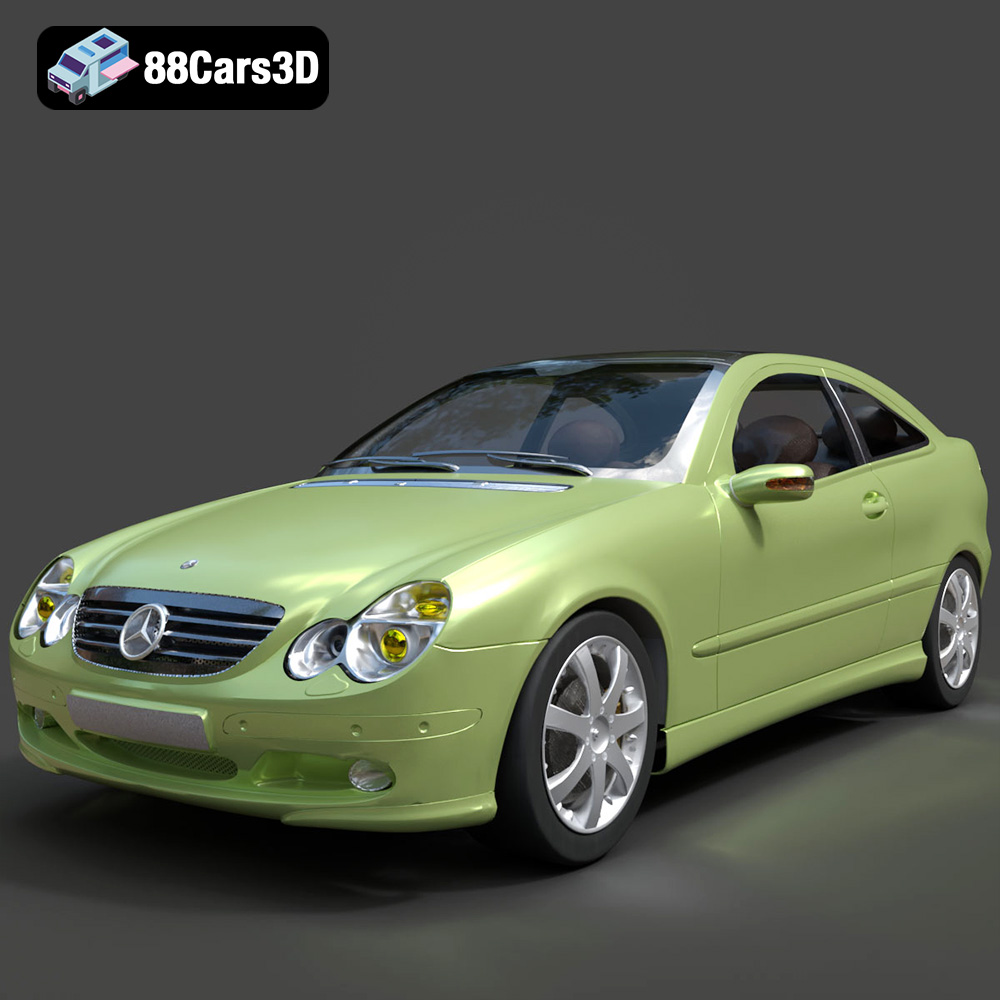
Mercedes-Benz C-Klasse Sportcoupe 2000 3D Model
Texture: Yes
Material: Yes
Download the Mercedes-Benz C-Klasse Sportcoupe 2000 3D Model featuring clean geometry, realistic detailing, and a fully modeled interior. Includes .blend, .fbx, .obj, .glb, .stl, .ply, .unreal, and .max formats for rendering, simulation, and game development.
Price: $38.99
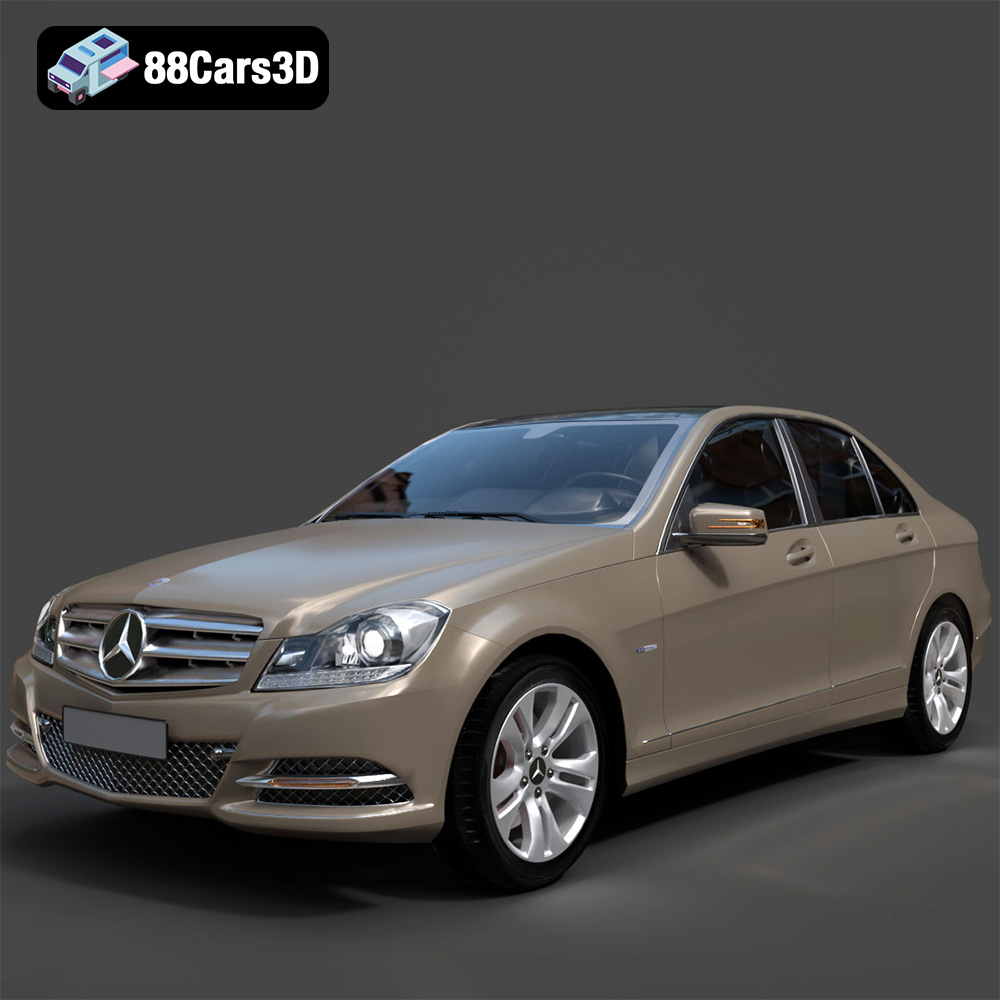
Mercedes-Benz C-Klasse 204 2011 3D Model
Texture: Yes
Material: Yes
Download the Mercedes-Benz C-Klasse 204 2011 3D Model featuring clean geometry, realistic detailing, and a fully modeled interior. Includes .blend, .fbx, .obj, .glb, .stl, .ply, .unreal, and .max formats for rendering, simulation, and game development.
Price: $38.99
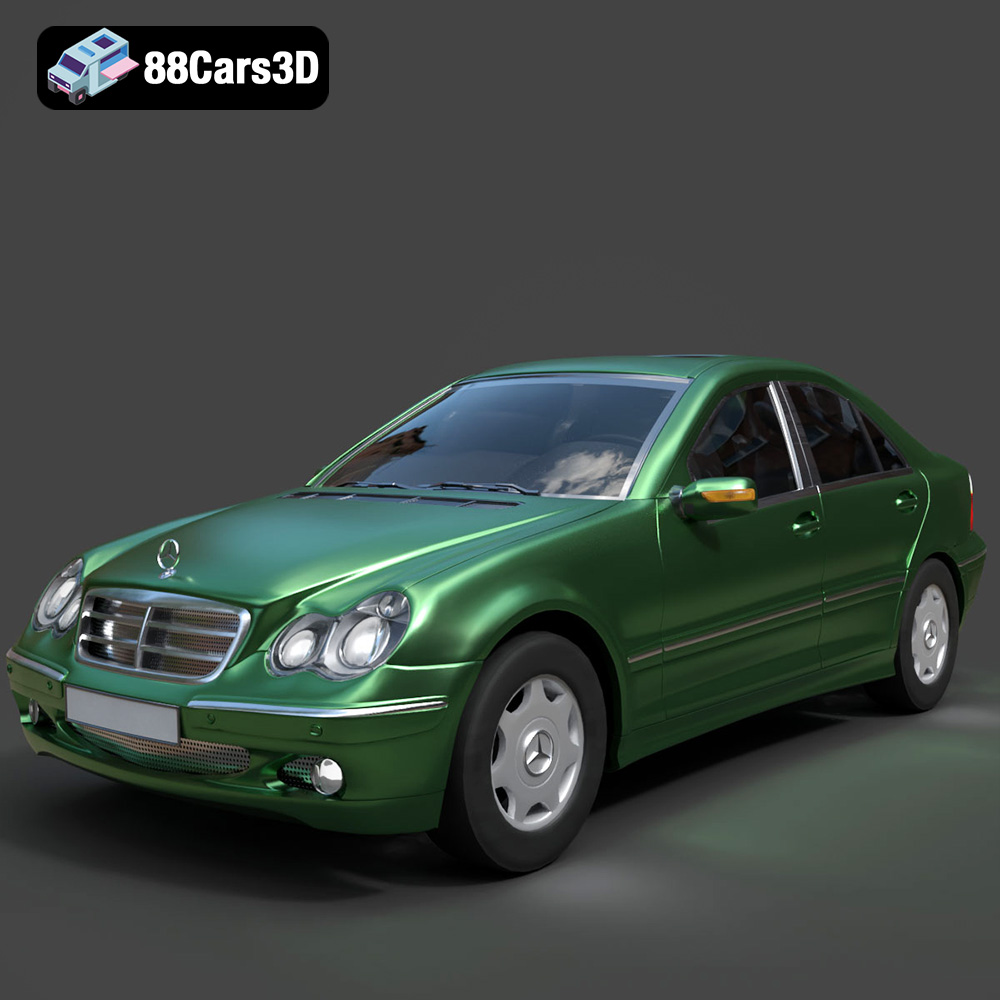
Mercedes-Benz C-Class Sedan 2000 3D Model
Texture: Yes
Material: Yes
Download the Mercedes-Benz C-Class Sedan 3D Model featuring clean geometry, realistic detailing, and a fully modeled interior. Includes .blend, .fbx, .obj, .glb, .stl, .ply, .unreal, and .max formats for rendering, simulation, and game development.
Price: $38.99
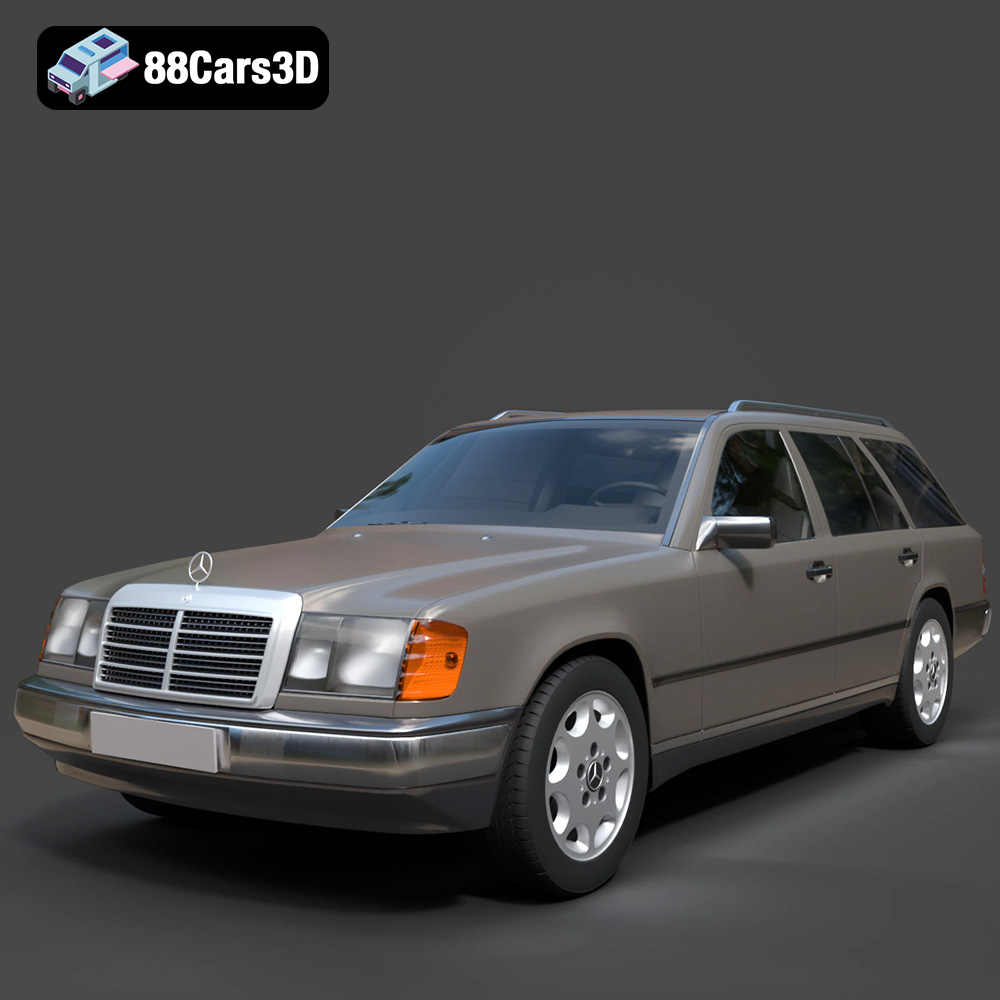
Mercedes E-Class w124 Kombi 3D Model
Texture: Yes
Material: Yes
Download the Mercedes E-Class w124 Kombi 3D Model featuring clean geometry, realistic detailing, and a fully modeled interior. Includes .blend, .fbx, .obj, .glb, .stl, .ply, .unreal, and .max formats for rendering, simulation, and game development.
Price: $38.99
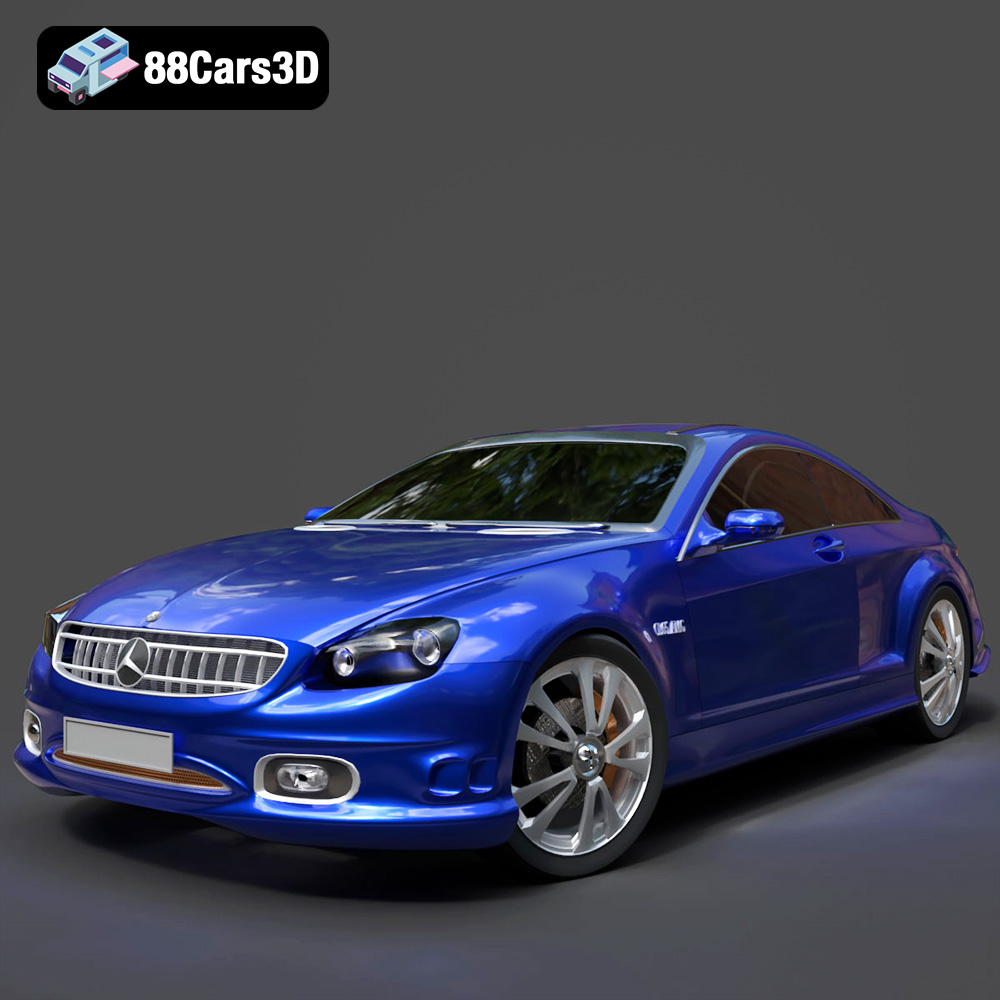
Mercedes-Benz CL6540-005 3D Model
Texture: Yes
Material: Yes
Download the Mercedes-Benz CL6540-005 3D Model featuring clean geometry, realistic detailing, and a fully modeled interior. Includes .blend, .fbx, .obj, .glb, .stl, .ply, .unreal, and .max formats for rendering, simulation, and game development.
Price: $38.99
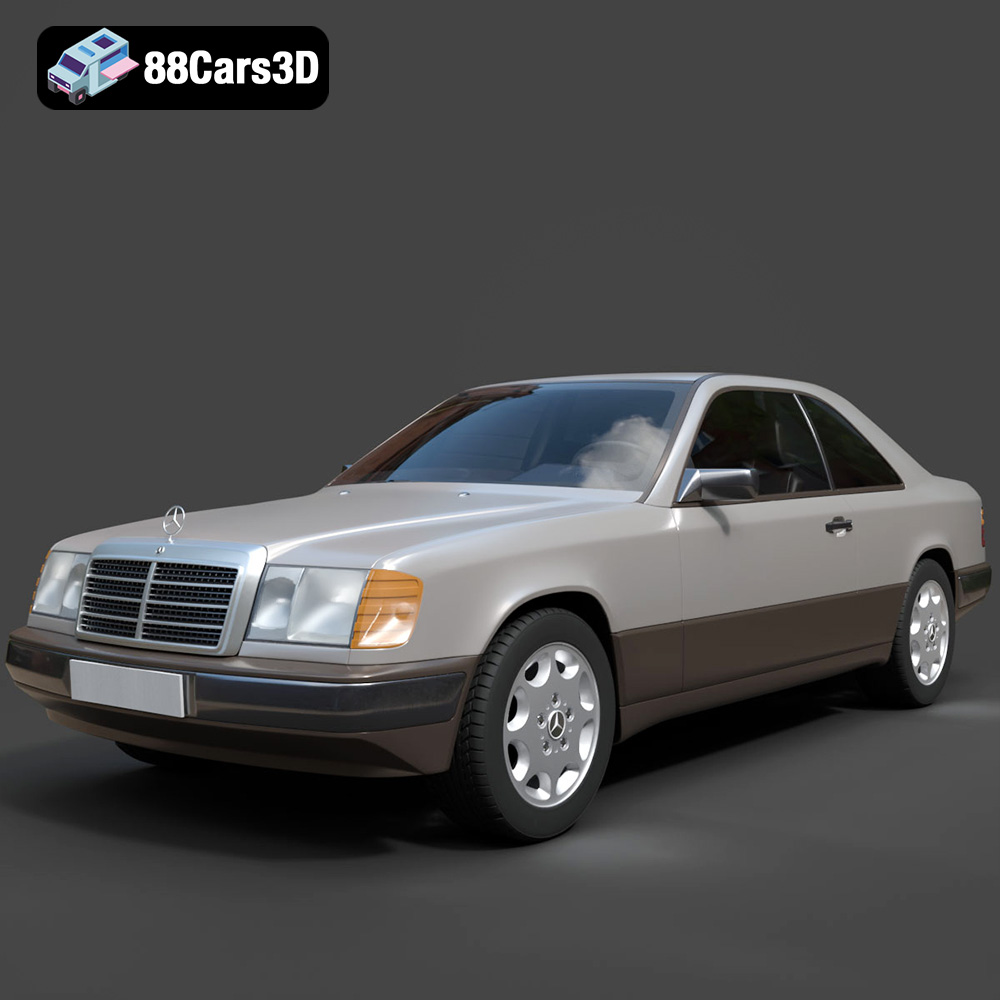
Mercedes E-Class w124 Coupe 3D Model
Texture: Yes
Material: Yes
Download the Mercedes E-Class w124 Coupe 3D Model featuring clean geometry, realistic detailing, and a fully modeled interior. Includes .blend, .fbx, .obj, .glb, .stl, .ply, .unreal, and .max formats for rendering, simulation, and game development.
Price: $38.99
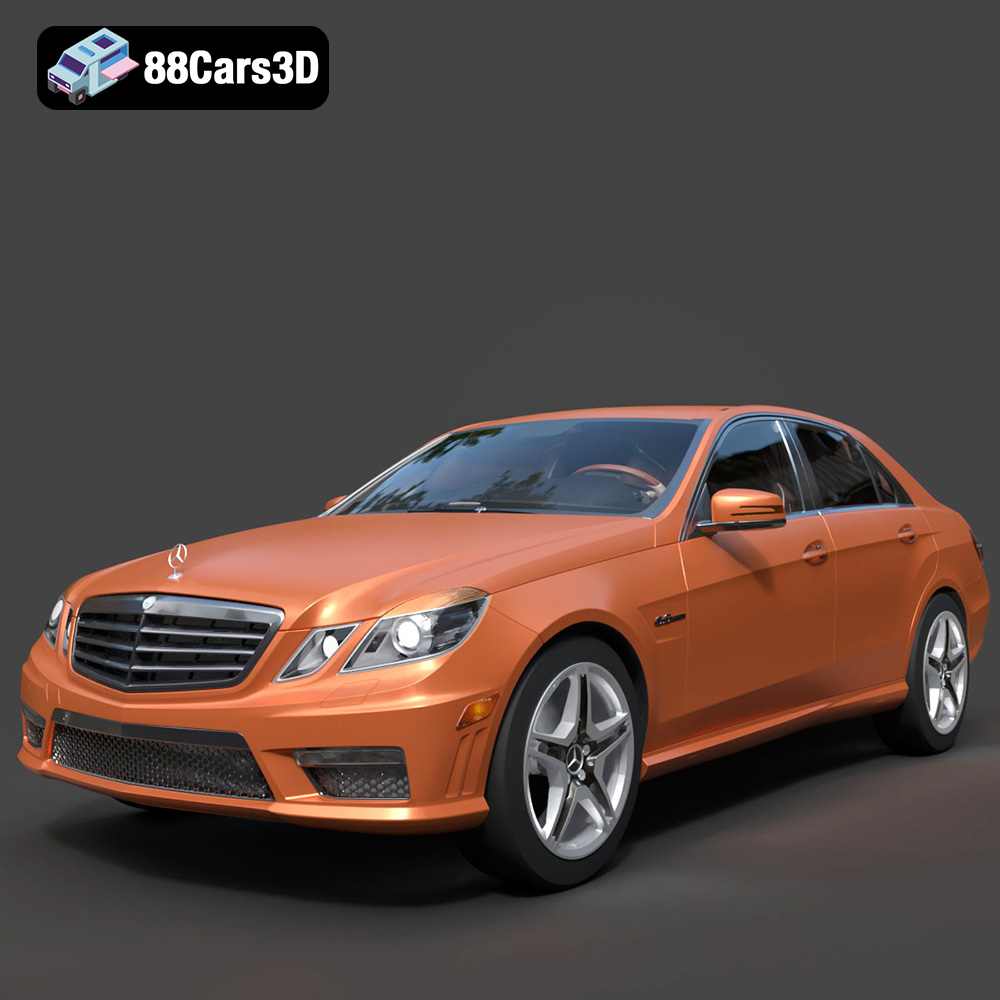
Mercedes-Benz E-Klasse 63 AMG 3D Model
Texture: Yes
Material: Yes
Download the Mercedes-Benz E-Klasse 63 AMG 3D Model featuring clean geometry, realistic detailing, and a fully modeled interior. Includes .blend, .fbx, .obj, .glb, .stl, .ply, .unreal, and .max formats for rendering, simulation, and game development.
Price: $38.99
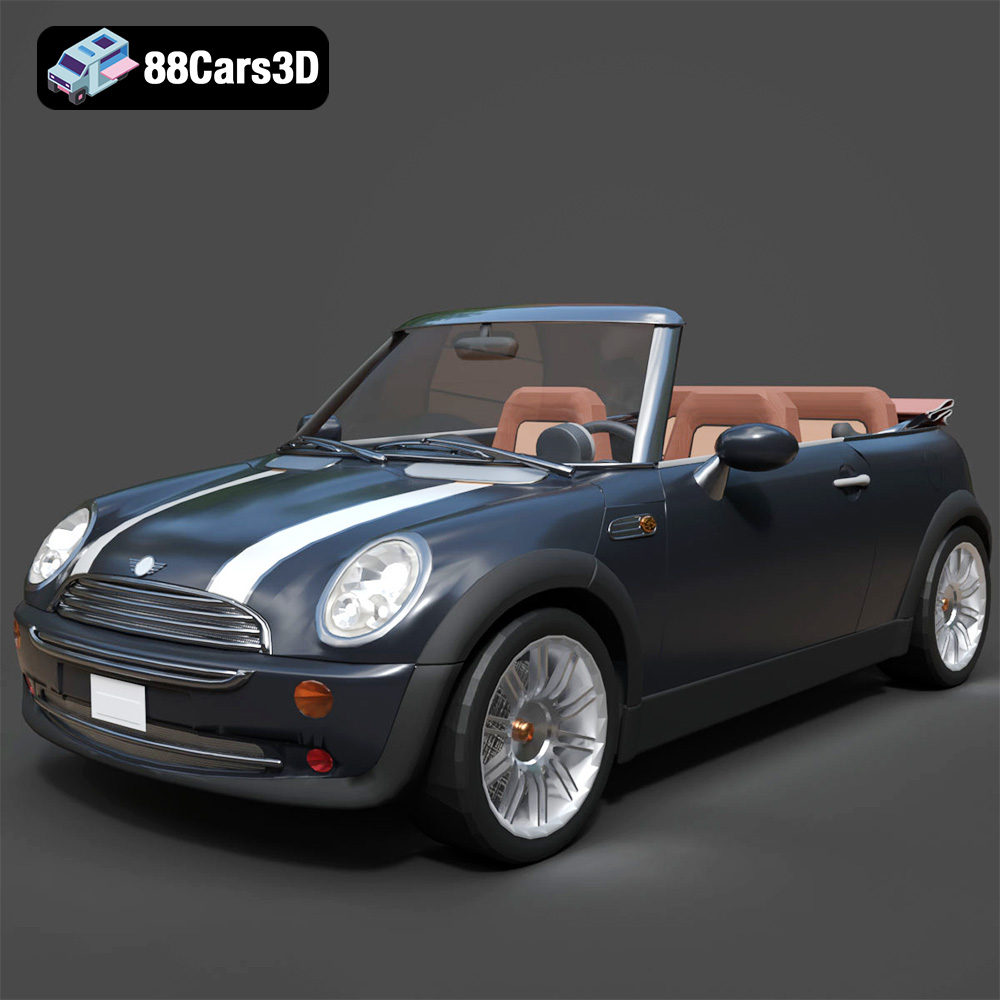
Mini Cabrio 2025 3D Model
Texture: Yes
Material: Yes
Download the Mini Cabrio 2025 3D Model featuring clean geometry, realistic detailing, and a fully modeled interior. Includes .blend, .fbx, .obj, .glb, .stl, .ply, .unreal, and .max formats for rendering, simulation, and game development.
Price: $38.99
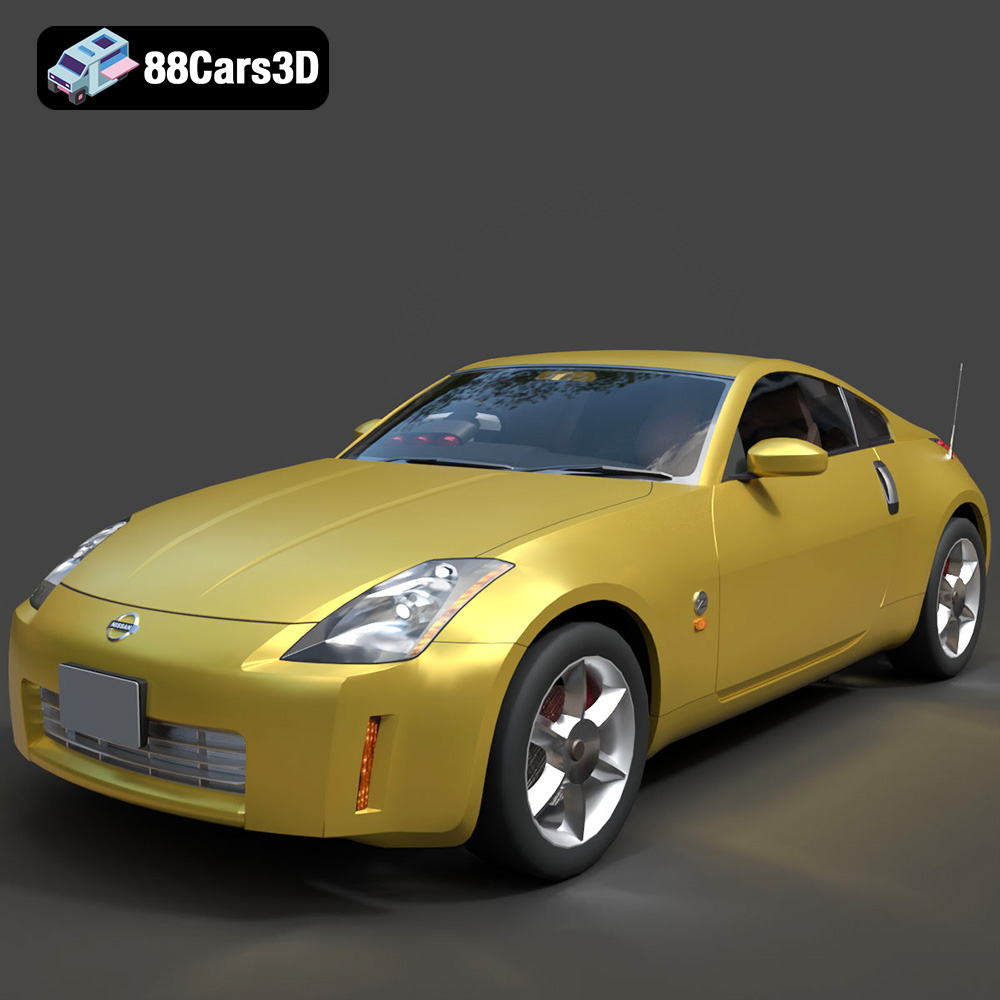
Nissan 350Z 3D Model
Texture: Yes
Material: Yes
Download the Nissan 350Z 3D Model featuring clean geometry, realistic detailing, and a fully modeled interior. Includes .blend, .fbx, .obj, .glb, .stl, .ply, .unreal, and .max formats for rendering, simulation, and game development.
Price: $38.99
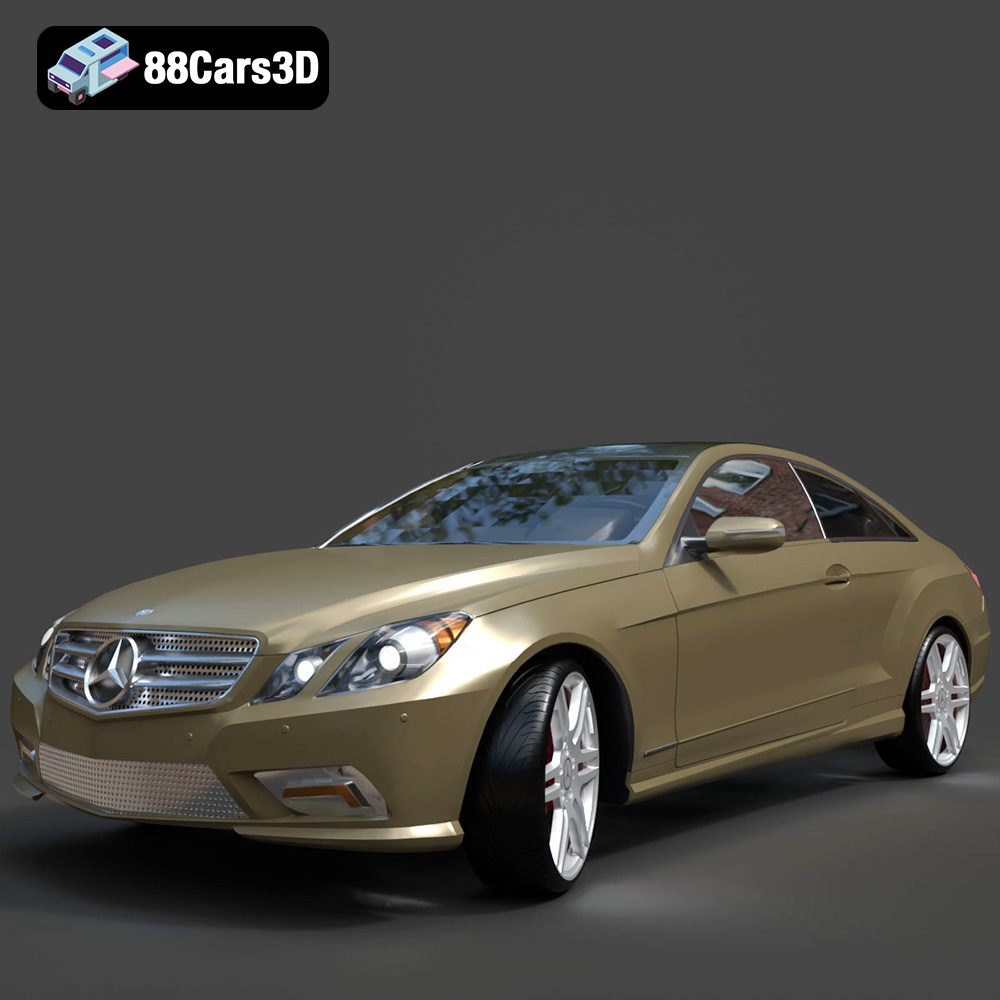
Mercedes-Benz E-Klasse Coupe 2010 3D Model
Texture: Yes
Material: Yes
Download the Mercedes-Benz E-Klasse Coupe 3D Model featuring clean geometry, realistic detailing, and a fully modeled interior. Includes .blend, .fbx, .obj, .glb, .stl, .ply, .unreal, and .max formats for rendering, simulation, and game development.
Price: $38.99