
Unreal Engine 5’s Foundation for Automotive Photorealism

The pursuit of ultimate photorealism in digital art has long been a holy grail for 3D artists and game developers alike. When it comes to automotive design and visualization, the stakes are even higher. Capturing the intricate curves, the gleam of polished paint, and the subtle reflections of a high-end vehicle demands an engine capable of pushing the boundaries of visual fidelity. Historically, real-time engines presented a significant challenge, often requiring compromises in detail or lighting accuracy compared to offline renderers.
Enter Unreal Engine 5. With its suite of groundbreaking technologies, UE5 has revolutionized what’s possible in real-time rendering. It offers unprecedented tools to achieve cinematic-quality visuals, making it an indispensable platform for automotive designers, marketers, and game developers aiming for hyper-realistic vehicle models. This guide will deep dive into mastering Unreal Engine 5 to create breathtaking, high-end automotive renders, transforming your vision into stunning digital reality.
Unreal Engine 5’s Foundation for Automotive Photorealism
Unreal Engine 5 stands as a testament to the advancements in real-time graphics, providing a powerful toolkit specifically tailored for high-fidelity content. Its core architectural innovations empower artists to tackle the most demanding aspects of automotive visualization, from intricate geometry to complex material interactions and realistic global illumination. These foundational technologies form the bedrock upon which true photorealism is built.
Lumen: Dynamic Global Illumination at the Core
One of Unreal Engine 5’s most significant breakthroughs is Unreal Engine 5 Lumen, its fully dynamic global illumination and reflections system. For automotive rendering, Lumen is a game-changer. It accurately simulates how light bounces off surfaces, illuminating indirect areas and coloring them based on the surrounding environment. This means light from your car’s glossy paint will subtly reflect onto the ground, and reflections in a showroom floor will be dynamically updated as the car moves or the lighting changes.
Lumen operates in real-time, eliminating the need for baking lightmaps, which was a time-consuming and often inflexible process in previous engines. This allows for incredibly rapid iteration and dynamic scene adjustments, crucial for design exploration. While Lumen is robust, fine-tuning its settings is key to achieving pristine results without light leakage or excessive noise, especially in complex, enclosed environments or with highly reflective surfaces.
Nanite: Virtualized Geometry for Unprecedented Detail
Another monumental leap is Nanite, Unreal Engine 5’s virtualized geometry system. Nanite allows artists to import film-quality source assets composed of millions, even billions, of polygons directly into the engine without performance degradation. This is particularly transformative for automotive models, which often originate from high-polygon CAD data or meticulously sculpted DCC (Digital Content Creation) models.
Traditionally, such high-detail models required extensive manual optimization, including retopology, LOD (Level of Detail) creation, and baking normal maps. Nanite virtually eliminates this bottleneck. It intelligently streams and processes only the necessary detail at render time, ensuring that visual fidelity remains at its peak regardless of camera distance. This technology makes it feasible to render every rivet, panel gap, and interior detail with extreme precision, delivering true game-ready assets without compromise.
Hardware Ray Tracing: Elevating Reflections and Shadows
While Lumen handles dynamic global illumination, Ray tracing in Unreal Engine 5, leveraging dedicated hardware, takes reflections, shadows, and ambient occlusion to an unparalleled level of realism. For automotive rendering, ray-traced reflections are critical. The mirror-like finish of a car’s clear coat, the chrome accents, and the intricate glass surfaces demand accurate, physically-based reflections.
Ray tracing ensures that reflections are sharp, precise, and geometrically accurate, capturing every detail of the environment and surrounding objects. Ray-traced shadows provide soft, contact-hardening shadows that add immense depth and realism, essential for grounding the vehicle in its scene. By combining Lumen’s indirect lighting with the precision of hardware ray tracing, UE5 creates a visually cohesive and utterly convincing representation of light and materials.
Crafting Realistic PBR Materials for Automotive Models
Beyond geometry and lighting, the materials themselves are paramount to achieving photorealism. In Unreal Engine 5, this means meticulously crafting PBR materials (Physically Based Rendering) that accurately simulate how light interacts with various surfaces. For automotive models, this is a multi-layered challenge, requiring specialized approaches for paint, glass, and metal.
Understanding PBR Fundamentals for Automotive Surfaces
PBR dictates that materials behave physically correctly, meaning their properties (like albedo, roughness, metallic, normal) directly influence how they reflect or absorb light. For car models, this means:
- Albedo (Base Color): This map defines the color of the surface without any lighting information. For cars, this is the underlying pigment color, before any clear coat or metallic flakes are applied.
- Metallic: A grayscale map where white (1) indicates a metallic surface and black (0) indicates a non-metallic (dielectric) surface. Chrome trim, alloy wheels, and certain internal engine parts would be metallic.
- Roughness: Controls the microscopic surface irregularities. A low roughness value results in a highly reflective, mirror-like surface (e.g., polished chrome, clear coat). A high roughness value creates a diffuse, matte finish. This is crucial for distinguishing between glossy paint, brushed metal, and matte plastics.
- Normal Map: Adds fine surface detail without increasing polygon count. This is vital for simulating tiny imperfections, brushed metal grains, or the subtle “orange peel” effect found on automotive paint.
- Ambient Occlusion (AO): A grayscale map that simulates subtle contact shadows where surfaces are close together, enhancing depth and realism.
The Art of Automotive Paint Shaders
The car’s paint is arguably its most defining material, and replicating its complex properties in real-time is a high art. Automotive paint shaders in UE5 are typically multi-layered, simulating the various coats found on real vehicles:
Base Coat and Metallic Flakes
The base coat provides the primary color. Many modern automotive paints feature metallic or pearl flakes. To simulate this, you’ll often combine a base color with a separate metallic flake texture or procedural noise. This texture can be fed into the metallic input, or used to drive variations in roughness or even subtle normal map details to simulate the individual flakes catching the light. The key is to make the flakes visible only at certain glancing angles, mimicking how real car paint shimmers.
Clear Coat Layering
Above the base coat and flakes lies the clear coat – a glossy, highly reflective layer that protects the paint. In Unreal Engine 5, you can achieve this through several methods:
- Clear Coat Shading Model: UE5 offers a dedicated “Clear Coat” shading model for materials. This is the most straightforward and physically accurate way. You’ll define the base material properties (color, roughness, normal) and then enable clear coat, setting its roughness (typically very low for a shiny car) and normal details (e.g., for subtle orange peel).
- Custom Layered Materials: For ultimate control, you can create a custom material function or even a more complex layered material that blends a glossy clear coat material on top of your base paint material, using world-space normals or custom masks to control the blending and Fresnel falloff.
Subtle Imperfections and Wear
Even a brand-new car isn’t perfectly flawless. Adding subtle imperfections like dust, fingerprints, or micro-scratches on the clear coat using grunge maps or procedural noises applied to the roughness channel significantly enhances realism. For the “orange peel” effect, a very subtle normal map applied to the clear coat layer, or even a slight variation in roughness, can make a huge difference.
Realistic Glass and Chrome Materials
Glass and chrome are equally critical for a convincing automotive model.
Glass Materials
Car windows require specific attention. A common mistake is making glass too transparent. Real-world car glass has thickness, absorbs some light, and reflects its environment. Use a translucent material with a proper IOR (Index of Refraction, around 1.5 for standard glass). Ensure it casts shadows and receives reflections. Dirt and subtle smudges on glass, controlled by roughness and opacity maps, greatly improve realism.
Chrome and Brushed Metals
Chrome is a highly reflective metallic surface with very low roughness. Ensure its metallic value is 1 and roughness is close to 0. For brushed metals, the key is a normal map with directional brushing patterns, combined with a slightly higher roughness value than polished chrome, and potentially an anisotropic shading model if supported and desired for advanced effects.
Optimizing High-Detail Automotive Geometry for Real-Time Performance
While Nanite alleviates many traditional optimization burdens, it’s not a magic bullet for every scenario, and understanding proper mesh preparation is still vital, especially for game-ready assets. Whether you’re working with CAD data or high-poly DCC models, strategic optimization ensures your automotive visuals run smoothly without sacrificing the stunning detail Nanite enables.
Preparing Source Models for Nanite
Even with Nanite, the quality of your source geometry matters. While Nanite can handle billions of polygons, efficient modeling practices still contribute to better overall performance and stability. For those starting with meticulously crafted models, perhaps sourced from a reputable library like 88cars3d.com, much of this work is already done. Otherwise, consider these points:
- Clean Topology: While Nanite doesn’t require traditional game-ready topology (quads only, low poly), clean geometry without excessive overlapping faces or degenerate triangles will still lead to better Nanite mesh generation and performance.
- Merged Meshes: Often, CAD data comes as thousands of separate parts. Consolidate these into fewer, larger meshes where appropriate (e.g., merging all car body panels into one Nanite mesh) to reduce draw calls and improve Nanite’s efficiency.
- UV Unwrapping: Nanite itself doesn’t require specific UVs for rendering geometry, but materials still do. Ensure your model has clean UV maps for texture application. Overlapping UVs for shared textures are fine, but unique UVs are needed for baked lighting or custom decals.
- Small Details: For extremely tiny details that might be smaller than a few pixels on screen, consider whether they are better represented with normal maps than actual geometry. Nanite handles small geometry well, but there’s always a performance sweet spot.
Nanite Settings and Considerations
Once imported into Unreal Engine 5, Nanite meshes have several critical settings:
- Enable Nanite Support: This is the primary toggle. Ensure it’s active for your high-detail static meshes.
- Fallback Meshes/Proxy: For instances where Nanite is disabled (e.g., for Lumen mesh distance fields, or specific compatibility modes), a fallback mesh is generated. Ensure this looks good enough at a distance if Nanite is ever turned off for that specific mesh.
- Position Precision: For very large scenes or objects, increasing this can prevent visual artifacts, though it increases memory usage. For typical car models, the default is usually sufficient.
- Visibility Culling: Nanite automatically handles culling details not visible to the camera. For automotive models with many internal components, this is extremely efficient.
When Not to Use Nanite
Despite its power, Nanite isn’t suitable for every type of mesh:
- Skeletal Meshes: Animated characters or dynamic meshes that deform are not currently supported by Nanite. Car doors, hoods, and trunks that open and close might still need traditional optimization if they are skeletal meshes.
- Transparent/Masked Materials: Meshes with complex transparent or masked materials can sometimes perform better as traditional meshes, though Nanite support for these is improving with each engine version. Always test performance in specific scenarios.
- Small, Repeated Instances: For very small, highly repeated objects like bolts or screws, traditional instanced static meshes might still be more efficient than many tiny Nanite meshes, depending on the scale and how many unique meshes are involved.
Mastering Cinematic Lighting, Cameras, and Post-Processing
With stellar materials and optimized geometry, the final polish comes from expert lighting, camera work, and post-processing. These elements coalesce to elevate a technically proficient render into a truly captivating visual experience, especially for automotive showcases. This is where your renders transform from mere models into evocative scenes.
Lighting Your Automotive Scene
Effective lighting is the soul of any automotive render. It accentuates the vehicle’s form, highlights its materials, and sets the mood. Unreal Engine 5 offers a comprehensive suite of lighting tools.
Environmental Lighting (HDRI)
The most common and effective way to light an automotive scene is using a High Dynamic Range Image (HDRI) via a Sky Light. An HDRI provides realistic ambient lighting, reflections, and subtle shadows that match a real-world environment. Import a high-quality HDRI and apply it to your Sky Light. Adjust the intensity and rotation to find the most flattering angles for your vehicle.
Directional Lights
A Directional Light simulates the sun, providing strong, parallel light rays and crisp shadows. Use it to create dramatic highlights along the car’s body lines. Ensure Ray tracing is enabled for shadows to get contact-hardening, realistic results. Experiment with subtle color temperatures (e.g., slightly warm for a sunset, cool for an overcast day).
Spot and Point Lights
Use Spot Lights to draw attention to specific details, like a logo, wheel design, or interior features. Point Lights can simulate interior lighting or add bounce light in enclosed spaces. For showroom setups, these are crucial for creating focused illumination and dramatic contrasts.
Fill and Rim Lights
Employ subtle fill lights (often low-intensity Spot Lights or even large, soft Area Lights) to soften harsh shadows and reveal details in darker areas. Rim lights, placed behind and slightly to the side of the car, create a luminous outline that separates the vehicle from its background, adding depth and a professional studio look.
Camera Setup and Composition
Just like in photography, thoughtful camera placement and settings are vital for showcasing your automotive model effectively.
- Cinematic Camera Actors: Always use Cinematic Camera Actors in Unreal Engine 5. They provide real-world camera controls like focal length, aperture (f-stop), and film back settings, allowing you to achieve authentic depth of field and perspective.
- Focal Length: Experiment with different focal lengths. Wider lenses (e.g., 24-35mm) can emphasize speed or dynamic angles, while telephoto lenses (e.g., 85-135mm) are excellent for flattering product shots, compressing perspective and making the car appear more powerful.
- Aperture (f-stop): Control depth of field. A low f-stop (e.g., f/2.8) creates a shallow depth of field, blurring the background and drawing focus to the car. A higher f-stop keeps more of the scene in focus.
- Rule of Thirds: Apply photographic composition principles. Don’t always center the car. Placing it off-center can create more dynamic and visually interesting shots.
- Camera Movement: For animation, smooth, deliberate camera movements are key. Use Sequencer to create professional camera tracks, dollies, and rotations.
Post-Processing for Production-Quality Renders
Post-processing in Unreal Engine 5 is the final step to achieve that polished, production-ready look. It’s akin to color grading and retouching in photography.
- Exposure: Adjust the overall brightness. Ensure your scene isn’t blown out or too dark.
- Color Grading: Fine-tune the color balance, saturation, and contrast. Use a LUT (Look Up Table) for quick stylistic changes or manually adjust shadows, midtones, and highlights.
- Vignette: A subtle vignette can help frame the car and draw the viewer’s eye towards the center of the image.
- Bloom: Adds a soft glow around bright areas, enhancing the realism of strong highlights and light sources. Use sparingly to avoid an overexposed look.
- Lens Flares: Can add a cinematic touch, especially if your scene features direct light sources.
- Dirt Mask: A subtle lens dirt mask can mimic imperfections on a camera lens, adding a layer of realism.
- Grain: Adding a touch of film grain can make the image feel more organic and less “digital.”
- Global Post Process Volume: Use this to apply consistent post-processing effects across your entire scene.
Achieving Production-Quality Real-Time Renders: Bringing It All Together
The journey to mastering high-end automotive rendering in Unreal Engine 5 is a cumulative process. Each component – from Nanite-driven geometry and advanced PBR materials to sophisticated lighting and post-processing – contributes to the final, breathtaking image. The true artistry lies in the harmonious integration of these technical elements, creating a cohesive and believable virtual showcase.
Workflow Integration and Iteration
A key advantage of Unreal Engine 5 is its rapid iteration capabilities. With Lumen and real-time rendering, you can instantly see the effects of lighting changes, material tweaks, or camera movements. Embrace this iterative workflow:
- Start with a Solid Base: Ensure your automotive model is clean, well-UV’d, and imported efficiently (e.g., as Nanite meshes). Leveraging high-quality base models from resources like 88cars3d.com can significantly jumpstart this process.
- Establish Core Lighting: Begin with environmental lighting (HDRI) and a primary directional light to define the overall mood and shadows.
- Develop Key Materials: Focus on the most impactful materials first – the car paint, glass, and chrome – ensuring their PBR properties are accurate and captivating.
- Refine Details: Add secondary lights, adjust material nuances, and introduce environmental elements to enhance the scene.
- Camera and Composition: Find your best angles and frame your shots like a professional photographer.
- Post-Process and Polish: Apply the final color grading, effects, and visual adjustments to achieve a cinematic look.
Performance vs. Fidelity: A Constant Balance
While Unreal Engine 5 pushes boundaries, especially for game-ready assets, a balance between visual fidelity and real-time performance is always necessary. For high-end cinematic renders, you might push settings higher, knowing the target frame rate is lower (e.g., for pre-rendered videos). For interactive applications or games, optimizing for stable frame rates will be paramount.
- Scalability Settings: Utilize UE5’s scalability settings to adjust quality levels for different hardware.
- Profile GPU: Regularly use the ‘Profile GPU’ tool (Ctrl+Shift+,) to identify performance bottlenecks and optimize accordingly.
- Material Complexity: While detailed materials are great, overly complex material graphs can impact performance. Optimize where possible without compromising visual quality.
- Lightmap Resolutions (if baking): For static elements not fully covered by Lumen, optimized lightmap resolutions can save performance.
The Future of Automotive Visualization
Unreal Engine 5 represents a pivotal moment for automotive visualization. The ability to render vehicles with cinematic quality in real-time opens up new avenues for design review, marketing, virtual showrooms, and immersive experiences. From visualizing concept cars to creating engaging advertisements, UE5 empowers artists and designers to bring their automotive visions to life with unprecedented speed and fidelity.
The tools are here; the limit is now your imagination and dedication to mastering these powerful features. Embrace the journey, continuously experiment, and push the boundaries of what’s possible in real-time rendering. The future of automotive design and presentation is undoubtedly photorealistic and interactive, driven by engines like Unreal Engine 5.
Featured 3D Car Models

Suzuki SX4-002 3D Model
Texture: Yes
Material: Yes
Download the Suzuki SX4-002 3D Model featuring clean geometry, realistic detailing, and a fully modeled interior. Includes .blend, .fbx, .obj, .glb, .stl, .ply, .unreal, and .max formats for rendering, simulation, and game development.
Price: $10

Tesla Model S 2024 3D Model
Texture: Yes
Material: Yes
Download the Tesla Model S 2024 3D Model featuring clean geometry, realistic detailing, and a fully modeled interior. Includes .blend, .fbx, .obj, .glb, .stl, .ply, .unreal, and .max formats for rendering, simulation, and game development.
Price: $10

Subaru Impreza WRX STi-002 3D Model
Texture: Yes
Material: Yes
Download the Subaru Impreza WRX STi-002 3D Model featuring clean geometry, realistic detailing, and a fully modeled interior. Includes .blend, .fbx, .obj, .glb, .stl, .ply, .unreal, and .max formats for rendering, simulation, and game development.
Price: $10

Subaru Impreza WRX STi Sedan 3D Model
Texture: Yes
Material: Yes
Download the Subaru Impreza WRX STi Sedan 3D Model featuring clean geometry, realistic detailing, and a fully modeled interior. Includes .blend, .fbx, .obj, .glb, .stl, .ply, .unreal, and .max formats for rendering, simulation, and game development.
Price: $10

Subaru Legacy 2009 3D Model
Texture: Yes
Material: Yes
Download the Subaru Legacy 2009 3D Model featuring clean geometry, realistic detailing, and a fully modeled interior. Includes .blend, .fbx, .obj, .glb, .stl, .ply, .unreal, and .max formats for rendering, simulation, and game development.
Price: $10

Suzuki Swift 2024 3D Model
Texture: Yes
Material: Yes
Download the Suzuki Swift 2024 3D Model featuring clean geometry, realistic detailing, and a fully modeled interior. Includes .blend, .fbx, .obj, .glb, .stl, .ply, .unreal, and .max formats for rendering, simulation, and game development.
Price: $10

Suzuki Liana Sedan 2004 3D Model
Texture: Yes
Material: Yes
Download the Suzuki Liana Sedan 2004 3D Model featuring clean geometry, realistic detailing, and a fully modeled interior. Includes .blend, .fbx, .obj, .glb, .stl, .ply, .unreal, and .max formats for rendering, simulation, and game development.
Price: $10

Subaru Outback 2024 3D Model
Texture: Yes
Material: Yes
Download the Subaru Outback 2024 3D Model featuring clean geometry, realistic detailing, and a fully modeled interior. Includes .blend, .fbx, .obj, .glb, .stl, .ply, .unreal, and .max formats for rendering, simulation, and game development.
Price: $10

Subaru Legacy 2003 3D Model
Texture: Yes
Material: Yes
Download the Subaru Legacy 2003 3D Model featuring clean geometry, realistic detailing, and a fully modeled interior. Includes .blend, .fbx, .obj, .glb, .stl, .ply, .unreal, and .max formats for rendering, simulation, and game development.
Price: $10

Subaru Legacy Touring Wagon 3D Model
Texture: Yes
Material: Yes
Download the Subaru Legacy Touring Wagon 3D Model featuring clean geometry, realistic detailing, and a fully modeled interior. Includes .blend, .fbx, .obj, .glb, .stl, .ply, .unreal, and .max formats for rendering, simulation, and game development.
Price: $10

Toyota Mark II (X100) 1998 3D Model
Texture: Yes
Material: Yes
Download the Toyota Mark II (X100) 3D Model featuring clean geometry, realistic detailing, and a fully modeled interior. Includes .blend, .fbx, .obj, .glb, .stl, .ply, .unreal, and .max formats for rendering, simulation, and game development.
Price: $10

Toyota Corona 1985 3D Model
Texture: Yes
Material: Yes
Download the Toyota Corona 1985 3D Model featuring clean geometry, realistic detailing, and a fully modeled interior. Includes .blend, .fbx, .obj, .glb, .stl, .ply, .unreal, and .max formats for rendering, simulation, and game development.
Price: $10

Toyota Mark II X81 1990 3D Model
Texture: Yes
Material: Yes
Download the Toyota Mark II X81 1990 3D Model featuring clean geometry, realistic detailing, and a fully modeled interior. Includes .blend, .fbx, .obj, .glb, .stl, .ply, .unreal, and .max formats for rendering, simulation, and game development.
Price: $10

Toyota iQ EV 2012 3D Model
Texture: Yes
Material: Yes
Download the Toyota iQ EV 2012 3D Model featuring clean geometry, realistic detailing, and a fully modeled interior. Includes .blend, .fbx, .obj, .glb, .stl, .ply, .unreal, and .max formats for rendering, simulation, and game development.
Price: $10

Toyota Aygo 2013 3D Model
Texture: Yes
Material: Yes
Download the Toyota Aygo 2013 3D Model featuring clean geometry, realistic detailing, and a fully modeled interior. Includes .blend, .fbx, .obj, .glb, .stl, .ply, .unreal, and .max formats for rendering, simulation, and game development.
Price: $10

Toyota Crown S180 2005 3D Model
Texture: Yes
Material: Yes
Download the Toyota Crown S180 2005 3D Model featuring clean geometry, realistic detailing, and a fully modeled interior. Includes .blend, .fbx, .obj, .glb, .stl, .ply, .unreal, and .max formats for rendering, simulation, and game development.
Price: $10

Toyota Celica 2004 3D Model
Texture: Yes
Material: Yes
Download the Toyota Celica 2004 3D Model featuring clean geometry, realistic detailing, and a fully modeled interior. Includes .blend, .fbx, .obj, .glb, .stl, .ply, .unreal, and .max formats for rendering, simulation, and game development.
Price: $10

Toyota Corolla AE100 1992 3D Model
Texture: Yes
Material: Yes
Download the Toyota Corolla AE100 1992 3D Model featuring clean geometry, realistic detailing, and a fully modeled interior. Includes .blend, .fbx, .obj, .glb, .stl, .ply, .unreal, and .max formats for rendering, simulation, and game development.
Price: $10

Toyota Mark II X110 2000 3D Model
Texture: Yes
Material: Yes
Download the Toyota Mark II X110 2000 3D Model featuring clean geometry, realistic detailing, and a fully modeled interior. Includes .blend, .fbx, .obj, .glb, .stl, .ply, .unreal, and .max formats for rendering, simulation, and game development.
Price: $10

Toyota Corolla 2020 3D Model
Texture: Yes
Material: Yes
Download the Toyota Corolla 2020 3D Model featuring clean geometry, realistic detailing, and a fully modeled interior. Includes .blend, .fbx, .obj, .glb, .stl, .ply, .unreal, and .max formats for rendering, simulation, and game development.
Price: $10

Toyota Yaris 2020 3D Model
Texture: Yes
Material: Yes
Download the Toyota Yaris 2020 3D Model featuring clean geometry, realistic detailing, and a fully modeled interior. Includes .blend, .fbx, .obj, .glb, .stl, .ply, .unreal, and .max formats for rendering, simulation, and game development.
Price: $9.9

Volkswagen Beetle 2012 3D Model
Texture: Yes
Material: Yes
Download the Volkswagen Beetle 2012 3D Model featuring clean geometry, realistic detailing, and a fully modeled interior. Includes .blend, .fbx, .obj, .glb, .stl, .ply, .unreal, and .max formats for rendering, simulation, and game development.
Price: $9.9

Toyota Matrix 2005 3D Model
Texture: Yes
Material: Yes
Download the Toyota Matrix 2005 3D Model featuring clean geometry, realistic detailing, and a fully modeled interior. Includes .blend, .fbx, .obj, .glb, .stl, .ply, .unreal, and .max formats for rendering, simulation, and game development.
Price: $9.9

Toyota Yaris Sedan 3D Model
Texture: Yes
Material: Yes
Download the Toyota Yaris Sedan 3D Model featuring clean geometry, realistic detailing, and a fully modeled interior. Includes .blend, .fbx, .obj, .glb, .stl, .ply, .unreal, and .max formats for rendering, simulation, and game development.
Price: $9.9

Volkswagen Golf R-004 2024 3D Model
Texture: Yes
Material: Yes
Download the Volkswagen Golf R-004 2024 3D Model featuring clean geometry, realistic detailing, and a fully modeled interior. Includes .blend, .fbx, .obj, .glb, .stl, .ply, .unreal, and .max formats for rendering, simulation, and game development.
Price: $9.9

Volkswagen Golf 5 Door 2010 3D Model
Texture: Yes
Material: Yes
Download the Volkswagen Golf 5 Door 2010 3D Model featuring clean geometry, realistic detailing, and a fully modeled interior. Includes .blend, .fbx, .obj, .glb, .stl, .ply, .unreal, and .max formats for rendering, simulation, and game development.
Price: $9.9

Toyota Premio 2010 3D Model
Texture: Yes
Material: Yes
Download the Toyota Premio 2010 3D Model featuring clean geometry, realistic detailing, and a fully modeled interior. Includes .blend, .fbx, .obj, .glb, .stl, .ply, .unreal, and .max formats for rendering, simulation, and game development.
Price: $9.9

Toyota Opa 2000 3D Model
Texture: Yes
Material: Yes
Download the Toyota Opa 2000 3D Model featuring clean geometry, realistic detailing, and a fully modeled interior. Includes .blend, .fbx, .obj, .glb, .stl, .ply, .unreal, and .max formats for rendering, simulation, and game development.
Price: $9.9

Volkswagen Polo 5 Door 2010 3D Model
Texture: Yes
Material: Yes
Download the Volkswagen Polo 5 Door 2010 3D Model featuring clean geometry, realistic detailing, and a fully modeled interior. Includes .blend, .fbx, .obj, .glb, .stl, .ply, .unreal, and .max formats for rendering, simulation, and game development.
Price: $9.9

Toyota Prius 2024 3D Model
Texture: Yes
Material: Yes
Download the Toyota Prius 2024 3D Model featuring clean geometry, realistic detailing, and a fully modeled interior. Includes .blend, .fbx, .obj, .glb, .stl, .ply, .unreal, and .max formats for rendering, simulation, and game development.
Price: $9.9

Toyota Yaris 1999 3D Model
Texture: Yes
Material: Yes
Download the Toyota Yaris 1999 3D Model featuring clean geometry, realistic detailing, and a fully modeled interior. Includes .blend, .fbx, .obj, .glb, .stl, .ply, .unreal, and .max formats for rendering, simulation, and game development.
Price: $9.9

Toyota Supra 2020 3D Model
Texture: Yes
Material: Yes
Download the Toyota Supra 2020 3D Model featuring clean geometry, realistic detailing, and a fully modeled interior. Includes .blend, .fbx, .obj, .glb, .stl, .ply, .unreal, and .max formats for rendering, simulation, and game development.
Price: $9.9

Volkswagen New Beetle 2000 3D Model
Texture: Yes
Material: Yes
Download the Volkswagen New Beetle 2000 3D Model featuring clean geometry, realistic detailing, and a fully modeled interior. Includes .blend, .fbx, .obj, .glb, .stl, .ply, .unreal, and .max formats for rendering, simulation, and game development.
Price: $14.99

Volkswagen Jetta 2005 3D Model
Texture: Yes
Material: Yes
Download the Volkswagen Jetta 2005 3D Model featuring clean geometry, realistic detailing, and a fully modeled interior. Includes .blend, .fbx, .obj, .glb, .stl, .ply, .unreal, and .max formats for rendering, simulation, and game development.
Price: $18.99

Volkswagen Golf 3-Door 3D Model
Texture: Yes
Material: Yes
Download the Volkswagen Golf 3-Door 3D Model featuring clean geometry, realistic detailing, and a fully modeled interior. Includes .blend, .fbx, .obj, .glb, .stl, .ply, .unreal, and .max formats for rendering, simulation, and game development.
Price: $14.99

Volvo V70 2005 3D Model
Texture: Yes
Material: Yes
Download the Volvo V70 2005 3D Model featuring clean geometry, realistic detailing, and a fully modeled interior. Includes .blend, .fbx, .obj, .glb, .stl, .ply, .unreal, and .max formats for rendering, simulation, and game development.
Price: $14.99

Volkswagen Bora 2004 3D Model
Texture: Yes
Material: Yes
Download the Volkswagen Bora 2004 3D Model featuring clean geometry, realistic detailing, and a fully modeled interior. Includes .blend, .fbx, .obj, .glb, .stl, .ply, .unreal, and .max formats for rendering, simulation, and game development.
Price: $14.99

Volkswagen Lupo 3D Model
Texture: Yes
Material: Yes
Download the Volkswagen Lupo 3D Model featuring clean geometry, realistic detailing, and a fully modeled interior. Includes .blend, .fbx, .obj, .glb, .stl, .ply, .unreal, and .max formats for rendering, simulation, and game development.
Price: $19.99

Volkswagen Passat B5 2000 3D Model
Texture: Yes
Material: Yes
Download the Volkswagen Passat B5 2000 3D Model featuring clean geometry, realistic detailing, and a fully modeled interior. Includes .blend, .fbx, .obj, .glb, .stl, .ply, .unreal, and .max formats for rendering, simulation, and game development.
Price: $19.99

Volkswagen Passat CC 3D Model
Texture: Yes
Material: Yes
Download the Volkswagen Passat CC 3D Model featuring clean geometry, realistic detailing, and a fully modeled interior. Includes .blend, .fbx, .obj, .glb, .stl, .ply, .unreal, and .max formats for rendering, simulation, and game development.
Price: $19.99

Volkswagen Golf V 2006 3D Model
Texture: Yes
Material: Yes
Download the Volkswagen Golf V 2006 3D Model featuring clean geometry, realistic detailing, and a fully modeled interior. Includes .blend, .fbx, .obj, .glb, .stl, .ply, .unreal, and .max formats for rendering, simulation, and game development.
Price: $19.99

Volvo S60 R-Design 2024 3D Model
Texture: Yes
Material: Yes
Download the Volvo S60 R-Design 3D Model featuring clean geometry, realistic detailing, and a fully modeled interior. Includes .blend, .fbx, .obj, .glb, .stl, .ply, .unreal, and .max formats for rendering, simulation, and game development.
Price: $19.99

Volkswagen Passat 2025 3D Model
Texture: Yes
Material: Yes
Download the Volkswagen Passat 2025 3D Model featuring clean geometry, realistic detailing, and a fully modeled interior. Includes .blend, .fbx, .obj, .glb, .stl, .ply, .unreal, and .max formats for rendering, simulation, and game development.
Price: $25.99

Volkswagen Passat Variant B6 2005 3D Model
Texture: Yes
Material: Yes
Download the Volkswagen Passat Variant B6 2005 3D Model featuring clean geometry, realistic detailing, and a fully modeled interior. Includes .blend, .fbx, .obj, .glb, .stl, .ply, .unreal, and .max formats for rendering, simulation, and game development.
Price: $25.99

Volkswagen Phaeton W12 2004 3D Model
Texture: Yes
Material: Yes
Download the Volkswagen Phaeton W12 2004 3D Model featuring clean geometry, realistic detailing, and a fully modeled interior. Includes .blend, .fbx, .obj, .glb, .stl, .ply, .unreal, and .max formats for rendering, simulation, and game development.
Price: $25.99

Volkswagen Scirocco 2015 3D Model
Texture: Yes
Material: Yes
Download the Volkswagen Scirocco 2015 3D Model featuring clean geometry, realistic detailing, and a fully modeled interior. Includes .blend, .fbx, .obj, .glb, .stl, .ply, .unreal, and .max formats for rendering, simulation, and game development.
Price: $25.99

Volvo S60 2024 3D Model
Texture: Yes
Material: Yes
Download the Volvo S60 2024 3D Model featuring clean geometry, realistic detailing, and a fully modeled interior. Includes .blend, .fbx, .obj, .glb, .stl, .ply, .unreal, and .max formats for rendering, simulation, and game development.
Price: $25.99

Volkswagen Polo 3D Model
Texture: Yes
Material: Yes
Download the Volkswagen Polo 3D Model featuring clean geometry, realistic detailing, and a fully modeled interior. Includes .blend, .fbx, .obj, .glb, .stl, .ply, .unreal, and .max formats for rendering, simulation, and game development.
Price: $25.99

Volkswagen Golf 5-Doors 2018 3D Model
Texture: Yes
Material: Yes
Download the Volkswagen Golf 5-Doors 3D Model featuring clean geometry, realistic detailing, and a fully modeled interior. Includes .blend, .fbx, .obj, .glb, .stl, .ply, .unreal, and .max formats for rendering, simulation, and game development.
Price: $25.99

Volvo C70 T5 2000 3D Model
Texture: Yes
Material: Yes
Download the Volvo C70 T5 2000 3D Model featuring clean geometry, realistic detailing, and a fully modeled interior. Includes .blend, .fbx, .obj, .glb, .stl, .ply, .unreal, and .max formats for rendering, simulation, and game development.
Price: $23.99

Volvo S40 Sedan 2004 3D Model
Texture: Yes
Material: Yes
Download the Volvo S40 Sedan 2004 3D Model featuring clean geometry, realistic detailing, and a fully modeled interior. Includes .blend, .fbx, .obj, .glb, .stl, .ply, .unreal, and .max formats for rendering, simulation, and game development.
Price: $23.99

Volvo C30 BEV 2012 3D Model
Texture: Yes
Material: Yes
Download the Volvo C30 BEV 2012 3D Model featuring clean geometry, realistic detailing, and a fully modeled interior. Includes .blend, .fbx, .obj, .glb, .stl, .ply, .unreal, and .max formats for rendering, simulation, and game development.
Price: $23.99

Volvo C70 1998 3D Model
Texture: Yes
Material: Yes
Download the Volvo C70 1998 3D Model featuring clean geometry, realistic detailing, and a fully modeled interior. Includes .blend, .fbx, .obj, .glb, .stl, .ply, .unreal, and .max formats for rendering, simulation, and game development.
Price: $23.99

Mazda B-Series 3D Model
Texture: Yes
Material: Yes
Download the Mazda B-Series 3D Model featuring clean geometry, realistic detailing, and a fully modeled interior. Includes .blend, .fbx, .obj, .glb, .stl, .ply, .unreal, and .max formats for rendering, simulation, and game development.
Price: $23.99

Mercsedes Benz Z3-006 3D Model
Texture: Yes
Material: Yes
Download the Mercsedes Benz Z3-006 3D Model featuring clean geometry, realistic detailing, and a fully modeled interior. Includes .blend, .fbx, .obj, .glb, .stl, .ply, .unreal, and .max formats for rendering, simulation, and game development.
Price: $23.99

Mazda RX-7 3D Model
Texture: Yes
Material: Yes
Download the Mazda RX-7 3D Model featuring clean geometry, realistic detailing, and a fully modeled interior. Includes .blend, .fbx, .obj, .glb, .stl, .ply, .unreal, and .max formats for rendering, simulation, and game development.
Price: $23.99

Volvo VCC-003 3D Model
Texture: Yes
Material: Yes
Download the Volvo VCC-003 3D Model featuring clean geometry, realistic detailing, and a fully modeled interior. Includes .blend, .fbx, .obj, .glb, .stl, .ply, .unreal, and .max formats for rendering, simulation, and game development.
Price: $23.99

Mercedes-Benz SLR McLaren 2005 3D Model
Texture: Yes
Material: Yes
Download the Mercedes-Benz SLR McLaren 2005 3D Model featuring clean geometry, realistic detailing, and a fully modeled interior. Includes .blend, .fbx, .obj, .glb, .stl, .ply, .unreal, and .max formats for rendering, simulation, and game development.
Price: $23.99

GAZ 3110 Pickup 2000 3D Model
Texture: Yes
Material: Yes
Download the GAZ 3110 Pickup 3D Model featuring clean geometry, realistic detailing, and a fully modeled interior. Includes .blend, .fbx, .obj, .glb, .stl, .ply, .unreal, and .max formats for rendering, simulation, and game development.
Price: $23.99

Mazda 626 GF 1997 3D Model
Texture: Yes
Material: Yes
Download the Mazda 626 GF 1997 3D Model featuring clean geometry, realistic detailing, and a fully modeled interior. Includes .blend, .fbx, .obj, .glb, .stl, .ply, .unreal, and .max formats for rendering, simulation, and game development.
Price: $23.99

Volvo S80 2011 3D Model
Texture: Yes
Material: Yes
Download the Volvo S80 2011 3D Model featuring clean geometry, realistic detailing, and a fully modeled interior. Includes .blend, .fbx, .obj, .glb, .stl, .ply, .unreal, and .max formats for rendering, simulation, and game development.
Price: $23.99

Volkswagen Touran restyle-006 3D Model
Texture: Yes
Material: Yes
Download the Volkswagen Touran restyle-006 3D Model featuring clean geometry, realistic detailing, and a fully modeled interior. Includes .blend, .fbx, .obj, .glb, .stl, .ply, .unreal, and .max formats for rendering, simulation, and game development.
Price: $23.99

Skoda Octavia Scout 3D Model
Texture: Yes
Material: Yes
Download the Skoda Octavia Scout 3D Model featuring clean geometry, realistic detailing, and a fully modeled interior. Includes .blend, .fbx, .obj, .glb, .stl, .ply, .unreal, and .max formats for rendering, simulation, and game development.
Price: $23.99

Volkswagen Golf V 2006 3D Model
Texture: Yes
Material: Yes
Download the Volkswagen Golf V 2006 3D Model featuring clean geometry, realistic detailing, and a fully modeled interior. Includes .blend, .fbx, .obj, .glb, .stl, .ply, .unreal, and .max formats for rendering, simulation, and game development.
Price: $23.99

Mazda CX-7 3D Model
Texture: Yes
Material: Yes
Download the Mazda CX-7 3D Model featuring clean geometry, realistic detailing, and a fully modeled interior. Includes .blend, .fbx, .obj, .glb, .stl, .ply, .unreal, and .max formats for rendering, simulation, and game development.
Price: $23.99

Mazda Familia 3D Model
Texture: Yes
Material: Yes
Download the Mazda Familia 3D Model featuring clean geometry, realistic detailing, and a fully modeled interior. Includes .blend, .fbx, .obj, .glb, .stl, .ply, .unreal, and .max formats for rendering, simulation, and game development.
Price: $23.99

GAS 21 3D Model
Texture: Yes
Material: Yes
Download the GAS 21 3D Model featuring clean geometry, realistic detailing, and a fully modeled interior. Includes .blend, .fbx, .obj, .glb, .stl, .ply, .unreal, and .max formats for rendering, simulation, and game development.
Price: $23.99

Mercedes-Benz SL500 AMG (R129) 3D Model
Texture: Yes
Material: Yes
Download the Mercedes-Benz SL500 AMG (R129) 3D Model featuring clean geometry, realistic detailing, and a fully modeled interior. Includes .blend, .fbx, .obj, .glb, .stl, .ply, .unreal, and .max formats for rendering, simulation, and game development.
Price: $23.99

Mercedes-Benz S-Class W221 2005 3D Model
Texture: Yes
Material: Yes
Download the Mercedes-Benz S-Class W221 2005 3D Model featuring clean geometry, realistic detailing, and a fully modeled interior. Includes .blend, .fbx, .obj, .glb, .stl, .ply, .unreal, and .max formats for rendering, simulation, and game development.
Price: $23.99

Mercedes-Benz E-Class W212 2009 3D Model
Texture: Yes
Material: Yes
Download the Mercedes-Benz E-Class W212 2009 3D Model featuring clean geometry, realistic detailing, and a fully modeled interior. Includes .blend, .fbx, .obj, .glb, .stl, .ply, .unreal, and .max formats for rendering, simulation, and game development.
Price: $23.99

Mercedes-Benz E-class Estate S212 2009 3D Model
Texture: Yes
Material: Yes
Download the Mercedes-Benz E-class Estate S212 2009 3D Model featuring clean geometry, realistic detailing, and a fully modeled interior. Includes .blend, .fbx, .obj, .glb, .stl, .ply, .unreal, and .max formats for rendering, simulation, and game development.
Price: $23.99

Mercedes-Benz 190 W201 3D Model
Texture: Yes
Material: Yes
Download the Mercedes-Benz 190 W201 3D Model featuring clean geometry, realistic detailing, and a fully modeled interior. Includes .blend, .fbx, .obj, .glb, .stl, .ply, .unreal, and .max formats for rendering, simulation, and game development.
Price: $23.99

Mercedes-Benz C230 SportCoupé 2005 3D Model
Texture: Yes
Material: Yes
Download the Mercedes-Benz C230 SportCoupé 2005 3D Model featuring clean geometry, realistic detailing, and a fully modeled interior. Includes .blend, .fbx, .obj, .glb, .stl, .ply, .unreal, and .max formats for rendering, simulation, and game development.
Price: $23.99

Mercedes-Benz SLK 3D Model
Texture: Yes
Material: Yes
Download the Mercedes-Benz SLK 3D Model featuring clean geometry, realistic detailing, and a fully modeled interior. Includes .blend, .fbx, .obj, .glb, .stl, .ply, .unreal, and .max formats for rendering, simulation, and game development.
Price: $23.99

Mercedes 600 SEC W140 1992 3D Model
Texture: Yes
Material: Yes
Download the Mercedes 600 SEC W140 1992 3D Model featuring clean geometry, realistic detailing, and a fully modeled interior. Includes .blend, .fbx, .obj, .glb, .stl, .ply, .unreal, and .max formats for rendering, simulation, and game development.
Price: $23.99

Mercedes S-Class 2010 3D Model
Texture: Yes
Material: Yes
Download the Mercedes S-Class 2010 3D Model featuring clean geometry, realistic detailing, and a fully modeled interior. Includes .blend, .fbx, .obj, .glb, .stl, .ply, .unreal, and .max formats for rendering, simulation, and game development.
Price: $23.99

McLaren MP4-12C-001 3D Model
Texture: Yes
Material: Yes
Download the McLaren MP4-12C-001 3D Model featuring clean geometry, realistic detailing, and a fully modeled interior. Includes .blend, .fbx, .obj, .glb, .stl, .ply, .unreal, and .max formats for rendering, simulation, and game development.
Price: $23.99

Mercedes-Benz SLK 350 2005 3D Model
Texture: Yes
Material: Yes
Download the Mercedes-Benz SLK 350 2005 3D Model featuring clean geometry, realistic detailing, and a fully modeled interior. Includes .blend, .fbx, .obj, .glb, .stl, .ply, .unreal, and .max formats for rendering, simulation, and game development.
Price: $23.99
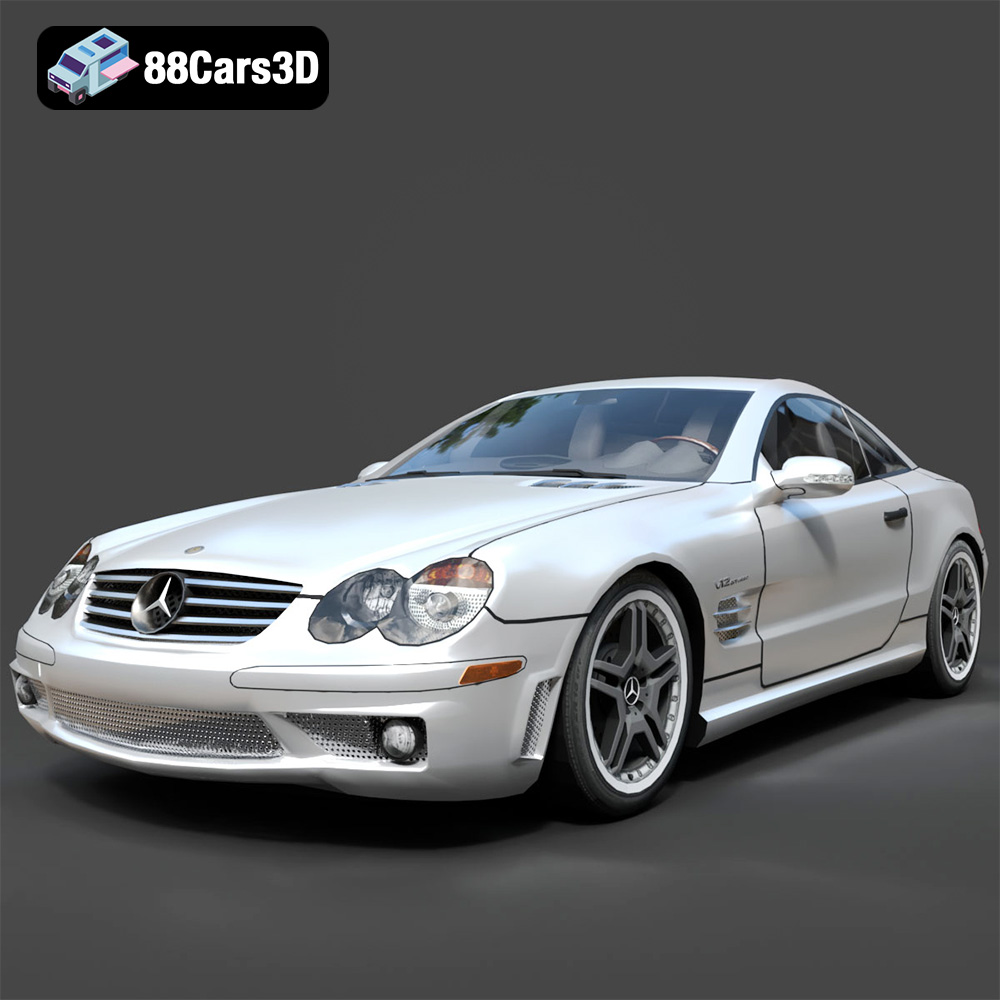
Mercedes-Benz SL 65 AMG 3D Model
Texture: Yes
Material: Yes
Download the Mercedes-Benz SL 65 AMG 3D Model featuring clean geometry, realistic detailing, and a fully modeled interior. Includes .blend, .fbx, .obj, .glb, .stl, .ply, .unreal, and .max formats for rendering, simulation, and game development.
Price: $23.99
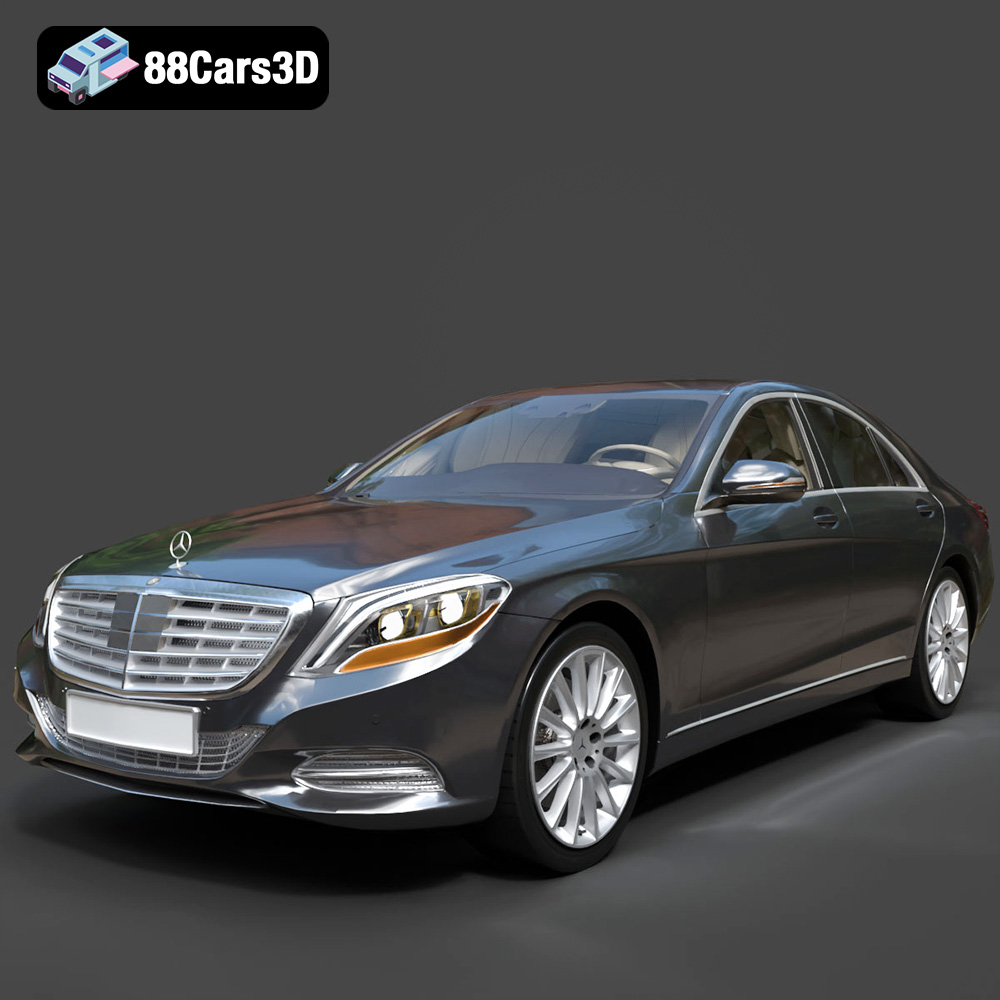
Mercedes-Benz S500 3D Model
Texture: Yes
Material: Yes
Download the Mercedes-Benz S500 3D Model featuring clean geometry, realistic detailing, and a fully modeled interior. Includes .blend, .fbx, .obj, .glb, .stl, .ply, .unreal, and .max formats for rendering, simulation, and game development.
Price: $23.99
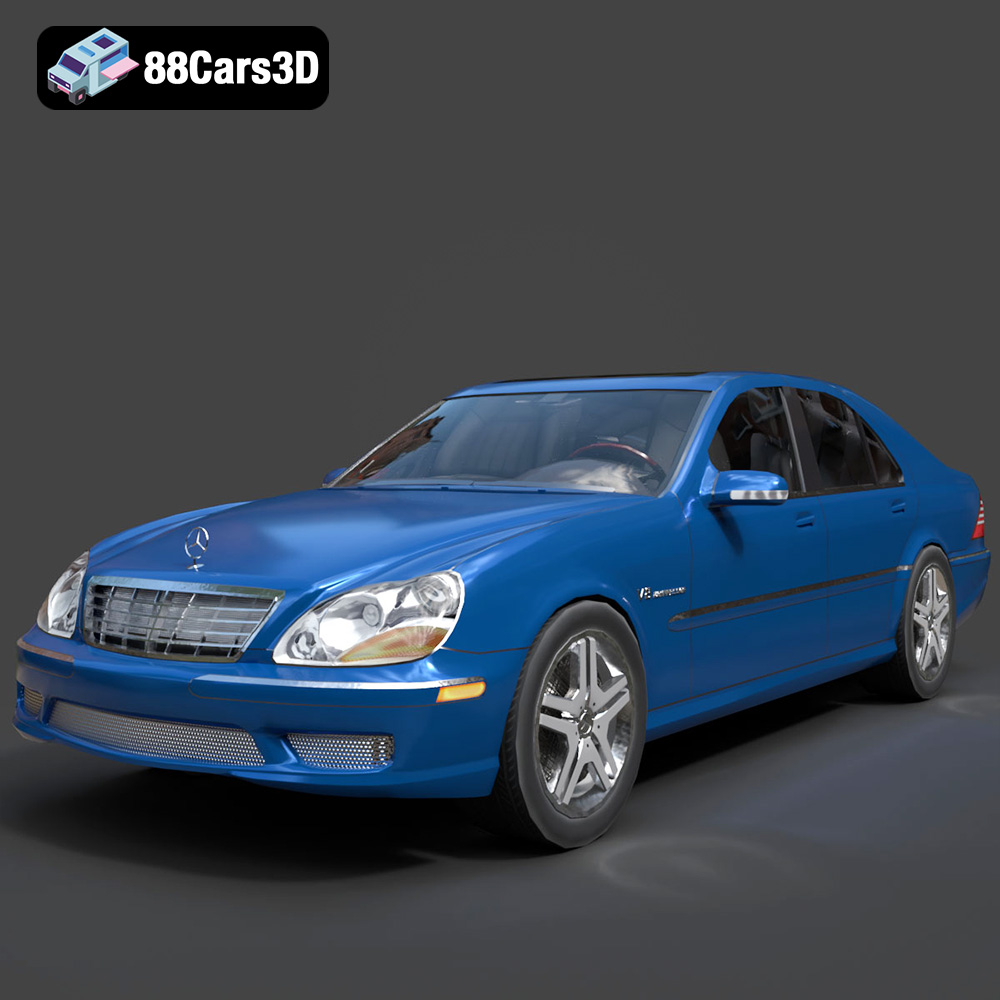
Mercedes-Benz S55 W220 AMG 1999 3D Model
Texture: Yes
Material: Yes
Download the Mercedes-Benz S55 W220 AMG 1999 3D Model featuring clean geometry, realistic detailing, and a fully modeled interior. Includes .blend, .fbx, .obj, .glb, .stl, .ply, .unreal, and .max formats for rendering, simulation, and game development.
Price: $23.99
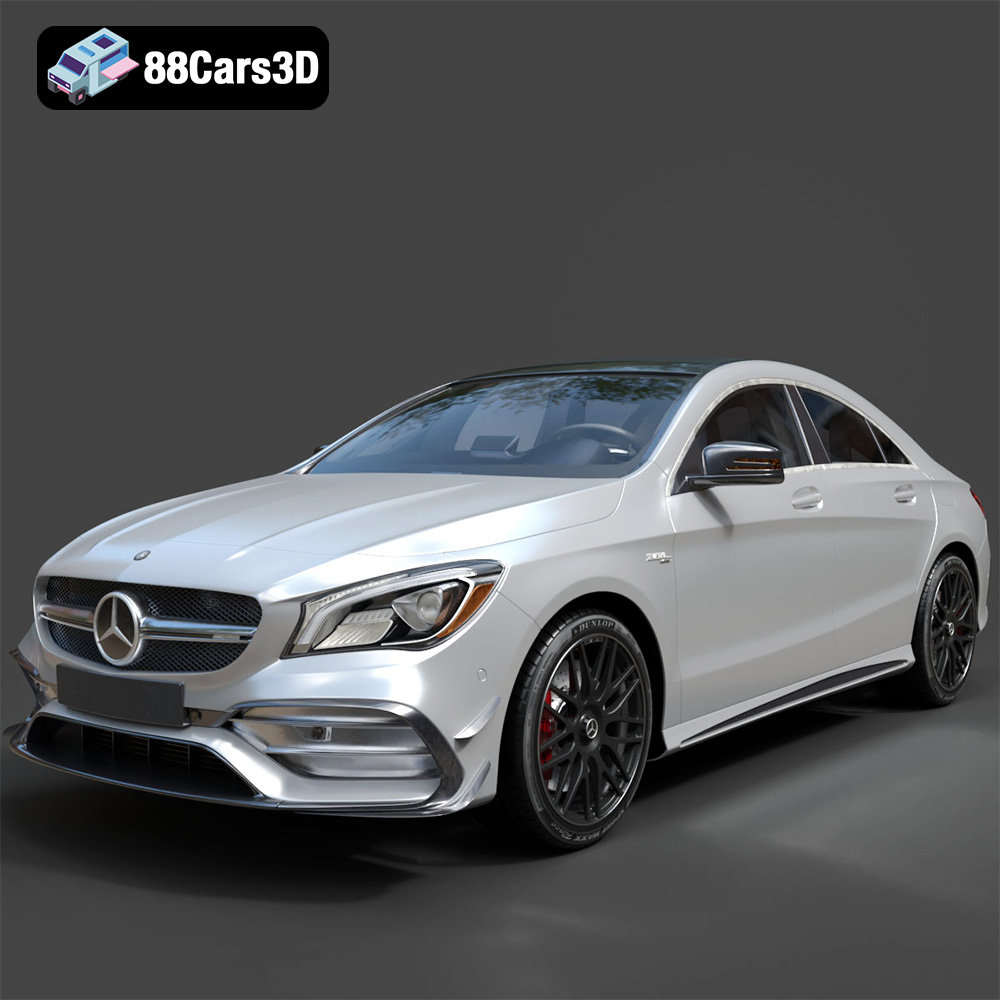
Mercedes-Benz CLA45 AMG 2017 3D Model
Texture: Yes
Material: Yes
Download the Mercedes-Benz CLA45 AMG 2017 3D Model featuring clean geometry, realistic detailing, and a fully modeled interior. Includes .blend, .fbx, .obj, .glb, .stl, .ply, .unreal, and .max formats for rendering, simulation, and game development.
Price: $38.99
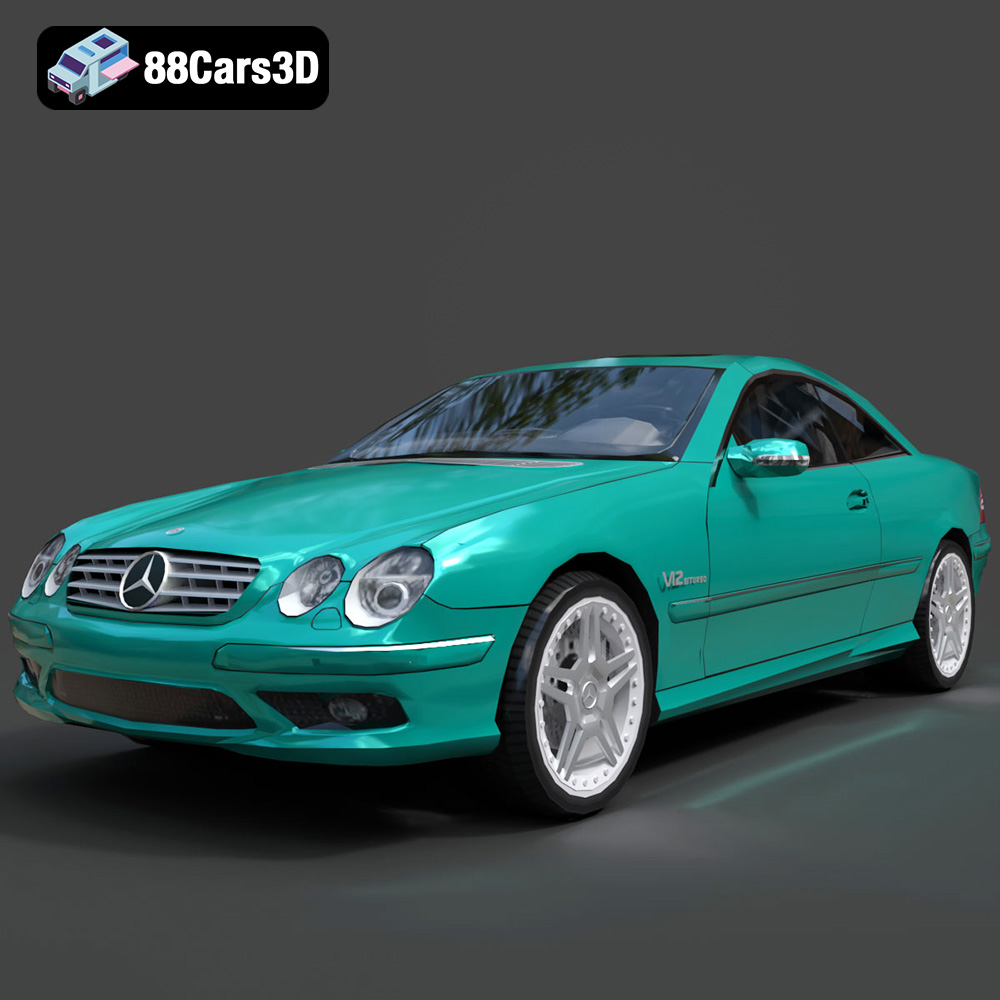
Mercedes-Benz CL65 C215 AMG 3D Model
Texture: Yes
Material: Yes
Download the Mercedes-Benz CL65 C215 AMG 3D Model featuring clean geometry, realistic detailing, and a fully modeled interior. Includes .blend, .fbx, .obj, .glb, .stl, .ply, .unreal, and .max formats for rendering, simulation, and game development.
Price: $23.99
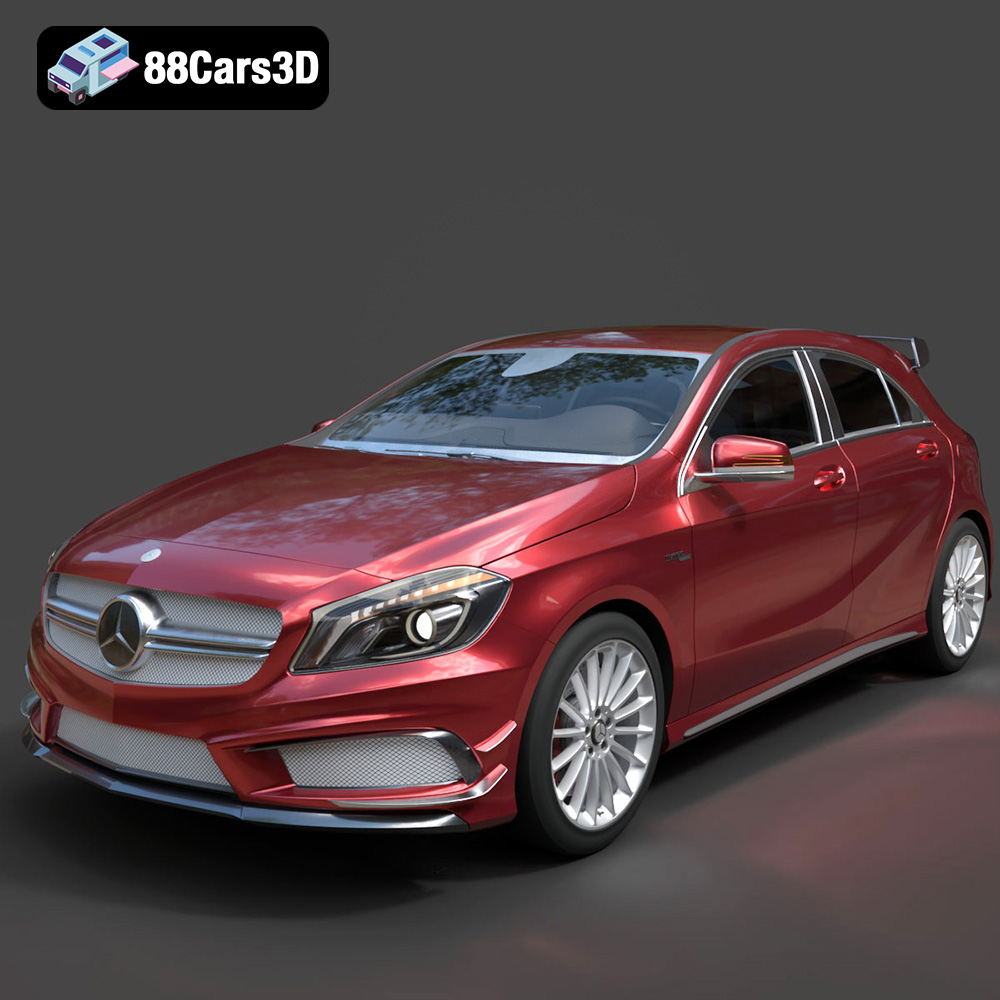
Mercedes-Benz A45 2021 3D Model
Texture: Yes
Material: Yes
Download the Mercedes-Benz A45 2021 3D Model featuring clean geometry, realistic detailing, and a fully modeled interior. Includes .blend, .fbx, .obj, .glb, .stl, .ply, .unreal, and .max formats for rendering, simulation, and game development.
Price: $23.99
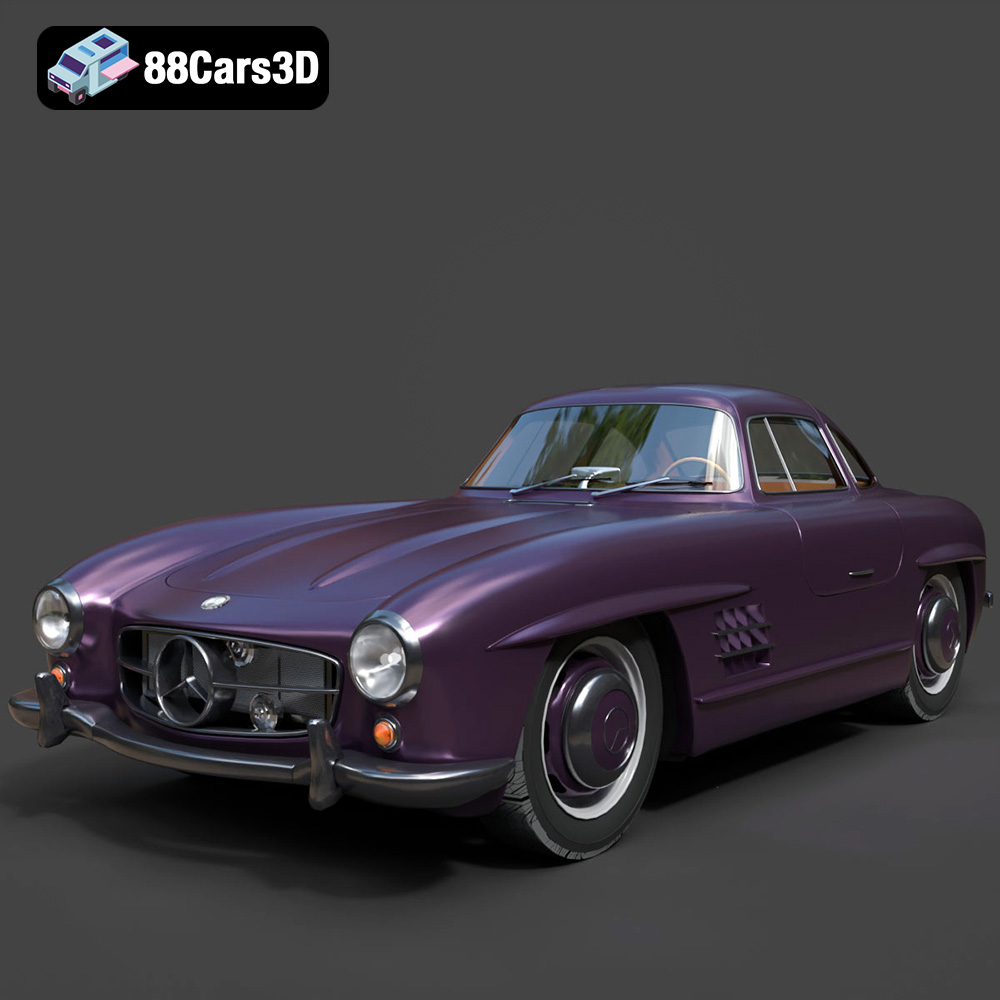
Mercedes-Benz 300SL 1955 3D Model
Texture: Yes
Material: Yes
Download the Mercedes-Benz 300SL 1955 3D Model featuring clean geometry, realistic detailing, and a fully modeled interior. Includes .blend, .fbx, .obj, .glb, .stl, .ply, .unreal, and .max formats for rendering, simulation, and game development.
Price: $23.99
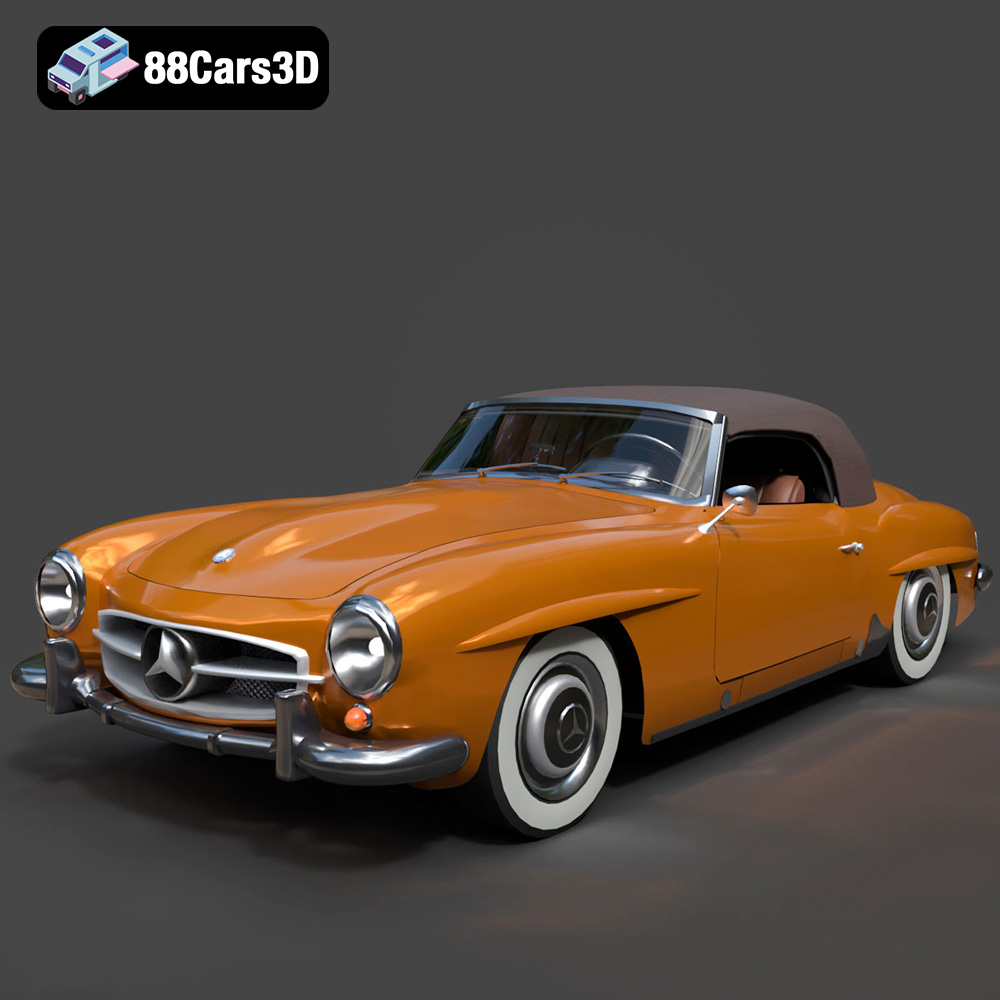
Mercedes-Benz 190SL 1955 3D Model
Texture: Yes
Material: Yes
Download the Mercedes-Benz 190SL 1955 3D Model featuring clean geometry, realistic detailing, and a fully modeled interior. Includes .blend, .fbx, .obj, .glb, .stl, .ply, .unreal, and .max formats for rendering, simulation, and game development.
Price: $23.99
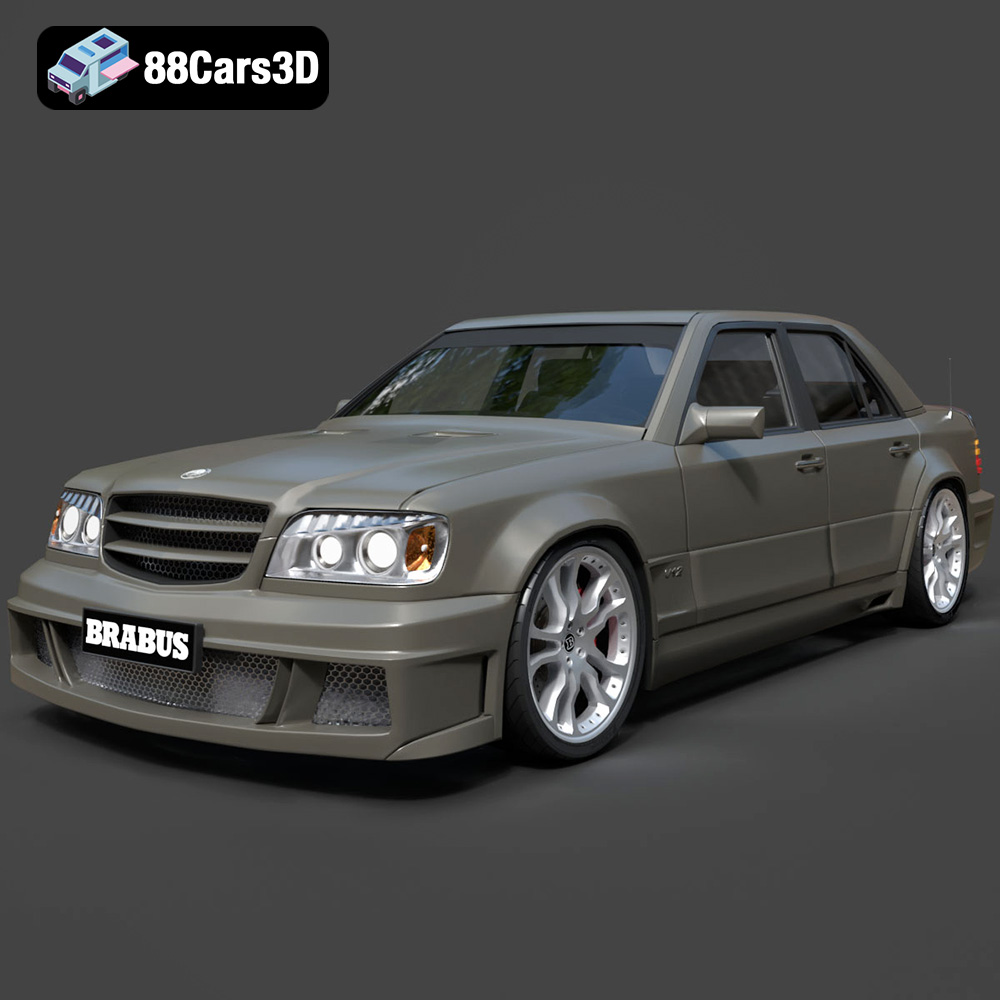
Mercedes-Benz W124 Brabus V12 3D Model
Texture: Yes
Material: Yes
Download the Mercedes-Benz W124 Brabus V12 3D Model featuring clean geometry, realistic detailing, and a fully modeled interior. Includes .blend, .fbx, .obj, .glb, .stl, .ply, .unreal, and .max formats for rendering, simulation, and game development.
Price: $23.99
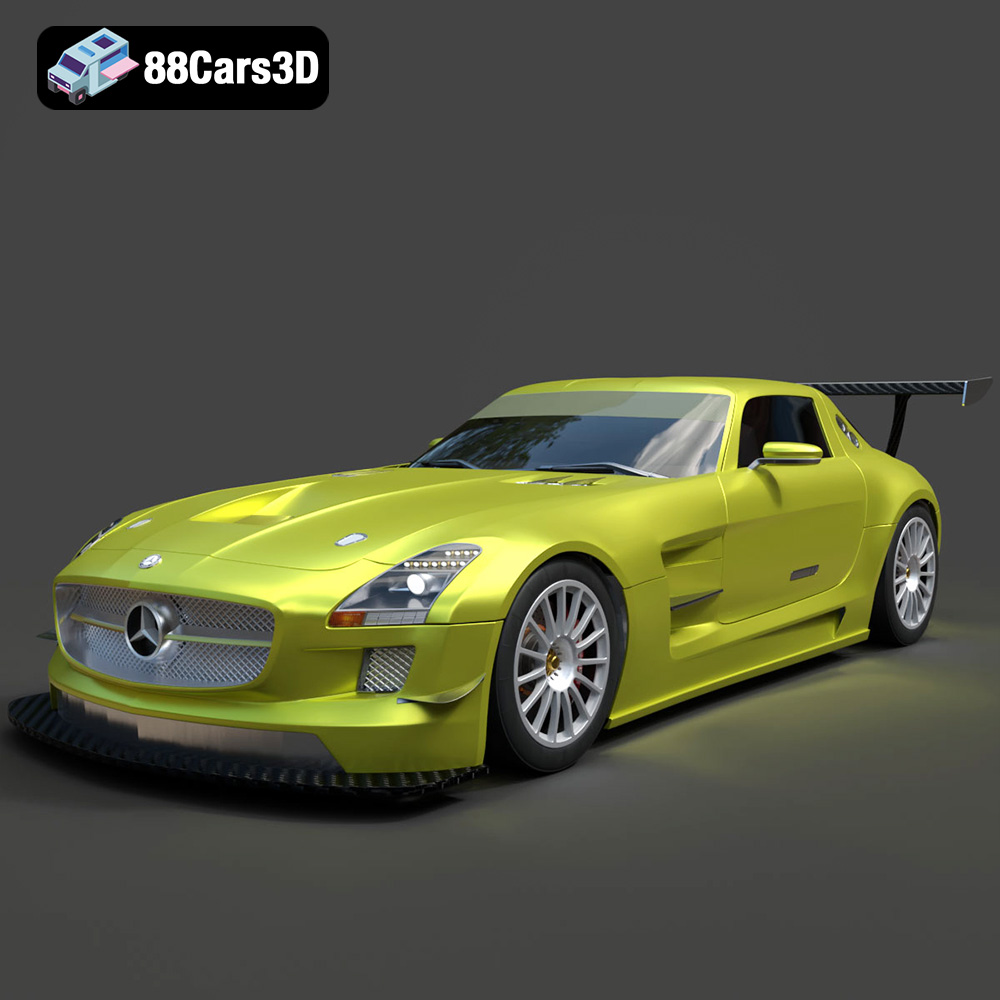
Mercedes-Benz SLS AMG GT3-002 3D Model
Texture: Yes
Material: Yes
Download the Mercedes-Benz SLS AMG GT3-002 3D Model featuring clean geometry, realistic detailing, and a fully modeled interior. Includes .blend, .fbx, .obj, .glb, .stl, .ply, .unreal, and .max formats for rendering, simulation, and game development.
Price: $38.99

Mercedes-Benz C-Class-001 3D Model
Texture: Yes
Material: Yes
Download the Mercedes-Benz C-Class-001 3D Model featuring clean geometry, realistic detailing, and a fully modeled interior. Includes .blend, .fbx, .obj, .glb, .stl, .ply, .unreal, and .max formats for rendering, simulation, and game development.
Price: $38.99
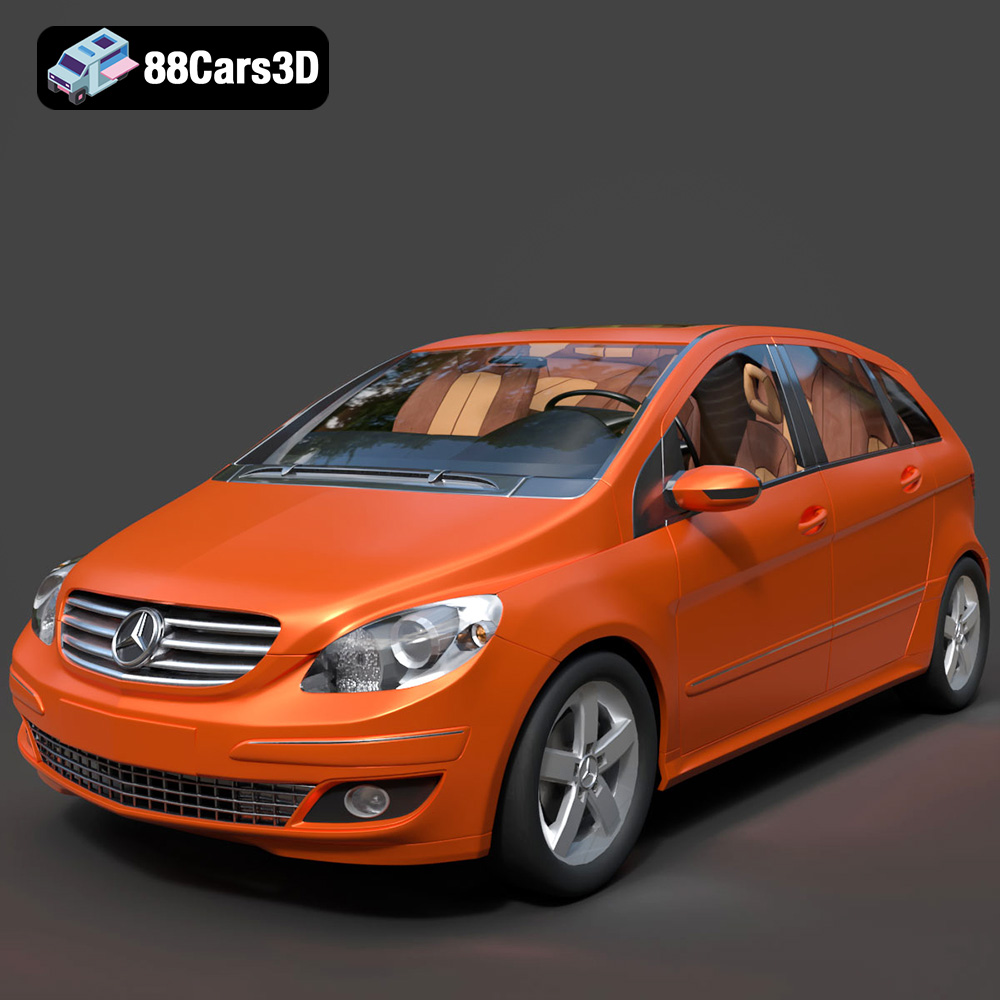
Mercedes-Benz B-Klasse 2023 3D Model
Texture: Yes
Material: Yes
Download the Mercedes-Benz B-Klasse 2023 3D Model featuring clean geometry, realistic detailing, and a fully modeled interior. Includes .blend, .fbx, .obj, .glb, .stl, .ply, .unreal, and .max formats for rendering, simulation, and game development.
Price: $38.99
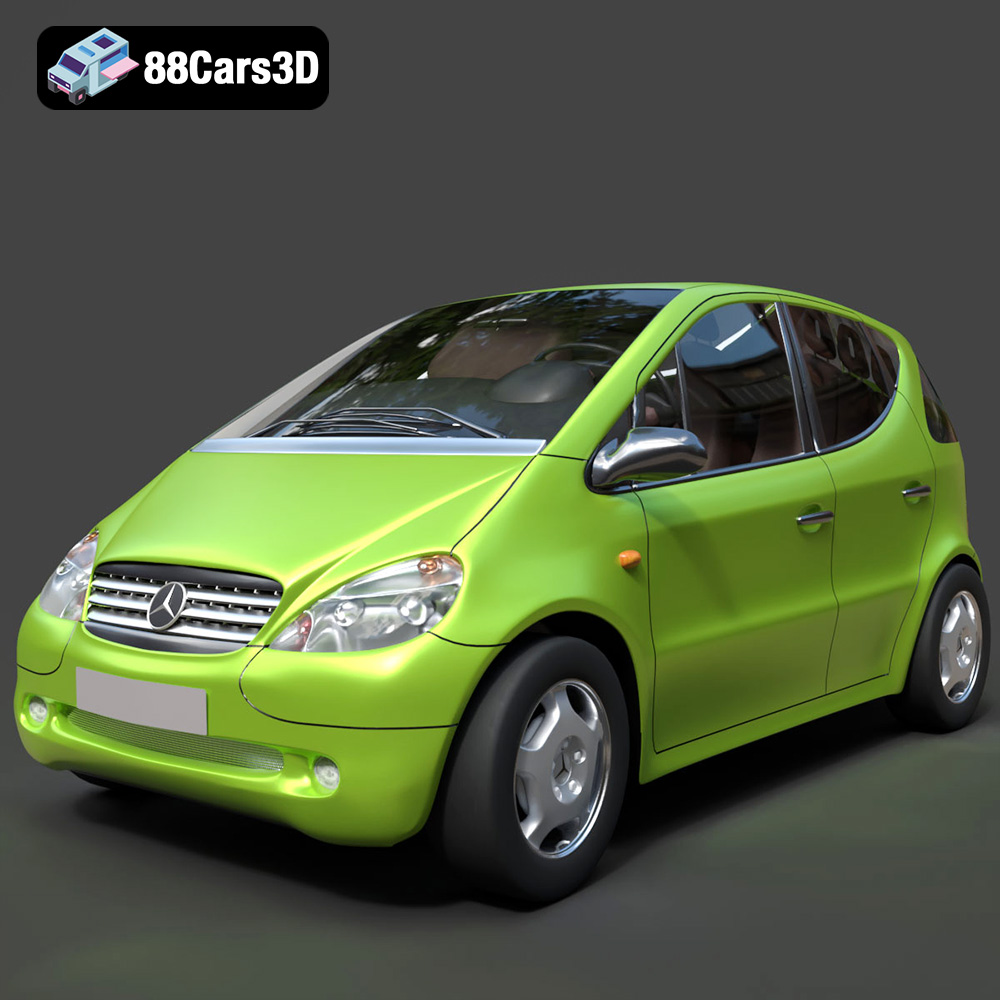
Mercedes-Benz A-Klasse W168 3D Model
Texture: Yes
Material: Yes
Download the Mercedes-Benz A-Klasse W168 3D Model featuring clean geometry, realistic detailing, and a fully modeled interior. Includes .blend, .fbx, .obj, .glb, .stl, .ply, .unreal, and .max formats for rendering, simulation, and game development.
Price: $38.99
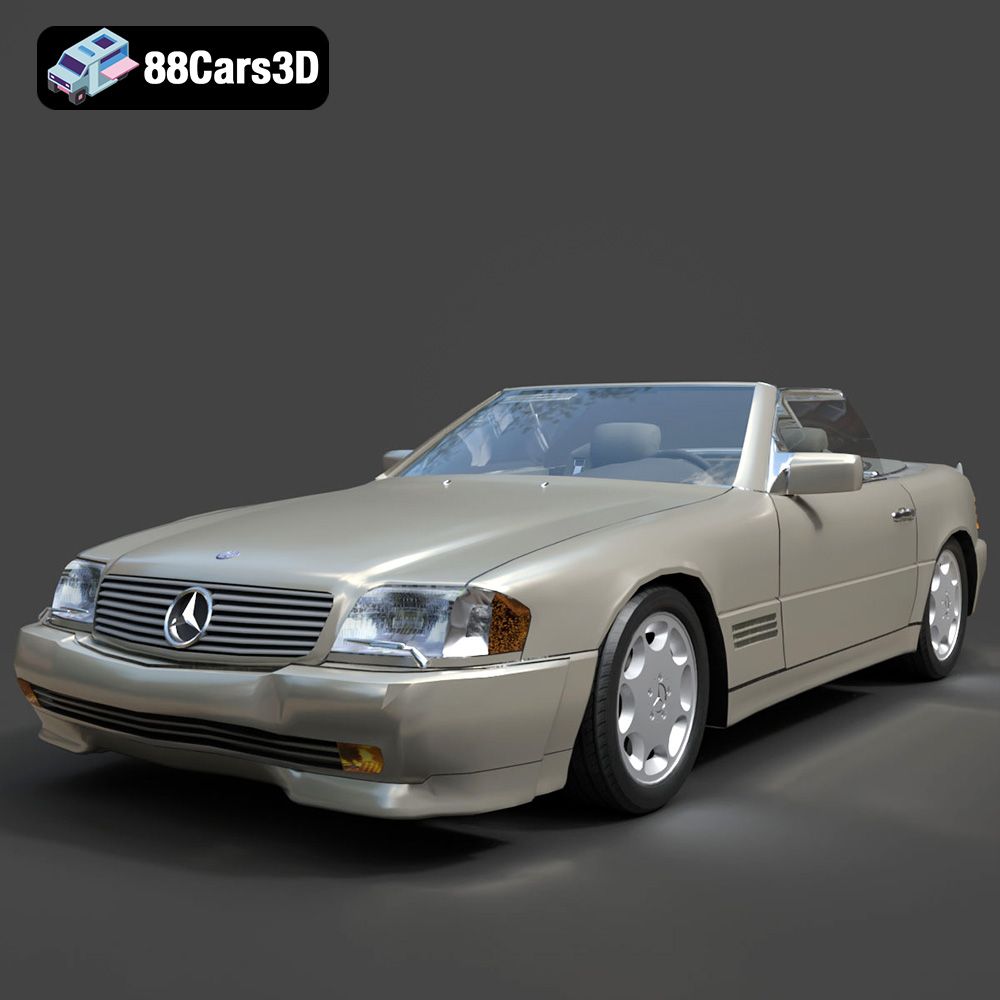
Mercedes-Benz 500SL 2000 3D Model
Texture: Yes
Material: Yes
Download the Mercedes-Benz 500SL 2000 3D Model featuring clean geometry, realistic detailing, and a fully modeled interior. Includes .blend, .fbx, .obj, .glb, .stl, .ply, .unreal, and .max formats for rendering, simulation, and game development.
Price: $38.99
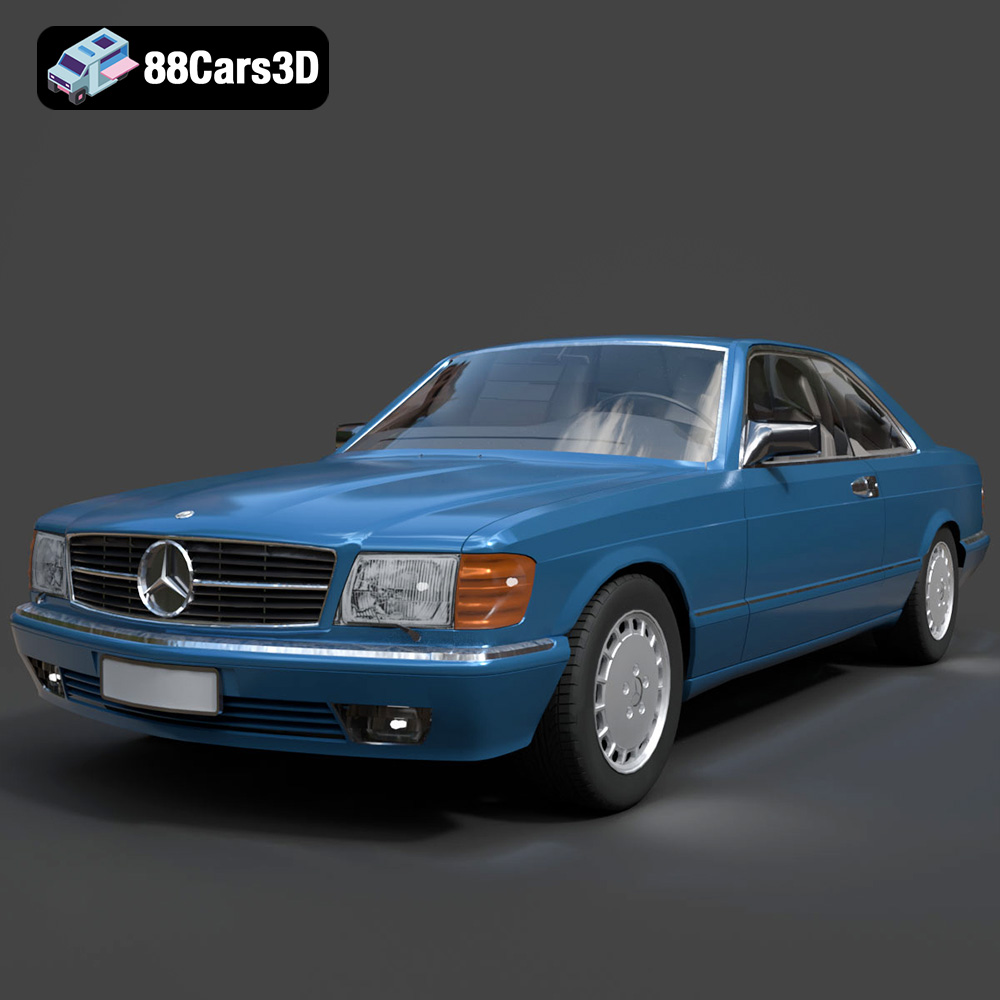
Mercedes-Benz 500SEC 3D Model
Texture: Yes
Material: Yes
Download the Mercedes-Benz 500SEC 3D Model featuring clean geometry, realistic detailing, and a fully modeled interior. Includes .blend, .fbx, .obj, .glb, .stl, .ply, .unreal, and .max formats for rendering, simulation, and game development.
Price: $38.99
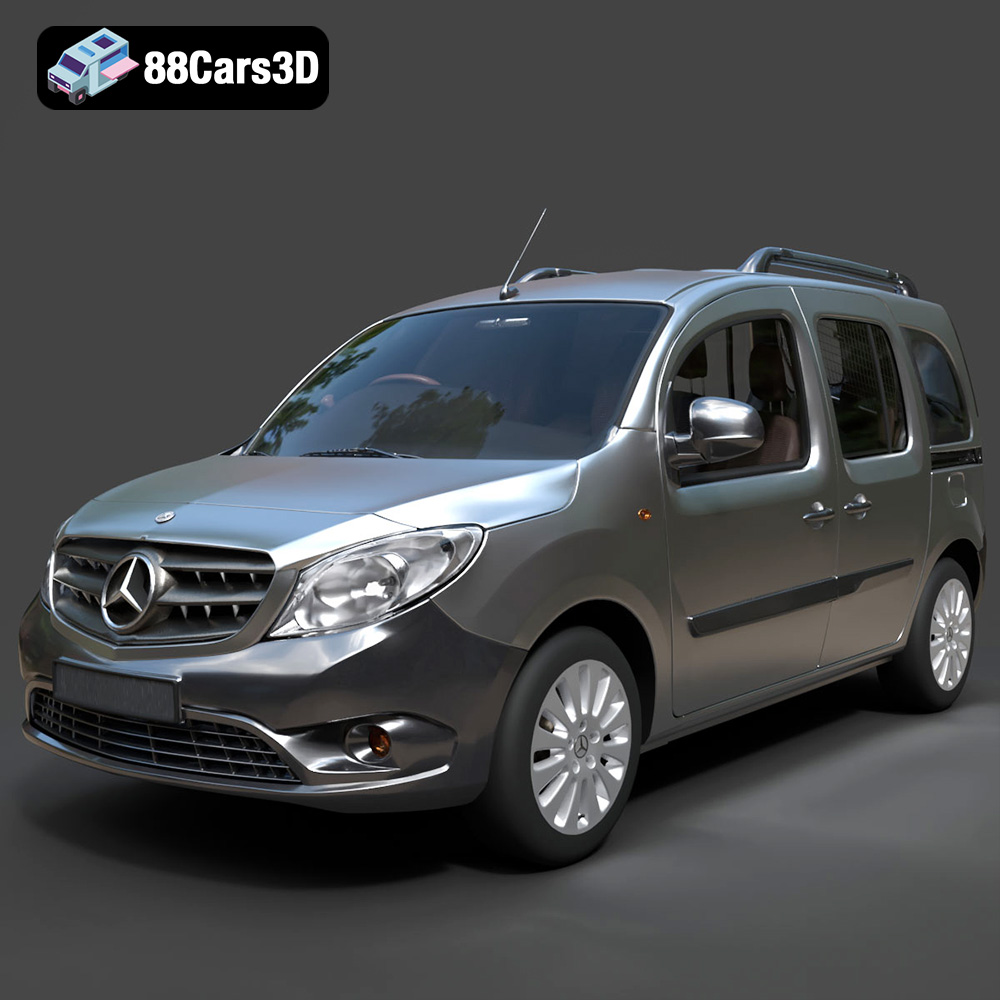
Mercedes-Benz Citan 2025 3D Model
Texture: Yes
Material: Yes
Download the Mercedes-Benz Citan 2025 3D Model featuring clean geometry, realistic detailing, and a fully modeled interior. Includes .blend, .fbx, .obj, .glb, .stl, .ply, .unreal, and .max formats for rendering, simulation, and game development.
Price: $38.99
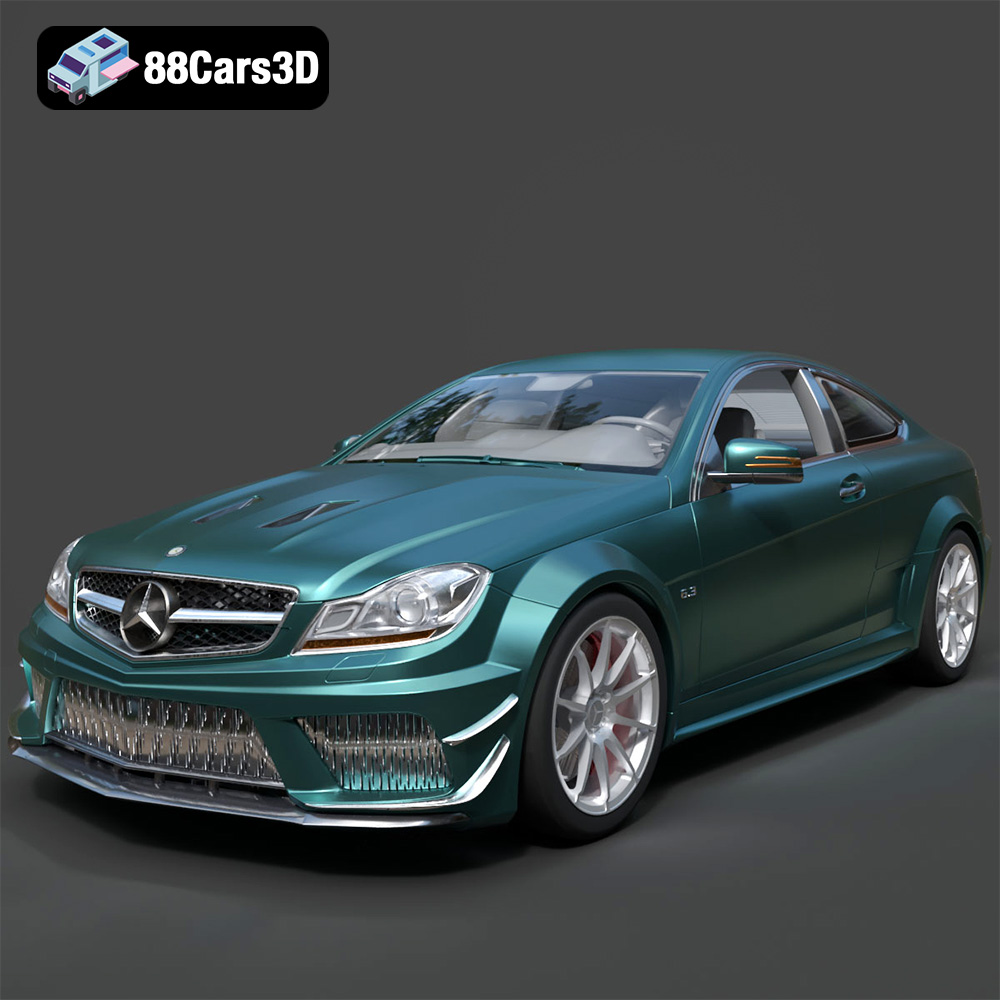
Mercedes-Benz C63 AMG 2012 3D Model
Texture: Yes
Material: Yes
Download the Mercedes-Benz C63 AMG 2012 3D Model featuring clean geometry, realistic detailing, and a fully modeled interior. Includes .blend, .fbx, .obj, .glb, .stl, .ply, .unreal, and .max formats for rendering, simulation, and game development.
Price: $38.99
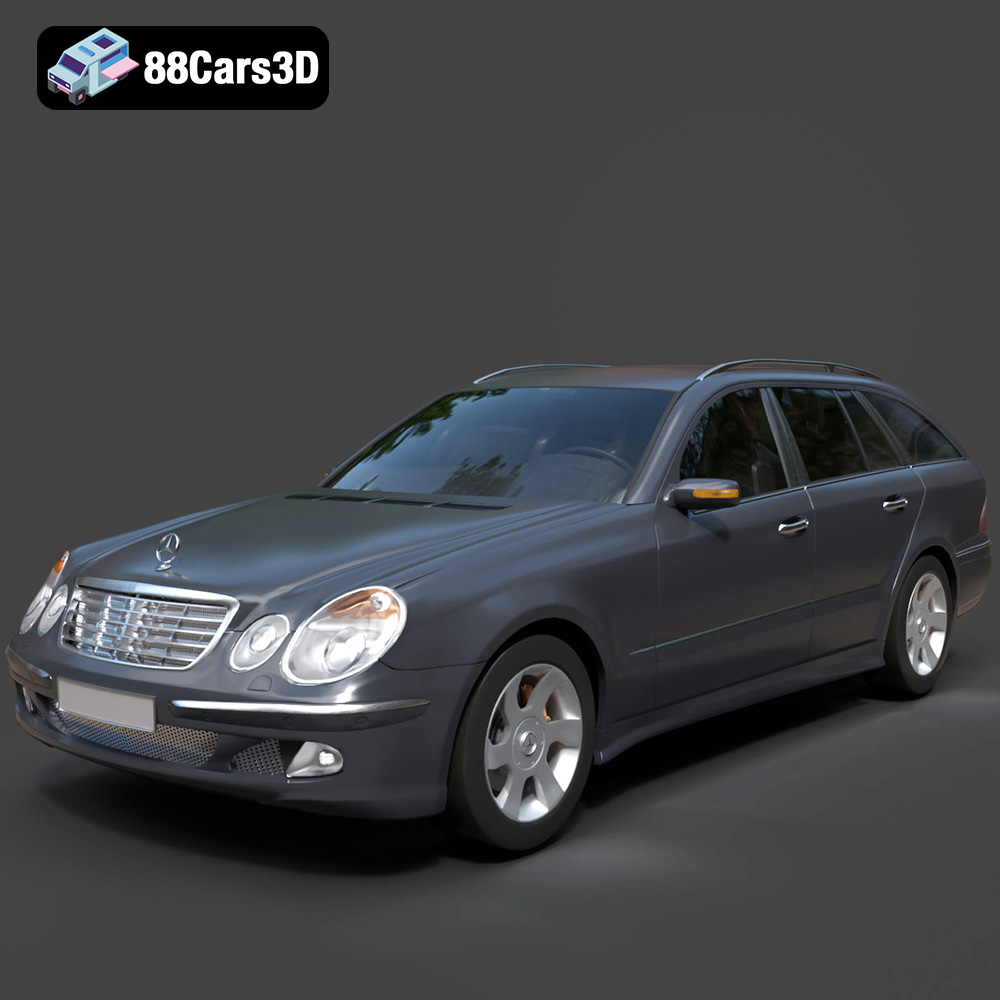
Mercedes-Benz E-Class S211 3D Model
Texture: Yes
Material: Yes
Download the Mercedes-Benz E-Class S211 3D Model featuring clean geometry, realistic detailing, and a fully modeled interior. Includes .blend, .fbx, .obj, .glb, .stl, .ply, .unreal, and .max formats for rendering, simulation, and game development.
Price: $38.99
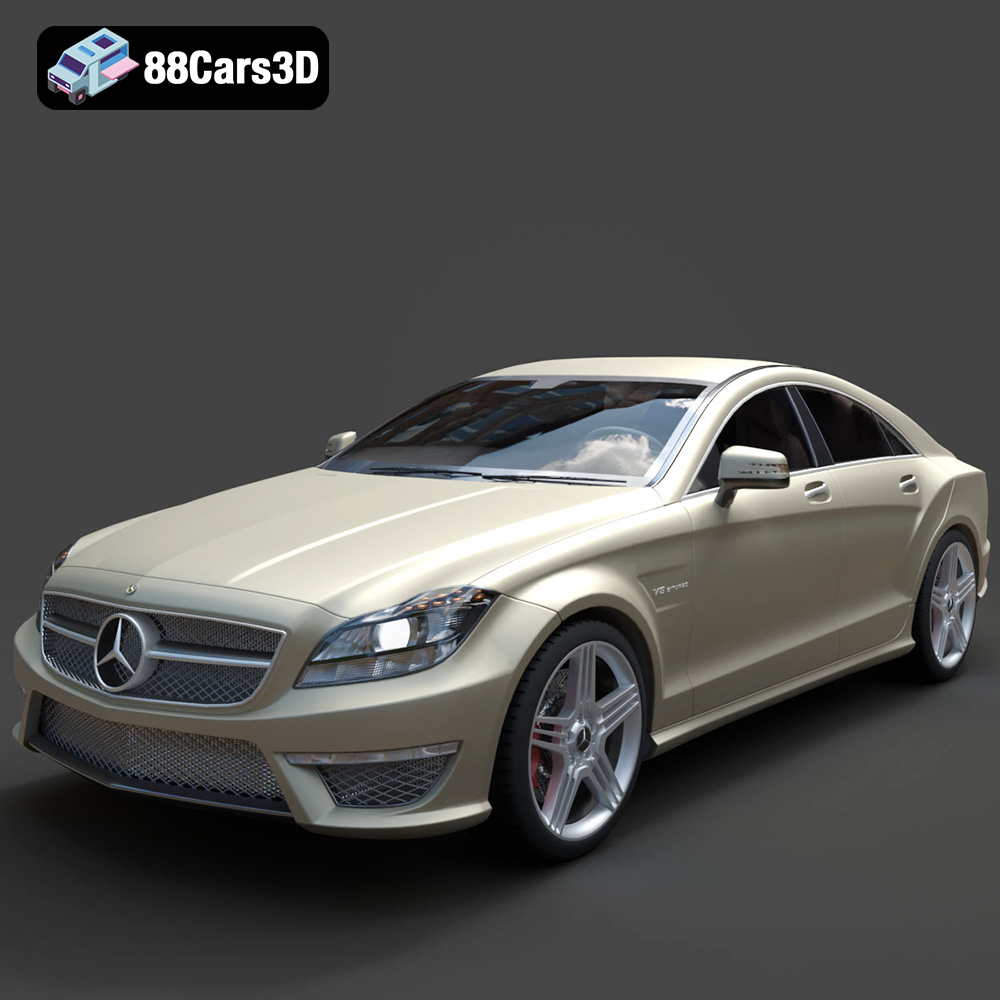
Mercedes-Benz CLS63 AMG (C218) 2014 3D Model
Texture: Yes
Material: Yes
Download the Mercedes-Benz CLS63 AMG (C218) 2014 3D Model featuring clean geometry, realistic detailing, and a fully modeled interior. Includes .blend, .fbx, .obj, .glb, .stl, .ply, .unreal, and .max formats for rendering, simulation, and game development.
Price: $38.99
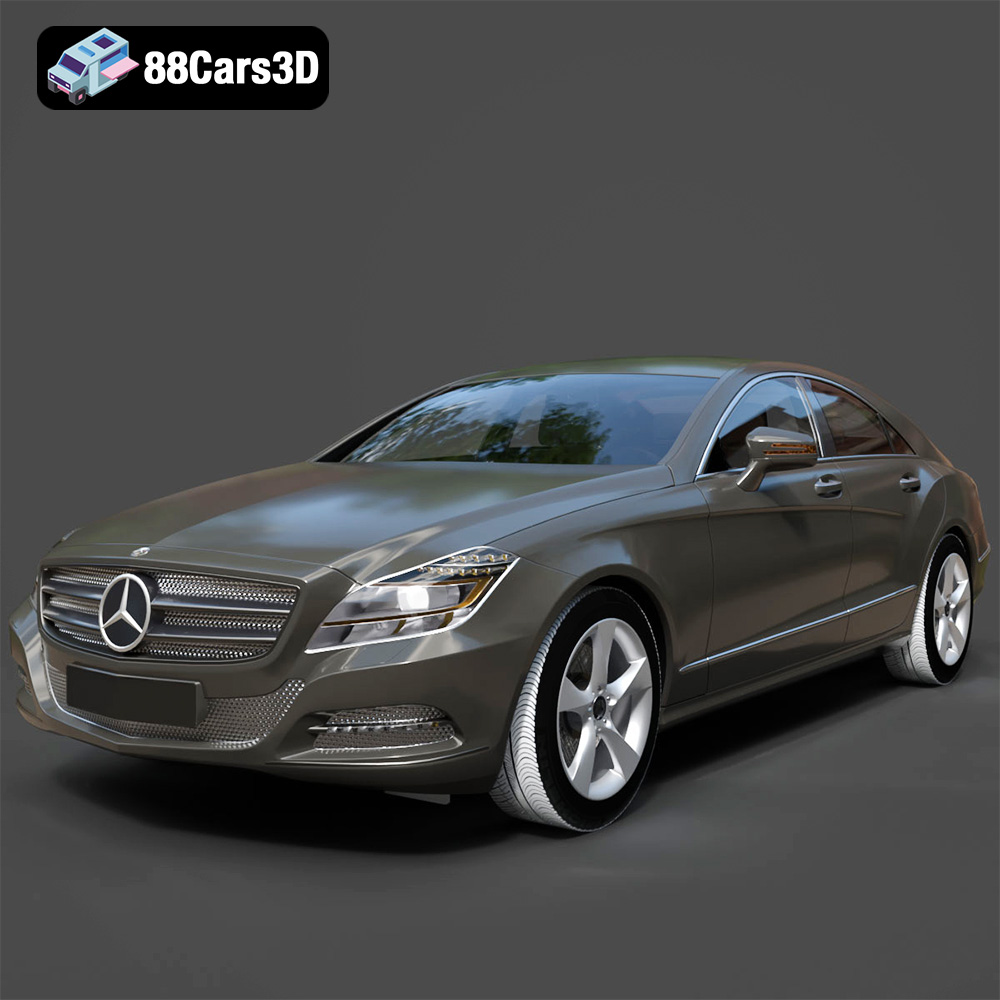
Mercedes-Benz CLS-Klasse 3D Model
Texture: Yes
Material: Yes
Download the Mercedes-Benz CLS-Klasse 3D Model featuring clean geometry, realistic detailing, and a fully modeled interior. Includes .blend, .fbx, .obj, .glb, .stl, .ply, .unreal, and .max formats for rendering, simulation, and game development.
Price: $38.99
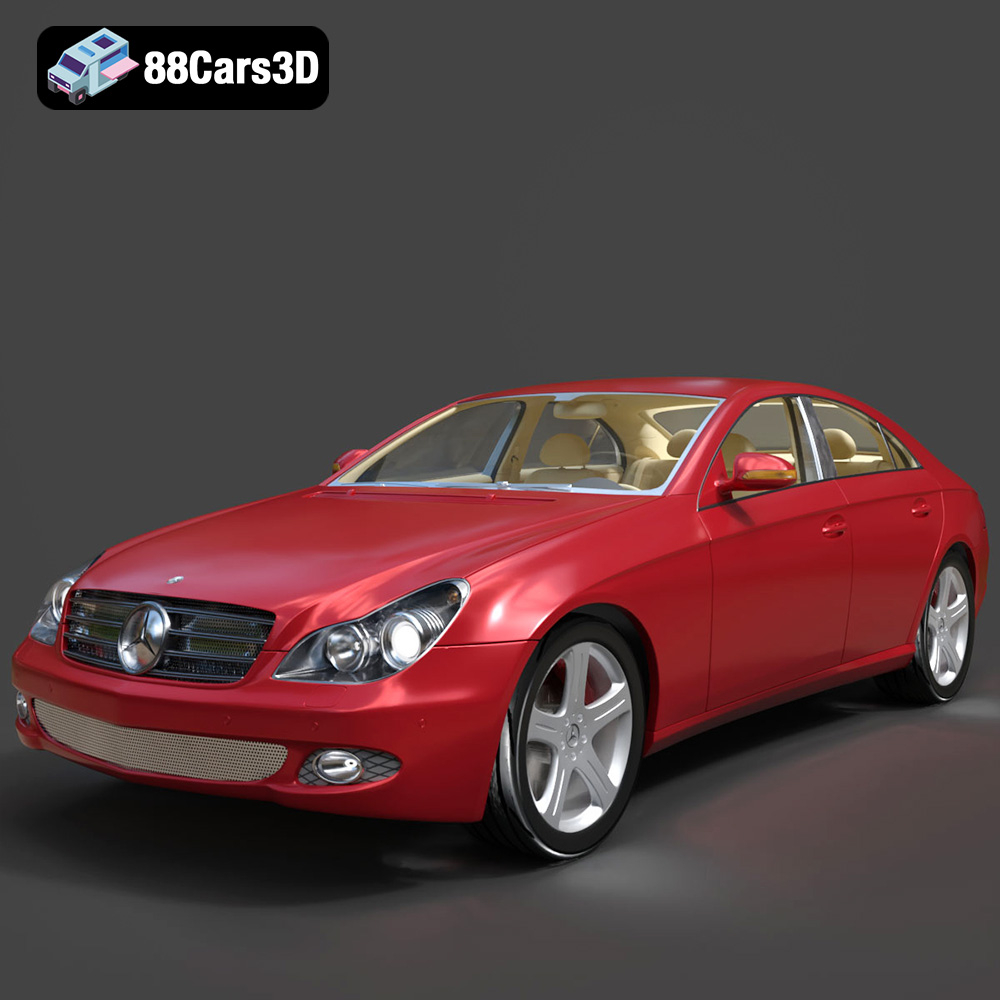
Mercedes-Benz CLS 500 3D Model
Texture: Yes
Material: Yes
Download the Mercedes-Benz CLS 500 3D Model featuring clean geometry, realistic detailing, and a fully modeled interior. Includes .blend, .fbx, .obj, .glb, .stl, .ply, .unreal, and .max formats for rendering, simulation, and game development.
Price: $38.99

Mercedes-Benz CL-Klasse 2001 3D Model
Texture: Yes
Material: Yes
Download the Mercedes-Benz CL-Klasse 2001 3D Model featuring clean geometry, realistic detailing, and a fully modeled interior. Includes .blend, .fbx, .obj, .glb, .stl, .ply, .unreal, and .max formats for rendering, simulation, and game development.
Price: $38.99
