
Beyond Gloss: Mastering Photorealistic Automotive Paint Shaders for Real-Time Engines

Beyond Gloss: Mastering Photorealistic Automotive Paint Shaders for Real-Time Engines
The shimmering allure of a perfectly rendered car paint finish is often the first thing that captures attention in a virtual world. It evokes a sense of quality, craftsmanship, and realism. Yet, achieving this visual fidelity in real-time engines for games, configurators, or architectural visualizations is far more complex than simply applying a standard PBR material. The subtle dance of light across multiple layers, the microscopic gleam of metallic flakes, and the deep, reflective qualities of a clear coat present unique challenges that demand a sophisticated approach.
As 3D artists, game developers, and automotive designers, we constantly strive to push the boundaries of visual fidelity. While Physical Based Rendering (PBR) provides an excellent foundation, it often falls short for the intricate nature of automotive paint. This deep dive will explore how to move beyond basic PBR, constructing advanced shaders that not only look stunning but also perform efficiently within the constraints of real-time environments. We’ll deconstruct the multi-layered complexity of car paint, delve into practical shader graph construction, and unlock techniques for unparalleled realism, ensuring your 88cars3d.com models shine brilliantly.
The Illusion of Simplicity: Why Automotive Paint is a Real-Time Challenge
At first glance, automotive paint might seem like just another glossy surface. However, this perception quickly dissolves under closer inspection. A true automotive finish isn’t a single, uniform layer but a meticulously engineered system of multiple coats, each contributing to its unique aesthetic and protective qualities. Standard PBR materials, designed for general-purpose surfaces, often lack the granularity and layering capabilities required to accurately represent this complexity.
The primary reason standard PBR struggles with car paint lies in its assumption of a single, coherent surface. Real car paint, especially modern finishes, consists of at least a base color layer, often embedded with metallic or pearlescent flakes, topped by a thick, transparent clear coat. Each of these layers interacts with light differently, contributing unique specular and diffuse responses. Replicating this interaction authentically, especially the intricate light scattering and reflection within the clear coat and from the flakes, is critical for achieving a convincing PBR automotive material.
Furthermore, real-time environments impose strict performance budgets. Simply stacking multiple standard PBR materials together would be prohibitively expensive. Therefore, a specialized approach is needed that efficiently simulates these layers within a single shader, combining their visual effects while maintaining optimal render performance. This is where advanced shader graph techniques become indispensable, allowing us to build a robust and optimized solution for real-time vehicle rendering.
Deconstructing the Layers: A Multi-Layered PBR Approach
To truly master photorealistic automotive paint, we must first understand its fundamental composition. Imagine peeling back the layers of a car’s finish. This mental exercise forms the basis for our multi-layered shader design, treating each component as an individual PBR surface that interacts with light before influencing the next layer.
Base Coat: The Foundation of Color
The base coat provides the primary color of the vehicle. It’s the first significant layer, applied over a primer, and dictates the hue that ultimately shines through. In our shader, this layer primarily contributes the diffuse color.
- Albedo/Base Color: This is the fundamental color texture. For solid colors, a simple color value might suffice, but for subtle variations or complex patterns, a texture map is ideal.
- Roughness: The base coat itself often has a slight roughness before the clear coat is applied. This contributes to a subtle diffuse reflection and helps define the underlying surface texture.
- Metallic: For metallic paints, the base coat itself exhibits metallic properties, reflecting light rather than absorbing it diffusely. This metallic value will be crucial for blending with the metallic flakes.
While the clear coat will dominate the final specular appearance, the base coat’s properties are vital for how light penetrates and reflects from deeper within the paint system.
The Magic of Flakes: Crafting a Metallic Flake Shader
The shimmering effect characteristic of many modern car paints comes from tiny metallic or mica flakes embedded within the base coat. These flakes are miniature mirrors, randomly oriented, catching and reflecting light at various angles. Recreating this convincingly is paramount for a realistic metallic flake shader.
The flakes require a specific approach:
- Flake Normal Map: Instead of a traditional normal map, we need a map that represents the random orientation of millions of tiny flakes. This can be generated procedurally (e.g., using a random vector field or by rotating normals based on noise) or by using a dedicated texture. The key is to introduce high-frequency normal variation.
- Flake Density & Size: Parameters to control how many flakes appear and their visual scale. Denser flakes lead to a more uniform sparkle, while larger, sparser flakes create more distinct glints.
- Metallic/Specular Response: The flakes are inherently metallic, so they should reflect light purely, without any diffuse component. Their roughness can be very low, contributing sharp, glinting highlights.
- Anisotropic Flakes: Real flakes can have elongated shapes, leading to an anisotropic reflection behavior. We’ll discuss anisotropic reflections in more detail later, but it’s a key consideration for the flakes themselves.
In a shader graph, these flakes are often simulated by applying a high-frequency, randomized normal map specifically to the metallic/specular component, effectively faking the reflection of individual flakes without the computational cost of actual geometry.
The Protective Sheen: Achieving Clear Coat Realism
The clear coat is arguably the most visually dominant layer. It’s a thick, transparent layer of lacquer that provides depth, gloss, and protection. Its interactions with light are what give car paint its signature mirror-like reflectivity and subtle refractions.
- Index of Refraction (IOR): For a clear coat, the IOR is critical. Typical values for automotive clear coats range from 1.4 to 1.5. This determines how much light is reflected off the surface (Fresnel effect) versus how much passes through to the underlying layers.
- Clear Coat Roughness: While often assumed to be perfectly smooth, real clear coats have microscopic imperfections. A subtle roughness map or parameter can simulate this, creating the slight “orange peel” effect visible on many car finishes.
- Thickness and Absorption: Although usually transparent, a very thick clear coat can exhibit slight color tinting or absorption. This is a more advanced effect but can add depth, especially for deep candy paints.
- Fresnel Effect: The amount of light reflected by the clear coat changes with the viewing angle. This is naturally handled by PBR, but understanding its importance for clear coat realism is key. At grazing angles, almost all light is reflected, creating strong highlights.
The clear coat essentially acts as a transparent, reflective film over all the other layers. Light hits the clear coat, some reflects off its surface (based on IOR and roughness), and the rest passes through to interact with the base coat and flakes before potentially returning and exiting through the clear coat again.
Optional Layers: Primer and Imperfections
For ultimate realism, especially in damaged or worn scenarios, you might consider layers like primer underneath the base coat, or even dedicated layers for dust, scratches, and grime that sit on top of the clear coat. These contribute to the overall game asset realism but are generally handled as separate texture masks and material blends rather than core shader layers.
Building the Shader Graph: Practical Implementation in Real-Time Engines
Now that we understand the individual components, let’s look at how to assemble them into a functional and efficient shader graph. We’ll focus on principles applicable across engines like Unreal Engine car paint workflows and Unity’s HDRP/URP, emphasizing performance.
Combining Layers: The Art of Blending
The core of a multi-layered shader is the blending of properties from each layer. In real-time engines, this is often achieved by combining PBR material attributes. For the clear coat, engines like Unreal Engine provide a dedicated “Clear Coat” input that simplifies this. For other layers, we need to manually blend based on physical principles.
A common approach for the base coat and metallic flakes involves:
- Calculate the base coat’s PBR properties (color, metallic, roughness).
- Generate or sample the flake normal map.
- Blend the flake normal map with the base coat’s normal. Some artists apply the flake normal only to the metallic/specular channel, leaving the diffuse unchanged.
- Modify the metallic and roughness values based on flake properties.
- Feed these combined properties into the main material output.
The clear coat then acts as an additional layer. In Unreal Engine, for example, you’d typically connect your combined base/flake material attributes to the standard PBR inputs, and then use the dedicated `Clear Coat` and `Clear Coat Roughness` inputs to define the top layer. The engine’s shading model then handles the complex light interactions between these two distinct surfaces.
Shader Graph Construction: An Overview
Whether you’re using Unreal Engine’s Material Editor or Unity’s Shader Graph, the process involves connecting nodes that represent mathematical operations, texture lookups, and PBR material properties. Here’s a simplified breakdown for a metallic flake clear coat shader:
- Base Color Input: A texture or parameter for the car’s primary color.
- Metallic Flake Generation:
- Noise texture (e.g., Perlin noise) for random flake distribution.
- Custom UVs or World Position for mapping the flakes consistently.
- Vector math to perturb normals based on flake noise, creating the appearance of individual reflections. A metallic flake shader often uses a detailed normal map specifically for these micro-facets.
- Masking to control flake density and size.
- Base Material Attributes: Combine the base color, metallic properties (influenced by flakes), roughness (influenced by flakes and base paint), and the modified normal (base normal + flake normal).
- Clear Coat Attributes:
- Clear Coat parameter (typically 1 for presence, 0 for absence).
- Clear Coat Roughness parameter (for ‘orange peel’ effect).
- Clear Coat Normal (optional, for subtle surface imperfections on the top layer).
- Output: Connect all final attributes to the main material output node.
Shader Graph Optimization for Real-Time Vehicle Rendering
Performance is paramount. Complex shaders can quickly become bottlenecks. Here are key strategies for shader graph optimization:
- Material Instancing: Create a master material and then create instances for each color or variation. This allows you to change parameters (color, flake density, roughness) without recompiling the shader, saving significant performance.
- Texture Packing: Combine multiple grayscale textures (e.g., roughness, metallic, ambient occlusion) into different channels (R, G, B, A) of a single texture. This reduces texture lookups and memory bandwidth.
- Material Functions (Unreal) / Subgraphs (Unity): Encapsulate complex or reusable parts of your shader logic into functions. This improves readability, maintainability, and can help with compilation.
- Conditional Compilation: Use static switches (Unreal) or keyword toggles (Unity) to enable/disable complex features (like specific flake effects or advanced clear coat options) if they’re not needed for a particular instance, reducing shader complexity at runtime.
- Avoid Unnecessary Math: Simplify equations where possible. Pre-calculate values if they don’t need to be dynamic.
- LODs for Shaders: For distant objects, simplify the shader. You might disable flake effects or reduce clear coat complexity on lower LODs to save performance without a noticeable visual difference.
Elevating Realism: Advanced Techniques and Finishes
Once the foundational multi-layered shader is in place, we can introduce advanced techniques to truly push the boundaries of realism, catering to specific paint types and subtle visual cues.
Anisotropic Reflections: The Signature Sheen
Have you ever noticed how reflections on brushed metal or certain car paints seem to stretch or spread in a particular direction? This is anisotropy. It’s a hallmark of high-quality materials and crucial for a convincing PBR automotive material.
Anisotropy occurs when a surface has microscopic grooves or features aligned in a specific direction. Instead of reflecting light equally in all directions, these grooves cause light to scatter predominantly along or across their orientation. For car paint, particularly with elongated metallic flakes or subtle brush strokes from manufacturing, this effect adds a layer of sophisticated realism.
Implementing anisotropic reflections in a shader typically involves:
- Tangent Map: You need a texture or procedural method to define the tangent direction across the surface. This “tangent map” dictates the direction along which the anisotropy will stretch. For car panels, this might follow the curvature of the bodywork or a consistent direction across a panel.
- Anisotropy Parameter: A scalar value to control the strength or “stretchiness” of the anisotropic effect.
- Modified Specular BRDF: The standard PBR BRDF (Bidirectional Reflectance Distribution Function) needs to be modified to account for the tangent direction, effectively stretching the specular highlight along that axis. Many real-time engines provide built-in nodes or options for anisotropy (e.g., Unreal Engine’s standard material has an Anisotropy input).
Getting the tangent map right is critical. For a car body, using a world-space direction or a direction derived from the mesh’s UV layout can work well, ensuring consistent stretching across the panels.
Beyond Metallic: Pearlescent, Candy, and Matte Finishes
The multi-layered PBR framework is highly adaptable, allowing us to simulate a wide array of specialized car paint finishes.
Pearlescent Paints
Pearlescent (or “color-shifting”) paints exhibit different hues depending on the viewing angle. This effect is achieved by incorporating microscopic mica flakes or special pigments that interfere with light waves.
- Implementation: In the shader, this often involves using a Fresnel-like effect on the color. Instead of just blending between base color and metallic reflection, you’d use the camera’s viewing angle (dot product of camera vector and surface normal) to interpolate between two or more colors. One color for direct view, another for grazing angles. This applies to the base coat’s color contribution.
- Flake Adaptation: The embedded flakes might also contribute to the color shift, or they could be subtle, allowing the clear coat’s angle-dependent coloration to dominate.
Candy Paints
Candy paints are characterized by their deep, rich, saturated colors and incredible depth. They consist of a highly reflective metallic base coat (often silver or gold) covered by a thick, transparent, colored clear coat.
- Implementation: Our multi-layered system is perfect for this. The “base coat” becomes the highly metallic, reflective layer (e.g., pure silver/gold). The “clear coat” then gets a strong tint or absorption color. Light passes through the colored clear coat, reflects off the metallic base, and passes back through the clear coat, intensifying the color.
- Clear Coat Tint/Absorption: Rather than just being transparent, the clear coat’s color input is used to tint the light that passes through, and potentially to absorb certain wavelengths, giving that signature candy look.
Matte Finishes
Matte paints absorb most light diffusely, with very little specular reflection, resulting in a flat, non-glossy appearance. This can be tricky to get right, as simply increasing roughness often looks like dirty gloss paint.
- Implementation: The key here is to dramatically increase the roughness value of the base coat. Crucially, the “clear coat” layer is either entirely removed or its roughness is also set extremely high, effectively flattening any specular response.
- Micro-Surface Detail: To prevent a matte finish from looking too smooth and artificial, subtle normal mapping for micro-scratches or a fine texture can enhance the feeling of a tactile, non-reflective surface. Small imperfections become more noticeable.
Micro-Surface Details and Imperfections
No real car paint is perfectly flawless. Adding subtle imperfections significantly boosts game asset realism. These are typically applied as additional normal maps, roughness maps, or even albedo tints:
- Orange Peel: A very fine, wavy texture that comes from the spraying process. Apply a subtle normal map to the clear coat layer, or use the clear coat roughness map to introduce this variation.
- Dust and Grime: Layered textures using masks to define areas of accumulation (e.g., creases, horizontal surfaces). These will affect roughness and potentially albedo.
- Swirl Marks and Scratches: High-frequency normal and roughness maps, often layered to appear on top of the clear coat. These are most visible in specular highlights.
Performance and Polishing: Optimizing for Real-Time Vehicle Rendering
A stunning shader is only useful if it runs efficiently. Real-time vehicle rendering demands a careful balance between visual quality and performance. Beyond the shader graph optimizations mentioned earlier, consider these broader strategies.
Level of Detail (LODs) for Shaders and Meshes
Just as you create mesh LODs, consider simplifying your paint shader for objects further from the camera. A distant car doesn’t need complex metallic flakes or anisotropic reflections. Use static switches in your shader to toggle these features off based on distance, or create entirely separate, simpler materials for lower LODs. This is a powerful form of shader graph optimization.
Reflection Captures and Lighting
The quality of your reflections heavily influences the perception of car paint. Ensure your real-time environment has well-placed and high-resolution reflection probes (Unreal Engine’s Reflection Capture Actors, Unity’s Reflection Probes). These capture the environment’s lighting and reflections, which are then applied to your clear coat and metallic surfaces. Dynamic reflections (screen-space reflections, ray tracing) add another layer of fidelity but come with a higher performance cost.
Material Instances: Powering Variation
Leverage material instancing heavily. Create a robust master shader that exposes all necessary parameters (base color, flake density, clear coat roughness, anisotropy strength, pearlescent colors, etc.). Then, create instances for every single car paint variation. This not only saves performance by reducing shader compiles but also drastically speeds up iteration and content creation.
Shader Complexity Visualization
Both Unreal Engine and Unity provide tools to visualize shader complexity (e.g., ‘Shader Complexity’ view mode in Unreal). Use these tools religiously to identify and address areas where your shader is becoming too expensive. Aim for green/blue areas, avoiding red/pink wherever possible.
Texture Management
Optimize texture resolutions and formats. Use appropriate compression (e.g., BC1/DXT1 for diffuse, BC5/DXT5 for normal maps, BC4 for single-channel masks). Ensure textures are streamed efficiently, especially for large assets like vehicles. Packed textures, as mentioned earlier, are also key for reducing memory footprint and improving shader graph optimization.
Iterative Refinement
Achieving perfect car paint is an iterative process. Constantly test your shaders under different lighting conditions and camera angles. Small tweaks to roughness, IOR, or flake parameters can have a profound impact. Reference real-world car photos and use them as your guide.
Conclusion
Mastering photorealistic automotive paint shaders for real-time engines is a rewarding challenge that elevates the visual quality of any project. By understanding the multi-layered nature of real car paint, deconstructing it into manageable PBR components, and employing smart shader graph optimization techniques, you can achieve breathtaking results. From the subtle glint of a metallic flake shader to the deep, wet look of clear coat realism and the advanced allure of anisotropic reflections, each element contributes to a truly immersive experience.
Whether you’re crafting high-fidelity game asset realism for the next-gen automotive title or presenting a new vehicle design in a real-time configurator, the techniques discussed here provide a powerful toolkit. Remember that continuous learning and experimentation are key to staying ahead in the dynamic world of 3D rendering. For a solid foundation to build your stunning materials upon, explore the high-quality, production-ready car models available at 88cars3d.com. Start rendering vehicles that truly stand out!
Featured 3D Car Models

Subaru Impreza Sport Wagon 3D Model
Texture: Yes
Material: Yes
Download the Subaru Impreza Sport Wagon 3D Model featuring clean geometry, realistic detailing, and a fully modeled interior. Includes .blend, .fbx, .obj, .glb, .stl, .ply, .unreal, and .max formats for rendering, simulation, and game development.
Price: $10

Skoda Octavia A7 2017 3D Model
Texture: Yes
Material: Yes
Download the Skoda Octavia A7 2017 3D Model featuring clean geometry, realistic detailing, and a fully modeled interior. Includes .blend, .fbx, .obj, .glb, .stl, .ply, .unreal, and .max formats for rendering, simulation, and game development.
Price: $10

Suzuki SX4-002 3D Model
Texture: Yes
Material: Yes
Download the Suzuki SX4-002 3D Model featuring clean geometry, realistic detailing, and a fully modeled interior. Includes .blend, .fbx, .obj, .glb, .stl, .ply, .unreal, and .max formats for rendering, simulation, and game development.
Price: $10

Tesla Model S 2024 3D Model
Texture: Yes
Material: Yes
Download the Tesla Model S 2024 3D Model featuring clean geometry, realistic detailing, and a fully modeled interior. Includes .blend, .fbx, .obj, .glb, .stl, .ply, .unreal, and .max formats for rendering, simulation, and game development.
Price: $10

Subaru Impreza WRX STi-002 3D Model
Texture: Yes
Material: Yes
Download the Subaru Impreza WRX STi-002 3D Model featuring clean geometry, realistic detailing, and a fully modeled interior. Includes .blend, .fbx, .obj, .glb, .stl, .ply, .unreal, and .max formats for rendering, simulation, and game development.
Price: $10

Subaru Impreza WRX STi Sedan 3D Model
Texture: Yes
Material: Yes
Download the Subaru Impreza WRX STi Sedan 3D Model featuring clean geometry, realistic detailing, and a fully modeled interior. Includes .blend, .fbx, .obj, .glb, .stl, .ply, .unreal, and .max formats for rendering, simulation, and game development.
Price: $10

Subaru Legacy 2009 3D Model
Texture: Yes
Material: Yes
Download the Subaru Legacy 2009 3D Model featuring clean geometry, realistic detailing, and a fully modeled interior. Includes .blend, .fbx, .obj, .glb, .stl, .ply, .unreal, and .max formats for rendering, simulation, and game development.
Price: $10

Suzuki Swift 2024 3D Model
Texture: Yes
Material: Yes
Download the Suzuki Swift 2024 3D Model featuring clean geometry, realistic detailing, and a fully modeled interior. Includes .blend, .fbx, .obj, .glb, .stl, .ply, .unreal, and .max formats for rendering, simulation, and game development.
Price: $10

Suzuki Liana Sedan 2004 3D Model
Texture: Yes
Material: Yes
Download the Suzuki Liana Sedan 2004 3D Model featuring clean geometry, realistic detailing, and a fully modeled interior. Includes .blend, .fbx, .obj, .glb, .stl, .ply, .unreal, and .max formats for rendering, simulation, and game development.
Price: $10

Subaru Outback 2024 3D Model
Texture: Yes
Material: Yes
Download the Subaru Outback 2024 3D Model featuring clean geometry, realistic detailing, and a fully modeled interior. Includes .blend, .fbx, .obj, .glb, .stl, .ply, .unreal, and .max formats for rendering, simulation, and game development.
Price: $10

Subaru Legacy 2003 3D Model
Texture: Yes
Material: Yes
Download the Subaru Legacy 2003 3D Model featuring clean geometry, realistic detailing, and a fully modeled interior. Includes .blend, .fbx, .obj, .glb, .stl, .ply, .unreal, and .max formats for rendering, simulation, and game development.
Price: $10

Subaru Legacy Touring Wagon 3D Model
Texture: Yes
Material: Yes
Download the Subaru Legacy Touring Wagon 3D Model featuring clean geometry, realistic detailing, and a fully modeled interior. Includes .blend, .fbx, .obj, .glb, .stl, .ply, .unreal, and .max formats for rendering, simulation, and game development.
Price: $10

Toyota Mark II (X100) 1998 3D Model
Texture: Yes
Material: Yes
Download the Toyota Mark II (X100) 3D Model featuring clean geometry, realistic detailing, and a fully modeled interior. Includes .blend, .fbx, .obj, .glb, .stl, .ply, .unreal, and .max formats for rendering, simulation, and game development.
Price: $10

Toyota Corona 1985 3D Model
Texture: Yes
Material: Yes
Download the Toyota Corona 1985 3D Model featuring clean geometry, realistic detailing, and a fully modeled interior. Includes .blend, .fbx, .obj, .glb, .stl, .ply, .unreal, and .max formats for rendering, simulation, and game development.
Price: $10

Toyota Mark II X81 1990 3D Model
Texture: Yes
Material: Yes
Download the Toyota Mark II X81 1990 3D Model featuring clean geometry, realistic detailing, and a fully modeled interior. Includes .blend, .fbx, .obj, .glb, .stl, .ply, .unreal, and .max formats for rendering, simulation, and game development.
Price: $10

Toyota iQ EV 2012 3D Model
Texture: Yes
Material: Yes
Download the Toyota iQ EV 2012 3D Model featuring clean geometry, realistic detailing, and a fully modeled interior. Includes .blend, .fbx, .obj, .glb, .stl, .ply, .unreal, and .max formats for rendering, simulation, and game development.
Price: $10

Toyota Aygo 2013 3D Model
Texture: Yes
Material: Yes
Download the Toyota Aygo 2013 3D Model featuring clean geometry, realistic detailing, and a fully modeled interior. Includes .blend, .fbx, .obj, .glb, .stl, .ply, .unreal, and .max formats for rendering, simulation, and game development.
Price: $10

Toyota Crown S180 2005 3D Model
Texture: Yes
Material: Yes
Download the Toyota Crown S180 2005 3D Model featuring clean geometry, realistic detailing, and a fully modeled interior. Includes .blend, .fbx, .obj, .glb, .stl, .ply, .unreal, and .max formats for rendering, simulation, and game development.
Price: $10

Toyota Celica 2004 3D Model
Texture: Yes
Material: Yes
Download the Toyota Celica 2004 3D Model featuring clean geometry, realistic detailing, and a fully modeled interior. Includes .blend, .fbx, .obj, .glb, .stl, .ply, .unreal, and .max formats for rendering, simulation, and game development.
Price: $10

Toyota Corolla AE100 1992 3D Model
Texture: Yes
Material: Yes
Download the Toyota Corolla AE100 1992 3D Model featuring clean geometry, realistic detailing, and a fully modeled interior. Includes .blend, .fbx, .obj, .glb, .stl, .ply, .unreal, and .max formats for rendering, simulation, and game development.
Price: $10

Toyota Mark II X110 2000 3D Model
Texture: Yes
Material: Yes
Download the Toyota Mark II X110 2000 3D Model featuring clean geometry, realistic detailing, and a fully modeled interior. Includes .blend, .fbx, .obj, .glb, .stl, .ply, .unreal, and .max formats for rendering, simulation, and game development.
Price: $10

Toyota Corolla 2020 3D Model
Texture: Yes
Material: Yes
Download the Toyota Corolla 2020 3D Model featuring clean geometry, realistic detailing, and a fully modeled interior. Includes .blend, .fbx, .obj, .glb, .stl, .ply, .unreal, and .max formats for rendering, simulation, and game development.
Price: $10

Toyota Yaris 2020 3D Model
Texture: Yes
Material: Yes
Download the Toyota Yaris 2020 3D Model featuring clean geometry, realistic detailing, and a fully modeled interior. Includes .blend, .fbx, .obj, .glb, .stl, .ply, .unreal, and .max formats for rendering, simulation, and game development.
Price: $9.9

Volkswagen Beetle 2012 3D Model
Texture: Yes
Material: Yes
Download the Volkswagen Beetle 2012 3D Model featuring clean geometry, realistic detailing, and a fully modeled interior. Includes .blend, .fbx, .obj, .glb, .stl, .ply, .unreal, and .max formats for rendering, simulation, and game development.
Price: $9.9

Toyota Matrix 2005 3D Model
Texture: Yes
Material: Yes
Download the Toyota Matrix 2005 3D Model featuring clean geometry, realistic detailing, and a fully modeled interior. Includes .blend, .fbx, .obj, .glb, .stl, .ply, .unreal, and .max formats for rendering, simulation, and game development.
Price: $9.9

Toyota Yaris Sedan 3D Model
Texture: Yes
Material: Yes
Download the Toyota Yaris Sedan 3D Model featuring clean geometry, realistic detailing, and a fully modeled interior. Includes .blend, .fbx, .obj, .glb, .stl, .ply, .unreal, and .max formats for rendering, simulation, and game development.
Price: $9.9

Volkswagen Golf R-004 2024 3D Model
Texture: Yes
Material: Yes
Download the Volkswagen Golf R-004 2024 3D Model featuring clean geometry, realistic detailing, and a fully modeled interior. Includes .blend, .fbx, .obj, .glb, .stl, .ply, .unreal, and .max formats for rendering, simulation, and game development.
Price: $9.9

Volkswagen Golf 5 Door 2010 3D Model
Texture: Yes
Material: Yes
Download the Volkswagen Golf 5 Door 2010 3D Model featuring clean geometry, realistic detailing, and a fully modeled interior. Includes .blend, .fbx, .obj, .glb, .stl, .ply, .unreal, and .max formats for rendering, simulation, and game development.
Price: $9.9

Toyota Premio 2010 3D Model
Texture: Yes
Material: Yes
Download the Toyota Premio 2010 3D Model featuring clean geometry, realistic detailing, and a fully modeled interior. Includes .blend, .fbx, .obj, .glb, .stl, .ply, .unreal, and .max formats for rendering, simulation, and game development.
Price: $9.9

Toyota Opa 2000 3D Model
Texture: Yes
Material: Yes
Download the Toyota Opa 2000 3D Model featuring clean geometry, realistic detailing, and a fully modeled interior. Includes .blend, .fbx, .obj, .glb, .stl, .ply, .unreal, and .max formats for rendering, simulation, and game development.
Price: $9.9

Volkswagen Polo 5 Door 2010 3D Model
Texture: Yes
Material: Yes
Download the Volkswagen Polo 5 Door 2010 3D Model featuring clean geometry, realistic detailing, and a fully modeled interior. Includes .blend, .fbx, .obj, .glb, .stl, .ply, .unreal, and .max formats for rendering, simulation, and game development.
Price: $9.9

Toyota Prius 2024 3D Model
Texture: Yes
Material: Yes
Download the Toyota Prius 2024 3D Model featuring clean geometry, realistic detailing, and a fully modeled interior. Includes .blend, .fbx, .obj, .glb, .stl, .ply, .unreal, and .max formats for rendering, simulation, and game development.
Price: $9.9

Toyota Yaris 1999 3D Model
Texture: Yes
Material: Yes
Download the Toyota Yaris 1999 3D Model featuring clean geometry, realistic detailing, and a fully modeled interior. Includes .blend, .fbx, .obj, .glb, .stl, .ply, .unreal, and .max formats for rendering, simulation, and game development.
Price: $9.9

Toyota Supra 2020 3D Model
Texture: Yes
Material: Yes
Download the Toyota Supra 2020 3D Model featuring clean geometry, realistic detailing, and a fully modeled interior. Includes .blend, .fbx, .obj, .glb, .stl, .ply, .unreal, and .max formats for rendering, simulation, and game development.
Price: $9.9

Volkswagen New Beetle 2000 3D Model
Texture: Yes
Material: Yes
Download the Volkswagen New Beetle 2000 3D Model featuring clean geometry, realistic detailing, and a fully modeled interior. Includes .blend, .fbx, .obj, .glb, .stl, .ply, .unreal, and .max formats for rendering, simulation, and game development.
Price: $14.99

Volkswagen Jetta 2005 3D Model
Texture: Yes
Material: Yes
Download the Volkswagen Jetta 2005 3D Model featuring clean geometry, realistic detailing, and a fully modeled interior. Includes .blend, .fbx, .obj, .glb, .stl, .ply, .unreal, and .max formats for rendering, simulation, and game development.
Price: $18.99

Volkswagen Golf 3-Door 3D Model
Texture: Yes
Material: Yes
Download the Volkswagen Golf 3-Door 3D Model featuring clean geometry, realistic detailing, and a fully modeled interior. Includes .blend, .fbx, .obj, .glb, .stl, .ply, .unreal, and .max formats for rendering, simulation, and game development.
Price: $14.99

Volvo V70 2005 3D Model
Texture: Yes
Material: Yes
Download the Volvo V70 2005 3D Model featuring clean geometry, realistic detailing, and a fully modeled interior. Includes .blend, .fbx, .obj, .glb, .stl, .ply, .unreal, and .max formats for rendering, simulation, and game development.
Price: $14.99

Volkswagen Bora 2004 3D Model
Texture: Yes
Material: Yes
Download the Volkswagen Bora 2004 3D Model featuring clean geometry, realistic detailing, and a fully modeled interior. Includes .blend, .fbx, .obj, .glb, .stl, .ply, .unreal, and .max formats for rendering, simulation, and game development.
Price: $14.99

Volkswagen Lupo 3D Model
Texture: Yes
Material: Yes
Download the Volkswagen Lupo 3D Model featuring clean geometry, realistic detailing, and a fully modeled interior. Includes .blend, .fbx, .obj, .glb, .stl, .ply, .unreal, and .max formats for rendering, simulation, and game development.
Price: $19.99

Volkswagen Passat B5 2000 3D Model
Texture: Yes
Material: Yes
Download the Volkswagen Passat B5 2000 3D Model featuring clean geometry, realistic detailing, and a fully modeled interior. Includes .blend, .fbx, .obj, .glb, .stl, .ply, .unreal, and .max formats for rendering, simulation, and game development.
Price: $19.99

Volkswagen Passat CC 3D Model
Texture: Yes
Material: Yes
Download the Volkswagen Passat CC 3D Model featuring clean geometry, realistic detailing, and a fully modeled interior. Includes .blend, .fbx, .obj, .glb, .stl, .ply, .unreal, and .max formats for rendering, simulation, and game development.
Price: $19.99

Volkswagen Golf V 2006 3D Model
Texture: Yes
Material: Yes
Download the Volkswagen Golf V 2006 3D Model featuring clean geometry, realistic detailing, and a fully modeled interior. Includes .blend, .fbx, .obj, .glb, .stl, .ply, .unreal, and .max formats for rendering, simulation, and game development.
Price: $19.99

Volvo S60 R-Design 2024 3D Model
Texture: Yes
Material: Yes
Download the Volvo S60 R-Design 3D Model featuring clean geometry, realistic detailing, and a fully modeled interior. Includes .blend, .fbx, .obj, .glb, .stl, .ply, .unreal, and .max formats for rendering, simulation, and game development.
Price: $19.99

Volkswagen Passat 2025 3D Model
Texture: Yes
Material: Yes
Download the Volkswagen Passat 2025 3D Model featuring clean geometry, realistic detailing, and a fully modeled interior. Includes .blend, .fbx, .obj, .glb, .stl, .ply, .unreal, and .max formats for rendering, simulation, and game development.
Price: $25.99

Volkswagen Passat Variant B6 2005 3D Model
Texture: Yes
Material: Yes
Download the Volkswagen Passat Variant B6 2005 3D Model featuring clean geometry, realistic detailing, and a fully modeled interior. Includes .blend, .fbx, .obj, .glb, .stl, .ply, .unreal, and .max formats for rendering, simulation, and game development.
Price: $25.99

Volkswagen Phaeton W12 2004 3D Model
Texture: Yes
Material: Yes
Download the Volkswagen Phaeton W12 2004 3D Model featuring clean geometry, realistic detailing, and a fully modeled interior. Includes .blend, .fbx, .obj, .glb, .stl, .ply, .unreal, and .max formats for rendering, simulation, and game development.
Price: $25.99

Volkswagen Scirocco 2015 3D Model
Texture: Yes
Material: Yes
Download the Volkswagen Scirocco 2015 3D Model featuring clean geometry, realistic detailing, and a fully modeled interior. Includes .blend, .fbx, .obj, .glb, .stl, .ply, .unreal, and .max formats for rendering, simulation, and game development.
Price: $25.99

Volvo S60 2024 3D Model
Texture: Yes
Material: Yes
Download the Volvo S60 2024 3D Model featuring clean geometry, realistic detailing, and a fully modeled interior. Includes .blend, .fbx, .obj, .glb, .stl, .ply, .unreal, and .max formats for rendering, simulation, and game development.
Price: $25.99

Volkswagen Polo 3D Model
Texture: Yes
Material: Yes
Download the Volkswagen Polo 3D Model featuring clean geometry, realistic detailing, and a fully modeled interior. Includes .blend, .fbx, .obj, .glb, .stl, .ply, .unreal, and .max formats for rendering, simulation, and game development.
Price: $25.99

Volkswagen Golf 5-Doors 2018 3D Model
Texture: Yes
Material: Yes
Download the Volkswagen Golf 5-Doors 3D Model featuring clean geometry, realistic detailing, and a fully modeled interior. Includes .blend, .fbx, .obj, .glb, .stl, .ply, .unreal, and .max formats for rendering, simulation, and game development.
Price: $25.99

Volvo C70 T5 2000 3D Model
Texture: Yes
Material: Yes
Download the Volvo C70 T5 2000 3D Model featuring clean geometry, realistic detailing, and a fully modeled interior. Includes .blend, .fbx, .obj, .glb, .stl, .ply, .unreal, and .max formats for rendering, simulation, and game development.
Price: $23.99

Volvo S40 Sedan 2004 3D Model
Texture: Yes
Material: Yes
Download the Volvo S40 Sedan 2004 3D Model featuring clean geometry, realistic detailing, and a fully modeled interior. Includes .blend, .fbx, .obj, .glb, .stl, .ply, .unreal, and .max formats for rendering, simulation, and game development.
Price: $23.99

Volvo C30 BEV 2012 3D Model
Texture: Yes
Material: Yes
Download the Volvo C30 BEV 2012 3D Model featuring clean geometry, realistic detailing, and a fully modeled interior. Includes .blend, .fbx, .obj, .glb, .stl, .ply, .unreal, and .max formats for rendering, simulation, and game development.
Price: $23.99

Volvo C70 1998 3D Model
Texture: Yes
Material: Yes
Download the Volvo C70 1998 3D Model featuring clean geometry, realistic detailing, and a fully modeled interior. Includes .blend, .fbx, .obj, .glb, .stl, .ply, .unreal, and .max formats for rendering, simulation, and game development.
Price: $23.99

Mazda B-Series 3D Model
Texture: Yes
Material: Yes
Download the Mazda B-Series 3D Model featuring clean geometry, realistic detailing, and a fully modeled interior. Includes .blend, .fbx, .obj, .glb, .stl, .ply, .unreal, and .max formats for rendering, simulation, and game development.
Price: $23.99

Mercsedes Benz Z3-006 3D Model
Texture: Yes
Material: Yes
Download the Mercsedes Benz Z3-006 3D Model featuring clean geometry, realistic detailing, and a fully modeled interior. Includes .blend, .fbx, .obj, .glb, .stl, .ply, .unreal, and .max formats for rendering, simulation, and game development.
Price: $23.99

Mazda RX-7 3D Model
Texture: Yes
Material: Yes
Download the Mazda RX-7 3D Model featuring clean geometry, realistic detailing, and a fully modeled interior. Includes .blend, .fbx, .obj, .glb, .stl, .ply, .unreal, and .max formats for rendering, simulation, and game development.
Price: $23.99

Volvo VCC-003 3D Model
Texture: Yes
Material: Yes
Download the Volvo VCC-003 3D Model featuring clean geometry, realistic detailing, and a fully modeled interior. Includes .blend, .fbx, .obj, .glb, .stl, .ply, .unreal, and .max formats for rendering, simulation, and game development.
Price: $23.99

Mercedes-Benz SLR McLaren 2005 3D Model
Texture: Yes
Material: Yes
Download the Mercedes-Benz SLR McLaren 2005 3D Model featuring clean geometry, realistic detailing, and a fully modeled interior. Includes .blend, .fbx, .obj, .glb, .stl, .ply, .unreal, and .max formats for rendering, simulation, and game development.
Price: $23.99

GAZ 3110 Pickup 2000 3D Model
Texture: Yes
Material: Yes
Download the GAZ 3110 Pickup 3D Model featuring clean geometry, realistic detailing, and a fully modeled interior. Includes .blend, .fbx, .obj, .glb, .stl, .ply, .unreal, and .max formats for rendering, simulation, and game development.
Price: $23.99

Mazda 626 GF 1997 3D Model
Texture: Yes
Material: Yes
Download the Mazda 626 GF 1997 3D Model featuring clean geometry, realistic detailing, and a fully modeled interior. Includes .blend, .fbx, .obj, .glb, .stl, .ply, .unreal, and .max formats for rendering, simulation, and game development.
Price: $23.99

Volvo S80 2011 3D Model
Texture: Yes
Material: Yes
Download the Volvo S80 2011 3D Model featuring clean geometry, realistic detailing, and a fully modeled interior. Includes .blend, .fbx, .obj, .glb, .stl, .ply, .unreal, and .max formats for rendering, simulation, and game development.
Price: $23.99

Volkswagen Touran restyle-006 3D Model
Texture: Yes
Material: Yes
Download the Volkswagen Touran restyle-006 3D Model featuring clean geometry, realistic detailing, and a fully modeled interior. Includes .blend, .fbx, .obj, .glb, .stl, .ply, .unreal, and .max formats for rendering, simulation, and game development.
Price: $23.99

Skoda Octavia Scout 3D Model
Texture: Yes
Material: Yes
Download the Skoda Octavia Scout 3D Model featuring clean geometry, realistic detailing, and a fully modeled interior. Includes .blend, .fbx, .obj, .glb, .stl, .ply, .unreal, and .max formats for rendering, simulation, and game development.
Price: $23.99

Volkswagen Golf V 2006 3D Model
Texture: Yes
Material: Yes
Download the Volkswagen Golf V 2006 3D Model featuring clean geometry, realistic detailing, and a fully modeled interior. Includes .blend, .fbx, .obj, .glb, .stl, .ply, .unreal, and .max formats for rendering, simulation, and game development.
Price: $23.99

Mazda CX-7 3D Model
Texture: Yes
Material: Yes
Download the Mazda CX-7 3D Model featuring clean geometry, realistic detailing, and a fully modeled interior. Includes .blend, .fbx, .obj, .glb, .stl, .ply, .unreal, and .max formats for rendering, simulation, and game development.
Price: $23.99

Mazda Familia 3D Model
Texture: Yes
Material: Yes
Download the Mazda Familia 3D Model featuring clean geometry, realistic detailing, and a fully modeled interior. Includes .blend, .fbx, .obj, .glb, .stl, .ply, .unreal, and .max formats for rendering, simulation, and game development.
Price: $23.99

GAS 21 3D Model
Texture: Yes
Material: Yes
Download the GAS 21 3D Model featuring clean geometry, realistic detailing, and a fully modeled interior. Includes .blend, .fbx, .obj, .glb, .stl, .ply, .unreal, and .max formats for rendering, simulation, and game development.
Price: $23.99

Mercedes-Benz SL500 AMG (R129) 3D Model
Texture: Yes
Material: Yes
Download the Mercedes-Benz SL500 AMG (R129) 3D Model featuring clean geometry, realistic detailing, and a fully modeled interior. Includes .blend, .fbx, .obj, .glb, .stl, .ply, .unreal, and .max formats for rendering, simulation, and game development.
Price: $23.99

Mercedes-Benz S-Class W221 2005 3D Model
Texture: Yes
Material: Yes
Download the Mercedes-Benz S-Class W221 2005 3D Model featuring clean geometry, realistic detailing, and a fully modeled interior. Includes .blend, .fbx, .obj, .glb, .stl, .ply, .unreal, and .max formats for rendering, simulation, and game development.
Price: $23.99

Mercedes-Benz E-Class W212 2009 3D Model
Texture: Yes
Material: Yes
Download the Mercedes-Benz E-Class W212 2009 3D Model featuring clean geometry, realistic detailing, and a fully modeled interior. Includes .blend, .fbx, .obj, .glb, .stl, .ply, .unreal, and .max formats for rendering, simulation, and game development.
Price: $23.99

Mercedes-Benz E-class Estate S212 2009 3D Model
Texture: Yes
Material: Yes
Download the Mercedes-Benz E-class Estate S212 2009 3D Model featuring clean geometry, realistic detailing, and a fully modeled interior. Includes .blend, .fbx, .obj, .glb, .stl, .ply, .unreal, and .max formats for rendering, simulation, and game development.
Price: $23.99

Mercedes-Benz 190 W201 3D Model
Texture: Yes
Material: Yes
Download the Mercedes-Benz 190 W201 3D Model featuring clean geometry, realistic detailing, and a fully modeled interior. Includes .blend, .fbx, .obj, .glb, .stl, .ply, .unreal, and .max formats for rendering, simulation, and game development.
Price: $23.99

Mercedes-Benz C230 SportCoupé 2005 3D Model
Texture: Yes
Material: Yes
Download the Mercedes-Benz C230 SportCoupé 2005 3D Model featuring clean geometry, realistic detailing, and a fully modeled interior. Includes .blend, .fbx, .obj, .glb, .stl, .ply, .unreal, and .max formats for rendering, simulation, and game development.
Price: $23.99

Mercedes-Benz SLK 3D Model
Texture: Yes
Material: Yes
Download the Mercedes-Benz SLK 3D Model featuring clean geometry, realistic detailing, and a fully modeled interior. Includes .blend, .fbx, .obj, .glb, .stl, .ply, .unreal, and .max formats for rendering, simulation, and game development.
Price: $23.99

Mercedes 600 SEC W140 1992 3D Model
Texture: Yes
Material: Yes
Download the Mercedes 600 SEC W140 1992 3D Model featuring clean geometry, realistic detailing, and a fully modeled interior. Includes .blend, .fbx, .obj, .glb, .stl, .ply, .unreal, and .max formats for rendering, simulation, and game development.
Price: $23.99

Mercedes S-Class 2010 3D Model
Texture: Yes
Material: Yes
Download the Mercedes S-Class 2010 3D Model featuring clean geometry, realistic detailing, and a fully modeled interior. Includes .blend, .fbx, .obj, .glb, .stl, .ply, .unreal, and .max formats for rendering, simulation, and game development.
Price: $23.99

McLaren MP4-12C-001 3D Model
Texture: Yes
Material: Yes
Download the McLaren MP4-12C-001 3D Model featuring clean geometry, realistic detailing, and a fully modeled interior. Includes .blend, .fbx, .obj, .glb, .stl, .ply, .unreal, and .max formats for rendering, simulation, and game development.
Price: $23.99

Mercedes-Benz SLK 350 2005 3D Model
Texture: Yes
Material: Yes
Download the Mercedes-Benz SLK 350 2005 3D Model featuring clean geometry, realistic detailing, and a fully modeled interior. Includes .blend, .fbx, .obj, .glb, .stl, .ply, .unreal, and .max formats for rendering, simulation, and game development.
Price: $23.99

Mercedes-Benz SL 65 AMG 3D Model
Texture: Yes
Material: Yes
Download the Mercedes-Benz SL 65 AMG 3D Model featuring clean geometry, realistic detailing, and a fully modeled interior. Includes .blend, .fbx, .obj, .glb, .stl, .ply, .unreal, and .max formats for rendering, simulation, and game development.
Price: $23.99

Mercedes-Benz S500 3D Model
Texture: Yes
Material: Yes
Download the Mercedes-Benz S500 3D Model featuring clean geometry, realistic detailing, and a fully modeled interior. Includes .blend, .fbx, .obj, .glb, .stl, .ply, .unreal, and .max formats for rendering, simulation, and game development.
Price: $23.99

Mercedes-Benz S55 W220 AMG 1999 3D Model
Texture: Yes
Material: Yes
Download the Mercedes-Benz S55 W220 AMG 1999 3D Model featuring clean geometry, realistic detailing, and a fully modeled interior. Includes .blend, .fbx, .obj, .glb, .stl, .ply, .unreal, and .max formats for rendering, simulation, and game development.
Price: $23.99
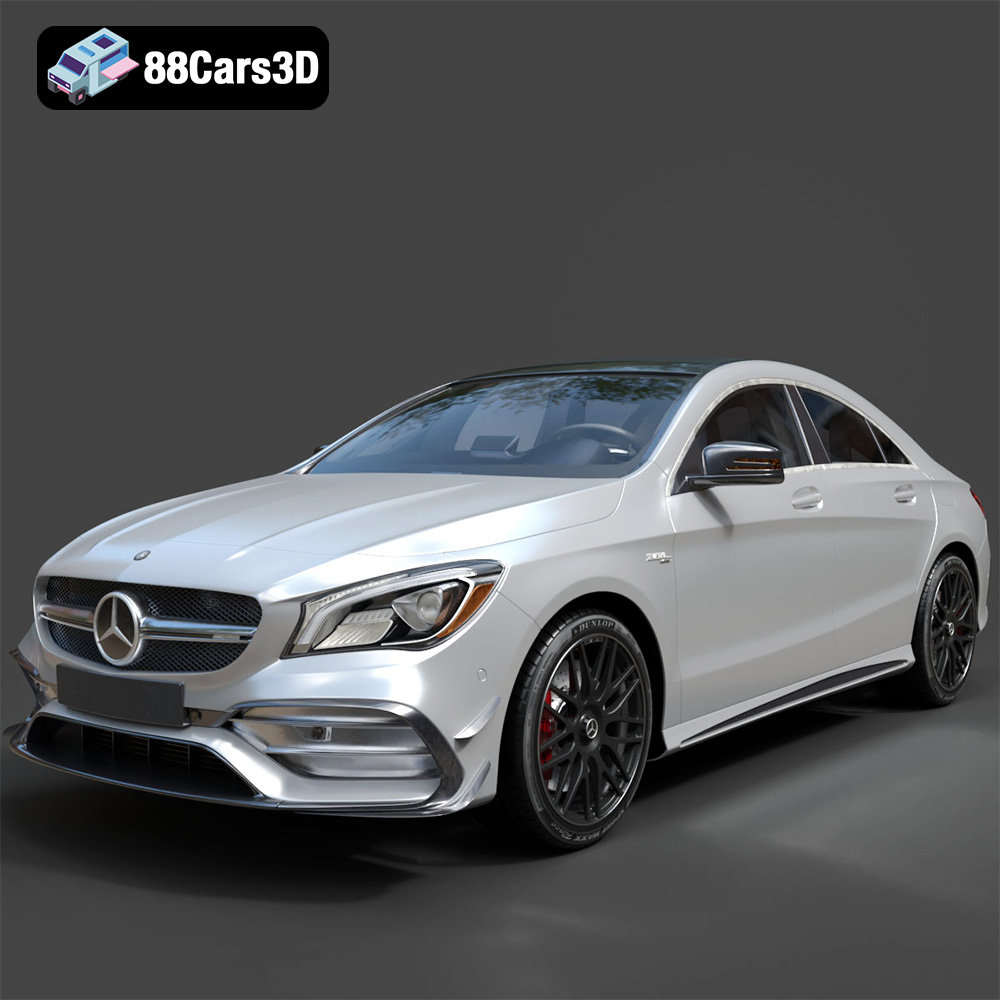
Mercedes-Benz CLA45 AMG 2017 3D Model
Texture: Yes
Material: Yes
Download the Mercedes-Benz CLA45 AMG 2017 3D Model featuring clean geometry, realistic detailing, and a fully modeled interior. Includes .blend, .fbx, .obj, .glb, .stl, .ply, .unreal, and .max formats for rendering, simulation, and game development.
Price: $38.99
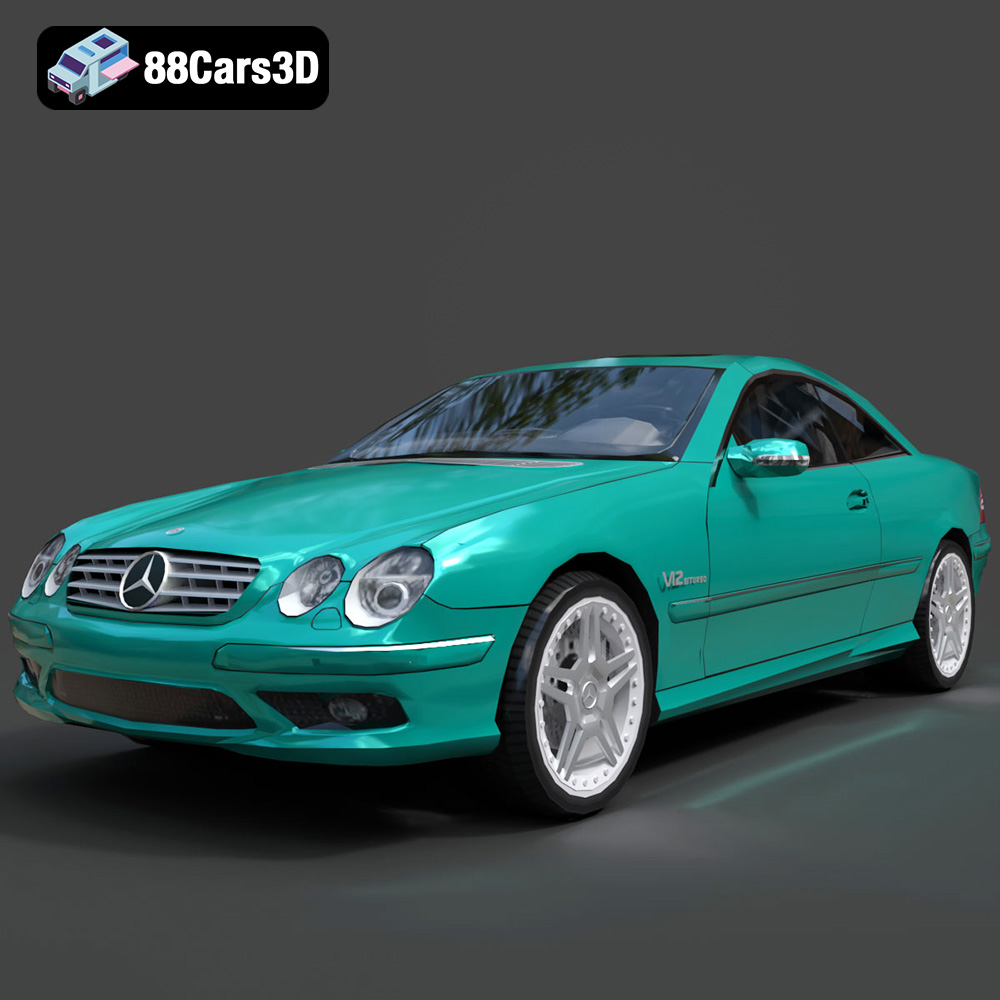
Mercedes-Benz CL65 C215 AMG 3D Model
Texture: Yes
Material: Yes
Download the Mercedes-Benz CL65 C215 AMG 3D Model featuring clean geometry, realistic detailing, and a fully modeled interior. Includes .blend, .fbx, .obj, .glb, .stl, .ply, .unreal, and .max formats for rendering, simulation, and game development.
Price: $23.99
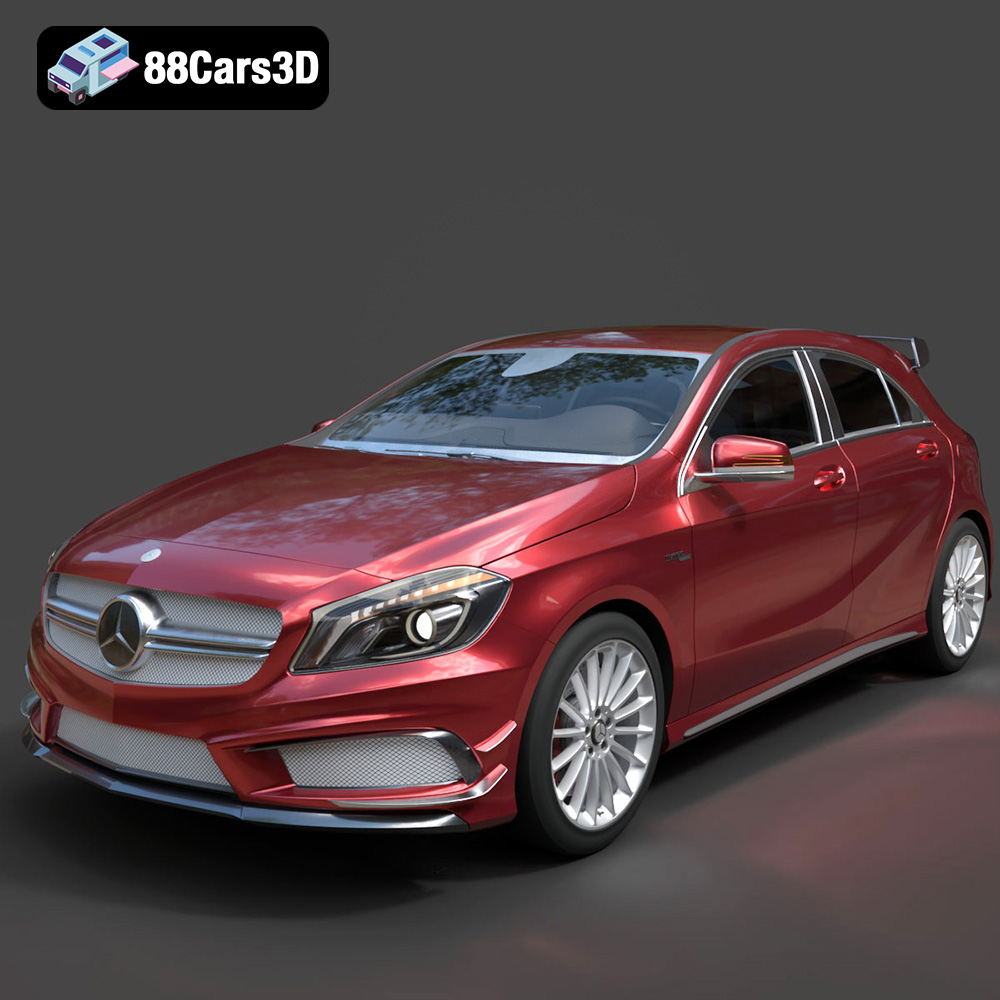
Mercedes-Benz A45 2021 3D Model
Texture: Yes
Material: Yes
Download the Mercedes-Benz A45 2021 3D Model featuring clean geometry, realistic detailing, and a fully modeled interior. Includes .blend, .fbx, .obj, .glb, .stl, .ply, .unreal, and .max formats for rendering, simulation, and game development.
Price: $23.99
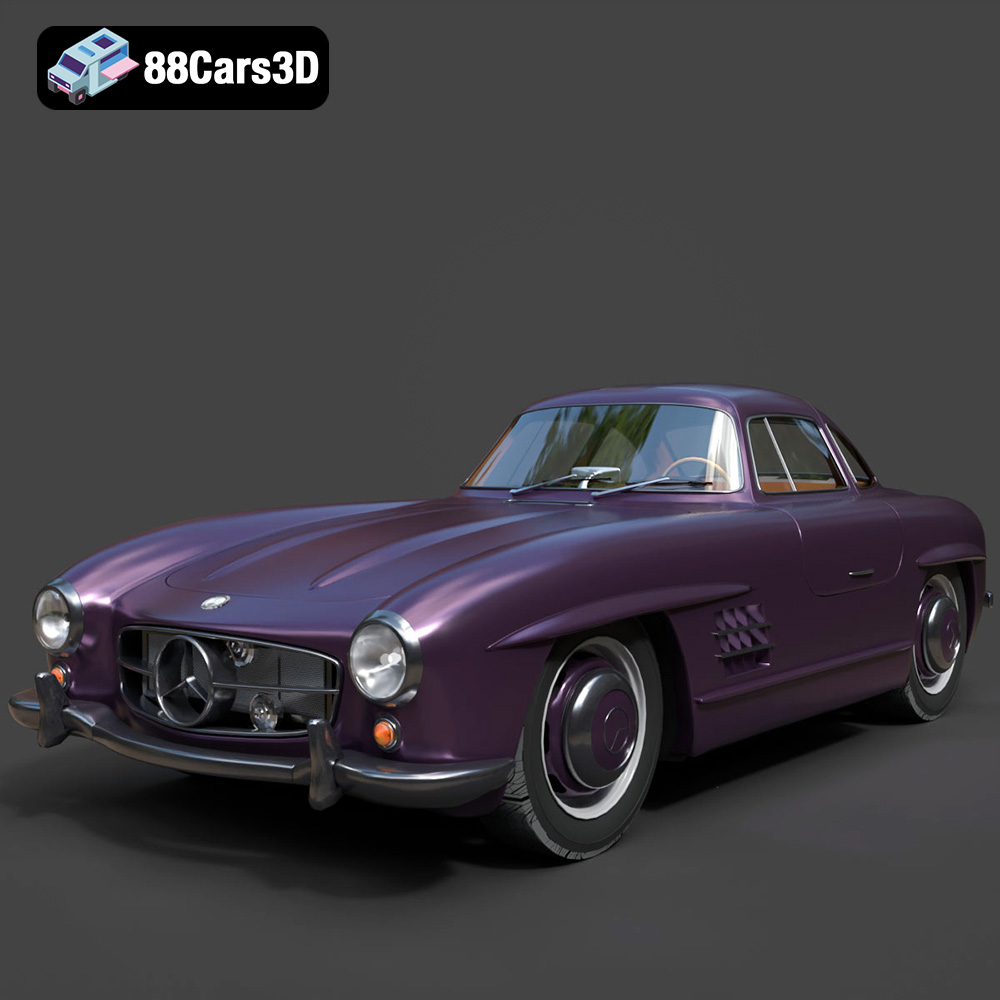
Mercedes-Benz 300SL 1955 3D Model
Texture: Yes
Material: Yes
Download the Mercedes-Benz 300SL 1955 3D Model featuring clean geometry, realistic detailing, and a fully modeled interior. Includes .blend, .fbx, .obj, .glb, .stl, .ply, .unreal, and .max formats for rendering, simulation, and game development.
Price: $23.99
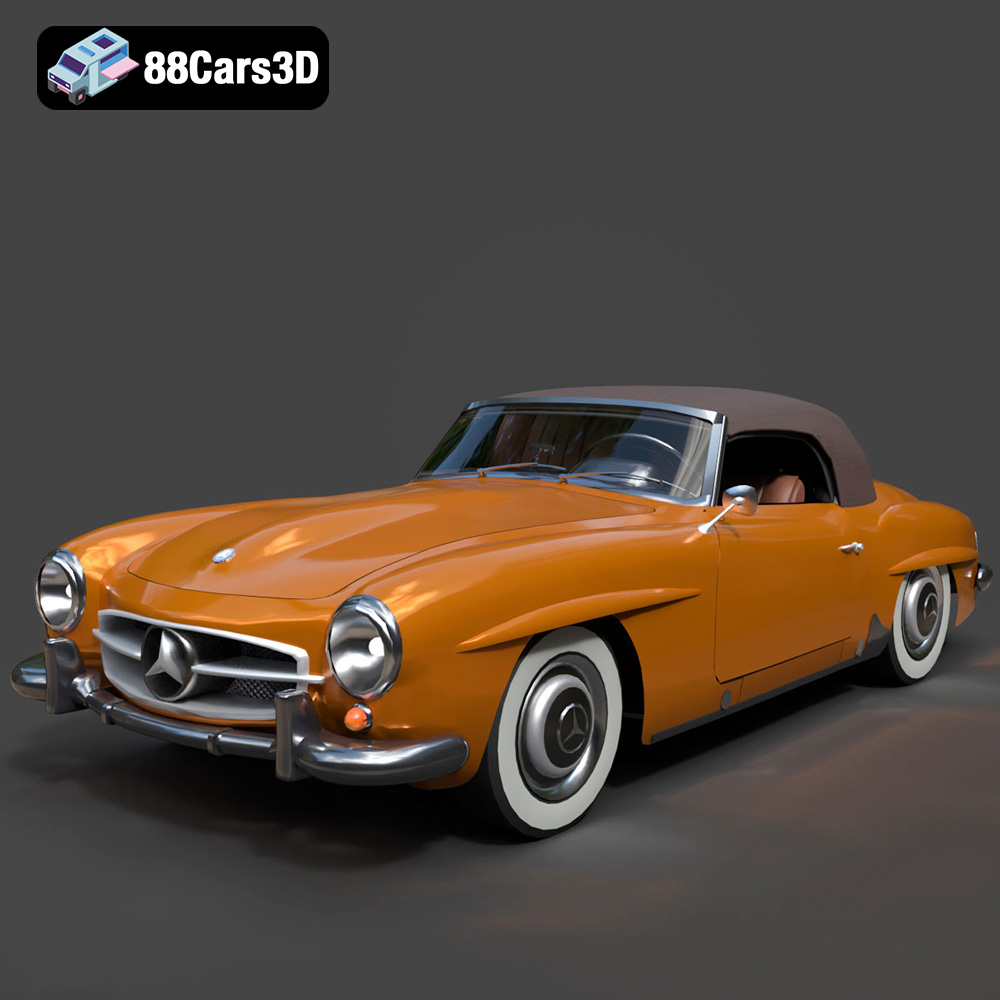
Mercedes-Benz 190SL 1955 3D Model
Texture: Yes
Material: Yes
Download the Mercedes-Benz 190SL 1955 3D Model featuring clean geometry, realistic detailing, and a fully modeled interior. Includes .blend, .fbx, .obj, .glb, .stl, .ply, .unreal, and .max formats for rendering, simulation, and game development.
Price: $23.99
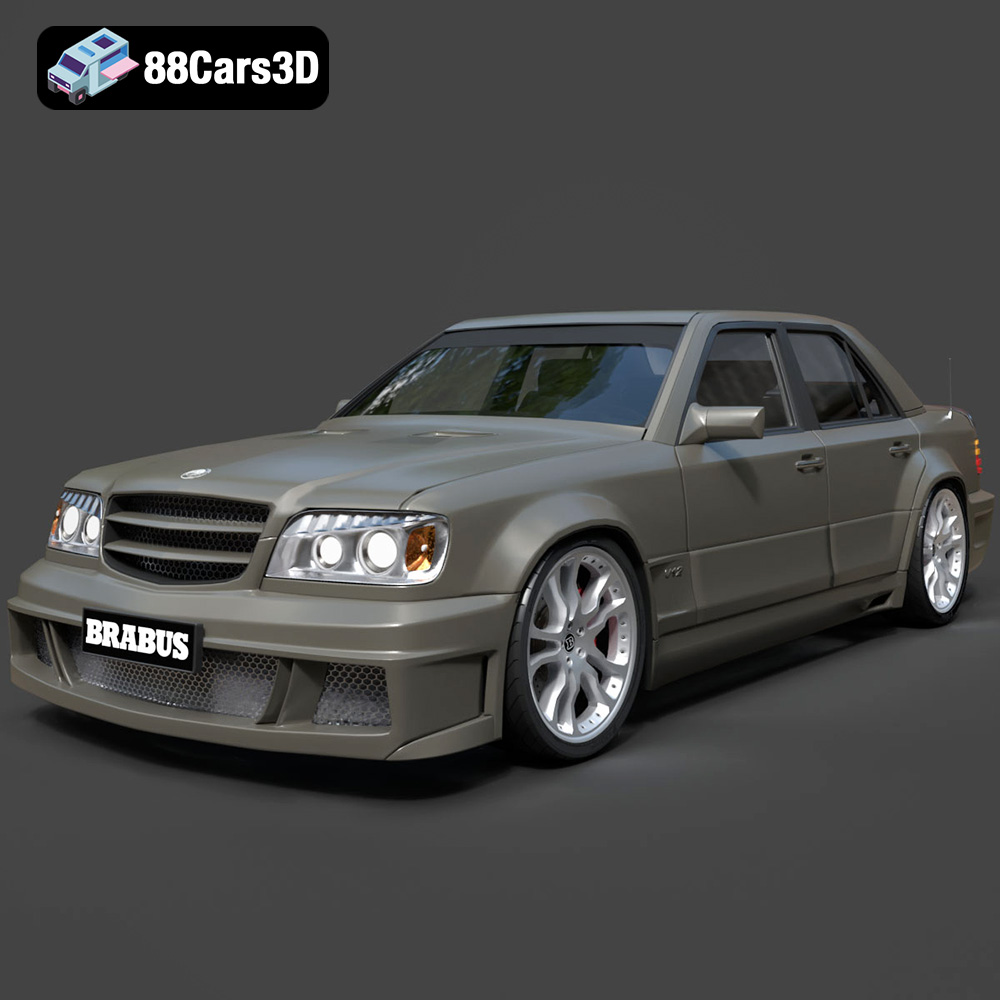
Mercedes-Benz W124 Brabus V12 3D Model
Texture: Yes
Material: Yes
Download the Mercedes-Benz W124 Brabus V12 3D Model featuring clean geometry, realistic detailing, and a fully modeled interior. Includes .blend, .fbx, .obj, .glb, .stl, .ply, .unreal, and .max formats for rendering, simulation, and game development.
Price: $23.99
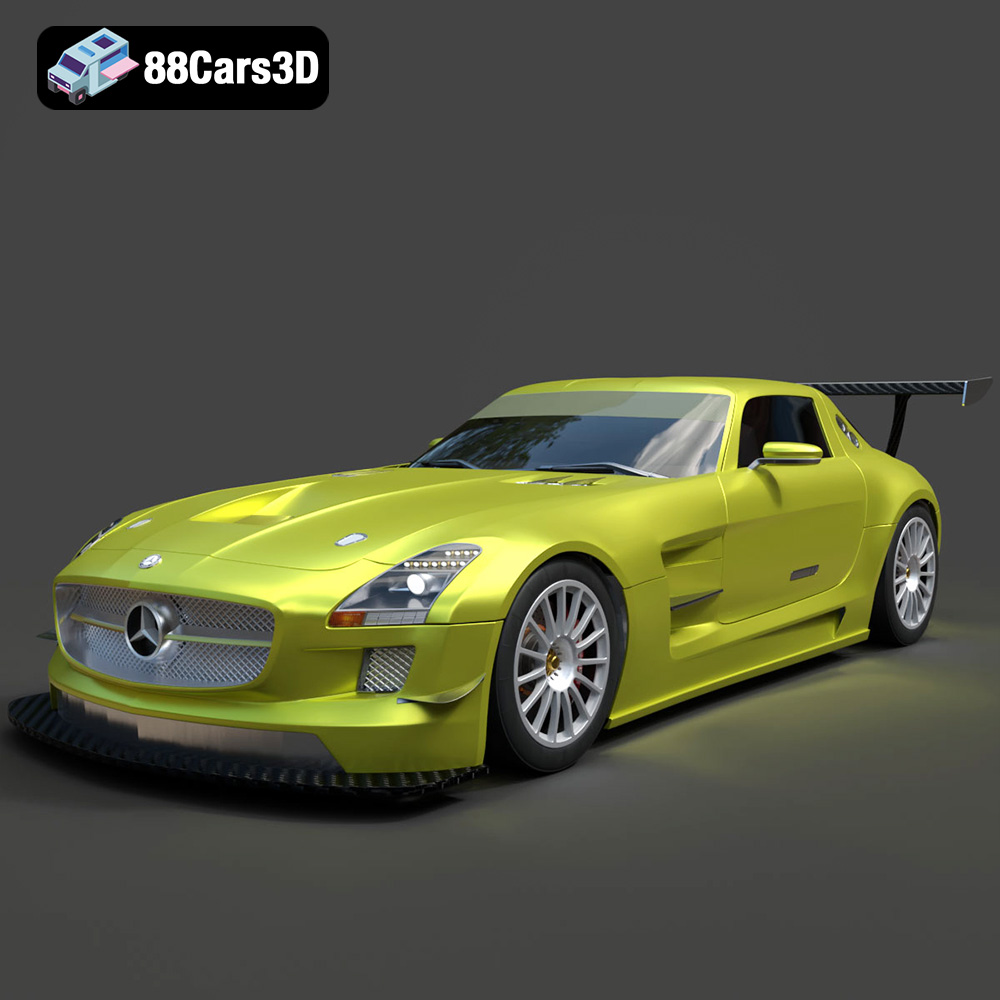
Mercedes-Benz SLS AMG GT3-002 3D Model
Texture: Yes
Material: Yes
Download the Mercedes-Benz SLS AMG GT3-002 3D Model featuring clean geometry, realistic detailing, and a fully modeled interior. Includes .blend, .fbx, .obj, .glb, .stl, .ply, .unreal, and .max formats for rendering, simulation, and game development.
Price: $38.99

Mercedes-Benz C-Class-001 3D Model
Texture: Yes
Material: Yes
Download the Mercedes-Benz C-Class-001 3D Model featuring clean geometry, realistic detailing, and a fully modeled interior. Includes .blend, .fbx, .obj, .glb, .stl, .ply, .unreal, and .max formats for rendering, simulation, and game development.
Price: $38.99
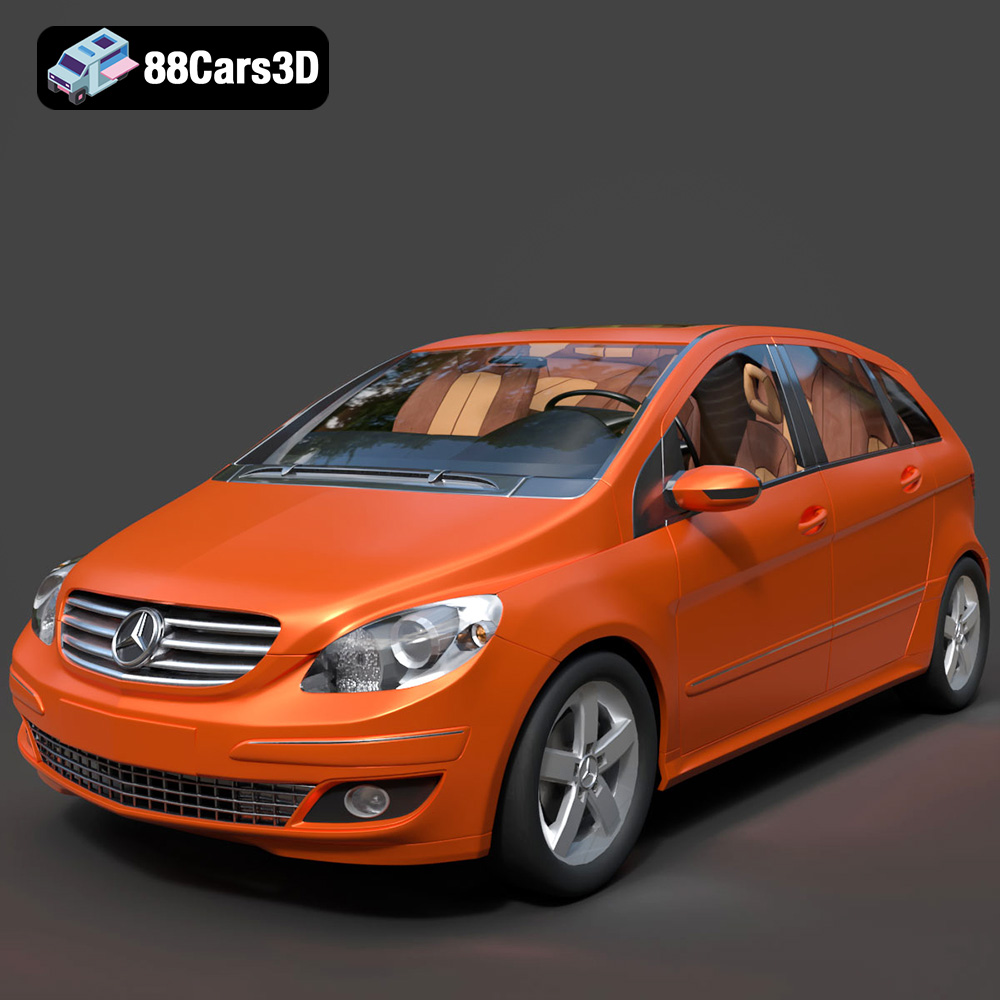
Mercedes-Benz B-Klasse 2023 3D Model
Texture: Yes
Material: Yes
Download the Mercedes-Benz B-Klasse 2023 3D Model featuring clean geometry, realistic detailing, and a fully modeled interior. Includes .blend, .fbx, .obj, .glb, .stl, .ply, .unreal, and .max formats for rendering, simulation, and game development.
Price: $38.99
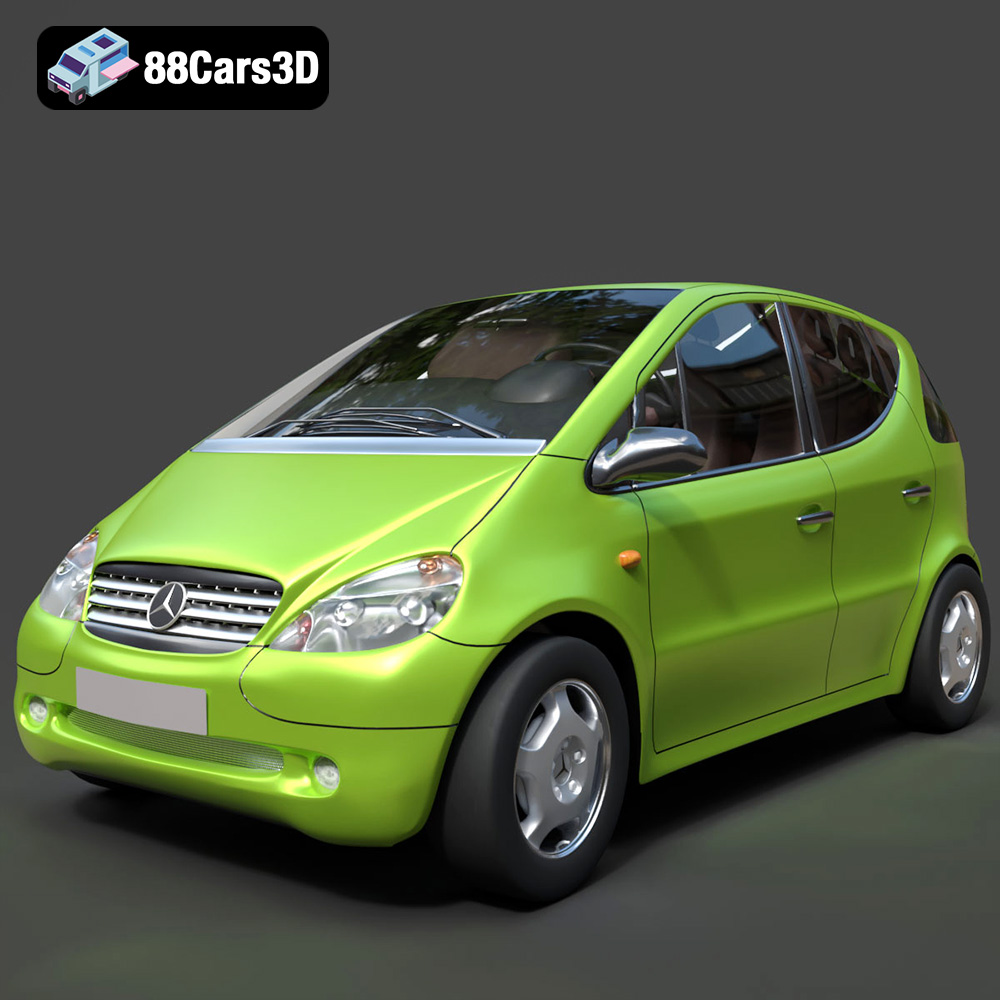
Mercedes-Benz A-Klasse W168 3D Model
Texture: Yes
Material: Yes
Download the Mercedes-Benz A-Klasse W168 3D Model featuring clean geometry, realistic detailing, and a fully modeled interior. Includes .blend, .fbx, .obj, .glb, .stl, .ply, .unreal, and .max formats for rendering, simulation, and game development.
Price: $38.99
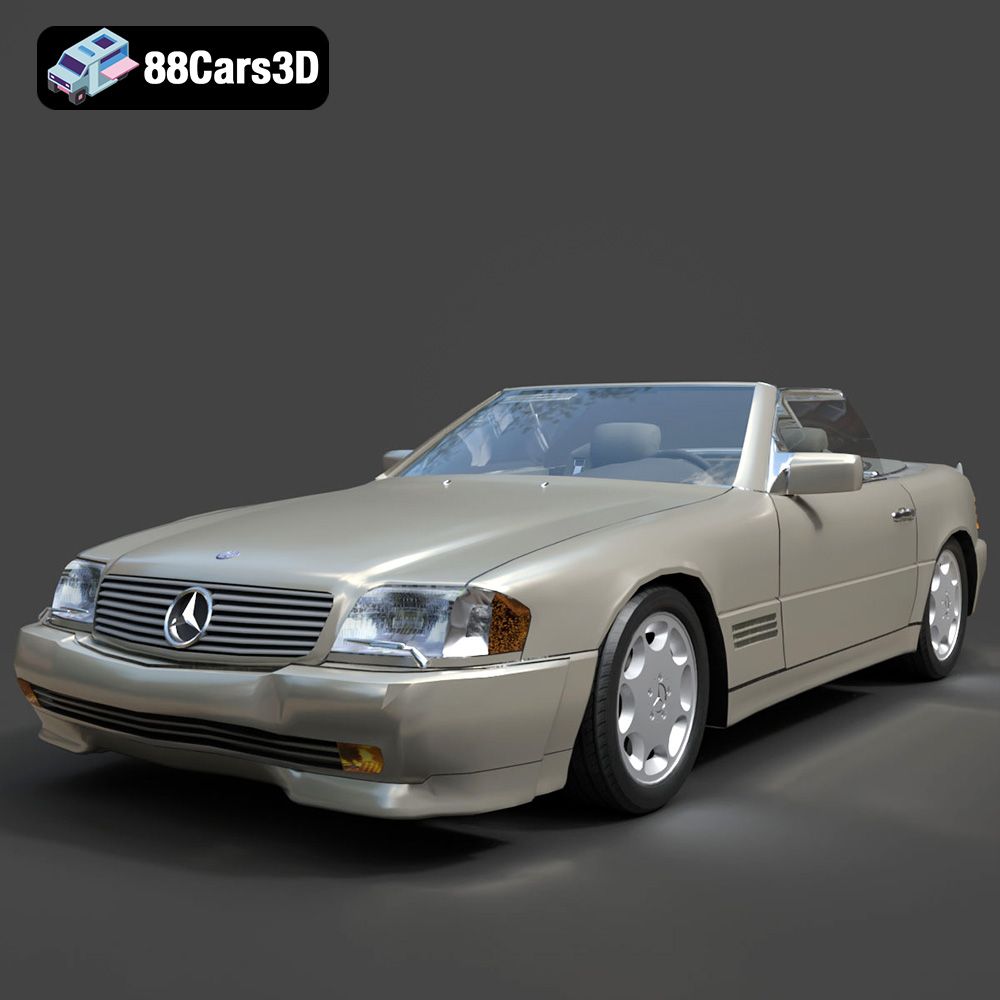
Mercedes-Benz 500SL 2000 3D Model
Texture: Yes
Material: Yes
Download the Mercedes-Benz 500SL 2000 3D Model featuring clean geometry, realistic detailing, and a fully modeled interior. Includes .blend, .fbx, .obj, .glb, .stl, .ply, .unreal, and .max formats for rendering, simulation, and game development.
Price: $38.99
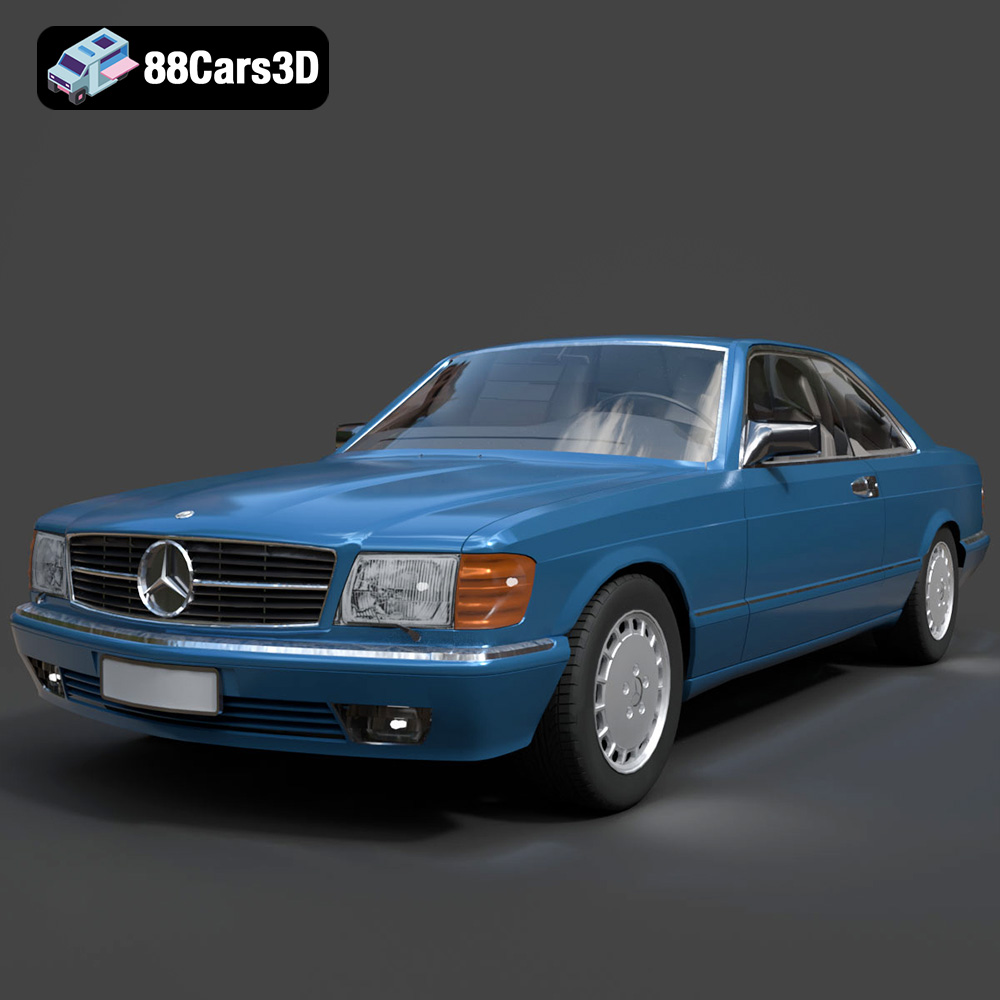
Mercedes-Benz 500SEC 3D Model
Texture: Yes
Material: Yes
Download the Mercedes-Benz 500SEC 3D Model featuring clean geometry, realistic detailing, and a fully modeled interior. Includes .blend, .fbx, .obj, .glb, .stl, .ply, .unreal, and .max formats for rendering, simulation, and game development.
Price: $38.99
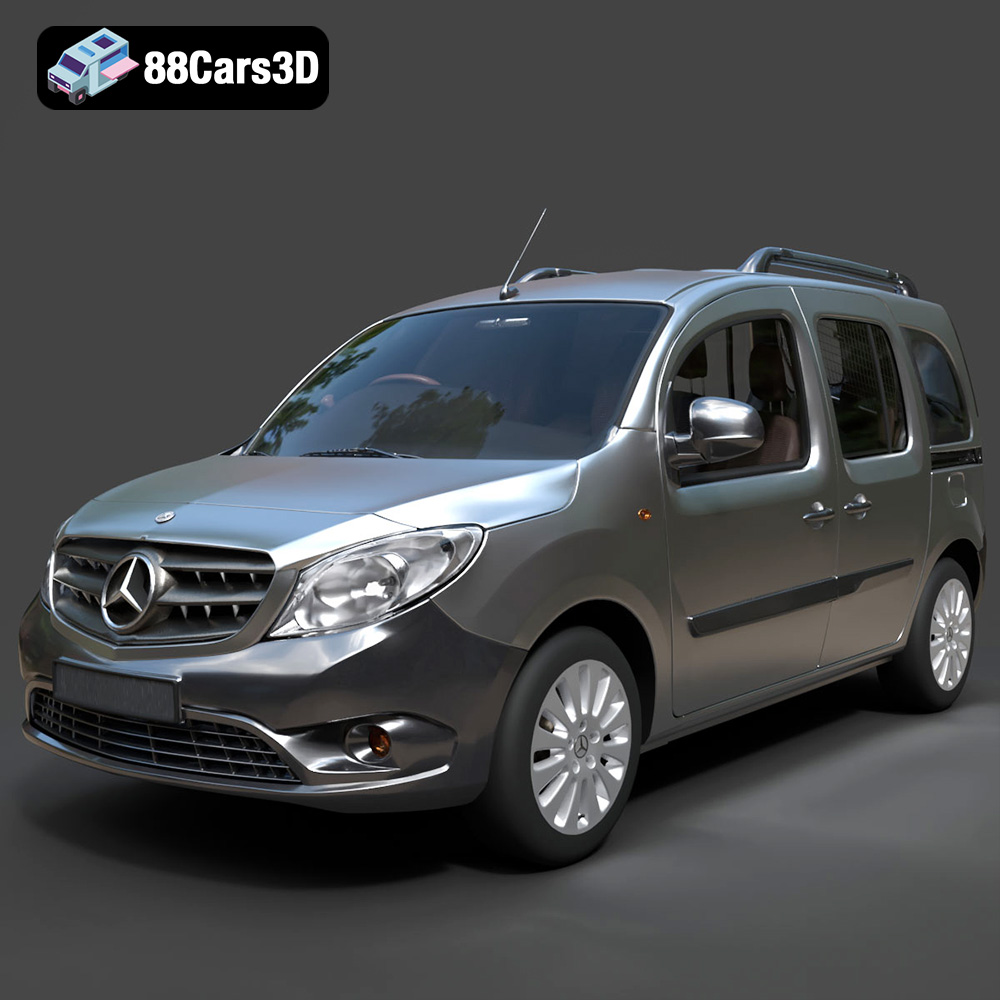
Mercedes-Benz Citan 2025 3D Model
Texture: Yes
Material: Yes
Download the Mercedes-Benz Citan 2025 3D Model featuring clean geometry, realistic detailing, and a fully modeled interior. Includes .blend, .fbx, .obj, .glb, .stl, .ply, .unreal, and .max formats for rendering, simulation, and game development.
Price: $38.99
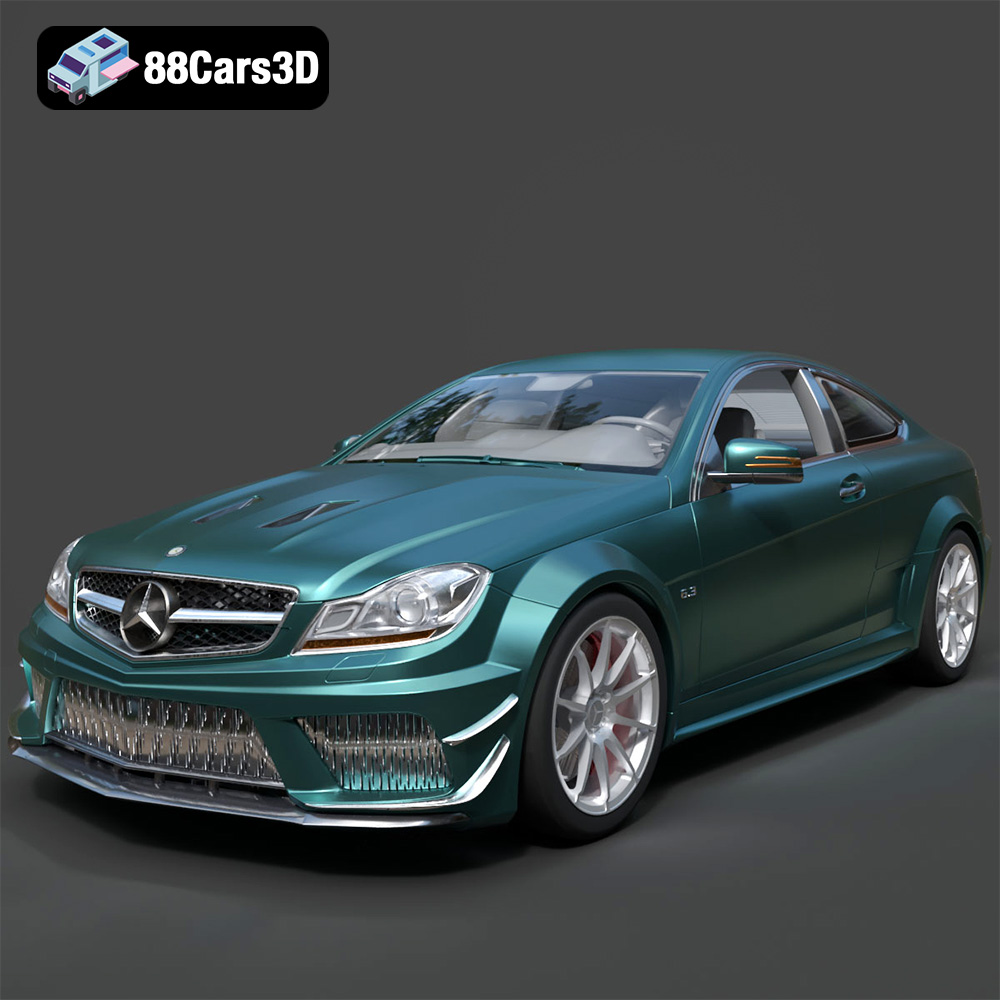
Mercedes-Benz C63 AMG 2012 3D Model
Texture: Yes
Material: Yes
Download the Mercedes-Benz C63 AMG 2012 3D Model featuring clean geometry, realistic detailing, and a fully modeled interior. Includes .blend, .fbx, .obj, .glb, .stl, .ply, .unreal, and .max formats for rendering, simulation, and game development.
Price: $38.99
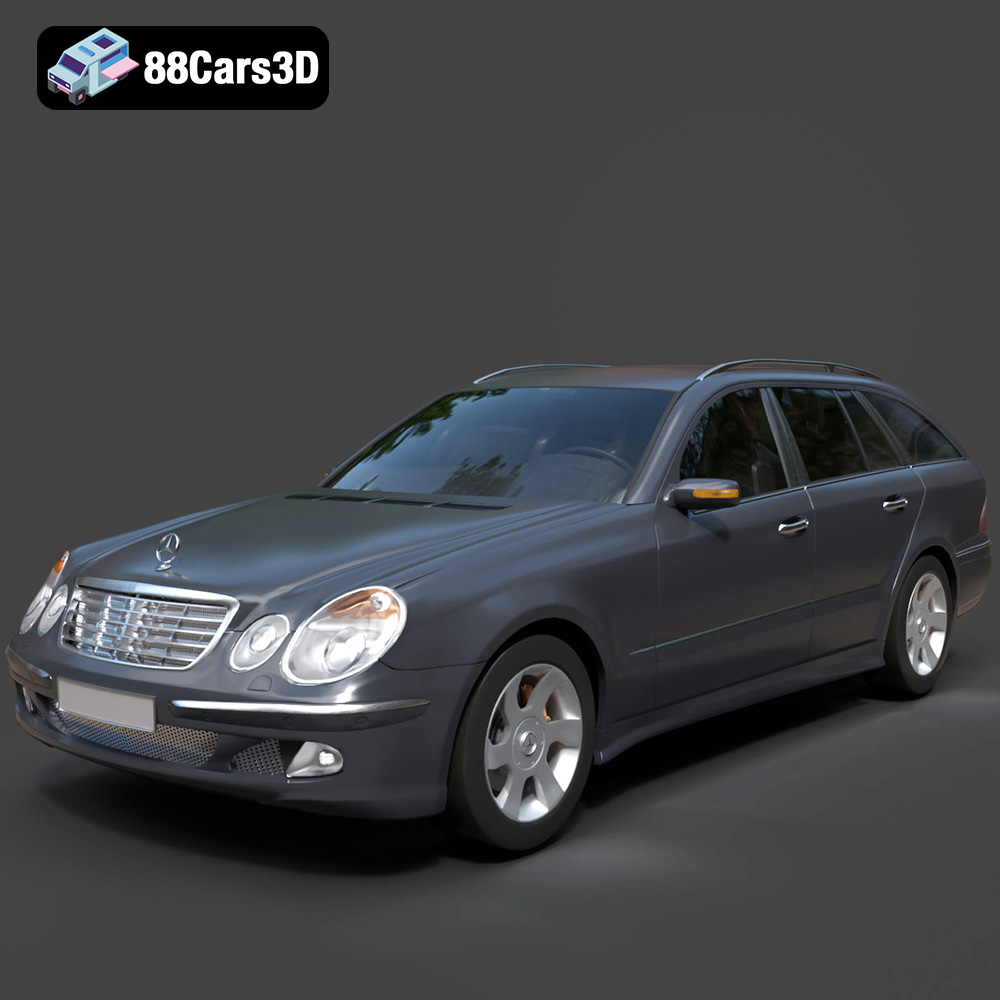
Mercedes-Benz E-Class S211 3D Model
Texture: Yes
Material: Yes
Download the Mercedes-Benz E-Class S211 3D Model featuring clean geometry, realistic detailing, and a fully modeled interior. Includes .blend, .fbx, .obj, .glb, .stl, .ply, .unreal, and .max formats for rendering, simulation, and game development.
Price: $38.99
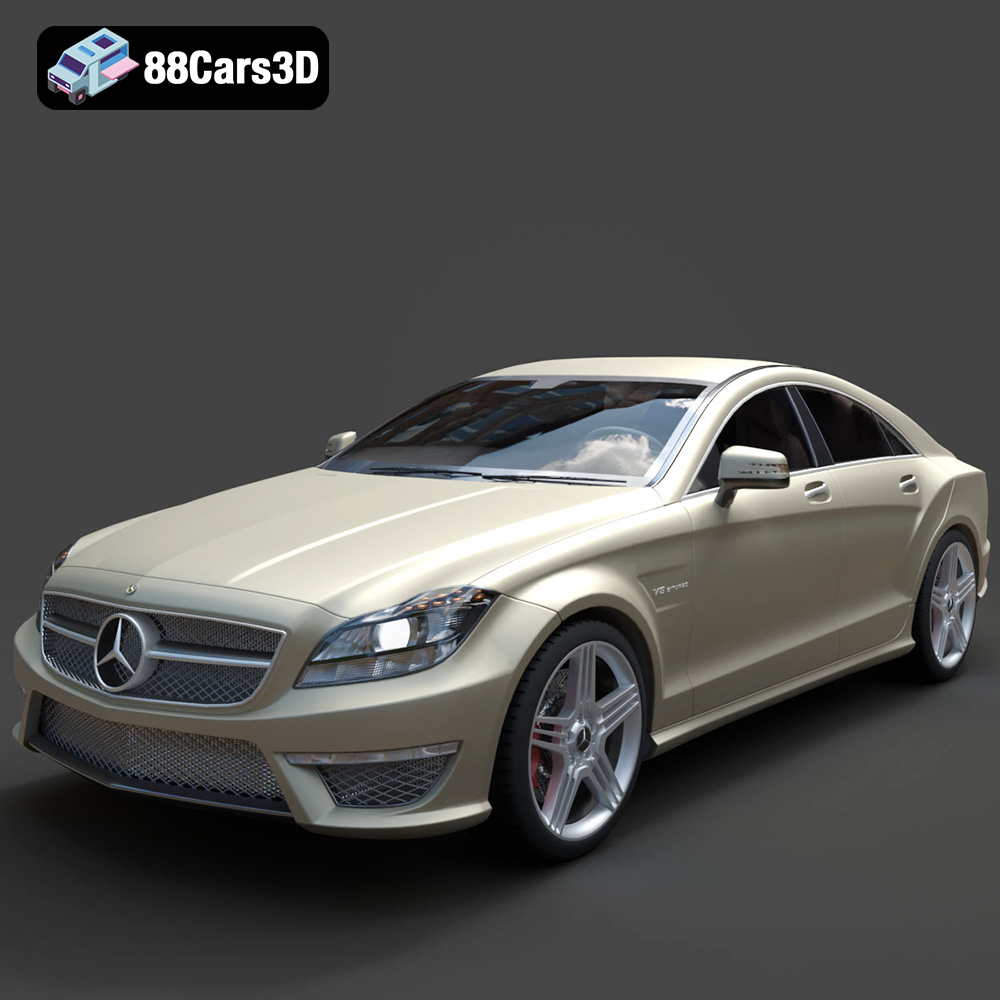
Mercedes-Benz CLS63 AMG (C218) 2014 3D Model
Texture: Yes
Material: Yes
Download the Mercedes-Benz CLS63 AMG (C218) 2014 3D Model featuring clean geometry, realistic detailing, and a fully modeled interior. Includes .blend, .fbx, .obj, .glb, .stl, .ply, .unreal, and .max formats for rendering, simulation, and game development.
Price: $38.99
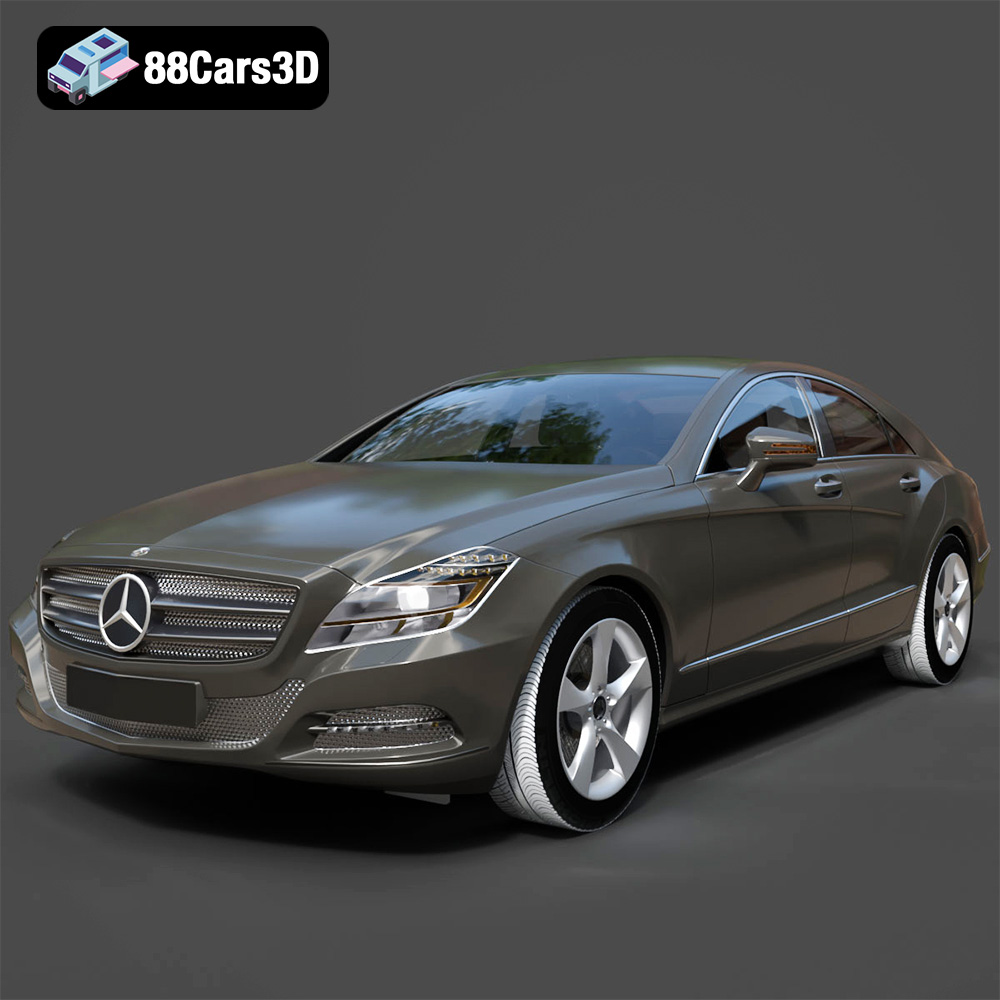
Mercedes-Benz CLS-Klasse 3D Model
Texture: Yes
Material: Yes
Download the Mercedes-Benz CLS-Klasse 3D Model featuring clean geometry, realistic detailing, and a fully modeled interior. Includes .blend, .fbx, .obj, .glb, .stl, .ply, .unreal, and .max formats for rendering, simulation, and game development.
Price: $38.99
