
Beyond Static Renders: Mastering High-Poly Automotive Models for Photorealistic Real-Time in Unreal Engine 5

Beyond Static Renders: Mastering High-Poly Automotive Models for Photorealistic Real-Time in Unreal Engine 5
For years, automotive visualization has been a realm dominated by static, pre-rendered images and animations. While stunning, these outputs lacked the interactive flexibility and dynamic responsiveness increasingly demanded by designers, marketers, and game developers. The challenge? Integrating intricate, high-poly automotive models—often tens of millions of polygons—into real-time engines without crippling performance or sacrificing visual fidelity. The dream of interactive, photorealistic real-time rendering felt perpetually out of reach.
That dream is now a vibrant reality, thanks to the revolutionary capabilities of Unreal Engine 5 (UE5). With features like Nanite virtualized geometry and Lumen global illumination, UE5 has fundamentally reshaped the automotive visualization pipeline. It allows us to not only handle incredibly dense models but also render them with a level of realism previously reserved for offline renderers, all in real-time.
This comprehensive guide will take you beyond the basics, diving deep into the techniques and workflows required to master high-fidelity automotive models for real-time applications in Unreal Engine 5. We’ll explore efficient import strategies, advanced material creation, dynamic lighting setups, and crucial optimization tips to achieve broadcast-quality visuals. If you’re looking for a head start with meticulously crafted vehicles, remember that 88cars3d.com offers a vast library of high-quality automotive models, ready to be integrated into your UE5 projects.
The Evolution of Automotive Visualization: Why Real-Time Matters
The journey from concept sketch to showroom floor is complex, and visualization plays a critical role at every stage. Historically, this involved lengthy render farms and iterative feedback loops based on static images or pre-canned animations. While effective, this process was slow and expensive, limiting the agility needed in modern design and marketing cycles.
Real-time visualization, particularly with engines as powerful as Unreal Engine 5, offers unprecedented advantages. It empowers designers to interact with their creations instantly, exploring different configurations, materials, and lighting conditions on the fly. For marketing, it means dynamic configurators, immersive virtual showrooms, and engaging virtual reality experiences. In virtual production, it allows for seamless integration of CG vehicles into live-action footage, providing directors with immediate feedback.
The traditional stumbling block for real-time engines was the polygon count. Automotive models, particularly those sourced from CAD data, are notoriously dense. Every curve, every fillet, every intricate panel adds to a geometric complexity that would bring older real-time engines to their knees. UE5’s advancements directly address this, paving the way for a new era of interactive automotive experiences.
Unleashing Detail: The Power of Nanite for High-Poly Automotive Models
Nanite is arguably the most transformative feature in Unreal Engine 5 for anyone working with high-fidelity assets, especially high-poly automotive models. It’s a virtualized geometry system that allows artists to import and render movie-quality assets with millions or even billions of polygons without manual LOD (Level of Detail) creation or performance degradation. This is a game-changer for the automotive visualization pipeline.
Instead of processing individual polygons, Nanite streams and renders only the necessary detail at the pixel level, intelligently culling unseen geometry and dynamically adjusting mesh resolution based on screen space. This means you can import incredibly detailed CAD data or meticulously sculpted models and expect smooth performance, regardless of the camera’s distance or the model’s complexity. The days of painstakingly optimizing meshes for real-time are largely over for Nanite-enabled assets.
Preparing Your High-Poly Model for Nanite
While Nanite handles complexity, a well-prepared source model still yields the best results. Although less stringent than traditional real-time mesh preparation, a few considerations remain important:
- Clean Geometry: Ensure your model is free of non-manifold geometry, inverted normals, or isolated vertices. While Nanite is robust, clean geometry prevents potential artifacts and ensures optimal processing. High-quality models from 88cars3d.com are typically excellent starting points, offering clean, production-ready topology.
- Manifold Meshes: Nanite performs best with manifold meshes, meaning every edge is shared by exactly two faces. This is common with CAD data, but be mindful when importing from DCC tools where artists might create non-manifold geometry.
- UVs and Material IDs: UV mapping is still crucial for applying PBR textures. Ensure your model has proper UVs laid out for all parts. Likewise, assign distinct Material IDs to different components (body, glass, tires, interior) in your 3D application before import. This significantly streamlines material assignment within Unreal Engine 5.
- No Instances in Source File: While Nanite supports instancing internally, some import methods (like Datasmith) work best when unique meshes are exported, even if they are identical parts. UE5 will then handle instancing effectively.
Streamlining Your Pipeline: The Datasmith Workflow for Automotive Assets
The Datasmith workflow is a critical component for bringing complex high-poly automotive models from design and CAD software into Unreal Engine 5. It acts as a bridge, intelligently translating scene data—including geometry, hierarchies, materials, and metadata—from various applications into a format UE5 can understand and utilize. This preserves the integrity of your design work and significantly reduces manual setup time.
Datasmith supports a wide range of source applications, including 3ds Max, Maya, SketchUp Pro, Revit, Rhino, SolidWorks, CATIA, and more. It ensures that when you import a complex vehicle assembly, all its individual parts, their transformations, and material assignments are brought over correctly, mirroring your source scene as closely as possible.
Datasmith Import Steps for Automotive Visualization Pipeline
Implementing Datasmith is straightforward, but attention to detail during the export and import phases will ensure a smooth process for your automotive visualization pipeline:
- Install Datasmith Exporter Plugin: For your chosen 3D application (e.g., 3ds Max, Rhino), download and install the appropriate Datasmith exporter plugin from the Unreal Engine website.
- Prepare Your Scene:
- Clean Scene: Remove any unnecessary geometry, cameras, or lights from your source scene to keep the import light.
- Organize Hierarchy: Ensure your model’s hierarchy is logical. For a car, this usually means a main “Car_Root” object, with sub-groups for body, chassis, wheels, interior, etc.
- Material Assignment: Assign distinct materials to different parts of the vehicle in your source application. Datasmith will import these as placeholders in UE5, making it easy to replace them with advanced PBR materials.
- Units: Set your scene units to match Unreal Engine’s default (centimeters) for correct scale.
- Export to Datasmith: Use the Datasmith exporter from your 3D application to save your scene as a .udatasmith file. This package contains all the necessary data.
- Import into Unreal Engine 5:
- Open your UE5 project.
- Click the “Datasmith” button in the toolbar, or go to “File > Import into Level” and select your .udatasmith file.
- In the Datasmith Import Options dialog, critically, ensure “Enable Nanite Support” is checked for all your high-poly meshes. This is where the magic happens for performance.
- Select import options for materials, lights, and cameras as needed. For initial vehicle imports, you might only import geometry and basic materials, then re-create UE5-native lights and sophisticated materials.
- Post-Import Organization: Once imported, Datasmith creates a new folder in your Content Browser containing all the imported assets (meshes, materials, textures, blueprints). Organize these further for clarity. Your imported vehicle will appear in your level, ready for material refinement and lighting.
Crafting Realism: PBR Textures and Advanced Materials for Vehicles
Achieving photorealistic real-time rendering relies heavily on the quality and fidelity of your materials. Unreal Engine 5 leverages Physically Based Rendering (PBR), a methodology that accurately simulates how light interacts with surfaces in the real world. For automotive models, mastering PBR means accurately representing complex surfaces like multi-layered car paint, reflective chrome, transparent glass, and textured rubber.
PBR materials typically use a set of textures (Base Color/Albedo, Metallic, Roughness, Normal, Ambient Occlusion) to define a surface’s properties. These textures, combined with UE5’s material editor, allow for incredible customization and realism for PBR textures for vehicles.
Mastering Automotive Paint Materials in Unreal Engine 5
Automotive paint is notoriously challenging due to its complex layered structure. A typical car paint material in UE5 will involve:
- Base Layer: Define the primary color (Base Color), how metallic the underlying pigment is (Metallic), and its microscopic surface roughness (Roughness).
- Clear Coat Layer: This is crucial. Car paint typically has a clear coat that provides gloss and protection. In UE5, you can use the dedicated Clear Coat input in your material graph. This adds a separate, reflective layer on top of your base material, with its own roughness and normal map controls.
- Flake Maps: For metallic or pearlescent paints, you’ll need to simulate the tiny metallic flakes suspended in the paint. This can be achieved by blending a high-frequency noise texture into the clear coat’s normal map, or by using a custom shader that simulates microfacets.
- Subsurface Scattering (Optional): For very light, translucent paints or specific effects, a subtle subsurface scattering component can add an extra layer of realism, simulating light scattering slightly beneath the surface.
- Masks: Use masks to define areas for decals, wear, or different paint finishes.
Experimentation with the Clear Coat’s Roughness and Normal values is key to capturing the desired sheen and reflection quality.
Realistic Glass and Reflective Surfaces
Glass and chrome are equally vital for a convincing vehicle render. Both require careful attention to reflections and transparency/refraction.
- Glass:
- Transparency: Connect an alpha value to the Opacity input, setting the material blend mode to “Translucent.”
- Refraction: Use the Refraction input to simulate how light bends when passing through glass. An IOR (Index of Refraction) value of around 1.5-1.6 is typical for automotive glass.
- Reflections: Reflections are paramount. Utilize Screen Space Reflections (SSR) and especially Lumen’s excellent ray-traced reflections to capture the environment.
- Tint & Dirt: Add subtle tints to the base color and incorporate dirt/smudge normal and roughness maps for realism.
- Chrome & Metals:
- Metallic Value: Set the Metallic input to 1 (full metal).
- Roughness: Chrome is highly reflective, so its Roughness value will be very low (close to 0). Other metals will have varying roughness depending on their finish (e.g., brushed aluminum will have higher roughness).
- Base Color: For chrome, the base color is typically a neutral grey. For colored metals like gold or copper, use an appropriate base color.
- Anisotropy (Advanced): For brushed metals, anisotropic reflections (where reflections stretch along the brushed direction) can be simulated using specialized material setups or the Anisotropy material input in complex materials.
Remember to connect appropriate textures (normal maps for subtle surface imperfections, roughness maps for varying reflectivity) to these material inputs for maximum detail. The quality of your PBR textures for vehicles directly impacts the final realism.
Illuminating Real-Time Scenes: Lumen Global Illumination and HDRI Lighting
Even the most detailed high-poly automotive models and meticulously crafted PBR materials will fall flat without compelling lighting. Unreal Engine 5’s Lumen global illumination system is a revolutionary real-time solution that delivers incredibly realistic diffuse interreflection and reflections, fundamentally changing how we approach lighting in real-time environments.
Lumen uses software ray tracing (and optionally hardware ray tracing with DXR) to calculate how light bounces around your scene, creating soft indirect lighting, realistic color bleeding, and accurate reflections from emissive surfaces. This eliminates the need for complex light baking workflows for many scenarios, allowing for dynamic time-of-day changes, moving lights, and immediate artistic iteration—all critical for responsive photorealistic real-time rendering.
Setting Up Dynamic Automotive Lighting Environments
A well-lit scene enhances the vehicle’s form, materials, and overall presence. Here’s how to establish dynamic automotive lighting in UE5:
- HDRI Backdrops for Environment Lighting:
- Import a high-dynamic-range image (HDRI) into UE5. HDRIs capture real-world lighting information, providing incredibly realistic ambient light and reflections.
- Place a “Sky Light” actor in your scene and assign your HDRI texture to its “Source Cubemap” property. Enable “Real Time Capture” for dynamic updates.
- Use a “Skylight with HDRI” or a “BP_Sky_Sphere” blueprint (available in the UE5 Content Examples) to create a visual sky dome that matches your HDRI and provides background visuals.
- Rotate the HDRI and Sky Light to control the direction and mood of the environment lighting.
- Directional Lights and Sky Atmosphere:
- Add a “Directional Light” actor to simulate direct sunlight. Position it carefully to highlight the vehicle’s curves and create dramatic shadows.
- Integrate the “Sky Atmosphere” actor. This dynamically calculates realistic sky colors, atmospheric haze, and sunlight scattering based on your Directional Light’s position. It works seamlessly with Lumen to create breathtaking outdoor scenes.
- Volumetric Fog:
- A “Volumetric Fog” actor adds depth and realism, simulating mist, haze, or environmental effects. It interacts with your lights and shadows, creating beautiful light shafts and softening the scene.
- Refinement with Post-Processing:
- A “Post Process Volume” is essential for final image adjustments. Enable Lumen for Global Illumination and Reflections within this volume.
- Adjust parameters like Exposure, White Balance, Color Grading (Look-Up Table), Bloom, Vignette, and Chromatic Aberration to achieve your desired aesthetic and enhance realism.
Lumen’s capabilities, combined with a thoughtful HDRI and direct light setup, provide an unparalleled foundation for creating a captivating automotive environment in real-time.
Beyond the Basics: Optimization, Staging, and Broadcast-Quality Output
While Nanite and Lumen simplify much of the workload, achieving truly broadcast-quality photorealistic real-time rendering, especially for large scenes or specific hardware targets, still requires attention to detail regarding Unreal Engine 5 optimization, cinematic staging, and final output settings.
Further Unreal Engine 5 Optimization Techniques
Even with Nanite handling geometry, other aspects of your scene can impact performance. Consider these tips for robust Unreal Engine 5 optimization:
- Texture Resolution: While Nanite meshes don’t have traditional LODs, textures still do. Use appropriate texture resolutions. For distant objects, lower resolution textures are perfectly acceptable. Implement texture streaming.
- Non-Nanite Assets: For environmental props or interior elements that aren’t Nanite-enabled, use traditional LODs to manage polygon count at a distance.
- Draw Calls: Minimize draw calls where possible by combining meshes that share materials (if they don’t require individual movement or unique properties).
- Culling Volumes: Use “Occlusion Culling” and “Distance Culling” settings on individual actors, or “Culling Volumes” to prevent rendering objects that are outside the camera’s view frustum or too far away.
- Performance Profiling: Use UE5’s built-in profiling tools (like ‘stat fps’, ‘stat unit’, ‘stat rhi’, ‘stat gpu’) to identify bottlenecks and optimize specific areas of your scene.
- Shadow Settings: Optimize shadow map resolutions and distances for lights. Cascade Shadow Maps (CSM) are powerful but can be costly. Adjust the number of cascades and their distances.
Cinematic Staging and Virtual Production
The beauty of real-time is its flexibility for cinematic presentation. Unreal Engine 5 is a robust platform for virtual production:
- Sequencer: Utilize UE5’s powerful Sequencer tool for creating cinematic camera moves, animating vehicle components (doors, wheels, steering), and choreographing scene elements.
- Virtual Cameras: Connect virtual camera plugins (e.g., Live Link VCam) to an iPad or phone to physically “film” your virtual car in the scene, providing an intuitive and realistic camerawork experience.
- Level Design: Design evocative environments that complement the vehicle. Think about composition, leading lines, and how the environment highlights the car’s features.
- Integration for Virtual Production: For those in virtual production, UE5 allows for real-time compositing of your high-poly automotive models with live-action footage, providing on-set visualization and creative freedom.
Achieving Broadcast Quality for Automotive Visualization
When it’s time to export your final render, UE5 offers tools to ensure your output meets the highest standards:
- Movie Render Queue: This advanced rendering tool provides superior image quality compared to traditional viewport capture. It offers features like temporal anti-aliasing (TAA) override, motion blur controls, multi-sample rendering, and output to various high-quality image sequences (EXR, PNG, JPG) with custom resolutions and frame rates.
- Hardware Ray Tracing (DXR): For the absolute highest visual fidelity, especially for reflections and global illumination, ensure you have an RTX-capable graphics card and enable DXR (DirectX Raytracing) in your project settings. This enhances Lumen’s capabilities and provides incredibly precise lighting and reflections.
- Color Grading and Exposure: Fine-tune these in your Post Process Volume or during the export process using LUTs (Look-Up Tables) to match broadcast standards or specific artistic visions.
- High-Resolution Output: Render at 4K, 8K, or even higher resolutions for still images or cinematic sequences to ensure pristine quality for any medium.
By carefully orchestrating these elements, you can transform your detailed vehicle models into compelling visual narratives, ready for any professional application.
Conclusion
The fusion of high-poly automotive models with the groundbreaking capabilities of Unreal Engine 5 has truly redefined the landscape of real-time visualization. Nanite’s virtualized geometry liberates artists from polygon constraints, while Lumen global illumination delivers unprecedented realism in real-time lighting and reflections. The efficient Datasmith workflow streamlines content creation, and a deep understanding of PBR textures for vehicles ensures every surface gleams with authenticity.
We’ve traversed the entire automotive visualization pipeline, from initial import to final render, demonstrating how Unreal Engine 5 optimization techniques, advanced material setups, and cinematic staging combine to produce truly breathtaking results. This is no longer just for games; it’s a powerful toolkit for automotive designers, virtual production studios, and anyone demanding interactive, photorealistic experiences.
The future of automotive visualization is dynamic, interactive, and stunningly realistic. It’s happening now, in Unreal Engine 5. We encourage you to explore these techniques and unleash your creativity. To get a head start with meticulously crafted, ready-to-use vehicles, be sure to visit 88cars3d.com and find the perfect models for your next project.
Featured 3D Car Models

Suzuki SX4-002 3D Model
Texture: Yes
Material: Yes
Download the Suzuki SX4-002 3D Model featuring clean geometry, realistic detailing, and a fully modeled interior. Includes .blend, .fbx, .obj, .glb, .stl, .ply, .unreal, and .max formats for rendering, simulation, and game development.
Price: $10

Tesla Model S 2024 3D Model
Texture: Yes
Material: Yes
Download the Tesla Model S 2024 3D Model featuring clean geometry, realistic detailing, and a fully modeled interior. Includes .blend, .fbx, .obj, .glb, .stl, .ply, .unreal, and .max formats for rendering, simulation, and game development.
Price: $10

Subaru Impreza WRX STi-002 3D Model
Texture: Yes
Material: Yes
Download the Subaru Impreza WRX STi-002 3D Model featuring clean geometry, realistic detailing, and a fully modeled interior. Includes .blend, .fbx, .obj, .glb, .stl, .ply, .unreal, and .max formats for rendering, simulation, and game development.
Price: $10

Subaru Impreza WRX STi Sedan 3D Model
Texture: Yes
Material: Yes
Download the Subaru Impreza WRX STi Sedan 3D Model featuring clean geometry, realistic detailing, and a fully modeled interior. Includes .blend, .fbx, .obj, .glb, .stl, .ply, .unreal, and .max formats for rendering, simulation, and game development.
Price: $10

Subaru Legacy 2009 3D Model
Texture: Yes
Material: Yes
Download the Subaru Legacy 2009 3D Model featuring clean geometry, realistic detailing, and a fully modeled interior. Includes .blend, .fbx, .obj, .glb, .stl, .ply, .unreal, and .max formats for rendering, simulation, and game development.
Price: $10

Suzuki Swift 2024 3D Model
Texture: Yes
Material: Yes
Download the Suzuki Swift 2024 3D Model featuring clean geometry, realistic detailing, and a fully modeled interior. Includes .blend, .fbx, .obj, .glb, .stl, .ply, .unreal, and .max formats for rendering, simulation, and game development.
Price: $10

Suzuki Liana Sedan 2004 3D Model
Texture: Yes
Material: Yes
Download the Suzuki Liana Sedan 2004 3D Model featuring clean geometry, realistic detailing, and a fully modeled interior. Includes .blend, .fbx, .obj, .glb, .stl, .ply, .unreal, and .max formats for rendering, simulation, and game development.
Price: $10

Subaru Outback 2024 3D Model
Texture: Yes
Material: Yes
Download the Subaru Outback 2024 3D Model featuring clean geometry, realistic detailing, and a fully modeled interior. Includes .blend, .fbx, .obj, .glb, .stl, .ply, .unreal, and .max formats for rendering, simulation, and game development.
Price: $10

Subaru Legacy 2003 3D Model
Texture: Yes
Material: Yes
Download the Subaru Legacy 2003 3D Model featuring clean geometry, realistic detailing, and a fully modeled interior. Includes .blend, .fbx, .obj, .glb, .stl, .ply, .unreal, and .max formats for rendering, simulation, and game development.
Price: $10

Subaru Legacy Touring Wagon 3D Model
Texture: Yes
Material: Yes
Download the Subaru Legacy Touring Wagon 3D Model featuring clean geometry, realistic detailing, and a fully modeled interior. Includes .blend, .fbx, .obj, .glb, .stl, .ply, .unreal, and .max formats for rendering, simulation, and game development.
Price: $10

Toyota Mark II (X100) 1998 3D Model
Texture: Yes
Material: Yes
Download the Toyota Mark II (X100) 3D Model featuring clean geometry, realistic detailing, and a fully modeled interior. Includes .blend, .fbx, .obj, .glb, .stl, .ply, .unreal, and .max formats for rendering, simulation, and game development.
Price: $10

Toyota Corona 1985 3D Model
Texture: Yes
Material: Yes
Download the Toyota Corona 1985 3D Model featuring clean geometry, realistic detailing, and a fully modeled interior. Includes .blend, .fbx, .obj, .glb, .stl, .ply, .unreal, and .max formats for rendering, simulation, and game development.
Price: $10

Toyota Mark II X81 1990 3D Model
Texture: Yes
Material: Yes
Download the Toyota Mark II X81 1990 3D Model featuring clean geometry, realistic detailing, and a fully modeled interior. Includes .blend, .fbx, .obj, .glb, .stl, .ply, .unreal, and .max formats for rendering, simulation, and game development.
Price: $10

Toyota iQ EV 2012 3D Model
Texture: Yes
Material: Yes
Download the Toyota iQ EV 2012 3D Model featuring clean geometry, realistic detailing, and a fully modeled interior. Includes .blend, .fbx, .obj, .glb, .stl, .ply, .unreal, and .max formats for rendering, simulation, and game development.
Price: $10

Toyota Aygo 2013 3D Model
Texture: Yes
Material: Yes
Download the Toyota Aygo 2013 3D Model featuring clean geometry, realistic detailing, and a fully modeled interior. Includes .blend, .fbx, .obj, .glb, .stl, .ply, .unreal, and .max formats for rendering, simulation, and game development.
Price: $10

Toyota Crown S180 2005 3D Model
Texture: Yes
Material: Yes
Download the Toyota Crown S180 2005 3D Model featuring clean geometry, realistic detailing, and a fully modeled interior. Includes .blend, .fbx, .obj, .glb, .stl, .ply, .unreal, and .max formats for rendering, simulation, and game development.
Price: $10

Toyota Celica 2004 3D Model
Texture: Yes
Material: Yes
Download the Toyota Celica 2004 3D Model featuring clean geometry, realistic detailing, and a fully modeled interior. Includes .blend, .fbx, .obj, .glb, .stl, .ply, .unreal, and .max formats for rendering, simulation, and game development.
Price: $10

Toyota Corolla AE100 1992 3D Model
Texture: Yes
Material: Yes
Download the Toyota Corolla AE100 1992 3D Model featuring clean geometry, realistic detailing, and a fully modeled interior. Includes .blend, .fbx, .obj, .glb, .stl, .ply, .unreal, and .max formats for rendering, simulation, and game development.
Price: $10

Toyota Mark II X110 2000 3D Model
Texture: Yes
Material: Yes
Download the Toyota Mark II X110 2000 3D Model featuring clean geometry, realistic detailing, and a fully modeled interior. Includes .blend, .fbx, .obj, .glb, .stl, .ply, .unreal, and .max formats for rendering, simulation, and game development.
Price: $10

Toyota Corolla 2020 3D Model
Texture: Yes
Material: Yes
Download the Toyota Corolla 2020 3D Model featuring clean geometry, realistic detailing, and a fully modeled interior. Includes .blend, .fbx, .obj, .glb, .stl, .ply, .unreal, and .max formats for rendering, simulation, and game development.
Price: $10

Toyota Yaris 2020 3D Model
Texture: Yes
Material: Yes
Download the Toyota Yaris 2020 3D Model featuring clean geometry, realistic detailing, and a fully modeled interior. Includes .blend, .fbx, .obj, .glb, .stl, .ply, .unreal, and .max formats for rendering, simulation, and game development.
Price: $9.9

Volkswagen Beetle 2012 3D Model
Texture: Yes
Material: Yes
Download the Volkswagen Beetle 2012 3D Model featuring clean geometry, realistic detailing, and a fully modeled interior. Includes .blend, .fbx, .obj, .glb, .stl, .ply, .unreal, and .max formats for rendering, simulation, and game development.
Price: $9.9

Toyota Matrix 2005 3D Model
Texture: Yes
Material: Yes
Download the Toyota Matrix 2005 3D Model featuring clean geometry, realistic detailing, and a fully modeled interior. Includes .blend, .fbx, .obj, .glb, .stl, .ply, .unreal, and .max formats for rendering, simulation, and game development.
Price: $9.9

Toyota Yaris Sedan 3D Model
Texture: Yes
Material: Yes
Download the Toyota Yaris Sedan 3D Model featuring clean geometry, realistic detailing, and a fully modeled interior. Includes .blend, .fbx, .obj, .glb, .stl, .ply, .unreal, and .max formats for rendering, simulation, and game development.
Price: $9.9

Volkswagen Golf R-004 2024 3D Model
Texture: Yes
Material: Yes
Download the Volkswagen Golf R-004 2024 3D Model featuring clean geometry, realistic detailing, and a fully modeled interior. Includes .blend, .fbx, .obj, .glb, .stl, .ply, .unreal, and .max formats for rendering, simulation, and game development.
Price: $9.9

Volkswagen Golf 5 Door 2010 3D Model
Texture: Yes
Material: Yes
Download the Volkswagen Golf 5 Door 2010 3D Model featuring clean geometry, realistic detailing, and a fully modeled interior. Includes .blend, .fbx, .obj, .glb, .stl, .ply, .unreal, and .max formats for rendering, simulation, and game development.
Price: $9.9

Toyota Premio 2010 3D Model
Texture: Yes
Material: Yes
Download the Toyota Premio 2010 3D Model featuring clean geometry, realistic detailing, and a fully modeled interior. Includes .blend, .fbx, .obj, .glb, .stl, .ply, .unreal, and .max formats for rendering, simulation, and game development.
Price: $9.9

Toyota Opa 2000 3D Model
Texture: Yes
Material: Yes
Download the Toyota Opa 2000 3D Model featuring clean geometry, realistic detailing, and a fully modeled interior. Includes .blend, .fbx, .obj, .glb, .stl, .ply, .unreal, and .max formats for rendering, simulation, and game development.
Price: $9.9

Volkswagen Polo 5 Door 2010 3D Model
Texture: Yes
Material: Yes
Download the Volkswagen Polo 5 Door 2010 3D Model featuring clean geometry, realistic detailing, and a fully modeled interior. Includes .blend, .fbx, .obj, .glb, .stl, .ply, .unreal, and .max formats for rendering, simulation, and game development.
Price: $9.9

Toyota Prius 2024 3D Model
Texture: Yes
Material: Yes
Download the Toyota Prius 2024 3D Model featuring clean geometry, realistic detailing, and a fully modeled interior. Includes .blend, .fbx, .obj, .glb, .stl, .ply, .unreal, and .max formats for rendering, simulation, and game development.
Price: $9.9

Toyota Yaris 1999 3D Model
Texture: Yes
Material: Yes
Download the Toyota Yaris 1999 3D Model featuring clean geometry, realistic detailing, and a fully modeled interior. Includes .blend, .fbx, .obj, .glb, .stl, .ply, .unreal, and .max formats for rendering, simulation, and game development.
Price: $9.9

Toyota Supra 2020 3D Model
Texture: Yes
Material: Yes
Download the Toyota Supra 2020 3D Model featuring clean geometry, realistic detailing, and a fully modeled interior. Includes .blend, .fbx, .obj, .glb, .stl, .ply, .unreal, and .max formats for rendering, simulation, and game development.
Price: $9.9

Volkswagen New Beetle 2000 3D Model
Texture: Yes
Material: Yes
Download the Volkswagen New Beetle 2000 3D Model featuring clean geometry, realistic detailing, and a fully modeled interior. Includes .blend, .fbx, .obj, .glb, .stl, .ply, .unreal, and .max formats for rendering, simulation, and game development.
Price: $14.99

Volkswagen Jetta 2005 3D Model
Texture: Yes
Material: Yes
Download the Volkswagen Jetta 2005 3D Model featuring clean geometry, realistic detailing, and a fully modeled interior. Includes .blend, .fbx, .obj, .glb, .stl, .ply, .unreal, and .max formats for rendering, simulation, and game development.
Price: $18.99

Volkswagen Golf 3-Door 3D Model
Texture: Yes
Material: Yes
Download the Volkswagen Golf 3-Door 3D Model featuring clean geometry, realistic detailing, and a fully modeled interior. Includes .blend, .fbx, .obj, .glb, .stl, .ply, .unreal, and .max formats for rendering, simulation, and game development.
Price: $14.99

Volvo V70 2005 3D Model
Texture: Yes
Material: Yes
Download the Volvo V70 2005 3D Model featuring clean geometry, realistic detailing, and a fully modeled interior. Includes .blend, .fbx, .obj, .glb, .stl, .ply, .unreal, and .max formats for rendering, simulation, and game development.
Price: $14.99

Volkswagen Bora 2004 3D Model
Texture: Yes
Material: Yes
Download the Volkswagen Bora 2004 3D Model featuring clean geometry, realistic detailing, and a fully modeled interior. Includes .blend, .fbx, .obj, .glb, .stl, .ply, .unreal, and .max formats for rendering, simulation, and game development.
Price: $14.99

Volkswagen Lupo 3D Model
Texture: Yes
Material: Yes
Download the Volkswagen Lupo 3D Model featuring clean geometry, realistic detailing, and a fully modeled interior. Includes .blend, .fbx, .obj, .glb, .stl, .ply, .unreal, and .max formats for rendering, simulation, and game development.
Price: $19.99

Volkswagen Passat B5 2000 3D Model
Texture: Yes
Material: Yes
Download the Volkswagen Passat B5 2000 3D Model featuring clean geometry, realistic detailing, and a fully modeled interior. Includes .blend, .fbx, .obj, .glb, .stl, .ply, .unreal, and .max formats for rendering, simulation, and game development.
Price: $19.99

Volkswagen Passat CC 3D Model
Texture: Yes
Material: Yes
Download the Volkswagen Passat CC 3D Model featuring clean geometry, realistic detailing, and a fully modeled interior. Includes .blend, .fbx, .obj, .glb, .stl, .ply, .unreal, and .max formats for rendering, simulation, and game development.
Price: $19.99

Volkswagen Golf V 2006 3D Model
Texture: Yes
Material: Yes
Download the Volkswagen Golf V 2006 3D Model featuring clean geometry, realistic detailing, and a fully modeled interior. Includes .blend, .fbx, .obj, .glb, .stl, .ply, .unreal, and .max formats for rendering, simulation, and game development.
Price: $19.99

Volvo S60 R-Design 2024 3D Model
Texture: Yes
Material: Yes
Download the Volvo S60 R-Design 3D Model featuring clean geometry, realistic detailing, and a fully modeled interior. Includes .blend, .fbx, .obj, .glb, .stl, .ply, .unreal, and .max formats for rendering, simulation, and game development.
Price: $19.99

Volkswagen Passat 2025 3D Model
Texture: Yes
Material: Yes
Download the Volkswagen Passat 2025 3D Model featuring clean geometry, realistic detailing, and a fully modeled interior. Includes .blend, .fbx, .obj, .glb, .stl, .ply, .unreal, and .max formats for rendering, simulation, and game development.
Price: $25.99

Volkswagen Passat Variant B6 2005 3D Model
Texture: Yes
Material: Yes
Download the Volkswagen Passat Variant B6 2005 3D Model featuring clean geometry, realistic detailing, and a fully modeled interior. Includes .blend, .fbx, .obj, .glb, .stl, .ply, .unreal, and .max formats for rendering, simulation, and game development.
Price: $25.99

Volkswagen Phaeton W12 2004 3D Model
Texture: Yes
Material: Yes
Download the Volkswagen Phaeton W12 2004 3D Model featuring clean geometry, realistic detailing, and a fully modeled interior. Includes .blend, .fbx, .obj, .glb, .stl, .ply, .unreal, and .max formats for rendering, simulation, and game development.
Price: $25.99

Volkswagen Scirocco 2015 3D Model
Texture: Yes
Material: Yes
Download the Volkswagen Scirocco 2015 3D Model featuring clean geometry, realistic detailing, and a fully modeled interior. Includes .blend, .fbx, .obj, .glb, .stl, .ply, .unreal, and .max formats for rendering, simulation, and game development.
Price: $25.99

Volvo S60 2024 3D Model
Texture: Yes
Material: Yes
Download the Volvo S60 2024 3D Model featuring clean geometry, realistic detailing, and a fully modeled interior. Includes .blend, .fbx, .obj, .glb, .stl, .ply, .unreal, and .max formats for rendering, simulation, and game development.
Price: $25.99

Volkswagen Polo 3D Model
Texture: Yes
Material: Yes
Download the Volkswagen Polo 3D Model featuring clean geometry, realistic detailing, and a fully modeled interior. Includes .blend, .fbx, .obj, .glb, .stl, .ply, .unreal, and .max formats for rendering, simulation, and game development.
Price: $25.99

Volkswagen Golf 5-Doors 2018 3D Model
Texture: Yes
Material: Yes
Download the Volkswagen Golf 5-Doors 3D Model featuring clean geometry, realistic detailing, and a fully modeled interior. Includes .blend, .fbx, .obj, .glb, .stl, .ply, .unreal, and .max formats for rendering, simulation, and game development.
Price: $25.99

Volvo C70 T5 2000 3D Model
Texture: Yes
Material: Yes
Download the Volvo C70 T5 2000 3D Model featuring clean geometry, realistic detailing, and a fully modeled interior. Includes .blend, .fbx, .obj, .glb, .stl, .ply, .unreal, and .max formats for rendering, simulation, and game development.
Price: $23.99

Volvo S40 Sedan 2004 3D Model
Texture: Yes
Material: Yes
Download the Volvo S40 Sedan 2004 3D Model featuring clean geometry, realistic detailing, and a fully modeled interior. Includes .blend, .fbx, .obj, .glb, .stl, .ply, .unreal, and .max formats for rendering, simulation, and game development.
Price: $23.99

Volvo C30 BEV 2012 3D Model
Texture: Yes
Material: Yes
Download the Volvo C30 BEV 2012 3D Model featuring clean geometry, realistic detailing, and a fully modeled interior. Includes .blend, .fbx, .obj, .glb, .stl, .ply, .unreal, and .max formats for rendering, simulation, and game development.
Price: $23.99

Volvo C70 1998 3D Model
Texture: Yes
Material: Yes
Download the Volvo C70 1998 3D Model featuring clean geometry, realistic detailing, and a fully modeled interior. Includes .blend, .fbx, .obj, .glb, .stl, .ply, .unreal, and .max formats for rendering, simulation, and game development.
Price: $23.99

Mazda B-Series 3D Model
Texture: Yes
Material: Yes
Download the Mazda B-Series 3D Model featuring clean geometry, realistic detailing, and a fully modeled interior. Includes .blend, .fbx, .obj, .glb, .stl, .ply, .unreal, and .max formats for rendering, simulation, and game development.
Price: $23.99

Mercsedes Benz Z3-006 3D Model
Texture: Yes
Material: Yes
Download the Mercsedes Benz Z3-006 3D Model featuring clean geometry, realistic detailing, and a fully modeled interior. Includes .blend, .fbx, .obj, .glb, .stl, .ply, .unreal, and .max formats for rendering, simulation, and game development.
Price: $23.99

Mazda RX-7 3D Model
Texture: Yes
Material: Yes
Download the Mazda RX-7 3D Model featuring clean geometry, realistic detailing, and a fully modeled interior. Includes .blend, .fbx, .obj, .glb, .stl, .ply, .unreal, and .max formats for rendering, simulation, and game development.
Price: $23.99

Volvo VCC-003 3D Model
Texture: Yes
Material: Yes
Download the Volvo VCC-003 3D Model featuring clean geometry, realistic detailing, and a fully modeled interior. Includes .blend, .fbx, .obj, .glb, .stl, .ply, .unreal, and .max formats for rendering, simulation, and game development.
Price: $23.99

Mercedes-Benz SLR McLaren 2005 3D Model
Texture: Yes
Material: Yes
Download the Mercedes-Benz SLR McLaren 2005 3D Model featuring clean geometry, realistic detailing, and a fully modeled interior. Includes .blend, .fbx, .obj, .glb, .stl, .ply, .unreal, and .max formats for rendering, simulation, and game development.
Price: $23.99

GAZ 3110 Pickup 2000 3D Model
Texture: Yes
Material: Yes
Download the GAZ 3110 Pickup 3D Model featuring clean geometry, realistic detailing, and a fully modeled interior. Includes .blend, .fbx, .obj, .glb, .stl, .ply, .unreal, and .max formats for rendering, simulation, and game development.
Price: $23.99

Mazda 626 GF 1997 3D Model
Texture: Yes
Material: Yes
Download the Mazda 626 GF 1997 3D Model featuring clean geometry, realistic detailing, and a fully modeled interior. Includes .blend, .fbx, .obj, .glb, .stl, .ply, .unreal, and .max formats for rendering, simulation, and game development.
Price: $23.99

Volvo S80 2011 3D Model
Texture: Yes
Material: Yes
Download the Volvo S80 2011 3D Model featuring clean geometry, realistic detailing, and a fully modeled interior. Includes .blend, .fbx, .obj, .glb, .stl, .ply, .unreal, and .max formats for rendering, simulation, and game development.
Price: $23.99

Volkswagen Touran restyle-006 3D Model
Texture: Yes
Material: Yes
Download the Volkswagen Touran restyle-006 3D Model featuring clean geometry, realistic detailing, and a fully modeled interior. Includes .blend, .fbx, .obj, .glb, .stl, .ply, .unreal, and .max formats for rendering, simulation, and game development.
Price: $23.99

Skoda Octavia Scout 3D Model
Texture: Yes
Material: Yes
Download the Skoda Octavia Scout 3D Model featuring clean geometry, realistic detailing, and a fully modeled interior. Includes .blend, .fbx, .obj, .glb, .stl, .ply, .unreal, and .max formats for rendering, simulation, and game development.
Price: $23.99

Volkswagen Golf V 2006 3D Model
Texture: Yes
Material: Yes
Download the Volkswagen Golf V 2006 3D Model featuring clean geometry, realistic detailing, and a fully modeled interior. Includes .blend, .fbx, .obj, .glb, .stl, .ply, .unreal, and .max formats for rendering, simulation, and game development.
Price: $23.99

Mazda CX-7 3D Model
Texture: Yes
Material: Yes
Download the Mazda CX-7 3D Model featuring clean geometry, realistic detailing, and a fully modeled interior. Includes .blend, .fbx, .obj, .glb, .stl, .ply, .unreal, and .max formats for rendering, simulation, and game development.
Price: $23.99

Mazda Familia 3D Model
Texture: Yes
Material: Yes
Download the Mazda Familia 3D Model featuring clean geometry, realistic detailing, and a fully modeled interior. Includes .blend, .fbx, .obj, .glb, .stl, .ply, .unreal, and .max formats for rendering, simulation, and game development.
Price: $23.99

GAS 21 3D Model
Texture: Yes
Material: Yes
Download the GAS 21 3D Model featuring clean geometry, realistic detailing, and a fully modeled interior. Includes .blend, .fbx, .obj, .glb, .stl, .ply, .unreal, and .max formats for rendering, simulation, and game development.
Price: $23.99

Mercedes-Benz SL500 AMG (R129) 3D Model
Texture: Yes
Material: Yes
Download the Mercedes-Benz SL500 AMG (R129) 3D Model featuring clean geometry, realistic detailing, and a fully modeled interior. Includes .blend, .fbx, .obj, .glb, .stl, .ply, .unreal, and .max formats for rendering, simulation, and game development.
Price: $23.99

Mercedes-Benz S-Class W221 2005 3D Model
Texture: Yes
Material: Yes
Download the Mercedes-Benz S-Class W221 2005 3D Model featuring clean geometry, realistic detailing, and a fully modeled interior. Includes .blend, .fbx, .obj, .glb, .stl, .ply, .unreal, and .max formats for rendering, simulation, and game development.
Price: $23.99

Mercedes-Benz E-Class W212 2009 3D Model
Texture: Yes
Material: Yes
Download the Mercedes-Benz E-Class W212 2009 3D Model featuring clean geometry, realistic detailing, and a fully modeled interior. Includes .blend, .fbx, .obj, .glb, .stl, .ply, .unreal, and .max formats for rendering, simulation, and game development.
Price: $23.99

Mercedes-Benz E-class Estate S212 2009 3D Model
Texture: Yes
Material: Yes
Download the Mercedes-Benz E-class Estate S212 2009 3D Model featuring clean geometry, realistic detailing, and a fully modeled interior. Includes .blend, .fbx, .obj, .glb, .stl, .ply, .unreal, and .max formats for rendering, simulation, and game development.
Price: $23.99

Mercedes-Benz 190 W201 3D Model
Texture: Yes
Material: Yes
Download the Mercedes-Benz 190 W201 3D Model featuring clean geometry, realistic detailing, and a fully modeled interior. Includes .blend, .fbx, .obj, .glb, .stl, .ply, .unreal, and .max formats for rendering, simulation, and game development.
Price: $23.99

Mercedes-Benz C230 SportCoupé 2005 3D Model
Texture: Yes
Material: Yes
Download the Mercedes-Benz C230 SportCoupé 2005 3D Model featuring clean geometry, realistic detailing, and a fully modeled interior. Includes .blend, .fbx, .obj, .glb, .stl, .ply, .unreal, and .max formats for rendering, simulation, and game development.
Price: $23.99

Mercedes-Benz SLK 3D Model
Texture: Yes
Material: Yes
Download the Mercedes-Benz SLK 3D Model featuring clean geometry, realistic detailing, and a fully modeled interior. Includes .blend, .fbx, .obj, .glb, .stl, .ply, .unreal, and .max formats for rendering, simulation, and game development.
Price: $23.99

Mercedes 600 SEC W140 1992 3D Model
Texture: Yes
Material: Yes
Download the Mercedes 600 SEC W140 1992 3D Model featuring clean geometry, realistic detailing, and a fully modeled interior. Includes .blend, .fbx, .obj, .glb, .stl, .ply, .unreal, and .max formats for rendering, simulation, and game development.
Price: $23.99

Mercedes S-Class 2010 3D Model
Texture: Yes
Material: Yes
Download the Mercedes S-Class 2010 3D Model featuring clean geometry, realistic detailing, and a fully modeled interior. Includes .blend, .fbx, .obj, .glb, .stl, .ply, .unreal, and .max formats for rendering, simulation, and game development.
Price: $23.99

McLaren MP4-12C-001 3D Model
Texture: Yes
Material: Yes
Download the McLaren MP4-12C-001 3D Model featuring clean geometry, realistic detailing, and a fully modeled interior. Includes .blend, .fbx, .obj, .glb, .stl, .ply, .unreal, and .max formats for rendering, simulation, and game development.
Price: $23.99

Mercedes-Benz SLK 350 2005 3D Model
Texture: Yes
Material: Yes
Download the Mercedes-Benz SLK 350 2005 3D Model featuring clean geometry, realistic detailing, and a fully modeled interior. Includes .blend, .fbx, .obj, .glb, .stl, .ply, .unreal, and .max formats for rendering, simulation, and game development.
Price: $23.99

Mercedes-Benz SL 65 AMG 3D Model
Texture: Yes
Material: Yes
Download the Mercedes-Benz SL 65 AMG 3D Model featuring clean geometry, realistic detailing, and a fully modeled interior. Includes .blend, .fbx, .obj, .glb, .stl, .ply, .unreal, and .max formats for rendering, simulation, and game development.
Price: $23.99

Mercedes-Benz S500 3D Model
Texture: Yes
Material: Yes
Download the Mercedes-Benz S500 3D Model featuring clean geometry, realistic detailing, and a fully modeled interior. Includes .blend, .fbx, .obj, .glb, .stl, .ply, .unreal, and .max formats for rendering, simulation, and game development.
Price: $23.99

Mercedes-Benz S55 W220 AMG 1999 3D Model
Texture: Yes
Material: Yes
Download the Mercedes-Benz S55 W220 AMG 1999 3D Model featuring clean geometry, realistic detailing, and a fully modeled interior. Includes .blend, .fbx, .obj, .glb, .stl, .ply, .unreal, and .max formats for rendering, simulation, and game development.
Price: $23.99

Mercedes-Benz CLA45 AMG 2017 3D Model
Texture: Yes
Material: Yes
Download the Mercedes-Benz CLA45 AMG 2017 3D Model featuring clean geometry, realistic detailing, and a fully modeled interior. Includes .blend, .fbx, .obj, .glb, .stl, .ply, .unreal, and .max formats for rendering, simulation, and game development.
Price: $38.99

Mercedes-Benz CL65 C215 AMG 3D Model
Texture: Yes
Material: Yes
Download the Mercedes-Benz CL65 C215 AMG 3D Model featuring clean geometry, realistic detailing, and a fully modeled interior. Includes .blend, .fbx, .obj, .glb, .stl, .ply, .unreal, and .max formats for rendering, simulation, and game development.
Price: $23.99

Mercedes-Benz A45 2021 3D Model
Texture: Yes
Material: Yes
Download the Mercedes-Benz A45 2021 3D Model featuring clean geometry, realistic detailing, and a fully modeled interior. Includes .blend, .fbx, .obj, .glb, .stl, .ply, .unreal, and .max formats for rendering, simulation, and game development.
Price: $23.99

Mercedes-Benz 300SL 1955 3D Model
Texture: Yes
Material: Yes
Download the Mercedes-Benz 300SL 1955 3D Model featuring clean geometry, realistic detailing, and a fully modeled interior. Includes .blend, .fbx, .obj, .glb, .stl, .ply, .unreal, and .max formats for rendering, simulation, and game development.
Price: $23.99
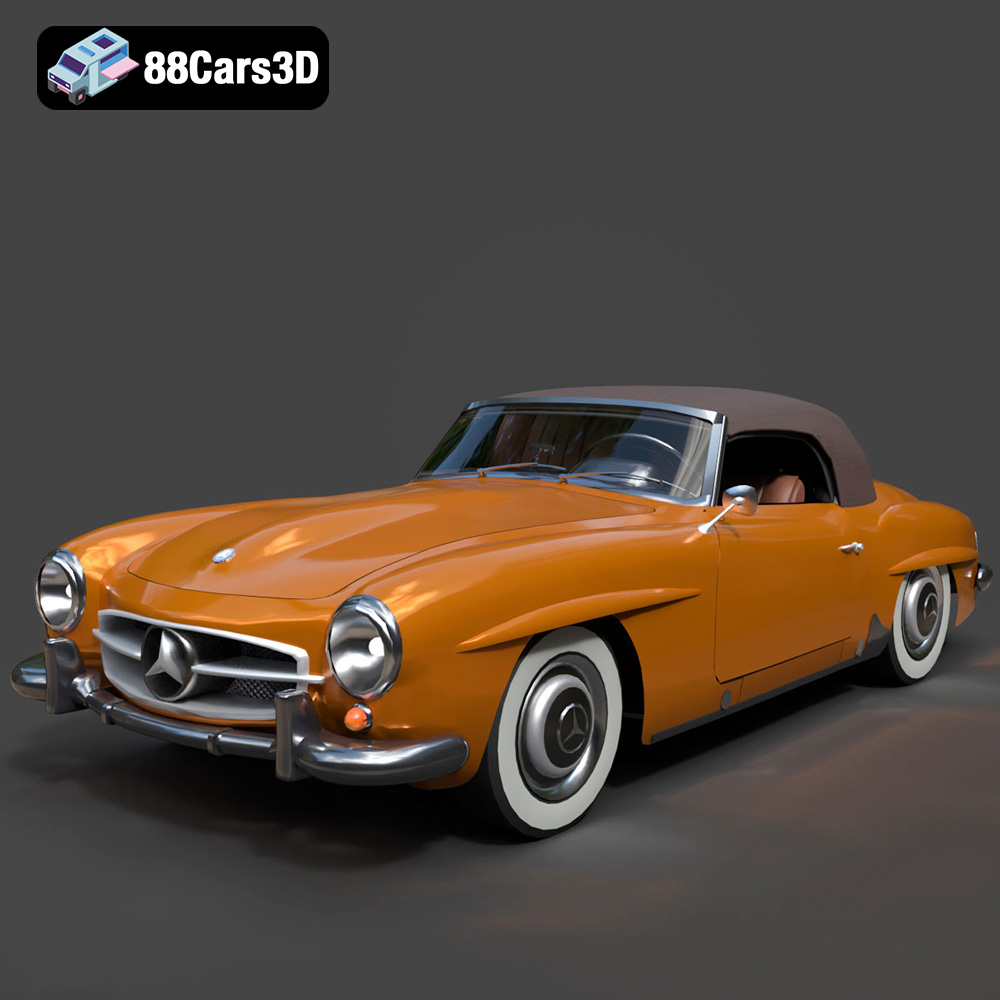
Mercedes-Benz 190SL 1955 3D Model
Texture: Yes
Material: Yes
Download the Mercedes-Benz 190SL 1955 3D Model featuring clean geometry, realistic detailing, and a fully modeled interior. Includes .blend, .fbx, .obj, .glb, .stl, .ply, .unreal, and .max formats for rendering, simulation, and game development.
Price: $23.99
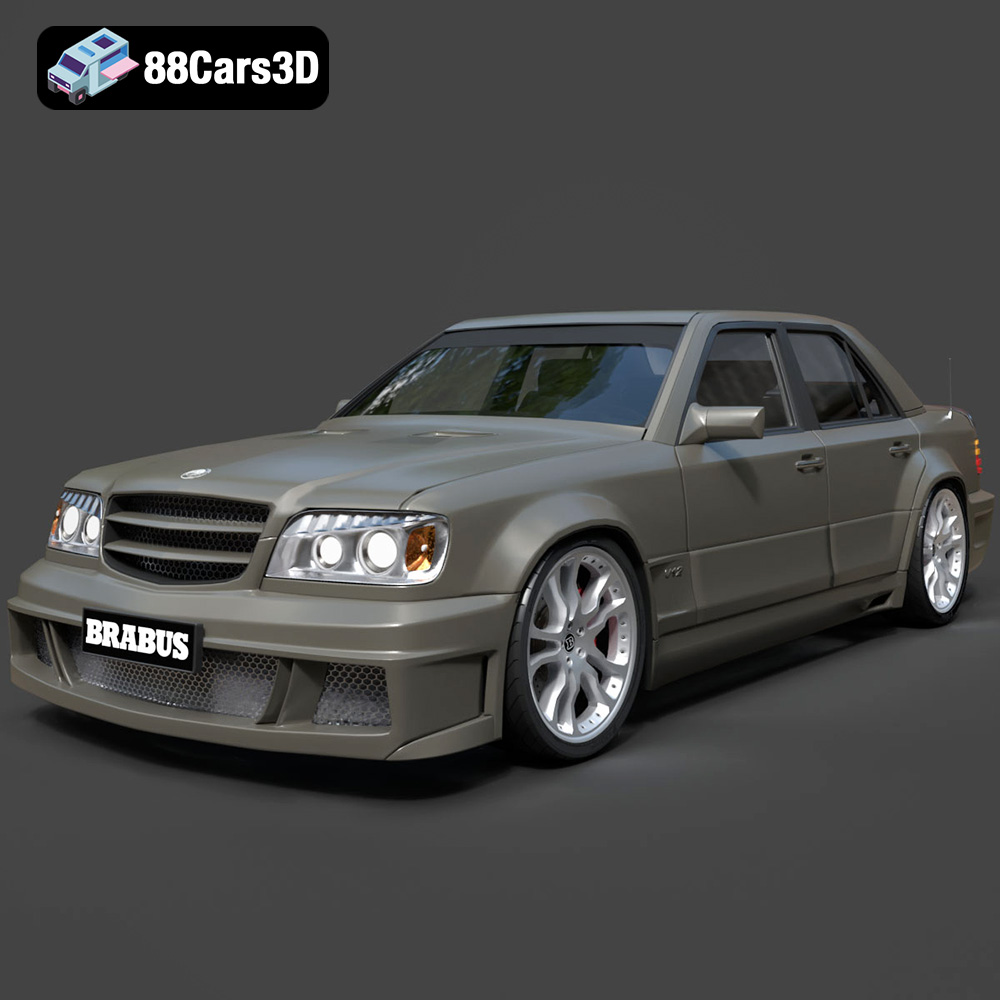
Mercedes-Benz W124 Brabus V12 3D Model
Texture: Yes
Material: Yes
Download the Mercedes-Benz W124 Brabus V12 3D Model featuring clean geometry, realistic detailing, and a fully modeled interior. Includes .blend, .fbx, .obj, .glb, .stl, .ply, .unreal, and .max formats for rendering, simulation, and game development.
Price: $23.99
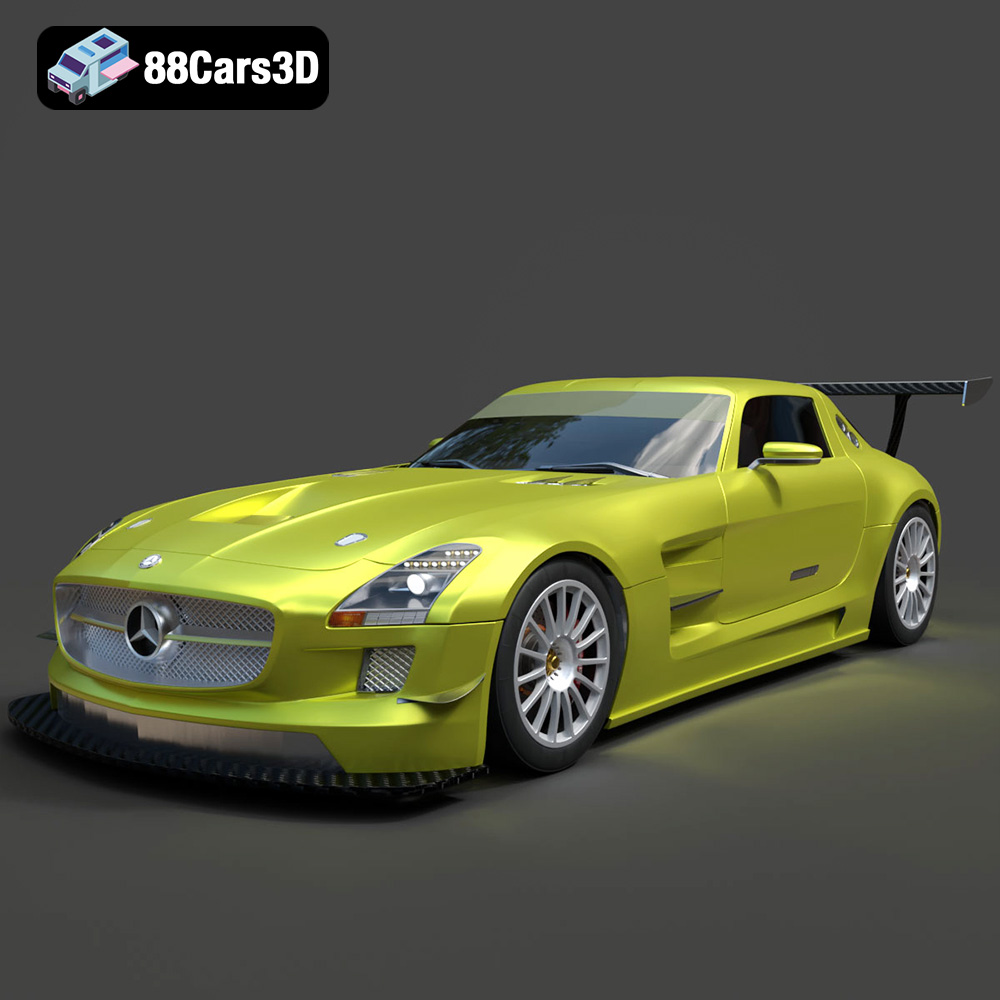
Mercedes-Benz SLS AMG GT3-002 3D Model
Texture: Yes
Material: Yes
Download the Mercedes-Benz SLS AMG GT3-002 3D Model featuring clean geometry, realistic detailing, and a fully modeled interior. Includes .blend, .fbx, .obj, .glb, .stl, .ply, .unreal, and .max formats for rendering, simulation, and game development.
Price: $38.99

Mercedes-Benz C-Class-001 3D Model
Texture: Yes
Material: Yes
Download the Mercedes-Benz C-Class-001 3D Model featuring clean geometry, realistic detailing, and a fully modeled interior. Includes .blend, .fbx, .obj, .glb, .stl, .ply, .unreal, and .max formats for rendering, simulation, and game development.
Price: $38.99
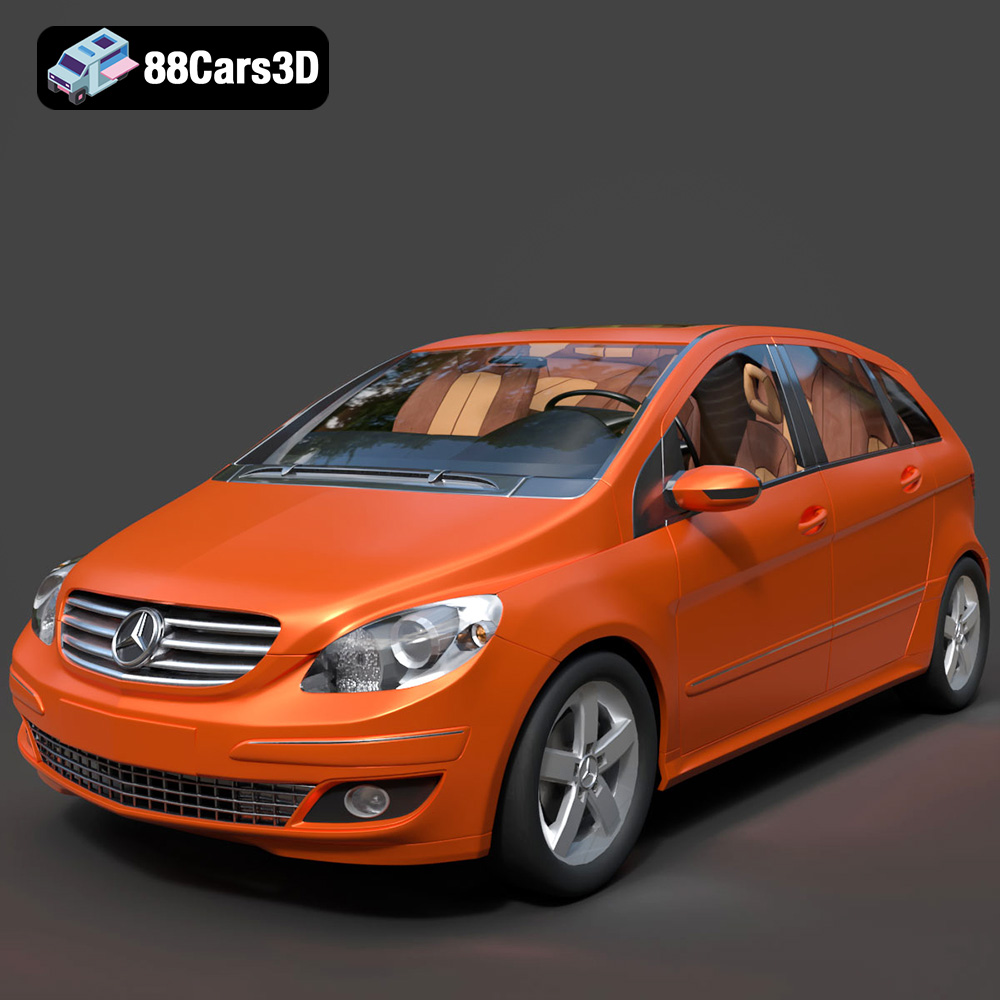
Mercedes-Benz B-Klasse 2023 3D Model
Texture: Yes
Material: Yes
Download the Mercedes-Benz B-Klasse 2023 3D Model featuring clean geometry, realistic detailing, and a fully modeled interior. Includes .blend, .fbx, .obj, .glb, .stl, .ply, .unreal, and .max formats for rendering, simulation, and game development.
Price: $38.99
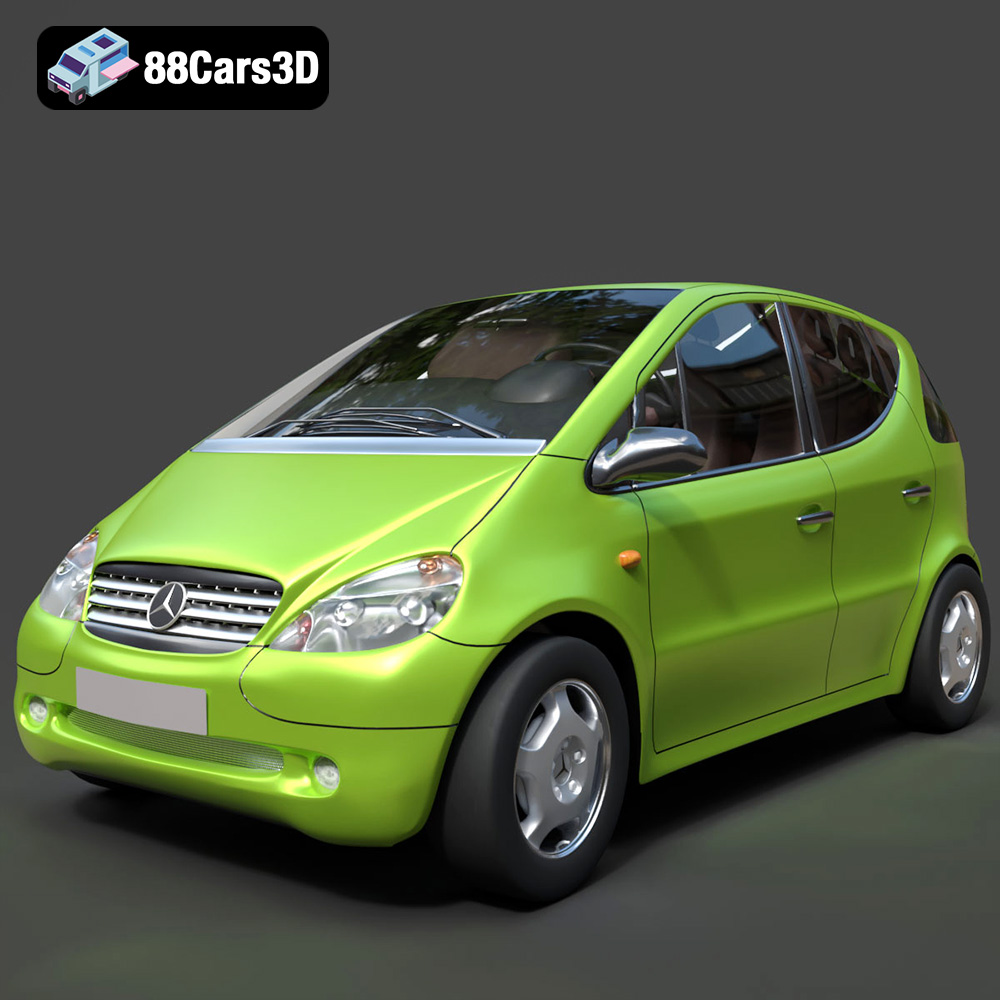
Mercedes-Benz A-Klasse W168 3D Model
Texture: Yes
Material: Yes
Download the Mercedes-Benz A-Klasse W168 3D Model featuring clean geometry, realistic detailing, and a fully modeled interior. Includes .blend, .fbx, .obj, .glb, .stl, .ply, .unreal, and .max formats for rendering, simulation, and game development.
Price: $38.99
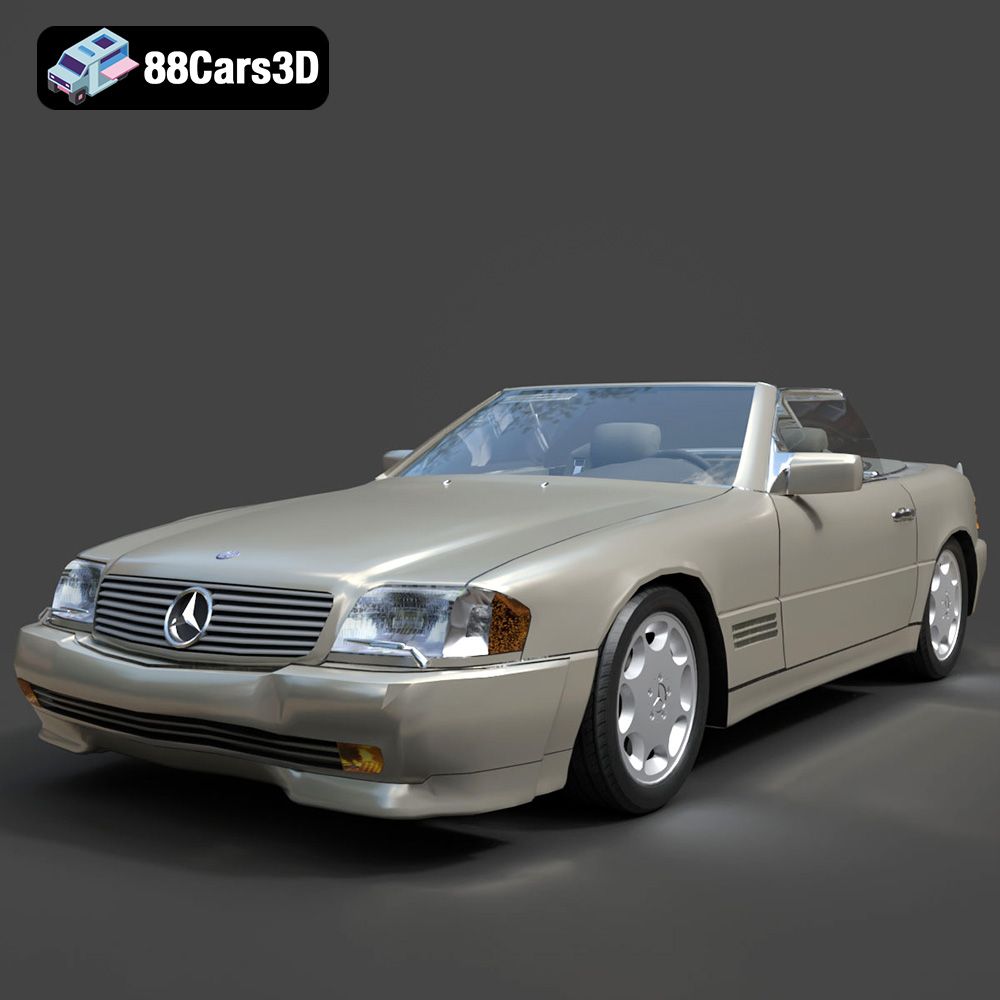
Mercedes-Benz 500SL 2000 3D Model
Texture: Yes
Material: Yes
Download the Mercedes-Benz 500SL 2000 3D Model featuring clean geometry, realistic detailing, and a fully modeled interior. Includes .blend, .fbx, .obj, .glb, .stl, .ply, .unreal, and .max formats for rendering, simulation, and game development.
Price: $38.99
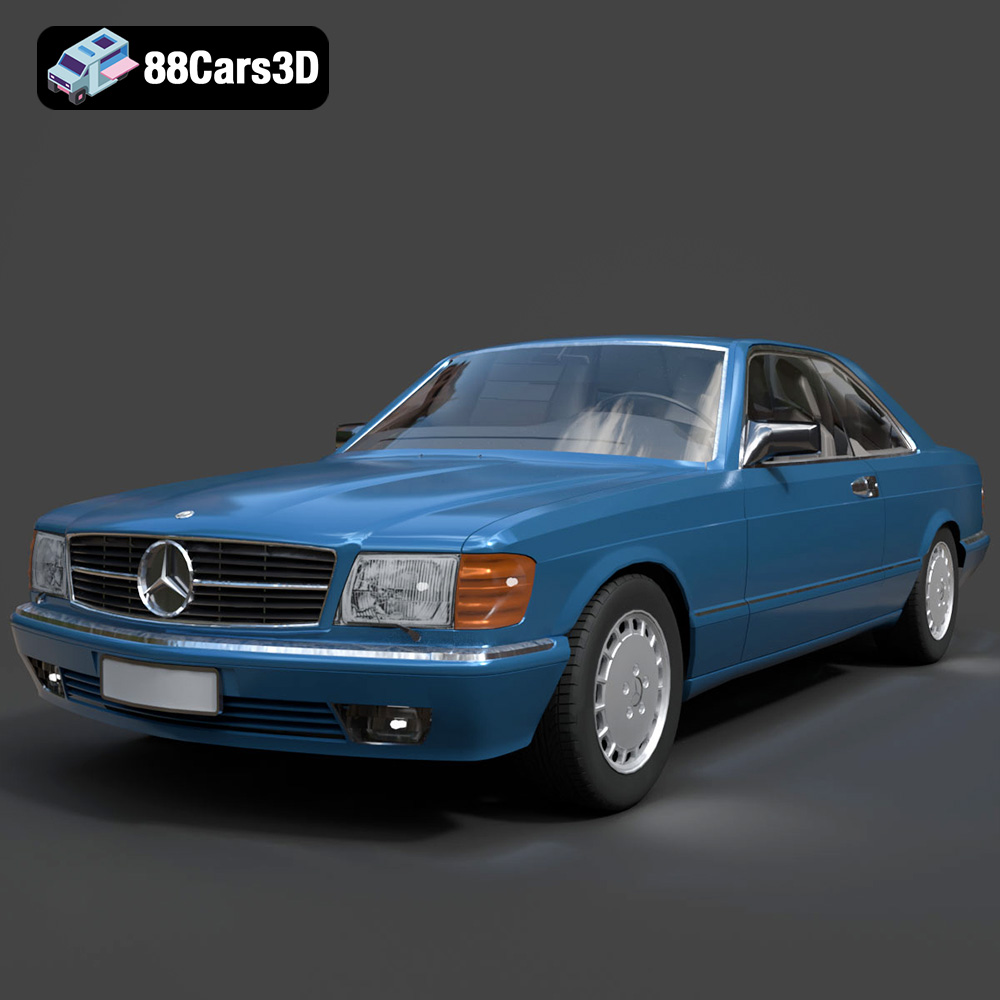
Mercedes-Benz 500SEC 3D Model
Texture: Yes
Material: Yes
Download the Mercedes-Benz 500SEC 3D Model featuring clean geometry, realistic detailing, and a fully modeled interior. Includes .blend, .fbx, .obj, .glb, .stl, .ply, .unreal, and .max formats for rendering, simulation, and game development.
Price: $38.99
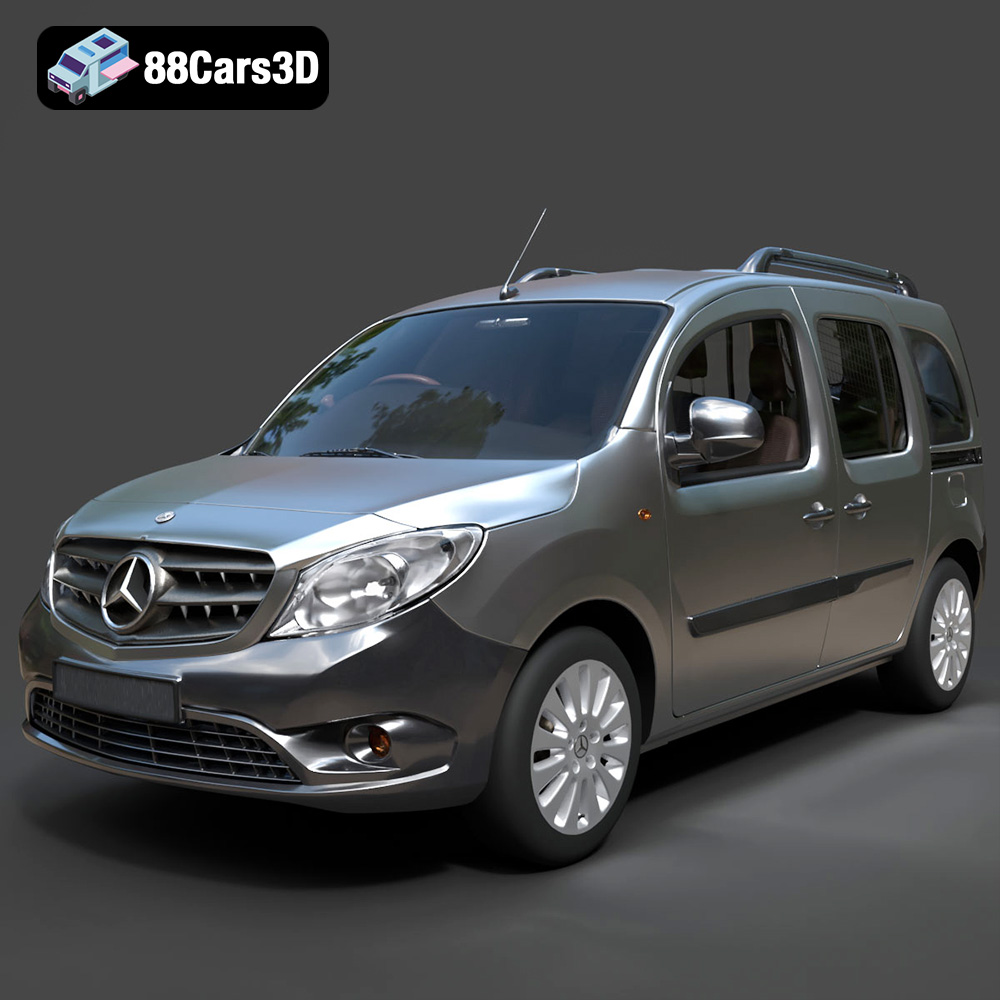
Mercedes-Benz Citan 2025 3D Model
Texture: Yes
Material: Yes
Download the Mercedes-Benz Citan 2025 3D Model featuring clean geometry, realistic detailing, and a fully modeled interior. Includes .blend, .fbx, .obj, .glb, .stl, .ply, .unreal, and .max formats for rendering, simulation, and game development.
Price: $38.99
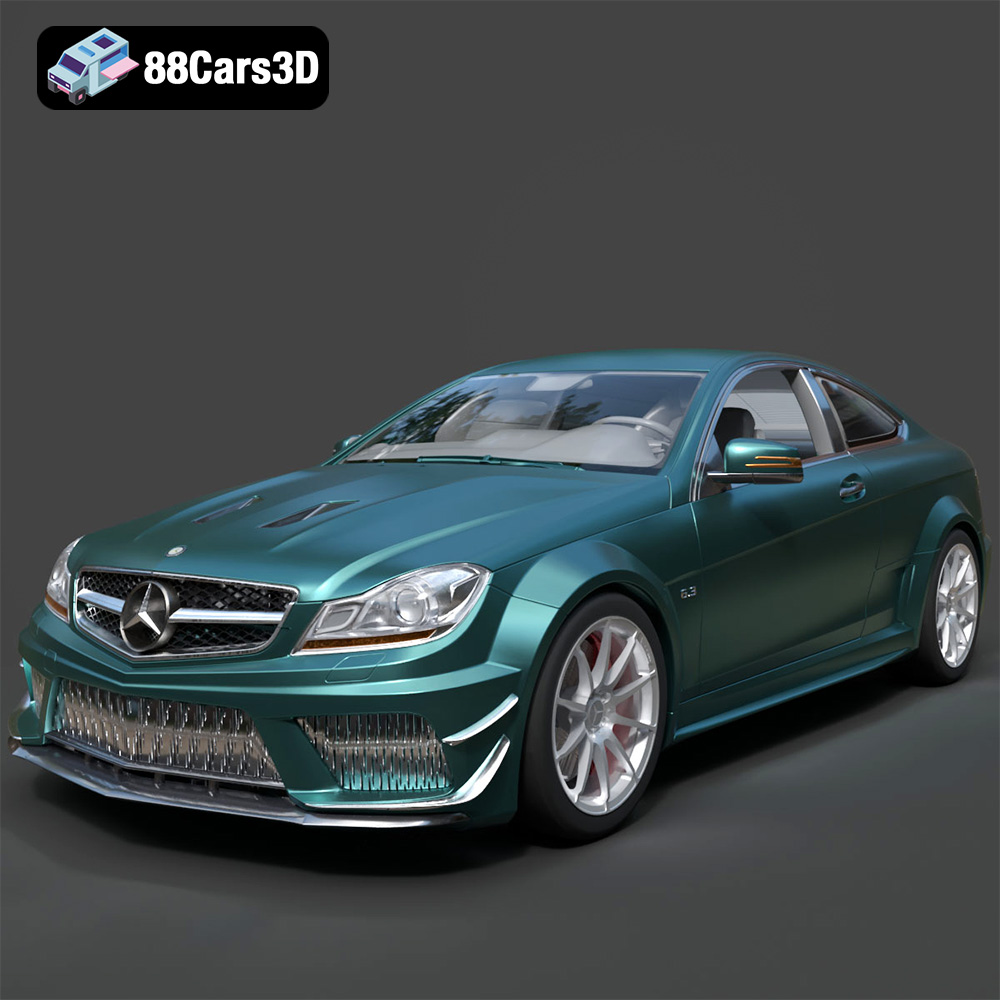
Mercedes-Benz C63 AMG 2012 3D Model
Texture: Yes
Material: Yes
Download the Mercedes-Benz C63 AMG 2012 3D Model featuring clean geometry, realistic detailing, and a fully modeled interior. Includes .blend, .fbx, .obj, .glb, .stl, .ply, .unreal, and .max formats for rendering, simulation, and game development.
Price: $38.99
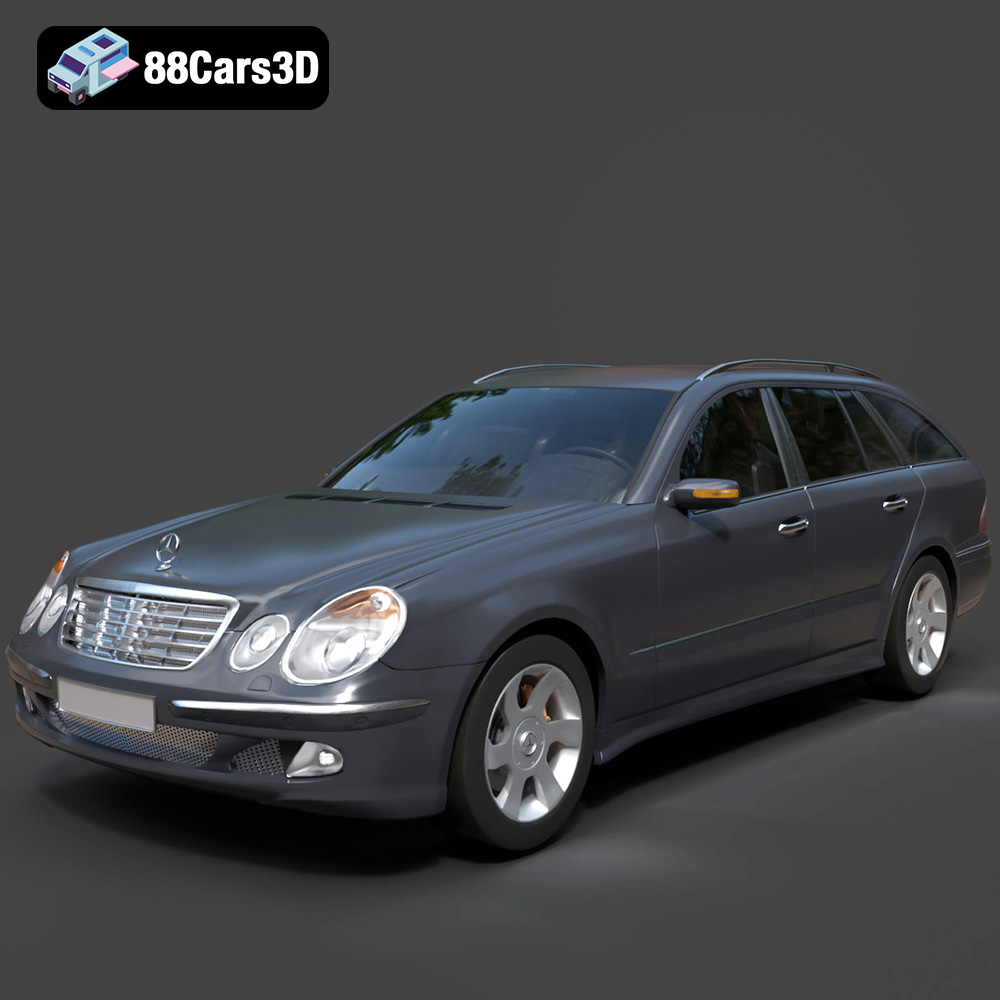
Mercedes-Benz E-Class S211 3D Model
Texture: Yes
Material: Yes
Download the Mercedes-Benz E-Class S211 3D Model featuring clean geometry, realistic detailing, and a fully modeled interior. Includes .blend, .fbx, .obj, .glb, .stl, .ply, .unreal, and .max formats for rendering, simulation, and game development.
Price: $38.99
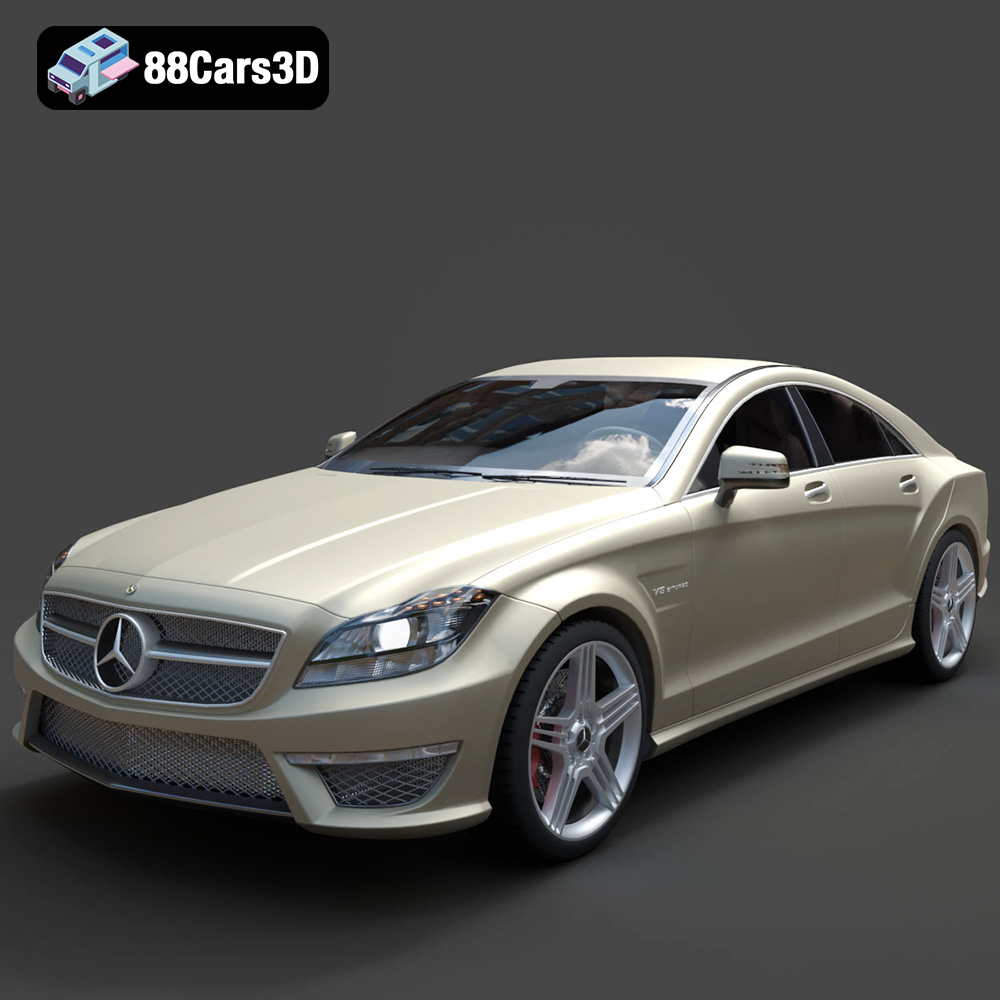
Mercedes-Benz CLS63 AMG (C218) 2014 3D Model
Texture: Yes
Material: Yes
Download the Mercedes-Benz CLS63 AMG (C218) 2014 3D Model featuring clean geometry, realistic detailing, and a fully modeled interior. Includes .blend, .fbx, .obj, .glb, .stl, .ply, .unreal, and .max formats for rendering, simulation, and game development.
Price: $38.99
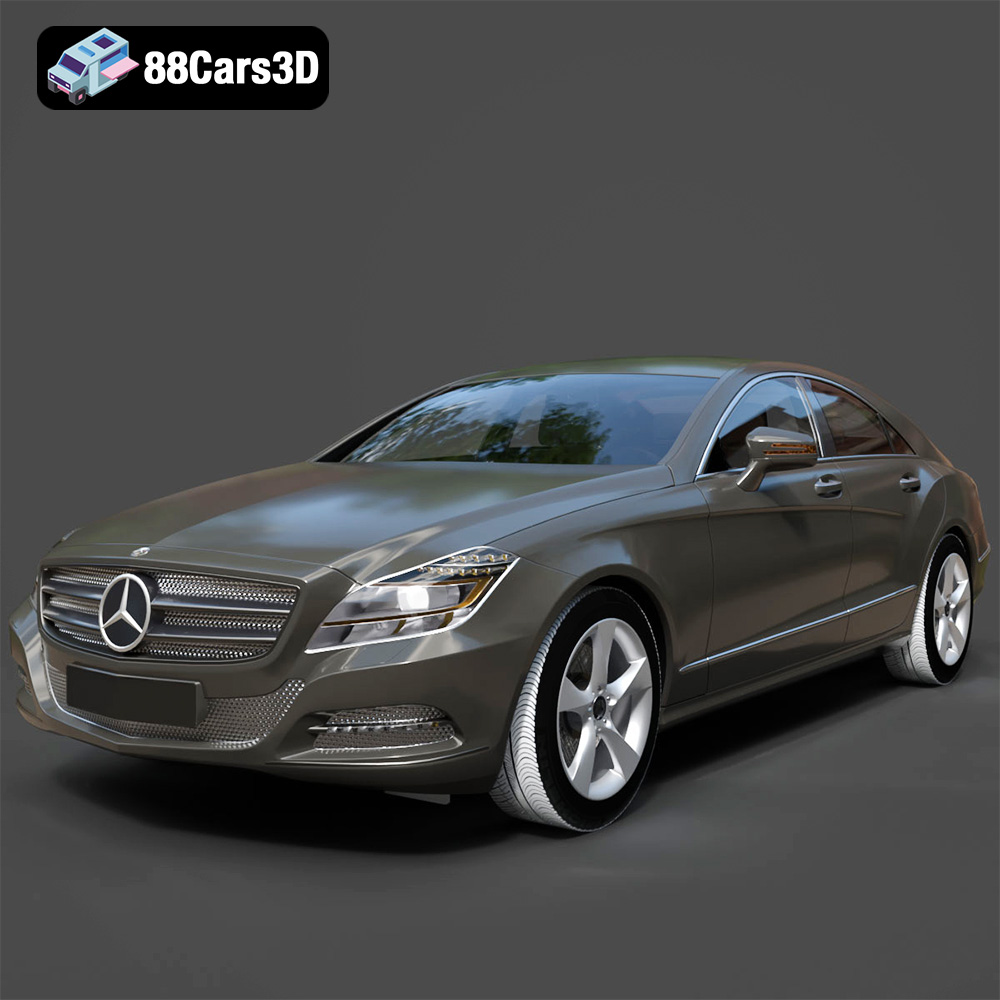
Mercedes-Benz CLS-Klasse 3D Model
Texture: Yes
Material: Yes
Download the Mercedes-Benz CLS-Klasse 3D Model featuring clean geometry, realistic detailing, and a fully modeled interior. Includes .blend, .fbx, .obj, .glb, .stl, .ply, .unreal, and .max formats for rendering, simulation, and game development.
Price: $38.99
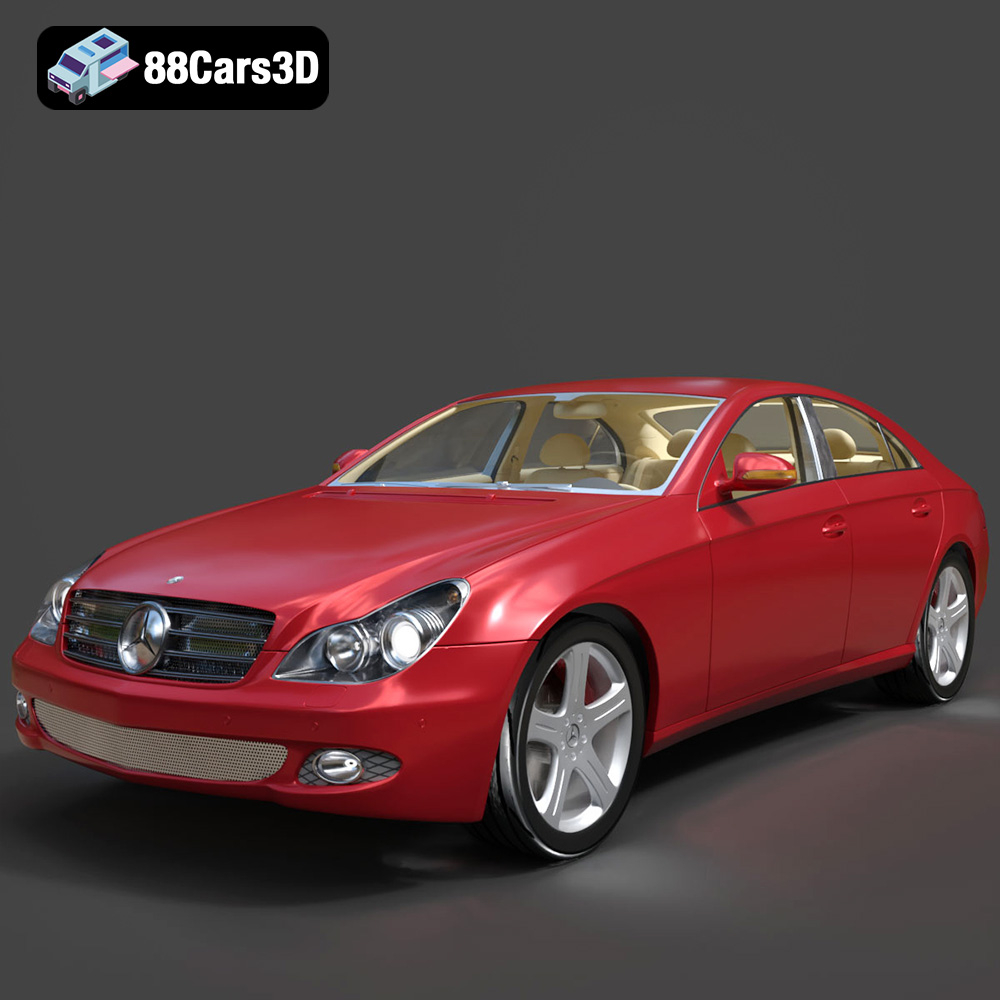
Mercedes-Benz CLS 500 3D Model
Texture: Yes
Material: Yes
Download the Mercedes-Benz CLS 500 3D Model featuring clean geometry, realistic detailing, and a fully modeled interior. Includes .blend, .fbx, .obj, .glb, .stl, .ply, .unreal, and .max formats for rendering, simulation, and game development.
Price: $38.99

Mercedes-Benz CL-Klasse 2001 3D Model
Texture: Yes
Material: Yes
Download the Mercedes-Benz CL-Klasse 2001 3D Model featuring clean geometry, realistic detailing, and a fully modeled interior. Includes .blend, .fbx, .obj, .glb, .stl, .ply, .unreal, and .max formats for rendering, simulation, and game development.
Price: $38.99
