
Bridging the Fidelity Gap: Optimizing High-Poly Automotive 3D Models for Unreal Engine 5 & Real-Time Performance

Bridging the Fidelity Gap: Optimizing High-Poly Automotive 3D Models for Unreal Engine 5 & Real-Time Performance
The allure of a gleaming, perfectly sculpted automotive 3D model is undeniable. From the intricate curves of a supercar chassis to the precise engineering of its interior, these digital masterpieces often originate from CAD software or high-resolution sculpting tools. They are designed for extreme fidelity, showcasing every minute detail in stunning clarity. However, the journey from these incredibly detailed, often CAD-derived assets to a performant, interactive experience in a real-time engine like Unreal Engine 5 presents a significant challenge: bridging the “fidelity gap.”
Directly importing a CAD model or an excessively high-polygon sculpt into Unreal Engine 5 is akin to trying to run a marathon in a lead suit. While the visual quality might initially seem impressive, the sheer poly count and unoptimized geometry will cripple performance, leading to abysmal frame rates and a frustrating user experience. This article delves into the critical processes of high-poly optimization, providing a comprehensive guide for 3D artists, game developers, and automotive designers looking to transform their high-fidelity automotive models into smooth, interactive game-ready assets without sacrificing visual integrity. We’ll explore sophisticated techniques to achieve photorealistic rendering in a demanding real-time environment.
The High-Poly Conundrum: Why Optimization is Crucial for Real-Time Performance
Automotive design models, particularly those originating from CAD software, are built for precision and manufacturing, not for real-time rendering. They often feature an astronomical polygon count, typically in the tens of millions, sometimes even hundreds of millions. This level of detail, while invaluable for design review and static renders, becomes a severe bottleneck in interactive applications.
Such models frequently contain complex, non-manifold geometry, tiny hidden details, and an absence of clean edge flow necessary for efficient rendering and proper deformation. Each polygon, each vertex, and each material assigned to these models demands processing power from the GPU and memory from the system. When a scene contains multiple such models, coupled with environmental effects, lighting, and other dynamic elements, the performance hit becomes catastrophic. The goal of optimization, therefore, is not merely to reduce the poly count, but to create intelligent, efficient geometry and material setups that retain the visual essence of the original model while allowing the engine to render it smoothly at interactive frame rates. This is the cornerstone of creating truly game-ready assets.
Core Optimization Strategies: Sculpting Efficient Geometry
The first and most critical step in transforming a high-fidelity automotive model into a real-time asset is to intelligently reduce its geometric complexity. This isn’t about simply chopping off polygons; it’s about reshaping the model to be performant while preserving its visual cues.
Effective Poly Reduction Techniques
Reducing the polygon count without destroying visual fidelity is an art form. It requires a balance between automated tools and manual refinement, focusing on creating clean mesh topology.
-
Manual Retopology: For hero assets like the main player vehicle, manual retopology is often indispensable. This process involves tracing a new, optimized mesh over the high-poly model, ensuring clean quad-based geometry, proper edge loops around areas of curvature and deformation, and minimal polygon count. Manual retopology ensures the model is ready for animation (e.g., opening doors, steering wheels) and provides the cleanest base for UV mapping and texture baking.
-
Automated Decimation: For less critical parts, background vehicles, or initial reduction passes, automated decimation tools can be incredibly useful. Software like ZBrush’s ZRemesher, Blender’s Decimate modifier, or third-party solutions like Quad Remesher can drastically reduce poly count while attempting to preserve hard edges and overall shape. However, automatic tools can sometimes create messy topology, so careful review and cleanup are often required. It’s crucial to understand when and where to apply these tools to achieve optimal results for high-poly optimization.
-
Target Poly Count Considerations: The ideal poly count for an automotive model varies based on its role. A hero vehicle might target 100,000-300,000 triangles for its base mesh, whereas a background vehicle might be closer to 20,000-50,000. These figures don’t include interior detail, which can add significant polygons. Establishing clear poly count budgets early in the process is vital.
Intelligent Level of Detail (LODs) Systems
Even with a well-optimized base mesh, rendering every vehicle in a large open world at full detail would overwhelm any system. This is where Level of Detail (LODs) systems become critical. LODs are simplified versions of a mesh that are swapped in and out based on the camera’s distance from the object.
-
What are LODs? An LOD system ensures that objects far from the camera render with fewer polygons, saving precious GPU resources. As the camera moves closer, progressively more detailed versions of the mesh are displayed. This technique is fundamental for maintaining high frame rates in Unreal Engine 5 and other real-time environments.
-
Creating LODs: Most 3D DCC (Digital Content Creation) software offers tools for generating LODs, or they can be created manually. For automotive models, it’s common to have 3-5 LOD levels. For instance, LOD0 is the full detail mesh, LOD1 might be 50% reduced, LOD2 75% reduced, and so on, down to a highly simplified billboard or proxy mesh for extreme distances. Unreal Engine 5 also offers powerful built-in LOD generation tools that can automate much of this process, though manual oversight is always recommended for hero assets.
-
Transition Distances: Properly setting LOD transition distances in the engine is crucial. If transitions are too close, noticeable popping can occur. If too far, unnecessary detail might be rendered. Experimentation and profiling are key to finding the sweet spot that balances visual quality with performance gains.
UV Mapping and Texture Baking: The Art of Visual Data Transfer
Once the geometry is optimized, the next phase involves transferring the rich visual detail from the high-poly model onto the lower-poly counterpart using textures. This process relies heavily on clean UVs and meticulous texture baking.
Streamlined UV Mapping Workflows
UV mapping is the process of flattening a 3D model’s surface into a 2D space, allowing a 2D texture to be applied. For automotive models, clean and efficient UVs are paramount for several reasons:
-
Non-Overlapping UVs: Absolutely essential for accurate texture baking, ensuring each pixel of the texture corresponds to a unique surface area on the model. Overlapping UVs lead to artifacts and incorrect lighting information.
-
Minimizing Seams: While seams are often unavoidable, strategically placing them in less visible areas (e.g., under the chassis, along natural panel lines) helps maintain visual continuity. Tools that automatically unwrap and pack UVs can be a good starting point, but manual tweaking is often required for the best results.
-
UV Space Utilization: Maximize the use of the 0-1 UV space to ensure texture resolution is distributed efficiently across the model. Larger, more prominent parts should receive more UV space, allowing for higher detail PBR textures.
-
UDIMs vs. Single UV Sets: For extremely large and detailed automotive models, UDIMs (multi-tile UVs) can be invaluable. This system allows for multiple texture sheets to be assigned to different parts of the model (e.g., body, interior, engine), enabling incredibly high texture resolution across the entire asset without exceeding single texture size limits. For simpler vehicles or distant LODs, a single UV set might suffice for efficiency.
Texture Baking Methodologies
Texture baking is the process of transferring high-resolution detail (geometry, ambient occlusion, curvature) from the high-poly model onto flat 2D textures that can be applied to the low-poly mesh. This is how we achieve stunning photorealistic rendering without the computational cost of millions of polygons.
-
Normal Maps: These are the most critical baked textures. Normal maps simulate surface details like bolts, rivets, scratches, and intricate panel lines using tangent-space vectors. When lit, they trick the renderer into perceiving these details as actual geometry, adding incredible depth and realism to the low-poly model.
-
Ambient Occlusion (AO) Maps: AO maps simulate soft global shadowing in crevices and areas where light is blocked. Baking an AO map from the high-poly model captures realistic contact shadows that enhance depth and realism on the low-poly asset.
-
Curvature Maps: These maps identify concave and convex areas of the mesh, useful for procedural texturing, such as applying edge wear or dirt accumulation in Substance Painter or directly within Unreal Engine 5 materials.
-
Other Utility Maps: World Space Normals, Thickness (for subsurface scattering on transparent materials like car paint), and Position maps can also be baked and utilized for advanced material setups or masking.
-
Tools: Industry-standard tools for texture baking include Substance Painter, Marmoset Toolbag, and dedicated bakers like XNormal. These tools offer robust cages and projection methods to ensure accurate transfer of detail from the high-poly to the low-poly mesh.
PBR Materials & Textures: Unlocking Realism in Unreal Engine 5
Physically Based Rendering (PBR) is the cornerstone of modern real-time graphics, offering a robust and intuitive way to represent materials realistically. For automotive models, mastering PBR is essential to achieve that coveted showroom-quality look in Unreal Engine 5.
Converting Complex Materials to PBR
CAD models often come with complex, proprietary material definitions that don’t directly translate to PBR workflows. The conversion involves understanding the core principles of PBR and mapping existing properties to PBR channels:
-
PBR Principles: PBR is based on how light interacts with real-world materials. Key maps include Base Color (albedo), Metallic (defines if a material is a metal or dielectric), Roughness (how scattered or reflective the surface is), and Normal. Other maps like Ambient Occlusion are often used to enhance realism.
-
Translating Existing Materials: A crucial step is analyzing the original material properties and translating them into PBR values. For instance, a highly reflective plastic in a CAD renderer would translate to a dielectric material with low metallic value and low roughness in PBR. Metallic car paints require careful calibration of metallic and roughness maps, often with layered materials to simulate clear coats.
-
Consistent Material Libraries: Developing a consistent library of PBR materials (e.g., various car paints, tire rubber, glass, chrome, plastics) ensures visual consistency and speeds up workflow. High-quality PBR textures are paramount for achieving realistic results. For those seeking expertly crafted materials and models, 88cars3d.com offers a selection of PBR-ready automotive assets, designed for seamless integration into game engines.
Optimizing Material Setups for Game Engine Efficiency
Even with great PBR textures, inefficient material setups can still hurt performance. Optimization in Unreal Engine 5 focuses on reducing draw calls and shader complexity.
-
Material Instances: Rather than creating a new unique material for every slightly different car paint color or trim, use master materials and material instances. Master materials contain the core shader logic, while instances allow artists to tweak parameters (color, roughness, metallic values, texture assignments) without recompiling the shader, leading to faster iteration and better performance.
-
Texture Resolution and Streaming: Use appropriate texture resolutions (e.g., 4K for primary body parts, 2K for less prominent parts, 1K for interior elements). Unreal Engine 5‘s texture streaming system helps manage memory by loading higher-resolution mipmaps only when needed, but excessive texture sizes will still impact performance.
-
Channel Packing: To save texture memory and reduce texture fetches, combine multiple grayscale maps into a single RGBA texture. For example, Ambient Occlusion, Roughness, and Metallic maps can often be packed into the Red, Green, and Blue channels of a single texture (often called an ORM map). This is a highly effective high-poly optimization technique.
-
Decal Workflow: For smaller details like badges, warning labels, or subtle wear and tear, using decals is far more efficient than baking them into the main texture maps or adding geometry. Decals can be dynamically placed and manipulated, offering flexibility and performance benefits.
Engine Integration: Bringing Automotive Assets to Life in Unreal Engine 5
The final stage involves exporting the optimized assets from your Digital Content Creation (DCC) software and bringing them into Unreal Engine 5, where they are configured and tested for performance and visual fidelity.
Exporting from DCC Software
Proper export settings are crucial to ensure your model and its associated data are correctly interpreted by Unreal Engine 5.
-
FBX Settings: The FBX format is the industry standard for game asset exchange. When exporting, ensure correct settings for:
- Units: Match your DCC unit scale to Unreal’s (usually centimeters).
- Tangents and Binormals: Crucial for correct normal map display. Exporting tangents and binormals ensures consistency.
- Smoothing Groups/Hard Edges: Preserve these to avoid shading artifacts.
- Embed Media: Typically, untick this as textures are often managed separately, but can be useful for quick tests.
-
Pivot Points and Origins: Ensure the model’s pivot point is set correctly (e.g., at the center bottom for a car) and that it’s positioned at the world origin (0,0,0) in your DCC before export. This makes placement and manipulation in Unreal much easier.
-
Naming Conventions: Adopt consistent and clear naming conventions for meshes, materials, and textures (e.g., SM_CarBody_LOD0, T_CarPaint_BaseColor). This organization is invaluable, especially in large projects.
Importing and Configuring Assets in Unreal Engine 5
Once exported, the assets need to be imported and set up within Unreal Engine 5‘s ecosystem.
-
Import Settings: When importing an FBX file, Unreal provides various options. Pay attention to:
- Generate Missing LODs: While good for quick tests, manually created LODs offer better quality control.
- Import Materials and Textures: Decide whether to let Unreal auto-import and set up basic materials or assign pre-created PBR material instances.
- Normal Import Method: Ensure it matches your baking software’s output (usually “Import Normals and Tangents” for best results).
-
Material Instances: After import, apply your optimized PBR textures and material instances to the mesh. Fine-tune parameters like color, roughness, and metallic values directly within the instance to achieve the desired look.
-
Collision Meshes: For physics interaction, add collision meshes. Simple box or capsule collisions are efficient for basic interaction. For more precise collisions (e.g., driving a car), a simplified custom collision mesh (UCX prefix) is ideal, offering accuracy without heavy performance cost.
-
Skeletal Meshes for Moving Parts: If the car has animated parts (wheels, doors, steering wheel), export it as a skeletal mesh with a proper bone hierarchy. This allows for dynamic movement and interaction within the engine.
Validating Performance vs. Visual Quality
The final, iterative step is to test and profile your assets within the engine environment. This ensures that your high-poly optimization efforts have paid off.
-
Profiling Tools: Utilize Unreal Engine 5‘s built-in profiling tools (Stat FPS, Stat GPU, Stat RHI, Stat SceneRendering) to monitor frame rate, GPU usage, draw calls, and memory consumption. This data is invaluable for identifying performance bottlenecks.
-
Identifying Bottlenecks: If performance is low, analyze the profiling data. Is it geometry (too many polygons, inefficient LODs)? Is it materials (complex shaders, too many draw calls)? Is it textures (too high resolution, not streamed efficiently)?
-
Iterative Optimization: Optimization is rarely a one-shot process. Be prepared to go back to your DCC software, tweak geometry, refine LODs, adjust UVs, or simplify materials based on profiling results. The goal is to strike the perfect balance between achieving breathtaking photorealistic rendering and maintaining smooth, interactive frame rates.
Conclusion
Transforming high-fidelity automotive 3D models from their original, unoptimized state into polished, performant assets for Unreal Engine 5 is a complex but immensely rewarding endeavor. It requires a deep understanding of geometry optimization, efficient UV mapping, precise texture baking, and intelligent PBR material setup.
By meticulously applying techniques such as careful mesh topology, robust Level of Detail (LODs) systems, and optimized PBR textures, artists can achieve stunning photorealistic rendering in real-time environments. The journey from a multi-million polygon CAD model to a seamless interactive experience is a testament to the power of artistic skill combined with technical expertise in high-poly optimization.
Whether you’re developing a cutting-edge racing simulation, a virtual showroom, or an interactive configurator, the principles outlined here are your roadmap to success. For developers and artists looking for a head start, remember that platforms like 88cars3d.com offer a wide array of high-quality, pre-optimized automotive 3D models, ready to be integrated into your next real-time project. Master these techniques, and you’ll not only bridge the fidelity gap but also elevate your projects to new heights of visual excellence and performance.
Featured 3D Car Models

Suzuki SX4-002 3D Model
Texture: Yes
Material: Yes
Download the Suzuki SX4-002 3D Model featuring clean geometry, realistic detailing, and a fully modeled interior. Includes .blend, .fbx, .obj, .glb, .stl, .ply, .unreal, and .max formats for rendering, simulation, and game development.
Price: $10

Tesla Model S 2024 3D Model
Texture: Yes
Material: Yes
Download the Tesla Model S 2024 3D Model featuring clean geometry, realistic detailing, and a fully modeled interior. Includes .blend, .fbx, .obj, .glb, .stl, .ply, .unreal, and .max formats for rendering, simulation, and game development.
Price: $10

Subaru Impreza WRX STi-002 3D Model
Texture: Yes
Material: Yes
Download the Subaru Impreza WRX STi-002 3D Model featuring clean geometry, realistic detailing, and a fully modeled interior. Includes .blend, .fbx, .obj, .glb, .stl, .ply, .unreal, and .max formats for rendering, simulation, and game development.
Price: $10

Subaru Impreza WRX STi Sedan 3D Model
Texture: Yes
Material: Yes
Download the Subaru Impreza WRX STi Sedan 3D Model featuring clean geometry, realistic detailing, and a fully modeled interior. Includes .blend, .fbx, .obj, .glb, .stl, .ply, .unreal, and .max formats for rendering, simulation, and game development.
Price: $10

Subaru Legacy 2009 3D Model
Texture: Yes
Material: Yes
Download the Subaru Legacy 2009 3D Model featuring clean geometry, realistic detailing, and a fully modeled interior. Includes .blend, .fbx, .obj, .glb, .stl, .ply, .unreal, and .max formats for rendering, simulation, and game development.
Price: $10

Suzuki Swift 2024 3D Model
Texture: Yes
Material: Yes
Download the Suzuki Swift 2024 3D Model featuring clean geometry, realistic detailing, and a fully modeled interior. Includes .blend, .fbx, .obj, .glb, .stl, .ply, .unreal, and .max formats for rendering, simulation, and game development.
Price: $10

Suzuki Liana Sedan 2004 3D Model
Texture: Yes
Material: Yes
Download the Suzuki Liana Sedan 2004 3D Model featuring clean geometry, realistic detailing, and a fully modeled interior. Includes .blend, .fbx, .obj, .glb, .stl, .ply, .unreal, and .max formats for rendering, simulation, and game development.
Price: $10

Subaru Outback 2024 3D Model
Texture: Yes
Material: Yes
Download the Subaru Outback 2024 3D Model featuring clean geometry, realistic detailing, and a fully modeled interior. Includes .blend, .fbx, .obj, .glb, .stl, .ply, .unreal, and .max formats for rendering, simulation, and game development.
Price: $10

Subaru Legacy 2003 3D Model
Texture: Yes
Material: Yes
Download the Subaru Legacy 2003 3D Model featuring clean geometry, realistic detailing, and a fully modeled interior. Includes .blend, .fbx, .obj, .glb, .stl, .ply, .unreal, and .max formats for rendering, simulation, and game development.
Price: $10

Subaru Legacy Touring Wagon 3D Model
Texture: Yes
Material: Yes
Download the Subaru Legacy Touring Wagon 3D Model featuring clean geometry, realistic detailing, and a fully modeled interior. Includes .blend, .fbx, .obj, .glb, .stl, .ply, .unreal, and .max formats for rendering, simulation, and game development.
Price: $10

Toyota Mark II (X100) 1998 3D Model
Texture: Yes
Material: Yes
Download the Toyota Mark II (X100) 3D Model featuring clean geometry, realistic detailing, and a fully modeled interior. Includes .blend, .fbx, .obj, .glb, .stl, .ply, .unreal, and .max formats for rendering, simulation, and game development.
Price: $10

Toyota Corona 1985 3D Model
Texture: Yes
Material: Yes
Download the Toyota Corona 1985 3D Model featuring clean geometry, realistic detailing, and a fully modeled interior. Includes .blend, .fbx, .obj, .glb, .stl, .ply, .unreal, and .max formats for rendering, simulation, and game development.
Price: $10

Toyota Mark II X81 1990 3D Model
Texture: Yes
Material: Yes
Download the Toyota Mark II X81 1990 3D Model featuring clean geometry, realistic detailing, and a fully modeled interior. Includes .blend, .fbx, .obj, .glb, .stl, .ply, .unreal, and .max formats for rendering, simulation, and game development.
Price: $10

Toyota iQ EV 2012 3D Model
Texture: Yes
Material: Yes
Download the Toyota iQ EV 2012 3D Model featuring clean geometry, realistic detailing, and a fully modeled interior. Includes .blend, .fbx, .obj, .glb, .stl, .ply, .unreal, and .max formats for rendering, simulation, and game development.
Price: $10

Toyota Aygo 2013 3D Model
Texture: Yes
Material: Yes
Download the Toyota Aygo 2013 3D Model featuring clean geometry, realistic detailing, and a fully modeled interior. Includes .blend, .fbx, .obj, .glb, .stl, .ply, .unreal, and .max formats for rendering, simulation, and game development.
Price: $10

Toyota Crown S180 2005 3D Model
Texture: Yes
Material: Yes
Download the Toyota Crown S180 2005 3D Model featuring clean geometry, realistic detailing, and a fully modeled interior. Includes .blend, .fbx, .obj, .glb, .stl, .ply, .unreal, and .max formats for rendering, simulation, and game development.
Price: $10

Toyota Celica 2004 3D Model
Texture: Yes
Material: Yes
Download the Toyota Celica 2004 3D Model featuring clean geometry, realistic detailing, and a fully modeled interior. Includes .blend, .fbx, .obj, .glb, .stl, .ply, .unreal, and .max formats for rendering, simulation, and game development.
Price: $10

Toyota Corolla AE100 1992 3D Model
Texture: Yes
Material: Yes
Download the Toyota Corolla AE100 1992 3D Model featuring clean geometry, realistic detailing, and a fully modeled interior. Includes .blend, .fbx, .obj, .glb, .stl, .ply, .unreal, and .max formats for rendering, simulation, and game development.
Price: $10

Toyota Mark II X110 2000 3D Model
Texture: Yes
Material: Yes
Download the Toyota Mark II X110 2000 3D Model featuring clean geometry, realistic detailing, and a fully modeled interior. Includes .blend, .fbx, .obj, .glb, .stl, .ply, .unreal, and .max formats for rendering, simulation, and game development.
Price: $10

Toyota Corolla 2020 3D Model
Texture: Yes
Material: Yes
Download the Toyota Corolla 2020 3D Model featuring clean geometry, realistic detailing, and a fully modeled interior. Includes .blend, .fbx, .obj, .glb, .stl, .ply, .unreal, and .max formats for rendering, simulation, and game development.
Price: $10

Toyota Yaris 2020 3D Model
Texture: Yes
Material: Yes
Download the Toyota Yaris 2020 3D Model featuring clean geometry, realistic detailing, and a fully modeled interior. Includes .blend, .fbx, .obj, .glb, .stl, .ply, .unreal, and .max formats for rendering, simulation, and game development.
Price: $9.9

Volkswagen Beetle 2012 3D Model
Texture: Yes
Material: Yes
Download the Volkswagen Beetle 2012 3D Model featuring clean geometry, realistic detailing, and a fully modeled interior. Includes .blend, .fbx, .obj, .glb, .stl, .ply, .unreal, and .max formats for rendering, simulation, and game development.
Price: $9.9

Toyota Matrix 2005 3D Model
Texture: Yes
Material: Yes
Download the Toyota Matrix 2005 3D Model featuring clean geometry, realistic detailing, and a fully modeled interior. Includes .blend, .fbx, .obj, .glb, .stl, .ply, .unreal, and .max formats for rendering, simulation, and game development.
Price: $9.9

Toyota Yaris Sedan 3D Model
Texture: Yes
Material: Yes
Download the Toyota Yaris Sedan 3D Model featuring clean geometry, realistic detailing, and a fully modeled interior. Includes .blend, .fbx, .obj, .glb, .stl, .ply, .unreal, and .max formats for rendering, simulation, and game development.
Price: $9.9

Volkswagen Golf R-004 2024 3D Model
Texture: Yes
Material: Yes
Download the Volkswagen Golf R-004 2024 3D Model featuring clean geometry, realistic detailing, and a fully modeled interior. Includes .blend, .fbx, .obj, .glb, .stl, .ply, .unreal, and .max formats for rendering, simulation, and game development.
Price: $9.9

Volkswagen Golf 5 Door 2010 3D Model
Texture: Yes
Material: Yes
Download the Volkswagen Golf 5 Door 2010 3D Model featuring clean geometry, realistic detailing, and a fully modeled interior. Includes .blend, .fbx, .obj, .glb, .stl, .ply, .unreal, and .max formats for rendering, simulation, and game development.
Price: $9.9

Toyota Premio 2010 3D Model
Texture: Yes
Material: Yes
Download the Toyota Premio 2010 3D Model featuring clean geometry, realistic detailing, and a fully modeled interior. Includes .blend, .fbx, .obj, .glb, .stl, .ply, .unreal, and .max formats for rendering, simulation, and game development.
Price: $9.9

Toyota Opa 2000 3D Model
Texture: Yes
Material: Yes
Download the Toyota Opa 2000 3D Model featuring clean geometry, realistic detailing, and a fully modeled interior. Includes .blend, .fbx, .obj, .glb, .stl, .ply, .unreal, and .max formats for rendering, simulation, and game development.
Price: $9.9

Volkswagen Polo 5 Door 2010 3D Model
Texture: Yes
Material: Yes
Download the Volkswagen Polo 5 Door 2010 3D Model featuring clean geometry, realistic detailing, and a fully modeled interior. Includes .blend, .fbx, .obj, .glb, .stl, .ply, .unreal, and .max formats for rendering, simulation, and game development.
Price: $9.9

Toyota Prius 2024 3D Model
Texture: Yes
Material: Yes
Download the Toyota Prius 2024 3D Model featuring clean geometry, realistic detailing, and a fully modeled interior. Includes .blend, .fbx, .obj, .glb, .stl, .ply, .unreal, and .max formats for rendering, simulation, and game development.
Price: $9.9

Toyota Yaris 1999 3D Model
Texture: Yes
Material: Yes
Download the Toyota Yaris 1999 3D Model featuring clean geometry, realistic detailing, and a fully modeled interior. Includes .blend, .fbx, .obj, .glb, .stl, .ply, .unreal, and .max formats for rendering, simulation, and game development.
Price: $9.9

Toyota Supra 2020 3D Model
Texture: Yes
Material: Yes
Download the Toyota Supra 2020 3D Model featuring clean geometry, realistic detailing, and a fully modeled interior. Includes .blend, .fbx, .obj, .glb, .stl, .ply, .unreal, and .max formats for rendering, simulation, and game development.
Price: $9.9

Volkswagen New Beetle 2000 3D Model
Texture: Yes
Material: Yes
Download the Volkswagen New Beetle 2000 3D Model featuring clean geometry, realistic detailing, and a fully modeled interior. Includes .blend, .fbx, .obj, .glb, .stl, .ply, .unreal, and .max formats for rendering, simulation, and game development.
Price: $14.99

Volkswagen Jetta 2005 3D Model
Texture: Yes
Material: Yes
Download the Volkswagen Jetta 2005 3D Model featuring clean geometry, realistic detailing, and a fully modeled interior. Includes .blend, .fbx, .obj, .glb, .stl, .ply, .unreal, and .max formats for rendering, simulation, and game development.
Price: $18.99

Volkswagen Golf 3-Door 3D Model
Texture: Yes
Material: Yes
Download the Volkswagen Golf 3-Door 3D Model featuring clean geometry, realistic detailing, and a fully modeled interior. Includes .blend, .fbx, .obj, .glb, .stl, .ply, .unreal, and .max formats for rendering, simulation, and game development.
Price: $14.99

Volvo V70 2005 3D Model
Texture: Yes
Material: Yes
Download the Volvo V70 2005 3D Model featuring clean geometry, realistic detailing, and a fully modeled interior. Includes .blend, .fbx, .obj, .glb, .stl, .ply, .unreal, and .max formats for rendering, simulation, and game development.
Price: $14.99

Volkswagen Bora 2004 3D Model
Texture: Yes
Material: Yes
Download the Volkswagen Bora 2004 3D Model featuring clean geometry, realistic detailing, and a fully modeled interior. Includes .blend, .fbx, .obj, .glb, .stl, .ply, .unreal, and .max formats for rendering, simulation, and game development.
Price: $14.99

Volkswagen Lupo 3D Model
Texture: Yes
Material: Yes
Download the Volkswagen Lupo 3D Model featuring clean geometry, realistic detailing, and a fully modeled interior. Includes .blend, .fbx, .obj, .glb, .stl, .ply, .unreal, and .max formats for rendering, simulation, and game development.
Price: $19.99

Volkswagen Passat B5 2000 3D Model
Texture: Yes
Material: Yes
Download the Volkswagen Passat B5 2000 3D Model featuring clean geometry, realistic detailing, and a fully modeled interior. Includes .blend, .fbx, .obj, .glb, .stl, .ply, .unreal, and .max formats for rendering, simulation, and game development.
Price: $19.99

Volkswagen Passat CC 3D Model
Texture: Yes
Material: Yes
Download the Volkswagen Passat CC 3D Model featuring clean geometry, realistic detailing, and a fully modeled interior. Includes .blend, .fbx, .obj, .glb, .stl, .ply, .unreal, and .max formats for rendering, simulation, and game development.
Price: $19.99

Volkswagen Golf V 2006 3D Model
Texture: Yes
Material: Yes
Download the Volkswagen Golf V 2006 3D Model featuring clean geometry, realistic detailing, and a fully modeled interior. Includes .blend, .fbx, .obj, .glb, .stl, .ply, .unreal, and .max formats for rendering, simulation, and game development.
Price: $19.99

Volvo S60 R-Design 2024 3D Model
Texture: Yes
Material: Yes
Download the Volvo S60 R-Design 3D Model featuring clean geometry, realistic detailing, and a fully modeled interior. Includes .blend, .fbx, .obj, .glb, .stl, .ply, .unreal, and .max formats for rendering, simulation, and game development.
Price: $19.99

Volkswagen Passat 2025 3D Model
Texture: Yes
Material: Yes
Download the Volkswagen Passat 2025 3D Model featuring clean geometry, realistic detailing, and a fully modeled interior. Includes .blend, .fbx, .obj, .glb, .stl, .ply, .unreal, and .max formats for rendering, simulation, and game development.
Price: $25.99

Volkswagen Passat Variant B6 2005 3D Model
Texture: Yes
Material: Yes
Download the Volkswagen Passat Variant B6 2005 3D Model featuring clean geometry, realistic detailing, and a fully modeled interior. Includes .blend, .fbx, .obj, .glb, .stl, .ply, .unreal, and .max formats for rendering, simulation, and game development.
Price: $25.99

Volkswagen Phaeton W12 2004 3D Model
Texture: Yes
Material: Yes
Download the Volkswagen Phaeton W12 2004 3D Model featuring clean geometry, realistic detailing, and a fully modeled interior. Includes .blend, .fbx, .obj, .glb, .stl, .ply, .unreal, and .max formats for rendering, simulation, and game development.
Price: $25.99

Volkswagen Scirocco 2015 3D Model
Texture: Yes
Material: Yes
Download the Volkswagen Scirocco 2015 3D Model featuring clean geometry, realistic detailing, and a fully modeled interior. Includes .blend, .fbx, .obj, .glb, .stl, .ply, .unreal, and .max formats for rendering, simulation, and game development.
Price: $25.99

Volvo S60 2024 3D Model
Texture: Yes
Material: Yes
Download the Volvo S60 2024 3D Model featuring clean geometry, realistic detailing, and a fully modeled interior. Includes .blend, .fbx, .obj, .glb, .stl, .ply, .unreal, and .max formats for rendering, simulation, and game development.
Price: $25.99

Volkswagen Polo 3D Model
Texture: Yes
Material: Yes
Download the Volkswagen Polo 3D Model featuring clean geometry, realistic detailing, and a fully modeled interior. Includes .blend, .fbx, .obj, .glb, .stl, .ply, .unreal, and .max formats for rendering, simulation, and game development.
Price: $25.99

Volkswagen Golf 5-Doors 2018 3D Model
Texture: Yes
Material: Yes
Download the Volkswagen Golf 5-Doors 3D Model featuring clean geometry, realistic detailing, and a fully modeled interior. Includes .blend, .fbx, .obj, .glb, .stl, .ply, .unreal, and .max formats for rendering, simulation, and game development.
Price: $25.99

Volvo C70 T5 2000 3D Model
Texture: Yes
Material: Yes
Download the Volvo C70 T5 2000 3D Model featuring clean geometry, realistic detailing, and a fully modeled interior. Includes .blend, .fbx, .obj, .glb, .stl, .ply, .unreal, and .max formats for rendering, simulation, and game development.
Price: $23.99

Volvo S40 Sedan 2004 3D Model
Texture: Yes
Material: Yes
Download the Volvo S40 Sedan 2004 3D Model featuring clean geometry, realistic detailing, and a fully modeled interior. Includes .blend, .fbx, .obj, .glb, .stl, .ply, .unreal, and .max formats for rendering, simulation, and game development.
Price: $23.99

Volvo C30 BEV 2012 3D Model
Texture: Yes
Material: Yes
Download the Volvo C30 BEV 2012 3D Model featuring clean geometry, realistic detailing, and a fully modeled interior. Includes .blend, .fbx, .obj, .glb, .stl, .ply, .unreal, and .max formats for rendering, simulation, and game development.
Price: $23.99

Volvo C70 1998 3D Model
Texture: Yes
Material: Yes
Download the Volvo C70 1998 3D Model featuring clean geometry, realistic detailing, and a fully modeled interior. Includes .blend, .fbx, .obj, .glb, .stl, .ply, .unreal, and .max formats for rendering, simulation, and game development.
Price: $23.99

Mazda B-Series 3D Model
Texture: Yes
Material: Yes
Download the Mazda B-Series 3D Model featuring clean geometry, realistic detailing, and a fully modeled interior. Includes .blend, .fbx, .obj, .glb, .stl, .ply, .unreal, and .max formats for rendering, simulation, and game development.
Price: $23.99

Mercsedes Benz Z3-006 3D Model
Texture: Yes
Material: Yes
Download the Mercsedes Benz Z3-006 3D Model featuring clean geometry, realistic detailing, and a fully modeled interior. Includes .blend, .fbx, .obj, .glb, .stl, .ply, .unreal, and .max formats for rendering, simulation, and game development.
Price: $23.99

Mazda RX-7 3D Model
Texture: Yes
Material: Yes
Download the Mazda RX-7 3D Model featuring clean geometry, realistic detailing, and a fully modeled interior. Includes .blend, .fbx, .obj, .glb, .stl, .ply, .unreal, and .max formats for rendering, simulation, and game development.
Price: $23.99

Volvo VCC-003 3D Model
Texture: Yes
Material: Yes
Download the Volvo VCC-003 3D Model featuring clean geometry, realistic detailing, and a fully modeled interior. Includes .blend, .fbx, .obj, .glb, .stl, .ply, .unreal, and .max formats for rendering, simulation, and game development.
Price: $23.99

Mercedes-Benz SLR McLaren 2005 3D Model
Texture: Yes
Material: Yes
Download the Mercedes-Benz SLR McLaren 2005 3D Model featuring clean geometry, realistic detailing, and a fully modeled interior. Includes .blend, .fbx, .obj, .glb, .stl, .ply, .unreal, and .max formats for rendering, simulation, and game development.
Price: $23.99

GAZ 3110 Pickup 2000 3D Model
Texture: Yes
Material: Yes
Download the GAZ 3110 Pickup 3D Model featuring clean geometry, realistic detailing, and a fully modeled interior. Includes .blend, .fbx, .obj, .glb, .stl, .ply, .unreal, and .max formats for rendering, simulation, and game development.
Price: $23.99

Mazda 626 GF 1997 3D Model
Texture: Yes
Material: Yes
Download the Mazda 626 GF 1997 3D Model featuring clean geometry, realistic detailing, and a fully modeled interior. Includes .blend, .fbx, .obj, .glb, .stl, .ply, .unreal, and .max formats for rendering, simulation, and game development.
Price: $23.99

Volvo S80 2011 3D Model
Texture: Yes
Material: Yes
Download the Volvo S80 2011 3D Model featuring clean geometry, realistic detailing, and a fully modeled interior. Includes .blend, .fbx, .obj, .glb, .stl, .ply, .unreal, and .max formats for rendering, simulation, and game development.
Price: $23.99

Volkswagen Touran restyle-006 3D Model
Texture: Yes
Material: Yes
Download the Volkswagen Touran restyle-006 3D Model featuring clean geometry, realistic detailing, and a fully modeled interior. Includes .blend, .fbx, .obj, .glb, .stl, .ply, .unreal, and .max formats for rendering, simulation, and game development.
Price: $23.99

Skoda Octavia Scout 3D Model
Texture: Yes
Material: Yes
Download the Skoda Octavia Scout 3D Model featuring clean geometry, realistic detailing, and a fully modeled interior. Includes .blend, .fbx, .obj, .glb, .stl, .ply, .unreal, and .max formats for rendering, simulation, and game development.
Price: $23.99

Volkswagen Golf V 2006 3D Model
Texture: Yes
Material: Yes
Download the Volkswagen Golf V 2006 3D Model featuring clean geometry, realistic detailing, and a fully modeled interior. Includes .blend, .fbx, .obj, .glb, .stl, .ply, .unreal, and .max formats for rendering, simulation, and game development.
Price: $23.99

Mazda CX-7 3D Model
Texture: Yes
Material: Yes
Download the Mazda CX-7 3D Model featuring clean geometry, realistic detailing, and a fully modeled interior. Includes .blend, .fbx, .obj, .glb, .stl, .ply, .unreal, and .max formats for rendering, simulation, and game development.
Price: $23.99

Mazda Familia 3D Model
Texture: Yes
Material: Yes
Download the Mazda Familia 3D Model featuring clean geometry, realistic detailing, and a fully modeled interior. Includes .blend, .fbx, .obj, .glb, .stl, .ply, .unreal, and .max formats for rendering, simulation, and game development.
Price: $23.99

GAS 21 3D Model
Texture: Yes
Material: Yes
Download the GAS 21 3D Model featuring clean geometry, realistic detailing, and a fully modeled interior. Includes .blend, .fbx, .obj, .glb, .stl, .ply, .unreal, and .max formats for rendering, simulation, and game development.
Price: $23.99

Mercedes-Benz SL500 AMG (R129) 3D Model
Texture: Yes
Material: Yes
Download the Mercedes-Benz SL500 AMG (R129) 3D Model featuring clean geometry, realistic detailing, and a fully modeled interior. Includes .blend, .fbx, .obj, .glb, .stl, .ply, .unreal, and .max formats for rendering, simulation, and game development.
Price: $23.99

Mercedes-Benz S-Class W221 2005 3D Model
Texture: Yes
Material: Yes
Download the Mercedes-Benz S-Class W221 2005 3D Model featuring clean geometry, realistic detailing, and a fully modeled interior. Includes .blend, .fbx, .obj, .glb, .stl, .ply, .unreal, and .max formats for rendering, simulation, and game development.
Price: $23.99

Mercedes-Benz E-Class W212 2009 3D Model
Texture: Yes
Material: Yes
Download the Mercedes-Benz E-Class W212 2009 3D Model featuring clean geometry, realistic detailing, and a fully modeled interior. Includes .blend, .fbx, .obj, .glb, .stl, .ply, .unreal, and .max formats for rendering, simulation, and game development.
Price: $23.99

Mercedes-Benz E-class Estate S212 2009 3D Model
Texture: Yes
Material: Yes
Download the Mercedes-Benz E-class Estate S212 2009 3D Model featuring clean geometry, realistic detailing, and a fully modeled interior. Includes .blend, .fbx, .obj, .glb, .stl, .ply, .unreal, and .max formats for rendering, simulation, and game development.
Price: $23.99

Mercedes-Benz 190 W201 3D Model
Texture: Yes
Material: Yes
Download the Mercedes-Benz 190 W201 3D Model featuring clean geometry, realistic detailing, and a fully modeled interior. Includes .blend, .fbx, .obj, .glb, .stl, .ply, .unreal, and .max formats for rendering, simulation, and game development.
Price: $23.99

Mercedes-Benz C230 SportCoupé 2005 3D Model
Texture: Yes
Material: Yes
Download the Mercedes-Benz C230 SportCoupé 2005 3D Model featuring clean geometry, realistic detailing, and a fully modeled interior. Includes .blend, .fbx, .obj, .glb, .stl, .ply, .unreal, and .max formats for rendering, simulation, and game development.
Price: $23.99

Mercedes-Benz SLK 3D Model
Texture: Yes
Material: Yes
Download the Mercedes-Benz SLK 3D Model featuring clean geometry, realistic detailing, and a fully modeled interior. Includes .blend, .fbx, .obj, .glb, .stl, .ply, .unreal, and .max formats for rendering, simulation, and game development.
Price: $23.99

Mercedes 600 SEC W140 1992 3D Model
Texture: Yes
Material: Yes
Download the Mercedes 600 SEC W140 1992 3D Model featuring clean geometry, realistic detailing, and a fully modeled interior. Includes .blend, .fbx, .obj, .glb, .stl, .ply, .unreal, and .max formats for rendering, simulation, and game development.
Price: $23.99

Mercedes S-Class 2010 3D Model
Texture: Yes
Material: Yes
Download the Mercedes S-Class 2010 3D Model featuring clean geometry, realistic detailing, and a fully modeled interior. Includes .blend, .fbx, .obj, .glb, .stl, .ply, .unreal, and .max formats for rendering, simulation, and game development.
Price: $23.99

McLaren MP4-12C-001 3D Model
Texture: Yes
Material: Yes
Download the McLaren MP4-12C-001 3D Model featuring clean geometry, realistic detailing, and a fully modeled interior. Includes .blend, .fbx, .obj, .glb, .stl, .ply, .unreal, and .max formats for rendering, simulation, and game development.
Price: $23.99

Mercedes-Benz SLK 350 2005 3D Model
Texture: Yes
Material: Yes
Download the Mercedes-Benz SLK 350 2005 3D Model featuring clean geometry, realistic detailing, and a fully modeled interior. Includes .blend, .fbx, .obj, .glb, .stl, .ply, .unreal, and .max formats for rendering, simulation, and game development.
Price: $23.99

Mercedes-Benz SL 65 AMG 3D Model
Texture: Yes
Material: Yes
Download the Mercedes-Benz SL 65 AMG 3D Model featuring clean geometry, realistic detailing, and a fully modeled interior. Includes .blend, .fbx, .obj, .glb, .stl, .ply, .unreal, and .max formats for rendering, simulation, and game development.
Price: $23.99

Mercedes-Benz S500 3D Model
Texture: Yes
Material: Yes
Download the Mercedes-Benz S500 3D Model featuring clean geometry, realistic detailing, and a fully modeled interior. Includes .blend, .fbx, .obj, .glb, .stl, .ply, .unreal, and .max formats for rendering, simulation, and game development.
Price: $23.99
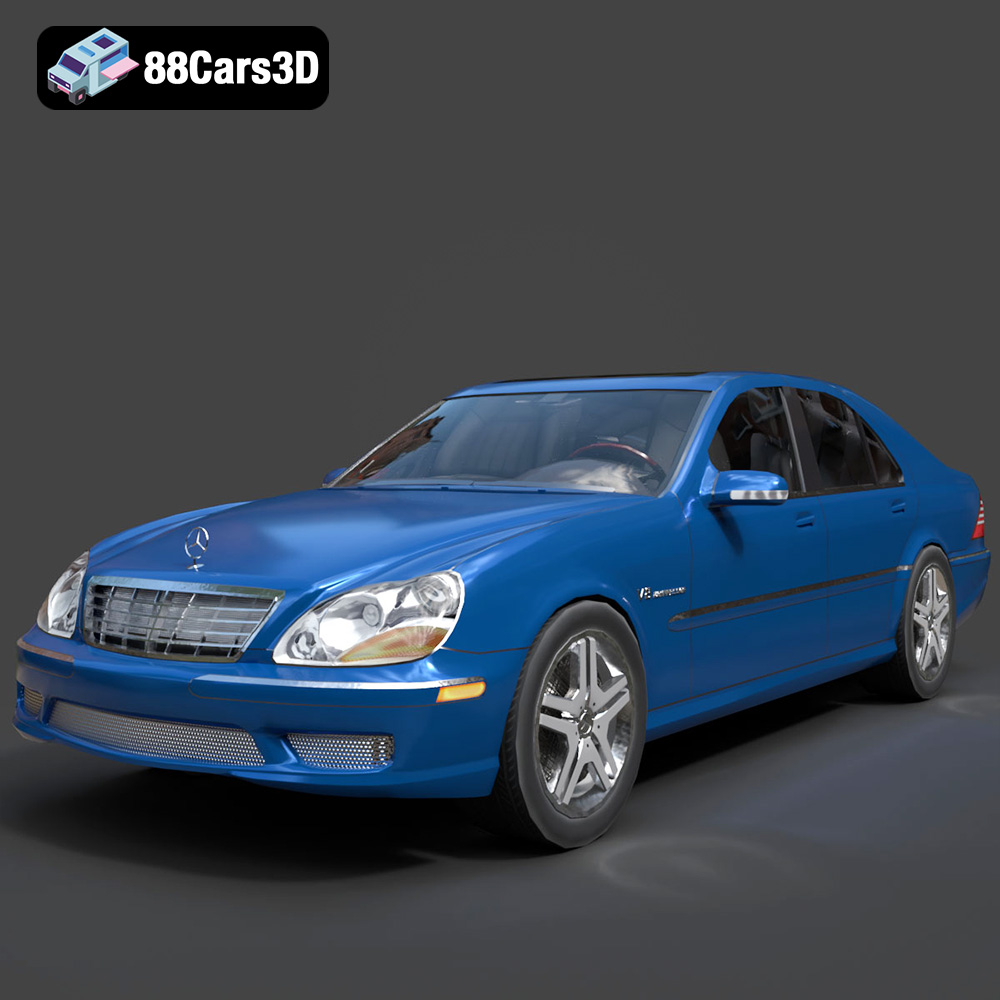
Mercedes-Benz S55 W220 AMG 1999 3D Model
Texture: Yes
Material: Yes
Download the Mercedes-Benz S55 W220 AMG 1999 3D Model featuring clean geometry, realistic detailing, and a fully modeled interior. Includes .blend, .fbx, .obj, .glb, .stl, .ply, .unreal, and .max formats for rendering, simulation, and game development.
Price: $23.99
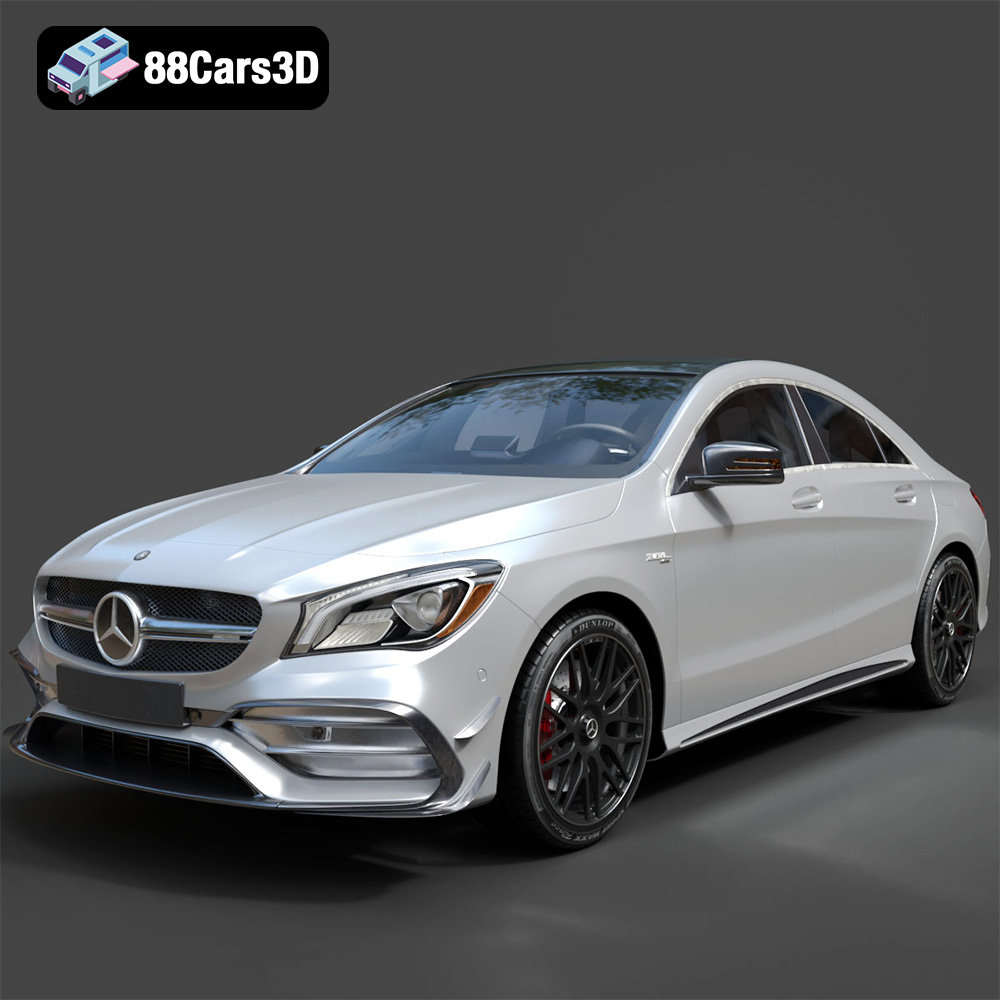
Mercedes-Benz CLA45 AMG 2017 3D Model
Texture: Yes
Material: Yes
Download the Mercedes-Benz CLA45 AMG 2017 3D Model featuring clean geometry, realistic detailing, and a fully modeled interior. Includes .blend, .fbx, .obj, .glb, .stl, .ply, .unreal, and .max formats for rendering, simulation, and game development.
Price: $38.99
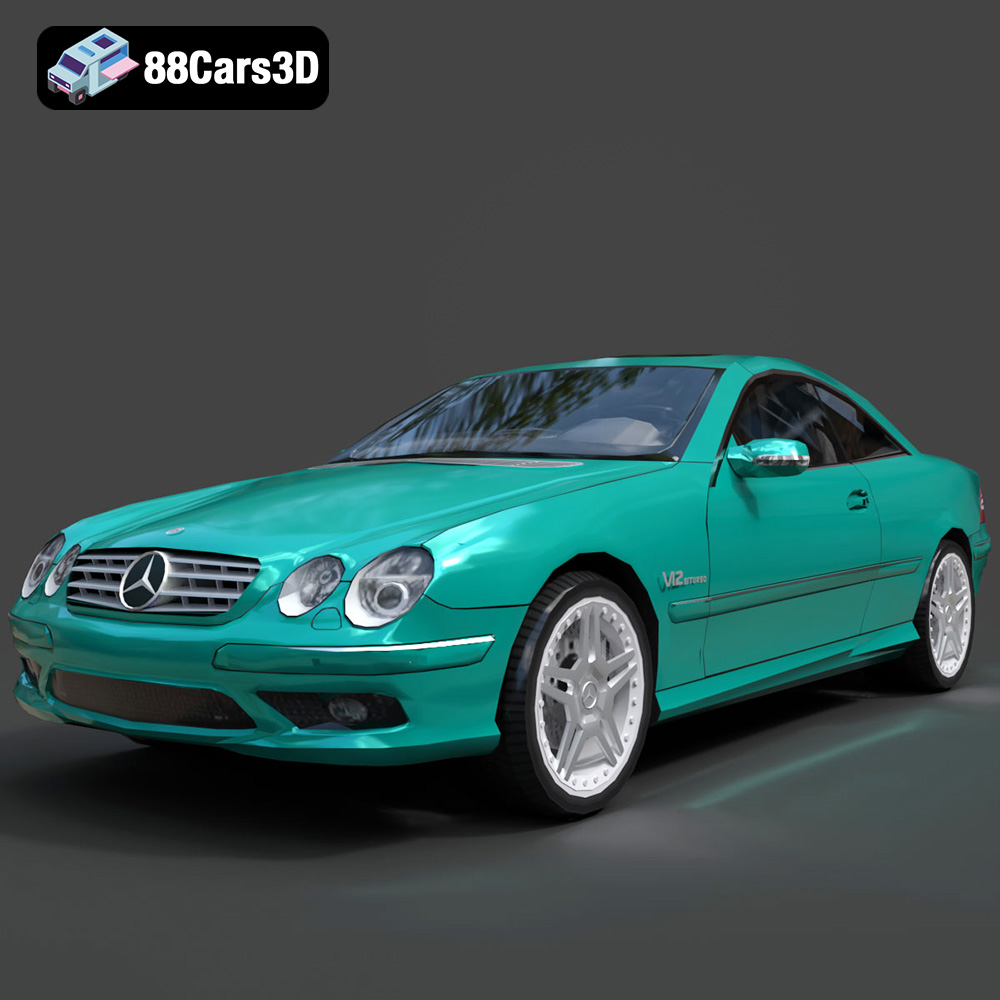
Mercedes-Benz CL65 C215 AMG 3D Model
Texture: Yes
Material: Yes
Download the Mercedes-Benz CL65 C215 AMG 3D Model featuring clean geometry, realistic detailing, and a fully modeled interior. Includes .blend, .fbx, .obj, .glb, .stl, .ply, .unreal, and .max formats for rendering, simulation, and game development.
Price: $23.99
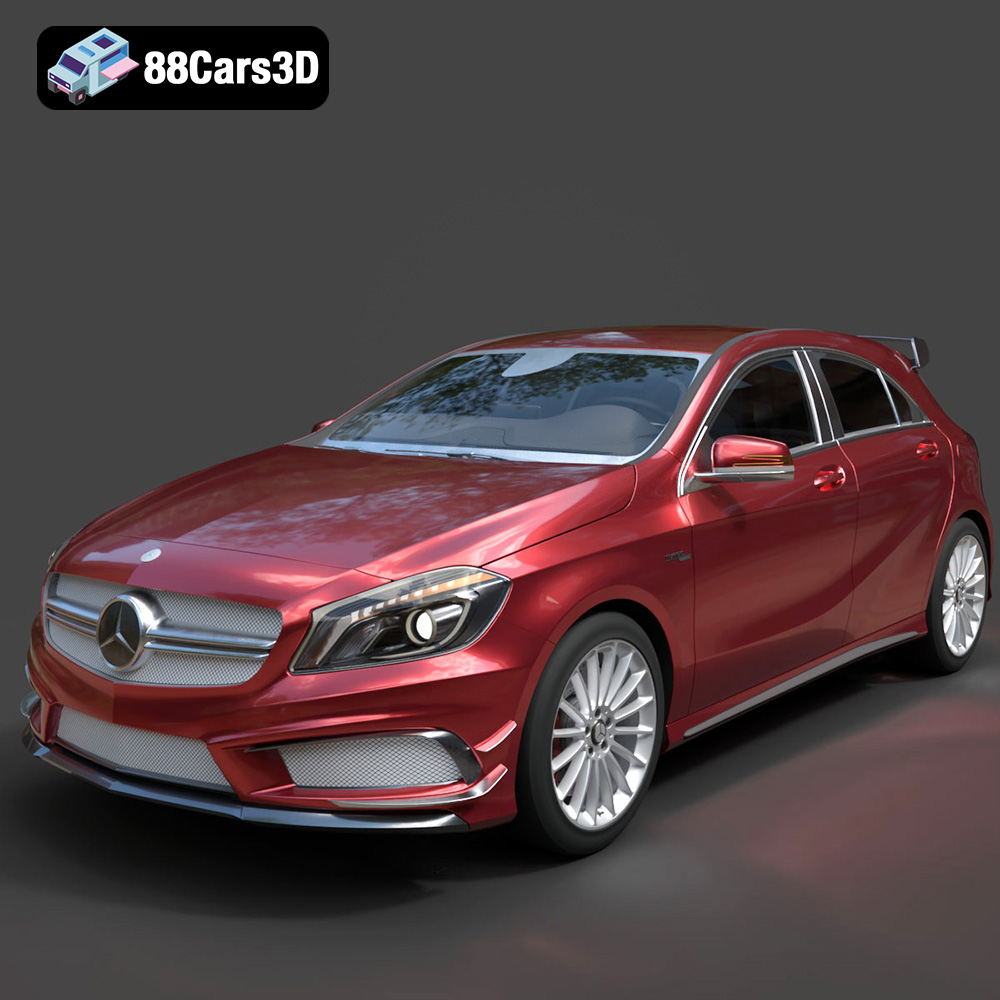
Mercedes-Benz A45 2021 3D Model
Texture: Yes
Material: Yes
Download the Mercedes-Benz A45 2021 3D Model featuring clean geometry, realistic detailing, and a fully modeled interior. Includes .blend, .fbx, .obj, .glb, .stl, .ply, .unreal, and .max formats for rendering, simulation, and game development.
Price: $23.99
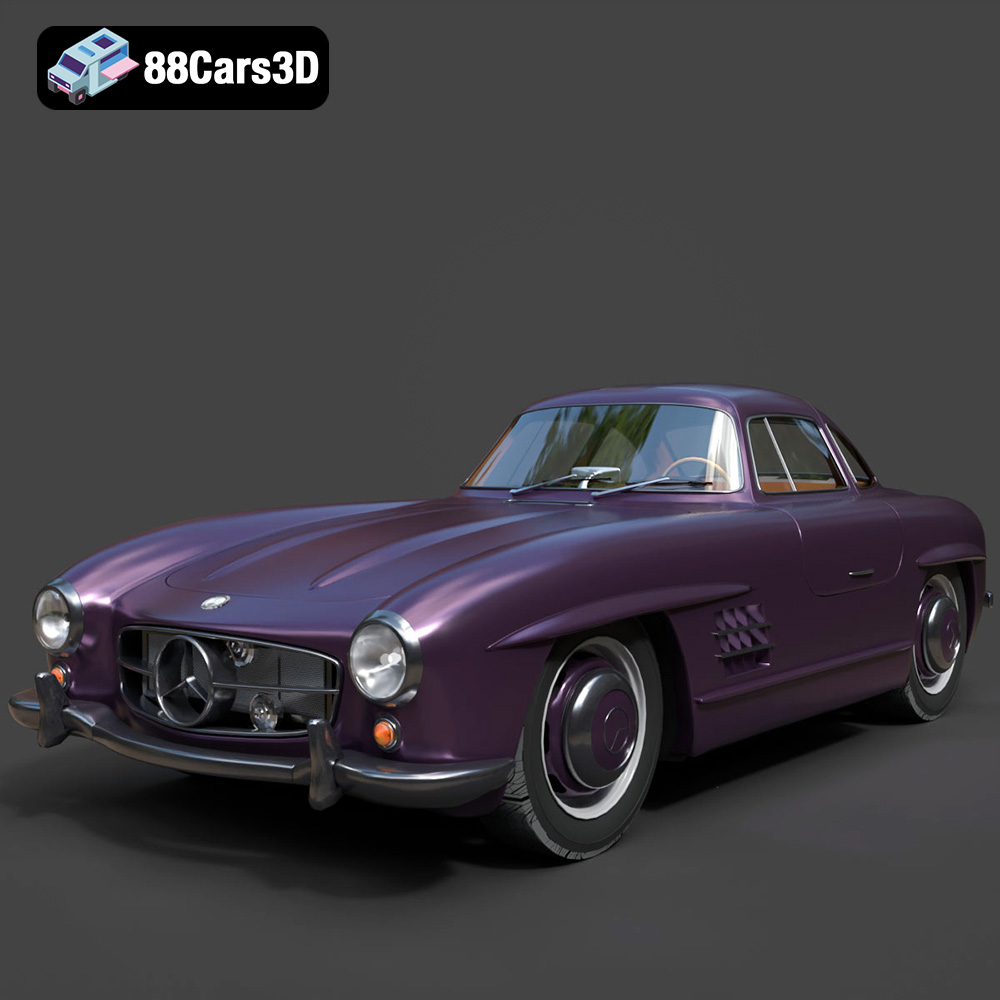
Mercedes-Benz 300SL 1955 3D Model
Texture: Yes
Material: Yes
Download the Mercedes-Benz 300SL 1955 3D Model featuring clean geometry, realistic detailing, and a fully modeled interior. Includes .blend, .fbx, .obj, .glb, .stl, .ply, .unreal, and .max formats for rendering, simulation, and game development.
Price: $23.99
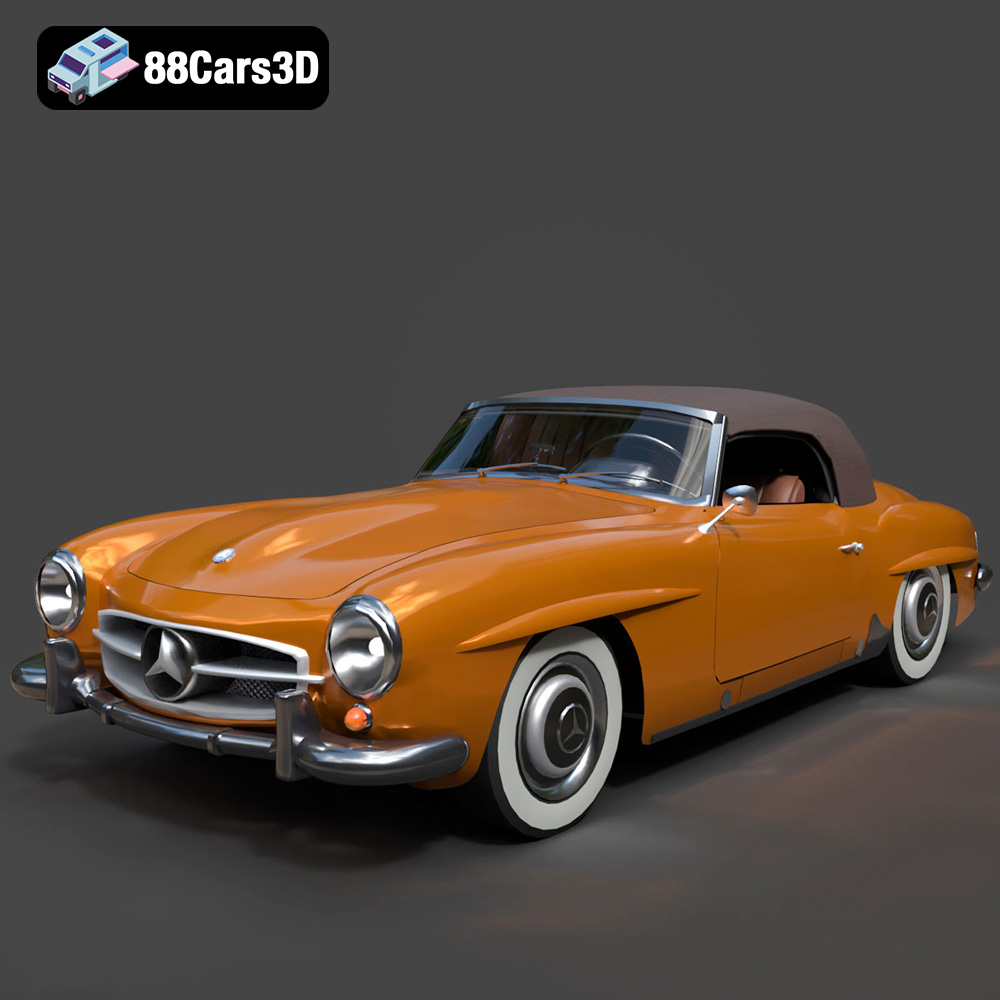
Mercedes-Benz 190SL 1955 3D Model
Texture: Yes
Material: Yes
Download the Mercedes-Benz 190SL 1955 3D Model featuring clean geometry, realistic detailing, and a fully modeled interior. Includes .blend, .fbx, .obj, .glb, .stl, .ply, .unreal, and .max formats for rendering, simulation, and game development.
Price: $23.99
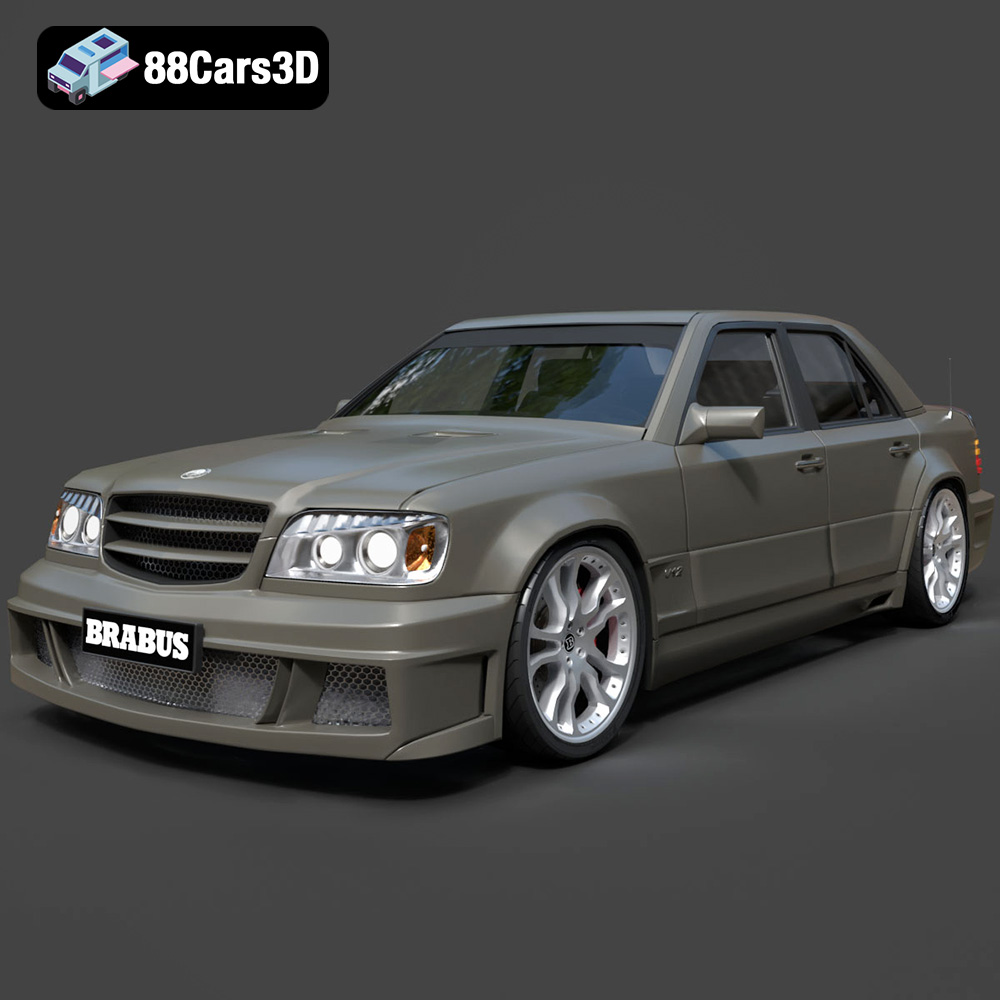
Mercedes-Benz W124 Brabus V12 3D Model
Texture: Yes
Material: Yes
Download the Mercedes-Benz W124 Brabus V12 3D Model featuring clean geometry, realistic detailing, and a fully modeled interior. Includes .blend, .fbx, .obj, .glb, .stl, .ply, .unreal, and .max formats for rendering, simulation, and game development.
Price: $23.99
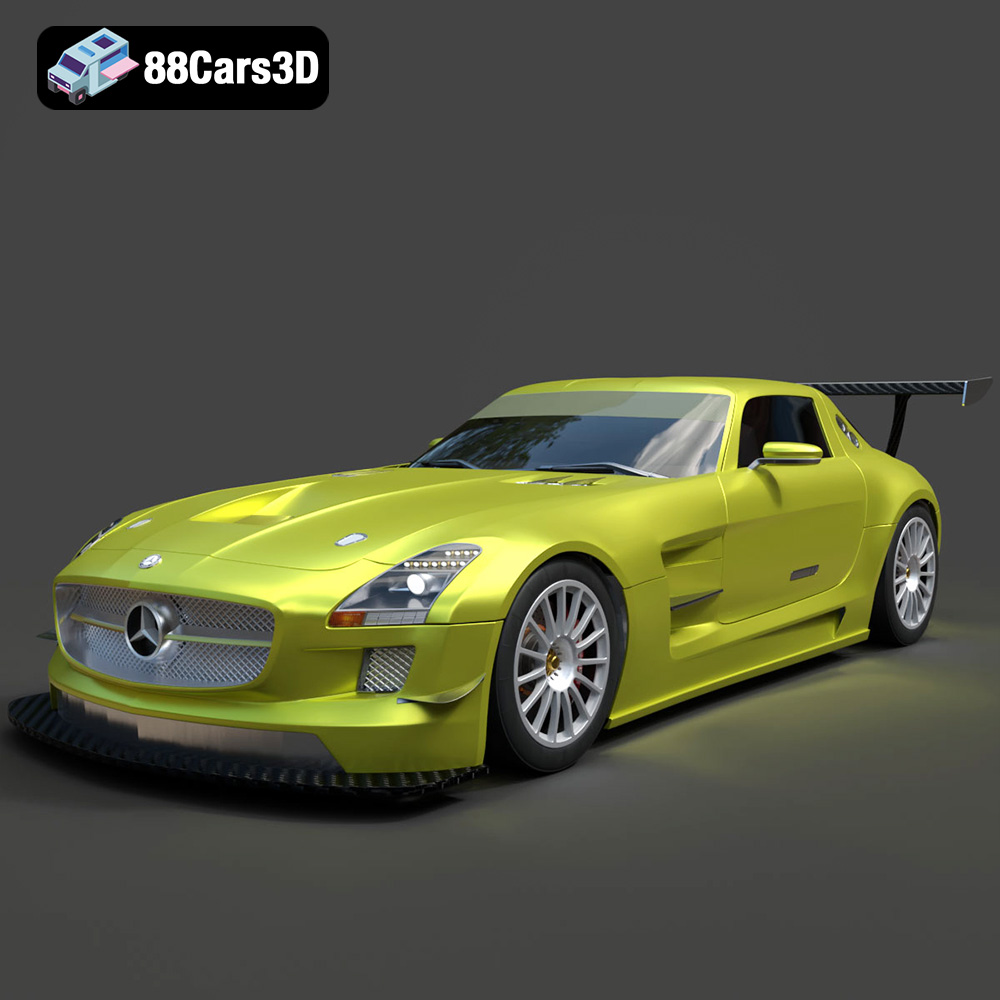
Mercedes-Benz SLS AMG GT3-002 3D Model
Texture: Yes
Material: Yes
Download the Mercedes-Benz SLS AMG GT3-002 3D Model featuring clean geometry, realistic detailing, and a fully modeled interior. Includes .blend, .fbx, .obj, .glb, .stl, .ply, .unreal, and .max formats for rendering, simulation, and game development.
Price: $38.99

Mercedes-Benz C-Class-001 3D Model
Texture: Yes
Material: Yes
Download the Mercedes-Benz C-Class-001 3D Model featuring clean geometry, realistic detailing, and a fully modeled interior. Includes .blend, .fbx, .obj, .glb, .stl, .ply, .unreal, and .max formats for rendering, simulation, and game development.
Price: $38.99
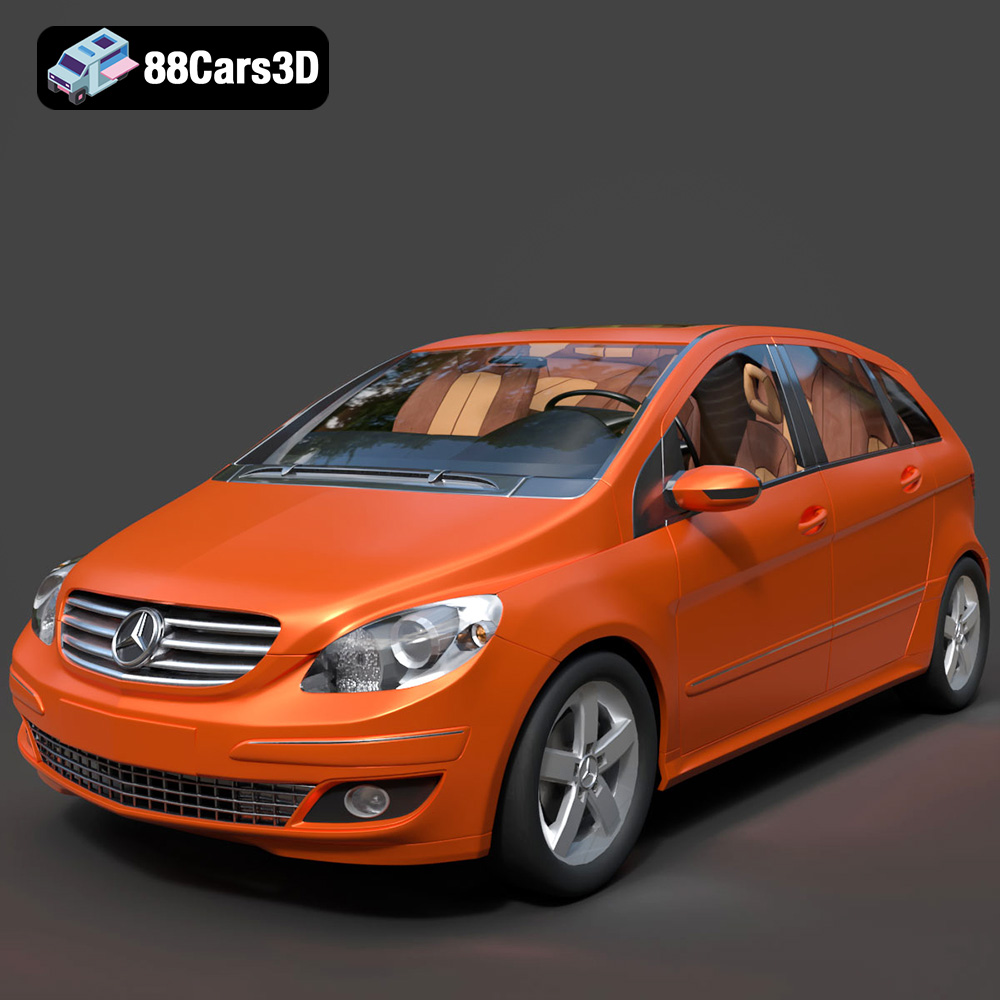
Mercedes-Benz B-Klasse 2023 3D Model
Texture: Yes
Material: Yes
Download the Mercedes-Benz B-Klasse 2023 3D Model featuring clean geometry, realistic detailing, and a fully modeled interior. Includes .blend, .fbx, .obj, .glb, .stl, .ply, .unreal, and .max formats for rendering, simulation, and game development.
Price: $38.99
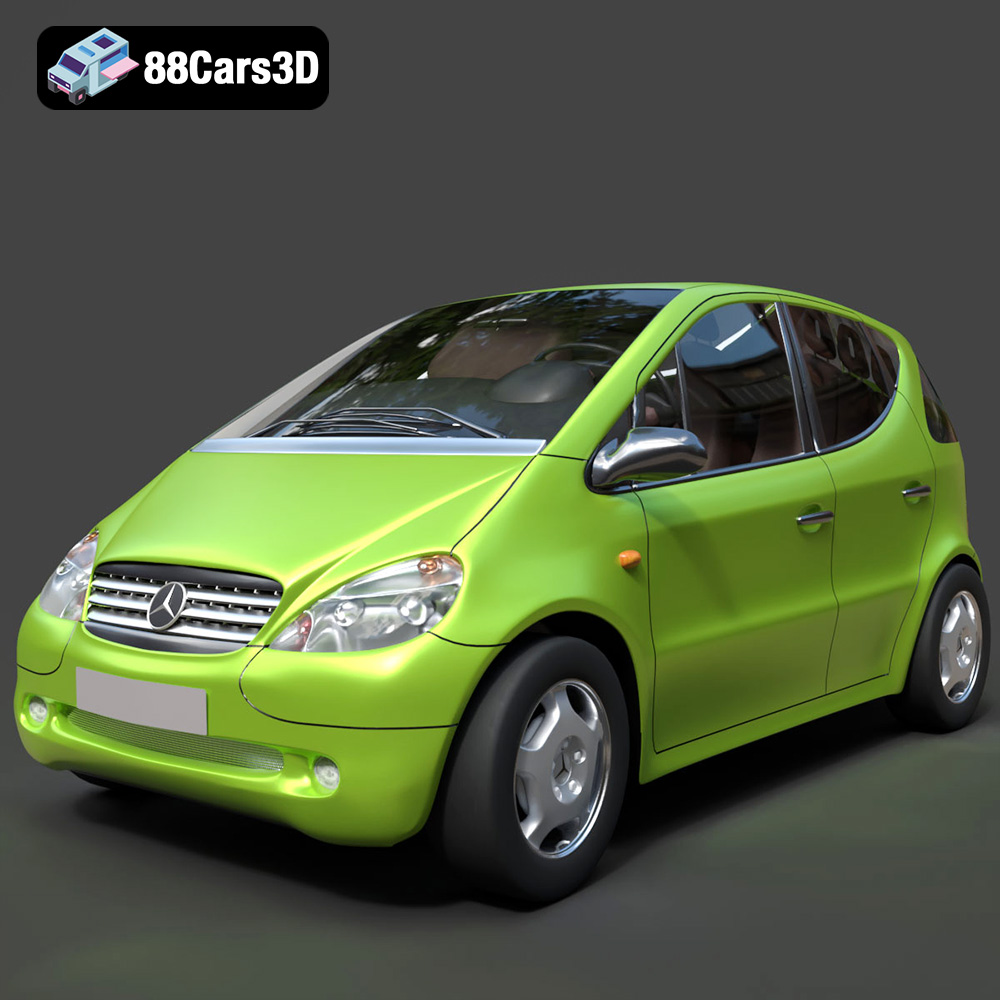
Mercedes-Benz A-Klasse W168 3D Model
Texture: Yes
Material: Yes
Download the Mercedes-Benz A-Klasse W168 3D Model featuring clean geometry, realistic detailing, and a fully modeled interior. Includes .blend, .fbx, .obj, .glb, .stl, .ply, .unreal, and .max formats for rendering, simulation, and game development.
Price: $38.99
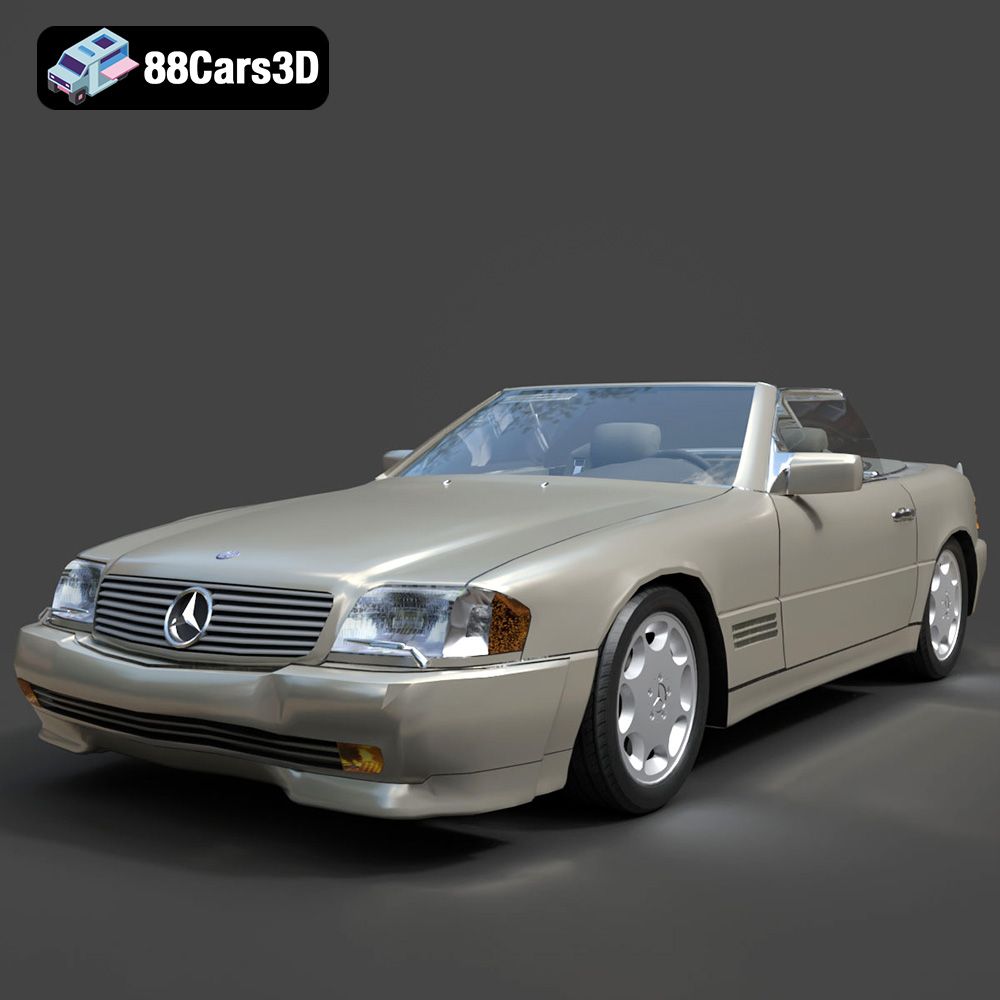
Mercedes-Benz 500SL 2000 3D Model
Texture: Yes
Material: Yes
Download the Mercedes-Benz 500SL 2000 3D Model featuring clean geometry, realistic detailing, and a fully modeled interior. Includes .blend, .fbx, .obj, .glb, .stl, .ply, .unreal, and .max formats for rendering, simulation, and game development.
Price: $38.99
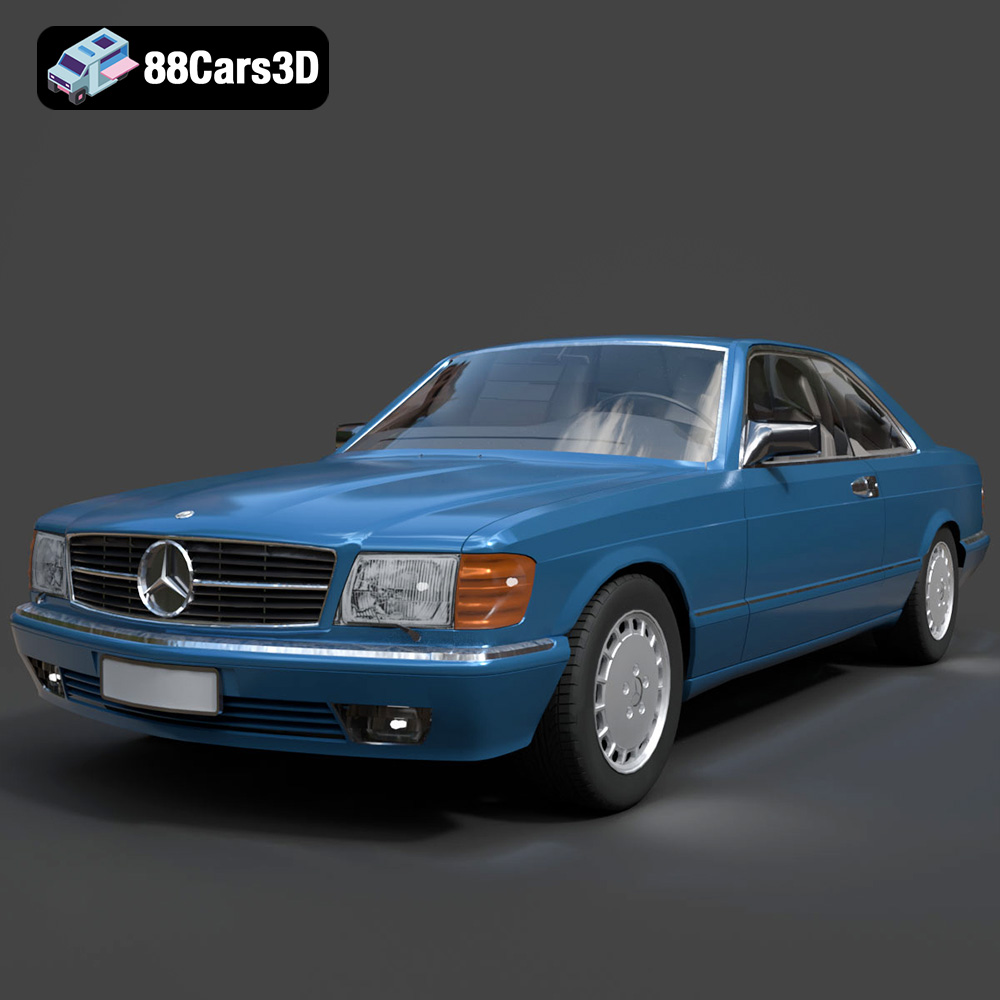
Mercedes-Benz 500SEC 3D Model
Texture: Yes
Material: Yes
Download the Mercedes-Benz 500SEC 3D Model featuring clean geometry, realistic detailing, and a fully modeled interior. Includes .blend, .fbx, .obj, .glb, .stl, .ply, .unreal, and .max formats for rendering, simulation, and game development.
Price: $38.99
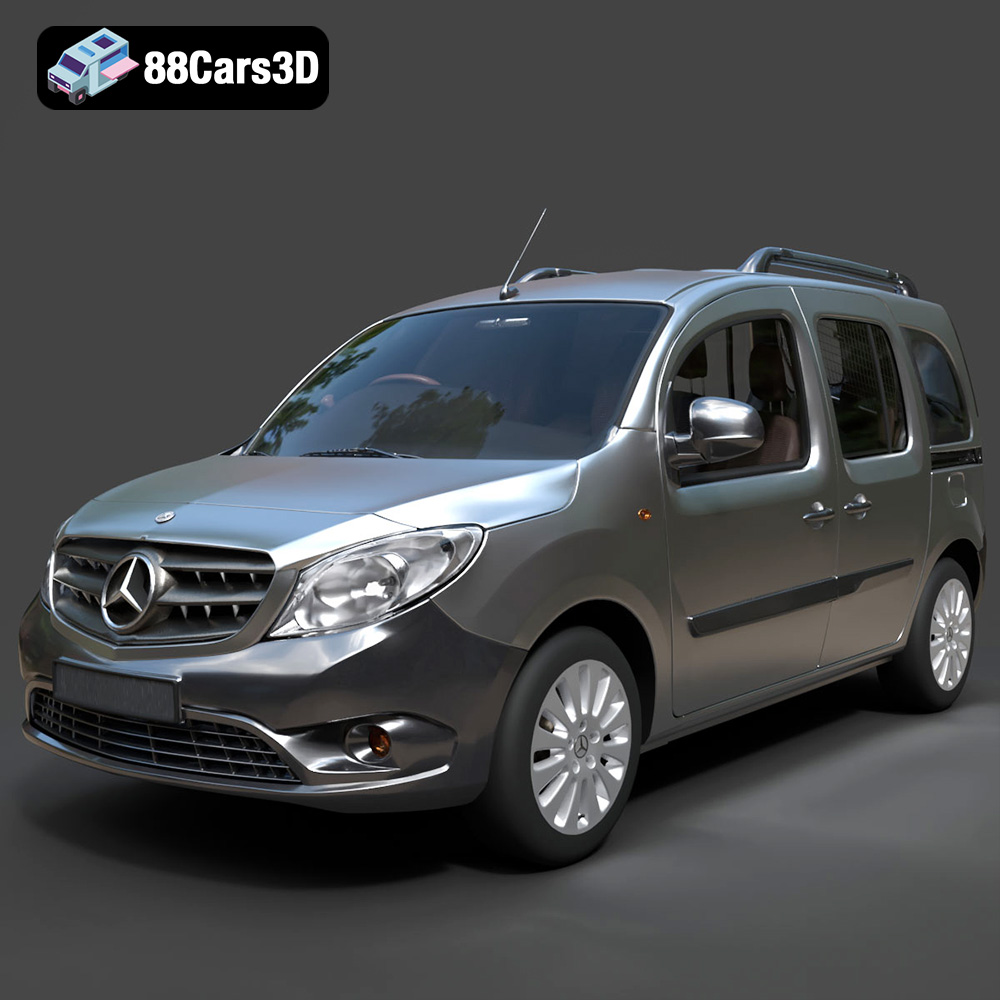
Mercedes-Benz Citan 2025 3D Model
Texture: Yes
Material: Yes
Download the Mercedes-Benz Citan 2025 3D Model featuring clean geometry, realistic detailing, and a fully modeled interior. Includes .blend, .fbx, .obj, .glb, .stl, .ply, .unreal, and .max formats for rendering, simulation, and game development.
Price: $38.99
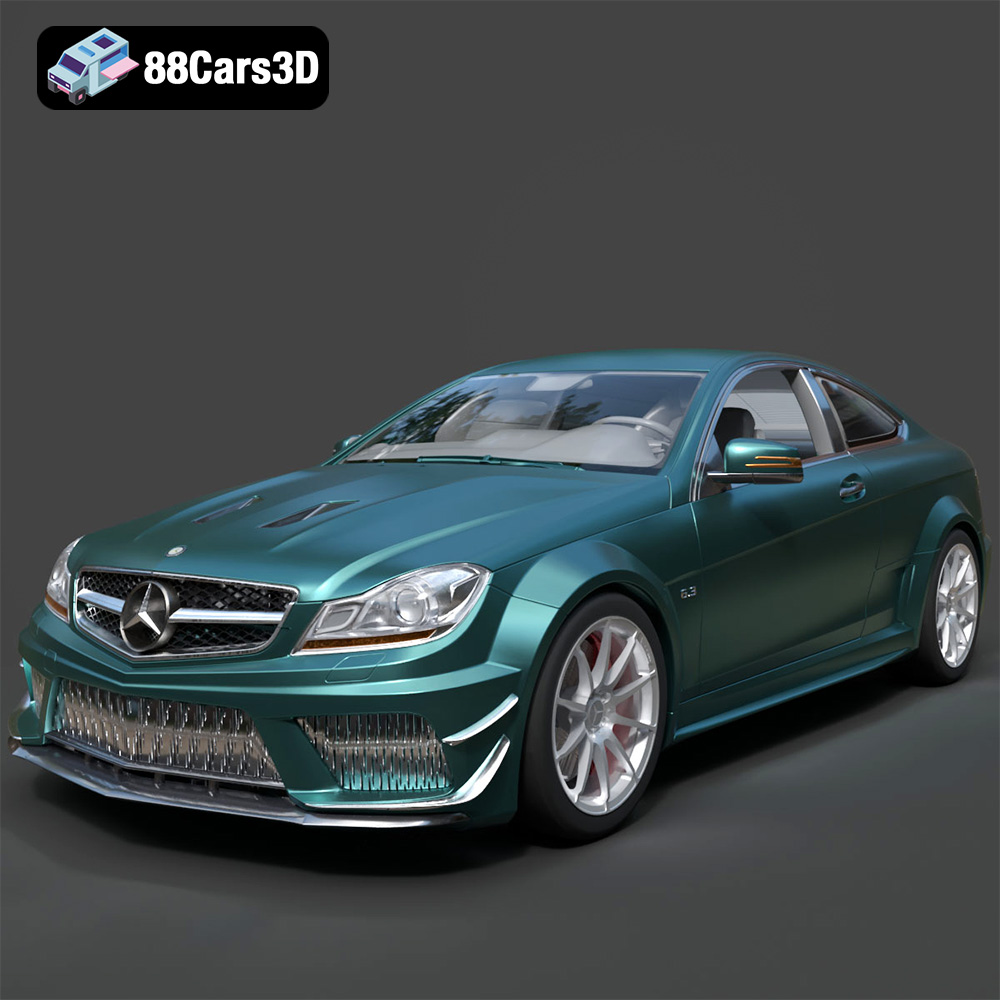
Mercedes-Benz C63 AMG 2012 3D Model
Texture: Yes
Material: Yes
Download the Mercedes-Benz C63 AMG 2012 3D Model featuring clean geometry, realistic detailing, and a fully modeled interior. Includes .blend, .fbx, .obj, .glb, .stl, .ply, .unreal, and .max formats for rendering, simulation, and game development.
Price: $38.99
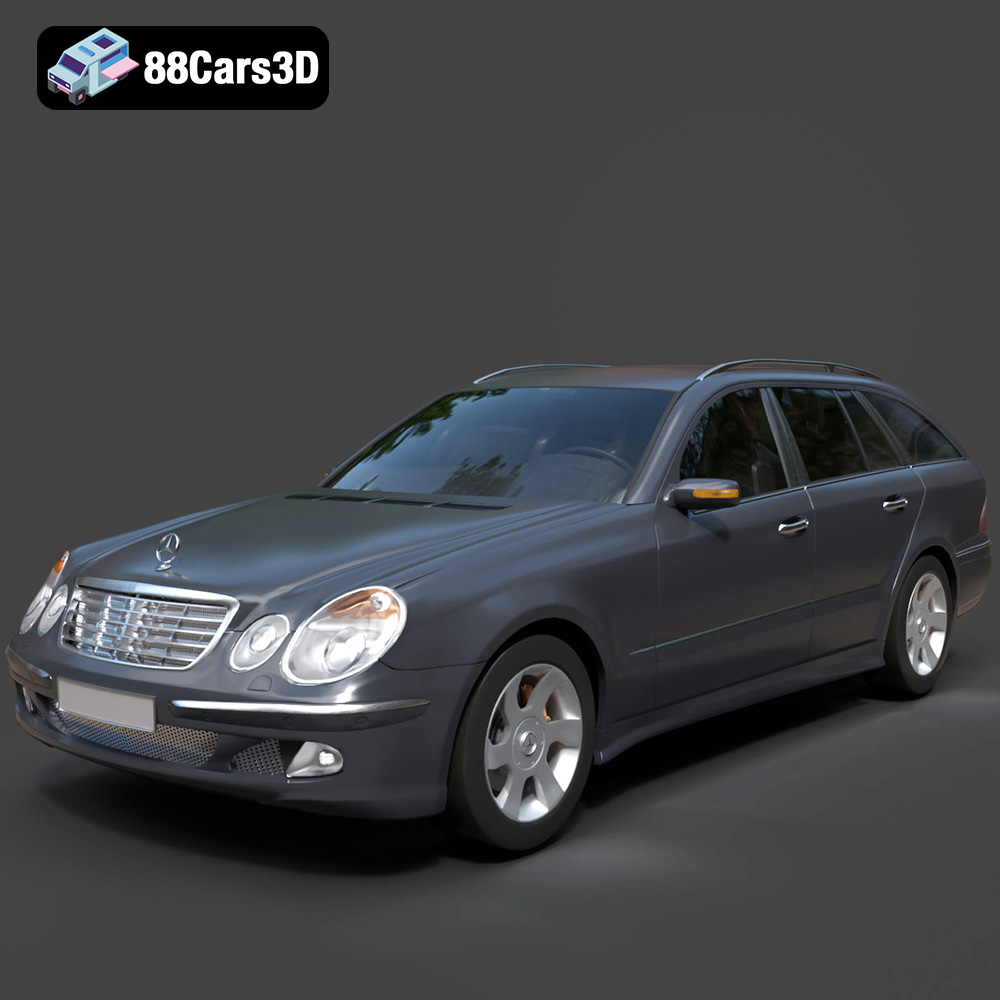
Mercedes-Benz E-Class S211 3D Model
Texture: Yes
Material: Yes
Download the Mercedes-Benz E-Class S211 3D Model featuring clean geometry, realistic detailing, and a fully modeled interior. Includes .blend, .fbx, .obj, .glb, .stl, .ply, .unreal, and .max formats for rendering, simulation, and game development.
Price: $38.99
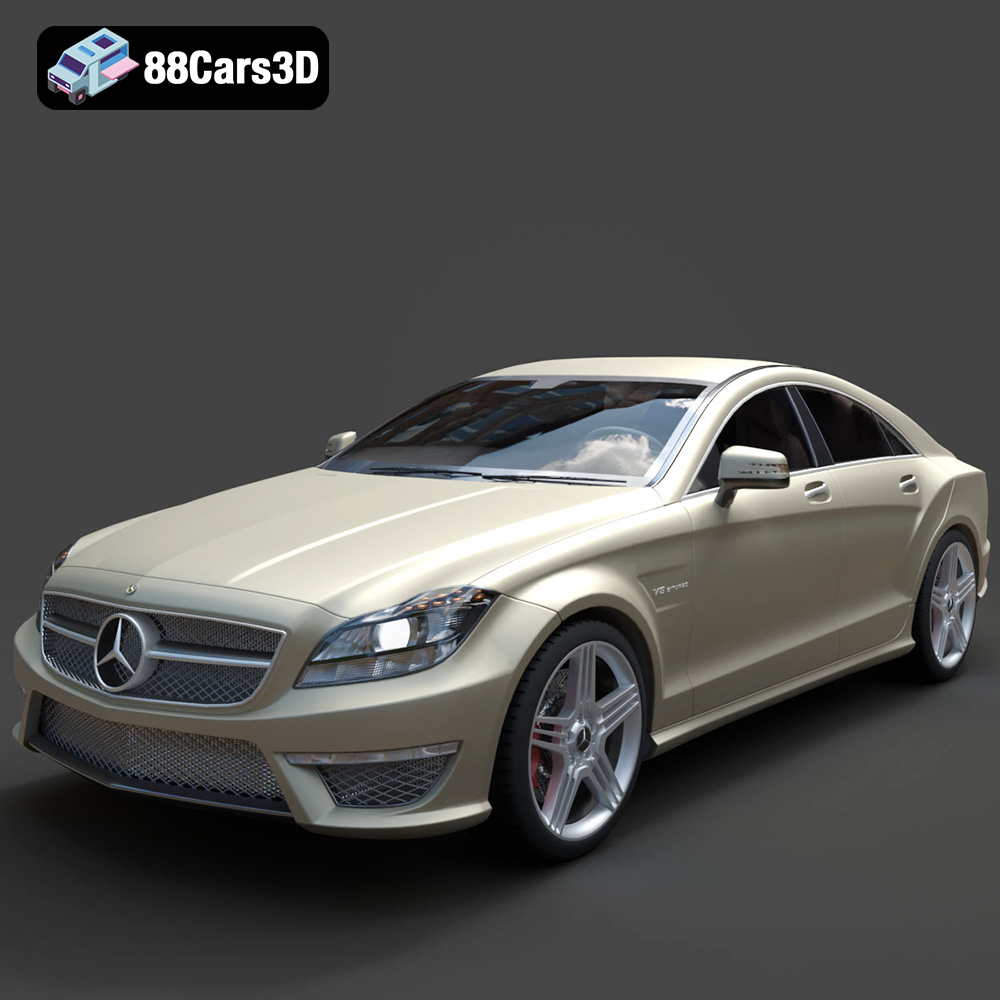
Mercedes-Benz CLS63 AMG (C218) 2014 3D Model
Texture: Yes
Material: Yes
Download the Mercedes-Benz CLS63 AMG (C218) 2014 3D Model featuring clean geometry, realistic detailing, and a fully modeled interior. Includes .blend, .fbx, .obj, .glb, .stl, .ply, .unreal, and .max formats for rendering, simulation, and game development.
Price: $38.99
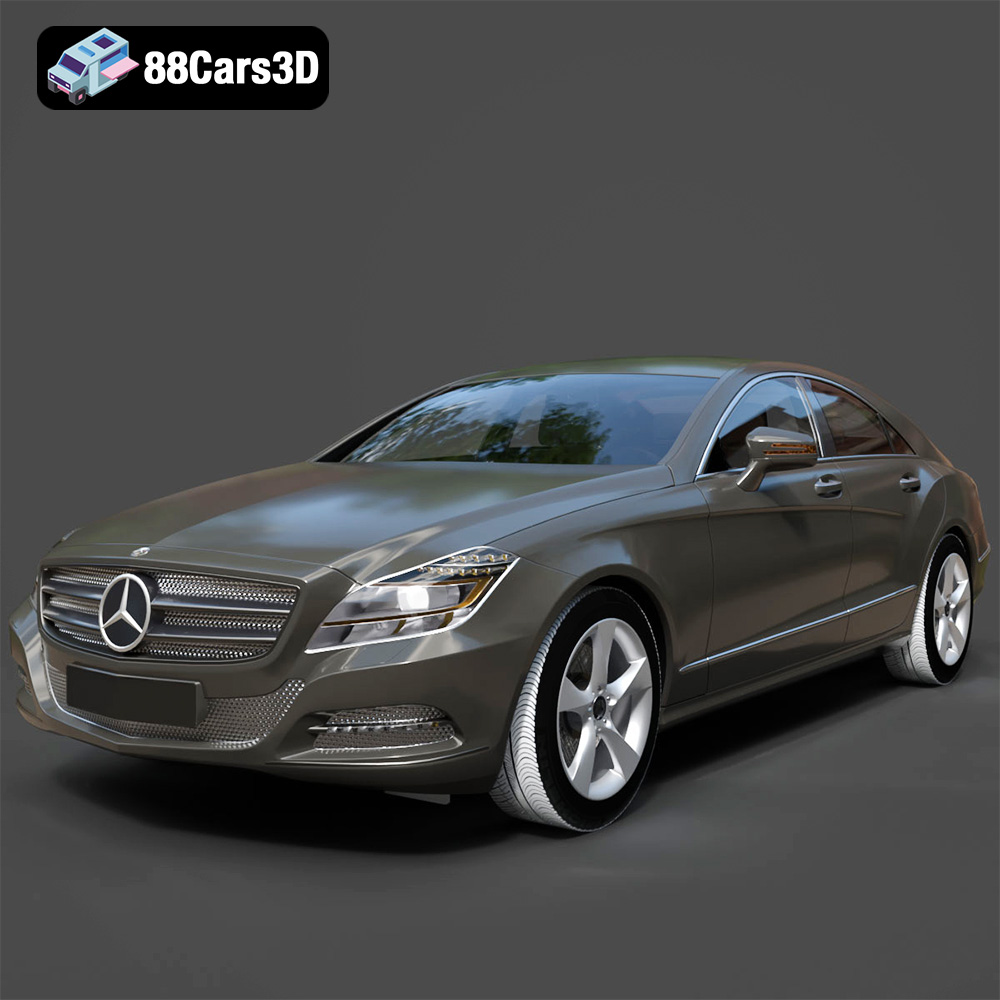
Mercedes-Benz CLS-Klasse 3D Model
Texture: Yes
Material: Yes
Download the Mercedes-Benz CLS-Klasse 3D Model featuring clean geometry, realistic detailing, and a fully modeled interior. Includes .blend, .fbx, .obj, .glb, .stl, .ply, .unreal, and .max formats for rendering, simulation, and game development.
Price: $38.99
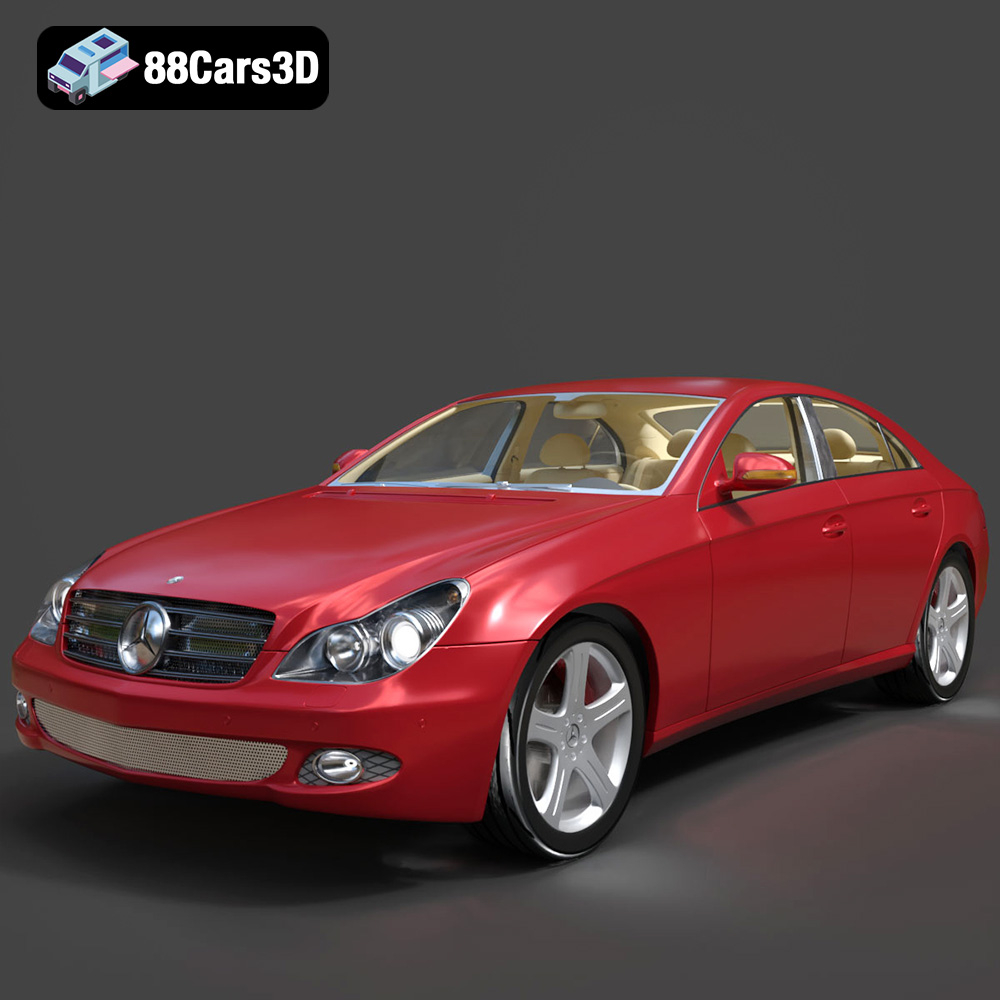
Mercedes-Benz CLS 500 3D Model
Texture: Yes
Material: Yes
Download the Mercedes-Benz CLS 500 3D Model featuring clean geometry, realistic detailing, and a fully modeled interior. Includes .blend, .fbx, .obj, .glb, .stl, .ply, .unreal, and .max formats for rendering, simulation, and game development.
Price: $38.99

Mercedes-Benz CL-Klasse 2001 3D Model
Texture: Yes
Material: Yes
Download the Mercedes-Benz CL-Klasse 2001 3D Model featuring clean geometry, realistic detailing, and a fully modeled interior. Includes .blend, .fbx, .obj, .glb, .stl, .ply, .unreal, and .max formats for rendering, simulation, and game development.
Price: $38.99
