
Deconstructing Automotive Paint Layers: The PBR Foundation

The gleam of a perfectly rendered automobile, reflecting its environment with breathtaking clarity, is often the defining factor between a good 3D visualization and a truly cinematic masterpiece. For artists and designers working in Unreal Engine 5, achieving hyper-realistic car paint isn’t just about applying a basic material; it’s a meticulous process involving advanced material techniques, a deep understanding of physically based rendering, and an eye for intricate detail. If you’ve ever found yourself struggling to capture that authentic, deep luster or the subtle sparkle of metallic flakes, you’re not alone. The secret lies in deconstructing real-world automotive paint and rebuilding it digitally with precision.
This comprehensive guide will demystify the process, revealing the advanced material techniques necessary to create stunning, cinematic car paint in Unreal Engine 5. We’ll dive deep into the Unreal Engine 5 Material Editor, exploring how to craft complex, multi-layered shaders that breathe life into your models. By the end, you’ll possess the knowledge to elevate your automotive renders to an unparalleled level of realism. To start practicing these techniques, consider exploring the high-quality, pre-modeled vehicles available at 88cars3d.com, providing you with the perfect canvas for your material experiments.
Deconstructing Automotive Paint Layers: The PBR Foundation
Before we even touch the Unreal Engine 5 Material Editor, it’s crucial to understand the physical makeup of automotive paint. Real-world car finishes are complex, multi-layered systems, and a true PBR car paint shader must accurately simulate these layers to achieve genuine automotive rendering realism. This foundation is the essence of a robust physically based rendering workflow.
At its core, automotive paint typically consists of several distinct layers, each contributing to the final look, durability, and texture:
- Primer: Applied directly to the bare metal or composite body, primer provides a smooth, adhesive base for subsequent layers and offers corrosion resistance. While not always directly visible, it influences the overall absorption of light by the base coat.
- Base Coat: This is the color layer. It can be solid, metallic, or pearlescent. Crucially, if the paint has a metallic finish, this is where the tiny, reflective metallic flakes texture resides, suspended within the pigment. The size, density, and orientation of these flakes determine the paint’s sparkle and “flop” effect.
- Clear Coat Layer: This is perhaps the most critical layer for visual fidelity in rendering. A transparent, high-gloss layer of resin, the clear coat provides protection against UV rays, scratches, and chemical etching. More importantly for us, it’s responsible for the deep reflections, the wet look, and the overall gloss of the paint. It acts like a separate, highly reflective surface on top of the base coat.
Different types of car paint leverage these layers in various ways:
- Solid Paint: A simple base coat of pigment, often with a clear coat on top. Straightforward to simulate.
- Metallic Paint: Incorporates tiny aluminum or mica flakes in the base coat, giving it a sparkling effect that changes with viewing angle. The metallic flakes texture is paramount here.
- Pearlescent/Mica Paint: Uses ceramic or mica particles that refract and reflect light, creating a shimmering, color-shifting effect.
- Matte/Satin Paint: Achieved by a clear coat with a high roughness value or by additives that diffuse light rather than reflect it specularly, resulting in a non-glossy finish.
Understanding these physical properties is the first step in translating them into parameters within your Unreal Engine 5 material. Every metallic, roughness, and normal map you create should contribute to the illusion of these distinct layers, operating under the principles of physically based rendering.
Mastering the Unreal Engine 5 Material Editor for Car Paint
Now that we understand the physical composition, let’s translate that knowledge into a powerful PBR car paint shader using the Unreal Engine 5 Material Editor. Our goal is to create a shader that is not only visually stunning but also flexible enough to handle various paint types.
The Base Layer: Color and Metallic Sheen
The foundation of our car paint material starts with the base color and metallic properties. This mimics the pigmented base coat:
- Base Color: This is straightforward. Use a
Vector3parameter for solid colors or aTextureSamplefor more complex patterns or gradients. For metallic paints, this color will be heavily influenced by the metallic flakes later. - Metallic Input: This value determines how much the material behaves like a metal. For a metallic car paint, you’ll want this value to be relatively high (e.g., 0.8-1.0) to represent the metallic flakes embedded within the clear coat. However, it’s important to remember that the base color itself isn’t fully metallic; the flakes are. We’ll refine this.
- Roughness: The base coat beneath the clear coat would typically have a moderate roughness if exposed. However, since it’s underneath a clear coat, its direct influence on primary reflections is diminished. We’ll manage roughness for the clear coat separately. For solid colors, a low roughness value (e.g., 0.2-0.4) might be a good starting point for the base layer if you aren’t using a clear coat, but for realistic automotive paint, the clear coat dominates.
For truly advanced control, you might layer multiple material attributes using BlendMaterialAttributes nodes, treating the base coat as one set of attributes and the clear coat as another. This offers incredible flexibility.
Simulating Metallic Flakes with Precision
The metallic flakes texture is what gives metallic paint its characteristic sparkle and depth. Simply setting a ‘Metallic’ value isn’t enough; we need to simulate millions of microscopic flakes. This is where advanced normal mapping and custom logic come into play:
- Flake Normal Map: The most effective way to simulate metallic flakes is by using a high-frequency normal map that creates tiny, sparkling reflections. This map should ideally be generated proceduraly or from specialized textures designed for flakes. Connect this normal map to the `Normal` input of your material.
- Controlling Flake Appearance:
- UV Tiling: Use a
TextureCoordinatenode with a high tiling value (e.g., 50×50 or 100×100) to make the flakes appear microscopic. - Flake Strength: Use a
Lerpnode to blend between a flat normal and your flake normal map, driven by a parameter. This allows you to control the intensity of the flake effect. - Flake Color/Reflectivity: While the flakes primarily contribute to reflections, you can subtly influence the base color by blending in a very desaturated, bright version of your base color with the flake normal strength. The flakes are metals, so they reflect the environment.
- “Flop” Effect: This is the change in color/brightness as the viewing angle changes. While complex to simulate perfectly, using Fresnel effects on the flake contribution can help, or blending different base color values based on a `DotProduct` between the camera vector and surface normal.
- UV Tiling: Use a
- Anisotropy: Real car paint often exhibits subtle anisotropic reflections due to microscopic parallel scratches or the alignment of metallic flakes. While UE5’s default PBR model doesn’t have a direct ‘Anisotropy’ input, you can simulate it for specific effects (like swirl marks) by rotating normal map channels or using custom shader code, though this can get very advanced.
The key here is subtlety. The flakes should be visible, but not overwhelming, contributing to the paint’s depth rather than distracting from its form. A well-crafted metallic flakes texture will dramatically enhance the realism of your automotive renders.
The Crucial Clear Coat Layer
The clear coat layer is the transparent, glossy film that sits atop the base coat and metallic flakes. It’s responsible for the intense reflections, the feeling of depth, and the ‘wet’ look of car paint. Unreal Engine 5 provides a dedicated workflow for clear coat, simplifying its implementation:
- Enable Clear Coat: In your Material’s Details panel, under the ‘Shading Model’ dropdown, select ‘Clear Coat’. This will expose new inputs in your material graph: `ClearCoat`, `ClearCoatRoughness`, and `ClearCoatNormal`.
- ClearCoat Input: This is a scalar value (0-1) that controls the presence and intensity of the clear coat. For full realism, you’ll typically want this set to 1.
- ClearCoatRoughness: This is critical. A perfectly pristine, highly polished car will have a very low `ClearCoatRoughness` (e.g., 0.02-0.05). Adding subtle variations to this value using grunge maps or noise textures can introduce micro-scratches and orange peel effects, which we’ll discuss next.
- ClearCoatNormal: While the primary normal map dictates the underlying surface, you can use a separate, very subtle normal map here to simulate micro-surface details like orange peel or very fine scratches on the clear coat itself, separate from the base layer.
- Fresnel Effects: The clear coat naturally exhibits Fresnel reflectance – meaning it reflects more light at glancing angles and less when viewed head-on. UE5’s PBR model handles much of this automatically for the clear coat, but understanding this principle is key to appreciating its visual behavior, especially with environment reflections.
The interaction between the highly reflective clear coat layer and the underlying metallic flakes is what creates that captivating depth and sparkle. Pay close attention to the `ClearCoatRoughness` and ensure it’s tuned to reflect the desired level of polish and wear.
Infusing Imperfections: The Art of Subtle Realism
While a pristine, factory-fresh render looks impressive, true automotive rendering realism often comes from the subtle introduction of imperfections. No real-world car is perfectly flawless, and these minute details can dramatically enhance believability and connection with the viewer. This is a crucial step in any realistic physically based rendering workflow.
Micro-Scratches and Swirl Marks
These are the faint, hairline scratches often caused by washing or polishing. They are almost invisible head-on but become apparent under specific lighting conditions, especially when light catches them at an angle:
- Roughness Variation: This is the primary method. Create a very subtle grayscale texture map with fine lines and swirls. Blend this map with your base `ClearCoatRoughness` value. Where the lines are brighter, the roughness will be slightly higher, breaking up the perfect reflection.
- Anisotropic Effects (Simulated): While UE5 doesn’t have a direct anisotropy control for car paint, you can simulate its visual effect for scratches. A more advanced technique involves using a custom normal map that slightly shifts the normals in a swirling pattern, contributing to the streaky reflection. Alternatively, a combination of roughness maps and subtly offset normal maps can achieve a similar visual breakup.
- Layering: Use multiple noise or grunge textures with different scales and rotations, blending them together with small `Multiply` or `Add` nodes to create complex, organic-looking scratch patterns.
Orange Peel and Surface Variation
Orange peel refers to a texture resembling the skin of an orange, a slight waviness often present in sprayed paint finishes, even on brand new vehicles. It’s a subtle yet important detail:
- Subtle Normal Maps: Apply a very low-strength normal map to the `ClearCoatNormal` input. This normal map should be a fine, organic noise pattern, barely perceptible. The goal is to slightly distort reflections, preventing them from being perfectly mirror-like.
- Roughness Micro-Variation: Complement the normal map with a similarly subtle noise map connected to `ClearCoatRoughness`. This variation helps to soften the reflections and diffuse light in a realistic way.
Dust, Smudges, and Wear
These elements ground your car in its environment and tell a story:
- Grunge Maps and Masks: Use grunge textures (e.g., smudges, dust speckles, fingerprints) as masks to blend in areas of slightly increased roughness or even subtle discoloration. You can create a second, slightly dirtier version of your clear coat (higher roughness, perhaps a slight tint) and blend it with your clean clear coat using these masks.
- Vertex Painting for Localization: For targeted wear and tear (e.g., scuffs around door handles, dirt accumulation in crevices), leverage vertex colors on your model. You can paint these masks directly onto your mesh in UE5 (or your 3D software) and use them in your material to blend between clean and dirty states.
For generating these intricate textures – from base color to metallic, roughness, normal, height, and ambient occlusion maps – Substance Painter integration is an invaluable part of the physically based rendering workflow. Substance Painter allows you to procedurally or manually layer materials, add wear and tear, and export a complete set of PBR textures perfectly suited for the Unreal Engine 5 Material Editor. Using Substance Painter, you can achieve granular control over every aspect of your paint, ensuring that even the most minute imperfections contribute to overall automotive rendering realism.
Lighting and Environment: The Ultimate Material Enhancer
Even the most meticulously crafted car paint material will fall flat under poor lighting. Light is what truly brings a surface to life, revealing its properties, depth, and imperfections. For automotive rendering realism in UE5, proper lighting and the accurate capture of environment reflections are paramount.
Leveraging Lumen for Dynamic Global Illumination
Unreal Engine 5’s Lumen global illumination system is a game-changer for realistic lighting, especially for reflective surfaces like car paint:
- Real-time GI and Reflections: Lumen provides dynamic global illumination and high-quality software ray-traced reflections. This means bounce light, color bleeding, and complex reflection interactions are calculated in real-time, making your car paint react realistically to its surroundings.
- Lumen Settings: Ensure Lumen is enabled in your Project Settings (Engine > Rendering > Global Illumination, Reflection). Experiment with settings like ‘Final Gather Quality’ and ‘Max Trace Distance’ to balance visual fidelity and performance. For cinematic shots, you’ll want higher quality settings.
- Interaction with Clear Coat: Lumen’s accurate handling of indirect light and reflections is crucial for the clear coat layer. It will realistically reflect the environment onto the paint, enhancing the sense of depth and realism.
HDRI and Reflection Captures
Environment reflections are the lifeblood of realistic car paint. An HDRI (High Dynamic Range Image) acts as both a primary light source and an infinite reflection source, providing highly detailed and accurate reflections:
- HDRI Sky Spheres: Import a high-quality HDRI and apply it to a Sky Sphere or use the Sky Atmosphere system to drive it. The reflections from the HDRI will immediately add incredible realism to your car paint, showing off its gloss and metallic properties.
- Reflection Captures (Sphere & Box): While Lumen provides dynamic reflections, Sphere Reflection Captures and Box Reflection Captures still play a vital role, especially for static, complex environments or to fine-tune specific reflection areas. Place them strategically around your car to capture local reflections more accurately than global Lumen reflections might initially. This is particularly important for areas that might have subtle reflections from nearby objects not fully captured by the global Lumen solution.
- Importance of Environment: Remember that car paint reflects its surroundings. A bland, empty environment will result in bland reflections. Always ensure your automotive scene is rich with interesting elements for the paint to reflect.
Strategic Lighting Setups
Beyond global illumination, targeted lights are essential for showcasing specific aspects of your car paint and achieving a cinematic look:
- Key Light: The main light source, defining the primary shape and highlights. Position it to emphasize the car’s contours and catch the clear coat’s specular highlights.
- Fill Light: Softens shadows created by the key light, preventing areas from being too dark. This light helps reveal details in shaded regions of the paint.
- Rim Light: Placed behind the car, pointing towards the camera, to create a bright outline that separates the car from the background and highlights its silhouette. This is excellent for emphasizing the car’s form and the sheen of the clear coat layer.
- Softboxes and Studio Setups: For a clean, studio-style render, emulate real-world photography setups with large, soft area lights (Rect Lights in UE5) to create beautiful, sweeping reflections across the car’s body. These controlled lighting environments are perfect for highlighting the intricate details of your PBR car paint shader and achieving ultimate automotive rendering realism.
- Exposure and Post-Processing: Fine-tune your camera’s exposure settings and use UE5’s Post Process Volume to add final touches like color grading, bloom, and subtle chromatic aberration, which can further enhance the perception of light and reflection.
Optimization and Iteration for Production-Ready Assets
Creating highly detailed, complex car paint materials in Unreal Engine 5 is an artistic endeavor, but for production, performance and flexibility are equally important. Even with Lumen’s capabilities, an unoptimized material can bring your framerate to its knees, especially if you’re working on an interactive experience or a game.
Material Instancing for Flexibility
Once you’ve built your master PBR car paint shader in the Unreal Engine 5 Material Editor, always convert its parameters into Material Instances. This is a non-negotiable step for efficiency and ease of use:
- Parameter Control: By converting properties like base color, metallic flake intensity, clear coat roughness, and imperfection blend amounts into parameters, you can create multiple variations (e.g., red metallic, blue metallic, matte black) from a single master material without recompiling the shader each time. This saves immense amounts of time during iteration.
- Performance: Material instances are far more performant than having multiple unique master materials, as they share the same underlying shader code.
Shader Complexity and Instructions
While modern GPUs are powerful, highly complex shaders can still become a bottleneck. Keep an eye on your shader instruction count:
- Profile GPU: Use the ‘Profile GPU’ command in UE5 to identify material instruction counts and optimize areas where performance is low.
- Simplification: Can you achieve a similar visual effect with fewer nodes? For example, instead of blending multiple complex noise textures, can a single, well-chosen grunge map suffice for roughness variation?
- Feature Switches: For features that might not always be needed (e.g., extreme levels of dust or specific types of scratches), use Static Switch Parameters in your master material. These compile different shader versions based on the switch, ensuring that unnecessary instructions are not computed when a feature is turned off in a Material Instance.
Iterative Refinement
Achieving truly cinematic car paint is rarely a one-shot process. It requires constant iteration and refinement:
- Test in Various Lighting: Always view your material under different lighting conditions – bright sunlight, overcast, indoor studio, nighttime – to ensure it holds up. This helps validate the robustness of your physically based rendering workflow.
- Zoom In, Zoom Out: Check details up close (micro-scratches, metallic flakes) and from a distance (overall gloss, reflections) to ensure consistency and impact.
- Reference is Key: Continually compare your renders to real-world car photography and videography. Pay attention to how light plays on surfaces, the subtleties of reflections, and the appearance of imperfections.
By following these optimization and iteration practices, you can ensure that your stunning car paint materials are not only visually impressive but also practical for use in games, cinematics, and interactive experiences. For artists looking for a solid foundation, 88cars3d.com offers a wide range of optimized, high-quality vehicle models, ready for you to apply your advanced car paint shaders and bring your automotive visions to life.
Conclusion
Crafting cinematic car paint in Unreal Engine 5 is an intricate art form that blends technical understanding with an keen eye for detail. We’ve journeyed from deconstructing the physical layers of automotive paint and understanding the PBR car paint shader, through the powerful capabilities of the Unreal Engine 5 Material Editor for building complex shaders with metallic flakes texture and a robust clear coat layer. We then explored the critical role of subtle imperfections, leveraging techniques like Substance Painter integration to achieve unparalleled automotive rendering realism.
Finally, we emphasized that even the most perfect material needs compelling lighting, detailing how Lumen, HDRIs, and strategic light setups combine to create breathtaking environment reflections. The secret, as you now know, isn’t a single trick, but a harmonious blend of these advanced techniques, executed with precision and an unwavering commitment to realism.
The path to hyper-realism is one of continuous learning and experimentation. We encourage you to take these techniques and apply them, pushing the boundaries of what’s possible in Unreal Engine 5. For those ready to apply these advanced material techniques to high-quality 3D assets, explore the extensive collection of meticulously crafted vehicle models available at 88cars3d.com. Start your journey today and transform your automotive renders from impressive to truly cinematic.
Featured 3D Car Models

Suzuki SX4-002 3D Model
Texture: Yes
Material: Yes
Download the Suzuki SX4-002 3D Model featuring clean geometry, realistic detailing, and a fully modeled interior. Includes .blend, .fbx, .obj, .glb, .stl, .ply, .unreal, and .max formats for rendering, simulation, and game development.
Price: $10

Tesla Model S 2024 3D Model
Texture: Yes
Material: Yes
Download the Tesla Model S 2024 3D Model featuring clean geometry, realistic detailing, and a fully modeled interior. Includes .blend, .fbx, .obj, .glb, .stl, .ply, .unreal, and .max formats for rendering, simulation, and game development.
Price: $10

Subaru Impreza WRX STi-002 3D Model
Texture: Yes
Material: Yes
Download the Subaru Impreza WRX STi-002 3D Model featuring clean geometry, realistic detailing, and a fully modeled interior. Includes .blend, .fbx, .obj, .glb, .stl, .ply, .unreal, and .max formats for rendering, simulation, and game development.
Price: $10

Subaru Impreza WRX STi Sedan 3D Model
Texture: Yes
Material: Yes
Download the Subaru Impreza WRX STi Sedan 3D Model featuring clean geometry, realistic detailing, and a fully modeled interior. Includes .blend, .fbx, .obj, .glb, .stl, .ply, .unreal, and .max formats for rendering, simulation, and game development.
Price: $10

Subaru Legacy 2009 3D Model
Texture: Yes
Material: Yes
Download the Subaru Legacy 2009 3D Model featuring clean geometry, realistic detailing, and a fully modeled interior. Includes .blend, .fbx, .obj, .glb, .stl, .ply, .unreal, and .max formats for rendering, simulation, and game development.
Price: $10

Suzuki Swift 2024 3D Model
Texture: Yes
Material: Yes
Download the Suzuki Swift 2024 3D Model featuring clean geometry, realistic detailing, and a fully modeled interior. Includes .blend, .fbx, .obj, .glb, .stl, .ply, .unreal, and .max formats for rendering, simulation, and game development.
Price: $10

Suzuki Liana Sedan 2004 3D Model
Texture: Yes
Material: Yes
Download the Suzuki Liana Sedan 2004 3D Model featuring clean geometry, realistic detailing, and a fully modeled interior. Includes .blend, .fbx, .obj, .glb, .stl, .ply, .unreal, and .max formats for rendering, simulation, and game development.
Price: $10

Subaru Outback 2024 3D Model
Texture: Yes
Material: Yes
Download the Subaru Outback 2024 3D Model featuring clean geometry, realistic detailing, and a fully modeled interior. Includes .blend, .fbx, .obj, .glb, .stl, .ply, .unreal, and .max formats for rendering, simulation, and game development.
Price: $10

Subaru Legacy 2003 3D Model
Texture: Yes
Material: Yes
Download the Subaru Legacy 2003 3D Model featuring clean geometry, realistic detailing, and a fully modeled interior. Includes .blend, .fbx, .obj, .glb, .stl, .ply, .unreal, and .max formats for rendering, simulation, and game development.
Price: $10

Subaru Legacy Touring Wagon 3D Model
Texture: Yes
Material: Yes
Download the Subaru Legacy Touring Wagon 3D Model featuring clean geometry, realistic detailing, and a fully modeled interior. Includes .blend, .fbx, .obj, .glb, .stl, .ply, .unreal, and .max formats for rendering, simulation, and game development.
Price: $10

Toyota Mark II (X100) 1998 3D Model
Texture: Yes
Material: Yes
Download the Toyota Mark II (X100) 3D Model featuring clean geometry, realistic detailing, and a fully modeled interior. Includes .blend, .fbx, .obj, .glb, .stl, .ply, .unreal, and .max formats for rendering, simulation, and game development.
Price: $10

Toyota Corona 1985 3D Model
Texture: Yes
Material: Yes
Download the Toyota Corona 1985 3D Model featuring clean geometry, realistic detailing, and a fully modeled interior. Includes .blend, .fbx, .obj, .glb, .stl, .ply, .unreal, and .max formats for rendering, simulation, and game development.
Price: $10

Toyota Mark II X81 1990 3D Model
Texture: Yes
Material: Yes
Download the Toyota Mark II X81 1990 3D Model featuring clean geometry, realistic detailing, and a fully modeled interior. Includes .blend, .fbx, .obj, .glb, .stl, .ply, .unreal, and .max formats for rendering, simulation, and game development.
Price: $10

Toyota iQ EV 2012 3D Model
Texture: Yes
Material: Yes
Download the Toyota iQ EV 2012 3D Model featuring clean geometry, realistic detailing, and a fully modeled interior. Includes .blend, .fbx, .obj, .glb, .stl, .ply, .unreal, and .max formats for rendering, simulation, and game development.
Price: $10

Toyota Aygo 2013 3D Model
Texture: Yes
Material: Yes
Download the Toyota Aygo 2013 3D Model featuring clean geometry, realistic detailing, and a fully modeled interior. Includes .blend, .fbx, .obj, .glb, .stl, .ply, .unreal, and .max formats for rendering, simulation, and game development.
Price: $10

Toyota Crown S180 2005 3D Model
Texture: Yes
Material: Yes
Download the Toyota Crown S180 2005 3D Model featuring clean geometry, realistic detailing, and a fully modeled interior. Includes .blend, .fbx, .obj, .glb, .stl, .ply, .unreal, and .max formats for rendering, simulation, and game development.
Price: $10

Toyota Celica 2004 3D Model
Texture: Yes
Material: Yes
Download the Toyota Celica 2004 3D Model featuring clean geometry, realistic detailing, and a fully modeled interior. Includes .blend, .fbx, .obj, .glb, .stl, .ply, .unreal, and .max formats for rendering, simulation, and game development.
Price: $10

Toyota Corolla AE100 1992 3D Model
Texture: Yes
Material: Yes
Download the Toyota Corolla AE100 1992 3D Model featuring clean geometry, realistic detailing, and a fully modeled interior. Includes .blend, .fbx, .obj, .glb, .stl, .ply, .unreal, and .max formats for rendering, simulation, and game development.
Price: $10

Toyota Mark II X110 2000 3D Model
Texture: Yes
Material: Yes
Download the Toyota Mark II X110 2000 3D Model featuring clean geometry, realistic detailing, and a fully modeled interior. Includes .blend, .fbx, .obj, .glb, .stl, .ply, .unreal, and .max formats for rendering, simulation, and game development.
Price: $10

Toyota Corolla 2020 3D Model
Texture: Yes
Material: Yes
Download the Toyota Corolla 2020 3D Model featuring clean geometry, realistic detailing, and a fully modeled interior. Includes .blend, .fbx, .obj, .glb, .stl, .ply, .unreal, and .max formats for rendering, simulation, and game development.
Price: $10

Toyota Yaris 2020 3D Model
Texture: Yes
Material: Yes
Download the Toyota Yaris 2020 3D Model featuring clean geometry, realistic detailing, and a fully modeled interior. Includes .blend, .fbx, .obj, .glb, .stl, .ply, .unreal, and .max formats for rendering, simulation, and game development.
Price: $9.9

Volkswagen Beetle 2012 3D Model
Texture: Yes
Material: Yes
Download the Volkswagen Beetle 2012 3D Model featuring clean geometry, realistic detailing, and a fully modeled interior. Includes .blend, .fbx, .obj, .glb, .stl, .ply, .unreal, and .max formats for rendering, simulation, and game development.
Price: $9.9

Toyota Matrix 2005 3D Model
Texture: Yes
Material: Yes
Download the Toyota Matrix 2005 3D Model featuring clean geometry, realistic detailing, and a fully modeled interior. Includes .blend, .fbx, .obj, .glb, .stl, .ply, .unreal, and .max formats for rendering, simulation, and game development.
Price: $9.9

Toyota Yaris Sedan 3D Model
Texture: Yes
Material: Yes
Download the Toyota Yaris Sedan 3D Model featuring clean geometry, realistic detailing, and a fully modeled interior. Includes .blend, .fbx, .obj, .glb, .stl, .ply, .unreal, and .max formats for rendering, simulation, and game development.
Price: $9.9

Volkswagen Golf R-004 2024 3D Model
Texture: Yes
Material: Yes
Download the Volkswagen Golf R-004 2024 3D Model featuring clean geometry, realistic detailing, and a fully modeled interior. Includes .blend, .fbx, .obj, .glb, .stl, .ply, .unreal, and .max formats for rendering, simulation, and game development.
Price: $9.9

Volkswagen Golf 5 Door 2010 3D Model
Texture: Yes
Material: Yes
Download the Volkswagen Golf 5 Door 2010 3D Model featuring clean geometry, realistic detailing, and a fully modeled interior. Includes .blend, .fbx, .obj, .glb, .stl, .ply, .unreal, and .max formats for rendering, simulation, and game development.
Price: $9.9

Toyota Premio 2010 3D Model
Texture: Yes
Material: Yes
Download the Toyota Premio 2010 3D Model featuring clean geometry, realistic detailing, and a fully modeled interior. Includes .blend, .fbx, .obj, .glb, .stl, .ply, .unreal, and .max formats for rendering, simulation, and game development.
Price: $9.9

Toyota Opa 2000 3D Model
Texture: Yes
Material: Yes
Download the Toyota Opa 2000 3D Model featuring clean geometry, realistic detailing, and a fully modeled interior. Includes .blend, .fbx, .obj, .glb, .stl, .ply, .unreal, and .max formats for rendering, simulation, and game development.
Price: $9.9

Volkswagen Polo 5 Door 2010 3D Model
Texture: Yes
Material: Yes
Download the Volkswagen Polo 5 Door 2010 3D Model featuring clean geometry, realistic detailing, and a fully modeled interior. Includes .blend, .fbx, .obj, .glb, .stl, .ply, .unreal, and .max formats for rendering, simulation, and game development.
Price: $9.9

Toyota Prius 2024 3D Model
Texture: Yes
Material: Yes
Download the Toyota Prius 2024 3D Model featuring clean geometry, realistic detailing, and a fully modeled interior. Includes .blend, .fbx, .obj, .glb, .stl, .ply, .unreal, and .max formats for rendering, simulation, and game development.
Price: $9.9

Toyota Yaris 1999 3D Model
Texture: Yes
Material: Yes
Download the Toyota Yaris 1999 3D Model featuring clean geometry, realistic detailing, and a fully modeled interior. Includes .blend, .fbx, .obj, .glb, .stl, .ply, .unreal, and .max formats for rendering, simulation, and game development.
Price: $9.9

Toyota Supra 2020 3D Model
Texture: Yes
Material: Yes
Download the Toyota Supra 2020 3D Model featuring clean geometry, realistic detailing, and a fully modeled interior. Includes .blend, .fbx, .obj, .glb, .stl, .ply, .unreal, and .max formats for rendering, simulation, and game development.
Price: $9.9

Volkswagen New Beetle 2000 3D Model
Texture: Yes
Material: Yes
Download the Volkswagen New Beetle 2000 3D Model featuring clean geometry, realistic detailing, and a fully modeled interior. Includes .blend, .fbx, .obj, .glb, .stl, .ply, .unreal, and .max formats for rendering, simulation, and game development.
Price: $14.99

Volkswagen Jetta 2005 3D Model
Texture: Yes
Material: Yes
Download the Volkswagen Jetta 2005 3D Model featuring clean geometry, realistic detailing, and a fully modeled interior. Includes .blend, .fbx, .obj, .glb, .stl, .ply, .unreal, and .max formats for rendering, simulation, and game development.
Price: $18.99

Volkswagen Golf 3-Door 3D Model
Texture: Yes
Material: Yes
Download the Volkswagen Golf 3-Door 3D Model featuring clean geometry, realistic detailing, and a fully modeled interior. Includes .blend, .fbx, .obj, .glb, .stl, .ply, .unreal, and .max formats for rendering, simulation, and game development.
Price: $14.99

Volvo V70 2005 3D Model
Texture: Yes
Material: Yes
Download the Volvo V70 2005 3D Model featuring clean geometry, realistic detailing, and a fully modeled interior. Includes .blend, .fbx, .obj, .glb, .stl, .ply, .unreal, and .max formats for rendering, simulation, and game development.
Price: $14.99

Volkswagen Bora 2004 3D Model
Texture: Yes
Material: Yes
Download the Volkswagen Bora 2004 3D Model featuring clean geometry, realistic detailing, and a fully modeled interior. Includes .blend, .fbx, .obj, .glb, .stl, .ply, .unreal, and .max formats for rendering, simulation, and game development.
Price: $14.99

Volkswagen Lupo 3D Model
Texture: Yes
Material: Yes
Download the Volkswagen Lupo 3D Model featuring clean geometry, realistic detailing, and a fully modeled interior. Includes .blend, .fbx, .obj, .glb, .stl, .ply, .unreal, and .max formats for rendering, simulation, and game development.
Price: $19.99

Volkswagen Passat B5 2000 3D Model
Texture: Yes
Material: Yes
Download the Volkswagen Passat B5 2000 3D Model featuring clean geometry, realistic detailing, and a fully modeled interior. Includes .blend, .fbx, .obj, .glb, .stl, .ply, .unreal, and .max formats for rendering, simulation, and game development.
Price: $19.99

Volkswagen Passat CC 3D Model
Texture: Yes
Material: Yes
Download the Volkswagen Passat CC 3D Model featuring clean geometry, realistic detailing, and a fully modeled interior. Includes .blend, .fbx, .obj, .glb, .stl, .ply, .unreal, and .max formats for rendering, simulation, and game development.
Price: $19.99

Volkswagen Golf V 2006 3D Model
Texture: Yes
Material: Yes
Download the Volkswagen Golf V 2006 3D Model featuring clean geometry, realistic detailing, and a fully modeled interior. Includes .blend, .fbx, .obj, .glb, .stl, .ply, .unreal, and .max formats for rendering, simulation, and game development.
Price: $19.99

Volvo S60 R-Design 2024 3D Model
Texture: Yes
Material: Yes
Download the Volvo S60 R-Design 3D Model featuring clean geometry, realistic detailing, and a fully modeled interior. Includes .blend, .fbx, .obj, .glb, .stl, .ply, .unreal, and .max formats for rendering, simulation, and game development.
Price: $19.99

Volkswagen Passat 2025 3D Model
Texture: Yes
Material: Yes
Download the Volkswagen Passat 2025 3D Model featuring clean geometry, realistic detailing, and a fully modeled interior. Includes .blend, .fbx, .obj, .glb, .stl, .ply, .unreal, and .max formats for rendering, simulation, and game development.
Price: $25.99

Volkswagen Passat Variant B6 2005 3D Model
Texture: Yes
Material: Yes
Download the Volkswagen Passat Variant B6 2005 3D Model featuring clean geometry, realistic detailing, and a fully modeled interior. Includes .blend, .fbx, .obj, .glb, .stl, .ply, .unreal, and .max formats for rendering, simulation, and game development.
Price: $25.99

Volkswagen Phaeton W12 2004 3D Model
Texture: Yes
Material: Yes
Download the Volkswagen Phaeton W12 2004 3D Model featuring clean geometry, realistic detailing, and a fully modeled interior. Includes .blend, .fbx, .obj, .glb, .stl, .ply, .unreal, and .max formats for rendering, simulation, and game development.
Price: $25.99

Volkswagen Scirocco 2015 3D Model
Texture: Yes
Material: Yes
Download the Volkswagen Scirocco 2015 3D Model featuring clean geometry, realistic detailing, and a fully modeled interior. Includes .blend, .fbx, .obj, .glb, .stl, .ply, .unreal, and .max formats for rendering, simulation, and game development.
Price: $25.99

Volvo S60 2024 3D Model
Texture: Yes
Material: Yes
Download the Volvo S60 2024 3D Model featuring clean geometry, realistic detailing, and a fully modeled interior. Includes .blend, .fbx, .obj, .glb, .stl, .ply, .unreal, and .max formats for rendering, simulation, and game development.
Price: $25.99

Volkswagen Polo 3D Model
Texture: Yes
Material: Yes
Download the Volkswagen Polo 3D Model featuring clean geometry, realistic detailing, and a fully modeled interior. Includes .blend, .fbx, .obj, .glb, .stl, .ply, .unreal, and .max formats for rendering, simulation, and game development.
Price: $25.99

Volkswagen Golf 5-Doors 2018 3D Model
Texture: Yes
Material: Yes
Download the Volkswagen Golf 5-Doors 3D Model featuring clean geometry, realistic detailing, and a fully modeled interior. Includes .blend, .fbx, .obj, .glb, .stl, .ply, .unreal, and .max formats for rendering, simulation, and game development.
Price: $25.99

Volvo C70 T5 2000 3D Model
Texture: Yes
Material: Yes
Download the Volvo C70 T5 2000 3D Model featuring clean geometry, realistic detailing, and a fully modeled interior. Includes .blend, .fbx, .obj, .glb, .stl, .ply, .unreal, and .max formats for rendering, simulation, and game development.
Price: $23.99

Volvo S40 Sedan 2004 3D Model
Texture: Yes
Material: Yes
Download the Volvo S40 Sedan 2004 3D Model featuring clean geometry, realistic detailing, and a fully modeled interior. Includes .blend, .fbx, .obj, .glb, .stl, .ply, .unreal, and .max formats for rendering, simulation, and game development.
Price: $23.99

Volvo C30 BEV 2012 3D Model
Texture: Yes
Material: Yes
Download the Volvo C30 BEV 2012 3D Model featuring clean geometry, realistic detailing, and a fully modeled interior. Includes .blend, .fbx, .obj, .glb, .stl, .ply, .unreal, and .max formats for rendering, simulation, and game development.
Price: $23.99

Volvo C70 1998 3D Model
Texture: Yes
Material: Yes
Download the Volvo C70 1998 3D Model featuring clean geometry, realistic detailing, and a fully modeled interior. Includes .blend, .fbx, .obj, .glb, .stl, .ply, .unreal, and .max formats for rendering, simulation, and game development.
Price: $23.99

Mazda B-Series 3D Model
Texture: Yes
Material: Yes
Download the Mazda B-Series 3D Model featuring clean geometry, realistic detailing, and a fully modeled interior. Includes .blend, .fbx, .obj, .glb, .stl, .ply, .unreal, and .max formats for rendering, simulation, and game development.
Price: $23.99

Mercsedes Benz Z3-006 3D Model
Texture: Yes
Material: Yes
Download the Mercsedes Benz Z3-006 3D Model featuring clean geometry, realistic detailing, and a fully modeled interior. Includes .blend, .fbx, .obj, .glb, .stl, .ply, .unreal, and .max formats for rendering, simulation, and game development.
Price: $23.99

Mazda RX-7 3D Model
Texture: Yes
Material: Yes
Download the Mazda RX-7 3D Model featuring clean geometry, realistic detailing, and a fully modeled interior. Includes .blend, .fbx, .obj, .glb, .stl, .ply, .unreal, and .max formats for rendering, simulation, and game development.
Price: $23.99

Volvo VCC-003 3D Model
Texture: Yes
Material: Yes
Download the Volvo VCC-003 3D Model featuring clean geometry, realistic detailing, and a fully modeled interior. Includes .blend, .fbx, .obj, .glb, .stl, .ply, .unreal, and .max formats for rendering, simulation, and game development.
Price: $23.99

Mercedes-Benz SLR McLaren 2005 3D Model
Texture: Yes
Material: Yes
Download the Mercedes-Benz SLR McLaren 2005 3D Model featuring clean geometry, realistic detailing, and a fully modeled interior. Includes .blend, .fbx, .obj, .glb, .stl, .ply, .unreal, and .max formats for rendering, simulation, and game development.
Price: $23.99

GAZ 3110 Pickup 2000 3D Model
Texture: Yes
Material: Yes
Download the GAZ 3110 Pickup 3D Model featuring clean geometry, realistic detailing, and a fully modeled interior. Includes .blend, .fbx, .obj, .glb, .stl, .ply, .unreal, and .max formats for rendering, simulation, and game development.
Price: $23.99

Mazda 626 GF 1997 3D Model
Texture: Yes
Material: Yes
Download the Mazda 626 GF 1997 3D Model featuring clean geometry, realistic detailing, and a fully modeled interior. Includes .blend, .fbx, .obj, .glb, .stl, .ply, .unreal, and .max formats for rendering, simulation, and game development.
Price: $23.99

Volvo S80 2011 3D Model
Texture: Yes
Material: Yes
Download the Volvo S80 2011 3D Model featuring clean geometry, realistic detailing, and a fully modeled interior. Includes .blend, .fbx, .obj, .glb, .stl, .ply, .unreal, and .max formats for rendering, simulation, and game development.
Price: $23.99

Volkswagen Touran restyle-006 3D Model
Texture: Yes
Material: Yes
Download the Volkswagen Touran restyle-006 3D Model featuring clean geometry, realistic detailing, and a fully modeled interior. Includes .blend, .fbx, .obj, .glb, .stl, .ply, .unreal, and .max formats for rendering, simulation, and game development.
Price: $23.99

Skoda Octavia Scout 3D Model
Texture: Yes
Material: Yes
Download the Skoda Octavia Scout 3D Model featuring clean geometry, realistic detailing, and a fully modeled interior. Includes .blend, .fbx, .obj, .glb, .stl, .ply, .unreal, and .max formats for rendering, simulation, and game development.
Price: $23.99

Volkswagen Golf V 2006 3D Model
Texture: Yes
Material: Yes
Download the Volkswagen Golf V 2006 3D Model featuring clean geometry, realistic detailing, and a fully modeled interior. Includes .blend, .fbx, .obj, .glb, .stl, .ply, .unreal, and .max formats for rendering, simulation, and game development.
Price: $23.99

Mazda CX-7 3D Model
Texture: Yes
Material: Yes
Download the Mazda CX-7 3D Model featuring clean geometry, realistic detailing, and a fully modeled interior. Includes .blend, .fbx, .obj, .glb, .stl, .ply, .unreal, and .max formats for rendering, simulation, and game development.
Price: $23.99

Mazda Familia 3D Model
Texture: Yes
Material: Yes
Download the Mazda Familia 3D Model featuring clean geometry, realistic detailing, and a fully modeled interior. Includes .blend, .fbx, .obj, .glb, .stl, .ply, .unreal, and .max formats for rendering, simulation, and game development.
Price: $23.99

GAS 21 3D Model
Texture: Yes
Material: Yes
Download the GAS 21 3D Model featuring clean geometry, realistic detailing, and a fully modeled interior. Includes .blend, .fbx, .obj, .glb, .stl, .ply, .unreal, and .max formats for rendering, simulation, and game development.
Price: $23.99

Mercedes-Benz SL500 AMG (R129) 3D Model
Texture: Yes
Material: Yes
Download the Mercedes-Benz SL500 AMG (R129) 3D Model featuring clean geometry, realistic detailing, and a fully modeled interior. Includes .blend, .fbx, .obj, .glb, .stl, .ply, .unreal, and .max formats for rendering, simulation, and game development.
Price: $23.99

Mercedes-Benz S-Class W221 2005 3D Model
Texture: Yes
Material: Yes
Download the Mercedes-Benz S-Class W221 2005 3D Model featuring clean geometry, realistic detailing, and a fully modeled interior. Includes .blend, .fbx, .obj, .glb, .stl, .ply, .unreal, and .max formats for rendering, simulation, and game development.
Price: $23.99

Mercedes-Benz E-Class W212 2009 3D Model
Texture: Yes
Material: Yes
Download the Mercedes-Benz E-Class W212 2009 3D Model featuring clean geometry, realistic detailing, and a fully modeled interior. Includes .blend, .fbx, .obj, .glb, .stl, .ply, .unreal, and .max formats for rendering, simulation, and game development.
Price: $23.99

Mercedes-Benz E-class Estate S212 2009 3D Model
Texture: Yes
Material: Yes
Download the Mercedes-Benz E-class Estate S212 2009 3D Model featuring clean geometry, realistic detailing, and a fully modeled interior. Includes .blend, .fbx, .obj, .glb, .stl, .ply, .unreal, and .max formats for rendering, simulation, and game development.
Price: $23.99

Mercedes-Benz 190 W201 3D Model
Texture: Yes
Material: Yes
Download the Mercedes-Benz 190 W201 3D Model featuring clean geometry, realistic detailing, and a fully modeled interior. Includes .blend, .fbx, .obj, .glb, .stl, .ply, .unreal, and .max formats for rendering, simulation, and game development.
Price: $23.99

Mercedes-Benz C230 SportCoupé 2005 3D Model
Texture: Yes
Material: Yes
Download the Mercedes-Benz C230 SportCoupé 2005 3D Model featuring clean geometry, realistic detailing, and a fully modeled interior. Includes .blend, .fbx, .obj, .glb, .stl, .ply, .unreal, and .max formats for rendering, simulation, and game development.
Price: $23.99

Mercedes-Benz SLK 3D Model
Texture: Yes
Material: Yes
Download the Mercedes-Benz SLK 3D Model featuring clean geometry, realistic detailing, and a fully modeled interior. Includes .blend, .fbx, .obj, .glb, .stl, .ply, .unreal, and .max formats for rendering, simulation, and game development.
Price: $23.99

Mercedes 600 SEC W140 1992 3D Model
Texture: Yes
Material: Yes
Download the Mercedes 600 SEC W140 1992 3D Model featuring clean geometry, realistic detailing, and a fully modeled interior. Includes .blend, .fbx, .obj, .glb, .stl, .ply, .unreal, and .max formats for rendering, simulation, and game development.
Price: $23.99

Mercedes S-Class 2010 3D Model
Texture: Yes
Material: Yes
Download the Mercedes S-Class 2010 3D Model featuring clean geometry, realistic detailing, and a fully modeled interior. Includes .blend, .fbx, .obj, .glb, .stl, .ply, .unreal, and .max formats for rendering, simulation, and game development.
Price: $23.99

McLaren MP4-12C-001 3D Model
Texture: Yes
Material: Yes
Download the McLaren MP4-12C-001 3D Model featuring clean geometry, realistic detailing, and a fully modeled interior. Includes .blend, .fbx, .obj, .glb, .stl, .ply, .unreal, and .max formats for rendering, simulation, and game development.
Price: $23.99

Mercedes-Benz SLK 350 2005 3D Model
Texture: Yes
Material: Yes
Download the Mercedes-Benz SLK 350 2005 3D Model featuring clean geometry, realistic detailing, and a fully modeled interior. Includes .blend, .fbx, .obj, .glb, .stl, .ply, .unreal, and .max formats for rendering, simulation, and game development.
Price: $23.99
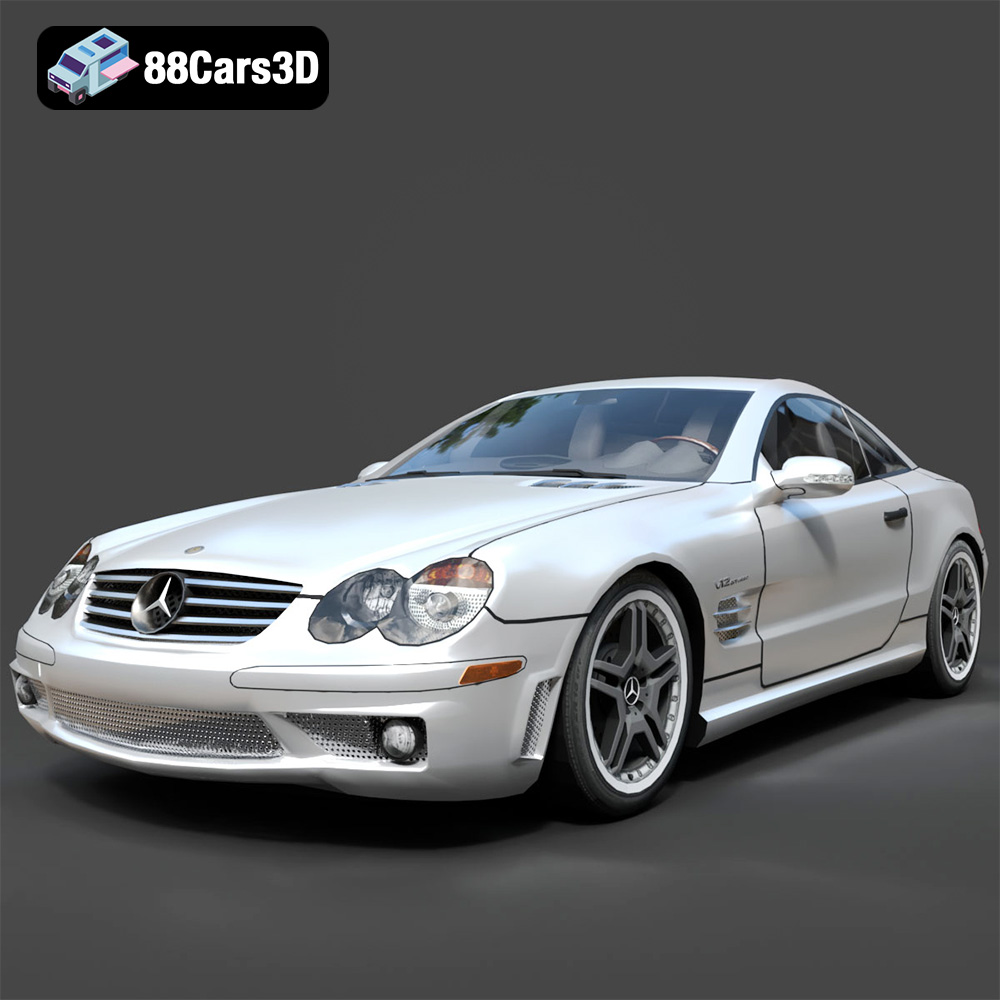
Mercedes-Benz SL 65 AMG 3D Model
Texture: Yes
Material: Yes
Download the Mercedes-Benz SL 65 AMG 3D Model featuring clean geometry, realistic detailing, and a fully modeled interior. Includes .blend, .fbx, .obj, .glb, .stl, .ply, .unreal, and .max formats for rendering, simulation, and game development.
Price: $23.99
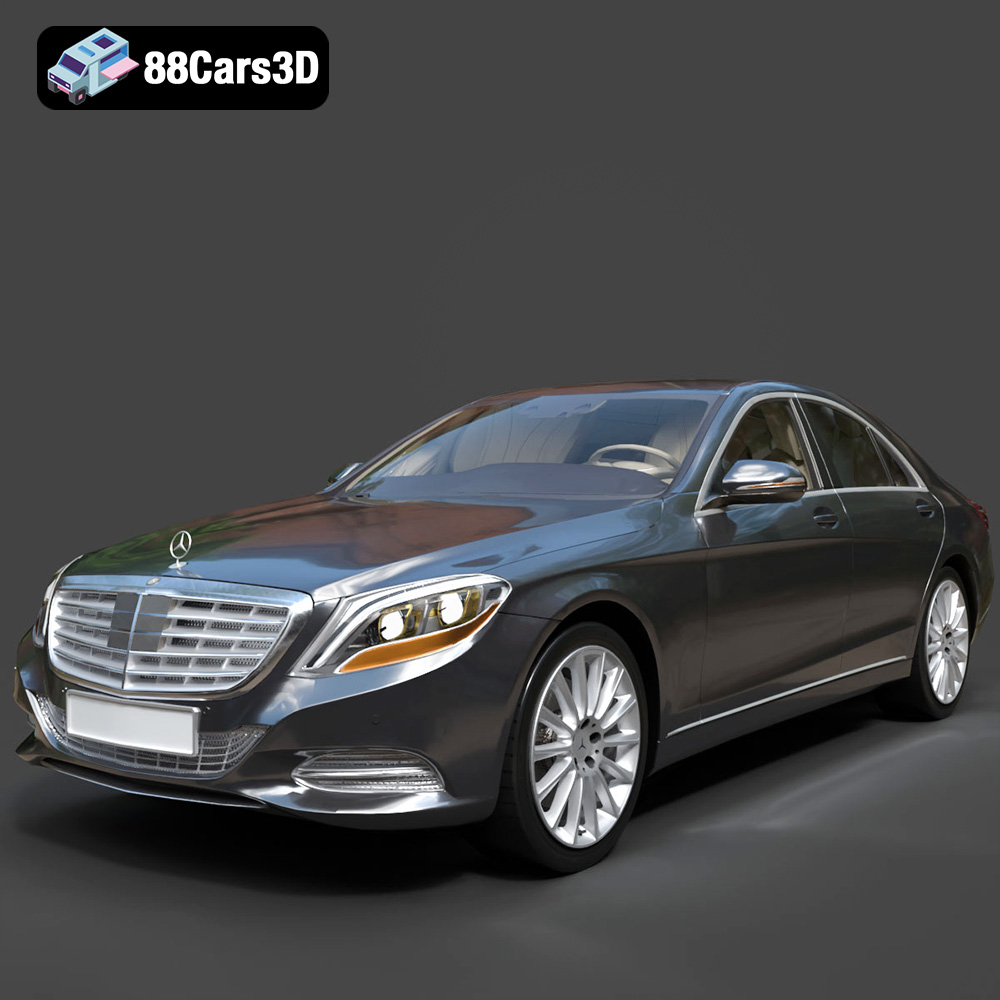
Mercedes-Benz S500 3D Model
Texture: Yes
Material: Yes
Download the Mercedes-Benz S500 3D Model featuring clean geometry, realistic detailing, and a fully modeled interior. Includes .blend, .fbx, .obj, .glb, .stl, .ply, .unreal, and .max formats for rendering, simulation, and game development.
Price: $23.99
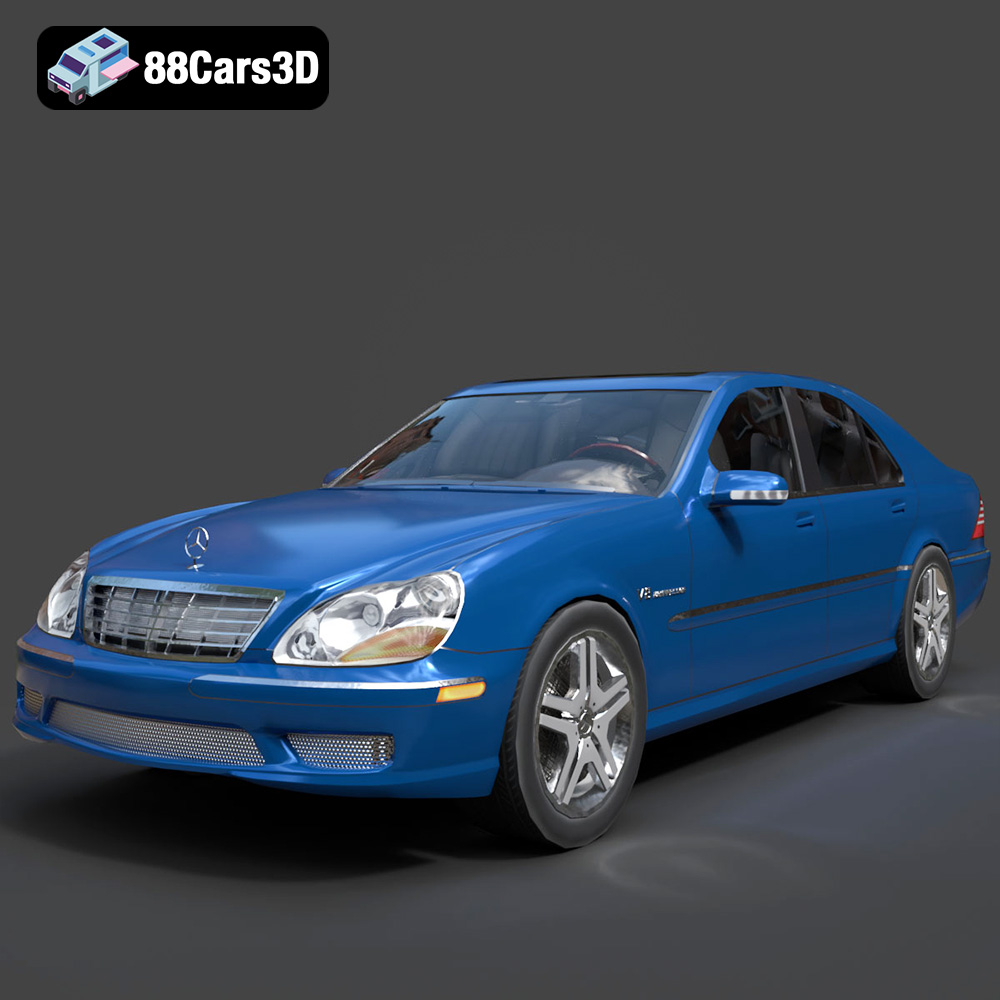
Mercedes-Benz S55 W220 AMG 1999 3D Model
Texture: Yes
Material: Yes
Download the Mercedes-Benz S55 W220 AMG 1999 3D Model featuring clean geometry, realistic detailing, and a fully modeled interior. Includes .blend, .fbx, .obj, .glb, .stl, .ply, .unreal, and .max formats for rendering, simulation, and game development.
Price: $23.99
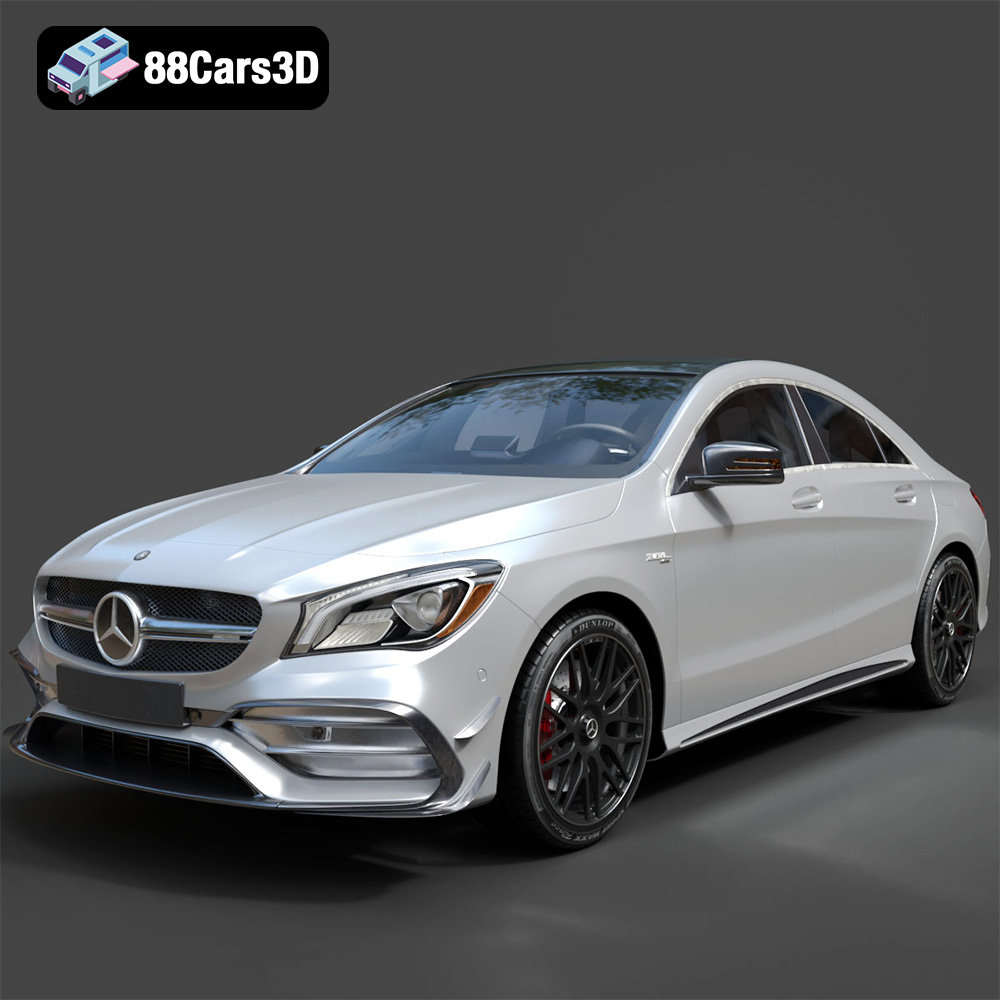
Mercedes-Benz CLA45 AMG 2017 3D Model
Texture: Yes
Material: Yes
Download the Mercedes-Benz CLA45 AMG 2017 3D Model featuring clean geometry, realistic detailing, and a fully modeled interior. Includes .blend, .fbx, .obj, .glb, .stl, .ply, .unreal, and .max formats for rendering, simulation, and game development.
Price: $38.99
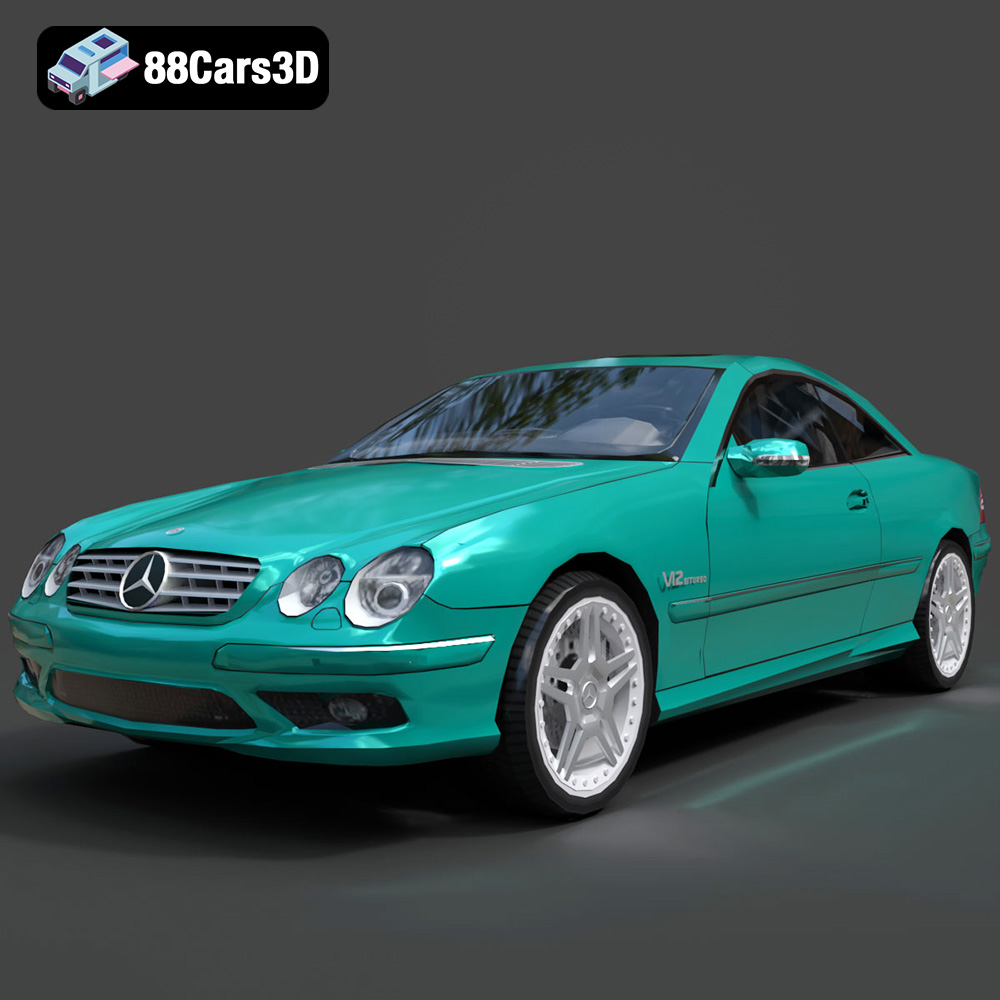
Mercedes-Benz CL65 C215 AMG 3D Model
Texture: Yes
Material: Yes
Download the Mercedes-Benz CL65 C215 AMG 3D Model featuring clean geometry, realistic detailing, and a fully modeled interior. Includes .blend, .fbx, .obj, .glb, .stl, .ply, .unreal, and .max formats for rendering, simulation, and game development.
Price: $23.99
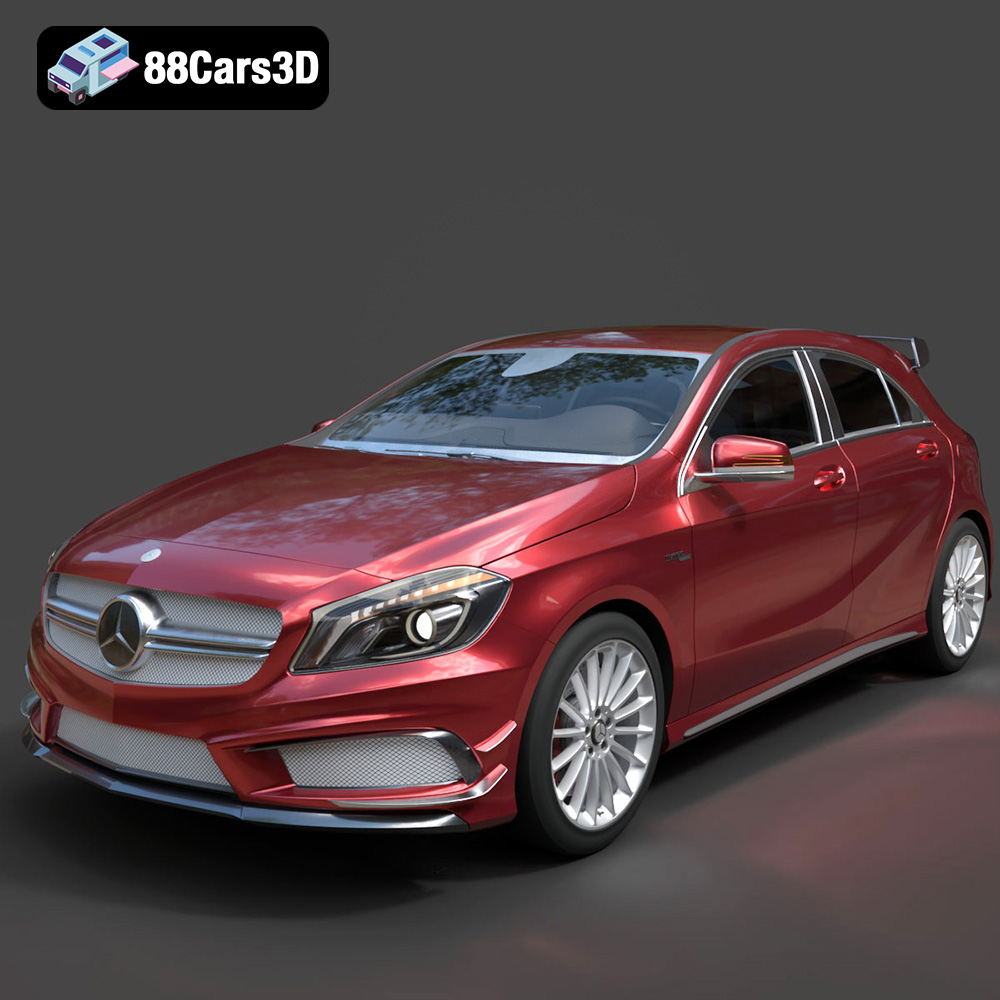
Mercedes-Benz A45 2021 3D Model
Texture: Yes
Material: Yes
Download the Mercedes-Benz A45 2021 3D Model featuring clean geometry, realistic detailing, and a fully modeled interior. Includes .blend, .fbx, .obj, .glb, .stl, .ply, .unreal, and .max formats for rendering, simulation, and game development.
Price: $23.99
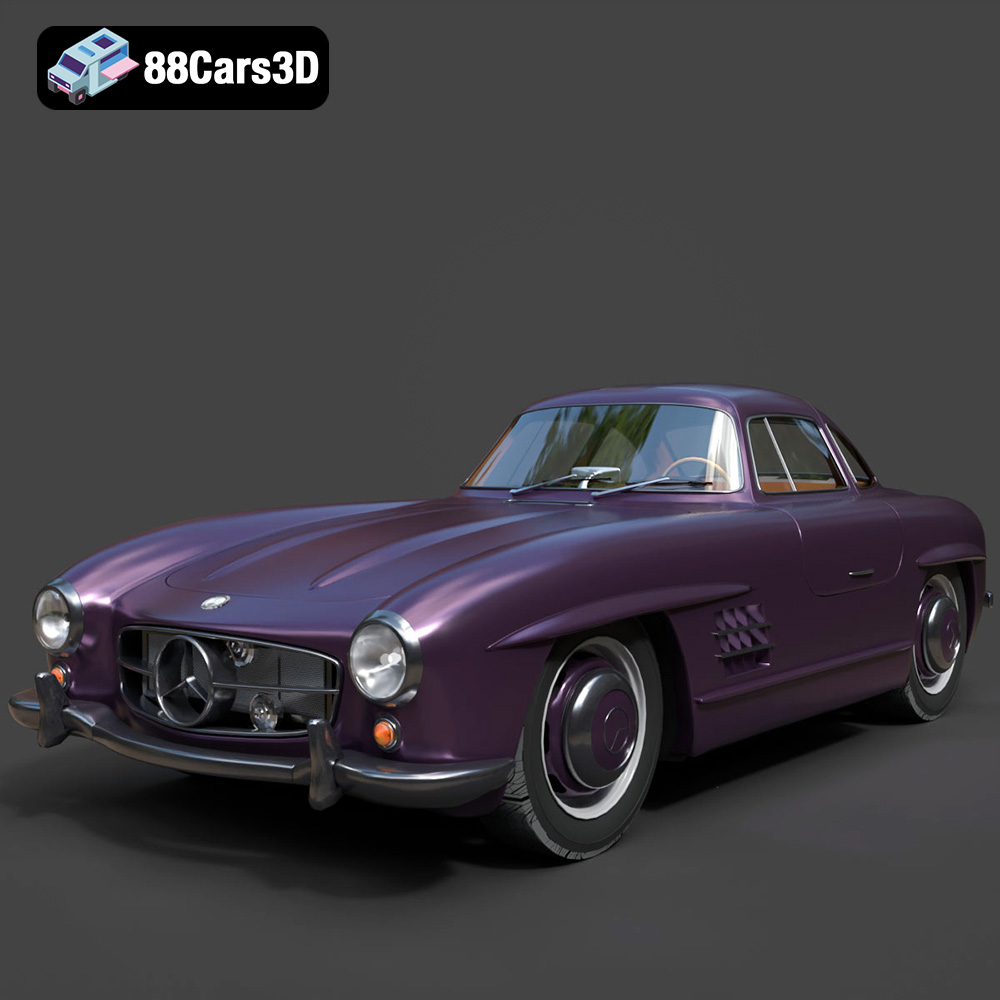
Mercedes-Benz 300SL 1955 3D Model
Texture: Yes
Material: Yes
Download the Mercedes-Benz 300SL 1955 3D Model featuring clean geometry, realistic detailing, and a fully modeled interior. Includes .blend, .fbx, .obj, .glb, .stl, .ply, .unreal, and .max formats for rendering, simulation, and game development.
Price: $23.99
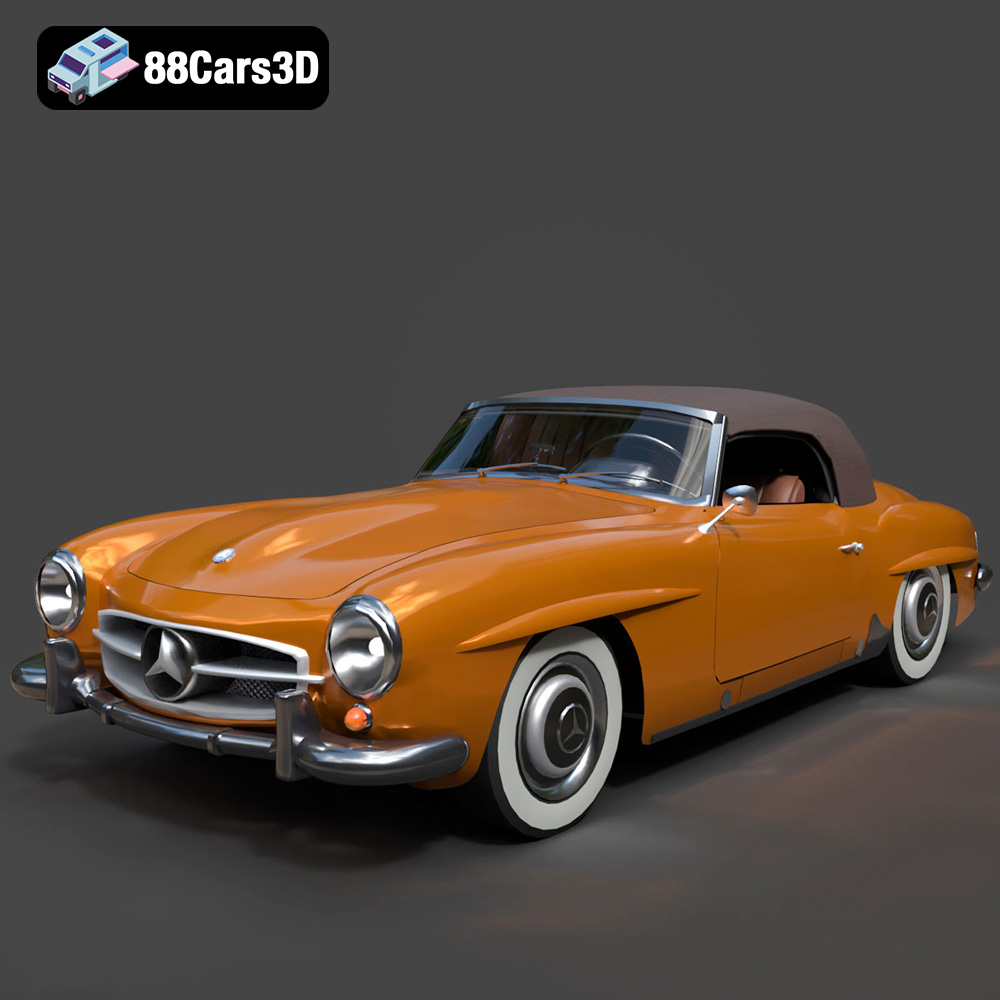
Mercedes-Benz 190SL 1955 3D Model
Texture: Yes
Material: Yes
Download the Mercedes-Benz 190SL 1955 3D Model featuring clean geometry, realistic detailing, and a fully modeled interior. Includes .blend, .fbx, .obj, .glb, .stl, .ply, .unreal, and .max formats for rendering, simulation, and game development.
Price: $23.99
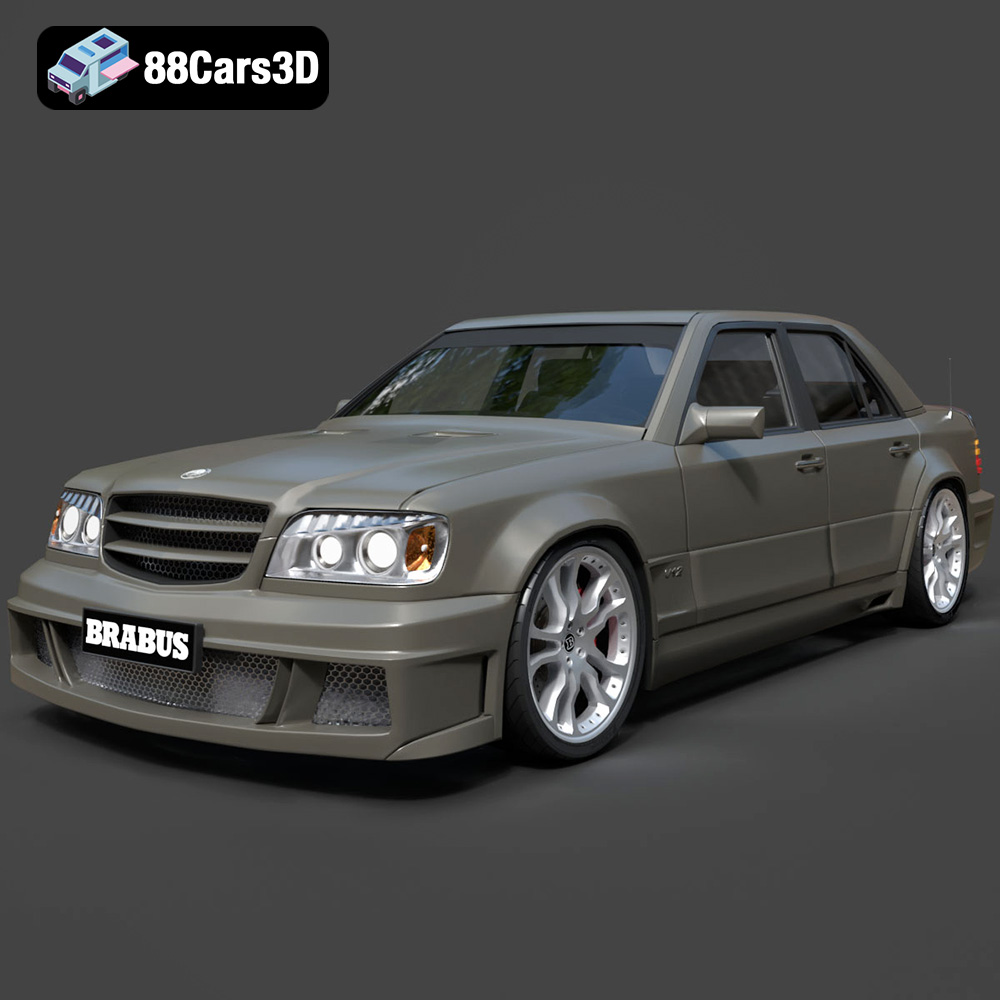
Mercedes-Benz W124 Brabus V12 3D Model
Texture: Yes
Material: Yes
Download the Mercedes-Benz W124 Brabus V12 3D Model featuring clean geometry, realistic detailing, and a fully modeled interior. Includes .blend, .fbx, .obj, .glb, .stl, .ply, .unreal, and .max formats for rendering, simulation, and game development.
Price: $23.99
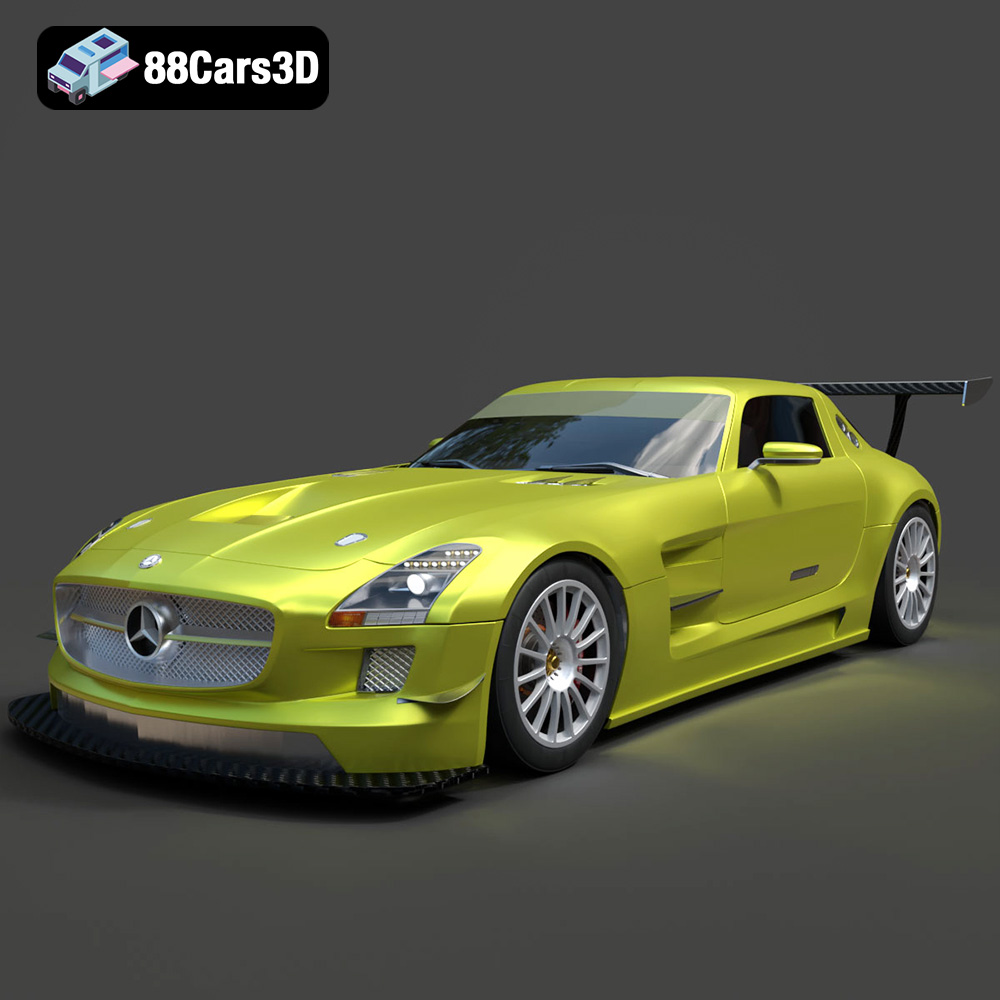
Mercedes-Benz SLS AMG GT3-002 3D Model
Texture: Yes
Material: Yes
Download the Mercedes-Benz SLS AMG GT3-002 3D Model featuring clean geometry, realistic detailing, and a fully modeled interior. Includes .blend, .fbx, .obj, .glb, .stl, .ply, .unreal, and .max formats for rendering, simulation, and game development.
Price: $38.99

Mercedes-Benz C-Class-001 3D Model
Texture: Yes
Material: Yes
Download the Mercedes-Benz C-Class-001 3D Model featuring clean geometry, realistic detailing, and a fully modeled interior. Includes .blend, .fbx, .obj, .glb, .stl, .ply, .unreal, and .max formats for rendering, simulation, and game development.
Price: $38.99
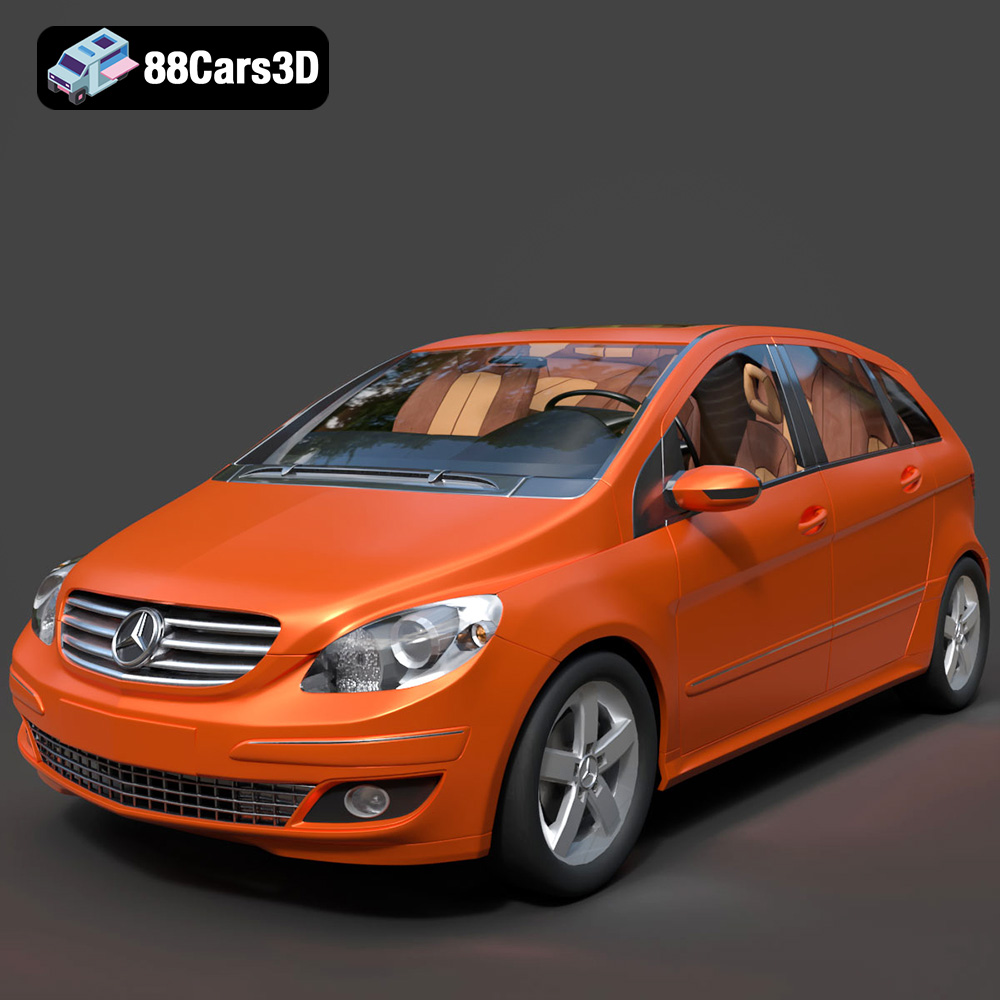
Mercedes-Benz B-Klasse 2023 3D Model
Texture: Yes
Material: Yes
Download the Mercedes-Benz B-Klasse 2023 3D Model featuring clean geometry, realistic detailing, and a fully modeled interior. Includes .blend, .fbx, .obj, .glb, .stl, .ply, .unreal, and .max formats for rendering, simulation, and game development.
Price: $38.99
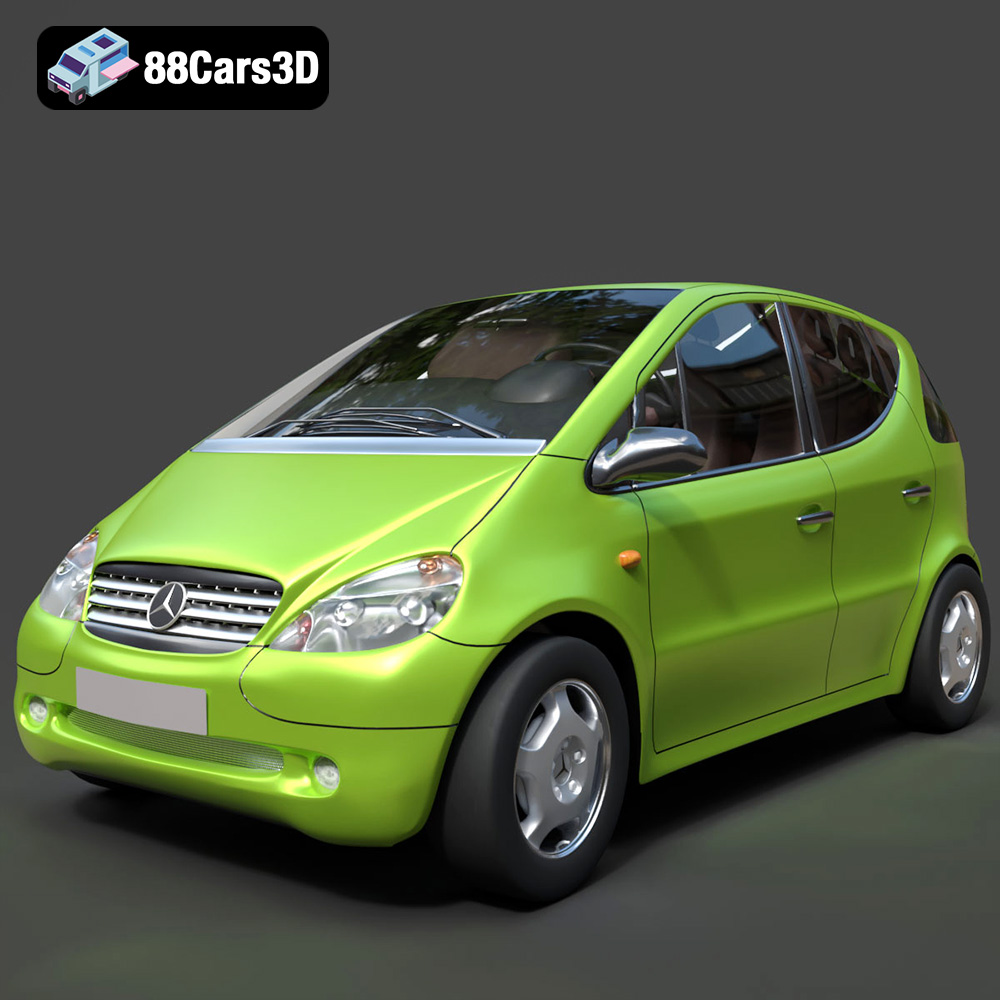
Mercedes-Benz A-Klasse W168 3D Model
Texture: Yes
Material: Yes
Download the Mercedes-Benz A-Klasse W168 3D Model featuring clean geometry, realistic detailing, and a fully modeled interior. Includes .blend, .fbx, .obj, .glb, .stl, .ply, .unreal, and .max formats for rendering, simulation, and game development.
Price: $38.99
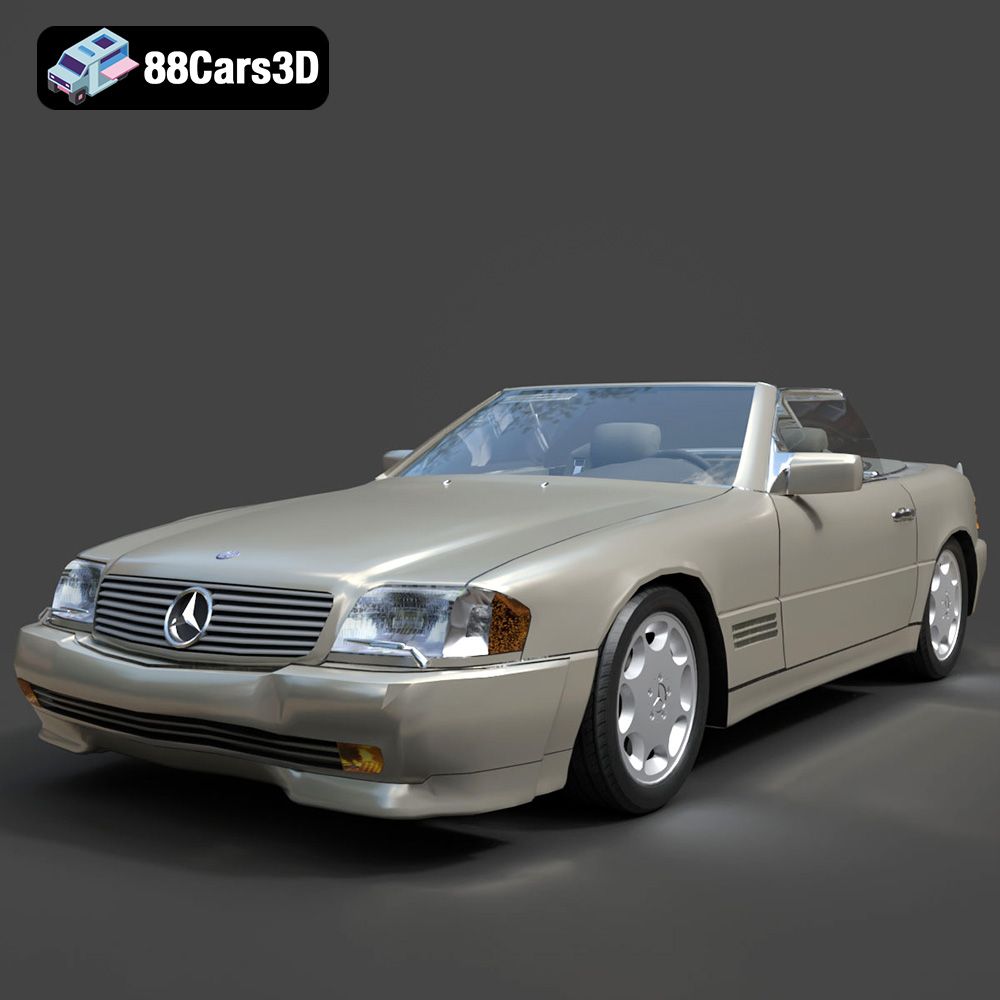
Mercedes-Benz 500SL 2000 3D Model
Texture: Yes
Material: Yes
Download the Mercedes-Benz 500SL 2000 3D Model featuring clean geometry, realistic detailing, and a fully modeled interior. Includes .blend, .fbx, .obj, .glb, .stl, .ply, .unreal, and .max formats for rendering, simulation, and game development.
Price: $38.99
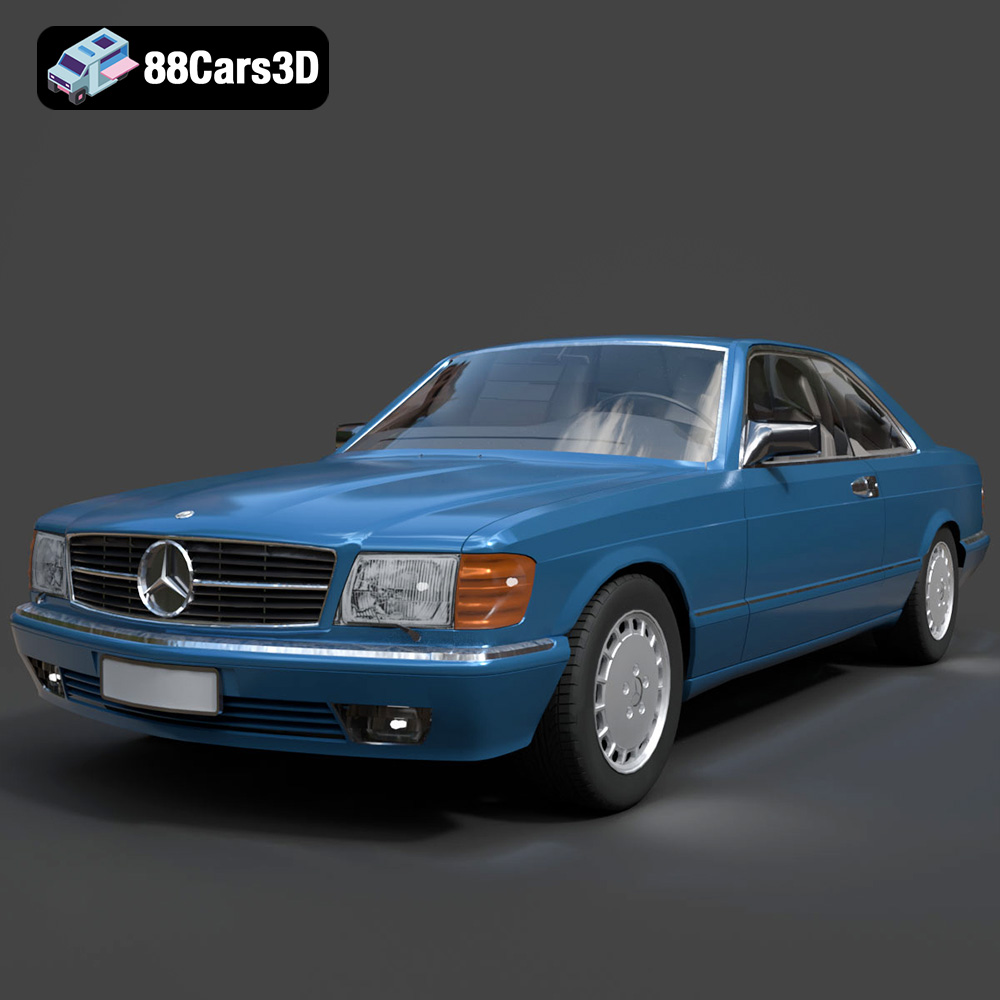
Mercedes-Benz 500SEC 3D Model
Texture: Yes
Material: Yes
Download the Mercedes-Benz 500SEC 3D Model featuring clean geometry, realistic detailing, and a fully modeled interior. Includes .blend, .fbx, .obj, .glb, .stl, .ply, .unreal, and .max formats for rendering, simulation, and game development.
Price: $38.99
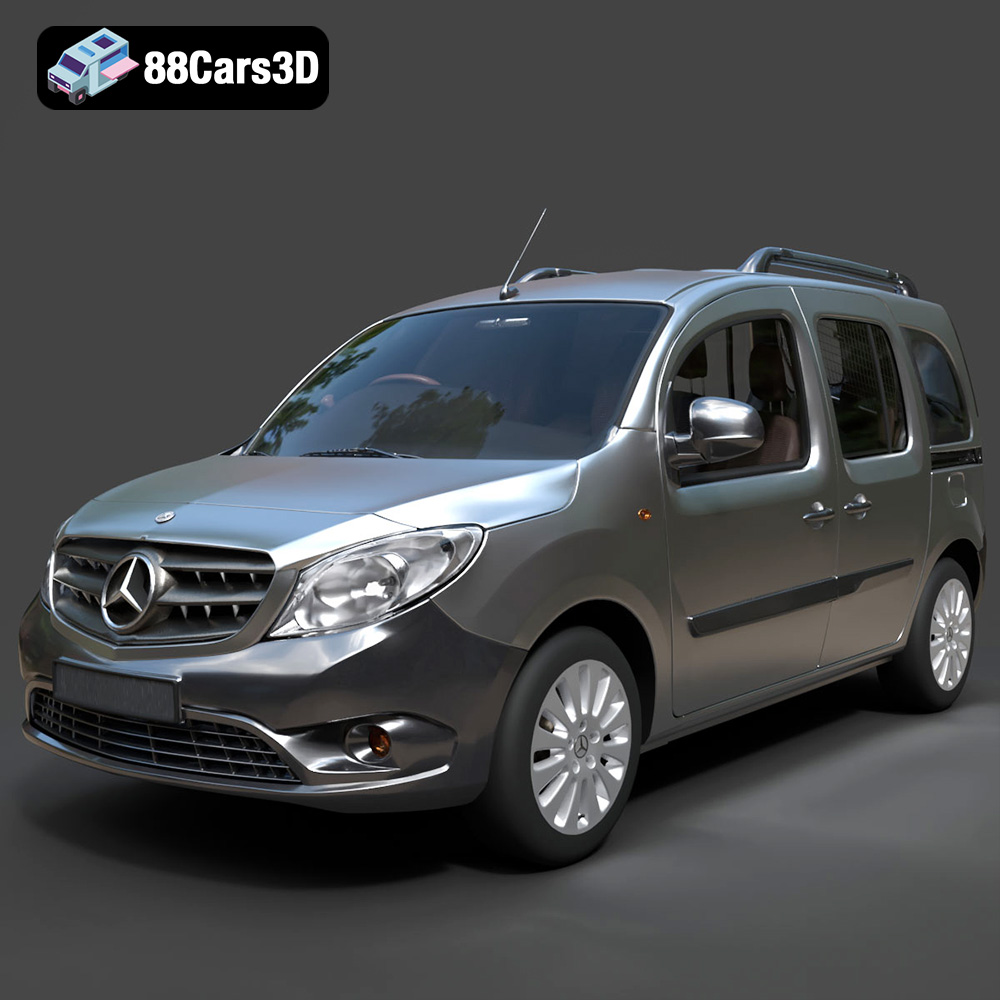
Mercedes-Benz Citan 2025 3D Model
Texture: Yes
Material: Yes
Download the Mercedes-Benz Citan 2025 3D Model featuring clean geometry, realistic detailing, and a fully modeled interior. Includes .blend, .fbx, .obj, .glb, .stl, .ply, .unreal, and .max formats for rendering, simulation, and game development.
Price: $38.99
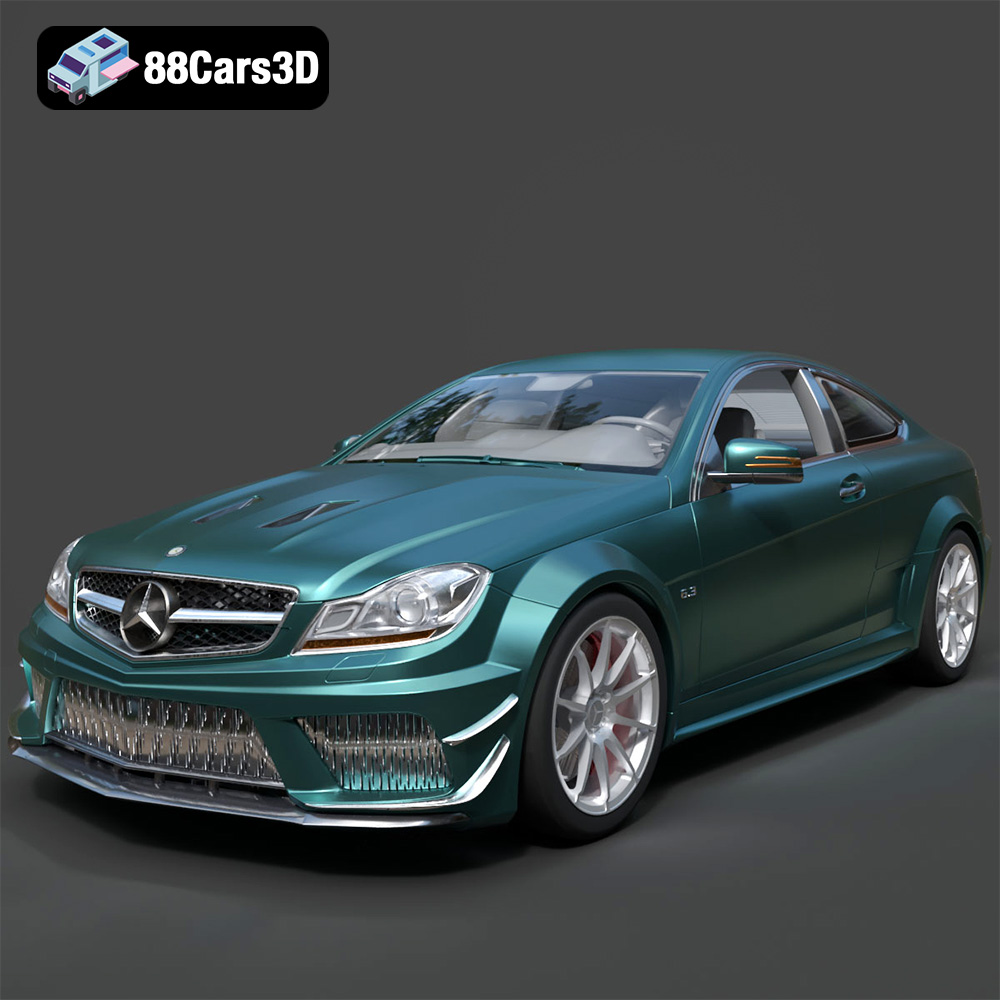
Mercedes-Benz C63 AMG 2012 3D Model
Texture: Yes
Material: Yes
Download the Mercedes-Benz C63 AMG 2012 3D Model featuring clean geometry, realistic detailing, and a fully modeled interior. Includes .blend, .fbx, .obj, .glb, .stl, .ply, .unreal, and .max formats for rendering, simulation, and game development.
Price: $38.99
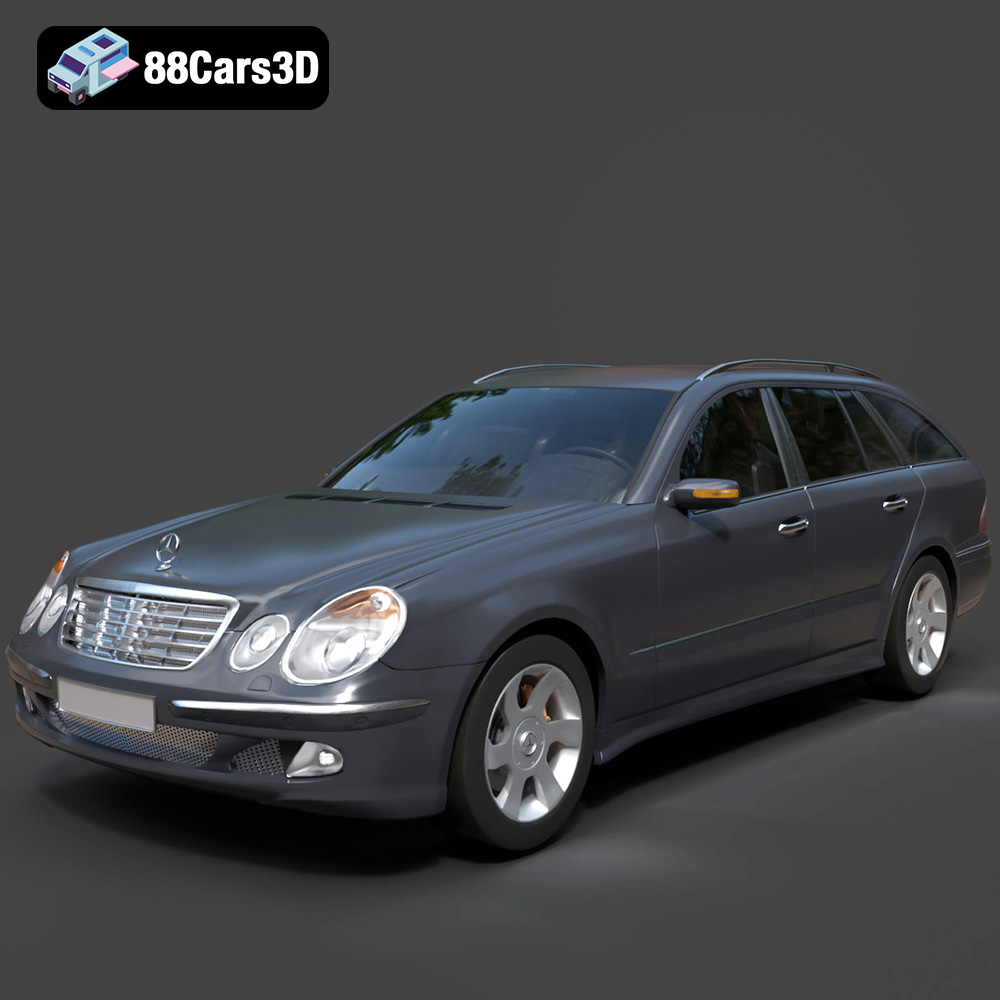
Mercedes-Benz E-Class S211 3D Model
Texture: Yes
Material: Yes
Download the Mercedes-Benz E-Class S211 3D Model featuring clean geometry, realistic detailing, and a fully modeled interior. Includes .blend, .fbx, .obj, .glb, .stl, .ply, .unreal, and .max formats for rendering, simulation, and game development.
Price: $38.99
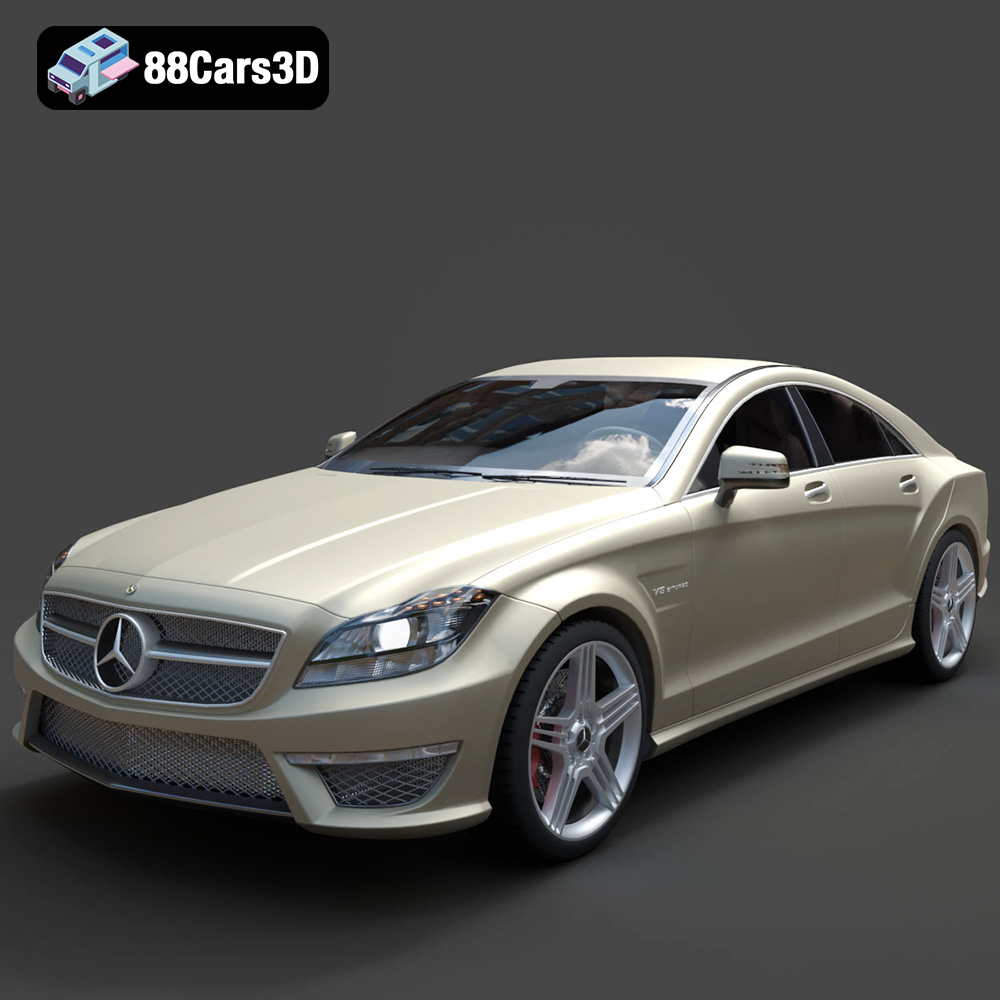
Mercedes-Benz CLS63 AMG (C218) 2014 3D Model
Texture: Yes
Material: Yes
Download the Mercedes-Benz CLS63 AMG (C218) 2014 3D Model featuring clean geometry, realistic detailing, and a fully modeled interior. Includes .blend, .fbx, .obj, .glb, .stl, .ply, .unreal, and .max formats for rendering, simulation, and game development.
Price: $38.99
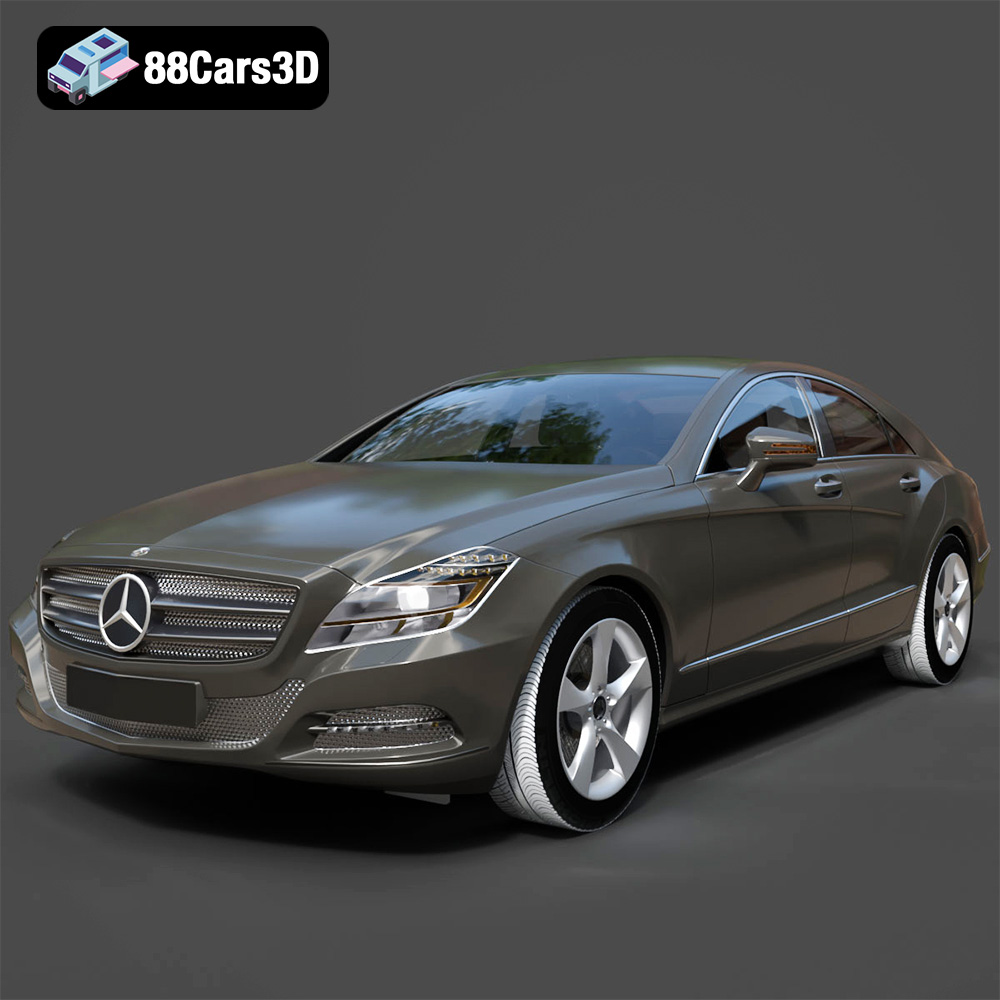
Mercedes-Benz CLS-Klasse 3D Model
Texture: Yes
Material: Yes
Download the Mercedes-Benz CLS-Klasse 3D Model featuring clean geometry, realistic detailing, and a fully modeled interior. Includes .blend, .fbx, .obj, .glb, .stl, .ply, .unreal, and .max formats for rendering, simulation, and game development.
Price: $38.99
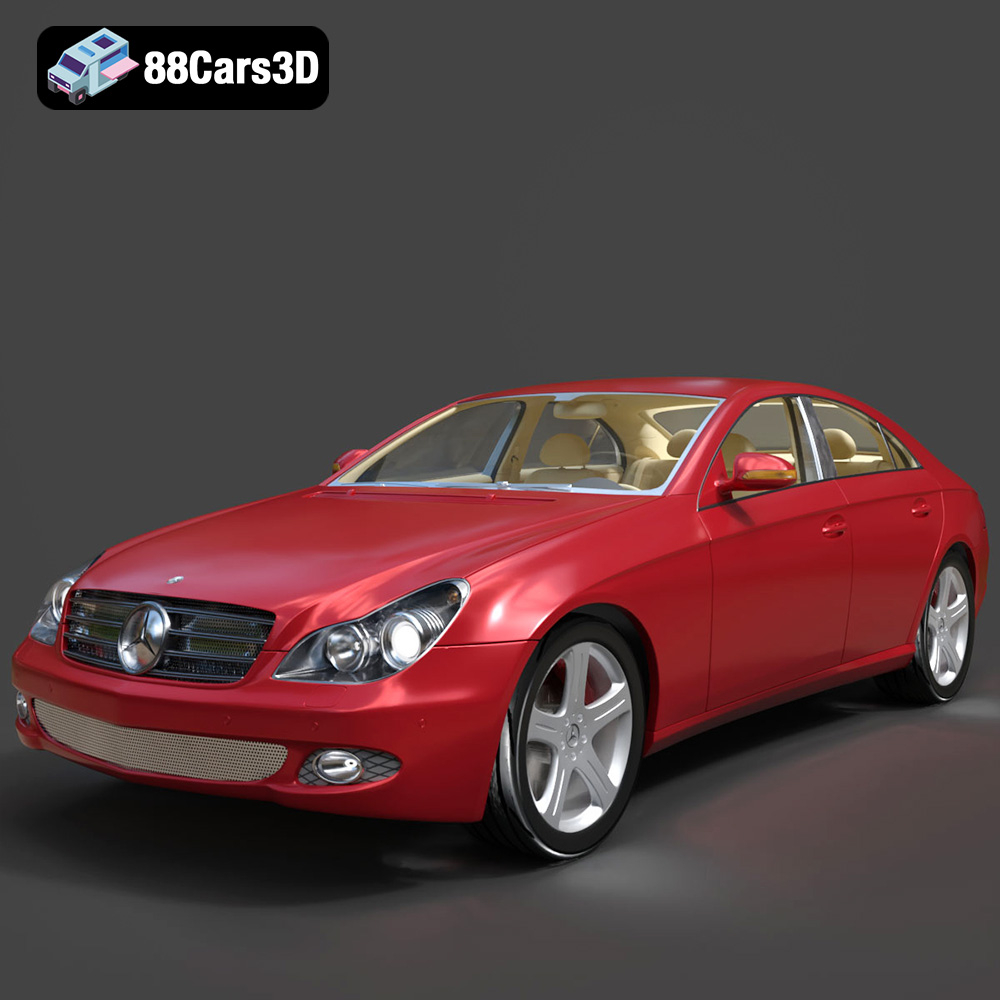
Mercedes-Benz CLS 500 3D Model
Texture: Yes
Material: Yes
Download the Mercedes-Benz CLS 500 3D Model featuring clean geometry, realistic detailing, and a fully modeled interior. Includes .blend, .fbx, .obj, .glb, .stl, .ply, .unreal, and .max formats for rendering, simulation, and game development.
Price: $38.99

Mercedes-Benz CL-Klasse 2001 3D Model
Texture: Yes
Material: Yes
Download the Mercedes-Benz CL-Klasse 2001 3D Model featuring clean geometry, realistic detailing, and a fully modeled interior. Includes .blend, .fbx, .obj, .glb, .stl, .ply, .unreal, and .max formats for rendering, simulation, and game development.
Price: $38.99
