
Deconstructing Real-World Car Paint: The Science Behind the Sheen

The gleam of a perfectly rendered car in a cinematic sequence or the realistic reflections off a vehicle in a cutting-edge game engine can instantly captivate an audience. What truly sells that illusion of reality, often more than the model itself, is the car paint. It’s not just a color; it’s a complex interplay of light, layers, and microscopic particles that mimics real-world physics. Achieving true photorealism in 3D automotive models requires a deep understanding of advanced car paint shaders.
Many artists struggle to move beyond basic material setups, finding their renders lack that authentic ‘pop’ seen in professional work. The secret lies in mastering a physically based rendering (PBR) approach to car paint, incorporating intricate details like clear coat realism, nuanced metallic flake shaders, and dynamic anisotropic reflections. This guide will take you on a journey through the science and art of crafting high-end car paint, transforming your models from good to truly exceptional. We’ll delve into the layered material workflow and advanced shader node setups that professional artists utilize, applicable whether you’re working with dedicated automotive rendering software or real-time game engines. Get ready to unlock the full potential of your 3D automotive visualizations.
Deconstructing Real-World Car Paint: The Science Behind the Sheen
Before we can replicate car paint in a digital environment, we must first understand its real-world composition. Automotive paint is far more than a single layer of color; it’s a sophisticated system designed for durability, protection, and aesthetics. This multi-layered structure is the fundamental principle we must emulate to achieve convincing PBR car paint.
At its core, modern car paint typically consists of four main layers, each contributing uniquely to its final appearance:
Primer Layer: The Foundation
While often not directly rendered, the primer provides a smooth, uniform surface for subsequent layers. It ensures adhesion and corrosion resistance. In 3D, we usually start our material definitions from the base coat, assuming the primer has done its job.
Base Coat: Color and Character
This is where the primary color of the vehicle resides. Base coats can be solid, metallic, or pearlescent. A solid base coat consists of pigment particles that give the car its specific hue. Metallic base coats, however, incorporate tiny aluminum flakes or mica particles. These flakes are crucial for creating the sparkling effect and depth seen in many modern vehicles. The size, density, and orientation of these flakes are paramount when developing a realistic metallic flake shader.
Clear Coat: The Gloss and Protection
Applied over the base coat, the clear coat is a transparent, highly durable layer that provides gloss, depth, and protection against UV rays, scratches, and environmental damage. This is arguably the most critical layer for achieving true clear coat realism in 3D. It acts as a transparent dielectric material, meaning light reflects off its surface based on its Fresnel properties and refracts through it to interact with the base coat below. The thickness and smoothness of this layer dictate the sharpness and intensity of reflections, significantly impacting the overall perceived quality of the paint.
Top Coat (Optional): Enhancing Durability and Effects
Some premium automotive paints may include an additional top coat or ceramic coating for enhanced scratch resistance, hydrophobicity, and a deeper gloss. For our purposes, we’ll often incorporate these advanced properties directly into our clear coat shader or as subtle post-processing effects, focusing on the core three layers for our PBR car paint setup.
Understanding how light interacts with each of these layers—reflecting off the clear coat, scattering within the base coat, and bouncing off the metallic flakes—is the first step towards building a truly convincing and physically accurate car paint material. This layered approach is the bedrock of our advanced shader construction.
Mastering PBR Material Creation: Building Your Foundation
Physically Based Rendering (PBR) is not just a buzzword; it’s a methodology that ensures materials behave realistically under various lighting conditions. For car paint, this means adhering to energy conservation principles and accurately simulating how light interacts with both dielectric (non-metallic) and metallic surfaces. A robust PBR car paint shader starts with a solid foundation.
Core PBR Principles for Car Paint
In PBR, materials are defined by properties that correspond to real-world physics. Key channels for car paint include:
- Albedo/Base Color: This map defines the diffuse color of the base coat. For metallic paints, this color is often desaturated as metallic flakes handle much of the color reflection.
- Metallic: A grayscale map (0 to 1) indicating if a surface is metallic (1) or dielectric (0). Car paint is tricky; the clear coat is dielectric, but the flakes beneath are metallic. This necessitates a layered material workflow.
- Roughness: Controls the microscopic surface imperfections that scatter light, impacting how blurry or sharp reflections appear. A value of 0 is perfectly smooth (mirror-like), 1 is completely rough (matte).
- Normal/Bump: Used to add fine surface details like orange peel texture or to simulate microscopic scratches on the clear coat without adding geometric complexity.
- IOR (Index of Refraction): Crucial for dielectric materials like the clear coat, determining how much light bends when passing through it. For clear coats, a typical IOR is around 1.4-1.5.
Base Coat Setup: Color, Roughness, and Metallic Properties
The base coat forms the colored foundation of our paint. For solid colors, it’s a straightforward Albedo and Roughness setup. However, for metallic paints, we begin to introduce the complexity that defines a high-end car paint shader.
Start your shader node setup by defining your primary color. For metallic paints, this color should be slightly darker and less saturated than the final perceived color, as the metallic flakes will contribute significant reflectivity. A subtle roughness value, often very low, will create a smooth base. The ‘Metallic’ input for the base layer itself would typically be 0, as the base coat *material* beneath the clear coat is usually considered dielectric, with the metallic nature coming from the flakes themselves, which we’ll address in the next section.
Integrating the Clear Coat: Fresnel and IOR
The clear coat is a separate, transparent dielectric layer that sits on top of everything else. It’s responsible for the majority of the sharp reflections and the glossy appearance. In your shader node setup, this typically involves a blend or mix shader, where the clear coat material is layered over the base coat.
The clear coat material itself should have:
- Roughness: A very low value (e.g., 0.01-0.05) to simulate a highly polished surface. Even perfectly new cars have microscopic imperfections.
- IOR: Set to a value appropriate for automotive clear coat, usually between 1.4 and 1.5. This drives the Fresnel effect.
- Transmission/Transparency: Fully transparent, allowing the base coat to be visible underneath.
- Fresnel Effect: This is critical for clear coat realism. Fresnel dictates that surfaces reflect more light at glancing angles and transmit more light when viewed head-on. Most PBR shaders handle this automatically when IOR is provided, but understanding its importance helps in fine-tuning.
By creating this two-layer PBR car paint structure—a base coat beneath a transparent, reflective clear coat—you establish the fundamental physically accurate behavior that will allow you to build truly realistic automotive finishes. This layered material workflow is essential for capturing the depth and complexity of real-world car paint.
Advanced Techniques: Unlocking Complex Realism
With a solid PBR foundation in place, it’s time to elevate your car paint from good to spectacular. Real-world car paint exhibits nuanced effects that go beyond simple reflections and color. Implementing these advanced techniques is where true photorealism emerges, requiring precise control over your shader node setup.
Crafting the Perfect Metallic Flake Shader
The metallic flake effect is one of the most challenging yet rewarding aspects of realistic car paint. It adds sparkle, depth, and characteristic light play. A basic metallic input won’t suffice; we need a dedicated metallic flake shader.
The approach typically involves generating or using a specialized texture map that simulates tiny, reflective flakes. Here’s how:
- Noise-Based Flakes: A common method is to use a fine-grained noise texture (e.g., Voronoi noise or FBM noise) to create a pattern of small, bright points.
- Controlling Flake Properties:
- Density: Adjust the scale of your noise texture to control how many flakes appear.
- Size & Shape: Modify the noise parameters (e.g., cell size, randomness) to vary flake size and give them irregular shapes, mimicking real flakes.
- Reflectivity: Use the noise as a mask to drive the metallic or reflectivity input of a separate, miniature metallic shader or to control the roughness/specular of the flakes, making them appear to catch the light.
- Anisotropy for Flakes: Sometimes, giving individual flakes a subtle anisotropic quality can enhance their sparkle, making them appear less perfectly spherical.
- Integration: This flake effect is usually blended with the base color layer, *beneath* the clear coat, using a layered material workflow. The clear coat’s refraction will then correctly distort and magnify these flakes.
Experimentation with various noise types and blending modes in your shader node setup is key to achieving the desired flake appearance.
Achieving Anisotropic Reflections
Anisotropy describes reflections that stretch or blur in a particular direction, rather than uniformly in all directions. While often associated with brushed metals, subtle anisotropy can be present in car paint, especially on highly polished clear coats, or even in the alignment of metallic flakes. This effect adds a layer of sophistication to your clear coat realism.
To implement anisotropic reflections:
- Tangent Maps: The most precise method involves providing a tangent map to your shader. This map defines the direction along which reflections should stretch. For a car, this could follow the contours of the body panels, mimicking the direction of polishing strokes or the flow of paint application.
- Procedural Anisotropy: Some shaders offer an anisotropic control directly, often with a ‘rotation’ input. You can use procedural textures or utility nodes to define a tangent direction across your mesh, providing a dynamic anisotropic effect without complex UV work.
- Subtle Application: For car paint, anisotropy should often be very subtle. Overdoing it can make the surface look scratched or like brushed metal. The goal is to catch light in an interesting, directional way without making the surface appear rough.
The magic of anisotropy lies in its ability to reveal surface flow and craftsmanship, making the material feel physically present.
Subtle Iridescence and Color Shift
Some premium paints, often called “pearl” or “flip-flop” paints, exhibit a fascinating color shift depending on the viewing angle. This phenomenon, known as car paint iridescence, is due to thin-film interference or specialized mica pigments that reflect different wavelengths of light at different angles. Simulating this adds incredible depth and realism.
Methods for achieving iridescence in your shader node setup include:
- Fresnel-Based Color Blend: Use a Fresnel node (or a custom falloff based on view angle) to blend between two slightly different base colors. For instance, the primary color viewed head-on might shift to a secondary color at glancing angles.
- Thin Film Interference Shaders: Some advanced rendering engines and software offer dedicated thin-film interference shaders. These are designed to accurately simulate the way light waves interfere within a thin, transparent layer, producing a spectrum of colors. You typically input parameters like film thickness and IOR.
- Gradient/Ramp Mapping: Map a color gradient to the output of a facing ratio or dot product node (view direction vs. surface normal). This allows you to define specific colors at different viewing angles, creating a custom iridescent effect.
When implementing iridescence, subtlety is key. Real car paint iridescence is often very delicate, visible only under specific lighting and viewing conditions. The goal is to add a dynamic color interest without making the car look like a rainbow.
By mastering these advanced techniques, you move beyond basic color and shine, creating truly dynamic and convincing car paint that stands up to the closest scrutiny in any lighting environment. This detailed control over effects like metallic flakes, anisotropic reflections, and iridescence is what sets high-end renders apart.
The Layered Material Workflow: A Structured Approach
The complexity of real-world car paint, with its distinct base coat, metallic flakes, and clear coat, necessitates a sophisticated approach to material organization in 3D software. A layered material workflow is not just a best practice; it’s essential for achieving true PBR car paint realism and maintaining flexibility.
Instead of trying to cram all properties into a single monolithic shader, a layered approach involves creating separate shaders or material groups for each distinct component of the car paint and then blending them together. This mirrors the physical construction of car paint, making the process intuitive and physically accurate.
Structuring Your Shader Node Setup
Here’s a typical breakdown of a layered material workflow for advanced car paint:
- The Base Coat Material:
- This is your primary color layer. Define its Albedo (color), Roughness, and any underlying patterns (like a very subtle noise for the base texture).
- For solid paints, this is relatively simple. For metallic paints, this base material will serve as the canvas for your metallic flakes.
- The Metallic Flake Material/Effect:
- As discussed, this often involves a separate shader branch or texture that generates the flake pattern.
- This flake output (which might be a metallic mask, a normal map for micro-facets, or a direct color contribution) is then mixed or composited with the base coat material. It’s crucial that this happens *before* the clear coat is applied, as the flakes sit beneath the clear layer.
- The Clear Coat Material:
- This is typically a highly reflective, transparent dielectric material.
- It has its own roughness (very low for gloss), IOR (for Fresnel reflections), and potentially a very subtle normal map for ‘orange peel’ effect or micro-scratches.
- This clear coat material is then blended *on top* of the combined base coat and metallic flake layers.
Blending Methods: Mix Shaders and Dedicated Layer Nodes
Different 3D software and renderers offer various ways to combine these layers:
- Mix Shaders/Blend Materials: Most renderers (e.g., V-Ray, Arnold, Redshift, Cycles) provide nodes that allow you to blend two complete shaders together using a mask or blend factor. You would typically feed your base+flake shader into one input and your clear coat shader into another, using a factor of 1 to ensure the clear coat is fully opaque over the base.
- Dedicated Layered Shaders: Some software or custom shader libraries offer specific “Car Paint” or “Layered Material” nodes. These nodes simplify the process by providing explicit inputs for base color, flake properties, clear coat roughness, etc., handling the underlying blending automatically. This is a common feature in automotive rendering software designed for realism.
- Procedural Masks: To add nuance, you can use procedural textures (e.g., grunge maps, fingerprints) or painted masks to control the roughness or presence of the clear coat in specific areas, simulating wear and tear. This enhances clear coat realism significantly.
Benefits of a Layered Workflow
- Modularity: Each layer can be developed and tweaked independently without affecting other components. This makes iteration much faster.
- Physical Accuracy: Directly mimics the real-world layered construction of car paint, leading to more physically plausible results.
- Flexibility: Easily adjust properties of the clear coat (e.g., make it rougher for a satin finish) without redoing the base color or flake setup. You can even swap out entire base coat colors beneath the same clear coat.
- Troubleshooting: If something looks off, you can isolate which layer is causing the issue, simplifying debugging.
By embracing a layered material workflow, you gain granular control over every aspect of your car paint, ensuring a high degree of artistic freedom combined with scientific accuracy. This structured approach is fundamental for building complex and believable PBR car paint shaders.
Optimizing for Performance and Quality: From Cinematic to Real-Time
The beauty of advanced car paint shaders lies in their ability to deliver breathtaking realism. However, the complexity of these shaders can impact performance. The approach to optimization varies significantly depending on your target medium: high-end cinematic renders demand ultimate quality, while real-time game engines prioritize frame rate and efficiency. Understanding these differences and how to tailor your PBR car paint is crucial.
High-End Cinematic Renders: Uncompromising Quality
For pre-rendered animations, visualizations, or still images, the primary goal is maximum visual fidelity. Render times are less critical than the final output’s realism. This is where you can truly let your advanced shaders shine.
- Full Ray Tracing: Leverage the power of unbiased or biased ray-traced renderers (e.g., V-Ray, Arnold, Redshift, Cycles, Octane). These engines excel at accurately simulating light bounces, reflections, and refractions, which are paramount for clear coat realism and the interplay with metallic flake shaders.
- Complex Shader Graphs: Feel free to build intricate shader node setup with multiple layers, procedural textures for flakes, detailed normal maps for orange peel, and accurate thin-film interference nodes for car paint iridescence. The computational cost is absorbed during rendering.
- High-Resolution Textures: Use high-resolution texture maps (e.g., 4K, 8K) for subtle details like micro-scratches, dust, or grunge effects, enhancing the realism.
- Physical Camera and Lighting: Pair your advanced shaders with physically accurate camera settings (exposure, depth of field) and realistic HDRI environments or detailed light setups. The quality of your lighting dramatically affects how your car paint appears.
- Post-Processing Nuance: While not part of the shader, subtle post-processing (e.g., bloom, chromatic aberration, color grading) in composition software can further enhance the perceived realism without adding render time.
If you’re seeking to apply these cinematic techniques to models that are already optimized for detail and accuracy, resources like 88cars3d.com offer high-quality 3D automotive models that serve as an excellent foundation for your artistic vision.
Game Engine Integration: Balancing Fidelity and Performance
Real-time rendering in game engines (like Unreal Engine, Unity, or Frostbite) presents a different set of challenges. The goal is to maintain a high frame rate while still achieving compelling visual quality. This often requires intelligent compromises and optimization strategies for your automotive rendering software of choice.
- Simplified Shaders: While PBR is standard in game engines, you might need to simplify your shader node setup compared to cinematic versions. Look for ways to achieve similar visual effects with fewer instructions. For instance, metallic flakes might be simulated more efficiently using a dedicated flake map that drives metallic/roughness values directly, rather than a complex procedural setup.
- Texture Baking: If certain complex calculations (like intricate flake patterns or subtle environmental occlusion) are static, consider baking them into texture maps. This shifts computation from real-time shader calculations to pre-computed texture lookups.
- Shader LODs (Level of Detail): For vehicles that will be viewed from varying distances, create multiple versions of your car paint shader. A high-detail shader for close-ups and simpler versions for distant shots, switching dynamically based on distance.
- Shader Instruction Count: Keep an eye on the instruction count of your shader. Higher counts mean more computation per pixel. Optimize by combining textures into channels (e.g., metallic, roughness, AO into R, G, B of a single texture) or by streamlining calculations.
- Pre-baked GI and Reflections: Utilize baked global illumination and reflection probes within the game engine. While less dynamic than ray tracing, they offer a significant performance boost for lighting and reflections, which are crucial for car paint.
- Optimized Metallic Flake Shader: Instead of complex procedural flakes, use pre-generated normal maps or specialized flake textures that give the illusion of depth without heavy computations. Some engines offer optimized flake rendering techniques.
The key for real-time is to understand the performance budget of your target platform and creatively adapt your advanced car paint concepts to fit within those constraints. Many game engines now incorporate advanced features like hardware ray tracing, bridging the gap somewhat, but optimization remains critical for broad compatibility and smooth performance. Whether for cinematic realism or real-time immersion, 88cars3d.com provides the robust 3D models you need to showcase these advanced techniques.
Conclusion: The Art of Reflective Perfection
Mastering advanced car paint shaders is a journey into the intricate physics of light and materials, transforming ordinary 3D models into captivating photorealistic masterpieces. We’ve deconstructed the real-world layers, built a robust PBR car paint foundation, and dived deep into sophisticated techniques like creating compelling metallic flake shaders, simulating dynamic anisotropic reflections, and achieving subtle car paint iridescence.
The power lies in understanding the layered material workflow, meticulously crafting each component, and leveraging the full potential of your shader node setup. Whether you’re pushing for uncompromising clear coat realism in a cinematic render or optimizing for blistering performance in a real-time game engine with advanced automotive rendering software, the principles remain the same: attention to detail, a physically accurate approach, and iterative refinement.
The true magic of photorealistic car paint is in its ability to tell a story through its reflections, its depth, and its interplay with the environment. It’s about capturing that elusive ‘new car smell’ visually, without compromise. Now equipped with these advanced techniques, you have the knowledge to elevate your 3D automotive models to professional standards.
Ready to put these advanced car paint shader techniques into practice? Explore the extensive collection of high-quality 3D automotive models at 88cars3d.com. Find the perfect vehicle to apply your newfound shader mastery and create breathtaking visualizations that truly stand out. Start rendering your next masterpiece today!
Featured 3D Car Models

Suzuki SX4-002 3D Model
Texture: Yes
Material: Yes
Download the Suzuki SX4-002 3D Model featuring clean geometry, realistic detailing, and a fully modeled interior. Includes .blend, .fbx, .obj, .glb, .stl, .ply, .unreal, and .max formats for rendering, simulation, and game development.
Price: $10

Tesla Model S 2024 3D Model
Texture: Yes
Material: Yes
Download the Tesla Model S 2024 3D Model featuring clean geometry, realistic detailing, and a fully modeled interior. Includes .blend, .fbx, .obj, .glb, .stl, .ply, .unreal, and .max formats for rendering, simulation, and game development.
Price: $10

Subaru Impreza WRX STi-002 3D Model
Texture: Yes
Material: Yes
Download the Subaru Impreza WRX STi-002 3D Model featuring clean geometry, realistic detailing, and a fully modeled interior. Includes .blend, .fbx, .obj, .glb, .stl, .ply, .unreal, and .max formats for rendering, simulation, and game development.
Price: $10

Subaru Impreza WRX STi Sedan 3D Model
Texture: Yes
Material: Yes
Download the Subaru Impreza WRX STi Sedan 3D Model featuring clean geometry, realistic detailing, and a fully modeled interior. Includes .blend, .fbx, .obj, .glb, .stl, .ply, .unreal, and .max formats for rendering, simulation, and game development.
Price: $10

Subaru Legacy 2009 3D Model
Texture: Yes
Material: Yes
Download the Subaru Legacy 2009 3D Model featuring clean geometry, realistic detailing, and a fully modeled interior. Includes .blend, .fbx, .obj, .glb, .stl, .ply, .unreal, and .max formats for rendering, simulation, and game development.
Price: $10

Suzuki Swift 2024 3D Model
Texture: Yes
Material: Yes
Download the Suzuki Swift 2024 3D Model featuring clean geometry, realistic detailing, and a fully modeled interior. Includes .blend, .fbx, .obj, .glb, .stl, .ply, .unreal, and .max formats for rendering, simulation, and game development.
Price: $10

Suzuki Liana Sedan 2004 3D Model
Texture: Yes
Material: Yes
Download the Suzuki Liana Sedan 2004 3D Model featuring clean geometry, realistic detailing, and a fully modeled interior. Includes .blend, .fbx, .obj, .glb, .stl, .ply, .unreal, and .max formats for rendering, simulation, and game development.
Price: $10

Subaru Outback 2024 3D Model
Texture: Yes
Material: Yes
Download the Subaru Outback 2024 3D Model featuring clean geometry, realistic detailing, and a fully modeled interior. Includes .blend, .fbx, .obj, .glb, .stl, .ply, .unreal, and .max formats for rendering, simulation, and game development.
Price: $10

Subaru Legacy 2003 3D Model
Texture: Yes
Material: Yes
Download the Subaru Legacy 2003 3D Model featuring clean geometry, realistic detailing, and a fully modeled interior. Includes .blend, .fbx, .obj, .glb, .stl, .ply, .unreal, and .max formats for rendering, simulation, and game development.
Price: $10

Subaru Legacy Touring Wagon 3D Model
Texture: Yes
Material: Yes
Download the Subaru Legacy Touring Wagon 3D Model featuring clean geometry, realistic detailing, and a fully modeled interior. Includes .blend, .fbx, .obj, .glb, .stl, .ply, .unreal, and .max formats for rendering, simulation, and game development.
Price: $10

Toyota Mark II (X100) 1998 3D Model
Texture: Yes
Material: Yes
Download the Toyota Mark II (X100) 3D Model featuring clean geometry, realistic detailing, and a fully modeled interior. Includes .blend, .fbx, .obj, .glb, .stl, .ply, .unreal, and .max formats for rendering, simulation, and game development.
Price: $10

Toyota Corona 1985 3D Model
Texture: Yes
Material: Yes
Download the Toyota Corona 1985 3D Model featuring clean geometry, realistic detailing, and a fully modeled interior. Includes .blend, .fbx, .obj, .glb, .stl, .ply, .unreal, and .max formats for rendering, simulation, and game development.
Price: $10

Toyota Mark II X81 1990 3D Model
Texture: Yes
Material: Yes
Download the Toyota Mark II X81 1990 3D Model featuring clean geometry, realistic detailing, and a fully modeled interior. Includes .blend, .fbx, .obj, .glb, .stl, .ply, .unreal, and .max formats for rendering, simulation, and game development.
Price: $10

Toyota iQ EV 2012 3D Model
Texture: Yes
Material: Yes
Download the Toyota iQ EV 2012 3D Model featuring clean geometry, realistic detailing, and a fully modeled interior. Includes .blend, .fbx, .obj, .glb, .stl, .ply, .unreal, and .max formats for rendering, simulation, and game development.
Price: $10

Toyota Aygo 2013 3D Model
Texture: Yes
Material: Yes
Download the Toyota Aygo 2013 3D Model featuring clean geometry, realistic detailing, and a fully modeled interior. Includes .blend, .fbx, .obj, .glb, .stl, .ply, .unreal, and .max formats for rendering, simulation, and game development.
Price: $10

Toyota Crown S180 2005 3D Model
Texture: Yes
Material: Yes
Download the Toyota Crown S180 2005 3D Model featuring clean geometry, realistic detailing, and a fully modeled interior. Includes .blend, .fbx, .obj, .glb, .stl, .ply, .unreal, and .max formats for rendering, simulation, and game development.
Price: $10

Toyota Celica 2004 3D Model
Texture: Yes
Material: Yes
Download the Toyota Celica 2004 3D Model featuring clean geometry, realistic detailing, and a fully modeled interior. Includes .blend, .fbx, .obj, .glb, .stl, .ply, .unreal, and .max formats for rendering, simulation, and game development.
Price: $10

Toyota Corolla AE100 1992 3D Model
Texture: Yes
Material: Yes
Download the Toyota Corolla AE100 1992 3D Model featuring clean geometry, realistic detailing, and a fully modeled interior. Includes .blend, .fbx, .obj, .glb, .stl, .ply, .unreal, and .max formats for rendering, simulation, and game development.
Price: $10

Toyota Mark II X110 2000 3D Model
Texture: Yes
Material: Yes
Download the Toyota Mark II X110 2000 3D Model featuring clean geometry, realistic detailing, and a fully modeled interior. Includes .blend, .fbx, .obj, .glb, .stl, .ply, .unreal, and .max formats for rendering, simulation, and game development.
Price: $10

Toyota Corolla 2020 3D Model
Texture: Yes
Material: Yes
Download the Toyota Corolla 2020 3D Model featuring clean geometry, realistic detailing, and a fully modeled interior. Includes .blend, .fbx, .obj, .glb, .stl, .ply, .unreal, and .max formats for rendering, simulation, and game development.
Price: $10

Toyota Yaris 2020 3D Model
Texture: Yes
Material: Yes
Download the Toyota Yaris 2020 3D Model featuring clean geometry, realistic detailing, and a fully modeled interior. Includes .blend, .fbx, .obj, .glb, .stl, .ply, .unreal, and .max formats for rendering, simulation, and game development.
Price: $9.9

Volkswagen Beetle 2012 3D Model
Texture: Yes
Material: Yes
Download the Volkswagen Beetle 2012 3D Model featuring clean geometry, realistic detailing, and a fully modeled interior. Includes .blend, .fbx, .obj, .glb, .stl, .ply, .unreal, and .max formats for rendering, simulation, and game development.
Price: $9.9

Toyota Matrix 2005 3D Model
Texture: Yes
Material: Yes
Download the Toyota Matrix 2005 3D Model featuring clean geometry, realistic detailing, and a fully modeled interior. Includes .blend, .fbx, .obj, .glb, .stl, .ply, .unreal, and .max formats for rendering, simulation, and game development.
Price: $9.9

Toyota Yaris Sedan 3D Model
Texture: Yes
Material: Yes
Download the Toyota Yaris Sedan 3D Model featuring clean geometry, realistic detailing, and a fully modeled interior. Includes .blend, .fbx, .obj, .glb, .stl, .ply, .unreal, and .max formats for rendering, simulation, and game development.
Price: $9.9

Volkswagen Golf R-004 2024 3D Model
Texture: Yes
Material: Yes
Download the Volkswagen Golf R-004 2024 3D Model featuring clean geometry, realistic detailing, and a fully modeled interior. Includes .blend, .fbx, .obj, .glb, .stl, .ply, .unreal, and .max formats for rendering, simulation, and game development.
Price: $9.9

Volkswagen Golf 5 Door 2010 3D Model
Texture: Yes
Material: Yes
Download the Volkswagen Golf 5 Door 2010 3D Model featuring clean geometry, realistic detailing, and a fully modeled interior. Includes .blend, .fbx, .obj, .glb, .stl, .ply, .unreal, and .max formats for rendering, simulation, and game development.
Price: $9.9

Toyota Premio 2010 3D Model
Texture: Yes
Material: Yes
Download the Toyota Premio 2010 3D Model featuring clean geometry, realistic detailing, and a fully modeled interior. Includes .blend, .fbx, .obj, .glb, .stl, .ply, .unreal, and .max formats for rendering, simulation, and game development.
Price: $9.9

Toyota Opa 2000 3D Model
Texture: Yes
Material: Yes
Download the Toyota Opa 2000 3D Model featuring clean geometry, realistic detailing, and a fully modeled interior. Includes .blend, .fbx, .obj, .glb, .stl, .ply, .unreal, and .max formats for rendering, simulation, and game development.
Price: $9.9

Volkswagen Polo 5 Door 2010 3D Model
Texture: Yes
Material: Yes
Download the Volkswagen Polo 5 Door 2010 3D Model featuring clean geometry, realistic detailing, and a fully modeled interior. Includes .blend, .fbx, .obj, .glb, .stl, .ply, .unreal, and .max formats for rendering, simulation, and game development.
Price: $9.9

Toyota Prius 2024 3D Model
Texture: Yes
Material: Yes
Download the Toyota Prius 2024 3D Model featuring clean geometry, realistic detailing, and a fully modeled interior. Includes .blend, .fbx, .obj, .glb, .stl, .ply, .unreal, and .max formats for rendering, simulation, and game development.
Price: $9.9

Toyota Yaris 1999 3D Model
Texture: Yes
Material: Yes
Download the Toyota Yaris 1999 3D Model featuring clean geometry, realistic detailing, and a fully modeled interior. Includes .blend, .fbx, .obj, .glb, .stl, .ply, .unreal, and .max formats for rendering, simulation, and game development.
Price: $9.9

Toyota Supra 2020 3D Model
Texture: Yes
Material: Yes
Download the Toyota Supra 2020 3D Model featuring clean geometry, realistic detailing, and a fully modeled interior. Includes .blend, .fbx, .obj, .glb, .stl, .ply, .unreal, and .max formats for rendering, simulation, and game development.
Price: $9.9

Volkswagen New Beetle 2000 3D Model
Texture: Yes
Material: Yes
Download the Volkswagen New Beetle 2000 3D Model featuring clean geometry, realistic detailing, and a fully modeled interior. Includes .blend, .fbx, .obj, .glb, .stl, .ply, .unreal, and .max formats for rendering, simulation, and game development.
Price: $14.99

Volkswagen Jetta 2005 3D Model
Texture: Yes
Material: Yes
Download the Volkswagen Jetta 2005 3D Model featuring clean geometry, realistic detailing, and a fully modeled interior. Includes .blend, .fbx, .obj, .glb, .stl, .ply, .unreal, and .max formats for rendering, simulation, and game development.
Price: $18.99

Volkswagen Golf 3-Door 3D Model
Texture: Yes
Material: Yes
Download the Volkswagen Golf 3-Door 3D Model featuring clean geometry, realistic detailing, and a fully modeled interior. Includes .blend, .fbx, .obj, .glb, .stl, .ply, .unreal, and .max formats for rendering, simulation, and game development.
Price: $14.99

Volvo V70 2005 3D Model
Texture: Yes
Material: Yes
Download the Volvo V70 2005 3D Model featuring clean geometry, realistic detailing, and a fully modeled interior. Includes .blend, .fbx, .obj, .glb, .stl, .ply, .unreal, and .max formats for rendering, simulation, and game development.
Price: $14.99

Volkswagen Bora 2004 3D Model
Texture: Yes
Material: Yes
Download the Volkswagen Bora 2004 3D Model featuring clean geometry, realistic detailing, and a fully modeled interior. Includes .blend, .fbx, .obj, .glb, .stl, .ply, .unreal, and .max formats for rendering, simulation, and game development.
Price: $14.99

Volkswagen Lupo 3D Model
Texture: Yes
Material: Yes
Download the Volkswagen Lupo 3D Model featuring clean geometry, realistic detailing, and a fully modeled interior. Includes .blend, .fbx, .obj, .glb, .stl, .ply, .unreal, and .max formats for rendering, simulation, and game development.
Price: $19.99

Volkswagen Passat B5 2000 3D Model
Texture: Yes
Material: Yes
Download the Volkswagen Passat B5 2000 3D Model featuring clean geometry, realistic detailing, and a fully modeled interior. Includes .blend, .fbx, .obj, .glb, .stl, .ply, .unreal, and .max formats for rendering, simulation, and game development.
Price: $19.99

Volkswagen Passat CC 3D Model
Texture: Yes
Material: Yes
Download the Volkswagen Passat CC 3D Model featuring clean geometry, realistic detailing, and a fully modeled interior. Includes .blend, .fbx, .obj, .glb, .stl, .ply, .unreal, and .max formats for rendering, simulation, and game development.
Price: $19.99

Volkswagen Golf V 2006 3D Model
Texture: Yes
Material: Yes
Download the Volkswagen Golf V 2006 3D Model featuring clean geometry, realistic detailing, and a fully modeled interior. Includes .blend, .fbx, .obj, .glb, .stl, .ply, .unreal, and .max formats for rendering, simulation, and game development.
Price: $19.99

Volvo S60 R-Design 2024 3D Model
Texture: Yes
Material: Yes
Download the Volvo S60 R-Design 3D Model featuring clean geometry, realistic detailing, and a fully modeled interior. Includes .blend, .fbx, .obj, .glb, .stl, .ply, .unreal, and .max formats for rendering, simulation, and game development.
Price: $19.99

Volkswagen Passat 2025 3D Model
Texture: Yes
Material: Yes
Download the Volkswagen Passat 2025 3D Model featuring clean geometry, realistic detailing, and a fully modeled interior. Includes .blend, .fbx, .obj, .glb, .stl, .ply, .unreal, and .max formats for rendering, simulation, and game development.
Price: $25.99

Volkswagen Passat Variant B6 2005 3D Model
Texture: Yes
Material: Yes
Download the Volkswagen Passat Variant B6 2005 3D Model featuring clean geometry, realistic detailing, and a fully modeled interior. Includes .blend, .fbx, .obj, .glb, .stl, .ply, .unreal, and .max formats for rendering, simulation, and game development.
Price: $25.99

Volkswagen Phaeton W12 2004 3D Model
Texture: Yes
Material: Yes
Download the Volkswagen Phaeton W12 2004 3D Model featuring clean geometry, realistic detailing, and a fully modeled interior. Includes .blend, .fbx, .obj, .glb, .stl, .ply, .unreal, and .max formats for rendering, simulation, and game development.
Price: $25.99

Volkswagen Scirocco 2015 3D Model
Texture: Yes
Material: Yes
Download the Volkswagen Scirocco 2015 3D Model featuring clean geometry, realistic detailing, and a fully modeled interior. Includes .blend, .fbx, .obj, .glb, .stl, .ply, .unreal, and .max formats for rendering, simulation, and game development.
Price: $25.99

Volvo S60 2024 3D Model
Texture: Yes
Material: Yes
Download the Volvo S60 2024 3D Model featuring clean geometry, realistic detailing, and a fully modeled interior. Includes .blend, .fbx, .obj, .glb, .stl, .ply, .unreal, and .max formats for rendering, simulation, and game development.
Price: $25.99

Volkswagen Polo 3D Model
Texture: Yes
Material: Yes
Download the Volkswagen Polo 3D Model featuring clean geometry, realistic detailing, and a fully modeled interior. Includes .blend, .fbx, .obj, .glb, .stl, .ply, .unreal, and .max formats for rendering, simulation, and game development.
Price: $25.99

Volkswagen Golf 5-Doors 2018 3D Model
Texture: Yes
Material: Yes
Download the Volkswagen Golf 5-Doors 3D Model featuring clean geometry, realistic detailing, and a fully modeled interior. Includes .blend, .fbx, .obj, .glb, .stl, .ply, .unreal, and .max formats for rendering, simulation, and game development.
Price: $25.99

Volvo C70 T5 2000 3D Model
Texture: Yes
Material: Yes
Download the Volvo C70 T5 2000 3D Model featuring clean geometry, realistic detailing, and a fully modeled interior. Includes .blend, .fbx, .obj, .glb, .stl, .ply, .unreal, and .max formats for rendering, simulation, and game development.
Price: $23.99

Volvo S40 Sedan 2004 3D Model
Texture: Yes
Material: Yes
Download the Volvo S40 Sedan 2004 3D Model featuring clean geometry, realistic detailing, and a fully modeled interior. Includes .blend, .fbx, .obj, .glb, .stl, .ply, .unreal, and .max formats for rendering, simulation, and game development.
Price: $23.99

Volvo C30 BEV 2012 3D Model
Texture: Yes
Material: Yes
Download the Volvo C30 BEV 2012 3D Model featuring clean geometry, realistic detailing, and a fully modeled interior. Includes .blend, .fbx, .obj, .glb, .stl, .ply, .unreal, and .max formats for rendering, simulation, and game development.
Price: $23.99

Volvo C70 1998 3D Model
Texture: Yes
Material: Yes
Download the Volvo C70 1998 3D Model featuring clean geometry, realistic detailing, and a fully modeled interior. Includes .blend, .fbx, .obj, .glb, .stl, .ply, .unreal, and .max formats for rendering, simulation, and game development.
Price: $23.99

Mazda B-Series 3D Model
Texture: Yes
Material: Yes
Download the Mazda B-Series 3D Model featuring clean geometry, realistic detailing, and a fully modeled interior. Includes .blend, .fbx, .obj, .glb, .stl, .ply, .unreal, and .max formats for rendering, simulation, and game development.
Price: $23.99

Mercsedes Benz Z3-006 3D Model
Texture: Yes
Material: Yes
Download the Mercsedes Benz Z3-006 3D Model featuring clean geometry, realistic detailing, and a fully modeled interior. Includes .blend, .fbx, .obj, .glb, .stl, .ply, .unreal, and .max formats for rendering, simulation, and game development.
Price: $23.99

Mazda RX-7 3D Model
Texture: Yes
Material: Yes
Download the Mazda RX-7 3D Model featuring clean geometry, realistic detailing, and a fully modeled interior. Includes .blend, .fbx, .obj, .glb, .stl, .ply, .unreal, and .max formats for rendering, simulation, and game development.
Price: $23.99

Volvo VCC-003 3D Model
Texture: Yes
Material: Yes
Download the Volvo VCC-003 3D Model featuring clean geometry, realistic detailing, and a fully modeled interior. Includes .blend, .fbx, .obj, .glb, .stl, .ply, .unreal, and .max formats for rendering, simulation, and game development.
Price: $23.99

Mercedes-Benz SLR McLaren 2005 3D Model
Texture: Yes
Material: Yes
Download the Mercedes-Benz SLR McLaren 2005 3D Model featuring clean geometry, realistic detailing, and a fully modeled interior. Includes .blend, .fbx, .obj, .glb, .stl, .ply, .unreal, and .max formats for rendering, simulation, and game development.
Price: $23.99

GAZ 3110 Pickup 2000 3D Model
Texture: Yes
Material: Yes
Download the GAZ 3110 Pickup 3D Model featuring clean geometry, realistic detailing, and a fully modeled interior. Includes .blend, .fbx, .obj, .glb, .stl, .ply, .unreal, and .max formats for rendering, simulation, and game development.
Price: $23.99

Mazda 626 GF 1997 3D Model
Texture: Yes
Material: Yes
Download the Mazda 626 GF 1997 3D Model featuring clean geometry, realistic detailing, and a fully modeled interior. Includes .blend, .fbx, .obj, .glb, .stl, .ply, .unreal, and .max formats for rendering, simulation, and game development.
Price: $23.99

Volvo S80 2011 3D Model
Texture: Yes
Material: Yes
Download the Volvo S80 2011 3D Model featuring clean geometry, realistic detailing, and a fully modeled interior. Includes .blend, .fbx, .obj, .glb, .stl, .ply, .unreal, and .max formats for rendering, simulation, and game development.
Price: $23.99

Volkswagen Touran restyle-006 3D Model
Texture: Yes
Material: Yes
Download the Volkswagen Touran restyle-006 3D Model featuring clean geometry, realistic detailing, and a fully modeled interior. Includes .blend, .fbx, .obj, .glb, .stl, .ply, .unreal, and .max formats for rendering, simulation, and game development.
Price: $23.99

Skoda Octavia Scout 3D Model
Texture: Yes
Material: Yes
Download the Skoda Octavia Scout 3D Model featuring clean geometry, realistic detailing, and a fully modeled interior. Includes .blend, .fbx, .obj, .glb, .stl, .ply, .unreal, and .max formats for rendering, simulation, and game development.
Price: $23.99

Volkswagen Golf V 2006 3D Model
Texture: Yes
Material: Yes
Download the Volkswagen Golf V 2006 3D Model featuring clean geometry, realistic detailing, and a fully modeled interior. Includes .blend, .fbx, .obj, .glb, .stl, .ply, .unreal, and .max formats for rendering, simulation, and game development.
Price: $23.99

Mazda CX-7 3D Model
Texture: Yes
Material: Yes
Download the Mazda CX-7 3D Model featuring clean geometry, realistic detailing, and a fully modeled interior. Includes .blend, .fbx, .obj, .glb, .stl, .ply, .unreal, and .max formats for rendering, simulation, and game development.
Price: $23.99

Mazda Familia 3D Model
Texture: Yes
Material: Yes
Download the Mazda Familia 3D Model featuring clean geometry, realistic detailing, and a fully modeled interior. Includes .blend, .fbx, .obj, .glb, .stl, .ply, .unreal, and .max formats for rendering, simulation, and game development.
Price: $23.99

GAS 21 3D Model
Texture: Yes
Material: Yes
Download the GAS 21 3D Model featuring clean geometry, realistic detailing, and a fully modeled interior. Includes .blend, .fbx, .obj, .glb, .stl, .ply, .unreal, and .max formats for rendering, simulation, and game development.
Price: $23.99

Mercedes-Benz SL500 AMG (R129) 3D Model
Texture: Yes
Material: Yes
Download the Mercedes-Benz SL500 AMG (R129) 3D Model featuring clean geometry, realistic detailing, and a fully modeled interior. Includes .blend, .fbx, .obj, .glb, .stl, .ply, .unreal, and .max formats for rendering, simulation, and game development.
Price: $23.99

Mercedes-Benz S-Class W221 2005 3D Model
Texture: Yes
Material: Yes
Download the Mercedes-Benz S-Class W221 2005 3D Model featuring clean geometry, realistic detailing, and a fully modeled interior. Includes .blend, .fbx, .obj, .glb, .stl, .ply, .unreal, and .max formats for rendering, simulation, and game development.
Price: $23.99

Mercedes-Benz E-Class W212 2009 3D Model
Texture: Yes
Material: Yes
Download the Mercedes-Benz E-Class W212 2009 3D Model featuring clean geometry, realistic detailing, and a fully modeled interior. Includes .blend, .fbx, .obj, .glb, .stl, .ply, .unreal, and .max formats for rendering, simulation, and game development.
Price: $23.99

Mercedes-Benz E-class Estate S212 2009 3D Model
Texture: Yes
Material: Yes
Download the Mercedes-Benz E-class Estate S212 2009 3D Model featuring clean geometry, realistic detailing, and a fully modeled interior. Includes .blend, .fbx, .obj, .glb, .stl, .ply, .unreal, and .max formats for rendering, simulation, and game development.
Price: $23.99

Mercedes-Benz 190 W201 3D Model
Texture: Yes
Material: Yes
Download the Mercedes-Benz 190 W201 3D Model featuring clean geometry, realistic detailing, and a fully modeled interior. Includes .blend, .fbx, .obj, .glb, .stl, .ply, .unreal, and .max formats for rendering, simulation, and game development.
Price: $23.99

Mercedes-Benz C230 SportCoupé 2005 3D Model
Texture: Yes
Material: Yes
Download the Mercedes-Benz C230 SportCoupé 2005 3D Model featuring clean geometry, realistic detailing, and a fully modeled interior. Includes .blend, .fbx, .obj, .glb, .stl, .ply, .unreal, and .max formats for rendering, simulation, and game development.
Price: $23.99

Mercedes-Benz SLK 3D Model
Texture: Yes
Material: Yes
Download the Mercedes-Benz SLK 3D Model featuring clean geometry, realistic detailing, and a fully modeled interior. Includes .blend, .fbx, .obj, .glb, .stl, .ply, .unreal, and .max formats for rendering, simulation, and game development.
Price: $23.99

Mercedes 600 SEC W140 1992 3D Model
Texture: Yes
Material: Yes
Download the Mercedes 600 SEC W140 1992 3D Model featuring clean geometry, realistic detailing, and a fully modeled interior. Includes .blend, .fbx, .obj, .glb, .stl, .ply, .unreal, and .max formats for rendering, simulation, and game development.
Price: $23.99

Mercedes S-Class 2010 3D Model
Texture: Yes
Material: Yes
Download the Mercedes S-Class 2010 3D Model featuring clean geometry, realistic detailing, and a fully modeled interior. Includes .blend, .fbx, .obj, .glb, .stl, .ply, .unreal, and .max formats for rendering, simulation, and game development.
Price: $23.99

McLaren MP4-12C-001 3D Model
Texture: Yes
Material: Yes
Download the McLaren MP4-12C-001 3D Model featuring clean geometry, realistic detailing, and a fully modeled interior. Includes .blend, .fbx, .obj, .glb, .stl, .ply, .unreal, and .max formats for rendering, simulation, and game development.
Price: $23.99

Mercedes-Benz SLK 350 2005 3D Model
Texture: Yes
Material: Yes
Download the Mercedes-Benz SLK 350 2005 3D Model featuring clean geometry, realistic detailing, and a fully modeled interior. Includes .blend, .fbx, .obj, .glb, .stl, .ply, .unreal, and .max formats for rendering, simulation, and game development.
Price: $23.99

Mercedes-Benz SL 65 AMG 3D Model
Texture: Yes
Material: Yes
Download the Mercedes-Benz SL 65 AMG 3D Model featuring clean geometry, realistic detailing, and a fully modeled interior. Includes .blend, .fbx, .obj, .glb, .stl, .ply, .unreal, and .max formats for rendering, simulation, and game development.
Price: $23.99

Mercedes-Benz S500 3D Model
Texture: Yes
Material: Yes
Download the Mercedes-Benz S500 3D Model featuring clean geometry, realistic detailing, and a fully modeled interior. Includes .blend, .fbx, .obj, .glb, .stl, .ply, .unreal, and .max formats for rendering, simulation, and game development.
Price: $23.99
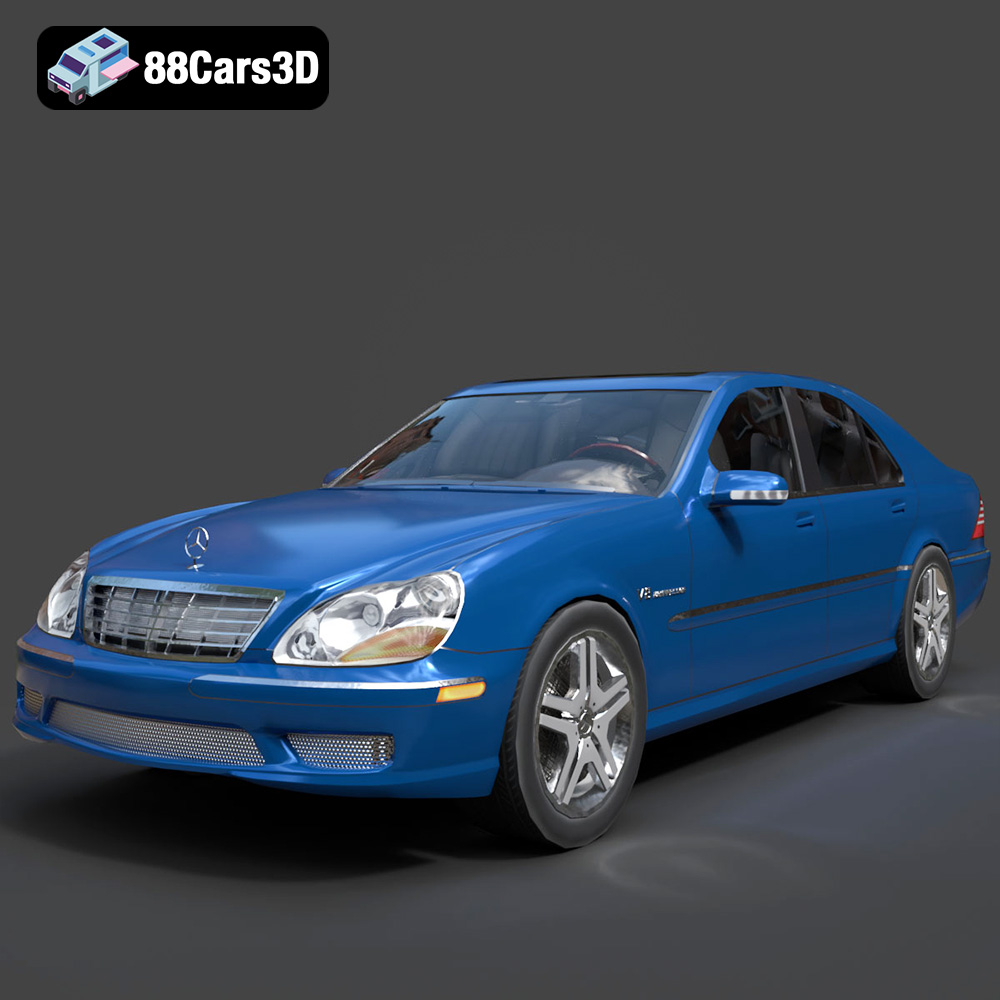
Mercedes-Benz S55 W220 AMG 1999 3D Model
Texture: Yes
Material: Yes
Download the Mercedes-Benz S55 W220 AMG 1999 3D Model featuring clean geometry, realistic detailing, and a fully modeled interior. Includes .blend, .fbx, .obj, .glb, .stl, .ply, .unreal, and .max formats for rendering, simulation, and game development.
Price: $23.99
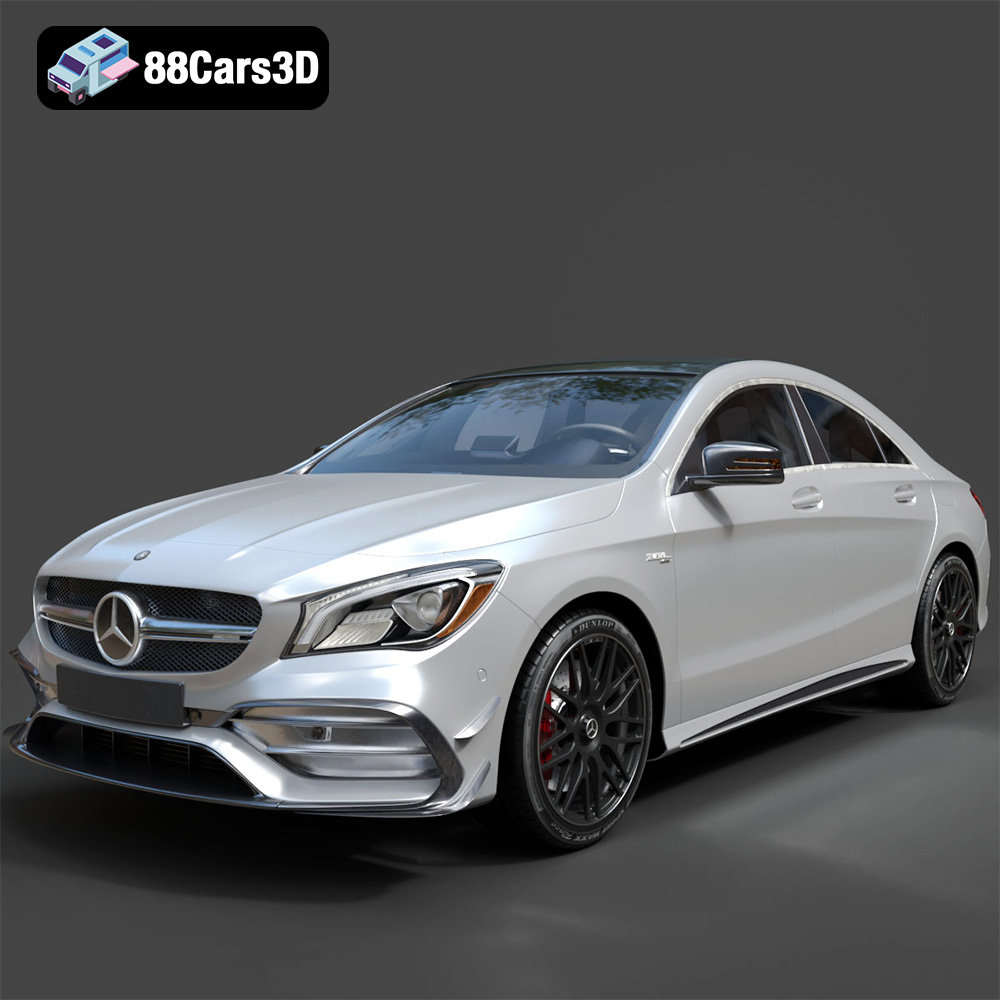
Mercedes-Benz CLA45 AMG 2017 3D Model
Texture: Yes
Material: Yes
Download the Mercedes-Benz CLA45 AMG 2017 3D Model featuring clean geometry, realistic detailing, and a fully modeled interior. Includes .blend, .fbx, .obj, .glb, .stl, .ply, .unreal, and .max formats for rendering, simulation, and game development.
Price: $38.99
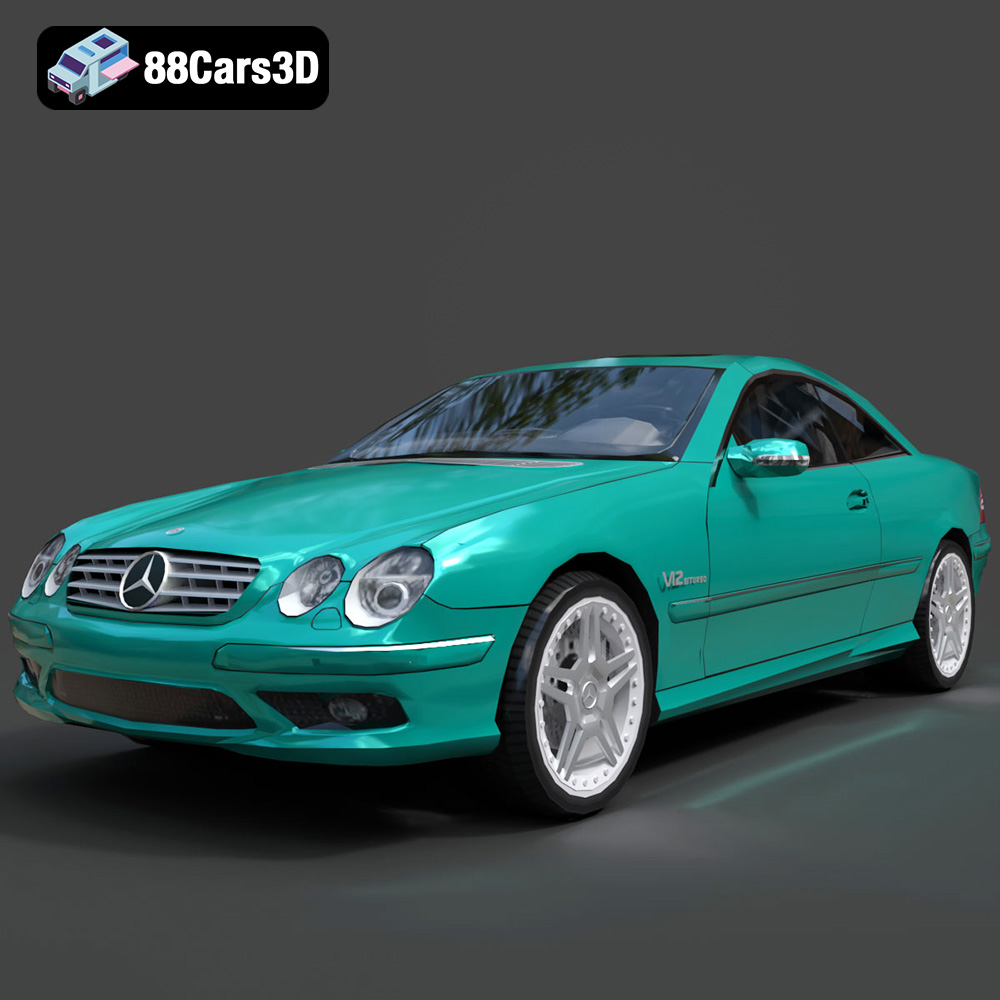
Mercedes-Benz CL65 C215 AMG 3D Model
Texture: Yes
Material: Yes
Download the Mercedes-Benz CL65 C215 AMG 3D Model featuring clean geometry, realistic detailing, and a fully modeled interior. Includes .blend, .fbx, .obj, .glb, .stl, .ply, .unreal, and .max formats for rendering, simulation, and game development.
Price: $23.99
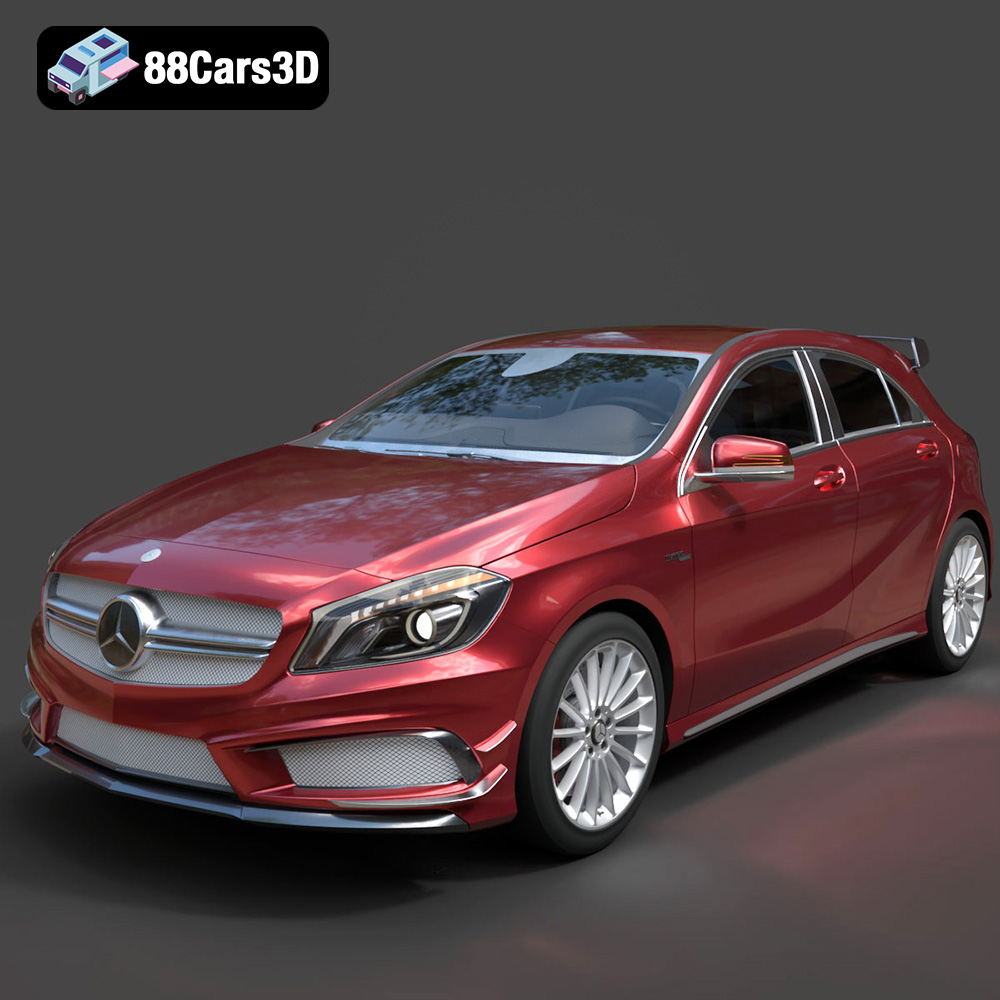
Mercedes-Benz A45 2021 3D Model
Texture: Yes
Material: Yes
Download the Mercedes-Benz A45 2021 3D Model featuring clean geometry, realistic detailing, and a fully modeled interior. Includes .blend, .fbx, .obj, .glb, .stl, .ply, .unreal, and .max formats for rendering, simulation, and game development.
Price: $23.99
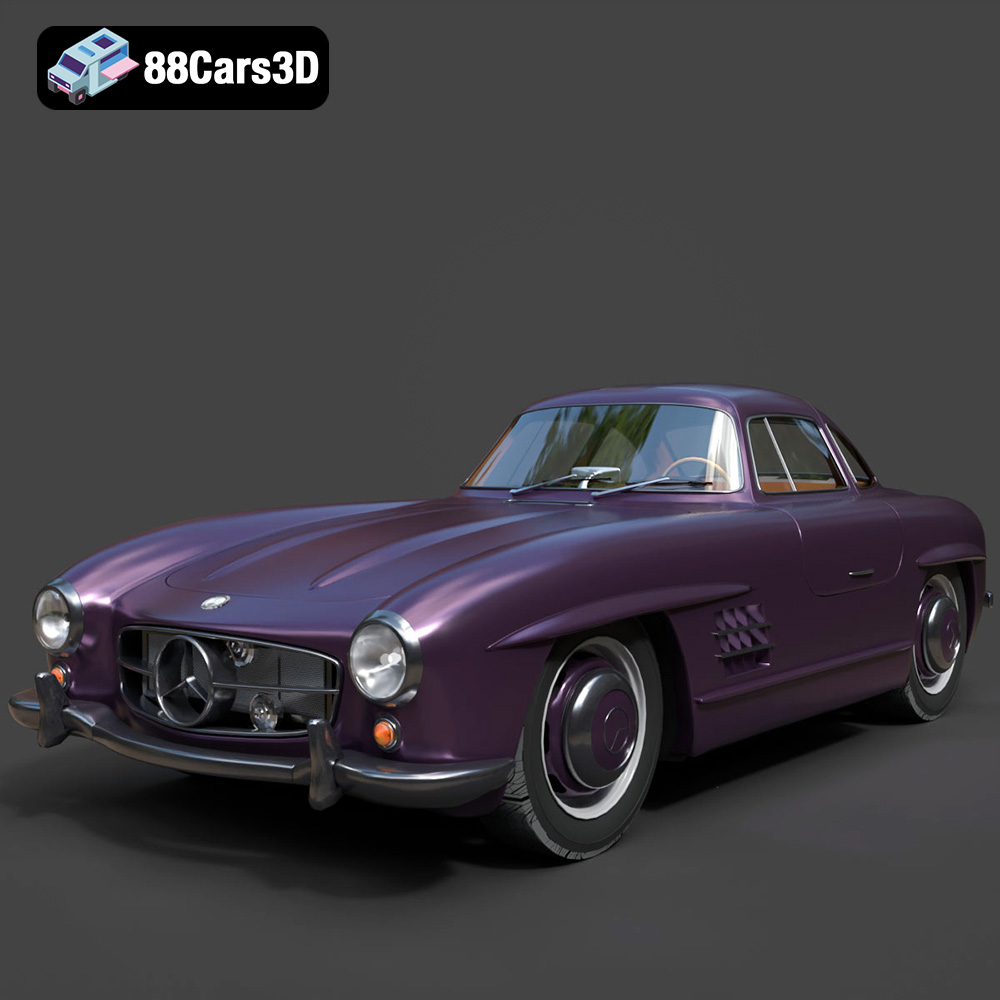
Mercedes-Benz 300SL 1955 3D Model
Texture: Yes
Material: Yes
Download the Mercedes-Benz 300SL 1955 3D Model featuring clean geometry, realistic detailing, and a fully modeled interior. Includes .blend, .fbx, .obj, .glb, .stl, .ply, .unreal, and .max formats for rendering, simulation, and game development.
Price: $23.99
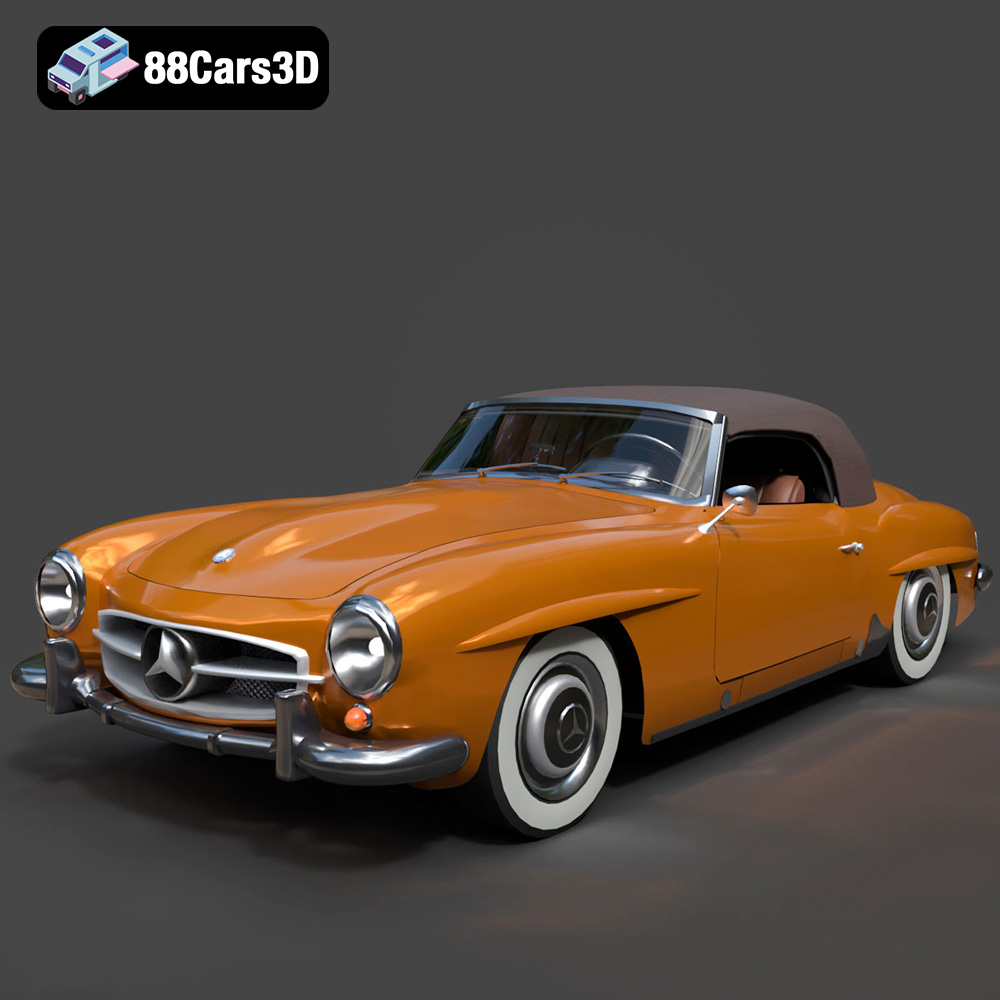
Mercedes-Benz 190SL 1955 3D Model
Texture: Yes
Material: Yes
Download the Mercedes-Benz 190SL 1955 3D Model featuring clean geometry, realistic detailing, and a fully modeled interior. Includes .blend, .fbx, .obj, .glb, .stl, .ply, .unreal, and .max formats for rendering, simulation, and game development.
Price: $23.99
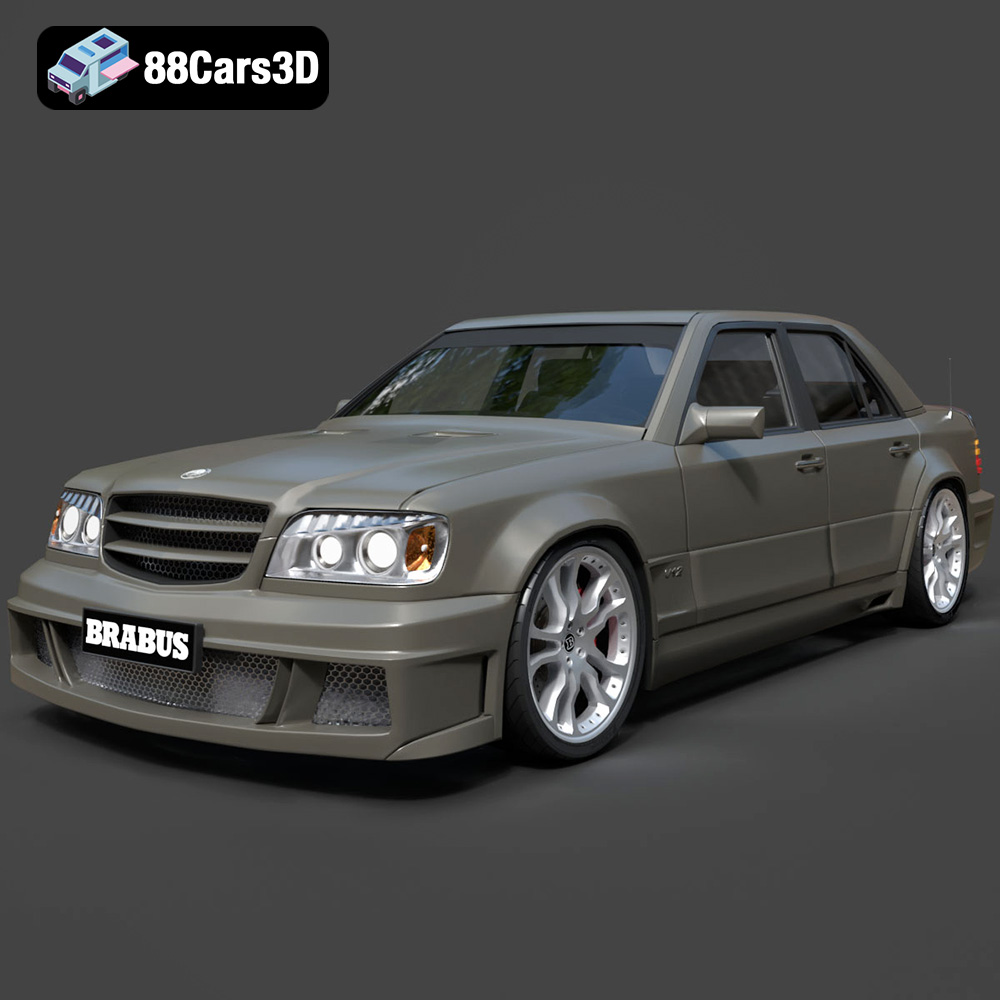
Mercedes-Benz W124 Brabus V12 3D Model
Texture: Yes
Material: Yes
Download the Mercedes-Benz W124 Brabus V12 3D Model featuring clean geometry, realistic detailing, and a fully modeled interior. Includes .blend, .fbx, .obj, .glb, .stl, .ply, .unreal, and .max formats for rendering, simulation, and game development.
Price: $23.99
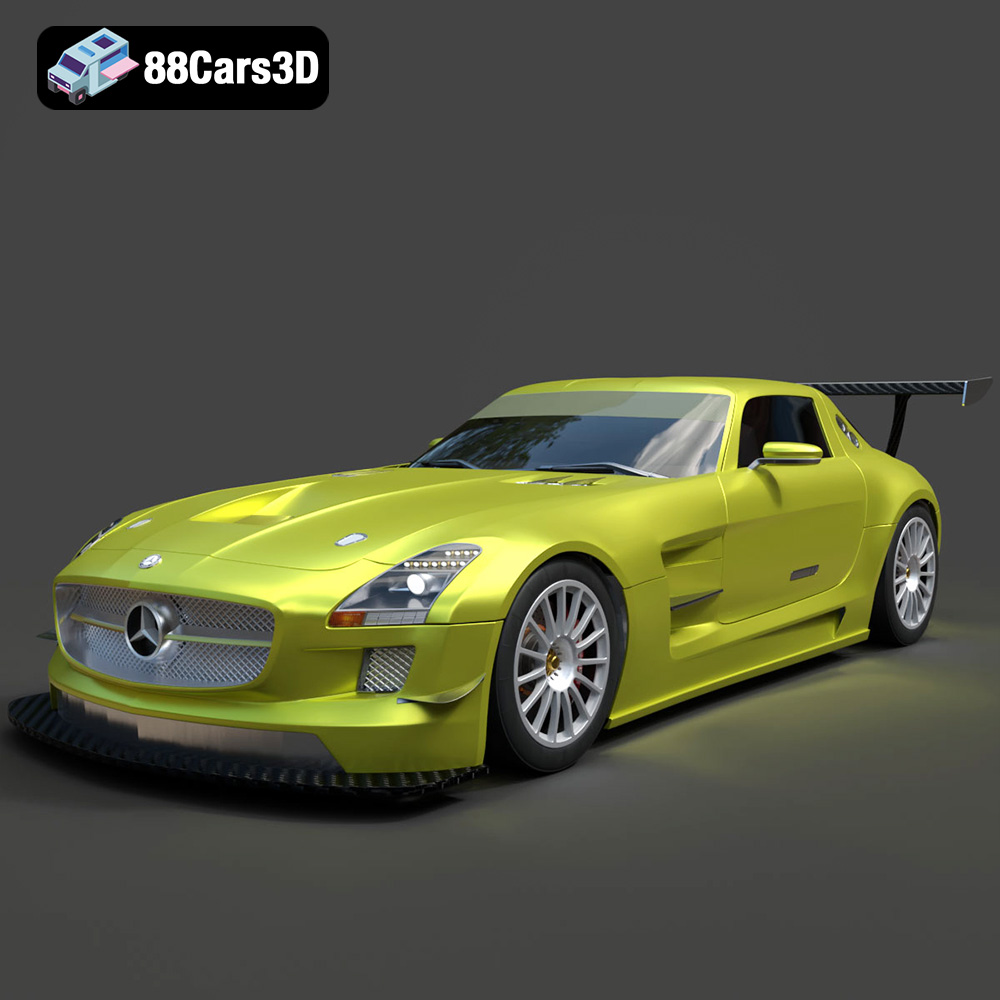
Mercedes-Benz SLS AMG GT3-002 3D Model
Texture: Yes
Material: Yes
Download the Mercedes-Benz SLS AMG GT3-002 3D Model featuring clean geometry, realistic detailing, and a fully modeled interior. Includes .blend, .fbx, .obj, .glb, .stl, .ply, .unreal, and .max formats for rendering, simulation, and game development.
Price: $38.99

Mercedes-Benz C-Class-001 3D Model
Texture: Yes
Material: Yes
Download the Mercedes-Benz C-Class-001 3D Model featuring clean geometry, realistic detailing, and a fully modeled interior. Includes .blend, .fbx, .obj, .glb, .stl, .ply, .unreal, and .max formats for rendering, simulation, and game development.
Price: $38.99
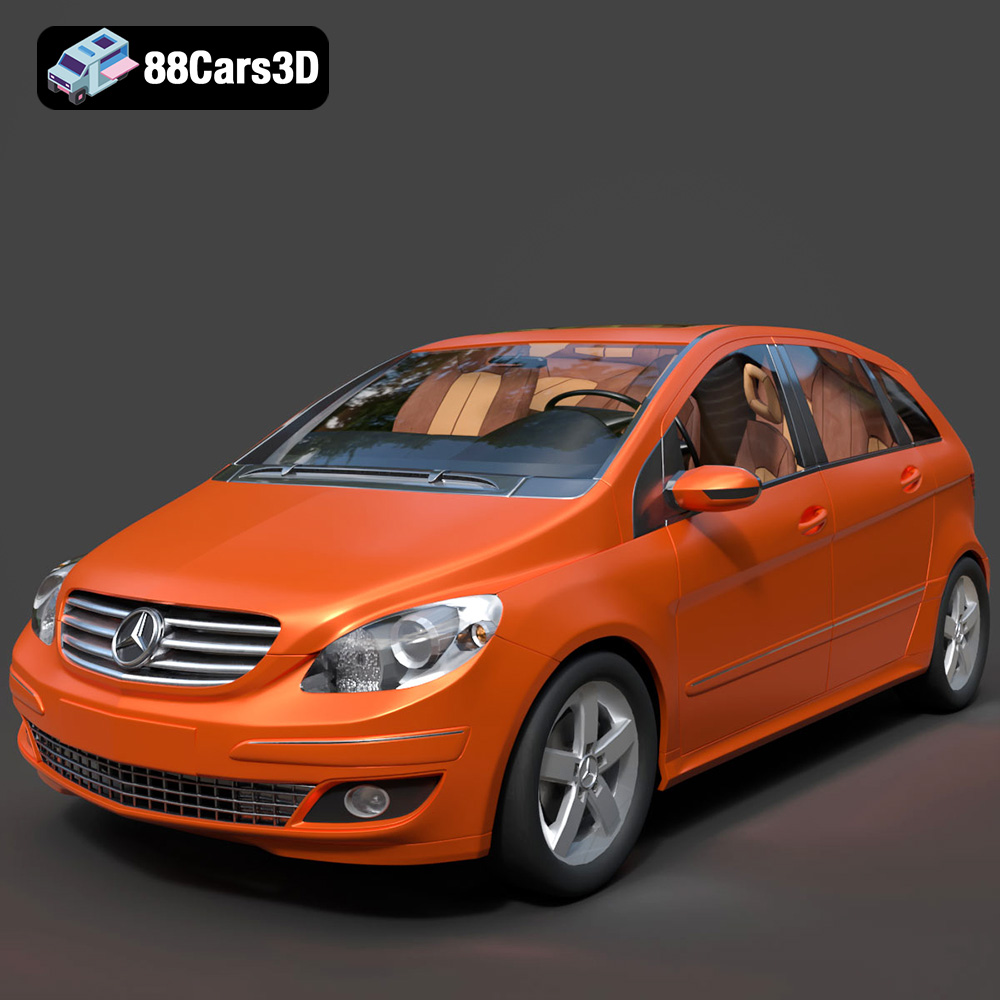
Mercedes-Benz B-Klasse 2023 3D Model
Texture: Yes
Material: Yes
Download the Mercedes-Benz B-Klasse 2023 3D Model featuring clean geometry, realistic detailing, and a fully modeled interior. Includes .blend, .fbx, .obj, .glb, .stl, .ply, .unreal, and .max formats for rendering, simulation, and game development.
Price: $38.99
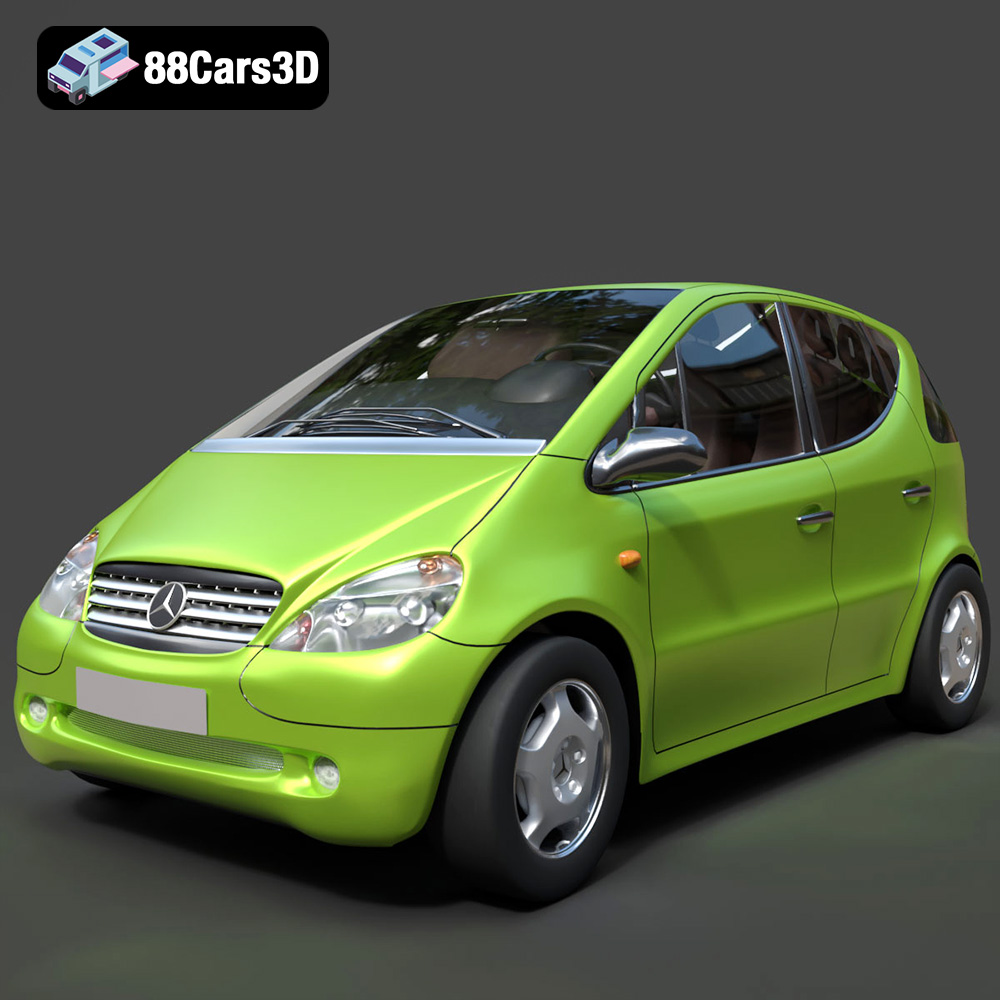
Mercedes-Benz A-Klasse W168 3D Model
Texture: Yes
Material: Yes
Download the Mercedes-Benz A-Klasse W168 3D Model featuring clean geometry, realistic detailing, and a fully modeled interior. Includes .blend, .fbx, .obj, .glb, .stl, .ply, .unreal, and .max formats for rendering, simulation, and game development.
Price: $38.99
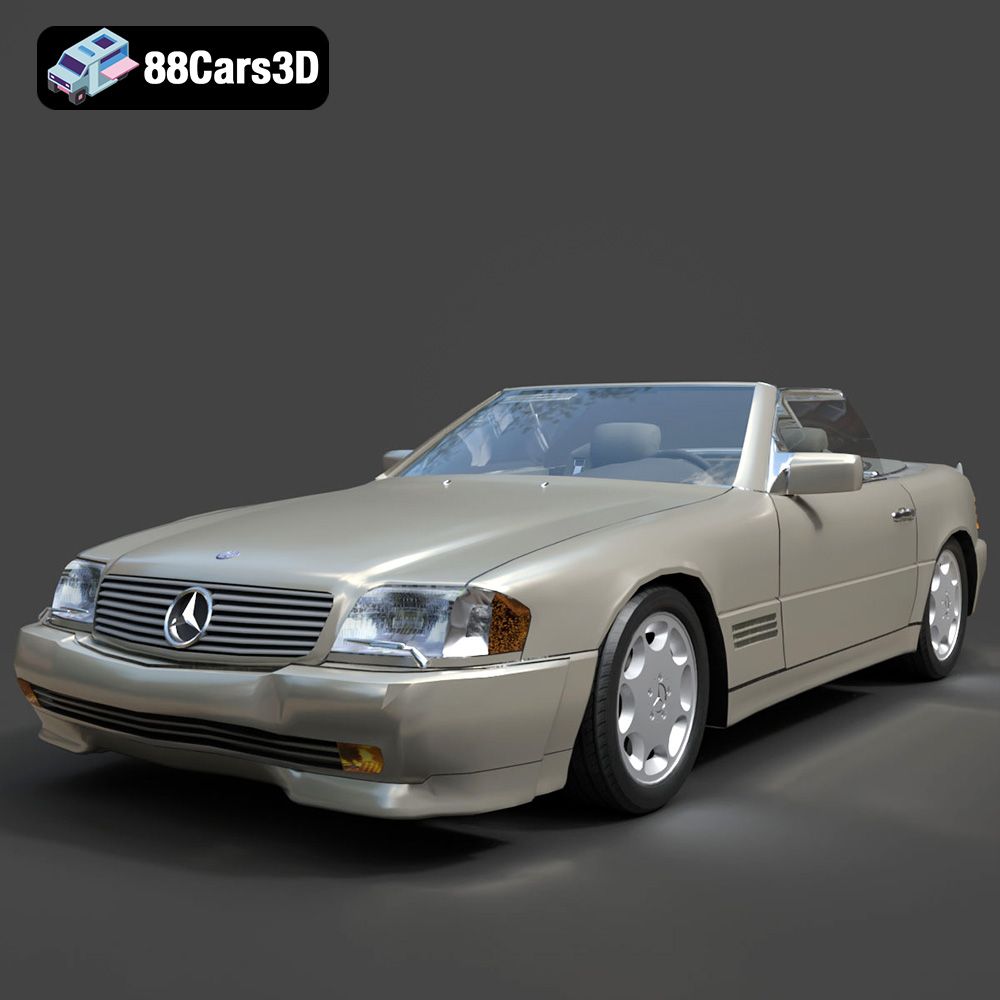
Mercedes-Benz 500SL 2000 3D Model
Texture: Yes
Material: Yes
Download the Mercedes-Benz 500SL 2000 3D Model featuring clean geometry, realistic detailing, and a fully modeled interior. Includes .blend, .fbx, .obj, .glb, .stl, .ply, .unreal, and .max formats for rendering, simulation, and game development.
Price: $38.99
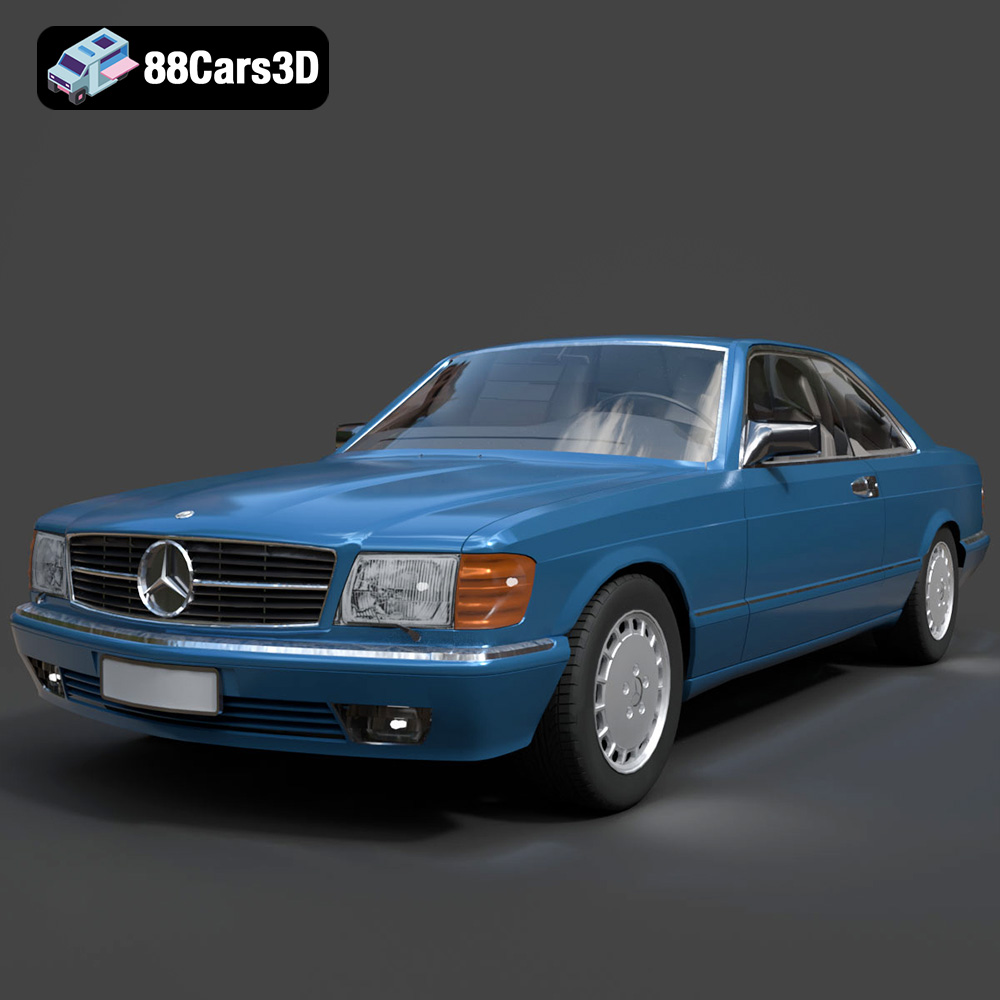
Mercedes-Benz 500SEC 3D Model
Texture: Yes
Material: Yes
Download the Mercedes-Benz 500SEC 3D Model featuring clean geometry, realistic detailing, and a fully modeled interior. Includes .blend, .fbx, .obj, .glb, .stl, .ply, .unreal, and .max formats for rendering, simulation, and game development.
Price: $38.99
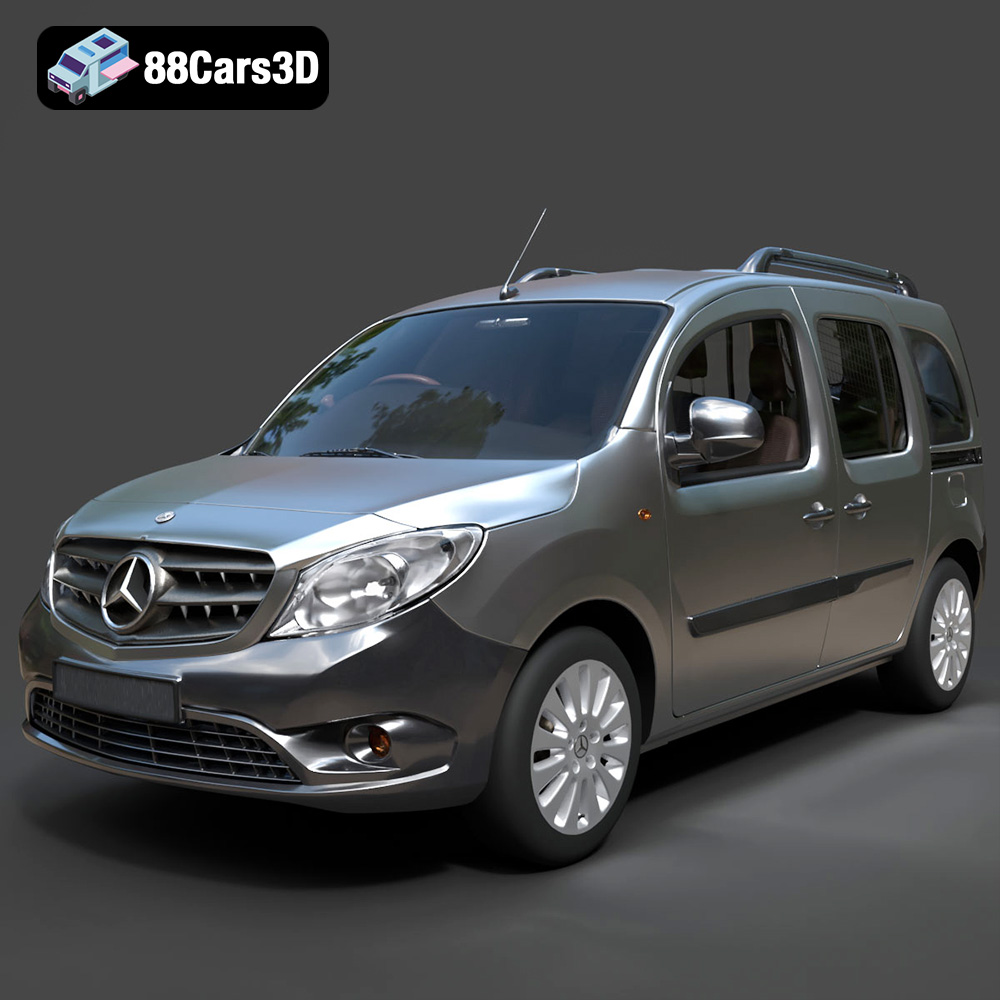
Mercedes-Benz Citan 2025 3D Model
Texture: Yes
Material: Yes
Download the Mercedes-Benz Citan 2025 3D Model featuring clean geometry, realistic detailing, and a fully modeled interior. Includes .blend, .fbx, .obj, .glb, .stl, .ply, .unreal, and .max formats for rendering, simulation, and game development.
Price: $38.99
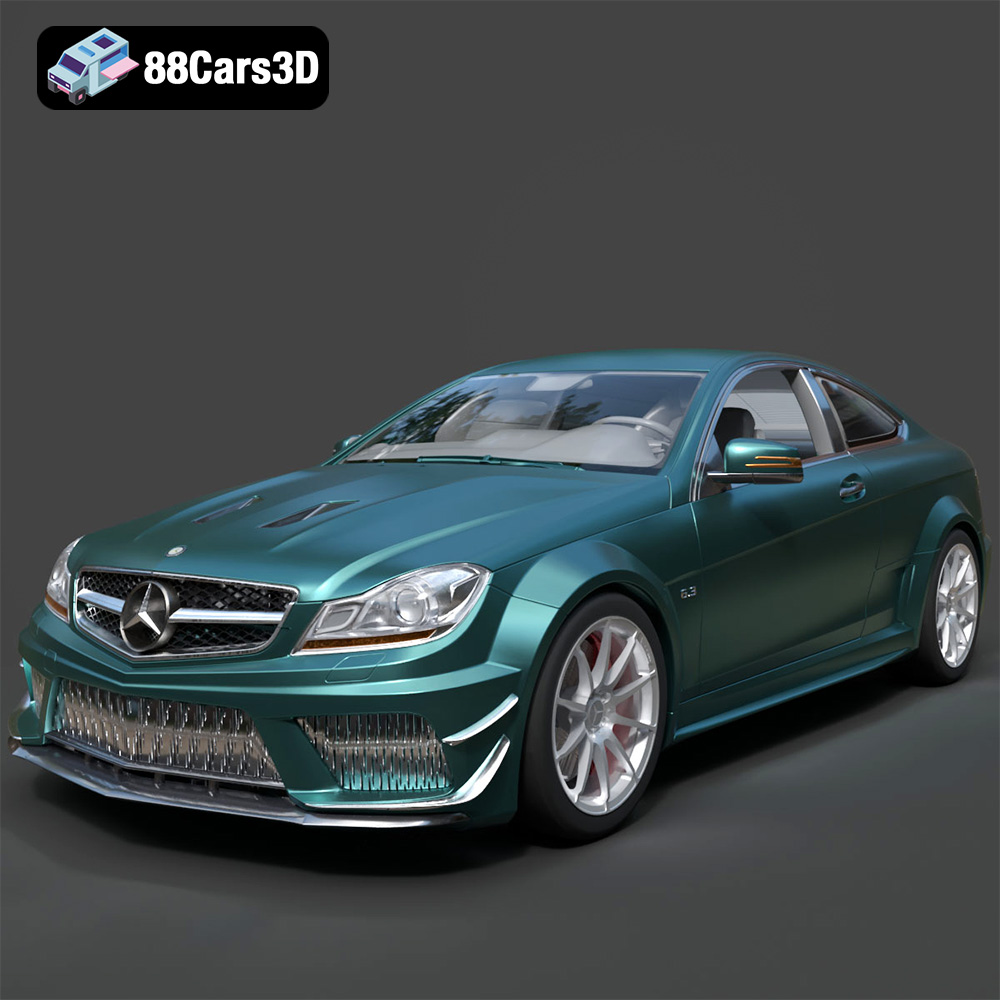
Mercedes-Benz C63 AMG 2012 3D Model
Texture: Yes
Material: Yes
Download the Mercedes-Benz C63 AMG 2012 3D Model featuring clean geometry, realistic detailing, and a fully modeled interior. Includes .blend, .fbx, .obj, .glb, .stl, .ply, .unreal, and .max formats for rendering, simulation, and game development.
Price: $38.99
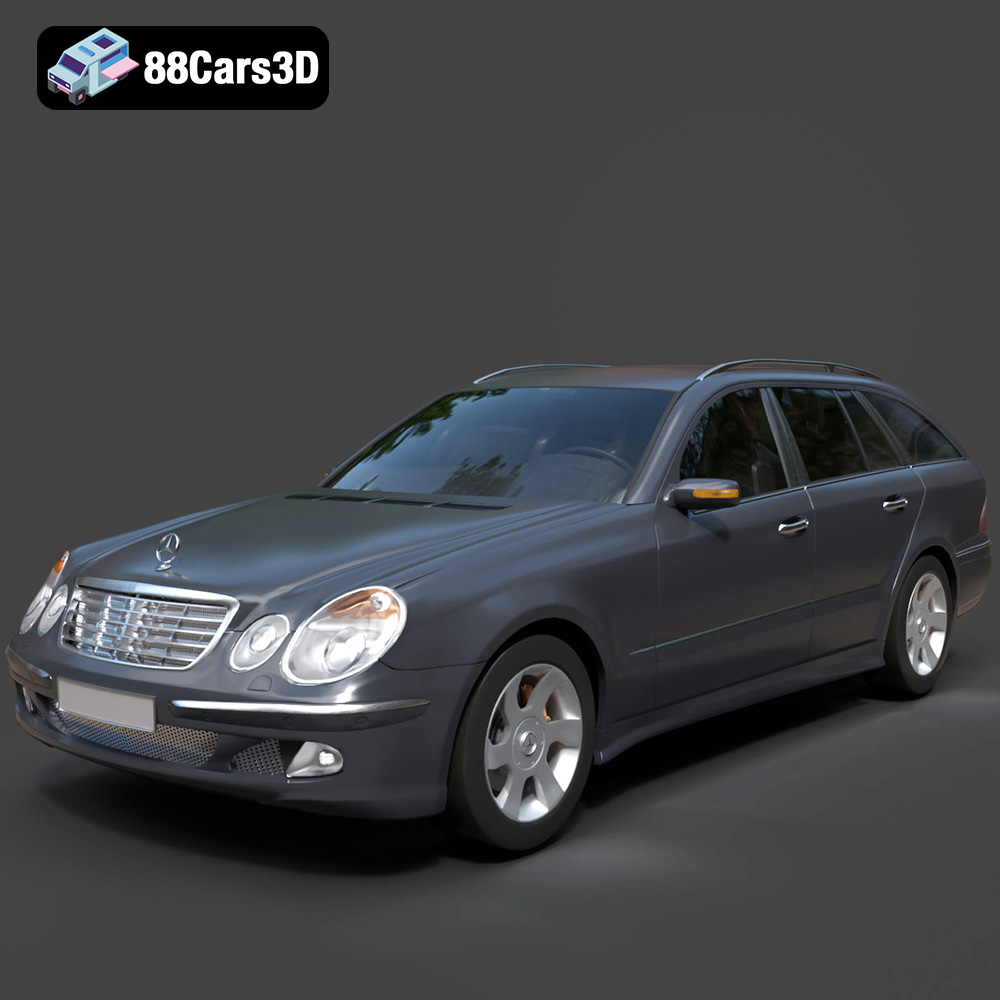
Mercedes-Benz E-Class S211 3D Model
Texture: Yes
Material: Yes
Download the Mercedes-Benz E-Class S211 3D Model featuring clean geometry, realistic detailing, and a fully modeled interior. Includes .blend, .fbx, .obj, .glb, .stl, .ply, .unreal, and .max formats for rendering, simulation, and game development.
Price: $38.99
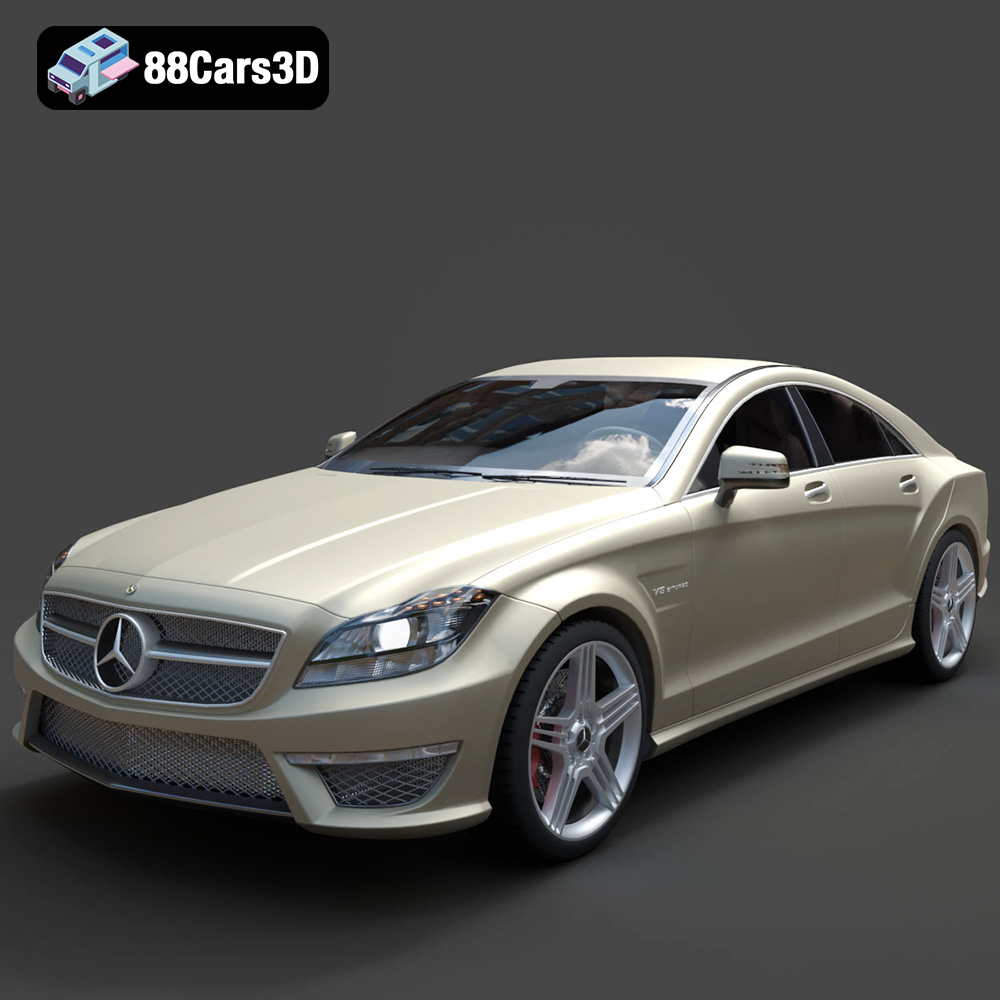
Mercedes-Benz CLS63 AMG (C218) 2014 3D Model
Texture: Yes
Material: Yes
Download the Mercedes-Benz CLS63 AMG (C218) 2014 3D Model featuring clean geometry, realistic detailing, and a fully modeled interior. Includes .blend, .fbx, .obj, .glb, .stl, .ply, .unreal, and .max formats for rendering, simulation, and game development.
Price: $38.99
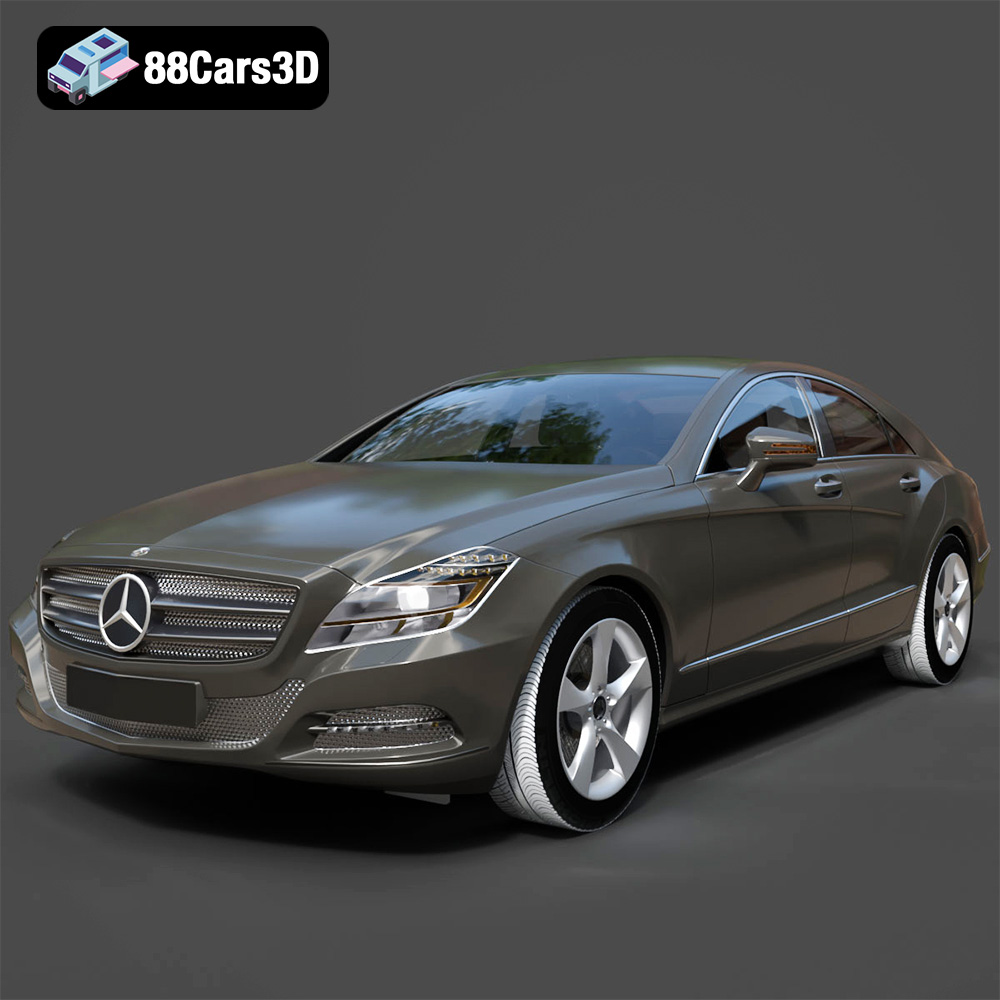
Mercedes-Benz CLS-Klasse 3D Model
Texture: Yes
Material: Yes
Download the Mercedes-Benz CLS-Klasse 3D Model featuring clean geometry, realistic detailing, and a fully modeled interior. Includes .blend, .fbx, .obj, .glb, .stl, .ply, .unreal, and .max formats for rendering, simulation, and game development.
Price: $38.99
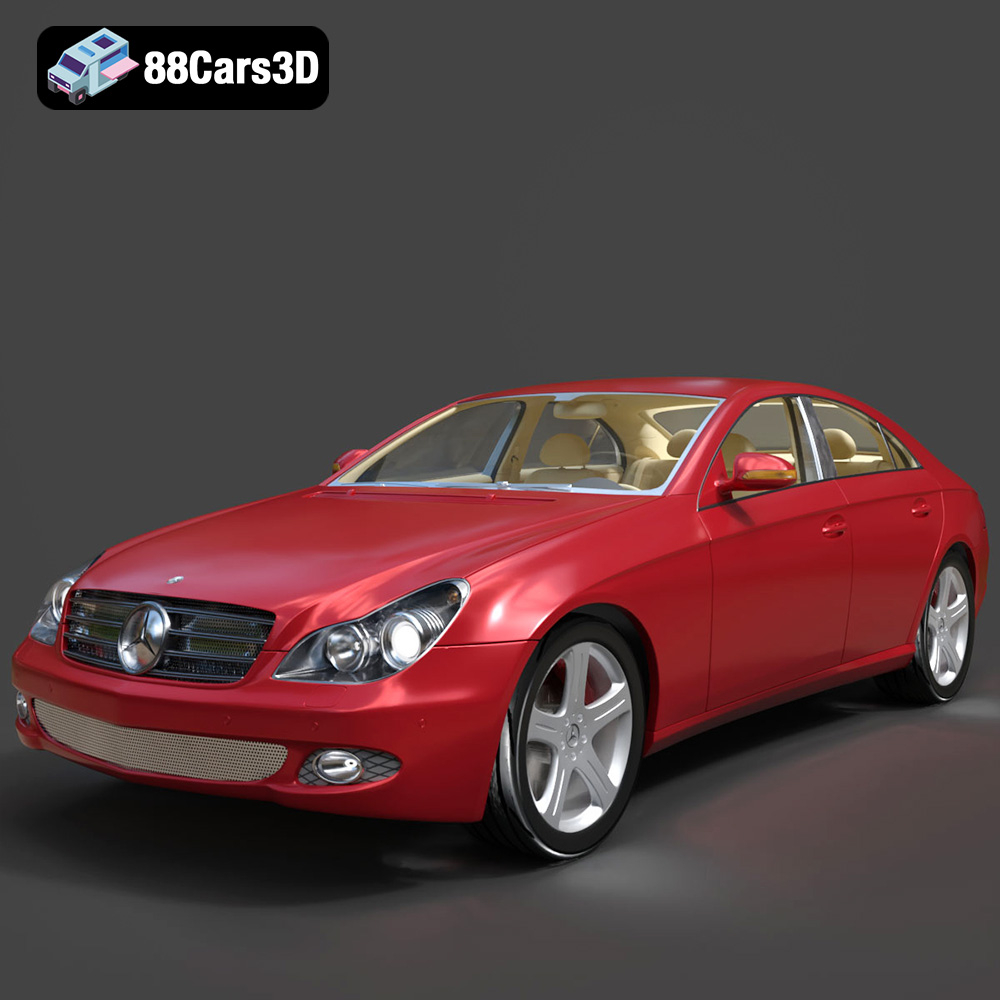
Mercedes-Benz CLS 500 3D Model
Texture: Yes
Material: Yes
Download the Mercedes-Benz CLS 500 3D Model featuring clean geometry, realistic detailing, and a fully modeled interior. Includes .blend, .fbx, .obj, .glb, .stl, .ply, .unreal, and .max formats for rendering, simulation, and game development.
Price: $38.99

Mercedes-Benz CL-Klasse 2001 3D Model
Texture: Yes
Material: Yes
Download the Mercedes-Benz CL-Klasse 2001 3D Model featuring clean geometry, realistic detailing, and a fully modeled interior. Includes .blend, .fbx, .obj, .glb, .stl, .ply, .unreal, and .max formats for rendering, simulation, and game development.
Price: $38.99
