
Deconstructing Real-World Car Paint: The Science Behind the Shine

The quest for photorealistic automotive rendering in real-time has long been a holy grail for 3D artists, game developers, and automotive designers. While modeling intricate details and setting up realistic environments are crucial, arguably no single element contributes more to a vehicle’s perceived quality and visual impact than its paint finish. A stunning car paint job can elevate a high-poly car model from good to breathtaking, conveying luxury, speed, and precision. With the advent of Unreal Engine 5, artists now wield an incredibly powerful toolkit capable of achieving unprecedented levels of visual fidelity, especially when it comes to rendering complex surfaces like automotive paint.
This comprehensive guide dives deep into mastering Unreal Engine 5 car paint, focusing on the technical steps and artistic considerations needed to create truly photorealistic finishes. We’ll explore the underlying physics of real-world paint, meticulously build an advanced automotive shader setup, and delve into the nuances of achieving critical effects like clear coat realism and dynamic metallic flake effects. Whether you’re visualizing future car designs or crafting assets for the next generation of racing games, understanding these techniques is paramount. For those seeking a strong foundation, high-quality, pre-modeled vehicles available at 88cars3d.com provide an excellent starting point for applying these advanced material techniques.
Deconstructing Real-World Car Paint: The Science Behind the Shine
Before we even open Unreal Engine 5, it’s vital to understand what makes real-world car paint look the way it does. Automotive paint is not a single, monolithic layer; it’s a sophisticated multi-layered system designed for protection, durability, and aesthetics. Each layer plays a specific role in creating that signature depth, gloss, and color shift we admire.
The Essential Layers and Physical Properties
- Primer: Applied directly to the bare metal or composite, primer ensures adhesion for subsequent layers and provides a uniform surface. While not directly visible in the final render, its influence on the underlying surface smoothness affects how light interacts with the layers above.
- Base Coat: This is the color layer. It can be a solid color, a metallic finish with tiny aluminum flakes, or a pearlescent finish using mica particles. The reflectivity and light scattering properties of these flakes are what give metallic paints their characteristic sparkle and changing appearance from different angles. This is where the core color and much of the metallic flake effect originates.
- Clear Coat: The transparent, outermost layer. This is arguably the most critical component for achieving clear coat realism in your renders. The clear coat provides depth, gloss, UV protection, and resistance to scratches. It acts as a transparent dielectric layer over the base coat, meaning it has its own distinct specular reflections and refractive properties. The interplay between the reflections off the clear coat and the color/flakes beneath creates the deep, wet look characteristic of high-end automotive finishes.
Understanding these layers is the foundation for creating a robust PBR car paint shader. Each layer contributes to the final optical properties, affecting how light is absorbed, scattered, and reflected. A physically based rendering approach aims to simulate these real-world interactions as accurately as possible within the engine.
Building the Foundation: Setting Up Your Base Unreal Engine 5 Material
The journey to photorealistic car paint begins with a solid Physically Based Rendering (PBR) material graph in Unreal Engine 5. We’ll start with the basics, then expand into more complex features. The goal is to create an automotive shader setup that is flexible and physically accurate.
Initial PBR Material Graph Setup
- Create a New Material: In the Content Browser, right-click, select Materials & Textures > Material. Name it appropriately (e.g., `M_CarPaint_Base`).
- Material Domain and Shading Model: Open your new material. In the Details panel, ensure “Material Domain” is set to “Surface” and “Shading Model” is set to “Default Lit.” While Unreal Engine 5 offers more advanced shading models, we’ll build our clear coat functionality manually for maximum control and realism, which is often preferred for high-end automotive models.
- Base Color: This will be the primary color of your car paint. For flexibility, promote a “Vector Parameter” to use for the base color. This allows easy color changes via material instances.
- Metallic: For most car paints, especially those with metallic flakes, this value should be close to 1. Dielectrics (non-metals) have a metallic value of 0, while pure metals have 1. Car paint, with its metallic flakes, is often treated as a complex dielectric with metallic properties in its base coat. For simplicity initially, you can use a “Scalar Parameter” set to a value like 0.8 or 0.9 for a metallic base.
- Roughness: This controls the micro-surface detail. A perfectly smooth, polished car will have very low roughness (e.g., 0.05-0.1). Use a “Scalar Parameter” for this, allowing you to fine-tune the glossiness.
- Specular: For PBR, the specular input is typically left at its default value (0.5) for dielectrics. Unreal Engine 5 handles specular reflections based on Metallic and Roughness for physically accurate results.
- Normal: Connect a “Texture Sample” node for your normal map, if you have one. This is essential for adding subtle surface imperfections or panel lines.
This basic setup provides a functional PBR material, but it lacks the distinctive clear coat and complex metallic flake effects that define truly photorealistic car paint. We’ll build upon this foundation.
Preparing Your High-Poly Car Model for Paint
Even the most advanced Unreal Engine 5 materials won’t look good on a poorly prepared mesh. High-poly car model preparation is a critical preliminary step. Ensure your model has:
- Clean Topology: Quads are generally preferred, with proper edge flow. Avoid n-gons or excessive triangles, as they can lead to shading artifacts.
- Proper UV Unwrapping: Your UVs need to be clean, non-overlapping, and efficiently packed. This is crucial for texture mapping, especially for normal maps and for future custom effects like decals or dirt masks.
- Consistent Smoothing Groups/Normals: Hard edges where they shouldn’t be can ruin the illusion of a smooth, continuous surface. Ensure your mesh has correctly set smoothing groups or softened normals to represent the smooth curves of a car body. This is paramount for reflections to behave correctly.
- Material IDs: Assign distinct material IDs to different parts of the car (body, windows, tires, interior) in your 3D modeling software. This allows you to easily apply separate materials in Unreal Engine 5.
Proper model preparation ensures that your meticulously crafted Unreal Engine 5 materials will render flawlessly, reflecting light and environment accurately across the entire surface. If you’re starting a new project, high-quality models from resources like 88cars3d.com can significantly reduce preparation time, allowing you to focus on material development.
Mastering the Clear Coat: The Key to Automotive Brilliance
The clear coat is where much of the magic happens for PBR car paint. It’s a transparent, highly reflective layer that sits on top of the colored base coat. Simulating this accurately in Unreal Engine 5 requires a specific approach, often involving a dual-lobe specular model or custom material functions.
Implementing Clear Coat Realism
Unreal Engine 5 provides a dedicated “Clear Coat” input in its default lit shading model, which simplifies this process significantly. However, understanding what it does and how to control it is key.
- Enable Clear Coat: In your material, ensure the “Shading Model” is set to “Default Lit.” You’ll see inputs for “Clear Coat” and “Clear Coat Roughness.”
- Clear Coat Amount: This scalar input controls the intensity of the clear coat effect, ranging from 0 (no clear coat) to 1 (full clear coat). For realistic car paint, this should be set to 1. Promote a “Scalar Parameter” named `ClearCoatAmount` and set its default to 1.
- Clear Coat Roughness: This parameter defines the smoothness of the clear coat layer. A brand-new, perfectly polished car will have very low clear coat roughness (e.g., 0.02-0.05). As the car ages or gets dirty, this value would increase. Promote a “Scalar Parameter” named `ClearCoatRoughness` for this.
- Clear Coat Normal: This is a crucial input that allows the clear coat to have its own separate normal map, distinct from the base coat. This is useful for adding subtle surface imperfections like micro-scratches or dust, which would only affect the top layer. For a pristine finish, you might leave this connected to the same normal map as your base coat, or even a flat normal if you desire a perfectly smooth top layer.
The beauty of this built-in clear coat model is that it automatically handles the blending of the base material’s reflections with the clear coat’s reflections, producing a physically plausible result. The clear coat uses a separate set of specular parameters, typically with a higher Fresnel effect, which results in very strong reflections at grazing angles.
Refining Clear Coat Appearance
- IOR (Index of Refraction): While not directly exposed as a parameter, the clear coat in UE5 implicitly uses an IOR appropriate for a lacquer (around 1.5). This contributes to its distinct reflective properties.
- Tinting: Occasionally, you might want to subtly tint the clear coat. This can be achieved by multiplying a very subtle color with your base color before it goes into the Clear Coat Base Color input (which isn’t directly exposed but is conceptually how it works).
- Layered Materials: For highly advanced setups, you could use a layered material system, where the clear coat is a separate material function layered on top of your base paint. This offers maximum control but also increases complexity. For most high-end automotive models, the built-in clear coat provides ample realism when configured correctly.
Properly implemented clear coat realism is what gives car paint its liquid-like depth and allows it to beautifully reflect the environment, a hallmark of high-end automotive models.
Crafting the Metallic Flake Effect: Adding Depth and Sparkle
The metallic flake effect is what gives many automotive paints their characteristic sparkle and makes them change appearance dramatically under different lighting conditions and viewing angles. Achieving this in Unreal Engine 5 requires a blend of textures and procedural techniques within your automotive shader setup.
Understanding Metallic Flakes
Real-world metallic paint contains tiny, often microscopic, aluminum flakes suspended in the base coat. These flakes are oriented somewhat randomly but tend to lie relatively flat. When light hits them, each flake acts like a tiny mirror, reflecting light back at specific angles. As the viewing angle changes, different flakes catch the light, creating a shimmering, dynamic effect.
Implementing the Metallic Flake Effect in Unreal Engine 5
There are several approaches, but a common and effective method involves using a combination of noise and custom normal maps:
- Flake Normal Map:
- Create a high-frequency noise texture (e.g., Perlin noise or Voronoi noise) in an image editor or a procedural generator. This will serve as the base for our flake distribution.
- Convert this noise into a normal map. This can be done using tools like Substance Designer, CrazyBump, or even within Unreal Engine’s material editor using a “NormalFromHeightmap” node on a noise texture.
- Alternatively, you can paint a custom normal map that simulates tiny, randomly oriented bumps or facets.
- Blending Flake Normals with Base Normals:
- Use a “BlendAngleCorrectedNormals” node to combine your primary car body normal map with the flake normal map. The flake normal should typically be applied with a very subtle intensity to avoid making the surface look bumpy.
- Control the intensity of the flake normal using a “Scalar Parameter” (e.g., `FlakeNormalIntensity`).
- Controlling Flake Appearance:
- Flake Size and Density: The scale of your flake normal map directly controls the perceived size and density of the flakes. Use a “Texture Coordinate” node with a “Scalar Parameter” for tiling (e.g., `FlakeTiling`) to adjust this.
- Flake Color/Tint: You can subtly tint the flakes by multiplying a color parameter with your flake normal’s R/G channels (or directly with the normal vector) before blending, though often the metallic nature handles this. More commonly, the base color itself influences how the flakes appear.
- Flake Metallic Contribution: Ensure your base metallic value is high enough to allow the flakes to behave like tiny mirrors.
- Adjusting Roughness for Flakes:
- The flakes themselves should be highly reflective, so their ‘roughness’ should be very low. The perceived roughness of the overall base coat, however, will be slightly higher than the clear coat due to the flakes diffusing light.
- You can introduce a second roughness map or scalar, blended with the base roughness, to specifically control the flake-related roughness.
A more advanced technique for flakes involves using a custom material function that outputs a modified normal, driven by a noise pattern, and applying a small amount of anisotropy. While the default Unreal Engine 5 shading model doesn’t directly support anisotropic reflections for the base layer, clever normal map manipulation can approximate the effect, making the flakes stretch and shimmer realistically under certain lighting conditions. The subtle interplay of these Unreal Engine 5 materials and their parameters is what truly defines a convincing metallic flake effect.
Advanced Techniques for Flake Variation
- World-Aligned Textures: To prevent visible tiling of your flake normal map across large surfaces, consider using a “World Aligned Texture” node. This projects the texture based on world coordinates, making the flakes appear consistent regardless of the model’s UVs.
- Layered Flake Normals: Combine multiple flake normal maps at different scales using “BlendAngleCorrectedNormals” for even more complex and natural-looking flake distributions. One layer for fine dust-like flakes, another for larger glints.
- Procedural Flakes: For ultimate control, use procedural noise nodes directly in the material graph to generate the flake pattern without needing external textures. This can save texture memory but might increase shader instruction count.
Refining Reflections and Refractions for Cinematic Quality
No amount of careful material setup for PBR car paint will look convincing without accurate and high-quality reflections. Car surfaces are mirrors to their environment, and the way they reflect light is fundamental to their realism, especially for high-end automotive models in a cinematic context.
Leveraging Unreal Engine 5’s Reflection Systems
Unreal Engine 5 offers several powerful reflection systems that, when used together, can create stunning results:
- Lumen Global Illumination and Reflections: Lumen is Unreal Engine 5’s default global illumination and reflection solution. It provides real-time indirect lighting and reflections with incredible realism. For car paint, Lumen is a game-changer as it dynamically captures the environment and bounces light, resulting in very accurate and continuous reflections, even on glossy surfaces. Ensure Lumen is enabled in your project settings.
- Screen Space Reflections (SSR): While Lumen is primary, SSR can complement it by providing high-quality reflections for objects visible on screen. It’s less accurate than Lumen for off-screen reflections but is very fast.
- Ray Tracing Reflections: For the absolute highest quality and most physically accurate reflections, especially on transparent or highly reflective surfaces like clear coat, hardware ray tracing is unmatched. If your target hardware supports it, enabling ray-traced reflections will take your car paint realism to the next level, offering pixel-perfect mirror reflections and accurate refraction through glass.
- Reflection Captures: Even with Lumen and Ray Tracing, strategically placed Reflection Capture Actors (Sphere or Box) can help anchor reflections in specific areas or provide fallback for less complex scenarios. They bake cubemaps of their surroundings, which are then used for reflections. While less dynamic than Lumen/Ray Tracing, they are useful for ensuring consistent reflections.
Environment Lighting’s Crucial Role
The quality of your car paint reflections is directly tied to the quality of your environment lighting. A well-lit scene with interesting shapes, colors, and varying light intensities will produce more dynamic and appealing reflections than a bland, uniformly lit environment.
- HDRI Skybox: Using a high dynamic range image (HDRI) as your skybox is an industry standard for realistic lighting. It provides both indirect lighting and a rich source for reflections, giving your car paint accurate environmental context.
- Direct Lights: Sun, key lights, and fill lights should be carefully placed to highlight the car’s curves and emphasize its material properties. Hard, crisp reflections often come from direct light sources.
- Local Reflection Captures: For interior studios or complex environments, placing localized reflection captures can ensure reflections behave correctly in specific zones, especially for areas that Lumen might struggle with initially (e.g., highly occluded spots).
Achieving cinematic quality for your high-end automotive models involves a holistic approach: excellent material work, combined with a robust lighting and reflection setup, all contributing to superior real-time rendering optimization.
Optimization and Iteration: Streamlining Your Workflow
Creating complex automotive shader setup in Unreal Engine 5 can quickly become unwieldy without proper organization and optimization techniques. Efficient iteration is key to perfecting your car paint and ensuring your high-end automotive models perform well in real-time environments.
Leveraging Material Instance Parameters
The single most important tool for efficient iteration on Unreal Engine 5 materials is the Material Instance. Instead of modifying the base material every time you want to try a new color or adjust a roughness value, you create Material Instances derived from your master material. This allows you to quickly adjust exposed parameters without recompiling the entire shader.
How to Use Material Instance Parameters:
- Promote to Parameter: In your master material graph, right-click on any input (e.g., a “Constant3Vector” for Base Color, a “Scalar Parameter” for Roughness, a “Texture Sample” for normal map strength) and select “Convert to Parameter.” Give it a meaningful name (e.g., `BaseColor_Paint`, `ClearCoatRoughness`, `FlakeTiling`).
- Create Material Instance: In the Content Browser, right-click on your master material and select “Create Material Instance.”
- Adjust Parameters: Open the Material Instance. You will see all your exposed parameters listed. You can now tweak colors, roughness values, flake intensity, normal map strengths, and more in real-time without recompiling the shader. This is incredibly fast and allows for rapid experimentation.
This approach is vital for an agile workflow, especially when iterating on subtle variations or presenting multiple color options for high-end automotive models. It also makes your materials much easier to manage and modify down the line.
Performance Considerations for High-Fidelity Models
While Unreal Engine 5 is powerful, rendering complex PBR car paint on a high-poly car model preparation requires careful attention to performance, particularly for real-time rendering optimization. Excessive shader complexity can quickly bring down frame rates.
Key Optimization Strategies:
- Shader Instruction Count: The more complex your material graph, the higher its instruction count. Keep an eye on the “Stats” tab in your material editor for shader complexity. Group common operations into material functions to keep the main graph cleaner and potentially optimize repeated calculations.
- Texture Resolution and Format: Use appropriate texture resolutions. While 4K textures are common, consider if every map truly needs it. Use efficient texture formats (e.g., BC7 for normal/color, BC5 for normal maps without alpha, single channel for masks).
- Mesh Complexity: A high-poly car model will naturally have more vertices and triangles. Ensure your mesh is optimized. Remove unseen geometry, use LODs (Levels of Detail) where appropriate, and ensure efficient tessellation if using displacement. The better your high-poly car model preparation, the more performant it will be.
- Overdraw: Minimize overlapping opaque surfaces, as this leads to overdraw, where the GPU renders pixels multiple times.
- Reflection Cost: Ray tracing is beautiful but can be demanding. Balance its usage with performance targets. Lumen also has scalable quality settings.
- Material Baking: For static elements or less critical objects, consider baking complex materials into simpler textures where possible, reducing real-time calculations.
The goal is to strike a balance between visual fidelity and performance. With thoughtful material construction and optimization, you can achieve stunning Unreal Engine 5 car paint without sacrificing valuable frame rates.
Conclusion: The Art and Science of Photorealistic Automotive Paint
Mastering Unreal Engine 5 car paint is a journey that blends scientific understanding with artistic finesse. We’ve deconstructed the real-world physics of multi-layered automotive finishes, laid out a robust PBR car paint foundation, and delved into advanced techniques for achieving compelling clear coat realism and a dynamic metallic flake effect. From initial high-poly car model preparation to fine-tuning reflections and leveraging material instance parameters for efficient iteration, every step is crucial for elevating your high-end automotive models.
Unreal Engine 5 provides an unparalleled environment for creating breathtaking automotive visualizations in real time. By diligently applying the principles of physically based rendering and understanding the nuances of an advanced automotive shader setup, you can achieve truly cinematic results that captivate and immerse your audience. The power to create highly detailed, performant Unreal Engine 5 materials is at your fingertips.
Don’t be afraid to experiment, push the boundaries of what’s possible, and continuously refine your techniques. The journey to photorealism is ongoing, but with the tools and knowledge shared here, you are well-equipped to produce stunning automotive art. For those looking to jumpstart their projects with expertly crafted base models, remember that 88cars3d.com offers a curated selection of high-quality vehicles ready for your ultimate paint finish experimentation.
Featured 3D Car Models

Suzuki SX4-002 3D Model
Texture: Yes
Material: Yes
Download the Suzuki SX4-002 3D Model featuring clean geometry, realistic detailing, and a fully modeled interior. Includes .blend, .fbx, .obj, .glb, .stl, .ply, .unreal, and .max formats for rendering, simulation, and game development.
Price: $10

Tesla Model S 2024 3D Model
Texture: Yes
Material: Yes
Download the Tesla Model S 2024 3D Model featuring clean geometry, realistic detailing, and a fully modeled interior. Includes .blend, .fbx, .obj, .glb, .stl, .ply, .unreal, and .max formats for rendering, simulation, and game development.
Price: $10

Subaru Impreza WRX STi-002 3D Model
Texture: Yes
Material: Yes
Download the Subaru Impreza WRX STi-002 3D Model featuring clean geometry, realistic detailing, and a fully modeled interior. Includes .blend, .fbx, .obj, .glb, .stl, .ply, .unreal, and .max formats for rendering, simulation, and game development.
Price: $10

Subaru Impreza WRX STi Sedan 3D Model
Texture: Yes
Material: Yes
Download the Subaru Impreza WRX STi Sedan 3D Model featuring clean geometry, realistic detailing, and a fully modeled interior. Includes .blend, .fbx, .obj, .glb, .stl, .ply, .unreal, and .max formats for rendering, simulation, and game development.
Price: $10

Subaru Legacy 2009 3D Model
Texture: Yes
Material: Yes
Download the Subaru Legacy 2009 3D Model featuring clean geometry, realistic detailing, and a fully modeled interior. Includes .blend, .fbx, .obj, .glb, .stl, .ply, .unreal, and .max formats for rendering, simulation, and game development.
Price: $10

Suzuki Swift 2024 3D Model
Texture: Yes
Material: Yes
Download the Suzuki Swift 2024 3D Model featuring clean geometry, realistic detailing, and a fully modeled interior. Includes .blend, .fbx, .obj, .glb, .stl, .ply, .unreal, and .max formats for rendering, simulation, and game development.
Price: $10

Suzuki Liana Sedan 2004 3D Model
Texture: Yes
Material: Yes
Download the Suzuki Liana Sedan 2004 3D Model featuring clean geometry, realistic detailing, and a fully modeled interior. Includes .blend, .fbx, .obj, .glb, .stl, .ply, .unreal, and .max formats for rendering, simulation, and game development.
Price: $10

Subaru Outback 2024 3D Model
Texture: Yes
Material: Yes
Download the Subaru Outback 2024 3D Model featuring clean geometry, realistic detailing, and a fully modeled interior. Includes .blend, .fbx, .obj, .glb, .stl, .ply, .unreal, and .max formats for rendering, simulation, and game development.
Price: $10

Subaru Legacy 2003 3D Model
Texture: Yes
Material: Yes
Download the Subaru Legacy 2003 3D Model featuring clean geometry, realistic detailing, and a fully modeled interior. Includes .blend, .fbx, .obj, .glb, .stl, .ply, .unreal, and .max formats for rendering, simulation, and game development.
Price: $10

Subaru Legacy Touring Wagon 3D Model
Texture: Yes
Material: Yes
Download the Subaru Legacy Touring Wagon 3D Model featuring clean geometry, realistic detailing, and a fully modeled interior. Includes .blend, .fbx, .obj, .glb, .stl, .ply, .unreal, and .max formats for rendering, simulation, and game development.
Price: $10

Toyota Mark II (X100) 1998 3D Model
Texture: Yes
Material: Yes
Download the Toyota Mark II (X100) 3D Model featuring clean geometry, realistic detailing, and a fully modeled interior. Includes .blend, .fbx, .obj, .glb, .stl, .ply, .unreal, and .max formats for rendering, simulation, and game development.
Price: $10

Toyota Corona 1985 3D Model
Texture: Yes
Material: Yes
Download the Toyota Corona 1985 3D Model featuring clean geometry, realistic detailing, and a fully modeled interior. Includes .blend, .fbx, .obj, .glb, .stl, .ply, .unreal, and .max formats for rendering, simulation, and game development.
Price: $10

Toyota Mark II X81 1990 3D Model
Texture: Yes
Material: Yes
Download the Toyota Mark II X81 1990 3D Model featuring clean geometry, realistic detailing, and a fully modeled interior. Includes .blend, .fbx, .obj, .glb, .stl, .ply, .unreal, and .max formats for rendering, simulation, and game development.
Price: $10

Toyota iQ EV 2012 3D Model
Texture: Yes
Material: Yes
Download the Toyota iQ EV 2012 3D Model featuring clean geometry, realistic detailing, and a fully modeled interior. Includes .blend, .fbx, .obj, .glb, .stl, .ply, .unreal, and .max formats for rendering, simulation, and game development.
Price: $10

Toyota Aygo 2013 3D Model
Texture: Yes
Material: Yes
Download the Toyota Aygo 2013 3D Model featuring clean geometry, realistic detailing, and a fully modeled interior. Includes .blend, .fbx, .obj, .glb, .stl, .ply, .unreal, and .max formats for rendering, simulation, and game development.
Price: $10

Toyota Crown S180 2005 3D Model
Texture: Yes
Material: Yes
Download the Toyota Crown S180 2005 3D Model featuring clean geometry, realistic detailing, and a fully modeled interior. Includes .blend, .fbx, .obj, .glb, .stl, .ply, .unreal, and .max formats for rendering, simulation, and game development.
Price: $10

Toyota Celica 2004 3D Model
Texture: Yes
Material: Yes
Download the Toyota Celica 2004 3D Model featuring clean geometry, realistic detailing, and a fully modeled interior. Includes .blend, .fbx, .obj, .glb, .stl, .ply, .unreal, and .max formats for rendering, simulation, and game development.
Price: $10

Toyota Corolla AE100 1992 3D Model
Texture: Yes
Material: Yes
Download the Toyota Corolla AE100 1992 3D Model featuring clean geometry, realistic detailing, and a fully modeled interior. Includes .blend, .fbx, .obj, .glb, .stl, .ply, .unreal, and .max formats for rendering, simulation, and game development.
Price: $10

Toyota Mark II X110 2000 3D Model
Texture: Yes
Material: Yes
Download the Toyota Mark II X110 2000 3D Model featuring clean geometry, realistic detailing, and a fully modeled interior. Includes .blend, .fbx, .obj, .glb, .stl, .ply, .unreal, and .max formats for rendering, simulation, and game development.
Price: $10

Toyota Corolla 2020 3D Model
Texture: Yes
Material: Yes
Download the Toyota Corolla 2020 3D Model featuring clean geometry, realistic detailing, and a fully modeled interior. Includes .blend, .fbx, .obj, .glb, .stl, .ply, .unreal, and .max formats for rendering, simulation, and game development.
Price: $10

Toyota Yaris 2020 3D Model
Texture: Yes
Material: Yes
Download the Toyota Yaris 2020 3D Model featuring clean geometry, realistic detailing, and a fully modeled interior. Includes .blend, .fbx, .obj, .glb, .stl, .ply, .unreal, and .max formats for rendering, simulation, and game development.
Price: $9.9

Volkswagen Beetle 2012 3D Model
Texture: Yes
Material: Yes
Download the Volkswagen Beetle 2012 3D Model featuring clean geometry, realistic detailing, and a fully modeled interior. Includes .blend, .fbx, .obj, .glb, .stl, .ply, .unreal, and .max formats for rendering, simulation, and game development.
Price: $9.9

Toyota Matrix 2005 3D Model
Texture: Yes
Material: Yes
Download the Toyota Matrix 2005 3D Model featuring clean geometry, realistic detailing, and a fully modeled interior. Includes .blend, .fbx, .obj, .glb, .stl, .ply, .unreal, and .max formats for rendering, simulation, and game development.
Price: $9.9

Toyota Yaris Sedan 3D Model
Texture: Yes
Material: Yes
Download the Toyota Yaris Sedan 3D Model featuring clean geometry, realistic detailing, and a fully modeled interior. Includes .blend, .fbx, .obj, .glb, .stl, .ply, .unreal, and .max formats for rendering, simulation, and game development.
Price: $9.9

Volkswagen Golf R-004 2024 3D Model
Texture: Yes
Material: Yes
Download the Volkswagen Golf R-004 2024 3D Model featuring clean geometry, realistic detailing, and a fully modeled interior. Includes .blend, .fbx, .obj, .glb, .stl, .ply, .unreal, and .max formats for rendering, simulation, and game development.
Price: $9.9

Volkswagen Golf 5 Door 2010 3D Model
Texture: Yes
Material: Yes
Download the Volkswagen Golf 5 Door 2010 3D Model featuring clean geometry, realistic detailing, and a fully modeled interior. Includes .blend, .fbx, .obj, .glb, .stl, .ply, .unreal, and .max formats for rendering, simulation, and game development.
Price: $9.9

Toyota Premio 2010 3D Model
Texture: Yes
Material: Yes
Download the Toyota Premio 2010 3D Model featuring clean geometry, realistic detailing, and a fully modeled interior. Includes .blend, .fbx, .obj, .glb, .stl, .ply, .unreal, and .max formats for rendering, simulation, and game development.
Price: $9.9

Toyota Opa 2000 3D Model
Texture: Yes
Material: Yes
Download the Toyota Opa 2000 3D Model featuring clean geometry, realistic detailing, and a fully modeled interior. Includes .blend, .fbx, .obj, .glb, .stl, .ply, .unreal, and .max formats for rendering, simulation, and game development.
Price: $9.9

Volkswagen Polo 5 Door 2010 3D Model
Texture: Yes
Material: Yes
Download the Volkswagen Polo 5 Door 2010 3D Model featuring clean geometry, realistic detailing, and a fully modeled interior. Includes .blend, .fbx, .obj, .glb, .stl, .ply, .unreal, and .max formats for rendering, simulation, and game development.
Price: $9.9

Toyota Prius 2024 3D Model
Texture: Yes
Material: Yes
Download the Toyota Prius 2024 3D Model featuring clean geometry, realistic detailing, and a fully modeled interior. Includes .blend, .fbx, .obj, .glb, .stl, .ply, .unreal, and .max formats for rendering, simulation, and game development.
Price: $9.9

Toyota Yaris 1999 3D Model
Texture: Yes
Material: Yes
Download the Toyota Yaris 1999 3D Model featuring clean geometry, realistic detailing, and a fully modeled interior. Includes .blend, .fbx, .obj, .glb, .stl, .ply, .unreal, and .max formats for rendering, simulation, and game development.
Price: $9.9

Toyota Supra 2020 3D Model
Texture: Yes
Material: Yes
Download the Toyota Supra 2020 3D Model featuring clean geometry, realistic detailing, and a fully modeled interior. Includes .blend, .fbx, .obj, .glb, .stl, .ply, .unreal, and .max formats for rendering, simulation, and game development.
Price: $9.9

Volkswagen New Beetle 2000 3D Model
Texture: Yes
Material: Yes
Download the Volkswagen New Beetle 2000 3D Model featuring clean geometry, realistic detailing, and a fully modeled interior. Includes .blend, .fbx, .obj, .glb, .stl, .ply, .unreal, and .max formats for rendering, simulation, and game development.
Price: $14.99

Volkswagen Jetta 2005 3D Model
Texture: Yes
Material: Yes
Download the Volkswagen Jetta 2005 3D Model featuring clean geometry, realistic detailing, and a fully modeled interior. Includes .blend, .fbx, .obj, .glb, .stl, .ply, .unreal, and .max formats for rendering, simulation, and game development.
Price: $18.99

Volkswagen Golf 3-Door 3D Model
Texture: Yes
Material: Yes
Download the Volkswagen Golf 3-Door 3D Model featuring clean geometry, realistic detailing, and a fully modeled interior. Includes .blend, .fbx, .obj, .glb, .stl, .ply, .unreal, and .max formats for rendering, simulation, and game development.
Price: $14.99

Volvo V70 2005 3D Model
Texture: Yes
Material: Yes
Download the Volvo V70 2005 3D Model featuring clean geometry, realistic detailing, and a fully modeled interior. Includes .blend, .fbx, .obj, .glb, .stl, .ply, .unreal, and .max formats for rendering, simulation, and game development.
Price: $14.99

Volkswagen Bora 2004 3D Model
Texture: Yes
Material: Yes
Download the Volkswagen Bora 2004 3D Model featuring clean geometry, realistic detailing, and a fully modeled interior. Includes .blend, .fbx, .obj, .glb, .stl, .ply, .unreal, and .max formats for rendering, simulation, and game development.
Price: $14.99

Volkswagen Lupo 3D Model
Texture: Yes
Material: Yes
Download the Volkswagen Lupo 3D Model featuring clean geometry, realistic detailing, and a fully modeled interior. Includes .blend, .fbx, .obj, .glb, .stl, .ply, .unreal, and .max formats for rendering, simulation, and game development.
Price: $19.99

Volkswagen Passat B5 2000 3D Model
Texture: Yes
Material: Yes
Download the Volkswagen Passat B5 2000 3D Model featuring clean geometry, realistic detailing, and a fully modeled interior. Includes .blend, .fbx, .obj, .glb, .stl, .ply, .unreal, and .max formats for rendering, simulation, and game development.
Price: $19.99

Volkswagen Passat CC 3D Model
Texture: Yes
Material: Yes
Download the Volkswagen Passat CC 3D Model featuring clean geometry, realistic detailing, and a fully modeled interior. Includes .blend, .fbx, .obj, .glb, .stl, .ply, .unreal, and .max formats for rendering, simulation, and game development.
Price: $19.99

Volkswagen Golf V 2006 3D Model
Texture: Yes
Material: Yes
Download the Volkswagen Golf V 2006 3D Model featuring clean geometry, realistic detailing, and a fully modeled interior. Includes .blend, .fbx, .obj, .glb, .stl, .ply, .unreal, and .max formats for rendering, simulation, and game development.
Price: $19.99

Volvo S60 R-Design 2024 3D Model
Texture: Yes
Material: Yes
Download the Volvo S60 R-Design 3D Model featuring clean geometry, realistic detailing, and a fully modeled interior. Includes .blend, .fbx, .obj, .glb, .stl, .ply, .unreal, and .max formats for rendering, simulation, and game development.
Price: $19.99

Volkswagen Passat 2025 3D Model
Texture: Yes
Material: Yes
Download the Volkswagen Passat 2025 3D Model featuring clean geometry, realistic detailing, and a fully modeled interior. Includes .blend, .fbx, .obj, .glb, .stl, .ply, .unreal, and .max formats for rendering, simulation, and game development.
Price: $25.99

Volkswagen Passat Variant B6 2005 3D Model
Texture: Yes
Material: Yes
Download the Volkswagen Passat Variant B6 2005 3D Model featuring clean geometry, realistic detailing, and a fully modeled interior. Includes .blend, .fbx, .obj, .glb, .stl, .ply, .unreal, and .max formats for rendering, simulation, and game development.
Price: $25.99

Volkswagen Phaeton W12 2004 3D Model
Texture: Yes
Material: Yes
Download the Volkswagen Phaeton W12 2004 3D Model featuring clean geometry, realistic detailing, and a fully modeled interior. Includes .blend, .fbx, .obj, .glb, .stl, .ply, .unreal, and .max formats for rendering, simulation, and game development.
Price: $25.99

Volkswagen Scirocco 2015 3D Model
Texture: Yes
Material: Yes
Download the Volkswagen Scirocco 2015 3D Model featuring clean geometry, realistic detailing, and a fully modeled interior. Includes .blend, .fbx, .obj, .glb, .stl, .ply, .unreal, and .max formats for rendering, simulation, and game development.
Price: $25.99

Volvo S60 2024 3D Model
Texture: Yes
Material: Yes
Download the Volvo S60 2024 3D Model featuring clean geometry, realistic detailing, and a fully modeled interior. Includes .blend, .fbx, .obj, .glb, .stl, .ply, .unreal, and .max formats for rendering, simulation, and game development.
Price: $25.99

Volkswagen Polo 3D Model
Texture: Yes
Material: Yes
Download the Volkswagen Polo 3D Model featuring clean geometry, realistic detailing, and a fully modeled interior. Includes .blend, .fbx, .obj, .glb, .stl, .ply, .unreal, and .max formats for rendering, simulation, and game development.
Price: $25.99

Volkswagen Golf 5-Doors 2018 3D Model
Texture: Yes
Material: Yes
Download the Volkswagen Golf 5-Doors 3D Model featuring clean geometry, realistic detailing, and a fully modeled interior. Includes .blend, .fbx, .obj, .glb, .stl, .ply, .unreal, and .max formats for rendering, simulation, and game development.
Price: $25.99

Volvo C70 T5 2000 3D Model
Texture: Yes
Material: Yes
Download the Volvo C70 T5 2000 3D Model featuring clean geometry, realistic detailing, and a fully modeled interior. Includes .blend, .fbx, .obj, .glb, .stl, .ply, .unreal, and .max formats for rendering, simulation, and game development.
Price: $23.99

Volvo S40 Sedan 2004 3D Model
Texture: Yes
Material: Yes
Download the Volvo S40 Sedan 2004 3D Model featuring clean geometry, realistic detailing, and a fully modeled interior. Includes .blend, .fbx, .obj, .glb, .stl, .ply, .unreal, and .max formats for rendering, simulation, and game development.
Price: $23.99

Volvo C30 BEV 2012 3D Model
Texture: Yes
Material: Yes
Download the Volvo C30 BEV 2012 3D Model featuring clean geometry, realistic detailing, and a fully modeled interior. Includes .blend, .fbx, .obj, .glb, .stl, .ply, .unreal, and .max formats for rendering, simulation, and game development.
Price: $23.99

Volvo C70 1998 3D Model
Texture: Yes
Material: Yes
Download the Volvo C70 1998 3D Model featuring clean geometry, realistic detailing, and a fully modeled interior. Includes .blend, .fbx, .obj, .glb, .stl, .ply, .unreal, and .max formats for rendering, simulation, and game development.
Price: $23.99

Mazda B-Series 3D Model
Texture: Yes
Material: Yes
Download the Mazda B-Series 3D Model featuring clean geometry, realistic detailing, and a fully modeled interior. Includes .blend, .fbx, .obj, .glb, .stl, .ply, .unreal, and .max formats for rendering, simulation, and game development.
Price: $23.99

Mercsedes Benz Z3-006 3D Model
Texture: Yes
Material: Yes
Download the Mercsedes Benz Z3-006 3D Model featuring clean geometry, realistic detailing, and a fully modeled interior. Includes .blend, .fbx, .obj, .glb, .stl, .ply, .unreal, and .max formats for rendering, simulation, and game development.
Price: $23.99

Mazda RX-7 3D Model
Texture: Yes
Material: Yes
Download the Mazda RX-7 3D Model featuring clean geometry, realistic detailing, and a fully modeled interior. Includes .blend, .fbx, .obj, .glb, .stl, .ply, .unreal, and .max formats for rendering, simulation, and game development.
Price: $23.99

Volvo VCC-003 3D Model
Texture: Yes
Material: Yes
Download the Volvo VCC-003 3D Model featuring clean geometry, realistic detailing, and a fully modeled interior. Includes .blend, .fbx, .obj, .glb, .stl, .ply, .unreal, and .max formats for rendering, simulation, and game development.
Price: $23.99

Mercedes-Benz SLR McLaren 2005 3D Model
Texture: Yes
Material: Yes
Download the Mercedes-Benz SLR McLaren 2005 3D Model featuring clean geometry, realistic detailing, and a fully modeled interior. Includes .blend, .fbx, .obj, .glb, .stl, .ply, .unreal, and .max formats for rendering, simulation, and game development.
Price: $23.99

GAZ 3110 Pickup 2000 3D Model
Texture: Yes
Material: Yes
Download the GAZ 3110 Pickup 3D Model featuring clean geometry, realistic detailing, and a fully modeled interior. Includes .blend, .fbx, .obj, .glb, .stl, .ply, .unreal, and .max formats for rendering, simulation, and game development.
Price: $23.99

Mazda 626 GF 1997 3D Model
Texture: Yes
Material: Yes
Download the Mazda 626 GF 1997 3D Model featuring clean geometry, realistic detailing, and a fully modeled interior. Includes .blend, .fbx, .obj, .glb, .stl, .ply, .unreal, and .max formats for rendering, simulation, and game development.
Price: $23.99

Volvo S80 2011 3D Model
Texture: Yes
Material: Yes
Download the Volvo S80 2011 3D Model featuring clean geometry, realistic detailing, and a fully modeled interior. Includes .blend, .fbx, .obj, .glb, .stl, .ply, .unreal, and .max formats for rendering, simulation, and game development.
Price: $23.99

Volkswagen Touran restyle-006 3D Model
Texture: Yes
Material: Yes
Download the Volkswagen Touran restyle-006 3D Model featuring clean geometry, realistic detailing, and a fully modeled interior. Includes .blend, .fbx, .obj, .glb, .stl, .ply, .unreal, and .max formats for rendering, simulation, and game development.
Price: $23.99

Skoda Octavia Scout 3D Model
Texture: Yes
Material: Yes
Download the Skoda Octavia Scout 3D Model featuring clean geometry, realistic detailing, and a fully modeled interior. Includes .blend, .fbx, .obj, .glb, .stl, .ply, .unreal, and .max formats for rendering, simulation, and game development.
Price: $23.99

Volkswagen Golf V 2006 3D Model
Texture: Yes
Material: Yes
Download the Volkswagen Golf V 2006 3D Model featuring clean geometry, realistic detailing, and a fully modeled interior. Includes .blend, .fbx, .obj, .glb, .stl, .ply, .unreal, and .max formats for rendering, simulation, and game development.
Price: $23.99

Mazda CX-7 3D Model
Texture: Yes
Material: Yes
Download the Mazda CX-7 3D Model featuring clean geometry, realistic detailing, and a fully modeled interior. Includes .blend, .fbx, .obj, .glb, .stl, .ply, .unreal, and .max formats for rendering, simulation, and game development.
Price: $23.99

Mazda Familia 3D Model
Texture: Yes
Material: Yes
Download the Mazda Familia 3D Model featuring clean geometry, realistic detailing, and a fully modeled interior. Includes .blend, .fbx, .obj, .glb, .stl, .ply, .unreal, and .max formats for rendering, simulation, and game development.
Price: $23.99

GAS 21 3D Model
Texture: Yes
Material: Yes
Download the GAS 21 3D Model featuring clean geometry, realistic detailing, and a fully modeled interior. Includes .blend, .fbx, .obj, .glb, .stl, .ply, .unreal, and .max formats for rendering, simulation, and game development.
Price: $23.99

Mercedes-Benz SL500 AMG (R129) 3D Model
Texture: Yes
Material: Yes
Download the Mercedes-Benz SL500 AMG (R129) 3D Model featuring clean geometry, realistic detailing, and a fully modeled interior. Includes .blend, .fbx, .obj, .glb, .stl, .ply, .unreal, and .max formats for rendering, simulation, and game development.
Price: $23.99

Mercedes-Benz S-Class W221 2005 3D Model
Texture: Yes
Material: Yes
Download the Mercedes-Benz S-Class W221 2005 3D Model featuring clean geometry, realistic detailing, and a fully modeled interior. Includes .blend, .fbx, .obj, .glb, .stl, .ply, .unreal, and .max formats for rendering, simulation, and game development.
Price: $23.99

Mercedes-Benz E-Class W212 2009 3D Model
Texture: Yes
Material: Yes
Download the Mercedes-Benz E-Class W212 2009 3D Model featuring clean geometry, realistic detailing, and a fully modeled interior. Includes .blend, .fbx, .obj, .glb, .stl, .ply, .unreal, and .max formats for rendering, simulation, and game development.
Price: $23.99

Mercedes-Benz E-class Estate S212 2009 3D Model
Texture: Yes
Material: Yes
Download the Mercedes-Benz E-class Estate S212 2009 3D Model featuring clean geometry, realistic detailing, and a fully modeled interior. Includes .blend, .fbx, .obj, .glb, .stl, .ply, .unreal, and .max formats for rendering, simulation, and game development.
Price: $23.99

Mercedes-Benz 190 W201 3D Model
Texture: Yes
Material: Yes
Download the Mercedes-Benz 190 W201 3D Model featuring clean geometry, realistic detailing, and a fully modeled interior. Includes .blend, .fbx, .obj, .glb, .stl, .ply, .unreal, and .max formats for rendering, simulation, and game development.
Price: $23.99

Mercedes-Benz C230 SportCoupé 2005 3D Model
Texture: Yes
Material: Yes
Download the Mercedes-Benz C230 SportCoupé 2005 3D Model featuring clean geometry, realistic detailing, and a fully modeled interior. Includes .blend, .fbx, .obj, .glb, .stl, .ply, .unreal, and .max formats for rendering, simulation, and game development.
Price: $23.99

Mercedes-Benz SLK 3D Model
Texture: Yes
Material: Yes
Download the Mercedes-Benz SLK 3D Model featuring clean geometry, realistic detailing, and a fully modeled interior. Includes .blend, .fbx, .obj, .glb, .stl, .ply, .unreal, and .max formats for rendering, simulation, and game development.
Price: $23.99

Mercedes 600 SEC W140 1992 3D Model
Texture: Yes
Material: Yes
Download the Mercedes 600 SEC W140 1992 3D Model featuring clean geometry, realistic detailing, and a fully modeled interior. Includes .blend, .fbx, .obj, .glb, .stl, .ply, .unreal, and .max formats for rendering, simulation, and game development.
Price: $23.99

Mercedes S-Class 2010 3D Model
Texture: Yes
Material: Yes
Download the Mercedes S-Class 2010 3D Model featuring clean geometry, realistic detailing, and a fully modeled interior. Includes .blend, .fbx, .obj, .glb, .stl, .ply, .unreal, and .max formats for rendering, simulation, and game development.
Price: $23.99

McLaren MP4-12C-001 3D Model
Texture: Yes
Material: Yes
Download the McLaren MP4-12C-001 3D Model featuring clean geometry, realistic detailing, and a fully modeled interior. Includes .blend, .fbx, .obj, .glb, .stl, .ply, .unreal, and .max formats for rendering, simulation, and game development.
Price: $23.99

Mercedes-Benz SLK 350 2005 3D Model
Texture: Yes
Material: Yes
Download the Mercedes-Benz SLK 350 2005 3D Model featuring clean geometry, realistic detailing, and a fully modeled interior. Includes .blend, .fbx, .obj, .glb, .stl, .ply, .unreal, and .max formats for rendering, simulation, and game development.
Price: $23.99
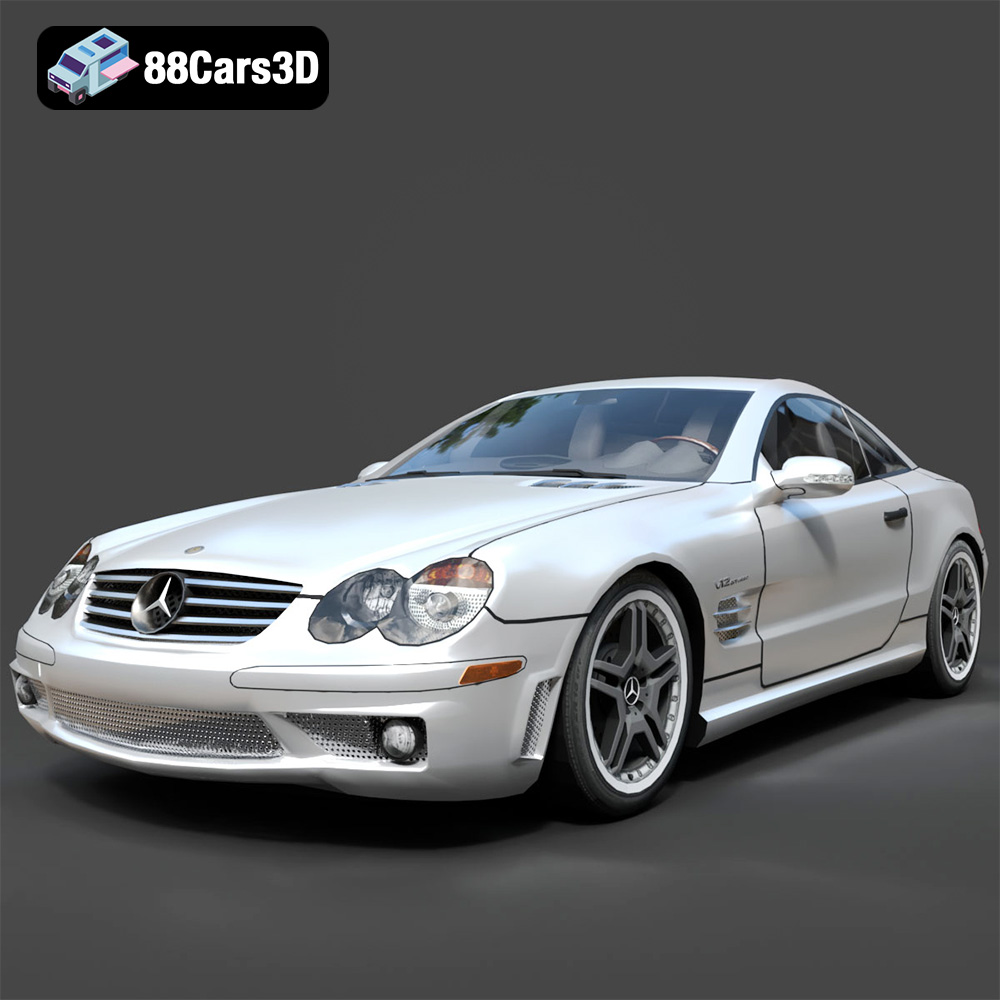
Mercedes-Benz SL 65 AMG 3D Model
Texture: Yes
Material: Yes
Download the Mercedes-Benz SL 65 AMG 3D Model featuring clean geometry, realistic detailing, and a fully modeled interior. Includes .blend, .fbx, .obj, .glb, .stl, .ply, .unreal, and .max formats for rendering, simulation, and game development.
Price: $23.99
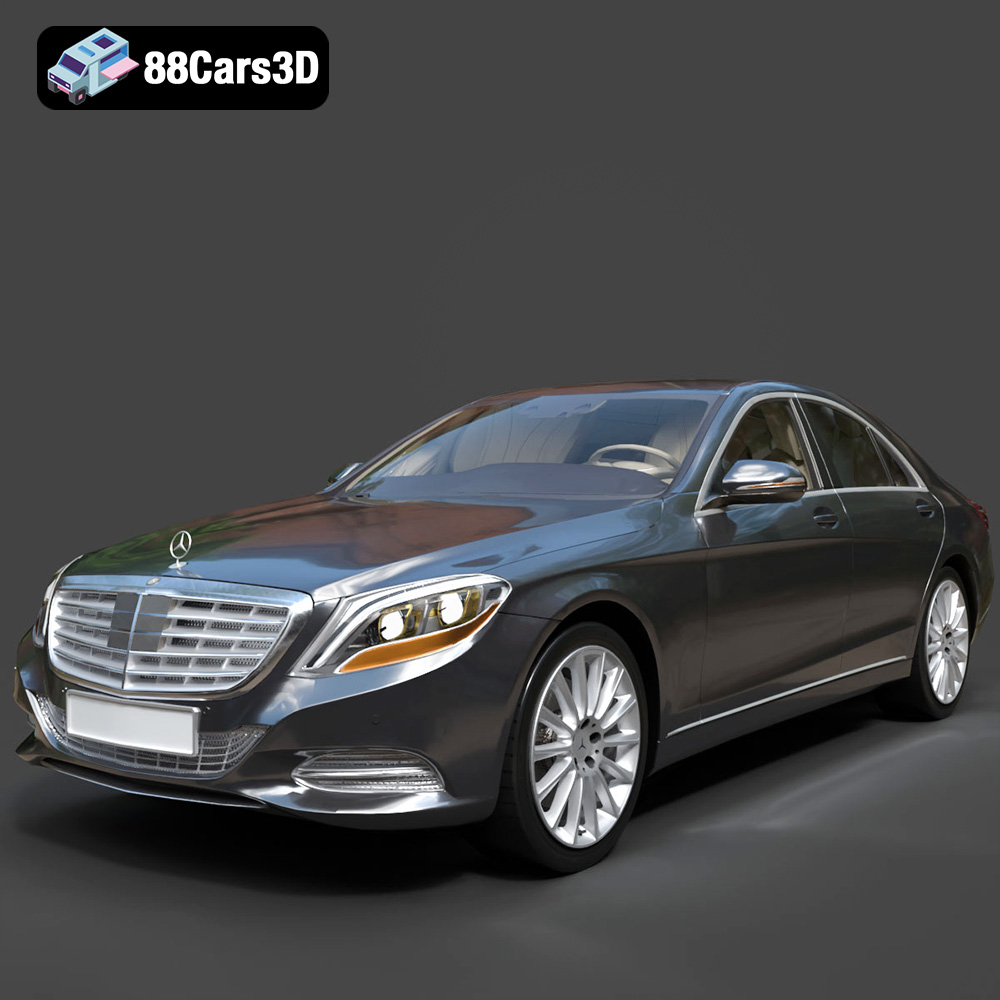
Mercedes-Benz S500 3D Model
Texture: Yes
Material: Yes
Download the Mercedes-Benz S500 3D Model featuring clean geometry, realistic detailing, and a fully modeled interior. Includes .blend, .fbx, .obj, .glb, .stl, .ply, .unreal, and .max formats for rendering, simulation, and game development.
Price: $23.99
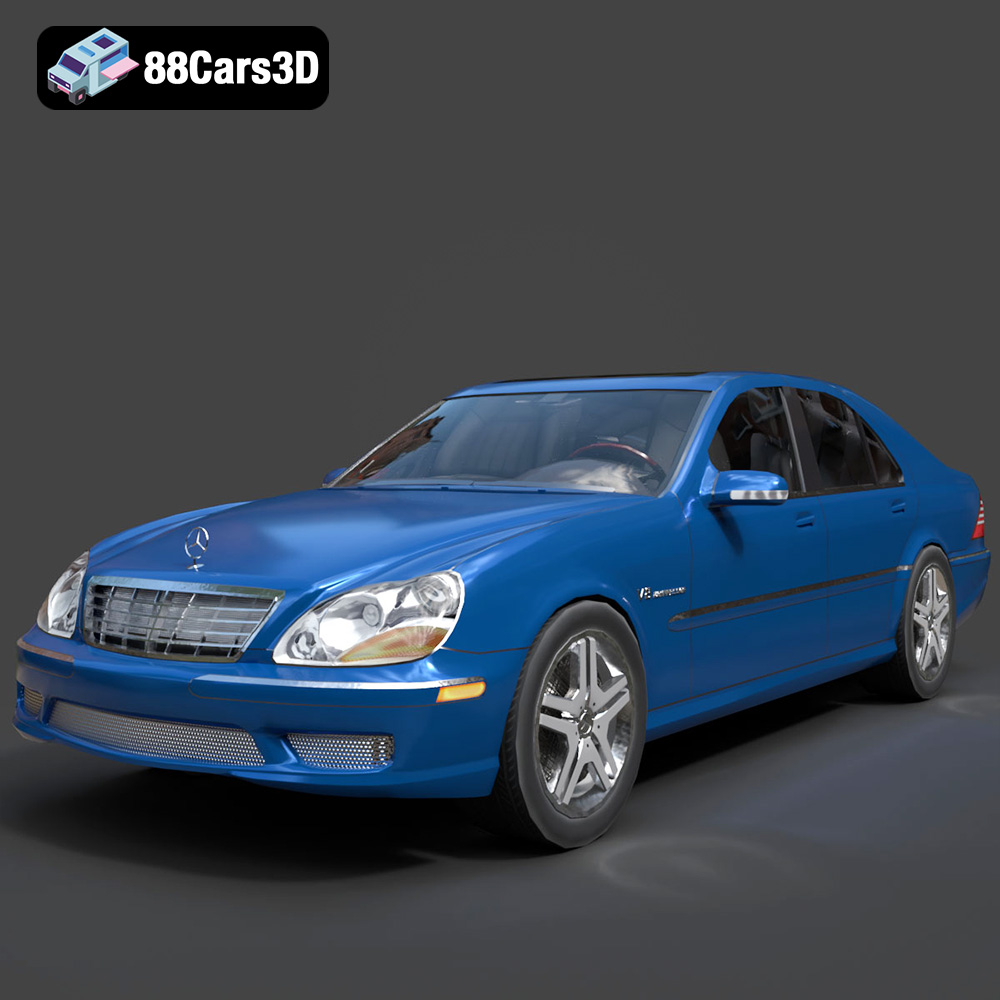
Mercedes-Benz S55 W220 AMG 1999 3D Model
Texture: Yes
Material: Yes
Download the Mercedes-Benz S55 W220 AMG 1999 3D Model featuring clean geometry, realistic detailing, and a fully modeled interior. Includes .blend, .fbx, .obj, .glb, .stl, .ply, .unreal, and .max formats for rendering, simulation, and game development.
Price: $23.99
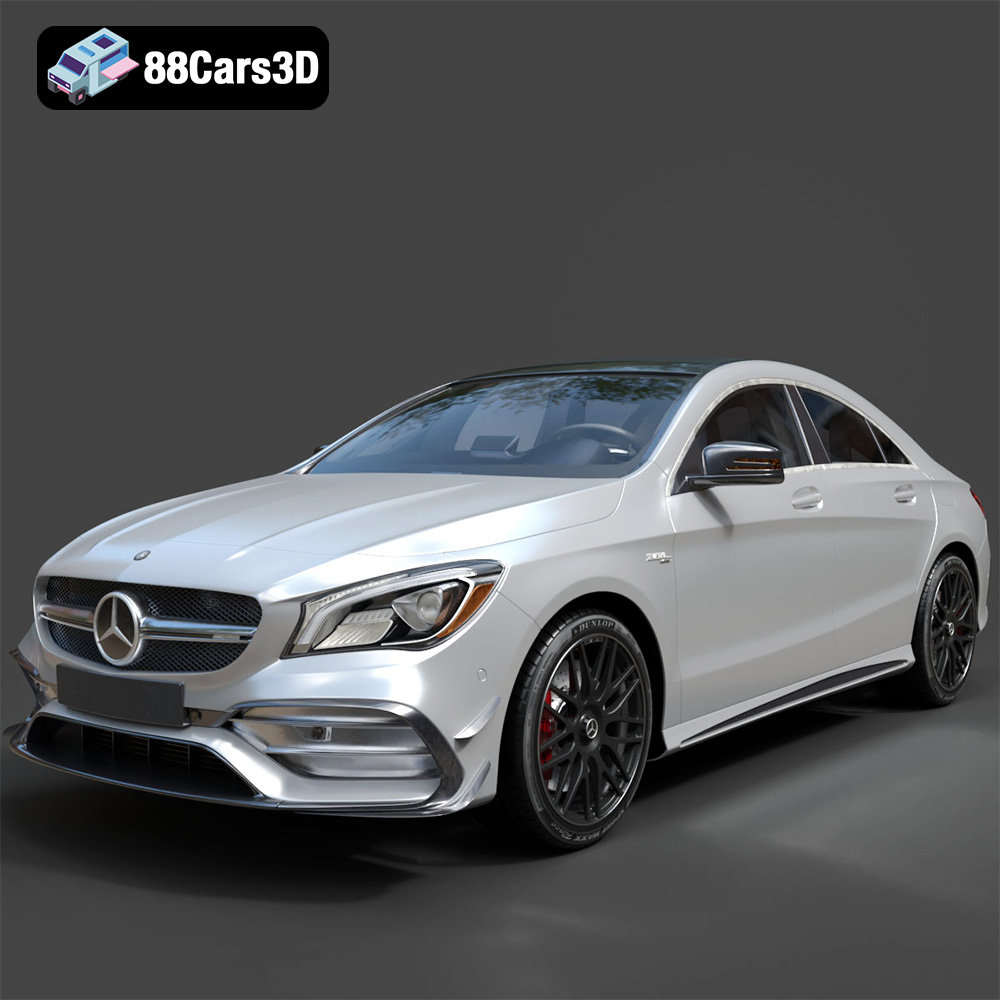
Mercedes-Benz CLA45 AMG 2017 3D Model
Texture: Yes
Material: Yes
Download the Mercedes-Benz CLA45 AMG 2017 3D Model featuring clean geometry, realistic detailing, and a fully modeled interior. Includes .blend, .fbx, .obj, .glb, .stl, .ply, .unreal, and .max formats for rendering, simulation, and game development.
Price: $38.99
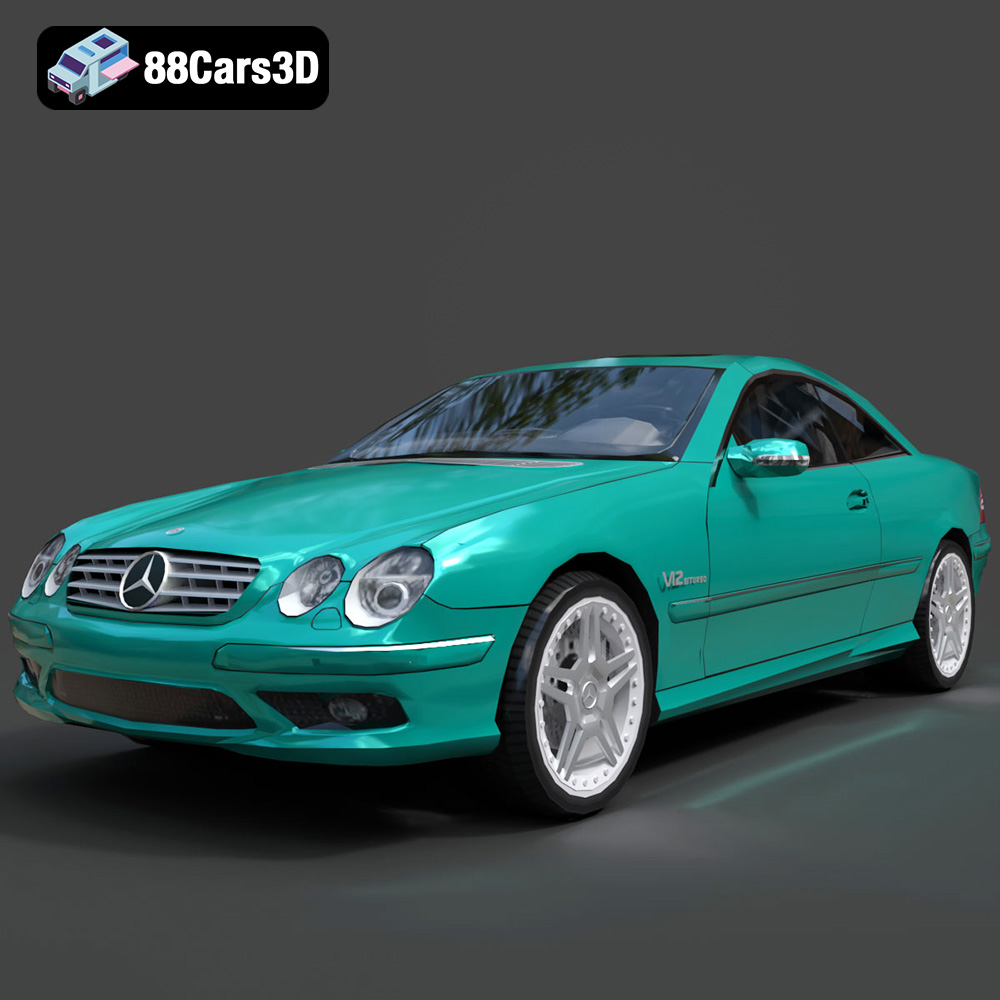
Mercedes-Benz CL65 C215 AMG 3D Model
Texture: Yes
Material: Yes
Download the Mercedes-Benz CL65 C215 AMG 3D Model featuring clean geometry, realistic detailing, and a fully modeled interior. Includes .blend, .fbx, .obj, .glb, .stl, .ply, .unreal, and .max formats for rendering, simulation, and game development.
Price: $23.99
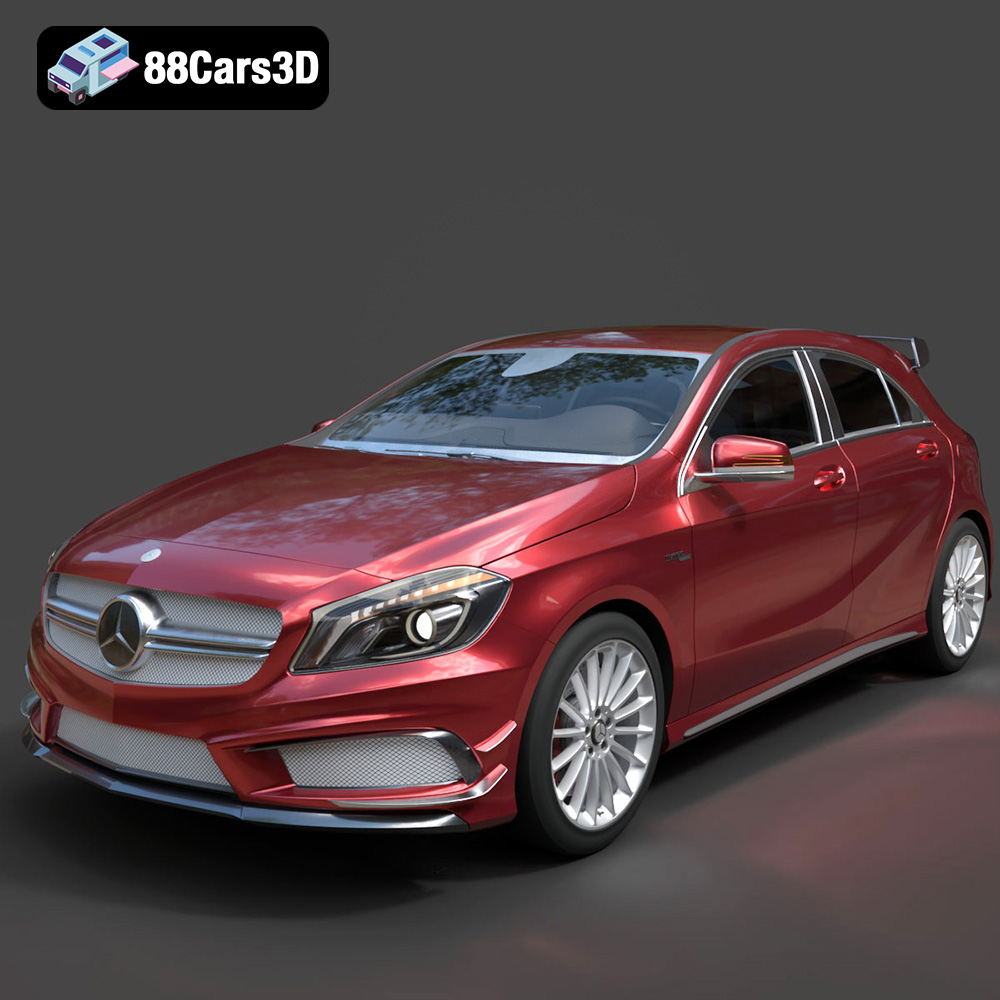
Mercedes-Benz A45 2021 3D Model
Texture: Yes
Material: Yes
Download the Mercedes-Benz A45 2021 3D Model featuring clean geometry, realistic detailing, and a fully modeled interior. Includes .blend, .fbx, .obj, .glb, .stl, .ply, .unreal, and .max formats for rendering, simulation, and game development.
Price: $23.99
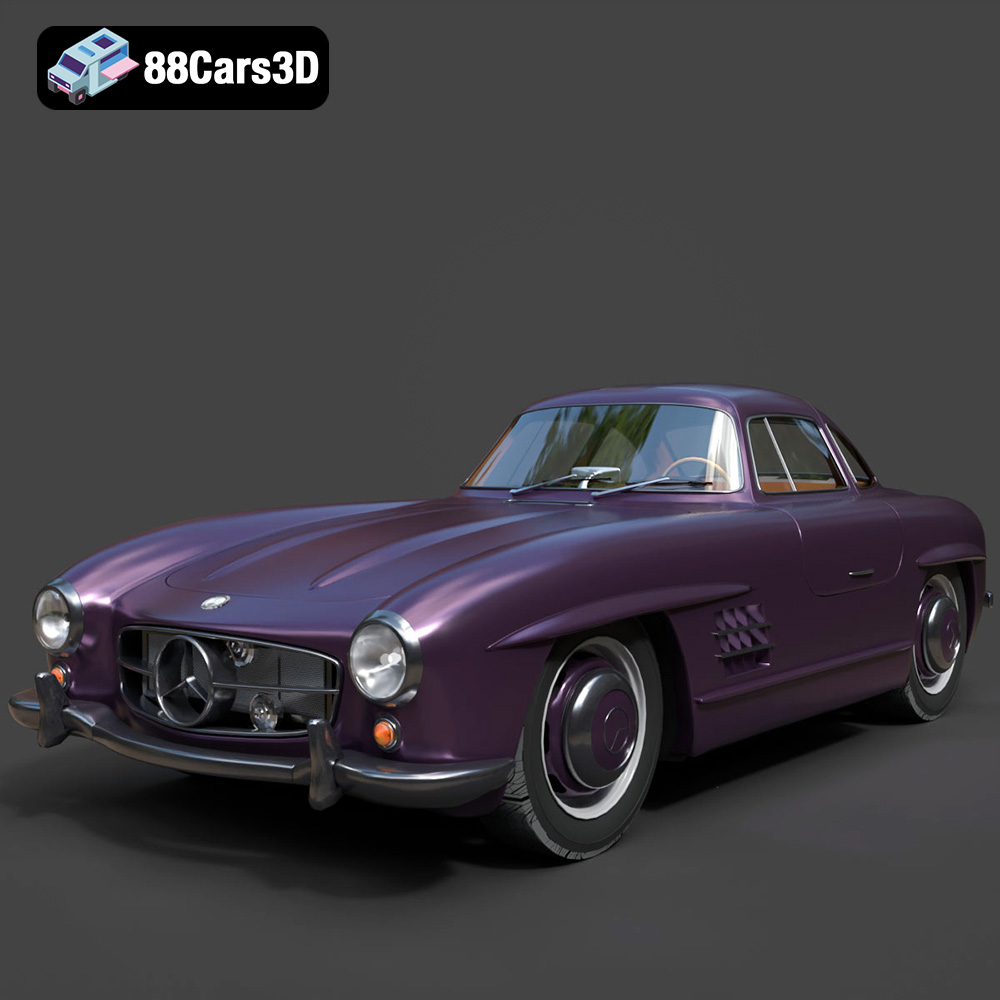
Mercedes-Benz 300SL 1955 3D Model
Texture: Yes
Material: Yes
Download the Mercedes-Benz 300SL 1955 3D Model featuring clean geometry, realistic detailing, and a fully modeled interior. Includes .blend, .fbx, .obj, .glb, .stl, .ply, .unreal, and .max formats for rendering, simulation, and game development.
Price: $23.99
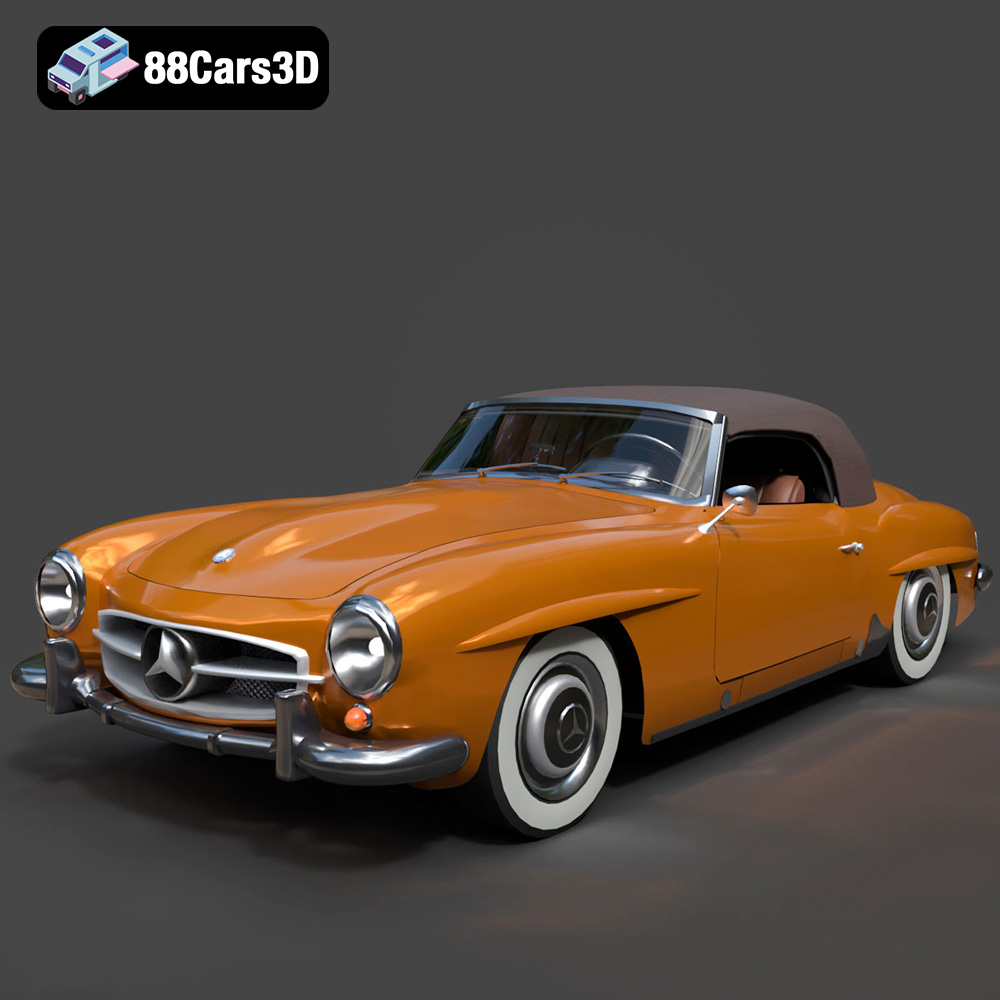
Mercedes-Benz 190SL 1955 3D Model
Texture: Yes
Material: Yes
Download the Mercedes-Benz 190SL 1955 3D Model featuring clean geometry, realistic detailing, and a fully modeled interior. Includes .blend, .fbx, .obj, .glb, .stl, .ply, .unreal, and .max formats for rendering, simulation, and game development.
Price: $23.99
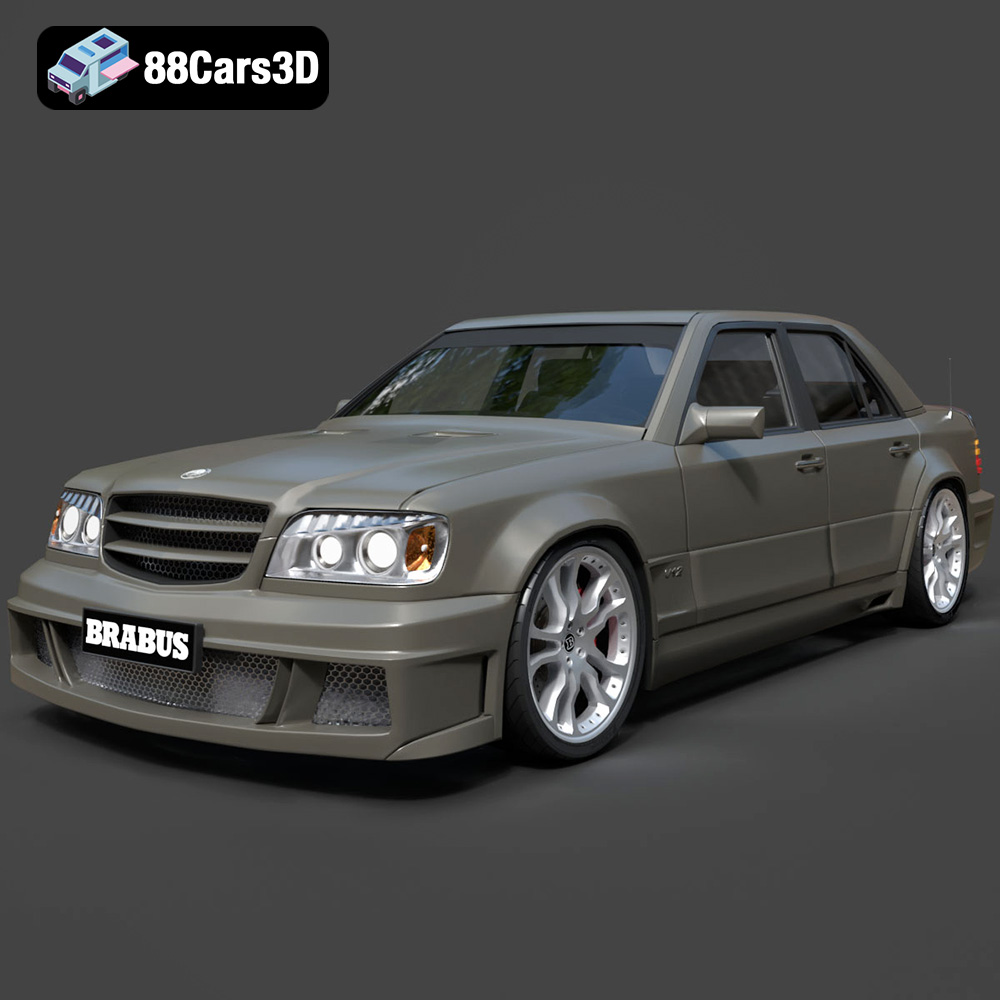
Mercedes-Benz W124 Brabus V12 3D Model
Texture: Yes
Material: Yes
Download the Mercedes-Benz W124 Brabus V12 3D Model featuring clean geometry, realistic detailing, and a fully modeled interior. Includes .blend, .fbx, .obj, .glb, .stl, .ply, .unreal, and .max formats for rendering, simulation, and game development.
Price: $23.99
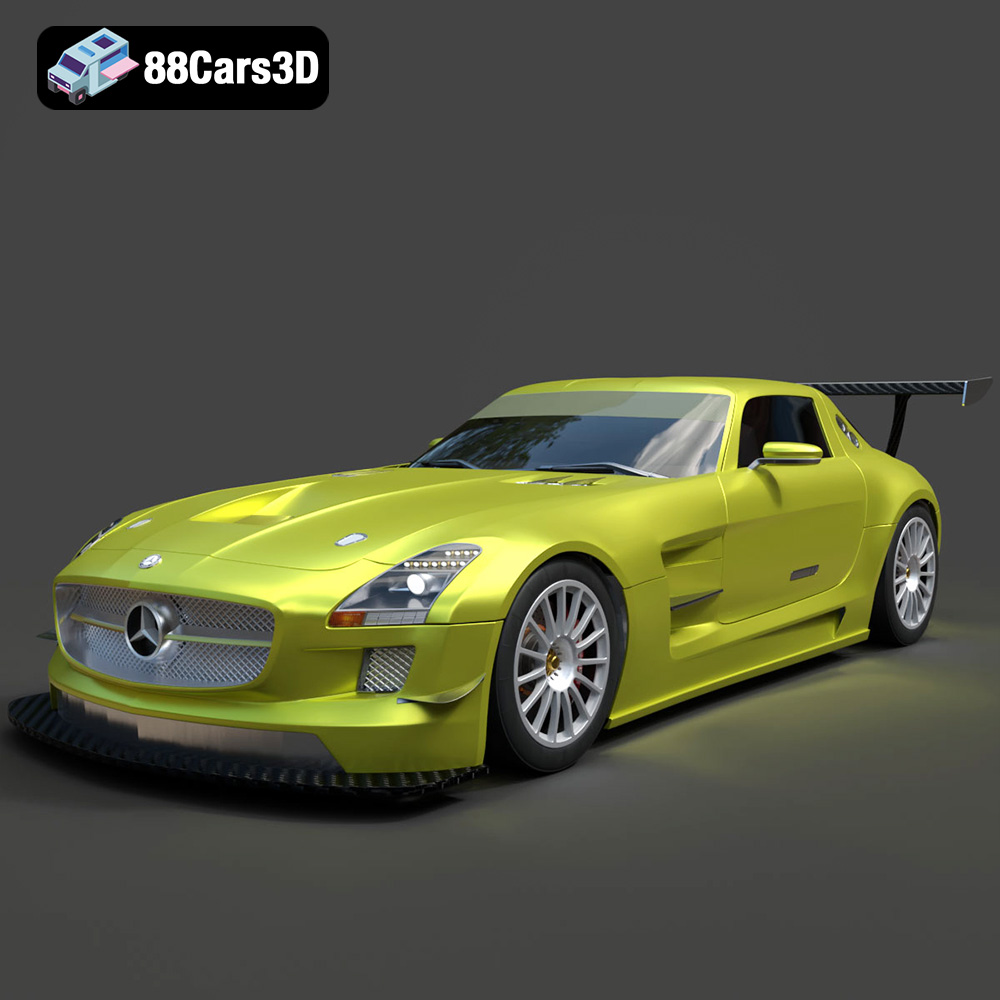
Mercedes-Benz SLS AMG GT3-002 3D Model
Texture: Yes
Material: Yes
Download the Mercedes-Benz SLS AMG GT3-002 3D Model featuring clean geometry, realistic detailing, and a fully modeled interior. Includes .blend, .fbx, .obj, .glb, .stl, .ply, .unreal, and .max formats for rendering, simulation, and game development.
Price: $38.99

Mercedes-Benz C-Class-001 3D Model
Texture: Yes
Material: Yes
Download the Mercedes-Benz C-Class-001 3D Model featuring clean geometry, realistic detailing, and a fully modeled interior. Includes .blend, .fbx, .obj, .glb, .stl, .ply, .unreal, and .max formats for rendering, simulation, and game development.
Price: $38.99
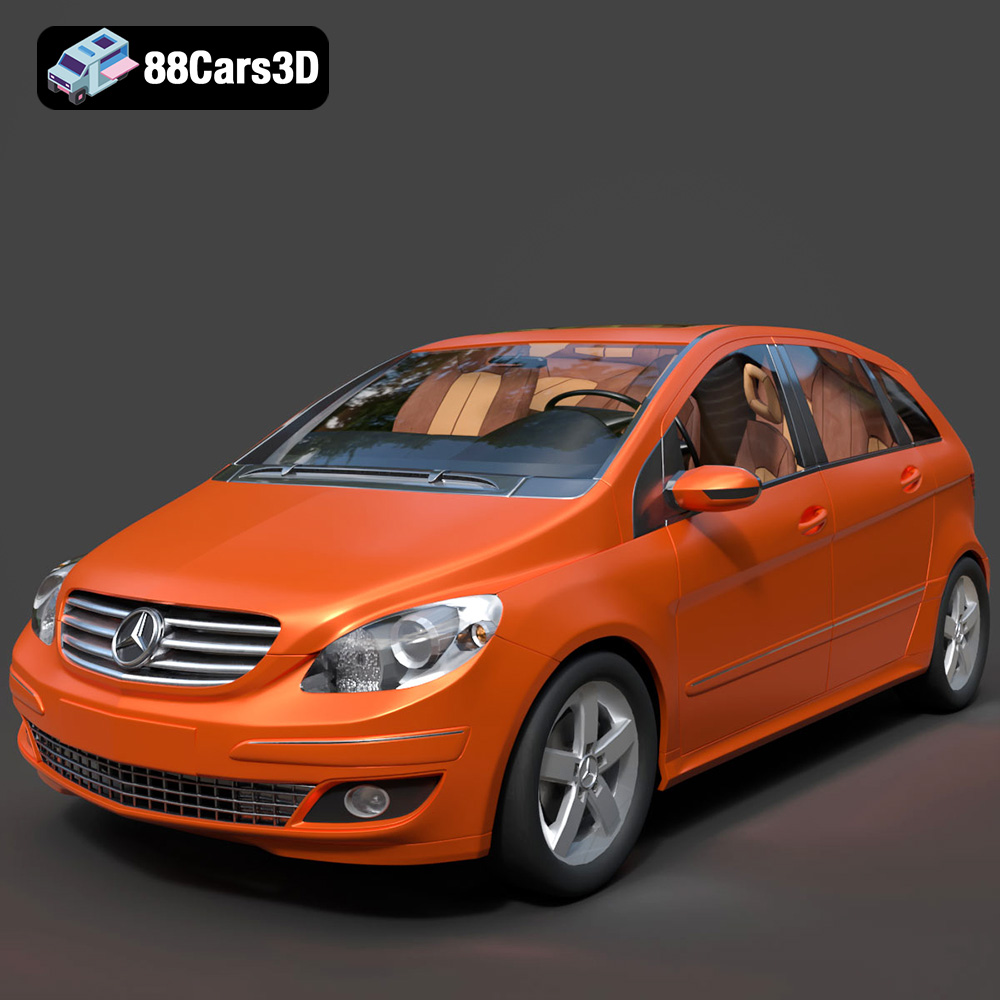
Mercedes-Benz B-Klasse 2023 3D Model
Texture: Yes
Material: Yes
Download the Mercedes-Benz B-Klasse 2023 3D Model featuring clean geometry, realistic detailing, and a fully modeled interior. Includes .blend, .fbx, .obj, .glb, .stl, .ply, .unreal, and .max formats for rendering, simulation, and game development.
Price: $38.99
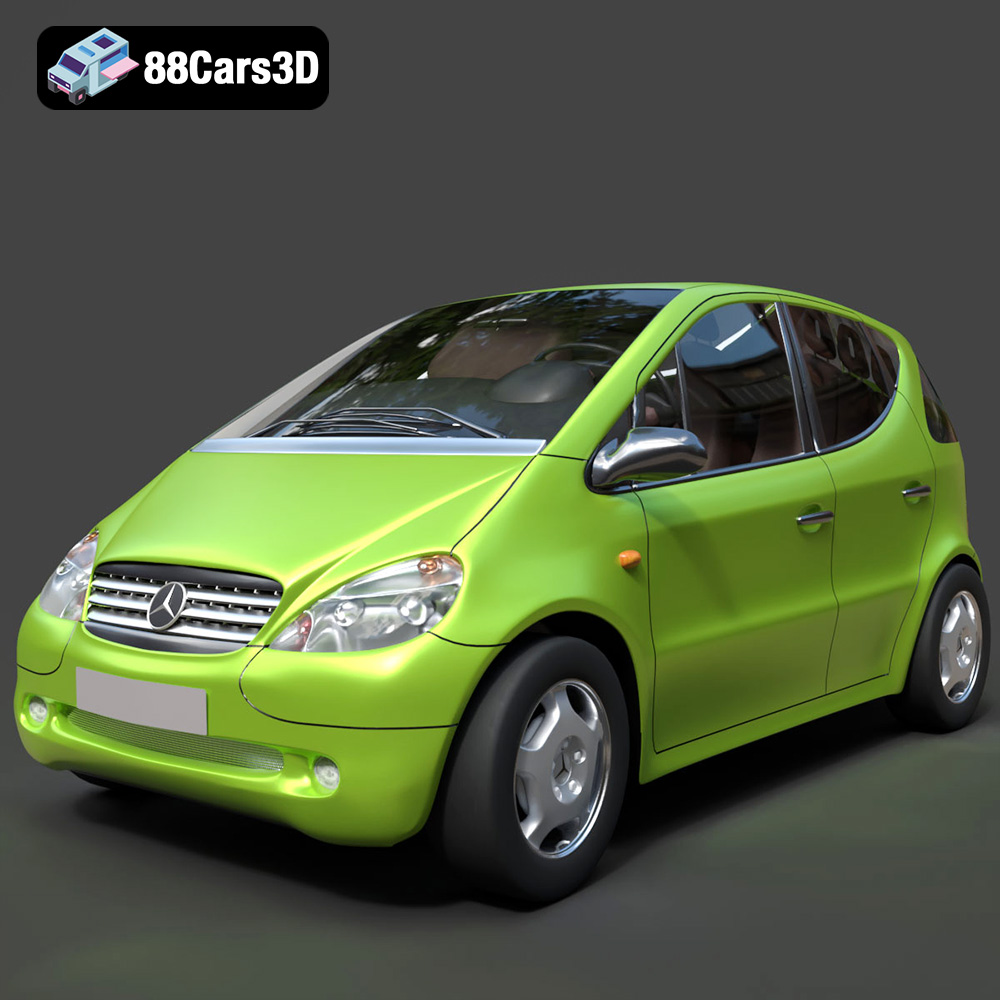
Mercedes-Benz A-Klasse W168 3D Model
Texture: Yes
Material: Yes
Download the Mercedes-Benz A-Klasse W168 3D Model featuring clean geometry, realistic detailing, and a fully modeled interior. Includes .blend, .fbx, .obj, .glb, .stl, .ply, .unreal, and .max formats for rendering, simulation, and game development.
Price: $38.99
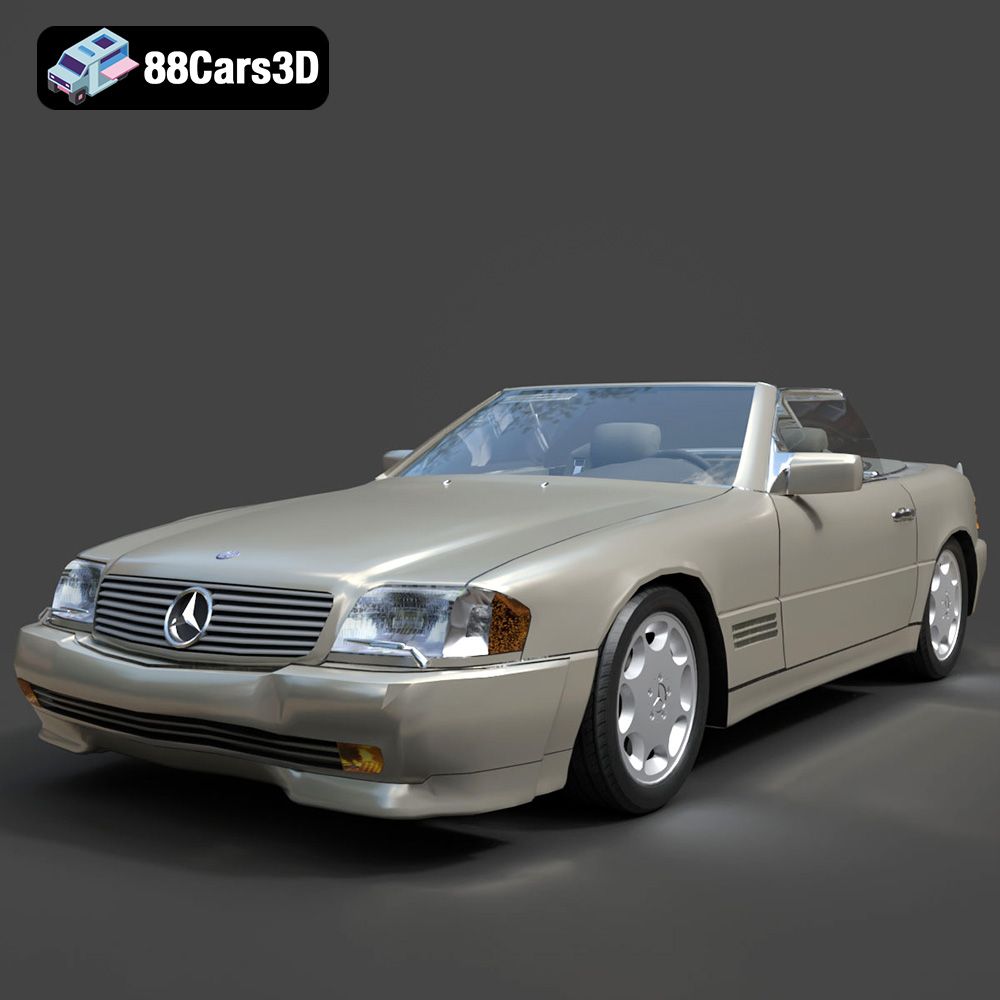
Mercedes-Benz 500SL 2000 3D Model
Texture: Yes
Material: Yes
Download the Mercedes-Benz 500SL 2000 3D Model featuring clean geometry, realistic detailing, and a fully modeled interior. Includes .blend, .fbx, .obj, .glb, .stl, .ply, .unreal, and .max formats for rendering, simulation, and game development.
Price: $38.99
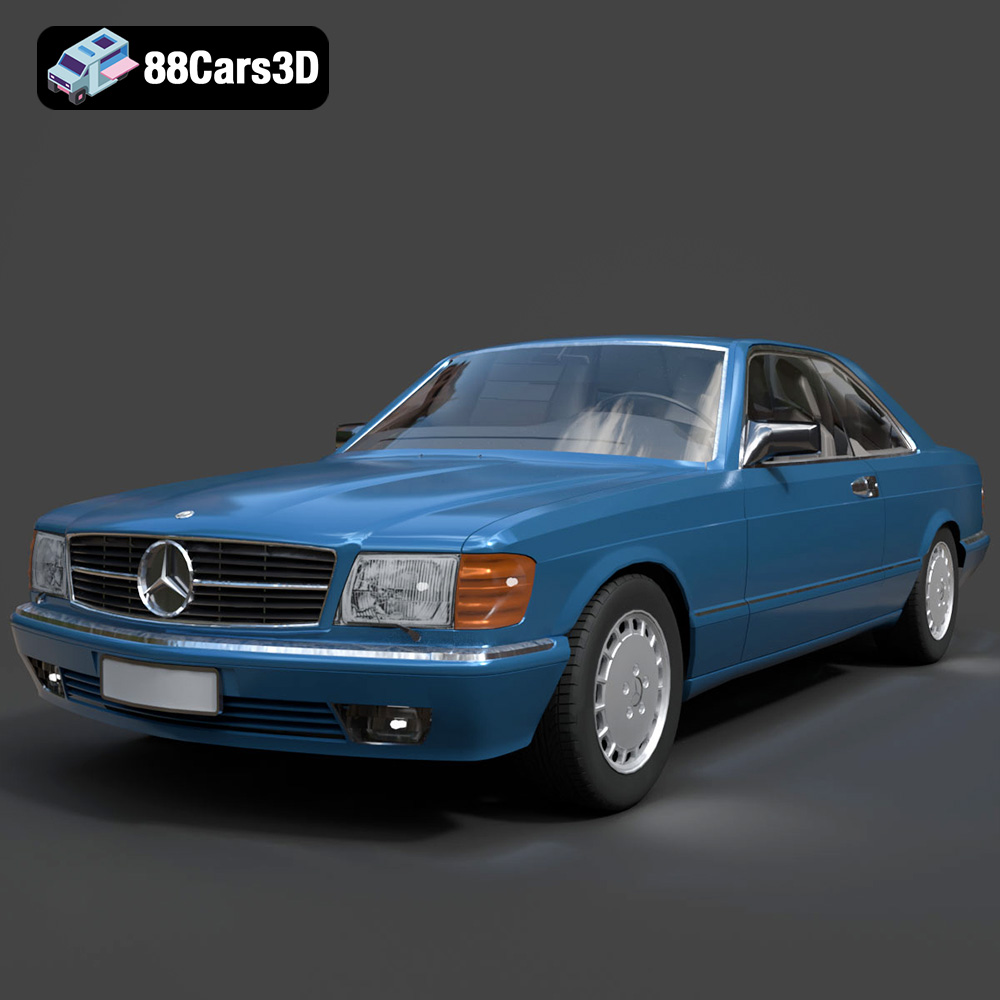
Mercedes-Benz 500SEC 3D Model
Texture: Yes
Material: Yes
Download the Mercedes-Benz 500SEC 3D Model featuring clean geometry, realistic detailing, and a fully modeled interior. Includes .blend, .fbx, .obj, .glb, .stl, .ply, .unreal, and .max formats for rendering, simulation, and game development.
Price: $38.99
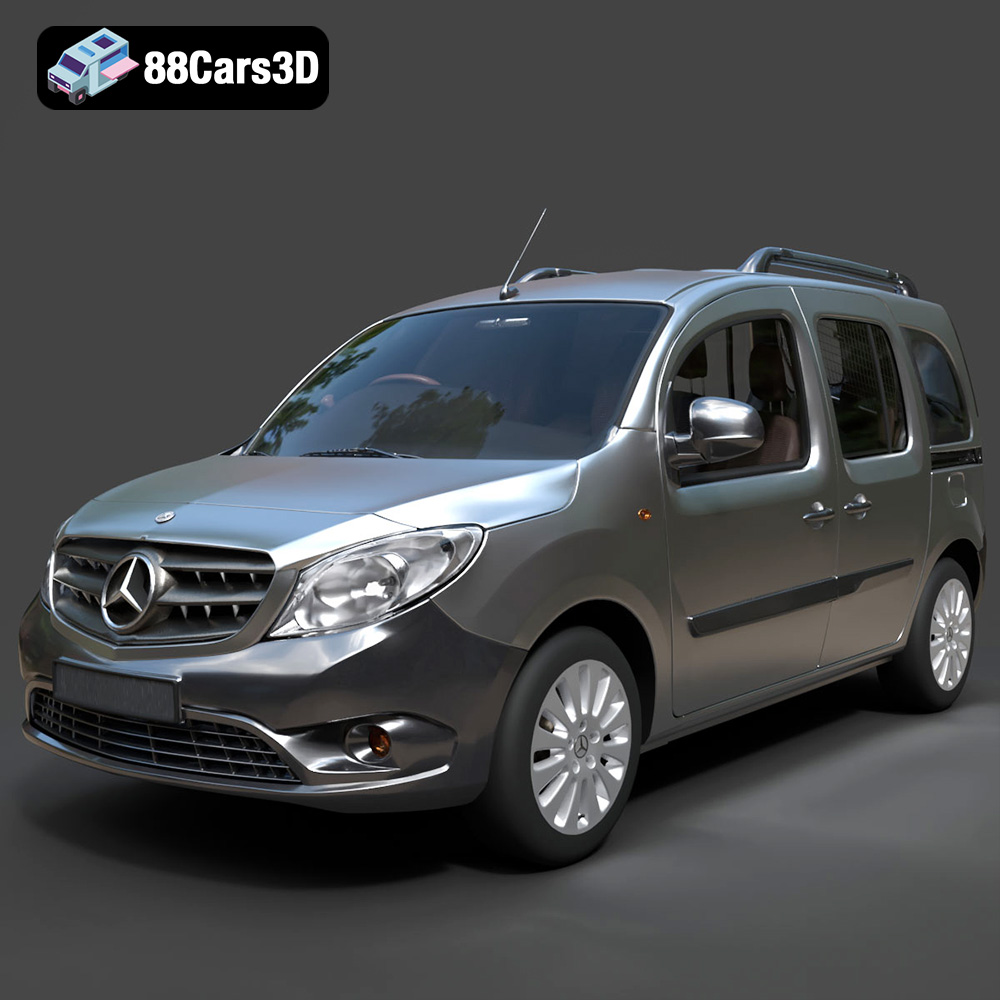
Mercedes-Benz Citan 2025 3D Model
Texture: Yes
Material: Yes
Download the Mercedes-Benz Citan 2025 3D Model featuring clean geometry, realistic detailing, and a fully modeled interior. Includes .blend, .fbx, .obj, .glb, .stl, .ply, .unreal, and .max formats for rendering, simulation, and game development.
Price: $38.99
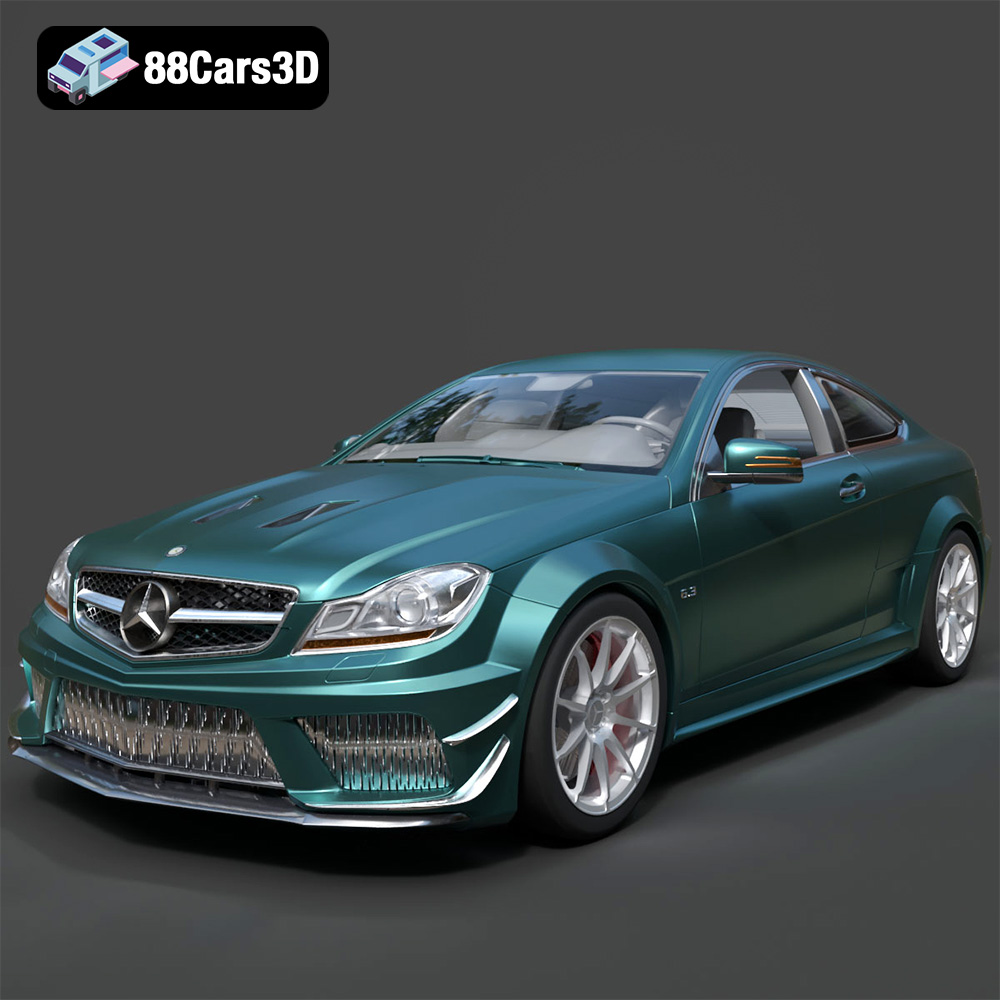
Mercedes-Benz C63 AMG 2012 3D Model
Texture: Yes
Material: Yes
Download the Mercedes-Benz C63 AMG 2012 3D Model featuring clean geometry, realistic detailing, and a fully modeled interior. Includes .blend, .fbx, .obj, .glb, .stl, .ply, .unreal, and .max formats for rendering, simulation, and game development.
Price: $38.99
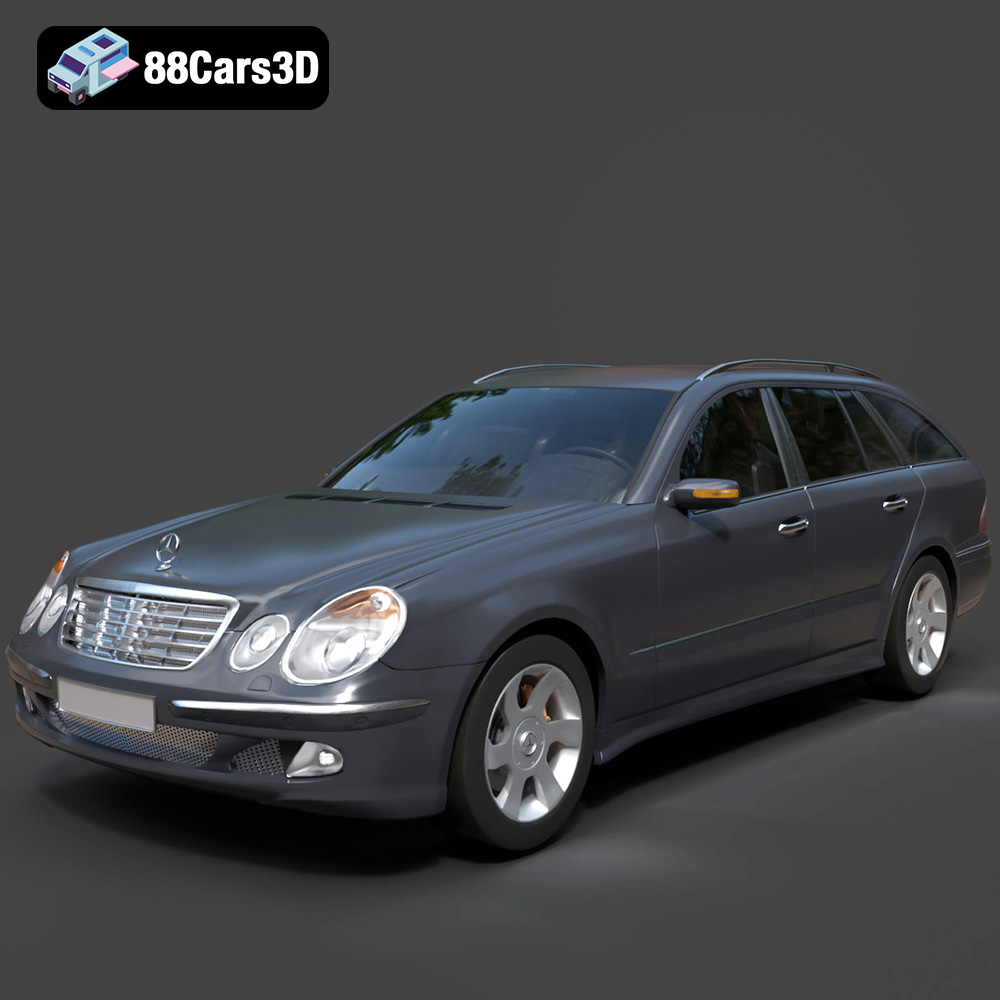
Mercedes-Benz E-Class S211 3D Model
Texture: Yes
Material: Yes
Download the Mercedes-Benz E-Class S211 3D Model featuring clean geometry, realistic detailing, and a fully modeled interior. Includes .blend, .fbx, .obj, .glb, .stl, .ply, .unreal, and .max formats for rendering, simulation, and game development.
Price: $38.99
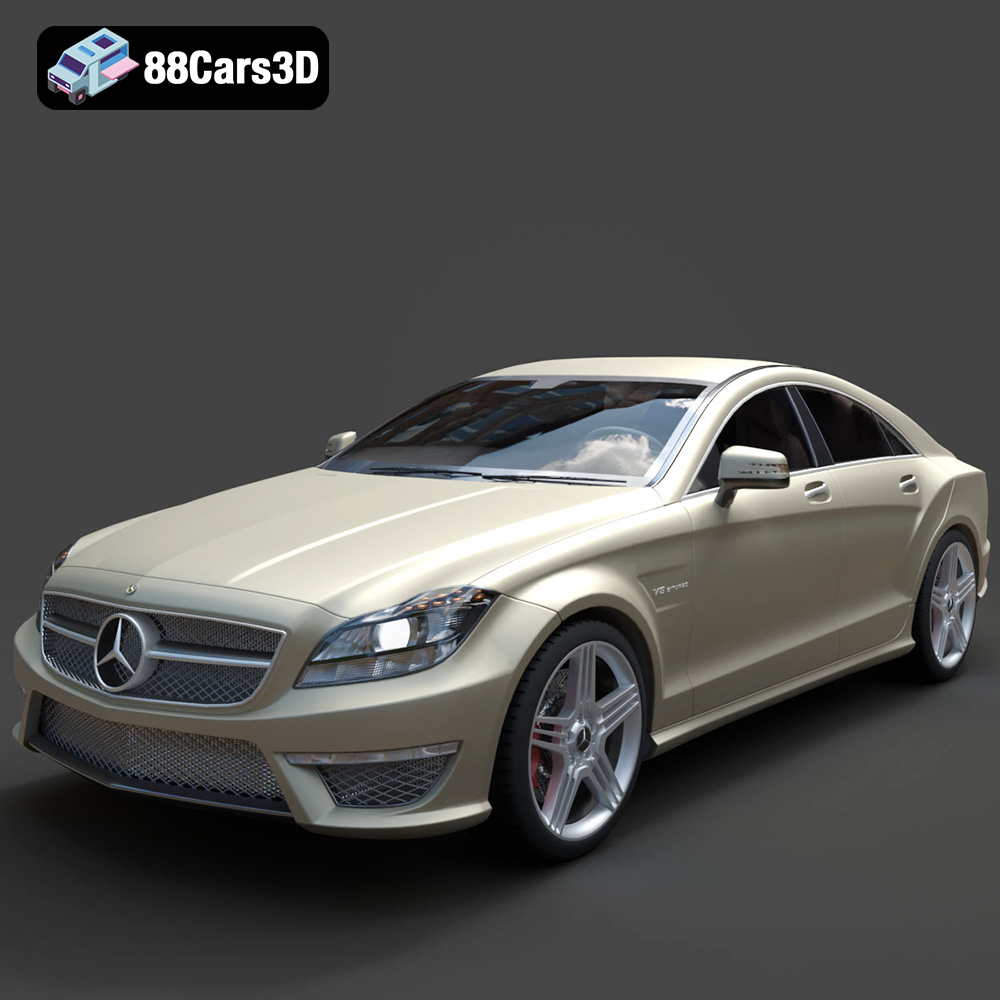
Mercedes-Benz CLS63 AMG (C218) 2014 3D Model
Texture: Yes
Material: Yes
Download the Mercedes-Benz CLS63 AMG (C218) 2014 3D Model featuring clean geometry, realistic detailing, and a fully modeled interior. Includes .blend, .fbx, .obj, .glb, .stl, .ply, .unreal, and .max formats for rendering, simulation, and game development.
Price: $38.99
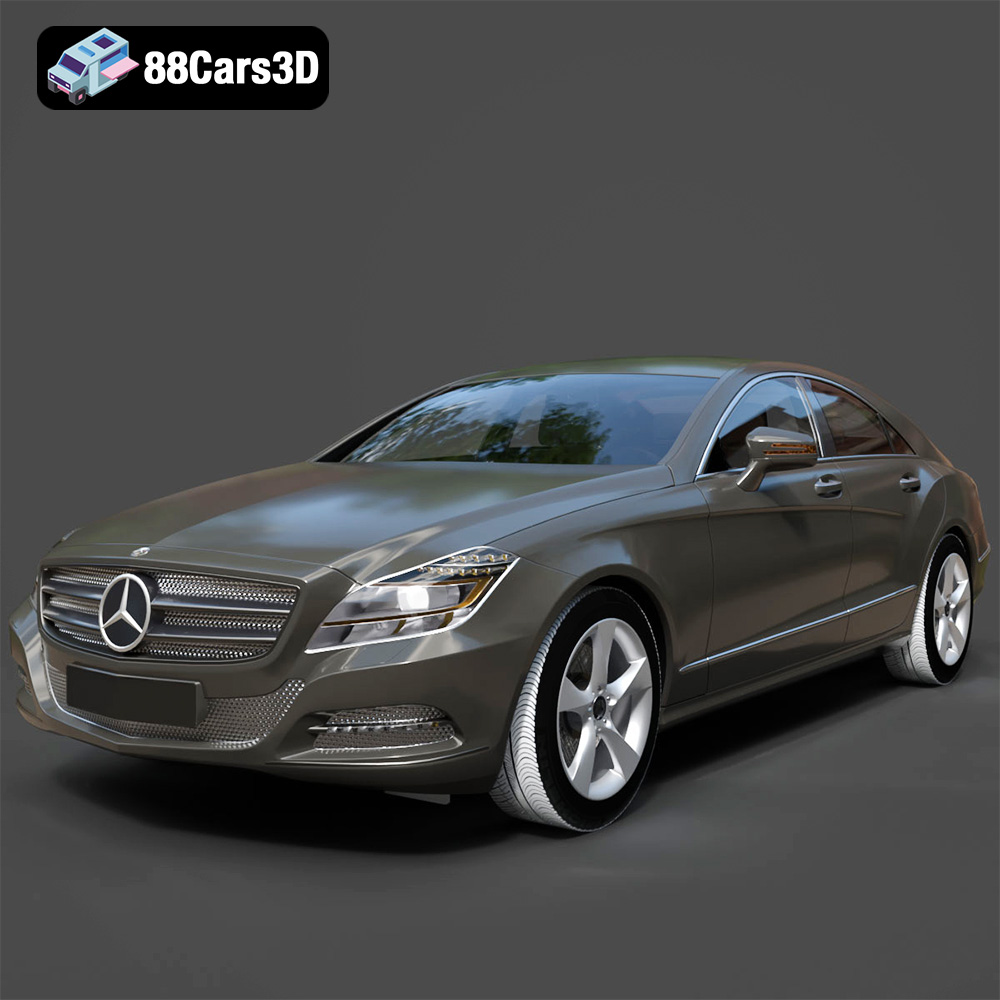
Mercedes-Benz CLS-Klasse 3D Model
Texture: Yes
Material: Yes
Download the Mercedes-Benz CLS-Klasse 3D Model featuring clean geometry, realistic detailing, and a fully modeled interior. Includes .blend, .fbx, .obj, .glb, .stl, .ply, .unreal, and .max formats for rendering, simulation, and game development.
Price: $38.99
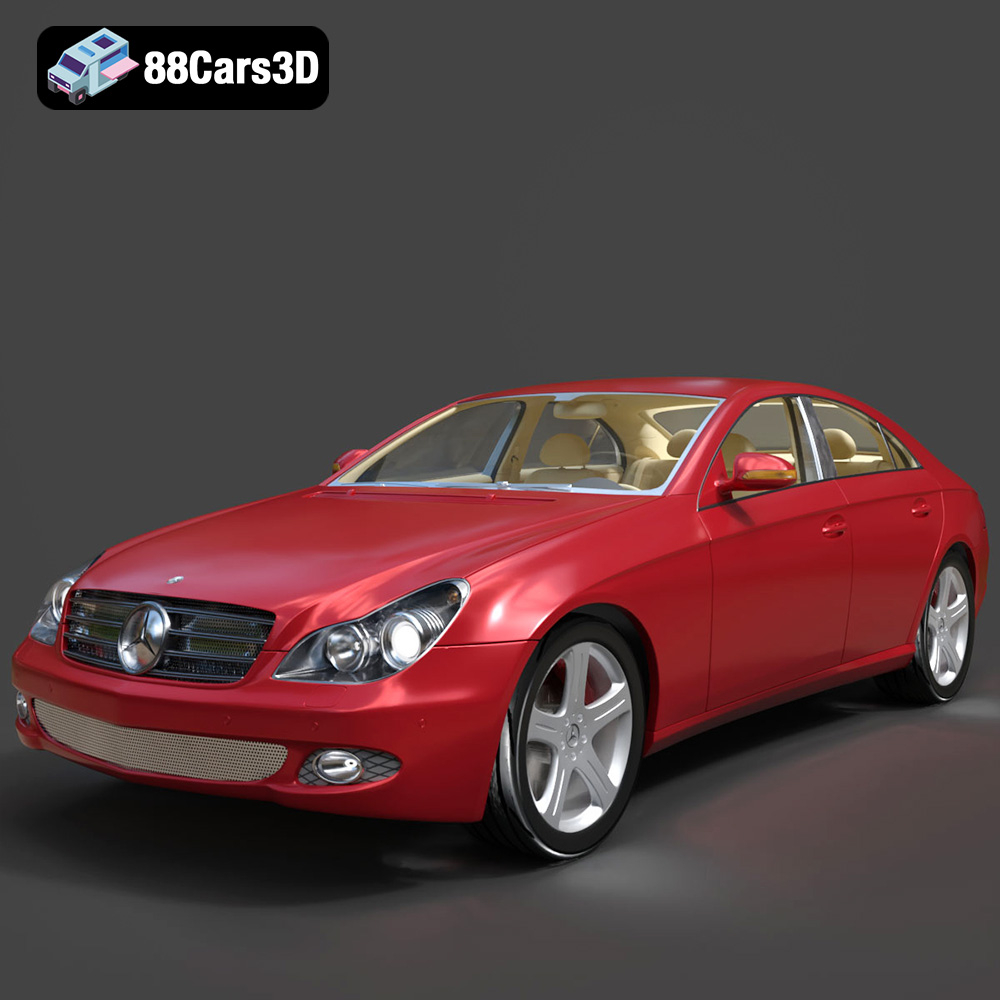
Mercedes-Benz CLS 500 3D Model
Texture: Yes
Material: Yes
Download the Mercedes-Benz CLS 500 3D Model featuring clean geometry, realistic detailing, and a fully modeled interior. Includes .blend, .fbx, .obj, .glb, .stl, .ply, .unreal, and .max formats for rendering, simulation, and game development.
Price: $38.99

Mercedes-Benz CL-Klasse 2001 3D Model
Texture: Yes
Material: Yes
Download the Mercedes-Benz CL-Klasse 2001 3D Model featuring clean geometry, realistic detailing, and a fully modeled interior. Includes .blend, .fbx, .obj, .glb, .stl, .ply, .unreal, and .max formats for rendering, simulation, and game development.
Price: $38.99
