
Deconstructing Reality: The Anatomy of Car Paint for PBR

The gleaming, often iridescent surface of a beautifully crafted car is more than just a protective finish; it’s an art form. For 3D artists, automotive designers, and game developers, replicating this complex interplay of light, color, and reflection in a digital environment presents one of the most significant challenges in achieving true photorealism. Generic shaders simply won’t cut it when aiming for hyperrealistic car paint that captivates an audience, whether in a cinematic render or a high-fidelity game. This challenge becomes even more pronounced in the demanding world of 88cars3d.com, where quality and authenticity are paramount.
Unreal Engine 5, with its revolutionary rendering architecture and powerful material editor, offers an unparalleled toolkit to conquer this hurdle. This masterclass will guide you through the intricate process of crafting a custom PBR car paint shader that not only looks stunning but also performs efficiently across various platforms. We’ll dive deep into Unreal Engine 5 materials, exploring advanced techniques to simulate every nuance, from the subtle metallic flake effect to the pristine clear coat layer, ensuring your vehicles stand out in any real-time automotive rendering scenario.
Deconstructing Reality: The Anatomy of Car Paint for PBR
Before we can digitally recreate a realistic car paint shader, we must first understand its real-world composition. Automotive paint isn’t a single layer; it’s a sophisticated system of several distinct coats, each contributing to the final appearance and durability. Translating these physical properties into Physically Based Rendering (PBR) principles within Unreal Engine 5 is the cornerstone of achieving believable results.
Understanding the Layers of Automotive Paint
A typical automotive paint job comprises several layers, each serving a specific function:
- Primer: Applied directly to the bare metal or composite body, primer provides corrosion protection and a smooth, uniform surface for subsequent layers. In PBR, this base layer influences the underlying color and roughness, though it’s usually completely covered.
- Base Coat (Color Coat): This is the layer that gives the car its primary color. It can be solid, metallic, or pearl. The properties of this layer – its color, metallic content, and roughness – are crucial for our PBR car paint shader. For metallic or pearl paints, this layer contains the special flakes that create dynamic reflections.
- Clear Coat: The outermost layer, the clear coat, is a transparent, high-gloss finish that protects the base coat from UV rays, scratches, and environmental damage. This layer is responsible for the characteristic deep reflections and wet look of car paint. Its refractive and absorptive properties are key to a convincing finish.
Each of these layers interacts with light differently, and our Unreal Engine 5 materials will need to account for these interactions. The clear coat, in particular, acts as a dielectric surface, refracting and reflecting light, while the base coat underneath determines the diffuse and metallic response.
PBR Principles for Car Paint
PBR workflows demand that materials react to light in a physically plausible way. For a car paint shader, this means carefully defining parameters like Base Color, Metallic, Roughness, Specular, and Normal for each layer. The challenge lies in blending and layering these properties correctly to simulate the real-world interactions.
- Base Color: This is the underlying color of the paint, modulated by the metallic flakes.
- Metallic: A value of 0 indicates a dielectric (non-metallic) surface, while 1 indicates a metallic surface. Car paint is a complex blend, with the base coat often having metallic properties and the clear coat being dielectric.
- Roughness: Controls the microsurface detail. A low roughness value results in sharp, mirror-like reflections, crucial for the clear coat.
- Specular: Represents the intensity of specular reflections for non-metallic surfaces. While less critical in modern PBR due to its reliance on metallic/roughness workflows, understanding its role can still be beneficial for fine-tuning.
- Normal Map: Can be used to introduce subtle imperfections or even the directional sheen of some metallic flakes.
A truly hyperrealistic car paint shader in UE5 must elegantly combine these PBR attributes, often requiring custom nodes and functions within the material editor to achieve the layered complexity.
Building Your Masterpiece: Advanced Unreal Engine 5 Material Editor Techniques
The Unreal Engine 5 material editor is an incredibly powerful node-based interface that allows for immense flexibility. To craft a sophisticated PBR car paint shader, we’ll move beyond simple material setups and embrace advanced techniques like custom functions, material layering, and parameterization. This is where we start building the foundation for real-time automotive rendering excellence.
Structuring the Car Paint Material
A common approach is to simulate the clear coat and base coat as separate layers within a single material. This can be achieved by blending material attributes or by using custom shaders. For our purposes, we’ll aim for a layered approach within the standard UE5 material graph, making use of the “Clear Coat” input available in the master material node.
Setting Up the Base Material Graph
Start by creating a new Material in Unreal Engine 5. The core will involve managing the metallic flake effect and the clear coat layer. We’ll drive most of our material properties using textures and mathematical functions.
- Base Color Input: Start with a Vector3 parameter for the main paint color. This allows for easy color changes via a material instance.
- Roughness Control: Use a Scalar parameter for overall roughness, and potentially add a texture mask for subtle variations. The base coat will have a higher roughness than the clear coat.
- Metallic Property: The metallic property of the base coat will be set to 1 for metallic flakes, driving the metallic reflections.
The primary challenge is how to introduce the metallic flakes and the clear coat without creating an overly complex or inefficient shader. Custom functions are excellent for encapsulating complex logic, such as flake generation, making your material graph cleaner and more reusable.
Crafting Custom Functions for Layering
Custom functions are invaluable for organizing and reusing complex nodes. We can create a custom function specifically for generating the metallic flake effect and another for handling the clear coat’s specific properties.
Metallic Flake Generation Function
The metallic flake effect is typically achieved by generating small, high-frequency specular highlights that change with the viewing angle. This can be done by combining various noise textures, multiplying them by a Fresnel effect, and adding them to the base coat’s roughness or specular output. A procedural approach is often best for 88cars3d.com style assets.
// Inside a Custom Material Function for Flakes
float FlakeIntensity = dot(normalize(CameraVector), normalize(WorldNormal));
FlakeIntensity = pow(saturate(FlakeIntensity), FlakePower); // FlakePower is a scalar param
float FlakeTexture = TextureSample(FlakeNoiseTexture, UV * FlakeTiling).r;
return FlakeTexture * FlakeIntensity * FlakeStrength; // FlakeStrength is a scalar param
This simple example shows how you might combine camera vector, normal, and a noise texture to create the dynamic look of metallic flakes. The `FlakePower` and `FlakeStrength` parameters allow for artistic control over the effect.
Clear Coat Application
Unreal Engine 5’s master material provides a dedicated “Clear Coat” input, simplifying the process. This input expects values for Clear Coat Roughness, Clear Coat Normal, and Clear Coat value (typically 1 for full clear coat). The engine handles the complex layering and fresnel calculations automatically, which is a significant advantage for artists working on real-time automotive rendering.
However, for advanced clear coat effects, such as subtle absorption or refraction variations, you might need to combine standard inputs with custom calculations that feed into the base color or even utilize translucent shading (though less common for opaque car paint).
The Heart of the Shine: Crafting Realistic Metallic Flakes and Clear Coat
The realism of your car paint hinges largely on the convincing representation of the metallic flake effect and the clear coat layer. These are the two most visually impactful components, and mastering them requires careful attention to detail and astute use of Unreal Engine 5’s material capabilities.
Deep Dive into the Metallic Flake Effect
The iridescent shimmer of metallic car paint is due to microscopic aluminum flakes embedded within the base coat. These flakes reflect light differently depending on the angle of incidence and the viewer’s perspective. Simulating this requires a procedural approach that adds dynamic sparkle without relying on complex geometry.
Techniques for Metallic Flake Implementation
- Noise-Based Approach:
- Utilize a high-frequency noise texture (e.g., Perlin, Voronoi) as a mask or multiplier.
- Combine this noise with a Fresnel effect, so the flakes become more prominent at glancing angles.
- Vary the scale and intensity of the noise using parameters to control flake size and density.
- Multiply this result by a subtle color tint to simulate chromatic aberration or anisotropic properties of the flakes.
- Anisotropic Reflections:
- For some car paints, especially brushed metals or certain flake orientations, anisotropy is key.
- Unreal Engine 5’s default PBR model doesn’t have a direct ‘Anisotropy’ input for opaque materials (it’s mainly for clear coat). However, you can fake it by manipulating the normal map input or using custom shader code.
- One technique involves using a tangent-space normal map or a custom function that perturbs the normal based on an anisotropy direction, creating elongated reflections. This adds another layer of realism to the metallic flake effect.
- Sparkle Texture:
- Another method involves generating a specific ‘sparkle’ texture in an external program or procedurally. This texture, often a collection of small, bright dots, can be blended into the material’s emissive or specular channel, again controlled by Fresnel for angular dependence.
It’s crucial to parameterize flake size, density, intensity, and even color shift, allowing artists to tweak the look and feel of the metallic paint instantly. This iterative process is vital for matching specific real-world paint samples.
Mastering the Clear Coat Layer
The clear coat is arguably the most important layer for achieving a believable, high-gloss finish. It’s a transparent, dielectric layer that sits on top of the colored base coat, creating its own set of reflections and refractions.
Utilizing Unreal Engine 5’s Clear Coat Input
The simplest and most efficient way to implement the clear coat is to leverage the dedicated Clear Coat input available in the Unreal Engine 5 master material node. This input expects:
- Clear Coat (Scalar): A value from 0 to 1. Set to 1 for a full clear coat.
- Clear Coat Roughness (Scalar): Controls the sharpness of the clear coat reflections. A value near 0.05-0.1 typically yields a very glossy finish.
- Clear Coat Normal (Vector3): Allows you to apply a separate normal map for the clear coat, ideal for micro-scratches or orange peel effects.
The engine automatically handles the Fresnel reflection of the clear coat, its interaction with the underlying base coat, and its dielectric properties. However, for true realism, you need to go a step further.
Advanced Clear Coat Enhancements
- Orange Peel Effect: Real-world car paint often has a subtle, wavy texture known as “orange peel.” This can be simulated by applying a subtle, low-frequency normal map to the Clear Coat Normal input. A slightly noisy normal map with very low intensity can add this crucial detail.
- Micro-Scratches and Dust: No car is perfectly pristine. Overlaying a very faint, high-frequency normal map and roughness map designed for micro-scratches or dust can dramatically increase realism. Blend these textures using material functions and parameters, allowing for control over their intensity and visibility.
- Clear Coat Absorption/Refraction: While Unreal Engine 5’s default Clear Coat model is excellent, some advanced techniques involve simulating slight color absorption or refraction within the clear coat itself. This is generally more complex and might involve custom shader code or careful manipulation of the base color input under the clear coat. For most cases, the default clear coat provides sufficient visual fidelity for real-time automotive rendering.
By carefully crafting both the metallic flake effect and the clear coat layer, your Unreal Engine 5 materials will begin to truly shine, setting the stage for breathtaking 88cars3d.com automotive visualization.
Powering Performance and Fidelity: UE5’s Rendering Arsenal
Creating beautiful Unreal Engine 5 materials is only half the battle. To truly shine in automotive visualization and game development, these materials must perform efficiently while leveraging Unreal Engine 5’s cutting-edge rendering features. This means understanding and utilizing technologies like Lumen, Nanite, and hardware ray tracing.
Lumen Global Illumination for Realistic Lighting
Lumen is Unreal Engine 5’s revolutionary fully dynamic global illumination and reflections system. For real-time automotive rendering, Lumen is a game-changer:
- Indirect Lighting: Lumen accurately simulates how light bounces off surfaces, illuminating darker areas and coloring indirect light. This is crucial for cars, where light bounces off the road, surrounding objects, and even other parts of the vehicle, subtly coloring the paint.
- Dynamic Environments: As you move a car through an environment or change the time of day, Lumen instantly updates the global illumination, providing a dynamic and realistic lighting response without costly bake times.
- Setup: Ensure Lumen is enabled in your project settings and post-process volume. For optimal results, ensure your car model and environment are properly scaled and have suitable material properties that reflect light accurately.
The subtle interplay of light and shadow provided by Lumen significantly enhances the visual depth and realism of your hyperrealistic car paint, making it feel truly grounded in the scene.
Nanite for Unprecedented Geometric Detail
While Nanite primarily focuses on geometric complexity, it indirectly benefits car paint realism. High-quality vehicle models, like those found on 88cars3d.com, often feature incredibly detailed curves and intricate panel gaps. Nanite allows these models to be imported and rendered without performance loss due to poly count.
- Smooth Surfaces: With Nanite, you can use incredibly high-polygon car models, ensuring perfectly smooth surfaces without visible facets. This is vital for the clear coat layer to reflect light without artifacts.
- Detail Preservation: Fine details like badges, panel lines, and small vents remain sharp and defined, allowing light to interact with them accurately, further enhancing the overall vehicle realism.
- Workflow: Simply import your high-poly mesh and enable Nanite. Unreal Engine 5 handles the virtualized geometry, streaming only the necessary detail for each frame.
The combination of smooth, high-fidelity geometry via Nanite and dynamic, realistic lighting from Lumen creates an ideal canvas for your sophisticated car paint shader.
Ray Tracing Reflections for Pinnacle Realism
For the absolute highest fidelity in reflections and refractions, especially for cinematic renders and virtual production, hardware ray tracing reflections are indispensable. While Lumen provides excellent screen-space reflections, ray tracing offers physically accurate global reflections and refractions that extend beyond the screen space.
- Accurate Mirroring: Ray tracing reflections are paramount for capturing the true mirroring quality of a polished clear coat layer. They accurately reflect off-screen objects, surrounding geometry, and even other vehicles, creating a breathtaking sense of immersion.
- Multi-Bounce Reflections: Advanced ray tracing can simulate multi-bounce reflections, where light reflects from one surface onto another, and then onto your car, providing subtle yet crucial environmental cues.
- Setup: Enable Ray Tracing in your project settings. For specific meshes (like your car), you can control whether they generate ray tracing effects and contribute to the ray tracing scene. Ensure your materials are set up correctly with appropriate metallic and roughness values to interact properly with ray tracing reflections.
While more computationally intensive, leveraging ray tracing reflections transforms your real-time automotive rendering into something indistinguishable from offline renders, especially for hero shots and promotional material. This level of detail ensures your game-ready vehicle assets maintain visual integrity even under the closest inspection.
From Concept to Car Show: Lighting, Environments, and Post-Processing
A phenomenal car paint shader alone isn’t enough to create a breathtaking scene. The final look depends heavily on how your vehicle interacts with its environment, particularly through dynamic lighting, realistic HDRI environments, and artful post-processing effects. These elements collectively elevate your automotive renders and ensure seamless integration into game environments or virtual production scenes, making your game-ready vehicle assets truly shine.
Integrating Dynamic Lighting
Lighting is the single most critical factor in showcasing your hyperrealistic car paint. The way light hits the clear coat layer and reveals the metallic flake effect can make or break the illusion.
- Directional Light: Mimics the sun. Experiment with its angle and intensity. A strong directional light highlights curves and creates dramatic reflections, essential for a glossy surface.
- Sky Light: Captures the overall ambient light from the sky. This is crucial for realistic diffuse lighting and contributes significantly to the global illumination handled by Lumen. Pair it with an HDRI for the most accurate results.
- Spot Lights & Point Lights: Use these for localized accents, interior lighting, or to draw attention to specific features of the car. Rim lights can beautifully define the vehicle’s silhouette.
- Bounce Lighting: Thanks to Lumen global illumination, light from your directional and sky lights will bounce realistically within your scene, illuminating shadowed areas of the car with natural color and intensity.
Continuously adjust your lighting while viewing your car paint from different angles to ensure it looks stunning from every perspective, just as you would expect from high-quality 88cars3d.com models.
Utilizing HDRI Environments for Realistic Reflections
High Dynamic Range Image (HDRI) environments are indispensable for realistic reflections and global illumination. An HDRI captures a full 360-degree sphere of light and color from a real-world location, providing incredibly authentic lighting and reflection data.
- Sky Sphere Integration: Apply an HDRI to your Sky Light to imbue your scene with realistic ambient lighting and colors.
- Reflection Source: The HDRI will be the primary source for reflections on your clear coat layer and metallic flake effect. The detailed reflections of a real-world environment will add immediate depth and credibility to your paint job, making it appear grounded in a specific location.
- Variety is Key: Experiment with different HDRIs – studio setups, outdoor scenes, urban landscapes – to see how they impact your car paint. Each HDRI will create a unique mood and highlight different aspects of your material.
Properly integrated HDRIs are crucial for showcasing the full potential of your PBR car paint shader and achieving top-tier real-time automotive rendering.
Mastering Post-Processing Effects
Post-processing is the final polish that ties everything together, enhancing the visual appeal and establishing the desired mood. These effects are applied globally and can dramatically impact the perceived realism of your scene.
- Exposure & White Balance: Ensure your scene’s overall brightness and color temperature are balanced.
- Color Grading: Adjust saturation, contrast, and color tints to achieve a cinematic look or match specific brand aesthetics.
- Vignette & Film Grain: Subtle use can add a touch of photographic realism.
- Bloom: Controls the glow around bright areas. Use sparingly to enhance highlights on the clear coat layer without washing out details.
- Ambient Occlusion: Adds subtle self-shadowing in crevices and corners, enhancing depth. Screen Space Ambient Occlusion (SSAO) or Ray Traced Ambient Occlusion (RTAO) can be used.
- Depth of Field (DOF): Crucial for cinematic shots, DOF blurs the background or foreground, drawing focus to the car.
- Lens Flares & Chromatic Aberration: Used judiciously, these can add a realistic camera lens feel, enhancing the final image quality.
Remember, post-processing should enhance, not overpower. Subtlety is often key to achieving a truly professional and hyperrealistic look for your Unreal Engine 5 materials.
Optimizing for Production: Game-Ready Assets and Cinematic Quality
The journey from crafting a sophisticated PBR car paint shader to deploying it in a production environment requires careful consideration of performance and scalability. Whether you’re targeting a high-fidelity cinematic, a demanding virtual production, or efficient game-ready vehicle assets, optimizing your Unreal Engine 5 materials and scene is paramount.
Strategies for Performance Optimization
While Unreal Engine 5 is incredibly powerful, even the most robust systems can be brought to their knees by unoptimized content. Maintaining visual quality while ensuring smooth framerates is a delicate balance.
- Material Complexity:
- Minimize Instructions: Complex material graphs with many nodes increase shader complexity. Use custom functions to encapsulate logic, and wherever possible, try to simplify calculations.
- Parameterization over Static Switches: While static switches can reduce shader permutations, overuse can lead to many shader variants. Prefer simple parameters for runtime control.
- Texture Resolution & Formats: Use appropriate texture resolutions (e.g., 2K or 4K for hero assets, but optimize where possible). Use efficient texture formats (e.g., BC7 for color, BC5 for normal maps).
- Shared Textures & Functions: Reuse textures and material functions across different parts of the car or even different vehicles to reduce memory footprint.
- Geometry (Nanite & LODs):
- Leverage Nanite: As discussed, Nanite is a game-changer for high-poly meshes. Ensure your car body, wheels, and other detailed components are Nanite-enabled.
- Traditional LODs for Non-Nanite Meshes: For simpler meshes or those that won’t benefit from Nanite (e.g., small props, simple interiors), traditional Levels of Detail (LODs) are still crucial.
- Lighting and Rendering Features:
- Lumen Settings: Adjust Lumen’s quality settings (e.g., final gather quality, reflection quality) in your post-process volume to find a balance between visual fidelity and performance.
- Ray Tracing Scope: Hardware ray tracing reflections are expensive. Use them judiciously. For game-ready vehicle assets, consider screen-space reflections (SSR) with Lumen’s software ray tracing for general gameplay, and only enable full hardware ray tracing for high-end PCs or cinematic modes.
- Shadows: Optimize shadow settings (cascade count, resolution) for directional lights. Consider using virtual shadow maps (VSM) for high-quality, performant shadows.
Regular profiling using Unreal Engine’s built-in tools (Stat Unit, Stat GPU, Shader Complexity) is essential to identify and address performance bottlenecks.
Ensuring Game-Ready Vehicle Assets
When developing game-ready vehicle assets, specific considerations come into play beyond raw visual fidelity:
- Scalability: Your Unreal Engine 5 materials should be designed with scalability in mind. This means having parameters that allow for quick adjustments to quality for different platforms (e.g., mobile, console, high-end PC).
- Material Instancing: Always use material instances for your car paint. This allows artists to quickly change colors, flake intensities, and roughness values without recompiling the shader, saving significant iteration time.
- Collision Meshes: Ensure your vehicle has accurate and optimized collision meshes for physics and interaction.
- Rigging & Animation: For animated elements like doors, wheels, or suspension, ensure proper rigging and animation setups.
- Export & Import Pipeline: Maintain a clean and efficient pipeline for exporting your vehicle meshes and textures from your DCC application (e.g., Maya, Blender) into Unreal Engine 5.
The high-quality models from 88cars3d.com are designed with these considerations in mind, providing an excellent starting point for any game or visualization project.
Achieving Cinematic Quality
For virtual production, cinematics, or high-end visualization, the focus shifts slightly towards absolute fidelity, often at the expense of real-time performance targets (though UE5 strives for both). Here, you can push the boundaries:
- Maximum Ray Tracing: Utilize full hardware ray tracing for reflections, global illumination, and ambient occlusion.
- Higher Texture Resolutions: Use 8K or even 16K textures for hero assets where memory isn’t as strict a constraint.
- Complex Material Detail: Add more intricate details like localized grime, water droplets, or highly detailed micro-scratches to your Unreal Engine 5 materials.
- Sequencer & Camera Animation: Master the Unreal Engine Sequencer for precise camera movements, dynamic lighting changes, and character animations that complement your vehicle.
- Post-Process Overrides: Implement scene-specific post-process volumes to dial in the exact cinematic look for each shot.
By understanding these optimization and quality considerations, you can confidently craft and deploy hyperrealistic car paint that meets the demands of any production scenario, from fast-paced games to stunning film-quality visualizations.
Conclusion
Crafting hyperrealistic car paint in Unreal Engine 5 is a nuanced art form that blends technical mastery with an artistic eye. We’ve journeyed from deconstructing the real-world layers of automotive finishes to meticulously building a sophisticated PBR car paint shader within UE5’s powerful material editor. We’ve explored advanced techniques for simulating the mesmerizing metallic flake effect and the pristine clear coat layer, crucial components for any real-time automotive rendering project.
Furthermore, we’ve seen how Unreal Engine 5’s groundbreaking features—Lumen global illumination, Nanite geometry, and hardware ray tracing reflections—serve as essential allies in elevating both the visual fidelity and performance of your vehicle assets. By integrating dynamic lighting, immersive HDRI environments, and artful post-processing, you can transform a mere 3D model into a captivating piece of automotive art. The principles and techniques outlined in this masterclass are designed to empower you to create truly game-ready vehicle assets that stand up to the closest scrutiny.
The quest for realism is an ongoing one, and Unreal Engine 5 continues to push the boundaries of what’s possible in real-time. With these advanced Unreal Engine 5 materials techniques in your toolkit, you’re well-equipped to create stunning vehicles for any project. For your next project, remember that a strong foundation begins with high-quality assets. Explore the vast collection of meticulously crafted 3D car models available at 88cars3d.com to give your hyperrealistic car paint the perfect canvas it deserves. Start building your next masterpiece today!
Featured 3D Car Models

Suzuki SX4-002 3D Model
Texture: Yes
Material: Yes
Download the Suzuki SX4-002 3D Model featuring clean geometry, realistic detailing, and a fully modeled interior. Includes .blend, .fbx, .obj, .glb, .stl, .ply, .unreal, and .max formats for rendering, simulation, and game development.
Price: $10

Tesla Model S 2024 3D Model
Texture: Yes
Material: Yes
Download the Tesla Model S 2024 3D Model featuring clean geometry, realistic detailing, and a fully modeled interior. Includes .blend, .fbx, .obj, .glb, .stl, .ply, .unreal, and .max formats for rendering, simulation, and game development.
Price: $10

Subaru Impreza WRX STi-002 3D Model
Texture: Yes
Material: Yes
Download the Subaru Impreza WRX STi-002 3D Model featuring clean geometry, realistic detailing, and a fully modeled interior. Includes .blend, .fbx, .obj, .glb, .stl, .ply, .unreal, and .max formats for rendering, simulation, and game development.
Price: $10

Subaru Impreza WRX STi Sedan 3D Model
Texture: Yes
Material: Yes
Download the Subaru Impreza WRX STi Sedan 3D Model featuring clean geometry, realistic detailing, and a fully modeled interior. Includes .blend, .fbx, .obj, .glb, .stl, .ply, .unreal, and .max formats for rendering, simulation, and game development.
Price: $10

Subaru Legacy 2009 3D Model
Texture: Yes
Material: Yes
Download the Subaru Legacy 2009 3D Model featuring clean geometry, realistic detailing, and a fully modeled interior. Includes .blend, .fbx, .obj, .glb, .stl, .ply, .unreal, and .max formats for rendering, simulation, and game development.
Price: $10

Suzuki Swift 2024 3D Model
Texture: Yes
Material: Yes
Download the Suzuki Swift 2024 3D Model featuring clean geometry, realistic detailing, and a fully modeled interior. Includes .blend, .fbx, .obj, .glb, .stl, .ply, .unreal, and .max formats for rendering, simulation, and game development.
Price: $10

Suzuki Liana Sedan 2004 3D Model
Texture: Yes
Material: Yes
Download the Suzuki Liana Sedan 2004 3D Model featuring clean geometry, realistic detailing, and a fully modeled interior. Includes .blend, .fbx, .obj, .glb, .stl, .ply, .unreal, and .max formats for rendering, simulation, and game development.
Price: $10

Subaru Outback 2024 3D Model
Texture: Yes
Material: Yes
Download the Subaru Outback 2024 3D Model featuring clean geometry, realistic detailing, and a fully modeled interior. Includes .blend, .fbx, .obj, .glb, .stl, .ply, .unreal, and .max formats for rendering, simulation, and game development.
Price: $10

Subaru Legacy 2003 3D Model
Texture: Yes
Material: Yes
Download the Subaru Legacy 2003 3D Model featuring clean geometry, realistic detailing, and a fully modeled interior. Includes .blend, .fbx, .obj, .glb, .stl, .ply, .unreal, and .max formats for rendering, simulation, and game development.
Price: $10

Subaru Legacy Touring Wagon 3D Model
Texture: Yes
Material: Yes
Download the Subaru Legacy Touring Wagon 3D Model featuring clean geometry, realistic detailing, and a fully modeled interior. Includes .blend, .fbx, .obj, .glb, .stl, .ply, .unreal, and .max formats for rendering, simulation, and game development.
Price: $10

Toyota Mark II (X100) 1998 3D Model
Texture: Yes
Material: Yes
Download the Toyota Mark II (X100) 3D Model featuring clean geometry, realistic detailing, and a fully modeled interior. Includes .blend, .fbx, .obj, .glb, .stl, .ply, .unreal, and .max formats for rendering, simulation, and game development.
Price: $10

Toyota Corona 1985 3D Model
Texture: Yes
Material: Yes
Download the Toyota Corona 1985 3D Model featuring clean geometry, realistic detailing, and a fully modeled interior. Includes .blend, .fbx, .obj, .glb, .stl, .ply, .unreal, and .max formats for rendering, simulation, and game development.
Price: $10

Toyota Mark II X81 1990 3D Model
Texture: Yes
Material: Yes
Download the Toyota Mark II X81 1990 3D Model featuring clean geometry, realistic detailing, and a fully modeled interior. Includes .blend, .fbx, .obj, .glb, .stl, .ply, .unreal, and .max formats for rendering, simulation, and game development.
Price: $10

Toyota iQ EV 2012 3D Model
Texture: Yes
Material: Yes
Download the Toyota iQ EV 2012 3D Model featuring clean geometry, realistic detailing, and a fully modeled interior. Includes .blend, .fbx, .obj, .glb, .stl, .ply, .unreal, and .max formats for rendering, simulation, and game development.
Price: $10

Toyota Aygo 2013 3D Model
Texture: Yes
Material: Yes
Download the Toyota Aygo 2013 3D Model featuring clean geometry, realistic detailing, and a fully modeled interior. Includes .blend, .fbx, .obj, .glb, .stl, .ply, .unreal, and .max formats for rendering, simulation, and game development.
Price: $10

Toyota Crown S180 2005 3D Model
Texture: Yes
Material: Yes
Download the Toyota Crown S180 2005 3D Model featuring clean geometry, realistic detailing, and a fully modeled interior. Includes .blend, .fbx, .obj, .glb, .stl, .ply, .unreal, and .max formats for rendering, simulation, and game development.
Price: $10

Toyota Celica 2004 3D Model
Texture: Yes
Material: Yes
Download the Toyota Celica 2004 3D Model featuring clean geometry, realistic detailing, and a fully modeled interior. Includes .blend, .fbx, .obj, .glb, .stl, .ply, .unreal, and .max formats for rendering, simulation, and game development.
Price: $10

Toyota Corolla AE100 1992 3D Model
Texture: Yes
Material: Yes
Download the Toyota Corolla AE100 1992 3D Model featuring clean geometry, realistic detailing, and a fully modeled interior. Includes .blend, .fbx, .obj, .glb, .stl, .ply, .unreal, and .max formats for rendering, simulation, and game development.
Price: $10

Toyota Mark II X110 2000 3D Model
Texture: Yes
Material: Yes
Download the Toyota Mark II X110 2000 3D Model featuring clean geometry, realistic detailing, and a fully modeled interior. Includes .blend, .fbx, .obj, .glb, .stl, .ply, .unreal, and .max formats for rendering, simulation, and game development.
Price: $10

Toyota Corolla 2020 3D Model
Texture: Yes
Material: Yes
Download the Toyota Corolla 2020 3D Model featuring clean geometry, realistic detailing, and a fully modeled interior. Includes .blend, .fbx, .obj, .glb, .stl, .ply, .unreal, and .max formats for rendering, simulation, and game development.
Price: $10

Toyota Yaris 2020 3D Model
Texture: Yes
Material: Yes
Download the Toyota Yaris 2020 3D Model featuring clean geometry, realistic detailing, and a fully modeled interior. Includes .blend, .fbx, .obj, .glb, .stl, .ply, .unreal, and .max formats for rendering, simulation, and game development.
Price: $9.9

Volkswagen Beetle 2012 3D Model
Texture: Yes
Material: Yes
Download the Volkswagen Beetle 2012 3D Model featuring clean geometry, realistic detailing, and a fully modeled interior. Includes .blend, .fbx, .obj, .glb, .stl, .ply, .unreal, and .max formats for rendering, simulation, and game development.
Price: $9.9

Toyota Matrix 2005 3D Model
Texture: Yes
Material: Yes
Download the Toyota Matrix 2005 3D Model featuring clean geometry, realistic detailing, and a fully modeled interior. Includes .blend, .fbx, .obj, .glb, .stl, .ply, .unreal, and .max formats for rendering, simulation, and game development.
Price: $9.9

Toyota Yaris Sedan 3D Model
Texture: Yes
Material: Yes
Download the Toyota Yaris Sedan 3D Model featuring clean geometry, realistic detailing, and a fully modeled interior. Includes .blend, .fbx, .obj, .glb, .stl, .ply, .unreal, and .max formats for rendering, simulation, and game development.
Price: $9.9

Volkswagen Golf R-004 2024 3D Model
Texture: Yes
Material: Yes
Download the Volkswagen Golf R-004 2024 3D Model featuring clean geometry, realistic detailing, and a fully modeled interior. Includes .blend, .fbx, .obj, .glb, .stl, .ply, .unreal, and .max formats for rendering, simulation, and game development.
Price: $9.9

Volkswagen Golf 5 Door 2010 3D Model
Texture: Yes
Material: Yes
Download the Volkswagen Golf 5 Door 2010 3D Model featuring clean geometry, realistic detailing, and a fully modeled interior. Includes .blend, .fbx, .obj, .glb, .stl, .ply, .unreal, and .max formats for rendering, simulation, and game development.
Price: $9.9

Toyota Premio 2010 3D Model
Texture: Yes
Material: Yes
Download the Toyota Premio 2010 3D Model featuring clean geometry, realistic detailing, and a fully modeled interior. Includes .blend, .fbx, .obj, .glb, .stl, .ply, .unreal, and .max formats for rendering, simulation, and game development.
Price: $9.9

Toyota Opa 2000 3D Model
Texture: Yes
Material: Yes
Download the Toyota Opa 2000 3D Model featuring clean geometry, realistic detailing, and a fully modeled interior. Includes .blend, .fbx, .obj, .glb, .stl, .ply, .unreal, and .max formats for rendering, simulation, and game development.
Price: $9.9

Volkswagen Polo 5 Door 2010 3D Model
Texture: Yes
Material: Yes
Download the Volkswagen Polo 5 Door 2010 3D Model featuring clean geometry, realistic detailing, and a fully modeled interior. Includes .blend, .fbx, .obj, .glb, .stl, .ply, .unreal, and .max formats for rendering, simulation, and game development.
Price: $9.9

Toyota Prius 2024 3D Model
Texture: Yes
Material: Yes
Download the Toyota Prius 2024 3D Model featuring clean geometry, realistic detailing, and a fully modeled interior. Includes .blend, .fbx, .obj, .glb, .stl, .ply, .unreal, and .max formats for rendering, simulation, and game development.
Price: $9.9

Toyota Yaris 1999 3D Model
Texture: Yes
Material: Yes
Download the Toyota Yaris 1999 3D Model featuring clean geometry, realistic detailing, and a fully modeled interior. Includes .blend, .fbx, .obj, .glb, .stl, .ply, .unreal, and .max formats for rendering, simulation, and game development.
Price: $9.9

Toyota Supra 2020 3D Model
Texture: Yes
Material: Yes
Download the Toyota Supra 2020 3D Model featuring clean geometry, realistic detailing, and a fully modeled interior. Includes .blend, .fbx, .obj, .glb, .stl, .ply, .unreal, and .max formats for rendering, simulation, and game development.
Price: $9.9

Volkswagen New Beetle 2000 3D Model
Texture: Yes
Material: Yes
Download the Volkswagen New Beetle 2000 3D Model featuring clean geometry, realistic detailing, and a fully modeled interior. Includes .blend, .fbx, .obj, .glb, .stl, .ply, .unreal, and .max formats for rendering, simulation, and game development.
Price: $14.99

Volkswagen Jetta 2005 3D Model
Texture: Yes
Material: Yes
Download the Volkswagen Jetta 2005 3D Model featuring clean geometry, realistic detailing, and a fully modeled interior. Includes .blend, .fbx, .obj, .glb, .stl, .ply, .unreal, and .max formats for rendering, simulation, and game development.
Price: $18.99

Volkswagen Golf 3-Door 3D Model
Texture: Yes
Material: Yes
Download the Volkswagen Golf 3-Door 3D Model featuring clean geometry, realistic detailing, and a fully modeled interior. Includes .blend, .fbx, .obj, .glb, .stl, .ply, .unreal, and .max formats for rendering, simulation, and game development.
Price: $14.99

Volvo V70 2005 3D Model
Texture: Yes
Material: Yes
Download the Volvo V70 2005 3D Model featuring clean geometry, realistic detailing, and a fully modeled interior. Includes .blend, .fbx, .obj, .glb, .stl, .ply, .unreal, and .max formats for rendering, simulation, and game development.
Price: $14.99

Volkswagen Bora 2004 3D Model
Texture: Yes
Material: Yes
Download the Volkswagen Bora 2004 3D Model featuring clean geometry, realistic detailing, and a fully modeled interior. Includes .blend, .fbx, .obj, .glb, .stl, .ply, .unreal, and .max formats for rendering, simulation, and game development.
Price: $14.99

Volkswagen Lupo 3D Model
Texture: Yes
Material: Yes
Download the Volkswagen Lupo 3D Model featuring clean geometry, realistic detailing, and a fully modeled interior. Includes .blend, .fbx, .obj, .glb, .stl, .ply, .unreal, and .max formats for rendering, simulation, and game development.
Price: $19.99

Volkswagen Passat B5 2000 3D Model
Texture: Yes
Material: Yes
Download the Volkswagen Passat B5 2000 3D Model featuring clean geometry, realistic detailing, and a fully modeled interior. Includes .blend, .fbx, .obj, .glb, .stl, .ply, .unreal, and .max formats for rendering, simulation, and game development.
Price: $19.99

Volkswagen Passat CC 3D Model
Texture: Yes
Material: Yes
Download the Volkswagen Passat CC 3D Model featuring clean geometry, realistic detailing, and a fully modeled interior. Includes .blend, .fbx, .obj, .glb, .stl, .ply, .unreal, and .max formats for rendering, simulation, and game development.
Price: $19.99

Volkswagen Golf V 2006 3D Model
Texture: Yes
Material: Yes
Download the Volkswagen Golf V 2006 3D Model featuring clean geometry, realistic detailing, and a fully modeled interior. Includes .blend, .fbx, .obj, .glb, .stl, .ply, .unreal, and .max formats for rendering, simulation, and game development.
Price: $19.99

Volvo S60 R-Design 2024 3D Model
Texture: Yes
Material: Yes
Download the Volvo S60 R-Design 3D Model featuring clean geometry, realistic detailing, and a fully modeled interior. Includes .blend, .fbx, .obj, .glb, .stl, .ply, .unreal, and .max formats for rendering, simulation, and game development.
Price: $19.99

Volkswagen Passat 2025 3D Model
Texture: Yes
Material: Yes
Download the Volkswagen Passat 2025 3D Model featuring clean geometry, realistic detailing, and a fully modeled interior. Includes .blend, .fbx, .obj, .glb, .stl, .ply, .unreal, and .max formats for rendering, simulation, and game development.
Price: $25.99

Volkswagen Passat Variant B6 2005 3D Model
Texture: Yes
Material: Yes
Download the Volkswagen Passat Variant B6 2005 3D Model featuring clean geometry, realistic detailing, and a fully modeled interior. Includes .blend, .fbx, .obj, .glb, .stl, .ply, .unreal, and .max formats for rendering, simulation, and game development.
Price: $25.99

Volkswagen Phaeton W12 2004 3D Model
Texture: Yes
Material: Yes
Download the Volkswagen Phaeton W12 2004 3D Model featuring clean geometry, realistic detailing, and a fully modeled interior. Includes .blend, .fbx, .obj, .glb, .stl, .ply, .unreal, and .max formats for rendering, simulation, and game development.
Price: $25.99

Volkswagen Scirocco 2015 3D Model
Texture: Yes
Material: Yes
Download the Volkswagen Scirocco 2015 3D Model featuring clean geometry, realistic detailing, and a fully modeled interior. Includes .blend, .fbx, .obj, .glb, .stl, .ply, .unreal, and .max formats for rendering, simulation, and game development.
Price: $25.99

Volvo S60 2024 3D Model
Texture: Yes
Material: Yes
Download the Volvo S60 2024 3D Model featuring clean geometry, realistic detailing, and a fully modeled interior. Includes .blend, .fbx, .obj, .glb, .stl, .ply, .unreal, and .max formats for rendering, simulation, and game development.
Price: $25.99

Volkswagen Polo 3D Model
Texture: Yes
Material: Yes
Download the Volkswagen Polo 3D Model featuring clean geometry, realistic detailing, and a fully modeled interior. Includes .blend, .fbx, .obj, .glb, .stl, .ply, .unreal, and .max formats for rendering, simulation, and game development.
Price: $25.99

Volkswagen Golf 5-Doors 2018 3D Model
Texture: Yes
Material: Yes
Download the Volkswagen Golf 5-Doors 3D Model featuring clean geometry, realistic detailing, and a fully modeled interior. Includes .blend, .fbx, .obj, .glb, .stl, .ply, .unreal, and .max formats for rendering, simulation, and game development.
Price: $25.99

Volvo C70 T5 2000 3D Model
Texture: Yes
Material: Yes
Download the Volvo C70 T5 2000 3D Model featuring clean geometry, realistic detailing, and a fully modeled interior. Includes .blend, .fbx, .obj, .glb, .stl, .ply, .unreal, and .max formats for rendering, simulation, and game development.
Price: $23.99

Volvo S40 Sedan 2004 3D Model
Texture: Yes
Material: Yes
Download the Volvo S40 Sedan 2004 3D Model featuring clean geometry, realistic detailing, and a fully modeled interior. Includes .blend, .fbx, .obj, .glb, .stl, .ply, .unreal, and .max formats for rendering, simulation, and game development.
Price: $23.99

Volvo C30 BEV 2012 3D Model
Texture: Yes
Material: Yes
Download the Volvo C30 BEV 2012 3D Model featuring clean geometry, realistic detailing, and a fully modeled interior. Includes .blend, .fbx, .obj, .glb, .stl, .ply, .unreal, and .max formats for rendering, simulation, and game development.
Price: $23.99

Volvo C70 1998 3D Model
Texture: Yes
Material: Yes
Download the Volvo C70 1998 3D Model featuring clean geometry, realistic detailing, and a fully modeled interior. Includes .blend, .fbx, .obj, .glb, .stl, .ply, .unreal, and .max formats for rendering, simulation, and game development.
Price: $23.99

Mazda B-Series 3D Model
Texture: Yes
Material: Yes
Download the Mazda B-Series 3D Model featuring clean geometry, realistic detailing, and a fully modeled interior. Includes .blend, .fbx, .obj, .glb, .stl, .ply, .unreal, and .max formats for rendering, simulation, and game development.
Price: $23.99

Mercsedes Benz Z3-006 3D Model
Texture: Yes
Material: Yes
Download the Mercsedes Benz Z3-006 3D Model featuring clean geometry, realistic detailing, and a fully modeled interior. Includes .blend, .fbx, .obj, .glb, .stl, .ply, .unreal, and .max formats for rendering, simulation, and game development.
Price: $23.99

Mazda RX-7 3D Model
Texture: Yes
Material: Yes
Download the Mazda RX-7 3D Model featuring clean geometry, realistic detailing, and a fully modeled interior. Includes .blend, .fbx, .obj, .glb, .stl, .ply, .unreal, and .max formats for rendering, simulation, and game development.
Price: $23.99

Volvo VCC-003 3D Model
Texture: Yes
Material: Yes
Download the Volvo VCC-003 3D Model featuring clean geometry, realistic detailing, and a fully modeled interior. Includes .blend, .fbx, .obj, .glb, .stl, .ply, .unreal, and .max formats for rendering, simulation, and game development.
Price: $23.99

Mercedes-Benz SLR McLaren 2005 3D Model
Texture: Yes
Material: Yes
Download the Mercedes-Benz SLR McLaren 2005 3D Model featuring clean geometry, realistic detailing, and a fully modeled interior. Includes .blend, .fbx, .obj, .glb, .stl, .ply, .unreal, and .max formats for rendering, simulation, and game development.
Price: $23.99

GAZ 3110 Pickup 2000 3D Model
Texture: Yes
Material: Yes
Download the GAZ 3110 Pickup 3D Model featuring clean geometry, realistic detailing, and a fully modeled interior. Includes .blend, .fbx, .obj, .glb, .stl, .ply, .unreal, and .max formats for rendering, simulation, and game development.
Price: $23.99

Mazda 626 GF 1997 3D Model
Texture: Yes
Material: Yes
Download the Mazda 626 GF 1997 3D Model featuring clean geometry, realistic detailing, and a fully modeled interior. Includes .blend, .fbx, .obj, .glb, .stl, .ply, .unreal, and .max formats for rendering, simulation, and game development.
Price: $23.99

Volvo S80 2011 3D Model
Texture: Yes
Material: Yes
Download the Volvo S80 2011 3D Model featuring clean geometry, realistic detailing, and a fully modeled interior. Includes .blend, .fbx, .obj, .glb, .stl, .ply, .unreal, and .max formats for rendering, simulation, and game development.
Price: $23.99

Volkswagen Touran restyle-006 3D Model
Texture: Yes
Material: Yes
Download the Volkswagen Touran restyle-006 3D Model featuring clean geometry, realistic detailing, and a fully modeled interior. Includes .blend, .fbx, .obj, .glb, .stl, .ply, .unreal, and .max formats for rendering, simulation, and game development.
Price: $23.99

Skoda Octavia Scout 3D Model
Texture: Yes
Material: Yes
Download the Skoda Octavia Scout 3D Model featuring clean geometry, realistic detailing, and a fully modeled interior. Includes .blend, .fbx, .obj, .glb, .stl, .ply, .unreal, and .max formats for rendering, simulation, and game development.
Price: $23.99

Volkswagen Golf V 2006 3D Model
Texture: Yes
Material: Yes
Download the Volkswagen Golf V 2006 3D Model featuring clean geometry, realistic detailing, and a fully modeled interior. Includes .blend, .fbx, .obj, .glb, .stl, .ply, .unreal, and .max formats for rendering, simulation, and game development.
Price: $23.99

Mazda CX-7 3D Model
Texture: Yes
Material: Yes
Download the Mazda CX-7 3D Model featuring clean geometry, realistic detailing, and a fully modeled interior. Includes .blend, .fbx, .obj, .glb, .stl, .ply, .unreal, and .max formats for rendering, simulation, and game development.
Price: $23.99

Mazda Familia 3D Model
Texture: Yes
Material: Yes
Download the Mazda Familia 3D Model featuring clean geometry, realistic detailing, and a fully modeled interior. Includes .blend, .fbx, .obj, .glb, .stl, .ply, .unreal, and .max formats for rendering, simulation, and game development.
Price: $23.99

GAS 21 3D Model
Texture: Yes
Material: Yes
Download the GAS 21 3D Model featuring clean geometry, realistic detailing, and a fully modeled interior. Includes .blend, .fbx, .obj, .glb, .stl, .ply, .unreal, and .max formats for rendering, simulation, and game development.
Price: $23.99

Mercedes-Benz SL500 AMG (R129) 3D Model
Texture: Yes
Material: Yes
Download the Mercedes-Benz SL500 AMG (R129) 3D Model featuring clean geometry, realistic detailing, and a fully modeled interior. Includes .blend, .fbx, .obj, .glb, .stl, .ply, .unreal, and .max formats for rendering, simulation, and game development.
Price: $23.99

Mercedes-Benz S-Class W221 2005 3D Model
Texture: Yes
Material: Yes
Download the Mercedes-Benz S-Class W221 2005 3D Model featuring clean geometry, realistic detailing, and a fully modeled interior. Includes .blend, .fbx, .obj, .glb, .stl, .ply, .unreal, and .max formats for rendering, simulation, and game development.
Price: $23.99

Mercedes-Benz E-Class W212 2009 3D Model
Texture: Yes
Material: Yes
Download the Mercedes-Benz E-Class W212 2009 3D Model featuring clean geometry, realistic detailing, and a fully modeled interior. Includes .blend, .fbx, .obj, .glb, .stl, .ply, .unreal, and .max formats for rendering, simulation, and game development.
Price: $23.99

Mercedes-Benz E-class Estate S212 2009 3D Model
Texture: Yes
Material: Yes
Download the Mercedes-Benz E-class Estate S212 2009 3D Model featuring clean geometry, realistic detailing, and a fully modeled interior. Includes .blend, .fbx, .obj, .glb, .stl, .ply, .unreal, and .max formats for rendering, simulation, and game development.
Price: $23.99

Mercedes-Benz 190 W201 3D Model
Texture: Yes
Material: Yes
Download the Mercedes-Benz 190 W201 3D Model featuring clean geometry, realistic detailing, and a fully modeled interior. Includes .blend, .fbx, .obj, .glb, .stl, .ply, .unreal, and .max formats for rendering, simulation, and game development.
Price: $23.99

Mercedes-Benz C230 SportCoupé 2005 3D Model
Texture: Yes
Material: Yes
Download the Mercedes-Benz C230 SportCoupé 2005 3D Model featuring clean geometry, realistic detailing, and a fully modeled interior. Includes .blend, .fbx, .obj, .glb, .stl, .ply, .unreal, and .max formats for rendering, simulation, and game development.
Price: $23.99

Mercedes-Benz SLK 3D Model
Texture: Yes
Material: Yes
Download the Mercedes-Benz SLK 3D Model featuring clean geometry, realistic detailing, and a fully modeled interior. Includes .blend, .fbx, .obj, .glb, .stl, .ply, .unreal, and .max formats for rendering, simulation, and game development.
Price: $23.99

Mercedes 600 SEC W140 1992 3D Model
Texture: Yes
Material: Yes
Download the Mercedes 600 SEC W140 1992 3D Model featuring clean geometry, realistic detailing, and a fully modeled interior. Includes .blend, .fbx, .obj, .glb, .stl, .ply, .unreal, and .max formats for rendering, simulation, and game development.
Price: $23.99

Mercedes S-Class 2010 3D Model
Texture: Yes
Material: Yes
Download the Mercedes S-Class 2010 3D Model featuring clean geometry, realistic detailing, and a fully modeled interior. Includes .blend, .fbx, .obj, .glb, .stl, .ply, .unreal, and .max formats for rendering, simulation, and game development.
Price: $23.99

McLaren MP4-12C-001 3D Model
Texture: Yes
Material: Yes
Download the McLaren MP4-12C-001 3D Model featuring clean geometry, realistic detailing, and a fully modeled interior. Includes .blend, .fbx, .obj, .glb, .stl, .ply, .unreal, and .max formats for rendering, simulation, and game development.
Price: $23.99

Mercedes-Benz SLK 350 2005 3D Model
Texture: Yes
Material: Yes
Download the Mercedes-Benz SLK 350 2005 3D Model featuring clean geometry, realistic detailing, and a fully modeled interior. Includes .blend, .fbx, .obj, .glb, .stl, .ply, .unreal, and .max formats for rendering, simulation, and game development.
Price: $23.99

Mercedes-Benz SL 65 AMG 3D Model
Texture: Yes
Material: Yes
Download the Mercedes-Benz SL 65 AMG 3D Model featuring clean geometry, realistic detailing, and a fully modeled interior. Includes .blend, .fbx, .obj, .glb, .stl, .ply, .unreal, and .max formats for rendering, simulation, and game development.
Price: $23.99

Mercedes-Benz S500 3D Model
Texture: Yes
Material: Yes
Download the Mercedes-Benz S500 3D Model featuring clean geometry, realistic detailing, and a fully modeled interior. Includes .blend, .fbx, .obj, .glb, .stl, .ply, .unreal, and .max formats for rendering, simulation, and game development.
Price: $23.99
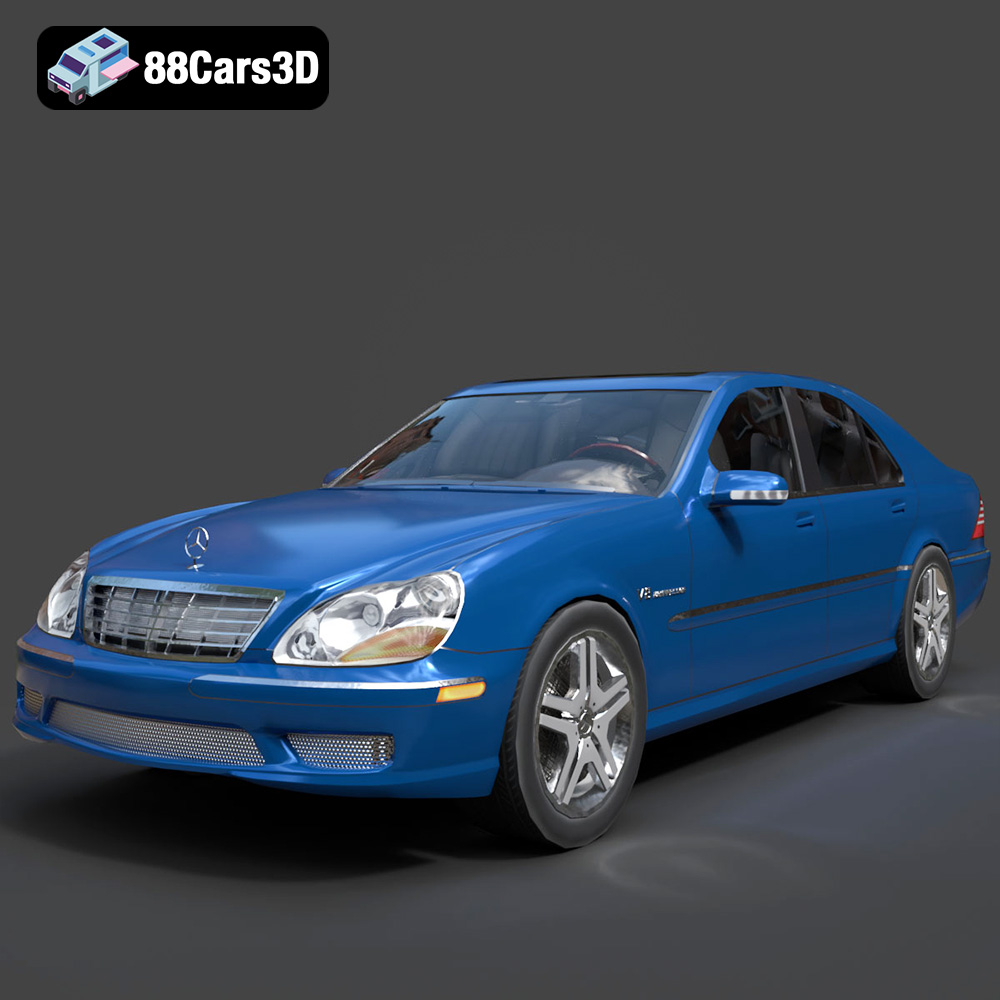
Mercedes-Benz S55 W220 AMG 1999 3D Model
Texture: Yes
Material: Yes
Download the Mercedes-Benz S55 W220 AMG 1999 3D Model featuring clean geometry, realistic detailing, and a fully modeled interior. Includes .blend, .fbx, .obj, .glb, .stl, .ply, .unreal, and .max formats for rendering, simulation, and game development.
Price: $23.99
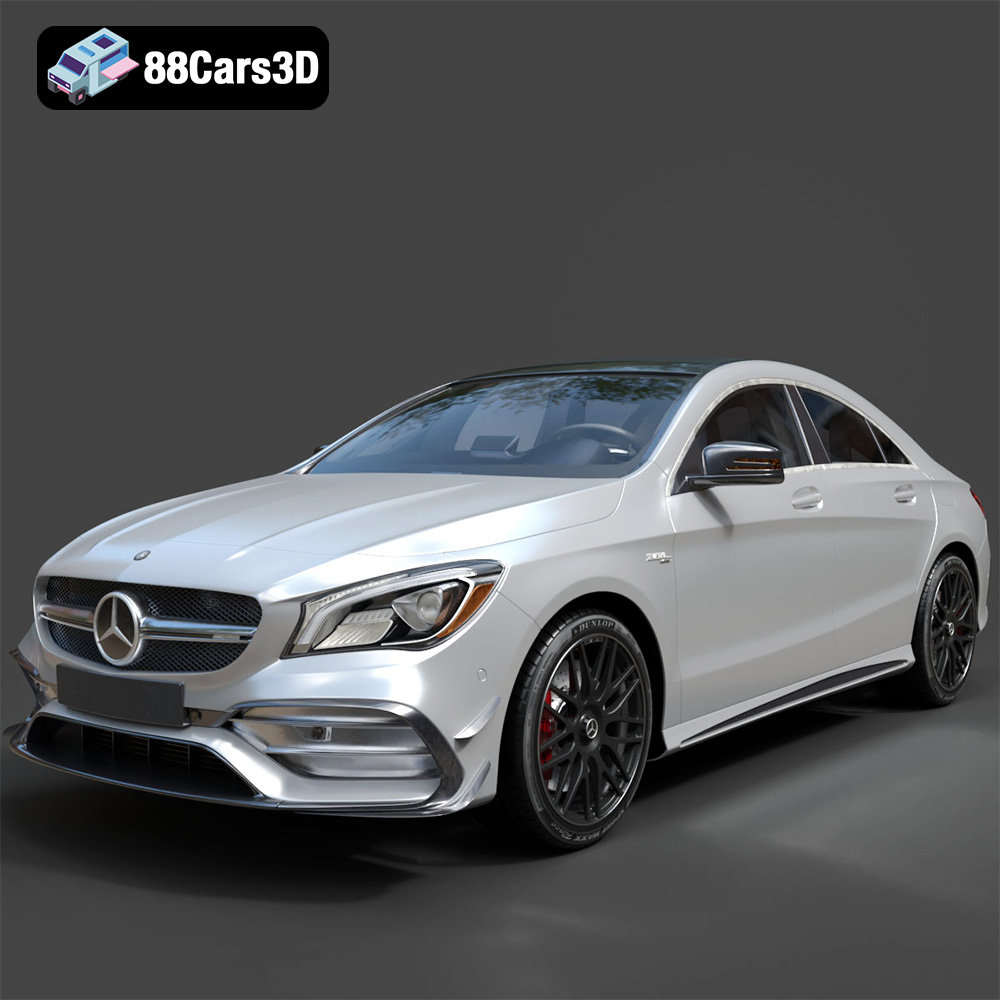
Mercedes-Benz CLA45 AMG 2017 3D Model
Texture: Yes
Material: Yes
Download the Mercedes-Benz CLA45 AMG 2017 3D Model featuring clean geometry, realistic detailing, and a fully modeled interior. Includes .blend, .fbx, .obj, .glb, .stl, .ply, .unreal, and .max formats for rendering, simulation, and game development.
Price: $38.99
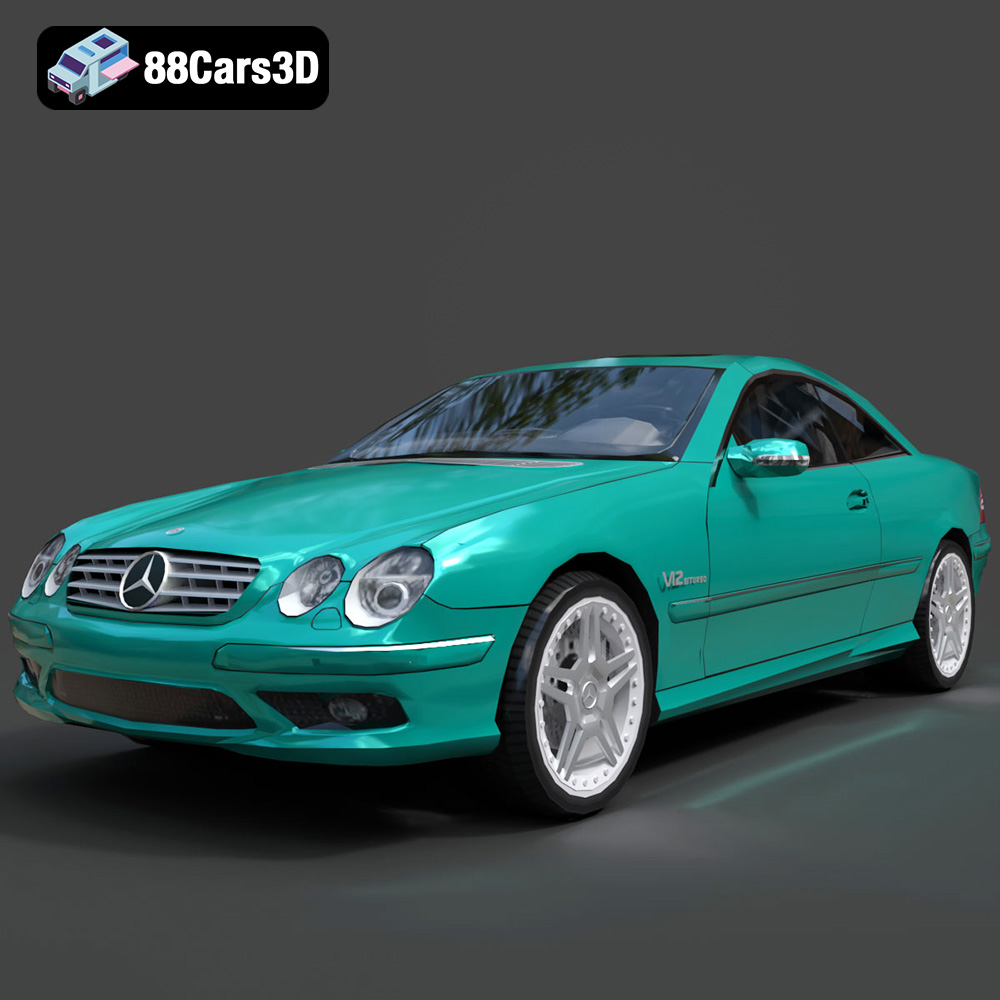
Mercedes-Benz CL65 C215 AMG 3D Model
Texture: Yes
Material: Yes
Download the Mercedes-Benz CL65 C215 AMG 3D Model featuring clean geometry, realistic detailing, and a fully modeled interior. Includes .blend, .fbx, .obj, .glb, .stl, .ply, .unreal, and .max formats for rendering, simulation, and game development.
Price: $23.99
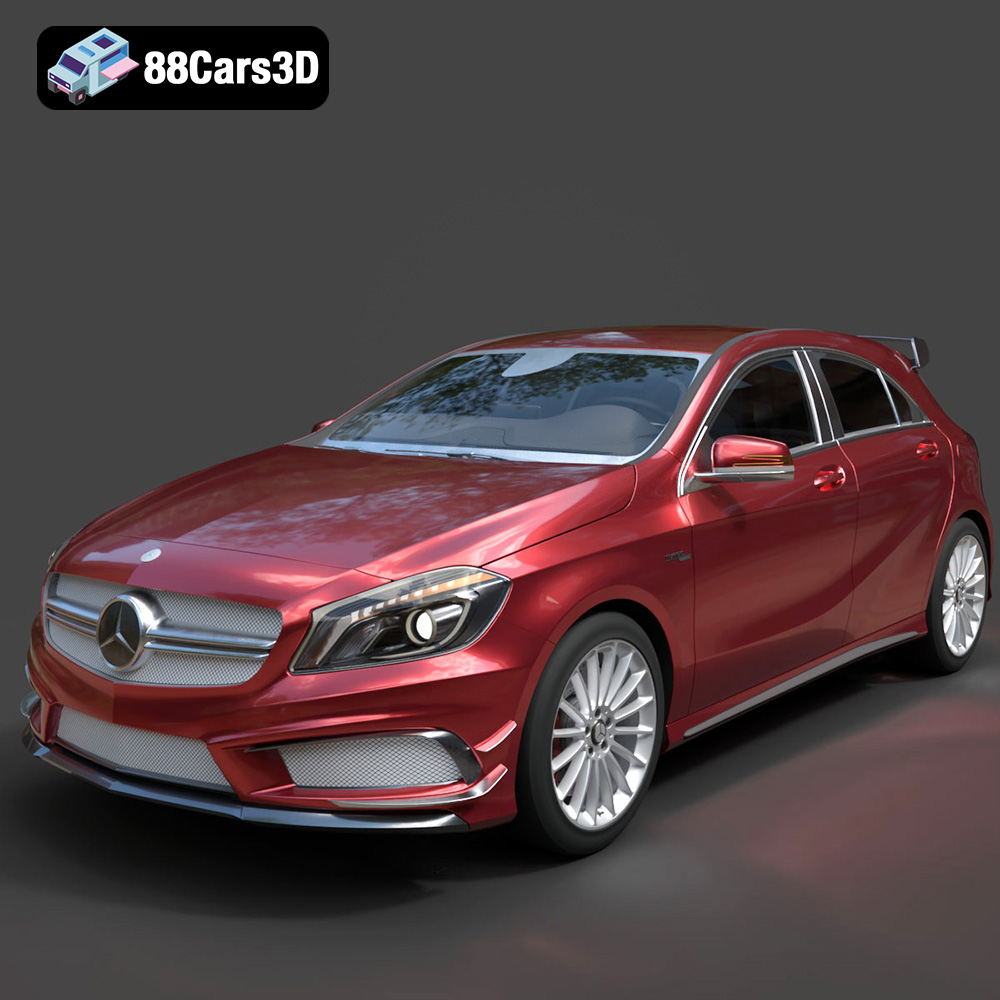
Mercedes-Benz A45 2021 3D Model
Texture: Yes
Material: Yes
Download the Mercedes-Benz A45 2021 3D Model featuring clean geometry, realistic detailing, and a fully modeled interior. Includes .blend, .fbx, .obj, .glb, .stl, .ply, .unreal, and .max formats for rendering, simulation, and game development.
Price: $23.99
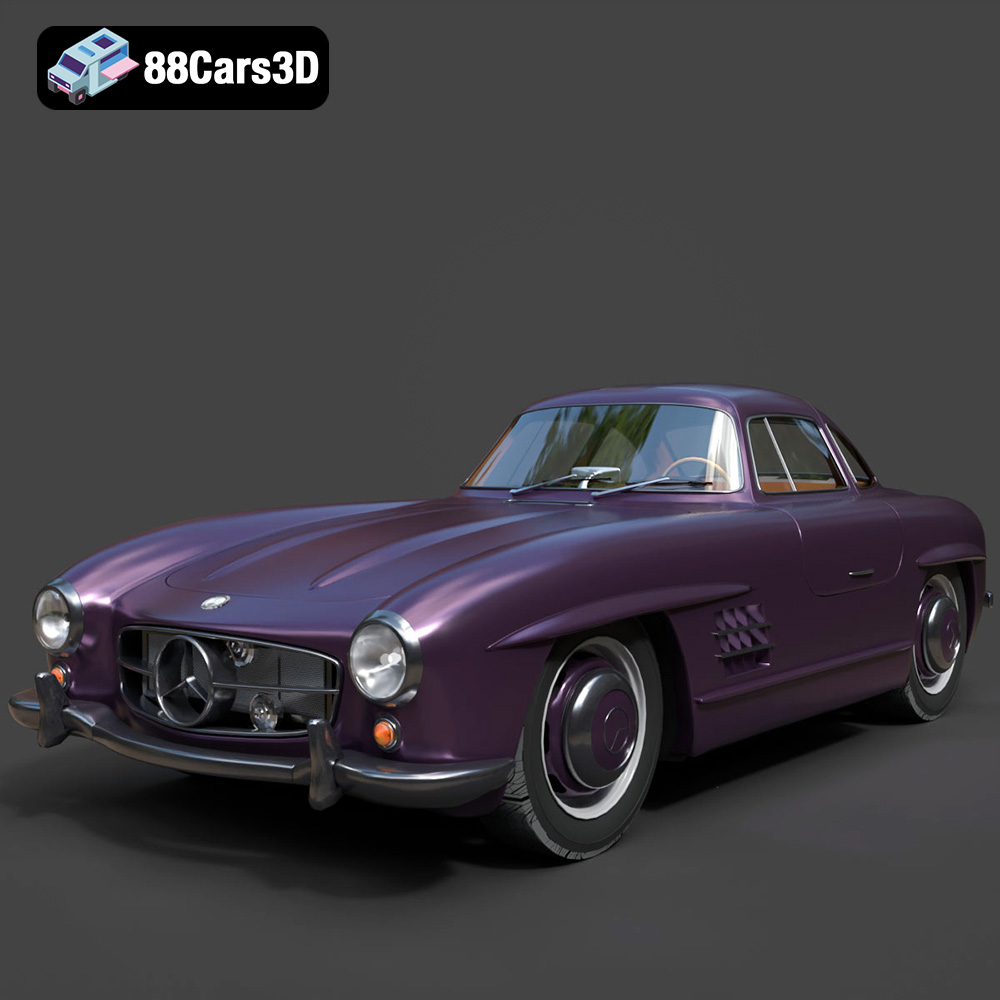
Mercedes-Benz 300SL 1955 3D Model
Texture: Yes
Material: Yes
Download the Mercedes-Benz 300SL 1955 3D Model featuring clean geometry, realistic detailing, and a fully modeled interior. Includes .blend, .fbx, .obj, .glb, .stl, .ply, .unreal, and .max formats for rendering, simulation, and game development.
Price: $23.99
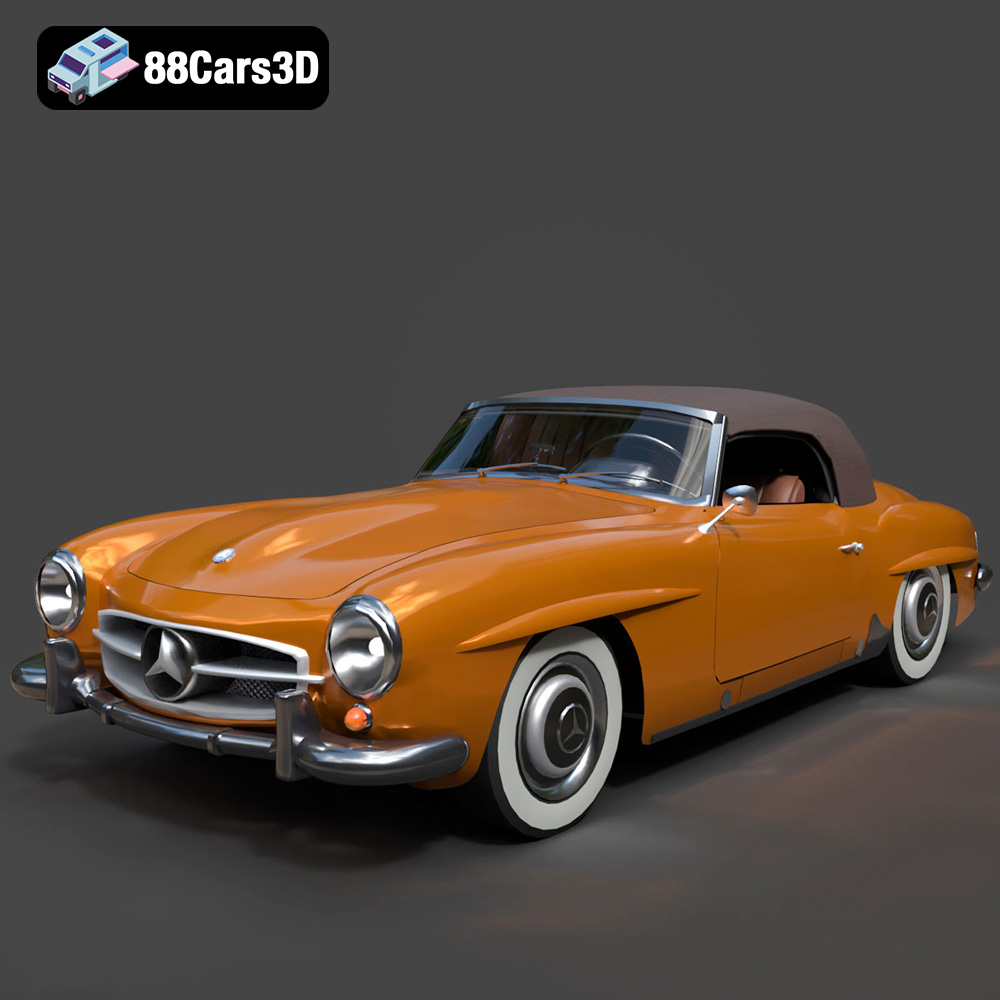
Mercedes-Benz 190SL 1955 3D Model
Texture: Yes
Material: Yes
Download the Mercedes-Benz 190SL 1955 3D Model featuring clean geometry, realistic detailing, and a fully modeled interior. Includes .blend, .fbx, .obj, .glb, .stl, .ply, .unreal, and .max formats for rendering, simulation, and game development.
Price: $23.99
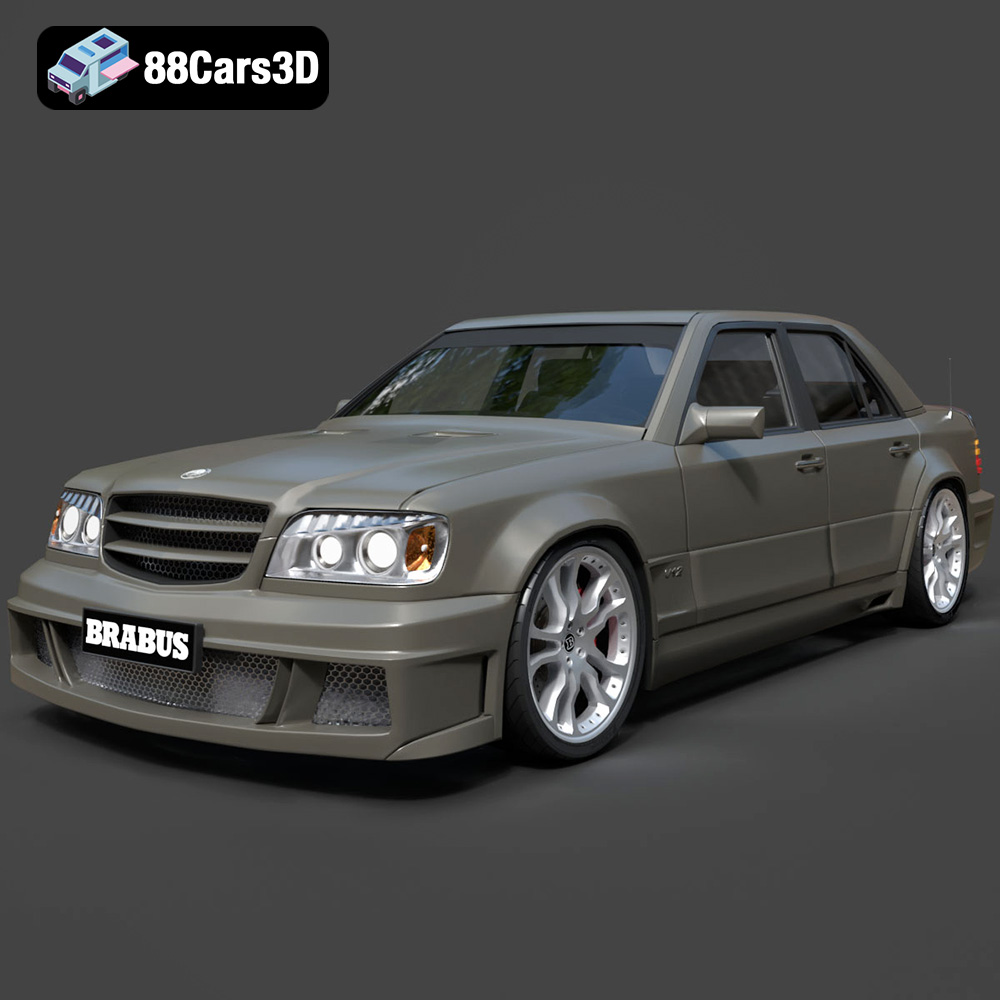
Mercedes-Benz W124 Brabus V12 3D Model
Texture: Yes
Material: Yes
Download the Mercedes-Benz W124 Brabus V12 3D Model featuring clean geometry, realistic detailing, and a fully modeled interior. Includes .blend, .fbx, .obj, .glb, .stl, .ply, .unreal, and .max formats for rendering, simulation, and game development.
Price: $23.99
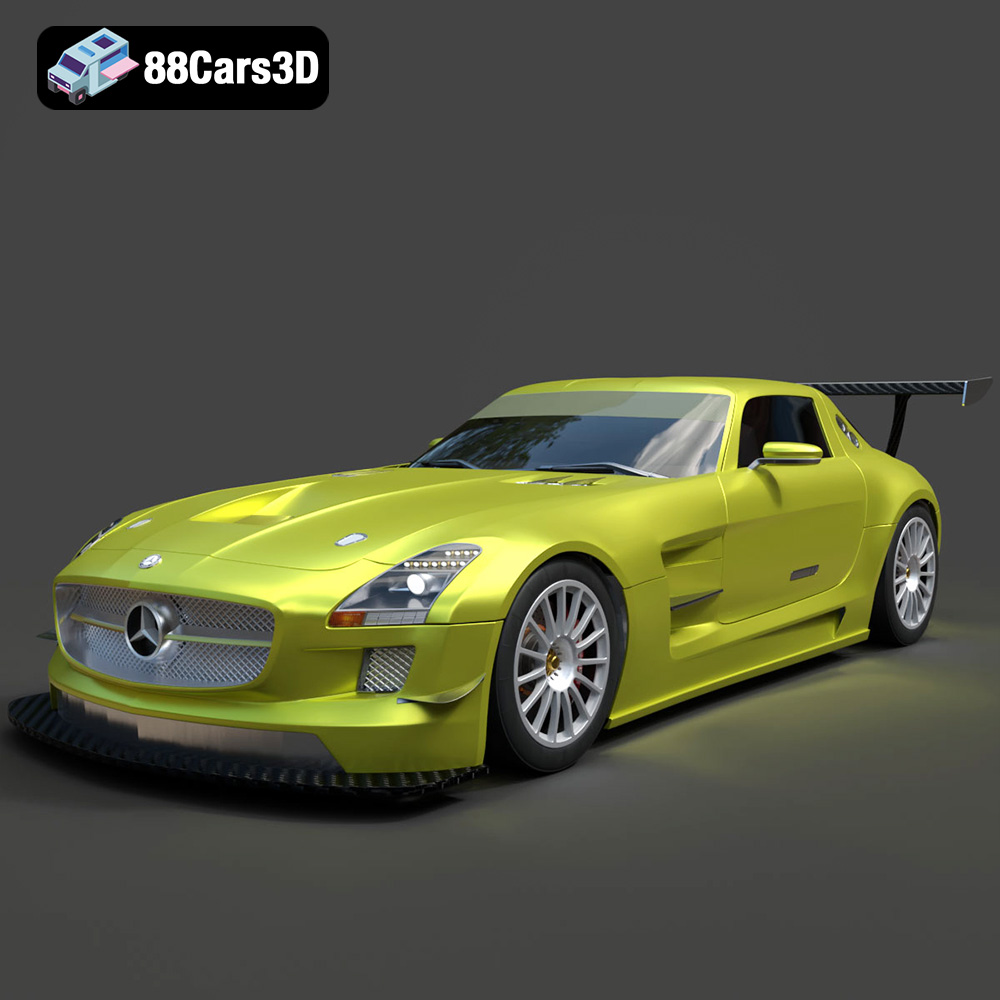
Mercedes-Benz SLS AMG GT3-002 3D Model
Texture: Yes
Material: Yes
Download the Mercedes-Benz SLS AMG GT3-002 3D Model featuring clean geometry, realistic detailing, and a fully modeled interior. Includes .blend, .fbx, .obj, .glb, .stl, .ply, .unreal, and .max formats for rendering, simulation, and game development.
Price: $38.99

Mercedes-Benz C-Class-001 3D Model
Texture: Yes
Material: Yes
Download the Mercedes-Benz C-Class-001 3D Model featuring clean geometry, realistic detailing, and a fully modeled interior. Includes .blend, .fbx, .obj, .glb, .stl, .ply, .unreal, and .max formats for rendering, simulation, and game development.
Price: $38.99
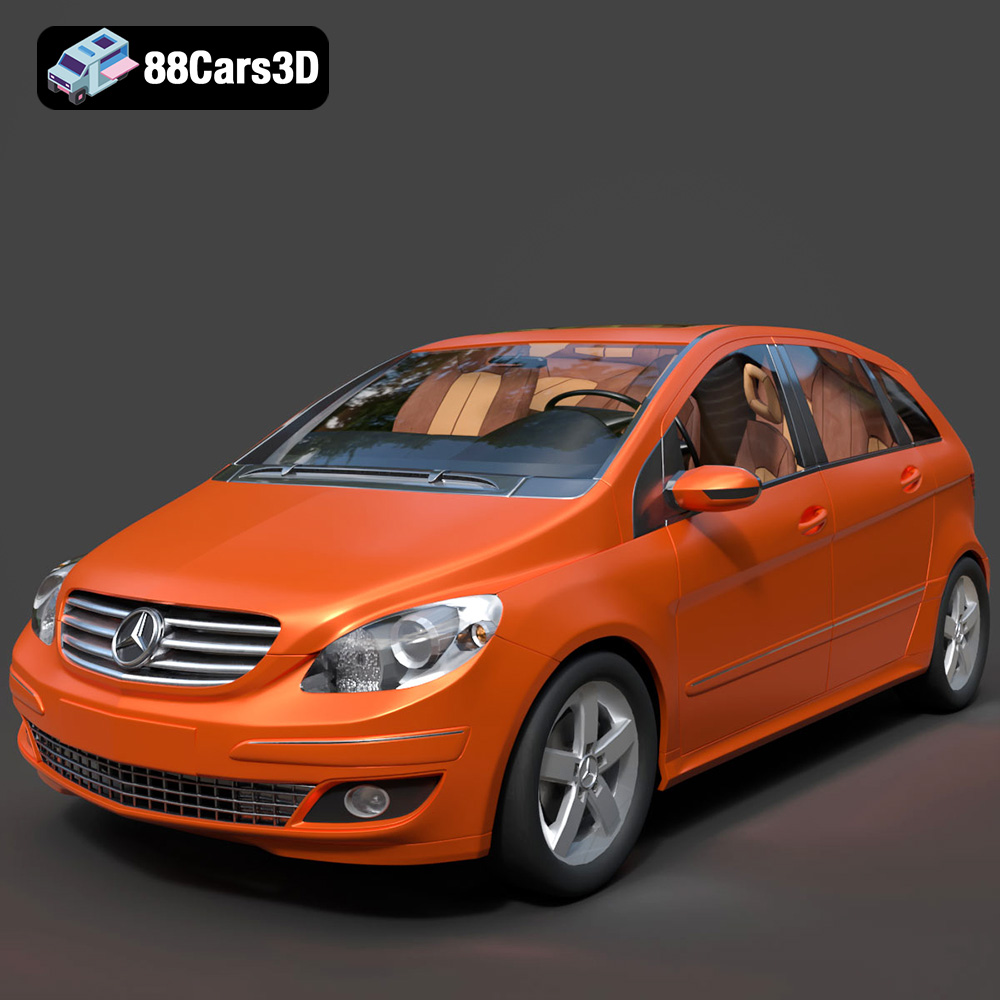
Mercedes-Benz B-Klasse 2023 3D Model
Texture: Yes
Material: Yes
Download the Mercedes-Benz B-Klasse 2023 3D Model featuring clean geometry, realistic detailing, and a fully modeled interior. Includes .blend, .fbx, .obj, .glb, .stl, .ply, .unreal, and .max formats for rendering, simulation, and game development.
Price: $38.99
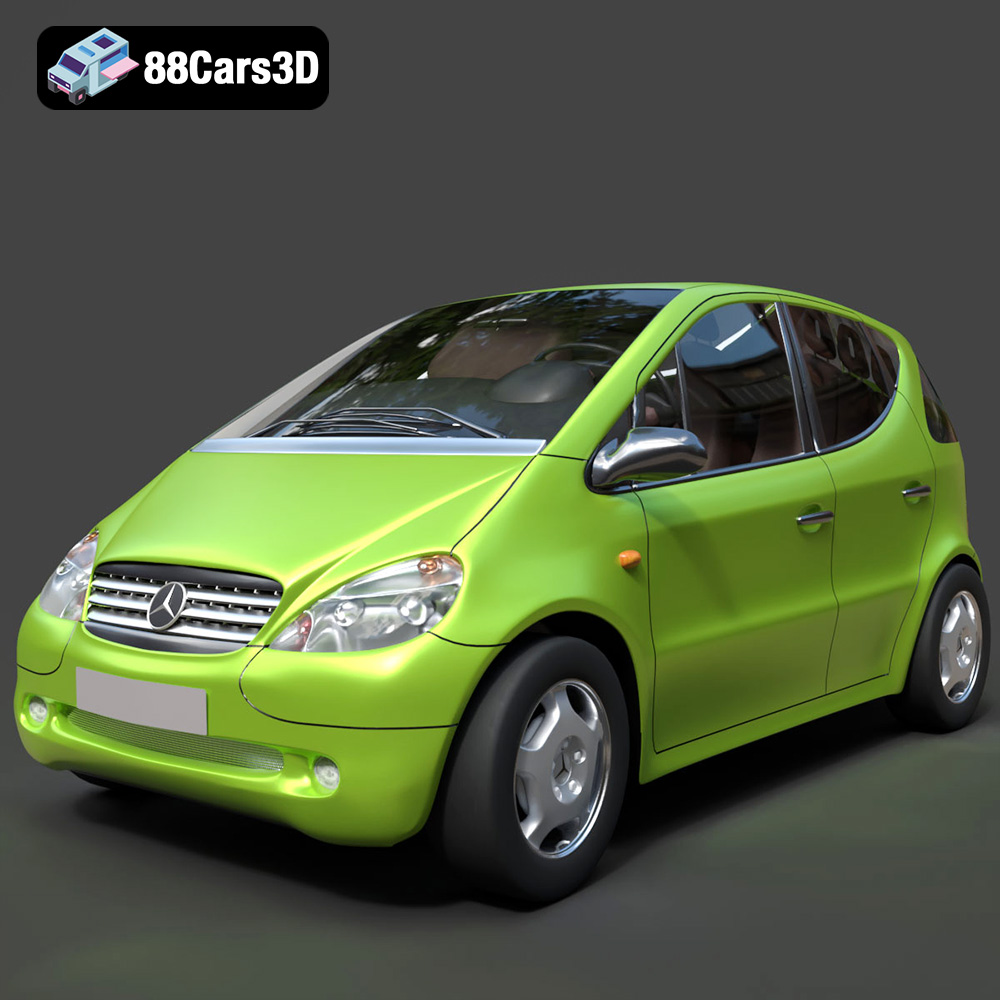
Mercedes-Benz A-Klasse W168 3D Model
Texture: Yes
Material: Yes
Download the Mercedes-Benz A-Klasse W168 3D Model featuring clean geometry, realistic detailing, and a fully modeled interior. Includes .blend, .fbx, .obj, .glb, .stl, .ply, .unreal, and .max formats for rendering, simulation, and game development.
Price: $38.99
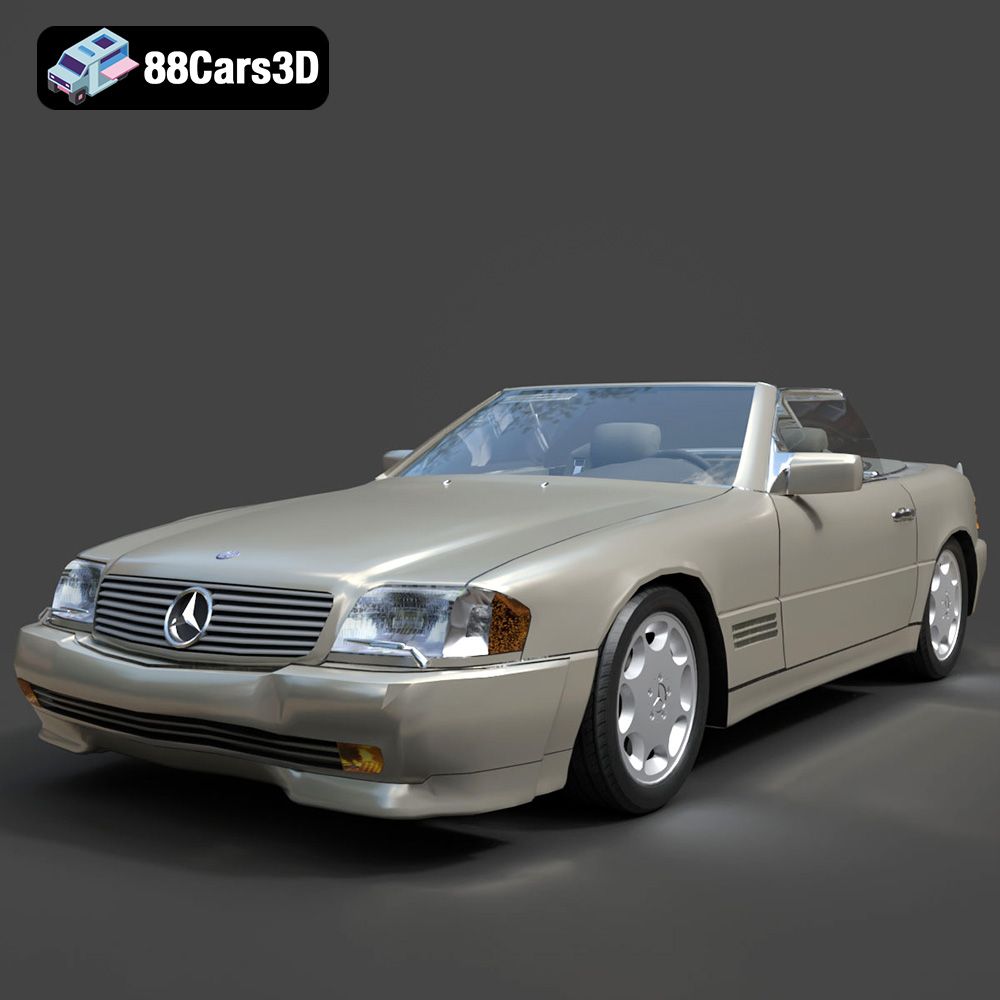
Mercedes-Benz 500SL 2000 3D Model
Texture: Yes
Material: Yes
Download the Mercedes-Benz 500SL 2000 3D Model featuring clean geometry, realistic detailing, and a fully modeled interior. Includes .blend, .fbx, .obj, .glb, .stl, .ply, .unreal, and .max formats for rendering, simulation, and game development.
Price: $38.99
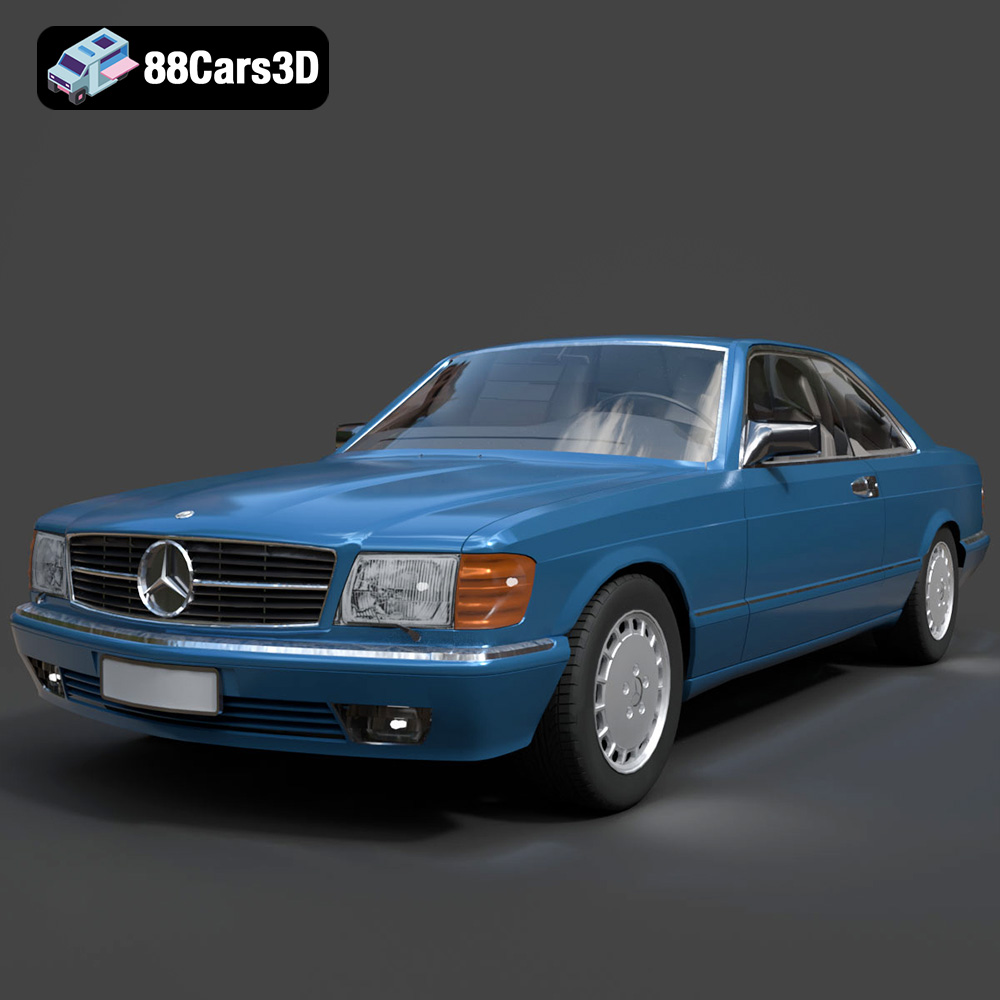
Mercedes-Benz 500SEC 3D Model
Texture: Yes
Material: Yes
Download the Mercedes-Benz 500SEC 3D Model featuring clean geometry, realistic detailing, and a fully modeled interior. Includes .blend, .fbx, .obj, .glb, .stl, .ply, .unreal, and .max formats for rendering, simulation, and game development.
Price: $38.99
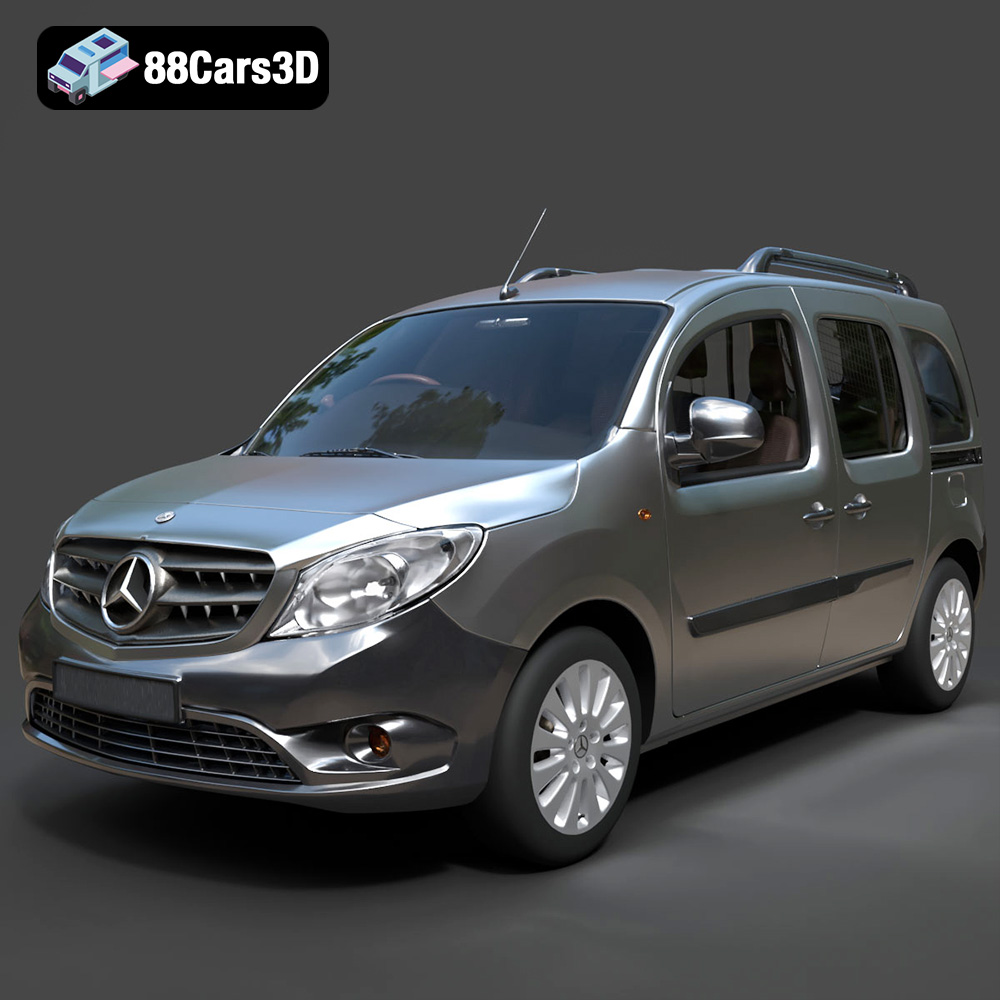
Mercedes-Benz Citan 2025 3D Model
Texture: Yes
Material: Yes
Download the Mercedes-Benz Citan 2025 3D Model featuring clean geometry, realistic detailing, and a fully modeled interior. Includes .blend, .fbx, .obj, .glb, .stl, .ply, .unreal, and .max formats for rendering, simulation, and game development.
Price: $38.99
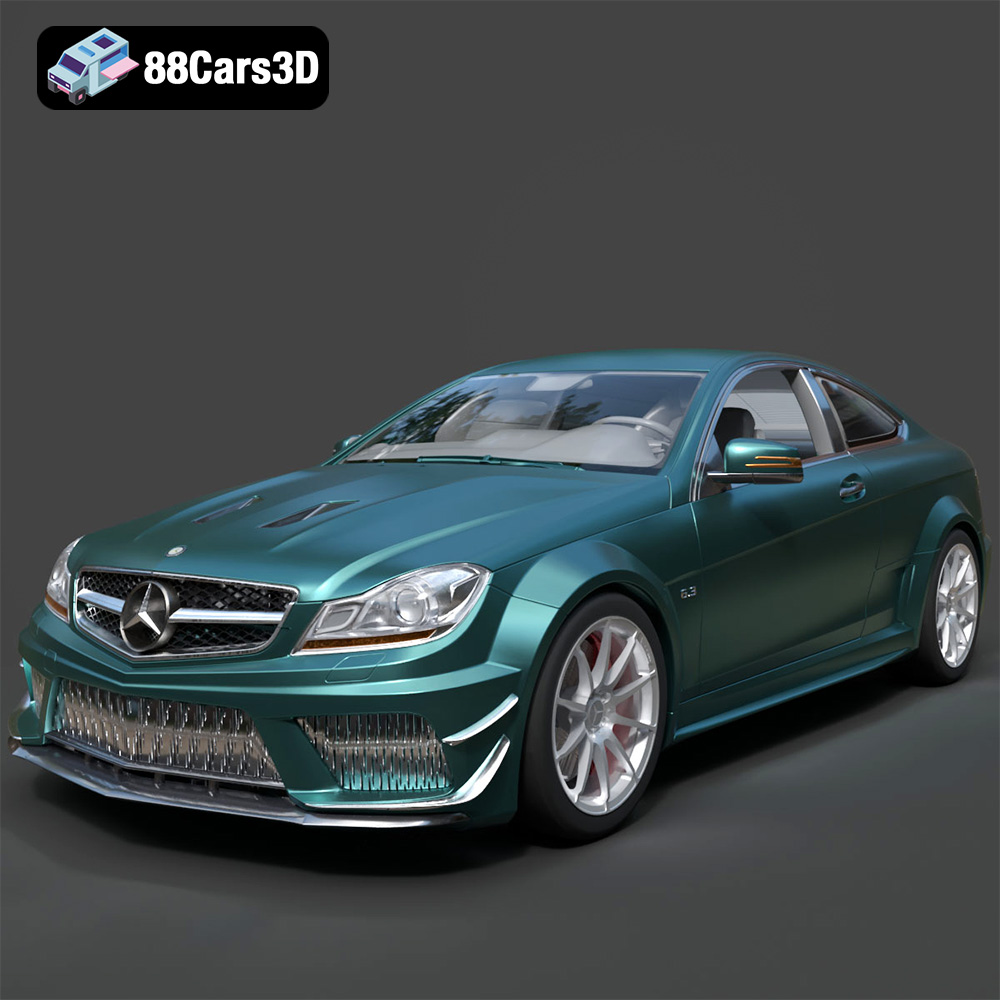
Mercedes-Benz C63 AMG 2012 3D Model
Texture: Yes
Material: Yes
Download the Mercedes-Benz C63 AMG 2012 3D Model featuring clean geometry, realistic detailing, and a fully modeled interior. Includes .blend, .fbx, .obj, .glb, .stl, .ply, .unreal, and .max formats for rendering, simulation, and game development.
Price: $38.99
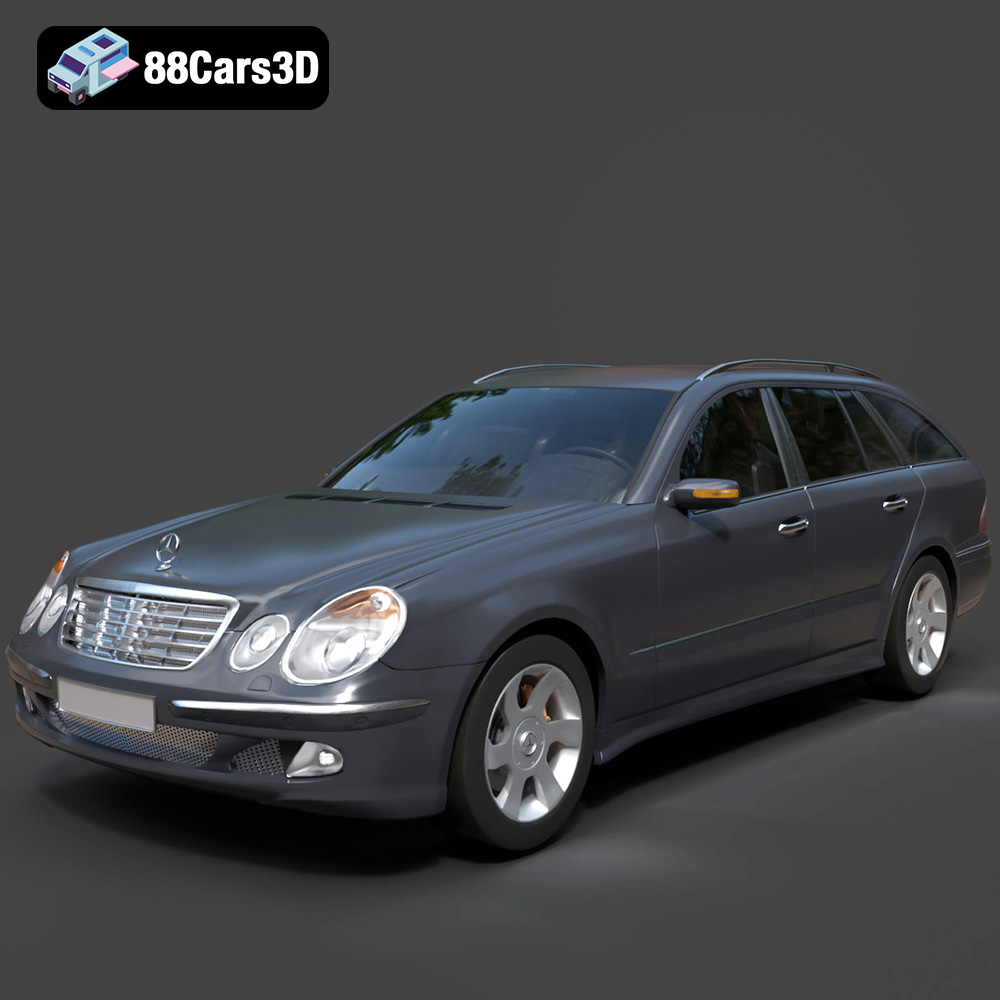
Mercedes-Benz E-Class S211 3D Model
Texture: Yes
Material: Yes
Download the Mercedes-Benz E-Class S211 3D Model featuring clean geometry, realistic detailing, and a fully modeled interior. Includes .blend, .fbx, .obj, .glb, .stl, .ply, .unreal, and .max formats for rendering, simulation, and game development.
Price: $38.99
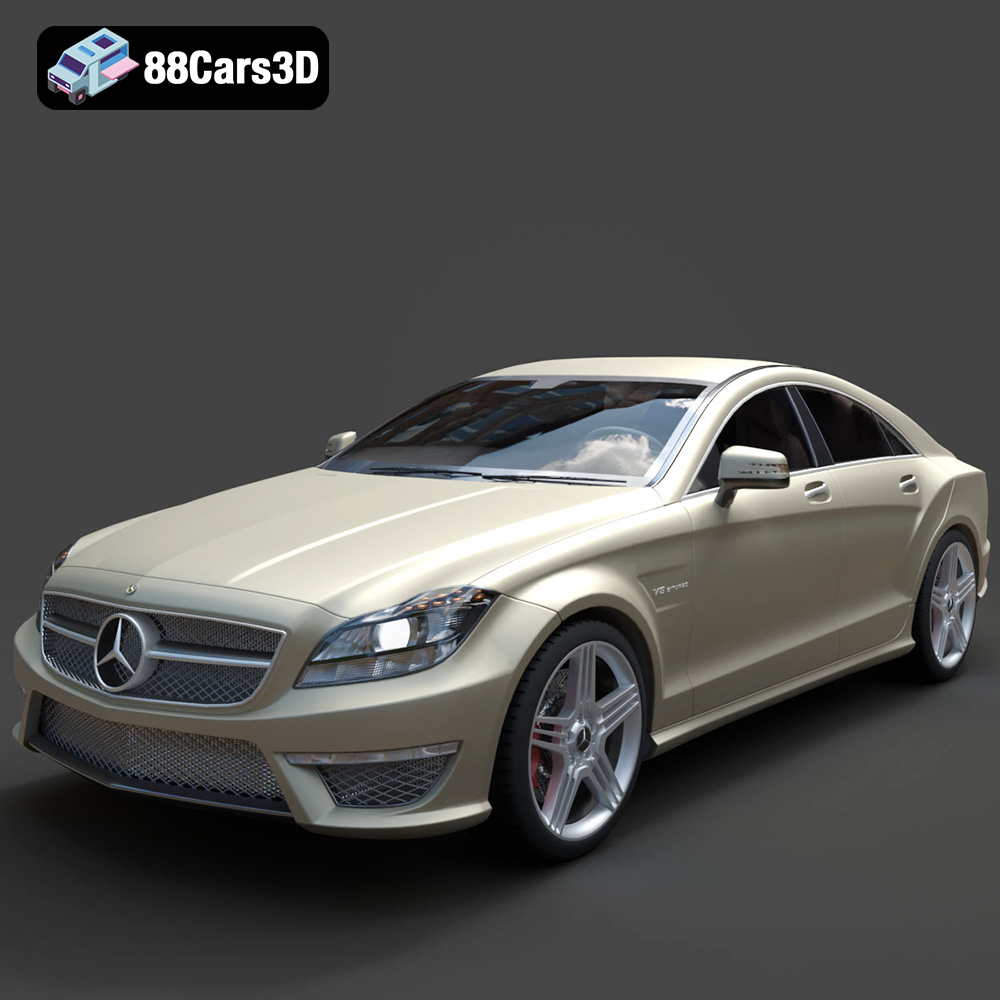
Mercedes-Benz CLS63 AMG (C218) 2014 3D Model
Texture: Yes
Material: Yes
Download the Mercedes-Benz CLS63 AMG (C218) 2014 3D Model featuring clean geometry, realistic detailing, and a fully modeled interior. Includes .blend, .fbx, .obj, .glb, .stl, .ply, .unreal, and .max formats for rendering, simulation, and game development.
Price: $38.99
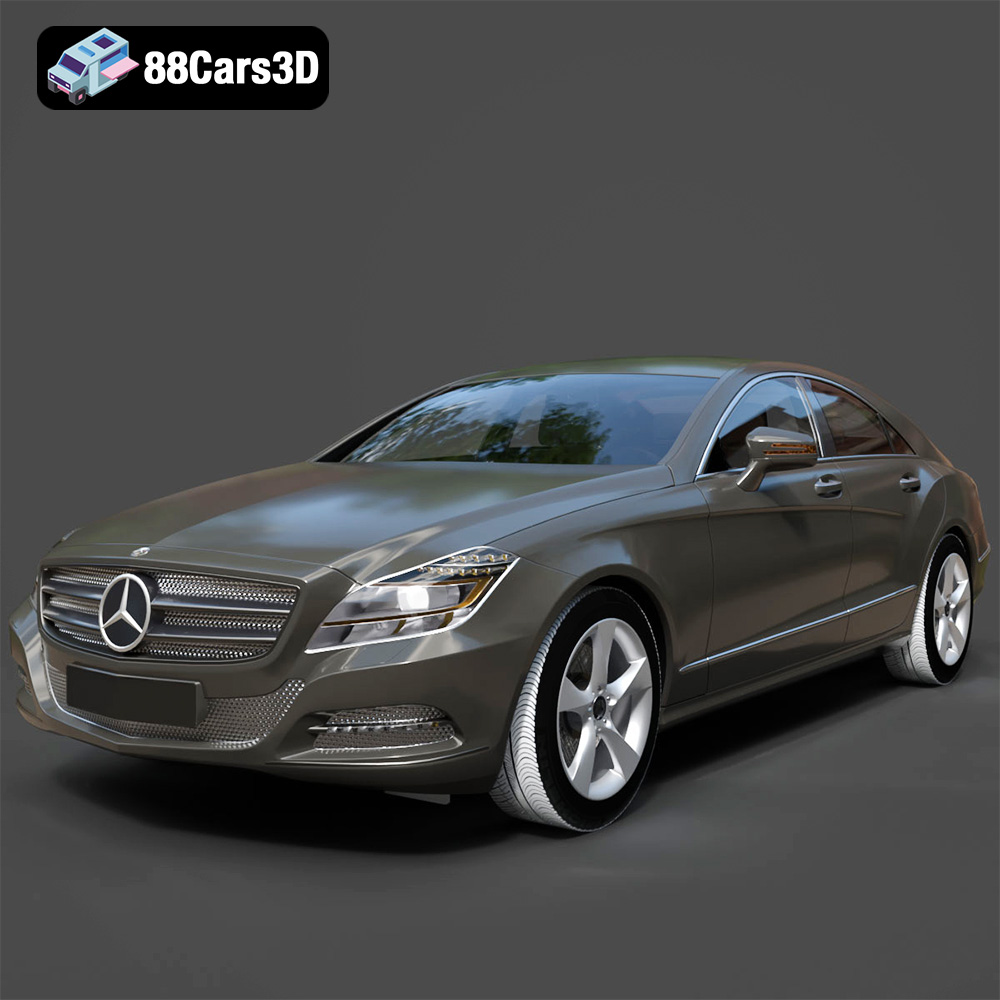
Mercedes-Benz CLS-Klasse 3D Model
Texture: Yes
Material: Yes
Download the Mercedes-Benz CLS-Klasse 3D Model featuring clean geometry, realistic detailing, and a fully modeled interior. Includes .blend, .fbx, .obj, .glb, .stl, .ply, .unreal, and .max formats for rendering, simulation, and game development.
Price: $38.99
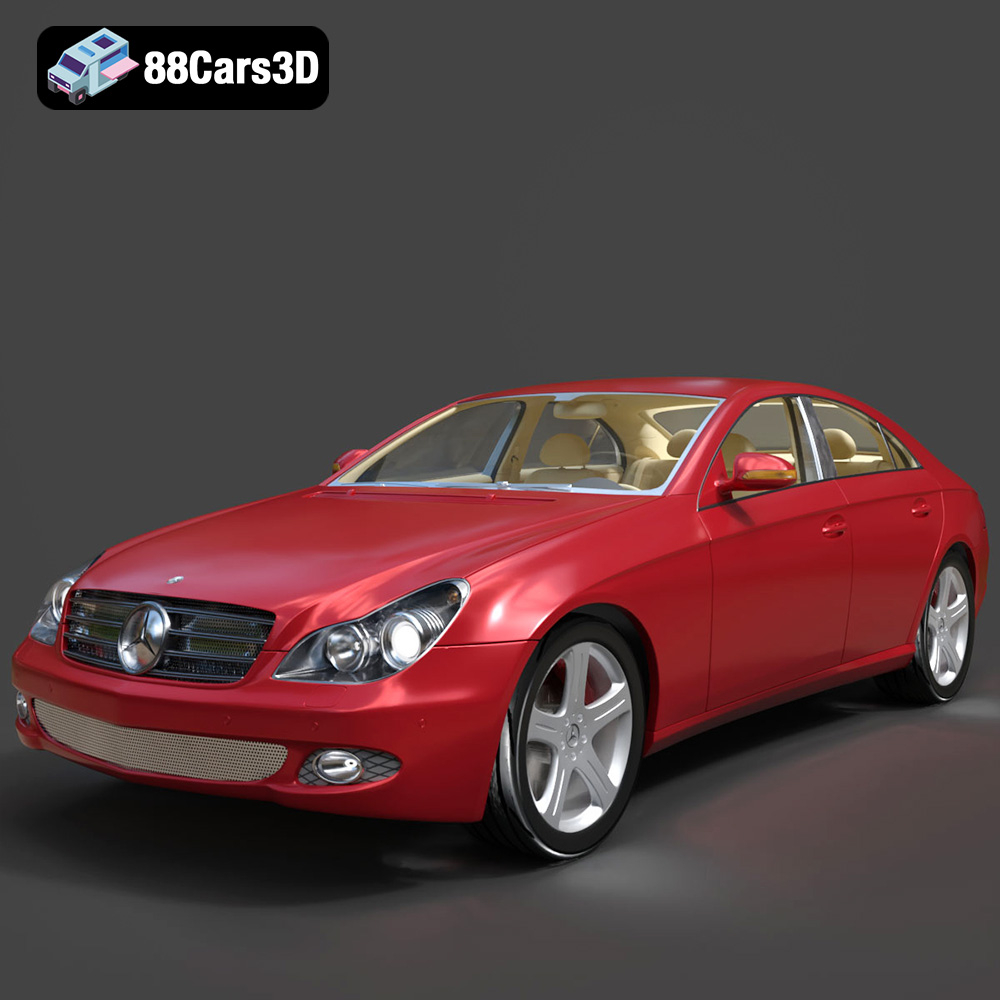
Mercedes-Benz CLS 500 3D Model
Texture: Yes
Material: Yes
Download the Mercedes-Benz CLS 500 3D Model featuring clean geometry, realistic detailing, and a fully modeled interior. Includes .blend, .fbx, .obj, .glb, .stl, .ply, .unreal, and .max formats for rendering, simulation, and game development.
Price: $38.99

Mercedes-Benz CL-Klasse 2001 3D Model
Texture: Yes
Material: Yes
Download the Mercedes-Benz CL-Klasse 2001 3D Model featuring clean geometry, realistic detailing, and a fully modeled interior. Includes .blend, .fbx, .obj, .glb, .stl, .ply, .unreal, and .max formats for rendering, simulation, and game development.
Price: $38.99
