From Pixels to Pavement: The Ultimate Technical Guide to Using 3D Car Models

From Pixels to Pavement: The Ultimate Technical Guide to Using 3D Car Models
The allure of the automobile is universal. From the sweeping curves of a vintage sports car to the aggressive stance of a modern hypercar, these machines represent a perfect fusion of engineering and art. In the digital realm, this fascination is no different. 3D car models are more than just digital replicas; they are versatile assets that power stunning marketing visuals, immersive video games, and cutting-edge virtual experiences. However, acquiring a high-quality model is only the beginning of the journey. The true artistry lies in knowing how to prepare, optimize, and deploy that model for its intended purpose.
This comprehensive guide will walk you through the entire technical pipeline, from selecting the perfect asset to implementing it in photorealistic renders and real-time game engines. We will delve into specific workflows, technical specifications, and practical considerations that separate amateur results from professional-grade productions. Whether you are an automotive visualization artist, a game developer, or a creative professional, this guide will equip you with the knowledge to transform a static 3D model into a dynamic, compelling digital masterpiece.
Section 1: The Foundation – Selecting a Production-Ready 3D Car Model
The final quality of your project is fundamentally limited by the quality of your initial asset. A poorly constructed model will cause endless headaches in texturing, rigging, and rendering. Starting with a professional, well-built model is the single most important investment you can make in your workflow.
Understanding Polygon Count and Topology
Polygon count is often the first metric people look at, but topology—the flow and structure of those polygons—is far more important. A production-ready model should feature clean, quad-based topology. This means the model is primarily constructed from four-sided polygons.
- Why Quads? Quads deform predictably, are ideal for subdivision surfaces (like TurboSmooth in 3ds Max or a Subdivision Surface modifier in Blender), and are easier to UV unwrap cleanly. Triangles can cause pinching and artifacts when subdividing or deforming.
- Edge Flow: Observe how the lines of polygons (edge loops) follow the contours of the car’s body panels. Proper edge flow ensures that reflections and highlights move smoothly and realistically across the surface. Poor edge flow results in wobbly, unnatural reflections.
- Density: The polygon density should be appropriate for the task. A model intended for cinematic close-ups might have several million polygons after subdivision. In contrast, a real-time game asset might need to stay under 200,000 polygons for a hero vehicle, making a clean base mesh (before subdivision) critical.
The Critical Importance of UVs and PBR Textures
A model’s UV map is the 2D blueprint that tells the 3D software how to apply a 2D texture to the 3D surface. Poor UVs are a project-killer.
- Unwrapping and Layout: A professional model will have non-overlapping UVs with minimal distortion or stretching. Seams should be placed logically in areas of low visibility, such as panel gaps or underside components.
- Texel Density: This refers to the resolution of the texture per unit of surface area. A good model will have consistent texel density across all parts, ensuring that the texture detail on the door looks just as sharp as the texture on the hood.
- PBR Materials: The industry standard is Physically Based Rendering (PBR). This workflow typically uses several texture maps to define a material’s properties: Albedo (base color), Roughness (how matte or glossy the surface is), Metallic (whether it’s a metal or non-metal), and Normal (for fine surface detail like leather grain or tire treads). High-quality models should come with high-resolution (4K or 8K) PBR textures.
Model Fidelity and Scene Organization
A professional asset is more than just good geometry; it’s a well-organized and user-friendly product. When evaluating a model, look for a clean hierarchy in the scene file. The body, wheels, brake calipers, interior components, and glass should all be separate, clearly named objects. This makes it infinitely easier to select parts, assign materials, and animate components like wheels and doors. Marketplaces like 88cars3d.com specialize in providing models that meet these high standards, with meticulously organized files and production-proven topology, saving you countless hours of cleanup.
Section 2: The Cinematic Shot – Preparing for Photorealistic Automotive Rendering
For advertising, marketing, and film, realism is paramount. The goal is to create an image that is indistinguishable from a real photograph. This requires a meticulous approach to lighting, shading, and composition.
Scene Setup and Lighting (3ds Max + Corona/V-Ray)
The environment is as important as the model itself. A car is a highly reflective object, so what it reflects defines its appearance.
- HDRI-Based Lighting: The fastest way to achieve realistic lighting is with a High Dynamic Range Image (HDRI). This is a 360-degree photograph of a real-world location that contains accurate lighting information. Use it in a Dome Light to cast soft, natural light and provide rich reflections on the car’s surface.
- Studio Lighting: For a classic studio look, start with a black environment and add lights manually. Use large rectangular area lights to create soft, broad reflections that define the car’s form. A typical setup includes a large top light, a key light from the side, and several smaller rim lights to catch highlights on the edges.
- The Ground Plane: Create a simple plane beneath the car. To integrate the car seamlessly, use a “Shadow Catcher” material (V-RayMtlWrapper in V-Ray or the CoronaShadowCatcherMtl in Corona). This will make the ground invisible to the camera but still receive shadows and reflections from the car, allowing you to easily composite it onto any background.
Advanced Material and Shader Refinement
Stock PBR textures are a great starting point, but photorealism requires fine-tuning.
- Car Paint: The most complex material is the car paint. Modern render engines have dedicated car paint shaders. These are layered materials that simulate a base coat, metallic flakes, and a reflective clear coat. Experiment with flake size, density, and color to achieve custom looks from matte finishes to candy-apple red. The clear coat’s Index of Refraction (IOR) should be around 1.5-1.6.
- Glass and Chrome: For glass, focus on thickness and IOR (around 1.52). Add a very slight color tint (a subtle green or blue) for extra realism. For chrome, ensure the material is 100% metallic with a very low roughness value (e.g., 0.01-0.05).
- Tires and Plastics: Tires are never pure black. Use a dark grey albedo map with subtle dirt and wear details. The roughness map is key here; the sidewall will be rougher than the main tread. Use a Normal map for sidewall lettering and tread patterns.
Section 3: Real-Time Ready – Optimizing Models for Game Engines
Preparing a 3D car model for a game engine like Unreal Engine or Unity is a completely different discipline. The primary goal is to maintain maximum visual fidelity while ensuring the game runs at a smooth framerate (e.g., 60 FPS).
The Art of Retopology and Creating LODs
You cannot simply drop a multi-million polygon cinematic model into a game engine. It must be optimized. This process starts with creating a low-polygon mesh.
- Retopology: This is the process of building a new, clean, low-poly mesh over the top of the original high-poly model. The goal is to capture the silhouette and major forms with the fewest polygons possible. A hero game car might have an LOD0 (Level of Detail 0, the highest quality) of 150,000-300,000 triangles.
- Creating LODs: As the car gets further from the camera, you can swap the model for a lower-resolution version to save performance. This is called a Level of Detail (LOD) chain. You might have LOD1 at 50% of the original polygons, LOD2 at 25%, and so on. The last LOD might be a tiny mesh of just a few hundred polygons. Most game engines can automate the generation of subsequent LODs from your base LOD0 mesh.
Baking: Transferring High-Poly Detail
How does a low-poly model look so detailed? The secret is “baking.” This is the process of transferring surface details from the high-poly model onto the UVs of the low-poly model in the form of texture maps.
- Normal Map: This is the most important baked map. It fakes the lighting information of the high-poly surface, creating the illusion of intricate detail (panel gaps, bolts, vents) on a flat low-poly surface.
- Ambient Occlusion (AO): This map pre-calculates contact shadows in areas where geometry is close together, like the crevices between body panels. It adds depth and a sense of grounding to the model.
- Other Maps: You can also bake Curvature maps (to detect sharp edges for procedural wear and tear) and Thickness maps (for subsurface scattering effects). Software like Marmoset Toolbag and Substance 3D Painter are industry standards for baking.
Section 4: Case Study – Building an Automotive Configurator in Unreal Engine 5
Let’s apply these principles to a real-world project: creating an interactive car configurator where users can change the paint color and wheels in real-time.
Project Setup and Asset Integration
First, we need a suitable asset. For a real-time application like this, we need a model that is both highly detailed and well-optimized. A model from a curated source like 88cars3d.com is ideal, as their assets often come with clean topology and separated components perfect for this task. We import the model into our Unreal Engine 5 project, ensuring that the wheels, body, and calipers are imported as separate static meshes.
Creating a Master Material with Parameters
Instead of creating a unique material for every color, we create one flexible “Master Material.”
- Material Graph: Inside the Unreal Material Editor, we create a complex material for our car paint. It will have inputs for Albedo, Roughness, and Metallic textures.
- Exposing Parameters: The key is to turn static values into parameters. We right-click the Base Color input and promote it to a parameter called “Paint_Color.” We can do the same for “Roughness_Value” and “Metallic_Flake_Intensity.”
- Material Instances: Now, we can right-click our Master Material and create a “Material Instance.” This instance is a lightweight child of the master that allows us to change our exposed parameters (like “Paint_Color”) without recompiling the entire shader. We can create dozens of instances (Red, Blue, Black, etc.) with almost no performance overhead.
Implementing Logic with Blueprints and UI
We use Unreal’s Blueprint visual scripting system to control the logic.
- User Interface (UI): We create a simple UI Widget with buttons for each color option.
- Blueprint Logic: In our Level Blueprint, we get a reference to the car’s body mesh. When a UI button is clicked (e.g., “Red Button”), we use a “Set Material” node to apply our “MI_CarPaint_Red” material instance to the car body mesh. We can use similar logic to swap the static meshes for the wheels, allowing the user to choose between different rim styles. With Lumen and Ray Tracing enabled in UE5, these changes are reflected instantly with stunning, physically accurate global illumination and reflections.
Section 5: New Frontiers – AR, VR, and 3D Printing
The utility of a 3D car model extends far beyond traditional screens. Emerging technologies open up new and exciting possibilities.
Preparing Models for Augmented Reality (AR)
AR applications, which run on mobile devices, demand extreme optimization. Performance is everything.
- Polygon Budgets: The entire model should ideally be under 100k polygons. All parts (body, wheels, interior) should be combined into a single mesh to reduce draw calls.
- Texture Constraints: Use a single material and a single set of textures for the entire car. Bake all lighting and shadow information directly into the Albedo texture. This is because real-time mobile lighting can be expensive.
- File Formats: The standard formats for AR are glTF and USDZ. These are designed to be lightweight and efficient for web and mobile delivery.
Considerations for Virtual Reality (VR)
VR demands a delicate balance. It requires high framerates (90 FPS or more) to prevent motion sickness, but users also expect a high level of detail, especially in the interior, since they can “sit” inside the car. The interior model must be just as detailed as the exterior, with high-resolution textures for the dashboard, seats, and steering wheel. Geometry must still be highly optimized to hit the strict performance targets.
Conclusion: The Versatility of a High-Quality Asset
As we’ve seen, a 3D car model is not a single, static object. It is the raw material for a vast range of digital creations. The same foundational asset can be pushed to millions of polygons for a breathtaking piece of automotive rendering, or carefully optimized and baked down into a high-performance game asset ready for the racetrack. The journey from a raw file to a final, polished product requires technical skill, an artistic eye, and a clear understanding of the target platform’s requirements.
By starting with a meticulously crafted model, paying close attention to technical details like topology and UVs, and applying the specific workflows for rendering or real-time engines, you unlock the full potential of your creative vision. The digital road is open, and with the right techniques, you can create stunning automotive experiences that captivate and inspire.
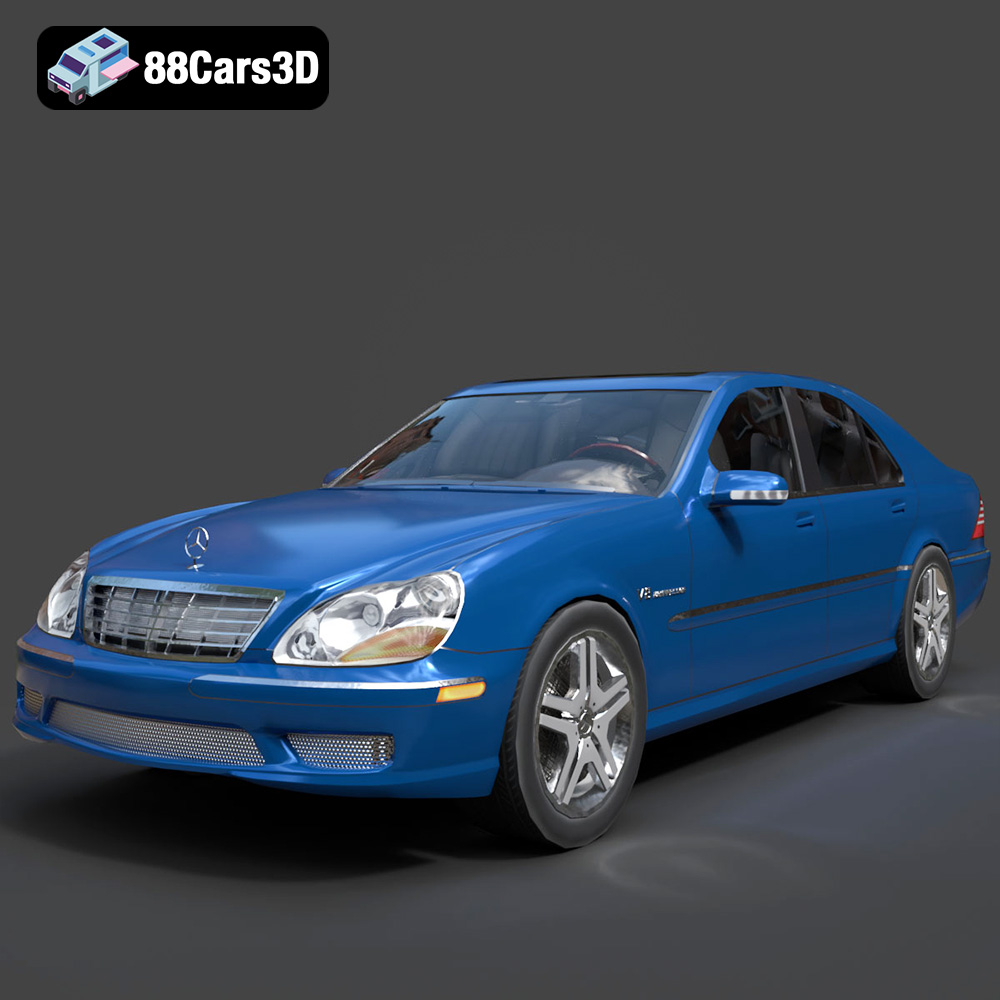
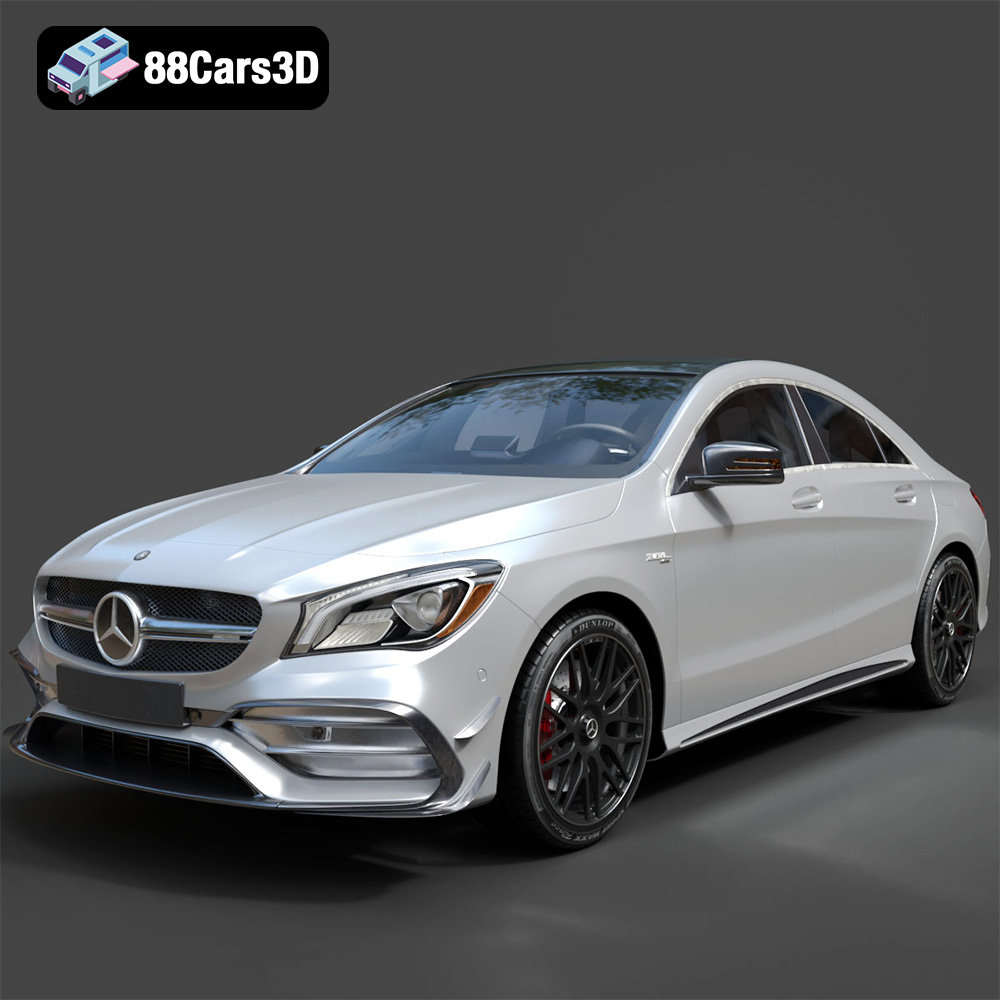
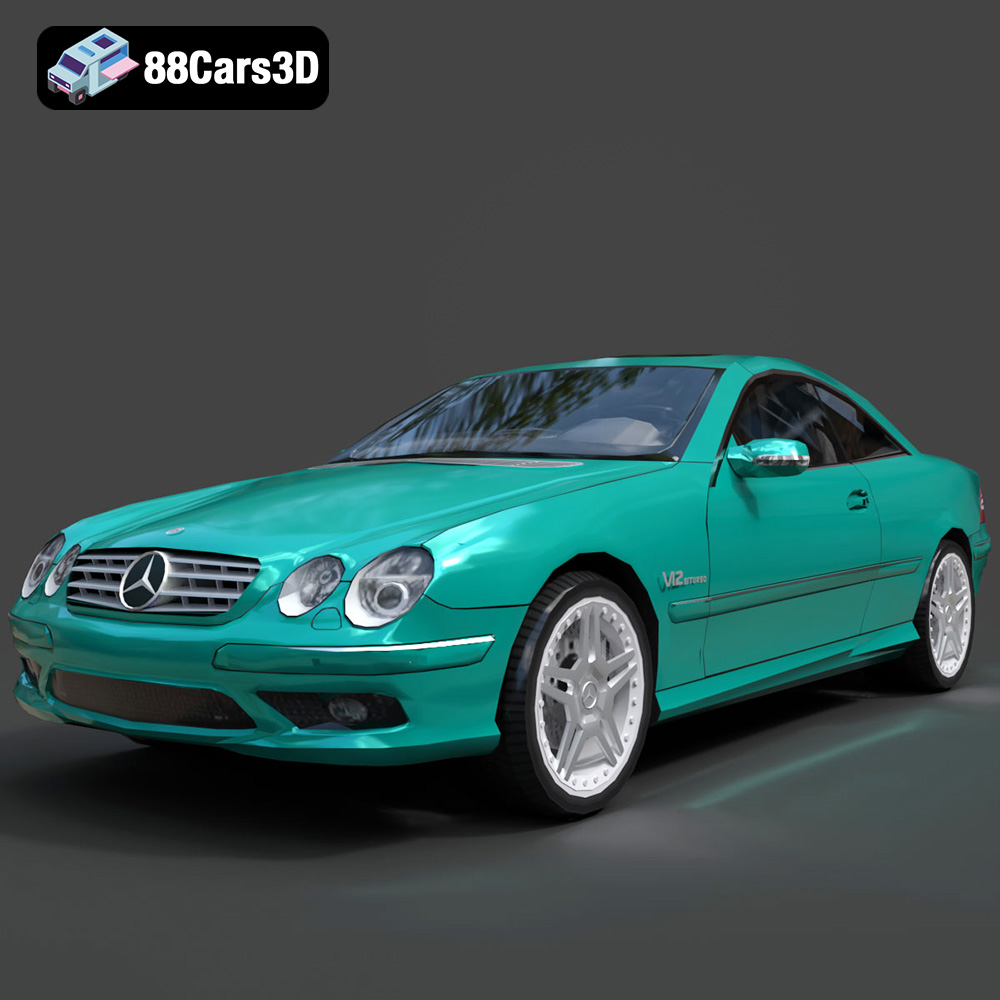
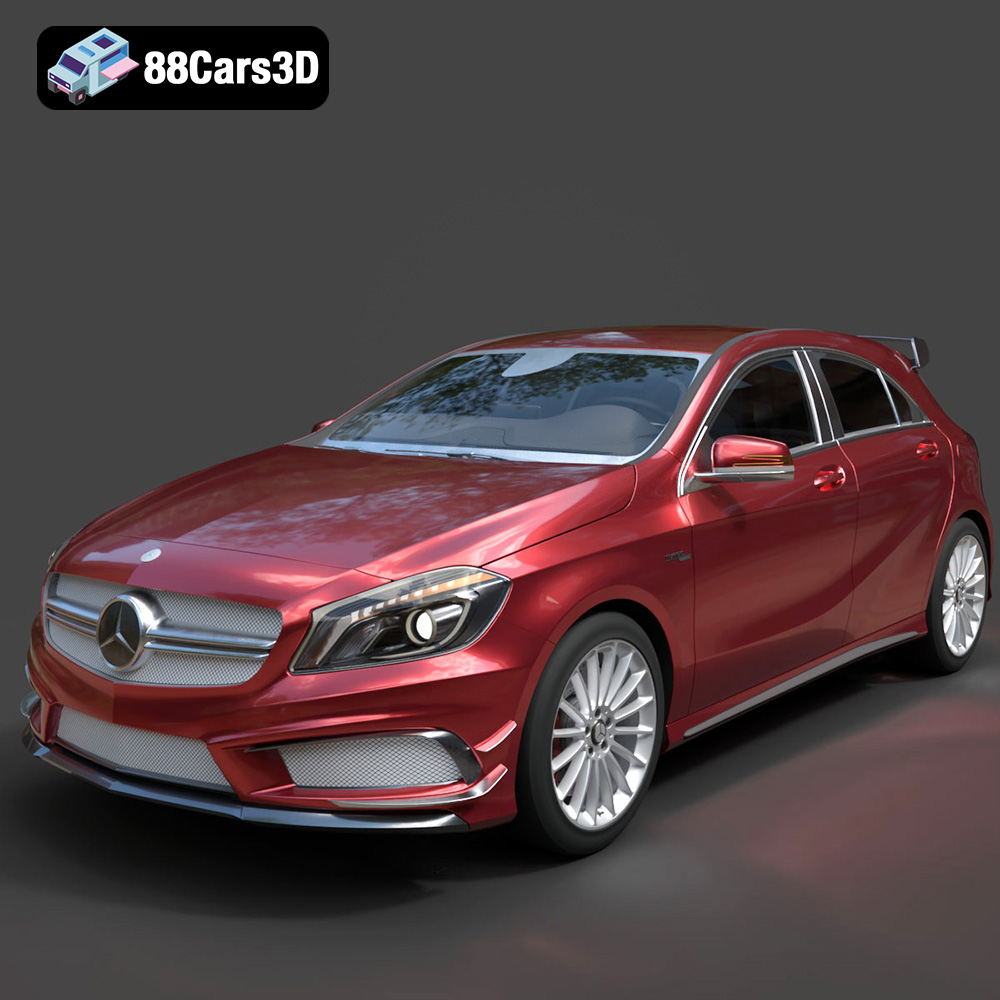
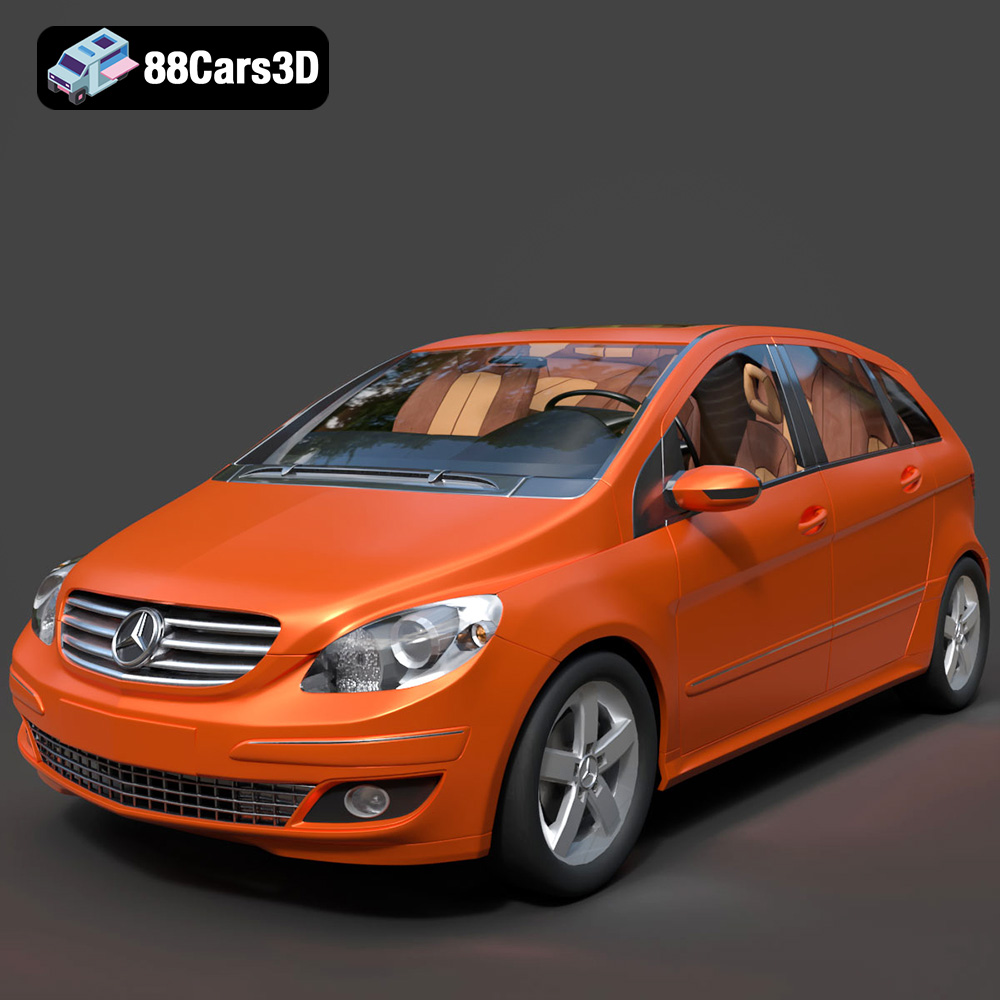
Featured 3D Car Models