
From Studio Render to Game Engine: Optimizing High-Poly Automotive Models for Real-Time Performance & Fidelity

From Studio Render to Game Engine: Optimizing High-Poly Automotive Models for Real-Time Performance & Fidelity
The allure of a high-fidelity automotive render is undeniable. Gleaming paint, intricate interior details, and photo-realistic reflections captivate audiences in marketing campaigns, product visualizations, and cinematic sequences. These breathtaking visuals are typically born from highly detailed 3D models, often originating from CAD data or meticulously crafted subdivision surfaces, boasting millions of polygons and complex material setups designed for offline renderers.
However, translating these stunning studio assets directly into a real-time environment, like a modern game engine, presents a formidable challenge. A high-poly automotive model, while beautiful in a static render, can cripple game performance, causing frame rate drops, long load times, and excessive memory consumption. The fundamental difference lies in how offline renderers and real-time engines process information.
This comprehensive guide delves into the essential techniques and workflows required to transform a high-poly masterpiece into a performant, visually accurate, and truly game-ready 3D automotive model. We will explore the art and science of real-time rendering optimization, ensuring your vehicles look exceptional without compromising gameplay fluidity.
The High-Poly to Game-Ready Challenge: Bridging the Divide
Before diving into solutions, it’s crucial to understand why a direct transfer of high-poly assets fails in real-time applications. Offline renderers can take minutes or even hours to render a single frame, leveraging sophisticated global illumination algorithms and massive computational power to trace every light ray. Game engines, on the other hand, must render 30 to 120 frames per second, demanding extreme efficiency.
High-polygon count is the primary culprit. Each polygon and vertex contributes to the processing load, impacting draw calls and GPU memory. Automotive models, with their smooth curves, intricate panel gaps, and detailed interiors, are often among the most poly-intensive assets. CAD data, for instance, prioritizes engineering precision, resulting in incredibly dense meshes that are impractical for real-time.
The goal of creating a game-ready 3D automotive model is to achieve a balance: maintaining the visual essence and recognizable features of the original high-poly version while drastically reducing the computational footprint. This involves a strategic approach to geometry, textures, and engine integration, forming the bedrock of real-time rendering optimization.
Strategic Poly Count Reduction: Precision in Mesh Optimization
The first and often most critical step in optimizing a high-poly automotive model is effective poly count reduction techniques. This isn’t just about indiscriminately deleting polygons; it’s a careful process of identifying and removing redundant geometry while preserving crucial silhouette and form. This strategic approach is at the heart of robust mesh optimization.
Identifying Redundancy in Automotive Geometry
- Hidden Geometry: Much of a CAD or subdivision model’s detail might be internal or occluded by other parts (e.g., engine components inside a sealed hood, intricate wiring behind a dashboard). This geometry is often completely invisible to the player and can be removed or simplified without any visual impact.
- Unnecessary Edge Loops: Subdivision surface modeling often uses supporting edge loops to maintain sharp creases. While vital for offline rendering, many of these can be removed from the game-ready model, as their effect will be captured by normal maps.
- Micro-Fillets and Chamfers: Extremely small fillets or chamfers on edges, while accurate in CAD, add thousands of polygons for negligible visual gain in a real-time environment. These can often be flattened or replaced with normal map detail.
- Overly Dense Surfaces: Large, flat, or gently curving surfaces often have an excessive number of polygons that don’t contribute significantly to their shape. These areas are prime candidates for simplification.
Decimation and Manual Retopology
There are two primary approaches to reducing polygon count:
-
Automated Decimation:
Most 3D software (Blender, Maya, 3ds Max, ZBrush) offers decimation tools that automatically reduce polygon count based on geometric complexity. These tools are fast and can provide good initial results.
However, automated decimation often produces triangulated, messy topology that can be difficult to UV map or animate smoothly. It’s best used as a starting point or for objects where topology isn’t critical (e.g., static background elements).
-
Manual Retopology:
This is the gold standard for creating high-quality game-ready 3D automotive models. Manual retopology involves tracing a new, optimized mesh over the high-poly source. The goal is to create clean quad topology with efficient edge flow that supports deformation (for physics or animation) and simplifies UV unwrapping.
While time-consuming, manual retopology provides ultimate control, resulting in a cleaner, more efficient mesh that performs better and is easier to work with downstream. It’s essential for main vehicle bodies, wheels, and any parts that require precise surfacing.
Detailing with Normal Maps: The Art of Illusion
The magic of mesh optimization truly shines with normal maps. Instead of relying on actual geometry for fine details (like panel lines, rivets, subtle surface imperfections), a normal map stores surface normal information from the high-poly model. When applied to a low-poly mesh, it simulates the appearance of those details, making flat surfaces appear highly intricate without adding a single polygon.
This technique is indispensable for automotive models, allowing artists to capture the nuances of a car’s design, from subtle indentations to sharp creases, onto a low-poly representation. It’s a cornerstone of modern real-time rendering optimization.
Intelligent UV Mapping and Texture Baking: Extracting Detail
Once your mesh is optimized with smart poly count reduction techniques, the next critical step is preparing it for texturing. UV mapping is the process of flattening your 3D model’s surfaces into a 2D space, allowing you to project textures onto it. Efficient UV mapping is vital for visual quality and performance.
Efficient UV Layout
- Texel Density: Ensure consistent texel density across your model. This means that a given area on your model should occupy a proportional amount of texture space, preventing blurry or pixelated areas next to sharp ones. Prioritize areas that will be seen up close (e.g., dashboard, wheel hubs) with higher texel density.
- Avoiding Overlaps: Overlapping UVs, while sometimes used for tiling textures, should generally be avoided for unique baked maps (like normal maps and AO) as they can lead to baking artifacts.
- Packing Efficiency: Maximize the use of your UV space. The more efficiently packed your UVs, the less texture memory is wasted, which is a key aspect of real-time rendering optimization.
- Seam Placement: Strategically place UV seams in less visible areas (e.g., underneath the car, along hard edges or panel lines) to minimize their visual impact.
Baking Essential Maps from High-Poly to Low-Poly
Texture baking is the process of transferring surface details and lighting information from a high-resolution source model to a lower-resolution target model. This process is fundamental to the modern PBR texture workflow and vastly improves visual fidelity for game-ready 3D automotive models.
- Normal Maps: As discussed, these are crucial for conveying high-frequency surface detail (panel gaps, vents, small grooves) without additional geometry. Normal maps significantly enhance the visual quality of game-ready 3D automotive models.
- Ambient Occlusion (AO) Maps: An AO map captures localized shadow information, simulating soft shadows where surfaces are close together (e.g., in crevices, between body panels). Baking an AO map into your textures provides a substantial boost to realism and depth.
- Curvature Maps: These maps highlight convex and concave areas of your mesh. They are incredibly useful for procedural texturing in game engines, allowing you to add effects like edge wear, dirt accumulation, or rust selectively to specific parts of the car.
- Position/World Space Normal Maps: Less common but useful for certain effects, these maps store the absolute world position or normal direction, useful for advanced shader effects or specific rendering techniques.
Tools like Substance Painter, Marmoset Toolbag, or even dedicated baking tools within 3D DCC software can efficiently handle this process. The result is a low-poly model that, when viewed with its baked textures, remarkably retains the visual richness of its high-poly counterpart.
Mastering LOD Generation: Scaling Performance with Fidelity
LOD generation, or Level of Detail, is an indispensable real-time rendering optimization technique for complex assets like automotive models. The principle is simple: objects closer to the camera require more detail, while distant objects can be rendered with significantly less. LODs allow game engines to dynamically swap between different versions of an asset based on its distance from the player, saving valuable performance.
Creating LOD Levels for Automotive Assets
A typical automotive model might have three to five LOD levels:
-
LOD0 (Highest Detail):
This is your primary, fully optimized game-ready 3D automotive model. It has the highest polygon count, full texture resolution, and complex material setup. It’s used when the car is very close to the camera or is the player’s primary vehicle.
-
LOD1 (Medium Detail):
This version sees a significant poly count reduction (e.g., 50-70% of LOD0). Fine details might be further simplified or removed, and texture resolution could be slightly reduced. It’s used when the car is a moderate distance away.
-
LOD2 (Low Detail):
Further poly reduction (e.g., 70-90% of LOD0). Intricate interior details might be stripped out, and the main body panels simplified. Texture resolution might be halved. This LOD is for cars visible at a greater distance.
-
LOD3+ (Very Low Detail/Impostor):
For very distant vehicles, the model can be reduced to a mere silhouette, or even replaced with a 2D impostor or billboard. Materials might be simplified to basic colors with minimal shading. This is crucial for maintaining performance in scenes with many vehicles or vast open worlds.
Transition Strategies and Material LODs
Smooth transitions between LODs are crucial to prevent popping or noticeable visual shifts. Game engines typically handle this by defining transition distances. You can also implement material LODs, where the shader complexity itself is reduced for distant objects. For instance, a complex multi-layered car paint shader might switch to a simpler reflective material at LOD2, further optimizing draw calls.
Effective LOD generation is not just about reducing polygons; it’s about intelligently scaling the entire visual fidelity of the asset to match its on-screen presence, making it a powerful tool for Unity 3D vehicle optimization and Unreal Engine car assets.
PBR Texture Workflow: Unleashing Realism in Real-Time
Physically Based Rendering (PBR) has become the industry standard for achieving realistic materials in real-time. Unlike older, less intuitive lighting models, PBR simulates how light interacts with materials based on real-world physics, leading to more consistent and believable results across various lighting conditions. Mastering the PBR texture workflow is essential for bringing your game-ready 3D automotive models to life.
Core PBR Channels
The standard PBR workflow typically involves several key texture maps:
- Albedo/Base Color: This map defines the pure color of the surface, stripped of any lighting information. It should represent the true color of the material.
- Metallic: A grayscale map (0 to 1) indicating whether a material is metallic (1) or dielectric (0, non-metallic). Values in between are typically not used.
- Roughness (or Glossiness): Another grayscale map (0 to 1) that controls how rough or smooth a surface is. Rougher surfaces scatter light more diffusely, while smoother surfaces reflect light more specularly. (Some engines use Glossiness, which is the inverse of Roughness).
- Normal Map: As discussed, this map provides high-frequency surface detail, faking geometric complexity.
- Ambient Occlusion (AO): Used to define localized shadows and add depth.
Automotive-Specific PBR Challenges and Solutions
Automotive materials, especially car paint, present unique challenges due to their complex, multi-layered nature.
- Car Paint: Modern car paint often has multiple layers: a base color, metallic flakes, and a clear coat.
In a standard PBR setup, you might approximate this by:
- Using a base color map for the primary hue.
- Adjusting metallic and roughness values to simulate the clear coat’s reflectivity.
- For metallic flakes, dedicated flake normal maps or shader effects can be used to add sparkle. Advanced game engines like Unreal Engine often have specific car paint shaders that mimic these layers more accurately, allowing you to define clear coat thickness, flake density, and metallic properties.
- Glass: Achieving realistic glass involves balancing transparency, reflectivity, and refraction.
PBR glass typically uses:
- A low Albedo/Base Color (often near black).
- Metallic set to 0 (dielectric).
- Roughness adjusted for desired clarity (very low for clean glass, higher for frosted).
- An opacity map (or alpha channel) for transparency.
- Game engines often have dedicated shader models for transparent surfaces that handle reflections and refractions more accurately, often with performance considerations.
- Chrome and Brushed Metals: These are straightforward with PBR.
- Chrome: High Metallic (1.0), very low Roughness (near 0.0), Albedo/Base Color usually white or a very light gray.
- Brushed Metal: High Metallic (1.0), slightly higher Roughness than chrome, and a specific normal map to simulate the brushed texture.
Consistency across all materials is key. Ensuring that all textures adhere to the PBR texture workflow helps maintain a cohesive and believable look for your game-ready 3D automotive models.
Engine Integration: Unreal Engine Car Assets & Unity 3D Vehicle Optimization
With your automotive model optimized and textured, the final stage is bringing it into your chosen game engine. Proper export and import procedures are critical for ensuring your game-ready 3D automotive models perform as intended in both Unreal Engine car assets and Unity 3D vehicle optimization.
Exporting from DCC Software
- FBX Format: The FBX format is the industry standard for transferring 3D assets between DCC software (Maya, Blender, 3ds Max) and game engines. It supports meshes, materials, textures, animations, and LODs.
- Scale and Pivot Points: Ensure your model is exported at the correct scale (e.g., centimeters for Unreal Engine, meters for Unity) and that its pivot point is set correctly (e.g., at the center of the vehicle’s base for easy placement).
- Coordinate Systems: Be mindful of coordinate system differences (e.g., Z-up vs. Y-up). Most FBX exporters handle this, but double-check rotation during import.
Importing into Unreal Engine
Unreal Engine offers robust tools for handling Unreal Engine car assets:
- Import Settings: When importing an FBX, pay attention to options like “Combine Meshes,” “Generate Missing Collision,” and “Import LODs.” For automotive models, you often want individual parts (body, wheels, doors) as separate meshes for interaction, but ensure a single root for the overall vehicle.
- Material Setup: Leverage Unreal’s powerful Material Editor. Create master materials for common surfaces (e.g., opaque, clear coat, glass) and then create material instances for specific car parts. This allows for efficient tweaking of PBR values (color, roughness, metallic) without recompiling shaders, which is crucial for real-time rendering optimization.
- Setting up LODs: Unreal’s Static Mesh Editor allows you to easily assign and configure your pre-exported LOD meshes. You can define screen size percentages at which each LOD switches.
- Collision Meshes: For physics and player interaction, generate or create custom collision meshes. Simple box collisions are efficient for basic interaction, while more complex hulls are needed for accurate vehicle physics.
Importing into Unity
Unity provides similar capabilities for Unity 3D vehicle optimization:
- Import Settings: Dragging your FBX into the Unity project window will import it. Adjust settings like “Scale Factor,” “Mesh Compression,” and “Generate Colliders” in the Inspector.
- Material Assignment: Unity’s standard PBR shader or Universal Render Pipeline (URP)/High Definition Render Pipeline (HDRP) shaders support the full PBR texture workflow. Assign your baked textures to the appropriate slots (Albedo, Metallic, Smoothness, Normal Map, Occlusion).
- Setting up LOD Groups: Create an “LOD Group” component on your vehicle. Drag your different LOD meshes into the slots and define the screen percentage for each transition. Unity will handle the dynamic swapping.
- Collision for Vehicles: Attach Mesh Colliders for detailed collision or simpler primitive colliders (Box, Sphere, Capsule) for performance. For complex vehicle physics, consider using wheel colliders and specific car controller scripts.
Material Instancing & Optimization
Across both engines, utilize material instancing. Instead of creating a unique material for every slightly different car paint color, create a single “Car Paint Master Material” and then create instances for each color. This reduces draw calls and memory usage, making your game-ready 3D automotive models incredibly efficient. For more expertly crafted and optimized game-ready 3D automotive models and Unreal Engine car assets, be sure to check out the extensive library at 88cars3d.com.
Validation and Iteration: Ensuring Real-Time Rendering Optimization
The optimization process isn’t complete until your game-ready 3D automotive models have been thoroughly tested and validated within the target game engine. Performance profiling and visual quality assurance are crucial iterative steps to confirm that all optimization efforts yield the desired results without compromising fidelity or gameplay.
Performance Profiling
Both Unreal Engine and Unity provide powerful profiling tools that are indispensable for real-time rendering optimization:
- Frame Rate Monitoring: The most basic but vital metric. Ensure your vehicles don’t cause unacceptable frame rate drops, especially when multiple are on screen or during intense scenes.
- Draw Calls: High draw calls can be a major performance bottleneck. Profile your scene to identify if the vehicle’s materials or components are contributing excessively. Material instancing and efficient mesh splitting can help reduce this.
- Memory Usage: Monitor texture memory, mesh memory, and overall asset footprint. Large textures or unoptimized LODs can quickly consume available RAM.
- GPU/CPU Profiling: Dive deeper to see where performance bottlenecks lie – whether it’s geometry processing on the GPU, physics calculations on the CPU, or shader complexity.
Visual QA and LOD Transition Checks
Visual quality assurance is equally important. It’s not enough for the model to perform well; it must also look good from all relevant distances and angles.
- Lighting and Reflections: Check how the PBR materials react under various lighting conditions in the engine. Ensure reflections behave realistically on car paint, glass, and metals.
- Material Accuracy: Compare the in-engine materials to your high-poly renders. Are the colors, roughness, and metallic properties accurate? Do normal maps hold up under scrutiny?
- LOD Transitions: Crucially, test your LOD generation. Drive around the vehicle, zoom in and out, and observe its appearance at different distances. The transitions between LOD levels should be as seamless as possible, with no noticeable popping or degradation in quality until the object is very far away.
- Collision Fidelity: Ensure collision meshes accurately represent the vehicle’s shape for physics interactions without being overly complex.
Iteration Based on Feedback
Optimization is rarely a one-shot process. Be prepared to iterate based on profiling results and visual feedback. This might involve:
- Further poly count reduction techniques on less critical components.
- Adjusting texture resolutions or compression settings.
- Tweaking material parameters for better visual balance or performance.
- Refining LOD distances or even adding another LOD level for extreme distances.
This continuous cycle of testing, analyzing, and refining ensures that your game-ready 3D automotive models meet both performance targets and visual quality standards.
Conclusion: Driving Performance and Fidelity Forward
Transforming a high-fidelity studio automotive model into a performant, game-ready 3D automotive model is a nuanced art that marries technical skill with artistic vision. It demands a deep understanding of real-time rendering optimization principles, from strategic poly count reduction techniques and meticulous mesh optimization to intelligent UV mapping and robust LOD generation.
Mastering the PBR texture workflow is key to achieving stunning visual fidelity, while careful integration into engines like Unreal and Unity ensures optimal performance for Unreal Engine car assets and Unity 3D vehicle optimization. By following these workflows, you can create automotive assets that not only look incredible but also drive smooth and immersive real-time experiences.
For artists and developers seeking a head start with high-quality, pre-optimized game-ready 3D automotive models, explore the extensive collection at 88cars3d.com. We offer expertly crafted vehicle assets designed for peak performance and visual excellence in real-time environments. Accelerate your projects today with models built for the demands of modern game development.
Featured 3D Car Models

Skoda Octavia A7 2017 3D Model
Texture: Yes
Material: Yes
Download the Skoda Octavia A7 2017 3D Model featuring clean geometry, realistic detailing, and a fully modeled interior. Includes .blend, .fbx, .obj, .glb, .stl, .ply, .unreal, and .max formats for rendering, simulation, and game development.
Price: $10

Suzuki SX4-002 3D Model
Texture: Yes
Material: Yes
Download the Suzuki SX4-002 3D Model featuring clean geometry, realistic detailing, and a fully modeled interior. Includes .blend, .fbx, .obj, .glb, .stl, .ply, .unreal, and .max formats for rendering, simulation, and game development.
Price: $10

Tesla Model S 2024 3D Model
Texture: Yes
Material: Yes
Download the Tesla Model S 2024 3D Model featuring clean geometry, realistic detailing, and a fully modeled interior. Includes .blend, .fbx, .obj, .glb, .stl, .ply, .unreal, and .max formats for rendering, simulation, and game development.
Price: $10

Subaru Impreza WRX STi-002 3D Model
Texture: Yes
Material: Yes
Download the Subaru Impreza WRX STi-002 3D Model featuring clean geometry, realistic detailing, and a fully modeled interior. Includes .blend, .fbx, .obj, .glb, .stl, .ply, .unreal, and .max formats for rendering, simulation, and game development.
Price: $10

Subaru Impreza WRX STi Sedan 3D Model
Texture: Yes
Material: Yes
Download the Subaru Impreza WRX STi Sedan 3D Model featuring clean geometry, realistic detailing, and a fully modeled interior. Includes .blend, .fbx, .obj, .glb, .stl, .ply, .unreal, and .max formats for rendering, simulation, and game development.
Price: $10

Subaru Legacy 2009 3D Model
Texture: Yes
Material: Yes
Download the Subaru Legacy 2009 3D Model featuring clean geometry, realistic detailing, and a fully modeled interior. Includes .blend, .fbx, .obj, .glb, .stl, .ply, .unreal, and .max formats for rendering, simulation, and game development.
Price: $10

Suzuki Swift 2024 3D Model
Texture: Yes
Material: Yes
Download the Suzuki Swift 2024 3D Model featuring clean geometry, realistic detailing, and a fully modeled interior. Includes .blend, .fbx, .obj, .glb, .stl, .ply, .unreal, and .max formats for rendering, simulation, and game development.
Price: $10

Suzuki Liana Sedan 2004 3D Model
Texture: Yes
Material: Yes
Download the Suzuki Liana Sedan 2004 3D Model featuring clean geometry, realistic detailing, and a fully modeled interior. Includes .blend, .fbx, .obj, .glb, .stl, .ply, .unreal, and .max formats for rendering, simulation, and game development.
Price: $10

Subaru Outback 2024 3D Model
Texture: Yes
Material: Yes
Download the Subaru Outback 2024 3D Model featuring clean geometry, realistic detailing, and a fully modeled interior. Includes .blend, .fbx, .obj, .glb, .stl, .ply, .unreal, and .max formats for rendering, simulation, and game development.
Price: $10

Subaru Legacy 2003 3D Model
Texture: Yes
Material: Yes
Download the Subaru Legacy 2003 3D Model featuring clean geometry, realistic detailing, and a fully modeled interior. Includes .blend, .fbx, .obj, .glb, .stl, .ply, .unreal, and .max formats for rendering, simulation, and game development.
Price: $10

Subaru Legacy Touring Wagon 3D Model
Texture: Yes
Material: Yes
Download the Subaru Legacy Touring Wagon 3D Model featuring clean geometry, realistic detailing, and a fully modeled interior. Includes .blend, .fbx, .obj, .glb, .stl, .ply, .unreal, and .max formats for rendering, simulation, and game development.
Price: $10

Toyota Mark II (X100) 1998 3D Model
Texture: Yes
Material: Yes
Download the Toyota Mark II (X100) 3D Model featuring clean geometry, realistic detailing, and a fully modeled interior. Includes .blend, .fbx, .obj, .glb, .stl, .ply, .unreal, and .max formats for rendering, simulation, and game development.
Price: $10

Toyota Corona 1985 3D Model
Texture: Yes
Material: Yes
Download the Toyota Corona 1985 3D Model featuring clean geometry, realistic detailing, and a fully modeled interior. Includes .blend, .fbx, .obj, .glb, .stl, .ply, .unreal, and .max formats for rendering, simulation, and game development.
Price: $10

Toyota Mark II X81 1990 3D Model
Texture: Yes
Material: Yes
Download the Toyota Mark II X81 1990 3D Model featuring clean geometry, realistic detailing, and a fully modeled interior. Includes .blend, .fbx, .obj, .glb, .stl, .ply, .unreal, and .max formats for rendering, simulation, and game development.
Price: $10

Toyota iQ EV 2012 3D Model
Texture: Yes
Material: Yes
Download the Toyota iQ EV 2012 3D Model featuring clean geometry, realistic detailing, and a fully modeled interior. Includes .blend, .fbx, .obj, .glb, .stl, .ply, .unreal, and .max formats for rendering, simulation, and game development.
Price: $10

Toyota Aygo 2013 3D Model
Texture: Yes
Material: Yes
Download the Toyota Aygo 2013 3D Model featuring clean geometry, realistic detailing, and a fully modeled interior. Includes .blend, .fbx, .obj, .glb, .stl, .ply, .unreal, and .max formats for rendering, simulation, and game development.
Price: $10

Toyota Crown S180 2005 3D Model
Texture: Yes
Material: Yes
Download the Toyota Crown S180 2005 3D Model featuring clean geometry, realistic detailing, and a fully modeled interior. Includes .blend, .fbx, .obj, .glb, .stl, .ply, .unreal, and .max formats for rendering, simulation, and game development.
Price: $10

Toyota Celica 2004 3D Model
Texture: Yes
Material: Yes
Download the Toyota Celica 2004 3D Model featuring clean geometry, realistic detailing, and a fully modeled interior. Includes .blend, .fbx, .obj, .glb, .stl, .ply, .unreal, and .max formats for rendering, simulation, and game development.
Price: $10

Toyota Corolla AE100 1992 3D Model
Texture: Yes
Material: Yes
Download the Toyota Corolla AE100 1992 3D Model featuring clean geometry, realistic detailing, and a fully modeled interior. Includes .blend, .fbx, .obj, .glb, .stl, .ply, .unreal, and .max formats for rendering, simulation, and game development.
Price: $10

Toyota Mark II X110 2000 3D Model
Texture: Yes
Material: Yes
Download the Toyota Mark II X110 2000 3D Model featuring clean geometry, realistic detailing, and a fully modeled interior. Includes .blend, .fbx, .obj, .glb, .stl, .ply, .unreal, and .max formats for rendering, simulation, and game development.
Price: $10

Toyota Corolla 2020 3D Model
Texture: Yes
Material: Yes
Download the Toyota Corolla 2020 3D Model featuring clean geometry, realistic detailing, and a fully modeled interior. Includes .blend, .fbx, .obj, .glb, .stl, .ply, .unreal, and .max formats for rendering, simulation, and game development.
Price: $10

Toyota Yaris 2020 3D Model
Texture: Yes
Material: Yes
Download the Toyota Yaris 2020 3D Model featuring clean geometry, realistic detailing, and a fully modeled interior. Includes .blend, .fbx, .obj, .glb, .stl, .ply, .unreal, and .max formats for rendering, simulation, and game development.
Price: $9.9

Volkswagen Beetle 2012 3D Model
Texture: Yes
Material: Yes
Download the Volkswagen Beetle 2012 3D Model featuring clean geometry, realistic detailing, and a fully modeled interior. Includes .blend, .fbx, .obj, .glb, .stl, .ply, .unreal, and .max formats for rendering, simulation, and game development.
Price: $9.9

Toyota Matrix 2005 3D Model
Texture: Yes
Material: Yes
Download the Toyota Matrix 2005 3D Model featuring clean geometry, realistic detailing, and a fully modeled interior. Includes .blend, .fbx, .obj, .glb, .stl, .ply, .unreal, and .max formats for rendering, simulation, and game development.
Price: $9.9

Toyota Yaris Sedan 3D Model
Texture: Yes
Material: Yes
Download the Toyota Yaris Sedan 3D Model featuring clean geometry, realistic detailing, and a fully modeled interior. Includes .blend, .fbx, .obj, .glb, .stl, .ply, .unreal, and .max formats for rendering, simulation, and game development.
Price: $9.9

Volkswagen Golf R-004 2024 3D Model
Texture: Yes
Material: Yes
Download the Volkswagen Golf R-004 2024 3D Model featuring clean geometry, realistic detailing, and a fully modeled interior. Includes .blend, .fbx, .obj, .glb, .stl, .ply, .unreal, and .max formats for rendering, simulation, and game development.
Price: $9.9

Volkswagen Golf 5 Door 2010 3D Model
Texture: Yes
Material: Yes
Download the Volkswagen Golf 5 Door 2010 3D Model featuring clean geometry, realistic detailing, and a fully modeled interior. Includes .blend, .fbx, .obj, .glb, .stl, .ply, .unreal, and .max formats for rendering, simulation, and game development.
Price: $9.9

Toyota Premio 2010 3D Model
Texture: Yes
Material: Yes
Download the Toyota Premio 2010 3D Model featuring clean geometry, realistic detailing, and a fully modeled interior. Includes .blend, .fbx, .obj, .glb, .stl, .ply, .unreal, and .max formats for rendering, simulation, and game development.
Price: $9.9

Toyota Opa 2000 3D Model
Texture: Yes
Material: Yes
Download the Toyota Opa 2000 3D Model featuring clean geometry, realistic detailing, and a fully modeled interior. Includes .blend, .fbx, .obj, .glb, .stl, .ply, .unreal, and .max formats for rendering, simulation, and game development.
Price: $9.9

Volkswagen Polo 5 Door 2010 3D Model
Texture: Yes
Material: Yes
Download the Volkswagen Polo 5 Door 2010 3D Model featuring clean geometry, realistic detailing, and a fully modeled interior. Includes .blend, .fbx, .obj, .glb, .stl, .ply, .unreal, and .max formats for rendering, simulation, and game development.
Price: $9.9

Toyota Prius 2024 3D Model
Texture: Yes
Material: Yes
Download the Toyota Prius 2024 3D Model featuring clean geometry, realistic detailing, and a fully modeled interior. Includes .blend, .fbx, .obj, .glb, .stl, .ply, .unreal, and .max formats for rendering, simulation, and game development.
Price: $9.9

Toyota Yaris 1999 3D Model
Texture: Yes
Material: Yes
Download the Toyota Yaris 1999 3D Model featuring clean geometry, realistic detailing, and a fully modeled interior. Includes .blend, .fbx, .obj, .glb, .stl, .ply, .unreal, and .max formats for rendering, simulation, and game development.
Price: $9.9

Toyota Supra 2020 3D Model
Texture: Yes
Material: Yes
Download the Toyota Supra 2020 3D Model featuring clean geometry, realistic detailing, and a fully modeled interior. Includes .blend, .fbx, .obj, .glb, .stl, .ply, .unreal, and .max formats for rendering, simulation, and game development.
Price: $9.9

Volkswagen New Beetle 2000 3D Model
Texture: Yes
Material: Yes
Download the Volkswagen New Beetle 2000 3D Model featuring clean geometry, realistic detailing, and a fully modeled interior. Includes .blend, .fbx, .obj, .glb, .stl, .ply, .unreal, and .max formats for rendering, simulation, and game development.
Price: $14.99

Volkswagen Jetta 2005 3D Model
Texture: Yes
Material: Yes
Download the Volkswagen Jetta 2005 3D Model featuring clean geometry, realistic detailing, and a fully modeled interior. Includes .blend, .fbx, .obj, .glb, .stl, .ply, .unreal, and .max formats for rendering, simulation, and game development.
Price: $18.99

Volkswagen Golf 3-Door 3D Model
Texture: Yes
Material: Yes
Download the Volkswagen Golf 3-Door 3D Model featuring clean geometry, realistic detailing, and a fully modeled interior. Includes .blend, .fbx, .obj, .glb, .stl, .ply, .unreal, and .max formats for rendering, simulation, and game development.
Price: $14.99

Volvo V70 2005 3D Model
Texture: Yes
Material: Yes
Download the Volvo V70 2005 3D Model featuring clean geometry, realistic detailing, and a fully modeled interior. Includes .blend, .fbx, .obj, .glb, .stl, .ply, .unreal, and .max formats for rendering, simulation, and game development.
Price: $14.99

Volkswagen Bora 2004 3D Model
Texture: Yes
Material: Yes
Download the Volkswagen Bora 2004 3D Model featuring clean geometry, realistic detailing, and a fully modeled interior. Includes .blend, .fbx, .obj, .glb, .stl, .ply, .unreal, and .max formats for rendering, simulation, and game development.
Price: $14.99

Volkswagen Lupo 3D Model
Texture: Yes
Material: Yes
Download the Volkswagen Lupo 3D Model featuring clean geometry, realistic detailing, and a fully modeled interior. Includes .blend, .fbx, .obj, .glb, .stl, .ply, .unreal, and .max formats for rendering, simulation, and game development.
Price: $19.99

Volkswagen Passat B5 2000 3D Model
Texture: Yes
Material: Yes
Download the Volkswagen Passat B5 2000 3D Model featuring clean geometry, realistic detailing, and a fully modeled interior. Includes .blend, .fbx, .obj, .glb, .stl, .ply, .unreal, and .max formats for rendering, simulation, and game development.
Price: $19.99

Volkswagen Passat CC 3D Model
Texture: Yes
Material: Yes
Download the Volkswagen Passat CC 3D Model featuring clean geometry, realistic detailing, and a fully modeled interior. Includes .blend, .fbx, .obj, .glb, .stl, .ply, .unreal, and .max formats for rendering, simulation, and game development.
Price: $19.99

Volkswagen Golf V 2006 3D Model
Texture: Yes
Material: Yes
Download the Volkswagen Golf V 2006 3D Model featuring clean geometry, realistic detailing, and a fully modeled interior. Includes .blend, .fbx, .obj, .glb, .stl, .ply, .unreal, and .max formats for rendering, simulation, and game development.
Price: $19.99

Volvo S60 R-Design 2024 3D Model
Texture: Yes
Material: Yes
Download the Volvo S60 R-Design 3D Model featuring clean geometry, realistic detailing, and a fully modeled interior. Includes .blend, .fbx, .obj, .glb, .stl, .ply, .unreal, and .max formats for rendering, simulation, and game development.
Price: $19.99

Volkswagen Passat 2025 3D Model
Texture: Yes
Material: Yes
Download the Volkswagen Passat 2025 3D Model featuring clean geometry, realistic detailing, and a fully modeled interior. Includes .blend, .fbx, .obj, .glb, .stl, .ply, .unreal, and .max formats for rendering, simulation, and game development.
Price: $25.99

Volkswagen Passat Variant B6 2005 3D Model
Texture: Yes
Material: Yes
Download the Volkswagen Passat Variant B6 2005 3D Model featuring clean geometry, realistic detailing, and a fully modeled interior. Includes .blend, .fbx, .obj, .glb, .stl, .ply, .unreal, and .max formats for rendering, simulation, and game development.
Price: $25.99

Volkswagen Phaeton W12 2004 3D Model
Texture: Yes
Material: Yes
Download the Volkswagen Phaeton W12 2004 3D Model featuring clean geometry, realistic detailing, and a fully modeled interior. Includes .blend, .fbx, .obj, .glb, .stl, .ply, .unreal, and .max formats for rendering, simulation, and game development.
Price: $25.99

Volkswagen Scirocco 2015 3D Model
Texture: Yes
Material: Yes
Download the Volkswagen Scirocco 2015 3D Model featuring clean geometry, realistic detailing, and a fully modeled interior. Includes .blend, .fbx, .obj, .glb, .stl, .ply, .unreal, and .max formats for rendering, simulation, and game development.
Price: $25.99

Volvo S60 2024 3D Model
Texture: Yes
Material: Yes
Download the Volvo S60 2024 3D Model featuring clean geometry, realistic detailing, and a fully modeled interior. Includes .blend, .fbx, .obj, .glb, .stl, .ply, .unreal, and .max formats for rendering, simulation, and game development.
Price: $25.99

Volkswagen Polo 3D Model
Texture: Yes
Material: Yes
Download the Volkswagen Polo 3D Model featuring clean geometry, realistic detailing, and a fully modeled interior. Includes .blend, .fbx, .obj, .glb, .stl, .ply, .unreal, and .max formats for rendering, simulation, and game development.
Price: $25.99

Volkswagen Golf 5-Doors 2018 3D Model
Texture: Yes
Material: Yes
Download the Volkswagen Golf 5-Doors 3D Model featuring clean geometry, realistic detailing, and a fully modeled interior. Includes .blend, .fbx, .obj, .glb, .stl, .ply, .unreal, and .max formats for rendering, simulation, and game development.
Price: $25.99

Volvo C70 T5 2000 3D Model
Texture: Yes
Material: Yes
Download the Volvo C70 T5 2000 3D Model featuring clean geometry, realistic detailing, and a fully modeled interior. Includes .blend, .fbx, .obj, .glb, .stl, .ply, .unreal, and .max formats for rendering, simulation, and game development.
Price: $23.99

Volvo S40 Sedan 2004 3D Model
Texture: Yes
Material: Yes
Download the Volvo S40 Sedan 2004 3D Model featuring clean geometry, realistic detailing, and a fully modeled interior. Includes .blend, .fbx, .obj, .glb, .stl, .ply, .unreal, and .max formats for rendering, simulation, and game development.
Price: $23.99

Volvo C30 BEV 2012 3D Model
Texture: Yes
Material: Yes
Download the Volvo C30 BEV 2012 3D Model featuring clean geometry, realistic detailing, and a fully modeled interior. Includes .blend, .fbx, .obj, .glb, .stl, .ply, .unreal, and .max formats for rendering, simulation, and game development.
Price: $23.99

Volvo C70 1998 3D Model
Texture: Yes
Material: Yes
Download the Volvo C70 1998 3D Model featuring clean geometry, realistic detailing, and a fully modeled interior. Includes .blend, .fbx, .obj, .glb, .stl, .ply, .unreal, and .max formats for rendering, simulation, and game development.
Price: $23.99

Mazda B-Series 3D Model
Texture: Yes
Material: Yes
Download the Mazda B-Series 3D Model featuring clean geometry, realistic detailing, and a fully modeled interior. Includes .blend, .fbx, .obj, .glb, .stl, .ply, .unreal, and .max formats for rendering, simulation, and game development.
Price: $23.99

Mercsedes Benz Z3-006 3D Model
Texture: Yes
Material: Yes
Download the Mercsedes Benz Z3-006 3D Model featuring clean geometry, realistic detailing, and a fully modeled interior. Includes .blend, .fbx, .obj, .glb, .stl, .ply, .unreal, and .max formats for rendering, simulation, and game development.
Price: $23.99

Mazda RX-7 3D Model
Texture: Yes
Material: Yes
Download the Mazda RX-7 3D Model featuring clean geometry, realistic detailing, and a fully modeled interior. Includes .blend, .fbx, .obj, .glb, .stl, .ply, .unreal, and .max formats for rendering, simulation, and game development.
Price: $23.99

Volvo VCC-003 3D Model
Texture: Yes
Material: Yes
Download the Volvo VCC-003 3D Model featuring clean geometry, realistic detailing, and a fully modeled interior. Includes .blend, .fbx, .obj, .glb, .stl, .ply, .unreal, and .max formats for rendering, simulation, and game development.
Price: $23.99

Mercedes-Benz SLR McLaren 2005 3D Model
Texture: Yes
Material: Yes
Download the Mercedes-Benz SLR McLaren 2005 3D Model featuring clean geometry, realistic detailing, and a fully modeled interior. Includes .blend, .fbx, .obj, .glb, .stl, .ply, .unreal, and .max formats for rendering, simulation, and game development.
Price: $23.99

GAZ 3110 Pickup 2000 3D Model
Texture: Yes
Material: Yes
Download the GAZ 3110 Pickup 3D Model featuring clean geometry, realistic detailing, and a fully modeled interior. Includes .blend, .fbx, .obj, .glb, .stl, .ply, .unreal, and .max formats for rendering, simulation, and game development.
Price: $23.99

Mazda 626 GF 1997 3D Model
Texture: Yes
Material: Yes
Download the Mazda 626 GF 1997 3D Model featuring clean geometry, realistic detailing, and a fully modeled interior. Includes .blend, .fbx, .obj, .glb, .stl, .ply, .unreal, and .max formats for rendering, simulation, and game development.
Price: $23.99

Volvo S80 2011 3D Model
Texture: Yes
Material: Yes
Download the Volvo S80 2011 3D Model featuring clean geometry, realistic detailing, and a fully modeled interior. Includes .blend, .fbx, .obj, .glb, .stl, .ply, .unreal, and .max formats for rendering, simulation, and game development.
Price: $23.99

Volkswagen Touran restyle-006 3D Model
Texture: Yes
Material: Yes
Download the Volkswagen Touran restyle-006 3D Model featuring clean geometry, realistic detailing, and a fully modeled interior. Includes .blend, .fbx, .obj, .glb, .stl, .ply, .unreal, and .max formats for rendering, simulation, and game development.
Price: $23.99

Skoda Octavia Scout 3D Model
Texture: Yes
Material: Yes
Download the Skoda Octavia Scout 3D Model featuring clean geometry, realistic detailing, and a fully modeled interior. Includes .blend, .fbx, .obj, .glb, .stl, .ply, .unreal, and .max formats for rendering, simulation, and game development.
Price: $23.99

Volkswagen Golf V 2006 3D Model
Texture: Yes
Material: Yes
Download the Volkswagen Golf V 2006 3D Model featuring clean geometry, realistic detailing, and a fully modeled interior. Includes .blend, .fbx, .obj, .glb, .stl, .ply, .unreal, and .max formats for rendering, simulation, and game development.
Price: $23.99

Mazda CX-7 3D Model
Texture: Yes
Material: Yes
Download the Mazda CX-7 3D Model featuring clean geometry, realistic detailing, and a fully modeled interior. Includes .blend, .fbx, .obj, .glb, .stl, .ply, .unreal, and .max formats for rendering, simulation, and game development.
Price: $23.99

Mazda Familia 3D Model
Texture: Yes
Material: Yes
Download the Mazda Familia 3D Model featuring clean geometry, realistic detailing, and a fully modeled interior. Includes .blend, .fbx, .obj, .glb, .stl, .ply, .unreal, and .max formats for rendering, simulation, and game development.
Price: $23.99

GAS 21 3D Model
Texture: Yes
Material: Yes
Download the GAS 21 3D Model featuring clean geometry, realistic detailing, and a fully modeled interior. Includes .blend, .fbx, .obj, .glb, .stl, .ply, .unreal, and .max formats for rendering, simulation, and game development.
Price: $23.99

Mercedes-Benz SL500 AMG (R129) 3D Model
Texture: Yes
Material: Yes
Download the Mercedes-Benz SL500 AMG (R129) 3D Model featuring clean geometry, realistic detailing, and a fully modeled interior. Includes .blend, .fbx, .obj, .glb, .stl, .ply, .unreal, and .max formats for rendering, simulation, and game development.
Price: $23.99

Mercedes-Benz S-Class W221 2005 3D Model
Texture: Yes
Material: Yes
Download the Mercedes-Benz S-Class W221 2005 3D Model featuring clean geometry, realistic detailing, and a fully modeled interior. Includes .blend, .fbx, .obj, .glb, .stl, .ply, .unreal, and .max formats for rendering, simulation, and game development.
Price: $23.99

Mercedes-Benz E-Class W212 2009 3D Model
Texture: Yes
Material: Yes
Download the Mercedes-Benz E-Class W212 2009 3D Model featuring clean geometry, realistic detailing, and a fully modeled interior. Includes .blend, .fbx, .obj, .glb, .stl, .ply, .unreal, and .max formats for rendering, simulation, and game development.
Price: $23.99

Mercedes-Benz E-class Estate S212 2009 3D Model
Texture: Yes
Material: Yes
Download the Mercedes-Benz E-class Estate S212 2009 3D Model featuring clean geometry, realistic detailing, and a fully modeled interior. Includes .blend, .fbx, .obj, .glb, .stl, .ply, .unreal, and .max formats for rendering, simulation, and game development.
Price: $23.99

Mercedes-Benz 190 W201 3D Model
Texture: Yes
Material: Yes
Download the Mercedes-Benz 190 W201 3D Model featuring clean geometry, realistic detailing, and a fully modeled interior. Includes .blend, .fbx, .obj, .glb, .stl, .ply, .unreal, and .max formats for rendering, simulation, and game development.
Price: $23.99

Mercedes-Benz C230 SportCoupé 2005 3D Model
Texture: Yes
Material: Yes
Download the Mercedes-Benz C230 SportCoupé 2005 3D Model featuring clean geometry, realistic detailing, and a fully modeled interior. Includes .blend, .fbx, .obj, .glb, .stl, .ply, .unreal, and .max formats for rendering, simulation, and game development.
Price: $23.99

Mercedes-Benz SLK 3D Model
Texture: Yes
Material: Yes
Download the Mercedes-Benz SLK 3D Model featuring clean geometry, realistic detailing, and a fully modeled interior. Includes .blend, .fbx, .obj, .glb, .stl, .ply, .unreal, and .max formats for rendering, simulation, and game development.
Price: $23.99

Mercedes 600 SEC W140 1992 3D Model
Texture: Yes
Material: Yes
Download the Mercedes 600 SEC W140 1992 3D Model featuring clean geometry, realistic detailing, and a fully modeled interior. Includes .blend, .fbx, .obj, .glb, .stl, .ply, .unreal, and .max formats for rendering, simulation, and game development.
Price: $23.99

Mercedes S-Class 2010 3D Model
Texture: Yes
Material: Yes
Download the Mercedes S-Class 2010 3D Model featuring clean geometry, realistic detailing, and a fully modeled interior. Includes .blend, .fbx, .obj, .glb, .stl, .ply, .unreal, and .max formats for rendering, simulation, and game development.
Price: $23.99

McLaren MP4-12C-001 3D Model
Texture: Yes
Material: Yes
Download the McLaren MP4-12C-001 3D Model featuring clean geometry, realistic detailing, and a fully modeled interior. Includes .blend, .fbx, .obj, .glb, .stl, .ply, .unreal, and .max formats for rendering, simulation, and game development.
Price: $23.99

Mercedes-Benz SLK 350 2005 3D Model
Texture: Yes
Material: Yes
Download the Mercedes-Benz SLK 350 2005 3D Model featuring clean geometry, realistic detailing, and a fully modeled interior. Includes .blend, .fbx, .obj, .glb, .stl, .ply, .unreal, and .max formats for rendering, simulation, and game development.
Price: $23.99

Mercedes-Benz SL 65 AMG 3D Model
Texture: Yes
Material: Yes
Download the Mercedes-Benz SL 65 AMG 3D Model featuring clean geometry, realistic detailing, and a fully modeled interior. Includes .blend, .fbx, .obj, .glb, .stl, .ply, .unreal, and .max formats for rendering, simulation, and game development.
Price: $23.99

Mercedes-Benz S500 3D Model
Texture: Yes
Material: Yes
Download the Mercedes-Benz S500 3D Model featuring clean geometry, realistic detailing, and a fully modeled interior. Includes .blend, .fbx, .obj, .glb, .stl, .ply, .unreal, and .max formats for rendering, simulation, and game development.
Price: $23.99

Mercedes-Benz S55 W220 AMG 1999 3D Model
Texture: Yes
Material: Yes
Download the Mercedes-Benz S55 W220 AMG 1999 3D Model featuring clean geometry, realistic detailing, and a fully modeled interior. Includes .blend, .fbx, .obj, .glb, .stl, .ply, .unreal, and .max formats for rendering, simulation, and game development.
Price: $23.99
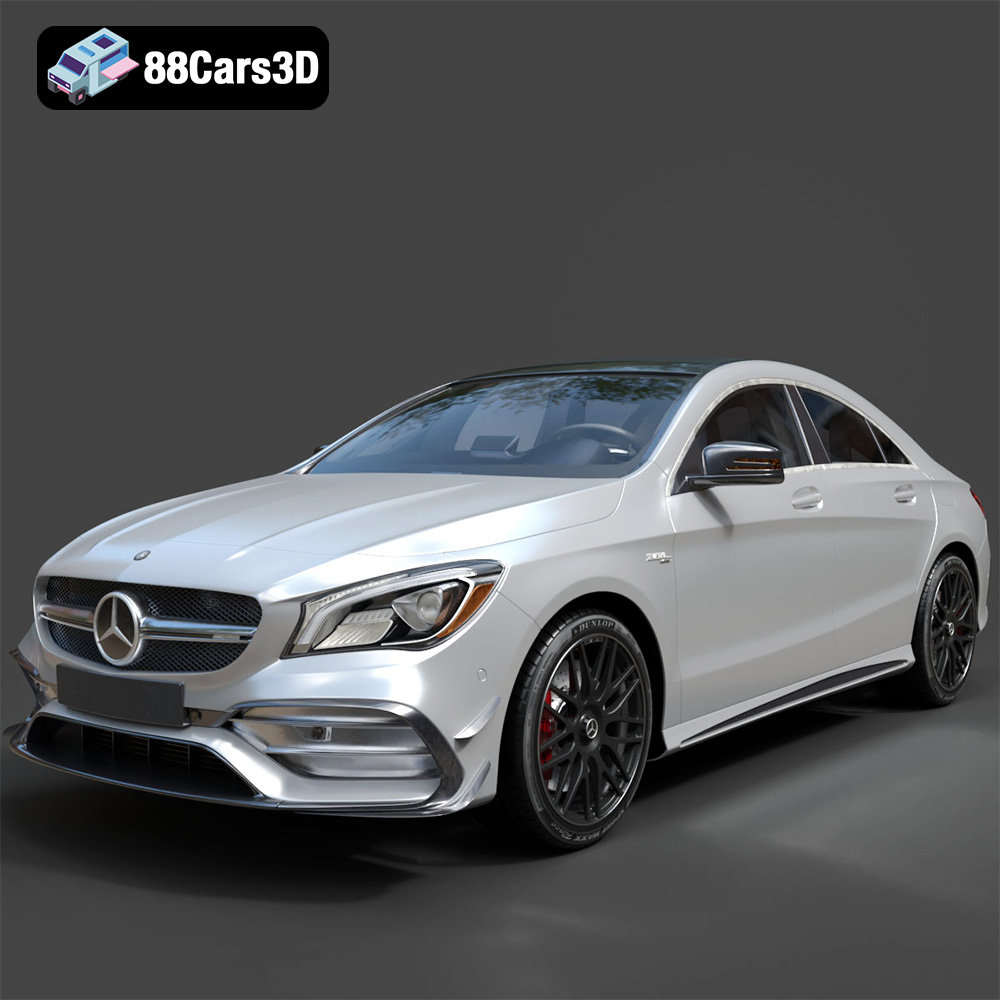
Mercedes-Benz CLA45 AMG 2017 3D Model
Texture: Yes
Material: Yes
Download the Mercedes-Benz CLA45 AMG 2017 3D Model featuring clean geometry, realistic detailing, and a fully modeled interior. Includes .blend, .fbx, .obj, .glb, .stl, .ply, .unreal, and .max formats for rendering, simulation, and game development.
Price: $38.99
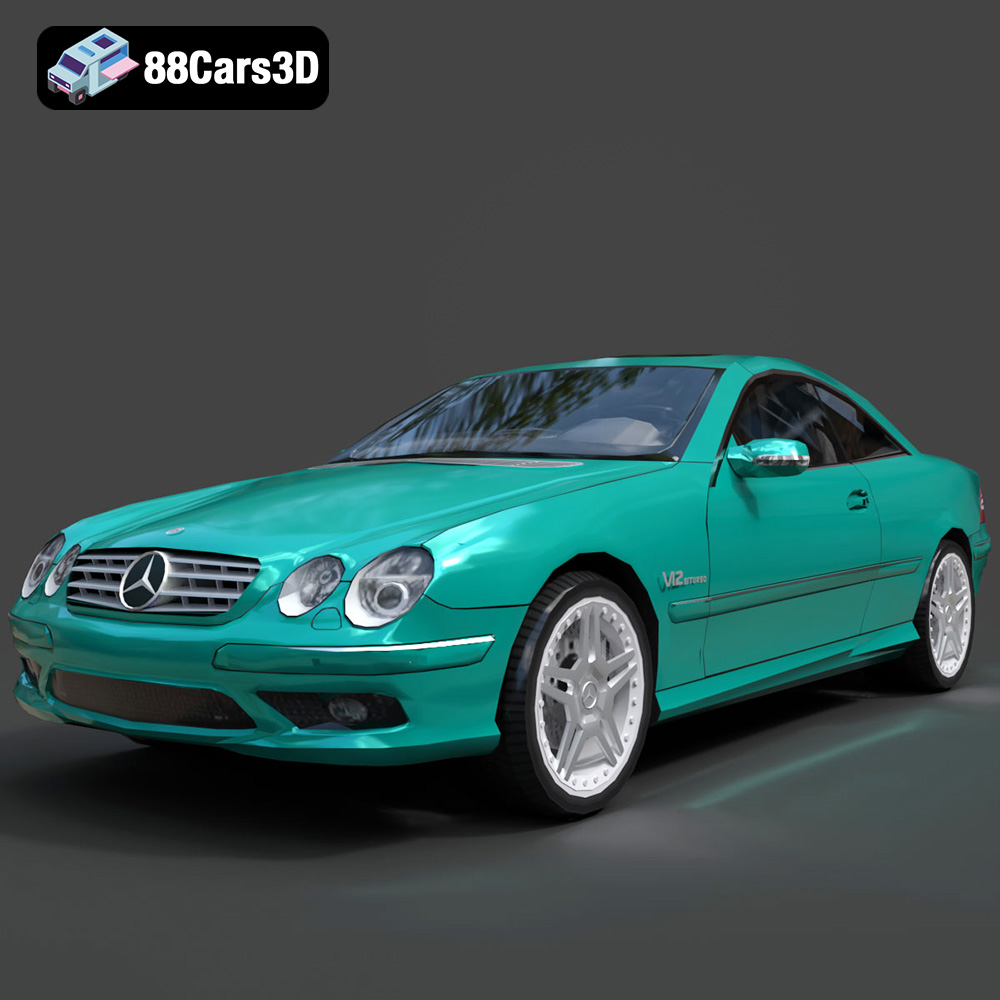
Mercedes-Benz CL65 C215 AMG 3D Model
Texture: Yes
Material: Yes
Download the Mercedes-Benz CL65 C215 AMG 3D Model featuring clean geometry, realistic detailing, and a fully modeled interior. Includes .blend, .fbx, .obj, .glb, .stl, .ply, .unreal, and .max formats for rendering, simulation, and game development.
Price: $23.99
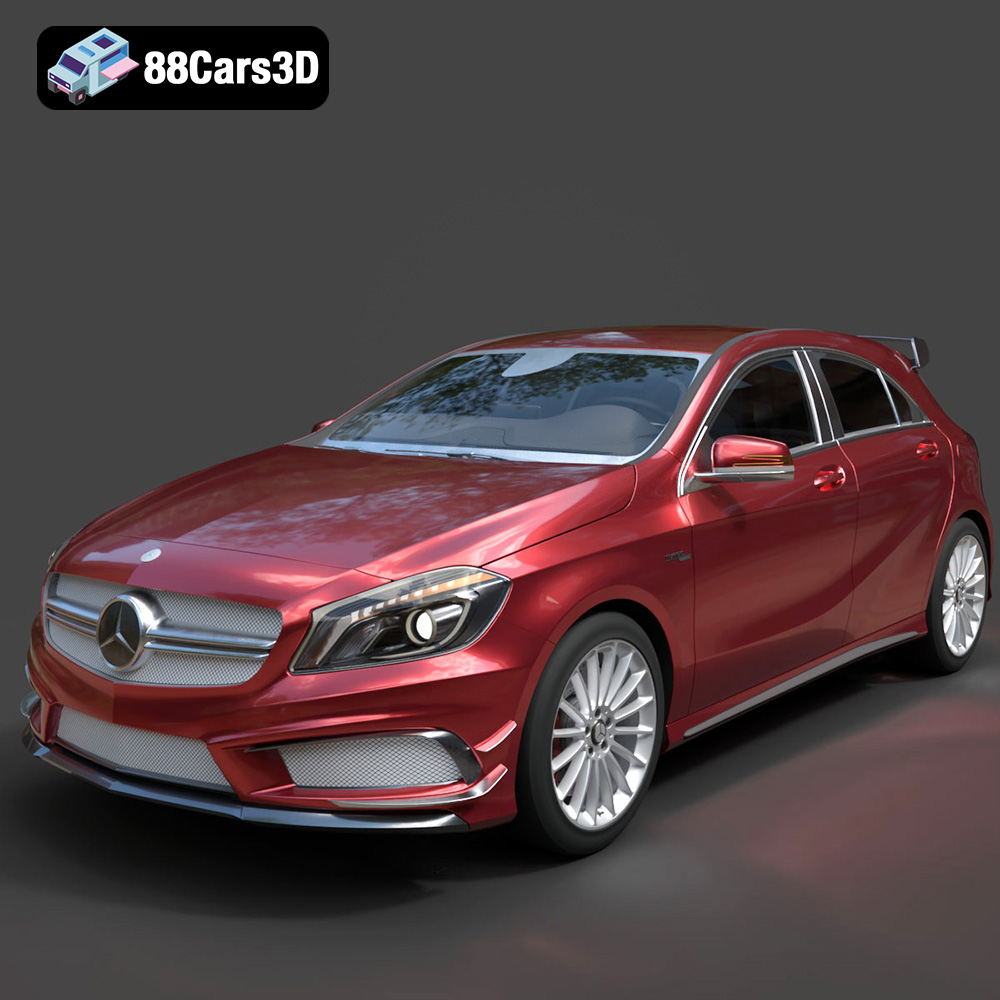
Mercedes-Benz A45 2021 3D Model
Texture: Yes
Material: Yes
Download the Mercedes-Benz A45 2021 3D Model featuring clean geometry, realistic detailing, and a fully modeled interior. Includes .blend, .fbx, .obj, .glb, .stl, .ply, .unreal, and .max formats for rendering, simulation, and game development.
Price: $23.99
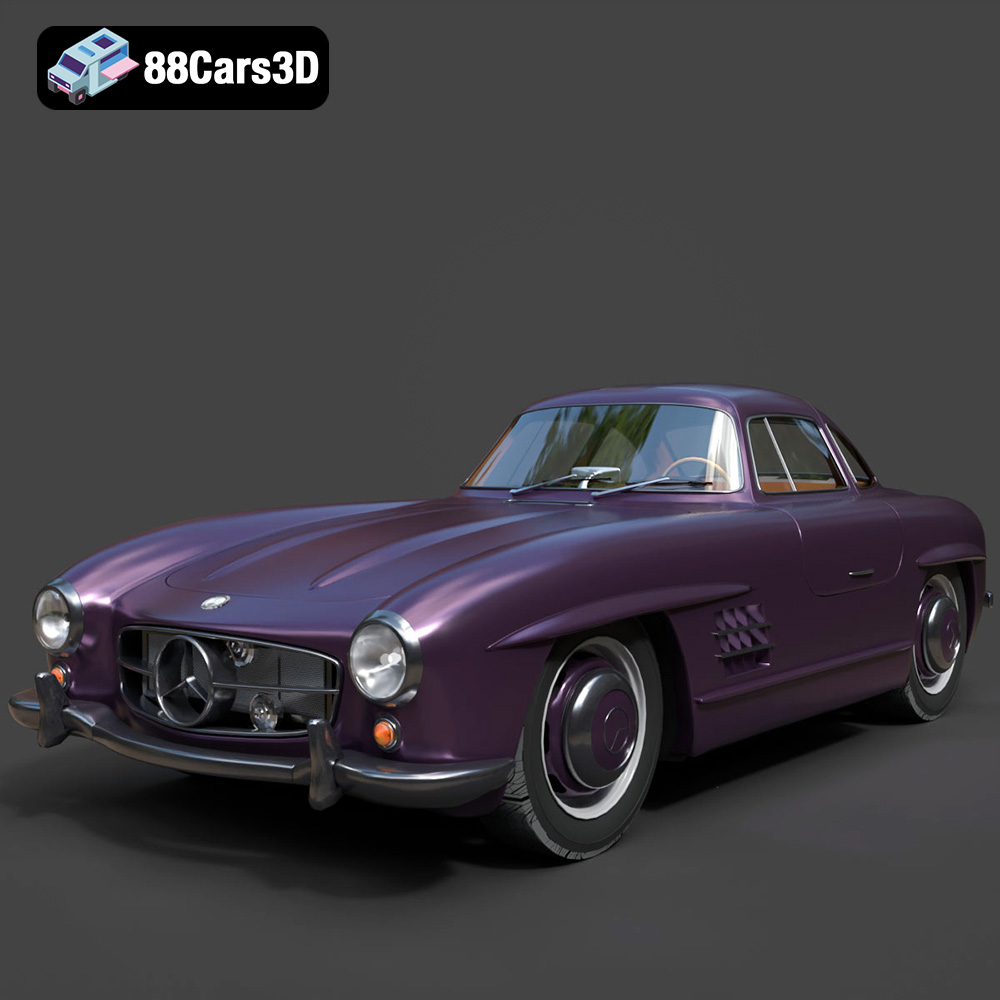
Mercedes-Benz 300SL 1955 3D Model
Texture: Yes
Material: Yes
Download the Mercedes-Benz 300SL 1955 3D Model featuring clean geometry, realistic detailing, and a fully modeled interior. Includes .blend, .fbx, .obj, .glb, .stl, .ply, .unreal, and .max formats for rendering, simulation, and game development.
Price: $23.99
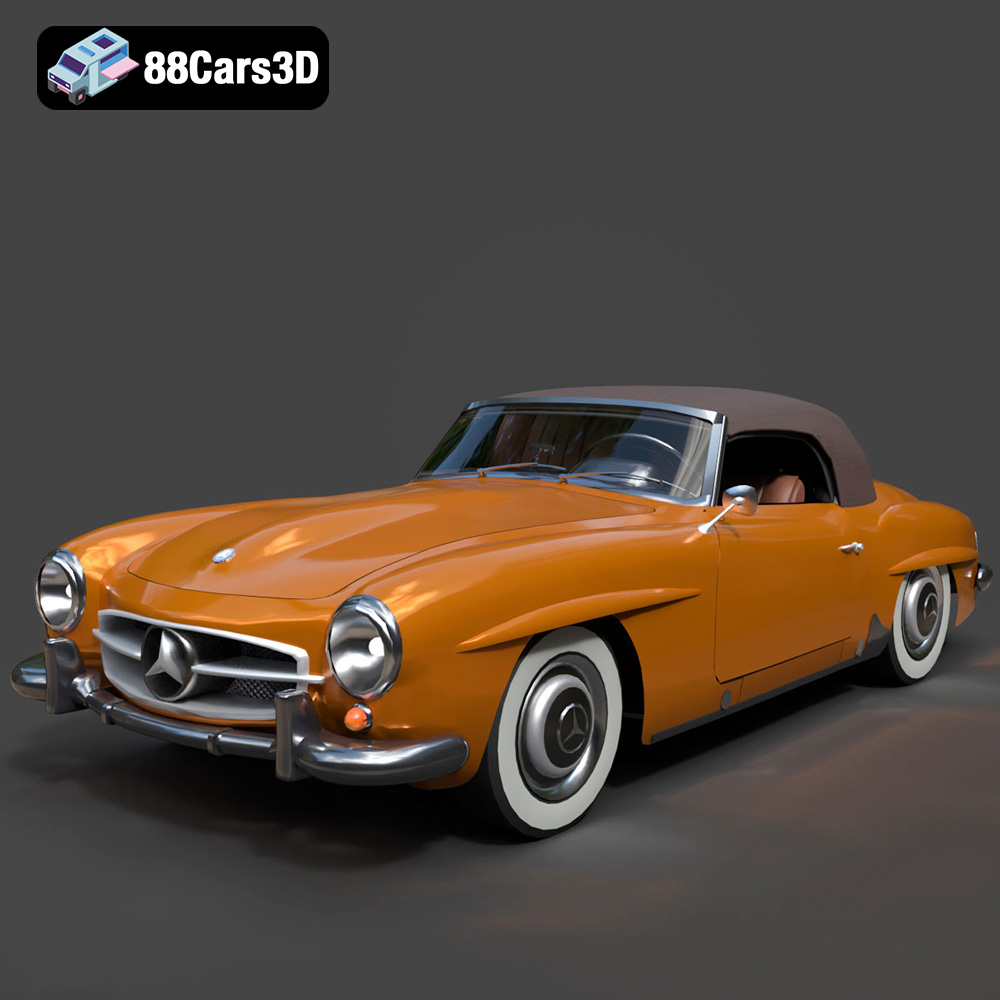
Mercedes-Benz 190SL 1955 3D Model
Texture: Yes
Material: Yes
Download the Mercedes-Benz 190SL 1955 3D Model featuring clean geometry, realistic detailing, and a fully modeled interior. Includes .blend, .fbx, .obj, .glb, .stl, .ply, .unreal, and .max formats for rendering, simulation, and game development.
Price: $23.99
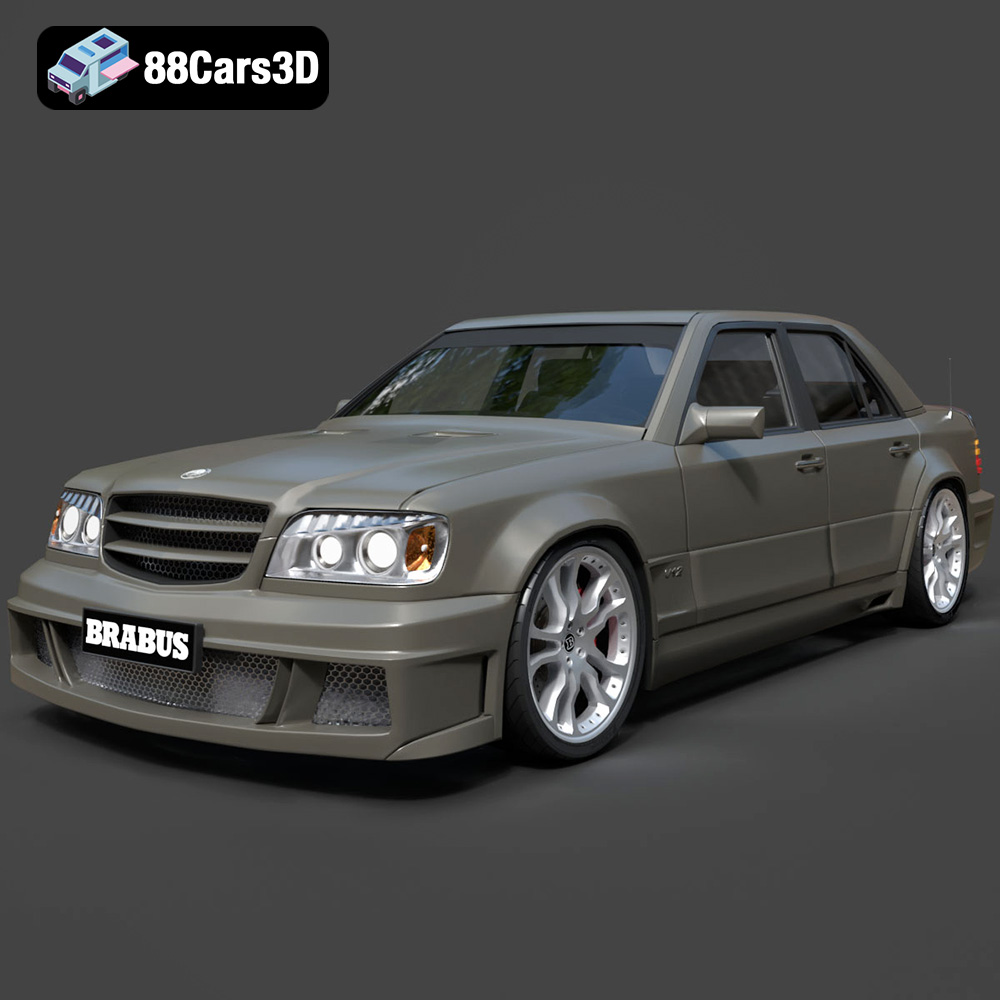
Mercedes-Benz W124 Brabus V12 3D Model
Texture: Yes
Material: Yes
Download the Mercedes-Benz W124 Brabus V12 3D Model featuring clean geometry, realistic detailing, and a fully modeled interior. Includes .blend, .fbx, .obj, .glb, .stl, .ply, .unreal, and .max formats for rendering, simulation, and game development.
Price: $23.99
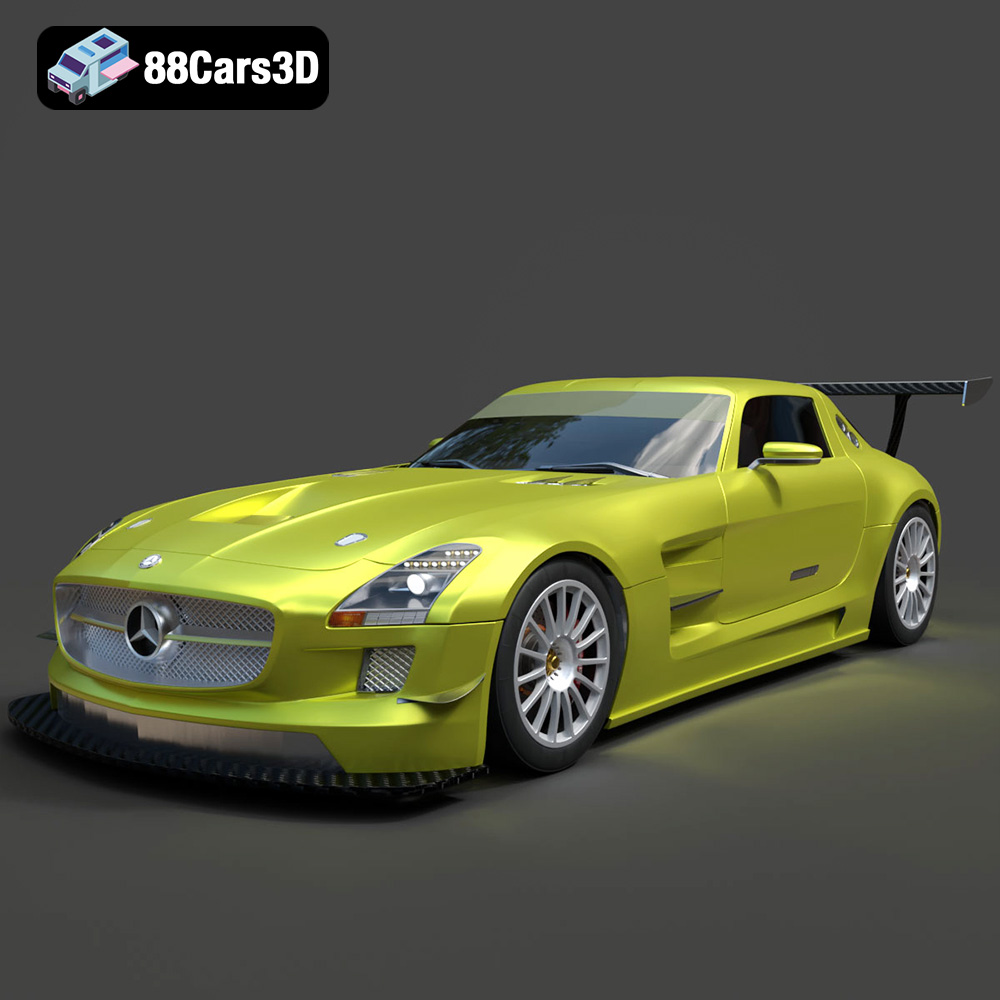
Mercedes-Benz SLS AMG GT3-002 3D Model
Texture: Yes
Material: Yes
Download the Mercedes-Benz SLS AMG GT3-002 3D Model featuring clean geometry, realistic detailing, and a fully modeled interior. Includes .blend, .fbx, .obj, .glb, .stl, .ply, .unreal, and .max formats for rendering, simulation, and game development.
Price: $38.99

Mercedes-Benz C-Class-001 3D Model
Texture: Yes
Material: Yes
Download the Mercedes-Benz C-Class-001 3D Model featuring clean geometry, realistic detailing, and a fully modeled interior. Includes .blend, .fbx, .obj, .glb, .stl, .ply, .unreal, and .max formats for rendering, simulation, and game development.
Price: $38.99
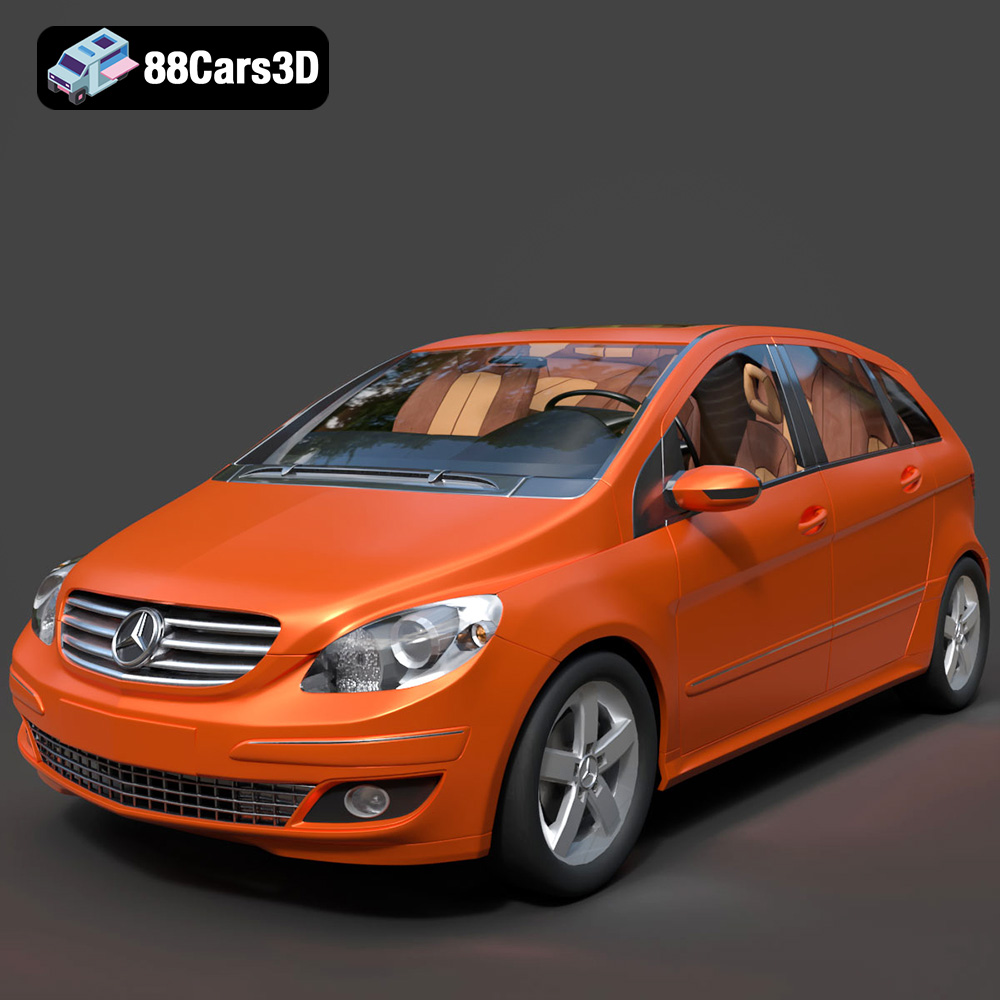
Mercedes-Benz B-Klasse 2023 3D Model
Texture: Yes
Material: Yes
Download the Mercedes-Benz B-Klasse 2023 3D Model featuring clean geometry, realistic detailing, and a fully modeled interior. Includes .blend, .fbx, .obj, .glb, .stl, .ply, .unreal, and .max formats for rendering, simulation, and game development.
Price: $38.99
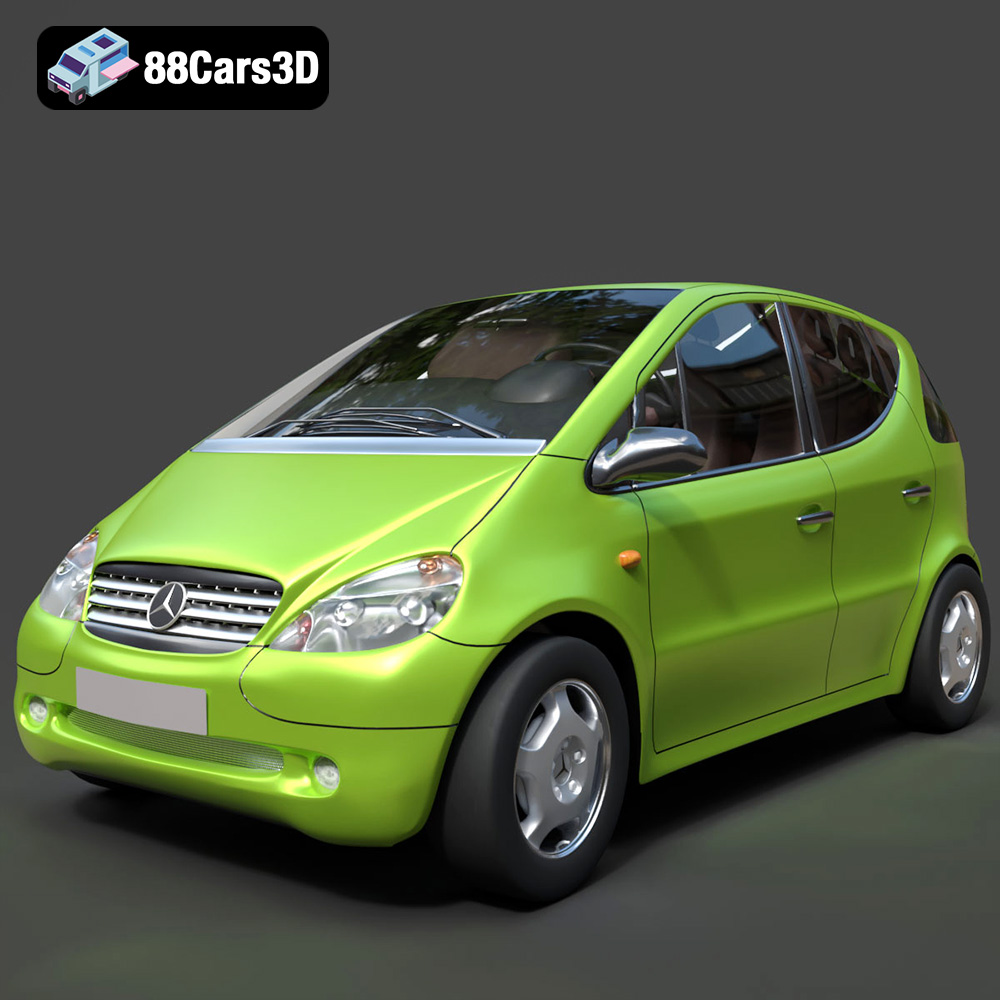
Mercedes-Benz A-Klasse W168 3D Model
Texture: Yes
Material: Yes
Download the Mercedes-Benz A-Klasse W168 3D Model featuring clean geometry, realistic detailing, and a fully modeled interior. Includes .blend, .fbx, .obj, .glb, .stl, .ply, .unreal, and .max formats for rendering, simulation, and game development.
Price: $38.99
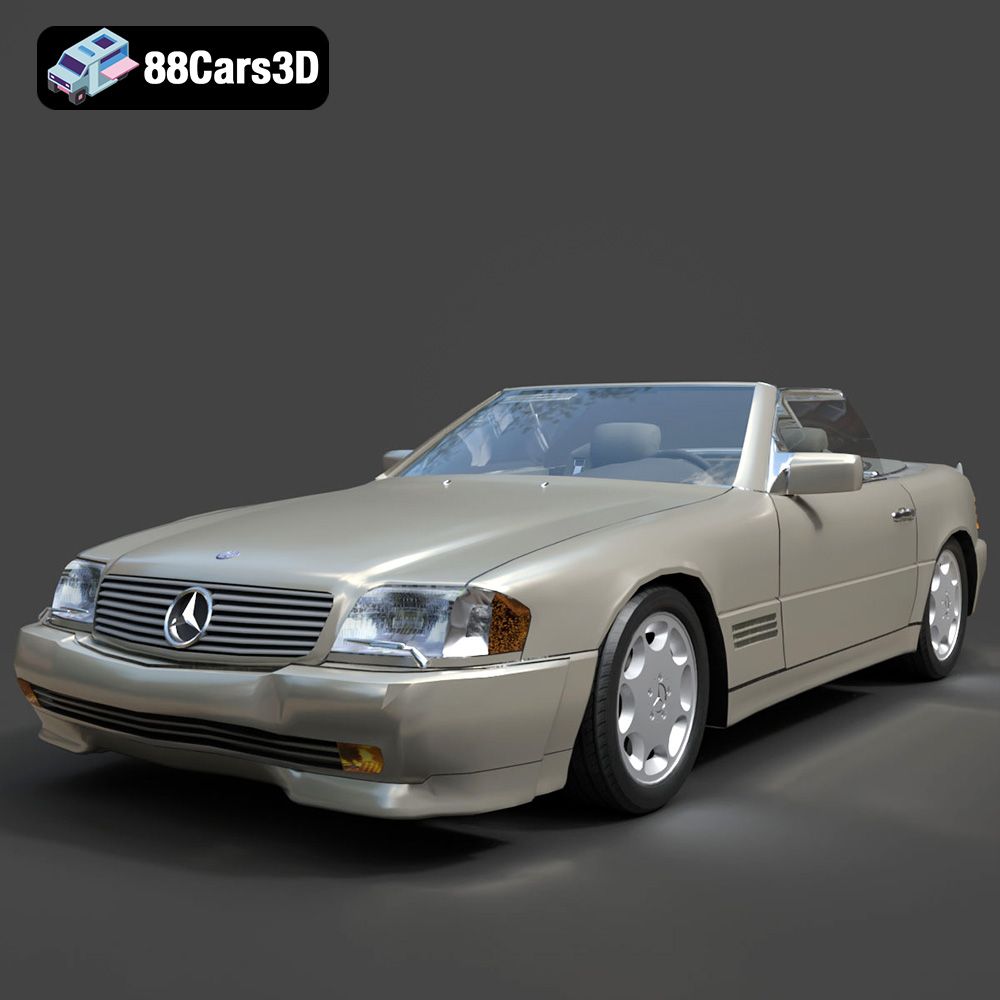
Mercedes-Benz 500SL 2000 3D Model
Texture: Yes
Material: Yes
Download the Mercedes-Benz 500SL 2000 3D Model featuring clean geometry, realistic detailing, and a fully modeled interior. Includes .blend, .fbx, .obj, .glb, .stl, .ply, .unreal, and .max formats for rendering, simulation, and game development.
Price: $38.99
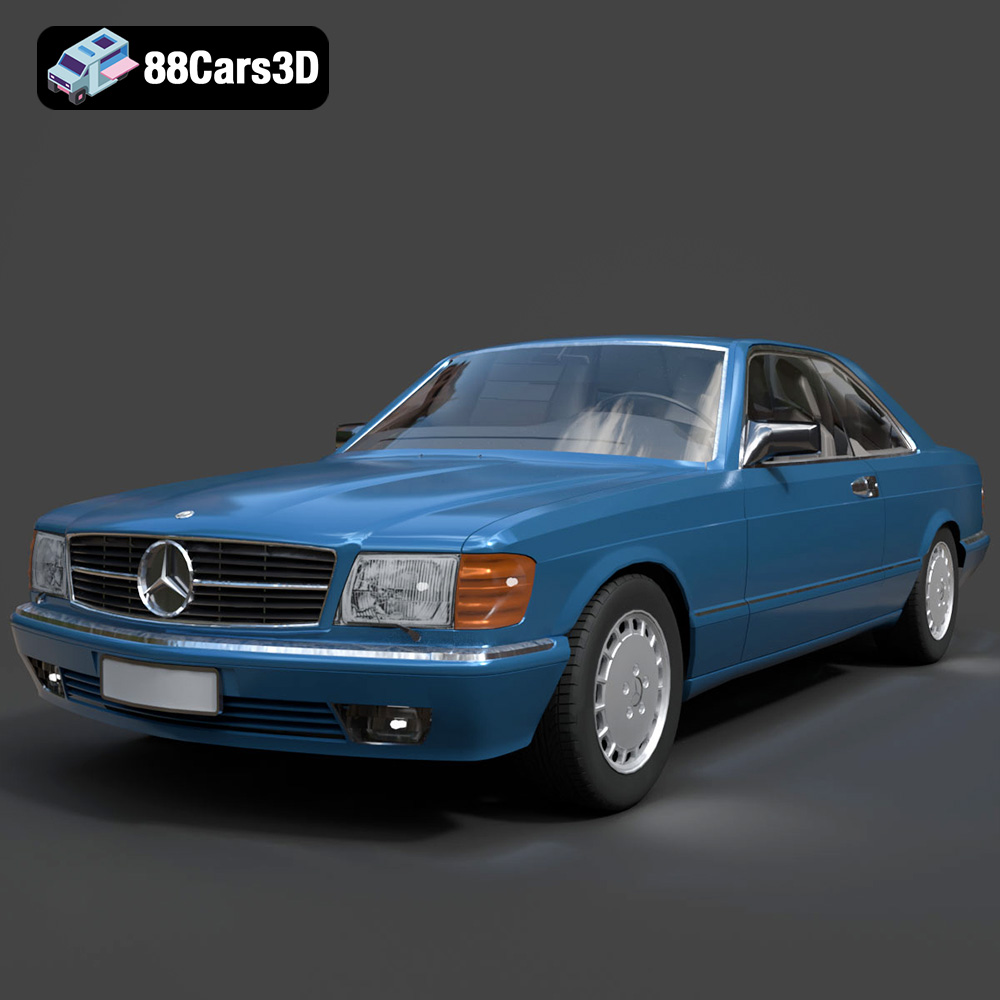
Mercedes-Benz 500SEC 3D Model
Texture: Yes
Material: Yes
Download the Mercedes-Benz 500SEC 3D Model featuring clean geometry, realistic detailing, and a fully modeled interior. Includes .blend, .fbx, .obj, .glb, .stl, .ply, .unreal, and .max formats for rendering, simulation, and game development.
Price: $38.99
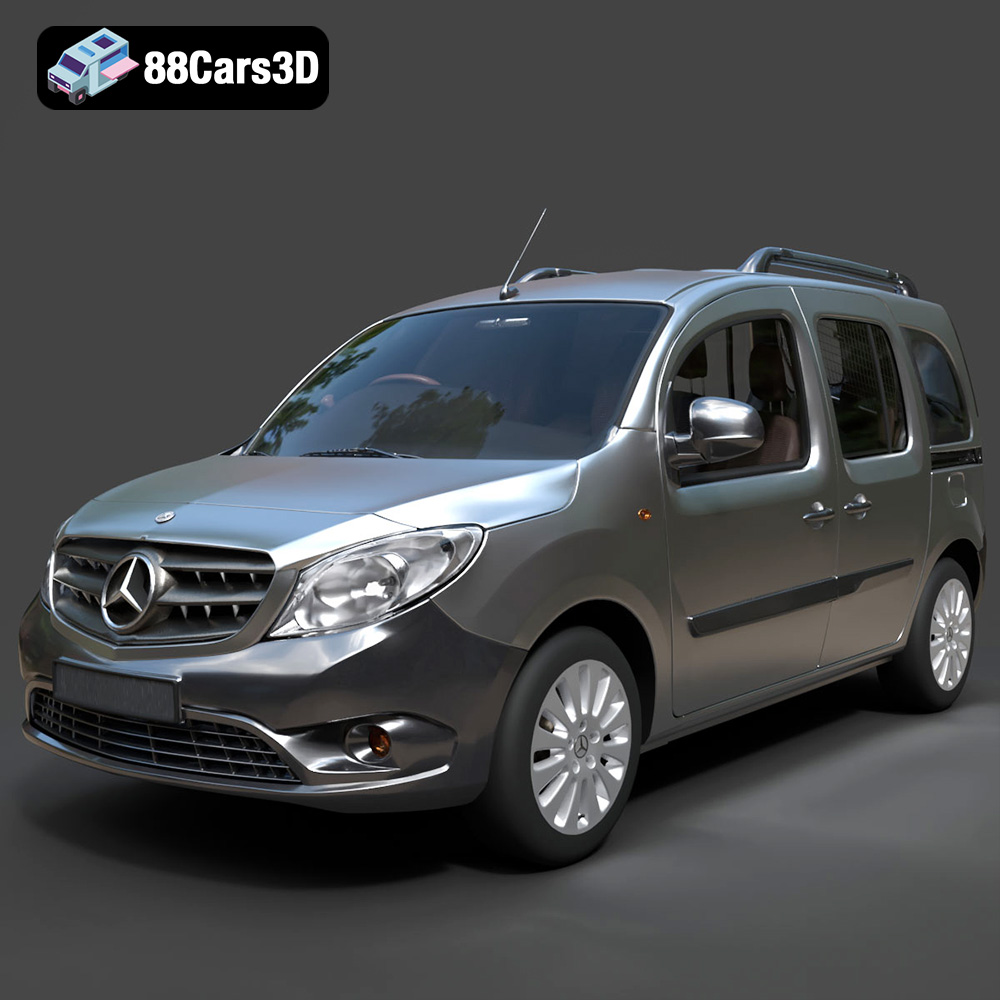
Mercedes-Benz Citan 2025 3D Model
Texture: Yes
Material: Yes
Download the Mercedes-Benz Citan 2025 3D Model featuring clean geometry, realistic detailing, and a fully modeled interior. Includes .blend, .fbx, .obj, .glb, .stl, .ply, .unreal, and .max formats for rendering, simulation, and game development.
Price: $38.99
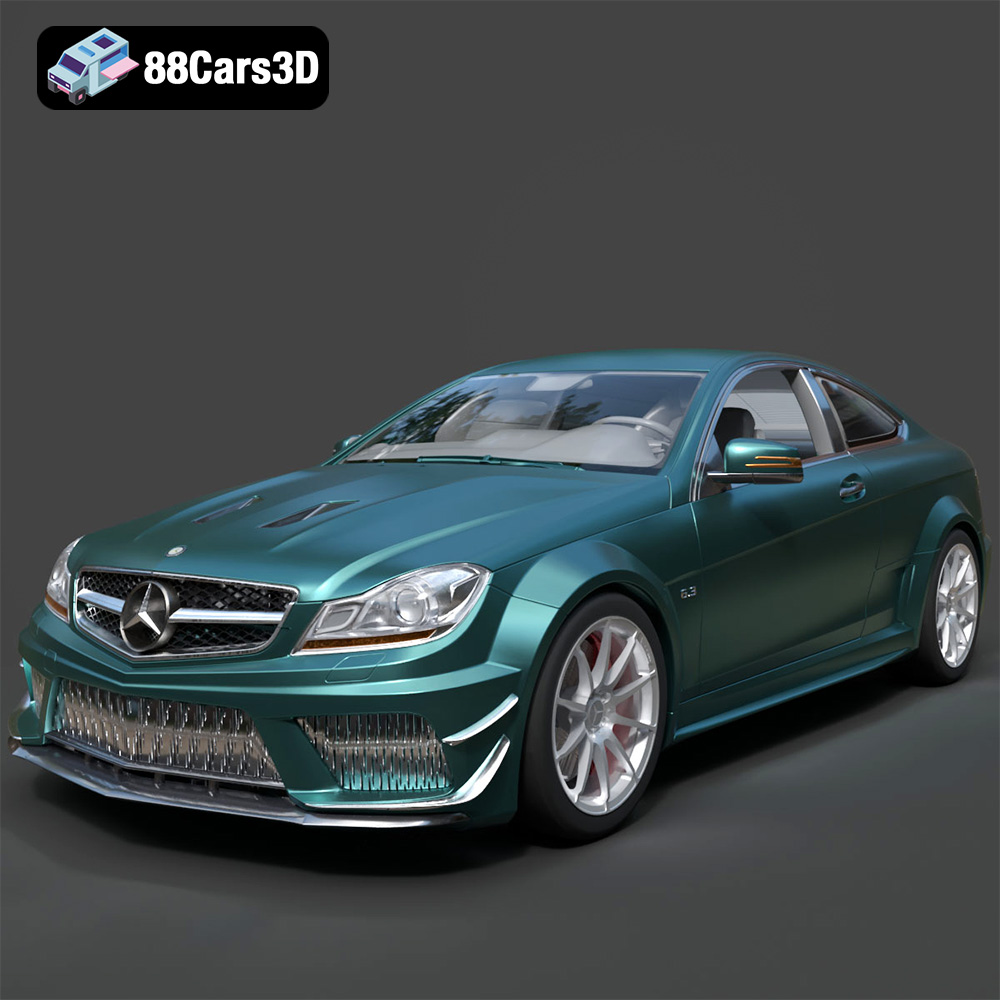
Mercedes-Benz C63 AMG 2012 3D Model
Texture: Yes
Material: Yes
Download the Mercedes-Benz C63 AMG 2012 3D Model featuring clean geometry, realistic detailing, and a fully modeled interior. Includes .blend, .fbx, .obj, .glb, .stl, .ply, .unreal, and .max formats for rendering, simulation, and game development.
Price: $38.99
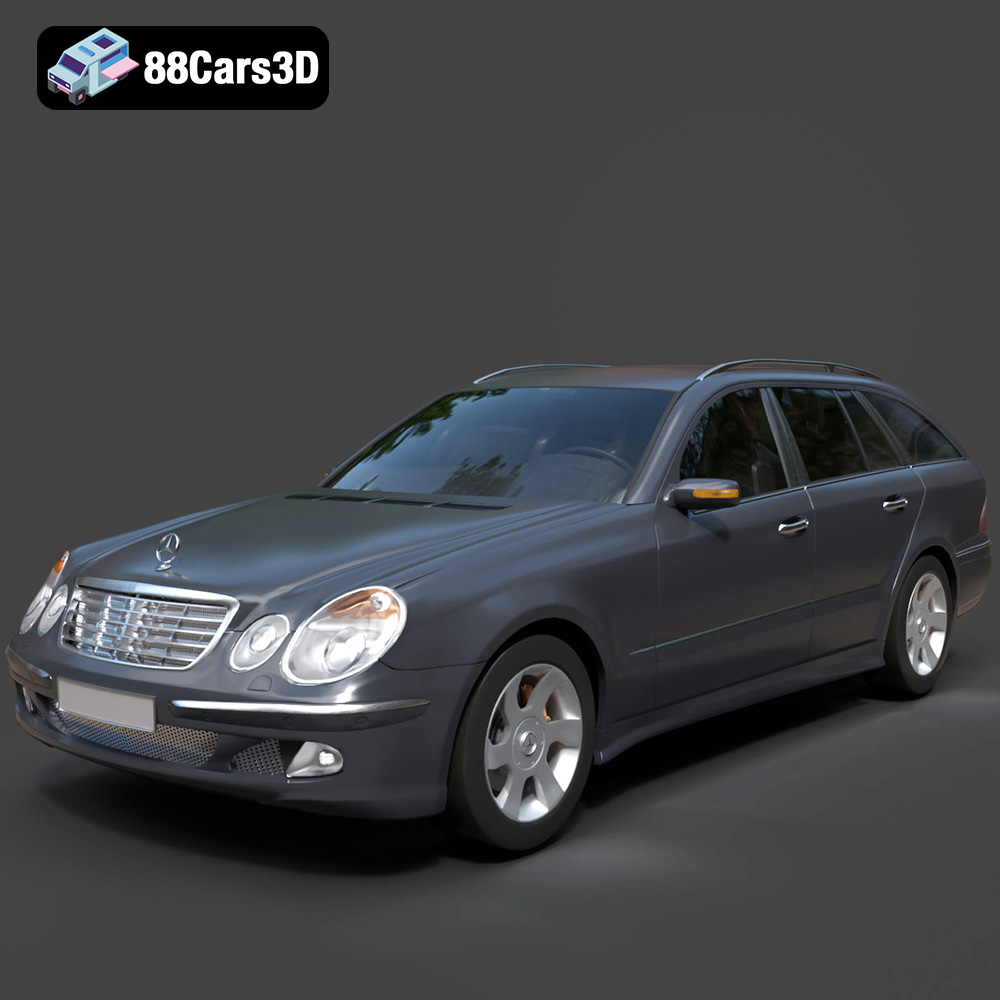
Mercedes-Benz E-Class S211 3D Model
Texture: Yes
Material: Yes
Download the Mercedes-Benz E-Class S211 3D Model featuring clean geometry, realistic detailing, and a fully modeled interior. Includes .blend, .fbx, .obj, .glb, .stl, .ply, .unreal, and .max formats for rendering, simulation, and game development.
Price: $38.99
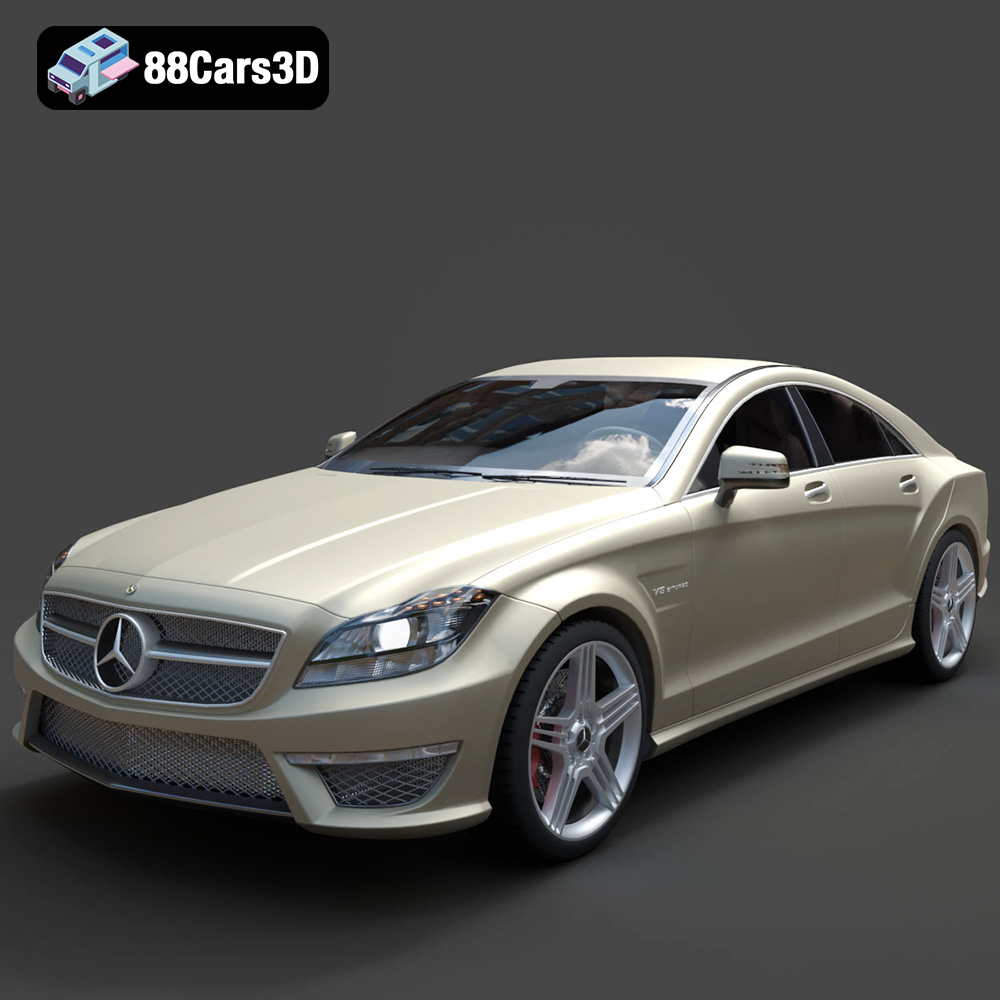
Mercedes-Benz CLS63 AMG (C218) 2014 3D Model
Texture: Yes
Material: Yes
Download the Mercedes-Benz CLS63 AMG (C218) 2014 3D Model featuring clean geometry, realistic detailing, and a fully modeled interior. Includes .blend, .fbx, .obj, .glb, .stl, .ply, .unreal, and .max formats for rendering, simulation, and game development.
Price: $38.99
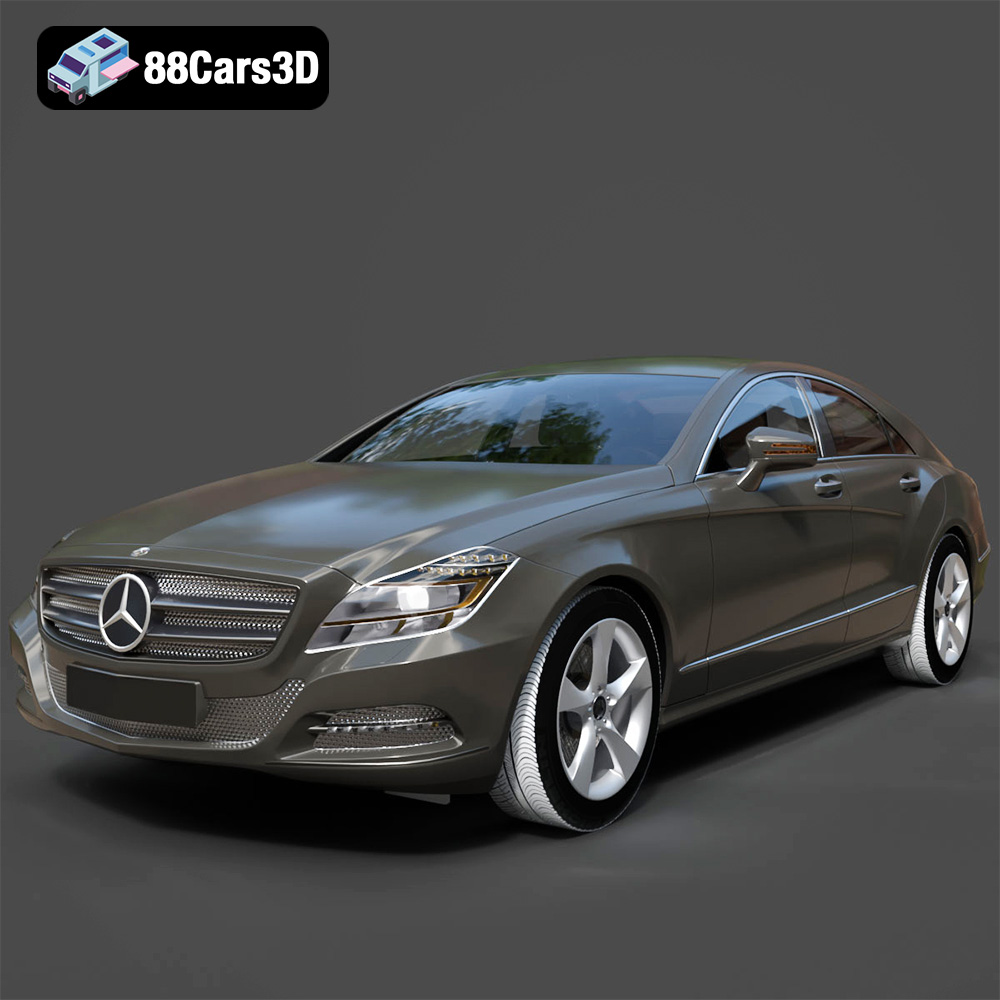
Mercedes-Benz CLS-Klasse 3D Model
Texture: Yes
Material: Yes
Download the Mercedes-Benz CLS-Klasse 3D Model featuring clean geometry, realistic detailing, and a fully modeled interior. Includes .blend, .fbx, .obj, .glb, .stl, .ply, .unreal, and .max formats for rendering, simulation, and game development.
Price: $38.99
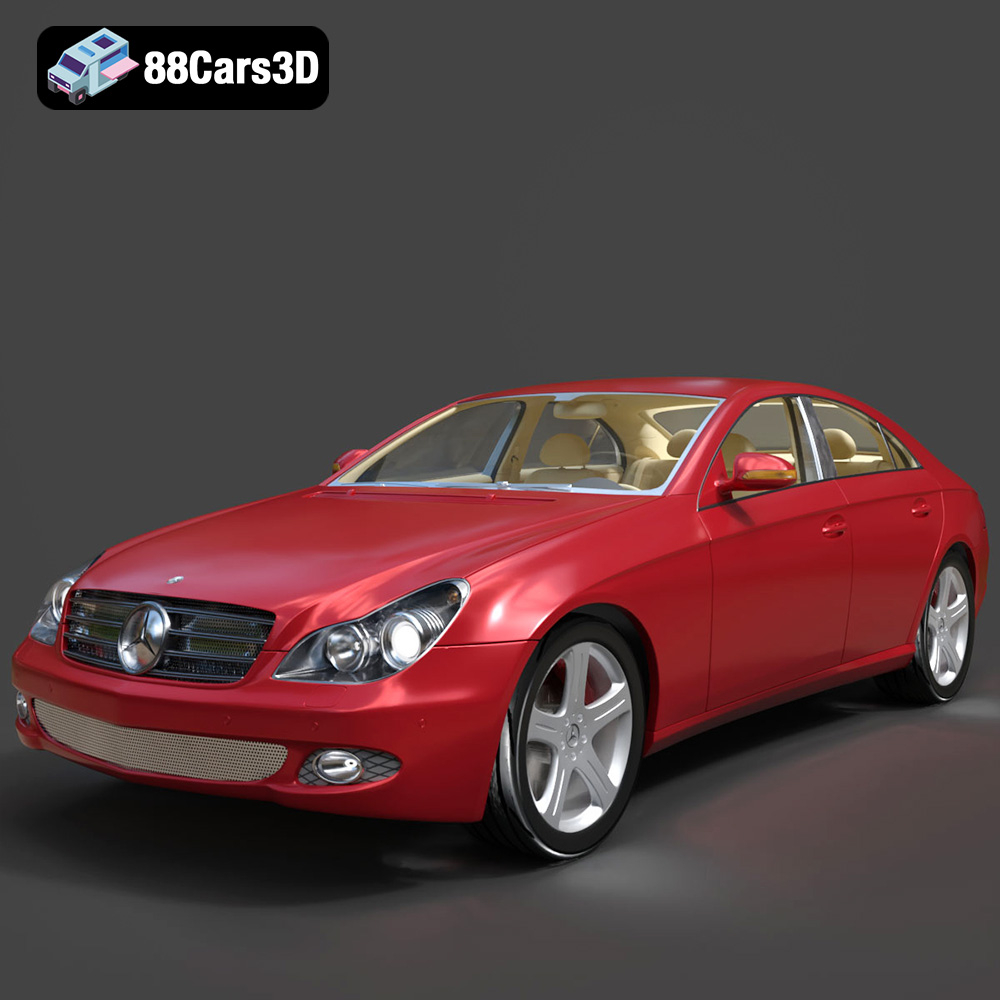
Mercedes-Benz CLS 500 3D Model
Texture: Yes
Material: Yes
Download the Mercedes-Benz CLS 500 3D Model featuring clean geometry, realistic detailing, and a fully modeled interior. Includes .blend, .fbx, .obj, .glb, .stl, .ply, .unreal, and .max formats for rendering, simulation, and game development.
Price: $38.99
