
Mastering Automotive Asset Optimization for Unreal Engine 5: Photorealism Meets Real-Time Performance

Mastering Automotive Asset Optimization for Unreal Engine 5: Photorealism Meets Real-Time Performance
The dream of seeing hyper-realistic cars rendered in real-time, behaving dynamically, and looking indistinguishable from reality is now closer than ever. With the advent of Unreal Engine 5, developers and artists have access to groundbreaking tools that push the boundaries of visual fidelity. However, this power comes with a challenge: how do you achieve ultimate photorealism for complex automotive models while simultaneously ensuring seamless real-time rendering performance?
Automotive assets, with their intricate curves, reflective surfaces, detailed interiors, and demanding material setups, are among the most challenging to optimize. This article dives deep into the technical strategies and best practices required for Unreal Engine 5 optimization of these complex assets, ensuring they look stunning without crippling performance. We’ll explore everything from cutting-edge geometry management with Nanite to meticulous PBR texturing, providing a roadmap for creating high-fidelity game assets that truly shine.
The High-Fidelity Dilemma: Unleashing Photorealism While Preserving Performance
The pursuit of photorealism in real-time applications has long been a delicate balancing act. For automotive assets, this dilemma is particularly acute. A high-resolution CAD model of a modern car can easily contain tens of millions of polygons, far exceeding what traditional game engines could handle efficiently. Even with powerful GPUs, simply throwing raw polygon data at a scene results in unacceptable frame rates and a sluggish user experience.
Unreal Engine 5 has revolutionized this landscape with features designed to tackle this very problem. Lumen delivers dynamic global illumination and reflections, while Nanite introduces a virtualized geometry system capable of rendering film-quality assets with unprecedented detail. These innovations allow artists to dream bigger, but they don’t eliminate the need for intelligent optimization. Neglecting proper asset preparation can quickly lead to bottlenecks, even with UE5’s advanced capabilities.
The goal is not just to make a car look good, but to make it look incredible and run smoothly in interactive environments. This means adopting a holistic approach to optimization, addressing geometry, materials, textures, and even the broader scene context. Our focus here is on crafting a truly game-ready car asset that embodies both visual splendor and robust real-time rendering performance.
Foundational Mesh Optimization: Nanite, LODs, and Intelligent Retopology
The cornerstone of any optimized automotive asset begins with its geometric structure. How polygons are managed directly impacts performance. Unreal Engine 5 offers powerful tools to handle complex meshes, but understanding their application and limitations is key to achieving optimal results.
Embracing Nanite for Automotive Geometry
Nanite is arguably the most transformative feature for high-detail assets in Unreal Engine 5. It’s a virtualized geometry system that streams and scales mesh detail in real-time, allowing for incredibly high polygon counts without the traditional performance hit. For automotive models, this is a game-changer.
Instead of manually creating multiple automotive 3D model LODs for a static mesh, Nanite handles the detail scaling automatically. You can import models with millions of polygons – even directly from CAD software or high-fidelity sculpting packages – and Nanite will render them efficiently, only processing the visible detail at screen resolution. This significantly reduces draw calls and memory usage, making it ideal for the smooth, high-poly surfaces characteristic of vehicle exteriors.
Best Practices for Nanite Workflow:
- Static Meshes: Nanite is primarily designed for static meshes. While experimental support for skeletal meshes exists, for automotive assets, the primary benefit is seen on the car body, wheels, and interior static components.
- High-Detail Input: Don’t shy away from importing high-resolution geometry. Nanite thrives on detail.
- UVs are Still Important: Even with Nanite, clean UVs are essential for texture mapping. Ensure your input model has proper UV sets.
- Material Setup: Nanite works seamlessly with standard PBR materials. The performance gains come from geometry, not materials.
- Avoid Micropolygon Issues: While Nanite handles detail, extremely thin geometry (like paper-thin emblems) can sometimes cause rendering artifacts. Test thoroughly.
- When to Bypass: For assets that require complex animations (e.g., car damage systems that deform the mesh) or specific physics interactions, traditional skeletal meshes with custom LODs might still be necessary.
Leveraging the Nanite workflow effectively can dramatically elevate the visual fidelity of your automotive projects, making previously impossible levels of detail achievable in real-time.
Strategic Level of Detail (LOD) Implementation
While Nanite handles a significant portion of geometric optimization for static meshes, there are still scenarios where traditional automotive 3D model LODs are crucial. These include:
- Non-Nanite Meshes: Any skeletal meshes (e.g., driver character, animated mechanical parts) or small, non-critical static props will still benefit from traditional LODs.
- Interactive Elements: If parts of your car model need to be interactive and dynamically modified (e.g., opening doors, hood, trunk), they might be separate meshes that benefit from their own LODs.
- Performance Fallbacks: In extreme cases or for platforms not fully supporting Nanite, having a well-defined LOD strategy for all assets ensures scalability.
Creating effective LODs involves generating simplified versions of your mesh for different distances from the camera. UE5 has built-in automatic LOD generation, but for complex assets like cars, manual refinement often yields superior results. This typically involves 3-5 LOD levels:
- LOD0 (High Poly): The full detail model, visible when the camera is very close.
- LOD1 (Medium Poly): A significant reduction (e.g., 50-75% polycount) for mid-range distances.
- LOD2 (Low Poly): Further reduction (e.g., 25-50% of LOD0) for further distances.
- LOD3+ (Very Low Poly/Imposter): Drastically simplified geometry, or even a 2D imposter for extremely distant objects, saving draw calls.
The goal is to reduce polygon count without a noticeable drop in visual quality at the transition points. This requires careful consideration of mesh simplification techniques that preserve major silhouettes and important details.
Intelligent Retopology for Game-Ready Automotive Assets
Even with Nanite handling high poly counts, clean topology remains invaluable. A well-retopologized mesh isn’t just about polycount; it’s about structure, UV unwrapping, and the ability to bake details accurately. For retopology for game-ready cars, this process is critical for several reasons:
- UV Unwrapping: Clean, quad-based topology is far easier to unwrap efficiently, minimizing stretching and allowing for optimal texture density.
- Baking Accuracy: A clean low-poly mesh is essential for accurately baking normal maps automotive details and other texture maps from a high-poly source. Errors in topology can lead to artifacts.
- Deformation and Animation: If any part of the car needs to deform (e.g., suspension, minor body damage), clean edge loops are critical for natural movement.
- Collision Meshes: A good retopology can inform the creation of optimized collision meshes.
Tools like Maya’s Quad Draw, ZBrush’s ZRemesher, or dedicated retopology software can assist in creating a clean, quad-dominant mesh from a dense CAD or sculpted model. The process involves identifying essential contours and details that define the car’s shape and building a new mesh over the high-poly source with a much lower, more organized polycount.
When starting a project, consider leveraging pre-optimized, production-ready models. For instance, 88cars3d.com offers a range of high-quality automotive models that are often already designed with efficient topology and UVs, providing an excellent foundation for your Unreal Engine 5 projects and significantly reducing the need for extensive manual retopology from scratch.
The Art and Science of PBR Texturing and Material Optimization
Geometry sets the stage, but materials and textures bring an automotive asset to life. Achieving true photorealism requires a meticulous approach to Physically Based Rendering (PBR) texturing and careful optimization of material complexity to maintain real-time rendering performance.
PBR Texturing Workflow for Automotive Excellence
PBR is the standard for modern game development because it accurately simulates how light interacts with surfaces, leading to consistent and realistic results across various lighting conditions. For automotive assets, this is paramount, as cars are defined by their reflective paints, metallic accents, and varied material properties.
The core PBR texture maps typically include:
- Albedo/Base Color: Defines the base color of the surface, stripped of lighting information. For car paint, this would be the pure color without highlights.
- Metallic: A grayscale map (0 to 1) indicating if a surface is metallic (1) or dielectric (0). Crucial for distinguishing chrome, painted metal, and plastic.
- Roughness: A grayscale map (0 to 1) controlling how diffuse or reflective a surface is. A low roughness value means a sharp, mirror-like reflection (e.g., polished chrome), while a high value means a rough, matte surface (e.g., tire rubber).
- Normal Map: Provides fine surface detail by faking bumps and dents using light information, allowing a low-poly mesh to appear high-poly. Essential for bolts, panel gaps, and subtle surface imperfections.
- Ambient Occlusion (AO): Simulates soft shadows where surfaces are close together, adding depth and realism.
When creating PBR texturing game assets for cars, consistency is key. Ensure your material values (metallic, roughness) are physically plausible. Use tools like Substance Painter or Designer to generate and preview these maps, ensuring they meet the quality standards for high-fidelity game assets.
Baking High-Detail Maps for Performance
Baking is the process of transferring surface details from a high-polygon source mesh to the texture maps of a low-polygon target mesh. This is particularly vital for automotive models where intricate details like panel lines, bolts, subtle dents, and interior stitching don’t need to be represented by actual geometry.
The most common and critical map to bake is the normal map automotive. This map stores directional information about surface normals, tricking the renderer into perceiving intricate bumps and depressions on a flat surface. Beyond normal maps, other useful baked maps include:
- Ambient Occlusion (AO): Captures self-shadowing based on mesh geometry, providing depth.
- Curvature Map: Identifies convex and concave areas, useful for adding edge wear or dirt accumulation in shaders.
- World Space Normal Map: Stores normal information relative to the world, useful for certain material effects.
Baking Workflow:
- Prepare High-Poly: Ensure your high-poly model has all the geometric detail you want to bake.
- Prepare Low-Poly: Ensure your low-poly model has clean UVs and is positioned identically to the high-poly.
- Use a Baker: Utilize software like Substance Painter, Marmoset Toolbag, or XNormal.
- Cage Setup: Adjust the baking cage to encompass both the high and low poly meshes correctly, preventing artifacts.
- Output Maps: Bake the desired normal, AO, curvature, etc., maps.
This technique allows you to achieve stunning visual detail at a fraction of the geometric cost, directly contributing to superior real-time rendering performance.
Optimizing Unreal Engine 5 Shaders and Material Complexity
Even with excellent textures, inefficient materials can significantly impact performance. Every instruction in a shader contributes to rendering cost. Unreal Engine 5 offers powerful material editor capabilities, but it’s easy to create overly complex materials.
- Material Instances: Always use material instances. Create a robust master material with parameters for colors, roughness, normal map intensity, etc., then create instances for each unique car part or color variation. This significantly reduces shader compilation times and memory.
- Shader Instruction Count: Monitor the instruction count in the material editor. Aim to keep it as low as possible for frequently used materials. Identify and simplify expensive operations.
- Texture Atlases: Combine smaller, related textures (e.g., small decals, interior buttons) into a single texture atlas to reduce draw calls.
- Shared Functions: Encapsulate common logic (e.g., metallic paint calculations, dirt overlays) into material functions and reuse them across materials.
- Static Switches: Use static switches in your master material to enable/disable features (e.g., wear, dirt) at compile time, ensuring only necessary instructions are included.
- Masking and Blending: Use efficient masking and blending techniques instead of layering multiple complex materials.
- Decal Usage: Use deferred decals for adding smaller details like dirt, scratches, or branding, as they are typically cheaper than dedicated material layers.
A well-optimized material pipeline is crucial for maintaining fluid real-time rendering performance, especially in graphically intensive scenarios with multiple cars.
Advanced Optimizations and Performance Considerations
Beyond individual asset techniques, broader scene and project-level optimizations are vital for holistic Unreal Engine 5 optimization when dealing with high-fidelity game assets like cars.
Lighting and Reflection Management
Lighting and reflections are critical for automotive photorealism. Unreal Engine 5’s Lumen global illumination and reflections system is excellent, but it still requires careful management:
- Lumen Settings: Adjust Lumen’s quality and performance settings in the Project Settings. Higher quality means more bounce light and accurate reflections but also higher cost.
- Reflection Captures: Supplement Lumen with Reflection Capture Actors for static, less detailed reflections, particularly on the interior of the car or for specific static props.
- Planar Reflections: Use Planar Reflections sparingly for key reflective surfaces like a highly polished floor or specific mirrors, as they are very expensive.
- Lightmap UVs: For static parts of the environment (e.g., a garage floor, walls), consider baking static lighting with lightmaps if Lumen’s dynamic solution proves too costly or if targeting lower-end hardware. Ensure your models have a second UV channel for lightmaps.
Collision Meshes and Physics Assets
For interactive automotive assets, collision and physics are paramount. Inefficient collision meshes can be a major drain on real-time rendering performance.
- Simple Collision: For most parts of a car that don’t need complex deformation, use simple collision primitives (boxes, spheres, capsules). UE5 can automatically generate these.
- Convex Hull Collision: For more complex shapes, use convex hull generation. This creates a simplified mesh that approximates the original shape, providing better accuracy than primitives but still being more efficient than per-poly collision.
- Physics Assets: For deformable parts (e.g., suspension, minor impact deformation), create a physics asset with simple collision shapes attached to bones. Ensure only necessary bones have collision enabled.
- LODs for Collision: Consider having simpler collision meshes for LODs that are further away, or even disabling collision entirely for very distant objects.
Data Asset Management and Project Structure
A well-organized project improves workflow and often indirectly contributes to performance by making assets easier to manage and optimize:
- Consistent Naming Conventions: Use clear, consistent naming for all assets (meshes, textures, materials, blueprints).
- Folder Structure: Organize assets logically into folders (e.g., “Vehicles/CarName/Meshes,” “Vehicles/CarName/Textures,” “Vehicles/CarName/Materials”).
- Asset References: Minimize unnecessary references between assets. Only load what’s needed.
- Blueprints: Use Blueprints for encapsulating complex automotive systems (e.g., wheel physics, material variations, interactive elements). This allows for easy instancing and management.
Integrating and Validating Optimized Automotive Assets in Unreal Engine 5
Once your automotive assets are meticulously optimized, bringing them into Unreal Engine 5 requires careful attention to import settings and continuous validation.
Import Settings and Initial Setup
When importing your FBX or other mesh files into UE5, pay close attention to the import dialogue options:
- Scale: Ensure your model is imported at the correct scale. Unreal Engine typically works best with 1 unit = 1 centimeter.
- Combine Meshes: Decide whether to combine all meshes into a single Static Mesh or keep them separate. For a car, often the main body is one mesh (or Nanite enabled), while wheels, doors, and interior parts are separate for modularity.
- Import Textures/Materials: Often, it’s best to import only the mesh and then manually set up PBR materials in UE5, using the texture maps you’ve baked.
- Nanite Settings: For appropriate meshes, ensure Nanite is enabled during import or afterwards in the Static Mesh Editor.
- LODs: If you’ve pre-generated LODs in your 3D software, ensure they are imported correctly. Otherwise, you can generate them within UE5’s Static Mesh Editor.
- Collision: Set the desired collision complexity during import or in the Static Mesh Editor.
Performance Profiling and Debugging
Optimization is an iterative process. It’s crucial to continuously test and profile your assets within UE5 to identify bottlenecks and refine your Unreal Engine 5 optimization efforts.
- Stat Commands: Use console commands like
stat fps,stat unit,stat rhi, andstat gputo monitor real-time performance metrics. - GPU Visualizer: Access the GPU Visualizer (Ctrl+Shift+,) to get a detailed breakdown of GPU costs, identifying expensive draw calls, shaders, and post-processing effects.
- Session Frontend: For more in-depth analysis, use the Session Frontend (under Window > Developer Tools) to capture and analyze performance data over time.
- Lumen Visualization: Use the Lumen Debug visualizations (Show > Visualize > Lumen) to understand how Lumen is interpreting your scene and identify areas for improvement.
- Nanite Visualization: The Nanite debug views (Show > Visualize > Nanite) are indispensable for understanding how Nanite is processing your geometry, including cluster overdraw and triangles.
By constantly monitoring these tools, you can pinpoint specific assets or systems that are impacting real-time rendering performance and make targeted adjustments. This ensures your high-fidelity game assets remain performant throughout development.
Conclusion
Mastering automotive asset optimization for Unreal Engine 5 is an intricate dance between artistic vision and technical prowess. It’s about leveraging powerful tools like Nanite, implementing smart automotive 3D model LODs, meticulously applying PBR texturing game assets, and ensuring every facet of your pipeline contributes to both stunning photorealism and robust real-time rendering performance.
From the foundational retopology for game-ready cars and precision baking normal maps automotive details to the strategic optimization of materials and broader scene settings, every decision impacts the final outcome. The journey towards truly interactive, cinematic-quality automotive experiences in Unreal Engine 5 is challenging but incredibly rewarding.
For those looking for a head start or needing high-quality, pre-optimized high-fidelity game assets, resources like 88cars3d.com offer a curated selection of models built with performance and visual fidelity in mind, enabling you to accelerate your projects and focus on creative iteration. Dive in, experiment with these techniques, and bring your automotive visions to life with unparalleled detail and smooth performance in Unreal Engine 5!
Featured 3D Car Models

Suzuki SX4-002 3D Model
Texture: Yes
Material: Yes
Download the Suzuki SX4-002 3D Model featuring clean geometry, realistic detailing, and a fully modeled interior. Includes .blend, .fbx, .obj, .glb, .stl, .ply, .unreal, and .max formats for rendering, simulation, and game development.
Price: $10

Tesla Model S 2024 3D Model
Texture: Yes
Material: Yes
Download the Tesla Model S 2024 3D Model featuring clean geometry, realistic detailing, and a fully modeled interior. Includes .blend, .fbx, .obj, .glb, .stl, .ply, .unreal, and .max formats for rendering, simulation, and game development.
Price: $10

Subaru Impreza WRX STi-002 3D Model
Texture: Yes
Material: Yes
Download the Subaru Impreza WRX STi-002 3D Model featuring clean geometry, realistic detailing, and a fully modeled interior. Includes .blend, .fbx, .obj, .glb, .stl, .ply, .unreal, and .max formats for rendering, simulation, and game development.
Price: $10

Subaru Impreza WRX STi Sedan 3D Model
Texture: Yes
Material: Yes
Download the Subaru Impreza WRX STi Sedan 3D Model featuring clean geometry, realistic detailing, and a fully modeled interior. Includes .blend, .fbx, .obj, .glb, .stl, .ply, .unreal, and .max formats for rendering, simulation, and game development.
Price: $10

Subaru Legacy 2009 3D Model
Texture: Yes
Material: Yes
Download the Subaru Legacy 2009 3D Model featuring clean geometry, realistic detailing, and a fully modeled interior. Includes .blend, .fbx, .obj, .glb, .stl, .ply, .unreal, and .max formats for rendering, simulation, and game development.
Price: $10

Suzuki Swift 2024 3D Model
Texture: Yes
Material: Yes
Download the Suzuki Swift 2024 3D Model featuring clean geometry, realistic detailing, and a fully modeled interior. Includes .blend, .fbx, .obj, .glb, .stl, .ply, .unreal, and .max formats for rendering, simulation, and game development.
Price: $10

Suzuki Liana Sedan 2004 3D Model
Texture: Yes
Material: Yes
Download the Suzuki Liana Sedan 2004 3D Model featuring clean geometry, realistic detailing, and a fully modeled interior. Includes .blend, .fbx, .obj, .glb, .stl, .ply, .unreal, and .max formats for rendering, simulation, and game development.
Price: $10

Subaru Outback 2024 3D Model
Texture: Yes
Material: Yes
Download the Subaru Outback 2024 3D Model featuring clean geometry, realistic detailing, and a fully modeled interior. Includes .blend, .fbx, .obj, .glb, .stl, .ply, .unreal, and .max formats for rendering, simulation, and game development.
Price: $10

Subaru Legacy 2003 3D Model
Texture: Yes
Material: Yes
Download the Subaru Legacy 2003 3D Model featuring clean geometry, realistic detailing, and a fully modeled interior. Includes .blend, .fbx, .obj, .glb, .stl, .ply, .unreal, and .max formats for rendering, simulation, and game development.
Price: $10

Subaru Legacy Touring Wagon 3D Model
Texture: Yes
Material: Yes
Download the Subaru Legacy Touring Wagon 3D Model featuring clean geometry, realistic detailing, and a fully modeled interior. Includes .blend, .fbx, .obj, .glb, .stl, .ply, .unreal, and .max formats for rendering, simulation, and game development.
Price: $10

Toyota Mark II (X100) 1998 3D Model
Texture: Yes
Material: Yes
Download the Toyota Mark II (X100) 3D Model featuring clean geometry, realistic detailing, and a fully modeled interior. Includes .blend, .fbx, .obj, .glb, .stl, .ply, .unreal, and .max formats for rendering, simulation, and game development.
Price: $10

Toyota Corona 1985 3D Model
Texture: Yes
Material: Yes
Download the Toyota Corona 1985 3D Model featuring clean geometry, realistic detailing, and a fully modeled interior. Includes .blend, .fbx, .obj, .glb, .stl, .ply, .unreal, and .max formats for rendering, simulation, and game development.
Price: $10

Toyota Mark II X81 1990 3D Model
Texture: Yes
Material: Yes
Download the Toyota Mark II X81 1990 3D Model featuring clean geometry, realistic detailing, and a fully modeled interior. Includes .blend, .fbx, .obj, .glb, .stl, .ply, .unreal, and .max formats for rendering, simulation, and game development.
Price: $10

Toyota iQ EV 2012 3D Model
Texture: Yes
Material: Yes
Download the Toyota iQ EV 2012 3D Model featuring clean geometry, realistic detailing, and a fully modeled interior. Includes .blend, .fbx, .obj, .glb, .stl, .ply, .unreal, and .max formats for rendering, simulation, and game development.
Price: $10

Toyota Aygo 2013 3D Model
Texture: Yes
Material: Yes
Download the Toyota Aygo 2013 3D Model featuring clean geometry, realistic detailing, and a fully modeled interior. Includes .blend, .fbx, .obj, .glb, .stl, .ply, .unreal, and .max formats for rendering, simulation, and game development.
Price: $10

Toyota Crown S180 2005 3D Model
Texture: Yes
Material: Yes
Download the Toyota Crown S180 2005 3D Model featuring clean geometry, realistic detailing, and a fully modeled interior. Includes .blend, .fbx, .obj, .glb, .stl, .ply, .unreal, and .max formats for rendering, simulation, and game development.
Price: $10

Toyota Celica 2004 3D Model
Texture: Yes
Material: Yes
Download the Toyota Celica 2004 3D Model featuring clean geometry, realistic detailing, and a fully modeled interior. Includes .blend, .fbx, .obj, .glb, .stl, .ply, .unreal, and .max formats for rendering, simulation, and game development.
Price: $10

Toyota Corolla AE100 1992 3D Model
Texture: Yes
Material: Yes
Download the Toyota Corolla AE100 1992 3D Model featuring clean geometry, realistic detailing, and a fully modeled interior. Includes .blend, .fbx, .obj, .glb, .stl, .ply, .unreal, and .max formats for rendering, simulation, and game development.
Price: $10

Toyota Mark II X110 2000 3D Model
Texture: Yes
Material: Yes
Download the Toyota Mark II X110 2000 3D Model featuring clean geometry, realistic detailing, and a fully modeled interior. Includes .blend, .fbx, .obj, .glb, .stl, .ply, .unreal, and .max formats for rendering, simulation, and game development.
Price: $10

Toyota Corolla 2020 3D Model
Texture: Yes
Material: Yes
Download the Toyota Corolla 2020 3D Model featuring clean geometry, realistic detailing, and a fully modeled interior. Includes .blend, .fbx, .obj, .glb, .stl, .ply, .unreal, and .max formats for rendering, simulation, and game development.
Price: $10

Toyota Yaris 2020 3D Model
Texture: Yes
Material: Yes
Download the Toyota Yaris 2020 3D Model featuring clean geometry, realistic detailing, and a fully modeled interior. Includes .blend, .fbx, .obj, .glb, .stl, .ply, .unreal, and .max formats for rendering, simulation, and game development.
Price: $9.9

Volkswagen Beetle 2012 3D Model
Texture: Yes
Material: Yes
Download the Volkswagen Beetle 2012 3D Model featuring clean geometry, realistic detailing, and a fully modeled interior. Includes .blend, .fbx, .obj, .glb, .stl, .ply, .unreal, and .max formats for rendering, simulation, and game development.
Price: $9.9

Toyota Matrix 2005 3D Model
Texture: Yes
Material: Yes
Download the Toyota Matrix 2005 3D Model featuring clean geometry, realistic detailing, and a fully modeled interior. Includes .blend, .fbx, .obj, .glb, .stl, .ply, .unreal, and .max formats for rendering, simulation, and game development.
Price: $9.9

Toyota Yaris Sedan 3D Model
Texture: Yes
Material: Yes
Download the Toyota Yaris Sedan 3D Model featuring clean geometry, realistic detailing, and a fully modeled interior. Includes .blend, .fbx, .obj, .glb, .stl, .ply, .unreal, and .max formats for rendering, simulation, and game development.
Price: $9.9

Volkswagen Golf R-004 2024 3D Model
Texture: Yes
Material: Yes
Download the Volkswagen Golf R-004 2024 3D Model featuring clean geometry, realistic detailing, and a fully modeled interior. Includes .blend, .fbx, .obj, .glb, .stl, .ply, .unreal, and .max formats for rendering, simulation, and game development.
Price: $9.9

Volkswagen Golf 5 Door 2010 3D Model
Texture: Yes
Material: Yes
Download the Volkswagen Golf 5 Door 2010 3D Model featuring clean geometry, realistic detailing, and a fully modeled interior. Includes .blend, .fbx, .obj, .glb, .stl, .ply, .unreal, and .max formats for rendering, simulation, and game development.
Price: $9.9

Toyota Premio 2010 3D Model
Texture: Yes
Material: Yes
Download the Toyota Premio 2010 3D Model featuring clean geometry, realistic detailing, and a fully modeled interior. Includes .blend, .fbx, .obj, .glb, .stl, .ply, .unreal, and .max formats for rendering, simulation, and game development.
Price: $9.9

Toyota Opa 2000 3D Model
Texture: Yes
Material: Yes
Download the Toyota Opa 2000 3D Model featuring clean geometry, realistic detailing, and a fully modeled interior. Includes .blend, .fbx, .obj, .glb, .stl, .ply, .unreal, and .max formats for rendering, simulation, and game development.
Price: $9.9

Volkswagen Polo 5 Door 2010 3D Model
Texture: Yes
Material: Yes
Download the Volkswagen Polo 5 Door 2010 3D Model featuring clean geometry, realistic detailing, and a fully modeled interior. Includes .blend, .fbx, .obj, .glb, .stl, .ply, .unreal, and .max formats for rendering, simulation, and game development.
Price: $9.9

Toyota Prius 2024 3D Model
Texture: Yes
Material: Yes
Download the Toyota Prius 2024 3D Model featuring clean geometry, realistic detailing, and a fully modeled interior. Includes .blend, .fbx, .obj, .glb, .stl, .ply, .unreal, and .max formats for rendering, simulation, and game development.
Price: $9.9

Toyota Yaris 1999 3D Model
Texture: Yes
Material: Yes
Download the Toyota Yaris 1999 3D Model featuring clean geometry, realistic detailing, and a fully modeled interior. Includes .blend, .fbx, .obj, .glb, .stl, .ply, .unreal, and .max formats for rendering, simulation, and game development.
Price: $9.9

Toyota Supra 2020 3D Model
Texture: Yes
Material: Yes
Download the Toyota Supra 2020 3D Model featuring clean geometry, realistic detailing, and a fully modeled interior. Includes .blend, .fbx, .obj, .glb, .stl, .ply, .unreal, and .max formats for rendering, simulation, and game development.
Price: $9.9

Volkswagen New Beetle 2000 3D Model
Texture: Yes
Material: Yes
Download the Volkswagen New Beetle 2000 3D Model featuring clean geometry, realistic detailing, and a fully modeled interior. Includes .blend, .fbx, .obj, .glb, .stl, .ply, .unreal, and .max formats for rendering, simulation, and game development.
Price: $14.99

Volkswagen Jetta 2005 3D Model
Texture: Yes
Material: Yes
Download the Volkswagen Jetta 2005 3D Model featuring clean geometry, realistic detailing, and a fully modeled interior. Includes .blend, .fbx, .obj, .glb, .stl, .ply, .unreal, and .max formats for rendering, simulation, and game development.
Price: $18.99

Volkswagen Golf 3-Door 3D Model
Texture: Yes
Material: Yes
Download the Volkswagen Golf 3-Door 3D Model featuring clean geometry, realistic detailing, and a fully modeled interior. Includes .blend, .fbx, .obj, .glb, .stl, .ply, .unreal, and .max formats for rendering, simulation, and game development.
Price: $14.99

Volvo V70 2005 3D Model
Texture: Yes
Material: Yes
Download the Volvo V70 2005 3D Model featuring clean geometry, realistic detailing, and a fully modeled interior. Includes .blend, .fbx, .obj, .glb, .stl, .ply, .unreal, and .max formats for rendering, simulation, and game development.
Price: $14.99

Volkswagen Bora 2004 3D Model
Texture: Yes
Material: Yes
Download the Volkswagen Bora 2004 3D Model featuring clean geometry, realistic detailing, and a fully modeled interior. Includes .blend, .fbx, .obj, .glb, .stl, .ply, .unreal, and .max formats for rendering, simulation, and game development.
Price: $14.99

Volkswagen Lupo 3D Model
Texture: Yes
Material: Yes
Download the Volkswagen Lupo 3D Model featuring clean geometry, realistic detailing, and a fully modeled interior. Includes .blend, .fbx, .obj, .glb, .stl, .ply, .unreal, and .max formats for rendering, simulation, and game development.
Price: $19.99

Volkswagen Passat B5 2000 3D Model
Texture: Yes
Material: Yes
Download the Volkswagen Passat B5 2000 3D Model featuring clean geometry, realistic detailing, and a fully modeled interior. Includes .blend, .fbx, .obj, .glb, .stl, .ply, .unreal, and .max formats for rendering, simulation, and game development.
Price: $19.99

Volkswagen Passat CC 3D Model
Texture: Yes
Material: Yes
Download the Volkswagen Passat CC 3D Model featuring clean geometry, realistic detailing, and a fully modeled interior. Includes .blend, .fbx, .obj, .glb, .stl, .ply, .unreal, and .max formats for rendering, simulation, and game development.
Price: $19.99

Volkswagen Golf V 2006 3D Model
Texture: Yes
Material: Yes
Download the Volkswagen Golf V 2006 3D Model featuring clean geometry, realistic detailing, and a fully modeled interior. Includes .blend, .fbx, .obj, .glb, .stl, .ply, .unreal, and .max formats for rendering, simulation, and game development.
Price: $19.99

Volvo S60 R-Design 2024 3D Model
Texture: Yes
Material: Yes
Download the Volvo S60 R-Design 3D Model featuring clean geometry, realistic detailing, and a fully modeled interior. Includes .blend, .fbx, .obj, .glb, .stl, .ply, .unreal, and .max formats for rendering, simulation, and game development.
Price: $19.99

Volkswagen Passat 2025 3D Model
Texture: Yes
Material: Yes
Download the Volkswagen Passat 2025 3D Model featuring clean geometry, realistic detailing, and a fully modeled interior. Includes .blend, .fbx, .obj, .glb, .stl, .ply, .unreal, and .max formats for rendering, simulation, and game development.
Price: $25.99

Volkswagen Passat Variant B6 2005 3D Model
Texture: Yes
Material: Yes
Download the Volkswagen Passat Variant B6 2005 3D Model featuring clean geometry, realistic detailing, and a fully modeled interior. Includes .blend, .fbx, .obj, .glb, .stl, .ply, .unreal, and .max formats for rendering, simulation, and game development.
Price: $25.99

Volkswagen Phaeton W12 2004 3D Model
Texture: Yes
Material: Yes
Download the Volkswagen Phaeton W12 2004 3D Model featuring clean geometry, realistic detailing, and a fully modeled interior. Includes .blend, .fbx, .obj, .glb, .stl, .ply, .unreal, and .max formats for rendering, simulation, and game development.
Price: $25.99

Volkswagen Scirocco 2015 3D Model
Texture: Yes
Material: Yes
Download the Volkswagen Scirocco 2015 3D Model featuring clean geometry, realistic detailing, and a fully modeled interior. Includes .blend, .fbx, .obj, .glb, .stl, .ply, .unreal, and .max formats for rendering, simulation, and game development.
Price: $25.99

Volvo S60 2024 3D Model
Texture: Yes
Material: Yes
Download the Volvo S60 2024 3D Model featuring clean geometry, realistic detailing, and a fully modeled interior. Includes .blend, .fbx, .obj, .glb, .stl, .ply, .unreal, and .max formats for rendering, simulation, and game development.
Price: $25.99

Volkswagen Polo 3D Model
Texture: Yes
Material: Yes
Download the Volkswagen Polo 3D Model featuring clean geometry, realistic detailing, and a fully modeled interior. Includes .blend, .fbx, .obj, .glb, .stl, .ply, .unreal, and .max formats for rendering, simulation, and game development.
Price: $25.99

Volkswagen Golf 5-Doors 2018 3D Model
Texture: Yes
Material: Yes
Download the Volkswagen Golf 5-Doors 3D Model featuring clean geometry, realistic detailing, and a fully modeled interior. Includes .blend, .fbx, .obj, .glb, .stl, .ply, .unreal, and .max formats for rendering, simulation, and game development.
Price: $25.99

Volvo C70 T5 2000 3D Model
Texture: Yes
Material: Yes
Download the Volvo C70 T5 2000 3D Model featuring clean geometry, realistic detailing, and a fully modeled interior. Includes .blend, .fbx, .obj, .glb, .stl, .ply, .unreal, and .max formats for rendering, simulation, and game development.
Price: $23.99

Volvo S40 Sedan 2004 3D Model
Texture: Yes
Material: Yes
Download the Volvo S40 Sedan 2004 3D Model featuring clean geometry, realistic detailing, and a fully modeled interior. Includes .blend, .fbx, .obj, .glb, .stl, .ply, .unreal, and .max formats for rendering, simulation, and game development.
Price: $23.99

Volvo C30 BEV 2012 3D Model
Texture: Yes
Material: Yes
Download the Volvo C30 BEV 2012 3D Model featuring clean geometry, realistic detailing, and a fully modeled interior. Includes .blend, .fbx, .obj, .glb, .stl, .ply, .unreal, and .max formats for rendering, simulation, and game development.
Price: $23.99

Volvo C70 1998 3D Model
Texture: Yes
Material: Yes
Download the Volvo C70 1998 3D Model featuring clean geometry, realistic detailing, and a fully modeled interior. Includes .blend, .fbx, .obj, .glb, .stl, .ply, .unreal, and .max formats for rendering, simulation, and game development.
Price: $23.99

Mazda B-Series 3D Model
Texture: Yes
Material: Yes
Download the Mazda B-Series 3D Model featuring clean geometry, realistic detailing, and a fully modeled interior. Includes .blend, .fbx, .obj, .glb, .stl, .ply, .unreal, and .max formats for rendering, simulation, and game development.
Price: $23.99

Mercsedes Benz Z3-006 3D Model
Texture: Yes
Material: Yes
Download the Mercsedes Benz Z3-006 3D Model featuring clean geometry, realistic detailing, and a fully modeled interior. Includes .blend, .fbx, .obj, .glb, .stl, .ply, .unreal, and .max formats for rendering, simulation, and game development.
Price: $23.99

Mazda RX-7 3D Model
Texture: Yes
Material: Yes
Download the Mazda RX-7 3D Model featuring clean geometry, realistic detailing, and a fully modeled interior. Includes .blend, .fbx, .obj, .glb, .stl, .ply, .unreal, and .max formats for rendering, simulation, and game development.
Price: $23.99

Volvo VCC-003 3D Model
Texture: Yes
Material: Yes
Download the Volvo VCC-003 3D Model featuring clean geometry, realistic detailing, and a fully modeled interior. Includes .blend, .fbx, .obj, .glb, .stl, .ply, .unreal, and .max formats for rendering, simulation, and game development.
Price: $23.99

Mercedes-Benz SLR McLaren 2005 3D Model
Texture: Yes
Material: Yes
Download the Mercedes-Benz SLR McLaren 2005 3D Model featuring clean geometry, realistic detailing, and a fully modeled interior. Includes .blend, .fbx, .obj, .glb, .stl, .ply, .unreal, and .max formats for rendering, simulation, and game development.
Price: $23.99

GAZ 3110 Pickup 2000 3D Model
Texture: Yes
Material: Yes
Download the GAZ 3110 Pickup 3D Model featuring clean geometry, realistic detailing, and a fully modeled interior. Includes .blend, .fbx, .obj, .glb, .stl, .ply, .unreal, and .max formats for rendering, simulation, and game development.
Price: $23.99

Mazda 626 GF 1997 3D Model
Texture: Yes
Material: Yes
Download the Mazda 626 GF 1997 3D Model featuring clean geometry, realistic detailing, and a fully modeled interior. Includes .blend, .fbx, .obj, .glb, .stl, .ply, .unreal, and .max formats for rendering, simulation, and game development.
Price: $23.99

Volvo S80 2011 3D Model
Texture: Yes
Material: Yes
Download the Volvo S80 2011 3D Model featuring clean geometry, realistic detailing, and a fully modeled interior. Includes .blend, .fbx, .obj, .glb, .stl, .ply, .unreal, and .max formats for rendering, simulation, and game development.
Price: $23.99

Volkswagen Touran restyle-006 3D Model
Texture: Yes
Material: Yes
Download the Volkswagen Touran restyle-006 3D Model featuring clean geometry, realistic detailing, and a fully modeled interior. Includes .blend, .fbx, .obj, .glb, .stl, .ply, .unreal, and .max formats for rendering, simulation, and game development.
Price: $23.99

Skoda Octavia Scout 3D Model
Texture: Yes
Material: Yes
Download the Skoda Octavia Scout 3D Model featuring clean geometry, realistic detailing, and a fully modeled interior. Includes .blend, .fbx, .obj, .glb, .stl, .ply, .unreal, and .max formats for rendering, simulation, and game development.
Price: $23.99

Volkswagen Golf V 2006 3D Model
Texture: Yes
Material: Yes
Download the Volkswagen Golf V 2006 3D Model featuring clean geometry, realistic detailing, and a fully modeled interior. Includes .blend, .fbx, .obj, .glb, .stl, .ply, .unreal, and .max formats for rendering, simulation, and game development.
Price: $23.99

Mazda CX-7 3D Model
Texture: Yes
Material: Yes
Download the Mazda CX-7 3D Model featuring clean geometry, realistic detailing, and a fully modeled interior. Includes .blend, .fbx, .obj, .glb, .stl, .ply, .unreal, and .max formats for rendering, simulation, and game development.
Price: $23.99

Mazda Familia 3D Model
Texture: Yes
Material: Yes
Download the Mazda Familia 3D Model featuring clean geometry, realistic detailing, and a fully modeled interior. Includes .blend, .fbx, .obj, .glb, .stl, .ply, .unreal, and .max formats for rendering, simulation, and game development.
Price: $23.99

GAS 21 3D Model
Texture: Yes
Material: Yes
Download the GAS 21 3D Model featuring clean geometry, realistic detailing, and a fully modeled interior. Includes .blend, .fbx, .obj, .glb, .stl, .ply, .unreal, and .max formats for rendering, simulation, and game development.
Price: $23.99

Mercedes-Benz SL500 AMG (R129) 3D Model
Texture: Yes
Material: Yes
Download the Mercedes-Benz SL500 AMG (R129) 3D Model featuring clean geometry, realistic detailing, and a fully modeled interior. Includes .blend, .fbx, .obj, .glb, .stl, .ply, .unreal, and .max formats for rendering, simulation, and game development.
Price: $23.99

Mercedes-Benz S-Class W221 2005 3D Model
Texture: Yes
Material: Yes
Download the Mercedes-Benz S-Class W221 2005 3D Model featuring clean geometry, realistic detailing, and a fully modeled interior. Includes .blend, .fbx, .obj, .glb, .stl, .ply, .unreal, and .max formats for rendering, simulation, and game development.
Price: $23.99

Mercedes-Benz E-Class W212 2009 3D Model
Texture: Yes
Material: Yes
Download the Mercedes-Benz E-Class W212 2009 3D Model featuring clean geometry, realistic detailing, and a fully modeled interior. Includes .blend, .fbx, .obj, .glb, .stl, .ply, .unreal, and .max formats for rendering, simulation, and game development.
Price: $23.99

Mercedes-Benz E-class Estate S212 2009 3D Model
Texture: Yes
Material: Yes
Download the Mercedes-Benz E-class Estate S212 2009 3D Model featuring clean geometry, realistic detailing, and a fully modeled interior. Includes .blend, .fbx, .obj, .glb, .stl, .ply, .unreal, and .max formats for rendering, simulation, and game development.
Price: $23.99

Mercedes-Benz 190 W201 3D Model
Texture: Yes
Material: Yes
Download the Mercedes-Benz 190 W201 3D Model featuring clean geometry, realistic detailing, and a fully modeled interior. Includes .blend, .fbx, .obj, .glb, .stl, .ply, .unreal, and .max formats for rendering, simulation, and game development.
Price: $23.99

Mercedes-Benz C230 SportCoupé 2005 3D Model
Texture: Yes
Material: Yes
Download the Mercedes-Benz C230 SportCoupé 2005 3D Model featuring clean geometry, realistic detailing, and a fully modeled interior. Includes .blend, .fbx, .obj, .glb, .stl, .ply, .unreal, and .max formats for rendering, simulation, and game development.
Price: $23.99

Mercedes-Benz SLK 3D Model
Texture: Yes
Material: Yes
Download the Mercedes-Benz SLK 3D Model featuring clean geometry, realistic detailing, and a fully modeled interior. Includes .blend, .fbx, .obj, .glb, .stl, .ply, .unreal, and .max formats for rendering, simulation, and game development.
Price: $23.99

Mercedes 600 SEC W140 1992 3D Model
Texture: Yes
Material: Yes
Download the Mercedes 600 SEC W140 1992 3D Model featuring clean geometry, realistic detailing, and a fully modeled interior. Includes .blend, .fbx, .obj, .glb, .stl, .ply, .unreal, and .max formats for rendering, simulation, and game development.
Price: $23.99

Mercedes S-Class 2010 3D Model
Texture: Yes
Material: Yes
Download the Mercedes S-Class 2010 3D Model featuring clean geometry, realistic detailing, and a fully modeled interior. Includes .blend, .fbx, .obj, .glb, .stl, .ply, .unreal, and .max formats for rendering, simulation, and game development.
Price: $23.99

McLaren MP4-12C-001 3D Model
Texture: Yes
Material: Yes
Download the McLaren MP4-12C-001 3D Model featuring clean geometry, realistic detailing, and a fully modeled interior. Includes .blend, .fbx, .obj, .glb, .stl, .ply, .unreal, and .max formats for rendering, simulation, and game development.
Price: $23.99

Mercedes-Benz SLK 350 2005 3D Model
Texture: Yes
Material: Yes
Download the Mercedes-Benz SLK 350 2005 3D Model featuring clean geometry, realistic detailing, and a fully modeled interior. Includes .blend, .fbx, .obj, .glb, .stl, .ply, .unreal, and .max formats for rendering, simulation, and game development.
Price: $23.99
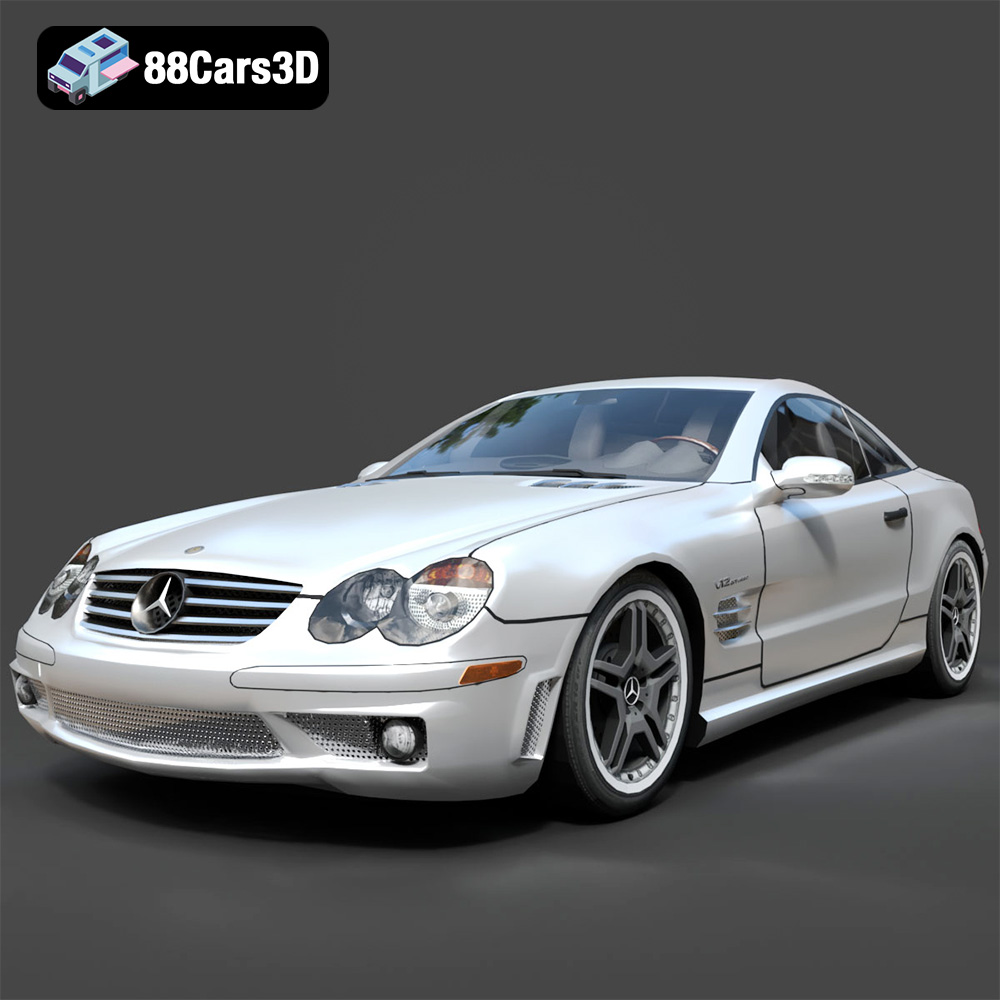
Mercedes-Benz SL 65 AMG 3D Model
Texture: Yes
Material: Yes
Download the Mercedes-Benz SL 65 AMG 3D Model featuring clean geometry, realistic detailing, and a fully modeled interior. Includes .blend, .fbx, .obj, .glb, .stl, .ply, .unreal, and .max formats for rendering, simulation, and game development.
Price: $23.99
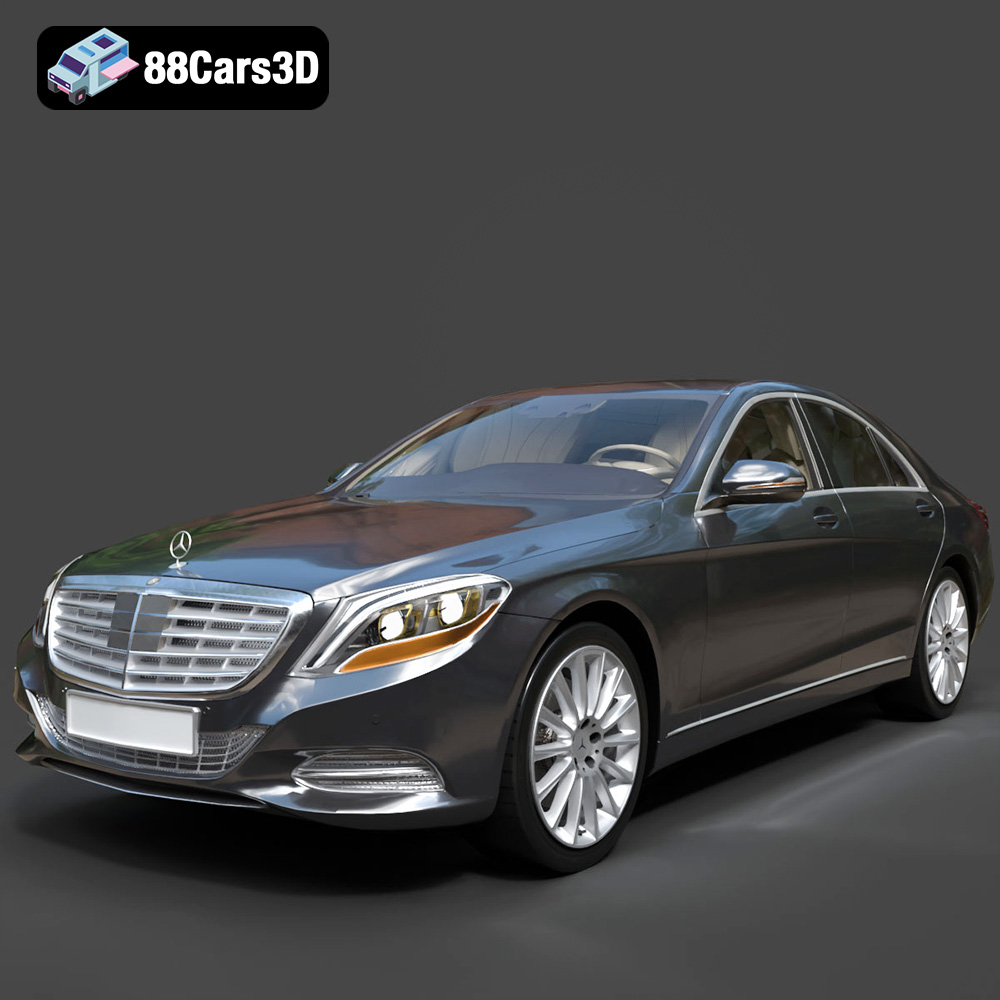
Mercedes-Benz S500 3D Model
Texture: Yes
Material: Yes
Download the Mercedes-Benz S500 3D Model featuring clean geometry, realistic detailing, and a fully modeled interior. Includes .blend, .fbx, .obj, .glb, .stl, .ply, .unreal, and .max formats for rendering, simulation, and game development.
Price: $23.99
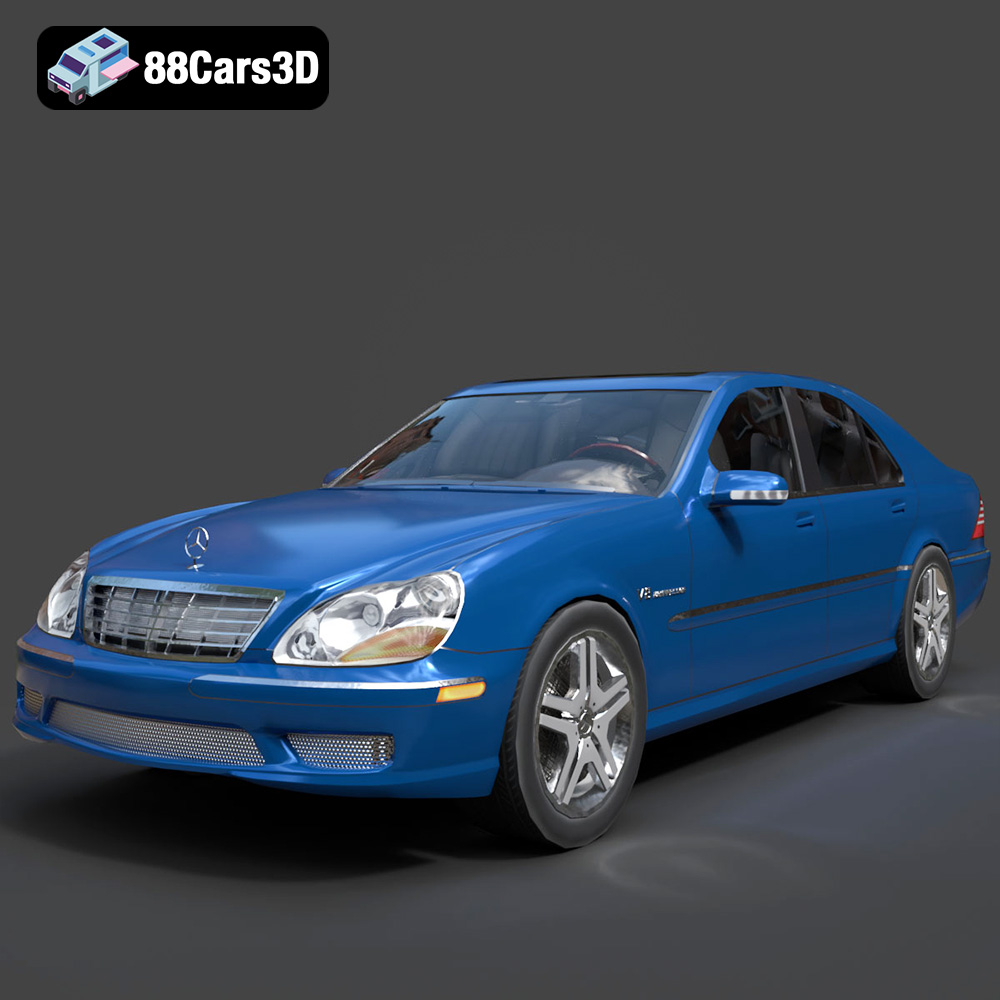
Mercedes-Benz S55 W220 AMG 1999 3D Model
Texture: Yes
Material: Yes
Download the Mercedes-Benz S55 W220 AMG 1999 3D Model featuring clean geometry, realistic detailing, and a fully modeled interior. Includes .blend, .fbx, .obj, .glb, .stl, .ply, .unreal, and .max formats for rendering, simulation, and game development.
Price: $23.99
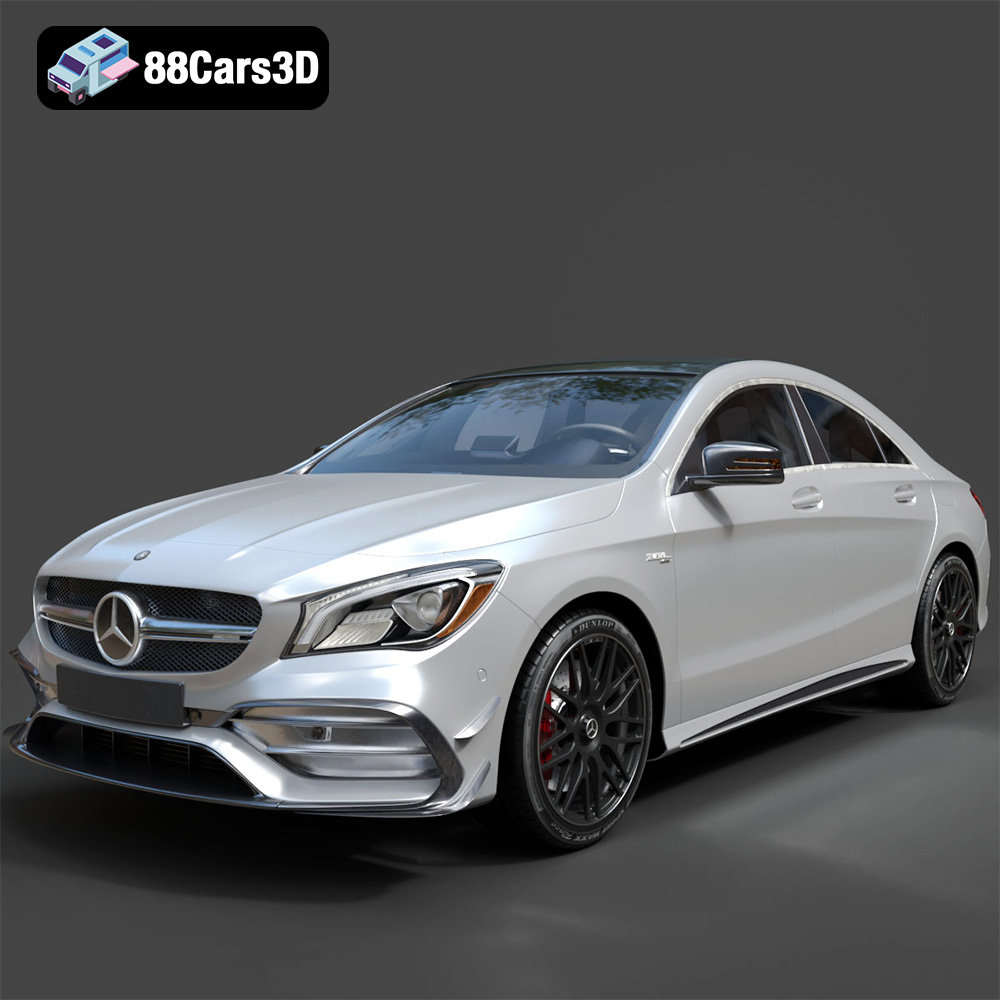
Mercedes-Benz CLA45 AMG 2017 3D Model
Texture: Yes
Material: Yes
Download the Mercedes-Benz CLA45 AMG 2017 3D Model featuring clean geometry, realistic detailing, and a fully modeled interior. Includes .blend, .fbx, .obj, .glb, .stl, .ply, .unreal, and .max formats for rendering, simulation, and game development.
Price: $38.99
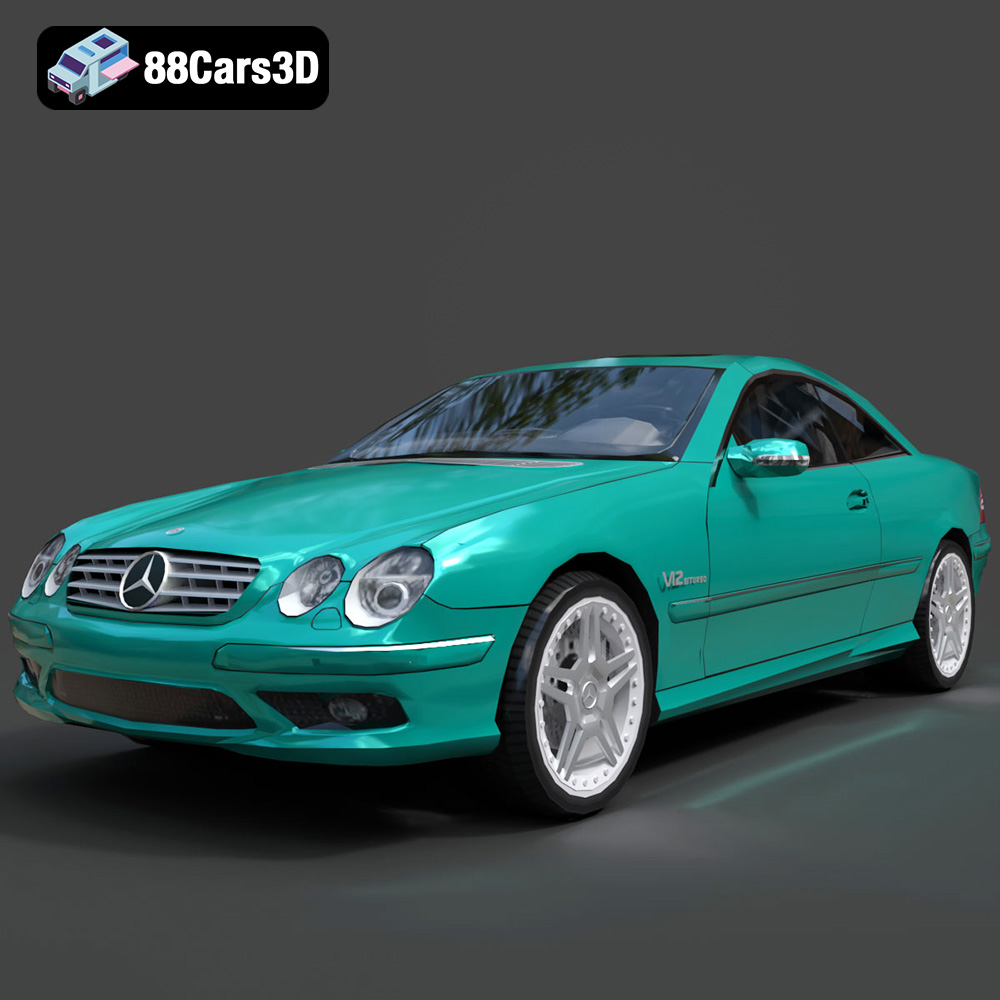
Mercedes-Benz CL65 C215 AMG 3D Model
Texture: Yes
Material: Yes
Download the Mercedes-Benz CL65 C215 AMG 3D Model featuring clean geometry, realistic detailing, and a fully modeled interior. Includes .blend, .fbx, .obj, .glb, .stl, .ply, .unreal, and .max formats for rendering, simulation, and game development.
Price: $23.99
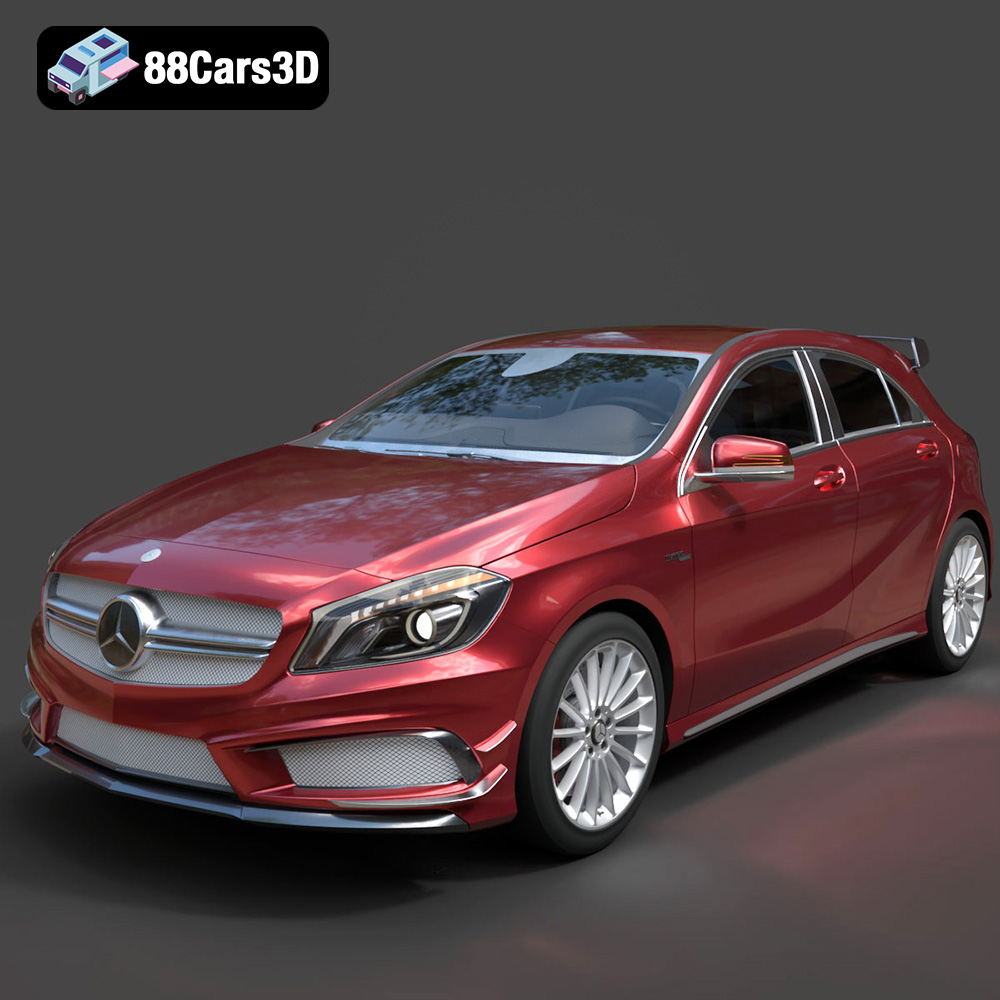
Mercedes-Benz A45 2021 3D Model
Texture: Yes
Material: Yes
Download the Mercedes-Benz A45 2021 3D Model featuring clean geometry, realistic detailing, and a fully modeled interior. Includes .blend, .fbx, .obj, .glb, .stl, .ply, .unreal, and .max formats for rendering, simulation, and game development.
Price: $23.99
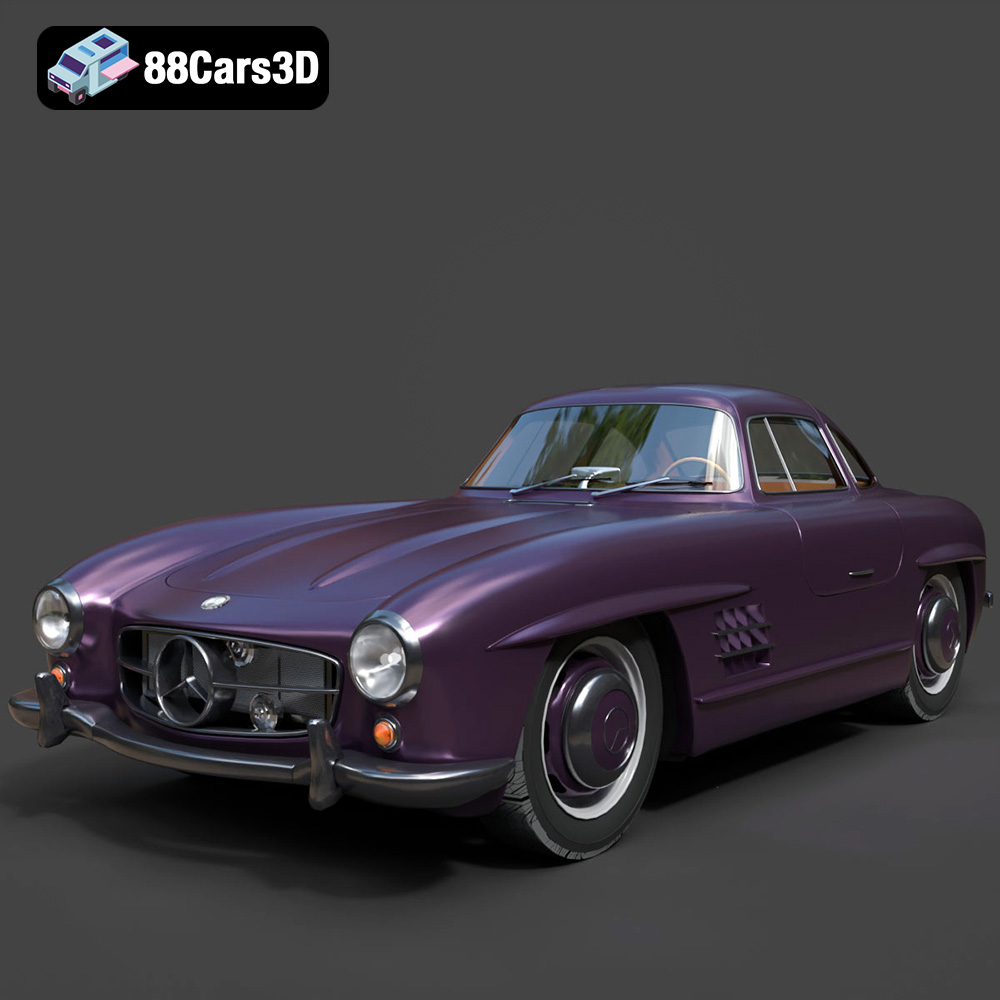
Mercedes-Benz 300SL 1955 3D Model
Texture: Yes
Material: Yes
Download the Mercedes-Benz 300SL 1955 3D Model featuring clean geometry, realistic detailing, and a fully modeled interior. Includes .blend, .fbx, .obj, .glb, .stl, .ply, .unreal, and .max formats for rendering, simulation, and game development.
Price: $23.99
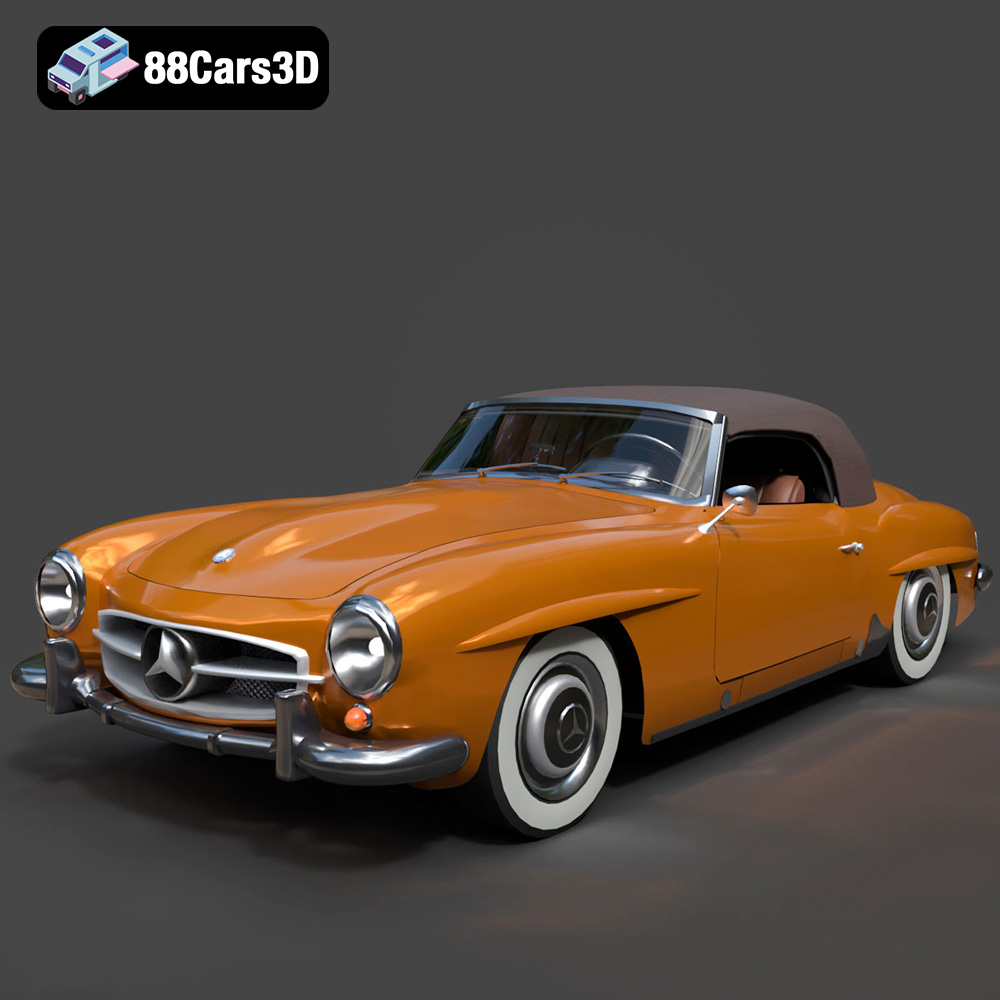
Mercedes-Benz 190SL 1955 3D Model
Texture: Yes
Material: Yes
Download the Mercedes-Benz 190SL 1955 3D Model featuring clean geometry, realistic detailing, and a fully modeled interior. Includes .blend, .fbx, .obj, .glb, .stl, .ply, .unreal, and .max formats for rendering, simulation, and game development.
Price: $23.99
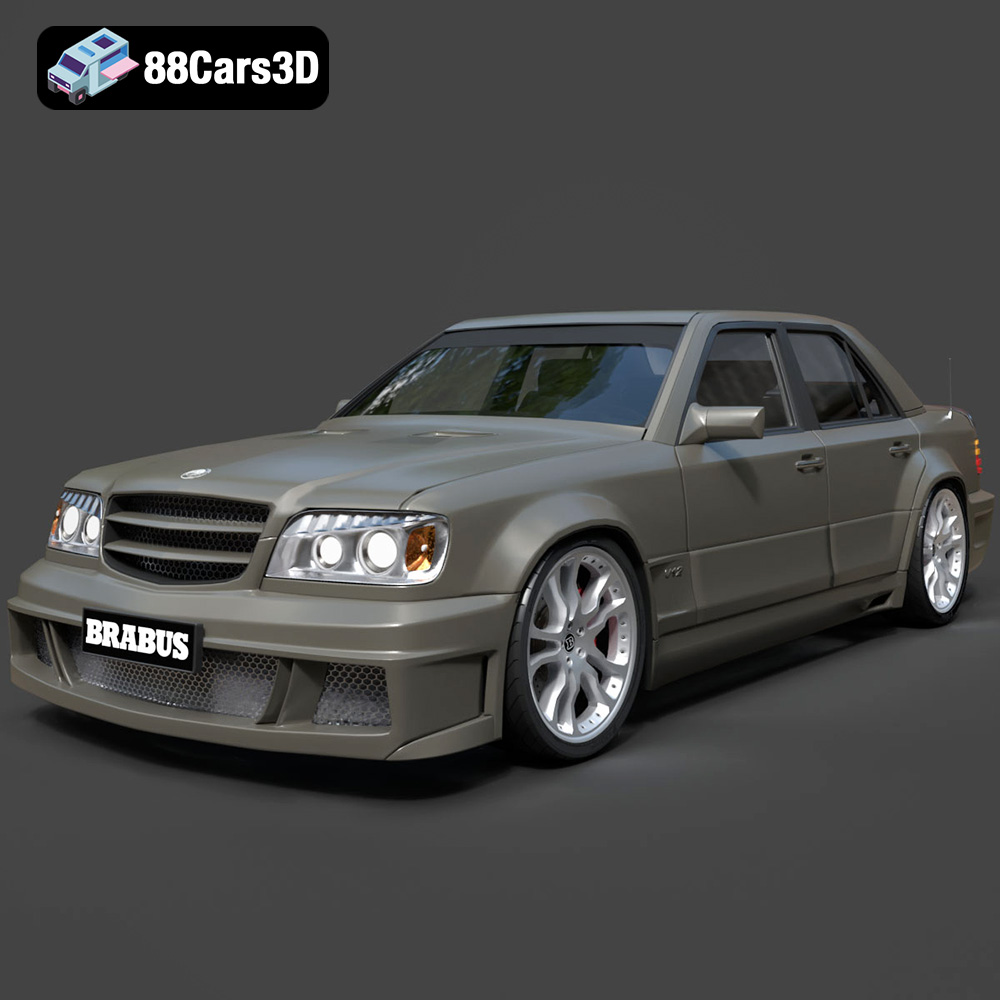
Mercedes-Benz W124 Brabus V12 3D Model
Texture: Yes
Material: Yes
Download the Mercedes-Benz W124 Brabus V12 3D Model featuring clean geometry, realistic detailing, and a fully modeled interior. Includes .blend, .fbx, .obj, .glb, .stl, .ply, .unreal, and .max formats for rendering, simulation, and game development.
Price: $23.99
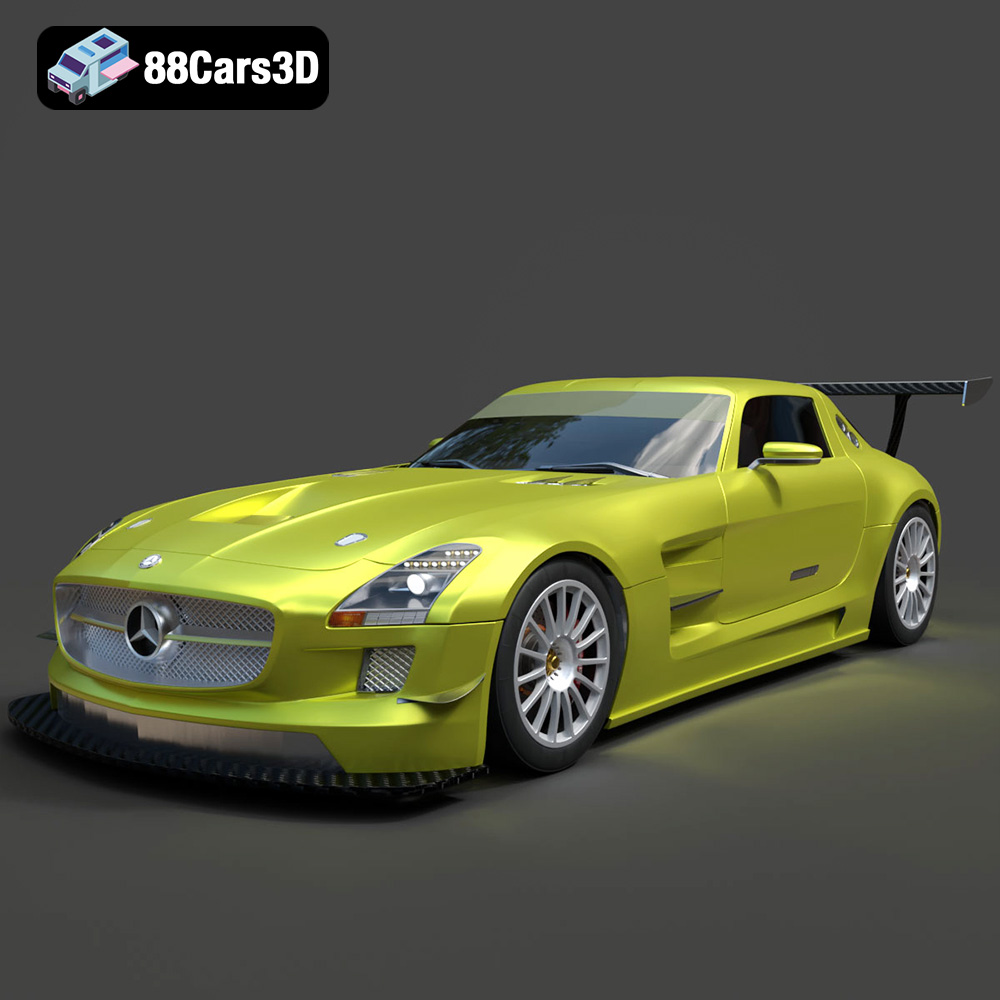
Mercedes-Benz SLS AMG GT3-002 3D Model
Texture: Yes
Material: Yes
Download the Mercedes-Benz SLS AMG GT3-002 3D Model featuring clean geometry, realistic detailing, and a fully modeled interior. Includes .blend, .fbx, .obj, .glb, .stl, .ply, .unreal, and .max formats for rendering, simulation, and game development.
Price: $38.99

Mercedes-Benz C-Class-001 3D Model
Texture: Yes
Material: Yes
Download the Mercedes-Benz C-Class-001 3D Model featuring clean geometry, realistic detailing, and a fully modeled interior. Includes .blend, .fbx, .obj, .glb, .stl, .ply, .unreal, and .max formats for rendering, simulation, and game development.
Price: $38.99
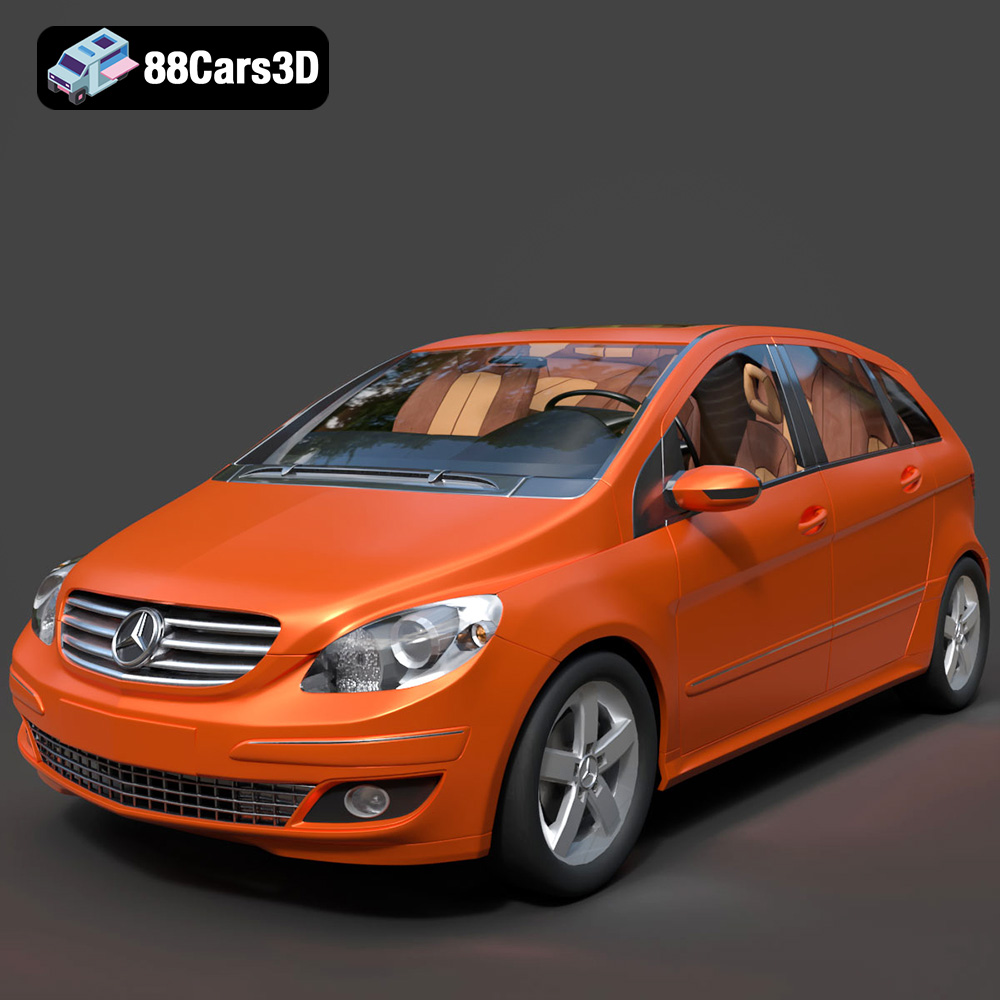
Mercedes-Benz B-Klasse 2023 3D Model
Texture: Yes
Material: Yes
Download the Mercedes-Benz B-Klasse 2023 3D Model featuring clean geometry, realistic detailing, and a fully modeled interior. Includes .blend, .fbx, .obj, .glb, .stl, .ply, .unreal, and .max formats for rendering, simulation, and game development.
Price: $38.99
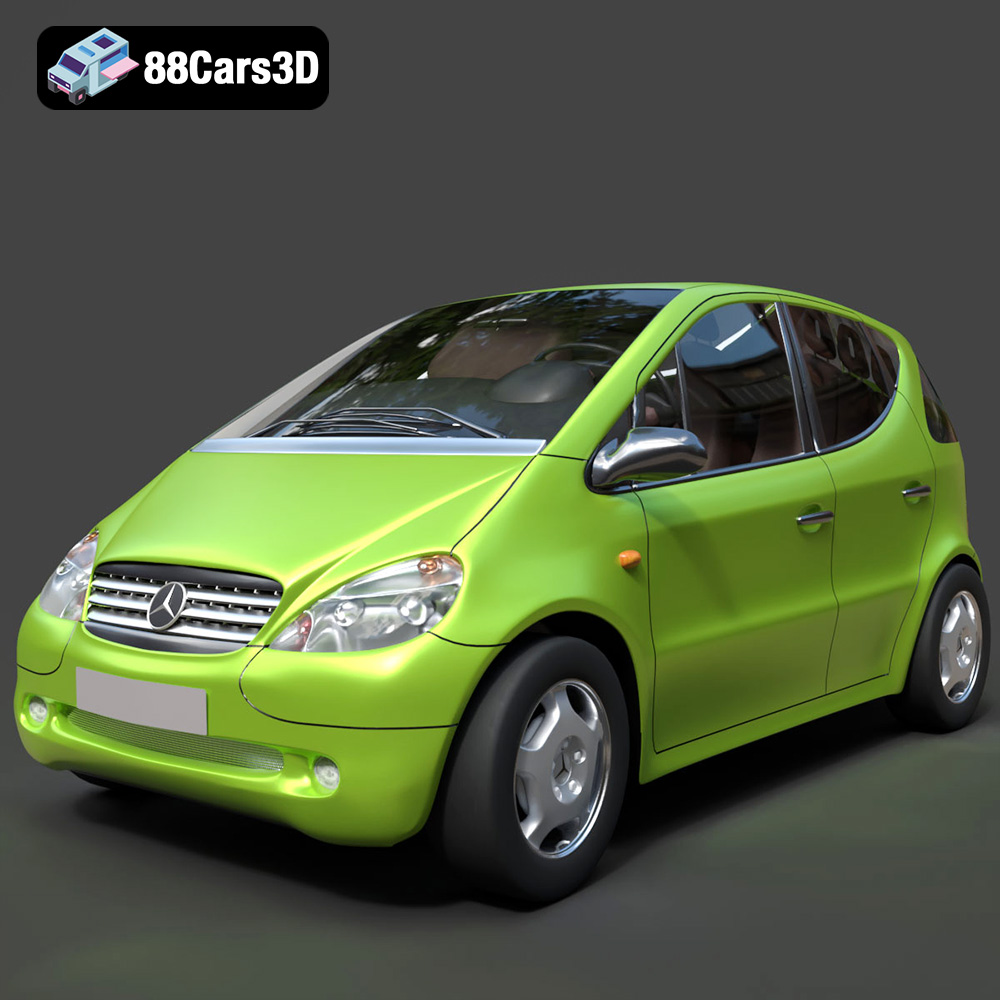
Mercedes-Benz A-Klasse W168 3D Model
Texture: Yes
Material: Yes
Download the Mercedes-Benz A-Klasse W168 3D Model featuring clean geometry, realistic detailing, and a fully modeled interior. Includes .blend, .fbx, .obj, .glb, .stl, .ply, .unreal, and .max formats for rendering, simulation, and game development.
Price: $38.99
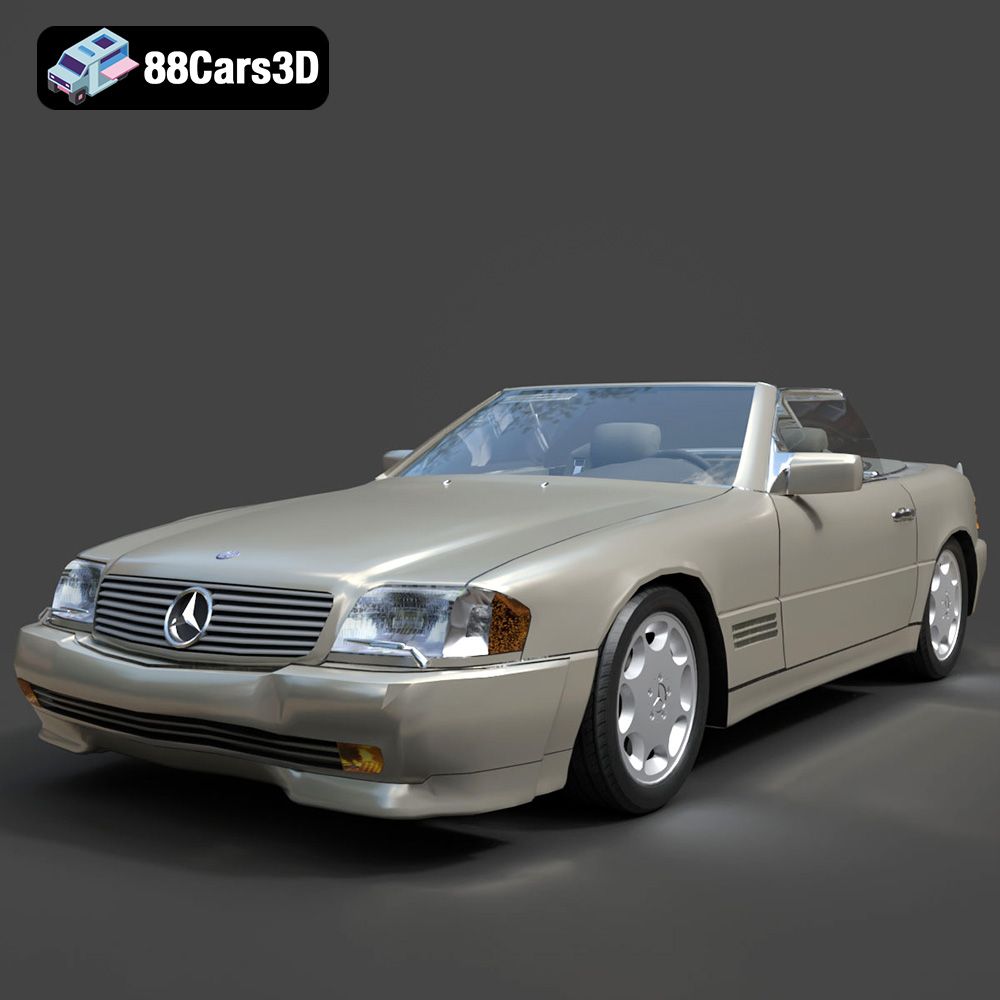
Mercedes-Benz 500SL 2000 3D Model
Texture: Yes
Material: Yes
Download the Mercedes-Benz 500SL 2000 3D Model featuring clean geometry, realistic detailing, and a fully modeled interior. Includes .blend, .fbx, .obj, .glb, .stl, .ply, .unreal, and .max formats for rendering, simulation, and game development.
Price: $38.99
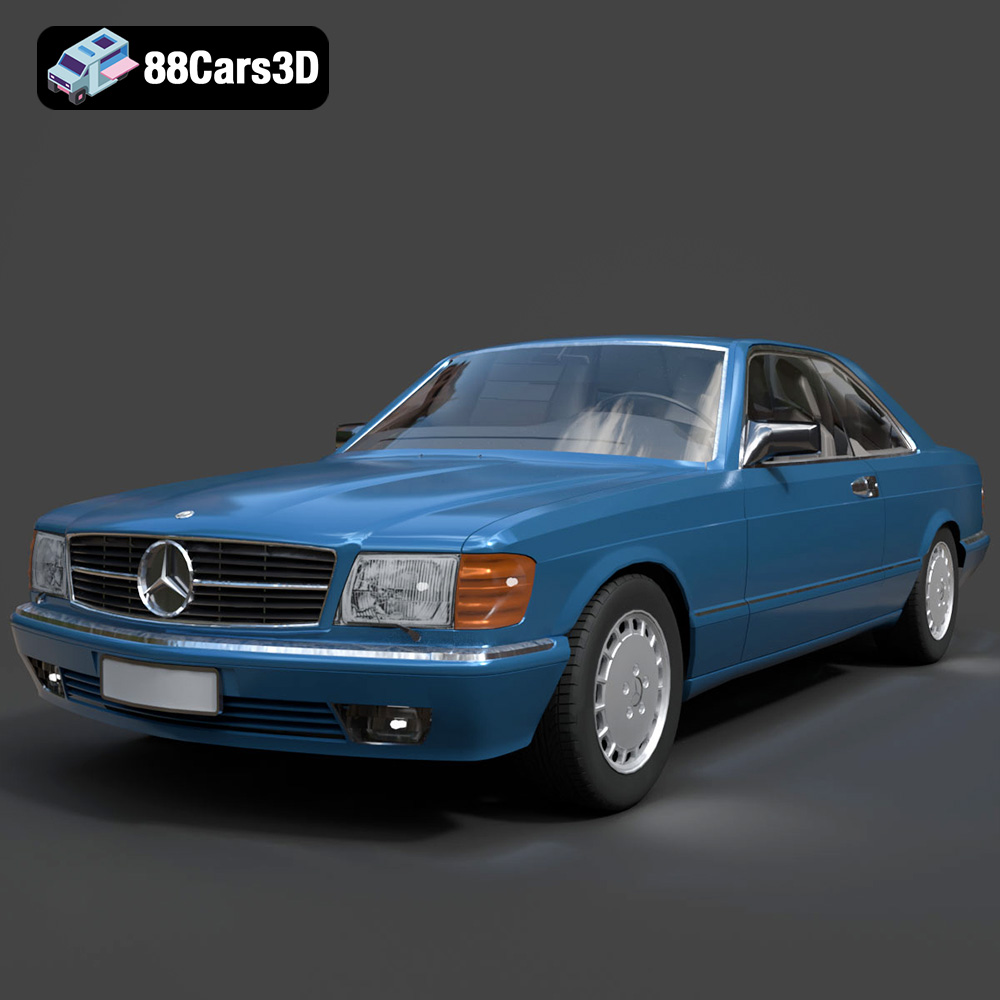
Mercedes-Benz 500SEC 3D Model
Texture: Yes
Material: Yes
Download the Mercedes-Benz 500SEC 3D Model featuring clean geometry, realistic detailing, and a fully modeled interior. Includes .blend, .fbx, .obj, .glb, .stl, .ply, .unreal, and .max formats for rendering, simulation, and game development.
Price: $38.99
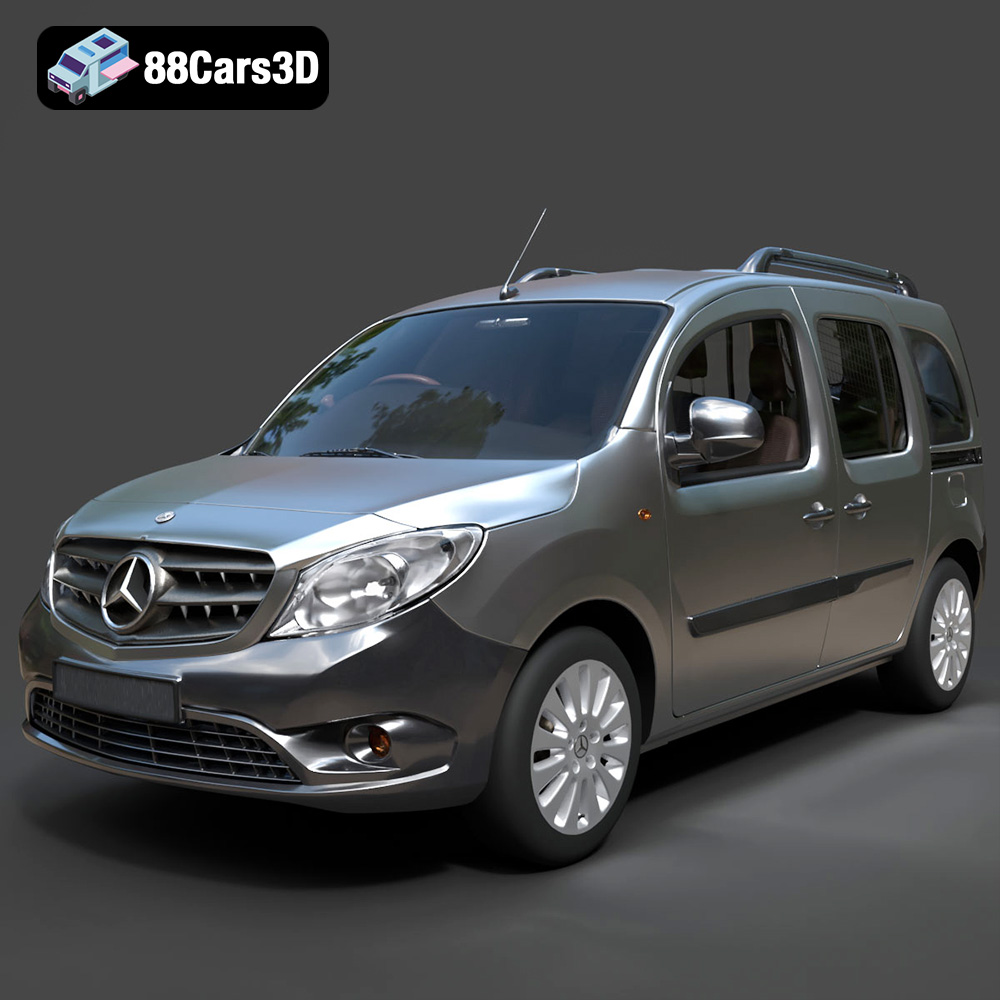
Mercedes-Benz Citan 2025 3D Model
Texture: Yes
Material: Yes
Download the Mercedes-Benz Citan 2025 3D Model featuring clean geometry, realistic detailing, and a fully modeled interior. Includes .blend, .fbx, .obj, .glb, .stl, .ply, .unreal, and .max formats for rendering, simulation, and game development.
Price: $38.99
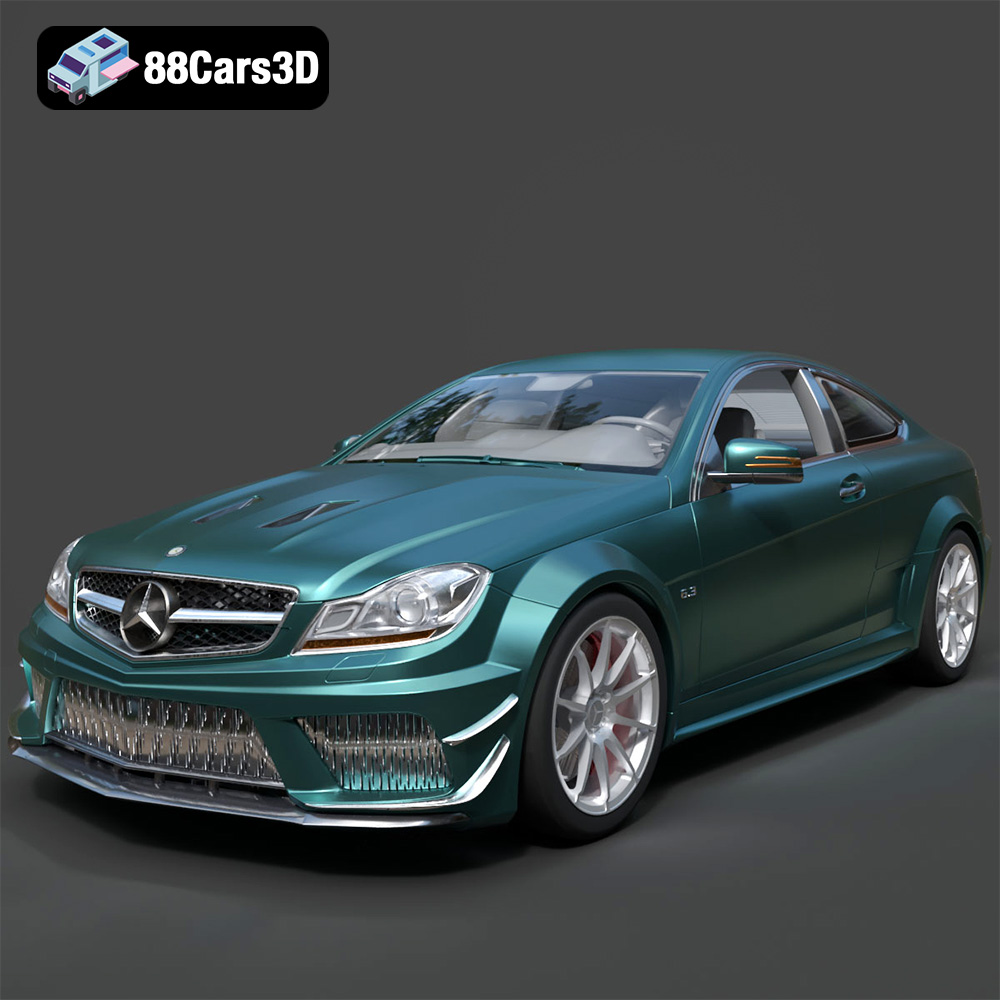
Mercedes-Benz C63 AMG 2012 3D Model
Texture: Yes
Material: Yes
Download the Mercedes-Benz C63 AMG 2012 3D Model featuring clean geometry, realistic detailing, and a fully modeled interior. Includes .blend, .fbx, .obj, .glb, .stl, .ply, .unreal, and .max formats for rendering, simulation, and game development.
Price: $38.99
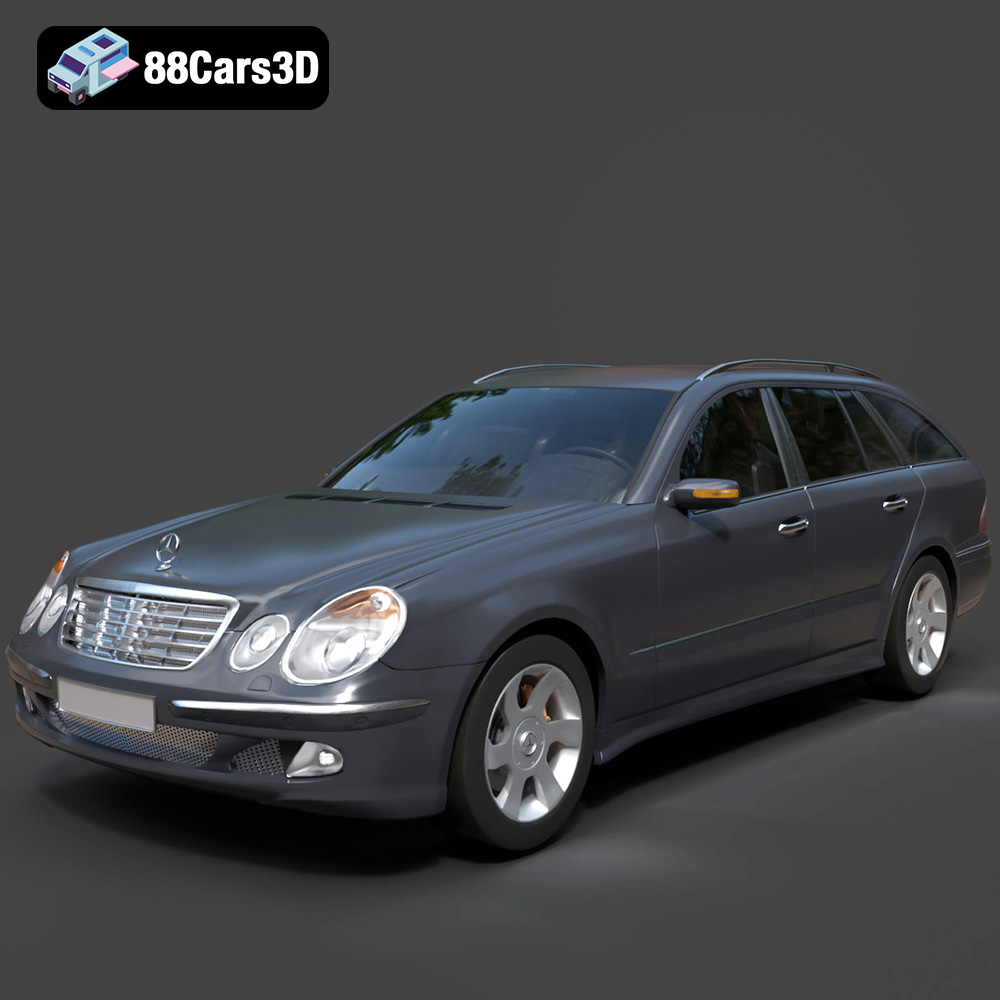
Mercedes-Benz E-Class S211 3D Model
Texture: Yes
Material: Yes
Download the Mercedes-Benz E-Class S211 3D Model featuring clean geometry, realistic detailing, and a fully modeled interior. Includes .blend, .fbx, .obj, .glb, .stl, .ply, .unreal, and .max formats for rendering, simulation, and game development.
Price: $38.99
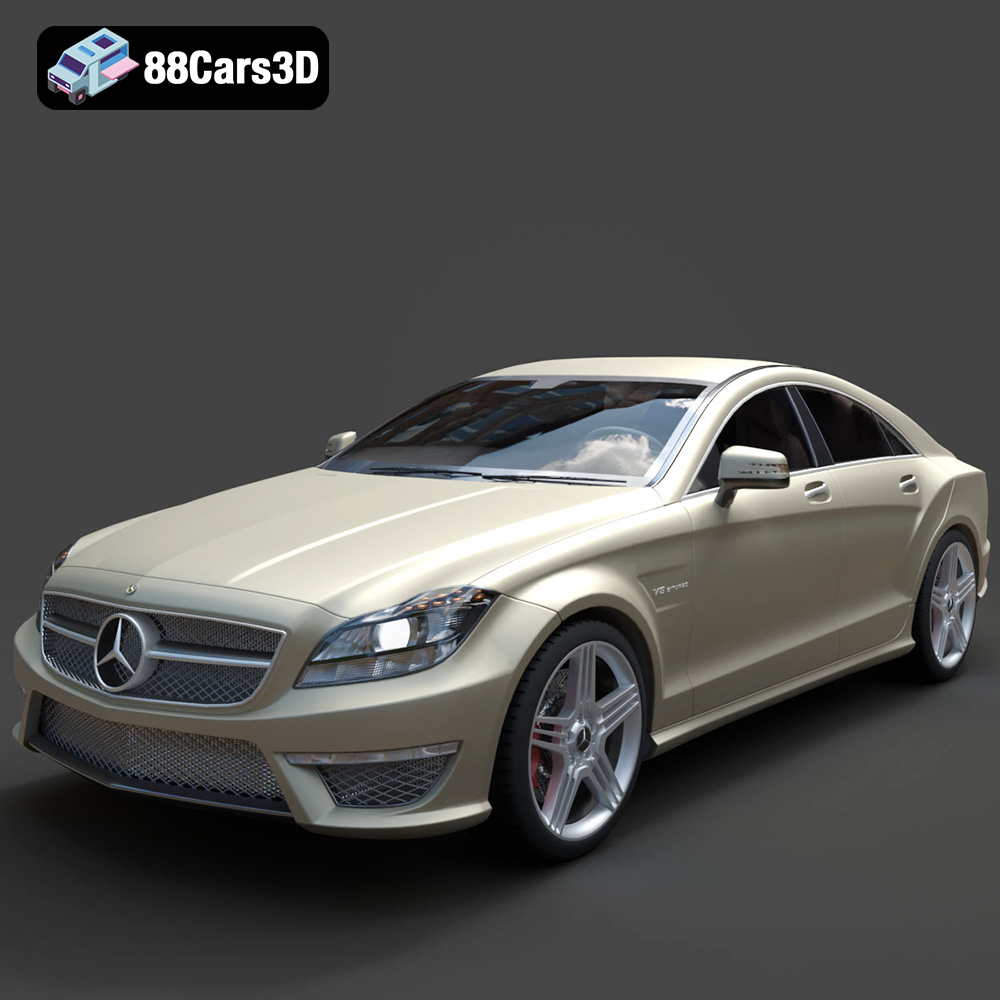
Mercedes-Benz CLS63 AMG (C218) 2014 3D Model
Texture: Yes
Material: Yes
Download the Mercedes-Benz CLS63 AMG (C218) 2014 3D Model featuring clean geometry, realistic detailing, and a fully modeled interior. Includes .blend, .fbx, .obj, .glb, .stl, .ply, .unreal, and .max formats for rendering, simulation, and game development.
Price: $38.99
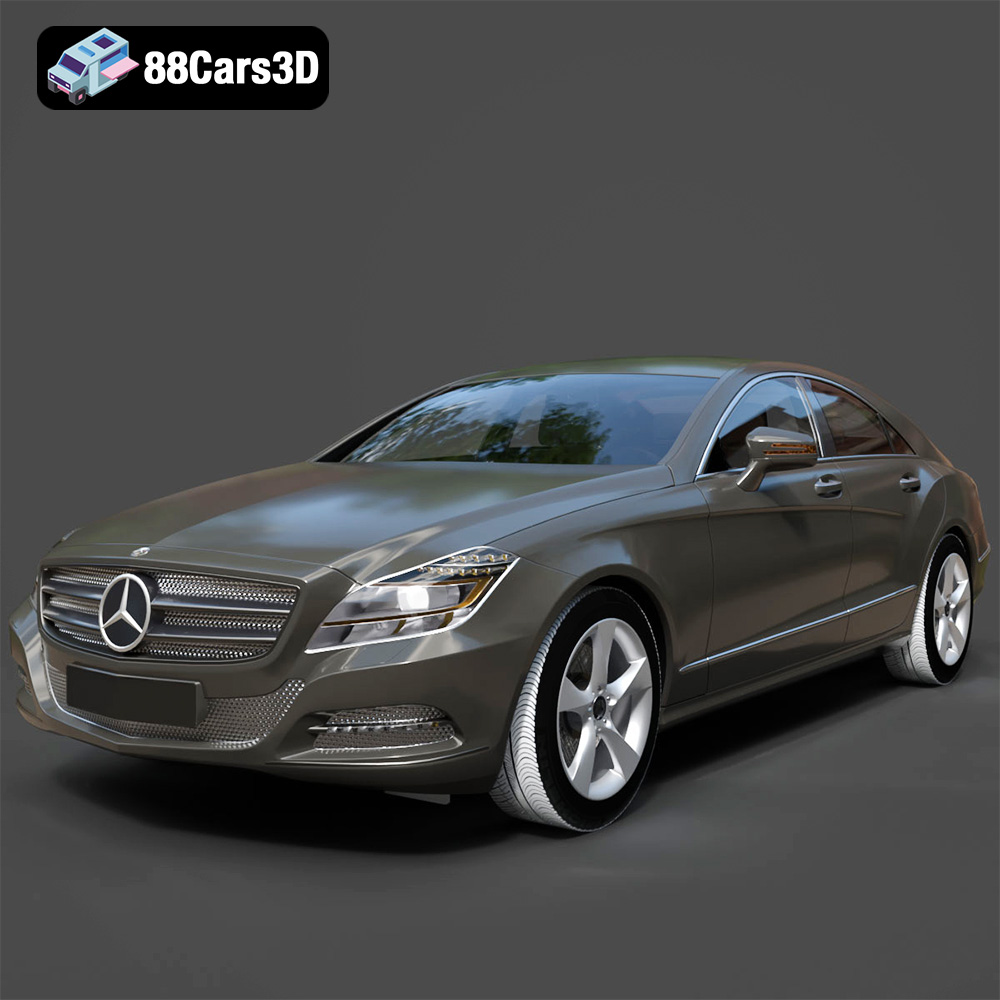
Mercedes-Benz CLS-Klasse 3D Model
Texture: Yes
Material: Yes
Download the Mercedes-Benz CLS-Klasse 3D Model featuring clean geometry, realistic detailing, and a fully modeled interior. Includes .blend, .fbx, .obj, .glb, .stl, .ply, .unreal, and .max formats for rendering, simulation, and game development.
Price: $38.99
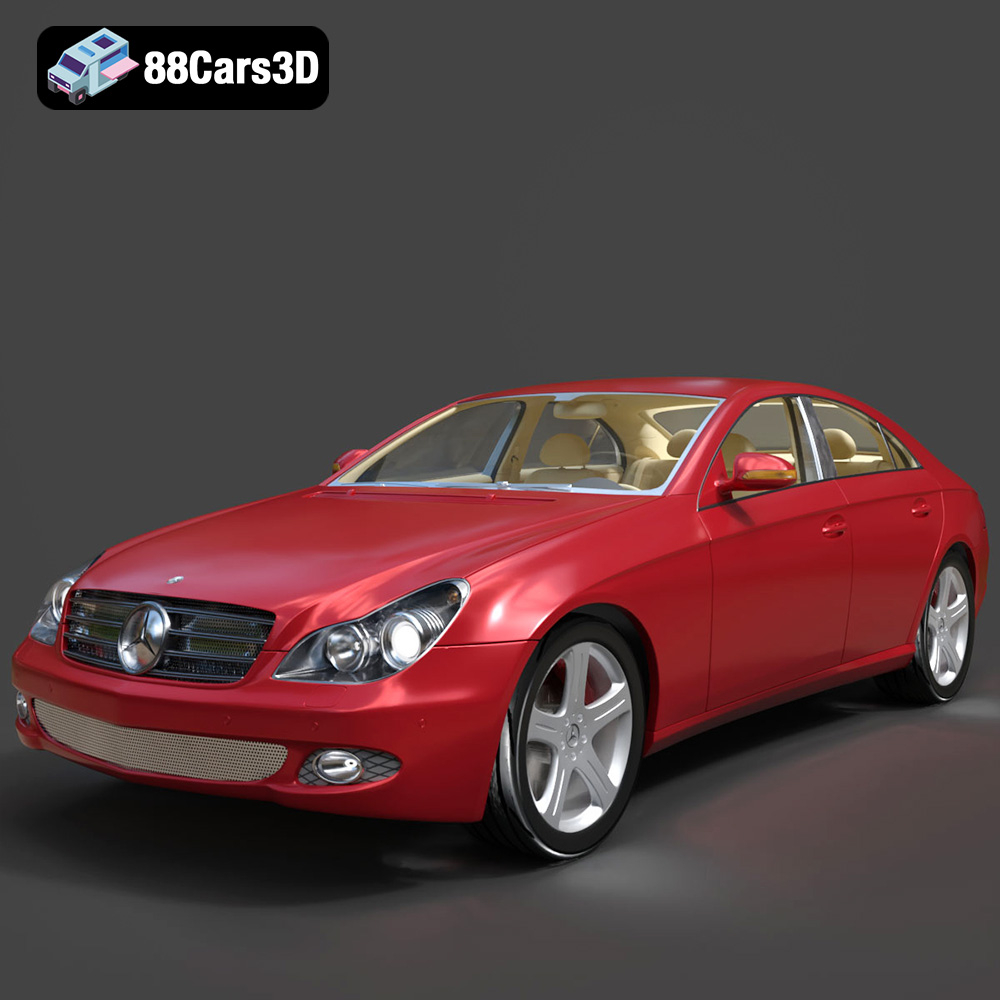
Mercedes-Benz CLS 500 3D Model
Texture: Yes
Material: Yes
Download the Mercedes-Benz CLS 500 3D Model featuring clean geometry, realistic detailing, and a fully modeled interior. Includes .blend, .fbx, .obj, .glb, .stl, .ply, .unreal, and .max formats for rendering, simulation, and game development.
Price: $38.99

Mercedes-Benz CL-Klasse 2001 3D Model
Texture: Yes
Material: Yes
Download the Mercedes-Benz CL-Klasse 2001 3D Model featuring clean geometry, realistic detailing, and a fully modeled interior. Includes .blend, .fbx, .obj, .glb, .stl, .ply, .unreal, and .max formats for rendering, simulation, and game development.
Price: $38.99
