
Mastering Performance & Photorealism: Optimizing High-End Automotive 3D Models for Real-Time Game Engines

Mastering Performance & Photorealism: Optimizing High-End Automotive 3D Models for Real-Time Game Engines
The allure of a perfectly rendered automotive model, gleaming under studio lights with every curve and reflection captured in exquisite detail, is undeniable. For automotive designers, visualizers, and cinematographers, these high-fidelity models represent the pinnacle of digital artistry. However, translating this level of visual grandeur into a real-time game engine, where interactive performance is paramount, presents a significant challenge. The direct import of a CAD model or a film-resolution asset often results in crippling frame rates and an unplayable experience.
This article delves into the essential strategies and advanced techniques required to bridge that gap. We’ll explore how to achieve breathtaking photorealism in your automotive 3D models without sacrificing crucial real-time rendering performance. From meticulous polycount optimization to sophisticated PBR materials workflow, and the implementation of dynamic Level of Detail (LODs), we’ll guide you through the process of preparing your assets for the demanding world of interactive entertainment. By understanding these principles, you can transform your high-end automotive designs into game-ready masterpieces.
The Core Dilemma: Balancing Visual Fidelity with Real-Time Constraints
At its heart, the challenge lies in the fundamental difference between offline and real-time rendering. Offline rendering, typically used for films, advertising, or product visualizations, operates with virtually limitless computational budgets. A single frame might take hours or even days to render, allowing for incredibly dense geometry, complex shaders, and exhaustive lighting calculations. Real-time rendering, conversely, must produce dozens or even hundreds of frames per second to deliver a smooth, interactive experience.
This strict budget imposes significant limitations. Every polygon, every draw call, and every texture lookup contributes to the frame time. Automotive models, with their inherently complex curvatures, intricate components like engines and interiors, and highly reflective surfaces, are particularly demanding. Simply importing a model with millions of polygons and dozens of 4K textures designed for an offline renderer will overwhelm any game engine, leading to abysmal performance. Therefore, a strategic approach to optimization is not just beneficial, but absolutely essential.
Geometry Optimization: The Foundation of Performance
The single largest determinant of real-time rendering performance is often the scene’s geometry complexity. For high-end automotive models, mastering geometry optimization is paramount. This involves not just reducing polygons, but doing so intelligently, preserving visual fidelity where it matters most while aggressively optimizing elsewhere.
Strategic Polycount Management for Automotive Models
Effective polycount optimization begins with a clear understanding of what details are truly visible and necessary. A dashboard, for instance, requires high fidelity only in areas the player can directly see and interact with, while hidden components like engine blocks might need aggressive reduction. Hero assets, such as the player’s primary vehicle, will naturally have a higher polygon budget than background vehicles or environmental props.
Manual retopology is often the gold standard for critical parts of a hero automotive asset. This process involves creating a new, optimized mesh over the high-polygon source geometry. It allows artists precise control over edge flow, polygon distribution, and UV unwrapping, leading to cleaner geometry and better deformation, which is crucial for animations like opening doors or suspension movement. While time-consuming, the control it offers for complex, curved surfaces like car bodies is invaluable.
Implementing Level of Detail (LODs) Systems
Level of Detail (LODs) are an indispensable technique for managing geometry complexity dynamically. An LOD system swaps out higher-resolution meshes for lower-resolution versions as an object moves further away from the camera. This ensures that distant objects consume fewer resources, significantly boosting real-time rendering performance without a noticeable drop in visual quality to the player.
For automotive models, a robust LOD strategy might involve 3-5 distinct levels:
- LOD0 (Hero Mesh): The full-detail model, visible when the vehicle is close to the camera. This is where most of the manual retopology and high-resolution textures reside.
- LOD1: A moderately reduced mesh, perhaps 50-70% of LOD0’s polycount, with some interior detail simplified or removed.
- LOD2: A significantly reduced mesh, possibly 20-30% of LOD0’s polycount, with interiors largely removed or replaced by simple planes, and smaller exterior details merged.
- LOD3: A very low-poly representation, maybe 5-10% of LOD0, suitable for vehicles far in the distance or rendered in mirrors. This might be a completely solid mesh with baked textures to simulate detail.
- LOD4 (Imposter/Billboard): For extremely distant objects, a 2D billboard texture can be used, rendering an image of the car rather than geometry.
The transition between LODs should be imperceptible. Game engines like Unreal Engine provide tools to manage LOD creation and smooth transitions, often using dithered fading or screen size thresholds to determine when to switch.
Advanced Mesh Reduction Techniques
Beyond manual retopology, several mesh reduction techniques are employed. Automated decimation tools found in software like ZBrush, Maya, or Blender can quickly reduce polygon counts. However, they must be used judiciously, as they can sometimes destroy critical edge loops, create messy triangulation, or obliterate fine details if not carefully controlled. Often, a combination of manual clean-up and targeted decimation yields the best results.
When working with automotive models, pay special attention to areas of high curvature. These often require more polygons to maintain smooth surfaces. Flat panels, conversely, can be aggressively reduced. While source models might be quad-based, game engines typically convert all geometry to triangles for rendering. Therefore, it’s often beneficial to work with clean quad topology and let the engine handle triangulation, or manually triangulate in a controlled manner if specific visual artifacts arise.
Mastering PBR Materials and Texture Workflows for Photorealism
Once your geometry is optimized, the next crucial step towards achieving photorealism is the material and texture pipeline. PBR materials workflow (Physically Based Rendering) is the industry standard, ensuring consistent and believable lighting across all assets in diverse environments. This is particularly vital for automotive surfaces, which are highly reflective and react uniquely to light.
Understanding PBR Principles for Automotive Surfaces
PBR is based on real-world physics, simulating how light interacts with surfaces. Key texture maps in a PBR workflow typically include:
- Albedo/Base Color: Defines the diffuse color of the surface without any lighting information. For car paint, this would be the base color of the paint itself.
- Metallic: A grayscale map (0.0-1.0) indicating whether a surface is a metal (1.0) or a dielectric (0.0). Car bodies are typically metallic, while tires and plastics are dielectric.
- Roughness: A grayscale map (0.0-1.0) defining how rough or smooth a surface is. Low roughness means a very glossy, mirror-like reflection (e.g., polished chrome, clear coat car paint), while high roughness scatters light, resulting in a matte appearance (e.g., rubber, unpainted plastic).
- Normal Map: A tangent-space texture that fakes high-resolution surface detail (bumps, scratches, panel gaps) by manipulating the direction of surface normals, making low-poly geometry appear incredibly detailed.
- Ambient Occlusion (AO): A grayscale map that simulates soft shadows where ambient light is occluded, adding depth and contact shadows.
For automotive paint, a complex PBR material often layers multiple materials, combining a metallic base with a clear coat layer for accurate reflections and gloss. This PBR approach, when done correctly, ensures that your automotive models look fantastic under any lighting conditions within the game engine.
Efficient UV Mapping Strategies
Clean and efficient UV mapping is the canvas for your textures. Poor UVs lead to texture stretching, seams, and wasted texture space. For automotive models, consider:
- Non-overlapping UVs: Essential for unique texture information, especially for texture baking.
- Uniform Texel Density: Maintain consistent texture resolution across the model to avoid blurriness or pixelation on certain parts.
- UV Atlasing: Combining multiple smaller parts onto a single UV map to reduce draw calls and improve rendering performance. For instance, all interior plastic buttons could share one atlas.
- Material IDs: Grouping parts with similar material properties to share textures and shaders, simplifying the PBR materials workflow.
- Lightmap UVs: Many game engines require a separate UV channel for baked static lighting, ensuring no overlapping UVs in this channel.
Strategic UV layouts not only make texturing easier but are also critical for the next stage: texture baking.
The Power of Texture Baking
Texture baking is a cornerstone of optimizing high-fidelity models for real-time environments. It allows you to transfer the intricate detail from a high-polygon model onto the UVs of a low-polygon model as a texture map. This technique is indispensable for preserving visual complexity while drastically reducing polycount.
Key maps frequently baked for automotive assets include:
- Normal Maps: The most common baked map, capturing all the fine surface details (panel gaps, rivets, subtle dents, text) from your high-poly sculpt onto your optimized game mesh. This gives the illusion of millions of polygons with only a fraction of the actual geometry.
- Ambient Occlusion (AO) Maps: Captures indirect shadowing information, enhancing depth and realism, particularly in crevices and tight spaces. Baking this from a high-poly model provides a much more accurate result than real-time AO methods alone.
- Curvature Maps: Useful for edge wear and surface variation, often used as a mask in materials.
- World Space Normal Maps: While less common than tangent-space normals for general detail, these can be useful for certain effects or for re-projecting normals.
Baking enables artists to leverage incredibly detailed source models while maintaining the strict performance budgets required for smooth real-time rendering performance. It’s a fundamental part of the game asset pipeline for complex objects like vehicles.
Building an Optimized Game Asset Pipeline for Automotive Models
A well-defined game asset pipeline is crucial for efficiency, consistency, and successful project delivery, especially when dealing with the complexity of automotive models. It outlines the step-by-step process from initial concept to a fully optimized, engine-ready asset.
From CAD to Game-Ready Mesh: The Workflow Outline
The journey of a high-end automotive model into a game engine typically follows these stages:
- Initial Import & Cleanup: Import the high-poly CAD or DCC model into your 3D software (Maya, Blender, 3ds Max). Clean up geometry (remove internal faces, fix non-manifold geometry, combine meshes). This high-poly mesh will serve as the baking source.
- Retopology & Polycount Optimization: Create the low-polygon game mesh. This involves manual retopology for critical parts, strategic mesh reduction techniques, and creating multiple Level of Detail (LODs). Target polycounts will vary based on the asset’s importance and platform.
- UV Mapping: Unfold the low-poly mesh, creating clean, non-overlapping UVs for textures and separate UVs for lightmaps if needed.
- Texture Baking: Bake normal maps, ambient occlusion, and any other necessary detail maps from the high-poly source onto the low-poly UVs.
- PBR Texture Creation: Create or source PBR-compliant textures (Albedo, Metallic, Roughness) in tools like Substance Painter or Photoshop. Incorporate baked maps and add surface details like scratches, dirt, and decals.
- Material Setup: Assign and configure PBR materials in your chosen game engine, utilizing the prepared textures.
- Export & Engine Integration: Export the optimized mesh (usually FBX format) with all its LODs and import it into the game engine.
Throughout this process, leveraging resources for high-quality starting models can significantly accelerate development. For instance, 88cars3d.com offers a range of high-quality, pre-modeled vehicles that can serve as excellent bases for your optimization pipeline, saving countless hours on initial modeling and allowing you to focus on the game-ready conversion.
Asset Naming Conventions and Folder Structures
Consistency in naming and organization is paramount, especially in team environments. Adopt clear, descriptive naming conventions for meshes, textures, materials, and LODs (e.g., `SM_Car_Sports_LOD0`, `T_Car_Sports_Albedo`, `MI_Car_Sports_Paint`). Establish a logical folder structure within your project to keep everything organized, making assets easy to find, update, and manage.
Version Control and Iteration
Implement version control (e.g., Perforce, Git LFS) for all your assets. This protects against data loss, facilitates collaboration, and allows for easy rollback to previous iterations. Automotive models, being complex, often undergo several rounds of feedback and refinement, making robust version control indispensable.
Real-Time Engine Integration and Performance Tuning (Unreal Engine Focus)
Once your automotive assets are optimized and textured, the final stage is their integration into the game engine. We’ll focus on Unreal Engine optimization, a leading choice for high-fidelity real-time experiences, but many principles apply universally.
Importing Assets into Unreal Engine
When exporting from your 3D software and importing into Unreal Engine, pay close attention to:
- FBX Settings: Ensure correct scale (Unreal defaults to centimeters), proper axis orientation, and embedding of media if desired (though separate texture imports are often cleaner).
- Pivot Points: Verify that the pivot point of your vehicle model is correctly positioned (e.g., at the center of the base) for easy placement and manipulation within the engine.
- Material Slot Assignment: Grouping different parts of the car by material in your 3D software before export will create corresponding material slots in Unreal, simplifying material assignment.
Unreal Engine Optimization Techniques for Automotive Models
Unreal Engine provides a powerful suite of tools for real-time rendering performance and visual quality:
- LOD Setup: Utilize Unreal’s built-in LOD system to assign your pre-made LOD meshes. Configure screen size thresholds for smooth transitions between levels. Unreal can also generate automatic LODs, but pre-made ones offer superior control.
- Material Instances: For different car colors or variations, use Material Instances derived from a master PBR material. This allows you to change parameters (like base color, roughness) without recompiling shaders, saving memory and draw calls.
- Shader Complexity Visualization: Use Unreal’s “Shader Complexity” view mode to identify overly complex materials or areas with too many shader instructions. Optimize these by simplifying nodes or combining textures.
- Instancing: For multiple identical vehicles (e.g., traffic cars), use instanced static meshes or hierarchical instanced static meshes. This significantly reduces draw calls by rendering multiple copies of the same mesh in one go.
- Culling Volumes: Place cull distance volumes around your automotive assets to automatically disable rendering of objects beyond a certain distance, further optimizing performance.
- Occlusion Culling: Unreal’s occlusion culling automatically prevents objects hidden behind other objects from being rendered, an essential optimization for complex scenes.
Lighting and Reflection Considerations
Accurate lighting and reflections are critical for automotive photorealism. For static elements of the environment, baked lighting (Lightmass) can offer highly realistic global illumination with excellent performance. For dynamic vehicles, fully dynamic lighting solutions are required, which are more computationally expensive.
Unreal Engine’s Lumen (UE5) provides real-time global illumination and reflections, offering stunning visuals but with a performance cost. Consider using Reflection Probes (Sphere Reflection Captures) strategically placed around your vehicle for more localized, accurate reflections, especially for highly reflective surfaces like car paint and chrome. Screen Space Reflections (SSR) are also effective for immediate foreground reflections, but have limitations.
Advanced Techniques for Next-Level Visuals & Performance
Pushing the boundaries of photorealism and performance often involves embracing newer technologies and advanced artistic techniques.
Virtual Textures and Nanite (Unreal Engine 5)
Unreal Engine 5 introduces groundbreaking technologies that fundamentally alter the traditional game asset pipeline. Nanite virtualized micropolygon geometry and Virtual Textures work hand-in-hand to simplify many aspects of optimization:
- Nanite: Effectively eliminates the need for manual Level of Detail (LODs) and traditional mesh reduction techniques for static meshes. You can import film-quality automotive models with millions of polygons directly into Unreal Engine, and Nanite will stream and render only the necessary micro-polygon detail at render time. This dramatically reduces the effort spent on polycount optimization while delivering unprecedented geometric fidelity. For complex car bodies, this is a game-changer.
- Virtual Textures: Allows for massive, high-resolution textures without hitting memory limits, as only the visible parts of the texture are streamed. This is fantastic for adding incredibly detailed PBR texture sets to automotive surfaces without traditional texture atlasing constraints.
While Nanite is primarily for static meshes, its benefits for detailed static automotive elements (e.g., a car in a showroom, or parts of a static vehicle environment) are immense. It signifies a future where artists can focus more on creation and less on manual optimization.
Decals and Trim Sheets
For adding intricate, non-geometric details like badges, warning labels, scratches, or subtle variations, decals are incredibly efficient. These are planar meshes with transparent textures projected onto surfaces. Similarly, trim sheets allow artists to reuse small, detailed texture elements (e.g., bolts, grilles, small vents) across a model by unwrapping specific areas of the mesh to correspond to sections of a texture sheet. These methods add detail without incurring additional polycount or draw calls from unique geometry.
Particle Systems and Post-Processing
For that final layer of realism and dynamism, consider:
- Particle Systems (Niagara in Unreal): Simulate engine exhaust, tire smoke, brake dust, or even rain hitting the windshield. These add living, breathing elements to your automotive experience.
- Post-Processing: Effects like screen-space ambient occlusion, bloom, depth of field, motion blur, and color grading can dramatically enhance the mood and realism of your automotive scenes. Use them judiciously to avoid over-stylization or performance hits.
Conclusion
Mastering the art of optimizing high-end automotive 3D models for real-time game engines is a meticulous yet highly rewarding endeavor. It’s a delicate dance between preserving the stunning visual fidelity of a studio render and adhering to the strict performance budgets of interactive experiences. By strategically applying techniques such as comprehensive polycount optimization, implementing efficient Level of Detail (LODs), adopting a robust PBR materials workflow, and leveraging the power of texture baking, you can achieve both performance and photorealism.
From developing a streamlined game asset pipeline to employing advanced Unreal Engine optimization strategies and exploring cutting-edge tools like Nanite, every step contributes to bringing your automotive visions to life in real time. The journey requires technical skill, artistic sensibility, and a deep understanding of engine capabilities, but the result is an immersive, high-performance visual experience that captivates players.
Ready to kickstart your next automotive project with a solid foundation? Explore the extensive library of high-quality, pre-modeled vehicles available at 88cars3d.com. These assets provide an excellent starting point, allowing you to focus on the intricate optimization and integration steps outlined here, accelerating your path to stunning real-time automotive photorealism. Dive in and build the immersive driving experiences you envision!
Featured 3D Car Models

Skoda Octavia A7 2017 3D Model
Texture: Yes
Material: Yes
Download the Skoda Octavia A7 2017 3D Model featuring clean geometry, realistic detailing, and a fully modeled interior. Includes .blend, .fbx, .obj, .glb, .stl, .ply, .unreal, and .max formats for rendering, simulation, and game development.
Price: $10

Suzuki SX4-002 3D Model
Texture: Yes
Material: Yes
Download the Suzuki SX4-002 3D Model featuring clean geometry, realistic detailing, and a fully modeled interior. Includes .blend, .fbx, .obj, .glb, .stl, .ply, .unreal, and .max formats for rendering, simulation, and game development.
Price: $10

Tesla Model S 2024 3D Model
Texture: Yes
Material: Yes
Download the Tesla Model S 2024 3D Model featuring clean geometry, realistic detailing, and a fully modeled interior. Includes .blend, .fbx, .obj, .glb, .stl, .ply, .unreal, and .max formats for rendering, simulation, and game development.
Price: $10

Subaru Impreza WRX STi-002 3D Model
Texture: Yes
Material: Yes
Download the Subaru Impreza WRX STi-002 3D Model featuring clean geometry, realistic detailing, and a fully modeled interior. Includes .blend, .fbx, .obj, .glb, .stl, .ply, .unreal, and .max formats for rendering, simulation, and game development.
Price: $10

Subaru Impreza WRX STi Sedan 3D Model
Texture: Yes
Material: Yes
Download the Subaru Impreza WRX STi Sedan 3D Model featuring clean geometry, realistic detailing, and a fully modeled interior. Includes .blend, .fbx, .obj, .glb, .stl, .ply, .unreal, and .max formats for rendering, simulation, and game development.
Price: $10

Subaru Legacy 2009 3D Model
Texture: Yes
Material: Yes
Download the Subaru Legacy 2009 3D Model featuring clean geometry, realistic detailing, and a fully modeled interior. Includes .blend, .fbx, .obj, .glb, .stl, .ply, .unreal, and .max formats for rendering, simulation, and game development.
Price: $10

Suzuki Swift 2024 3D Model
Texture: Yes
Material: Yes
Download the Suzuki Swift 2024 3D Model featuring clean geometry, realistic detailing, and a fully modeled interior. Includes .blend, .fbx, .obj, .glb, .stl, .ply, .unreal, and .max formats for rendering, simulation, and game development.
Price: $10

Suzuki Liana Sedan 2004 3D Model
Texture: Yes
Material: Yes
Download the Suzuki Liana Sedan 2004 3D Model featuring clean geometry, realistic detailing, and a fully modeled interior. Includes .blend, .fbx, .obj, .glb, .stl, .ply, .unreal, and .max formats for rendering, simulation, and game development.
Price: $10

Subaru Outback 2024 3D Model
Texture: Yes
Material: Yes
Download the Subaru Outback 2024 3D Model featuring clean geometry, realistic detailing, and a fully modeled interior. Includes .blend, .fbx, .obj, .glb, .stl, .ply, .unreal, and .max formats for rendering, simulation, and game development.
Price: $10

Subaru Legacy 2003 3D Model
Texture: Yes
Material: Yes
Download the Subaru Legacy 2003 3D Model featuring clean geometry, realistic detailing, and a fully modeled interior. Includes .blend, .fbx, .obj, .glb, .stl, .ply, .unreal, and .max formats for rendering, simulation, and game development.
Price: $10

Subaru Legacy Touring Wagon 3D Model
Texture: Yes
Material: Yes
Download the Subaru Legacy Touring Wagon 3D Model featuring clean geometry, realistic detailing, and a fully modeled interior. Includes .blend, .fbx, .obj, .glb, .stl, .ply, .unreal, and .max formats for rendering, simulation, and game development.
Price: $10

Toyota Mark II (X100) 1998 3D Model
Texture: Yes
Material: Yes
Download the Toyota Mark II (X100) 3D Model featuring clean geometry, realistic detailing, and a fully modeled interior. Includes .blend, .fbx, .obj, .glb, .stl, .ply, .unreal, and .max formats for rendering, simulation, and game development.
Price: $10

Toyota Corona 1985 3D Model
Texture: Yes
Material: Yes
Download the Toyota Corona 1985 3D Model featuring clean geometry, realistic detailing, and a fully modeled interior. Includes .blend, .fbx, .obj, .glb, .stl, .ply, .unreal, and .max formats for rendering, simulation, and game development.
Price: $10

Toyota Mark II X81 1990 3D Model
Texture: Yes
Material: Yes
Download the Toyota Mark II X81 1990 3D Model featuring clean geometry, realistic detailing, and a fully modeled interior. Includes .blend, .fbx, .obj, .glb, .stl, .ply, .unreal, and .max formats for rendering, simulation, and game development.
Price: $10

Toyota iQ EV 2012 3D Model
Texture: Yes
Material: Yes
Download the Toyota iQ EV 2012 3D Model featuring clean geometry, realistic detailing, and a fully modeled interior. Includes .blend, .fbx, .obj, .glb, .stl, .ply, .unreal, and .max formats for rendering, simulation, and game development.
Price: $10

Toyota Aygo 2013 3D Model
Texture: Yes
Material: Yes
Download the Toyota Aygo 2013 3D Model featuring clean geometry, realistic detailing, and a fully modeled interior. Includes .blend, .fbx, .obj, .glb, .stl, .ply, .unreal, and .max formats for rendering, simulation, and game development.
Price: $10

Toyota Crown S180 2005 3D Model
Texture: Yes
Material: Yes
Download the Toyota Crown S180 2005 3D Model featuring clean geometry, realistic detailing, and a fully modeled interior. Includes .blend, .fbx, .obj, .glb, .stl, .ply, .unreal, and .max formats for rendering, simulation, and game development.
Price: $10

Toyota Celica 2004 3D Model
Texture: Yes
Material: Yes
Download the Toyota Celica 2004 3D Model featuring clean geometry, realistic detailing, and a fully modeled interior. Includes .blend, .fbx, .obj, .glb, .stl, .ply, .unreal, and .max formats for rendering, simulation, and game development.
Price: $10

Toyota Corolla AE100 1992 3D Model
Texture: Yes
Material: Yes
Download the Toyota Corolla AE100 1992 3D Model featuring clean geometry, realistic detailing, and a fully modeled interior. Includes .blend, .fbx, .obj, .glb, .stl, .ply, .unreal, and .max formats for rendering, simulation, and game development.
Price: $10

Toyota Mark II X110 2000 3D Model
Texture: Yes
Material: Yes
Download the Toyota Mark II X110 2000 3D Model featuring clean geometry, realistic detailing, and a fully modeled interior. Includes .blend, .fbx, .obj, .glb, .stl, .ply, .unreal, and .max formats for rendering, simulation, and game development.
Price: $10

Toyota Corolla 2020 3D Model
Texture: Yes
Material: Yes
Download the Toyota Corolla 2020 3D Model featuring clean geometry, realistic detailing, and a fully modeled interior. Includes .blend, .fbx, .obj, .glb, .stl, .ply, .unreal, and .max formats for rendering, simulation, and game development.
Price: $10

Toyota Yaris 2020 3D Model
Texture: Yes
Material: Yes
Download the Toyota Yaris 2020 3D Model featuring clean geometry, realistic detailing, and a fully modeled interior. Includes .blend, .fbx, .obj, .glb, .stl, .ply, .unreal, and .max formats for rendering, simulation, and game development.
Price: $9.9

Volkswagen Beetle 2012 3D Model
Texture: Yes
Material: Yes
Download the Volkswagen Beetle 2012 3D Model featuring clean geometry, realistic detailing, and a fully modeled interior. Includes .blend, .fbx, .obj, .glb, .stl, .ply, .unreal, and .max formats for rendering, simulation, and game development.
Price: $9.9

Toyota Matrix 2005 3D Model
Texture: Yes
Material: Yes
Download the Toyota Matrix 2005 3D Model featuring clean geometry, realistic detailing, and a fully modeled interior. Includes .blend, .fbx, .obj, .glb, .stl, .ply, .unreal, and .max formats for rendering, simulation, and game development.
Price: $9.9

Toyota Yaris Sedan 3D Model
Texture: Yes
Material: Yes
Download the Toyota Yaris Sedan 3D Model featuring clean geometry, realistic detailing, and a fully modeled interior. Includes .blend, .fbx, .obj, .glb, .stl, .ply, .unreal, and .max formats for rendering, simulation, and game development.
Price: $9.9

Volkswagen Golf R-004 2024 3D Model
Texture: Yes
Material: Yes
Download the Volkswagen Golf R-004 2024 3D Model featuring clean geometry, realistic detailing, and a fully modeled interior. Includes .blend, .fbx, .obj, .glb, .stl, .ply, .unreal, and .max formats for rendering, simulation, and game development.
Price: $9.9

Volkswagen Golf 5 Door 2010 3D Model
Texture: Yes
Material: Yes
Download the Volkswagen Golf 5 Door 2010 3D Model featuring clean geometry, realistic detailing, and a fully modeled interior. Includes .blend, .fbx, .obj, .glb, .stl, .ply, .unreal, and .max formats for rendering, simulation, and game development.
Price: $9.9

Toyota Premio 2010 3D Model
Texture: Yes
Material: Yes
Download the Toyota Premio 2010 3D Model featuring clean geometry, realistic detailing, and a fully modeled interior. Includes .blend, .fbx, .obj, .glb, .stl, .ply, .unreal, and .max formats for rendering, simulation, and game development.
Price: $9.9

Toyota Opa 2000 3D Model
Texture: Yes
Material: Yes
Download the Toyota Opa 2000 3D Model featuring clean geometry, realistic detailing, and a fully modeled interior. Includes .blend, .fbx, .obj, .glb, .stl, .ply, .unreal, and .max formats for rendering, simulation, and game development.
Price: $9.9

Volkswagen Polo 5 Door 2010 3D Model
Texture: Yes
Material: Yes
Download the Volkswagen Polo 5 Door 2010 3D Model featuring clean geometry, realistic detailing, and a fully modeled interior. Includes .blend, .fbx, .obj, .glb, .stl, .ply, .unreal, and .max formats for rendering, simulation, and game development.
Price: $9.9

Toyota Prius 2024 3D Model
Texture: Yes
Material: Yes
Download the Toyota Prius 2024 3D Model featuring clean geometry, realistic detailing, and a fully modeled interior. Includes .blend, .fbx, .obj, .glb, .stl, .ply, .unreal, and .max formats for rendering, simulation, and game development.
Price: $9.9

Toyota Yaris 1999 3D Model
Texture: Yes
Material: Yes
Download the Toyota Yaris 1999 3D Model featuring clean geometry, realistic detailing, and a fully modeled interior. Includes .blend, .fbx, .obj, .glb, .stl, .ply, .unreal, and .max formats for rendering, simulation, and game development.
Price: $9.9

Toyota Supra 2020 3D Model
Texture: Yes
Material: Yes
Download the Toyota Supra 2020 3D Model featuring clean geometry, realistic detailing, and a fully modeled interior. Includes .blend, .fbx, .obj, .glb, .stl, .ply, .unreal, and .max formats for rendering, simulation, and game development.
Price: $9.9

Volkswagen New Beetle 2000 3D Model
Texture: Yes
Material: Yes
Download the Volkswagen New Beetle 2000 3D Model featuring clean geometry, realistic detailing, and a fully modeled interior. Includes .blend, .fbx, .obj, .glb, .stl, .ply, .unreal, and .max formats for rendering, simulation, and game development.
Price: $14.99

Volkswagen Jetta 2005 3D Model
Texture: Yes
Material: Yes
Download the Volkswagen Jetta 2005 3D Model featuring clean geometry, realistic detailing, and a fully modeled interior. Includes .blend, .fbx, .obj, .glb, .stl, .ply, .unreal, and .max formats for rendering, simulation, and game development.
Price: $18.99

Volkswagen Golf 3-Door 3D Model
Texture: Yes
Material: Yes
Download the Volkswagen Golf 3-Door 3D Model featuring clean geometry, realistic detailing, and a fully modeled interior. Includes .blend, .fbx, .obj, .glb, .stl, .ply, .unreal, and .max formats for rendering, simulation, and game development.
Price: $14.99

Volvo V70 2005 3D Model
Texture: Yes
Material: Yes
Download the Volvo V70 2005 3D Model featuring clean geometry, realistic detailing, and a fully modeled interior. Includes .blend, .fbx, .obj, .glb, .stl, .ply, .unreal, and .max formats for rendering, simulation, and game development.
Price: $14.99

Volkswagen Bora 2004 3D Model
Texture: Yes
Material: Yes
Download the Volkswagen Bora 2004 3D Model featuring clean geometry, realistic detailing, and a fully modeled interior. Includes .blend, .fbx, .obj, .glb, .stl, .ply, .unreal, and .max formats for rendering, simulation, and game development.
Price: $14.99

Volkswagen Lupo 3D Model
Texture: Yes
Material: Yes
Download the Volkswagen Lupo 3D Model featuring clean geometry, realistic detailing, and a fully modeled interior. Includes .blend, .fbx, .obj, .glb, .stl, .ply, .unreal, and .max formats for rendering, simulation, and game development.
Price: $19.99

Volkswagen Passat B5 2000 3D Model
Texture: Yes
Material: Yes
Download the Volkswagen Passat B5 2000 3D Model featuring clean geometry, realistic detailing, and a fully modeled interior. Includes .blend, .fbx, .obj, .glb, .stl, .ply, .unreal, and .max formats for rendering, simulation, and game development.
Price: $19.99

Volkswagen Passat CC 3D Model
Texture: Yes
Material: Yes
Download the Volkswagen Passat CC 3D Model featuring clean geometry, realistic detailing, and a fully modeled interior. Includes .blend, .fbx, .obj, .glb, .stl, .ply, .unreal, and .max formats for rendering, simulation, and game development.
Price: $19.99

Volkswagen Golf V 2006 3D Model
Texture: Yes
Material: Yes
Download the Volkswagen Golf V 2006 3D Model featuring clean geometry, realistic detailing, and a fully modeled interior. Includes .blend, .fbx, .obj, .glb, .stl, .ply, .unreal, and .max formats for rendering, simulation, and game development.
Price: $19.99

Volvo S60 R-Design 2024 3D Model
Texture: Yes
Material: Yes
Download the Volvo S60 R-Design 3D Model featuring clean geometry, realistic detailing, and a fully modeled interior. Includes .blend, .fbx, .obj, .glb, .stl, .ply, .unreal, and .max formats for rendering, simulation, and game development.
Price: $19.99

Volkswagen Passat 2025 3D Model
Texture: Yes
Material: Yes
Download the Volkswagen Passat 2025 3D Model featuring clean geometry, realistic detailing, and a fully modeled interior. Includes .blend, .fbx, .obj, .glb, .stl, .ply, .unreal, and .max formats for rendering, simulation, and game development.
Price: $25.99

Volkswagen Passat Variant B6 2005 3D Model
Texture: Yes
Material: Yes
Download the Volkswagen Passat Variant B6 2005 3D Model featuring clean geometry, realistic detailing, and a fully modeled interior. Includes .blend, .fbx, .obj, .glb, .stl, .ply, .unreal, and .max formats for rendering, simulation, and game development.
Price: $25.99

Volkswagen Phaeton W12 2004 3D Model
Texture: Yes
Material: Yes
Download the Volkswagen Phaeton W12 2004 3D Model featuring clean geometry, realistic detailing, and a fully modeled interior. Includes .blend, .fbx, .obj, .glb, .stl, .ply, .unreal, and .max formats for rendering, simulation, and game development.
Price: $25.99

Volkswagen Scirocco 2015 3D Model
Texture: Yes
Material: Yes
Download the Volkswagen Scirocco 2015 3D Model featuring clean geometry, realistic detailing, and a fully modeled interior. Includes .blend, .fbx, .obj, .glb, .stl, .ply, .unreal, and .max formats for rendering, simulation, and game development.
Price: $25.99

Volvo S60 2024 3D Model
Texture: Yes
Material: Yes
Download the Volvo S60 2024 3D Model featuring clean geometry, realistic detailing, and a fully modeled interior. Includes .blend, .fbx, .obj, .glb, .stl, .ply, .unreal, and .max formats for rendering, simulation, and game development.
Price: $25.99

Volkswagen Polo 3D Model
Texture: Yes
Material: Yes
Download the Volkswagen Polo 3D Model featuring clean geometry, realistic detailing, and a fully modeled interior. Includes .blend, .fbx, .obj, .glb, .stl, .ply, .unreal, and .max formats for rendering, simulation, and game development.
Price: $25.99

Volkswagen Golf 5-Doors 2018 3D Model
Texture: Yes
Material: Yes
Download the Volkswagen Golf 5-Doors 3D Model featuring clean geometry, realistic detailing, and a fully modeled interior. Includes .blend, .fbx, .obj, .glb, .stl, .ply, .unreal, and .max formats for rendering, simulation, and game development.
Price: $25.99

Volvo C70 T5 2000 3D Model
Texture: Yes
Material: Yes
Download the Volvo C70 T5 2000 3D Model featuring clean geometry, realistic detailing, and a fully modeled interior. Includes .blend, .fbx, .obj, .glb, .stl, .ply, .unreal, and .max formats for rendering, simulation, and game development.
Price: $23.99

Volvo S40 Sedan 2004 3D Model
Texture: Yes
Material: Yes
Download the Volvo S40 Sedan 2004 3D Model featuring clean geometry, realistic detailing, and a fully modeled interior. Includes .blend, .fbx, .obj, .glb, .stl, .ply, .unreal, and .max formats for rendering, simulation, and game development.
Price: $23.99

Volvo C30 BEV 2012 3D Model
Texture: Yes
Material: Yes
Download the Volvo C30 BEV 2012 3D Model featuring clean geometry, realistic detailing, and a fully modeled interior. Includes .blend, .fbx, .obj, .glb, .stl, .ply, .unreal, and .max formats for rendering, simulation, and game development.
Price: $23.99

Volvo C70 1998 3D Model
Texture: Yes
Material: Yes
Download the Volvo C70 1998 3D Model featuring clean geometry, realistic detailing, and a fully modeled interior. Includes .blend, .fbx, .obj, .glb, .stl, .ply, .unreal, and .max formats for rendering, simulation, and game development.
Price: $23.99

Mazda B-Series 3D Model
Texture: Yes
Material: Yes
Download the Mazda B-Series 3D Model featuring clean geometry, realistic detailing, and a fully modeled interior. Includes .blend, .fbx, .obj, .glb, .stl, .ply, .unreal, and .max formats for rendering, simulation, and game development.
Price: $23.99

Mercsedes Benz Z3-006 3D Model
Texture: Yes
Material: Yes
Download the Mercsedes Benz Z3-006 3D Model featuring clean geometry, realistic detailing, and a fully modeled interior. Includes .blend, .fbx, .obj, .glb, .stl, .ply, .unreal, and .max formats for rendering, simulation, and game development.
Price: $23.99

Mazda RX-7 3D Model
Texture: Yes
Material: Yes
Download the Mazda RX-7 3D Model featuring clean geometry, realistic detailing, and a fully modeled interior. Includes .blend, .fbx, .obj, .glb, .stl, .ply, .unreal, and .max formats for rendering, simulation, and game development.
Price: $23.99

Volvo VCC-003 3D Model
Texture: Yes
Material: Yes
Download the Volvo VCC-003 3D Model featuring clean geometry, realistic detailing, and a fully modeled interior. Includes .blend, .fbx, .obj, .glb, .stl, .ply, .unreal, and .max formats for rendering, simulation, and game development.
Price: $23.99

Mercedes-Benz SLR McLaren 2005 3D Model
Texture: Yes
Material: Yes
Download the Mercedes-Benz SLR McLaren 2005 3D Model featuring clean geometry, realistic detailing, and a fully modeled interior. Includes .blend, .fbx, .obj, .glb, .stl, .ply, .unreal, and .max formats for rendering, simulation, and game development.
Price: $23.99

GAZ 3110 Pickup 2000 3D Model
Texture: Yes
Material: Yes
Download the GAZ 3110 Pickup 3D Model featuring clean geometry, realistic detailing, and a fully modeled interior. Includes .blend, .fbx, .obj, .glb, .stl, .ply, .unreal, and .max formats for rendering, simulation, and game development.
Price: $23.99

Mazda 626 GF 1997 3D Model
Texture: Yes
Material: Yes
Download the Mazda 626 GF 1997 3D Model featuring clean geometry, realistic detailing, and a fully modeled interior. Includes .blend, .fbx, .obj, .glb, .stl, .ply, .unreal, and .max formats for rendering, simulation, and game development.
Price: $23.99

Volvo S80 2011 3D Model
Texture: Yes
Material: Yes
Download the Volvo S80 2011 3D Model featuring clean geometry, realistic detailing, and a fully modeled interior. Includes .blend, .fbx, .obj, .glb, .stl, .ply, .unreal, and .max formats for rendering, simulation, and game development.
Price: $23.99

Volkswagen Touran restyle-006 3D Model
Texture: Yes
Material: Yes
Download the Volkswagen Touran restyle-006 3D Model featuring clean geometry, realistic detailing, and a fully modeled interior. Includes .blend, .fbx, .obj, .glb, .stl, .ply, .unreal, and .max formats for rendering, simulation, and game development.
Price: $23.99

Skoda Octavia Scout 3D Model
Texture: Yes
Material: Yes
Download the Skoda Octavia Scout 3D Model featuring clean geometry, realistic detailing, and a fully modeled interior. Includes .blend, .fbx, .obj, .glb, .stl, .ply, .unreal, and .max formats for rendering, simulation, and game development.
Price: $23.99

Volkswagen Golf V 2006 3D Model
Texture: Yes
Material: Yes
Download the Volkswagen Golf V 2006 3D Model featuring clean geometry, realistic detailing, and a fully modeled interior. Includes .blend, .fbx, .obj, .glb, .stl, .ply, .unreal, and .max formats for rendering, simulation, and game development.
Price: $23.99

Mazda CX-7 3D Model
Texture: Yes
Material: Yes
Download the Mazda CX-7 3D Model featuring clean geometry, realistic detailing, and a fully modeled interior. Includes .blend, .fbx, .obj, .glb, .stl, .ply, .unreal, and .max formats for rendering, simulation, and game development.
Price: $23.99

Mazda Familia 3D Model
Texture: Yes
Material: Yes
Download the Mazda Familia 3D Model featuring clean geometry, realistic detailing, and a fully modeled interior. Includes .blend, .fbx, .obj, .glb, .stl, .ply, .unreal, and .max formats for rendering, simulation, and game development.
Price: $23.99

GAS 21 3D Model
Texture: Yes
Material: Yes
Download the GAS 21 3D Model featuring clean geometry, realistic detailing, and a fully modeled interior. Includes .blend, .fbx, .obj, .glb, .stl, .ply, .unreal, and .max formats for rendering, simulation, and game development.
Price: $23.99

Mercedes-Benz SL500 AMG (R129) 3D Model
Texture: Yes
Material: Yes
Download the Mercedes-Benz SL500 AMG (R129) 3D Model featuring clean geometry, realistic detailing, and a fully modeled interior. Includes .blend, .fbx, .obj, .glb, .stl, .ply, .unreal, and .max formats for rendering, simulation, and game development.
Price: $23.99

Mercedes-Benz S-Class W221 2005 3D Model
Texture: Yes
Material: Yes
Download the Mercedes-Benz S-Class W221 2005 3D Model featuring clean geometry, realistic detailing, and a fully modeled interior. Includes .blend, .fbx, .obj, .glb, .stl, .ply, .unreal, and .max formats for rendering, simulation, and game development.
Price: $23.99

Mercedes-Benz E-Class W212 2009 3D Model
Texture: Yes
Material: Yes
Download the Mercedes-Benz E-Class W212 2009 3D Model featuring clean geometry, realistic detailing, and a fully modeled interior. Includes .blend, .fbx, .obj, .glb, .stl, .ply, .unreal, and .max formats for rendering, simulation, and game development.
Price: $23.99

Mercedes-Benz E-class Estate S212 2009 3D Model
Texture: Yes
Material: Yes
Download the Mercedes-Benz E-class Estate S212 2009 3D Model featuring clean geometry, realistic detailing, and a fully modeled interior. Includes .blend, .fbx, .obj, .glb, .stl, .ply, .unreal, and .max formats for rendering, simulation, and game development.
Price: $23.99

Mercedes-Benz 190 W201 3D Model
Texture: Yes
Material: Yes
Download the Mercedes-Benz 190 W201 3D Model featuring clean geometry, realistic detailing, and a fully modeled interior. Includes .blend, .fbx, .obj, .glb, .stl, .ply, .unreal, and .max formats for rendering, simulation, and game development.
Price: $23.99

Mercedes-Benz C230 SportCoupé 2005 3D Model
Texture: Yes
Material: Yes
Download the Mercedes-Benz C230 SportCoupé 2005 3D Model featuring clean geometry, realistic detailing, and a fully modeled interior. Includes .blend, .fbx, .obj, .glb, .stl, .ply, .unreal, and .max formats for rendering, simulation, and game development.
Price: $23.99

Mercedes-Benz SLK 3D Model
Texture: Yes
Material: Yes
Download the Mercedes-Benz SLK 3D Model featuring clean geometry, realistic detailing, and a fully modeled interior. Includes .blend, .fbx, .obj, .glb, .stl, .ply, .unreal, and .max formats for rendering, simulation, and game development.
Price: $23.99

Mercedes 600 SEC W140 1992 3D Model
Texture: Yes
Material: Yes
Download the Mercedes 600 SEC W140 1992 3D Model featuring clean geometry, realistic detailing, and a fully modeled interior. Includes .blend, .fbx, .obj, .glb, .stl, .ply, .unreal, and .max formats for rendering, simulation, and game development.
Price: $23.99

Mercedes S-Class 2010 3D Model
Texture: Yes
Material: Yes
Download the Mercedes S-Class 2010 3D Model featuring clean geometry, realistic detailing, and a fully modeled interior. Includes .blend, .fbx, .obj, .glb, .stl, .ply, .unreal, and .max formats for rendering, simulation, and game development.
Price: $23.99

McLaren MP4-12C-001 3D Model
Texture: Yes
Material: Yes
Download the McLaren MP4-12C-001 3D Model featuring clean geometry, realistic detailing, and a fully modeled interior. Includes .blend, .fbx, .obj, .glb, .stl, .ply, .unreal, and .max formats for rendering, simulation, and game development.
Price: $23.99

Mercedes-Benz SLK 350 2005 3D Model
Texture: Yes
Material: Yes
Download the Mercedes-Benz SLK 350 2005 3D Model featuring clean geometry, realistic detailing, and a fully modeled interior. Includes .blend, .fbx, .obj, .glb, .stl, .ply, .unreal, and .max formats for rendering, simulation, and game development.
Price: $23.99

Mercedes-Benz SL 65 AMG 3D Model
Texture: Yes
Material: Yes
Download the Mercedes-Benz SL 65 AMG 3D Model featuring clean geometry, realistic detailing, and a fully modeled interior. Includes .blend, .fbx, .obj, .glb, .stl, .ply, .unreal, and .max formats for rendering, simulation, and game development.
Price: $23.99

Mercedes-Benz S500 3D Model
Texture: Yes
Material: Yes
Download the Mercedes-Benz S500 3D Model featuring clean geometry, realistic detailing, and a fully modeled interior. Includes .blend, .fbx, .obj, .glb, .stl, .ply, .unreal, and .max formats for rendering, simulation, and game development.
Price: $23.99

Mercedes-Benz S55 W220 AMG 1999 3D Model
Texture: Yes
Material: Yes
Download the Mercedes-Benz S55 W220 AMG 1999 3D Model featuring clean geometry, realistic detailing, and a fully modeled interior. Includes .blend, .fbx, .obj, .glb, .stl, .ply, .unreal, and .max formats for rendering, simulation, and game development.
Price: $23.99

Mercedes-Benz CLA45 AMG 2017 3D Model
Texture: Yes
Material: Yes
Download the Mercedes-Benz CLA45 AMG 2017 3D Model featuring clean geometry, realistic detailing, and a fully modeled interior. Includes .blend, .fbx, .obj, .glb, .stl, .ply, .unreal, and .max formats for rendering, simulation, and game development.
Price: $38.99

Mercedes-Benz CL65 C215 AMG 3D Model
Texture: Yes
Material: Yes
Download the Mercedes-Benz CL65 C215 AMG 3D Model featuring clean geometry, realistic detailing, and a fully modeled interior. Includes .blend, .fbx, .obj, .glb, .stl, .ply, .unreal, and .max formats for rendering, simulation, and game development.
Price: $23.99

Mercedes-Benz A45 2021 3D Model
Texture: Yes
Material: Yes
Download the Mercedes-Benz A45 2021 3D Model featuring clean geometry, realistic detailing, and a fully modeled interior. Includes .blend, .fbx, .obj, .glb, .stl, .ply, .unreal, and .max formats for rendering, simulation, and game development.
Price: $23.99

Mercedes-Benz 300SL 1955 3D Model
Texture: Yes
Material: Yes
Download the Mercedes-Benz 300SL 1955 3D Model featuring clean geometry, realistic detailing, and a fully modeled interior. Includes .blend, .fbx, .obj, .glb, .stl, .ply, .unreal, and .max formats for rendering, simulation, and game development.
Price: $23.99
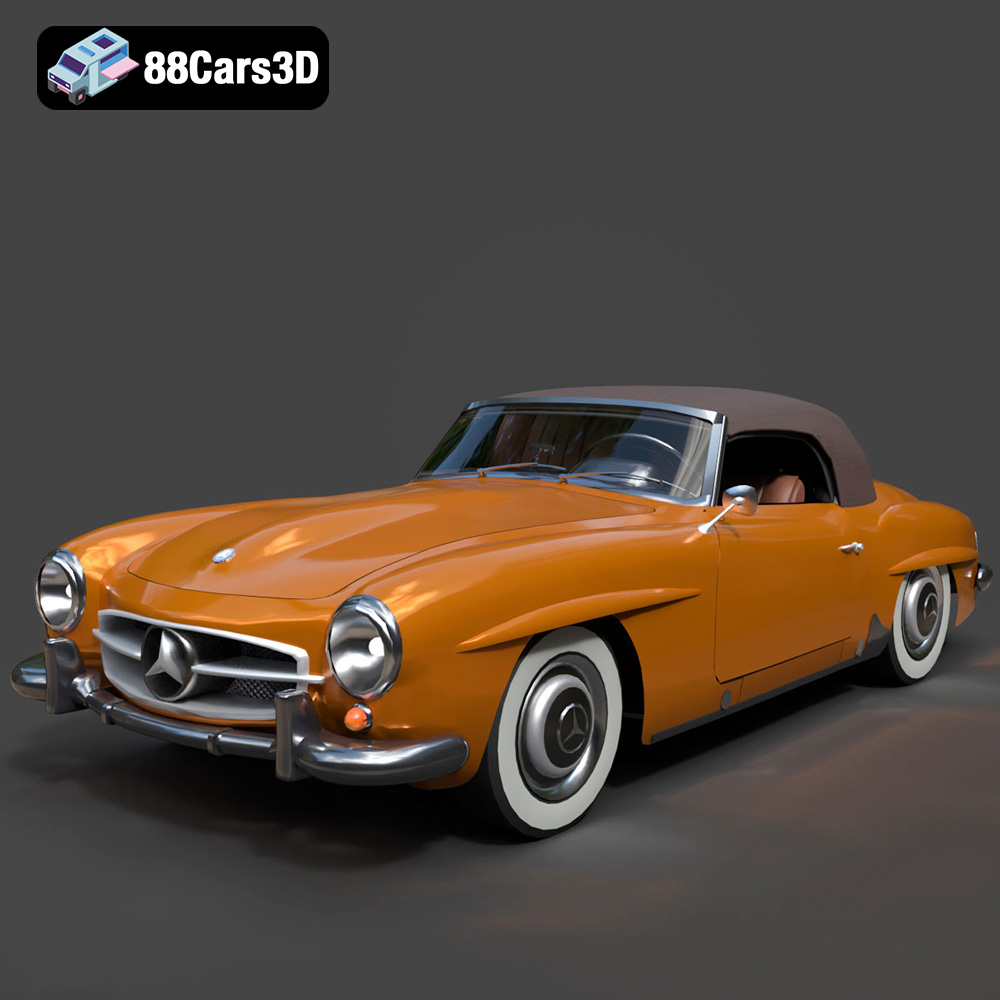
Mercedes-Benz 190SL 1955 3D Model
Texture: Yes
Material: Yes
Download the Mercedes-Benz 190SL 1955 3D Model featuring clean geometry, realistic detailing, and a fully modeled interior. Includes .blend, .fbx, .obj, .glb, .stl, .ply, .unreal, and .max formats for rendering, simulation, and game development.
Price: $23.99
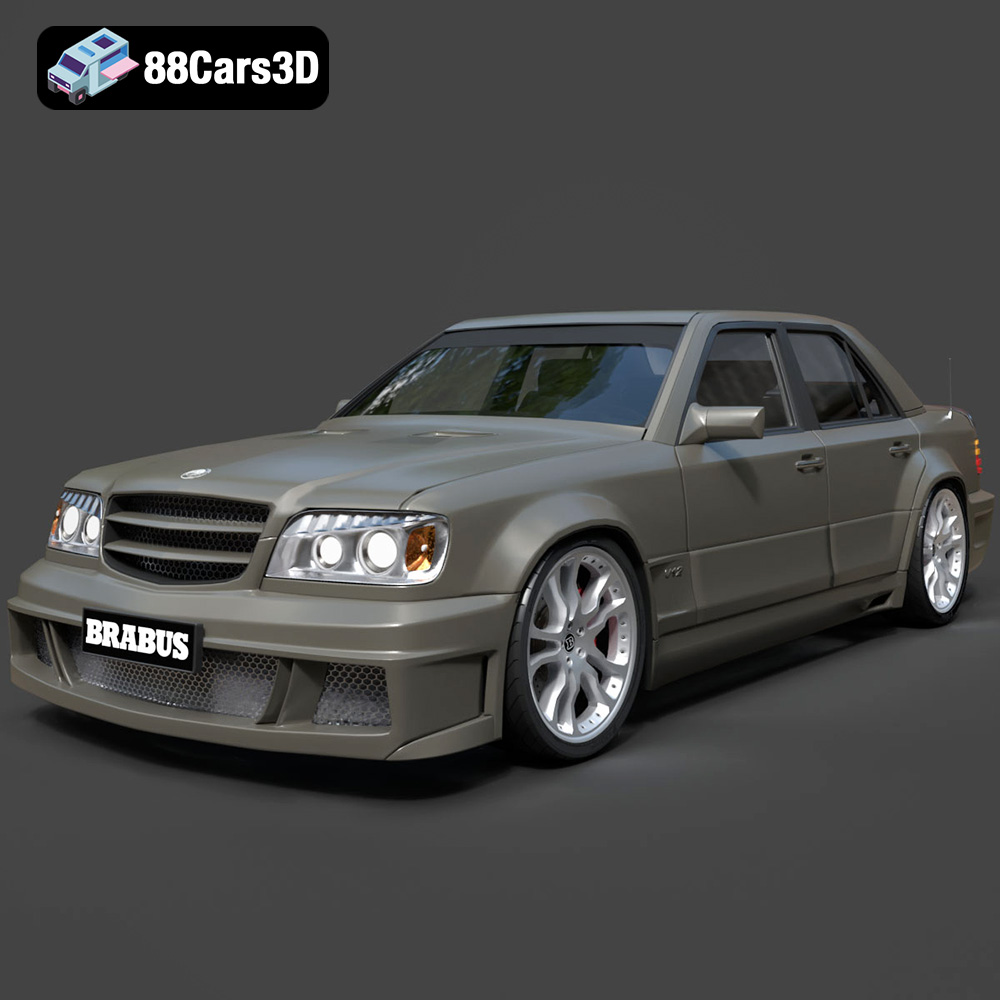
Mercedes-Benz W124 Brabus V12 3D Model
Texture: Yes
Material: Yes
Download the Mercedes-Benz W124 Brabus V12 3D Model featuring clean geometry, realistic detailing, and a fully modeled interior. Includes .blend, .fbx, .obj, .glb, .stl, .ply, .unreal, and .max formats for rendering, simulation, and game development.
Price: $23.99
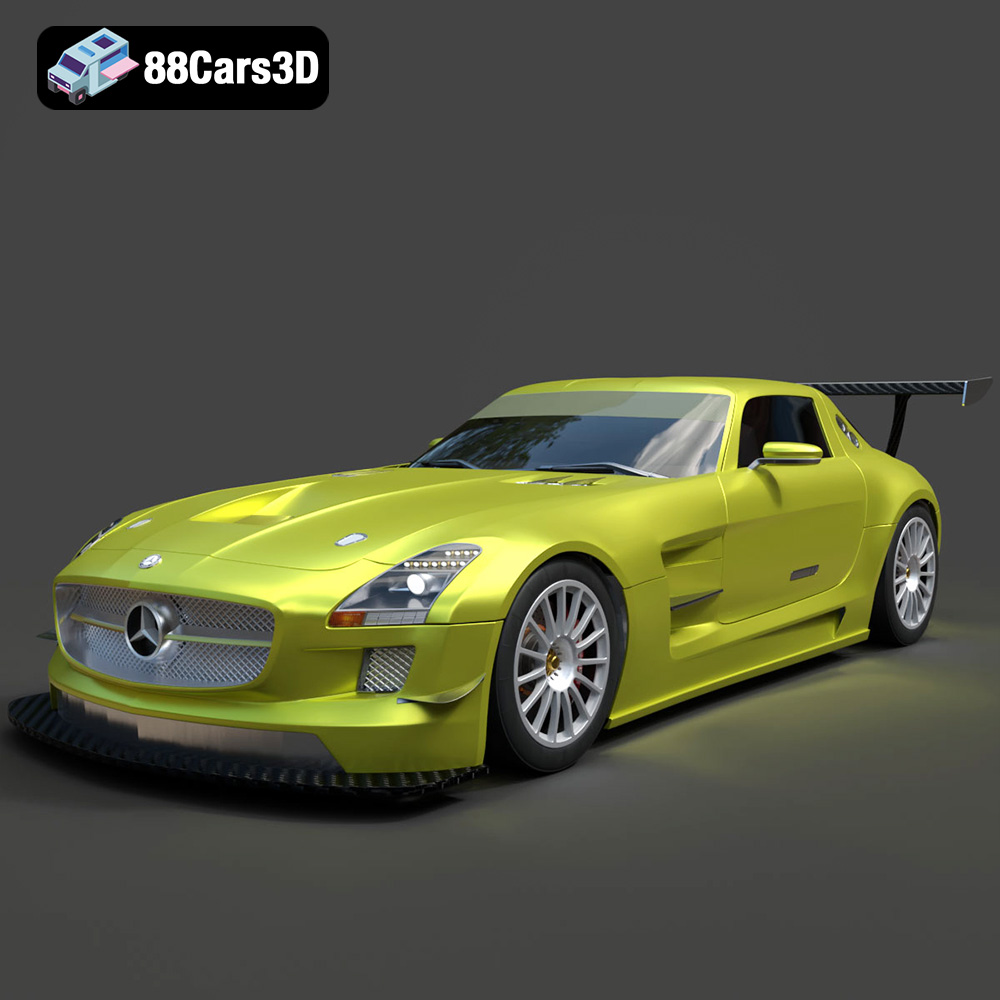
Mercedes-Benz SLS AMG GT3-002 3D Model
Texture: Yes
Material: Yes
Download the Mercedes-Benz SLS AMG GT3-002 3D Model featuring clean geometry, realistic detailing, and a fully modeled interior. Includes .blend, .fbx, .obj, .glb, .stl, .ply, .unreal, and .max formats for rendering, simulation, and game development.
Price: $38.99

Mercedes-Benz C-Class-001 3D Model
Texture: Yes
Material: Yes
Download the Mercedes-Benz C-Class-001 3D Model featuring clean geometry, realistic detailing, and a fully modeled interior. Includes .blend, .fbx, .obj, .glb, .stl, .ply, .unreal, and .max formats for rendering, simulation, and game development.
Price: $38.99
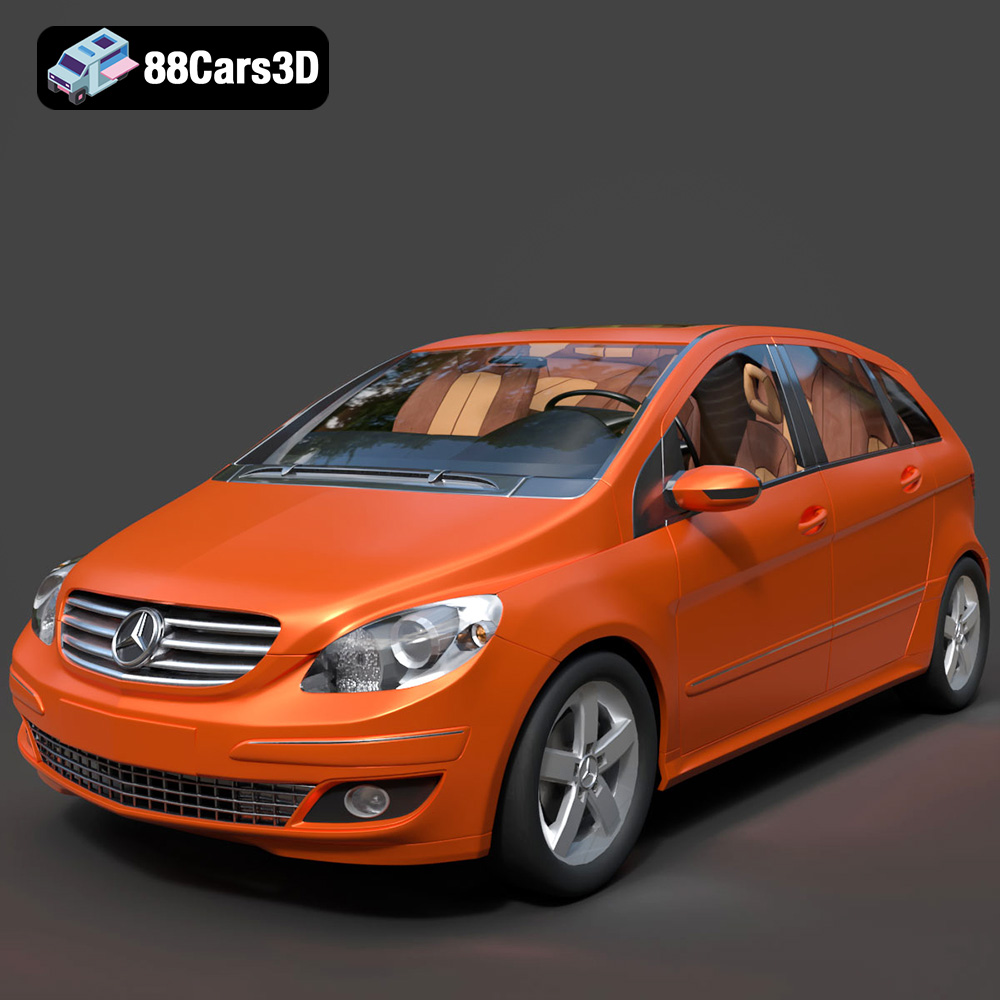
Mercedes-Benz B-Klasse 2023 3D Model
Texture: Yes
Material: Yes
Download the Mercedes-Benz B-Klasse 2023 3D Model featuring clean geometry, realistic detailing, and a fully modeled interior. Includes .blend, .fbx, .obj, .glb, .stl, .ply, .unreal, and .max formats for rendering, simulation, and game development.
Price: $38.99
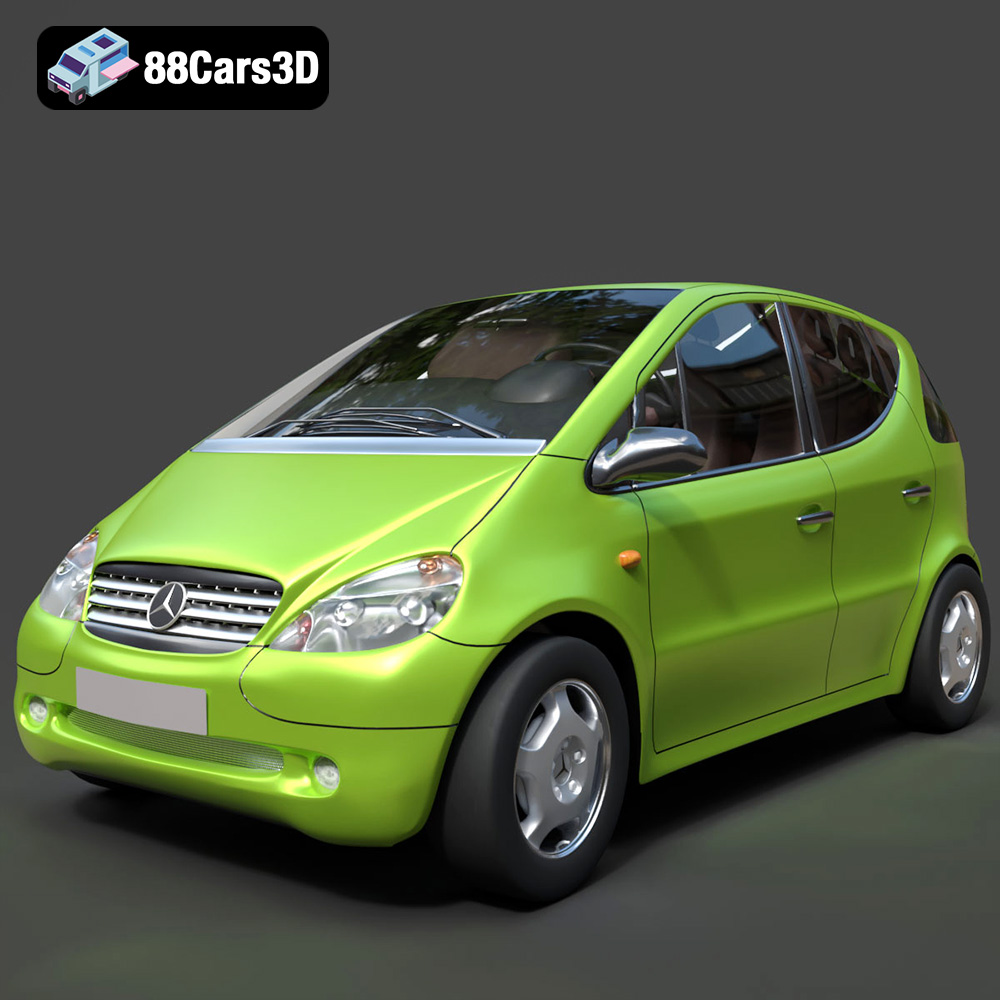
Mercedes-Benz A-Klasse W168 3D Model
Texture: Yes
Material: Yes
Download the Mercedes-Benz A-Klasse W168 3D Model featuring clean geometry, realistic detailing, and a fully modeled interior. Includes .blend, .fbx, .obj, .glb, .stl, .ply, .unreal, and .max formats for rendering, simulation, and game development.
Price: $38.99
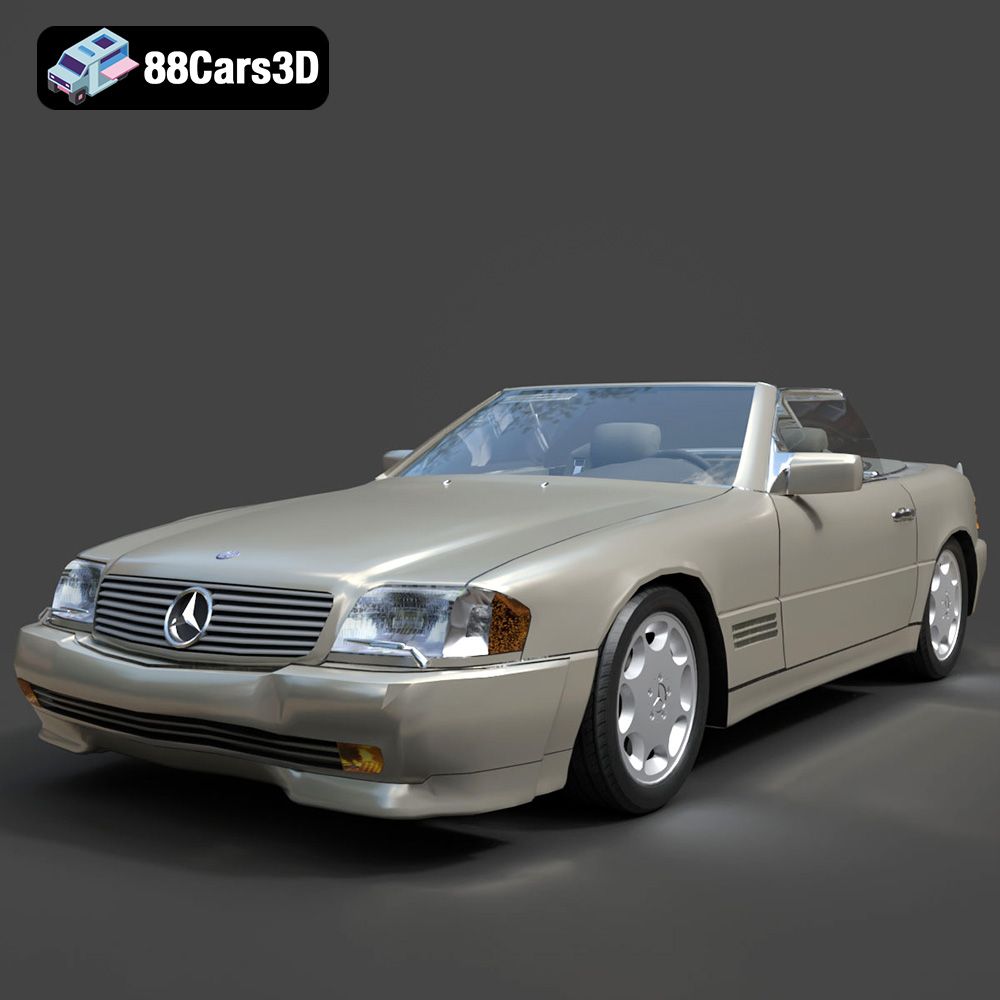
Mercedes-Benz 500SL 2000 3D Model
Texture: Yes
Material: Yes
Download the Mercedes-Benz 500SL 2000 3D Model featuring clean geometry, realistic detailing, and a fully modeled interior. Includes .blend, .fbx, .obj, .glb, .stl, .ply, .unreal, and .max formats for rendering, simulation, and game development.
Price: $38.99
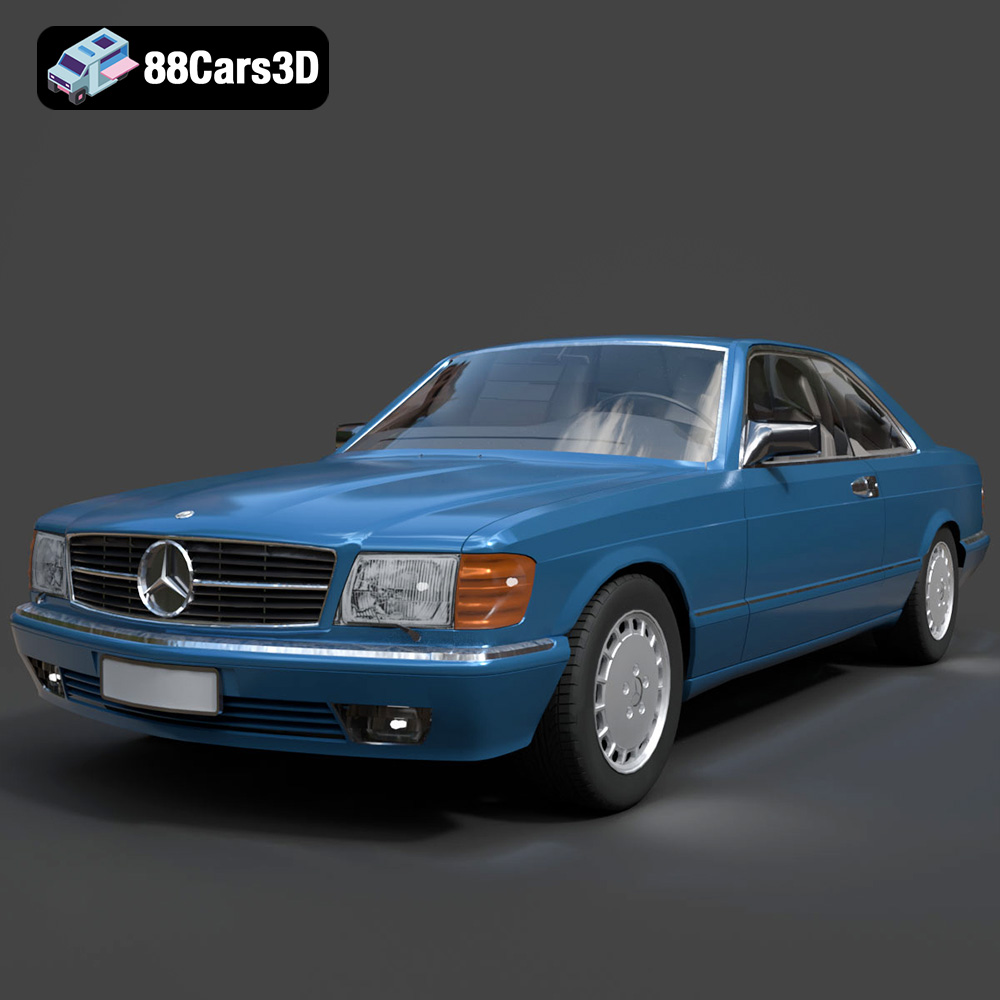
Mercedes-Benz 500SEC 3D Model
Texture: Yes
Material: Yes
Download the Mercedes-Benz 500SEC 3D Model featuring clean geometry, realistic detailing, and a fully modeled interior. Includes .blend, .fbx, .obj, .glb, .stl, .ply, .unreal, and .max formats for rendering, simulation, and game development.
Price: $38.99
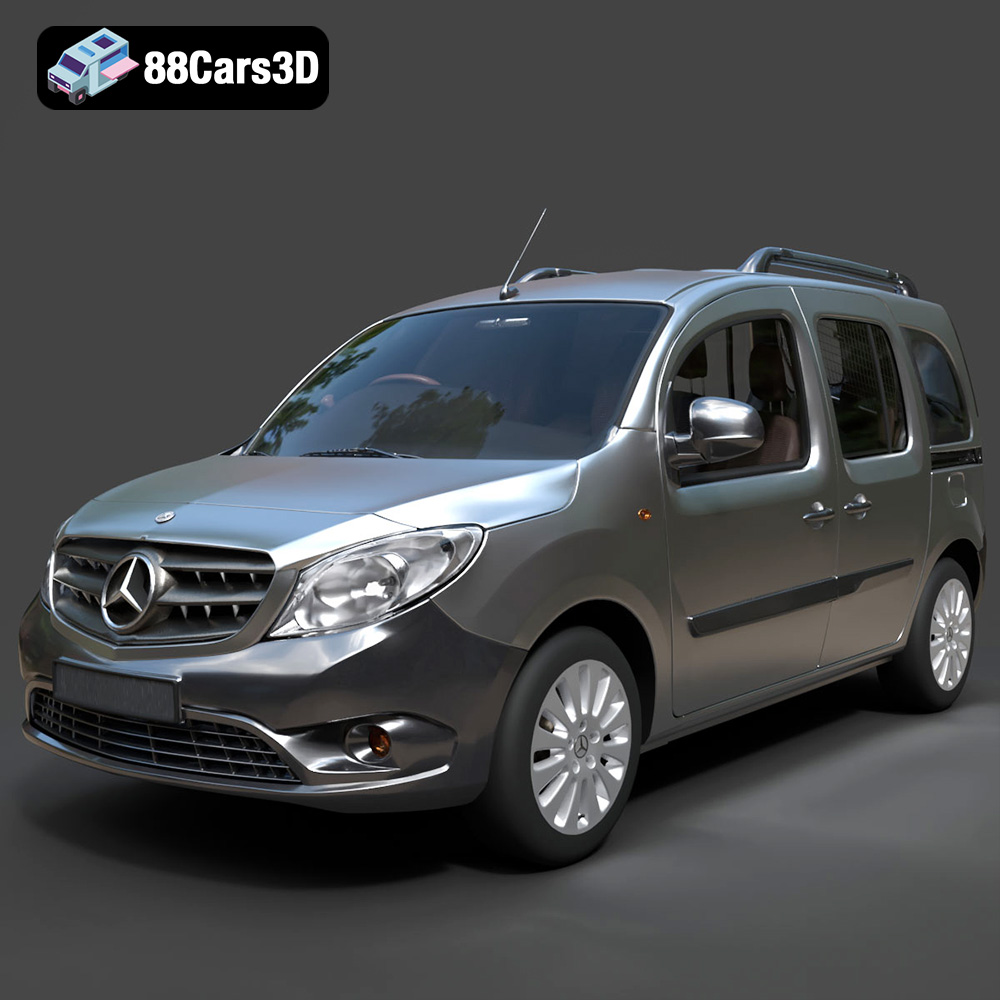
Mercedes-Benz Citan 2025 3D Model
Texture: Yes
Material: Yes
Download the Mercedes-Benz Citan 2025 3D Model featuring clean geometry, realistic detailing, and a fully modeled interior. Includes .blend, .fbx, .obj, .glb, .stl, .ply, .unreal, and .max formats for rendering, simulation, and game development.
Price: $38.99
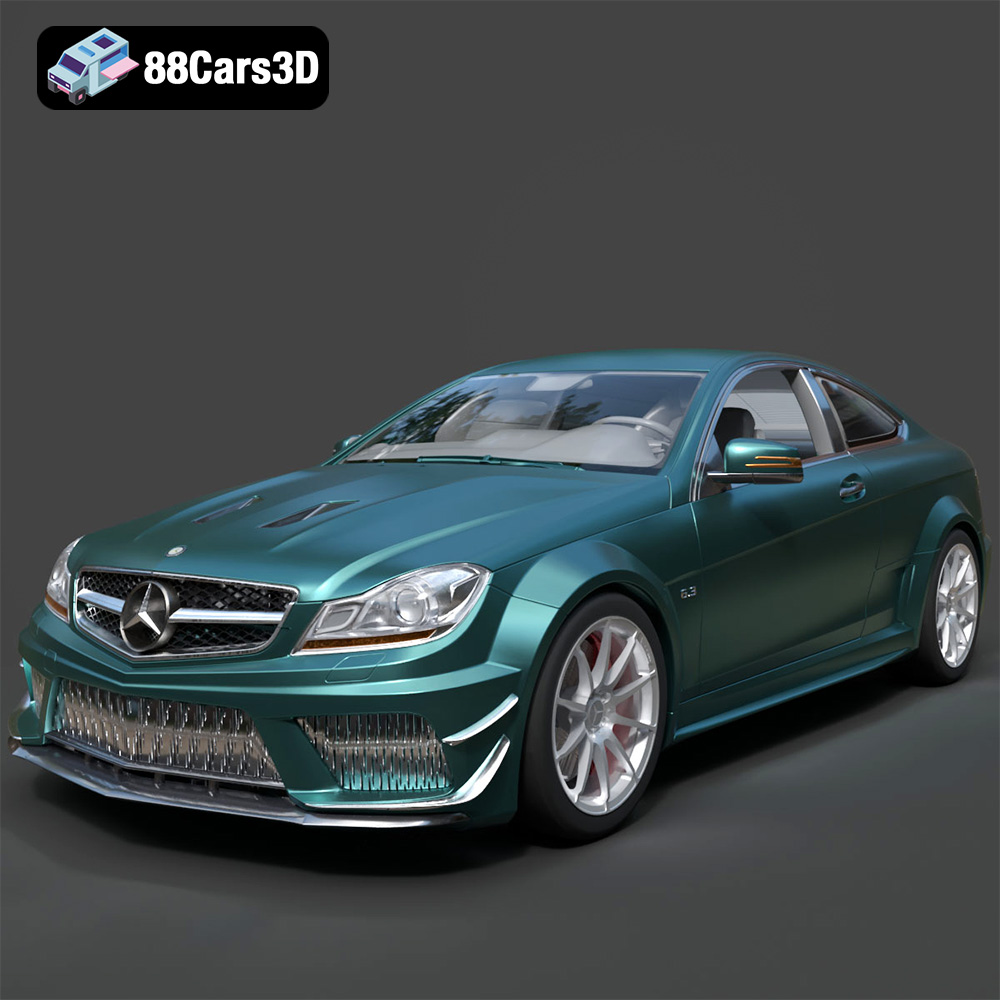
Mercedes-Benz C63 AMG 2012 3D Model
Texture: Yes
Material: Yes
Download the Mercedes-Benz C63 AMG 2012 3D Model featuring clean geometry, realistic detailing, and a fully modeled interior. Includes .blend, .fbx, .obj, .glb, .stl, .ply, .unreal, and .max formats for rendering, simulation, and game development.
Price: $38.99
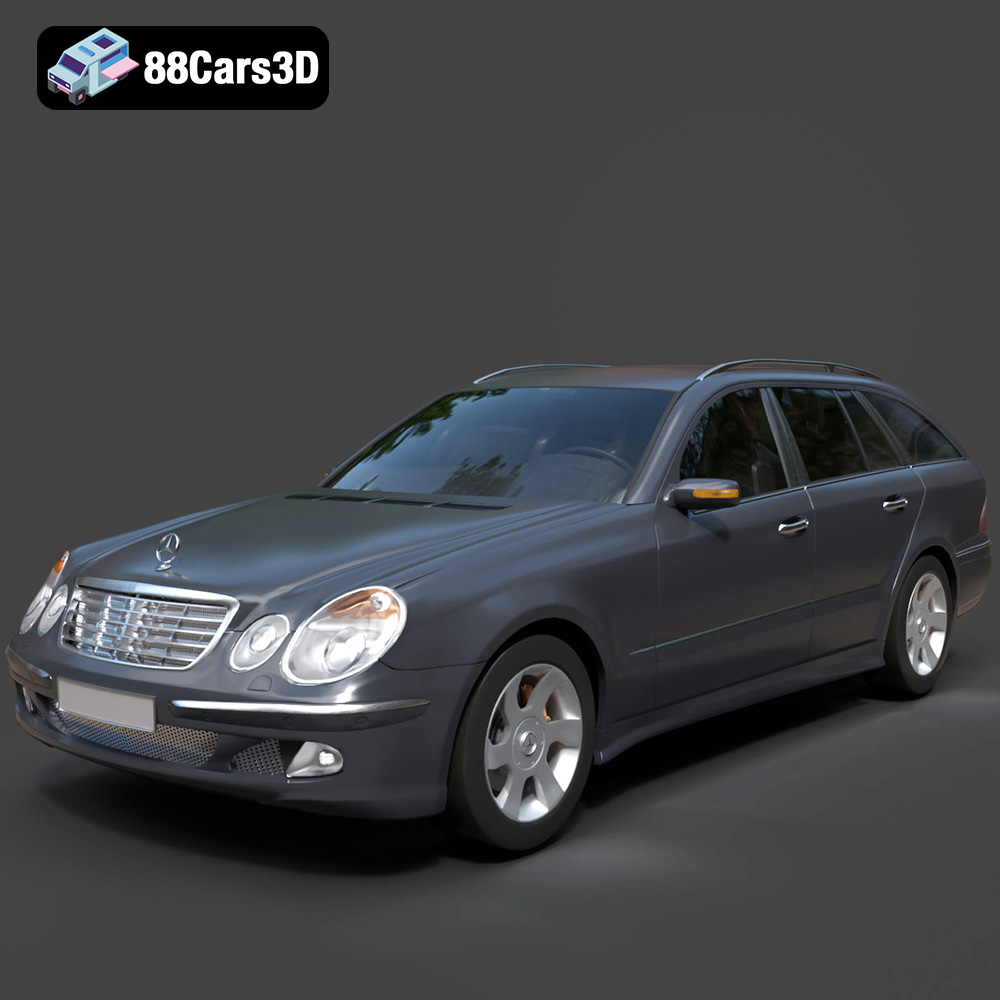
Mercedes-Benz E-Class S211 3D Model
Texture: Yes
Material: Yes
Download the Mercedes-Benz E-Class S211 3D Model featuring clean geometry, realistic detailing, and a fully modeled interior. Includes .blend, .fbx, .obj, .glb, .stl, .ply, .unreal, and .max formats for rendering, simulation, and game development.
Price: $38.99
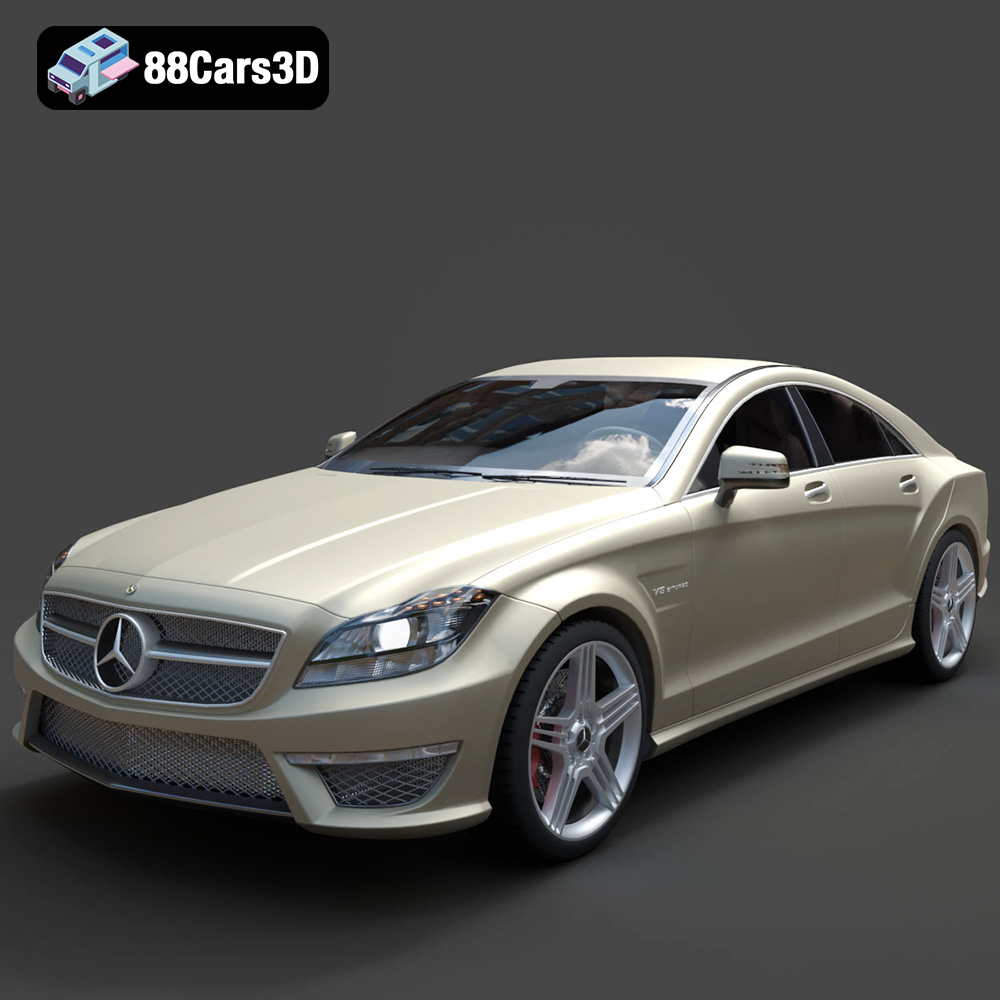
Mercedes-Benz CLS63 AMG (C218) 2014 3D Model
Texture: Yes
Material: Yes
Download the Mercedes-Benz CLS63 AMG (C218) 2014 3D Model featuring clean geometry, realistic detailing, and a fully modeled interior. Includes .blend, .fbx, .obj, .glb, .stl, .ply, .unreal, and .max formats for rendering, simulation, and game development.
Price: $38.99
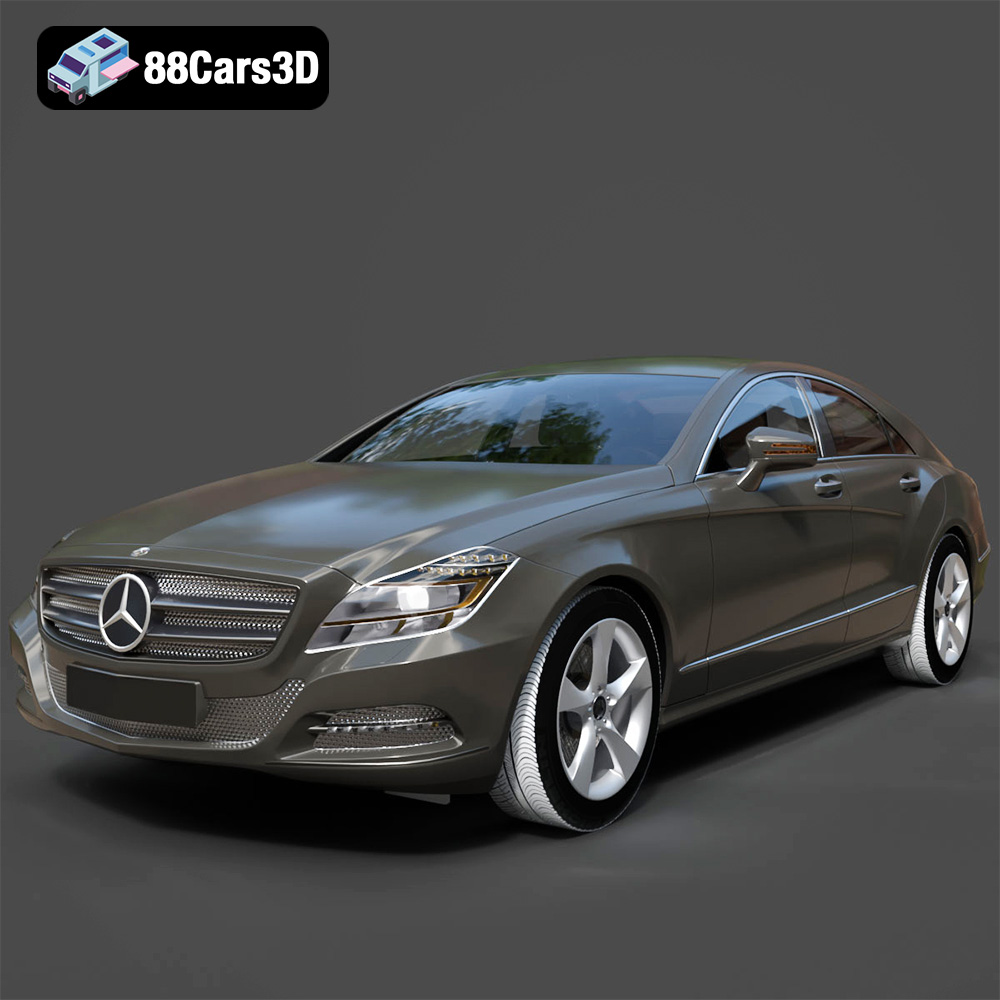
Mercedes-Benz CLS-Klasse 3D Model
Texture: Yes
Material: Yes
Download the Mercedes-Benz CLS-Klasse 3D Model featuring clean geometry, realistic detailing, and a fully modeled interior. Includes .blend, .fbx, .obj, .glb, .stl, .ply, .unreal, and .max formats for rendering, simulation, and game development.
Price: $38.99
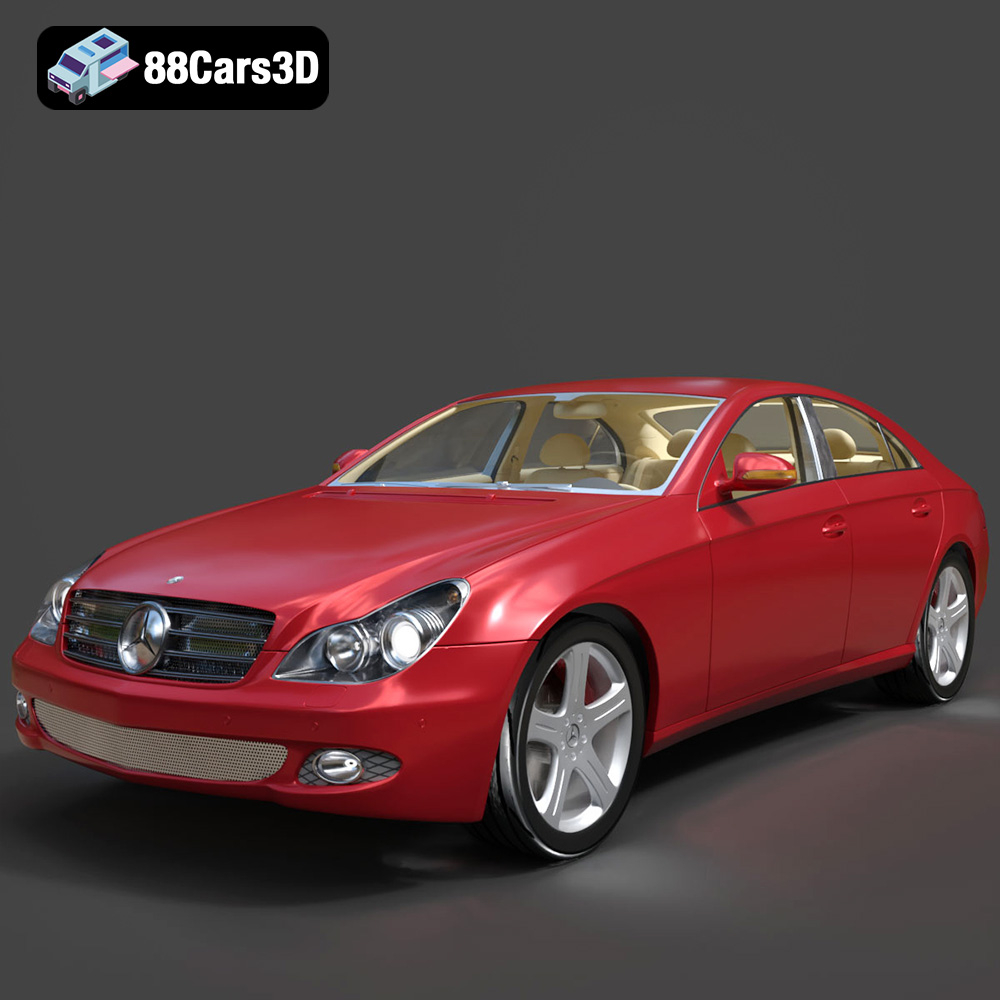
Mercedes-Benz CLS 500 3D Model
Texture: Yes
Material: Yes
Download the Mercedes-Benz CLS 500 3D Model featuring clean geometry, realistic detailing, and a fully modeled interior. Includes .blend, .fbx, .obj, .glb, .stl, .ply, .unreal, and .max formats for rendering, simulation, and game development.
Price: $38.99
