
Mastering Photorealism: Crafting Next-Gen Car Paint Shaders for Automotive Renders & Game Assets

Mastering Photorealism: Crafting Next-Gen Car Paint Shaders for Automotive Renders & Game Assets
Few materials challenge 3D artists quite like car paint. Its intricate interplay of color, reflection, and depth is what gives vehicles their stunning appeal, whether gleaming under showroom lights or reflecting the grit of a virtual race track. Achieving true photorealism in automotive renders & game assets isn’t just about modeling; it’s profoundly about mastering the car paint shader. Generic materials often fall short, leaving your incredible 3D models looking flat and unconvincing.
This comprehensive guide will demystify the complexities of creating next-gen car paint shaders. We’ll delve into the underlying physics, explore the robust PBR workflow, and uncover advanced techniques to bring an unparalleled level of realism to your projects. From the subtle glint of metallic flakes to the silky reflections of a perfect clear coat, prepare to transform your vehicle visuals.
Deconstructing Real Car Paint: A Multi-Layered Marvel
To truly replicate car paint, we must first understand its real-world construction. It’s not a single, monolithic layer but a sophisticated stack of materials, each contributing to the final appearance and interacting with light in unique ways. This multi-layered structure is the secret to its depth and visual complexity.
The Primer and Base Coat: Foundation of Color
Beneath the captivating surface lies the primer, which provides a smooth, adhesive base. Above this is the base coat, which delivers the car’s primary color. This layer largely dictates the hue you perceive. In a PBR workflow, this would typically be represented by the ‘Base Color’ or ‘Albedo’ map. It’s crucial to ensure this layer has a consistent, accurate color, as it forms the canvas for all subsequent effects.
The Metallic/Pearlescent Flake Layer: The Sparkle Within
This is where car paint truly differentiates itself from a standard glossy material. Embedded within or directly above the base coat are microscopic metallic or pearlescent flakes. These tiny particles, typically aluminum for metallic finishes or mica for pearlescent, scatter light at various angles, creating that characteristic sparkle and shift in color as the viewing angle changes. The size, density, and orientation of these flakes are paramount to achieving a convincing effect, directly impacting the final automotive material properties.
The Clear Coat: The Glossy Guardian
The outermost and arguably most critical layer for visual fidelity is the clear coat. This transparent, protective layer is what gives car paint its deep gloss, reflectivity, and protection. It’s a key component of any effective clear coat shader. The clear coat acts like a second, highly reflective surface over the base color and flakes. It possesses its own distinct optical properties, including a specific Index of Refraction (IOR) and roughness, which dictate how light bounces off and passes through it. The Fresnel effect, where reflectivity increases at glancing angles, is highly pronounced here, contributing significantly to the paint’s wet look.
Surface Imperfections: The Touch of Reality
Perfectly smooth surfaces rarely exist in the real world. Subtle imperfections like “orange peel” (micro-undulations from the painting process), fine scratches, dust, and smudges are crucial for breaking up perfect reflections and adding a sense of realism. Ignoring these details can often push an otherwise excellent render into the uncanny valley of “too perfect.” Understanding these physical layers is the first step towards building a robust and realistic physically based shading model for your vehicles.
The PBR Workflow: Foundation for Photorealistic Car Paint
For any modern 3D asset, especially high-fidelity vehicle models from resources like 88cars3d.com, adhering to a PBR workflow is non-negotiable. Physically Based Rendering (PBR) is a methodology that aims to render materials in a way that accurately mimics how light behaves in the real world, ensuring consistency across different lighting conditions and rendering environments. It’s the backbone of creating believable game engine materials and professional automotive renders.
Core Principles of PBR for Car Paint
PBR operates on several key principles:
- Energy Conservation: Light reflected from a surface cannot be more intense than the light that hits it. This ensures that diffuse and specular reflections sum up correctly.
- Realistic Falloff: Light intensity diminishes with distance, following real-world physics.
- Fresnel Effect: The amount of light reflected from a surface depends on the viewing angle. It’s barely noticeable when looking straight at a surface but becomes very strong at glancing angles, which is critical for the clear coat.
- Micro-surface Detail: Surfaces are never perfectly smooth. Micro-geometry dictates how light is scattered or reflected, impacting roughness/glossiness.
Essential PBR Maps for Car Paint
While a basic PBR setup might use just Albedo, Metallic, and Roughness, car paint demands a more nuanced approach:
- Base Color (Albedo): This map defines the pure color of the paint, without any lighting information. It should be flat and unlit, representing the diffuse color of the base coat beneath the clear coat and flakes.
- Metallic: For most car paints, the ‘metallic’ property is often handled within the flake layer itself rather than as a global map. However, some PBR setups might use a metallic value to blend between dielectric (non-metal) and metallic properties for the flakes.
- Roughness (or Glossiness): This map is paramount for both the base coat and, especially, the clear coat. A lower roughness value (or higher glossiness) indicates a smoother surface, resulting in sharper reflections. Conversely, higher roughness leads to blurrier reflections. Multiple roughness maps might be used for different layers.
- Normal/Bump Map: Essential for adding micro-surface details like orange peel, fine scratches, and subtle panel variations without increasing polygon count. A good normal map can significantly enhance the illusion of depth and realism.
- IOR (Index of Refraction): While not always a separate map, the IOR value is crucial for the clear coat layer, dictating how much light refracts through it and how strong its Fresnel reflections are. Typical values for automotive clear coats range from 1.4 to 1.5.
Implementing these maps correctly, whether in V-Ray, Arnold, Cycles, Unreal Engine, or Unity, ensures your car paint behaves realistically under any lighting condition, bringing your real-time automotive rendering to life.
Crafting the Clear Coat Shader: The Heart of Automotive Realism
The clear coat is the hero of car paint shaders. It’s the layer that provides that iconic glossy sheen, the deep reflections, and the overall wet look that makes a vehicle appear brand new. A well-constructed clear coat shader is indispensable for truly next-gen automotive material properties.
Understanding the Clear Coat as a Separate Layer
Conceptually, the clear coat functions as a highly reflective, transparent shell encasing the underlying base paint. This means it has its own distinct reflective properties separate from the base color. In most advanced rendering engines, you’ll find dedicated clear coat parameters within the material editor or need to layer shaders manually to achieve this effect.
Setting Up Clear Coat Parameters
Here’s a breakdown of the critical parameters for your clear coat:
- IOR (Index of Refraction): This value determines how much light bends as it passes through the clear coat and, more importantly for reflectivity, the strength of the Fresnel effect. For automotive clear coats, an IOR of around 1.45 to 1.55 is a good starting point. Experimenting within this range can yield subtle but impactful differences.
- Roughness/Glossiness: Even a “perfect” clear coat has some microscopic imperfections. A very low roughness (high glossiness) will produce mirror-sharp reflections, while slightly increasing it can introduce a subtle blur, mimicking orange peel or light haziness. For ultimate realism, consider using a texture map to drive roughness, introducing variance.
- Reflection Color/Tint: While usually white or very light gray, sometimes a subtle tint can be applied to the clear coat to simulate very minor absorption or specific effects. This should be used sparingly to maintain realism.
- Fresnel Reflectivity: This is inherently linked to the IOR. Most PBR shaders will calculate Fresnel automatically based on the IOR, but understanding its effect—that reflections are stronger at glancing angles and weaker when viewed head-on—is crucial. This is what gives the paint its depth and liquid-like appearance.
Layering Shaders for Comprehensive Car Paint
In many rendering environments, particularly in a complex shader graph setup, you will literally layer your materials:
- Base Layer: This contains your diffuse color, potentially some roughness for the underlying paint texture, and the metallic flake properties.
- Clear Coat Layer: This is a separate specular/reflection layer. It sits on top of the base, using its own IOR, roughness, and potentially a very subtle normal map for orange peel.
Render engines often provide a dedicated car paint material (like V-Ray Car Paint, Arnold Car Paint, or specialized nodes in Unreal Engine’s Material Editor) that simplifies this layering process, integrating base color, flakes, and clear coat into a single, intuitive interface. For complex vehicles, particularly the kind of detail you’d find at 88cars3d.com, mastering these layered materials is vital.
Mastering Metallic Flake Mapping: The Sparkle of Sophistication
The metallic or pearlescent flake effect is what truly distinguishes high-quality car paint from a generic glossy material. Replicating this micro-level scattering of light, where tiny particles catch and reflect light individually, is a key challenge and opportunity for realism. Generic PBR metallic maps typically won’t suffice; we need a more specific approach to metallic flake mapping.
The Nature of Flakes and Light Interaction
Real-world metallic flakes are minuscule, often irregularly shaped particles embedded in a semi-transparent binder. They reflect light based on their individual orientation relative to the light source and camera. This creates a shimmering, sparkling effect that changes dynamically as the car moves or the viewer’s perspective shifts.
Procedural Flake Generation for Realism
Instead of relying on bitmap textures (which can quickly tile and look unrealistic), procedural generation within your shader graph setup is often the best approach for flakes:
- Noise Textures: Start with a high-frequency noise texture (like cellular or Voronoi noise) as a base. This can simulate the random distribution of flakes.
- Filtering and Sharpening: Apply filtering and sharpening nodes to turn the soft noise into distinct, pin-prick-like highlights.
- Random Orientation: Advanced procedural setups can even simulate random flake orientations, where each “dot” on your flake map reflects light slightly differently, enhancing the sparkle effect. This can be achieved by using multiple noise patterns or specific flake nodes if your renderer supports them.
Flake Size, Density, and Color
These parameters are crucial for convincing results:
- Size: Flakes are microscopic. Keep their visual size very small. If they are too large, the paint will look coarse and unrealistic. Adjust the scale of your procedural texture accordingly.
- Density: How many flakes are visible? A higher density creates a more uniform sparkle, while lower density gives a coarser, more dispersed look.
- Color: Most metallic flakes reflect white light. However, pearlescent paints use mica flakes that can subtly shift color depending on the viewing angle (e.g., from blue to purple). This requires careful chromatic aberration or specific reflection color shifts within the shader.
- Bump/Normal Contribution: The flakes themselves should generate a subtle normal map or bump contribution to slightly distort the clear coat reflections, adding to the micro-surface detail and perceived depth.
Integrating Flakes with the Base Coat and Clear Coat
The flakes are typically part of the base layer, or a sub-layer, positioned beneath the clear coat. In your shader, you’ll usually have a separate reflection component for the flakes:
- Define the base color.
- Introduce a metallic flake reflection layer. This layer will use your procedural flake map to drive its reflectivity, roughness, and potentially color shift. It’s often controlled by a metallic value or a dedicated flake intensity parameter.
- Blend this flake layer with the base color, then apply the overall clear coat shader on top of everything.
This layering ensures that the flakes shimmer from within the paint, beneath the glossy protective layer, creating a truly rich and deep appearance for your real-time automotive rendering projects.
Advanced Realism: Imperfections and Environmental Integration
True photorealism transcends perfect surfaces. The most convincing renders and game assets incorporate subtle imperfections and intelligently leverage environmental factors. This nuanced approach separates good from great, imbuing your vehicles with a sense of history and presence.
Subtle Surface Imperfections: Adding Character
Nothing screams “CG” louder than an utterly pristine, factory-fresh surface that has no narrative. Incorporating imperfections is key:
- Orange Peel Effect: This refers to the slight, irregular waviness on the surface of painted panels, a byproduct of the painting process. It subtly distorts reflections and is crucial for high-end realism. Implement this by applying a very subtle, high-frequency noise texture to the clear coat’s normal map input. The effect should be barely visible, primarily noticeable in how reflections subtly ripple.
- Micro-Scratches and Swirl Marks: These are inevitable on any car. They are often only visible when light hits them at a specific angle. Use a procedural noise or a grunge texture masked and overlaid onto the clear coat’s roughness map. For normal maps, very fine, radial scratches can be added, becoming prominent when catching highlights.
- Dust and Smudges: Depending on the scene, a touch of dust, fingerprints, or subtle grime can ground the vehicle in its environment. These can be added via blend layers with custom masks, affecting both the albedo and roughness. Dust often collects in crevices or on horizontal surfaces.
The key here is subtlety. Overdoing imperfections can make the car look neglected; the goal is to add realism without distraction. Many of these imperfections can be procedurally generated or carefully painted as masks within your shader graph setup.
Environment and Lighting’s Role: The Ultimate Reflection Source
The best car paint shader in the world will look terrible under poor lighting. Car paint is a highly reflective material, meaning its appearance is largely defined by what it reflects. This is why proper environmental setup is paramount:
- High Dynamic Range Images (HDRIs): For both offline renders and modern game engines, HDRIs are indispensable. They provide accurate, real-world lighting and, more importantly, a rich, detailed environment for the clear coat to reflect. A high-quality HDRI with strong contrasts and varied light sources will instantly elevate your car paint.
- Interactive Lighting in Real-Time: For real-time automotive rendering, ensuring dynamic lights (headlights, streetlights, scene elements) correctly interact with the clear coat and metallic flakes is crucial. The clear coat should accurately reflect these light sources, adding depth and visual interest.
- Reflection Probes: In game engines like Unreal and Unity, strategically placed reflection probes are vital for capturing local reflections, especially for non-planar surfaces like a car’s body. These probes help ground the car in its immediate environment, ensuring that the reflections feel natural and consistent with the surroundings.
Always remember that car paint isn’t just a surface; it’s a mirror reflecting its world. A strong understanding of environmental lighting and its interaction with your automotive material properties will unlock the highest levels of photorealism.
Optimizing Car Paint Shaders for Real-Time Game Assets
While offline renders prioritize ultimate visual fidelity, developing car paint for game engine materials introduces a critical new dimension: performance. Achieving photorealism in real-time automotive rendering requires intelligent optimization without sacrificing too much visual impact. This balance is key for game developers and artists utilizing assets from sites like 88cars3d.com.
Performance Considerations for Real-Time Shaders
Every calculation in a shader contributes to frame time. Complex car paint shaders, with multiple layers, intricate flake calculations, and detailed imperfection maps, can become performance bottlenecks if not optimized:
- Texture Resolution vs. Detail: Use appropriate texture resolutions. While 4K or 8K maps might be ideal for close-up renders, smaller maps (e.g., 2K for distant cars, 1K for secondary vehicles) can suffice without noticeable loss of detail at typical gameplay distances. Ensure proper mipmapping is set up.
- Complexity of Shader Graph Setup: Every node in a shader graph setup translates to instructions for the GPU. Minimize redundant calculations. Combine textures where possible (e.g., packing roughness, metallic, and ambient occlusion into different channels of a single texture).
- Number of Layers and Blend Operations: While layering is crucial for realism, each additional blend operation or complex clear coat calculation adds overhead. Utilize engine-specific optimized car paint shaders where available, as they are often designed for performance.
- Instruction Count: Keep an eye on the shader instruction count in your engine’s profiler. High instruction counts directly impact performance. Look for ways to simplify complex math operations or texture lookups.
LODs (Level of Detail) for Materials and Shaders
Just as you create geometry LODs, consider material LODs for your car paint:
- Simplifying Shaders for Distant Objects: For cars further away from the camera, swap out the complex multi-layered shader for a simpler, less computationally expensive version. This might mean removing flake calculations, using a simpler clear coat model, or even baking some reflections into a cubemap.
- Baking Complex Effects into Simpler Textures: For highly detailed normal maps or complex ambient occlusion, baking these details into simpler texture maps can be more performant than generating them procedurally in real-time.
Engine-Specific Optimizations and Features
Leverage the capabilities and optimizations of your chosen game engine:
- Unreal Engine’s Clear Coat System: Unreal Engine has built-in clear coat material functions that are highly optimized. Familiarize yourself with these, as they often provide a performant way to achieve layered reflections and can easily integrate with flake maps.
- Unity’s Custom Shaders (Shader Graph/HLSL): Unity’s Shader Graph allows for visual node-based shader creation, and for ultimate control and optimization, direct HLSL coding offers the most flexibility. Understand how to write efficient code for real-time rendering, especially regarding lighting calculations and texture sampling.
- Post-Processing for Reflections: While not strictly shader-based, screen space reflections (SSR) and various reflection probes in game engines are crucial for grounding your car paint in the environment and maintaining performance. Understanding how these systems work with your PBR materials is essential.
Striking the right balance between visual fidelity and frame rate is a constant challenge in game development. By thoughtfully applying these optimization techniques, you can ensure your next-gen car paint shaders look stunning without bringing your game to a crawl, making your vehicles perfect for dynamic real-time automotive rendering experiences.
Conclusion
Mastering car paint shaders is an art form, demanding a blend of technical understanding and artistic sensibility. We’ve journeyed from deconstructing the physical layers of real automotive paint to implementing a robust PBR workflow, delving into the intricacies of the clear coat shader, the magic of metallic flake mapping, and the crucial role of subtle imperfections and environmental integration.
Ultimately, achieving next-gen photorealism for automotive renders & game assets hinges on a deep appreciation for physically based shading and the interplay of light with complex surfaces. It’s about understanding that a truly convincing car doesn’t just look good, it feels real, reflecting its environment and carrying the subtle marks of its existence.
Now it’s your turn to apply these techniques. Experiment with different parameters, build your own advanced shader graph setup, and observe how every detail contributes to the final look. If you’re looking for incredibly detailed, high-quality models to apply these advanced shaders to, be sure to explore the extensive collection at 88cars3d.com. Their premium assets provide the perfect canvas for your photorealistic endeavors. Dive in, push the boundaries, and bring your automotive visions to life with unparalleled realism!
Featured 3D Car Models

Suzuki SX4-002 3D Model
Texture: Yes
Material: Yes
Download the Suzuki SX4-002 3D Model featuring clean geometry, realistic detailing, and a fully modeled interior. Includes .blend, .fbx, .obj, .glb, .stl, .ply, .unreal, and .max formats for rendering, simulation, and game development.
Price: $10

Tesla Model S 2024 3D Model
Texture: Yes
Material: Yes
Download the Tesla Model S 2024 3D Model featuring clean geometry, realistic detailing, and a fully modeled interior. Includes .blend, .fbx, .obj, .glb, .stl, .ply, .unreal, and .max formats for rendering, simulation, and game development.
Price: $10

Subaru Impreza WRX STi-002 3D Model
Texture: Yes
Material: Yes
Download the Subaru Impreza WRX STi-002 3D Model featuring clean geometry, realistic detailing, and a fully modeled interior. Includes .blend, .fbx, .obj, .glb, .stl, .ply, .unreal, and .max formats for rendering, simulation, and game development.
Price: $10

Subaru Impreza WRX STi Sedan 3D Model
Texture: Yes
Material: Yes
Download the Subaru Impreza WRX STi Sedan 3D Model featuring clean geometry, realistic detailing, and a fully modeled interior. Includes .blend, .fbx, .obj, .glb, .stl, .ply, .unreal, and .max formats for rendering, simulation, and game development.
Price: $10

Subaru Legacy 2009 3D Model
Texture: Yes
Material: Yes
Download the Subaru Legacy 2009 3D Model featuring clean geometry, realistic detailing, and a fully modeled interior. Includes .blend, .fbx, .obj, .glb, .stl, .ply, .unreal, and .max formats for rendering, simulation, and game development.
Price: $10

Suzuki Swift 2024 3D Model
Texture: Yes
Material: Yes
Download the Suzuki Swift 2024 3D Model featuring clean geometry, realistic detailing, and a fully modeled interior. Includes .blend, .fbx, .obj, .glb, .stl, .ply, .unreal, and .max formats for rendering, simulation, and game development.
Price: $10

Suzuki Liana Sedan 2004 3D Model
Texture: Yes
Material: Yes
Download the Suzuki Liana Sedan 2004 3D Model featuring clean geometry, realistic detailing, and a fully modeled interior. Includes .blend, .fbx, .obj, .glb, .stl, .ply, .unreal, and .max formats for rendering, simulation, and game development.
Price: $10

Subaru Outback 2024 3D Model
Texture: Yes
Material: Yes
Download the Subaru Outback 2024 3D Model featuring clean geometry, realistic detailing, and a fully modeled interior. Includes .blend, .fbx, .obj, .glb, .stl, .ply, .unreal, and .max formats for rendering, simulation, and game development.
Price: $10

Subaru Legacy 2003 3D Model
Texture: Yes
Material: Yes
Download the Subaru Legacy 2003 3D Model featuring clean geometry, realistic detailing, and a fully modeled interior. Includes .blend, .fbx, .obj, .glb, .stl, .ply, .unreal, and .max formats for rendering, simulation, and game development.
Price: $10

Subaru Legacy Touring Wagon 3D Model
Texture: Yes
Material: Yes
Download the Subaru Legacy Touring Wagon 3D Model featuring clean geometry, realistic detailing, and a fully modeled interior. Includes .blend, .fbx, .obj, .glb, .stl, .ply, .unreal, and .max formats for rendering, simulation, and game development.
Price: $10

Toyota Mark II (X100) 1998 3D Model
Texture: Yes
Material: Yes
Download the Toyota Mark II (X100) 3D Model featuring clean geometry, realistic detailing, and a fully modeled interior. Includes .blend, .fbx, .obj, .glb, .stl, .ply, .unreal, and .max formats for rendering, simulation, and game development.
Price: $10

Toyota Corona 1985 3D Model
Texture: Yes
Material: Yes
Download the Toyota Corona 1985 3D Model featuring clean geometry, realistic detailing, and a fully modeled interior. Includes .blend, .fbx, .obj, .glb, .stl, .ply, .unreal, and .max formats for rendering, simulation, and game development.
Price: $10

Toyota Mark II X81 1990 3D Model
Texture: Yes
Material: Yes
Download the Toyota Mark II X81 1990 3D Model featuring clean geometry, realistic detailing, and a fully modeled interior. Includes .blend, .fbx, .obj, .glb, .stl, .ply, .unreal, and .max formats for rendering, simulation, and game development.
Price: $10

Toyota iQ EV 2012 3D Model
Texture: Yes
Material: Yes
Download the Toyota iQ EV 2012 3D Model featuring clean geometry, realistic detailing, and a fully modeled interior. Includes .blend, .fbx, .obj, .glb, .stl, .ply, .unreal, and .max formats for rendering, simulation, and game development.
Price: $10

Toyota Aygo 2013 3D Model
Texture: Yes
Material: Yes
Download the Toyota Aygo 2013 3D Model featuring clean geometry, realistic detailing, and a fully modeled interior. Includes .blend, .fbx, .obj, .glb, .stl, .ply, .unreal, and .max formats for rendering, simulation, and game development.
Price: $10

Toyota Crown S180 2005 3D Model
Texture: Yes
Material: Yes
Download the Toyota Crown S180 2005 3D Model featuring clean geometry, realistic detailing, and a fully modeled interior. Includes .blend, .fbx, .obj, .glb, .stl, .ply, .unreal, and .max formats for rendering, simulation, and game development.
Price: $10

Toyota Celica 2004 3D Model
Texture: Yes
Material: Yes
Download the Toyota Celica 2004 3D Model featuring clean geometry, realistic detailing, and a fully modeled interior. Includes .blend, .fbx, .obj, .glb, .stl, .ply, .unreal, and .max formats for rendering, simulation, and game development.
Price: $10

Toyota Corolla AE100 1992 3D Model
Texture: Yes
Material: Yes
Download the Toyota Corolla AE100 1992 3D Model featuring clean geometry, realistic detailing, and a fully modeled interior. Includes .blend, .fbx, .obj, .glb, .stl, .ply, .unreal, and .max formats for rendering, simulation, and game development.
Price: $10

Toyota Mark II X110 2000 3D Model
Texture: Yes
Material: Yes
Download the Toyota Mark II X110 2000 3D Model featuring clean geometry, realistic detailing, and a fully modeled interior. Includes .blend, .fbx, .obj, .glb, .stl, .ply, .unreal, and .max formats for rendering, simulation, and game development.
Price: $10

Toyota Corolla 2020 3D Model
Texture: Yes
Material: Yes
Download the Toyota Corolla 2020 3D Model featuring clean geometry, realistic detailing, and a fully modeled interior. Includes .blend, .fbx, .obj, .glb, .stl, .ply, .unreal, and .max formats for rendering, simulation, and game development.
Price: $10

Toyota Yaris 2020 3D Model
Texture: Yes
Material: Yes
Download the Toyota Yaris 2020 3D Model featuring clean geometry, realistic detailing, and a fully modeled interior. Includes .blend, .fbx, .obj, .glb, .stl, .ply, .unreal, and .max formats for rendering, simulation, and game development.
Price: $9.9

Volkswagen Beetle 2012 3D Model
Texture: Yes
Material: Yes
Download the Volkswagen Beetle 2012 3D Model featuring clean geometry, realistic detailing, and a fully modeled interior. Includes .blend, .fbx, .obj, .glb, .stl, .ply, .unreal, and .max formats for rendering, simulation, and game development.
Price: $9.9

Toyota Matrix 2005 3D Model
Texture: Yes
Material: Yes
Download the Toyota Matrix 2005 3D Model featuring clean geometry, realistic detailing, and a fully modeled interior. Includes .blend, .fbx, .obj, .glb, .stl, .ply, .unreal, and .max formats for rendering, simulation, and game development.
Price: $9.9

Toyota Yaris Sedan 3D Model
Texture: Yes
Material: Yes
Download the Toyota Yaris Sedan 3D Model featuring clean geometry, realistic detailing, and a fully modeled interior. Includes .blend, .fbx, .obj, .glb, .stl, .ply, .unreal, and .max formats for rendering, simulation, and game development.
Price: $9.9

Volkswagen Golf R-004 2024 3D Model
Texture: Yes
Material: Yes
Download the Volkswagen Golf R-004 2024 3D Model featuring clean geometry, realistic detailing, and a fully modeled interior. Includes .blend, .fbx, .obj, .glb, .stl, .ply, .unreal, and .max formats for rendering, simulation, and game development.
Price: $9.9

Volkswagen Golf 5 Door 2010 3D Model
Texture: Yes
Material: Yes
Download the Volkswagen Golf 5 Door 2010 3D Model featuring clean geometry, realistic detailing, and a fully modeled interior. Includes .blend, .fbx, .obj, .glb, .stl, .ply, .unreal, and .max formats for rendering, simulation, and game development.
Price: $9.9

Toyota Premio 2010 3D Model
Texture: Yes
Material: Yes
Download the Toyota Premio 2010 3D Model featuring clean geometry, realistic detailing, and a fully modeled interior. Includes .blend, .fbx, .obj, .glb, .stl, .ply, .unreal, and .max formats for rendering, simulation, and game development.
Price: $9.9

Toyota Opa 2000 3D Model
Texture: Yes
Material: Yes
Download the Toyota Opa 2000 3D Model featuring clean geometry, realistic detailing, and a fully modeled interior. Includes .blend, .fbx, .obj, .glb, .stl, .ply, .unreal, and .max formats for rendering, simulation, and game development.
Price: $9.9

Volkswagen Polo 5 Door 2010 3D Model
Texture: Yes
Material: Yes
Download the Volkswagen Polo 5 Door 2010 3D Model featuring clean geometry, realistic detailing, and a fully modeled interior. Includes .blend, .fbx, .obj, .glb, .stl, .ply, .unreal, and .max formats for rendering, simulation, and game development.
Price: $9.9

Toyota Prius 2024 3D Model
Texture: Yes
Material: Yes
Download the Toyota Prius 2024 3D Model featuring clean geometry, realistic detailing, and a fully modeled interior. Includes .blend, .fbx, .obj, .glb, .stl, .ply, .unreal, and .max formats for rendering, simulation, and game development.
Price: $9.9

Toyota Yaris 1999 3D Model
Texture: Yes
Material: Yes
Download the Toyota Yaris 1999 3D Model featuring clean geometry, realistic detailing, and a fully modeled interior. Includes .blend, .fbx, .obj, .glb, .stl, .ply, .unreal, and .max formats for rendering, simulation, and game development.
Price: $9.9

Toyota Supra 2020 3D Model
Texture: Yes
Material: Yes
Download the Toyota Supra 2020 3D Model featuring clean geometry, realistic detailing, and a fully modeled interior. Includes .blend, .fbx, .obj, .glb, .stl, .ply, .unreal, and .max formats for rendering, simulation, and game development.
Price: $9.9

Volkswagen New Beetle 2000 3D Model
Texture: Yes
Material: Yes
Download the Volkswagen New Beetle 2000 3D Model featuring clean geometry, realistic detailing, and a fully modeled interior. Includes .blend, .fbx, .obj, .glb, .stl, .ply, .unreal, and .max formats for rendering, simulation, and game development.
Price: $14.99

Volkswagen Jetta 2005 3D Model
Texture: Yes
Material: Yes
Download the Volkswagen Jetta 2005 3D Model featuring clean geometry, realistic detailing, and a fully modeled interior. Includes .blend, .fbx, .obj, .glb, .stl, .ply, .unreal, and .max formats for rendering, simulation, and game development.
Price: $18.99

Volkswagen Golf 3-Door 3D Model
Texture: Yes
Material: Yes
Download the Volkswagen Golf 3-Door 3D Model featuring clean geometry, realistic detailing, and a fully modeled interior. Includes .blend, .fbx, .obj, .glb, .stl, .ply, .unreal, and .max formats for rendering, simulation, and game development.
Price: $14.99

Volvo V70 2005 3D Model
Texture: Yes
Material: Yes
Download the Volvo V70 2005 3D Model featuring clean geometry, realistic detailing, and a fully modeled interior. Includes .blend, .fbx, .obj, .glb, .stl, .ply, .unreal, and .max formats for rendering, simulation, and game development.
Price: $14.99

Volkswagen Bora 2004 3D Model
Texture: Yes
Material: Yes
Download the Volkswagen Bora 2004 3D Model featuring clean geometry, realistic detailing, and a fully modeled interior. Includes .blend, .fbx, .obj, .glb, .stl, .ply, .unreal, and .max formats for rendering, simulation, and game development.
Price: $14.99

Volkswagen Lupo 3D Model
Texture: Yes
Material: Yes
Download the Volkswagen Lupo 3D Model featuring clean geometry, realistic detailing, and a fully modeled interior. Includes .blend, .fbx, .obj, .glb, .stl, .ply, .unreal, and .max formats for rendering, simulation, and game development.
Price: $19.99

Volkswagen Passat B5 2000 3D Model
Texture: Yes
Material: Yes
Download the Volkswagen Passat B5 2000 3D Model featuring clean geometry, realistic detailing, and a fully modeled interior. Includes .blend, .fbx, .obj, .glb, .stl, .ply, .unreal, and .max formats for rendering, simulation, and game development.
Price: $19.99

Volkswagen Passat CC 3D Model
Texture: Yes
Material: Yes
Download the Volkswagen Passat CC 3D Model featuring clean geometry, realistic detailing, and a fully modeled interior. Includes .blend, .fbx, .obj, .glb, .stl, .ply, .unreal, and .max formats for rendering, simulation, and game development.
Price: $19.99

Volkswagen Golf V 2006 3D Model
Texture: Yes
Material: Yes
Download the Volkswagen Golf V 2006 3D Model featuring clean geometry, realistic detailing, and a fully modeled interior. Includes .blend, .fbx, .obj, .glb, .stl, .ply, .unreal, and .max formats for rendering, simulation, and game development.
Price: $19.99

Volvo S60 R-Design 2024 3D Model
Texture: Yes
Material: Yes
Download the Volvo S60 R-Design 3D Model featuring clean geometry, realistic detailing, and a fully modeled interior. Includes .blend, .fbx, .obj, .glb, .stl, .ply, .unreal, and .max formats for rendering, simulation, and game development.
Price: $19.99

Volkswagen Passat 2025 3D Model
Texture: Yes
Material: Yes
Download the Volkswagen Passat 2025 3D Model featuring clean geometry, realistic detailing, and a fully modeled interior. Includes .blend, .fbx, .obj, .glb, .stl, .ply, .unreal, and .max formats for rendering, simulation, and game development.
Price: $25.99

Volkswagen Passat Variant B6 2005 3D Model
Texture: Yes
Material: Yes
Download the Volkswagen Passat Variant B6 2005 3D Model featuring clean geometry, realistic detailing, and a fully modeled interior. Includes .blend, .fbx, .obj, .glb, .stl, .ply, .unreal, and .max formats for rendering, simulation, and game development.
Price: $25.99

Volkswagen Phaeton W12 2004 3D Model
Texture: Yes
Material: Yes
Download the Volkswagen Phaeton W12 2004 3D Model featuring clean geometry, realistic detailing, and a fully modeled interior. Includes .blend, .fbx, .obj, .glb, .stl, .ply, .unreal, and .max formats for rendering, simulation, and game development.
Price: $25.99

Volkswagen Scirocco 2015 3D Model
Texture: Yes
Material: Yes
Download the Volkswagen Scirocco 2015 3D Model featuring clean geometry, realistic detailing, and a fully modeled interior. Includes .blend, .fbx, .obj, .glb, .stl, .ply, .unreal, and .max formats for rendering, simulation, and game development.
Price: $25.99

Volvo S60 2024 3D Model
Texture: Yes
Material: Yes
Download the Volvo S60 2024 3D Model featuring clean geometry, realistic detailing, and a fully modeled interior. Includes .blend, .fbx, .obj, .glb, .stl, .ply, .unreal, and .max formats for rendering, simulation, and game development.
Price: $25.99

Volkswagen Polo 3D Model
Texture: Yes
Material: Yes
Download the Volkswagen Polo 3D Model featuring clean geometry, realistic detailing, and a fully modeled interior. Includes .blend, .fbx, .obj, .glb, .stl, .ply, .unreal, and .max formats for rendering, simulation, and game development.
Price: $25.99

Volkswagen Golf 5-Doors 2018 3D Model
Texture: Yes
Material: Yes
Download the Volkswagen Golf 5-Doors 3D Model featuring clean geometry, realistic detailing, and a fully modeled interior. Includes .blend, .fbx, .obj, .glb, .stl, .ply, .unreal, and .max formats for rendering, simulation, and game development.
Price: $25.99

Volvo C70 T5 2000 3D Model
Texture: Yes
Material: Yes
Download the Volvo C70 T5 2000 3D Model featuring clean geometry, realistic detailing, and a fully modeled interior. Includes .blend, .fbx, .obj, .glb, .stl, .ply, .unreal, and .max formats for rendering, simulation, and game development.
Price: $23.99

Volvo S40 Sedan 2004 3D Model
Texture: Yes
Material: Yes
Download the Volvo S40 Sedan 2004 3D Model featuring clean geometry, realistic detailing, and a fully modeled interior. Includes .blend, .fbx, .obj, .glb, .stl, .ply, .unreal, and .max formats for rendering, simulation, and game development.
Price: $23.99

Volvo C30 BEV 2012 3D Model
Texture: Yes
Material: Yes
Download the Volvo C30 BEV 2012 3D Model featuring clean geometry, realistic detailing, and a fully modeled interior. Includes .blend, .fbx, .obj, .glb, .stl, .ply, .unreal, and .max formats for rendering, simulation, and game development.
Price: $23.99

Volvo C70 1998 3D Model
Texture: Yes
Material: Yes
Download the Volvo C70 1998 3D Model featuring clean geometry, realistic detailing, and a fully modeled interior. Includes .blend, .fbx, .obj, .glb, .stl, .ply, .unreal, and .max formats for rendering, simulation, and game development.
Price: $23.99

Mazda B-Series 3D Model
Texture: Yes
Material: Yes
Download the Mazda B-Series 3D Model featuring clean geometry, realistic detailing, and a fully modeled interior. Includes .blend, .fbx, .obj, .glb, .stl, .ply, .unreal, and .max formats for rendering, simulation, and game development.
Price: $23.99

Mercsedes Benz Z3-006 3D Model
Texture: Yes
Material: Yes
Download the Mercsedes Benz Z3-006 3D Model featuring clean geometry, realistic detailing, and a fully modeled interior. Includes .blend, .fbx, .obj, .glb, .stl, .ply, .unreal, and .max formats for rendering, simulation, and game development.
Price: $23.99

Mazda RX-7 3D Model
Texture: Yes
Material: Yes
Download the Mazda RX-7 3D Model featuring clean geometry, realistic detailing, and a fully modeled interior. Includes .blend, .fbx, .obj, .glb, .stl, .ply, .unreal, and .max formats for rendering, simulation, and game development.
Price: $23.99

Volvo VCC-003 3D Model
Texture: Yes
Material: Yes
Download the Volvo VCC-003 3D Model featuring clean geometry, realistic detailing, and a fully modeled interior. Includes .blend, .fbx, .obj, .glb, .stl, .ply, .unreal, and .max formats for rendering, simulation, and game development.
Price: $23.99

Mercedes-Benz SLR McLaren 2005 3D Model
Texture: Yes
Material: Yes
Download the Mercedes-Benz SLR McLaren 2005 3D Model featuring clean geometry, realistic detailing, and a fully modeled interior. Includes .blend, .fbx, .obj, .glb, .stl, .ply, .unreal, and .max formats for rendering, simulation, and game development.
Price: $23.99

GAZ 3110 Pickup 2000 3D Model
Texture: Yes
Material: Yes
Download the GAZ 3110 Pickup 3D Model featuring clean geometry, realistic detailing, and a fully modeled interior. Includes .blend, .fbx, .obj, .glb, .stl, .ply, .unreal, and .max formats for rendering, simulation, and game development.
Price: $23.99

Mazda 626 GF 1997 3D Model
Texture: Yes
Material: Yes
Download the Mazda 626 GF 1997 3D Model featuring clean geometry, realistic detailing, and a fully modeled interior. Includes .blend, .fbx, .obj, .glb, .stl, .ply, .unreal, and .max formats for rendering, simulation, and game development.
Price: $23.99

Volvo S80 2011 3D Model
Texture: Yes
Material: Yes
Download the Volvo S80 2011 3D Model featuring clean geometry, realistic detailing, and a fully modeled interior. Includes .blend, .fbx, .obj, .glb, .stl, .ply, .unreal, and .max formats for rendering, simulation, and game development.
Price: $23.99

Volkswagen Touran restyle-006 3D Model
Texture: Yes
Material: Yes
Download the Volkswagen Touran restyle-006 3D Model featuring clean geometry, realistic detailing, and a fully modeled interior. Includes .blend, .fbx, .obj, .glb, .stl, .ply, .unreal, and .max formats for rendering, simulation, and game development.
Price: $23.99

Skoda Octavia Scout 3D Model
Texture: Yes
Material: Yes
Download the Skoda Octavia Scout 3D Model featuring clean geometry, realistic detailing, and a fully modeled interior. Includes .blend, .fbx, .obj, .glb, .stl, .ply, .unreal, and .max formats for rendering, simulation, and game development.
Price: $23.99

Volkswagen Golf V 2006 3D Model
Texture: Yes
Material: Yes
Download the Volkswagen Golf V 2006 3D Model featuring clean geometry, realistic detailing, and a fully modeled interior. Includes .blend, .fbx, .obj, .glb, .stl, .ply, .unreal, and .max formats for rendering, simulation, and game development.
Price: $23.99

Mazda CX-7 3D Model
Texture: Yes
Material: Yes
Download the Mazda CX-7 3D Model featuring clean geometry, realistic detailing, and a fully modeled interior. Includes .blend, .fbx, .obj, .glb, .stl, .ply, .unreal, and .max formats for rendering, simulation, and game development.
Price: $23.99

Mazda Familia 3D Model
Texture: Yes
Material: Yes
Download the Mazda Familia 3D Model featuring clean geometry, realistic detailing, and a fully modeled interior. Includes .blend, .fbx, .obj, .glb, .stl, .ply, .unreal, and .max formats for rendering, simulation, and game development.
Price: $23.99

GAS 21 3D Model
Texture: Yes
Material: Yes
Download the GAS 21 3D Model featuring clean geometry, realistic detailing, and a fully modeled interior. Includes .blend, .fbx, .obj, .glb, .stl, .ply, .unreal, and .max formats for rendering, simulation, and game development.
Price: $23.99

Mercedes-Benz SL500 AMG (R129) 3D Model
Texture: Yes
Material: Yes
Download the Mercedes-Benz SL500 AMG (R129) 3D Model featuring clean geometry, realistic detailing, and a fully modeled interior. Includes .blend, .fbx, .obj, .glb, .stl, .ply, .unreal, and .max formats for rendering, simulation, and game development.
Price: $23.99

Mercedes-Benz S-Class W221 2005 3D Model
Texture: Yes
Material: Yes
Download the Mercedes-Benz S-Class W221 2005 3D Model featuring clean geometry, realistic detailing, and a fully modeled interior. Includes .blend, .fbx, .obj, .glb, .stl, .ply, .unreal, and .max formats for rendering, simulation, and game development.
Price: $23.99

Mercedes-Benz E-Class W212 2009 3D Model
Texture: Yes
Material: Yes
Download the Mercedes-Benz E-Class W212 2009 3D Model featuring clean geometry, realistic detailing, and a fully modeled interior. Includes .blend, .fbx, .obj, .glb, .stl, .ply, .unreal, and .max formats for rendering, simulation, and game development.
Price: $23.99

Mercedes-Benz E-class Estate S212 2009 3D Model
Texture: Yes
Material: Yes
Download the Mercedes-Benz E-class Estate S212 2009 3D Model featuring clean geometry, realistic detailing, and a fully modeled interior. Includes .blend, .fbx, .obj, .glb, .stl, .ply, .unreal, and .max formats for rendering, simulation, and game development.
Price: $23.99

Mercedes-Benz 190 W201 3D Model
Texture: Yes
Material: Yes
Download the Mercedes-Benz 190 W201 3D Model featuring clean geometry, realistic detailing, and a fully modeled interior. Includes .blend, .fbx, .obj, .glb, .stl, .ply, .unreal, and .max formats for rendering, simulation, and game development.
Price: $23.99

Mercedes-Benz C230 SportCoupé 2005 3D Model
Texture: Yes
Material: Yes
Download the Mercedes-Benz C230 SportCoupé 2005 3D Model featuring clean geometry, realistic detailing, and a fully modeled interior. Includes .blend, .fbx, .obj, .glb, .stl, .ply, .unreal, and .max formats for rendering, simulation, and game development.
Price: $23.99

Mercedes-Benz SLK 3D Model
Texture: Yes
Material: Yes
Download the Mercedes-Benz SLK 3D Model featuring clean geometry, realistic detailing, and a fully modeled interior. Includes .blend, .fbx, .obj, .glb, .stl, .ply, .unreal, and .max formats for rendering, simulation, and game development.
Price: $23.99

Mercedes 600 SEC W140 1992 3D Model
Texture: Yes
Material: Yes
Download the Mercedes 600 SEC W140 1992 3D Model featuring clean geometry, realistic detailing, and a fully modeled interior. Includes .blend, .fbx, .obj, .glb, .stl, .ply, .unreal, and .max formats for rendering, simulation, and game development.
Price: $23.99

Mercedes S-Class 2010 3D Model
Texture: Yes
Material: Yes
Download the Mercedes S-Class 2010 3D Model featuring clean geometry, realistic detailing, and a fully modeled interior. Includes .blend, .fbx, .obj, .glb, .stl, .ply, .unreal, and .max formats for rendering, simulation, and game development.
Price: $23.99

McLaren MP4-12C-001 3D Model
Texture: Yes
Material: Yes
Download the McLaren MP4-12C-001 3D Model featuring clean geometry, realistic detailing, and a fully modeled interior. Includes .blend, .fbx, .obj, .glb, .stl, .ply, .unreal, and .max formats for rendering, simulation, and game development.
Price: $23.99

Mercedes-Benz SLK 350 2005 3D Model
Texture: Yes
Material: Yes
Download the Mercedes-Benz SLK 350 2005 3D Model featuring clean geometry, realistic detailing, and a fully modeled interior. Includes .blend, .fbx, .obj, .glb, .stl, .ply, .unreal, and .max formats for rendering, simulation, and game development.
Price: $23.99

Mercedes-Benz SL 65 AMG 3D Model
Texture: Yes
Material: Yes
Download the Mercedes-Benz SL 65 AMG 3D Model featuring clean geometry, realistic detailing, and a fully modeled interior. Includes .blend, .fbx, .obj, .glb, .stl, .ply, .unreal, and .max formats for rendering, simulation, and game development.
Price: $23.99

Mercedes-Benz S500 3D Model
Texture: Yes
Material: Yes
Download the Mercedes-Benz S500 3D Model featuring clean geometry, realistic detailing, and a fully modeled interior. Includes .blend, .fbx, .obj, .glb, .stl, .ply, .unreal, and .max formats for rendering, simulation, and game development.
Price: $23.99

Mercedes-Benz S55 W220 AMG 1999 3D Model
Texture: Yes
Material: Yes
Download the Mercedes-Benz S55 W220 AMG 1999 3D Model featuring clean geometry, realistic detailing, and a fully modeled interior. Includes .blend, .fbx, .obj, .glb, .stl, .ply, .unreal, and .max formats for rendering, simulation, and game development.
Price: $23.99

Mercedes-Benz CLA45 AMG 2017 3D Model
Texture: Yes
Material: Yes
Download the Mercedes-Benz CLA45 AMG 2017 3D Model featuring clean geometry, realistic detailing, and a fully modeled interior. Includes .blend, .fbx, .obj, .glb, .stl, .ply, .unreal, and .max formats for rendering, simulation, and game development.
Price: $38.99

Mercedes-Benz CL65 C215 AMG 3D Model
Texture: Yes
Material: Yes
Download the Mercedes-Benz CL65 C215 AMG 3D Model featuring clean geometry, realistic detailing, and a fully modeled interior. Includes .blend, .fbx, .obj, .glb, .stl, .ply, .unreal, and .max formats for rendering, simulation, and game development.
Price: $23.99

Mercedes-Benz A45 2021 3D Model
Texture: Yes
Material: Yes
Download the Mercedes-Benz A45 2021 3D Model featuring clean geometry, realistic detailing, and a fully modeled interior. Includes .blend, .fbx, .obj, .glb, .stl, .ply, .unreal, and .max formats for rendering, simulation, and game development.
Price: $23.99

Mercedes-Benz 300SL 1955 3D Model
Texture: Yes
Material: Yes
Download the Mercedes-Benz 300SL 1955 3D Model featuring clean geometry, realistic detailing, and a fully modeled interior. Includes .blend, .fbx, .obj, .glb, .stl, .ply, .unreal, and .max formats for rendering, simulation, and game development.
Price: $23.99

Mercedes-Benz 190SL 1955 3D Model
Texture: Yes
Material: Yes
Download the Mercedes-Benz 190SL 1955 3D Model featuring clean geometry, realistic detailing, and a fully modeled interior. Includes .blend, .fbx, .obj, .glb, .stl, .ply, .unreal, and .max formats for rendering, simulation, and game development.
Price: $23.99

Mercedes-Benz W124 Brabus V12 3D Model
Texture: Yes
Material: Yes
Download the Mercedes-Benz W124 Brabus V12 3D Model featuring clean geometry, realistic detailing, and a fully modeled interior. Includes .blend, .fbx, .obj, .glb, .stl, .ply, .unreal, and .max formats for rendering, simulation, and game development.
Price: $23.99
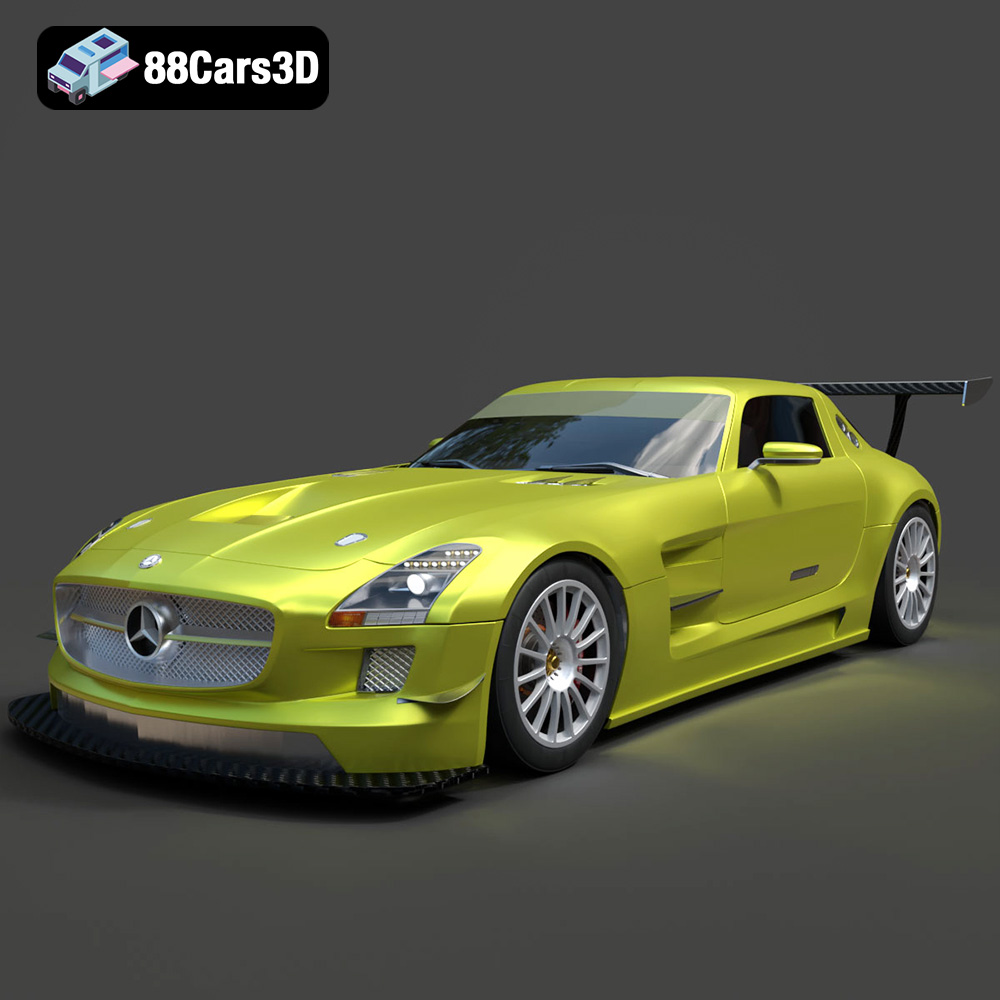
Mercedes-Benz SLS AMG GT3-002 3D Model
Texture: Yes
Material: Yes
Download the Mercedes-Benz SLS AMG GT3-002 3D Model featuring clean geometry, realistic detailing, and a fully modeled interior. Includes .blend, .fbx, .obj, .glb, .stl, .ply, .unreal, and .max formats for rendering, simulation, and game development.
Price: $38.99

Mercedes-Benz C-Class-001 3D Model
Texture: Yes
Material: Yes
Download the Mercedes-Benz C-Class-001 3D Model featuring clean geometry, realistic detailing, and a fully modeled interior. Includes .blend, .fbx, .obj, .glb, .stl, .ply, .unreal, and .max formats for rendering, simulation, and game development.
Price: $38.99
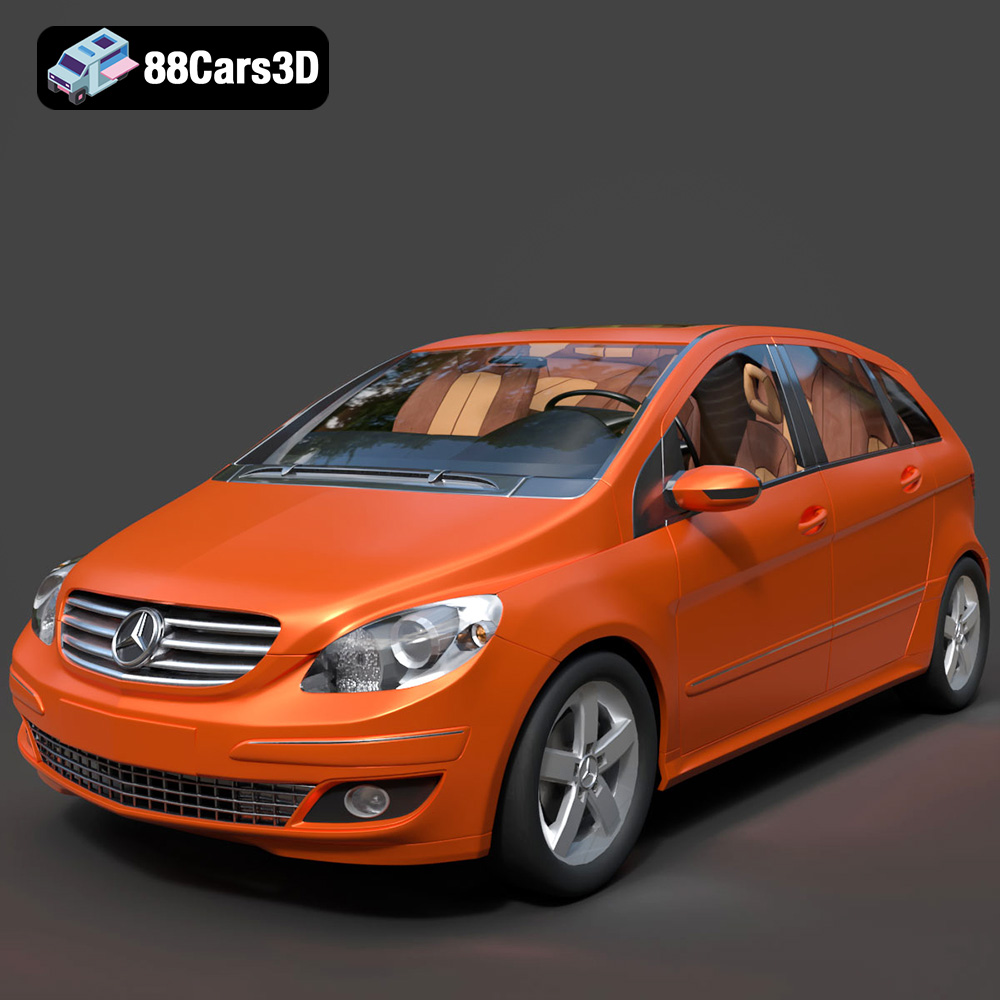
Mercedes-Benz B-Klasse 2023 3D Model
Texture: Yes
Material: Yes
Download the Mercedes-Benz B-Klasse 2023 3D Model featuring clean geometry, realistic detailing, and a fully modeled interior. Includes .blend, .fbx, .obj, .glb, .stl, .ply, .unreal, and .max formats for rendering, simulation, and game development.
Price: $38.99
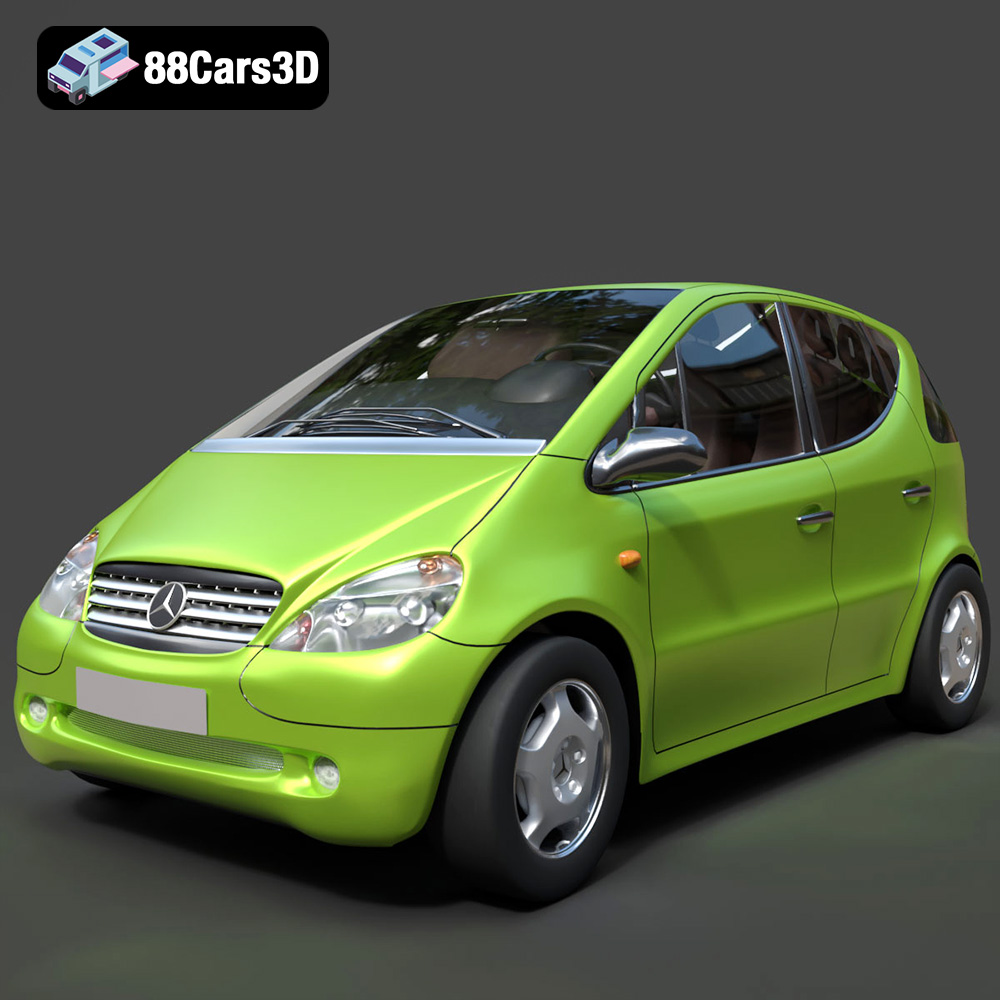
Mercedes-Benz A-Klasse W168 3D Model
Texture: Yes
Material: Yes
Download the Mercedes-Benz A-Klasse W168 3D Model featuring clean geometry, realistic detailing, and a fully modeled interior. Includes .blend, .fbx, .obj, .glb, .stl, .ply, .unreal, and .max formats for rendering, simulation, and game development.
Price: $38.99
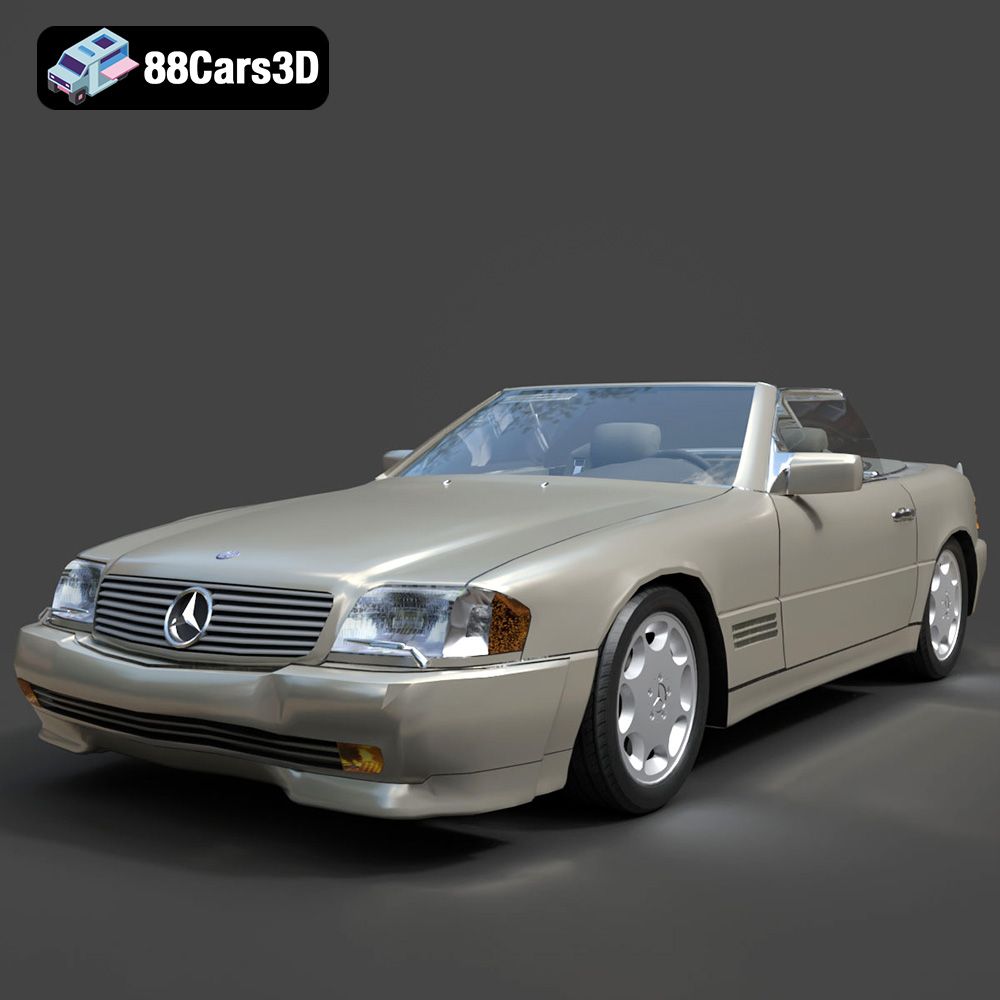
Mercedes-Benz 500SL 2000 3D Model
Texture: Yes
Material: Yes
Download the Mercedes-Benz 500SL 2000 3D Model featuring clean geometry, realistic detailing, and a fully modeled interior. Includes .blend, .fbx, .obj, .glb, .stl, .ply, .unreal, and .max formats for rendering, simulation, and game development.
Price: $38.99
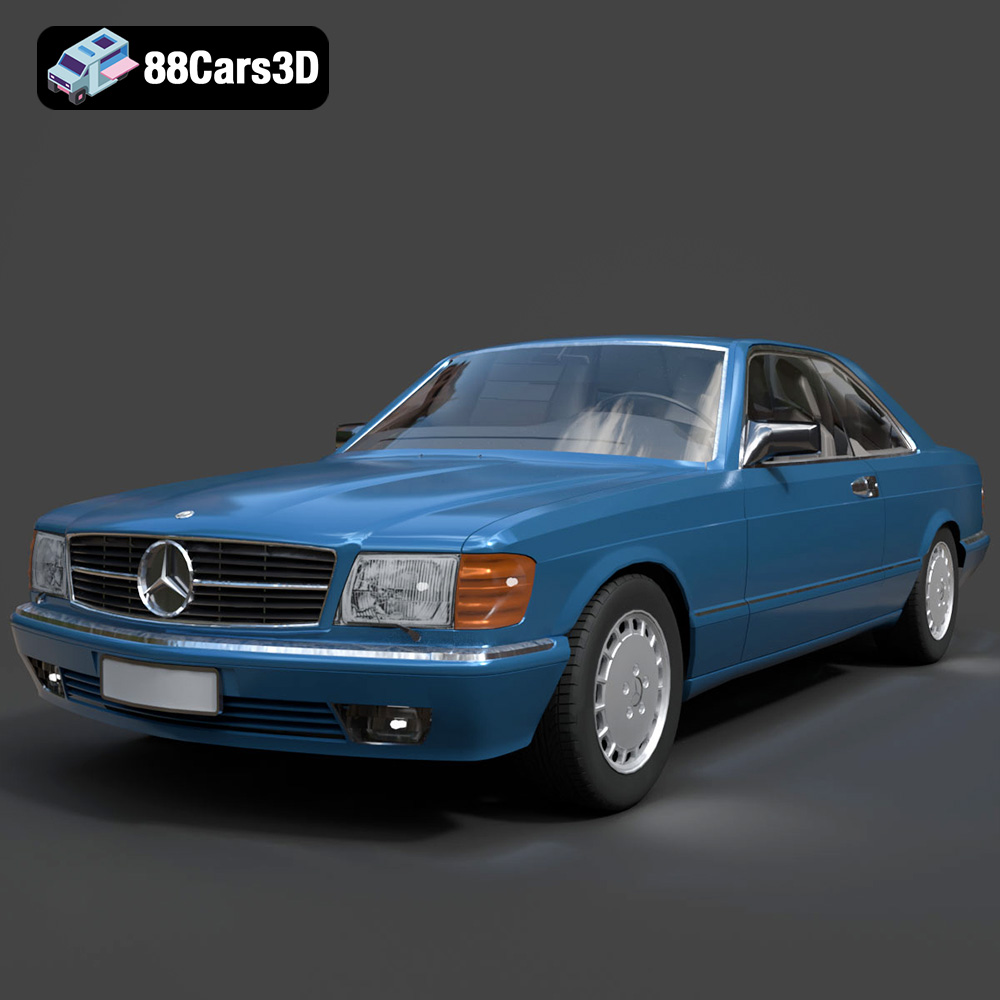
Mercedes-Benz 500SEC 3D Model
Texture: Yes
Material: Yes
Download the Mercedes-Benz 500SEC 3D Model featuring clean geometry, realistic detailing, and a fully modeled interior. Includes .blend, .fbx, .obj, .glb, .stl, .ply, .unreal, and .max formats for rendering, simulation, and game development.
Price: $38.99
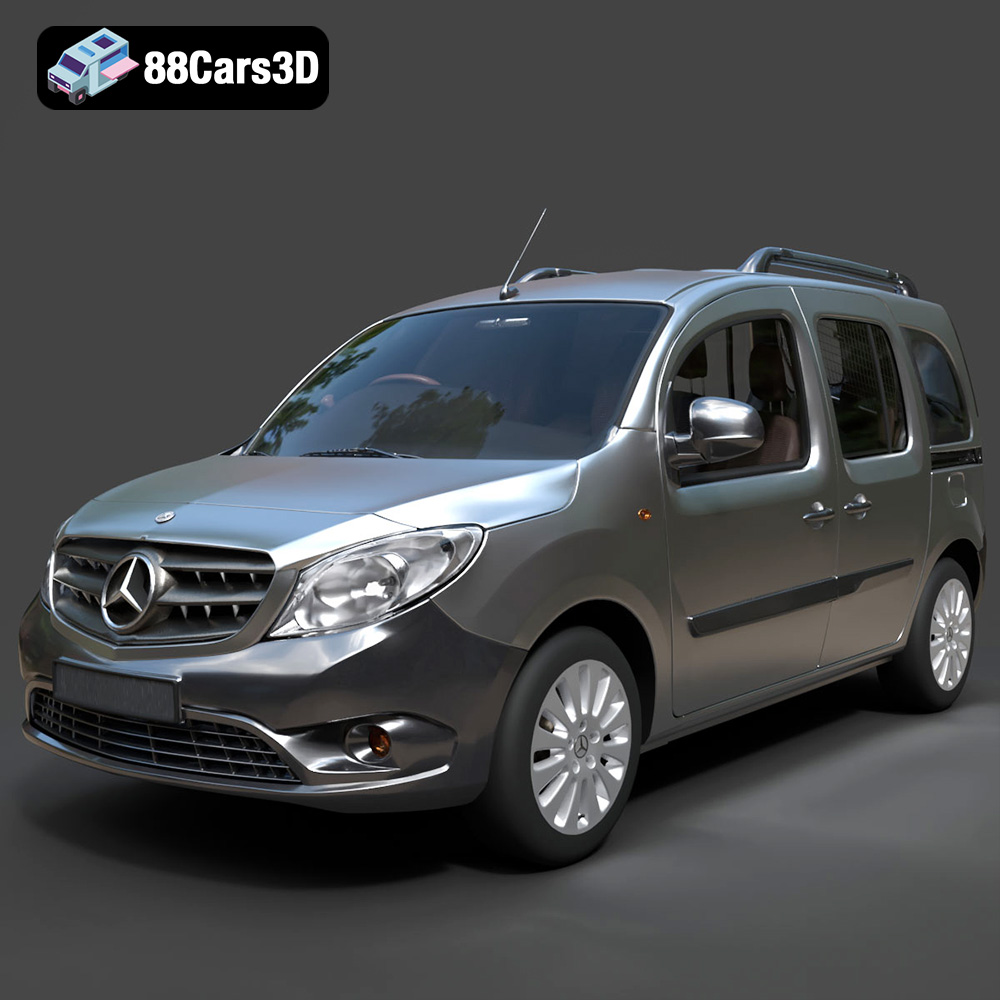
Mercedes-Benz Citan 2025 3D Model
Texture: Yes
Material: Yes
Download the Mercedes-Benz Citan 2025 3D Model featuring clean geometry, realistic detailing, and a fully modeled interior. Includes .blend, .fbx, .obj, .glb, .stl, .ply, .unreal, and .max formats for rendering, simulation, and game development.
Price: $38.99
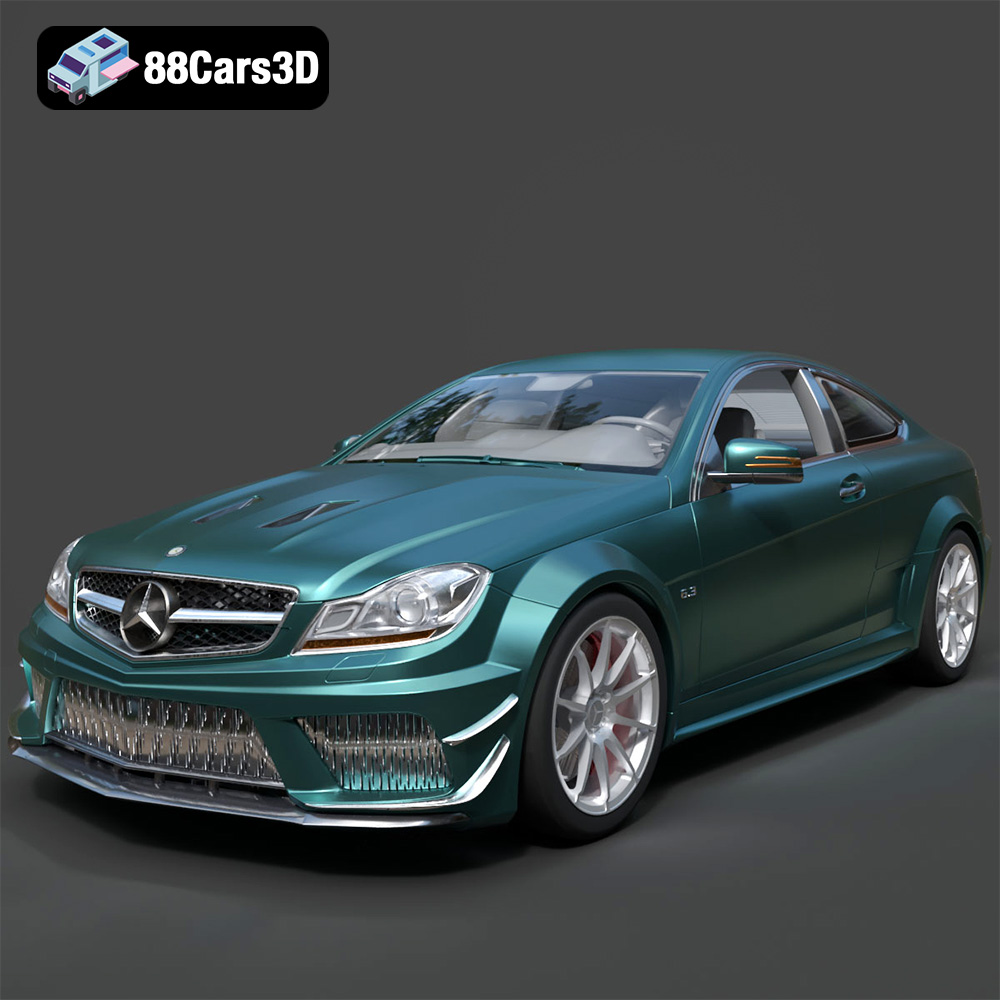
Mercedes-Benz C63 AMG 2012 3D Model
Texture: Yes
Material: Yes
Download the Mercedes-Benz C63 AMG 2012 3D Model featuring clean geometry, realistic detailing, and a fully modeled interior. Includes .blend, .fbx, .obj, .glb, .stl, .ply, .unreal, and .max formats for rendering, simulation, and game development.
Price: $38.99
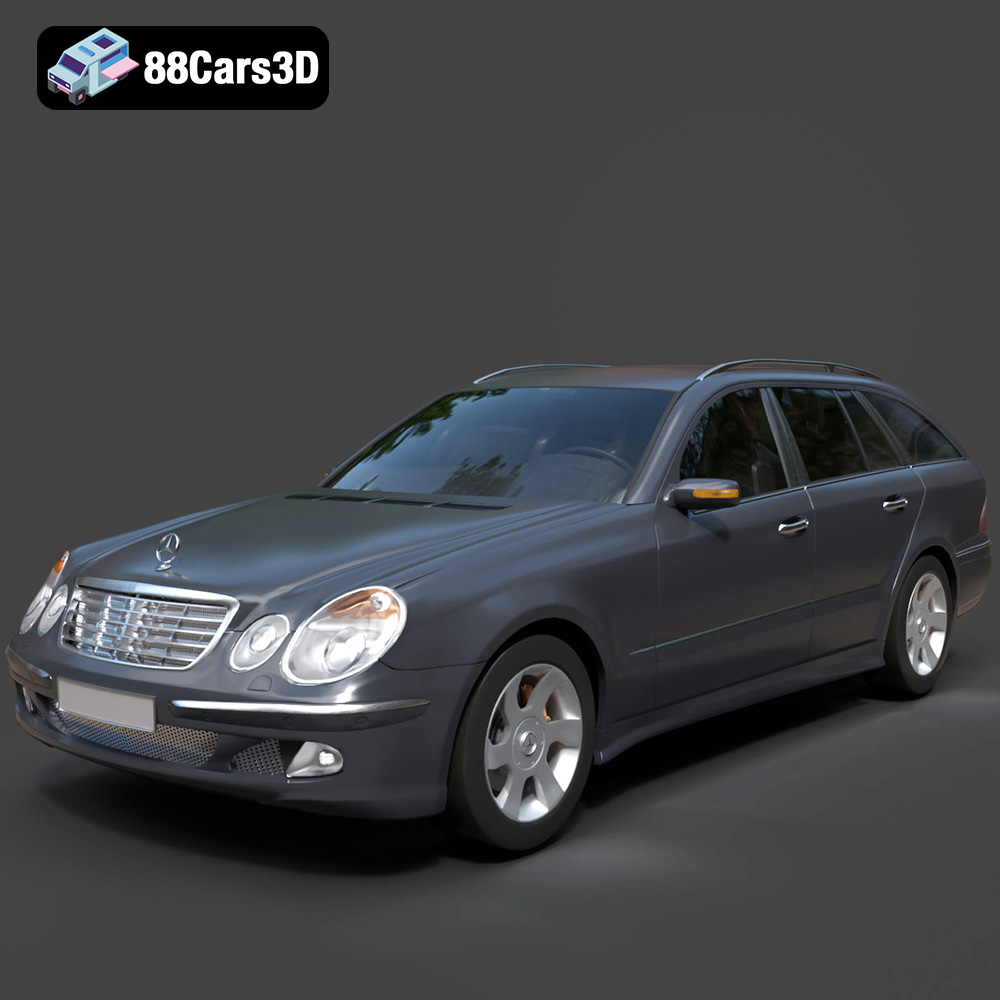
Mercedes-Benz E-Class S211 3D Model
Texture: Yes
Material: Yes
Download the Mercedes-Benz E-Class S211 3D Model featuring clean geometry, realistic detailing, and a fully modeled interior. Includes .blend, .fbx, .obj, .glb, .stl, .ply, .unreal, and .max formats for rendering, simulation, and game development.
Price: $38.99
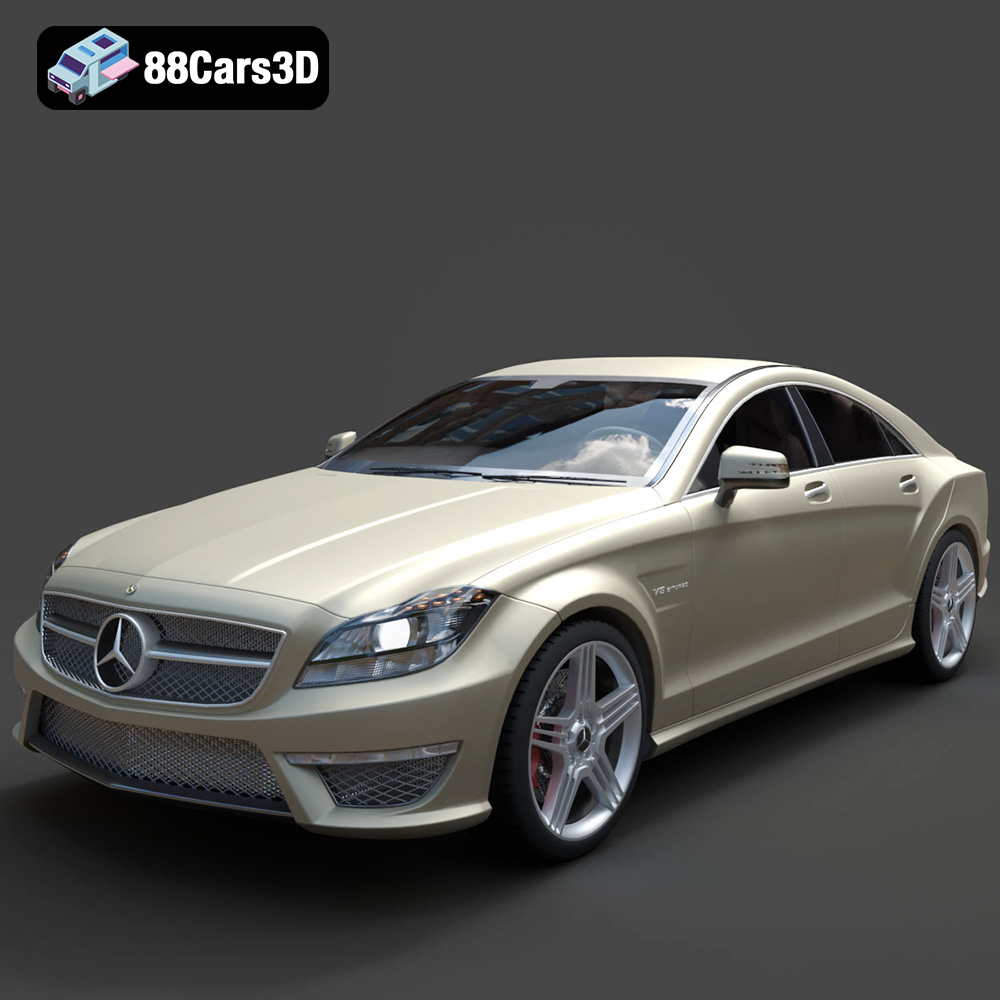
Mercedes-Benz CLS63 AMG (C218) 2014 3D Model
Texture: Yes
Material: Yes
Download the Mercedes-Benz CLS63 AMG (C218) 2014 3D Model featuring clean geometry, realistic detailing, and a fully modeled interior. Includes .blend, .fbx, .obj, .glb, .stl, .ply, .unreal, and .max formats for rendering, simulation, and game development.
Price: $38.99
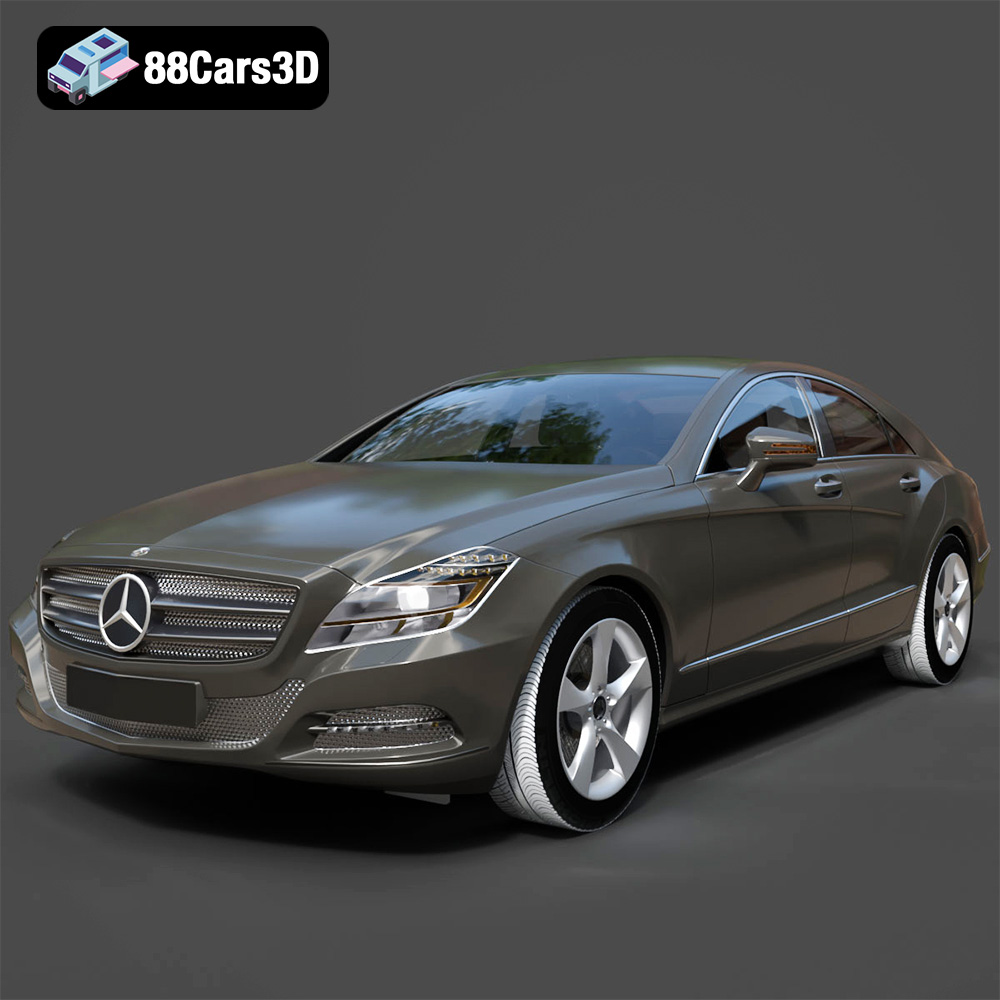
Mercedes-Benz CLS-Klasse 3D Model
Texture: Yes
Material: Yes
Download the Mercedes-Benz CLS-Klasse 3D Model featuring clean geometry, realistic detailing, and a fully modeled interior. Includes .blend, .fbx, .obj, .glb, .stl, .ply, .unreal, and .max formats for rendering, simulation, and game development.
Price: $38.99
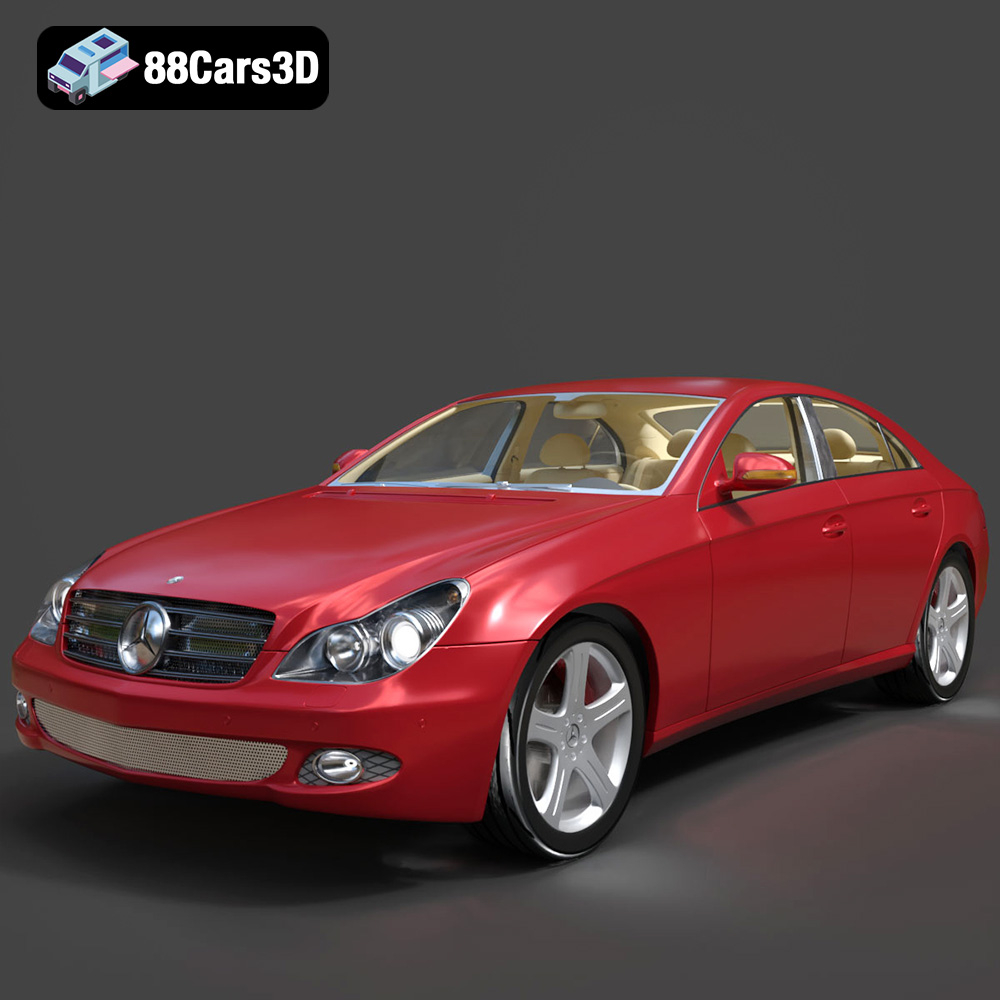
Mercedes-Benz CLS 500 3D Model
Texture: Yes
Material: Yes
Download the Mercedes-Benz CLS 500 3D Model featuring clean geometry, realistic detailing, and a fully modeled interior. Includes .blend, .fbx, .obj, .glb, .stl, .ply, .unreal, and .max formats for rendering, simulation, and game development.
Price: $38.99

Mercedes-Benz CL-Klasse 2001 3D Model
Texture: Yes
Material: Yes
Download the Mercedes-Benz CL-Klasse 2001 3D Model featuring clean geometry, realistic detailing, and a fully modeled interior. Includes .blend, .fbx, .obj, .glb, .stl, .ply, .unreal, and .max formats for rendering, simulation, and game development.
Price: $38.99
