
Mastering Photorealistic Car Paint in Unreal Engine 5: An Advanced PBR Shader Guide for Automotive 3D

Mastering Photorealistic Car Paint in Unreal Engine 5: An Advanced PBR Shader Guide for Automotive 3D
The allure of a perfectly rendered automobile, gleaming under the digital sun, is undeniable. For 3D artists, game developers, and automotive designers, capturing that exquisite level of detail, especially in the vehicle’s paintwork, is often the ultimate benchmark of realism. However, achieving physically accurate, photorealistic car paint in real-time engines like Unreal Engine 5 presents a unique set of challenges.
It’s far more than just applying a flat color. Car paint is a complex material, layered with clear coats, metallic or pearl particles, and subtle imperfections that interact with light in specific, intricate ways. This guide will take you on a deep dive into constructing an advanced PBR car paint shader within UE5, pushing the boundaries of real-time photorealism for your automotive assets.
The Intricacies of Automotive Paint: Beyond a Simple Shader
Automotive paint is not a monolithic surface; it’s a meticulously engineered system of multiple layers. Each layer plays a crucial role in how light interacts with the car’s surface, contributing to its depth, color, and reflectivity. Understanding these components is fundamental to recreating them accurately in a digital environment.
Understanding the Layered Structure
- Primer Coat: Applied directly to the vehicle body, providing a smooth, adhesive base. While not always directly visible, it influences the overall base color.
- Base Coat: This is where the primary color of the car resides. It can be solid, metallic, or pearlescent. This layer is responsible for the diffuse color and initial reflections.
- Clear Coat: A transparent, highly reflective layer applied over the base coat. It provides protection, depth, and that characteristic glossy sheen. This layer is paramount for achieving accurate reflections and highlights, making it a critical component of any PBR car paint setup.
The interaction between these layers, particularly the base coat and the transparent clear coat, is what gives car paint its distinctive appearance. Light penetrates the clear coat, reflects off the base coat (and any metallic flakes within it), and then refracts back through the clear coat to our eyes. This complex light path is why a simple metallic-roughness material often falls short for true automotive rendering.
Deconstructing the PBR Car Paint Model in Unreal Engine 5
Unreal Engine 5’s Physically Based Rendering (PBR) pipeline is designed to simulate how light behaves in the real world. For car paint, we leverage UE5’s material inputs to mimic the layered structure and light interaction. The standard PBR channels—Base Color, Metallic, Specular, Roughness, and Normal—form the foundation, but we’ll need to augment them to achieve the desired complexity.
Core PBR Channels and Their Application
- Base Color: For car paint, this will primarily define the color of our base coat. It’s the diffuse component of the paint itself, often a solid color or a subtly textured value.
- Metallic: This input controls whether a surface is considered metallic or dielectric. Our base coat, especially if it contains metallic flakes, will have metallic properties. The clear coat, however, is dielectric.
- Specular: While often overlooked in modern PBR workflows (as it’s derived from Metallic for most materials), understanding its role is crucial when blending metallic and dielectric layers. For a dielectric clear coat, a specular value of 0.5 (for an IOR of 1.5) is standard.
- Roughness: This is arguably one of the most important parameters for car paint. It dictates the sharpness of reflections. A highly polished clear coat will have very low roughness, while imperfections or dirt will increase it. The base coat might have a slightly different roughness than the clear coat.
- Normal: Normal maps add surface detail without increasing polygon count. For car paint, this can be subtle noise, micro-scratches, or even a subtle normal for embedded metallic flakes.
The challenge with car paint is that we have two distinct reflective surfaces—the base coat and the clear coat—each with its own metallic, roughness, and specular properties. The standard Unreal Engine material setup only provides a single set of these inputs. This necessitates a custom approach, often involving blending and layering materials or using specific shader techniques to simulate multi-layered reflections, which we will explore using the UE5 shader graph.
Crafting the Core Clear Coat Shader Layer
The clear coat is the hero of automotive rendering. It’s responsible for the deep reflections, the wet look, and the overall luxurious feel of a high-quality finish. Replicating this transparent, highly reflective layer accurately is paramount for real-time photorealism.
Implementing a Dual-Layered Reflection System
Since UE5’s standard material doesn’t natively support two distinct reflective layers with separate roughness and metallic values, we simulate this by blending. The clear coat will be treated as the primary reflective surface, with the base coat’s reflections being subtly visible beneath it. This is typically achieved by calculating reflections for both layers and then combining them.
- Clear Coat Reflection: This layer will have very low roughness, indicating a smooth, polished surface. Its metallic value will be 0 (dielectric), and its specular value will be approximately 0.5 (representing an IOR of around 1.5 for plastic/paint).
- Base Coat Reflection: This layer’s roughness will depend on the paint type (e.g., solid vs. metallic). Its metallic value will be set based on whether the base coat is metallic, and its specular value will also be appropriate for its material type.
Fresnel Effects and IOR for Realism
A crucial aspect of any clear coat shader is the Fresnel effect. Fresnel describes how the reflectivity of a surface changes based on the angle at which it’s viewed. At glancing angles (when looking almost parallel to the surface), reflectivity increases significantly. For the clear coat, this means reflections become much stronger and sharper at the edges of the car body.
- Fresnel Node: Use a ‘Fresnel’ node in the UE5 shader graph. The ‘Exponent’ input can control the falloff, and the ‘Base Reflectivity’ determines the reflection strength at normal angles.
- Index of Refraction (IOR): While not a direct input in the material editor, the Fresnel effect is intrinsically linked to IOR. For a typical clear coat, an IOR of 1.4 to 1.55 is suitable. This translates to a ‘Specular’ value of roughly 0.4 to 0.6. By adjusting the Fresnel node’s parameters, you effectively control the visual IOR of your clear coat.
Combining the clear coat’s reflectivity with its Fresnel response creates a highly convincing layered appearance. The clear coat’s roughness should also be adjustable to simulate different levels of polish or micro-scratches, adding another layer of visual fidelity. You can even use a grunge texture masked to the roughness input for subtle, localized wear.
Integrating Metallic Flakes and Special Effects
The secret ingredient to truly stunning car paint is often the subtle glimmer of metallic flakes or pearlescent particles. These tiny elements catch and reflect light at various angles, giving car paint its characteristic sparkle and depth. Implementing these effectively is crucial for real-time photorealism in your automotive rendering projects.
Creating Convincing Metallic Flakes
There are several approaches to generating metallic flakes in UE5, ranging from simple noise to more complex procedural techniques:
- Texture-Based Flakes: A simple method involves using a tileable noise texture (e.g., a Perlin or Worley noise) to represent the distribution of flakes. This texture can be used to control the metallic and roughness values of the base coat locally. However, this often lacks true 3D depth.
- Procedural Flakes (Shader-Based): For superior results, especially in close-up shots, procedural flakes are ideal. This involves generating flake patterns directly within the UE5 shader graph using nodes like ‘Noise’, ‘DotProduct’ (with camera vector), and ‘Step’ or ‘If’ nodes to create discrete, reflective points.
- Custom Material Function for Flakes: This is the most robust approach. Encapsulate your procedural flake logic into a custom material function. This allows you to easily reuse the flake system across different paint materials and provides cleaner organization. Within this function, you can control:
- Flake Density: How many flakes are visible per unit area.
- Flake Size: The visual size of individual flakes.
- Flake Color/Tint: The color the flakes reflect (can be white, silver, or subtly tinted).
- Flake Anisotropy (Optional): For incredibly detailed setups, you might simulate anisotropic reflections on individual flakes, making them appear elongated in certain directions, although this is more performance-intensive.
The key is to make the flakes appear small and numerous, with their reflectivity varying based on the camera angle. A common technique is to multiply the flake output by a Fresnel term, so they become more pronounced at glancing angles, mimicking how real flakes catch the light.
Blending Flakes with the Base Coat
Once you have your flake generation logic, you need to blend it intelligently with your base coat material. The flakes should influence the metallic and roughness values of the base layer, but only where they are present. You can use your flake mask (the output of your procedural flake function) to drive a ‘Lerp’ (Linear Interpolate) node, blending between the base coat’s metallic/roughness and the flake’s metallic/roughness.
For example, where a flake is present, the metallic value might be 1 and roughness very low. Where there’s no flake, it defaults to the base paint’s properties. This creates the illusion of tiny, highly reflective particles embedded within the paint layer, just beneath the clear coat.
Building an Advanced Car Paint Material with Custom Material Functions
To achieve a truly robust and reusable PBR car paint system, custom material functions are indispensable. They allow you to modularize complex shader logic, making your UE5 shader graph cleaner, more organized, and easier to iterate on. This section will guide you through constructing the various components as functions and then assembling them into a master car paint material.
Step-by-Step Material Function Creation
We’ll create several distinct material functions, each handling a specific aspect of the car paint:
1. MF_ClearCoat_Layer
This function will encapsulate the clear coat’s properties and Fresnel logic.
- Inputs:
BaseIOR(Scalar): Controls the base reflectivity of the clear coat.FresnelExponent(Scalar): Controls the falloff of the Fresnel effect.ClearCoatRoughness(Scalar): The overall roughness of the clear coat.NormalInput(Vector3): Connect a standard ‘VertexNormalWS’ for accurate reflections.
- Logic:
- Calculate Fresnel using the ‘Fresnel’ node with
BaseIORandFresnelExponent. - The output of the Fresnel can be used to lerp between the underlying material’s reflection (at normal angles) and a fully reflective clear coat (at grazing angles).
- The
ClearCoatRoughnesswill be passed through to the final roughness output.
- Calculate Fresnel using the ‘Fresnel’ node with
- Outputs:
ClearCoatReflectionStrength(Scalar): The Fresnel-driven reflection strength.ClearCoatRoughnessOutput(Scalar): The roughness value for the clear coat.
2. MF_MetallicFlakes_Generator
This function generates the procedural metallic flakes.
- Inputs:
FlakeDensity(Scalar): How many flakes appear.FlakeSize(Scalar): The size of individual flakes.FlakeIntensity(Scalar): How bright or reflective the flakes are.FlakeColor(Vector3): The color tint of the flakes.UVs(Vector2): Texture coordinates for flake distribution.
- Logic:
- Use ‘Noise’ nodes (e.g., ‘Fast Gradient Noise’ or ‘Voronoi’) to create a granular pattern.
- Apply ‘Step’ or ‘Power’ nodes to sharpen the noise into distinct flakes.
- Multiply with ‘CameraVector’ or ‘ReflectionVector’ for view-dependent sparkle.
- Parameterize with inputs for density, size, and intensity.
- Outputs:
FlakeMask(Scalar): A black and white mask indicating flake presence.FlakeMetallic(Scalar): Metallic value for flakes.FlakeRoughness(Scalar): Roughness value for flakes.FlakeColorOutput(Vector3): Color contribution of flakes.
Assembling the Master Car Paint Material
Now, we combine these functions in our main Unreal Engine material.
- Base Color Setup: Start with a ‘VectorParameter’ for your primary paint color. If you have a solid color, this is straightforward. For subtle variations, you might add a subtle noise texture.
- Integrate Metallic Flakes: Call your `MF_MetallicFlakes_Generator` function. Use its `FlakeMask` to ‘Lerp’ between your base paint’s properties (Metallic, Roughness, Base Color) and the flake’s properties.
- `Metallic` input: Lerp between 0 (for non-flake areas) and 1 (for flakes) using `FlakeMask`.
- `Roughness` input: Lerp between a base paint roughness (e.g., 0.3) and a very low roughness (e.g., 0.05) for flakes, again using `FlakeMask`.
- `Base Color` input: Lerp between your primary paint color and the `FlakeColorOutput` using `FlakeMask`.
- Clear Coat Integration: Call your `MF_ClearCoat_Layer` function. The output of the clear coat (especially the reflection strength and roughness) will be combined with the underlying base coat.
- The final `Roughness` output of the material should be heavily influenced by the `ClearCoatRoughnessOutput`.
- To simulate dual reflections, you’ll utilize the ‘Clear Coat’ input within the main material node. Set ‘ClearCoatRoughness’ and ‘ClearCoatNormal’ from your function outputs. The base color and metallic inputs of the material node will represent your base coat with flakes.
- Exposure and Normal Maps:
- Add a subtle normal map for micro-scratches or orange peel effect to the `Normal` input.
- Ensure all parameters are exposed as ‘Material Parameters’ for easy instance tweaking.
This modular approach using the UE5 shader graph significantly streamlines the creation of complex materials. You can easily modify the clear coat or flake logic in a single material function, and those changes will propagate to all materials using that function.
Optimization and Best Practices for High-Fidelity Automotive Rendering
Achieving stunning photorealistic car paint in real-time is a balancing act between visual fidelity and performance. An overly complex Unreal Engine material can cripple frame rates. Here are key optimization techniques and best practices for your automotive rendering projects.
Material Complexity Management
- Shader Instruction Count: Keep an eye on the “Shader Complexity” view mode in UE5. High instruction counts (above a few hundred for opaque materials) can lead to performance bottlenecks, especially on mobile or lower-end hardware. Simplify calculations where possible without sacrificing too much visual quality.
- Parameterization: Expose common controls (colors, roughness, flake density, clear coat strength) as material parameters. This allows artists to create multiple instances of the master material, tweaking properties without recompiling the shader, saving significant time during iteration.
- Texture Usage: Minimize the number of unique textures sampled within the shader. Where possible, pack multiple grayscale masks (e.g., roughness, dirt, micro-scratches) into different channels of a single RGB texture.
Level of Detail (LODs) for Car Paint
Just like mesh LODs, you can implement material LODs. For distant vehicles, the complex PBR car paint shader with metallic flakes and dual clear coat might be overkill. Consider creating simpler material variants:
- LOD0 (Close-up): Full advanced shader with all effects.
- LOD1 (Mid-distance): Simplify flake generation (e.g., use a texture mask instead of procedural). Reduce the complexity of Fresnel calculations.
- LOD2 (Far distance): Use a very basic metallic-roughness material with a solid color.
You can use the ‘DistanceCullFade’ node or ‘CameraDistance’ with ‘Lerp’ nodes in your master material to dynamically switch between these levels of detail, ensuring optimal performance for real-time photorealism across various viewing distances.
Lighting and Reflection Considerations
- Reflections: Car paint relies heavily on accurate reflections. Ensure you have high-quality reflection captures (Box Reflection Captures or Sphere Reflection Captures) in your scene. For dynamic reflections, Screen Space Reflections (SSR) can augment these, but be mindful of SSR’s performance cost and limitations. Ray-traced reflections (if enabled and optimized) offer the highest fidelity.
- HDRI Lighting: Using a high dynamic range image (HDRI) as part of your sky light is crucial for realistic automotive lighting and reflections. A good HDRI provides rich environmental detail that beautifully interacts with the clear coat.
- Post-Processing: Enhance the final look with carefully tuned post-processing effects. Vignetting, chromatic aberration, subtle bloom, and color grading can significantly elevate the automotive rendering, making the paint “pop.”
By judiciously balancing these techniques, you can achieve breathtaking real-time photorealism for your car paint without overburdening your scene. It’s an ongoing process of refinement and testing, but the results are well worth the effort.
Conclusion
Mastering photorealistic car paint in Unreal Engine 5 is a journey that transcends simple material application. It demands a deep understanding of PBR principles, the layered nature of automotive finishes, and the creative application of the UE5 shader graph. From crafting a convincing clear coat shader to integrating dynamic metallic flakes using custom material functions, each step contributes to bringing your automotive models to life with unparalleled real-time photorealism.
The techniques discussed here provide a powerful framework for developing highly realistic and performant car paint materials for any project, be it a cinematic short, a high-fidelity game, or an interactive automotive configurator. The ability to control every nuance of the paint’s interaction with light is what separates good automotive rendering from truly exceptional work.
Now, it’s your turn to experiment. Take these advanced concepts and apply them to your own 3D car models. If you’re looking for high-quality, production-ready automotive assets to practice these techniques on, be sure to visit 88cars3d.com for an extensive collection of meticulously crafted 3D vehicles. Start creating your next masterpiece and make your virtual cars gleam with unmatched realism!
Featured 3D Car Models

Suzuki SX4-002 3D Model
Texture: Yes
Material: Yes
Download the Suzuki SX4-002 3D Model featuring clean geometry, realistic detailing, and a fully modeled interior. Includes .blend, .fbx, .obj, .glb, .stl, .ply, .unreal, and .max formats for rendering, simulation, and game development.
Price: $10

Tesla Model S 2024 3D Model
Texture: Yes
Material: Yes
Download the Tesla Model S 2024 3D Model featuring clean geometry, realistic detailing, and a fully modeled interior. Includes .blend, .fbx, .obj, .glb, .stl, .ply, .unreal, and .max formats for rendering, simulation, and game development.
Price: $10

Subaru Impreza WRX STi-002 3D Model
Texture: Yes
Material: Yes
Download the Subaru Impreza WRX STi-002 3D Model featuring clean geometry, realistic detailing, and a fully modeled interior. Includes .blend, .fbx, .obj, .glb, .stl, .ply, .unreal, and .max formats for rendering, simulation, and game development.
Price: $10

Subaru Impreza WRX STi Sedan 3D Model
Texture: Yes
Material: Yes
Download the Subaru Impreza WRX STi Sedan 3D Model featuring clean geometry, realistic detailing, and a fully modeled interior. Includes .blend, .fbx, .obj, .glb, .stl, .ply, .unreal, and .max formats for rendering, simulation, and game development.
Price: $10

Subaru Legacy 2009 3D Model
Texture: Yes
Material: Yes
Download the Subaru Legacy 2009 3D Model featuring clean geometry, realistic detailing, and a fully modeled interior. Includes .blend, .fbx, .obj, .glb, .stl, .ply, .unreal, and .max formats for rendering, simulation, and game development.
Price: $10

Suzuki Swift 2024 3D Model
Texture: Yes
Material: Yes
Download the Suzuki Swift 2024 3D Model featuring clean geometry, realistic detailing, and a fully modeled interior. Includes .blend, .fbx, .obj, .glb, .stl, .ply, .unreal, and .max formats for rendering, simulation, and game development.
Price: $10

Suzuki Liana Sedan 2004 3D Model
Texture: Yes
Material: Yes
Download the Suzuki Liana Sedan 2004 3D Model featuring clean geometry, realistic detailing, and a fully modeled interior. Includes .blend, .fbx, .obj, .glb, .stl, .ply, .unreal, and .max formats for rendering, simulation, and game development.
Price: $10

Subaru Outback 2024 3D Model
Texture: Yes
Material: Yes
Download the Subaru Outback 2024 3D Model featuring clean geometry, realistic detailing, and a fully modeled interior. Includes .blend, .fbx, .obj, .glb, .stl, .ply, .unreal, and .max formats for rendering, simulation, and game development.
Price: $10

Subaru Legacy 2003 3D Model
Texture: Yes
Material: Yes
Download the Subaru Legacy 2003 3D Model featuring clean geometry, realistic detailing, and a fully modeled interior. Includes .blend, .fbx, .obj, .glb, .stl, .ply, .unreal, and .max formats for rendering, simulation, and game development.
Price: $10

Subaru Legacy Touring Wagon 3D Model
Texture: Yes
Material: Yes
Download the Subaru Legacy Touring Wagon 3D Model featuring clean geometry, realistic detailing, and a fully modeled interior. Includes .blend, .fbx, .obj, .glb, .stl, .ply, .unreal, and .max formats for rendering, simulation, and game development.
Price: $10

Toyota Mark II (X100) 1998 3D Model
Texture: Yes
Material: Yes
Download the Toyota Mark II (X100) 3D Model featuring clean geometry, realistic detailing, and a fully modeled interior. Includes .blend, .fbx, .obj, .glb, .stl, .ply, .unreal, and .max formats for rendering, simulation, and game development.
Price: $10

Toyota Corona 1985 3D Model
Texture: Yes
Material: Yes
Download the Toyota Corona 1985 3D Model featuring clean geometry, realistic detailing, and a fully modeled interior. Includes .blend, .fbx, .obj, .glb, .stl, .ply, .unreal, and .max formats for rendering, simulation, and game development.
Price: $10

Toyota Mark II X81 1990 3D Model
Texture: Yes
Material: Yes
Download the Toyota Mark II X81 1990 3D Model featuring clean geometry, realistic detailing, and a fully modeled interior. Includes .blend, .fbx, .obj, .glb, .stl, .ply, .unreal, and .max formats for rendering, simulation, and game development.
Price: $10

Toyota iQ EV 2012 3D Model
Texture: Yes
Material: Yes
Download the Toyota iQ EV 2012 3D Model featuring clean geometry, realistic detailing, and a fully modeled interior. Includes .blend, .fbx, .obj, .glb, .stl, .ply, .unreal, and .max formats for rendering, simulation, and game development.
Price: $10

Toyota Aygo 2013 3D Model
Texture: Yes
Material: Yes
Download the Toyota Aygo 2013 3D Model featuring clean geometry, realistic detailing, and a fully modeled interior. Includes .blend, .fbx, .obj, .glb, .stl, .ply, .unreal, and .max formats for rendering, simulation, and game development.
Price: $10

Toyota Crown S180 2005 3D Model
Texture: Yes
Material: Yes
Download the Toyota Crown S180 2005 3D Model featuring clean geometry, realistic detailing, and a fully modeled interior. Includes .blend, .fbx, .obj, .glb, .stl, .ply, .unreal, and .max formats for rendering, simulation, and game development.
Price: $10

Toyota Celica 2004 3D Model
Texture: Yes
Material: Yes
Download the Toyota Celica 2004 3D Model featuring clean geometry, realistic detailing, and a fully modeled interior. Includes .blend, .fbx, .obj, .glb, .stl, .ply, .unreal, and .max formats for rendering, simulation, and game development.
Price: $10

Toyota Corolla AE100 1992 3D Model
Texture: Yes
Material: Yes
Download the Toyota Corolla AE100 1992 3D Model featuring clean geometry, realistic detailing, and a fully modeled interior. Includes .blend, .fbx, .obj, .glb, .stl, .ply, .unreal, and .max formats for rendering, simulation, and game development.
Price: $10

Toyota Mark II X110 2000 3D Model
Texture: Yes
Material: Yes
Download the Toyota Mark II X110 2000 3D Model featuring clean geometry, realistic detailing, and a fully modeled interior. Includes .blend, .fbx, .obj, .glb, .stl, .ply, .unreal, and .max formats for rendering, simulation, and game development.
Price: $10

Toyota Corolla 2020 3D Model
Texture: Yes
Material: Yes
Download the Toyota Corolla 2020 3D Model featuring clean geometry, realistic detailing, and a fully modeled interior. Includes .blend, .fbx, .obj, .glb, .stl, .ply, .unreal, and .max formats for rendering, simulation, and game development.
Price: $10

Toyota Yaris 2020 3D Model
Texture: Yes
Material: Yes
Download the Toyota Yaris 2020 3D Model featuring clean geometry, realistic detailing, and a fully modeled interior. Includes .blend, .fbx, .obj, .glb, .stl, .ply, .unreal, and .max formats for rendering, simulation, and game development.
Price: $9.9

Volkswagen Beetle 2012 3D Model
Texture: Yes
Material: Yes
Download the Volkswagen Beetle 2012 3D Model featuring clean geometry, realistic detailing, and a fully modeled interior. Includes .blend, .fbx, .obj, .glb, .stl, .ply, .unreal, and .max formats for rendering, simulation, and game development.
Price: $9.9

Toyota Matrix 2005 3D Model
Texture: Yes
Material: Yes
Download the Toyota Matrix 2005 3D Model featuring clean geometry, realistic detailing, and a fully modeled interior. Includes .blend, .fbx, .obj, .glb, .stl, .ply, .unreal, and .max formats for rendering, simulation, and game development.
Price: $9.9

Toyota Yaris Sedan 3D Model
Texture: Yes
Material: Yes
Download the Toyota Yaris Sedan 3D Model featuring clean geometry, realistic detailing, and a fully modeled interior. Includes .blend, .fbx, .obj, .glb, .stl, .ply, .unreal, and .max formats for rendering, simulation, and game development.
Price: $9.9

Volkswagen Golf R-004 2024 3D Model
Texture: Yes
Material: Yes
Download the Volkswagen Golf R-004 2024 3D Model featuring clean geometry, realistic detailing, and a fully modeled interior. Includes .blend, .fbx, .obj, .glb, .stl, .ply, .unreal, and .max formats for rendering, simulation, and game development.
Price: $9.9

Volkswagen Golf 5 Door 2010 3D Model
Texture: Yes
Material: Yes
Download the Volkswagen Golf 5 Door 2010 3D Model featuring clean geometry, realistic detailing, and a fully modeled interior. Includes .blend, .fbx, .obj, .glb, .stl, .ply, .unreal, and .max formats for rendering, simulation, and game development.
Price: $9.9

Toyota Premio 2010 3D Model
Texture: Yes
Material: Yes
Download the Toyota Premio 2010 3D Model featuring clean geometry, realistic detailing, and a fully modeled interior. Includes .blend, .fbx, .obj, .glb, .stl, .ply, .unreal, and .max formats for rendering, simulation, and game development.
Price: $9.9

Toyota Opa 2000 3D Model
Texture: Yes
Material: Yes
Download the Toyota Opa 2000 3D Model featuring clean geometry, realistic detailing, and a fully modeled interior. Includes .blend, .fbx, .obj, .glb, .stl, .ply, .unreal, and .max formats for rendering, simulation, and game development.
Price: $9.9

Volkswagen Polo 5 Door 2010 3D Model
Texture: Yes
Material: Yes
Download the Volkswagen Polo 5 Door 2010 3D Model featuring clean geometry, realistic detailing, and a fully modeled interior. Includes .blend, .fbx, .obj, .glb, .stl, .ply, .unreal, and .max formats for rendering, simulation, and game development.
Price: $9.9

Toyota Prius 2024 3D Model
Texture: Yes
Material: Yes
Download the Toyota Prius 2024 3D Model featuring clean geometry, realistic detailing, and a fully modeled interior. Includes .blend, .fbx, .obj, .glb, .stl, .ply, .unreal, and .max formats for rendering, simulation, and game development.
Price: $9.9

Toyota Yaris 1999 3D Model
Texture: Yes
Material: Yes
Download the Toyota Yaris 1999 3D Model featuring clean geometry, realistic detailing, and a fully modeled interior. Includes .blend, .fbx, .obj, .glb, .stl, .ply, .unreal, and .max formats for rendering, simulation, and game development.
Price: $9.9

Toyota Supra 2020 3D Model
Texture: Yes
Material: Yes
Download the Toyota Supra 2020 3D Model featuring clean geometry, realistic detailing, and a fully modeled interior. Includes .blend, .fbx, .obj, .glb, .stl, .ply, .unreal, and .max formats for rendering, simulation, and game development.
Price: $9.9

Volkswagen New Beetle 2000 3D Model
Texture: Yes
Material: Yes
Download the Volkswagen New Beetle 2000 3D Model featuring clean geometry, realistic detailing, and a fully modeled interior. Includes .blend, .fbx, .obj, .glb, .stl, .ply, .unreal, and .max formats for rendering, simulation, and game development.
Price: $14.99

Volkswagen Jetta 2005 3D Model
Texture: Yes
Material: Yes
Download the Volkswagen Jetta 2005 3D Model featuring clean geometry, realistic detailing, and a fully modeled interior. Includes .blend, .fbx, .obj, .glb, .stl, .ply, .unreal, and .max formats for rendering, simulation, and game development.
Price: $18.99

Volkswagen Golf 3-Door 3D Model
Texture: Yes
Material: Yes
Download the Volkswagen Golf 3-Door 3D Model featuring clean geometry, realistic detailing, and a fully modeled interior. Includes .blend, .fbx, .obj, .glb, .stl, .ply, .unreal, and .max formats for rendering, simulation, and game development.
Price: $14.99

Volvo V70 2005 3D Model
Texture: Yes
Material: Yes
Download the Volvo V70 2005 3D Model featuring clean geometry, realistic detailing, and a fully modeled interior. Includes .blend, .fbx, .obj, .glb, .stl, .ply, .unreal, and .max formats for rendering, simulation, and game development.
Price: $14.99

Volkswagen Bora 2004 3D Model
Texture: Yes
Material: Yes
Download the Volkswagen Bora 2004 3D Model featuring clean geometry, realistic detailing, and a fully modeled interior. Includes .blend, .fbx, .obj, .glb, .stl, .ply, .unreal, and .max formats for rendering, simulation, and game development.
Price: $14.99

Volkswagen Lupo 3D Model
Texture: Yes
Material: Yes
Download the Volkswagen Lupo 3D Model featuring clean geometry, realistic detailing, and a fully modeled interior. Includes .blend, .fbx, .obj, .glb, .stl, .ply, .unreal, and .max formats for rendering, simulation, and game development.
Price: $19.99

Volkswagen Passat B5 2000 3D Model
Texture: Yes
Material: Yes
Download the Volkswagen Passat B5 2000 3D Model featuring clean geometry, realistic detailing, and a fully modeled interior. Includes .blend, .fbx, .obj, .glb, .stl, .ply, .unreal, and .max formats for rendering, simulation, and game development.
Price: $19.99

Volkswagen Passat CC 3D Model
Texture: Yes
Material: Yes
Download the Volkswagen Passat CC 3D Model featuring clean geometry, realistic detailing, and a fully modeled interior. Includes .blend, .fbx, .obj, .glb, .stl, .ply, .unreal, and .max formats for rendering, simulation, and game development.
Price: $19.99

Volkswagen Golf V 2006 3D Model
Texture: Yes
Material: Yes
Download the Volkswagen Golf V 2006 3D Model featuring clean geometry, realistic detailing, and a fully modeled interior. Includes .blend, .fbx, .obj, .glb, .stl, .ply, .unreal, and .max formats for rendering, simulation, and game development.
Price: $19.99

Volvo S60 R-Design 2024 3D Model
Texture: Yes
Material: Yes
Download the Volvo S60 R-Design 3D Model featuring clean geometry, realistic detailing, and a fully modeled interior. Includes .blend, .fbx, .obj, .glb, .stl, .ply, .unreal, and .max formats for rendering, simulation, and game development.
Price: $19.99

Volkswagen Passat 2025 3D Model
Texture: Yes
Material: Yes
Download the Volkswagen Passat 2025 3D Model featuring clean geometry, realistic detailing, and a fully modeled interior. Includes .blend, .fbx, .obj, .glb, .stl, .ply, .unreal, and .max formats for rendering, simulation, and game development.
Price: $25.99

Volkswagen Passat Variant B6 2005 3D Model
Texture: Yes
Material: Yes
Download the Volkswagen Passat Variant B6 2005 3D Model featuring clean geometry, realistic detailing, and a fully modeled interior. Includes .blend, .fbx, .obj, .glb, .stl, .ply, .unreal, and .max formats for rendering, simulation, and game development.
Price: $25.99

Volkswagen Phaeton W12 2004 3D Model
Texture: Yes
Material: Yes
Download the Volkswagen Phaeton W12 2004 3D Model featuring clean geometry, realistic detailing, and a fully modeled interior. Includes .blend, .fbx, .obj, .glb, .stl, .ply, .unreal, and .max formats for rendering, simulation, and game development.
Price: $25.99

Volkswagen Scirocco 2015 3D Model
Texture: Yes
Material: Yes
Download the Volkswagen Scirocco 2015 3D Model featuring clean geometry, realistic detailing, and a fully modeled interior. Includes .blend, .fbx, .obj, .glb, .stl, .ply, .unreal, and .max formats for rendering, simulation, and game development.
Price: $25.99

Volvo S60 2024 3D Model
Texture: Yes
Material: Yes
Download the Volvo S60 2024 3D Model featuring clean geometry, realistic detailing, and a fully modeled interior. Includes .blend, .fbx, .obj, .glb, .stl, .ply, .unreal, and .max formats for rendering, simulation, and game development.
Price: $25.99

Volkswagen Polo 3D Model
Texture: Yes
Material: Yes
Download the Volkswagen Polo 3D Model featuring clean geometry, realistic detailing, and a fully modeled interior. Includes .blend, .fbx, .obj, .glb, .stl, .ply, .unreal, and .max formats for rendering, simulation, and game development.
Price: $25.99

Volkswagen Golf 5-Doors 2018 3D Model
Texture: Yes
Material: Yes
Download the Volkswagen Golf 5-Doors 3D Model featuring clean geometry, realistic detailing, and a fully modeled interior. Includes .blend, .fbx, .obj, .glb, .stl, .ply, .unreal, and .max formats for rendering, simulation, and game development.
Price: $25.99

Volvo C70 T5 2000 3D Model
Texture: Yes
Material: Yes
Download the Volvo C70 T5 2000 3D Model featuring clean geometry, realistic detailing, and a fully modeled interior. Includes .blend, .fbx, .obj, .glb, .stl, .ply, .unreal, and .max formats for rendering, simulation, and game development.
Price: $23.99

Volvo S40 Sedan 2004 3D Model
Texture: Yes
Material: Yes
Download the Volvo S40 Sedan 2004 3D Model featuring clean geometry, realistic detailing, and a fully modeled interior. Includes .blend, .fbx, .obj, .glb, .stl, .ply, .unreal, and .max formats for rendering, simulation, and game development.
Price: $23.99

Volvo C30 BEV 2012 3D Model
Texture: Yes
Material: Yes
Download the Volvo C30 BEV 2012 3D Model featuring clean geometry, realistic detailing, and a fully modeled interior. Includes .blend, .fbx, .obj, .glb, .stl, .ply, .unreal, and .max formats for rendering, simulation, and game development.
Price: $23.99

Volvo C70 1998 3D Model
Texture: Yes
Material: Yes
Download the Volvo C70 1998 3D Model featuring clean geometry, realistic detailing, and a fully modeled interior. Includes .blend, .fbx, .obj, .glb, .stl, .ply, .unreal, and .max formats for rendering, simulation, and game development.
Price: $23.99

Mazda B-Series 3D Model
Texture: Yes
Material: Yes
Download the Mazda B-Series 3D Model featuring clean geometry, realistic detailing, and a fully modeled interior. Includes .blend, .fbx, .obj, .glb, .stl, .ply, .unreal, and .max formats for rendering, simulation, and game development.
Price: $23.99

Mercsedes Benz Z3-006 3D Model
Texture: Yes
Material: Yes
Download the Mercsedes Benz Z3-006 3D Model featuring clean geometry, realistic detailing, and a fully modeled interior. Includes .blend, .fbx, .obj, .glb, .stl, .ply, .unreal, and .max formats for rendering, simulation, and game development.
Price: $23.99

Mazda RX-7 3D Model
Texture: Yes
Material: Yes
Download the Mazda RX-7 3D Model featuring clean geometry, realistic detailing, and a fully modeled interior. Includes .blend, .fbx, .obj, .glb, .stl, .ply, .unreal, and .max formats for rendering, simulation, and game development.
Price: $23.99

Volvo VCC-003 3D Model
Texture: Yes
Material: Yes
Download the Volvo VCC-003 3D Model featuring clean geometry, realistic detailing, and a fully modeled interior. Includes .blend, .fbx, .obj, .glb, .stl, .ply, .unreal, and .max formats for rendering, simulation, and game development.
Price: $23.99

Mercedes-Benz SLR McLaren 2005 3D Model
Texture: Yes
Material: Yes
Download the Mercedes-Benz SLR McLaren 2005 3D Model featuring clean geometry, realistic detailing, and a fully modeled interior. Includes .blend, .fbx, .obj, .glb, .stl, .ply, .unreal, and .max formats for rendering, simulation, and game development.
Price: $23.99

GAZ 3110 Pickup 2000 3D Model
Texture: Yes
Material: Yes
Download the GAZ 3110 Pickup 3D Model featuring clean geometry, realistic detailing, and a fully modeled interior. Includes .blend, .fbx, .obj, .glb, .stl, .ply, .unreal, and .max formats for rendering, simulation, and game development.
Price: $23.99

Mazda 626 GF 1997 3D Model
Texture: Yes
Material: Yes
Download the Mazda 626 GF 1997 3D Model featuring clean geometry, realistic detailing, and a fully modeled interior. Includes .blend, .fbx, .obj, .glb, .stl, .ply, .unreal, and .max formats for rendering, simulation, and game development.
Price: $23.99

Volvo S80 2011 3D Model
Texture: Yes
Material: Yes
Download the Volvo S80 2011 3D Model featuring clean geometry, realistic detailing, and a fully modeled interior. Includes .blend, .fbx, .obj, .glb, .stl, .ply, .unreal, and .max formats for rendering, simulation, and game development.
Price: $23.99

Volkswagen Touran restyle-006 3D Model
Texture: Yes
Material: Yes
Download the Volkswagen Touran restyle-006 3D Model featuring clean geometry, realistic detailing, and a fully modeled interior. Includes .blend, .fbx, .obj, .glb, .stl, .ply, .unreal, and .max formats for rendering, simulation, and game development.
Price: $23.99

Skoda Octavia Scout 3D Model
Texture: Yes
Material: Yes
Download the Skoda Octavia Scout 3D Model featuring clean geometry, realistic detailing, and a fully modeled interior. Includes .blend, .fbx, .obj, .glb, .stl, .ply, .unreal, and .max formats for rendering, simulation, and game development.
Price: $23.99

Volkswagen Golf V 2006 3D Model
Texture: Yes
Material: Yes
Download the Volkswagen Golf V 2006 3D Model featuring clean geometry, realistic detailing, and a fully modeled interior. Includes .blend, .fbx, .obj, .glb, .stl, .ply, .unreal, and .max formats for rendering, simulation, and game development.
Price: $23.99

Mazda CX-7 3D Model
Texture: Yes
Material: Yes
Download the Mazda CX-7 3D Model featuring clean geometry, realistic detailing, and a fully modeled interior. Includes .blend, .fbx, .obj, .glb, .stl, .ply, .unreal, and .max formats for rendering, simulation, and game development.
Price: $23.99

Mazda Familia 3D Model
Texture: Yes
Material: Yes
Download the Mazda Familia 3D Model featuring clean geometry, realistic detailing, and a fully modeled interior. Includes .blend, .fbx, .obj, .glb, .stl, .ply, .unreal, and .max formats for rendering, simulation, and game development.
Price: $23.99

GAS 21 3D Model
Texture: Yes
Material: Yes
Download the GAS 21 3D Model featuring clean geometry, realistic detailing, and a fully modeled interior. Includes .blend, .fbx, .obj, .glb, .stl, .ply, .unreal, and .max formats for rendering, simulation, and game development.
Price: $23.99

Mercedes-Benz SL500 AMG (R129) 3D Model
Texture: Yes
Material: Yes
Download the Mercedes-Benz SL500 AMG (R129) 3D Model featuring clean geometry, realistic detailing, and a fully modeled interior. Includes .blend, .fbx, .obj, .glb, .stl, .ply, .unreal, and .max formats for rendering, simulation, and game development.
Price: $23.99

Mercedes-Benz S-Class W221 2005 3D Model
Texture: Yes
Material: Yes
Download the Mercedes-Benz S-Class W221 2005 3D Model featuring clean geometry, realistic detailing, and a fully modeled interior. Includes .blend, .fbx, .obj, .glb, .stl, .ply, .unreal, and .max formats for rendering, simulation, and game development.
Price: $23.99

Mercedes-Benz E-Class W212 2009 3D Model
Texture: Yes
Material: Yes
Download the Mercedes-Benz E-Class W212 2009 3D Model featuring clean geometry, realistic detailing, and a fully modeled interior. Includes .blend, .fbx, .obj, .glb, .stl, .ply, .unreal, and .max formats for rendering, simulation, and game development.
Price: $23.99

Mercedes-Benz E-class Estate S212 2009 3D Model
Texture: Yes
Material: Yes
Download the Mercedes-Benz E-class Estate S212 2009 3D Model featuring clean geometry, realistic detailing, and a fully modeled interior. Includes .blend, .fbx, .obj, .glb, .stl, .ply, .unreal, and .max formats for rendering, simulation, and game development.
Price: $23.99

Mercedes-Benz 190 W201 3D Model
Texture: Yes
Material: Yes
Download the Mercedes-Benz 190 W201 3D Model featuring clean geometry, realistic detailing, and a fully modeled interior. Includes .blend, .fbx, .obj, .glb, .stl, .ply, .unreal, and .max formats for rendering, simulation, and game development.
Price: $23.99

Mercedes-Benz C230 SportCoupé 2005 3D Model
Texture: Yes
Material: Yes
Download the Mercedes-Benz C230 SportCoupé 2005 3D Model featuring clean geometry, realistic detailing, and a fully modeled interior. Includes .blend, .fbx, .obj, .glb, .stl, .ply, .unreal, and .max formats for rendering, simulation, and game development.
Price: $23.99

Mercedes-Benz SLK 3D Model
Texture: Yes
Material: Yes
Download the Mercedes-Benz SLK 3D Model featuring clean geometry, realistic detailing, and a fully modeled interior. Includes .blend, .fbx, .obj, .glb, .stl, .ply, .unreal, and .max formats for rendering, simulation, and game development.
Price: $23.99

Mercedes 600 SEC W140 1992 3D Model
Texture: Yes
Material: Yes
Download the Mercedes 600 SEC W140 1992 3D Model featuring clean geometry, realistic detailing, and a fully modeled interior. Includes .blend, .fbx, .obj, .glb, .stl, .ply, .unreal, and .max formats for rendering, simulation, and game development.
Price: $23.99

Mercedes S-Class 2010 3D Model
Texture: Yes
Material: Yes
Download the Mercedes S-Class 2010 3D Model featuring clean geometry, realistic detailing, and a fully modeled interior. Includes .blend, .fbx, .obj, .glb, .stl, .ply, .unreal, and .max formats for rendering, simulation, and game development.
Price: $23.99

McLaren MP4-12C-001 3D Model
Texture: Yes
Material: Yes
Download the McLaren MP4-12C-001 3D Model featuring clean geometry, realistic detailing, and a fully modeled interior. Includes .blend, .fbx, .obj, .glb, .stl, .ply, .unreal, and .max formats for rendering, simulation, and game development.
Price: $23.99

Mercedes-Benz SLK 350 2005 3D Model
Texture: Yes
Material: Yes
Download the Mercedes-Benz SLK 350 2005 3D Model featuring clean geometry, realistic detailing, and a fully modeled interior. Includes .blend, .fbx, .obj, .glb, .stl, .ply, .unreal, and .max formats for rendering, simulation, and game development.
Price: $23.99

Mercedes-Benz SL 65 AMG 3D Model
Texture: Yes
Material: Yes
Download the Mercedes-Benz SL 65 AMG 3D Model featuring clean geometry, realistic detailing, and a fully modeled interior. Includes .blend, .fbx, .obj, .glb, .stl, .ply, .unreal, and .max formats for rendering, simulation, and game development.
Price: $23.99

Mercedes-Benz S500 3D Model
Texture: Yes
Material: Yes
Download the Mercedes-Benz S500 3D Model featuring clean geometry, realistic detailing, and a fully modeled interior. Includes .blend, .fbx, .obj, .glb, .stl, .ply, .unreal, and .max formats for rendering, simulation, and game development.
Price: $23.99
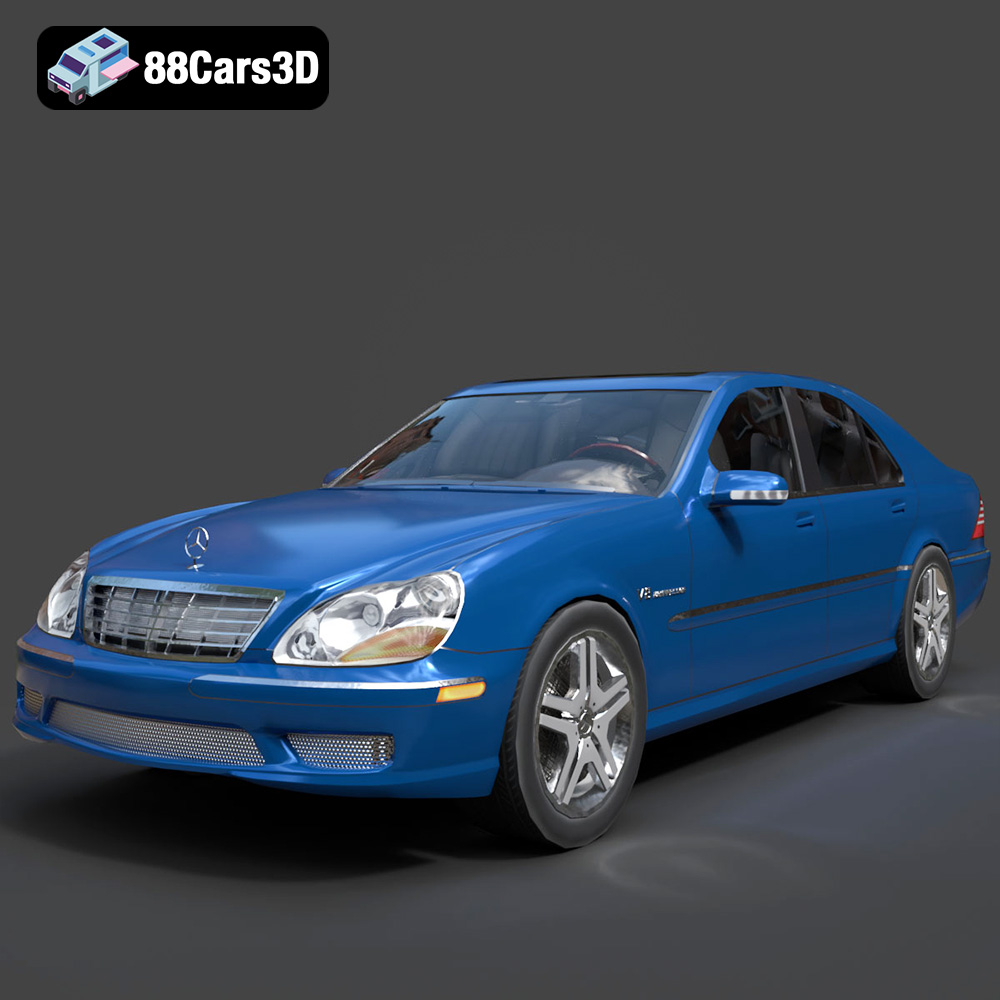
Mercedes-Benz S55 W220 AMG 1999 3D Model
Texture: Yes
Material: Yes
Download the Mercedes-Benz S55 W220 AMG 1999 3D Model featuring clean geometry, realistic detailing, and a fully modeled interior. Includes .blend, .fbx, .obj, .glb, .stl, .ply, .unreal, and .max formats for rendering, simulation, and game development.
Price: $23.99
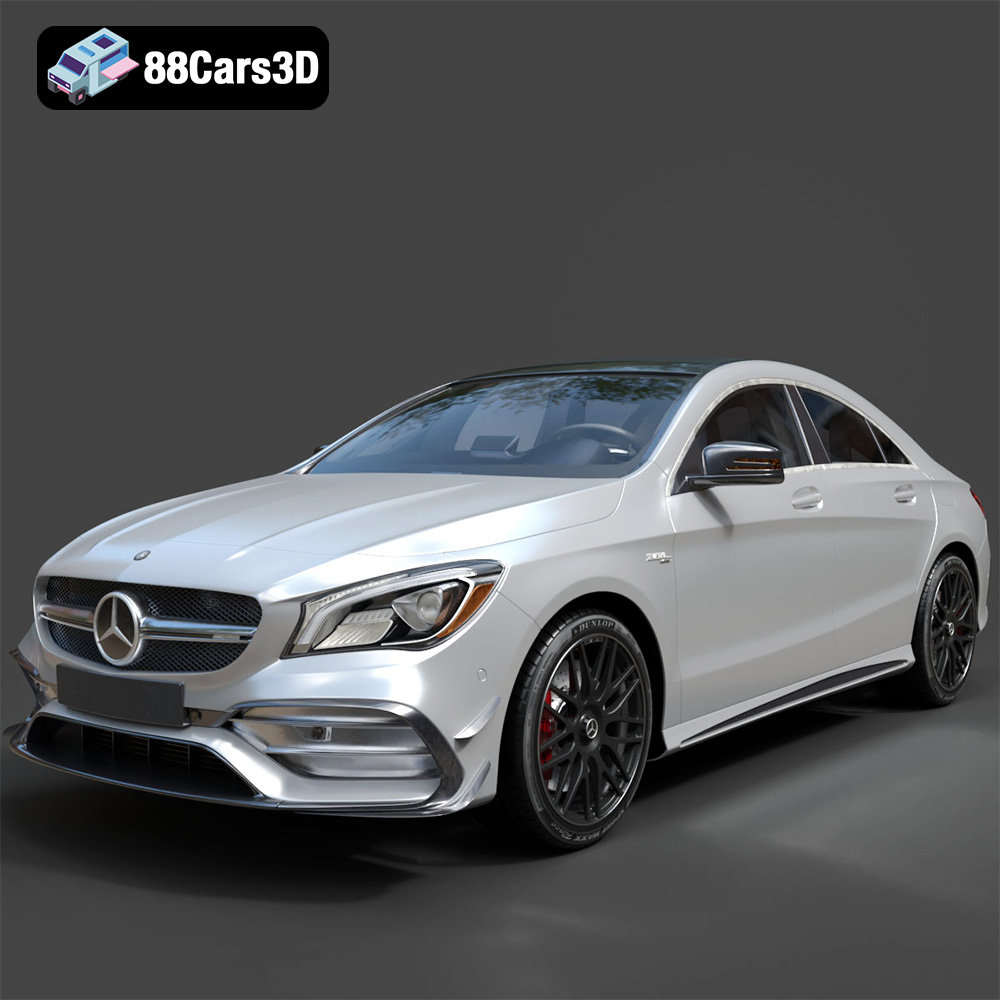
Mercedes-Benz CLA45 AMG 2017 3D Model
Texture: Yes
Material: Yes
Download the Mercedes-Benz CLA45 AMG 2017 3D Model featuring clean geometry, realistic detailing, and a fully modeled interior. Includes .blend, .fbx, .obj, .glb, .stl, .ply, .unreal, and .max formats for rendering, simulation, and game development.
Price: $38.99
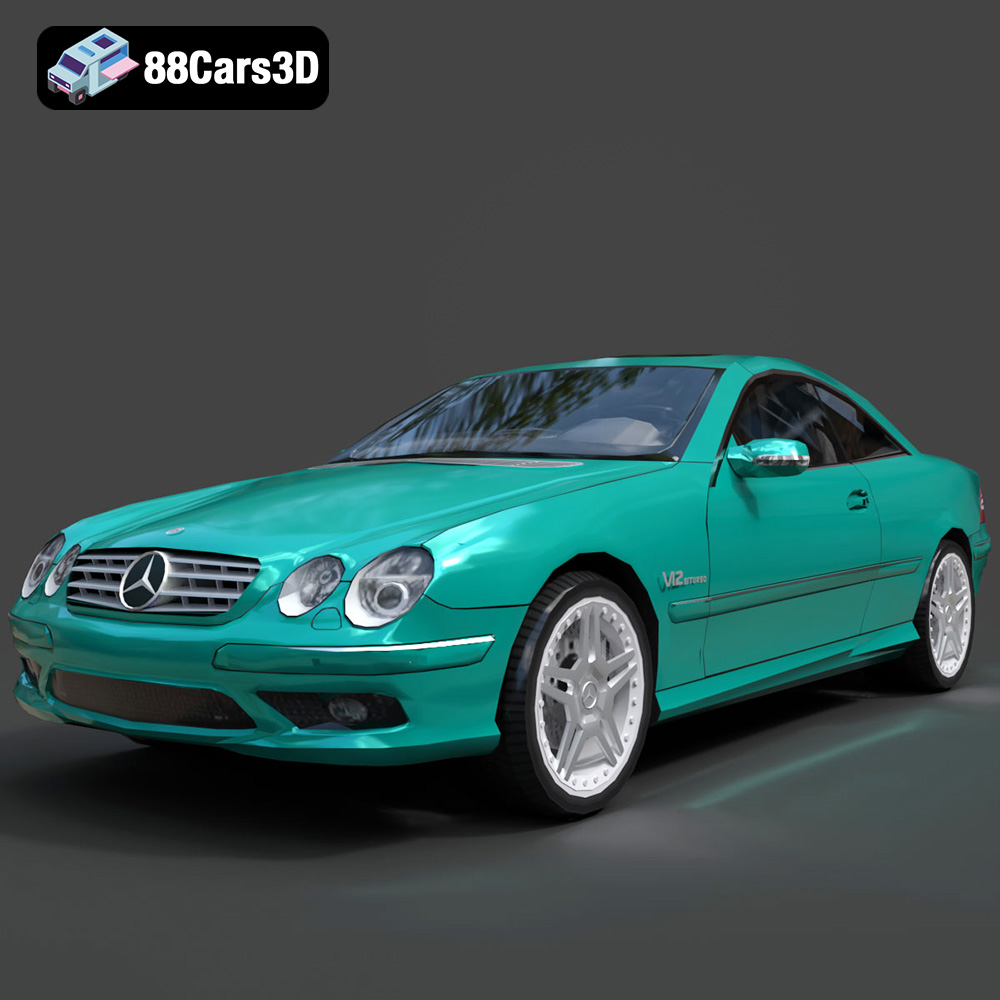
Mercedes-Benz CL65 C215 AMG 3D Model
Texture: Yes
Material: Yes
Download the Mercedes-Benz CL65 C215 AMG 3D Model featuring clean geometry, realistic detailing, and a fully modeled interior. Includes .blend, .fbx, .obj, .glb, .stl, .ply, .unreal, and .max formats for rendering, simulation, and game development.
Price: $23.99
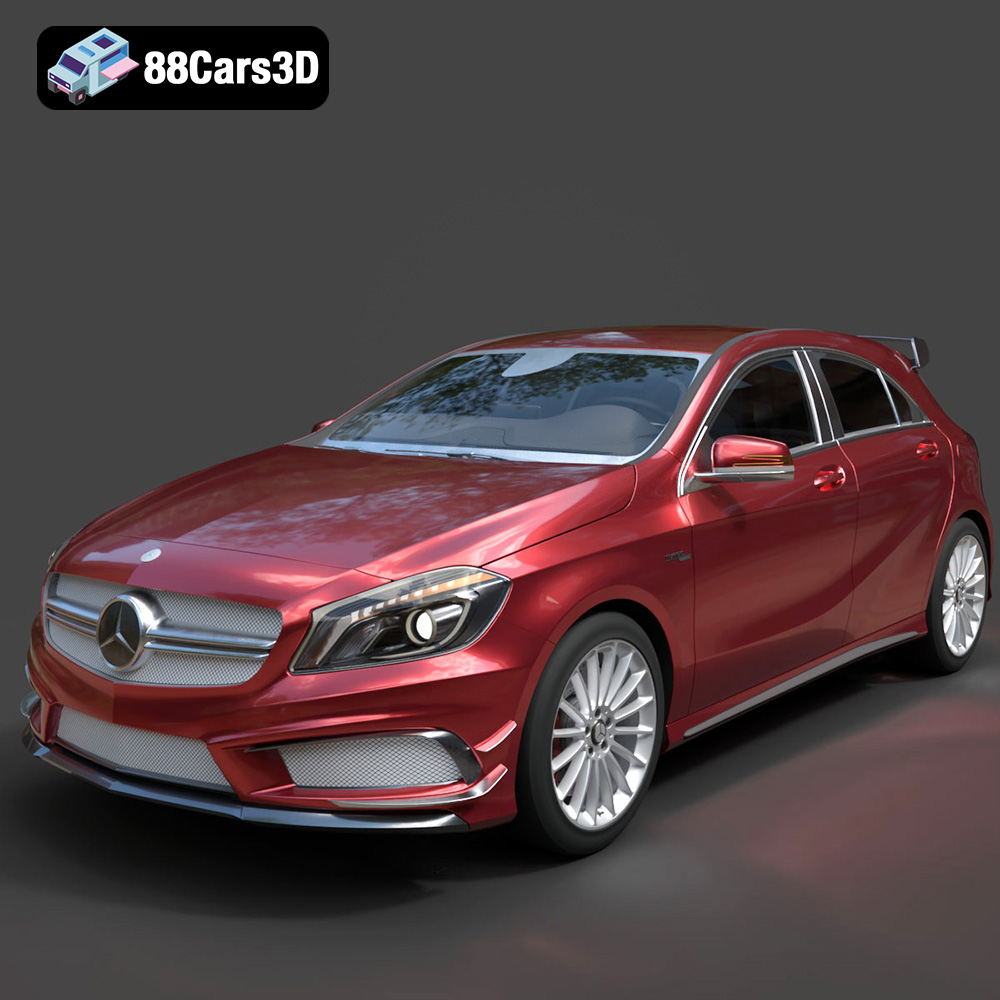
Mercedes-Benz A45 2021 3D Model
Texture: Yes
Material: Yes
Download the Mercedes-Benz A45 2021 3D Model featuring clean geometry, realistic detailing, and a fully modeled interior. Includes .blend, .fbx, .obj, .glb, .stl, .ply, .unreal, and .max formats for rendering, simulation, and game development.
Price: $23.99
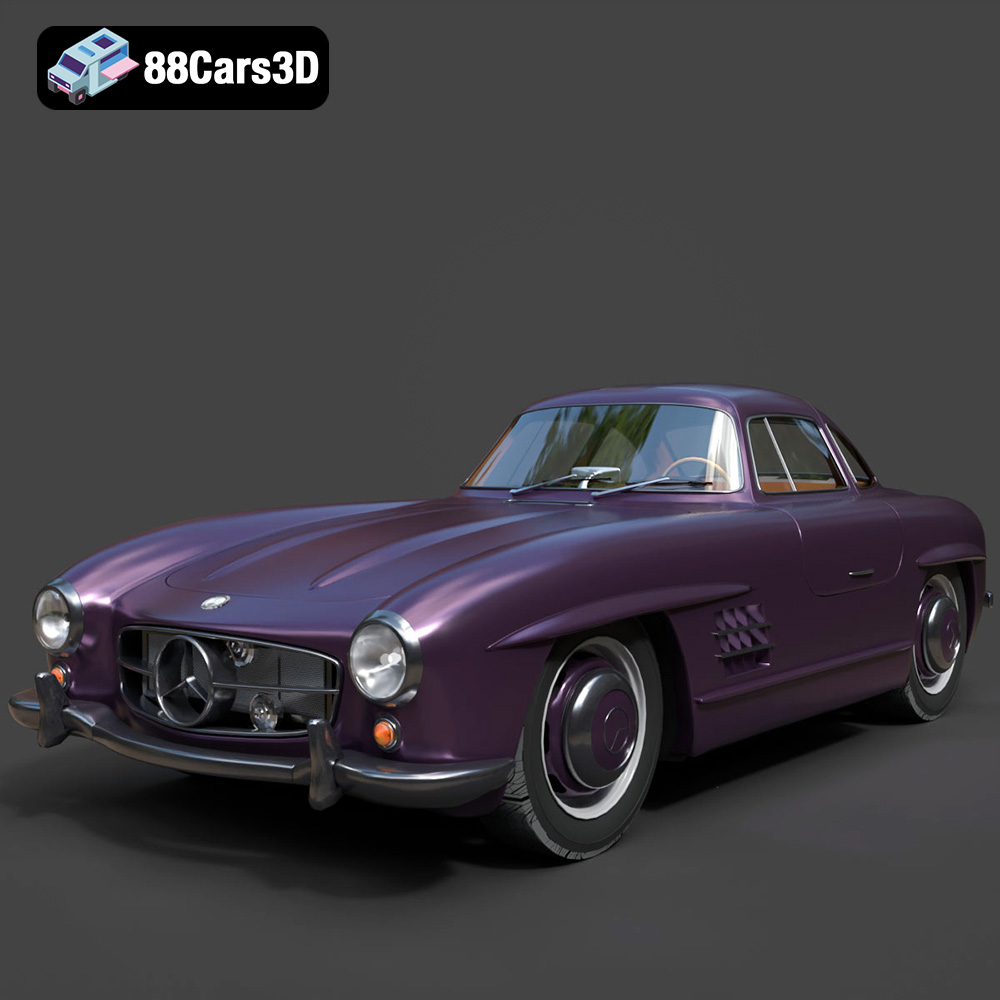
Mercedes-Benz 300SL 1955 3D Model
Texture: Yes
Material: Yes
Download the Mercedes-Benz 300SL 1955 3D Model featuring clean geometry, realistic detailing, and a fully modeled interior. Includes .blend, .fbx, .obj, .glb, .stl, .ply, .unreal, and .max formats for rendering, simulation, and game development.
Price: $23.99
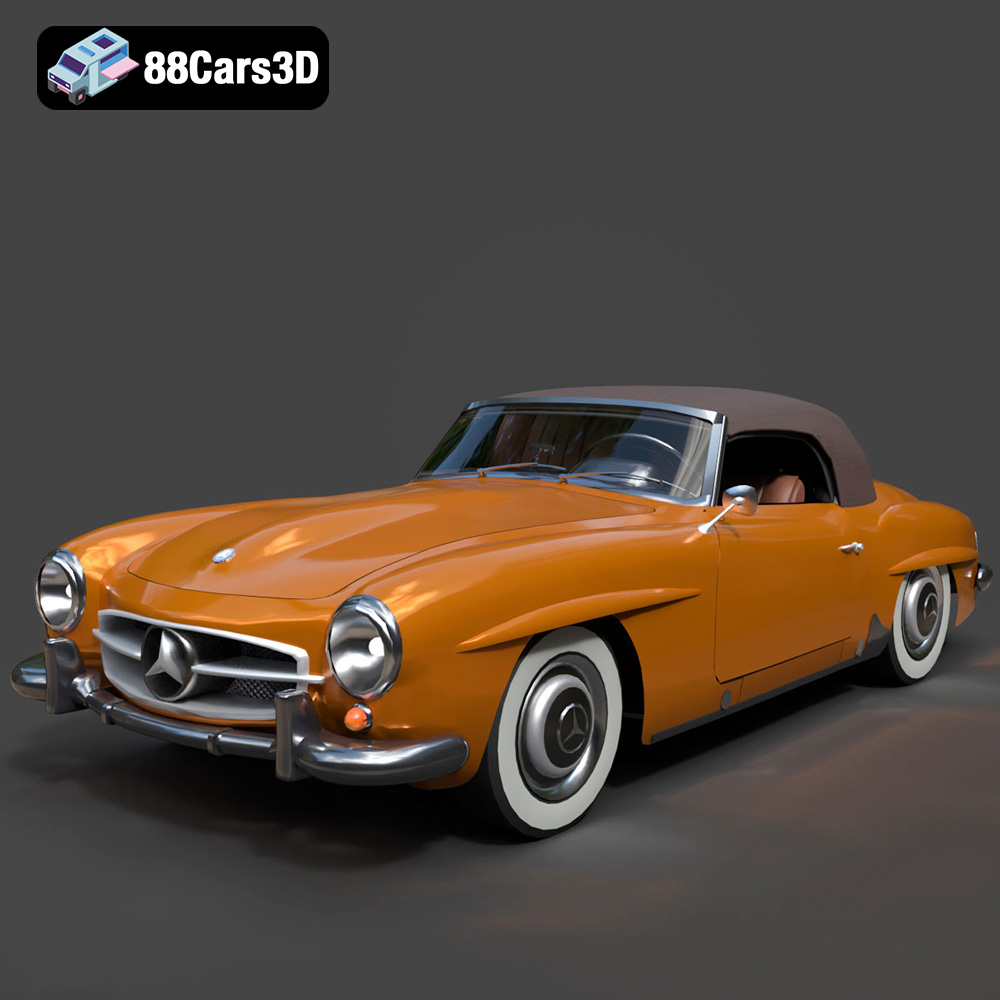
Mercedes-Benz 190SL 1955 3D Model
Texture: Yes
Material: Yes
Download the Mercedes-Benz 190SL 1955 3D Model featuring clean geometry, realistic detailing, and a fully modeled interior. Includes .blend, .fbx, .obj, .glb, .stl, .ply, .unreal, and .max formats for rendering, simulation, and game development.
Price: $23.99
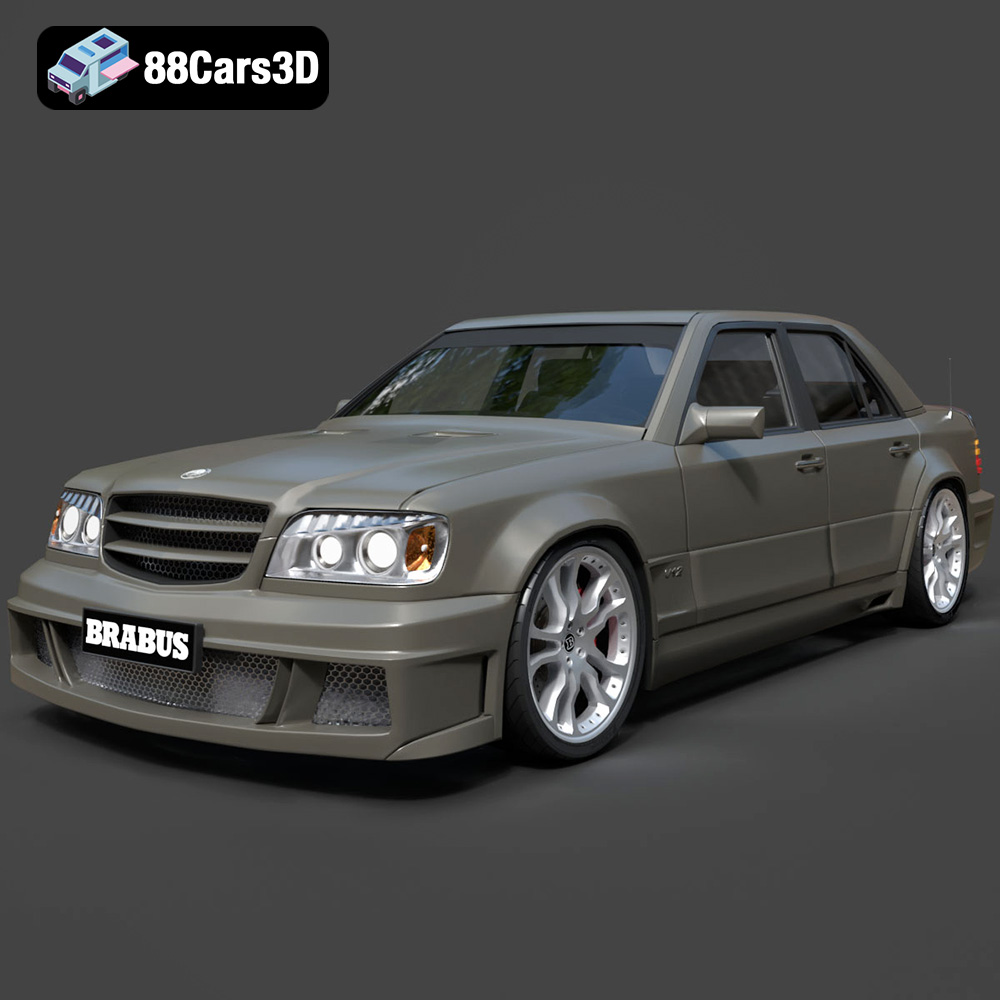
Mercedes-Benz W124 Brabus V12 3D Model
Texture: Yes
Material: Yes
Download the Mercedes-Benz W124 Brabus V12 3D Model featuring clean geometry, realistic detailing, and a fully modeled interior. Includes .blend, .fbx, .obj, .glb, .stl, .ply, .unreal, and .max formats for rendering, simulation, and game development.
Price: $23.99
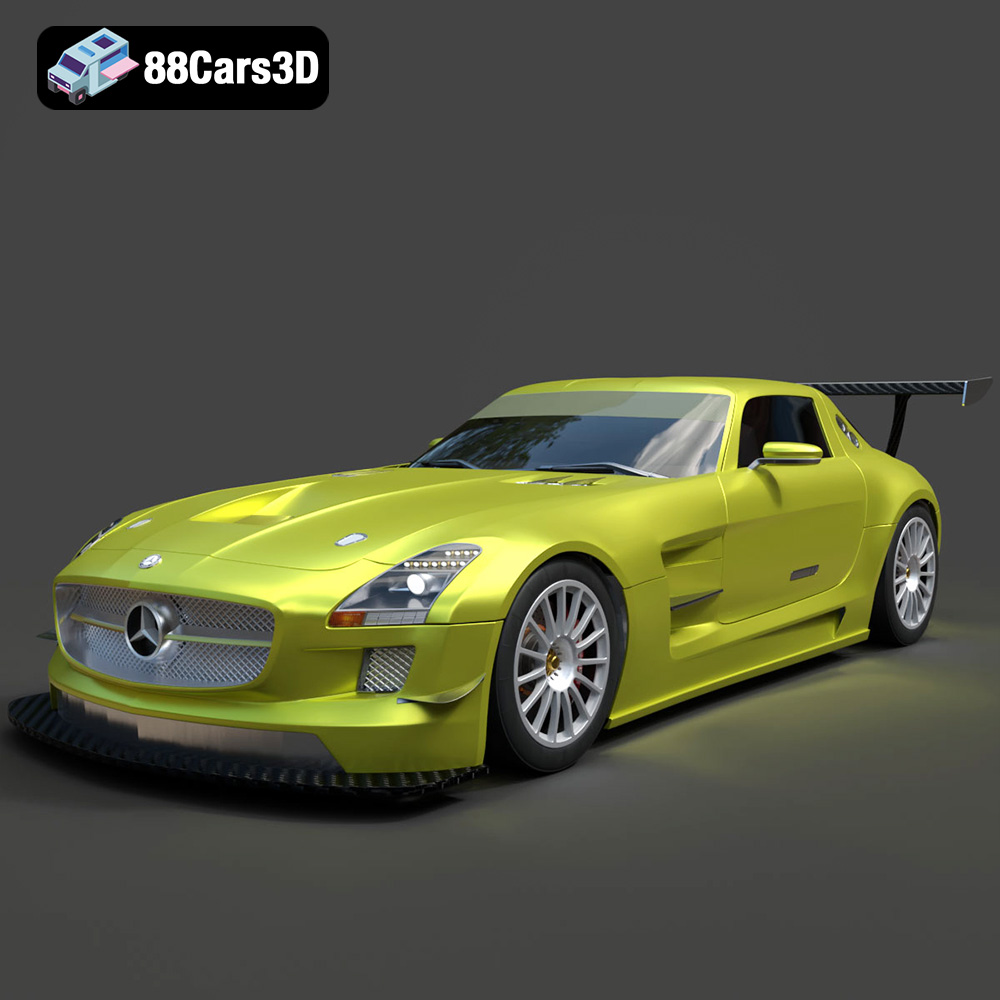
Mercedes-Benz SLS AMG GT3-002 3D Model
Texture: Yes
Material: Yes
Download the Mercedes-Benz SLS AMG GT3-002 3D Model featuring clean geometry, realistic detailing, and a fully modeled interior. Includes .blend, .fbx, .obj, .glb, .stl, .ply, .unreal, and .max formats for rendering, simulation, and game development.
Price: $38.99

Mercedes-Benz C-Class-001 3D Model
Texture: Yes
Material: Yes
Download the Mercedes-Benz C-Class-001 3D Model featuring clean geometry, realistic detailing, and a fully modeled interior. Includes .blend, .fbx, .obj, .glb, .stl, .ply, .unreal, and .max formats for rendering, simulation, and game development.
Price: $38.99
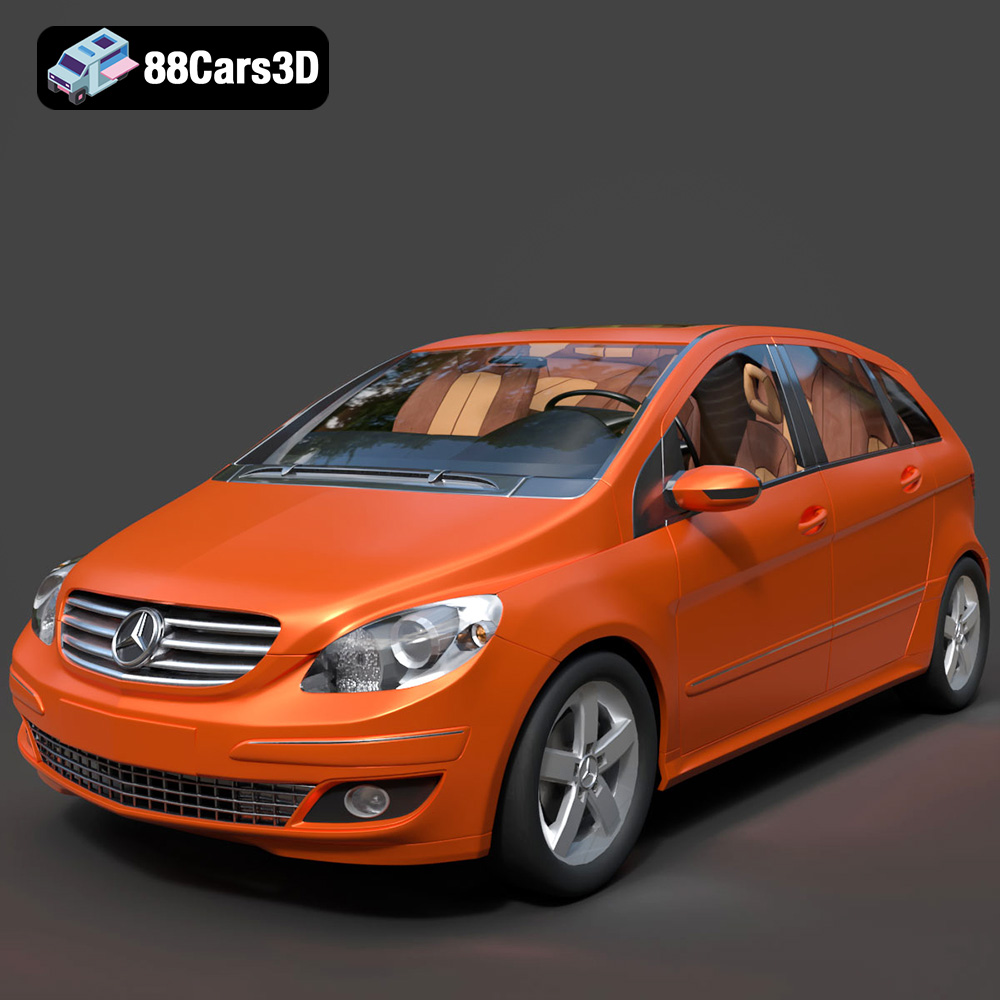
Mercedes-Benz B-Klasse 2023 3D Model
Texture: Yes
Material: Yes
Download the Mercedes-Benz B-Klasse 2023 3D Model featuring clean geometry, realistic detailing, and a fully modeled interior. Includes .blend, .fbx, .obj, .glb, .stl, .ply, .unreal, and .max formats for rendering, simulation, and game development.
Price: $38.99
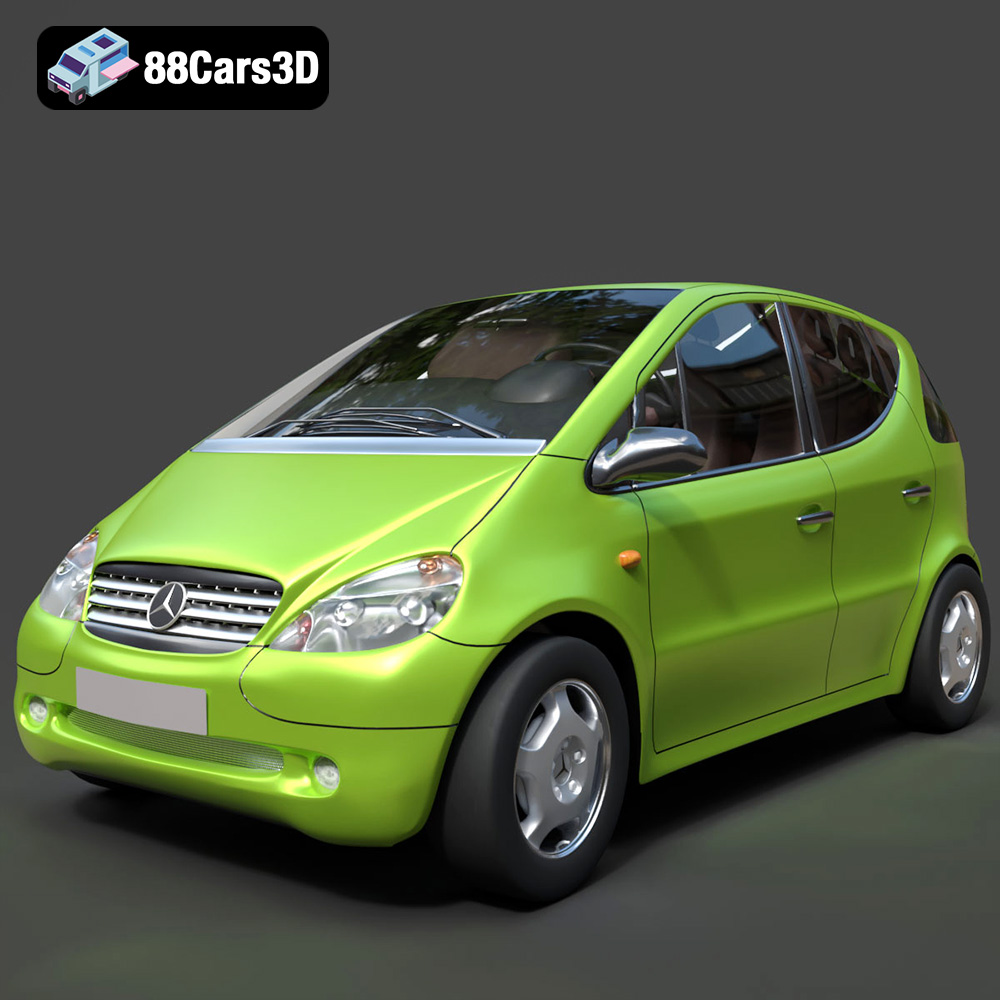
Mercedes-Benz A-Klasse W168 3D Model
Texture: Yes
Material: Yes
Download the Mercedes-Benz A-Klasse W168 3D Model featuring clean geometry, realistic detailing, and a fully modeled interior. Includes .blend, .fbx, .obj, .glb, .stl, .ply, .unreal, and .max formats for rendering, simulation, and game development.
Price: $38.99
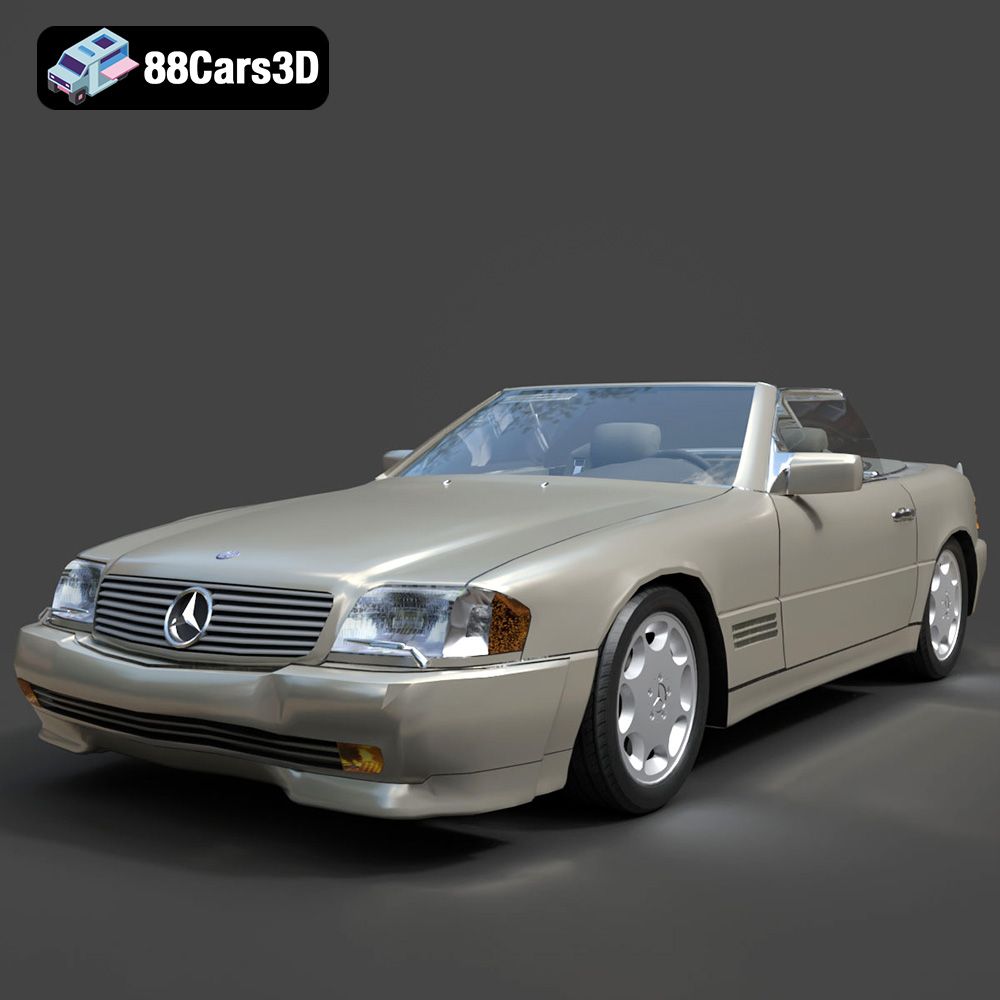
Mercedes-Benz 500SL 2000 3D Model
Texture: Yes
Material: Yes
Download the Mercedes-Benz 500SL 2000 3D Model featuring clean geometry, realistic detailing, and a fully modeled interior. Includes .blend, .fbx, .obj, .glb, .stl, .ply, .unreal, and .max formats for rendering, simulation, and game development.
Price: $38.99
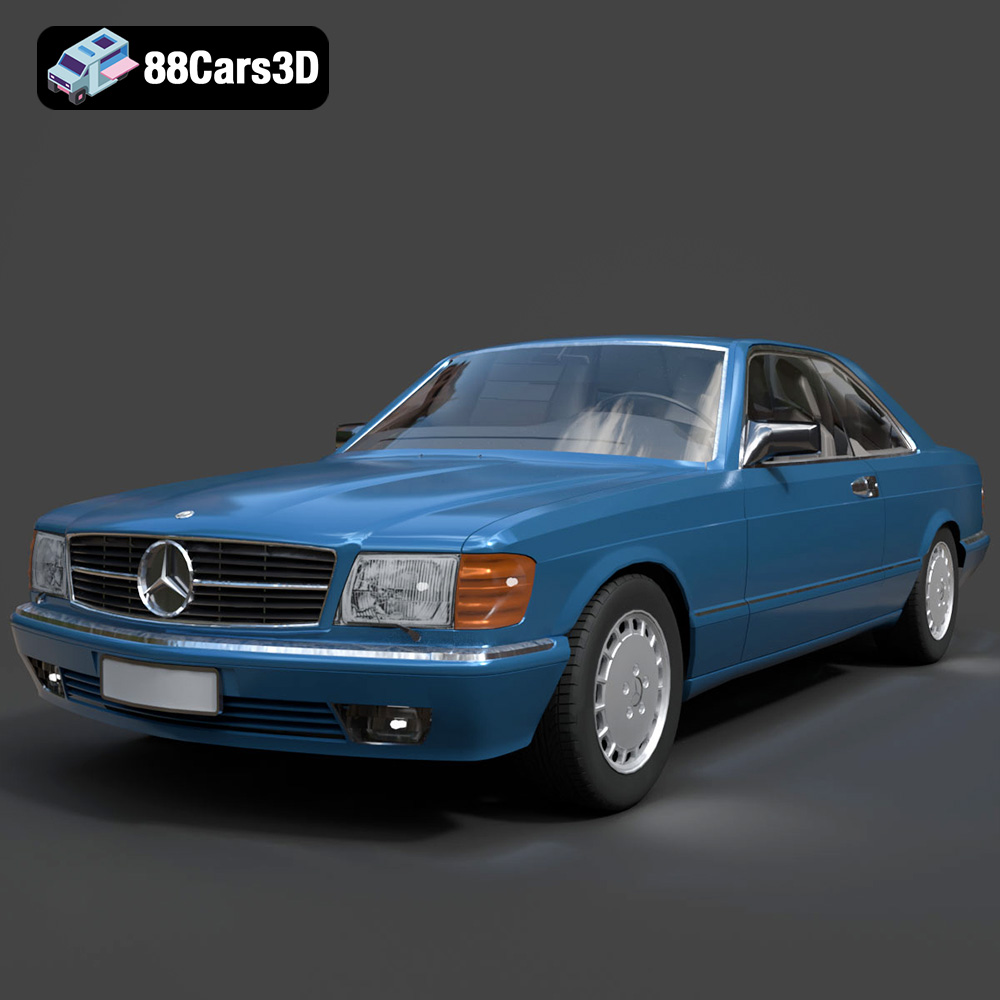
Mercedes-Benz 500SEC 3D Model
Texture: Yes
Material: Yes
Download the Mercedes-Benz 500SEC 3D Model featuring clean geometry, realistic detailing, and a fully modeled interior. Includes .blend, .fbx, .obj, .glb, .stl, .ply, .unreal, and .max formats for rendering, simulation, and game development.
Price: $38.99
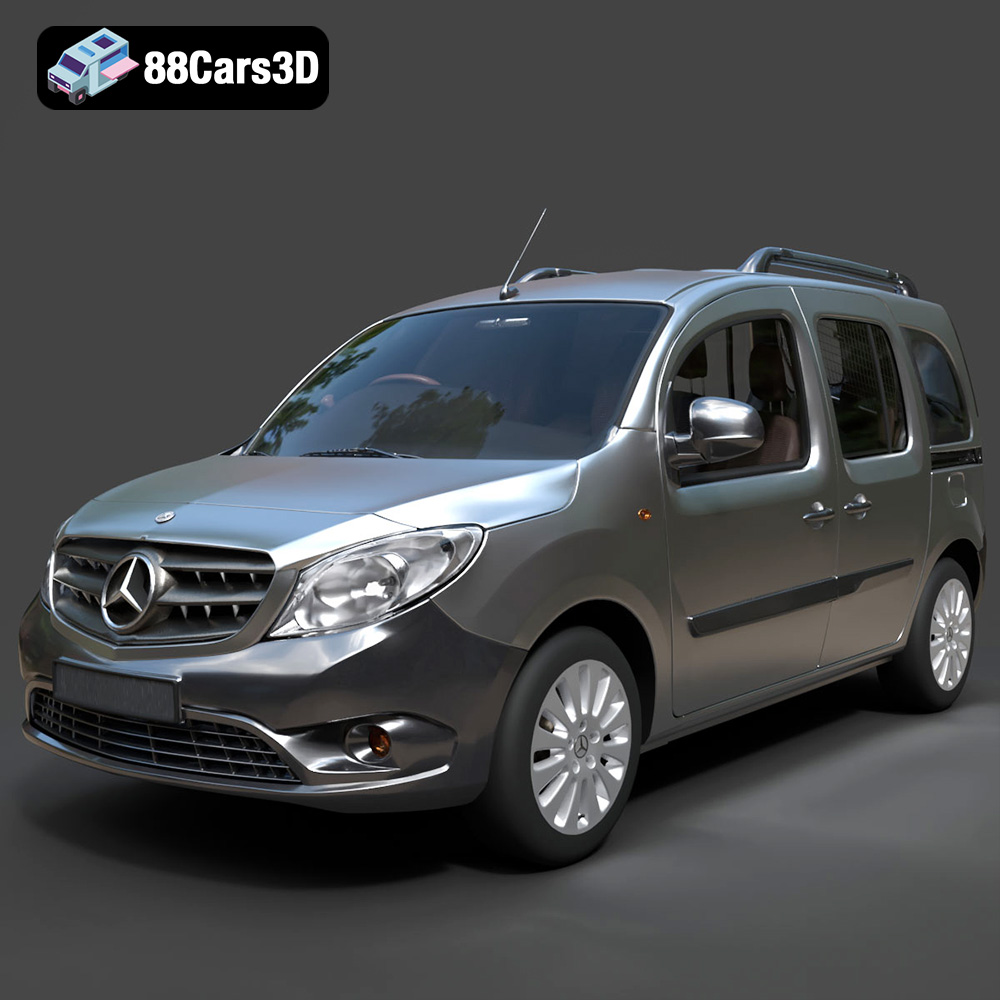
Mercedes-Benz Citan 2025 3D Model
Texture: Yes
Material: Yes
Download the Mercedes-Benz Citan 2025 3D Model featuring clean geometry, realistic detailing, and a fully modeled interior. Includes .blend, .fbx, .obj, .glb, .stl, .ply, .unreal, and .max formats for rendering, simulation, and game development.
Price: $38.99
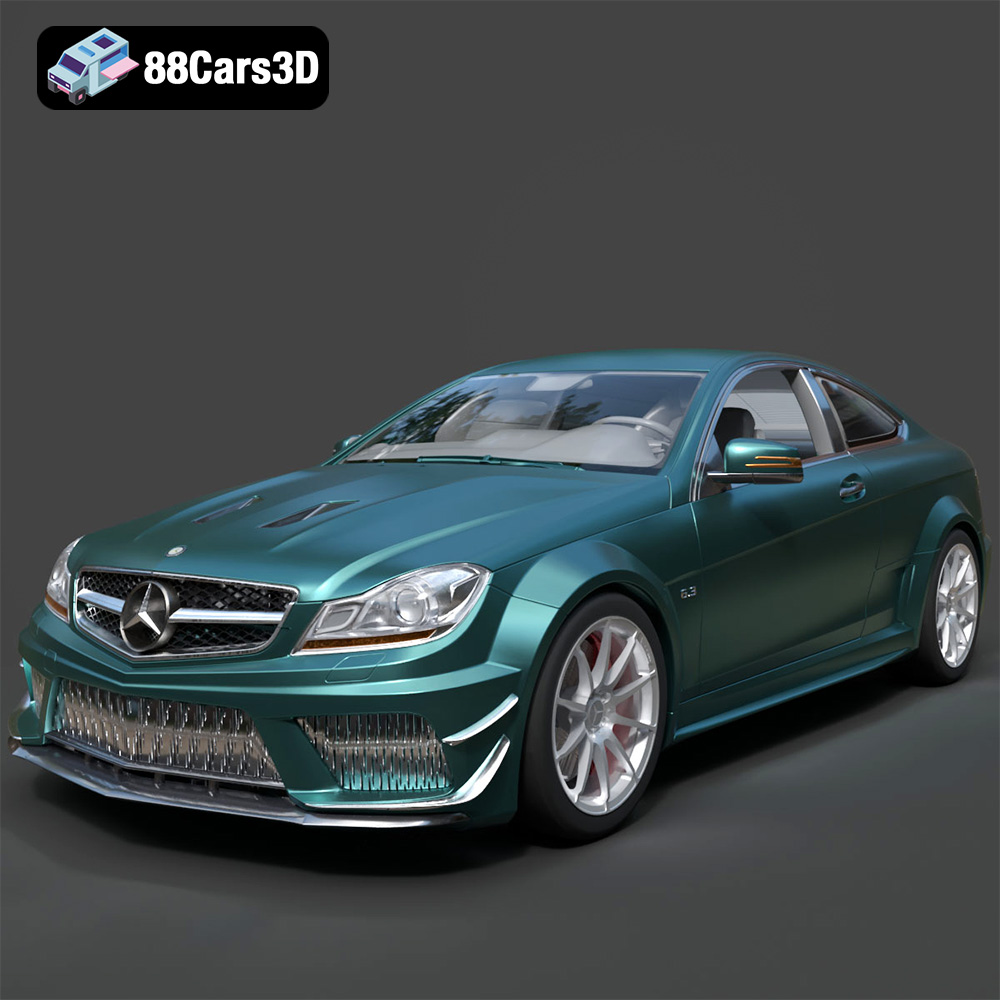
Mercedes-Benz C63 AMG 2012 3D Model
Texture: Yes
Material: Yes
Download the Mercedes-Benz C63 AMG 2012 3D Model featuring clean geometry, realistic detailing, and a fully modeled interior. Includes .blend, .fbx, .obj, .glb, .stl, .ply, .unreal, and .max formats for rendering, simulation, and game development.
Price: $38.99
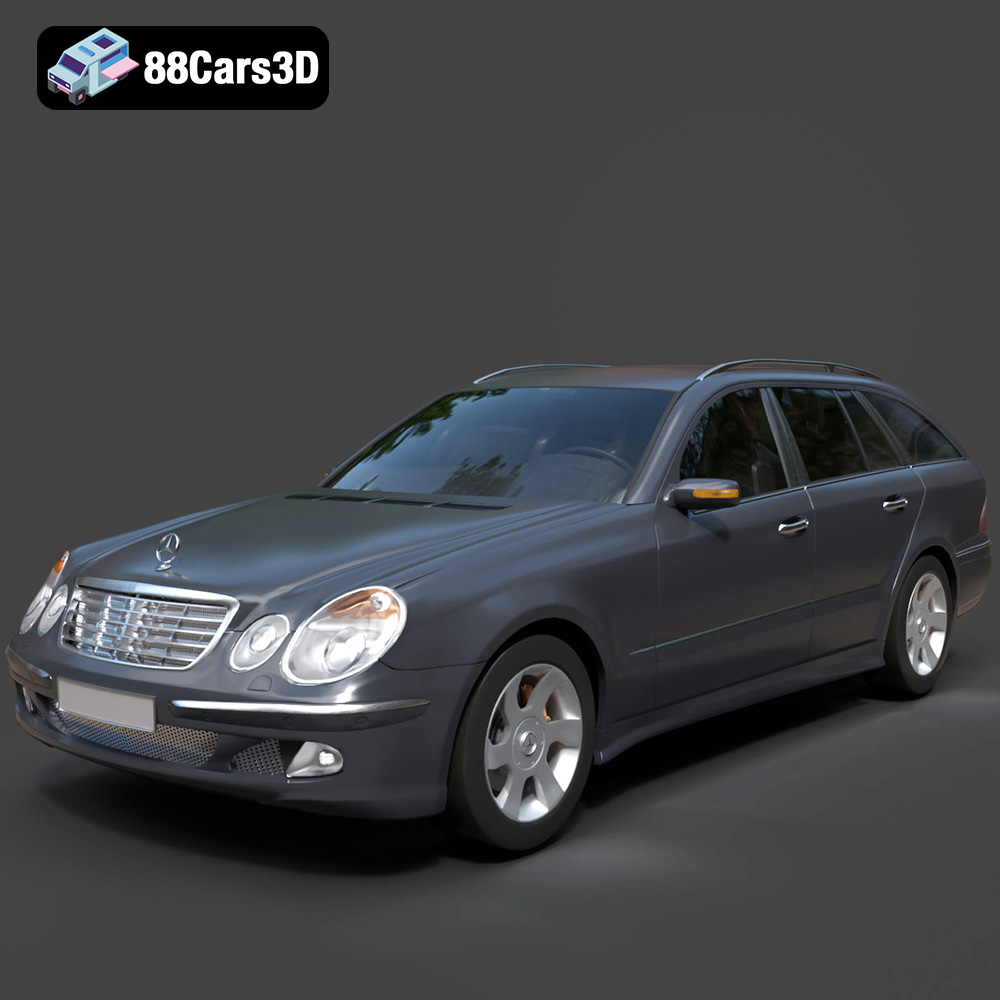
Mercedes-Benz E-Class S211 3D Model
Texture: Yes
Material: Yes
Download the Mercedes-Benz E-Class S211 3D Model featuring clean geometry, realistic detailing, and a fully modeled interior. Includes .blend, .fbx, .obj, .glb, .stl, .ply, .unreal, and .max formats for rendering, simulation, and game development.
Price: $38.99
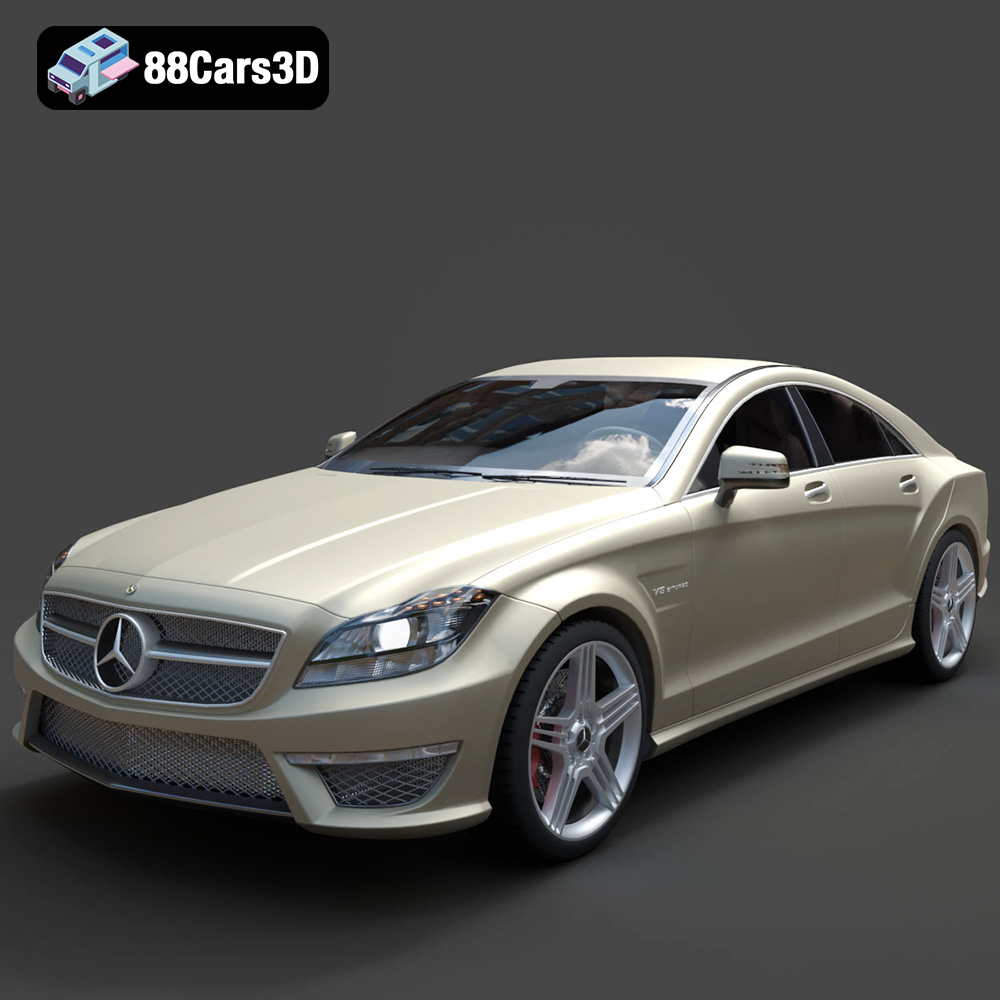
Mercedes-Benz CLS63 AMG (C218) 2014 3D Model
Texture: Yes
Material: Yes
Download the Mercedes-Benz CLS63 AMG (C218) 2014 3D Model featuring clean geometry, realistic detailing, and a fully modeled interior. Includes .blend, .fbx, .obj, .glb, .stl, .ply, .unreal, and .max formats for rendering, simulation, and game development.
Price: $38.99
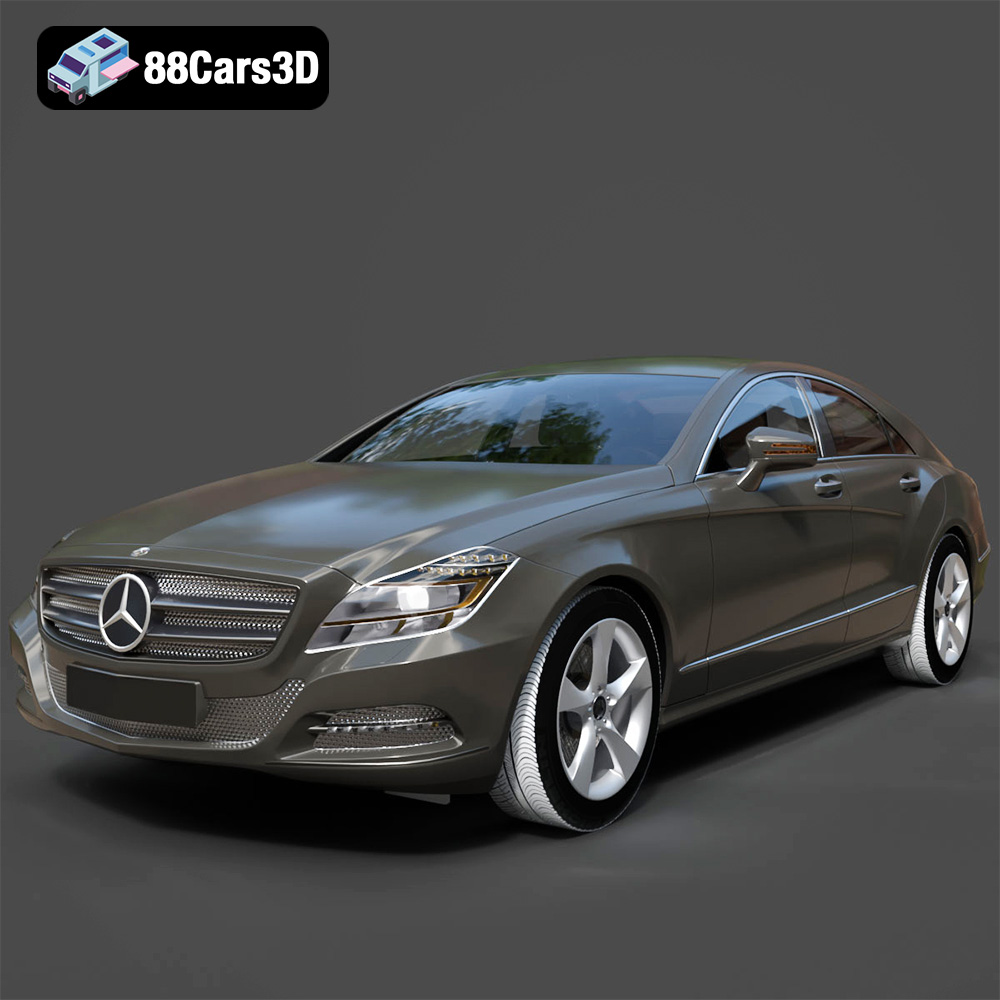
Mercedes-Benz CLS-Klasse 3D Model
Texture: Yes
Material: Yes
Download the Mercedes-Benz CLS-Klasse 3D Model featuring clean geometry, realistic detailing, and a fully modeled interior. Includes .blend, .fbx, .obj, .glb, .stl, .ply, .unreal, and .max formats for rendering, simulation, and game development.
Price: $38.99
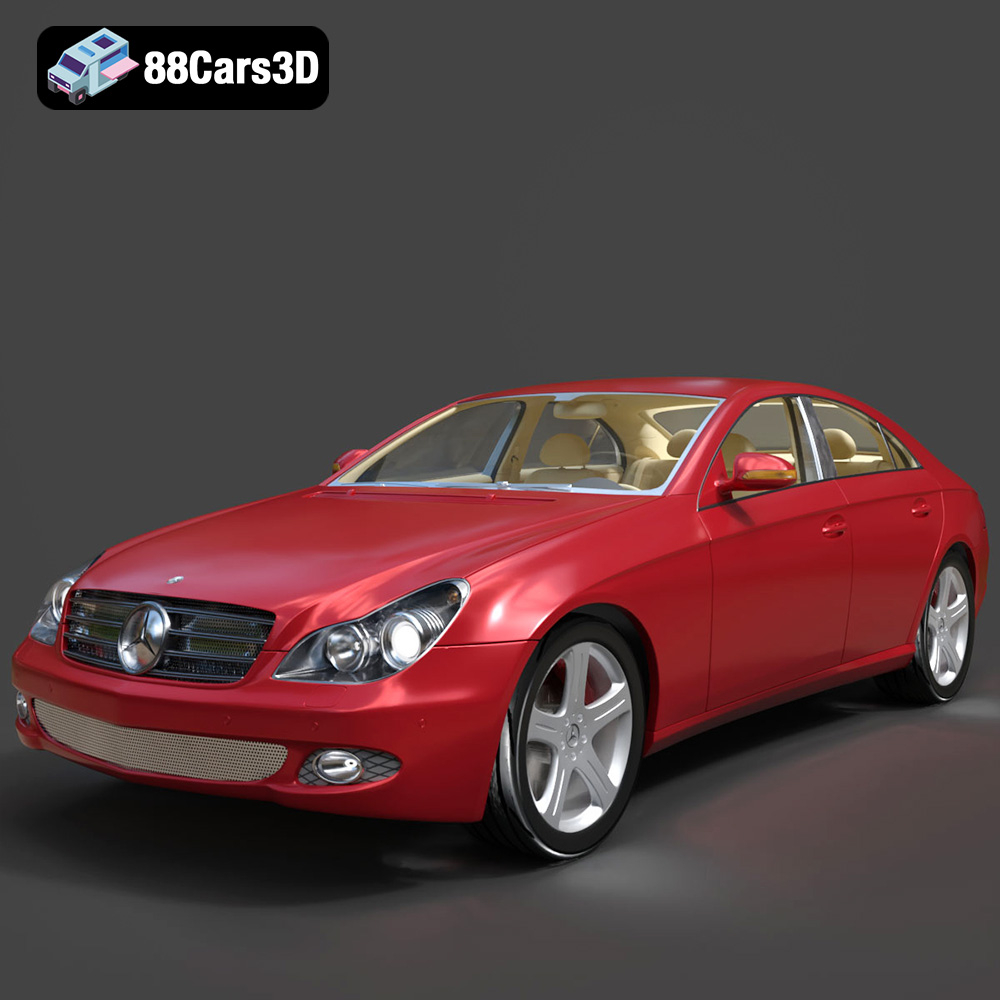
Mercedes-Benz CLS 500 3D Model
Texture: Yes
Material: Yes
Download the Mercedes-Benz CLS 500 3D Model featuring clean geometry, realistic detailing, and a fully modeled interior. Includes .blend, .fbx, .obj, .glb, .stl, .ply, .unreal, and .max formats for rendering, simulation, and game development.
Price: $38.99

Mercedes-Benz CL-Klasse 2001 3D Model
Texture: Yes
Material: Yes
Download the Mercedes-Benz CL-Klasse 2001 3D Model featuring clean geometry, realistic detailing, and a fully modeled interior. Includes .blend, .fbx, .obj, .glb, .stl, .ply, .unreal, and .max formats for rendering, simulation, and game development.
Price: $38.99
