
Mastering Photorealistic Car Paint in Unreal Engine 5: The Definitive Guide for Automotive Assets

Mastering Photorealistic Car Paint in Unreal Engine 5: The Definitive Guide for Automotive Assets
Few things capture attention like a perfectly rendered car. The way light dances across its curves, reflecting the environment with dazzling precision, is a hallmark of truly high-fidelity automotive rendering. However, achieving that coveted photorealism, especially for complex materials like car paint, can be one of the most challenging aspects of 3D visualization. Car paint isn’t just a simple color; it’s a multi-layered marvel of physics, light interaction, and intricate material properties.
Fortunately, Unreal Engine 5 provides an incredibly powerful and flexible suite of tools within its UE5 material editor to tackle this challenge head-on. With its advanced rendering capabilities, including Lumen for global illumination and hardware ray tracing reflections, UE5 offers an unparalleled environment for creating stunning visual assets. This comprehensive guide will take you through the science and practical steps required to craft a truly photorealistic car paint shader, transforming your models into works of art. Whether you’re developing high-end games, creating marketing visualizations, or simply aiming for perfection, understanding these techniques is crucial.
The Science Behind the Sheen: Car Paint Physics and PBR in Unreal Engine 5
Before diving into the UE5 material editor, it’s essential to grasp the fundamental physics of real-world car paint. Modern automotive finishes are typically composed of several distinct layers, each contributing to the final look:
- Primer Coat: Applied directly to the metal, providing adhesion and corrosion resistance. It typically has a matte finish.
- Base Coat (Color Coat): This layer provides the primary color of the vehicle. It can be solid, metallic, or pearlescent. Metallic paints contain tiny aluminum or mica flakes that reflect light, creating a sparkling effect.
- Clear Coat: A transparent, highly glossy layer applied over the base coat. This is where most of the specular reflection and environmental interaction occurs, providing depth, protection, and that characteristic wet look. Sometimes, multiple clear coats are applied for enhanced durability and visual depth.
Unreal Engine 5 leverages Physically Based Rendering (PBR) principles, which simulate how light behaves in the real world. For PBR shader setup, the key parameters are Base Color, Metallic, Specular, Roughness, Normal, and Emissive. Understanding how car paint fits into this framework is critical. Most car paint, specifically the base color and clear coat layers, behaves like a dielectric material. This means its “Metallic” value should be 0. However, the metallic flakes embedded within the base coat are indeed metallic, creating a fascinating blend of properties that needs careful simulation.
The distinction between dielectric vs metallic is fundamental in PBR. Dielectric materials (like plastic, glass, paint) have a relatively low and constant specular reflection (typically 0.04 or 4% at a direct angle) and don’t contribute to reflections in their base color, instead reflecting the environment. Metallic materials, conversely, reflect light based on their base color and have much higher specular values. Car paint’s challenge lies in its hybrid nature, where a largely dielectric surface contains metallic elements, all under a highly reflective dielectric clear coat. This intricate interaction is what we aim to replicate for truly convincing automotive rendering.
Building the Base Coat: The Foundation of Your Photorealistic Car Paint
The base coat sets the primary color and underlying texture of your car paint. In the UE5 material editor, we start by creating a new material and setting its domain to ‘Surface’ and Blend Mode to ‘Opaque’ or ‘Masked’ if you have specific transparency needs (though typically not for car paint). The key inputs for the base coat are straightforward, yet foundational for our PBR shader setup.
1. Setting Up the Base Color
Begin by defining your car’s primary color. You can use a simple Vector3 (Constant3Vector) parameter for a solid color, allowing easy adjustments in a material instance. For more nuanced effects, consider a texture map, especially if you want subtle color variations or patterns. Connect this directly to the Base Color input of your material.
2. Defining Base Roughness and Specular
For the base coat beneath the clear coat, its roughness and specular values will be largely occluded by the clear coat. However, they are still important for accurate underlying reflections, especially at very glancing angles where the clear coat might thin out or for specific artistic styles. Set the Metallic input to 0, as the base paint itself is a dielectric. Specular typically defaults to 0.5 for dielectrics in UE5, which is generally acceptable. The roughness of the base coat can be a constant value (e.g., 0.6-0.8 for a matte base) or driven by a texture for variations, though a constant is often sufficient given the clear coat’s dominance.
3. Adding Normal Map Details (Optional but Recommended)
While the clear coat will primarily dictate the surface normal, applying a subtle noise or slight texture to the base coat’s normal map can introduce microscopic imperfections that enhance realism, particularly when viewed up close. Use a small Tiling Noise texture with a low intensity ‘Normal From Heightmap’ node to generate very fine surface irregularities. This helps break up perfect reflections and adds a touch of organic realism, even if barely perceptible from a distance.
Adding Metallic Flakes: Capturing Sparkle and Depth
The sparkle and depth of metallic car paint come from tiny metallic flakes embedded within the base coat. Replicating this effect accurately in the UE5 material editor requires a slightly more advanced approach than a simple texture. We need to simulate how these flakes catch and reflect light at various angles, influencing the perceived color and brightness of the paint.
1. Simulating Flake Normals and Fresnel
The core of metallic flake simulation involves generating a “flake normal map” that constantly changes as the camera or light moves. This can be achieved with a few procedural techniques:
- Noise-Based Normals: Use a combination of procedural noise textures (like Gradient Noise or Perlin Noise) to generate a high-frequency, small-scale normal map. These textures should be heavily tiled.
- Rotation and Panning: To simulate the random orientation of flakes, you can pan and rotate these noise textures at different speeds and directions using ‘Panner’ and ‘RotateAboutAxis’ nodes.
- Fresnel Effect for Visibility: The metallic flake intensity often appears stronger at glancing angles. A Fresnel effect can be used to drive the contribution of the metallic flakes. Multiply your flake normal map by a Fresnel node (with a suitable power, e.g., 2-4) to enhance their visibility at acute angles relative to the camera.
2. Blending Flake Normals and Metallic Contribution
Once you have your dynamic flake normal, you’ll need to blend it with the base coat’s normal. A ‘BlendNormals’ node is ideal for this. The intensity of this blend, and thus the overall metallic flake intensity, can be controlled by a scalar parameter. This blended normal will then drive the normal input for the metallic flake layer.
For the metallic aspect, you essentially want to create a small “metallic island” wherever a flake is present. This is often achieved by generating a mask based on your noise textures (e.g., by clamping and power-scaling the noise to create distinct dots) and feeding this into a ‘Lerp’ node. This ‘Lerp’ will blend between a Metallic value of 0 (for the base paint) and 1 (for the flakes) based on your flake mask. The output of this Lerp node goes to the Material’s Metallic input, ensuring the flakes behave like true metals.
3. Adjusting Flake Color and Roughness
The color of the metallic flakes is usually a desaturated version of the base color, or a neutral silver/gold, depending on the desired effect. You can control this via a parameter. The roughness of the flakes should be relatively low (e.g., 0.2-0.4) to give them that sharp, reflective glint. Remember, these flakes are microscopic and highly polished.
The integration of these custom functions allows for sophisticated control over the visual properties of your car paint, pushing the boundaries of realism in your automotive rendering projects. For artists seeking high-fidelity starting points, 88cars3d.com offers a range of meticulously crafted 3D car models that are ideal for applying these advanced material techniques.
Crafting the Clear Coat: The Ultimate Sheen and Protection
The clear coat is arguably the most crucial layer for achieving photorealistic car paint. It provides the deep reflections, the characteristic “wet look,” and the overall luster that makes a vehicle look pristine. Unreal Engine 5 offers a dedicated ‘Clear Coat’ input that simplifies the process significantly, but understanding its nuances is key to mastering the clear coat effect.
1. Understanding UE5’s Clear Coat Input
The Material output node in UE5 includes a ‘Clear Coat’ pin. When a value (typically between 0 and 1) is connected here, UE5 simulates a secondary specular lobe on top of your base material. This secondary lobe acts as the clear coat, rendering its own reflections and specular highlights. A value of 1 represents a fully opaque clear coat, while values closer to 0 make it transparent or absent. It effectively applies another layer of reflection on top of everything else.
2. Defining Clear Coat Roughness and Normal
- Clear Coat Roughness: This input controls the glossiness of the clear coat. For a showroom-quality finish, this value should be very low (e.g., 0.02 – 0.1). A slightly higher value can simulate minor dust or micro-scratches. You can drive this with a scalar parameter for easy adjustment.
- Clear Coat Normal: While the base material uses its own normal map (potentially influenced by flakes), the clear coat has its own normal. This is crucial for adding subtle surface imperfections like orange peel or fine scratches without affecting the underlying paint. You can use a very subtle noise texture, similar to the base coat normal but perhaps even finer, to simulate these imperfections. Blend a highly tiled ‘Normal From Heightmap’ (from a noise texture) with the main surface normal using a ‘BlendNormals’ node, and then connect this to the Clear Coat Normal input. This adds depth and breaks up perfect reflections, enhancing realism.
3. Simulating Multiple Clear Coat Layers (Advanced)
While UE5’s built-in Clear Coat is a single layer, professional automotive paints often feature multiple clear coats. To simulate this additional depth, you can employ a technique using custom material functions and blending. One approach is to duplicate the clear coat logic (roughness, normal, Fresnel) and blend it with the primary clear coat, perhaps with a slightly different roughness or normal contribution. This can be complex, but it can add a subtle, almost liquid-like depth that is hard to achieve with a single layer. Alternatively, you can use the built-in clear coat but slightly modify its IOR (Index of Refraction) and Fresnel properties to achieve a similar visual effect, making sure it integrates seamlessly with ray tracing reflections.
Advanced Realism: Custom Functions, Layer Blending, and Accurate Reflections
To truly master photorealistic car paint, we need to go beyond the basic inputs and leverage the full power of the UE5 material editor. This involves using custom material functions for modularity, sophisticated blending of our layers, and ensuring our reflection properties are scientifically accurate, especially with ray tracing reflections enabled.
1. Leveraging Custom Material Functions for Modularity
As your material becomes more complex, using custom material functions is invaluable. Encapsulate logical blocks of your shader (e.g., flake generation, clear coat properties, normal blending) into separate material functions. This makes your main material graph cleaner, easier to debug, and highly reusable across different car paint materials. For example, create a function for “Metallic Flake Generator” that outputs the flake normal and metallic mask, or a “Clear Coat Modifier” that takes base normals and roughness and outputs modified clear coat specific values. This practice not only streamlines your workflow but also makes your materials highly scalable and easier to optimize.
2. Accurate Fresnel and IOR for Dielectric vs Metallic
The Fresnel effect describes how the reflectivity of a surface changes with viewing angle. For dielectrics (like our base coat and clear coat), reflectivity increases significantly at glancing angles. For metals (our flakes), reflectivity is high at all angles. While UE5 handles a default Fresnel for its PBR model, you can introduce custom Fresnel nodes for specific effects, such as controlling the falloff of the metallic flakes or fine-tuning the edge reflections of the clear coat. The Index of Refraction (IOR) also plays a role; while UE5 uses an assumed IOR for its default specular, understanding that clear coats typically have an IOR of around 1.4-1.5 allows you to mentally calibrate your roughness and specular values for realism.
3. Integrating Advanced Normal Map Blending and Detail
Beyond simple noise, you might want to introduce specific patterns or imperfections to your clear coat. Consider using micro-scratch normal maps or subtle smudges to add another layer of realism. These should be very fine and subtly blended with your primary clear coat normal. The ‘BlendNormals’ node is your friend here, allowing you to layer different normal details on top of each other without destroying information.
4. Harnessing Ray Tracing Reflections for Unmatched Realism
Unreal Engine 5’s hardware ray tracing reflections are a game-changer for automotive rendering. While screen-space reflections (SSR) can look good, ray tracing provides truly accurate, physically correct reflections of the entire scene, including off-screen objects, multiple bounces, and precise reflection of light sources. Ensure your project has ray tracing enabled and configured correctly for reflections. The quality of your material’s roughness, normal, and clear coat inputs will directly impact how stunning these ray-traced reflections appear. Pay close attention to subtle variations in roughness, as these will be beautifully rendered by ray tracing, revealing microscopic details and surface imperfections that enhance realism significantly.
Achieving this level of material fidelity takes practice, but the results are undeniably worth the effort. For a solid foundation to build upon, consider exploring the detailed 3D car models available at 88cars3d.com, perfect for applying these advanced material techniques and immediately seeing the impact of your efforts in a high-quality asset.
Optimizing for Performance and Visual Fidelity: Lumen, Ray Tracing, and Scalability
Creating a photorealistic car paint shader is only part of the equation; ensuring it performs efficiently while maintaining visual fidelity is equally important, especially for interactive experiences like games or real-time configurators. Unreal Engine 5 offers powerful tools like Lumen and Ray Tracing, but careful optimization of your materials is key for successful automotive rendering.
1. Efficient Material Graph Construction
- Parameterization: Convert all adjustable values (colors, roughness, flake intensity, normal map strengths) into parameters. This allows you to create Material Instances and tweak your paint without recompiling the shader, saving development time and enabling quick variations.
- Material Functions: As discussed, breaking down complex logic into custom material functions not only organizes your graph but can also aid in optimization by allowing the engine to compile and reuse common nodes more efficiently.
- Avoid Unnecessary Complexity: While it’s tempting to add every possible detail, critically evaluate if a particular node or texture truly adds perceptible value. For instance, very high-resolution noise textures might be overkill if the clear coat roughness is already blurring their effect.
2. Texture Optimization
- Appropriate Resolutions: Use texture resolutions that are appropriate for the intended viewing distance. A 4K normal map for a tiny flake detail might be excessive if the car is mostly viewed from a distance.
- Texture Compression: Ensure your textures are compressed correctly within UE5. Normal maps should use the ‘Normalmap’ compression setting, and roughness/metallic maps often benefit from ‘Masks’ or ‘Grayscale’ settings.
- Texture Atlases: If you have multiple small detail textures, consider combining them into an atlas to reduce draw calls.
3. Leveraging UE5’s Lighting and Reflection Systems Smartly
- Lumen Global Illumination: Lumen provides dynamic global illumination and reflections, significantly enhancing realism. Ensure your car model and scene environment are compatible with Lumen for optimal results. Lumen works beautifully with the realistic properties of your PBR material.
- Ray Tracing Reflections: While stunning, ray tracing reflections are computationally intensive. For high-end cinematic or visualization projects, they are indispensable. For games, consider offering scalable quality settings where ray tracing might be optional or have reduced bounce counts. UE5’s ability to blend ray tracing with screen-space reflections (SSR) and planar reflections (for very specific, critical surfaces) can provide a good balance.
- Reflection Captures: Supplement ray tracing or SSR with traditional Reflection Captures for static elements in your scene or as a fallback. For car paint, dynamic reflections are paramount, but captures can provide a robust base.
4. Scalability and Quality Settings
For game development, consider creating different material quality switches or alternative simplified materials for lower settings. A high-end setting might use all the advanced clear coat and flake logic with full ray tracing, while a lower setting might simplify flake calculations and rely more on screen-space reflections. Building your materials with parameters makes it much easier to expose these quality options to end-users or target different platforms effectively.
By thoughtfully applying these optimization techniques, you can ensure your photorealistic car paint not only looks incredible but also runs smoothly across a range of hardware, delivering an exceptional visual experience. Remember, using well-optimized 3D car models from resources like 88cars3d.com provides an excellent starting point, allowing you to focus your efforts on refining these advanced material techniques.
Conclusion
Achieving truly photorealistic car paint in Unreal Engine 5 is a journey that blends scientific understanding with artistic finesse. We’ve navigated the complex layers of automotive finishes, from the underlying base coat and the sparkling metallic flake intensity to the crucial, reflective clear coat effect. We delved into the intricacies of PBR shader setup, distinguishing between dielectric vs metallic properties, and harnessed the power of the UE5 material editor to build a robust, modular, and stunning material.
By leveraging custom material functions, meticulously crafting normal maps for microscopic details, and integrating seamlessly with Unreal Engine 5’s advanced lighting systems like Lumen and sophisticated ray tracing reflections, you now possess the knowledge to elevate your automotive rendering to a professional standard. Remember, the pursuit of realism is an iterative process; experimentation with parameters, textures, and blending techniques will continually refine your results.
The visual impact of a perfectly rendered car is undeniable, and with the definitive guide you’ve just explored, you’re well-equipped to create breathtaking automotive assets. We encourage you to apply these techniques to your own projects and witness the transformation. For artists and developers looking for exceptional starting points, high-quality, meticulously detailed 3D car models are available at 88cars3d.com. Explore our collection and give your next project the photorealistic edge it deserves.
Featured 3D Car Models

Suzuki SX4-002 3D Model
Texture: Yes
Material: Yes
Download the Suzuki SX4-002 3D Model featuring clean geometry, realistic detailing, and a fully modeled interior. Includes .blend, .fbx, .obj, .glb, .stl, .ply, .unreal, and .max formats for rendering, simulation, and game development.
Price: $10

Tesla Model S 2024 3D Model
Texture: Yes
Material: Yes
Download the Tesla Model S 2024 3D Model featuring clean geometry, realistic detailing, and a fully modeled interior. Includes .blend, .fbx, .obj, .glb, .stl, .ply, .unreal, and .max formats for rendering, simulation, and game development.
Price: $10

Subaru Impreza WRX STi-002 3D Model
Texture: Yes
Material: Yes
Download the Subaru Impreza WRX STi-002 3D Model featuring clean geometry, realistic detailing, and a fully modeled interior. Includes .blend, .fbx, .obj, .glb, .stl, .ply, .unreal, and .max formats for rendering, simulation, and game development.
Price: $10

Subaru Impreza WRX STi Sedan 3D Model
Texture: Yes
Material: Yes
Download the Subaru Impreza WRX STi Sedan 3D Model featuring clean geometry, realistic detailing, and a fully modeled interior. Includes .blend, .fbx, .obj, .glb, .stl, .ply, .unreal, and .max formats for rendering, simulation, and game development.
Price: $10

Subaru Legacy 2009 3D Model
Texture: Yes
Material: Yes
Download the Subaru Legacy 2009 3D Model featuring clean geometry, realistic detailing, and a fully modeled interior. Includes .blend, .fbx, .obj, .glb, .stl, .ply, .unreal, and .max formats for rendering, simulation, and game development.
Price: $10

Suzuki Swift 2024 3D Model
Texture: Yes
Material: Yes
Download the Suzuki Swift 2024 3D Model featuring clean geometry, realistic detailing, and a fully modeled interior. Includes .blend, .fbx, .obj, .glb, .stl, .ply, .unreal, and .max formats for rendering, simulation, and game development.
Price: $10

Suzuki Liana Sedan 2004 3D Model
Texture: Yes
Material: Yes
Download the Suzuki Liana Sedan 2004 3D Model featuring clean geometry, realistic detailing, and a fully modeled interior. Includes .blend, .fbx, .obj, .glb, .stl, .ply, .unreal, and .max formats for rendering, simulation, and game development.
Price: $10

Subaru Outback 2024 3D Model
Texture: Yes
Material: Yes
Download the Subaru Outback 2024 3D Model featuring clean geometry, realistic detailing, and a fully modeled interior. Includes .blend, .fbx, .obj, .glb, .stl, .ply, .unreal, and .max formats for rendering, simulation, and game development.
Price: $10

Subaru Legacy 2003 3D Model
Texture: Yes
Material: Yes
Download the Subaru Legacy 2003 3D Model featuring clean geometry, realistic detailing, and a fully modeled interior. Includes .blend, .fbx, .obj, .glb, .stl, .ply, .unreal, and .max formats for rendering, simulation, and game development.
Price: $10

Subaru Legacy Touring Wagon 3D Model
Texture: Yes
Material: Yes
Download the Subaru Legacy Touring Wagon 3D Model featuring clean geometry, realistic detailing, and a fully modeled interior. Includes .blend, .fbx, .obj, .glb, .stl, .ply, .unreal, and .max formats for rendering, simulation, and game development.
Price: $10

Toyota Mark II (X100) 1998 3D Model
Texture: Yes
Material: Yes
Download the Toyota Mark II (X100) 3D Model featuring clean geometry, realistic detailing, and a fully modeled interior. Includes .blend, .fbx, .obj, .glb, .stl, .ply, .unreal, and .max formats for rendering, simulation, and game development.
Price: $10

Toyota Corona 1985 3D Model
Texture: Yes
Material: Yes
Download the Toyota Corona 1985 3D Model featuring clean geometry, realistic detailing, and a fully modeled interior. Includes .blend, .fbx, .obj, .glb, .stl, .ply, .unreal, and .max formats for rendering, simulation, and game development.
Price: $10

Toyota Mark II X81 1990 3D Model
Texture: Yes
Material: Yes
Download the Toyota Mark II X81 1990 3D Model featuring clean geometry, realistic detailing, and a fully modeled interior. Includes .blend, .fbx, .obj, .glb, .stl, .ply, .unreal, and .max formats for rendering, simulation, and game development.
Price: $10

Toyota iQ EV 2012 3D Model
Texture: Yes
Material: Yes
Download the Toyota iQ EV 2012 3D Model featuring clean geometry, realistic detailing, and a fully modeled interior. Includes .blend, .fbx, .obj, .glb, .stl, .ply, .unreal, and .max formats for rendering, simulation, and game development.
Price: $10

Toyota Aygo 2013 3D Model
Texture: Yes
Material: Yes
Download the Toyota Aygo 2013 3D Model featuring clean geometry, realistic detailing, and a fully modeled interior. Includes .blend, .fbx, .obj, .glb, .stl, .ply, .unreal, and .max formats for rendering, simulation, and game development.
Price: $10

Toyota Crown S180 2005 3D Model
Texture: Yes
Material: Yes
Download the Toyota Crown S180 2005 3D Model featuring clean geometry, realistic detailing, and a fully modeled interior. Includes .blend, .fbx, .obj, .glb, .stl, .ply, .unreal, and .max formats for rendering, simulation, and game development.
Price: $10

Toyota Celica 2004 3D Model
Texture: Yes
Material: Yes
Download the Toyota Celica 2004 3D Model featuring clean geometry, realistic detailing, and a fully modeled interior. Includes .blend, .fbx, .obj, .glb, .stl, .ply, .unreal, and .max formats for rendering, simulation, and game development.
Price: $10

Toyota Corolla AE100 1992 3D Model
Texture: Yes
Material: Yes
Download the Toyota Corolla AE100 1992 3D Model featuring clean geometry, realistic detailing, and a fully modeled interior. Includes .blend, .fbx, .obj, .glb, .stl, .ply, .unreal, and .max formats for rendering, simulation, and game development.
Price: $10

Toyota Mark II X110 2000 3D Model
Texture: Yes
Material: Yes
Download the Toyota Mark II X110 2000 3D Model featuring clean geometry, realistic detailing, and a fully modeled interior. Includes .blend, .fbx, .obj, .glb, .stl, .ply, .unreal, and .max formats for rendering, simulation, and game development.
Price: $10

Toyota Corolla 2020 3D Model
Texture: Yes
Material: Yes
Download the Toyota Corolla 2020 3D Model featuring clean geometry, realistic detailing, and a fully modeled interior. Includes .blend, .fbx, .obj, .glb, .stl, .ply, .unreal, and .max formats for rendering, simulation, and game development.
Price: $10

Toyota Yaris 2020 3D Model
Texture: Yes
Material: Yes
Download the Toyota Yaris 2020 3D Model featuring clean geometry, realistic detailing, and a fully modeled interior. Includes .blend, .fbx, .obj, .glb, .stl, .ply, .unreal, and .max formats for rendering, simulation, and game development.
Price: $9.9

Volkswagen Beetle 2012 3D Model
Texture: Yes
Material: Yes
Download the Volkswagen Beetle 2012 3D Model featuring clean geometry, realistic detailing, and a fully modeled interior. Includes .blend, .fbx, .obj, .glb, .stl, .ply, .unreal, and .max formats for rendering, simulation, and game development.
Price: $9.9

Toyota Matrix 2005 3D Model
Texture: Yes
Material: Yes
Download the Toyota Matrix 2005 3D Model featuring clean geometry, realistic detailing, and a fully modeled interior. Includes .blend, .fbx, .obj, .glb, .stl, .ply, .unreal, and .max formats for rendering, simulation, and game development.
Price: $9.9

Toyota Yaris Sedan 3D Model
Texture: Yes
Material: Yes
Download the Toyota Yaris Sedan 3D Model featuring clean geometry, realistic detailing, and a fully modeled interior. Includes .blend, .fbx, .obj, .glb, .stl, .ply, .unreal, and .max formats for rendering, simulation, and game development.
Price: $9.9

Volkswagen Golf R-004 2024 3D Model
Texture: Yes
Material: Yes
Download the Volkswagen Golf R-004 2024 3D Model featuring clean geometry, realistic detailing, and a fully modeled interior. Includes .blend, .fbx, .obj, .glb, .stl, .ply, .unreal, and .max formats for rendering, simulation, and game development.
Price: $9.9

Volkswagen Golf 5 Door 2010 3D Model
Texture: Yes
Material: Yes
Download the Volkswagen Golf 5 Door 2010 3D Model featuring clean geometry, realistic detailing, and a fully modeled interior. Includes .blend, .fbx, .obj, .glb, .stl, .ply, .unreal, and .max formats for rendering, simulation, and game development.
Price: $9.9

Toyota Premio 2010 3D Model
Texture: Yes
Material: Yes
Download the Toyota Premio 2010 3D Model featuring clean geometry, realistic detailing, and a fully modeled interior. Includes .blend, .fbx, .obj, .glb, .stl, .ply, .unreal, and .max formats for rendering, simulation, and game development.
Price: $9.9

Toyota Opa 2000 3D Model
Texture: Yes
Material: Yes
Download the Toyota Opa 2000 3D Model featuring clean geometry, realistic detailing, and a fully modeled interior. Includes .blend, .fbx, .obj, .glb, .stl, .ply, .unreal, and .max formats for rendering, simulation, and game development.
Price: $9.9

Volkswagen Polo 5 Door 2010 3D Model
Texture: Yes
Material: Yes
Download the Volkswagen Polo 5 Door 2010 3D Model featuring clean geometry, realistic detailing, and a fully modeled interior. Includes .blend, .fbx, .obj, .glb, .stl, .ply, .unreal, and .max formats for rendering, simulation, and game development.
Price: $9.9

Toyota Prius 2024 3D Model
Texture: Yes
Material: Yes
Download the Toyota Prius 2024 3D Model featuring clean geometry, realistic detailing, and a fully modeled interior. Includes .blend, .fbx, .obj, .glb, .stl, .ply, .unreal, and .max formats for rendering, simulation, and game development.
Price: $9.9

Toyota Yaris 1999 3D Model
Texture: Yes
Material: Yes
Download the Toyota Yaris 1999 3D Model featuring clean geometry, realistic detailing, and a fully modeled interior. Includes .blend, .fbx, .obj, .glb, .stl, .ply, .unreal, and .max formats for rendering, simulation, and game development.
Price: $9.9

Toyota Supra 2020 3D Model
Texture: Yes
Material: Yes
Download the Toyota Supra 2020 3D Model featuring clean geometry, realistic detailing, and a fully modeled interior. Includes .blend, .fbx, .obj, .glb, .stl, .ply, .unreal, and .max formats for rendering, simulation, and game development.
Price: $9.9

Volkswagen New Beetle 2000 3D Model
Texture: Yes
Material: Yes
Download the Volkswagen New Beetle 2000 3D Model featuring clean geometry, realistic detailing, and a fully modeled interior. Includes .blend, .fbx, .obj, .glb, .stl, .ply, .unreal, and .max formats for rendering, simulation, and game development.
Price: $14.99

Volkswagen Jetta 2005 3D Model
Texture: Yes
Material: Yes
Download the Volkswagen Jetta 2005 3D Model featuring clean geometry, realistic detailing, and a fully modeled interior. Includes .blend, .fbx, .obj, .glb, .stl, .ply, .unreal, and .max formats for rendering, simulation, and game development.
Price: $18.99

Volkswagen Golf 3-Door 3D Model
Texture: Yes
Material: Yes
Download the Volkswagen Golf 3-Door 3D Model featuring clean geometry, realistic detailing, and a fully modeled interior. Includes .blend, .fbx, .obj, .glb, .stl, .ply, .unreal, and .max formats for rendering, simulation, and game development.
Price: $14.99

Volvo V70 2005 3D Model
Texture: Yes
Material: Yes
Download the Volvo V70 2005 3D Model featuring clean geometry, realistic detailing, and a fully modeled interior. Includes .blend, .fbx, .obj, .glb, .stl, .ply, .unreal, and .max formats for rendering, simulation, and game development.
Price: $14.99

Volkswagen Bora 2004 3D Model
Texture: Yes
Material: Yes
Download the Volkswagen Bora 2004 3D Model featuring clean geometry, realistic detailing, and a fully modeled interior. Includes .blend, .fbx, .obj, .glb, .stl, .ply, .unreal, and .max formats for rendering, simulation, and game development.
Price: $14.99

Volkswagen Lupo 3D Model
Texture: Yes
Material: Yes
Download the Volkswagen Lupo 3D Model featuring clean geometry, realistic detailing, and a fully modeled interior. Includes .blend, .fbx, .obj, .glb, .stl, .ply, .unreal, and .max formats for rendering, simulation, and game development.
Price: $19.99

Volkswagen Passat B5 2000 3D Model
Texture: Yes
Material: Yes
Download the Volkswagen Passat B5 2000 3D Model featuring clean geometry, realistic detailing, and a fully modeled interior. Includes .blend, .fbx, .obj, .glb, .stl, .ply, .unreal, and .max formats for rendering, simulation, and game development.
Price: $19.99

Volkswagen Passat CC 3D Model
Texture: Yes
Material: Yes
Download the Volkswagen Passat CC 3D Model featuring clean geometry, realistic detailing, and a fully modeled interior. Includes .blend, .fbx, .obj, .glb, .stl, .ply, .unreal, and .max formats for rendering, simulation, and game development.
Price: $19.99

Volkswagen Golf V 2006 3D Model
Texture: Yes
Material: Yes
Download the Volkswagen Golf V 2006 3D Model featuring clean geometry, realistic detailing, and a fully modeled interior. Includes .blend, .fbx, .obj, .glb, .stl, .ply, .unreal, and .max formats for rendering, simulation, and game development.
Price: $19.99

Volvo S60 R-Design 2024 3D Model
Texture: Yes
Material: Yes
Download the Volvo S60 R-Design 3D Model featuring clean geometry, realistic detailing, and a fully modeled interior. Includes .blend, .fbx, .obj, .glb, .stl, .ply, .unreal, and .max formats for rendering, simulation, and game development.
Price: $19.99

Volkswagen Passat 2025 3D Model
Texture: Yes
Material: Yes
Download the Volkswagen Passat 2025 3D Model featuring clean geometry, realistic detailing, and a fully modeled interior. Includes .blend, .fbx, .obj, .glb, .stl, .ply, .unreal, and .max formats for rendering, simulation, and game development.
Price: $25.99

Volkswagen Passat Variant B6 2005 3D Model
Texture: Yes
Material: Yes
Download the Volkswagen Passat Variant B6 2005 3D Model featuring clean geometry, realistic detailing, and a fully modeled interior. Includes .blend, .fbx, .obj, .glb, .stl, .ply, .unreal, and .max formats for rendering, simulation, and game development.
Price: $25.99

Volkswagen Phaeton W12 2004 3D Model
Texture: Yes
Material: Yes
Download the Volkswagen Phaeton W12 2004 3D Model featuring clean geometry, realistic detailing, and a fully modeled interior. Includes .blend, .fbx, .obj, .glb, .stl, .ply, .unreal, and .max formats for rendering, simulation, and game development.
Price: $25.99

Volkswagen Scirocco 2015 3D Model
Texture: Yes
Material: Yes
Download the Volkswagen Scirocco 2015 3D Model featuring clean geometry, realistic detailing, and a fully modeled interior. Includes .blend, .fbx, .obj, .glb, .stl, .ply, .unreal, and .max formats for rendering, simulation, and game development.
Price: $25.99

Volvo S60 2024 3D Model
Texture: Yes
Material: Yes
Download the Volvo S60 2024 3D Model featuring clean geometry, realistic detailing, and a fully modeled interior. Includes .blend, .fbx, .obj, .glb, .stl, .ply, .unreal, and .max formats for rendering, simulation, and game development.
Price: $25.99

Volkswagen Polo 3D Model
Texture: Yes
Material: Yes
Download the Volkswagen Polo 3D Model featuring clean geometry, realistic detailing, and a fully modeled interior. Includes .blend, .fbx, .obj, .glb, .stl, .ply, .unreal, and .max formats for rendering, simulation, and game development.
Price: $25.99

Volkswagen Golf 5-Doors 2018 3D Model
Texture: Yes
Material: Yes
Download the Volkswagen Golf 5-Doors 3D Model featuring clean geometry, realistic detailing, and a fully modeled interior. Includes .blend, .fbx, .obj, .glb, .stl, .ply, .unreal, and .max formats for rendering, simulation, and game development.
Price: $25.99

Volvo C70 T5 2000 3D Model
Texture: Yes
Material: Yes
Download the Volvo C70 T5 2000 3D Model featuring clean geometry, realistic detailing, and a fully modeled interior. Includes .blend, .fbx, .obj, .glb, .stl, .ply, .unreal, and .max formats for rendering, simulation, and game development.
Price: $23.99

Volvo S40 Sedan 2004 3D Model
Texture: Yes
Material: Yes
Download the Volvo S40 Sedan 2004 3D Model featuring clean geometry, realistic detailing, and a fully modeled interior. Includes .blend, .fbx, .obj, .glb, .stl, .ply, .unreal, and .max formats for rendering, simulation, and game development.
Price: $23.99

Volvo C30 BEV 2012 3D Model
Texture: Yes
Material: Yes
Download the Volvo C30 BEV 2012 3D Model featuring clean geometry, realistic detailing, and a fully modeled interior. Includes .blend, .fbx, .obj, .glb, .stl, .ply, .unreal, and .max formats for rendering, simulation, and game development.
Price: $23.99

Volvo C70 1998 3D Model
Texture: Yes
Material: Yes
Download the Volvo C70 1998 3D Model featuring clean geometry, realistic detailing, and a fully modeled interior. Includes .blend, .fbx, .obj, .glb, .stl, .ply, .unreal, and .max formats for rendering, simulation, and game development.
Price: $23.99

Mazda B-Series 3D Model
Texture: Yes
Material: Yes
Download the Mazda B-Series 3D Model featuring clean geometry, realistic detailing, and a fully modeled interior. Includes .blend, .fbx, .obj, .glb, .stl, .ply, .unreal, and .max formats for rendering, simulation, and game development.
Price: $23.99

Mercsedes Benz Z3-006 3D Model
Texture: Yes
Material: Yes
Download the Mercsedes Benz Z3-006 3D Model featuring clean geometry, realistic detailing, and a fully modeled interior. Includes .blend, .fbx, .obj, .glb, .stl, .ply, .unreal, and .max formats for rendering, simulation, and game development.
Price: $23.99

Mazda RX-7 3D Model
Texture: Yes
Material: Yes
Download the Mazda RX-7 3D Model featuring clean geometry, realistic detailing, and a fully modeled interior. Includes .blend, .fbx, .obj, .glb, .stl, .ply, .unreal, and .max formats for rendering, simulation, and game development.
Price: $23.99

Volvo VCC-003 3D Model
Texture: Yes
Material: Yes
Download the Volvo VCC-003 3D Model featuring clean geometry, realistic detailing, and a fully modeled interior. Includes .blend, .fbx, .obj, .glb, .stl, .ply, .unreal, and .max formats for rendering, simulation, and game development.
Price: $23.99

Mercedes-Benz SLR McLaren 2005 3D Model
Texture: Yes
Material: Yes
Download the Mercedes-Benz SLR McLaren 2005 3D Model featuring clean geometry, realistic detailing, and a fully modeled interior. Includes .blend, .fbx, .obj, .glb, .stl, .ply, .unreal, and .max formats for rendering, simulation, and game development.
Price: $23.99

GAZ 3110 Pickup 2000 3D Model
Texture: Yes
Material: Yes
Download the GAZ 3110 Pickup 3D Model featuring clean geometry, realistic detailing, and a fully modeled interior. Includes .blend, .fbx, .obj, .glb, .stl, .ply, .unreal, and .max formats for rendering, simulation, and game development.
Price: $23.99

Mazda 626 GF 1997 3D Model
Texture: Yes
Material: Yes
Download the Mazda 626 GF 1997 3D Model featuring clean geometry, realistic detailing, and a fully modeled interior. Includes .blend, .fbx, .obj, .glb, .stl, .ply, .unreal, and .max formats for rendering, simulation, and game development.
Price: $23.99

Volvo S80 2011 3D Model
Texture: Yes
Material: Yes
Download the Volvo S80 2011 3D Model featuring clean geometry, realistic detailing, and a fully modeled interior. Includes .blend, .fbx, .obj, .glb, .stl, .ply, .unreal, and .max formats for rendering, simulation, and game development.
Price: $23.99

Volkswagen Touran restyle-006 3D Model
Texture: Yes
Material: Yes
Download the Volkswagen Touran restyle-006 3D Model featuring clean geometry, realistic detailing, and a fully modeled interior. Includes .blend, .fbx, .obj, .glb, .stl, .ply, .unreal, and .max formats for rendering, simulation, and game development.
Price: $23.99

Skoda Octavia Scout 3D Model
Texture: Yes
Material: Yes
Download the Skoda Octavia Scout 3D Model featuring clean geometry, realistic detailing, and a fully modeled interior. Includes .blend, .fbx, .obj, .glb, .stl, .ply, .unreal, and .max formats for rendering, simulation, and game development.
Price: $23.99

Volkswagen Golf V 2006 3D Model
Texture: Yes
Material: Yes
Download the Volkswagen Golf V 2006 3D Model featuring clean geometry, realistic detailing, and a fully modeled interior. Includes .blend, .fbx, .obj, .glb, .stl, .ply, .unreal, and .max formats for rendering, simulation, and game development.
Price: $23.99

Mazda CX-7 3D Model
Texture: Yes
Material: Yes
Download the Mazda CX-7 3D Model featuring clean geometry, realistic detailing, and a fully modeled interior. Includes .blend, .fbx, .obj, .glb, .stl, .ply, .unreal, and .max formats for rendering, simulation, and game development.
Price: $23.99

Mazda Familia 3D Model
Texture: Yes
Material: Yes
Download the Mazda Familia 3D Model featuring clean geometry, realistic detailing, and a fully modeled interior. Includes .blend, .fbx, .obj, .glb, .stl, .ply, .unreal, and .max formats for rendering, simulation, and game development.
Price: $23.99

GAS 21 3D Model
Texture: Yes
Material: Yes
Download the GAS 21 3D Model featuring clean geometry, realistic detailing, and a fully modeled interior. Includes .blend, .fbx, .obj, .glb, .stl, .ply, .unreal, and .max formats for rendering, simulation, and game development.
Price: $23.99

Mercedes-Benz SL500 AMG (R129) 3D Model
Texture: Yes
Material: Yes
Download the Mercedes-Benz SL500 AMG (R129) 3D Model featuring clean geometry, realistic detailing, and a fully modeled interior. Includes .blend, .fbx, .obj, .glb, .stl, .ply, .unreal, and .max formats for rendering, simulation, and game development.
Price: $23.99

Mercedes-Benz S-Class W221 2005 3D Model
Texture: Yes
Material: Yes
Download the Mercedes-Benz S-Class W221 2005 3D Model featuring clean geometry, realistic detailing, and a fully modeled interior. Includes .blend, .fbx, .obj, .glb, .stl, .ply, .unreal, and .max formats for rendering, simulation, and game development.
Price: $23.99

Mercedes-Benz E-Class W212 2009 3D Model
Texture: Yes
Material: Yes
Download the Mercedes-Benz E-Class W212 2009 3D Model featuring clean geometry, realistic detailing, and a fully modeled interior. Includes .blend, .fbx, .obj, .glb, .stl, .ply, .unreal, and .max formats for rendering, simulation, and game development.
Price: $23.99

Mercedes-Benz E-class Estate S212 2009 3D Model
Texture: Yes
Material: Yes
Download the Mercedes-Benz E-class Estate S212 2009 3D Model featuring clean geometry, realistic detailing, and a fully modeled interior. Includes .blend, .fbx, .obj, .glb, .stl, .ply, .unreal, and .max formats for rendering, simulation, and game development.
Price: $23.99

Mercedes-Benz 190 W201 3D Model
Texture: Yes
Material: Yes
Download the Mercedes-Benz 190 W201 3D Model featuring clean geometry, realistic detailing, and a fully modeled interior. Includes .blend, .fbx, .obj, .glb, .stl, .ply, .unreal, and .max formats for rendering, simulation, and game development.
Price: $23.99

Mercedes-Benz C230 SportCoupé 2005 3D Model
Texture: Yes
Material: Yes
Download the Mercedes-Benz C230 SportCoupé 2005 3D Model featuring clean geometry, realistic detailing, and a fully modeled interior. Includes .blend, .fbx, .obj, .glb, .stl, .ply, .unreal, and .max formats for rendering, simulation, and game development.
Price: $23.99

Mercedes-Benz SLK 3D Model
Texture: Yes
Material: Yes
Download the Mercedes-Benz SLK 3D Model featuring clean geometry, realistic detailing, and a fully modeled interior. Includes .blend, .fbx, .obj, .glb, .stl, .ply, .unreal, and .max formats for rendering, simulation, and game development.
Price: $23.99

Mercedes 600 SEC W140 1992 3D Model
Texture: Yes
Material: Yes
Download the Mercedes 600 SEC W140 1992 3D Model featuring clean geometry, realistic detailing, and a fully modeled interior. Includes .blend, .fbx, .obj, .glb, .stl, .ply, .unreal, and .max formats for rendering, simulation, and game development.
Price: $23.99

Mercedes S-Class 2010 3D Model
Texture: Yes
Material: Yes
Download the Mercedes S-Class 2010 3D Model featuring clean geometry, realistic detailing, and a fully modeled interior. Includes .blend, .fbx, .obj, .glb, .stl, .ply, .unreal, and .max formats for rendering, simulation, and game development.
Price: $23.99

McLaren MP4-12C-001 3D Model
Texture: Yes
Material: Yes
Download the McLaren MP4-12C-001 3D Model featuring clean geometry, realistic detailing, and a fully modeled interior. Includes .blend, .fbx, .obj, .glb, .stl, .ply, .unreal, and .max formats for rendering, simulation, and game development.
Price: $23.99

Mercedes-Benz SLK 350 2005 3D Model
Texture: Yes
Material: Yes
Download the Mercedes-Benz SLK 350 2005 3D Model featuring clean geometry, realistic detailing, and a fully modeled interior. Includes .blend, .fbx, .obj, .glb, .stl, .ply, .unreal, and .max formats for rendering, simulation, and game development.
Price: $23.99

Mercedes-Benz SL 65 AMG 3D Model
Texture: Yes
Material: Yes
Download the Mercedes-Benz SL 65 AMG 3D Model featuring clean geometry, realistic detailing, and a fully modeled interior. Includes .blend, .fbx, .obj, .glb, .stl, .ply, .unreal, and .max formats for rendering, simulation, and game development.
Price: $23.99

Mercedes-Benz S500 3D Model
Texture: Yes
Material: Yes
Download the Mercedes-Benz S500 3D Model featuring clean geometry, realistic detailing, and a fully modeled interior. Includes .blend, .fbx, .obj, .glb, .stl, .ply, .unreal, and .max formats for rendering, simulation, and game development.
Price: $23.99

Mercedes-Benz S55 W220 AMG 1999 3D Model
Texture: Yes
Material: Yes
Download the Mercedes-Benz S55 W220 AMG 1999 3D Model featuring clean geometry, realistic detailing, and a fully modeled interior. Includes .blend, .fbx, .obj, .glb, .stl, .ply, .unreal, and .max formats for rendering, simulation, and game development.
Price: $23.99
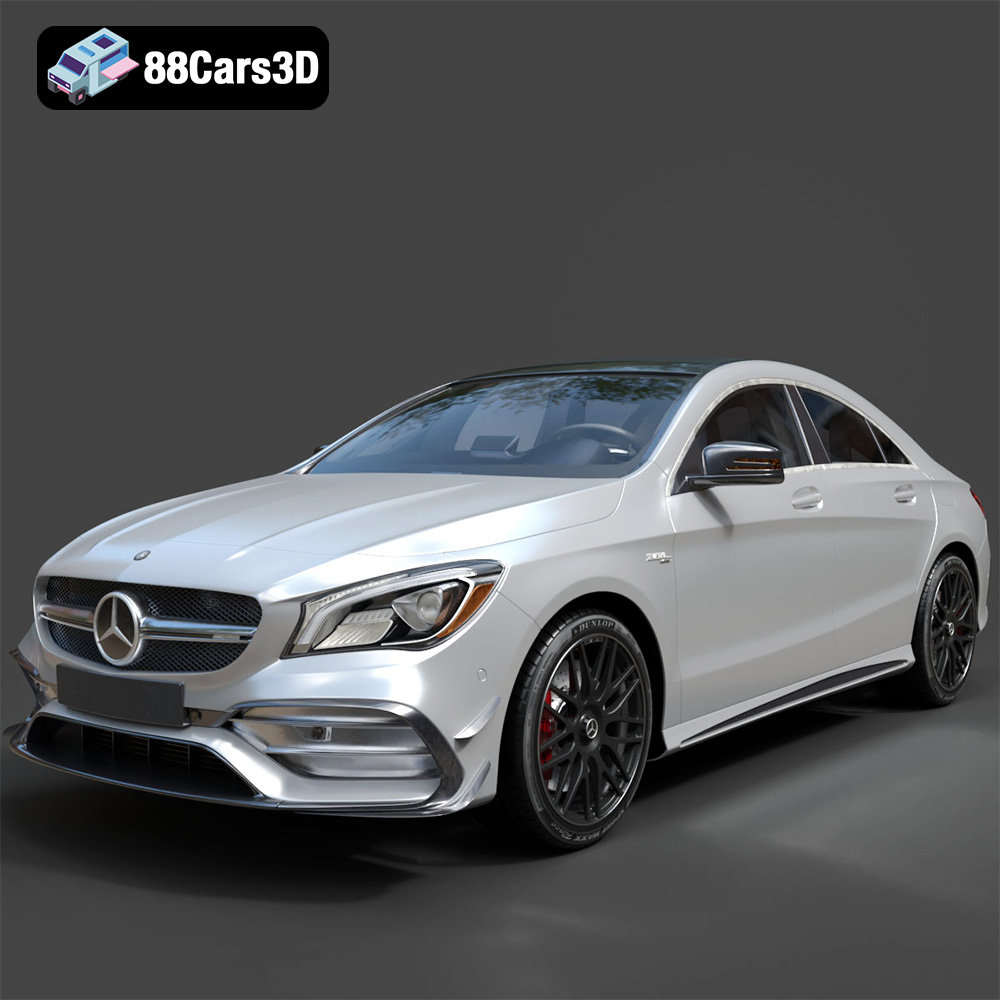
Mercedes-Benz CLA45 AMG 2017 3D Model
Texture: Yes
Material: Yes
Download the Mercedes-Benz CLA45 AMG 2017 3D Model featuring clean geometry, realistic detailing, and a fully modeled interior. Includes .blend, .fbx, .obj, .glb, .stl, .ply, .unreal, and .max formats for rendering, simulation, and game development.
Price: $38.99
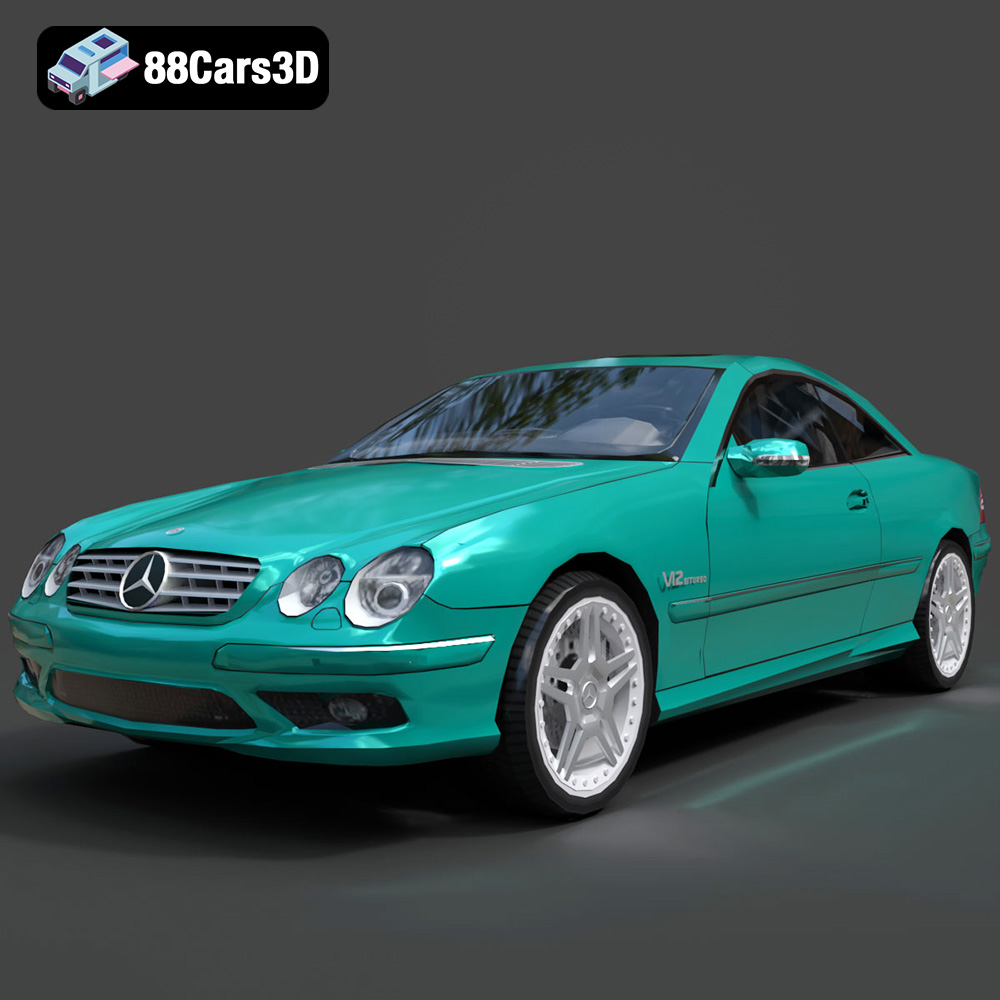
Mercedes-Benz CL65 C215 AMG 3D Model
Texture: Yes
Material: Yes
Download the Mercedes-Benz CL65 C215 AMG 3D Model featuring clean geometry, realistic detailing, and a fully modeled interior. Includes .blend, .fbx, .obj, .glb, .stl, .ply, .unreal, and .max formats for rendering, simulation, and game development.
Price: $23.99
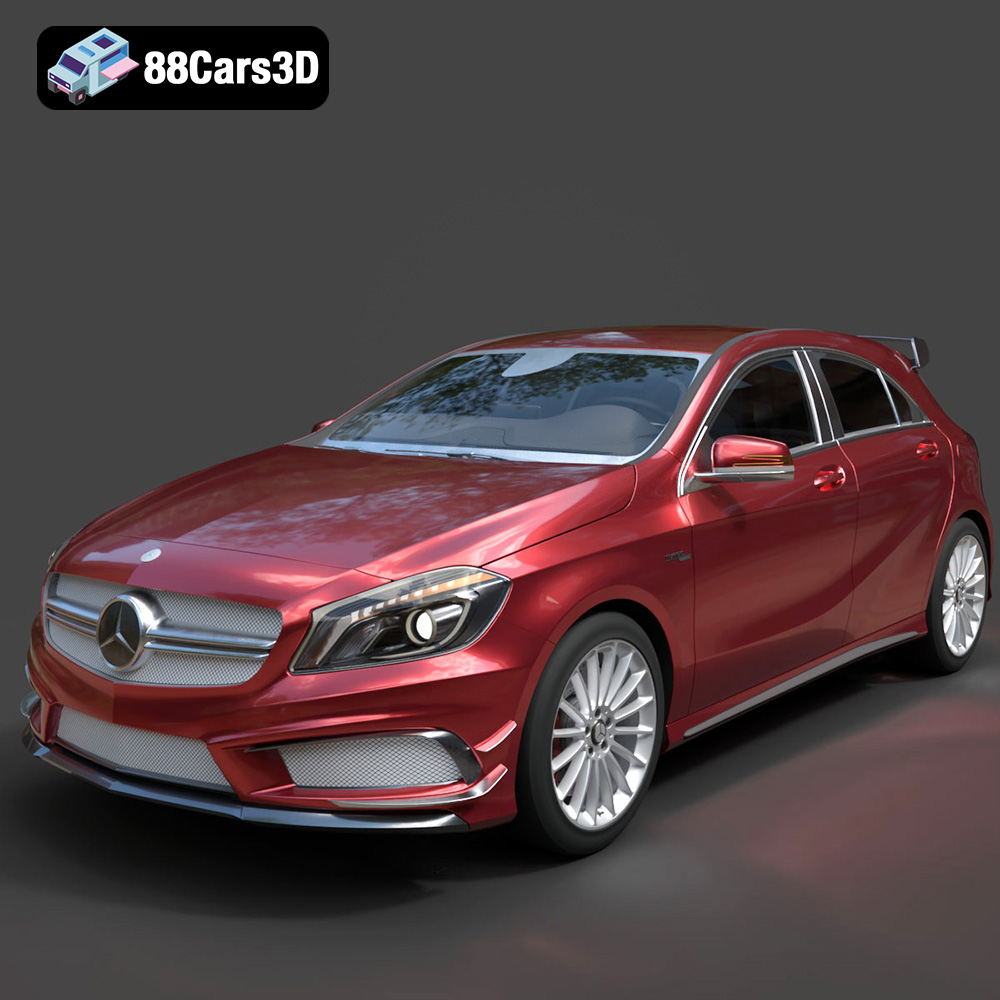
Mercedes-Benz A45 2021 3D Model
Texture: Yes
Material: Yes
Download the Mercedes-Benz A45 2021 3D Model featuring clean geometry, realistic detailing, and a fully modeled interior. Includes .blend, .fbx, .obj, .glb, .stl, .ply, .unreal, and .max formats for rendering, simulation, and game development.
Price: $23.99
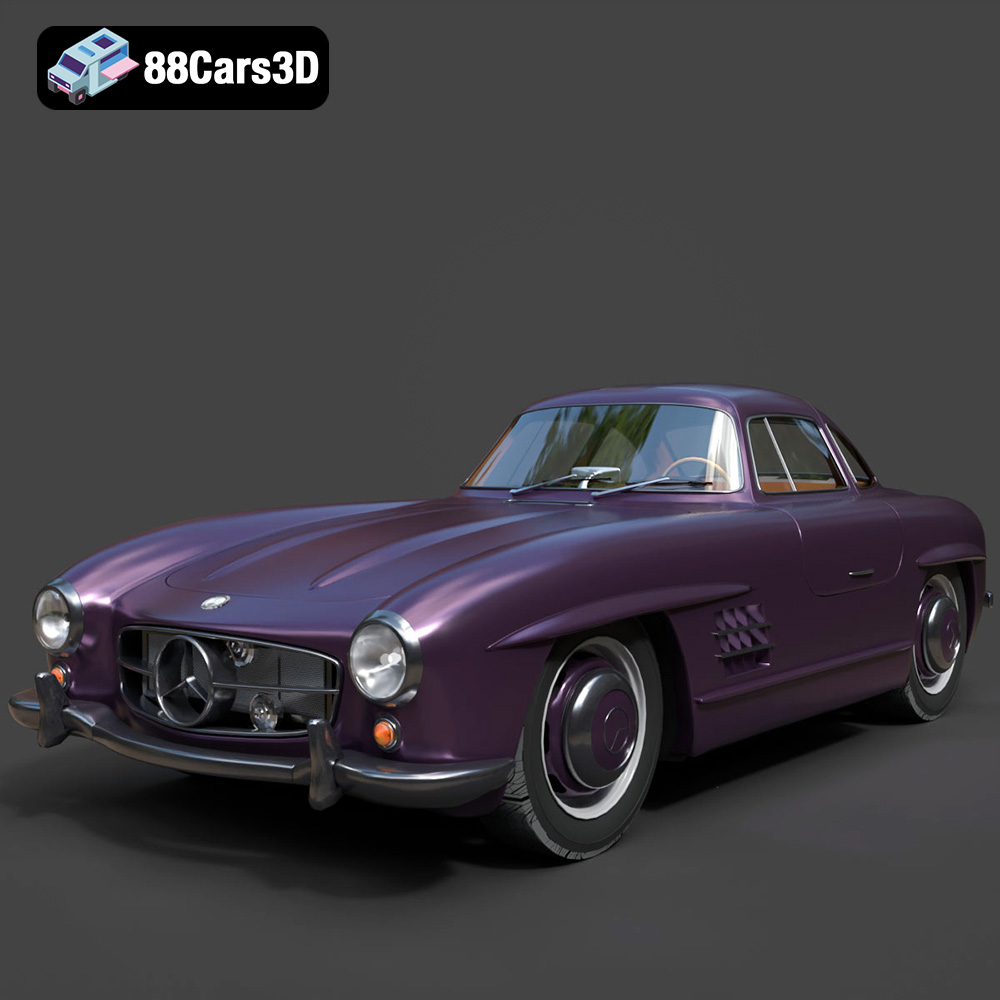
Mercedes-Benz 300SL 1955 3D Model
Texture: Yes
Material: Yes
Download the Mercedes-Benz 300SL 1955 3D Model featuring clean geometry, realistic detailing, and a fully modeled interior. Includes .blend, .fbx, .obj, .glb, .stl, .ply, .unreal, and .max formats for rendering, simulation, and game development.
Price: $23.99
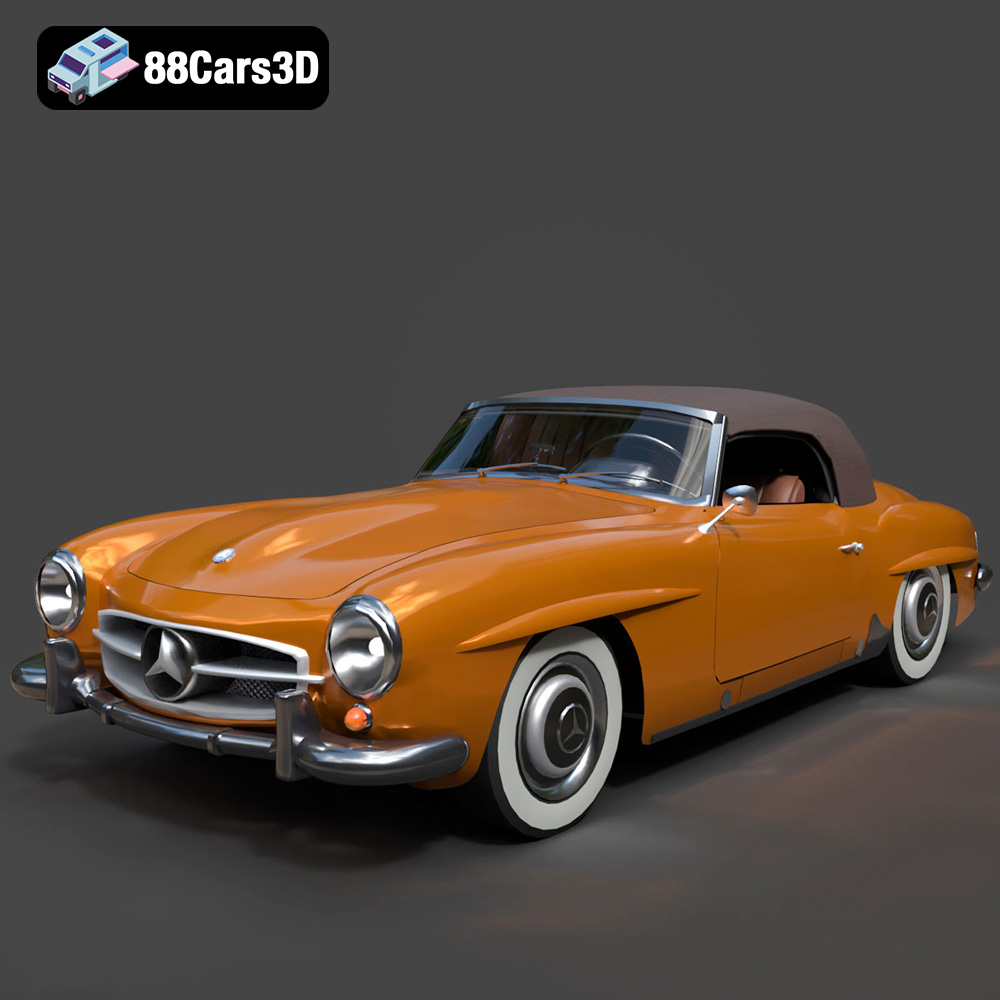
Mercedes-Benz 190SL 1955 3D Model
Texture: Yes
Material: Yes
Download the Mercedes-Benz 190SL 1955 3D Model featuring clean geometry, realistic detailing, and a fully modeled interior. Includes .blend, .fbx, .obj, .glb, .stl, .ply, .unreal, and .max formats for rendering, simulation, and game development.
Price: $23.99
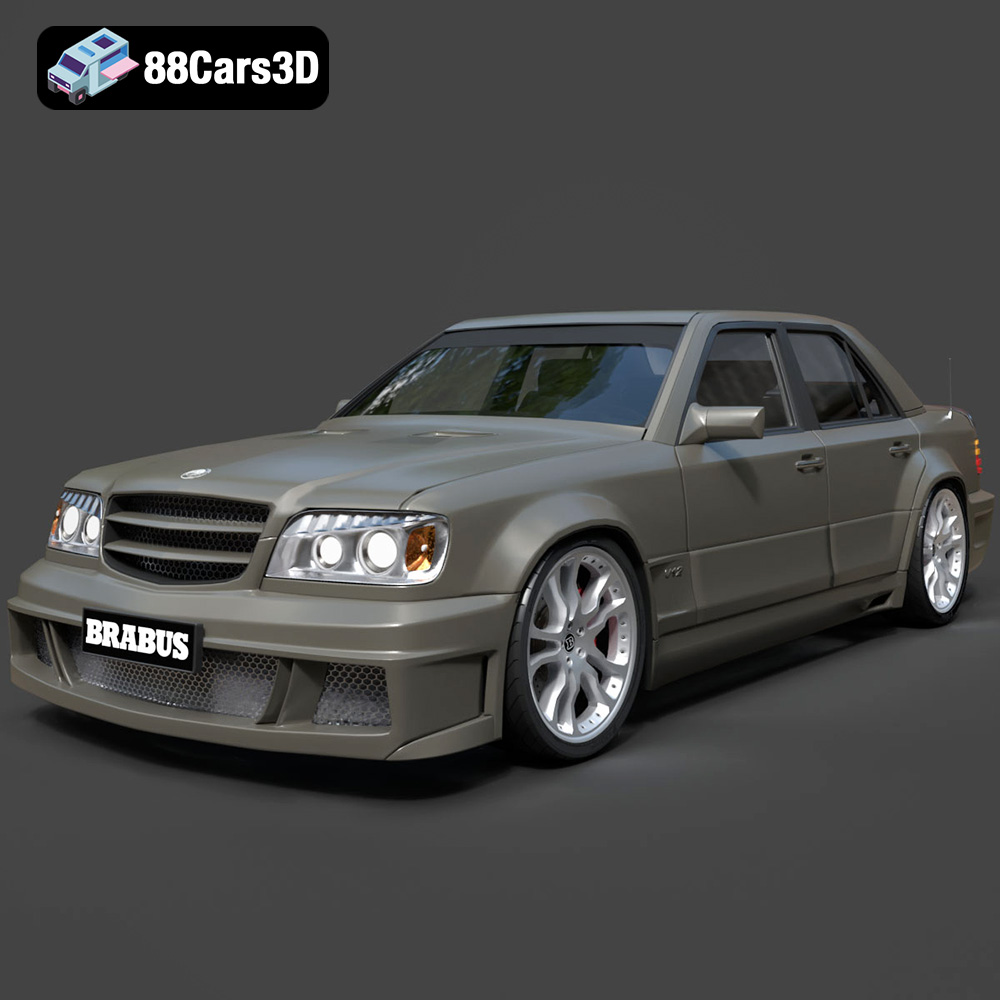
Mercedes-Benz W124 Brabus V12 3D Model
Texture: Yes
Material: Yes
Download the Mercedes-Benz W124 Brabus V12 3D Model featuring clean geometry, realistic detailing, and a fully modeled interior. Includes .blend, .fbx, .obj, .glb, .stl, .ply, .unreal, and .max formats for rendering, simulation, and game development.
Price: $23.99
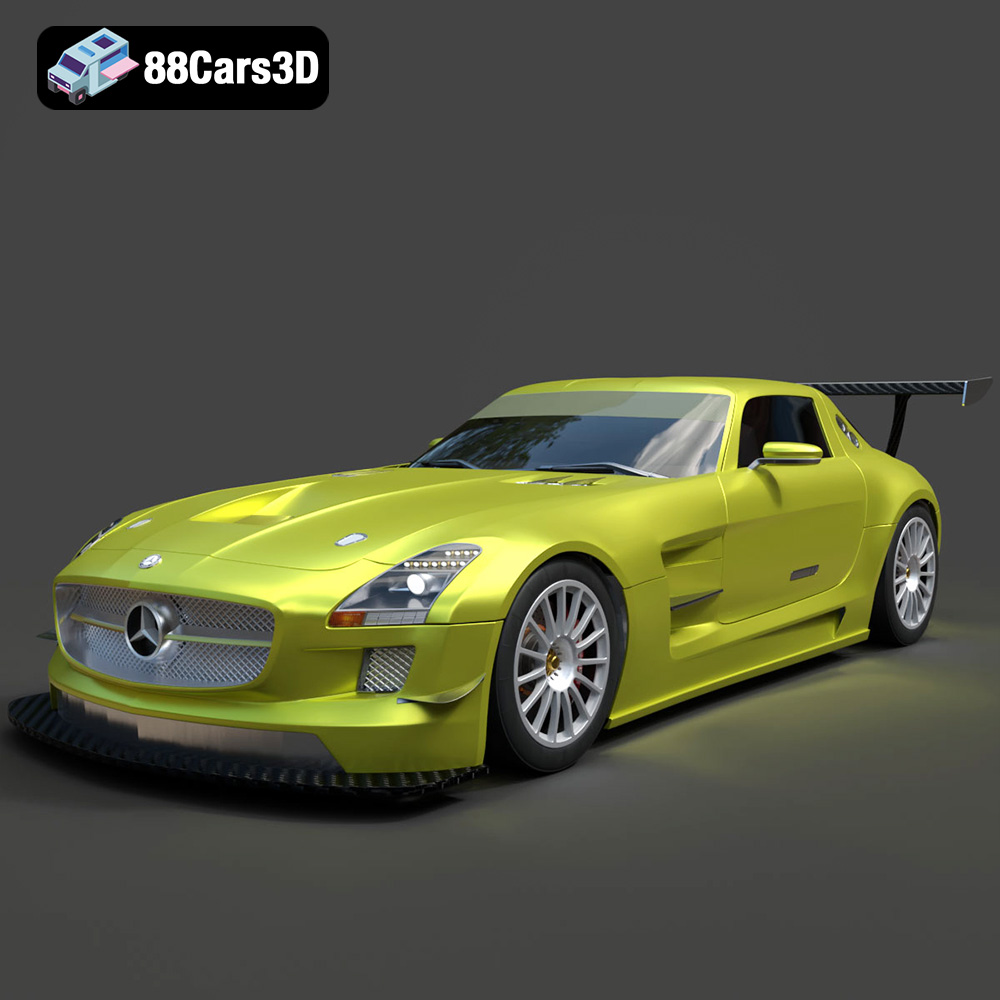
Mercedes-Benz SLS AMG GT3-002 3D Model
Texture: Yes
Material: Yes
Download the Mercedes-Benz SLS AMG GT3-002 3D Model featuring clean geometry, realistic detailing, and a fully modeled interior. Includes .blend, .fbx, .obj, .glb, .stl, .ply, .unreal, and .max formats for rendering, simulation, and game development.
Price: $38.99

Mercedes-Benz C-Class-001 3D Model
Texture: Yes
Material: Yes
Download the Mercedes-Benz C-Class-001 3D Model featuring clean geometry, realistic detailing, and a fully modeled interior. Includes .blend, .fbx, .obj, .glb, .stl, .ply, .unreal, and .max formats for rendering, simulation, and game development.
Price: $38.99
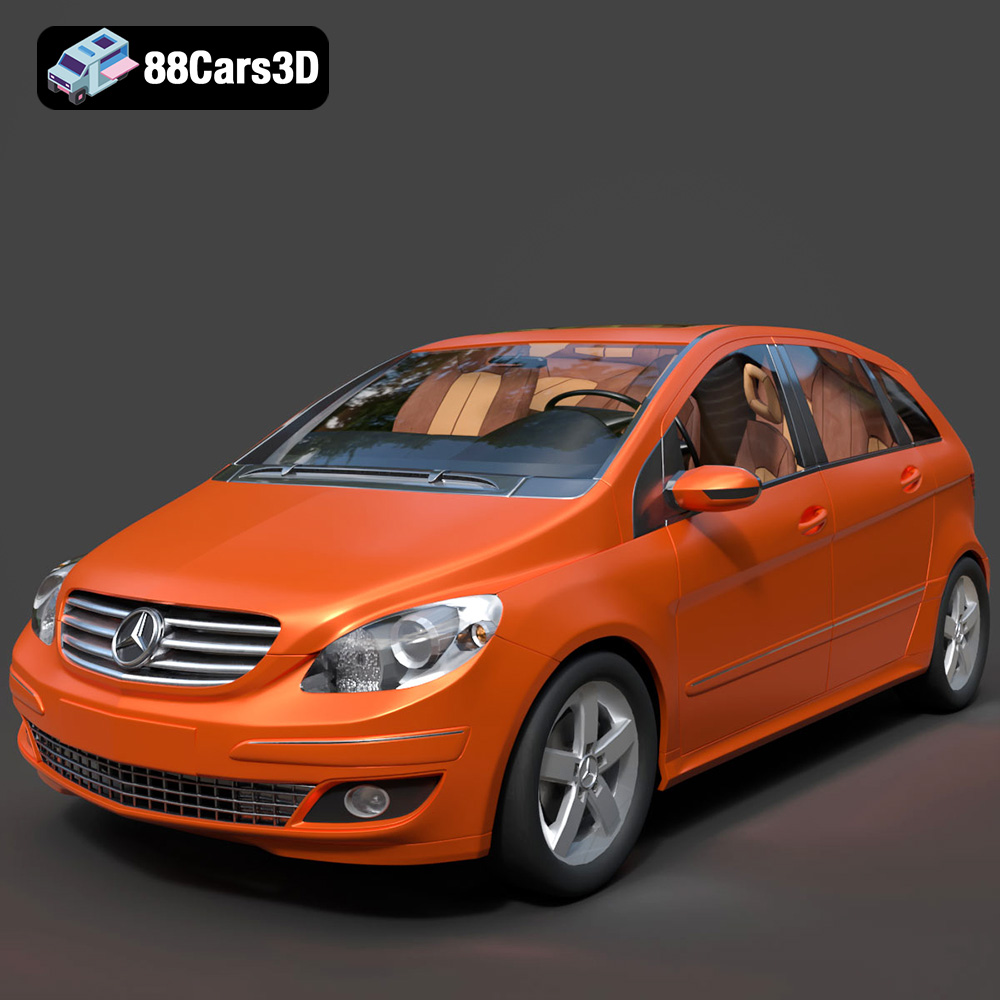
Mercedes-Benz B-Klasse 2023 3D Model
Texture: Yes
Material: Yes
Download the Mercedes-Benz B-Klasse 2023 3D Model featuring clean geometry, realistic detailing, and a fully modeled interior. Includes .blend, .fbx, .obj, .glb, .stl, .ply, .unreal, and .max formats for rendering, simulation, and game development.
Price: $38.99
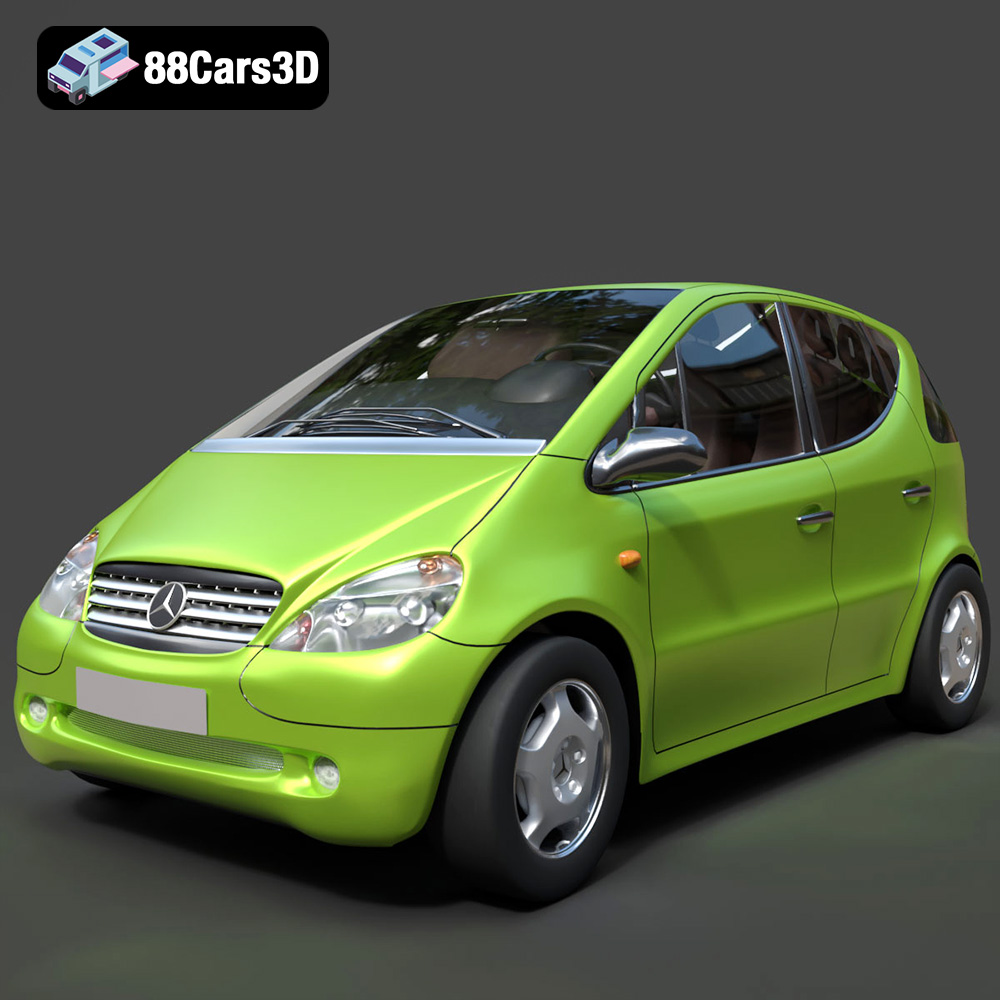
Mercedes-Benz A-Klasse W168 3D Model
Texture: Yes
Material: Yes
Download the Mercedes-Benz A-Klasse W168 3D Model featuring clean geometry, realistic detailing, and a fully modeled interior. Includes .blend, .fbx, .obj, .glb, .stl, .ply, .unreal, and .max formats for rendering, simulation, and game development.
Price: $38.99
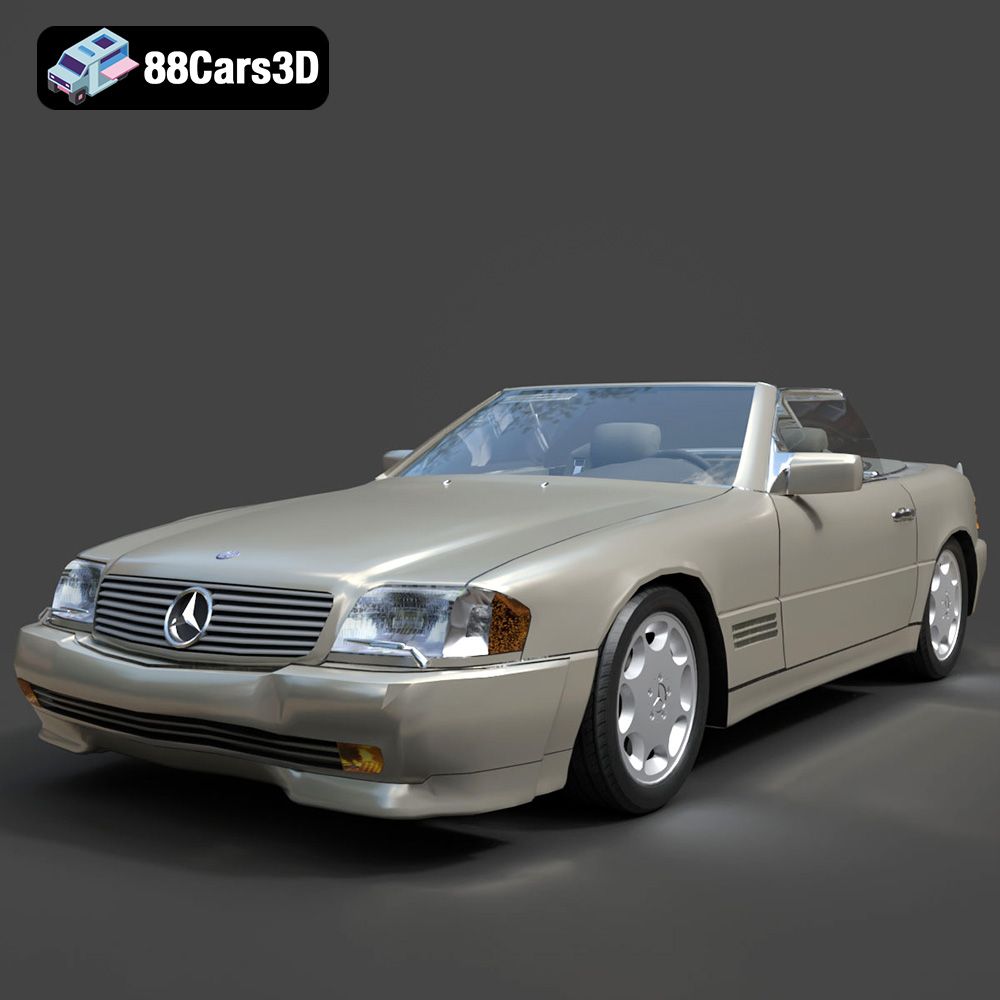
Mercedes-Benz 500SL 2000 3D Model
Texture: Yes
Material: Yes
Download the Mercedes-Benz 500SL 2000 3D Model featuring clean geometry, realistic detailing, and a fully modeled interior. Includes .blend, .fbx, .obj, .glb, .stl, .ply, .unreal, and .max formats for rendering, simulation, and game development.
Price: $38.99
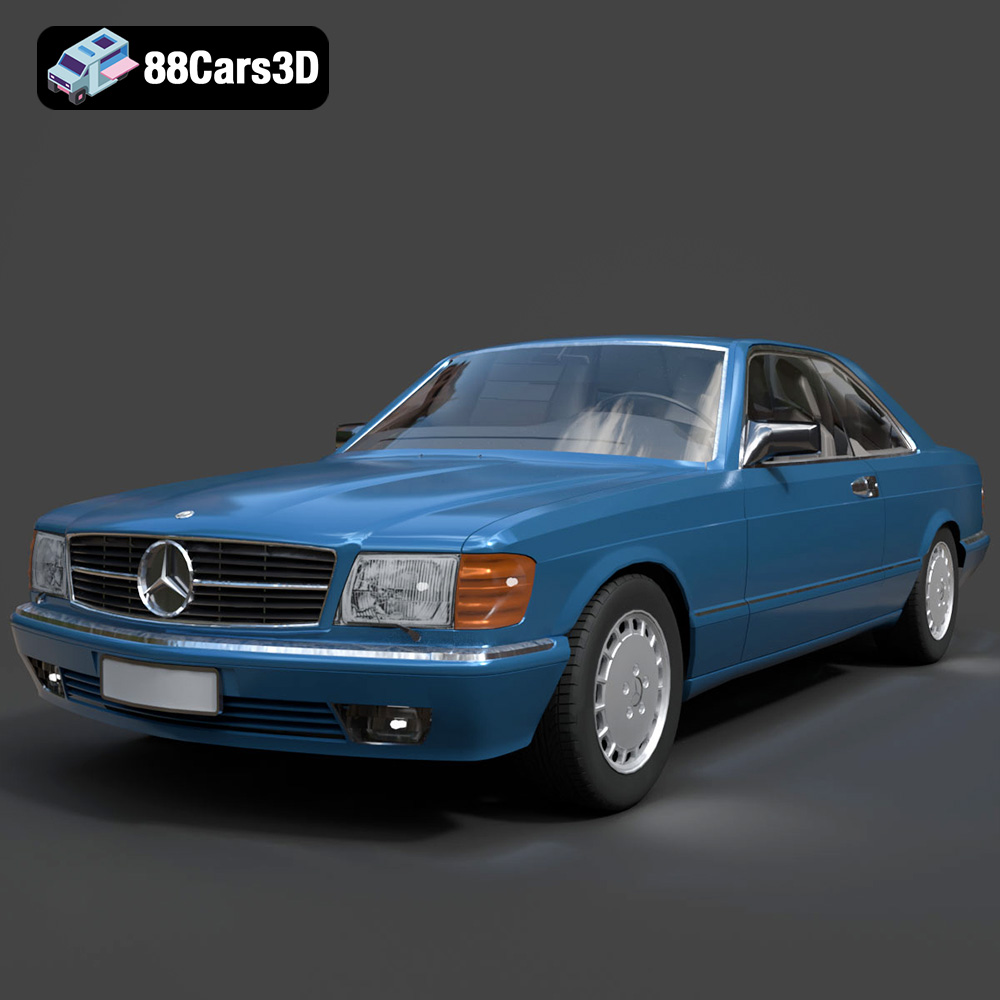
Mercedes-Benz 500SEC 3D Model
Texture: Yes
Material: Yes
Download the Mercedes-Benz 500SEC 3D Model featuring clean geometry, realistic detailing, and a fully modeled interior. Includes .blend, .fbx, .obj, .glb, .stl, .ply, .unreal, and .max formats for rendering, simulation, and game development.
Price: $38.99
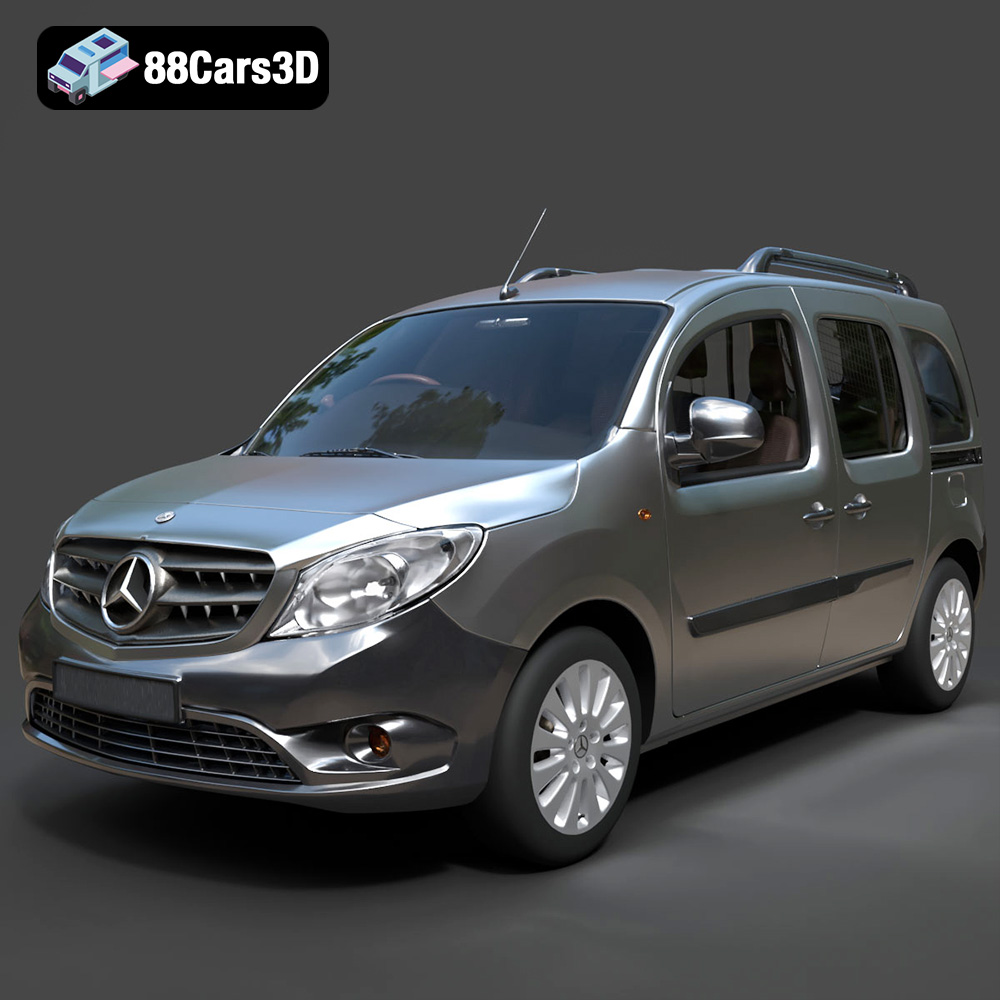
Mercedes-Benz Citan 2025 3D Model
Texture: Yes
Material: Yes
Download the Mercedes-Benz Citan 2025 3D Model featuring clean geometry, realistic detailing, and a fully modeled interior. Includes .blend, .fbx, .obj, .glb, .stl, .ply, .unreal, and .max formats for rendering, simulation, and game development.
Price: $38.99
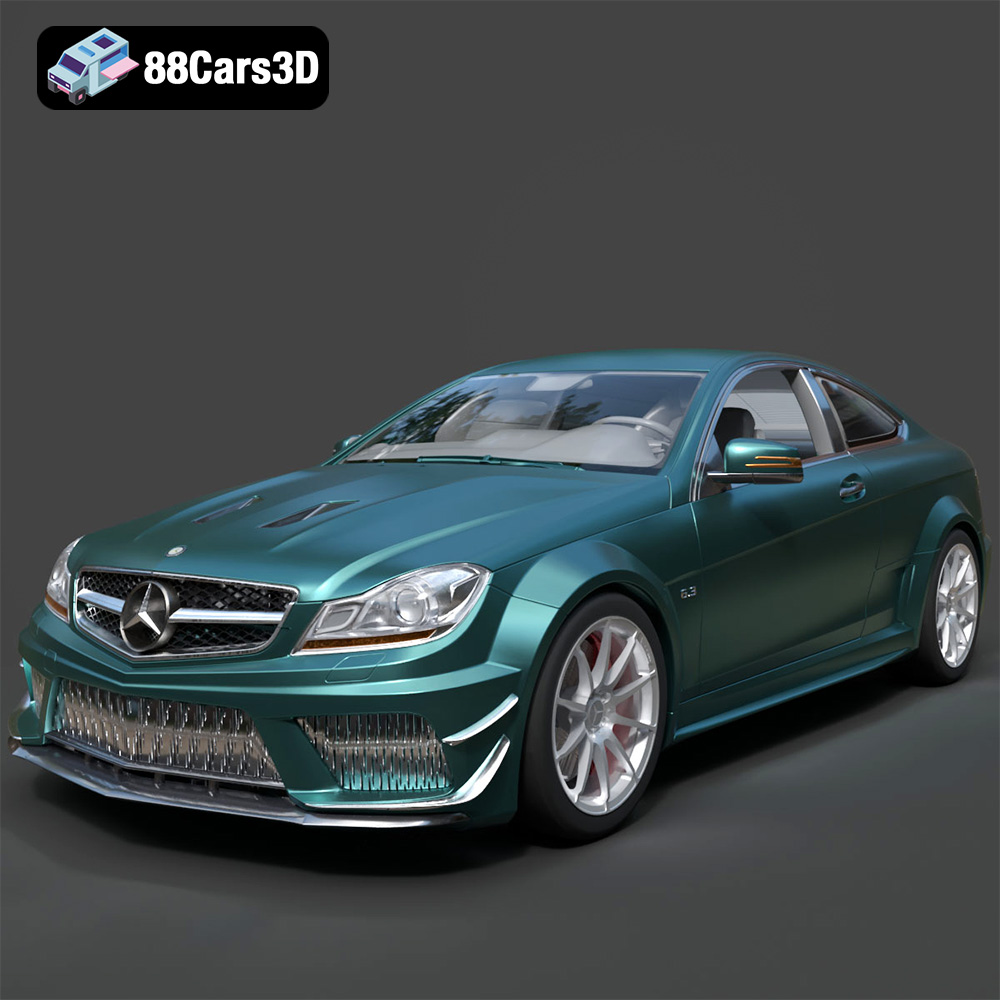
Mercedes-Benz C63 AMG 2012 3D Model
Texture: Yes
Material: Yes
Download the Mercedes-Benz C63 AMG 2012 3D Model featuring clean geometry, realistic detailing, and a fully modeled interior. Includes .blend, .fbx, .obj, .glb, .stl, .ply, .unreal, and .max formats for rendering, simulation, and game development.
Price: $38.99
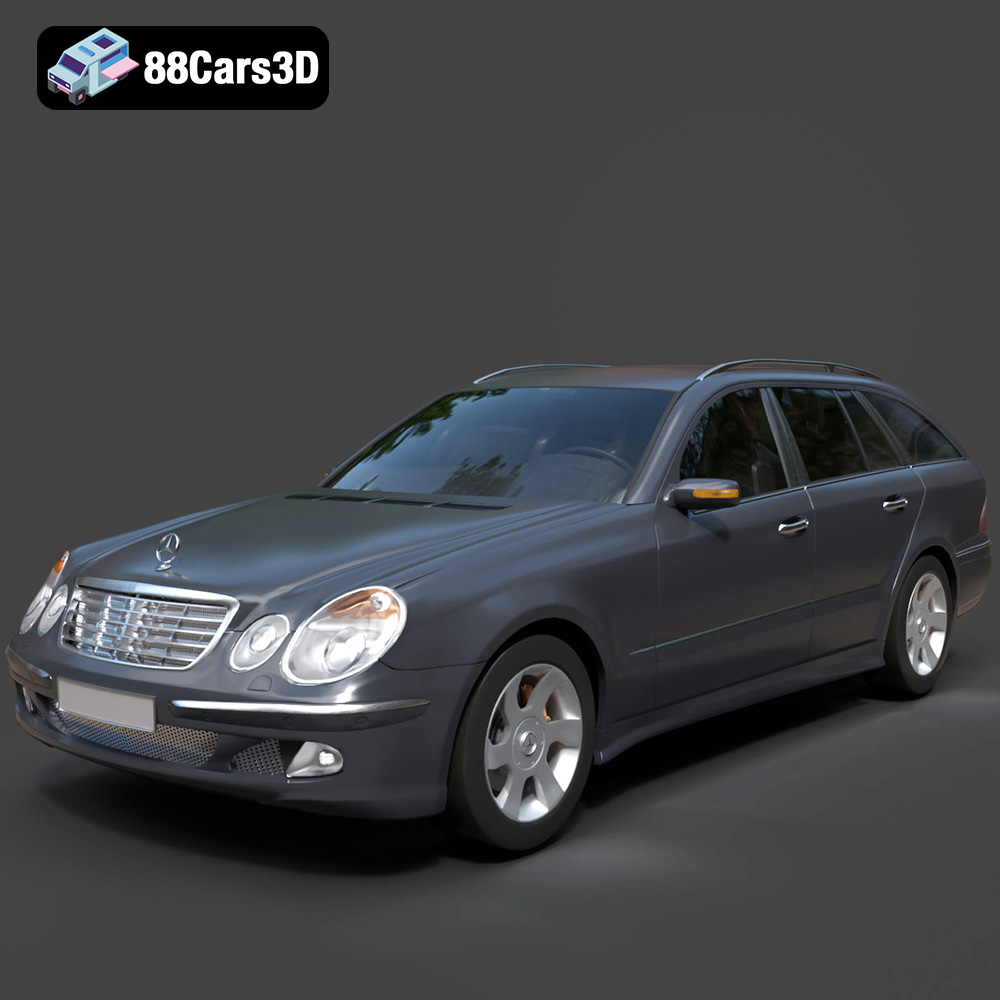
Mercedes-Benz E-Class S211 3D Model
Texture: Yes
Material: Yes
Download the Mercedes-Benz E-Class S211 3D Model featuring clean geometry, realistic detailing, and a fully modeled interior. Includes .blend, .fbx, .obj, .glb, .stl, .ply, .unreal, and .max formats for rendering, simulation, and game development.
Price: $38.99
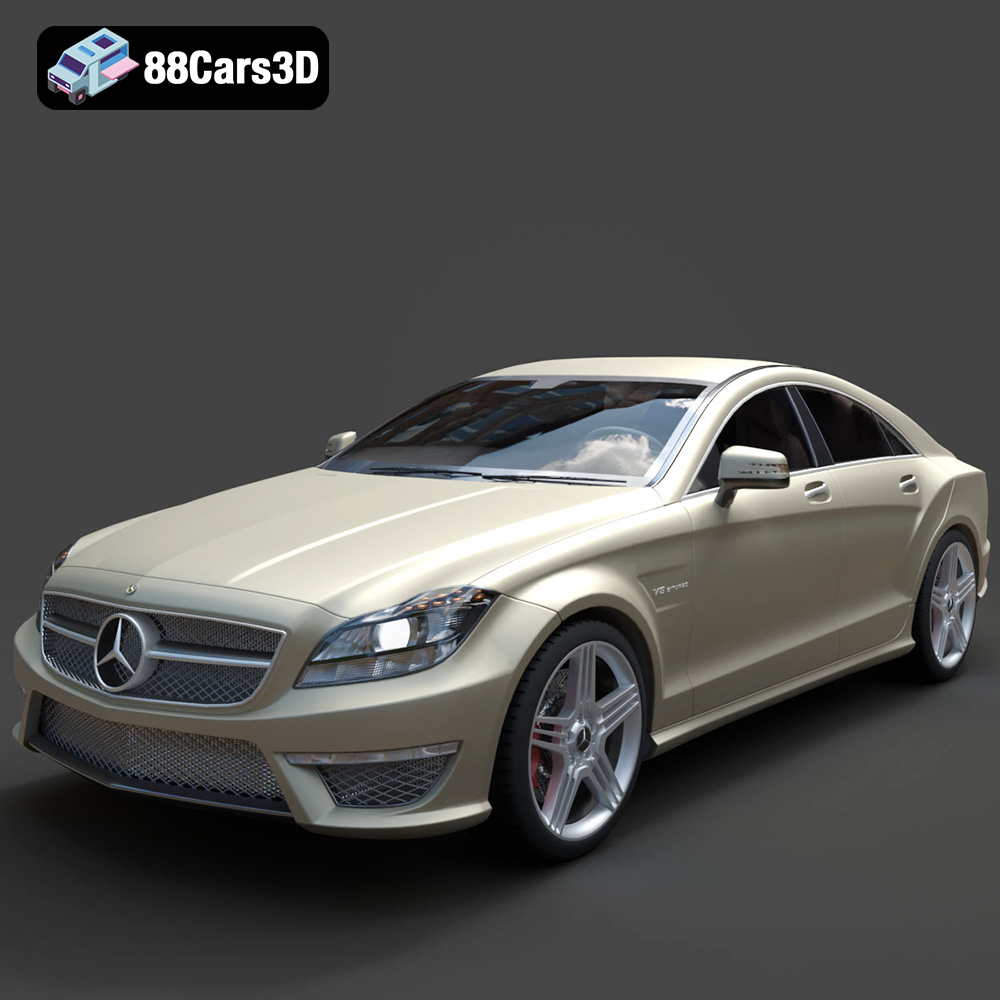
Mercedes-Benz CLS63 AMG (C218) 2014 3D Model
Texture: Yes
Material: Yes
Download the Mercedes-Benz CLS63 AMG (C218) 2014 3D Model featuring clean geometry, realistic detailing, and a fully modeled interior. Includes .blend, .fbx, .obj, .glb, .stl, .ply, .unreal, and .max formats for rendering, simulation, and game development.
Price: $38.99
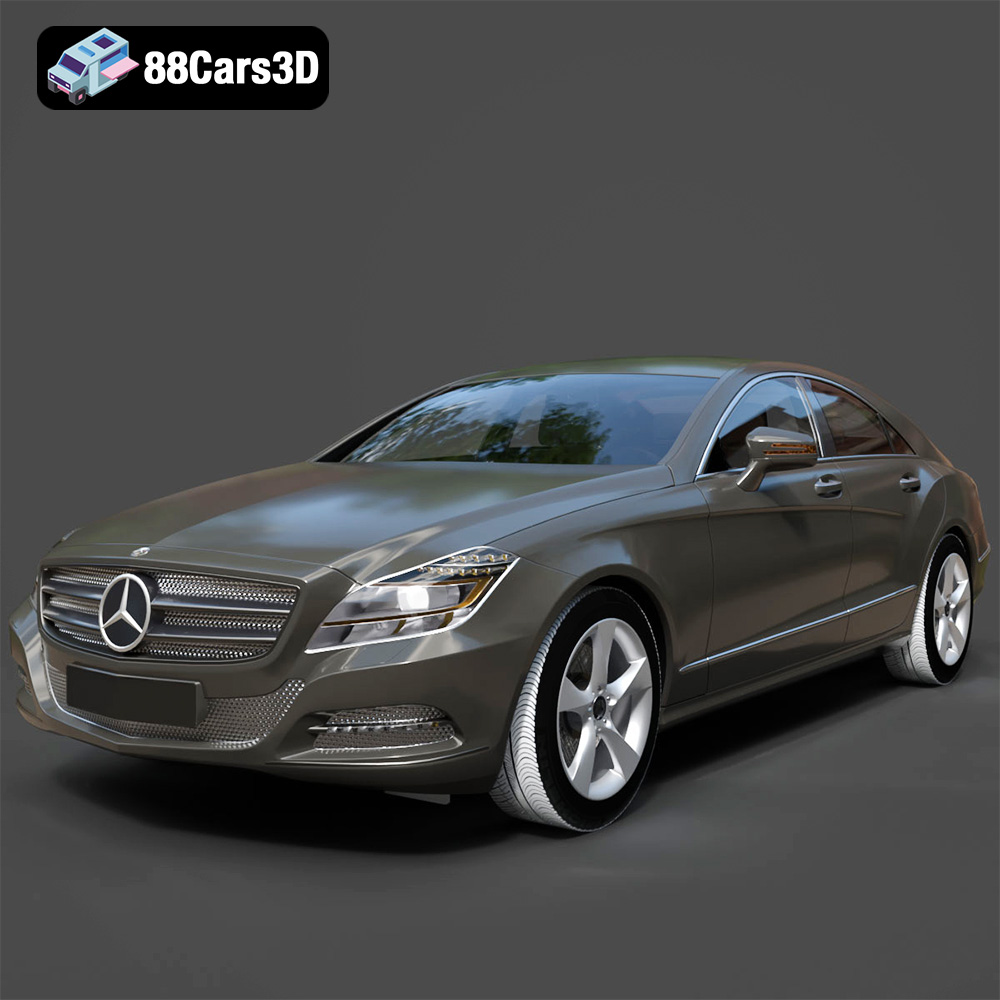
Mercedes-Benz CLS-Klasse 3D Model
Texture: Yes
Material: Yes
Download the Mercedes-Benz CLS-Klasse 3D Model featuring clean geometry, realistic detailing, and a fully modeled interior. Includes .blend, .fbx, .obj, .glb, .stl, .ply, .unreal, and .max formats for rendering, simulation, and game development.
Price: $38.99
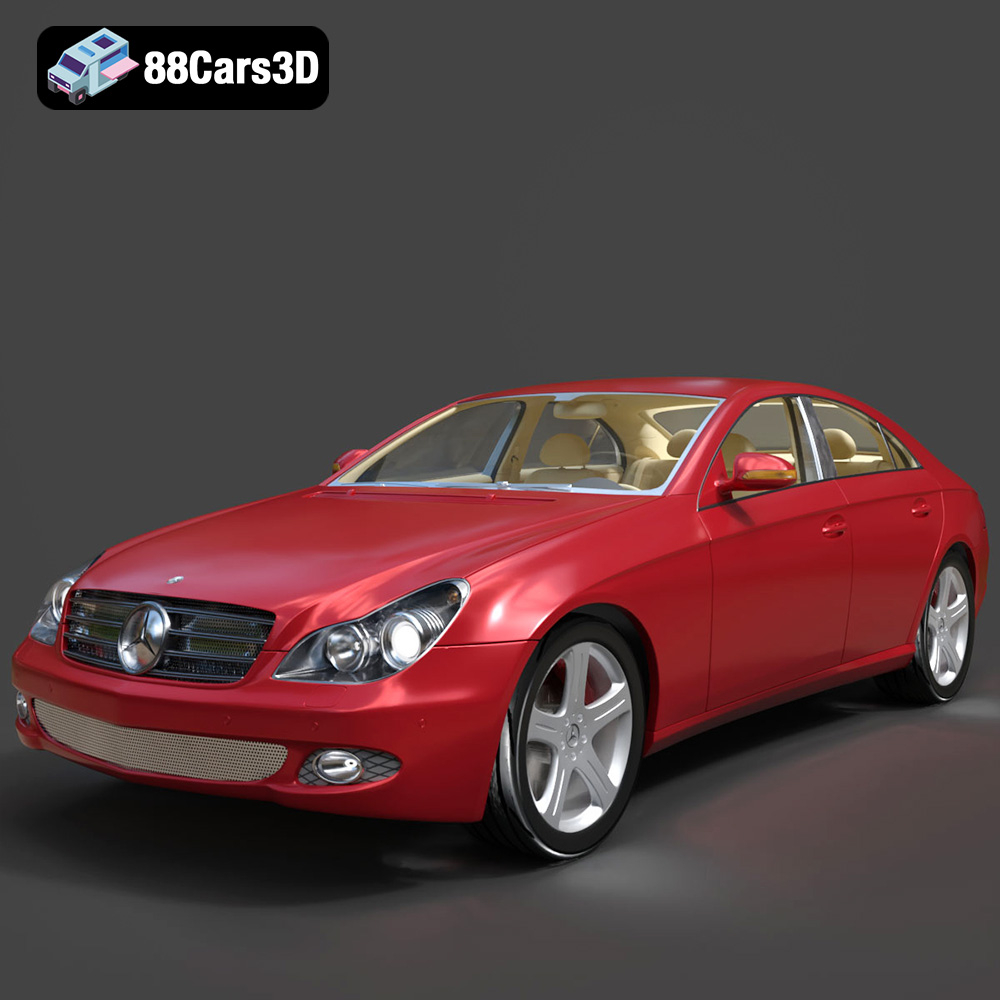
Mercedes-Benz CLS 500 3D Model
Texture: Yes
Material: Yes
Download the Mercedes-Benz CLS 500 3D Model featuring clean geometry, realistic detailing, and a fully modeled interior. Includes .blend, .fbx, .obj, .glb, .stl, .ply, .unreal, and .max formats for rendering, simulation, and game development.
Price: $38.99

Mercedes-Benz CL-Klasse 2001 3D Model
Texture: Yes
Material: Yes
Download the Mercedes-Benz CL-Klasse 2001 3D Model featuring clean geometry, realistic detailing, and a fully modeled interior. Includes .blend, .fbx, .obj, .glb, .stl, .ply, .unreal, and .max formats for rendering, simulation, and game development.
Price: $38.99
