
The Anatomy of Automotive Paint: A Layered Marvel

The gleam of a perfectly polished car, reflecting the environment with dazzling clarity, is often the first thing that captures our attention. In the realm of 3D rendering, replicating this breathtaking visual fidelity is one of the most significant challenges and rewarding achievements. While basic shaders can give a car a splash of color, they often fall flat when striving for true photographic realism. The secret lies not just in the model’s geometry, but profoundly in the sophisticated interplay of light and surface properties that make up a hyper-realistic automotive paint shader.
For 3D artists, automotive designers, and game developers, mastering this intricate art goes beyond merely picking a color. It involves a deep understanding of how real-world car paint behaves and translating that complexity into a digital format. This guide will take you beyond the defaults, diving into advanced techniques to craft an automotive paint shader that truly shines, embracing the nuances of 88cars3d.com‘s pursuit of high-quality models and materials.
The Anatomy of Automotive Paint: A Layered Marvel
Before we can digitally recreate automotive paint, we must first understand its real-world composition. What appears to be a single, monolithic surface is, in fact, a carefully engineered stack of distinct layers, each contributing to the final aesthetic and protective qualities. This layered structure is the cornerstone of achieving genuine automotive material realism in 3D.
- Primer Layer: While usually invisible in the final finish, the primer provides a smooth, uniform surface for subsequent layers and ensures adhesion. In 3D, we rarely model this explicitly, but its presence informs the base’s smoothness.
- Base Coat (Color Coat): This is the primary layer responsible for the car’s color. It can be a solid color, or it can contain special pigments like metallic flakes or pearlescent particles that add sparkle and depth.
- Effect Pigments (Metallic/Pearl): Embedded within or just above the base coat, these tiny particles reflect and refract light in unique ways, creating the characteristic shimmer and color shift seen in many modern car finishes. This is where the magic of the metallic flake effect truly begins.
- Clear Coat: The outermost layer is a transparent, highly durable finish that protects the base coat from UV light, scratches, and environmental damage. Crucially for 3D artists, it provides the deep gloss, reflections, and perceived depth that defines a premium car finish.
Understanding these physical layers is the first step towards building a robust PBR car paint shader. Each layer interacts with light differently, and our 3D shader needs to mimic these interactions through sophisticated layered shader techniques.
Foundations of Realism: Understanding Physically Based Rendering (PBR)
At the heart of any modern, realistic material rendering lies Physically Based Rendering (PBR). PBR is a collection of rendering techniques that aim to simulate how light interacts with surfaces in a physically plausible way, resulting in more consistent and realistic visuals under varying lighting conditions. For automotive materials, PBR is not just an option; it’s a necessity for achieving true visual fidelity and physically accurate rendering.
The core principles of PBR include:
- Energy Conservation: Light reflected from a surface cannot be greater than the light hitting it. What isn’t reflected is absorbed or transmitted.
- Metallic vs. Dielectric: Materials are broadly categorized as either metallic (conductors) or dielectric (insulators). Metals typically have a colored specular reflection and no diffuse component, while dielectrics have white specular reflections and a colored diffuse component. Automotive paint, with its complex layers, can be seen as a dielectric (clear coat) over a potentially metallic (flake) base.
- Fresnel Effect: The amount of light reflected or refracted by a surface depends on the angle at which light hits it. Surfaces reflect more light at grazing angles (e.g., looking at a car’s side from a sharp angle, you see more reflection).
For a PBR car paint shader, we typically work with a set of maps that define these properties:
- Base Color/Albedo: The intrinsic color of the surface. For car paint, this is often the color of the base coat.
- Metallic: A grayscale map defining which parts of the surface are metallic (white) and which are dielectric (black).
- Roughness: A grayscale map defining the microsurface imperfections. Low roughness (black) means a very smooth, mirror-like surface; high roughness (white) means a diffuse, matte surface. This is critical for clear coat sheen and orange peel.
- Normal/Bump: Maps that simulate fine surface details without adding actual geometry, crucial for imperfections and the metallic flake effect.
- IOR (Index of Refraction): Defines how much light bends when passing through a transparent material, vital for the clear coat.
By accurately defining these parameters, you lay the groundwork for a convincing and robust PBR car paint shader that responds realistically to any lighting setup.
Building the Base Coat: Color, Flakes, and Subtlety
The base coat is where the fundamental color of the vehicle resides, but it’s also the stage for complex visual effects that make the paint come alive. Beyond a simple color value, we need to consider how light interacts with tiny particles to create dynamic, shimmering effects.
The Core Color (Albedo)
Choosing the right base color is more nuanced than it seems. Avoid overly saturated colors that don’t exist in reality. Reference real car brochures or use color pickers from high-quality reference images. Remember, the clear coat and environmental reflections will significantly influence the perceived final color, so aim for a slightly desaturated base if unsure.
Replicating the Metallic Flake Effect
The metallic or pearlescent flakes embedded in the base coat are paramount for modern car paint realism. These microscopic particles catch and reflect light individually, creating a sparkling, dynamic appearance that shifts with viewing angle. Replicating this metallic flake effect requires specific shader techniques:
- Procedural Noise and Normal Maps: A common method is to generate a fine noise pattern and convert it into a normal map. This normal map is then blended with the base layer’s normal. The trick is to make the flakes respond differently to light than the main surface, often by giving them a slightly different roughness or even a metallic property.
- Anisotropic Reflections: Real metallic flakes are often elongated or irregularly shaped, leading to anisotropic reflections (streaked highlights rather than perfectly round ones). Some advanced shaders allow you to control the direction and intensity of anisotropy for the flake layer.
- Layered Flake Material: For ultimate control, you can create a separate “flake” material layer within your main shader. This layer would typically have a high metallic value, a very low roughness, and its own normal map generated from tiny, randomly oriented ellipses or dots. This flake layer is then mixed with the base color layer, often controlled by a mask or procedural noise, and critically, seen through the clear coat. You can adjust flake size, density, and even color independently.
- Micro-Facets and Distribution: Advanced renderers might offer dedicated micro-facet models that can simulate the distribution and orientation of flakes more accurately, providing a more physically correct shimmer.
Pearl and Interference Pigments
Some paints feature pearlescent or interference pigments that cause a color shift depending on the viewing angle (e.g., white paint with a hint of blue or gold shimmer). These effects are typically achieved by layering multiple thin-film interference materials or by using specific artistic shaders that allow for controlled color shifts based on Fresnel or incidence angles. While more complex, they elevate automotive material realism to exceptional levels.
The Clear Coat: Depth, Gloss, and Imperfection
The clear coat is arguably the most crucial component for achieving a hyper-realistic car paint shader. It’s not just a transparent layer; it’s what gives the paint its depth, its glass-like reflections, and its perceived quality. Without a well-executed clear coat, even the best base coat will look flat and artificial.
The Critical Clear Coat Setup
In 3D, the clear coat is typically implemented as a separate, transparent shader layer that sits on top of the base coat and flake layers. Here’s what you need to consider:
- Transparency and Refraction: The clear coat is fundamentally a dielectric material. It has an Index of Refraction (IOR) that dictates how much light bends as it passes through. For automotive clear coats (urethane or acrylic), a common IOR value is around 1.5 to 1.6. This refraction is subtle but essential for the illusion of depth.
- High Gloss (Low Roughness): The clear coat is incredibly smooth. Its roughness value should be very low, often close to 0, to achieve those sharp, crisp reflections. This is where environment maps and HDRI lighting truly come into play, as they will be sharply reflected in this layer.
- Fresnel Effect: The clear coat exhibits a strong Fresnel effect. At glancing angles, it will reflect much more light, appearing almost mirror-like, while at direct angles, you’ll see more of the underlying base coat. This is automatically handled by PBR shaders but needs to be understood.
- Layering: Use your render engine’s layering or blending nodes to combine the clear coat with the underlying base/flake material. The clear coat material should typically ‘add’ its reflections and refractions on top, allowing the base material to show through.
A properly executed clear coat setup will dramatically enhance the perception of depth, making the flakes appear to be truly embedded beneath a glossy surface rather than painted on top.
Adding the Human Touch: Orange Peel and Micro-Scratches
Perfectly smooth surfaces exist only in theoretical physics, not in the real world. Real car paint, even fresh from the factory, has subtle imperfections that contribute immensely to automotive material realism. These details, often overlooked, are critical for elevating your render from good to exceptional.
- Orange Peel Effect: This refers to the slight, uneven texture on the clear coat surface, resembling the skin of an orange. It’s caused by the paint drying process and is present to varying degrees on almost all car finishes.
- Implementation: Use a very subtle noise texture (Perlin, Voronoi, or fractal) connected to the normal map input of your clear coat. The intensity should be extremely low, often barely perceptible, but it breaks up perfect reflections and adds organic realism.
- Roughness Variation: You can also use this same noise texture, perhaps with slight variations, to drive subtle roughness variations on the clear coat, making some areas slightly less reflective than others.
- Micro-Scratches and Swirl Marks: Over time, car paint accumulates tiny scratches and swirl marks from washing, wiping, and general wear. These are usually imperceptible from a distance but become visible as slight haziness or localized anisotropies in reflections up close.
- Implementation: Custom normal maps with very fine, subtle scratches can be blended into the clear coat’s normal. Alternatively, complex roughness maps with delicate fractal noise or procedural patterns can simulate these tiny surface disruptions. Ensure these are extremely subtle; overt scratches often look artificial unless depicting a heavily worn vehicle.
These subtle imperfections are the difference between a synthetic render and a believable one. They trick the eye into accepting the material as real, adding character and history to your PBR car paint shader.
Advanced Layered Shader Techniques for Ultimate Realism
To truly master hyper-realistic automotive paint, we move beyond basic material nodes and embrace sophisticated layered shader techniques. This approach allows for granular control over each component of the paint, mirroring its real-world construction.
Most modern render engines (like V-Ray, Corona, Octane, Redshift, Arnold, Blender Cycles) provide tools for blending multiple materials or layers. Here’s a common strategy:
- Base Material: Start with a standard PBR dielectric material for your base coat color. This will define the underlying hue and diffuse properties.
- Metallic Flake Material: Create a separate, highly metallic PBR material for the flakes. This material should have a very low roughness and potentially anisotropic properties.
- Masking: Use a procedural noise texture (e.g., fine cellular noise or Perlin noise at a high frequency) as a mask to blend this flake material into the base material. The white areas of the mask reveal the flakes, while black areas show the base coat.
- Normal Blending: Ensure the normal maps from both the base and the flakes are properly blended. You might use a ‘normal blend’ node to combine them additively or by overlay.
- Clear Coat Material: Create a transparent PBR dielectric material for the clear coat. Set its IOR to 1.5-1.6, and its roughness to a very low value (e.g., 0.01-0.05).
- Layering: This clear coat material is then layered *on top* of the combined base+flake material. Most render engines have dedicated ‘layer blend’ or ‘mix material’ nodes for this. The clear coat essentially “sees through” to the layers beneath it while adding its own reflections and refractions.
- Imperfections: Add your orange peel and micro-scratch normal maps and roughness variations directly to this clear coat layer.
- Additional Layers (Optional):
- Dirt/Dust: For extra realism, especially in environments where a pristine look isn’t desired, you can add a subtle layer of dust or grime. This would be a dark, rough material blended on top, often using curvature maps or ambient occlusion maps to distribute it realistically in crevices and edges.
- Water Drops: For rain effects, a dedicated water material layer with its own refractions, reflections, and surface tension properties can be added.
This systematic approach, utilizing dedicated material layers for each component, offers unparalleled control and flexibility. It allows you to fine-tune the color, flake size, clear coat gloss, and imperfections independently, resulting in a robust and reusable master PBR car paint shader. For artists looking for a head start, remember that 88cars3d.com provides high-quality models that serve as excellent canvases for developing and showcasing these advanced materials.
Optimization and Workflow: From High-End to Game-Ready Car Materials
The techniques discussed so far primarily focus on achieving the highest visual fidelity. However, the application of these techniques varies significantly depending on your target platform: high-end offline rendering or real-time game engines. Understanding these differences is key to an efficient workflow and optimized assets.
High-End Rendering Considerations
For cinematic visuals, product showcases, or architectural visualizations, the goal is often pure physically accurate rendering without compromise. This means:
- Complex Shaders: You can afford highly intricate layered shader techniques with multiple blend layers, complex procedural textures for flakes, and detailed normal/displacement maps for orange peel.
- Geometry Detail: While paint is mostly about shaders, having sufficiently smooth geometry for the car body is crucial to avoid faceting and allow reflections to appear seamless.
- Ray Tracing: Full global illumination and accurate reflections/refractions via ray tracing are standard, ensuring light interacts with the material realistically.
- Render Time: Longer render times are acceptable in exchange for photographic quality.
Game-Ready Car Materials Optimization
In contrast, real-time engines like Unreal Engine and Unity demand efficiency above all else. While they have made incredible strides in rendering quality, optimization is paramount for maintaining high frame rates. Crafting game-ready car materials involves a different set of priorities:
- Texture Baking: The most complex parts of your layered shader (e.g., the intricate interplay of base color, flakes, and clear coat reflections) are often “baked” down into a simplified set of PBR texture maps (Albedo, Metallic, Roughness, Normal). This pre-calculates the material’s response to light into efficient image files.
- Shader Complexity Budget: Game engines have strict limits on how many instructions a shader can execute per pixel. Multi-layered shaders need to be simplified or strategically baked to meet these performance budgets.
- Vertex Colors/Masks for Variants: Instead of separate materials for every color variant, artists often use vertex colors or channel-packed masks to control color and roughness variations within a single, optimized shader, allowing for runtime customization.
- Normal Map Detail: While baking complex normal maps is common, artists also use detail normal maps (tiling high-frequency details like orange peel) that are blended at runtime to add resolution-independent detail.
- LODs (Levels of Detail): For distant objects, simplified versions of the material (and geometry) are swapped in to save performance. A car seen from afar won’t need the intricate flake details of a close-up shot.
- Custom Shaders: Often, game developers will write custom shaders specifically designed for car paint, balancing visual fidelity with performance constraints. These might use specialized techniques to simulate the metallic flake effect or clear coat setup efficiently.
Leveraging Quality Assets
Regardless of your target platform, starting with high-quality 3D car models is a monumental advantage. Models that are clean, well-optimized, and possess accurate UV mapping provide the perfect foundation for applying advanced materials. Resources like 88cars3d.com specialize in offering such meticulously crafted 3D assets, allowing artists to focus their efforts on material development rather than model cleanup. This synergy between excellent geometry and sophisticated shaders is what truly unlocks hyper-realistic automotive rendering, whether for a pristine render or an immersive game environment.
Conclusion
Crafting hyper-realistic automotive paint in 3D is a journey that moves far beyond simple color assignments. It demands a deep understanding of real-world materials, the principles of Physically Based Rendering, and the mastery of layered shader techniques. From meticulously simulating the dynamic metallic flake effect to perfecting the reflective depth of the clear coat setup, every detail contributes to the overall illusion of automotive material realism.
By embracing these advanced concepts – understanding the physical layers, implementing a robust PBR car paint shader, and adding those crucial subtle imperfections like orange peel – you can transform a basic model into a show-stopping piece of digital art. Whether your goal is to produce breathtaking renders for a cinematic sequence or to optimize materials for high-performance game-ready car materials, the principles remain the same: attention to detail and a commitment to physically accurate rendering.
Now it’s your turn to apply these techniques. Experiment with different flake sizes, clear coat roughness values, and the subtle imperfections that truly make a material feel real. For your next project, explore the extensive library of high-quality 3D models at 88cars3d.com to give your exquisite shaders the perfect foundation they deserve. Elevate your automotive renders from mere representations to captivating, lifelike masterpieces.
Featured 3D Car Models

Skoda Octavia A7 2017 3D Model
Texture: Yes
Material: Yes
Download the Skoda Octavia A7 2017 3D Model featuring clean geometry, realistic detailing, and a fully modeled interior. Includes .blend, .fbx, .obj, .glb, .stl, .ply, .unreal, and .max formats for rendering, simulation, and game development.
Price: $10

Suzuki SX4-002 3D Model
Texture: Yes
Material: Yes
Download the Suzuki SX4-002 3D Model featuring clean geometry, realistic detailing, and a fully modeled interior. Includes .blend, .fbx, .obj, .glb, .stl, .ply, .unreal, and .max formats for rendering, simulation, and game development.
Price: $10

Tesla Model S 2024 3D Model
Texture: Yes
Material: Yes
Download the Tesla Model S 2024 3D Model featuring clean geometry, realistic detailing, and a fully modeled interior. Includes .blend, .fbx, .obj, .glb, .stl, .ply, .unreal, and .max formats for rendering, simulation, and game development.
Price: $10

Subaru Impreza WRX STi-002 3D Model
Texture: Yes
Material: Yes
Download the Subaru Impreza WRX STi-002 3D Model featuring clean geometry, realistic detailing, and a fully modeled interior. Includes .blend, .fbx, .obj, .glb, .stl, .ply, .unreal, and .max formats for rendering, simulation, and game development.
Price: $10

Subaru Impreza WRX STi Sedan 3D Model
Texture: Yes
Material: Yes
Download the Subaru Impreza WRX STi Sedan 3D Model featuring clean geometry, realistic detailing, and a fully modeled interior. Includes .blend, .fbx, .obj, .glb, .stl, .ply, .unreal, and .max formats for rendering, simulation, and game development.
Price: $10

Subaru Legacy 2009 3D Model
Texture: Yes
Material: Yes
Download the Subaru Legacy 2009 3D Model featuring clean geometry, realistic detailing, and a fully modeled interior. Includes .blend, .fbx, .obj, .glb, .stl, .ply, .unreal, and .max formats for rendering, simulation, and game development.
Price: $10

Suzuki Swift 2024 3D Model
Texture: Yes
Material: Yes
Download the Suzuki Swift 2024 3D Model featuring clean geometry, realistic detailing, and a fully modeled interior. Includes .blend, .fbx, .obj, .glb, .stl, .ply, .unreal, and .max formats for rendering, simulation, and game development.
Price: $10

Suzuki Liana Sedan 2004 3D Model
Texture: Yes
Material: Yes
Download the Suzuki Liana Sedan 2004 3D Model featuring clean geometry, realistic detailing, and a fully modeled interior. Includes .blend, .fbx, .obj, .glb, .stl, .ply, .unreal, and .max formats for rendering, simulation, and game development.
Price: $10

Subaru Outback 2024 3D Model
Texture: Yes
Material: Yes
Download the Subaru Outback 2024 3D Model featuring clean geometry, realistic detailing, and a fully modeled interior. Includes .blend, .fbx, .obj, .glb, .stl, .ply, .unreal, and .max formats for rendering, simulation, and game development.
Price: $10

Subaru Legacy 2003 3D Model
Texture: Yes
Material: Yes
Download the Subaru Legacy 2003 3D Model featuring clean geometry, realistic detailing, and a fully modeled interior. Includes .blend, .fbx, .obj, .glb, .stl, .ply, .unreal, and .max formats for rendering, simulation, and game development.
Price: $10

Subaru Legacy Touring Wagon 3D Model
Texture: Yes
Material: Yes
Download the Subaru Legacy Touring Wagon 3D Model featuring clean geometry, realistic detailing, and a fully modeled interior. Includes .blend, .fbx, .obj, .glb, .stl, .ply, .unreal, and .max formats for rendering, simulation, and game development.
Price: $10

Toyota Mark II (X100) 1998 3D Model
Texture: Yes
Material: Yes
Download the Toyota Mark II (X100) 3D Model featuring clean geometry, realistic detailing, and a fully modeled interior. Includes .blend, .fbx, .obj, .glb, .stl, .ply, .unreal, and .max formats for rendering, simulation, and game development.
Price: $10

Toyota Corona 1985 3D Model
Texture: Yes
Material: Yes
Download the Toyota Corona 1985 3D Model featuring clean geometry, realistic detailing, and a fully modeled interior. Includes .blend, .fbx, .obj, .glb, .stl, .ply, .unreal, and .max formats for rendering, simulation, and game development.
Price: $10

Toyota Mark II X81 1990 3D Model
Texture: Yes
Material: Yes
Download the Toyota Mark II X81 1990 3D Model featuring clean geometry, realistic detailing, and a fully modeled interior. Includes .blend, .fbx, .obj, .glb, .stl, .ply, .unreal, and .max formats for rendering, simulation, and game development.
Price: $10

Toyota iQ EV 2012 3D Model
Texture: Yes
Material: Yes
Download the Toyota iQ EV 2012 3D Model featuring clean geometry, realistic detailing, and a fully modeled interior. Includes .blend, .fbx, .obj, .glb, .stl, .ply, .unreal, and .max formats for rendering, simulation, and game development.
Price: $10

Toyota Aygo 2013 3D Model
Texture: Yes
Material: Yes
Download the Toyota Aygo 2013 3D Model featuring clean geometry, realistic detailing, and a fully modeled interior. Includes .blend, .fbx, .obj, .glb, .stl, .ply, .unreal, and .max formats for rendering, simulation, and game development.
Price: $10

Toyota Crown S180 2005 3D Model
Texture: Yes
Material: Yes
Download the Toyota Crown S180 2005 3D Model featuring clean geometry, realistic detailing, and a fully modeled interior. Includes .blend, .fbx, .obj, .glb, .stl, .ply, .unreal, and .max formats for rendering, simulation, and game development.
Price: $10

Toyota Celica 2004 3D Model
Texture: Yes
Material: Yes
Download the Toyota Celica 2004 3D Model featuring clean geometry, realistic detailing, and a fully modeled interior. Includes .blend, .fbx, .obj, .glb, .stl, .ply, .unreal, and .max formats for rendering, simulation, and game development.
Price: $10

Toyota Corolla AE100 1992 3D Model
Texture: Yes
Material: Yes
Download the Toyota Corolla AE100 1992 3D Model featuring clean geometry, realistic detailing, and a fully modeled interior. Includes .blend, .fbx, .obj, .glb, .stl, .ply, .unreal, and .max formats for rendering, simulation, and game development.
Price: $10

Toyota Mark II X110 2000 3D Model
Texture: Yes
Material: Yes
Download the Toyota Mark II X110 2000 3D Model featuring clean geometry, realistic detailing, and a fully modeled interior. Includes .blend, .fbx, .obj, .glb, .stl, .ply, .unreal, and .max formats for rendering, simulation, and game development.
Price: $10

Toyota Corolla 2020 3D Model
Texture: Yes
Material: Yes
Download the Toyota Corolla 2020 3D Model featuring clean geometry, realistic detailing, and a fully modeled interior. Includes .blend, .fbx, .obj, .glb, .stl, .ply, .unreal, and .max formats for rendering, simulation, and game development.
Price: $10

Toyota Yaris 2020 3D Model
Texture: Yes
Material: Yes
Download the Toyota Yaris 2020 3D Model featuring clean geometry, realistic detailing, and a fully modeled interior. Includes .blend, .fbx, .obj, .glb, .stl, .ply, .unreal, and .max formats for rendering, simulation, and game development.
Price: $9.9

Volkswagen Beetle 2012 3D Model
Texture: Yes
Material: Yes
Download the Volkswagen Beetle 2012 3D Model featuring clean geometry, realistic detailing, and a fully modeled interior. Includes .blend, .fbx, .obj, .glb, .stl, .ply, .unreal, and .max formats for rendering, simulation, and game development.
Price: $9.9

Toyota Matrix 2005 3D Model
Texture: Yes
Material: Yes
Download the Toyota Matrix 2005 3D Model featuring clean geometry, realistic detailing, and a fully modeled interior. Includes .blend, .fbx, .obj, .glb, .stl, .ply, .unreal, and .max formats for rendering, simulation, and game development.
Price: $9.9

Toyota Yaris Sedan 3D Model
Texture: Yes
Material: Yes
Download the Toyota Yaris Sedan 3D Model featuring clean geometry, realistic detailing, and a fully modeled interior. Includes .blend, .fbx, .obj, .glb, .stl, .ply, .unreal, and .max formats for rendering, simulation, and game development.
Price: $9.9

Volkswagen Golf R-004 2024 3D Model
Texture: Yes
Material: Yes
Download the Volkswagen Golf R-004 2024 3D Model featuring clean geometry, realistic detailing, and a fully modeled interior. Includes .blend, .fbx, .obj, .glb, .stl, .ply, .unreal, and .max formats for rendering, simulation, and game development.
Price: $9.9

Volkswagen Golf 5 Door 2010 3D Model
Texture: Yes
Material: Yes
Download the Volkswagen Golf 5 Door 2010 3D Model featuring clean geometry, realistic detailing, and a fully modeled interior. Includes .blend, .fbx, .obj, .glb, .stl, .ply, .unreal, and .max formats for rendering, simulation, and game development.
Price: $9.9

Toyota Premio 2010 3D Model
Texture: Yes
Material: Yes
Download the Toyota Premio 2010 3D Model featuring clean geometry, realistic detailing, and a fully modeled interior. Includes .blend, .fbx, .obj, .glb, .stl, .ply, .unreal, and .max formats for rendering, simulation, and game development.
Price: $9.9

Toyota Opa 2000 3D Model
Texture: Yes
Material: Yes
Download the Toyota Opa 2000 3D Model featuring clean geometry, realistic detailing, and a fully modeled interior. Includes .blend, .fbx, .obj, .glb, .stl, .ply, .unreal, and .max formats for rendering, simulation, and game development.
Price: $9.9

Volkswagen Polo 5 Door 2010 3D Model
Texture: Yes
Material: Yes
Download the Volkswagen Polo 5 Door 2010 3D Model featuring clean geometry, realistic detailing, and a fully modeled interior. Includes .blend, .fbx, .obj, .glb, .stl, .ply, .unreal, and .max formats for rendering, simulation, and game development.
Price: $9.9

Toyota Prius 2024 3D Model
Texture: Yes
Material: Yes
Download the Toyota Prius 2024 3D Model featuring clean geometry, realistic detailing, and a fully modeled interior. Includes .blend, .fbx, .obj, .glb, .stl, .ply, .unreal, and .max formats for rendering, simulation, and game development.
Price: $9.9

Toyota Yaris 1999 3D Model
Texture: Yes
Material: Yes
Download the Toyota Yaris 1999 3D Model featuring clean geometry, realistic detailing, and a fully modeled interior. Includes .blend, .fbx, .obj, .glb, .stl, .ply, .unreal, and .max formats for rendering, simulation, and game development.
Price: $9.9

Toyota Supra 2020 3D Model
Texture: Yes
Material: Yes
Download the Toyota Supra 2020 3D Model featuring clean geometry, realistic detailing, and a fully modeled interior. Includes .blend, .fbx, .obj, .glb, .stl, .ply, .unreal, and .max formats for rendering, simulation, and game development.
Price: $9.9

Volkswagen New Beetle 2000 3D Model
Texture: Yes
Material: Yes
Download the Volkswagen New Beetle 2000 3D Model featuring clean geometry, realistic detailing, and a fully modeled interior. Includes .blend, .fbx, .obj, .glb, .stl, .ply, .unreal, and .max formats for rendering, simulation, and game development.
Price: $14.99

Volkswagen Jetta 2005 3D Model
Texture: Yes
Material: Yes
Download the Volkswagen Jetta 2005 3D Model featuring clean geometry, realistic detailing, and a fully modeled interior. Includes .blend, .fbx, .obj, .glb, .stl, .ply, .unreal, and .max formats for rendering, simulation, and game development.
Price: $18.99

Volkswagen Golf 3-Door 3D Model
Texture: Yes
Material: Yes
Download the Volkswagen Golf 3-Door 3D Model featuring clean geometry, realistic detailing, and a fully modeled interior. Includes .blend, .fbx, .obj, .glb, .stl, .ply, .unreal, and .max formats for rendering, simulation, and game development.
Price: $14.99

Volvo V70 2005 3D Model
Texture: Yes
Material: Yes
Download the Volvo V70 2005 3D Model featuring clean geometry, realistic detailing, and a fully modeled interior. Includes .blend, .fbx, .obj, .glb, .stl, .ply, .unreal, and .max formats for rendering, simulation, and game development.
Price: $14.99

Volkswagen Bora 2004 3D Model
Texture: Yes
Material: Yes
Download the Volkswagen Bora 2004 3D Model featuring clean geometry, realistic detailing, and a fully modeled interior. Includes .blend, .fbx, .obj, .glb, .stl, .ply, .unreal, and .max formats for rendering, simulation, and game development.
Price: $14.99

Volkswagen Lupo 3D Model
Texture: Yes
Material: Yes
Download the Volkswagen Lupo 3D Model featuring clean geometry, realistic detailing, and a fully modeled interior. Includes .blend, .fbx, .obj, .glb, .stl, .ply, .unreal, and .max formats for rendering, simulation, and game development.
Price: $19.99

Volkswagen Passat B5 2000 3D Model
Texture: Yes
Material: Yes
Download the Volkswagen Passat B5 2000 3D Model featuring clean geometry, realistic detailing, and a fully modeled interior. Includes .blend, .fbx, .obj, .glb, .stl, .ply, .unreal, and .max formats for rendering, simulation, and game development.
Price: $19.99

Volkswagen Passat CC 3D Model
Texture: Yes
Material: Yes
Download the Volkswagen Passat CC 3D Model featuring clean geometry, realistic detailing, and a fully modeled interior. Includes .blend, .fbx, .obj, .glb, .stl, .ply, .unreal, and .max formats for rendering, simulation, and game development.
Price: $19.99

Volkswagen Golf V 2006 3D Model
Texture: Yes
Material: Yes
Download the Volkswagen Golf V 2006 3D Model featuring clean geometry, realistic detailing, and a fully modeled interior. Includes .blend, .fbx, .obj, .glb, .stl, .ply, .unreal, and .max formats for rendering, simulation, and game development.
Price: $19.99

Volvo S60 R-Design 2024 3D Model
Texture: Yes
Material: Yes
Download the Volvo S60 R-Design 3D Model featuring clean geometry, realistic detailing, and a fully modeled interior. Includes .blend, .fbx, .obj, .glb, .stl, .ply, .unreal, and .max formats for rendering, simulation, and game development.
Price: $19.99

Volkswagen Passat 2025 3D Model
Texture: Yes
Material: Yes
Download the Volkswagen Passat 2025 3D Model featuring clean geometry, realistic detailing, and a fully modeled interior. Includes .blend, .fbx, .obj, .glb, .stl, .ply, .unreal, and .max formats for rendering, simulation, and game development.
Price: $25.99

Volkswagen Passat Variant B6 2005 3D Model
Texture: Yes
Material: Yes
Download the Volkswagen Passat Variant B6 2005 3D Model featuring clean geometry, realistic detailing, and a fully modeled interior. Includes .blend, .fbx, .obj, .glb, .stl, .ply, .unreal, and .max formats for rendering, simulation, and game development.
Price: $25.99

Volkswagen Phaeton W12 2004 3D Model
Texture: Yes
Material: Yes
Download the Volkswagen Phaeton W12 2004 3D Model featuring clean geometry, realistic detailing, and a fully modeled interior. Includes .blend, .fbx, .obj, .glb, .stl, .ply, .unreal, and .max formats for rendering, simulation, and game development.
Price: $25.99

Volkswagen Scirocco 2015 3D Model
Texture: Yes
Material: Yes
Download the Volkswagen Scirocco 2015 3D Model featuring clean geometry, realistic detailing, and a fully modeled interior. Includes .blend, .fbx, .obj, .glb, .stl, .ply, .unreal, and .max formats for rendering, simulation, and game development.
Price: $25.99

Volvo S60 2024 3D Model
Texture: Yes
Material: Yes
Download the Volvo S60 2024 3D Model featuring clean geometry, realistic detailing, and a fully modeled interior. Includes .blend, .fbx, .obj, .glb, .stl, .ply, .unreal, and .max formats for rendering, simulation, and game development.
Price: $25.99

Volkswagen Polo 3D Model
Texture: Yes
Material: Yes
Download the Volkswagen Polo 3D Model featuring clean geometry, realistic detailing, and a fully modeled interior. Includes .blend, .fbx, .obj, .glb, .stl, .ply, .unreal, and .max formats for rendering, simulation, and game development.
Price: $25.99

Volkswagen Golf 5-Doors 2018 3D Model
Texture: Yes
Material: Yes
Download the Volkswagen Golf 5-Doors 3D Model featuring clean geometry, realistic detailing, and a fully modeled interior. Includes .blend, .fbx, .obj, .glb, .stl, .ply, .unreal, and .max formats for rendering, simulation, and game development.
Price: $25.99

Volvo C70 T5 2000 3D Model
Texture: Yes
Material: Yes
Download the Volvo C70 T5 2000 3D Model featuring clean geometry, realistic detailing, and a fully modeled interior. Includes .blend, .fbx, .obj, .glb, .stl, .ply, .unreal, and .max formats for rendering, simulation, and game development.
Price: $23.99

Volvo S40 Sedan 2004 3D Model
Texture: Yes
Material: Yes
Download the Volvo S40 Sedan 2004 3D Model featuring clean geometry, realistic detailing, and a fully modeled interior. Includes .blend, .fbx, .obj, .glb, .stl, .ply, .unreal, and .max formats for rendering, simulation, and game development.
Price: $23.99

Volvo C30 BEV 2012 3D Model
Texture: Yes
Material: Yes
Download the Volvo C30 BEV 2012 3D Model featuring clean geometry, realistic detailing, and a fully modeled interior. Includes .blend, .fbx, .obj, .glb, .stl, .ply, .unreal, and .max formats for rendering, simulation, and game development.
Price: $23.99

Volvo C70 1998 3D Model
Texture: Yes
Material: Yes
Download the Volvo C70 1998 3D Model featuring clean geometry, realistic detailing, and a fully modeled interior. Includes .blend, .fbx, .obj, .glb, .stl, .ply, .unreal, and .max formats for rendering, simulation, and game development.
Price: $23.99

Mazda B-Series 3D Model
Texture: Yes
Material: Yes
Download the Mazda B-Series 3D Model featuring clean geometry, realistic detailing, and a fully modeled interior. Includes .blend, .fbx, .obj, .glb, .stl, .ply, .unreal, and .max formats for rendering, simulation, and game development.
Price: $23.99

Mercsedes Benz Z3-006 3D Model
Texture: Yes
Material: Yes
Download the Mercsedes Benz Z3-006 3D Model featuring clean geometry, realistic detailing, and a fully modeled interior. Includes .blend, .fbx, .obj, .glb, .stl, .ply, .unreal, and .max formats for rendering, simulation, and game development.
Price: $23.99

Mazda RX-7 3D Model
Texture: Yes
Material: Yes
Download the Mazda RX-7 3D Model featuring clean geometry, realistic detailing, and a fully modeled interior. Includes .blend, .fbx, .obj, .glb, .stl, .ply, .unreal, and .max formats for rendering, simulation, and game development.
Price: $23.99

Volvo VCC-003 3D Model
Texture: Yes
Material: Yes
Download the Volvo VCC-003 3D Model featuring clean geometry, realistic detailing, and a fully modeled interior. Includes .blend, .fbx, .obj, .glb, .stl, .ply, .unreal, and .max formats for rendering, simulation, and game development.
Price: $23.99

Mercedes-Benz SLR McLaren 2005 3D Model
Texture: Yes
Material: Yes
Download the Mercedes-Benz SLR McLaren 2005 3D Model featuring clean geometry, realistic detailing, and a fully modeled interior. Includes .blend, .fbx, .obj, .glb, .stl, .ply, .unreal, and .max formats for rendering, simulation, and game development.
Price: $23.99

GAZ 3110 Pickup 2000 3D Model
Texture: Yes
Material: Yes
Download the GAZ 3110 Pickup 3D Model featuring clean geometry, realistic detailing, and a fully modeled interior. Includes .blend, .fbx, .obj, .glb, .stl, .ply, .unreal, and .max formats for rendering, simulation, and game development.
Price: $23.99

Mazda 626 GF 1997 3D Model
Texture: Yes
Material: Yes
Download the Mazda 626 GF 1997 3D Model featuring clean geometry, realistic detailing, and a fully modeled interior. Includes .blend, .fbx, .obj, .glb, .stl, .ply, .unreal, and .max formats for rendering, simulation, and game development.
Price: $23.99

Volvo S80 2011 3D Model
Texture: Yes
Material: Yes
Download the Volvo S80 2011 3D Model featuring clean geometry, realistic detailing, and a fully modeled interior. Includes .blend, .fbx, .obj, .glb, .stl, .ply, .unreal, and .max formats for rendering, simulation, and game development.
Price: $23.99

Volkswagen Touran restyle-006 3D Model
Texture: Yes
Material: Yes
Download the Volkswagen Touran restyle-006 3D Model featuring clean geometry, realistic detailing, and a fully modeled interior. Includes .blend, .fbx, .obj, .glb, .stl, .ply, .unreal, and .max formats for rendering, simulation, and game development.
Price: $23.99

Skoda Octavia Scout 3D Model
Texture: Yes
Material: Yes
Download the Skoda Octavia Scout 3D Model featuring clean geometry, realistic detailing, and a fully modeled interior. Includes .blend, .fbx, .obj, .glb, .stl, .ply, .unreal, and .max formats for rendering, simulation, and game development.
Price: $23.99

Volkswagen Golf V 2006 3D Model
Texture: Yes
Material: Yes
Download the Volkswagen Golf V 2006 3D Model featuring clean geometry, realistic detailing, and a fully modeled interior. Includes .blend, .fbx, .obj, .glb, .stl, .ply, .unreal, and .max formats for rendering, simulation, and game development.
Price: $23.99

Mazda CX-7 3D Model
Texture: Yes
Material: Yes
Download the Mazda CX-7 3D Model featuring clean geometry, realistic detailing, and a fully modeled interior. Includes .blend, .fbx, .obj, .glb, .stl, .ply, .unreal, and .max formats for rendering, simulation, and game development.
Price: $23.99

Mazda Familia 3D Model
Texture: Yes
Material: Yes
Download the Mazda Familia 3D Model featuring clean geometry, realistic detailing, and a fully modeled interior. Includes .blend, .fbx, .obj, .glb, .stl, .ply, .unreal, and .max formats for rendering, simulation, and game development.
Price: $23.99

GAS 21 3D Model
Texture: Yes
Material: Yes
Download the GAS 21 3D Model featuring clean geometry, realistic detailing, and a fully modeled interior. Includes .blend, .fbx, .obj, .glb, .stl, .ply, .unreal, and .max formats for rendering, simulation, and game development.
Price: $23.99

Mercedes-Benz SL500 AMG (R129) 3D Model
Texture: Yes
Material: Yes
Download the Mercedes-Benz SL500 AMG (R129) 3D Model featuring clean geometry, realistic detailing, and a fully modeled interior. Includes .blend, .fbx, .obj, .glb, .stl, .ply, .unreal, and .max formats for rendering, simulation, and game development.
Price: $23.99

Mercedes-Benz S-Class W221 2005 3D Model
Texture: Yes
Material: Yes
Download the Mercedes-Benz S-Class W221 2005 3D Model featuring clean geometry, realistic detailing, and a fully modeled interior. Includes .blend, .fbx, .obj, .glb, .stl, .ply, .unreal, and .max formats for rendering, simulation, and game development.
Price: $23.99

Mercedes-Benz E-Class W212 2009 3D Model
Texture: Yes
Material: Yes
Download the Mercedes-Benz E-Class W212 2009 3D Model featuring clean geometry, realistic detailing, and a fully modeled interior. Includes .blend, .fbx, .obj, .glb, .stl, .ply, .unreal, and .max formats for rendering, simulation, and game development.
Price: $23.99

Mercedes-Benz E-class Estate S212 2009 3D Model
Texture: Yes
Material: Yes
Download the Mercedes-Benz E-class Estate S212 2009 3D Model featuring clean geometry, realistic detailing, and a fully modeled interior. Includes .blend, .fbx, .obj, .glb, .stl, .ply, .unreal, and .max formats for rendering, simulation, and game development.
Price: $23.99

Mercedes-Benz 190 W201 3D Model
Texture: Yes
Material: Yes
Download the Mercedes-Benz 190 W201 3D Model featuring clean geometry, realistic detailing, and a fully modeled interior. Includes .blend, .fbx, .obj, .glb, .stl, .ply, .unreal, and .max formats for rendering, simulation, and game development.
Price: $23.99

Mercedes-Benz C230 SportCoupé 2005 3D Model
Texture: Yes
Material: Yes
Download the Mercedes-Benz C230 SportCoupé 2005 3D Model featuring clean geometry, realistic detailing, and a fully modeled interior. Includes .blend, .fbx, .obj, .glb, .stl, .ply, .unreal, and .max formats for rendering, simulation, and game development.
Price: $23.99

Mercedes-Benz SLK 3D Model
Texture: Yes
Material: Yes
Download the Mercedes-Benz SLK 3D Model featuring clean geometry, realistic detailing, and a fully modeled interior. Includes .blend, .fbx, .obj, .glb, .stl, .ply, .unreal, and .max formats for rendering, simulation, and game development.
Price: $23.99

Mercedes 600 SEC W140 1992 3D Model
Texture: Yes
Material: Yes
Download the Mercedes 600 SEC W140 1992 3D Model featuring clean geometry, realistic detailing, and a fully modeled interior. Includes .blend, .fbx, .obj, .glb, .stl, .ply, .unreal, and .max formats for rendering, simulation, and game development.
Price: $23.99

Mercedes S-Class 2010 3D Model
Texture: Yes
Material: Yes
Download the Mercedes S-Class 2010 3D Model featuring clean geometry, realistic detailing, and a fully modeled interior. Includes .blend, .fbx, .obj, .glb, .stl, .ply, .unreal, and .max formats for rendering, simulation, and game development.
Price: $23.99

McLaren MP4-12C-001 3D Model
Texture: Yes
Material: Yes
Download the McLaren MP4-12C-001 3D Model featuring clean geometry, realistic detailing, and a fully modeled interior. Includes .blend, .fbx, .obj, .glb, .stl, .ply, .unreal, and .max formats for rendering, simulation, and game development.
Price: $23.99

Mercedes-Benz SLK 350 2005 3D Model
Texture: Yes
Material: Yes
Download the Mercedes-Benz SLK 350 2005 3D Model featuring clean geometry, realistic detailing, and a fully modeled interior. Includes .blend, .fbx, .obj, .glb, .stl, .ply, .unreal, and .max formats for rendering, simulation, and game development.
Price: $23.99

Mercedes-Benz SL 65 AMG 3D Model
Texture: Yes
Material: Yes
Download the Mercedes-Benz SL 65 AMG 3D Model featuring clean geometry, realistic detailing, and a fully modeled interior. Includes .blend, .fbx, .obj, .glb, .stl, .ply, .unreal, and .max formats for rendering, simulation, and game development.
Price: $23.99

Mercedes-Benz S500 3D Model
Texture: Yes
Material: Yes
Download the Mercedes-Benz S500 3D Model featuring clean geometry, realistic detailing, and a fully modeled interior. Includes .blend, .fbx, .obj, .glb, .stl, .ply, .unreal, and .max formats for rendering, simulation, and game development.
Price: $23.99

Mercedes-Benz S55 W220 AMG 1999 3D Model
Texture: Yes
Material: Yes
Download the Mercedes-Benz S55 W220 AMG 1999 3D Model featuring clean geometry, realistic detailing, and a fully modeled interior. Includes .blend, .fbx, .obj, .glb, .stl, .ply, .unreal, and .max formats for rendering, simulation, and game development.
Price: $23.99

Mercedes-Benz CLA45 AMG 2017 3D Model
Texture: Yes
Material: Yes
Download the Mercedes-Benz CLA45 AMG 2017 3D Model featuring clean geometry, realistic detailing, and a fully modeled interior. Includes .blend, .fbx, .obj, .glb, .stl, .ply, .unreal, and .max formats for rendering, simulation, and game development.
Price: $38.99

Mercedes-Benz CL65 C215 AMG 3D Model
Texture: Yes
Material: Yes
Download the Mercedes-Benz CL65 C215 AMG 3D Model featuring clean geometry, realistic detailing, and a fully modeled interior. Includes .blend, .fbx, .obj, .glb, .stl, .ply, .unreal, and .max formats for rendering, simulation, and game development.
Price: $23.99

Mercedes-Benz A45 2021 3D Model
Texture: Yes
Material: Yes
Download the Mercedes-Benz A45 2021 3D Model featuring clean geometry, realistic detailing, and a fully modeled interior. Includes .blend, .fbx, .obj, .glb, .stl, .ply, .unreal, and .max formats for rendering, simulation, and game development.
Price: $23.99

Mercedes-Benz 300SL 1955 3D Model
Texture: Yes
Material: Yes
Download the Mercedes-Benz 300SL 1955 3D Model featuring clean geometry, realistic detailing, and a fully modeled interior. Includes .blend, .fbx, .obj, .glb, .stl, .ply, .unreal, and .max formats for rendering, simulation, and game development.
Price: $23.99

Mercedes-Benz 190SL 1955 3D Model
Texture: Yes
Material: Yes
Download the Mercedes-Benz 190SL 1955 3D Model featuring clean geometry, realistic detailing, and a fully modeled interior. Includes .blend, .fbx, .obj, .glb, .stl, .ply, .unreal, and .max formats for rendering, simulation, and game development.
Price: $23.99

Mercedes-Benz W124 Brabus V12 3D Model
Texture: Yes
Material: Yes
Download the Mercedes-Benz W124 Brabus V12 3D Model featuring clean geometry, realistic detailing, and a fully modeled interior. Includes .blend, .fbx, .obj, .glb, .stl, .ply, .unreal, and .max formats for rendering, simulation, and game development.
Price: $23.99
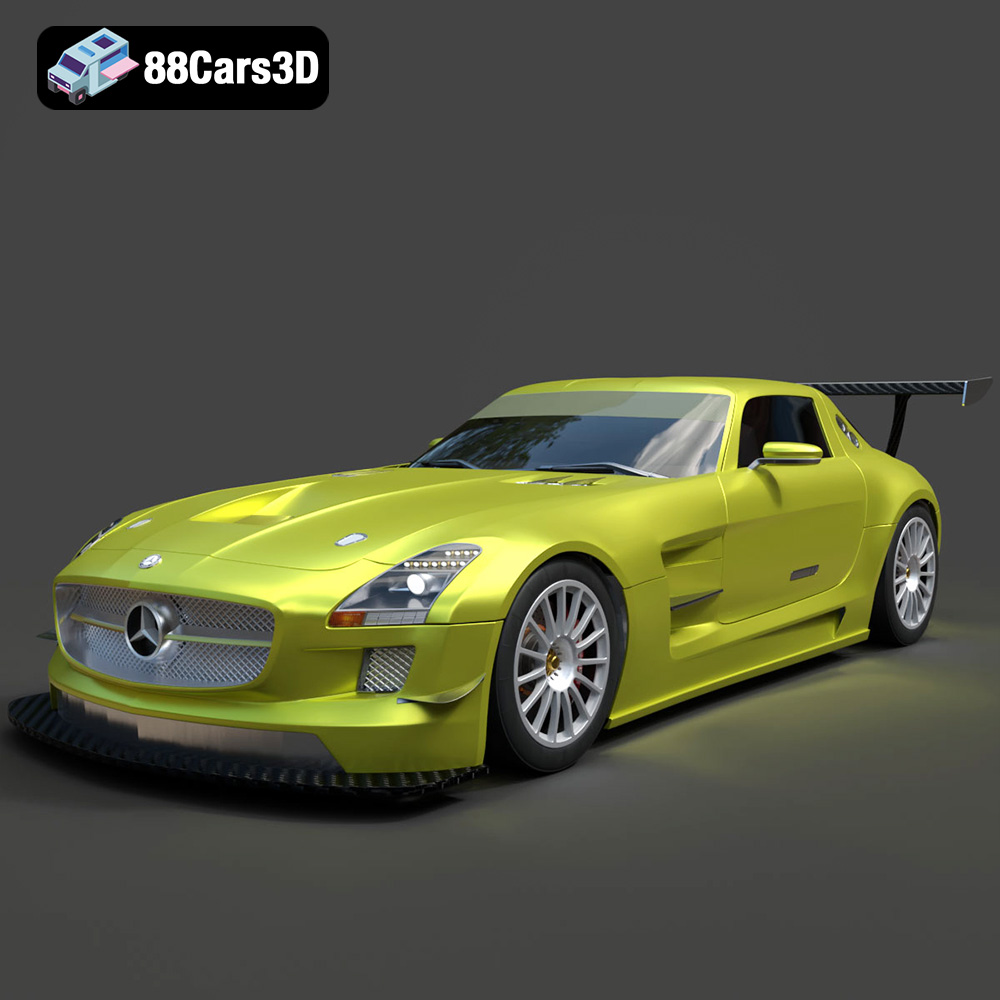
Mercedes-Benz SLS AMG GT3-002 3D Model
Texture: Yes
Material: Yes
Download the Mercedes-Benz SLS AMG GT3-002 3D Model featuring clean geometry, realistic detailing, and a fully modeled interior. Includes .blend, .fbx, .obj, .glb, .stl, .ply, .unreal, and .max formats for rendering, simulation, and game development.
Price: $38.99

Mercedes-Benz C-Class-001 3D Model
Texture: Yes
Material: Yes
Download the Mercedes-Benz C-Class-001 3D Model featuring clean geometry, realistic detailing, and a fully modeled interior. Includes .blend, .fbx, .obj, .glb, .stl, .ply, .unreal, and .max formats for rendering, simulation, and game development.
Price: $38.99
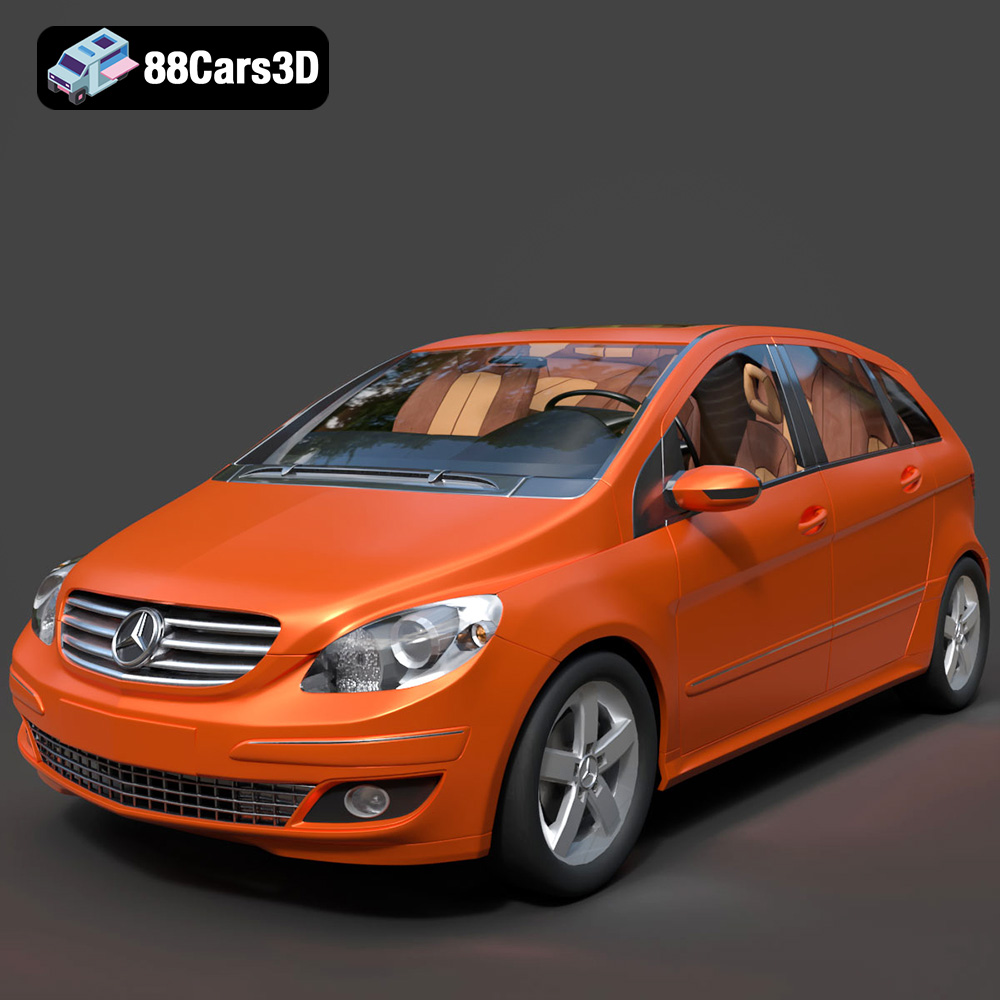
Mercedes-Benz B-Klasse 2023 3D Model
Texture: Yes
Material: Yes
Download the Mercedes-Benz B-Klasse 2023 3D Model featuring clean geometry, realistic detailing, and a fully modeled interior. Includes .blend, .fbx, .obj, .glb, .stl, .ply, .unreal, and .max formats for rendering, simulation, and game development.
Price: $38.99
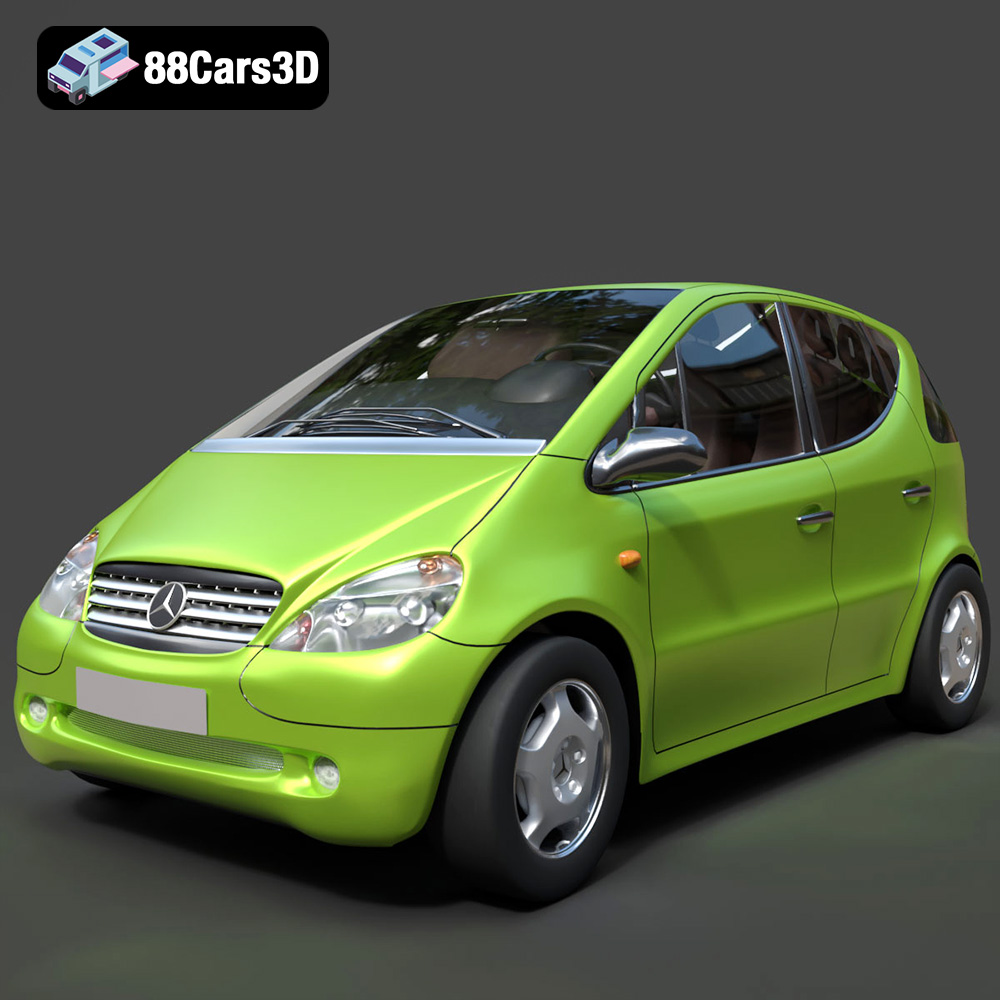
Mercedes-Benz A-Klasse W168 3D Model
Texture: Yes
Material: Yes
Download the Mercedes-Benz A-Klasse W168 3D Model featuring clean geometry, realistic detailing, and a fully modeled interior. Includes .blend, .fbx, .obj, .glb, .stl, .ply, .unreal, and .max formats for rendering, simulation, and game development.
Price: $38.99
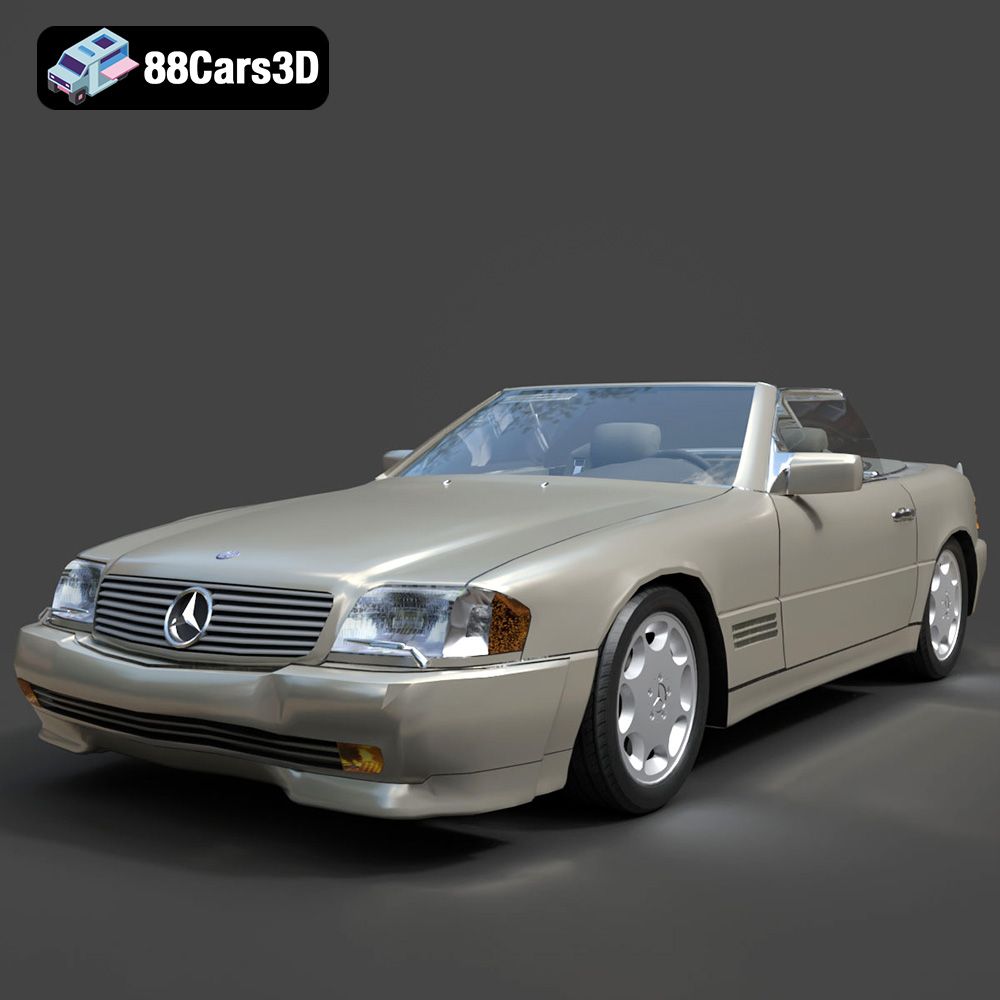
Mercedes-Benz 500SL 2000 3D Model
Texture: Yes
Material: Yes
Download the Mercedes-Benz 500SL 2000 3D Model featuring clean geometry, realistic detailing, and a fully modeled interior. Includes .blend, .fbx, .obj, .glb, .stl, .ply, .unreal, and .max formats for rendering, simulation, and game development.
Price: $38.99
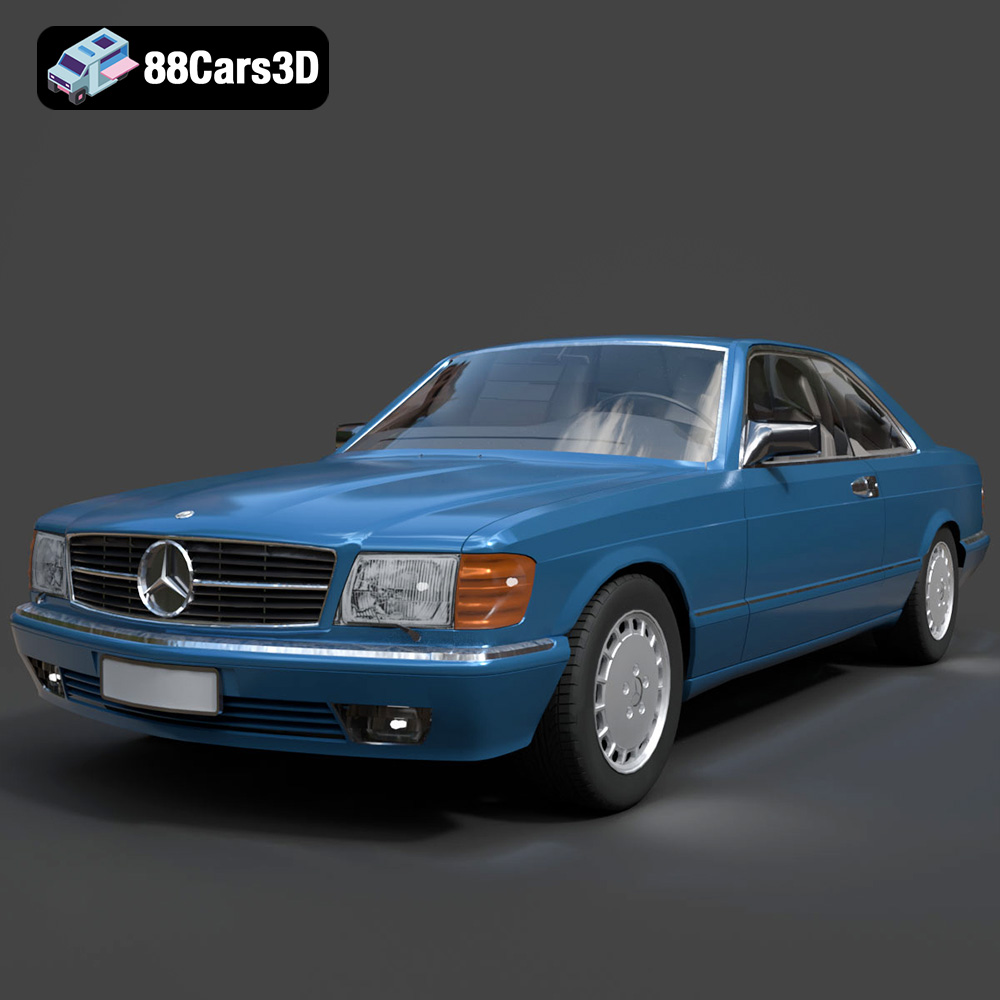
Mercedes-Benz 500SEC 3D Model
Texture: Yes
Material: Yes
Download the Mercedes-Benz 500SEC 3D Model featuring clean geometry, realistic detailing, and a fully modeled interior. Includes .blend, .fbx, .obj, .glb, .stl, .ply, .unreal, and .max formats for rendering, simulation, and game development.
Price: $38.99
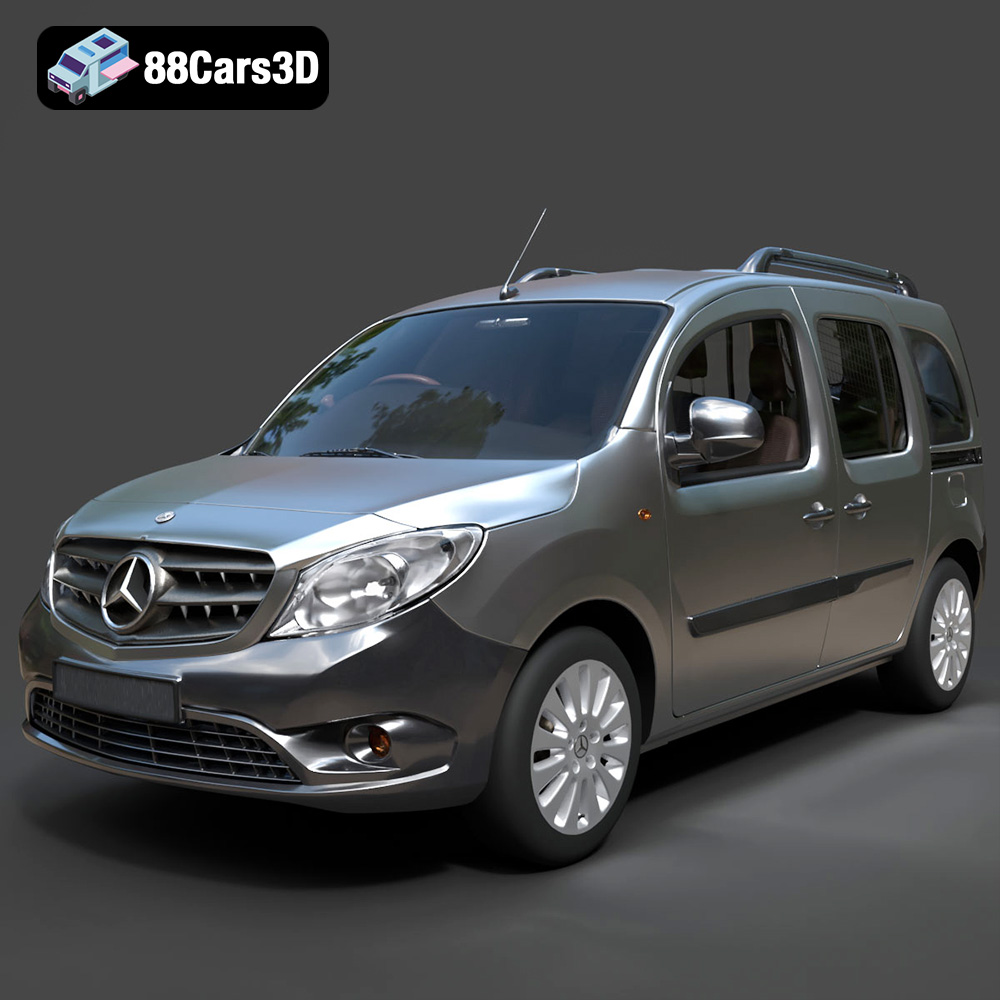
Mercedes-Benz Citan 2025 3D Model
Texture: Yes
Material: Yes
Download the Mercedes-Benz Citan 2025 3D Model featuring clean geometry, realistic detailing, and a fully modeled interior. Includes .blend, .fbx, .obj, .glb, .stl, .ply, .unreal, and .max formats for rendering, simulation, and game development.
Price: $38.99
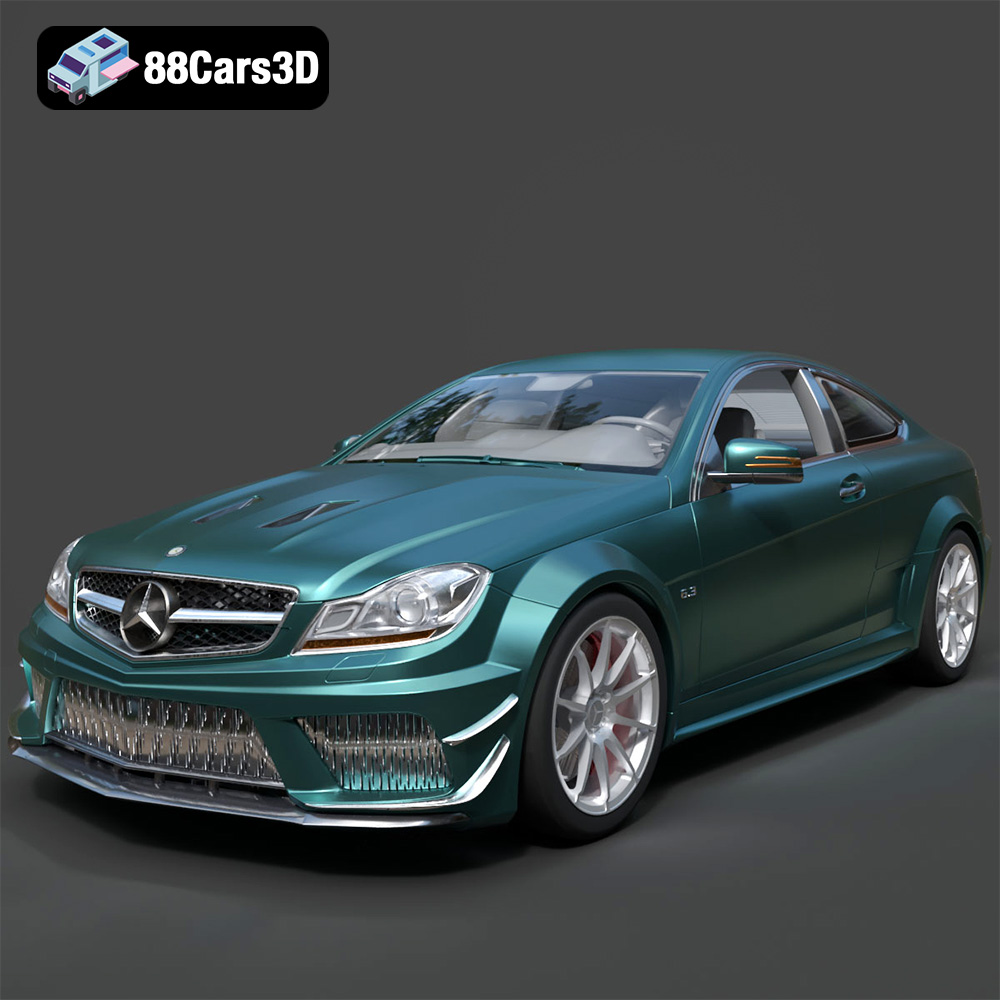
Mercedes-Benz C63 AMG 2012 3D Model
Texture: Yes
Material: Yes
Download the Mercedes-Benz C63 AMG 2012 3D Model featuring clean geometry, realistic detailing, and a fully modeled interior. Includes .blend, .fbx, .obj, .glb, .stl, .ply, .unreal, and .max formats for rendering, simulation, and game development.
Price: $38.99
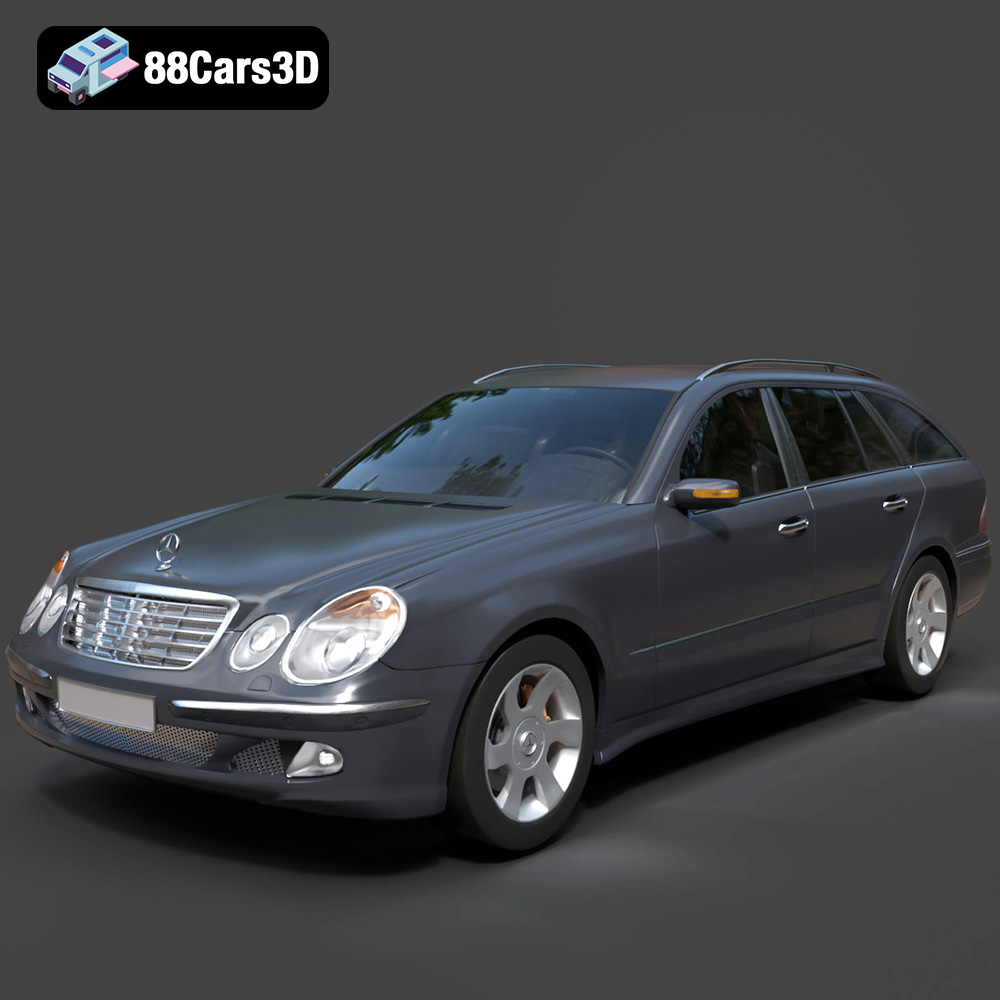
Mercedes-Benz E-Class S211 3D Model
Texture: Yes
Material: Yes
Download the Mercedes-Benz E-Class S211 3D Model featuring clean geometry, realistic detailing, and a fully modeled interior. Includes .blend, .fbx, .obj, .glb, .stl, .ply, .unreal, and .max formats for rendering, simulation, and game development.
Price: $38.99
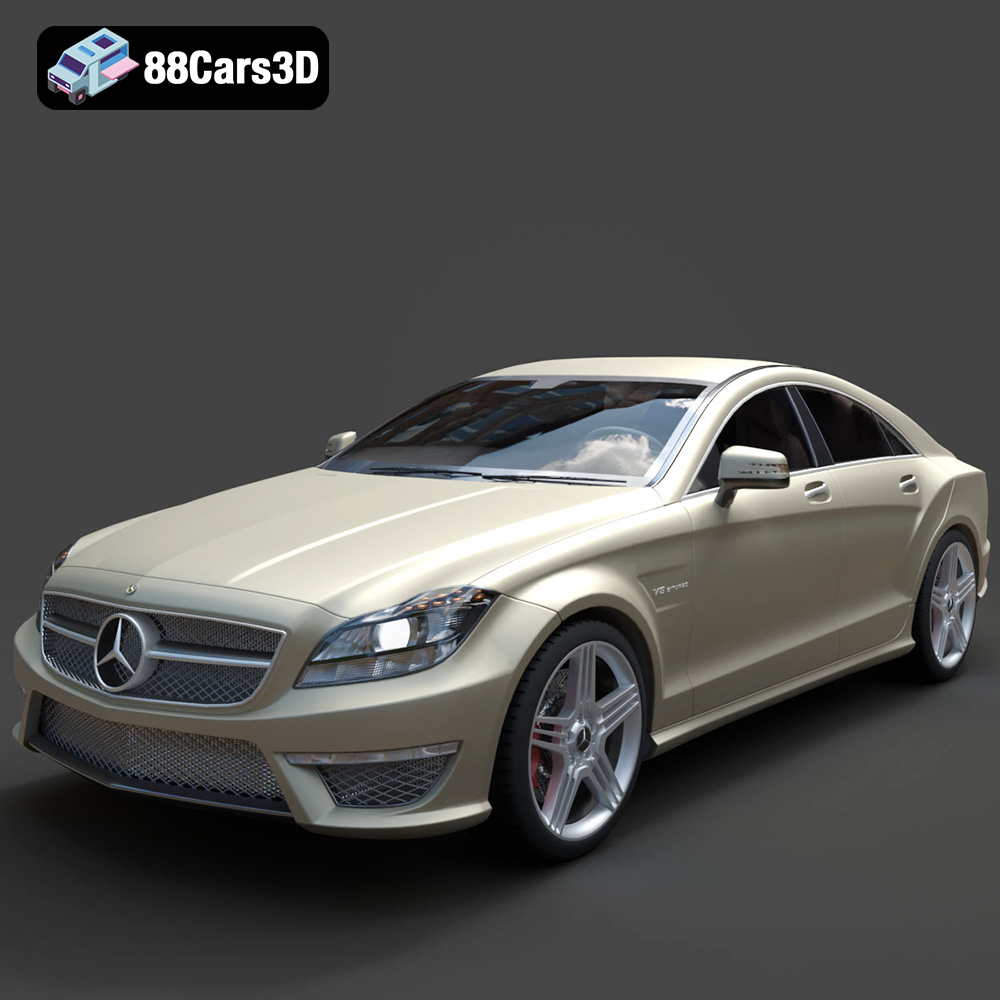
Mercedes-Benz CLS63 AMG (C218) 2014 3D Model
Texture: Yes
Material: Yes
Download the Mercedes-Benz CLS63 AMG (C218) 2014 3D Model featuring clean geometry, realistic detailing, and a fully modeled interior. Includes .blend, .fbx, .obj, .glb, .stl, .ply, .unreal, and .max formats for rendering, simulation, and game development.
Price: $38.99
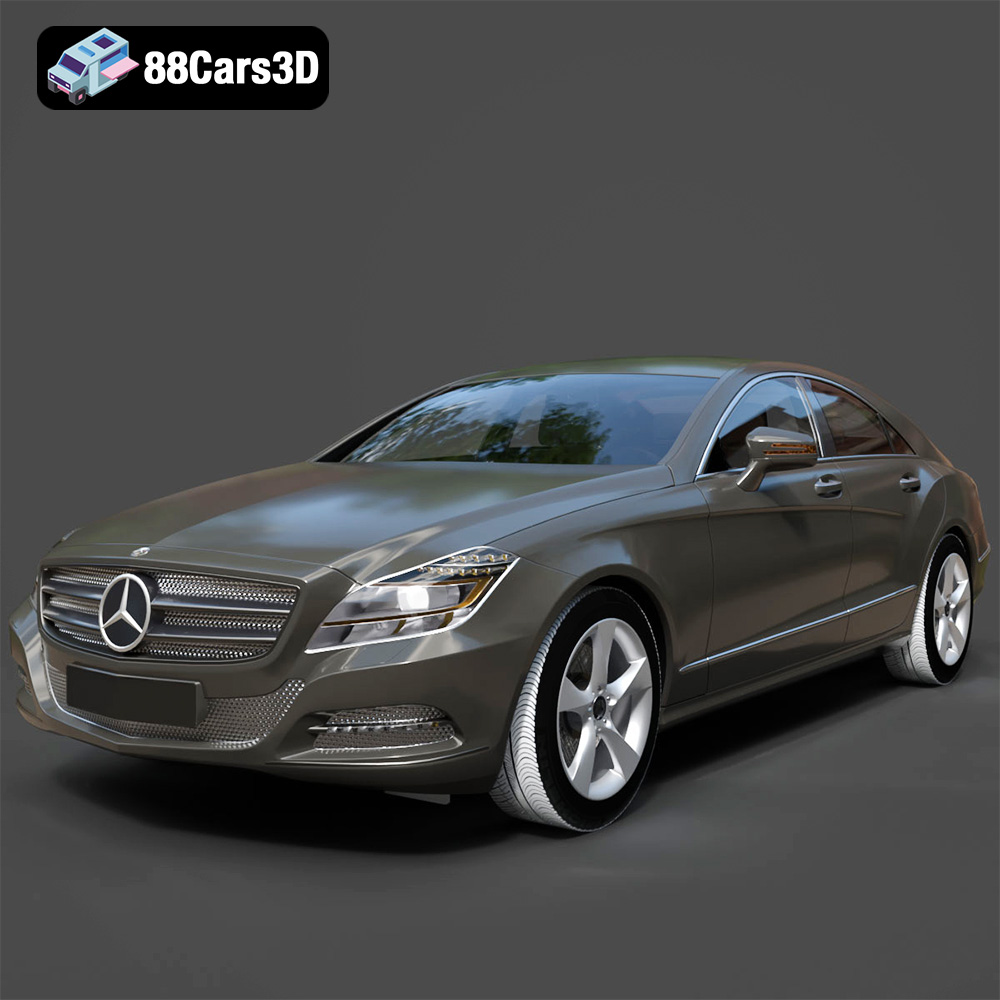
Mercedes-Benz CLS-Klasse 3D Model
Texture: Yes
Material: Yes
Download the Mercedes-Benz CLS-Klasse 3D Model featuring clean geometry, realistic detailing, and a fully modeled interior. Includes .blend, .fbx, .obj, .glb, .stl, .ply, .unreal, and .max formats for rendering, simulation, and game development.
Price: $38.99
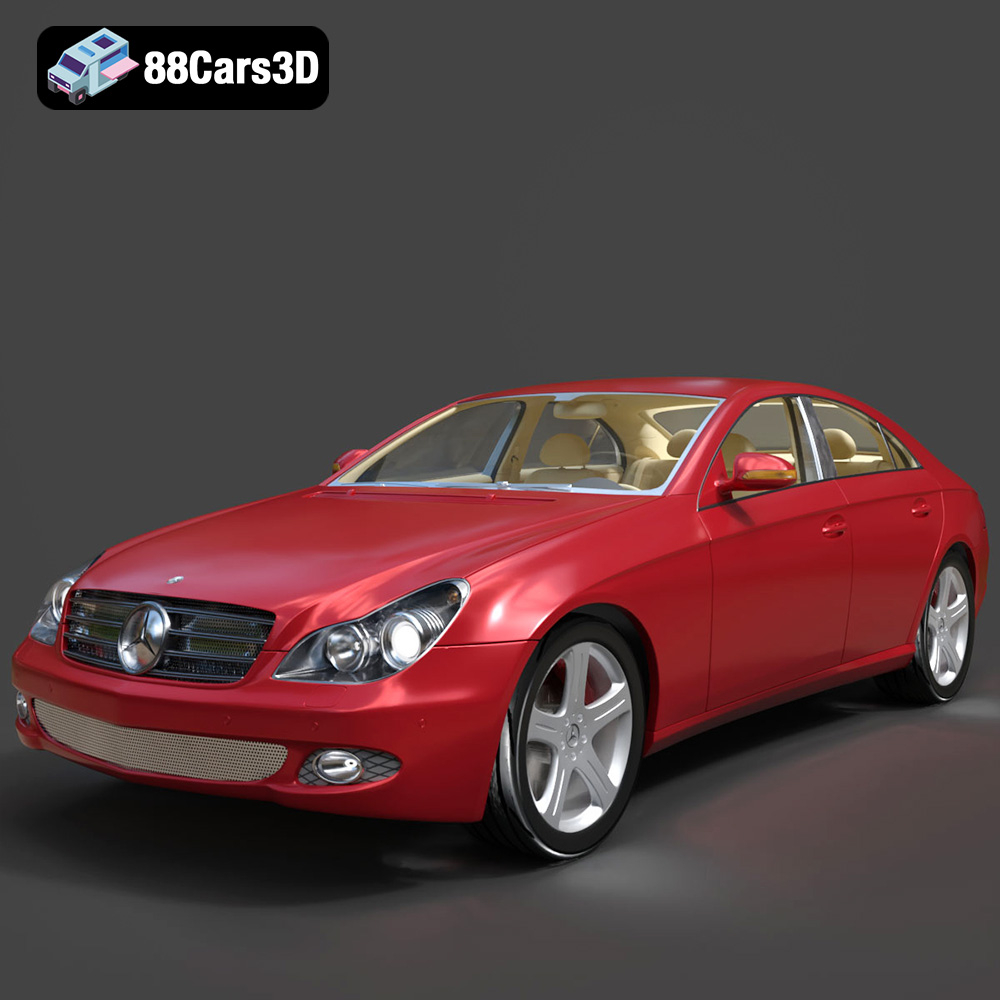
Mercedes-Benz CLS 500 3D Model
Texture: Yes
Material: Yes
Download the Mercedes-Benz CLS 500 3D Model featuring clean geometry, realistic detailing, and a fully modeled interior. Includes .blend, .fbx, .obj, .glb, .stl, .ply, .unreal, and .max formats for rendering, simulation, and game development.
Price: $38.99
