
The Automotive Visualization Revolution: Why Real-Time Matters

The world of automotive visualization is undergoing a seismic shift. For decades, traditional offline renderers like V-Ray have been the undisputed champions, delivering breathtakingly accurate representations of vehicles for advertising, design reviews, and marketing. Their meticulous ray-tracing algorithms and physically accurate simulations set the industry standard for photorealism. However, with the accelerating demand for interactive experiences, rapid iteration, and virtual production, the long render times of these offline solutions are becoming increasingly prohibitive.
Enter Unreal Engine 5 (UE5). This powerful real-time engine is revolutionizing how we create and experience digital content, offering unparalleled visual fidelity at interactive frame rates. The promise of dynamic configurators, immersive VR/AR experiences, and cinematic virtual production environments has captivated automotive professionals. Yet, for many seasoned artists, the transition from the familiar comforts of V-Ray to the real-time paradigm of UE5 presents a unique challenge: how do you bridge the gap and achieve true photorealistic car models in a real-time environment?
This comprehensive guide aims to demystify the process, providing a detailed roadmap for mastering Unreal Engine 5 automotive rendering. We’ll explore the essential steps, from preparing your assets in your DCC (Digital Content Creation) software to leveraging UE5’s cutting-edge features like Lumen and Nanite, ensuring your automotive visualizations not only meet but exceed the expectations set by traditional offline renders. For artists looking to accelerate their projects, resources like 88cars3d.com offer high-quality, production-ready automotive models perfect for immediate integration into your UE5 scenes.
The Automotive Visualization Revolution: Why Real-Time Matters
For years, the pinnacle of automotive visualization was synonymous with static, pre-rendered images and animations. Tools like V-Ray excelled at this, meticulously simulating light bounces, material interactions, and camera effects over hours or even days of rendering. This approach, while delivering stunning results, inherently limited design iteration speed and interactivity. Changes meant re-rendering, a process that could halt progress and stifle creative exploration.
Today, the industry’s demands have shifted dramatically. Automotive manufacturers, designers, and marketers require agility and interactivity. They need to visualize design changes on the fly, offer customers immersive configurators that go beyond static images, and integrate vehicles into virtual reality showrooms or augmented reality experiences. This is where real-time visualization truly shines, and Unreal Engine 5 stands at the forefront of this revolution.
Unreal Engine 5 provides an environment where design iterations can happen instantaneously. Imagine a designer tweaking a car’s body line or a material’s reflectivity and seeing the result rendered in high fidelity, in real-time. This iterative feedback loop accelerates decision-making and reduces costly mistakes. Furthermore, UE5 empowers the creation of interactive product configurators that can run on powerful PCs or even streamed to web browsers, offering consumers an unprecedented level of customization and engagement.
The “V-Ray gap” refers to the perceived challenge of replicating the granular detail and lighting accuracy of traditional offline renderers within a real-time engine. While V-Ray employs brute-force ray tracing, historically, real-time engines used more approximate methods. However, with UE5’s advancements, particularly with Lumen and hardware ray tracing, this gap has significantly narrowed, making Unreal Engine 5 automotive rendering a viable, often superior, alternative for many applications.
From Offline to Real-Time: Mastering the V-Ray to UE5 Workflow
The cornerstone of a successful transition from traditional offline rendering to Unreal Engine 5 lies in establishing a robust and efficient asset pipeline. This process involves careful preparation in your DCC application, intelligent use of Datasmith, and a thorough understanding of PBR material conversion. By streamlining this V-Ray to UE5 workflow, artists can preserve the integrity of their high-fidelity models and materials.
Preparing Your Source Scene for Export
Before initiating any export, meticulous preparation within your DCC software (e.g., 3ds Max, Maya, Blender) is crucial. A clean source scene prevents numerous headaches down the line in UE5. Ensure your geometry is optimized: remove any unseen faces, unnecessary modifiers, or overlapping geometry. Apply all transformations, reset XForms, and ensure correct scaling (Unreal Engine typically works best with a scale of 1 unit = 1 centimeter).
Proper UV mapping is paramount. Every mesh needs well-organized UV channels for textures, lightmaps, and potentially other data. Avoid overlapping UVs where possible, especially for surfaces that will receive baked light. Organize your scene logically using layers or groups, and name your objects clearly. This organizational discipline will pay dividends when managing complex photorealistic car models within UE5.
The Power of Datasmith Export
For transferring complex scenes from DCC applications to Unreal Engine, Datasmith export is the industry standard. Datasmith isn’t just a simple mesh exporter; it’s a scene translation tool designed to preserve hierarchies, metadata, basic materials, lights, and cameras. It significantly reduces the manual effort of reassembling scenes in UE5, making the V-Ray to UE5 workflow incredibly efficient.
Install the appropriate Datasmith plugin for your DCC software. When exporting, choose the Datasmith file format (e.g., .udatasmith). This process packages your entire scene into a single file. Upon import into UE5, Datasmith automatically creates corresponding Unreal assets: Static Meshes, Materials, Textures, Blueprints (for scene hierarchies), and even basic lighting setups. This intelligent translation saves countless hours of manual reconstruction, allowing you to focus on refining the aesthetics.
Intelligent Mesh Optimization: Leveraging Nanite
One of UE5’s most groundbreaking features for handling incredibly detailed assets is Nanite. Nanite is a virtualized micro-polygon geometry system that allows artists to import film-quality assets with millions or even billions of polygons directly into the engine without noticeable performance degradation. For photorealistic car models, which are inherently high-poly, Nanite optimization is a game-changer.
When importing your Datasmith scene, you’ll have the option to enable Nanite for static meshes. Nanite automatically handles LOD (Level of Detail) generation, streaming, and culling, ensuring that only the necessary polygons are rendered for any given view. This means you no longer need to manually create multiple LOD levels for your car parts; Nanite manages it all dynamically. This is particularly beneficial for exterior body panels, wheels, and intricate engine components that require extreme detail up close.
While Nanite is incredibly powerful, there are situations where it might not be suitable, such as for meshes with complex deformations (e.g., character animation), or objects with intricate transparency (though improvements are continually being made). For most static automotive components, however, Nanite is the go-to solution for maintaining detail without sacrificing performance, making Unreal Engine 5 automotive rendering truly next-gen.
PBR Material Conversion and Refinement
The visual fidelity of any automotive model hinges on its materials. While Datasmith does its best to translate materials, a significant amount of manual refinement is often required to achieve true PBR materials automotive quality in UE5. The fundamental principle is to translate your V-Ray material properties into UE5’s physically based rendering (PBR) framework.
Unreal Engine’s standard PBR shader uses inputs like Base Color, Metallic, Specular, Roughness, Normal, Emissive, and Opacity. Your V-Ray materials will typically have Diffuse, Reflect, Glossiness, IOR, Bump/Normal, and potentially other maps. Here’s a general mapping:
- Diffuse Color / Albedo: Maps directly to UE5’s Base Color. Ensure the color information is “linear” and free of lighting information.
- Reflect / Metallic: For metallic surfaces (like chrome, raw metal), the diffuse map often becomes black or very dark, and the Reflect map contributes to the Metallic channel (binary, 0 or 1, or grayscale for mixed materials). For dielectric materials (paint, glass, plastic), Metallic should be 0.
- Glossiness: In V-Ray, higher glossiness means sharper reflections. UE5 uses Roughness, which is the inverse: lower roughness means sharper reflections. You’ll often need to invert your V-Ray Glossiness map for UE5’s Roughness input.
- IOR (Index of Refraction): While not a direct input, IOR influences Specular/Roughness behavior. For dielectrics, UE5’s default Specular value of 0.5 is a good starting point (equivalent to an IOR of 1.5).
- Normal / Bump: V-Ray Bump maps can often be converted to Normal maps or used as grayscale height maps in UE5, feeding into the Normal input. Ensure tangent space is consistent.
- Emissive: For headlights, taillights, or dashboard screens, your V-Ray Self-Illumination or Emissive maps will go into UE5’s Emissive Color.
- Opacity: For glass, clear plastic, or decals, your Opacity maps will go into UE5’s Opacity input. Remember to set the material’s blend mode to Masked or Translucent.
Beyond direct mapping, UE5’s material editor allows for highly sophisticated custom shaders. For automotive paint, you’ll want to leverage advanced features like clear coat layers, flake normal maps, and even iridescent effects to replicate complex real-world finishes. Creating a master car paint material with exposed parameters for color, metallic flakes, clear coat thickness, and roughness allows for rapid iteration and consistent visual quality across all your photorealistic car models.
Unleashing Unreal Engine 5’s Photorealism Toolkit for Automotive
Once your assets are correctly imported and their materials are converted, the true power of Unreal Engine 5 automotive rendering comes to the forefront. UE5 offers a suite of advanced rendering features that, when skillfully utilized, can rival and often surpass the visual quality of traditional offline renders, all in real-time.
Dynamic Global Illumination: Lumen at its Best
The most significant leap in real-time lighting for UE5 is Lumen. Lumen global illumination is a fully dynamic global illumination and reflections system that works with infinitesimally detailed geometry from Nanite. It dynamically calculates indirect light bounces, diffuse inter-reflection, and specular reflections, providing incredibly realistic lighting environments without pre-baking or manual light probe placement.
For automotive visualization, Lumen is transformative. It accurately simulates how light bounces off the car’s paint onto the ground, or how interior light spills onto the dashboard. Complex reflections on car bodies, especially in challenging environments like tunnels or indoor showrooms, are handled beautifully and dynamically. This means you can move lights, change materials, or even move the car itself, and Lumen will instantly update the global illumination, making it perfect for interactive configurators and virtual production stages. Tuning Lumen’s quality settings is essential; while “High” or “Epic” presets offer stunning results, understanding the console variables can help you balance fidelity and performance for your specific needs.
Hardware Ray Tracing for Unrivaled Fidelity
While Lumen handles global illumination and general reflections, hardware ray tracing in UE5 offers an additional layer of precision, particularly for sharp, accurate reflections, shadows, and ambient occlusion. When combined with Lumen, hardware ray tracing elevates the realism of Unreal Engine 5 automotive rendering to unprecedented levels.
For highly reflective surfaces like car paint, chrome trim, and glass, hardware ray-traced reflections provide pixel-perfect accuracy that screen-space reflections (SSR) cannot match, especially for off-screen objects. Ray-traced shadows offer beautifully soft and accurate contact shadows, adding depth and realism to the vehicle’s interaction with its environment. Setting up hardware ray tracing involves enabling it in your project settings and then configuring the specific ray-tracing features (reflections, shadows, ambient occlusion) within your post-process volume.
Advanced Lighting and Shadows
Beyond Lumen and hardware ray tracing, mastering UE5’s traditional lighting tools is essential for cinematic automotive shots. Start with an HDRI Sky Sphere for realistic environmental lighting and reflections, using a high-quality HDR image of your chosen environment. A strong Directional Light simulates the sun, providing direct light and sharp shadows, while a Skylight captures the ambient sky color and overall environmental light contribution.
For studio setups or to highlight specific details, use Spot Lights and Rect Lights. These allow for precise control over light shape, intensity, and color, mimicking real-world studio lighting rigs. Leveraging Virtual Shadow Maps (VSMs) provides incredibly crisp and detailed shadows, crucial for showcasing the intricate design elements of photorealistic car models. Experiment with light temperature, intensity, and bounce settings to sculpt the car’s form and accentuate its materials.
Post-Processing for Cinematic Polish
No render, real-time or offline, is complete without careful post-processing. UE5’s post-process volume offers an extensive array of controls to fine-tune the final look of your automotive renders, pushing them towards cinematic quality. This is where you add the final polish that truly makes the images pop, mirroring the professional techniques used in photography and film.
Key post-processing effects include: Exposure adjustment to correctly balance light and dark areas; Color Grading (using LUTs or manual adjustments) to set the mood and style; Bloom for realistic light scattering from bright sources; Chromatic Aberration for subtle lens imperfections; and Vignette to draw attention to the subject. Depth of Field (DoF) is particularly important for photographic realism, allowing you to simulate camera lens blur and isolate the vehicle from its background, creating a sense of scale and focus that is critical for showcasing photorealistic car models.
Performance, Optimization, and Best Practices for Automotive Visualization
Achieving stunning visual fidelity in Unreal Engine 5 automotive rendering without compromising performance requires strategic optimization. While Nanite and Lumen handle much of the heavy lifting, understanding the bottlenecks and applying best practices ensures smooth real-time visualization for all your projects, from interactive configurators to high-end cinematic sequences.
Optimizing High-Poly Automotive Models
Even with Nanite, some optimization in your DCC tool prior to export is beneficial. Remove any geometry that will never be seen (e.g., internal engine parts that are always covered). For parts that don’t benefit from Nanite (like translucent glass or highly animated components), consider creating manual LODs (Levels of Detail) to swap out lower-poly versions at a distance. Instance identical meshes (e.g., wheel bolts, individual components of a grill) whenever possible; Datasmith often handles this intelligently, but manual instancing further reduces draw calls and memory usage.
Texture optimization is equally important. Ensure your textures are at appropriate resolutions; a 4K texture on a tiny bolt is wasteful. Compress textures appropriately within UE5 (e.g., BC7 for normal maps and detailed albedos, BC5 for uncompressed normal maps). Use texture atlases where multiple small textures can be combined into one larger map to reduce material overhead and draw calls. Materials that share common parameters or textures can be consolidated into master materials with instances to minimize shader complexity.
Common Pitfalls and Troubleshooting
Transitioning to UE5 can present its own set of challenges. One common pitfall is incorrect material setup; failing to adhere to the PBR workflow results in unrealistic reflections or diffuse lighting. Always double-check your Roughness and Metallic values, and ensure your texture maps are correctly assigned and sampled. Another issue is unoptimized textures, leading to excessive memory usage and degraded performance.
Lighting problems are also frequent, such as light leaks, unrealistic shadow artifacts, or areas that are too dark or too bright. Systematically check your light sources, Lumen settings, and post-process volume. Make sure your meshes have good UVs for lightmass if you’re using baked lighting alongside Lumen (for static background elements). Performance bottlenecks can often be identified using UE5’s built-in profilers (Stat commands like ‘Stat GPU’, ‘Stat Engine’, ‘Stat RHI’) which provide invaluable data on where your rendering time is being spent.
Achieving Cinematic Quality and Beyond
For creating stunning animations and sequences, UE5’s Sequencer is your go-to tool. It’s a powerful, non-linear editor that allows you to choreograph cameras, animate objects, trigger events, and control post-processing effects over time. You can animate camera moves that sweep around your photorealistic car models, open doors, or highlight interior details with ease. Combine Sequencer with high-quality camera settings (focal length, aperture, film back) for a truly cinematic result.
The applications of Unreal Engine 5 automotive rendering extend far beyond traditional marketing renders. Real-time visualization powers interactive automotive configurators, offering customers unparalleled customization options in a visually rich environment. It enables virtual production workflows, where physical cars are seamlessly integrated with digital backgrounds for film and television. It’s also at the heart of next-generation driving simulators and highly detailed game assets. To kickstart your projects, exploring the vast library of professionally crafted models on 88cars3d.com provides an excellent foundation, ensuring you’re working with high-quality, pre-optimized assets from the get-go.
Conclusion
The journey from V-Ray’s offline rendering dominance to the dynamic, real-time power of Unreal Engine 5 is not merely a technical upgrade; it’s a paradigm shift in automotive visualization. While the “V-Ray gap” once seemed formidable, UE5’s revolutionary features like Nanite, Lumen global illumination, and hardware ray tracing have not only bridged that gap but in many ways, surpassed the capabilities of traditional workflows by offering interactivity alongside unparalleled fidelity.
By mastering the Datasmith export process, diligently converting PBR materials automotive, and skillfully leveraging UE5’s powerful rendering toolkit, artists can produce truly stunning photorealistic car models. The future of automotive design and marketing lies in real-time visualization, enabling rapid iteration, immersive experiences, and cinematic quality at unprecedented speeds.
Embrace the future of Unreal Engine 5 automotive rendering. Start experimenting with these techniques today, and if you’re looking for a head start with top-tier assets, visit 88cars3d.com for a selection of high-quality, production-ready automotive models that are primed for your next real-time masterpiece.
Featured 3D Car Models

Suzuki SX4-002 3D Model
Texture: Yes
Material: Yes
Download the Suzuki SX4-002 3D Model featuring clean geometry, realistic detailing, and a fully modeled interior. Includes .blend, .fbx, .obj, .glb, .stl, .ply, .unreal, and .max formats for rendering, simulation, and game development.
Price: $10

Tesla Model S 2024 3D Model
Texture: Yes
Material: Yes
Download the Tesla Model S 2024 3D Model featuring clean geometry, realistic detailing, and a fully modeled interior. Includes .blend, .fbx, .obj, .glb, .stl, .ply, .unreal, and .max formats for rendering, simulation, and game development.
Price: $10

Subaru Impreza WRX STi-002 3D Model
Texture: Yes
Material: Yes
Download the Subaru Impreza WRX STi-002 3D Model featuring clean geometry, realistic detailing, and a fully modeled interior. Includes .blend, .fbx, .obj, .glb, .stl, .ply, .unreal, and .max formats for rendering, simulation, and game development.
Price: $10

Subaru Impreza WRX STi Sedan 3D Model
Texture: Yes
Material: Yes
Download the Subaru Impreza WRX STi Sedan 3D Model featuring clean geometry, realistic detailing, and a fully modeled interior. Includes .blend, .fbx, .obj, .glb, .stl, .ply, .unreal, and .max formats for rendering, simulation, and game development.
Price: $10

Subaru Legacy 2009 3D Model
Texture: Yes
Material: Yes
Download the Subaru Legacy 2009 3D Model featuring clean geometry, realistic detailing, and a fully modeled interior. Includes .blend, .fbx, .obj, .glb, .stl, .ply, .unreal, and .max formats for rendering, simulation, and game development.
Price: $10

Suzuki Swift 2024 3D Model
Texture: Yes
Material: Yes
Download the Suzuki Swift 2024 3D Model featuring clean geometry, realistic detailing, and a fully modeled interior. Includes .blend, .fbx, .obj, .glb, .stl, .ply, .unreal, and .max formats for rendering, simulation, and game development.
Price: $10

Suzuki Liana Sedan 2004 3D Model
Texture: Yes
Material: Yes
Download the Suzuki Liana Sedan 2004 3D Model featuring clean geometry, realistic detailing, and a fully modeled interior. Includes .blend, .fbx, .obj, .glb, .stl, .ply, .unreal, and .max formats for rendering, simulation, and game development.
Price: $10

Subaru Outback 2024 3D Model
Texture: Yes
Material: Yes
Download the Subaru Outback 2024 3D Model featuring clean geometry, realistic detailing, and a fully modeled interior. Includes .blend, .fbx, .obj, .glb, .stl, .ply, .unreal, and .max formats for rendering, simulation, and game development.
Price: $10

Subaru Legacy 2003 3D Model
Texture: Yes
Material: Yes
Download the Subaru Legacy 2003 3D Model featuring clean geometry, realistic detailing, and a fully modeled interior. Includes .blend, .fbx, .obj, .glb, .stl, .ply, .unreal, and .max formats for rendering, simulation, and game development.
Price: $10

Subaru Legacy Touring Wagon 3D Model
Texture: Yes
Material: Yes
Download the Subaru Legacy Touring Wagon 3D Model featuring clean geometry, realistic detailing, and a fully modeled interior. Includes .blend, .fbx, .obj, .glb, .stl, .ply, .unreal, and .max formats for rendering, simulation, and game development.
Price: $10

Toyota Mark II (X100) 1998 3D Model
Texture: Yes
Material: Yes
Download the Toyota Mark II (X100) 3D Model featuring clean geometry, realistic detailing, and a fully modeled interior. Includes .blend, .fbx, .obj, .glb, .stl, .ply, .unreal, and .max formats for rendering, simulation, and game development.
Price: $10

Toyota Corona 1985 3D Model
Texture: Yes
Material: Yes
Download the Toyota Corona 1985 3D Model featuring clean geometry, realistic detailing, and a fully modeled interior. Includes .blend, .fbx, .obj, .glb, .stl, .ply, .unreal, and .max formats for rendering, simulation, and game development.
Price: $10

Toyota Mark II X81 1990 3D Model
Texture: Yes
Material: Yes
Download the Toyota Mark II X81 1990 3D Model featuring clean geometry, realistic detailing, and a fully modeled interior. Includes .blend, .fbx, .obj, .glb, .stl, .ply, .unreal, and .max formats for rendering, simulation, and game development.
Price: $10

Toyota iQ EV 2012 3D Model
Texture: Yes
Material: Yes
Download the Toyota iQ EV 2012 3D Model featuring clean geometry, realistic detailing, and a fully modeled interior. Includes .blend, .fbx, .obj, .glb, .stl, .ply, .unreal, and .max formats for rendering, simulation, and game development.
Price: $10

Toyota Aygo 2013 3D Model
Texture: Yes
Material: Yes
Download the Toyota Aygo 2013 3D Model featuring clean geometry, realistic detailing, and a fully modeled interior. Includes .blend, .fbx, .obj, .glb, .stl, .ply, .unreal, and .max formats for rendering, simulation, and game development.
Price: $10

Toyota Crown S180 2005 3D Model
Texture: Yes
Material: Yes
Download the Toyota Crown S180 2005 3D Model featuring clean geometry, realistic detailing, and a fully modeled interior. Includes .blend, .fbx, .obj, .glb, .stl, .ply, .unreal, and .max formats for rendering, simulation, and game development.
Price: $10

Toyota Celica 2004 3D Model
Texture: Yes
Material: Yes
Download the Toyota Celica 2004 3D Model featuring clean geometry, realistic detailing, and a fully modeled interior. Includes .blend, .fbx, .obj, .glb, .stl, .ply, .unreal, and .max formats for rendering, simulation, and game development.
Price: $10

Toyota Corolla AE100 1992 3D Model
Texture: Yes
Material: Yes
Download the Toyota Corolla AE100 1992 3D Model featuring clean geometry, realistic detailing, and a fully modeled interior. Includes .blend, .fbx, .obj, .glb, .stl, .ply, .unreal, and .max formats for rendering, simulation, and game development.
Price: $10

Toyota Mark II X110 2000 3D Model
Texture: Yes
Material: Yes
Download the Toyota Mark II X110 2000 3D Model featuring clean geometry, realistic detailing, and a fully modeled interior. Includes .blend, .fbx, .obj, .glb, .stl, .ply, .unreal, and .max formats for rendering, simulation, and game development.
Price: $10

Toyota Corolla 2020 3D Model
Texture: Yes
Material: Yes
Download the Toyota Corolla 2020 3D Model featuring clean geometry, realistic detailing, and a fully modeled interior. Includes .blend, .fbx, .obj, .glb, .stl, .ply, .unreal, and .max formats for rendering, simulation, and game development.
Price: $10

Toyota Yaris 2020 3D Model
Texture: Yes
Material: Yes
Download the Toyota Yaris 2020 3D Model featuring clean geometry, realistic detailing, and a fully modeled interior. Includes .blend, .fbx, .obj, .glb, .stl, .ply, .unreal, and .max formats for rendering, simulation, and game development.
Price: $9.9

Volkswagen Beetle 2012 3D Model
Texture: Yes
Material: Yes
Download the Volkswagen Beetle 2012 3D Model featuring clean geometry, realistic detailing, and a fully modeled interior. Includes .blend, .fbx, .obj, .glb, .stl, .ply, .unreal, and .max formats for rendering, simulation, and game development.
Price: $9.9

Toyota Matrix 2005 3D Model
Texture: Yes
Material: Yes
Download the Toyota Matrix 2005 3D Model featuring clean geometry, realistic detailing, and a fully modeled interior. Includes .blend, .fbx, .obj, .glb, .stl, .ply, .unreal, and .max formats for rendering, simulation, and game development.
Price: $9.9

Toyota Yaris Sedan 3D Model
Texture: Yes
Material: Yes
Download the Toyota Yaris Sedan 3D Model featuring clean geometry, realistic detailing, and a fully modeled interior. Includes .blend, .fbx, .obj, .glb, .stl, .ply, .unreal, and .max formats for rendering, simulation, and game development.
Price: $9.9

Volkswagen Golf R-004 2024 3D Model
Texture: Yes
Material: Yes
Download the Volkswagen Golf R-004 2024 3D Model featuring clean geometry, realistic detailing, and a fully modeled interior. Includes .blend, .fbx, .obj, .glb, .stl, .ply, .unreal, and .max formats for rendering, simulation, and game development.
Price: $9.9

Volkswagen Golf 5 Door 2010 3D Model
Texture: Yes
Material: Yes
Download the Volkswagen Golf 5 Door 2010 3D Model featuring clean geometry, realistic detailing, and a fully modeled interior. Includes .blend, .fbx, .obj, .glb, .stl, .ply, .unreal, and .max formats for rendering, simulation, and game development.
Price: $9.9

Toyota Premio 2010 3D Model
Texture: Yes
Material: Yes
Download the Toyota Premio 2010 3D Model featuring clean geometry, realistic detailing, and a fully modeled interior. Includes .blend, .fbx, .obj, .glb, .stl, .ply, .unreal, and .max formats for rendering, simulation, and game development.
Price: $9.9

Toyota Opa 2000 3D Model
Texture: Yes
Material: Yes
Download the Toyota Opa 2000 3D Model featuring clean geometry, realistic detailing, and a fully modeled interior. Includes .blend, .fbx, .obj, .glb, .stl, .ply, .unreal, and .max formats for rendering, simulation, and game development.
Price: $9.9

Volkswagen Polo 5 Door 2010 3D Model
Texture: Yes
Material: Yes
Download the Volkswagen Polo 5 Door 2010 3D Model featuring clean geometry, realistic detailing, and a fully modeled interior. Includes .blend, .fbx, .obj, .glb, .stl, .ply, .unreal, and .max formats for rendering, simulation, and game development.
Price: $9.9

Toyota Prius 2024 3D Model
Texture: Yes
Material: Yes
Download the Toyota Prius 2024 3D Model featuring clean geometry, realistic detailing, and a fully modeled interior. Includes .blend, .fbx, .obj, .glb, .stl, .ply, .unreal, and .max formats for rendering, simulation, and game development.
Price: $9.9

Toyota Yaris 1999 3D Model
Texture: Yes
Material: Yes
Download the Toyota Yaris 1999 3D Model featuring clean geometry, realistic detailing, and a fully modeled interior. Includes .blend, .fbx, .obj, .glb, .stl, .ply, .unreal, and .max formats for rendering, simulation, and game development.
Price: $9.9

Toyota Supra 2020 3D Model
Texture: Yes
Material: Yes
Download the Toyota Supra 2020 3D Model featuring clean geometry, realistic detailing, and a fully modeled interior. Includes .blend, .fbx, .obj, .glb, .stl, .ply, .unreal, and .max formats for rendering, simulation, and game development.
Price: $9.9

Volkswagen New Beetle 2000 3D Model
Texture: Yes
Material: Yes
Download the Volkswagen New Beetle 2000 3D Model featuring clean geometry, realistic detailing, and a fully modeled interior. Includes .blend, .fbx, .obj, .glb, .stl, .ply, .unreal, and .max formats for rendering, simulation, and game development.
Price: $14.99

Volkswagen Jetta 2005 3D Model
Texture: Yes
Material: Yes
Download the Volkswagen Jetta 2005 3D Model featuring clean geometry, realistic detailing, and a fully modeled interior. Includes .blend, .fbx, .obj, .glb, .stl, .ply, .unreal, and .max formats for rendering, simulation, and game development.
Price: $18.99

Volkswagen Golf 3-Door 3D Model
Texture: Yes
Material: Yes
Download the Volkswagen Golf 3-Door 3D Model featuring clean geometry, realistic detailing, and a fully modeled interior. Includes .blend, .fbx, .obj, .glb, .stl, .ply, .unreal, and .max formats for rendering, simulation, and game development.
Price: $14.99

Volvo V70 2005 3D Model
Texture: Yes
Material: Yes
Download the Volvo V70 2005 3D Model featuring clean geometry, realistic detailing, and a fully modeled interior. Includes .blend, .fbx, .obj, .glb, .stl, .ply, .unreal, and .max formats for rendering, simulation, and game development.
Price: $14.99

Volkswagen Bora 2004 3D Model
Texture: Yes
Material: Yes
Download the Volkswagen Bora 2004 3D Model featuring clean geometry, realistic detailing, and a fully modeled interior. Includes .blend, .fbx, .obj, .glb, .stl, .ply, .unreal, and .max formats for rendering, simulation, and game development.
Price: $14.99

Volkswagen Lupo 3D Model
Texture: Yes
Material: Yes
Download the Volkswagen Lupo 3D Model featuring clean geometry, realistic detailing, and a fully modeled interior. Includes .blend, .fbx, .obj, .glb, .stl, .ply, .unreal, and .max formats for rendering, simulation, and game development.
Price: $19.99

Volkswagen Passat B5 2000 3D Model
Texture: Yes
Material: Yes
Download the Volkswagen Passat B5 2000 3D Model featuring clean geometry, realistic detailing, and a fully modeled interior. Includes .blend, .fbx, .obj, .glb, .stl, .ply, .unreal, and .max formats for rendering, simulation, and game development.
Price: $19.99

Volkswagen Passat CC 3D Model
Texture: Yes
Material: Yes
Download the Volkswagen Passat CC 3D Model featuring clean geometry, realistic detailing, and a fully modeled interior. Includes .blend, .fbx, .obj, .glb, .stl, .ply, .unreal, and .max formats for rendering, simulation, and game development.
Price: $19.99

Volkswagen Golf V 2006 3D Model
Texture: Yes
Material: Yes
Download the Volkswagen Golf V 2006 3D Model featuring clean geometry, realistic detailing, and a fully modeled interior. Includes .blend, .fbx, .obj, .glb, .stl, .ply, .unreal, and .max formats for rendering, simulation, and game development.
Price: $19.99

Volvo S60 R-Design 2024 3D Model
Texture: Yes
Material: Yes
Download the Volvo S60 R-Design 3D Model featuring clean geometry, realistic detailing, and a fully modeled interior. Includes .blend, .fbx, .obj, .glb, .stl, .ply, .unreal, and .max formats for rendering, simulation, and game development.
Price: $19.99

Volkswagen Passat 2025 3D Model
Texture: Yes
Material: Yes
Download the Volkswagen Passat 2025 3D Model featuring clean geometry, realistic detailing, and a fully modeled interior. Includes .blend, .fbx, .obj, .glb, .stl, .ply, .unreal, and .max formats for rendering, simulation, and game development.
Price: $25.99

Volkswagen Passat Variant B6 2005 3D Model
Texture: Yes
Material: Yes
Download the Volkswagen Passat Variant B6 2005 3D Model featuring clean geometry, realistic detailing, and a fully modeled interior. Includes .blend, .fbx, .obj, .glb, .stl, .ply, .unreal, and .max formats for rendering, simulation, and game development.
Price: $25.99

Volkswagen Phaeton W12 2004 3D Model
Texture: Yes
Material: Yes
Download the Volkswagen Phaeton W12 2004 3D Model featuring clean geometry, realistic detailing, and a fully modeled interior. Includes .blend, .fbx, .obj, .glb, .stl, .ply, .unreal, and .max formats for rendering, simulation, and game development.
Price: $25.99

Volkswagen Scirocco 2015 3D Model
Texture: Yes
Material: Yes
Download the Volkswagen Scirocco 2015 3D Model featuring clean geometry, realistic detailing, and a fully modeled interior. Includes .blend, .fbx, .obj, .glb, .stl, .ply, .unreal, and .max formats for rendering, simulation, and game development.
Price: $25.99

Volvo S60 2024 3D Model
Texture: Yes
Material: Yes
Download the Volvo S60 2024 3D Model featuring clean geometry, realistic detailing, and a fully modeled interior. Includes .blend, .fbx, .obj, .glb, .stl, .ply, .unreal, and .max formats for rendering, simulation, and game development.
Price: $25.99

Volkswagen Polo 3D Model
Texture: Yes
Material: Yes
Download the Volkswagen Polo 3D Model featuring clean geometry, realistic detailing, and a fully modeled interior. Includes .blend, .fbx, .obj, .glb, .stl, .ply, .unreal, and .max formats for rendering, simulation, and game development.
Price: $25.99

Volkswagen Golf 5-Doors 2018 3D Model
Texture: Yes
Material: Yes
Download the Volkswagen Golf 5-Doors 3D Model featuring clean geometry, realistic detailing, and a fully modeled interior. Includes .blend, .fbx, .obj, .glb, .stl, .ply, .unreal, and .max formats for rendering, simulation, and game development.
Price: $25.99

Volvo C70 T5 2000 3D Model
Texture: Yes
Material: Yes
Download the Volvo C70 T5 2000 3D Model featuring clean geometry, realistic detailing, and a fully modeled interior. Includes .blend, .fbx, .obj, .glb, .stl, .ply, .unreal, and .max formats for rendering, simulation, and game development.
Price: $23.99

Volvo S40 Sedan 2004 3D Model
Texture: Yes
Material: Yes
Download the Volvo S40 Sedan 2004 3D Model featuring clean geometry, realistic detailing, and a fully modeled interior. Includes .blend, .fbx, .obj, .glb, .stl, .ply, .unreal, and .max formats for rendering, simulation, and game development.
Price: $23.99

Volvo C30 BEV 2012 3D Model
Texture: Yes
Material: Yes
Download the Volvo C30 BEV 2012 3D Model featuring clean geometry, realistic detailing, and a fully modeled interior. Includes .blend, .fbx, .obj, .glb, .stl, .ply, .unreal, and .max formats for rendering, simulation, and game development.
Price: $23.99

Volvo C70 1998 3D Model
Texture: Yes
Material: Yes
Download the Volvo C70 1998 3D Model featuring clean geometry, realistic detailing, and a fully modeled interior. Includes .blend, .fbx, .obj, .glb, .stl, .ply, .unreal, and .max formats for rendering, simulation, and game development.
Price: $23.99

Mazda B-Series 3D Model
Texture: Yes
Material: Yes
Download the Mazda B-Series 3D Model featuring clean geometry, realistic detailing, and a fully modeled interior. Includes .blend, .fbx, .obj, .glb, .stl, .ply, .unreal, and .max formats for rendering, simulation, and game development.
Price: $23.99

Mercsedes Benz Z3-006 3D Model
Texture: Yes
Material: Yes
Download the Mercsedes Benz Z3-006 3D Model featuring clean geometry, realistic detailing, and a fully modeled interior. Includes .blend, .fbx, .obj, .glb, .stl, .ply, .unreal, and .max formats for rendering, simulation, and game development.
Price: $23.99

Mazda RX-7 3D Model
Texture: Yes
Material: Yes
Download the Mazda RX-7 3D Model featuring clean geometry, realistic detailing, and a fully modeled interior. Includes .blend, .fbx, .obj, .glb, .stl, .ply, .unreal, and .max formats for rendering, simulation, and game development.
Price: $23.99

Volvo VCC-003 3D Model
Texture: Yes
Material: Yes
Download the Volvo VCC-003 3D Model featuring clean geometry, realistic detailing, and a fully modeled interior. Includes .blend, .fbx, .obj, .glb, .stl, .ply, .unreal, and .max formats for rendering, simulation, and game development.
Price: $23.99

Mercedes-Benz SLR McLaren 2005 3D Model
Texture: Yes
Material: Yes
Download the Mercedes-Benz SLR McLaren 2005 3D Model featuring clean geometry, realistic detailing, and a fully modeled interior. Includes .blend, .fbx, .obj, .glb, .stl, .ply, .unreal, and .max formats for rendering, simulation, and game development.
Price: $23.99

GAZ 3110 Pickup 2000 3D Model
Texture: Yes
Material: Yes
Download the GAZ 3110 Pickup 3D Model featuring clean geometry, realistic detailing, and a fully modeled interior. Includes .blend, .fbx, .obj, .glb, .stl, .ply, .unreal, and .max formats for rendering, simulation, and game development.
Price: $23.99

Mazda 626 GF 1997 3D Model
Texture: Yes
Material: Yes
Download the Mazda 626 GF 1997 3D Model featuring clean geometry, realistic detailing, and a fully modeled interior. Includes .blend, .fbx, .obj, .glb, .stl, .ply, .unreal, and .max formats for rendering, simulation, and game development.
Price: $23.99

Volvo S80 2011 3D Model
Texture: Yes
Material: Yes
Download the Volvo S80 2011 3D Model featuring clean geometry, realistic detailing, and a fully modeled interior. Includes .blend, .fbx, .obj, .glb, .stl, .ply, .unreal, and .max formats for rendering, simulation, and game development.
Price: $23.99

Volkswagen Touran restyle-006 3D Model
Texture: Yes
Material: Yes
Download the Volkswagen Touran restyle-006 3D Model featuring clean geometry, realistic detailing, and a fully modeled interior. Includes .blend, .fbx, .obj, .glb, .stl, .ply, .unreal, and .max formats for rendering, simulation, and game development.
Price: $23.99

Skoda Octavia Scout 3D Model
Texture: Yes
Material: Yes
Download the Skoda Octavia Scout 3D Model featuring clean geometry, realistic detailing, and a fully modeled interior. Includes .blend, .fbx, .obj, .glb, .stl, .ply, .unreal, and .max formats for rendering, simulation, and game development.
Price: $23.99

Volkswagen Golf V 2006 3D Model
Texture: Yes
Material: Yes
Download the Volkswagen Golf V 2006 3D Model featuring clean geometry, realistic detailing, and a fully modeled interior. Includes .blend, .fbx, .obj, .glb, .stl, .ply, .unreal, and .max formats for rendering, simulation, and game development.
Price: $23.99

Mazda CX-7 3D Model
Texture: Yes
Material: Yes
Download the Mazda CX-7 3D Model featuring clean geometry, realistic detailing, and a fully modeled interior. Includes .blend, .fbx, .obj, .glb, .stl, .ply, .unreal, and .max formats for rendering, simulation, and game development.
Price: $23.99

Mazda Familia 3D Model
Texture: Yes
Material: Yes
Download the Mazda Familia 3D Model featuring clean geometry, realistic detailing, and a fully modeled interior. Includes .blend, .fbx, .obj, .glb, .stl, .ply, .unreal, and .max formats for rendering, simulation, and game development.
Price: $23.99

GAS 21 3D Model
Texture: Yes
Material: Yes
Download the GAS 21 3D Model featuring clean geometry, realistic detailing, and a fully modeled interior. Includes .blend, .fbx, .obj, .glb, .stl, .ply, .unreal, and .max formats for rendering, simulation, and game development.
Price: $23.99

Mercedes-Benz SL500 AMG (R129) 3D Model
Texture: Yes
Material: Yes
Download the Mercedes-Benz SL500 AMG (R129) 3D Model featuring clean geometry, realistic detailing, and a fully modeled interior. Includes .blend, .fbx, .obj, .glb, .stl, .ply, .unreal, and .max formats for rendering, simulation, and game development.
Price: $23.99

Mercedes-Benz S-Class W221 2005 3D Model
Texture: Yes
Material: Yes
Download the Mercedes-Benz S-Class W221 2005 3D Model featuring clean geometry, realistic detailing, and a fully modeled interior. Includes .blend, .fbx, .obj, .glb, .stl, .ply, .unreal, and .max formats for rendering, simulation, and game development.
Price: $23.99

Mercedes-Benz E-Class W212 2009 3D Model
Texture: Yes
Material: Yes
Download the Mercedes-Benz E-Class W212 2009 3D Model featuring clean geometry, realistic detailing, and a fully modeled interior. Includes .blend, .fbx, .obj, .glb, .stl, .ply, .unreal, and .max formats for rendering, simulation, and game development.
Price: $23.99

Mercedes-Benz E-class Estate S212 2009 3D Model
Texture: Yes
Material: Yes
Download the Mercedes-Benz E-class Estate S212 2009 3D Model featuring clean geometry, realistic detailing, and a fully modeled interior. Includes .blend, .fbx, .obj, .glb, .stl, .ply, .unreal, and .max formats for rendering, simulation, and game development.
Price: $23.99

Mercedes-Benz 190 W201 3D Model
Texture: Yes
Material: Yes
Download the Mercedes-Benz 190 W201 3D Model featuring clean geometry, realistic detailing, and a fully modeled interior. Includes .blend, .fbx, .obj, .glb, .stl, .ply, .unreal, and .max formats for rendering, simulation, and game development.
Price: $23.99

Mercedes-Benz C230 SportCoupé 2005 3D Model
Texture: Yes
Material: Yes
Download the Mercedes-Benz C230 SportCoupé 2005 3D Model featuring clean geometry, realistic detailing, and a fully modeled interior. Includes .blend, .fbx, .obj, .glb, .stl, .ply, .unreal, and .max formats for rendering, simulation, and game development.
Price: $23.99

Mercedes-Benz SLK 3D Model
Texture: Yes
Material: Yes
Download the Mercedes-Benz SLK 3D Model featuring clean geometry, realistic detailing, and a fully modeled interior. Includes .blend, .fbx, .obj, .glb, .stl, .ply, .unreal, and .max formats for rendering, simulation, and game development.
Price: $23.99

Mercedes 600 SEC W140 1992 3D Model
Texture: Yes
Material: Yes
Download the Mercedes 600 SEC W140 1992 3D Model featuring clean geometry, realistic detailing, and a fully modeled interior. Includes .blend, .fbx, .obj, .glb, .stl, .ply, .unreal, and .max formats for rendering, simulation, and game development.
Price: $23.99

Mercedes S-Class 2010 3D Model
Texture: Yes
Material: Yes
Download the Mercedes S-Class 2010 3D Model featuring clean geometry, realistic detailing, and a fully modeled interior. Includes .blend, .fbx, .obj, .glb, .stl, .ply, .unreal, and .max formats for rendering, simulation, and game development.
Price: $23.99

McLaren MP4-12C-001 3D Model
Texture: Yes
Material: Yes
Download the McLaren MP4-12C-001 3D Model featuring clean geometry, realistic detailing, and a fully modeled interior. Includes .blend, .fbx, .obj, .glb, .stl, .ply, .unreal, and .max formats for rendering, simulation, and game development.
Price: $23.99

Mercedes-Benz SLK 350 2005 3D Model
Texture: Yes
Material: Yes
Download the Mercedes-Benz SLK 350 2005 3D Model featuring clean geometry, realistic detailing, and a fully modeled interior. Includes .blend, .fbx, .obj, .glb, .stl, .ply, .unreal, and .max formats for rendering, simulation, and game development.
Price: $23.99

Mercedes-Benz SL 65 AMG 3D Model
Texture: Yes
Material: Yes
Download the Mercedes-Benz SL 65 AMG 3D Model featuring clean geometry, realistic detailing, and a fully modeled interior. Includes .blend, .fbx, .obj, .glb, .stl, .ply, .unreal, and .max formats for rendering, simulation, and game development.
Price: $23.99

Mercedes-Benz S500 3D Model
Texture: Yes
Material: Yes
Download the Mercedes-Benz S500 3D Model featuring clean geometry, realistic detailing, and a fully modeled interior. Includes .blend, .fbx, .obj, .glb, .stl, .ply, .unreal, and .max formats for rendering, simulation, and game development.
Price: $23.99
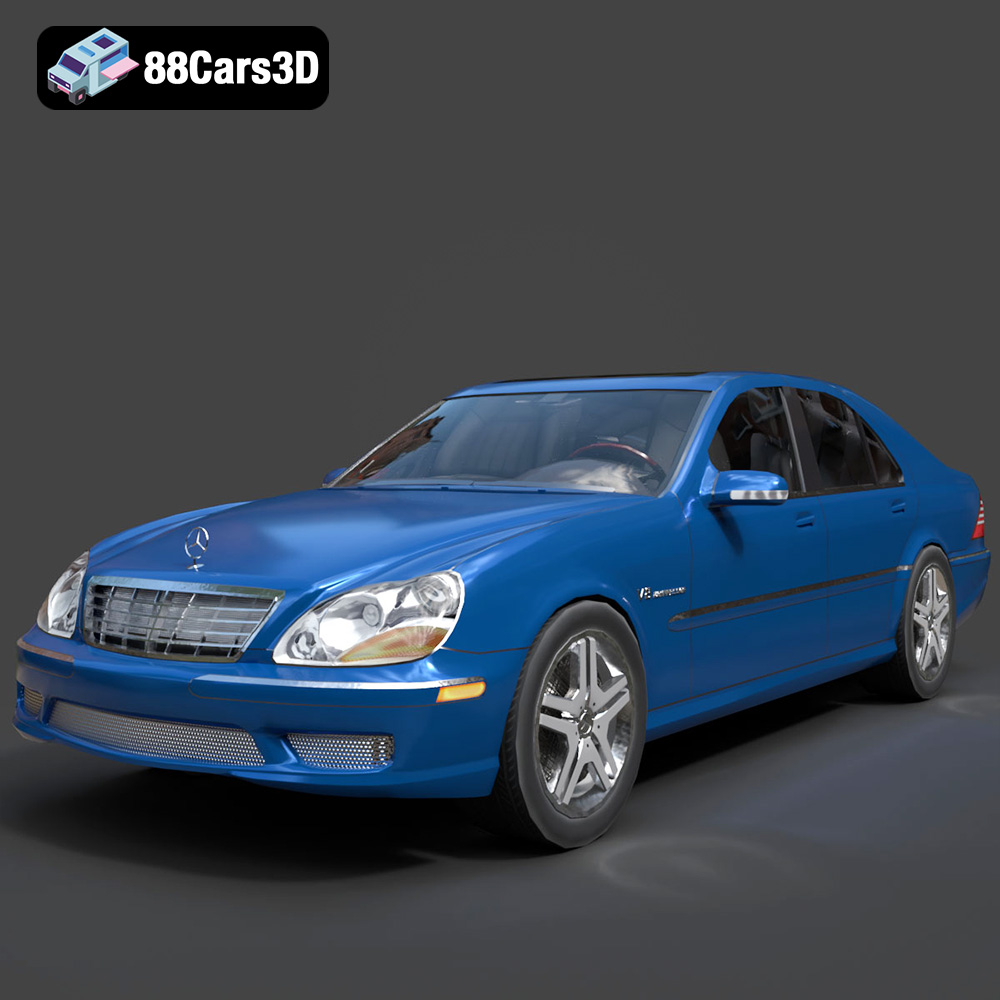
Mercedes-Benz S55 W220 AMG 1999 3D Model
Texture: Yes
Material: Yes
Download the Mercedes-Benz S55 W220 AMG 1999 3D Model featuring clean geometry, realistic detailing, and a fully modeled interior. Includes .blend, .fbx, .obj, .glb, .stl, .ply, .unreal, and .max formats for rendering, simulation, and game development.
Price: $23.99
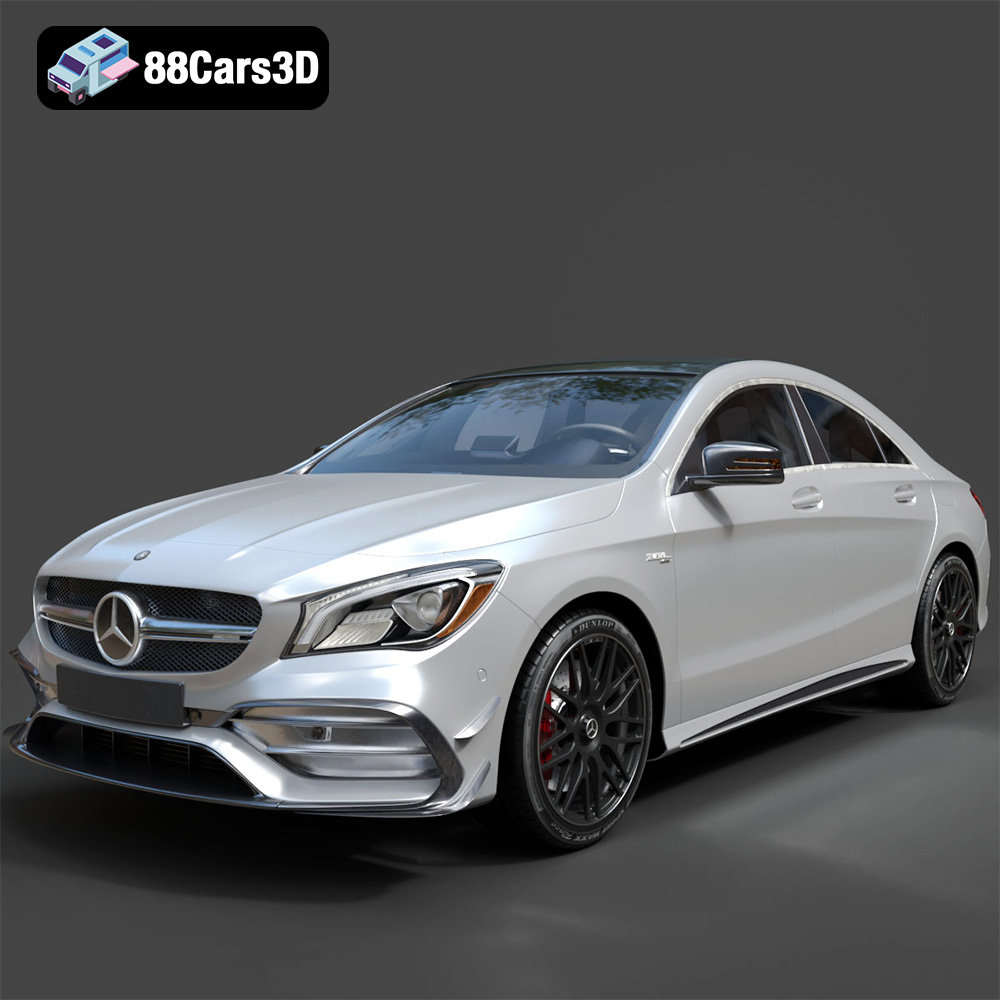
Mercedes-Benz CLA45 AMG 2017 3D Model
Texture: Yes
Material: Yes
Download the Mercedes-Benz CLA45 AMG 2017 3D Model featuring clean geometry, realistic detailing, and a fully modeled interior. Includes .blend, .fbx, .obj, .glb, .stl, .ply, .unreal, and .max formats for rendering, simulation, and game development.
Price: $38.99
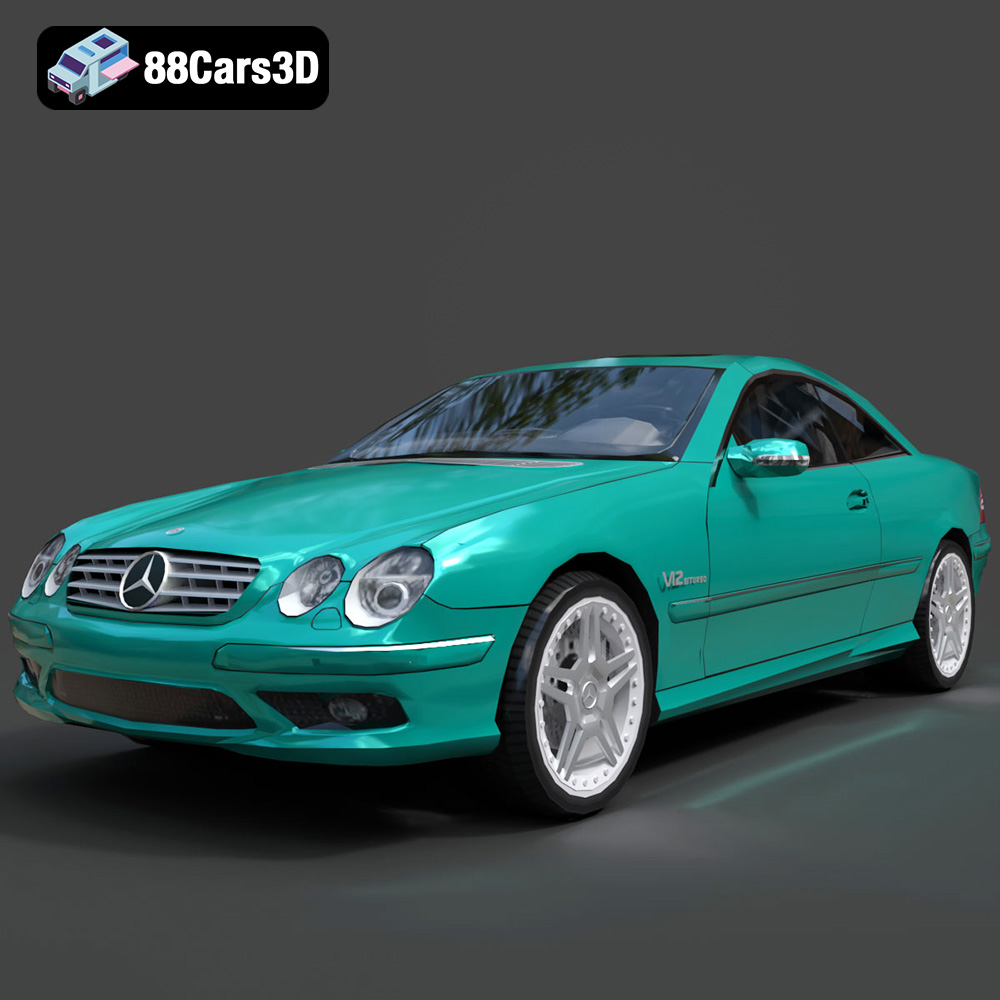
Mercedes-Benz CL65 C215 AMG 3D Model
Texture: Yes
Material: Yes
Download the Mercedes-Benz CL65 C215 AMG 3D Model featuring clean geometry, realistic detailing, and a fully modeled interior. Includes .blend, .fbx, .obj, .glb, .stl, .ply, .unreal, and .max formats for rendering, simulation, and game development.
Price: $23.99
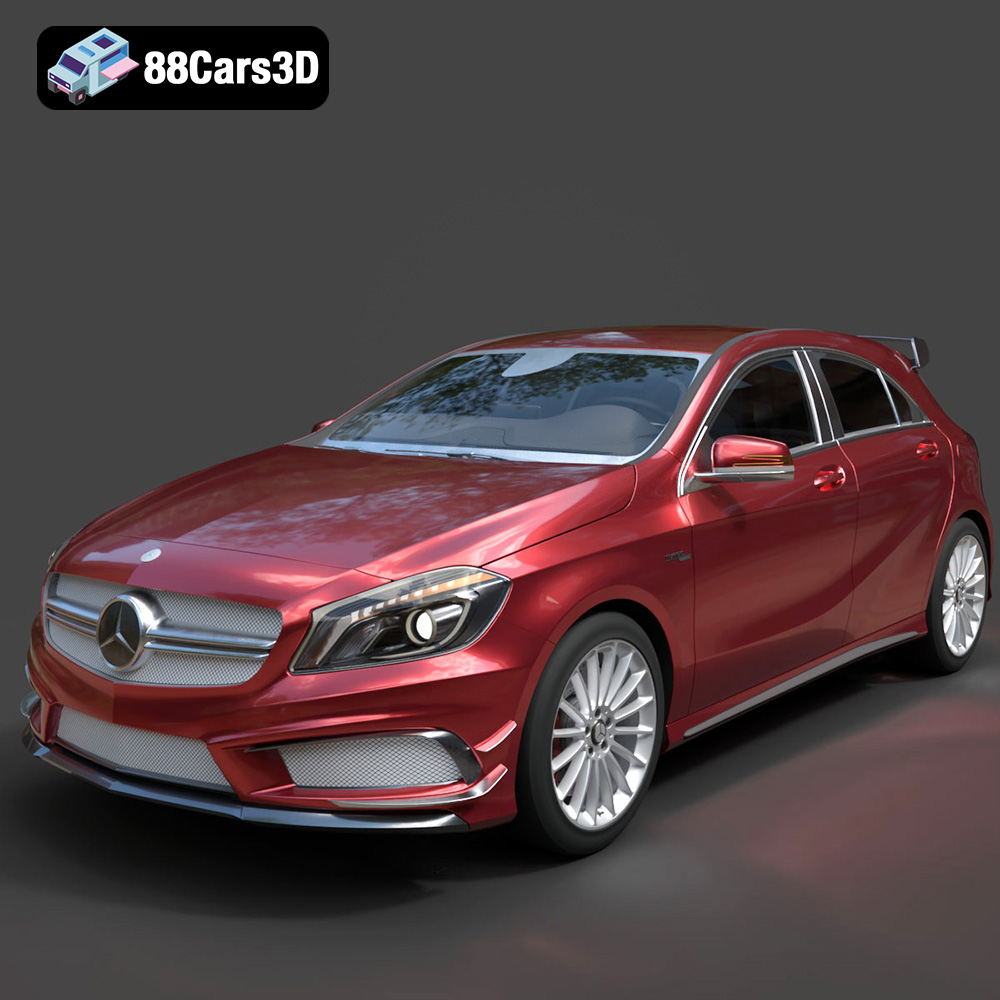
Mercedes-Benz A45 2021 3D Model
Texture: Yes
Material: Yes
Download the Mercedes-Benz A45 2021 3D Model featuring clean geometry, realistic detailing, and a fully modeled interior. Includes .blend, .fbx, .obj, .glb, .stl, .ply, .unreal, and .max formats for rendering, simulation, and game development.
Price: $23.99
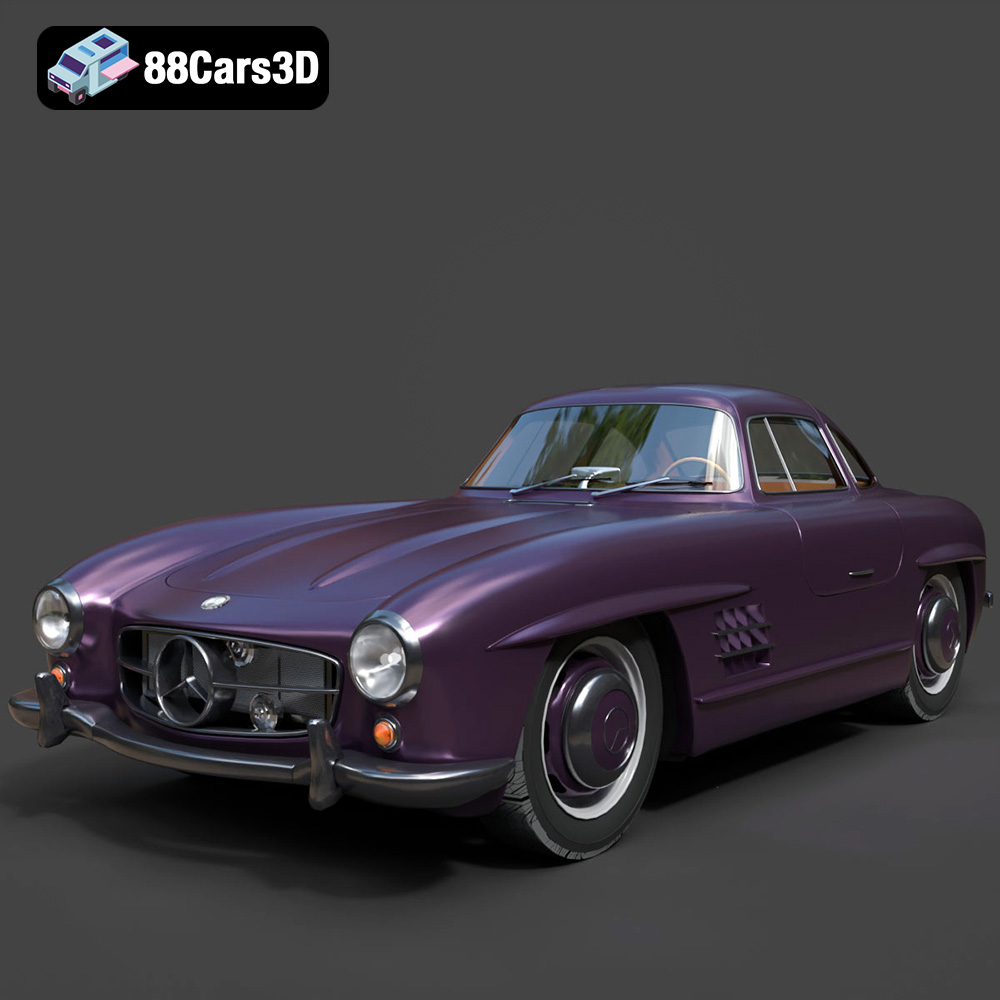
Mercedes-Benz 300SL 1955 3D Model
Texture: Yes
Material: Yes
Download the Mercedes-Benz 300SL 1955 3D Model featuring clean geometry, realistic detailing, and a fully modeled interior. Includes .blend, .fbx, .obj, .glb, .stl, .ply, .unreal, and .max formats for rendering, simulation, and game development.
Price: $23.99
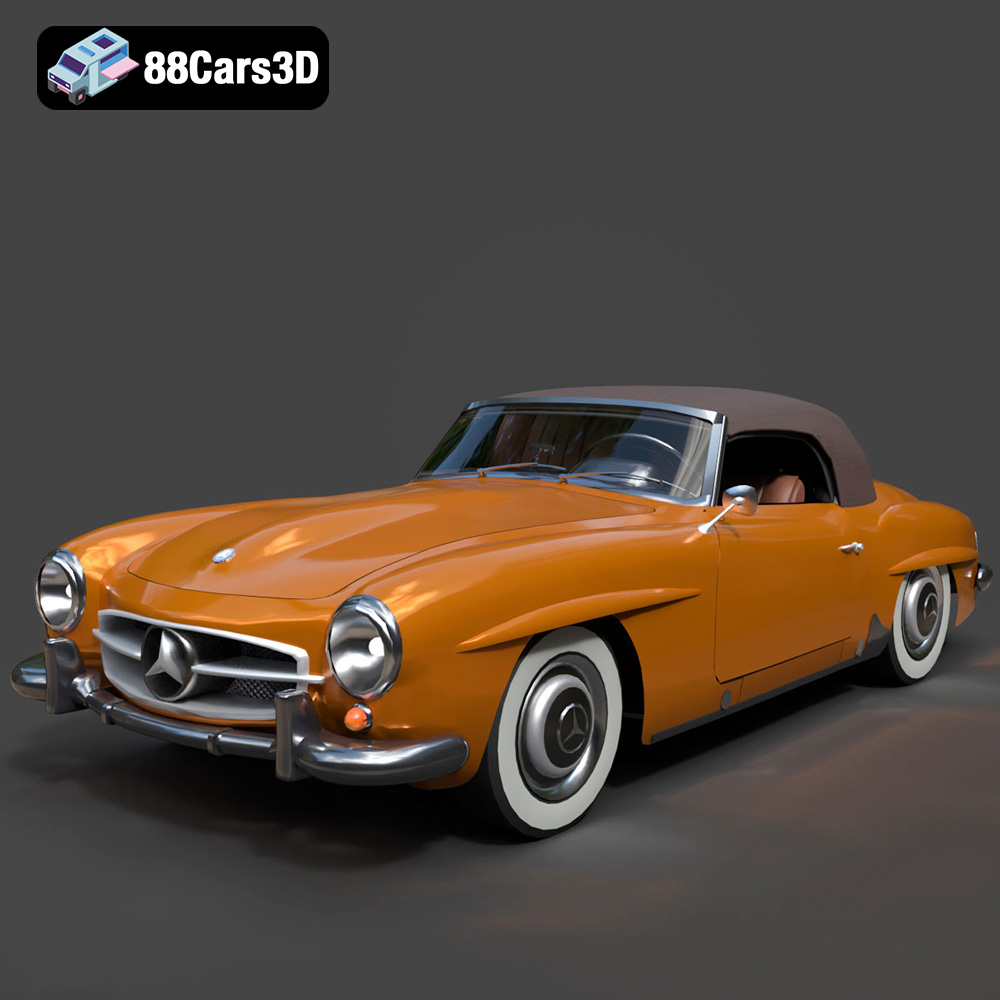
Mercedes-Benz 190SL 1955 3D Model
Texture: Yes
Material: Yes
Download the Mercedes-Benz 190SL 1955 3D Model featuring clean geometry, realistic detailing, and a fully modeled interior. Includes .blend, .fbx, .obj, .glb, .stl, .ply, .unreal, and .max formats for rendering, simulation, and game development.
Price: $23.99
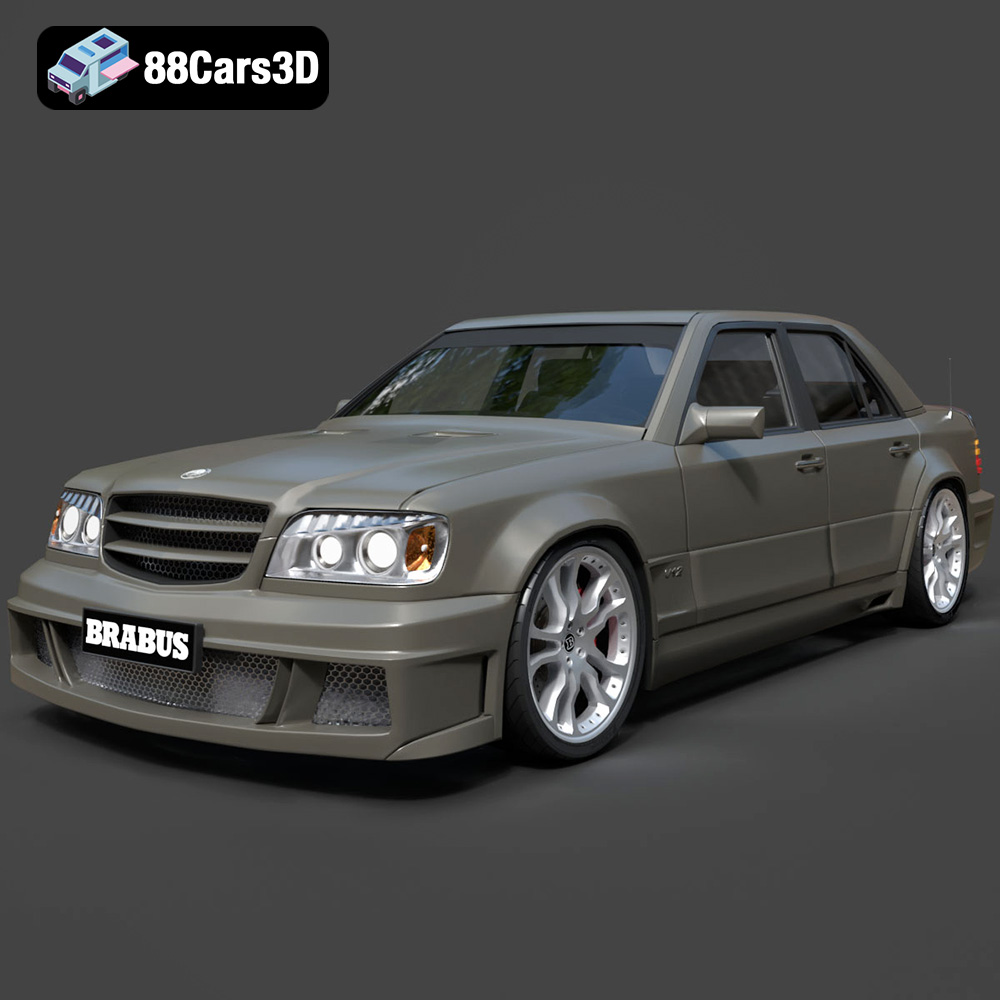
Mercedes-Benz W124 Brabus V12 3D Model
Texture: Yes
Material: Yes
Download the Mercedes-Benz W124 Brabus V12 3D Model featuring clean geometry, realistic detailing, and a fully modeled interior. Includes .blend, .fbx, .obj, .glb, .stl, .ply, .unreal, and .max formats for rendering, simulation, and game development.
Price: $23.99
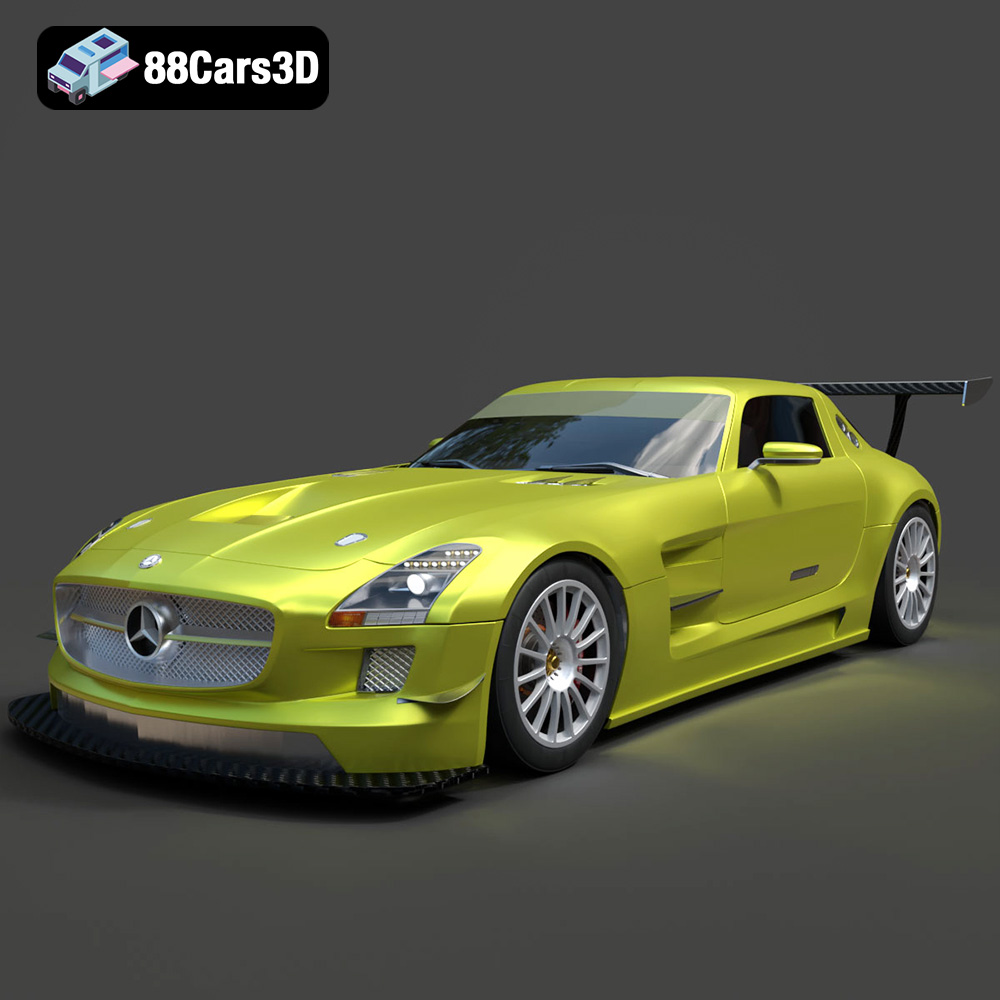
Mercedes-Benz SLS AMG GT3-002 3D Model
Texture: Yes
Material: Yes
Download the Mercedes-Benz SLS AMG GT3-002 3D Model featuring clean geometry, realistic detailing, and a fully modeled interior. Includes .blend, .fbx, .obj, .glb, .stl, .ply, .unreal, and .max formats for rendering, simulation, and game development.
Price: $38.99

Mercedes-Benz C-Class-001 3D Model
Texture: Yes
Material: Yes
Download the Mercedes-Benz C-Class-001 3D Model featuring clean geometry, realistic detailing, and a fully modeled interior. Includes .blend, .fbx, .obj, .glb, .stl, .ply, .unreal, and .max formats for rendering, simulation, and game development.
Price: $38.99
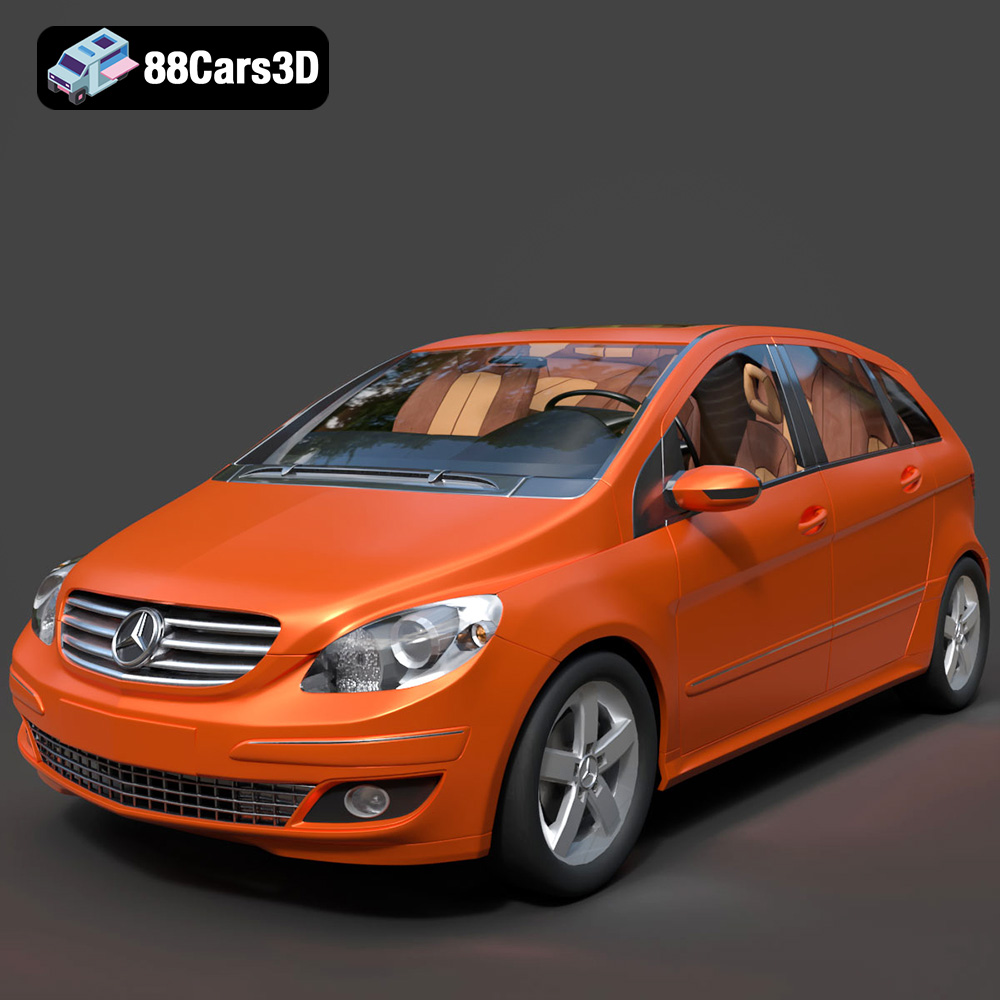
Mercedes-Benz B-Klasse 2023 3D Model
Texture: Yes
Material: Yes
Download the Mercedes-Benz B-Klasse 2023 3D Model featuring clean geometry, realistic detailing, and a fully modeled interior. Includes .blend, .fbx, .obj, .glb, .stl, .ply, .unreal, and .max formats for rendering, simulation, and game development.
Price: $38.99
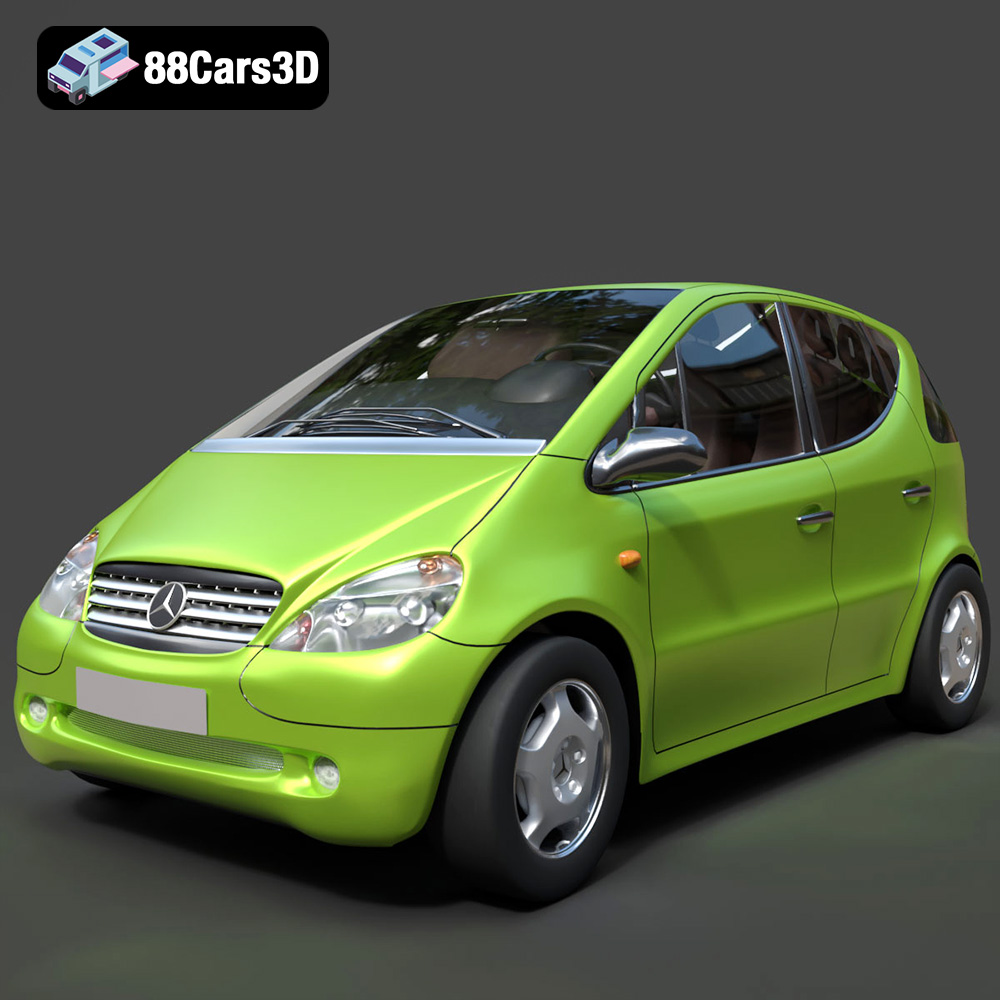
Mercedes-Benz A-Klasse W168 3D Model
Texture: Yes
Material: Yes
Download the Mercedes-Benz A-Klasse W168 3D Model featuring clean geometry, realistic detailing, and a fully modeled interior. Includes .blend, .fbx, .obj, .glb, .stl, .ply, .unreal, and .max formats for rendering, simulation, and game development.
Price: $38.99
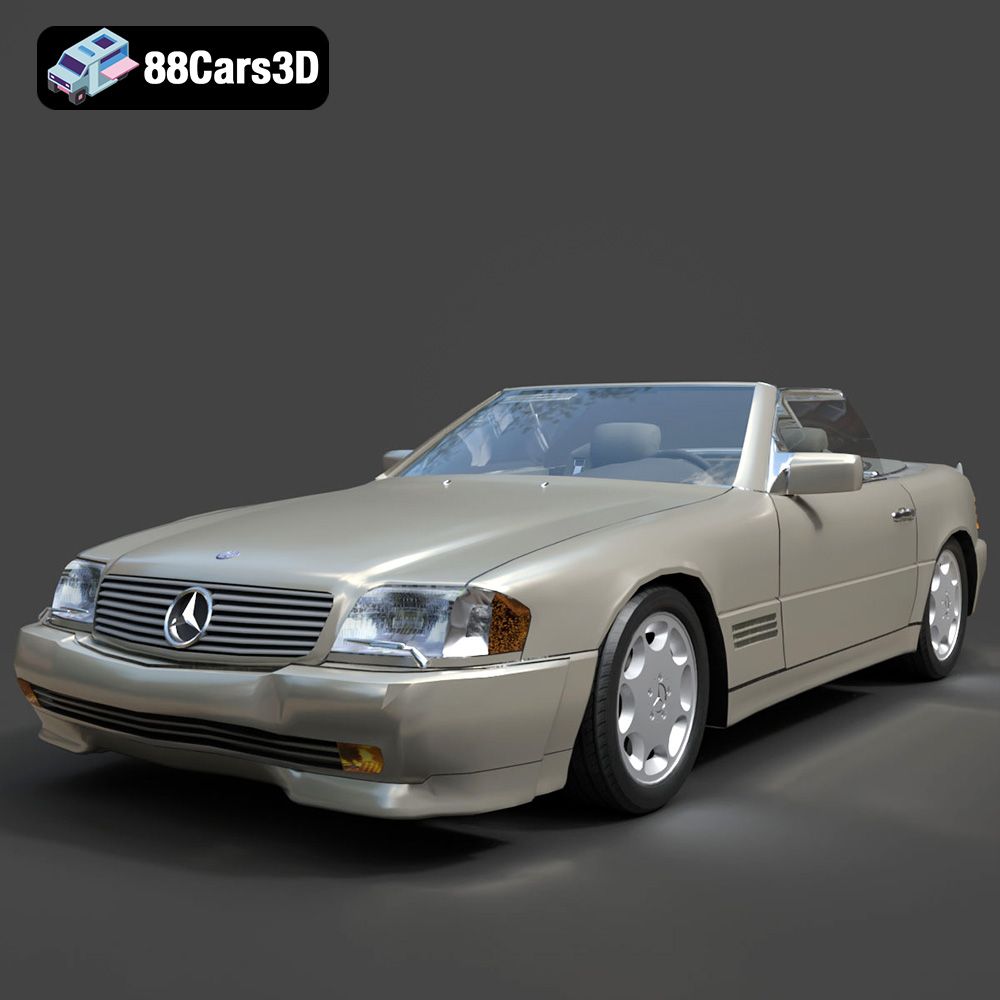
Mercedes-Benz 500SL 2000 3D Model
Texture: Yes
Material: Yes
Download the Mercedes-Benz 500SL 2000 3D Model featuring clean geometry, realistic detailing, and a fully modeled interior. Includes .blend, .fbx, .obj, .glb, .stl, .ply, .unreal, and .max formats for rendering, simulation, and game development.
Price: $38.99
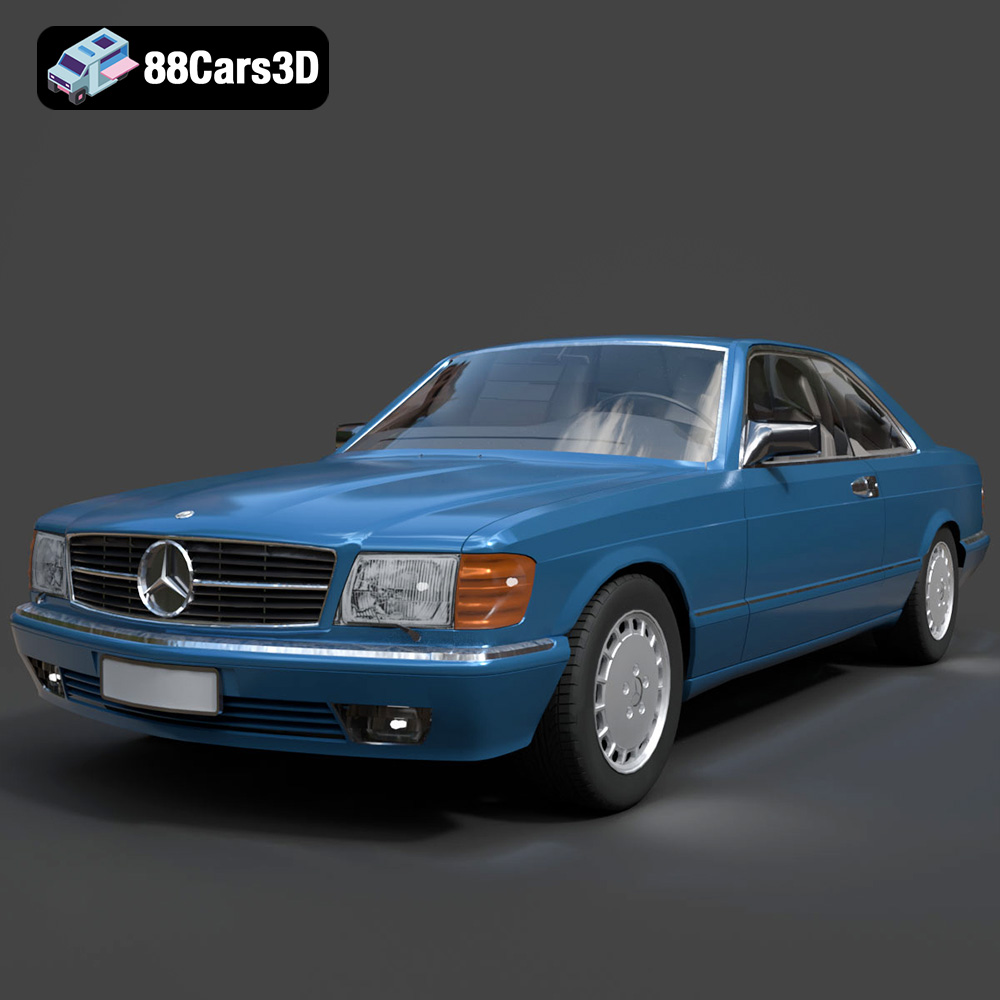
Mercedes-Benz 500SEC 3D Model
Texture: Yes
Material: Yes
Download the Mercedes-Benz 500SEC 3D Model featuring clean geometry, realistic detailing, and a fully modeled interior. Includes .blend, .fbx, .obj, .glb, .stl, .ply, .unreal, and .max formats for rendering, simulation, and game development.
Price: $38.99
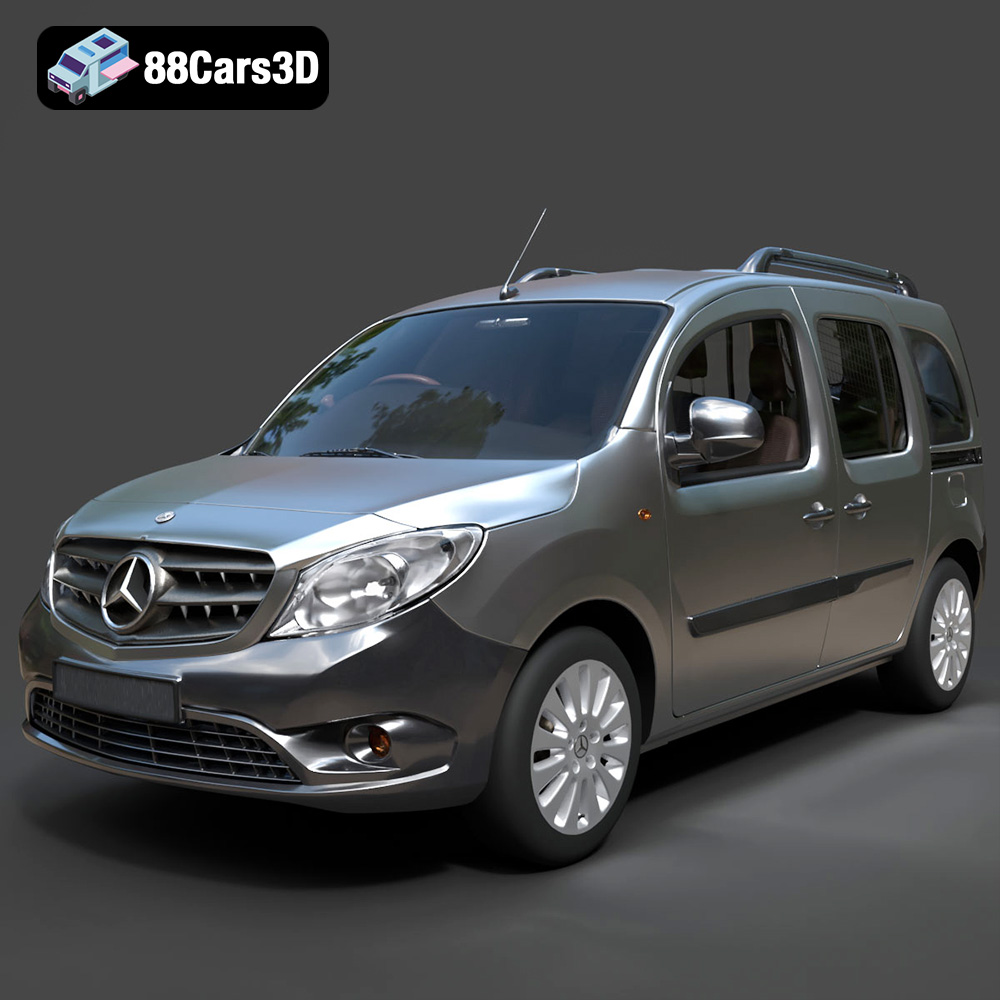
Mercedes-Benz Citan 2025 3D Model
Texture: Yes
Material: Yes
Download the Mercedes-Benz Citan 2025 3D Model featuring clean geometry, realistic detailing, and a fully modeled interior. Includes .blend, .fbx, .obj, .glb, .stl, .ply, .unreal, and .max formats for rendering, simulation, and game development.
Price: $38.99
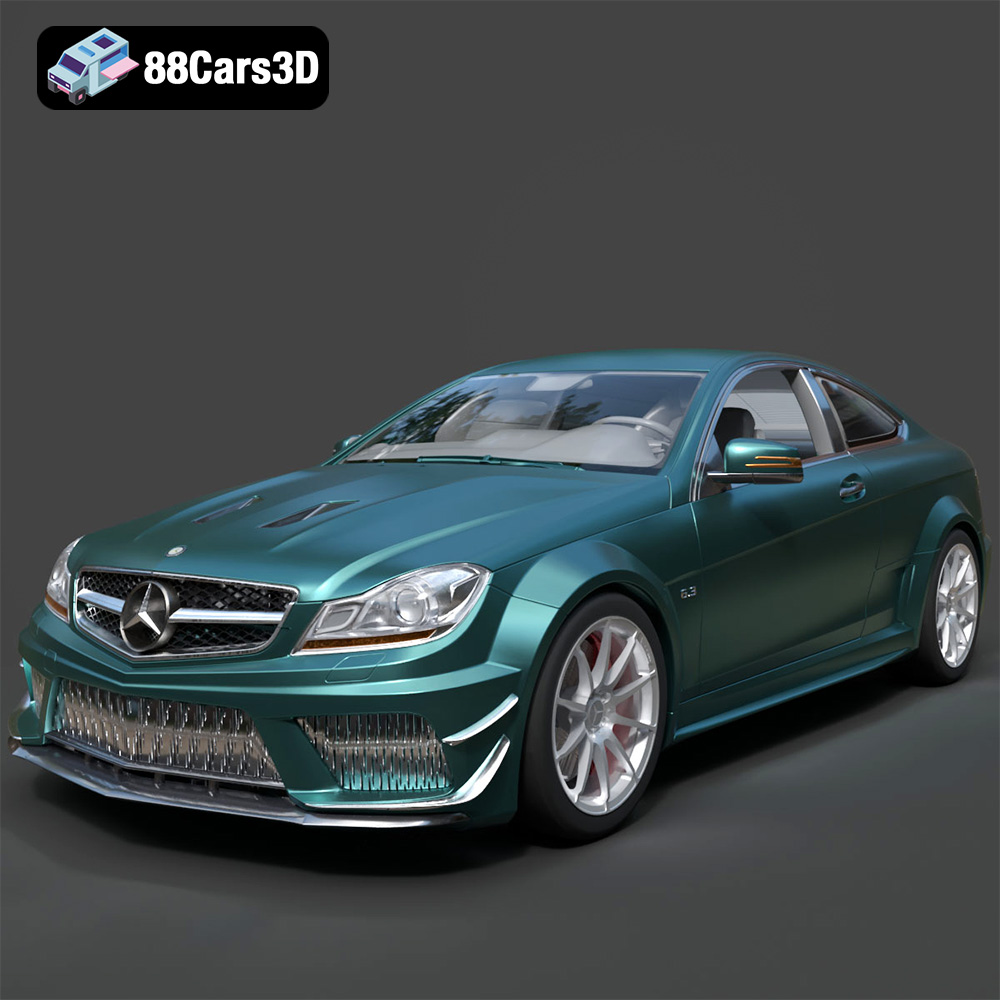
Mercedes-Benz C63 AMG 2012 3D Model
Texture: Yes
Material: Yes
Download the Mercedes-Benz C63 AMG 2012 3D Model featuring clean geometry, realistic detailing, and a fully modeled interior. Includes .blend, .fbx, .obj, .glb, .stl, .ply, .unreal, and .max formats for rendering, simulation, and game development.
Price: $38.99
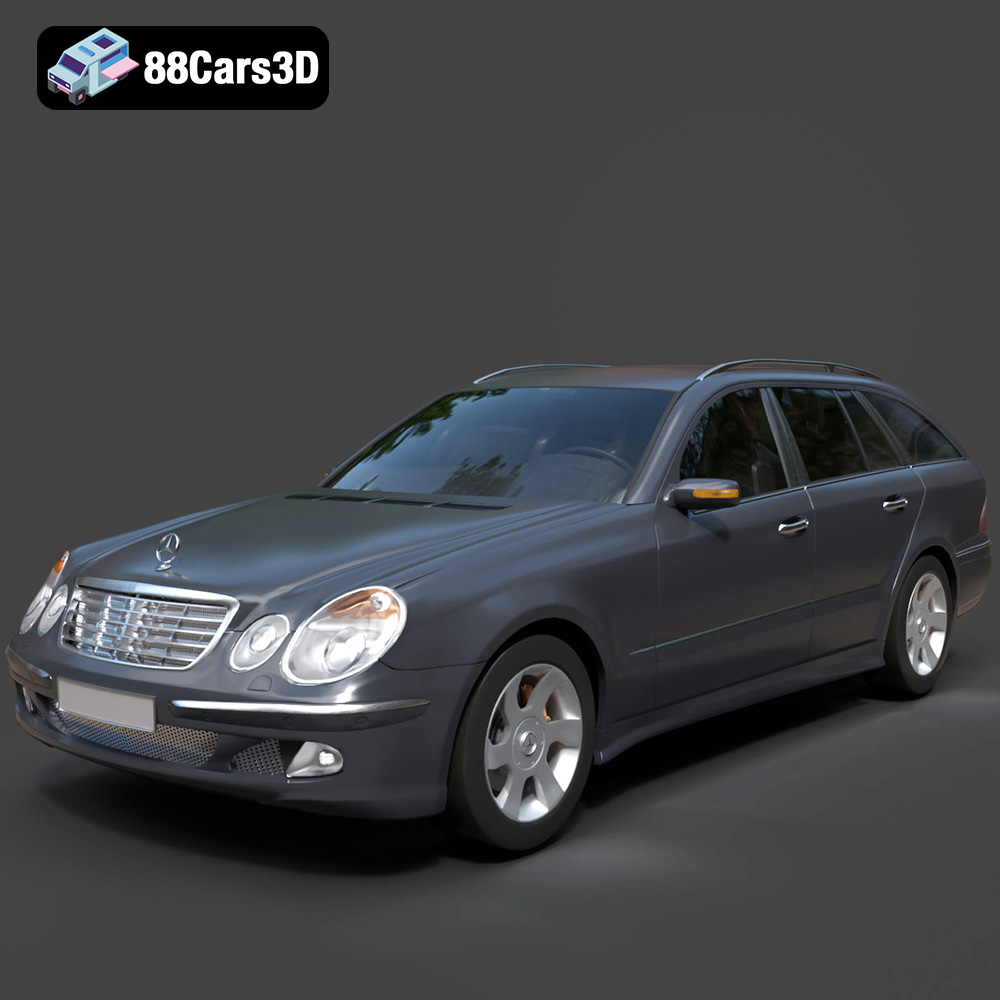
Mercedes-Benz E-Class S211 3D Model
Texture: Yes
Material: Yes
Download the Mercedes-Benz E-Class S211 3D Model featuring clean geometry, realistic detailing, and a fully modeled interior. Includes .blend, .fbx, .obj, .glb, .stl, .ply, .unreal, and .max formats for rendering, simulation, and game development.
Price: $38.99
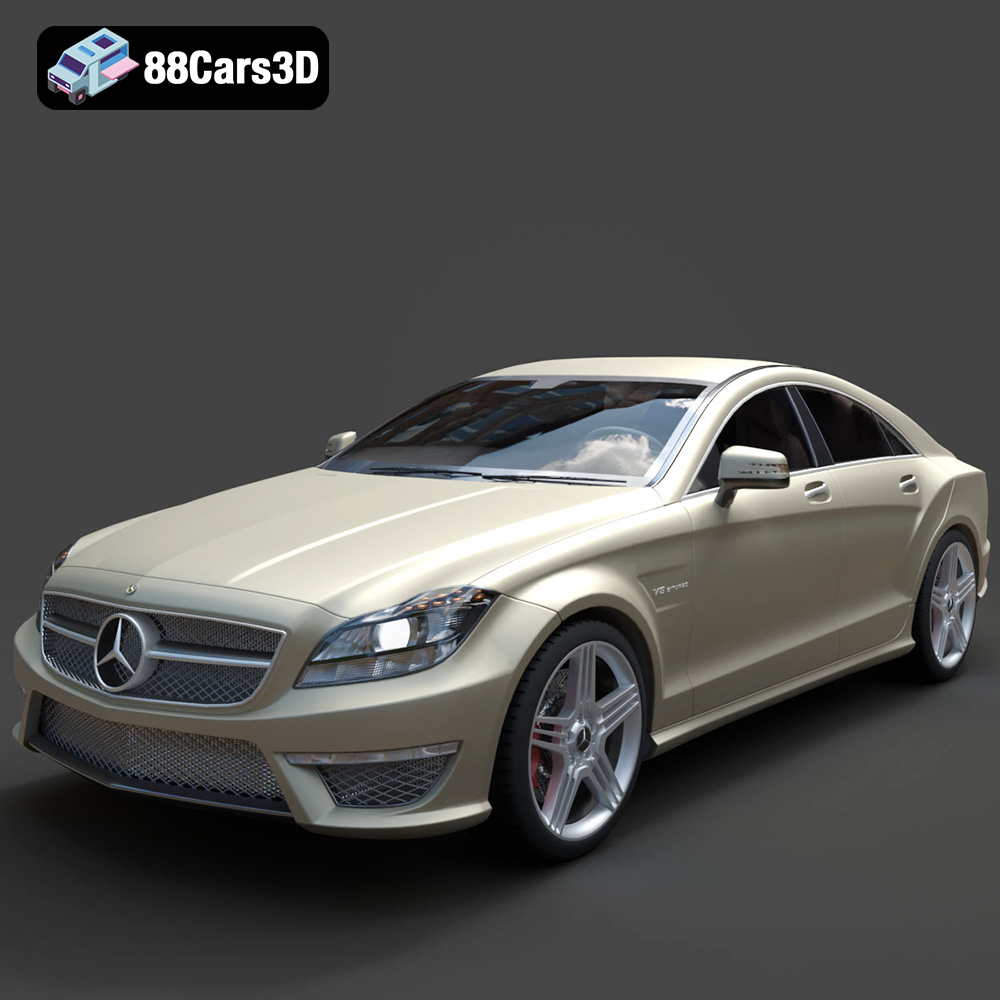
Mercedes-Benz CLS63 AMG (C218) 2014 3D Model
Texture: Yes
Material: Yes
Download the Mercedes-Benz CLS63 AMG (C218) 2014 3D Model featuring clean geometry, realistic detailing, and a fully modeled interior. Includes .blend, .fbx, .obj, .glb, .stl, .ply, .unreal, and .max formats for rendering, simulation, and game development.
Price: $38.99
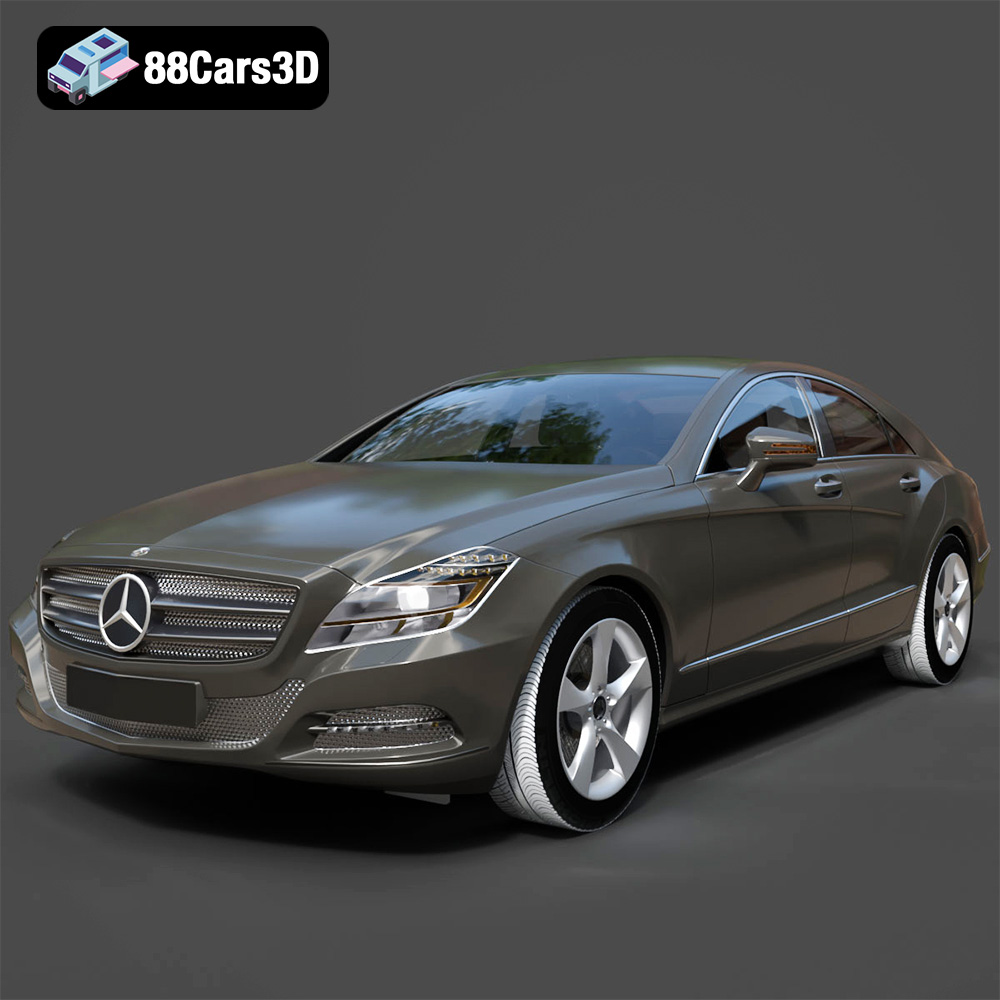
Mercedes-Benz CLS-Klasse 3D Model
Texture: Yes
Material: Yes
Download the Mercedes-Benz CLS-Klasse 3D Model featuring clean geometry, realistic detailing, and a fully modeled interior. Includes .blend, .fbx, .obj, .glb, .stl, .ply, .unreal, and .max formats for rendering, simulation, and game development.
Price: $38.99
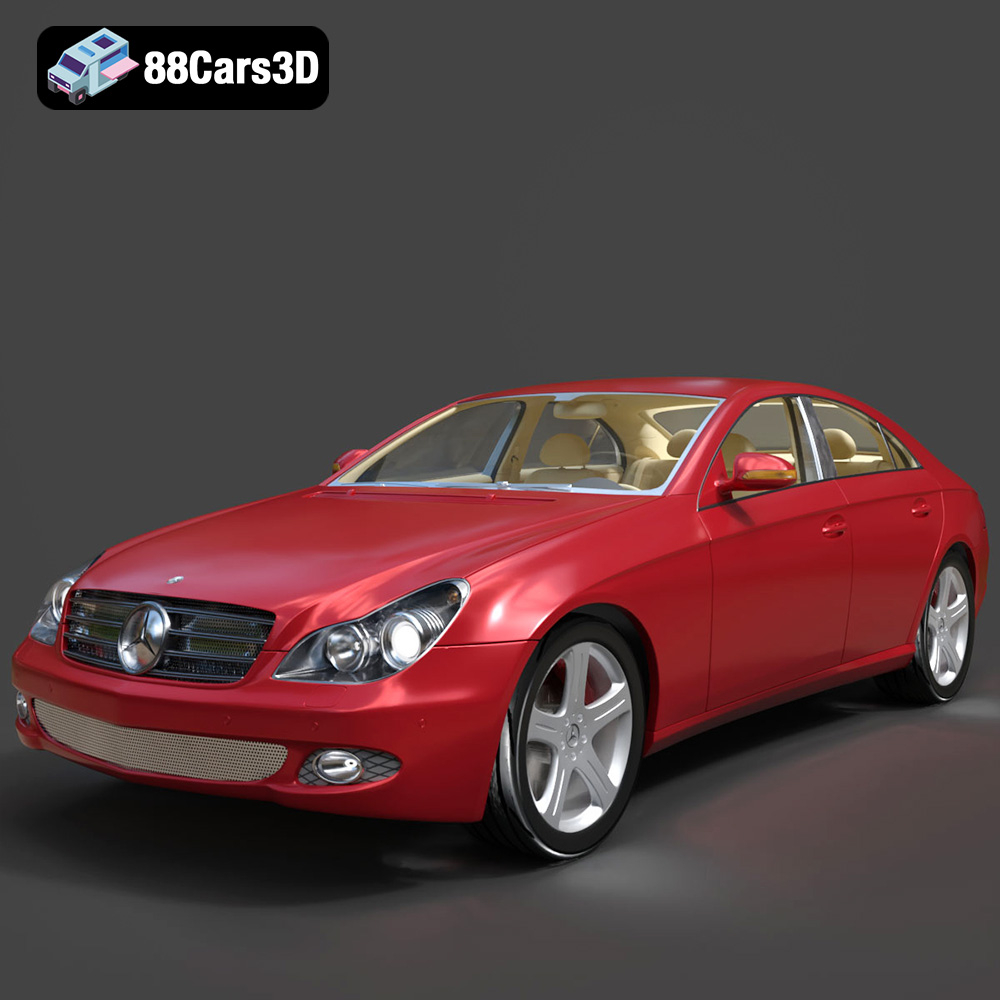
Mercedes-Benz CLS 500 3D Model
Texture: Yes
Material: Yes
Download the Mercedes-Benz CLS 500 3D Model featuring clean geometry, realistic detailing, and a fully modeled interior. Includes .blend, .fbx, .obj, .glb, .stl, .ply, .unreal, and .max formats for rendering, simulation, and game development.
Price: $38.99

Mercedes-Benz CL-Klasse 2001 3D Model
Texture: Yes
Material: Yes
Download the Mercedes-Benz CL-Klasse 2001 3D Model featuring clean geometry, realistic detailing, and a fully modeled interior. Includes .blend, .fbx, .obj, .glb, .stl, .ply, .unreal, and .max formats for rendering, simulation, and game development.
Price: $38.99
