
The Bridge Between Studio Fidelity and Real-Time Performance in UE5

The allure of a perfectly rendered automotive model is undeniable. From sleek concept cars to battle-worn off-roaders, these virtual machines captivate with their intricate details, flawless reflections, and dynamic presence. In the world of high-end visualizations and cinematic renders, artists often work with incredibly dense models, pushing polygons and textures to their absolute limits to achieve breathtaking realism.
However, bringing these same high-fidelity assets into a real-time environment like Unreal Engine 5 presents a formidable challenge. The raw power of a studio workstation is one thing; the demands of a game engine, where performance must be measured in milliseconds, are quite another. The gap between visually stunning, high-poly studio models and the performance requirements of real-time applications often seems insurmountable.
This comprehensive guide is designed for 3D artists, game developers, and automotive designers facing this exact dilemma. We will delve deep into the technical strategies and workflows required for automotive 3D model optimization, transforming your detailed high-poly creations into game-ready vehicle assets optimized for Unreal Engine 5. The goal is to achieve real-time photorealism without sacrificing the exquisite detail that makes automotive models so compelling.
Whether you’re starting with a CAD model, a ZBrush sculpt, or a detailed subdivision surface mesh, the journey to a performant Unreal Engine 5 car asset involves strategic poly count reduction, meticulous UV mapping, and a sophisticated PBR material setup. Let’s unlock the secrets to bringing your automotive visions to life in real-time.
The Bridge Between Studio Fidelity and Real-Time Performance in UE5
High-end automotive models, particularly those derived from CAD data or created using subdivision modeling techniques, are often characterized by an extremely high polygon count. This level of detail is perfect for static renders or pre-rendered cinematics where render time isn’t a real-time constraint. Every curve, every bolt, and every seam is meticulously modeled to ensure maximum fidelity.
The moment these assets enter a real-time engine like Unreal Engine 5, performance becomes the paramount concern. A game or simulation needs to render dozens, hundreds, or even thousands of frames per second, and a single unoptimized car model can cripple an entire scene. This is where automotive 3D model optimization becomes not just a recommendation, but an absolute necessity.
Unreal Engine 5, with its groundbreaking features like Lumen for global illumination and reflections, and Nanite for virtualized geometry, offers unprecedented levels of visual fidelity. However, even with these advancements, a poorly optimized model will still struggle. While Nanite can handle incredibly dense static meshes, dynamic and deformable objects like player-controlled cars still benefit immensely from traditional optimization techniques, especially for collision detection and interactive elements.
The core challenge is to preserve the visual richness of the high-poly model—its subtle curvature, intricate panel lines, and material nuances—while drastically reducing its geometric complexity. This process is about intelligent data reduction and transferring visual information from the high-poly mesh to textures that can be efficiently rendered on a lower-poly counterpart. It’s about smart compromises that look anything but compromised.
Core Strategies for Automotive 3D Model Optimization
The foundation of creating a game-ready vehicle asset lies in strategic geometric optimization. This involves a multi-faceted approach to manage polygon count, ensure clean UV layouts, and prepare the model for advanced texture workflows.
Poly Count Reduction: Retopology vs. Decimation
Reducing the polygon count is often the first and most critical step. There are two primary methods, each with its strengths and ideal use cases:
Retopology: Precision for Performance
Retopology is the process of creating a new, optimized mesh on top of an existing high-polygon model. This method allows artists to manually or semi-manually construct a new mesh with clean, quad-based topology that is specifically designed for real-time rendering and animation. It provides explicit control over edge flow, polygon density, and UV seams.
- When to use it: Essential for the main body of the car, wheels, and any parts that require deformation, complex animation, or pristine UV mapping. It’s the go-to for Unreal Engine 5 car asset where visual integrity and performance are equally vital.
- Process: Start by outlining major silhouette edges, then build up the topology using tools like Quad Draw in Maya, ZRemesher in ZBrush (followed by manual cleanup), or dedicated retopology software. Aim for an even distribution of polygons, focusing density where detail is concentrated (e.g., around headlights, grills, vents).
- Benefits: Produces a highly efficient mesh with excellent deformation characteristics, making it ideal for LODs and physics simulations.
Decimation: Automated Efficiency
Decimation (or automatic polygon reduction) algorithms simplify meshes by intelligently removing vertices and edges while trying to preserve the overall shape. This process is much faster than manual retopology but offers less control over topology and can introduce triangulation or undesirable edge flows.
- When to use it: Best for static, non-deforming parts that are less critical to the immediate silhouette, or for generating lower-detail Levels of Detail (LODs). It can also be useful for initial passes on very complex parts before manual cleanup.
- Process: Most 3D software (Maya, Blender, 3ds Max, ZBrush, MeshLab) includes decimation tools. You typically specify a target poly count or percentage reduction.
- Benefits: Quick and efficient for rapid prototyping or for parts where perfect topology isn’t crucial.
Efficient UV Mapping for Complex Vehicle Parts
Clean and efficient UV mapping is paramount, especially when preparing models for texture baking high-poly details. UVs are the 2D coordinates that tell the engine how to apply textures to your 3D model. Poor UVs lead to distortion, pixelation, and artifacts.
- Strategize Seams: Place UV seams in inconspicuous areas, along natural breaks in the geometry (e.g., panel gaps, undercarriage, hidden edges). Minimize visible seams where possible.
- Uniform Texel Density: Ensure that all UV islands have a consistent texel density. This means that a texture pixel covers roughly the same real-world surface area across the entire model. Inconsistent density leads to some areas looking blurry and others overly sharp.
- Maximize UV Space: Arrange UV islands efficiently within the 0-1 UV space to minimize wasted texture area. Overlapping UVs should only be used intentionally for mirrored details (e.g., left and right side mirrors sharing the same texture space).
- Handle Intricacies: For complex parts like grilles, vents, or intricate interior components, consider breaking them into separate UV sets or using specialized unfolding techniques to minimize stretching.
Preparing for Texture Baking High-Poly Details
Texture baking is the magic that allows you to transfer the intricate surface details of your high-poly model onto the much simpler low-poly mesh, using textures rather than polygons. This is a cornerstone of game-ready vehicle assets.
- High-Poly vs. Low-Poly: You’ll need two versions of your model: the source (high-poly, millions of polygons) and the target (low-poly, optimized for real-time).
- Naming Conventions: Use consistent naming conventions (e.g., `car_body_high`, `car_body_low`) for easier organization and automated baking in tools like Substance Painter or Marmoset Toolbag.
- Bakeable Maps:
- Normal Map: The most crucial map, it fakes surface detail by manipulating how light reflects off the low-poly surface.
- Ambient Occlusion (AO): Captures self-shadowing details in crevices and corners, adding depth.
- Curvature Map: Identifies convex and concave areas, useful for edge wear and dirt accumulation.
- ID Map (Color ID): Assigns unique colors to different material zones on the high-poly, helping to mask areas for material assignment in texturing software.
- Thickness/Subsurface Scattering Map: Can be useful for materials like rubber or plastics to simulate light penetration.
- Baking Cages: A “cage” is an expanded version of your low-poly mesh used during baking to encapsulate the high-poly mesh. This prevents projection errors and ensures accurate detail transfer, especially in complex areas. Adjusting the cage is often the key to resolving baking artifacts.
Mastering PBR Material Setup Automotive for Unreal Engine 5
Once your model is optimized and textured, the next crucial step is setting up Physically Based Rendering (PBR) materials within Unreal Engine 5. PBR ensures that your materials react to light in a physically plausible way, leading to incredibly realistic results and contributing significantly to real-time photorealism.
Crafting Realistic Car Paint in UE5
Car paint is one of the most complex materials to reproduce accurately due to its multi-layered nature. Unreal Engine 5’s robust material editor allows for sophisticated PBR material setup for automotive surfaces.
- Base Layer:
- Base Color: The fundamental color of the paint, often desaturated slightly as reflections play a major role.
- Metallic: Set to 1 for metallic flakes in the paint, or 0 for non-metallic base coats. Most car paints are metallic.
- Roughness: Determines how glossy or matte the paint is. A smooth, reflective paint will have low roughness values (e.g., 0.1-0.3).
- Clear Coat Layer: Modern car paints feature a transparent clear coat on top of the base color. UE5 provides dedicated clear coat inputs for this effect.
- Clear Coat: A scalar value (0-1) to enable the clear coat. Set to 1 for full effect.
- Clear Coat Roughness: Determines the smoothness of the clear coat. A perfect gloss would be very low (e.g., 0.05). This is separate from the base layer roughness, allowing for subtle depth.
- Clear Coat Normal: You can apply a separate normal map (e.g., for orange peel effect) to the clear coat layer, adding another layer of realism.
- Flake Effect: For metallic paints, you’ll want to simulate metallic flakes. This often involves blending a small, tiling normal map with a subtle anisotropic reflection effect (though true anisotropic shaders are more complex, creative normal maps and roughness maps can fake it). UE5’s material graphs can be extended with custom nodes for more advanced flake effects.
Glass, Chrome, and Rubber Realism
Beyond the paint, other critical automotive materials require specific PBR approaches:
- Glass:
- Material Domain: Set to “Translucent” or “Surface ForwardShading” for better reflections/refractions.
- Blend Mode: “Translucent.”
- Refraction: Use the “Refraction” input with an appropriate Index of Refraction (IOR) value (e.g., 1.5 for standard glass).
- Opacity: Control the transparency.
- Roughness: Low roughness for clear glass.
- Metallic: 0.
- Color: Slightly desaturated blue or green tint.
- Double Sided: Enable for realistic rendering from both sides.
- Chrome/Polished Metal:
- Metallic: 1 (fully metallic).
- Roughness: Very low (e.g., 0.05-0.15) for a mirror-like finish.
- Base Color: Generally a desaturated gray or white, as the color comes from reflections.
- Rubber/Tires:
- Metallic: 0 (dielectric).
- Roughness: Higher roughness (e.g., 0.7-0.9) to simulate the matte, slightly grippy surface. Variations in roughness can simulate wear.
- Base Color: Dark gray/black.
- Normal Map: Essential for tire treads and sidewall details.
- Ambient Occlusion: Baked AO map for crevices.
Integrating Baked Textures
The textures you baked from your high-poly model are now integrated into these PBR materials:
- Normal Maps: Connect your baked normal map texture to the “Normal” input of your material. Ensure the texture is set to “Normal map” in its properties in UE5.
- Ambient Occlusion: Connect your AO map to the “Ambient Occlusion” input or blend it with your base color texture for a more pronounced effect.
- Roughness Maps: If you baked specific roughness variations, connect that map to the “Roughness” input. Otherwise, use a constant scalar value.
- Material Instances: Create material instances from your master car material. This allows you to easily adjust parameters (colors, roughness, metallic values) for different car models or variations without recompiling the entire shader, greatly improving workflow and efficiency.
Unreal Engine 5 Specifics & Performance for Car Assets
Unreal Engine 5 provides a powerful suite of tools and systems to ensure that your Unreal Engine 5 car asset performs optimally and looks stunning. Proper implementation of these features is crucial for real-time photorealism.
Implementing LOD Generation for Car Models
Levels of Detail (LODs) are fundamental for performance in any real-time application. They allow the engine to swap out a high-detail mesh for a lower-detail version as the object moves further away from the camera, saving on rendering resources. This is particularly important for LOD generation car models.
- Automated LODs: Unreal Engine 5 can automatically generate LODs for static meshes. You can specify the number of LODs, the reduction percentage for each, and the screen size at which each LOD switches. While convenient, manual adjustment is often needed for optimal results.
- Manual LODs: For critical assets like your primary car models, it’s often best to create manual LODs in your 3D software. This allows for precise control over topology, ensuring that silhouette and crucial details are preserved at each step.
- LOD0 (Base): Your fully optimized low-poly mesh, closest to the camera.
- LOD1: Roughly 50% fewer polygons than LOD0. Remove smaller details, simplify curves.
- LOD2: Further reduction, perhaps 75% fewer polygons than LOD0. Details like inner tire treads or small grille elements might be removed.
- LOD3+: Very low poly, possibly just a simplified box for distant views.
- Setting Screen Size: In the Static Mesh Editor, define the “Screen Size” for each LOD. This value represents the percentage of the screen the object occupies before switching to the next LOD. Careful tuning here prevents popping artifacts.
Collision Meshes for Realistic Interaction
Collision meshes are simplified representations of your car used by the physics engine to detect impacts and interactions. Using the high-poly visual mesh for collisions would be incredibly inefficient.
- Simple Box Colliders: For basic collision, UE5 can generate simple bounding boxes or convex hulls. This is suitable for distant cars or static props but lacks precision for a player-controlled vehicle.
- Custom Complex Collision: For the primary Unreal Engine 5 car asset, you’ll want to create custom collision meshes.
- Collision Primitives: In your 3D software, create simplified primitive shapes (boxes, capsules, spheres) and name them with the `UCX_` prefix (e.g., `UCX_car_body`). Import these alongside your visual mesh.
- Convex Hull Collision: For more complex shapes that can’t be easily represented by primitives, use a simplified, convex version of your mesh.
- Per-Poly Collision: Generally avoided for active vehicles due to performance cost, but can be enabled for very specific static objects where precise hit detection is crucial.
- Physics Assets: For cars that might have deformable parts (e.g., body panels that crumple), you can create a Physics Asset in UE5, attaching various collision bodies and constraints to the skeletal mesh of your car. This is more advanced but offers incredible realism.
Optimizing for Real-Time Photorealism
Achieving stunning visuals in UE5 requires leveraging its advanced rendering features while being mindful of their performance impact.
- Lumen (Global Illumination & Reflections): Lumen is a powerful dynamic global illumination and reflection system. For automotive models, Lumen makes paint shaders and reflective surfaces truly shine, providing accurate bounced light and indirect reflections. Ensure your scene setup optimizes Lumen performance (e.g., appropriate detail settings, avoiding excessively complex light interactions).
- Nanite Virtualized Geometry: While Nanite is excellent for static, high-poly environments, use it judiciously for car models. For the main vehicle mesh (which might be dynamic, receive deformations, or require complex LOD logic), traditional static meshes with LODs are often preferred. Nanite can, however, be used for incredibly detailed static elements *attached* to the car (e.g., a highly detailed engine visible through a transparent hood, if that part doesn’t need to deform).
- Post-Processing Volumes: Fine-tune the final look of your car and scene with post-processing.
- Exposure: Balance brightness.
- Color Grading: Adjust mood and color palette.
- Bloom: Enhance highlights (e.g., headlights, chrome reflections).
- Vignette/Chromatic Aberration: Subtle photographic effects.
- Screen Space Global Illumination / Reflections: If Lumen is too heavy, consider these alternatives for specific situations.
- Texture Streaming and Memory: Utilize UE5’s texture streaming to manage VRAM. Ensure your textures have appropriate Mip Maps and use texture compression settings suitable for your target platform.
- Draw Calls and Material Complexity: Keep the number of materials and draw calls per car model to a minimum. Combine meshes and materials where possible (e.g., interior parts sharing a single material atlas) without compromising visual quality.
Advanced Techniques and Workflow Tips
Beyond the core optimizations, a few advanced techniques and best practices can further elevate your game-ready vehicle assets.
DataSmith for CAD Imports
If you’re starting with CAD data, Unreal Engine’s DataSmith plugin is an invaluable tool. It allows for direct import of CAD files (like SolidWorks, Catia, Rhino) into UE5, handling tessellation, material conversion, and scene hierarchy. While it still produces high-poly meshes that require further optimization, it streamlines the initial transfer process significantly. You can then use the methods described earlier to create low-poly game-ready versions.
Per-Vertex Color for Material Blending and Damage
Utilize vertex colors for advanced material blending directly on the mesh. For example, you can paint vertex colors on your car body to define areas for dirt, rust, or damage layers, which can then be dynamically blended in your UE5 material using lerp nodes. This is a very efficient way to add variation and wear without extra texture maps.
Modular Design for Efficiency
Consider a modular approach for parts like wheels, brake calipers, and interior components. By creating these as separate, optimized assets, you can reuse them across multiple car models, significantly reducing asset creation time and improving consistency. This also allows for easier component-specific LODs and material variations.
Naming Conventions and Asset Management
Maintain rigorous naming conventions for all your meshes, textures, and materials. This is crucial for organization, especially in large projects, and makes the import and integration process into Unreal Engine 5 much smoother. Consistent folders and clear naming (e.g., `SM_Car_Body_LOD0`, `T_CarPaint_Normal`, `MI_Car_Red`) prevent confusion and errors.
The Iterative Process
Automotive 3D model optimization is rarely a one-shot process. Be prepared to iterate: optimize, test in UE5, identify bottlenecks, and refine. Use Unreal Engine’s built-in profilers (like Stat GPU, Stat RHI) to pinpoint performance issues and guide your optimization efforts. This iterative loop is key to achieving that perfect balance of detail and performance for real-time photorealism.
Conclusion
Transforming high-fidelity automotive models into game-ready vehicle assets for Unreal Engine 5 is a complex but incredibly rewarding journey. It demands a strategic blend of artistic skill and technical understanding, balancing the pursuit of detail with the unforgiving requirements of real-time performance. By mastering techniques like intelligent poly count reduction, meticulous UV mapping, texture baking high-poly details, and sophisticated PBR material setup automotive, you can ensure your Unreal Engine 5 car asset stands out.
Implementing effective LOD generation car models, creating optimized collision meshes, and leveraging Unreal Engine 5’s advanced rendering features responsibly are the final steps to achieving truly stunning real-time photorealism. The result is an immersive experience where every curve, reflection, and material nuance contributes to an unparalleled level of realism, all while maintaining smooth performance.
If you’re looking for a head start or need high-quality, pre-optimized models to jumpstart your projects, remember to explore the extensive collection at 88cars3d.com. We provide professionally crafted automotive 3D models designed with performance and visual fidelity in mind, ready for integration into your next Unreal Engine 5 masterpiece. Continue to experiment, optimize, and push the boundaries of what’s possible in real-time automotive visualization!
Featured 3D Car Models

Suzuki SX4-002 3D Model
Texture: Yes
Material: Yes
Download the Suzuki SX4-002 3D Model featuring clean geometry, realistic detailing, and a fully modeled interior. Includes .blend, .fbx, .obj, .glb, .stl, .ply, .unreal, and .max formats for rendering, simulation, and game development.
Price: $10

Tesla Model S 2024 3D Model
Texture: Yes
Material: Yes
Download the Tesla Model S 2024 3D Model featuring clean geometry, realistic detailing, and a fully modeled interior. Includes .blend, .fbx, .obj, .glb, .stl, .ply, .unreal, and .max formats for rendering, simulation, and game development.
Price: $10

Subaru Impreza WRX STi-002 3D Model
Texture: Yes
Material: Yes
Download the Subaru Impreza WRX STi-002 3D Model featuring clean geometry, realistic detailing, and a fully modeled interior. Includes .blend, .fbx, .obj, .glb, .stl, .ply, .unreal, and .max formats for rendering, simulation, and game development.
Price: $10

Subaru Impreza WRX STi Sedan 3D Model
Texture: Yes
Material: Yes
Download the Subaru Impreza WRX STi Sedan 3D Model featuring clean geometry, realistic detailing, and a fully modeled interior. Includes .blend, .fbx, .obj, .glb, .stl, .ply, .unreal, and .max formats for rendering, simulation, and game development.
Price: $10

Subaru Legacy 2009 3D Model
Texture: Yes
Material: Yes
Download the Subaru Legacy 2009 3D Model featuring clean geometry, realistic detailing, and a fully modeled interior. Includes .blend, .fbx, .obj, .glb, .stl, .ply, .unreal, and .max formats for rendering, simulation, and game development.
Price: $10

Suzuki Swift 2024 3D Model
Texture: Yes
Material: Yes
Download the Suzuki Swift 2024 3D Model featuring clean geometry, realistic detailing, and a fully modeled interior. Includes .blend, .fbx, .obj, .glb, .stl, .ply, .unreal, and .max formats for rendering, simulation, and game development.
Price: $10

Suzuki Liana Sedan 2004 3D Model
Texture: Yes
Material: Yes
Download the Suzuki Liana Sedan 2004 3D Model featuring clean geometry, realistic detailing, and a fully modeled interior. Includes .blend, .fbx, .obj, .glb, .stl, .ply, .unreal, and .max formats for rendering, simulation, and game development.
Price: $10

Subaru Outback 2024 3D Model
Texture: Yes
Material: Yes
Download the Subaru Outback 2024 3D Model featuring clean geometry, realistic detailing, and a fully modeled interior. Includes .blend, .fbx, .obj, .glb, .stl, .ply, .unreal, and .max formats for rendering, simulation, and game development.
Price: $10

Subaru Legacy 2003 3D Model
Texture: Yes
Material: Yes
Download the Subaru Legacy 2003 3D Model featuring clean geometry, realistic detailing, and a fully modeled interior. Includes .blend, .fbx, .obj, .glb, .stl, .ply, .unreal, and .max formats for rendering, simulation, and game development.
Price: $10

Subaru Legacy Touring Wagon 3D Model
Texture: Yes
Material: Yes
Download the Subaru Legacy Touring Wagon 3D Model featuring clean geometry, realistic detailing, and a fully modeled interior. Includes .blend, .fbx, .obj, .glb, .stl, .ply, .unreal, and .max formats for rendering, simulation, and game development.
Price: $10

Toyota Mark II (X100) 1998 3D Model
Texture: Yes
Material: Yes
Download the Toyota Mark II (X100) 3D Model featuring clean geometry, realistic detailing, and a fully modeled interior. Includes .blend, .fbx, .obj, .glb, .stl, .ply, .unreal, and .max formats for rendering, simulation, and game development.
Price: $10

Toyota Corona 1985 3D Model
Texture: Yes
Material: Yes
Download the Toyota Corona 1985 3D Model featuring clean geometry, realistic detailing, and a fully modeled interior. Includes .blend, .fbx, .obj, .glb, .stl, .ply, .unreal, and .max formats for rendering, simulation, and game development.
Price: $10

Toyota Mark II X81 1990 3D Model
Texture: Yes
Material: Yes
Download the Toyota Mark II X81 1990 3D Model featuring clean geometry, realistic detailing, and a fully modeled interior. Includes .blend, .fbx, .obj, .glb, .stl, .ply, .unreal, and .max formats for rendering, simulation, and game development.
Price: $10

Toyota iQ EV 2012 3D Model
Texture: Yes
Material: Yes
Download the Toyota iQ EV 2012 3D Model featuring clean geometry, realistic detailing, and a fully modeled interior. Includes .blend, .fbx, .obj, .glb, .stl, .ply, .unreal, and .max formats for rendering, simulation, and game development.
Price: $10

Toyota Aygo 2013 3D Model
Texture: Yes
Material: Yes
Download the Toyota Aygo 2013 3D Model featuring clean geometry, realistic detailing, and a fully modeled interior. Includes .blend, .fbx, .obj, .glb, .stl, .ply, .unreal, and .max formats for rendering, simulation, and game development.
Price: $10

Toyota Crown S180 2005 3D Model
Texture: Yes
Material: Yes
Download the Toyota Crown S180 2005 3D Model featuring clean geometry, realistic detailing, and a fully modeled interior. Includes .blend, .fbx, .obj, .glb, .stl, .ply, .unreal, and .max formats for rendering, simulation, and game development.
Price: $10

Toyota Celica 2004 3D Model
Texture: Yes
Material: Yes
Download the Toyota Celica 2004 3D Model featuring clean geometry, realistic detailing, and a fully modeled interior. Includes .blend, .fbx, .obj, .glb, .stl, .ply, .unreal, and .max formats for rendering, simulation, and game development.
Price: $10

Toyota Corolla AE100 1992 3D Model
Texture: Yes
Material: Yes
Download the Toyota Corolla AE100 1992 3D Model featuring clean geometry, realistic detailing, and a fully modeled interior. Includes .blend, .fbx, .obj, .glb, .stl, .ply, .unreal, and .max formats for rendering, simulation, and game development.
Price: $10

Toyota Mark II X110 2000 3D Model
Texture: Yes
Material: Yes
Download the Toyota Mark II X110 2000 3D Model featuring clean geometry, realistic detailing, and a fully modeled interior. Includes .blend, .fbx, .obj, .glb, .stl, .ply, .unreal, and .max formats for rendering, simulation, and game development.
Price: $10

Toyota Corolla 2020 3D Model
Texture: Yes
Material: Yes
Download the Toyota Corolla 2020 3D Model featuring clean geometry, realistic detailing, and a fully modeled interior. Includes .blend, .fbx, .obj, .glb, .stl, .ply, .unreal, and .max formats for rendering, simulation, and game development.
Price: $10

Toyota Yaris 2020 3D Model
Texture: Yes
Material: Yes
Download the Toyota Yaris 2020 3D Model featuring clean geometry, realistic detailing, and a fully modeled interior. Includes .blend, .fbx, .obj, .glb, .stl, .ply, .unreal, and .max formats for rendering, simulation, and game development.
Price: $9.9

Volkswagen Beetle 2012 3D Model
Texture: Yes
Material: Yes
Download the Volkswagen Beetle 2012 3D Model featuring clean geometry, realistic detailing, and a fully modeled interior. Includes .blend, .fbx, .obj, .glb, .stl, .ply, .unreal, and .max formats for rendering, simulation, and game development.
Price: $9.9

Toyota Matrix 2005 3D Model
Texture: Yes
Material: Yes
Download the Toyota Matrix 2005 3D Model featuring clean geometry, realistic detailing, and a fully modeled interior. Includes .blend, .fbx, .obj, .glb, .stl, .ply, .unreal, and .max formats for rendering, simulation, and game development.
Price: $9.9

Toyota Yaris Sedan 3D Model
Texture: Yes
Material: Yes
Download the Toyota Yaris Sedan 3D Model featuring clean geometry, realistic detailing, and a fully modeled interior. Includes .blend, .fbx, .obj, .glb, .stl, .ply, .unreal, and .max formats for rendering, simulation, and game development.
Price: $9.9

Volkswagen Golf R-004 2024 3D Model
Texture: Yes
Material: Yes
Download the Volkswagen Golf R-004 2024 3D Model featuring clean geometry, realistic detailing, and a fully modeled interior. Includes .blend, .fbx, .obj, .glb, .stl, .ply, .unreal, and .max formats for rendering, simulation, and game development.
Price: $9.9

Volkswagen Golf 5 Door 2010 3D Model
Texture: Yes
Material: Yes
Download the Volkswagen Golf 5 Door 2010 3D Model featuring clean geometry, realistic detailing, and a fully modeled interior. Includes .blend, .fbx, .obj, .glb, .stl, .ply, .unreal, and .max formats for rendering, simulation, and game development.
Price: $9.9

Toyota Premio 2010 3D Model
Texture: Yes
Material: Yes
Download the Toyota Premio 2010 3D Model featuring clean geometry, realistic detailing, and a fully modeled interior. Includes .blend, .fbx, .obj, .glb, .stl, .ply, .unreal, and .max formats for rendering, simulation, and game development.
Price: $9.9

Toyota Opa 2000 3D Model
Texture: Yes
Material: Yes
Download the Toyota Opa 2000 3D Model featuring clean geometry, realistic detailing, and a fully modeled interior. Includes .blend, .fbx, .obj, .glb, .stl, .ply, .unreal, and .max formats for rendering, simulation, and game development.
Price: $9.9

Volkswagen Polo 5 Door 2010 3D Model
Texture: Yes
Material: Yes
Download the Volkswagen Polo 5 Door 2010 3D Model featuring clean geometry, realistic detailing, and a fully modeled interior. Includes .blend, .fbx, .obj, .glb, .stl, .ply, .unreal, and .max formats for rendering, simulation, and game development.
Price: $9.9

Toyota Prius 2024 3D Model
Texture: Yes
Material: Yes
Download the Toyota Prius 2024 3D Model featuring clean geometry, realistic detailing, and a fully modeled interior. Includes .blend, .fbx, .obj, .glb, .stl, .ply, .unreal, and .max formats for rendering, simulation, and game development.
Price: $9.9

Toyota Yaris 1999 3D Model
Texture: Yes
Material: Yes
Download the Toyota Yaris 1999 3D Model featuring clean geometry, realistic detailing, and a fully modeled interior. Includes .blend, .fbx, .obj, .glb, .stl, .ply, .unreal, and .max formats for rendering, simulation, and game development.
Price: $9.9

Toyota Supra 2020 3D Model
Texture: Yes
Material: Yes
Download the Toyota Supra 2020 3D Model featuring clean geometry, realistic detailing, and a fully modeled interior. Includes .blend, .fbx, .obj, .glb, .stl, .ply, .unreal, and .max formats for rendering, simulation, and game development.
Price: $9.9

Volkswagen New Beetle 2000 3D Model
Texture: Yes
Material: Yes
Download the Volkswagen New Beetle 2000 3D Model featuring clean geometry, realistic detailing, and a fully modeled interior. Includes .blend, .fbx, .obj, .glb, .stl, .ply, .unreal, and .max formats for rendering, simulation, and game development.
Price: $14.99

Volkswagen Jetta 2005 3D Model
Texture: Yes
Material: Yes
Download the Volkswagen Jetta 2005 3D Model featuring clean geometry, realistic detailing, and a fully modeled interior. Includes .blend, .fbx, .obj, .glb, .stl, .ply, .unreal, and .max formats for rendering, simulation, and game development.
Price: $18.99

Volkswagen Golf 3-Door 3D Model
Texture: Yes
Material: Yes
Download the Volkswagen Golf 3-Door 3D Model featuring clean geometry, realistic detailing, and a fully modeled interior. Includes .blend, .fbx, .obj, .glb, .stl, .ply, .unreal, and .max formats for rendering, simulation, and game development.
Price: $14.99

Volvo V70 2005 3D Model
Texture: Yes
Material: Yes
Download the Volvo V70 2005 3D Model featuring clean geometry, realistic detailing, and a fully modeled interior. Includes .blend, .fbx, .obj, .glb, .stl, .ply, .unreal, and .max formats for rendering, simulation, and game development.
Price: $14.99

Volkswagen Bora 2004 3D Model
Texture: Yes
Material: Yes
Download the Volkswagen Bora 2004 3D Model featuring clean geometry, realistic detailing, and a fully modeled interior. Includes .blend, .fbx, .obj, .glb, .stl, .ply, .unreal, and .max formats for rendering, simulation, and game development.
Price: $14.99

Volkswagen Lupo 3D Model
Texture: Yes
Material: Yes
Download the Volkswagen Lupo 3D Model featuring clean geometry, realistic detailing, and a fully modeled interior. Includes .blend, .fbx, .obj, .glb, .stl, .ply, .unreal, and .max formats for rendering, simulation, and game development.
Price: $19.99

Volkswagen Passat B5 2000 3D Model
Texture: Yes
Material: Yes
Download the Volkswagen Passat B5 2000 3D Model featuring clean geometry, realistic detailing, and a fully modeled interior. Includes .blend, .fbx, .obj, .glb, .stl, .ply, .unreal, and .max formats for rendering, simulation, and game development.
Price: $19.99

Volkswagen Passat CC 3D Model
Texture: Yes
Material: Yes
Download the Volkswagen Passat CC 3D Model featuring clean geometry, realistic detailing, and a fully modeled interior. Includes .blend, .fbx, .obj, .glb, .stl, .ply, .unreal, and .max formats for rendering, simulation, and game development.
Price: $19.99

Volkswagen Golf V 2006 3D Model
Texture: Yes
Material: Yes
Download the Volkswagen Golf V 2006 3D Model featuring clean geometry, realistic detailing, and a fully modeled interior. Includes .blend, .fbx, .obj, .glb, .stl, .ply, .unreal, and .max formats for rendering, simulation, and game development.
Price: $19.99

Volvo S60 R-Design 2024 3D Model
Texture: Yes
Material: Yes
Download the Volvo S60 R-Design 3D Model featuring clean geometry, realistic detailing, and a fully modeled interior. Includes .blend, .fbx, .obj, .glb, .stl, .ply, .unreal, and .max formats for rendering, simulation, and game development.
Price: $19.99

Volkswagen Passat 2025 3D Model
Texture: Yes
Material: Yes
Download the Volkswagen Passat 2025 3D Model featuring clean geometry, realistic detailing, and a fully modeled interior. Includes .blend, .fbx, .obj, .glb, .stl, .ply, .unreal, and .max formats for rendering, simulation, and game development.
Price: $25.99

Volkswagen Passat Variant B6 2005 3D Model
Texture: Yes
Material: Yes
Download the Volkswagen Passat Variant B6 2005 3D Model featuring clean geometry, realistic detailing, and a fully modeled interior. Includes .blend, .fbx, .obj, .glb, .stl, .ply, .unreal, and .max formats for rendering, simulation, and game development.
Price: $25.99

Volkswagen Phaeton W12 2004 3D Model
Texture: Yes
Material: Yes
Download the Volkswagen Phaeton W12 2004 3D Model featuring clean geometry, realistic detailing, and a fully modeled interior. Includes .blend, .fbx, .obj, .glb, .stl, .ply, .unreal, and .max formats for rendering, simulation, and game development.
Price: $25.99

Volkswagen Scirocco 2015 3D Model
Texture: Yes
Material: Yes
Download the Volkswagen Scirocco 2015 3D Model featuring clean geometry, realistic detailing, and a fully modeled interior. Includes .blend, .fbx, .obj, .glb, .stl, .ply, .unreal, and .max formats for rendering, simulation, and game development.
Price: $25.99

Volvo S60 2024 3D Model
Texture: Yes
Material: Yes
Download the Volvo S60 2024 3D Model featuring clean geometry, realistic detailing, and a fully modeled interior. Includes .blend, .fbx, .obj, .glb, .stl, .ply, .unreal, and .max formats for rendering, simulation, and game development.
Price: $25.99

Volkswagen Polo 3D Model
Texture: Yes
Material: Yes
Download the Volkswagen Polo 3D Model featuring clean geometry, realistic detailing, and a fully modeled interior. Includes .blend, .fbx, .obj, .glb, .stl, .ply, .unreal, and .max formats for rendering, simulation, and game development.
Price: $25.99

Volkswagen Golf 5-Doors 2018 3D Model
Texture: Yes
Material: Yes
Download the Volkswagen Golf 5-Doors 3D Model featuring clean geometry, realistic detailing, and a fully modeled interior. Includes .blend, .fbx, .obj, .glb, .stl, .ply, .unreal, and .max formats for rendering, simulation, and game development.
Price: $25.99

Volvo C70 T5 2000 3D Model
Texture: Yes
Material: Yes
Download the Volvo C70 T5 2000 3D Model featuring clean geometry, realistic detailing, and a fully modeled interior. Includes .blend, .fbx, .obj, .glb, .stl, .ply, .unreal, and .max formats for rendering, simulation, and game development.
Price: $23.99

Volvo S40 Sedan 2004 3D Model
Texture: Yes
Material: Yes
Download the Volvo S40 Sedan 2004 3D Model featuring clean geometry, realistic detailing, and a fully modeled interior. Includes .blend, .fbx, .obj, .glb, .stl, .ply, .unreal, and .max formats for rendering, simulation, and game development.
Price: $23.99

Volvo C30 BEV 2012 3D Model
Texture: Yes
Material: Yes
Download the Volvo C30 BEV 2012 3D Model featuring clean geometry, realistic detailing, and a fully modeled interior. Includes .blend, .fbx, .obj, .glb, .stl, .ply, .unreal, and .max formats for rendering, simulation, and game development.
Price: $23.99

Volvo C70 1998 3D Model
Texture: Yes
Material: Yes
Download the Volvo C70 1998 3D Model featuring clean geometry, realistic detailing, and a fully modeled interior. Includes .blend, .fbx, .obj, .glb, .stl, .ply, .unreal, and .max formats for rendering, simulation, and game development.
Price: $23.99

Mazda B-Series 3D Model
Texture: Yes
Material: Yes
Download the Mazda B-Series 3D Model featuring clean geometry, realistic detailing, and a fully modeled interior. Includes .blend, .fbx, .obj, .glb, .stl, .ply, .unreal, and .max formats for rendering, simulation, and game development.
Price: $23.99

Mercsedes Benz Z3-006 3D Model
Texture: Yes
Material: Yes
Download the Mercsedes Benz Z3-006 3D Model featuring clean geometry, realistic detailing, and a fully modeled interior. Includes .blend, .fbx, .obj, .glb, .stl, .ply, .unreal, and .max formats for rendering, simulation, and game development.
Price: $23.99

Mazda RX-7 3D Model
Texture: Yes
Material: Yes
Download the Mazda RX-7 3D Model featuring clean geometry, realistic detailing, and a fully modeled interior. Includes .blend, .fbx, .obj, .glb, .stl, .ply, .unreal, and .max formats for rendering, simulation, and game development.
Price: $23.99

Volvo VCC-003 3D Model
Texture: Yes
Material: Yes
Download the Volvo VCC-003 3D Model featuring clean geometry, realistic detailing, and a fully modeled interior. Includes .blend, .fbx, .obj, .glb, .stl, .ply, .unreal, and .max formats for rendering, simulation, and game development.
Price: $23.99

Mercedes-Benz SLR McLaren 2005 3D Model
Texture: Yes
Material: Yes
Download the Mercedes-Benz SLR McLaren 2005 3D Model featuring clean geometry, realistic detailing, and a fully modeled interior. Includes .blend, .fbx, .obj, .glb, .stl, .ply, .unreal, and .max formats for rendering, simulation, and game development.
Price: $23.99

GAZ 3110 Pickup 2000 3D Model
Texture: Yes
Material: Yes
Download the GAZ 3110 Pickup 3D Model featuring clean geometry, realistic detailing, and a fully modeled interior. Includes .blend, .fbx, .obj, .glb, .stl, .ply, .unreal, and .max formats for rendering, simulation, and game development.
Price: $23.99

Mazda 626 GF 1997 3D Model
Texture: Yes
Material: Yes
Download the Mazda 626 GF 1997 3D Model featuring clean geometry, realistic detailing, and a fully modeled interior. Includes .blend, .fbx, .obj, .glb, .stl, .ply, .unreal, and .max formats for rendering, simulation, and game development.
Price: $23.99

Volvo S80 2011 3D Model
Texture: Yes
Material: Yes
Download the Volvo S80 2011 3D Model featuring clean geometry, realistic detailing, and a fully modeled interior. Includes .blend, .fbx, .obj, .glb, .stl, .ply, .unreal, and .max formats for rendering, simulation, and game development.
Price: $23.99

Volkswagen Touran restyle-006 3D Model
Texture: Yes
Material: Yes
Download the Volkswagen Touran restyle-006 3D Model featuring clean geometry, realistic detailing, and a fully modeled interior. Includes .blend, .fbx, .obj, .glb, .stl, .ply, .unreal, and .max formats for rendering, simulation, and game development.
Price: $23.99

Skoda Octavia Scout 3D Model
Texture: Yes
Material: Yes
Download the Skoda Octavia Scout 3D Model featuring clean geometry, realistic detailing, and a fully modeled interior. Includes .blend, .fbx, .obj, .glb, .stl, .ply, .unreal, and .max formats for rendering, simulation, and game development.
Price: $23.99

Volkswagen Golf V 2006 3D Model
Texture: Yes
Material: Yes
Download the Volkswagen Golf V 2006 3D Model featuring clean geometry, realistic detailing, and a fully modeled interior. Includes .blend, .fbx, .obj, .glb, .stl, .ply, .unreal, and .max formats for rendering, simulation, and game development.
Price: $23.99

Mazda CX-7 3D Model
Texture: Yes
Material: Yes
Download the Mazda CX-7 3D Model featuring clean geometry, realistic detailing, and a fully modeled interior. Includes .blend, .fbx, .obj, .glb, .stl, .ply, .unreal, and .max formats for rendering, simulation, and game development.
Price: $23.99

Mazda Familia 3D Model
Texture: Yes
Material: Yes
Download the Mazda Familia 3D Model featuring clean geometry, realistic detailing, and a fully modeled interior. Includes .blend, .fbx, .obj, .glb, .stl, .ply, .unreal, and .max formats for rendering, simulation, and game development.
Price: $23.99

GAS 21 3D Model
Texture: Yes
Material: Yes
Download the GAS 21 3D Model featuring clean geometry, realistic detailing, and a fully modeled interior. Includes .blend, .fbx, .obj, .glb, .stl, .ply, .unreal, and .max formats for rendering, simulation, and game development.
Price: $23.99

Mercedes-Benz SL500 AMG (R129) 3D Model
Texture: Yes
Material: Yes
Download the Mercedes-Benz SL500 AMG (R129) 3D Model featuring clean geometry, realistic detailing, and a fully modeled interior. Includes .blend, .fbx, .obj, .glb, .stl, .ply, .unreal, and .max formats for rendering, simulation, and game development.
Price: $23.99

Mercedes-Benz S-Class W221 2005 3D Model
Texture: Yes
Material: Yes
Download the Mercedes-Benz S-Class W221 2005 3D Model featuring clean geometry, realistic detailing, and a fully modeled interior. Includes .blend, .fbx, .obj, .glb, .stl, .ply, .unreal, and .max formats for rendering, simulation, and game development.
Price: $23.99

Mercedes-Benz E-Class W212 2009 3D Model
Texture: Yes
Material: Yes
Download the Mercedes-Benz E-Class W212 2009 3D Model featuring clean geometry, realistic detailing, and a fully modeled interior. Includes .blend, .fbx, .obj, .glb, .stl, .ply, .unreal, and .max formats for rendering, simulation, and game development.
Price: $23.99

Mercedes-Benz E-class Estate S212 2009 3D Model
Texture: Yes
Material: Yes
Download the Mercedes-Benz E-class Estate S212 2009 3D Model featuring clean geometry, realistic detailing, and a fully modeled interior. Includes .blend, .fbx, .obj, .glb, .stl, .ply, .unreal, and .max formats for rendering, simulation, and game development.
Price: $23.99

Mercedes-Benz 190 W201 3D Model
Texture: Yes
Material: Yes
Download the Mercedes-Benz 190 W201 3D Model featuring clean geometry, realistic detailing, and a fully modeled interior. Includes .blend, .fbx, .obj, .glb, .stl, .ply, .unreal, and .max formats for rendering, simulation, and game development.
Price: $23.99

Mercedes-Benz C230 SportCoupé 2005 3D Model
Texture: Yes
Material: Yes
Download the Mercedes-Benz C230 SportCoupé 2005 3D Model featuring clean geometry, realistic detailing, and a fully modeled interior. Includes .blend, .fbx, .obj, .glb, .stl, .ply, .unreal, and .max formats for rendering, simulation, and game development.
Price: $23.99

Mercedes-Benz SLK 3D Model
Texture: Yes
Material: Yes
Download the Mercedes-Benz SLK 3D Model featuring clean geometry, realistic detailing, and a fully modeled interior. Includes .blend, .fbx, .obj, .glb, .stl, .ply, .unreal, and .max formats for rendering, simulation, and game development.
Price: $23.99

Mercedes 600 SEC W140 1992 3D Model
Texture: Yes
Material: Yes
Download the Mercedes 600 SEC W140 1992 3D Model featuring clean geometry, realistic detailing, and a fully modeled interior. Includes .blend, .fbx, .obj, .glb, .stl, .ply, .unreal, and .max formats for rendering, simulation, and game development.
Price: $23.99

Mercedes S-Class 2010 3D Model
Texture: Yes
Material: Yes
Download the Mercedes S-Class 2010 3D Model featuring clean geometry, realistic detailing, and a fully modeled interior. Includes .blend, .fbx, .obj, .glb, .stl, .ply, .unreal, and .max formats for rendering, simulation, and game development.
Price: $23.99

McLaren MP4-12C-001 3D Model
Texture: Yes
Material: Yes
Download the McLaren MP4-12C-001 3D Model featuring clean geometry, realistic detailing, and a fully modeled interior. Includes .blend, .fbx, .obj, .glb, .stl, .ply, .unreal, and .max formats for rendering, simulation, and game development.
Price: $23.99

Mercedes-Benz SLK 350 2005 3D Model
Texture: Yes
Material: Yes
Download the Mercedes-Benz SLK 350 2005 3D Model featuring clean geometry, realistic detailing, and a fully modeled interior. Includes .blend, .fbx, .obj, .glb, .stl, .ply, .unreal, and .max formats for rendering, simulation, and game development.
Price: $23.99

Mercedes-Benz SL 65 AMG 3D Model
Texture: Yes
Material: Yes
Download the Mercedes-Benz SL 65 AMG 3D Model featuring clean geometry, realistic detailing, and a fully modeled interior. Includes .blend, .fbx, .obj, .glb, .stl, .ply, .unreal, and .max formats for rendering, simulation, and game development.
Price: $23.99

Mercedes-Benz S500 3D Model
Texture: Yes
Material: Yes
Download the Mercedes-Benz S500 3D Model featuring clean geometry, realistic detailing, and a fully modeled interior. Includes .blend, .fbx, .obj, .glb, .stl, .ply, .unreal, and .max formats for rendering, simulation, and game development.
Price: $23.99

Mercedes-Benz S55 W220 AMG 1999 3D Model
Texture: Yes
Material: Yes
Download the Mercedes-Benz S55 W220 AMG 1999 3D Model featuring clean geometry, realistic detailing, and a fully modeled interior. Includes .blend, .fbx, .obj, .glb, .stl, .ply, .unreal, and .max formats for rendering, simulation, and game development.
Price: $23.99
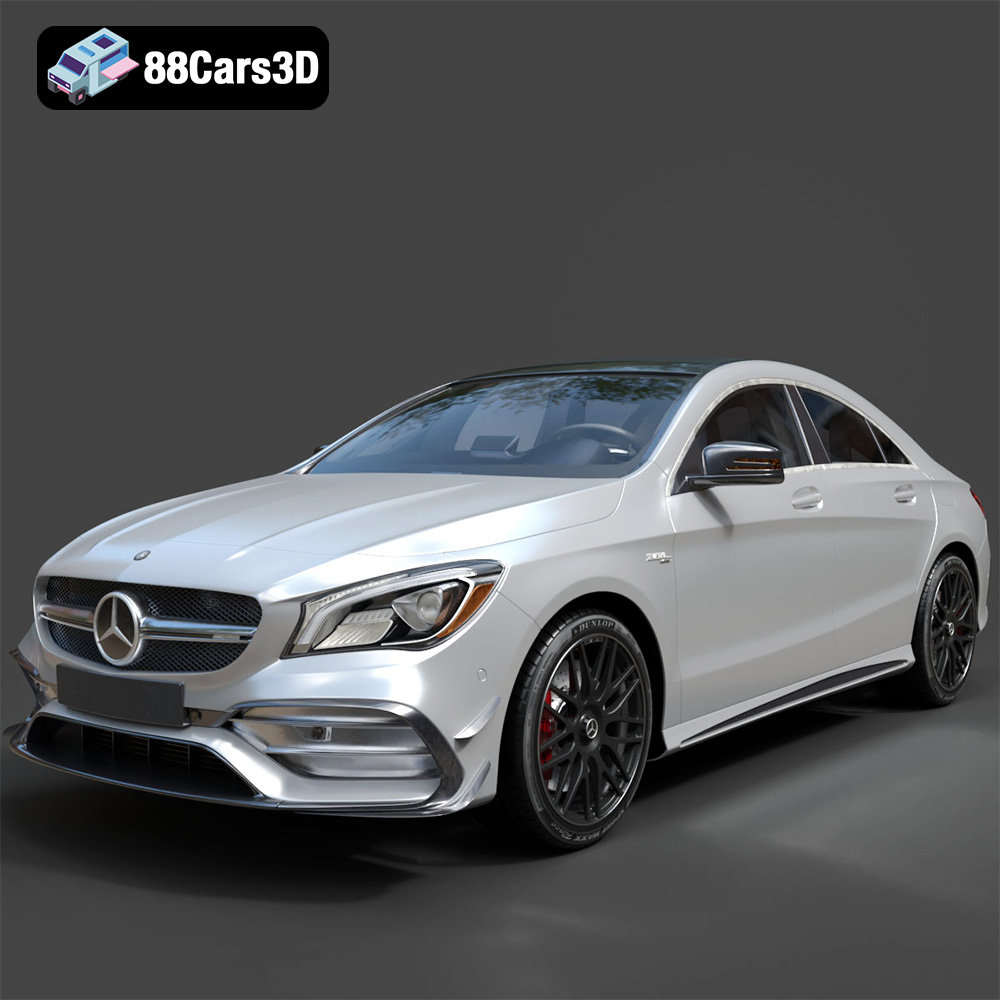
Mercedes-Benz CLA45 AMG 2017 3D Model
Texture: Yes
Material: Yes
Download the Mercedes-Benz CLA45 AMG 2017 3D Model featuring clean geometry, realistic detailing, and a fully modeled interior. Includes .blend, .fbx, .obj, .glb, .stl, .ply, .unreal, and .max formats for rendering, simulation, and game development.
Price: $38.99
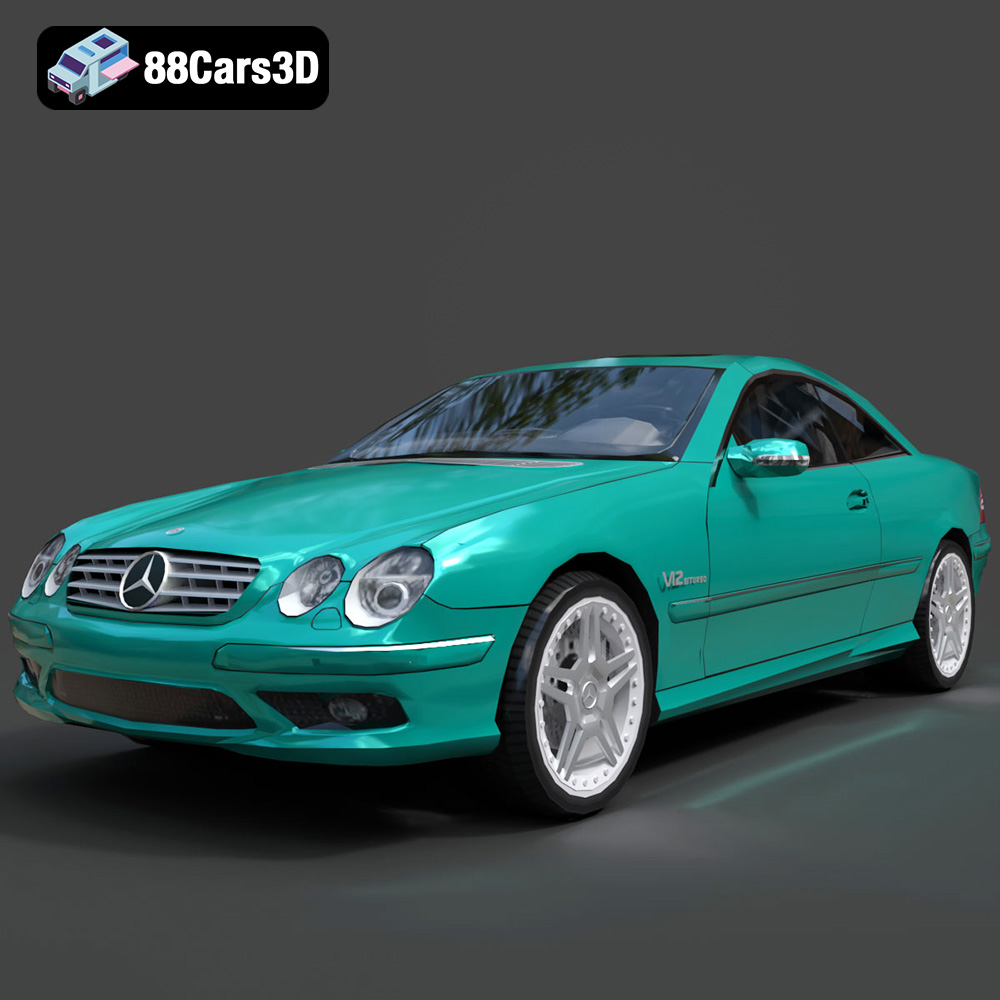
Mercedes-Benz CL65 C215 AMG 3D Model
Texture: Yes
Material: Yes
Download the Mercedes-Benz CL65 C215 AMG 3D Model featuring clean geometry, realistic detailing, and a fully modeled interior. Includes .blend, .fbx, .obj, .glb, .stl, .ply, .unreal, and .max formats for rendering, simulation, and game development.
Price: $23.99
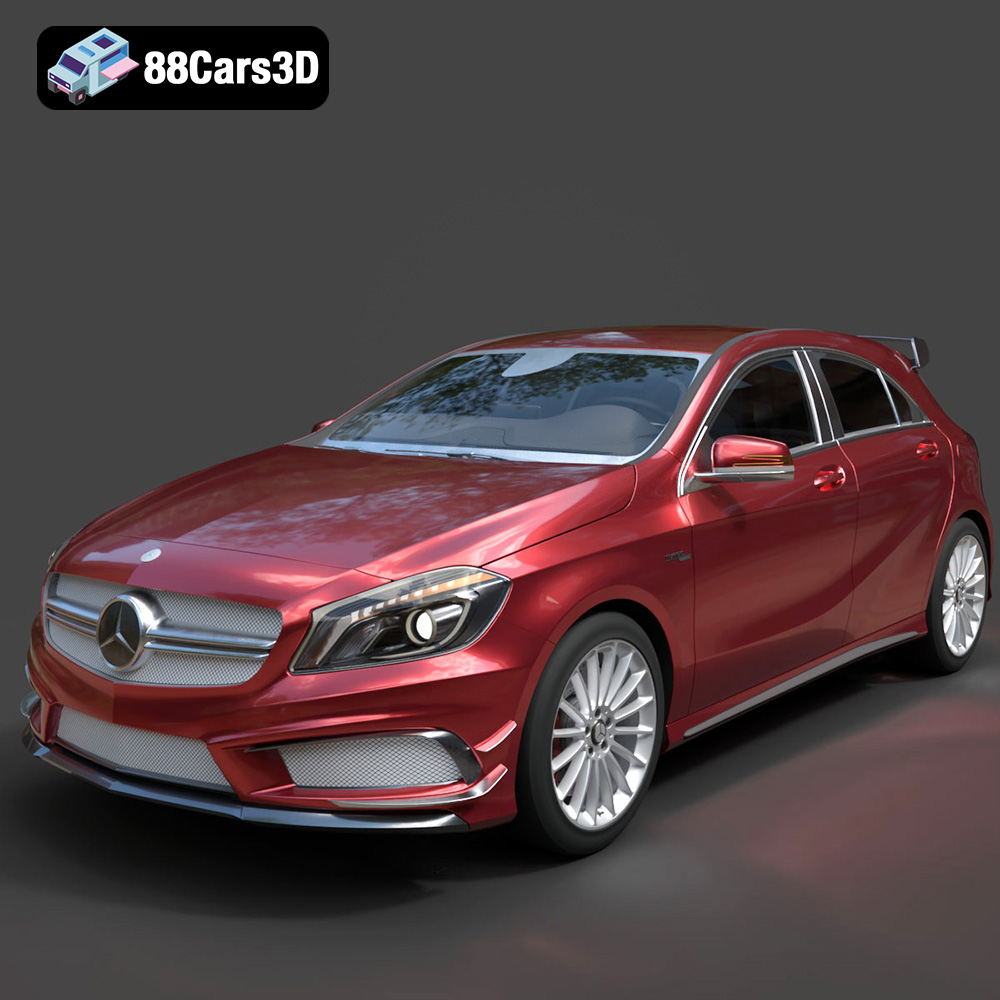
Mercedes-Benz A45 2021 3D Model
Texture: Yes
Material: Yes
Download the Mercedes-Benz A45 2021 3D Model featuring clean geometry, realistic detailing, and a fully modeled interior. Includes .blend, .fbx, .obj, .glb, .stl, .ply, .unreal, and .max formats for rendering, simulation, and game development.
Price: $23.99
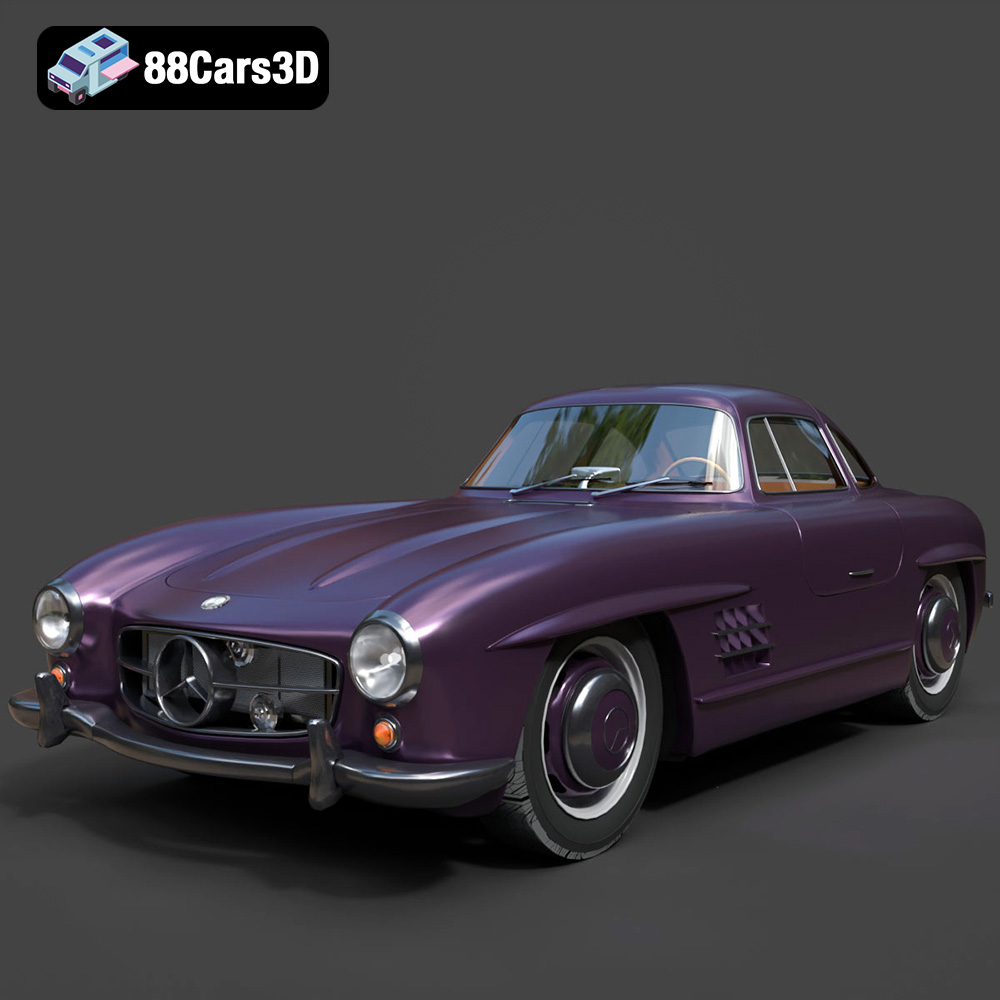
Mercedes-Benz 300SL 1955 3D Model
Texture: Yes
Material: Yes
Download the Mercedes-Benz 300SL 1955 3D Model featuring clean geometry, realistic detailing, and a fully modeled interior. Includes .blend, .fbx, .obj, .glb, .stl, .ply, .unreal, and .max formats for rendering, simulation, and game development.
Price: $23.99
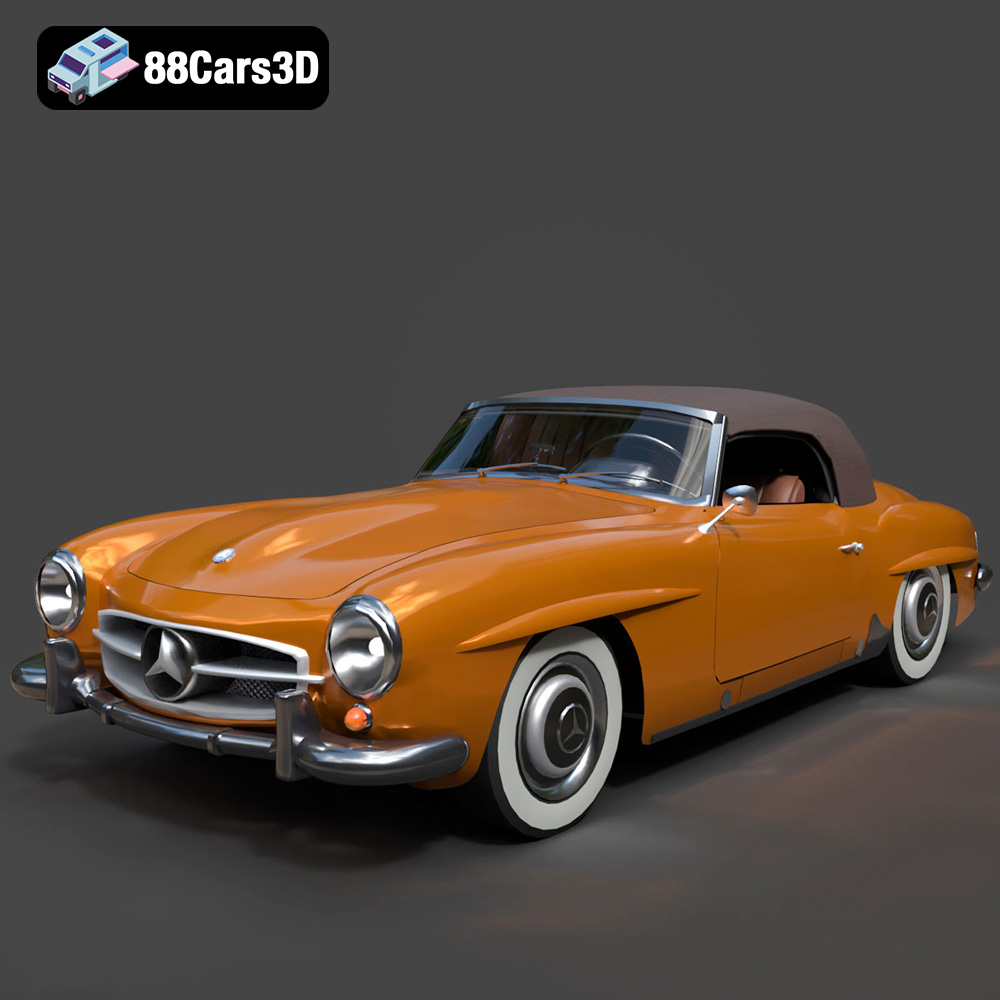
Mercedes-Benz 190SL 1955 3D Model
Texture: Yes
Material: Yes
Download the Mercedes-Benz 190SL 1955 3D Model featuring clean geometry, realistic detailing, and a fully modeled interior. Includes .blend, .fbx, .obj, .glb, .stl, .ply, .unreal, and .max formats for rendering, simulation, and game development.
Price: $23.99
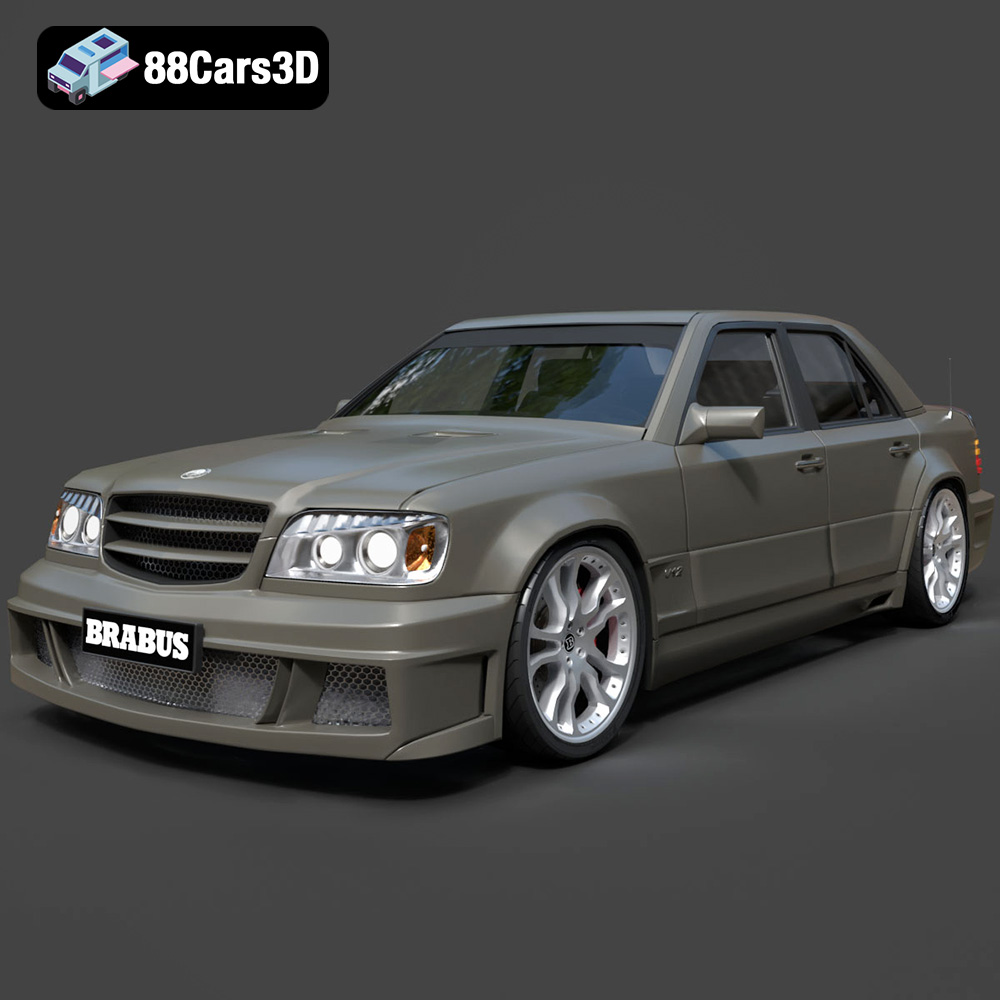
Mercedes-Benz W124 Brabus V12 3D Model
Texture: Yes
Material: Yes
Download the Mercedes-Benz W124 Brabus V12 3D Model featuring clean geometry, realistic detailing, and a fully modeled interior. Includes .blend, .fbx, .obj, .glb, .stl, .ply, .unreal, and .max formats for rendering, simulation, and game development.
Price: $23.99
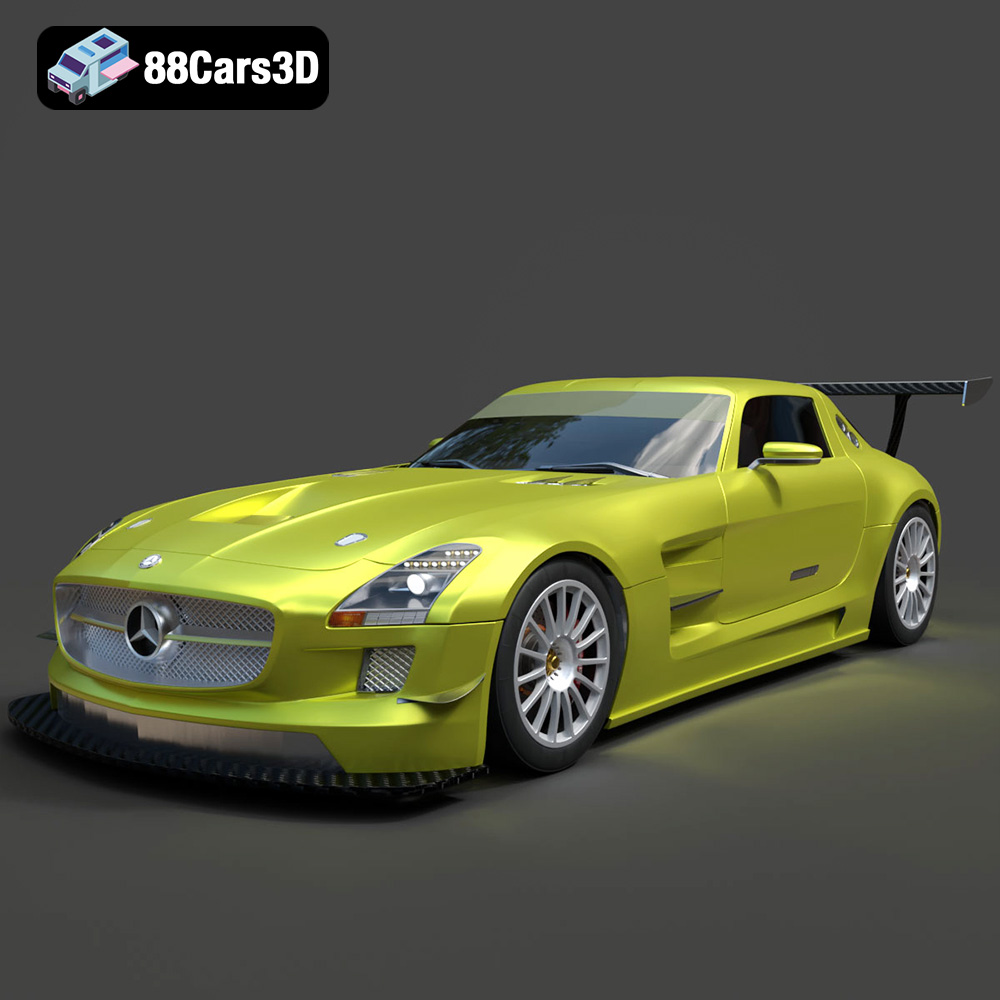
Mercedes-Benz SLS AMG GT3-002 3D Model
Texture: Yes
Material: Yes
Download the Mercedes-Benz SLS AMG GT3-002 3D Model featuring clean geometry, realistic detailing, and a fully modeled interior. Includes .blend, .fbx, .obj, .glb, .stl, .ply, .unreal, and .max formats for rendering, simulation, and game development.
Price: $38.99

Mercedes-Benz C-Class-001 3D Model
Texture: Yes
Material: Yes
Download the Mercedes-Benz C-Class-001 3D Model featuring clean geometry, realistic detailing, and a fully modeled interior. Includes .blend, .fbx, .obj, .glb, .stl, .ply, .unreal, and .max formats for rendering, simulation, and game development.
Price: $38.99
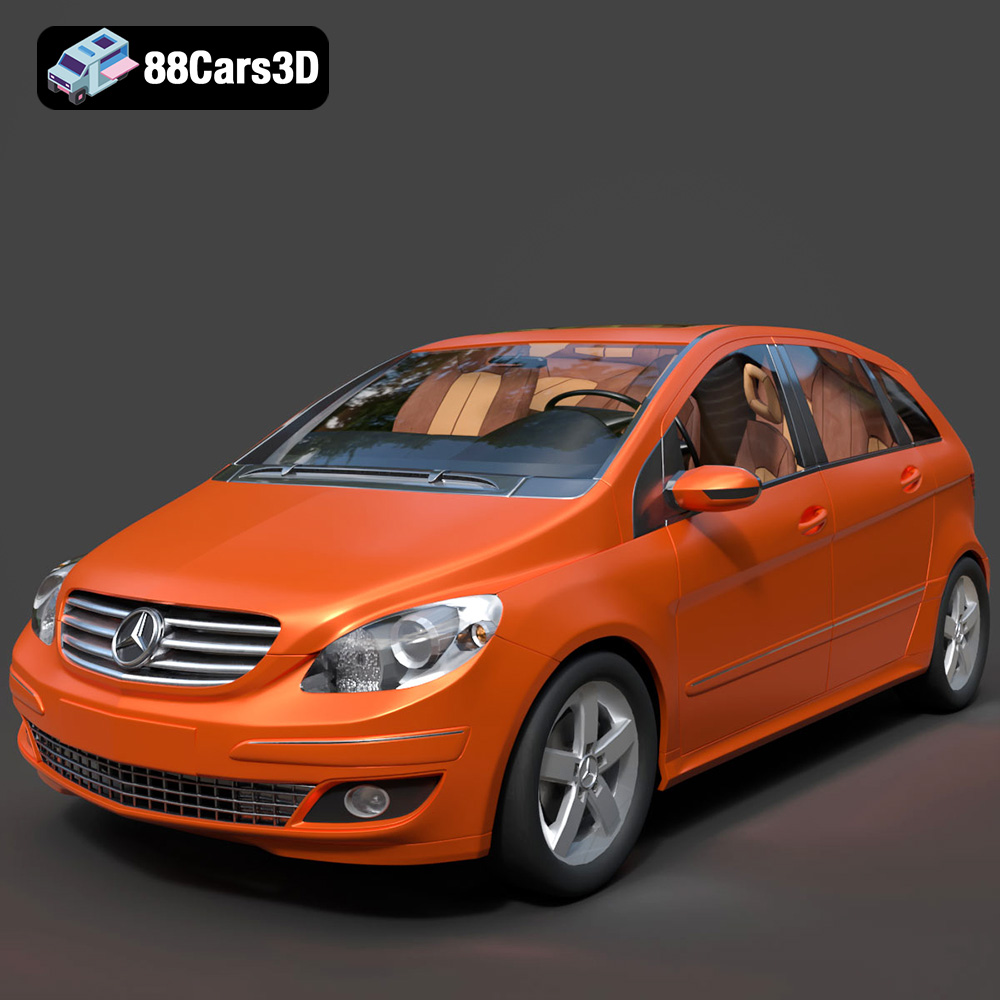
Mercedes-Benz B-Klasse 2023 3D Model
Texture: Yes
Material: Yes
Download the Mercedes-Benz B-Klasse 2023 3D Model featuring clean geometry, realistic detailing, and a fully modeled interior. Includes .blend, .fbx, .obj, .glb, .stl, .ply, .unreal, and .max formats for rendering, simulation, and game development.
Price: $38.99
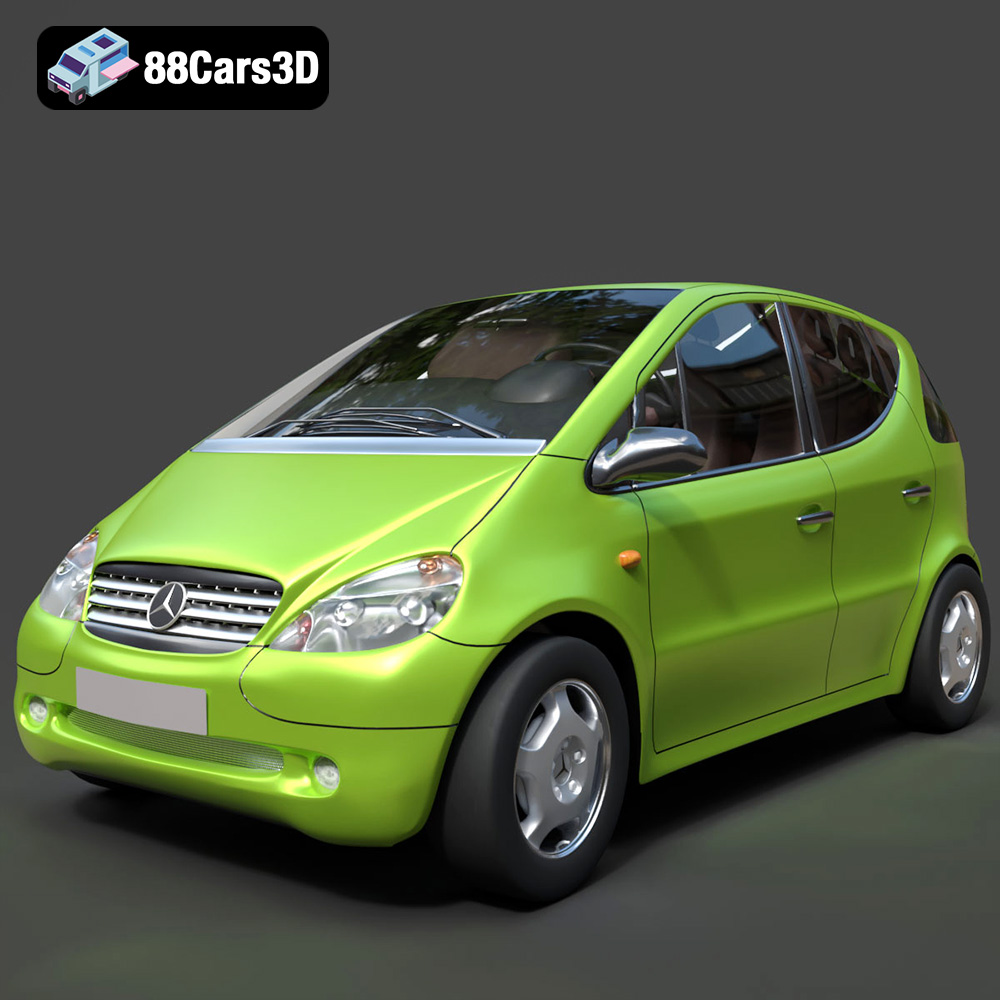
Mercedes-Benz A-Klasse W168 3D Model
Texture: Yes
Material: Yes
Download the Mercedes-Benz A-Klasse W168 3D Model featuring clean geometry, realistic detailing, and a fully modeled interior. Includes .blend, .fbx, .obj, .glb, .stl, .ply, .unreal, and .max formats for rendering, simulation, and game development.
Price: $38.99
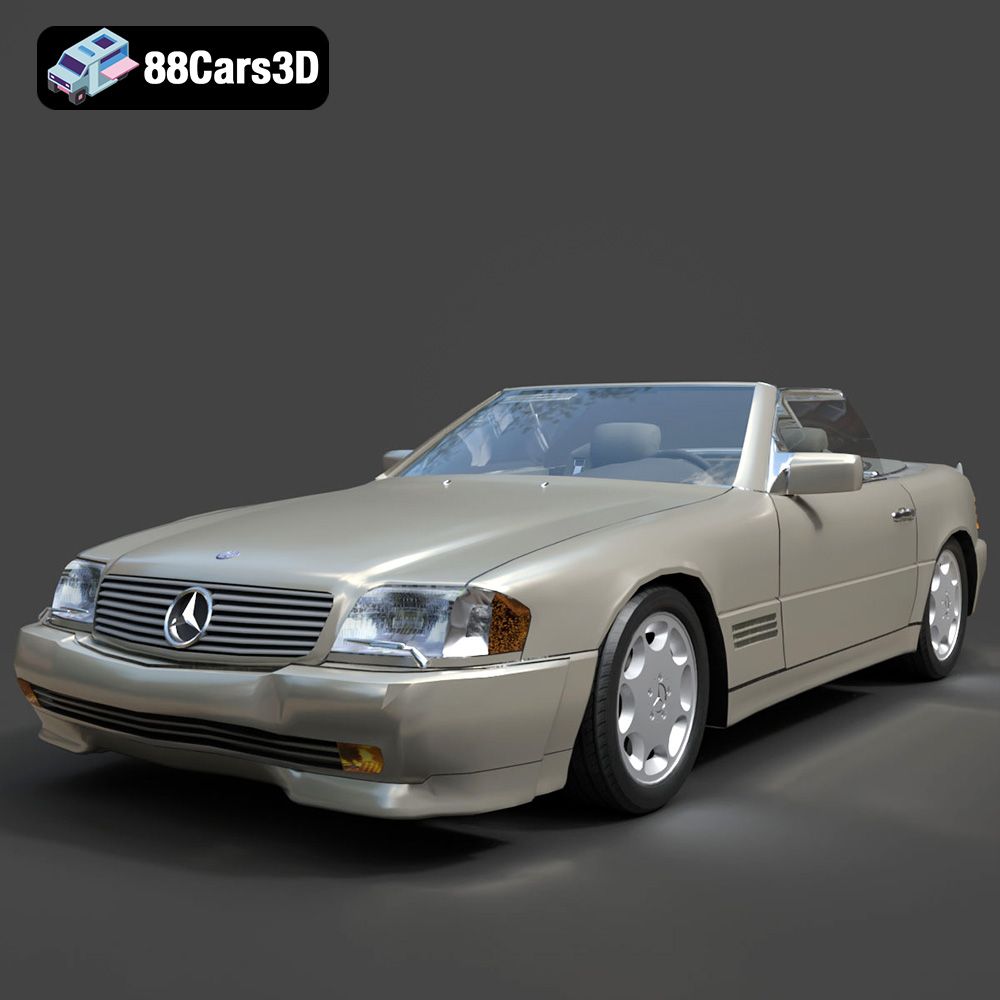
Mercedes-Benz 500SL 2000 3D Model
Texture: Yes
Material: Yes
Download the Mercedes-Benz 500SL 2000 3D Model featuring clean geometry, realistic detailing, and a fully modeled interior. Includes .blend, .fbx, .obj, .glb, .stl, .ply, .unreal, and .max formats for rendering, simulation, and game development.
Price: $38.99
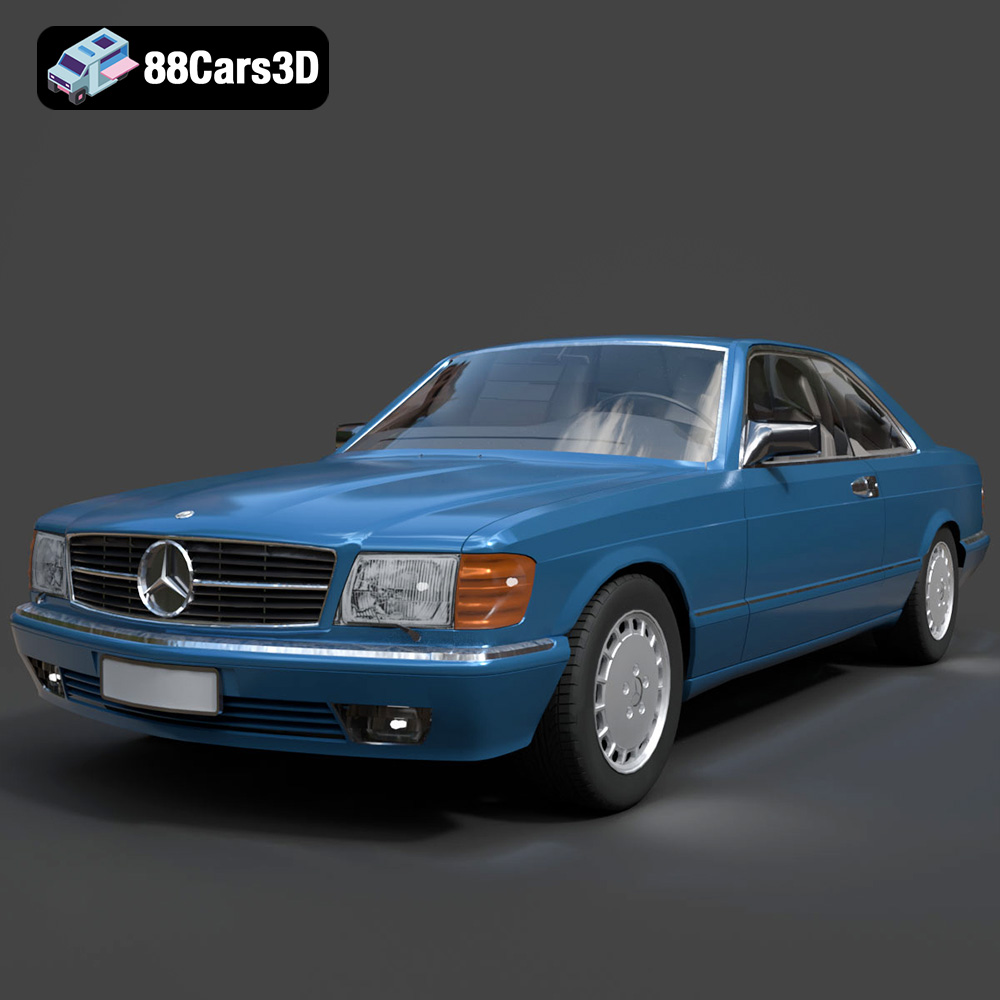
Mercedes-Benz 500SEC 3D Model
Texture: Yes
Material: Yes
Download the Mercedes-Benz 500SEC 3D Model featuring clean geometry, realistic detailing, and a fully modeled interior. Includes .blend, .fbx, .obj, .glb, .stl, .ply, .unreal, and .max formats for rendering, simulation, and game development.
Price: $38.99
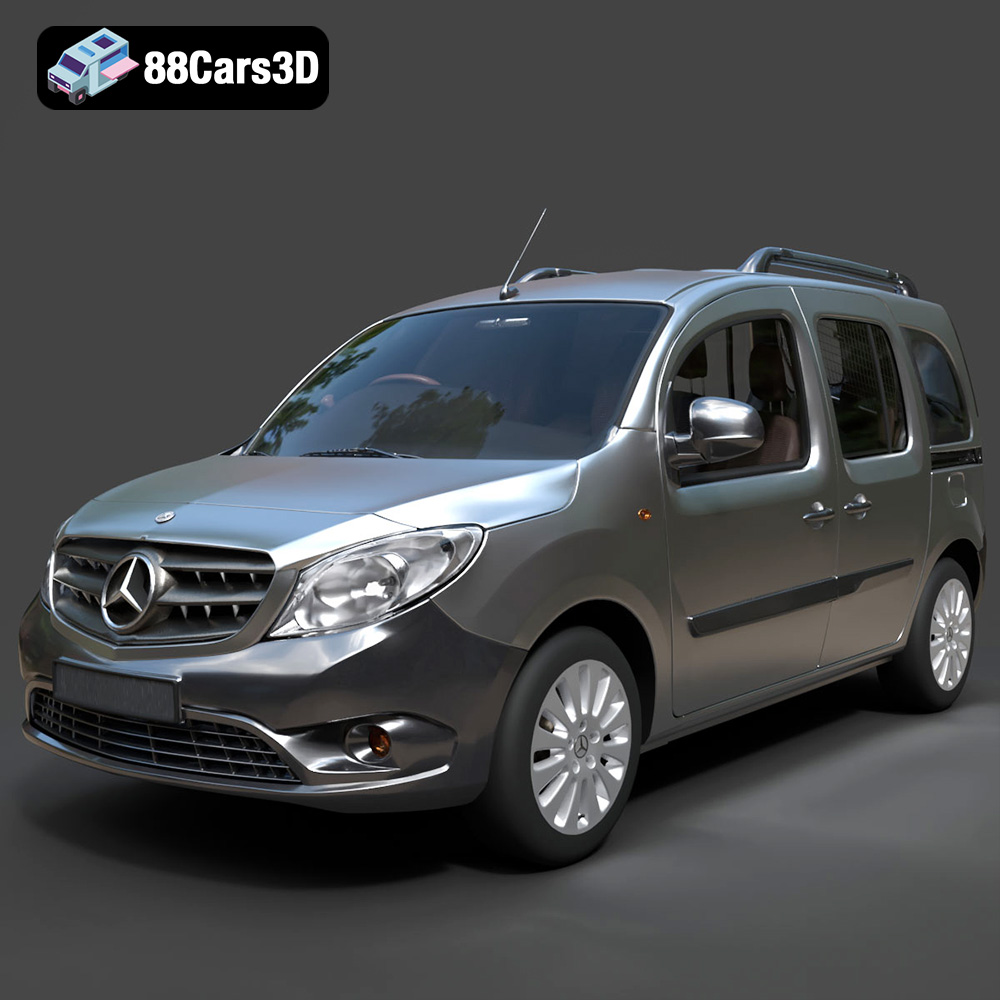
Mercedes-Benz Citan 2025 3D Model
Texture: Yes
Material: Yes
Download the Mercedes-Benz Citan 2025 3D Model featuring clean geometry, realistic detailing, and a fully modeled interior. Includes .blend, .fbx, .obj, .glb, .stl, .ply, .unreal, and .max formats for rendering, simulation, and game development.
Price: $38.99
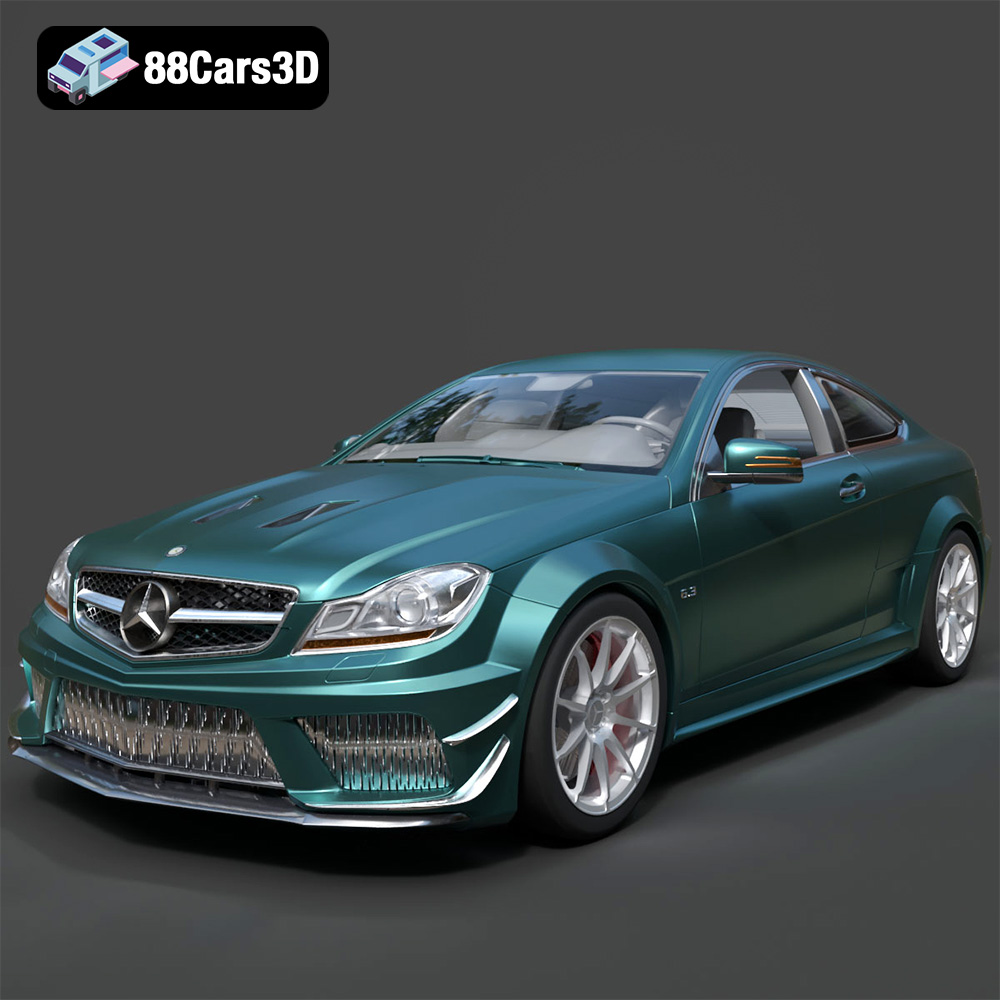
Mercedes-Benz C63 AMG 2012 3D Model
Texture: Yes
Material: Yes
Download the Mercedes-Benz C63 AMG 2012 3D Model featuring clean geometry, realistic detailing, and a fully modeled interior. Includes .blend, .fbx, .obj, .glb, .stl, .ply, .unreal, and .max formats for rendering, simulation, and game development.
Price: $38.99
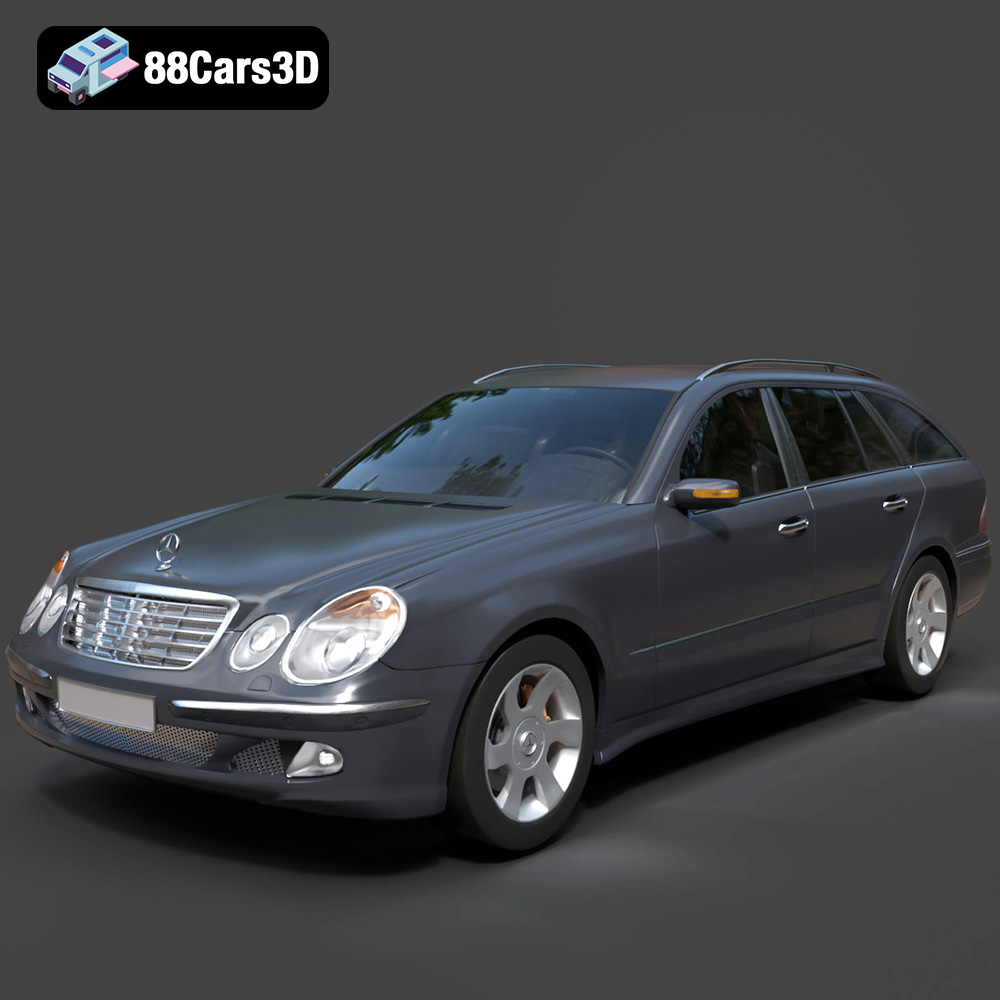
Mercedes-Benz E-Class S211 3D Model
Texture: Yes
Material: Yes
Download the Mercedes-Benz E-Class S211 3D Model featuring clean geometry, realistic detailing, and a fully modeled interior. Includes .blend, .fbx, .obj, .glb, .stl, .ply, .unreal, and .max formats for rendering, simulation, and game development.
Price: $38.99
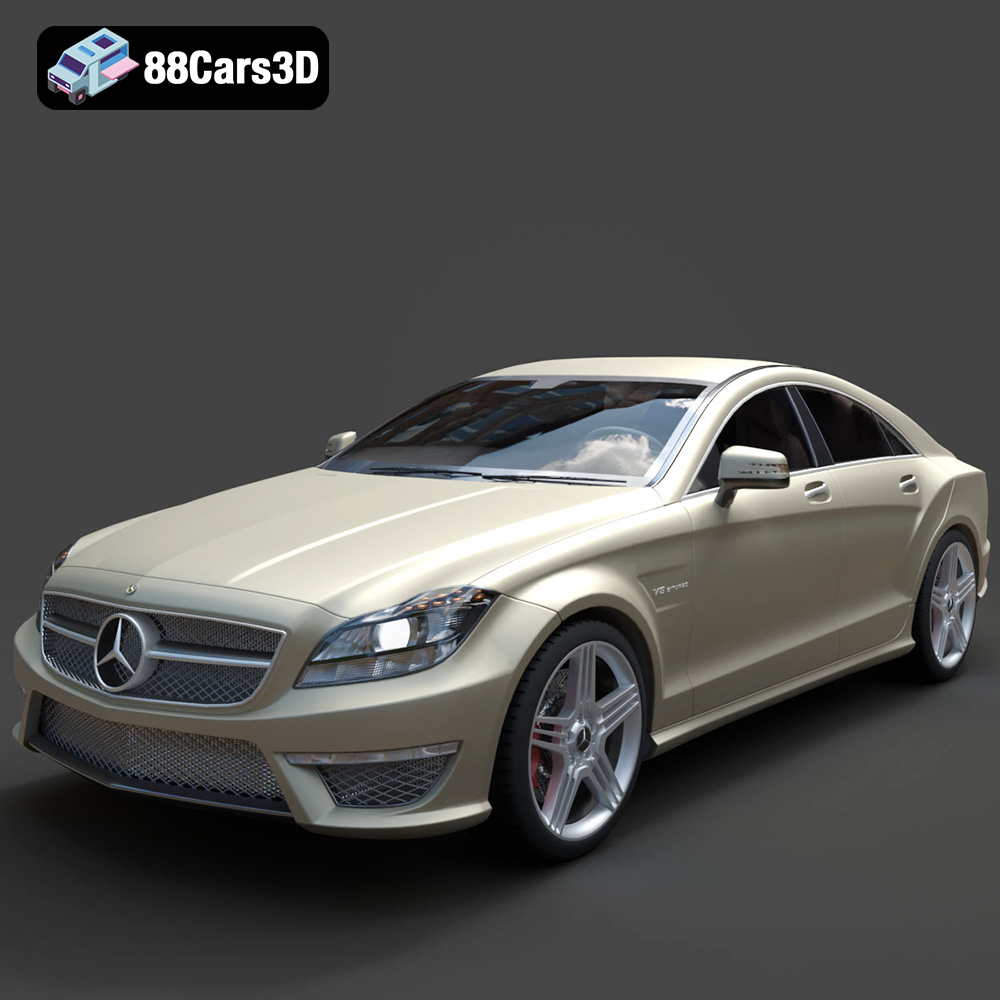
Mercedes-Benz CLS63 AMG (C218) 2014 3D Model
Texture: Yes
Material: Yes
Download the Mercedes-Benz CLS63 AMG (C218) 2014 3D Model featuring clean geometry, realistic detailing, and a fully modeled interior. Includes .blend, .fbx, .obj, .glb, .stl, .ply, .unreal, and .max formats for rendering, simulation, and game development.
Price: $38.99
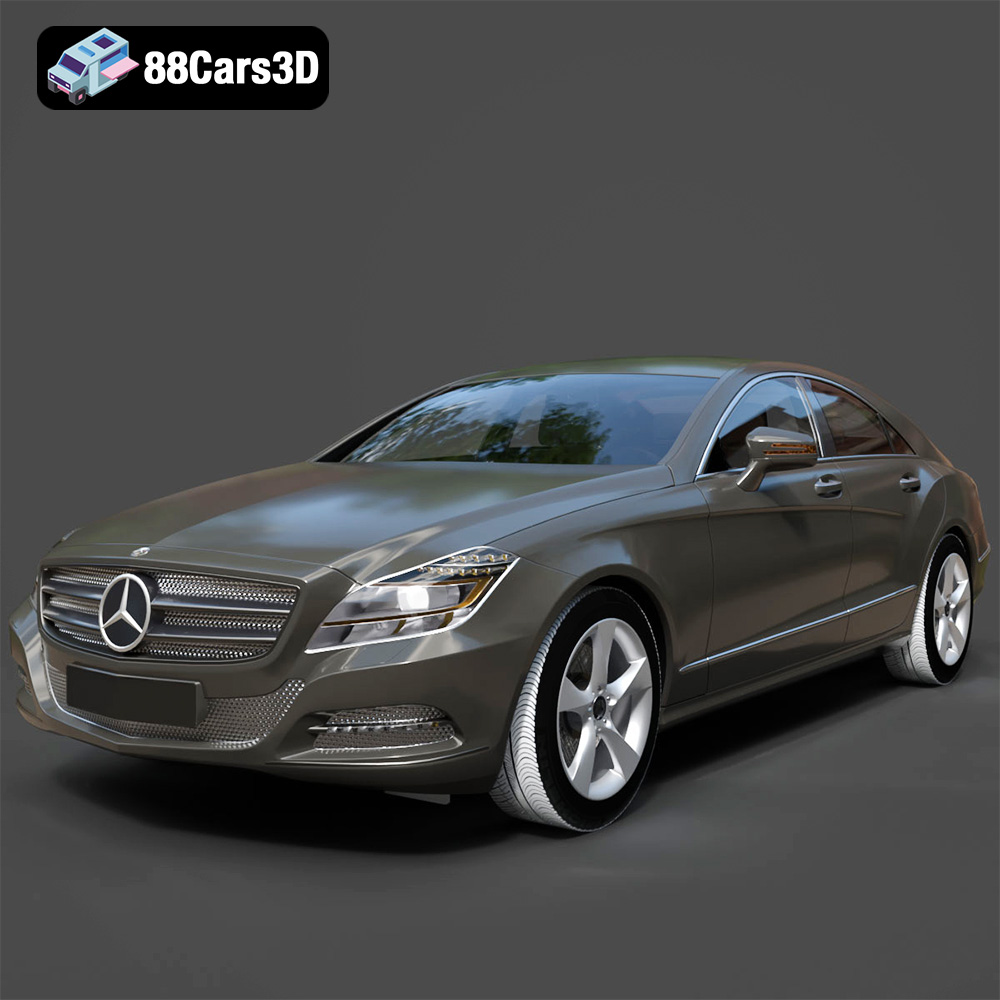
Mercedes-Benz CLS-Klasse 3D Model
Texture: Yes
Material: Yes
Download the Mercedes-Benz CLS-Klasse 3D Model featuring clean geometry, realistic detailing, and a fully modeled interior. Includes .blend, .fbx, .obj, .glb, .stl, .ply, .unreal, and .max formats for rendering, simulation, and game development.
Price: $38.99
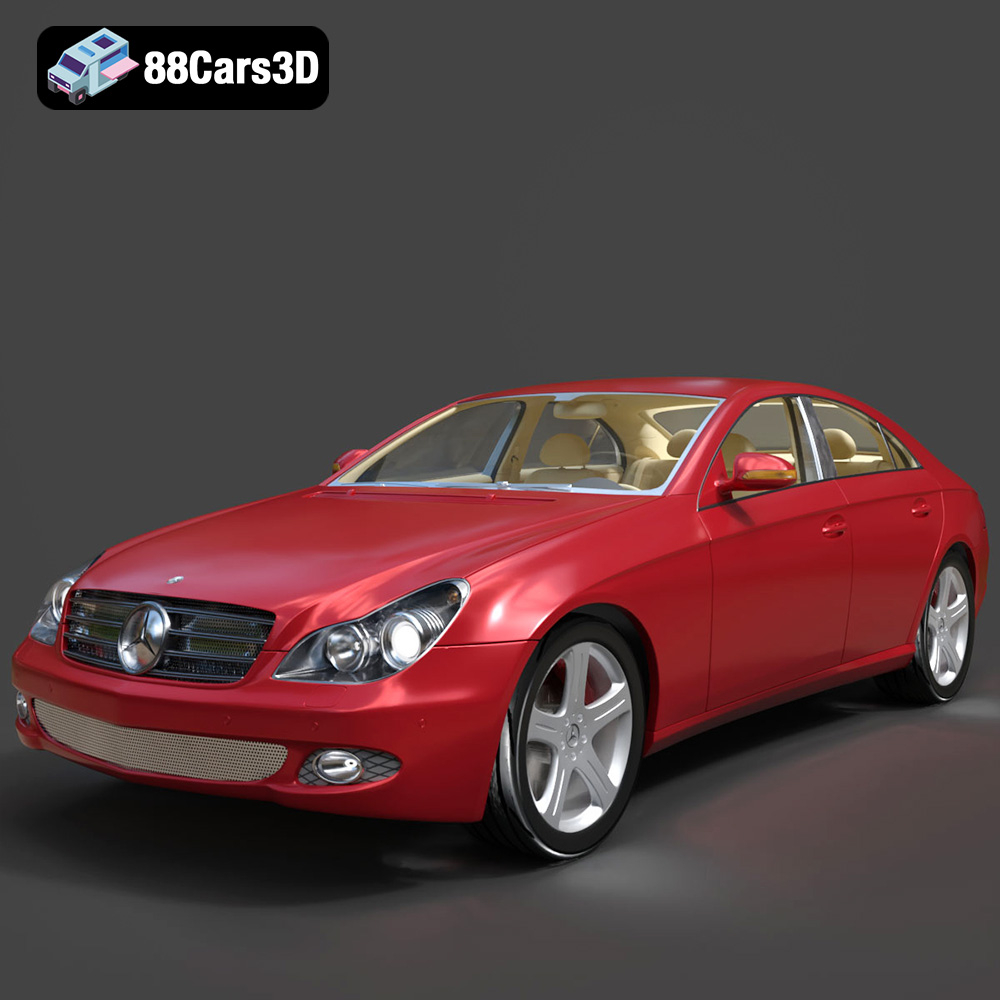
Mercedes-Benz CLS 500 3D Model
Texture: Yes
Material: Yes
Download the Mercedes-Benz CLS 500 3D Model featuring clean geometry, realistic detailing, and a fully modeled interior. Includes .blend, .fbx, .obj, .glb, .stl, .ply, .unreal, and .max formats for rendering, simulation, and game development.
Price: $38.99

Mercedes-Benz CL-Klasse 2001 3D Model
Texture: Yes
Material: Yes
Download the Mercedes-Benz CL-Klasse 2001 3D Model featuring clean geometry, realistic detailing, and a fully modeled interior. Includes .blend, .fbx, .obj, .glb, .stl, .ply, .unreal, and .max formats for rendering, simulation, and game development.
Price: $38.99
