
The CAD to Polygon Dilemma: Why Raw CAD Isn’t Render-Ready

The sleek lines of a concept car rendered with breathtaking realism, the visceral thrill of a high-performance vehicle in a cutting-edge racing game—these experiences are built on a foundation of meticulously crafted 3D models. However, the journey from initial design (often in CAD software) to a polished, render-ready asset or a game engine-optimized model is rarely straightforward. Designers and artists frequently encounter a fundamental disconnect between the precision-engineered world of CAD and the demands of real-time rendering and offline production.
Simply exporting and decimating CAD data often leads to artifacts, compromised visual fidelity, and inefficient meshes. This approach falls short of delivering the hyper-realistic visuals and buttery-smooth performance that modern projects demand. To truly bridge this gap, a sophisticated approach to transforming high-precision CAD data into optimized polygonal meshes is essential. This guide will take you beyond mere decimation, delving into advanced techniques for mastering automotive CAD data for unparalleled visual quality and optimal performance.
The CAD to Polygon Dilemma: Why Raw CAD Isn’t Render-Ready
Automotive design begins in Computer-Aided Design (CAD) software, where engineers and designers craft intricate surfaces with mathematical precision. These programs, like CATIA, SolidWorks, and Alias, utilize Non-Uniform Rational B-Splines (NURBS) or parametric solids to define geometry. While incredibly accurate for manufacturing and engineering, this native CAD data presents significant challenges when transitioning to real-time rendering or game engines.
The Nature of NURBS: Precision vs. Performance
NURBS models are defined by control points, weights, and knot vectors, creating mathematically perfect curves and surfaces. This allows for infinite resolution and exact geometric representation, crucial for prototyping and manufacturing. However, rendering engines, especially real-time ones, operate on polygonal meshes—collections of interconnected vertices, edges, and faces (triangles or quads).
Converting NURBS directly into polygons without careful consideration often results in an astronomically high polygon count. This dense mesh is computationally expensive, leading to slow render times and crippling performance in interactive applications. Furthermore, the inherent mathematical structure of NURBS does not always translate cleanly into efficient polygon flows, often creating undesirable mesh artifacts.
Common CAD Export Challenges: Messy Meshes and Non-Manifold Geometry
When CAD models are exported to polygon formats (like OBJ, FBX, or STL), the conversion process is typically automated. This can generate meshes that are far from ideal for rendering or game development. Issues frequently include:
- Excessive Triangulation: CAD converters often produce meshes composed almost entirely of small, uneven triangles, making them difficult to edit or optimize.
- Non-Manifold Geometry: Edges connected to more than two faces, or faces sharing no common edges, are common. These issues can cause rendering errors, problems with subdivision surfaces, and instability in game engines.
- Poor Edge Flow: The arrangement of polygons often doesn’t align with the underlying surface curvature, making it hard to apply smooth shading, subdivide meshes, or perform clean deformations.
- Overlapping or Intersecting Geometry: Especially with complex assemblies, exported CAD can have slightly overlapping surfaces that cause z-fighting or visual glitches in renders.
- Missing or Flipped Normals: Incorrect normal directions can lead to parts of the model appearing invisible or black, requiring tedious manual correction.
Addressing these issues is critical for a robust CAD to polygon workflow that prioritizes both visual quality and technical efficiency.
The Limitations of Simple Decimation
Many artists attempt to reduce polygon count through simple decimation tools. While effective for quick reductions, decimation algorithms often operate purely on geometric proximity, removing polygons without regard for underlying surface curvature or topological integrity. This can lead to:
- Loss of Detail: Sharp edges, subtle curves, and intricate features can be smoothed out or disappear entirely.
- Unsightly Triangles: Decimation often creates long, thin triangles or irregular polygon shapes that are hard to work with and can cause shading issues.
- Compromised Edge Flow: The resulting mesh often lacks the clean, quad-based topology necessary for subdivision surfacing, animation, or efficient UV unwrapping.
For truly high-quality automotive assets, a more strategic and artistic approach is required than just indiscriminately chopping polygons.
Precision Conversion & Automotive Retopology: Crafting Clean Geometry
The cornerstone of a successful CAD to polygon workflow for automotive assets lies in intelligently converting NURBS data and meticulously rebuilding (retopologizing) the mesh. This process ensures geometric fidelity, clean topology, and optimal performance for both high-end renders and interactive experiences.
Initial NURBS Conversion Techniques: Balancing Detail and Density
Before any retopology, a controlled conversion from NURBS to an initial polygonal mesh is necessary. This is where you set the baseline for detail. Instead of a direct “export all” approach, consider these strategies:
- Staged Conversion: Convert different parts of the vehicle (e.g., body panels, interior, wheels) with varying tessellation settings based on their required detail and visibility. High-curvature areas need more polygons, flat areas fewer.
- Tolerance-Based Tessellation: Most CAD software allows you to define a tessellation tolerance (e.g., chord height or normal deviation). A smaller tolerance yields a denser mesh but better retains curves. Experiment to find the balance for each component.
- Utilize Specialized Conversion Tools: Software like Rhino, MoI3D, or dedicated CAD importers in DCC applications (e.g., 3ds Max DataSmith, Blender CAD tools) offer more control over the triangulation or quad-dominant meshing process during conversion. These tools can help generate a more manageable starting point for NURBS conversion techniques.
- Subdivision Surfaces for Curves: For certain parts, converting to a lower-poly mesh designed for subdivision surfacing (e.g., Turbosmooth, OpenSubdiv) might be a better approach than trying to capture every curve with raw polygons.
The goal here is not to create the final render mesh, but a dense, accurate “source mesh” that serves as a guide for retopology.
The Art of Automotive Retopology: Principles for Clean Topology
Automotive retopology is the process of rebuilding a clean, optimized polygonal mesh over your high-density converted CAD data. This is often the most critical and time-consuming step but yields immense dividends in quality and flexibility. Key principles include:
- Quad-Dominant Topology: Aim for a mesh composed primarily of quads (four-sided polygons). Quads subdivide smoothly, deform predictably, and are easier to UV unwrap and edit. Triangles should be used sparingly, primarily in flat, non-deforming areas or where geometry converges.
- Edge Flow: Ensure edge loops follow the natural curvature and contours of the vehicle. For instance, edge loops should flow around wheel arches, along panel gaps, and define character lines. This is crucial for smooth shading and deformation.
- Poly-Density Consistency: Maintain a relatively consistent polygon density across major surfaces. Avoid abrupt changes in density unless absolutely necessary to capture fine details, as this can lead to shading artifacts.
- Pole Control: Minimize the creation of poles (vertices with more than five or less than three connecting edges), especially on curved surfaces. Poles can cause pinching and undesirable shading during subdivision.
- Panel Gaps and Hard Edges: Model panel gaps and sharp creases with dedicated edge loops rather than relying solely on normal maps. This adds geometric realism and depth. For hard edges, use two or three tight edge loops to maintain sharpness during subdivision.
A masterfully retopologized automotive mesh is not just efficient; it’s an artistic interpretation that balances mathematical precision with visual appeal.
Manual Retopology vs. Automated Solutions for Vehicle Assets
The choice between manual and automated retopology depends on project scope, budget, and desired quality. For top-tier automotive models, manual retopology often remains the gold standard.
- Manual Retopology: Tools like TopoGun, ZBrush’s ZRemesher with guides, Blender’s Retopoflow add-on, or native modeling tools in 3ds Max and Maya provide precise control. Artists painstakingly draw new polygons over the high-res mesh, ensuring optimal edge flow and poly-density. This is time-consuming but produces the cleanest, most efficient results, perfectly suited for hyper-realistic renders and hero assets.
- Semi-Automated Tools: ZRemesher, QuadRemesher, or Instant Meshes can generate a quad-dominant mesh quickly. While these tools have improved dramatically, they often require manual cleanup and refinement, especially for intricate automotive surfaces and specific edge flow requirements. They are excellent for quickly getting a good base mesh.
- Parametric Retopology (e.g., in Blender Geometry Nodes or Houdini): Advanced users can leverage procedural tools to automate parts of the retopology process, especially for repetitive patterns or specific mesh generation rules. This requires a deeper technical understanding but can be highly efficient for certain asset types.
Even with automated solutions, a human eye and artistic touch are typically needed to finalize the automotive retopology, ensuring the mesh is truly render-ready and performant.
The PBR Pipeline: Texturing for Realism and Efficiency
Once you have a clean, optimized mesh, the next crucial step is to apply materials and textures that bring your vehicle to life. Physically Based Rendering (PBR) has become the industry standard for achieving photorealistic results, but it requires a careful approach, especially for complex automotive surfaces. This involves meticulous UV unwrapping and developing efficient PBR texture pipelines.
UV Unwrapping for Vehicles: Strategies for Complex Surfaces
UV unwrapping for vehicles is a critical, often underestimated, stage. UVs (U and V coordinates) map 2D texture images onto the 3D surface of your model. Poor UVs lead to distorted textures, visible seams, and inefficient texture packing. For complex automotive geometry, consider these strategies:
- Strategic Seam Placement: Place UV seams in inconspicuous areas, such as along existing panel gaps, under trim, or hidden edges. This minimizes their visibility in the final render.
- Consistent Texel Density: Ensure that all parts of the model have a similar texel density (pixels per unit of surface area). This prevents some areas from appearing blurry and others overly sharp. Tools often have features to check and unify texel density.
- Maximize UV Space: Arrange UV islands efficiently within the 0-1 UV space to minimize wasted area. Overlapping UVs can be used for mirrored parts (e.g., left and right side panels) if they share identical materials and details, saving texture memory. However, be cautious with unique details that require separate UV space.
- Multi-Tile UVs (UDIMs): For extremely high-detail models, UDIMs (U-Dimension) allow you to use multiple UV tiles (separate 0-1 UV spaces) per object. This means you can have a very high-resolution texture map for each part of the car without exceeding single-texture size limits, ideal for hero assets and close-up renders.
- Hard Surface UVs: For hard-surface models like cars, ensure UVs are straightened and aligned as much as possible, especially on flat panels, to prevent texture wobbling and facilitate easier texture painting.
Well-executed UVs are the foundation for beautiful and efficient texturing, directly impacting the quality of your PBR texture pipelines.
Mastering PBR Textures: Materials That Shine (and Perform)
PBR materials accurately simulate how light interacts with surfaces by using a set of physically plausible parameters. The most common PBR workflows are Metalness-Roughness and Specular-Glossiness. For automotive surfaces, achieving realism means understanding these parameters:
- Base Color / Albedo: This map defines the diffuse color of the surface, stripped of any lighting information. For car paint, this will be the base color layer.
- Metallic: A binary map (0 or 1) indicating whether a surface is metallic. Car bodies (painted metal), chrome, and bare metal parts will be 1 (white); plastics, rubber, and glass will be 0 (black).
- Roughness / Glossiness: This map defines the micro-surface detail affecting how light scatters. A low roughness (high gloss) value indicates a very smooth, reflective surface (like polished car paint), while high roughness (low gloss) indicates a matte, diffuse surface (like rubber).
- Normal / Bump Maps: These maps simulate fine surface details without adding actual geometry, crucial for adding subtle panel lines, wear, or texture to components like tires or interior fabrics.
- Ambient Occlusion (AO): Although not strictly a PBR parameter, AO maps simulate contact shadows, adding depth and realism to crevices and corners. They are often baked and multiplied into the base color.
For highly accurate models, such as those you might find on 88cars3d.com, paying close attention to these maps, especially metallic and roughness, is what elevates a good render to a great one.
Texture Set Creation and Management
Creating and managing texture sets efficiently is vital for large, complex automotive models. Instead of one giant texture for the whole car, break it down:
- Material-Based Segmentation: Create separate texture sets for distinct materials: car paint, tires, glass, interior fabrics, chrome, headlights, etc. This allows for specific material properties and resolutions.
- UV Set Segmentation: If using UDIMs, each UDIM tile will have its own set of PBR maps. This allows for extreme detail on different parts of the car.
- Resolution Scaling: Assign texture resolutions based on visibility and importance. For example, the main body might have 4K or 8K textures, while less visible interior parts might use 2K or 1K.
- Baking Workflow: Leverage baking tools (e.g., Substance Painter, Marmoset Toolbag, Blender) to transfer high-detail information (normals, AO, curvature) from your high-poly source mesh onto your optimized low-poly mesh. This is key to achieving photorealistic detail without heavy geometry.
A well-organized PBR texture pipeline not only enhances visual fidelity but also significantly aids in project management and optimization for various rendering environments.
Optimizing Performance: LOD Strategies and Game Engine Readiness
Achieving hyper-realistic renders is one goal, but delivering smooth, interactive experiences in game engines demands an additional layer of optimization. This involves sophisticated LOD generation strategy and meticulous mesh data preparation to ensure assets are performant without sacrificing visual quality.
Understanding LOD Generation Strategy for Automotive Assets
Level of Detail (LOD) systems are crucial for managing performance in real-time applications. The core idea is to display simpler versions of an object when it’s further from the camera and more detailed versions when it’s closer. For automotive assets, an effective LOD generation strategy is paramount:
- Tiered Approach: Typically, 3-5 LOD levels are used.
- LOD0 (Hero Mesh): The full-detail, retopologized mesh, used for close-ups and cinematics.
- LOD1: Moderately reduced polycount, retaining most major details, for medium distances.
- LOD2: Significantly reduced polycount, removing fine details, for longer distances.
- LOD3+: Highly simplified meshes, potentially using simplified geometry for wheels, simplified interiors, or even billboard representations for very distant vehicles.
- Hierarchical LODs (HLODs): For very large scenes with many vehicles, HLODs group multiple static meshes into a single, lower-detail mesh at extreme distances, further improving performance.
- Maintaining Visual Silhouette: As you reduce polycount for lower LODs, it’s critical to preserve the overall silhouette and recognizable features of the vehicle. Aggressive decimation can quickly turn a car into an unrecognizable blob.
- Shared Materials and UVs: Ideally, all LODs should share the same UV maps and material assignments. This prevents texture popping and re-draw calls when LODs switch. Normal maps on lower LODs become crucial for retaining perceived detail.
Each LOD should be tested thoroughly to ensure smooth transitions and minimal visual degradation.
Implementing Effective Level of Detail (LOD)
Creating LODs can be done through a combination of techniques:
- Manual Reduction: For critical LODs (LOD0 to LOD1), manual tweaking can ensure optimal edge flow and detail retention.
- Automated Decimation Tools: Most 3D software (Maya, 3ds Max, Blender) and game engines (Unreal Engine, Unity) have built-in decimation tools. These are excellent for generating lower LODs (LOD2 and beyond) quickly. Control parameters like percentage reduction, planar angle, and boundary preservation.
- Proportional Reduction: Reduce polygons more aggressively on parts of the car that are less visible or have less intricate geometry (e.g., the underside of the chassis versus the main body panels).
- Occlusion Culling: In game engines, this technique hides objects (or parts of objects) that are not visible to the camera, reducing rendering overhead. This complements LODs by ensuring even an LOD0 mesh isn’t fully drawn if it’s behind another object.
Implementing a robust LOD generation strategy is a cornerstone of effective game engine optimization, ensuring that your visually stunning automotive models perform flawlessly.
Essential Mesh Data Preparation for Game Engines
Beyond LODs, specific steps for mesh data preparation are crucial before importing into a game engine:
- Triangulation: While you aim for quads in your DCC (Digital Content Creation) software, game engines ultimately render everything as triangles. It’s often best to triangulate your mesh before export to ensure consistent triangulation, especially if using real-time subdivision.
- Merged Vertices and Normals: Ensure all vertices are merged (welded) and normals are correctly unified and oriented. Any non-manifold geometry or open edges can cause rendering errors.
- Scene Scale and Units: Work in consistent units throughout your workflow (e.g., centimeters in your DCC and in Unreal Engine). Incorrect scaling can lead to physics issues, lighting bugs, and difficulty with interactions.
- Pivots and Origins: Set the pivot point of your vehicle asset to its geometric center or ground plane for easy manipulation and placement within the engine.
- Naming Conventions: Use clear, consistent naming conventions for meshes, materials, and textures. This greatly aids organization and collaboration.
- Collision Meshes: For vehicles in games, you’ll need separate, simplified collision meshes. These are low-poly representations used solely for physics calculations, reducing CPU overhead compared to using the render mesh.
- Rigging and Animation Preparation: If the vehicle has movable parts (doors, wheels, suspension), ensure proper rigging and skinning are in place, with appropriately named bones and clean weight painting.
By meticulously preparing your mesh data, you streamline the integration process and prevent a host of common issues in game development.
Seamless Integration: From DCC Tools to Final Render/Engine
The final stage of our journey involves bringing your perfectly optimized automotive assets into their target environments, whether a powerful offline renderer or a demanding game engine. This requires understanding specific export/import settings and anticipating common challenges for a truly seamless CAD to polygon workflow.
Workflow with Major DCC Applications
Most 3D artists rely on Digital Content Creation (DCC) tools like Autodesk Maya, 3ds Max, Blender, or Cinema 4D for retopology, UV unwrapping, and texturing. The workflow often involves:
- Importing the High-Poly CAD Data: Utilize specialized CAD importers (e.g., DataSmith for Unreal Engine, Fusion 360 bridge for Blender, STEP/IGES importers for Maya/3ds Max) to get the most accurate initial tessellation.
- Retopology in DCC or Dedicated Tools: Perform your automotive retopology using the tools discussed earlier.
- UV Unwrapping: Use the powerful UV editors in your DCC to execute your UV unwrapping for vehicles strategy, ensuring optimal texel density and minimal seams.
- Baking: Bake normal maps, ambient occlusion, and other utility maps from your original high-poly CAD conversion onto your new low-poly, retopologized mesh. This transfers all the intricate details without the polycount.
- Material Setup and Initial Texturing: Apply your base PBR materials and textures, often using external tools like Substance Painter or Designer for advanced texture generation.
Having access to quality starting points, such as the accurately modeled vehicles found on 88cars3d.com, can significantly accelerate this initial phase, allowing you to focus on optimization and artistic refinement.
Exporting and Importing: Best Practices for Game Engine Optimization
Exporting from your DCC and importing into a game engine like Unreal Engine or Unity requires specific settings to ensure optimal game engine optimization:
- FBX as the Standard: FBX is the most widely supported interchange format. Ensure you export with appropriate settings:
- Embedded Media: Often check this if you want textures to be embedded (though external texture management is usually better).
- Smoothing Groups/Tangents and Binormals: Crucial for correct normal map display.
- Triangulate: As mentioned, triangulating on export ensures consistent mesh interpretation.
- Units: Match your DCC’s units to the engine’s default units (e.g., 1 unit = 1cm).
- LODs: Many engines support direct import of LODs from FBX. Otherwise, you’ll import the base mesh and generate lower LODs within the engine.
- Material Creation in Engine: While you can often import materials, it’s generally best practice to create the final PBR materials directly within the game engine using its native shader graph or material editor. This allows for engine-specific optimizations, node-based customization, and integration with engine features like decals or blend layers.
- Collision Geometry: Import your simplified collision meshes. Most engines have specific naming conventions (e.g., UCX_ prefix for Unreal Engine) to automatically assign them as collision geometry.
- Testing and Iteration: Always test your imported asset thoroughly within the engine. Check for shading errors, texture tiling, LOD transitions, and performance. Be prepared to iterate and re-export if necessary.
For offline renderers like V-Ray, Redshift, or Octane, the process is similar but typically less constrained by polygon count and real-time performance. Focus shifts to extreme detail, accurate material definitions, and complex lighting setups.
Common Pitfalls and Troubleshooting
Even with careful planning, issues can arise. Here are some common pitfalls and how to troubleshoot them:
- Shading Artifacts: Often caused by poor edge flow, non-manifold geometry, incorrect normal maps, or messed-up smoothing groups. Re-check your automotive retopology and normal map baking process.
- Texture Stretching/Distortion: A clear sign of poor UV unwrapping for vehicles. Revisit your UV layout, ensuring consistent texel density and minimal stretching.
- Performance Drops: If the model is too heavy, even with LODs, examine your LOD transition distances and your overall mesh data preparation. Is your LOD0 too dense? Are your materials too complex?
- Incorrect Scale/Orientation: Double-check your export and import settings for units and axis orientation (e.g., Z-up vs. Y-up).
- Z-Fighting: Two surfaces occupying the exact same space, causing flickering. Identify and slightly separate or merge the offending geometry.
- Missing Details on Low LODs: Ensure your normal maps are properly baked and applied to lower LODs to retain the illusion of high detail.
Mastering the CAD to polygon workflow is an iterative process. By understanding the underlying principles and common challenges, you’ll be well-equipped to create stunning automotive assets that perform beautifully across all mediums.
Conclusion
Transforming high-precision automotive CAD data into assets ready for hyper-realistic renders and performant game engines is an art and a science. It’s a journey that extends far beyond a simple “decimate” button, requiring a deep understanding of geometry, topology, and optimization techniques. We’ve explored the critical steps, from understanding the inherent limitations of raw CAD data to the nuances of NURBS conversion techniques and the artistry of automotive retopology.
You’ve learned how to meticulously execute UV unwrapping for vehicles, build robust PBR texture pipelines, and implement a strategic LOD generation strategy. Coupled with diligent mesh data preparation and careful export/import practices, this comprehensive approach ensures superior visual quality and seamless game engine optimization. The result is not just a model, but a high-fidelity digital representation that captivates viewers and performs flawlessly.
Embrace these advanced techniques in your workflow, and your automotive projects will stand out. For those looking for a head start with meticulously crafted, render-ready automotive models, be sure to explore the extensive collection available at 88cars3d.com. We provide the foundational quality that allows you to focus on the advanced optimization and creative refinements discussed here. Start building your next masterpiece today!
Featured 3D Car Models

Suzuki SX4-002 3D Model
Texture: Yes
Material: Yes
Download the Suzuki SX4-002 3D Model featuring clean geometry, realistic detailing, and a fully modeled interior. Includes .blend, .fbx, .obj, .glb, .stl, .ply, .unreal, and .max formats for rendering, simulation, and game development.
Price: $10

Tesla Model S 2024 3D Model
Texture: Yes
Material: Yes
Download the Tesla Model S 2024 3D Model featuring clean geometry, realistic detailing, and a fully modeled interior. Includes .blend, .fbx, .obj, .glb, .stl, .ply, .unreal, and .max formats for rendering, simulation, and game development.
Price: $10

Subaru Impreza WRX STi-002 3D Model
Texture: Yes
Material: Yes
Download the Subaru Impreza WRX STi-002 3D Model featuring clean geometry, realistic detailing, and a fully modeled interior. Includes .blend, .fbx, .obj, .glb, .stl, .ply, .unreal, and .max formats for rendering, simulation, and game development.
Price: $10

Subaru Impreza WRX STi Sedan 3D Model
Texture: Yes
Material: Yes
Download the Subaru Impreza WRX STi Sedan 3D Model featuring clean geometry, realistic detailing, and a fully modeled interior. Includes .blend, .fbx, .obj, .glb, .stl, .ply, .unreal, and .max formats for rendering, simulation, and game development.
Price: $10

Subaru Legacy 2009 3D Model
Texture: Yes
Material: Yes
Download the Subaru Legacy 2009 3D Model featuring clean geometry, realistic detailing, and a fully modeled interior. Includes .blend, .fbx, .obj, .glb, .stl, .ply, .unreal, and .max formats for rendering, simulation, and game development.
Price: $10

Suzuki Swift 2024 3D Model
Texture: Yes
Material: Yes
Download the Suzuki Swift 2024 3D Model featuring clean geometry, realistic detailing, and a fully modeled interior. Includes .blend, .fbx, .obj, .glb, .stl, .ply, .unreal, and .max formats for rendering, simulation, and game development.
Price: $10

Suzuki Liana Sedan 2004 3D Model
Texture: Yes
Material: Yes
Download the Suzuki Liana Sedan 2004 3D Model featuring clean geometry, realistic detailing, and a fully modeled interior. Includes .blend, .fbx, .obj, .glb, .stl, .ply, .unreal, and .max formats for rendering, simulation, and game development.
Price: $10

Subaru Outback 2024 3D Model
Texture: Yes
Material: Yes
Download the Subaru Outback 2024 3D Model featuring clean geometry, realistic detailing, and a fully modeled interior. Includes .blend, .fbx, .obj, .glb, .stl, .ply, .unreal, and .max formats for rendering, simulation, and game development.
Price: $10

Subaru Legacy 2003 3D Model
Texture: Yes
Material: Yes
Download the Subaru Legacy 2003 3D Model featuring clean geometry, realistic detailing, and a fully modeled interior. Includes .blend, .fbx, .obj, .glb, .stl, .ply, .unreal, and .max formats for rendering, simulation, and game development.
Price: $10

Subaru Legacy Touring Wagon 3D Model
Texture: Yes
Material: Yes
Download the Subaru Legacy Touring Wagon 3D Model featuring clean geometry, realistic detailing, and a fully modeled interior. Includes .blend, .fbx, .obj, .glb, .stl, .ply, .unreal, and .max formats for rendering, simulation, and game development.
Price: $10

Toyota Mark II (X100) 1998 3D Model
Texture: Yes
Material: Yes
Download the Toyota Mark II (X100) 3D Model featuring clean geometry, realistic detailing, and a fully modeled interior. Includes .blend, .fbx, .obj, .glb, .stl, .ply, .unreal, and .max formats for rendering, simulation, and game development.
Price: $10

Toyota Corona 1985 3D Model
Texture: Yes
Material: Yes
Download the Toyota Corona 1985 3D Model featuring clean geometry, realistic detailing, and a fully modeled interior. Includes .blend, .fbx, .obj, .glb, .stl, .ply, .unreal, and .max formats for rendering, simulation, and game development.
Price: $10

Toyota Mark II X81 1990 3D Model
Texture: Yes
Material: Yes
Download the Toyota Mark II X81 1990 3D Model featuring clean geometry, realistic detailing, and a fully modeled interior. Includes .blend, .fbx, .obj, .glb, .stl, .ply, .unreal, and .max formats for rendering, simulation, and game development.
Price: $10

Toyota iQ EV 2012 3D Model
Texture: Yes
Material: Yes
Download the Toyota iQ EV 2012 3D Model featuring clean geometry, realistic detailing, and a fully modeled interior. Includes .blend, .fbx, .obj, .glb, .stl, .ply, .unreal, and .max formats for rendering, simulation, and game development.
Price: $10

Toyota Aygo 2013 3D Model
Texture: Yes
Material: Yes
Download the Toyota Aygo 2013 3D Model featuring clean geometry, realistic detailing, and a fully modeled interior. Includes .blend, .fbx, .obj, .glb, .stl, .ply, .unreal, and .max formats for rendering, simulation, and game development.
Price: $10

Toyota Crown S180 2005 3D Model
Texture: Yes
Material: Yes
Download the Toyota Crown S180 2005 3D Model featuring clean geometry, realistic detailing, and a fully modeled interior. Includes .blend, .fbx, .obj, .glb, .stl, .ply, .unreal, and .max formats for rendering, simulation, and game development.
Price: $10

Toyota Celica 2004 3D Model
Texture: Yes
Material: Yes
Download the Toyota Celica 2004 3D Model featuring clean geometry, realistic detailing, and a fully modeled interior. Includes .blend, .fbx, .obj, .glb, .stl, .ply, .unreal, and .max formats for rendering, simulation, and game development.
Price: $10

Toyota Corolla AE100 1992 3D Model
Texture: Yes
Material: Yes
Download the Toyota Corolla AE100 1992 3D Model featuring clean geometry, realistic detailing, and a fully modeled interior. Includes .blend, .fbx, .obj, .glb, .stl, .ply, .unreal, and .max formats for rendering, simulation, and game development.
Price: $10

Toyota Mark II X110 2000 3D Model
Texture: Yes
Material: Yes
Download the Toyota Mark II X110 2000 3D Model featuring clean geometry, realistic detailing, and a fully modeled interior. Includes .blend, .fbx, .obj, .glb, .stl, .ply, .unreal, and .max formats for rendering, simulation, and game development.
Price: $10

Toyota Corolla 2020 3D Model
Texture: Yes
Material: Yes
Download the Toyota Corolla 2020 3D Model featuring clean geometry, realistic detailing, and a fully modeled interior. Includes .blend, .fbx, .obj, .glb, .stl, .ply, .unreal, and .max formats for rendering, simulation, and game development.
Price: $10

Toyota Yaris 2020 3D Model
Texture: Yes
Material: Yes
Download the Toyota Yaris 2020 3D Model featuring clean geometry, realistic detailing, and a fully modeled interior. Includes .blend, .fbx, .obj, .glb, .stl, .ply, .unreal, and .max formats for rendering, simulation, and game development.
Price: $9.9

Volkswagen Beetle 2012 3D Model
Texture: Yes
Material: Yes
Download the Volkswagen Beetle 2012 3D Model featuring clean geometry, realistic detailing, and a fully modeled interior. Includes .blend, .fbx, .obj, .glb, .stl, .ply, .unreal, and .max formats for rendering, simulation, and game development.
Price: $9.9

Toyota Matrix 2005 3D Model
Texture: Yes
Material: Yes
Download the Toyota Matrix 2005 3D Model featuring clean geometry, realistic detailing, and a fully modeled interior. Includes .blend, .fbx, .obj, .glb, .stl, .ply, .unreal, and .max formats for rendering, simulation, and game development.
Price: $9.9

Toyota Yaris Sedan 3D Model
Texture: Yes
Material: Yes
Download the Toyota Yaris Sedan 3D Model featuring clean geometry, realistic detailing, and a fully modeled interior. Includes .blend, .fbx, .obj, .glb, .stl, .ply, .unreal, and .max formats for rendering, simulation, and game development.
Price: $9.9

Volkswagen Golf R-004 2024 3D Model
Texture: Yes
Material: Yes
Download the Volkswagen Golf R-004 2024 3D Model featuring clean geometry, realistic detailing, and a fully modeled interior. Includes .blend, .fbx, .obj, .glb, .stl, .ply, .unreal, and .max formats for rendering, simulation, and game development.
Price: $9.9

Volkswagen Golf 5 Door 2010 3D Model
Texture: Yes
Material: Yes
Download the Volkswagen Golf 5 Door 2010 3D Model featuring clean geometry, realistic detailing, and a fully modeled interior. Includes .blend, .fbx, .obj, .glb, .stl, .ply, .unreal, and .max formats for rendering, simulation, and game development.
Price: $9.9

Toyota Premio 2010 3D Model
Texture: Yes
Material: Yes
Download the Toyota Premio 2010 3D Model featuring clean geometry, realistic detailing, and a fully modeled interior. Includes .blend, .fbx, .obj, .glb, .stl, .ply, .unreal, and .max formats for rendering, simulation, and game development.
Price: $9.9

Toyota Opa 2000 3D Model
Texture: Yes
Material: Yes
Download the Toyota Opa 2000 3D Model featuring clean geometry, realistic detailing, and a fully modeled interior. Includes .blend, .fbx, .obj, .glb, .stl, .ply, .unreal, and .max formats for rendering, simulation, and game development.
Price: $9.9

Volkswagen Polo 5 Door 2010 3D Model
Texture: Yes
Material: Yes
Download the Volkswagen Polo 5 Door 2010 3D Model featuring clean geometry, realistic detailing, and a fully modeled interior. Includes .blend, .fbx, .obj, .glb, .stl, .ply, .unreal, and .max formats for rendering, simulation, and game development.
Price: $9.9

Toyota Prius 2024 3D Model
Texture: Yes
Material: Yes
Download the Toyota Prius 2024 3D Model featuring clean geometry, realistic detailing, and a fully modeled interior. Includes .blend, .fbx, .obj, .glb, .stl, .ply, .unreal, and .max formats for rendering, simulation, and game development.
Price: $9.9

Toyota Yaris 1999 3D Model
Texture: Yes
Material: Yes
Download the Toyota Yaris 1999 3D Model featuring clean geometry, realistic detailing, and a fully modeled interior. Includes .blend, .fbx, .obj, .glb, .stl, .ply, .unreal, and .max formats for rendering, simulation, and game development.
Price: $9.9

Toyota Supra 2020 3D Model
Texture: Yes
Material: Yes
Download the Toyota Supra 2020 3D Model featuring clean geometry, realistic detailing, and a fully modeled interior. Includes .blend, .fbx, .obj, .glb, .stl, .ply, .unreal, and .max formats for rendering, simulation, and game development.
Price: $9.9

Volkswagen New Beetle 2000 3D Model
Texture: Yes
Material: Yes
Download the Volkswagen New Beetle 2000 3D Model featuring clean geometry, realistic detailing, and a fully modeled interior. Includes .blend, .fbx, .obj, .glb, .stl, .ply, .unreal, and .max formats for rendering, simulation, and game development.
Price: $14.99

Volkswagen Jetta 2005 3D Model
Texture: Yes
Material: Yes
Download the Volkswagen Jetta 2005 3D Model featuring clean geometry, realistic detailing, and a fully modeled interior. Includes .blend, .fbx, .obj, .glb, .stl, .ply, .unreal, and .max formats for rendering, simulation, and game development.
Price: $18.99

Volkswagen Golf 3-Door 3D Model
Texture: Yes
Material: Yes
Download the Volkswagen Golf 3-Door 3D Model featuring clean geometry, realistic detailing, and a fully modeled interior. Includes .blend, .fbx, .obj, .glb, .stl, .ply, .unreal, and .max formats for rendering, simulation, and game development.
Price: $14.99

Volvo V70 2005 3D Model
Texture: Yes
Material: Yes
Download the Volvo V70 2005 3D Model featuring clean geometry, realistic detailing, and a fully modeled interior. Includes .blend, .fbx, .obj, .glb, .stl, .ply, .unreal, and .max formats for rendering, simulation, and game development.
Price: $14.99

Volkswagen Bora 2004 3D Model
Texture: Yes
Material: Yes
Download the Volkswagen Bora 2004 3D Model featuring clean geometry, realistic detailing, and a fully modeled interior. Includes .blend, .fbx, .obj, .glb, .stl, .ply, .unreal, and .max formats for rendering, simulation, and game development.
Price: $14.99

Volkswagen Lupo 3D Model
Texture: Yes
Material: Yes
Download the Volkswagen Lupo 3D Model featuring clean geometry, realistic detailing, and a fully modeled interior. Includes .blend, .fbx, .obj, .glb, .stl, .ply, .unreal, and .max formats for rendering, simulation, and game development.
Price: $19.99

Volkswagen Passat B5 2000 3D Model
Texture: Yes
Material: Yes
Download the Volkswagen Passat B5 2000 3D Model featuring clean geometry, realistic detailing, and a fully modeled interior. Includes .blend, .fbx, .obj, .glb, .stl, .ply, .unreal, and .max formats for rendering, simulation, and game development.
Price: $19.99

Volkswagen Passat CC 3D Model
Texture: Yes
Material: Yes
Download the Volkswagen Passat CC 3D Model featuring clean geometry, realistic detailing, and a fully modeled interior. Includes .blend, .fbx, .obj, .glb, .stl, .ply, .unreal, and .max formats for rendering, simulation, and game development.
Price: $19.99

Volkswagen Golf V 2006 3D Model
Texture: Yes
Material: Yes
Download the Volkswagen Golf V 2006 3D Model featuring clean geometry, realistic detailing, and a fully modeled interior. Includes .blend, .fbx, .obj, .glb, .stl, .ply, .unreal, and .max formats for rendering, simulation, and game development.
Price: $19.99

Volvo S60 R-Design 2024 3D Model
Texture: Yes
Material: Yes
Download the Volvo S60 R-Design 3D Model featuring clean geometry, realistic detailing, and a fully modeled interior. Includes .blend, .fbx, .obj, .glb, .stl, .ply, .unreal, and .max formats for rendering, simulation, and game development.
Price: $19.99

Volkswagen Passat 2025 3D Model
Texture: Yes
Material: Yes
Download the Volkswagen Passat 2025 3D Model featuring clean geometry, realistic detailing, and a fully modeled interior. Includes .blend, .fbx, .obj, .glb, .stl, .ply, .unreal, and .max formats for rendering, simulation, and game development.
Price: $25.99

Volkswagen Passat Variant B6 2005 3D Model
Texture: Yes
Material: Yes
Download the Volkswagen Passat Variant B6 2005 3D Model featuring clean geometry, realistic detailing, and a fully modeled interior. Includes .blend, .fbx, .obj, .glb, .stl, .ply, .unreal, and .max formats for rendering, simulation, and game development.
Price: $25.99

Volkswagen Phaeton W12 2004 3D Model
Texture: Yes
Material: Yes
Download the Volkswagen Phaeton W12 2004 3D Model featuring clean geometry, realistic detailing, and a fully modeled interior. Includes .blend, .fbx, .obj, .glb, .stl, .ply, .unreal, and .max formats for rendering, simulation, and game development.
Price: $25.99

Volkswagen Scirocco 2015 3D Model
Texture: Yes
Material: Yes
Download the Volkswagen Scirocco 2015 3D Model featuring clean geometry, realistic detailing, and a fully modeled interior. Includes .blend, .fbx, .obj, .glb, .stl, .ply, .unreal, and .max formats for rendering, simulation, and game development.
Price: $25.99

Volvo S60 2024 3D Model
Texture: Yes
Material: Yes
Download the Volvo S60 2024 3D Model featuring clean geometry, realistic detailing, and a fully modeled interior. Includes .blend, .fbx, .obj, .glb, .stl, .ply, .unreal, and .max formats for rendering, simulation, and game development.
Price: $25.99

Volkswagen Polo 3D Model
Texture: Yes
Material: Yes
Download the Volkswagen Polo 3D Model featuring clean geometry, realistic detailing, and a fully modeled interior. Includes .blend, .fbx, .obj, .glb, .stl, .ply, .unreal, and .max formats for rendering, simulation, and game development.
Price: $25.99

Volkswagen Golf 5-Doors 2018 3D Model
Texture: Yes
Material: Yes
Download the Volkswagen Golf 5-Doors 3D Model featuring clean geometry, realistic detailing, and a fully modeled interior. Includes .blend, .fbx, .obj, .glb, .stl, .ply, .unreal, and .max formats for rendering, simulation, and game development.
Price: $25.99

Volvo C70 T5 2000 3D Model
Texture: Yes
Material: Yes
Download the Volvo C70 T5 2000 3D Model featuring clean geometry, realistic detailing, and a fully modeled interior. Includes .blend, .fbx, .obj, .glb, .stl, .ply, .unreal, and .max formats for rendering, simulation, and game development.
Price: $23.99

Volvo S40 Sedan 2004 3D Model
Texture: Yes
Material: Yes
Download the Volvo S40 Sedan 2004 3D Model featuring clean geometry, realistic detailing, and a fully modeled interior. Includes .blend, .fbx, .obj, .glb, .stl, .ply, .unreal, and .max formats for rendering, simulation, and game development.
Price: $23.99

Volvo C30 BEV 2012 3D Model
Texture: Yes
Material: Yes
Download the Volvo C30 BEV 2012 3D Model featuring clean geometry, realistic detailing, and a fully modeled interior. Includes .blend, .fbx, .obj, .glb, .stl, .ply, .unreal, and .max formats for rendering, simulation, and game development.
Price: $23.99

Volvo C70 1998 3D Model
Texture: Yes
Material: Yes
Download the Volvo C70 1998 3D Model featuring clean geometry, realistic detailing, and a fully modeled interior. Includes .blend, .fbx, .obj, .glb, .stl, .ply, .unreal, and .max formats for rendering, simulation, and game development.
Price: $23.99

Mazda B-Series 3D Model
Texture: Yes
Material: Yes
Download the Mazda B-Series 3D Model featuring clean geometry, realistic detailing, and a fully modeled interior. Includes .blend, .fbx, .obj, .glb, .stl, .ply, .unreal, and .max formats for rendering, simulation, and game development.
Price: $23.99

Mercsedes Benz Z3-006 3D Model
Texture: Yes
Material: Yes
Download the Mercsedes Benz Z3-006 3D Model featuring clean geometry, realistic detailing, and a fully modeled interior. Includes .blend, .fbx, .obj, .glb, .stl, .ply, .unreal, and .max formats for rendering, simulation, and game development.
Price: $23.99

Mazda RX-7 3D Model
Texture: Yes
Material: Yes
Download the Mazda RX-7 3D Model featuring clean geometry, realistic detailing, and a fully modeled interior. Includes .blend, .fbx, .obj, .glb, .stl, .ply, .unreal, and .max formats for rendering, simulation, and game development.
Price: $23.99

Volvo VCC-003 3D Model
Texture: Yes
Material: Yes
Download the Volvo VCC-003 3D Model featuring clean geometry, realistic detailing, and a fully modeled interior. Includes .blend, .fbx, .obj, .glb, .stl, .ply, .unreal, and .max formats for rendering, simulation, and game development.
Price: $23.99

Mercedes-Benz SLR McLaren 2005 3D Model
Texture: Yes
Material: Yes
Download the Mercedes-Benz SLR McLaren 2005 3D Model featuring clean geometry, realistic detailing, and a fully modeled interior. Includes .blend, .fbx, .obj, .glb, .stl, .ply, .unreal, and .max formats for rendering, simulation, and game development.
Price: $23.99

GAZ 3110 Pickup 2000 3D Model
Texture: Yes
Material: Yes
Download the GAZ 3110 Pickup 3D Model featuring clean geometry, realistic detailing, and a fully modeled interior. Includes .blend, .fbx, .obj, .glb, .stl, .ply, .unreal, and .max formats for rendering, simulation, and game development.
Price: $23.99

Mazda 626 GF 1997 3D Model
Texture: Yes
Material: Yes
Download the Mazda 626 GF 1997 3D Model featuring clean geometry, realistic detailing, and a fully modeled interior. Includes .blend, .fbx, .obj, .glb, .stl, .ply, .unreal, and .max formats for rendering, simulation, and game development.
Price: $23.99

Volvo S80 2011 3D Model
Texture: Yes
Material: Yes
Download the Volvo S80 2011 3D Model featuring clean geometry, realistic detailing, and a fully modeled interior. Includes .blend, .fbx, .obj, .glb, .stl, .ply, .unreal, and .max formats for rendering, simulation, and game development.
Price: $23.99

Volkswagen Touran restyle-006 3D Model
Texture: Yes
Material: Yes
Download the Volkswagen Touran restyle-006 3D Model featuring clean geometry, realistic detailing, and a fully modeled interior. Includes .blend, .fbx, .obj, .glb, .stl, .ply, .unreal, and .max formats for rendering, simulation, and game development.
Price: $23.99

Skoda Octavia Scout 3D Model
Texture: Yes
Material: Yes
Download the Skoda Octavia Scout 3D Model featuring clean geometry, realistic detailing, and a fully modeled interior. Includes .blend, .fbx, .obj, .glb, .stl, .ply, .unreal, and .max formats for rendering, simulation, and game development.
Price: $23.99

Volkswagen Golf V 2006 3D Model
Texture: Yes
Material: Yes
Download the Volkswagen Golf V 2006 3D Model featuring clean geometry, realistic detailing, and a fully modeled interior. Includes .blend, .fbx, .obj, .glb, .stl, .ply, .unreal, and .max formats for rendering, simulation, and game development.
Price: $23.99

Mazda CX-7 3D Model
Texture: Yes
Material: Yes
Download the Mazda CX-7 3D Model featuring clean geometry, realistic detailing, and a fully modeled interior. Includes .blend, .fbx, .obj, .glb, .stl, .ply, .unreal, and .max formats for rendering, simulation, and game development.
Price: $23.99

Mazda Familia 3D Model
Texture: Yes
Material: Yes
Download the Mazda Familia 3D Model featuring clean geometry, realistic detailing, and a fully modeled interior. Includes .blend, .fbx, .obj, .glb, .stl, .ply, .unreal, and .max formats for rendering, simulation, and game development.
Price: $23.99

GAS 21 3D Model
Texture: Yes
Material: Yes
Download the GAS 21 3D Model featuring clean geometry, realistic detailing, and a fully modeled interior. Includes .blend, .fbx, .obj, .glb, .stl, .ply, .unreal, and .max formats for rendering, simulation, and game development.
Price: $23.99

Mercedes-Benz SL500 AMG (R129) 3D Model
Texture: Yes
Material: Yes
Download the Mercedes-Benz SL500 AMG (R129) 3D Model featuring clean geometry, realistic detailing, and a fully modeled interior. Includes .blend, .fbx, .obj, .glb, .stl, .ply, .unreal, and .max formats for rendering, simulation, and game development.
Price: $23.99

Mercedes-Benz S-Class W221 2005 3D Model
Texture: Yes
Material: Yes
Download the Mercedes-Benz S-Class W221 2005 3D Model featuring clean geometry, realistic detailing, and a fully modeled interior. Includes .blend, .fbx, .obj, .glb, .stl, .ply, .unreal, and .max formats for rendering, simulation, and game development.
Price: $23.99

Mercedes-Benz E-Class W212 2009 3D Model
Texture: Yes
Material: Yes
Download the Mercedes-Benz E-Class W212 2009 3D Model featuring clean geometry, realistic detailing, and a fully modeled interior. Includes .blend, .fbx, .obj, .glb, .stl, .ply, .unreal, and .max formats for rendering, simulation, and game development.
Price: $23.99

Mercedes-Benz E-class Estate S212 2009 3D Model
Texture: Yes
Material: Yes
Download the Mercedes-Benz E-class Estate S212 2009 3D Model featuring clean geometry, realistic detailing, and a fully modeled interior. Includes .blend, .fbx, .obj, .glb, .stl, .ply, .unreal, and .max formats for rendering, simulation, and game development.
Price: $23.99

Mercedes-Benz 190 W201 3D Model
Texture: Yes
Material: Yes
Download the Mercedes-Benz 190 W201 3D Model featuring clean geometry, realistic detailing, and a fully modeled interior. Includes .blend, .fbx, .obj, .glb, .stl, .ply, .unreal, and .max formats for rendering, simulation, and game development.
Price: $23.99

Mercedes-Benz C230 SportCoupé 2005 3D Model
Texture: Yes
Material: Yes
Download the Mercedes-Benz C230 SportCoupé 2005 3D Model featuring clean geometry, realistic detailing, and a fully modeled interior. Includes .blend, .fbx, .obj, .glb, .stl, .ply, .unreal, and .max formats for rendering, simulation, and game development.
Price: $23.99

Mercedes-Benz SLK 3D Model
Texture: Yes
Material: Yes
Download the Mercedes-Benz SLK 3D Model featuring clean geometry, realistic detailing, and a fully modeled interior. Includes .blend, .fbx, .obj, .glb, .stl, .ply, .unreal, and .max formats for rendering, simulation, and game development.
Price: $23.99

Mercedes 600 SEC W140 1992 3D Model
Texture: Yes
Material: Yes
Download the Mercedes 600 SEC W140 1992 3D Model featuring clean geometry, realistic detailing, and a fully modeled interior. Includes .blend, .fbx, .obj, .glb, .stl, .ply, .unreal, and .max formats for rendering, simulation, and game development.
Price: $23.99

Mercedes S-Class 2010 3D Model
Texture: Yes
Material: Yes
Download the Mercedes S-Class 2010 3D Model featuring clean geometry, realistic detailing, and a fully modeled interior. Includes .blend, .fbx, .obj, .glb, .stl, .ply, .unreal, and .max formats for rendering, simulation, and game development.
Price: $23.99
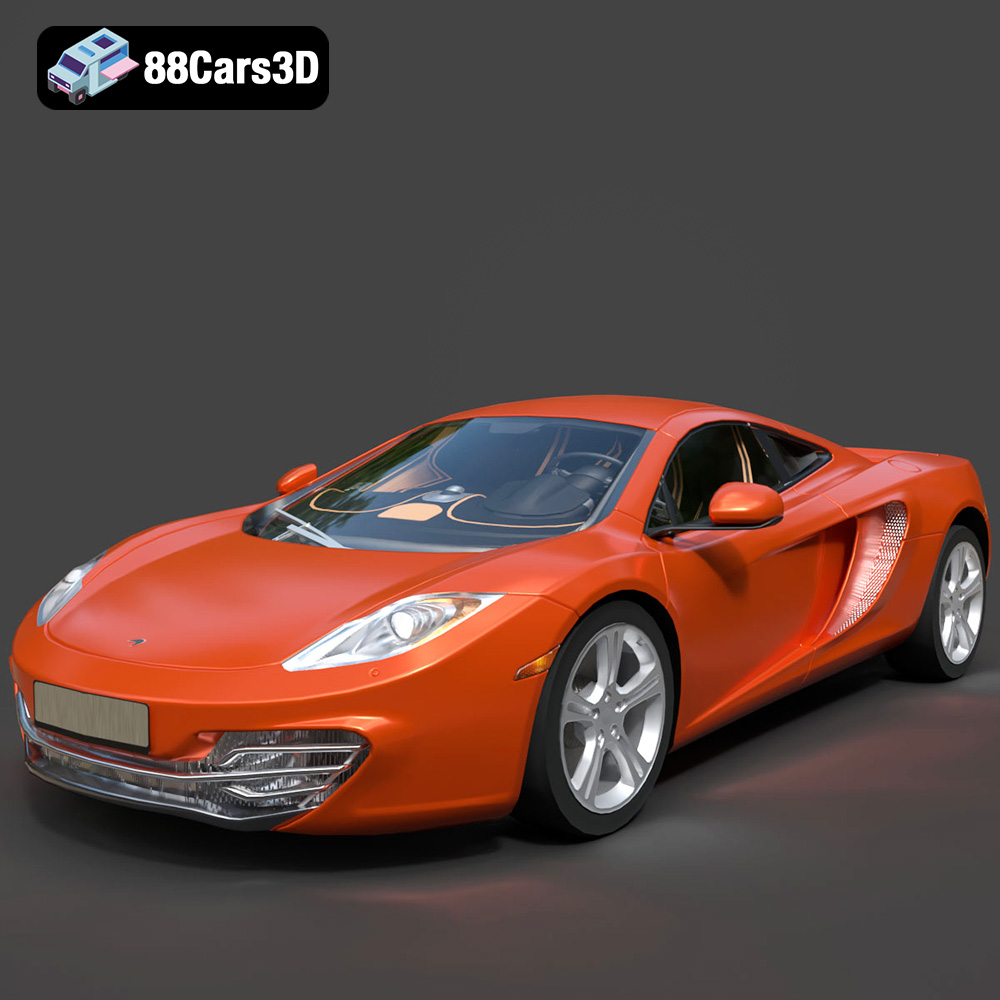
McLaren MP4-12C-001 3D Model
Texture: Yes
Material: Yes
Download the McLaren MP4-12C-001 3D Model featuring clean geometry, realistic detailing, and a fully modeled interior. Includes .blend, .fbx, .obj, .glb, .stl, .ply, .unreal, and .max formats for rendering, simulation, and game development.
Price: $23.99

Mercedes-Benz SLK 350 2005 3D Model
Texture: Yes
Material: Yes
Download the Mercedes-Benz SLK 350 2005 3D Model featuring clean geometry, realistic detailing, and a fully modeled interior. Includes .blend, .fbx, .obj, .glb, .stl, .ply, .unreal, and .max formats for rendering, simulation, and game development.
Price: $23.99
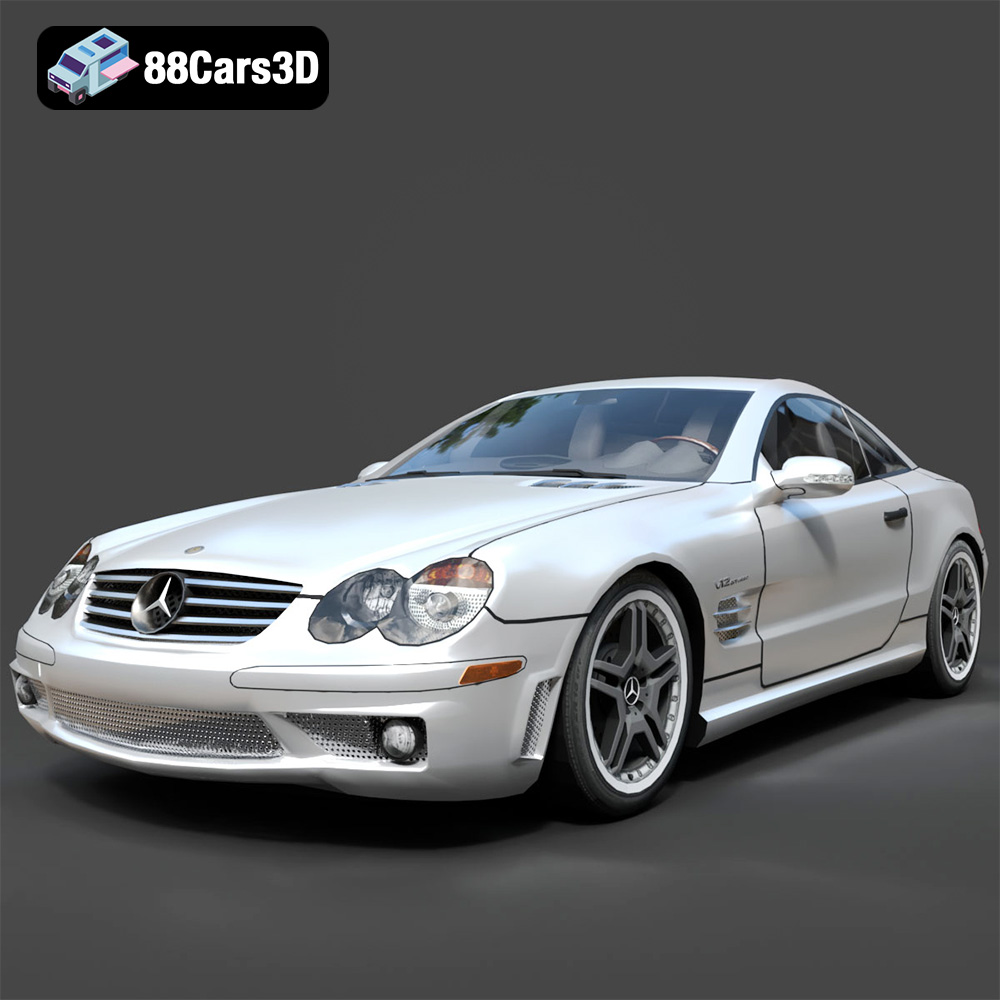
Mercedes-Benz SL 65 AMG 3D Model
Texture: Yes
Material: Yes
Download the Mercedes-Benz SL 65 AMG 3D Model featuring clean geometry, realistic detailing, and a fully modeled interior. Includes .blend, .fbx, .obj, .glb, .stl, .ply, .unreal, and .max formats for rendering, simulation, and game development.
Price: $23.99
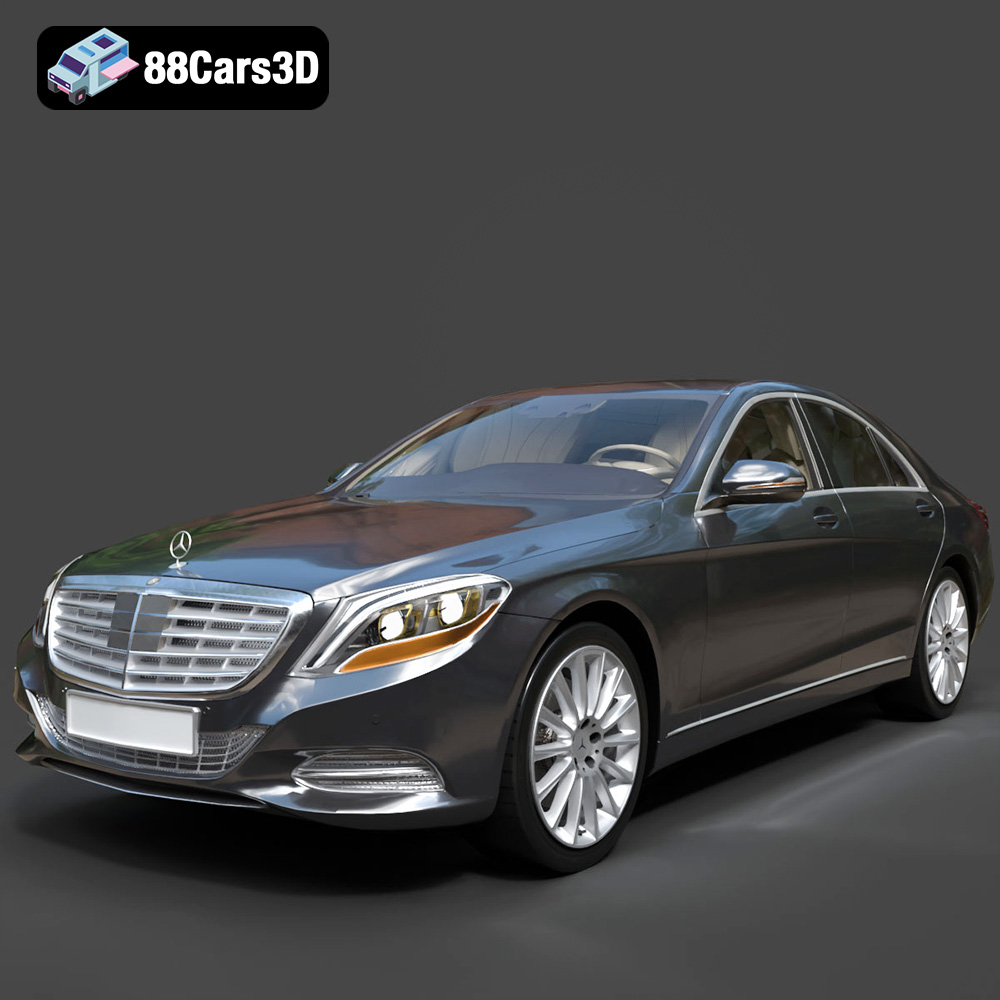
Mercedes-Benz S500 3D Model
Texture: Yes
Material: Yes
Download the Mercedes-Benz S500 3D Model featuring clean geometry, realistic detailing, and a fully modeled interior. Includes .blend, .fbx, .obj, .glb, .stl, .ply, .unreal, and .max formats for rendering, simulation, and game development.
Price: $23.99
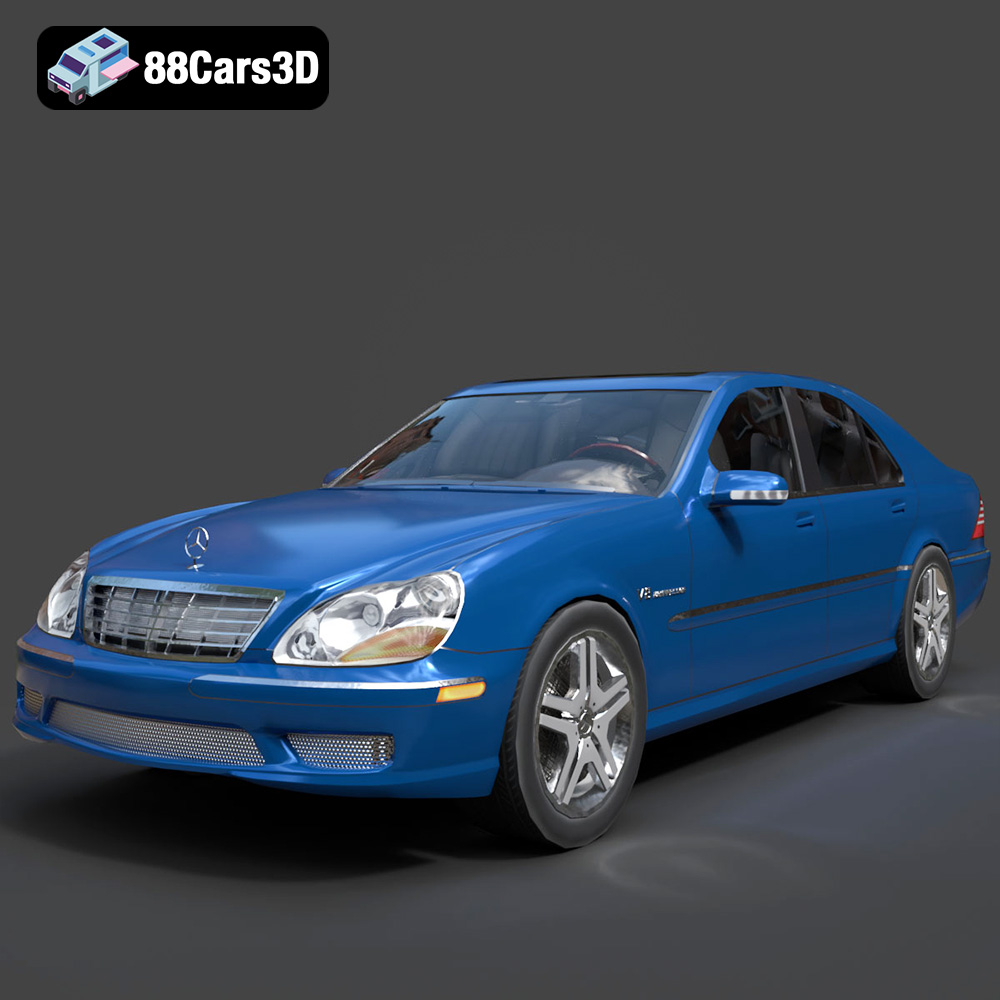
Mercedes-Benz S55 W220 AMG 1999 3D Model
Texture: Yes
Material: Yes
Download the Mercedes-Benz S55 W220 AMG 1999 3D Model featuring clean geometry, realistic detailing, and a fully modeled interior. Includes .blend, .fbx, .obj, .glb, .stl, .ply, .unreal, and .max formats for rendering, simulation, and game development.
Price: $23.99
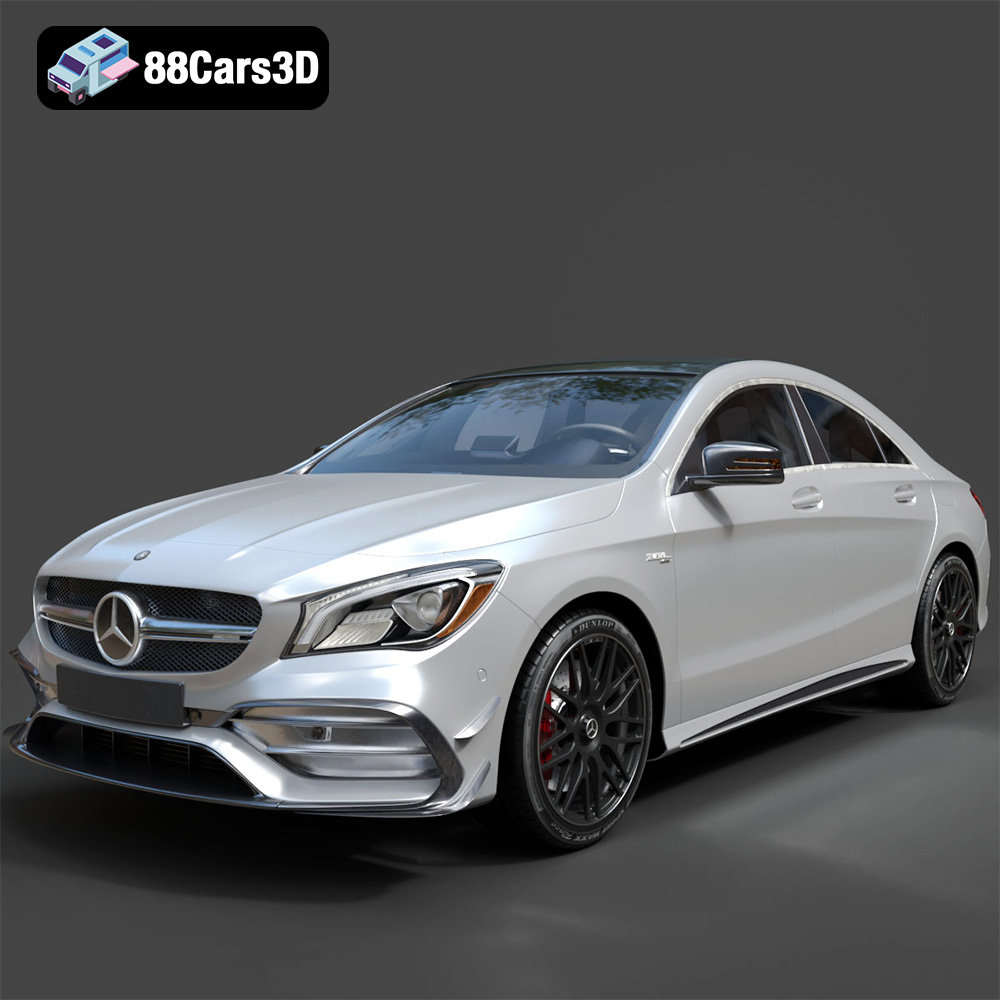
Mercedes-Benz CLA45 AMG 2017 3D Model
Texture: Yes
Material: Yes
Download the Mercedes-Benz CLA45 AMG 2017 3D Model featuring clean geometry, realistic detailing, and a fully modeled interior. Includes .blend, .fbx, .obj, .glb, .stl, .ply, .unreal, and .max formats for rendering, simulation, and game development.
Price: $38.99
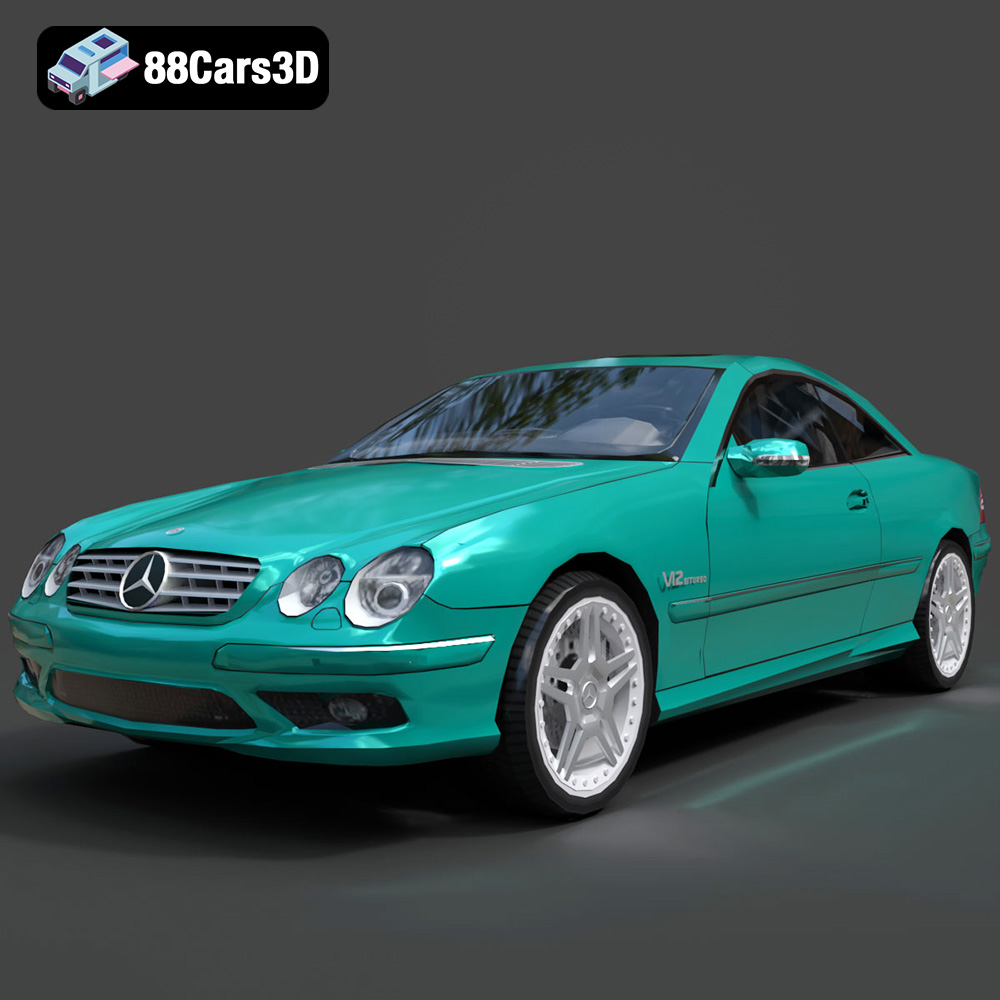
Mercedes-Benz CL65 C215 AMG 3D Model
Texture: Yes
Material: Yes
Download the Mercedes-Benz CL65 C215 AMG 3D Model featuring clean geometry, realistic detailing, and a fully modeled interior. Includes .blend, .fbx, .obj, .glb, .stl, .ply, .unreal, and .max formats for rendering, simulation, and game development.
Price: $23.99
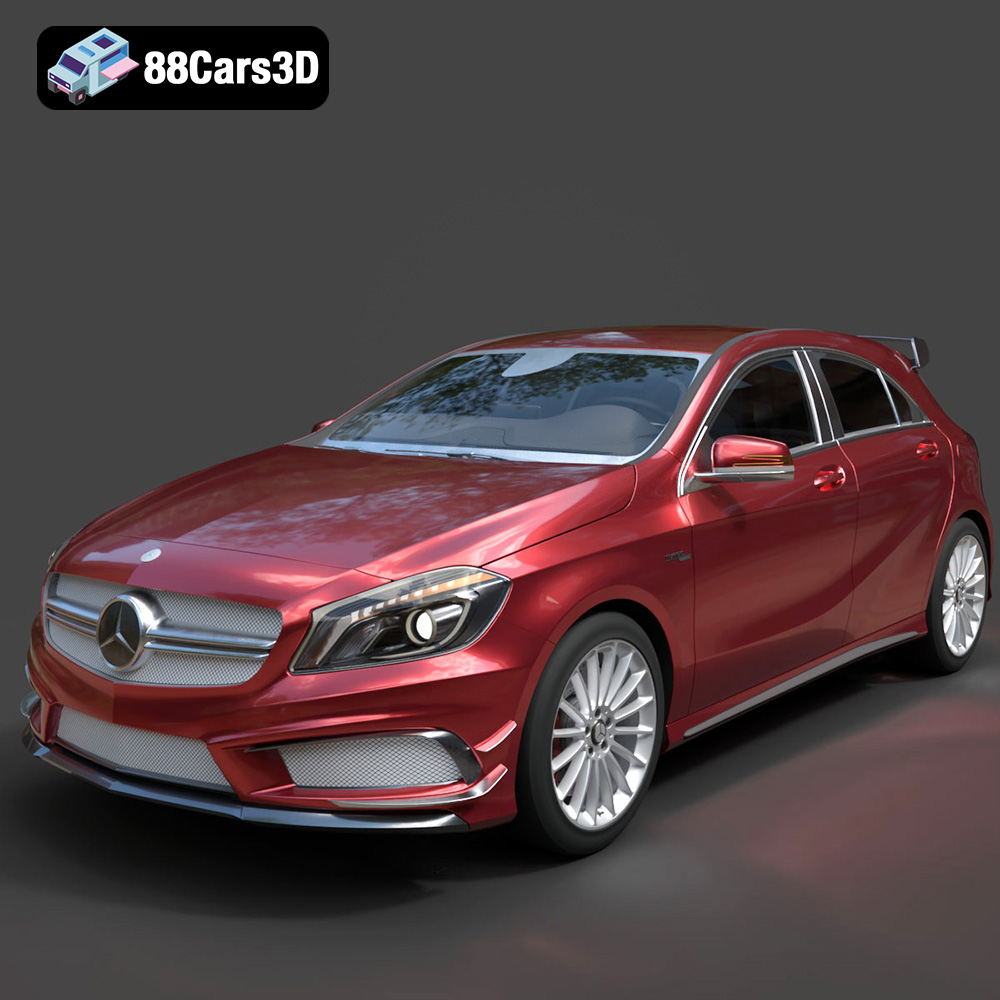
Mercedes-Benz A45 2021 3D Model
Texture: Yes
Material: Yes
Download the Mercedes-Benz A45 2021 3D Model featuring clean geometry, realistic detailing, and a fully modeled interior. Includes .blend, .fbx, .obj, .glb, .stl, .ply, .unreal, and .max formats for rendering, simulation, and game development.
Price: $23.99
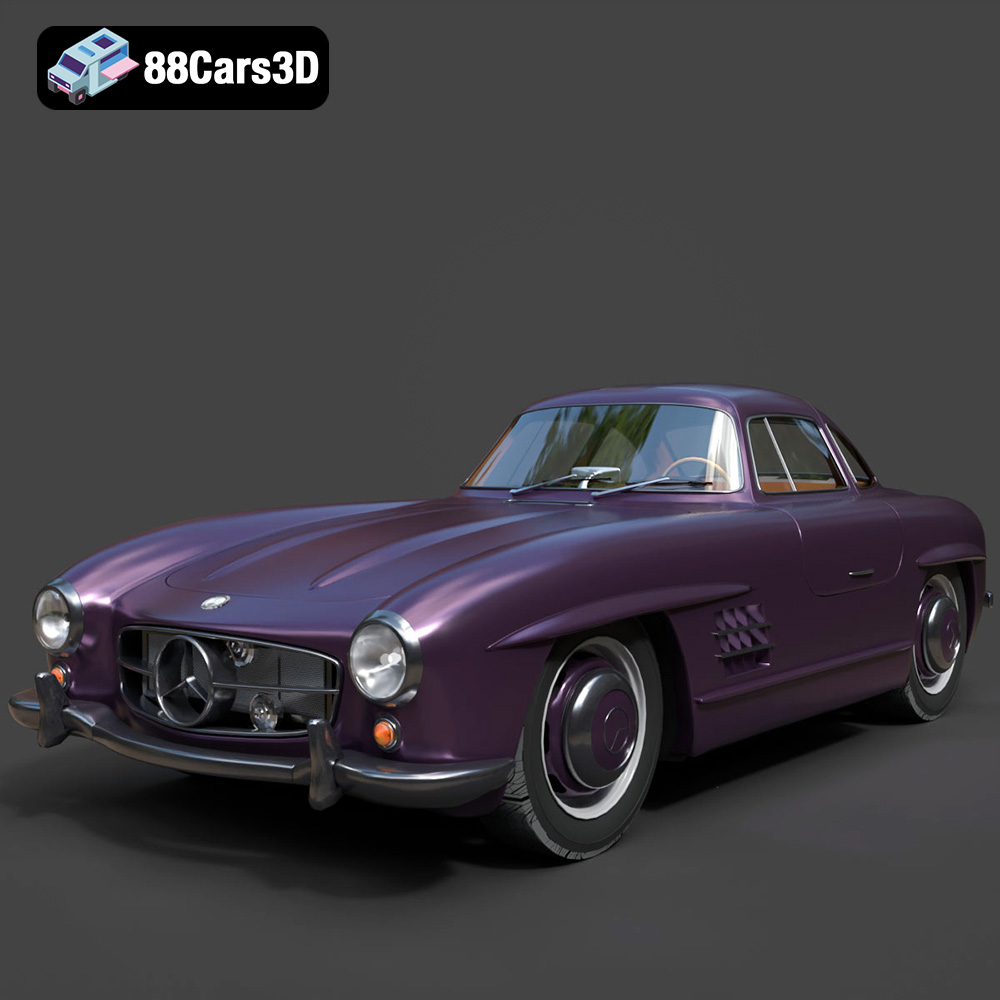
Mercedes-Benz 300SL 1955 3D Model
Texture: Yes
Material: Yes
Download the Mercedes-Benz 300SL 1955 3D Model featuring clean geometry, realistic detailing, and a fully modeled interior. Includes .blend, .fbx, .obj, .glb, .stl, .ply, .unreal, and .max formats for rendering, simulation, and game development.
Price: $23.99
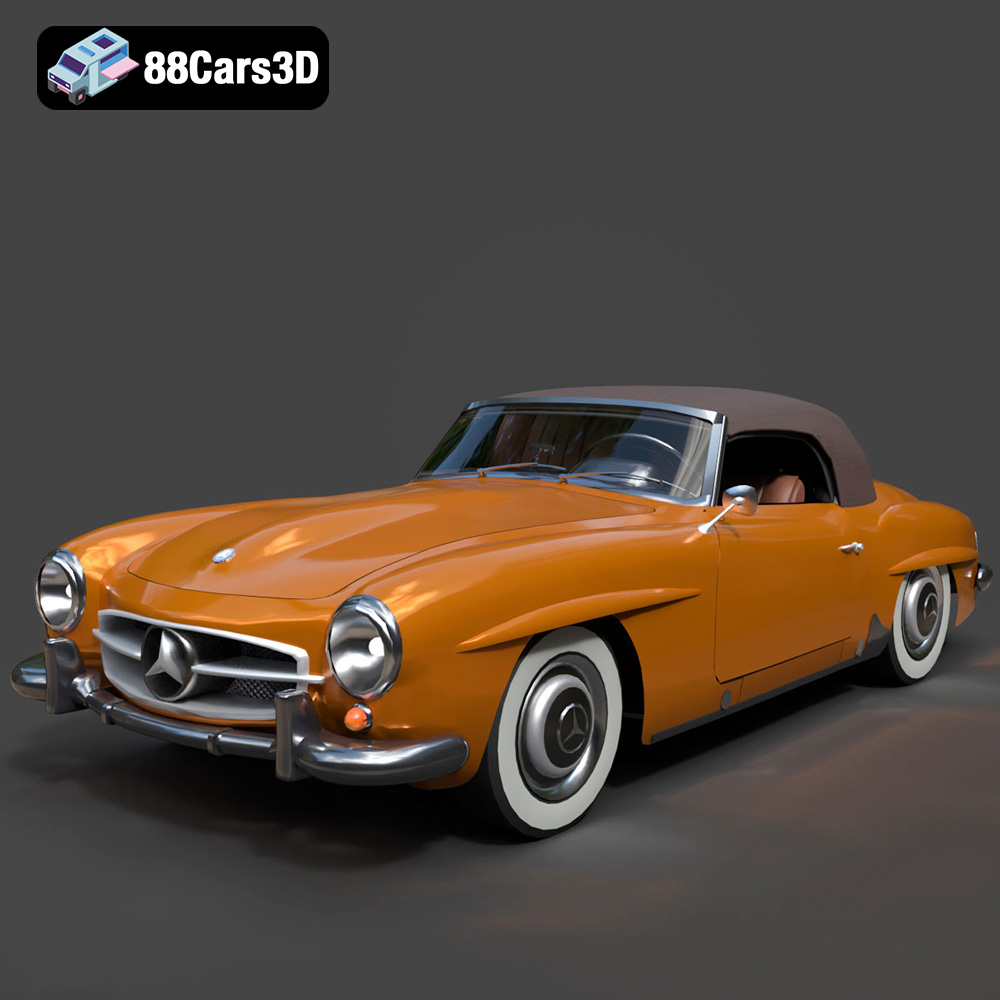
Mercedes-Benz 190SL 1955 3D Model
Texture: Yes
Material: Yes
Download the Mercedes-Benz 190SL 1955 3D Model featuring clean geometry, realistic detailing, and a fully modeled interior. Includes .blend, .fbx, .obj, .glb, .stl, .ply, .unreal, and .max formats for rendering, simulation, and game development.
Price: $23.99
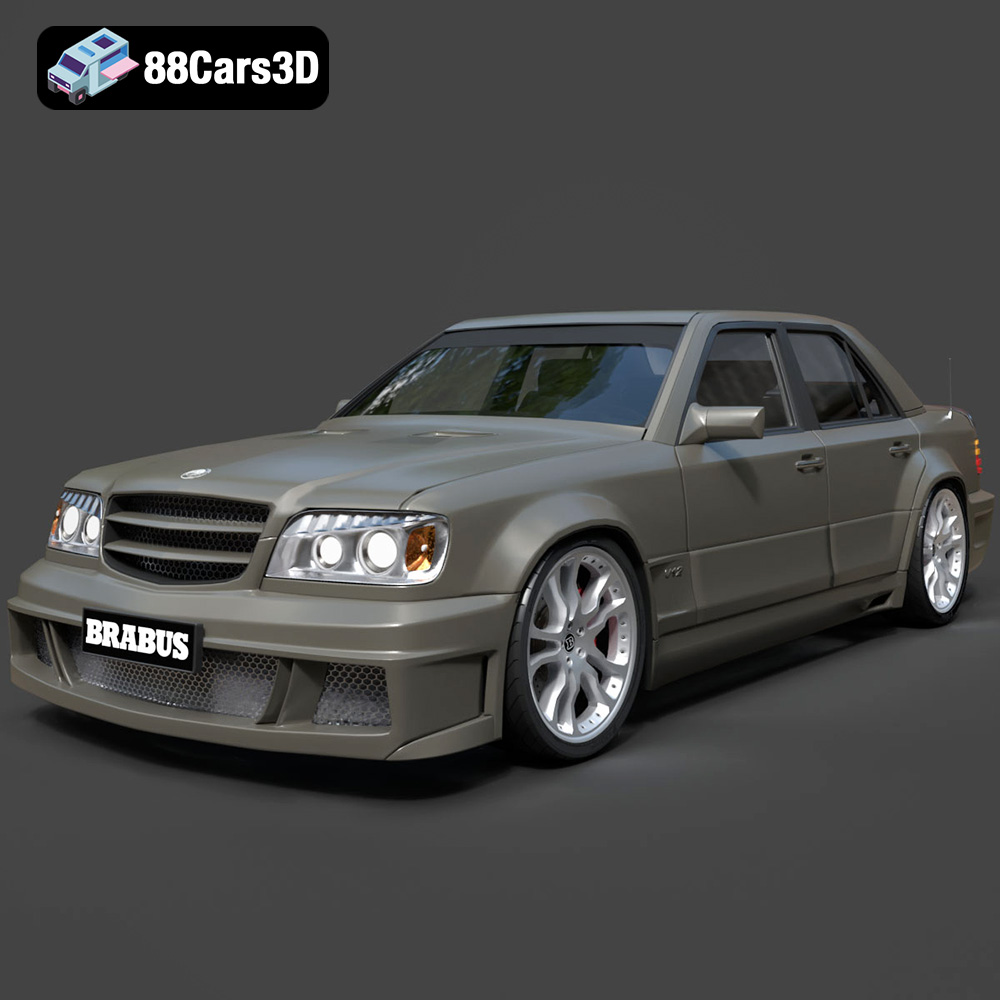
Mercedes-Benz W124 Brabus V12 3D Model
Texture: Yes
Material: Yes
Download the Mercedes-Benz W124 Brabus V12 3D Model featuring clean geometry, realistic detailing, and a fully modeled interior. Includes .blend, .fbx, .obj, .glb, .stl, .ply, .unreal, and .max formats for rendering, simulation, and game development.
Price: $23.99
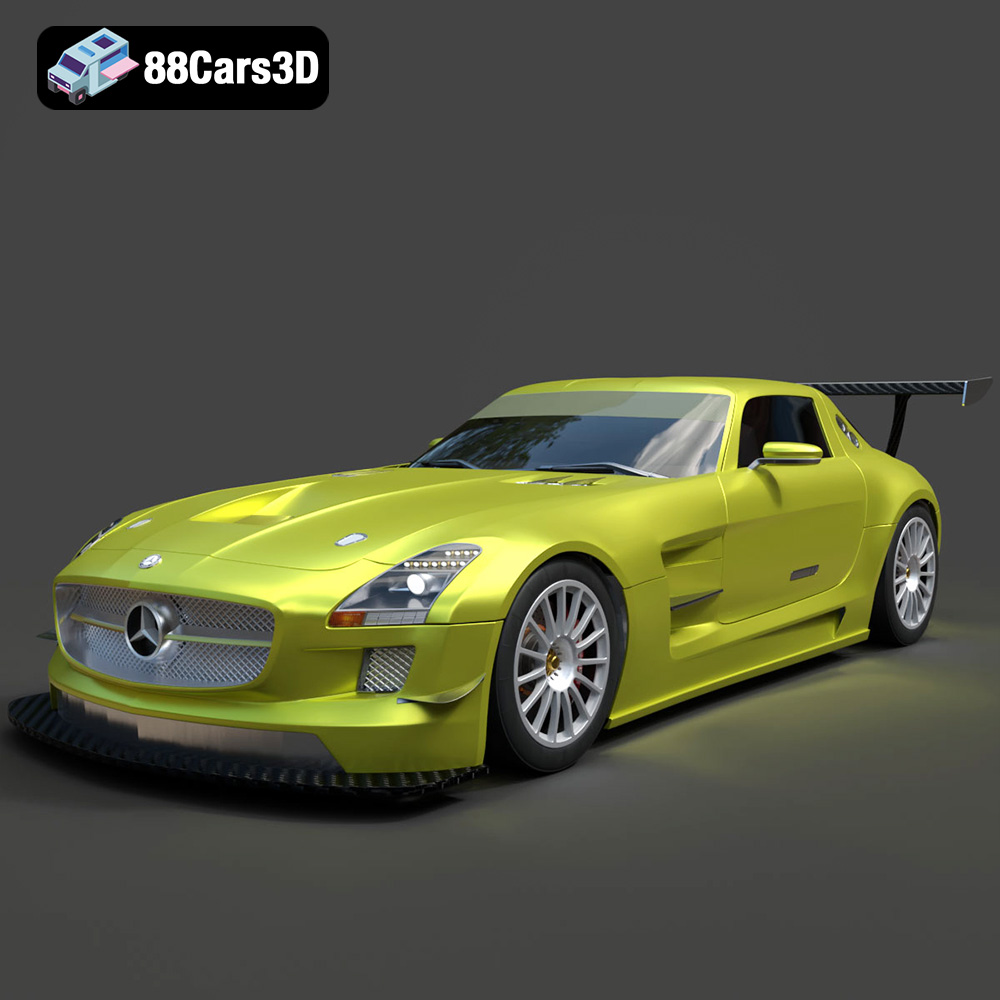
Mercedes-Benz SLS AMG GT3-002 3D Model
Texture: Yes
Material: Yes
Download the Mercedes-Benz SLS AMG GT3-002 3D Model featuring clean geometry, realistic detailing, and a fully modeled interior. Includes .blend, .fbx, .obj, .glb, .stl, .ply, .unreal, and .max formats for rendering, simulation, and game development.
Price: $38.99

Mercedes-Benz C-Class-001 3D Model
Texture: Yes
Material: Yes
Download the Mercedes-Benz C-Class-001 3D Model featuring clean geometry, realistic detailing, and a fully modeled interior. Includes .blend, .fbx, .obj, .glb, .stl, .ply, .unreal, and .max formats for rendering, simulation, and game development.
Price: $38.99
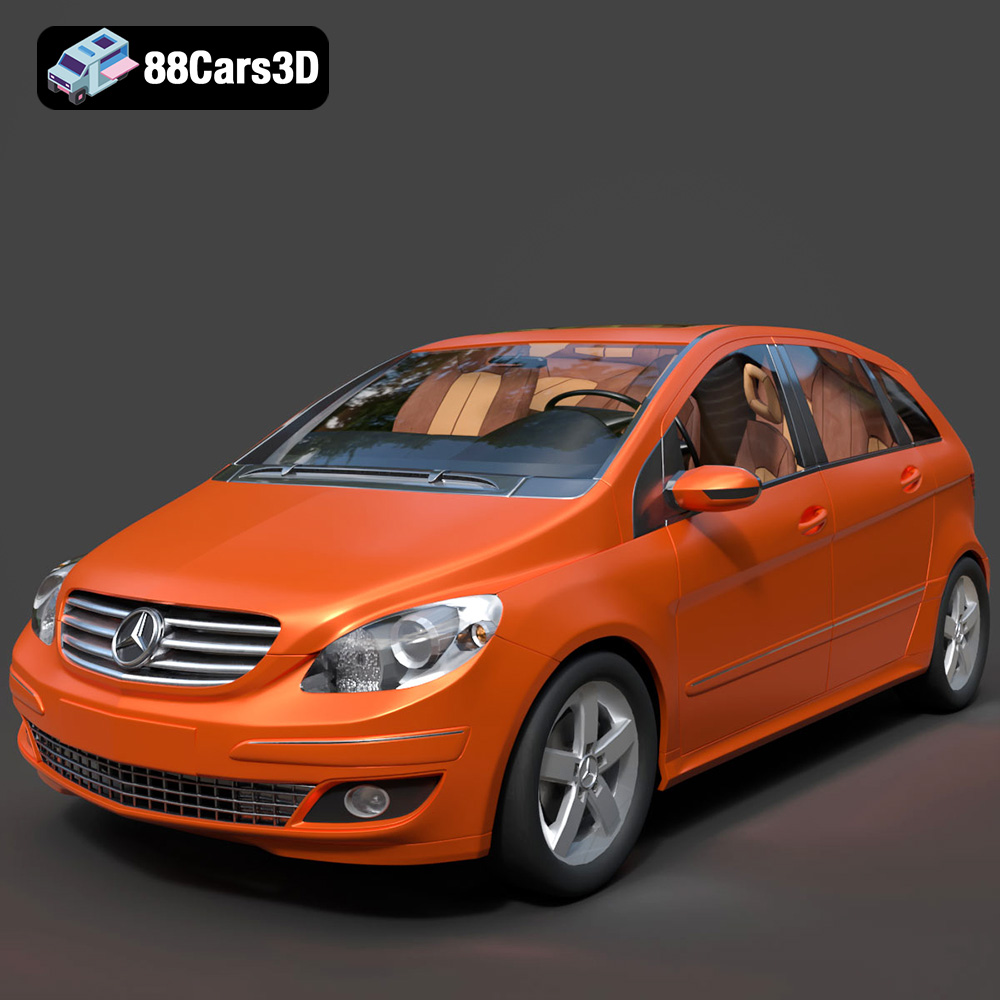
Mercedes-Benz B-Klasse 2023 3D Model
Texture: Yes
Material: Yes
Download the Mercedes-Benz B-Klasse 2023 3D Model featuring clean geometry, realistic detailing, and a fully modeled interior. Includes .blend, .fbx, .obj, .glb, .stl, .ply, .unreal, and .max formats for rendering, simulation, and game development.
Price: $38.99
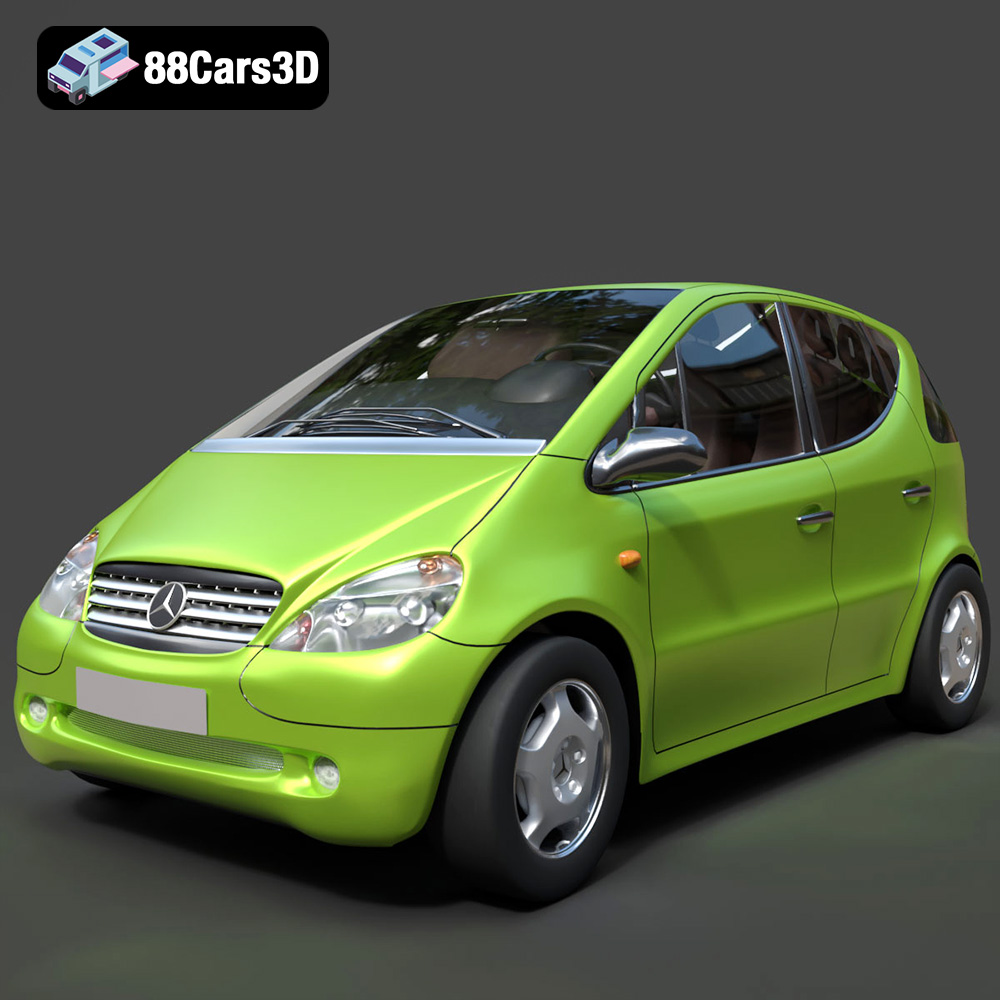
Mercedes-Benz A-Klasse W168 3D Model
Texture: Yes
Material: Yes
Download the Mercedes-Benz A-Klasse W168 3D Model featuring clean geometry, realistic detailing, and a fully modeled interior. Includes .blend, .fbx, .obj, .glb, .stl, .ply, .unreal, and .max formats for rendering, simulation, and game development.
Price: $38.99
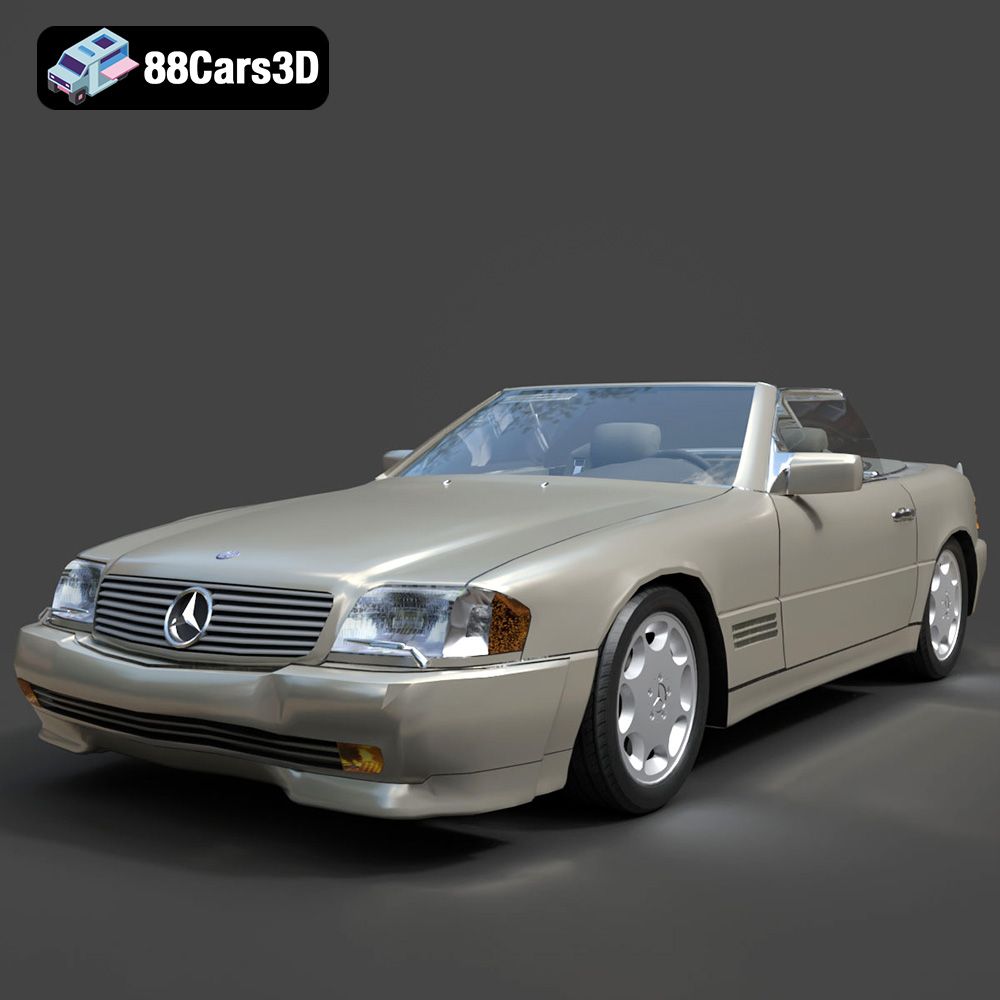
Mercedes-Benz 500SL 2000 3D Model
Texture: Yes
Material: Yes
Download the Mercedes-Benz 500SL 2000 3D Model featuring clean geometry, realistic detailing, and a fully modeled interior. Includes .blend, .fbx, .obj, .glb, .stl, .ply, .unreal, and .max formats for rendering, simulation, and game development.
Price: $38.99
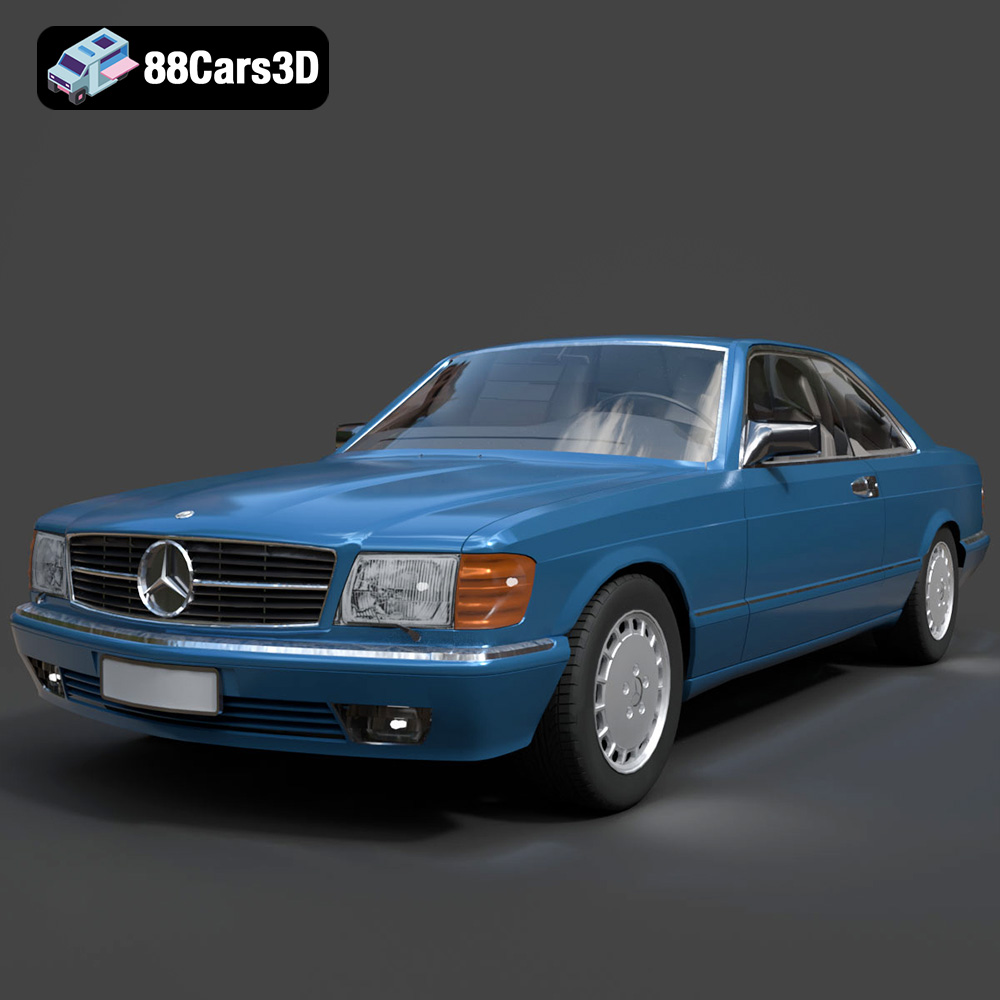
Mercedes-Benz 500SEC 3D Model
Texture: Yes
Material: Yes
Download the Mercedes-Benz 500SEC 3D Model featuring clean geometry, realistic detailing, and a fully modeled interior. Includes .blend, .fbx, .obj, .glb, .stl, .ply, .unreal, and .max formats for rendering, simulation, and game development.
Price: $38.99
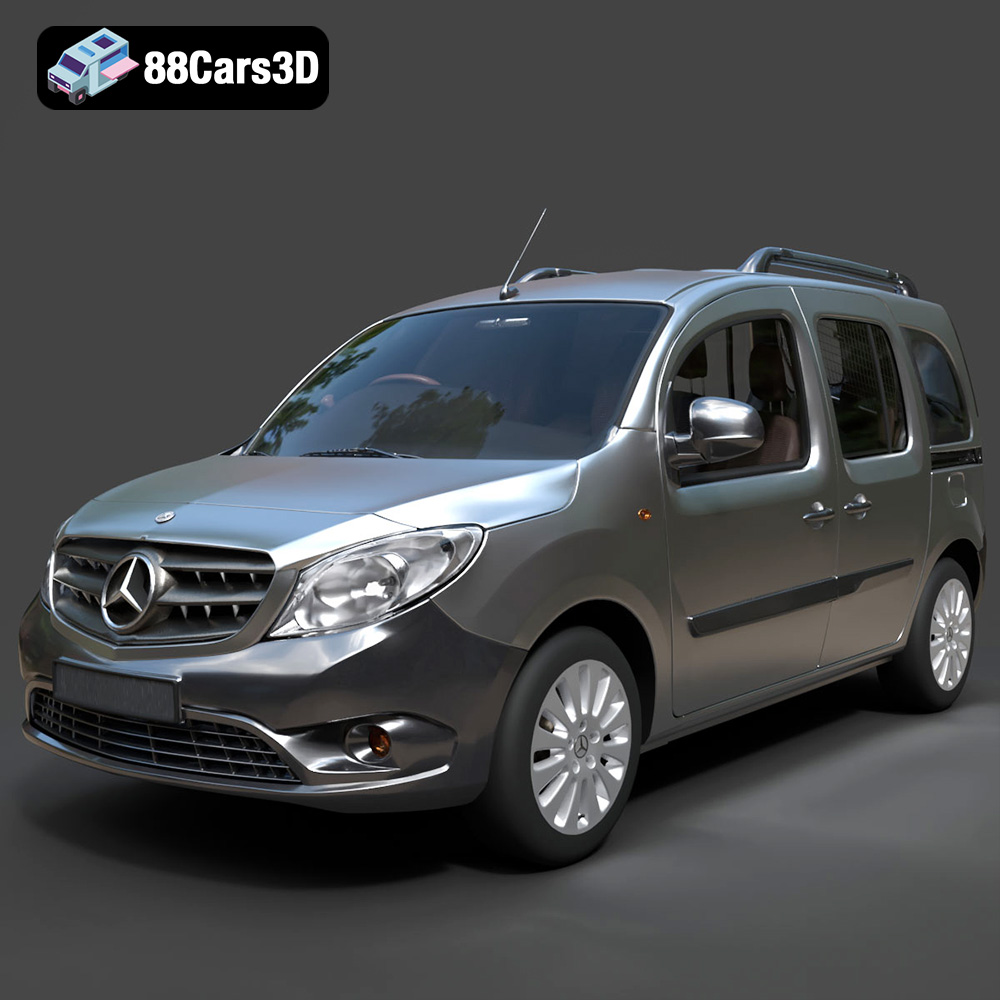
Mercedes-Benz Citan 2025 3D Model
Texture: Yes
Material: Yes
Download the Mercedes-Benz Citan 2025 3D Model featuring clean geometry, realistic detailing, and a fully modeled interior. Includes .blend, .fbx, .obj, .glb, .stl, .ply, .unreal, and .max formats for rendering, simulation, and game development.
Price: $38.99
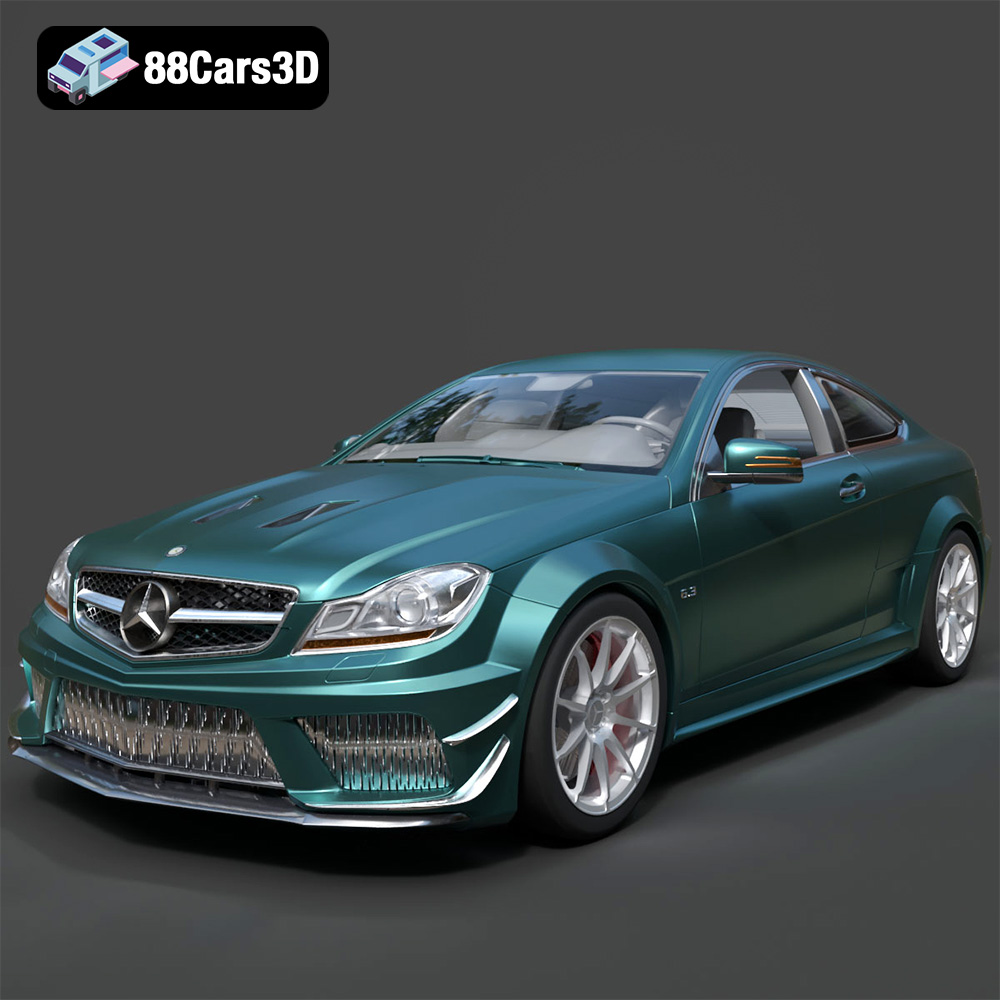
Mercedes-Benz C63 AMG 2012 3D Model
Texture: Yes
Material: Yes
Download the Mercedes-Benz C63 AMG 2012 3D Model featuring clean geometry, realistic detailing, and a fully modeled interior. Includes .blend, .fbx, .obj, .glb, .stl, .ply, .unreal, and .max formats for rendering, simulation, and game development.
Price: $38.99
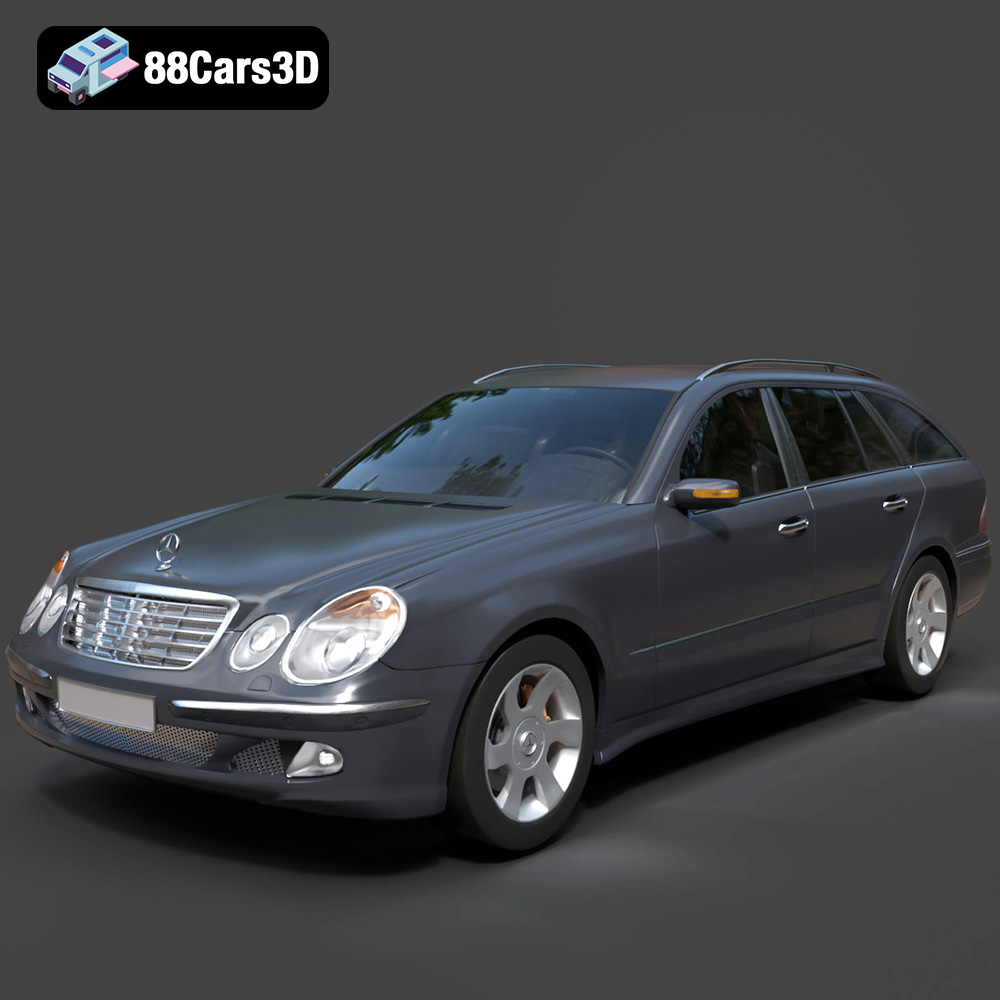
Mercedes-Benz E-Class S211 3D Model
Texture: Yes
Material: Yes
Download the Mercedes-Benz E-Class S211 3D Model featuring clean geometry, realistic detailing, and a fully modeled interior. Includes .blend, .fbx, .obj, .glb, .stl, .ply, .unreal, and .max formats for rendering, simulation, and game development.
Price: $38.99
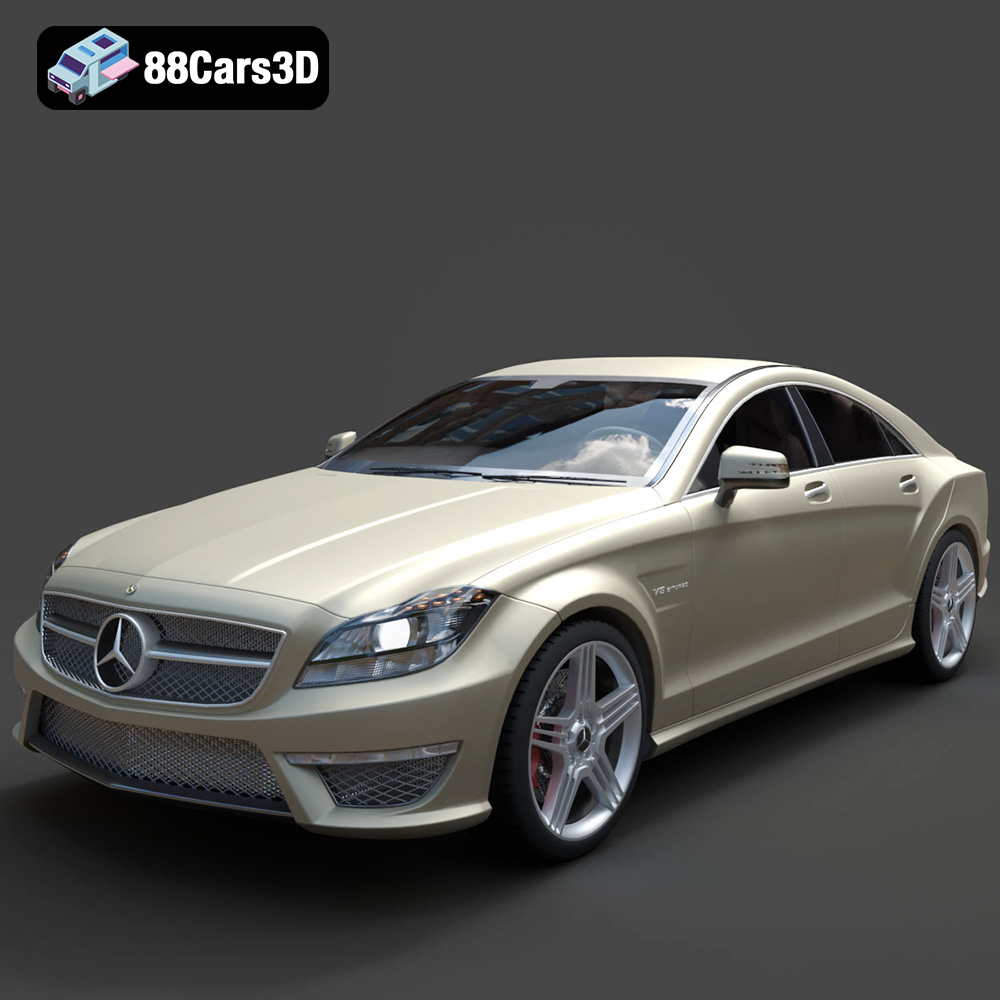
Mercedes-Benz CLS63 AMG (C218) 2014 3D Model
Texture: Yes
Material: Yes
Download the Mercedes-Benz CLS63 AMG (C218) 2014 3D Model featuring clean geometry, realistic detailing, and a fully modeled interior. Includes .blend, .fbx, .obj, .glb, .stl, .ply, .unreal, and .max formats for rendering, simulation, and game development.
Price: $38.99
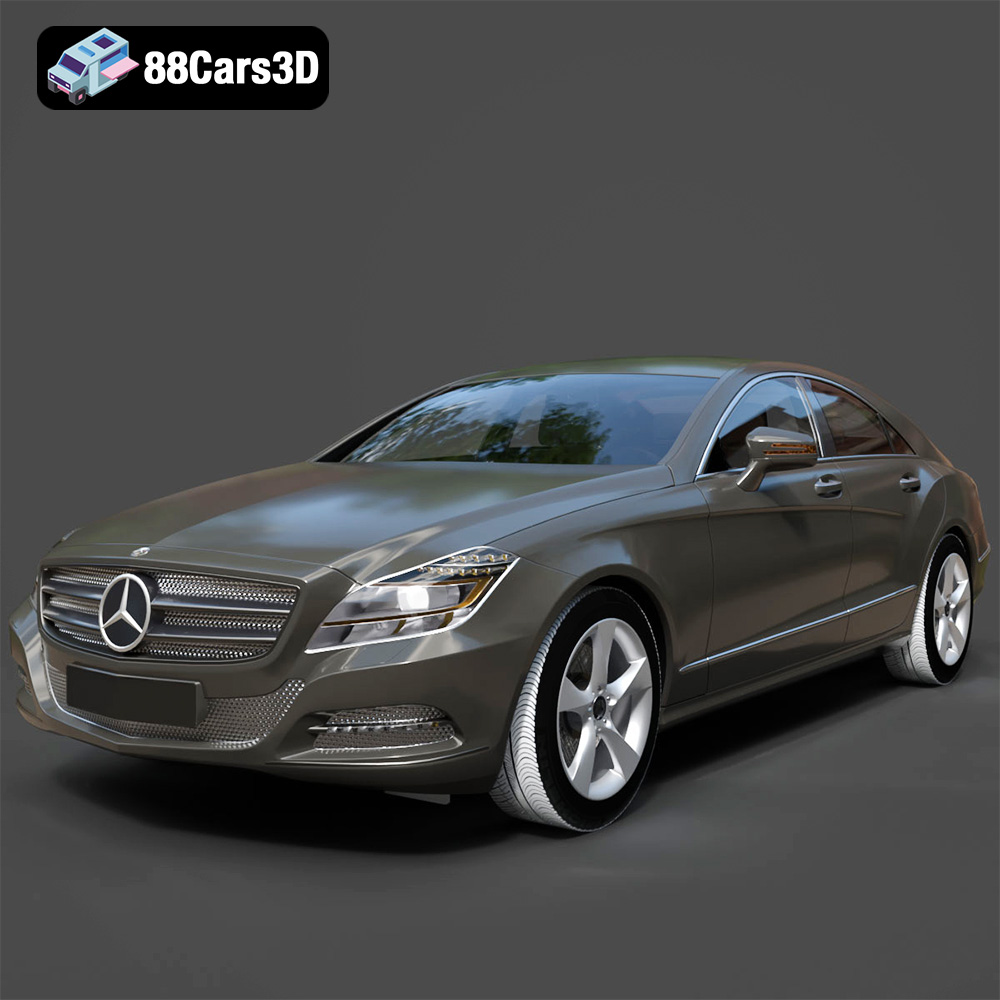
Mercedes-Benz CLS-Klasse 3D Model
Texture: Yes
Material: Yes
Download the Mercedes-Benz CLS-Klasse 3D Model featuring clean geometry, realistic detailing, and a fully modeled interior. Includes .blend, .fbx, .obj, .glb, .stl, .ply, .unreal, and .max formats for rendering, simulation, and game development.
Price: $38.99
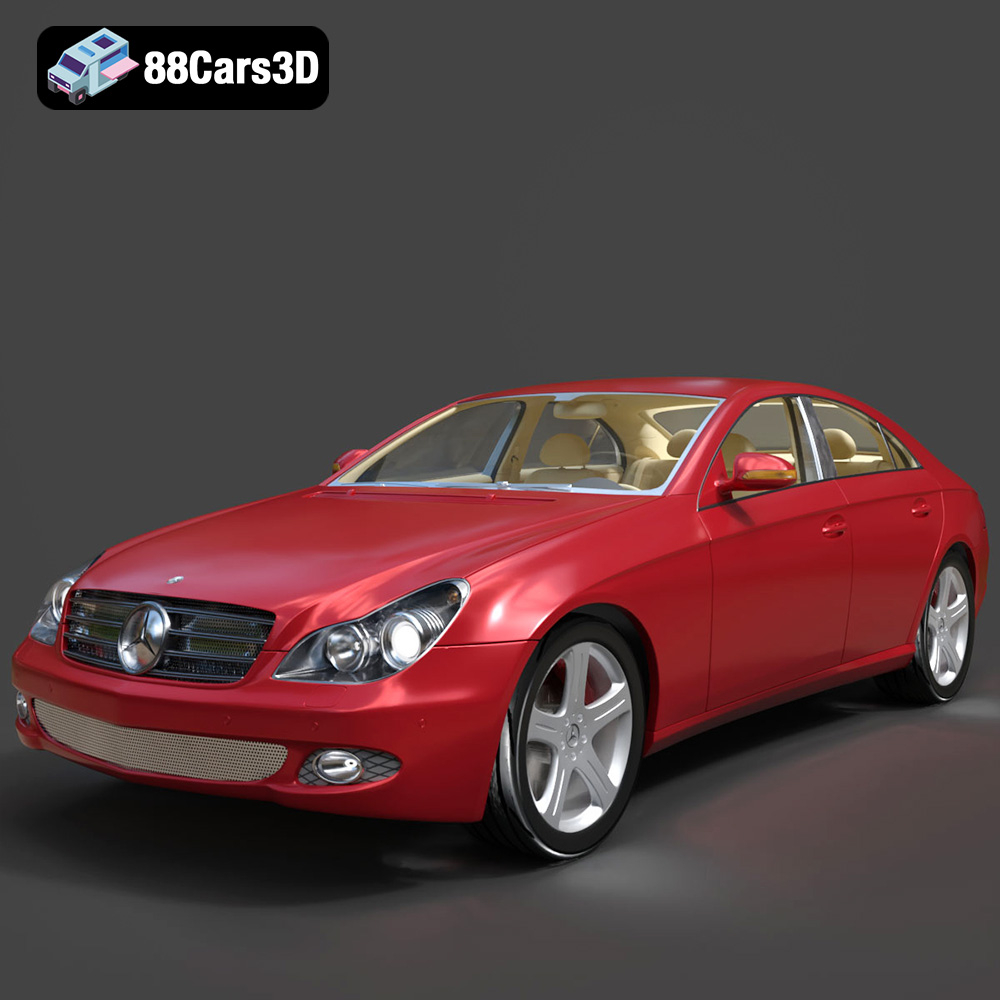
Mercedes-Benz CLS 500 3D Model
Texture: Yes
Material: Yes
Download the Mercedes-Benz CLS 500 3D Model featuring clean geometry, realistic detailing, and a fully modeled interior. Includes .blend, .fbx, .obj, .glb, .stl, .ply, .unreal, and .max formats for rendering, simulation, and game development.
Price: $38.99

Mercedes-Benz CL-Klasse 2001 3D Model
Texture: Yes
Material: Yes
Download the Mercedes-Benz CL-Klasse 2001 3D Model featuring clean geometry, realistic detailing, and a fully modeled interior. Includes .blend, .fbx, .obj, .glb, .stl, .ply, .unreal, and .max formats for rendering, simulation, and game development.
Price: $38.99
