
The CAD-to-Real-Time Conundrum: Bridging the Precision Gap

The automotive industry has always been at the forefront of technological innovation, and its digital representation is no exception. From intricate CAD designs to stunning marketing visuals and interactive experiences, the demand for high-fidelity car models is insatiable. However, translating the hyper-accurate, engineering-driven data from Computer-Aided Design (CAD) software into a real-time environment like Unreal Engine 5 presents a unique and often daunting challenge. While CAD models boast unparalleled precision, they are inherently unsuitable for the real-time demands of games, virtual production, or interactive configurators.
The quest for photorealism in real-time applications requires a specialized workflow that bridges the gap between engineering exactitude and rendering efficiency. Artists and developers are tasked with maintaining visual integrity and brand fidelity while achieving exceptional performance. This journey goes far beyond simple file conversion; it involves a meticulous process of optimization, material creation, and strategic lighting. If you’re looking to dive into this complex world, mastering these techniques will empower you to create breathtaking `Unreal Engine 5 automotive` experiences.
This comprehensive guide will walk you through the essential steps, from initial `CAD data optimization` to final rendering, ensuring your automotive assets not only look stunning but also perform flawlessly within Unreal Engine 5. For those seeking a head start, remember that 88cars3d.com offers a vast library of pre-optimized, high-quality 3D car models perfect for your real-time projects.
The CAD-to-Real-Time Conundrum: Bridging the Precision Gap
Automotive CAD data is a marvel of engineering, meticulously detailing every curve, panel, and internal component with micron-level accuracy. It’s designed for manufacturing, simulations, and highly precise analysis, not for real-time rendering. The fundamental difference lies in how geometry is represented.
NURBS vs. Polygons: A Clash of Formats
CAD software primarily uses Non-Uniform Rational B-Splines (NURBS), a mathematical representation of curves and surfaces. NURBS are infinitely smooth and scalable, perfect for retaining perfect curvature regardless of zoom level. In contrast, real-time engines like Unreal Engine 5 rely on polygonal meshes – a collection of vertices, edges, and faces (triangles or quads). Converting NURBS to polygons inevitably introduces approximation and a massive increase in `polygon count` if not handled judiciously.
- Excessive Detail: Raw CAD often includes intricate internal components, bolts, wires, and assemblies that are invisible in a visual rendering but contribute astronomically to the polygon count.
- Non-Manifold Geometry: CAD models often contain overlapping surfaces, holes, or inverted normals that are problematic for game engines and can cause rendering artifacts.
- Lack of UVs: CAD models typically have no UV coordinates, which are essential for applying textures in a game engine. Generating clean UVs for complex automotive surfaces is a labor-intensive task.
- Disorganized Data: CAD exports can be a chaotic collection of individual parts, often with arbitrary naming conventions and no logical hierarchy, making them challenging to manage.
Addressing these inherent issues is the first critical step in developing `game-ready car models` and forms the foundation of a robust `photorealistic rendering workflow`.
Initial Data Preparation: From CAD to Production-Ready Mesh
The journey begins in a Digital Content Creation (DCC) tool such as Autodesk 3ds Max, Maya, or Blender, where the initial CAD export undergoes a transformation into a usable polygonal mesh. Unreal Engine’s Datasmith plugin is an invaluable asset here, streamlining the import process and often handling initial tessellation and hierarchy creation.
Importing and Tessellating CAD Data
Utilize Datasmith for a more integrated `Unreal Engine 5 automotive` workflow. Datasmith can import various CAD formats (STEP, IGES, SolidWorks, Catia, etc.) and offers options for tessellation quality. Aim for a balance: enough polygons to retain smooth curves, but not so many that the mesh becomes unmanageable. It’s often better to start with slightly more detail and reduce later than to begin with too little.
- Choose Your Tool: While Datasmith handles basic import, advanced cleanup often requires a dedicated DCC application.
- Tessellation Settings: Experiment with tessellation parameters during import. Higher chord tolerance results in fewer polygons but can make curved surfaces appear faceted. Lowering it creates smoother surfaces but increases polycount.
- Units and Scale: Ensure consistent unit scales between your CAD software, DCC tool, and Unreal Engine 5 to prevent scaling issues.
Cleaning Up the Initial Import
Once tessellated into polygons, the mesh will likely be far from perfect. This phase is crucial for `CAD data optimization`.
- Remove Internal Geometry: Many CAD models contain unseen internal components that add unnecessary polygons. Use selection tools to delete these hidden meshes.
- Fix Normals: Inverted or inconsistent normals will cause lighting errors. Use your DCC tool’s normal editing features (e.g., Unify Normals, Flip Normals) to ensure all surfaces face outwards consistently.
- Merge Coincident Vertices: Overlapping vertices can create holes or artifacts. A small weld threshold can often fix these without collapsing desired detail.
- Repair Non-Manifold Geometry: Tools like the Cleanup utility in 3ds Max or Mesh Cleanup in Maya can identify and sometimes repair edges or vertices with incorrect manifold properties.
- Isolate and Identify Parts: The CAD import will often be a single, large mesh or many small, ungrouped pieces. Begin to logically group components (e.g., ‘Body_Shell’, ‘Wheel_Front_Left’, ‘Window_Windshield’). This organization is vital for later steps, especially for creating `game-ready car models`.
Optimizing Geometry and Topology for Real-Time Performance
With the initial cleanup complete, the focus shifts to creating an efficient and clean mesh suitable for real-time rendering. This is where strategic `polygon count reduction` becomes an art form.
Intelligent Polygon Reduction Techniques
Aggressive decimation without thought can destroy detail. The goal is to reduce polycount while preserving the silhouette and essential features of the automotive design.
- Manual Retopology: For hero assets or critical parts, manual retopology offers the most control. It involves tracing a new, optimized mesh over the high-poly source, ensuring clean quads and efficient edge flow.
- Automated Retopology Tools: Software like ZBrush’s ZRemesher, Blender’s Quad Remesher addon, or QuadWrap in 3ds Max can generate cleaner quad topology from dense triangulated meshes, making them more suitable for deformation and UV unwrapping.
- Decimation Modifiers: Tools like the ProOptimizer (3ds Max) or Decimate Modifier (Blender) can intelligently reduce polygons while trying to preserve mesh boundaries and detail. Use these carefully, focusing on areas less visible or less critical to the silhouette.
- Focus on Visible Areas: Prioritize polygon density on areas that will be frequently seen or are crucial for the car’s identity (e.g., body panels, wheel spokes). Less visible areas (e.g., undercarriage, engine components only seen in specific views) can be more aggressively optimized.
Achieving a good balance here is key to a successful `automotive visualization UE5` project.
Efficient UV Unwrapping Strategies
UVs are the 2D coordinates that tell Unreal Engine how to project textures onto your 3D model. Clean, non-overlapping UVs are paramount for `PBR texture baking` and consistent material application.
- Segmentation: Break down the car model into logical UV islands (e.g., hood, door, fender, wheel). This makes unwrapping manageable.
- Seam Placement: Strategically place seams in less visible areas or along natural panel lines. Minimize the number of seams where possible to prevent texture stretching or visible artifacts.
- Texel Density Consistency: Ensure a relatively uniform texel density across all UV islands. This means that areas of the model appear equally sharp or detailed when textured. Inconsistent texel density leads to blurry textures on some parts and overly sharp ones on others.
- Packing: After unwrapping, pack your UV islands efficiently into the 0-1 UV space. Maximize space utilization without overlap. Tools like UV-Packer or built-in DCC packing algorithms can help.
- Multiple UV Channels: Unreal Engine supports multiple UV channels. UV channel 0 is typically for diffuse/normal maps, while UV channel 1 is often used for lightmaps (if using baked lighting).
Creating Level of Detail (LODs)
LODs are simplified versions of your mesh that automatically switch based on the camera’s distance from the object. This is a crucial optimization for `Unreal Engine 5 automotive` projects, especially for `game-ready car models` with high fidelity.
- Manual LOD Creation: For critical assets, manually creating LODs provides the best control over mesh quality and performance. This involves duplicating your base mesh and progressively decimating it.
- Unreal Engine’s Automatic LOD Generation: UE5 can automatically generate LODs. While convenient, the results may not always be optimal for complex automotive meshes. It’s a good starting point but often requires manual tweaks.
- LOD Setup in UE5: Assign LODs to your static mesh asset. Define screen size thresholds at which each LOD level will be swapped in.
- Optimize for Performance: Ensure the lowest LODs are significantly simpler, containing only essential silhouette information, to maximize performance when vehicles are distant.
Elevating Visuals: Advanced PBR Materials and Texture Baking
Once your mesh is optimized and UV-ed, it’s time to bring it to life with physically based rendering (PBR) materials. This `photorealistic rendering workflow` is essential for achieving believable surfaces.
Understanding Physically Based Rendering (PBR)
PBR is a shading model that simulates how light interacts with real-world materials. It aims for physically accurate results regardless of lighting conditions. Key PBR texture maps include:
- Base Color (Albedo): Defines the diffuse color of the surface without any lighting information.
- Metallic: A grayscale map defining whether a material is metallic (white) or dielectric (black), influencing how it reflects light.
- Roughness: A grayscale map indicating the micro-surface detail, controlling how scattered or sharp reflections appear. Rougher surfaces scatter light more, appearing duller.
- Normal Map: Stores surface detail (bumps, scratches) using RGB channels to represent direction vectors, faking high-resolution geometry without increasing polycount.
- Ambient Occlusion (AO): A grayscale map that darkens crevices and areas where light is blocked, enhancing depth and realism.
The Power of PBR Texture Baking
`PBR texture baking` is the process of transferring high-resolution surface details and lighting information from a detailed source mesh onto a lower-polygon target mesh using texture maps. This is critical for `game-ready car models` where performance is paramount.
- High-Poly Detailing: Create or import a high-polygon version of your car with all the fine details like panel gaps, bolts, intricate grilles, and surface imperfections. This can be your original CAD mesh or a sculpted version.
- Low-Poly Target: Use your optimized, UV-unwrapped low-poly mesh as the baking target.
- Baking Software: Tools like Substance Painter, Marmoset Toolbag, or XNormal are excellent for baking various maps (Normal, AO, Curvature, ID, Position).
- Map Generation:
- Normal Map: The most crucial map, capturing the fine surface details from the high-poly.
- Ambient Occlusion Map: Captures indirect shadowing from the high-poly’s geometry, adding depth.
- Curvature Map: Useful for edge wear and surface effects in PBR materials.
- ID Map: Can be baked for easier material zone selection in Substance Painter.
- Export and Import: Export your baked textures and import them into Unreal Engine 5.
This process allows your `polygon count reduction` efforts to coexist with stunning visual fidelity.
Material Creation in Unreal Engine 5
Unreal Engine 5’s material editor is node-based and incredibly powerful. For `Unreal Engine 5 automotive` projects, custom master materials and material instances are vital.
- Master Materials: Create generic master materials for common car surfaces (e.g., Car Paint, Glass, Rubber, Chrome). These materials encapsulate complex shading logic, allowing for consistent appearance and easy modification.
- Car Paint Shaders: Automotive paint is complex, often featuring a base coat, metallic flake, and a clear coat. A sophisticated car paint shader in UE5 will incorporate multiple layers, reflection models, and potentially subtle normal map details to simulate metallic flakes and pearlescent effects.
- Glass Shaders: Realistic car glass requires proper refraction, reflection, and absorption. Fresnel effects are crucial for accurate edge reflections.
- Material Instances: Once a master material is created, generate material instances from it. These instances allow artists to tweak parameters (e.g., base color, roughness values, metallic values) without recompiling the shader, providing immense flexibility for different car colors and finishes.
For high-quality, pre-textured assets ready for UE5, be sure to check out the extensive collection at 88cars3d.com.
Lighting, Reflection, and Post-Processing for Photorealism in UE5
Even with perfectly optimized meshes and materials, a photorealistic render is impossible without a robust lighting setup. Unreal Engine 5 offers state-of-the-art tools to achieve this, making `automotive visualization UE5` truly shine.
Unreal Engine 5’s Global Illumination: Lumen
Lumen is UE5’s default global illumination and reflections system, providing dynamic, real-time GI that reacts instantly to changes in light and geometry. This is a game-changer for `virtual production vehicles` and interactive experiences.
- Dynamic Lighting: Lumen eliminates the need for complex lightmap baking, allowing for fully dynamic time-of-day changes, moving lights, and interactable environments.
- Reflections: Lumen also handles real-time reflections, offering high-quality reflections on materials, including those with intricate clear coats typical of car paint. Supplement Lumen reflections with Screen Space Reflections (SSR) and strategically placed Reflection Captures (for static backgrounds) for optimal quality.
- Nanite Integration: While Nanite primarily focuses on geometry, its interaction with Lumen allows for incredibly detailed scenes with complex lighting without significant performance hits.
HDRI Environments and Backdrops
High Dynamic Range Image (HDRI) maps are crucial for realistic, believable lighting and reflections, especially for `photorealistic rendering workflow`.
- Skylight with HDRI: Use an HDRI in your Skylight component to provide realistic ambient lighting and reflections, mirroring a real-world environment.
- Background Spheres/Planes: Place a large sphere or plane around your scene, projecting the same HDRI or a complementary background image onto it. This ensures realistic parallax and fills the background for reflections on the car’s surface.
- Light Sources: Supplement the HDRI with directional lights (for sun/moon), spotlights, and rect lights to enhance highlights, shadows, and create dramatic effects.
Post-Processing Volume: The Final Polish
The Post-Process Volume is where you apply final adjustments to the rendered image, akin to color grading and effects in photography or film.
- Color Grading: Adjust exposure, contrast, saturation, and white balance to achieve the desired mood and aesthetic.
- Bloom: Adds a soft glow to bright areas, simulating light scattering in the camera lens. Use sparingly to avoid overblown whites.
- Depth of Field (DoF): Blurs foreground and background elements, drawing focus to the car and adding a cinematic feel.
- Vignette: Subtly darkens the edges of the screen, focusing attention on the center.
- Lens Flares & Chromatic Aberration: Used judiciously, these can add to the realism by simulating camera imperfections.
- Ray Tracing Features: For even higher fidelity, enable hardware ray tracing in UE5 for superior reflections, global illumination, and shadows if your hardware supports it.
Performance Power-Up: LODs, Instancing, and Optimization Strategies
Achieving stunning visuals is only half the battle; ensuring buttery-smooth performance in real-time is equally critical, especially for complex `virtual production vehicles` or interactive applications. This section dives deeper into strategies for `game-ready car models`.
Refined LOD Management
Beyond initial LOD creation, ongoing management is key. Review your LODs in different scenarios and distances within Unreal Engine 5. Ensure that the transitions between LODs are seamless and that no popping or noticeable degradation occurs.
- Screen Size Thresholds: Carefully adjust the screen size thresholds for each LOD to optimize when they switch. Use the ‘LOD Debug’ view mode in Unreal to visualize these transitions.
- Cull Distance: Set appropriate cull distances for very distant or unseen objects. This tells the engine to stop rendering objects beyond a certain range, saving significant resources.
Instancing and Blueprints for Efficiency
Instancing is a fundamental optimization technique for objects that appear multiple times in a scene, such as wheels, nuts, bolts, or interior details.
- Static Mesh Instances: Instead of duplicating individual static meshes, use instanced static meshes (ISM) or hierarchical instanced static meshes (HISM). This allows the GPU to draw multiple instances of the same mesh with a single draw call, drastically reducing CPU overhead.
- Actor Blueprints: Create Blueprints for your entire car, allowing you to easily duplicate, modify, and manage multiple instances of the same vehicle in your scene. Within these Blueprints, ensure that recurring components leverage instancing.
- Material Instancing: As mentioned before, always use Material Instances from a Master Material. This ensures that the engine only has to compile the base shader once, making material changes extremely efficient.
Reducing Draw Calls and Overdraw
Draw calls are instructions from the CPU to the GPU to render an object. Minimizing draw calls is crucial for performance.
- Mesh Merging: For static parts that won’t move independently and share similar materials, consider merging them into a single mesh. This can significantly reduce draw calls. However, be cautious not to merge parts that require unique LODs or material variations.
- Atlas Textures: Combine multiple smaller textures into a single larger texture atlas. This reduces the number of texture lookups and can improve rendering performance.
- Reduce Overdraw: Overdraw occurs when the GPU renders pixels that are subsequently overwritten by other pixels (e.g., transparent objects overlapping). Minimize the use of complex transparent materials where possible, or use opaque cutouts instead of true transparency for distant objects.
Data Asset Management and Project Organization
A well-organized project is easier to optimize and maintain.
- Consistent Naming Conventions: Use clear and consistent naming for all your assets (meshes, textures, materials) to ensure easy navigation and identification.
- Content Browser Organization: Structure your Content Browser with logical folders (e.g., ‘Vehicles’, ‘Materials’, ‘Textures’, ‘Maps’).
- Asset Audits: Regularly audit your project for unused assets, excessively high-resolution textures, or meshes that could be further optimized.
By diligently applying these strategies throughout your `Unreal Engine 5 automotive` projects, you can achieve both breathtaking visuals and robust real-time performance.
Conclusion: The Art and Science of Automotive Realism in UE5
Mastering photorealistic automotive assets in Unreal Engine 5 is a journey that demands a blend of technical expertise and artistic sensibility. It’s about respecting the precision of `CAD data optimization` while understanding the constraints and opportunities of a real-time engine. From the painstaking process of `polygon count reduction` and intelligent UV unwrapping to the nuanced art of `PBR texture baking` and sophisticated material creation, every step contributes to the final result.
Achieving a truly convincing `photorealistic rendering workflow` in `Unreal Engine 5 automotive` projects relies on more than just high-fidelity models; it requires a deep understanding of lighting, reflections, and post-processing techniques. Furthermore, without a strong focus on `game-ready car models` through robust LODs, efficient instancing, and smart optimization, even the most beautiful asset will falter under the demands of real-time performance, particularly for demanding applications like `virtual production vehicles` and advanced `automotive visualization UE5`.
The tools and techniques outlined here provide a roadmap for transforming complex engineering data into stunning, interactive experiences. Embrace the challenge, hone your skills, and unlock the full potential of Unreal Engine 5. For those looking to accelerate their projects with professionally crafted, optimized 3D car models, explore the extensive collection at 88cars3d.com and bring your automotive visions to life today!
Featured 3D Car Models

Suzuki SX4-002 3D Model
Texture: Yes
Material: Yes
Download the Suzuki SX4-002 3D Model featuring clean geometry, realistic detailing, and a fully modeled interior. Includes .blend, .fbx, .obj, .glb, .stl, .ply, .unreal, and .max formats for rendering, simulation, and game development.
Price: $10

Tesla Model S 2024 3D Model
Texture: Yes
Material: Yes
Download the Tesla Model S 2024 3D Model featuring clean geometry, realistic detailing, and a fully modeled interior. Includes .blend, .fbx, .obj, .glb, .stl, .ply, .unreal, and .max formats for rendering, simulation, and game development.
Price: $10

Subaru Impreza WRX STi-002 3D Model
Texture: Yes
Material: Yes
Download the Subaru Impreza WRX STi-002 3D Model featuring clean geometry, realistic detailing, and a fully modeled interior. Includes .blend, .fbx, .obj, .glb, .stl, .ply, .unreal, and .max formats for rendering, simulation, and game development.
Price: $10

Subaru Impreza WRX STi Sedan 3D Model
Texture: Yes
Material: Yes
Download the Subaru Impreza WRX STi Sedan 3D Model featuring clean geometry, realistic detailing, and a fully modeled interior. Includes .blend, .fbx, .obj, .glb, .stl, .ply, .unreal, and .max formats for rendering, simulation, and game development.
Price: $10

Subaru Legacy 2009 3D Model
Texture: Yes
Material: Yes
Download the Subaru Legacy 2009 3D Model featuring clean geometry, realistic detailing, and a fully modeled interior. Includes .blend, .fbx, .obj, .glb, .stl, .ply, .unreal, and .max formats for rendering, simulation, and game development.
Price: $10

Suzuki Swift 2024 3D Model
Texture: Yes
Material: Yes
Download the Suzuki Swift 2024 3D Model featuring clean geometry, realistic detailing, and a fully modeled interior. Includes .blend, .fbx, .obj, .glb, .stl, .ply, .unreal, and .max formats for rendering, simulation, and game development.
Price: $10

Suzuki Liana Sedan 2004 3D Model
Texture: Yes
Material: Yes
Download the Suzuki Liana Sedan 2004 3D Model featuring clean geometry, realistic detailing, and a fully modeled interior. Includes .blend, .fbx, .obj, .glb, .stl, .ply, .unreal, and .max formats for rendering, simulation, and game development.
Price: $10

Subaru Outback 2024 3D Model
Texture: Yes
Material: Yes
Download the Subaru Outback 2024 3D Model featuring clean geometry, realistic detailing, and a fully modeled interior. Includes .blend, .fbx, .obj, .glb, .stl, .ply, .unreal, and .max formats for rendering, simulation, and game development.
Price: $10

Subaru Legacy 2003 3D Model
Texture: Yes
Material: Yes
Download the Subaru Legacy 2003 3D Model featuring clean geometry, realistic detailing, and a fully modeled interior. Includes .blend, .fbx, .obj, .glb, .stl, .ply, .unreal, and .max formats for rendering, simulation, and game development.
Price: $10

Subaru Legacy Touring Wagon 3D Model
Texture: Yes
Material: Yes
Download the Subaru Legacy Touring Wagon 3D Model featuring clean geometry, realistic detailing, and a fully modeled interior. Includes .blend, .fbx, .obj, .glb, .stl, .ply, .unreal, and .max formats for rendering, simulation, and game development.
Price: $10

Toyota Mark II (X100) 1998 3D Model
Texture: Yes
Material: Yes
Download the Toyota Mark II (X100) 3D Model featuring clean geometry, realistic detailing, and a fully modeled interior. Includes .blend, .fbx, .obj, .glb, .stl, .ply, .unreal, and .max formats for rendering, simulation, and game development.
Price: $10

Toyota Corona 1985 3D Model
Texture: Yes
Material: Yes
Download the Toyota Corona 1985 3D Model featuring clean geometry, realistic detailing, and a fully modeled interior. Includes .blend, .fbx, .obj, .glb, .stl, .ply, .unreal, and .max formats for rendering, simulation, and game development.
Price: $10

Toyota Mark II X81 1990 3D Model
Texture: Yes
Material: Yes
Download the Toyota Mark II X81 1990 3D Model featuring clean geometry, realistic detailing, and a fully modeled interior. Includes .blend, .fbx, .obj, .glb, .stl, .ply, .unreal, and .max formats for rendering, simulation, and game development.
Price: $10

Toyota iQ EV 2012 3D Model
Texture: Yes
Material: Yes
Download the Toyota iQ EV 2012 3D Model featuring clean geometry, realistic detailing, and a fully modeled interior. Includes .blend, .fbx, .obj, .glb, .stl, .ply, .unreal, and .max formats for rendering, simulation, and game development.
Price: $10

Toyota Aygo 2013 3D Model
Texture: Yes
Material: Yes
Download the Toyota Aygo 2013 3D Model featuring clean geometry, realistic detailing, and a fully modeled interior. Includes .blend, .fbx, .obj, .glb, .stl, .ply, .unreal, and .max formats for rendering, simulation, and game development.
Price: $10

Toyota Crown S180 2005 3D Model
Texture: Yes
Material: Yes
Download the Toyota Crown S180 2005 3D Model featuring clean geometry, realistic detailing, and a fully modeled interior. Includes .blend, .fbx, .obj, .glb, .stl, .ply, .unreal, and .max formats for rendering, simulation, and game development.
Price: $10

Toyota Celica 2004 3D Model
Texture: Yes
Material: Yes
Download the Toyota Celica 2004 3D Model featuring clean geometry, realistic detailing, and a fully modeled interior. Includes .blend, .fbx, .obj, .glb, .stl, .ply, .unreal, and .max formats for rendering, simulation, and game development.
Price: $10

Toyota Corolla AE100 1992 3D Model
Texture: Yes
Material: Yes
Download the Toyota Corolla AE100 1992 3D Model featuring clean geometry, realistic detailing, and a fully modeled interior. Includes .blend, .fbx, .obj, .glb, .stl, .ply, .unreal, and .max formats for rendering, simulation, and game development.
Price: $10

Toyota Mark II X110 2000 3D Model
Texture: Yes
Material: Yes
Download the Toyota Mark II X110 2000 3D Model featuring clean geometry, realistic detailing, and a fully modeled interior. Includes .blend, .fbx, .obj, .glb, .stl, .ply, .unreal, and .max formats for rendering, simulation, and game development.
Price: $10

Toyota Corolla 2020 3D Model
Texture: Yes
Material: Yes
Download the Toyota Corolla 2020 3D Model featuring clean geometry, realistic detailing, and a fully modeled interior. Includes .blend, .fbx, .obj, .glb, .stl, .ply, .unreal, and .max formats for rendering, simulation, and game development.
Price: $10

Toyota Yaris 2020 3D Model
Texture: Yes
Material: Yes
Download the Toyota Yaris 2020 3D Model featuring clean geometry, realistic detailing, and a fully modeled interior. Includes .blend, .fbx, .obj, .glb, .stl, .ply, .unreal, and .max formats for rendering, simulation, and game development.
Price: $9.9

Volkswagen Beetle 2012 3D Model
Texture: Yes
Material: Yes
Download the Volkswagen Beetle 2012 3D Model featuring clean geometry, realistic detailing, and a fully modeled interior. Includes .blend, .fbx, .obj, .glb, .stl, .ply, .unreal, and .max formats for rendering, simulation, and game development.
Price: $9.9

Toyota Matrix 2005 3D Model
Texture: Yes
Material: Yes
Download the Toyota Matrix 2005 3D Model featuring clean geometry, realistic detailing, and a fully modeled interior. Includes .blend, .fbx, .obj, .glb, .stl, .ply, .unreal, and .max formats for rendering, simulation, and game development.
Price: $9.9

Toyota Yaris Sedan 3D Model
Texture: Yes
Material: Yes
Download the Toyota Yaris Sedan 3D Model featuring clean geometry, realistic detailing, and a fully modeled interior. Includes .blend, .fbx, .obj, .glb, .stl, .ply, .unreal, and .max formats for rendering, simulation, and game development.
Price: $9.9

Volkswagen Golf R-004 2024 3D Model
Texture: Yes
Material: Yes
Download the Volkswagen Golf R-004 2024 3D Model featuring clean geometry, realistic detailing, and a fully modeled interior. Includes .blend, .fbx, .obj, .glb, .stl, .ply, .unreal, and .max formats for rendering, simulation, and game development.
Price: $9.9

Volkswagen Golf 5 Door 2010 3D Model
Texture: Yes
Material: Yes
Download the Volkswagen Golf 5 Door 2010 3D Model featuring clean geometry, realistic detailing, and a fully modeled interior. Includes .blend, .fbx, .obj, .glb, .stl, .ply, .unreal, and .max formats for rendering, simulation, and game development.
Price: $9.9

Toyota Premio 2010 3D Model
Texture: Yes
Material: Yes
Download the Toyota Premio 2010 3D Model featuring clean geometry, realistic detailing, and a fully modeled interior. Includes .blend, .fbx, .obj, .glb, .stl, .ply, .unreal, and .max formats for rendering, simulation, and game development.
Price: $9.9

Toyota Opa 2000 3D Model
Texture: Yes
Material: Yes
Download the Toyota Opa 2000 3D Model featuring clean geometry, realistic detailing, and a fully modeled interior. Includes .blend, .fbx, .obj, .glb, .stl, .ply, .unreal, and .max formats for rendering, simulation, and game development.
Price: $9.9

Volkswagen Polo 5 Door 2010 3D Model
Texture: Yes
Material: Yes
Download the Volkswagen Polo 5 Door 2010 3D Model featuring clean geometry, realistic detailing, and a fully modeled interior. Includes .blend, .fbx, .obj, .glb, .stl, .ply, .unreal, and .max formats for rendering, simulation, and game development.
Price: $9.9

Toyota Prius 2024 3D Model
Texture: Yes
Material: Yes
Download the Toyota Prius 2024 3D Model featuring clean geometry, realistic detailing, and a fully modeled interior. Includes .blend, .fbx, .obj, .glb, .stl, .ply, .unreal, and .max formats for rendering, simulation, and game development.
Price: $9.9

Toyota Yaris 1999 3D Model
Texture: Yes
Material: Yes
Download the Toyota Yaris 1999 3D Model featuring clean geometry, realistic detailing, and a fully modeled interior. Includes .blend, .fbx, .obj, .glb, .stl, .ply, .unreal, and .max formats for rendering, simulation, and game development.
Price: $9.9

Toyota Supra 2020 3D Model
Texture: Yes
Material: Yes
Download the Toyota Supra 2020 3D Model featuring clean geometry, realistic detailing, and a fully modeled interior. Includes .blend, .fbx, .obj, .glb, .stl, .ply, .unreal, and .max formats for rendering, simulation, and game development.
Price: $9.9

Volkswagen New Beetle 2000 3D Model
Texture: Yes
Material: Yes
Download the Volkswagen New Beetle 2000 3D Model featuring clean geometry, realistic detailing, and a fully modeled interior. Includes .blend, .fbx, .obj, .glb, .stl, .ply, .unreal, and .max formats for rendering, simulation, and game development.
Price: $14.99

Volkswagen Jetta 2005 3D Model
Texture: Yes
Material: Yes
Download the Volkswagen Jetta 2005 3D Model featuring clean geometry, realistic detailing, and a fully modeled interior. Includes .blend, .fbx, .obj, .glb, .stl, .ply, .unreal, and .max formats for rendering, simulation, and game development.
Price: $18.99

Volkswagen Golf 3-Door 3D Model
Texture: Yes
Material: Yes
Download the Volkswagen Golf 3-Door 3D Model featuring clean geometry, realistic detailing, and a fully modeled interior. Includes .blend, .fbx, .obj, .glb, .stl, .ply, .unreal, and .max formats for rendering, simulation, and game development.
Price: $14.99

Volvo V70 2005 3D Model
Texture: Yes
Material: Yes
Download the Volvo V70 2005 3D Model featuring clean geometry, realistic detailing, and a fully modeled interior. Includes .blend, .fbx, .obj, .glb, .stl, .ply, .unreal, and .max formats for rendering, simulation, and game development.
Price: $14.99

Volkswagen Bora 2004 3D Model
Texture: Yes
Material: Yes
Download the Volkswagen Bora 2004 3D Model featuring clean geometry, realistic detailing, and a fully modeled interior. Includes .blend, .fbx, .obj, .glb, .stl, .ply, .unreal, and .max formats for rendering, simulation, and game development.
Price: $14.99

Volkswagen Lupo 3D Model
Texture: Yes
Material: Yes
Download the Volkswagen Lupo 3D Model featuring clean geometry, realistic detailing, and a fully modeled interior. Includes .blend, .fbx, .obj, .glb, .stl, .ply, .unreal, and .max formats for rendering, simulation, and game development.
Price: $19.99

Volkswagen Passat B5 2000 3D Model
Texture: Yes
Material: Yes
Download the Volkswagen Passat B5 2000 3D Model featuring clean geometry, realistic detailing, and a fully modeled interior. Includes .blend, .fbx, .obj, .glb, .stl, .ply, .unreal, and .max formats for rendering, simulation, and game development.
Price: $19.99

Volkswagen Passat CC 3D Model
Texture: Yes
Material: Yes
Download the Volkswagen Passat CC 3D Model featuring clean geometry, realistic detailing, and a fully modeled interior. Includes .blend, .fbx, .obj, .glb, .stl, .ply, .unreal, and .max formats for rendering, simulation, and game development.
Price: $19.99

Volkswagen Golf V 2006 3D Model
Texture: Yes
Material: Yes
Download the Volkswagen Golf V 2006 3D Model featuring clean geometry, realistic detailing, and a fully modeled interior. Includes .blend, .fbx, .obj, .glb, .stl, .ply, .unreal, and .max formats for rendering, simulation, and game development.
Price: $19.99

Volvo S60 R-Design 2024 3D Model
Texture: Yes
Material: Yes
Download the Volvo S60 R-Design 3D Model featuring clean geometry, realistic detailing, and a fully modeled interior. Includes .blend, .fbx, .obj, .glb, .stl, .ply, .unreal, and .max formats for rendering, simulation, and game development.
Price: $19.99

Volkswagen Passat 2025 3D Model
Texture: Yes
Material: Yes
Download the Volkswagen Passat 2025 3D Model featuring clean geometry, realistic detailing, and a fully modeled interior. Includes .blend, .fbx, .obj, .glb, .stl, .ply, .unreal, and .max formats for rendering, simulation, and game development.
Price: $25.99

Volkswagen Passat Variant B6 2005 3D Model
Texture: Yes
Material: Yes
Download the Volkswagen Passat Variant B6 2005 3D Model featuring clean geometry, realistic detailing, and a fully modeled interior. Includes .blend, .fbx, .obj, .glb, .stl, .ply, .unreal, and .max formats for rendering, simulation, and game development.
Price: $25.99

Volkswagen Phaeton W12 2004 3D Model
Texture: Yes
Material: Yes
Download the Volkswagen Phaeton W12 2004 3D Model featuring clean geometry, realistic detailing, and a fully modeled interior. Includes .blend, .fbx, .obj, .glb, .stl, .ply, .unreal, and .max formats for rendering, simulation, and game development.
Price: $25.99

Volkswagen Scirocco 2015 3D Model
Texture: Yes
Material: Yes
Download the Volkswagen Scirocco 2015 3D Model featuring clean geometry, realistic detailing, and a fully modeled interior. Includes .blend, .fbx, .obj, .glb, .stl, .ply, .unreal, and .max formats for rendering, simulation, and game development.
Price: $25.99

Volvo S60 2024 3D Model
Texture: Yes
Material: Yes
Download the Volvo S60 2024 3D Model featuring clean geometry, realistic detailing, and a fully modeled interior. Includes .blend, .fbx, .obj, .glb, .stl, .ply, .unreal, and .max formats for rendering, simulation, and game development.
Price: $25.99

Volkswagen Polo 3D Model
Texture: Yes
Material: Yes
Download the Volkswagen Polo 3D Model featuring clean geometry, realistic detailing, and a fully modeled interior. Includes .blend, .fbx, .obj, .glb, .stl, .ply, .unreal, and .max formats for rendering, simulation, and game development.
Price: $25.99

Volkswagen Golf 5-Doors 2018 3D Model
Texture: Yes
Material: Yes
Download the Volkswagen Golf 5-Doors 3D Model featuring clean geometry, realistic detailing, and a fully modeled interior. Includes .blend, .fbx, .obj, .glb, .stl, .ply, .unreal, and .max formats for rendering, simulation, and game development.
Price: $25.99

Volvo C70 T5 2000 3D Model
Texture: Yes
Material: Yes
Download the Volvo C70 T5 2000 3D Model featuring clean geometry, realistic detailing, and a fully modeled interior. Includes .blend, .fbx, .obj, .glb, .stl, .ply, .unreal, and .max formats for rendering, simulation, and game development.
Price: $23.99

Volvo S40 Sedan 2004 3D Model
Texture: Yes
Material: Yes
Download the Volvo S40 Sedan 2004 3D Model featuring clean geometry, realistic detailing, and a fully modeled interior. Includes .blend, .fbx, .obj, .glb, .stl, .ply, .unreal, and .max formats for rendering, simulation, and game development.
Price: $23.99

Volvo C30 BEV 2012 3D Model
Texture: Yes
Material: Yes
Download the Volvo C30 BEV 2012 3D Model featuring clean geometry, realistic detailing, and a fully modeled interior. Includes .blend, .fbx, .obj, .glb, .stl, .ply, .unreal, and .max formats for rendering, simulation, and game development.
Price: $23.99

Volvo C70 1998 3D Model
Texture: Yes
Material: Yes
Download the Volvo C70 1998 3D Model featuring clean geometry, realistic detailing, and a fully modeled interior. Includes .blend, .fbx, .obj, .glb, .stl, .ply, .unreal, and .max formats for rendering, simulation, and game development.
Price: $23.99

Mazda B-Series 3D Model
Texture: Yes
Material: Yes
Download the Mazda B-Series 3D Model featuring clean geometry, realistic detailing, and a fully modeled interior. Includes .blend, .fbx, .obj, .glb, .stl, .ply, .unreal, and .max formats for rendering, simulation, and game development.
Price: $23.99

Mercsedes Benz Z3-006 3D Model
Texture: Yes
Material: Yes
Download the Mercsedes Benz Z3-006 3D Model featuring clean geometry, realistic detailing, and a fully modeled interior. Includes .blend, .fbx, .obj, .glb, .stl, .ply, .unreal, and .max formats for rendering, simulation, and game development.
Price: $23.99

Mazda RX-7 3D Model
Texture: Yes
Material: Yes
Download the Mazda RX-7 3D Model featuring clean geometry, realistic detailing, and a fully modeled interior. Includes .blend, .fbx, .obj, .glb, .stl, .ply, .unreal, and .max formats for rendering, simulation, and game development.
Price: $23.99

Volvo VCC-003 3D Model
Texture: Yes
Material: Yes
Download the Volvo VCC-003 3D Model featuring clean geometry, realistic detailing, and a fully modeled interior. Includes .blend, .fbx, .obj, .glb, .stl, .ply, .unreal, and .max formats for rendering, simulation, and game development.
Price: $23.99

Mercedes-Benz SLR McLaren 2005 3D Model
Texture: Yes
Material: Yes
Download the Mercedes-Benz SLR McLaren 2005 3D Model featuring clean geometry, realistic detailing, and a fully modeled interior. Includes .blend, .fbx, .obj, .glb, .stl, .ply, .unreal, and .max formats for rendering, simulation, and game development.
Price: $23.99

GAZ 3110 Pickup 2000 3D Model
Texture: Yes
Material: Yes
Download the GAZ 3110 Pickup 3D Model featuring clean geometry, realistic detailing, and a fully modeled interior. Includes .blend, .fbx, .obj, .glb, .stl, .ply, .unreal, and .max formats for rendering, simulation, and game development.
Price: $23.99

Mazda 626 GF 1997 3D Model
Texture: Yes
Material: Yes
Download the Mazda 626 GF 1997 3D Model featuring clean geometry, realistic detailing, and a fully modeled interior. Includes .blend, .fbx, .obj, .glb, .stl, .ply, .unreal, and .max formats for rendering, simulation, and game development.
Price: $23.99

Volvo S80 2011 3D Model
Texture: Yes
Material: Yes
Download the Volvo S80 2011 3D Model featuring clean geometry, realistic detailing, and a fully modeled interior. Includes .blend, .fbx, .obj, .glb, .stl, .ply, .unreal, and .max formats for rendering, simulation, and game development.
Price: $23.99

Volkswagen Touran restyle-006 3D Model
Texture: Yes
Material: Yes
Download the Volkswagen Touran restyle-006 3D Model featuring clean geometry, realistic detailing, and a fully modeled interior. Includes .blend, .fbx, .obj, .glb, .stl, .ply, .unreal, and .max formats for rendering, simulation, and game development.
Price: $23.99

Skoda Octavia Scout 3D Model
Texture: Yes
Material: Yes
Download the Skoda Octavia Scout 3D Model featuring clean geometry, realistic detailing, and a fully modeled interior. Includes .blend, .fbx, .obj, .glb, .stl, .ply, .unreal, and .max formats for rendering, simulation, and game development.
Price: $23.99

Volkswagen Golf V 2006 3D Model
Texture: Yes
Material: Yes
Download the Volkswagen Golf V 2006 3D Model featuring clean geometry, realistic detailing, and a fully modeled interior. Includes .blend, .fbx, .obj, .glb, .stl, .ply, .unreal, and .max formats for rendering, simulation, and game development.
Price: $23.99

Mazda CX-7 3D Model
Texture: Yes
Material: Yes
Download the Mazda CX-7 3D Model featuring clean geometry, realistic detailing, and a fully modeled interior. Includes .blend, .fbx, .obj, .glb, .stl, .ply, .unreal, and .max formats for rendering, simulation, and game development.
Price: $23.99

Mazda Familia 3D Model
Texture: Yes
Material: Yes
Download the Mazda Familia 3D Model featuring clean geometry, realistic detailing, and a fully modeled interior. Includes .blend, .fbx, .obj, .glb, .stl, .ply, .unreal, and .max formats for rendering, simulation, and game development.
Price: $23.99

GAS 21 3D Model
Texture: Yes
Material: Yes
Download the GAS 21 3D Model featuring clean geometry, realistic detailing, and a fully modeled interior. Includes .blend, .fbx, .obj, .glb, .stl, .ply, .unreal, and .max formats for rendering, simulation, and game development.
Price: $23.99

Mercedes-Benz SL500 AMG (R129) 3D Model
Texture: Yes
Material: Yes
Download the Mercedes-Benz SL500 AMG (R129) 3D Model featuring clean geometry, realistic detailing, and a fully modeled interior. Includes .blend, .fbx, .obj, .glb, .stl, .ply, .unreal, and .max formats for rendering, simulation, and game development.
Price: $23.99

Mercedes-Benz S-Class W221 2005 3D Model
Texture: Yes
Material: Yes
Download the Mercedes-Benz S-Class W221 2005 3D Model featuring clean geometry, realistic detailing, and a fully modeled interior. Includes .blend, .fbx, .obj, .glb, .stl, .ply, .unreal, and .max formats for rendering, simulation, and game development.
Price: $23.99

Mercedes-Benz E-Class W212 2009 3D Model
Texture: Yes
Material: Yes
Download the Mercedes-Benz E-Class W212 2009 3D Model featuring clean geometry, realistic detailing, and a fully modeled interior. Includes .blend, .fbx, .obj, .glb, .stl, .ply, .unreal, and .max formats for rendering, simulation, and game development.
Price: $23.99

Mercedes-Benz E-class Estate S212 2009 3D Model
Texture: Yes
Material: Yes
Download the Mercedes-Benz E-class Estate S212 2009 3D Model featuring clean geometry, realistic detailing, and a fully modeled interior. Includes .blend, .fbx, .obj, .glb, .stl, .ply, .unreal, and .max formats for rendering, simulation, and game development.
Price: $23.99

Mercedes-Benz 190 W201 3D Model
Texture: Yes
Material: Yes
Download the Mercedes-Benz 190 W201 3D Model featuring clean geometry, realistic detailing, and a fully modeled interior. Includes .blend, .fbx, .obj, .glb, .stl, .ply, .unreal, and .max formats for rendering, simulation, and game development.
Price: $23.99

Mercedes-Benz C230 SportCoupé 2005 3D Model
Texture: Yes
Material: Yes
Download the Mercedes-Benz C230 SportCoupé 2005 3D Model featuring clean geometry, realistic detailing, and a fully modeled interior. Includes .blend, .fbx, .obj, .glb, .stl, .ply, .unreal, and .max formats for rendering, simulation, and game development.
Price: $23.99

Mercedes-Benz SLK 3D Model
Texture: Yes
Material: Yes
Download the Mercedes-Benz SLK 3D Model featuring clean geometry, realistic detailing, and a fully modeled interior. Includes .blend, .fbx, .obj, .glb, .stl, .ply, .unreal, and .max formats for rendering, simulation, and game development.
Price: $23.99

Mercedes 600 SEC W140 1992 3D Model
Texture: Yes
Material: Yes
Download the Mercedes 600 SEC W140 1992 3D Model featuring clean geometry, realistic detailing, and a fully modeled interior. Includes .blend, .fbx, .obj, .glb, .stl, .ply, .unreal, and .max formats for rendering, simulation, and game development.
Price: $23.99

Mercedes S-Class 2010 3D Model
Texture: Yes
Material: Yes
Download the Mercedes S-Class 2010 3D Model featuring clean geometry, realistic detailing, and a fully modeled interior. Includes .blend, .fbx, .obj, .glb, .stl, .ply, .unreal, and .max formats for rendering, simulation, and game development.
Price: $23.99

McLaren MP4-12C-001 3D Model
Texture: Yes
Material: Yes
Download the McLaren MP4-12C-001 3D Model featuring clean geometry, realistic detailing, and a fully modeled interior. Includes .blend, .fbx, .obj, .glb, .stl, .ply, .unreal, and .max formats for rendering, simulation, and game development.
Price: $23.99

Mercedes-Benz SLK 350 2005 3D Model
Texture: Yes
Material: Yes
Download the Mercedes-Benz SLK 350 2005 3D Model featuring clean geometry, realistic detailing, and a fully modeled interior. Includes .blend, .fbx, .obj, .glb, .stl, .ply, .unreal, and .max formats for rendering, simulation, and game development.
Price: $23.99

Mercedes-Benz SL 65 AMG 3D Model
Texture: Yes
Material: Yes
Download the Mercedes-Benz SL 65 AMG 3D Model featuring clean geometry, realistic detailing, and a fully modeled interior. Includes .blend, .fbx, .obj, .glb, .stl, .ply, .unreal, and .max formats for rendering, simulation, and game development.
Price: $23.99

Mercedes-Benz S500 3D Model
Texture: Yes
Material: Yes
Download the Mercedes-Benz S500 3D Model featuring clean geometry, realistic detailing, and a fully modeled interior. Includes .blend, .fbx, .obj, .glb, .stl, .ply, .unreal, and .max formats for rendering, simulation, and game development.
Price: $23.99

Mercedes-Benz S55 W220 AMG 1999 3D Model
Texture: Yes
Material: Yes
Download the Mercedes-Benz S55 W220 AMG 1999 3D Model featuring clean geometry, realistic detailing, and a fully modeled interior. Includes .blend, .fbx, .obj, .glb, .stl, .ply, .unreal, and .max formats for rendering, simulation, and game development.
Price: $23.99

Mercedes-Benz CLA45 AMG 2017 3D Model
Texture: Yes
Material: Yes
Download the Mercedes-Benz CLA45 AMG 2017 3D Model featuring clean geometry, realistic detailing, and a fully modeled interior. Includes .blend, .fbx, .obj, .glb, .stl, .ply, .unreal, and .max formats for rendering, simulation, and game development.
Price: $38.99

Mercedes-Benz CL65 C215 AMG 3D Model
Texture: Yes
Material: Yes
Download the Mercedes-Benz CL65 C215 AMG 3D Model featuring clean geometry, realistic detailing, and a fully modeled interior. Includes .blend, .fbx, .obj, .glb, .stl, .ply, .unreal, and .max formats for rendering, simulation, and game development.
Price: $23.99

Mercedes-Benz A45 2021 3D Model
Texture: Yes
Material: Yes
Download the Mercedes-Benz A45 2021 3D Model featuring clean geometry, realistic detailing, and a fully modeled interior. Includes .blend, .fbx, .obj, .glb, .stl, .ply, .unreal, and .max formats for rendering, simulation, and game development.
Price: $23.99

Mercedes-Benz 300SL 1955 3D Model
Texture: Yes
Material: Yes
Download the Mercedes-Benz 300SL 1955 3D Model featuring clean geometry, realistic detailing, and a fully modeled interior. Includes .blend, .fbx, .obj, .glb, .stl, .ply, .unreal, and .max formats for rendering, simulation, and game development.
Price: $23.99

Mercedes-Benz 190SL 1955 3D Model
Texture: Yes
Material: Yes
Download the Mercedes-Benz 190SL 1955 3D Model featuring clean geometry, realistic detailing, and a fully modeled interior. Includes .blend, .fbx, .obj, .glb, .stl, .ply, .unreal, and .max formats for rendering, simulation, and game development.
Price: $23.99

Mercedes-Benz W124 Brabus V12 3D Model
Texture: Yes
Material: Yes
Download the Mercedes-Benz W124 Brabus V12 3D Model featuring clean geometry, realistic detailing, and a fully modeled interior. Includes .blend, .fbx, .obj, .glb, .stl, .ply, .unreal, and .max formats for rendering, simulation, and game development.
Price: $23.99
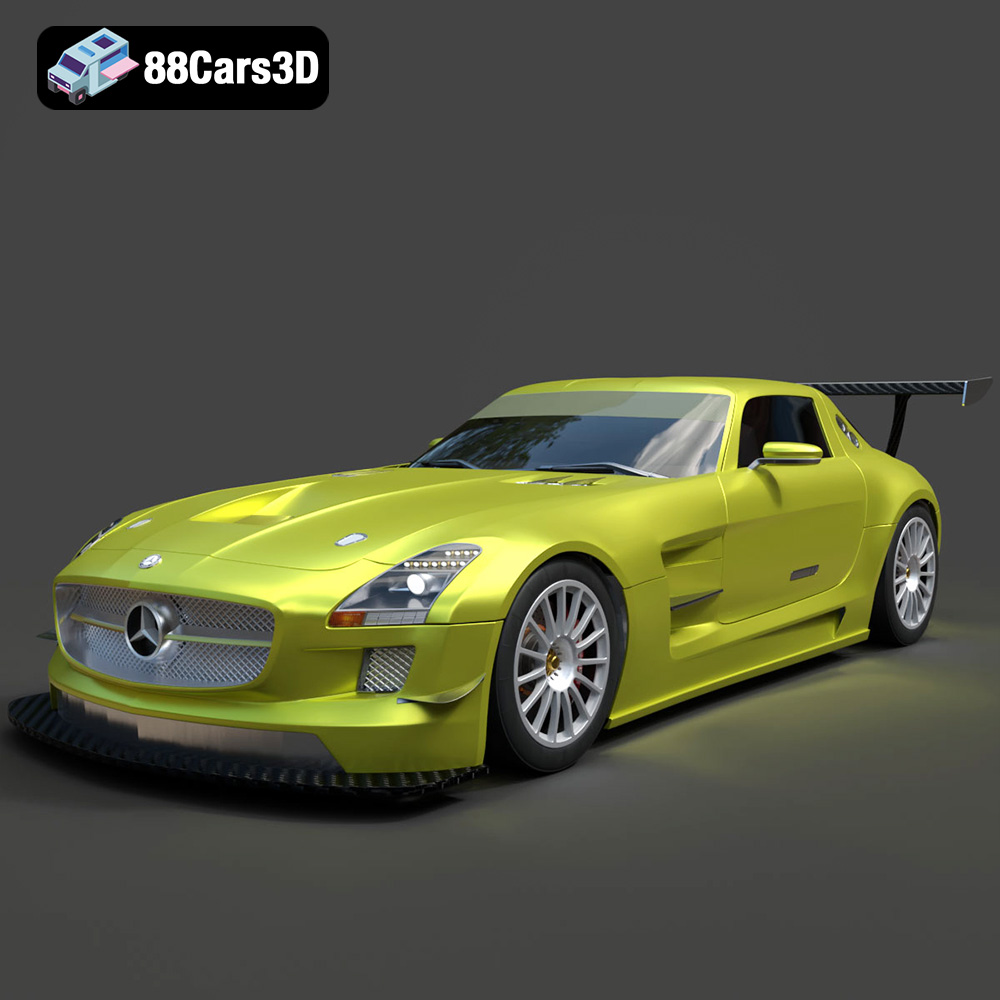
Mercedes-Benz SLS AMG GT3-002 3D Model
Texture: Yes
Material: Yes
Download the Mercedes-Benz SLS AMG GT3-002 3D Model featuring clean geometry, realistic detailing, and a fully modeled interior. Includes .blend, .fbx, .obj, .glb, .stl, .ply, .unreal, and .max formats for rendering, simulation, and game development.
Price: $38.99

Mercedes-Benz C-Class-001 3D Model
Texture: Yes
Material: Yes
Download the Mercedes-Benz C-Class-001 3D Model featuring clean geometry, realistic detailing, and a fully modeled interior. Includes .blend, .fbx, .obj, .glb, .stl, .ply, .unreal, and .max formats for rendering, simulation, and game development.
Price: $38.99
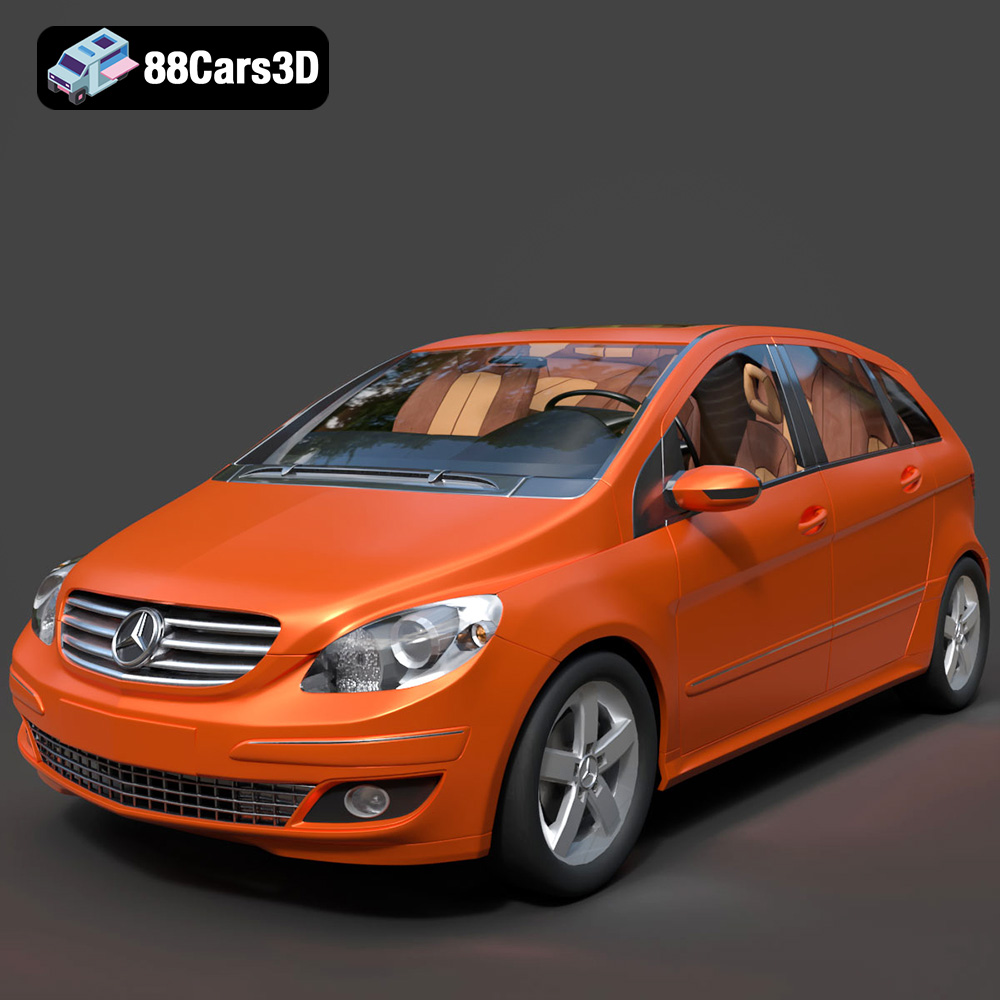
Mercedes-Benz B-Klasse 2023 3D Model
Texture: Yes
Material: Yes
Download the Mercedes-Benz B-Klasse 2023 3D Model featuring clean geometry, realistic detailing, and a fully modeled interior. Includes .blend, .fbx, .obj, .glb, .stl, .ply, .unreal, and .max formats for rendering, simulation, and game development.
Price: $38.99
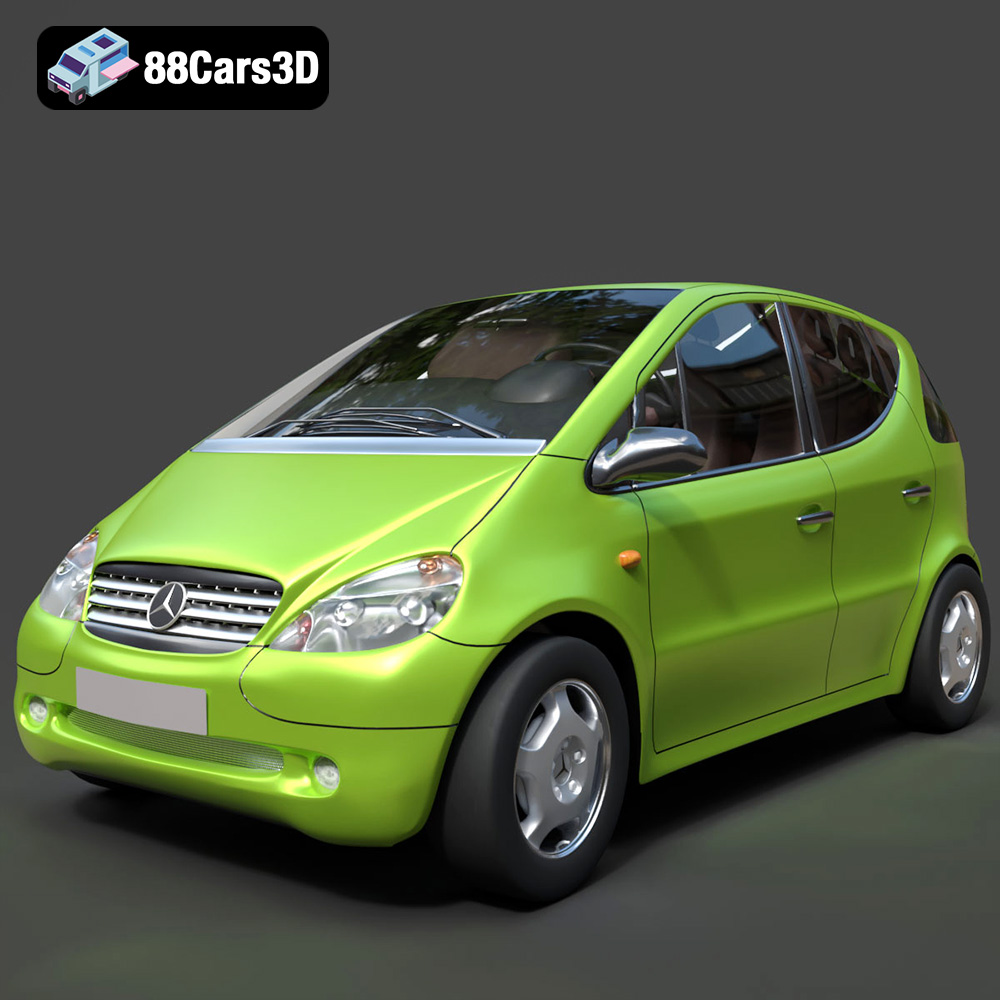
Mercedes-Benz A-Klasse W168 3D Model
Texture: Yes
Material: Yes
Download the Mercedes-Benz A-Klasse W168 3D Model featuring clean geometry, realistic detailing, and a fully modeled interior. Includes .blend, .fbx, .obj, .glb, .stl, .ply, .unreal, and .max formats for rendering, simulation, and game development.
Price: $38.99
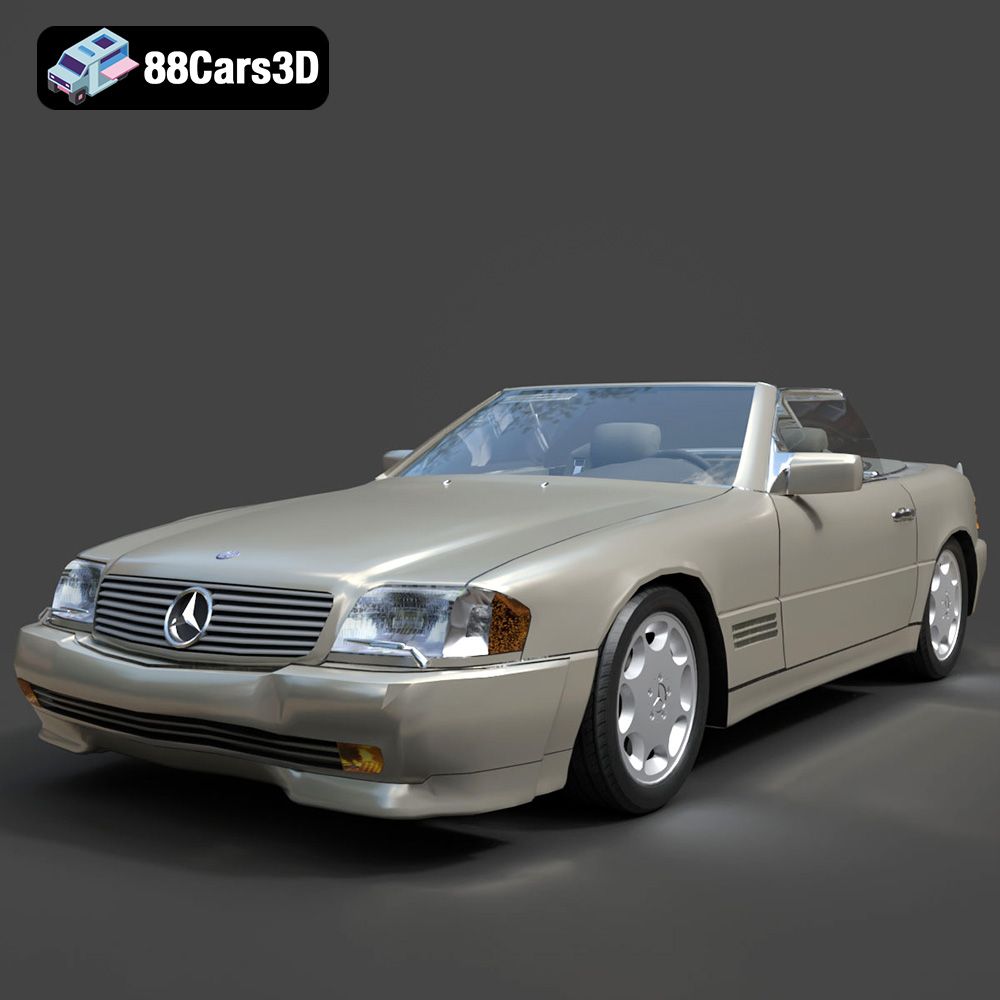
Mercedes-Benz 500SL 2000 3D Model
Texture: Yes
Material: Yes
Download the Mercedes-Benz 500SL 2000 3D Model featuring clean geometry, realistic detailing, and a fully modeled interior. Includes .blend, .fbx, .obj, .glb, .stl, .ply, .unreal, and .max formats for rendering, simulation, and game development.
Price: $38.99
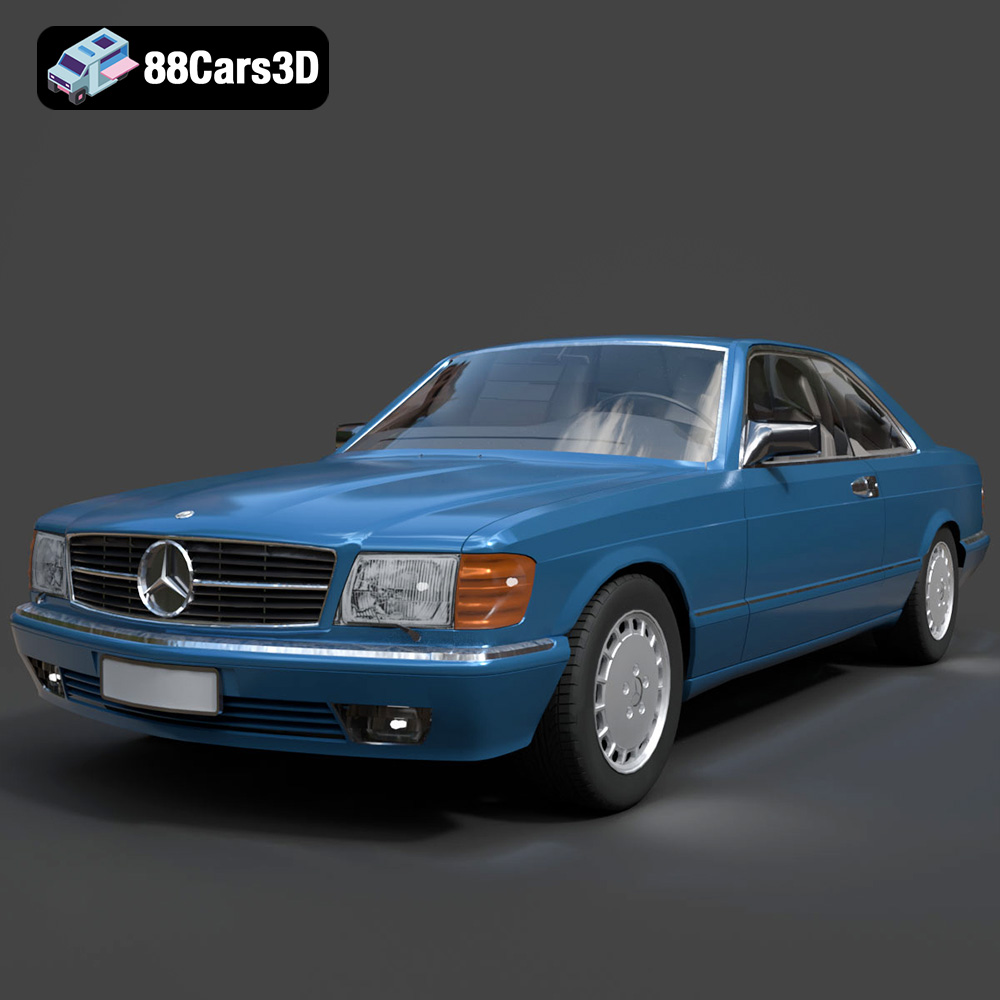
Mercedes-Benz 500SEC 3D Model
Texture: Yes
Material: Yes
Download the Mercedes-Benz 500SEC 3D Model featuring clean geometry, realistic detailing, and a fully modeled interior. Includes .blend, .fbx, .obj, .glb, .stl, .ply, .unreal, and .max formats for rendering, simulation, and game development.
Price: $38.99
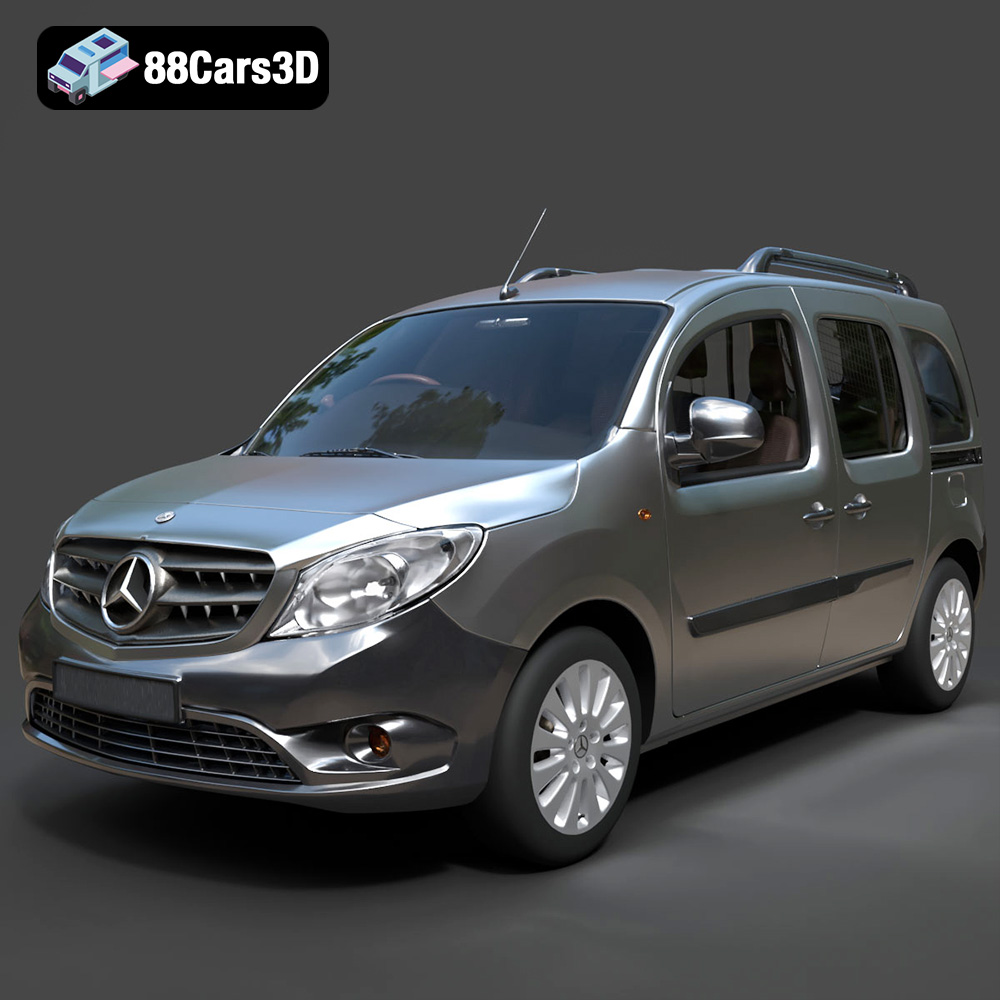
Mercedes-Benz Citan 2025 3D Model
Texture: Yes
Material: Yes
Download the Mercedes-Benz Citan 2025 3D Model featuring clean geometry, realistic detailing, and a fully modeled interior. Includes .blend, .fbx, .obj, .glb, .stl, .ply, .unreal, and .max formats for rendering, simulation, and game development.
Price: $38.99
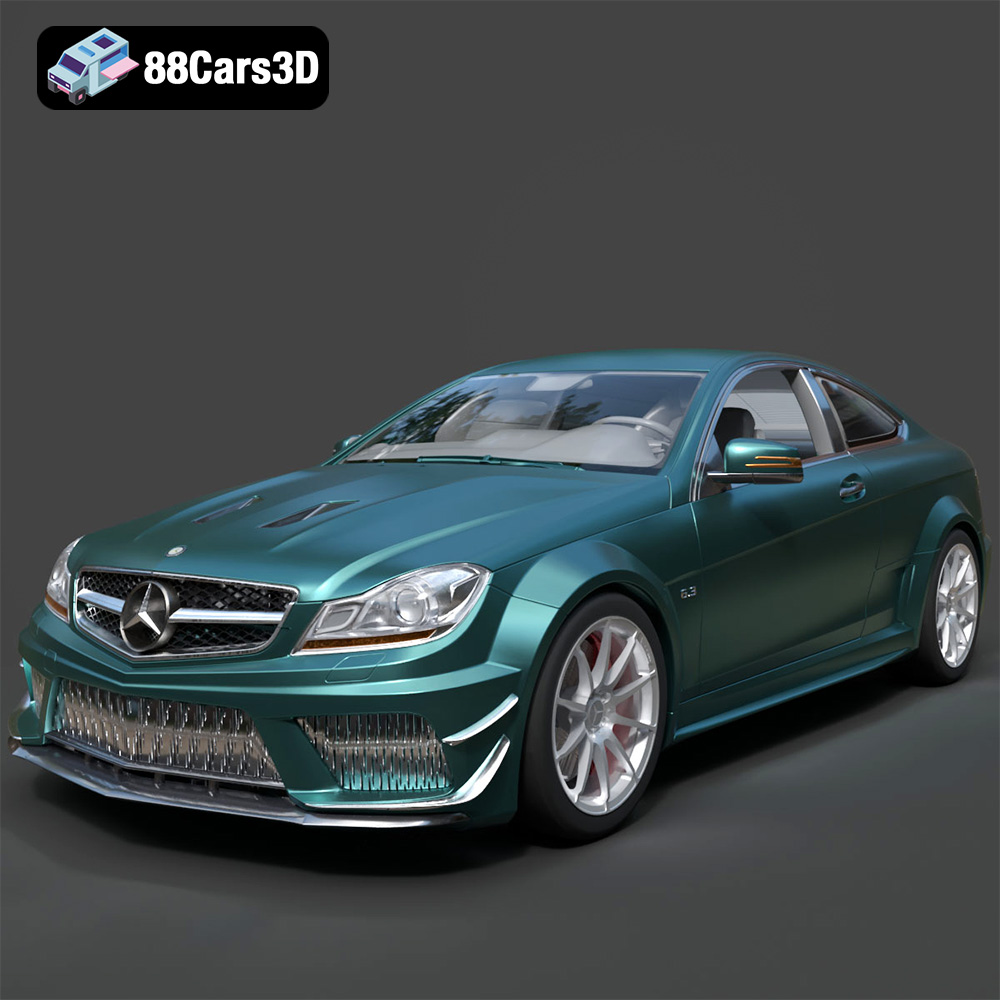
Mercedes-Benz C63 AMG 2012 3D Model
Texture: Yes
Material: Yes
Download the Mercedes-Benz C63 AMG 2012 3D Model featuring clean geometry, realistic detailing, and a fully modeled interior. Includes .blend, .fbx, .obj, .glb, .stl, .ply, .unreal, and .max formats for rendering, simulation, and game development.
Price: $38.99
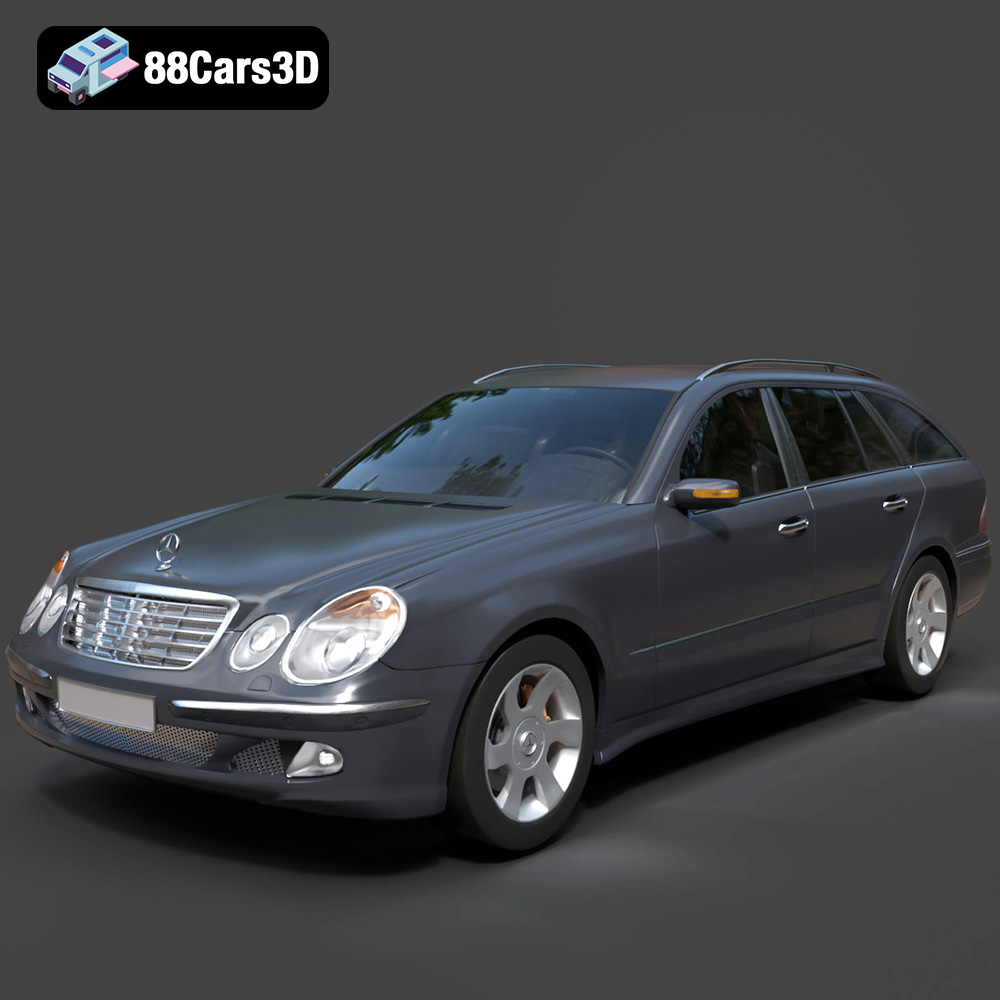
Mercedes-Benz E-Class S211 3D Model
Texture: Yes
Material: Yes
Download the Mercedes-Benz E-Class S211 3D Model featuring clean geometry, realistic detailing, and a fully modeled interior. Includes .blend, .fbx, .obj, .glb, .stl, .ply, .unreal, and .max formats for rendering, simulation, and game development.
Price: $38.99
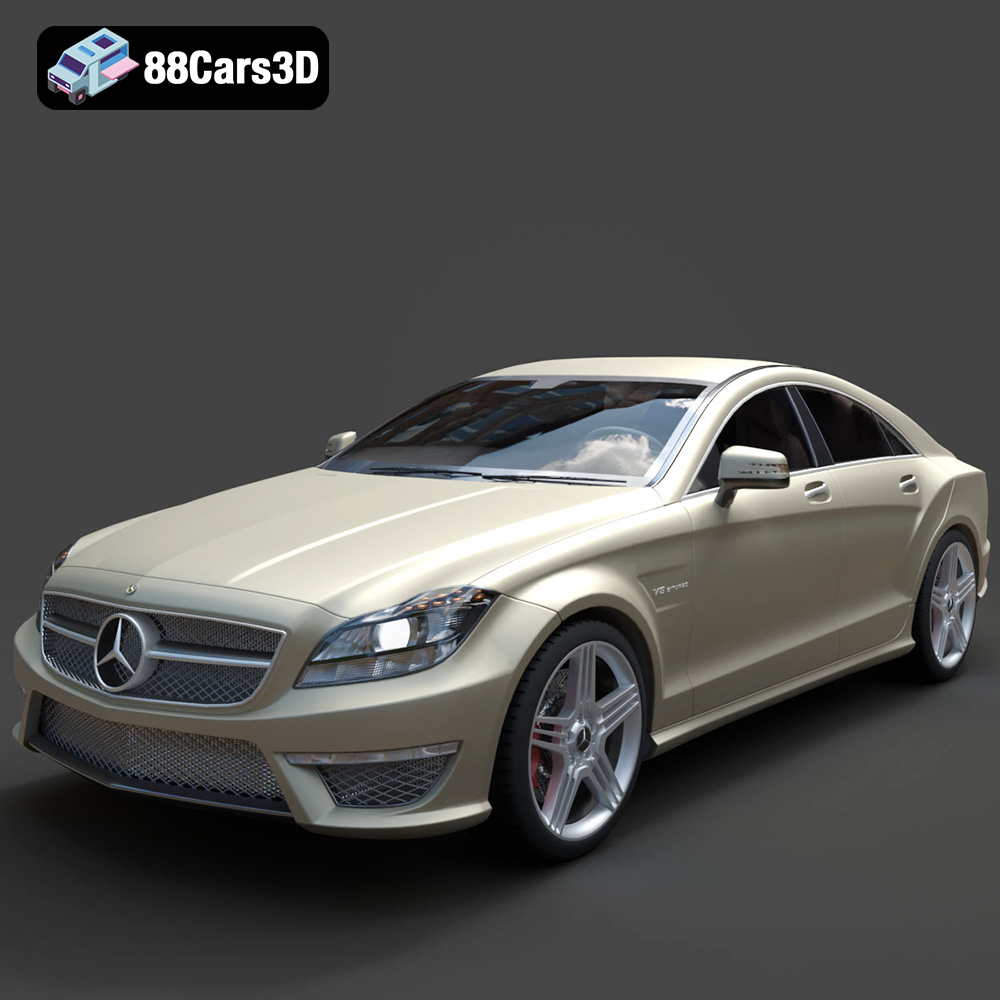
Mercedes-Benz CLS63 AMG (C218) 2014 3D Model
Texture: Yes
Material: Yes
Download the Mercedes-Benz CLS63 AMG (C218) 2014 3D Model featuring clean geometry, realistic detailing, and a fully modeled interior. Includes .blend, .fbx, .obj, .glb, .stl, .ply, .unreal, and .max formats for rendering, simulation, and game development.
Price: $38.99
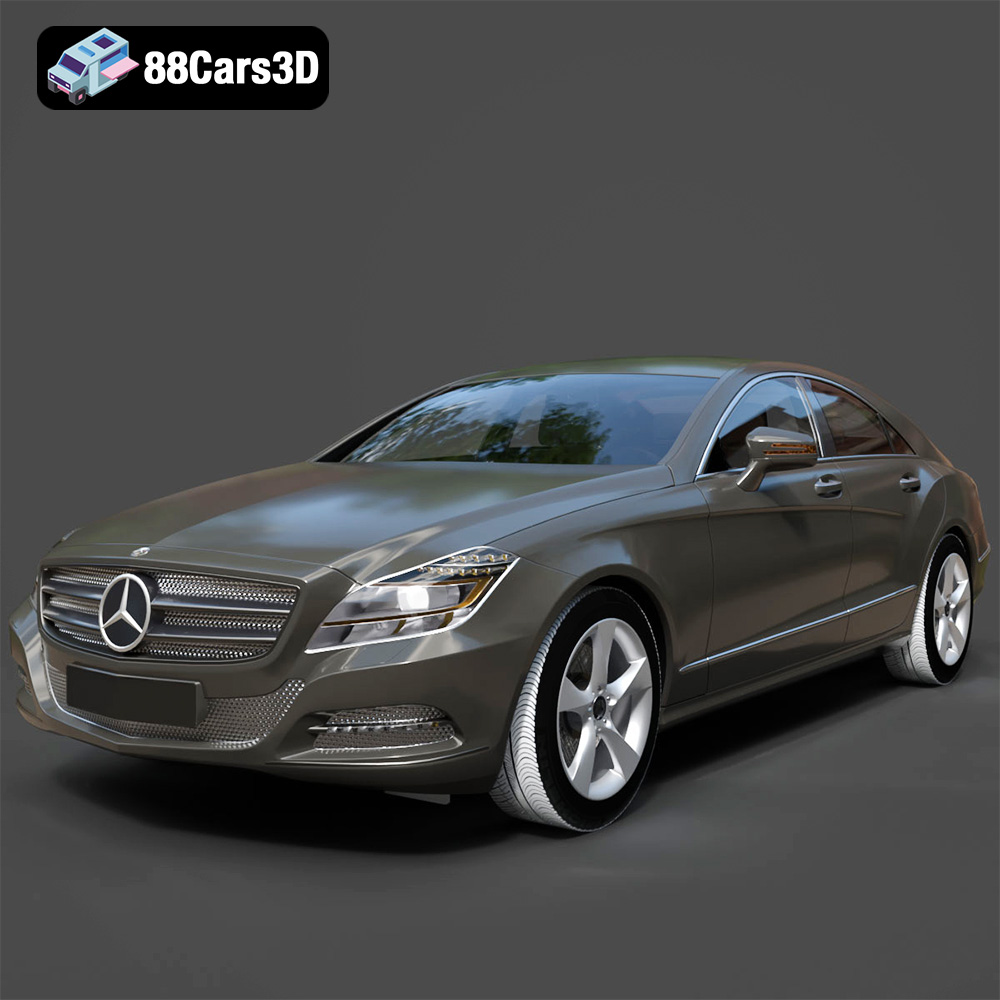
Mercedes-Benz CLS-Klasse 3D Model
Texture: Yes
Material: Yes
Download the Mercedes-Benz CLS-Klasse 3D Model featuring clean geometry, realistic detailing, and a fully modeled interior. Includes .blend, .fbx, .obj, .glb, .stl, .ply, .unreal, and .max formats for rendering, simulation, and game development.
Price: $38.99
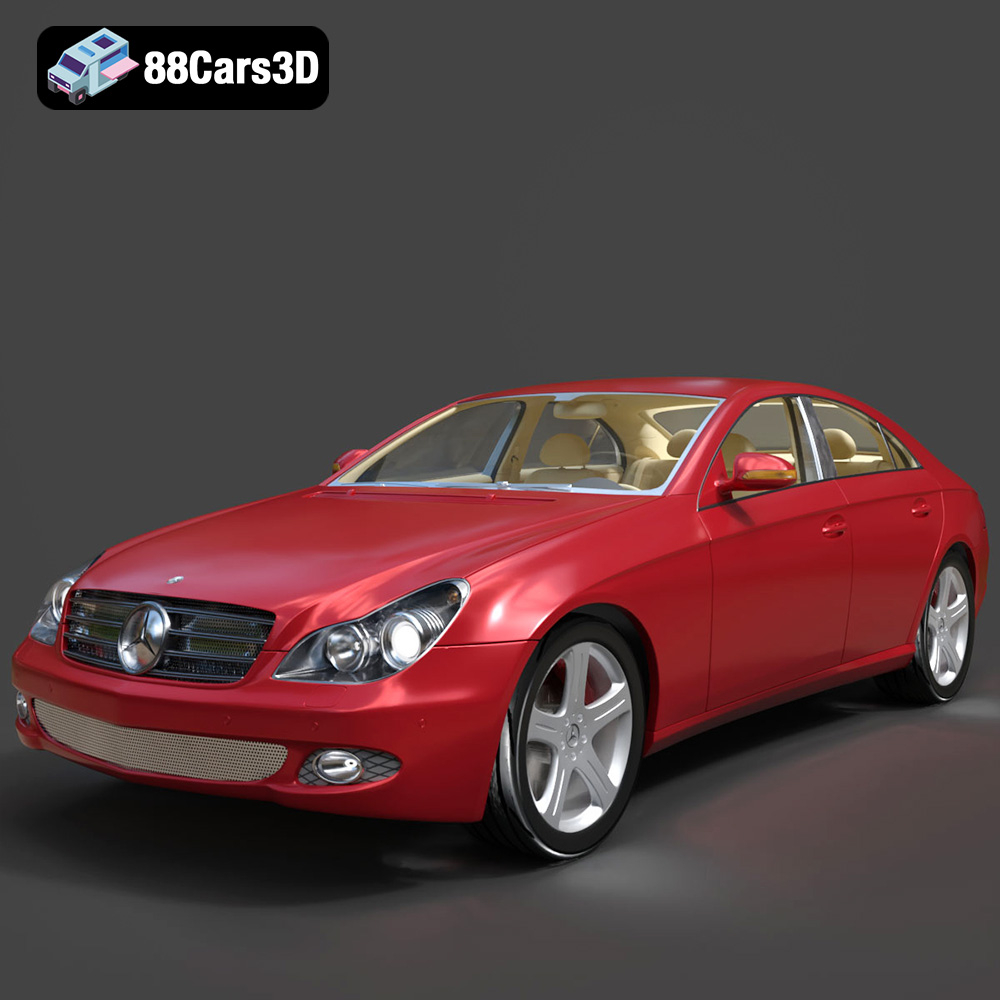
Mercedes-Benz CLS 500 3D Model
Texture: Yes
Material: Yes
Download the Mercedes-Benz CLS 500 3D Model featuring clean geometry, realistic detailing, and a fully modeled interior. Includes .blend, .fbx, .obj, .glb, .stl, .ply, .unreal, and .max formats for rendering, simulation, and game development.
Price: $38.99

Mercedes-Benz CL-Klasse 2001 3D Model
Texture: Yes
Material: Yes
Download the Mercedes-Benz CL-Klasse 2001 3D Model featuring clean geometry, realistic detailing, and a fully modeled interior. Includes .blend, .fbx, .obj, .glb, .stl, .ply, .unreal, and .max formats for rendering, simulation, and game development.
Price: $38.99
