
The Challenge: Bridging the Fidelity Gap

The allure of a high-performance vehicle, meticulously crafted and gleaming under virtual lights, is undeniable. For cinematic renders and studio showcases, a 3D model can boast tens of millions of polygons, intricate displacement maps, and complex nodal shaders – a true digital masterpiece. But what happens when you want to bring that same level of breathtaking detail into a real-time environment like Unreal Engine 5? This is where the challenge begins.
Translating these “offline-ready” digital marvels into performant, interactive experiences within a game engine requires a highly specialized skill set and a deep understanding of optimization. The dream of photorealistic Unreal Engine 5 car models that run smoothly at high frame rates is achievable, but it’s a journey from artistic freedom to technical constraint. This guide will walk you through the essential steps to transform your high-end automotive 3D assets into optimized, game-ready car assets without sacrificing their visual integrity.
The Challenge: Bridging the Fidelity Gap
High-polygon automotive models designed for offline rendering engines like V-Ray, Corona, or Arnold are built with a singular goal: ultimate visual fidelity. Every curve, every bolt, every stitch is modeled with explicit geometry, often resulting in mesh densities that can crash real-time applications. These models are not constrained by frame rates or GPU memory limits in the same way game engines are.
Unreal Engine 5, despite its incredible capabilities and advancements like Nanite, still operates under the fundamental principles of real-time rendering. Every polygon, every draw call, and every texture sample contributes to the overall render budget. Simply importing a raw studio model will inevitably lead to abysmal performance, even on high-end hardware. The core problem lies in the sheer geometric complexity and the unoptimized material setups.
Our mission is to intelligently reduce this complexity while preserving the visual essence that makes these vehicles so captivating. This requires a multi-faceted approach, touching every aspect of the 3D asset pipeline, from geometry to textures and engine integration.
Strategic Retopology: Crafting Game-Ready Geometry
The first and arguably most critical step in optimizing high-end automotive 3D assets is retopology vehicles. This process involves rebuilding the mesh with a clean, efficient topology that is suitable for real-time rendering. A studio model’s topology might be dense and triangulated, making it difficult to UV unwrap, animate, or render efficiently in a game engine. Game-ready topology emphasizes clean quad-based meshes, optimized edge flow, and a significantly lower polygon count.
Understanding Target Poly Counts
The ideal polygon count for a game-ready vehicle varies depending on its importance in the scene (hero vehicle vs. background prop), the target platform, and the overall project budget. For a hero vehicle in a modern game or high-fidelity visualization, a poly count of 80,000 to 250,000 triangles (for the base mesh, excluding highly detailed parts handled by Nanite) is a common range. Less prominent vehicles might target 30,000-80,000, while background traffic could be as low as 5,000-15,000.
It’s crucial to establish these targets early. A well-executed retopology ensures that your Unreal Engine 5 car models perform optimally without sacrificing their iconic shape.
Manual vs. Automated Retopology
While automated retopology tools exist (e.g., ZBrush ZRemesher, Blender’s QuadRemesher), they often struggle with the complex, hard-surface nature of vehicles. They might produce undesirable edge flow, introduce artifacts, or fail to accurately capture critical sharp edges. For premium game-ready car assets, manual retopology is often the preferred method, offering artists precise control over topology and edge loops.
Manual retopology can be time-consuming but yields superior results, allowing for clean UVs and optimal performance. Software like TopoGun, Maya, 3ds Max, or Blender provides excellent tools for this painstaking but rewarding process.
Key Retopology Principles for Cars
When performing retopology vehicles, several principles are paramount. First, maintain the vehicle’s silhouette at all distances. This means ensuring that the major curves and shapes are accurately represented with the new, lower-poly mesh. Second, prioritize quads over triangles where possible, as quads are generally better for deformation and subdivision, even if you eventually triangulate the mesh for the engine.
Pay special attention to areas with high curvature or critical visual details, such as headlight housings, grilles, wheel wells, and panel gaps. These areas will require a slightly higher polygon density to capture their form. Flat surfaces, on the other hand, can be significantly optimized with minimal geometry. Ensure clean edge loops around openings and along areas that might receive decals or text. Starting with high-quality automotive 3D assets from resources like 88cars3d.com can provide an excellent foundation for this process, as they often have robust base meshes.
Efficient UV Mapping and PBR Textures for Automotive Assets
Once your geometry is optimized through retopology, the next critical step is creating efficient UV maps and converting your complex studio materials into PBR textures automotive compliant with Unreal Engine 5’s physically-based rendering system. Proper UV mapping is the foundation for high-quality textures, and optimized textures are crucial for memory performance.
UV Unwrapping Best Practices
For game-ready car assets, UVs must be clean, non-overlapping, and utilize the UV space efficiently. Break down the car into logical UV islands (e.g., body panels, interior elements, wheels, windows). Aim for consistent texel density across the entire model. This ensures that textures appear crisp and uniform, regardless of the part of the car they are on. Avoid stretching or distortion in your UVs, as this will lead to blurry or pixelated textures in the engine.
Consider using multiple UV sets if necessary. For instance, a primary UV set for baked details and base materials, and a second UV set for tiling details or specific decals that might not share the same texture space or density. Effective UV unwrapping is key to making your Unreal Engine 5 car models truly shine.
The PBR Workflow for Automotive Textures
Physically-Based Rendering (PBR) is the industry standard for realistic materials in modern game engines. It relies on a set of texture maps that describe how light interacts with a surface. For PBR textures automotive, you’ll typically need:
- Albedo (Base Color): The pure color of the surface, stripped of lighting information.
- Metallic: A grayscale map defining which parts are metallic (white) and which are dielectric (black).
- Roughness: A grayscale map indicating how rough or smooth a surface is, affecting light reflection.
- Normal Map: Captures high-frequency surface details (scratches, panel lines, bumps) without adding geometry.
- Ambient Occlusion (AO): A grayscale map that fakes soft self-shadowing in crevices.
You may also need maps for emissive properties (headlights, dashboard lights), opacity (windows), or clear coat layers for automotive paint, which UE5 handles elegantly.
Optimizing Texture Resolution and Atlases
While studio models might use many high-resolution textures, game assets require careful management. Use resolutions that are appropriate for the asset’s importance and screen space. A hero car’s body might use a 4K or 2K map, while interior components or less visible parts might use 1K or 512px. Employ texture atlases where possible, combining multiple smaller textures into one larger texture sheet to reduce draw calls and memory footprint.
Trimsheets are particularly useful for repeating details like panel lines, bolts, or interior stitching. By mapping these elements to a small, reusable section of a texture sheet, you can achieve significant detail with minimal texture memory. This intelligent use of texture space is vital for creating high-performance Unreal Engine 5 car models.
Level of Detail (LODs) and Baked Normal Maps: Maintaining Visuals at Scale
Even with meticulous retopology vehicles, a single high-resolution mesh isn’t enough for optimal performance across various distances. This is where LODs for cars and baked normal maps become indispensable. These techniques allow you to maintain visual fidelity when the car is close to the camera, and gracefully reduce geometric complexity when it’s further away, saving crucial rendering resources.
The Purpose of LODs
Level of Detail (LOD) systems dynamically swap out higher-resolution meshes for lower-resolution versions as an object moves further from the camera. The goal is to render only the necessary detail, optimizing performance without noticeable visual degradation. For vehicles, which often appear at varying distances, a robust LOD strategy is essential.
Designing an LOD Strategy for Vehicles
Typically, 3-5 LOD levels are sufficient for a hero vehicle. Each LOD should represent a significant reduction in polygon count, usually a 50% or more reduction from the previous level. The lowest LOD might be a highly simplified mesh, perhaps a mere silhouette, suitable for extreme distances or reflections. When creating LODs for cars, focus on progressively removing detail that wouldn’t be visible from a given distance. For example, interior details can be culled in higher LODs, followed by smaller exterior components, eventually leaving only the main body shell.
Unreal Engine 5 has powerful built-in LOD generation tools that can automate much of this process, but manual adjustments are often necessary to ensure aesthetic integrity. It’s important to test these transitions thoroughly to avoid popping or jarring visual changes.
Baking High-Poly Details to Normal Maps
One of the most powerful optimization techniques is using baked normal maps. This involves projecting the fine geometric details from your original high-polygon studio model onto the UVs of your newly retopologized, low-polygon mesh. The normal map then tells the game engine how light should reflect off the surface, simulating the appearance of complex geometry without actually having it.
Beyond normal maps, you can also bake other useful maps from your high-poly model, such as Ambient Occlusion, Curvature, and Position maps. These auxiliary maps can be used within UE5’s material editor to enhance realism, add wear and tear, or drive advanced shader effects. This process is fundamental to creating visually stunning game-ready car assets that perform well.
Material Baking Considerations
For highly complex materials from studio renders, you might consider baking some of their properties directly into your PBR texture maps. For instance, if a material has intricate patterns generated procedurally, you might bake these patterns into the albedo or normal map. This reduces the complexity of the material shader in UE5, improving render performance. However, be mindful that baking certain properties might reduce flexibility later on.
Embracing Unreal Engine 5: Import and Initial Optimization
Once your automotive 3D assets are meticulously retopologized, UV unwrapped, and textured with PBR textures automotive, it’s time to bring them into Unreal Engine 5. Proper preparation and import settings are crucial for a smooth transition and optimal performance.
Preparing Assets for Export
Before exporting from your 3D software (e.g., Maya, 3ds Max, Blender), ensure your mesh is triangulated. While UE5 can triangulate on import, doing it beforehand gives you more control. Check that your model’s scale is correct (Unreal Engine uses centimeters by default). Verify that pivot points are set logically (e.g., at the center of the car’s base) for easier placement and manipulation in the engine. Export using the FBX format, which is the industry standard for game assets.
Importing into UE5
When importing your FBX file into Unreal Engine 5, pay close attention to the import options. Ensure “Combine Meshes” is unchecked if you’ve prepared multiple components (body, wheels, interior) as separate meshes for better modularity or LOD control. Select “Import Textures” and “Import Materials” if you want UE5 to attempt to auto-create basic materials, but often you’ll rebuild materials manually for fine-tuning. Crucially, ensure “Generate Missing LODs” is either off (if you’ve made manual LODs) or configured correctly to leverage UE5’s auto-LOD generation.
Consider importing collision meshes separately. While UE5 can generate basic collision, custom collision meshes (often simplified box or convex shapes) provide more accurate and performant collision detection, especially for complex Unreal Engine 5 car models.
Setting Up Materials in UE5
Recreating your PBR textures automotive in Unreal Engine’s material editor is a key step. Connect your Albedo, Metallic, Roughness, Normal, and AO maps to their respective nodes. Utilize UE5’s powerful material layering system to create complex car paint shaders with clear coat effects, flakes, and subsurface scattering for headlights. Be mindful of shader complexity – use instanced materials to allow for variation without recompiling shaders, and keep your node networks as streamlined as possible.
For advanced visual quality, explore options like the Substrate material system in UE5 (experimental in some versions) for incredibly realistic layered materials, perfect for automotive finishes. However, remember that complexity comes with a performance cost.
Collision Setup for Vehicles
Correct collision setup is vital for realistic vehicle physics and interaction. For simple props, UE5’s auto-generated convex hull collision might suffice. For playable vehicles, you’ll want more precise collision. You can use multiple simple collision primitives (boxes, spheres, capsules) to approximate the shape of the car or import a custom, simplified collision mesh. This is often named with a “UCX_” prefix in your 3D software. Accurate collision for your game-ready car assets is critical for believable driving experiences.
Leveraging Nanite for Automotive Models
Unreal Engine 5 introduced Nanite, a virtualized geometry system that dramatically changes how we handle high-detail assets. Nanite allows artists to import incredibly high-polygon models directly into the engine, handling the geometric optimization automatically. This is a game-changer for Unreal Engine 5 car models, as it can alleviate much of the traditional retopology vehicles workload for certain components.
What is Nanite?
Nanite intelligently streams and renders only the pixel-sized detail required, regardless of the original polygon count. It effectively removes traditional polygon count constraints, allowing assets with millions or even billions of triangles to be rendered efficiently in real-time. It achieves this through a proprietary mesh format and an on-demand rendering pipeline.
When to Use Nanite for Cars
Nanite is particularly effective for static, highly detailed geometric elements that would traditionally require extensive manual optimization. For automotive models, this includes:
- Car Body: The main shell of the car, where every curve and panel gap needs to be perfectly smooth.
- Detailed Interior Components: Dashboard details, complex seating, intricate trim pieces.
- Wheels and Brake Calipers: Areas with high geometric detail that are always visible.
- Grilles and Headlight Assemblies: Often intricate and crucial for visual realism.
Using Nanite for these elements can preserve incredible fidelity while still maintaining performance, revolutionizing the Nanite workflow for vehicles.
Nanite Limitations and Considerations
While powerful, Nanite has some limitations. It currently does not support:
- Deforming meshes (e.g., soft body physics, advanced car damage that deforms the mesh).
- Materials with WPO (World Position Offset) or Tessellation.
- Translucency (transparent materials like glass need to be separate meshes or have Nanite disabled).
- Skeletal Meshes (dynamic animated characters).
For these cases, traditional optimization techniques like LODs for cars and standard static meshes are still required. Therefore, a hybrid approach combining Nanite for static, high-detail parts and traditional meshes for dynamic or transparent elements is often the best Nanite workflow for complex automotive 3D assets.
Combining Nanite with Traditional Optimization
A smart strategy for game-ready car assets is to apply Nanite to the vehicle’s body, interior, and wheels, which benefit most from high geometric fidelity. Elements like windows (translucent) should be separate static meshes with traditional LODs. Any parts that might deform (e.g., if you have a damage system that warps geometry) should also be standard static meshes. This hybrid approach ensures you get the best of both worlds: extreme detail where it counts, and optimal performance for everything else.
Post-Import Optimization and Performance Considerations
Bringing your game-ready car assets into Unreal Engine 5 is just one part of the optimization puzzle. Ongoing adjustments and performance checks are crucial to ensure your Unreal Engine 5 car models perform flawlessly within your scene.
Instancing and Blueprints
For repeated elements like wheels, individual interior components, or even multiple instances of the same car model, utilize Instanced Static Meshes or Blueprints. Instancing allows the GPU to render multiple copies of the same mesh with a single draw call, significantly reducing overhead. Encapsulating your entire car as a Blueprint Class allows for easy manipulation, adding interactive elements, and applying consistent physics or material overrides.
Lighting and Reflections
Unreal Engine 5’s Lumen global illumination and reflections system is incredibly powerful, but it’s also resource-intensive. Ensure your light sources are optimized; avoid excessive dynamic lights where static ones will suffice. Use Reflection Captures for static reflections in specific areas, especially for highly reflective car surfaces, and consider how Lumen’s settings impact performance vs. visual quality for your specific scene. Optimizing your lighting setup is key to achieving photorealistic Unreal Engine 5 car models without crippling frame rates.
FX and Physics
Integrate vehicle physics using UE5’s Chaos Vehicle system. Fine-tune parameters for suspension, friction, and engine torque to create a realistic driving feel. If your vehicle includes visual effects like tire smoke, dust kick-up, or exhaust flames, ensure these particle systems are optimized. Use GPU particles where possible and limit particle counts and overdraw. Overly complex particle effects can quickly become a performance bottleneck.
Profiling and Debugging
Unreal Engine 5 offers a robust suite of profiling tools (e.g., Stat Unit, Stat GPU, Stat RHI, Unreal Insights). Regularly use these tools to identify performance bottlenecks. Are you CPU-bound or GPU-bound? Is a specific mesh, material, or lighting setup causing issues? Profiling is an iterative process that helps you pinpoint exactly where optimizations are needed most for your game-ready car assets.
Conclusion
Transforming high-end, cinematic automotive 3D assets into optimized, performant Unreal Engine 5 car models is a meticulous journey, demanding expertise across geometry, texturing, and engine integration. From strategic retopology vehicles and efficient PBR textures automotive to leveraging Nanite workflow and designing robust LODs for cars with baked normal maps, every step is critical. The goal is always to strike a delicate balance between breathtaking visual fidelity and smooth, real-time performance.
By following these comprehensive techniques, you can ensure your virtual vehicles not only look incredible but also perform flawlessly, bringing your automotive visions to life within Unreal Engine 5. For artists and developers looking to kickstart their projects with an exceptional foundation, exploring collections of professionally prepared automotive 3D assets at 88cars3d.com can provide a significant advantage, offering high-quality models ready for optimization.
Featured 3D Car Models

Suzuki SX4-002 3D Model
Texture: Yes
Material: Yes
Download the Suzuki SX4-002 3D Model featuring clean geometry, realistic detailing, and a fully modeled interior. Includes .blend, .fbx, .obj, .glb, .stl, .ply, .unreal, and .max formats for rendering, simulation, and game development.
Price: $10

Tesla Model S 2024 3D Model
Texture: Yes
Material: Yes
Download the Tesla Model S 2024 3D Model featuring clean geometry, realistic detailing, and a fully modeled interior. Includes .blend, .fbx, .obj, .glb, .stl, .ply, .unreal, and .max formats for rendering, simulation, and game development.
Price: $10

Subaru Impreza WRX STi-002 3D Model
Texture: Yes
Material: Yes
Download the Subaru Impreza WRX STi-002 3D Model featuring clean geometry, realistic detailing, and a fully modeled interior. Includes .blend, .fbx, .obj, .glb, .stl, .ply, .unreal, and .max formats for rendering, simulation, and game development.
Price: $10

Subaru Impreza WRX STi Sedan 3D Model
Texture: Yes
Material: Yes
Download the Subaru Impreza WRX STi Sedan 3D Model featuring clean geometry, realistic detailing, and a fully modeled interior. Includes .blend, .fbx, .obj, .glb, .stl, .ply, .unreal, and .max formats for rendering, simulation, and game development.
Price: $10

Subaru Legacy 2009 3D Model
Texture: Yes
Material: Yes
Download the Subaru Legacy 2009 3D Model featuring clean geometry, realistic detailing, and a fully modeled interior. Includes .blend, .fbx, .obj, .glb, .stl, .ply, .unreal, and .max formats for rendering, simulation, and game development.
Price: $10

Suzuki Swift 2024 3D Model
Texture: Yes
Material: Yes
Download the Suzuki Swift 2024 3D Model featuring clean geometry, realistic detailing, and a fully modeled interior. Includes .blend, .fbx, .obj, .glb, .stl, .ply, .unreal, and .max formats for rendering, simulation, and game development.
Price: $10

Suzuki Liana Sedan 2004 3D Model
Texture: Yes
Material: Yes
Download the Suzuki Liana Sedan 2004 3D Model featuring clean geometry, realistic detailing, and a fully modeled interior. Includes .blend, .fbx, .obj, .glb, .stl, .ply, .unreal, and .max formats for rendering, simulation, and game development.
Price: $10

Subaru Outback 2024 3D Model
Texture: Yes
Material: Yes
Download the Subaru Outback 2024 3D Model featuring clean geometry, realistic detailing, and a fully modeled interior. Includes .blend, .fbx, .obj, .glb, .stl, .ply, .unreal, and .max formats for rendering, simulation, and game development.
Price: $10

Subaru Legacy 2003 3D Model
Texture: Yes
Material: Yes
Download the Subaru Legacy 2003 3D Model featuring clean geometry, realistic detailing, and a fully modeled interior. Includes .blend, .fbx, .obj, .glb, .stl, .ply, .unreal, and .max formats for rendering, simulation, and game development.
Price: $10

Subaru Legacy Touring Wagon 3D Model
Texture: Yes
Material: Yes
Download the Subaru Legacy Touring Wagon 3D Model featuring clean geometry, realistic detailing, and a fully modeled interior. Includes .blend, .fbx, .obj, .glb, .stl, .ply, .unreal, and .max formats for rendering, simulation, and game development.
Price: $10

Toyota Mark II (X100) 1998 3D Model
Texture: Yes
Material: Yes
Download the Toyota Mark II (X100) 3D Model featuring clean geometry, realistic detailing, and a fully modeled interior. Includes .blend, .fbx, .obj, .glb, .stl, .ply, .unreal, and .max formats for rendering, simulation, and game development.
Price: $10

Toyota Corona 1985 3D Model
Texture: Yes
Material: Yes
Download the Toyota Corona 1985 3D Model featuring clean geometry, realistic detailing, and a fully modeled interior. Includes .blend, .fbx, .obj, .glb, .stl, .ply, .unreal, and .max formats for rendering, simulation, and game development.
Price: $10

Toyota Mark II X81 1990 3D Model
Texture: Yes
Material: Yes
Download the Toyota Mark II X81 1990 3D Model featuring clean geometry, realistic detailing, and a fully modeled interior. Includes .blend, .fbx, .obj, .glb, .stl, .ply, .unreal, and .max formats for rendering, simulation, and game development.
Price: $10

Toyota iQ EV 2012 3D Model
Texture: Yes
Material: Yes
Download the Toyota iQ EV 2012 3D Model featuring clean geometry, realistic detailing, and a fully modeled interior. Includes .blend, .fbx, .obj, .glb, .stl, .ply, .unreal, and .max formats for rendering, simulation, and game development.
Price: $10

Toyota Aygo 2013 3D Model
Texture: Yes
Material: Yes
Download the Toyota Aygo 2013 3D Model featuring clean geometry, realistic detailing, and a fully modeled interior. Includes .blend, .fbx, .obj, .glb, .stl, .ply, .unreal, and .max formats for rendering, simulation, and game development.
Price: $10

Toyota Crown S180 2005 3D Model
Texture: Yes
Material: Yes
Download the Toyota Crown S180 2005 3D Model featuring clean geometry, realistic detailing, and a fully modeled interior. Includes .blend, .fbx, .obj, .glb, .stl, .ply, .unreal, and .max formats for rendering, simulation, and game development.
Price: $10

Toyota Celica 2004 3D Model
Texture: Yes
Material: Yes
Download the Toyota Celica 2004 3D Model featuring clean geometry, realistic detailing, and a fully modeled interior. Includes .blend, .fbx, .obj, .glb, .stl, .ply, .unreal, and .max formats for rendering, simulation, and game development.
Price: $10

Toyota Corolla AE100 1992 3D Model
Texture: Yes
Material: Yes
Download the Toyota Corolla AE100 1992 3D Model featuring clean geometry, realistic detailing, and a fully modeled interior. Includes .blend, .fbx, .obj, .glb, .stl, .ply, .unreal, and .max formats for rendering, simulation, and game development.
Price: $10

Toyota Mark II X110 2000 3D Model
Texture: Yes
Material: Yes
Download the Toyota Mark II X110 2000 3D Model featuring clean geometry, realistic detailing, and a fully modeled interior. Includes .blend, .fbx, .obj, .glb, .stl, .ply, .unreal, and .max formats for rendering, simulation, and game development.
Price: $10

Toyota Corolla 2020 3D Model
Texture: Yes
Material: Yes
Download the Toyota Corolla 2020 3D Model featuring clean geometry, realistic detailing, and a fully modeled interior. Includes .blend, .fbx, .obj, .glb, .stl, .ply, .unreal, and .max formats for rendering, simulation, and game development.
Price: $10

Toyota Yaris 2020 3D Model
Texture: Yes
Material: Yes
Download the Toyota Yaris 2020 3D Model featuring clean geometry, realistic detailing, and a fully modeled interior. Includes .blend, .fbx, .obj, .glb, .stl, .ply, .unreal, and .max formats for rendering, simulation, and game development.
Price: $9.9

Volkswagen Beetle 2012 3D Model
Texture: Yes
Material: Yes
Download the Volkswagen Beetle 2012 3D Model featuring clean geometry, realistic detailing, and a fully modeled interior. Includes .blend, .fbx, .obj, .glb, .stl, .ply, .unreal, and .max formats for rendering, simulation, and game development.
Price: $9.9

Toyota Matrix 2005 3D Model
Texture: Yes
Material: Yes
Download the Toyota Matrix 2005 3D Model featuring clean geometry, realistic detailing, and a fully modeled interior. Includes .blend, .fbx, .obj, .glb, .stl, .ply, .unreal, and .max formats for rendering, simulation, and game development.
Price: $9.9

Toyota Yaris Sedan 3D Model
Texture: Yes
Material: Yes
Download the Toyota Yaris Sedan 3D Model featuring clean geometry, realistic detailing, and a fully modeled interior. Includes .blend, .fbx, .obj, .glb, .stl, .ply, .unreal, and .max formats for rendering, simulation, and game development.
Price: $9.9

Volkswagen Golf R-004 2024 3D Model
Texture: Yes
Material: Yes
Download the Volkswagen Golf R-004 2024 3D Model featuring clean geometry, realistic detailing, and a fully modeled interior. Includes .blend, .fbx, .obj, .glb, .stl, .ply, .unreal, and .max formats for rendering, simulation, and game development.
Price: $9.9

Volkswagen Golf 5 Door 2010 3D Model
Texture: Yes
Material: Yes
Download the Volkswagen Golf 5 Door 2010 3D Model featuring clean geometry, realistic detailing, and a fully modeled interior. Includes .blend, .fbx, .obj, .glb, .stl, .ply, .unreal, and .max formats for rendering, simulation, and game development.
Price: $9.9

Toyota Premio 2010 3D Model
Texture: Yes
Material: Yes
Download the Toyota Premio 2010 3D Model featuring clean geometry, realistic detailing, and a fully modeled interior. Includes .blend, .fbx, .obj, .glb, .stl, .ply, .unreal, and .max formats for rendering, simulation, and game development.
Price: $9.9

Toyota Opa 2000 3D Model
Texture: Yes
Material: Yes
Download the Toyota Opa 2000 3D Model featuring clean geometry, realistic detailing, and a fully modeled interior. Includes .blend, .fbx, .obj, .glb, .stl, .ply, .unreal, and .max formats for rendering, simulation, and game development.
Price: $9.9

Volkswagen Polo 5 Door 2010 3D Model
Texture: Yes
Material: Yes
Download the Volkswagen Polo 5 Door 2010 3D Model featuring clean geometry, realistic detailing, and a fully modeled interior. Includes .blend, .fbx, .obj, .glb, .stl, .ply, .unreal, and .max formats for rendering, simulation, and game development.
Price: $9.9

Toyota Prius 2024 3D Model
Texture: Yes
Material: Yes
Download the Toyota Prius 2024 3D Model featuring clean geometry, realistic detailing, and a fully modeled interior. Includes .blend, .fbx, .obj, .glb, .stl, .ply, .unreal, and .max formats for rendering, simulation, and game development.
Price: $9.9

Toyota Yaris 1999 3D Model
Texture: Yes
Material: Yes
Download the Toyota Yaris 1999 3D Model featuring clean geometry, realistic detailing, and a fully modeled interior. Includes .blend, .fbx, .obj, .glb, .stl, .ply, .unreal, and .max formats for rendering, simulation, and game development.
Price: $9.9

Toyota Supra 2020 3D Model
Texture: Yes
Material: Yes
Download the Toyota Supra 2020 3D Model featuring clean geometry, realistic detailing, and a fully modeled interior. Includes .blend, .fbx, .obj, .glb, .stl, .ply, .unreal, and .max formats for rendering, simulation, and game development.
Price: $9.9

Volkswagen New Beetle 2000 3D Model
Texture: Yes
Material: Yes
Download the Volkswagen New Beetle 2000 3D Model featuring clean geometry, realistic detailing, and a fully modeled interior. Includes .blend, .fbx, .obj, .glb, .stl, .ply, .unreal, and .max formats for rendering, simulation, and game development.
Price: $14.99

Volkswagen Jetta 2005 3D Model
Texture: Yes
Material: Yes
Download the Volkswagen Jetta 2005 3D Model featuring clean geometry, realistic detailing, and a fully modeled interior. Includes .blend, .fbx, .obj, .glb, .stl, .ply, .unreal, and .max formats for rendering, simulation, and game development.
Price: $18.99

Volkswagen Golf 3-Door 3D Model
Texture: Yes
Material: Yes
Download the Volkswagen Golf 3-Door 3D Model featuring clean geometry, realistic detailing, and a fully modeled interior. Includes .blend, .fbx, .obj, .glb, .stl, .ply, .unreal, and .max formats for rendering, simulation, and game development.
Price: $14.99

Volvo V70 2005 3D Model
Texture: Yes
Material: Yes
Download the Volvo V70 2005 3D Model featuring clean geometry, realistic detailing, and a fully modeled interior. Includes .blend, .fbx, .obj, .glb, .stl, .ply, .unreal, and .max formats for rendering, simulation, and game development.
Price: $14.99

Volkswagen Bora 2004 3D Model
Texture: Yes
Material: Yes
Download the Volkswagen Bora 2004 3D Model featuring clean geometry, realistic detailing, and a fully modeled interior. Includes .blend, .fbx, .obj, .glb, .stl, .ply, .unreal, and .max formats for rendering, simulation, and game development.
Price: $14.99

Volkswagen Lupo 3D Model
Texture: Yes
Material: Yes
Download the Volkswagen Lupo 3D Model featuring clean geometry, realistic detailing, and a fully modeled interior. Includes .blend, .fbx, .obj, .glb, .stl, .ply, .unreal, and .max formats for rendering, simulation, and game development.
Price: $19.99

Volkswagen Passat B5 2000 3D Model
Texture: Yes
Material: Yes
Download the Volkswagen Passat B5 2000 3D Model featuring clean geometry, realistic detailing, and a fully modeled interior. Includes .blend, .fbx, .obj, .glb, .stl, .ply, .unreal, and .max formats for rendering, simulation, and game development.
Price: $19.99

Volkswagen Passat CC 3D Model
Texture: Yes
Material: Yes
Download the Volkswagen Passat CC 3D Model featuring clean geometry, realistic detailing, and a fully modeled interior. Includes .blend, .fbx, .obj, .glb, .stl, .ply, .unreal, and .max formats for rendering, simulation, and game development.
Price: $19.99

Volkswagen Golf V 2006 3D Model
Texture: Yes
Material: Yes
Download the Volkswagen Golf V 2006 3D Model featuring clean geometry, realistic detailing, and a fully modeled interior. Includes .blend, .fbx, .obj, .glb, .stl, .ply, .unreal, and .max formats for rendering, simulation, and game development.
Price: $19.99

Volvo S60 R-Design 2024 3D Model
Texture: Yes
Material: Yes
Download the Volvo S60 R-Design 3D Model featuring clean geometry, realistic detailing, and a fully modeled interior. Includes .blend, .fbx, .obj, .glb, .stl, .ply, .unreal, and .max formats for rendering, simulation, and game development.
Price: $19.99

Volkswagen Passat 2025 3D Model
Texture: Yes
Material: Yes
Download the Volkswagen Passat 2025 3D Model featuring clean geometry, realistic detailing, and a fully modeled interior. Includes .blend, .fbx, .obj, .glb, .stl, .ply, .unreal, and .max formats for rendering, simulation, and game development.
Price: $25.99

Volkswagen Passat Variant B6 2005 3D Model
Texture: Yes
Material: Yes
Download the Volkswagen Passat Variant B6 2005 3D Model featuring clean geometry, realistic detailing, and a fully modeled interior. Includes .blend, .fbx, .obj, .glb, .stl, .ply, .unreal, and .max formats for rendering, simulation, and game development.
Price: $25.99

Volkswagen Phaeton W12 2004 3D Model
Texture: Yes
Material: Yes
Download the Volkswagen Phaeton W12 2004 3D Model featuring clean geometry, realistic detailing, and a fully modeled interior. Includes .blend, .fbx, .obj, .glb, .stl, .ply, .unreal, and .max formats for rendering, simulation, and game development.
Price: $25.99

Volkswagen Scirocco 2015 3D Model
Texture: Yes
Material: Yes
Download the Volkswagen Scirocco 2015 3D Model featuring clean geometry, realistic detailing, and a fully modeled interior. Includes .blend, .fbx, .obj, .glb, .stl, .ply, .unreal, and .max formats for rendering, simulation, and game development.
Price: $25.99

Volvo S60 2024 3D Model
Texture: Yes
Material: Yes
Download the Volvo S60 2024 3D Model featuring clean geometry, realistic detailing, and a fully modeled interior. Includes .blend, .fbx, .obj, .glb, .stl, .ply, .unreal, and .max formats for rendering, simulation, and game development.
Price: $25.99

Volkswagen Polo 3D Model
Texture: Yes
Material: Yes
Download the Volkswagen Polo 3D Model featuring clean geometry, realistic detailing, and a fully modeled interior. Includes .blend, .fbx, .obj, .glb, .stl, .ply, .unreal, and .max formats for rendering, simulation, and game development.
Price: $25.99

Volkswagen Golf 5-Doors 2018 3D Model
Texture: Yes
Material: Yes
Download the Volkswagen Golf 5-Doors 3D Model featuring clean geometry, realistic detailing, and a fully modeled interior. Includes .blend, .fbx, .obj, .glb, .stl, .ply, .unreal, and .max formats for rendering, simulation, and game development.
Price: $25.99

Volvo C70 T5 2000 3D Model
Texture: Yes
Material: Yes
Download the Volvo C70 T5 2000 3D Model featuring clean geometry, realistic detailing, and a fully modeled interior. Includes .blend, .fbx, .obj, .glb, .stl, .ply, .unreal, and .max formats for rendering, simulation, and game development.
Price: $23.99

Volvo S40 Sedan 2004 3D Model
Texture: Yes
Material: Yes
Download the Volvo S40 Sedan 2004 3D Model featuring clean geometry, realistic detailing, and a fully modeled interior. Includes .blend, .fbx, .obj, .glb, .stl, .ply, .unreal, and .max formats for rendering, simulation, and game development.
Price: $23.99

Volvo C30 BEV 2012 3D Model
Texture: Yes
Material: Yes
Download the Volvo C30 BEV 2012 3D Model featuring clean geometry, realistic detailing, and a fully modeled interior. Includes .blend, .fbx, .obj, .glb, .stl, .ply, .unreal, and .max formats for rendering, simulation, and game development.
Price: $23.99

Volvo C70 1998 3D Model
Texture: Yes
Material: Yes
Download the Volvo C70 1998 3D Model featuring clean geometry, realistic detailing, and a fully modeled interior. Includes .blend, .fbx, .obj, .glb, .stl, .ply, .unreal, and .max formats for rendering, simulation, and game development.
Price: $23.99

Mazda B-Series 3D Model
Texture: Yes
Material: Yes
Download the Mazda B-Series 3D Model featuring clean geometry, realistic detailing, and a fully modeled interior. Includes .blend, .fbx, .obj, .glb, .stl, .ply, .unreal, and .max formats for rendering, simulation, and game development.
Price: $23.99

Mercsedes Benz Z3-006 3D Model
Texture: Yes
Material: Yes
Download the Mercsedes Benz Z3-006 3D Model featuring clean geometry, realistic detailing, and a fully modeled interior. Includes .blend, .fbx, .obj, .glb, .stl, .ply, .unreal, and .max formats for rendering, simulation, and game development.
Price: $23.99

Mazda RX-7 3D Model
Texture: Yes
Material: Yes
Download the Mazda RX-7 3D Model featuring clean geometry, realistic detailing, and a fully modeled interior. Includes .blend, .fbx, .obj, .glb, .stl, .ply, .unreal, and .max formats for rendering, simulation, and game development.
Price: $23.99

Volvo VCC-003 3D Model
Texture: Yes
Material: Yes
Download the Volvo VCC-003 3D Model featuring clean geometry, realistic detailing, and a fully modeled interior. Includes .blend, .fbx, .obj, .glb, .stl, .ply, .unreal, and .max formats for rendering, simulation, and game development.
Price: $23.99

Mercedes-Benz SLR McLaren 2005 3D Model
Texture: Yes
Material: Yes
Download the Mercedes-Benz SLR McLaren 2005 3D Model featuring clean geometry, realistic detailing, and a fully modeled interior. Includes .blend, .fbx, .obj, .glb, .stl, .ply, .unreal, and .max formats for rendering, simulation, and game development.
Price: $23.99

GAZ 3110 Pickup 2000 3D Model
Texture: Yes
Material: Yes
Download the GAZ 3110 Pickup 3D Model featuring clean geometry, realistic detailing, and a fully modeled interior. Includes .blend, .fbx, .obj, .glb, .stl, .ply, .unreal, and .max formats for rendering, simulation, and game development.
Price: $23.99

Mazda 626 GF 1997 3D Model
Texture: Yes
Material: Yes
Download the Mazda 626 GF 1997 3D Model featuring clean geometry, realistic detailing, and a fully modeled interior. Includes .blend, .fbx, .obj, .glb, .stl, .ply, .unreal, and .max formats for rendering, simulation, and game development.
Price: $23.99

Volvo S80 2011 3D Model
Texture: Yes
Material: Yes
Download the Volvo S80 2011 3D Model featuring clean geometry, realistic detailing, and a fully modeled interior. Includes .blend, .fbx, .obj, .glb, .stl, .ply, .unreal, and .max formats for rendering, simulation, and game development.
Price: $23.99

Volkswagen Touran restyle-006 3D Model
Texture: Yes
Material: Yes
Download the Volkswagen Touran restyle-006 3D Model featuring clean geometry, realistic detailing, and a fully modeled interior. Includes .blend, .fbx, .obj, .glb, .stl, .ply, .unreal, and .max formats for rendering, simulation, and game development.
Price: $23.99

Skoda Octavia Scout 3D Model
Texture: Yes
Material: Yes
Download the Skoda Octavia Scout 3D Model featuring clean geometry, realistic detailing, and a fully modeled interior. Includes .blend, .fbx, .obj, .glb, .stl, .ply, .unreal, and .max formats for rendering, simulation, and game development.
Price: $23.99

Volkswagen Golf V 2006 3D Model
Texture: Yes
Material: Yes
Download the Volkswagen Golf V 2006 3D Model featuring clean geometry, realistic detailing, and a fully modeled interior. Includes .blend, .fbx, .obj, .glb, .stl, .ply, .unreal, and .max formats for rendering, simulation, and game development.
Price: $23.99

Mazda CX-7 3D Model
Texture: Yes
Material: Yes
Download the Mazda CX-7 3D Model featuring clean geometry, realistic detailing, and a fully modeled interior. Includes .blend, .fbx, .obj, .glb, .stl, .ply, .unreal, and .max formats for rendering, simulation, and game development.
Price: $23.99

Mazda Familia 3D Model
Texture: Yes
Material: Yes
Download the Mazda Familia 3D Model featuring clean geometry, realistic detailing, and a fully modeled interior. Includes .blend, .fbx, .obj, .glb, .stl, .ply, .unreal, and .max formats for rendering, simulation, and game development.
Price: $23.99

GAS 21 3D Model
Texture: Yes
Material: Yes
Download the GAS 21 3D Model featuring clean geometry, realistic detailing, and a fully modeled interior. Includes .blend, .fbx, .obj, .glb, .stl, .ply, .unreal, and .max formats for rendering, simulation, and game development.
Price: $23.99

Mercedes-Benz SL500 AMG (R129) 3D Model
Texture: Yes
Material: Yes
Download the Mercedes-Benz SL500 AMG (R129) 3D Model featuring clean geometry, realistic detailing, and a fully modeled interior. Includes .blend, .fbx, .obj, .glb, .stl, .ply, .unreal, and .max formats for rendering, simulation, and game development.
Price: $23.99

Mercedes-Benz S-Class W221 2005 3D Model
Texture: Yes
Material: Yes
Download the Mercedes-Benz S-Class W221 2005 3D Model featuring clean geometry, realistic detailing, and a fully modeled interior. Includes .blend, .fbx, .obj, .glb, .stl, .ply, .unreal, and .max formats for rendering, simulation, and game development.
Price: $23.99

Mercedes-Benz E-Class W212 2009 3D Model
Texture: Yes
Material: Yes
Download the Mercedes-Benz E-Class W212 2009 3D Model featuring clean geometry, realistic detailing, and a fully modeled interior. Includes .blend, .fbx, .obj, .glb, .stl, .ply, .unreal, and .max formats for rendering, simulation, and game development.
Price: $23.99

Mercedes-Benz E-class Estate S212 2009 3D Model
Texture: Yes
Material: Yes
Download the Mercedes-Benz E-class Estate S212 2009 3D Model featuring clean geometry, realistic detailing, and a fully modeled interior. Includes .blend, .fbx, .obj, .glb, .stl, .ply, .unreal, and .max formats for rendering, simulation, and game development.
Price: $23.99

Mercedes-Benz 190 W201 3D Model
Texture: Yes
Material: Yes
Download the Mercedes-Benz 190 W201 3D Model featuring clean geometry, realistic detailing, and a fully modeled interior. Includes .blend, .fbx, .obj, .glb, .stl, .ply, .unreal, and .max formats for rendering, simulation, and game development.
Price: $23.99

Mercedes-Benz C230 SportCoupé 2005 3D Model
Texture: Yes
Material: Yes
Download the Mercedes-Benz C230 SportCoupé 2005 3D Model featuring clean geometry, realistic detailing, and a fully modeled interior. Includes .blend, .fbx, .obj, .glb, .stl, .ply, .unreal, and .max formats for rendering, simulation, and game development.
Price: $23.99

Mercedes-Benz SLK 3D Model
Texture: Yes
Material: Yes
Download the Mercedes-Benz SLK 3D Model featuring clean geometry, realistic detailing, and a fully modeled interior. Includes .blend, .fbx, .obj, .glb, .stl, .ply, .unreal, and .max formats for rendering, simulation, and game development.
Price: $23.99

Mercedes 600 SEC W140 1992 3D Model
Texture: Yes
Material: Yes
Download the Mercedes 600 SEC W140 1992 3D Model featuring clean geometry, realistic detailing, and a fully modeled interior. Includes .blend, .fbx, .obj, .glb, .stl, .ply, .unreal, and .max formats for rendering, simulation, and game development.
Price: $23.99

Mercedes S-Class 2010 3D Model
Texture: Yes
Material: Yes
Download the Mercedes S-Class 2010 3D Model featuring clean geometry, realistic detailing, and a fully modeled interior. Includes .blend, .fbx, .obj, .glb, .stl, .ply, .unreal, and .max formats for rendering, simulation, and game development.
Price: $23.99
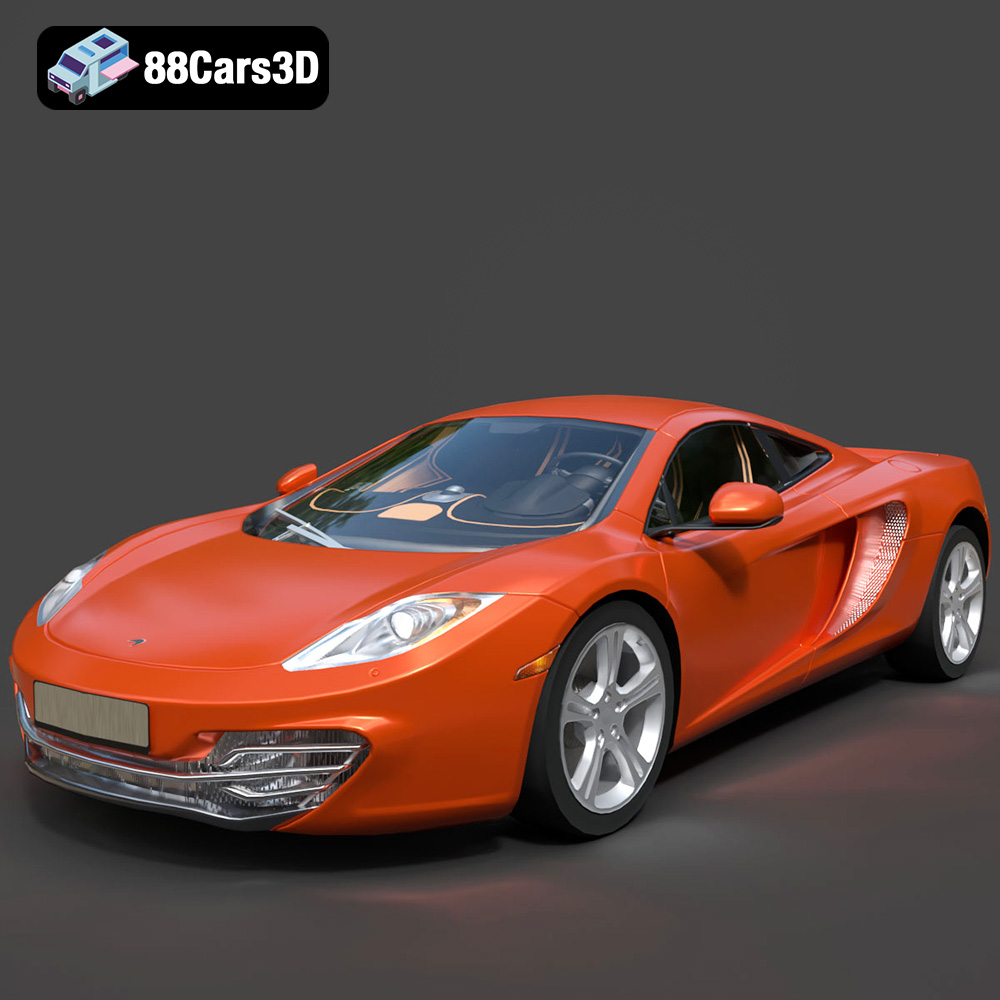
McLaren MP4-12C-001 3D Model
Texture: Yes
Material: Yes
Download the McLaren MP4-12C-001 3D Model featuring clean geometry, realistic detailing, and a fully modeled interior. Includes .blend, .fbx, .obj, .glb, .stl, .ply, .unreal, and .max formats for rendering, simulation, and game development.
Price: $23.99

Mercedes-Benz SLK 350 2005 3D Model
Texture: Yes
Material: Yes
Download the Mercedes-Benz SLK 350 2005 3D Model featuring clean geometry, realistic detailing, and a fully modeled interior. Includes .blend, .fbx, .obj, .glb, .stl, .ply, .unreal, and .max formats for rendering, simulation, and game development.
Price: $23.99

Mercedes-Benz SL 65 AMG 3D Model
Texture: Yes
Material: Yes
Download the Mercedes-Benz SL 65 AMG 3D Model featuring clean geometry, realistic detailing, and a fully modeled interior. Includes .blend, .fbx, .obj, .glb, .stl, .ply, .unreal, and .max formats for rendering, simulation, and game development.
Price: $23.99
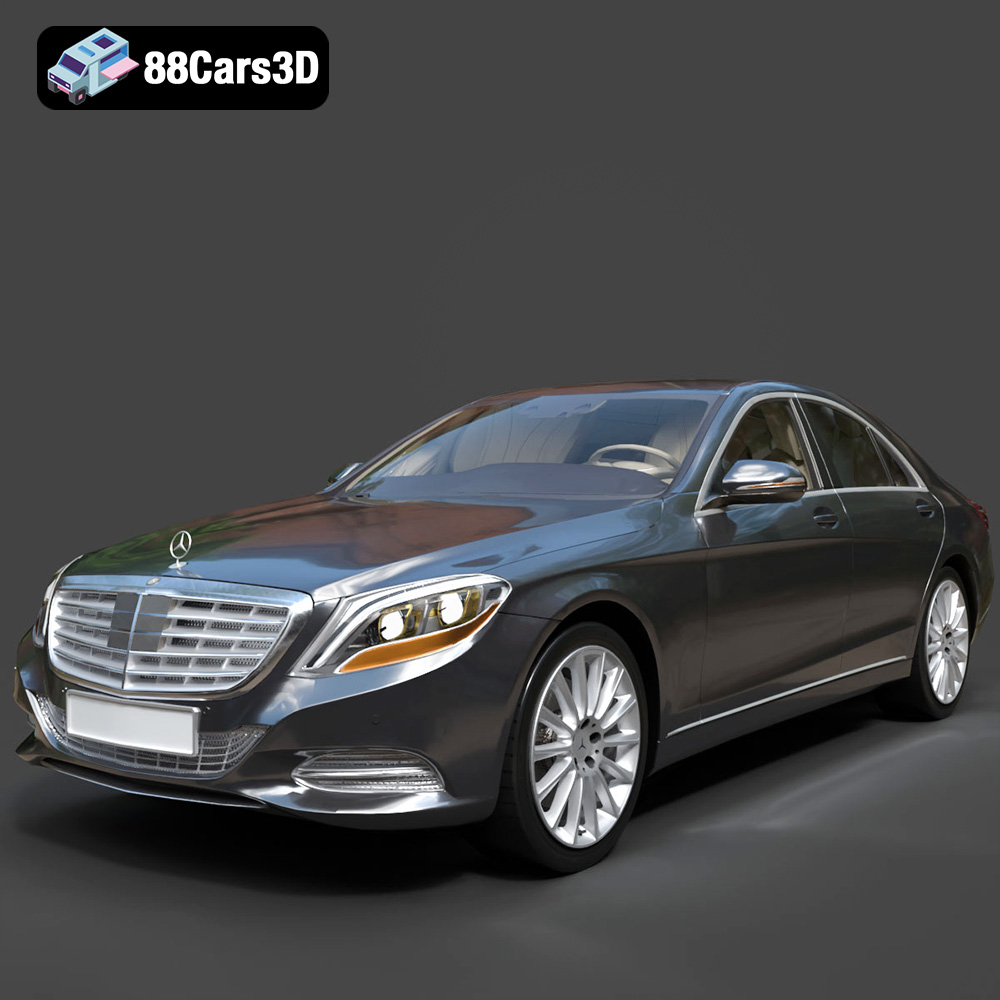
Mercedes-Benz S500 3D Model
Texture: Yes
Material: Yes
Download the Mercedes-Benz S500 3D Model featuring clean geometry, realistic detailing, and a fully modeled interior. Includes .blend, .fbx, .obj, .glb, .stl, .ply, .unreal, and .max formats for rendering, simulation, and game development.
Price: $23.99
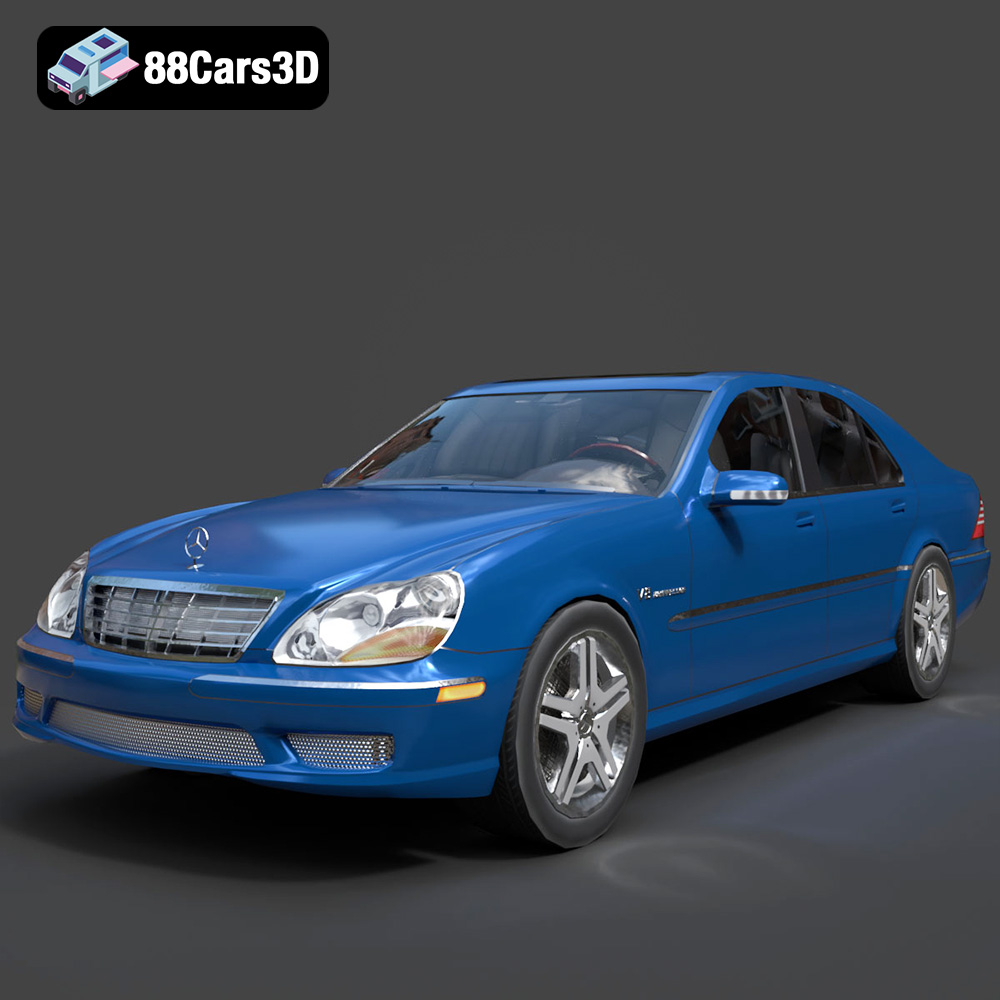
Mercedes-Benz S55 W220 AMG 1999 3D Model
Texture: Yes
Material: Yes
Download the Mercedes-Benz S55 W220 AMG 1999 3D Model featuring clean geometry, realistic detailing, and a fully modeled interior. Includes .blend, .fbx, .obj, .glb, .stl, .ply, .unreal, and .max formats for rendering, simulation, and game development.
Price: $23.99
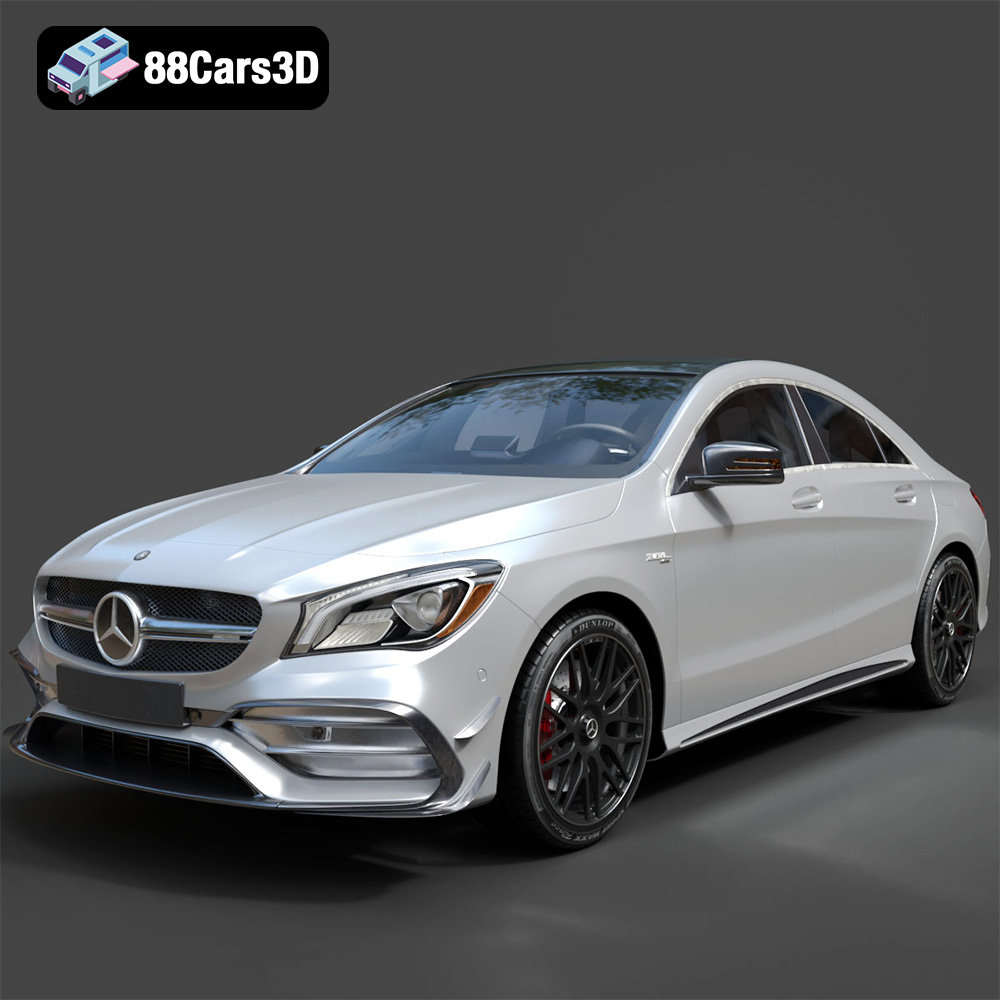
Mercedes-Benz CLA45 AMG 2017 3D Model
Texture: Yes
Material: Yes
Download the Mercedes-Benz CLA45 AMG 2017 3D Model featuring clean geometry, realistic detailing, and a fully modeled interior. Includes .blend, .fbx, .obj, .glb, .stl, .ply, .unreal, and .max formats for rendering, simulation, and game development.
Price: $38.99
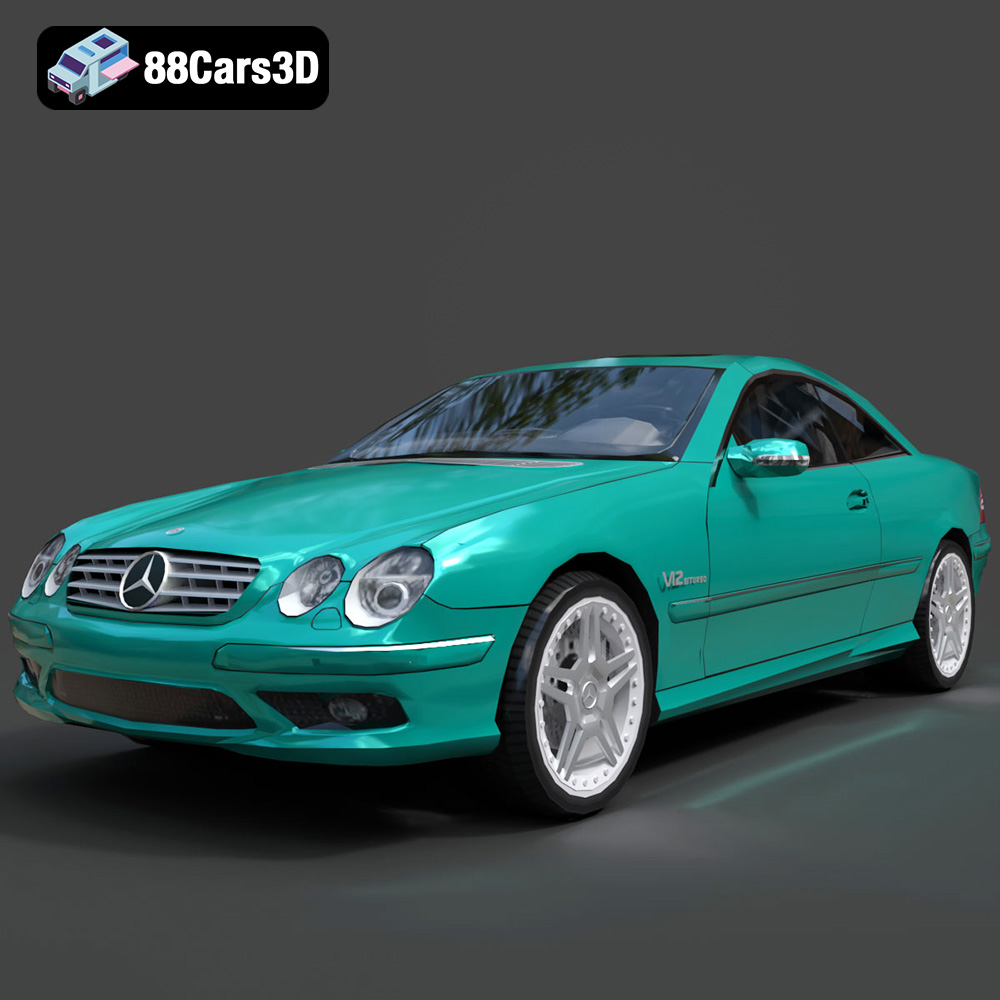
Mercedes-Benz CL65 C215 AMG 3D Model
Texture: Yes
Material: Yes
Download the Mercedes-Benz CL65 C215 AMG 3D Model featuring clean geometry, realistic detailing, and a fully modeled interior. Includes .blend, .fbx, .obj, .glb, .stl, .ply, .unreal, and .max formats for rendering, simulation, and game development.
Price: $23.99
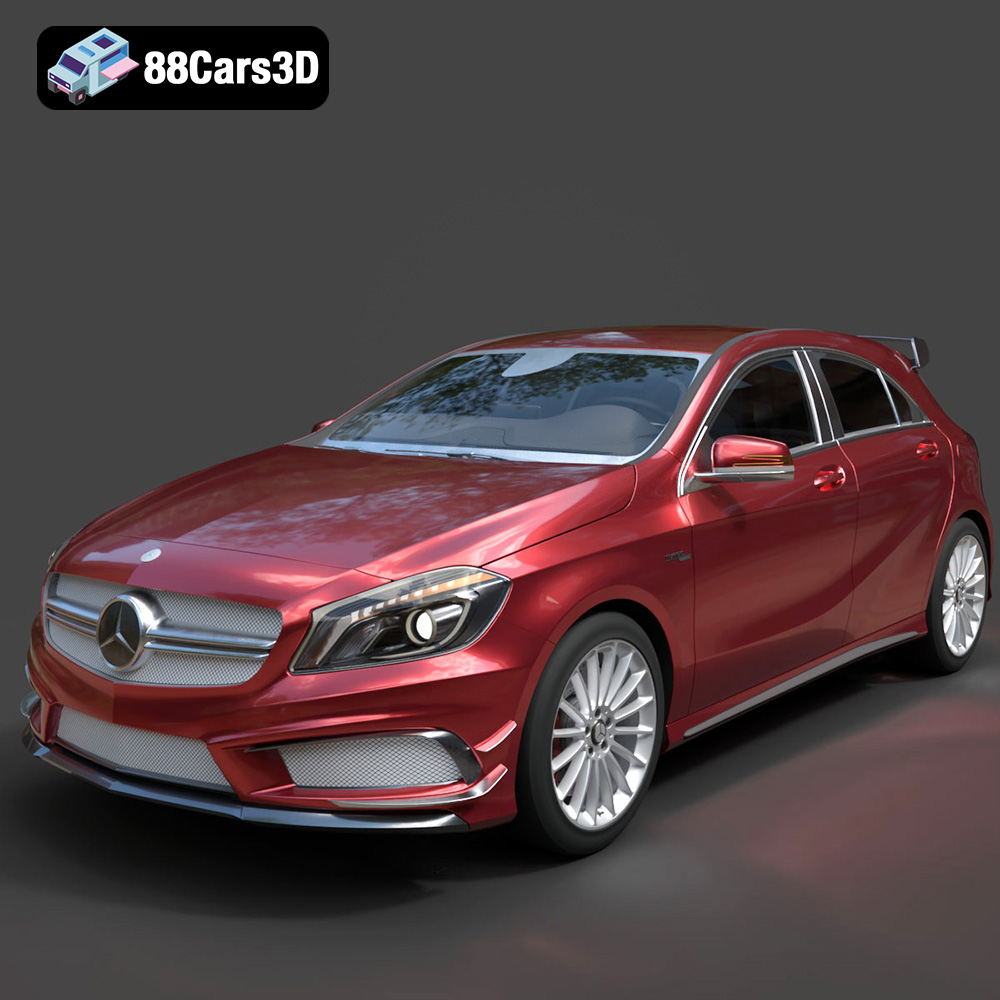
Mercedes-Benz A45 2021 3D Model
Texture: Yes
Material: Yes
Download the Mercedes-Benz A45 2021 3D Model featuring clean geometry, realistic detailing, and a fully modeled interior. Includes .blend, .fbx, .obj, .glb, .stl, .ply, .unreal, and .max formats for rendering, simulation, and game development.
Price: $23.99
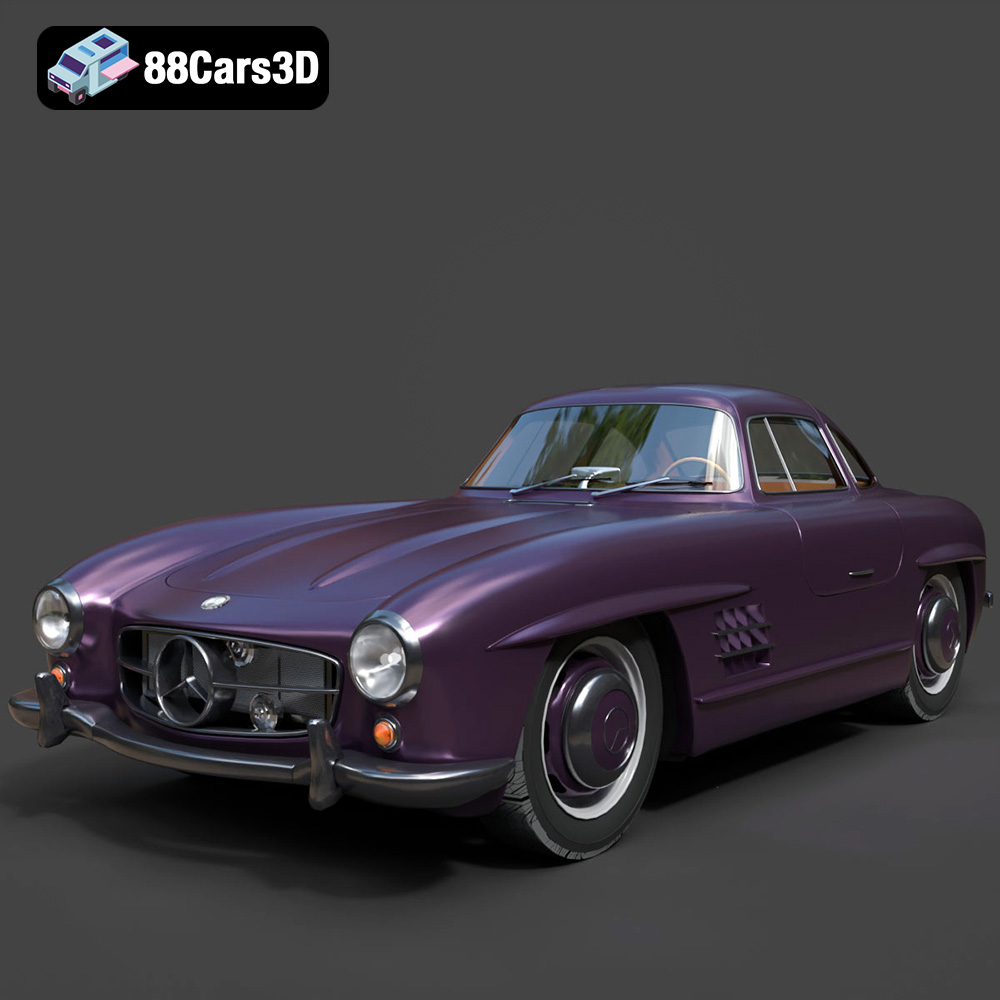
Mercedes-Benz 300SL 1955 3D Model
Texture: Yes
Material: Yes
Download the Mercedes-Benz 300SL 1955 3D Model featuring clean geometry, realistic detailing, and a fully modeled interior. Includes .blend, .fbx, .obj, .glb, .stl, .ply, .unreal, and .max formats for rendering, simulation, and game development.
Price: $23.99
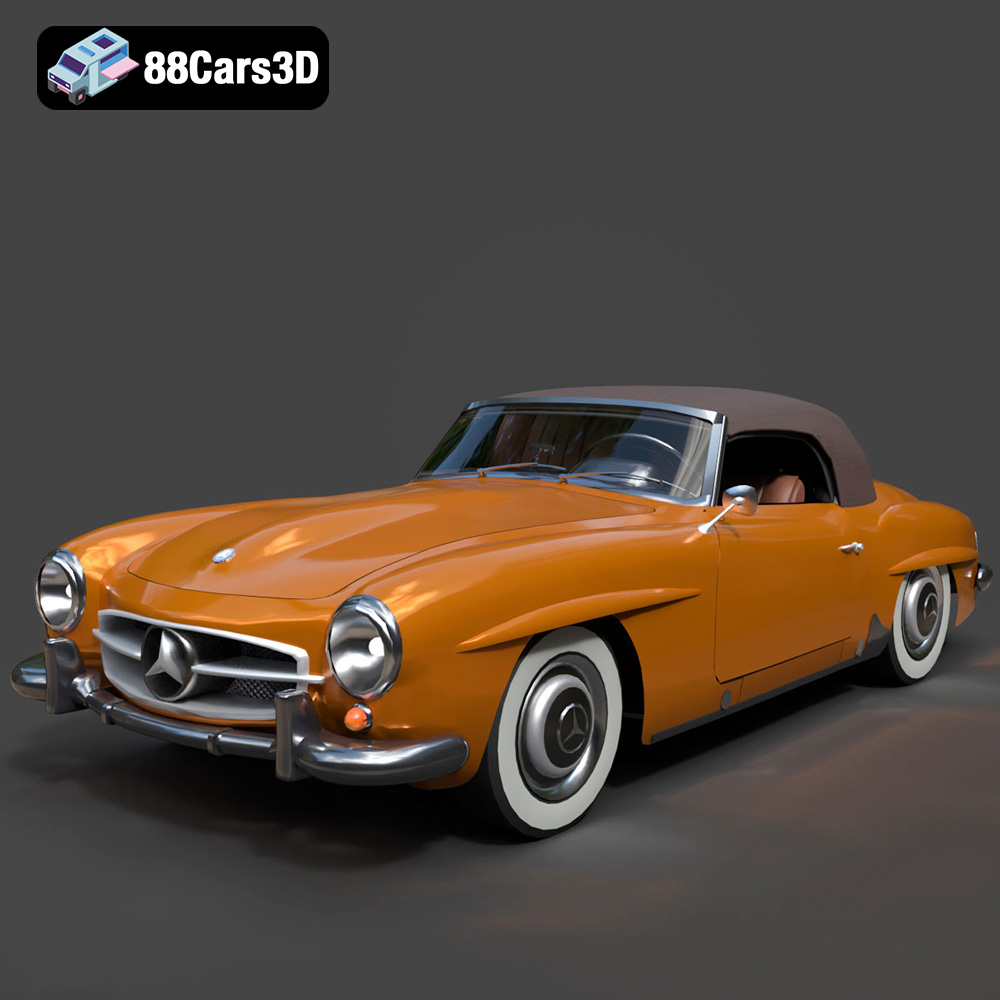
Mercedes-Benz 190SL 1955 3D Model
Texture: Yes
Material: Yes
Download the Mercedes-Benz 190SL 1955 3D Model featuring clean geometry, realistic detailing, and a fully modeled interior. Includes .blend, .fbx, .obj, .glb, .stl, .ply, .unreal, and .max formats for rendering, simulation, and game development.
Price: $23.99
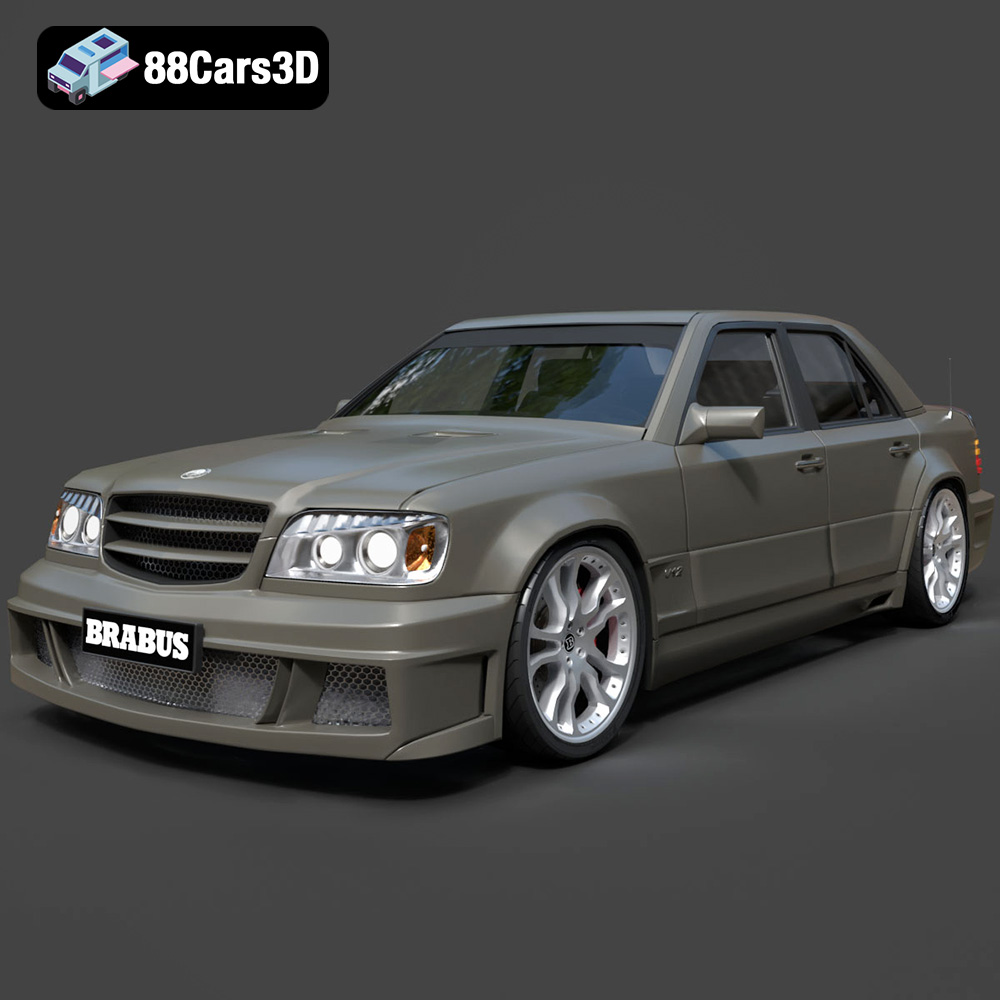
Mercedes-Benz W124 Brabus V12 3D Model
Texture: Yes
Material: Yes
Download the Mercedes-Benz W124 Brabus V12 3D Model featuring clean geometry, realistic detailing, and a fully modeled interior. Includes .blend, .fbx, .obj, .glb, .stl, .ply, .unreal, and .max formats for rendering, simulation, and game development.
Price: $23.99
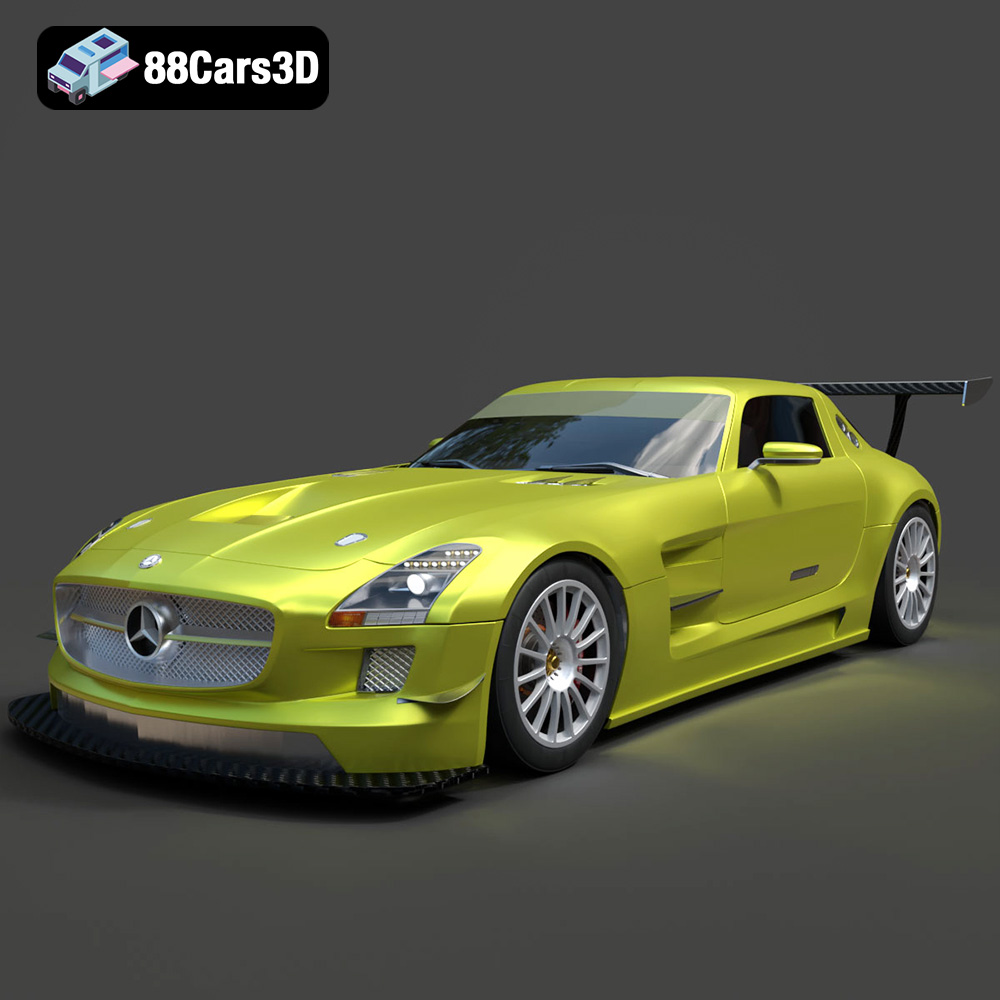
Mercedes-Benz SLS AMG GT3-002 3D Model
Texture: Yes
Material: Yes
Download the Mercedes-Benz SLS AMG GT3-002 3D Model featuring clean geometry, realistic detailing, and a fully modeled interior. Includes .blend, .fbx, .obj, .glb, .stl, .ply, .unreal, and .max formats for rendering, simulation, and game development.
Price: $38.99

Mercedes-Benz C-Class-001 3D Model
Texture: Yes
Material: Yes
Download the Mercedes-Benz C-Class-001 3D Model featuring clean geometry, realistic detailing, and a fully modeled interior. Includes .blend, .fbx, .obj, .glb, .stl, .ply, .unreal, and .max formats for rendering, simulation, and game development.
Price: $38.99
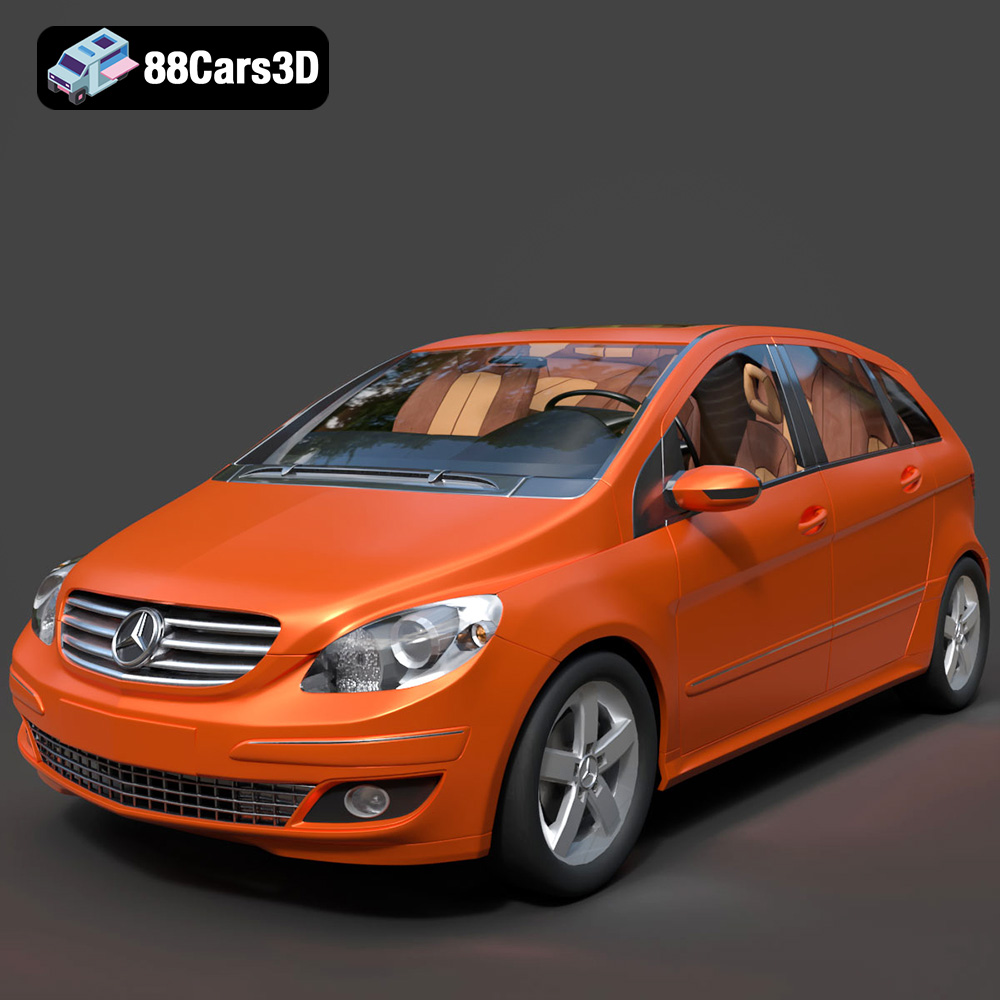
Mercedes-Benz B-Klasse 2023 3D Model
Texture: Yes
Material: Yes
Download the Mercedes-Benz B-Klasse 2023 3D Model featuring clean geometry, realistic detailing, and a fully modeled interior. Includes .blend, .fbx, .obj, .glb, .stl, .ply, .unreal, and .max formats for rendering, simulation, and game development.
Price: $38.99
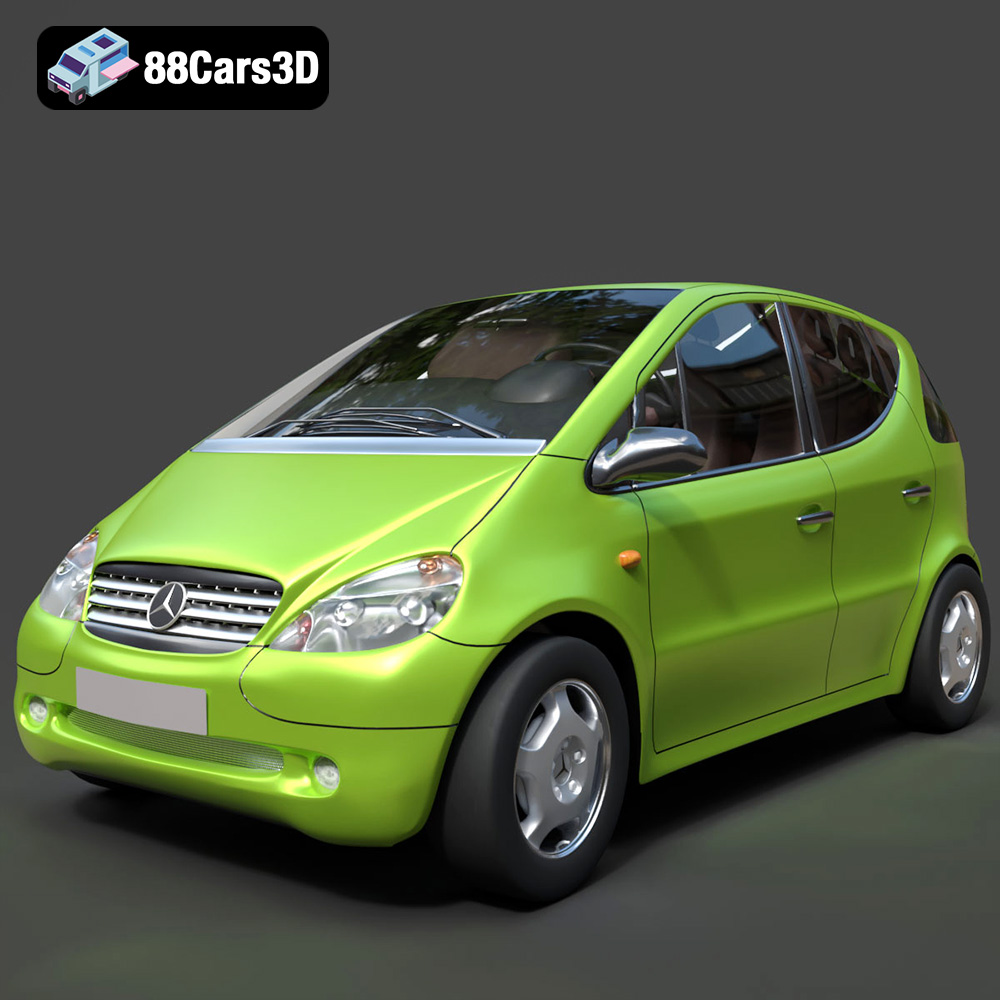
Mercedes-Benz A-Klasse W168 3D Model
Texture: Yes
Material: Yes
Download the Mercedes-Benz A-Klasse W168 3D Model featuring clean geometry, realistic detailing, and a fully modeled interior. Includes .blend, .fbx, .obj, .glb, .stl, .ply, .unreal, and .max formats for rendering, simulation, and game development.
Price: $38.99
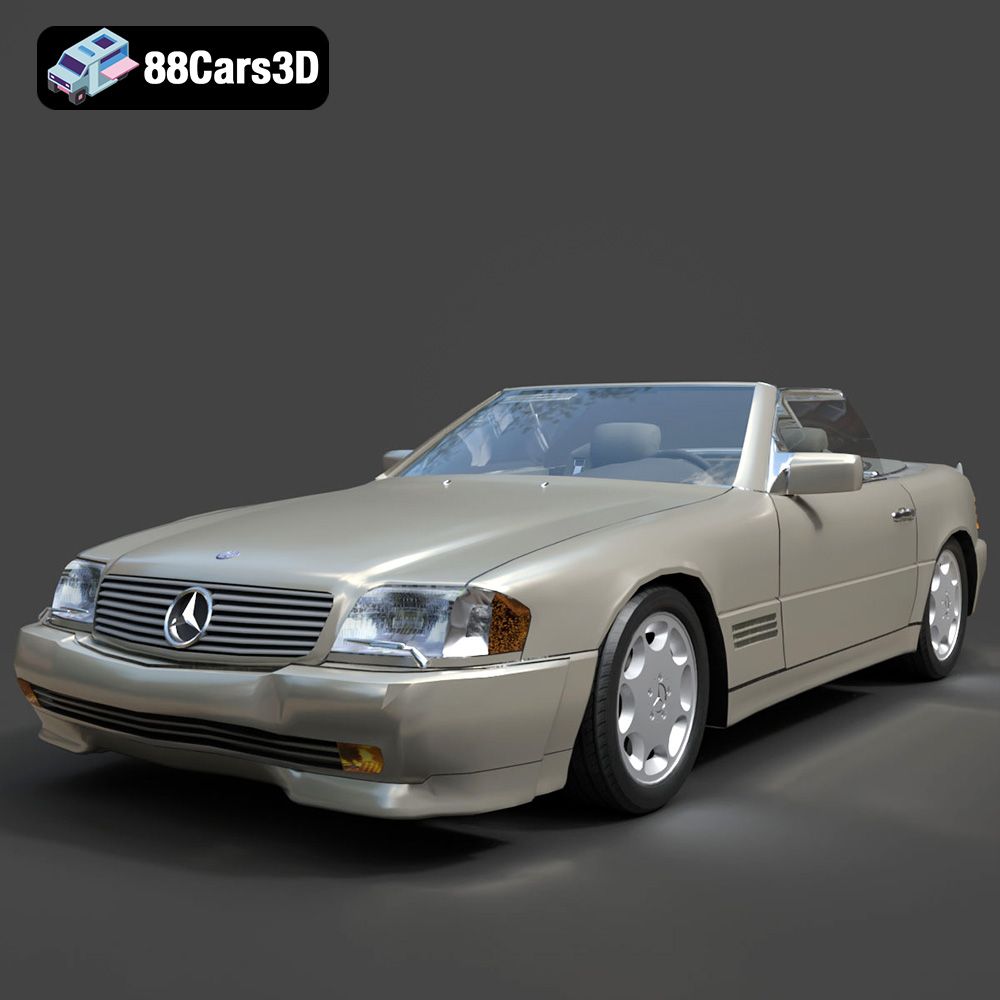
Mercedes-Benz 500SL 2000 3D Model
Texture: Yes
Material: Yes
Download the Mercedes-Benz 500SL 2000 3D Model featuring clean geometry, realistic detailing, and a fully modeled interior. Includes .blend, .fbx, .obj, .glb, .stl, .ply, .unreal, and .max formats for rendering, simulation, and game development.
Price: $38.99
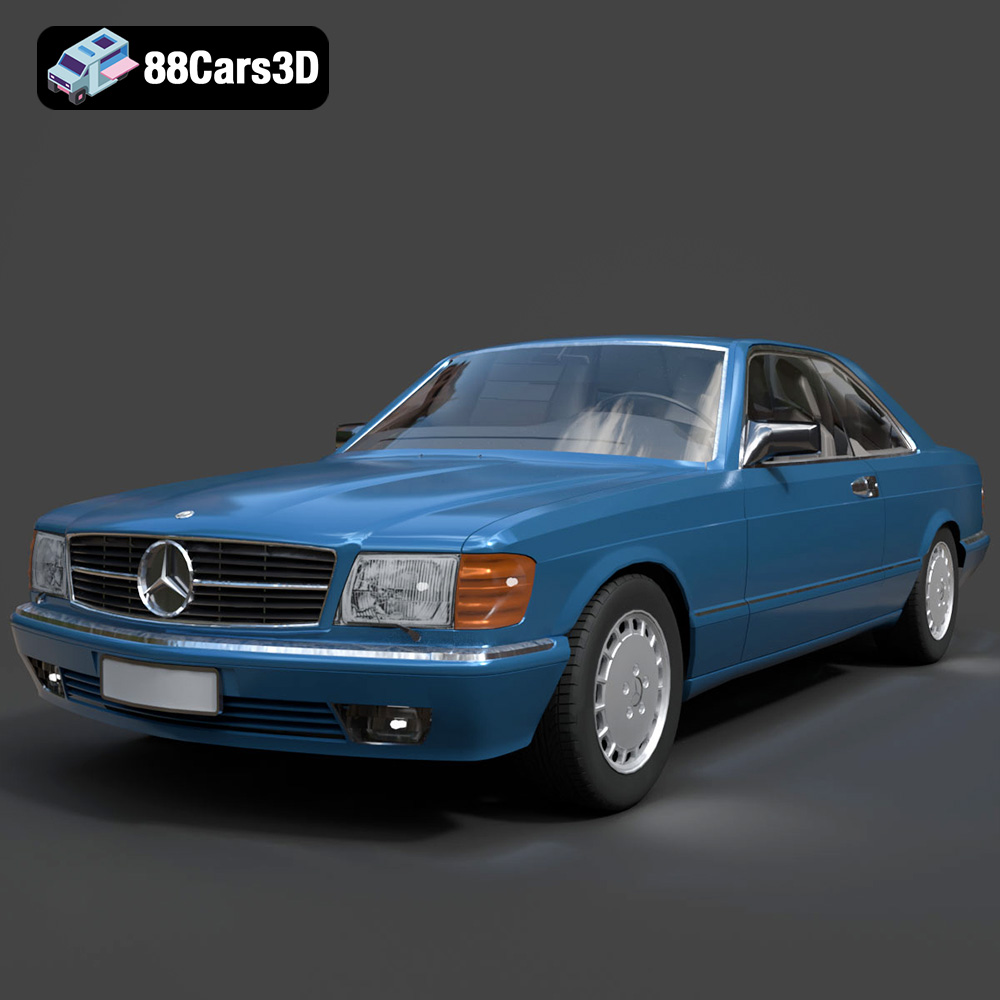
Mercedes-Benz 500SEC 3D Model
Texture: Yes
Material: Yes
Download the Mercedes-Benz 500SEC 3D Model featuring clean geometry, realistic detailing, and a fully modeled interior. Includes .blend, .fbx, .obj, .glb, .stl, .ply, .unreal, and .max formats for rendering, simulation, and game development.
Price: $38.99
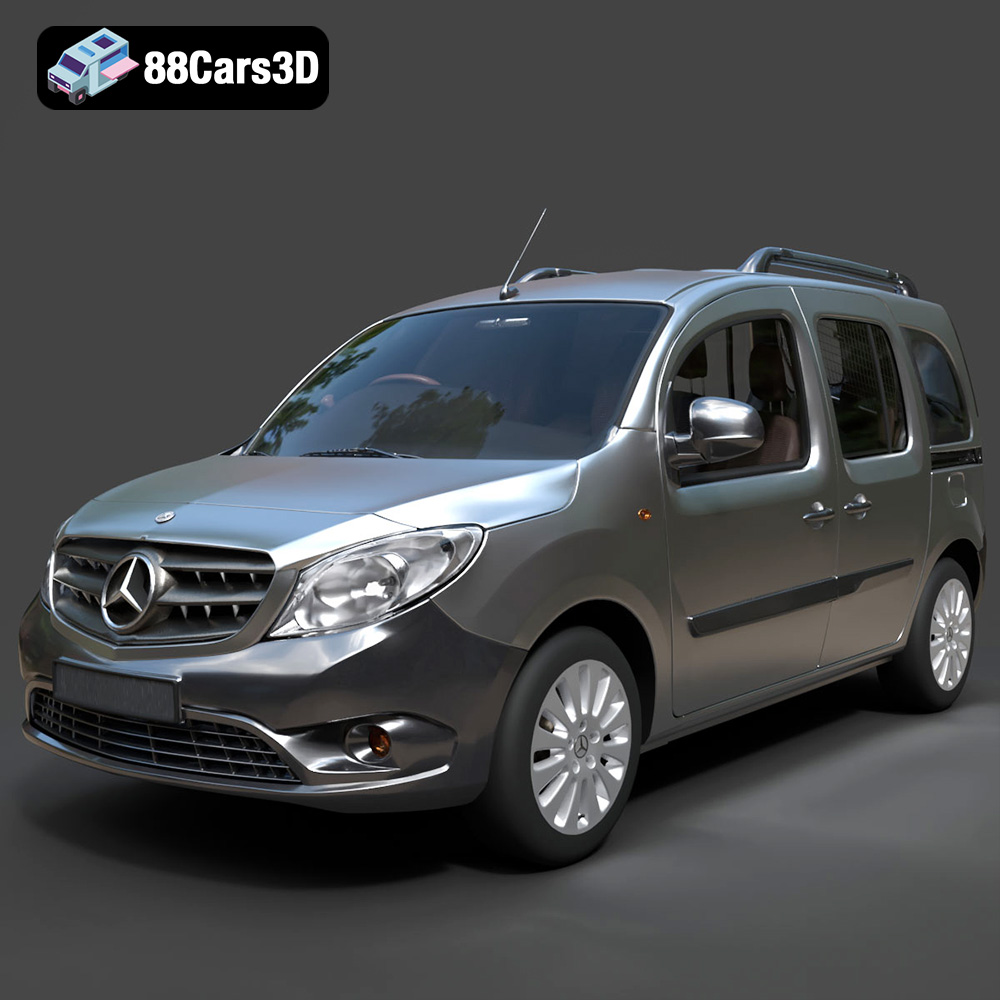
Mercedes-Benz Citan 2025 3D Model
Texture: Yes
Material: Yes
Download the Mercedes-Benz Citan 2025 3D Model featuring clean geometry, realistic detailing, and a fully modeled interior. Includes .blend, .fbx, .obj, .glb, .stl, .ply, .unreal, and .max formats for rendering, simulation, and game development.
Price: $38.99
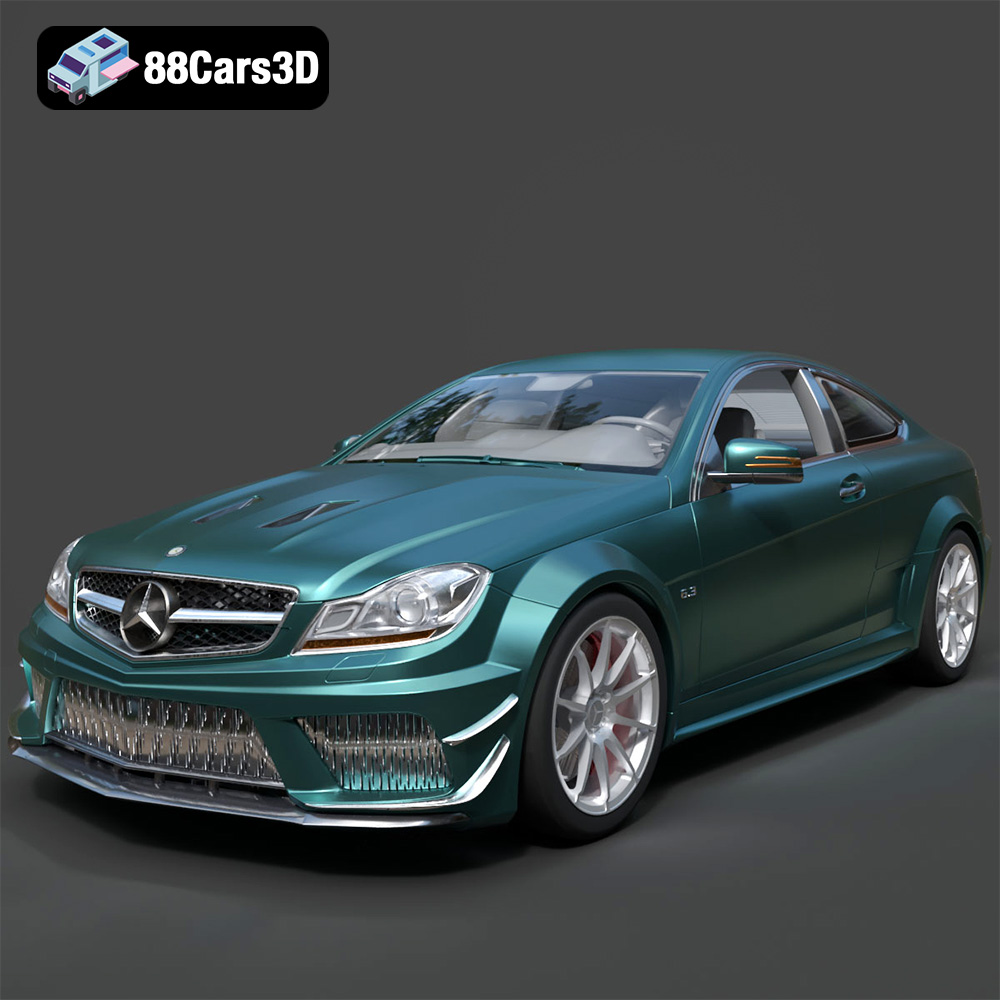
Mercedes-Benz C63 AMG 2012 3D Model
Texture: Yes
Material: Yes
Download the Mercedes-Benz C63 AMG 2012 3D Model featuring clean geometry, realistic detailing, and a fully modeled interior. Includes .blend, .fbx, .obj, .glb, .stl, .ply, .unreal, and .max formats for rendering, simulation, and game development.
Price: $38.99
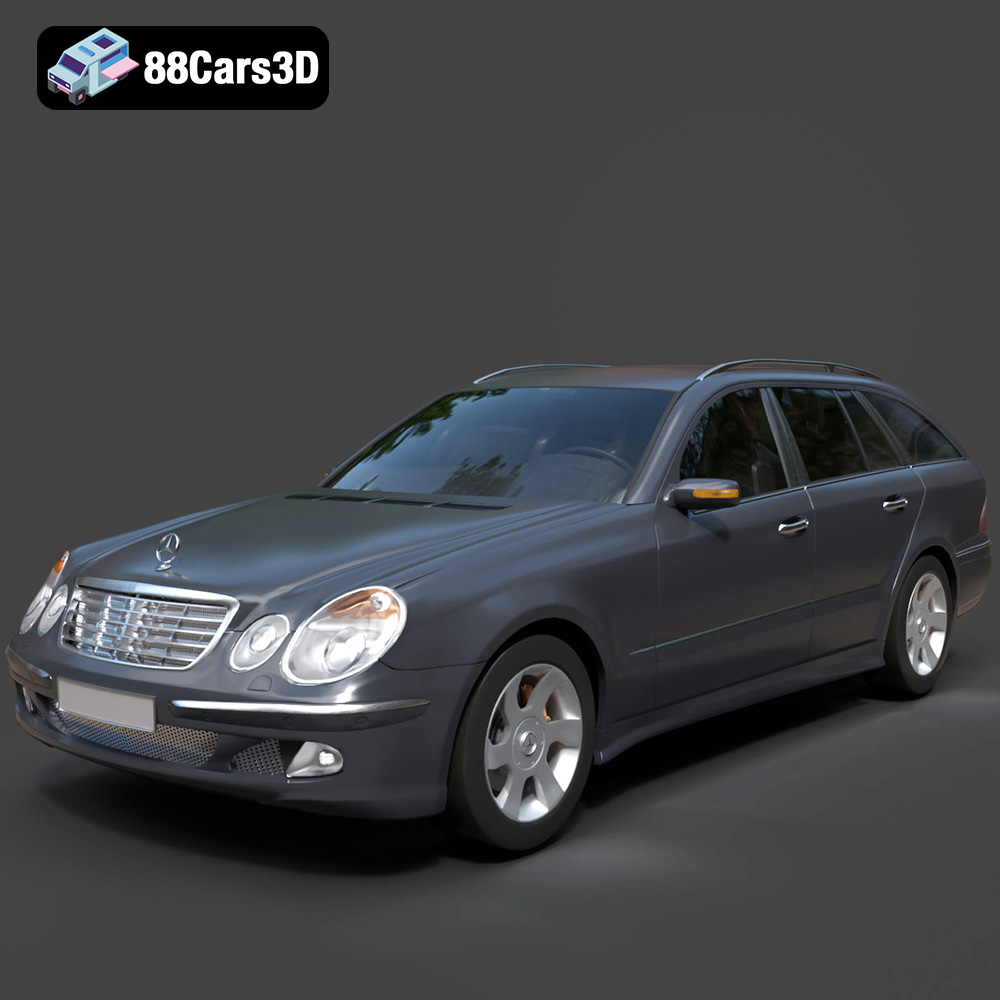
Mercedes-Benz E-Class S211 3D Model
Texture: Yes
Material: Yes
Download the Mercedes-Benz E-Class S211 3D Model featuring clean geometry, realistic detailing, and a fully modeled interior. Includes .blend, .fbx, .obj, .glb, .stl, .ply, .unreal, and .max formats for rendering, simulation, and game development.
Price: $38.99
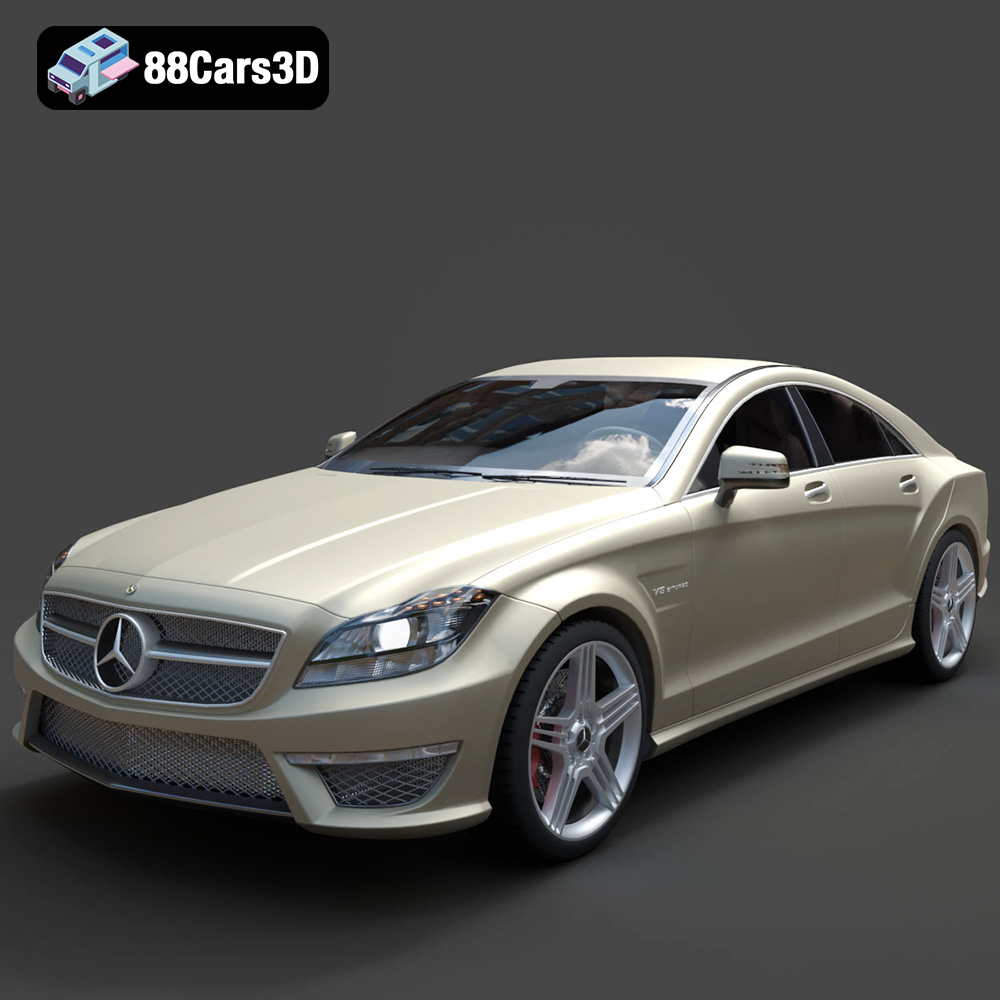
Mercedes-Benz CLS63 AMG (C218) 2014 3D Model
Texture: Yes
Material: Yes
Download the Mercedes-Benz CLS63 AMG (C218) 2014 3D Model featuring clean geometry, realistic detailing, and a fully modeled interior. Includes .blend, .fbx, .obj, .glb, .stl, .ply, .unreal, and .max formats for rendering, simulation, and game development.
Price: $38.99
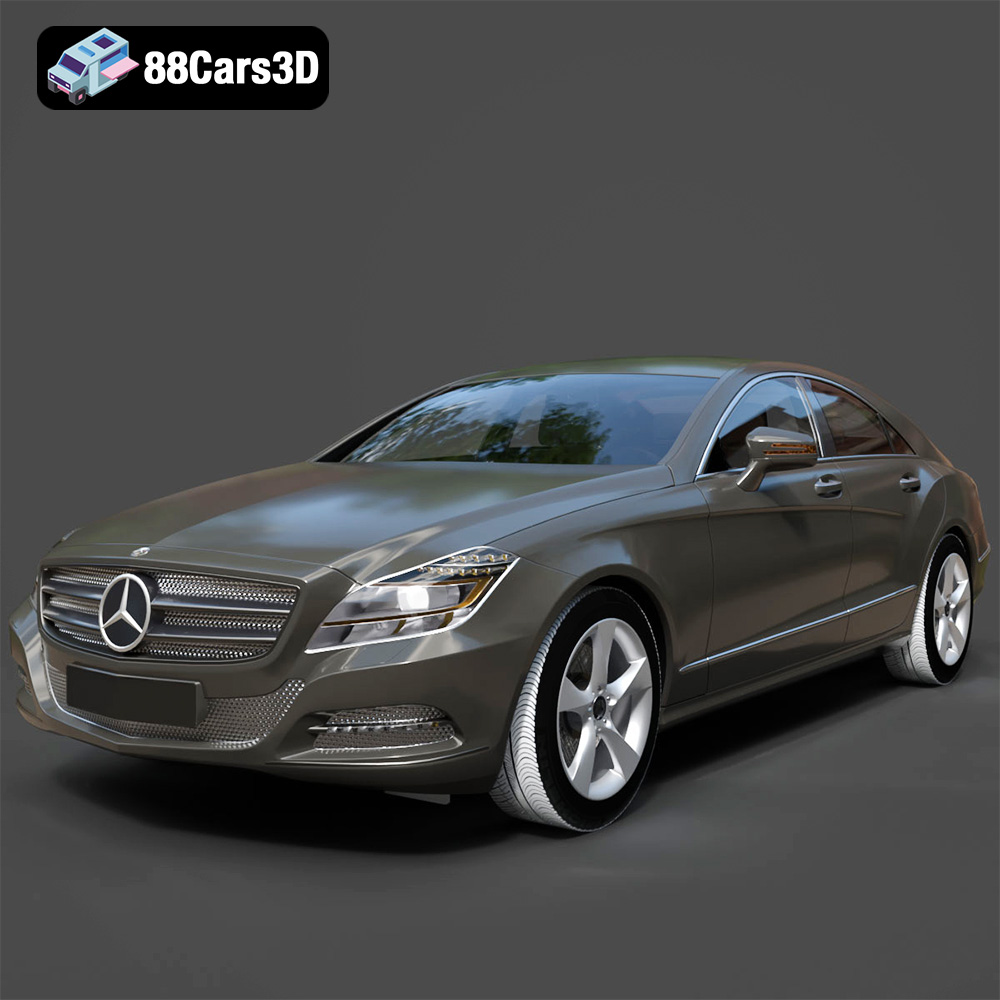
Mercedes-Benz CLS-Klasse 3D Model
Texture: Yes
Material: Yes
Download the Mercedes-Benz CLS-Klasse 3D Model featuring clean geometry, realistic detailing, and a fully modeled interior. Includes .blend, .fbx, .obj, .glb, .stl, .ply, .unreal, and .max formats for rendering, simulation, and game development.
Price: $38.99
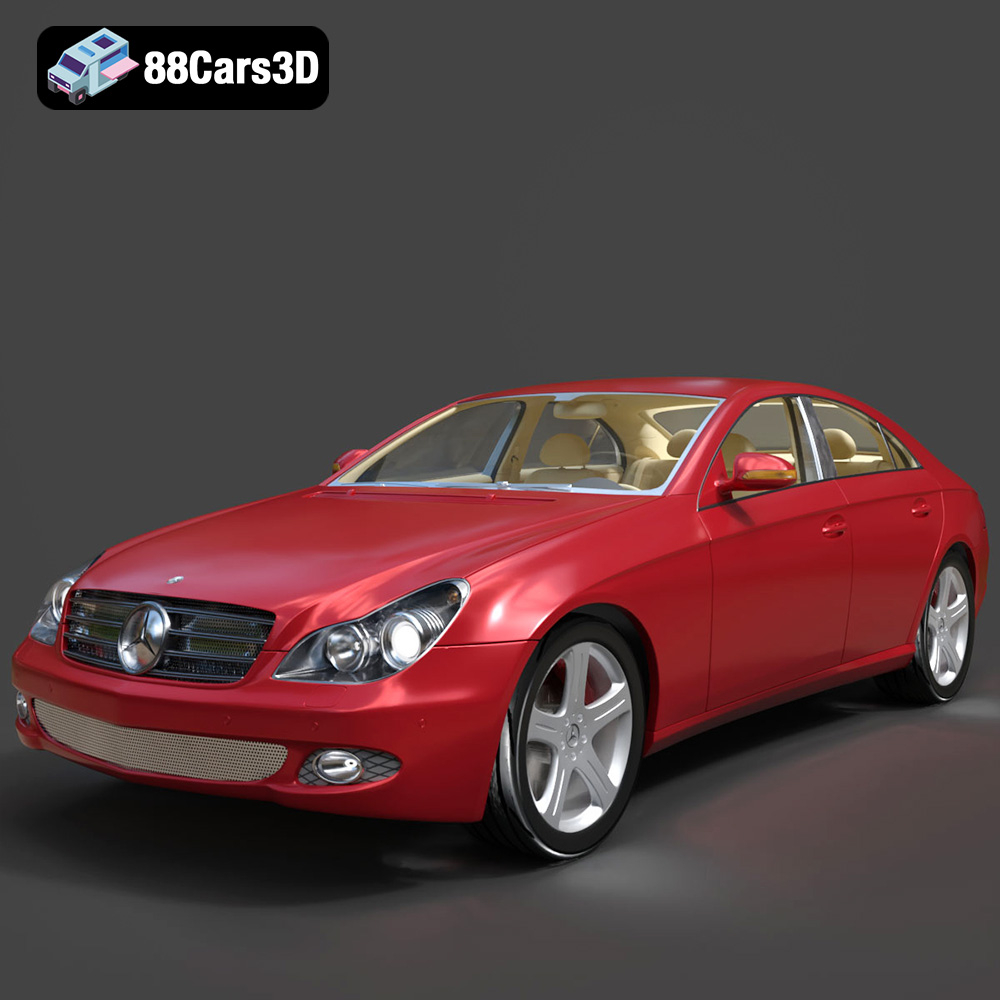
Mercedes-Benz CLS 500 3D Model
Texture: Yes
Material: Yes
Download the Mercedes-Benz CLS 500 3D Model featuring clean geometry, realistic detailing, and a fully modeled interior. Includes .blend, .fbx, .obj, .glb, .stl, .ply, .unreal, and .max formats for rendering, simulation, and game development.
Price: $38.99

Mercedes-Benz CL-Klasse 2001 3D Model
Texture: Yes
Material: Yes
Download the Mercedes-Benz CL-Klasse 2001 3D Model featuring clean geometry, realistic detailing, and a fully modeled interior. Includes .blend, .fbx, .obj, .glb, .stl, .ply, .unreal, and .max formats for rendering, simulation, and game development.
Price: $38.99
