
The Chasm Between CAD and Game Engines: Why Optimization is Critical

The roar of a finely-tuned engine, the glint of sun on a polished chassis, the thrill of speed – bringing these sensations to life in real-time game engines is the dream of every automotive enthusiast and game developer. Modern video games, simulations, and virtual reality experiences demand stunning visual fidelity combined with buttery-smooth performance. However, there’s a significant chasm between the highly precise engineering models used in automotive design and the lean, optimized assets required for interactive 3D environments.
This is where the magic of 88cars3d.com and the art of CAD data optimization come into play. High-precision CAD (Computer-Aided Design) models, while perfect for manufacturing, are notoriously dense and complex for real-time rendering. Transforming these intricate blueprints into efficient, game-ready real-time automotive assets is a specialized skill. This definitive guide will walk you through the essential steps, strategies, and best practices to bridge this gap, ensuring your automotive creations shine with both stunning detail and uncompromised performance within any game engine.
The Chasm Between CAD and Game Engines: Why Optimization is Critical
Automotive CAD models are built for engineering precision. They typically utilize NURBS (Non-Uniform Rational B-Splines) or parametric surfaces, which define geometry mathematically with extreme accuracy, often to sub-millimeter tolerances. This allows for intricate designs, perfect curves, and detailed manufacturing specifications. While invaluable for design and production, this native format is incompatible with game engines, which rely on triangulated meshes for rendering.
When CAD data is converted directly to polygons without optimization, the resulting mesh is usually bloated with millions of triangles, riddled with non-manifold geometry, inconsistent normals, and inefficient topology. Such a mesh would cripple a game engine, leading to abysmal frame rates, excessive memory consumption, and slow loading times. This highlights the **fundamental challenges of converting high-precision CAD models into efficient, game-ready 3D assets** for real-time environments.
To overcome these hurdles, a robust automotive 3D asset pipeline is essential. This pipeline systematically addresses the conversion, cleanup, optimization, and texturing processes, ensuring that the final asset is both visually accurate and performant. Without careful optimization, even the most beautiful CAD models remain unusable in interactive real-time scenarios.
Initial Data Preparation: From CAD to a Manageable Mesh
The journey from a complex CAD file to a game-ready asset begins with careful data preparation. This initial phase sets the foundation for all subsequent optimization steps.
CAD Import and Conversion
The first step involves importing the CAD data into a 3D modeling application. Common CAD formats like STEP, IGES, and JT are not directly importable into most game engines or even standard 3D modeling software without specialized plugins. Applications like Autodesk Fusion 360, Rhino, SolidWorks, or dedicated CAD importers for Maya, 3ds Max, or Blender are crucial here.
During import, the CAD data is typically tessellated, converting the NURBS surfaces into a polygonal mesh. This is a critical juncture where you must balance detail and poly count. Importing with excessively high tessellation will result in a bloated mesh that is difficult to manage. Conversely, too low a tessellation will lose critical surface details and lead to a blocky appearance. Aim for a tessellation that captures the primary curves and shapes accurately without generating an astronomical number of polygons.
Cleanup and Decimation
Once imported, the initial tessellated mesh often requires significant cleanup. CAD conversions frequently generate:
- Duplicate Geometry: Overlapping or identical mesh elements.
- Non-Manifold Geometry: Edges connected to more than two faces, or faces with no volume.
- Open Boundaries: Gaps or holes where surfaces should be watertight.
- Inconsistent Normals: Faces pointing in the wrong direction, leading to shading errors.
- Excessive Triangles: Often with very thin, long triangles, or tiny slivers that are inefficient.
Cleaning these issues is vital for a stable mesh. Use your 3D software’s tools to merge vertices, remove duplicate faces, fix normals, and weld edges. Following this, an initial, coarse polygon reduction strategy can be applied. Tools like ProOptimizer in 3ds Max, Maya’s Reduce, or Blender’s Decimate modifier can intelligently reduce the poly count while striving to preserve the overall silhouette and major forms. This isn’t the final retopology, but rather a preliminary step to make the mesh more manageable for the detailed work ahead.
Retopology: Crafting Game-Ready Automotive Meshes
Even after initial cleanup and decimation, directly converted CAD meshes are rarely suitable for real-time engines. Their topology is often chaotic, leading to poor deformation, difficult UV mapping, and inefficient rendering. This is where retopology for vehicles becomes paramount. Retopology involves creating a new, optimized mesh on top of the high-polygon CAD data, specifically designed for animation, deformation, and real-time performance.
Manual vs. Automatic Retopology
Retopology can be approached in two main ways:
- Manual Retopology: This is the most precise and often preferred method for hero assets like cars. Tools like Quad Draw in Maya, TopoGun, ZBrush’s ZRemesher with guides, or dedicated retopology workflows in Blender allow artists to draw new, clean quad-based topology directly onto the high-poly surface. This gives complete control over edge flow and polygon density.
- Automatic Retopology: Tools like ZRemesher or instant meshes can automatically generate a new topology. While faster, they often require significant manual cleanup and may not produce ideal edge flow for complex mechanical surfaces or areas that need to deform (like wheels turning, doors opening). They are better suited for organic models or less critical parts.
For high-quality automotive models, a combination of manual and guided automatic retopology often yields the best results, ensuring a clean, efficient, and animatable mesh.
Key Retopology Principles for Automotive Assets
When performing retopology on a vehicle, consider these principles:
- Clean Quad-Based Topology: Prioritize quads (four-sided polygons) as they deform better and are easier to work with for UV mapping and subdivision. Triangles should be used sparingly, primarily in flat, non-deforming areas.
- Edge Flow: Crucially, the edge loops must follow the natural contours and creases of the vehicle. This includes around wheel arches, headlights, panel gaps, door lines, and the overall body shape. Proper edge flow ensures smooth shading and realistic reflections.
- Polygon Density: Maintain an appropriate polygon density. High-curvature areas (e.g., wheel wells, complex headlight housings, intricate grilles) will require more polygons to maintain shape. Flat surfaces (e.g., roof, large door panels) can have much lower polygon density.
- Panel Gaps and Cutlines: Ensure that panel gaps are represented with clean edge loops, allowing them to be clearly defined by normal maps and geometry. This adds significant realism to the model.
- Internal Structures: For parts like engine bays or interior elements, only model what will be seen. Optimize visibility and potential for occlusion.
- Optimizing for Deformation: For animated parts like wheels, steering wheels, or opening doors, ensure the topology around pivot points is clean and allows for smooth rotation or movement without pinching.
A well-retopologized vehicle mesh will be significantly lighter than the original CAD conversion, much easier to UV unwrap, and will shade correctly in real-time engines, laying the groundwork for realistic textures.
UV Mapping and PBR Texturing: Bringing Automotive Assets to Life
Once you have a clean, optimized mesh, the next crucial step is preparing it for texturing. UV mapping and the application of Physically Based Rendering (PBR) textures are what truly bring a car model to life in a game engine, giving it realistic surfaces and materials.
Efficient UV Unwrapping for Vehicles
UV unwrapping is the process of flattening your 3D model into 2D space, allowing you to paint or apply textures to it. For complex automotive surfaces, efficient UV mapping strategies are key:
- Minimizing Seams: While seams are inevitable, place them in less visible areas, such as along natural breaks, under the vehicle, or inside panel gaps. This helps maintain visual continuity of textures.
- Avoiding Stretching: Ensure the UVs are relaxed and have minimal distortion. Stretching will lead to warped and unnatural-looking textures.
- Maximizing UV Space: Utilize the 0-1 UV space efficiently. Pack your UV islands (individual flattened pieces of your model) tightly to prevent wasted space, which directly impacts texture resolution and quality.
- Texture Density: Consider different texture resolutions for different parts. The car body, often a focal point, might require higher texture density than less visible undercarriage components. You might use multiple UV sets or texture atlases to manage this.
- Modular Unwrapping: Often, separate UV maps are created for different components: one for the body, another for wheels, a third for the interior, and so on. This allows for better texture resolution distribution and easier material assignment in the game engine.
Careful UV unwrapping is foundational for achieving high-quality textures without visual artifacts.
Mastering PBR Texturing Automotive
PBR texturing automotive assets is essential for modern realism. PBR (Physically Based Rendering) is a shading model that aims to simulate how light interacts with surfaces in a physically accurate way, resulting in more consistent and realistic materials under various lighting conditions. Key PBR maps include:
- Albedo/Base Color: Defines the base color of the surface without any lighting information.
- Metallic: Determines how “metal-like” a surface is (0 for non-metal, 1 for metal).
- Roughness: Controls how rough or smooth a surface is, influencing how light scatters (0 for perfectly smooth/glossy, 1 for completely rough/matte).
- Normal Map: Stores surface detail (bumps, dents, scratches) as if it were actual geometry, allowing a low-poly model to appear highly detailed. This is crucial for baking details from your high-poly CAD reference.
- Ambient Occlusion (AO): Simulates soft shadows where objects are close together, enhancing depth and realism.
The workflow typically involves baking details from your original high-polygon CAD mesh (or a highly detailed sculpted mesh) onto your retopologized, low-polygon mesh. This process generates normal maps and ambient occlusion maps that transfer intricate panel lines, vents, and surface imperfections. Software like Substance Painter, Marmoset Toolbag, or even dedicated baking tools in your 3D package (e.g., xNormal) are used for this.
For car models, particular attention must be paid to realistic material properties:
- Car Paint: Often involves complex metallic flakes, clear coat layers, and varying roughness.
- Glass: Needs accurate transparency, reflections, and subtle distortions.
- Rubber: Tires and seals require specific roughness and subtle displacement.
- Chrome/Metal: High metallic values with low roughness for polished surfaces, or higher roughness for brushed metals.
The success of your real-time automotive assets heavily relies on well-crafted PBR textures.
Advanced Optimization Techniques for Real-Time Performance
Even after retopology and PBR texturing, further optimization is often necessary to achieve optimal performance, especially for detailed automotive models that might be seen up close or in large numbers.
Aggressive Polygon Reduction Strategies and LODs
While retopology aims for clean, efficient topology, it doesn’t always result in the lowest possible poly count for distant objects. For this, a combination of manual and automated polygon reduction strategies is employed:
- Targeted Decimation: Use decimation tools (e.g., Maya Reduce, Blender Decimate, Simplygon) on less critical areas or components that won’t be seen up close. This needs to be done carefully to avoid noticeable visual degradation.
- Level of Detail (LODs): This is a cornerstone of game optimization. LODs are progressively lower-polygon versions of the same asset that swap in and out based on the camera’s distance from the object.
- LOD0 (Highest Detail): The full retopologized model, seen up close.
- LOD1, LOD2, etc.: Sequentially lower poly counts, with increasing visual simplification. For a car, you might have 3-4 LODs.
- LOD N (Lowest Detail): Often a very simple proxy mesh, or even a billboard for extreme distances.
Most game engines have robust LOD systems that automatically manage these swaps, saving significant rendering resources. Creating these lower LODs can involve further decimation, merging smaller details, or even removing geometry that won’t be visible at a distance.
Collision Meshes and Physics Assets
Game engines need to understand the physical boundaries of your car for accurate collisions, physics, and gameplay. Using the high-resolution render mesh for collision detection is extremely inefficient. Instead, dedicated, simplified collision meshes are created:
- Simplified Geometry: These are very low-polygon proxy meshes, often composed of convex hull shapes (boxes, capsules, spheres) or a very coarse mesh that closely approximates the vehicle’s form.
- Compound Colliders: For complex shapes like a car, multiple simple colliders (e.g., a box for the body, cylinders for wheels) are often combined to form a compound collider.
- Physics Assets: In engines like Unreal, you’ll create a “Physics Asset” that ties these simplified collision shapes to the skeletal mesh, defining how different parts of the car (body, wheels) interact physically with the environment. This is crucial for realistic vehicle dynamics.
Other Optimization Considerations
- Draw Calls: Minimize the number of draw calls by combining meshes where possible (e.g., grouping small interior parts) and using texture atlases. Fewer draw calls mean better performance.
- Instancing/Batching: For multiple identical vehicles, game engines can use instancing to render them very efficiently, using the same mesh and material data.
- Occlusion Culling: Configure your scene so that objects hidden behind other objects (e.g., the engine inside a closed hood) are not rendered, saving GPU resources.
Game Engine Integration: Seamlessly Bringing Cars to Virtual Worlds
With a fully optimized, textured, and LOD-ready automotive asset, the final stage is to integrate it seamlessly into your chosen game engine. This process requires careful attention to export settings, material setup, and engine-specific optimizations.
Exporting Optimized Assets
The standard format for exporting 3D assets to game engines is FBX (Filmbox) or glTF. When exporting from your 3D modeling software:
- Units and Scale: Ensure your scene units match your game engine’s units (e.g., centimeters in Maya to Unreal Engine). Incorrect scaling can lead to physics issues and visual inconsistencies.
- Pivot Points: Set the pivot point of each component (especially wheels, doors, hood) correctly for proper animation and interaction within the engine.
- Hierarchy: Maintain a clean, logical hierarchy in your scene graph (e.g., “Car_Body” parent, with “Wheel_FL,” “Door_FL” as children). This simplifies animation and scripting.
- Embedding Media: Often, you can choose to embed textures directly into the FBX/glTF file, simplifying the import process.
- Normals and Tangents: Ensure normals are properly smoothed and tangents/binormals are exported correctly, as these are critical for normal map rendering.
Unreal Engine Car Model Optimization & Unity Integration
Both Unreal Engine and Unity offer robust features for importing and optimizing vehicle assets. Let’s look at key considerations:
Unreal Engine Car Model Optimization:
- Import Settings: When importing your FBX, pay attention to options for “Import Meshes,” “Import Materials,” “Import Textures,” and especially “Skeletal Mesh” if your car has animated parts or physics assets.
- Materials: Create new PBR materials (e.g., “M_CarPaint,” “M_TireRubber”) and connect your Albedo, Normal, Metallic, Roughness, and AO maps to the corresponding inputs. Unreal’s material editor is node-based and highly flexible.
- LODs: Unreal Engine has excellent built-in LOD support. Once your static mesh is imported, you can configure LODs directly within the static mesh editor, either by importing pre-made LOD meshes or by generating them automatically within Unreal.
- Collision: Set up collision meshes using Unreal’s “Physics Asset” tool. You can generate simple collision primitives (boxes, spheres, convex hulls) directly from your mesh or import your custom collision geometry.
- Vehicle Physics: For realistic driving, Unreal Engine’s Chaos Vehicle Physics system provides comprehensive tools for setting up wheel suspensions, engine torque, braking, and more.
- Performance Review: Utilize Unreal’s built-in profilers (e.g., “stat fps,” “stat unit,” “stat rhi”) to monitor performance and identify bottlenecks.
Unity Integration:
- Import Settings: Similar to Unreal, configure FBX import settings, ensuring “Generate Colliders,” “Materials,” and “Animations” are set appropriately.
- Materials: Unity’s Standard (or HDRP/URP Lit) shader supports PBR. Create materials and assign your texture maps.
- LOD Groups: Create an “LOD Group” component on your car model. Drag and drop your different LOD meshes into the respective slots, setting the screen relative size at which each LOD should become active.
- Colliders: Add simplified Collider components (Box Collider, Sphere Collider, Mesh Collider set to Convex) to your car’s body and wheels for physics interaction. For more complex physics, use multiple colliders and a Rigidbody component.
- Vehicle Physics: Unity’s built-in physics engine (PhysX) can be used to set up car controllers. There are also many third-party vehicle physics assets available on the Unity Asset Store.
- Profiler: Unity’s Profiler window provides detailed performance statistics for CPU, GPU, and memory usage.
Performance Testing and Profiling
No optimization pipeline is complete without rigorous testing. Import your optimized real-time automotive assets into a representative game environment and profile its performance. Look for:
- Frame Rate (FPS): Ensure consistent high frame rates, even with multiple vehicles on screen.
- Draw Calls: Monitor the number of draw calls; lower is generally better.
- Memory Usage: Check texture memory, mesh memory, and overall scene memory to prevent bloat.
- CPU/GPU Bottlenecks: Identify if your optimizations are primarily helping the CPU or GPU and adjust strategies accordingly.
This iterative process of testing, profiling, and further refining your assets ensures peak performance and visual quality.
Conclusion
The journey from a high-precision CAD model to a fully optimized, game-ready automotive asset is a meticulous process, but one that yields incredibly rewarding results. By systematically tackling
Whether you’re building a cutting-edge racing game, a detailed simulation, or an immersive VR experience, the principles outlined in this guide are your roadmap to success. Achieving that perfect balance between visual fidelity and real-time efficiency is what sets truly exceptional
Featured 3D Car Models

Suzuki SX4-002 3D Model
Texture: Yes
Material: Yes
Download the Suzuki SX4-002 3D Model featuring clean geometry, realistic detailing, and a fully modeled interior. Includes .blend, .fbx, .obj, .glb, .stl, .ply, .unreal, and .max formats for rendering, simulation, and game development.
Price: $10

Tesla Model S 2024 3D Model
Texture: Yes
Material: Yes
Download the Tesla Model S 2024 3D Model featuring clean geometry, realistic detailing, and a fully modeled interior. Includes .blend, .fbx, .obj, .glb, .stl, .ply, .unreal, and .max formats for rendering, simulation, and game development.
Price: $10

Subaru Impreza WRX STi-002 3D Model
Texture: Yes
Material: Yes
Download the Subaru Impreza WRX STi-002 3D Model featuring clean geometry, realistic detailing, and a fully modeled interior. Includes .blend, .fbx, .obj, .glb, .stl, .ply, .unreal, and .max formats for rendering, simulation, and game development.
Price: $10

Subaru Impreza WRX STi Sedan 3D Model
Texture: Yes
Material: Yes
Download the Subaru Impreza WRX STi Sedan 3D Model featuring clean geometry, realistic detailing, and a fully modeled interior. Includes .blend, .fbx, .obj, .glb, .stl, .ply, .unreal, and .max formats for rendering, simulation, and game development.
Price: $10

Subaru Legacy 2009 3D Model
Texture: Yes
Material: Yes
Download the Subaru Legacy 2009 3D Model featuring clean geometry, realistic detailing, and a fully modeled interior. Includes .blend, .fbx, .obj, .glb, .stl, .ply, .unreal, and .max formats for rendering, simulation, and game development.
Price: $10

Suzuki Swift 2024 3D Model
Texture: Yes
Material: Yes
Download the Suzuki Swift 2024 3D Model featuring clean geometry, realistic detailing, and a fully modeled interior. Includes .blend, .fbx, .obj, .glb, .stl, .ply, .unreal, and .max formats for rendering, simulation, and game development.
Price: $10

Suzuki Liana Sedan 2004 3D Model
Texture: Yes
Material: Yes
Download the Suzuki Liana Sedan 2004 3D Model featuring clean geometry, realistic detailing, and a fully modeled interior. Includes .blend, .fbx, .obj, .glb, .stl, .ply, .unreal, and .max formats for rendering, simulation, and game development.
Price: $10

Subaru Outback 2024 3D Model
Texture: Yes
Material: Yes
Download the Subaru Outback 2024 3D Model featuring clean geometry, realistic detailing, and a fully modeled interior. Includes .blend, .fbx, .obj, .glb, .stl, .ply, .unreal, and .max formats for rendering, simulation, and game development.
Price: $10

Subaru Legacy 2003 3D Model
Texture: Yes
Material: Yes
Download the Subaru Legacy 2003 3D Model featuring clean geometry, realistic detailing, and a fully modeled interior. Includes .blend, .fbx, .obj, .glb, .stl, .ply, .unreal, and .max formats for rendering, simulation, and game development.
Price: $10

Subaru Legacy Touring Wagon 3D Model
Texture: Yes
Material: Yes
Download the Subaru Legacy Touring Wagon 3D Model featuring clean geometry, realistic detailing, and a fully modeled interior. Includes .blend, .fbx, .obj, .glb, .stl, .ply, .unreal, and .max formats for rendering, simulation, and game development.
Price: $10

Toyota Mark II (X100) 1998 3D Model
Texture: Yes
Material: Yes
Download the Toyota Mark II (X100) 3D Model featuring clean geometry, realistic detailing, and a fully modeled interior. Includes .blend, .fbx, .obj, .glb, .stl, .ply, .unreal, and .max formats for rendering, simulation, and game development.
Price: $10

Toyota Corona 1985 3D Model
Texture: Yes
Material: Yes
Download the Toyota Corona 1985 3D Model featuring clean geometry, realistic detailing, and a fully modeled interior. Includes .blend, .fbx, .obj, .glb, .stl, .ply, .unreal, and .max formats for rendering, simulation, and game development.
Price: $10

Toyota Mark II X81 1990 3D Model
Texture: Yes
Material: Yes
Download the Toyota Mark II X81 1990 3D Model featuring clean geometry, realistic detailing, and a fully modeled interior. Includes .blend, .fbx, .obj, .glb, .stl, .ply, .unreal, and .max formats for rendering, simulation, and game development.
Price: $10

Toyota iQ EV 2012 3D Model
Texture: Yes
Material: Yes
Download the Toyota iQ EV 2012 3D Model featuring clean geometry, realistic detailing, and a fully modeled interior. Includes .blend, .fbx, .obj, .glb, .stl, .ply, .unreal, and .max formats for rendering, simulation, and game development.
Price: $10

Toyota Aygo 2013 3D Model
Texture: Yes
Material: Yes
Download the Toyota Aygo 2013 3D Model featuring clean geometry, realistic detailing, and a fully modeled interior. Includes .blend, .fbx, .obj, .glb, .stl, .ply, .unreal, and .max formats for rendering, simulation, and game development.
Price: $10

Toyota Crown S180 2005 3D Model
Texture: Yes
Material: Yes
Download the Toyota Crown S180 2005 3D Model featuring clean geometry, realistic detailing, and a fully modeled interior. Includes .blend, .fbx, .obj, .glb, .stl, .ply, .unreal, and .max formats for rendering, simulation, and game development.
Price: $10

Toyota Celica 2004 3D Model
Texture: Yes
Material: Yes
Download the Toyota Celica 2004 3D Model featuring clean geometry, realistic detailing, and a fully modeled interior. Includes .blend, .fbx, .obj, .glb, .stl, .ply, .unreal, and .max formats for rendering, simulation, and game development.
Price: $10

Toyota Corolla AE100 1992 3D Model
Texture: Yes
Material: Yes
Download the Toyota Corolla AE100 1992 3D Model featuring clean geometry, realistic detailing, and a fully modeled interior. Includes .blend, .fbx, .obj, .glb, .stl, .ply, .unreal, and .max formats for rendering, simulation, and game development.
Price: $10

Toyota Mark II X110 2000 3D Model
Texture: Yes
Material: Yes
Download the Toyota Mark II X110 2000 3D Model featuring clean geometry, realistic detailing, and a fully modeled interior. Includes .blend, .fbx, .obj, .glb, .stl, .ply, .unreal, and .max formats for rendering, simulation, and game development.
Price: $10

Toyota Corolla 2020 3D Model
Texture: Yes
Material: Yes
Download the Toyota Corolla 2020 3D Model featuring clean geometry, realistic detailing, and a fully modeled interior. Includes .blend, .fbx, .obj, .glb, .stl, .ply, .unreal, and .max formats for rendering, simulation, and game development.
Price: $10

Toyota Yaris 2020 3D Model
Texture: Yes
Material: Yes
Download the Toyota Yaris 2020 3D Model featuring clean geometry, realistic detailing, and a fully modeled interior. Includes .blend, .fbx, .obj, .glb, .stl, .ply, .unreal, and .max formats for rendering, simulation, and game development.
Price: $9.9

Volkswagen Beetle 2012 3D Model
Texture: Yes
Material: Yes
Download the Volkswagen Beetle 2012 3D Model featuring clean geometry, realistic detailing, and a fully modeled interior. Includes .blend, .fbx, .obj, .glb, .stl, .ply, .unreal, and .max formats for rendering, simulation, and game development.
Price: $9.9

Toyota Matrix 2005 3D Model
Texture: Yes
Material: Yes
Download the Toyota Matrix 2005 3D Model featuring clean geometry, realistic detailing, and a fully modeled interior. Includes .blend, .fbx, .obj, .glb, .stl, .ply, .unreal, and .max formats for rendering, simulation, and game development.
Price: $9.9

Toyota Yaris Sedan 3D Model
Texture: Yes
Material: Yes
Download the Toyota Yaris Sedan 3D Model featuring clean geometry, realistic detailing, and a fully modeled interior. Includes .blend, .fbx, .obj, .glb, .stl, .ply, .unreal, and .max formats for rendering, simulation, and game development.
Price: $9.9

Volkswagen Golf R-004 2024 3D Model
Texture: Yes
Material: Yes
Download the Volkswagen Golf R-004 2024 3D Model featuring clean geometry, realistic detailing, and a fully modeled interior. Includes .blend, .fbx, .obj, .glb, .stl, .ply, .unreal, and .max formats for rendering, simulation, and game development.
Price: $9.9

Volkswagen Golf 5 Door 2010 3D Model
Texture: Yes
Material: Yes
Download the Volkswagen Golf 5 Door 2010 3D Model featuring clean geometry, realistic detailing, and a fully modeled interior. Includes .blend, .fbx, .obj, .glb, .stl, .ply, .unreal, and .max formats for rendering, simulation, and game development.
Price: $9.9

Toyota Premio 2010 3D Model
Texture: Yes
Material: Yes
Download the Toyota Premio 2010 3D Model featuring clean geometry, realistic detailing, and a fully modeled interior. Includes .blend, .fbx, .obj, .glb, .stl, .ply, .unreal, and .max formats for rendering, simulation, and game development.
Price: $9.9

Toyota Opa 2000 3D Model
Texture: Yes
Material: Yes
Download the Toyota Opa 2000 3D Model featuring clean geometry, realistic detailing, and a fully modeled interior. Includes .blend, .fbx, .obj, .glb, .stl, .ply, .unreal, and .max formats for rendering, simulation, and game development.
Price: $9.9

Volkswagen Polo 5 Door 2010 3D Model
Texture: Yes
Material: Yes
Download the Volkswagen Polo 5 Door 2010 3D Model featuring clean geometry, realistic detailing, and a fully modeled interior. Includes .blend, .fbx, .obj, .glb, .stl, .ply, .unreal, and .max formats for rendering, simulation, and game development.
Price: $9.9

Toyota Prius 2024 3D Model
Texture: Yes
Material: Yes
Download the Toyota Prius 2024 3D Model featuring clean geometry, realistic detailing, and a fully modeled interior. Includes .blend, .fbx, .obj, .glb, .stl, .ply, .unreal, and .max formats for rendering, simulation, and game development.
Price: $9.9

Toyota Yaris 1999 3D Model
Texture: Yes
Material: Yes
Download the Toyota Yaris 1999 3D Model featuring clean geometry, realistic detailing, and a fully modeled interior. Includes .blend, .fbx, .obj, .glb, .stl, .ply, .unreal, and .max formats for rendering, simulation, and game development.
Price: $9.9

Toyota Supra 2020 3D Model
Texture: Yes
Material: Yes
Download the Toyota Supra 2020 3D Model featuring clean geometry, realistic detailing, and a fully modeled interior. Includes .blend, .fbx, .obj, .glb, .stl, .ply, .unreal, and .max formats for rendering, simulation, and game development.
Price: $9.9

Volkswagen New Beetle 2000 3D Model
Texture: Yes
Material: Yes
Download the Volkswagen New Beetle 2000 3D Model featuring clean geometry, realistic detailing, and a fully modeled interior. Includes .blend, .fbx, .obj, .glb, .stl, .ply, .unreal, and .max formats for rendering, simulation, and game development.
Price: $14.99

Volkswagen Jetta 2005 3D Model
Texture: Yes
Material: Yes
Download the Volkswagen Jetta 2005 3D Model featuring clean geometry, realistic detailing, and a fully modeled interior. Includes .blend, .fbx, .obj, .glb, .stl, .ply, .unreal, and .max formats for rendering, simulation, and game development.
Price: $18.99

Volkswagen Golf 3-Door 3D Model
Texture: Yes
Material: Yes
Download the Volkswagen Golf 3-Door 3D Model featuring clean geometry, realistic detailing, and a fully modeled interior. Includes .blend, .fbx, .obj, .glb, .stl, .ply, .unreal, and .max formats for rendering, simulation, and game development.
Price: $14.99

Volvo V70 2005 3D Model
Texture: Yes
Material: Yes
Download the Volvo V70 2005 3D Model featuring clean geometry, realistic detailing, and a fully modeled interior. Includes .blend, .fbx, .obj, .glb, .stl, .ply, .unreal, and .max formats for rendering, simulation, and game development.
Price: $14.99

Volkswagen Bora 2004 3D Model
Texture: Yes
Material: Yes
Download the Volkswagen Bora 2004 3D Model featuring clean geometry, realistic detailing, and a fully modeled interior. Includes .blend, .fbx, .obj, .glb, .stl, .ply, .unreal, and .max formats for rendering, simulation, and game development.
Price: $14.99

Volkswagen Lupo 3D Model
Texture: Yes
Material: Yes
Download the Volkswagen Lupo 3D Model featuring clean geometry, realistic detailing, and a fully modeled interior. Includes .blend, .fbx, .obj, .glb, .stl, .ply, .unreal, and .max formats for rendering, simulation, and game development.
Price: $19.99

Volkswagen Passat B5 2000 3D Model
Texture: Yes
Material: Yes
Download the Volkswagen Passat B5 2000 3D Model featuring clean geometry, realistic detailing, and a fully modeled interior. Includes .blend, .fbx, .obj, .glb, .stl, .ply, .unreal, and .max formats for rendering, simulation, and game development.
Price: $19.99

Volkswagen Passat CC 3D Model
Texture: Yes
Material: Yes
Download the Volkswagen Passat CC 3D Model featuring clean geometry, realistic detailing, and a fully modeled interior. Includes .blend, .fbx, .obj, .glb, .stl, .ply, .unreal, and .max formats for rendering, simulation, and game development.
Price: $19.99

Volkswagen Golf V 2006 3D Model
Texture: Yes
Material: Yes
Download the Volkswagen Golf V 2006 3D Model featuring clean geometry, realistic detailing, and a fully modeled interior. Includes .blend, .fbx, .obj, .glb, .stl, .ply, .unreal, and .max formats for rendering, simulation, and game development.
Price: $19.99

Volvo S60 R-Design 2024 3D Model
Texture: Yes
Material: Yes
Download the Volvo S60 R-Design 3D Model featuring clean geometry, realistic detailing, and a fully modeled interior. Includes .blend, .fbx, .obj, .glb, .stl, .ply, .unreal, and .max formats for rendering, simulation, and game development.
Price: $19.99

Volkswagen Passat 2025 3D Model
Texture: Yes
Material: Yes
Download the Volkswagen Passat 2025 3D Model featuring clean geometry, realistic detailing, and a fully modeled interior. Includes .blend, .fbx, .obj, .glb, .stl, .ply, .unreal, and .max formats for rendering, simulation, and game development.
Price: $25.99

Volkswagen Passat Variant B6 2005 3D Model
Texture: Yes
Material: Yes
Download the Volkswagen Passat Variant B6 2005 3D Model featuring clean geometry, realistic detailing, and a fully modeled interior. Includes .blend, .fbx, .obj, .glb, .stl, .ply, .unreal, and .max formats for rendering, simulation, and game development.
Price: $25.99

Volkswagen Phaeton W12 2004 3D Model
Texture: Yes
Material: Yes
Download the Volkswagen Phaeton W12 2004 3D Model featuring clean geometry, realistic detailing, and a fully modeled interior. Includes .blend, .fbx, .obj, .glb, .stl, .ply, .unreal, and .max formats for rendering, simulation, and game development.
Price: $25.99

Volkswagen Scirocco 2015 3D Model
Texture: Yes
Material: Yes
Download the Volkswagen Scirocco 2015 3D Model featuring clean geometry, realistic detailing, and a fully modeled interior. Includes .blend, .fbx, .obj, .glb, .stl, .ply, .unreal, and .max formats for rendering, simulation, and game development.
Price: $25.99

Volvo S60 2024 3D Model
Texture: Yes
Material: Yes
Download the Volvo S60 2024 3D Model featuring clean geometry, realistic detailing, and a fully modeled interior. Includes .blend, .fbx, .obj, .glb, .stl, .ply, .unreal, and .max formats for rendering, simulation, and game development.
Price: $25.99

Volkswagen Polo 3D Model
Texture: Yes
Material: Yes
Download the Volkswagen Polo 3D Model featuring clean geometry, realistic detailing, and a fully modeled interior. Includes .blend, .fbx, .obj, .glb, .stl, .ply, .unreal, and .max formats for rendering, simulation, and game development.
Price: $25.99

Volkswagen Golf 5-Doors 2018 3D Model
Texture: Yes
Material: Yes
Download the Volkswagen Golf 5-Doors 3D Model featuring clean geometry, realistic detailing, and a fully modeled interior. Includes .blend, .fbx, .obj, .glb, .stl, .ply, .unreal, and .max formats for rendering, simulation, and game development.
Price: $25.99

Volvo C70 T5 2000 3D Model
Texture: Yes
Material: Yes
Download the Volvo C70 T5 2000 3D Model featuring clean geometry, realistic detailing, and a fully modeled interior. Includes .blend, .fbx, .obj, .glb, .stl, .ply, .unreal, and .max formats for rendering, simulation, and game development.
Price: $23.99

Volvo S40 Sedan 2004 3D Model
Texture: Yes
Material: Yes
Download the Volvo S40 Sedan 2004 3D Model featuring clean geometry, realistic detailing, and a fully modeled interior. Includes .blend, .fbx, .obj, .glb, .stl, .ply, .unreal, and .max formats for rendering, simulation, and game development.
Price: $23.99

Volvo C30 BEV 2012 3D Model
Texture: Yes
Material: Yes
Download the Volvo C30 BEV 2012 3D Model featuring clean geometry, realistic detailing, and a fully modeled interior. Includes .blend, .fbx, .obj, .glb, .stl, .ply, .unreal, and .max formats for rendering, simulation, and game development.
Price: $23.99

Volvo C70 1998 3D Model
Texture: Yes
Material: Yes
Download the Volvo C70 1998 3D Model featuring clean geometry, realistic detailing, and a fully modeled interior. Includes .blend, .fbx, .obj, .glb, .stl, .ply, .unreal, and .max formats for rendering, simulation, and game development.
Price: $23.99

Mazda B-Series 3D Model
Texture: Yes
Material: Yes
Download the Mazda B-Series 3D Model featuring clean geometry, realistic detailing, and a fully modeled interior. Includes .blend, .fbx, .obj, .glb, .stl, .ply, .unreal, and .max formats for rendering, simulation, and game development.
Price: $23.99

Mercsedes Benz Z3-006 3D Model
Texture: Yes
Material: Yes
Download the Mercsedes Benz Z3-006 3D Model featuring clean geometry, realistic detailing, and a fully modeled interior. Includes .blend, .fbx, .obj, .glb, .stl, .ply, .unreal, and .max formats for rendering, simulation, and game development.
Price: $23.99

Mazda RX-7 3D Model
Texture: Yes
Material: Yes
Download the Mazda RX-7 3D Model featuring clean geometry, realistic detailing, and a fully modeled interior. Includes .blend, .fbx, .obj, .glb, .stl, .ply, .unreal, and .max formats for rendering, simulation, and game development.
Price: $23.99

Volvo VCC-003 3D Model
Texture: Yes
Material: Yes
Download the Volvo VCC-003 3D Model featuring clean geometry, realistic detailing, and a fully modeled interior. Includes .blend, .fbx, .obj, .glb, .stl, .ply, .unreal, and .max formats for rendering, simulation, and game development.
Price: $23.99

Mercedes-Benz SLR McLaren 2005 3D Model
Texture: Yes
Material: Yes
Download the Mercedes-Benz SLR McLaren 2005 3D Model featuring clean geometry, realistic detailing, and a fully modeled interior. Includes .blend, .fbx, .obj, .glb, .stl, .ply, .unreal, and .max formats for rendering, simulation, and game development.
Price: $23.99

GAZ 3110 Pickup 2000 3D Model
Texture: Yes
Material: Yes
Download the GAZ 3110 Pickup 3D Model featuring clean geometry, realistic detailing, and a fully modeled interior. Includes .blend, .fbx, .obj, .glb, .stl, .ply, .unreal, and .max formats for rendering, simulation, and game development.
Price: $23.99

Mazda 626 GF 1997 3D Model
Texture: Yes
Material: Yes
Download the Mazda 626 GF 1997 3D Model featuring clean geometry, realistic detailing, and a fully modeled interior. Includes .blend, .fbx, .obj, .glb, .stl, .ply, .unreal, and .max formats for rendering, simulation, and game development.
Price: $23.99

Volvo S80 2011 3D Model
Texture: Yes
Material: Yes
Download the Volvo S80 2011 3D Model featuring clean geometry, realistic detailing, and a fully modeled interior. Includes .blend, .fbx, .obj, .glb, .stl, .ply, .unreal, and .max formats for rendering, simulation, and game development.
Price: $23.99

Volkswagen Touran restyle-006 3D Model
Texture: Yes
Material: Yes
Download the Volkswagen Touran restyle-006 3D Model featuring clean geometry, realistic detailing, and a fully modeled interior. Includes .blend, .fbx, .obj, .glb, .stl, .ply, .unreal, and .max formats for rendering, simulation, and game development.
Price: $23.99

Skoda Octavia Scout 3D Model
Texture: Yes
Material: Yes
Download the Skoda Octavia Scout 3D Model featuring clean geometry, realistic detailing, and a fully modeled interior. Includes .blend, .fbx, .obj, .glb, .stl, .ply, .unreal, and .max formats for rendering, simulation, and game development.
Price: $23.99

Volkswagen Golf V 2006 3D Model
Texture: Yes
Material: Yes
Download the Volkswagen Golf V 2006 3D Model featuring clean geometry, realistic detailing, and a fully modeled interior. Includes .blend, .fbx, .obj, .glb, .stl, .ply, .unreal, and .max formats for rendering, simulation, and game development.
Price: $23.99

Mazda CX-7 3D Model
Texture: Yes
Material: Yes
Download the Mazda CX-7 3D Model featuring clean geometry, realistic detailing, and a fully modeled interior. Includes .blend, .fbx, .obj, .glb, .stl, .ply, .unreal, and .max formats for rendering, simulation, and game development.
Price: $23.99

Mazda Familia 3D Model
Texture: Yes
Material: Yes
Download the Mazda Familia 3D Model featuring clean geometry, realistic detailing, and a fully modeled interior. Includes .blend, .fbx, .obj, .glb, .stl, .ply, .unreal, and .max formats for rendering, simulation, and game development.
Price: $23.99

GAS 21 3D Model
Texture: Yes
Material: Yes
Download the GAS 21 3D Model featuring clean geometry, realistic detailing, and a fully modeled interior. Includes .blend, .fbx, .obj, .glb, .stl, .ply, .unreal, and .max formats for rendering, simulation, and game development.
Price: $23.99

Mercedes-Benz SL500 AMG (R129) 3D Model
Texture: Yes
Material: Yes
Download the Mercedes-Benz SL500 AMG (R129) 3D Model featuring clean geometry, realistic detailing, and a fully modeled interior. Includes .blend, .fbx, .obj, .glb, .stl, .ply, .unreal, and .max formats for rendering, simulation, and game development.
Price: $23.99

Mercedes-Benz S-Class W221 2005 3D Model
Texture: Yes
Material: Yes
Download the Mercedes-Benz S-Class W221 2005 3D Model featuring clean geometry, realistic detailing, and a fully modeled interior. Includes .blend, .fbx, .obj, .glb, .stl, .ply, .unreal, and .max formats for rendering, simulation, and game development.
Price: $23.99

Mercedes-Benz E-Class W212 2009 3D Model
Texture: Yes
Material: Yes
Download the Mercedes-Benz E-Class W212 2009 3D Model featuring clean geometry, realistic detailing, and a fully modeled interior. Includes .blend, .fbx, .obj, .glb, .stl, .ply, .unreal, and .max formats for rendering, simulation, and game development.
Price: $23.99

Mercedes-Benz E-class Estate S212 2009 3D Model
Texture: Yes
Material: Yes
Download the Mercedes-Benz E-class Estate S212 2009 3D Model featuring clean geometry, realistic detailing, and a fully modeled interior. Includes .blend, .fbx, .obj, .glb, .stl, .ply, .unreal, and .max formats for rendering, simulation, and game development.
Price: $23.99

Mercedes-Benz 190 W201 3D Model
Texture: Yes
Material: Yes
Download the Mercedes-Benz 190 W201 3D Model featuring clean geometry, realistic detailing, and a fully modeled interior. Includes .blend, .fbx, .obj, .glb, .stl, .ply, .unreal, and .max formats for rendering, simulation, and game development.
Price: $23.99

Mercedes-Benz C230 SportCoupé 2005 3D Model
Texture: Yes
Material: Yes
Download the Mercedes-Benz C230 SportCoupé 2005 3D Model featuring clean geometry, realistic detailing, and a fully modeled interior. Includes .blend, .fbx, .obj, .glb, .stl, .ply, .unreal, and .max formats for rendering, simulation, and game development.
Price: $23.99

Mercedes-Benz SLK 3D Model
Texture: Yes
Material: Yes
Download the Mercedes-Benz SLK 3D Model featuring clean geometry, realistic detailing, and a fully modeled interior. Includes .blend, .fbx, .obj, .glb, .stl, .ply, .unreal, and .max formats for rendering, simulation, and game development.
Price: $23.99

Mercedes 600 SEC W140 1992 3D Model
Texture: Yes
Material: Yes
Download the Mercedes 600 SEC W140 1992 3D Model featuring clean geometry, realistic detailing, and a fully modeled interior. Includes .blend, .fbx, .obj, .glb, .stl, .ply, .unreal, and .max formats for rendering, simulation, and game development.
Price: $23.99

Mercedes S-Class 2010 3D Model
Texture: Yes
Material: Yes
Download the Mercedes S-Class 2010 3D Model featuring clean geometry, realistic detailing, and a fully modeled interior. Includes .blend, .fbx, .obj, .glb, .stl, .ply, .unreal, and .max formats for rendering, simulation, and game development.
Price: $23.99

McLaren MP4-12C-001 3D Model
Texture: Yes
Material: Yes
Download the McLaren MP4-12C-001 3D Model featuring clean geometry, realistic detailing, and a fully modeled interior. Includes .blend, .fbx, .obj, .glb, .stl, .ply, .unreal, and .max formats for rendering, simulation, and game development.
Price: $23.99

Mercedes-Benz SLK 350 2005 3D Model
Texture: Yes
Material: Yes
Download the Mercedes-Benz SLK 350 2005 3D Model featuring clean geometry, realistic detailing, and a fully modeled interior. Includes .blend, .fbx, .obj, .glb, .stl, .ply, .unreal, and .max formats for rendering, simulation, and game development.
Price: $23.99

Mercedes-Benz SL 65 AMG 3D Model
Texture: Yes
Material: Yes
Download the Mercedes-Benz SL 65 AMG 3D Model featuring clean geometry, realistic detailing, and a fully modeled interior. Includes .blend, .fbx, .obj, .glb, .stl, .ply, .unreal, and .max formats for rendering, simulation, and game development.
Price: $23.99

Mercedes-Benz S500 3D Model
Texture: Yes
Material: Yes
Download the Mercedes-Benz S500 3D Model featuring clean geometry, realistic detailing, and a fully modeled interior. Includes .blend, .fbx, .obj, .glb, .stl, .ply, .unreal, and .max formats for rendering, simulation, and game development.
Price: $23.99
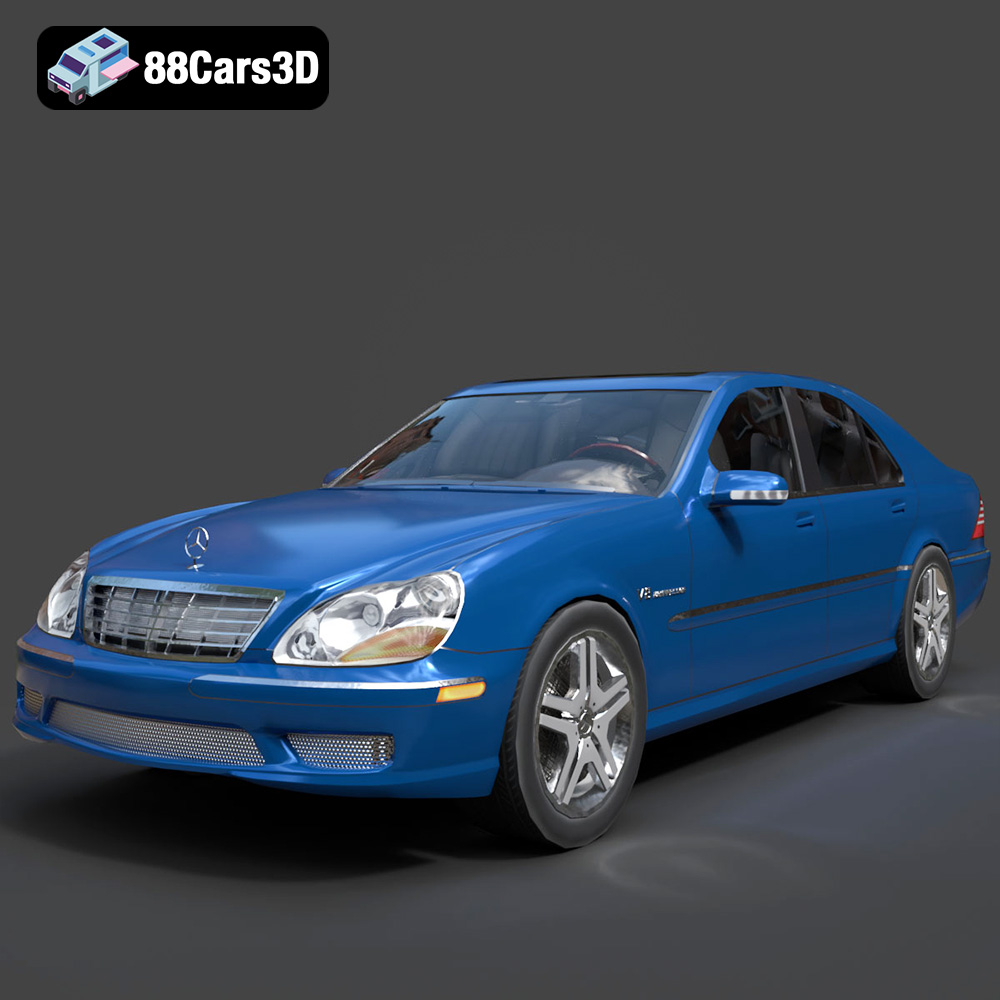
Mercedes-Benz S55 W220 AMG 1999 3D Model
Texture: Yes
Material: Yes
Download the Mercedes-Benz S55 W220 AMG 1999 3D Model featuring clean geometry, realistic detailing, and a fully modeled interior. Includes .blend, .fbx, .obj, .glb, .stl, .ply, .unreal, and .max formats for rendering, simulation, and game development.
Price: $23.99
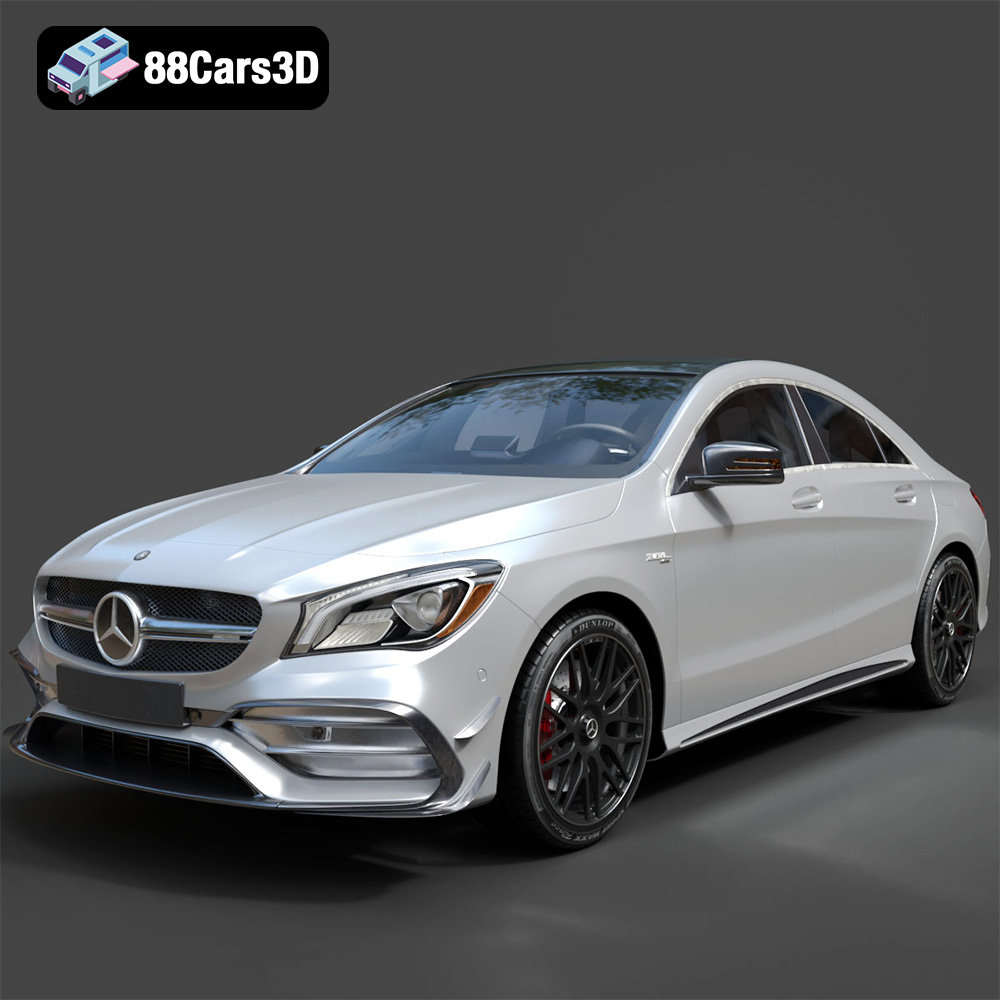
Mercedes-Benz CLA45 AMG 2017 3D Model
Texture: Yes
Material: Yes
Download the Mercedes-Benz CLA45 AMG 2017 3D Model featuring clean geometry, realistic detailing, and a fully modeled interior. Includes .blend, .fbx, .obj, .glb, .stl, .ply, .unreal, and .max formats for rendering, simulation, and game development.
Price: $38.99
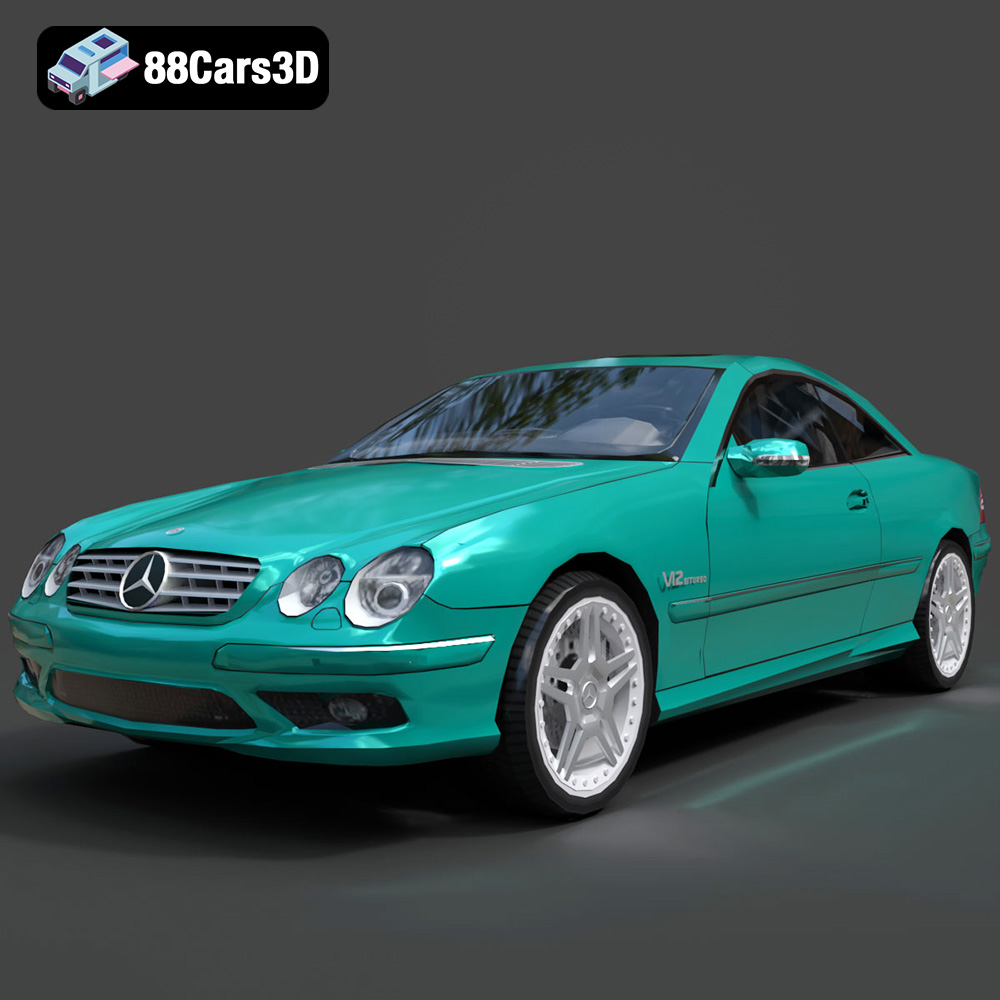
Mercedes-Benz CL65 C215 AMG 3D Model
Texture: Yes
Material: Yes
Download the Mercedes-Benz CL65 C215 AMG 3D Model featuring clean geometry, realistic detailing, and a fully modeled interior. Includes .blend, .fbx, .obj, .glb, .stl, .ply, .unreal, and .max formats for rendering, simulation, and game development.
Price: $23.99
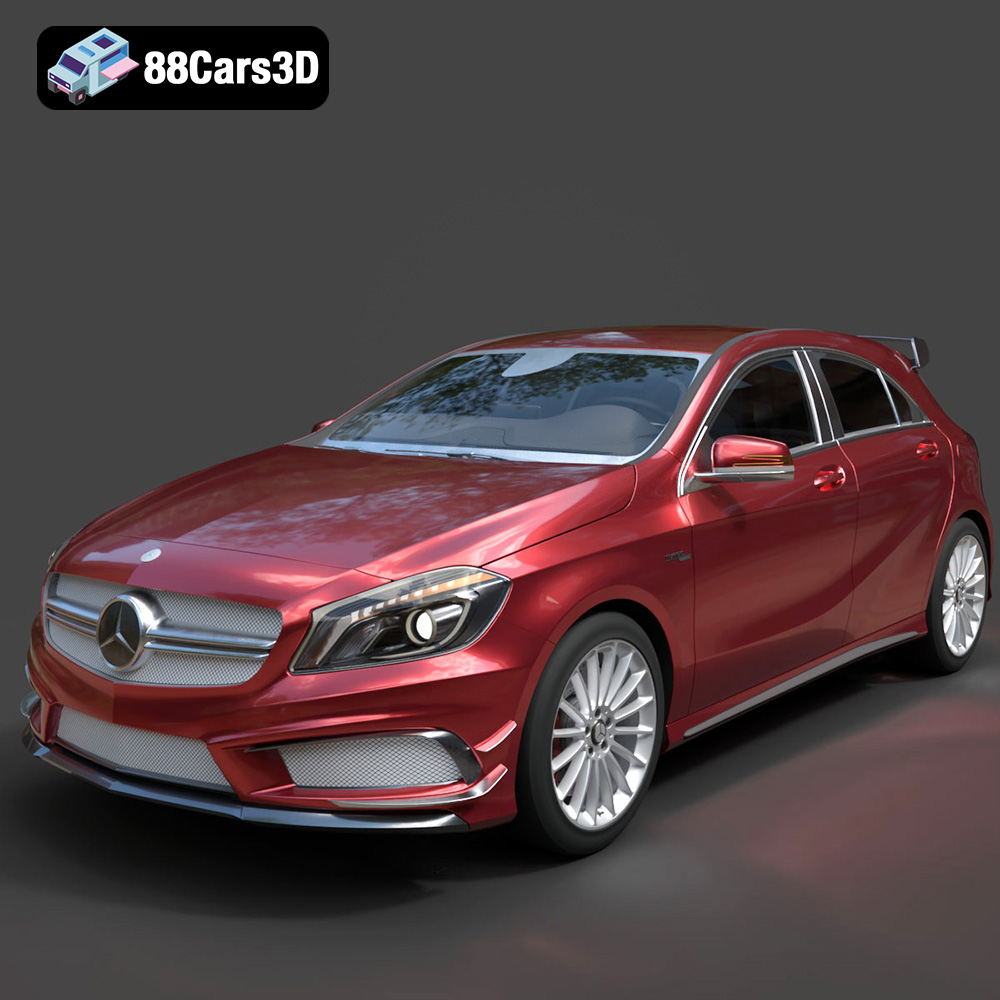
Mercedes-Benz A45 2021 3D Model
Texture: Yes
Material: Yes
Download the Mercedes-Benz A45 2021 3D Model featuring clean geometry, realistic detailing, and a fully modeled interior. Includes .blend, .fbx, .obj, .glb, .stl, .ply, .unreal, and .max formats for rendering, simulation, and game development.
Price: $23.99
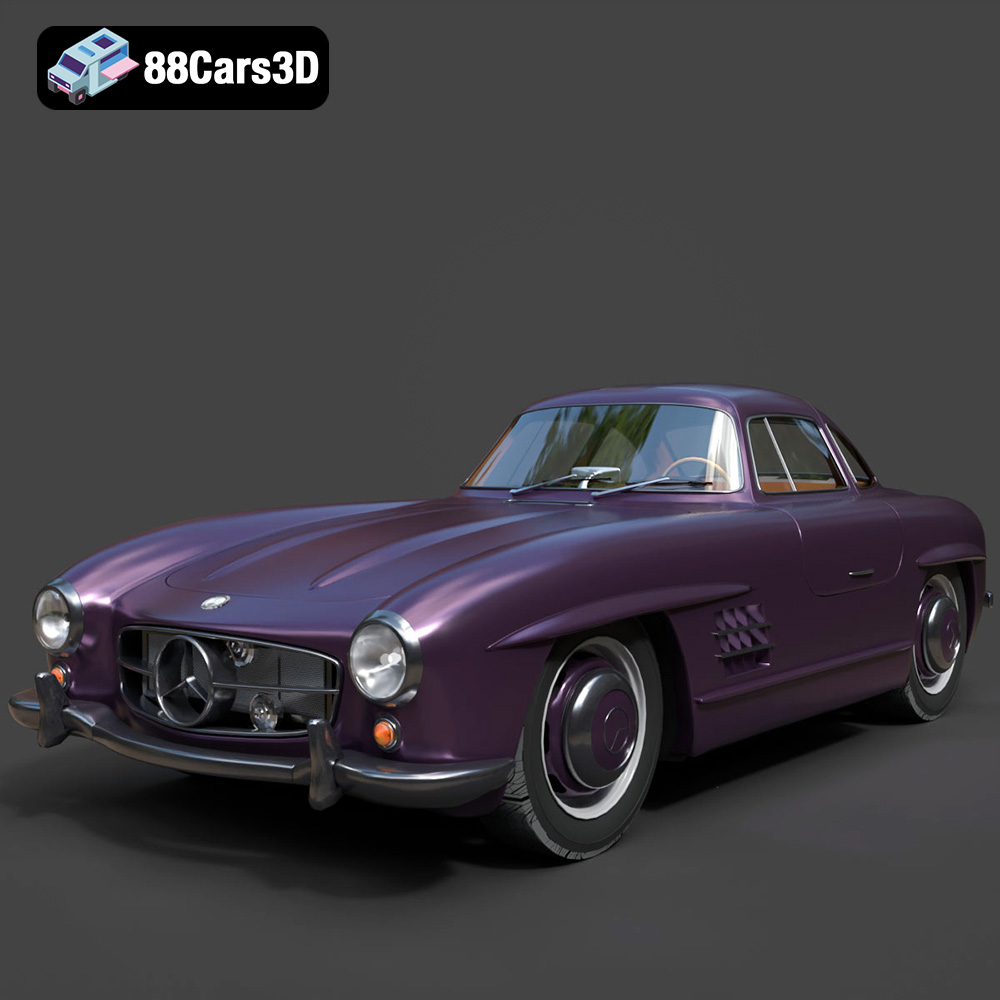
Mercedes-Benz 300SL 1955 3D Model
Texture: Yes
Material: Yes
Download the Mercedes-Benz 300SL 1955 3D Model featuring clean geometry, realistic detailing, and a fully modeled interior. Includes .blend, .fbx, .obj, .glb, .stl, .ply, .unreal, and .max formats for rendering, simulation, and game development.
Price: $23.99
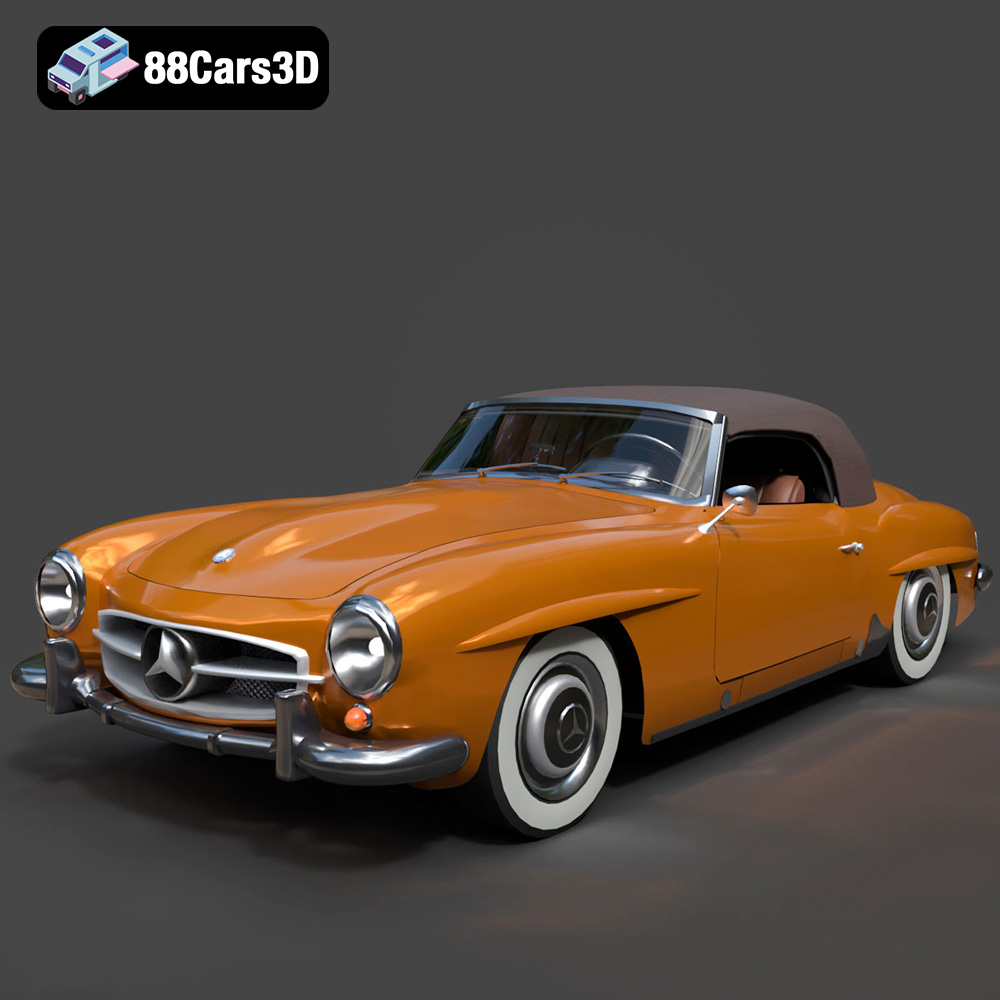
Mercedes-Benz 190SL 1955 3D Model
Texture: Yes
Material: Yes
Download the Mercedes-Benz 190SL 1955 3D Model featuring clean geometry, realistic detailing, and a fully modeled interior. Includes .blend, .fbx, .obj, .glb, .stl, .ply, .unreal, and .max formats for rendering, simulation, and game development.
Price: $23.99
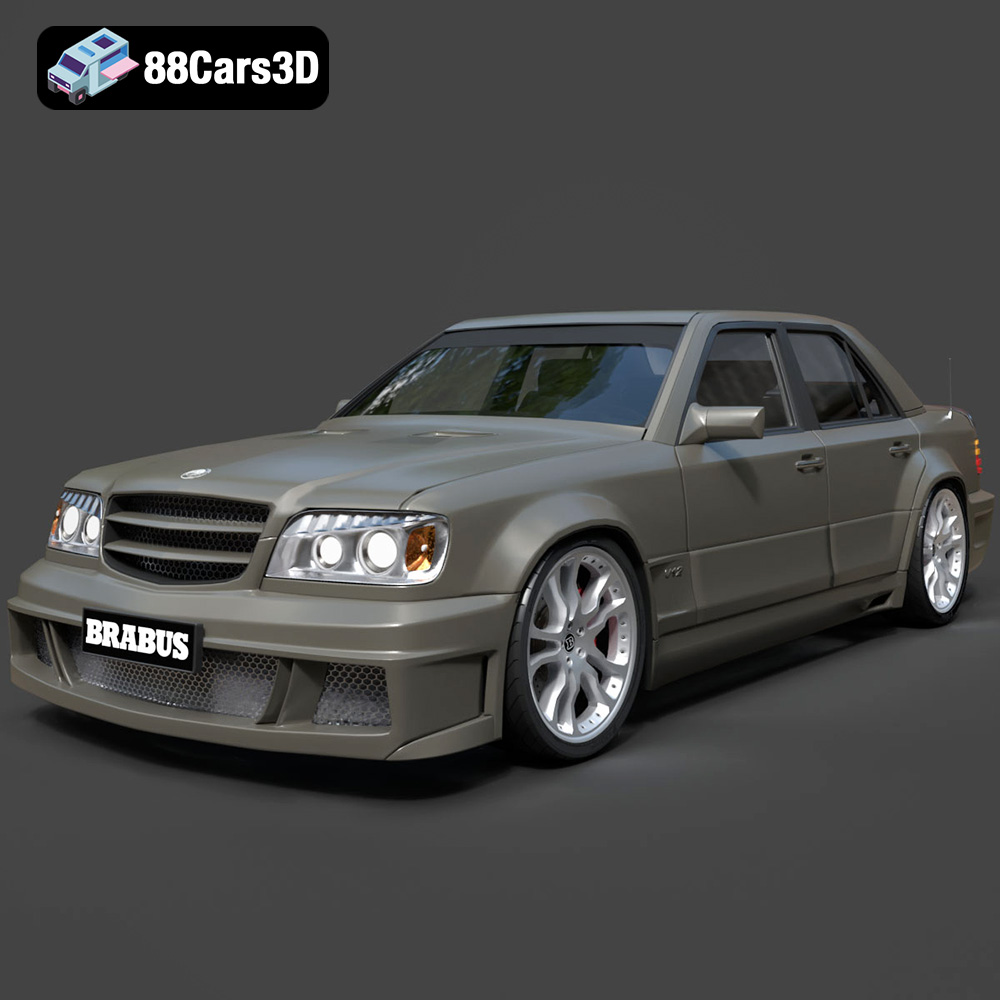
Mercedes-Benz W124 Brabus V12 3D Model
Texture: Yes
Material: Yes
Download the Mercedes-Benz W124 Brabus V12 3D Model featuring clean geometry, realistic detailing, and a fully modeled interior. Includes .blend, .fbx, .obj, .glb, .stl, .ply, .unreal, and .max formats for rendering, simulation, and game development.
Price: $23.99
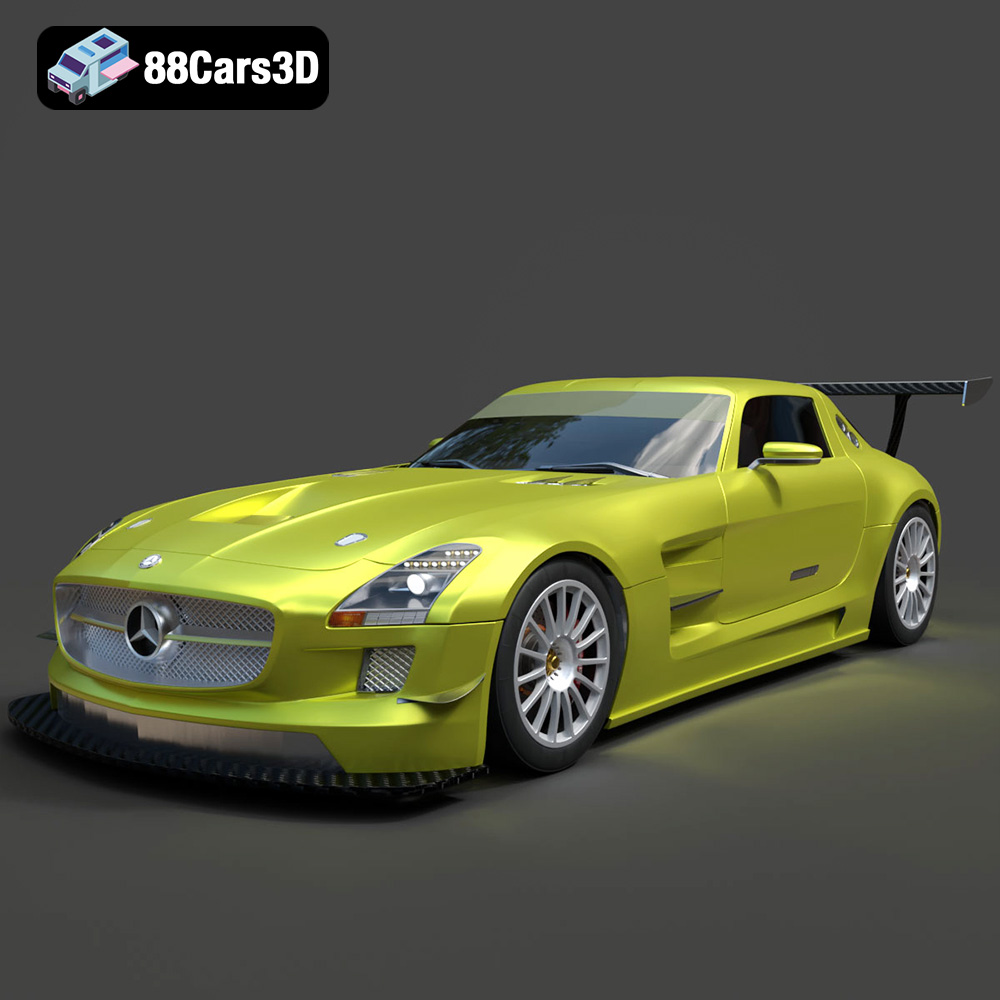
Mercedes-Benz SLS AMG GT3-002 3D Model
Texture: Yes
Material: Yes
Download the Mercedes-Benz SLS AMG GT3-002 3D Model featuring clean geometry, realistic detailing, and a fully modeled interior. Includes .blend, .fbx, .obj, .glb, .stl, .ply, .unreal, and .max formats for rendering, simulation, and game development.
Price: $38.99

Mercedes-Benz C-Class-001 3D Model
Texture: Yes
Material: Yes
Download the Mercedes-Benz C-Class-001 3D Model featuring clean geometry, realistic detailing, and a fully modeled interior. Includes .blend, .fbx, .obj, .glb, .stl, .ply, .unreal, and .max formats for rendering, simulation, and game development.
Price: $38.99
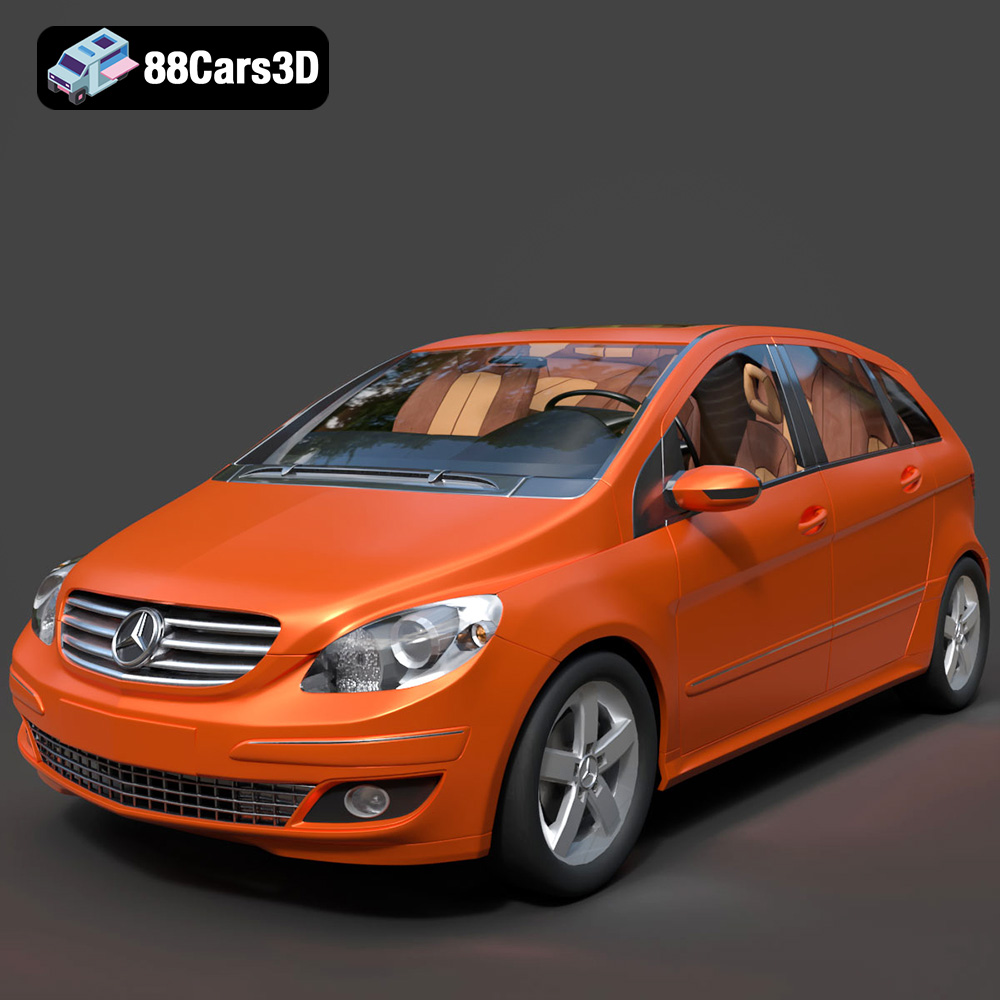
Mercedes-Benz B-Klasse 2023 3D Model
Texture: Yes
Material: Yes
Download the Mercedes-Benz B-Klasse 2023 3D Model featuring clean geometry, realistic detailing, and a fully modeled interior. Includes .blend, .fbx, .obj, .glb, .stl, .ply, .unreal, and .max formats for rendering, simulation, and game development.
Price: $38.99
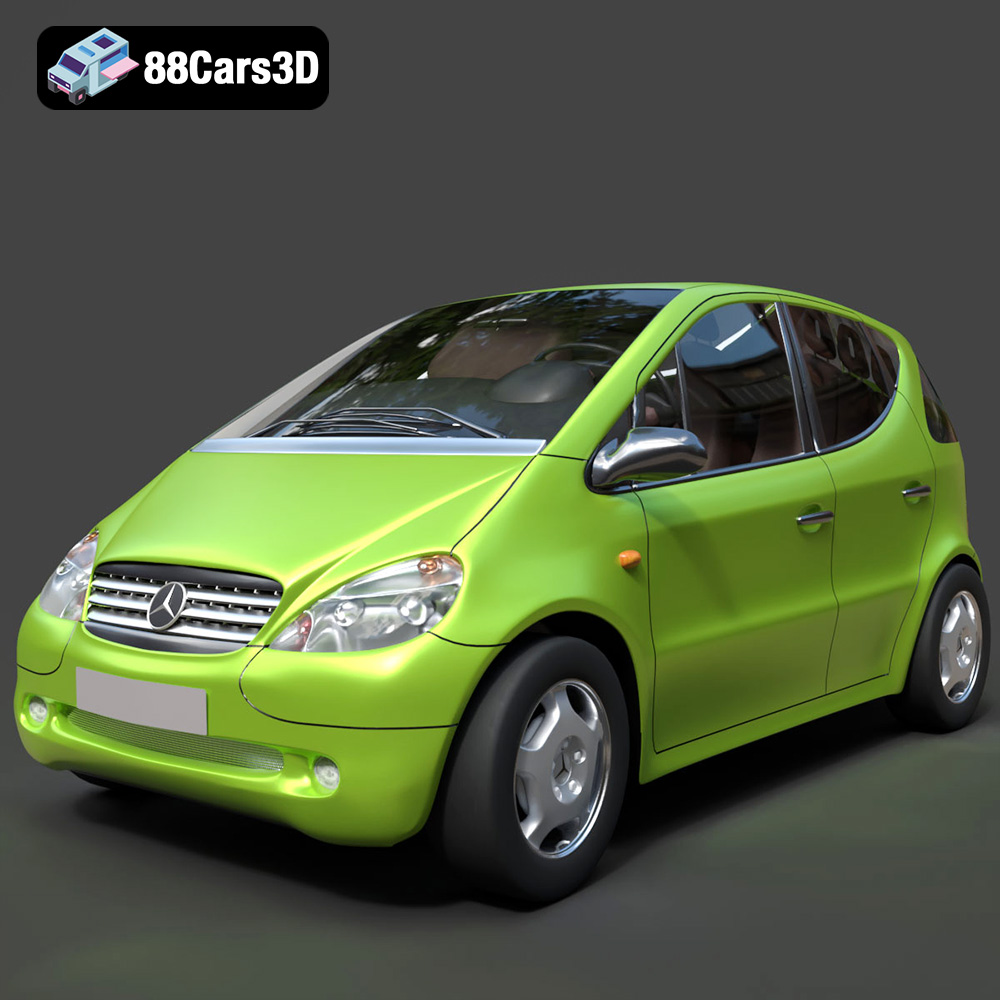
Mercedes-Benz A-Klasse W168 3D Model
Texture: Yes
Material: Yes
Download the Mercedes-Benz A-Klasse W168 3D Model featuring clean geometry, realistic detailing, and a fully modeled interior. Includes .blend, .fbx, .obj, .glb, .stl, .ply, .unreal, and .max formats for rendering, simulation, and game development.
Price: $38.99
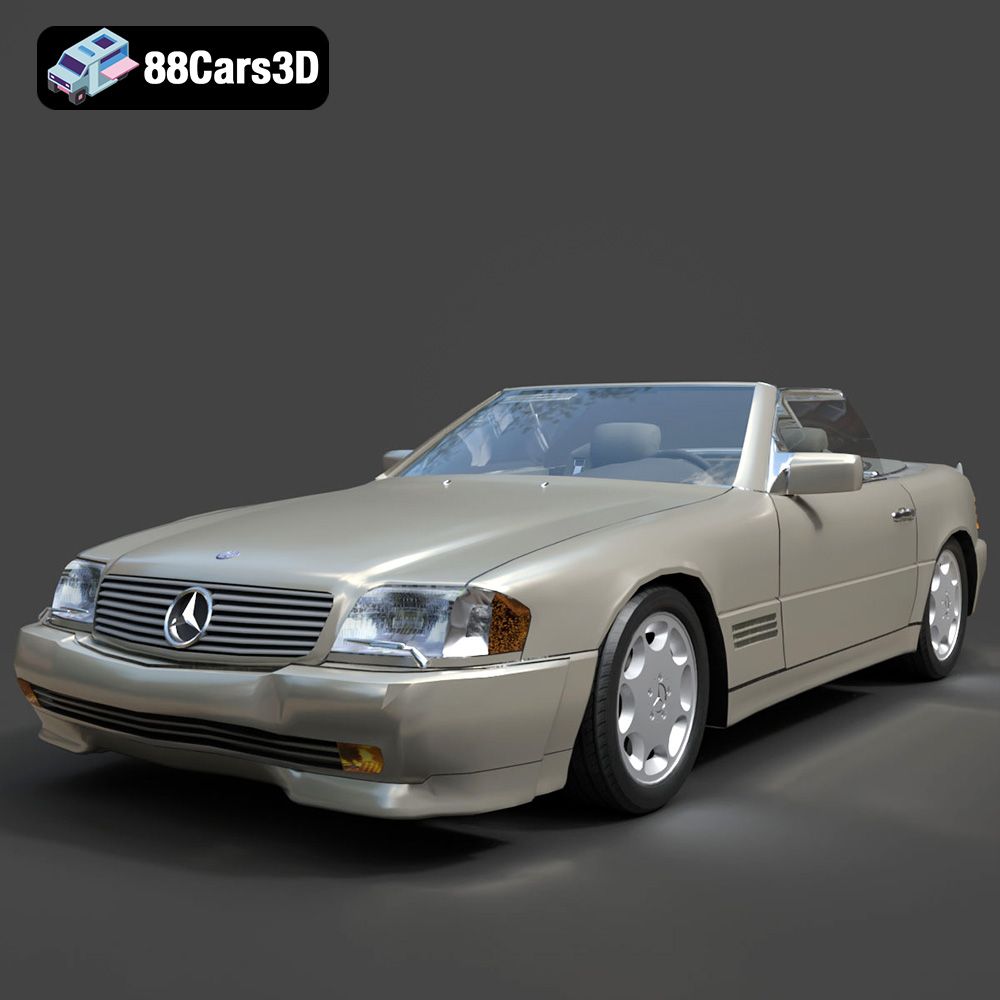
Mercedes-Benz 500SL 2000 3D Model
Texture: Yes
Material: Yes
Download the Mercedes-Benz 500SL 2000 3D Model featuring clean geometry, realistic detailing, and a fully modeled interior. Includes .blend, .fbx, .obj, .glb, .stl, .ply, .unreal, and .max formats for rendering, simulation, and game development.
Price: $38.99
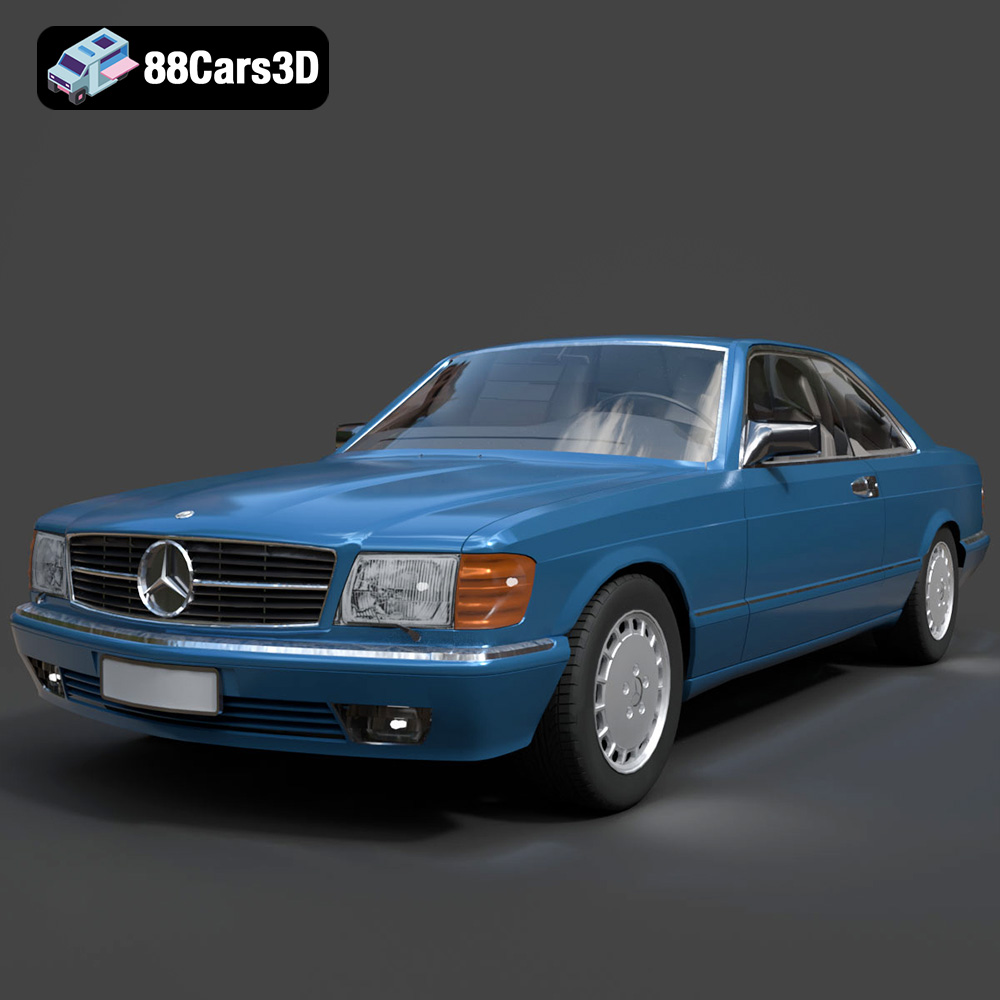
Mercedes-Benz 500SEC 3D Model
Texture: Yes
Material: Yes
Download the Mercedes-Benz 500SEC 3D Model featuring clean geometry, realistic detailing, and a fully modeled interior. Includes .blend, .fbx, .obj, .glb, .stl, .ply, .unreal, and .max formats for rendering, simulation, and game development.
Price: $38.99
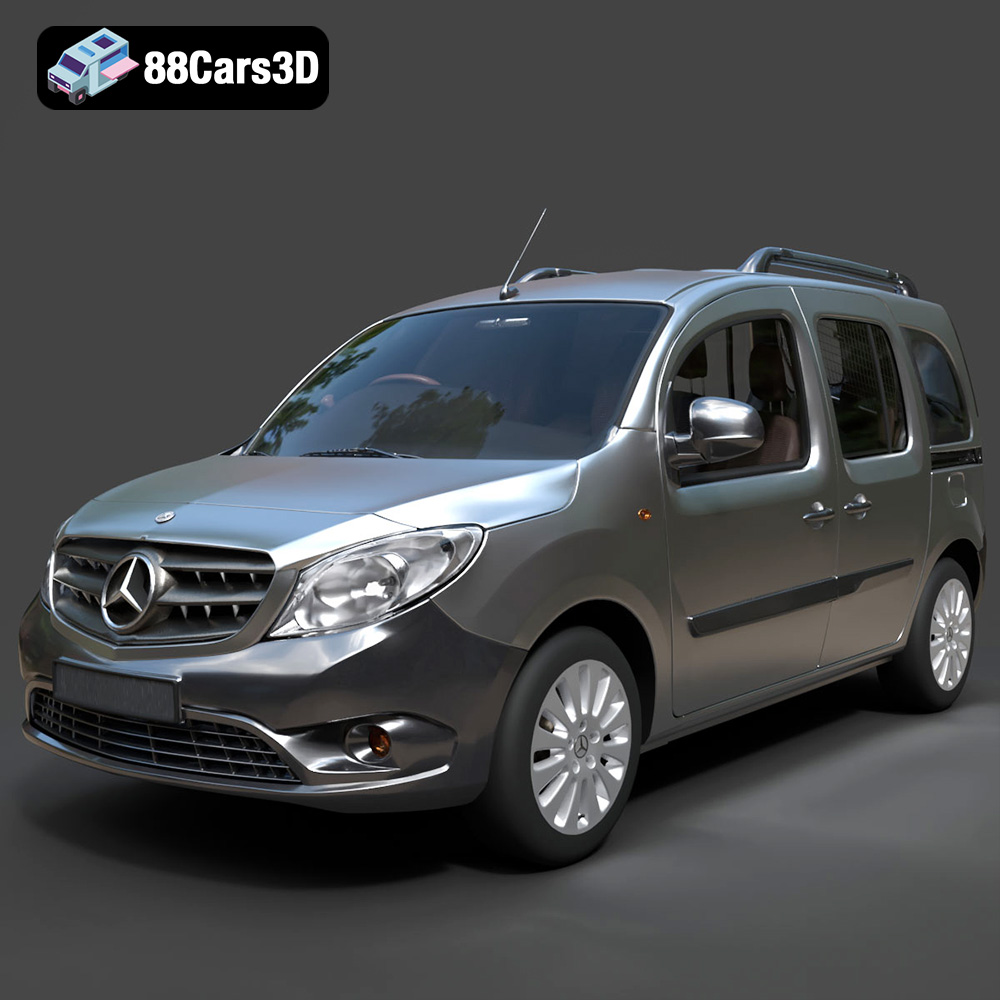
Mercedes-Benz Citan 2025 3D Model
Texture: Yes
Material: Yes
Download the Mercedes-Benz Citan 2025 3D Model featuring clean geometry, realistic detailing, and a fully modeled interior. Includes .blend, .fbx, .obj, .glb, .stl, .ply, .unreal, and .max formats for rendering, simulation, and game development.
Price: $38.99
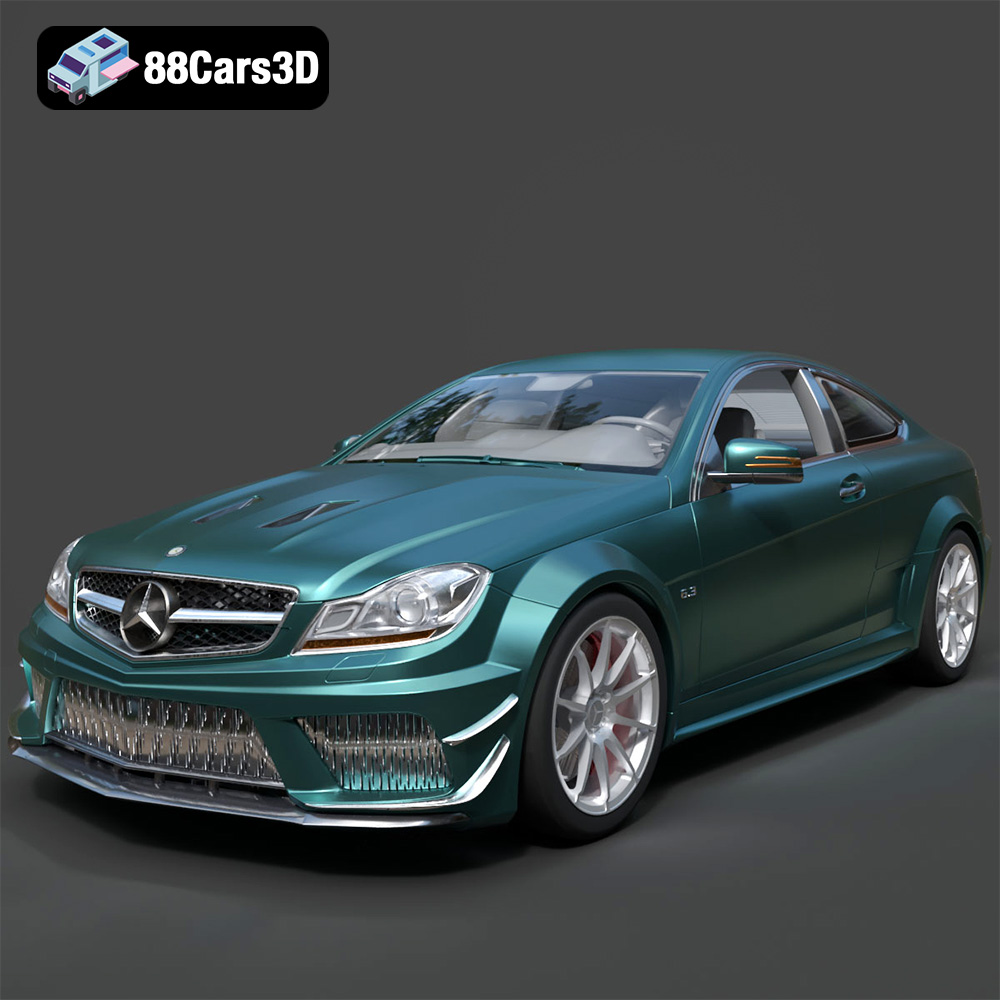
Mercedes-Benz C63 AMG 2012 3D Model
Texture: Yes
Material: Yes
Download the Mercedes-Benz C63 AMG 2012 3D Model featuring clean geometry, realistic detailing, and a fully modeled interior. Includes .blend, .fbx, .obj, .glb, .stl, .ply, .unreal, and .max formats for rendering, simulation, and game development.
Price: $38.99
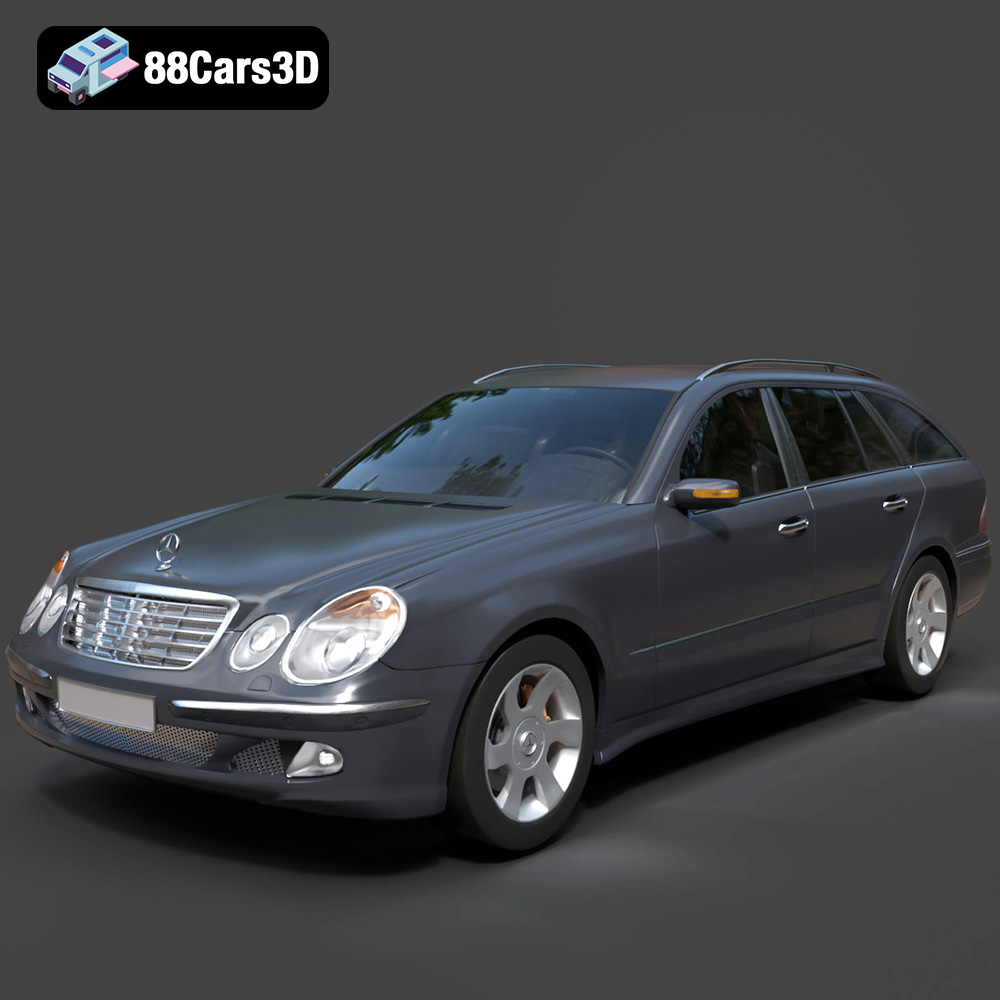
Mercedes-Benz E-Class S211 3D Model
Texture: Yes
Material: Yes
Download the Mercedes-Benz E-Class S211 3D Model featuring clean geometry, realistic detailing, and a fully modeled interior. Includes .blend, .fbx, .obj, .glb, .stl, .ply, .unreal, and .max formats for rendering, simulation, and game development.
Price: $38.99
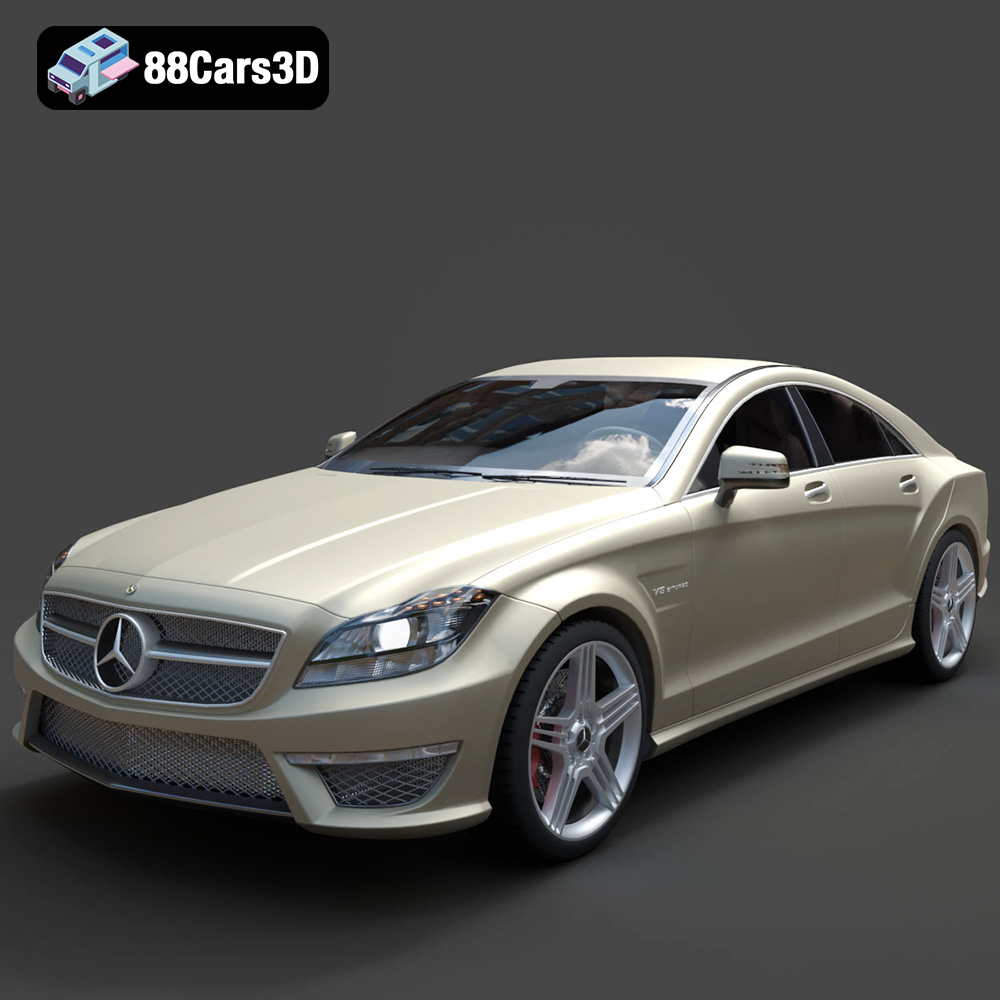
Mercedes-Benz CLS63 AMG (C218) 2014 3D Model
Texture: Yes
Material: Yes
Download the Mercedes-Benz CLS63 AMG (C218) 2014 3D Model featuring clean geometry, realistic detailing, and a fully modeled interior. Includes .blend, .fbx, .obj, .glb, .stl, .ply, .unreal, and .max formats for rendering, simulation, and game development.
Price: $38.99
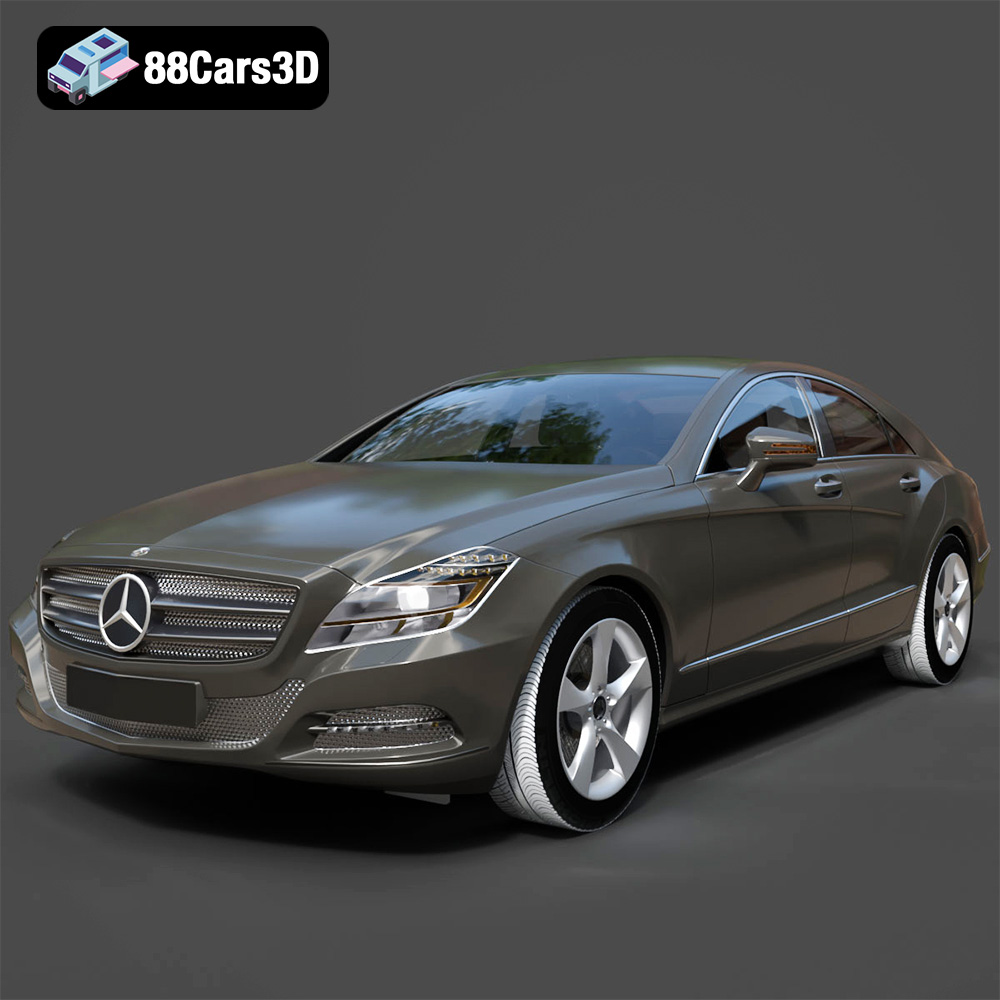
Mercedes-Benz CLS-Klasse 3D Model
Texture: Yes
Material: Yes
Download the Mercedes-Benz CLS-Klasse 3D Model featuring clean geometry, realistic detailing, and a fully modeled interior. Includes .blend, .fbx, .obj, .glb, .stl, .ply, .unreal, and .max formats for rendering, simulation, and game development.
Price: $38.99
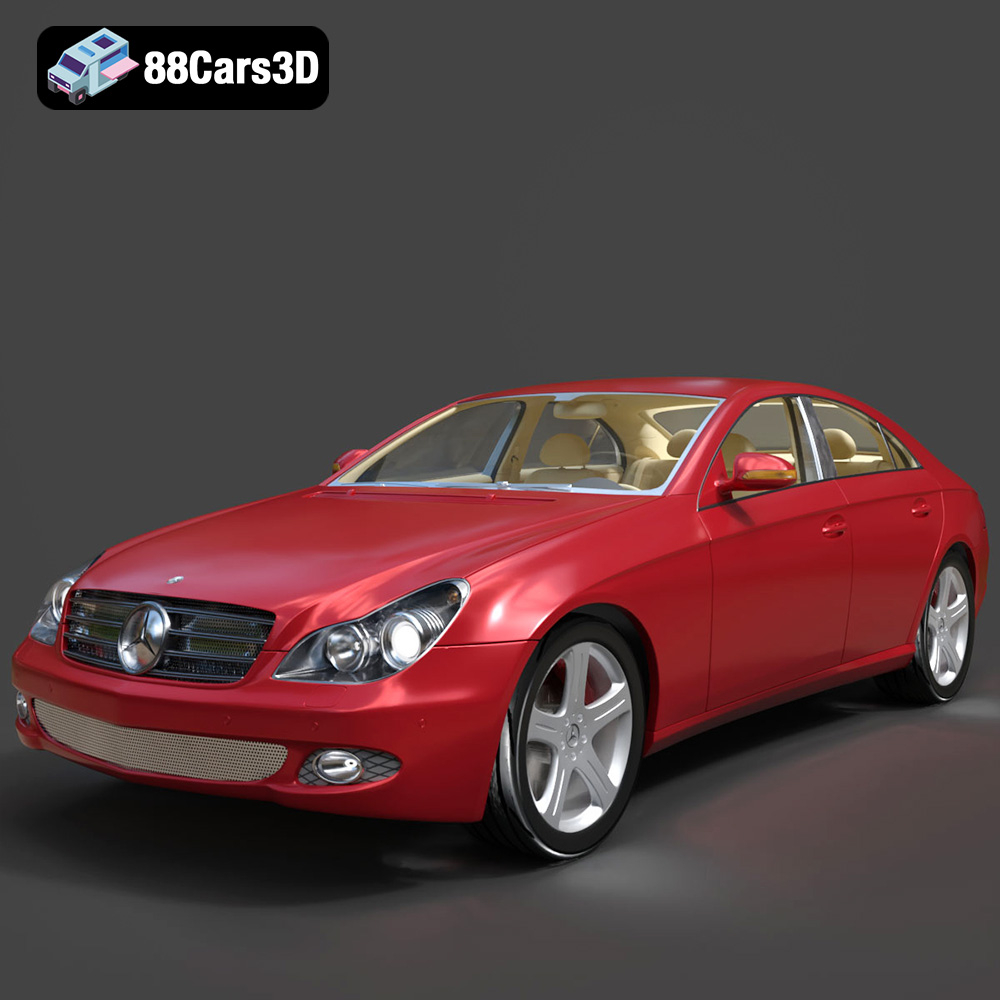
Mercedes-Benz CLS 500 3D Model
Texture: Yes
Material: Yes
Download the Mercedes-Benz CLS 500 3D Model featuring clean geometry, realistic detailing, and a fully modeled interior. Includes .blend, .fbx, .obj, .glb, .stl, .ply, .unreal, and .max formats for rendering, simulation, and game development.
Price: $38.99

Mercedes-Benz CL-Klasse 2001 3D Model
Texture: Yes
Material: Yes
Download the Mercedes-Benz CL-Klasse 2001 3D Model featuring clean geometry, realistic detailing, and a fully modeled interior. Includes .blend, .fbx, .obj, .glb, .stl, .ply, .unreal, and .max formats for rendering, simulation, and game development.
Price: $38.99
