
The Core Challenge: Bridging Fidelity and Performance

The allure of hyper-realistic automotive visuals is undeniable. From breathtaking cinematic renders to stunning product showcases, high-fidelity car models captivate audiences with their intricate details, flawless reflections, and dynamic forms. However, the journey from these visually rich, often CAD-derived or subdivision-modeled assets to seamlessly running experiences in real-time game engines presents a significant technical hurdle. The sheer complexity required for offline rendering often translates into performance nightmares within interactive environments.
Game developers and 3D artists constantly grapple with the challenge of maintaining visual fidelity while adhering to strict performance budgets. An unoptimized high-poly vehicle can cripple frame rates, consume excessive memory, and ultimately degrade the player experience. This is where the art and science of real-time optimization come into play, transforming heavy automotive 3D assets into lean, efficient models without sacrificing their aesthetic appeal.
This comprehensive guide delves into the essential strategies and techniques for unlocking superior real-time performance from your high-fidelity automotive models. We’ll explore everything from smart mesh reduction to advanced material workflows and seamless game engine integration. By mastering these methods, you’ll be equipped to bridge the gap between stunning visuals and fluid interactive experiences, making your automotive creations truly shine in any game environment.
The Core Challenge: Bridging Fidelity and Performance
High-fidelity automotive models typically begin their life in design software, often utilizing NURBS surfaces or intricate subdivision modeling. These workflows prioritize precision and visual perfection, resulting in meshes with millions of polygons, complex surface details, and numerous material IDs. While perfect for static renders, these characteristics are antithetical to the demands of real-time rendering.
Game engines operate under tight frame budgets, aiming for 30, 60, or even 120 frames per second. Each frame requires the engine to process geometry, materials, lighting, and post-processing effects. High polygon counts lead to increased draw calls, more complex vertex and fragment shader operations, and higher memory consumption. This directly translates to lower frame rates and a choppy user experience. The challenge, therefore, lies in intelligently reducing this complexity while preserving the visual integrity that defines a high-quality automotive asset.
For artists working with top-tier automotive 3D assets, understanding this dichotomy is the first step toward effective optimization. It’s not about cutting corners, but about applying intelligent strategies to ensure your models are performant without compromising their visual impact. Sourcing well-structured base models, such as those available on 88cars3d.com, can provide an excellent starting point for this optimization journey.
Strategic Polygon Reduction and Retopology Workflow
The most direct way to improve real-time performance is to reduce the polygon count of your models. However, simply decimating a high-poly mesh can destroy essential details, introduce shading artifacts, and create an unusable mesh. A thoughtful retopology workflow is paramount to achieving a clean, game-ready asset.
Retopology involves creating a new, lower-polygon mesh over the top of an existing high-polygon model. This new mesh is designed with optimal edge flow, quad-dominant topology, and an efficient polygon count specifically tailored for real-time applications. It allows for clean UV unwrapping, proper deformation (if the vehicle has moving parts), and efficient rendering.
Understanding Mesh Density for Different Components
Not all parts of an automotive model require the same level of polygon detail. Critical areas like the main body panels, headlights, and wheels—which are often seen up close and feature prominent curvature—will demand a higher poly count. Conversely, interior components, engine parts not visible to the player, or undercarriage elements can often be significantly simplified.
A smart optimization strategy involves assigning different poly budgets to various parts. For instance, the main body might be 50,000 tris, while a steering wheel might be 5,000 tris, and an engine block only 2,000 tris if rarely seen. This targeted approach ensures that computational resources are spent where they matter most visually.
Manual Retopology Best Practices
Manual retopology, though time-consuming, offers the highest control over the final mesh. Artists typically use tools within software like Maya, Blender, 3ds Max, or dedicated retopology applications like TopoGun or ZBrush’s ZRemesher. The goal is to create a clean, all-quad mesh that perfectly wraps around the high-poly surface.
- Maintain Edge Flow: Ensure edges follow the contours and creases of the vehicle, particularly around high-curvature areas. This is crucial for proper normal map baking and smooth shading.
- Use Quads: Prioritize quadrilateral polygons (quads) over triangles. While game engines convert everything to triangles at render time, working with quads simplifies modeling, UV unwrapping, and potential future edits.
- Even Distribution: Distribute polygons as evenly as possible. Avoid stretched or compressed faces, which can lead to texture distortion and shading issues.
- Isolate Details: Create specific edge loops around hard edges and major feature lines (e.g., around windows, door seams, fender flares) to capture detail for normal map baking.
Automated Tools and When to Use Them
While manual retopology provides precision, automated tools can be incredibly useful for initial passes or less critical components. ZBrush’s ZRemesher, Blender’s QuadriFlow, or decimation modifiers in various 3D packages can quickly reduce polygon counts. However, these tools often require manual cleanup and may not produce ideal edge flow for all situations.
Automated tools are best utilized for areas that won’t deform, or for generating quick iterations. They can also serve as a starting point for manual refinement. For the highest quality automotive 3D assets, a hybrid approach often yields the best results, combining the speed of automation with the precision of manual intervention.
Mastering Level of Detail (LOD) Generation
Even after a thorough polygon reduction and retopology workflow, a single high-quality mesh might still be too demanding for all viewing distances. This is where LOD (Level of Detail) systems become indispensable. LOD involves creating multiple versions of a model, each with progressively fewer polygons, and switching between them based on the model’s distance from the camera.
When a vehicle is close to the camera, the most detailed mesh (LOD0) is used. As it moves further away, the engine switches to a lower-detail version (LOD1, LOD2, etc.). This ensures that only the necessary amount of detail is rendered at any given time, significantly reducing GPU workload and improving overall performance without a noticeable drop in visual quality for the player.
Defining LOD Strategy
An effective LOD strategy begins with planning how many LOD levels your asset will need and what polygon budgets each will adhere to. A typical setup might include 3-5 LOD levels:
- LOD0 (High Detail): For close-up views. This is your primary game mesh, optimized through retopology.
- LOD1 (Medium Detail): Used when the vehicle is moderately far away. Often 50-70% reduction from LOD0.
- LOD2 (Low Detail): For distant views. Potentially 70-90% reduction from LOD0.
- LOD3 (Very Low Detail/Impostor): For extremely distant views, sometimes a simplified proxy or even a billboard sprite.
The specific poly counts depend on the overall project budget and the importance of the asset. For example, a hero vehicle might have much higher LOD0 poly counts than a background prop car.
Manual vs. Automated LOD Creation
LODs can be created manually or automatically. Manual creation, often by further simplifying your retopologized mesh, offers the most control. You can strategically remove edge loops and faces, ensuring that critical silhouettes and details are preserved even at lower poly counts. This also allows for careful UV preservation across LODs, which is vital for consistent texture mapping.
Automated LOD tools, present in most 3D software and game engines (like Unreal Engine’s built-in LOD generation or Unity’s Progressive Mesh option), can quickly generate simplified versions. While convenient, they might require manual tweaking to fix artifacts or optimize specific areas. It’s crucial to evaluate the quality of automated LODs, especially for significant visual assets like vehicles.
Considerations for LOD Transitions
Smooth transitions between LOD levels are critical to prevent noticeable popping or flickering. Game engines handle this automatically based on screen space percentage or distance. However, consistent UV mapping across LODs helps ensure textures don’t jump. Also, ensure that the silhouette of your vehicle remains consistent across LODs to avoid jarring visual changes.
Utilizing high-quality, pre-optimized automotive 3D assets from resources like 88cars3d.com can significantly streamline this process, as many professional models come with pre-configured LODs, saving valuable development time.
Advanced Material and Texture Baking Techniques
Once your mesh is optimized with a clean retopology workflow and appropriate LOD (Level of Detail) versions, the next crucial step is to handle materials and textures. High-fidelity details from your original high-poly model, such as bolts, panel lines, and intricate surface variations, are often too complex to represent with polygons in a real-time environment. This is where texture baking becomes invaluable.
Texture baking is the process of transferring surface details, lighting information, or other attributes from a high-polygon model onto textures that can be applied to a low-polygon mesh. This technique allows your optimized game mesh to appear as detailed as its high-poly counterpart without the associated performance cost.
The Power of Normal Maps
Normal maps are arguably the most critical baked texture for real-time automotive assets. They store directional information about a surface’s “normals” (the vectors indicating which way a surface is facing). When applied to a low-poly model, a normal map manipulates how light interacts with the surface, simulating the appearance of high-poly details like rivets, scratches, grooves, and subtle panel contours.
Baking a normal map involves projecting the surface details of the high-poly model onto the UVs of the low-poly model. Software like Substance Painter, Marmoset Toolbag, or Blender can perform this task. Achieving a clean normal map requires a carefully unwrapped low-poly UV layout and proper cage settings during the baking process to avoid projection errors.
Baking Ambient Occlusion for Realism
Ambient Occlusion (AO) maps enhance realism by simulating soft shadows where surfaces are close together, preventing ambient light from reaching. Think of the subtle darkening in the crevices of car panels, under mirrors, or around the edges of lights. Baking an AO map captures this self-shadowing information from the high-poly model and applies it as a grayscale texture to the low-poly asset.
An AO map adds depth and grounding to the model, making it look more integrated into the scene rather than floating. It’s often multiplied over the base color texture in the game engine material setup, providing an instant boost in perceived detail and realism without adding geometric complexity.
Other Essential Baked Maps (Curvature, Thickness, etc.)
Beyond normal and ambient occlusion, several other utility maps can be baked to aid in material creation and enhance visual quality:
- Curvature Map: Identifies convex and concave areas of the mesh, useful for procedural wear and tear, edge highlights, or dirt accumulation.
- Thickness Map: Indicates the thickness of the mesh, helpful for subsurface scattering effects (e.g., brake lights) or procedural wear.
- Position Map: Stores world-space or object-space coordinates, useful for creating gradient masks or triplanar mapping effects.
- ID Map/Material Mask: Bakes out distinct color information for different material zones, allowing artists to quickly mask and apply materials in texturing software like Substance Painter.
By leveraging these baked textures, you can extract an incredible amount of visual information from your high-fidelity source model, allowing your optimized automotive 3D assets to render efficiently with impressive detail in real-time environments.
Optimizing PBR Materials for Real-Time Rendering
Physically Based Rendering (PBR) has become the industry standard for achieving realistic materials in both offline and real-time rendering. PBR materials simulate how light interacts with surfaces in a physically accurate way, resulting in consistent and predictable visual results under various lighting conditions. However, implementing PBR efficiently in a game engine requires careful optimization.
The core of PBR relies on a set of texture maps that define a material’s properties: Base Color (Albedo), Metallic, Roughness (or Glossiness), Normal, and often Ambient Occlusion. Managing the resolution and compression of these textures, along with the complexity of your shaders, is crucial for optimal performance.
Understanding PBR Workflows
There are two primary PBR workflows: Metallic/Roughness and Specular/Glossiness. Most modern game engines, like Unreal Engine and Unity, primarily utilize the Metallic/Roughness workflow, which is generally simpler and more intuitive for artists.
- Metallic/Roughness:
- Base Color (Albedo): Defines the diffuse color for non-metals and the reflective color for metals.
- Metallic: A grayscale map (0 to 1) indicating whether a surface is metallic (1) or non-metallic (0).
- Roughness: A grayscale map (0 to 1) controlling the micro-surface detail, influencing how sharp or blurry reflections and highlights appear. Low roughness means sharp reflections (polished metal), high roughness means diffused reflections (matte plastic).
Ensuring your texture maps are correctly authored for your chosen workflow is fundamental for achieving the intended visual results.
Texture Resolution and Channel Packing
Texture maps are a significant contributor to memory usage and VRAM consumption. While higher resolutions (e.g., 4K or 8K) offer more detail, they come at a performance cost. For automotive 3D assets, a balance must be struck. Often, 2K or even 1K textures are sufficient for many components, especially those that won’t be seen in extreme close-up. Prioritize higher resolutions for crucial visible surfaces like the car body and wheels.
Channel packing is a vital optimization technique. Instead of using separate full-color textures for grayscale maps like Metallic, Roughness, and Ambient Occlusion, you can pack them into different color channels (Red, Green, Blue, Alpha) of a single texture. For example, you might pack Roughness into the Red channel, Metallic into the Green, and Ambient Occlusion into the Blue channel of one RGB texture. This reduces the number of texture samples the GPU needs to perform and saves significant VRAM.
Shader Complexity and Material Instances
Complex shaders, with many instructions and texture lookups, can quickly become performance bottlenecks. Keep your master PBR materials as lean as possible, adding only the necessary features. Utilize material instances or instanced materials in game engines. This allows you to create variations of a master material (e.g., different car paints, interior trims) by simply changing parameters (colors, texture inputs) without compiling new shaders, dramatically reducing draw calls and rendering overhead.
For custom details or specific visual effects, ensure that any custom nodes or functions added to your shaders are optimized. Profile your materials within the engine to identify and address any performance bottlenecks. Remember, every texture sample and every instruction contributes to the overall rendering cost.
Seamless Game Engine Integration and Export Best Practices
The final stage of the optimization pipeline involves preparing your highly optimized automotive 3D assets for export and integrating them seamlessly into your target game engine. Proper preparation, correct export settings, and an understanding of engine-specific workflows are key to a smooth transition and optimal in-engine performance.
Whether you’re working with Unreal Engine, Unity, or another real-time platform, a systematic approach to game engine integration will save you countless headaches and ensure your models perform as intended.
Pre-Export Checklist
Before exporting your model, a thorough checklist ensures everything is in order:
- Units and Scale: Confirm your model is built to real-world scale (e.g., centimeters in Maya/Blender matching Unreal Engine’s cm units) to avoid scaling issues upon import.
- Pivot Points: Ensure the pivot point for the main car body is at its center of mass or origin (0,0,0) for ease of placement and manipulation. For independent parts (wheels, doors), their pivots should be set at their rotation axis.
- Transformations: Freeze or reset transformations (scale, rotation) to prevent unexpected deformations or issues after import.
- Clean Mesh: Remove any construction history, duplicate vertices, non-manifold geometry, or unused elements.
- UVs: Verify all parts have clean, non-overlapping UVs suitable for lightmap generation and texture application.
- Naming Conventions: Use clear, consistent naming conventions for meshes, materials, and textures for easy management in the engine. For example,
SM_Car_Body,M_Car_Paint,T_Car_Body_Albedo. - LODs: Group your LOD meshes correctly (e.g.,
Car_LOD0,Car_LOD1) or ensure your exporter can handle them.
Choosing the Right Export Format
The most common and robust formats for exporting 3D assets to game engines are FBX and glTF:
- FBX (Filmbox): A proprietary format by Autodesk, widely supported across 3D applications and game engines. It can store mesh data, materials, textures, animations, and camera information. It’s highly recommended for complex assets with multiple parts and hierarchies.
- glTF (GL Transmission Format): An open-standard, royalty-free format designed for efficient transmission and loading of 3D scenes and models by engines and applications. It’s often called the “JPEG of 3D” due to its optimized nature. Increasingly popular, especially for web-based 3D and more modern pipelines.
When exporting, always select options to embed media (textures) if you want a self-contained file, or export them separately and link them in the engine.
Importing and Setting Up in Unreal Engine
Unreal Engine offers a robust import pipeline. When importing your FBX or glTF file:
- Import Options: Carefully review the import dialogue. You can import meshes, materials, and textures simultaneously. Ensure “Combine Meshes” is unchecked if you want individual parts.
- LODs: Unreal Engine can automatically generate LODs or use pre-existing LODs from your FBX. Verify the LOD settings and screen size thresholds.
- Materials: Unreal will create basic materials based on your export. You’ll then need to manually set up your master PBR materials and create material instances for each part of your car, applying the baked textures (Base Color, Normal, Packed MR/AO map).
- Collisions: Generate simple collision meshes (e.g., complex hull or custom box collisions) to ensure proper physical interaction.
Importing and Setting Up in Unity
Unity’s asset pipeline is also user-friendly:
- Import Settings: Drag and drop your FBX or glTF into the Project window. Select the imported model to access its settings in the Inspector.
- Model Tab: Adjust scale factor, import blend shapes, and generate colliders.
- Rig Tab: Relevant if your vehicle has animated parts.
- Animations Tab: For any baked animations.
- Materials Tab: Extract materials and textures to a dedicated folder. Unity will often try to auto-detect PBR texture types, but you’ll likely need to manually assign your baked textures to their correct slots in the Standard PBR material.
- LOD Group: Add an “LOD Group” component to your vehicle’s root GameObject. Drag your different LOD meshes into the respective LOD slots and define the transition percentages.
By following these best practices, your meticulously optimized automotive 3D assets will integrate smoothly, allowing you to focus on the exciting aspects of environment building, lighting, and gameplay within your chosen game engine. If you’re looking for a head start with high-quality, pre-optimized models, consider exploring the extensive collection at 88cars3d.com, which can provide excellent foundations for your projects.
Conclusion
Transforming high-fidelity automotive models into performant real-time assets is a sophisticated blend of artistic skill and technical acumen. It demands a holistic approach, starting from the intelligent restructuring of geometry through a precise retopology workflow and efficient polygon reduction. This foundation is further strengthened by strategic LOD (Level of Detail) generation, ensuring visual scalability without compromising performance across various viewing distances.
The journey continues with advanced texture baking techniques, which capture intricate surface details from high-poly sources and project them onto efficient texture maps. Finally, meticulous optimization of PBR materials and careful game engine integration practices ensure that these assets not only look stunning but also run smoothly within the demanding constraints of a real-time environment.
By mastering these techniques, 3D artists and game developers can confidently bridge the gap between cinematic quality and interactive performance, bringing breathtaking automotive experiences to life. The pursuit of visual excellence in real-time is an ongoing endeavor, but with the right strategies, your models will stand out for both their beauty and their efficiency.
Ready to elevate your game with exceptional vehicles? Explore the premium, meticulously optimized automotive 3D assets available at 88cars3d.com and jumpstart your projects with models built for performance and visual fidelity right out of the box.
Featured 3D Car Models

Suzuki SX4-002 3D Model
Texture: Yes
Material: Yes
Download the Suzuki SX4-002 3D Model featuring clean geometry, realistic detailing, and a fully modeled interior. Includes .blend, .fbx, .obj, .glb, .stl, .ply, .unreal, and .max formats for rendering, simulation, and game development.
Price: $10

Tesla Model S 2024 3D Model
Texture: Yes
Material: Yes
Download the Tesla Model S 2024 3D Model featuring clean geometry, realistic detailing, and a fully modeled interior. Includes .blend, .fbx, .obj, .glb, .stl, .ply, .unreal, and .max formats for rendering, simulation, and game development.
Price: $10

Subaru Impreza WRX STi-002 3D Model
Texture: Yes
Material: Yes
Download the Subaru Impreza WRX STi-002 3D Model featuring clean geometry, realistic detailing, and a fully modeled interior. Includes .blend, .fbx, .obj, .glb, .stl, .ply, .unreal, and .max formats for rendering, simulation, and game development.
Price: $10

Subaru Impreza WRX STi Sedan 3D Model
Texture: Yes
Material: Yes
Download the Subaru Impreza WRX STi Sedan 3D Model featuring clean geometry, realistic detailing, and a fully modeled interior. Includes .blend, .fbx, .obj, .glb, .stl, .ply, .unreal, and .max formats for rendering, simulation, and game development.
Price: $10

Subaru Legacy 2009 3D Model
Texture: Yes
Material: Yes
Download the Subaru Legacy 2009 3D Model featuring clean geometry, realistic detailing, and a fully modeled interior. Includes .blend, .fbx, .obj, .glb, .stl, .ply, .unreal, and .max formats for rendering, simulation, and game development.
Price: $10

Suzuki Swift 2024 3D Model
Texture: Yes
Material: Yes
Download the Suzuki Swift 2024 3D Model featuring clean geometry, realistic detailing, and a fully modeled interior. Includes .blend, .fbx, .obj, .glb, .stl, .ply, .unreal, and .max formats for rendering, simulation, and game development.
Price: $10

Suzuki Liana Sedan 2004 3D Model
Texture: Yes
Material: Yes
Download the Suzuki Liana Sedan 2004 3D Model featuring clean geometry, realistic detailing, and a fully modeled interior. Includes .blend, .fbx, .obj, .glb, .stl, .ply, .unreal, and .max formats for rendering, simulation, and game development.
Price: $10

Subaru Outback 2024 3D Model
Texture: Yes
Material: Yes
Download the Subaru Outback 2024 3D Model featuring clean geometry, realistic detailing, and a fully modeled interior. Includes .blend, .fbx, .obj, .glb, .stl, .ply, .unreal, and .max formats for rendering, simulation, and game development.
Price: $10

Subaru Legacy 2003 3D Model
Texture: Yes
Material: Yes
Download the Subaru Legacy 2003 3D Model featuring clean geometry, realistic detailing, and a fully modeled interior. Includes .blend, .fbx, .obj, .glb, .stl, .ply, .unreal, and .max formats for rendering, simulation, and game development.
Price: $10

Subaru Legacy Touring Wagon 3D Model
Texture: Yes
Material: Yes
Download the Subaru Legacy Touring Wagon 3D Model featuring clean geometry, realistic detailing, and a fully modeled interior. Includes .blend, .fbx, .obj, .glb, .stl, .ply, .unreal, and .max formats for rendering, simulation, and game development.
Price: $10

Toyota Mark II (X100) 1998 3D Model
Texture: Yes
Material: Yes
Download the Toyota Mark II (X100) 3D Model featuring clean geometry, realistic detailing, and a fully modeled interior. Includes .blend, .fbx, .obj, .glb, .stl, .ply, .unreal, and .max formats for rendering, simulation, and game development.
Price: $10

Toyota Corona 1985 3D Model
Texture: Yes
Material: Yes
Download the Toyota Corona 1985 3D Model featuring clean geometry, realistic detailing, and a fully modeled interior. Includes .blend, .fbx, .obj, .glb, .stl, .ply, .unreal, and .max formats for rendering, simulation, and game development.
Price: $10

Toyota Mark II X81 1990 3D Model
Texture: Yes
Material: Yes
Download the Toyota Mark II X81 1990 3D Model featuring clean geometry, realistic detailing, and a fully modeled interior. Includes .blend, .fbx, .obj, .glb, .stl, .ply, .unreal, and .max formats for rendering, simulation, and game development.
Price: $10

Toyota iQ EV 2012 3D Model
Texture: Yes
Material: Yes
Download the Toyota iQ EV 2012 3D Model featuring clean geometry, realistic detailing, and a fully modeled interior. Includes .blend, .fbx, .obj, .glb, .stl, .ply, .unreal, and .max formats for rendering, simulation, and game development.
Price: $10

Toyota Aygo 2013 3D Model
Texture: Yes
Material: Yes
Download the Toyota Aygo 2013 3D Model featuring clean geometry, realistic detailing, and a fully modeled interior. Includes .blend, .fbx, .obj, .glb, .stl, .ply, .unreal, and .max formats for rendering, simulation, and game development.
Price: $10

Toyota Crown S180 2005 3D Model
Texture: Yes
Material: Yes
Download the Toyota Crown S180 2005 3D Model featuring clean geometry, realistic detailing, and a fully modeled interior. Includes .blend, .fbx, .obj, .glb, .stl, .ply, .unreal, and .max formats for rendering, simulation, and game development.
Price: $10

Toyota Celica 2004 3D Model
Texture: Yes
Material: Yes
Download the Toyota Celica 2004 3D Model featuring clean geometry, realistic detailing, and a fully modeled interior. Includes .blend, .fbx, .obj, .glb, .stl, .ply, .unreal, and .max formats for rendering, simulation, and game development.
Price: $10

Toyota Corolla AE100 1992 3D Model
Texture: Yes
Material: Yes
Download the Toyota Corolla AE100 1992 3D Model featuring clean geometry, realistic detailing, and a fully modeled interior. Includes .blend, .fbx, .obj, .glb, .stl, .ply, .unreal, and .max formats for rendering, simulation, and game development.
Price: $10

Toyota Mark II X110 2000 3D Model
Texture: Yes
Material: Yes
Download the Toyota Mark II X110 2000 3D Model featuring clean geometry, realistic detailing, and a fully modeled interior. Includes .blend, .fbx, .obj, .glb, .stl, .ply, .unreal, and .max formats for rendering, simulation, and game development.
Price: $10

Toyota Corolla 2020 3D Model
Texture: Yes
Material: Yes
Download the Toyota Corolla 2020 3D Model featuring clean geometry, realistic detailing, and a fully modeled interior. Includes .blend, .fbx, .obj, .glb, .stl, .ply, .unreal, and .max formats for rendering, simulation, and game development.
Price: $10

Toyota Yaris 2020 3D Model
Texture: Yes
Material: Yes
Download the Toyota Yaris 2020 3D Model featuring clean geometry, realistic detailing, and a fully modeled interior. Includes .blend, .fbx, .obj, .glb, .stl, .ply, .unreal, and .max formats for rendering, simulation, and game development.
Price: $9.9

Volkswagen Beetle 2012 3D Model
Texture: Yes
Material: Yes
Download the Volkswagen Beetle 2012 3D Model featuring clean geometry, realistic detailing, and a fully modeled interior. Includes .blend, .fbx, .obj, .glb, .stl, .ply, .unreal, and .max formats for rendering, simulation, and game development.
Price: $9.9

Toyota Matrix 2005 3D Model
Texture: Yes
Material: Yes
Download the Toyota Matrix 2005 3D Model featuring clean geometry, realistic detailing, and a fully modeled interior. Includes .blend, .fbx, .obj, .glb, .stl, .ply, .unreal, and .max formats for rendering, simulation, and game development.
Price: $9.9

Toyota Yaris Sedan 3D Model
Texture: Yes
Material: Yes
Download the Toyota Yaris Sedan 3D Model featuring clean geometry, realistic detailing, and a fully modeled interior. Includes .blend, .fbx, .obj, .glb, .stl, .ply, .unreal, and .max formats for rendering, simulation, and game development.
Price: $9.9

Volkswagen Golf R-004 2024 3D Model
Texture: Yes
Material: Yes
Download the Volkswagen Golf R-004 2024 3D Model featuring clean geometry, realistic detailing, and a fully modeled interior. Includes .blend, .fbx, .obj, .glb, .stl, .ply, .unreal, and .max formats for rendering, simulation, and game development.
Price: $9.9

Volkswagen Golf 5 Door 2010 3D Model
Texture: Yes
Material: Yes
Download the Volkswagen Golf 5 Door 2010 3D Model featuring clean geometry, realistic detailing, and a fully modeled interior. Includes .blend, .fbx, .obj, .glb, .stl, .ply, .unreal, and .max formats for rendering, simulation, and game development.
Price: $9.9

Toyota Premio 2010 3D Model
Texture: Yes
Material: Yes
Download the Toyota Premio 2010 3D Model featuring clean geometry, realistic detailing, and a fully modeled interior. Includes .blend, .fbx, .obj, .glb, .stl, .ply, .unreal, and .max formats for rendering, simulation, and game development.
Price: $9.9

Toyota Opa 2000 3D Model
Texture: Yes
Material: Yes
Download the Toyota Opa 2000 3D Model featuring clean geometry, realistic detailing, and a fully modeled interior. Includes .blend, .fbx, .obj, .glb, .stl, .ply, .unreal, and .max formats for rendering, simulation, and game development.
Price: $9.9

Volkswagen Polo 5 Door 2010 3D Model
Texture: Yes
Material: Yes
Download the Volkswagen Polo 5 Door 2010 3D Model featuring clean geometry, realistic detailing, and a fully modeled interior. Includes .blend, .fbx, .obj, .glb, .stl, .ply, .unreal, and .max formats for rendering, simulation, and game development.
Price: $9.9

Toyota Prius 2024 3D Model
Texture: Yes
Material: Yes
Download the Toyota Prius 2024 3D Model featuring clean geometry, realistic detailing, and a fully modeled interior. Includes .blend, .fbx, .obj, .glb, .stl, .ply, .unreal, and .max formats for rendering, simulation, and game development.
Price: $9.9

Toyota Yaris 1999 3D Model
Texture: Yes
Material: Yes
Download the Toyota Yaris 1999 3D Model featuring clean geometry, realistic detailing, and a fully modeled interior. Includes .blend, .fbx, .obj, .glb, .stl, .ply, .unreal, and .max formats for rendering, simulation, and game development.
Price: $9.9

Toyota Supra 2020 3D Model
Texture: Yes
Material: Yes
Download the Toyota Supra 2020 3D Model featuring clean geometry, realistic detailing, and a fully modeled interior. Includes .blend, .fbx, .obj, .glb, .stl, .ply, .unreal, and .max formats for rendering, simulation, and game development.
Price: $9.9

Volkswagen New Beetle 2000 3D Model
Texture: Yes
Material: Yes
Download the Volkswagen New Beetle 2000 3D Model featuring clean geometry, realistic detailing, and a fully modeled interior. Includes .blend, .fbx, .obj, .glb, .stl, .ply, .unreal, and .max formats for rendering, simulation, and game development.
Price: $14.99

Volkswagen Jetta 2005 3D Model
Texture: Yes
Material: Yes
Download the Volkswagen Jetta 2005 3D Model featuring clean geometry, realistic detailing, and a fully modeled interior. Includes .blend, .fbx, .obj, .glb, .stl, .ply, .unreal, and .max formats for rendering, simulation, and game development.
Price: $18.99

Volkswagen Golf 3-Door 3D Model
Texture: Yes
Material: Yes
Download the Volkswagen Golf 3-Door 3D Model featuring clean geometry, realistic detailing, and a fully modeled interior. Includes .blend, .fbx, .obj, .glb, .stl, .ply, .unreal, and .max formats for rendering, simulation, and game development.
Price: $14.99

Volvo V70 2005 3D Model
Texture: Yes
Material: Yes
Download the Volvo V70 2005 3D Model featuring clean geometry, realistic detailing, and a fully modeled interior. Includes .blend, .fbx, .obj, .glb, .stl, .ply, .unreal, and .max formats for rendering, simulation, and game development.
Price: $14.99

Volkswagen Bora 2004 3D Model
Texture: Yes
Material: Yes
Download the Volkswagen Bora 2004 3D Model featuring clean geometry, realistic detailing, and a fully modeled interior. Includes .blend, .fbx, .obj, .glb, .stl, .ply, .unreal, and .max formats for rendering, simulation, and game development.
Price: $14.99

Volkswagen Lupo 3D Model
Texture: Yes
Material: Yes
Download the Volkswagen Lupo 3D Model featuring clean geometry, realistic detailing, and a fully modeled interior. Includes .blend, .fbx, .obj, .glb, .stl, .ply, .unreal, and .max formats for rendering, simulation, and game development.
Price: $19.99

Volkswagen Passat B5 2000 3D Model
Texture: Yes
Material: Yes
Download the Volkswagen Passat B5 2000 3D Model featuring clean geometry, realistic detailing, and a fully modeled interior. Includes .blend, .fbx, .obj, .glb, .stl, .ply, .unreal, and .max formats for rendering, simulation, and game development.
Price: $19.99

Volkswagen Passat CC 3D Model
Texture: Yes
Material: Yes
Download the Volkswagen Passat CC 3D Model featuring clean geometry, realistic detailing, and a fully modeled interior. Includes .blend, .fbx, .obj, .glb, .stl, .ply, .unreal, and .max formats for rendering, simulation, and game development.
Price: $19.99

Volkswagen Golf V 2006 3D Model
Texture: Yes
Material: Yes
Download the Volkswagen Golf V 2006 3D Model featuring clean geometry, realistic detailing, and a fully modeled interior. Includes .blend, .fbx, .obj, .glb, .stl, .ply, .unreal, and .max formats for rendering, simulation, and game development.
Price: $19.99

Volvo S60 R-Design 2024 3D Model
Texture: Yes
Material: Yes
Download the Volvo S60 R-Design 3D Model featuring clean geometry, realistic detailing, and a fully modeled interior. Includes .blend, .fbx, .obj, .glb, .stl, .ply, .unreal, and .max formats for rendering, simulation, and game development.
Price: $19.99

Volkswagen Passat 2025 3D Model
Texture: Yes
Material: Yes
Download the Volkswagen Passat 2025 3D Model featuring clean geometry, realistic detailing, and a fully modeled interior. Includes .blend, .fbx, .obj, .glb, .stl, .ply, .unreal, and .max formats for rendering, simulation, and game development.
Price: $25.99

Volkswagen Passat Variant B6 2005 3D Model
Texture: Yes
Material: Yes
Download the Volkswagen Passat Variant B6 2005 3D Model featuring clean geometry, realistic detailing, and a fully modeled interior. Includes .blend, .fbx, .obj, .glb, .stl, .ply, .unreal, and .max formats for rendering, simulation, and game development.
Price: $25.99

Volkswagen Phaeton W12 2004 3D Model
Texture: Yes
Material: Yes
Download the Volkswagen Phaeton W12 2004 3D Model featuring clean geometry, realistic detailing, and a fully modeled interior. Includes .blend, .fbx, .obj, .glb, .stl, .ply, .unreal, and .max formats for rendering, simulation, and game development.
Price: $25.99

Volkswagen Scirocco 2015 3D Model
Texture: Yes
Material: Yes
Download the Volkswagen Scirocco 2015 3D Model featuring clean geometry, realistic detailing, and a fully modeled interior. Includes .blend, .fbx, .obj, .glb, .stl, .ply, .unreal, and .max formats for rendering, simulation, and game development.
Price: $25.99

Volvo S60 2024 3D Model
Texture: Yes
Material: Yes
Download the Volvo S60 2024 3D Model featuring clean geometry, realistic detailing, and a fully modeled interior. Includes .blend, .fbx, .obj, .glb, .stl, .ply, .unreal, and .max formats for rendering, simulation, and game development.
Price: $25.99

Volkswagen Polo 3D Model
Texture: Yes
Material: Yes
Download the Volkswagen Polo 3D Model featuring clean geometry, realistic detailing, and a fully modeled interior. Includes .blend, .fbx, .obj, .glb, .stl, .ply, .unreal, and .max formats for rendering, simulation, and game development.
Price: $25.99

Volkswagen Golf 5-Doors 2018 3D Model
Texture: Yes
Material: Yes
Download the Volkswagen Golf 5-Doors 3D Model featuring clean geometry, realistic detailing, and a fully modeled interior. Includes .blend, .fbx, .obj, .glb, .stl, .ply, .unreal, and .max formats for rendering, simulation, and game development.
Price: $25.99

Volvo C70 T5 2000 3D Model
Texture: Yes
Material: Yes
Download the Volvo C70 T5 2000 3D Model featuring clean geometry, realistic detailing, and a fully modeled interior. Includes .blend, .fbx, .obj, .glb, .stl, .ply, .unreal, and .max formats for rendering, simulation, and game development.
Price: $23.99

Volvo S40 Sedan 2004 3D Model
Texture: Yes
Material: Yes
Download the Volvo S40 Sedan 2004 3D Model featuring clean geometry, realistic detailing, and a fully modeled interior. Includes .blend, .fbx, .obj, .glb, .stl, .ply, .unreal, and .max formats for rendering, simulation, and game development.
Price: $23.99

Volvo C30 BEV 2012 3D Model
Texture: Yes
Material: Yes
Download the Volvo C30 BEV 2012 3D Model featuring clean geometry, realistic detailing, and a fully modeled interior. Includes .blend, .fbx, .obj, .glb, .stl, .ply, .unreal, and .max formats for rendering, simulation, and game development.
Price: $23.99

Volvo C70 1998 3D Model
Texture: Yes
Material: Yes
Download the Volvo C70 1998 3D Model featuring clean geometry, realistic detailing, and a fully modeled interior. Includes .blend, .fbx, .obj, .glb, .stl, .ply, .unreal, and .max formats for rendering, simulation, and game development.
Price: $23.99

Mazda B-Series 3D Model
Texture: Yes
Material: Yes
Download the Mazda B-Series 3D Model featuring clean geometry, realistic detailing, and a fully modeled interior. Includes .blend, .fbx, .obj, .glb, .stl, .ply, .unreal, and .max formats for rendering, simulation, and game development.
Price: $23.99

Mercsedes Benz Z3-006 3D Model
Texture: Yes
Material: Yes
Download the Mercsedes Benz Z3-006 3D Model featuring clean geometry, realistic detailing, and a fully modeled interior. Includes .blend, .fbx, .obj, .glb, .stl, .ply, .unreal, and .max formats for rendering, simulation, and game development.
Price: $23.99

Mazda RX-7 3D Model
Texture: Yes
Material: Yes
Download the Mazda RX-7 3D Model featuring clean geometry, realistic detailing, and a fully modeled interior. Includes .blend, .fbx, .obj, .glb, .stl, .ply, .unreal, and .max formats for rendering, simulation, and game development.
Price: $23.99

Volvo VCC-003 3D Model
Texture: Yes
Material: Yes
Download the Volvo VCC-003 3D Model featuring clean geometry, realistic detailing, and a fully modeled interior. Includes .blend, .fbx, .obj, .glb, .stl, .ply, .unreal, and .max formats for rendering, simulation, and game development.
Price: $23.99

Mercedes-Benz SLR McLaren 2005 3D Model
Texture: Yes
Material: Yes
Download the Mercedes-Benz SLR McLaren 2005 3D Model featuring clean geometry, realistic detailing, and a fully modeled interior. Includes .blend, .fbx, .obj, .glb, .stl, .ply, .unreal, and .max formats for rendering, simulation, and game development.
Price: $23.99

GAZ 3110 Pickup 2000 3D Model
Texture: Yes
Material: Yes
Download the GAZ 3110 Pickup 3D Model featuring clean geometry, realistic detailing, and a fully modeled interior. Includes .blend, .fbx, .obj, .glb, .stl, .ply, .unreal, and .max formats for rendering, simulation, and game development.
Price: $23.99

Mazda 626 GF 1997 3D Model
Texture: Yes
Material: Yes
Download the Mazda 626 GF 1997 3D Model featuring clean geometry, realistic detailing, and a fully modeled interior. Includes .blend, .fbx, .obj, .glb, .stl, .ply, .unreal, and .max formats for rendering, simulation, and game development.
Price: $23.99

Volvo S80 2011 3D Model
Texture: Yes
Material: Yes
Download the Volvo S80 2011 3D Model featuring clean geometry, realistic detailing, and a fully modeled interior. Includes .blend, .fbx, .obj, .glb, .stl, .ply, .unreal, and .max formats for rendering, simulation, and game development.
Price: $23.99

Volkswagen Touran restyle-006 3D Model
Texture: Yes
Material: Yes
Download the Volkswagen Touran restyle-006 3D Model featuring clean geometry, realistic detailing, and a fully modeled interior. Includes .blend, .fbx, .obj, .glb, .stl, .ply, .unreal, and .max formats for rendering, simulation, and game development.
Price: $23.99

Skoda Octavia Scout 3D Model
Texture: Yes
Material: Yes
Download the Skoda Octavia Scout 3D Model featuring clean geometry, realistic detailing, and a fully modeled interior. Includes .blend, .fbx, .obj, .glb, .stl, .ply, .unreal, and .max formats for rendering, simulation, and game development.
Price: $23.99

Volkswagen Golf V 2006 3D Model
Texture: Yes
Material: Yes
Download the Volkswagen Golf V 2006 3D Model featuring clean geometry, realistic detailing, and a fully modeled interior. Includes .blend, .fbx, .obj, .glb, .stl, .ply, .unreal, and .max formats for rendering, simulation, and game development.
Price: $23.99

Mazda CX-7 3D Model
Texture: Yes
Material: Yes
Download the Mazda CX-7 3D Model featuring clean geometry, realistic detailing, and a fully modeled interior. Includes .blend, .fbx, .obj, .glb, .stl, .ply, .unreal, and .max formats for rendering, simulation, and game development.
Price: $23.99

Mazda Familia 3D Model
Texture: Yes
Material: Yes
Download the Mazda Familia 3D Model featuring clean geometry, realistic detailing, and a fully modeled interior. Includes .blend, .fbx, .obj, .glb, .stl, .ply, .unreal, and .max formats for rendering, simulation, and game development.
Price: $23.99

GAS 21 3D Model
Texture: Yes
Material: Yes
Download the GAS 21 3D Model featuring clean geometry, realistic detailing, and a fully modeled interior. Includes .blend, .fbx, .obj, .glb, .stl, .ply, .unreal, and .max formats for rendering, simulation, and game development.
Price: $23.99

Mercedes-Benz SL500 AMG (R129) 3D Model
Texture: Yes
Material: Yes
Download the Mercedes-Benz SL500 AMG (R129) 3D Model featuring clean geometry, realistic detailing, and a fully modeled interior. Includes .blend, .fbx, .obj, .glb, .stl, .ply, .unreal, and .max formats for rendering, simulation, and game development.
Price: $23.99

Mercedes-Benz S-Class W221 2005 3D Model
Texture: Yes
Material: Yes
Download the Mercedes-Benz S-Class W221 2005 3D Model featuring clean geometry, realistic detailing, and a fully modeled interior. Includes .blend, .fbx, .obj, .glb, .stl, .ply, .unreal, and .max formats for rendering, simulation, and game development.
Price: $23.99

Mercedes-Benz E-Class W212 2009 3D Model
Texture: Yes
Material: Yes
Download the Mercedes-Benz E-Class W212 2009 3D Model featuring clean geometry, realistic detailing, and a fully modeled interior. Includes .blend, .fbx, .obj, .glb, .stl, .ply, .unreal, and .max formats for rendering, simulation, and game development.
Price: $23.99

Mercedes-Benz E-class Estate S212 2009 3D Model
Texture: Yes
Material: Yes
Download the Mercedes-Benz E-class Estate S212 2009 3D Model featuring clean geometry, realistic detailing, and a fully modeled interior. Includes .blend, .fbx, .obj, .glb, .stl, .ply, .unreal, and .max formats for rendering, simulation, and game development.
Price: $23.99

Mercedes-Benz 190 W201 3D Model
Texture: Yes
Material: Yes
Download the Mercedes-Benz 190 W201 3D Model featuring clean geometry, realistic detailing, and a fully modeled interior. Includes .blend, .fbx, .obj, .glb, .stl, .ply, .unreal, and .max formats for rendering, simulation, and game development.
Price: $23.99

Mercedes-Benz C230 SportCoupé 2005 3D Model
Texture: Yes
Material: Yes
Download the Mercedes-Benz C230 SportCoupé 2005 3D Model featuring clean geometry, realistic detailing, and a fully modeled interior. Includes .blend, .fbx, .obj, .glb, .stl, .ply, .unreal, and .max formats for rendering, simulation, and game development.
Price: $23.99

Mercedes-Benz SLK 3D Model
Texture: Yes
Material: Yes
Download the Mercedes-Benz SLK 3D Model featuring clean geometry, realistic detailing, and a fully modeled interior. Includes .blend, .fbx, .obj, .glb, .stl, .ply, .unreal, and .max formats for rendering, simulation, and game development.
Price: $23.99

Mercedes 600 SEC W140 1992 3D Model
Texture: Yes
Material: Yes
Download the Mercedes 600 SEC W140 1992 3D Model featuring clean geometry, realistic detailing, and a fully modeled interior. Includes .blend, .fbx, .obj, .glb, .stl, .ply, .unreal, and .max formats for rendering, simulation, and game development.
Price: $23.99

Mercedes S-Class 2010 3D Model
Texture: Yes
Material: Yes
Download the Mercedes S-Class 2010 3D Model featuring clean geometry, realistic detailing, and a fully modeled interior. Includes .blend, .fbx, .obj, .glb, .stl, .ply, .unreal, and .max formats for rendering, simulation, and game development.
Price: $23.99

McLaren MP4-12C-001 3D Model
Texture: Yes
Material: Yes
Download the McLaren MP4-12C-001 3D Model featuring clean geometry, realistic detailing, and a fully modeled interior. Includes .blend, .fbx, .obj, .glb, .stl, .ply, .unreal, and .max formats for rendering, simulation, and game development.
Price: $23.99

Mercedes-Benz SLK 350 2005 3D Model
Texture: Yes
Material: Yes
Download the Mercedes-Benz SLK 350 2005 3D Model featuring clean geometry, realistic detailing, and a fully modeled interior. Includes .blend, .fbx, .obj, .glb, .stl, .ply, .unreal, and .max formats for rendering, simulation, and game development.
Price: $23.99

Mercedes-Benz SL 65 AMG 3D Model
Texture: Yes
Material: Yes
Download the Mercedes-Benz SL 65 AMG 3D Model featuring clean geometry, realistic detailing, and a fully modeled interior. Includes .blend, .fbx, .obj, .glb, .stl, .ply, .unreal, and .max formats for rendering, simulation, and game development.
Price: $23.99

Mercedes-Benz S500 3D Model
Texture: Yes
Material: Yes
Download the Mercedes-Benz S500 3D Model featuring clean geometry, realistic detailing, and a fully modeled interior. Includes .blend, .fbx, .obj, .glb, .stl, .ply, .unreal, and .max formats for rendering, simulation, and game development.
Price: $23.99
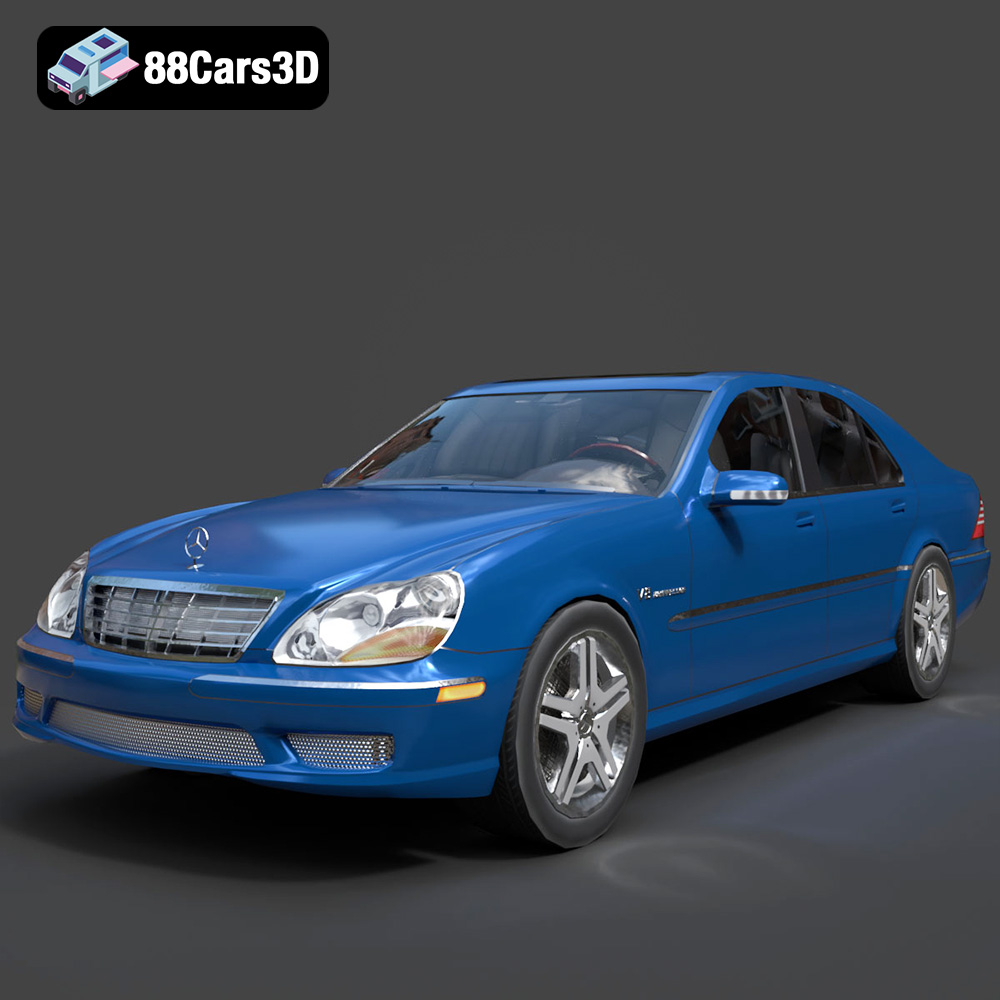
Mercedes-Benz S55 W220 AMG 1999 3D Model
Texture: Yes
Material: Yes
Download the Mercedes-Benz S55 W220 AMG 1999 3D Model featuring clean geometry, realistic detailing, and a fully modeled interior. Includes .blend, .fbx, .obj, .glb, .stl, .ply, .unreal, and .max formats for rendering, simulation, and game development.
Price: $23.99
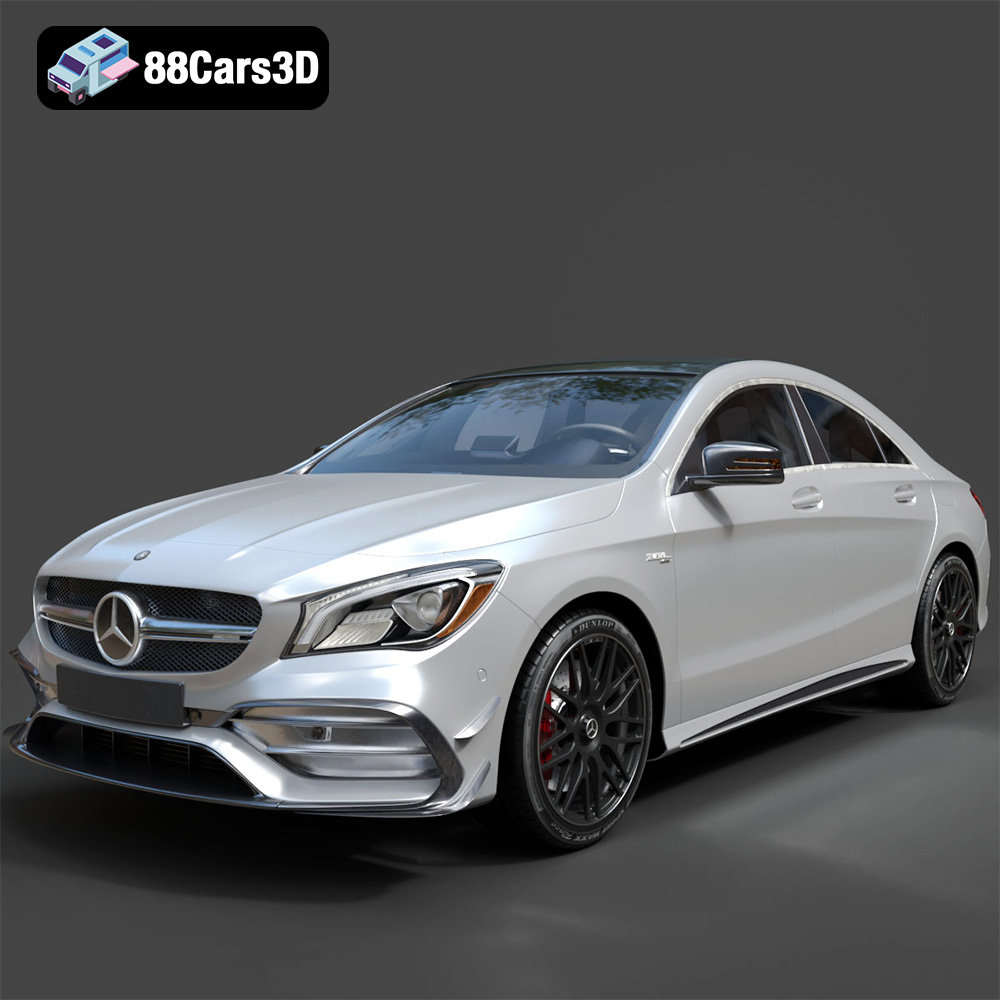
Mercedes-Benz CLA45 AMG 2017 3D Model
Texture: Yes
Material: Yes
Download the Mercedes-Benz CLA45 AMG 2017 3D Model featuring clean geometry, realistic detailing, and a fully modeled interior. Includes .blend, .fbx, .obj, .glb, .stl, .ply, .unreal, and .max formats for rendering, simulation, and game development.
Price: $38.99
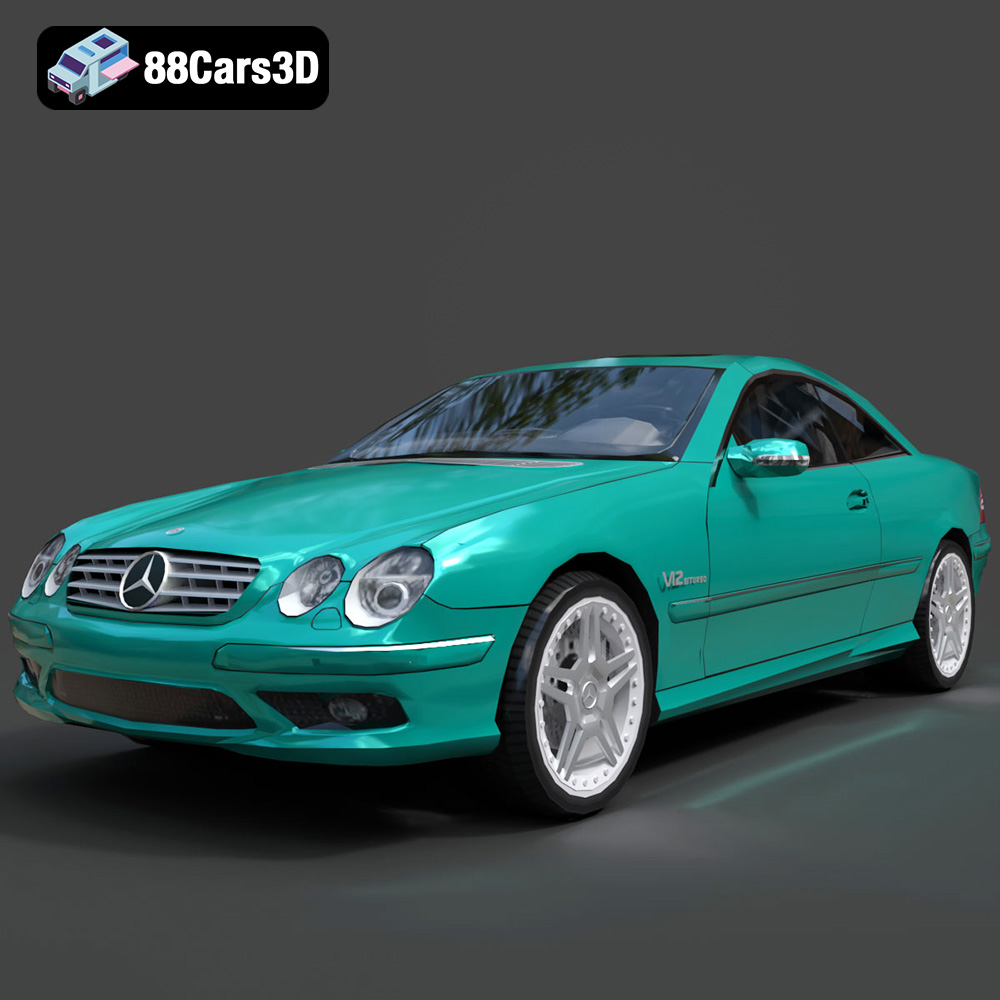
Mercedes-Benz CL65 C215 AMG 3D Model
Texture: Yes
Material: Yes
Download the Mercedes-Benz CL65 C215 AMG 3D Model featuring clean geometry, realistic detailing, and a fully modeled interior. Includes .blend, .fbx, .obj, .glb, .stl, .ply, .unreal, and .max formats for rendering, simulation, and game development.
Price: $23.99
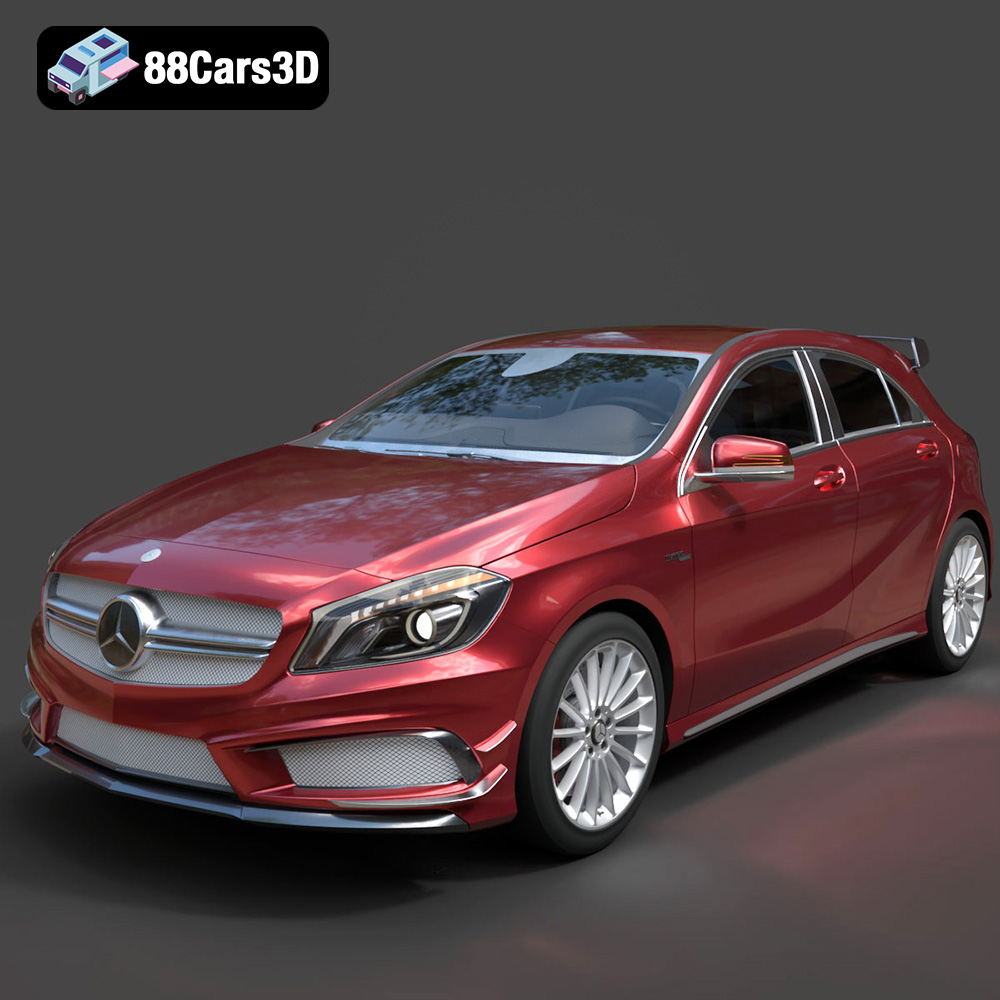
Mercedes-Benz A45 2021 3D Model
Texture: Yes
Material: Yes
Download the Mercedes-Benz A45 2021 3D Model featuring clean geometry, realistic detailing, and a fully modeled interior. Includes .blend, .fbx, .obj, .glb, .stl, .ply, .unreal, and .max formats for rendering, simulation, and game development.
Price: $23.99
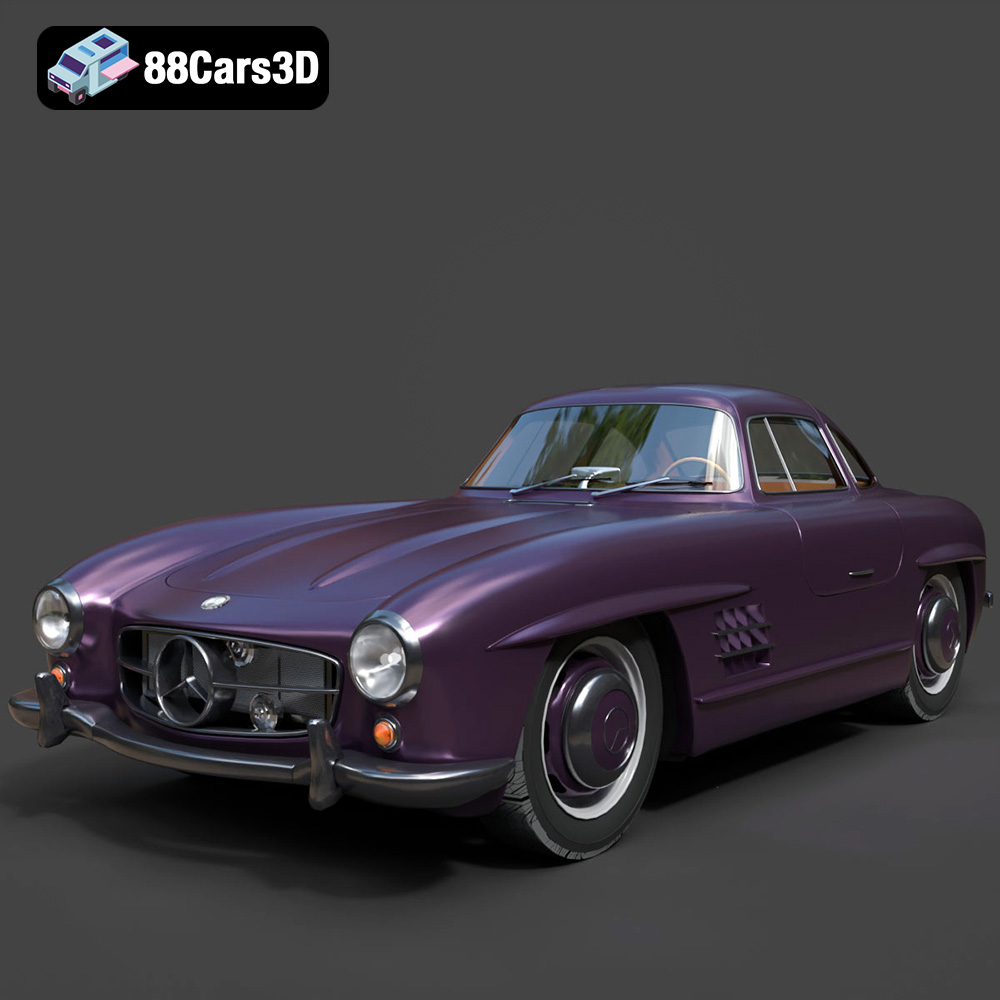
Mercedes-Benz 300SL 1955 3D Model
Texture: Yes
Material: Yes
Download the Mercedes-Benz 300SL 1955 3D Model featuring clean geometry, realistic detailing, and a fully modeled interior. Includes .blend, .fbx, .obj, .glb, .stl, .ply, .unreal, and .max formats for rendering, simulation, and game development.
Price: $23.99
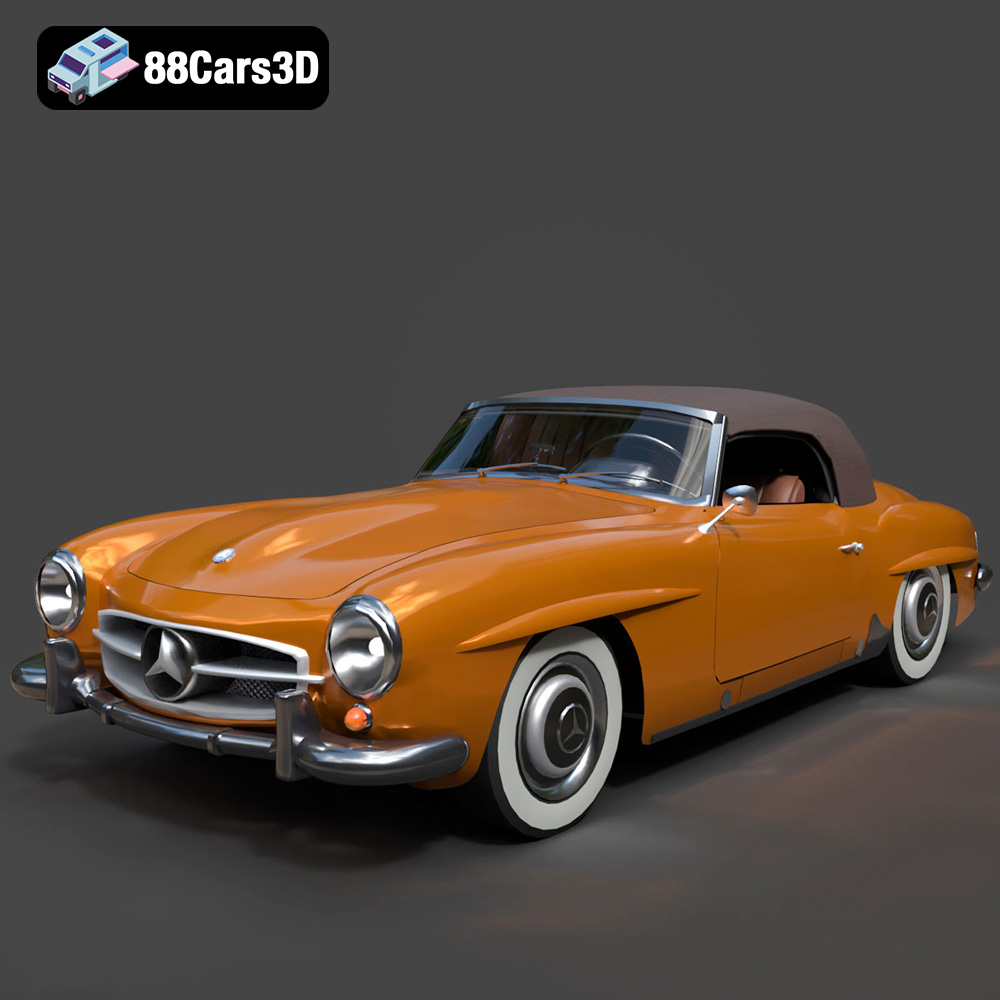
Mercedes-Benz 190SL 1955 3D Model
Texture: Yes
Material: Yes
Download the Mercedes-Benz 190SL 1955 3D Model featuring clean geometry, realistic detailing, and a fully modeled interior. Includes .blend, .fbx, .obj, .glb, .stl, .ply, .unreal, and .max formats for rendering, simulation, and game development.
Price: $23.99
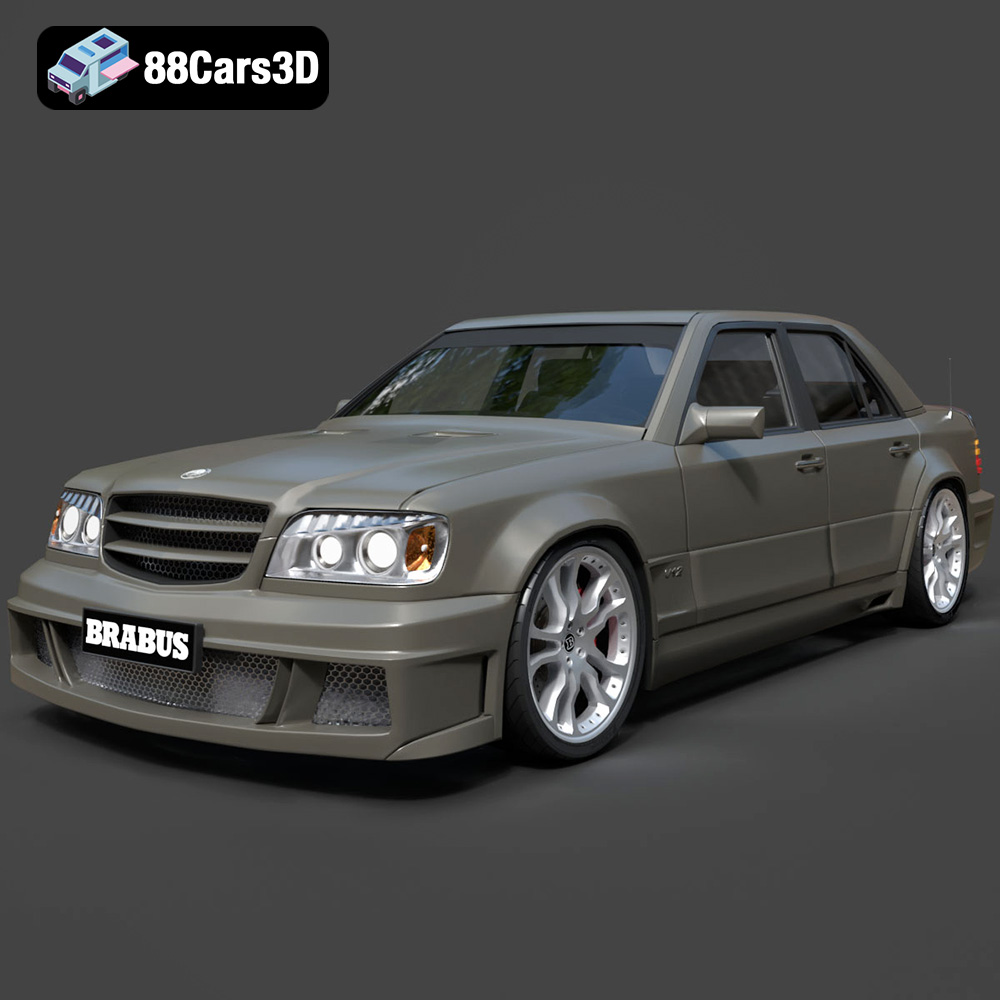
Mercedes-Benz W124 Brabus V12 3D Model
Texture: Yes
Material: Yes
Download the Mercedes-Benz W124 Brabus V12 3D Model featuring clean geometry, realistic detailing, and a fully modeled interior. Includes .blend, .fbx, .obj, .glb, .stl, .ply, .unreal, and .max formats for rendering, simulation, and game development.
Price: $23.99
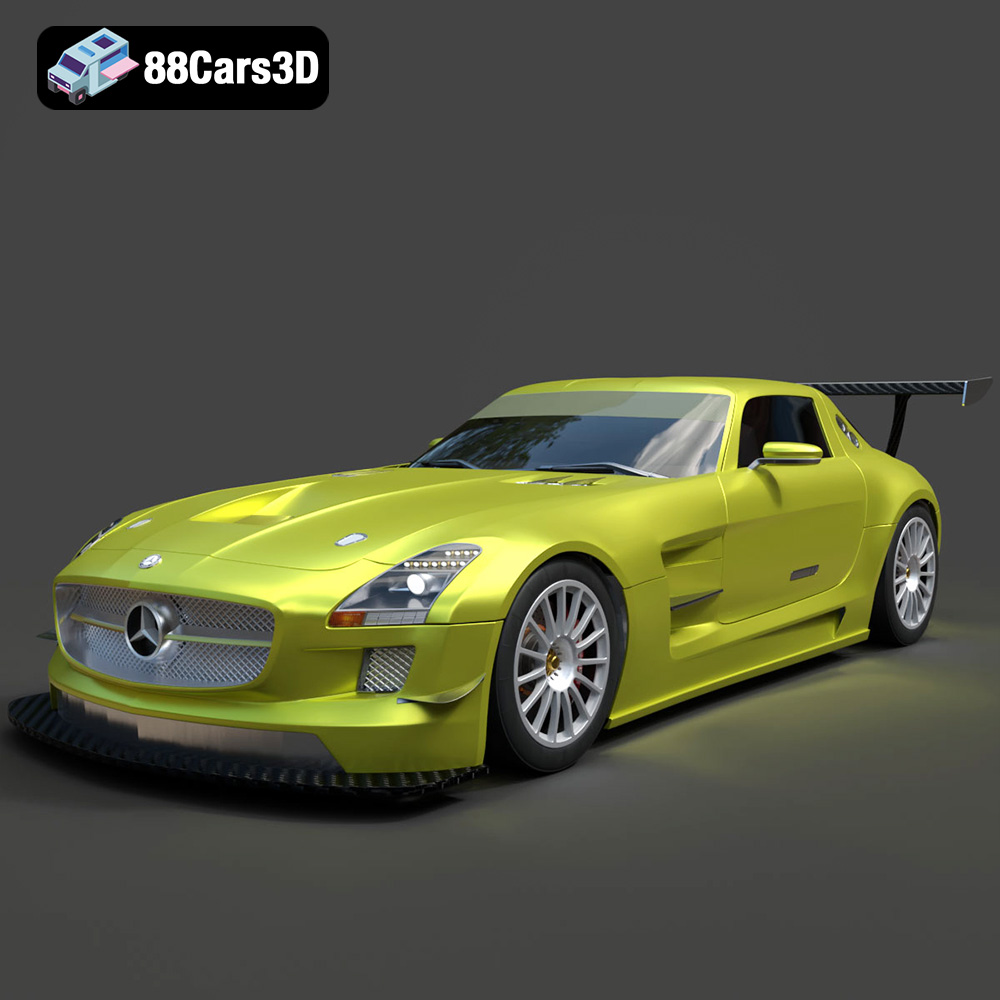
Mercedes-Benz SLS AMG GT3-002 3D Model
Texture: Yes
Material: Yes
Download the Mercedes-Benz SLS AMG GT3-002 3D Model featuring clean geometry, realistic detailing, and a fully modeled interior. Includes .blend, .fbx, .obj, .glb, .stl, .ply, .unreal, and .max formats for rendering, simulation, and game development.
Price: $38.99

Mercedes-Benz C-Class-001 3D Model
Texture: Yes
Material: Yes
Download the Mercedes-Benz C-Class-001 3D Model featuring clean geometry, realistic detailing, and a fully modeled interior. Includes .blend, .fbx, .obj, .glb, .stl, .ply, .unreal, and .max formats for rendering, simulation, and game development.
Price: $38.99
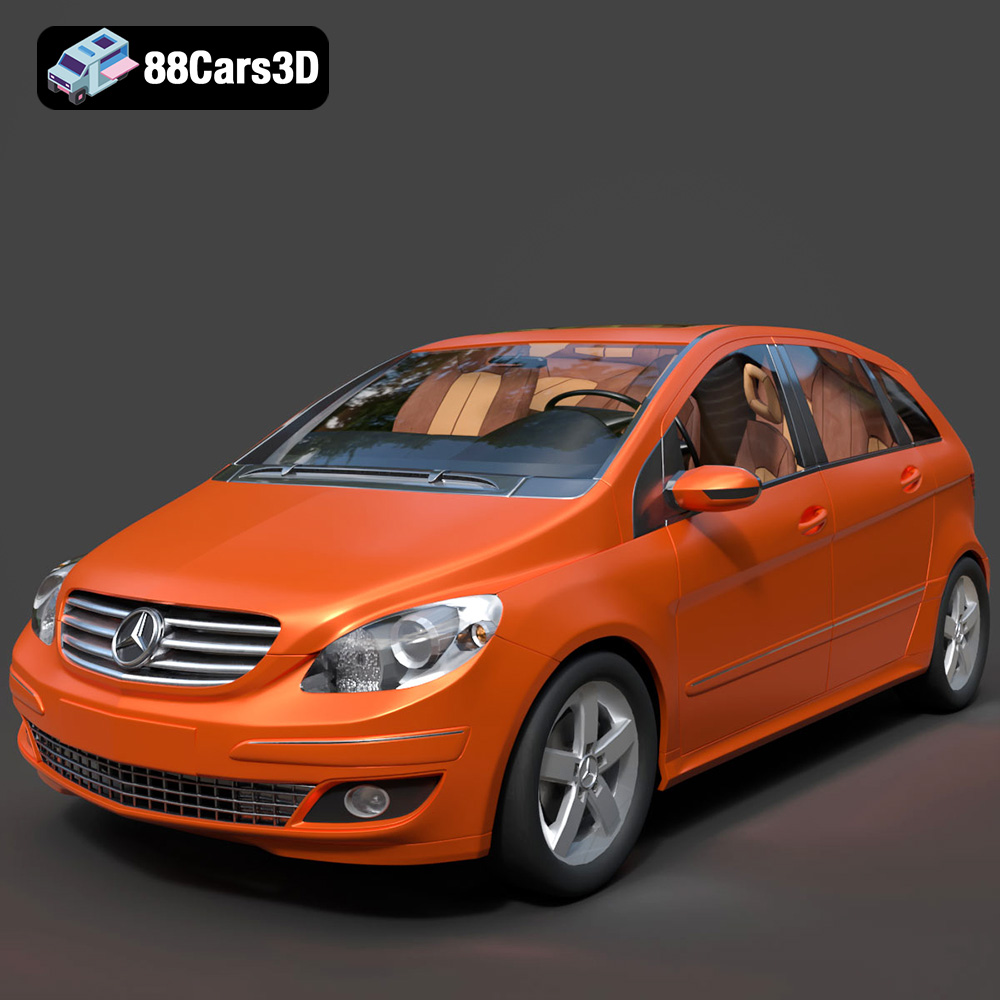
Mercedes-Benz B-Klasse 2023 3D Model
Texture: Yes
Material: Yes
Download the Mercedes-Benz B-Klasse 2023 3D Model featuring clean geometry, realistic detailing, and a fully modeled interior. Includes .blend, .fbx, .obj, .glb, .stl, .ply, .unreal, and .max formats for rendering, simulation, and game development.
Price: $38.99
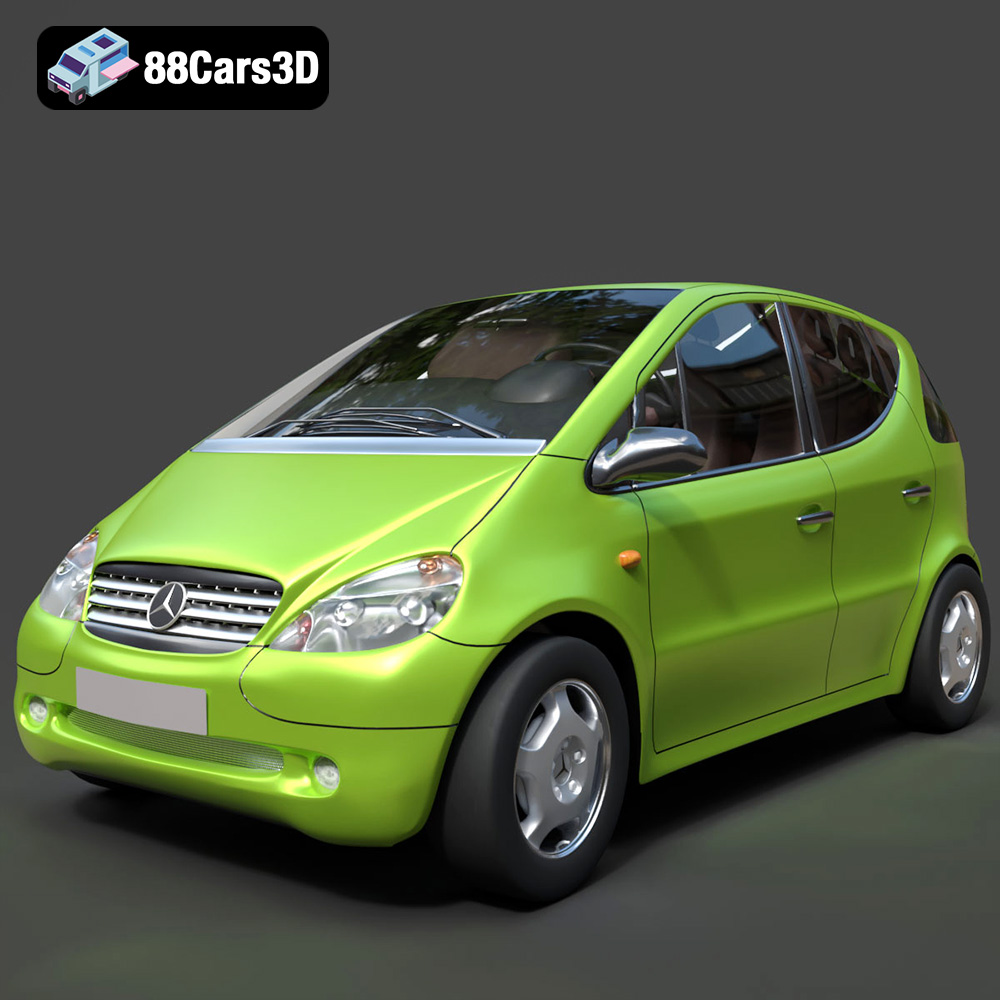
Mercedes-Benz A-Klasse W168 3D Model
Texture: Yes
Material: Yes
Download the Mercedes-Benz A-Klasse W168 3D Model featuring clean geometry, realistic detailing, and a fully modeled interior. Includes .blend, .fbx, .obj, .glb, .stl, .ply, .unreal, and .max formats for rendering, simulation, and game development.
Price: $38.99
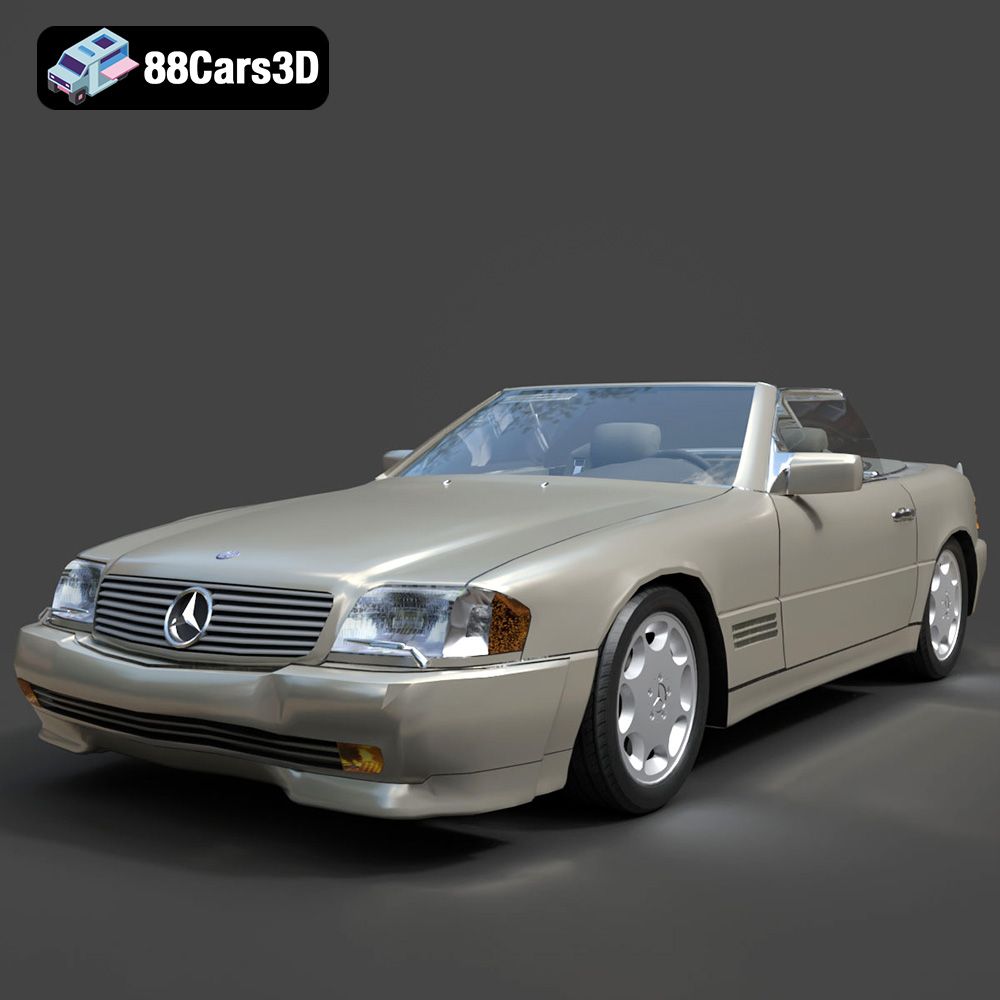
Mercedes-Benz 500SL 2000 3D Model
Texture: Yes
Material: Yes
Download the Mercedes-Benz 500SL 2000 3D Model featuring clean geometry, realistic detailing, and a fully modeled interior. Includes .blend, .fbx, .obj, .glb, .stl, .ply, .unreal, and .max formats for rendering, simulation, and game development.
Price: $38.99
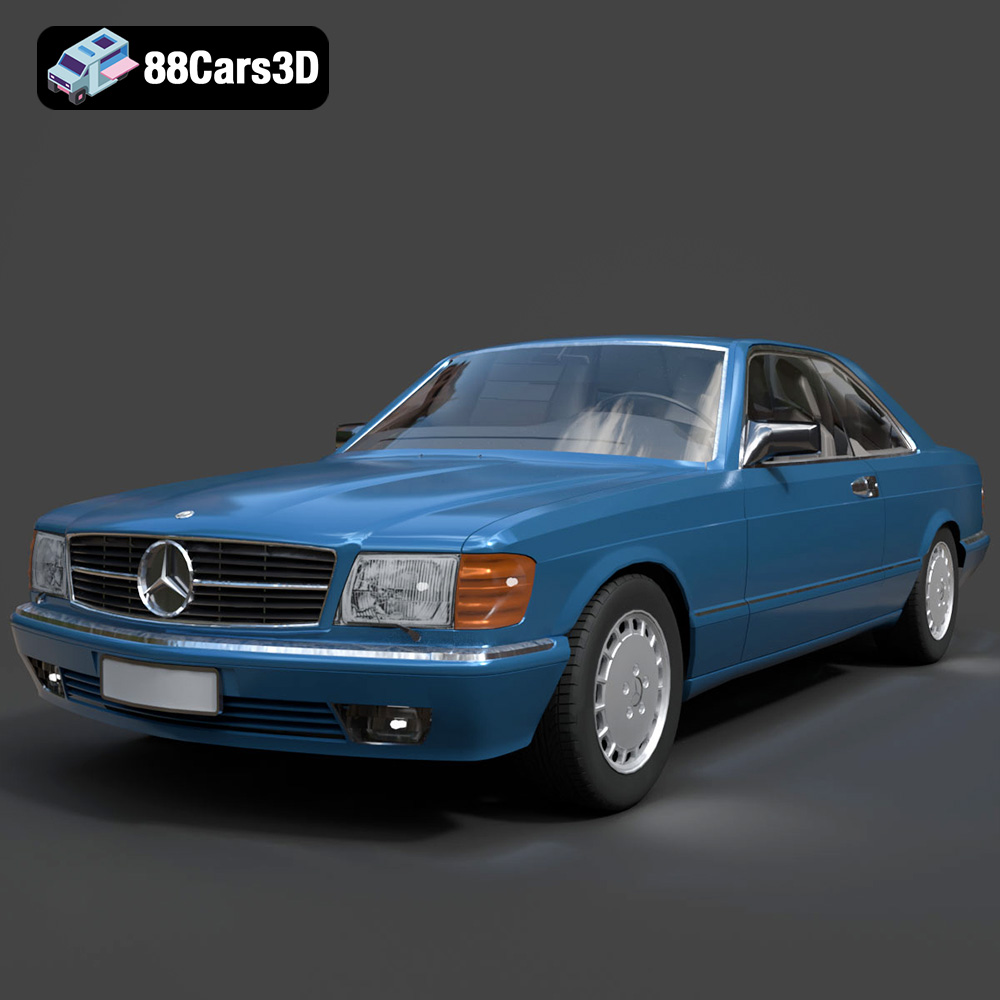
Mercedes-Benz 500SEC 3D Model
Texture: Yes
Material: Yes
Download the Mercedes-Benz 500SEC 3D Model featuring clean geometry, realistic detailing, and a fully modeled interior. Includes .blend, .fbx, .obj, .glb, .stl, .ply, .unreal, and .max formats for rendering, simulation, and game development.
Price: $38.99
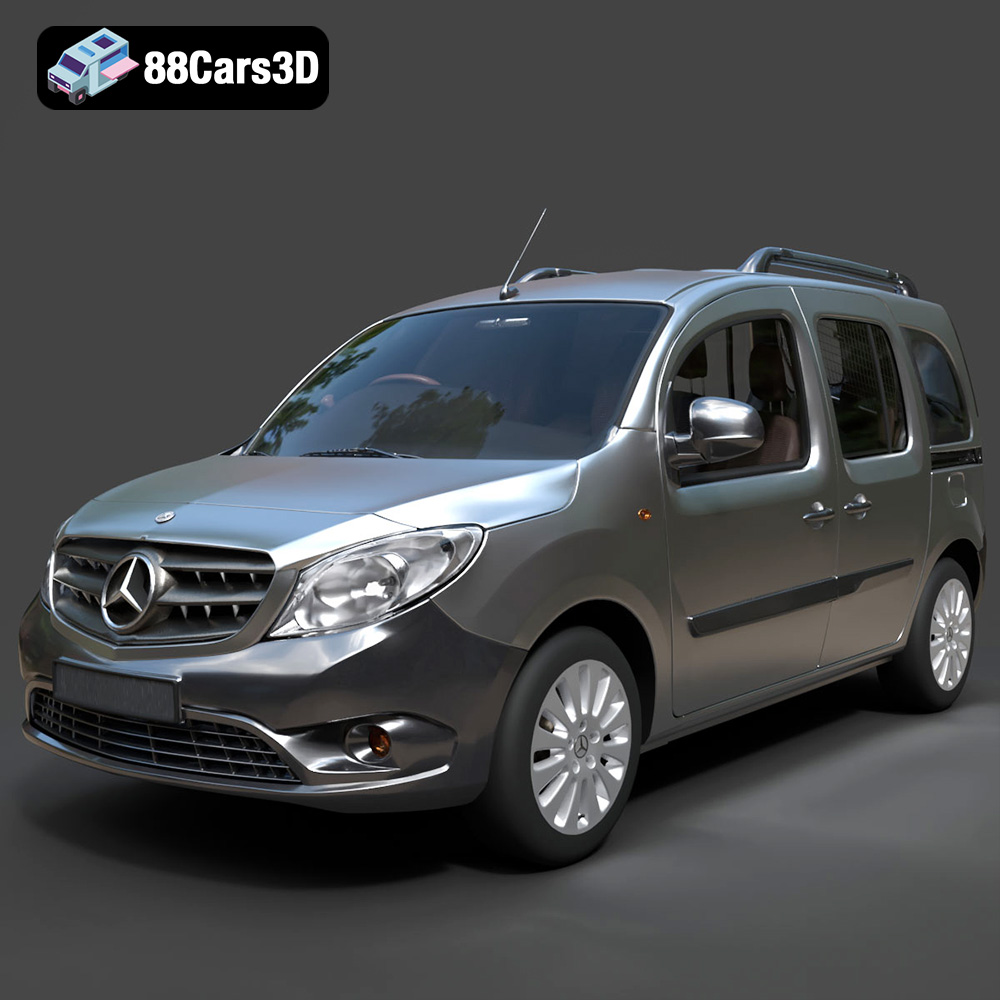
Mercedes-Benz Citan 2025 3D Model
Texture: Yes
Material: Yes
Download the Mercedes-Benz Citan 2025 3D Model featuring clean geometry, realistic detailing, and a fully modeled interior. Includes .blend, .fbx, .obj, .glb, .stl, .ply, .unreal, and .max formats for rendering, simulation, and game development.
Price: $38.99
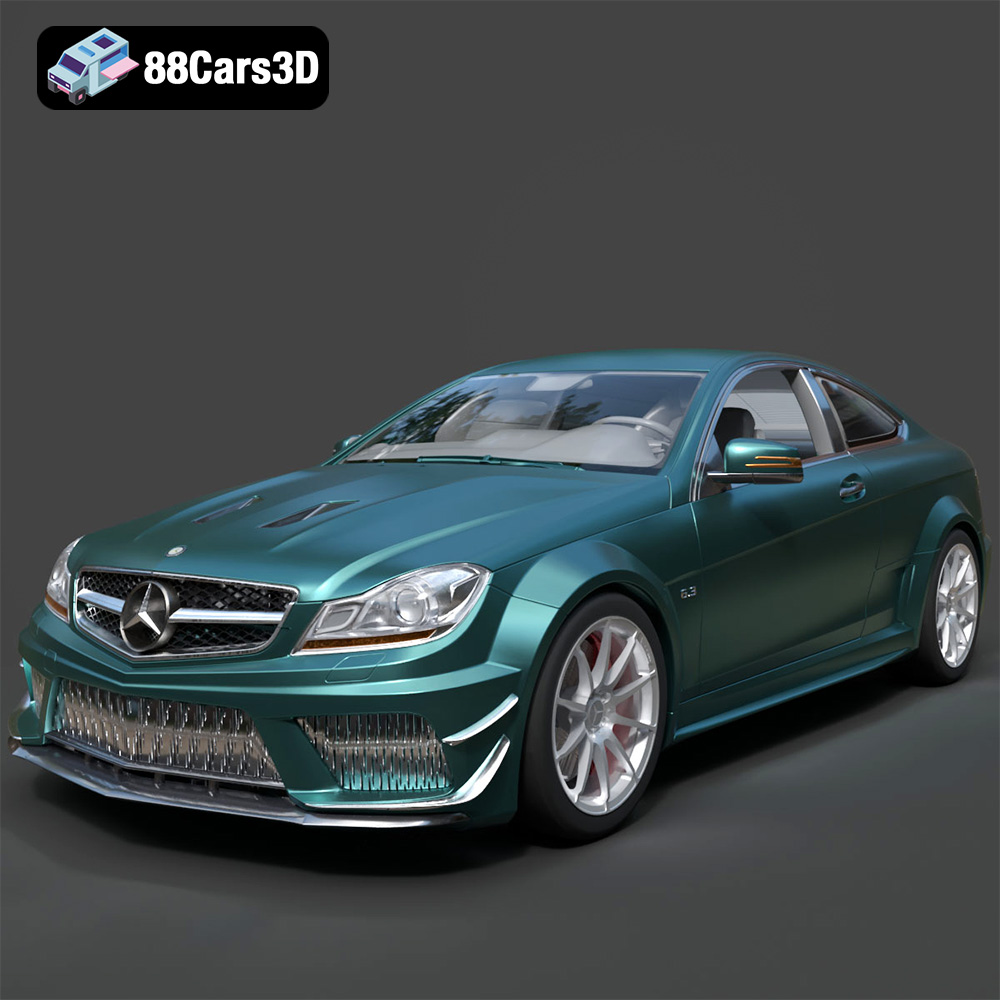
Mercedes-Benz C63 AMG 2012 3D Model
Texture: Yes
Material: Yes
Download the Mercedes-Benz C63 AMG 2012 3D Model featuring clean geometry, realistic detailing, and a fully modeled interior. Includes .blend, .fbx, .obj, .glb, .stl, .ply, .unreal, and .max formats for rendering, simulation, and game development.
Price: $38.99
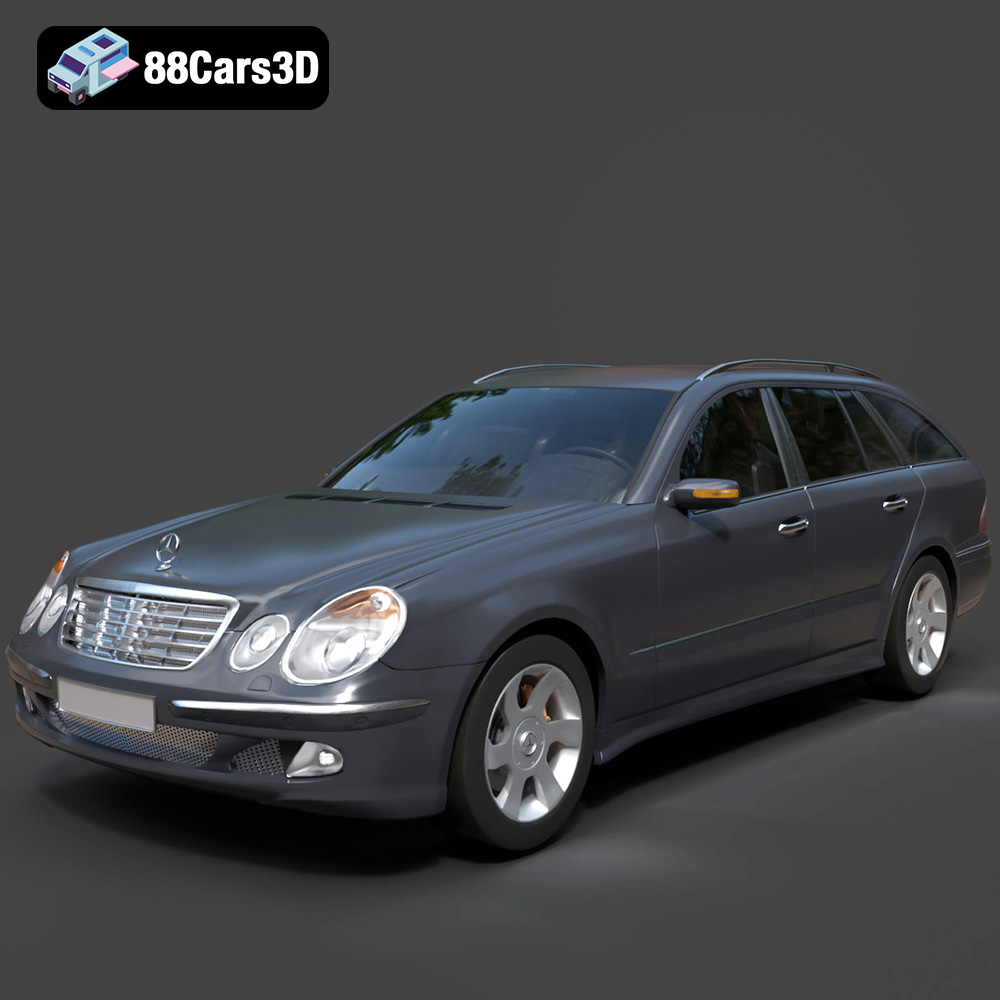
Mercedes-Benz E-Class S211 3D Model
Texture: Yes
Material: Yes
Download the Mercedes-Benz E-Class S211 3D Model featuring clean geometry, realistic detailing, and a fully modeled interior. Includes .blend, .fbx, .obj, .glb, .stl, .ply, .unreal, and .max formats for rendering, simulation, and game development.
Price: $38.99
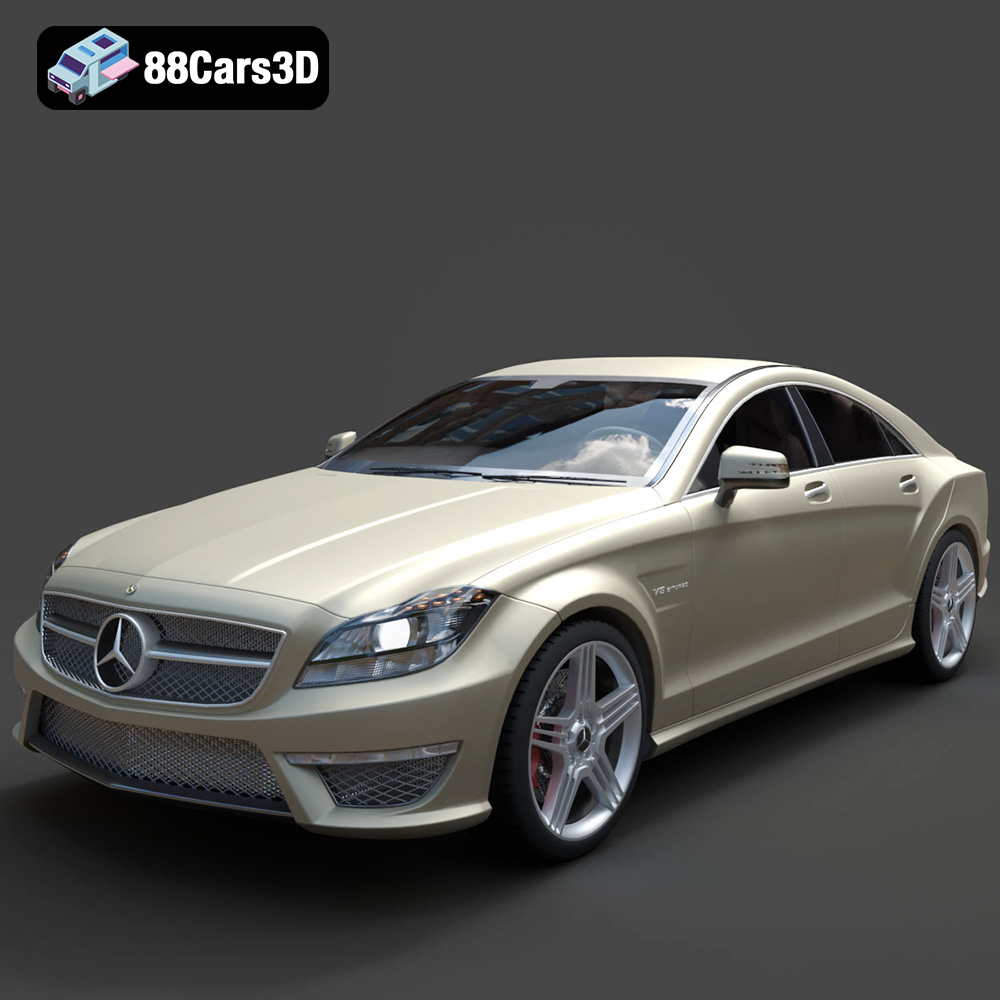
Mercedes-Benz CLS63 AMG (C218) 2014 3D Model
Texture: Yes
Material: Yes
Download the Mercedes-Benz CLS63 AMG (C218) 2014 3D Model featuring clean geometry, realistic detailing, and a fully modeled interior. Includes .blend, .fbx, .obj, .glb, .stl, .ply, .unreal, and .max formats for rendering, simulation, and game development.
Price: $38.99
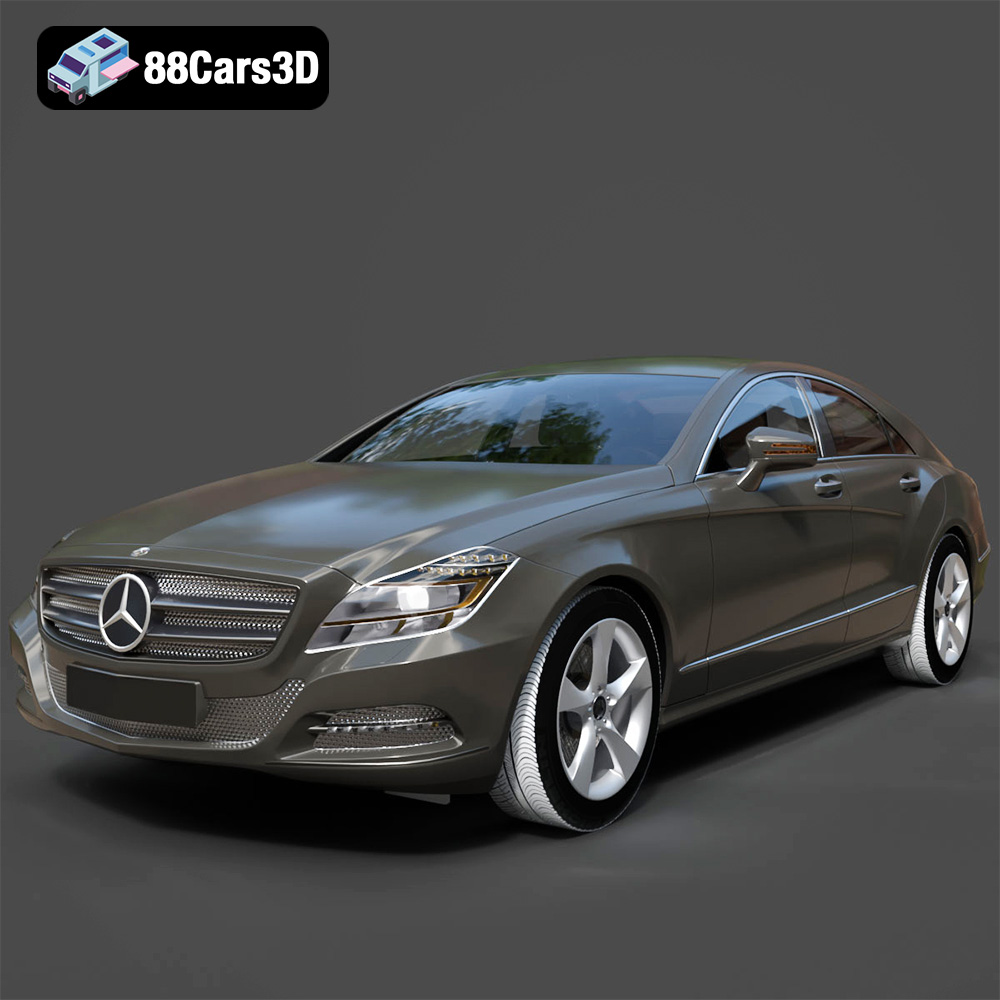
Mercedes-Benz CLS-Klasse 3D Model
Texture: Yes
Material: Yes
Download the Mercedes-Benz CLS-Klasse 3D Model featuring clean geometry, realistic detailing, and a fully modeled interior. Includes .blend, .fbx, .obj, .glb, .stl, .ply, .unreal, and .max formats for rendering, simulation, and game development.
Price: $38.99
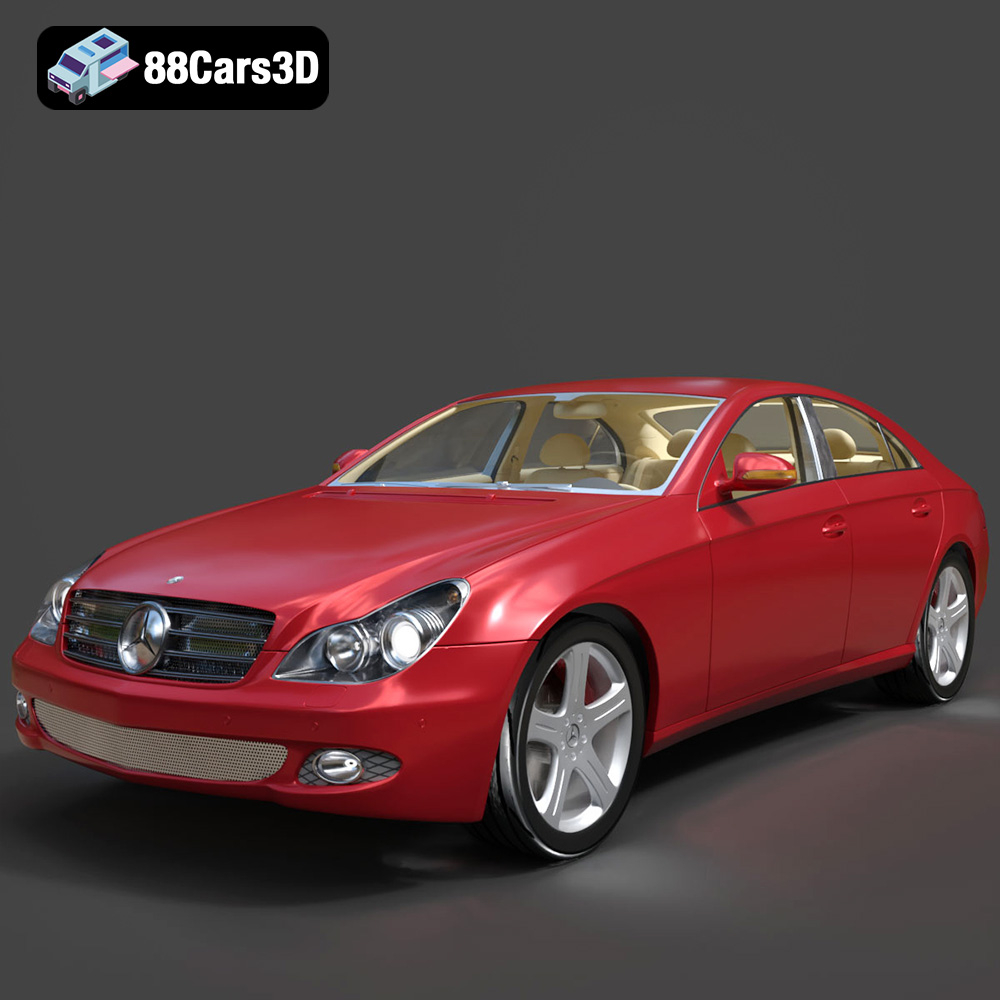
Mercedes-Benz CLS 500 3D Model
Texture: Yes
Material: Yes
Download the Mercedes-Benz CLS 500 3D Model featuring clean geometry, realistic detailing, and a fully modeled interior. Includes .blend, .fbx, .obj, .glb, .stl, .ply, .unreal, and .max formats for rendering, simulation, and game development.
Price: $38.99

Mercedes-Benz CL-Klasse 2001 3D Model
Texture: Yes
Material: Yes
Download the Mercedes-Benz CL-Klasse 2001 3D Model featuring clean geometry, realistic detailing, and a fully modeled interior. Includes .blend, .fbx, .obj, .glb, .stl, .ply, .unreal, and .max formats for rendering, simulation, and game development.
Price: $38.99
