
The Dawn of Real-Time Photorealism: Why Unreal Engine 5 for Automotive?

The quest for photorealism in digital environments has long been a driving force in 3D visualization. For the automotive industry, where precision, aesthetic appeal, and emotional connection are paramount, achieving studio-quality renders in real-time has been the ultimate dream. Gone are the days when interactive experiences meant compromising visual fidelity. With the advent of Unreal Engine 5, that dream is now a tangible reality.
Unreal Engine 5 has fundamentally transformed what’s possible in interactive automotive visualization. It allows artists, designers, and developers to transcend the limitations of traditional offline renderers, bringing unparalleled detail and lighting sophistication directly into a real-time environment. This opens up new avenues for design reviews, marketing campaigns, virtual showrooms, and even high-fidelity simulations. In this comprehensive guide, we’ll dive deep into mastering Unreal Engine 5 automotive assets, pushing the boundaries of photorealistic rendering from initial concept to final interactive brilliance.
The Dawn of Real-Time Photorealism: Why Unreal Engine 5 for Automotive?
For years, automotive visualization workflows were bifurcated. Designers would sculpt intricate models in CAD software and then painstakingly render them in offline engines like V-Ray or Arnold to achieve photorealistic rendering. This process, while yielding stunning results, was notoriously slow, iterative, and lacked interactivity. Any small change meant re-rendering for hours, sometimes days, a significant bottleneck in fast-paced design cycles.
Unreal Engine 5 completely shatters this paradigm. Its groundbreaking technologies like Nanite and Lumen have ushered in an era where cinematic quality is achievable in real-time, right out of the box. This means instant feedback on design changes, dynamic camera movements, and truly immersive experiences that were once confined to pre-rendered animations.
The ability to work with extreme geometric detail via the Nanite workflow, combined with the incredibly accurate and dynamic Lumen global illumination system, allows artists to faithfully represent the nuanced surfaces and complex reflections inherent in automotive design. This is not just an incremental improvement; it’s a revolutionary leap forward for anyone involved in Unreal Engine 5 automotive projects.
The Nanite Revolution: Handling Extreme Geometric Detail
One of the most significant innovations in Unreal Engine 5, especially for automotive visualization, is Nanite. Traditional real-time engines struggle with high-polygon models, requiring extensive optimization, LOD (Level of Detail) creation, and careful management of draw calls. Automotive models, by their very nature, are incredibly detailed, often featuring millions of polygons, especially when sourced directly from CAD data.
Nanite fundamentally changes this equation. It’s a virtualized micropolygon geometry system that intelligently processes and streams only the necessary detail to the screen, independent of the overall polygon count. This eliminates the need for manual LODs and drastically reduces draw call overhead, allowing for previously unimaginable geometric complexity.
For high-poly asset optimization in automotive contexts, Nanite is a game-changer. You can import models with hundreds of millions of polygons – the kind of detail found in engineering-grade CAD files or professionally sculpted assets – and have them render efficiently in real-time. This means no more agonizing over polygon budgets or sacrificing intricate details like panel gaps, intricate headlight assemblies, or tire treads.
Preparing Assets for Nanite: The DCC to Unreal Pipeline
While Nanite handles geometry brilliantly, proper preparation in your Digital Content Creation (DCC) tool is still vital for a smooth DCC to Unreal pipeline. Clean geometry, well-defined UVs for texturing and lightmaps, and proper material assignments are essential precursors to importing your model into UE5.
- Clean Geometry: Ensure your mesh is clean, watertight, and free from non-manifold geometry. While Nanite is robust, starting with a clean mesh always yields better results.
- UV Unwrapping: Proper UVs are crucial for applying textures, decals, and for lightmap generation, even if Nanite handles geometry. Consider multiple UV sets for different purposes.
- Material IDs: Assign distinct material IDs in your DCC software. This makes it easier to assign different materials (e.g., car paint, glass, rubber, chrome) within Unreal Engine 5.
- Exporting: Export your model as an FBX file. For more complex scenes or CAD data, consider using Unreal Engine’s Datasmith plugin, which offers a more robust DCC to Unreal pipeline, preserving hierarchies, metadata, and even some material definitions.
- Enabling Nanite: Once imported into UE5, right-click your static mesh asset and select “Enable Nanite.” Unreal Engine will then process the mesh for Nanite virtualization.
While most of your car model can benefit from Nanite, certain elements like transparent materials (glass), hair, or specific effects might still need to remain as traditional meshes. These are typically smaller in number and won’t significantly impact performance when the bulk of the model is Nanite-enabled.
Lumen and Real-Time Ray Tracing: Unparalleled Global Illumination
Beyond raw polygon count, the quality of lighting and reflections is what truly elevates photorealistic rendering. This is where Lumen global illumination and real-time ray tracing step in, offering a level of fidelity previously reserved for offline renderers.
Lumen is Unreal Engine 5’s fully dynamic global illumination and reflection system. It calculates indirect lighting bounces, diffuse interreflection, and glossy reflections in real-time, providing incredibly realistic lighting scenarios without the need for pre-baked lightmaps. This is especially critical for automotive visualization, where the interaction of light with complex, reflective surfaces like car paint and chrome is paramount.
Lumen operates using a combination of software ray tracing against a mesh distance field representation of the scene, screen traces, and optional hardware ray tracing. This hybrid approach ensures robust and beautiful indirect lighting that reacts dynamically to changes in lighting, environment, and even geometry. Imagine opening a car door in your scene and seeing the interior instantly illuminated by bounced light, or changing the time of day and watching the reflections and shadows shift realistically.
While Lumen handles the bulk of global illumination, explicit real-time ray tracing can be enabled for ultra-high-quality reflections, shadows, and ambient occlusion, particularly on highly specular surfaces. This combination provides artists with the tools to create environments that feel physically accurate and visually stunning.
Optimizing Lumen for Performance and Quality
While Lumen is incredibly powerful, understanding its settings can help you balance performance and visual quality for your Unreal Engine 5 automotive projects.
- Global Illumination Method: Ensure Lumen is selected as your global illumination method in project settings.
- Reflection Method: For the highest fidelity, set your reflection method to Lumen or Hardware Ray Tracing if your target hardware supports it.
- Quality Settings: Adjust the Lumen quality settings in the Post-Process Volume. Parameters like “Lumen Scene Lighting Quality” and “Lumen Reflections Quality” directly impact visual fidelity and performance.
- Emissive Materials: Lumen can also propagate light from emissive materials, allowing you to create believable interior lighting from screens or dashboard elements.
Experimentation with these settings is key to achieving the desired look and performance for your specific automotive scene. The beauty of Lumen is its scalability, allowing you to fine-tune it for a range of hardware and visual targets.
Crafting the Perfect Finish: Advanced Automotive Materials
No matter how perfect your geometry or lighting, the materials are what truly sell a photorealistic rendering of a car. Automotive materials, particularly car paint, are notoriously complex, featuring multiple layers of reflectivity, subtle flakes, and clear coats. Mastering these in Unreal Engine 5 is crucial.
The Art of the Car Paint Shader UE5
Creating a compelling car paint shader UE5 involves a layered approach that mimics real-world paint application. The standard physically based rendering (PBR) metallic workflow in Unreal Engine 5 is an excellent foundation.
- Base Color: This is the primary color of the paint. It’s often a solid color or a subtle gradient.
- Metallic Component: The base layer of the paint is typically metallic. Set the ‘Metallic’ parameter to 1 and adjust the ‘Roughness’ for the underlying metal sheen.
- Flake Layer (Optional but Recommended): This is where the magic happens for many car paints.
- Use a very fine noise texture or a dedicated flake normal map, typically with a high tiling value, connected to the ‘Normal’ input.
- Blend this with the clear coat. You can control the visibility and intensity of these flakes with parameters in your material graph.
- A common technique involves using a Fresnel node to make flakes more prominent at grazing angles, mimicking real-world behavior.
- Clear Coat Layer: The transparent protective layer over the paint.
- Unreal Engine’s ‘Clear Coat’ input (and associated ‘Clear Coat Roughness’ and ‘Clear Coat Normal’ inputs) is specifically designed for this.
- Set ‘Clear Coat’ to 1 for full clear coat effect.
- Adjust ‘Clear Coat Roughness’ to control the glossiness of the top layer. A value close to 0 creates a mirror-like finish.
- You can also apply a subtle normal map here for orange peel effect if desired.
- Advanced Effects: For pearlescent or iridescent paints, you might introduce additional calculations based on camera angle and light direction, often involving complex Fresnel functions or custom shader nodes.
The key is to expose parameters in your material instance so you can easily tweak colors, flake intensity, and clear coat roughness without recompiling the shader. This iterative feedback loop is invaluable for achieving the perfect finish.
Realistic Glass and Chrome
Beyond paint, other materials play a crucial role in photorealistic rendering.
- Glass: Requires specific properties for transparency, refraction, and reflection. Use a translucent blend mode, and set appropriate values for roughness and specular. A physically accurate Index of Refraction (IOR) is vital for believable distortion and refraction through the glass. Unreal Engine’s ray-traced translucency (if enabled) can greatly enhance glass realism.
- Chrome and Metallic Trims: These are high-reflectivity, low-roughness metallic materials. Set ‘Metallic’ to 1 and ‘Roughness’ to a very low value (e.g., 0.05-0.1). Ensure clean normal maps if there are any brushed metal effects.
- Tire Rubber: Often overlooked, but critical for grounding the vehicle. Use a low specular value, a rough surface (Roughness around 0.8-0.9), and detailed normal maps for tread patterns and sidewall texturing.
- Interior Materials: Leather, fabric, plastics, and carbon fiber all require unique PBR properties. Focus on realistic roughness, subtle normal maps for texture, and appropriate base colors.
For high-quality models that are production-ready and optimized for these demanding material types, consider exploring options at 88cars3d.com. Starting with well-structured assets can significantly accelerate your material development process.
Lighting, Reflections, and Post-Processing for Studio Quality
Even with perfect models and materials, a scene won’t look truly photorealistic rendering without masterful lighting and careful post-processing. These elements are the final polish that transform a good render into a brilliant one.
Lighting Setups for Automotive Visualization
Achieving studio-quality lighting in Unreal Engine 5 involves a blend of environment lighting and targeted light sources.
- HDRI Environments: High Dynamic Range Image (HDRI) skyspheres are indispensable. They provide realistic diffuse lighting and, crucially, accurate reflections from a real-world environment. Use a high-resolution HDRI that matches the desired mood – a studio background for showroom aesthetics or an outdoor environment for natural scenes.
- Directional Light: Represents the sun for outdoor scenes or a strong key light in a studio. Adjust its angle and intensity for primary shadows and highlights.
- Area Lights: Simulates large softboxes or studio panels. Strategically place them to create beautiful, soft reflections on the car’s surfaces and to sculpt its form. Often used as fill lights or rim lights.
- Spotlights/Rect Lights: Use these for specific accents, like illuminating interior details, highlighting badges, or creating dramatic light streaks.
- Physical Light Units: Work with physical light units (lumens, candelas) for more realistic light intensity and falloff.
Leveraging Lumen global illumination ensures that all these lights interact realistically, bouncing off surfaces and illuminating indirectly, adding incredible depth and realism to your automotive scenes.
Achieving Pristine Reflections
Reflections are paramount for automotive aesthetics. Unreal Engine 5 offers several options:
- Lumen Reflections: Excellent for dynamic, real-time glossy reflections across most surfaces, benefiting from Lumen’s global illumination calculations.
- Screen Space Reflections (SSR): Cost-effective but limited to what’s currently visible on screen. Best for subtle, quick reflections.
- Real-Time Ray Tracing Reflections: For the absolute highest quality and physically accurate reflections, particularly on highly polished surfaces like chrome or car paint, enable real-time ray tracing reflections in your project settings. This will trace rays against the actual geometry, providing pixel-perfect reflections that are not bound by screen space.
- Reflection Capture Actors: While Lumen handles dynamic reflections, for static background elements or specific zones, Box and Sphere Reflection Capture actors can still be useful to provide baked reflection data, especially for performance optimization.
A combination of Lumen and real-time ray tracing reflections will provide the most immersive and visually accurate result for your Unreal Engine 5 automotive projects.
The Final Polish: Post-Processing Volume
The Post-Process Volume is your final creative control panel, enabling you to apply cinematic effects that mimic real-world camera lenses and film qualities. This is where you bring your render to life.
- Exposure: Fine-tune the overall brightness of your scene.
- Color Grading: Adjust saturation, contrast, and color balance to achieve a specific mood or to match reference imagery.
- Bloom: Adds a soft glow around bright areas, enhancing the sense of light intensity.
- Chromatic Aberration: A subtle lens effect that adds a touch of realism to the edges of bright objects.
- Vignette: Darkens the edges of the screen, drawing attention to the center.
- Film Grain: Adds a subtle texture to the image, mimicking film photography.
- Depth of Field (DOF): Crucial for focusing the viewer’s attention. Use a shallow DOF to make the car pop from its background, simulating a professional camera lens.
- Ambient Occlusion: Even with Lumen, adjusting screen-space ambient occlusion can add subtle contact shadows and definition.
Use these effects judiciously. Overdoing them can quickly lead to an artificial look. The goal is to enhance the photorealistic rendering, not to mask imperfections.
Streamlining Your Workflow: The DCC to Unreal Pipeline for Automotive Assets
An efficient DCC to Unreal pipeline is critical for any serious automotive project. While Unreal Engine 5 is powerful, proper asset preparation in your preferred DCC software (Maya, 3ds Max, Blender, etc.) can save countless hours and prevent headaches down the line.
Starting with well-organized, clean models is the foundation. This means ensuring correct scale, setting pivot points at logical locations (e.g., center of wheels), and having properly laid out UVs for all elements. For large, complex automotive models, the Datasmith plugin is often the preferred method for import, as it handles CAD data, complex hierarchies, and multiple material assignments more robustly than basic FBX import.
For artists and studios looking to jumpstart their projects with ready-to-use, high-quality models, resources like 88cars3d.com provide a wide selection of expertly crafted automotive assets. These models are often pre-optimized and structured for efficient integration into Unreal Engine 5, allowing you to focus immediately on lighting, materials, and presentation.
Best Practices for High-Poly Asset Optimization
Even with Nanite, some best practices for high-poly asset optimization are beneficial, particularly for non-Nanite geometry or for maintaining a clean scene:
- Mesh Cleanup: Before export, eliminate non-manifold geometry, duplicate faces, and unnecessary vertices in your DCC software.
- UV Channel Management: Ensure you have dedicated UV channels for texturing and, if needed, for lightmaps, even if Lumen reduces the reliance on baked lighting.
- Material Slot Organization: Group materials logically. For instance, all paint surfaces might share one master material instance, while all glass elements share another.
- Naming Conventions: Use clear, consistent naming conventions for meshes, materials, and textures. This is vital for managing complex automotive scenes.
- Scale and Units: Work in real-world scale in your DCC and ensure it’s imported correctly into Unreal Engine (e.g., 1 unit = 1 cm).
Following these guidelines ensures that your automotive assets are not just visually stunning but also performant and manageable throughout your production pipeline.
Conclusion
Unreal Engine 5 represents a monumental leap forward for automotive visualization, enabling artists and designers to achieve unprecedented levels of photorealistic rendering in real-time. The synergy of Nanite for handling extreme geometric detail, Lumen global illumination for dynamic and accurate lighting, and advanced material systems allows for the creation of truly immersive and visually stunning experiences.
From crafting an exquisite car paint shader UE5 to meticulously setting up your lighting and post-processing, every step in this advanced DCC to Unreal pipeline contributes to the final brilliance. Mastering these techniques transforms what was once a laborious offline rendering process into a fluid, interactive workflow, dramatically accelerating iteration times and opening new frontiers for automotive design and marketing.
Embrace the power of Unreal Engine 5 automotive capabilities and start building your next-generation projects today. If you’re looking for a head start with high-quality, professionally optimized models, visit 88cars3d.com to explore our extensive library of automotive assets. Unleash your creativity and bring your automotive visions to life with real-time brilliance.
Featured 3D Car Models

Suzuki SX4-002 3D Model
Texture: Yes
Material: Yes
Download the Suzuki SX4-002 3D Model featuring clean geometry, realistic detailing, and a fully modeled interior. Includes .blend, .fbx, .obj, .glb, .stl, .ply, .unreal, and .max formats for rendering, simulation, and game development.
Price: $10

Tesla Model S 2024 3D Model
Texture: Yes
Material: Yes
Download the Tesla Model S 2024 3D Model featuring clean geometry, realistic detailing, and a fully modeled interior. Includes .blend, .fbx, .obj, .glb, .stl, .ply, .unreal, and .max formats for rendering, simulation, and game development.
Price: $10

Subaru Impreza WRX STi-002 3D Model
Texture: Yes
Material: Yes
Download the Subaru Impreza WRX STi-002 3D Model featuring clean geometry, realistic detailing, and a fully modeled interior. Includes .blend, .fbx, .obj, .glb, .stl, .ply, .unreal, and .max formats for rendering, simulation, and game development.
Price: $10

Subaru Impreza WRX STi Sedan 3D Model
Texture: Yes
Material: Yes
Download the Subaru Impreza WRX STi Sedan 3D Model featuring clean geometry, realistic detailing, and a fully modeled interior. Includes .blend, .fbx, .obj, .glb, .stl, .ply, .unreal, and .max formats for rendering, simulation, and game development.
Price: $10

Subaru Legacy 2009 3D Model
Texture: Yes
Material: Yes
Download the Subaru Legacy 2009 3D Model featuring clean geometry, realistic detailing, and a fully modeled interior. Includes .blend, .fbx, .obj, .glb, .stl, .ply, .unreal, and .max formats for rendering, simulation, and game development.
Price: $10

Suzuki Swift 2024 3D Model
Texture: Yes
Material: Yes
Download the Suzuki Swift 2024 3D Model featuring clean geometry, realistic detailing, and a fully modeled interior. Includes .blend, .fbx, .obj, .glb, .stl, .ply, .unreal, and .max formats for rendering, simulation, and game development.
Price: $10

Suzuki Liana Sedan 2004 3D Model
Texture: Yes
Material: Yes
Download the Suzuki Liana Sedan 2004 3D Model featuring clean geometry, realistic detailing, and a fully modeled interior. Includes .blend, .fbx, .obj, .glb, .stl, .ply, .unreal, and .max formats for rendering, simulation, and game development.
Price: $10

Subaru Outback 2024 3D Model
Texture: Yes
Material: Yes
Download the Subaru Outback 2024 3D Model featuring clean geometry, realistic detailing, and a fully modeled interior. Includes .blend, .fbx, .obj, .glb, .stl, .ply, .unreal, and .max formats for rendering, simulation, and game development.
Price: $10

Subaru Legacy 2003 3D Model
Texture: Yes
Material: Yes
Download the Subaru Legacy 2003 3D Model featuring clean geometry, realistic detailing, and a fully modeled interior. Includes .blend, .fbx, .obj, .glb, .stl, .ply, .unreal, and .max formats for rendering, simulation, and game development.
Price: $10

Subaru Legacy Touring Wagon 3D Model
Texture: Yes
Material: Yes
Download the Subaru Legacy Touring Wagon 3D Model featuring clean geometry, realistic detailing, and a fully modeled interior. Includes .blend, .fbx, .obj, .glb, .stl, .ply, .unreal, and .max formats for rendering, simulation, and game development.
Price: $10

Toyota Mark II (X100) 1998 3D Model
Texture: Yes
Material: Yes
Download the Toyota Mark II (X100) 3D Model featuring clean geometry, realistic detailing, and a fully modeled interior. Includes .blend, .fbx, .obj, .glb, .stl, .ply, .unreal, and .max formats for rendering, simulation, and game development.
Price: $10

Toyota Corona 1985 3D Model
Texture: Yes
Material: Yes
Download the Toyota Corona 1985 3D Model featuring clean geometry, realistic detailing, and a fully modeled interior. Includes .blend, .fbx, .obj, .glb, .stl, .ply, .unreal, and .max formats for rendering, simulation, and game development.
Price: $10

Toyota Mark II X81 1990 3D Model
Texture: Yes
Material: Yes
Download the Toyota Mark II X81 1990 3D Model featuring clean geometry, realistic detailing, and a fully modeled interior. Includes .blend, .fbx, .obj, .glb, .stl, .ply, .unreal, and .max formats for rendering, simulation, and game development.
Price: $10

Toyota iQ EV 2012 3D Model
Texture: Yes
Material: Yes
Download the Toyota iQ EV 2012 3D Model featuring clean geometry, realistic detailing, and a fully modeled interior. Includes .blend, .fbx, .obj, .glb, .stl, .ply, .unreal, and .max formats for rendering, simulation, and game development.
Price: $10

Toyota Aygo 2013 3D Model
Texture: Yes
Material: Yes
Download the Toyota Aygo 2013 3D Model featuring clean geometry, realistic detailing, and a fully modeled interior. Includes .blend, .fbx, .obj, .glb, .stl, .ply, .unreal, and .max formats for rendering, simulation, and game development.
Price: $10

Toyota Crown S180 2005 3D Model
Texture: Yes
Material: Yes
Download the Toyota Crown S180 2005 3D Model featuring clean geometry, realistic detailing, and a fully modeled interior. Includes .blend, .fbx, .obj, .glb, .stl, .ply, .unreal, and .max formats for rendering, simulation, and game development.
Price: $10

Toyota Celica 2004 3D Model
Texture: Yes
Material: Yes
Download the Toyota Celica 2004 3D Model featuring clean geometry, realistic detailing, and a fully modeled interior. Includes .blend, .fbx, .obj, .glb, .stl, .ply, .unreal, and .max formats for rendering, simulation, and game development.
Price: $10

Toyota Corolla AE100 1992 3D Model
Texture: Yes
Material: Yes
Download the Toyota Corolla AE100 1992 3D Model featuring clean geometry, realistic detailing, and a fully modeled interior. Includes .blend, .fbx, .obj, .glb, .stl, .ply, .unreal, and .max formats for rendering, simulation, and game development.
Price: $10

Toyota Mark II X110 2000 3D Model
Texture: Yes
Material: Yes
Download the Toyota Mark II X110 2000 3D Model featuring clean geometry, realistic detailing, and a fully modeled interior. Includes .blend, .fbx, .obj, .glb, .stl, .ply, .unreal, and .max formats for rendering, simulation, and game development.
Price: $10

Toyota Corolla 2020 3D Model
Texture: Yes
Material: Yes
Download the Toyota Corolla 2020 3D Model featuring clean geometry, realistic detailing, and a fully modeled interior. Includes .blend, .fbx, .obj, .glb, .stl, .ply, .unreal, and .max formats for rendering, simulation, and game development.
Price: $10

Toyota Yaris 2020 3D Model
Texture: Yes
Material: Yes
Download the Toyota Yaris 2020 3D Model featuring clean geometry, realistic detailing, and a fully modeled interior. Includes .blend, .fbx, .obj, .glb, .stl, .ply, .unreal, and .max formats for rendering, simulation, and game development.
Price: $9.9

Volkswagen Beetle 2012 3D Model
Texture: Yes
Material: Yes
Download the Volkswagen Beetle 2012 3D Model featuring clean geometry, realistic detailing, and a fully modeled interior. Includes .blend, .fbx, .obj, .glb, .stl, .ply, .unreal, and .max formats for rendering, simulation, and game development.
Price: $9.9

Toyota Matrix 2005 3D Model
Texture: Yes
Material: Yes
Download the Toyota Matrix 2005 3D Model featuring clean geometry, realistic detailing, and a fully modeled interior. Includes .blend, .fbx, .obj, .glb, .stl, .ply, .unreal, and .max formats for rendering, simulation, and game development.
Price: $9.9

Toyota Yaris Sedan 3D Model
Texture: Yes
Material: Yes
Download the Toyota Yaris Sedan 3D Model featuring clean geometry, realistic detailing, and a fully modeled interior. Includes .blend, .fbx, .obj, .glb, .stl, .ply, .unreal, and .max formats for rendering, simulation, and game development.
Price: $9.9

Volkswagen Golf R-004 2024 3D Model
Texture: Yes
Material: Yes
Download the Volkswagen Golf R-004 2024 3D Model featuring clean geometry, realistic detailing, and a fully modeled interior. Includes .blend, .fbx, .obj, .glb, .stl, .ply, .unreal, and .max formats for rendering, simulation, and game development.
Price: $9.9

Volkswagen Golf 5 Door 2010 3D Model
Texture: Yes
Material: Yes
Download the Volkswagen Golf 5 Door 2010 3D Model featuring clean geometry, realistic detailing, and a fully modeled interior. Includes .blend, .fbx, .obj, .glb, .stl, .ply, .unreal, and .max formats for rendering, simulation, and game development.
Price: $9.9

Toyota Premio 2010 3D Model
Texture: Yes
Material: Yes
Download the Toyota Premio 2010 3D Model featuring clean geometry, realistic detailing, and a fully modeled interior. Includes .blend, .fbx, .obj, .glb, .stl, .ply, .unreal, and .max formats for rendering, simulation, and game development.
Price: $9.9

Toyota Opa 2000 3D Model
Texture: Yes
Material: Yes
Download the Toyota Opa 2000 3D Model featuring clean geometry, realistic detailing, and a fully modeled interior. Includes .blend, .fbx, .obj, .glb, .stl, .ply, .unreal, and .max formats for rendering, simulation, and game development.
Price: $9.9

Volkswagen Polo 5 Door 2010 3D Model
Texture: Yes
Material: Yes
Download the Volkswagen Polo 5 Door 2010 3D Model featuring clean geometry, realistic detailing, and a fully modeled interior. Includes .blend, .fbx, .obj, .glb, .stl, .ply, .unreal, and .max formats for rendering, simulation, and game development.
Price: $9.9

Toyota Prius 2024 3D Model
Texture: Yes
Material: Yes
Download the Toyota Prius 2024 3D Model featuring clean geometry, realistic detailing, and a fully modeled interior. Includes .blend, .fbx, .obj, .glb, .stl, .ply, .unreal, and .max formats for rendering, simulation, and game development.
Price: $9.9

Toyota Yaris 1999 3D Model
Texture: Yes
Material: Yes
Download the Toyota Yaris 1999 3D Model featuring clean geometry, realistic detailing, and a fully modeled interior. Includes .blend, .fbx, .obj, .glb, .stl, .ply, .unreal, and .max formats for rendering, simulation, and game development.
Price: $9.9

Toyota Supra 2020 3D Model
Texture: Yes
Material: Yes
Download the Toyota Supra 2020 3D Model featuring clean geometry, realistic detailing, and a fully modeled interior. Includes .blend, .fbx, .obj, .glb, .stl, .ply, .unreal, and .max formats for rendering, simulation, and game development.
Price: $9.9

Volkswagen New Beetle 2000 3D Model
Texture: Yes
Material: Yes
Download the Volkswagen New Beetle 2000 3D Model featuring clean geometry, realistic detailing, and a fully modeled interior. Includes .blend, .fbx, .obj, .glb, .stl, .ply, .unreal, and .max formats for rendering, simulation, and game development.
Price: $14.99

Volkswagen Jetta 2005 3D Model
Texture: Yes
Material: Yes
Download the Volkswagen Jetta 2005 3D Model featuring clean geometry, realistic detailing, and a fully modeled interior. Includes .blend, .fbx, .obj, .glb, .stl, .ply, .unreal, and .max formats for rendering, simulation, and game development.
Price: $18.99

Volkswagen Golf 3-Door 3D Model
Texture: Yes
Material: Yes
Download the Volkswagen Golf 3-Door 3D Model featuring clean geometry, realistic detailing, and a fully modeled interior. Includes .blend, .fbx, .obj, .glb, .stl, .ply, .unreal, and .max formats for rendering, simulation, and game development.
Price: $14.99

Volvo V70 2005 3D Model
Texture: Yes
Material: Yes
Download the Volvo V70 2005 3D Model featuring clean geometry, realistic detailing, and a fully modeled interior. Includes .blend, .fbx, .obj, .glb, .stl, .ply, .unreal, and .max formats for rendering, simulation, and game development.
Price: $14.99

Volkswagen Bora 2004 3D Model
Texture: Yes
Material: Yes
Download the Volkswagen Bora 2004 3D Model featuring clean geometry, realistic detailing, and a fully modeled interior. Includes .blend, .fbx, .obj, .glb, .stl, .ply, .unreal, and .max formats for rendering, simulation, and game development.
Price: $14.99

Volkswagen Lupo 3D Model
Texture: Yes
Material: Yes
Download the Volkswagen Lupo 3D Model featuring clean geometry, realistic detailing, and a fully modeled interior. Includes .blend, .fbx, .obj, .glb, .stl, .ply, .unreal, and .max formats for rendering, simulation, and game development.
Price: $19.99

Volkswagen Passat B5 2000 3D Model
Texture: Yes
Material: Yes
Download the Volkswagen Passat B5 2000 3D Model featuring clean geometry, realistic detailing, and a fully modeled interior. Includes .blend, .fbx, .obj, .glb, .stl, .ply, .unreal, and .max formats for rendering, simulation, and game development.
Price: $19.99

Volkswagen Passat CC 3D Model
Texture: Yes
Material: Yes
Download the Volkswagen Passat CC 3D Model featuring clean geometry, realistic detailing, and a fully modeled interior. Includes .blend, .fbx, .obj, .glb, .stl, .ply, .unreal, and .max formats for rendering, simulation, and game development.
Price: $19.99

Volkswagen Golf V 2006 3D Model
Texture: Yes
Material: Yes
Download the Volkswagen Golf V 2006 3D Model featuring clean geometry, realistic detailing, and a fully modeled interior. Includes .blend, .fbx, .obj, .glb, .stl, .ply, .unreal, and .max formats for rendering, simulation, and game development.
Price: $19.99

Volvo S60 R-Design 2024 3D Model
Texture: Yes
Material: Yes
Download the Volvo S60 R-Design 3D Model featuring clean geometry, realistic detailing, and a fully modeled interior. Includes .blend, .fbx, .obj, .glb, .stl, .ply, .unreal, and .max formats for rendering, simulation, and game development.
Price: $19.99

Volkswagen Passat 2025 3D Model
Texture: Yes
Material: Yes
Download the Volkswagen Passat 2025 3D Model featuring clean geometry, realistic detailing, and a fully modeled interior. Includes .blend, .fbx, .obj, .glb, .stl, .ply, .unreal, and .max formats for rendering, simulation, and game development.
Price: $25.99

Volkswagen Passat Variant B6 2005 3D Model
Texture: Yes
Material: Yes
Download the Volkswagen Passat Variant B6 2005 3D Model featuring clean geometry, realistic detailing, and a fully modeled interior. Includes .blend, .fbx, .obj, .glb, .stl, .ply, .unreal, and .max formats for rendering, simulation, and game development.
Price: $25.99

Volkswagen Phaeton W12 2004 3D Model
Texture: Yes
Material: Yes
Download the Volkswagen Phaeton W12 2004 3D Model featuring clean geometry, realistic detailing, and a fully modeled interior. Includes .blend, .fbx, .obj, .glb, .stl, .ply, .unreal, and .max formats for rendering, simulation, and game development.
Price: $25.99

Volkswagen Scirocco 2015 3D Model
Texture: Yes
Material: Yes
Download the Volkswagen Scirocco 2015 3D Model featuring clean geometry, realistic detailing, and a fully modeled interior. Includes .blend, .fbx, .obj, .glb, .stl, .ply, .unreal, and .max formats for rendering, simulation, and game development.
Price: $25.99

Volvo S60 2024 3D Model
Texture: Yes
Material: Yes
Download the Volvo S60 2024 3D Model featuring clean geometry, realistic detailing, and a fully modeled interior. Includes .blend, .fbx, .obj, .glb, .stl, .ply, .unreal, and .max formats for rendering, simulation, and game development.
Price: $25.99

Volkswagen Polo 3D Model
Texture: Yes
Material: Yes
Download the Volkswagen Polo 3D Model featuring clean geometry, realistic detailing, and a fully modeled interior. Includes .blend, .fbx, .obj, .glb, .stl, .ply, .unreal, and .max formats for rendering, simulation, and game development.
Price: $25.99

Volkswagen Golf 5-Doors 2018 3D Model
Texture: Yes
Material: Yes
Download the Volkswagen Golf 5-Doors 3D Model featuring clean geometry, realistic detailing, and a fully modeled interior. Includes .blend, .fbx, .obj, .glb, .stl, .ply, .unreal, and .max formats for rendering, simulation, and game development.
Price: $25.99

Volvo C70 T5 2000 3D Model
Texture: Yes
Material: Yes
Download the Volvo C70 T5 2000 3D Model featuring clean geometry, realistic detailing, and a fully modeled interior. Includes .blend, .fbx, .obj, .glb, .stl, .ply, .unreal, and .max formats for rendering, simulation, and game development.
Price: $23.99

Volvo S40 Sedan 2004 3D Model
Texture: Yes
Material: Yes
Download the Volvo S40 Sedan 2004 3D Model featuring clean geometry, realistic detailing, and a fully modeled interior. Includes .blend, .fbx, .obj, .glb, .stl, .ply, .unreal, and .max formats for rendering, simulation, and game development.
Price: $23.99

Volvo C30 BEV 2012 3D Model
Texture: Yes
Material: Yes
Download the Volvo C30 BEV 2012 3D Model featuring clean geometry, realistic detailing, and a fully modeled interior. Includes .blend, .fbx, .obj, .glb, .stl, .ply, .unreal, and .max formats for rendering, simulation, and game development.
Price: $23.99

Volvo C70 1998 3D Model
Texture: Yes
Material: Yes
Download the Volvo C70 1998 3D Model featuring clean geometry, realistic detailing, and a fully modeled interior. Includes .blend, .fbx, .obj, .glb, .stl, .ply, .unreal, and .max formats for rendering, simulation, and game development.
Price: $23.99

Mazda B-Series 3D Model
Texture: Yes
Material: Yes
Download the Mazda B-Series 3D Model featuring clean geometry, realistic detailing, and a fully modeled interior. Includes .blend, .fbx, .obj, .glb, .stl, .ply, .unreal, and .max formats for rendering, simulation, and game development.
Price: $23.99

Mercsedes Benz Z3-006 3D Model
Texture: Yes
Material: Yes
Download the Mercsedes Benz Z3-006 3D Model featuring clean geometry, realistic detailing, and a fully modeled interior. Includes .blend, .fbx, .obj, .glb, .stl, .ply, .unreal, and .max formats for rendering, simulation, and game development.
Price: $23.99

Mazda RX-7 3D Model
Texture: Yes
Material: Yes
Download the Mazda RX-7 3D Model featuring clean geometry, realistic detailing, and a fully modeled interior. Includes .blend, .fbx, .obj, .glb, .stl, .ply, .unreal, and .max formats for rendering, simulation, and game development.
Price: $23.99

Volvo VCC-003 3D Model
Texture: Yes
Material: Yes
Download the Volvo VCC-003 3D Model featuring clean geometry, realistic detailing, and a fully modeled interior. Includes .blend, .fbx, .obj, .glb, .stl, .ply, .unreal, and .max formats for rendering, simulation, and game development.
Price: $23.99

Mercedes-Benz SLR McLaren 2005 3D Model
Texture: Yes
Material: Yes
Download the Mercedes-Benz SLR McLaren 2005 3D Model featuring clean geometry, realistic detailing, and a fully modeled interior. Includes .blend, .fbx, .obj, .glb, .stl, .ply, .unreal, and .max formats for rendering, simulation, and game development.
Price: $23.99

GAZ 3110 Pickup 2000 3D Model
Texture: Yes
Material: Yes
Download the GAZ 3110 Pickup 3D Model featuring clean geometry, realistic detailing, and a fully modeled interior. Includes .blend, .fbx, .obj, .glb, .stl, .ply, .unreal, and .max formats for rendering, simulation, and game development.
Price: $23.99

Mazda 626 GF 1997 3D Model
Texture: Yes
Material: Yes
Download the Mazda 626 GF 1997 3D Model featuring clean geometry, realistic detailing, and a fully modeled interior. Includes .blend, .fbx, .obj, .glb, .stl, .ply, .unreal, and .max formats for rendering, simulation, and game development.
Price: $23.99

Volvo S80 2011 3D Model
Texture: Yes
Material: Yes
Download the Volvo S80 2011 3D Model featuring clean geometry, realistic detailing, and a fully modeled interior. Includes .blend, .fbx, .obj, .glb, .stl, .ply, .unreal, and .max formats for rendering, simulation, and game development.
Price: $23.99

Volkswagen Touran restyle-006 3D Model
Texture: Yes
Material: Yes
Download the Volkswagen Touran restyle-006 3D Model featuring clean geometry, realistic detailing, and a fully modeled interior. Includes .blend, .fbx, .obj, .glb, .stl, .ply, .unreal, and .max formats for rendering, simulation, and game development.
Price: $23.99

Skoda Octavia Scout 3D Model
Texture: Yes
Material: Yes
Download the Skoda Octavia Scout 3D Model featuring clean geometry, realistic detailing, and a fully modeled interior. Includes .blend, .fbx, .obj, .glb, .stl, .ply, .unreal, and .max formats for rendering, simulation, and game development.
Price: $23.99

Volkswagen Golf V 2006 3D Model
Texture: Yes
Material: Yes
Download the Volkswagen Golf V 2006 3D Model featuring clean geometry, realistic detailing, and a fully modeled interior. Includes .blend, .fbx, .obj, .glb, .stl, .ply, .unreal, and .max formats for rendering, simulation, and game development.
Price: $23.99

Mazda CX-7 3D Model
Texture: Yes
Material: Yes
Download the Mazda CX-7 3D Model featuring clean geometry, realistic detailing, and a fully modeled interior. Includes .blend, .fbx, .obj, .glb, .stl, .ply, .unreal, and .max formats for rendering, simulation, and game development.
Price: $23.99

Mazda Familia 3D Model
Texture: Yes
Material: Yes
Download the Mazda Familia 3D Model featuring clean geometry, realistic detailing, and a fully modeled interior. Includes .blend, .fbx, .obj, .glb, .stl, .ply, .unreal, and .max formats for rendering, simulation, and game development.
Price: $23.99

GAS 21 3D Model
Texture: Yes
Material: Yes
Download the GAS 21 3D Model featuring clean geometry, realistic detailing, and a fully modeled interior. Includes .blend, .fbx, .obj, .glb, .stl, .ply, .unreal, and .max formats for rendering, simulation, and game development.
Price: $23.99

Mercedes-Benz SL500 AMG (R129) 3D Model
Texture: Yes
Material: Yes
Download the Mercedes-Benz SL500 AMG (R129) 3D Model featuring clean geometry, realistic detailing, and a fully modeled interior. Includes .blend, .fbx, .obj, .glb, .stl, .ply, .unreal, and .max formats for rendering, simulation, and game development.
Price: $23.99

Mercedes-Benz S-Class W221 2005 3D Model
Texture: Yes
Material: Yes
Download the Mercedes-Benz S-Class W221 2005 3D Model featuring clean geometry, realistic detailing, and a fully modeled interior. Includes .blend, .fbx, .obj, .glb, .stl, .ply, .unreal, and .max formats for rendering, simulation, and game development.
Price: $23.99

Mercedes-Benz E-Class W212 2009 3D Model
Texture: Yes
Material: Yes
Download the Mercedes-Benz E-Class W212 2009 3D Model featuring clean geometry, realistic detailing, and a fully modeled interior. Includes .blend, .fbx, .obj, .glb, .stl, .ply, .unreal, and .max formats for rendering, simulation, and game development.
Price: $23.99

Mercedes-Benz E-class Estate S212 2009 3D Model
Texture: Yes
Material: Yes
Download the Mercedes-Benz E-class Estate S212 2009 3D Model featuring clean geometry, realistic detailing, and a fully modeled interior. Includes .blend, .fbx, .obj, .glb, .stl, .ply, .unreal, and .max formats for rendering, simulation, and game development.
Price: $23.99

Mercedes-Benz 190 W201 3D Model
Texture: Yes
Material: Yes
Download the Mercedes-Benz 190 W201 3D Model featuring clean geometry, realistic detailing, and a fully modeled interior. Includes .blend, .fbx, .obj, .glb, .stl, .ply, .unreal, and .max formats for rendering, simulation, and game development.
Price: $23.99

Mercedes-Benz C230 SportCoupé 2005 3D Model
Texture: Yes
Material: Yes
Download the Mercedes-Benz C230 SportCoupé 2005 3D Model featuring clean geometry, realistic detailing, and a fully modeled interior. Includes .blend, .fbx, .obj, .glb, .stl, .ply, .unreal, and .max formats for rendering, simulation, and game development.
Price: $23.99

Mercedes-Benz SLK 3D Model
Texture: Yes
Material: Yes
Download the Mercedes-Benz SLK 3D Model featuring clean geometry, realistic detailing, and a fully modeled interior. Includes .blend, .fbx, .obj, .glb, .stl, .ply, .unreal, and .max formats for rendering, simulation, and game development.
Price: $23.99

Mercedes 600 SEC W140 1992 3D Model
Texture: Yes
Material: Yes
Download the Mercedes 600 SEC W140 1992 3D Model featuring clean geometry, realistic detailing, and a fully modeled interior. Includes .blend, .fbx, .obj, .glb, .stl, .ply, .unreal, and .max formats for rendering, simulation, and game development.
Price: $23.99

Mercedes S-Class 2010 3D Model
Texture: Yes
Material: Yes
Download the Mercedes S-Class 2010 3D Model featuring clean geometry, realistic detailing, and a fully modeled interior. Includes .blend, .fbx, .obj, .glb, .stl, .ply, .unreal, and .max formats for rendering, simulation, and game development.
Price: $23.99

McLaren MP4-12C-001 3D Model
Texture: Yes
Material: Yes
Download the McLaren MP4-12C-001 3D Model featuring clean geometry, realistic detailing, and a fully modeled interior. Includes .blend, .fbx, .obj, .glb, .stl, .ply, .unreal, and .max formats for rendering, simulation, and game development.
Price: $23.99

Mercedes-Benz SLK 350 2005 3D Model
Texture: Yes
Material: Yes
Download the Mercedes-Benz SLK 350 2005 3D Model featuring clean geometry, realistic detailing, and a fully modeled interior. Includes .blend, .fbx, .obj, .glb, .stl, .ply, .unreal, and .max formats for rendering, simulation, and game development.
Price: $23.99
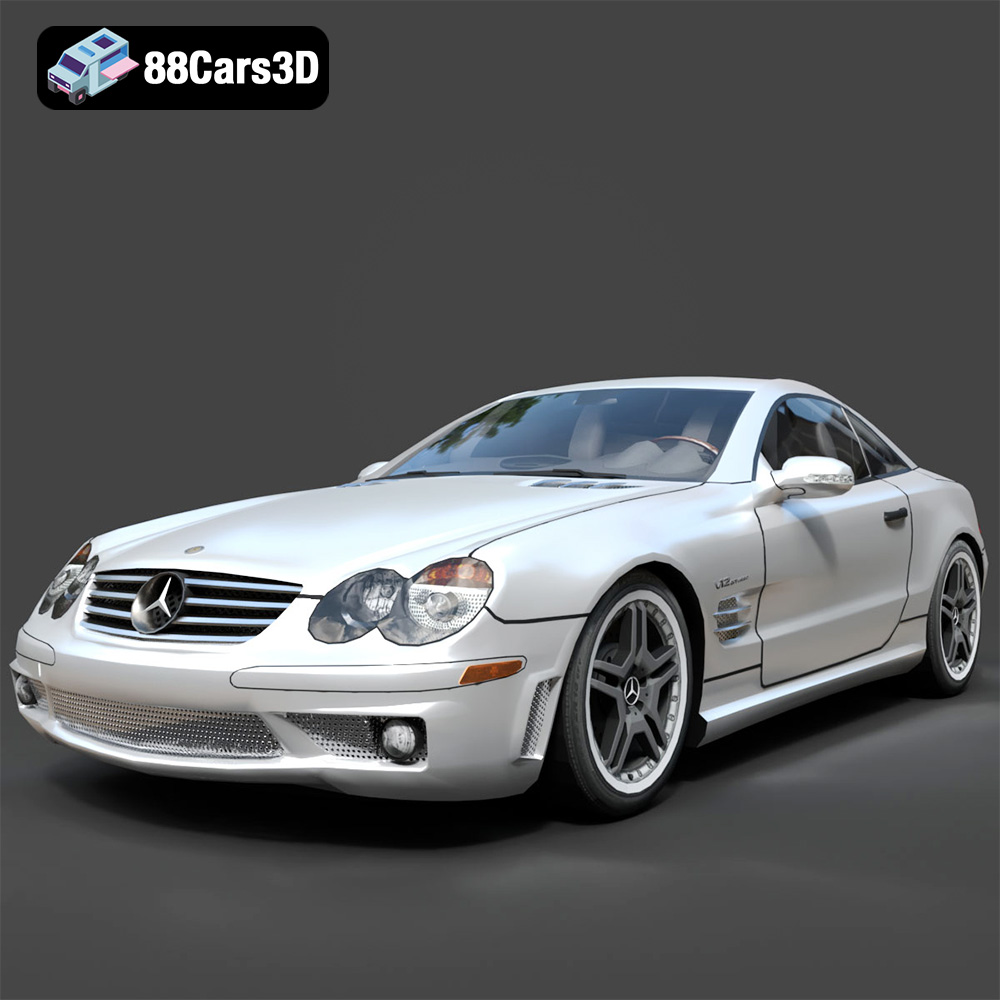
Mercedes-Benz SL 65 AMG 3D Model
Texture: Yes
Material: Yes
Download the Mercedes-Benz SL 65 AMG 3D Model featuring clean geometry, realistic detailing, and a fully modeled interior. Includes .blend, .fbx, .obj, .glb, .stl, .ply, .unreal, and .max formats for rendering, simulation, and game development.
Price: $23.99
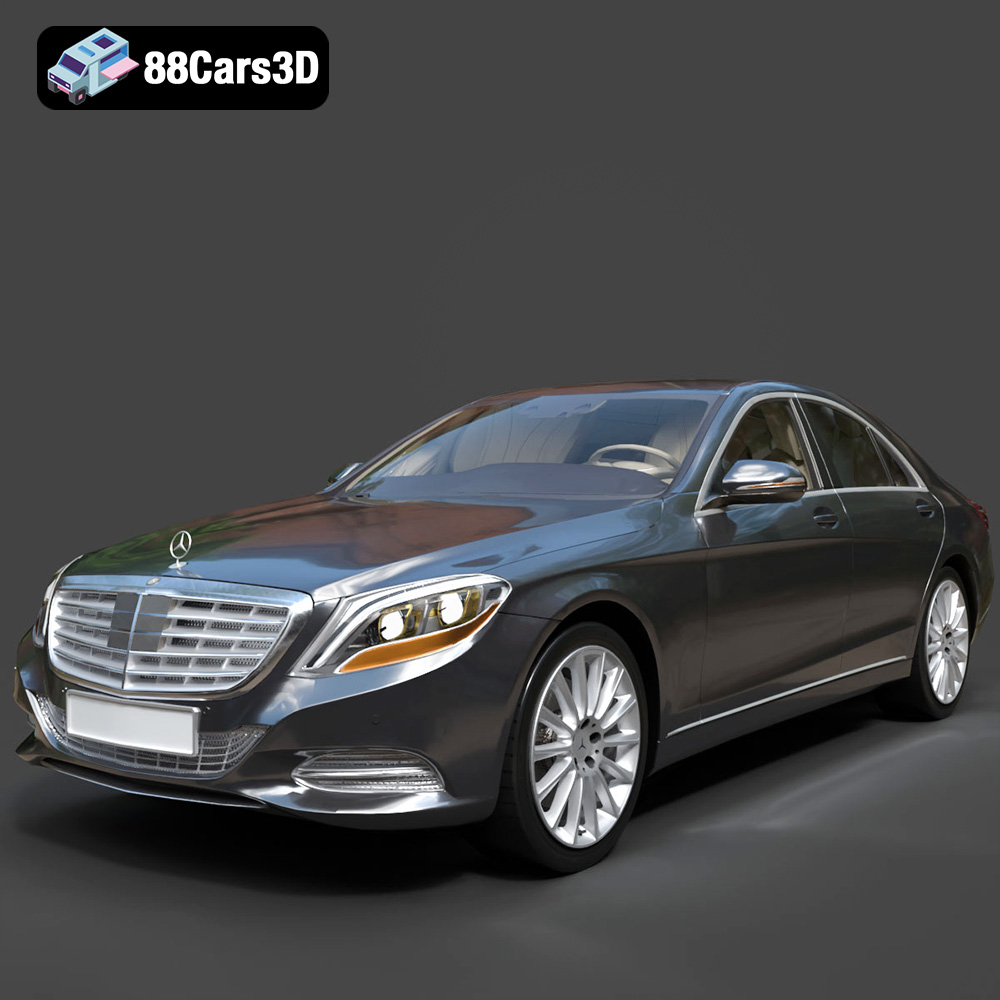
Mercedes-Benz S500 3D Model
Texture: Yes
Material: Yes
Download the Mercedes-Benz S500 3D Model featuring clean geometry, realistic detailing, and a fully modeled interior. Includes .blend, .fbx, .obj, .glb, .stl, .ply, .unreal, and .max formats for rendering, simulation, and game development.
Price: $23.99
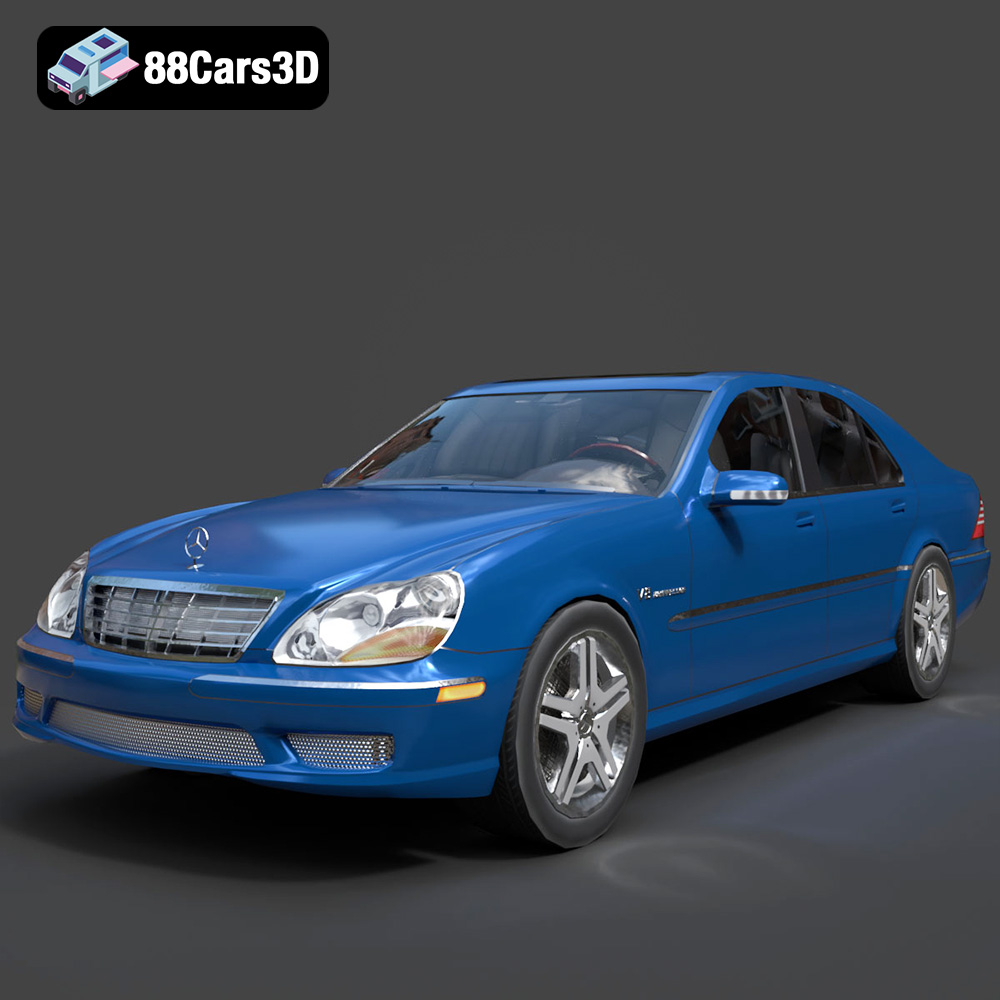
Mercedes-Benz S55 W220 AMG 1999 3D Model
Texture: Yes
Material: Yes
Download the Mercedes-Benz S55 W220 AMG 1999 3D Model featuring clean geometry, realistic detailing, and a fully modeled interior. Includes .blend, .fbx, .obj, .glb, .stl, .ply, .unreal, and .max formats for rendering, simulation, and game development.
Price: $23.99
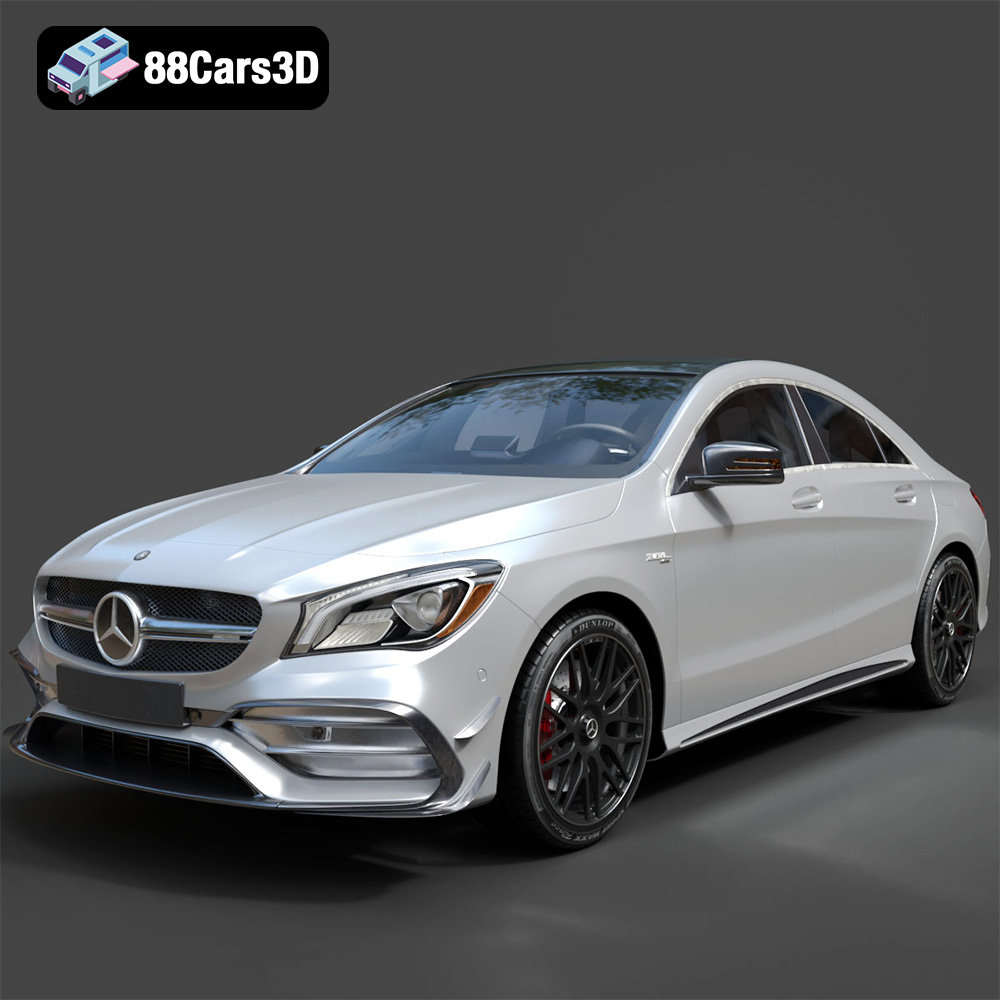
Mercedes-Benz CLA45 AMG 2017 3D Model
Texture: Yes
Material: Yes
Download the Mercedes-Benz CLA45 AMG 2017 3D Model featuring clean geometry, realistic detailing, and a fully modeled interior. Includes .blend, .fbx, .obj, .glb, .stl, .ply, .unreal, and .max formats for rendering, simulation, and game development.
Price: $38.99
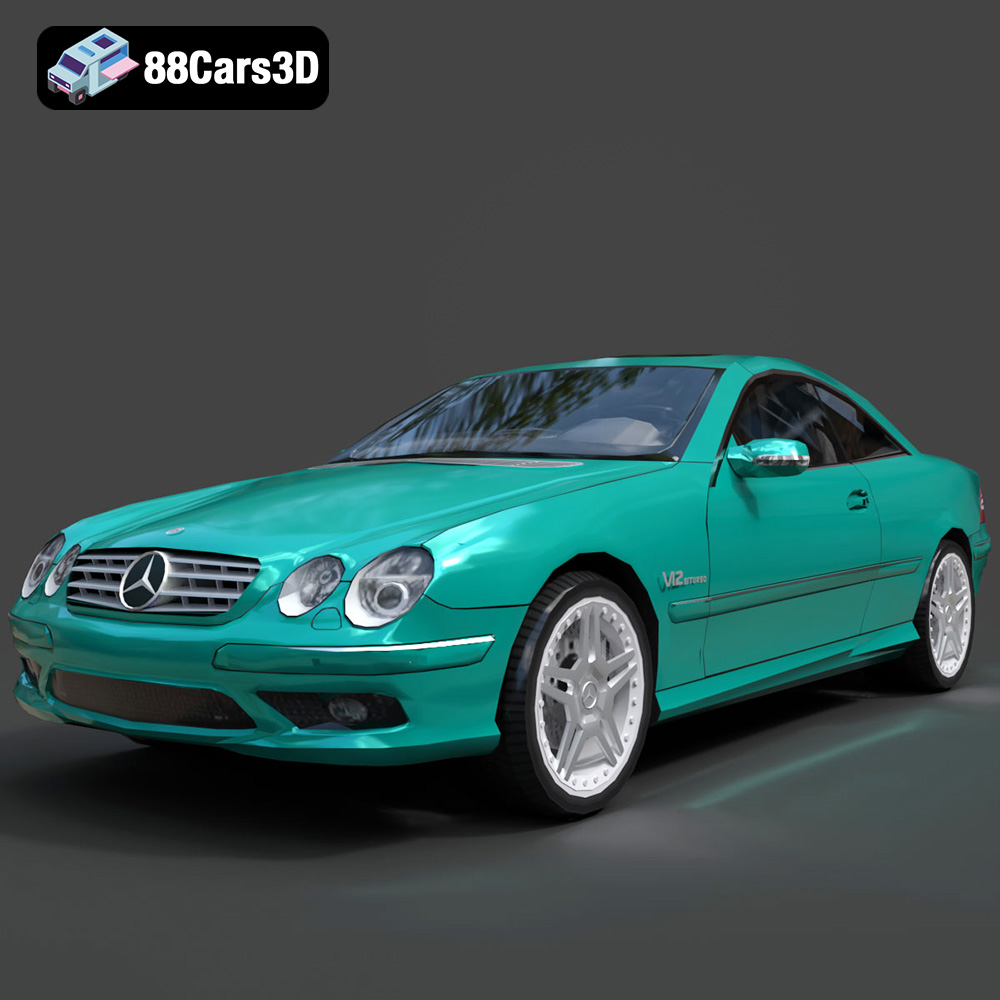
Mercedes-Benz CL65 C215 AMG 3D Model
Texture: Yes
Material: Yes
Download the Mercedes-Benz CL65 C215 AMG 3D Model featuring clean geometry, realistic detailing, and a fully modeled interior. Includes .blend, .fbx, .obj, .glb, .stl, .ply, .unreal, and .max formats for rendering, simulation, and game development.
Price: $23.99
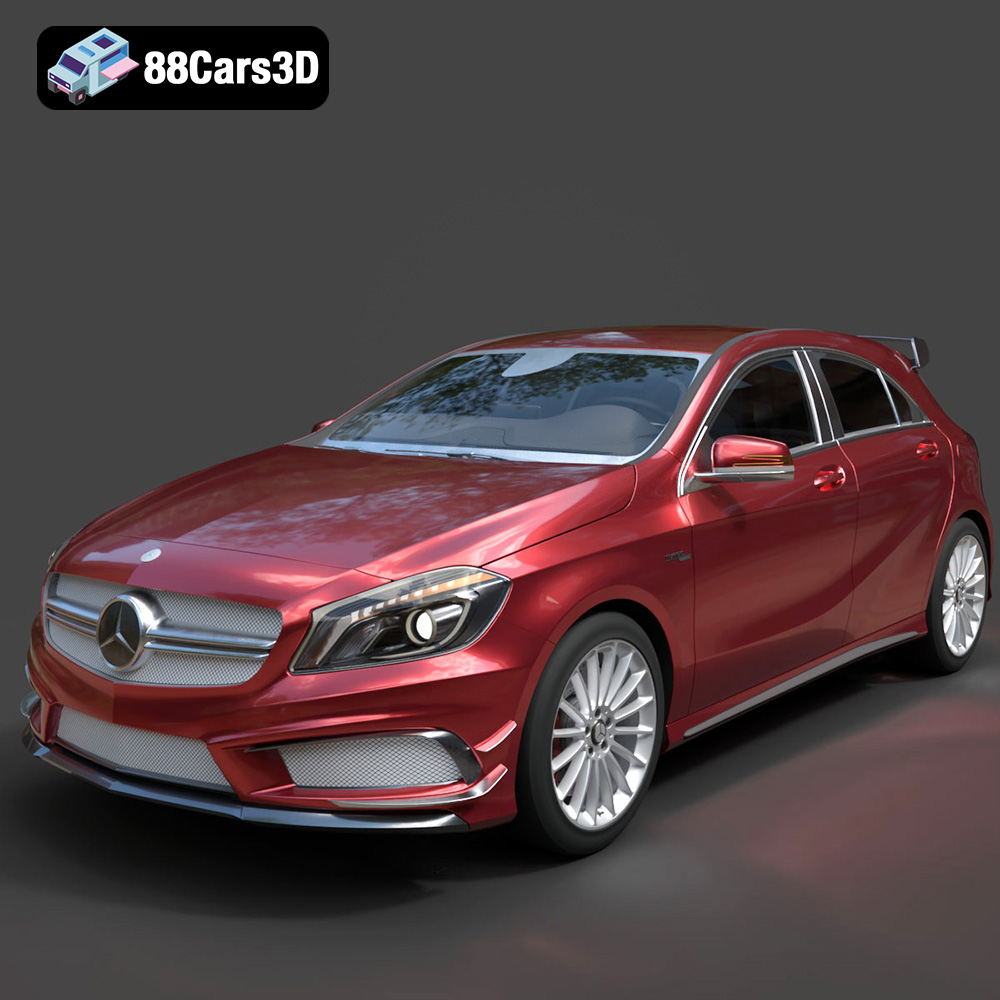
Mercedes-Benz A45 2021 3D Model
Texture: Yes
Material: Yes
Download the Mercedes-Benz A45 2021 3D Model featuring clean geometry, realistic detailing, and a fully modeled interior. Includes .blend, .fbx, .obj, .glb, .stl, .ply, .unreal, and .max formats for rendering, simulation, and game development.
Price: $23.99
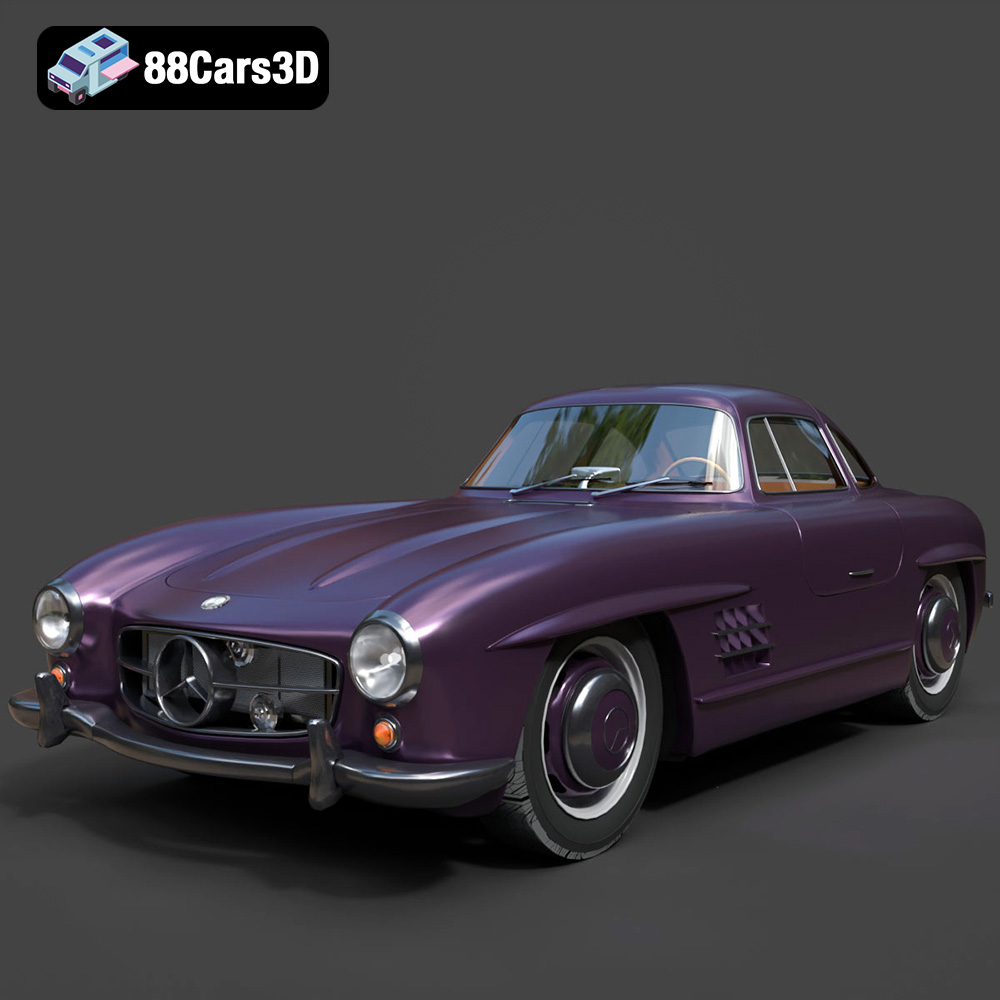
Mercedes-Benz 300SL 1955 3D Model
Texture: Yes
Material: Yes
Download the Mercedes-Benz 300SL 1955 3D Model featuring clean geometry, realistic detailing, and a fully modeled interior. Includes .blend, .fbx, .obj, .glb, .stl, .ply, .unreal, and .max formats for rendering, simulation, and game development.
Price: $23.99
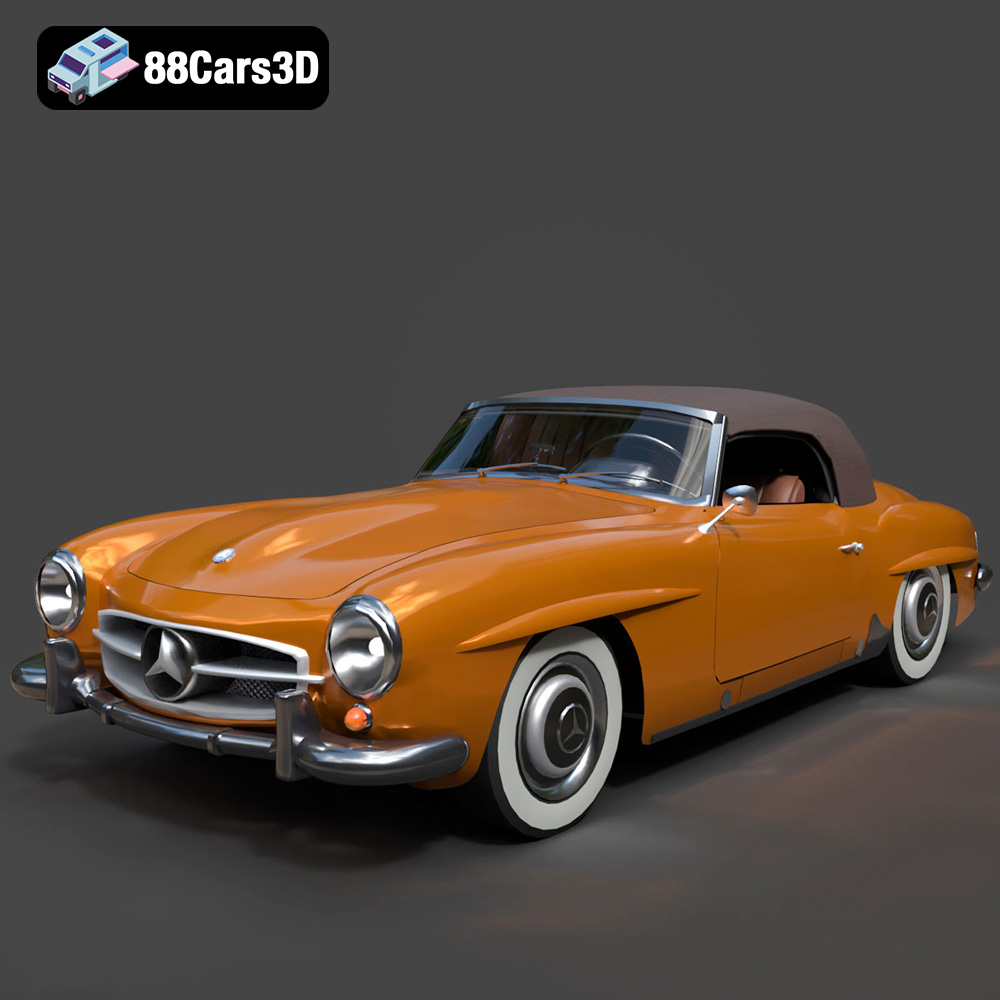
Mercedes-Benz 190SL 1955 3D Model
Texture: Yes
Material: Yes
Download the Mercedes-Benz 190SL 1955 3D Model featuring clean geometry, realistic detailing, and a fully modeled interior. Includes .blend, .fbx, .obj, .glb, .stl, .ply, .unreal, and .max formats for rendering, simulation, and game development.
Price: $23.99
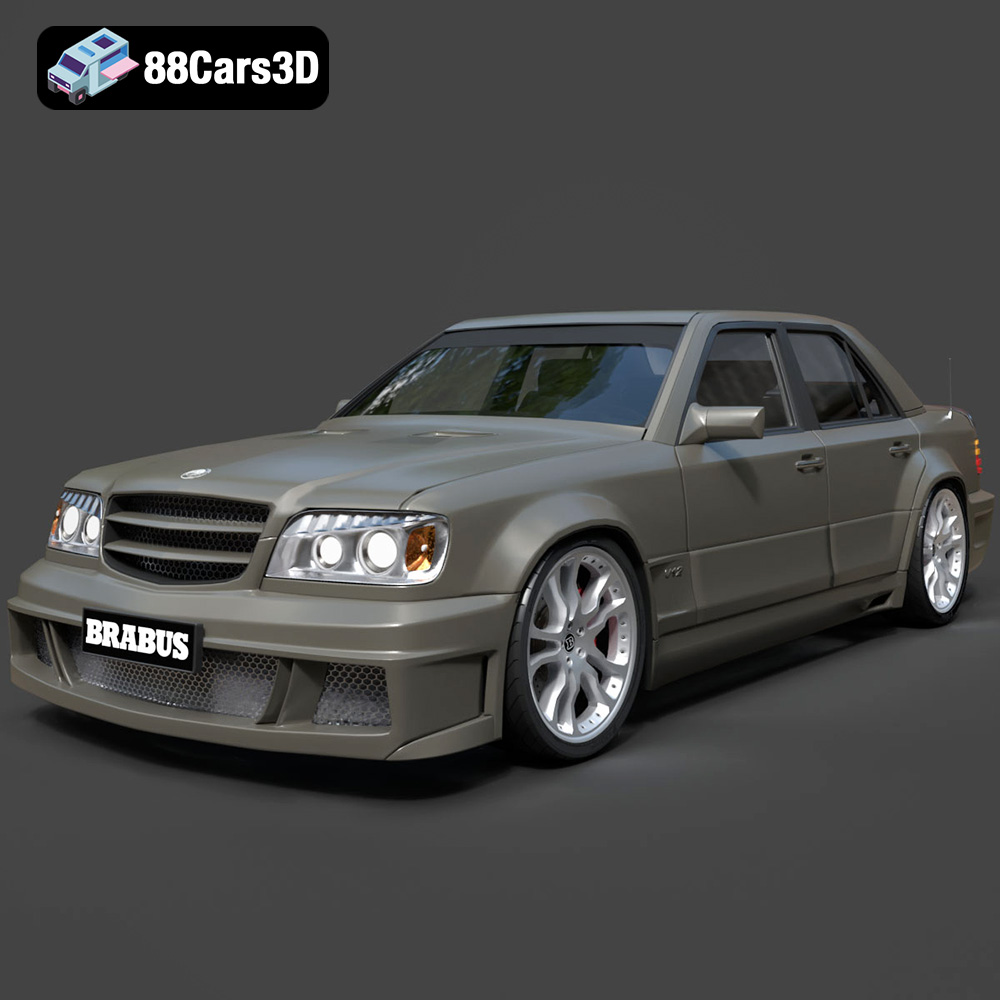
Mercedes-Benz W124 Brabus V12 3D Model
Texture: Yes
Material: Yes
Download the Mercedes-Benz W124 Brabus V12 3D Model featuring clean geometry, realistic detailing, and a fully modeled interior. Includes .blend, .fbx, .obj, .glb, .stl, .ply, .unreal, and .max formats for rendering, simulation, and game development.
Price: $23.99
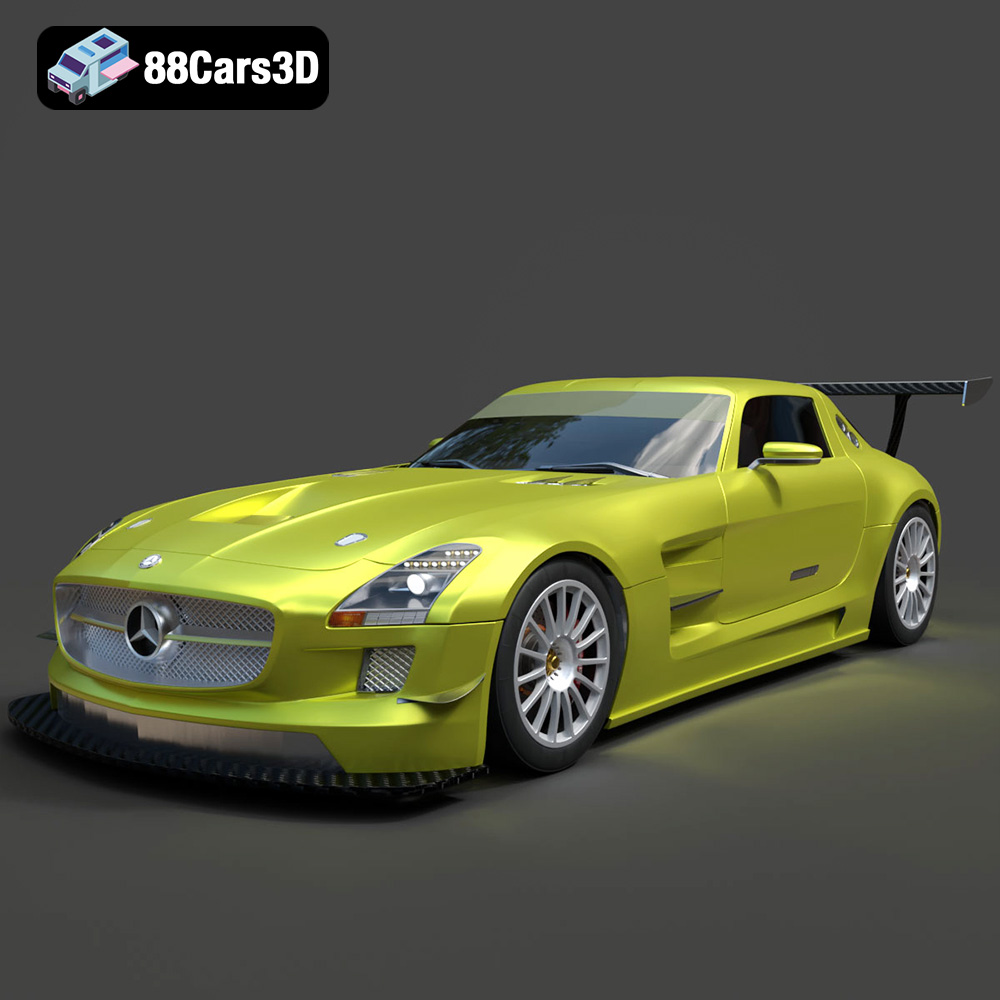
Mercedes-Benz SLS AMG GT3-002 3D Model
Texture: Yes
Material: Yes
Download the Mercedes-Benz SLS AMG GT3-002 3D Model featuring clean geometry, realistic detailing, and a fully modeled interior. Includes .blend, .fbx, .obj, .glb, .stl, .ply, .unreal, and .max formats for rendering, simulation, and game development.
Price: $38.99

Mercedes-Benz C-Class-001 3D Model
Texture: Yes
Material: Yes
Download the Mercedes-Benz C-Class-001 3D Model featuring clean geometry, realistic detailing, and a fully modeled interior. Includes .blend, .fbx, .obj, .glb, .stl, .ply, .unreal, and .max formats for rendering, simulation, and game development.
Price: $38.99
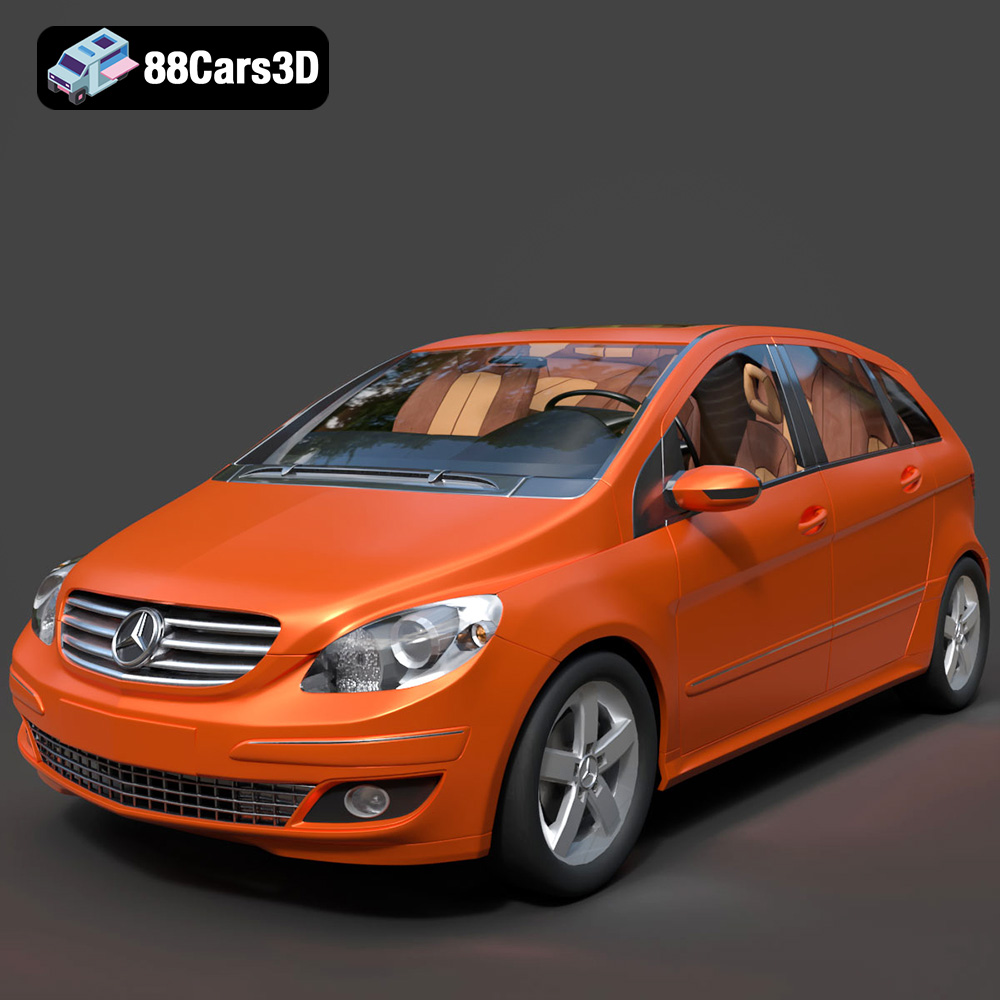
Mercedes-Benz B-Klasse 2023 3D Model
Texture: Yes
Material: Yes
Download the Mercedes-Benz B-Klasse 2023 3D Model featuring clean geometry, realistic detailing, and a fully modeled interior. Includes .blend, .fbx, .obj, .glb, .stl, .ply, .unreal, and .max formats for rendering, simulation, and game development.
Price: $38.99
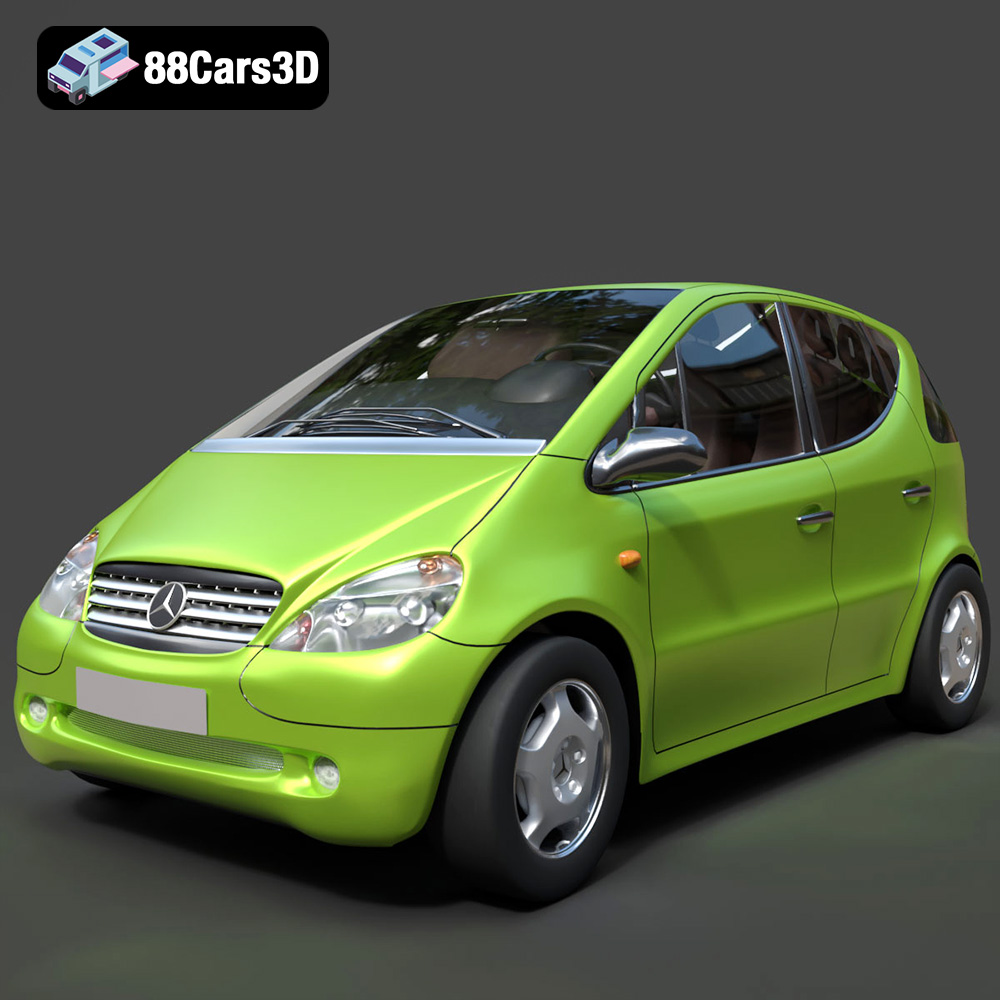
Mercedes-Benz A-Klasse W168 3D Model
Texture: Yes
Material: Yes
Download the Mercedes-Benz A-Klasse W168 3D Model featuring clean geometry, realistic detailing, and a fully modeled interior. Includes .blend, .fbx, .obj, .glb, .stl, .ply, .unreal, and .max formats for rendering, simulation, and game development.
Price: $38.99
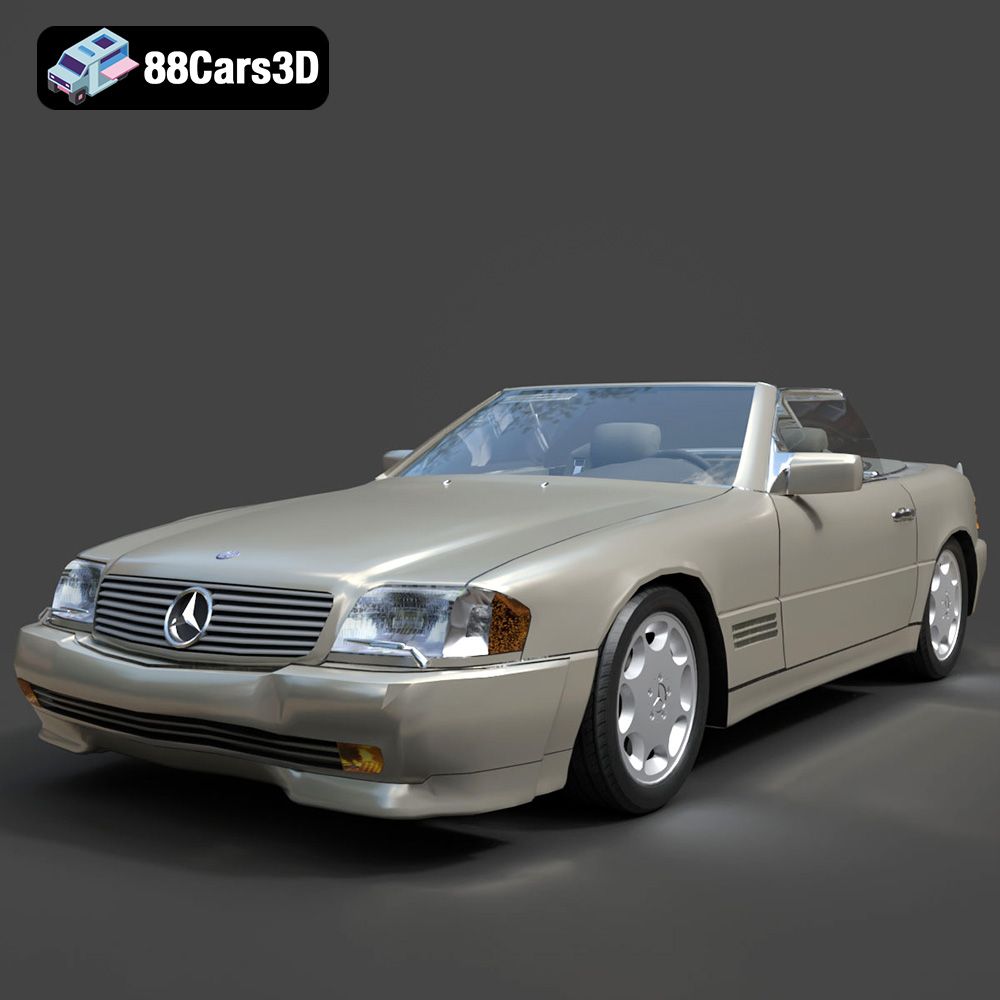
Mercedes-Benz 500SL 2000 3D Model
Texture: Yes
Material: Yes
Download the Mercedes-Benz 500SL 2000 3D Model featuring clean geometry, realistic detailing, and a fully modeled interior. Includes .blend, .fbx, .obj, .glb, .stl, .ply, .unreal, and .max formats for rendering, simulation, and game development.
Price: $38.99
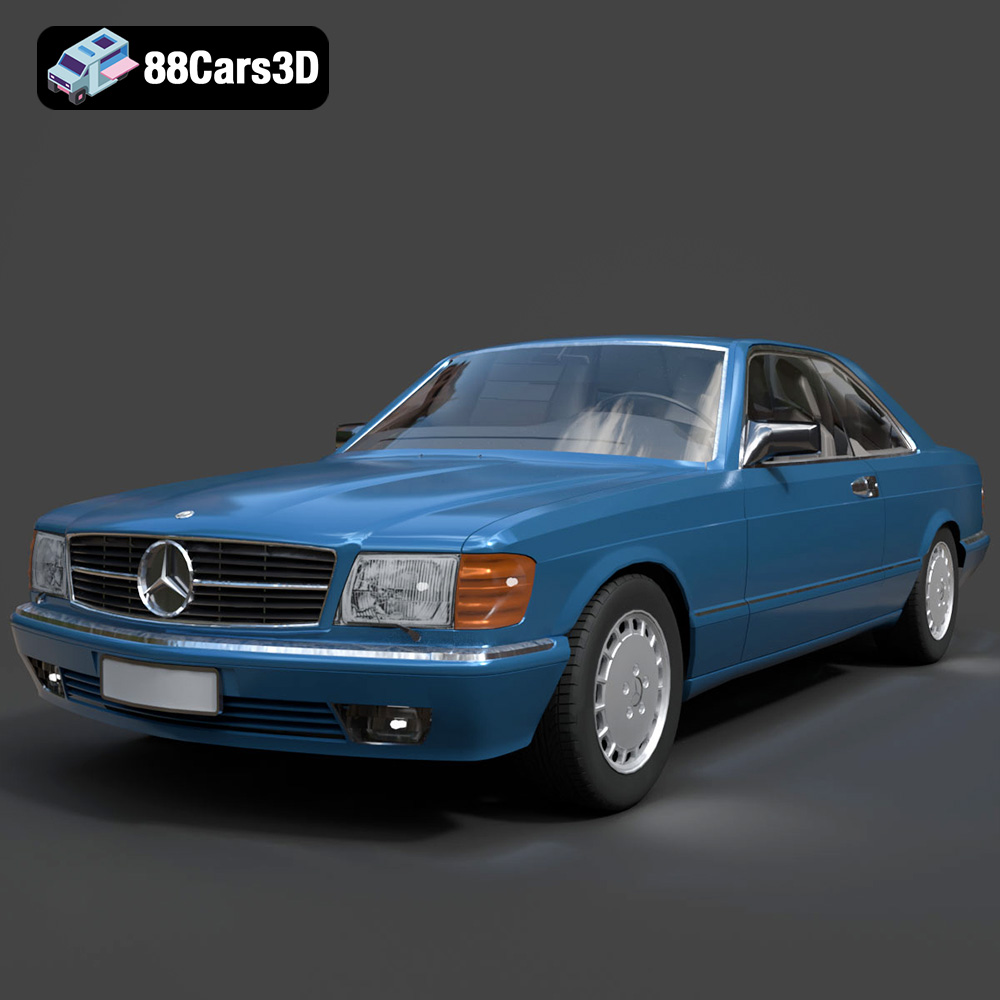
Mercedes-Benz 500SEC 3D Model
Texture: Yes
Material: Yes
Download the Mercedes-Benz 500SEC 3D Model featuring clean geometry, realistic detailing, and a fully modeled interior. Includes .blend, .fbx, .obj, .glb, .stl, .ply, .unreal, and .max formats for rendering, simulation, and game development.
Price: $38.99
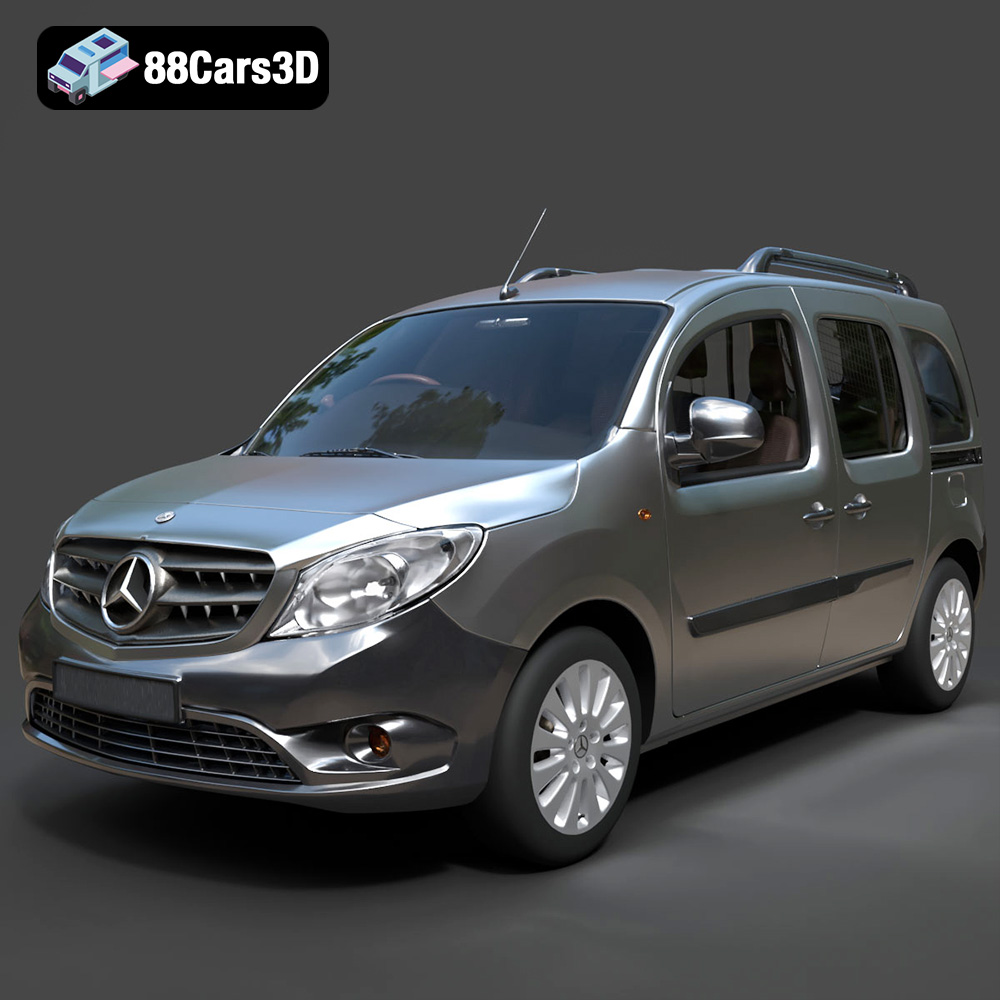
Mercedes-Benz Citan 2025 3D Model
Texture: Yes
Material: Yes
Download the Mercedes-Benz Citan 2025 3D Model featuring clean geometry, realistic detailing, and a fully modeled interior. Includes .blend, .fbx, .obj, .glb, .stl, .ply, .unreal, and .max formats for rendering, simulation, and game development.
Price: $38.99
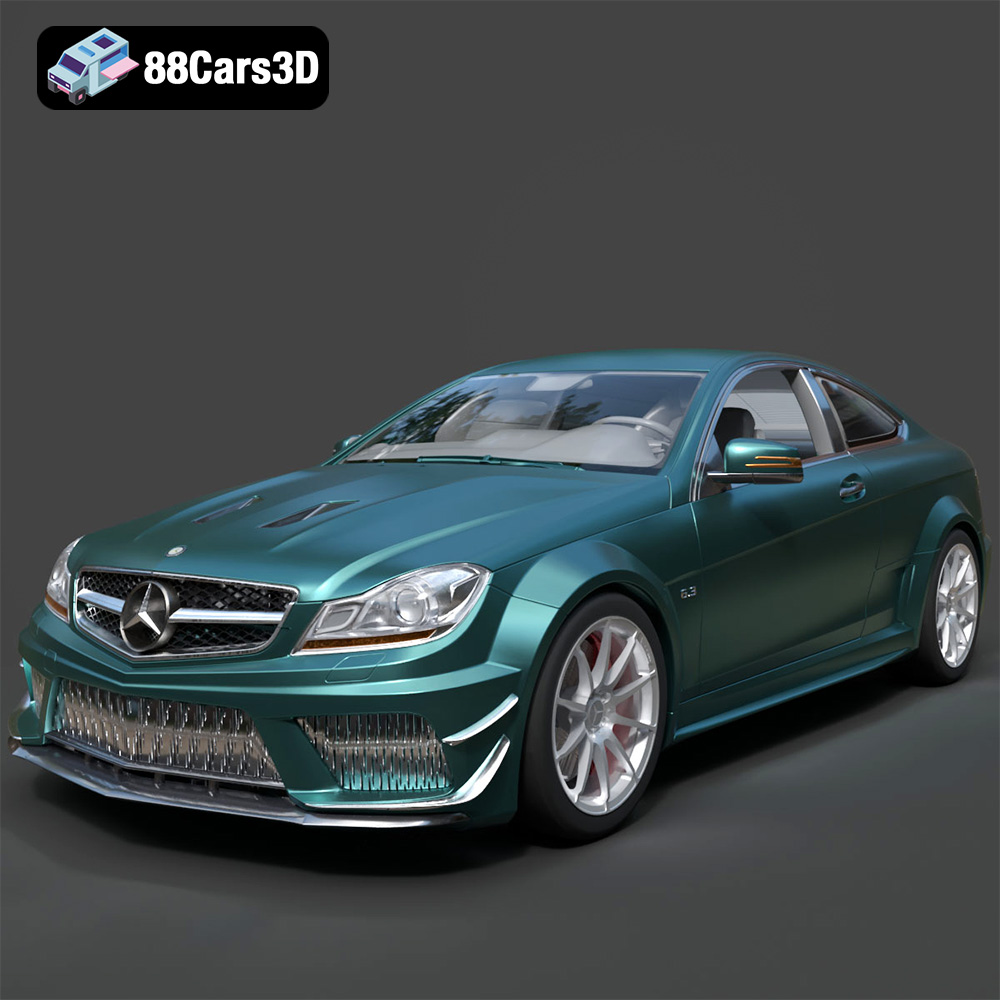
Mercedes-Benz C63 AMG 2012 3D Model
Texture: Yes
Material: Yes
Download the Mercedes-Benz C63 AMG 2012 3D Model featuring clean geometry, realistic detailing, and a fully modeled interior. Includes .blend, .fbx, .obj, .glb, .stl, .ply, .unreal, and .max formats for rendering, simulation, and game development.
Price: $38.99
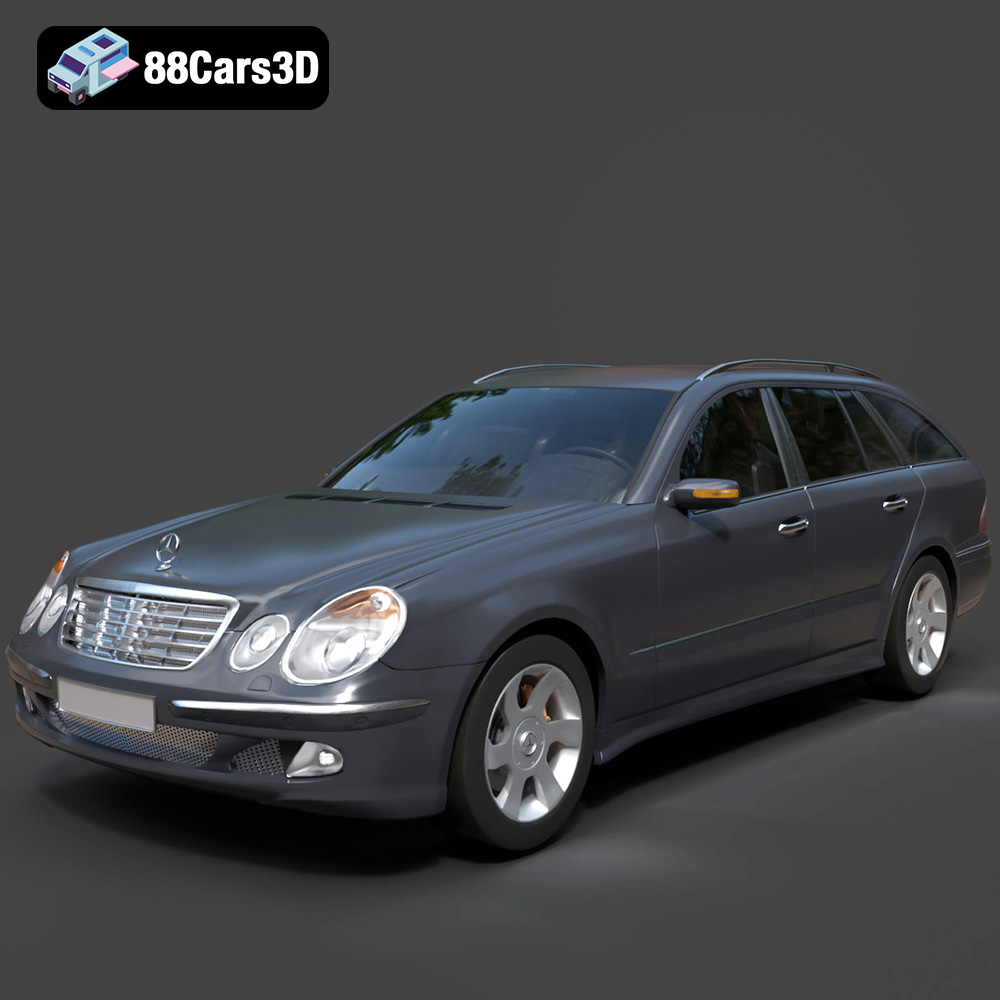
Mercedes-Benz E-Class S211 3D Model
Texture: Yes
Material: Yes
Download the Mercedes-Benz E-Class S211 3D Model featuring clean geometry, realistic detailing, and a fully modeled interior. Includes .blend, .fbx, .obj, .glb, .stl, .ply, .unreal, and .max formats for rendering, simulation, and game development.
Price: $38.99
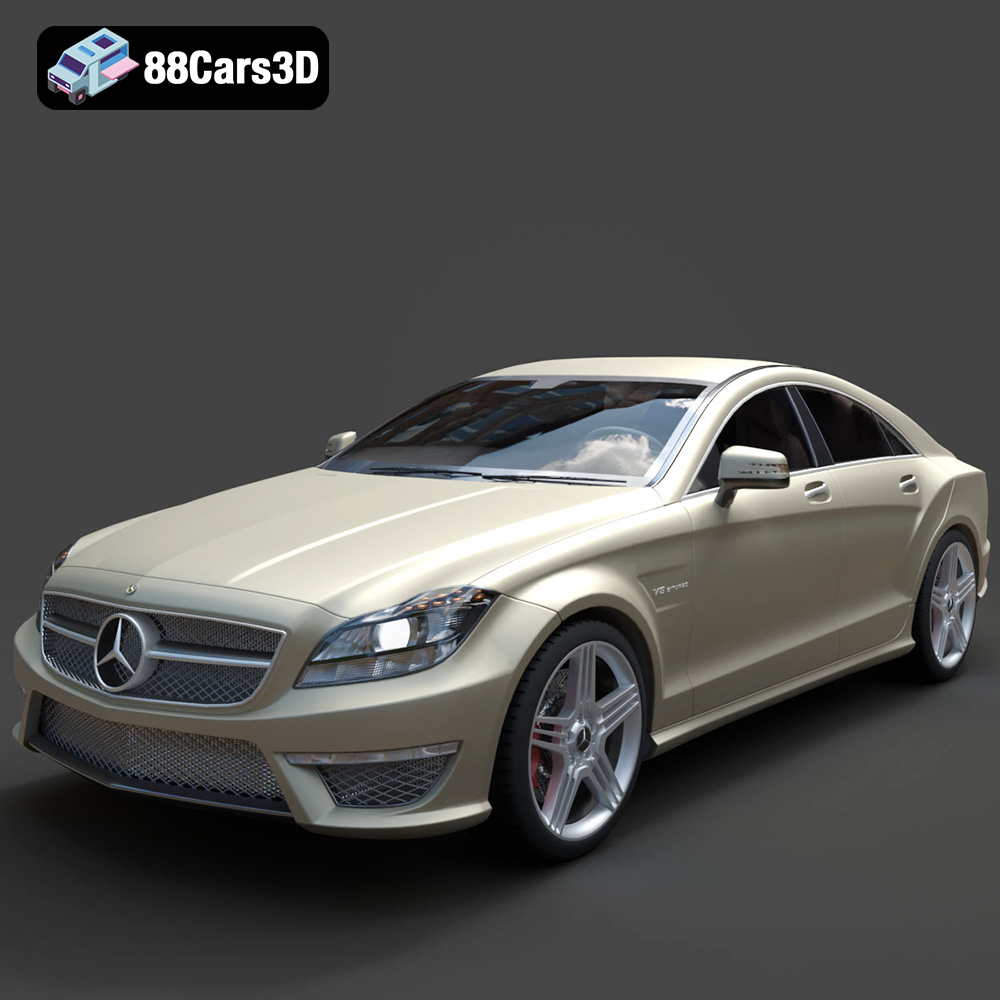
Mercedes-Benz CLS63 AMG (C218) 2014 3D Model
Texture: Yes
Material: Yes
Download the Mercedes-Benz CLS63 AMG (C218) 2014 3D Model featuring clean geometry, realistic detailing, and a fully modeled interior. Includes .blend, .fbx, .obj, .glb, .stl, .ply, .unreal, and .max formats for rendering, simulation, and game development.
Price: $38.99
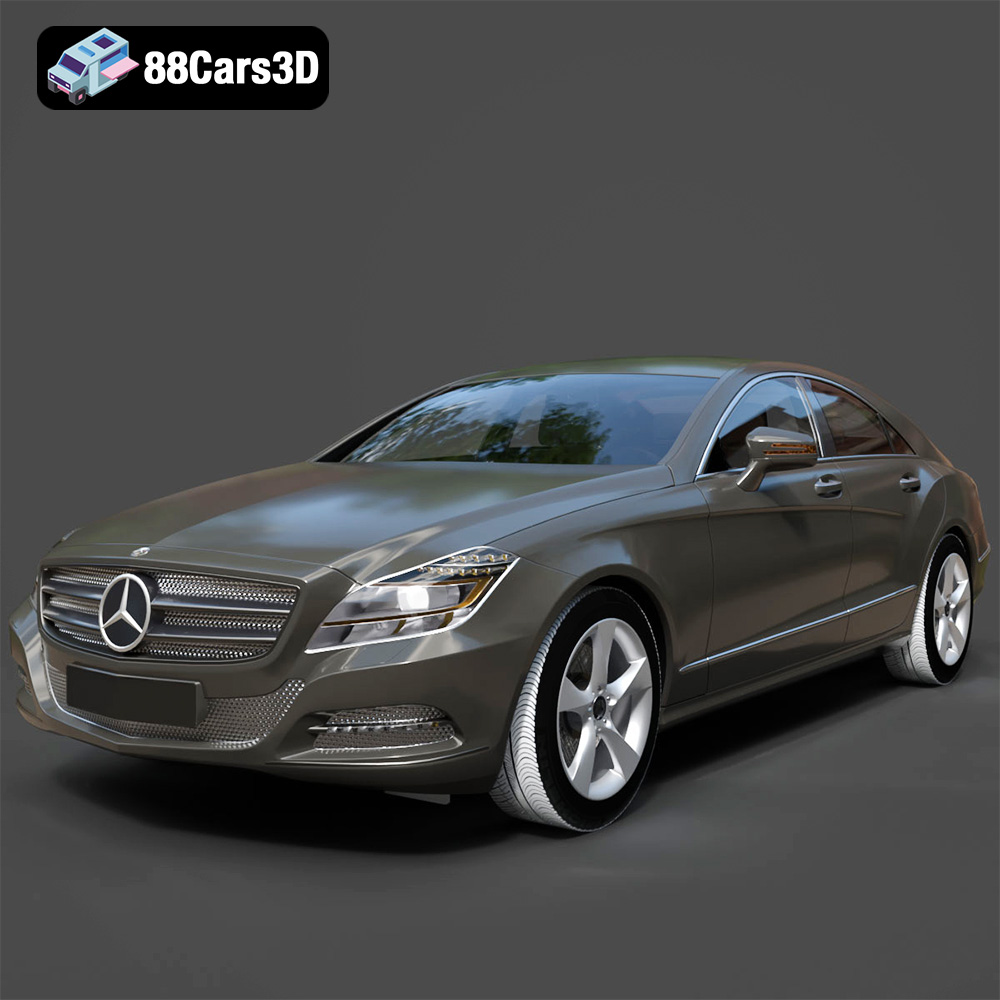
Mercedes-Benz CLS-Klasse 3D Model
Texture: Yes
Material: Yes
Download the Mercedes-Benz CLS-Klasse 3D Model featuring clean geometry, realistic detailing, and a fully modeled interior. Includes .blend, .fbx, .obj, .glb, .stl, .ply, .unreal, and .max formats for rendering, simulation, and game development.
Price: $38.99
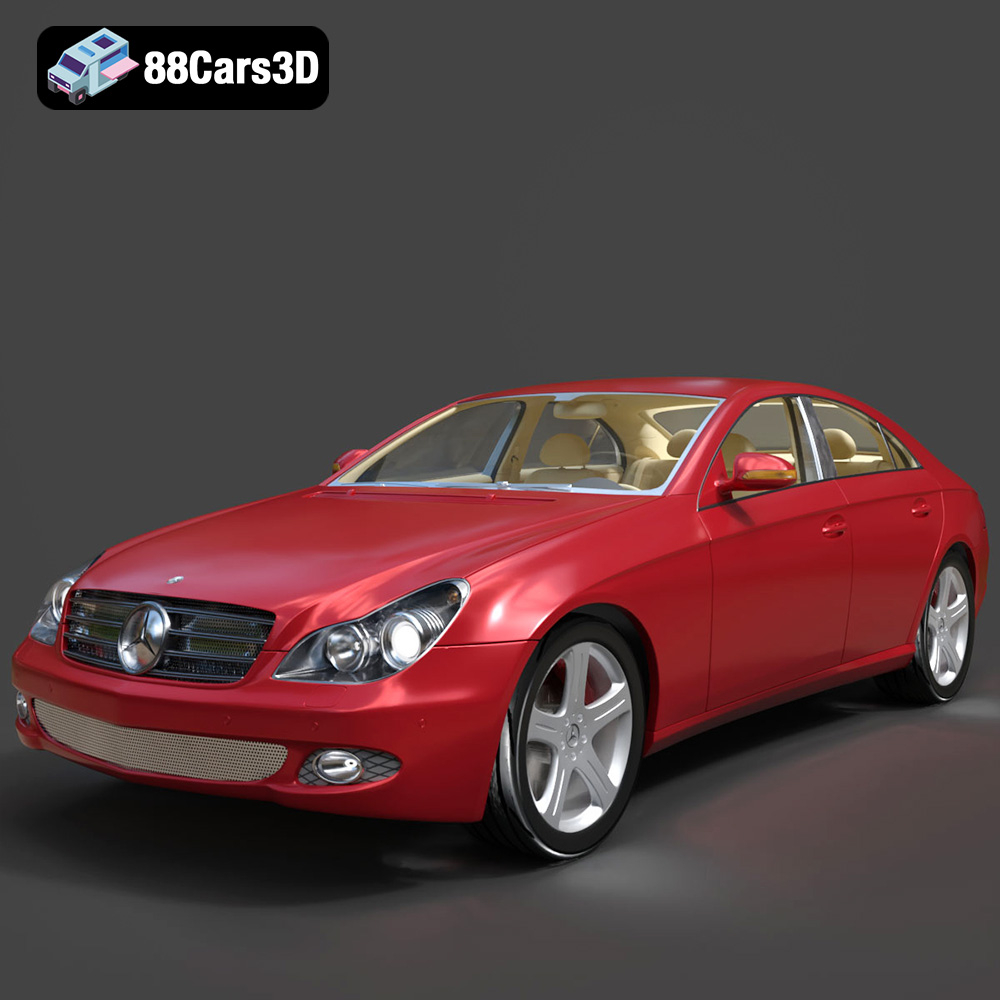
Mercedes-Benz CLS 500 3D Model
Texture: Yes
Material: Yes
Download the Mercedes-Benz CLS 500 3D Model featuring clean geometry, realistic detailing, and a fully modeled interior. Includes .blend, .fbx, .obj, .glb, .stl, .ply, .unreal, and .max formats for rendering, simulation, and game development.
Price: $38.99

Mercedes-Benz CL-Klasse 2001 3D Model
Texture: Yes
Material: Yes
Download the Mercedes-Benz CL-Klasse 2001 3D Model featuring clean geometry, realistic detailing, and a fully modeled interior. Includes .blend, .fbx, .obj, .glb, .stl, .ply, .unreal, and .max formats for rendering, simulation, and game development.
Price: $38.99
