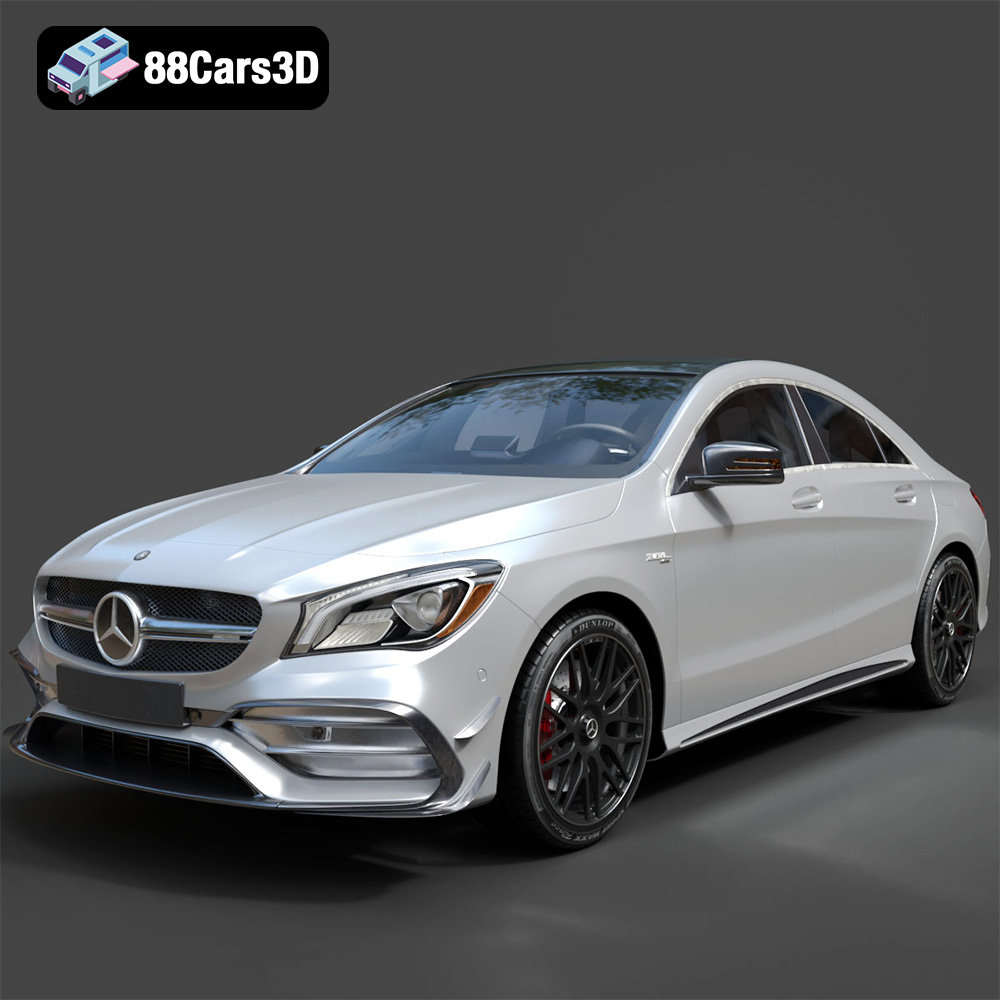
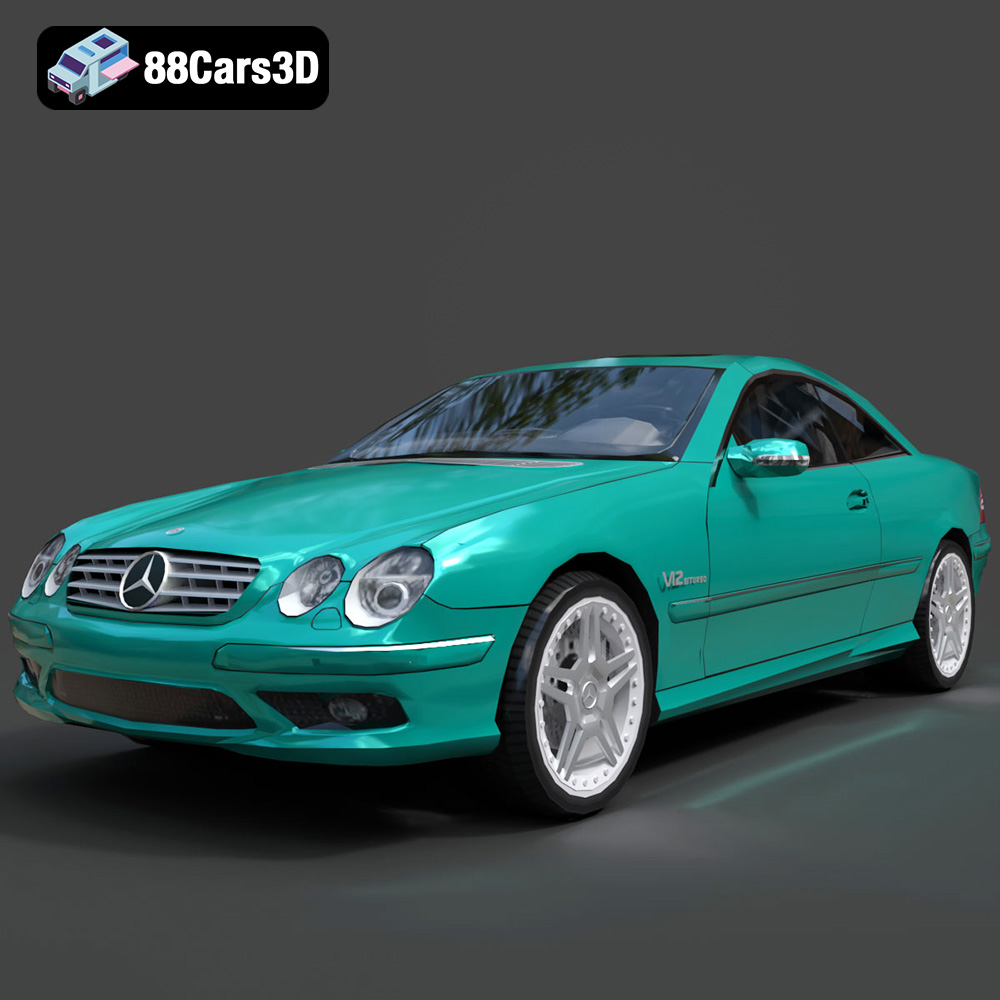
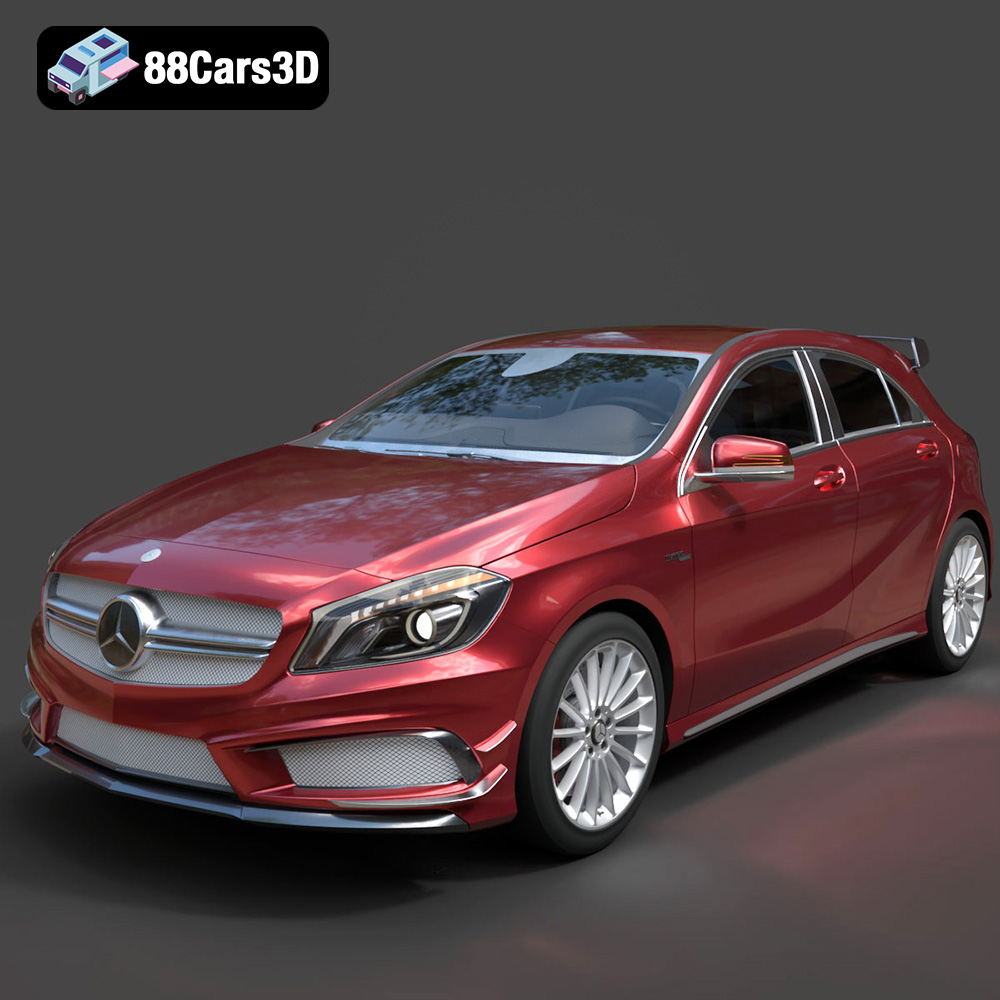
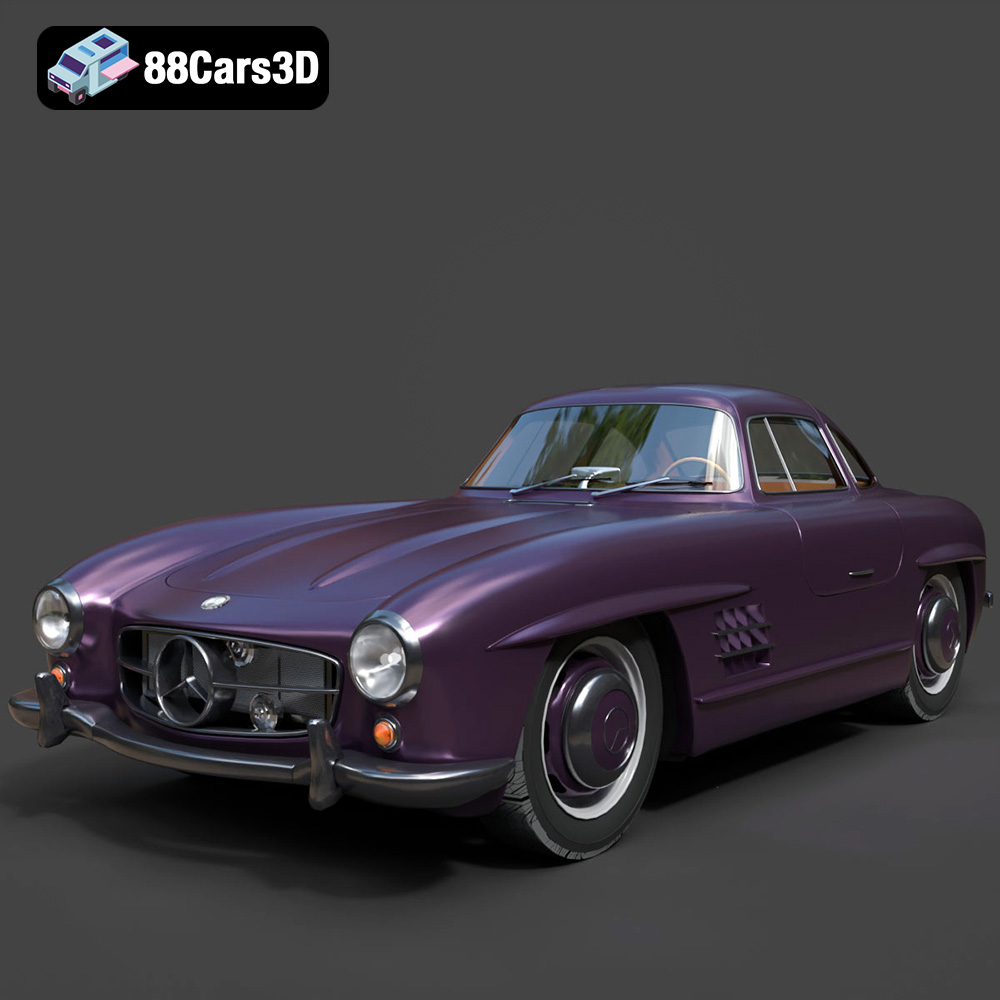
The Digital Garage: A Deep Dive into High-Poly 3D Car Models for Rendering and Real-Time

“`html
The Digital Garage: A Deep Dive into High-Poly 3D Car Models for Rendering and Real-Time
There’s an undeniable magic to a perfect digital automotive image. It’s the crisp reflection tracing a fender’s curve, the intricate detail within a headlight assembly, the subtle texture of brake calipers seen through alloy spokes. This level of realism, whether in a blockbuster film, a high-octane video game, or a stunning marketing visualizer, doesn’t happen by accident. It begins with a single, crucial element: a high-quality, meticulously crafted 3D car model. But acquiring a great model is only the first step. The journey from a raw asset to a breathtaking final product is a technical one, filled with specific workflows, potential pitfalls, and optimization strategies.
This comprehensive guide will take you under the hood, exploring the complete lifecycle of using a professional high-poly 3D car model. We will dissect what makes a model truly “high-quality,” walk through the specific steps for preparing it for photorealistic automotive rendering, and detail the critical process of adapting it for high-performance real-time applications and game assets. Whether you’re a seasoned visualization artist or a game developer aiming for next-gen fidelity, mastering these concepts is key to achieving showroom-quality results.
Anatomy of a Professional 3D Car Model
Before you even import a model into your scene, understanding its construction is vital. A professional asset is far more than just a collection of polygons that looks like a car; it’s a piece of precision engineering built for versatility and performance.
Beyond the Polygons: What Defines Quality?
The first sign of a superior model is its geometric accuracy and attention to detail. This means the proportions, curves, and character lines of the digital model perfectly match its real-world counterpart. Small details matter immensely: correctly modeled panel gaps, accurate emblems, realistic tire treads, and detailed brake systems. A model that skimps on these areas will immediately feel “off” in a final render, even if the viewer can’t pinpoint why. The goal is to have a model that holds up under extreme close-ups, ensuring every bolt, vent, and stitch is accounted for.
The Importance of Clean Topology and Edge Flow
Topology refers to the arrangement of polygons (the “vertices,” “edges,” and “faces”) that form the model’s surface. Clean, quad-based topology is the gold standard. This means the model is primarily built from four-sided polygons (“quads”). This structure is crucial because it allows for clean, predictable deformation and, most importantly, smooth subdivision. When you apply a TurboSmooth (3ds Max) or Subdivision Surface (Blender) modifier to increase detail, a quad-based mesh will produce a perfect, smooth surface. Models with excessive triangles or “n-gons” (polygons with more than four sides) can create pinching, artifacts, and unpredictable shading, especially on reflective surfaces like car paint. The “edge flow” — the direction in which the polygon edges run — should follow the natural contours of the car, defining its shape and ensuring that reflections move across the surface believably.
Understanding UV Unwrapping for Automotive Surfaces
UV mapping is the process of “unwrapping” the 3D surface into a 2D map, which tells the software how to apply textures. For a complex object like a car, this is a meticulous task. A professional model will have logical, non-overlapping UVs. Key considerations include:
- Material Separation: UVs should be separated into different “islands” based on the material. The body paint, glass, chrome trim, tires, and interior leather will all have their own distinct UV layouts.
- Texel Density: This refers to the resolution of the texture per unit of geometry. A professional model will have consistent texel density across similar surfaces to ensure that details on the door look just as sharp as details on the hood.
- UDIMs (U-Dimension): For ultra-high-resolution work, many models utilize a UDIM workflow. This allows an asset to use multiple texture maps for different parts of the model, enabling incredible detail (e.g., 4K or 8K textures) without being constrained to a single UV tile.
Prepping Your Model for Photorealistic Automotive Rendering
With a quality model in hand, the next stage is bringing it to life in a rendering engine like V-Ray, Corona, or Cycles. This is where artistry meets technical execution to create stunning, photorealistic images.
Material and Shader Setup (3ds Max & V-Ray/Corona)
The car paint shader is arguably the most important material. Modern renderers offer specialized car paint materials that simulate a multi-layered surface. In V-Ray (VRayCarPaintMtl) or Corona (using a Layered Material), this typically involves:
- Base Layer: The main color of the car.
- Flake Layer: Simulates the metallic flakes within the paint. You can control their size, density, and orientation to create different metallic effects.
- Coat Layer: The clear coat on top. This is a highly reflective layer with its own Fresnel properties (IOR, or Index of Refraction, typically around 1.5-1.6) that gives the paint its glossy depth.
For other materials, a PBR (Physically-Based Rendering) workflow is key. Glass requires the correct IOR (around 1.52) and transparency settings. Tires need a high roughness value with a detailed normal map for the sidewall texture. Metals like chrome should have a high “metallic” value and low “roughness” for a mirror-like finish.
Lighting Strategies for Studio and Environmental Shots
A car model will only look as good as the light that illuminates it. Lighting serves to both expose the car and define its shape.
- Studio Lighting: This is about control. A classic three-point lighting setup (Key, Fill, Rim) is a great start. Use large, soft area lights (softboxes) to create broad, soft reflections that highlight the car’s curves. The key is to look at the reflections on the car’s body; they are what “draw” the car’s shape for the viewer.
- Environmental Lighting: For realism, nothing beats Image-Based Lighting (IBL) using a high-quality HDRI (High Dynamic Range Image). The HDRI provides both the scene’s illumination and its reflections. A sunlit outdoor HDRI will produce sharp, crisp shadows and reflections, while an overcast HDRI will create soft, diffused lighting perfect for showcasing the base color.
Camera and Post-Production Nuances
Treat your digital camera like a real one. Use real-world settings. A focal length between 50mm and 85mm is great for capturing realistic proportions without distortion. Use a shallow depth of field (low f-stop number) to draw focus to a specific detail. Once rendered, don’t neglect post-production. Subtle adjustments in a tool like Photoshop or After Effects—such as color grading, adding a slight bloom to highlights, and introducing a hint of chromatic aberration—can bridge the final gap between a good render and a photorealistic image.
Optimizing High-Poly Models for Real-Time Applications
Using a multi-million-polygon 3D car model directly in a game engine like Unreal Engine or Unity is a recipe for poor performance. The key is optimization, a process of reducing complexity while preserving visual fidelity for real-time game assets.
The Challenge: Bridging Detail and Performance
Real-time applications need to render the scene 60 times per second or more. Every polygon and every material adds to the computational load on the GPU. A 5-million-polygon model that renders beautifully in V-Ray over 30 minutes would bring a game engine to its knees. The goal of optimization is to intelligently reduce this load without the player noticing a significant drop in quality.
LODs (Level of Detail): The Smart Solution
LODs are the cornerstone of real-time optimization. This technique involves creating multiple versions of the model at varying levels of detail.
- LOD0: The highest quality version of the model, often derived directly from the high-poly source. This is what the player sees when they are very close to the car. It might be 300k-500k polygons.
- LOD1: A reduced version, perhaps 100k polygons. Smaller details like interior stitching and minor bolts are removed. This version is swapped in when the car is a medium distance away.
- LOD2: A significantly simplified version, maybe 20k polygons. The silhouette is preserved, but all fine details are gone. This is used when the car is far away.
- LOD3: A very basic “impostor” or extremely low-poly model (under 2k polygons) that is little more than a colored box, used at extreme distances.
Creating these LODs from a high-quality source model from a marketplace like 88cars3d.com is a common and highly effective workflow, as you have all the necessary detail to begin the reduction process.
Material Consolidation and Draw Call Reduction
In a game engine, every material applied to an object can result in a separate “draw call”—an instruction to the GPU to draw something. Too many draw calls can cripple performance. While a rendering model might have 30-40 separate materials, a game-ready model should have as few as possible. This is achieved by combining textures into a single map (an “atlas”). For example, the various interior dashboard materials (plastic, chrome trim, screen) could be baked into a single texture set and applied as one material, drastically reducing draw calls.
Case Study: A High-Fidelity Car in Unreal Engine 5
Unreal Engine 5 has introduced technologies that are changing the game for high-detail assets. Let’s walk through a workflow using a high-quality model in UE5.
Importing and Initial Setup
Start by exporting your model from your 3D software as an FBX file, ensuring materials are separated logically. When importing into Unreal, use the “Combine Meshes” option if the model is split into too many small parts, but keep logical separations like wheels and doors as separate objects for animation. The engine will automatically create material slots based on the FBX data.
Leveraging Nanite for Unprecedented Detail
Nanite is Unreal Engine’s virtualized geometry system. It allows you to render film-quality, multi-million-polygon meshes in real-time without the traditional LOD process for the main chassis (LOD0). After importing your car body, simply right-click the static mesh asset and select “Enable Nanite.” Nanite intelligently streams and renders only the detail you can perceive, effectively eliminating the polygon budget constraints of the past. This is a revolutionary workflow for creating high-fidelity automotive configurators, cinematics, and next-gen games, allowing you to use models much closer to their source quality.
Crafting Realistic Shaders
Unreal Engine’s material editor is incredibly powerful. For car paint, use the “Clear Coat” shading model. This provides a dedicated second layer of reflections, perfectly simulating a real car’s clear coat.
- Create a new material and set its Shading Model to “Clear Coat.”
- Plug in your PBR textures (Base Color, Metallic, Roughness, Normal).
- Control the clear coat’s intensity with the “Clear Coat” input (a value of 1 is fully enabled) and its sharpness with “Clear Coat Roughness” (a low value like 0.1 creates a highly reflective finish).
For added realism, you can use material layers to add dust, dirt, or water streaks, using masks to control their placement. High-quality models from sources such as 88cars3d.com provide a perfect canvas for these advanced shading techniques due to their clean UVs and material separation.
Conclusion: The Asset is the Foundation
Whether your goal is a single, breathtaking still image or an interactive real-time experience, the journey to digital automotive perfection is built on a foundation of quality. A technically sound, high-polygon 3D car model is not just a starting point; it’s a versatile asset that empowers creativity across different pipelines.
By understanding the anatomy of a great model—its topology, UVs, and accuracy—you can make better choices from the outset. By mastering the nuances of automotive rendering through precise material setup and artful lighting, you can create images that are indistinguishable from reality. And by employing intelligent optimization strategies like LODs and leveraging modern engine technology like Nanite, you can translate that same fidelity into immersive, high-performance game assets. Ultimately, investing in a superior asset saves countless hours of cleanup and frustration, allowing you to focus on what truly matters: creating stunning visuals that captivate your audience.
“`
Featured 3D Car Models