
The Foundation: Importing and Optimizing Automotive CAD Data

The automotive industry has always been at the forefront of technological innovation, not just in vehicle design and engineering, but also in visualization. From initial concept sketches to final marketing campaigns, the ability to present vehicles in stunning, lifelike detail is paramount. Traditionally, achieving hyper-photorealistic renders meant hours, if not days, of offline rendering on powerful render farms. However, with the advent of real-time engines like Unreal Engine 5, that paradigm is rapidly shifting.
Today, artists and designers are empowered to create jaw-dropping automotive scenes with unprecedented speed and interactivity. The demand for immediate, high-fidelity visualizations, whether for design reviews, interactive configurators, or cinematic shorts, is exploding. Unreal Engine 5 stands out as a game-changer, offering a suite of revolutionary technologies that bridge the gap between real-world photography and virtual artistry. At 88cars3d.com, we understand this drive for excellence and are committed to exploring the cutting edge of 3D automotive visualization. Let’s delve into how Unreal Engine 5 allows us to transition from the real to the surreal, crafting automotive models that defy virtual boundaries.
The Foundation: Importing and Optimizing Automotive CAD Data
The journey to hyper-photorealistic automotive models in Unreal Engine 5 begins long before any pixels are rendered. It starts with the source data: typically high-fidelity CAD models from engineering departments. These models, while incredibly accurate, are often not optimized for real-time rendering. They can contain an astronomical number of polygons, complex topological structures, and many separate components, posing significant performance challenges.
Proper preparation of this CAD data is a critical first step. Before even thinking about Nanite, it’s essential to perform initial cleanup and ensure the mesh is suitable for game engine environments. This process often involves tessellation, decimation, and merging of redundant geometry to achieve a more manageable mesh density. Strategic vertex count optimization at this stage can significantly streamline the subsequent import and material authoring processes, even for engines as powerful as UE5.
Preparing CAD for Unreal Engine 5
- Data Cleanup and Simplification: CAD models frequently contain microscopic details or excessive polygon counts in areas that won’t be visible or require such high fidelity in the final render. Tools like Datasmith in Unreal Engine facilitate direct import from various CAD formats (e.g., SolidWorks, Catia, Alias), offering options for tessellation and simplification during the import process. This initial phase of vertex count optimization helps create a more efficient base mesh.
- UV Unwrapping for Textures and Lightmaps: Even with advanced lighting solutions, proper UV unwrapping is crucial for applying textures accurately and, in some cases, for generating lightmaps or leveraging advanced material techniques. Ensuring clean, non-overlapping UVs is fundamental for any texturing workflow, especially for intricate automotive surfaces like dashboards or tire treads.
- Material ID Assignment: Before importing, it’s often beneficial to pre-assign material IDs to different parts of the vehicle (e.g., body, glass, tires, chrome). This simplifies the material assignment process within Unreal Engine, allowing artists to quickly apply sophisticated automotive PBR materials to the correct components without manual selection.
A well-prepared model acts as a robust foundation. It minimizes potential issues down the line, freeing up artists to focus on the more creative aspects of material development, lighting, and post-processing. While Nanite has revolutionized how high-poly assets are handled, a thoughtful approach to source data is always beneficial for a smooth automotive visualization workflow.
Unleashing Unreal Engine 5’s Core Strengths: Lumen and Nanite
Once your automotive model is prepared, the true magic of Unreal Engine 5 begins to unfold. At the heart of UE5’s photorealistic capabilities are two groundbreaking technologies: Nanite and Lumen. These systems work in concert to deliver unprecedented visual fidelity and performance, fundamentally changing the landscape of real-time rendering. They empower artists to achieve detail levels previously thought impossible for interactive experiences.
Nanite addresses the geometry problem, allowing for incredibly dense meshes, while Lumen tackles the lighting problem, providing dynamic and realistic global illumination. Together, they form the backbone of a truly next-generation automotive visualization workflow, enabling stunning renders of vehicles with intricate details and complex lighting scenarios.
Mastering Nanite for High-Fidelity Automotive Models
Nanite virtualized geometry is perhaps the most revolutionary feature in Unreal Engine 5 for high-fidelity assets. It allows artists to import and render cinematic-quality source art, comprising millions or even billions of polygons, without noticeable performance degradation. For automotive models, which are inherently complex and detailed, Nanite is a game-changer. Imagine importing an entire CAD model of a car, with every bolt, seam, and interior component, directly into the engine.
Nanite handles this immense poly count by intelligently streaming and rendering only the necessary detail at screen resolution. This means your beautifully sculpted car panels, intricate engine components, and detailed interior dashboards can retain their full geometric fidelity. The previous headaches associated with manual LOD generation and aggressive vertex count optimization become largely obsolete for core geometry. This freedom allows designers to focus purely on aesthetic quality rather than being constrained by real-time performance limitations, making it ideal for the demanding requirements of a high-end automotive visualization workflow.
Illuminating with Lumen: Dynamic Global Illumination
Complementing Nanite’s geometric prowess is Unreal Engine 5 Lumen, a fully dynamic global illumination and reflection system. Lumen brings realistic light bounces, diffuse inter-reflection, and infinitely bouncing reflections to real-time scenes. For automotive models, where light interaction with glossy surfaces and intricate interiors is crucial, Lumen transforms the visual experience.
No longer are artists tied to baked lightmaps or approximations that struggle with dynamic changes. With Unreal Engine 5 Lumen, every light source, whether a sunlight, a virtual studio light, or an emissive dashboard display, contributes to the scene’s overall illumination naturally. This results in incredibly accurate and immersive lighting, where colors bleed realistically onto surrounding surfaces, and reflections dynamically update as the vehicle or camera moves. The metallic sheen of a car body or the subtle reflections in glass are rendered with breathtaking fidelity thanks to Lumen’s sophisticated calculations.
Mastering Automotive PBR Materials for Unparalleled Realism
While Nanite and Lumen provide the framework, it’s the materials that truly breathe life into an automotive model. Achieving hyper-photorealism hinges on the accurate recreation of real-world surface properties using physically based rendering (PBR) principles. For vehicles, this means meticulously crafting every surface, from the complex layers of car paint to the subtle imperfections of glass and the distinct weave of carbon fiber.
Unreal Engine 5’s material editor is an incredibly powerful node-based system that allows for unparalleled control over surface properties. Mastering it for automotive PBR materials requires a deep understanding of how light interacts with different surfaces and how to translate those interactions into material parameters like Base Color, Metallic, Roughness, and Normal maps.
Crafting the Perfect Car Paint Shader
Car paint is arguably the most challenging and critical material on any vehicle. It’s not a single layer but a complex stack of materials, each contributing to its unique appearance. A truly convincing car paint shader UE5 requires a layered approach:
- Base Coat: This provides the primary color and metallic flakes. It’s often set with a high metallic value and varying roughness to simulate the underlying metal pigment. Using texture maps for metallic flakes (like a noise texture masked and tiled) can add visual depth.
- Clear Coat: This is the transparent, glossy top layer that gives car paint its signature shine and protects the base. In UE5, this can be achieved using a Clear Coat input in the material, which essentially adds a secondary specular lobe with its own roughness and normal map controls. Fresnel effects play a significant role here, causing reflections to become more intense at grazing angles.
- Flake Layer: For metallic and pearlescent paints, a separate flake layer is crucial. This can be simulated using a blend of normal maps and masked anisotropic reflections that shimmer as light hits them at different angles. Controlling the size, density, and color of these flakes is key to matching real-world paints.
- Dirt, Dust, and Imperfections: Real-world vehicles aren’t pristine. Adding subtle dust, smudges, swirl marks, and micro-scratches through grunge maps blended with the clear coat roughness and normal can drastically enhance realism. Masking these effects to areas where dirt naturally accumulates creates a believable look.
Building a robust car paint shader UE5 involves careful blending of these layers, often using Material Functions for reusability and efficiency across different vehicle models.
Beyond Paint: Glass, Carbon Fiber, and Chrome
The realism doesn’t stop at the paint. Other materials demand equal attention to detail:
- Physically Accurate Glass: Automotive glass requires precise refraction, tint, and reflectivity. Using the Translucency blend mode with custom refraction values (e.g., IOR of 1.5-1.6 for glass) and a slight tint is essential. Adding subtle smudges and dirt through roughness and normal maps can break up perfect reflections, making it more believable.
- Complex Carbon Fiber: Carbon fiber’s distinctive woven pattern and anisotropic reflections make it challenging. This requires high-resolution normal maps to define the weave, combined with anisotropic specular highlights that stretch along the fiber direction. Experimenting with metallic and roughness values is key to achieving the deep, lacquered look of automotive carbon fiber.
- Reflective Chrome and Other Metals: Highly polished metals like chrome or brushed aluminum rely heavily on accurate metallic and roughness values. Chrome should have a metallic value close to 1 and very low roughness, allowing for crisp, environmental reflections. Brushed metals require specific normal maps to simulate their microscopic grooves, which in turn produce anisotropic reflections.
For artists looking to jumpstart their projects with pristine assets and pre-configured PBR materials, 88cars3d.com offers a curated selection of high-quality 3D automotive models designed with these principles in mind, saving valuable development time.
Illumination Beyond Limits: HDRI and Real-Time Ray Tracing
No matter how perfect your model and materials are, without exceptional lighting, the scene will fall flat. Lighting is the storyteller, setting the mood, highlighting design features, and grounding the vehicle in its environment. Unreal Engine 5 offers a sophisticated array of lighting tools, combining traditional methods with cutting-edge advancements like HDRI environments and real-time ray tracing, to achieve unparalleled photorealism for automotive scenes.
The synergy between global environment lighting and specific local light sources is what truly brings a scene to life. Mastering these techniques is crucial for an impactful automotive visualization workflow that aims for cinematic quality and visual accuracy.
Harnessing HDRI for Environmental Realism
High Dynamic Range Images (HDRIs) are indispensable for realistic lighting in any 3D scene, especially for automotive visualization. An HDRI lighting automotive setup instantly provides:
- Realistic Ambient Lighting: The HDRI image wraps around your scene, bathing it in the natural light and color of the captured environment. This eliminates the flat, artificial look often associated with basic directional lights.
- Accurate Reflections: The HDRI serves as a direct source for environmental reflections on all glossy and metallic surfaces. The car body, glass, and chrome will perfectly reflect the surrounding virtual world, dynamically updating as the vehicle moves or camera pans. This is particularly crucial for showcasing the complex curves and finishes of a car.
- Believable Shadows: High-quality HDRIs include sun information, which can drive realistic, soft directional shadows when combined with a directional light linked to the HDRI’s sun position.
For the best results, always use high-resolution, unclipped HDRIs. Experiment with different environments – studio setups, urban street scenes, or natural landscapes – to see how they dramatically alter the car’s appearance and mood.
Elevating Realism with Real-Time Ray Tracing
Unreal Engine 5’s implementation of real-time ray tracing car capabilities is a monumental leap forward for visual fidelity. While Lumen handles global illumination dynamically, ray tracing offers pixel-perfect accuracy for reflections, shadows, ambient occlusion, and even further refined global illumination. For automotive models, the benefits are profound:
- Hyper-Accurate Reflections: Ray-traced reflections provide physically correct reflections on all surfaces, especially crucial for highly reflective car paint, glass, and polished metals. Unlike screen-space reflections, ray-traced reflections accurately capture off-screen information, preventing visual artifacts.
- Crisp, Physically Correct Shadows: Ray-traced shadows offer precise contact shadows and accurate penumbra, significantly enhancing the grounding of the vehicle in its environment. They faithfully represent how light interacts with the complex geometry of a car.
- Enhanced Ambient Occlusion: Ray-traced ambient occlusion (RTAO) calculates soft contact shadows where surfaces meet, adding depth and realism to crevices and panel gaps, crucial for the intricate details of a car interior and exterior.
Enabling real-time ray tracing car features in your UE5 project allows your automotive models to exhibit a level of realism that was previously the exclusive domain of offline renderers. It’s a key component for achieving that “surreal” photographic quality.
Virtual Light Sources and Artistic Direction
While HDRIs provide broad environmental illumination, specific virtual light sources allow for artistic control and detail enhancement:
- Spotlights and Rect Lights: Use these to create specific highlights, rim lights, or to emphasize particular design elements of the car. Rect lights, mimicking studio softboxes, are excellent for creating soft, flattering reflections on car paint.
- Emissive Materials: For illuminated dashboard elements, headlights, or taillights, using emissive materials on your light geometry, especially when combined with Lumen, can produce realistic light spill and glow effects within the scene.
- Light Functions and IES Profiles: For advanced realism, light functions can project textures onto light beams, simulating gobo effects or dusty atmospheric scattering. IES (Illuminating Engineering Society) profiles allow lights to mimic the exact photometric distribution of real-world light fixtures, useful for interior car lights or streetlights in a scene.
The careful placement and tuning of these virtual lights, in conjunction with robust HDRI and ray tracing, provide the ultimate control over the final visual aesthetic.
Refining the Vision: Post-Processing and Camera Techniques
The journey to hyper-photorealism doesn’t end with perfect models, materials, and lighting. Just as a professional photographer meticulously edits their raw images, a crucial final step in Unreal Engine 5 is applying post-processing effects and fine-tuning camera settings. These elements serve to unify the scene, enhance realism, and evoke a specific mood, bringing your automotive visualization workflow to a cinematic conclusion.
Post-processing provides a powerful suite of tools to adjust the overall look and feel, while camera settings allow you to mimic the physical properties of real-world lenses, adding authenticity to your virtual cinematography.
Unreal Engine 5’s Post-Process Volume
The Post-Process Volume is your control center for the final visual polish. By placing one in your scene and adjusting its settings, you can globally or locally apply a wide range of effects:
- Exposure and White Balance: Critical for matching the scene’s brightness and color temperature to a realistic baseline or a desired aesthetic. Accurate white balance ensures colors appear natural.
- Color Grading: This is where you can apply LUTs (Look-Up Tables) or directly adjust hue, saturation, and contrast to achieve a specific visual style, from gritty realism to vibrant cinematic looks. This can drastically impact the car’s perceived color and material richness.
- Bloom and Lens Flares: These effects simulate the scattering of light in a camera lens, adding a subtle glow to bright areas and creating realistic flares from intense light sources like headlights or the sun. Use sparingly for natural results.
- Vignette and Chromatic Aberration: Subtle vignette (darkening at image corners) and chromatic aberration (color fringing) can mimic real-world camera lens imperfections, adding a layer of authenticity without being distracting.
- Screen Space Reflections/Global Illumination (SSGI): While ray tracing is ideal, SSGI can be used as a performance-friendly fallback or a complementary layer, especially for less critical reflections or global illumination bounces.
- Depth of Field (DoF): Essential for cinematic shots, DoF allows you to selectively blur the background or foreground, drawing the viewer’s eye to the car and simulating the limited focus of a real camera lens. Fine-tune the focal distance and aperture (f-stop) for professional results.
Camera Settings for Automotive Photography
Replicating real-world camera properties within Unreal Engine’s Cine Camera Actor is key to achieving a truly photographic look:
- Focal Length: Experiment with different focal lengths to change the perspective and compression of your automotive shots. A wider lens (e.g., 24-35mm) can emphasize the car’s presence in an environment, while a longer lens (e.g., 85-135mm) is excellent for flattering portraits and detail shots, minimizing distortion.
- Aperture (f-stop): Directly controls the depth of field. A lower f-stop (e.g., f/2.8) creates a shallow depth of field, blurring the background and isolating the car, similar to professional automotive photography.
- Sensor Size: Setting the sensor size (e.g., Full Frame 35mm) in the Cine Camera Actor helps accurately simulate the field of view and depth of field characteristics of real camera systems, enhancing the fidelity of your virtual shots.
Thoughtful manipulation of these settings allows you to frame your automotive models with the same artistic intent and technical precision as a professional photographer would on a physical shoot.
The Integrated Automotive Visualization Workflow in UE5
Bringing all these powerful tools and techniques together requires a structured and iterative approach. The automotive visualization workflow in Unreal Engine 5 is not a linear path but a continuous cycle of creation, refinement, and optimization. It’s about leveraging each component synergistically to achieve the desired hyper-photorealistic outcome, whether for a static render, an interactive configurator, or a dynamic animation.
Understanding how each stage influences the next is key to efficiency and achieving the highest quality. This integrated approach ensures that every pixel contributes to the overall realism and visual impact of your automotive project.
From CAD to Cinematic Render: A Step-by-Step Approach
While iterations occur at every stage, a typical automotive visualization workflow might follow these broad steps:
- Data Import & Initial Setup: Begin by importing your CAD or DCC-exported model, ideally using Datasmith. Perform initial geometry cleanup and ensure material ID assignment. Set up your project with ray tracing and Lumen enabled.
- Nanite Conversion & UV Generation: Convert high-poly meshes to Nanite for optimal performance and detail retention. Generate or refine UVs for texturing and lightmap scenarios as needed, especially for interior components or custom decals.
- Material Authoring (PBR, Car Paint Shader): Dive deep into the Material Editor. Develop sophisticated automotive PBR materials for every component. Crucially, build a multi-layered car paint shader UE5, along with accurate glass, carbon fiber, and metal shaders. Focus on physical accuracy and subtle imperfections.
- Lighting Environment (HDRI, Virtual Lights, Ray Tracing): Establish your primary lighting using a high-quality HDRI lighting automotive environment. Complement this with targeted virtual light sources (spotlights, rect lights) for highlights and artistic accents. Ensure real-time ray tracing car features are enabled for superior reflections, shadows, and ambient occlusion.
- Post-Processing & Camera Setup: Refine the visual aesthetic using a Post-Process Volume. Adjust exposure, color grading, bloom, and add cinematic depth of field. Set up Cine Camera Actors with realistic focal lengths and apertures to frame your shots.
- Iteration & Optimization: This is an ongoing process. Review your scene from multiple angles, test different lighting conditions, and refine material parameters. Profile performance and identify bottlenecks.
Optimization Strategies Beyond Nanite
While Nanite handles core geometry brilliantly, other assets and aspects of the scene still benefit from careful optimization to maintain a smooth automotive visualization workflow and optimal frame rates, particularly for interactive applications:
- LODs for Smaller Assets: For environmental props, less critical interior details, or accessories not converted to Nanite, traditional Levels of Detail (LODs) are still valuable for managing performance.
- Texture Resolution Management: Use appropriate texture resolutions. While 4K and 8K textures are great for hero assets like the car body, smaller or distant objects can use lower resolutions without visual impact, saving VRAM.
- Occlusion Culling and Culling Volumes: Utilize Unreal Engine’s built-in culling mechanisms. Create Culling Volumes to prevent rendering of geometry that isn’t visible to the camera, especially for large, complex environments.
- Unreal Insights and Profiler: Regularly use Unreal Insights and the built-in GPU/CPU profiler to identify performance bottlenecks. This data-driven approach helps you target specific areas for optimization, whether it’s overdraw, expensive materials, or complex lighting calculations.
A well-optimized scene not only runs smoother but also provides a more responsive and enjoyable experience for the artist during development and for the end-user in interactive applications.
Conclusion
The journey from real-world automotive designs to hyper-photorealistic virtual models in Unreal Engine 5 is a testament to the incredible advancements in real-time rendering technology. We’ve explored how UE5’s foundational technologies like Nanite virtualized geometry and Unreal Engine 5 Lumen liberate artists from traditional constraints, allowing for unprecedented geometric detail and dynamic, physically accurate global illumination. Mastering automotive PBR materials, especially complex layers for a convincing car paint shader UE5, is crucial for bringing surfaces to life.
Furthermore, harnessing the power of HDRI lighting automotive environments combined with real-time ray tracing car features elevates lighting, reflections, and shadows to cinematic quality. Finally, the strategic application of post-processing and precise camera controls provides that essential layer of polish, completing the illusion of reality. This comprehensive automotive visualization workflow, from initial vertex count optimization to final cinematic rendering, positions Unreal Engine 5 as the definitive tool for the future of automotive design and marketing.
Whether you’re starting from scratch with intricate CAD data or utilizing the meticulously crafted models available at 88cars3d.com, the journey to achieving stunning, surreal automotive visualizations in Unreal Engine 5 is now more accessible and powerful than ever before. Dive in, experiment, and push the boundaries of what’s possible in real-time. The future of automotive aesthetics is waiting for you to render it.
Featured 3D Car Models

Subaru Impreza Sport Wagon 3D Model
Texture: Yes
Material: Yes
Download the Subaru Impreza Sport Wagon 3D Model featuring clean geometry, realistic detailing, and a fully modeled interior. Includes .blend, .fbx, .obj, .glb, .stl, .ply, .unreal, and .max formats for rendering, simulation, and game development.
Price: $10

Skoda Octavia A7 2017 3D Model
Texture: Yes
Material: Yes
Download the Skoda Octavia A7 2017 3D Model featuring clean geometry, realistic detailing, and a fully modeled interior. Includes .blend, .fbx, .obj, .glb, .stl, .ply, .unreal, and .max formats for rendering, simulation, and game development.
Price: $10

Suzuki SX4-002 3D Model
Texture: Yes
Material: Yes
Download the Suzuki SX4-002 3D Model featuring clean geometry, realistic detailing, and a fully modeled interior. Includes .blend, .fbx, .obj, .glb, .stl, .ply, .unreal, and .max formats for rendering, simulation, and game development.
Price: $10

Tesla Model S 2024 3D Model
Texture: Yes
Material: Yes
Download the Tesla Model S 2024 3D Model featuring clean geometry, realistic detailing, and a fully modeled interior. Includes .blend, .fbx, .obj, .glb, .stl, .ply, .unreal, and .max formats for rendering, simulation, and game development.
Price: $10

Subaru Impreza WRX STi-002 3D Model
Texture: Yes
Material: Yes
Download the Subaru Impreza WRX STi-002 3D Model featuring clean geometry, realistic detailing, and a fully modeled interior. Includes .blend, .fbx, .obj, .glb, .stl, .ply, .unreal, and .max formats for rendering, simulation, and game development.
Price: $10

Subaru Impreza WRX STi Sedan 3D Model
Texture: Yes
Material: Yes
Download the Subaru Impreza WRX STi Sedan 3D Model featuring clean geometry, realistic detailing, and a fully modeled interior. Includes .blend, .fbx, .obj, .glb, .stl, .ply, .unreal, and .max formats for rendering, simulation, and game development.
Price: $10

Subaru Legacy 2009 3D Model
Texture: Yes
Material: Yes
Download the Subaru Legacy 2009 3D Model featuring clean geometry, realistic detailing, and a fully modeled interior. Includes .blend, .fbx, .obj, .glb, .stl, .ply, .unreal, and .max formats for rendering, simulation, and game development.
Price: $10

Suzuki Swift 2024 3D Model
Texture: Yes
Material: Yes
Download the Suzuki Swift 2024 3D Model featuring clean geometry, realistic detailing, and a fully modeled interior. Includes .blend, .fbx, .obj, .glb, .stl, .ply, .unreal, and .max formats for rendering, simulation, and game development.
Price: $10

Suzuki Liana Sedan 2004 3D Model
Texture: Yes
Material: Yes
Download the Suzuki Liana Sedan 2004 3D Model featuring clean geometry, realistic detailing, and a fully modeled interior. Includes .blend, .fbx, .obj, .glb, .stl, .ply, .unreal, and .max formats for rendering, simulation, and game development.
Price: $10

Subaru Outback 2024 3D Model
Texture: Yes
Material: Yes
Download the Subaru Outback 2024 3D Model featuring clean geometry, realistic detailing, and a fully modeled interior. Includes .blend, .fbx, .obj, .glb, .stl, .ply, .unreal, and .max formats for rendering, simulation, and game development.
Price: $10

Subaru Legacy 2003 3D Model
Texture: Yes
Material: Yes
Download the Subaru Legacy 2003 3D Model featuring clean geometry, realistic detailing, and a fully modeled interior. Includes .blend, .fbx, .obj, .glb, .stl, .ply, .unreal, and .max formats for rendering, simulation, and game development.
Price: $10

Subaru Legacy Touring Wagon 3D Model
Texture: Yes
Material: Yes
Download the Subaru Legacy Touring Wagon 3D Model featuring clean geometry, realistic detailing, and a fully modeled interior. Includes .blend, .fbx, .obj, .glb, .stl, .ply, .unreal, and .max formats for rendering, simulation, and game development.
Price: $10

Toyota Mark II (X100) 1998 3D Model
Texture: Yes
Material: Yes
Download the Toyota Mark II (X100) 3D Model featuring clean geometry, realistic detailing, and a fully modeled interior. Includes .blend, .fbx, .obj, .glb, .stl, .ply, .unreal, and .max formats for rendering, simulation, and game development.
Price: $10

Toyota Corona 1985 3D Model
Texture: Yes
Material: Yes
Download the Toyota Corona 1985 3D Model featuring clean geometry, realistic detailing, and a fully modeled interior. Includes .blend, .fbx, .obj, .glb, .stl, .ply, .unreal, and .max formats for rendering, simulation, and game development.
Price: $10

Toyota Mark II X81 1990 3D Model
Texture: Yes
Material: Yes
Download the Toyota Mark II X81 1990 3D Model featuring clean geometry, realistic detailing, and a fully modeled interior. Includes .blend, .fbx, .obj, .glb, .stl, .ply, .unreal, and .max formats for rendering, simulation, and game development.
Price: $10

Toyota iQ EV 2012 3D Model
Texture: Yes
Material: Yes
Download the Toyota iQ EV 2012 3D Model featuring clean geometry, realistic detailing, and a fully modeled interior. Includes .blend, .fbx, .obj, .glb, .stl, .ply, .unreal, and .max formats for rendering, simulation, and game development.
Price: $10

Toyota Aygo 2013 3D Model
Texture: Yes
Material: Yes
Download the Toyota Aygo 2013 3D Model featuring clean geometry, realistic detailing, and a fully modeled interior. Includes .blend, .fbx, .obj, .glb, .stl, .ply, .unreal, and .max formats for rendering, simulation, and game development.
Price: $10

Toyota Crown S180 2005 3D Model
Texture: Yes
Material: Yes
Download the Toyota Crown S180 2005 3D Model featuring clean geometry, realistic detailing, and a fully modeled interior. Includes .blend, .fbx, .obj, .glb, .stl, .ply, .unreal, and .max formats for rendering, simulation, and game development.
Price: $10

Toyota Celica 2004 3D Model
Texture: Yes
Material: Yes
Download the Toyota Celica 2004 3D Model featuring clean geometry, realistic detailing, and a fully modeled interior. Includes .blend, .fbx, .obj, .glb, .stl, .ply, .unreal, and .max formats for rendering, simulation, and game development.
Price: $10

Toyota Corolla AE100 1992 3D Model
Texture: Yes
Material: Yes
Download the Toyota Corolla AE100 1992 3D Model featuring clean geometry, realistic detailing, and a fully modeled interior. Includes .blend, .fbx, .obj, .glb, .stl, .ply, .unreal, and .max formats for rendering, simulation, and game development.
Price: $10

Toyota Mark II X110 2000 3D Model
Texture: Yes
Material: Yes
Download the Toyota Mark II X110 2000 3D Model featuring clean geometry, realistic detailing, and a fully modeled interior. Includes .blend, .fbx, .obj, .glb, .stl, .ply, .unreal, and .max formats for rendering, simulation, and game development.
Price: $10

Toyota Corolla 2020 3D Model
Texture: Yes
Material: Yes
Download the Toyota Corolla 2020 3D Model featuring clean geometry, realistic detailing, and a fully modeled interior. Includes .blend, .fbx, .obj, .glb, .stl, .ply, .unreal, and .max formats for rendering, simulation, and game development.
Price: $10

Toyota Yaris 2020 3D Model
Texture: Yes
Material: Yes
Download the Toyota Yaris 2020 3D Model featuring clean geometry, realistic detailing, and a fully modeled interior. Includes .blend, .fbx, .obj, .glb, .stl, .ply, .unreal, and .max formats for rendering, simulation, and game development.
Price: $9.9

Volkswagen Beetle 2012 3D Model
Texture: Yes
Material: Yes
Download the Volkswagen Beetle 2012 3D Model featuring clean geometry, realistic detailing, and a fully modeled interior. Includes .blend, .fbx, .obj, .glb, .stl, .ply, .unreal, and .max formats for rendering, simulation, and game development.
Price: $9.9

Toyota Matrix 2005 3D Model
Texture: Yes
Material: Yes
Download the Toyota Matrix 2005 3D Model featuring clean geometry, realistic detailing, and a fully modeled interior. Includes .blend, .fbx, .obj, .glb, .stl, .ply, .unreal, and .max formats for rendering, simulation, and game development.
Price: $9.9

Toyota Yaris Sedan 3D Model
Texture: Yes
Material: Yes
Download the Toyota Yaris Sedan 3D Model featuring clean geometry, realistic detailing, and a fully modeled interior. Includes .blend, .fbx, .obj, .glb, .stl, .ply, .unreal, and .max formats for rendering, simulation, and game development.
Price: $9.9

Volkswagen Golf R-004 2024 3D Model
Texture: Yes
Material: Yes
Download the Volkswagen Golf R-004 2024 3D Model featuring clean geometry, realistic detailing, and a fully modeled interior. Includes .blend, .fbx, .obj, .glb, .stl, .ply, .unreal, and .max formats for rendering, simulation, and game development.
Price: $9.9

Volkswagen Golf 5 Door 2010 3D Model
Texture: Yes
Material: Yes
Download the Volkswagen Golf 5 Door 2010 3D Model featuring clean geometry, realistic detailing, and a fully modeled interior. Includes .blend, .fbx, .obj, .glb, .stl, .ply, .unreal, and .max formats for rendering, simulation, and game development.
Price: $9.9

Toyota Premio 2010 3D Model
Texture: Yes
Material: Yes
Download the Toyota Premio 2010 3D Model featuring clean geometry, realistic detailing, and a fully modeled interior. Includes .blend, .fbx, .obj, .glb, .stl, .ply, .unreal, and .max formats for rendering, simulation, and game development.
Price: $9.9

Toyota Opa 2000 3D Model
Texture: Yes
Material: Yes
Download the Toyota Opa 2000 3D Model featuring clean geometry, realistic detailing, and a fully modeled interior. Includes .blend, .fbx, .obj, .glb, .stl, .ply, .unreal, and .max formats for rendering, simulation, and game development.
Price: $9.9

Volkswagen Polo 5 Door 2010 3D Model
Texture: Yes
Material: Yes
Download the Volkswagen Polo 5 Door 2010 3D Model featuring clean geometry, realistic detailing, and a fully modeled interior. Includes .blend, .fbx, .obj, .glb, .stl, .ply, .unreal, and .max formats for rendering, simulation, and game development.
Price: $9.9

Toyota Prius 2024 3D Model
Texture: Yes
Material: Yes
Download the Toyota Prius 2024 3D Model featuring clean geometry, realistic detailing, and a fully modeled interior. Includes .blend, .fbx, .obj, .glb, .stl, .ply, .unreal, and .max formats for rendering, simulation, and game development.
Price: $9.9

Toyota Yaris 1999 3D Model
Texture: Yes
Material: Yes
Download the Toyota Yaris 1999 3D Model featuring clean geometry, realistic detailing, and a fully modeled interior. Includes .blend, .fbx, .obj, .glb, .stl, .ply, .unreal, and .max formats for rendering, simulation, and game development.
Price: $9.9

Toyota Supra 2020 3D Model
Texture: Yes
Material: Yes
Download the Toyota Supra 2020 3D Model featuring clean geometry, realistic detailing, and a fully modeled interior. Includes .blend, .fbx, .obj, .glb, .stl, .ply, .unreal, and .max formats for rendering, simulation, and game development.
Price: $9.9

Volkswagen New Beetle 2000 3D Model
Texture: Yes
Material: Yes
Download the Volkswagen New Beetle 2000 3D Model featuring clean geometry, realistic detailing, and a fully modeled interior. Includes .blend, .fbx, .obj, .glb, .stl, .ply, .unreal, and .max formats for rendering, simulation, and game development.
Price: $14.99

Volkswagen Jetta 2005 3D Model
Texture: Yes
Material: Yes
Download the Volkswagen Jetta 2005 3D Model featuring clean geometry, realistic detailing, and a fully modeled interior. Includes .blend, .fbx, .obj, .glb, .stl, .ply, .unreal, and .max formats for rendering, simulation, and game development.
Price: $18.99

Volkswagen Golf 3-Door 3D Model
Texture: Yes
Material: Yes
Download the Volkswagen Golf 3-Door 3D Model featuring clean geometry, realistic detailing, and a fully modeled interior. Includes .blend, .fbx, .obj, .glb, .stl, .ply, .unreal, and .max formats for rendering, simulation, and game development.
Price: $14.99

Volvo V70 2005 3D Model
Texture: Yes
Material: Yes
Download the Volvo V70 2005 3D Model featuring clean geometry, realistic detailing, and a fully modeled interior. Includes .blend, .fbx, .obj, .glb, .stl, .ply, .unreal, and .max formats for rendering, simulation, and game development.
Price: $14.99

Volkswagen Bora 2004 3D Model
Texture: Yes
Material: Yes
Download the Volkswagen Bora 2004 3D Model featuring clean geometry, realistic detailing, and a fully modeled interior. Includes .blend, .fbx, .obj, .glb, .stl, .ply, .unreal, and .max formats for rendering, simulation, and game development.
Price: $14.99

Volkswagen Lupo 3D Model
Texture: Yes
Material: Yes
Download the Volkswagen Lupo 3D Model featuring clean geometry, realistic detailing, and a fully modeled interior. Includes .blend, .fbx, .obj, .glb, .stl, .ply, .unreal, and .max formats for rendering, simulation, and game development.
Price: $19.99

Volkswagen Passat B5 2000 3D Model
Texture: Yes
Material: Yes
Download the Volkswagen Passat B5 2000 3D Model featuring clean geometry, realistic detailing, and a fully modeled interior. Includes .blend, .fbx, .obj, .glb, .stl, .ply, .unreal, and .max formats for rendering, simulation, and game development.
Price: $19.99

Volkswagen Passat CC 3D Model
Texture: Yes
Material: Yes
Download the Volkswagen Passat CC 3D Model featuring clean geometry, realistic detailing, and a fully modeled interior. Includes .blend, .fbx, .obj, .glb, .stl, .ply, .unreal, and .max formats for rendering, simulation, and game development.
Price: $19.99

Volkswagen Golf V 2006 3D Model
Texture: Yes
Material: Yes
Download the Volkswagen Golf V 2006 3D Model featuring clean geometry, realistic detailing, and a fully modeled interior. Includes .blend, .fbx, .obj, .glb, .stl, .ply, .unreal, and .max formats for rendering, simulation, and game development.
Price: $19.99

Volvo S60 R-Design 2024 3D Model
Texture: Yes
Material: Yes
Download the Volvo S60 R-Design 3D Model featuring clean geometry, realistic detailing, and a fully modeled interior. Includes .blend, .fbx, .obj, .glb, .stl, .ply, .unreal, and .max formats for rendering, simulation, and game development.
Price: $19.99

Volkswagen Passat 2025 3D Model
Texture: Yes
Material: Yes
Download the Volkswagen Passat 2025 3D Model featuring clean geometry, realistic detailing, and a fully modeled interior. Includes .blend, .fbx, .obj, .glb, .stl, .ply, .unreal, and .max formats for rendering, simulation, and game development.
Price: $25.99

Volkswagen Passat Variant B6 2005 3D Model
Texture: Yes
Material: Yes
Download the Volkswagen Passat Variant B6 2005 3D Model featuring clean geometry, realistic detailing, and a fully modeled interior. Includes .blend, .fbx, .obj, .glb, .stl, .ply, .unreal, and .max formats for rendering, simulation, and game development.
Price: $25.99

Volkswagen Phaeton W12 2004 3D Model
Texture: Yes
Material: Yes
Download the Volkswagen Phaeton W12 2004 3D Model featuring clean geometry, realistic detailing, and a fully modeled interior. Includes .blend, .fbx, .obj, .glb, .stl, .ply, .unreal, and .max formats for rendering, simulation, and game development.
Price: $25.99

Volkswagen Scirocco 2015 3D Model
Texture: Yes
Material: Yes
Download the Volkswagen Scirocco 2015 3D Model featuring clean geometry, realistic detailing, and a fully modeled interior. Includes .blend, .fbx, .obj, .glb, .stl, .ply, .unreal, and .max formats for rendering, simulation, and game development.
Price: $25.99

Volvo S60 2024 3D Model
Texture: Yes
Material: Yes
Download the Volvo S60 2024 3D Model featuring clean geometry, realistic detailing, and a fully modeled interior. Includes .blend, .fbx, .obj, .glb, .stl, .ply, .unreal, and .max formats for rendering, simulation, and game development.
Price: $25.99

Volkswagen Polo 3D Model
Texture: Yes
Material: Yes
Download the Volkswagen Polo 3D Model featuring clean geometry, realistic detailing, and a fully modeled interior. Includes .blend, .fbx, .obj, .glb, .stl, .ply, .unreal, and .max formats for rendering, simulation, and game development.
Price: $25.99

Volkswagen Golf 5-Doors 2018 3D Model
Texture: Yes
Material: Yes
Download the Volkswagen Golf 5-Doors 3D Model featuring clean geometry, realistic detailing, and a fully modeled interior. Includes .blend, .fbx, .obj, .glb, .stl, .ply, .unreal, and .max formats for rendering, simulation, and game development.
Price: $25.99

Volvo C70 T5 2000 3D Model
Texture: Yes
Material: Yes
Download the Volvo C70 T5 2000 3D Model featuring clean geometry, realistic detailing, and a fully modeled interior. Includes .blend, .fbx, .obj, .glb, .stl, .ply, .unreal, and .max formats for rendering, simulation, and game development.
Price: $23.99

Volvo S40 Sedan 2004 3D Model
Texture: Yes
Material: Yes
Download the Volvo S40 Sedan 2004 3D Model featuring clean geometry, realistic detailing, and a fully modeled interior. Includes .blend, .fbx, .obj, .glb, .stl, .ply, .unreal, and .max formats for rendering, simulation, and game development.
Price: $23.99

Volvo C30 BEV 2012 3D Model
Texture: Yes
Material: Yes
Download the Volvo C30 BEV 2012 3D Model featuring clean geometry, realistic detailing, and a fully modeled interior. Includes .blend, .fbx, .obj, .glb, .stl, .ply, .unreal, and .max formats for rendering, simulation, and game development.
Price: $23.99

Volvo C70 1998 3D Model
Texture: Yes
Material: Yes
Download the Volvo C70 1998 3D Model featuring clean geometry, realistic detailing, and a fully modeled interior. Includes .blend, .fbx, .obj, .glb, .stl, .ply, .unreal, and .max formats for rendering, simulation, and game development.
Price: $23.99

Mazda B-Series 3D Model
Texture: Yes
Material: Yes
Download the Mazda B-Series 3D Model featuring clean geometry, realistic detailing, and a fully modeled interior. Includes .blend, .fbx, .obj, .glb, .stl, .ply, .unreal, and .max formats for rendering, simulation, and game development.
Price: $23.99

Mercsedes Benz Z3-006 3D Model
Texture: Yes
Material: Yes
Download the Mercsedes Benz Z3-006 3D Model featuring clean geometry, realistic detailing, and a fully modeled interior. Includes .blend, .fbx, .obj, .glb, .stl, .ply, .unreal, and .max formats for rendering, simulation, and game development.
Price: $23.99

Mazda RX-7 3D Model
Texture: Yes
Material: Yes
Download the Mazda RX-7 3D Model featuring clean geometry, realistic detailing, and a fully modeled interior. Includes .blend, .fbx, .obj, .glb, .stl, .ply, .unreal, and .max formats for rendering, simulation, and game development.
Price: $23.99

Volvo VCC-003 3D Model
Texture: Yes
Material: Yes
Download the Volvo VCC-003 3D Model featuring clean geometry, realistic detailing, and a fully modeled interior. Includes .blend, .fbx, .obj, .glb, .stl, .ply, .unreal, and .max formats for rendering, simulation, and game development.
Price: $23.99

Mercedes-Benz SLR McLaren 2005 3D Model
Texture: Yes
Material: Yes
Download the Mercedes-Benz SLR McLaren 2005 3D Model featuring clean geometry, realistic detailing, and a fully modeled interior. Includes .blend, .fbx, .obj, .glb, .stl, .ply, .unreal, and .max formats for rendering, simulation, and game development.
Price: $23.99

GAZ 3110 Pickup 2000 3D Model
Texture: Yes
Material: Yes
Download the GAZ 3110 Pickup 3D Model featuring clean geometry, realistic detailing, and a fully modeled interior. Includes .blend, .fbx, .obj, .glb, .stl, .ply, .unreal, and .max formats for rendering, simulation, and game development.
Price: $23.99

Mazda 626 GF 1997 3D Model
Texture: Yes
Material: Yes
Download the Mazda 626 GF 1997 3D Model featuring clean geometry, realistic detailing, and a fully modeled interior. Includes .blend, .fbx, .obj, .glb, .stl, .ply, .unreal, and .max formats for rendering, simulation, and game development.
Price: $23.99

Volvo S80 2011 3D Model
Texture: Yes
Material: Yes
Download the Volvo S80 2011 3D Model featuring clean geometry, realistic detailing, and a fully modeled interior. Includes .blend, .fbx, .obj, .glb, .stl, .ply, .unreal, and .max formats for rendering, simulation, and game development.
Price: $23.99

Volkswagen Touran restyle-006 3D Model
Texture: Yes
Material: Yes
Download the Volkswagen Touran restyle-006 3D Model featuring clean geometry, realistic detailing, and a fully modeled interior. Includes .blend, .fbx, .obj, .glb, .stl, .ply, .unreal, and .max formats for rendering, simulation, and game development.
Price: $23.99

Skoda Octavia Scout 3D Model
Texture: Yes
Material: Yes
Download the Skoda Octavia Scout 3D Model featuring clean geometry, realistic detailing, and a fully modeled interior. Includes .blend, .fbx, .obj, .glb, .stl, .ply, .unreal, and .max formats for rendering, simulation, and game development.
Price: $23.99

Volkswagen Golf V 2006 3D Model
Texture: Yes
Material: Yes
Download the Volkswagen Golf V 2006 3D Model featuring clean geometry, realistic detailing, and a fully modeled interior. Includes .blend, .fbx, .obj, .glb, .stl, .ply, .unreal, and .max formats for rendering, simulation, and game development.
Price: $23.99

Mazda CX-7 3D Model
Texture: Yes
Material: Yes
Download the Mazda CX-7 3D Model featuring clean geometry, realistic detailing, and a fully modeled interior. Includes .blend, .fbx, .obj, .glb, .stl, .ply, .unreal, and .max formats for rendering, simulation, and game development.
Price: $23.99

Mazda Familia 3D Model
Texture: Yes
Material: Yes
Download the Mazda Familia 3D Model featuring clean geometry, realistic detailing, and a fully modeled interior. Includes .blend, .fbx, .obj, .glb, .stl, .ply, .unreal, and .max formats for rendering, simulation, and game development.
Price: $23.99

GAS 21 3D Model
Texture: Yes
Material: Yes
Download the GAS 21 3D Model featuring clean geometry, realistic detailing, and a fully modeled interior. Includes .blend, .fbx, .obj, .glb, .stl, .ply, .unreal, and .max formats for rendering, simulation, and game development.
Price: $23.99

Mercedes-Benz SL500 AMG (R129) 3D Model
Texture: Yes
Material: Yes
Download the Mercedes-Benz SL500 AMG (R129) 3D Model featuring clean geometry, realistic detailing, and a fully modeled interior. Includes .blend, .fbx, .obj, .glb, .stl, .ply, .unreal, and .max formats for rendering, simulation, and game development.
Price: $23.99

Mercedes-Benz S-Class W221 2005 3D Model
Texture: Yes
Material: Yes
Download the Mercedes-Benz S-Class W221 2005 3D Model featuring clean geometry, realistic detailing, and a fully modeled interior. Includes .blend, .fbx, .obj, .glb, .stl, .ply, .unreal, and .max formats for rendering, simulation, and game development.
Price: $23.99

Mercedes-Benz E-Class W212 2009 3D Model
Texture: Yes
Material: Yes
Download the Mercedes-Benz E-Class W212 2009 3D Model featuring clean geometry, realistic detailing, and a fully modeled interior. Includes .blend, .fbx, .obj, .glb, .stl, .ply, .unreal, and .max formats for rendering, simulation, and game development.
Price: $23.99

Mercedes-Benz E-class Estate S212 2009 3D Model
Texture: Yes
Material: Yes
Download the Mercedes-Benz E-class Estate S212 2009 3D Model featuring clean geometry, realistic detailing, and a fully modeled interior. Includes .blend, .fbx, .obj, .glb, .stl, .ply, .unreal, and .max formats for rendering, simulation, and game development.
Price: $23.99

Mercedes-Benz 190 W201 3D Model
Texture: Yes
Material: Yes
Download the Mercedes-Benz 190 W201 3D Model featuring clean geometry, realistic detailing, and a fully modeled interior. Includes .blend, .fbx, .obj, .glb, .stl, .ply, .unreal, and .max formats for rendering, simulation, and game development.
Price: $23.99

Mercedes-Benz C230 SportCoupé 2005 3D Model
Texture: Yes
Material: Yes
Download the Mercedes-Benz C230 SportCoupé 2005 3D Model featuring clean geometry, realistic detailing, and a fully modeled interior. Includes .blend, .fbx, .obj, .glb, .stl, .ply, .unreal, and .max formats for rendering, simulation, and game development.
Price: $23.99

Mercedes-Benz SLK 3D Model
Texture: Yes
Material: Yes
Download the Mercedes-Benz SLK 3D Model featuring clean geometry, realistic detailing, and a fully modeled interior. Includes .blend, .fbx, .obj, .glb, .stl, .ply, .unreal, and .max formats for rendering, simulation, and game development.
Price: $23.99

Mercedes 600 SEC W140 1992 3D Model
Texture: Yes
Material: Yes
Download the Mercedes 600 SEC W140 1992 3D Model featuring clean geometry, realistic detailing, and a fully modeled interior. Includes .blend, .fbx, .obj, .glb, .stl, .ply, .unreal, and .max formats for rendering, simulation, and game development.
Price: $23.99

Mercedes S-Class 2010 3D Model
Texture: Yes
Material: Yes
Download the Mercedes S-Class 2010 3D Model featuring clean geometry, realistic detailing, and a fully modeled interior. Includes .blend, .fbx, .obj, .glb, .stl, .ply, .unreal, and .max formats for rendering, simulation, and game development.
Price: $23.99

McLaren MP4-12C-001 3D Model
Texture: Yes
Material: Yes
Download the McLaren MP4-12C-001 3D Model featuring clean geometry, realistic detailing, and a fully modeled interior. Includes .blend, .fbx, .obj, .glb, .stl, .ply, .unreal, and .max formats for rendering, simulation, and game development.
Price: $23.99

Mercedes-Benz SLK 350 2005 3D Model
Texture: Yes
Material: Yes
Download the Mercedes-Benz SLK 350 2005 3D Model featuring clean geometry, realistic detailing, and a fully modeled interior. Includes .blend, .fbx, .obj, .glb, .stl, .ply, .unreal, and .max formats for rendering, simulation, and game development.
Price: $23.99

Mercedes-Benz SL 65 AMG 3D Model
Texture: Yes
Material: Yes
Download the Mercedes-Benz SL 65 AMG 3D Model featuring clean geometry, realistic detailing, and a fully modeled interior. Includes .blend, .fbx, .obj, .glb, .stl, .ply, .unreal, and .max formats for rendering, simulation, and game development.
Price: $23.99

Mercedes-Benz S500 3D Model
Texture: Yes
Material: Yes
Download the Mercedes-Benz S500 3D Model featuring clean geometry, realistic detailing, and a fully modeled interior. Includes .blend, .fbx, .obj, .glb, .stl, .ply, .unreal, and .max formats for rendering, simulation, and game development.
Price: $23.99

Mercedes-Benz S55 W220 AMG 1999 3D Model
Texture: Yes
Material: Yes
Download the Mercedes-Benz S55 W220 AMG 1999 3D Model featuring clean geometry, realistic detailing, and a fully modeled interior. Includes .blend, .fbx, .obj, .glb, .stl, .ply, .unreal, and .max formats for rendering, simulation, and game development.
Price: $23.99
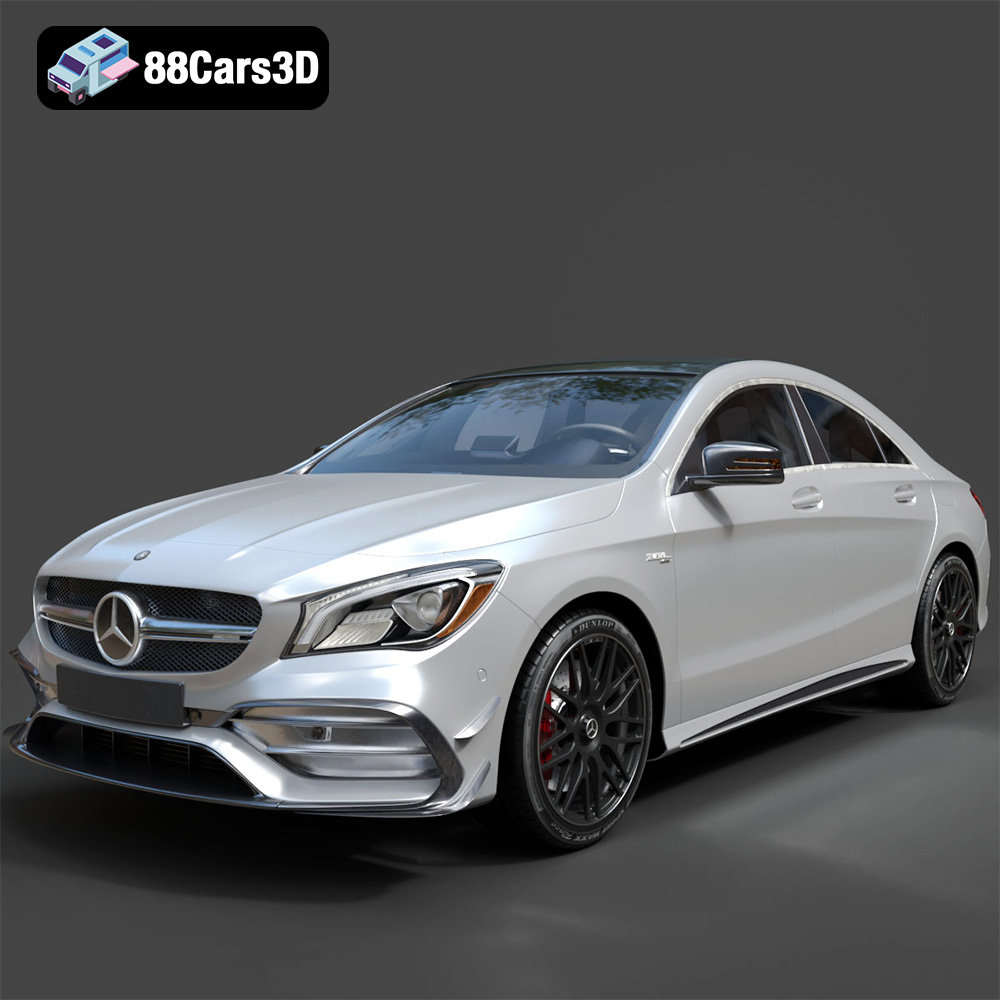
Mercedes-Benz CLA45 AMG 2017 3D Model
Texture: Yes
Material: Yes
Download the Mercedes-Benz CLA45 AMG 2017 3D Model featuring clean geometry, realistic detailing, and a fully modeled interior. Includes .blend, .fbx, .obj, .glb, .stl, .ply, .unreal, and .max formats for rendering, simulation, and game development.
Price: $38.99
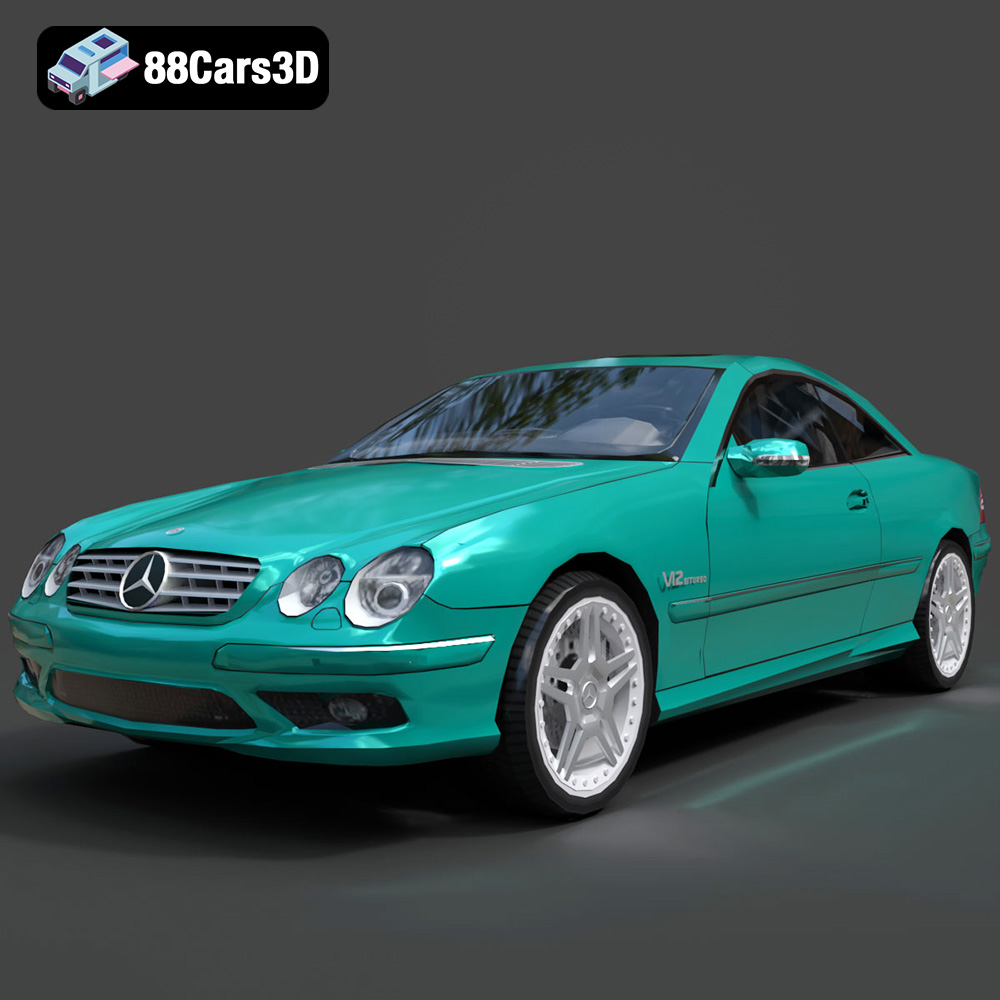
Mercedes-Benz CL65 C215 AMG 3D Model
Texture: Yes
Material: Yes
Download the Mercedes-Benz CL65 C215 AMG 3D Model featuring clean geometry, realistic detailing, and a fully modeled interior. Includes .blend, .fbx, .obj, .glb, .stl, .ply, .unreal, and .max formats for rendering, simulation, and game development.
Price: $23.99
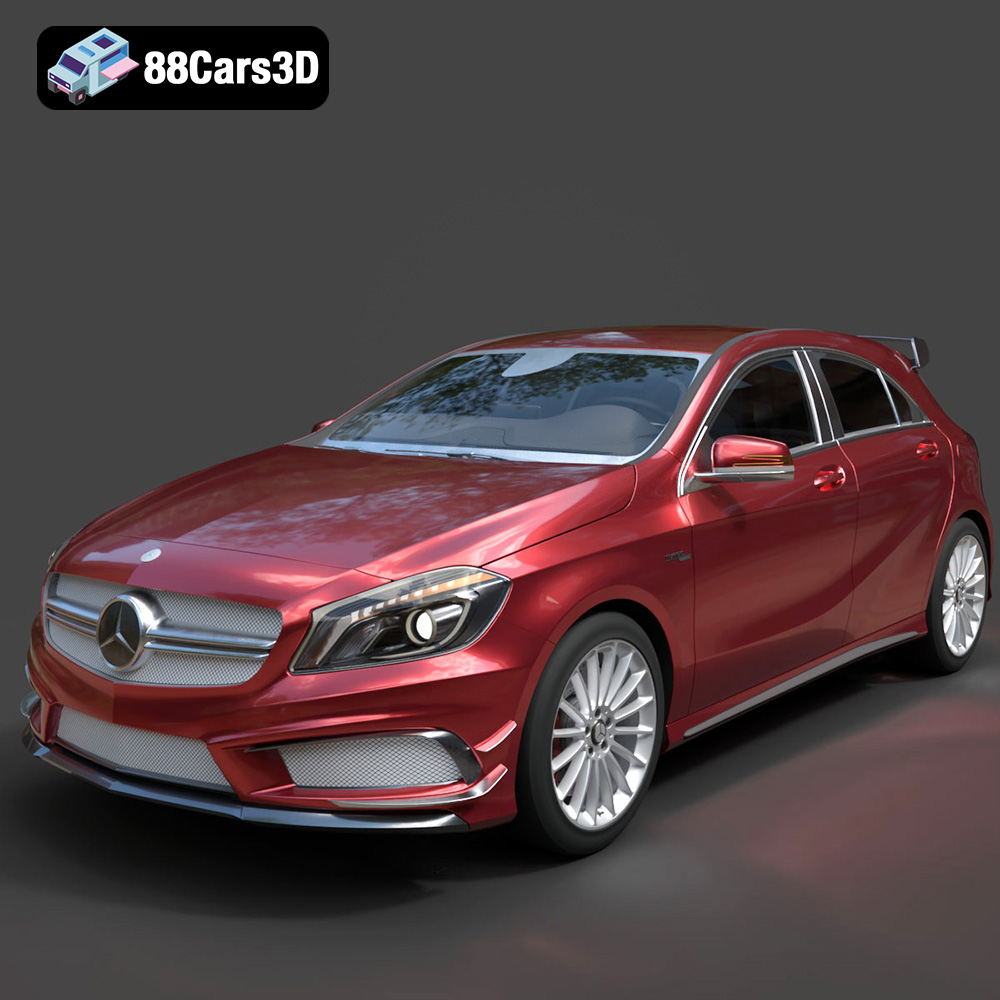
Mercedes-Benz A45 2021 3D Model
Texture: Yes
Material: Yes
Download the Mercedes-Benz A45 2021 3D Model featuring clean geometry, realistic detailing, and a fully modeled interior. Includes .blend, .fbx, .obj, .glb, .stl, .ply, .unreal, and .max formats for rendering, simulation, and game development.
Price: $23.99
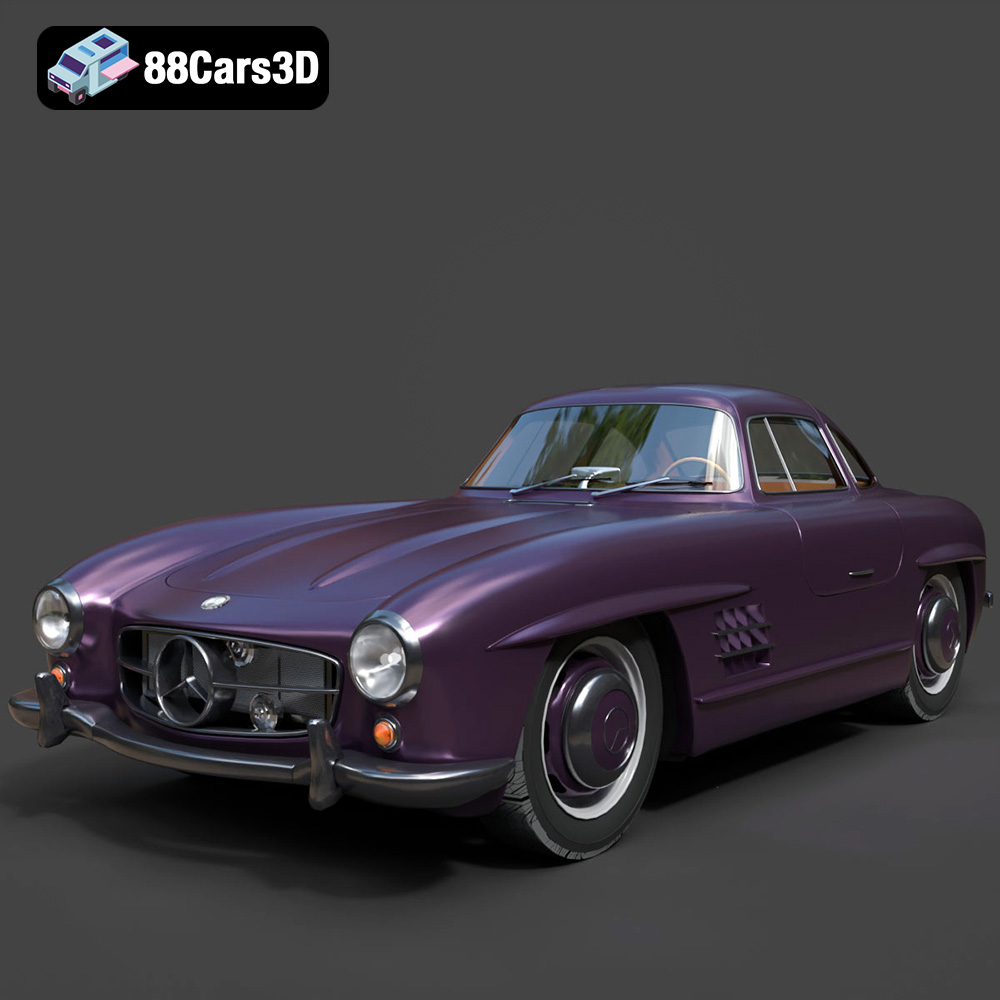
Mercedes-Benz 300SL 1955 3D Model
Texture: Yes
Material: Yes
Download the Mercedes-Benz 300SL 1955 3D Model featuring clean geometry, realistic detailing, and a fully modeled interior. Includes .blend, .fbx, .obj, .glb, .stl, .ply, .unreal, and .max formats for rendering, simulation, and game development.
Price: $23.99
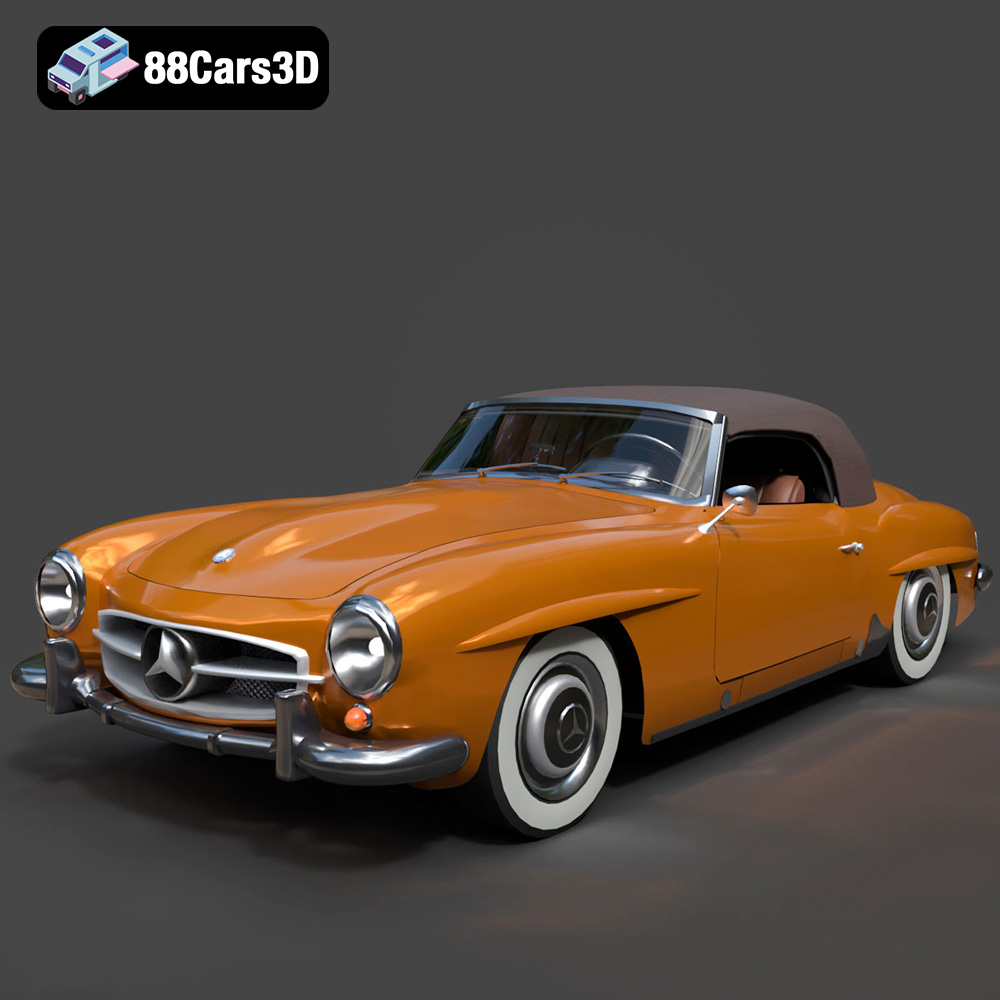
Mercedes-Benz 190SL 1955 3D Model
Texture: Yes
Material: Yes
Download the Mercedes-Benz 190SL 1955 3D Model featuring clean geometry, realistic detailing, and a fully modeled interior. Includes .blend, .fbx, .obj, .glb, .stl, .ply, .unreal, and .max formats for rendering, simulation, and game development.
Price: $23.99
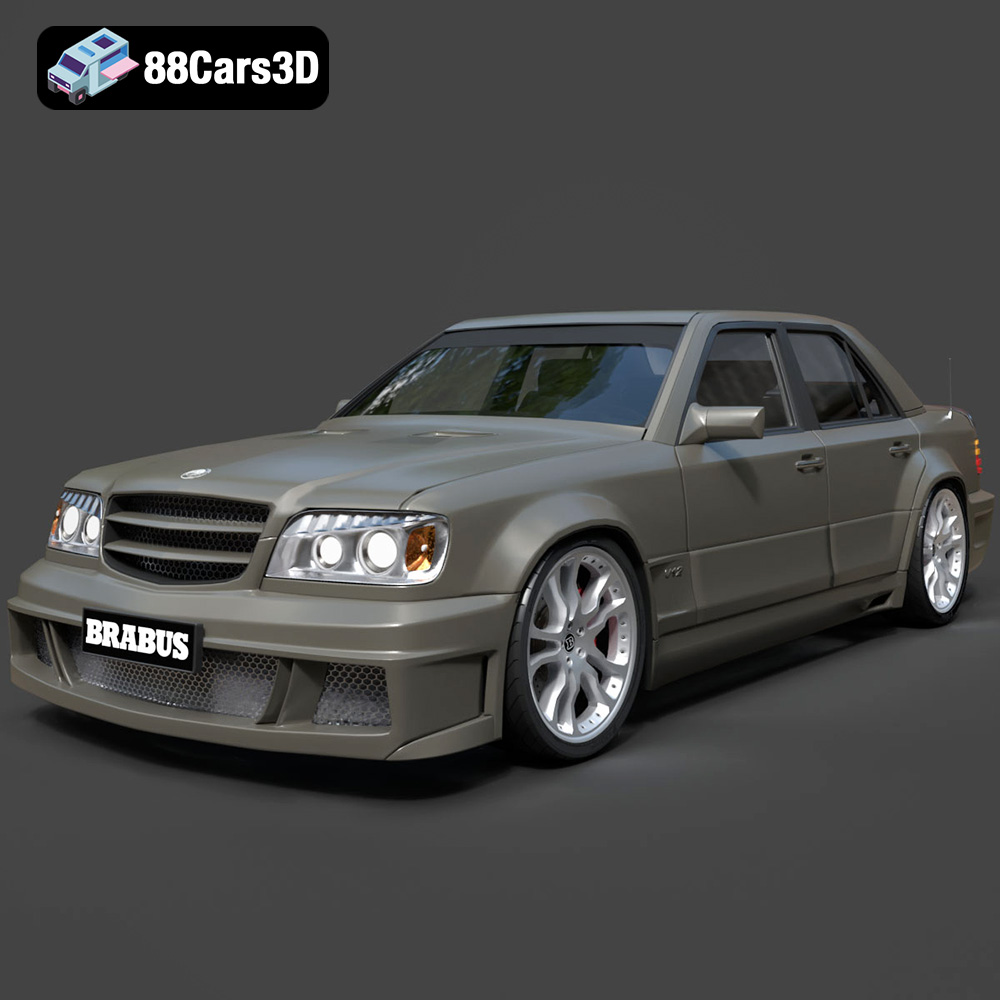
Mercedes-Benz W124 Brabus V12 3D Model
Texture: Yes
Material: Yes
Download the Mercedes-Benz W124 Brabus V12 3D Model featuring clean geometry, realistic detailing, and a fully modeled interior. Includes .blend, .fbx, .obj, .glb, .stl, .ply, .unreal, and .max formats for rendering, simulation, and game development.
Price: $23.99
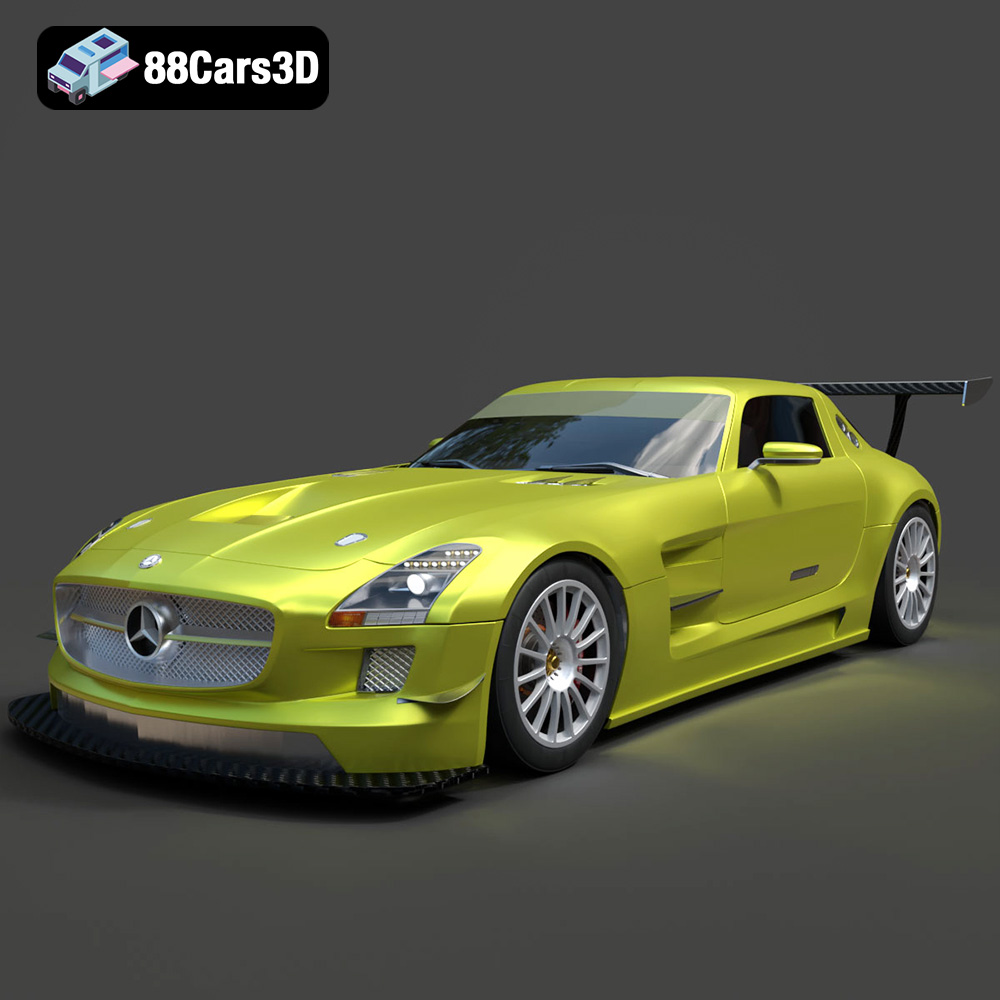
Mercedes-Benz SLS AMG GT3-002 3D Model
Texture: Yes
Material: Yes
Download the Mercedes-Benz SLS AMG GT3-002 3D Model featuring clean geometry, realistic detailing, and a fully modeled interior. Includes .blend, .fbx, .obj, .glb, .stl, .ply, .unreal, and .max formats for rendering, simulation, and game development.
Price: $38.99

Mercedes-Benz C-Class-001 3D Model
Texture: Yes
Material: Yes
Download the Mercedes-Benz C-Class-001 3D Model featuring clean geometry, realistic detailing, and a fully modeled interior. Includes .blend, .fbx, .obj, .glb, .stl, .ply, .unreal, and .max formats for rendering, simulation, and game development.
Price: $38.99
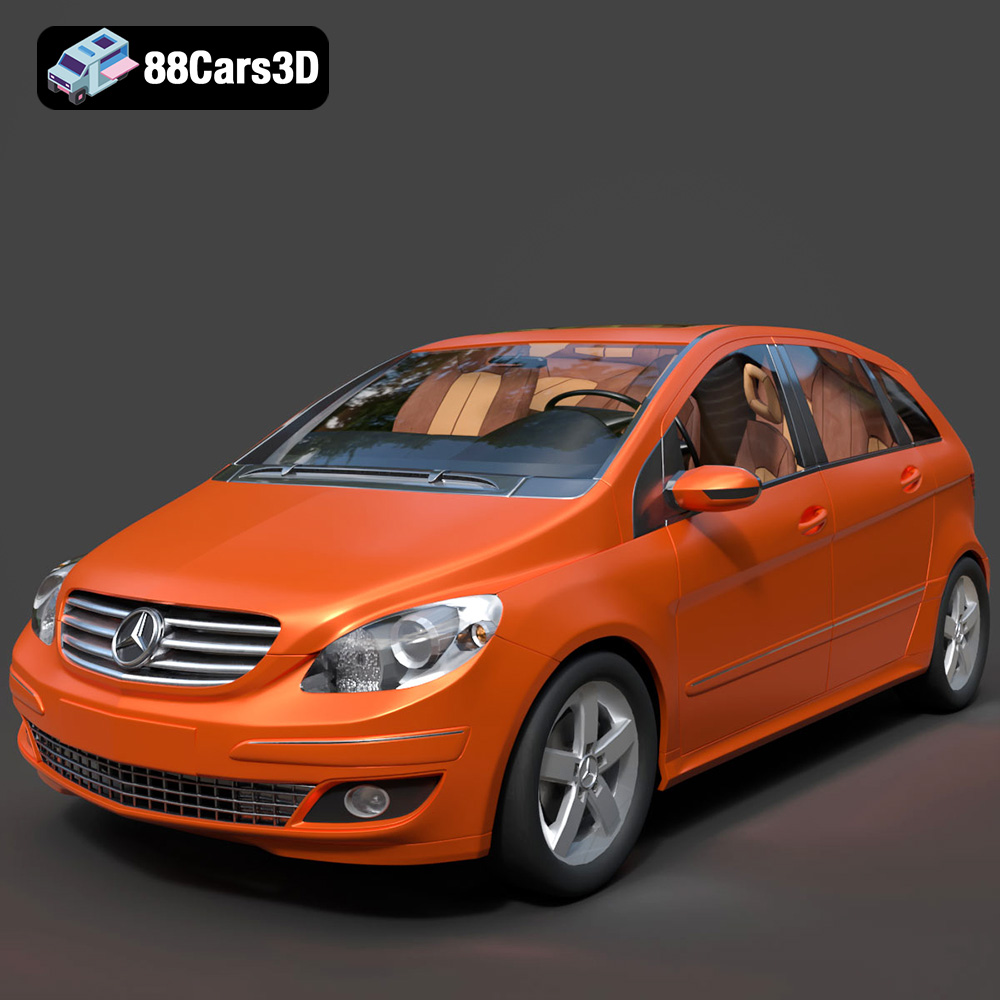
Mercedes-Benz B-Klasse 2023 3D Model
Texture: Yes
Material: Yes
Download the Mercedes-Benz B-Klasse 2023 3D Model featuring clean geometry, realistic detailing, and a fully modeled interior. Includes .blend, .fbx, .obj, .glb, .stl, .ply, .unreal, and .max formats for rendering, simulation, and game development.
Price: $38.99
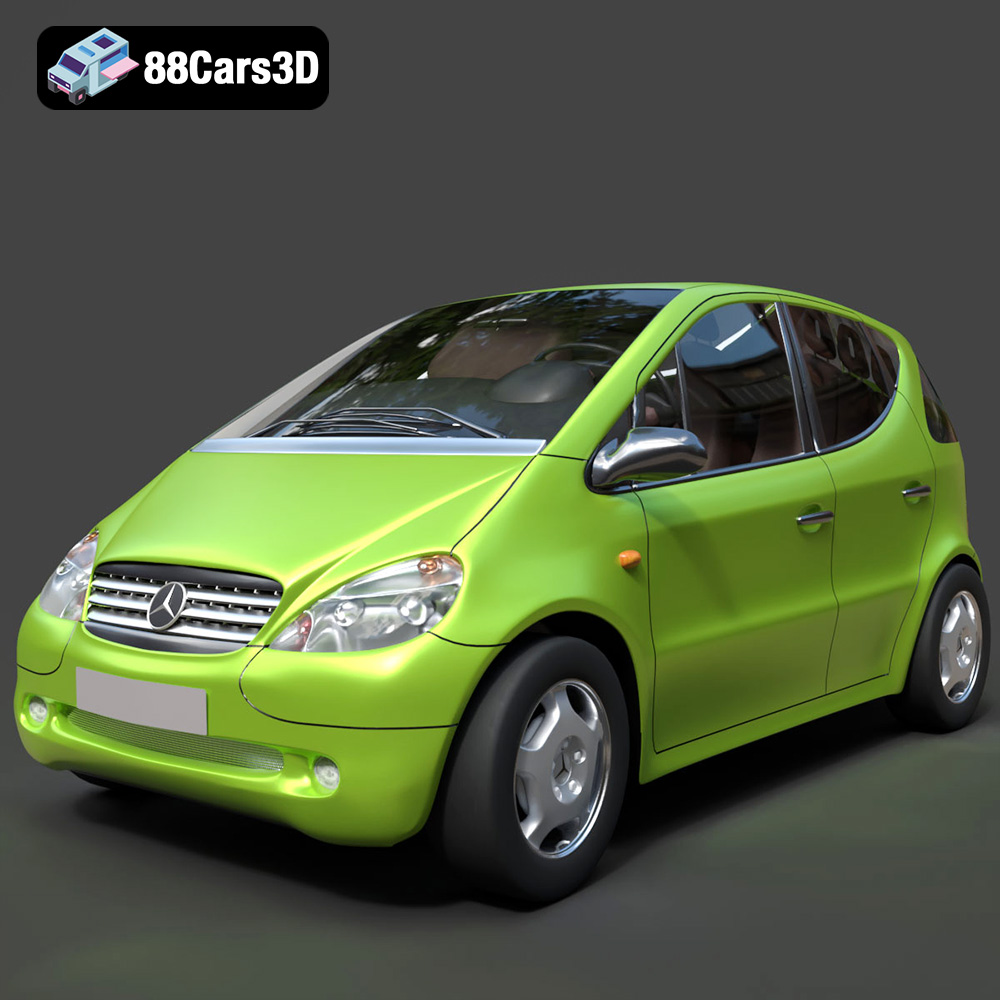
Mercedes-Benz A-Klasse W168 3D Model
Texture: Yes
Material: Yes
Download the Mercedes-Benz A-Klasse W168 3D Model featuring clean geometry, realistic detailing, and a fully modeled interior. Includes .blend, .fbx, .obj, .glb, .stl, .ply, .unreal, and .max formats for rendering, simulation, and game development.
Price: $38.99
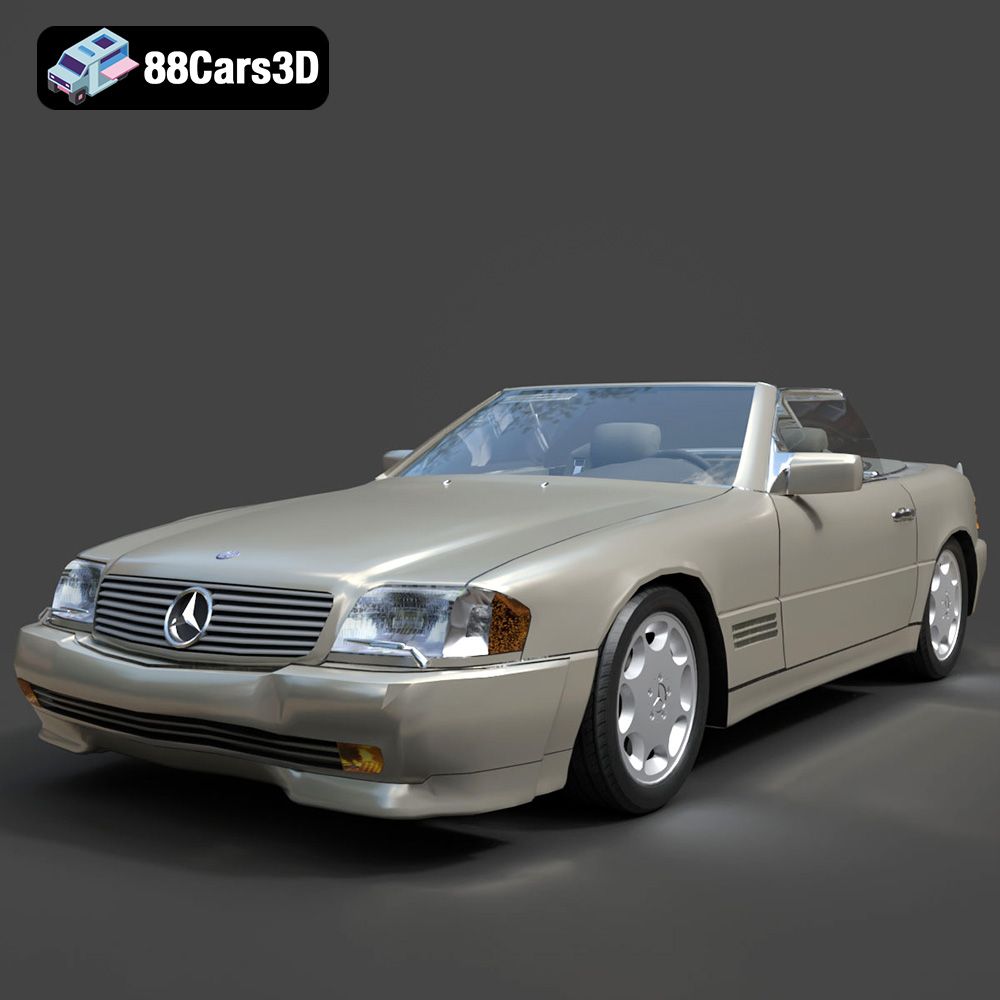
Mercedes-Benz 500SL 2000 3D Model
Texture: Yes
Material: Yes
Download the Mercedes-Benz 500SL 2000 3D Model featuring clean geometry, realistic detailing, and a fully modeled interior. Includes .blend, .fbx, .obj, .glb, .stl, .ply, .unreal, and .max formats for rendering, simulation, and game development.
Price: $38.99
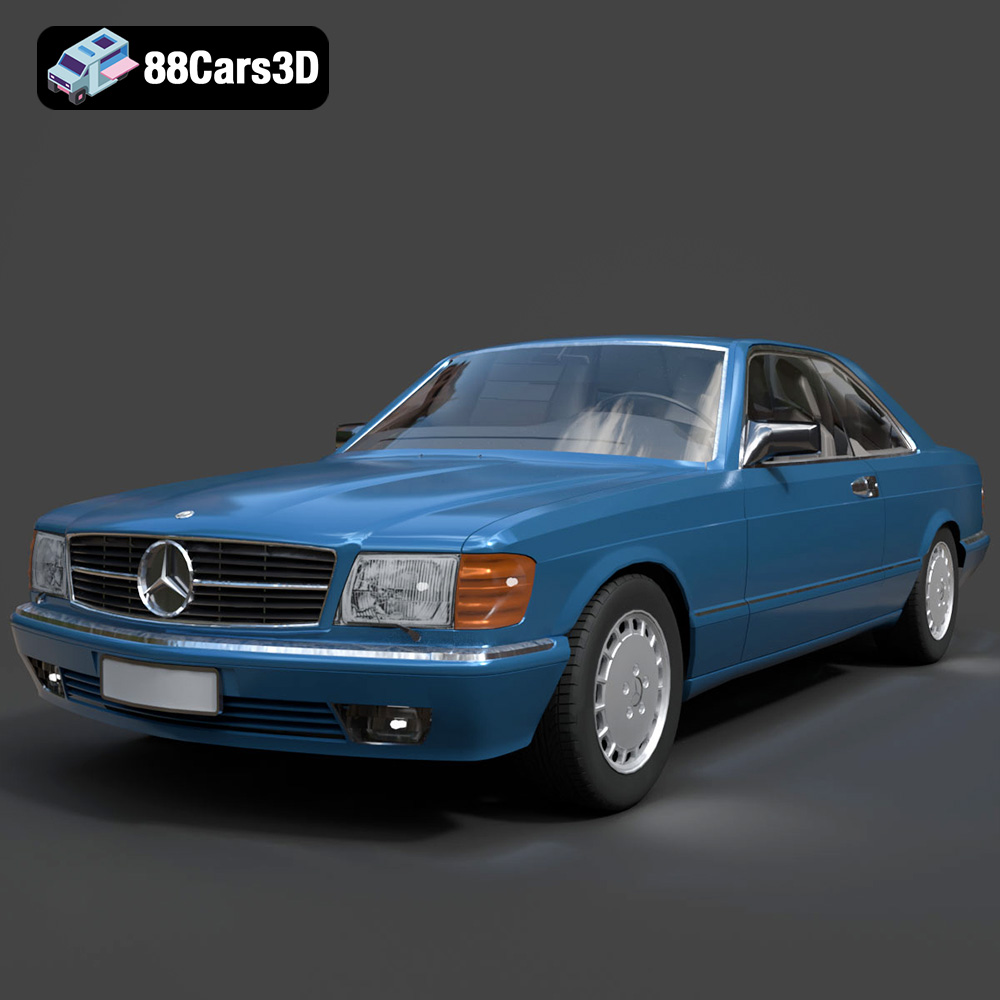
Mercedes-Benz 500SEC 3D Model
Texture: Yes
Material: Yes
Download the Mercedes-Benz 500SEC 3D Model featuring clean geometry, realistic detailing, and a fully modeled interior. Includes .blend, .fbx, .obj, .glb, .stl, .ply, .unreal, and .max formats for rendering, simulation, and game development.
Price: $38.99
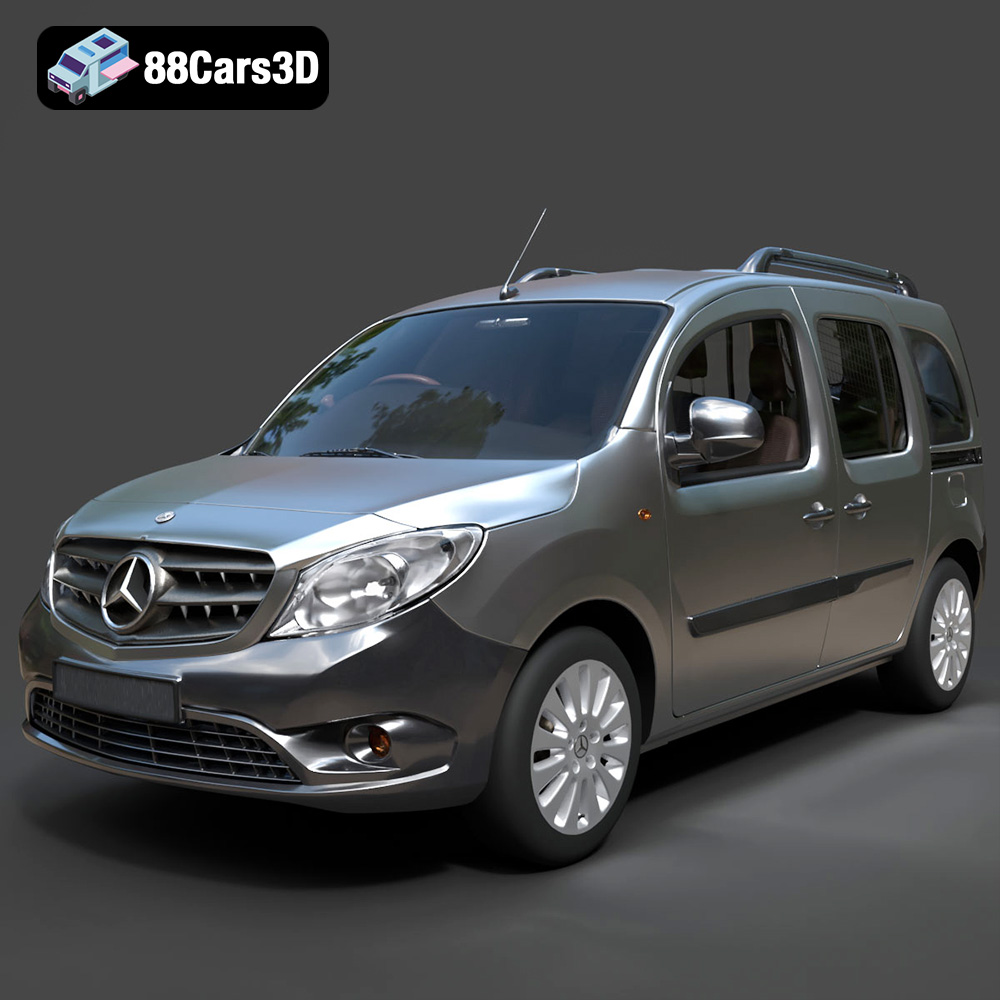
Mercedes-Benz Citan 2025 3D Model
Texture: Yes
Material: Yes
Download the Mercedes-Benz Citan 2025 3D Model featuring clean geometry, realistic detailing, and a fully modeled interior. Includes .blend, .fbx, .obj, .glb, .stl, .ply, .unreal, and .max formats for rendering, simulation, and game development.
Price: $38.99
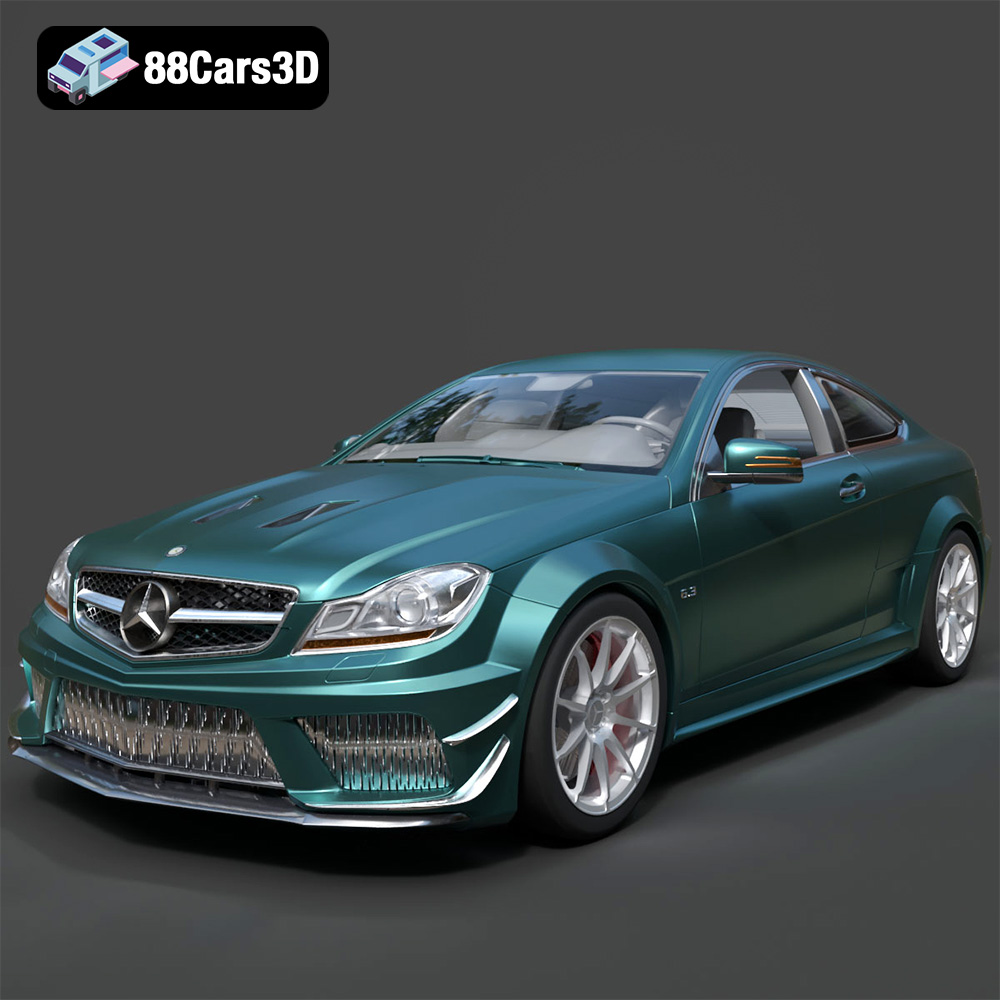
Mercedes-Benz C63 AMG 2012 3D Model
Texture: Yes
Material: Yes
Download the Mercedes-Benz C63 AMG 2012 3D Model featuring clean geometry, realistic detailing, and a fully modeled interior. Includes .blend, .fbx, .obj, .glb, .stl, .ply, .unreal, and .max formats for rendering, simulation, and game development.
Price: $38.99
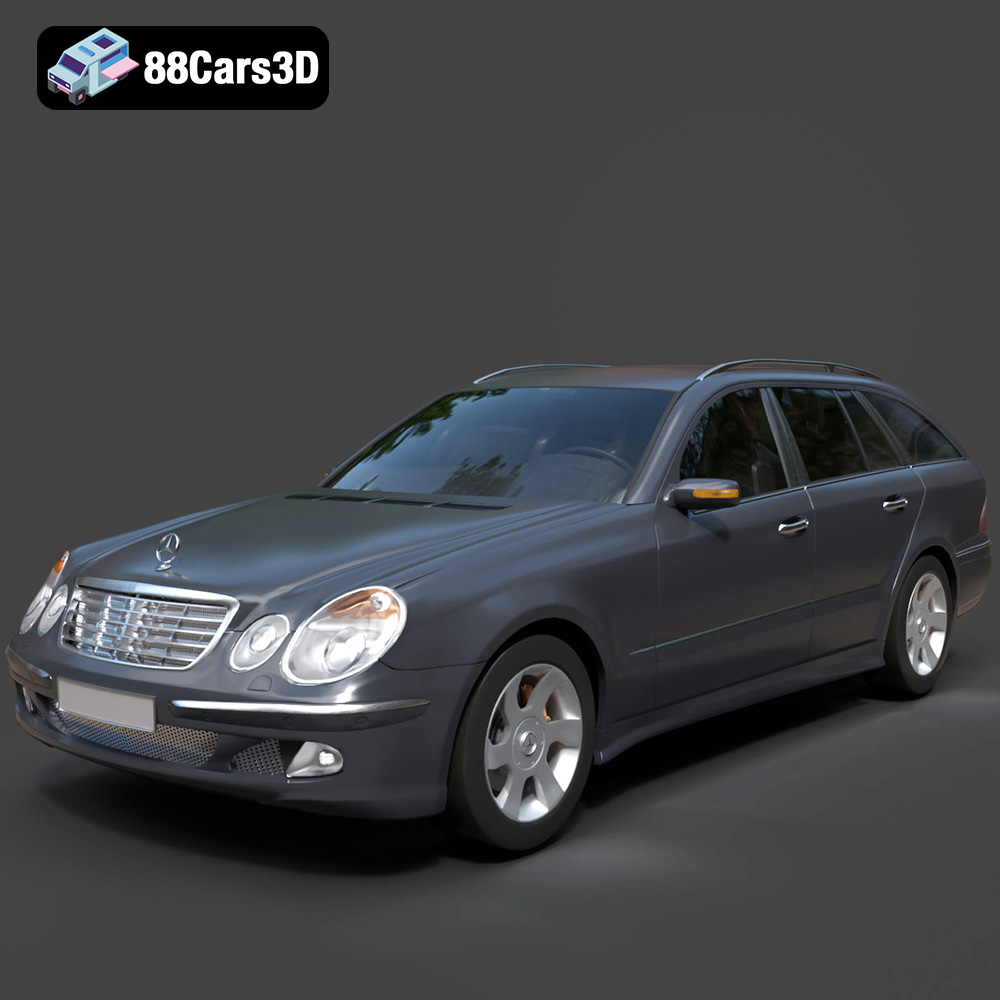
Mercedes-Benz E-Class S211 3D Model
Texture: Yes
Material: Yes
Download the Mercedes-Benz E-Class S211 3D Model featuring clean geometry, realistic detailing, and a fully modeled interior. Includes .blend, .fbx, .obj, .glb, .stl, .ply, .unreal, and .max formats for rendering, simulation, and game development.
Price: $38.99
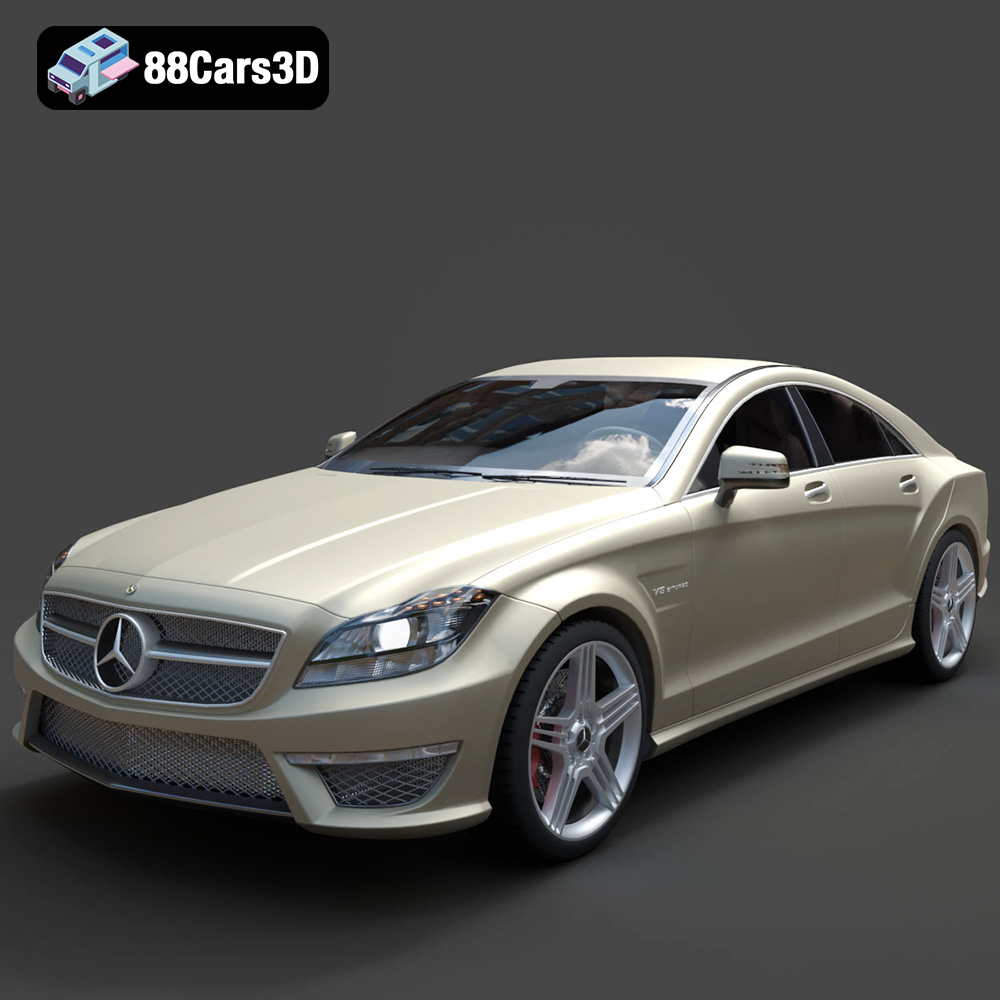
Mercedes-Benz CLS63 AMG (C218) 2014 3D Model
Texture: Yes
Material: Yes
Download the Mercedes-Benz CLS63 AMG (C218) 2014 3D Model featuring clean geometry, realistic detailing, and a fully modeled interior. Includes .blend, .fbx, .obj, .glb, .stl, .ply, .unreal, and .max formats for rendering, simulation, and game development.
Price: $38.99
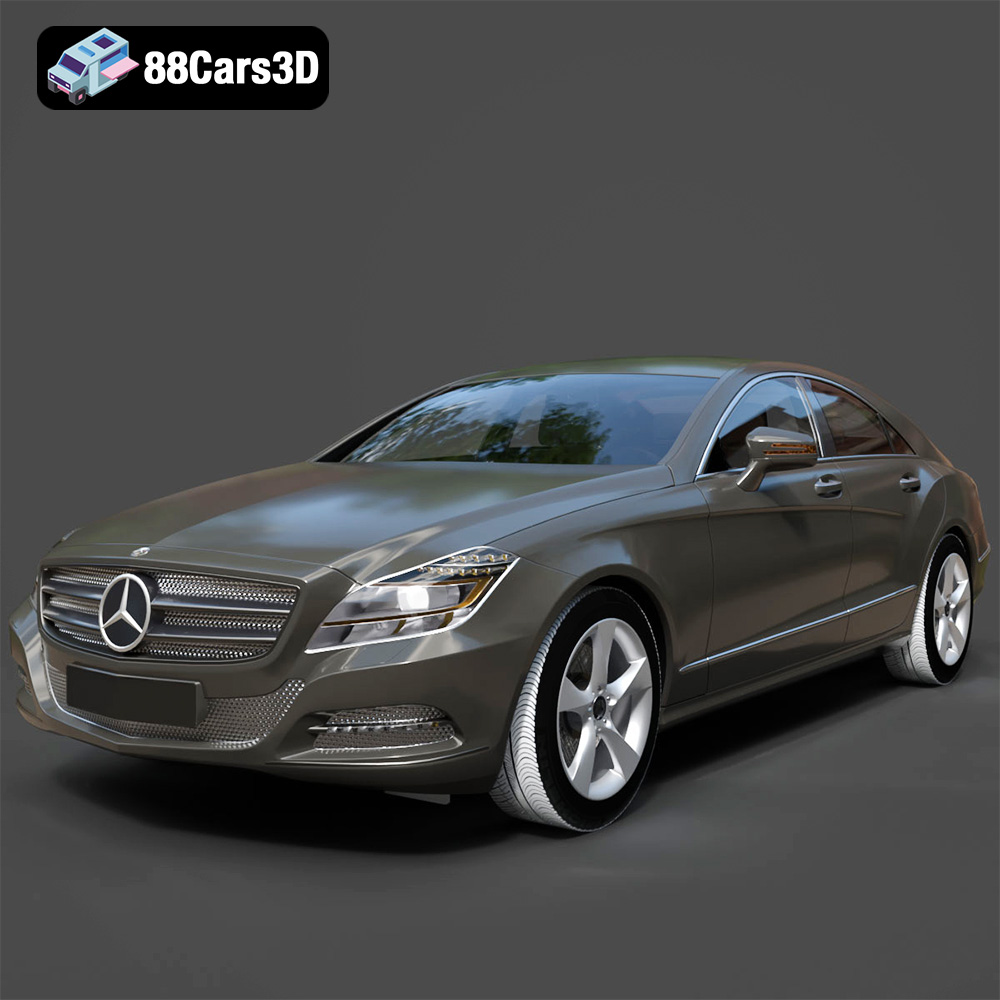
Mercedes-Benz CLS-Klasse 3D Model
Texture: Yes
Material: Yes
Download the Mercedes-Benz CLS-Klasse 3D Model featuring clean geometry, realistic detailing, and a fully modeled interior. Includes .blend, .fbx, .obj, .glb, .stl, .ply, .unreal, and .max formats for rendering, simulation, and game development.
Price: $38.99
