
The Foundation: Pre-Integration Data Preparation for Automotive Assets

The world of automotive visualization has always pushed the boundaries of real-time graphics. From intricate marketing campaigns to immersive configurators and high-octane racing games, the demand for breathtaking realism coupled with fluid performance is constant. This is where Unreal Engine 5 automotive truly shines, offering a robust platform for integrating even the most detailed high-fidelity 3D car models.
However, simply importing a CAD model into a game engine is rarely enough. Achieving photorealistic results while maintaining optimal real-time rendering optimization requires a deep understanding of both your assets and Unreal Engine 5’s powerful feature set. This comprehensive guide will walk you through the essential steps, from initial data preparation to leveraging UE5’s cutting-edge technologies like Nanite and Lumen, ensuring your automotive projects stand out with unparalleled visual fidelity and performance.
The Foundation: Pre-Integration Data Preparation for Automotive Assets
Before any high-fidelity 3D car models can make their way into Unreal Engine 5, careful preparation in your digital content creation (DCC) application is paramount. This initial stage directly impacts performance, visual quality, and the ease of future iterations. Neglecting these steps can lead to inflated polygon counts, broken materials, and frustrating optimization challenges down the line.
Mesh Cleanup and Topology Optimization
Automotive CAD models are often dense and optimized for engineering accuracy, not real-time rendering. The first step involves rigorous mesh cleanup. This means removing unnecessary geometry, such as internal components that won’t be visible, duplicate faces, and non-manifold geometry. Tools like Maya’s Cleanup, 3ds Max’s XView, or Blender’s Mesh Cleanup can identify these issues.
Topology optimization is equally crucial. While Nanite in UE5 handles extremely high polycounts, good topology still benefits other aspects like UV unwrapping, deformation, and baking. Retopology, either manual or semi-automatic, can create clean quad-based meshes, which are easier to work with. For static elements, triangular meshes are perfectly fine, but aim for a clean distribution.
UV Mapping for Consistent Texturing
Proper UV mapping is non-negotiable for applying realistic PBR materials setup. Every visible surface of your car model needs a unique, non-overlapping UV layout in at least one UV channel (typically UV Channel 0 for texture mapping). Ensure there’s enough padding between UV islands to prevent texture bleeding, especially when baking normal maps or ambient occlusion.
Consider multiple UV channels. UV Channel 0 for primary textures (albedo, normal, roughness), and UV Channel 1 for lightmaps or ambient occlusion. Overlapping UVs are acceptable for lightmaps if using static lighting, but for dynamic lighting with Lumen, unique UVs for most surfaces will provide the best results, though Lumen is less reliant on traditional lightmaps.
Level of Detail (LODs) Strategy
While Nanite handles detail gracefully, traditional Levels of Detail (LODs) remain a critical component of real-time rendering optimization, especially for non-Nanite meshes or when targeting lower-end hardware. Create progressively simpler versions of your mesh for different distances from the camera. UE5 can automatically generate LODs, but manual creation often yields better, more controlled results.
For game-ready car assets, a typical strategy might involve 3-5 LODs. LOD0 is the full-detail mesh, LOD1 might be 50% reduced, LOD2 at 25%, and so on. The final LODs could be simple proxy meshes. This ensures that distant objects consume fewer resources, significantly boosting overall performance without a noticeable drop in visual quality.
Asset Organization and Naming Conventions
Maintaining a clean and consistent naming convention for all meshes, materials, and textures is vital. This streamlines the import process via Datasmith and makes scene management much easier within Unreal Engine 5. Group related meshes logically (e.g., “CarBody_LOD0,” “Wheel_FrontLeft_LOD0”). Similarly, organize textures into clear folders by type (e.g., Albedo, Normal, Roughness) and use descriptive names like “T_CarPaint_Red_Albedo.”
Leveraging Unreal Engine 5’s Core Technologies for Photorealism
Unreal Engine 5 introduces groundbreaking technologies that fundamentally change how we approach real-time rendering optimization for complex assets like automotive models. Nanite, Lumen, and Virtual Shadow Maps work in concert to deliver unprecedented levels of detail and dynamic lighting, pushing the boundaries of what’s possible in Unreal Engine 5 automotive projects.
Nanite Virtualized Geometry: Mastering Detail
Nanite virtualized geometry is a game-changer for handling extremely dense meshes. It intelligently streams and processes only the necessary detail, allowing you to import film-quality assets directly into UE5 without explicit LODs or baking normal maps for geometric detail. For high-fidelity 3D car models, this means you can preserve every subtle curve, panel gap, and intricate detail without worrying about polycount budgets.
When importing your meshes, ensure they are enabled for Nanite. This can be done in the import settings or by right-clicking a static mesh in the Content Browser. Nanite converts the mesh into its internal representation, which is incredibly efficient at rendering high polycounts. However, remember that Nanite works best for opaque, static geometry. Transparent parts like glass, or deforming meshes, will still require traditional rendering paths and optimized geometry.
Lumen Global Illumination: Dynamic Lighting Mastery
Lumen global illumination is UE5’s fully dynamic global illumination and reflections system. It provides real-time indirect lighting and reflections for scenes and lights, delivering incredibly realistic and immersive lighting environments. For automotive visualization, Lumen eliminates the need for complex lightmap baking, allowing for rapid iteration on lighting setups and interactive experiences where lighting conditions can change on the fly.
Lumen calculates diffuse inter-reflection with infinite bounces and indirect specular reflection, contributing significantly to the photorealism of car paint, interiors, and reflections on metallic surfaces. Ensure your scene is set up to utilize Lumen effectively by enabling it in Project Settings under “Rendering.” Experiment with Lumen’s various settings, such as Final Gather quality and Reflection quality, to balance visual fidelity with performance for your specific Unreal Engine 5 automotive scene.
Virtual Shadow Maps (VSMs) for Precision Shadows
Complementing Nanite and Lumen, Virtual Shadow Maps (VSMs) provide high-resolution, pixel-perfect shadows across vast distances. This is particularly beneficial for detailed automotive models, where crisp shadows are essential for defining shape and depth. VSMs scale intelligently, providing detailed shadows up close while efficiently handling distant ones, avoiding the aliasing and resolution issues of traditional shadow maps.
VSMs are enabled by default when using Nanite and Lumen. They contribute significantly to the overall realism by ensuring that every panel gap, badge, and intricate tire tread casts accurate, high-quality shadows, enhancing the visual impact of your high-fidelity 3D car models within the scene.
Crafting Realistic Automotive Materials with PBR in UE5
Even the most perfectly modeled car won’t look convincing without a stellar PBR materials setup. Physically Based Rendering (PBR) ensures that your materials react realistically to light, regardless of the lighting environment. Achieving photorealistic car paint, glass, and intricate interior details is a nuanced art within Unreal Engine 5.
The Anatomy of Realistic Car Paint Shaders
Car paint is one of the most challenging materials to replicate. It’s not just a single color; it involves multiple layers: a base coat (color), metallic flakes, a clear coat (gloss), and often an additional pearlescent or chameleon effect. In UE5, this usually involves a complex material graph.
- Base Color: This sets the primary hue.
- Metallic: A value of 1.0 for the metallic flakes, typically modulated by a texture mask.
- Roughness: Controls how diffuse or glossy the surface is. Car paint often has a very low roughness value for the clear coat, but the metallic flakes underneath might have a slightly higher roughness.
- Specular: Controls the intensity of reflections. A common technique is to use a Fresnel node to control the clear coat’s reflectivity based on viewing angle.
- Normal Map: Essential for subtle surface imperfections and details not captured by geometry.
- Flakes: A separate texture or procedural noise applied to the normal or metallic input can simulate the tiny metallic flakes suspended in the paint. Often, a small amount of Anisotropy can enhance this effect, mimicking brushed metal or specific paint finishes.
Building a master car paint material that can be instanced and tweaked for various colors and finishes is a highly efficient workflow. Remember, 88cars3d.com offers models with expertly crafted PBR textures, saving you significant time.
Transparent Materials: Glass, Lights, and Reflections
Glass and transparent plastics require careful attention. Use a Translucent or Opaque blend mode with an Opacity input. For realistic reflections and refractions, you’ll often need to combine settings:
- Glass: Utilize a Material instance with a small amount of tint in the Base Color, a low Roughness (near 0), and a Metallic value of 0. Control the refraction with the Index of Refraction (IOR) value. Screen Space Reflections (SSR) and Lumen Reflections will contribute to the realism.
- Headlights/Taillights: These often combine clear plastic with internal reflectors and light sources. Use separate meshes for each part and assign appropriate materials. Emissive values are crucial for light sources, and a textured normal map can create intricate reflector patterns.
Ensure your transparent materials have two-sided lighting enabled if they are single-sided meshes, or use proper closed geometry.
Interior and Trim Details
The interior of a high-fidelity car model demands as much attention as the exterior. Different materials like leather, fabric, plastics, and metals must be accurately represented. Each requires its own PBR materials setup:
- Leather/Fabric: Utilize detailed normal maps for grain, combined with appropriate roughness maps to show wear and tear. Subsurface Scattering (SSS) can add subtle realism to softer materials.
- Plastics: Vary roughness, add subtle normal map details for texture, and consider a slight metallic value for certain types of plastic trim.
- Metals: Use high Metallic values (close to 1.0) and precise roughness maps to define brushed metal, polished chrome, or matte finishes.
Breaking down the interior into logical material IDs in your DCC tool facilitates easier material assignment in UE5.
Decals and Wear Effects
To add an extra layer of realism, use decals for badges, warning labels, and subtle wear effects. Unreal Engine’s Decal Actor allows you to project textures onto surfaces, ideal for logos or dirt accumulation without modifying the base mesh’s UVs. Similarly, material layering or blend masks can introduce subtle dust, scratches, or rain streaks, making your game-ready car assets feel truly integrated into the environment.
Streamlined Integration: The Datasmith Workflow
For complex assets like high-fidelity 3D car models, manually importing individual FBX files and reassembling them in Unreal Engine 5 is inefficient and prone to errors. The Datasmith workflow provides a robust solution, preserving hierarchies, scene structure, and even materials from various DCC applications, making it the preferred method for Unreal Engine 5 automotive projects.
Exporting from DCC Applications
Datasmith offers direct exporters for popular DCC applications like 3ds Max, Maya, SketchUp, Revit, Rhino, and SolidWorks. Install the appropriate Datasmith plugin for your software. Before exporting, ensure your model is clean and organized as discussed in the pre-integration section. Consolidate materials where possible to reduce draw calls, but maintain separate materials for distinct surfaces (e.g., car paint, glass, rubber).
When exporting, Datasmith creates a .udatasmith file, which is a lightweight representation of your scene. It intelligently handles geometry, materials, textures, scene hierarchy, and even some lighting information, significantly simplifying the import process into UE5.
Importing with Datasmith and Scene Hierarchy Preservation
Once you have your .udatasmith file, open Unreal Engine 5. From the Content Browser, click the “Import” button or “Datasmith” button (if enabled), and select your .udatasmith file. The Datasmith import dialog offers various options. Crucially, it will preserve the scene hierarchy from your DCC application, importing your car model as a single Blueprint Actor with all its sub-components organized logically.
This preservation of hierarchy is invaluable for automotive projects. It allows you to easily select individual parts like doors, wheels, or interior components, which is essential for creating interactive configurators or adding specific animations. Datasmith also attempts to convert your DCC materials into basic Unreal Engine PBR materials, providing a good starting point for further refinement.
Datasmith CAD vs. Datasmith Static Mesh Workflows
Datasmith offers two primary workflows: CAD and Static Mesh. For directly imported CAD data (e.g., from SolidWorks or Rhino), the Datasmith CAD workflow is designed to handle the complex NURBS surfaces and high-precision geometry. It intelligently tessellates the CAD data into meshes optimized for real-time rendering, with options for controlling tessellation quality.
For models that have already undergone optimization and polygon reduction in a DCC tool (like Maya or 3ds Max), the Datasmith Static Mesh workflow is more appropriate. It focuses on bringing in your pre-optimized meshes, along with their existing UVs and material assignments. Both workflows significantly accelerate the transition of high-fidelity 3D car models into Unreal Engine 5 automotive environments, serving as a pillar of efficient asset integration.
Scene Setup and Advanced Real-Time Rendering Optimization
Bringing your meticulously prepared car model into UE5 is only half the battle. Setting up the scene, optimizing performance, and adding cinematic flair are crucial for achieving truly compelling results, whether for an interactive configurator, a marketing visualization, or game-ready car assets.
Optimizing Draw Calls and Overdraw
While Nanite handles geometry efficiently, other performance bottlenecks can emerge. Draw calls (the number of times the CPU tells the GPU to render something) and overdraw (pixels rendered multiple times because of overlapping transparent geometry) can still impact performance. Minimize draw calls by consolidating materials where possible and using instanced static meshes for repeating elements like screws or small interior buttons.
Overdraw is particularly problematic with transparent materials like car glass. Ensure your transparent meshes are optimized and that you’re not stacking too many layers of transparency. Use the Shader Complexity and Quad Overdraw visualization modes in UE5 to identify and address these performance hotspots, ensuring smooth real-time rendering optimization.
Post-Processing Volumes for Cinematic Fidelity
Post-processing is the final layer of polish that can elevate your automotive renders from good to stunning. Use a Post Process Volume in your scene to control a wide array of visual effects:
- Exposure: Crucial for balancing interior and exterior lighting.
- Color Grading: Adjust saturation, contrast, and color balance to achieve a specific mood or photographic style.
- Bloom: Adds a soft glow to bright areas, enhancing the emissive quality of lights or reflections.
- Lens Flares: Simulate camera lens artifacts for added realism.
- Depth of Field: Create cinematic focus effects, blurring foreground or background elements to draw attention to the car.
- Screen Space Global Illumination / Reflections: Further enhance indirect lighting and reflections beyond what Lumen provides (though Lumen is usually sufficient).
- Vignette & Grain: Add subtle photographic imperfections for a more artistic look.
These settings are vital for achieving the polished, professional look expected in Unreal Engine 5 automotive marketing materials.
Performance Profiling and Debugging
To ensure your project runs optimally, regular performance profiling is essential. Unreal Engine 5 provides powerful tools:
- Stat FPS: Displays current frame rate.
- Stat Unit: Shows CPU and GPU frame times, helping identify bottlenecks.
- Stat RHI: Provides detailed render hardware interface statistics.
- GPU Visualizer (Ctrl+Shift+Comma): A comprehensive tool to analyze GPU performance, showing where rendering time is spent for various passes.
Learning to interpret these tools is crucial for pinpointing areas that need further real-time rendering optimization, from excessive material complexity to overly dense non-Nanite geometry.
Building for Interactive Experiences (Configurators, Games)
For interactive automotive configurators, consider using Unreal Engine’s Blueprint system to set up dynamic material swaps for paint colors, wheel changes, and interior options. Leverage sequencer for pre-rendered cinematic tours or camera paths. For game-ready car assets, integrate physics simulations for realistic driving dynamics and destruction systems.
Ensure that all interactive elements are optimized. For example, dynamically swapping materials is more efficient than loading entirely new models. Optimizing your models and scene for interactivity is crucial for a smooth user experience, reflecting the quality you’d expect from sources like 88cars3d.com.
Conclusion
Integrating high-fidelity 3D car models into Unreal Engine 5 automotive projects is a meticulous yet highly rewarding process. By diligently preparing your assets, leveraging cutting-edge features like Nanite virtualized geometry and Lumen global illumination, mastering your PBR materials setup, and employing efficient workflows like Datasmith workflow, you can achieve unparalleled visual fidelity and exceptional real-time rendering optimization.
The journey from a raw CAD model to a stunning, interactive automotive experience in Unreal Engine 5 is one of precision, technical understanding, and artistic vision. Whether you’re building a new game, an advanced configurator, or a photorealistic marketing visualization, the tools are now more powerful and accessible than ever. Start experimenting, optimizing, and pushing the boundaries of automotive realism.
Ready to jumpstart your next project? Explore the extensive library of high-quality, pre-optimized game-ready car assets and high-fidelity 3D car models available at 88cars3d.com to save time and achieve professional results.
Featured 3D Car Models

Skoda Octavia A7 2017 3D Model
Texture: Yes
Material: Yes
Download the Skoda Octavia A7 2017 3D Model featuring clean geometry, realistic detailing, and a fully modeled interior. Includes .blend, .fbx, .obj, .glb, .stl, .ply, .unreal, and .max formats for rendering, simulation, and game development.
Price: $10

Suzuki SX4-002 3D Model
Texture: Yes
Material: Yes
Download the Suzuki SX4-002 3D Model featuring clean geometry, realistic detailing, and a fully modeled interior. Includes .blend, .fbx, .obj, .glb, .stl, .ply, .unreal, and .max formats for rendering, simulation, and game development.
Price: $10

Tesla Model S 2024 3D Model
Texture: Yes
Material: Yes
Download the Tesla Model S 2024 3D Model featuring clean geometry, realistic detailing, and a fully modeled interior. Includes .blend, .fbx, .obj, .glb, .stl, .ply, .unreal, and .max formats for rendering, simulation, and game development.
Price: $10

Subaru Impreza WRX STi-002 3D Model
Texture: Yes
Material: Yes
Download the Subaru Impreza WRX STi-002 3D Model featuring clean geometry, realistic detailing, and a fully modeled interior. Includes .blend, .fbx, .obj, .glb, .stl, .ply, .unreal, and .max formats for rendering, simulation, and game development.
Price: $10

Subaru Impreza WRX STi Sedan 3D Model
Texture: Yes
Material: Yes
Download the Subaru Impreza WRX STi Sedan 3D Model featuring clean geometry, realistic detailing, and a fully modeled interior. Includes .blend, .fbx, .obj, .glb, .stl, .ply, .unreal, and .max formats for rendering, simulation, and game development.
Price: $10

Subaru Legacy 2009 3D Model
Texture: Yes
Material: Yes
Download the Subaru Legacy 2009 3D Model featuring clean geometry, realistic detailing, and a fully modeled interior. Includes .blend, .fbx, .obj, .glb, .stl, .ply, .unreal, and .max formats for rendering, simulation, and game development.
Price: $10

Suzuki Swift 2024 3D Model
Texture: Yes
Material: Yes
Download the Suzuki Swift 2024 3D Model featuring clean geometry, realistic detailing, and a fully modeled interior. Includes .blend, .fbx, .obj, .glb, .stl, .ply, .unreal, and .max formats for rendering, simulation, and game development.
Price: $10

Suzuki Liana Sedan 2004 3D Model
Texture: Yes
Material: Yes
Download the Suzuki Liana Sedan 2004 3D Model featuring clean geometry, realistic detailing, and a fully modeled interior. Includes .blend, .fbx, .obj, .glb, .stl, .ply, .unreal, and .max formats for rendering, simulation, and game development.
Price: $10

Subaru Outback 2024 3D Model
Texture: Yes
Material: Yes
Download the Subaru Outback 2024 3D Model featuring clean geometry, realistic detailing, and a fully modeled interior. Includes .blend, .fbx, .obj, .glb, .stl, .ply, .unreal, and .max formats for rendering, simulation, and game development.
Price: $10

Subaru Legacy 2003 3D Model
Texture: Yes
Material: Yes
Download the Subaru Legacy 2003 3D Model featuring clean geometry, realistic detailing, and a fully modeled interior. Includes .blend, .fbx, .obj, .glb, .stl, .ply, .unreal, and .max formats for rendering, simulation, and game development.
Price: $10

Subaru Legacy Touring Wagon 3D Model
Texture: Yes
Material: Yes
Download the Subaru Legacy Touring Wagon 3D Model featuring clean geometry, realistic detailing, and a fully modeled interior. Includes .blend, .fbx, .obj, .glb, .stl, .ply, .unreal, and .max formats for rendering, simulation, and game development.
Price: $10

Toyota Mark II (X100) 1998 3D Model
Texture: Yes
Material: Yes
Download the Toyota Mark II (X100) 3D Model featuring clean geometry, realistic detailing, and a fully modeled interior. Includes .blend, .fbx, .obj, .glb, .stl, .ply, .unreal, and .max formats for rendering, simulation, and game development.
Price: $10

Toyota Corona 1985 3D Model
Texture: Yes
Material: Yes
Download the Toyota Corona 1985 3D Model featuring clean geometry, realistic detailing, and a fully modeled interior. Includes .blend, .fbx, .obj, .glb, .stl, .ply, .unreal, and .max formats for rendering, simulation, and game development.
Price: $10

Toyota Mark II X81 1990 3D Model
Texture: Yes
Material: Yes
Download the Toyota Mark II X81 1990 3D Model featuring clean geometry, realistic detailing, and a fully modeled interior. Includes .blend, .fbx, .obj, .glb, .stl, .ply, .unreal, and .max formats for rendering, simulation, and game development.
Price: $10

Toyota iQ EV 2012 3D Model
Texture: Yes
Material: Yes
Download the Toyota iQ EV 2012 3D Model featuring clean geometry, realistic detailing, and a fully modeled interior. Includes .blend, .fbx, .obj, .glb, .stl, .ply, .unreal, and .max formats for rendering, simulation, and game development.
Price: $10

Toyota Aygo 2013 3D Model
Texture: Yes
Material: Yes
Download the Toyota Aygo 2013 3D Model featuring clean geometry, realistic detailing, and a fully modeled interior. Includes .blend, .fbx, .obj, .glb, .stl, .ply, .unreal, and .max formats for rendering, simulation, and game development.
Price: $10

Toyota Crown S180 2005 3D Model
Texture: Yes
Material: Yes
Download the Toyota Crown S180 2005 3D Model featuring clean geometry, realistic detailing, and a fully modeled interior. Includes .blend, .fbx, .obj, .glb, .stl, .ply, .unreal, and .max formats for rendering, simulation, and game development.
Price: $10

Toyota Celica 2004 3D Model
Texture: Yes
Material: Yes
Download the Toyota Celica 2004 3D Model featuring clean geometry, realistic detailing, and a fully modeled interior. Includes .blend, .fbx, .obj, .glb, .stl, .ply, .unreal, and .max formats for rendering, simulation, and game development.
Price: $10

Toyota Corolla AE100 1992 3D Model
Texture: Yes
Material: Yes
Download the Toyota Corolla AE100 1992 3D Model featuring clean geometry, realistic detailing, and a fully modeled interior. Includes .blend, .fbx, .obj, .glb, .stl, .ply, .unreal, and .max formats for rendering, simulation, and game development.
Price: $10

Toyota Mark II X110 2000 3D Model
Texture: Yes
Material: Yes
Download the Toyota Mark II X110 2000 3D Model featuring clean geometry, realistic detailing, and a fully modeled interior. Includes .blend, .fbx, .obj, .glb, .stl, .ply, .unreal, and .max formats for rendering, simulation, and game development.
Price: $10

Toyota Corolla 2020 3D Model
Texture: Yes
Material: Yes
Download the Toyota Corolla 2020 3D Model featuring clean geometry, realistic detailing, and a fully modeled interior. Includes .blend, .fbx, .obj, .glb, .stl, .ply, .unreal, and .max formats for rendering, simulation, and game development.
Price: $10

Toyota Yaris 2020 3D Model
Texture: Yes
Material: Yes
Download the Toyota Yaris 2020 3D Model featuring clean geometry, realistic detailing, and a fully modeled interior. Includes .blend, .fbx, .obj, .glb, .stl, .ply, .unreal, and .max formats for rendering, simulation, and game development.
Price: $9.9

Volkswagen Beetle 2012 3D Model
Texture: Yes
Material: Yes
Download the Volkswagen Beetle 2012 3D Model featuring clean geometry, realistic detailing, and a fully modeled interior. Includes .blend, .fbx, .obj, .glb, .stl, .ply, .unreal, and .max formats for rendering, simulation, and game development.
Price: $9.9

Toyota Matrix 2005 3D Model
Texture: Yes
Material: Yes
Download the Toyota Matrix 2005 3D Model featuring clean geometry, realistic detailing, and a fully modeled interior. Includes .blend, .fbx, .obj, .glb, .stl, .ply, .unreal, and .max formats for rendering, simulation, and game development.
Price: $9.9

Toyota Yaris Sedan 3D Model
Texture: Yes
Material: Yes
Download the Toyota Yaris Sedan 3D Model featuring clean geometry, realistic detailing, and a fully modeled interior. Includes .blend, .fbx, .obj, .glb, .stl, .ply, .unreal, and .max formats for rendering, simulation, and game development.
Price: $9.9

Volkswagen Golf R-004 2024 3D Model
Texture: Yes
Material: Yes
Download the Volkswagen Golf R-004 2024 3D Model featuring clean geometry, realistic detailing, and a fully modeled interior. Includes .blend, .fbx, .obj, .glb, .stl, .ply, .unreal, and .max formats for rendering, simulation, and game development.
Price: $9.9

Volkswagen Golf 5 Door 2010 3D Model
Texture: Yes
Material: Yes
Download the Volkswagen Golf 5 Door 2010 3D Model featuring clean geometry, realistic detailing, and a fully modeled interior. Includes .blend, .fbx, .obj, .glb, .stl, .ply, .unreal, and .max formats for rendering, simulation, and game development.
Price: $9.9

Toyota Premio 2010 3D Model
Texture: Yes
Material: Yes
Download the Toyota Premio 2010 3D Model featuring clean geometry, realistic detailing, and a fully modeled interior. Includes .blend, .fbx, .obj, .glb, .stl, .ply, .unreal, and .max formats for rendering, simulation, and game development.
Price: $9.9

Toyota Opa 2000 3D Model
Texture: Yes
Material: Yes
Download the Toyota Opa 2000 3D Model featuring clean geometry, realistic detailing, and a fully modeled interior. Includes .blend, .fbx, .obj, .glb, .stl, .ply, .unreal, and .max formats for rendering, simulation, and game development.
Price: $9.9

Volkswagen Polo 5 Door 2010 3D Model
Texture: Yes
Material: Yes
Download the Volkswagen Polo 5 Door 2010 3D Model featuring clean geometry, realistic detailing, and a fully modeled interior. Includes .blend, .fbx, .obj, .glb, .stl, .ply, .unreal, and .max formats for rendering, simulation, and game development.
Price: $9.9

Toyota Prius 2024 3D Model
Texture: Yes
Material: Yes
Download the Toyota Prius 2024 3D Model featuring clean geometry, realistic detailing, and a fully modeled interior. Includes .blend, .fbx, .obj, .glb, .stl, .ply, .unreal, and .max formats for rendering, simulation, and game development.
Price: $9.9

Toyota Yaris 1999 3D Model
Texture: Yes
Material: Yes
Download the Toyota Yaris 1999 3D Model featuring clean geometry, realistic detailing, and a fully modeled interior. Includes .blend, .fbx, .obj, .glb, .stl, .ply, .unreal, and .max formats for rendering, simulation, and game development.
Price: $9.9

Toyota Supra 2020 3D Model
Texture: Yes
Material: Yes
Download the Toyota Supra 2020 3D Model featuring clean geometry, realistic detailing, and a fully modeled interior. Includes .blend, .fbx, .obj, .glb, .stl, .ply, .unreal, and .max formats for rendering, simulation, and game development.
Price: $9.9

Volkswagen New Beetle 2000 3D Model
Texture: Yes
Material: Yes
Download the Volkswagen New Beetle 2000 3D Model featuring clean geometry, realistic detailing, and a fully modeled interior. Includes .blend, .fbx, .obj, .glb, .stl, .ply, .unreal, and .max formats for rendering, simulation, and game development.
Price: $14.99

Volkswagen Jetta 2005 3D Model
Texture: Yes
Material: Yes
Download the Volkswagen Jetta 2005 3D Model featuring clean geometry, realistic detailing, and a fully modeled interior. Includes .blend, .fbx, .obj, .glb, .stl, .ply, .unreal, and .max formats for rendering, simulation, and game development.
Price: $18.99

Volkswagen Golf 3-Door 3D Model
Texture: Yes
Material: Yes
Download the Volkswagen Golf 3-Door 3D Model featuring clean geometry, realistic detailing, and a fully modeled interior. Includes .blend, .fbx, .obj, .glb, .stl, .ply, .unreal, and .max formats for rendering, simulation, and game development.
Price: $14.99

Volvo V70 2005 3D Model
Texture: Yes
Material: Yes
Download the Volvo V70 2005 3D Model featuring clean geometry, realistic detailing, and a fully modeled interior. Includes .blend, .fbx, .obj, .glb, .stl, .ply, .unreal, and .max formats for rendering, simulation, and game development.
Price: $14.99

Volkswagen Bora 2004 3D Model
Texture: Yes
Material: Yes
Download the Volkswagen Bora 2004 3D Model featuring clean geometry, realistic detailing, and a fully modeled interior. Includes .blend, .fbx, .obj, .glb, .stl, .ply, .unreal, and .max formats for rendering, simulation, and game development.
Price: $14.99

Volkswagen Lupo 3D Model
Texture: Yes
Material: Yes
Download the Volkswagen Lupo 3D Model featuring clean geometry, realistic detailing, and a fully modeled interior. Includes .blend, .fbx, .obj, .glb, .stl, .ply, .unreal, and .max formats for rendering, simulation, and game development.
Price: $19.99

Volkswagen Passat B5 2000 3D Model
Texture: Yes
Material: Yes
Download the Volkswagen Passat B5 2000 3D Model featuring clean geometry, realistic detailing, and a fully modeled interior. Includes .blend, .fbx, .obj, .glb, .stl, .ply, .unreal, and .max formats for rendering, simulation, and game development.
Price: $19.99

Volkswagen Passat CC 3D Model
Texture: Yes
Material: Yes
Download the Volkswagen Passat CC 3D Model featuring clean geometry, realistic detailing, and a fully modeled interior. Includes .blend, .fbx, .obj, .glb, .stl, .ply, .unreal, and .max formats for rendering, simulation, and game development.
Price: $19.99

Volkswagen Golf V 2006 3D Model
Texture: Yes
Material: Yes
Download the Volkswagen Golf V 2006 3D Model featuring clean geometry, realistic detailing, and a fully modeled interior. Includes .blend, .fbx, .obj, .glb, .stl, .ply, .unreal, and .max formats for rendering, simulation, and game development.
Price: $19.99

Volvo S60 R-Design 2024 3D Model
Texture: Yes
Material: Yes
Download the Volvo S60 R-Design 3D Model featuring clean geometry, realistic detailing, and a fully modeled interior. Includes .blend, .fbx, .obj, .glb, .stl, .ply, .unreal, and .max formats for rendering, simulation, and game development.
Price: $19.99

Volkswagen Passat 2025 3D Model
Texture: Yes
Material: Yes
Download the Volkswagen Passat 2025 3D Model featuring clean geometry, realistic detailing, and a fully modeled interior. Includes .blend, .fbx, .obj, .glb, .stl, .ply, .unreal, and .max formats for rendering, simulation, and game development.
Price: $25.99

Volkswagen Passat Variant B6 2005 3D Model
Texture: Yes
Material: Yes
Download the Volkswagen Passat Variant B6 2005 3D Model featuring clean geometry, realistic detailing, and a fully modeled interior. Includes .blend, .fbx, .obj, .glb, .stl, .ply, .unreal, and .max formats for rendering, simulation, and game development.
Price: $25.99

Volkswagen Phaeton W12 2004 3D Model
Texture: Yes
Material: Yes
Download the Volkswagen Phaeton W12 2004 3D Model featuring clean geometry, realistic detailing, and a fully modeled interior. Includes .blend, .fbx, .obj, .glb, .stl, .ply, .unreal, and .max formats for rendering, simulation, and game development.
Price: $25.99

Volkswagen Scirocco 2015 3D Model
Texture: Yes
Material: Yes
Download the Volkswagen Scirocco 2015 3D Model featuring clean geometry, realistic detailing, and a fully modeled interior. Includes .blend, .fbx, .obj, .glb, .stl, .ply, .unreal, and .max formats for rendering, simulation, and game development.
Price: $25.99

Volvo S60 2024 3D Model
Texture: Yes
Material: Yes
Download the Volvo S60 2024 3D Model featuring clean geometry, realistic detailing, and a fully modeled interior. Includes .blend, .fbx, .obj, .glb, .stl, .ply, .unreal, and .max formats for rendering, simulation, and game development.
Price: $25.99

Volkswagen Polo 3D Model
Texture: Yes
Material: Yes
Download the Volkswagen Polo 3D Model featuring clean geometry, realistic detailing, and a fully modeled interior. Includes .blend, .fbx, .obj, .glb, .stl, .ply, .unreal, and .max formats for rendering, simulation, and game development.
Price: $25.99

Volkswagen Golf 5-Doors 2018 3D Model
Texture: Yes
Material: Yes
Download the Volkswagen Golf 5-Doors 3D Model featuring clean geometry, realistic detailing, and a fully modeled interior. Includes .blend, .fbx, .obj, .glb, .stl, .ply, .unreal, and .max formats for rendering, simulation, and game development.
Price: $25.99

Volvo C70 T5 2000 3D Model
Texture: Yes
Material: Yes
Download the Volvo C70 T5 2000 3D Model featuring clean geometry, realistic detailing, and a fully modeled interior. Includes .blend, .fbx, .obj, .glb, .stl, .ply, .unreal, and .max formats for rendering, simulation, and game development.
Price: $23.99

Volvo S40 Sedan 2004 3D Model
Texture: Yes
Material: Yes
Download the Volvo S40 Sedan 2004 3D Model featuring clean geometry, realistic detailing, and a fully modeled interior. Includes .blend, .fbx, .obj, .glb, .stl, .ply, .unreal, and .max formats for rendering, simulation, and game development.
Price: $23.99

Volvo C30 BEV 2012 3D Model
Texture: Yes
Material: Yes
Download the Volvo C30 BEV 2012 3D Model featuring clean geometry, realistic detailing, and a fully modeled interior. Includes .blend, .fbx, .obj, .glb, .stl, .ply, .unreal, and .max formats for rendering, simulation, and game development.
Price: $23.99

Volvo C70 1998 3D Model
Texture: Yes
Material: Yes
Download the Volvo C70 1998 3D Model featuring clean geometry, realistic detailing, and a fully modeled interior. Includes .blend, .fbx, .obj, .glb, .stl, .ply, .unreal, and .max formats for rendering, simulation, and game development.
Price: $23.99

Mazda B-Series 3D Model
Texture: Yes
Material: Yes
Download the Mazda B-Series 3D Model featuring clean geometry, realistic detailing, and a fully modeled interior. Includes .blend, .fbx, .obj, .glb, .stl, .ply, .unreal, and .max formats for rendering, simulation, and game development.
Price: $23.99

Mercsedes Benz Z3-006 3D Model
Texture: Yes
Material: Yes
Download the Mercsedes Benz Z3-006 3D Model featuring clean geometry, realistic detailing, and a fully modeled interior. Includes .blend, .fbx, .obj, .glb, .stl, .ply, .unreal, and .max formats for rendering, simulation, and game development.
Price: $23.99

Mazda RX-7 3D Model
Texture: Yes
Material: Yes
Download the Mazda RX-7 3D Model featuring clean geometry, realistic detailing, and a fully modeled interior. Includes .blend, .fbx, .obj, .glb, .stl, .ply, .unreal, and .max formats for rendering, simulation, and game development.
Price: $23.99

Volvo VCC-003 3D Model
Texture: Yes
Material: Yes
Download the Volvo VCC-003 3D Model featuring clean geometry, realistic detailing, and a fully modeled interior. Includes .blend, .fbx, .obj, .glb, .stl, .ply, .unreal, and .max formats for rendering, simulation, and game development.
Price: $23.99

Mercedes-Benz SLR McLaren 2005 3D Model
Texture: Yes
Material: Yes
Download the Mercedes-Benz SLR McLaren 2005 3D Model featuring clean geometry, realistic detailing, and a fully modeled interior. Includes .blend, .fbx, .obj, .glb, .stl, .ply, .unreal, and .max formats for rendering, simulation, and game development.
Price: $23.99

GAZ 3110 Pickup 2000 3D Model
Texture: Yes
Material: Yes
Download the GAZ 3110 Pickup 3D Model featuring clean geometry, realistic detailing, and a fully modeled interior. Includes .blend, .fbx, .obj, .glb, .stl, .ply, .unreal, and .max formats for rendering, simulation, and game development.
Price: $23.99

Mazda 626 GF 1997 3D Model
Texture: Yes
Material: Yes
Download the Mazda 626 GF 1997 3D Model featuring clean geometry, realistic detailing, and a fully modeled interior. Includes .blend, .fbx, .obj, .glb, .stl, .ply, .unreal, and .max formats for rendering, simulation, and game development.
Price: $23.99

Volvo S80 2011 3D Model
Texture: Yes
Material: Yes
Download the Volvo S80 2011 3D Model featuring clean geometry, realistic detailing, and a fully modeled interior. Includes .blend, .fbx, .obj, .glb, .stl, .ply, .unreal, and .max formats for rendering, simulation, and game development.
Price: $23.99

Volkswagen Touran restyle-006 3D Model
Texture: Yes
Material: Yes
Download the Volkswagen Touran restyle-006 3D Model featuring clean geometry, realistic detailing, and a fully modeled interior. Includes .blend, .fbx, .obj, .glb, .stl, .ply, .unreal, and .max formats for rendering, simulation, and game development.
Price: $23.99

Skoda Octavia Scout 3D Model
Texture: Yes
Material: Yes
Download the Skoda Octavia Scout 3D Model featuring clean geometry, realistic detailing, and a fully modeled interior. Includes .blend, .fbx, .obj, .glb, .stl, .ply, .unreal, and .max formats for rendering, simulation, and game development.
Price: $23.99

Volkswagen Golf V 2006 3D Model
Texture: Yes
Material: Yes
Download the Volkswagen Golf V 2006 3D Model featuring clean geometry, realistic detailing, and a fully modeled interior. Includes .blend, .fbx, .obj, .glb, .stl, .ply, .unreal, and .max formats for rendering, simulation, and game development.
Price: $23.99

Mazda CX-7 3D Model
Texture: Yes
Material: Yes
Download the Mazda CX-7 3D Model featuring clean geometry, realistic detailing, and a fully modeled interior. Includes .blend, .fbx, .obj, .glb, .stl, .ply, .unreal, and .max formats for rendering, simulation, and game development.
Price: $23.99

Mazda Familia 3D Model
Texture: Yes
Material: Yes
Download the Mazda Familia 3D Model featuring clean geometry, realistic detailing, and a fully modeled interior. Includes .blend, .fbx, .obj, .glb, .stl, .ply, .unreal, and .max formats for rendering, simulation, and game development.
Price: $23.99

GAS 21 3D Model
Texture: Yes
Material: Yes
Download the GAS 21 3D Model featuring clean geometry, realistic detailing, and a fully modeled interior. Includes .blend, .fbx, .obj, .glb, .stl, .ply, .unreal, and .max formats for rendering, simulation, and game development.
Price: $23.99

Mercedes-Benz SL500 AMG (R129) 3D Model
Texture: Yes
Material: Yes
Download the Mercedes-Benz SL500 AMG (R129) 3D Model featuring clean geometry, realistic detailing, and a fully modeled interior. Includes .blend, .fbx, .obj, .glb, .stl, .ply, .unreal, and .max formats for rendering, simulation, and game development.
Price: $23.99

Mercedes-Benz S-Class W221 2005 3D Model
Texture: Yes
Material: Yes
Download the Mercedes-Benz S-Class W221 2005 3D Model featuring clean geometry, realistic detailing, and a fully modeled interior. Includes .blend, .fbx, .obj, .glb, .stl, .ply, .unreal, and .max formats for rendering, simulation, and game development.
Price: $23.99

Mercedes-Benz E-Class W212 2009 3D Model
Texture: Yes
Material: Yes
Download the Mercedes-Benz E-Class W212 2009 3D Model featuring clean geometry, realistic detailing, and a fully modeled interior. Includes .blend, .fbx, .obj, .glb, .stl, .ply, .unreal, and .max formats for rendering, simulation, and game development.
Price: $23.99

Mercedes-Benz E-class Estate S212 2009 3D Model
Texture: Yes
Material: Yes
Download the Mercedes-Benz E-class Estate S212 2009 3D Model featuring clean geometry, realistic detailing, and a fully modeled interior. Includes .blend, .fbx, .obj, .glb, .stl, .ply, .unreal, and .max formats for rendering, simulation, and game development.
Price: $23.99

Mercedes-Benz 190 W201 3D Model
Texture: Yes
Material: Yes
Download the Mercedes-Benz 190 W201 3D Model featuring clean geometry, realistic detailing, and a fully modeled interior. Includes .blend, .fbx, .obj, .glb, .stl, .ply, .unreal, and .max formats for rendering, simulation, and game development.
Price: $23.99

Mercedes-Benz C230 SportCoupé 2005 3D Model
Texture: Yes
Material: Yes
Download the Mercedes-Benz C230 SportCoupé 2005 3D Model featuring clean geometry, realistic detailing, and a fully modeled interior. Includes .blend, .fbx, .obj, .glb, .stl, .ply, .unreal, and .max formats for rendering, simulation, and game development.
Price: $23.99

Mercedes-Benz SLK 3D Model
Texture: Yes
Material: Yes
Download the Mercedes-Benz SLK 3D Model featuring clean geometry, realistic detailing, and a fully modeled interior. Includes .blend, .fbx, .obj, .glb, .stl, .ply, .unreal, and .max formats for rendering, simulation, and game development.
Price: $23.99
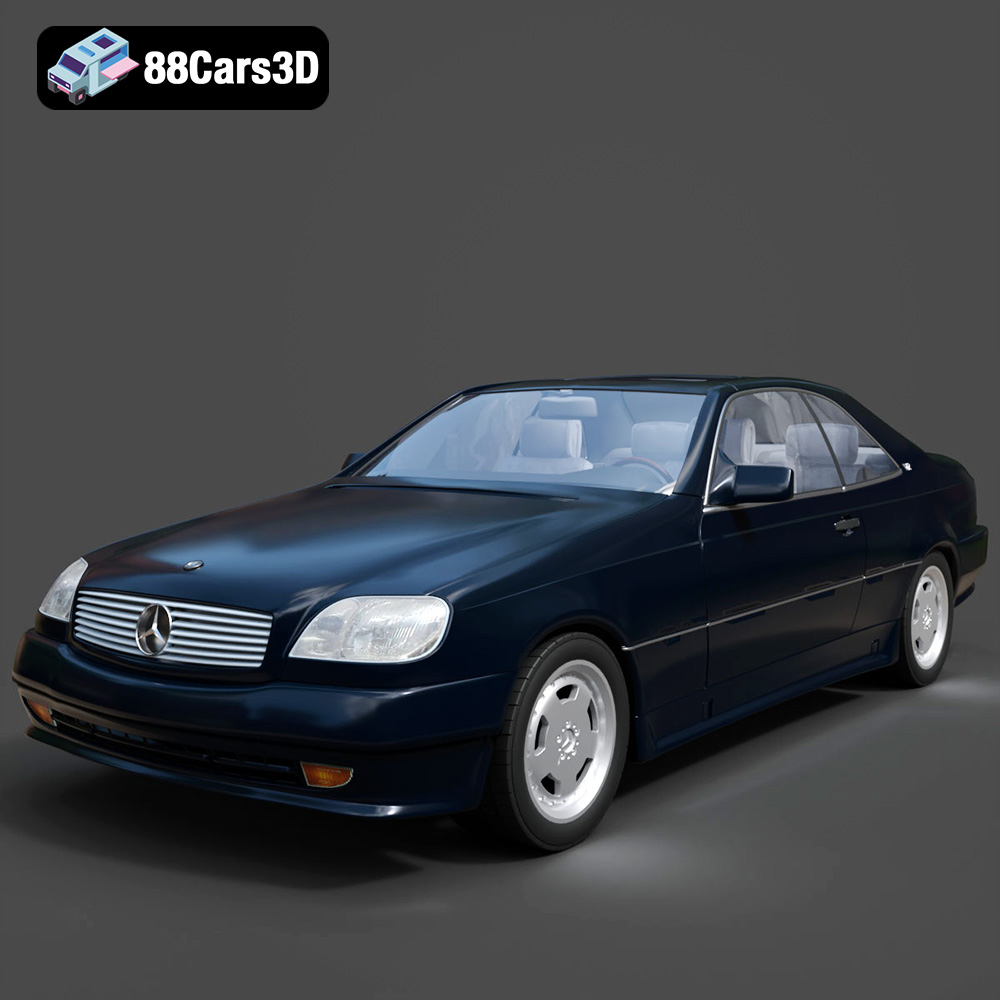
Mercedes 600 SEC W140 1992 3D Model
Texture: Yes
Material: Yes
Download the Mercedes 600 SEC W140 1992 3D Model featuring clean geometry, realistic detailing, and a fully modeled interior. Includes .blend, .fbx, .obj, .glb, .stl, .ply, .unreal, and .max formats for rendering, simulation, and game development.
Price: $23.99
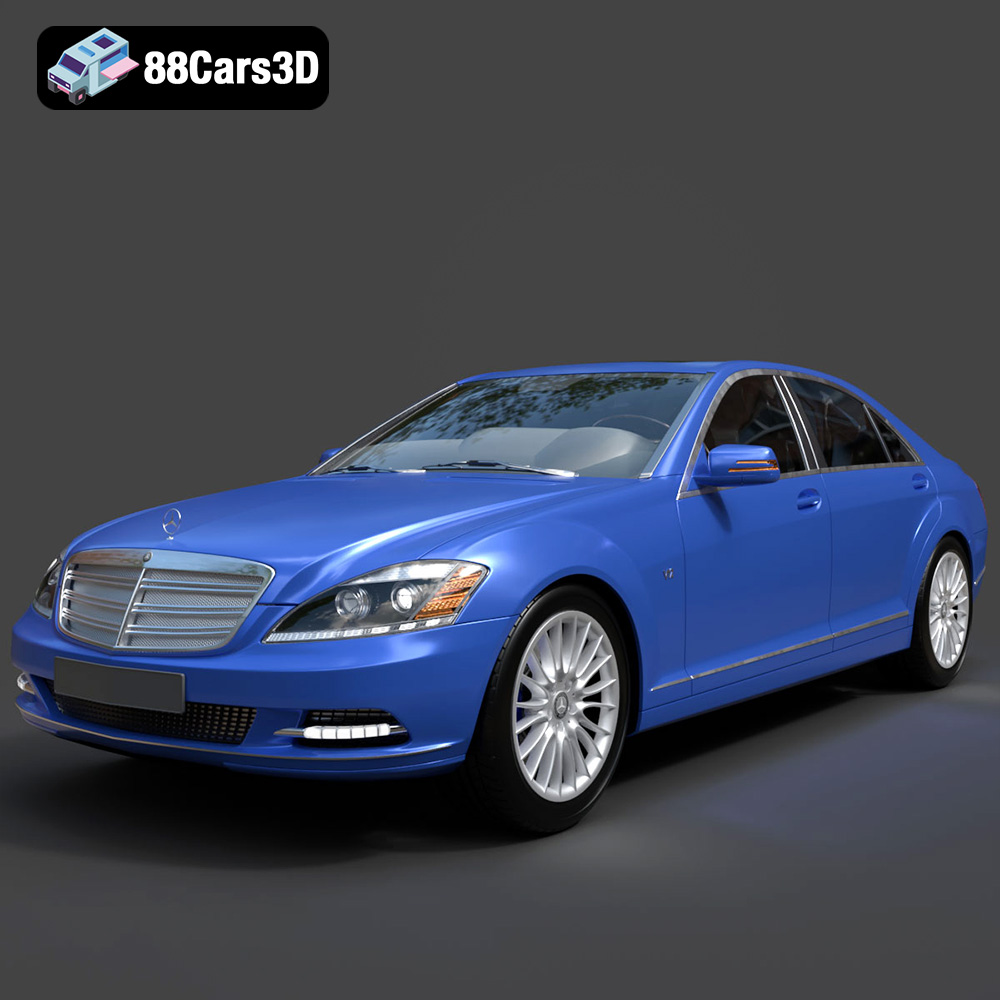
Mercedes S-Class 2010 3D Model
Texture: Yes
Material: Yes
Download the Mercedes S-Class 2010 3D Model featuring clean geometry, realistic detailing, and a fully modeled interior. Includes .blend, .fbx, .obj, .glb, .stl, .ply, .unreal, and .max formats for rendering, simulation, and game development.
Price: $23.99
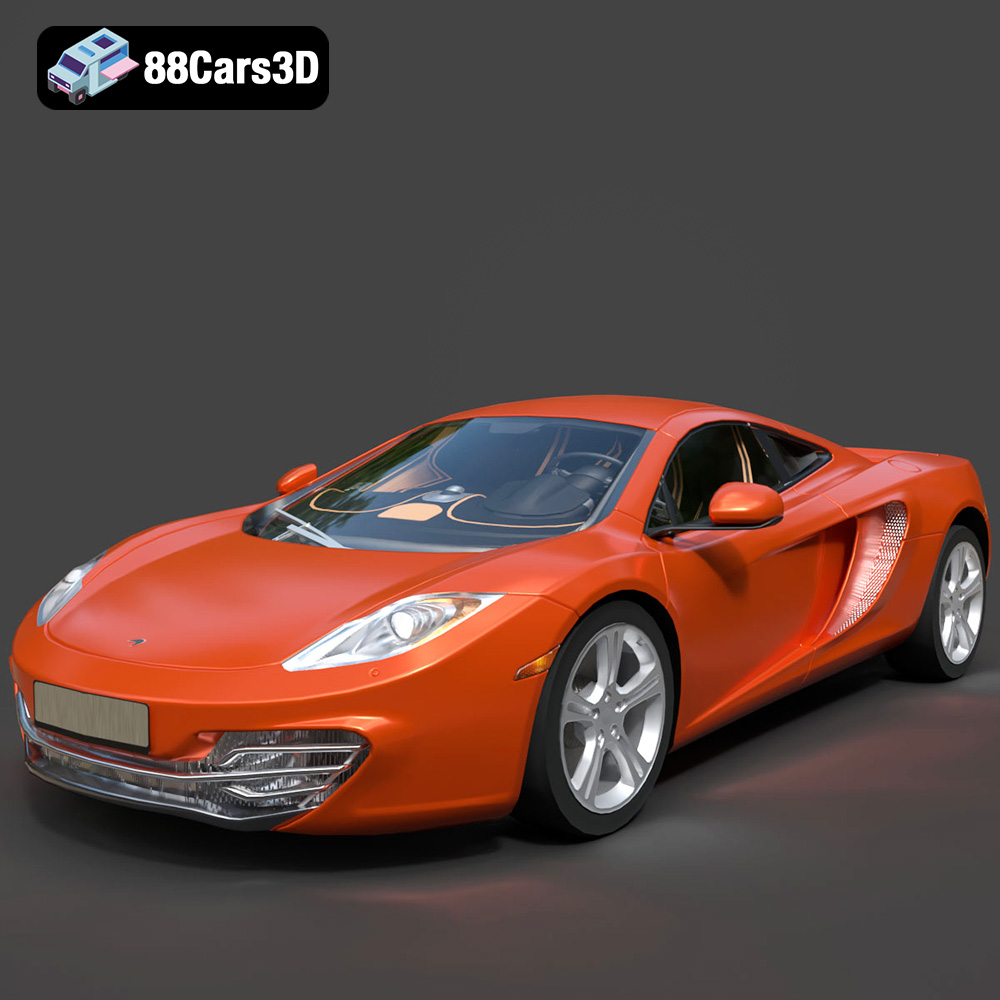
McLaren MP4-12C-001 3D Model
Texture: Yes
Material: Yes
Download the McLaren MP4-12C-001 3D Model featuring clean geometry, realistic detailing, and a fully modeled interior. Includes .blend, .fbx, .obj, .glb, .stl, .ply, .unreal, and .max formats for rendering, simulation, and game development.
Price: $23.99

Mercedes-Benz SLK 350 2005 3D Model
Texture: Yes
Material: Yes
Download the Mercedes-Benz SLK 350 2005 3D Model featuring clean geometry, realistic detailing, and a fully modeled interior. Includes .blend, .fbx, .obj, .glb, .stl, .ply, .unreal, and .max formats for rendering, simulation, and game development.
Price: $23.99
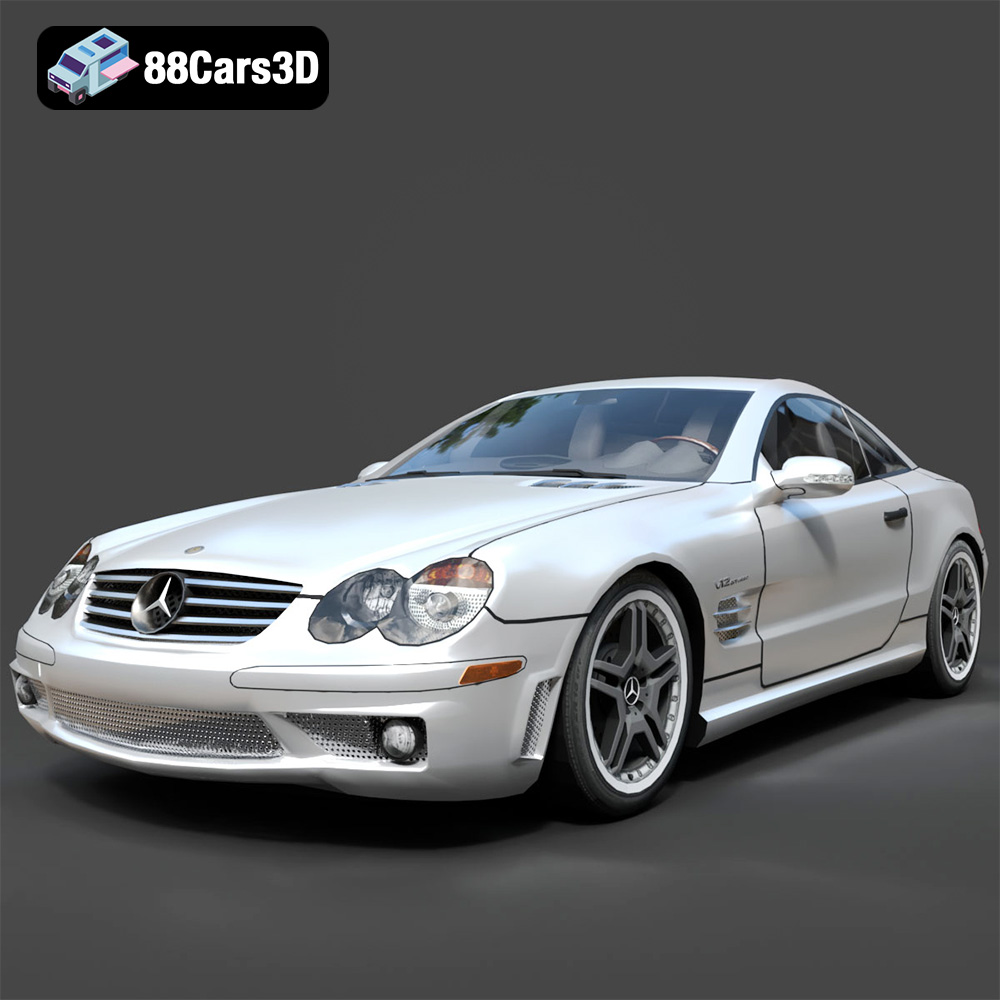
Mercedes-Benz SL 65 AMG 3D Model
Texture: Yes
Material: Yes
Download the Mercedes-Benz SL 65 AMG 3D Model featuring clean geometry, realistic detailing, and a fully modeled interior. Includes .blend, .fbx, .obj, .glb, .stl, .ply, .unreal, and .max formats for rendering, simulation, and game development.
Price: $23.99
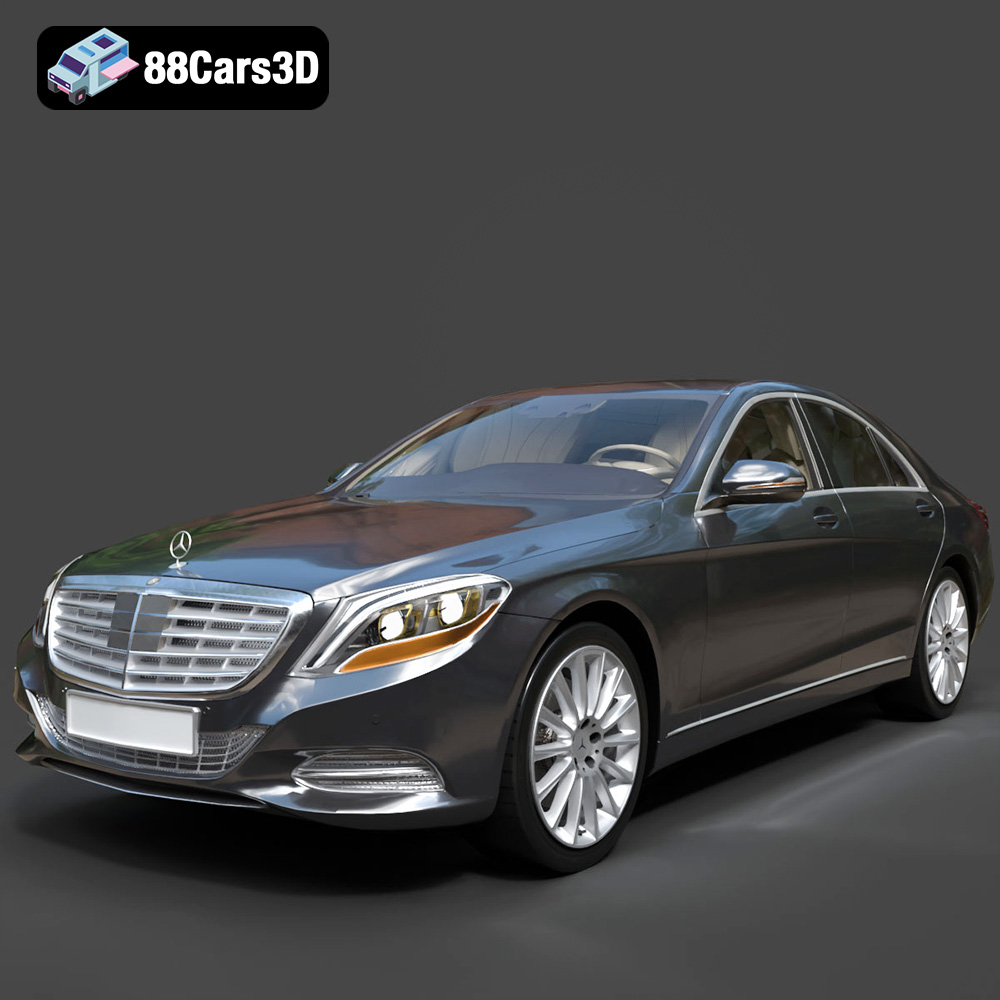
Mercedes-Benz S500 3D Model
Texture: Yes
Material: Yes
Download the Mercedes-Benz S500 3D Model featuring clean geometry, realistic detailing, and a fully modeled interior. Includes .blend, .fbx, .obj, .glb, .stl, .ply, .unreal, and .max formats for rendering, simulation, and game development.
Price: $23.99
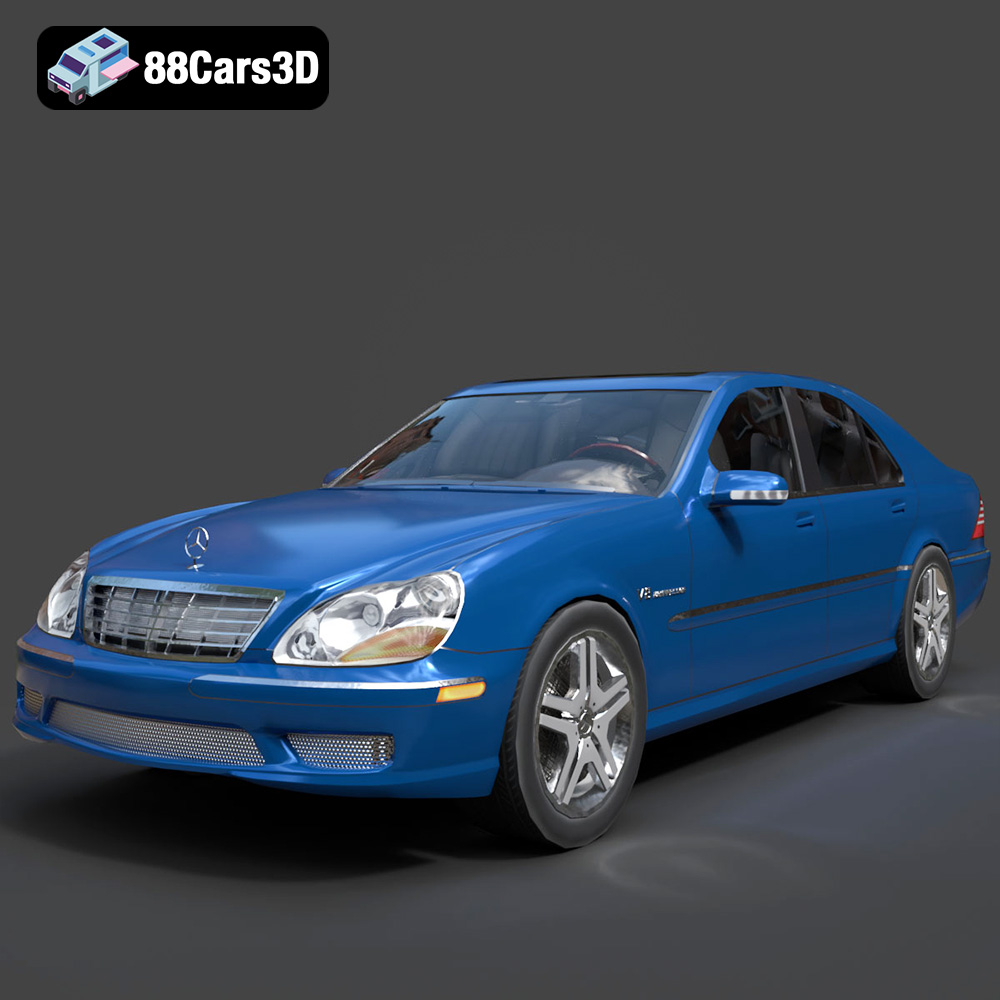
Mercedes-Benz S55 W220 AMG 1999 3D Model
Texture: Yes
Material: Yes
Download the Mercedes-Benz S55 W220 AMG 1999 3D Model featuring clean geometry, realistic detailing, and a fully modeled interior. Includes .blend, .fbx, .obj, .glb, .stl, .ply, .unreal, and .max formats for rendering, simulation, and game development.
Price: $23.99
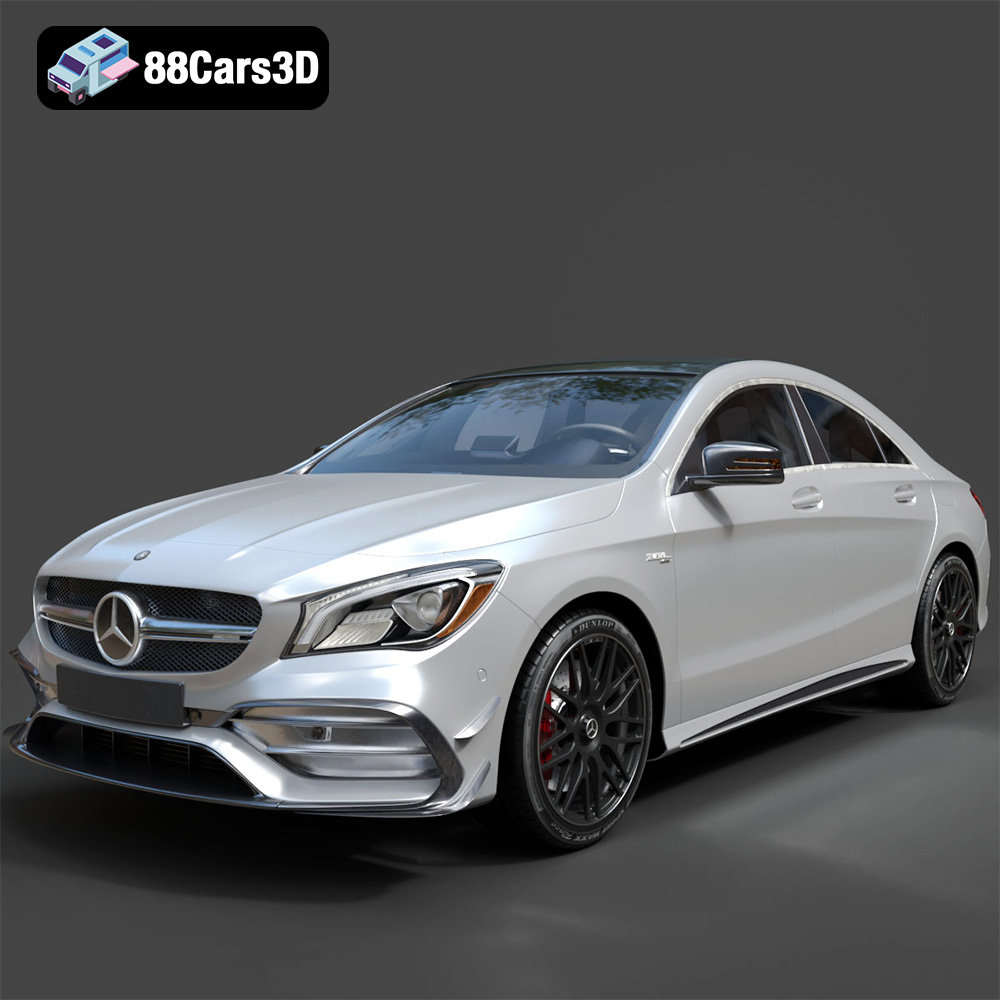
Mercedes-Benz CLA45 AMG 2017 3D Model
Texture: Yes
Material: Yes
Download the Mercedes-Benz CLA45 AMG 2017 3D Model featuring clean geometry, realistic detailing, and a fully modeled interior. Includes .blend, .fbx, .obj, .glb, .stl, .ply, .unreal, and .max formats for rendering, simulation, and game development.
Price: $38.99
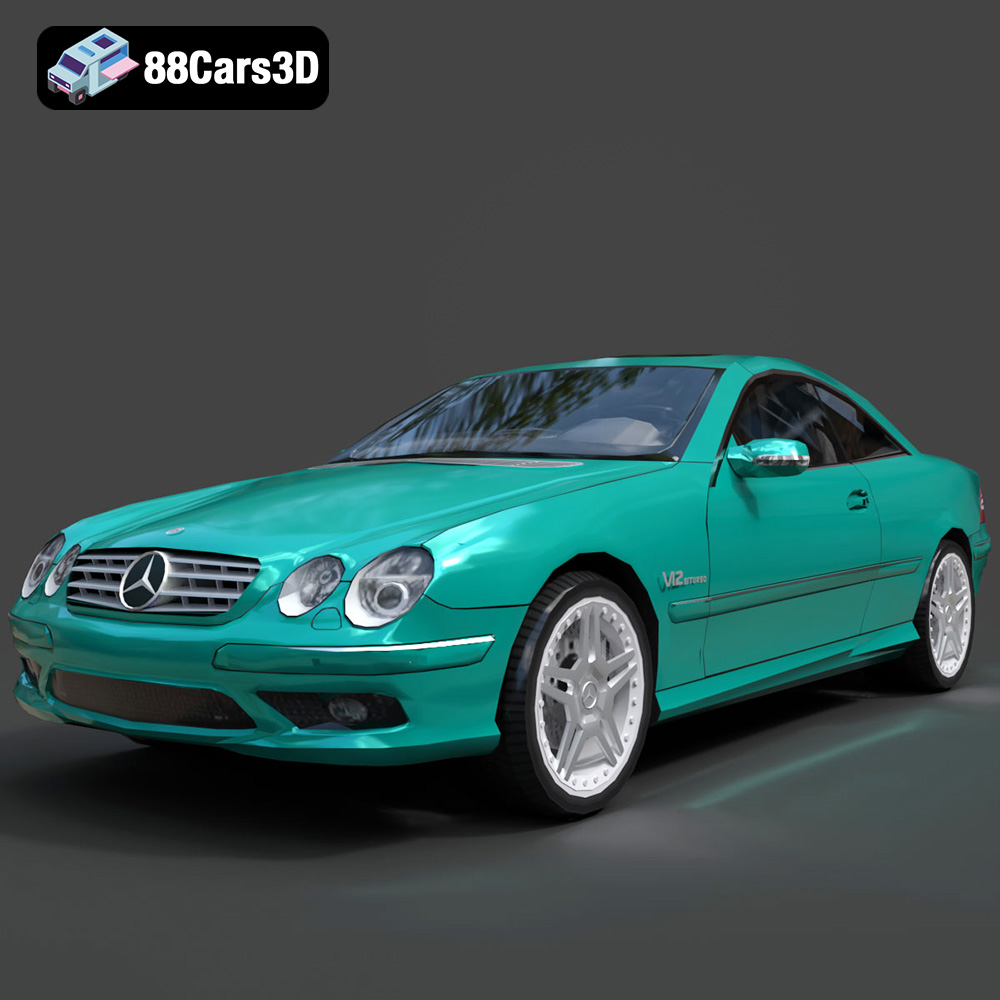
Mercedes-Benz CL65 C215 AMG 3D Model
Texture: Yes
Material: Yes
Download the Mercedes-Benz CL65 C215 AMG 3D Model featuring clean geometry, realistic detailing, and a fully modeled interior. Includes .blend, .fbx, .obj, .glb, .stl, .ply, .unreal, and .max formats for rendering, simulation, and game development.
Price: $23.99
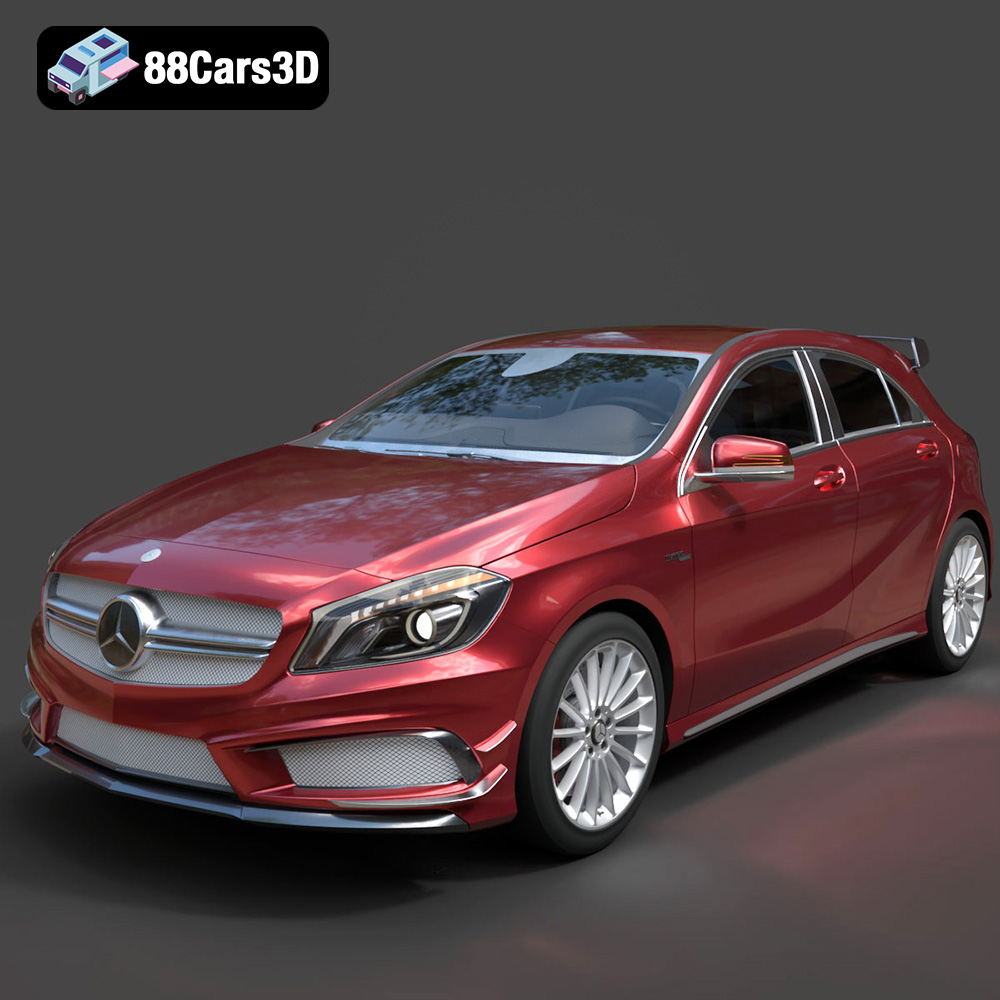
Mercedes-Benz A45 2021 3D Model
Texture: Yes
Material: Yes
Download the Mercedes-Benz A45 2021 3D Model featuring clean geometry, realistic detailing, and a fully modeled interior. Includes .blend, .fbx, .obj, .glb, .stl, .ply, .unreal, and .max formats for rendering, simulation, and game development.
Price: $23.99
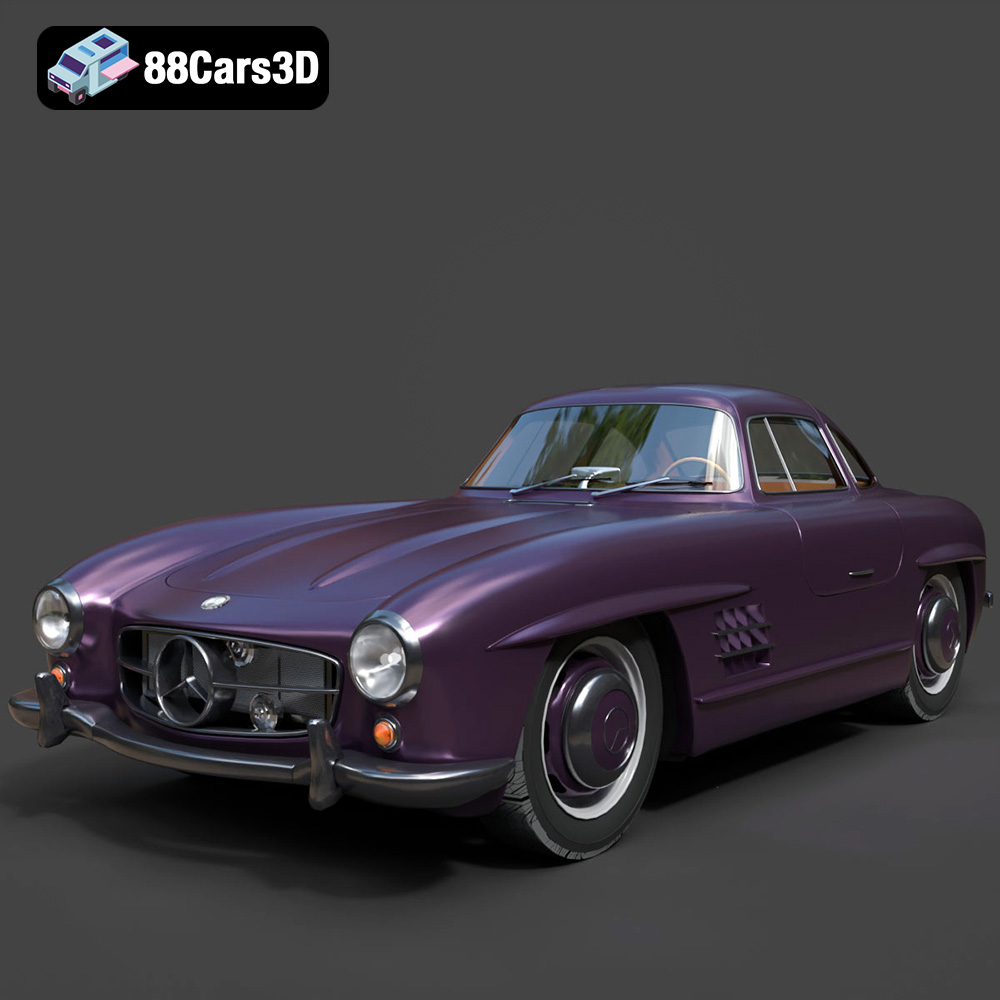
Mercedes-Benz 300SL 1955 3D Model
Texture: Yes
Material: Yes
Download the Mercedes-Benz 300SL 1955 3D Model featuring clean geometry, realistic detailing, and a fully modeled interior. Includes .blend, .fbx, .obj, .glb, .stl, .ply, .unreal, and .max formats for rendering, simulation, and game development.
Price: $23.99
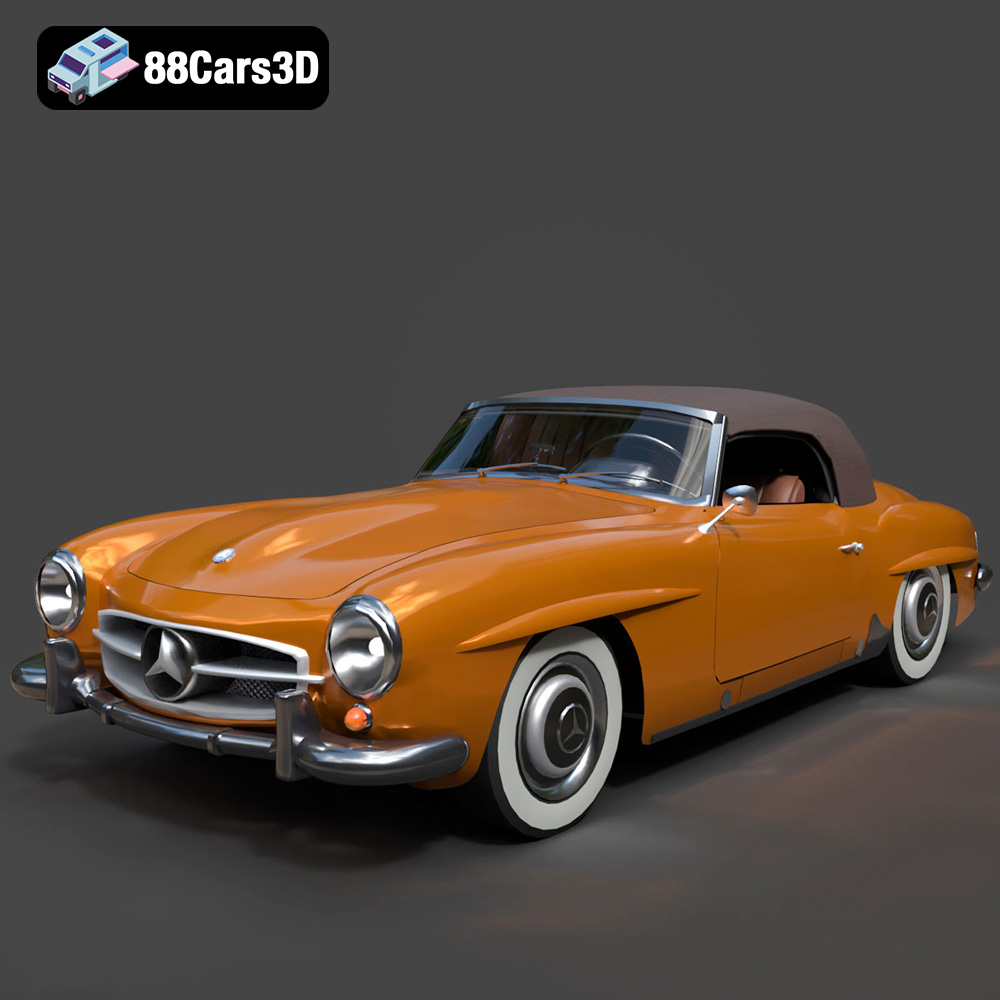
Mercedes-Benz 190SL 1955 3D Model
Texture: Yes
Material: Yes
Download the Mercedes-Benz 190SL 1955 3D Model featuring clean geometry, realistic detailing, and a fully modeled interior. Includes .blend, .fbx, .obj, .glb, .stl, .ply, .unreal, and .max formats for rendering, simulation, and game development.
Price: $23.99
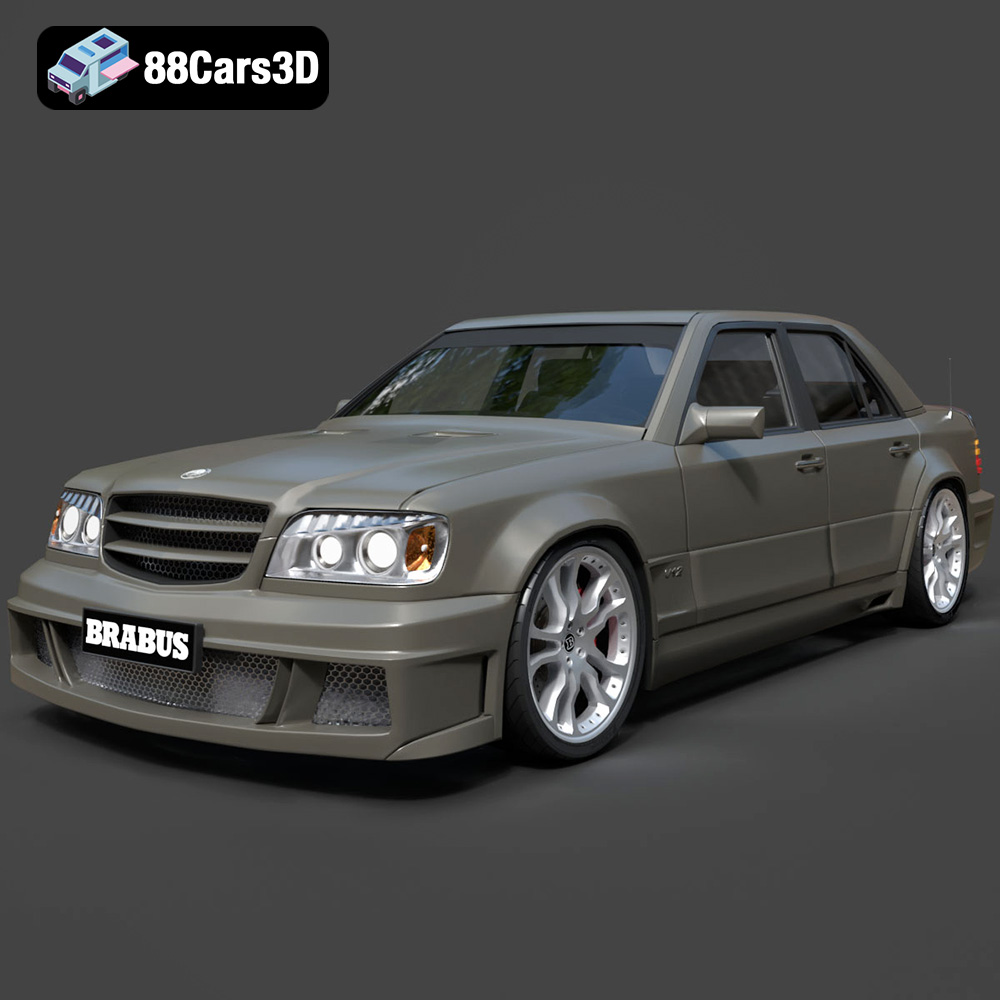
Mercedes-Benz W124 Brabus V12 3D Model
Texture: Yes
Material: Yes
Download the Mercedes-Benz W124 Brabus V12 3D Model featuring clean geometry, realistic detailing, and a fully modeled interior. Includes .blend, .fbx, .obj, .glb, .stl, .ply, .unreal, and .max formats for rendering, simulation, and game development.
Price: $23.99
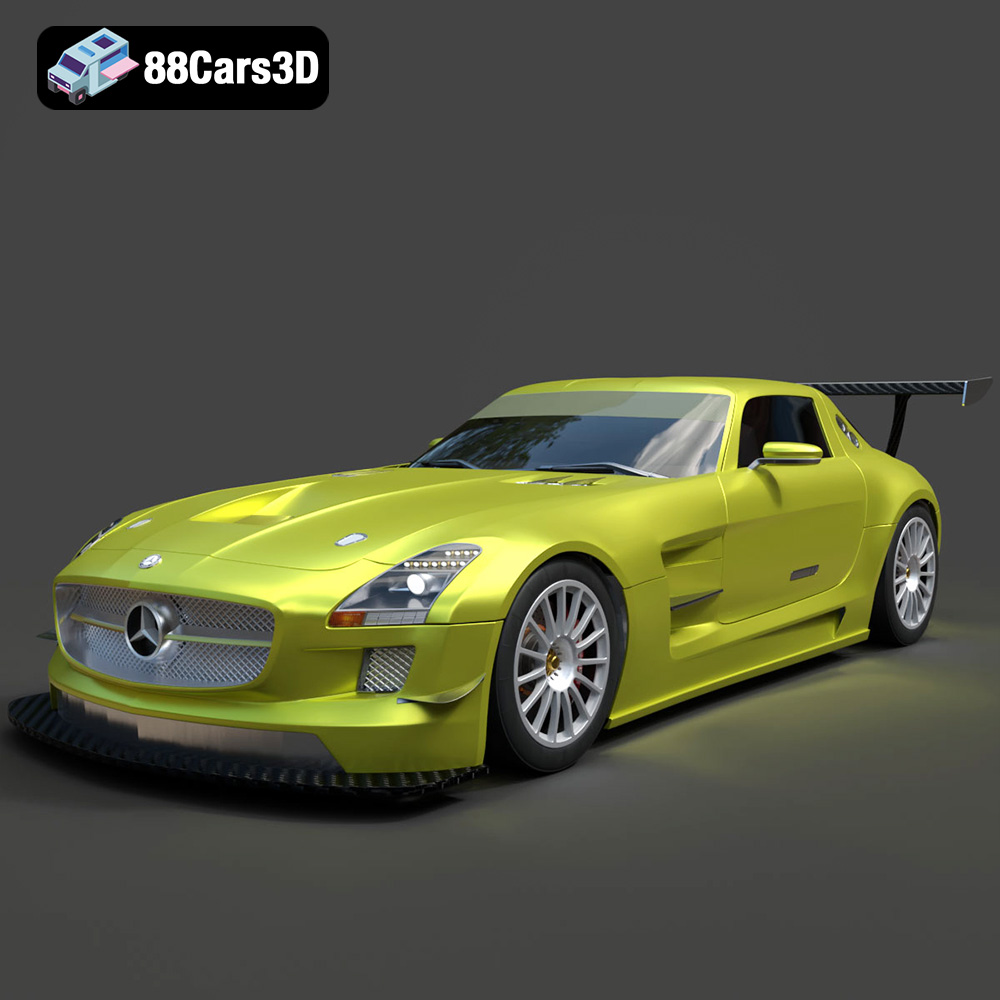
Mercedes-Benz SLS AMG GT3-002 3D Model
Texture: Yes
Material: Yes
Download the Mercedes-Benz SLS AMG GT3-002 3D Model featuring clean geometry, realistic detailing, and a fully modeled interior. Includes .blend, .fbx, .obj, .glb, .stl, .ply, .unreal, and .max formats for rendering, simulation, and game development.
Price: $38.99

Mercedes-Benz C-Class-001 3D Model
Texture: Yes
Material: Yes
Download the Mercedes-Benz C-Class-001 3D Model featuring clean geometry, realistic detailing, and a fully modeled interior. Includes .blend, .fbx, .obj, .glb, .stl, .ply, .unreal, and .max formats for rendering, simulation, and game development.
Price: $38.99
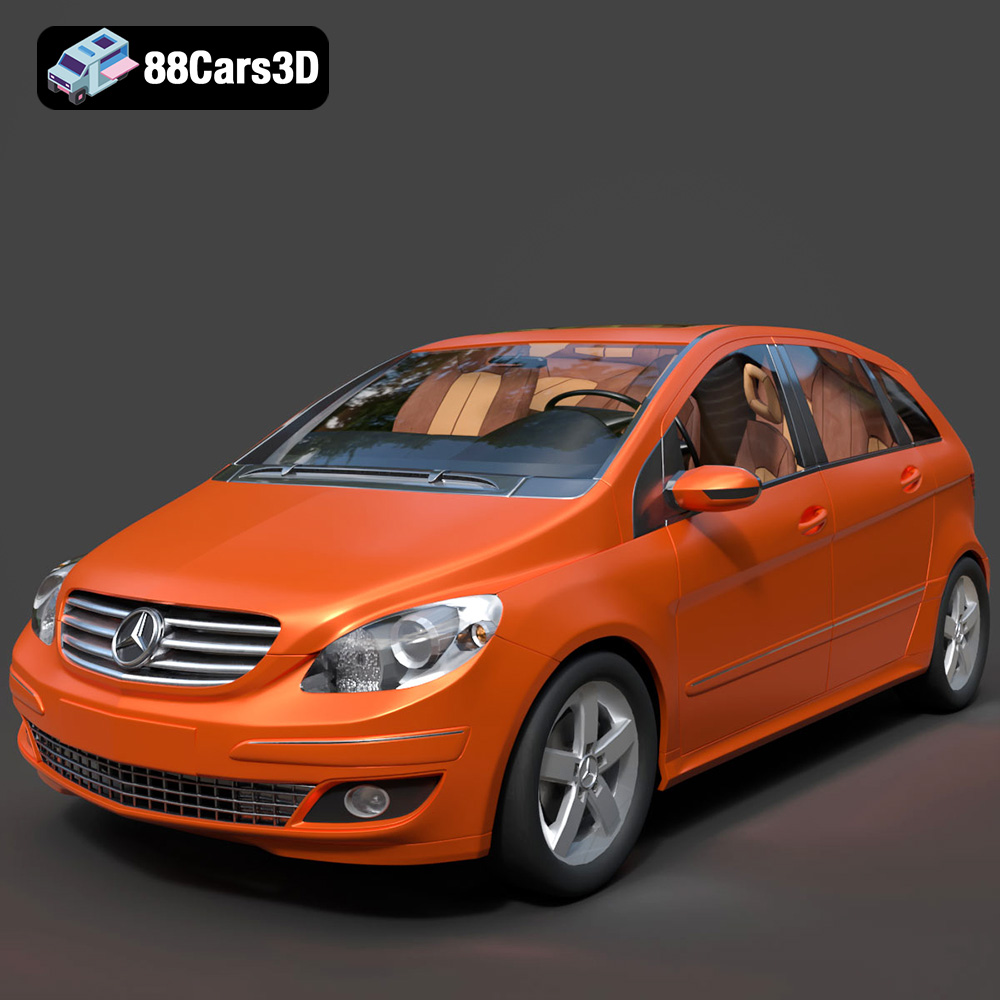
Mercedes-Benz B-Klasse 2023 3D Model
Texture: Yes
Material: Yes
Download the Mercedes-Benz B-Klasse 2023 3D Model featuring clean geometry, realistic detailing, and a fully modeled interior. Includes .blend, .fbx, .obj, .glb, .stl, .ply, .unreal, and .max formats for rendering, simulation, and game development.
Price: $38.99
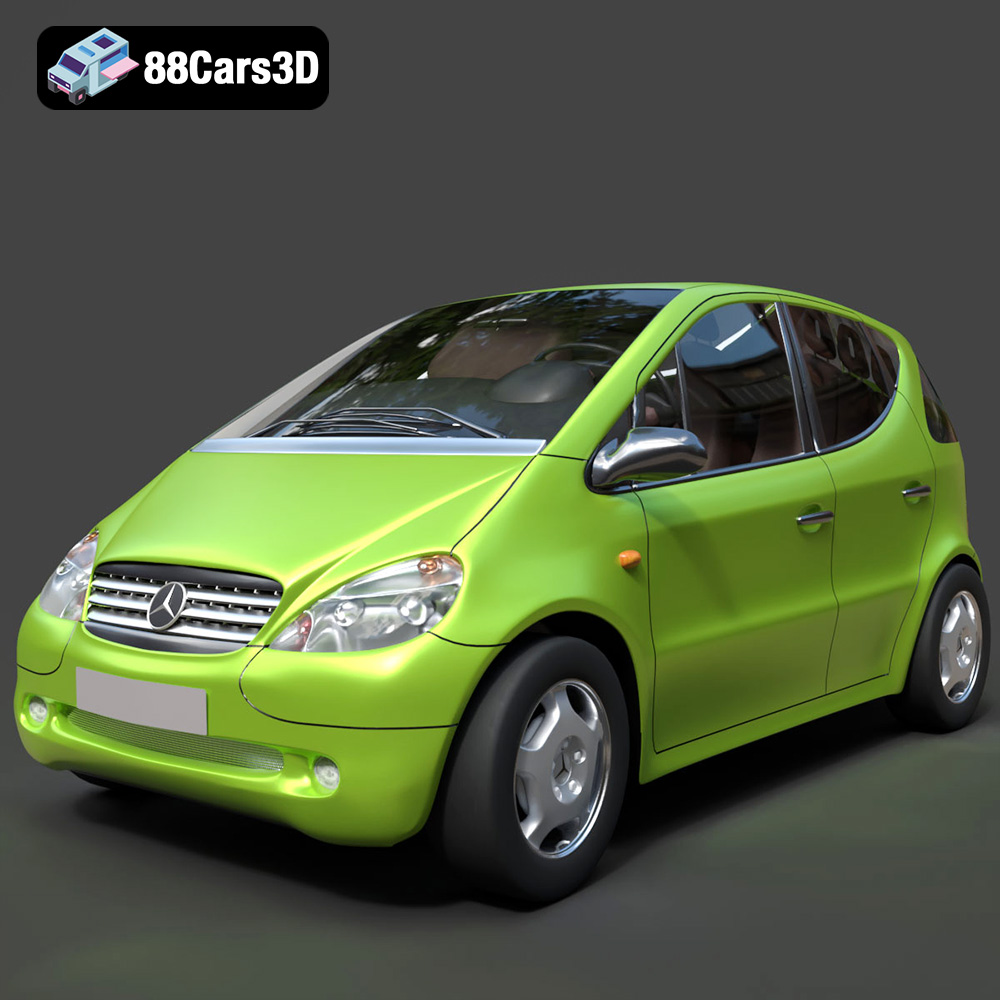
Mercedes-Benz A-Klasse W168 3D Model
Texture: Yes
Material: Yes
Download the Mercedes-Benz A-Klasse W168 3D Model featuring clean geometry, realistic detailing, and a fully modeled interior. Includes .blend, .fbx, .obj, .glb, .stl, .ply, .unreal, and .max formats for rendering, simulation, and game development.
Price: $38.99
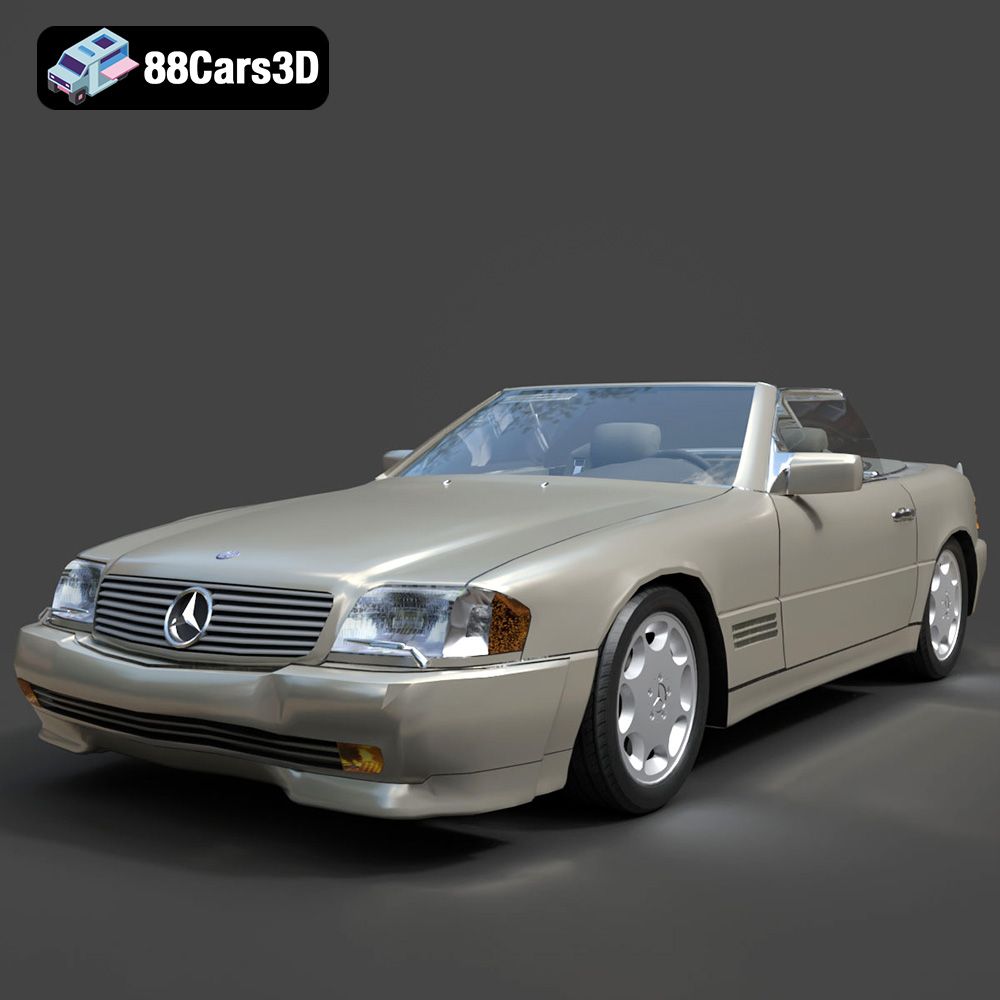
Mercedes-Benz 500SL 2000 3D Model
Texture: Yes
Material: Yes
Download the Mercedes-Benz 500SL 2000 3D Model featuring clean geometry, realistic detailing, and a fully modeled interior. Includes .blend, .fbx, .obj, .glb, .stl, .ply, .unreal, and .max formats for rendering, simulation, and game development.
Price: $38.99
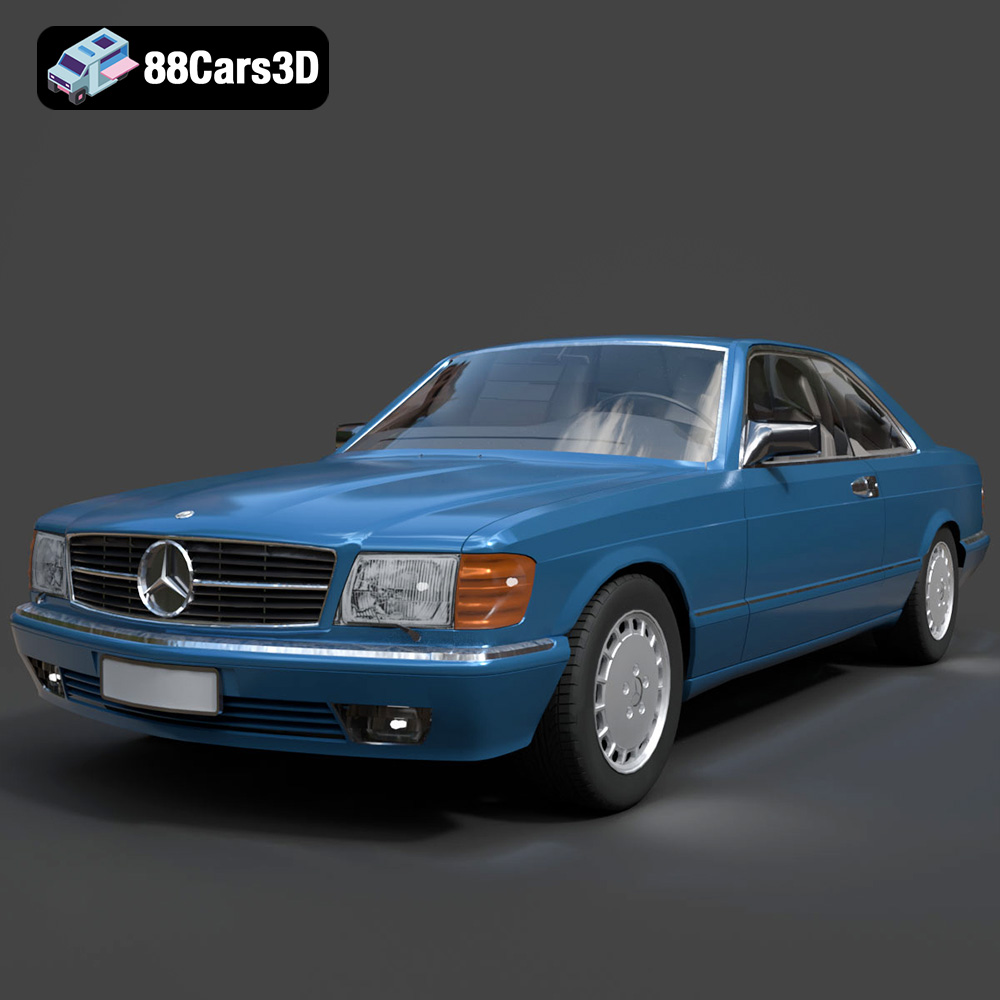
Mercedes-Benz 500SEC 3D Model
Texture: Yes
Material: Yes
Download the Mercedes-Benz 500SEC 3D Model featuring clean geometry, realistic detailing, and a fully modeled interior. Includes .blend, .fbx, .obj, .glb, .stl, .ply, .unreal, and .max formats for rendering, simulation, and game development.
Price: $38.99
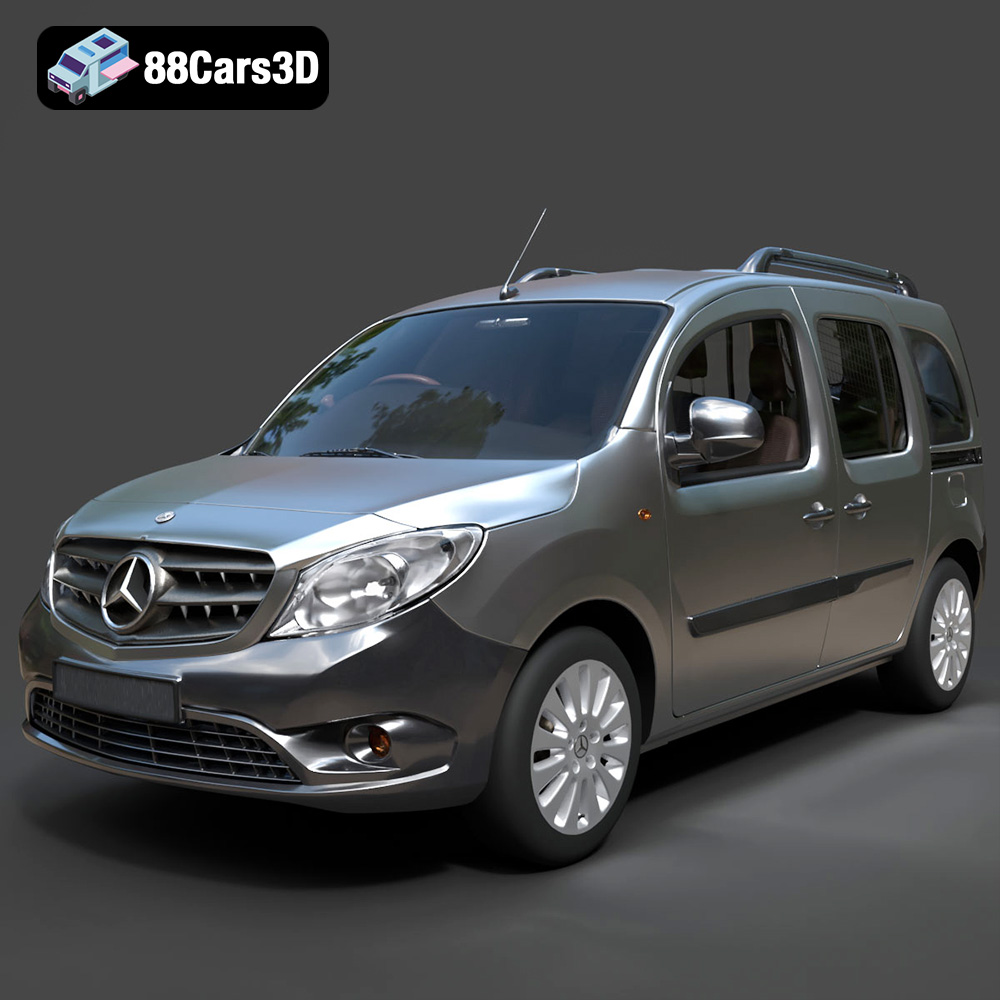
Mercedes-Benz Citan 2025 3D Model
Texture: Yes
Material: Yes
Download the Mercedes-Benz Citan 2025 3D Model featuring clean geometry, realistic detailing, and a fully modeled interior. Includes .blend, .fbx, .obj, .glb, .stl, .ply, .unreal, and .max formats for rendering, simulation, and game development.
Price: $38.99
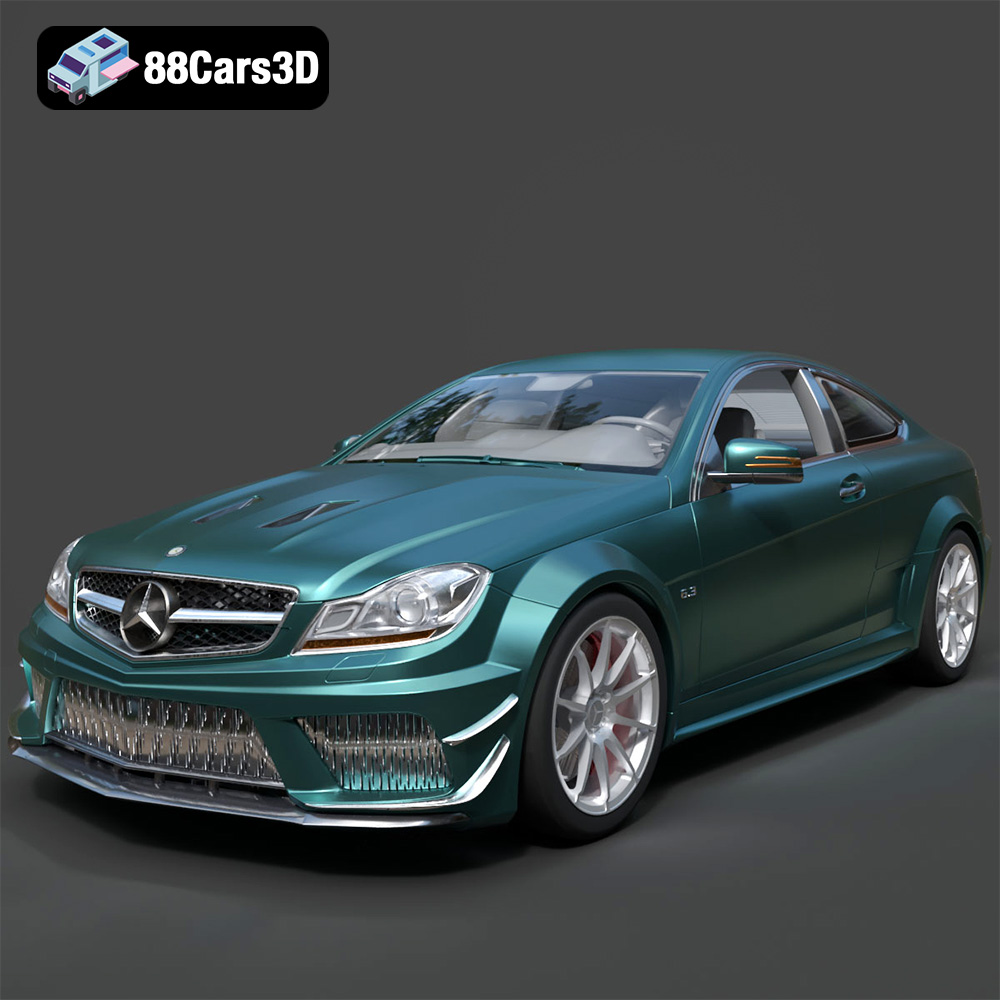
Mercedes-Benz C63 AMG 2012 3D Model
Texture: Yes
Material: Yes
Download the Mercedes-Benz C63 AMG 2012 3D Model featuring clean geometry, realistic detailing, and a fully modeled interior. Includes .blend, .fbx, .obj, .glb, .stl, .ply, .unreal, and .max formats for rendering, simulation, and game development.
Price: $38.99
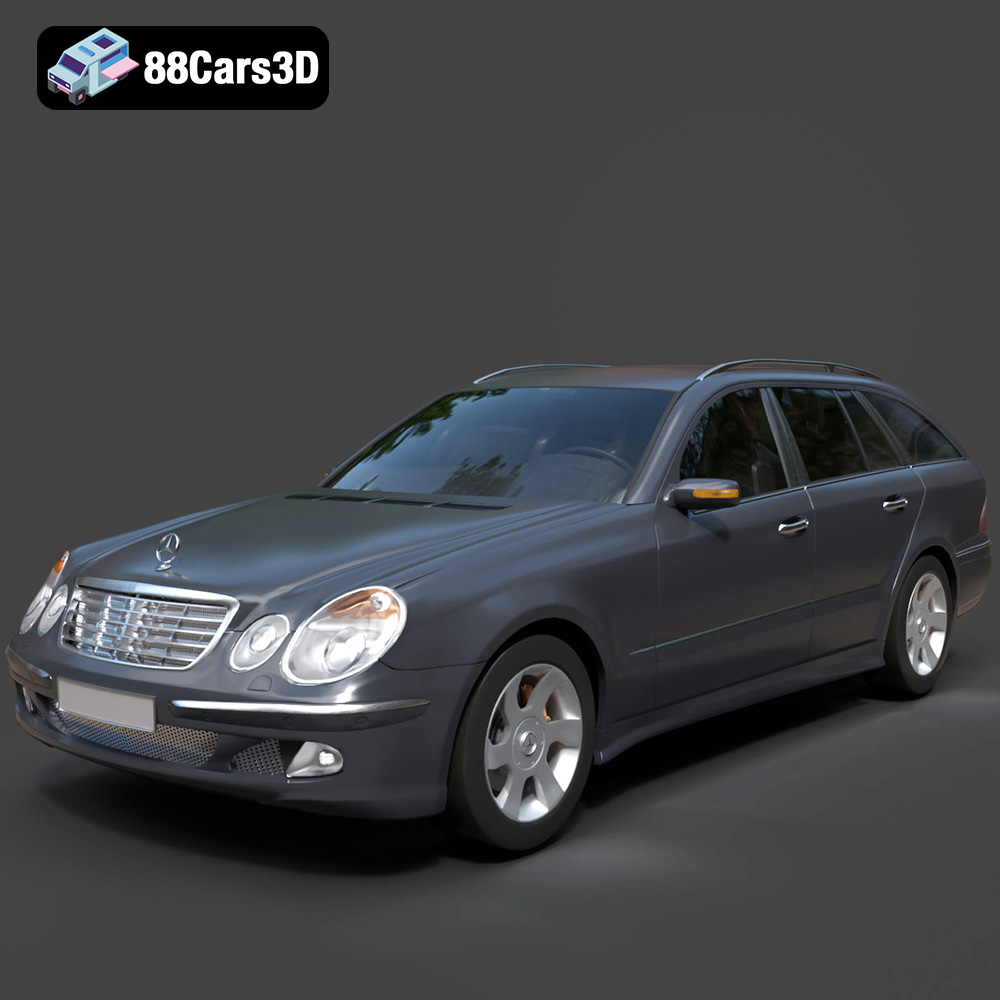
Mercedes-Benz E-Class S211 3D Model
Texture: Yes
Material: Yes
Download the Mercedes-Benz E-Class S211 3D Model featuring clean geometry, realistic detailing, and a fully modeled interior. Includes .blend, .fbx, .obj, .glb, .stl, .ply, .unreal, and .max formats for rendering, simulation, and game development.
Price: $38.99
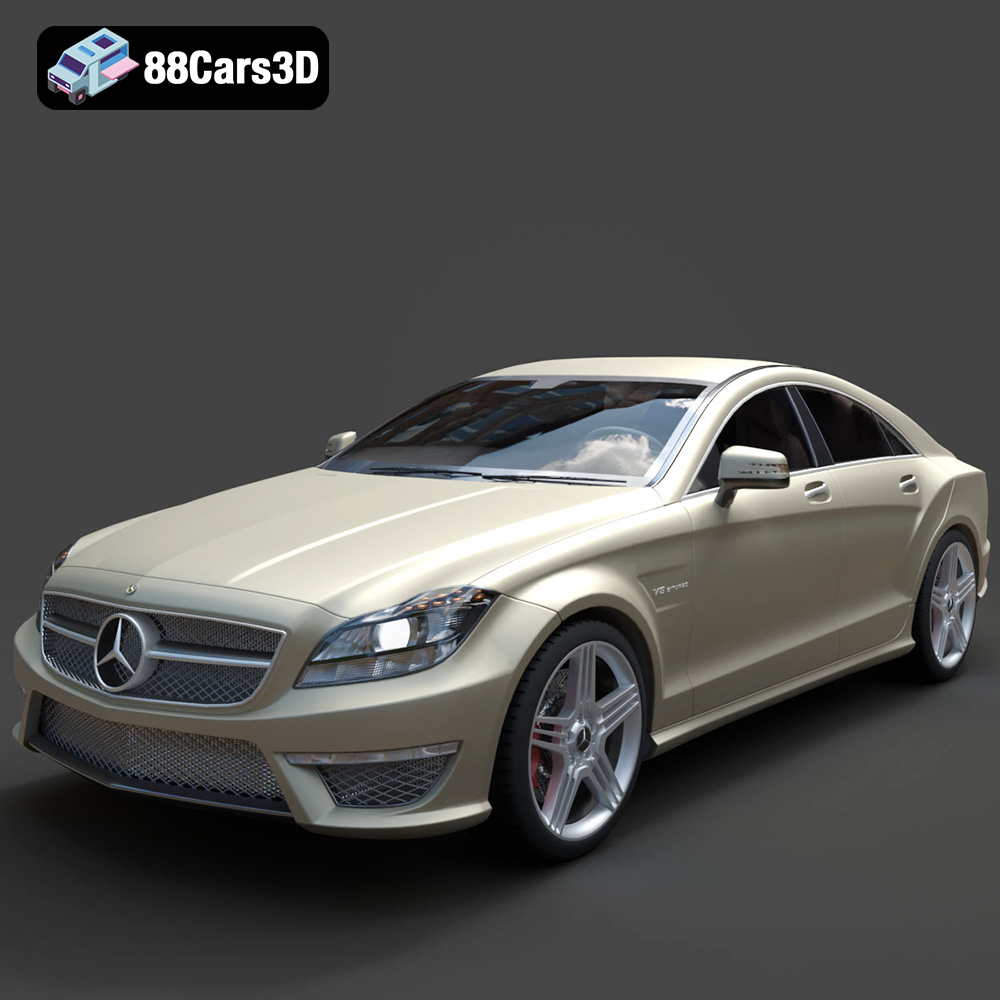
Mercedes-Benz CLS63 AMG (C218) 2014 3D Model
Texture: Yes
Material: Yes
Download the Mercedes-Benz CLS63 AMG (C218) 2014 3D Model featuring clean geometry, realistic detailing, and a fully modeled interior. Includes .blend, .fbx, .obj, .glb, .stl, .ply, .unreal, and .max formats for rendering, simulation, and game development.
Price: $38.99
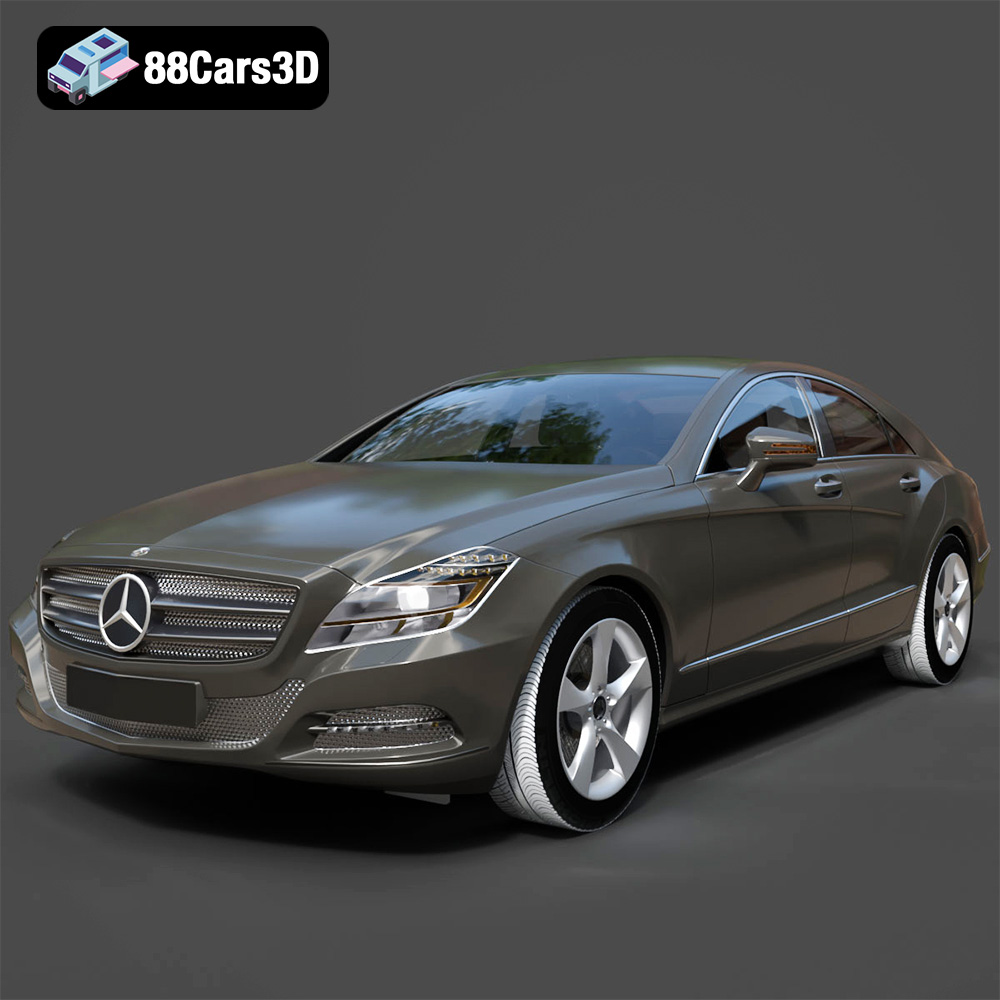
Mercedes-Benz CLS-Klasse 3D Model
Texture: Yes
Material: Yes
Download the Mercedes-Benz CLS-Klasse 3D Model featuring clean geometry, realistic detailing, and a fully modeled interior. Includes .blend, .fbx, .obj, .glb, .stl, .ply, .unreal, and .max formats for rendering, simulation, and game development.
Price: $38.99
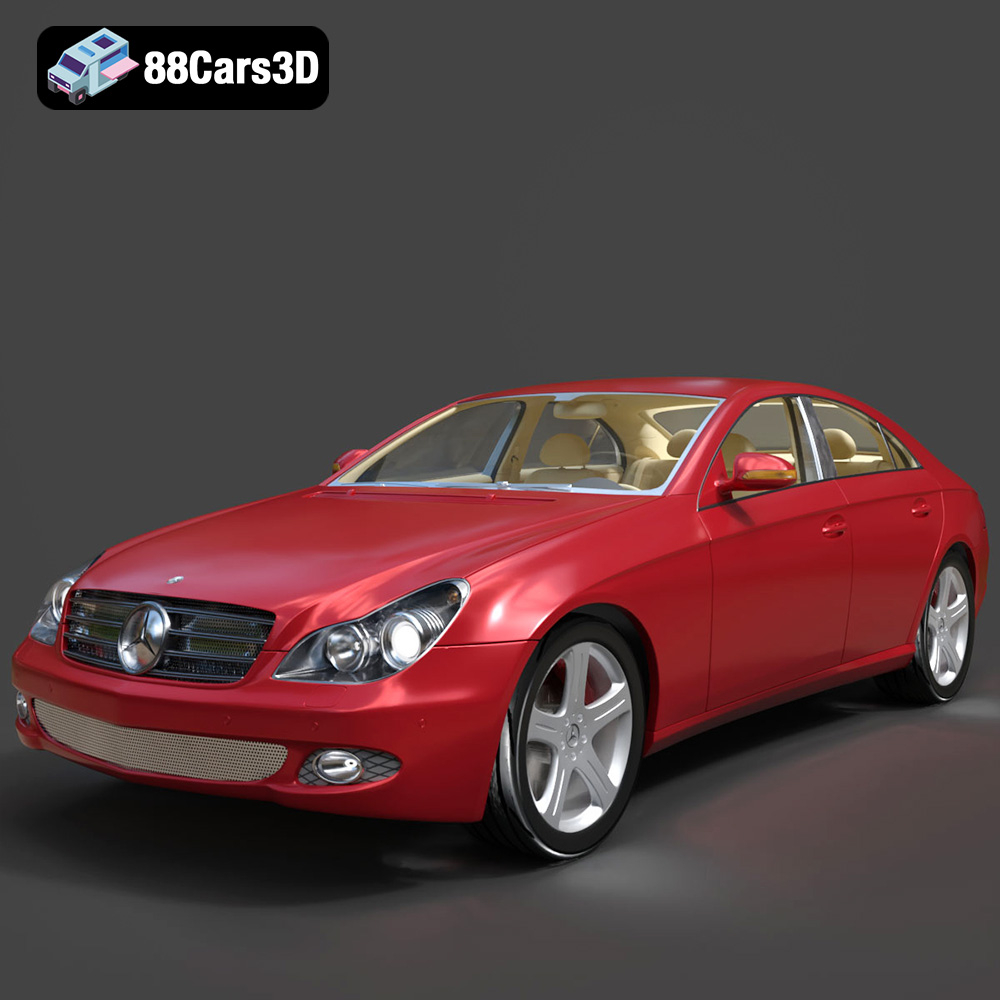
Mercedes-Benz CLS 500 3D Model
Texture: Yes
Material: Yes
Download the Mercedes-Benz CLS 500 3D Model featuring clean geometry, realistic detailing, and a fully modeled interior. Includes .blend, .fbx, .obj, .glb, .stl, .ply, .unreal, and .max formats for rendering, simulation, and game development.
Price: $38.99
