
The Foundation: Pre-UE5 Preparation and Data Ingestion

The quest for unparalleled visual fidelity in 3D car models has long driven the boundaries of computer graphics. From static renders to dynamic interactive experiences, achieving photorealism in real-time environments presents a unique set of challenges. High-end automotive design data, often brimming with intricate details and vast polygon counts, historically pushed engines to their limits.
Fortunately, Unreal Engine 5 (UE5) has emerged as a game-changer, offering a robust ecosystem tailored for next-generation visuals and performance. This deep dive will guide you through mastering the Unreal Engine 5 automotive workflow, transforming high-fidelity vehicle assets into breathtaking, performant real-time experiences. We’ll explore everything from initial data preparation to advanced material setups and crucial optimization strategies, ensuring your 3D cars shine.
The Foundation: Pre-UE5 Preparation and Data Ingestion
Before any pixel is rendered in Unreal Engine 5, the quality of your source data is paramount. High-fidelity automotive models, whether originating from CAD software or traditional DCC applications, require meticulous preparation. This foundational step ensures a smooth transition into UE5 and lays the groundwork for optimal performance and visual quality.
Preparing High-Fidelity Automotive Models
Automotive design often starts in CAD (Computer-Aided Design) software, which generates precise, engineering-grade geometry. While incredibly accurate, this data typically consists of NURBS or highly tessellated meshes that aren’t immediately optimized for real-time rendering. Converting and cleaning this geometry is the first critical step.
- Tessellation Control: When converting CAD data to polygon meshes, carefully manage the tessellation density. Aim for sufficient detail to capture smooth curves without creating excessive, unnecessary triangles. Over-tessellation can lead to performance bottlenecks, even with tools like Nanite.
- Initial Mesh Cleanup: Even DCC applications can produce less-than-ideal meshes. Address common issues such as N-gons (polygons with more than four sides), non-manifold geometry (edges shared by more than two faces), and duplicate vertices. These can cause rendering artifacts and complicate UV unwrapping.
- UV Unwrapping Strategy: Plan your UVs early. Unique UVs are essential for high-quality texture mapping and light baking. Overlapping UVs, while sometimes useful for tiling textures, can create issues with baked lighting or specific material effects.
For those seeking a head start with meticulously prepared models, 88cars3d.com offers a curated selection of high-quality 3D car models that often come pre-optimized, saving significant time in this initial cleanup phase.
Efficient Data Ingestion with Datasmith
Once your high-fidelity models are prepped, bringing them into Unreal Engine 5 efficiently is crucial. This is where Datasmith for automotive models truly shines. Datasmith is a powerful toolkit designed to import complex scene data, including geometry, hierarchies, materials, and metadata, from various CAD and DCC applications into Unreal Engine.
The benefits of using Datasmith are manifold:
- Preserved Hierarchy: Datasmith maintains the original scene hierarchy, making it easier to manage complex assemblies like car components (doors, wheels, engine parts).
- Automated Material Conversion: It intelligently attempts to convert source materials into basic Unreal Engine materials, providing a good starting point for your PBR material setup.
- Metadata Retention: Important metadata from CAD files, such as part names or material properties, can be imported, which is invaluable for scripting interactive features like a real-time car configurator.
- Robust Geometry Handling: Datasmith is designed to handle the often-dense geometry from CAD sources, preparing it for subsequent optimization within UE5.
The Datasmith workflow typically involves exporting your scene from your CAD or DCC software using a Datasmith plugin, then importing the resulting file directly into Unreal Engine 5. This streamlined process minimizes manual setup and reduces the potential for errors.
Unleashing Unreal Engine 5’s Core Technologies
Unreal Engine 5 introduces revolutionary technologies that fundamentally change how we approach photorealism in real-time. For automotive visualizations, these features are particularly impactful, enabling unprecedented levels of detail and dynamic lighting.
Revolutionizing Geometry with Nanite
One of UE5’s most transformative features is Nanite, a virtualized micropolygon geometry system. For high-fidelity car models, Nanite is nothing short of a revelation. It allows artists to import cinematic-quality assets with millions or even billions of polygons directly into the engine, rendering them in real-time without traditional LOD (Level of Detail) constraints or performance hits.
The implications of Nanite optimization for vehicles are profound:
- Unprecedented Detail: Car designers can bring in their most detailed CAD models, complete with intricate panel gaps, crisp edges, and subtle surface variations, knowing Nanite will handle the complexity. This eliminates the need for time-consuming manual retopology for distant objects.
- Performance Efficiency: Nanite intelligently streams and processes only the visible micropolygons, dynamically scaling detail based on distance and screen space. This means even a dense vehicle mesh can be rendered efficiently, paving the way for truly game-ready car assets optimization.
- Simplified Workflow: Artists can focus on creating high-quality geometry without worrying as much about polygon budgets, freeing up time for artistic refinement rather than technical optimization.
To enable Nanite, simply select your static mesh asset in the Content Browser, right-click, and choose ‘Nanite’ -> ‘Enable Nanite’. While Nanite handles geometric complexity, remember that material complexity and overdraw still need careful consideration.
Illuminating Scenes with Lumen Global Illumination
Equally groundbreaking is Lumen, UE5’s fully dynamic global illumination and reflections system. Lumen calculates indirect lighting bounces and complex reflections in real-time, delivering truly lifelike lighting environments, which is critical for realistic automotive rendering.
For Lumen global illumination automotive scenes, its impact is immediate and dramatic:
- Realistic Light Bounce: Lumen accurately simulates how light bounces off surfaces, illuminating darker areas and coloring ambient light. This is vital for showing off the subtle curves and paint finishes of a car, where indirect light plays a significant role in perception.
- Dynamic Reflections: Car surfaces, especially metallic paints and chrome, are highly reflective. Lumen provides dynamic, high-quality reflections that respond in real-time to changes in the environment, lighting, and camera position.
- Interactive Lighting: With Lumen, you can move light sources, open car doors, or change paint colors, and the global illumination will update instantly. This is invaluable for interactive experiences like a real-time car configurator or virtual production sets.
Lumen works in conjunction with various light sources (directional, sky, point, spot lights) and emissive materials to create a cohesive and believable lighting environment. Fine-tuning Lumen settings in the Project Settings and Post Process Volume is essential to balance visual quality with performance for your specific hardware target.
Mastering Materials and Lighting for Photorealism
While Nanite and Lumen provide the foundational geometry and lighting, it’s the meticulous crafting of materials and sophisticated lighting setups that truly sell the illusion of photorealism. For high-end 3D car models, this stage demands significant attention to detail.
Crafting Photorealistic Car Materials
The materials applied to your car model are arguably the most crucial element in achieving visual authenticity. Every surface, from the glossy clear coat of the paint to the subtle texture of the tires, needs a physically accurate representation. The goal is to create Photorealistic car materials UE5 that react realistically to light.
- Car Paint Shaders: This is often the most complex material. A convincing car paint shader typically involves multiple layers:
- Base Color: The primary hue of the paint.
- Metallic Flakes: A Fresnel-based reflection layer with a noise texture to simulate metallic flakes under the clear coat.
- Clear Coat: A highly reflective, transparent layer that adds depth and gloss. This requires accurate IOR (Index of Refraction) and roughness values.
Many advanced setups use layered materials or material functions to create highly customizable and realistic paint.
- Glass and Transparencies: Car glass needs accurate refraction, reflection, and absorption. Consider using a ‘Thin Translucent’ shading model for realistic windshields and windows, accounting for slight tinting and dirt/smudges.
- Rubber and Tires: Tires require a distinct, rougher look. Use detailed normal maps for tread patterns, roughness maps to simulate the matte finish of rubber, and potentially a subtle displacement map for depth. Don’t forget subtle dirt and wear layers.
- Interior Materials: Leather, fabrics, plastics, and metallic accents all demand unique PBR (Physically Based Rendering) textures. Leverage normal, roughness, and metallic maps to define their specific surface qualities. Emissive materials can be used for dashboard lights and infotainment screens.
Always adhere to PBR principles, ensuring your base color (albedo) values are appropriate and that metallic, roughness, and normal maps are accurately authored for their respective materials. High-resolution textures, ideally 4K or 8K for primary surfaces, are recommended for close-up shots.
Advanced Lighting Setups
Even the best materials will fall flat without expert lighting. Lighting a car scene in UE5 involves a strategic combination of static and dynamic light sources to highlight form, detail, and surface properties, especially with Lumen global illumination automotive active.
- HDRI Environments: High Dynamic Range Image (HDRI) panoramas are indispensable for realistic lighting and reflections. They provide accurate ambient light and reflections that mimic real-world environments, instantly elevating your scene’s realism.
- Directional and Sky Lights: Use a Directional Light to simulate the sun, providing strong shadows and directional illumination. A Sky Light, driven by your HDRI, captures the overall ambient lighting and contributes significantly to indirect illumination via Lumen.
- Fill and Accent Lights: Employ Rect Lights or Spot Lights to act as softboxes, filling in harsh shadows, emphasizing specific contours, or adding cinematic rim lighting. Strategically placed lights can dramatically enhance the perception of quality.
- Controlling Shadows: Ensure shadows are soft and realistic. Adjusting the source radius of your directional light can create softer sun shadows, while Lumen will handle the softness of indirect shadows.
Post-Processing for Cinematic Polish
The final touch in achieving photorealism comes from post-processing effects. These adjustments are applied to the entire rendered image, mimicking the capabilities of a real-world camera and giving your scene a professional, cinematic polish.
- Color Grading: Adjusting hue, saturation, and contrast in a Post Process Volume can establish mood and fine-tune the overall visual aesthetic.
- Bloom and Lens Flares: Subtle bloom can enhance highlights and emissive elements, adding to the sense of realism. Lens flares should be used sparingly for specific camera effects.
- Depth of Field (DOF): A well-placed DOF effect can draw the viewer’s eye to specific details of the car, mimicking a camera’s focus and adding artistic flair.
- Vignette and Chromatic Aberration: Used subtly, these effects can further enhance the camera-like quality of the render.
- Exposure and Tone Mapping: Calibrate your exposure to prevent blown-out highlights or crushed blacks. Tone mapping helps to compress the wide dynamic range of real-world light into a displayable range.
Performance Optimization for Real-Time Applications
Achieving photorealism is one thing; maintaining it at playable frame rates for real-time applications like a real-time car configurator or game environments is another. Optimization is a continuous process that balances visual quality with performance targets. The goal is to deliver stunning visuals efficiently, making your assets truly game-ready car assets optimization.
Strategic Nanite and LOD Management
While Nanite reduces geometric overhead significantly, it’s not a magic bullet for all situations. Strategic implementation is still necessary.
- Nanite Fallback: For very distant objects or non-essential background elements, Nanite can generate an optimized fallback mesh. However, for primary vehicles, relying purely on Nanite’s automatic fallback might not always be the most optimal.
- Manual LODs for Non-Nanite Assets: For elements that cannot use Nanite (e.g., skinned meshes, certain translucency effects, or specific small props in the scene), traditional manual LODs are still essential. Optimize these meshes for various distances to ensure efficient rendering.
- Culling Distances: Adjusting culling distances for static meshes and other actors ensures that objects beyond a certain range are not rendered, saving valuable resources.
Material and Texture Optimization
Materials and textures can often be performance bottlenecks, even with Nanite handling geometry.
- Material Instancing: Utilize Material Instances whenever possible. This allows you to create variations of a master material (e.g., different car paint colors) without recompiling shaders, reducing draw calls and memory usage.
- Shader Complexity: Monitor shader complexity using Unreal Engine’s visualization modes. Complex material graphs with many instructions can be costly. Simplify where possible, consolidate textures, and avoid unnecessary calculations.
- Texture Streaming and Mipmaps: Ensure textures have proper mipmaps generated and that texture streaming is enabled. This allows the engine to load lower-resolution versions of textures when objects are further away, saving VRAM.
- Virtual Textures (VT): For very large, detailed surfaces like intricate road environments or large backdrops in a virtual production vehicles scene, Virtual Textures can efficiently stream vast amounts of texture data, providing high detail without crushing memory.
Scene Optimization and Culling
Beyond individual assets, optimizing the overall scene structure is vital.
- Occlusion Culling: Unreal Engine’s built-in occlusion culling prevents objects hidden behind other objects from being rendered. Ensure your scene geometry is structured to maximize this effect.
- Frustum Culling: Objects outside the camera’s view frustum are automatically culled. This is a fundamental optimization that works out of the box.
- Blueprint Instancing: For repetitive elements like fence posts or modular building pieces, using Hierarchical Instanced Static Mesh Components (HISM) or Instanced Static Mesh Components (ISM) can dramatically reduce draw calls.
- Baked Lighting: While Lumen provides dynamic global illumination, for static parts of the environment that don’t change, consider baking some lighting information. This can offload some of Lumen’s work and free up resources for dynamic elements like the car itself. This is especially useful for creating efficient game-ready car assets optimization.
Applications: From Configurators to Virtual Production
The mastery of high-end 3D car models in Unreal Engine 5 opens up a vast array of real-world applications, pushing the boundaries of interactive design, marketing, and filmmaking.
Building an Interactive Real-time Car Configurator
One of the most compelling applications for photorealistic car models in UE5 is the creation of a real-time car configurator. This allows potential customers or designers to interactively customize a vehicle in a visually stunning environment, offering an immersive experience far beyond traditional static images.
- Blueprint Scripting: Unreal Engine’s Blueprint visual scripting system is ideal for creating the interactivity. You can script logic for changing paint colors (by swapping material instances), switching wheel designs, opening doors, activating lights, or even changing interior trim options.
- UI Integration: Develop intuitive user interfaces (UI) using Unreal Motion Graphics (UMG) to allow users to select customization options. This UI can seamlessly integrate with the Blueprint logic to drive material and mesh changes.
- Performance Considerations: A configurator needs to run smoothly across various hardware. Focus on efficient material instancing and ensure that asset streaming is optimized so that new parts or colors load quickly without hitches. High-quality base models, like those available on 88cars3d.com, provide an excellent starting point for such demanding applications.
Virtual Production and High-End Cinematics
Unreal Engine 5 has become an industry standard for virtual production, and high-quality 3D car models are central to this revolution. From pre-visualization to in-camera visual effects (ICVFX) on LED volumes, virtual production vehicles enable filmmakers to integrate digital cars seamlessly into live-action footage.
- In-Camera VFX: Photorealistic car models can be rendered in real-time on LED walls, providing dynamic backdrops and interactive reflections for actors and practical sets. This allows filmmakers to capture final pixel shots directly on set, reducing post-production time and costs.
- Pre-visualization (Pre-vis): Directors and cinematographers can use UE5 to block out complex car chase sequences, camera movements, and lighting scenarios long before physical production begins. This iterative process refines the creative vision and streamlines on-set execution.
- Real-time Ray Tracing: For cinematic sequences and high-end renders where absolute visual fidelity is paramount and performance is less constrained, enabling hardware-accelerated real-time ray tracing in UE5 can push photorealism even further, delivering incredibly accurate reflections, refractions, and global illumination.
- Motion Capture Integration: Vehicles can be driven by motion capture data or animated using advanced sequencer tools, allowing for complex and believable car actions within the virtual world.
Conclusion
Mastering photorealism for high-end 3D car models in Unreal Engine 5 is a journey that combines technical expertise with artistic finesse. From the crucial initial data preparation and leveraging powerful tools like Datasmith for automotive models, to unleashing the revolutionary capabilities of Nanite and Lumen global illumination automotive, every step contributes to the final, breathtaking result.
Crafting exquisite Photorealistic car materials UE5 and meticulous lighting setups transforms raw geometry into a living, breathing machine. Furthermore, strategic optimization techniques ensure these stunning visuals are performant, enabling diverse applications from interactive experiences like a real-time car configurator to cutting-edge virtual production vehicles and highly optimized game-ready car assets optimization.
Unreal Engine 5 provides an unparalleled toolkit for automotive artists and developers. Embrace its power, refine your workflow, and push the boundaries of what’s possible. To kickstart your next project with exceptional foundations, explore the range of high-quality 3D car models available at 88cars3d.com – the perfect assets to bring your photorealistic visions to life within the dynamic Unreal Engine 5 automotive workflow.
Featured 3D Car Models

Suzuki SX4-002 3D Model
Texture: Yes
Material: Yes
Download the Suzuki SX4-002 3D Model featuring clean geometry, realistic detailing, and a fully modeled interior. Includes .blend, .fbx, .obj, .glb, .stl, .ply, .unreal, and .max formats for rendering, simulation, and game development.
Price: $10

Tesla Model S 2024 3D Model
Texture: Yes
Material: Yes
Download the Tesla Model S 2024 3D Model featuring clean geometry, realistic detailing, and a fully modeled interior. Includes .blend, .fbx, .obj, .glb, .stl, .ply, .unreal, and .max formats for rendering, simulation, and game development.
Price: $10

Subaru Impreza WRX STi-002 3D Model
Texture: Yes
Material: Yes
Download the Subaru Impreza WRX STi-002 3D Model featuring clean geometry, realistic detailing, and a fully modeled interior. Includes .blend, .fbx, .obj, .glb, .stl, .ply, .unreal, and .max formats for rendering, simulation, and game development.
Price: $10

Subaru Impreza WRX STi Sedan 3D Model
Texture: Yes
Material: Yes
Download the Subaru Impreza WRX STi Sedan 3D Model featuring clean geometry, realistic detailing, and a fully modeled interior. Includes .blend, .fbx, .obj, .glb, .stl, .ply, .unreal, and .max formats for rendering, simulation, and game development.
Price: $10

Subaru Legacy 2009 3D Model
Texture: Yes
Material: Yes
Download the Subaru Legacy 2009 3D Model featuring clean geometry, realistic detailing, and a fully modeled interior. Includes .blend, .fbx, .obj, .glb, .stl, .ply, .unreal, and .max formats for rendering, simulation, and game development.
Price: $10

Suzuki Swift 2024 3D Model
Texture: Yes
Material: Yes
Download the Suzuki Swift 2024 3D Model featuring clean geometry, realistic detailing, and a fully modeled interior. Includes .blend, .fbx, .obj, .glb, .stl, .ply, .unreal, and .max formats for rendering, simulation, and game development.
Price: $10

Suzuki Liana Sedan 2004 3D Model
Texture: Yes
Material: Yes
Download the Suzuki Liana Sedan 2004 3D Model featuring clean geometry, realistic detailing, and a fully modeled interior. Includes .blend, .fbx, .obj, .glb, .stl, .ply, .unreal, and .max formats for rendering, simulation, and game development.
Price: $10

Subaru Outback 2024 3D Model
Texture: Yes
Material: Yes
Download the Subaru Outback 2024 3D Model featuring clean geometry, realistic detailing, and a fully modeled interior. Includes .blend, .fbx, .obj, .glb, .stl, .ply, .unreal, and .max formats for rendering, simulation, and game development.
Price: $10

Subaru Legacy 2003 3D Model
Texture: Yes
Material: Yes
Download the Subaru Legacy 2003 3D Model featuring clean geometry, realistic detailing, and a fully modeled interior. Includes .blend, .fbx, .obj, .glb, .stl, .ply, .unreal, and .max formats for rendering, simulation, and game development.
Price: $10

Subaru Legacy Touring Wagon 3D Model
Texture: Yes
Material: Yes
Download the Subaru Legacy Touring Wagon 3D Model featuring clean geometry, realistic detailing, and a fully modeled interior. Includes .blend, .fbx, .obj, .glb, .stl, .ply, .unreal, and .max formats for rendering, simulation, and game development.
Price: $10

Toyota Mark II (X100) 1998 3D Model
Texture: Yes
Material: Yes
Download the Toyota Mark II (X100) 3D Model featuring clean geometry, realistic detailing, and a fully modeled interior. Includes .blend, .fbx, .obj, .glb, .stl, .ply, .unreal, and .max formats for rendering, simulation, and game development.
Price: $10

Toyota Corona 1985 3D Model
Texture: Yes
Material: Yes
Download the Toyota Corona 1985 3D Model featuring clean geometry, realistic detailing, and a fully modeled interior. Includes .blend, .fbx, .obj, .glb, .stl, .ply, .unreal, and .max formats for rendering, simulation, and game development.
Price: $10

Toyota Mark II X81 1990 3D Model
Texture: Yes
Material: Yes
Download the Toyota Mark II X81 1990 3D Model featuring clean geometry, realistic detailing, and a fully modeled interior. Includes .blend, .fbx, .obj, .glb, .stl, .ply, .unreal, and .max formats for rendering, simulation, and game development.
Price: $10

Toyota iQ EV 2012 3D Model
Texture: Yes
Material: Yes
Download the Toyota iQ EV 2012 3D Model featuring clean geometry, realistic detailing, and a fully modeled interior. Includes .blend, .fbx, .obj, .glb, .stl, .ply, .unreal, and .max formats for rendering, simulation, and game development.
Price: $10

Toyota Aygo 2013 3D Model
Texture: Yes
Material: Yes
Download the Toyota Aygo 2013 3D Model featuring clean geometry, realistic detailing, and a fully modeled interior. Includes .blend, .fbx, .obj, .glb, .stl, .ply, .unreal, and .max formats for rendering, simulation, and game development.
Price: $10

Toyota Crown S180 2005 3D Model
Texture: Yes
Material: Yes
Download the Toyota Crown S180 2005 3D Model featuring clean geometry, realistic detailing, and a fully modeled interior. Includes .blend, .fbx, .obj, .glb, .stl, .ply, .unreal, and .max formats for rendering, simulation, and game development.
Price: $10

Toyota Celica 2004 3D Model
Texture: Yes
Material: Yes
Download the Toyota Celica 2004 3D Model featuring clean geometry, realistic detailing, and a fully modeled interior. Includes .blend, .fbx, .obj, .glb, .stl, .ply, .unreal, and .max formats for rendering, simulation, and game development.
Price: $10

Toyota Corolla AE100 1992 3D Model
Texture: Yes
Material: Yes
Download the Toyota Corolla AE100 1992 3D Model featuring clean geometry, realistic detailing, and a fully modeled interior. Includes .blend, .fbx, .obj, .glb, .stl, .ply, .unreal, and .max formats for rendering, simulation, and game development.
Price: $10

Toyota Mark II X110 2000 3D Model
Texture: Yes
Material: Yes
Download the Toyota Mark II X110 2000 3D Model featuring clean geometry, realistic detailing, and a fully modeled interior. Includes .blend, .fbx, .obj, .glb, .stl, .ply, .unreal, and .max formats for rendering, simulation, and game development.
Price: $10

Toyota Corolla 2020 3D Model
Texture: Yes
Material: Yes
Download the Toyota Corolla 2020 3D Model featuring clean geometry, realistic detailing, and a fully modeled interior. Includes .blend, .fbx, .obj, .glb, .stl, .ply, .unreal, and .max formats for rendering, simulation, and game development.
Price: $10

Toyota Yaris 2020 3D Model
Texture: Yes
Material: Yes
Download the Toyota Yaris 2020 3D Model featuring clean geometry, realistic detailing, and a fully modeled interior. Includes .blend, .fbx, .obj, .glb, .stl, .ply, .unreal, and .max formats for rendering, simulation, and game development.
Price: $9.9

Volkswagen Beetle 2012 3D Model
Texture: Yes
Material: Yes
Download the Volkswagen Beetle 2012 3D Model featuring clean geometry, realistic detailing, and a fully modeled interior. Includes .blend, .fbx, .obj, .glb, .stl, .ply, .unreal, and .max formats for rendering, simulation, and game development.
Price: $9.9

Toyota Matrix 2005 3D Model
Texture: Yes
Material: Yes
Download the Toyota Matrix 2005 3D Model featuring clean geometry, realistic detailing, and a fully modeled interior. Includes .blend, .fbx, .obj, .glb, .stl, .ply, .unreal, and .max formats for rendering, simulation, and game development.
Price: $9.9

Toyota Yaris Sedan 3D Model
Texture: Yes
Material: Yes
Download the Toyota Yaris Sedan 3D Model featuring clean geometry, realistic detailing, and a fully modeled interior. Includes .blend, .fbx, .obj, .glb, .stl, .ply, .unreal, and .max formats for rendering, simulation, and game development.
Price: $9.9

Volkswagen Golf R-004 2024 3D Model
Texture: Yes
Material: Yes
Download the Volkswagen Golf R-004 2024 3D Model featuring clean geometry, realistic detailing, and a fully modeled interior. Includes .blend, .fbx, .obj, .glb, .stl, .ply, .unreal, and .max formats for rendering, simulation, and game development.
Price: $9.9

Volkswagen Golf 5 Door 2010 3D Model
Texture: Yes
Material: Yes
Download the Volkswagen Golf 5 Door 2010 3D Model featuring clean geometry, realistic detailing, and a fully modeled interior. Includes .blend, .fbx, .obj, .glb, .stl, .ply, .unreal, and .max formats for rendering, simulation, and game development.
Price: $9.9

Toyota Premio 2010 3D Model
Texture: Yes
Material: Yes
Download the Toyota Premio 2010 3D Model featuring clean geometry, realistic detailing, and a fully modeled interior. Includes .blend, .fbx, .obj, .glb, .stl, .ply, .unreal, and .max formats for rendering, simulation, and game development.
Price: $9.9

Toyota Opa 2000 3D Model
Texture: Yes
Material: Yes
Download the Toyota Opa 2000 3D Model featuring clean geometry, realistic detailing, and a fully modeled interior. Includes .blend, .fbx, .obj, .glb, .stl, .ply, .unreal, and .max formats for rendering, simulation, and game development.
Price: $9.9

Volkswagen Polo 5 Door 2010 3D Model
Texture: Yes
Material: Yes
Download the Volkswagen Polo 5 Door 2010 3D Model featuring clean geometry, realistic detailing, and a fully modeled interior. Includes .blend, .fbx, .obj, .glb, .stl, .ply, .unreal, and .max formats for rendering, simulation, and game development.
Price: $9.9

Toyota Prius 2024 3D Model
Texture: Yes
Material: Yes
Download the Toyota Prius 2024 3D Model featuring clean geometry, realistic detailing, and a fully modeled interior. Includes .blend, .fbx, .obj, .glb, .stl, .ply, .unreal, and .max formats for rendering, simulation, and game development.
Price: $9.9

Toyota Yaris 1999 3D Model
Texture: Yes
Material: Yes
Download the Toyota Yaris 1999 3D Model featuring clean geometry, realistic detailing, and a fully modeled interior. Includes .blend, .fbx, .obj, .glb, .stl, .ply, .unreal, and .max formats for rendering, simulation, and game development.
Price: $9.9

Toyota Supra 2020 3D Model
Texture: Yes
Material: Yes
Download the Toyota Supra 2020 3D Model featuring clean geometry, realistic detailing, and a fully modeled interior. Includes .blend, .fbx, .obj, .glb, .stl, .ply, .unreal, and .max formats for rendering, simulation, and game development.
Price: $9.9

Volkswagen New Beetle 2000 3D Model
Texture: Yes
Material: Yes
Download the Volkswagen New Beetle 2000 3D Model featuring clean geometry, realistic detailing, and a fully modeled interior. Includes .blend, .fbx, .obj, .glb, .stl, .ply, .unreal, and .max formats for rendering, simulation, and game development.
Price: $14.99

Volkswagen Jetta 2005 3D Model
Texture: Yes
Material: Yes
Download the Volkswagen Jetta 2005 3D Model featuring clean geometry, realistic detailing, and a fully modeled interior. Includes .blend, .fbx, .obj, .glb, .stl, .ply, .unreal, and .max formats for rendering, simulation, and game development.
Price: $18.99

Volkswagen Golf 3-Door 3D Model
Texture: Yes
Material: Yes
Download the Volkswagen Golf 3-Door 3D Model featuring clean geometry, realistic detailing, and a fully modeled interior. Includes .blend, .fbx, .obj, .glb, .stl, .ply, .unreal, and .max formats for rendering, simulation, and game development.
Price: $14.99

Volvo V70 2005 3D Model
Texture: Yes
Material: Yes
Download the Volvo V70 2005 3D Model featuring clean geometry, realistic detailing, and a fully modeled interior. Includes .blend, .fbx, .obj, .glb, .stl, .ply, .unreal, and .max formats for rendering, simulation, and game development.
Price: $14.99

Volkswagen Bora 2004 3D Model
Texture: Yes
Material: Yes
Download the Volkswagen Bora 2004 3D Model featuring clean geometry, realistic detailing, and a fully modeled interior. Includes .blend, .fbx, .obj, .glb, .stl, .ply, .unreal, and .max formats for rendering, simulation, and game development.
Price: $14.99

Volkswagen Lupo 3D Model
Texture: Yes
Material: Yes
Download the Volkswagen Lupo 3D Model featuring clean geometry, realistic detailing, and a fully modeled interior. Includes .blend, .fbx, .obj, .glb, .stl, .ply, .unreal, and .max formats for rendering, simulation, and game development.
Price: $19.99

Volkswagen Passat B5 2000 3D Model
Texture: Yes
Material: Yes
Download the Volkswagen Passat B5 2000 3D Model featuring clean geometry, realistic detailing, and a fully modeled interior. Includes .blend, .fbx, .obj, .glb, .stl, .ply, .unreal, and .max formats for rendering, simulation, and game development.
Price: $19.99

Volkswagen Passat CC 3D Model
Texture: Yes
Material: Yes
Download the Volkswagen Passat CC 3D Model featuring clean geometry, realistic detailing, and a fully modeled interior. Includes .blend, .fbx, .obj, .glb, .stl, .ply, .unreal, and .max formats for rendering, simulation, and game development.
Price: $19.99

Volkswagen Golf V 2006 3D Model
Texture: Yes
Material: Yes
Download the Volkswagen Golf V 2006 3D Model featuring clean geometry, realistic detailing, and a fully modeled interior. Includes .blend, .fbx, .obj, .glb, .stl, .ply, .unreal, and .max formats for rendering, simulation, and game development.
Price: $19.99

Volvo S60 R-Design 2024 3D Model
Texture: Yes
Material: Yes
Download the Volvo S60 R-Design 3D Model featuring clean geometry, realistic detailing, and a fully modeled interior. Includes .blend, .fbx, .obj, .glb, .stl, .ply, .unreal, and .max formats for rendering, simulation, and game development.
Price: $19.99

Volkswagen Passat 2025 3D Model
Texture: Yes
Material: Yes
Download the Volkswagen Passat 2025 3D Model featuring clean geometry, realistic detailing, and a fully modeled interior. Includes .blend, .fbx, .obj, .glb, .stl, .ply, .unreal, and .max formats for rendering, simulation, and game development.
Price: $25.99

Volkswagen Passat Variant B6 2005 3D Model
Texture: Yes
Material: Yes
Download the Volkswagen Passat Variant B6 2005 3D Model featuring clean geometry, realistic detailing, and a fully modeled interior. Includes .blend, .fbx, .obj, .glb, .stl, .ply, .unreal, and .max formats for rendering, simulation, and game development.
Price: $25.99

Volkswagen Phaeton W12 2004 3D Model
Texture: Yes
Material: Yes
Download the Volkswagen Phaeton W12 2004 3D Model featuring clean geometry, realistic detailing, and a fully modeled interior. Includes .blend, .fbx, .obj, .glb, .stl, .ply, .unreal, and .max formats for rendering, simulation, and game development.
Price: $25.99

Volkswagen Scirocco 2015 3D Model
Texture: Yes
Material: Yes
Download the Volkswagen Scirocco 2015 3D Model featuring clean geometry, realistic detailing, and a fully modeled interior. Includes .blend, .fbx, .obj, .glb, .stl, .ply, .unreal, and .max formats for rendering, simulation, and game development.
Price: $25.99

Volvo S60 2024 3D Model
Texture: Yes
Material: Yes
Download the Volvo S60 2024 3D Model featuring clean geometry, realistic detailing, and a fully modeled interior. Includes .blend, .fbx, .obj, .glb, .stl, .ply, .unreal, and .max formats for rendering, simulation, and game development.
Price: $25.99

Volkswagen Polo 3D Model
Texture: Yes
Material: Yes
Download the Volkswagen Polo 3D Model featuring clean geometry, realistic detailing, and a fully modeled interior. Includes .blend, .fbx, .obj, .glb, .stl, .ply, .unreal, and .max formats for rendering, simulation, and game development.
Price: $25.99

Volkswagen Golf 5-Doors 2018 3D Model
Texture: Yes
Material: Yes
Download the Volkswagen Golf 5-Doors 3D Model featuring clean geometry, realistic detailing, and a fully modeled interior. Includes .blend, .fbx, .obj, .glb, .stl, .ply, .unreal, and .max formats for rendering, simulation, and game development.
Price: $25.99

Volvo C70 T5 2000 3D Model
Texture: Yes
Material: Yes
Download the Volvo C70 T5 2000 3D Model featuring clean geometry, realistic detailing, and a fully modeled interior. Includes .blend, .fbx, .obj, .glb, .stl, .ply, .unreal, and .max formats for rendering, simulation, and game development.
Price: $23.99

Volvo S40 Sedan 2004 3D Model
Texture: Yes
Material: Yes
Download the Volvo S40 Sedan 2004 3D Model featuring clean geometry, realistic detailing, and a fully modeled interior. Includes .blend, .fbx, .obj, .glb, .stl, .ply, .unreal, and .max formats for rendering, simulation, and game development.
Price: $23.99

Volvo C30 BEV 2012 3D Model
Texture: Yes
Material: Yes
Download the Volvo C30 BEV 2012 3D Model featuring clean geometry, realistic detailing, and a fully modeled interior. Includes .blend, .fbx, .obj, .glb, .stl, .ply, .unreal, and .max formats for rendering, simulation, and game development.
Price: $23.99

Volvo C70 1998 3D Model
Texture: Yes
Material: Yes
Download the Volvo C70 1998 3D Model featuring clean geometry, realistic detailing, and a fully modeled interior. Includes .blend, .fbx, .obj, .glb, .stl, .ply, .unreal, and .max formats for rendering, simulation, and game development.
Price: $23.99

Mazda B-Series 3D Model
Texture: Yes
Material: Yes
Download the Mazda B-Series 3D Model featuring clean geometry, realistic detailing, and a fully modeled interior. Includes .blend, .fbx, .obj, .glb, .stl, .ply, .unreal, and .max formats for rendering, simulation, and game development.
Price: $23.99

Mercsedes Benz Z3-006 3D Model
Texture: Yes
Material: Yes
Download the Mercsedes Benz Z3-006 3D Model featuring clean geometry, realistic detailing, and a fully modeled interior. Includes .blend, .fbx, .obj, .glb, .stl, .ply, .unreal, and .max formats for rendering, simulation, and game development.
Price: $23.99

Mazda RX-7 3D Model
Texture: Yes
Material: Yes
Download the Mazda RX-7 3D Model featuring clean geometry, realistic detailing, and a fully modeled interior. Includes .blend, .fbx, .obj, .glb, .stl, .ply, .unreal, and .max formats for rendering, simulation, and game development.
Price: $23.99

Volvo VCC-003 3D Model
Texture: Yes
Material: Yes
Download the Volvo VCC-003 3D Model featuring clean geometry, realistic detailing, and a fully modeled interior. Includes .blend, .fbx, .obj, .glb, .stl, .ply, .unreal, and .max formats for rendering, simulation, and game development.
Price: $23.99

Mercedes-Benz SLR McLaren 2005 3D Model
Texture: Yes
Material: Yes
Download the Mercedes-Benz SLR McLaren 2005 3D Model featuring clean geometry, realistic detailing, and a fully modeled interior. Includes .blend, .fbx, .obj, .glb, .stl, .ply, .unreal, and .max formats for rendering, simulation, and game development.
Price: $23.99

GAZ 3110 Pickup 2000 3D Model
Texture: Yes
Material: Yes
Download the GAZ 3110 Pickup 3D Model featuring clean geometry, realistic detailing, and a fully modeled interior. Includes .blend, .fbx, .obj, .glb, .stl, .ply, .unreal, and .max formats for rendering, simulation, and game development.
Price: $23.99

Mazda 626 GF 1997 3D Model
Texture: Yes
Material: Yes
Download the Mazda 626 GF 1997 3D Model featuring clean geometry, realistic detailing, and a fully modeled interior. Includes .blend, .fbx, .obj, .glb, .stl, .ply, .unreal, and .max formats for rendering, simulation, and game development.
Price: $23.99

Volvo S80 2011 3D Model
Texture: Yes
Material: Yes
Download the Volvo S80 2011 3D Model featuring clean geometry, realistic detailing, and a fully modeled interior. Includes .blend, .fbx, .obj, .glb, .stl, .ply, .unreal, and .max formats for rendering, simulation, and game development.
Price: $23.99

Volkswagen Touran restyle-006 3D Model
Texture: Yes
Material: Yes
Download the Volkswagen Touran restyle-006 3D Model featuring clean geometry, realistic detailing, and a fully modeled interior. Includes .blend, .fbx, .obj, .glb, .stl, .ply, .unreal, and .max formats for rendering, simulation, and game development.
Price: $23.99

Skoda Octavia Scout 3D Model
Texture: Yes
Material: Yes
Download the Skoda Octavia Scout 3D Model featuring clean geometry, realistic detailing, and a fully modeled interior. Includes .blend, .fbx, .obj, .glb, .stl, .ply, .unreal, and .max formats for rendering, simulation, and game development.
Price: $23.99

Volkswagen Golf V 2006 3D Model
Texture: Yes
Material: Yes
Download the Volkswagen Golf V 2006 3D Model featuring clean geometry, realistic detailing, and a fully modeled interior. Includes .blend, .fbx, .obj, .glb, .stl, .ply, .unreal, and .max formats for rendering, simulation, and game development.
Price: $23.99

Mazda CX-7 3D Model
Texture: Yes
Material: Yes
Download the Mazda CX-7 3D Model featuring clean geometry, realistic detailing, and a fully modeled interior. Includes .blend, .fbx, .obj, .glb, .stl, .ply, .unreal, and .max formats for rendering, simulation, and game development.
Price: $23.99

Mazda Familia 3D Model
Texture: Yes
Material: Yes
Download the Mazda Familia 3D Model featuring clean geometry, realistic detailing, and a fully modeled interior. Includes .blend, .fbx, .obj, .glb, .stl, .ply, .unreal, and .max formats for rendering, simulation, and game development.
Price: $23.99

GAS 21 3D Model
Texture: Yes
Material: Yes
Download the GAS 21 3D Model featuring clean geometry, realistic detailing, and a fully modeled interior. Includes .blend, .fbx, .obj, .glb, .stl, .ply, .unreal, and .max formats for rendering, simulation, and game development.
Price: $23.99

Mercedes-Benz SL500 AMG (R129) 3D Model
Texture: Yes
Material: Yes
Download the Mercedes-Benz SL500 AMG (R129) 3D Model featuring clean geometry, realistic detailing, and a fully modeled interior. Includes .blend, .fbx, .obj, .glb, .stl, .ply, .unreal, and .max formats for rendering, simulation, and game development.
Price: $23.99

Mercedes-Benz S-Class W221 2005 3D Model
Texture: Yes
Material: Yes
Download the Mercedes-Benz S-Class W221 2005 3D Model featuring clean geometry, realistic detailing, and a fully modeled interior. Includes .blend, .fbx, .obj, .glb, .stl, .ply, .unreal, and .max formats for rendering, simulation, and game development.
Price: $23.99

Mercedes-Benz E-Class W212 2009 3D Model
Texture: Yes
Material: Yes
Download the Mercedes-Benz E-Class W212 2009 3D Model featuring clean geometry, realistic detailing, and a fully modeled interior. Includes .blend, .fbx, .obj, .glb, .stl, .ply, .unreal, and .max formats for rendering, simulation, and game development.
Price: $23.99

Mercedes-Benz E-class Estate S212 2009 3D Model
Texture: Yes
Material: Yes
Download the Mercedes-Benz E-class Estate S212 2009 3D Model featuring clean geometry, realistic detailing, and a fully modeled interior. Includes .blend, .fbx, .obj, .glb, .stl, .ply, .unreal, and .max formats for rendering, simulation, and game development.
Price: $23.99

Mercedes-Benz 190 W201 3D Model
Texture: Yes
Material: Yes
Download the Mercedes-Benz 190 W201 3D Model featuring clean geometry, realistic detailing, and a fully modeled interior. Includes .blend, .fbx, .obj, .glb, .stl, .ply, .unreal, and .max formats for rendering, simulation, and game development.
Price: $23.99

Mercedes-Benz C230 SportCoupé 2005 3D Model
Texture: Yes
Material: Yes
Download the Mercedes-Benz C230 SportCoupé 2005 3D Model featuring clean geometry, realistic detailing, and a fully modeled interior. Includes .blend, .fbx, .obj, .glb, .stl, .ply, .unreal, and .max formats for rendering, simulation, and game development.
Price: $23.99

Mercedes-Benz SLK 3D Model
Texture: Yes
Material: Yes
Download the Mercedes-Benz SLK 3D Model featuring clean geometry, realistic detailing, and a fully modeled interior. Includes .blend, .fbx, .obj, .glb, .stl, .ply, .unreal, and .max formats for rendering, simulation, and game development.
Price: $23.99

Mercedes 600 SEC W140 1992 3D Model
Texture: Yes
Material: Yes
Download the Mercedes 600 SEC W140 1992 3D Model featuring clean geometry, realistic detailing, and a fully modeled interior. Includes .blend, .fbx, .obj, .glb, .stl, .ply, .unreal, and .max formats for rendering, simulation, and game development.
Price: $23.99

Mercedes S-Class 2010 3D Model
Texture: Yes
Material: Yes
Download the Mercedes S-Class 2010 3D Model featuring clean geometry, realistic detailing, and a fully modeled interior. Includes .blend, .fbx, .obj, .glb, .stl, .ply, .unreal, and .max formats for rendering, simulation, and game development.
Price: $23.99

McLaren MP4-12C-001 3D Model
Texture: Yes
Material: Yes
Download the McLaren MP4-12C-001 3D Model featuring clean geometry, realistic detailing, and a fully modeled interior. Includes .blend, .fbx, .obj, .glb, .stl, .ply, .unreal, and .max formats for rendering, simulation, and game development.
Price: $23.99

Mercedes-Benz SLK 350 2005 3D Model
Texture: Yes
Material: Yes
Download the Mercedes-Benz SLK 350 2005 3D Model featuring clean geometry, realistic detailing, and a fully modeled interior. Includes .blend, .fbx, .obj, .glb, .stl, .ply, .unreal, and .max formats for rendering, simulation, and game development.
Price: $23.99

Mercedes-Benz SL 65 AMG 3D Model
Texture: Yes
Material: Yes
Download the Mercedes-Benz SL 65 AMG 3D Model featuring clean geometry, realistic detailing, and a fully modeled interior. Includes .blend, .fbx, .obj, .glb, .stl, .ply, .unreal, and .max formats for rendering, simulation, and game development.
Price: $23.99

Mercedes-Benz S500 3D Model
Texture: Yes
Material: Yes
Download the Mercedes-Benz S500 3D Model featuring clean geometry, realistic detailing, and a fully modeled interior. Includes .blend, .fbx, .obj, .glb, .stl, .ply, .unreal, and .max formats for rendering, simulation, and game development.
Price: $23.99

Mercedes-Benz S55 W220 AMG 1999 3D Model
Texture: Yes
Material: Yes
Download the Mercedes-Benz S55 W220 AMG 1999 3D Model featuring clean geometry, realistic detailing, and a fully modeled interior. Includes .blend, .fbx, .obj, .glb, .stl, .ply, .unreal, and .max formats for rendering, simulation, and game development.
Price: $23.99
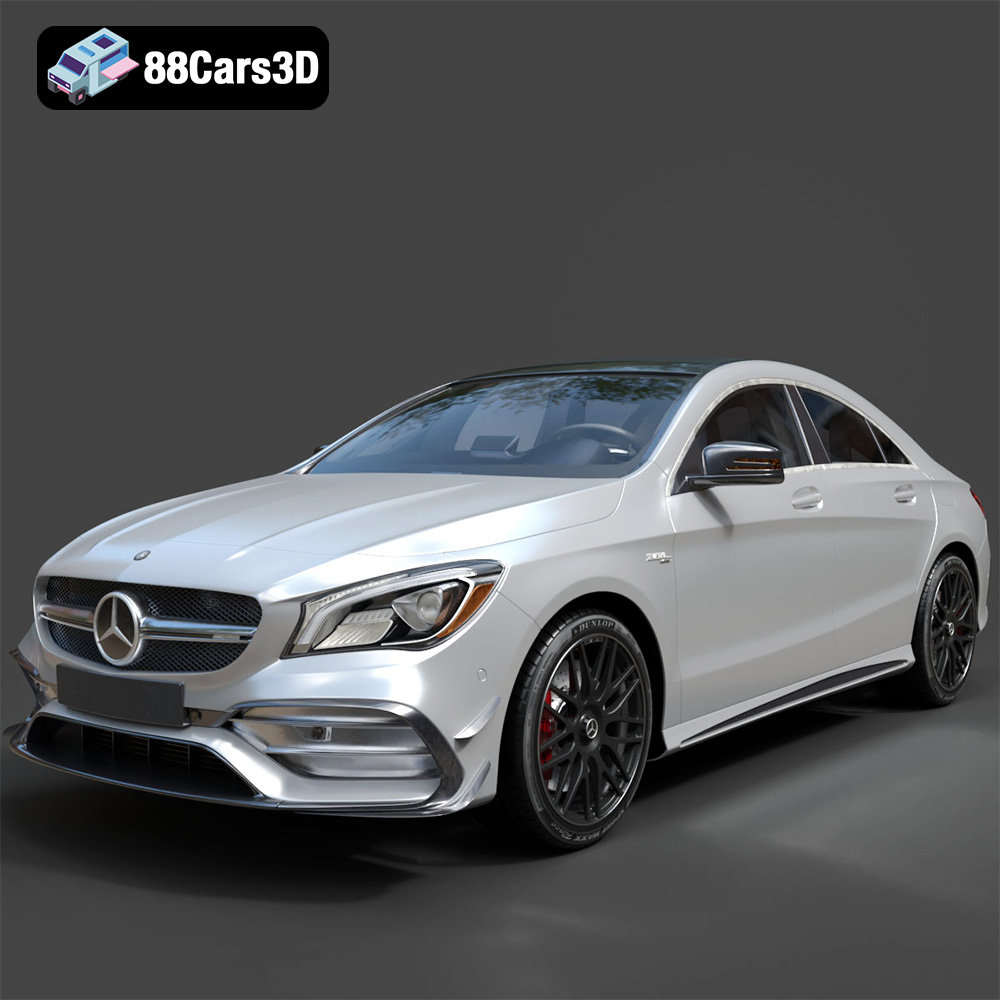
Mercedes-Benz CLA45 AMG 2017 3D Model
Texture: Yes
Material: Yes
Download the Mercedes-Benz CLA45 AMG 2017 3D Model featuring clean geometry, realistic detailing, and a fully modeled interior. Includes .blend, .fbx, .obj, .glb, .stl, .ply, .unreal, and .max formats for rendering, simulation, and game development.
Price: $38.99
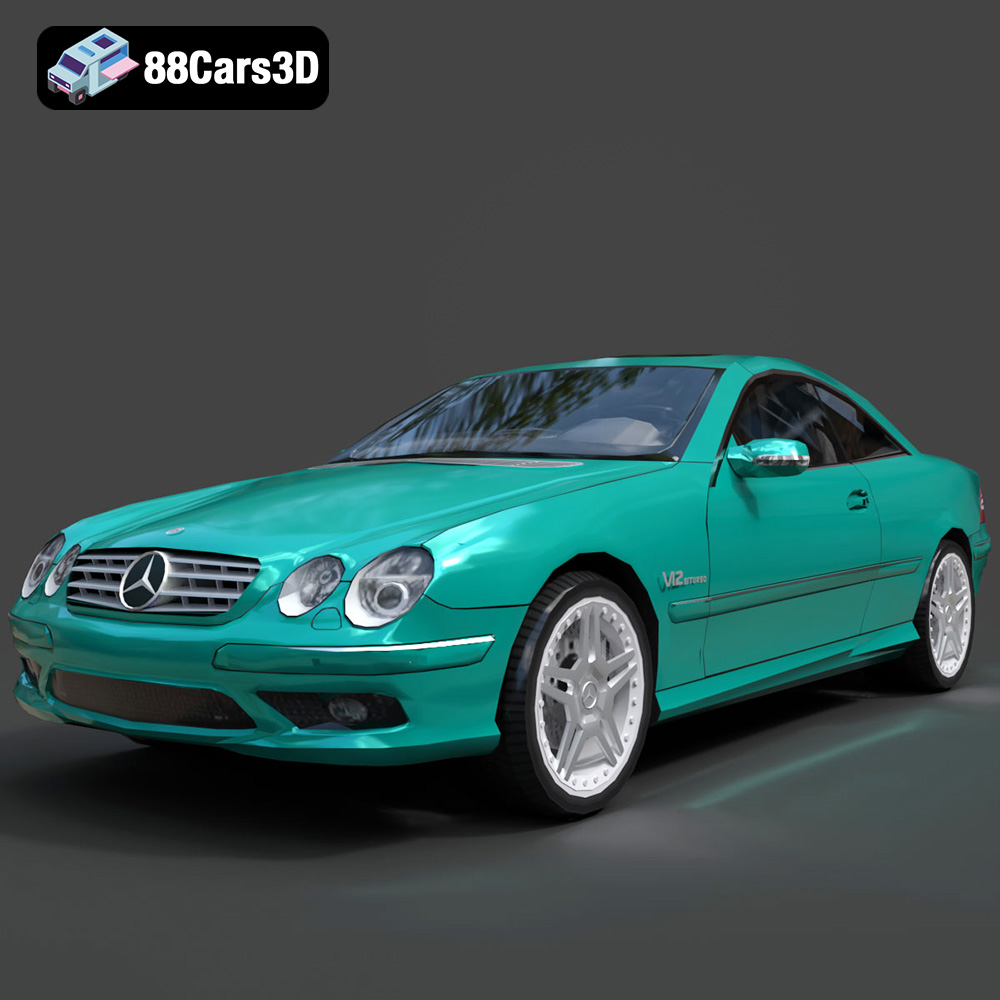
Mercedes-Benz CL65 C215 AMG 3D Model
Texture: Yes
Material: Yes
Download the Mercedes-Benz CL65 C215 AMG 3D Model featuring clean geometry, realistic detailing, and a fully modeled interior. Includes .blend, .fbx, .obj, .glb, .stl, .ply, .unreal, and .max formats for rendering, simulation, and game development.
Price: $23.99
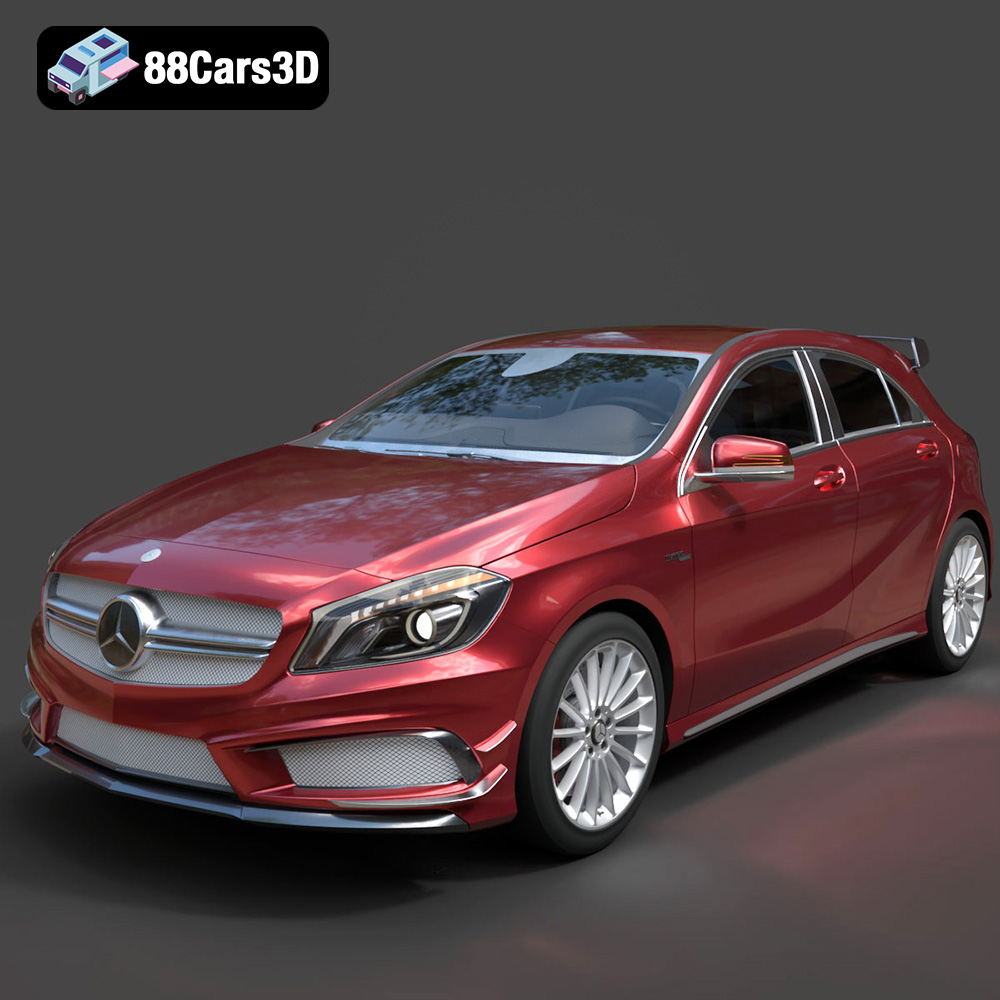
Mercedes-Benz A45 2021 3D Model
Texture: Yes
Material: Yes
Download the Mercedes-Benz A45 2021 3D Model featuring clean geometry, realistic detailing, and a fully modeled interior. Includes .blend, .fbx, .obj, .glb, .stl, .ply, .unreal, and .max formats for rendering, simulation, and game development.
Price: $23.99
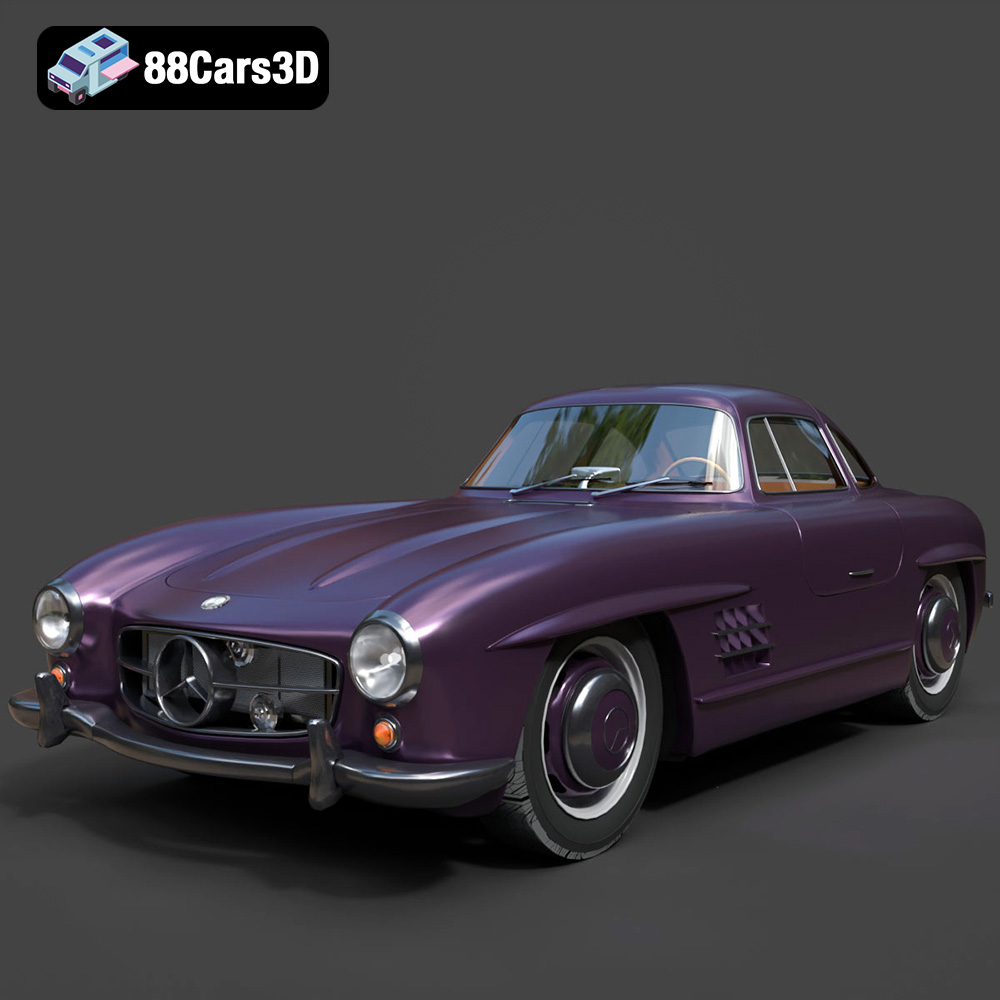
Mercedes-Benz 300SL 1955 3D Model
Texture: Yes
Material: Yes
Download the Mercedes-Benz 300SL 1955 3D Model featuring clean geometry, realistic detailing, and a fully modeled interior. Includes .blend, .fbx, .obj, .glb, .stl, .ply, .unreal, and .max formats for rendering, simulation, and game development.
Price: $23.99
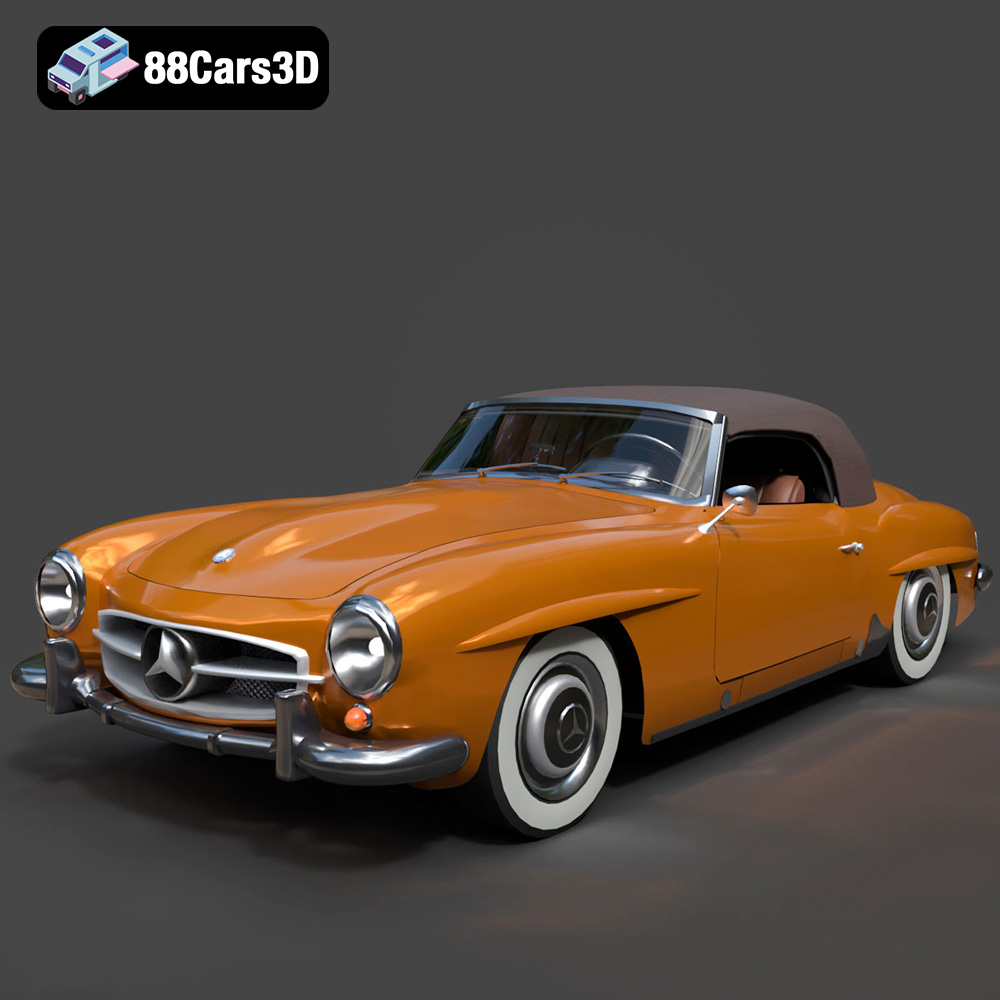
Mercedes-Benz 190SL 1955 3D Model
Texture: Yes
Material: Yes
Download the Mercedes-Benz 190SL 1955 3D Model featuring clean geometry, realistic detailing, and a fully modeled interior. Includes .blend, .fbx, .obj, .glb, .stl, .ply, .unreal, and .max formats for rendering, simulation, and game development.
Price: $23.99
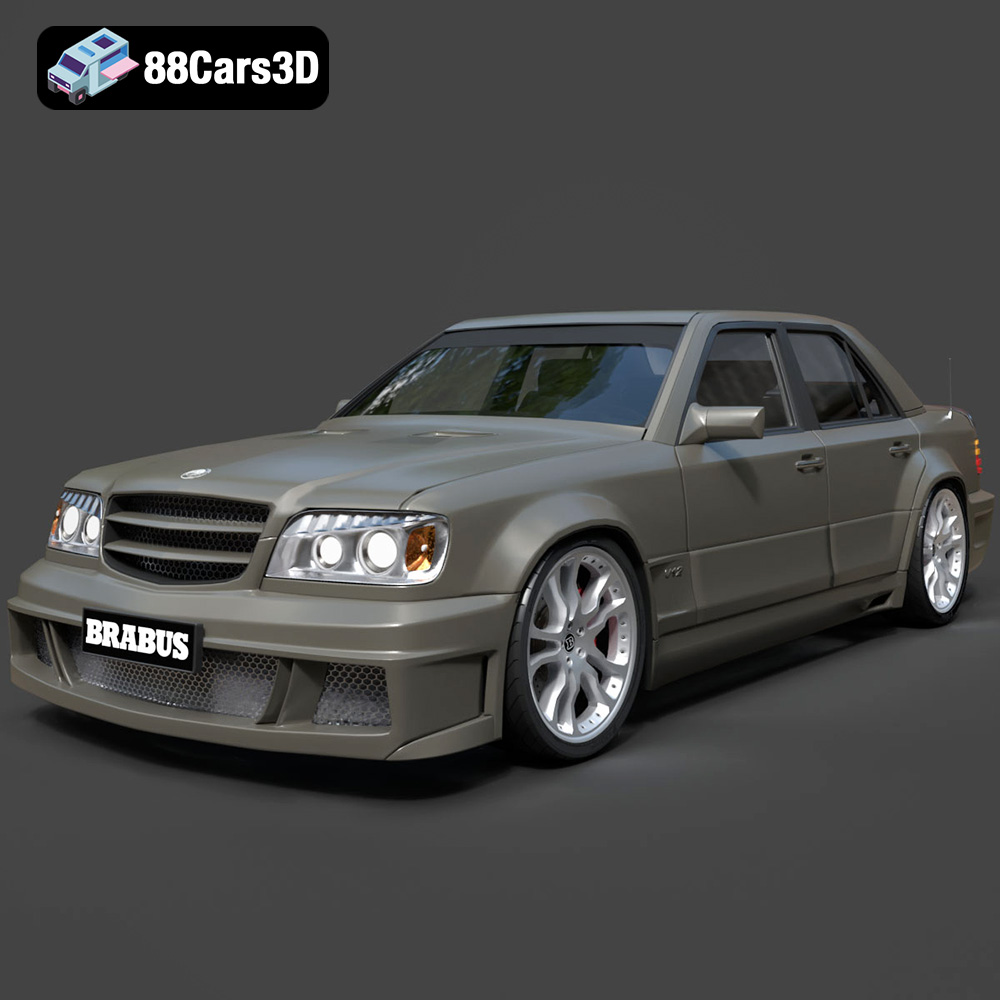
Mercedes-Benz W124 Brabus V12 3D Model
Texture: Yes
Material: Yes
Download the Mercedes-Benz W124 Brabus V12 3D Model featuring clean geometry, realistic detailing, and a fully modeled interior. Includes .blend, .fbx, .obj, .glb, .stl, .ply, .unreal, and .max formats for rendering, simulation, and game development.
Price: $23.99
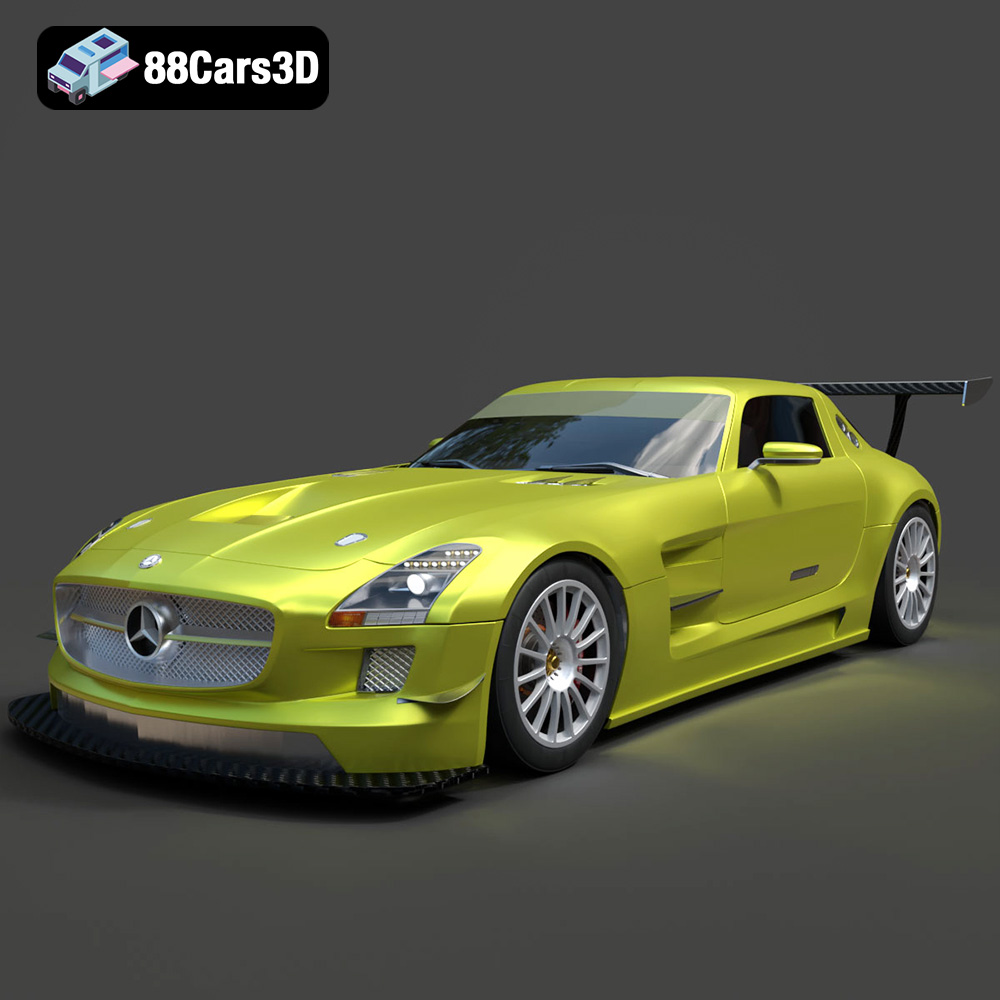
Mercedes-Benz SLS AMG GT3-002 3D Model
Texture: Yes
Material: Yes
Download the Mercedes-Benz SLS AMG GT3-002 3D Model featuring clean geometry, realistic detailing, and a fully modeled interior. Includes .blend, .fbx, .obj, .glb, .stl, .ply, .unreal, and .max formats for rendering, simulation, and game development.
Price: $38.99

Mercedes-Benz C-Class-001 3D Model
Texture: Yes
Material: Yes
Download the Mercedes-Benz C-Class-001 3D Model featuring clean geometry, realistic detailing, and a fully modeled interior. Includes .blend, .fbx, .obj, .glb, .stl, .ply, .unreal, and .max formats for rendering, simulation, and game development.
Price: $38.99
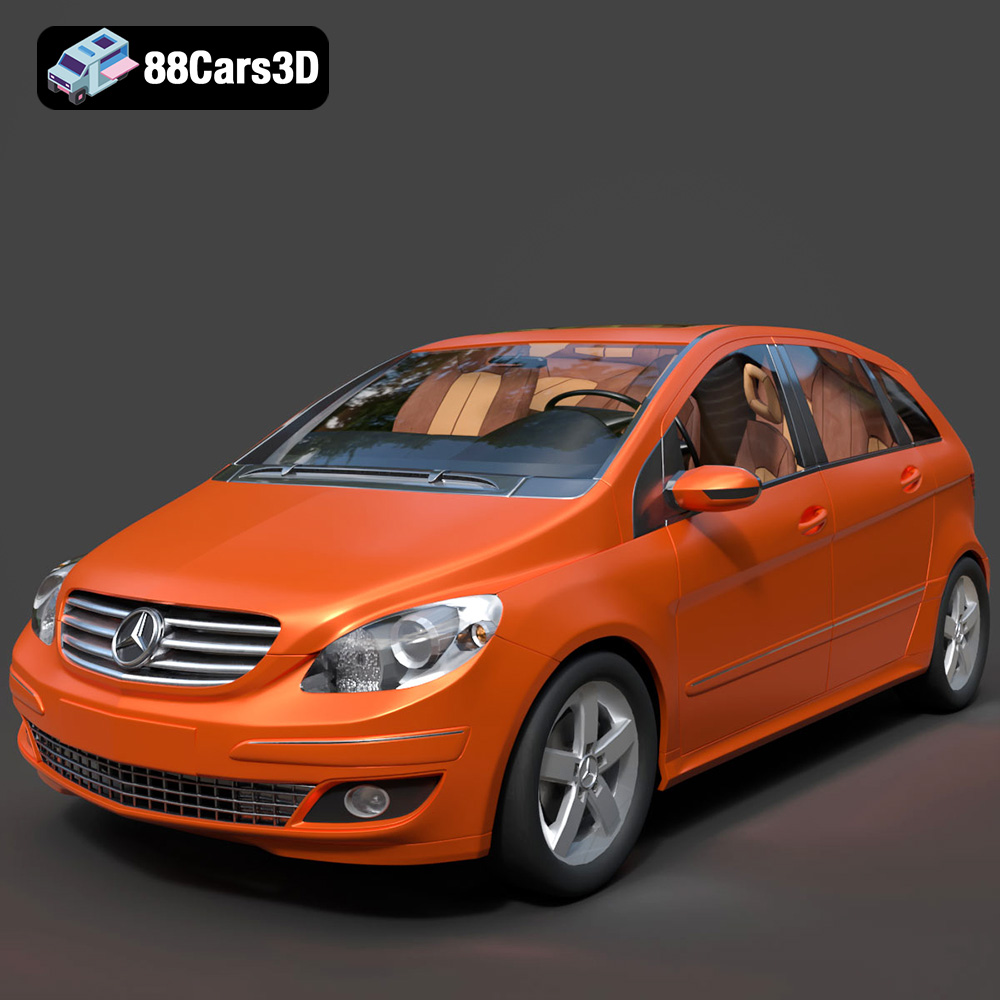
Mercedes-Benz B-Klasse 2023 3D Model
Texture: Yes
Material: Yes
Download the Mercedes-Benz B-Klasse 2023 3D Model featuring clean geometry, realistic detailing, and a fully modeled interior. Includes .blend, .fbx, .obj, .glb, .stl, .ply, .unreal, and .max formats for rendering, simulation, and game development.
Price: $38.99
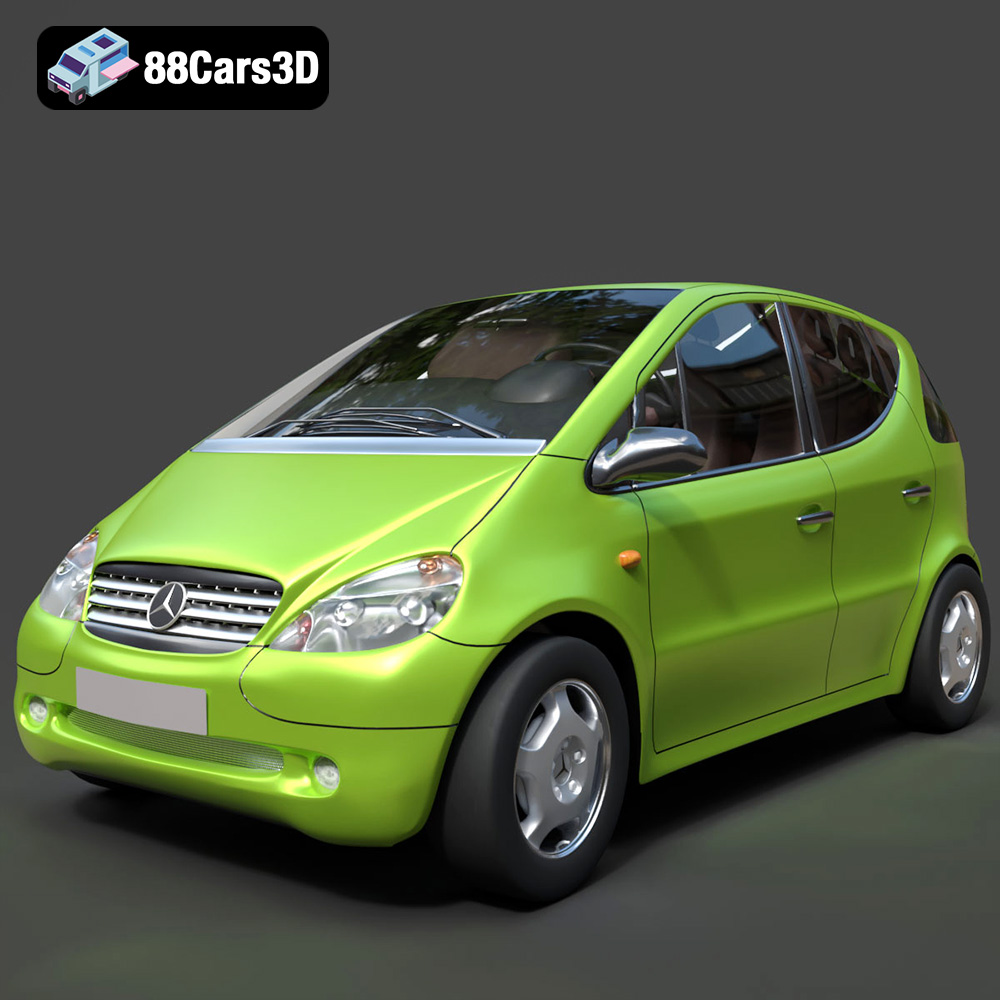
Mercedes-Benz A-Klasse W168 3D Model
Texture: Yes
Material: Yes
Download the Mercedes-Benz A-Klasse W168 3D Model featuring clean geometry, realistic detailing, and a fully modeled interior. Includes .blend, .fbx, .obj, .glb, .stl, .ply, .unreal, and .max formats for rendering, simulation, and game development.
Price: $38.99
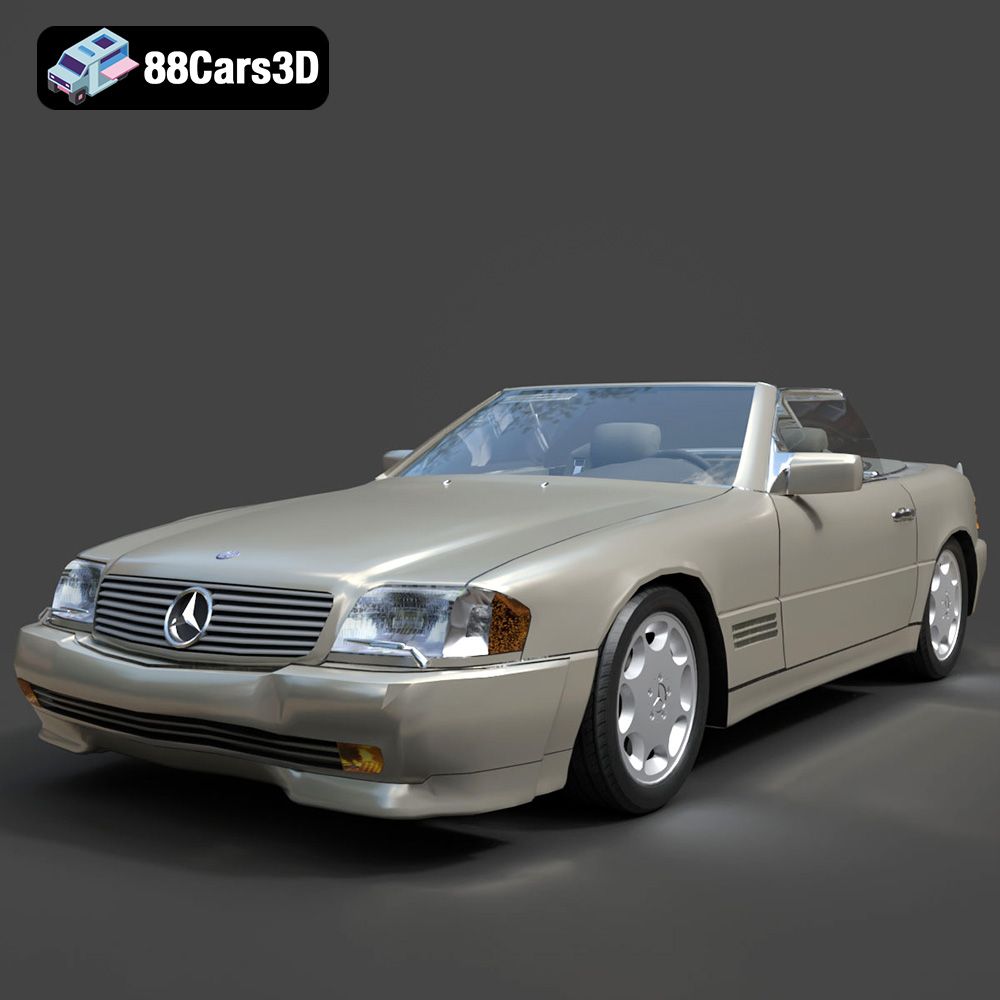
Mercedes-Benz 500SL 2000 3D Model
Texture: Yes
Material: Yes
Download the Mercedes-Benz 500SL 2000 3D Model featuring clean geometry, realistic detailing, and a fully modeled interior. Includes .blend, .fbx, .obj, .glb, .stl, .ply, .unreal, and .max formats for rendering, simulation, and game development.
Price: $38.99
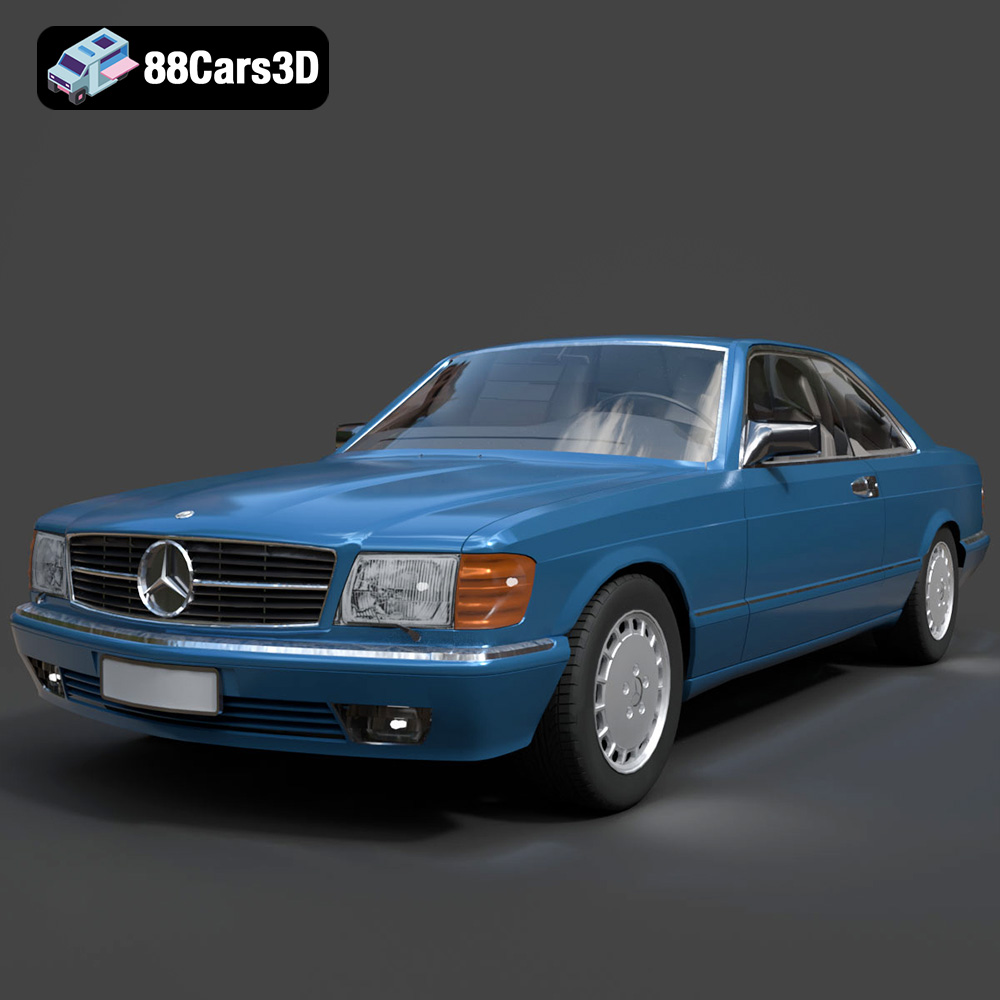
Mercedes-Benz 500SEC 3D Model
Texture: Yes
Material: Yes
Download the Mercedes-Benz 500SEC 3D Model featuring clean geometry, realistic detailing, and a fully modeled interior. Includes .blend, .fbx, .obj, .glb, .stl, .ply, .unreal, and .max formats for rendering, simulation, and game development.
Price: $38.99
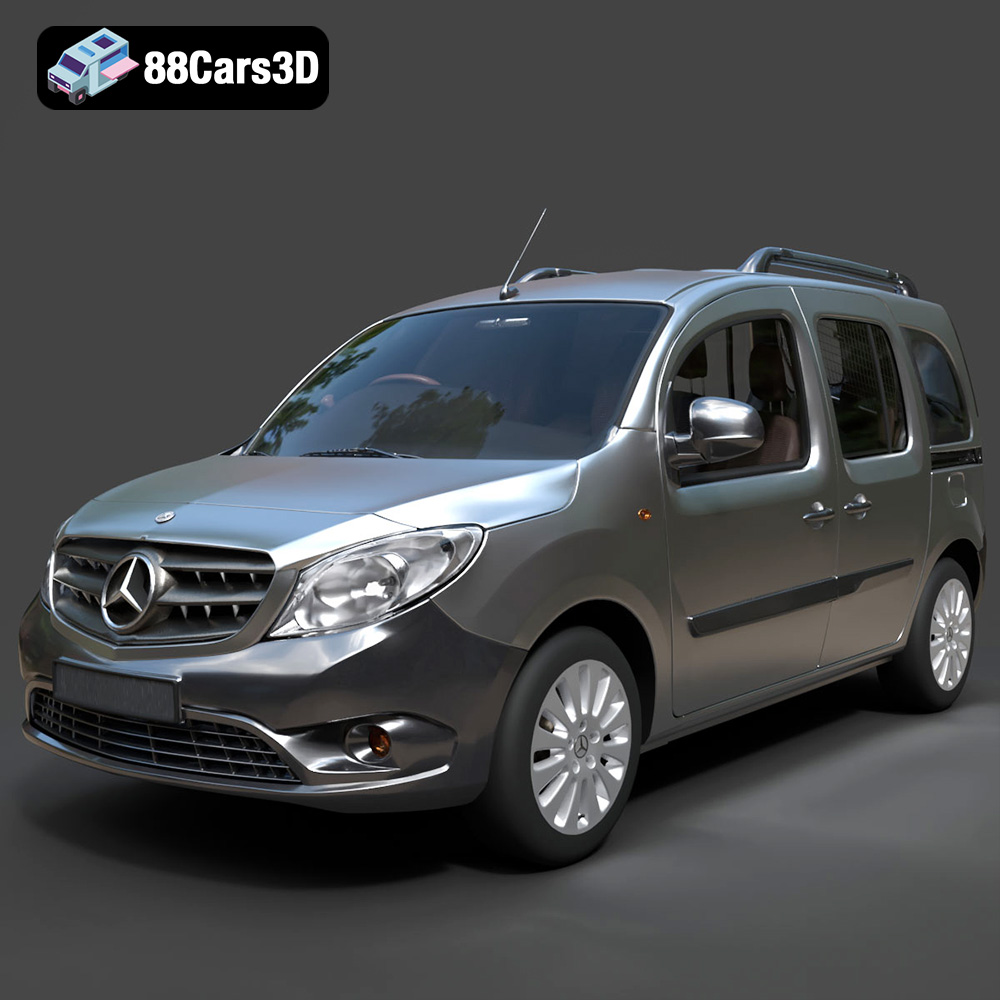
Mercedes-Benz Citan 2025 3D Model
Texture: Yes
Material: Yes
Download the Mercedes-Benz Citan 2025 3D Model featuring clean geometry, realistic detailing, and a fully modeled interior. Includes .blend, .fbx, .obj, .glb, .stl, .ply, .unreal, and .max formats for rendering, simulation, and game development.
Price: $38.99
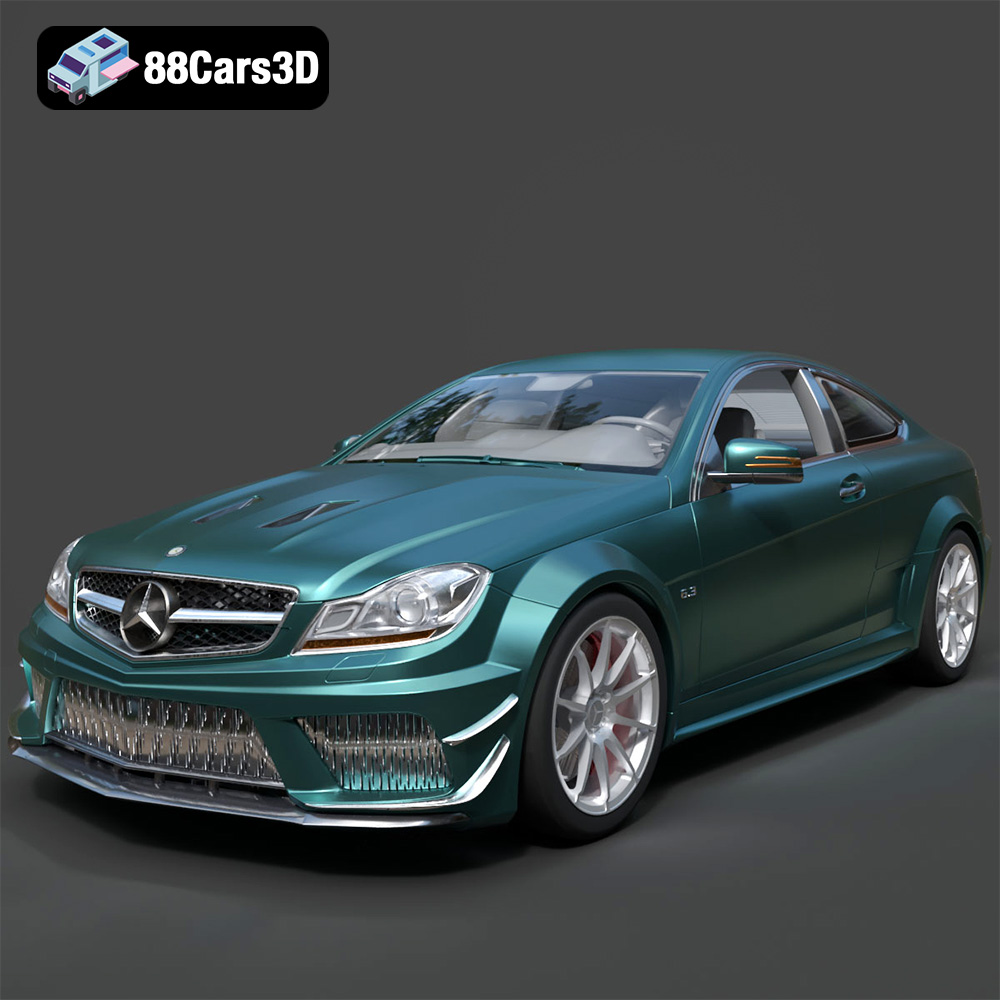
Mercedes-Benz C63 AMG 2012 3D Model
Texture: Yes
Material: Yes
Download the Mercedes-Benz C63 AMG 2012 3D Model featuring clean geometry, realistic detailing, and a fully modeled interior. Includes .blend, .fbx, .obj, .glb, .stl, .ply, .unreal, and .max formats for rendering, simulation, and game development.
Price: $38.99
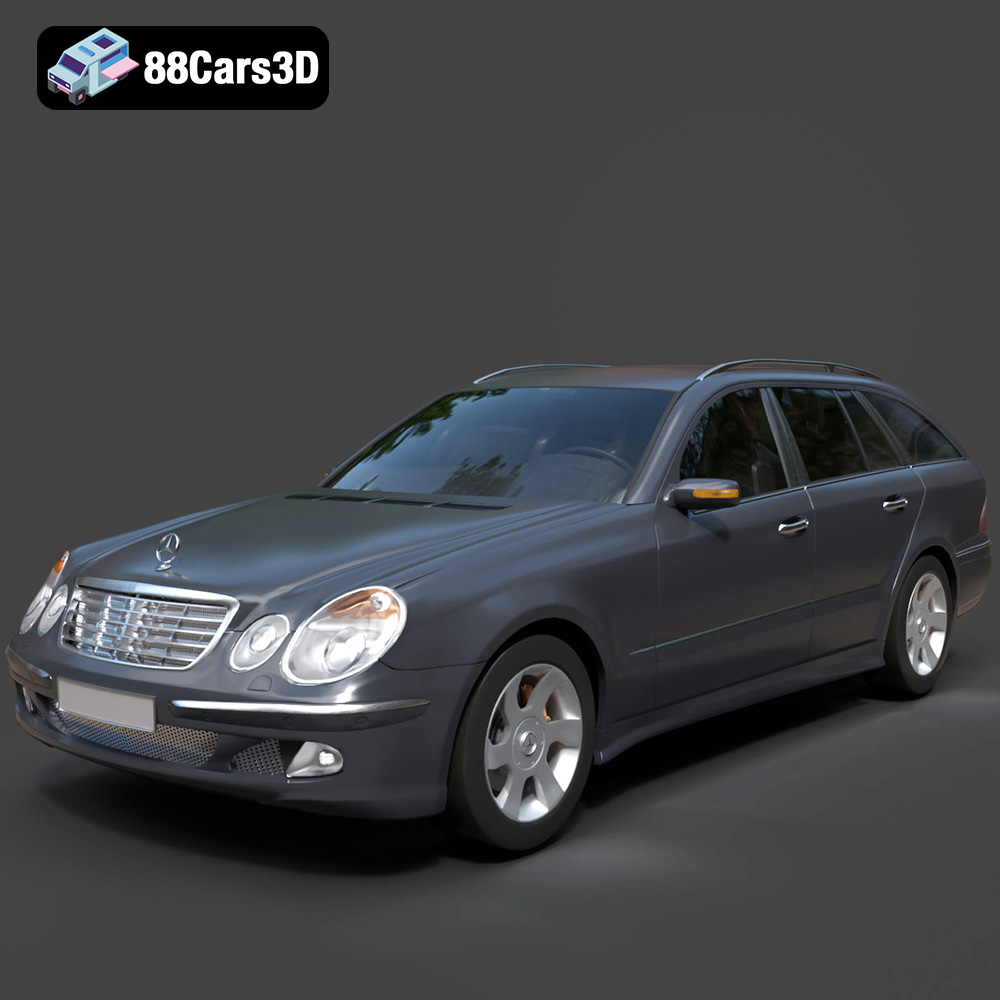
Mercedes-Benz E-Class S211 3D Model
Texture: Yes
Material: Yes
Download the Mercedes-Benz E-Class S211 3D Model featuring clean geometry, realistic detailing, and a fully modeled interior. Includes .blend, .fbx, .obj, .glb, .stl, .ply, .unreal, and .max formats for rendering, simulation, and game development.
Price: $38.99
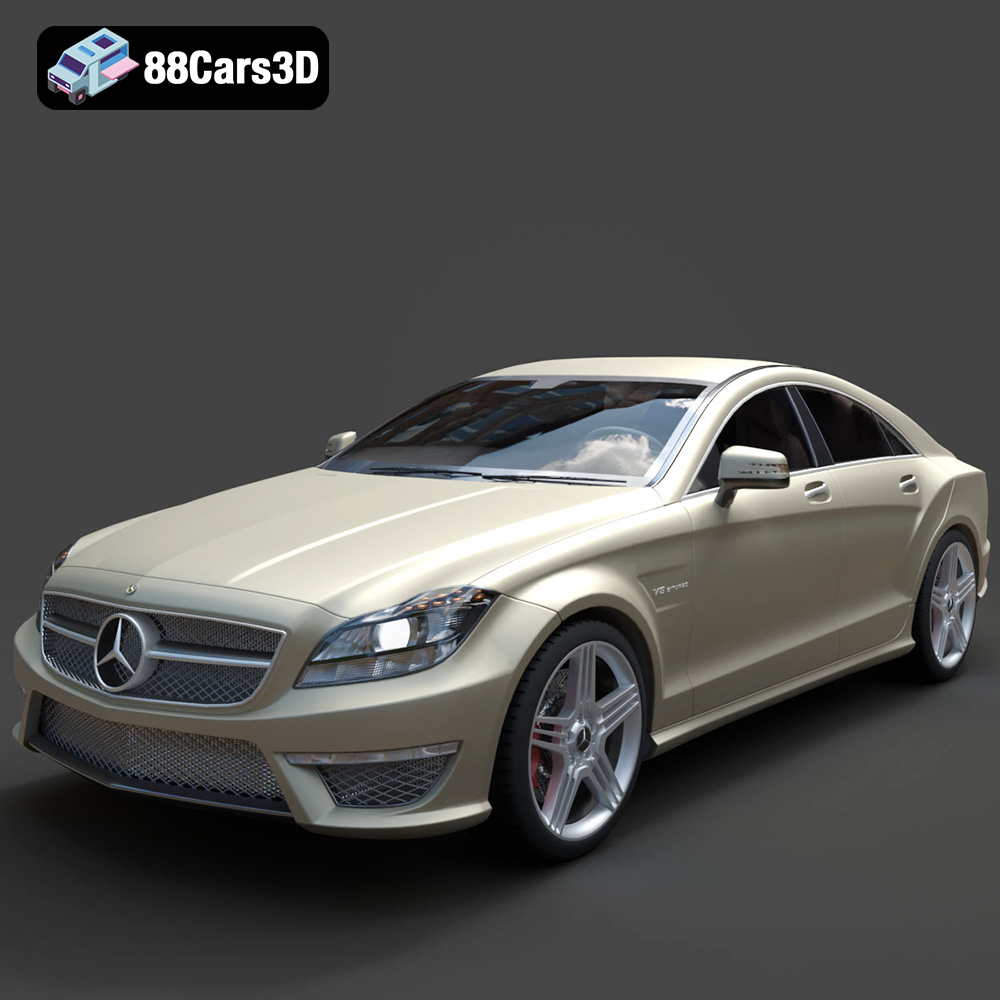
Mercedes-Benz CLS63 AMG (C218) 2014 3D Model
Texture: Yes
Material: Yes
Download the Mercedes-Benz CLS63 AMG (C218) 2014 3D Model featuring clean geometry, realistic detailing, and a fully modeled interior. Includes .blend, .fbx, .obj, .glb, .stl, .ply, .unreal, and .max formats for rendering, simulation, and game development.
Price: $38.99
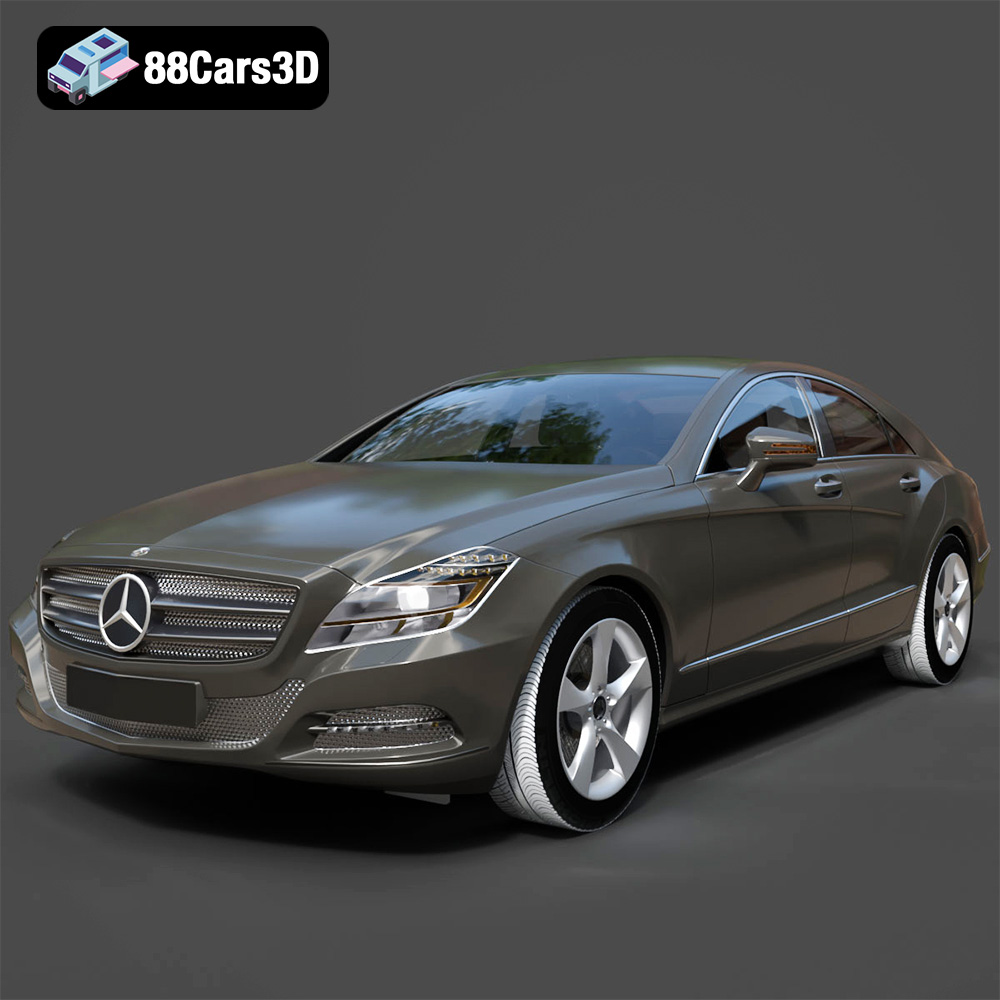
Mercedes-Benz CLS-Klasse 3D Model
Texture: Yes
Material: Yes
Download the Mercedes-Benz CLS-Klasse 3D Model featuring clean geometry, realistic detailing, and a fully modeled interior. Includes .blend, .fbx, .obj, .glb, .stl, .ply, .unreal, and .max formats for rendering, simulation, and game development.
Price: $38.99
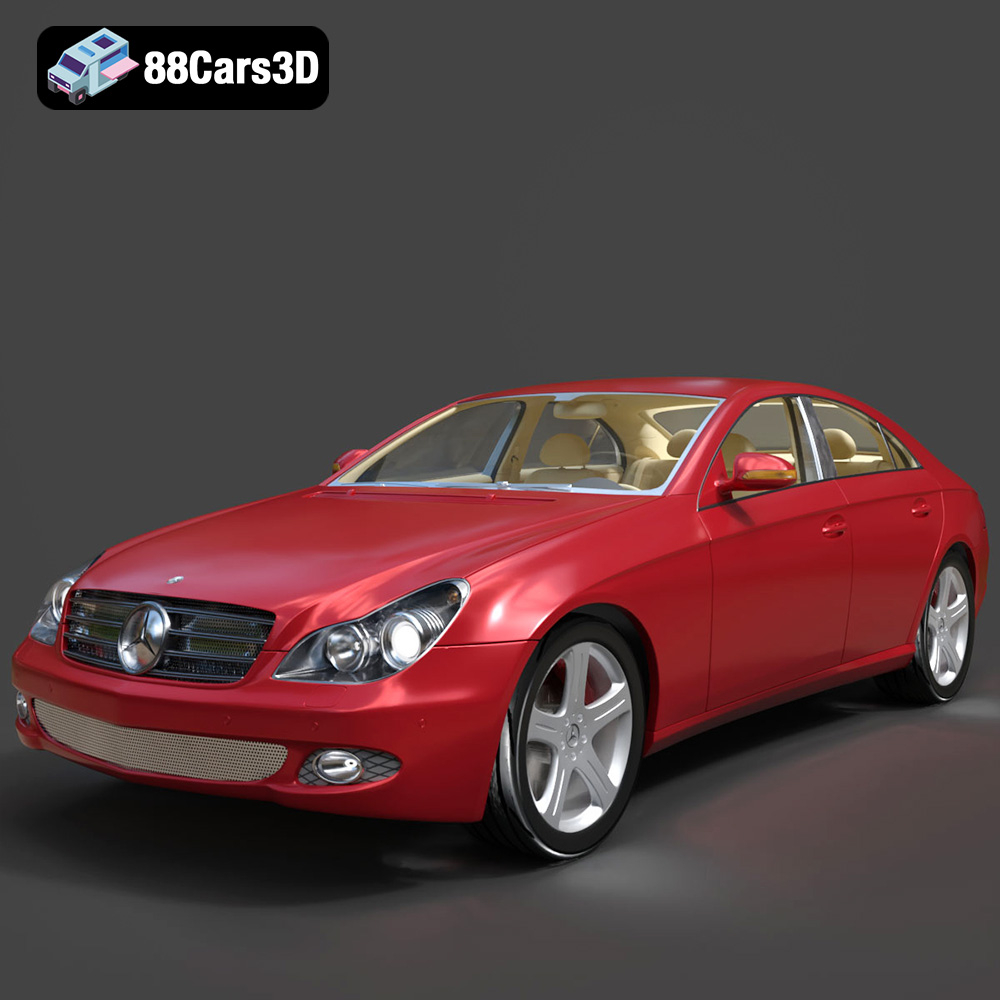
Mercedes-Benz CLS 500 3D Model
Texture: Yes
Material: Yes
Download the Mercedes-Benz CLS 500 3D Model featuring clean geometry, realistic detailing, and a fully modeled interior. Includes .blend, .fbx, .obj, .glb, .stl, .ply, .unreal, and .max formats for rendering, simulation, and game development.
Price: $38.99

Mercedes-Benz CL-Klasse 2001 3D Model
Texture: Yes
Material: Yes
Download the Mercedes-Benz CL-Klasse 2001 3D Model featuring clean geometry, realistic detailing, and a fully modeled interior. Includes .blend, .fbx, .obj, .glb, .stl, .ply, .unreal, and .max formats for rendering, simulation, and game development.
Price: $38.99
