⚡ FLASH SALE: Get 60% OFF All Premium 3D & STL Models! ⚡

The allure of a perfectly rendered automotive model, glinting under studio lights with every curve and reflection meticulously captured, is undeniable. For automotive designers and visualization artists, these high-fidelity renders are the gold standard. However, translating this breathtaking detail into a real-time game engine presents a unique and often daunting challenge. The quest to maintain realism while achieving optimal performance is at the heart of the modern automotive visualization pipeline.
Game engines demand efficiency. While offline renderers can take minutes or hours per frame, real-time engines must render dozens of frames every second. This fundamental difference means that raw, high-polygon CAD models or studio-grade assets are rarely suitable for direct game integration. They often carry an astronomical polygon count, unoptimized UVs, and complex material setups that would cripple any game’s framerate. The core problem, then, is how to bridge this gap: how do we transform those stunning, detailed vehicles into truly performant, visually consistent game-ready assets without sacrificing the essence of their design? This guide will delve into the essential strategies and advanced techniques required to optimize high-end 3D automotive models, ensuring they not only look phenomenal but also run smoothly within any modern game engine.
High-end 3D automotive models, whether originating from CAD software, photogrammetry scans, or expert 3D artists, are often created with the primary goal of achieving maximum visual fidelity for still images, animations, or cinematic renders. This typically means an emphasis on minute details, perfectly smooth surfaces, and a rich, complex material structure. Such models can easily boast millions, or even tens of millions, of polygons per vehicle.
In the realm of offline rendering, computational resources are abundant; render times are measured in minutes or hours, allowing for brute-force approaches to global illumination, intricate reflections, and complex shader graphs. Performance isn’t typically the bottleneck during the creation phase. Artists can indulge in extreme geometric detail, knowing that the renderer will eventually churn out a pristine image, regardless of the mesh density.
Game engines, however, operate under entirely different constraints. They are built for real-time interaction, demanding that an entire scene, often comprising hundreds or thousands of objects, be rendered multiple times every second. This necessitates stringent performance budgets for polygon count, texture memory, and draw calls. A single unoptimized vehicle model with millions of polygons can consume a significant portion of the entire scene’s budget, leading to drastic framerate drops and a poor user experience.
Furthermore, while studio models might rely on advanced procedural textures or highly specific custom shaders, game engines often standardize around Physically Based Rendering (PBR) workflows and require optimized texture sets. The challenge lies in translating that rich offline detail and material complexity into an efficient, real-time-compatible format that still maintains the automotive design’s intended aesthetic and realism. It’s about smart compromises and leveraging clever techniques to fake detail, rather than rendering it geometrically.
The most immediate and impactful step in optimizing high-end automotive models for game engines is addressing their geometric complexity. Raw models are often far too dense for real-time applications, making polygon reduction an absolute necessity. Coupled with this, implementing an effective LOD (Level of Detail) system is paramount for scalable performance.
Reducing the polygon count isn’t simply about deleting faces; it’s a careful balance of maintaining visual integrity while drastically lowering geometric complexity. The goal is to remove unnecessary detail that won’t be perceived at typical game distances or that can be effectively simulated through other means, such as normal maps.
One primary method is manual retopology. This involves creating a new, optimized mesh over the top of the high-polygon source model. Artists painstakingly craft new topology, ensuring clean edge flow, efficient polygon distribution, and adherence to deformation requirements (if the model needs to be rigged). This approach offers the highest quality results but is also the most time-consuming.
Alternatively, automatic decimation tools can quickly reduce polygon counts. Software like ZBrush’s ZRemesher, Blender’s Decimate modifier, or plugins for Maya and 3ds Max can intelligently remove polygons while attempting to preserve critical features. While faster, these tools often require post-cleanup to correct artifacts, jagged edges, or undesirable triangulation.
Beyond broad decimation, specific techniques include merging vertices that are extremely close together, removing internal geometry that will never be seen (such as engine components hidden by the chassis), and simplifying complex curves and bevels on areas that are less prominent. Analyzing the model’s intended use in-game—how close the player will get, what angles they’ll view it from—guides these reduction decisions. The aim is to achieve a lean, efficient base mesh that can carry the model’s essential silhouette and form.
Even after significant polygon reduction, a single model might still be too complex to render efficiently when many instances are present, or when the object is far from the camera. This is where LOD (Level of Detail) systems become indispensable. LOD involves creating multiple versions of the same model, each with a progressively lower polygon count and simpler material setup.
The game engine then dynamically swaps between these LOD levels based on the object’s distance from the camera. For example, LOD0 is the highest detail model, used when the vehicle is very close. LOD1 might have 50-70% fewer polygons than LOD0, used at medium distances. LOD2 could be 80-90% reduced, for vehicles further away, and LOD3 or LOD4 might be a drastically simplified proxy or even a billboard for vehicles at extreme distances.
Creating effective LODs requires careful planning. Each LOD level must maintain the perceived silhouette and critical visual features of the higher-detail versions to prevent jarring pop-in when swapping. Tools often allow for the automatic generation of LODs from a high-poly base, but manual adjustments are frequently necessary to ensure quality. It’s crucial to test LOD transitions in-engine to fine-tune the distances at which each swap occurs, striking the perfect balance between visual continuity and performance gains. Properly implemented, LOD systems ensure that valuable rendering resources are only spent on details that are actually visible to the player.
Once a high-polygon automotive model has undergone polygon reduction and an LOD (Level of Detail) system is planned, the next critical step is to reclaim the lost surface detail without adding back geometric complexity. This is where normal map baking becomes a cornerstone technique in creating visually rich game-ready assets.
Normal map baking is the process of transferring surface details from a high-polygon source model onto a low-polygon target model using a texture map called a normal map. Instead of physically sculpting tiny grooves, bolts, panel lines, or intricate surface textures into the geometry, these details are encoded into the normal map. When applied to the low-poly model in a game engine, the normal map manipulates how light interacts with the surface, making it *appear* as if the detail is geometrically present, even though the underlying mesh remains simple.
This technique is incredibly powerful for automotive models. Imagine the complex curvature of a headlight lens, the subtle indents for door handles, or the fine mesh of a grille. Replicating these with actual geometry would quickly exhaust any polygon budget. By baking these details into a normal map, the low-poly model can retain a high level of perceived fidelity with minimal performance cost.
The baking process typically involves positioning the low-polygon model (often referred to as the “cage” or “target mesh”) around the high-polygon model (the “source mesh”). Software such as Substance Painter, Marmoset Toolbag, Maya, 3ds Max, or Blender’s internal baking tools then project vectors from the surface of the low-poly mesh towards the high-poly mesh. The difference in surface normals between the two is then stored as RGB color values in a 2D texture map. These RGB values correspond to XYZ directions, instructing the game engine’s renderer how light should bounce off the surface.
Careful setup is crucial for successful baking. The low-poly mesh must closely encompass the high-poly mesh, and a “cage” is often used to define the maximum projection distance, preventing stray details from being baked incorrectly. Proper UV unwrapping of the low-poly model is also essential, as the normal map will be mapped directly onto these UVs.
Common pitfalls include “skewing” or “artifacts” which can arise from improper cage setup, overlapping UV islands, or mismatches in tangent space between the baking software and the game engine. Resolving these often involves adjusting the cage, splitting problematic areas into separate UV islands, or ensuring consistent tangent space calculation. Beyond normal maps, other useful maps like Ambient Occlusion (AO), Curvature, and World Space Normals can also be baked from the high-poly model, enriching the PBR materials and adding further realism to the low-poly model.
With geometric optimization and detail baking handled, the next critical phase for creating stunning game-ready assets for automotive models involves the material and texture workflow. Modern game engines predominantly utilize PBR materials (Physically Based Rendering) to achieve realistic lighting and surface interactions. An efficient PBR workflow is key to both visual quality and performance.
PBR materials aim to accurately simulate how light behaves in the real world, relying on consistent material properties like albedo (base color), roughness, metallic, and normal maps. Unlike older, less predictable lighting models, PBR ensures materials react correctly under various lighting conditions, resulting in more consistent and believable visuals. However, to maximize performance, these PBR texture sets must be meticulously optimized.
The foundation of any successful texturing workflow is clean and efficient UV unwrapping. UV unwrapping optimization refers to the process of flattening the 3D surface of a model into a 2D space (the UV map) in a way that maximizes texture resolution, minimizes distortion, and avoids wasted space. For automotive models, this means ensuring that critical areas like the body panels, windows, and wheels have sufficient texel density (pixels per unit of surface area) to display crisp details.
Key principles include avoiding overlapping UVs, as this can lead to baking errors and makes certain texture workflows (like decal application) impossible. Seams should be placed strategically along hard edges or hidden areas to minimize their visibility. Maximizing the use of the 0-1 UV space is crucial, as wasted space directly translates to lower texture resolution on your model. You might find that high-quality models from resources like 88cars3d.com come with already optimized UV layouts, significantly streamlining your workflow.
One powerful technique for draw call reduction and improved cache performance is UV atlasing. Instead of having separate texture sets for every small part of the vehicle (e.g., individual screws, small interior buttons), multiple smaller components can share a single UV space and texture atlas. This consolidates many materials into one, allowing the engine to render more geometry with fewer draw calls, which is a major performance boost.
PBR workflows typically involve several texture maps: Albedo (or Base Color), Normal, Roughness, Metallic, Ambient Occlusion, and sometimes Emissive or Height maps. Each of these contributes to the final appearance, and their generation and storage must be optimized.
Texture resolution should be chosen wisely. While 4K or 8K textures might look stunning up close, they consume significant memory. Often, 2K or even 1K textures are sufficient for many vehicle parts, especially those that won’t be scrutinized closely. Utilize texture packing by combining grayscale maps (like roughness, metallic, AO) into the RGB channels of a single texture file. For example, roughness in red, metallic in green, and AO in blue. This reduces the total number of texture lookups and saves memory.
Finally, choosing appropriate texture compression formats is vital. Game engines support various formats (e.g., DXT1, DXT5, BC7, ASTC, ETC2). BC7 offers excellent quality for most PBR textures, especially normal maps, while DXT1/5 are good for simpler color textures. Understanding the trade-off between quality and compression ratio for each map type is crucial for optimizing VRAM usage.
Material instancing is a powerful feature in most game engines that significantly improves performance and reduces memory footprint. Instead of creating a unique, entirely new material for every slight variation (e.g., different paint colors, wheel finishes, or interior trim options), you create a “master” material with exposed parameters.
Then, you create “instances” of this master material, where you can modify only the exposed parameters (like color values, texture assignments, or scalar adjustments) without recompiling the entire shader. This means the engine reuses the core shader code, saving CPU time and memory. For automotive models, this is invaluable for offering extensive customization options without a performance penalty, making it easier to manage a vast library of vehicle variations.
Once your high-end automotive model has been meticulously optimized through polygon reduction, LOD creation, normal map baking, and PBR material development, the final stage involves integrating it seamlessly into the game engine. This phase focuses on best practices for import, minimizing draw call reduction, and ensuring optimal physics and collision setups, ultimately creating truly game-ready assets.
The export process from your 3D modeling software is crucial. Standard formats like FBX or glTF are widely supported by game engines. When exporting, ensure that units, scale, and pivot points are correctly set to avoid import issues. Typically, models should be exported with their origin at the world origin (0,0,0) and their forward axis aligned with the engine’s convention (e.g., +X forward, +Z up for Unreal Engine; +Z forward, +Y up for Unity). Ensure that all transforms are frozen or reset before export to prevent undesirable scaling or rotation issues in the engine.
Check that all meshes are properly combined where appropriate (e.g., body panels that share the same material), and that naming conventions are consistent for easier management. During import into engines like Unreal Engine or Unity, pay close attention to settings such as tangent space calculation (which must match your baking software’s output), material import options, and whether to combine meshes or import individual components. A clean import saves significant time in post-import setup and troubleshooting.
A “draw call” is an instruction from the CPU to the GPU to draw a batch of objects. Each draw call carries an overhead, and too many can bottleneck the CPU, leading to poor framerates. Automotive models can generate many draw calls if not optimized, especially due to their often modular nature (wheels, calipers, interior, various body parts). Effective draw call reduction is paramount for performance.
One of the most effective strategies is mesh combining. If multiple static meshes share the same material and are relatively close to each other, they can often be combined into a single mesh. This reduces the number of separate objects the engine needs to process. However, this must be balanced with culling, as combining distant objects might mean rendering more than necessary when only a few components are actually visible.
Material atlasing, as discussed in the UV optimization section, directly contributes to draw call reduction. By consolidating many small textures and materials into a single texture atlas and shared material, the engine can draw more geometry with fewer instructions. Instancing, where multiple identical copies of an object (like a set of bolts or identical wheels) are rendered using a single draw call, is another powerful technique. Most game engines automatically handle instancing for static meshes, but understanding its principles helps in asset preparation.
Other techniques include frustum culling (the engine only renders what’s visible to the camera) and occlusion culling (the engine doesn’t render objects hidden behind others). While these are largely engine-managed, designing your game-ready assets with discrete, well-defined parts can help the engine make smarter culling decisions.
For an interactive automotive model, accurate collision detection and physics simulation are essential. However, using the visual mesh itself for collisions is incredibly inefficient. A high-polygon visual mesh will lead to complex and costly physics calculations, significantly impacting performance.
The solution is to use simplified collision meshes. These are low-polygon, invisible proxy meshes that mimic the general shape of the visual model. They can range from simple primitive shapes (boxes, spheres, capsules) for basic collisions to more complex “convex hull” or “DOPP” (Discrete Oriented Polytope) meshes for more accurate interactions. Most game engines allow you to automatically generate collision meshes from your visual mesh, but hand-crafting them offers the best balance of accuracy and performance. For the car body, a few well-placed convex hulls can provide excellent collision fidelity at a fraction of the cost of the visual mesh.
Furthermore, consider the number of physics bodies. For a vehicle, you’ll typically have a main chassis body and separate bodies for each wheel, but avoid creating individual physics bodies for every small component unless absolutely necessary for specific interactive elements. Streamlining physics calculations ensures that the vehicle handles realistically without bogging down the simulation thread.
Transforming high-fidelity automotive models into performant game-ready assets is not a one-time operation but an iterative automotive visualization pipeline. It’s a continuous process of refinement, testing, and adjustment, balancing artistic vision with technical constraints. This pipeline ensures that the final asset is both visually stunning and impeccably optimized for real-time environments.
The journey typically begins with the acquisition or creation of a high-resolution base model. For many projects, starting with a professionally created, high-quality model from a reputable source like 88cars3d.com can provide a solid foundation, often with a head start on mesh topology and initial UVs. From this base, the initial polygon reduction phase is executed, creating the first low-poly iteration. This model is then carefully UV unwrapped and prepared for normal map baking.
Next, the critical details from the high-poly model are transferred via normal map baking, bringing back the illusion of intricate geometry. Concurrently, PBR materials are developed, with careful attention to texture resolution, packing, and UV unwrapping optimization. This stage is crucial for defining the look and feel of the vehicle’s surfaces, from the metallic sheen of the paint to the intricate textures of tires and interior fabrics.
Once the base game-ready model is established, the LOD (Level of Detail) models are generated. This involves creating several progressively lower-polygon versions of the vehicle, each optimized for different viewing distances. Each LOD must be tested rigorously to ensure smooth transitions and minimal visual pop-in. This stage is often where performance gains are most dramatically realized across varying scene complexities.
Finally, the entire package—the optimized meshes, PBR textures, and LODs—is imported into the target game engine. Here, extensive testing and profiling take place. The model is examined under various lighting conditions, at different distances, and with multiple instances in a scene. Performance metrics like framerate, draw calls, and memory usage are closely monitored. Adjustments are made iteratively: perhaps a texture resolution needs to be lowered for a specific part, or a further polygon reduction pass is required for a less critical component. Techniques like draw call reduction are actively applied through material consolidation and instancing.
This iterative loop ensures that any performance bottlenecks are identified and addressed early in the game development cycle. The goal is not just to make the model run, but to make it run *well*, contributing to a seamless and immersive player experience. This complete pipeline, from high-poly concept to fully optimized game asset, represents the cutting edge of real-time automotive visualization.
Optimizing high-end 3D automotive models for game engines is a meticulous, multi-faceted process that demands a deep understanding of both artistic principles and technical constraints. It’s about more than just reducing polygons; it’s a holistic approach that encompasses everything from intelligent LOD (Level of Detail) implementation and precise normal map baking to an efficient PBR materials and texture workflow. Mastering these techniques allows artists and developers to translate the stunning fidelity of studio renders into truly immersive, high-performance real-time experiences.
The journey from a complex CAD model to a fully optimized game-ready asset is an art in itself. It requires strategic polygon reduction, intelligent UV unwrapping optimization, and a keen eye for maximizing visual detail while minimizing draw call reduction. By embracing these core principles and understanding the iterative nature of the automotive visualization pipeline, you can ensure your virtual vehicles not only look spectacular but also contribute to a smooth and responsive game world.
Don’t let performance limitations compromise your vision. Start building your next generation of realistic, game-ready vehicles today. Explore the extensive collection of high-quality, pre-optimized 3D automotive models available at 88cars3d.com, designed to jumpstart your development and provide a solid foundation for your game projects.

Texture: Yes
Material: Yes
Download the Subaru Impreza Sport Wagon 3D Model featuring clean geometry, realistic detailing, and a fully modeled interior. Includes .blend, .fbx, .obj, .glb, .stl, .ply, .unreal, and .max formats for rendering, simulation, and game development.
Price: $10

Texture: Yes
Material: Yes
Download the Skoda Octavia A7 2017 3D Model featuring clean geometry, realistic detailing, and a fully modeled interior. Includes .blend, .fbx, .obj, .glb, .stl, .ply, .unreal, and .max formats for rendering, simulation, and game development.
Price: $10

Texture: Yes
Material: Yes
Download the Suzuki SX4-002 3D Model featuring clean geometry, realistic detailing, and a fully modeled interior. Includes .blend, .fbx, .obj, .glb, .stl, .ply, .unreal, and .max formats for rendering, simulation, and game development.
Price: $10

Texture: Yes
Material: Yes
Download the Tesla Model S 2024 3D Model featuring clean geometry, realistic detailing, and a fully modeled interior. Includes .blend, .fbx, .obj, .glb, .stl, .ply, .unreal, and .max formats for rendering, simulation, and game development.
Price: $10

Texture: Yes
Material: Yes
Download the Subaru Impreza WRX STi-002 3D Model featuring clean geometry, realistic detailing, and a fully modeled interior. Includes .blend, .fbx, .obj, .glb, .stl, .ply, .unreal, and .max formats for rendering, simulation, and game development.
Price: $10

Texture: Yes
Material: Yes
Download the Subaru Impreza WRX STi Sedan 3D Model featuring clean geometry, realistic detailing, and a fully modeled interior. Includes .blend, .fbx, .obj, .glb, .stl, .ply, .unreal, and .max formats for rendering, simulation, and game development.
Price: $10

Texture: Yes
Material: Yes
Download the Subaru Legacy 2009 3D Model featuring clean geometry, realistic detailing, and a fully modeled interior. Includes .blend, .fbx, .obj, .glb, .stl, .ply, .unreal, and .max formats for rendering, simulation, and game development.
Price: $10

Texture: Yes
Material: Yes
Download the Suzuki Swift 2024 3D Model featuring clean geometry, realistic detailing, and a fully modeled interior. Includes .blend, .fbx, .obj, .glb, .stl, .ply, .unreal, and .max formats for rendering, simulation, and game development.
Price: $10

Texture: Yes
Material: Yes
Download the Suzuki Liana Sedan 2004 3D Model featuring clean geometry, realistic detailing, and a fully modeled interior. Includes .blend, .fbx, .obj, .glb, .stl, .ply, .unreal, and .max formats for rendering, simulation, and game development.
Price: $10

Texture: Yes
Material: Yes
Download the Subaru Outback 2024 3D Model featuring clean geometry, realistic detailing, and a fully modeled interior. Includes .blend, .fbx, .obj, .glb, .stl, .ply, .unreal, and .max formats for rendering, simulation, and game development.
Price: $10

Texture: Yes
Material: Yes
Download the Subaru Legacy 2003 3D Model featuring clean geometry, realistic detailing, and a fully modeled interior. Includes .blend, .fbx, .obj, .glb, .stl, .ply, .unreal, and .max formats for rendering, simulation, and game development.
Price: $10

Texture: Yes
Material: Yes
Download the Subaru Legacy Touring Wagon 3D Model featuring clean geometry, realistic detailing, and a fully modeled interior. Includes .blend, .fbx, .obj, .glb, .stl, .ply, .unreal, and .max formats for rendering, simulation, and game development.
Price: $10

Texture: Yes
Material: Yes
Download the Toyota Mark II (X100) 3D Model featuring clean geometry, realistic detailing, and a fully modeled interior. Includes .blend, .fbx, .obj, .glb, .stl, .ply, .unreal, and .max formats for rendering, simulation, and game development.
Price: $10

Texture: Yes
Material: Yes
Download the Toyota Corona 1985 3D Model featuring clean geometry, realistic detailing, and a fully modeled interior. Includes .blend, .fbx, .obj, .glb, .stl, .ply, .unreal, and .max formats for rendering, simulation, and game development.
Price: $10

Texture: Yes
Material: Yes
Download the Toyota Mark II X81 1990 3D Model featuring clean geometry, realistic detailing, and a fully modeled interior. Includes .blend, .fbx, .obj, .glb, .stl, .ply, .unreal, and .max formats for rendering, simulation, and game development.
Price: $10

Texture: Yes
Material: Yes
Download the Toyota iQ EV 2012 3D Model featuring clean geometry, realistic detailing, and a fully modeled interior. Includes .blend, .fbx, .obj, .glb, .stl, .ply, .unreal, and .max formats for rendering, simulation, and game development.
Price: $10

Texture: Yes
Material: Yes
Download the Toyota Aygo 2013 3D Model featuring clean geometry, realistic detailing, and a fully modeled interior. Includes .blend, .fbx, .obj, .glb, .stl, .ply, .unreal, and .max formats for rendering, simulation, and game development.
Price: $10

Texture: Yes
Material: Yes
Download the Toyota Crown S180 2005 3D Model featuring clean geometry, realistic detailing, and a fully modeled interior. Includes .blend, .fbx, .obj, .glb, .stl, .ply, .unreal, and .max formats for rendering, simulation, and game development.
Price: $10

Texture: Yes
Material: Yes
Download the Toyota Celica 2004 3D Model featuring clean geometry, realistic detailing, and a fully modeled interior. Includes .blend, .fbx, .obj, .glb, .stl, .ply, .unreal, and .max formats for rendering, simulation, and game development.
Price: $10

Texture: Yes
Material: Yes
Download the Toyota Corolla AE100 1992 3D Model featuring clean geometry, realistic detailing, and a fully modeled interior. Includes .blend, .fbx, .obj, .glb, .stl, .ply, .unreal, and .max formats for rendering, simulation, and game development.
Price: $10

Texture: Yes
Material: Yes
Download the Toyota Mark II X110 2000 3D Model featuring clean geometry, realistic detailing, and a fully modeled interior. Includes .blend, .fbx, .obj, .glb, .stl, .ply, .unreal, and .max formats for rendering, simulation, and game development.
Price: $10

Texture: Yes
Material: Yes
Download the Toyota Corolla 2020 3D Model featuring clean geometry, realistic detailing, and a fully modeled interior. Includes .blend, .fbx, .obj, .glb, .stl, .ply, .unreal, and .max formats for rendering, simulation, and game development.
Price: $10

Texture: Yes
Material: Yes
Download the Toyota Yaris 2020 3D Model featuring clean geometry, realistic detailing, and a fully modeled interior. Includes .blend, .fbx, .obj, .glb, .stl, .ply, .unreal, and .max formats for rendering, simulation, and game development.
Price: $9.9

Texture: Yes
Material: Yes
Download the Volkswagen Beetle 2012 3D Model featuring clean geometry, realistic detailing, and a fully modeled interior. Includes .blend, .fbx, .obj, .glb, .stl, .ply, .unreal, and .max formats for rendering, simulation, and game development.
Price: $9.9

Texture: Yes
Material: Yes
Download the Toyota Matrix 2005 3D Model featuring clean geometry, realistic detailing, and a fully modeled interior. Includes .blend, .fbx, .obj, .glb, .stl, .ply, .unreal, and .max formats for rendering, simulation, and game development.
Price: $9.9

Texture: Yes
Material: Yes
Download the Toyota Yaris Sedan 3D Model featuring clean geometry, realistic detailing, and a fully modeled interior. Includes .blend, .fbx, .obj, .glb, .stl, .ply, .unreal, and .max formats for rendering, simulation, and game development.
Price: $9.9

Texture: Yes
Material: Yes
Download the Volkswagen Golf R-004 2024 3D Model featuring clean geometry, realistic detailing, and a fully modeled interior. Includes .blend, .fbx, .obj, .glb, .stl, .ply, .unreal, and .max formats for rendering, simulation, and game development.
Price: $9.9

Texture: Yes
Material: Yes
Download the Volkswagen Golf 5 Door 2010 3D Model featuring clean geometry, realistic detailing, and a fully modeled interior. Includes .blend, .fbx, .obj, .glb, .stl, .ply, .unreal, and .max formats for rendering, simulation, and game development.
Price: $9.9

Texture: Yes
Material: Yes
Download the Toyota Premio 2010 3D Model featuring clean geometry, realistic detailing, and a fully modeled interior. Includes .blend, .fbx, .obj, .glb, .stl, .ply, .unreal, and .max formats for rendering, simulation, and game development.
Price: $9.9

Texture: Yes
Material: Yes
Download the Toyota Opa 2000 3D Model featuring clean geometry, realistic detailing, and a fully modeled interior. Includes .blend, .fbx, .obj, .glb, .stl, .ply, .unreal, and .max formats for rendering, simulation, and game development.
Price: $9.9

Texture: Yes
Material: Yes
Download the Volkswagen Polo 5 Door 2010 3D Model featuring clean geometry, realistic detailing, and a fully modeled interior. Includes .blend, .fbx, .obj, .glb, .stl, .ply, .unreal, and .max formats for rendering, simulation, and game development.
Price: $9.9

Texture: Yes
Material: Yes
Download the Toyota Prius 2024 3D Model featuring clean geometry, realistic detailing, and a fully modeled interior. Includes .blend, .fbx, .obj, .glb, .stl, .ply, .unreal, and .max formats for rendering, simulation, and game development.
Price: $9.9

Texture: Yes
Material: Yes
Download the Toyota Yaris 1999 3D Model featuring clean geometry, realistic detailing, and a fully modeled interior. Includes .blend, .fbx, .obj, .glb, .stl, .ply, .unreal, and .max formats for rendering, simulation, and game development.
Price: $9.9

Texture: Yes
Material: Yes
Download the Toyota Supra 2020 3D Model featuring clean geometry, realistic detailing, and a fully modeled interior. Includes .blend, .fbx, .obj, .glb, .stl, .ply, .unreal, and .max formats for rendering, simulation, and game development.
Price: $9.9

Texture: Yes
Material: Yes
Download the Volkswagen New Beetle 2000 3D Model featuring clean geometry, realistic detailing, and a fully modeled interior. Includes .blend, .fbx, .obj, .glb, .stl, .ply, .unreal, and .max formats for rendering, simulation, and game development.
Price: $14.99

Texture: Yes
Material: Yes
Download the Volkswagen Jetta 2005 3D Model featuring clean geometry, realistic detailing, and a fully modeled interior. Includes .blend, .fbx, .obj, .glb, .stl, .ply, .unreal, and .max formats for rendering, simulation, and game development.
Price: $18.99

Texture: Yes
Material: Yes
Download the Volkswagen Golf 3-Door 3D Model featuring clean geometry, realistic detailing, and a fully modeled interior. Includes .blend, .fbx, .obj, .glb, .stl, .ply, .unreal, and .max formats for rendering, simulation, and game development.
Price: $14.99

Texture: Yes
Material: Yes
Download the Volvo V70 2005 3D Model featuring clean geometry, realistic detailing, and a fully modeled interior. Includes .blend, .fbx, .obj, .glb, .stl, .ply, .unreal, and .max formats for rendering, simulation, and game development.
Price: $14.99

Texture: Yes
Material: Yes
Download the Volkswagen Bora 2004 3D Model featuring clean geometry, realistic detailing, and a fully modeled interior. Includes .blend, .fbx, .obj, .glb, .stl, .ply, .unreal, and .max formats for rendering, simulation, and game development.
Price: $14.99

Texture: Yes
Material: Yes
Download the Volkswagen Lupo 3D Model featuring clean geometry, realistic detailing, and a fully modeled interior. Includes .blend, .fbx, .obj, .glb, .stl, .ply, .unreal, and .max formats for rendering, simulation, and game development.
Price: $19.99

Texture: Yes
Material: Yes
Download the Volkswagen Passat B5 2000 3D Model featuring clean geometry, realistic detailing, and a fully modeled interior. Includes .blend, .fbx, .obj, .glb, .stl, .ply, .unreal, and .max formats for rendering, simulation, and game development.
Price: $19.99

Texture: Yes
Material: Yes
Download the Volkswagen Passat CC 3D Model featuring clean geometry, realistic detailing, and a fully modeled interior. Includes .blend, .fbx, .obj, .glb, .stl, .ply, .unreal, and .max formats for rendering, simulation, and game development.
Price: $19.99

Texture: Yes
Material: Yes
Download the Volkswagen Golf V 2006 3D Model featuring clean geometry, realistic detailing, and a fully modeled interior. Includes .blend, .fbx, .obj, .glb, .stl, .ply, .unreal, and .max formats for rendering, simulation, and game development.
Price: $19.99

Texture: Yes
Material: Yes
Download the Volvo S60 R-Design 3D Model featuring clean geometry, realistic detailing, and a fully modeled interior. Includes .blend, .fbx, .obj, .glb, .stl, .ply, .unreal, and .max formats for rendering, simulation, and game development.
Price: $19.99

Texture: Yes
Material: Yes
Download the Volkswagen Passat 2025 3D Model featuring clean geometry, realistic detailing, and a fully modeled interior. Includes .blend, .fbx, .obj, .glb, .stl, .ply, .unreal, and .max formats for rendering, simulation, and game development.
Price: $25.99

Texture: Yes
Material: Yes
Download the Volkswagen Passat Variant B6 2005 3D Model featuring clean geometry, realistic detailing, and a fully modeled interior. Includes .blend, .fbx, .obj, .glb, .stl, .ply, .unreal, and .max formats for rendering, simulation, and game development.
Price: $25.99

Texture: Yes
Material: Yes
Download the Volkswagen Phaeton W12 2004 3D Model featuring clean geometry, realistic detailing, and a fully modeled interior. Includes .blend, .fbx, .obj, .glb, .stl, .ply, .unreal, and .max formats for rendering, simulation, and game development.
Price: $25.99

Texture: Yes
Material: Yes
Download the Volkswagen Scirocco 2015 3D Model featuring clean geometry, realistic detailing, and a fully modeled interior. Includes .blend, .fbx, .obj, .glb, .stl, .ply, .unreal, and .max formats for rendering, simulation, and game development.
Price: $25.99

Texture: Yes
Material: Yes
Download the Volvo S60 2024 3D Model featuring clean geometry, realistic detailing, and a fully modeled interior. Includes .blend, .fbx, .obj, .glb, .stl, .ply, .unreal, and .max formats for rendering, simulation, and game development.
Price: $25.99

Texture: Yes
Material: Yes
Download the Volkswagen Polo 3D Model featuring clean geometry, realistic detailing, and a fully modeled interior. Includes .blend, .fbx, .obj, .glb, .stl, .ply, .unreal, and .max formats for rendering, simulation, and game development.
Price: $25.99

Texture: Yes
Material: Yes
Download the Volkswagen Golf 5-Doors 3D Model featuring clean geometry, realistic detailing, and a fully modeled interior. Includes .blend, .fbx, .obj, .glb, .stl, .ply, .unreal, and .max formats for rendering, simulation, and game development.
Price: $25.99

Texture: Yes
Material: Yes
Download the Volvo C70 T5 2000 3D Model featuring clean geometry, realistic detailing, and a fully modeled interior. Includes .blend, .fbx, .obj, .glb, .stl, .ply, .unreal, and .max formats for rendering, simulation, and game development.
Price: $23.99

Texture: Yes
Material: Yes
Download the Volvo S40 Sedan 2004 3D Model featuring clean geometry, realistic detailing, and a fully modeled interior. Includes .blend, .fbx, .obj, .glb, .stl, .ply, .unreal, and .max formats for rendering, simulation, and game development.
Price: $23.99

Texture: Yes
Material: Yes
Download the Volvo C30 BEV 2012 3D Model featuring clean geometry, realistic detailing, and a fully modeled interior. Includes .blend, .fbx, .obj, .glb, .stl, .ply, .unreal, and .max formats for rendering, simulation, and game development.
Price: $23.99

Texture: Yes
Material: Yes
Download the Volvo C70 1998 3D Model featuring clean geometry, realistic detailing, and a fully modeled interior. Includes .blend, .fbx, .obj, .glb, .stl, .ply, .unreal, and .max formats for rendering, simulation, and game development.
Price: $23.99

Texture: Yes
Material: Yes
Download the Mazda B-Series 3D Model featuring clean geometry, realistic detailing, and a fully modeled interior. Includes .blend, .fbx, .obj, .glb, .stl, .ply, .unreal, and .max formats for rendering, simulation, and game development.
Price: $23.99

Texture: Yes
Material: Yes
Download the Mercsedes Benz Z3-006 3D Model featuring clean geometry, realistic detailing, and a fully modeled interior. Includes .blend, .fbx, .obj, .glb, .stl, .ply, .unreal, and .max formats for rendering, simulation, and game development.
Price: $23.99

Texture: Yes
Material: Yes
Download the Mazda RX-7 3D Model featuring clean geometry, realistic detailing, and a fully modeled interior. Includes .blend, .fbx, .obj, .glb, .stl, .ply, .unreal, and .max formats for rendering, simulation, and game development.
Price: $23.99

Texture: Yes
Material: Yes
Download the Volvo VCC-003 3D Model featuring clean geometry, realistic detailing, and a fully modeled interior. Includes .blend, .fbx, .obj, .glb, .stl, .ply, .unreal, and .max formats for rendering, simulation, and game development.
Price: $23.99

Texture: Yes
Material: Yes
Download the Mercedes-Benz SLR McLaren 2005 3D Model featuring clean geometry, realistic detailing, and a fully modeled interior. Includes .blend, .fbx, .obj, .glb, .stl, .ply, .unreal, and .max formats for rendering, simulation, and game development.
Price: $23.99

Texture: Yes
Material: Yes
Download the GAZ 3110 Pickup 3D Model featuring clean geometry, realistic detailing, and a fully modeled interior. Includes .blend, .fbx, .obj, .glb, .stl, .ply, .unreal, and .max formats for rendering, simulation, and game development.
Price: $23.99

Texture: Yes
Material: Yes
Download the Mazda 626 GF 1997 3D Model featuring clean geometry, realistic detailing, and a fully modeled interior. Includes .blend, .fbx, .obj, .glb, .stl, .ply, .unreal, and .max formats for rendering, simulation, and game development.
Price: $23.99

Texture: Yes
Material: Yes
Download the Volvo S80 2011 3D Model featuring clean geometry, realistic detailing, and a fully modeled interior. Includes .blend, .fbx, .obj, .glb, .stl, .ply, .unreal, and .max formats for rendering, simulation, and game development.
Price: $23.99

Texture: Yes
Material: Yes
Download the Volkswagen Touran restyle-006 3D Model featuring clean geometry, realistic detailing, and a fully modeled interior. Includes .blend, .fbx, .obj, .glb, .stl, .ply, .unreal, and .max formats for rendering, simulation, and game development.
Price: $23.99

Texture: Yes
Material: Yes
Download the Skoda Octavia Scout 3D Model featuring clean geometry, realistic detailing, and a fully modeled interior. Includes .blend, .fbx, .obj, .glb, .stl, .ply, .unreal, and .max formats for rendering, simulation, and game development.
Price: $23.99

Texture: Yes
Material: Yes
Download the Volkswagen Golf V 2006 3D Model featuring clean geometry, realistic detailing, and a fully modeled interior. Includes .blend, .fbx, .obj, .glb, .stl, .ply, .unreal, and .max formats for rendering, simulation, and game development.
Price: $23.99

Texture: Yes
Material: Yes
Download the Mazda CX-7 3D Model featuring clean geometry, realistic detailing, and a fully modeled interior. Includes .blend, .fbx, .obj, .glb, .stl, .ply, .unreal, and .max formats for rendering, simulation, and game development.
Price: $23.99

Texture: Yes
Material: Yes
Download the Mazda Familia 3D Model featuring clean geometry, realistic detailing, and a fully modeled interior. Includes .blend, .fbx, .obj, .glb, .stl, .ply, .unreal, and .max formats for rendering, simulation, and game development.
Price: $23.99

Texture: Yes
Material: Yes
Download the GAS 21 3D Model featuring clean geometry, realistic detailing, and a fully modeled interior. Includes .blend, .fbx, .obj, .glb, .stl, .ply, .unreal, and .max formats for rendering, simulation, and game development.
Price: $23.99

Texture: Yes
Material: Yes
Download the Mercedes-Benz SL500 AMG (R129) 3D Model featuring clean geometry, realistic detailing, and a fully modeled interior. Includes .blend, .fbx, .obj, .glb, .stl, .ply, .unreal, and .max formats for rendering, simulation, and game development.
Price: $23.99

Texture: Yes
Material: Yes
Download the Mercedes-Benz S-Class W221 2005 3D Model featuring clean geometry, realistic detailing, and a fully modeled interior. Includes .blend, .fbx, .obj, .glb, .stl, .ply, .unreal, and .max formats for rendering, simulation, and game development.
Price: $23.99

Texture: Yes
Material: Yes
Download the Mercedes-Benz E-Class W212 2009 3D Model featuring clean geometry, realistic detailing, and a fully modeled interior. Includes .blend, .fbx, .obj, .glb, .stl, .ply, .unreal, and .max formats for rendering, simulation, and game development.
Price: $23.99

Texture: Yes
Material: Yes
Download the Mercedes-Benz E-class Estate S212 2009 3D Model featuring clean geometry, realistic detailing, and a fully modeled interior. Includes .blend, .fbx, .obj, .glb, .stl, .ply, .unreal, and .max formats for rendering, simulation, and game development.
Price: $23.99

Texture: Yes
Material: Yes
Download the Mercedes-Benz 190 W201 3D Model featuring clean geometry, realistic detailing, and a fully modeled interior. Includes .blend, .fbx, .obj, .glb, .stl, .ply, .unreal, and .max formats for rendering, simulation, and game development.
Price: $23.99

Texture: Yes
Material: Yes
Download the Mercedes-Benz C230 SportCoupé 2005 3D Model featuring clean geometry, realistic detailing, and a fully modeled interior. Includes .blend, .fbx, .obj, .glb, .stl, .ply, .unreal, and .max formats for rendering, simulation, and game development.
Price: $23.99

Texture: Yes
Material: Yes
Download the Mercedes-Benz SLK 3D Model featuring clean geometry, realistic detailing, and a fully modeled interior. Includes .blend, .fbx, .obj, .glb, .stl, .ply, .unreal, and .max formats for rendering, simulation, and game development.
Price: $23.99

Texture: Yes
Material: Yes
Download the Mercedes 600 SEC W140 1992 3D Model featuring clean geometry, realistic detailing, and a fully modeled interior. Includes .blend, .fbx, .obj, .glb, .stl, .ply, .unreal, and .max formats for rendering, simulation, and game development.
Price: $23.99

Texture: Yes
Material: Yes
Download the Mercedes S-Class 2010 3D Model featuring clean geometry, realistic detailing, and a fully modeled interior. Includes .blend, .fbx, .obj, .glb, .stl, .ply, .unreal, and .max formats for rendering, simulation, and game development.
Price: $23.99

Texture: Yes
Material: Yes
Download the McLaren MP4-12C-001 3D Model featuring clean geometry, realistic detailing, and a fully modeled interior. Includes .blend, .fbx, .obj, .glb, .stl, .ply, .unreal, and .max formats for rendering, simulation, and game development.
Price: $23.99

Texture: Yes
Material: Yes
Download the Mercedes-Benz SLK 350 2005 3D Model featuring clean geometry, realistic detailing, and a fully modeled interior. Includes .blend, .fbx, .obj, .glb, .stl, .ply, .unreal, and .max formats for rendering, simulation, and game development.
Price: $23.99

Texture: Yes
Material: Yes
Download the Mercedes-Benz SL 65 AMG 3D Model featuring clean geometry, realistic detailing, and a fully modeled interior. Includes .blend, .fbx, .obj, .glb, .stl, .ply, .unreal, and .max formats for rendering, simulation, and game development.
Price: $23.99

Texture: Yes
Material: Yes
Download the Mercedes-Benz S500 3D Model featuring clean geometry, realistic detailing, and a fully modeled interior. Includes .blend, .fbx, .obj, .glb, .stl, .ply, .unreal, and .max formats for rendering, simulation, and game development.
Price: $23.99

Texture: Yes
Material: Yes
Download the Mercedes-Benz S55 W220 AMG 1999 3D Model featuring clean geometry, realistic detailing, and a fully modeled interior. Includes .blend, .fbx, .obj, .glb, .stl, .ply, .unreal, and .max formats for rendering, simulation, and game development.
Price: $23.99
Texture: Yes
Material: Yes
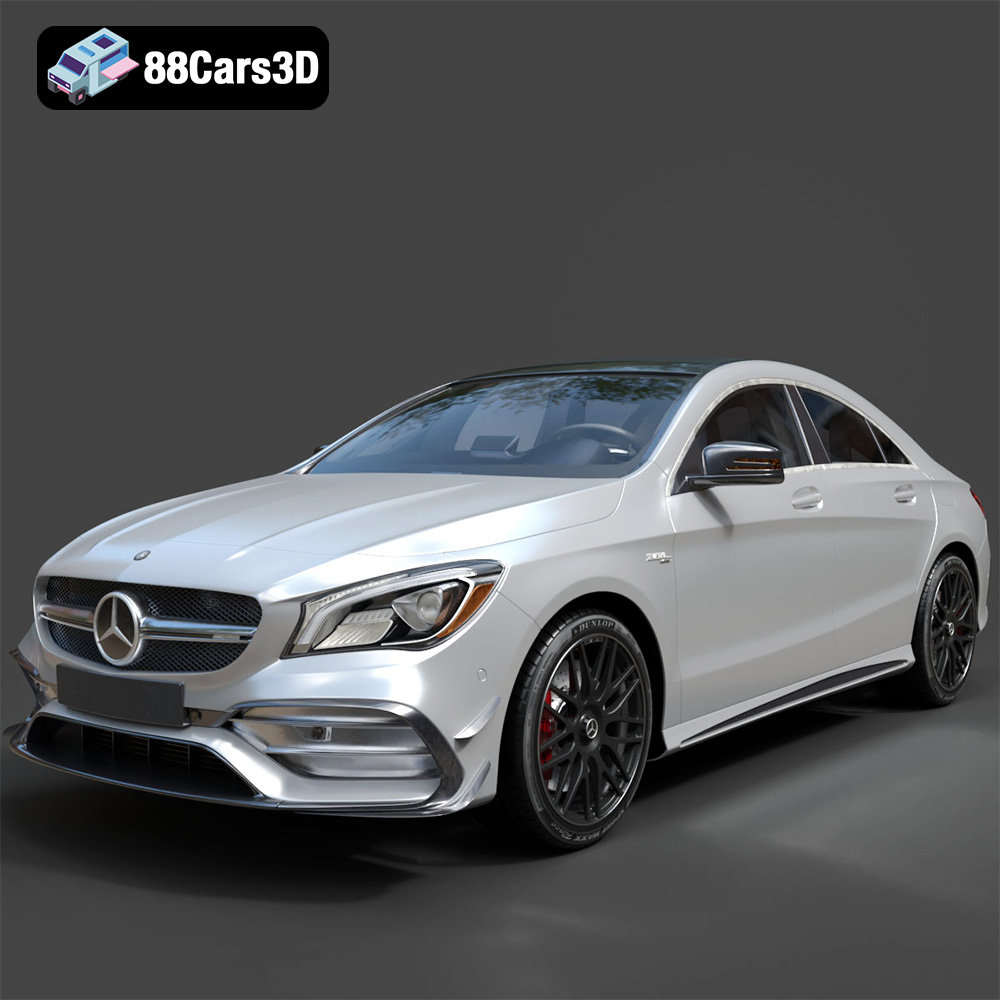
Download the Mercedes-Benz CLA45 AMG 2017 3D Model featuring clean geometry, realistic detailing, and a fully modeled interior. Includes .blend, .fbx, .obj, .glb, .stl, .ply, .unreal, and .max formats for rendering, simulation, and game development.
Price: $38.99
Texture: Yes
Material: Yes
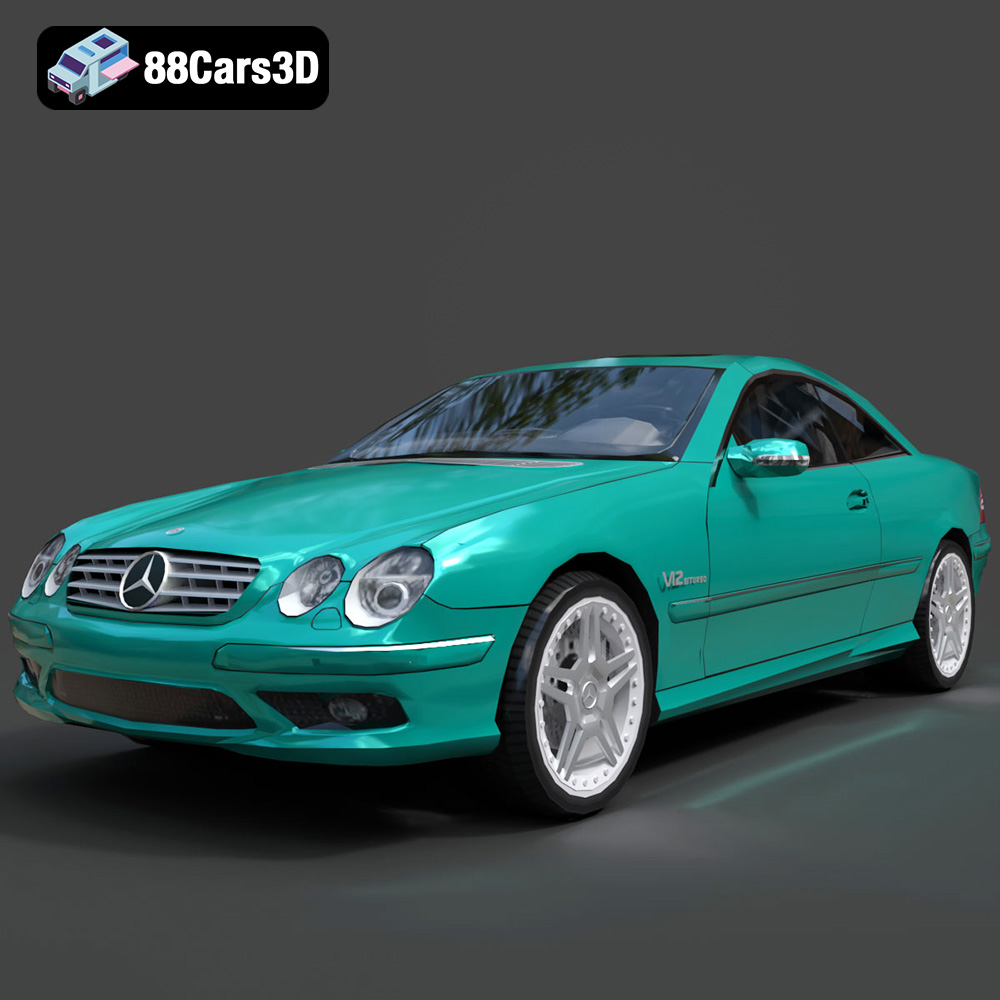
Download the Mercedes-Benz CL65 C215 AMG 3D Model featuring clean geometry, realistic detailing, and a fully modeled interior. Includes .blend, .fbx, .obj, .glb, .stl, .ply, .unreal, and .max formats for rendering, simulation, and game development.
Price: $23.99
Texture: Yes
Material: Yes
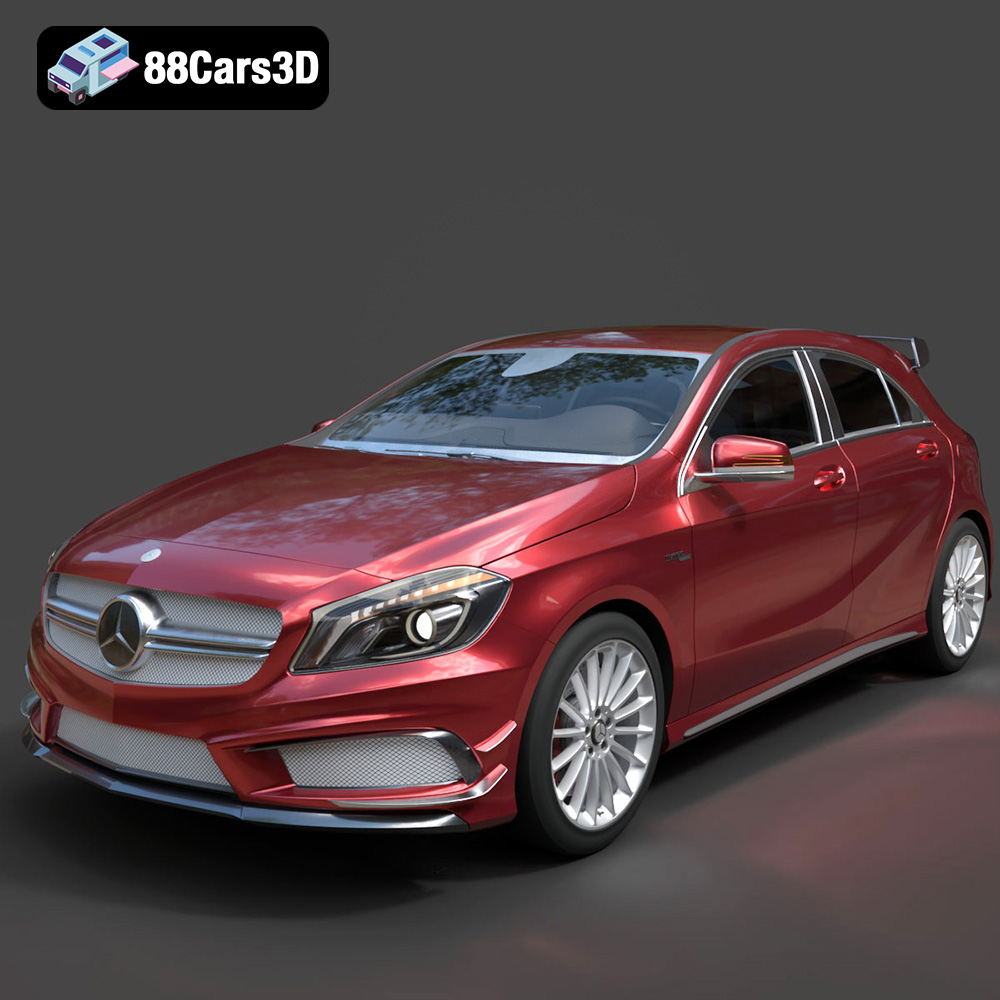
Download the Mercedes-Benz A45 2021 3D Model featuring clean geometry, realistic detailing, and a fully modeled interior. Includes .blend, .fbx, .obj, .glb, .stl, .ply, .unreal, and .max formats for rendering, simulation, and game development.
Price: $23.99
Texture: Yes
Material: Yes
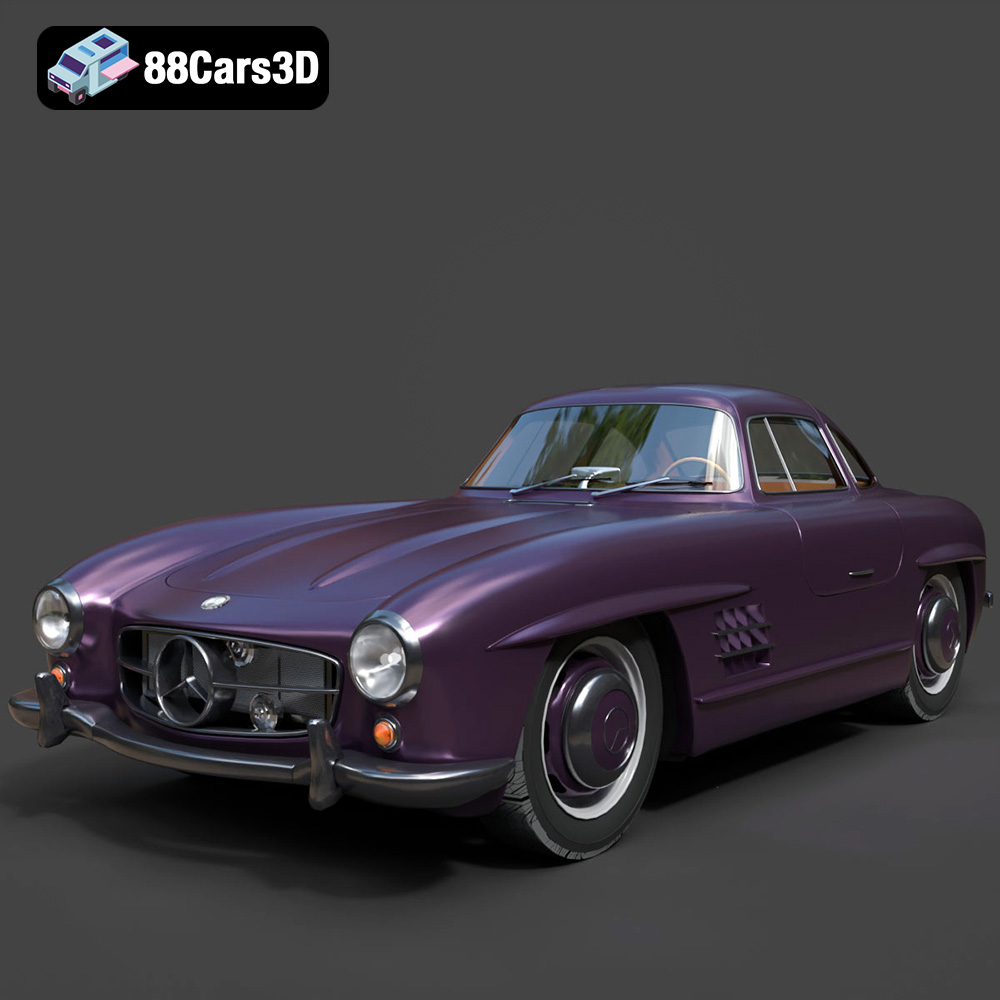
Download the Mercedes-Benz 300SL 1955 3D Model featuring clean geometry, realistic detailing, and a fully modeled interior. Includes .blend, .fbx, .obj, .glb, .stl, .ply, .unreal, and .max formats for rendering, simulation, and game development.
Price: $23.99
Texture: Yes
Material: Yes
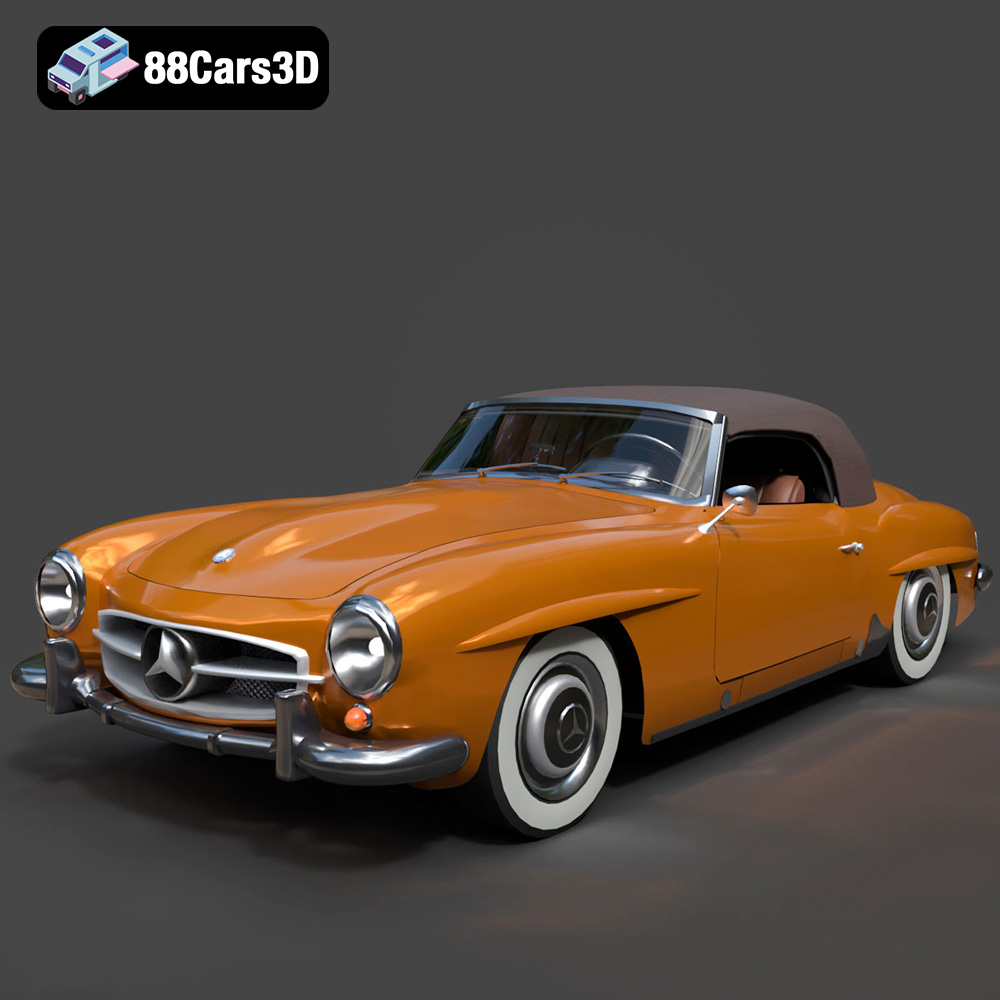
Download the Mercedes-Benz 190SL 1955 3D Model featuring clean geometry, realistic detailing, and a fully modeled interior. Includes .blend, .fbx, .obj, .glb, .stl, .ply, .unreal, and .max formats for rendering, simulation, and game development.
Price: $23.99
Texture: Yes
Material: Yes
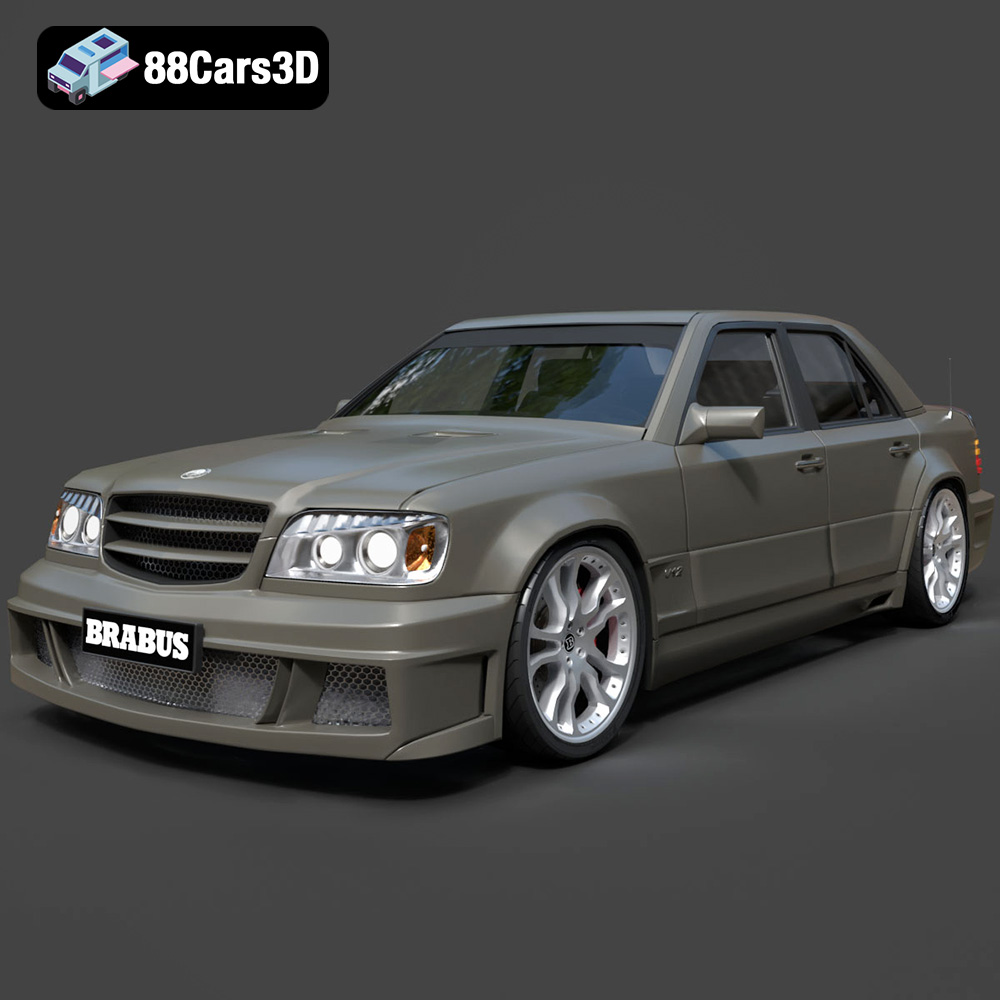
Download the Mercedes-Benz W124 Brabus V12 3D Model featuring clean geometry, realistic detailing, and a fully modeled interior. Includes .blend, .fbx, .obj, .glb, .stl, .ply, .unreal, and .max formats for rendering, simulation, and game development.
Price: $23.99
Texture: Yes
Material: Yes
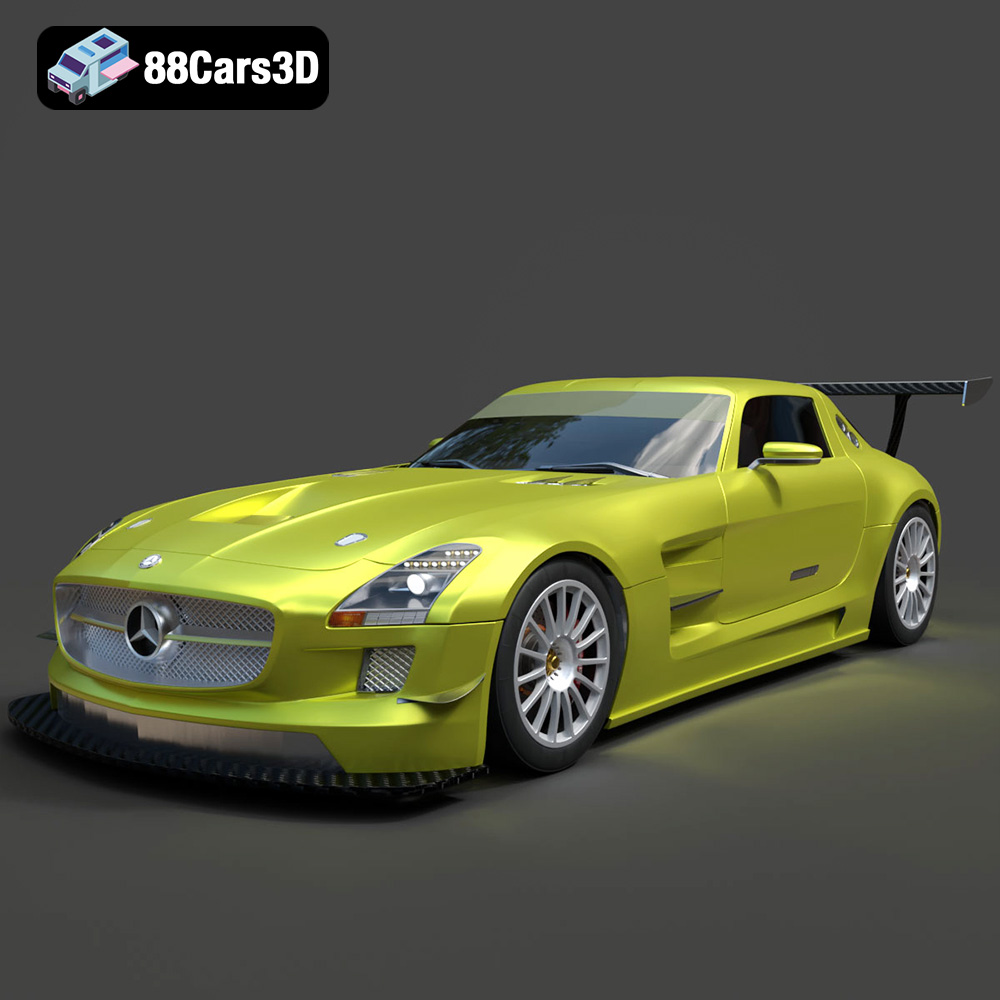
Download the Mercedes-Benz SLS AMG GT3-002 3D Model featuring clean geometry, realistic detailing, and a fully modeled interior. Includes .blend, .fbx, .obj, .glb, .stl, .ply, .unreal, and .max formats for rendering, simulation, and game development.
Price: $38.99

Texture: Yes
Material: Yes
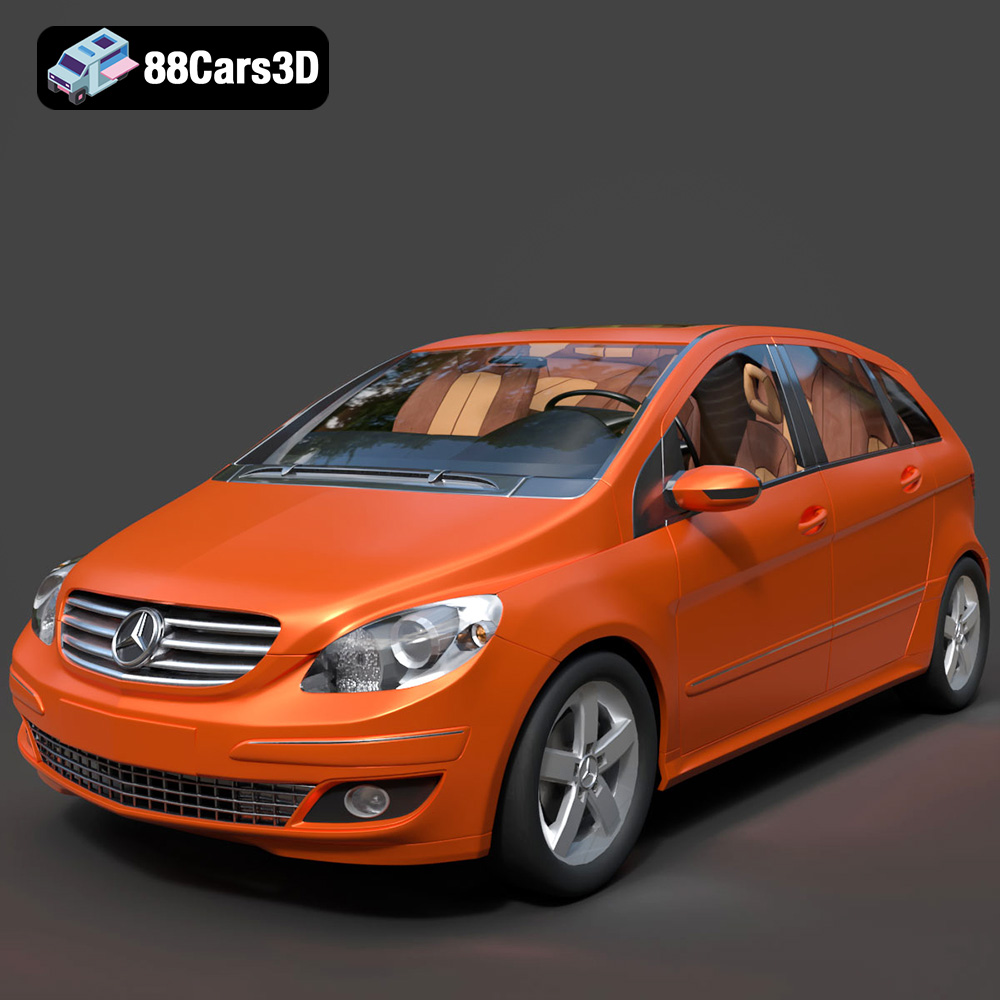
Download the Mercedes-Benz C-Class-001 3D Model featuring clean geometry, realistic detailing, and a fully modeled interior. Includes .blend, .fbx, .obj, .glb, .stl, .ply, .unreal, and .max formats for rendering, simulation, and game development.
Price: $38.99
Texture: Yes
Material: Yes
Download the Mercedes-Benz B-Klasse 2023 3D Model featuring clean geometry, realistic detailing, and a fully modeled interior. Includes .blend, .fbx, .obj, .glb, .stl, .ply, .unreal, and .max formats for rendering, simulation, and game development.
Price: $38.99
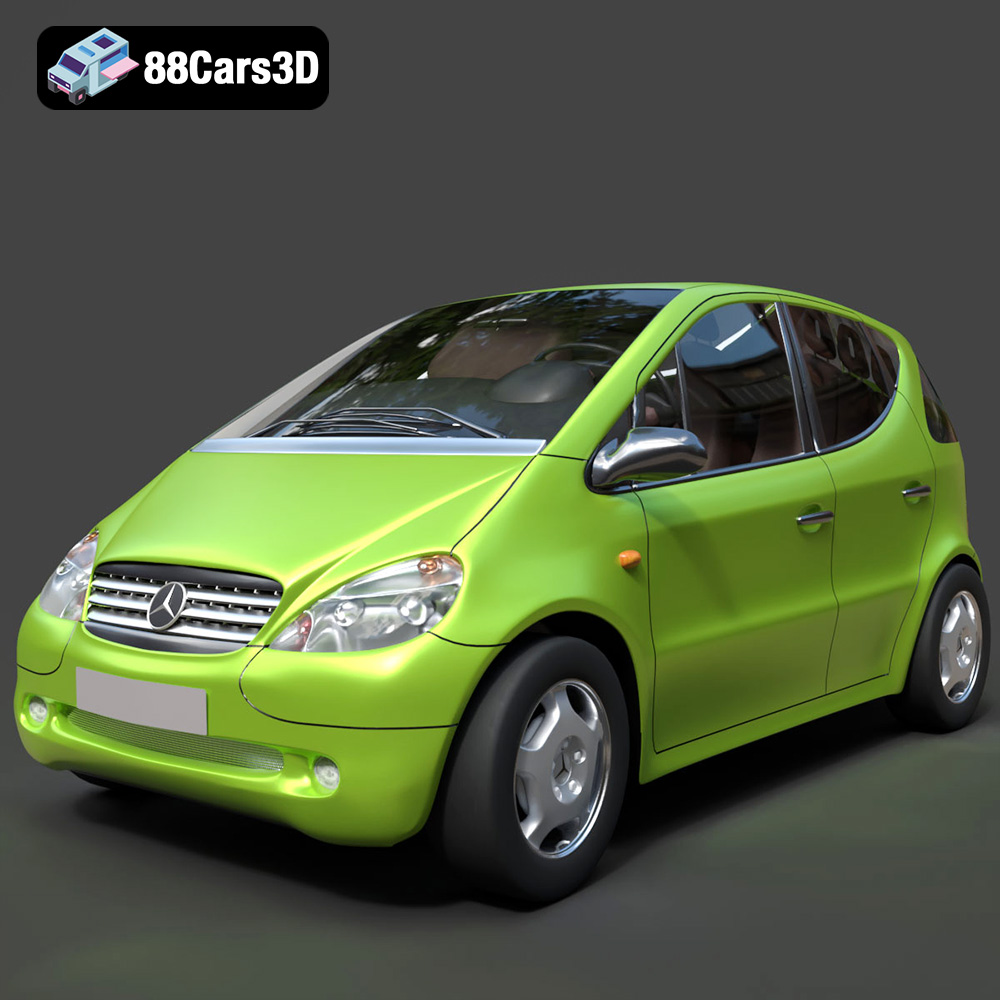
Texture: Yes
Material: Yes
Download the Mercedes-Benz A-Klasse W168 3D Model featuring clean geometry, realistic detailing, and a fully modeled interior. Includes .blend, .fbx, .obj, .glb, .stl, .ply, .unreal, and .max formats for rendering, simulation, and game development.
Price: $38.99
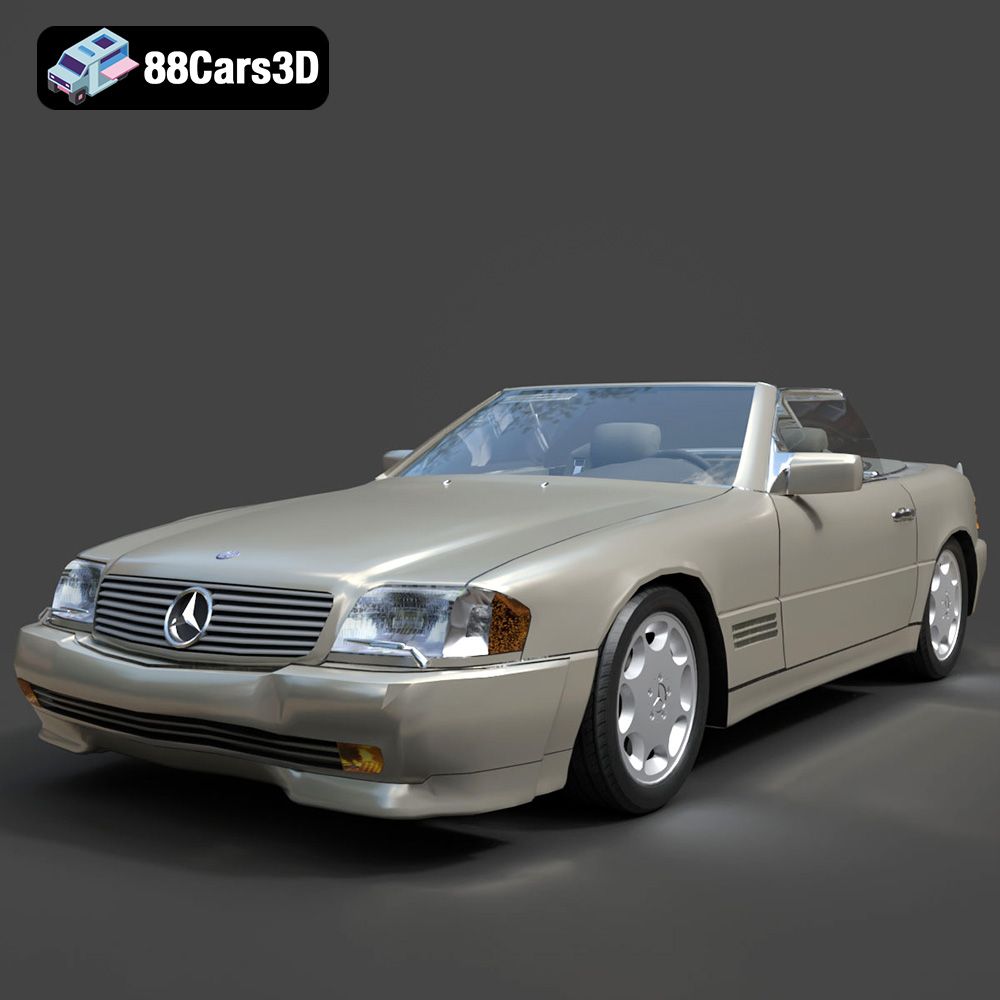
Texture: Yes
Material: Yes
Download the Mercedes-Benz 500SL 2000 3D Model featuring clean geometry, realistic detailing, and a fully modeled interior. Includes .blend, .fbx, .obj, .glb, .stl, .ply, .unreal, and .max formats for rendering, simulation, and game development.
Price: $38.99
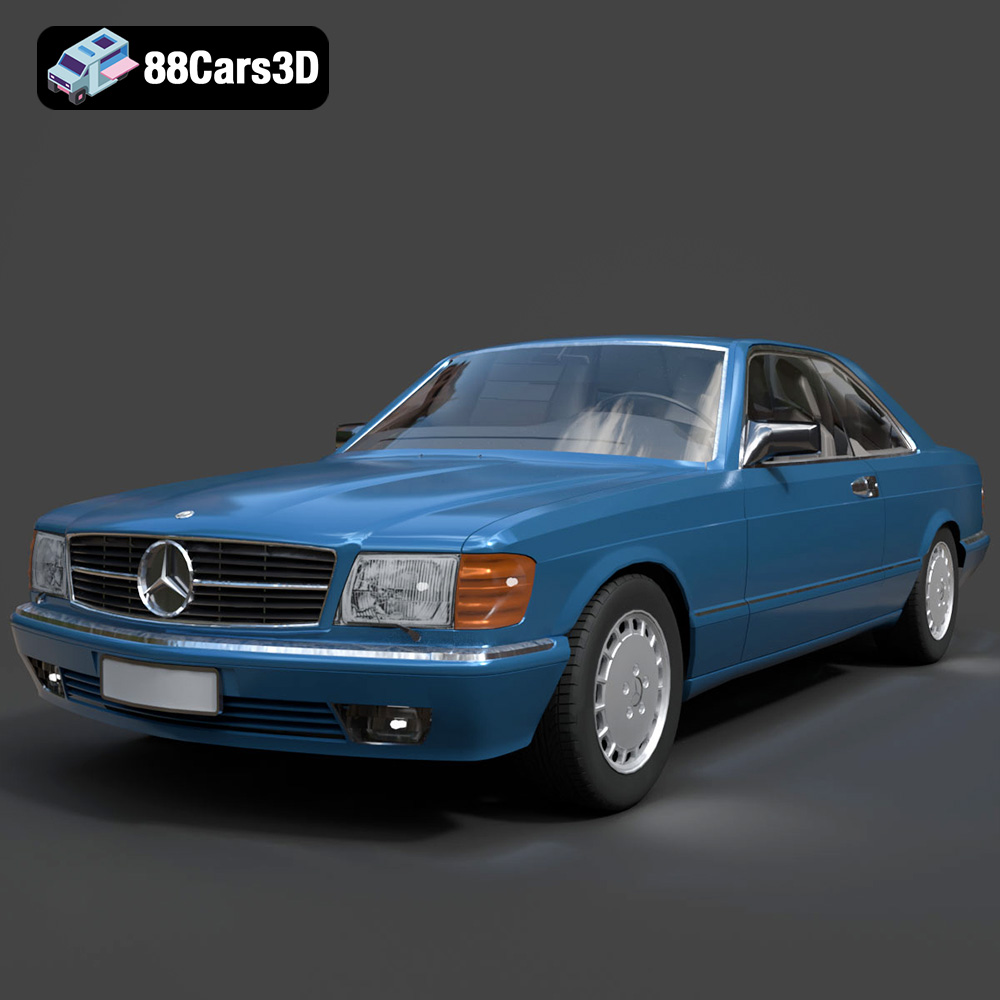
Texture: Yes
Material: Yes
Download the Mercedes-Benz 500SEC 3D Model featuring clean geometry, realistic detailing, and a fully modeled interior. Includes .blend, .fbx, .obj, .glb, .stl, .ply, .unreal, and .max formats for rendering, simulation, and game development.
Price: $38.99
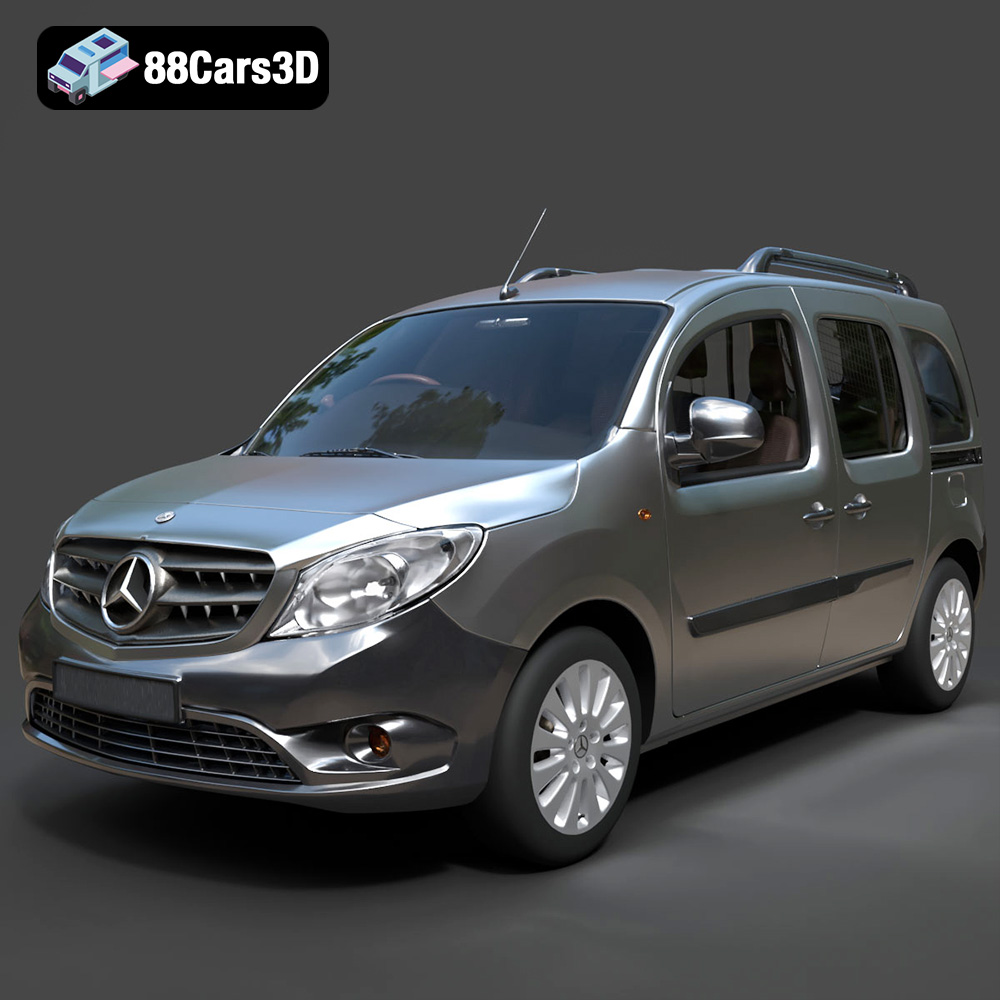
Texture: Yes
Material: Yes
Download the Mercedes-Benz Citan 2025 3D Model featuring clean geometry, realistic detailing, and a fully modeled interior. Includes .blend, .fbx, .obj, .glb, .stl, .ply, .unreal, and .max formats for rendering, simulation, and game development.
Price: $38.99
Texture: Yes
Material: Yes
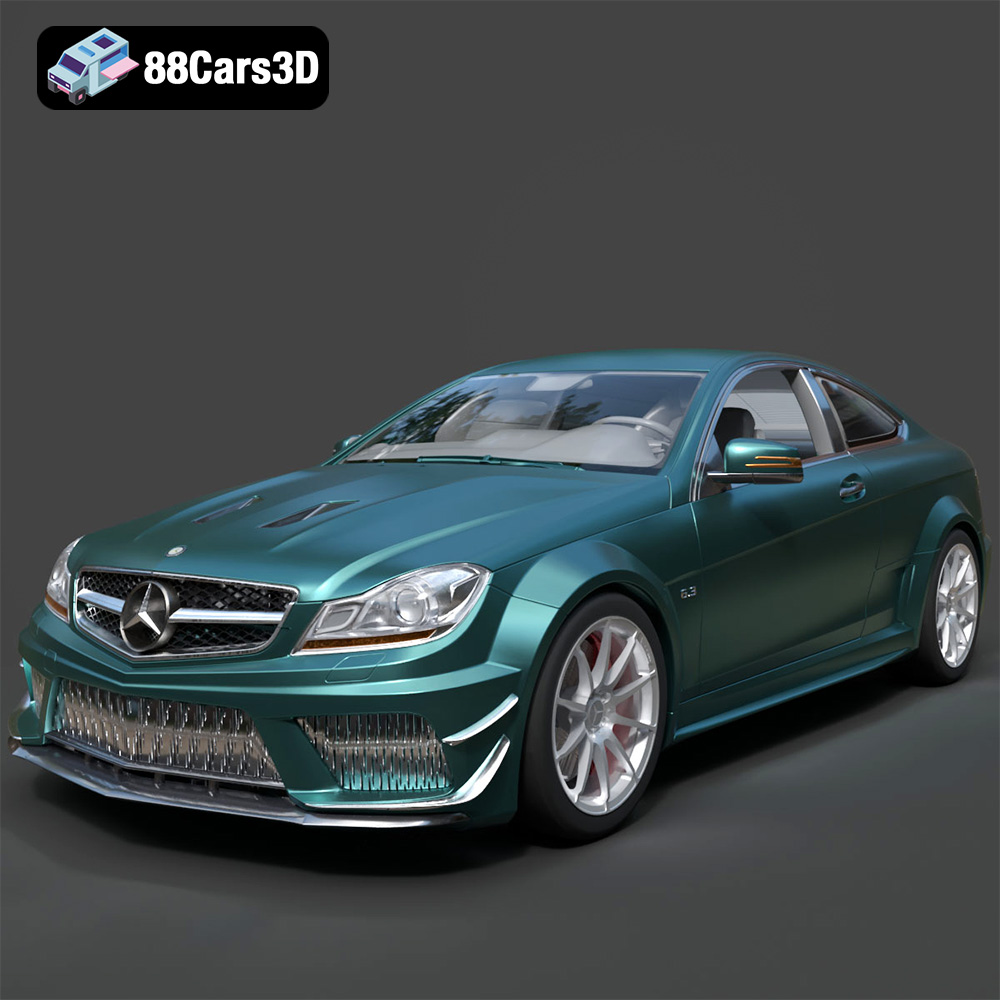
Download the Mercedes-Benz C63 AMG 2012 3D Model featuring clean geometry, realistic detailing, and a fully modeled interior. Includes .blend, .fbx, .obj, .glb, .stl, .ply, .unreal, and .max formats for rendering, simulation, and game development.
Price: $38.99
Texture: Yes
Material: Yes
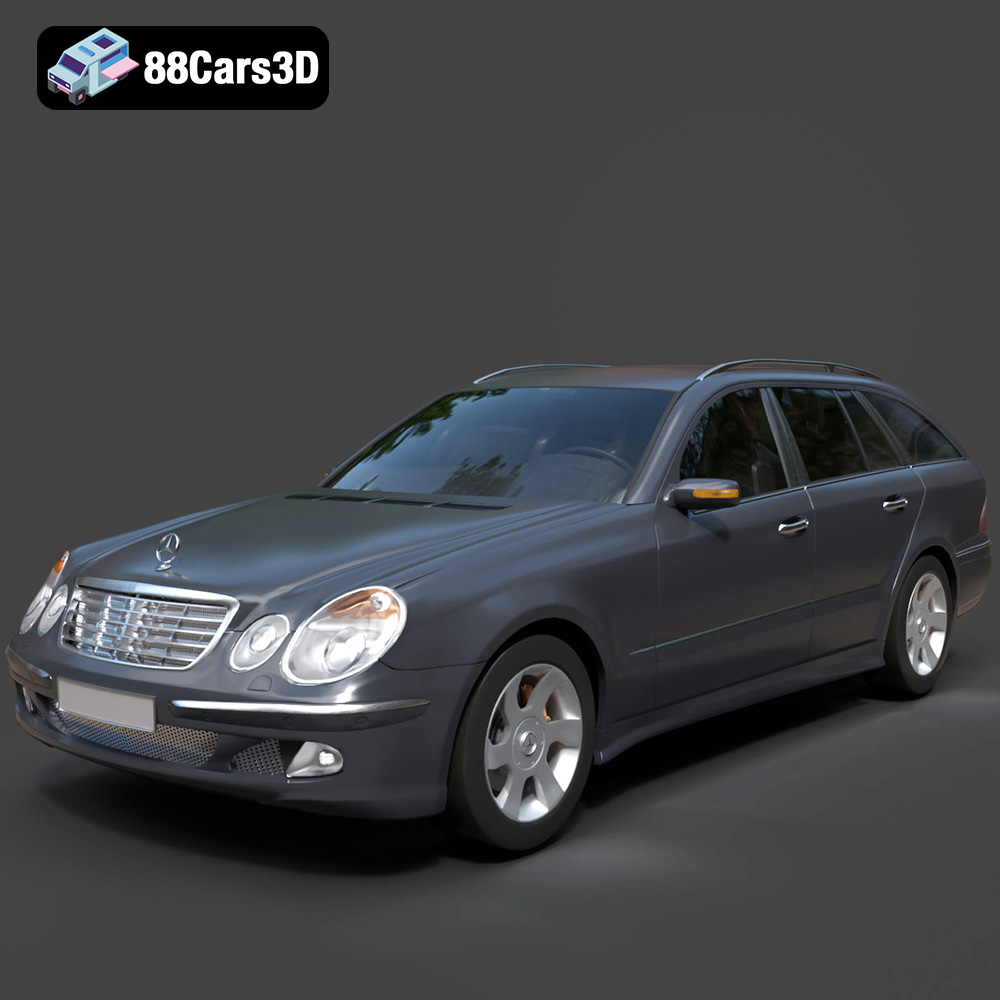
Download the Mercedes-Benz E-Class S211 3D Model featuring clean geometry, realistic detailing, and a fully modeled interior. Includes .blend, .fbx, .obj, .glb, .stl, .ply, .unreal, and .max formats for rendering, simulation, and game development.
Price: $38.99
Texture: Yes
Material: Yes
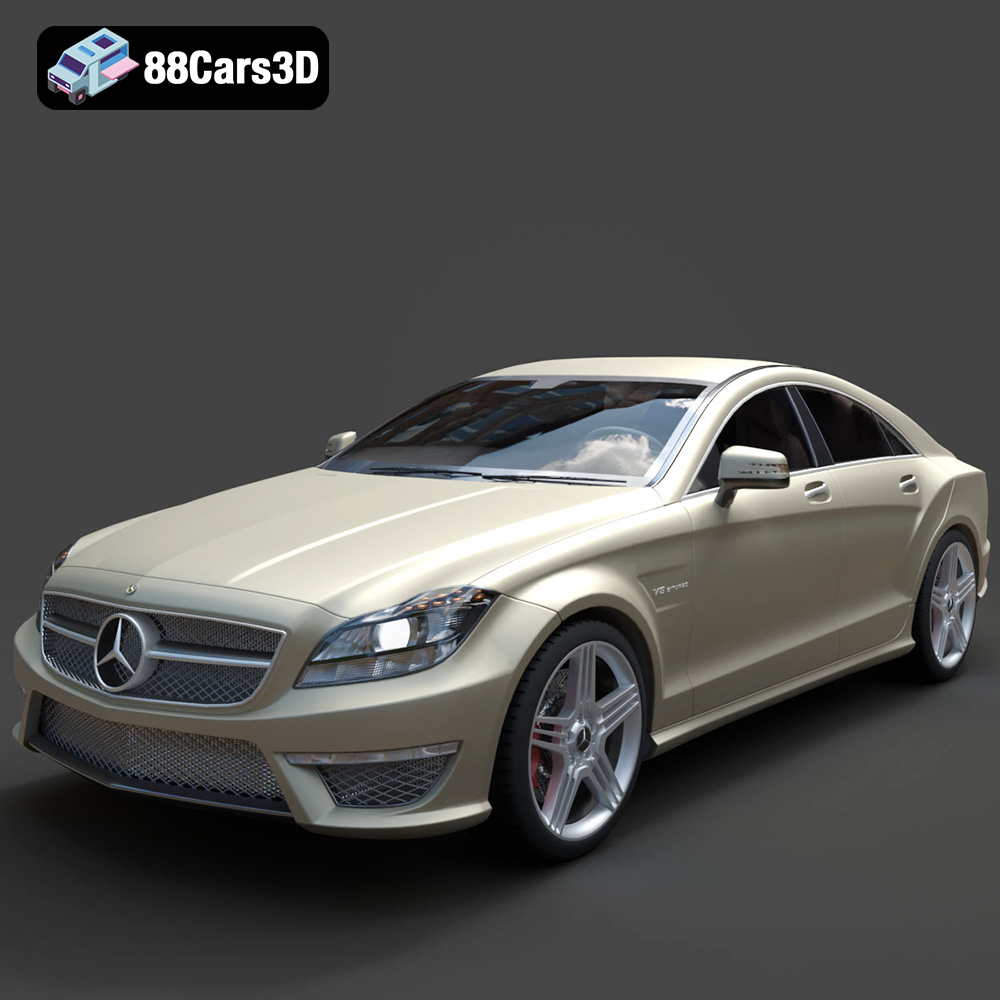
Download the Mercedes-Benz CLS63 AMG (C218) 2014 3D Model featuring clean geometry, realistic detailing, and a fully modeled interior. Includes .blend, .fbx, .obj, .glb, .stl, .ply, .unreal, and .max formats for rendering, simulation, and game development.
Price: $38.99
Texture: Yes
Material: Yes
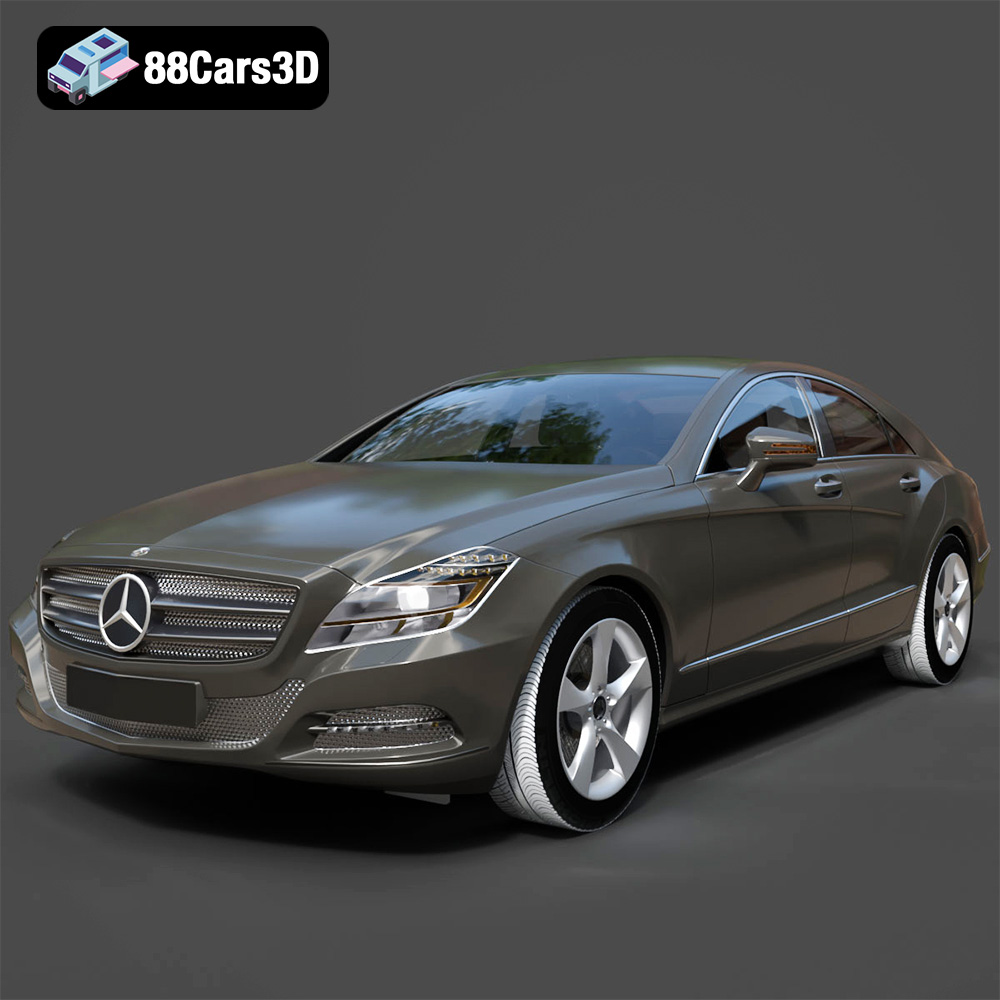
Download the Mercedes-Benz CLS-Klasse 3D Model featuring clean geometry, realistic detailing, and a fully modeled interior. Includes .blend, .fbx, .obj, .glb, .stl, .ply, .unreal, and .max formats for rendering, simulation, and game development.
Price: $38.99

