The Professional’s Guide to Automotive Visualization: From Photoreal Renders to Real-Time Game Assets

The Professional’s Guide to Automotive Visualization: From Photoreal Renders to Real-Time Game Assets
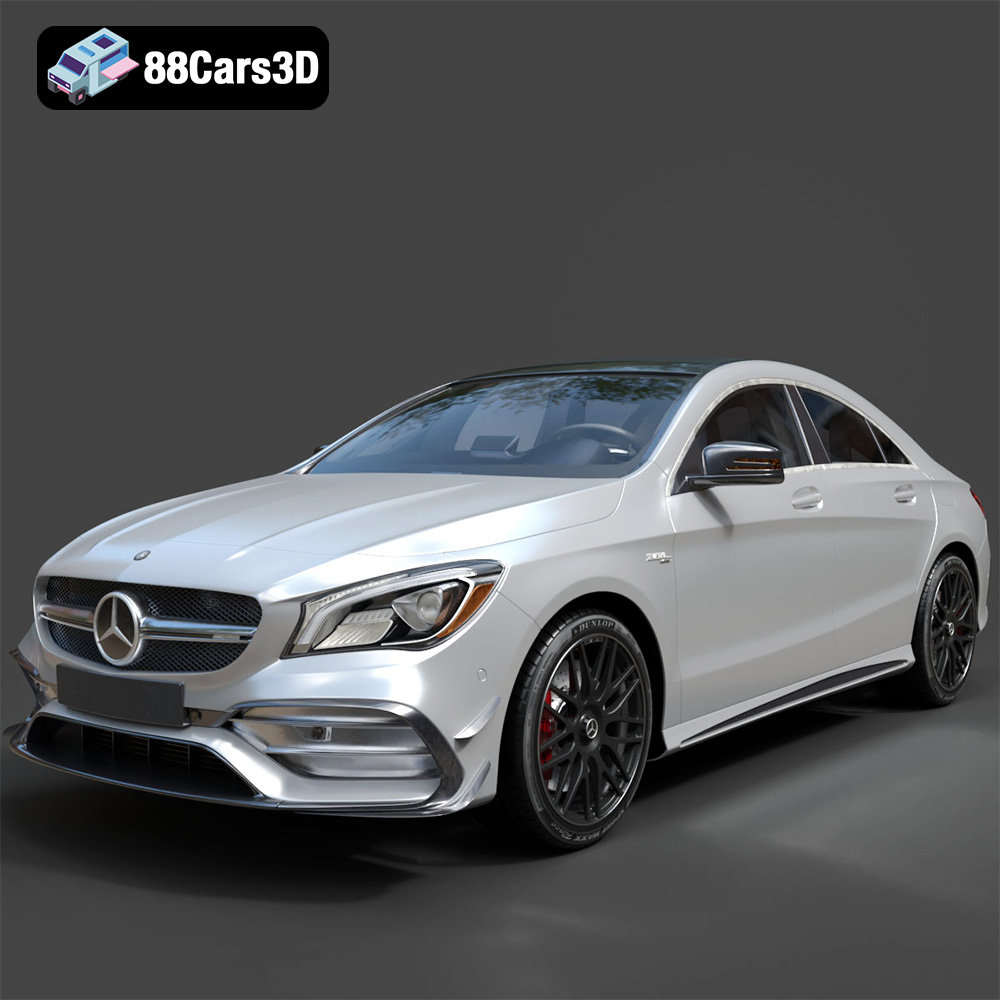
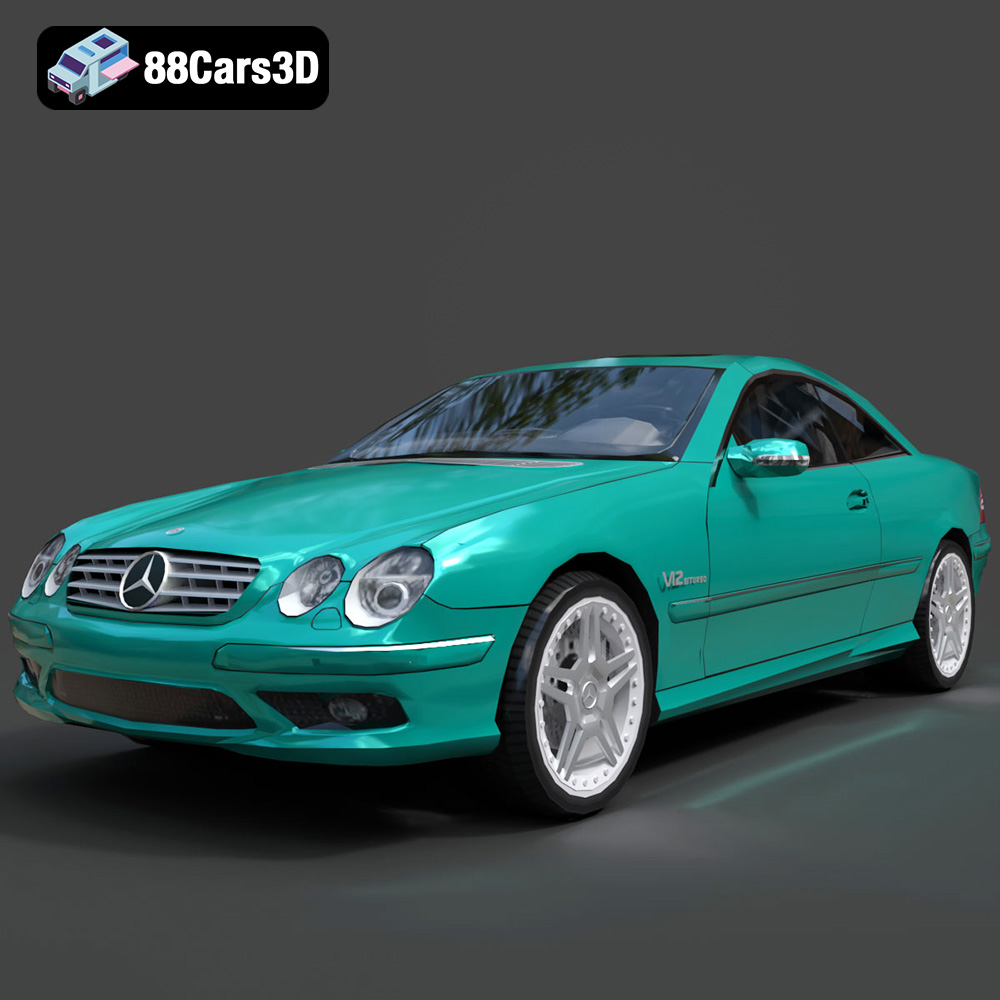
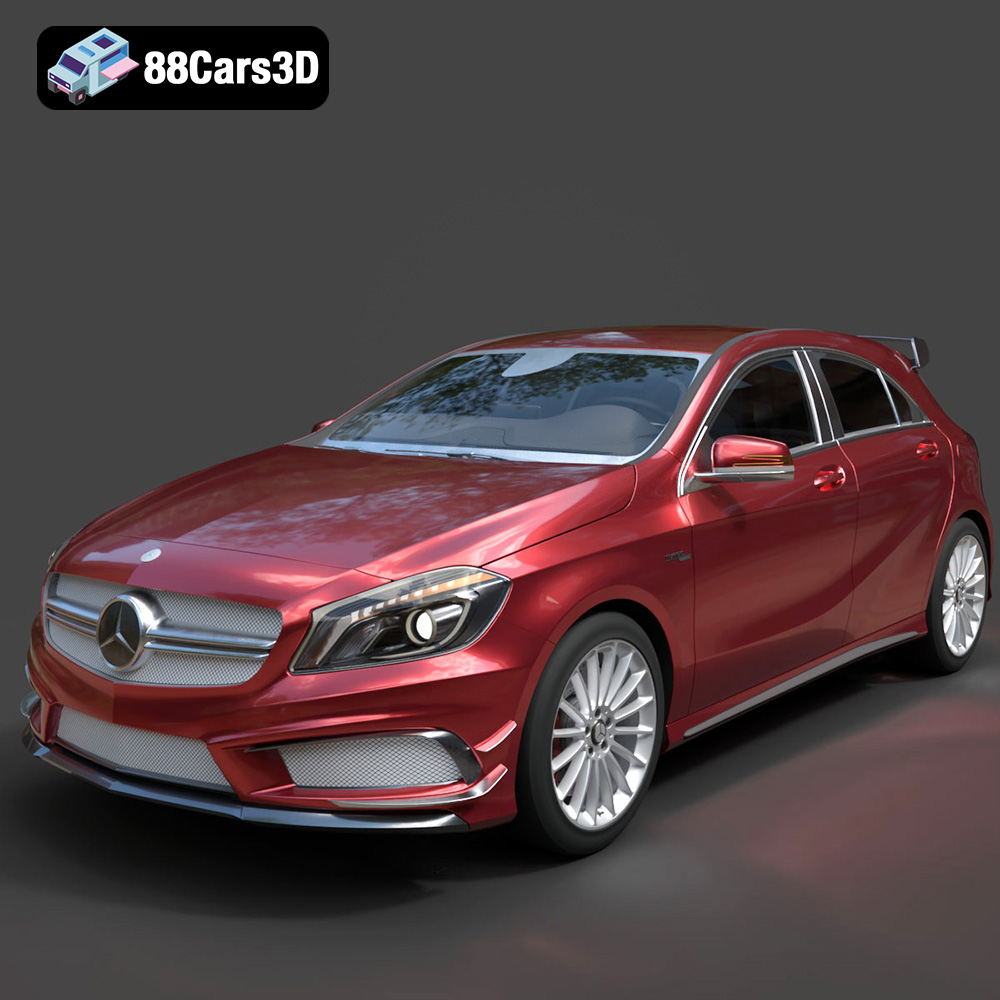
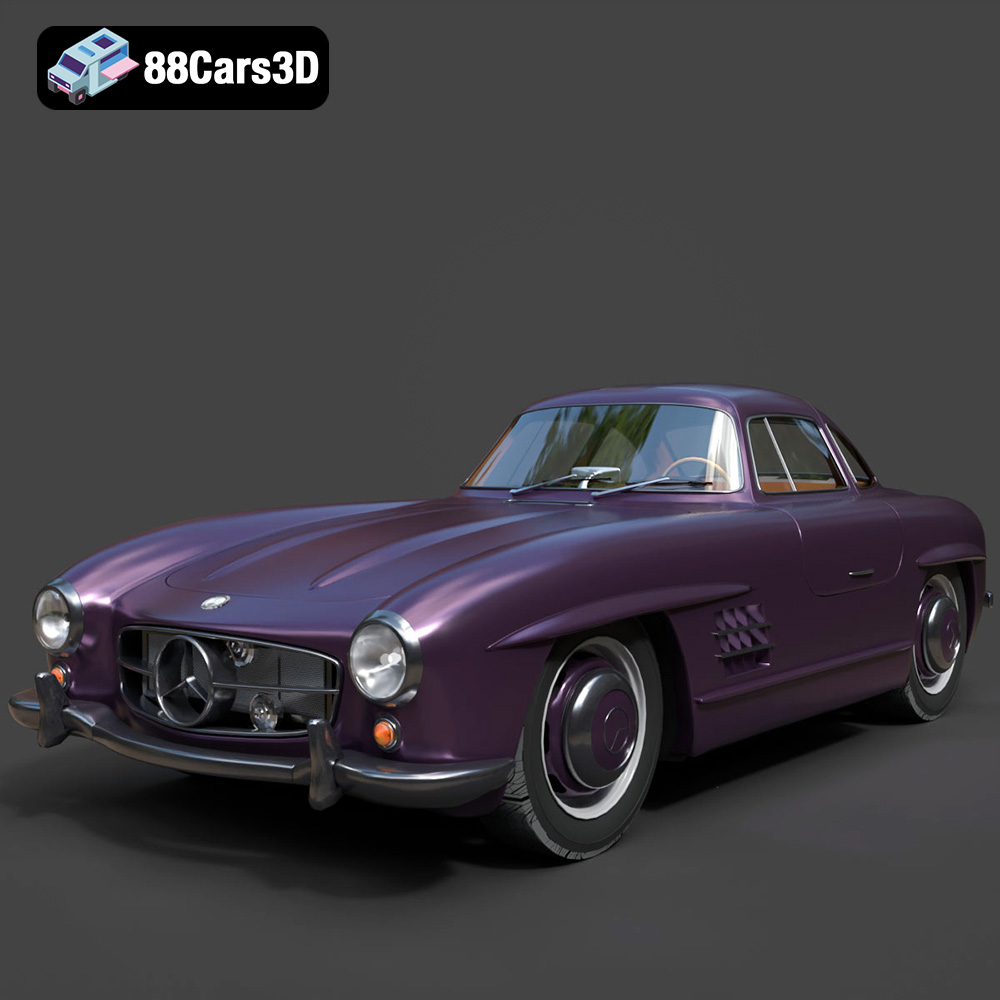
In the world of digital content, few subjects are as captivating or as technically demanding as the automobile. From hyper-realistic marketing renders that grace billboards to the high-octane vehicles in blockbuster video games, the demand for high-fidelity 3D car models has never been greater. Creating these complex assets from scratch is a monumental task, requiring hundreds of hours of meticulous modeling, texturing, and shading. This is where professional-grade, ready-to-use 3D models become an indispensable part of the modern production pipeline. This guide delves into the technical intricacies of selecting, preparing, and deploying high-quality 3D car models for photorealistic automotive rendering and as optimized game assets.
Section 1: Selecting the Right 3D Car Model: The Foundation of Quality
The final quality of your render or game is directly tied to the quality of the initial asset. Not all 3D car models are created equal. Understanding the key technical specifications is the first step towards achieving a professional result and avoiding hours of frustrating rework.
Decoding Model Specifications: Polygons, Topology, and Detail
The first thing most artists look at is the polygon count. This is a crucial metric, but it only tells part of the story.
- High-Polygon Models (For Rendering): These models often exceed 500,000 to several million polygons. They are designed for offline rendering where performance is secondary to detail. The key here is not just the high count, but the topology—the flow and structure of the polygons. Look for models built with clean, quad-based topology. This ensures smooth surfaces when subdivision modifiers (like 3ds Max’s TurboSmooth or Blender’s Subdivision Surface) are applied, preventing pinching and shading artifacts on curved surfaces like fenders and hoods.
- Low-Polygon Models (For Real-Time/Games): These are optimized for performance and typically range from 50,000 to 150,000 polygons for a hero vehicle. Here, the topology is engineered for efficiency, maintaining the car’s silhouette while using the fewest polygons possible. The detail is then “baked” in from a high-poly source using normal maps.
- Level of Detail (LOD): A truly professional model, especially for visualization or games, includes a detailed interior, a modeled undercarriage, and sometimes even a basic engine bay. Check previews and descriptions to ensure the level of detail matches your project’s needs.
The Critical Role of UV Unwrapping and PBR Textures
A great model can be ruined by poor UVs and textures. This is a non-negotiable technical checkpoint.
- UV Unwrapping: UVs are the 2D representation of the 3D model’s surface, telling the software how to apply a 2D texture map. Good UVs are non-overlapping (unless intentionally stacked for optimization) and have minimal stretching or distortion. For ultra-high-resolution work, check for models that use UDIMs (U-Dimension), a tiling UV system that allows for multiple, massive texture maps on a single object.
- PBR (Physically Based Rendering) Materials: The industry standard for realism. A PBR workflow uses a set of texture maps to describe the physical properties of a surface. For a car, you should expect maps like Albedo (base color), Roughness (how matte or glossy a surface is), Metallic (is it a metal or non-metal), and Normal (adds fine surface detail). Starting with a meticulously crafted model from a reputable source like 88cars3d.com saves countless hours, as these textures are already professionally created and calibrated.
File Formats and Software Compatibility
Ensure the model you purchase is compatible with your primary software.
- .max / .blend: Native files for 3ds Max and Blender. These are often the best choice as they come with materials and render settings pre-configured for specific render engines like V-Ray, Corona, or Cycles.
- .fbx: The industry standard for interchange. It preserves mesh data, UVs, basic material assignments, and even animation. It’s the best format for moving assets between different software, such as from 3ds Max to Unreal Engine.
- .obj: A simpler, older format. It’s reliable for mesh data but often loses material and shader information, requiring you to rebuild materials from scratch.
Section 2: Prepping Your Model for High-Fidelity Automotive Rendering
Once you have a high-quality model, the next step is to place it in a scene and tune the lighting and materials to achieve photorealism. The workflow varies slightly between different software and render engines.
Workflow in 3ds Max with V-Ray/Corona
This combination is a powerhouse for commercial automotive visualization.
- Scene Setup: Import or merge your .max file. The model should load with V-Ray or Corona materials already applied. Create a simple ground plane with a matte/shadow catcher material to catch shadows and reflections.
- Lighting: The fastest way to achieve realistic lighting is with an HDRI (High Dynamic Range Image). Load a high-resolution HDRI (at least 8K) into a V-Ray Dome Light or Corona Bitmap. This will provide both the global illumination and the crisp reflections essential for defining the car’s shape.
- Camera Setup: Use a physical camera. A focal length between 50mm and 85mm is typical for automotive shots to minimize perspective distortion. Enable a shallow depth of field (low F-stop number) to draw focus to a specific part of the car, like a headlight or badge.
Workflow in Blender with Cycles
Blender’s Cycles is an incredibly powerful path tracer capable of stunning results.
- Import and Inspect: Use File > Append to bring the car model and its materials from the .blend file into your scene. This preserves the pre-built shader networks. Open the Shader Editor to inspect the material nodes.
- World Setup: In the World Properties tab, set the Surface color to “Environment Texture” and load your HDRI. This immediately provides realistic lighting and reflections.
- Material Refinement: The key to realism is in the details. Use the Node Editor to add subtle imperfections. For example, mix the base Roughness map with a procedural noise or grunge texture using a MixRGB node to break up the perfectly uniform reflections, mimicking fine dust or water spots.
Section 3: The Art of Car Paint Shaders
Car paint is one of the most complex materials to replicate in CG. A proper car paint shader is multi-layered and is often the make-or-break element of a render.
The Three Essential Layers
- Base Coat: This is the fundamental color of the car. In PBR terms, this is controlled by the Albedo map. For metallic paints, this layer will have a high “Metallic” value.
- Flake Layer: This simulates the small metallic flakes suspended in the paint. This is often created using a procedural noise texture (like V-Ray Flakes or a noise texture in Cycles) that drives the normal or color of a secondary reflective layer. The flakes should have a slightly different color and higher roughness than the base coat to catch the light at different angles.
- Clear Coat: This is the top-most, highly reflective varnish layer. Most modern render engines have a dedicated “Coat” parameter in their primary material. This adds a second layer of specular reflection on top of everything else. It should be perfectly smooth (low roughness) and fully transparent.
Dialing in Realism
To push your renders to the next level, focus on imperfections. Even a brand-new car isn’t perfect. Add a very subtle “orange peel” effect to the clear coat’s normal map. Apply a faint grunge or dust map to the clear coat’s roughness input to simulate a surface that isn’t fresh from the factory. The 3D car models from marketplaces like 88cars3d.com often come with high-quality, layered car paint shaders, providing an excellent starting point for this kind of detailed tuning.
Section 4: Optimizing 3D Car Models for Real-Time Game Engines
Using a car model in a game engine like Unreal Engine or Unity is a completely different discipline. The goal is to preserve visual fidelity while ensuring the application runs at a smooth frame rate. This process is all about optimization.
Polygon Reduction and LOD Creation
You cannot simply drop a 1-million-polygon model into a game. The first step is creating a low-poly, game-ready mesh.
- Retopology: This is the process of creating a new, clean, low-poly mesh over the top of the high-poly source model. While this can be done manually, for a complex asset like a car, artists often use automated tools like Quad Remesher or the built-in tools in 3ds Max/Blender to generate a base.
- Level of Detail (LODs): A crucial optimization. You need to create several versions of the model at decreasing levels of detail.
- LOD0: The highest quality version, used when the player is close (50k-150k polys).
- LOD1: A reduced version, used at a medium distance (25k-70k polys).
- LOD2/3: Heavily simplified versions for long distances, sometimes just a silhouette (under 10k polys).
The game engine automatically switches between these LODs based on the camera’s distance to the object.
Baking: Transferring Detail
How does a low-poly model look detailed? By “baking” maps from the high-poly model. This process projects the surface details of the high-poly mesh onto the UVs of the low-poly mesh and saves that information as a texture map.
- Normal Map: The most important baked map. It fakes the lighting of high-poly details on the low-poly surface, creating the illusion of complexity without adding any geometry.
- Ambient Occlusion (AO): This map pre-calculates contact shadows in crevices and corners, adding depth and grounding the object in the scene.
- Other Maps: You can also bake Curvature maps (to detect edges for wear-and-tear effects) and Thickness maps (for subsurface scattering effects).
Section 5: Case Study: A Car in Unreal Engine 5
Let’s walk through a simplified workflow of getting a car model ready for a real-time cinematic in Unreal Engine 5.
Import and Material Setup
- Export from DCC: From your 3D software (3ds Max, Blender), export the optimized, low-poly LOD0 mesh as an FBX file. Ensure “triangulate” and “embed media” are turned off. Export textures separately.
- Import into UE5: Drag the FBX and texture files into the UE5 Content Drawer. In the import settings, ensure “Generate Missing Collisions” is checked and “Build Nanite” is unchecked (for now, Nanite is not ideal for deformable objects like cars with animated wheels).
- Master Material: Create a single “MM_Car_Master” material. Inside this material, build the logic for all possible surface types: car paint, glass, chrome, rubber, plastic. Use Texture Sample nodes for your PBR maps and expose parameters (like color, roughness, metallic values) so you can create variations easily.
- Material Instances: Right-click your master material and create a Material Instance for each part of the car (e.g., MI_CarPaint_Red, MI_Tire, MI_Glass). In these instances, you can assign the correct textures and tweak the exposed parameters without recompiling the main shader. This is a highly efficient workflow for complex game assets.
Lighting and Rendering a Cinematic
UE5’s Lumen and Path Tracer have revolutionized real-time automotive rendering.
- Lighting: Place a Sky Light (with a real-time captured scene or HDRI cubemap) and a Directional Light (for the sun) in your level. Lumen, UE5’s dynamic global illumination system, will provide realistic bounced light and soft shadows automatically.
- Reflections: For the highest quality reflections on the car body, use a Post Process Volume and enable Lumen Reflections with a high quality setting. For perfect, sharp reflections, you can switch the viewport to the Path Tracer, which behaves like an offline renderer such as V-Ray or Cycles.
- Sequencer: Open the Sequencer tool to create a cinematic. Add your car model and a CineCamera Actor to the sequence. You can then keyframe the car’s position and the camera’s movement, focal length, and focus distance to create professional, dynamic automotive shots entirely in real-time.
Conclusion: The Smart Path to Professional Results
Mastering the use of 3D car models is a gateway to producing world-class visualizations, whether for static automotive rendering or for interactive real-time applications. The journey begins with a crucial choice: selecting a technically sound, high-quality asset. Understanding the difference between a render-ready model and an optimized game asset, and knowing the specific workflows for preparing each, is what separates amateur work from professional productions. By leveraging top-tier assets from specialized marketplaces and applying the technical principles of lighting, shading, and optimization, you can significantly accelerate your pipeline and focus your creative energy on what truly matters: creating stunning, believable, and impactful imagery. Investing in a solid foundation is always the smartest move, and in the world of 3D, that foundation is a flawless model.
Featured 3D Car Models